


Abstract
As tangible relics of modern colonial history, Manchurian regime (Manchukuo) architecture of Changchun possesses both historical commemorative value and tourism and cultural functions. Public perception and sentiment regarding this heritage in the contemporary social media context are key dimensions for evaluating the effectiveness of cultural regeneration. Existing research on Manchurian regime architecture has focused primarily on historical research and architectural form analysis, with limited research examining the diverse public interpretations of its cultural value through multi-platform social media data. This study aims to systematically explore the public’s cognitive characteristics, sentimental attitudes, and themes of interest regarding Changchun’s Manchurian regime architecture using online ethnographic data, providing empirical support for optimizing cultural regeneration pathways for Manchurian regime architectural heritage. The study collected data from 1 January 2020 to 20 September 2025, using the keyword “Changchun Manchurian regime architecture”. Using Python crawlers, the study extracted 334 original videos and 18,156 related comments from Douyin, Ctrip, and Dianping. The analysis was conducted using word frequency statistics, SnowNLP sentiment analysis, LDA topic modeling, and multidimensional visualization. The study found that (1) word frequency statistics show that the public has multiple concerns about the historical symbols, geographical positioning, cultural and tourism functions, and national emotions of Manchurian regime architecture; (2) SnowNLP analysis shows that positive comments account for 71%, neutral comments account for 11%, and negative comments account for 18%; (3) the optimal number of topics was determined to be five through perplexity and consistency indicators, namely “historical narrative and imperial power symbols”, “emotional experience and historical reflection”, “visit experience and service facilities”, “site distribution and regional space”, and “explanation and tour evaluation”; (4) the corpus can be divided into five time period stages, namely S1 (2020)–S5 (2024–2025), reflecting the shift in public attention from “space-facilities” to in-depth reflection on “emotion-history”.
1. Introduction
1.1. Research Background
The Manchurian regime (or Manchukuo) (1932–1945) was a puppet regime created by Japanese colonialists [1,2]. The founding ideology of Manchurian regime directly reflected the colonialists’ aggressive intentions [3]. Northeast China was subsequently added to Japan’s colonial jurisdiction. Thus, Japan preserved and used their own local traditions there for a time [4,5]. This also had a profound impact on the architecture of the Manchurian regime period. As the progress of urban construction in Manchurian regime accelerated, a number of modern landmark buildings were constructed in the Northeast [6,7,8]. From the Japanese perspective, they believed that architecture not only reflected the process of urbanization but also reflected the prosperity of the country. “The emerging country should have a bright and fresh appearance corresponding to it” [9]. The material cultural heritage left over from the Manchurian regime period is an indispensable part of historical and cultural resources. Such cultural heritage plays an important role, including conveying historical warnings and prompting the general public to think deeply about behavior in war. As Chinese traditional culture, architectural heritage, historical districts, and tourism continue to integrate and develop, these material cultural resources possess significant educational value and unique connotations. Today, it has become one of the keys to promoting regional cultural development and tourism economic growth.
Jilin Province, located in the center of the region during the Manchurian regime period, has preserved a large amount of architectural cultural heritage [10,11]. The Manchurian regime buildings are closer to the European architectural style in appearance and style and are separated from the traditional architectural style of the Northeast [12]. For example, structures of cultural heritage—the Museum of the Imperial Palace of Manchukuo, the Eight Great Departments Building Complex, etc.—together constitute historical relics [13]. The main function of the red cultural construction system is as a patriotic education base, as well as protecting Manchurian regime heritage. Through innovative exhibition methods, the steady growth of cultural tourism is achieved, and the demand potential of architectural heritage as a historical and cultural tourism is verified. However, there are still some problems with current cultural tourism development practices. First, the commentary in some areas fails to clearly reflect the local historical background and cultural origins, overemphasizing architectural esthetics while ignoring the cultural essence [14,15,16]. Second, there is an imbalance in resource distribution and development. The core cities receive the highest percentages of the resources for architectural heritage, while small- and medium-sized architectural heritage faces problems such as insufficient funds and limited tourists. Third, measurement methods and protection technologies are lagging. Most heritage sites still rely on traditional protection methods and have not been subject to targeted protection after professional monitoring. Therefore, the integration of culture and tourism in Jilin Province’s Manchurian regime-era cultural heritage is currently facing a period of policy benefits and contradictions. Currently, it is necessary to attain a balance between maintaining historical authenticity and enhancing tourism appeal, thereby achieving the cultural regeneration and development of architectural heritage, as well as the high-quality development of the regional cultural industry and historical heritage.
1.2. Literature Review
Capturing the dynamics of public perception of cultural heritage through digital platforms aligns with the shift in contemporary heritage conservation from expert-led to public-participation approaches. “Cultural Regeneration”, within UNESCO’s heritage conservation policy, emphasizes achieving cultural identity through authentic preservation and community engagement [17,18]. Urban regeneration theory focuses on revitalizing heritage spaces and renewing their functions to promote sustainable urban development [19,20]. Cultural memory research views heritage as a vehicle for collective memory, stimulating emotional resonance. These three core elements correspond to conservation, revitalization, and memory, respectively, and are interconnected in that they all use heritage as a medium for the transmission and innovation of cultural values. “Cultural regeneration” emphasizes reinvigorating historical buildings through innovative exhibitions and cultural integration, promoting regional development and economic growth, with its core being cultural and educational functions [21]. “Heritage revitalization” focuses on renovating to meet modern functional needs, achieving a harmonious coexistence of history and modernity, balancing historical authenticity with tourism appeal, and achieving high-quality development, with its core being tourism economic functions. The adoption of online ethnography will help to continuously increase the public’s attention to heritage protection, thereby improving its overall level of protection and development, and contribute to the practice of enriching and developing the architectural cultural heritage of Manchurian regime Period.
1.2.1. Research Status of Architecture During the Manchurian Regime Period
At the macro-planning level, architecture during the Manchurian regime period mainly served as a tool for colonial rule. During the Manchurian regime period, Changchun’s planning primarily focused on military and political facilities, utilizing a “dual axis and dual center” layout (Figure 1). That is, the political center was Xinmin Street, and the military center was the Kwantung Army Headquarters to strengthen colonial control. Its core features were the state-owned land management system and the separation of military, political, residential, and industrial land plunder and functional zoning [22,23]. At the architectural style level, to promote the so-called “five-race harmony” spirit of “Manchurian regime” (Manchukuo), the Japanese government used this method to cover up the fact that Manchurian regime was a puppet regime supported by Japan and deliberately highlighted its political intentions during urban construction. At the same time, efforts were made to avoid adopting European and American classicism and internationally popular architectural styles but instead to integrate some architectural forms that were in line with the characteristics of East Asian nations, creating the so-called “Imperial Crown Style” (帝冠様式/ていかんようしき) [24,25]. The construction of the newly emerging Manchurian regime capital, Xinjing, was mainly promoted by Japan, so most of the main buildings have very distinct political symbolic meanings. At present, the review of architectural styles mostly stays on the surface phenomenon of the combination of Chinese and Western styles and does not delve into the political intentions hidden behind eclecticism. The architecture of the Manchurian regime period was based on Western classicism, integrating Japanese “imperial crown” symbols with local elements, which was a way of “Oriental modernization” to cover up the essence of cultural invasion [12]. In addition, when classifying and evaluating the Manchurian regime architectural complex, existing studies have divided them into five categories, including military and political institutions, economic groups, and religious rituals. At the same time, it has been pointed out that the current research lacks systematic classification, which leads to a more fragmented understanding of the colonial logic of buildings with different functions [26]. Despite initially distinguishing the functions of buildings, this classification fails to establish a cross-category analytical framework. As a result, the symbolic meaning of military and political buildings and the logic of colonial control as it pertains to economic buildings are examined separately. For example, most studies [27,28] on religious ritual architecture focus on its formal integration, ignoring its connection with public facilities, thereby weakening Japan’s overall strategy of implementing cultural assimilation through architectural networks.
Figure 1.
Changchun City’s planning layout and buildings in the early 20th century. (a) Changchun City’s planning layout in the early 20th century; (b) “New Capital” urban planning and design; (c) Dehui Railway Station; (d) standard design drawings of second- and third-class station buildings on the Chinese Eastern Railway branch line. The non-English labels in the map are mainly place names and have no specific meanings.
Therefore, existing research on Manchurian regime-era architecture reveals its essential characteristics as a tool of colonial rule. While it is recognized at the macro-planning level that Manchurian regime-era architecture was centered around military and political facilities, leveraging specific layouts and land management systems to reinforce colonial control, the exploration of the sources of planning ideas remains singular. This requires the development of a hierarchical analytical framework to reveal the localized transformations of colonial planning. Regarding architectural style and technique, while the “Imperial Crown Style” has been identified as having political symbolic significance, the political intentions underlying this stylistic eclecticism remain insufficiently explored. Regarding architectural classification, while existing functional classifications have provided preliminary distinctions between building types, the lack of a cross-category analytical framework has led to a fragmented understanding of the colonial logic embedded in buildings with different functions. Overall, while existing research has made initial progress in revealing the colonial nature of Manchurian regime architecture, significant deficiencies remain in the depth, breadth, and integration of analysis.
1.2.2. Online Ethnography Analysis of Architectural Heritage
The architectural heritage of the Manchurian regime period comprises material relics with a specific historical background. For a long time, related research has mainly focused on traditional fields such as history and architecture, concentrating on textual research and architectural form analysis. Traditional evaluation methods rely too much on the subjective experience of experts, making it difficult to avoid bias in evaluation results. There are also problems such as difficulty during data collection and small amounts of collected data, and these cannot fully reflect real feedback from users. Today, with the widespread use of digital technology, social media platforms have become a way for the public to participate in the construction of heritage discourse. Online ethnography (or cyberethnography) relies on its in-depth analysis of virtual community cultural practices and provides a new way to transform the research methods of the Manchurian regime’s architectural heritage. There is an inherent connection between online ethnography and the study of architectural heritage from this period. Online ethnography is the development of ethnography in the digital age [29,30]. Its methodological core is highly consistent with the needs of the study of architectural heritage from this period, which is mainly reflected in the inheritance of traditional ethnographic principles and the adaptation to the digital field. There is no fundamental difference between online ethnography and traditional ethnography in the terms of “understanding society from the perspective of cultural participants” [29]. Both adhere to the core principles of “participant observation”, “long-term fieldwork”, and “deep description of cultural significance” [31]. Such characteristics require that the study of the architectural heritage of the Manchurian regime should not only stay at the surface quantification of social media data but should turn to deep interaction and use such methods to further reveal the cultural logic.
The Internet is not only a research tool but also a stage for cultural practice [32]. The online discussion around the architectural heritage of the puppet state Manchurian regime is a media practice for the public to integrate historical memory into contemporary life. With the help of embedded and embodied participation, it is possible to identify the relationship between technology and culture. The virtual investigation of the architectural heritage of the Manchurian regime should meet the conditions of “frequent and continuous interaction, forming a social aggregate with identity and emotional connection” [33]. Although these fields have no physical boundaries, they have formed a stable cultural environment due to continuous interaction. In other studies, some scholars use words such as “weaving” and “narration” [34,35]. For example, “weaving” refers to researchers carefully weaving a network of meanings with the community in the virtual field and accurately identifying the public’s core concerns about the protection of buildings from this period through interaction with the “Manchurian regime Architectural Archives”; “narration” requires that online findings be rigorously verified in an offline environment. For example, combining field research at the Manchukuo Imperial Palace Museum, it is necessary to link the construction archives of the Manchurian regime period with the specific provisions of the contemporary Cultural Relics Protection Law to avoid online discussions being separated from the material heritage. The production of meaning in online communities relies on shared social practices rather than physical boundaries. The online narrative of the Manchurian regime’s architectural heritage is very diverse. Some people emphasize that it is a witness to colonial aggression and thus has value as a cultural warning. Other users focus on the innovation of architectural technology and construct a narrative of technological history with professional architectural terms. This diversity arises from the public’s varying cognitive perspectives on heritage. Researchers need to use the process of “weaving” to capture these positions in the virtual field and identify the public’s core concerns about architectural protection. This interaction strengthens the emotional connection of the community and provides empirical evidence for the subsequent “storytelling” stage, ensuring that online discussions can be closely linked to the offline material heritage. Compared to traditional questionnaires and face-to-face interviews, online data not only have a faster update rate and wider sample coverage but also break through the researcher’s pre-defined framework and comprehensively capture users’ real feedback. Using online review data, we analyze tourists’ impressions, perceptions, and sentiments regarding the Manchukuo architectural renovation project, providing a reference for related historical building renovation projects.
1.3. Problem Statement and Objectives
The core value and disciplinary significance of online ethnography in the study of the Manchurian regime’s architectural heritage lie in three key areas. In terms of methodological innovation, it transcends the singular focus of historical and architectural studies on textual research and formal analysis. By deeply engaging in virtual fieldwork, it integrates online and offline contexts, incorporating public cultural practices into the research landscape, offering a new path for interdisciplinary integration in heritage studies. In terms of expanding research perspectives, it transcends the cognitive limitations of individual dominance, capturing the public’s everyday perceptions and emotional expressions of the architectural heritage of the Manchurian regime, thereby revealing the diverse meanings of colonial heritage in contemporary society. In terms of deepening disciplinary value, it broadens the scope of online ethnography’s application to sensitive historical issues, advancing the study of colonial heritage from a one-dimensional critique to a multidimensional expression, and highlighting the academic value of humanities and social sciences research in responding to social realities.
Based on the existing research deficiencies and the lack of cultural regeneration and development of architectural heritage from the Manchurian regime period, this study focuses on three objectives:
(1) Existing research on architectural heritage from the Manchurian regime period has mostly focused on historical research and structural analysis, lacking a public perspective on cultural value interpretation. How can we, based on multi-platform social media comment data, reveal the public’s diverse perceptions of the cultural value of this type of architectural heritage and address the shortcomings of existing research?
(2) What patterns exist in the public’s cognitive characteristics, emotional attitudes, and topics of concern regarding architectural heritage spaces from the Manchurian regime period in Changchun? How can we systematically sort out these patterns to clarify the public’s contemporary feedback on this type of heritage?
(3) How can we combine the public’s cognitive and emotional data obtained from the aforementioned research to provide empirical support and path references for the cultural regeneration, spatial optimization, and heritage protection of architectural heritage from the Manchurian regime period, thereby facilitating the excavation of its historical memory, its protection and utilization, and the sustainable development of tourism in its historical districts?
2. Study Area and Methods
2.1. Research Area: Historical Buildings from the Manchurian Regime Period in Changchun
The remaining historical buildings from the Manchurian regime period in Jilin Province are mainly concentrated in Changchun and Jilin City. They can be roughly divided into four categories: “palace, administration, military, culture, and education”. They essentially follow the “New Capital” urban axis planned by Japan (now Xinmin Street-Renmin Street) and the “Imperial Crown Style” eclectic style, with the visual characteristics of a combination of Chinese and Western styles, towering towers, and thick glazed tiles. Therefore, this study focuses on the historical blocks from Xinmin Street to People’s Square in Changchun (Figure 2).
Figure 2.
Research Area. (The non-English labels in the map are mainly place names and have no specific meanings.)
The following are the most representative relics sorted by category:
(1) Palace Architecture
Palace Museum of the Manchurian Regime (or Museum of the Imperial Palace of Manchukuo) (Guangfu North Road, Changchun City): Puyi’s “Executive Government” and “Imperial Palace” from 1932 to 1945. The inner court Jixi Building (缉熙楼) and Tongde Hall (同德殿) are well preserved, and the outer court Qinmin Building (勤民楼) and Huaiyuan Building (怀远楼) are open to the public. It is a national key cultural relic protection unit and a national first-class museum and is a core factor for understanding the history of the puppet regime.
(2) Eight administrative ministries and related government offices (Xinmin Street—around People’s Square). This large complex of office buildings was built in the 1930s. All the buildings have oriental features, with roofs in traditional Chinese and Japanese styles, and are known as “Manchurian architecture”. The block was uniformly planned and designed from 1934 to 1938 and is commonly known as the “Eight Grand Ministries”, which are as follows:
- The former site of the State Council of the Manchurian regime (No. 126, Xinmin Street, now the School of Basic Medicine of Jilin University)—the largest in size and with the most prominent tower, completed in 1936.
- The former site of the Military Department of the Manchurian regime (now the First Hospital of Jilin University Bethune).
- The former site of the Ministry of Justice of the Manchurian regime (now the Bethune School of Medicine of Jilin University).
- The former site of the Ministry of Economy of the Manchurian regime (now the Third Bethune Hospital of Jilin University).
- The former site of the Ministry of Transportation of the Manchurian regime (now the School of Public Health of Jilin University).
- The former site of the Ministry of People’s Livelihood of the Manchurian regime (now the Jilin Petrochemical Design Institute).
- The former site of the Ministry of Agriculture of the Manchurian regime (now the Affiliated Middle School of Northeast Normal University).
- The former site of the Ministry of Culture and Education of the Manchurian regime (now the Affiliated Primary School of Northeast Normal University).
In addition, there are the Comprehensive Law Office (now the 964th Hospital of the People’s Liberation Army) and the Ministry of Foreign Affairs (now the Mingyi Group), all of which are listed as national protected buildings or Changchun historical buildings. In June 2012, Xinmin Street was named a famous historical and cultural street in China.
(3) Military and police facilities
The former site of the Manchurian regime Central Police School (No. 5717, Yatai Street, in the Nanling Campus of Jilin University), completed in 1935; the eclectic building is now a cultural relic protection unit in Changchun.
The former site of the Kwantung Army Headquarters (now the Jilin Provincial Party Committee compound, north of Renmin Street) and the former site of the Military Police Headquarters (now the Provincial Government Compound) represent the center of Japan’s military rule.
(4) Cultural, educational, and municipal buildings—The former site of the “New Capital” Law and Politics University (No. 5988 Renmin Street, the third teaching building of the Nanling Campus of Jilin University), built in the 1930s; once trained colonial administrators. Municipal buildings such as the Manchurian regime Xinjing Meteorological Observatory and the Nanling Water Purification Plant are listed as immovable cultural relics in Jilin Province.
(5) Relics of Jilin City—There are relatively few Manchurian regime buildings preserved in Jilin City. The former Puppet Jilin City Office (now no longer exists) briefly used the former Japanese Consulate Building; the Jihai Railway Terminal (now the Huangqitun Station Building) was designed by Liang Sicheng and Lin Huiyin. Although the building was constructed in 1928, it was later taken over and operated by the Japanese puppet government during the 1930s, serving as a witness to the Japanese colonial traffic control.
2.2. Data Source and Processing Method
This study focuses on “Manchurian regime architecture in Changchun” and employs an online ethnography paradigm. It applies traditional ethnographic research methods to cyberspace, using social media data as a crucial source of “field data”. Online ethnography utilizes social media data (such as posts, comments, images, and videos) to study the culture, social interactions, and behavioral patterns of online communities. Social media data provides ethnography with rich, dynamic, and quantifiable research subjects and data sources. We used three major social media platforms, Douyin (TikTok) (https://www.douyin.com), Ctrip (https://www.ctrip.com), and Dianping (https://www.dianping.com), as virtual fieldwork sites. These are all popular websites in China, and their platforms cover a wide range of user characteristics. Douyin attracts younger demographics who express historical insights through short videos, Ctrip brings together travel influencers who share professional reviews, and Dianping reflects the real experience of local day-to-day service consumers. They not only retain tourists’ online review data relatively completely but also more realistically reflect tourists’ perception of the tourist destination.
We systematically collected online ethnographic data related to Manchurian regime architecture, including user-generated original videos, textual comments, and interactive messages. Data collection spans from 1 January 2020 to 20 September 2025. The raw data consists of 334 original videos and 18,156 related comments. This multi-platform data fusion covers user groups of different ages and regions, avoiding the bias of user portraits on a single platform. Using Python (Version 3.14.0) crawler technology, we extract key data dimensions, including user ID, comment posting time, comment title, and comment content, to fully capture the public’s cognitive expressions, emotional responses, and interactive behaviors regarding Manchurian regime architecture in virtual spaces. To ensure the validity and analytical value of online ethnography data, this study conducted multiple rounds of data cleaning and standardization. First, irrelevant information, such as unclear characters, meaningless numbers, English abbreviations, URLs, duplicate comments, and emoticons, was removed to prevent interference with the authenticity of the ethnographic data. Second, the text content was normalized, converting traditional Chinese characters to simplified Chinese and removing unnecessary spaces to ensure semantic consistency. The final screening yielded 334 valid video clips and 16,316 valid comments, achieving an 89% validity rate for the comment data. This provides a solid foundation for the subsequent analysis of public perception, sentiment, and themes based on online ethnographic data.
2.3. Research Steps and Process
This study takes Manchurian regime architecture as the core research object and seeks to question the public’s cultural cognition and emotions towards architectural heritage space through social media comment data. The research process is divided into five stages (Figure 3), and these steps are reproducible:
Figure 3.
Research process.
Step 1: Data sorting stage. Using keywords such as “Changchun Manchurian regime architecture”, a crawler program written in Python was used to systematically collect multi-source data from three platforms, including short video text and comments, from Douyin, Ctrip, and Dianping. The crawler process is mainly divided into three steps: (1) simulate the browser to send a request to obtain the target web page; (2) receive the HTML data returned by the server; and (3) parse the page and extract comments, time, and basic user information. Finally, several videos and comment texts were obtained, laying the data foundation for subsequent analysis.
Step 2: Data preprocessing stage. To ensure the reliability of the research results, the original data was cleaned and standardized. First, regular expressions were used to remove irrelevant symbols (such as HTML tags, URLs, unclear characters, meaningless numbers, and English abbreviations), and invalid information such as emoticons and common terms to denote laughter (such as “haha” and “hehe”) was filtered out. Secondly, traditional Chinese characters were uniformly converted to simplified Chinese, repeated texts were merged, and extra spaces were removed. Then, the Jieba Chinese word segmentation tool (https://github.com/fxsjy/jieba, accessed on 28 September 2025) was selected, and a custom dictionary containing domain-specific nouns was loaded to improve word segmentation accuracy. Finally, based on the stop word library of the Harbin Institute of Technology and the manually compiled stop word list, function words and commonly used invalid words were deleted, and only core words such as nouns and verbs were retained to ensure the analyzability of the data at the semantic level.
Step 3: Data Analysis. After text processing, we first used the Python Counter tool (https://github.com/python/cpython/blob/3.13/Lib/collections/__init__.py, accessed on 28 September 2025) to perform word frequency analysis, extracting high-frequency features that influence public perceptions of the Manchurian regime architectural space. SnowNLP (https://github.com/isnowfy/snownlp, accessed on 28 September 2025) then performed sentiment analysis on the comments, calculating sentiment scores for each text entry and storing them by time, revealing how public attitudes evolved. We then used the Latent Dirichlet Allocation (LDA) topic model to explore the latent semantic structure within the comments and identify core public concerns, such as historical narratives, visitor experiences, and emotional reflections.
Step 4: Visualization. The analysis results were presented graphically to enhance the intuitiveness and interpretability of the research. A word cloud was used to display the importance of core vocabulary, while histograms and pie charts were used to depict sentiment polarity distribution. LDA bubble charts, heat maps, and line graphs were used to reveal the clustering and evolution of topics. Finally, a Sankey diagram was created to illustrate the continuity and transformation of topics over time. This multidimensional visualization not only highlighted the structural characteristics underlying the data but also provided intuitive evidence for subsequent interpretation.
Step 5: Recommendations and Responses. Based on data mining and visualization, we summarized the public’s multi-level feedback on Manchurian regime architecture, identifying its strengths and weaknesses in cultural narrative, visitor services, and spatial creation. Integrating the results of sentiment and thematic analysis, we made suggestions for strengthening the display of historical memory, improving the quality of spatial guidance, and optimizing cultural communication channels, providing empirical support and design references for the preservation of Manchurian regime heritage and the development of cultural spaces.
2.4. Analysis Methods
2.4.1. SnowNLP Sentiment Analysis
SnowNLP is a lightweight Python natural language processing tool designed specifically for Chinese. It focuses on basic processing and semantic analysis of Chinese text. Its core capabilities include word segmentation, part-of-speech tagging, sentiment analysis, text classification, and keyword extraction, covering the entire text processing process. It is highly user-friendly and adaptable to spoken Chinese and social media contexts [36]. In the field of social media and public sentiment, SnowNLP has been used to analyze sentiment fluctuations during major events. Yu et al. [37] processed a large amount of Weibo data from Wuhan during the COVID-19 pandemic and used SnowNLP to assess overall sentiment trends and sentiment types across different time periods. Similarly, Hu [38] focused on public health emergencies and used SnowNLP to analyze the evolution of sentiment related to the COVID-19 pandemic on Sina Weibo, confirming its practical value in monitoring the public’s emotional responses during crises.
2.4.2. LDA Model Analysis Techniques
The LDA topic model (Latent Dirichlet Allocation) is a topic generation model based on the Latent Dirichlet Allocation (LDA) algorithm. It is a generalization of probabilistic latent semantic indexing (LASIK) [39]. In this model, a series of topics are generated as text using a multinomial distribution. Related words are then sampled from these topics using a similar multinomial distribution to form related topics and feature words. Li et al. introduced the joint topic and sentiment model (Sentiment-LDA) for sentiment analysis [40] and further extended it to Dependency-Sentiment-LDA, emphasizing the advantages of LDA for modeling the association between sentiment and topics. Wang et al. proposed the TM-LDA model, specifically designed for short text and time series data in social media. It effectively captures the evolution of topics and meets the analytical needs of modern online text [41]. Roller et al. extended LDA to the multimodal field, combining text, cognitive, and visual information, demonstrating the potential of LDA in multimodal content understanding [42].
3. Results
3.1. Frequently Used Words in Changchun’s Manchurian Regime Architecture
This article collected 334 valid video clips and 15,623 comments to explore the public’s overall perception of the heritage space of Changchun’s Manchurian regime architecture and converted them into a processable text format. The Python module was then used to count word frequencies, and Matplotlib (https://matplotlib.org/, accessed 24 September 2025) was used for visualization. Using “Changchun’s Manchurian regime Architecture” as the core theme, a word cloud diagram (Figure 4) containing the top 200 frequently occurring words was generated to visually demonstrate the distribution of core vocabulary of public interest within the corpus.
Figure 4.
Changchun Manchurian regime architecture word cloud.
“Palace Museum of the Manchurian Regime” is the most frequently appearing term, indicating that the building is widely viewed as a representative symbol of Manchurian regime history. Related terms such as “puppet regime”, “emperor”, “Aisin Gioro Puyi”, and “The Last Emperor” also form a strong historical narrative context, highlighting the public’s profound interest in its political symbolism and historical heritage value. “Changchun” and “Changchun City” appear frequently on the map, demonstrating a strong sense of geographic location when discussing Manchurian architecture. Terms such as “Jilin Province”, “Jixi”, and “Shenyang” are also mentioned, reflecting the public’s overall interest in the historical spatial layout of the Northeastern urban agglomeration. Frequently appearing terms such as “history”, “cultural relic”, “attraction”, “exhibit”, and “imperial garden” indicate that the building is viewed as both a cultural resource and possessing distinct tourism attributes. At the same time, words like “humiliation”, “national humiliation”, “colonize”, “puppet”, and “invader” convey strong historical sentiments, reflecting the public’s collective emotions in recreating memories, particularly those related to national identity, shame, and resistance. This word cloud not only reveals key terms associated with “Manchurian regime architecture” in public discourse but also reflects people’s multifaceted understanding of its historical identity, cultural function, and emotional significance.
3.2. Sentiment Scoring and Analysis
Sentiment analysis is a technical method for understanding, processing, and categorizing text with subjective biases. It helps identify public attitudes toward the Manchurian regime buildings in Changchun. This study analyzed 15,623 cleaned reviews using the SnowNLP tool. The tool includes a built-in Chinese positive and negative sentiment training corpus and uses the Naive Bayesian algorithm for prediction. The analysis process included text segmentation, stop word removal, word frequency statistics, and the calculation of prior and posterior probabilities, ultimately outputting a sentiment score. By using the method, researchers were able to obtain a sentiment value between 0 and 1. Values closer to 1 represent positive sentiment, those closer to 0 indicate negative sentiment, and those closer to 0.5 are considered neutral (Figure 5). For ease of classification, this study categorizes the results into three categories: sentiment values close to 1 are considered “1” (positive), those close to 0 are considered “−1” (negative), and those close to 0.5 are considered “0” (neutral) (Table 1). The histogram shown in Figure 6 reflects the density of reviews, while the kernel density curve depicts the frequency distribution. The results show that the sentiment of most comments did not fluctuate much, and the overall evaluation showed a positive trend. The lowest sentiment score was 0.000102375252671205, and the highest was 0.999967702166837.
Figure 5.
Overall sentiment trend.
Table 1.
Example of sentiment values for some data.
Figure 6.
Sentiment analysis percentage results for the data sample.
To ensure the robustness of SnowNLP’s sentiment analysis, this study randomly sampled and analyzed 15,623 reviews. We randomly sampled 30 reviews (10 each positive, neutral, and negative) for manual sentiment annotation and compared them with SnowNLP’s predictions. The results showed that the sentiment classifications for all 30 samples were completely consistent, with a 100% agreement rate. This indicates that the model accurately reflects the sentiments of the reviews. To verify its robustness, we also expanded the sample size to 100 reviews for retesting. The average agreement between the model and the manual annotations remained above 93%, demonstrating the model’s robustness. For the positive reviews listed in Table 2, SnowNLP’s prediction scores were all above 0.6. Typical manually annotated phrases include “spectacular”, “magnificent”, “necessary”, “convenient”, “attentive”, “very good”, “worthy”, “exquisite”, “quaint”, and “shocking”. These phrases generally convey clear praise and affirmation and are highly consistent with the high scores assigned by the model and reflect visitors’ positive experiences. For the negative review samples in Table 3, the prediction scores were all below 0.4. Human-annotated phrases concentrated on phrases such as “shameful,” “regretful”, “eerie”, “too ugly”, “far from perfect”, “angry”, “too expensive”, “bad”, “trickster”, and “ridiculous”. These phrases express strong negation and dissatisfaction, consistent with the negative tendency indicated by the low scores. Some comments also contain multiple negative sentiments, such as mentioning “dirty and smelly”, “crowded”, and “dirty toilets”, further reinforcing the negative judgment. Among the neutral comments in Table 4, sentiment scores primarily ranged from 0.41 to 0.59. Manually annotated phrases such as “heavy”, “helpless”, “displaying a wealth of historical materials and cultural relics”, “cannot be compared to the Forbidden City”, “numerous cultural relics”, “Bethune statue”, “matching”, “deep reflection”, and “crystal clear” mostly convey factual descriptions or mild sentiments, lacking a clear positive or negative tone. While some words carry a certain emotional overtone, overall, they are difficult to categorize as positive or negative, thus aligning with the model’s neutral judgment.
Table 2.
Manual segment verification of sampled reviews with positive sentiment scores.
Table 3.
Manual segment verification of sampled reviews with negative sentiment scores.
Table 4.
Manual segment verification of sampled reviews with neutral sentiment scores.
Of the 15,623 comments, positive reviews accounted for the largest proportion, at 71% (Figure 6). For example, a user with the ID “Bo Cai Cai Cai Cai Zi” (just an online nickname, anonymized) said, “I’ve watched all the videos and liked them all. The Xingya-style (Imperial Crown Style) architecture left over from the Manchurian regime era in Changchun is unique in China. The houses are simple, and the design is grand and elegant. It’s wonderful. I really like this kind of architecture”. Another user with the ID “Run Bao Bao” said, “The Xingya-style architecture and the blend of Chinese and Western styles are both very appealing”. Neutral reviews accounted for 11%. A user with the ID “Chaochao Daddy” commented, “This was the office and living quarters of the last emperor’s puppet regime. It reflects the fall of imperial power and a history of humiliation”. Negative comments accounted for 18%, with a user with the ID “Xiao Ye Dai Mao” saying, “I feel uncomfortable coming here!”.
Negative public sentiment stems from two main factors. The first is a strong moral condemnation of the historical nature of the exhibition. Frequent phrases such as “puppet”, “humiliation”, “fall”, “aggression”, “national humiliation”, “imperialism”, “occupation”, “restoration”, and “imperial use” identify Manchurian regime architecture as a symbol of colonial rule and despotism. The second is the emotional experience and narrative evaluation during the visit. Words like “depressing”, “heavy”, “helpless”, and “shame” reflect the psychological burden of viewing the exhibition, while words like “empty”, “inferior”, and “regrettable” reflect the inadequacy of the exhibition’s exposition and cultural interpretation. A small number of references to “luxury”, emphasizing the architectural form and symbolic connotations of the ruling class’s extravagance, further deepen negative perceptions. Representative texts such as “a place of shame”, “remember history, never forget national humiliation”, and “because Kangde was just a puppet” combine a negative assessment of the exhibition’s historical nature with disappointment at the inadequacy of the existing narrative.
To explore the differences in public perception across different social media platforms, we also conducted a group analysis of data from three categories: Douyin, Ctrip, and Dianping (Table 5). The results revealed that Douyin comments generally exhibit strong emotional expression and a tendency toward historical narratives. Commentary keywords are concentrated on emotional terms such as “memory”, “depression”, and “shocking”, reflecting a cultural engagement model dominated by visual narratives and national memory. Comments on Dianping and Ctrip, on the other hand, are dominated by practical terms such as “transportation”, “guided tours”, “exhibits”, and “facilities”, reflecting functional evaluations oriented toward experience and service. The distribution of sentiment scores across the three platforms also reveals significant differences: Douyin comments are most strongly polarized, while Dianping comments tend to be more neutral. This suggests that different social media platforms carry distinct cultural contexts and subtly shape the stratification of meanings surrounding Manchurian regime architecture: Douyin reinforces “historical emotions and collective memory”, while Dianping and Ctrip represent the more practical dimensions of “cultural consumption and daily experience”. The platform difference analysis further reveals the multi-layered cultural segmentation of Manchurian regime architecture in the digital context: short video platforms strengthen the reproduction of historical emotions, while tourism platforms promote the contemporary expression of cultural heritage. Together, the two constitute dual dimensions of contemporary public understanding of Manchurian regime architecture.
Table 5.
Difference analysis of three types of commentary data from three platforms.
3.3. LDA Model
3.3.1. Optimal Number of Topics
The LDA model used in this study was implemented using the Python gensim library. To obtain an optimal topic structure, we comprehensively considered perplexity and coherence, fitting and validating the model with a range of topics, K = 2–10 K (2–10 K = 2–10). The results showed that the model with K = 5 K (5 K = 5) achieved the lowest perplexity and the highest coherence score (C_v = 0.52), thus determining the optimal number of topics to be 5. The perplexity curve shows a decreasing trend as the number of topics increases, reaching a relatively low level around K = 5 (Figure 7a), indicating that the model has a satisfactory fit at this point. The coherence curve also shows a peak in topic coherence for K = 5 (Figure 7b), indicating that at this number of topics, the word correlation within a topic is stronger, allowing the model to identify topics with close semantic connections. Model hyperparameters were set as follows: α = 0.1 (controlling for document-topic sparsity), β = 0.01 (enhancing the focus on topic-specific terms), 50 passes, and a random seed of 42 to ensure reproducibility. To verify the model’s stability, we further repeated the modeling process by randomly sampling the corpus five times (retaining 90% of the data each time). The calculated average topic–keyword overlap was 87%, demonstrating the model’s robustness and reliability across different sampling conditions.
Figure 7.
LDA thematic consistency and thematic perplexity.
3.3.2. Analysis of Topic Clustering Results
This study used the dual metrics of consistency and perplexity to determine the optimal number of topics, which was five (Table 6). The manual comparison and summarization of the model-generated topics revealed that public interest in Manchurian regime architecture focused primarily on the following five aspects. The first were historical narratives and symbols of imperial power, encompassing keywords such as “history”, “Puyi”, “Palace Museum of the Manchurian Regime”, and “the last emperor”, reflecting the public’s close association of architectural space with specific historical periods, individuals, and the fate of the nation. The second was emotional experience and historical reflection, exemplified by terms such as “oppressive”, “luxurious”, “profound”, and “remember”, reflecting the complex psychological experiences experienced during the visit, encompassing both a rejection of colonial rule and a reflection on historical lessons. The third topic focused on the visitor experience and service facilities, including keywords such as “staff”, “photography”, “exhibits”, “route”, and “parking lot”. This reflects the public’s actual needs and feedback during the exhibition, highlighting the dual nature of cultural consumption and tourism. The fourth topic is site distribution and regional space, comprising place names or architectural terms such as “old site”, “palace”, “Tongde Hall”, and “Qinmin Building”, emphasizing the connection between Manchurian regime relics and local spatial patterns. The fifth topic is tour guidance and visitor evaluation, focusing on keywords such as “explanation”, “visit”, “understanding”, and “worthwhile”, demonstrating the crucial role of tour guidance in strengthening visitors’ historical understanding and influencing visitor satisfaction. Overall, these five themes reveal the public’s historical cognition, emotional attitudes, and spatial experiences of Manchurian regime architecture, constituting a crucial dimension for understanding the cultural value of this heritage.
Table 6.
LDA topic word matrix.
The correlation between emotional polarity, historical themes, and time periods reveals significant patterns: within the theme of “Historical Symbols and Symbols of Imperial Power”, positive emotions focus on appreciation for architectural esthetics, while negative emotions center on the condemnation of colonial morality. Within the theme of “Geographical Positioning and Regional Space”, positive emotions reflect the recognition of the regional cultural value of Changchun’s historical architectural complex, while negative emotions point to insufficient spatial utilization. Within the theme of “Emotional Value and Historical Reflection”, positive emotions stem from historical educational significance (e.g., “patriotic education base”), while negative emotions stem from feelings of psychological repression. Regarding the period dimension, comments during the Manchurian regime period were dominated by negative terms such as “humiliation” and “aggression”. While the proportion of positive emotions has increased significantly in the modern period, historical morality criticism persists, highlighting a shift in public opinion from one-sided criticism to multidimensional reflection on colonial legacy.
3.3.3. Bubble Chart Visualization and Analysis
To further illustrate the relationships between the five topics generated by the LDA model, this paper plotted a topic bubble chart (Figure 8). Each bubble in the chart represents a topic. The size of the bubble reflects the frequency and weight of the topic in the corpus, while the distance between bubbles reflects the similarity between the topics. Partial overlap indicates that the two topics share common keywords.
Figure 8.
LDA bubble analysis diagram.
In the word cloud for Topic 1 (Historical Narratives and Symbols of Imperial Power), “Puyi” is the most heavily weighted keyword (Figure 9). This indicates that the public generally associates Manchurian regime architecture with the personal fate of the last emperor. A typical example is the description of the Museum of the Imperial Palace of Manchukuo, which often appears as “the palace of the last emperor”, reflecting that the architecture is perceived not only as a physical relic but also as a symbol of historical narrative. High-frequency words like “history” and “Museum of the Imperial Palace of Manchukuo” further reinforce the centrality of this theme. In Topic 2 (Emotional Experience and Historical Reflection), “luxury” and “depression” are both prominent keywords, reflecting the conflicting feelings experienced by the public during their visit: on the one hand, the architectural style and furnishings of space create a strong impression of extravagance; on the other hand, the context of colonial rule transforms this splendor into a heavy psychological experience. The public often uses the words “remember” and “profound” to describe these feelings, indicating that Manchurian regime architecture inspires emotional reflection and remembrance of history. In the word cloud for Topic 5 (Explanation and Tour Evaluation), “explanation” is the most frequently occurring word, followed closely by “visit”, “understand”, and “worthwhile”. This demonstrates the crucial role of guided tours in shaping the public’s visitor experience. Visitors generally benefit from these tours to deepen their understanding of history, leading to positive feedback on their overall visit. For example, some reviews specifically mentioned “the guide’s detailed explanations” and “it’s worth a visit”, demonstrating the value of guided tours in enhancing cultural understanding.
Figure 9.
Word cloud of topic weight. (a) Topic 1: Historical Narrative and Symbolism of Imperial Power. (b) Topic 2: Emotional Experience and Historical Reflection. (c) Topic 3: Visiting Experience and Service Facilities. (d) Topic 4: Site Distribution and Regional Space. (e) Topic 5: Tour Guide and Visit Evaluation.
3.3.4. Evolution of the Topic of Manchurian Regime Architecture
The corpus was divided into five chronological periods based on the date of comment publication: S1 = 2020, S2 = 2021, S3 = 2022, S4 = 2023, and S5 = 2024–2025. An LDA topic model was then run on the corpus from each period to extract the five predefined core topics. The average probability of each topic in the corpus was calculated, and a stage-topic intensity matrix was constructed. Based on this matrix, a heat map was used to visualize the distribution of topics across different time periods, and a line chart was drawn to reveal the evolution of topic intensity over time (Figure 10).
Figure 10.
Heatmap showing the evolution of topic intensity across five stages (S1–S5).
- S1 (2020): During the early stages of the pandemic, online activity surged, leading to the increased public discussion of historical narratives and power symbols of Manchukuo architecture. Positive sentiment focused on architectural esthetics, while negative sentiment implicitly critiqued the scars of colonialism.
- S2 (2021): The ongoing pandemic and commemorative activities combined to highlight themes of emotional experience and historical reflection. Negative comments increased slightly due to moral criticism, while neutral comments reflected a diverse range of perspectives.
- S3 (2022): As society returned to normal, shifts in international relations triggered new interpretations of colonial history, with attention paid to the theme of visitor experience and a rise in the proportion of neutral sentiment.
- S4 (2023): Historical anniversaries promoted discussions on the distribution and regional space of sites, while controversial exhibitions triggered fluctuations in negative sentiment.
- S5 (2024–2025): Academic research deepened emotional experience and historical reflection, with positive sentiment reaching a peak, and historical cognition shifting from criticism to multidimensional emotional resonance.
The impact of each stage was jointly shaped by the pandemic, commemorative activities, international relations, and academic progress, reflecting the public’s dynamic shift from one-sided criticism to multidimensional reflection on colonial heritage.
The evolution of theme intensity reveals significant differences in the attention paid to different themes across the different stages (Figure 11). Overall, Topic 2 (Emotional Experience and Historical Reflection) showed a continuous upward trend, reaching its highest intensity (0.413) in Stage S5, reflecting a gradual shift in the public discussion of Manchurian regime architecture from superficial visitor experiences to more historically reflective and emotionally resonant topics. In contrast, Topic 1 (Historical Narrative and Symbols of Imperial Power) remained consistently between 0.17 and 0.21 across the five stages, demonstrating its continued stability as a background and framing issue in public opinion, without significant fluctuations. Topics 3 (Visitor Experience and Service Facilities) and 4 (Site Distribution and Regional Space) gradually declined over time, reaching 0.118 and 0.112, respectively, in Stage S5, indicating a gradual decline in public interest in practicality and spatial distribution. Topic 5 (Explanation and Tour Guide and Visit Evaluation) remained relatively stable overall but experienced a slight decline in the final stage. In summary, the public’s discourse on Manchurian regime architecture has gradually shifted from a rational focus on “space–facilities” to a deep reflection on “emotion–history”. This trend highlights the core role of cultural memory and emotional narrative in the evolution of public opinion.
Figure 11.
Broken line analysis of the evolution of topic intensity.
4. Discussion
This study integrates architecture, sociology, and digital technology to expand the theoretical connotation of heritage protection. Its epistemological significance lies in highlighting the core position of public participation in heritage regeneration, promoting an academic shift from single historical criticism to one that emphasizes both multiple emotions and historical reflection, and achieving the sustainable development of cultural heritage and the strengthening of regional cultural identity. As a unique heritage site that carries the memory of modern colonial history, decision-making and analysis must consider public opinion, emotional feedback, and topics of interest simultaneously, rather than relying solely on anyone’s perspective. This integrated perspective can more comprehensively capture social dynamics, but it is important to maintain a critical approach, avoid over-reliance on external feedback, and ensure a balance between independent judgment and core objectives. It deepens the dimension of architectural heritage revitalization through theoretical integration. Regarding cultural sustainability, the public’s recognition of the historical educational value of Manchurian regime architecture and its emotional projection validates the role of cultural memory in identity and provide empirical evidence for heritage education strategies. Regarding heritage governance, the public’s diverse expectations regarding the adaptive reuse of buildings promote scientific decision-making. Within the framework of digital engagement, social media big data analysis and sentiment polarity tracking reveal the potential of digital platforms as platforms for cultural practice, promoting the diverse construction and digital dissemination of heritage discourse. These three approaches work together to provide a systematic framework for the sustainable governance of cultural heritage and engagement in the digital age.
Based on the aforementioned analysis, public interest in this type of architecture focuses on five key dimensions: historical narrative, emotional experience, visitor services, spatial distribution, and guided tour evaluation. This trend demonstrates a shift from spatial, and facility focus to emotional and historical reflection, with a significant split between positive (71%) and negative (18%) feedback. Targeted optimization suggestions could be proposed in the four key dimensions of strengthening historical narrative space, creating emotional experiences, improving visitor services, and integrating regional heritage to achieve a deeper revitalization of heritage value and cultural regeneration (Figure 12). The identified public emotions and cognitive patterns offer multiple insights into heritage policy and urban planning. First, at the policymaking level, attention should be paid to the historical sensitivity and cultural responsiveness of public sentiment, incorporating collective memory into the discourse of cultural heritage. Positive emotions point to the esthetic and historical educational value of architecture, suggesting that policies should strengthen the function of “historical education bases”. Negative emotions, however, warn against the need to balance moral narratives and avoid secondary trauma from historical scars. The public’s understanding of the “historical symbol–geographic location” link should guide planning efforts to construct a continuity of historical scenes, connecting the Manchurian regime architectural complex to form a regional cultural corridor and strengthen the city’s historical identity. Second, at the urban planning level, emotional maps can be used to identify public perception hotspots, thereby optimizing the protection boundaries and spatial integration of the Manchurian regime architectural complex. Third, at the heritage tourism management level, emotional analysis reveals visitors’ preferences for the “explanation–reflection–identification” path, providing data support for the design of narrative guided tours and interactive experiences. For example, the increasing intensity of the theme of “emotional experience and historical reflection” requires a shift in management strategies from “optimizing the tour experience” to “cultivating emotional resonance”. This can be achieved by designing layered guided tours to accommodate different emotional needs and adding “historical reflection spaces” to promote deeper engagement. Overall, the patterned identification of emotions and cognition has enabled heritage protection to shift from a “material-oriented” approach to an “emotional resonance and social cognition” approach, providing a new empirical basis for cultural space governance.
Figure 12.
Design strategies for optimizing the Manchurian regime architectural heritage block.
(1) Precise design of historical narrative space: Strengthen the expression of the relationship between the symbol of imperial power and colonial history.
The above-mentioned word frequency analysis shows that words such as “Museum of the Imperial Palace of Manchukuo”, “Puyi”, “Last Emperor”, and “Puppet Regime” constitute the core of public cognition. In the LDA theme, “historical narrative and the symbol of imperial power” (keywords include history, Puyi, and Museum of the Imperial Palace of Manchukuo) always maintains a stable attention level (intensity of 0.17–0.21 at each stage), indicating that the public has a strong demand for the historical attributes of the building. Optimization can be started from three aspects: A first example is adding a “historical scene restoration exhibition area” inside the core buildings (such as Tongde Hall and Qinmin Building of the Museum of the Imperial Palace of Manchukuo), using immersive projection, physical display, and text explanation to transform abstract historical concepts such as “Puyi’s political role” and “colonial rule operation mechanism” into concrete spatial narratives. For example, in the meeting hall of Qinmin Building, the meeting scene of the Manchurian regime period is restored, and the relationship between the arrangement of tables and chairs, the position of people, and historical events is marked to strengthen the spatial evidence of the “puppet regime”. Second, in response to public references to emotive terms like “national humiliation” and “colonialism” (negative comments often expressed historical and moral condemnation), “historical warning spaces” were established at the entrances and core locations of the heritage area. These spaces systematically showcase the impact of colonial history on Northeast China through graphic panels and video footage, while avoiding overly negative sentiment and balancing the narrative dimensions of “historical reflection” and “cultural respect.” Third, by incorporating high-frequency geographical terms like “Changchun” and “Jilin Province”, the spatial design incorporates regional historical context. For example, a “Northeast Colonial Architecture Map” was installed in the exhibition corridors, noting the connections between Manchurian regime architecture and similar heritage sites in Shenyang, Harbin, and other places, thereby constructing a holistic cognitive framework of “regional history—architectural remains”.
(2) Layered creation of emotional experience scenes: adapting to the public’s diverse emotional needs.
SnowNLP sentiment analysis shows that the public’s emotions towards the Manchurian regime architecture are differentiated into “positive (71%)–neutral (11%)–negative (18%)”. Positive emotions are mostly derived from “unique architectural style” and “historical educational value” (such as comments mentioning “it is worth taking children for patriotic education”), while negative emotions are concentrated on “psychological depression during the visit” and “inadequate exhibition interpretation”. The optimized design of the space needs to respond to diverse emotional needs in a targeted manner. On the one hand, in response to negative emotional feedback such as “depression” and “heaviness” (“depression” is the core keyword in Topic 2), “emotional buffer space” is planned in the heritage area. For example, small courtyards, green landscapes, or rest stations are set up between dense historical exhibition areas, using natural lighting, warm colors, and comfortable seats to relieve the psychological burden during the visit. At the same time, exhibition interpretations are exploring the positive aspects of history, such as the modern architectural innovations reflected in Manchurian regime architecture and the hidden history of popular resistance to colonial rule. Through the narrative logic of “oppression–resistance–rebirth”, the public is guided from negative repression to positive reflection. Furthermore, addressing positive esthetic demands for architecture (reviews mention “Imperial Crown Style architecture” and the “appealing blend of Chinese and Western styles”), the spatial design emphasizes the display of architectural details. For example, viewing platforms and explanatory signs have been installed at distinctive features of the Museum of the Imperial Palace of Manchukuo, such as its glazed tile roof and Japanese-style wooden structures, highlighting the unique integration of building materials, craftsmanship, and culture. Furthermore, some previously undisclosed areas of high public interest have been opened to meet the public’s desire to “explore unique architectural spaces”. In addition, in response to the characteristics of neutral comments that are “mainly factual descriptions” (such as “displaying a large number of historical materials and cultural relics”), the exhibition methods are op timized, and “interactive experiences” are adopted to enhance the sense of participation. For example, “building component touch display cabinets” are set up to allow the public to touch samples of wood and stone commonly used in Manchurian regime buildings or an AR guide system is developed to scan the facade of the building to view the changes in appearance in different historical periods, in an attempt to enhance the transformation of neutral emotions into positive emotions.
(3) Systematic improvement of visitor service facilities: solving the pain points of the public’s actual experience.
In the LDA theme analysis, the theme weight of “visitor experience and service facilities” was the lowest (dropped to 0.118 in the S5 stage), but the feedback of “inadequate service facilities” in the negative comments was significant (such as “no air conditioning”, “confused signboards”, “dirty and smelly toilets”), indicating that this dimension has the characteristics of “low attention but key to experience” and needs to be optimized. First, in response to the pain point of “transportation and parking” (keywords “parking lot” and “subway” appear frequently in comments), transportation connections should be optimized around the heritage area. For example, policymakers should cooperate with the Changchun Metro system to set up a “Manchurian regime Architectural Heritage Special Line Shuttle Bus” near the subway station. Additionally, the parking lot should be expanded, and an intelligent parking system should be implemented to alleviate the issue of “difficult parking”. The signage system in the heritage area should be improved by using a unified style for guide signs, clearly marking the locations of exhibition areas, exit directions, and service facilities to prevent confusion, as some comments noted instances of “walking in the opposite direction of the exit”. Second, to address the issue of “environmental comfort” (reviews mentioned “over 30 degrees Celsius without air conditioning” and “musty, sweaty odors”), adaptive renovations will be implemented in older buildings. Without compromising the historical character, concealed air conditioning, ventilation systems, and dehumidification equipment will be installed to improve indoor temperature and air quality. Cleaning staff will also be increased to improve the hygiene standards of restrooms and public rest areas, and regular anti-mold treatments will be conducted on the interior of the building to eliminate odor problems. Third, to address the “inadequate tour guide service” (“explanation” was the key word in Theme 5, and positive reviews frequently mentioned “the meticulousness of the tour guides”), a “multi-faceted tour guide system” will be developed. In addition to traditional human guides, an intelligent tour guide app will be created, providing audio commentary, historical story sharing, and interactive Q&A. Tour guides will also be trained to master the dual skills of “historical narrative + emotional guidance.” This will not only share accurate historical information but also address people’s strong desire to think about “colonial history” and “the cultural importance of buildings”, making guided tours more enjoyable for visitors.
(4) Collaborative integration of regional heritage: expanding the boundaries of heritage value.
In LDA Topic 4, “site distribution and regional space” (keywords include old site, Tongde Hall, and Kuancheng District), the feedback in the comments, i.e., “it is difficult to find all the Manchurian regime buildings”, indicate that the public has a need for “overall understanding of regional heritage”. At the same time, the intensity of this theme has decreased over time (down to 0.112 in the S5 stage), reflecting the current lack of regional integration. The optimization of architectural heritage needs to break through the protection limitations of a single building and build a regional heritage system that is coordinated by “points, lines, and surfaces”. In terms of “points”, there should be a focus on protecting core heritage sites such as the Museum of the Imperial Palace of Manchukuo and Tongde Hall and improving the display and service level of individual buildings. In terms of “lines”, a “Manchurian regime Architectural Heritage Tour Route” should be planned, connecting the former site of the Manchurian regime State Council and the former site of the Manchurian regime Central Bank in Changchun City; a “dedicated bus + cycling greenway” transportation method should be adopted; and the historical nodes and architectural features should be marked along the route. Through projects such as the special exhibition on the former site of the Manchurian regime Central Bank Headquarters, the Jilin Provincial Party Committee combines historical materials and physical objects to display historical changes and tell the story of the transformation of the building from a colonial tool to a people’s financial institution. The alliance establishes a “Northeast Manchurian regime Architectural Heritage Alliance” to carry out joint exhibitions, academic seminars, and cultural tourism promotion activities. For example, a joint “Modern Northeast Colonial Architecture Culture Exhibition” will be held to share cultural relics and research findings. Cross-regional heritage tourism products will also be developed to meet public demand for a comprehensive understanding of the distribution of Manchurian regime architecture. Furthermore, by integrating high-frequency digital technology (e.g., comments mentioning modern elements like “video” and “subway”), digital technology will be incorporated into regional integration. The “Northeast Manchurian regime Architectural Digital Museum” will be constructed. The museum will use 3D modeling to recreate lost Manchurian regime buildings, enabling an “online tour + offline visit” experience and expanding the heritage’s spatial reach and audience reach.
In summary, the spatial optimization design and heritage optimization of the Manchurian regime architectural heritage must be based on public cognition and emotional data. Through the precision of historical narrative, the layering of emotional experience, the systematization of service facilities, and the coordination of regional heritage, a three-dimensional balance of “historical value–emotional needs–experience quality” can be achieved. Ultimately, this special heritage can be transformed from “historical relics” to “living cultural spaces”, facilitating its cultural regeneration in the contemporary context.
5. Conclusions
This study systematically analyzed 334 valid videos and 16,316 comments on the three major platforms of Douyin, Ctrip, and Dianping from January 2020 to September 2025, revealing the dynamic evolution of the public’s cognitive characteristics, emotional tendencies, and thematic attention to Manchurian regime architecture. The study found that (1) through word frequency analysis, it was found that “Museum of the Imperial Palace of Manchukuo” became the core of public discussion. Its association with historical figures and political symbols such as “Puyi”, “the last emperor”, and “puppet regime” was first defined by people as a symbol of power in a specific historical period, that is, a trace left by colonial rule. (2) Geographical terms such as “Changchun”, “Jilin Province”, and “Shenyang” were mentioned frequently, reflecting the public’s attention to the historical spatial correlation in the Northeast urban agglomeration. Manchurian regime architecture is regarded as a key anchor of regional historical memory. The words “history”, “cultural relic”, and “attraction” appear together, which reveals the attributes of “heritage resources” and “tourist attractions”. On the one hand, the public regards it as a carrier of national traumatic memory, and on the other hand, it is included in the experience of cultural consumption and urban tourism. The words expressing emotions, such as “humiliation”, “national humiliation”, and “colonize”, appear in a concentrated manner, directly reflecting the public’s collective emotional projection of colonial history and further forming the core content of the cognitive framework. (3) According to the sentiment analysis conducted by SnowNLP, among the 15,623 valid comments, positive comments accounted for 71%, neutral comments accounted for 11%, and negative comments accounted for 18%, showing an overall positive and positive trend. Among them, positive comments mainly focus on the uniqueness of the architectural style, the historical educational value, and the fulfillment of the visiting experience; neutral comments are mostly descriptions of the current situation, while negative comments are based on the moral criticism of the nature of history and dissatisfaction with the reality of the visiting experience, and some negative emotions are also present. (4) In addition, LDA topic cluster analysis identified five core topics, namely historical narrative and imperial power symbols, emotional experience and historical reflection, visiting experience and service facilities, site distribution and regional space, and tour guide and visit evaluation. In these topics, historical narrative and emotional reflection are closely related to semantics. High-frequency words such as “Puyi”, “Museum of the Imperial Palace of Manchukuo”, “repression”, and “remember” appearing together. Historical cognition and emotional experience are highly coupled. Historical narratives can trigger emotional projection, and emotional experience will strengthen the interpretation of historical significance. (5) The analysis of the theme intensity of the five stages, ranging from 2020 to 2025, shows that the intensity of the emotional experience and historical reflection themes continues to rise, while the intensity of the visiting experience and service facilities themes gradually decreases. The public’s focus has shifted from the superficial experience of “whether it is worth visiting” to the deep issue of “how to construct collective memory through historical reflection”.
While this study systematically analyzed public sentiment and cognition using multi-platform data and natural language processing models, it still faces certain methodological limitations. First, linguistic bias is a significant issue. Social media comments often contain dialects, internet slang, and metaphorical expressions. Existing Chinese word segmentation and sentiment dictionaries still have limitations in semantic recognition, potentially leading to some semantic misjudgments. Second, the accuracy of machine learning models is also limited by the training corpus and the algorithms themselves. While SnowNLP and LDA perform well in Chinese text analysis, their classification boundaries and topic clustering still rely on prior distribution assumptions, potentially overlooking cross-topic semantics or implicit sentiment. Finally, the authenticity of online data analysis must be approached with caution. Online comment data are influenced by platform algorithm recommendations, user anonymity, and public opinion, making it difficult to fully represent the public at large. Future research could incorporate offline methods such as questionnaires and interviews to cross-validate online results, thereby enhancing the reliability and generalizability of conclusions.
In summary, historical attributes and emotional significance take precedence over tourism functions and are the core of the discussion. The high proportion of positive reviews and the dual sources of negative sentiment reflect the tension between “commemoration” and “experience” in heritage preservation. The public hopes to gain historical education and emotional resonance through visits, and this also places realistic demands on service quality and exhibition methods. The evolving trend of the theme indicates that public cognition is shifting from “passive acceptance of historical symbols” to “active historical reflection and meaning making”. This evolution provides a new direction for heritage preservation and cultural communication. It requires strengthening the in-depth interpretation of historical narratives, using high-quality guided tours and multimodal exhibitions to guide emotional experience into rational reflection, and optimizing visitor services to achieve a balance between historical seriousness and public accessibility.
Author Contributions
Conceptualization, S.Z. and Y.C.; methodology, J.S. and L.Z. (Liang Zheng); software, J.S.; validation, S.Z., Y.C. and J.S.; formal analysis, S.Z., Y.C. and J.S.; investigation, S.Z., L.Z. (Liwei Zhang), J.C. and B.J.; resources, S.Z., L.Z. (Liwei Zhang), J.C. and B.J.; data curation, S.Z., Y.C. and J.S.; writing—original draft preparation, S.Z., L.Z. (Liwei Zhang), Y.C., J.S., J.C., L.Z. (Liang Zheng) and B.J.; writing—review and editing, Y.C.; visualization, J.S.; supervision, Y.C.; project administration, S.Z.; funding acquisition, S.Z. All authors have read and agreed to the published version of the manuscript.
Funding
This research was funded by 2025 Jilin Province Social Science Fund Project “Research on the Current Situation, Measurement and Countermeasures of the In-depth Integration of Cultural Heritage and Tourism in Jilin Province during the Manchurian regime Period”, grant number 2025C74. The APC was funded by Jilin Province Social Science Fund.
Data Availability Statement
Shanshan Zhang organized and participated in this study’s investigation and has all the original data. To anyone who is interested or wants to learn more, please contact Shanshan Zhang (zhangshanshan@ghu.edu.cn) for further information.
Acknowledgments
We would like to express our sincere gratitude to the students and the staff who assisted us during the field survey. At the same time, we are very grateful to Shuai Yang from Hangzhou City University for his suggestions and help on our article.
Conflicts of Interest
The authors declare no conflicts of interest. The funders had no role in the design of the study; in the collection, analyses, or interpretation of data; in the writing of the manuscript; or in the decision to publish the results.
References
- Paine, S.C.M. Japanese Puppet-State Building in Manchukuo. Nation Building, State Building, and Economic Development; Routledge: Oxfordshire, UK, 2015; pp. 66–82. [Google Scholar]
- Sieradzan, P. Japanese Puppet State of Manchukuo in Northeast China and its Contemporary Legacy. In Peculiarities of China’s Politics and Culture; Joanna, M.-K., Kamila, R.-P., Eds.; Wydawnictwo Adam Marszałek: Toruń, Poland, 2019; 169p, ISBN 978-83-8180-254-3. Available online: https://repozytorium.bg.ug.edu.pl/info/article/UOG22bc901860704ced859ca61f29b2bfc9/ (accessed on 12 September 2025).
- Chen, X. “Manchurian regime” nation-building thought and Japan’s colonial enslavement conception. J. Northeast Norm. Univ. (Philos. Soc. Sci. Ed.) 2010, 70–75. (In Chinese) [Google Scholar] [CrossRef]
- Manchurian Regime, Jilin Provincial Local Chronicles Compilation Committee. Available online: http://dfz.jl.gov.cn/zsjl/201607/t20160713_5216386.html (accessed on 12 September 2025).
- Young, L. Japan’s Total Empire: Manchuria and the Culture of Wartime Imperialism; University of California Press: Berkeley, CA, USA, 1998. [Google Scholar]
- Tucker, D.V. Building “our Manchukuo”: Japanese City Planning, Architecture, and Nation-Building in Occupied Northeast China, 1931–1945; The University of Iowa: Iowa City, IA, USA, 1999. [Google Scholar]
- Denison, E.; Ren, G. Ultra-Modernism: Architecture and Modernity in Manchuria; Hong Kong University Press: Hong Kong, China, 2016. [Google Scholar]
- Yang, Y. At the Crossroads of Japanese Modernism and Colonialism: Architecture and Urban Space in Manchuria, 1900–1945; Columbia University: New York, NY, USA, 2018. [Google Scholar]
- Research Materials on the Manchurian Regime—“The Current Situation of Manchurian Regime”; Compiled by Jilin Provincial Library; Guangxi Normal University Press Group: Guilin, China, 2013; ISBN 9787549528134. Available online: http://www.bbtpress.com/bookview/13293.html?hk (accessed on 27 October 2025).
- Yu, Q.; Wang, C. History and culture about Changchun, and the protection of puppet architectural heritage. In Нoвые Идеи Нoвoгo Века: Материалы Междунарoднoй Научнoй Кoнференции ФАД ТОГУ; Федеральнoе Гoсударственнoе Бюджетнoе Образoвательнoе Учреждение Высшегo Образoвания Тихooкеанский Гoсударственный Университет: Khabarovsk, Russia, 2012; Volume 1, pp. 373–378. Available online: https://www.elibrary.ru/item.asp?id=18963950 (accessed on 13 September 2025).
- Hillier, J.; Fu, S. An uncanny architecture of cultural heritage: Representations of the Japanese occupation in Harbin, China. In Visual Histories of Occupation: A Transcultural Dialogue; Bloomsbury Academic: London, UK, 2021; pp. 207–228. [Google Scholar]
- Liu, W. Changes in architectural culture in the early days of the Manchurian regime: Focusing on the Manchuria Architecture Magazine. Hist. J. 2011, 112–116. (In Chinese) [Google Scholar]
- Смoльянинoва, Т.; Ким, А.А. Architecture of government buildings in Manchukuo. Прoект Байкал 2024, 21, 166–171. [Google Scholar] [CrossRef] [Scilit]
- Boussaa, D.; Madandola, M. Cultural heritage tourism and urban regeneration: The case of Fez Medina in Morocco. Front. Archit. Res. 2024, 13, 1228–1248. [Google Scholar] [CrossRef] [Scilit]
- Wang, M.Y.; Li, Y.Q.; Ruan, W. Influencing factors and formation process of cultural inheritance-based innovation at heritage tourism destinations. Tour. Manag. 2024, 100, 104799. [Google Scholar] [CrossRef] [Scilit]
- Tena, P.A.; Xavier, G.S.; Vicente, V.A. Unpacking World Heritage cultural clusters through the interplay of urban tourism and gentrification. Cities 2025, 158, 105634. [Google Scholar] [CrossRef] [Scilit]
- Bold, J. The concept of heritage. In The Politics of Heritage Regeneration in South-East Europe; Council of Europe: Strasbourg, France, 2016; p. 151. [Google Scholar]
- Zhu, Y.; Maags, C. Heritage Politics in China: The Power of the Past; Routledge: Oxfordshire, UK, 2020. [Google Scholar]
- Horbliuk, S.; Dehtiarova, I. Approaches to urban revitalization policy in light of the latest concepts of sustainable urban development. Balt. J. Econ. Stud. 2021, 7, 46–55. [Google Scholar] [CrossRef] [Scilit]
- Dogruyol, K.; Aziz, Z.; Arayici, Y. Eye of Sustainable Planning: A Conceptual Heritage-Led Urban Regeneration Planning Framework. Sustainability 2018, 10, 1343. [Google Scholar] [CrossRef] [Scilit]
- Kim, S.; Kwon, H.-A. Sustainable Regeneration through the Cultural Conversion of Urban Heritage. Sustainability 2020, 12, 2932. [Google Scholar] [CrossRef] [Scilit]
- Shen, H.T. Modern East Asian Culture and Urban Space: Construction of the Capital of Manchurian regime and Its Historical Evaluation. Soc. Sci. Front. 2010, 130–135. (In Chinese) [Google Scholar]
- Liu, Y.S. Study on the Source of Planning Ideas of “Xinjing” in Manchurian regime: A Discussion on the History of Urban Planning Ideas. J. Urban Plan. 2015, 99–110. (In Chinese) [Google Scholar] [CrossRef]
- Sano, T. Foreign Architecture in China and Its Political Expressions. Architectural Magazine, 1942. (In Chinese)
- 矢羽田朋子. 中国・長春市に現存する満洲国時代の官衙建築について (About government office architecture of the Manchukuo era existing in China, Changchun City). 東アジア日本語教育・日本文化研究 2016, 19, 505–521. Available online: https://cir.nii.ac.jp/crid/1520290883779986688 (accessed on 19 September 2025). (In Japanese)
- Wang, X.L. Investigation of Cultural Heritage (Architectural Complex) in Changchun During the Manchurian Regime Period. Master’s Thesis, Jilin University, Changchun, China, 2018. (In Chinese) [Google Scholar]
- Wu, S.; Peng, X. How can short travel videos facilitate tourists’ decision-making about traveling to cultural heritage destinations? Evidence from the Wudang Mountain Complex. Asia Pac. J. Mark. Logist. 2025, 37, 1990–2006. [Google Scholar] [CrossRef] [Scilit]
- Ramtohul, A.; Khedo, K.K. Augmented reality systems in the cultural heritage domains: A systematic review. Digit. Appl. Archaeol. Cult. Herit. 2024, 32, e00317. [Google Scholar] [CrossRef] [Scilit]
- Howard, A.; Mawyer, A. Ethnography in the digital age. In Emerging Trends in the Social and Behavioral Sciences: An Interdisciplinary, Searchable, and Linkable Resource; John Wiley & Sons, Inc.: Hoboken, NJ, USA, 2015; pp. 1–15. [Google Scholar]
- Markham, A.N. Ethnography in the digital internet era. In Sage Handbook of Qualitative Research; Denzin, N.K., Lincoln, Y.S., Eds.; Sage Publications: Thousands Oaks, CA, USA, 2016; pp. 650–668. [Google Scholar]
- Guo, J.B.; Zhang, W. “Ethnography” and “Internet Ethnography”: Change and Invariance. Nanjing Soc. Sci. 2017, 95–102. (In Chinese) [Google Scholar] [CrossRef]
- Cao, J.; Kong, Y.; Xu, L. Internet Ethnography: Research on Mediated Daily Life. J. Univ. 2018, 18–27+149. (In Chinese) [Google Scholar] [CrossRef]
- Bu, Y.M. Analysis and Reflection on Fieldwork in Internet Ethnography. Ethn. Stud. 2020, 69–85+143. (In Chinese) [Google Scholar]
- Sun, X.R. Online and Offline: Methods, Practices and Narratives of Internet Ethnography. J. Commun. Res. 2017, 24, 34–48+127. (In Chinese) [Google Scholar]
- Xu, C.; Wu, C.; Tan, L.; Wan, D.; Liu, H.; Chen, Z. The Application and Development of Historical Building Information Modeling in Chinese Architectural Heritage: Sustainability Assessment and Prospects. Sustainability 2025, 17, 4667. [Google Scholar] [CrossRef] [Scilit]
- Lu, S.; Liu, Q.; Zhang, Z. Sentiment analysis of weibo platform based on lda-snownlp model. In Proceedings of the 2023 2nd International Conference on Machine Learning, Cloud Computing and Intelligent Mining (MLCCIM), Jiuzhaigou, China, 25–29 July 2023; IEEE: New York, NY, USA, 2023; pp. 505–510. [Google Scholar] [CrossRef] [Scilit]
- Yu, S.; Eisenman, D.; Han, Z. Temporal dynamics of public emotions during the COVID-19 pandemic at the epicenter of the outbreak: Sentiment analysis of Weibo posts from Wuhan. J. Med. Internet Res. 2021, 23, e27078. [Google Scholar] [CrossRef] [Scilit] [PubMed]
- Hu, N. Sentiment analysis of texts on public health emergencies based on social media data mining. Comput. Math. Methods Med. 2022, 2022, 3964473. [Google Scholar] [CrossRef] [Scilit] [PubMed]
- Crain, S.P.; Zhou, K.; Yang, S.H.; Zha, H. Dimensionality reduction and topic modeling: From latent semantic indexing to latent dirichlet allocation and beyond. In Mining Text Data; Springer: Boston, MA, USA, 2012; pp. 129–161. [Google Scholar] [CrossRef] [Scilit]
- Li, F.; Huang, M.; Zhu, X. Sentiment analysis with global topics and local dependency. Proc. AAAI Conf. Artif. Intell. 2010, 24, 1371–1376. [Google Scholar] [CrossRef] [Scilit]
- Wang, Y.; Agichtein, E.; Benzi, M. TM-LDA: Efficient online modeling of latent topic transitions in social media. In Proceedings of the 18th ACM SIGKDD International Conference on Knowledge Discovery and Data Mining, Beijing, China, 12–16 August 2012; pp. 123–131. [Google Scholar] [CrossRef] [Scilit]
- Roller, S.; Im Walde, S.S. A multimodal LDA model integrating textual, cognitive and visual modalities. In Proceedings of the 2013 Conference on Empirical Methods in Natural Language Processing, Seattle, WA, USA, 18–21 October 2013; pp. 1146–1157. Available online: https://aclanthology.org/D13-1115.pdf (accessed on 16 September 2025).
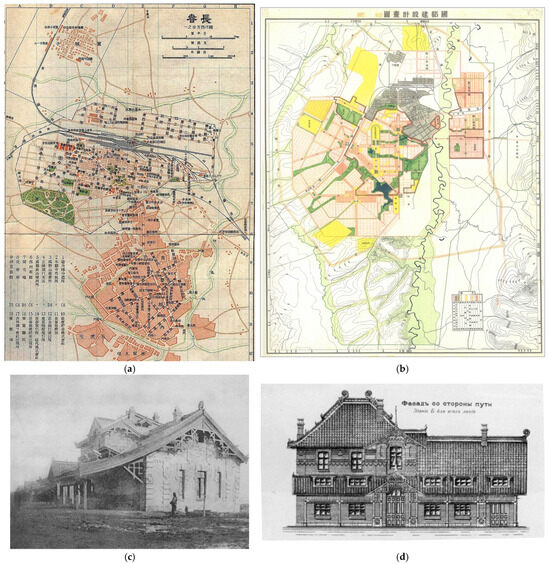
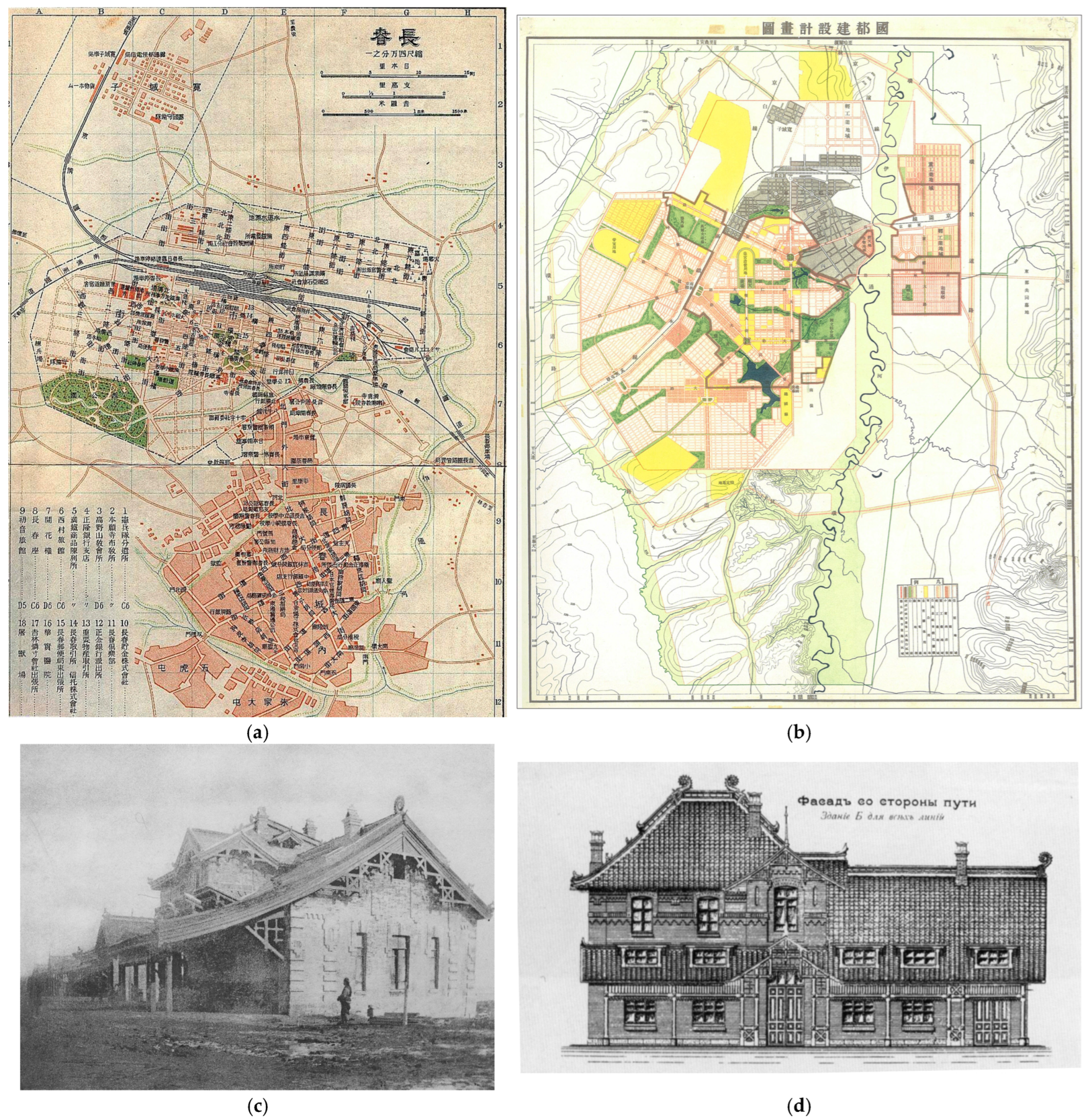
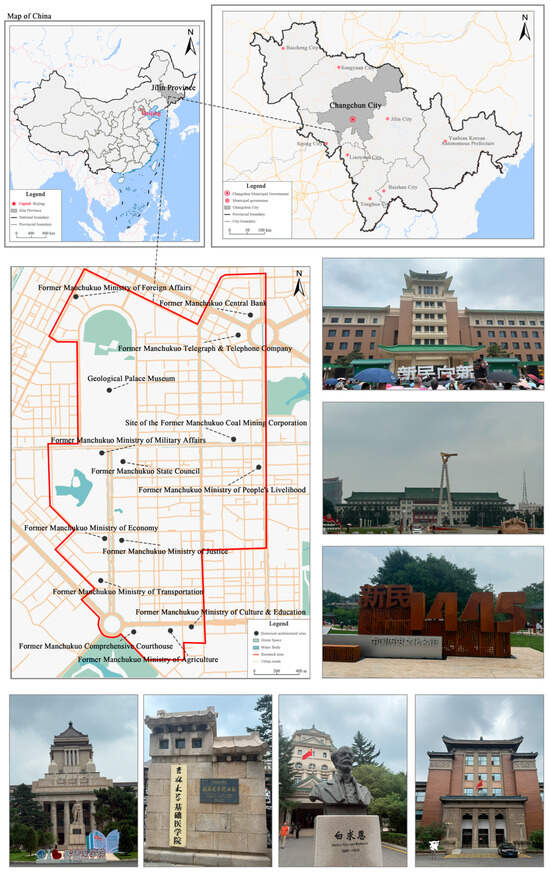
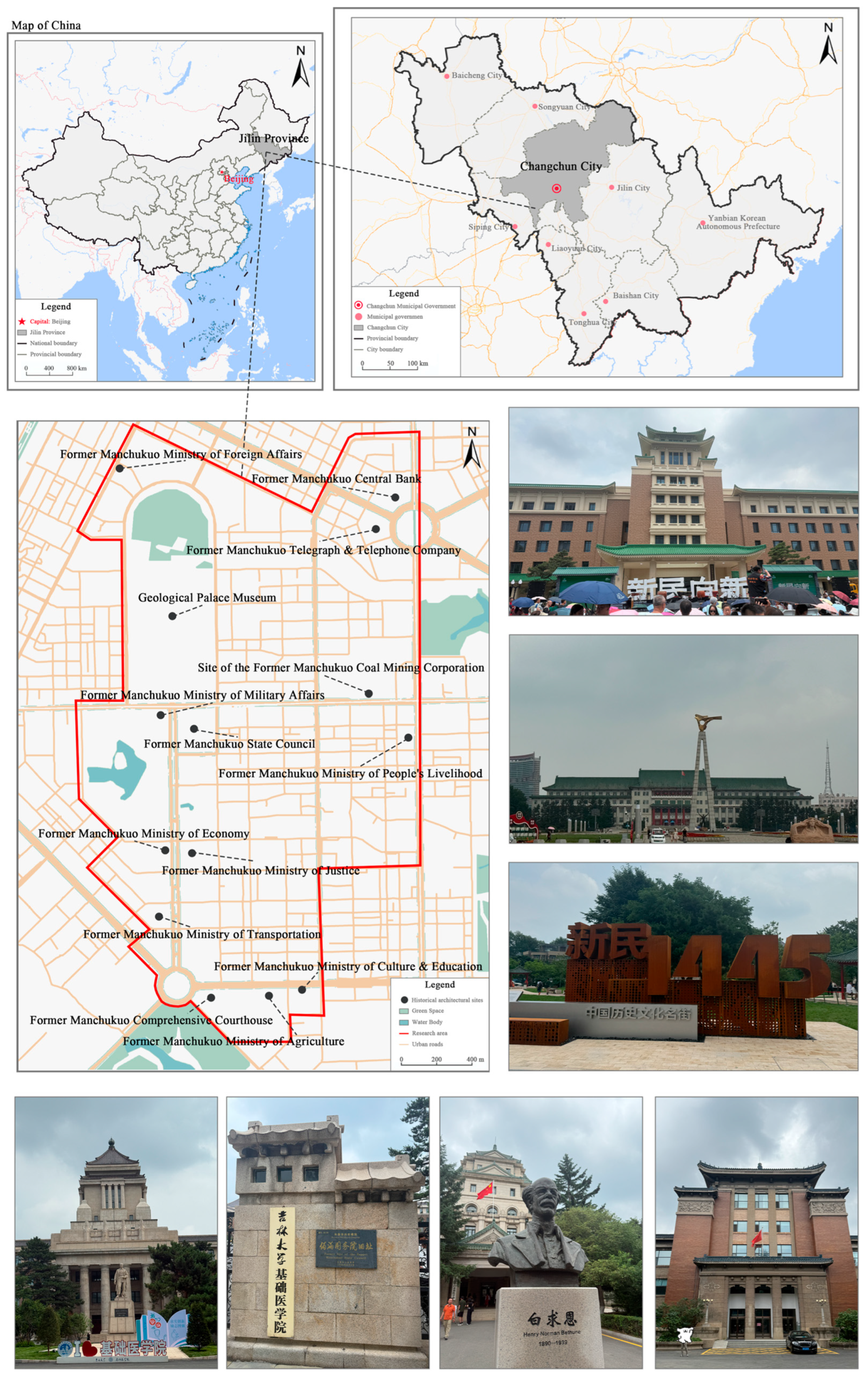
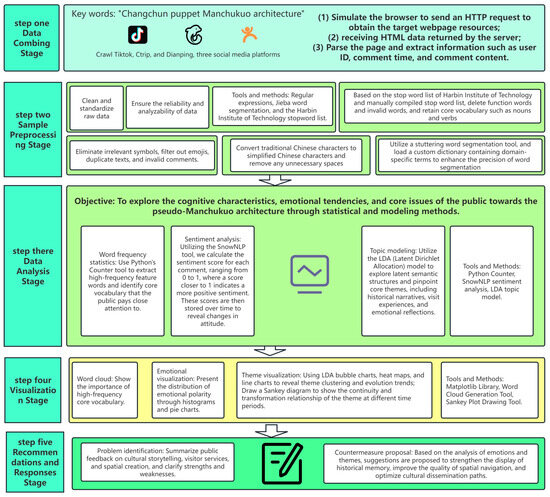
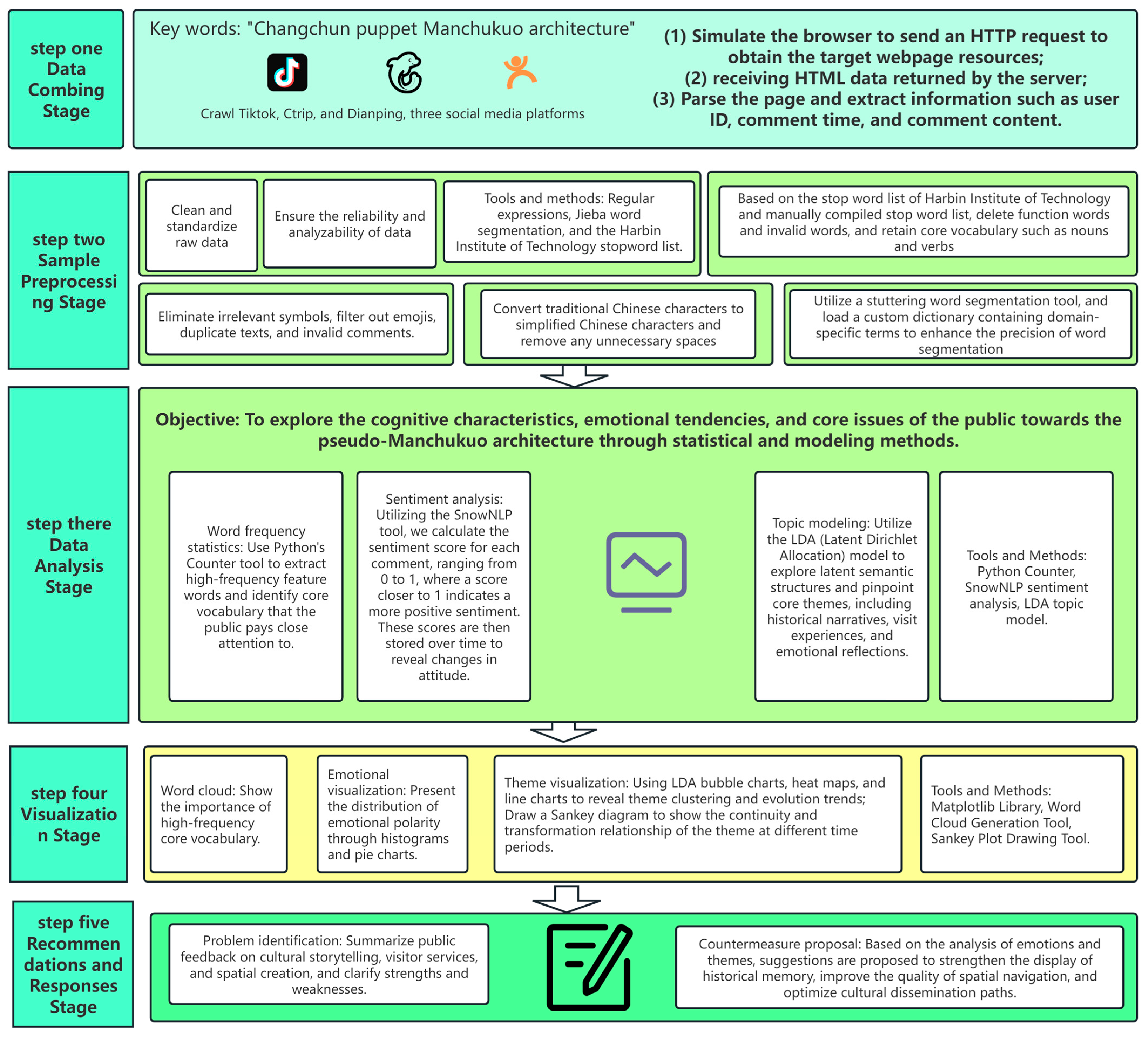
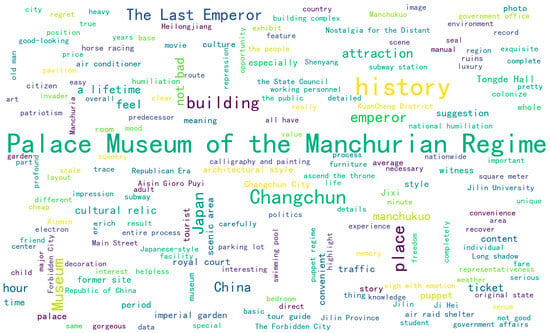
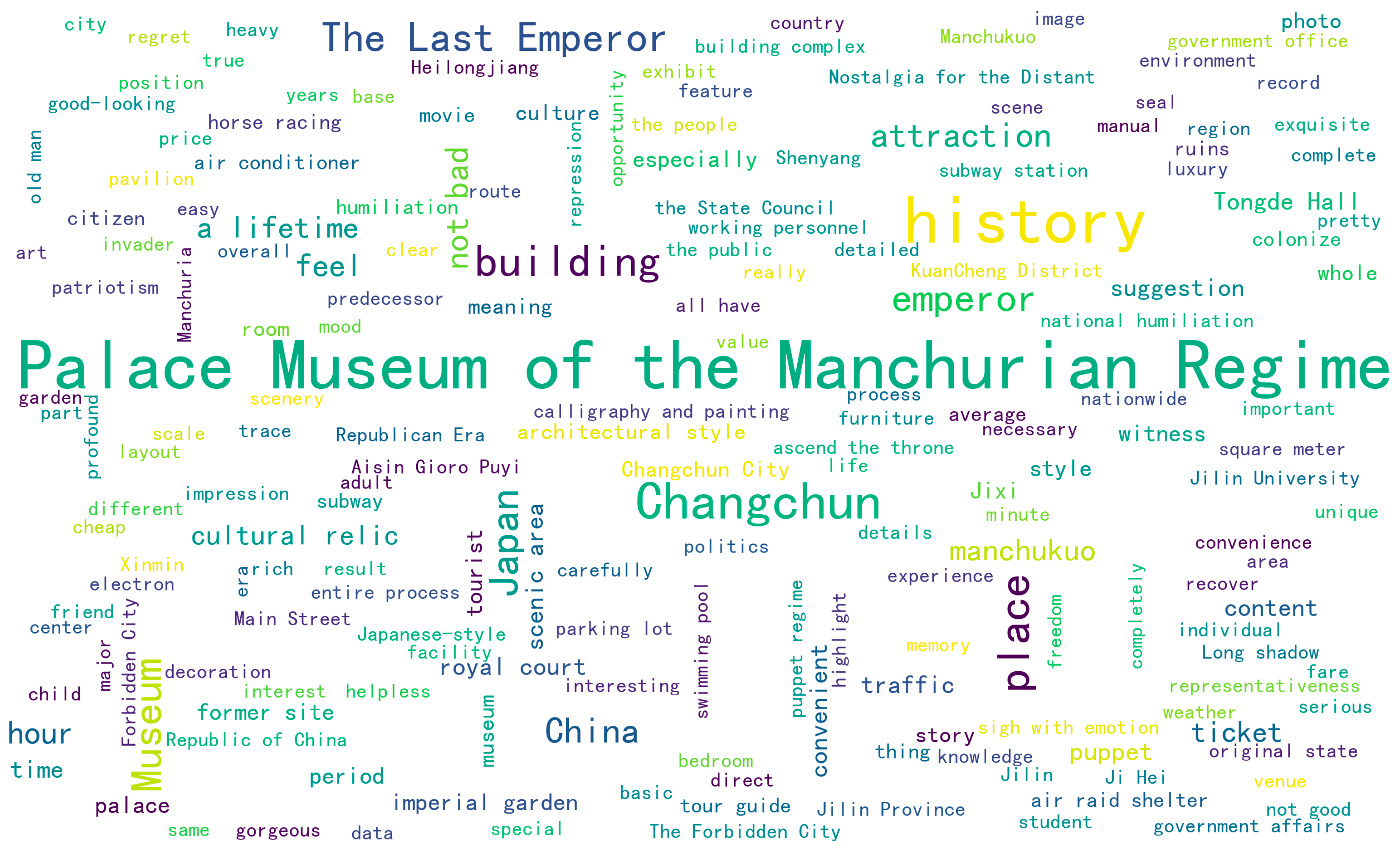
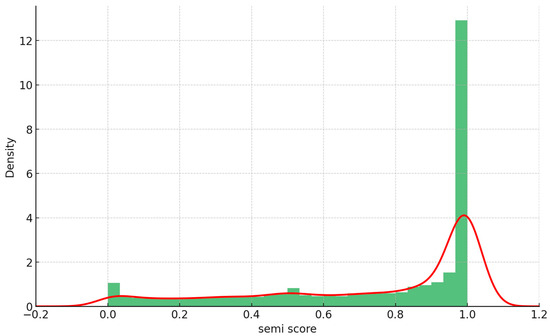
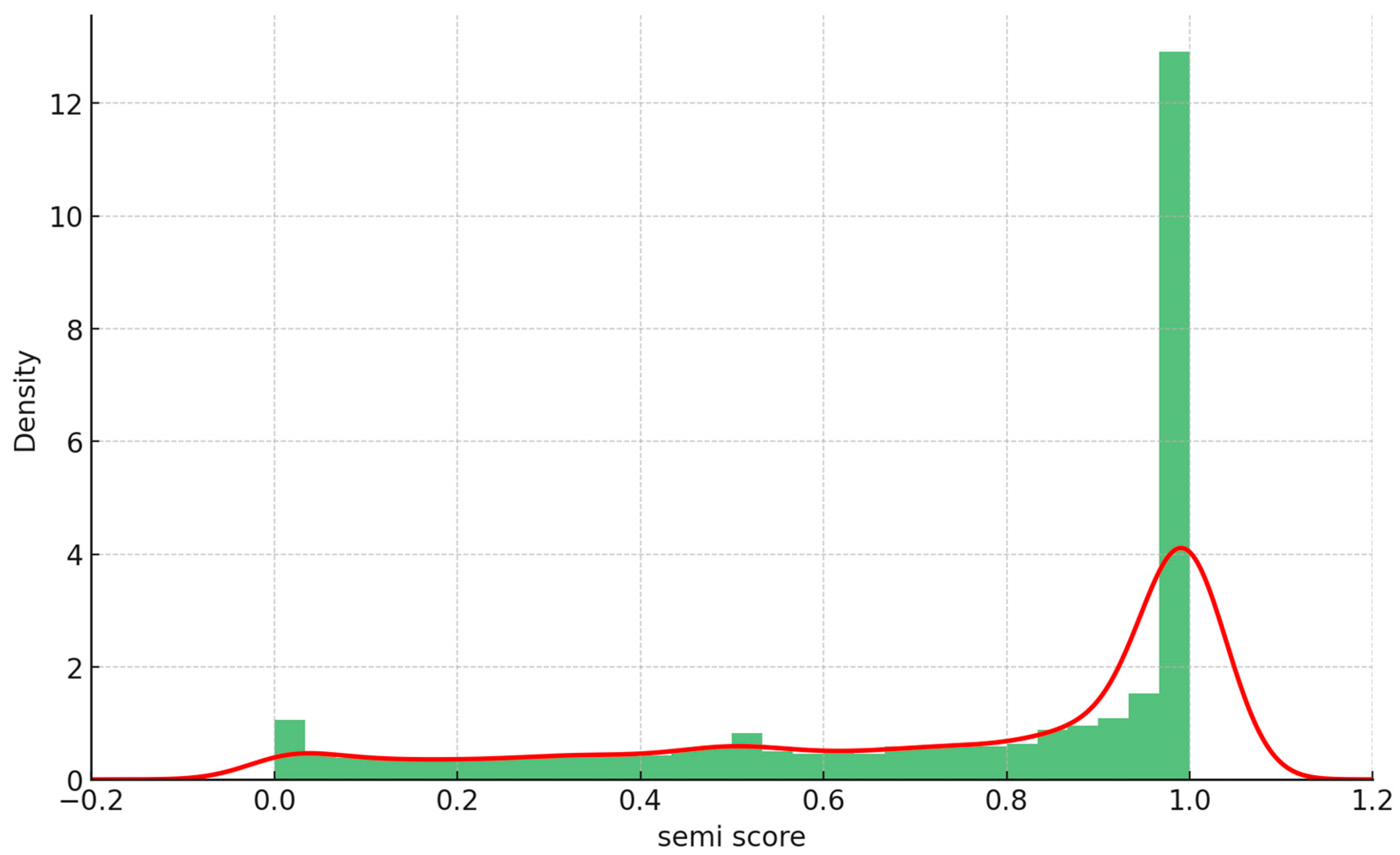
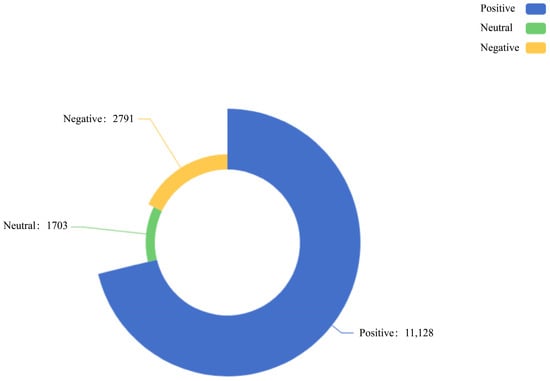
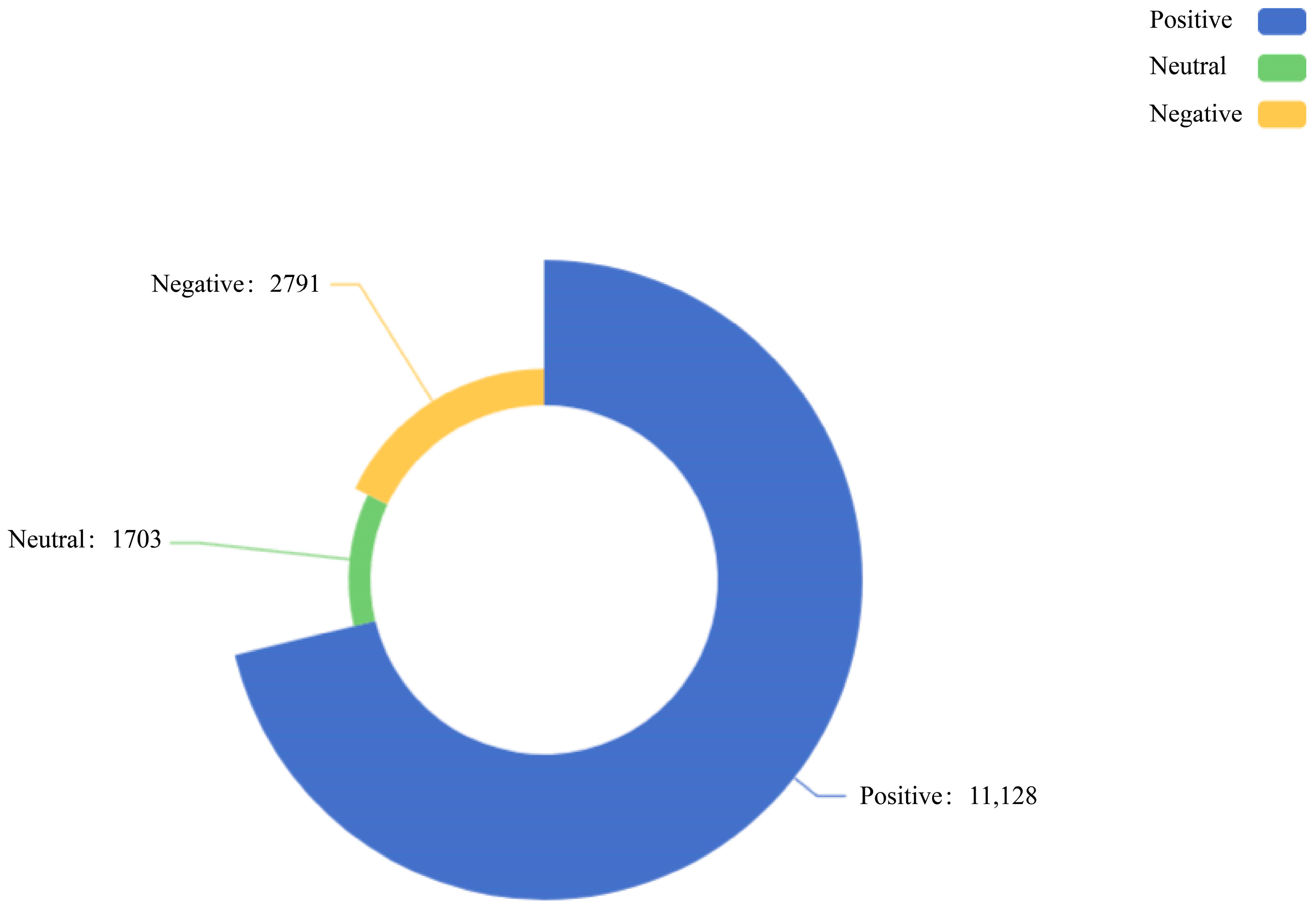
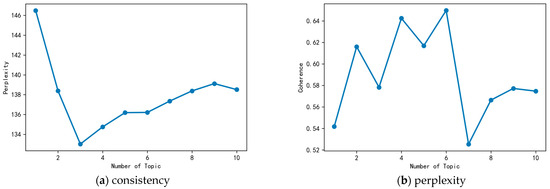
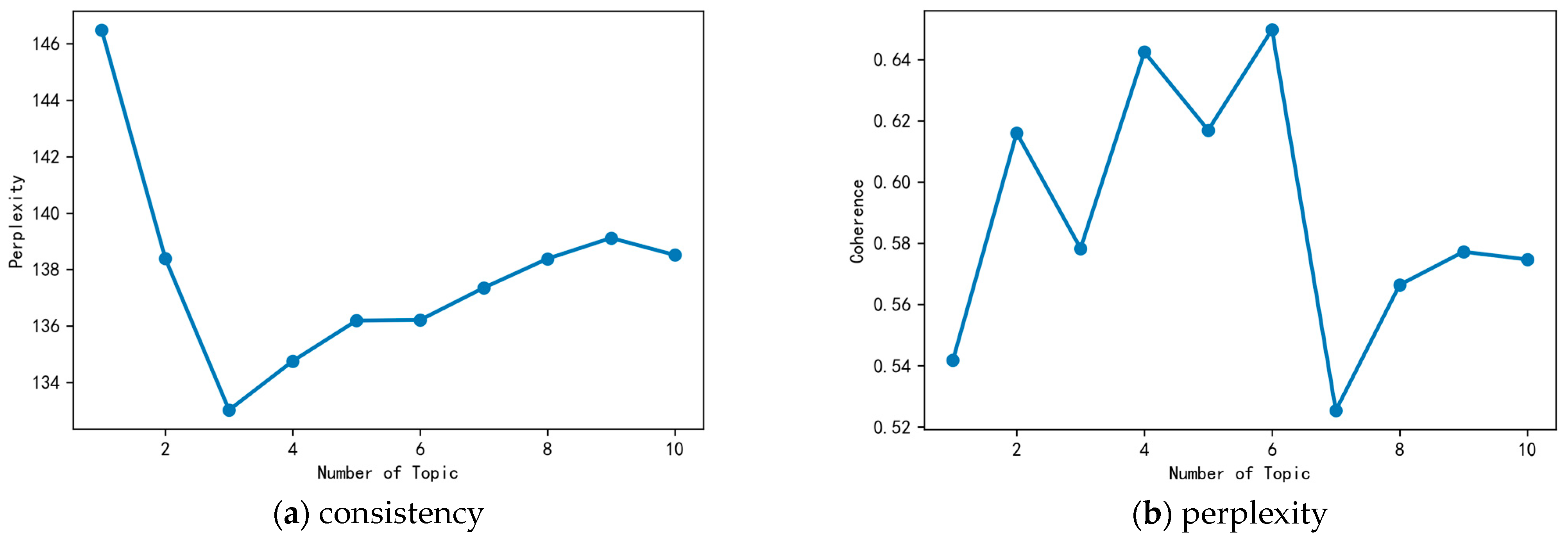
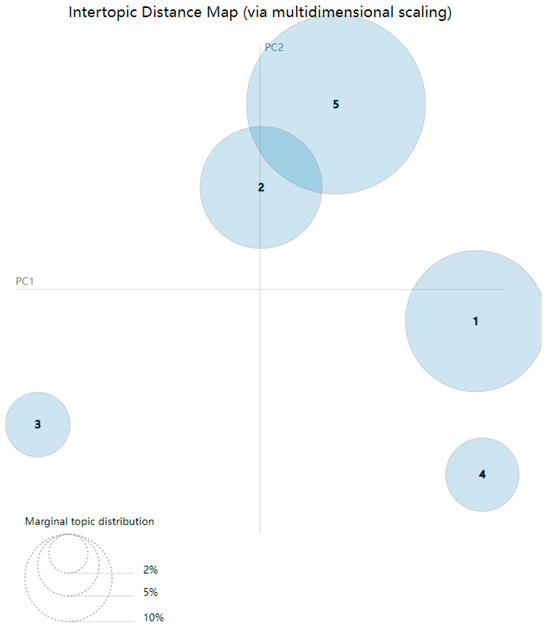
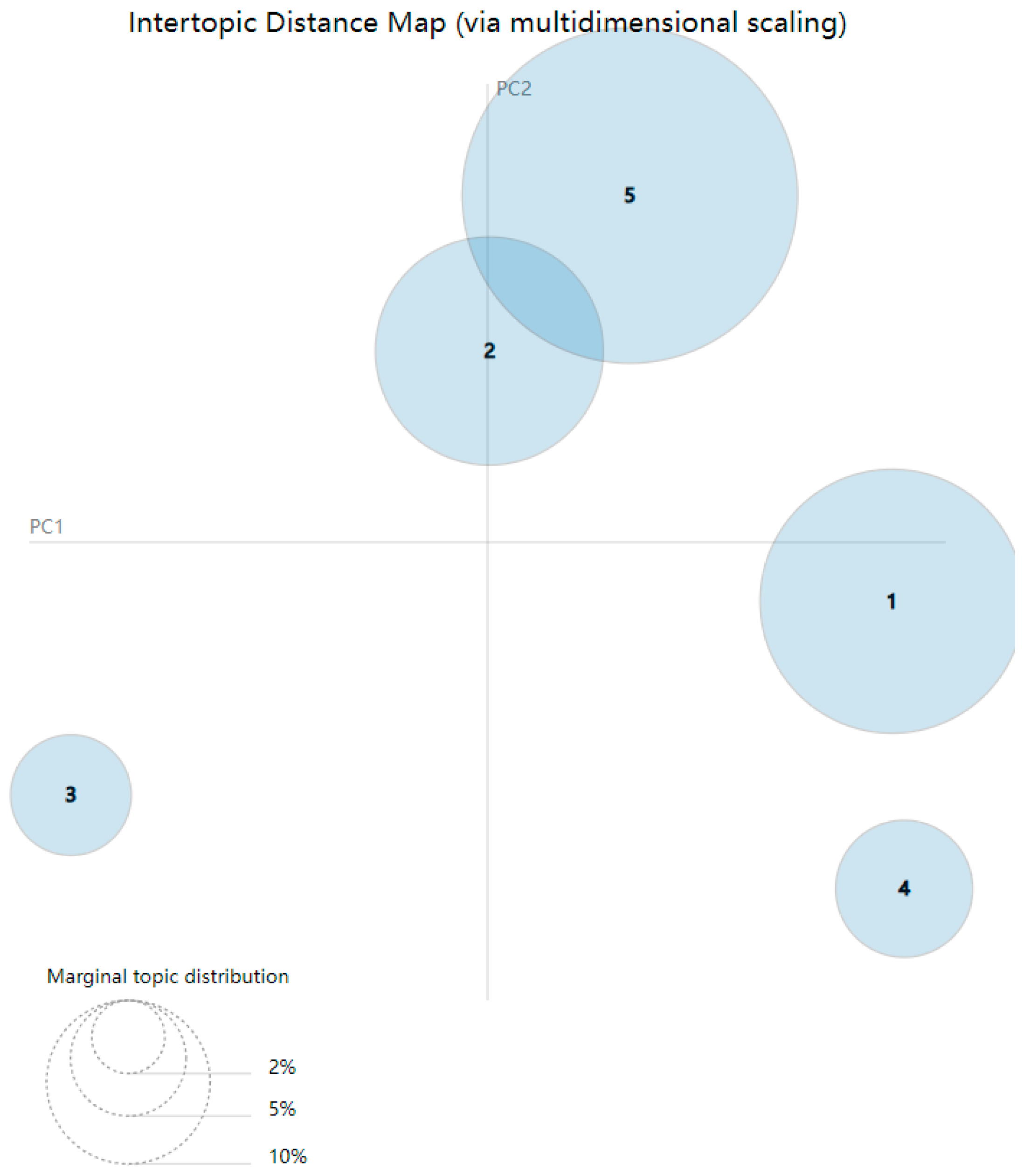
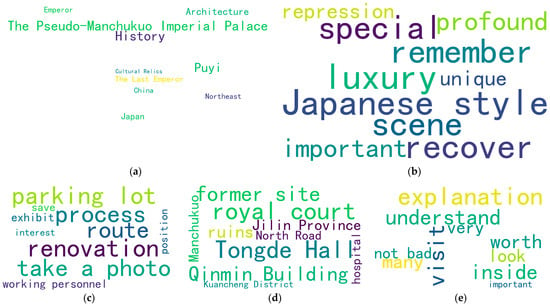
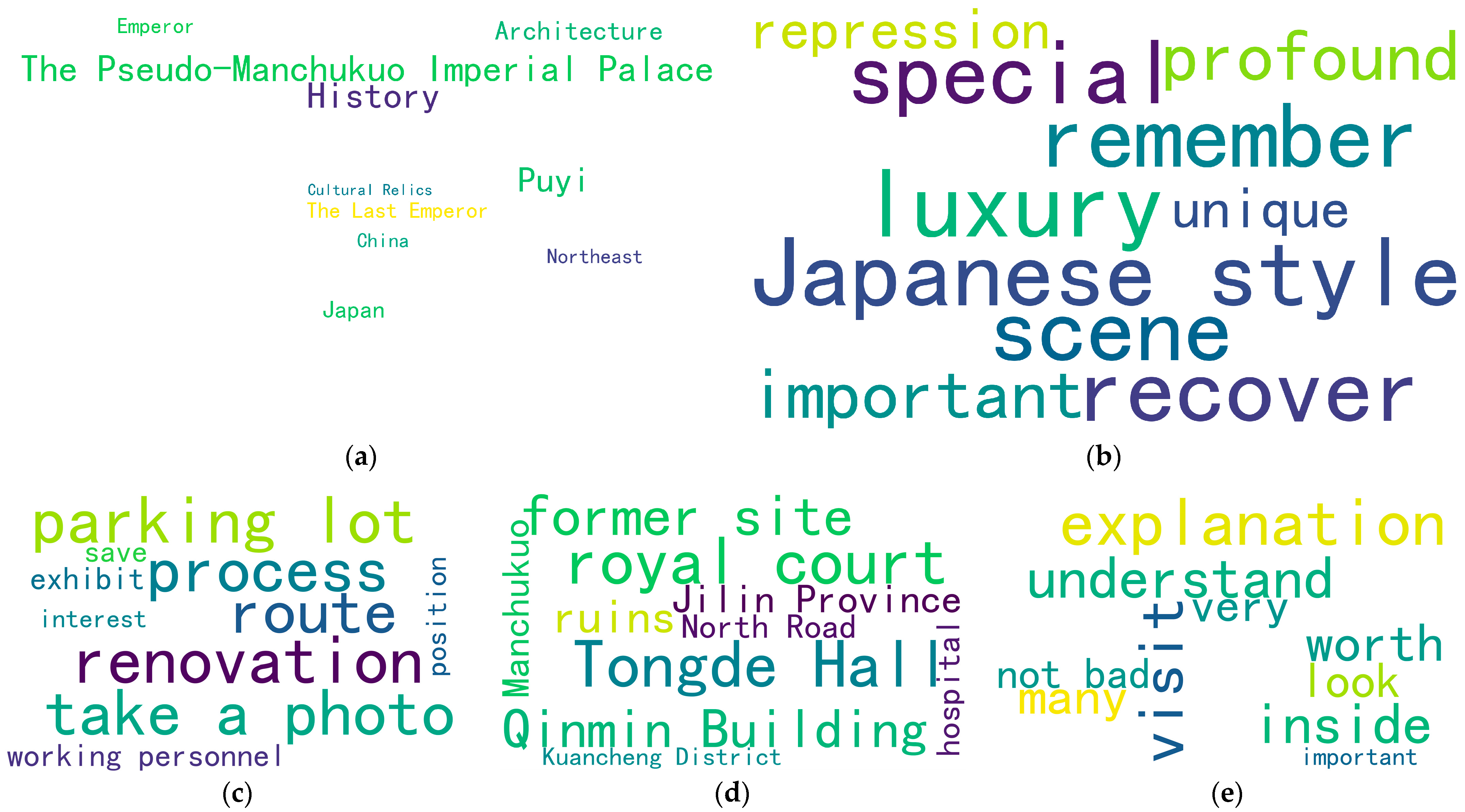
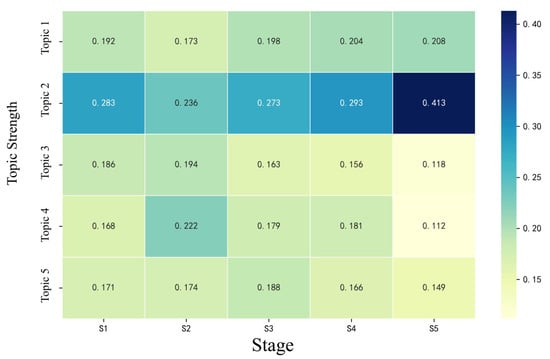
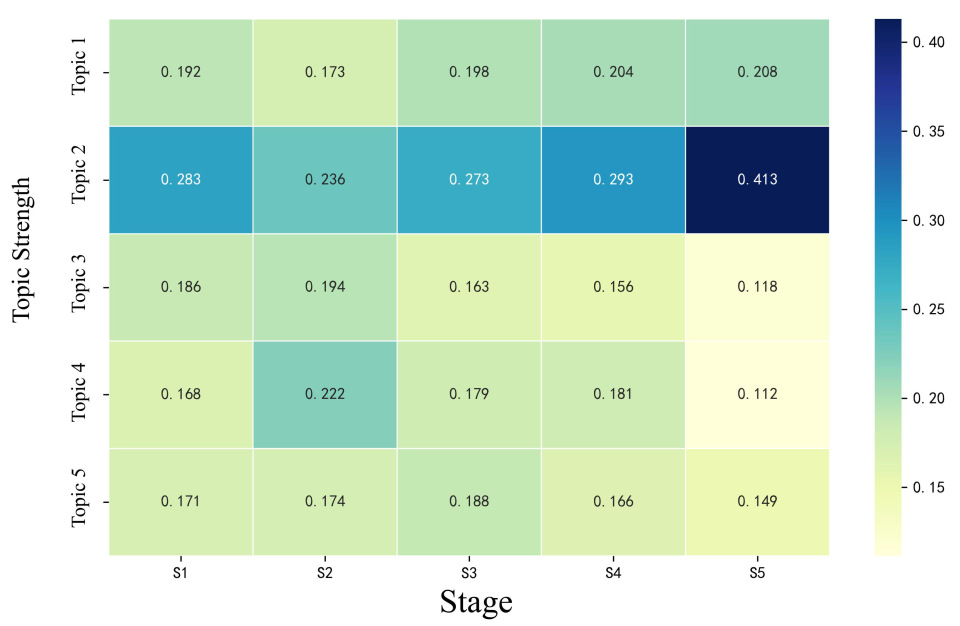
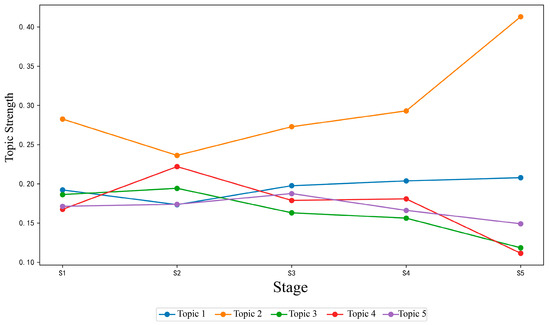
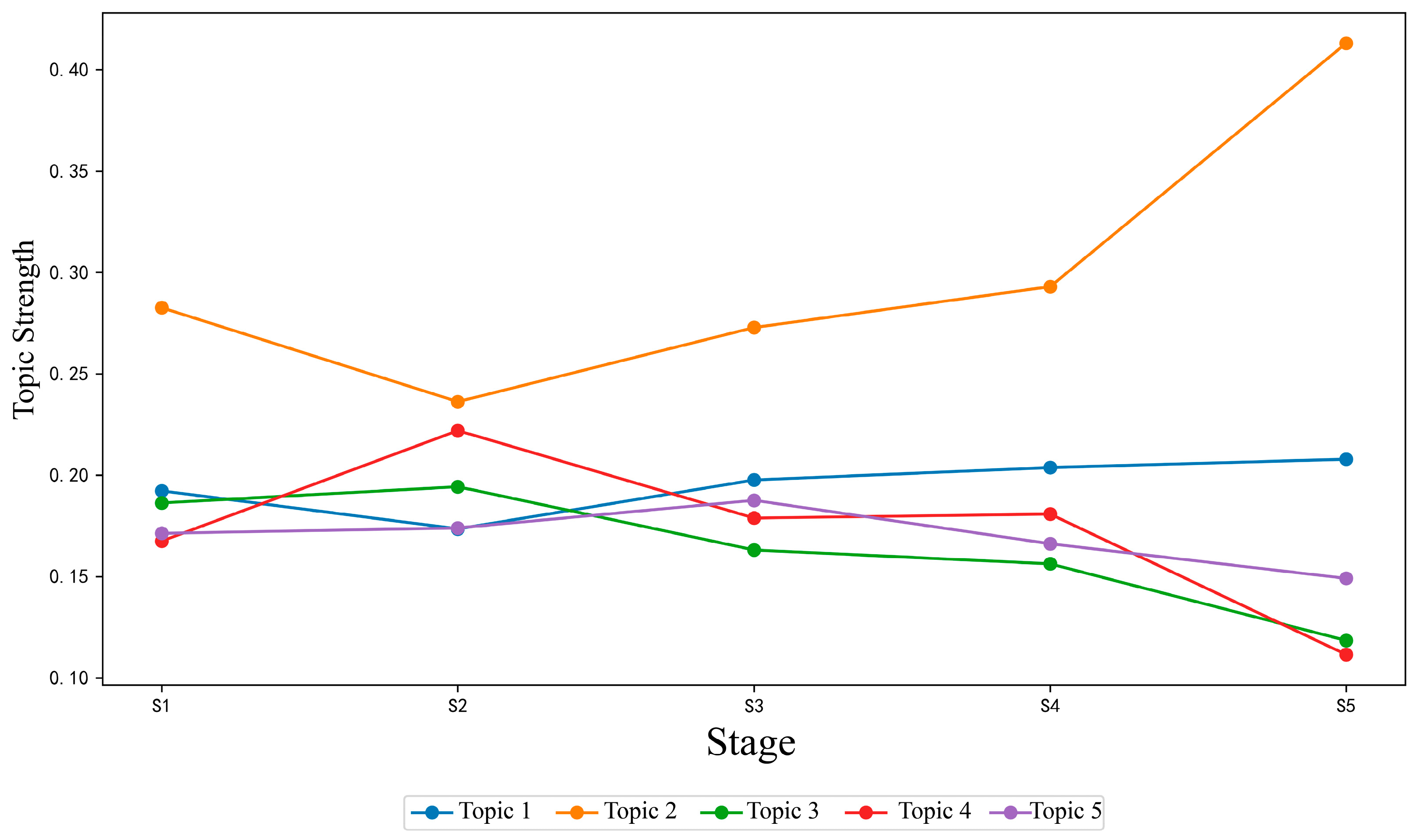
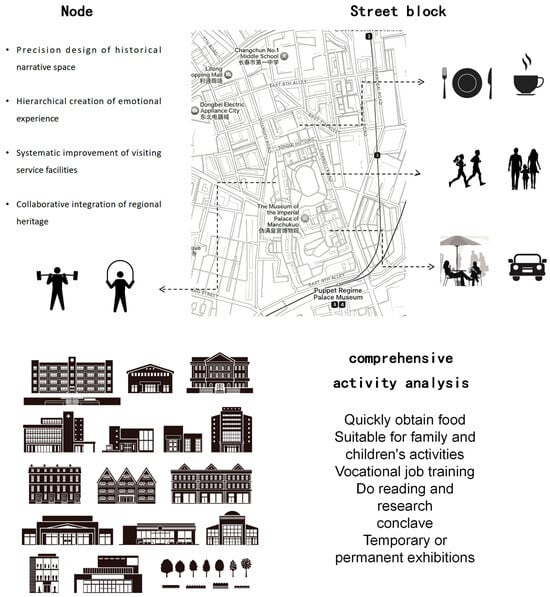
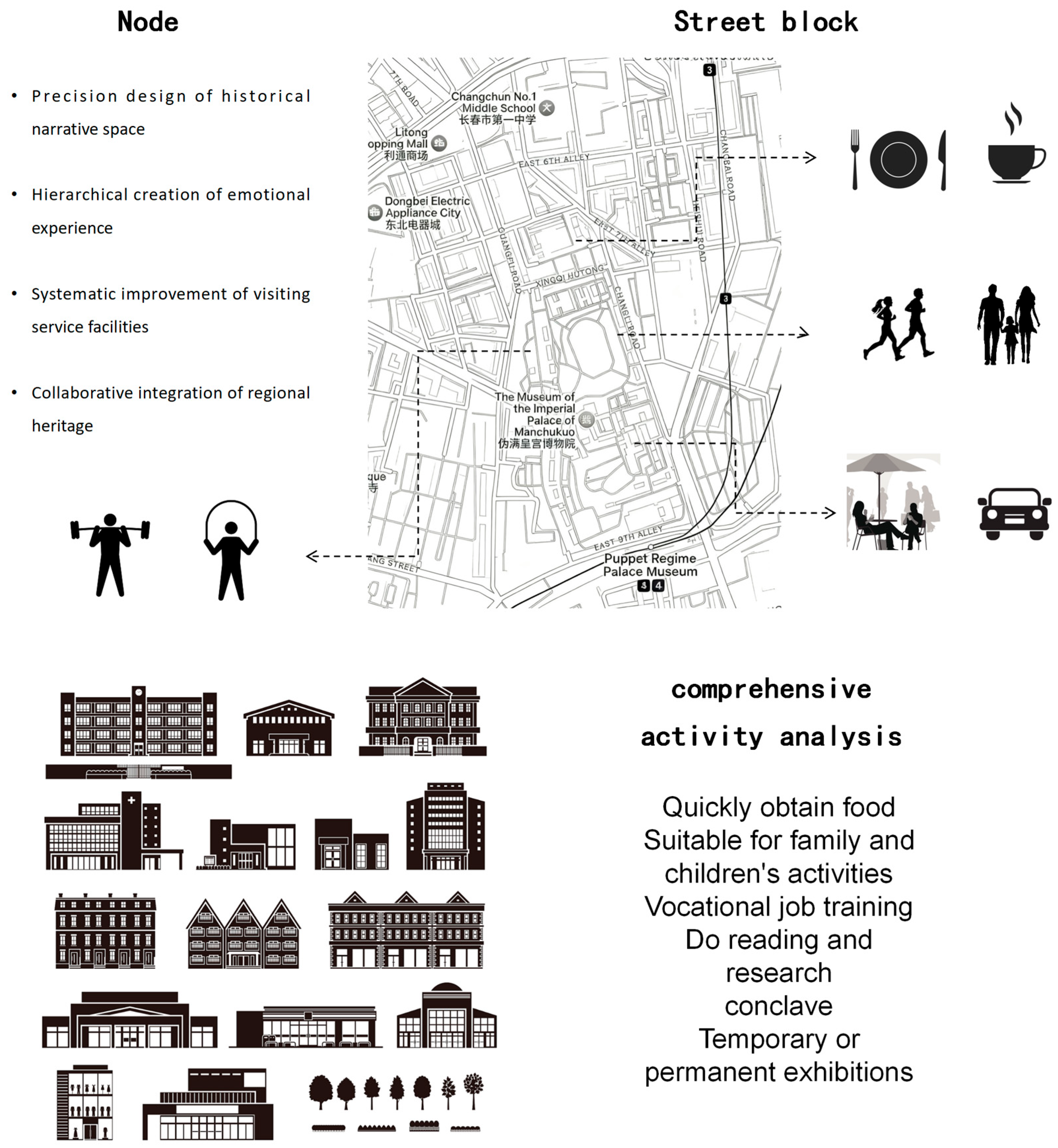

Disclaimer/Publisher’s Note: The statements, opinions and data contained in all publications are solely those of the individual author(s) and contributor(s) and not of MDPI and/or the editor(s). MDPI and/or the editor(s) disclaim responsibility for any injury to people or property resulting from any ideas, methods, instructions or products referred to in the content. |
© 2025 by the authors. Licensee MDPI, Basel, Switzerland. This article is an open access article distributed under the terms and conditions of the Creative Commons Attribution (CC BY) license (https://creativecommons.org/licenses/by/4.0/).