


Abstract
Conventional casting of high-entropy alloys was constrained by multi-principal element solidification behavior and was prone to severe grain boundary segregation and microstructural inhomogeneity, limiting their service performance in extreme environments. Bridgman directional solidification can help to achieve oriented columnar grain growth and mitigate micro-segregation via tailored matching of a temperature gradient, G, and a growth rate, V, yet its stable solidification relied on a high G/V ratio, imposing stringent requirements on equipment and process control. Trace rare earth elements are suggested to potentially stabilize the interfacial morphology and effectively broaden the processing window of Bridgman directional solidification through melt purification and modulation of the solid–liquid interfacial energy based on extrapolation from conventional casting and thermodynamic principles; however, direct experimental confirmation in Bridgman-processed HEAs remains scarce. This review summarizes the solidification microstructure evolution of high-entropy alloys fabricated by the Bridgman method, elucidates the regulatory mechanisms of rare earth microalloying on phase selection, solute partitioning behavior, and interface stability, and reveals the strengthening effects and corrosion performance variations under the synergistic interaction of processing parameters and chemical compositions. Finally, future perspectives are provided regarding interfacial reactions, compositional homogeneity control, and the lack of design criteria in Bridgman-based rare earth composite fabrication systems.
1. Introduction
1.1. High-Entropy Alloy (HEA) Advancement and Performance Merits
HEAs depart from the conventional alloy design centered on a single principal element and typically consist of five or more equimolar or near-equimolar major elements, each comprising 5–35 atomic percent (at.%). Under the combined effect of a suitable atomic-size difference (δ) and a relatively weak mixing enthalpy (ΔHmix), the system tended to form simple face-centered cubic (FCC) or body-centered cubic (BCC) solid solutions rather than complex brittle intermetallic compounds [1,2,3]. ΔSmix represents the molar mixed entropy when an alloy forms a solid solution, also known as the configurational entropy. It is one of the most fundamental thermodynamic criteria for high-entropy alloys [4]. While a high configurational entropy (ΔSmix ≥ 1.5R) can promote the formation of simple solid solutions, phase stability is governed by the balance between entropy, mixing enthalpy (ΔHmix), and atomic-size effects (δ). The “entropy stabilization” effect is composition- and temperature-dependent, not a universal rule for all HEAs. Severe lattice distortion induced long-range elastic stress fields in the matrix, effectively impeding dislocation motion and enhancing strength. Severe lattice distortions and chemical heterogeneity in multi-principal element HEAs raise the activation energy for atomic transport, producing the sluggish diffusion effect. This kinetic barrier slows atomic migration and limits microstructural coarsening—such as grain growth or precipitate ripening—during high-temperature exposure. As a result, HEAs show better thermal stability and creep resistance than conventional single-principal element alloys. The cocktail effect optimized the coupling of strength, ductility, corrosion resistance, and thermal stability via the multi-principal element synergy [1,2,3,4,5]. Consequently, these alloys exhibited exceptional strength, hardness, heat resistance, corrosion resistance, irradiation tolerance, and creep resistance, demonstrating considerable potential for aerospace turbine components, marine engineering structures, nuclear systems, and chemical equipment [6,7,8,9,10,11,12,13].
1.2. Limitations of Traditional HEA Processing
Currently, the prevailing fabrication routes for HEAs, namely, melt casting, powder metallurgy, and emerging techniques, offer distinct advantages in compositional design and processing control [14]. Figure 1 summarizes conventional HEA fabrication routes and their respective advantages and drawbacks. Melting-based methods included vacuum melting, induction melting, and directional solidification, whereas powder metallurgy comprised mechanical alloying, spark plasma sintering, and other related processes. Emerging fabrication strategies involved coating technologies, electrodeposition/hydrochemical routes, and additive manufacturing. Conventional casting routes faced challenges in microstructure control, phase stability, and property homogeneity. These issues stemmed from the difficulty in synergistically regulating thermodynamic and kinetic conditions, which induced microstructural defects and hindered practical applications.
Figure 1.
Common methods for preparing high-entropy alloys and their advantages and disadvantages.
Conventional casting (cooling rate: 101–103 K/s) provided insufficient G/V ratios, leading to a severe solute redistribution driven by k0 disparities. This process resulted in dendritic segregation, mechanical instability, and anisotropy from columnar grain growth [14,15,16,17]. Additionally, the uneven contraction and stress concentration induced hot cracking and shrinkage porosity. Phase formation in HEAs arose from the interplay of ΔHmix, ΔSmix, δ, and e/a, with ΔHmix and ΔSmix dominating. Meng et al. [18,19] noted that trong negative ΔHmix (<−20 kJ/mol) triggered brittle fracture and degraded mechanical performance. The TCP phase (Topologically Close-Packed Phase) refers to a complex intermetallic compound of the Frank–Kasper type formed by various atoms through tetrahedral stacking, with coordination numbers of CN = 12/14/15/16. Its characteristic is that the space utilization rate is higher than that of ordinary FCC/HCP (>0.74), and it is composed of small and large atoms in a coordinated stacking manner [20]. Even when ΔSmix ≥ 1.5R, brittle TCP phases (e.g., σ and Laves) readily precipitated, impairing ductility and fracture toughness [21,22,23]. In contrast, B2-ordered phases generally functioned as strengthening rather than brittle phases.
Conventional processing yielded polycrystalline HEAs with high grain boundary densities, where solute segregation created compositionally and structurally heterogeneous interfacial regions. These regions weakened grain boundaries, serving as preferential crack paths, and disrupted passivation film continuity, increasing the localized corrosion susceptibility and limiting intrinsic corrosion resistance [24,25]. While powder metallurgy often introduced pores and oxide inclusions, laser additive manufacturing introduced nonequilibrium phases and residual stresses despite mitigating segregation. Both approaches hindered the precise control over microstructures and properties.
1.3. Advantages of Bridgman Directional Solidification
The Bridgman–Stockbarger method [26] established a stable axial temperature gradient, enabling steady solid–liquid interface advancement at controlled rates and promoting aligned directional grain growth. Its success relied on maintaining a sufficiently high G/V ratio to satisfy planar growth criteria, effectively suppressing stray nucleation and undesired random microstructures [27,28]. Relative to conventional methods, directional solidification of FeCoNiCrAl reduced segregation and brittle phases while refining grain alignment and eliminating defects [29]. Xu et al. [30] reported comparable trends in a Bridgman-processed CoCrCuFeNiTi0.8 HEA: as the withdrawal rate was raised from 50 to 500 μm·s−1, a set of compressive stress–strain curves in Figure 2b show elevated yield and flow stress under higher withdrawal rates. The discrete data markers reveal an overall increase in both yield strength (1237.3 → 1449.8 MPa) and plastic strain (10.08% → 12.75%), demonstrating that higher withdrawal rates can simultaneously improve strength and ductility within this alloy system. Despite slight strength loss, ductility improved markedly, optimizing the strength–ductility balance. Although the columnar crystal morphology changes of FeCoNiCr [Al] and FeCoNiCr [CuTi0.8] are similar under Bridgman solidification, the mechanisms of phase transformation evolution are significantly different. The former is controlled by the FCC-BCC phase transformation induced by Al and solute distribution, while the latter is mainly characterized by the separation of Cu liquid phase and the precipitation of Ti-based intermetallic phases; the similar microstructure features mainly result from the external thermal processing conditions of directional solidification. The Bridgman technique further enabled bulk production with high stability, showing strong promise for both research and industry [31,32].
Figure 2.
(a) Hardness and primary dendrite arm spacing of DS CoCrCuFeNiTi0.8 high-entropy alloy. (b) Stress–strain curves of DS CoCrCuFeNiTi0.8 high-entropy alloy at different withdrawal rates. (c) Comparison of compressive properties between DS CoCrCuFeNiTi0.8 alloy and non-DS CoCrCuFeNiTi0.8 alloy. Reproduced from Ref. [30].
1.4. Rare Earth Effects in Bridgman Solidification
The rare earth elements mainly include scandium (Sc), yttrium (Y), and 17 other elements from lanthanum (La) to lutetium (Lu). In the high-entropy alloy system, rare earth elements are typical trace modification elements, featuring large atomic size, significant negative mixing enthalpy with transition metals, and strong interfacial segregation ability. Minor addition of rare earth elements can effectively control the stability of alloy phases, refine the solidification structure, and optimize the behavior of the solid–liquid interface. It is an important microalloying method for strengthening and toughening, as well as corrosion resistance modification of high-entropy alloys.
Rare earth (RE) elements, characterized by large atomic radii, high reactivity, and strong interfacial adsorption, refine dendrites and suppress segregation via melt purification in conventional casting, serving as a key microalloying strategy for enhancing microstructural homogeneity and mechanical properties [33,34]. Studies on Al-Fe alloys with La/Ce additions further illustrate that RE elements alter solidification reactions and refine grains in conventional casting [35]. Extrapolating from these conventional casting studies, in Bridgman solidification, rare earth elements are expected to segregate to the solid–liquid interface, potentially elevating the interface stability and constitutional supercooling to tailor the grain orientation and morphology; however, direct experimental evidence for RE-containing Bridgman HEAs remains limited.
Nevertheless, practical application still faces unresolved challenges, such as RE element segregation and insufficient thermodynamic descriptions, which are further detailed in Section 7.
1.5. Summary of Main Contents
This review systematically summarizes research on Bridgman directional solidification and RE microalloying of HEAs. As illustrated in Figure 3, the analysis first outlines processing principles and key parameters governing microstructure evolution, emphasizing RE-mediated mechanisms in grain refinement, phase regulation, and interfacial segregation. Subsequently, it addresses mechanical properties, multi-scale strengthening mechanisms, and corrosion resistance correlated with the passive film stability, alongside discussing the single-crystal HEA fabrication and defect control. Finally, current theoretical and technological bottlenecks are identified, and future directions are proposed spanning the solidification theory, alloy design, and RE-structure–property relationships, establishing a comprehensive “processing–microstructure–properties” framework to guide the advanced HEA development.
Figure 3.
Content framework of this review based on a literature analysis.
2. Bridgman Growth of HEAs: Principles and Optimization
2.1. Process Principles
Bridgman directional solidification serves as a critical technique for HEA fabrication, relying on an axial temperature gradient (G) to drive steady state solidification along a specific orientation, with the crystal growth precisely controlled via the solid–liquid interface velocity (V). Microstructural evolution follows constitutional supercooling and Mullins–Sekerka interface stability theories [36], wherein the G/V ratio governs the interface stability, morphology transition, and solute partitioning. A high G/V ratio promoted planar fronting and improved compositional growth, favoring compositionally uniform single crystals or regular lamellar structures with proper experimental conditions. Zheng et al. [37] demonstrated that a low growth rate (~5 μm/s) coupled with a high-temperature gradient yielded a microstructure consisting of primary CoCrFe FCC phase and an eutectic CoCrFe/AlNi lamellar phase. A moderate G/V ratio induced cellular growth with relatively homogeneous microstructures, whereas a low G/V ratio destabilized the interface, resulting in dendritic morphologies prone to severe segregation and secondary-phase precipitation. Xu et al. [30] observed significant Cu and Ti segregation to interdendritic regions and subsequent Laves-phase formation under low G/V conditions. The multi-principal element nature of HEAs induces high solute supersaturation and low diffusivity, making interface stabilization more challenging. Achieving this typically requires high G/V ratios to weaken constitutional supercooling, refine dendrite arm spacing, and potentially improve compositional homogeneity, thereby providing a reliable processing basis for tailoring HEA microstructures and properties. Representative data regarding processing parameters, microstructural features and mechanical performances of reported Bridgman-processed HEAs are summarized in Table 1.
Table 1.
Representative Bridgman-processed HEAs: processing, microstructure, and properties.
2.2. Process Equipment
Bridgman directional solidification equipment mainly consists of gas control, heating, pulling, crucible, and temperature monitoring systems [42,43]. The vacuum/gas system provides a high vacuum or inert gas to prevent oxidation and volatilization. The heating system, typically resistive or inductive, creates a stable temperature gradient of 100–500 K/cm. The pulling system, driven by a precision servo motor, operates at rates of 1–1000 μm/s. Crucibles are typically made of alumina, boron nitride, graphite, or yttria-coated materials to minimize melt–crucible reactions. Temperature is measured by thermocouples or infrared sensors to monitor the solid–liquid interface and ensure process stability and repeatability [44]. The detailed device system is shown in Figure 4.
Figure 4.
Schematic of Bridgman furnace setup used to conduct directional solidification.
2.3. Influence of Process Parameters on Microstructures
The G/V ratio governed microstructural evolution during the Bridgman solidification of HEAs. Liu et al. [45] reported that excessively low V-induced constitutional supercooling destabilized the interface and formed stray grains in AlCoCrFeNi, whereas an excessively high V stabilized planar growth but intensified axial thermal stresses, elevating hot cracking susceptibility. Zheng et al. [46] observed a transition from planar to cellular to dendritic structures with increasing V in the CoCrFeMnNi, where rapid solidification exacerbated solute trapping and segregation due to the intrinsically sluggish diffusion kinetics of HEAs. The G/V ratio served as the primary criterion for the interface morphology, with high values promoting planar or regular eutectic growth and low values inducing dendritic structures. Furthermore, high-vacuum conditions and Al2O3 crucibles were essential to prevent active elemental burnout and maintain microstructural purity [47].
Xu et al. [30] directionally solidified CoCrCuFeNiTi0.8 at 50, 100, and 500 μm/s. Figure 5 presents the XRD spectra of the alloy at different withdrawal rates, confirming an FCC matrix with a Fe2Ti-type Laves phase (FCC lattice parameter a = 3.579 Å, Laves lattice parameters a = 4.765 Å, c = 7.723 Å), whose constitution was invariant with V. TEM/EDS revealed primary FCC dendrites and interdendritic eutectic FCC + Laves, with Cr and Ti segregating to the interdendritic region and Cu accumulating at phase boundaries. Refinement at 500 μm/s raised the compressive strength to 1449.8 MPa, hardness to 520 HV, and plastic strain from 2.11% to 12.57%. Eutectic HEAs represent another key category for Bridgman processing. In AlCoCrFeNi2.1, vertical Bridgman solidification between 6 and 120 μm/s produces a planar solid–liquid interface with aligned lamellae at 6 μm/s. Increasing the rate to 15 μm/s changes the interface to cellular, and dendritic eutectic forms locally at 60–120 μm/s. Another investigation spanning 5–100 μm/s describes a transition from primary CoCrFe FCC and CoCrFe/AlNi lamellar eutectic at 5 μm/s to nearly full eutectic lamellae at 100 μm/s. At 5 μm/s, fracture strength is 696 MPa with 33.3% elongation, while at 100 μm/s, strength reaches 1012 MPa with 14.5% elongation. The 60 μm/s condition gives the best strength–ductility combination, with about 37% elongation. These findings confirm Bridgman solidification as a practical approach to adjust the strength–ductility balance in eutectic HEAs. [30] Meanwhile, vacuum restrains element volatilization, and inert crucibles avoid melt–crucible interfacial contamination; both parameters are vital for directional solidification optimization. It should also be noted that scaling up of the Bridgman technique remains challenging, as summarized in Section 7.
Figure 5.
XRD spectrum of directionally solidified CoCrCuFeNiTi0.8 HEA at 50, 100, and 500 μm/s. Reprinted from Ref. [30].
2.4. Solidification Defect Control
Bridgman processing of HEAs commonly introduces micro-segregation, hot cracking, porosity, shrinkage cavities, stray grains, and misorientation. Regarding micro-segregation, Yu et al. [48] reported that increasing the withdrawal rate (V) from 2 to 200 μm/s refined the dendritic arm spacing and enhanced solute trapping. They concluded that optimizing the ratio effectively stabilized the solidification interface and mitigated elemental segregation. Zeng et al. [49] attributed hot cracking primarily to the thermal stress concentration under high-temperature gradients in the AlCoCrFeNi. Their work demonstrated that inappropriate cooling schedules induced micro-cracks, whereas reducing the cooling rate promoted steady cellular growth. Furthermore, rare earth additions are inferred to purify grain boundaries and significantly improve crack resistance based on conventional casting studies (e.g., see Section 3.5), though direct evidence in Bridgman processing is still lacking. Li et al. [50] emphasized that suppressing porosity and shrinkage required high-vacuum degassing, optimization, and strict directional solidification sequencing. Their review on porous metals indicated that controlling the solidification direction alongside the gas pressure allowed the precise regulation of the pore morphology, yielding dense microstructures. Finally, Cao et al. [51] found that an excessively high solidification driving force will cause the crystal tips to continuously branch and deviate in orientation. Lower directional solidification rates help maintain the consistency of crystal growth direction along the heat flow.
3. Rare Earth Microalloying of Bridgman HEAs
3.1. Rare Earth Regulation of Phase Structure and Stability
Direct side-by-side comparisons between as-cast and Bridgman-processed samples of the identical RE-containing HEA remain scarce in the published literature. Most existing RE microalloying evidence for HEAs originates from conventional casting or arc melting investigations; therefore, any extrapolation of these findings to Bridgman solidification conditions requires great caution. Some of the literature has claimed synergistic effects between RE microalloying and Bridgman processing, yet such claims are built upon comparisons across different alloy compositions rather than controlled same-alloy experimental contrasts. Therefore, those purported synergies should be treated as proposed mechanisms instead of experimentally demonstrated outcomes.
Rare earth elements modulated the thermodynamic parameters of HEAs, thereby enabling the selective phase formation and enhanced structural stability. Due to their considerably larger atomic radii compared to transition metal hosts, these elements amplified atomic-size disparities and lattice distortions, while concurrently lowering the overall valence electron concentration and introducing the negative mixing enthalpy, which ultimately governed the relative stability of FCC and BCC phases. Yayla et al. [52] noted that rare earth additions (e.g., Gd, Y, and Nd) markedly altered phase evolution, microstructural configuration, and thermodynamic stability in HEAs. These elements triggered FCC to HCP transitions, induced intermetallic formation, and refined grains. Moderate additions purified grain boundaries, suppressed brittle σ and B2 phases, and stabilized single-phase solid solutions, whereas excess concentrations promoted rare earth-rich intermetallic compounds. Yang et al. [53] demonstrated that the mixing enthalpy governs the phase selection in ScYLaNdGdTbDyHoErLuX (X = Zr, Co, Ti) hexagonal close-packed HEAs. Strongly negative enthalpies drove Co to form intermetallics with Sc, Lu, and Er, whereas Ti underwent phase separation owing to uniformly positive enthalpies. Conversely, Zr exhibited a partial matrix solubility through moderate interactions while precipitating ZrSc, illustrating the interplay between enthalpic and entropic effects. The atomic size mismatch degree, total electronic concentration, and mixed enthalpy play a coupled role in the rare earth-doped high-entropy alloys. Among the above thermodynamic parameters, none of them can independently reliably predict the relative stability of the FCC and BCC phases. When selecting the phase, multiple factors need to be considered comprehensively. In the actual experiments, the HCP solid solution phase and the TCP-type intermetallic compound can be clearly distinguished through the combined XRD and EBSD characterization. The HCP solid solution phase and the TCP phase have completely different diffraction signals and EBSD patterns, and this identification method has been widely adopted in many studies on rare earth-containing high-entropy alloys.
As observed in Figure 6, both the complete XRD spectra and magnified 30–50° patterns illustrate that yttrium addition stimulates the generation of HCP-type YNi5 that precipitates within AlCrFeNi medium-entropy alloys. Primary diffraction peaks corresponding to the A2/B2 matrix steadily move to larger 2θ angles when raising Y concentration. This observable peak shift implies alterations in interplanar distances, which verifies that the lattice parameters of matrix phases bear a strong correlation with the content of rare earth element yttrium [54]. Similarly, Zhang et al. [55] found in the FeCoNiAl0.2Yx alloy that the addition of Y makes it dissolve in the matrix, refines the dendritic structure, and improves the hardness through lattice distortion. Among them, the alloy with x = 0.1 shows the best comprehensive performance. Based on the published results from a set of FCC, BCC, and eutectic HEA (EHEA) systems processed via conventional casting, an empirical RE addition interval of 0.05–1.0 at.% has been frequently reported to balance microstructure refinement, suppression of harmful phases, and avoidance of brittle compound precipitation for optimized phase constitution and overall performance. It should be stressed that this is purely an empirical observation gathered from cast alloys and is not a universal predictive criterion. This favorable concentration range can shift substantially depending on base matrix chemistry, oxygen–sulfur impurity levels, and Bridgman G/V processing parameters, and it may not hold for unexplored HEA compositions.
Figure 6.
(a) XRD patterns of AlCrFeNi + x wt.% Y MEAs (x = 0.5–1.5); (b) magnified view of the 2θ range from 30° to 50°. Reprinted from [54]. For Y-promoted TCP precipitation, experimental support was limited to reported components, and higher-Y data were lacking. The phase ID of triangle-marked Bragg peaks was from the original reference.
3.2. Rare Earth Refinement of Solidification Microstructures
Rare earth elements, due to their significant interfacial activity, tend to accumulate at the solid–liquid interface. By changing the solute partitioning behavior, they reduce the interfacial energy, thereby increasing the compositional supercooling, promoting heterogeneous nucleation, and inhibiting the directional growth of dendrites. Indirect insights regarding Y-modified HEAs are available from arc melting experiments (not Bridgman directional solidification experiments) reported by Guo et al. [56]. In their work, 0.4 at.% Y was added to a TaMo0.5NbZrTi1.5Al0.1 refractory HEA. The authors observed substantial grain refinement and effective scavenging of residual oxygen by yttrium. By thermodynamic extrapolation, comparable grain refinement and oxygen gettering outcomes might occur under Bridgman directional solidification conditions, which would refine primary dendrite arm spacing and produce more uniform, dense solidified microstructures. Nevertheless, dedicated Bridgman HEA experiments are still needed to verify such expectations. Meanwhile, rare earth elements generally tend to adsorb at grain boundaries and phase interfaces. Wang et al. [57] investigated laser additively manufactured AlCoCrFeNi2.1 eutectic high-entropy alloys with trace yttrium modification. As observed in Figure 7, XRD measurements show that the introduction of yttrium brings changes to the alloy’s phase constitution. The distinct reduction in the diffraction peak intensity of the B2 phase after Y doping illustrates that trace rare earth yttrium can impose prominent impacts on the crystal structure of the alloy matrix.
Figure 7.
XRD patterns of undoped and Y-doped AlCoCrFeNi2.1 eutectic high-entropy alloys. Reprinted from [57].
This adsorption behavior can also reduce the segregation of impurities and solute atoms at the grain boundaries, thereby achieving grain boundary purification and improving the grain boundary bonding strength and crack resistance. Cui et al. [58] found that in Ti-Zr-V-Nb-Al BCC HEAs, the addition of Y can promote large component undercooling and refine the grain size of the alloy, thereby improving its work hardening ability. The combined effect of the microstructure refinement and grain boundary purification enables rare earth-modified HEAs to achieve synergistic improvement in strength, plasticity, and toughness.
RE refinement in HEAs is documented almost entirely from conventional casting or arc melting, not Bridgman solidification. Guo et al. [56] added 0.4 at.% Y to a TaMo0.5NbZrTi1.5Al0.1 refractory HEA by arc melting and confirmed intensified interdendritic segregation of Zr and Al, significant grain refinement, and removal of residual oxygen—yet the process was not Bridgman.
By contrast, HEA systems that have been systematically studied under Bridgman directional solidification are exclusively RE-free. The performance gains achieved in these works thus reflect the effect of Bridgman processing alone, with no contribution from RE microalloying.
No published study, to our knowledge, has reported a same-alloy as-cast versus Bridgman comparison on RE-modified HEAs. The “RE + Bridgman” synergy invoked in the literature thus compares different compositions, not a controlled comparison. Extrapolating arc melting mechanisms (Figure 8) to Bridgman conditions is premature: how RE adsorption, melt purification, constitutional supercooling, and G/V ratio interact remains unexplored. Future work should provide orientation-resolved data on the same RE-bearing HEA under identical DS conditions to decouple these effects.
3.3. Rare Earth Regulation of Micro-Segregation
Micro-segregation is an inherent problem in the solidification process of HEAs caused by differences in the solute partition coefficients (k) of the principal components, especially in systems containing Al, Ni, Ti, Cu, etc., where the k value deviates significantly from 1. It must be stressed that most existing investigations on rare earth (RE) regulation of micro-segregation are derived from as-cast or arc-melted HEAs, rather than Bridgman solidification. In these conventional processes, the addition of rare earth elements can alter the local solute distribution through their enrichment at the solid–liquid interface, thereby affecting the effective partition coefficient and regulating segregation behavior. For instance, Zhu et al. [59] investigated the influence of Nd/Y microalloying on the microstructure and DC soft magnetic properties of dual-phase FeCoNi(CuAl)0.8 high-entropy alloys by arc melting (not Bridgman solidification). Their results indicated that RE addition significantly increased the BCC phase volume fraction from 25.3% to 42.0% (Nd) and 43.3% (Y), accompanied by grain refinement from 7.26 μm to 5.42 μm (Nd) and 4.88 μm (Y). Such BCC phase fraction enhancement is suggested to be associated with RE-induced solute partitioning and modification of local bonding configurations during solidification; however, this micro-segregation behavior has not been directly verified in Bridgman-processed HEAs. Concurrently, rare earth elements exhibited a pronounced tendency to segregate along grain boundaries, thereby facilitating the formation of finely dispersed Y-rich second phases. These segregation behaviors and microstructural modifications are expected to occur in Bridgman solidification based on thermodynamic extrapolation, but they have not yet been directly verified in Bridgman-processed HEAs due to the lack of dedicated comparative studies.
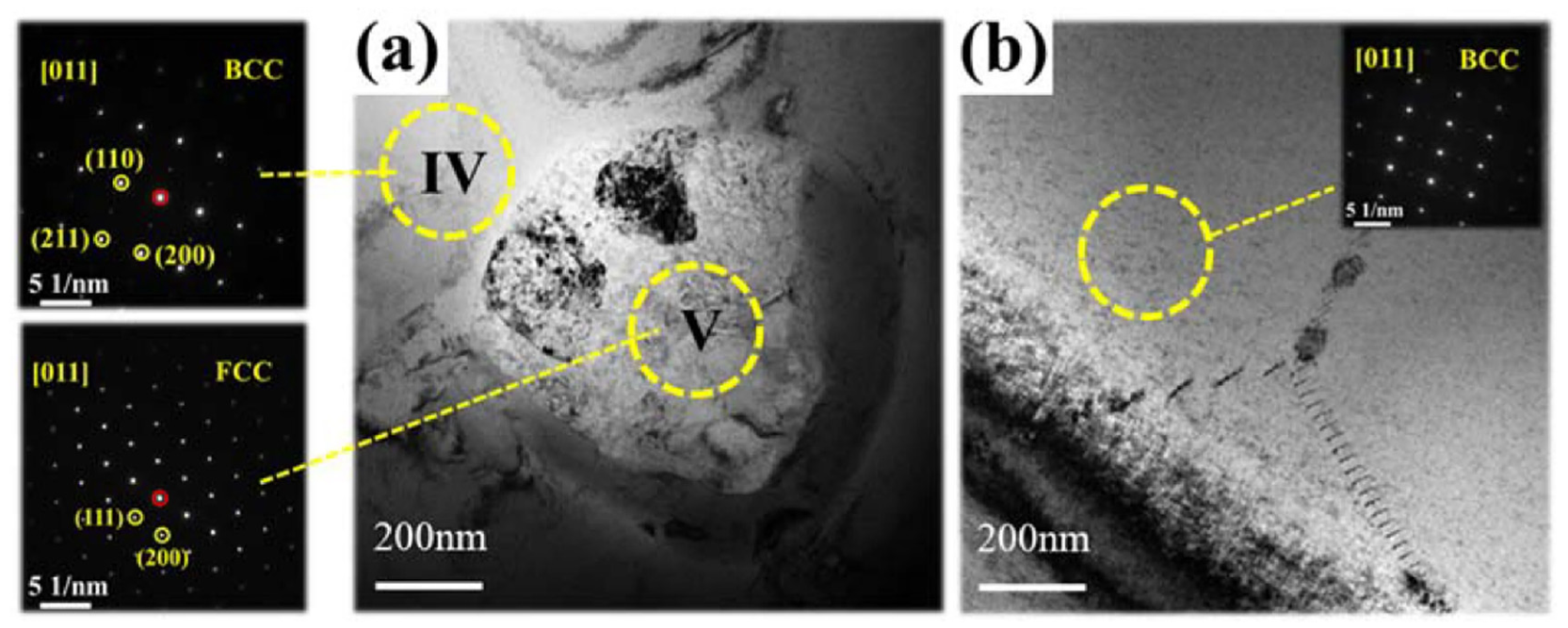
Ma et al. [60] examined Ce-doped Al0.5NbZrTi1.5Ta0.8Cex HEAs by TEM and showed that Ce, with negligible matrix solubility, forms nano-sized FCC Ce-rich pockets (Region V, ~91 at.% Ce) against a BCC matrix (Region IV, ~0.8 at.% Ce), as illustrated in Figure 8, where BF-TEM and SAED distinguish the two phases and associated dislocation density. Such boundary-adjacent RE-rich nanoprecipitates hinder boundary migration via solute drag and Zener pinning, refining the cast microstructure. However, predicting RE-induced segregation behavior remains difficult due to limited experimental and theoretical data (see Section 7).
Figure 8.
(a) TEM micrographs of Ce5 showing distinct zones with matched SAED patterns—Region IV (matrix) and Region V (Ce-enriched phase). (b) Dislocation structures within the alloy. Reprinted from [60].
3.4. Formation and Role of Rare Earth Compounds
Rare earth elements mainly form two types of compounds in HEAs, which have drastically different effects on alloy properties. It must be stressed that the formation and role of RE compounds are primarily documented in conventional casting or arc-melted HEAs, rather than Bridgman solidification; extrapolation to Bridgman conditions requires caution due to differences in solidification dynamics. In these conventional processes, the main cleansing phases are the purifying and the strengthening phases. The purifying phase mainly includes rare earth oxides and sulfides, which improve the purity of the matrix by capturing interstitial impurities during solidification. The strengthening phase mainly consists of nanoscale rare earth oxide dispersions, which pin dislocations through the Orowan bypass mechanism, achieving significant dispersion strengthening. However, when excessive rare earth elements are added, they tend to form continuous, coarse rare earth-rich intermetallic compounds with the matrix principal components. For instance, Hu et al. [61] reported, in their study of AlCoCrCuNiTiYx alloys prepared by vacuum arc melting (not Bridgman solidification), that the addition of Y preferentially combines with Cu to form coarse Cu2Y intermetallic compounds. These brittle phases become crack initiation sites, leading to a significant decrease in the alloy strength. Gu et al. [62] also reported, based on conventional casting/arc-melted studies, that the addition of Sc, Y, and La will form intermetallic compounds, such as Ni2Sc, Al2Y, and Al2La. These compound formation behaviors are expected to occur under Bridgman solidification based on thermodynamic extrapolation, but they have not yet been directly verified in Bridgman-processed HEAs. Therefore, the size, morphology, distribution, and volume fraction of rare earth compounds are the key factors in determining whether they ultimately play a purifying and strengthening role or cause brittleness and damage to performance under any solidification route.
3.5. Synergistic Rare Earth Optimization of Bridgman Solidification
Rare earth elements play a key role in the preparation of the Bridgman directional solidification HEAs. First, rare earth elements can significantly improve the wettability of the melt to the cavity or substrate and reduce the interfacial energy. Xiang et al. [34] revealed the influence brought by the content of rare earth components through the behavior of the molten pool (Figure 9). It should be noted that the data of this study originated from the brazing–coating system (the mechanism of the brazing–coating system reference, not the Bridgman high-entropy alloy experiment), and Figure 9 indicates that increasing the content of rare earth components will reduce the surface tension and promote the spread of the melt on the substrate surface. In the (CoFeNiCrMn)88Nb12 high-entropy alloy filler and Er2Si2O7/MoSi2 coating system, the active element Nb diffuses to the interface and reacts with the rare earth element Er to form the ErNbO4 phase, reducing the final wetting angle to 23.12°, significantly enhancing the spread and filling ability of the melt. This wetting change pattern can provide a mechanism reference for understanding the interface behavior of Bridgman crucible–melt at the solid–liquid interface.
Figure 9.
Marangoni convection within the melt pool under (a) REC-free and (b) REC-containing conditions. Reprinted from [34].
Secondly, rare earth elements help stabilize the morphology of the solid–liquid interface during the solidification process. Zhao et al. [63] conducted a phase field simulation study, indicating that during directional solidification, the temperature gradient and growth rate are the core factors controlling the morphology of dendrites and the stability of the interface; the compositional undercooling caused by solute redistribution is the main cause of interface instability. This phase field simulation is a general multi-component directional solidification simulation, and no specific calibration has been carried out for rare earth-doped Bridgman high-entropy alloys. Rare earth elements can suppress interface disturbances by changing the solute distribution coefficient and interfacial energy, promoting the stable growth of planar/cellular interfaces.
In the Bridgman directional solidification process with a high temperature gradient (G) and controllable growth rate (V), the above metallurgical properties of rare earth can have a synergistic effect with the process parameters. However, it should be noted that the existing direct experimental evidence for this synergistic effect is still relatively scarce. Some of these understandings are based on the extrapolation of the behavior of rare earth in other alloy systems. Theoretically, the synergy of the two can achieve a higher directional solidification success rate, better microstructure consistency, and lower defect density, providing a feasible path for the preparation of controllable high-entropy block alloys with high performance. However, more Bridgman high-entropy alloy rare earth system experiments are needed for verification.
In brief, RE-driven grain refinement, melt purification and segregation modification are typically effective within a narrow window of 0.05–1.0 at.% RE; however, this effective range is not fixed and may shift with alloy chemistry, O/S impurities, matrix crystal types (FCC/BCC/eutectic), and Bridgman G/V processing parameters, and it may shift accordingly rather than being a fixed universal criterion. Grain refinement and impurity scavenging show good reproducibility across different HEA systems from casting experiments, whereas brittle intermetallic formation depends strongly on alloy composition. It should be emphasized that melt purification is experimentally verified, but most interfacial modulation effects under Bridgman conditions are extrapolated from casting/additive data. Conflicting reported properties mainly stem from differences in RE dosage, impurity content, and G/V parameters.
4. Mechanical Properties and Strengthening Mechanisms
This chapter contains two types of information: (1) experimental observations obtained from Bridgman directional-solidified HEAs and (2) general metallurgical knowledge derived from conventionally cast, additively manufactured HEAs, which serve as mechanistic references but are not direct experimental evidence for Bridgman-processed materials. Conclusions directly supported by Bridgman experiments are explicitly highlighted in-text. General composition-dependent behaviors of HEAs, which do not originate from the Bridgman process itself, are also clearly indicated.
4.1. Intrinsic Mechanical Properties of HEAs
It should be noted that property variations reported in HEA studies often represent coupled contributions from three factors: Bridgman solidification processing (G-V-induced grain morphology and segregation level), major alloying element chemistry (Al, Ti, Nb, and others altering phase constitution, such as FCC/BCC/B2 fractions), and rare earth microalloying. In many existing publications, these variables are not fully decoupled experimentally. Where possible in the following sections, we explicitly distinguish effects originating from processing, base alloy composition, and RE additions.
The as-cast HEAs without rare earth elements typically exhibit high strength and low plasticity, with brittle or intergranular fracture being the dominant fracture modes. Wang et al. [39] found that in as-cast AlCoCrFeNi2.1 eutectic HEAs, the hard and brittle ordered BCC (B2) phase was the main cause of the macroscopic brittle fracture. After Bridgman directional solidification, the alloy forms a continuous columnar crystal structure arranged along the heat flow direction, reducing the number of grain boundaries and improving orientation consistency, thereby significantly enhancing the load bearing capacity and high-temperature stability and making strength and plasticity more synergistic. AlCoCrFeNi2.1 exhibits the best strength-to-plasticity ratio (εf ≈ 37%) under 60 μm/s directional solidification, while the as-cast microstructure consists of radial radiating lamellae and a reticular structure. Campo et al. [64] confirmed that the microstructure of the AlCoCrFeNi HEAs prepared by the Bridgman directional solidification can change from coarse columnar crystals to fine-equiaxed crystals as the solidification rate changes and exhibits positive strain rate sensitivity. This conclusion is directly supported by Bridgman directional solidification experiments. Liu et al. [65] presented mechanical response curves of Si-doped AlCrFeNi-based dual-phase eutectic HEAs in Figure 10, showing that lamellar eutectic structuring raises strength while retaining measurable ductility. As the solidification rate increases from 5 μm/s to 100 μm/s, the elongation of the material continuously decreases from 35.23% to 2.58%. Zhao et al. [66] designed an L12-strengthened (Ni,Co,Fe,Cr)3(Al,Nb) HEA, achieving a superior strength–ductility synergy from room temperature to 870 °C via the precipitation/misfit control rather than directional solidification. The yield strengths of typical directionally solidified HEAs can reach 500–1200 MPa, and the hardness values are between 300 and 600 HV. However, their intrinsic properties are still limited by the micro-segregation, residual defects, and phase composition generated during solidification, and further improvement still faces challenges.
Figure 10.
(a) Compressive responses of as-cast (AlCrFeNi)100−xSix EHEA composites. (b) Dependence of Vickers hardness (HV) and YS (σy) on Si concentration (x). Reprinted from [65].
4.2. Constitutive and Strengthening Models for HEA Behavior
It should be noted that the strength superposition models, Johnson–Cook constitutive model, and other formulas in this section belong to general micromechanical frameworks for multi-component alloys. When applied to Bridgman directionally solidified HEAs, recalibration of relevant material parameters is required.
The mechanical properties of HEAs are closely related to their complex multi-principal component compositions and the resulting unique microstructures. In order to understand the origin of their strengthening mechanism from a quantitative perspective, researchers usually regard the yield strength of the alloy as the superposition result of multiple micromechanical contributions. This linear superposition model provides a basic framework for decomposing lattice friction, various strengthening factors, and work hardening. Researchers often decompose the total yield strength (MPa) into the sum of contributions from multiple physical mechanisms [67]. Its expression is generally as follows:
where σ0 is the matrix lattice friction force (MPa), σss is the solid solution strengthening increment (MPa), σgb is the grain boundary strengthening contribution (MPa), σdis is the strengthening factor caused by the increase in the dislocation density (MPa), and σppt is the strengthening contribution of the second phase/precipitate or dispersed particles (MPa). In polycrystalline HEAs, the resistance of grain boundaries to dislocation slip is often described by the Hall–Petch relation [67]:
where kHP is the Hall–Petch coefficient (MPa·μm), reflecting the ability of grain boundaries to impede dislocation passage, and d is the average grain size (μm).
σy = σ0 + σss + σgb + σdis + σppt
σy = σ0 + kHP d−1/2
The severe lattice distortion unique to HEAs makes the solid solution strengthening mechanism particularly prominent. Considering the differences in the atomic size and modulus between multiple components, based on the Varvenne–Curtin theory of concentrated solid solution strengthening, the increase in yield strengths of HEAs through solid solution strengthening can be expressed in a simplified engineering form [68]:
where G0 is the average shear modulus (GPa or MPa), Z and fγ are constants related to dislocation–solute interactions, εi is the comprehensive elastic mismatch parameter of the i-th component, and Xi is the atomic fraction.
As the plastic deformation proceeds, the dislocation density increases continuously, and the strengthening effect generated by the interaction between dislocations can be described by the Bailey–Hirsch relation [69]:
where M is the Taylor factor, α is the dislocation interaction geometric constant (~0.3–0.5), b is the Burgers vector magnitude (nm), and is the dislocation density (m).
When an alloy contains an unshearable second phase or dispersed particles, dislocations need to be propelled through the Orowan bypass mechanism, and the required critical shear stress is [70]:
where λ is the mean free path between particles (nm), and r is the particle radius (nm).
In scenarios involving high strain rate or high-temperature deformation, the Johnson–Cook empirical constitutive model is widely used to capture the coupling effect of strain hardening, strain rate sensitivity, and thermal softening [71]:
where A, B, and C are parameters, n is the work-hardening exponent, ∗ = /0 is the dimensionless strain rate (0 is the reference strain rate), is the melting temperature, = (T − Tr)/(Tm − Tr), Tr is the reference temperature, εp is the uniaxial plastic strain, and m is the model constant.
Meanwhile, the strain rate sensitivity of materials is often defined in the form of a logarithmic derivative [72]:
where σ is the rheological stress (MPa), is the strain rate (s−1), and m is the strain rate sensitivity index (dimensionless).
Finally, the activation volume of the thermally activated deformation process can be written as [73]:
where k is the Boltzmann constant (J/K), T is the absolute temperature (K), is the strain rate (s−1), and σ is the rheological stress (MPa). Finally, when estimating the macroscopic-elastic modulus of polycrystalline materials from the single-crystal elastic stiffness constant, the Voigt–Reuss–Hill average is commonly used [74]:
where B_v and B_R are the upper and lower limits of the Voigt and Reuss bulk moduli (GPa), respectively; G_v and G_R are the corresponding shear moduli (GPa); B and G are the average bulk modulus and shear modulus (GPa); and E is Young’s modulus (GPa). This series of formulas together constitutes the core toolkit for the theoretical analysis and experimental calibration of the mechanical properties of HEAs.
4.3. Wear Resistance Performance
As a general composition-dependent behavior for HEAs, the dry sliding wear resistance of high-entropy alloys is mainly regulated by the microstructure and composition of the matrix phase. The FCC phase inhibits crack initiation through its high processing–hardening ability, while the BCC/B2 phase provides high hardness and anti-scraping ability. This represents composition-dependent general behavior of HEAs, not a unique property induced by Bridgman solidification. The wear mechanism changes from the adhesive to mild abrasive wear and oxidation wear as the proportion of BCC phase increases. Haghdadi et al.’s [75] research on AlxCoCrFeNi high-entropy alloys shows that an increase in the Al content induces the phase transformation from the FCC → FCC + BCC → BCC phase, with the hardness increasing from approximately 180 HV to over 450 HV. The wear rate of the Al1.0CoCrFeNi with a BCC structure is significantly lower than that of the Al0.3CoCrFeNi and traditional low-alloy wear-resistant steel with a higher BCC proportion, and the anti-abrasive wear ability increases with the increase in the BCC proportion. Yu et al. [76] discovered that the directional solidification process, which forms columnar dendritic structures aligned along the direction of the heat flow, can inhibit the cracking of transverse grain boundaries. This conclusion is directly supported by Bridgman directional solidification experiments. When x is greater than 0.6, a dual-phase composition of FCC and BCC is observed, and when x is greater than 0.9, it transforms into a BCC + B2 phase. The hardness reaches above 560 HV, and the wear rate is significantly lower than that of an NM360 wear-resistant steel. The dual-phase region achieves the optimal wear resistance due to the matching of strength and plasticity. Wu et al. [77] conducted research on the AlCoCrFeNiTi0.5 high-entropy alloy and discovered that Ti-induced formation of an ordered Al–Ni–Ti-enriched BCC (B2) and an unordered Fe–Cr-enriched BCC dual-domain structure resulted in an increase in hardness to approximately 650 HV. The dry sliding volume loss was significantly lower than that of the AISI 304 stainless steel and AISI 52100 bearing steel. At high loads, it still maintained a low wear rate and was not prone to severe plastic spalling. In summary, the oriented dendritic crystal structure introduced by directional solidification and the BCC/B2 hardening phase induced by Al/Ti make these two types of high-entropy alloys generally superior to traditional wear-resistant steels in terms of wear resistance, and they have better anti-peeling ability under higher stress.
It is worth separating different contributions here: increases in BCC/B2 phase fraction driven by Al/Ti additions intrinsically improve hardness and wear resistance for many HEA systems, independent of solidification routes. Bridgman directional solidification further modifies performance by adjusting grain morphology and reducing micro-segregation. RE-derived benefits reported for wear properties are frequently entangled with phase changes caused by base alloy elements, and fully decoupled experimental comparisons remain limited.
4.4. Antioxidant Property
The high-temperature oxidation resistance of high-entropy alloys depends on whether a continuous and dense α-Al2O3 or Cr2O3 protective film can form on the surface, as well as the blocking effect of the matrix composition and microstructure on the mutual diffusion of elements. This represents composition-dependent general behavior of HEAs, not a unique property induced by Bridgman solidification. The directional solidification of the CoCrFeNiCu with an FCC structure lacks sufficient Al and Cu precipitation, resulting in only the formation of a porous spinel and Cr2O3 mixed layer on the surface. The oxidation resistance of these alloys is much lower than that of BCC/B2 type high-entropy alloys containing Al/Ti and traditional 304 stainless steel. Zhang et al. [78] pointed out that AlxCoCrFeNi high-entropy alloys undergo a phase transformation from the FCC to FCC + BCC to BCC/B2 phase as the Al content increases. When x ≥ 0.5, the surface preferentially forms a continuous α-Al2O3 film, and its parabolic oxidation rate constant, k_p, is reduced by nearly one order of magnitude compared to the FCC-type CoCrFeNiCu. The delayed diffusion effect of the high-entropy alloy makes its oxidation resistance superior to the traditional stainless steel and some Ni-based alloys. George et al. [79] summarized the response of AlCoCrFeNi and AlxCoCrFeNi systems to high-temperature environments, indicating that the Al-induced BCC/B2 phase formation and the exclusion of Cu are the key to achieving excellent oxidation resistance. The presence of Cu promotes the peeling of the oxidation film, resulting in a degradation of oxidation resistance.
Liu et al. [80] studied AlxCoCrCuFeNi (x = 0, 0.5, and 1.0) and found that the oxidation weight gain of CoCrFeNiCu (FCC) at 1000 °C without Al is approximately 2–3 times that of the Al(x = 1.0) BCC alloy containing Al. Cu inhibits the formation of a continuous Al2O3 film and causes the oxide layer to be prone to peeling, confirming that the oxidation resistance of the AlxCoCrFeNi and AlCoCrFeNiTi0.5 high-entropy alloys without Al is significantly weaker than that of the AlxCoCrFeNi system. Studies by Butler et al. [81] on AlxCoCrFeNi (x corresponding to 8–30 at.% Al) showed that high-Al content (BCC/B2) alloys exhibited significantly lower oxidation weight gain at 1000–1050 °C compared to low-Al FCC alloys. The continuous Al2O3 film provided oxidation resistance approaching Inconel 600. In contrast, the Cu-containing CoCrFeNiCu, unable to form a continuous Al2O3 film, showed a greater oxidation weight gain and was prone to peeling, making it far inferior to the AlxCoCrFeNi system. In summary, the columnar crystal structure introduced by directional solidification reduces transverse grain boundary short circuit diffusion. Combined with the Al/Ti-induced BCC/B2 phase, AlxCoCrFeNi and AlCoCrFeNiTi0.5 high-entropy alloy systems can form a stable protective Al2O3 film at high temperatures, exhibiting significantly better oxidation resistance than Al-free CoCrFeNiCu high-entropy alloys and traditional Cr-Mo wear-resistant steels. Furthermore, they are less prone to severe oxide film peeling failure under long-term high-temperature service.
The formation of protective continuous Al2O3 scales is primarily governed by the bulk Al content of the alloy (composition-dependent effect). Bridgman processing modifies short circuit grain boundary diffusion by producing columnar grain microstructures, while RE additions may further alter oxide-scale nucleation and growth. Many existing studies vary multiple parameters simultaneously, making it difficult to isolate one single factor’s quantitative contribution.
4.5. Physical Properties
4.5.1. Electrical Properties
The room temperature resistivity of high-entropy alloys is mainly controlled by electron–phonon scattering caused by severe lattice distortion and phase structure. The directional solidification of the FCC-structured CoCrFeNiCu retains a relatively low resistivity (~110–130 μΩ·cm) due to chemical disorder. The BCC/B2 phases AlxCoCrFeNi and AlCoCrFeNiTi0.5 have a residual resistivity of over ~200–230 μΩ·cm due to the increased atomic size difference and B2 ordering. CoCrFeNi-based high-entropy alloys do not have an intrinsic superconducting transition at ambient pressure (high-entropy superconductors are found in refractory high-entropy alloys, such as Ta-Nb-Hf-Zr-Ti). Kao et al. [82] determined that the room temperature resistivity of the equimolar CoCrFeNi was approximately 115 μΩ·cm, and that of AlCoCrFeNi (x = 1.0, BCC) was approximately 205 μΩ·cm. The resistivity is 1–2 orders of magnitude higher than that of pure metals, attributed to strong scattering from the high-entropy solid solution. The addition of Al induces the FCC→BCC phase transition, further increasing the residual resistivity ρ0 and bringing the temperature coefficient of resistance close to zero (TCR ≈ 70–80 ppm/K), indicating the potential for precision resistor applications. In the same paper, the data from the AlCoCrFeNiTi0.5 were compared, showing that Ti promotes the B2 phase, stabilizing ρ300K at 210–230 μΩ·cm. Zhao et al. [83] found that the room temperature resistivity of the FCC CoCrFeNi is slightly lower than that of the BCC AlCoCrFeNi, and that directional solidification-induced columnar grains reduce grain boundary scattering along the growth direction, resulting in a slight decrease in longitudinal resistivity. This conclusion is directly supported by Bridgman directional solidification experiments. In the same work, Kao et al. [82] also found that the AlxCoCrFeNi two-phase (FCC + BCC) region exhibits local maxima of ρ due to additional scattering at phase boundaries, while the single BCC phase with x ≥ 1.0 stabilizes at ~210–225 μΩ·cm due to the shortening of the electron mean-free TCR path. Guo et al. [84] pointed out that the near-zero TCR of high-entropy alloys originates from the temperature dependence of the electron mean-free path suppressed by chemical disorder. Directional solidification does not change its metallic ρ-T curve, but the weakening of scattering along the columnar grain boundary causes a slight decrease in the longitudinal ρ (about 3%). In summary, the conductivity of the directionally solidified CoCrFeNiCu is slightly better than that of AlxCoCrFeNi and AlCoCrFeNiTi0.5 systems. The latter exhibits higher resistivity and near-zero TCR due to Al/Ti-induced BCC/B2 phases and strong lattice distortion. CoCrFeNi-based high-entropy alloys do not have intrinsic superconductivity, which is quite different from the properties of Nb-Ta-Ti-based high-entropy superconductors.
4.5.2. Magnetic Properties
The magnetic properties of FeCoNiCrAl eutectic high-entropy alloys are determined by their two-phase composition: the FeCoNi-rich FCC/L12 phase is ferromagnetic, and its saturation magnetization (Ms) is positively correlated with the volume fraction of the FCC phase; the Al–Ni-rich B2 phase is paramagnetic, does not contribute to the magnetic moment but dilutes the overall Ms, and its coercivity (Hc) is modulated by the orientation of the eutectic lamellas and the interface density. Studies by Shi et al. [85] on directionally solidified AlCoCrFeNi2.1 eutectic high-entropy alloys show that the FCC phase accounts for approximately 50–55% of the alloy, with room temperature Ms reaching 85–95 emu/g and Hc ≈ 40–65 Oe, far exceeding that of the single-phase BCC/B2 type AlCoCrFeNi (Ms < 20 emu/g) and approaching that of traditional FeCo-based soft magnetic alloys. Furthermore, directional solidification causes the eutectic lamellas to be regularly arranged along the heat flow direction, improving the magnetic permeability. Studies by Shi et al. [86] on the microstructure of directionally solidified and as-cast AlCoCrFeNi2.1 eutectic high-entropy alloys show that in directionally solidified samples, the FCC/L12 and B2 eutectic layers are regularly arranged along the heat flow direction, and the interconnectivity of FCC is better than that in the as-cast state. This difference in microstructure orientation makes magnetization easier along the cylindrical axis, and the magnetic permeability is slightly higher than that in the transverse direction. It can be inferred that directional solidification introduces magnetic anisotropy. This conclusion is directly supported by Bridgman directional solidification experiments. Zhong et al. [87], in their study of AlCoCrFeNi2.1 hierarchical heterostructures, pointed out that by controlling the ratio of FCC/B2 phases, both soft magnetic properties and strong plasticity could be balanced. Excess Al leading to the B2-phase dominance resulted in a sharp decrease in Ms, and directional solidification is a process for precisely controlling this ratio.
Yuan et al. [88], in their study of the cusp magnetic field-assisted directional solidification, found that the axial static magnetic field made the preferred orientation of the eutectic lamellas more obvious, and the rectangularity of the magnetization curve measured along the column axis was better than that of the directionally solidified sample without a magnetic field, indicating that the external field treatment can control magnetic anisotropy. Lu et al. [89] demonstrated that AlCoCrFeNi2.1 exhibits a lamellar FCC/B2 eutectic architecture whose spacing—and hence the local phase volume balance between soft FCC and stiff B2—scales with the solidification cooling intensity, providing the microstructural basis for its simultaneous high strength and high ductility. Suppressing the premature coarsening of the B2 phase helps retain more ferromagnetic FCC phases, thereby improving the effective Ms. This trend provides experimental evidence for the regulation of the soft magnetic phase ratio of high-entropy alloys by directional solidification parameters. Chen et al. [90] studied the directional solidification of new single-crystal high-entropy alloys and showed that the Bridgman method can obtain a directional dendritic FCC + L12 microstructure, providing a microstructural basis for subsequent research on the soft magnetic phase texture and anisotropy of FeCoNi-based high-entropy alloys. Shi et al. [91] revealed that the FCC phase continuously bears deformation in the multi-stage strain hardening of the directional solidification EHEA, indirectly confirming the contribution of the ferromagnetic continuity of the FCC phase to the stability of magnetic properties. This conclusion is directly supported by Bridgman directional solidification experiments. In comparison, Al-free CoCrFeNiCu (FCC) exhibits weak ferromagnetism (Ms ≈ 10 ~ 15 emu/g) due to the absence of Co and high Cr content, while the Mn-doped CoCrFeNiMn even exhibits paramagnetism. In contrast, the Ti-containing AlCoCrFeNiTi0.5 has an even lower Ms due to the further increase in the B2 phase ratio. In summary, the directionally solidified AlCoCrFeNi2.1 eutectic high-entropy alloy, with its regular FCC/B2 eutectic layers and oriented columnar crystals, achieves high saturation magnetization (~90 emu/g) and low-coercivity soft magnetic characteristics. Magnetic anisotropy and initial permeability can be further optimized through the pulling rate and magnetic field assistance. Its magnetic properties are significantly superior to Al-free Cu-containing high-entropy alloys and BCC/B2 single-phase high-entropy alloys with the excessive Al/Ti addition.
4.6. Rare Earth Strengthening Mechanisms
The strengthening effect of rare earth elements on HEAs mainly comes from the synergistic effect of four mechanisms: solid solution strengthening, precipitation strengthening, grain boundary strengthening, and dislocation strengthening. It should be noted that these strengthening mechanisms are primarily documented in cast polycrystalline HEAs or thin films, rather than Bridgman columnar-grained HEAs. Solid solution strengthening is caused by the significant atomic size difference between the rare earth atoms and matrix elements, which induces strong lattice distortion and forms a long-range stress field to hinder dislocation slip. Precipitation strengthening is based on nanoscale rare earth compounds. When dislocation lines cannot cut through these hard phases, strengthening is generated through the Orowan bypass mechanism [92]. In their review, Joele et al. [93] summarize high-temperature strengthening in HEAs/HESAs, including precipitation, solid solution, and high-entropy effects (e.g., sluggish diffusion, lattice distortion). In RE microalloying, phases such as Ni2Sc, Al2Y, and Al2La (reported in arc-melted HEAs [62]) act as Orowan bypassing precipitates to hinder dislocations. However, such RE intermetallic strengthening lacks direct experimental validation in Bridgman-solidified HEAs. Lee et al. [94] also reported that in the CoCrFeNi HEAs thin film obtained by in situ synthesis with nano-oxide dispersion strengthening, the Orowan mechanism is the dominant strengthening mechanism, and grain boundary strengthening relies on the dual effects of the microstructure refinement and grain boundary purification brought by rare earth elements. Wang et al. [95] illustrated how trace B2-inducing additions reshape the Al0.3CoCrFeNi matrix. As illustrated in Figure 11 and Figure 12, EBSD maps capture grain orientation shifts after annealing, while TEM–SAED reveals Al–Ni-rich precipitates standing out from the FCC background and threading dislocations—mirroring the microstructural fingerprints reported for Y-modified FeNiCoCrTi HEAs. Meanwhile, the in situ observation study of cobalt-based superalloys by Zhong et al. [96] supported the view of grain boundary purification. They pointed out that rare earth elements, such as cerium (Ce), can optimize the strength and plasticity of materials through mechanisms such as grain boundary segregation, grain refinement, and grain boundary purification.
Figure 11.
IPF micrographs for (a) 800 °C, (b) 900 °C, and (d) 1000 °C heat-treated HEA samples. (c) Boundary map extracted from the framed zone in (a). Reprinted from [95].
Figure 12.
STEM-EDS compositional mapping of the precipitated phase: (a) TEM micrograph of the precipitate in the inset and corresponding SAED diffractogram. (b–f) Elemental maps of Al, Co, Cr, Fe, and Ni, respectively. Reprinted from [95].
Dislocation strengthening manifests as non-deformable nanoprecipitates or severe compositional fluctuations that induce the formation of high-density dislocation pinning points, leading to a “stick-slip” mode of dislocation movement. The groundbreaking research of UttD et al. [97] revealed its microscopic origin. Through in situ experiments and simulations, they attributed the intermittent “stick-slip” movement of dislocations in HEAs to the fluctuations of the local lattice friction (Peierls stress) caused by solute atoms, which is the key to the repeated pinning of dislocations and the resulting strengthening. The research of Chen et al. [98] further clarified the special nature of this type of dislocation movement. They found that in BCC HEAs, the dislocation pinning effect caused by the compositional inhomogeneity constitutes an unconventional and controlled thermal-activation process, which significantly affects the rheological stress behavior of the material. These four mechanisms are interconnected and synergistic, jointly promoting the simultaneous improvement of strength and plasticity in rare earth-modified HEAs.
These strengthening mechanisms do not act independently. Fine RE nanoprecipitates are required for Orowan strengthening. Once RE exceeds the optimal range, coarse brittle intermetallics become crack origins and degrade performance. Most strengthening data are from cast polycrystalline HEAs. For Bridgman columnar-grained HEAs, grain boundary strengthening contribution declines, so these conclusions cannot be directly transferred without experimental calibration.
4.7. Plasticity and Fracture
The plasticity and fracture behaviors of HEAs are regulated by multiple factors, such as crystal structures, stacking fault energy, phase compositions, and microstructures. In terms of plastic deformation, HEAs with FCC structures usually exhibit good ductility, and their deformation mechanism is mainly dislocation slip. Wang et al. [99] revealed that by introducing nano-double precipitates through composition designs, deformation twins can be excited in a high-entropy steel with high stacking fault energy, thereby introducing the TWIP effect and achieving a combination of high strength and great plasticity. Stacking fault energy is the key to determining the activation order of the deformation mechanism. Zhang and Nam et al. [100,101] showed through first-principles calculations that some FCC HEAs have negative stacking fault energy, which is conducive to the formation of nano-twins. Subsequent studies further proposed that by adjusting the stacking fault energy and critical twinning stress, deformation twins can be effectively activated in ultrafine-grained HEAs, thereby improving the work hardening ability.
In terms of fracture behavior, HEAs exhibit diverse fracture modes. Li et al. [102] systematically summarized the common intergranular fracture, cleavage fracture, and ductile dimple fracture modes in HEAs. Single-phase BCC or alloys containing a large number of hard and brittle phases, such as Laves and σ phases, often exhibit brittle cleavage fracture due to the lack of sufficient slip systems or stress concentration. Liu et al. [103] showed that it mainly exhibits brittle cleavage fracture at 500 °C. In contrast, alloys dominated by FCC or with optimized microstructures tend to undergo ductile fracture, the mechanisms of which are micropore nucleation, growth, and aggregation. Zhang et al. [104] found that heat treatment can promote the fracture mechanism to change from brittle cracking along the solidification cell/melt pool boundaries to transgranular micropore aggregation-type ductile failure.
Adding appropriate amounts of rare earth elements is an effective metallurgical method to regulate the plasticity and fracture behavior of HEAs. First, rare earth elements can release the local stress concentration by refining grains and inhibit the precipitation of harmful brittle phases. Vogel and Long et al. [105] demonstrated that adding trace amounts of Gd to CoCrFeNi alloys can significantly refine grains and form GdNi5-type precipitates, which improve strength while maintaining plasticity. This trend is due to the combined effect of grain refinement and solid solution strengthening. Second, the grain boundary purification effect of rare earth elements is crucial. Rare earth atoms can segregate at grain boundaries, combined with harmful impurities, thereby purifying and strengthening grain boundaries, effectively preventing intergranular brittle fracture.
However, the addition of rare earth elements must be strictly controlled. When excessive rare earth elements are added, coarse and brittle rare earth intermetallic compounds are formed. Wei et al. [106] pointed out a similar risk, namely, that the hard and brittle rare earth-rich phase near the grain boundary can function as a stress concentration point and microcrack origin, significantly reducing the elongation of the material. Therefore, optimizing the amount of rare earth elements added, while utilizing their beneficial effects, avoids the formation of harmful coarse and brittle phases, which is the key to achieving a synergistic improvement in the strength and plasticity of HEAs.
4.8. High-Temperature Mechanical Properties
The high-temperature mechanical properties of HEAs, especially their strength retention, creep resistance, and microstructure stability at high temperatures, are key to their application in hot-end components in the aerospace and energy fields [107]. At high temperatures, the softening of materials mainly stems from the activation of the diffusion-controlled dislocation climb and grain boundary slip mechanisms. A review study by Mishra et al. [108] pointed out that although HEAs have good high-temperature potential due to their “hysteresis diffusion effect” and lattice distortion, their polycrystalline structure still faces challenges at high temperatures.
Bridgman directional solidification is one of the core processes for optimizing the high-temperature microstructures of HEAs. By controlling the solidification parameters, this process can obtain columnar crystal structures that grow epitaxially along the heat-flow direction. The study of Yang et al. [109] confirmed that the microstructure of alloys, such as AlCoCrFeNi, can be significantly optimized by Bridgman directional solidification. This highly oriented columnar crystal structure can effectively reduce the number and continuity of transverse random grain boundaries. Since grain boundaries are the fast channels for atomic diffusion and slip at high temperatures, reducing grain boundaries can significantly inhibit high-temperature grain boundary slip, thereby improving the deformation resistance and creep life of the alloy at high temperatures. Cao et al. [110] further found in their study of heterogeneous columnar HEAs that this unique microstructure can effectively hinder the initiation and propagation of intergranular cracks in the mid-temperature region, thereby improving the alloy’s resistance to intergranular embrittlement.
Tekin et al. [111] reported that the addition of rare earth elements can produce a significant strengthening effect in Y-added CoCrFeNi HEAs consolidated by spark plasma sintering (SPS). This effect is often suggested to be synergistic with directional solidification; however, it must be stressed that such synergistic effects are typically inferred from studies comparing different alloy compositions or extrapolated from non-Bridgman data (e.g., SPS-consolidated alloys), as direct same-alloy Bridgman comparisons remain absent (as emphasized in Section 3.2 and Section 3.5). Its role is mainly reflected in two aspects: First, grain boundary purification and strengthening. Rare earth atoms tend to agglomerate at grain boundaries and combine with harmful impurities, such as oxygen and sulfur, to form stable compounds, thereby purifying and strengthening grain boundaries and hindering crack propagation along grains. Second, the introduction of thermally stable nano-RE precipitates uniformly dispersed in the matrix, which enhances strength via Orowan bypass strengthening and Zener pinning against grain growth, thereby improving high-temperature stability and creep resistance. Studies on the creep behavior of Y-microalloyed CoCrFeNi HEAs reveal that the addition of Y forms fine Y-based oxides. These precipitates interact strongly with dislocations, changing the creep mechanism from dislocation climb-dominated to dislocation precipitate interaction-dominated, thereby significantly improving creep resistance. Chen et al. [112] showed that coherent L12 nano-precipitates are formed in the early stage of high-temperature creep, and these phases provide significant creep strengthening. The rare earth nanoprecipitates are extremely stable at high temperatures. They can strongly pin dislocations and hinder grain boundary migration through the Orowan bypass mechanism, thereby effectively suppressing high-temperature recovery and recrystallization, so that the material can still maintain high strength and structural stability after long-term high-temperature exposure.
In summary, compared with traditional cast alloys, the rare earth-modified Bridgman directionally solidified HEAs exhibit significant advantages in high-temperature creep strength, creep resistance, and microstructural thermal stability. Its uniformly oriented columnar crystal structure optimizes the grain boundary structure to the maximum extent, while the uniformly dispersed nano-rare earth precipitates provide a durable source of thermally stable strengthening. This organic combination of microstructural orientation and second phase strengthening makes it a highly promising high-temperature structural material. Long-term microstructural stability under extreme service conditions still requires more systematic investigation, as discussed in Section 7.
4.9. Corrosion Resistance and Passivation Behavior
HEAs, with their high-entropy effect and multi-principal synergistic effect, are prone to forming dense passivation films rich in elements, such as Cr, Ti, and Al, on their surfaces, exhibiting corrosion resistance potential. Such passivation films typically have Cr2O3 as the inner layer and Al2O3 and TiO2 as the outer layer, which together provide protection [113]. A review study by Xin et al. [114] confirmed that the corrosion behavior of HEAs is comprehensively regulated by the composition design, microstructure engineering, and processing strategies, among which the quality of the passivation film and phase characteristics are determined by each element and its synergistic interaction.
However, in the HEA prepared by casting or conventional processes, the prevalent grain boundaries, elemental segregation, inclusions, and second phases can severely damage the chemical and electrochemical homogeneity of the microstructure, thereby significantly inducing localized corrosion. Elemental segregation is a key factor leading to micro-galvanic corrosion. Wang et al. [115] found that in the FeCoCrNiTix alloy, the addition of 2.4 at.% Ti can promote the enrichment of Ti in the passivation film and increase the density and stability of the film, but excessive Ti content will lead to the formation of nanoprecipitates, which will destroy the homogeneity of the passivation film. The presence of harmful second phases is equally detrimental. Hsu et al. [116] found that in FeCoNiCrCux alloys, Cu segregates between dendrites to form a Cu-rich phase, which forms a galvanic cell with the dendritic matrix containing a small amount of Cu. This feature causes the Cu-rich phase to dissolve preferentially as the anode, leading to pitting corrosion. Similarly, Li et al. [117] found that in the AlxCoCrNiMo HEA, as the Al content increases, the proportion of the Al- and Ni-rich but Cr- and Mo-poor B2 phase increases. This phase is difficult to form a stable passivation film due to its low Cr content, becoming a preferred initiation point for corrosion and significantly reducing the corrosion resistance of the alloy.
Therefore, the chemical homogeneity and phase composition of the microstructure are the core determining factors that dominate the corrosion behavior and corrosion resistance of HEAs. Single-phase solid solution structures, especially the FCC phase, usually exhibit the best corrosion resistance because they minimize electrochemical inhomogeneity. Multi-phase structures, especially when the composition distribution between phases is uneven, severely impair corrosion resistance. It is worth noting that this situation can be significantly improved by the appropriate homogenization heat treatment. Saedi et al. [118] showed that the heat treatment of the AlCoCrNiFe HEA leads to a decrease in corrosion resistance due to chemical segregation and Cr depletion. In contrast, the study by Shi et al. [119] confirmed that homogenization heat treatment of the AlxCoCrFeNi series HEA at 1250 °C can simplify the microstructure and reduce elemental segregation, thereby reducing the work function difference between phases and ultimately improving the pitting corrosion resistance of the alloy. These studies collectively confirm the crucial importance of obtaining a uniform microstructure through process optimization for achieving excellent corrosion resistance of HEAs.
4.10. Bridgman Solidification Boosting Corrosion Resistance
The Bridgman directional solidification technology can significantly optimize the microstructure of HEAs by precisely controlling the temperature gradient (G) and solidification rate (V), thereby improving their corrosion resistance. Shi et al. [120] summarized that the processing method has a significant impact on the corrosion resistance of HEAs. By adjusting the G/V ratio, solidification defects can be effectively suppressed, and a highly oriented columnar crystal structure can be obtained, which lays the structural foundation for improving corrosion resistance.
The core advantage of directional solidification lies in its ability to significantly improve the chemical homogeneity of the microstructure and reduce the degree of elemental segregation when appropriate G-V parameters are adopted. Cui et al. [121] studied the FeCoNiCrAl HEA and confirmed that the corrosion resistance of directionally solidified samples in a 3.5% NaCl solution was significantly better than that of non-directionally solidified cast alloys. Its potentiodynamic polarization curves showed that the directionally solidified alloy had a lower corrosion current density (icorr) and a higher pitting potential (Epit). This improvement mainly stems from three aspects: First, the columnar crystal structure formed by directional solidification significantly reduces the transverse grain boundary density, thereby effectively inhibiting the initiation and propagation of corrosion between grains. Second, the orderly distribution of solute elements along the heat flow direction during solidification reduces the compositional differences between dendrites and the dendrite trunk region, weakening the driving force of the micro-galvanic corrosion. Furthermore, directional growth is conducive to forming a more continuous, dense protective oxide film rich in passivating elements, such as Cr and Al, on the alloy surface, improving the stability and repassivation ability of the passivation film.
Beyond this benchmark case, the effect of solidification parameters on corrosion resistance has been explored in a limited number of studies. Luo and Shang et al. [122,123] showed that in certain Bridgman-solidified HEAs, because the alloy retains a single FCC solid solution structure without the precipitation of harmful intermetallic second phases, it avoids micro-galvanic coupling and forms a more uniform passive state, which is the key to its corrosion resistance relative to multi-phase or inhomogeneous cast counterparts. However, it must be critically noted that systematic, same-composition investigations of corrosion behavior in Bridgman-solidified HEAs remain exceedingly scarce. To the best of our knowledge, the study by Cui et al. [122] on FeCoNiCrAl is the only publicly available work that directly contrasts as-cast and Bridgman DS corrosion performance within a single experimental campaign. The vast majority of Bridgman HEA reports focus on microstructural evolution and mechanical properties, leaving the corrosion perspective largely unexplored. Therefore, future research should prioritize establishing a database of as-cast vs. DS corrosion comparisons across representative HEA families (e.g., AlCoCrFeNi, eutectic HEAs, and refractory systems), so that the contribution of directional solidification to passivation can be quantified in a composition-independent manner.
4.11. Rare Earth Regulation of Corrosion Resistance
The improvement of the corrosion resistance of HEAs by rare earth elements mainly stems from their modification of the surface passivation film, optimization of electrochemical behavior, and promotion of formation kinetics, but their effects are dual. The addition of trace rare earth elements, such as Y and La, can “purify” the melt, refine the microstructure, and promote the formation of a denser, more stable surface film rich in protective oxides, such as Cr2O3 and TiO2, by enriching it at the passivation film/substrate interface. Guo et al. [124] confirmed that adding 0.5% La2O3 to CoCrFeNiMoSi HEA significantly increased the oxide content of Cr in the passivation film, thereby enhancing its corrosion resistance in chloride-containing media. Shi et al. [125] also found that adding trace amounts of Y and Hf to the Al1.5TiVNb lightweight HEA increased the TiO2 content in the passivation film by 50%, which was attributed to the higher point defect density introduced by rare earth doping, which accelerated the passivation and repassivation process.
Sun et al. [126] consistently demonstrated through electrochemical tests that the addition of appropriate amounts of rare earth elements can shift the corrosion potential of the alloy positively, reduce the corrosion current density, increase the pitting potential, and widen the passivation range. Meng et al. [127] found that after doping the FeCr0.7NiCu0.5Ti0.5 HEA with Y, the current density after the constant potential passivation decreased by an order of magnitude, indicating that the compactness and protective properties of the passivation film were significantly enhanced. At the same time, the dispersed fine spherical rare earth oxides can serve as non-uniform nucleation sites for the passivation film, accelerate the formation of the film, and inhibit the migration of defects within the film through the “pinning” effect, thereby improving the semiconductor stability and resistance to the Cl− intrusion of the film.
However, the effects of rare earth elements require finding the optimal addition amount to achieve a dual effect. Excessive rare earth elements or improper processing can lead to the formation of coarse rare earth intermetallic compounds. These phases have a significant potential difference with the matrix, which can function as active anodes in corrosive media, inducing localized micro-galvanic corrosion and ultimately impairing overall corrosion resistance. Therefore, precisely controlling the content and distribution of rare earth elements is crucial to realizing their beneficial effects.
While there is a considerable body of literature on the improvement of corrosion resistance in HEAs by rare earth elements, this area remains a relatively niche within the vast HEA composition system. Existing research largely focuses on the effects of Y, La, and Ce on typical systems in simulated seawater or acidic environments, providing preliminary insights into their passivation film modification mechanisms. However, the exploration of the synergistic effects among different rare earth elements, their behavior in extreme environments, and atomic-scale mechanisms remains insufficient, leaving room for further in-depth research.
RE-driven improvements in corrosion resistance are conditional: beneficial outcomes are typically observed only with trace RE additions and finely dispersed RE oxide particles, whereas coarse RE-rich intermetallics tend to induce galvanic corrosion and degrade corrosion performance. Almost all supporting experimental data are collected from cast HEAs; comparable direct experimental evidence for Bridgman-solidified HEAs remains limited, so these relationships cannot be uncritically transferred to directionally solidified alloys.
Base alloy elemental composition (Cr, Al, Ti) sets the intrinsic pass forming ability of HEAs. Bridgman directional solidification improves corrosion resistance mainly through reducing micro-segregation and modifying grain boundary architecture. RE elements exert additional modification on passivation film characteristics. It should be noted that in many published datasets, compositional change and microstructural change from processing co-occur, so individual factor contributions cannot always be quantitatively separated.
5. Theoretical Modeling of Directional Solidification
Quantitative prediction of the directional solidification microstructure of high-entropy alloys relies on a multi-scale theoretical framework, covering macroscopic heat solute transport criteria, microscopic dendrite growth kinetics, columnar-equiaxed crystal transformation (CET) criteria, and mesoscopic phase field simulations. The models at each level have been verified by experiments or in situ observations in recent years.
5.1. Constitutional Undercooling and Interfacial Instability
A compositional supercooling criterion derived from the Mullins–Sekerka linear stability analysis [128]:
For multi-component HEAs, the effective partition coefficient k and liquidus slope m become concentration-dependent functions [129]. The constitutional undercooling criterion must be evaluated using CALPHAD-derived thermodynamic parameters, as binary approximations fail. Vaidya et al. [130] confirmed through multi-component diffusion couple experiments that the modified compositional undercooling criterion, which introduces the interdiffusion coefficient tensor, can reasonably predict the critical G/V value of the planar → cellular interface in the directional solidification of CoCrFeNi HEA systems, with a deviation of <15% from the model prediction.
5.2. Kurz–Fisher Model and Primary Spacing
Kurz, Fisher, et al. [131] followed the Ivantsov solute diffusion solution for a parabolic tip. The nondimensional solute Péclet number is defined as Pec = VR/(2D), where V is the tip growth speed, R is the tip radius, and D is the solute diffusivity in the liquid. The Ivantsov function Ω (Pec) relates Pec to the constitutional undercooling through the partition coefficient k and nominal concentration C0. Tip selection is closed by the marginal stability criterion of the Langer and Müller–Krumbhaar formula, which introduces the dimensionless stability constant:
λ1 denotes the primary dendrite arm spacing; A is a dimensionless geometric constant, typically ranging from 4π to 10; Γ is the Gibbs–Thomson coefficient; and D is the solute diffusion coefficient in the liquid. Δ0 = |m|(1 − k)/k represents the freezing range per unit solute concentration, where |m| is the absolute value of the liquidus slope (since the solute depresses the melting point, m < 0), (1 − k) characterizes the fraction of solute rejected at the interface, and k is the equilibrium partition coefficient. C0 is the nominal solute concentration of the alloy, V is the solidification velocity, and G is the temperature gradient in the liquid. In HEAs, Γ and D are effective values extracted from multi-component thermodynamic databases. Phase competition (FCC vs. BCC vs. intermetallic) at the interface can alter apparent k and m, requiring validation against phase field simulations coupled with CALPHAD.
Kurz, Rappaz, and Trivedi et al. [130] re-evaluated the universality of this model in experimental data from the past two decades, confirming that the scaling law, λ1 ∝ V−1/4G−1/2, still holds true in the low-speed directional solidification range of multi-component alloys. The scaling λ1 ∝ V−1/4G−1/2 describes the fundamental diffusion–stability law governing the primary dendrite arm spacing, where λ1 decreases with the solidification velocity (V) to the −1/4 power and the thermal gradient (G) to the −1/2 power, reflecting that higher growth rates thin the solute boundary layer while steeper gradients suppress the constitutionally supercooled zone between arms [132]. Clarke et al. [133], using Al–Cu in situ synchrotron X-ray imaging compared to phase field simulations, measured the tip radius and λ1, finding a deviation of less than 10% from the Kurz–Fisher model prediction, thus confirming that this dendrite growth model can be used to assess the primary arm spacing trend in HEA-type slow-diffusion multi-component systems.
5.3. Hunt–Lu Model and Primary Spacing Stability
Hunt and Lu numerically solved the solute diffusion field of the cell/dendritic array in directional solidification and found that the spacing between the first-order arms has upper and lower limits (the upper limit is restricted by the annexation of the third-order arms, and the lower limit is confined by the lateral submergence of adjacent dendrites), and the steady state spacing is located within this “stable zone”.
Wang et al. [134] used an adaptive grid phase field simulation to reproduce the Hunt–Lu stable band (the Hunt–Lu stable band refers to the finite allowable range of primary spacing, λmin ≤ λ1 ≤ λmax, within which a cellular/dendritic array can maintain a steady diffusion-compatible configuration under given G–V conditions; outside this band, spacings are eliminated by neighbor elimination (λ < λmin) or tip splitting (λ > λmax), with the original analysis giving λmax ≈ 2λmin [133]) and found that steady state primary spacing tends to the lower limit of the stable band due to the dendrite submersion mechanism, and it is consistent with the V−1/4G−1/2 scaling law. Whitesell et al. [135] measured the primary spacing in Bridgman directionally solidified Ni-based superalloy experiments, and it fell within the Hunt–Lu-predicted stable band, verifying the applicability of the array model to multi-component alloy systems and providing a theoretical basis for setting the process window for the directional solidification of high-entropy alloys.
5.4. Modeling the Columnar-to-Equiaxed Transition
During directional solidification, the columnar-to-equiaxed transition (CET) is governed by the competition between epitaxial columnar growth and heterogeneous nucleation of equiaxed grains ahead of the solid–liquid interface. The key parameters are the temperature gradient G (K/m), the solidification (pulling) velocity V (m/s), and the cooling rate (K/s), where is defined as the product of G and V [136]. The driving force for CET is constitutional supercooling, quantified by the ratio G/V: a lower G/V ratio indicates a stronger constitutional supercooling zone ahead of the interface, thereby promoting the nucleation and growth of equiaxed grains [136].
Reducing G or increasing V expands the constitutional-supercooled zone and thus promotes the transition from columnar to equiaxed grains. This conclusion is qualitatively consistent with Hunt’s classic CET model, in which CET occurs when the volume fraction of free equiaxed crystals in the mushy zone reaches a critical value of ≈49%, at which point the accumulated equiaxed grains mechanically block the advancement of columnar dendrites [136]. The critical CET condition is, therefore, controlled by the G/V ratio and the heterogeneous nucleation undercooling ΔTN (K).
Dong and Lee et al. [137] simulated the directional solidification of Al–Cu alloys using a three-dimensional cellular automaton model coupled with a heterogeneous nucleation distribution function; the predicted CET locations agreed well with experiments, confirming that Hunt’s mechanical blockage criterion combined with the nucleation undercooling distribution can quantitatively predict the CET position. Mooney et al. [138] developed a concurrent model that simultaneously tracks columnar and equiaxed crystal fractions. Validated by microgravity directional solidification experiments conducted on the International Space Station (ISS) [139,140], this work confirmed that Hunt’s hard-blockage criterion remains the core basis for CET prediction, while highlighting the increasing relevance of soft blockage (solute blockage) at high nucleation densities.
5.5. Quantitative Phase Field Modeling of Directional Solidification
The Karma–Rappel thin-interface asymptotic phase field model introduces an anti-capture flow to correct solute dragging, enabling the phase field equations to reduce the Gibbs–Thomson condition for sharp interfaces in the diffusion limit.
Li et al. [141] proposed an improved phase field model that bridges near-equilibrium and far-equilibrium G-T conditions. Through the thin-interface analysis, they accurately mapped interfacial dynamic parameters, simulating the evolution of a dendrite tip velocity and λ1 during directional solidification, which matched the predictions of the Kurz–Fisher model. Clarke et al. [133], combining in situ synchrotron X-ray imaging with phase field simulations of Al-Cu directional solidification, found that the dendrite tip dynamics and primary spacing deviations were <10%, confirming that the phase field method can quantitatively predict competitive growth and heterogeneous crystal formation tendencies in multi-component alloys at the mesoscale—providing methodological support for simulating competitive growth in the HEA directional solidification. Eiken et al. [142] showed that coupling a multi-phase field model to CALPHAD databases avoids prescribing a fixed equilibrium partition coefficient or a single effective diffusivity. Instead, solute partitioning and the transformation driving force are evaluated directly by Gibbs energy minimization, while inter-component diffusional differences enter naturally via the multi-component diffusion matrix supplied by the database.
5.6. Short-Range Order in HEA Solidification
Most of the existing short program characterizations and simulations are based on equilibrium annealing or rapid quenching of high entropy alloys. The short program evolution under specific temperature gradients and growth rates during Bridgman directional solidification is still mostly speculative and requires targeted phase field simulations and in situ experiments for verification.
Traditional high-entropy alloys assume that constituent atoms randomly occupy lattice sites (completely random solid solutions). However, recent studies have shown that, driven by the enthalpy of mixing, chemical short-range order (SRO) is prevalent in the liquid and solid phases of multi-principal alloys. This feature means that dissimilar atom pairs (A–B) in the nearest neighbor shell exhibit a preferred arrangement or clusters of similar atoms that deviate from a random distribution. This locally ordered structure can be partially inherited during the liquid–solid transformation process of directional solidification, thereby affecting the nucleation barrier and the selection of competing grains.
5.6.1. Warren–Cowley Parameter and SRO Quantification
The most commonly used quantitative characterization of short-range order (SRO) is the multi-component extended Warren–Cowley (W–C) parameter [143,144]:
Let A be a component element, CA be the average concentration of A, P(A|B) be the conditional probability of encountering A in the nearest neighbor shell of atom B, and ⟨N_AB⟩ be the number of nearest neighbor pairs of A–B. αAB > 0 indicates repulsion of dissimilar atoms (preferring similar clusters), αA < 0 indicates the attraction of dissimilar atoms, and αAB = 0 indicates complete randomness.
Singh et al. [145] used a DFT linear response theory to calculate the W–C parameters of Ti0.25CrFeNiAlx system HEAs, finding that αAB < 0 for negative mixing enthalpy element pairs (such as Ni–Al and Cr–Ti), which is most significant in the first coordination shell, with the decay approaching zero in the second shell. This trend conforms to the classical definition of the W–C model limiting SRO to 2–3 atomic shells, proving that SRO in HEAs can be quantitatively described by W–C parameters. Zhang et al. [146] determined the degree of local chemical order (LCO) in entropy alloys in CrCoNi through nanoindentation experiments and transmission electron microscopy. Their study used energy-filtered TEM to discover that Cr–Ni pairs exhibit specific chemical affinity, verifying the applicability of the W–C model to local chemical order in FCC-MPEA and its potential impact on mechanical properties.
5.6.2. Liquid Pre-Ordered Clusters and SRO Inheritance During Solidification
Localized atomic clusters (icosahedral or Frank–Kasper type) similar to those in the solid state have been confirmed to exist in molten metals. Han et al. [147] conducted MD simulations and SAED semi-quantitative characterization of MPEA in CoCrNi and CoCrFeNi systems and found that even at a cooling rate of 1011 K/s, heterogeneous atom-nearest neighbor (SRO) precursors were formed in the supercooled liquid phase due to rapid atomic diffusion. These clusters were frozen and inherited into the solid at the solid–liquid interface. The degree of SRO after solidification was <8% different from that of the slowly cooled/annealed samples, which is consistent with the liquid–solid structure continuity assumption and the view in the W–C model that SRO is a temperature-dependent equilibrium/subequilibrium state—that is, under directional solidification and slow cooling conditions, SRO is more likely to be pre-formed in the pasty region and inherited by the primary γ/α phase.
Molecular dynamics simulations of Cu–Zr and analogous high-component model alloys by Song et al. [148] showed that the concentration of icosahedral short-range ordered clusters (ISROs) in the liquid phase increases exponentially below 150 K from the liquidus line. During solidification, some ISROs function as nucleation precursors, reducing the critical nucleation work:
ΔGSRO represents the reduction in the free energy resulting from SRO matching—a conclusion consistent with the classical nucleation theory’s inference that pre-ordering lowers the nucleation barrier, suggesting that SRO in directional solidification can influence the columnar crystal nucleation and competitive growth by altering the effective interfacial energy.
5.6.3. Potential Effects of SRO on Directional Solidification
Short-range order (SRO) profoundly influences the microstructure of directional solidification by modulating the nucleation barrier and solute field distribution. Singh et al. [145], based on first principles calculations, confirmed that local chemical order in the early stages of solidification can lower the effective nucleation barrier and promote nucleation. Han et al. [147] further discovered that SRO at the liquid–solid interface can be inherited during freezing, and potentially this chemical preference may alter the grain elimination mechanism in competitive growth. Furthermore, Andreoli et al. [149] pointed out that SRO-induced local solute fluctuations can trigger significant thermal supercooling, spontaneously generating new grains at the columnar grain front and driving the CET transformation. Zhu et al. [150] showed that SRO-accompanied atomic agglomeration alters the local solute drag and effective diffusion coefficient, thereby fine-tuning the primary dendrite arm spacing in the Kurz–Fisher model. Recent research by Zhang et al. [151] also revealed that SRO induced by alloying elements (such as Ta) can significantly improve the high-temperature microstructure stability, providing a new perspective for alloy design during directional solidification.
Among these classical solidification models, the constitutional undercooling criterion and Kurz–Fisher and Hunt–Lu models have partial experimental validation on non-RE HEA directional solidification. However, they cannot well capture RE-induced interfacial adsorption and solute drag. CET prediction accuracy drops for multi-principal element HEAs. Phase field and short-order-related theories still lack sufficient Bridgman HEA-RE experimental verification. Model experiment deviations mostly originate from incomplete thermodynamic databases, impurity–RE interaction, and neglected short-range-order effects.
Taken together, these widely used solidification models exhibit different predictive capabilities for multi-principal-element HEAs. Their performance, experimental validation status, and treatment of rare earth effects can be summarized as follows:
- (a)
- The Mullins–Sekerka criterion. It evaluates planar-to-cellular interface transitions via equivalent thermodynamic inputs and has obtained partial experimental validation on RE-free HEA directional solidification. No intrinsic terms for RE-driven interfacial adsorption and solute drag are included, so RE-related influences can only be interpreted qualitatively.
- (b)
- The Kurz–Fisher model. It captures primary dendrite arm spacing scaling behavior and is mainly validated for HEAs without rare earth additions. RE contributions cannot be directly computed and must be represented indirectly by adjusting input parameters.
- (c)
- The Hunt–Lu-based CET criterion. It yields qualitative predictions for the columnar-to-equiaxed transition, while its quantitative accuracy degrades for multi-component HEAs. Heterogeneous nucleation originating from RE-bearing inclusions cannot be explicitly described.
- (d)
- CALPHAD-coupled phase field simulations. This approach can reproduce complex microstructural evolution. Nevertheless, dedicated terms for RE interface interactions are seldom adopted in existing HEA studies; RE-associated responses are approximated by modifying boundary conditions rather than inherent model physics.
None of these classical theories were originally developed for Bridgman-solidified RE-containing HEAs. Accordingly, RE-governed phenomena are mostly handled via qualitative description or parameter fitting, which constitutes a major theoretical bottleneck for this research field.
6. Bridgman Growth of HEA Single Crystals
At present, the majority of research on rare earth microalloying focuses on polycrystalline high-entropy alloys prepared by casting and additive methods. For the Bridgman method-grown rare earth-modified high-entropy single crystals, systematic experiments covering the systematic study of the segregation of rare earth at the mobile solid–liquid interface, defect evolution, and the influence on single crystal quality are still very scarce. This is an important area that requires further research.
6.1. Objectives of Single-Crystal Growth
Bridgman directional solidification is considered an important method for preparing HEA single crystals. Its scientific significance lies in its ability to obtain boundary-free, complete crystals, thus providing an ideal research platform for revealing the intrinsic behavior of alloys. Since single-crystal samples do not contain interfacial defects, such as grain boundaries and phase boundaries, researchers can clearly distinguish the independent effects of factors, such as compositions, crystal structures, lattice distortions, and crystallographic orientations, on performance without being disturbed by the complex factors of polycrystalline materials.
In the field of corrosion science, single-crystal models are crucial for revealing intrinsic corrosion mechanisms. Zhang et al. [152] showed that the corrosion and passivation behavior of the nickel-based single-crystal alloy, IN738, has a significant crystallographic-orientation dependence, which stems from the changes in the composition and compactness of the passivation film caused by the difference in the atomic densities of different crystal planes. Similarly, Wen et al. [153] also observed that the orientation order of corrosion rates in Al-Cu single-crystal alloys was (111) < (001) < (101). These studies confirm that using single crystals can eliminate the influence of grain boundaries and directly reveal the regulatory law of crystal orientation on the formation and stability of passivation films.
In the study of mechanical behavior, a single-crystal HEA is an excellent carrier for revealing intrinsic deformation mechanisms. Molecular dynamics simulations by Wang et al. [154] showed that the plastic deformation of the single-crystal Al0.3CoCrFeNi HEA under nanoindentation is mainly dominated by Shockley partial dislocations and stacking faults. In situ atomic-scale observations of the single-crystal Fe48Mn32Co10Cr10 alloy by Ma et al. [155] further revealed the interaction among full dislocations, partial dislocations, and deformation twins. Comparative studies by Wang et al. [156] also pointed out that single-crystal models can avoid grain boundary interference and emphasize revealing the influence of elemental mixing and configuration entropy on intrinsic mechanical properties, such as yield strength, hardness, and ductility.
Therefore, the HEA single crystals prepared by the Bridgman method provide a pure and irreplaceable ideal model for understanding the intrinsic corrosion mechanism, anisotropy, deformation, and strengthening mechanisms of alloys at the atomic scale. The basic data obtained is the fundamental basis for designing the next generation of high-performance single-crystal high-temperature alloys, corrosion-resistant coatings, and precision device materials.
6.2. Key Processing of Single-Crystal Growth
The preparation of HEA single crystals requires the precise optimization and control of several key process parameters based on Bridgman directional solidification technology. Among them, using seed crystals with specific crystallographic orientations, such as <100>, to guide epitaxial growth is an effective method to control crystal orientation and obtain high-quality single crystals [157]. The core of successful single-crystal preparation lies in establishing and maintaining a high G/V ratio. In the single-crystal growth of the FeCoCrMnAl HEA, Feuerbacher et al. [158] successfully prepared centimeter-scale single crystals by establishing a steep temperature gradient and controlling the pulling speed at 5 mm/h. Ma et al. [28] first demonstrated that Bridgman solidification at an extremely low withdrawal velocity through a constant temperature gradient can produce a face-centred cubic single crystal of the CoCrFeNiAl0.3 HEA, the microstructure evolves from as-cast dendrites to equiaxed grains, then to columnar crystals, and finally to a single crystal, confirming that suppressed thermal noise and stabilized solid–liquid interface under low withdrawal rates enable epitaxial growth along a preset low-index orientation.
Through the above process, HEA single crystals with consistent orientations, few defects, and uniform composition can be obtained. Currently, research on the improvement of corrosion resistance of HEAs by adding rare earth (RE) elements is relatively common, but related studies mainly focus on polycrystalline materials. Systematic research on the microalloying effect of rare earth elements in single-crystal HEAs, especially their influence on solidification behavior, segregation control, and final single-crystal quality during single-crystal growth, remains relatively limited. This trend is an important research direction for process optimization and performance improvement. Anisotropy control and related characterization difficulties are open issues outlined in Section 7.
6.3. Single-Crystal Microstructural Characteristics
The core structural feature of HEA single crystals prepared by the Bridgman directional solidification technology is a highly complete crystal structure, specifically characterized by the highly consistent crystal orientation, absence of macroscopic grain boundaries, and extremely low macroscopic defect density. Microscopic analysis confirms that the successfully prepared single-crystal samples have extremely small intracrystalline orientation differences. However, at the microscale, elemental segregation may still exist. Yeh et al. [159] observed compositional differences among Co, Cr, and Fe in the dendrite trunk and Ni and Ti in the dendrites in Co-Cr-Fe-Ni-Ti HEA single crystals. Wu et al. [157] examined Bridgman-grown single-crystal Co25Ni25Fe25Al7.5Cu17.5 samples, which contained few dislocations and were free of shrinkage porosity or inclusions. As depicted in Figure 13, free-surface velocity traces at 0.5, 1.0, and 1.5 km/s capture a distinct elastic precursor followed by a lagging plastic front across (100), (110), and (111) orientations. After reaching a maximum, the shear stress collapses quickly because of extensive plasticity, revealing how crystalline anisotropy governs spallation and dynamic failure under high-rate loading. Currently, there is considerable research on the effects of the rare earth (RE) element addition on the mechanical properties of HEAs. Y and its oxides have been shown to significantly improve the strength and hardness of polycrystalline CoCrFeNiMn alloys through grain refinement and precipitation strengthening [160,161]. However, most of these studies focus on polycrystalline materials or coating systems. Systematic experimental research on the microalloying effect of rare earth elements in single-crystal HEAs, especially their influence on the intrinsic mechanical properties of single crystals (such as the anisotropic deformation behavior) and segregation behavior during growth, is still very lacking. This is an important direction connecting the composition design, single-crystal preparation, and performance control.
Figure 13.
Temporal evolution of vfs with derived σsp (bulk and surface methods) in (a) (001), (b) (110), and (c) (111) crystals impacted at 0.5–1.5 km/s; open markers denote Δvfs determination. Reprinted from [157].
6.4. Composition Design and Microalloying Methods
The success of the Bridgman method in preparing HEA single crystals is highly dependent on the composition design guided by thermodynamics and kinetics, combined with precise microalloying strategies. Its core objective is to obtain an ideal microstructure with stable structures and no harmful phases during directional solidification. To achieve this objective, computationally assisted composition screening and the addition of trace elements have become key means. Li et al. [162] have successfully applied machine learning-based methods to design high-strength and high-toughness single-crystal compositions with high volume fraction L12 strengthening phases. Meanwhile, the microalloying of rare earth elements has been proven to be an effective way to regulate mechanical properties. Zhang et al. [163] added trace rare earth elements to typical HEAs, which not only produced significant solid solution strengthening through strong lattice distortion but also promoted the precipitation of nanoscale intermetallic compounds, further strengthening the matrix through the Orowan mechanism. In addition, rare earth elements can refine the solidification structure and increase the contribution of grain boundary strengthening. The synergistic effect of these mechanisms leads to a comprehensive improvement in the alloy’s strength, plasticity, and high-temperature stability. Current research generally confirms that rational composition design and rare earth microalloying are important directions for achieving the excellent mechanical properties of HEA single crystals.
7. Challenges and Future Perspectives
Despite the demonstrable potential of Bridgman solidification coupled with rare earth (RE) microalloying for microstructural refinement in high-entropy alloys (HEAs), the translation from laboratory-scale buttons to engineering-grade materials faces formidable obstacles. Based on the limitations identified in Section 1, Section 2, Section 3, Section 4, Section 5 and Section 6, the following critical challenges must be addressed:
7.1. Scalability and Thermomechanical Stability
The prevailing challenge lies in scaling up the process while maintaining microstructural fidelity. While Section 2.2 details the necessity of a steep axial temperature gradient (G), maintaining thermal symmetry in ingots exceeding 100 mm in diameter is problematic. Radial heat flux asymmetry inevitably induces growth orientation deviations and stray grain formation. Furthermore, the high reactivity of RE elements (Section 3.4) exacerbates scalability issues; at elevated temperatures, REs suffer from severe volatilization, oxidation, and deleterious reactions with conventional ceramic crucibles (e.g., Al2O3, BN). This makes precise compositional control virtually unattainable in industrial settings, undermining the reproducibility of RE-mediated purification effects.
7.2. Deciphering Multi-Component Segregation Kinetics
Most of the existing data on the segregation of rare earth-high entropy alloys come from ordinary casting processes. There is a severe shortage of specialized experimental datasets that track the distribution of rare earth solutes at the moving solid–liquid interface of Bridgman’s method.
Although a “sweet spot” for RE addition (0.05–1.0 at.%) is suggested in Section 3.1, this remains an empirical observation rather than a universal predictive rule, and the optimal range should be understood as composition- and process-dependent. This window cannot be directly generalized to unexplored HEA compositions and will vary with impurity level and Bridgman G/V solidification conditions. The complex interplay between REs and the multi-principal element matrix (FCC/BCC/Eutectic) lacks a robust thermodynamic description. Specifically, the competitive partitioning behavior of REs at the solid–liquid interface—and how it interacts with the sluggish diffusion kinetics of HEAs—requires quantitative modeling. Moreover, the synergistic or antagonistic effects of multi-RE complex additions remain a blind spot in current alloy design strategies.
Reported optimal RE contents are inconsistent for similar-composition HEAs in the literature, which is attributed to variable impurity and G/V conditions. Whether RE grain refinement can be reproduced under varied Bridgman G/V windows still needs systematic tests.
7.3. Theoretical Gaps in Modeling RE-Inclusive Systems
Current solidification models fail to capture the unique physics introduced by REs in HEAs. Section 5.6 highlights the prevalence of short-range order (SRO) in these alloys, yet classical theories (e.g., Mullins–Sekerka) do not account for how RE adsorption alters the Gibbs free energy of the interface or modifies the SRO clusters in the liquid phase. There is an urgent need to integrate RE-specific solute drag effects and interfacial energy anisotropy into phase field simulations. Without accurate thermodynamic/kinetic databases that incorporate RE-multi-principal element interactions, simulations will continue to diverge from experimental reality.
7.4. Single-Crystal Integrity and Anisotropy Control
As outlined in Section 6, growing single-crystal HEAs with RE additions presents specific difficulties. While REs can purify grain boundaries, they also tend to segregate at cell/dendrite boundaries, potentially triggering interface breakdown and introducing micro-defects (e.g., sub-grain boundaries, freckles) during single-crystal growth. Additionally, the impact of RE microalloying on the crystallographic anisotropy of mechanical properties—particularly the shock loading response and high-temperature creep mechanisms—remains largely unexplored.
There remain contradictory observations on whether trace RE benefits single-crystal quality, which has not been resolved under Bridgman single-crystal growth conditions.
As summarized in Section 5.6, mainstream solidification models lack native physical terms for RE-driven interfacial effects, and experimental validation for Bridgman RE-HEA remains scarce.
7.5. Service Performance Under Extreme Environments
Most studies focus on static properties. However, the long-term microstructural stability of RE-modified HEAs under sustained high-temperature exposure (Section 4.8) is questionable. The coarsening kinetics of RE-rich precipitates and their influence on grain boundary migration require systematic investigation. Furthermore, the coupling between RE-induced passivation film modifications (Section 4.11) and stress corrosion cracking (SCC) behavior in aggressive environments has not been addressed. It is unclear whether RE-induced grain boundary purification enhances or degrades resistance to environmentally assisted cracking.
7.6. Limitations in Characterization Techniques
A significant bottleneck is the lack of in situ observation capabilities. While post-mortem microscopy (Section 5.5) reveals the final microstructure, it fails to capture the dynamic evolution of RE segregation. There is a dearth of high spatiotemporal resolution techniques capable of observing the real-time interaction of RE atoms with the advancing solid–liquid interface. Without direct observation of these transient phenomena, our understanding remains correlative rather than causative.
Future breakthroughs hinge not merely on optimizing process parameters, but on constructing a multi-scale theoretical framework that links RE chemistry to SRO dynamics and interface stability. Moving beyond empirical trial and error toward a physics-based rational design is essential for deploying these materials in aerospace and marine engineering.
Post-mortem characterization cannot distinguish whether RE-rich phases form during solidification or subsequent cooling, explaining part of the conflicting experimental results across groups.
8. Conclusions
Based on this review of Bridgman directional solidification in high-entropy alloys and addressing the bottlenecks of grain boundary segregation and microstructural inhomogeneity in traditional casting, purely physical control through increased temperature gradient G and growth rate V has reached its limit. The following practical strategies are proposed.
- Process Optimization: Interfacial Medium Regulation
Aggressively pursuing an ultra-high G/V ratio to sustain planar growth is constrained by equipment temperature field uniformity and thermal stress concentration in large ingots, often triggering cracks. Trace rare earth elements are proposed to act as potential solid state regulators by extrapolating metallurgical observations from conventionally cast alloys and other non-HEA alloy systems. It is expected that RE adsorption and segregation at the solid–liquid interface front may reduce interfacial energy and weaken constitutional supercooling, which could broaden the processing window for stable directional microstructures under moderate G/V conditions and mitigate hot cracking susceptibility via grain boundary purification. Nevertheless, these effects have not yet been directly experimentally demonstrated for Bridgman-processed HEAs.
Compositional Design: Empirical RE concentration interval reported in the existing literature. RE additions exhibit a pronounced double-edged effect. Beneficial RE dosages reported for several conventionally cast HEA systems fall within the range of 0.05–1.0 at.%. Within those tested casting systems, melt purification and grain refinement effects are often inadequate below this concentration span, whereas concentrations exceeding this upper bound readily form coarse RE-rich intermetallic compounds which may serve as crack initiation sites. Importantly, this concentration span is derived mainly from cast alloy experiments and does not constitute a universal threshold for all HEA systems, especially for Bridgman directionally solidified variants. A multi-RE composite strategy is recommended to leverage inter-element interactions and suppress adverse segregation of individual rare earth species.
- 2.
- Theoretical Deepening: Modifying Classical Solidification Models
Classical binary alloy solidification theories, exemplified by the Mullins–Sekerka stability criterion, cannot adequately explain solute trapping and competitive growth in high-entropy systems. Revised theoretical frameworks must integrate multi-scale modeling that couples macroscopic thermal fields with microscopic interfacial dynamics, thereby quantifying the influence of multi-component interactions on interface stability beyond conventional macroscopic thermodynamic parameters.
- 3.
- Characterization Advancement: Beyond Static Analysis
Static characterization fails to resolve the dynamic behavior of RE elements at grain boundaries and the underlying micro-segregation mechanisms. Synchrotron radiation and in situ transmission electron microscopy should be deployed to capture real-time transient evolution of RE atoms at the solid–liquid interface and secondary phase precipitation kinetics. For single-crystal fabrication, atom probe tomography elucidates the atomic-scale mechanisms by which RE scavenges impurities and suppresses crystallographic misorientation.
- 4.
- Single-Crystal Fabrication and Extreme Environment Service
A synergistic approach combining RE microalloying, intelligent thermal field control, and multi-scale modeling targets the production of grain boundary-free HEA single crystals. This eliminates grain boundary corrosion pathways, as detailed in Section 4.10, and exploits RE oxide dispersion strengthening, an effect analogous to oxide dispersion strengthened alloys, to promote engineering deployment in aerospace hot section components and deep sea extreme environments.
Author Contributions
S.C.: conceptualization, methodology, writing—original draft, writing—review and editing, and visualization. G.Z.: investigation, data curation, and writing—review and editing. J.J.: resources, validation, and writing—review and editing. P.K.L.: resources, validation, and writing—review and editing. Y.Z.: supervision, project administration, funding acquisition, and writing—review and editing. All authors have read and agreed to the published version of the manuscript.
Funding
The authors would like to gratefully acknowledge financial support from the National Natural Science Foundation of China (Grant No. 52273280).
Data Availability Statement
No new data were created or analyzed in this study. Data sharing is not applicable to this article.
Conflicts of Interest
The authors declare no conflict of interest.
References
- Miracle, D.; Senkov, O. A critical review of high entropy alloys and related concepts. Acta Mater. 2017, 122, 448–511. [Google Scholar] [CrossRef] [Scilit]
- Wu, S.; Wang, G.; Wang, Q.; Jia, Y.; Yi, J.; Zhai, Q.; Liu, J.; Sun, B.; Chu, H.; Shen, J.; et al. Enhancement of strength-ductility trade-off in a high-entropy alloy through a heterogeneous structure. Acta Mater. 2019, 165, 444–458. [Google Scholar] [CrossRef] [Scilit]
- Miracle, D. High entropy alloys as a bold step forward in alloy development. Nat. Commun. 2019, 10, 1805. [Google Scholar] [CrossRef] [Scilit] [PubMed]
- Tsai, M.; Yeh, J. High-Entropy Alloys: A Critical Review. Mater. Res. Lett. 2014, 2, 107–123. [Google Scholar] [CrossRef] [Scilit]
- Sun, Y.; Chen, D. High-entropy alloys for electrocatalysis: From fundamental properties to rational design and energy applications. Electrochem. Commun. 2026, 185, 108128. [Google Scholar] [CrossRef] [Scilit]
- Qiu, Y.; Hu, Y.; Taylor, A.; Styles, M.; Marceau, R.; Ceguerra, A.; Gibson, M.; Liu, Z.; Fraser, H.; Birbilis, N. A lightweight single-phase AITiVCr compositionally complex alloy. Acta Mater. 2017, 123, 115–124. [Google Scholar] [CrossRef] [Scilit]
- Chen, J.; Zhou, X.; Wang, W.; Liu, B.; Lv, Y.; Yang, W.; Xu, D.; Liu, Y. A review on fundamental of high entropy alloys with promising high-temperature properties. J. Alloy Compd. 2018, 760, 15–30. [Google Scholar] [CrossRef] [Scilit]
- Han, L.; Zhu, S.; Rao, Z.; Scheu, C.; Ponge, D.; Ludwig, A.; Zhang, H.; Gutfleisch, O.; Hahn, H.; Li, Z.; et al. Multifunctional high-entropy materials. Nat. Rev. Mater. 2024, 9, 846–865. [Google Scholar] [CrossRef] [Scilit]
- Tang, Y.; Wang, R.; Xiao, B.; Zhang, Z.; Li, S.; Qiao, J.; Bai, S.; Zhang, Y.; Liaw, P. A review on the dynamic-mechanical behaviors of high-entropy alloys. Prog. Mater. Sci. 2023, 135, 101090. [Google Scholar] [CrossRef] [Scilit]
- Li, W.; Xie, D.; Li, D.; Zhang, Y.; Gao, Y.; Liaw, P.K. Mechanical behavior of high-entropy alloys. Prog. Mater. Sci. 2021, 118, 100777. [Google Scholar] [CrossRef] [Scilit]
- Ali, N.; Zhang, L.; Liu, D.; Zhou, H.; Sanaullah, K.; Zhang, C.; Chu, J.; Nian, Y.; Cheng, J. Strengthening mechanisms in high entropy alloys: A review. Mater. Today Commun. 2022, 33, 104686. [Google Scholar] [CrossRef] [Scilit]
- Li, K.; Chen, W. Recent progress in high-entropy alloys for catalysts: Synthesis, applications, and prospects. Mater. Today Energy 2021, 20, 100638. [Google Scholar] [CrossRef] [Scilit]
- Ma, E.; Liu, C. Chemical inhomogeneities in high-entropy alloys help mitigate the strength-ductility trade-off. Prog. Mater. Sci. 2024, 143, 101252. [Google Scholar] [CrossRef] [Scilit]
- Fu, Y.; Li, J.; Luo, H.; Du, C.; Li, X. Recent advances on environmental corrosion behavior and mechanism of high-entropy alloys. J. Mater. Sci. Technol. 2021, 80, 217–233. [Google Scholar] [CrossRef] [Scilit]
- Ren, N.; Panwisawas, C.; Li, J.; Xia, M.; Dong, H.; Li, J. Solute enrichment induced dendritic fragmentation in directional solidification of nickel-based superalloys. Acta Mater. 2021, 215, 117043. [Google Scholar] [CrossRef] [Scilit]
- Chanda, B.; Das, J. Evolution of microstructure homogeneity and mechanical properties in nano-/ultrafine eutectic CoCrFeNiNbx (0.45 ≤ x ≤ 0.65) high entropy alloy ingots and cast rods. J. Alloy Compd. 2022, 901, 163610. [Google Scholar] [CrossRef] [Scilit]
- Terry, B.; Abbaschian, R. Cooling Rate and Compositional Effects on Microstructural Evolution and Mechanical Properties of (CoCrCuTi)100-xFex High-Entropy Alloys. Entropy 2024, 26, 826. [Google Scholar] [CrossRef] [Scilit] [PubMed]
- Meng, J.; Chen, X.; An, Z.; Liu, Y.; Zhao, Y.; Zhou, H.; Han, X. Negative mixing enthalpy approach for advanced multi-component alloys: A perspective for high strength yet ductile alloy development. Mater. Res. Lett. 2025, 13, 903–916. [Google Scholar] [CrossRef] [Scilit]
- Guo, R.; Yu, L.; Liu, Z.; Pan, J.; Yao, Y.; Liu, L. Enthalpy induced phase partition toward hierarchical, nanostructured high-entropy alloys. Nano Res. 2022, 15, 4893–4901. [Google Scholar] [CrossRef] [Scilit]
- Pickering, E.; Jones, N. High-entropy alloys: A critical assessment of their founding principles and future prospects. Int. Mater. Rev. 2016, 61, 183–202. [Google Scholar] [CrossRef] [Scilit]
- Liu, J.; Wang, X.; Singh, A.; Xu, H.; Kong, F.; Yang, F. The Evolution of Intermetallic Compounds in High-Entropy Alloys: From the Secondary Phase to the Main Phase. Metals 2021, 11, 2054. [Google Scholar] [CrossRef] [Scilit]
- Hou, J.; Li, J.; Lu, W. Twin boundary-assisted precipitation of sigma phase in a high-entropy alloy. Mater. Lett. 2021, 300, 130198. [Google Scholar] [CrossRef] [Scilit]
- Yang, G.; Kim, J. Hierarchical precipitates, sequential deformation-induced phase transformation, and enhanced back stress strengthening of the micro-alloyed high entropy alloy. Acta Mater. 2022, 233, 117974. [Google Scholar] [CrossRef] [Scilit]
- Mantha, L.; MacDonald, B.; Mu, X.; Mazilkin, A.; Ivanisenko, J.; Hahn, H.; Lavernia, E.; Katnagallu, S.; Kübel, C. Grain boundary segregation induced precipitation in a non equiatomic nanocrystalline CoCuFeMnNi compositionally complex alloy. Acta Mater. 2021, 220, 117281. [Google Scholar] [CrossRef] [Scilit]
- Song, Z.; Liu, J.; Li, C.; Li, Y.; Xia, X.; Zhang, J. Investigation on microstructure evolution and corrosion behavior of FeCoCrNiMoCuxSi0.2 high entropy alloy coating produced by laser cladding. Surf. Coat. Technol. 2025, 511, 132313. [Google Scholar] [CrossRef] [Scilit]
- Shi, Y.; Wang, P.; Mu, H.; Kou, H.; Wu, A.; Su, L. Advances of interface, flow, and stress control for VB crystal growth: An overview. Prog. Cryst. Growth Charact. Mater. 2023, 69, 100605. [Google Scholar] [CrossRef] [Scilit]
- Lian, Y.; Zhang, K. Evaluation of the Solidification Control Parameters in the Bridgman Process. Mater. Trans. 2019, 60, 726–731. [Google Scholar] [CrossRef] [Scilit]
- Ma, S.; Zhang, S.; Gao, M.; Liaw, P.; Zhang, Y. A Successful Synthesis of the CoCrFeNiAl0.3 Single-Crystal, High-Entropy Alloy by Bridgman Solidification. JOM 2013, 65, 1751–1758. [Google Scholar] [CrossRef] [Scilit]
- Sathiyamoorthi, P.; Kim, H.S. High-entropy alloys with heterogeneous microstructure: Processing and mechanical properties. Prog. Mater. Sci. 2022, 123, 100709. [Google Scholar] [CrossRef] [Scilit]
- Xu, Y.; Li, C.; Huang, Z.; Chen, Y.; Zhu, L. Microstructure Evolution and Mechanical Properties of FeCoCrNiCuTi0.8High-Entropy Alloy Prepared by Directional Solidification. Entropy 2020, 22, 786. [Google Scholar] [CrossRef] [Scilit] [PubMed]
- Zhang, Y.; Ma, S.; Qiao, J. Morphology Transition from Dendrites to Equiaxed Grains for AlCoCrFeNi High-Entropy Alloys by Copper Mold Casting and Bridgman Solidification. Metall. Mater. Trans. A 2012, 43, 2625–2630. [Google Scholar] [CrossRef] [Scilit]
- Zhang, Y.; Ji, Y.; Zhang, Y. Recent Progress in High-Entropy Alloys: An Overview of Preparation Processes, Properties, and Applications. Metals 2026, 16, 211. [Google Scholar] [CrossRef] [Scilit]
- Jiang, H.; Han, K.; Qiao, D.; Lu, Y.; Cao, Z.; Li, T. Effects of Ta addition on the microstructures and mechanical properties of CoCrFeNi high entropy alloy. Mater. Chem. Phys. 2018, 210, 43–48. [Google Scholar] [CrossRef] [Scilit]
- Xiang, D.; Wang, D.; Zheng, T.; Chen, Y. Effects of Rare Earths on Microstructure and Wear Resistance in Metal Additive Manufacturing: A Review. Coatings 2024, 14, 139. [Google Scholar] [CrossRef] [Scilit]
- Voncina, M.; Medved, J.; Steinacher, M.; Ozimic, K. The influence of La and Ce additions on the solidification of alloys from the Al-Fe system. J. Therm. Anal. Calorim. 2025, 150, 873–882. [Google Scholar] [CrossRef] [Scilit]
- Altieri, A.; Davis, S. Instabilities in rapid solidification of multi-component alloys. J. Cryst. Growth 2017, 476, 78–89. [Google Scholar] [CrossRef] [Scilit]
- Zheng, H.; Chen, R.; Qin, G.; Li, X.; Su, Y.; Ding, H.; Guo, J.; Fu, H. Phase separation of AlCoCrFeNi2.1 eutectic high-entropy alloy during directional solidification and their effect on tensile properties. Intermetallics 2019, 113, 106569. [Google Scholar] [CrossRef] [Scilit]
- Ma, S.; Zhang, S.; Qiao, J.; Wang, Z.; Gao, M.C.; Jiao, Z.; Yang, H.; Zhang, Y. Superior high tensile elongation of a single-crystal CoCrFeNiAl0. 3 high-entropy alloy by Bridgman solidification. Intermetallics 2014, 54, 104–109. [Google Scholar] [CrossRef] [Scilit]
- Wang, X.; Zhao, Y.; Zhou, J.; Xue, Y.; Yuan, F.; Ma, L.; Cao, T.; Wang, L. Effect of Solidification Rate on the Microstructure and Strain-Rate-Sensitive Mechanical Behavior of AlCoCrFeNi High-Entropy Alloy Prepared by Bridgman Solidification. Mater. Trans. 2019, 60, 929–934. [Google Scholar] [CrossRef] [Scilit]
- Wang, L.; Yao, C.; Shen, J.; Zhang, Y.; Wang, T.; Ge, Y.; Gao, L.; Zhang, G. Microstructures and room temperature tensile properties of as-cast and directionally solidified AlCoCrFeNi2.1 eutectic high-entropy alloy. Intermetallics 2020, 118, 106681. [Google Scholar] [CrossRef] [Scilit]
- Zuo, T.; Yang, X.; Liaw, P.; Zhang, Y. Influence of Bridgman solidification on microstructures and magnetic behaviors of a non-equiatomic FeCoNiAlSi high-entropy alloy. Intermetallics 2015, 67, 171–176. [Google Scholar] [CrossRef] [Scilit]
- Wischi, M.; Campo, K.; Starck, L.; da Fonseca, E.; Lopes, S.; Caram, R. Microstructure and mechanical behavior of the directionally solidified AlCoCrFeNi2.1 eutectic high-entropy alloy. J. Mater. Res. Technol. 2022, 20, 811–820. [Google Scholar] [CrossRef] [Scilit]
- Zhang, H.; Xu, Q.; Liu, B. Numerical Simulation and Optimization of Directional Solidification Process of Single Crystal Superalloy Casting. Materials 2014, 7, 1625–1639. [Google Scholar] [CrossRef] [Scilit] [PubMed]
- Chen, Y.; Wang, J.; Yang, B.; Liu, J.; Jiang, C. Morphology evolution and enhanced magnetostriction of (Fe0.81Ga0.19)99.9Tb0.1 crystals prepared by liquid metal cooling Bridgman directional solidification. J. Alloy Compd. 2021, 856, 158166. [Google Scholar] [CrossRef] [Scilit]
- Liu, G.; Liu, L.; Liu, X.; Wang, Z.; Han, Z.; Zhang, G.; Kostka, A. Microstructure and mechanical properties of Al0.7CoCrFeNi high-entropy-alloy prepared by directional solidification. Intermetallics 2018, 93, 93–100. [Google Scholar] [CrossRef] [Scilit]
- Zheng, H.; Chen, R.; Qin, G.; Li, X.; Su, Y.; Ding, H.; Guo, J.; Fu, H. Transition of solid-liquid interface and tensile properties of CoCrFeNi high-entropy alloys during directional solidification. J. Alloys Compd. 2019, 787, 1023–1031. [Google Scholar] [CrossRef] [Scilit]
- Zhang, C.; Wang, H.; Wang, X.; Yu, Q.; Zhu, C.; Xu, M.; Zhao, S.; Kou, R.; Wang, X.; MacDonald, B.; et al. Strong and ductile refractory high-entropy alloys with super formability. Acta Mater. 2023, 245, 118602. [Google Scholar] [CrossRef] [Scilit]
- Yu, Z.; Yan, Y.; Qiang, J.; Gao, W.; Wang, X.; Liu, X.; Du, W. Microstructure evolution and compressive property variation of AlxCoCrFeNi high entropy alloys produced by directional solidification. Intermetallics 2023, 152, 107749. [Google Scholar] [CrossRef] [Scilit]
- Zeng, Y.; Guan, B.; Yuan, T.; Chen, H.; Li, L. Suppression of hot cracking in Ni-based single-crystal superalloys fabricated by laser directed energy deposition through thermal cycle regulation. Int. J. Mach. Tools Manuf. 2025, 208, 104283. [Google Scholar] [CrossRef] [Scilit]
- Li, Y.; Liu, X. Directionally Solidified Porous Metals: A Review. Acta Metall. Sin. 2018, 54, 727–741. [Google Scholar] [CrossRef]
- Gao, K.; Song, S.; Li, S.; Fu, H. Characterization of microstructures and growth orientation deviating of Al2Cu phase dendrite at different directional solidification rates. J. Alloys Compd. 2016, 660, 73–79. [Google Scholar] [CrossRef] [Scilit]
- Yayla, N.; Güler, O. A short review of structural, mechanical and magnetic properties of high and medium entropy alloys added rare earth elements. Mater. Today Commun. 2025, 49, 113264. [Google Scholar] [CrossRef] [Scilit]
- Yang, X.; Shi, X.; Yang, H.; Qiao, J.; Liaw, P.; Wu, Y. Entropy versus enthalpy in hexagonal-close-packed high-entropy alloys. Rare Met. 2022, 41, 2906–2920. [Google Scholar] [CrossRef] [Scilit]
- Xu, Z.; Diao, G.; Tang, Y.; Chen, K.; Lin, K.; He, A.; Fraser, D.; Li, J.; Chung, R.; Li, Q.Y.; et al. Effects of rare-earth element yttrium (Y) on the solid-particle erosion resistance of AlCrFeNi medium-entropy alloy at ambient and elevated temperatures. Front. Coat. Dye. Interface Eng. 2025, 3, 1598207. [Google Scholar] [CrossRef] [Scilit]
- Zhang, H.; Lei, S.; Li, Y.; Cui, S.; Hu, S.; Wang, P. Microstructural Evolution and Magnetic and Corrosion Properties of FeCoNiAl0.2Yx High-Entropy Alloys. ECS J. Solid State Sci. Technol. 2023, 12, 113009. [Google Scholar] [CrossRef] [Scilit]
- Guo, Y.; He, J.; Li, Z.; Wu, X.; Lu, W.; Liu, C. Solidification segregation-driven microstructural evolution of trace yttrium-alloyed TaMoNbZrTiAl refractory high entropy alloys. Mater. Charact. 2022, 194, 112495. [Google Scholar] [CrossRef] [Scilit]
- Wang, G.; Xu, X.; Zhang, R.; Yuan, R.; Lv, X. Microstructure and Mechanical Properties of Y-Doped AlCoCrFeNi2.1 Eutectic High-Entropy Alloy Fabricated by PBF-LB/M. Metals 2025, 15, 1130. [Google Scholar] [CrossRef] [Scilit]
- Cui, J.; Yang, M.; Liu, G.; Wang, L.; Sun, S.; Wang, B.; Cai, H.; Xue, Y. Work-hardening ability enhancement of lightweight high entropy alloys via adding yttrium. J. Alloys Compd. 2024, 970, 172734. [Google Scholar] [CrossRef] [Scilit]
- Zhu, J.; Lv, M.; Liu, C.; Tan, X.; Xu, H. Effect of neodymium and yttrium addition on microstructure and DC soft magnetic property of dual-phase FeCoNi(CuAl)0.8 high-entropy alloy. J. Rare Earth 2023, 41, 1562–1567. [Google Scholar] [CrossRef] [Scilit]
- Ma, Y.; Zhou, L.; Zhang, K.; Gai, X.; He, J.; Zhang, X. Effects of Cerium Doping on the Mechanical Properties and Energy-Releasing Behavior of High-Entropy Alloys. Materials 2022, 15, 7332. [Google Scholar] [CrossRef] [Scilit] [PubMed]
- Hu, Z.; Zhan, Y.; Zhang, G.; She, J.; Li, C. Effect of rare earth Y addition on the microstructure and mechanical properties of high entropy AlCoCrCuNiTi alloys. Mater. Des. 2010, 31, 1599–1602. [Google Scholar] [CrossRef] [Scilit]
- Gu, Z.; Nong, Z.; Su, K.; Wang, J.; Zhu, J. Effects of rare earth elements on AlCoCrFeNi2.1 eutectic high-entropy alloy. Mater. Sci. Technol. 2023, 39, 2230–2239. [Google Scholar] [CrossRef] [Scilit]
- Zhao, Y.; Zhang, B.; Hou, H.; Chen, W.; Wang, M. Phase-field simulation for the evolution of solid/liquid interface front in directional solidification process. J. Mater. Sci. Technol. 2019, 35, 1044–1052. [Google Scholar] [CrossRef] [Scilit]
- Campo, K.; Wischi, M.; Starck, L.; Rodrigues, J.; Sangali, M.; Caram, R. Directional solidification of the Al0.8CrFeNi2.2 eutectic high-entropy alloy. J. Mater. Res. Technol. 2024, 30, 8874–8881. [Google Scholar] [CrossRef] [Scilit]
- Liu, S.; Li, A.; Kang, K.; Zhang, J.; Huang, D.; Che, C.; Jiang, Y.; Xu, M.; Zhang, B.; Li, Y.; et al. Microstructure and Performance of Body-Centered Cubic-Based Dual-Phase Composite Eutectic High-Entropy Alloys Prepared by Si Doping. Metals 2025, 15, 207. [Google Scholar] [CrossRef] [Scilit]
- Zhao, Y.; Yang, T.; Li, Y.; Fan, L.; Han, B.; Jiao, Z.; Chen, D.; Liu, C.; Kai, J. Superior high-temperature properties and deformation-induced planar faults in a novel L12-strengthened high-entropy alloy. Acta Mater. 2020, 188, 517–527. [Google Scholar] [CrossRef] [Scilit]
- He, J.; Wang, H.; Huang, H.; Xu, X.; Chen, M.; Wu, Y.; Liu, X.; Nieh, T.; An, K.; Lu, Z. A precipitation-hardened high-entropy alloy with outstanding tensile properties. Acta Mater. 2016, 102, 187–196. [Google Scholar] [CrossRef] [Scilit]
- Varvenne, C.; Leyson, G.; Ghazisaeidi, M.; Curtin, W. Solute strengthening in random alloys. Acta Mater. 2017, 124, 660–683. [Google Scholar] [CrossRef] [Scilit]
- Chen, Z.; Wen, X.; Wang, W.; Lin, X.; Yang, H.; Jiang, Z.; Chen, L.; Wu, H.; Li, W.; Li, N. Engineering fine grains, dislocations and precipitates for enhancing the strength of TiB2-modified CoCrFeMnNi high-entropy alloy using laser powder bed fusion. J. Mater. Res. Technol. 2023, 26, 1198–1213. [Google Scholar] [CrossRef] [Scilit]
- Zhang, Z.; Chen, D. Consideration of Orowan strengthening effect in particulate-reinforced metal matrix nanocomposites: A model for predicting their yield strength. Scr. Mater. 2006, 54, 1321–1326. [Google Scholar] [CrossRef] [Scilit]
- Szusta, J.; Derpenski, Ł.; Karakaş, Ö. On the notch and strain–Rate dependent calibration of Johnson–Cook parameters for the mechanical and thermal response of EN AW 2024 T351 aluminium alloy. Eng. Fract. Mech. 2026, 340, 112154. [Google Scholar] [CrossRef] [Scilit]
- Prasad, K.; Balaji, V.; Krishnaswamy, H.; Phani, P.; Carlone, P. Rigorous analysis and pragmatic guidelines in estimating strain rate sensitivity using stress relaxation test. Mech. Mater. 2022, 168, 104279. [Google Scholar] [CrossRef] [Scilit]
- Laplanche, G.; Bonneville, J.; Varvenne, C.; Curtin, W.; George, E. Thermal activation parameters of plastic flow reveal deformation mechanisms in the CrMnFeCoNi high-entropy alloy. Acta Mater. 2018, 143, 257–264. [Google Scholar] [CrossRef] [Scilit]
- Li, H.; Jin, J.; Zhang, Z.; Yu, J.; Sun, H.; Sun, S.; Tang, W.; Gou, G. Mechanical Properties and σ-Phase Precipitation in FeCoCrNiMox (x=0, 0.4, 0.5, 0.8, 1.3) High-Entropy Alloys: Insights from First-Principles Study. Materials 2025, 18, 1267. [Google Scholar] [CrossRef] [Scilit] [PubMed]
- Haghdadi, N.; Guo, T.; Ghaderi, A.; Hodgson, P.D.; Barnett, M.R.; Fabijanic, D.M. The scratch behaviour of AlXCoCrFeNi (x=0.3 and 1.0) high entropy alloys. Wear 2019, 428–429, 293–301. [Google Scholar] [CrossRef] [Scilit]
- Yu, Z.; Yan, Y.; Gao, W.; Wang, X.; Liu, X.; Du, W. Microstructures and compressive properties of AlxCoCrFeNi high entropy alloys prepared by arc melting and directional solidification. Mater. Res. Express 2022, 9, 016510. [Google Scholar] [CrossRef] [Scilit]
- Wu, M.; Chen, K.; Xu, Z.; Li, D. Effect of Ti addition on the sliding wear behavior of AlCrFeCoNi high-entropy alloy. Wear 2020, 462, 203493. [Google Scholar] [CrossRef] [Scilit]
- Zhang, Y.; Zuo, T.T.; Tang, Z.; Gao, M.C.; Dahmen, K.A.; Liaw, P.K.; Lu, Z.P. Microstructures and properties of high-entropy alloys. Prog. Mater. Sci. 2014, 61, 1–93. [Google Scholar] [CrossRef] [Scilit]
- George, E.P.; Raabe, D.; Ritchie, R.O. High-entropy alloys. Nat. Rev. Mater. 2019, 4, 515–534. [Google Scholar] [CrossRef] [Scilit]
- Liu, Y.Y.; Chen, Z.; Chen, Y.Z.; Shi, J.C.; Wang, Z.Y.; Wang, S.; Liu, F. Effect of Al content on high temperature oxidation resistance of AlxCoCrCuFeNi high entropy alloys (x=0, 0.5, 1, 1.5, 2). Vacuum 2019, 169, 108837. [Google Scholar] [CrossRef] [Scilit]
- Butler, T.; Weaver, M. Oxidation behavior of arc melted AlCoCrFeNi multi-component high-entropy alloys. J. Alloys Compd. 2016, 674, 229–244. [Google Scholar] [CrossRef] [Scilit]
- Kao, Y.; Chen, S.; Chen, T.; Chu, P.; Yeh, J.; Lin, S. Electrical, magnetic, and Hall properties of AlxCoCrFeNi high-entropy alloys. J. Alloys Compd. 2011, 509, 1607–1614. [Google Scholar] [CrossRef] [Scilit]
- Zhao, C.; Li, J.; He, Y.; Wang, J.; Wang, W.Y.; Kou, H.; Wang, J. Effect of strong magnetic field on the microstructure and mechanical-magnetic properties of AlCoCrFeNi high-entropy alloy. J. Alloys Compd. 2020, 820, 153407. [Google Scholar] [CrossRef] [Scilit]
- Guo, S.; Hu, Q.; Ng, C.; Liu, C. More than entropy in high-entropy alloys: Forming solid solutions or amorphous phase. Intermetallics 2013, 41, 96–103. [Google Scholar] [CrossRef] [Scilit]
- Shi, P.; Ren, W.; Zheng, T.; Ren, Z.; Hou, X.; Peng, J.; Hu, P.; Gao, Y.; Zhong, Y.; Liaw, P. Enhanced strength-ductility synergy in ultrafine-grained eutectic high-entropy alloys by inheriting microstructural lamellae. Nat. Commun. 2019, 10, 489. [Google Scholar] [CrossRef] [Scilit] [PubMed]
- Shi, P.; Li, Y.; Wen, Y.; Li, Y.; Wang, Y.; Ren, W.; Zheng, T.; Guo, Y.; Hou, L.; Shen, Z.; et al. A precipitate-free AlCoFeNi eutectic high-entropy alloy with strong strain hardening. J. Mater. Sci. Technol. 2021, 89, 88–96. [Google Scholar] [CrossRef] [Scilit]
- Shi, P. Hierarchical crack buffering triples ductility in eutectic herringbone high-entropy alloys. Science 2021, 374, 1209. [Google Scholar] [CrossRef] [Scilit] [PubMed]
- Yuan, X.; Zhou, T.; Ren, W.; Peng, J.; Zheng, T.; Hou, L.; Yu, J.; Ren, Z.; Liaw, P.; Zhong, Y. Nondestructive effect of the cusp magnetic field on the dendritic microstructure during the directional solidification of Nickel-based single crystal superalloy. J. Mater. Sci. Technol. 2021, 62, 52–59. [Google Scholar] [CrossRef] [Scilit]
- Lu, Y.; Gao, X.; Jiang, L.; Chen, Z.; Wang, T.; Jie, J.; Kang, H.; Zhang, Y.; Guo, S.; Ruan, H.; et al. Directly cast bulk eutectic and near-eutectic high entropy alloys with balanced strength and ductility in a wide temperature range. Acta Mater. 2017, 124, 143–150. [Google Scholar] [CrossRef] [Scilit]
- Chen, H.; Yuan, X.; Ren, W.; Peng, J.; Ding, B.; Zheng, T.; Yu, J.; Liaw, P.; Zhong, Y. A new single crystal high entropy alloy with excellent high-temperature tensile property. Mater. Res. Express 2020, 7, 046507. [Google Scholar] [CrossRef] [Scilit]
- Shi, P.; Zhong, Y.; Li, Y.; Ren, W.; Zheng, T.; Shen, Z.; Yang, B.; Peng, J.; Hu, P.; Zhang, Y.; et al. Multistage work hardening assisted by multi-type twinning in ultrafine-grained heterostructural eutectic high-entropy alloys. Mater. Today 2020, 41, 62–71. [Google Scholar] [CrossRef] [Scilit]
- Fang, S.; Meng, L.; Ke, L.; Fu, W.; Qi, T. Mechanism of Gd doping on microstructure and mechanical properties of FeCrNiCuTi0.4 high entropy alloy. J. Alloys Compd. 2024, 1003, 175699. [Google Scholar] [CrossRef] [Scilit]
- Joele, M.; Matizamhuka, W. A Review on the High Temperature Strengthening Mechanisms of High Entropy Superalloys (HESA). Materials 2021, 14, 5835. [Google Scholar] [CrossRef] [Scilit] [PubMed]
- Lee, S.; Chatain, D.; Liebscher, C.; Dehm, G. Structure and hardness of in situ synthesized nano-oxide strengthened CoCrFeNi high entropy alloy thin films. Scr. Mater. 2021, 203, 114044. [Google Scholar] [CrossRef] [Scilit]
- Wang, X.; Zhang, Z.; Wang, Z.; Ren, X. Microstructural Evolution and Tensile Properties of Al0.3CoCrFeNi High-Entropy Alloy Associated with B2 Precipitates. Materials 2022, 15, 1215. [Google Scholar] [CrossRef] [Scilit] [PubMed]
- Zhong, F.; Yu, Y.; Li, S.; Sha, J. In-situ SEM and TEM tensile observations of novel Co-Al-W-Mo-Ta-B-Ce alloys with a coherent γ-Coss/γ′-Co3(Al,W) microstructure at room temperature. Mater. Sci. Eng. A 2017, 696, 96–103. [Google Scholar] [CrossRef] [Scilit]
- Utt, D.; Lee, S.; Xing, Y.; Jeong, H.; Stukowski, A.; Oh, S.; Dehm, G.; Albe, K. The origin of jerky dislocation motion in high-entropy alloys. Nat. Commun. 2022, 13, 4777. [Google Scholar] [CrossRef] [Scilit] [PubMed]
- Chen, B.; Li, S.; Zong, H.; Ding, X.; Sun, J.; Ma, E. Unusual activated processes controlling dislocation motion in body-centered-cubic high-entropy alloys. Proc. Natl. Acad. Sci. USA 2020, 117, 16199–16206. [Google Scholar] [CrossRef] [Scilit] [PubMed]
- Wang, Z.; Lu, W.; An, F.; Song, M.; Ponge, D.; Raabe, D.; Li, Z. High stress twinning in a compositionally complex steel of very high stacking fault energy. Nat. Commun. 2022, 13, 3598. [Google Scholar] [CrossRef] [Scilit] [PubMed]
- Zhang, Y.; Zhuang, Y.; Hu, A.; Kai, J.; Liu, C. The origin of negative stacking fault energies and nano-twin formation in face-centered cubic high entropy alloys. Scr. Mater. 2017, 130, 96–99. [Google Scholar] [CrossRef] [Scilit]
- Nam, S.; Son, H.; Song, Y.; Han, J.; Ko, W.; Sohn, S.; Kim, H.; Choi, H. Activation of deformation twinning in ultrafine-grained high-entropy alloys via tailoring stacking fault energy and critical twinning stress. Mater. Sci. Eng. A 2024, 897, 146055. [Google Scholar] [CrossRef] [Scilit]
- Li, W.; Wang, G.; Wu, S.; Liaw, P. Creep, fatigue, and fracture behavior of high-entropy alloys. J. Mater. Res. 2018, 33, 3011–3034. [Google Scholar] [CrossRef] [Scilit]
- Liu, J.; Li, J.; Du, X.; Tong, Y.; Wang, R.; He, D.; Cai, Z.; Wang, H. Microstructure and Mechanical Properties of Wire Arc Additively Manufactured MoNbTaWTi High Entropy Alloys. Materials 2021, 14, 4512. [Google Scholar] [CrossRef] [Scilit] [PubMed]
- Zhang, C.; Feng, K.; Kokawa, H.; Han, B.; Li, Z. Cracking mechanism and mechanical properties of selective laser melted CoCrFeMnNi high entropy alloy using different scanning strategies. Mater. Sci. Eng. A 2020, 789, 139672. [Google Scholar] [CrossRef] [Scilit]
- Long, Y.; Meng, W.; Vogel, F.; Li, G.; Zhang, L. Effect of Gd addition on phase formation, microstructure, and mechanical performance of a CoCrFeNi multi-principal element alloy. Mater. Des. 2023, 235, 112365. [Google Scholar] [CrossRef] [Scilit]
- Wei, J.; Yan, H.; Chen, R. Notch strength and notch fracture mechanisms of a cast Mg-Gd-Y alloy. Mater. Sci. Eng. A 2022, 835, 142668. [Google Scholar] [CrossRef] [Scilit]
- Zhang, J.; Li, Z.; Ma, Y.; Guo, N.; Liu, J.; Yuan, S.; Ma, Z.; Yang, H. Refractory high-entropy alloys: A focused review of high-temperature properties and deformation mechanisms. Mater. Charact. 2025, 227, 115250. [Google Scholar] [CrossRef] [Scilit]
- Mishra, R. Short review on high entropy alloys for high temperature structural applications. Adv. Mater. Process. Technol. 2024, 10, 221–230. [Google Scholar] [CrossRef] [Scilit]
- Yang, X.; Qin, G.; Feng, L.; Ren, H.; Chen, Y.; Wang, Q.; Chen, R. Development of high-strength and high-ductility high-entropy alloys via directional solidification: A multifaceted strengthening approach. Int. J. Plast. 2025, 191, 104403. [Google Scholar] [CrossRef] [Scilit]
- Cao, B.; Kong, H.; Fan, L.; Luan, J.; Jiao, Z.; Kai, J.; Yang, T.; Liu, C. Heterogenous columnar-grained high-entropy alloys produce exceptional resistance to intermediate-temperature intergranular embrittlement. Scr. Mater. 2021, 194, 113622. [Google Scholar] [CrossRef] [Scilit]
- Tekin, M.; Kotan, H.; Baydogan, M.; Kaba, M.; Balci, E.; Bayrak, K.; Ayas, E. Unveiling the creep mechanisms of rare earth element yttrium added and SPS consolidated CoCrFeNi high entropy alloys. Mater. Test. 2025, 67, 1495–1506. [Google Scholar] [CrossRef] [Scilit]
- Chen, S.; Qiao, J.; Diao, H.; Yang, T.; Poplawsky, J.; Li, W.; Meng, F.; Tong, Y.; Jiang, L.; Liaw, P.; et al. Extraordinary creep resistance in a non-equiatomic high-entropy alloy from the optimum solid-solution strengthening and stress-assisted precipitation process. Acta Mater. 2023, 244, 118600. [Google Scholar] [CrossRef] [Scilit]
- Zhang, J.; Gan, J.; Zhou, Y.; Luan, J.; Zhao, Y.; Yan, Y.; Chen, X.; Liaw, P.; Yang, T. Designing strong, ductile, and corrosion-resistant high-entropy alloys with dense coherent nanoprecipitation. J. Mater. Sci. Technol. 2026, 267, 67–83. [Google Scholar] [CrossRef] [Scilit]
- Xin, W.; Wang, Y.; Xia, X.; Ding, J.; Du, H.; Wu, H.; Wei, S. High-entropy alloys for complex marine corrosion: Compositional design, structural engineering, and processing strategies. Nano Mater. Sci. 2026, in press. [Google Scholar] [CrossRef] [Scilit]
- Wang, J.; Guan, X.; Meng, Y.; Wu, Y.; Wang, Y.; Huang, X.; Ming, K.; Zheng, S. Cooperative of Ti and Cr elements on passivation enhancement of FeCoCrNiTix high-entropy alloys. Corros. Sci. 2025, 252, 112937. [Google Scholar] [CrossRef] [Scilit]
- Hsu, Y.; Chiang, W.; Wu, J. Corrosion behavior of FeCoNiCrCux high-entropy alloys in 3.5% sodium chloride solution. Mater. Chem. Phys. 2005, 92, 112–117. [Google Scholar] [CrossRef] [Scilit]
- Li, F.; Zhang, C. Corrosion–wear synergy in AlxCoCrNiMo high-entropy alloys: Role of B2/σ phase balance. Mater. Des. 2026, 263, 115625. [Google Scholar] [CrossRef] [Scilit]
- Saedi, S.; Korra, A.; Raji, H.; Ibrahim, H. Effect of Heat Treatment on Microstructure and Aqueous Corrosion Properties of AlCoCrNiFe High Entropy Alloy. Corros. Mater. Degrad. 2024, 5, 561–572. [Google Scholar] [CrossRef] [Scilit]
- Shi, Y.; Collins, L.; Feng, R.; Zhang, C.; Balke, N.; Liaw, P.; Yang, B. Homogenization of AlxCoCrFeNi high-entropy alloys with improved corrosion resistance. Corros. Sci. 2018, 133, 120–131. [Google Scholar] [CrossRef] [Scilit]
- Shi, Y.; Yang, B.; Liaw, P. Corrosion-Resistant High-Entropy Alloys: A Review. Metals 2017, 7, 43. [Google Scholar] [CrossRef] [Scilit]
- Cui, H.; Wang, Y.; Wang, J.; Guo, X.; Fu, H. Microstructural evolution and corrosion behavior of directionally solidified FeCoNiCrAl high entropy alloy. China Foundry 2011, 8, 259–263. [Google Scholar]
- Luo, H.; Li, Z.; Mingers, A.M.; Raabe, D. Corrosion behavior of an equiatomic CoCrFeMnNi high-entropy alloy compared with 304 stainless steel in sulfuric acid solution. Corros. Sci. 2018, 134, 131–139. [Google Scholar] [CrossRef] [Scilit]
- Shang, X.; Wang, Z.; He, F.; Wang, J.; Li, J.; Yu, J. The intrinsic mechanism of corrosion resistance for FCC high entropy alloys. Sci. China Technol. Sci. 2018, 61, 189–196. [Google Scholar] [CrossRef] [Scilit]
- Guo, K.; Sun, Y.; Cheng, W.; Gu, J.; Chen, Y.; Zhang, S. Effect of rare earth La2O3 on the microstructure and corrosion resistance of CoCrFeNiMoSi high entropy alloys. Surf. Interfaces 2024, 44, 103683. [Google Scholar] [CrossRef] [Scilit]
- Shi, X.; Zhang, R.; Li, M.; Yan, Y.; Yan, Y.; Hu, Q.; Huang, F.; Qiu, Y. Enhanced corrosion performance of Al1.5TiVNb lightweight high entropy alloy with trace Y, Hf additions. Corros. Commun. 2026, in press. [Google Scholar] [CrossRef] [Scilit]
- Sun, Y.; Lan, A.; Zhang, M.; Yang, H.; Qiao, J. Influence of lanthanum on passivity behavior of CrMnFeNi high entropy alloys. Mater. Chem. Phys. 2021, 265, 124509. [Google Scholar] [CrossRef] [Scilit]
- Meng, L.; Lin, C.; Fang, S.; Ke, L.; Tan, M.; Ab, T. Designing FeCr0.7NiCu0.5Ti0.5 high-entropy alloy doped with rare earth yttrium: Effects on microstructure and passive film. J. Alloys Compd. 2023, 967, 171772. [Google Scholar] [CrossRef] [Scilit]
- Asadian, M.; Zabihi, F.; Saeedi, H. Segregation and constitutional supercooling in Nd:YAG Czochralski crystal growth. J. Cryst. Growth 2024, 630, 127605. [Google Scholar] [CrossRef] [Scilit]
- Kurz, W.; Fisher, D.; Trivedi, R. Progress in modelling solidification microstructures in metals and alloys: Dendrites and cells from 1700 to 2000. Int. Mater. Rev. 2019, 64, 311–354. [Google Scholar] [CrossRef] [Scilit]
- Vaidya, M.; Muralikrishna, G.; Divinski, S.; Murty, B. Experimental assessment of the thermodynamic factor for diffusion in CoCrFeNi and CoCrFeMnNi high entropy alloys. Scr. Mater. 2018, 157, 81–85. [Google Scholar] [CrossRef] [Scilit]
- Kurz, W.; Rappaz, M.; Trivedi, R. Progress in modelling solidification microstructures in metals and alloys. Part II: Dendrites from 2001 to 2018. Int. Mater. Rev. 2021, 66, 30–76. [Google Scholar] [CrossRef] [Scilit]
- Strickland, J.; Nenchev, B.; Perry, S.; Tassenberg, K.; Gill, S.; Panwisawas, C.; Dong, H.; D’Souza, N.; Irwin, S. On the nature of hexagonality within the solidification structure of single crystal alloys: Mechanisms and applications. Acta Mater. 2020, 200, 417–431. [Google Scholar] [CrossRef] [Scilit]
- Clarke, A.; Tourret, D.; Song, Y.; Imhoff, S.; Gibbs, P.; Gibbs, J.; Fezzaa, K.; Karma, A. Microstructure selection in thin-sample directional solidification of an Al-Cu alloy: In situ X-ray imaging and phase-field simulations. Acta Mater. 2017, 129, 203–216. [Google Scholar] [CrossRef] [Scilit]
- Wang, Z.; Li, J.; Wang, J.; Zhou, Y. Phase field modeling the selection mechanism of primary dendritic spacing in directional solidification. Acta Mater. 2012, 60, 1957–1964. [Google Scholar] [CrossRef] [Scilit]
- Whitesell, H.; Li, L.; Overfelt, R. Influence of solidification variables on the dendrite arm spacings of Ni-based superalloys. Metall. Mater. Trans. B 2000, 31, 546–551. [Google Scholar] [CrossRef] [Scilit]
- Martorano, M.; Beckermann, C.; Gandin, C. A solutal interaction mechanism for the columnar-to-equiaxed transition in alloy solidification. Metall. Mater. Trans. A 2003, 34, 1657–1674. [Google Scholar] [CrossRef] [Scilit]
- Dong, H.; Lee, P. Simulation of the columnar-to-equiaxed transition in directionally solidified Al-Cu alloys. Acta Mater. 2005, 53, 659–668. [Google Scholar] [CrossRef] [Scilit]
- Mooney, R.; Sturz, L.; Zimmermann, G.; Mangelinck-Noël, N.; Nguyen-Thi, H.; Li, Y.; Browne, D.; McFadden, S. Concurrent model for sharp and progressive columnar to equiaxed transitions validated by directional solidification experiments processed in microgravity conditions. Comp. Mater. Sci. 2022, 210, 111436. [Google Scholar] [CrossRef] [Scilit]
- Ghods, M.; Upadhyay, S.R.; Rajamure, R.S.; Tewari, S.N.; Grugel, R.N.; Poirier, D.R.; Lauer, M. Primary dendrite array morphology in Al-7 wt% Si alloy samples directionally solidified aboard the International Space Station. J. Cryst. Growth 2021, 562, 126077. [Google Scholar] [CrossRef] [Scilit]
- Liu, D.; Mangelinck-Noël, N.; Gandin, C.; Zimmermann, G.; Sturz, L.; Thi, H.; Billia, B. Structures in directionally solidified Al–7 wt.% Si alloys: Benchmark experiments under microgravity. Acta Mater. 2014, 64, 253–265. [Google Scholar] [CrossRef] [Scilit]
- Li, Y.; Wang, L.; Wang, Z.; Li, J.; Wang, J. A phase-field model bridging near-equilibrium and far-from-equilibrium alloy solidification. Acta Mater. 2025, 284, 120596. [Google Scholar] [CrossRef] [Scilit]
- Eiken, J.; Böttger, B.; Steinbach, I. Multiphase-field approach for multicomponent alloys with extrapolation scheme for numerical application. Phys. Rev. E 2006, 73, 066122. [Google Scholar] [CrossRef] [Scilit] [PubMed]
- Zhang, R.; Zhao, S.; Ding, J.; Chong, Y.; Jia, T.; Ophus, C.; Asta, M.; Ritchie, R.O.; Minor, A.M. Short-range order and its impact on the CrCoNi medium-entropy alloy. Nature 2020, 581, 283–287. [Google Scholar] [CrossRef] [Scilit] [PubMed]
- Ren, N.; Li, J.; Zhang, R.; Panwisawas, C.; Xia, M.; Dong, H.; Li, J. Solute trapping and non-equilibrium microstructure during rapid solidification of additive manufacturing. Nat. Commun. 2023, 14, 7990. [Google Scholar] [CrossRef] [Scilit] [PubMed]
- Singh, P.; Smirnov, A.; Alam, A.; Johnson, D. First-principles prediction of incipient order in arbitrary high-entropy alloys: Exemplified in Ti0.25CrFeNiAlx. Acta Mater. 2020, 189, 248–254. [Google Scholar] [CrossRef] [Scilit]
- Zhang, M.; Yu, Q.; Frey, C.; Walsh, F.; Payne, M.; Kumar, P.; Liu, D.; Pollock, T.; Asta, M.; Ritchie, R.; et al. Determination of peak ordering in the CrCoNi medium-entropy alloy via nanoindentation. Acta Mater. 2022, 241, 118380. [Google Scholar] [CrossRef] [Scilit]
- Han, Y.; Chen, H.; Sun, Y.; Liu, J.; Wei, S.; Xie, B.; Zhang, Z.; Zhu, Y.; Li, M.; Yang, J.; et al. Ubiquitous short-range order in multi-principal element alloys. Nat. Commun. 2024, 15, 6486. [Google Scholar] [CrossRef] [Scilit] [PubMed]
- Song, H.; Sun, Y.; Zhang, F.; Wang, C.; Ho, K.; Mendelev, M. Nucleation of stoichiometric compounds from liquid: Role of the kinetic factor. Phys. Rev. Mater. 2018, 2, 023401. [Google Scholar] [CrossRef] [Scilit]
- Andreoli, A.; Shuleshova, O.; Witusiewicz, V.; Wu, Y.; Yang, Y.; Ivashko, O.; Dippel, A.; Zimmermann, M.; Nielsch, K.; Kaban, I. In situ study of non-equilibrium solidification of CoCrFeNi high-entropy alloy and CrFeNi and CoCrNi ternary suballoys. Acta Mater. 2021, 212, 116880. [Google Scholar] [CrossRef] [Scilit]
- Zhu, B.; Zhao, D.; Niu, Y.; Zhang, Z.; Zhao, H. The short-range ordering and atomic segregation in various phases of high-entropy alloy during the solidification process. Mater. Des. 2023, 234, 112290. [Google Scholar] [CrossRef] [Scilit]
- Zhang, Q.; Hu, Y.; Yang, T.; Chen, H.; Egusa, D.; Abe, E.; Shi, Q.; Ji, G.; Cui, Y.; Chen, Z.; et al. Multiscale mechanisms of Ta-induced short-range ordering for improved high-temperature performance of Co-Ni-Cr-Al-Ti multi-principal-element alloys. Acta Mater. 2026, 303, 121736. [Google Scholar] [CrossRef] [Scilit]
- Zhang, L.; Ojo, O. Crystallographic Orientation Dependence of Corrosion Behavior of a Single Crystal Nickel-Based Alloy. Metall. Mater. Trans. A 2018, 49, 295–304. [Google Scholar] [CrossRef] [Scilit]
- Wen, F.; Chen, J.; Zhong, S.; Zhou, Z.; Han, S.; Wei, H.; Zhang, Y.; Li, W.; Guan, R. Effect of crystal orientations and precipitates on the corrosion behavior of the Al-Cu alloy using single crystals. J. Alloys Compd. 2022, 890, 161858. [Google Scholar] [CrossRef] [Scilit]
- Wang, Q.; Wang, B.; Yuan, W.; Gu, B. Probing the crystal structure and dislocation evolution in single crystal Al0.3CoCrFeNi high-entropy alloy under nanoindentation. Mater. Today Commun. 2023, 34, 104983. [Google Scholar] [CrossRef] [Scilit]
- Ma, Y.; Qiu, K.; Xu, N.; Yang, C.; Zhang, J.; Zhang, Z.; Deng, Q.; Yue, Y.; Wang, L.; Han, X. In-situ atomic-scale observation of dislocation and deformation twin interaction in FeMnCoCr high-entropy alloy. Mater. Res. Lett. 2023, 11, 1040–1047. [Google Scholar] [CrossRef] [Scilit]
- Wang, P.; Li, M.; Wang, Y.; Ge, C.; Lei, C.; Choo, W. A systematic comparison of single-crystal and polycrystalline models in predicting high-entropy alloys deformation behavior. Phys. B 2026, 724, 418173. [Google Scholar] [CrossRef] [Scilit]
- Wu, Y.; Shao, J. Unraveling Anisotropy in Crystalline Orientation under Shock-Induced Dynamic Responses in High-Entropy Alloy Co25Ni25Fe25Al7.5Cu17.5. Nanomaterials 2023, 13, 2446. [Google Scholar] [CrossRef] [Scilit] [PubMed]
- Feuerbacher, M.; Würtz, E.; Kovács, A.; Thomas, C. Single-crystal growth of a FeCoCrMnAl high-entropy alloy. Mater. Res. Lett. 2017, 5, 128–134. [Google Scholar] [CrossRef] [Scilit]
- Yeh, A.; Chang, Y.; Tsai, C.; Wang, Y.; Yeh, J.; Kuo, C. On the Solidification and Phase Stability of a Co-Cr-Fe-Ni-Ti High-Entropy Alloy. Metall. Mater. Trans. A 2014, 45, 184–190. [Google Scholar] [CrossRef] [Scilit]
- Peng, S.; Lu, Z.; Gao, S.; Li, H. Improved microstructure and mechanical properties of ODS-CoCrFeNiMn high entropy alloys by different Ti, Zr and Y2O3 addition. J. Alloys Compd. 2023, 935, 168166. [Google Scholar] [CrossRef] [Scilit]
- Tekin, M.; Polat, G.; Kalay, Y.; Kotan, H. Grain size stabilization of oxide dispersion strengthened CoCrFeNi-Y2O3 high entropy alloys synthesized by mechanical alloying. J. Alloys Compd. 2021, 887, 161363. [Google Scholar] [CrossRef] [Scilit]
- Li, X.; Wang, C.; Zhang, L.; Zhou, S.; Huang, J.; Gao, M.; Liu, C.; Huang, M.; Zhu, Y.; Chen, H.; et al. Machine Learning-Based Comprehensive Prediction Model for L12 Phase-Strengthened Fe-Co-Ni-Based High-Entropy Alloys. Acta Metall. Sin. (Engl. Lett.) 2024, 37, 1858–1874. [Google Scholar] [CrossRef] [Scilit]
- Zhang, J.; Li, L.; Zhao, C.; Zhang, L. Investigation of grain refinement and precipitation strengthening mechanisms in FeNiCoCrTi high-entropy alloy facilitated by trace yttrium addition. Mat. Sci. Eng. A 2026, 951, 149585. [Google Scholar] [CrossRef] [Scilit]
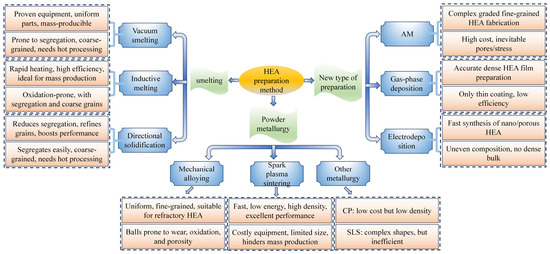
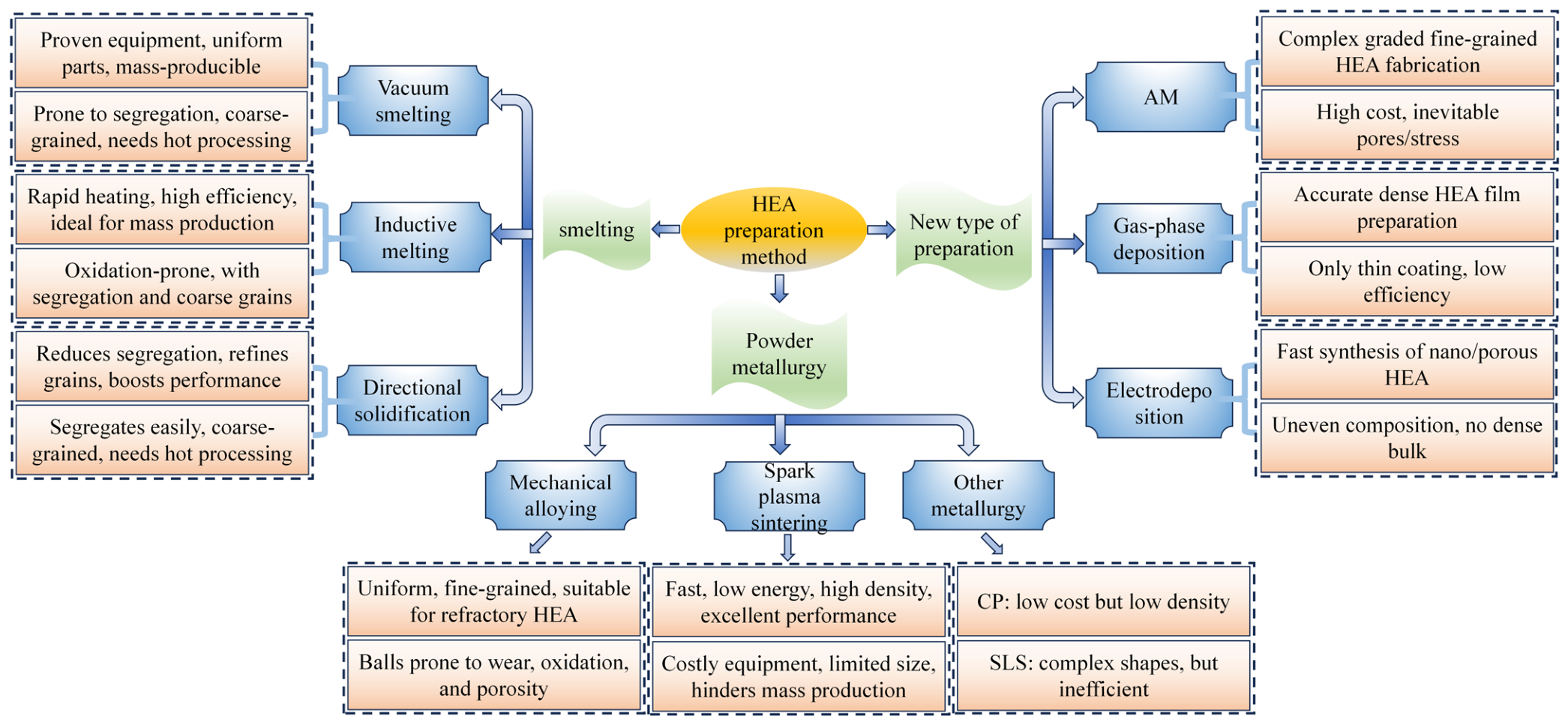
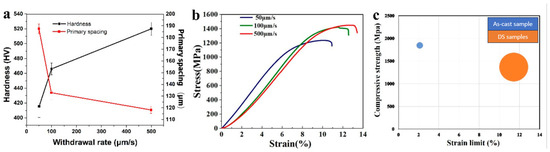
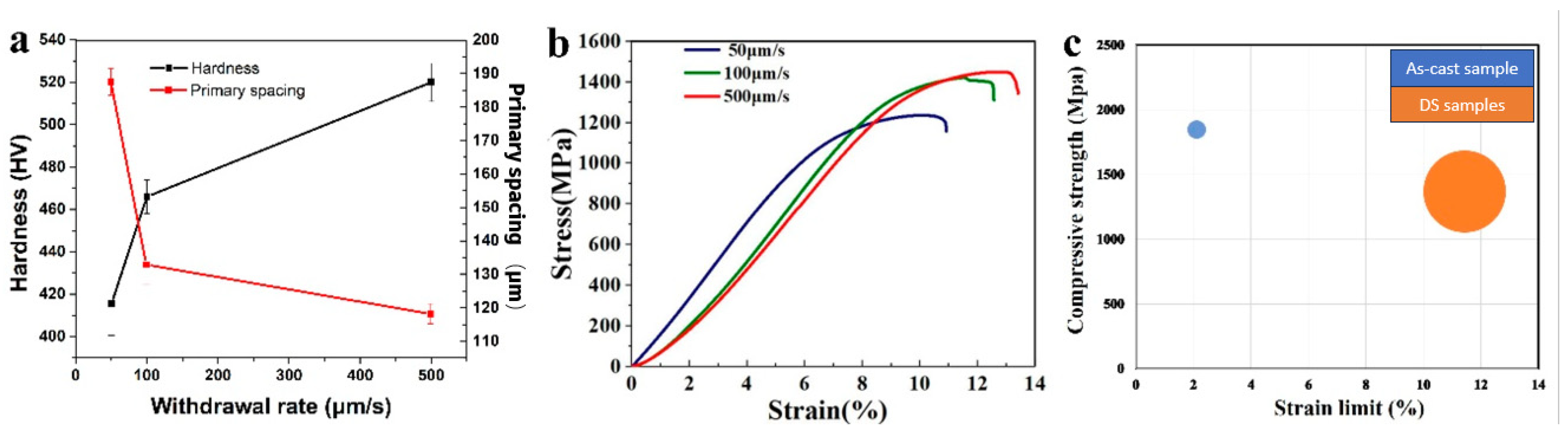
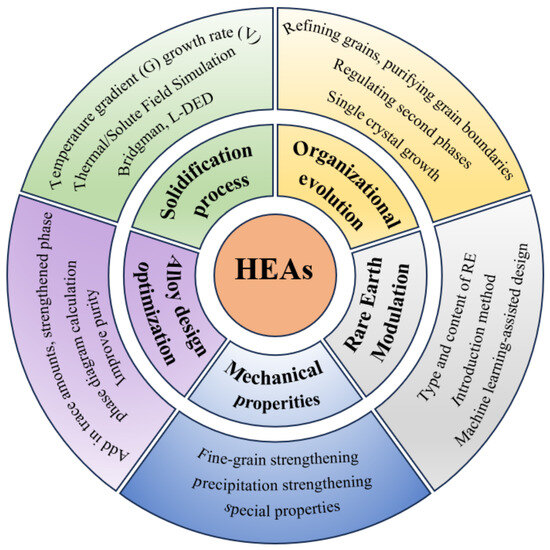
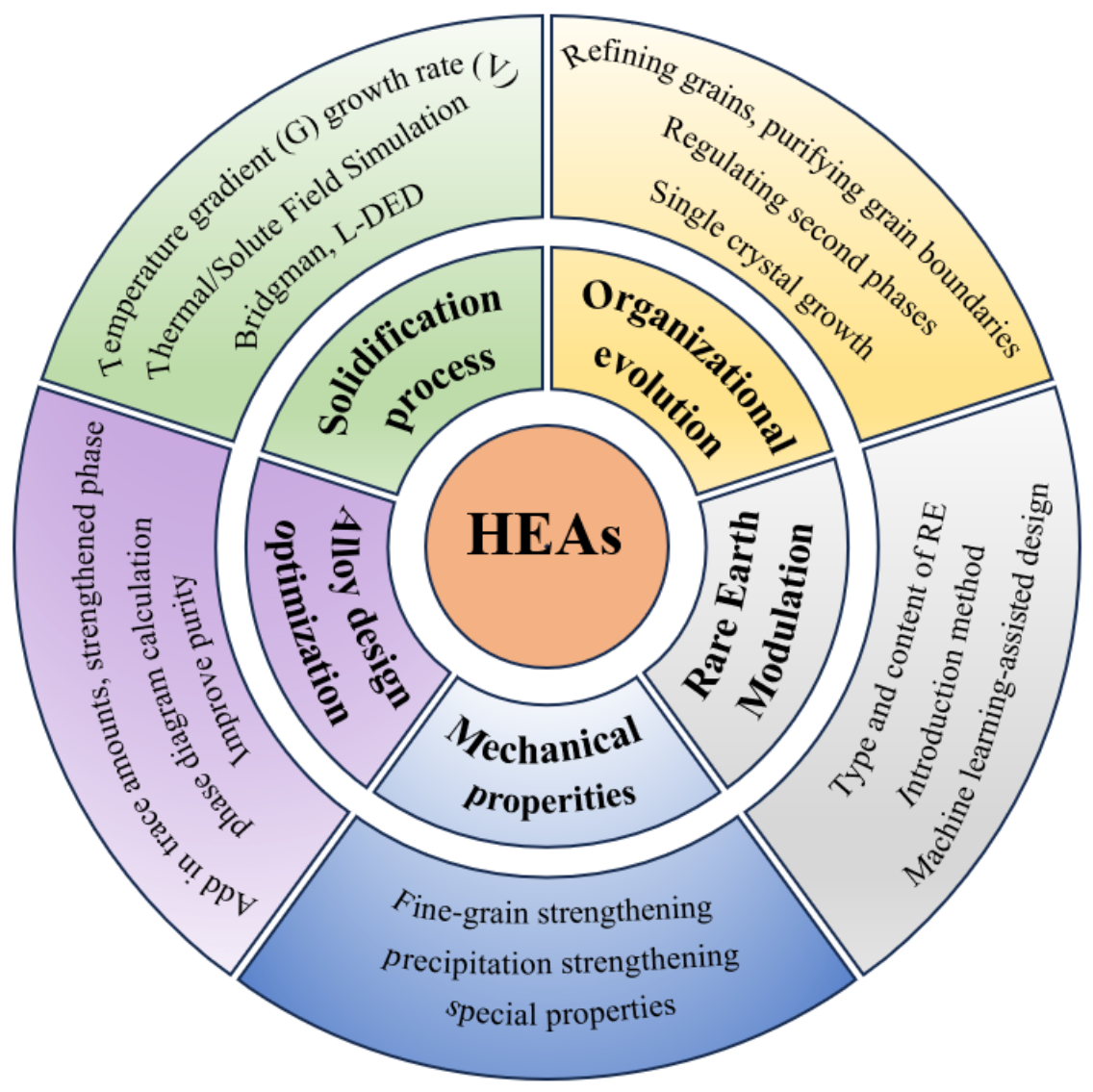
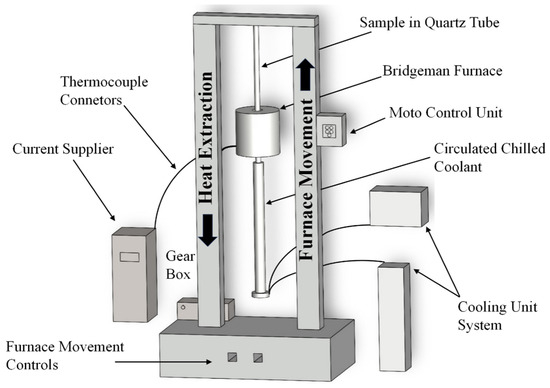
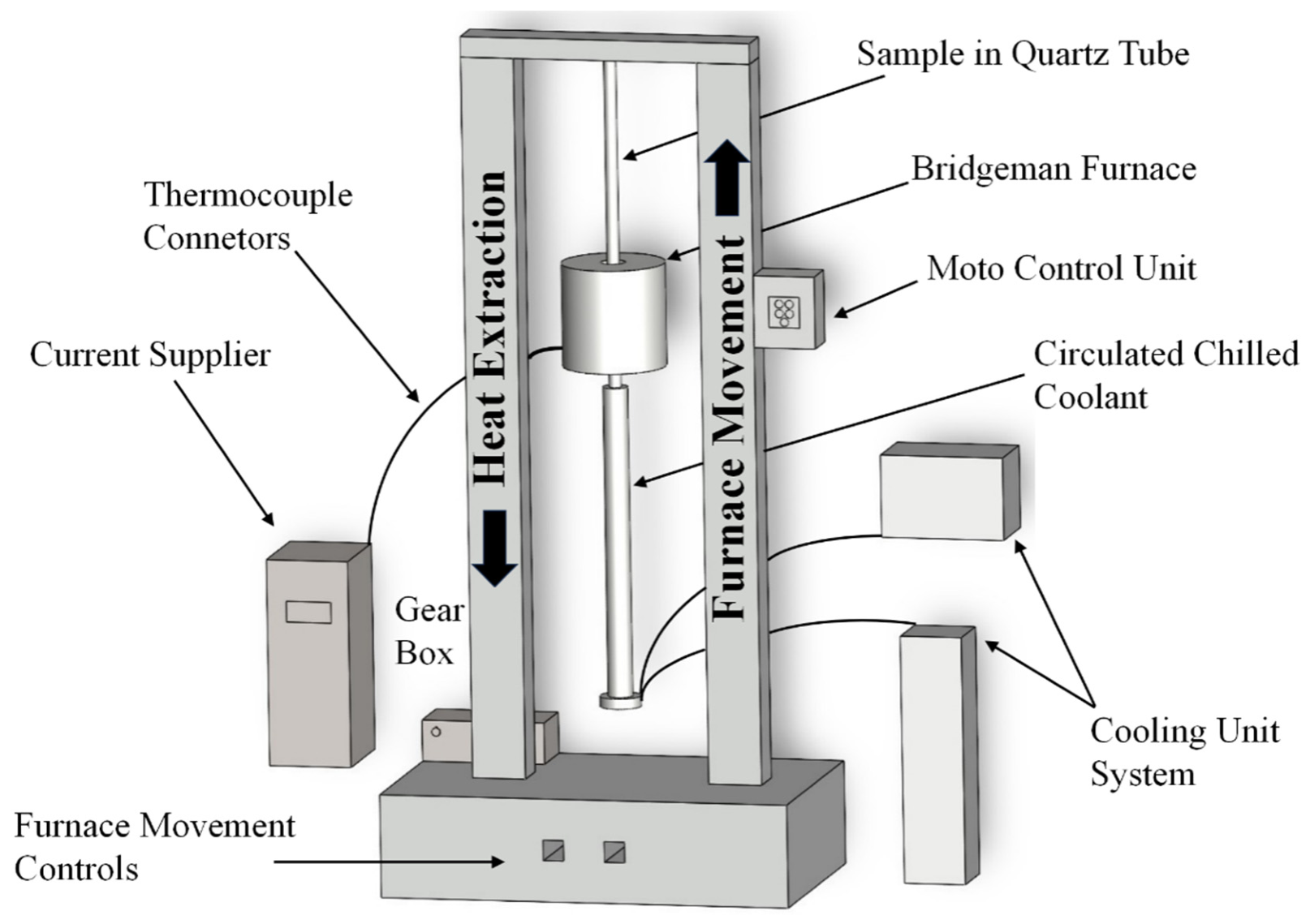
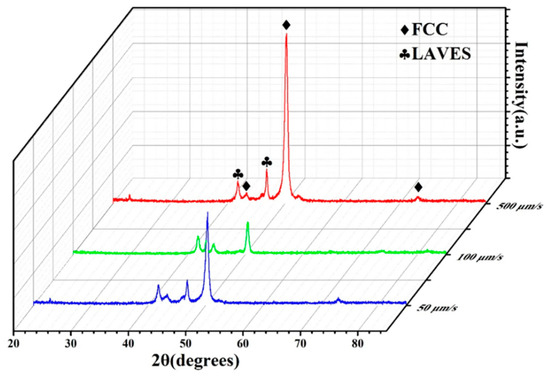
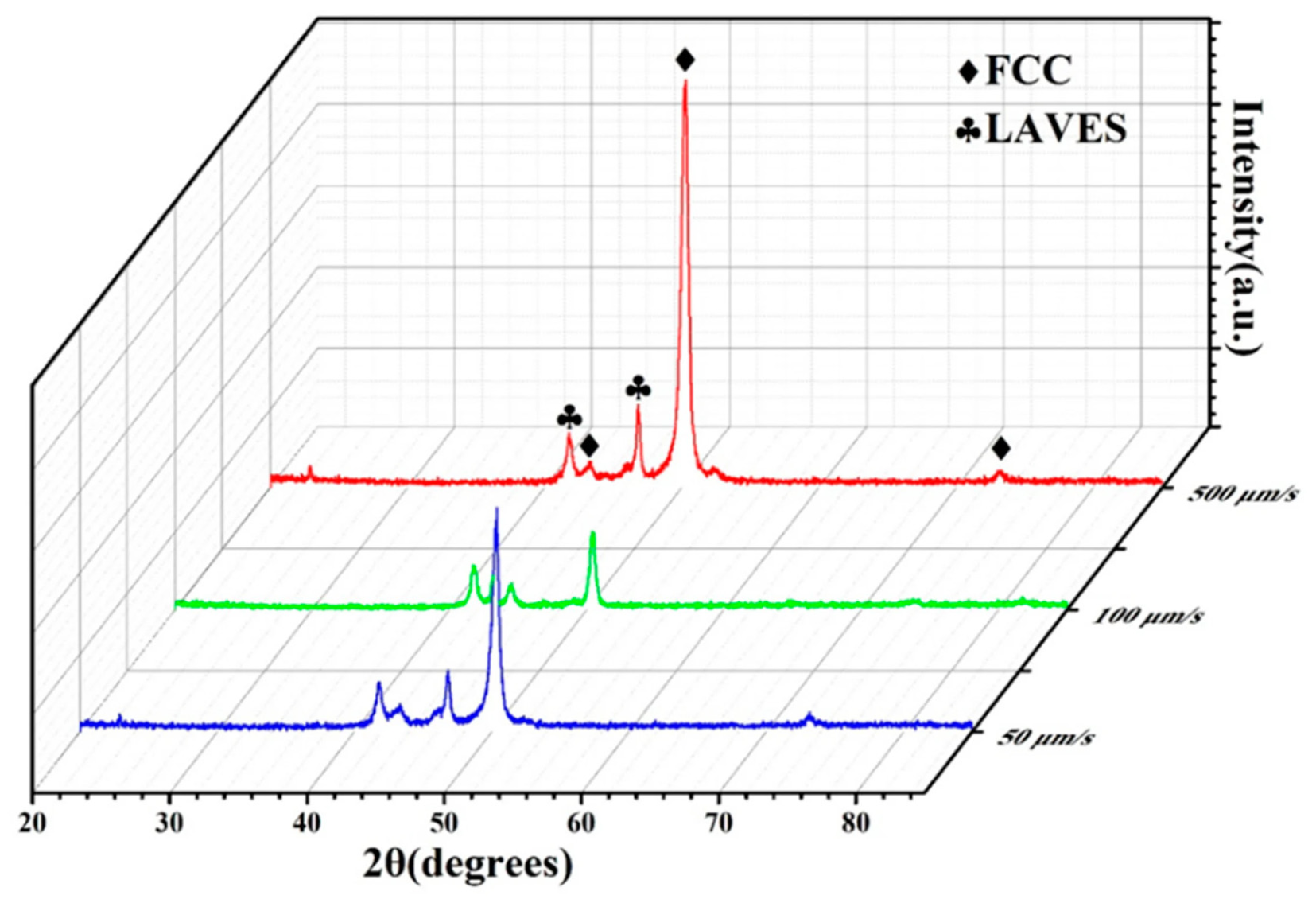
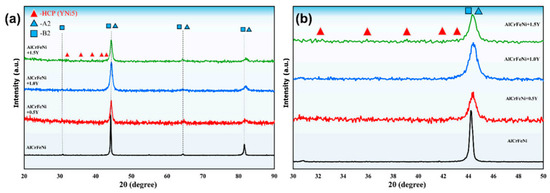
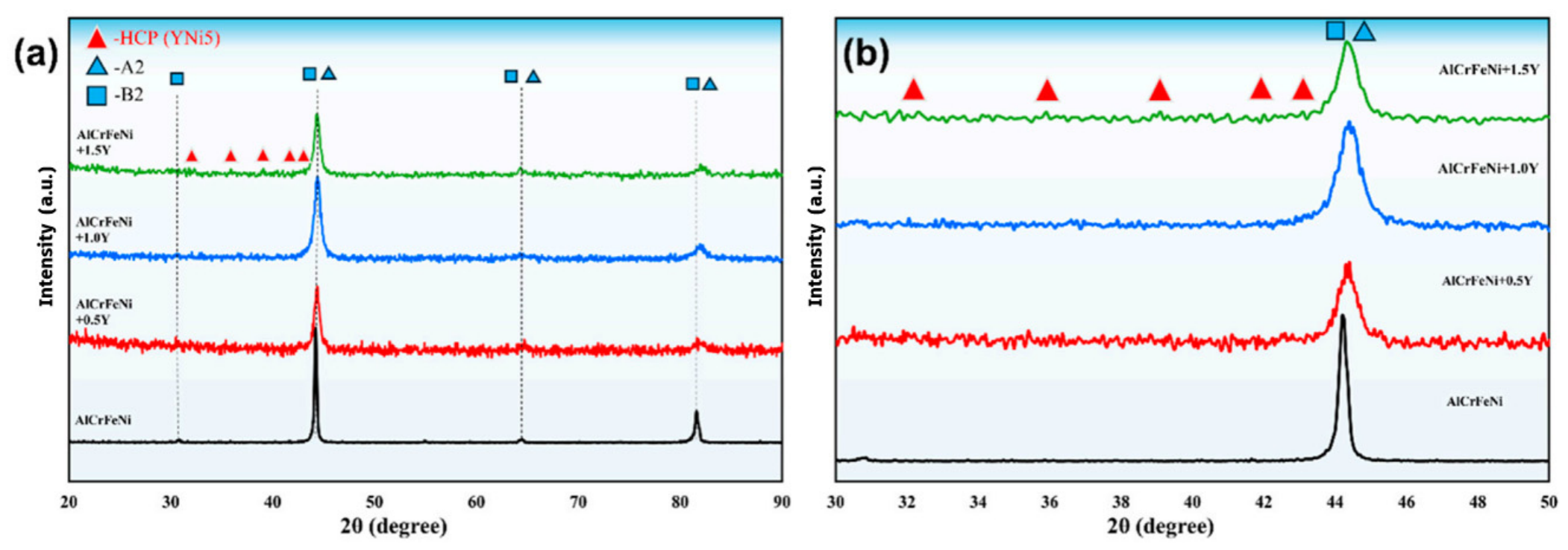
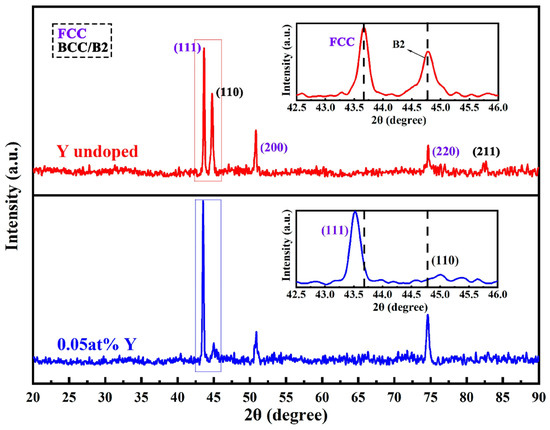
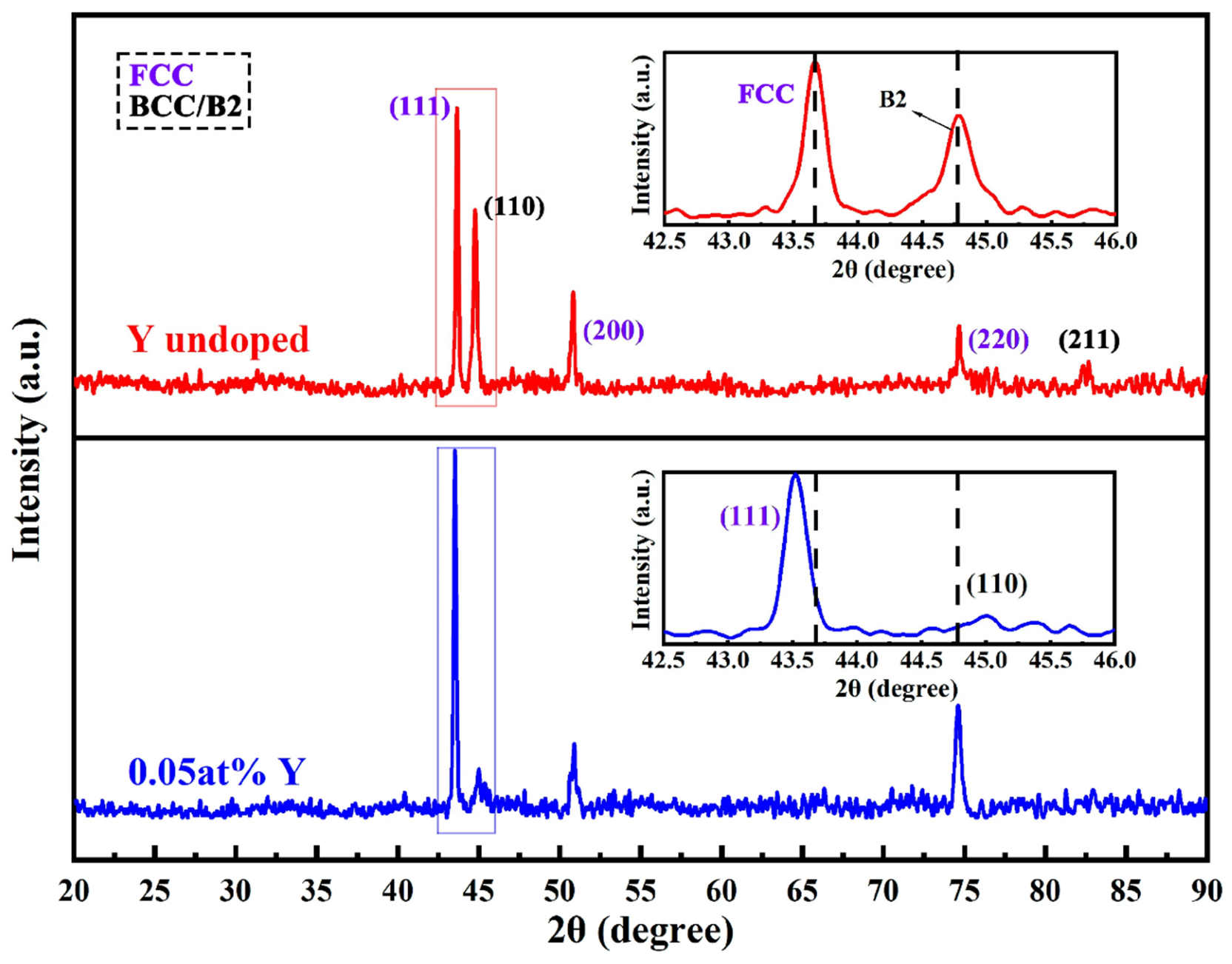
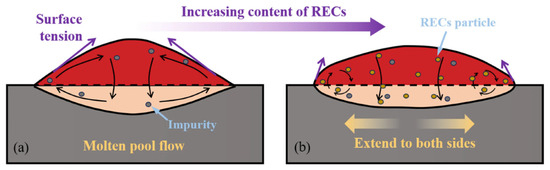
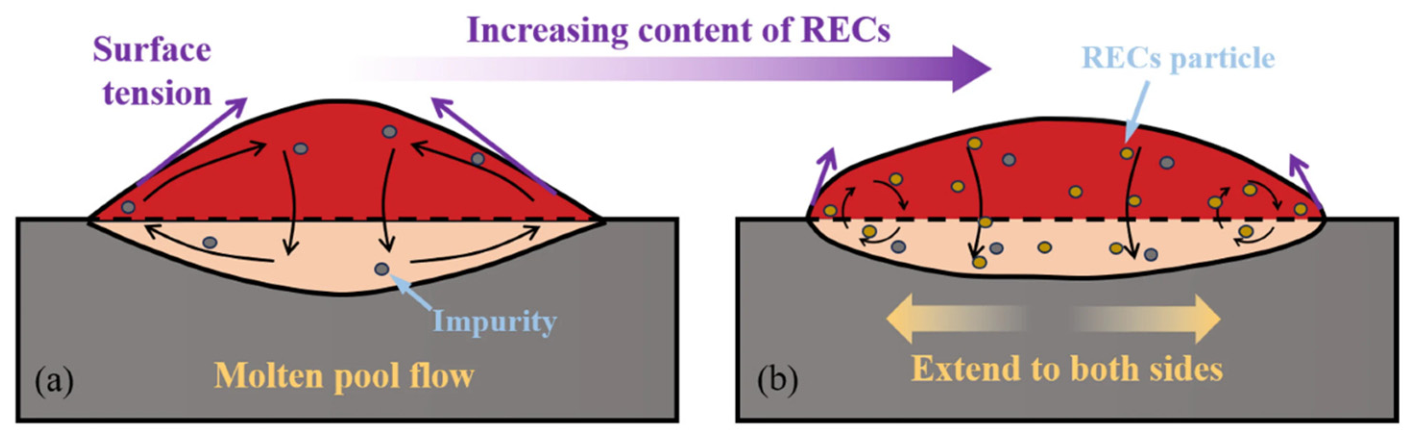
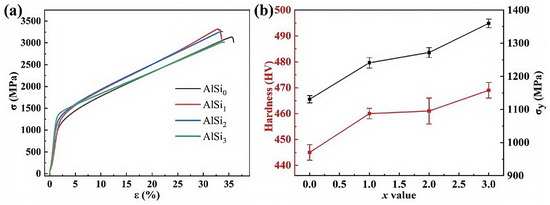
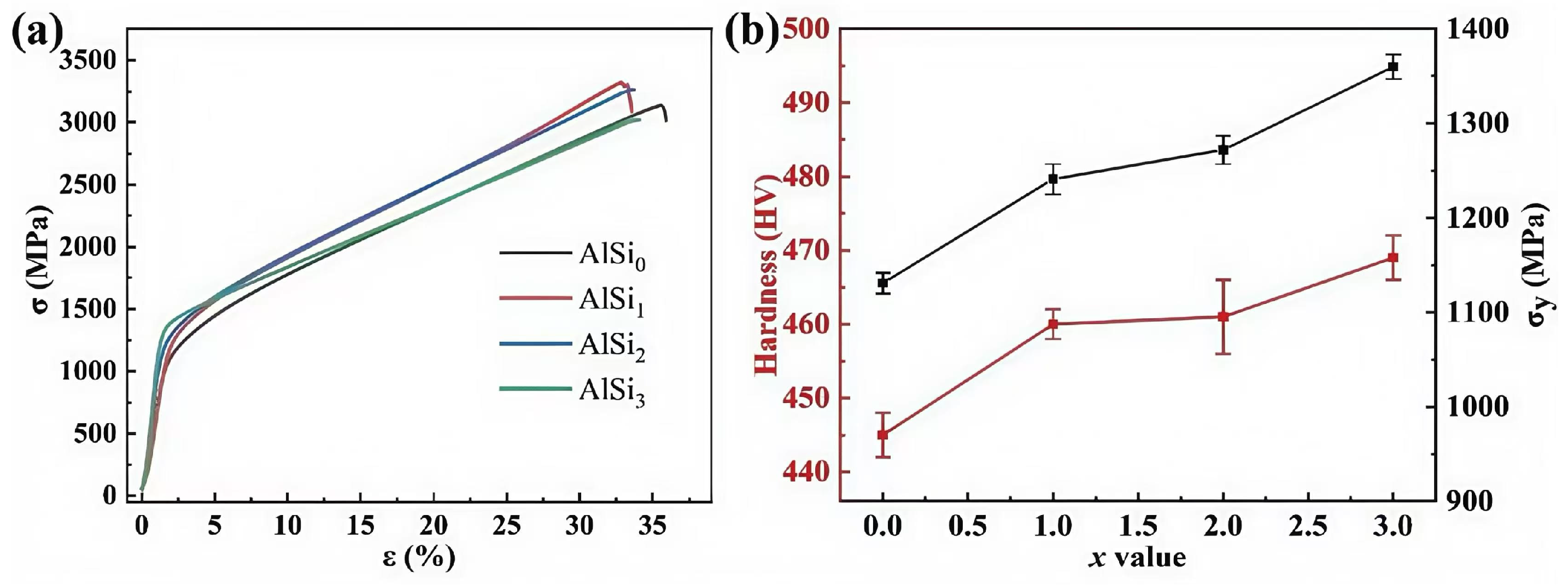
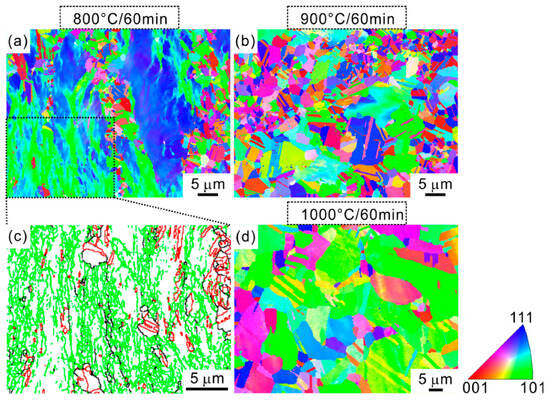
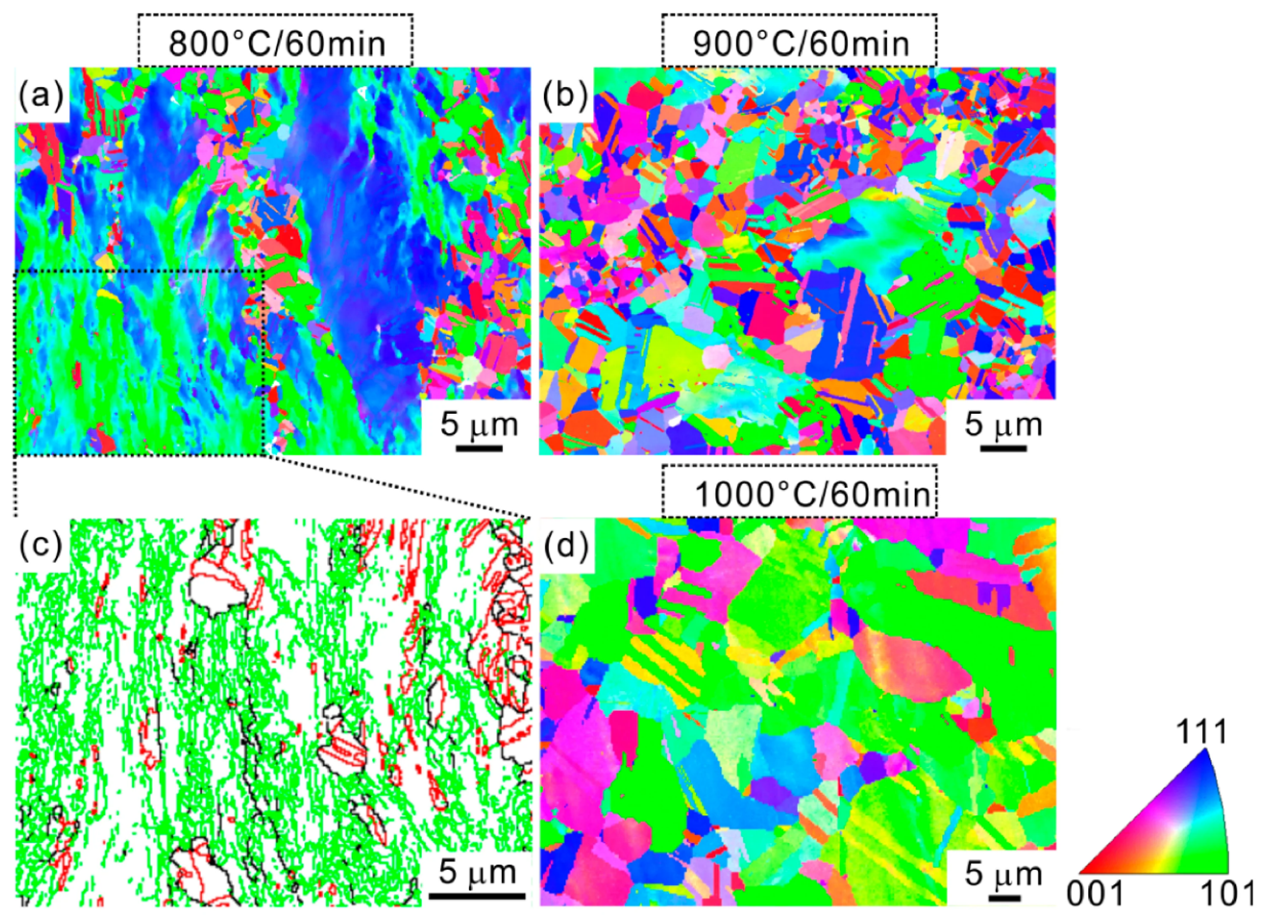
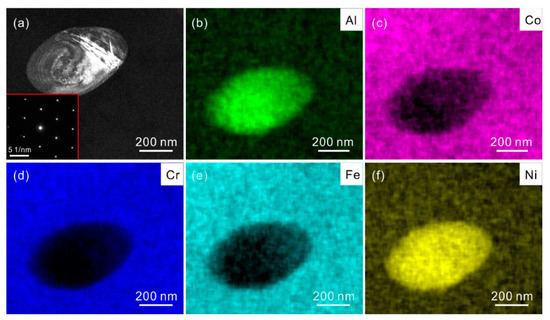
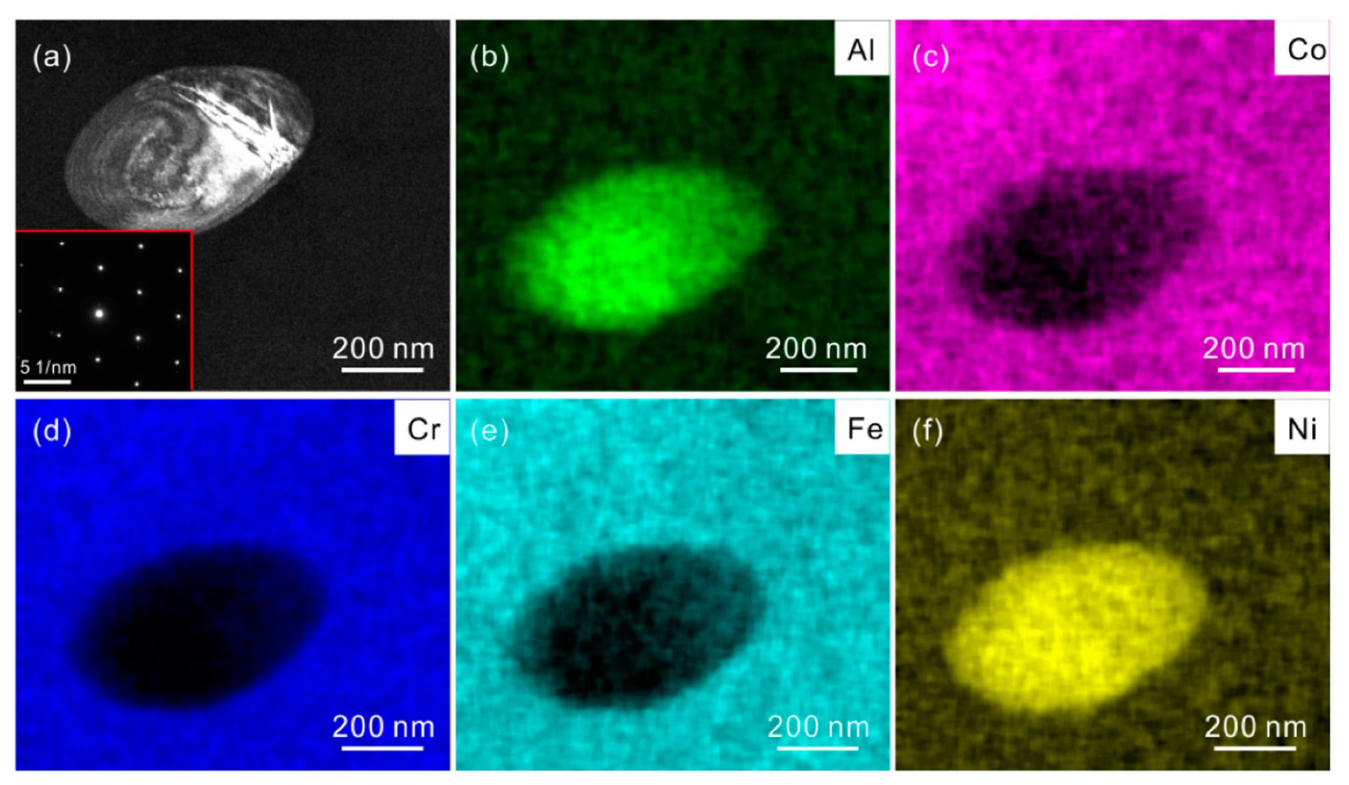
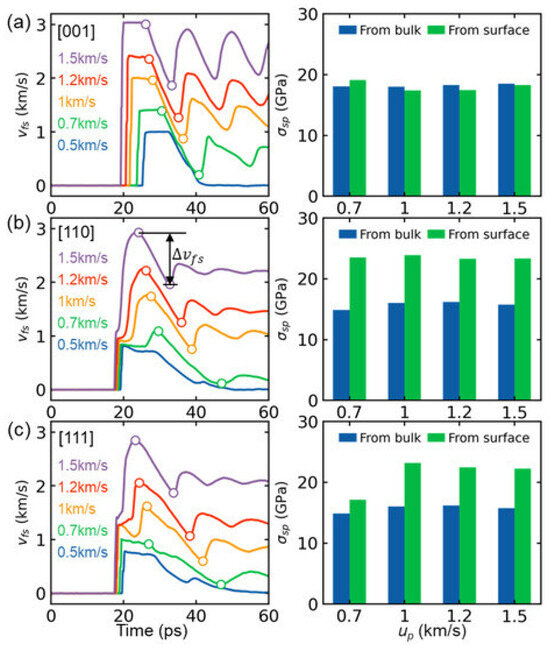
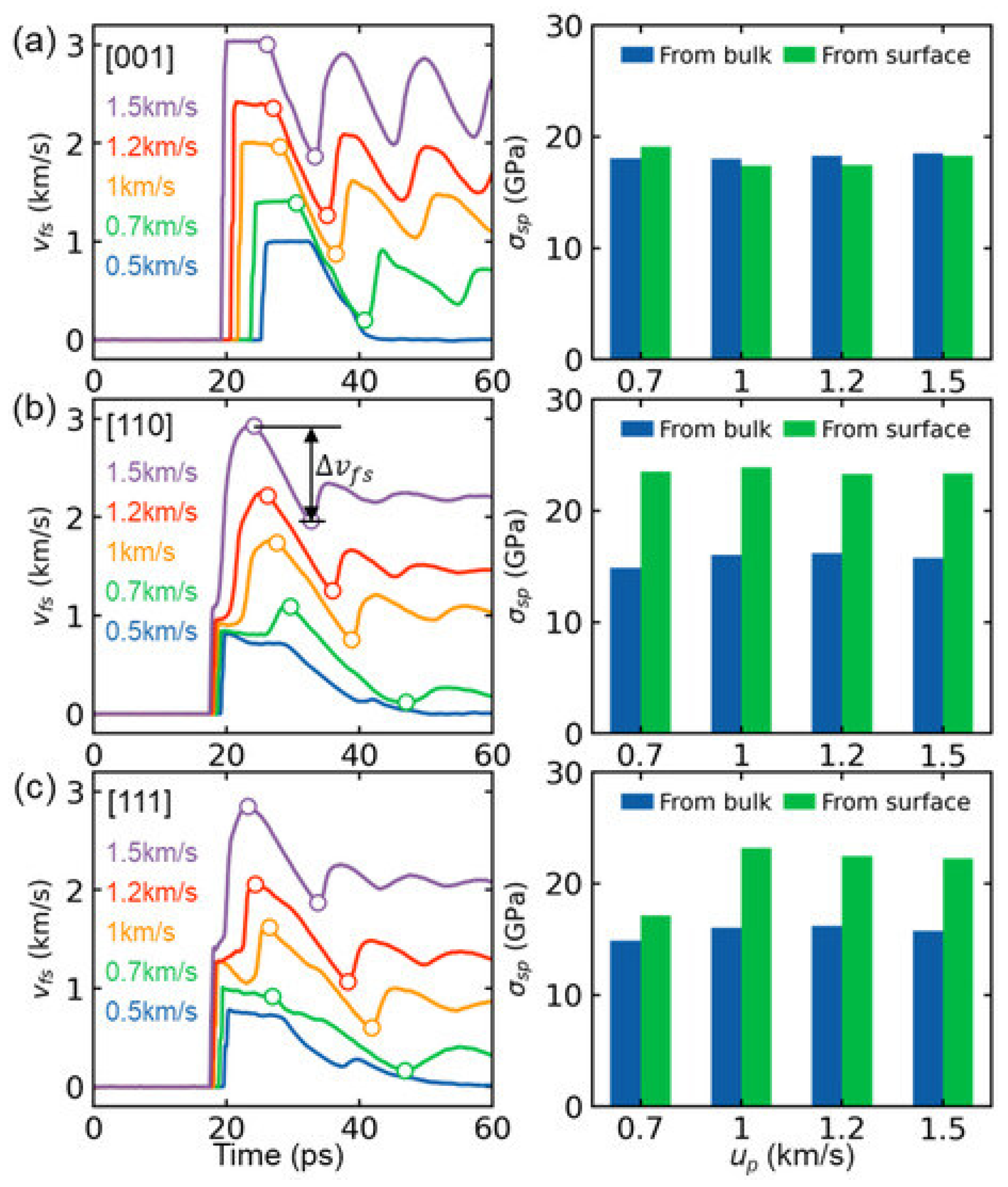

Disclaimer/Publisher’s Note: The statements, opinions and data contained in all publications are solely those of the individual author(s) and contributor(s) and not of MDPI and/or the editor(s). MDPI and/or the editor(s) disclaim responsibility for any injury to people or property resulting from any ideas, methods, instructions or products referred to in the content. |
© 2026 by the authors. Licensee MDPI, Basel, Switzerland. This article is an open access article distributed under the terms and conditions of the Creative Commons Attribution (CC BY) license.