


Abstract
Hydrogen is widely regarded as a key energy carrier of the future; however, its efficient and safe storage remains one of the central scientific and technological challenges. This article systematizes contemporary approaches to hydrogen storage, with a particular emphasis on solid-state materials as the most promising direction. The main storage technologies—compressed, liquid, and solid hydrogen—are reviewed, and there is an analysis of their advantages and limitations. Special attention is given to the fundamental aspects of solid-state hydrogen storage, including the thermodynamics and kinetics of hydrogen absorption and desorption processes. A comparative analysis of various material classes is presented, including intermetallic metal hydrides based on AB5-type and AB2-type compositions, magnesium-based systems, palladium-modified structures, as well as complex hydrides (alanates, borohydrides, and amide–imide systems).The role of nanostructuring and carbon-based nanomaterials in enhancing storage capacity and improving kinetics is also examined. Key challenges are discussed, including high desorption temperatures, slow kinetics, and material degradation. Modern strategies for performance enhancement, such as catalytic activation, alloying, and nanostructuring, are highlighted.
1. Introduction
The global transition toward low-carbon energy systems has intensified interest in hydrogen technologies as a strategy for reducing dependence on fossil resources and mitigating climate-related environmental impacts [1,2,3,4,5,6]. Among emerging energy vectors, hydrogen has attracted particular attention due to its ability to couple energy production, storage, transport, and end-use within integrated energy infrastructures [7,8,9,10]. Unlike primary energy sources, hydrogen functions as a secondary energy carrier that enables temporal and spatial decoupling between energy generation and consumption, thereby addressing one of the major limitations of renewable energy systems—the intermittency of power generation [7,11,12,13].
The strategic relevance of hydrogen originates not only from its environmental benefits but also from its favorable energy characteristics. Hydrogen possesses an exceptionally high gravimetric energy density (~120 MJ/kg), significantly exceeding that of conventional hydrocarbon fuels [8,14,15,16,17]. In addition, electrochemical conversion of hydrogen in fuel cells generates water as the final reaction product, eliminating direct carbon emissions during operation. These characteristics make hydrogen a promising solution for applications ranging from transportation and stationary energy systems to energy-intensive industrial sectors, including ammonia synthesis and metallurgical processes [9,10,18]. Consequently, hydrogen is increasingly considered a key element of future sustainable energy infrastructures. Despite the rapid development of hydrogen production technologies, efficient storage remains one of the major barriers limiting large-scale implementation of hydrogen energy systems [9,18]. Storage requirements simultaneously involve achieving high energy density, operational safety, low energy consumption, and long-term stability, which creates substantial engineering challenges. As follows from the presented scheme (Figure 1), the hydrogen storage stage represents the central element of the entire hydrogen infrastructure, linking production processes with end-use applications. It is at this stage that the major technological limitations arise, hindering the large-scale deployment of hydrogen energy systems. As shown in Figure 1, color coding is used to distinguish different stages of the hydrogen value chain: green and blue indicate hydrogen production pathways, orange represents hydrogen storage and distribution, and purple denotes hydrogen end-use sectors. Conventional approaches based on compressed gaseous hydrogen and cryogenic liquefaction provide increased volumetric density; however, they require high pressures (up to 700 bar) or extremely low temperatures (~20 K), resulting in considerable energy penalties, technological complexity, and additional safety concerns associated with leakage, boil-off, and ignition [19,20].
Figure 1.
Schematic representation of the hydrogen value chain, including production, storage, distribution, and end-use stages. Reprinted with permission from Ref. [21]. 2026, IDTechEx.
In this context, solid-state hydrogen storage has emerged as one of the most actively investigated alternatives [20]. Unlike physical storage approaches, solid-state systems rely on reversible interactions between hydrogen and condensed materials through hydride formation or adsorption processes, enabling substantially higher volumetric storage densities and improved operational safety under moderate temperature and pressure conditions [22,23,24]. A broad range of materials has been investigated for this purpose, including metal hydrides, complex hydrides, magnesium-based systems, and nanostructured materials [25,26,27]. Among these material classes, metal hydrides remain one of the most technologically mature approaches due to their reversible hydrogen uptake and favorable storage safety, whereas complex hydrides offer improved gravimetric performance but still require thermodynamic optimization [25,26,27]. Magnesium-based systems have attracted sustained attention owing to their high theoretical hydrogen capacity, although their practical implementation is constrained by slow kinetics and elevated hydrogen release temperatures. Nanostructuring and compositional engineering have therefore become key approaches for improving sorption–desorption behavior by shortening diffusion pathways and increasing reaction interfaces [28]. Nevertheless, substantial scientific and technological challenges remain unresolved. Current limitations include insufficient reaction kinetics, high desorption temperatures, thermal management issues, structural degradation during cycling, and difficulties associated with scaling laboratory materials to practical storage systems [29,30,31]. These challenges indicate that further progress depends not only on increasing storage capacity but also on understanding the coupled thermodynamic, kinetic, and structural mechanisms governing hydrogen–material interactions.
Therefore, this review aims to provide a critical analysis of recent advances in solid-state hydrogen storage materials with emphasis on metal hydrides, complex hydrides, magnesium-based systems, and nanostructured architectures. Particular attention is devoted to the physicochemical mechanisms controlling hydrogen absorption and desorption, as well as to the thermodynamic and kinetic factors determining storage performance. In addition, strategies based on composition modification, catalysis, and nanostructuring are systematically evaluated together with current limitations related to thermal regulation, cyclic stability, and practical scalability. The review ultimately seeks to identify promising directions for the development of efficient, safe, and industrially viable hydrogen storage systems.
2. Hydrogen Storage Technologies
Efficient hydrogen storage is one of the key factors determining the large-scale implementation of hydrogen in the energy sector, as the storage stage remains the most technologically and economically challenging component of the hydrogen infrastructure [32]. The low density of hydrogen under ambient conditions necessitates the development of specialized methods for its densification and containment. Existing hydrogen storage technologies can generally be classified into three main categories: physical methods (compressed and liquefied hydrogen), material-based storage systems (metal hydrides, complex hydrides, and adsorption systems), and chemical hydrogen carriers [33]. Each of these approaches possesses distinct advantages and limitations associated with storage density, energy consumption, safety, and operating conditions. The requirements for hydrogen storage systems in practical applications, it was demonstrated that the evaluation of storage technologies should be performed comprehensively and should consider not only hydrogen capacity, but also gravimetric and volumetric characteristics, thermodynamic and kinetic parameters, cyclic stability, energy consumption, and operational safety [34]. This approach emphasizes that improvement of an individual parameter does not necessarily lead to enhanced overall system performance and therefore requires multi-criteria optimization of storage characteristics. It is further highlighted that none of the currently available technologies fully satisfies all performance requirements, which necessitates an integrated approach to the development of new materials and storage systems. Based on this, it can be concluded that the advancement of hydrogen storage technologies requires simultaneous consideration of both fundamental aspects (thermodynamics, kinetics, and material structure) and applied factors (cost, scalability, and operating conditions). Within this section, the principal hydrogen storage approaches are systematically reviewed, beginning with physical methods and progressing toward advanced material-based systems, including metal hydrides, complex hydrides, and nanostructured materials, thereby providing a comprehensive overview of the current state and future prospects of this research field.
2.1. Hydrogen Storage in the Liquid State
Hydrogen liquefaction represents one of the most effective physical approaches for increasing its volumetric density, enabling values of approximately ~70.8 kg/m3 at its boiling temperature of about 20 K [35]. This extremely low temperature is due to the very weak intermolecular interactions between the nonpolar H2 molecules and their low condensation energy, which means that hydrogen can only be liquefied under cryogenic conditions. According to recent studies on hydrogen storage technologies, the liquefaction process is highly energy-intensive and requires approximately ~10–13 kWh/kg H2, corresponding to more than 30% of the energy content of hydrogen [36]. Analysis of cryogenic processes indicates that the major energy losses are associated with multistage cooling, throttling processes, and the necessity of ortho–para hydrogen conversion, which is accompanied by heat release and additional thermal load on the system. Recent studies addressing engineering aspects of liquid hydrogen storage have demonstrated that the key limitation of this technology remains the boil-off phenomenon, caused by unavoidable heat ingress through the tank walls even when highly efficient multilayer vacuum insulation is employed [37]. Depending on the system design and operating conditions, hydrogen losses due to boil-off typically range from ~0.2 to 1.0 wt.% per day, which limits the feasibility of long-term storage without the implementation of recovery or reliquefaction systems. The magnitude of these losses depends on factors such as tank volume and the efficiency of thermal insulation [38]. Thus, liquid hydrogen storage provides high volumetric density (~70.8 kg H2/m3 at a boiling temperature of approximately 20 K) and represents an effective solution for transportation and large-scale storage applications. However, this method is associated with considerable energy consumption (hydrogen liquefaction generally requires ~10–13 kWh/kg H2, corresponding to more than 30% of the energy contained in hydrogen) and storage losses caused by boil-off [38,39,40]. Therefore, liquid hydrogen is most suitable for applications in which high energy density is critical and cryogenic operating conditions are acceptable. These limitations continue to stimulate the development of alternative storage approaches, including solid-state hydrogen storage materials and adsorption-based systems.
2.2. Gaseous Hydrogen Storage (Compressed Hydrogen)
Hydrogen storage in the compressed gaseous state is the most technologically mature and widely implemented method, particularly in transportation and stationary energy systems [41]. Hydrogen storage infrastructure reported that hydrogen is commonly stored at pressures of 350 and 700 bar, enabling volumetric densities of approximately ~23–40 kg/m3 depending on operating conditions. The selection of these pressure levels is determined by an engineering compromise between increasing storage density, minimizing compression energy consumption, and maintaining safety requirements. Storage at 350 bar provides an acceptable balance between tank volume and energy expenditure, whereas 700 bar is predominantly applied in transportation systems to extend driving range under volume constraints. Further pressure increases become progressively less efficient due to rising energy demand and increasing complexity of tank design. Recent studies on hydrogen storage technologies have also shown that the principal advantage of compressed gaseous storage lies in its relative simplicity of implementation, the ability to operate at ambient temperature, and the absence of the cryogenic requirements associated with liquid hydrogen storage [42]. However, it is emphasized that, due to the inherently low density of hydrogen even under elevated pressures, the use of lightweight yet high-strength storage vessels is required, which increases the overall cost of the storage system. Modern compressed hydrogen storage systems are commonly classified into four cylinder types (Type I–IV), which differ in structural design, materials of fabrication, weight characteristics, and operating pressure ranges. Type I cylinders are fully metallic and provide high mechanical strength but increased mass. Type II cylinders employ partial composite reinforcement, whereas Type III cylinders combine a metallic liner with a full composite overwrap to reduce weight while maintaining structural reliability. Type IV cylinders utilize a polymer liner reinforced with carbon-fiber composites, providing lower weight, improved corrosion resistance, and enhanced gravimetric performance. Recent studies have shown that Type III and Type IV cylinders have become the dominant technologies for modern high-pressure hydrogen storage systems due to their favorable balance between safety, mass efficiency, and operation at pressures up to 700 bar [43,44]. The selection of this pressure level is based on the fact that further pressure increases (e.g., to 750–900 bar) result in substantially lower gains in volumetric storage density relative to the accompanying increase in tank mass, compression energy demand, and mechanical strength requirements of the storage system. Consequently, a pressure of 700 bar is generally regarded as a practically optimal compromise between hydrogen capacity, safety, and overall system efficiency [45]. Nevertheless, it has been noted that a significant fraction of the total system mass is attributed to the storage vessel itself, thereby reducing the effective gravimetric storage capacity. Based on the available data, compressed hydrogen storage can be considered a reliable and technologically mature solution, particularly for mobile applications. However, this method remains constrained by its relatively low volumetric density (23.5 kg H2/m3 at 350 bar and 39.5 kg H2/m3 at 700 bar at 288 K, compared with 70.8 kg H2/m3 for liquid hydrogen at 20 K) and requires the use of heavy and costly high-pressure storage systems. In addition, the energy required for compression amounts to approximately 13–18% of the lower heating value (LHV) of hydrogen [46,47]. These limitations continue to drive the development of alternative storage technologies, including solid-state materials and adsorption-based systems capable of providing more efficient hydrogen storage under moderate operating conditions (typically at pressures of approximately 0.1–10 MPa and temperatures close to ambient or moderately elevated conditions (≈298–423 K), depending on the material type) [20,48].
2.3. Solid-State Hydrogen Storage (Material-Based Systems)
This hydrogen storage method is based on the interaction of hydrogen with materials in which hydrogen is either dissolved within the crystal lattice or chemically bound as part of a compound [49]. In studies covering metal hydrides, carbon nanomaterials, and complex hydrides, it is emphasized that this approach fundamentally differs from physical storage methods in that hydrogen is retained through interatomic interactions rather than solely by external pressure or temperature control. In metal hydrides, hydrogen retention is primarily achieved through the formation of metal–hydrogen bonds (metallic, ionic, or partially covalent in nature), whereas in porous carbon materials, adsorption interactions between hydrogen molecules and the material surface play a significant role. Solid-state storage systems possess several fundamental advantages, including high volumetric hydrogen density (for certain metal hydride systems reaching approximately ~100–150 kg H2/m3 compared with ~39.5 kg H2/m3 for compressed hydrogen at 700 bar), enhanced safety, and the possibility of operation under moderate pressures (typically within the range of ~0.1–10 MPa depending on hydride type and hydrogenation conditions) [50]. Using examples of metal hydrides (LaNi5, TiFe), complex hydrides (NaAlH4), and adsorption materials, it has been demonstrated that hydrogen can be stored within the bulk of the material at densities comparable to or even exceeding that of liquid hydrogen. Metal hydrides are generally characterized by moderate enthalpy values (for example, approximately ~30 kJ/mol H2 for LaNi5), enabling reversible hydrogen storage near ambient temperatures. In contrast, MgH2 exhibits enthalpy values reaching approximately ~70–75 kJ/mol H2, which necessitates elevated temperatures for hydrogen desorption (typically under pressures of ~0.1–10 MPa and temperatures close to ambient or moderately elevated conditions (≈298–423 K), depending on the material system) [51,52,53,54]. In complex hydrides (e.g., NaAlH4), hydrogen is chemically bound within complex compounds, which provides high storage capacity but complicates reaction kinetics and increases temperature requirements. Solid-state hydrogen storage materials can generally be classified into three groups:
- −
- Intermetallic hydrides (AB5, AB2)—characterized by favorable kinetics and high cyclic stability but limited gravimetric capacity (~1–2 wt.%);
- −
- Magnesium-based hydrides (MgH2)—exhibit high hydrogen storage capacity (~7.6 wt.%), but suffer from elevated desorption temperatures (typically ~300–425 °C for unmodified MgH2) and slow reaction kinetics [55,56];
- −
- Complex hydrides (alanates, borohydrides)—provide the highest storage capacities (up to 10–18 wt.%), although they require catalytic activation and sophisticated thermodynamic optimization.
At the same time, control over material structure (through nanostructuring, alloying, and composite design) represents a key strategy for overcoming the limitations of solid-state storage systems [57,58]. These approaches enable simultaneous reduction in activation energy, enhancement of hydrogen diffusion, and tuning of thermodynamic properties. Thus, solid-state hydrogen storage represents one of the most versatile and scientifically advanced directions in hydrogen storage research, since system properties can be deliberately tailored at the composition and microstructure levels. Unlike compressed and liquid hydrogen storage, this approach enables engineering control over both storage capacity and operating conditions. However, to date, no universal material has been developed that simultaneously satisfies all critical requirements, including high storage capacity, low operating temperature, fast kinetics, and long-term stability. This determines the continuing importance of further research aimed at developing multifunctional and nanostructured systems capable of combining the advantages of different hydride classes.
2.4. Emerging and Alternative Hydrogen Storage Technologies
In addition to conventional hydrogen storage methods, such as compressed gas storage, cryogenic liquefaction, and metal hydride systems, alternative technologies have been actively investigated in recent years with the aim of increasing volumetric storage density, reducing energy consumption, and improving transportation safety. Among the most promising directions are underground hydrogen storage, liquid organic hydrogen carriers (LOHCs), and advanced functional materials. One of the most promising solutions for large-scale hydrogen storage is considered to be the use of underground salt caverns. This technology is based on the injection of hydrogen into artificially created cavities within salt formations characterized by extremely low permeability (typical values for rock salt are on the order of 10−21–10−19 m2, which substantially limits gas migration) and high chemical inertness (the NaCl content in salt formations often exceeds 90–95%, providing low chemical reactivity toward hydrogen and ensuring long-term storage stability) [59,60]. Compared with above-ground storage systems, this approach enables the storage of substantial gas volumes (individual salt caverns are capable of accommodating approximately 106–108 m3 of hydrogen, corresponding to energy storage capacities on the GWh–TWh scale) while maintaining relatively low operating costs (specific operational expenditures are significantly lower than those of above-ground high-pressure storage systems due to the absence of requirements for maintaining ultrahigh pressures and cryogenic temperatures) [60,61]. Particular interest in this technology is associated with the development of hydrogen energy systems and the increasing need to balance seasonal fluctuations in electricity generation from renewable energy sources. However, its widespread implementation remains constrained by the geological availability of suitable salt formations, the necessity of controlling microbiological processes, and the need to investigate the effects of long-term hydrogen interaction with surrounding geological media.
Liquid organic hydrogen carriers (LOHCs) are compounds capable of reversibly binding and releasing hydrogen through catalytic hydrogenation and dehydrogenation reactions. Aromatic and heterocyclic compounds are commonly considered as carrier media, including systems based on dibenzyltoluene and methylcyclohexane. The principal advantage of LOHC technology lies in the possibility of utilizing existing liquid fuel storage and transportation infrastructure, thereby reducing capital expenditures associated with the integration of hydrogen technologies. Additional advantages include high operational safety and the absence of requirements for maintaining ultralow temperatures. At the same time, significant limitations remain, primarily related to the high energy demand of dehydrogenation processes (for most commercially relevant LOHC systems, hydrogen release occurs at temperatures of approximately 250–320 °C and requires heat input on the order of 30–40 kJ/mol H2), as well as the necessity for highly efficient catalytic systems [61,62].
Among emerging hydrogen storage approaches, considerable attention has been devoted to the development of functional materials with tunable structures. Polymer-based materials are considered promising carrier systems due to their ability to chemically bind hydrogen, ease of processing, and low density (typically in the range of ~0.8–1.5 g/cm3 for most polymer systems, which is substantially lower than that of metallic hydrides). Current research is focused on the design of polymer matrices with enhanced sorption capacity and improved hydrogen release kinetics [63,64,65,66]. Additional interest has been attracted by metallic glasses—amorphous metallic alloys characterized by the absence of long-range atomic order. Owing to the high concentration of structural defects (the fraction of free volume is typically estimated to be approximately ~1–5%, which is substantially higher than in crystalline counterparts) and the presence of locally disordered regions, such materials demonstrate potential for reversible hydrogen absorption and improved resistance to degradation compared with conventional crystalline hydrides. Despite their promising characteristics, these technologies remain predominantly at the stage of fundamental research and require further optimization of composition and a deeper understanding of hydrogen–material interaction mechanisms [66,67].
To provide a more detailed comparison of the advantages and limitations of existing approaches, a comparative analysis of the main hydrogen storage technologies was conducted considering operating conditions, hydrogen storage capacity, operational constraints, and infrastructure requirements (Table 1). This approach enables the assessment not only of the potential performance of individual storage systems but also the identification of trade-offs among volumetric storage density, energy consumption, safety, and technological scalability. It should be noted that the presented data were compiled and generalized based on literature sources [68,69,70,71,72,73,74,75,76,77,78]. The reported values may vary depending on material composition, storage conditions, and measurement methodology.
Table 1.
Comparative analysis of modern hydrogen storage technologies.
3. Fundamentals of Solid-State Hydrogen Storage
The development of solid-state hydrogen storage methods is driven by the need to overcome the fundamental limitations of physical storage approaches associated with the low volumetric density of compressed hydrogen (23.5 kg H2/m3 at 350 bar and 39.5 kg H2/m3 at 700 bar at 288 K, compared with 70.8 kg H2/m3 for liquid hydrogen) and the high energy demand of cryogenic liquefaction (liquefaction typically requires more than 30% of the energy contained in hydrogen, corresponding to approximately 10–13 kWh/kg H2) [9,79]. In contrast to these approaches, solid-state storage is based on the interaction of hydrogen with a material, enabling a substantial increase in storage density through utilization of the internal structure of the storage medium. The physical basis of this method is governed by the thermodynamics and kinetics of hydrogen sorption processes, including molecular hydrogen dissociation, atomic diffusion into the material structure, and the formation of stable or metastable phases [80]. These processes are accompanied by thermal effects characterized by reaction enthalpy and entropy, which determine equilibrium conditions and the operating parameters of hydrogen storage systems.
The performance of materials for solid-state hydrogen storage is determined not only by their maximum hydrogen storage capacity but also by the combination of structural, thermodynamic, and operational characteristics that ensure long-term stability during repeated use. One of the key research directions involves investigating the influence of chemical composition and the number of constituent components on the capability for reversible hydrogen storage. In recent years, particular attention has been devoted to multicomponent alloys, including high-entropy materials containing several principal elements. An increase in the number of components contributes to higher configurational entropy (for high-entropy systems, ΔS_mix is typically ≥1.5R, where R is the universal gas constant, which generally corresponds to systems containing five or more components in near-equiatomic concentrations) and may lead to the stabilization of single-phase structures. At the same time, however, it increases the complexity of predicting hydride formation mechanisms and hydrogen distribution throughout the material volume [81,82]. Phase stability is determined by a combination of factors, including atomic radius of the constituent elements, enthalpy of mixing, electron concentration, crystal structure, and local chemical interactions. Control over these parameters is essential to ensure the reversibility of hydrogenation processes and to prevent material degradation during cyclic operation. An additional aspect is the evolution of microstructure during repeated hydrogen absorption and desorption cycles. Recurrent volumetric deformations may lead to particle refinement, cracking, and degradation of surface layers. On the one hand, particle size reduction is accompanied by an increase in specific surface area and a decrease in diffusion distances, which contributes to accelerated sorption kinetics. On the other hand, excessive structural degradation results in loss of mechanical stability, agglomeration, and reduced service lifetime. Therefore, current research is focused on identifying an optimal balance between maintaining structural integrity and generating a highly developed reactive surface. An important criterion for the practical applicability of storage materials is cycling stability, which characterizes changes in hydrogen storage capacity during repeated charge–discharge cycles. In general, capacity degradation is associated with the accumulation of structural defects, phase transformations, surface oxidation, and deterioration of hydrogen transport kinetics. Accordingly, long-term stability is considered one of the key parameters in the development of new hydrogen storage systems, alongside gravimetric and volumetric storage capacity.
3.1. Thermodynamics of Hydrogen Absorption
When molecular hydrogen interacts with a metal surface, dissociative adsorption occurs: the H2 molecule dissociates into atomic hydrogen, which subsequently diffuses into the crystal lattice, resulting in metal hydride formation [82,83,84]. This process is thermodynamically reversible and tends toward an equilibrium state at which both hydrogen uptake (absorption) and hydrogen release (desorption) can occur. Metal hydride formation is accompanied by a change in enthalpy, with typical reaction enthalpy values ranging from approximately ~20 to 80 kJ/mol H2 [85]. These values reflect the energetic stability of the hydride: at high enthalpy values, hydrogen is strongly bound within the lattice, making desorption more difficult, whereas at lower values, the interaction becomes weaker and hydrogen retention becomes insufficient. In addition to enthalpy, changes in system entropy play an important role. During the transition of hydrogen from the gaseous state into the solid phase (as part of the hydride), a substantial reduction in the number of accessible microstates occurs, resulting in a decrease in entropy. Typical entropy changes associated with hydride formation are on the order of −100 to −130 J/(mol H2·K), which is attributed to the transition of hydrogen from a high-entropy gaseous state to a more ordered solid-state structure [85]. For most metal hydride systems, these values are consistent with the loss of translational degrees of freedom associated with hydrogen localization within the crystal lattice. Thus, based on the available data, it can be concluded that the thermodynamics of hydrogen absorption is governed by the balance between the enthalpic contribution, associated with bond formation and stabilization of the hydride phase, and the entropic contribution, associated with the reduction in system disorder. Analysis of reported thermodynamic characteristics suggests that optimal hydrogen storage materials should exhibit intermediate enthalpy values (approximately 30–50 kJ/mol H2), providing a compromise between storage stability and controllable hydrogen release at moderate temperatures. Entropy becomes particularly important through the Gibbs free energy relationship:
where is the Gibbs free energy. This relationship demonstrates that, with increasing temperature, the contribution of the entropic term becomes more significant and the equilibrium shifts toward the gaseous phase; consequently, hydrogen release becomes thermodynamically more favorable at elevated temperatures. Entropy is also included in the Van ’t Hoff equation:
In this equation, acts as an additive term that directly influences the equilibrium pressure. The enthalpic contribution () determines the baseline pressure level around which temperature-induced changes occur. In solid-state hydrogen storage, one of the key factors governing the equilibrium between the gaseous and hydride phases is the entropy change in the system [86]. During the transition of hydrogen from the gaseous state into the solid phase, a substantial decrease in the degree of disorder occurs because hydrogen atoms occupy fixed positions within the crystal lattice. As a result, hydride formation is accompanied by negative entropy changes. Studies have shown that entropy directly enters the Van ’t Hoff equation, which relates the equilibrium hydrogen pressure to temperature [87]. More negative values of lead to a decrease in equilibrium pressure, indicating more stable hydrogen retention in the hydride phase. Conversely, less negative values of correspond to higher equilibrium pressures and facilitate hydrogen desorption. Based on these considerations, it can be concluded that the entropic contribution to Gibbs free energy becomes particularly significant at elevated temperatures. As temperature increases, the influence of the entropy term becomes stronger, shifting the equilibrium toward the gaseous state, increasing equilibrium pressure, and facilitating hydrogen release. Thus, entropy determines not only the stability of the hydride phase but also the operating temperature–pressure conditions of hydrogen storage systems and therefore represents a critical parameter in the design of efficient hydrogen storage materials.
The fundamental thermodynamic principles governing the interaction of hydrogen with metal hydride materials are illustrated in Figure 2, including equilibrium conditions, phase transformations, and the temperature dependence of equilibrium pressure. The pressure–composition isotherms shown in Figure 2A describe the dependence of equilibrium hydrogen pressure on the degree of hydrogen uptake at a fixed temperature. The arrows indicate the direction of hydrogen absorption and desorption processes, while the solid and dashed lines represent equilibrium pressure behavior, hysteresis, and reversible/maximum hydrogen storage capacity as presented in the original source. The initial region corresponds to the α-phase, where hydrogen dissolves in the solid solution at low concentrations, accompanied by a rapid increase in pressure. The intermediate region is characterized by a pressure plateau corresponding to the two-phase α + β equilibrium, during which the hydride phase forms. In this region, pressure remains nearly constant despite increasing hydrogen content, indicating the occurrence of a phase transition. The final region corresponds to the β-phase, where the material approaches saturation and further hydrogen incorporation requires increased pressure. In addition, Figure 2 presents the Van ’t Hoff plot, which establishes a linear relationship between the logarithm of equilibrium pressure and the reciprocal of temperature. The slope of this relationship is determined by the enthalpy of hydride formation, whereas the intercept is associated with the entropy change in the system. This relationship enables quantitative evaluation of thermodynamic parameters and determination of operating conditions required for efficient material performance. Figure 2B illustrates the evolution of the material microstructure during hydrogen absorption. At the initial stage, hydrogen dissolves in the crystal lattice, forming the α-phase. Upon reaching a certain hydrogen concentration, nucleation of the hydride phase begins, resulting in the coexistence of two phases. With a further increase in hydrogen content, the material undergoes a complete transformation into the β-phase, accompanied by changes in both lattice volume and crystal structure. The reverse process involves hydrogen release and restoration of the initial state. The practical significance of hydrogen absorption thermodynamics lies in the fact that enthalpy (ΔH) and entropy (ΔS) parameters directly determine the operating conditions of solid-state hydrogen storage materials. These parameters allow quantitative description of the equilibrium between gaseous and solid hydrogen phases and are used to calculate equilibrium pressure at a given temperature based on the Van ’t Hoff equation. Thus, the thermodynamics of hydrogen absorption represents a key tool for engineering analysis and materials design, enabling targeted selection of storage materials and optimization of operating conditions for hydrogen energy systems.
Figure 2.
Thermodynamic description of hydrogen absorption in metal hydride systems. (A) Pressure–composition isotherms and the Van ’t Hoff plot; (B) schematic illustration of phase transformations during hydrogen sorption. Reprinted from Ref. [88].
3.2. Kinetics of Hydrogen Absorption
Unlike thermodynamics, which determines only the equilibrium state of the system, kinetics describes the rate of hydrogen sorption and desorption processes and therefore directly limits the practical applicability of storage materials [89]. Even when a reaction is thermodynamically favorable, the hydrogen absorption rate may remain insufficient due to the presence of kinetic barriers. The hydrogen absorption process in solid materials is multistage in nature and includes a sequence of processes: transport of hydrogen molecules from the gas phase to the material surface, dissociative adsorption of H2 molecules with overcoming of the activation barrier associated with covalent bond dissociation, penetration of atomic hydrogen through the surface, subsequent bulk diffusion of hydrogen atoms within the crystal lattice, and finally hydride phase formation accompanied by phase and structural transformations. Among these stages, bulk diffusion frequently becomes the rate-limiting step, particularly in materials with large grain sizes or low concentrations of structural defects. The diffusion coefficient is commonly described by the Arrhenius equation:
where represents the activation energy of diffusion. With increasing temperature, the diffusion coefficient increases, thereby accelerating the hydrogen saturation process within the material [90]. A key parameter governing the rate of hydrogen sorption processes is the activation energy, which characterizes the energy barrier that must be overcome for elementary stages to occur, including H2 molecule dissociation, atomic hydrogen diffusion, and phase transformations. Elevated activation energy values lead to a significant slowdown in sorption kinetics (for many metal hydride systems, activation energies exceeding approximately ~80–120 kJ/mol are associated with a noticeable reduction in sorption rates and an increase in the time required to reach equilibrium from tens of minutes to several hours), particularly under moderate and low-temperature conditions, thereby limiting the practical applicability of these materials [91,92]. Depending on the nature of the material and operating conditions, different kinetic regimes may dominate, including surface-controlled, diffusion-controlled, and phase-transformation-controlled mechanisms. Identification of the rate-limiting step represents a key strategy for the targeted modification of hydrogen storage materials. For example, in surface-limited systems, catalytic activation and increasing specific surface area are commonly employed; under diffusion-limited conditions, particle size reduction and nanostructuring are effective approaches; whereas in phase-limited systems, composition tuning and phase stabilization are applied. These strategies enable reduction in activation energy and acceleration of hydrogen sorption–desorption processes [93,94].
In addition, recent studies have demonstrated that the kinetics of hydrogen storage processes is strongly influenced by microstructural and physical factors, including particle size, defect density and grain boundary density, the presence of catalytic additives, thermal conductivity of the material, and surface condition [95,96]. Combined control of these parameters is considered one of the key approaches for accelerating sorption–desorption processes and improving the cycling stability of hydrogen storage systems. Reduction in particle size and an increase in structural defect density promote faster hydrogen diffusion and enhanced reaction rates, whereas oxide layers may act as additional barriers to hydrogen penetration. Analysis of these factors indicates that even under thermodynamically favorable conditions, a material may exhibit poor performance due to kinetic limitations. Therefore, modern strategies for the development of hydrogen storage materials should focus on reducing activation energy, increasing the diffusion coefficient, and optimizing microstructure. Thus, kinetics determines not the possibility of hydrogen storage itself, but rather the rate at which equilibrium is achieved, making it a critical factor for the practical implementation of hydrogen storage materials.
It should be noted that the modern development of solid-state hydrogen storage technologies is increasingly associated with the application of computational modeling and artificial intelligence methods for the accelerated discovery of promising materials. Traditional experimental approaches to the development of hydrogen storage systems require substantial time and material resources, particularly in the case of multicomponent compositions and complex hydrogen–material interaction mechanisms. Computational modeling enables investigation of the thermodynamic and kinetic characteristics of hydrogen storage already at the material design stage. The most widely used tools include density functional theory (DFT), molecular dynamics simulations, and Monte Carlo calculations, which make it possible to predict hydrogen binding energy, phase stability, diffusion processes, and the influence of atomic structure on storage capacity. In parallel, the role of machine learning methods has been rapidly increasing. These approaches are used for the analysis of large experimental and computational datasets, identification of hidden correlations, and prediction of the properties of new materials without the need for exhaustive physical experimentation. Such approaches are being applied to the discovery and optimization of high-entropy alloys, metal hydrides, metallic glasses, porous structures, and composite systems with enhanced hydrogen storage performance. The integration of computational materials science with machine learning algorithms has led to the emergence of the accelerated materials design paradigm (materials-by-design), which enables substantial reduction in development cycles and brings the creation of efficient solid-state hydrogen storage systems closer to industrial implementation.
4. Metal Hydride Materials
Metal hydrides and complex hydride materials occupy a central position among solid-state hydrogen storage systems due to their ability to provide high storage density under relatively moderate pressure and temperature conditions. These systems are based on the reversible interaction of hydrogen with solid materials accompanied by the formation of hydride phases, which fundamentally distinguishes them from physical storage methods that are constrained by the thermodynamic limitations of the gaseous state. Metal hydrides represent a class of materials in which hydrogen is incorporated into the crystal lattice of metals or intermetallic compounds, resulting in the formation of solid solutions or interstitial phases. These systems are characterized by high volumetric storage density and good reversibility of sorption processes, making them promising candidates for practical hydrogen storage applications.
At the same time, their gravimetric storage capacity is generally limited, and their operational performance strongly depends on the thermodynamic and kinetic properties of the specific material. Complex hydrides, in contrast to metal hydrides, contain hydrogen within complex anionic structures, such as AlH4− or BH4−, and are capable of providing significantly higher gravimetric storage capacity. However, their application is accompanied by several limitations, including elevated decomposition temperatures, complex reaction kinetics, and the need for catalytic activation to improve process reversibility [97]. Thus, metal hydride and complex hydride systems represent two complementary classes of materials that differ in hydrogen retention mechanisms, thermodynamic characteristics, and practical limitations. Their comparative analysis constitutes a key stage in the development of efficient hydrogen storage technologies and defines future research directions in the fields of materials science and hydrogen energy.
4.1. AB5-Type Metal Hydride Materials
Recent studies have demonstrated that the intermetallic compound LaNi5 (AB5 type) is capable of forming a reversible hydride with a composition close to LaNi5H6 without destruction of the original CaCu5-type crystal structure. Hydrogen is predominantly accommodated in interstitial sites within the lattice, causing reversible lattice expansion and enabling multiple sorption–desorption cycles [98,99]. This system is characterized by elastic lattice expansion during hydride formation, accompanied by volume increase and modification of the local atomic environment, which underlies the formation of pressure plateaus on pressure–composition–temperature (PCT) diagrams and contributes to hydride phase stability over a specific range of temperatures and pressures. According to studies by Jean-Marc Joubert on LaNi5-based alloys and their modified compositions (LaNi5−xMₓ, where M = Al, Mn, Co), hydrogen incorporation proceeds through sequential stages involving dissociation of molecular hydrogen at the surface, diffusion of atomic hydrogen into the bulk material, and subsequent occupation of energetically favorable interstitial positions within the crystal lattice [100,101]. The thermodynamic characteristics of these systems are governed by a moderate hydride formation enthalpy of approximately 25–35 kJ/mol H2, enabling reversible hydrogen absorption and release at temperatures close to ambient conditions, while equilibrium pressure can be effectively tuned through alloying. For commercial MmNi5-type alloys (where Mm denotes mischmetal), the gravimetric storage capacity was reported to be approximately 1.2–1.5 wt.% H2, which is associated with the relatively high atomic mass of the constituent elements. At the same time, volumetric storage density remains high (approximately ~90–110 kg H2/m3 for several AB5 hydride systems), which is comparable to or even exceeds that of liquid hydrogen (~70.8 kg H2/m3) [102,103]. Additionally, these materials exhibit fast sorption/desorption kinetics attributed to the catalytic activity of nickel and favorable hydrogen diffusion within the lattice.
The presented figure (Figure 3) illustrates the structural changes occurring in AB5-type metal hydride materials using the LaNi5 intermetallic compound as an example and provides an atomistic-level understanding of the hydrogen storage mechanism in these systems. Color coding is used to distinguish different atomic species and structural features: gray spheres represent La atoms, green spheres indicate Ni atoms, blue spheres denote hydrogen atoms, and shaded polyhedral regions illustrate hydrogen occupation sites within the crystal lattice. Figure 3a shows the crystal structure of the initial LaNi5 compound, characterized by an ordered hexagonal CaCu5-type lattice. Within this structure, lanthanum atoms form a structural framework in which nickel atoms are arranged, creating a system of interstitial sites. These sites possess specific geometries and dimensions that enable incorporation of hydrogen atoms without destruction of the crystal lattice. In the initial state, the material exists as a metallic phase capable of dissolving hydrogen in the form of a solid solution at low hydrogen concentrations. Figure 3b demonstrates the structure of the LaNi5H6 hydride phase formed during hydrogen uptake. Different colors are used to distinguish atomic species and hydrogen occupation sites: gray spheres represent La atoms, green spheres correspond to Ni atoms, blue spheres indicate hydrogen atoms, and the shaded polyhedral region highlights the hydrogen absorption environment reported in the original study. In contrast to the initial state, hydrogen atoms occupy specific interstitial positions, predominantly octahedral and tetrahedral sites formed by surrounding La and Ni atoms. Occupation of these sites is accompanied by expansion of lattice parameters and results in volumetric expansion of the material, which represents a characteristic feature of hydride formation.
Figure 3.
Crystal structure of the LaNi5 intermetallic compound and its hydride phase: (a) crystal structure of the initial LaNi5 alloy; (b) crystal structure of LaNi5H6 hydride showing the arrangement of hydrogen atoms in interstitial sites. Reprinted from Ref. [104].
Thus, AB5-type metal hydrides represent a well-balanced hydrogen storage system: on the one hand, they provide high cycling stability, excellent reversibility, and favorable operating conditions; on the other hand, their practical application is constrained by relatively low gravimetric storage capacity resulting from the high atomic mass of their constituent elements. At the same time, these materials offer broad opportunities for property optimization through alloying, which enables effective control of plateau pressure and adjustment of operating characteristics.
4.2. AB2-Type Metal Hydrides
Studies of intermetallic compounds in the Zr–V–Cr system (typical AB2 alloys with C14/C15 Laves phases) have demonstrated that these materials are characterized by a high concentration of available interstitial sites within the crystal structure, enabling efficient hydrogen incorporation and reversible hydrogen storage in the lattice [105]. In the investigated alloys (ZrV2–ZrCr2-based systems), hydrogen occupies energetically favorable tetrahedral interstitial sites, which determines their capability for volumetric hydrogen storage without structural degradation. At the same time, the densely packed atomic arrangement in Laves phases creates favorable geometrical conditions for hydrogen storage that differ from the less densely packed AB5-type structures. According to studies of Ti–Zr–V–Cr–Mn alloy systems, the hydrogen interaction mechanism involves sequential stages of adsorption and dissociation of molecular hydrogen at the surface, followed by diffusion of atomic hydrogen into the bulk material and subsequent formation of the hydride phase through occupation of interstitial positions within the crystal lattice [106].
However, owing to the higher packing density and stronger hydrogen–lattice interactions, these materials exhibit a broader range of thermodynamic characteristics: the enthalpy of hydride formation typically lies within ~20–50 kJ/mol H2, while plateau pressure may vary over a wide range depending on alloy composition. Studies of these alloy systems have shown that alloying with V, Cr, and Mn enables effective tuning of equilibrium pressure and optimization of operating characteristics. It should also be noted that investigations of Ti–Zr–Mn–Cr alloy systems have demonstrated gravimetric storage capacities reaching approximately ~1.5–2.0 wt.% H2 while maintaining high volumetric storage density, making these materials promising candidates for applications in which compact hydrogen storage is a critical requirement [107]. This performance is associated with the high concentration of available interstitial sites and the comparatively lower atomic mass of the constituent elements relative to AB5-type systems. In addition, these materials demonstrate favorable sorption/desorption kinetics and good cycling stability when the composition is properly optimized.
Based on these considerations, AB2-type metal hydrides represent a more flexible and tunable hydrogen storage system compared with AB5 materials. They provide higher gravimetric storage capacity and a broader range of adjustable thermodynamic characteristics through variation in alloy composition (e.g., Ti–Zr–V–Cr–Mn systems and related compositions). However, their practical application remains limited by several factors, including the requirement for activation procedures, particularly the removal of surface oxide layers to enable efficient hydrogen uptake. Current research is focused on the development of multicomponent and high-entropy AB2 alloys, as well as on microstructural modification strategies aimed at reducing activation energy and improving hydrogen diffusion kinetics.
4.3. Magnesium-Based Hydrogen Storage Materials and the Role of Palladium
Recent studies have demonstrated that magnesium hydride (MgH2) is one of the most promising solid-state hydrogen storage systems due to its high theoretical gravimetric storage capacity, reaching 7.6 wt.% H2 [108,109]. Studies devoted to the structure and properties of MgH2 and its modified compositions confirm that this high storage capacity is associated with the low atomic mass of magnesium and the ability to form a dense hydride phase with a high concentration of chemically bound hydrogen. According to recent investigations of Mg–H systems and alloyed magnesium-based materials, the major limitation for practical implementation is the high enthalpy of hydride formation (approximately ~70–75 kJ/mol H2), which results in the requirement for elevated temperatures to achieve hydrogen desorption [110].
In addition, it has been reported that hydrogen diffusion in bulk MgH2 structures proceeds slowly due to high diffusion barriers and limited rates of phase transformations, which significantly deteriorates sorption and desorption kinetics. Recent studies on nanostructured MgH2 systems (including mechanically activated and alloy-modified materials) have demonstrated that structural modification—such as particle size reduction, increased defect concentration, and incorporation of catalytic additives—can substantially improve kinetic performance by shortening diffusion pathways, lowering activation energy, and accelerating hydride formation processes [111,112]. Based on these findings, magnesium-based hydrides represent high-capacity hydrogen storage systems that remain limited by both kinetic and thermodynamic constraints. Effective implementation of such materials is achievable only through comprehensive optimization of their structure and composition, including the use of catalytic additives capable of reducing the activation energy of surface-controlled processes. This concept provides the basis for further consideration of the role of catalytic components, particularly palladium, in improving the performance of Mg-based hydrogen storage systems.
Magnesium Hydride (MgH2) and the Role of Palladium in Catalytic Activation
Recent studies on nanostructured MgH2 systems (including mechanically activated Mg–H systems) have demonstrated that magnesium hydride exhibits a theoretical gravimetric storage capacity of approximately 7.6 wt.% H2 and is formed through strong mixed ionic–covalent Mg–H bonding, which provides high stability of the hydride phase [113,114]. It has also been confirmed that the high enthalpy of hydride formation (~70–75 kJ/mol H2) necessitates heating, typically above ~300–425 °C, to achieve efficient hydrogen desorption. According to recent investigations of nanostructured MgH2 systems and Mg-based composites, kinetic limitations are associated with slow hydrogen dissociation at the surface as well as the low diffusion rate of atomic hydrogen within the bulk of the material [115]. It has been shown that particle size reduction and an increase in defect concentration (for example, through high-energy ball milling) contribute to shortening diffusion pathways, increasing the reactive surface area, and significantly accelerating hydrogen sorption and desorption processes.
Recent studies of MgH2 systems modified with transition and noble metals (including Pd-containing composites) have demonstrated that the incorporation of palladium significantly reduces the activation energy of hydrogen sorption processes owing to its high catalytic activity toward hydrogen dissociation [59]. In these systems, the hydrogen spillover mechanism is realized, in which molecular hydrogen dissociates on the palladium surface, followed by migration of atomic hydrogen onto the Mg surface and subsequent diffusion into the bulk of the material. For the investigated Mg–Pd systems, reductions in desorption temperature and improvements in kinetic performance have also been reported in comparison with unmodified MgH2. Based on these findings, MgH2–Pd represents an effective material combination in which the high storage capacity of magnesium is complemented by enhanced kinetic characteristics resulting from the catalytic action of palladium. A key factor underlying this improvement is the formation of nanostructured composites with a well-developed Mg–Pd interfacial contact, which promotes efficient hydrogen transfer and accelerates hydrogen transport processes. This concept provides the foundation for the transition toward more advanced hydride systems that combine high storage capacity with tunable thermodynamic behavior.
The presented figure (Figure 4) illustrates the multistep decomposition mechanism of Mg(BH4)2, accompanied by a gradual reduction in hydrogen content and the formation of intermediate phases. Different colors are used to distinguish alternative decomposition pathways proposed in different studies, while arrows indicate the sequence of phase transformations and hydrogen release. Horizontal dashed lines represent hydrogen content levels (wt.%) corresponding to intermediate and final phases, and the symbol “?” denotes a proposed intermediate phase whose existence or reaction pathway remains uncertain or has not yet been fully confirmed experimentally. At the initial stages, compounds such as MgB12H12 and MgH2 are formed, reflecting the rearrangement of chemical bonding within the system. Upon further decomposition, mixtures consisting of Mg, B, and hydride phases are generated, whereas at the final stages thermodynamically stable magnesium borides, including MgB2 and MgB4 are formed, accompanied by nearly complete hydrogen release. Of particular importance is the formation of stable intermediate compounds, primarily MgB12H12, which limits the reversibility of the system. The presence of alternative reaction pathways involving metastable phases indicates the complex energy landscape governing the decomposition process. Thus, the performance of Mg(BH4)2 is determined not only by its high hydrogen storage capacity but also by kinetic and thermodynamic limitations associated with the formation of stable phases, which necessitates the implementation of catalytic and structural optimization strategies.
Figure 4.
Thermodynamic pathways of decomposition and reactive hydrogenation in the Mg(BH4)2 system with the formation of different products and intermediate phases. Reprinted from Refs. [116,117,118].
Figure 5 Schematic illustration of the hydrogen spillover mechanism and its role in enhancing hydrogen storage performance. Figure 5a illustrates the dissociation of molecular hydrogen on the palladium surface followed by diffusion of atomic hydrogen into the bulk metal and the formation of PdHx hydride phases. Figure 5b demonstrates the transfer of atomic hydrogen across the Pd–ZIF-8 interface, enabling its distribution throughout the porous structure and increasing the number of accessible storage sites. Experimental verification of this mechanism is presented in Figure 5c, where 2H NMR spectra reveal hydrogen signals corresponding to different local environments, and in Figure 5d, where X-ray diffraction data indicate structural changes occurring during hydrogenation. Thus, a combined hydrogen storage mechanism is realized, integrating absorption within the metallic phase and adsorption within the porous matrix. As illustrated in Figure 5, the check mark (√) denotes the experimentally confirmed hydrogen spillover pathway at the Pd–ZIF-8 interface, whereas question marks (?) indicate proposed or unresolved hydrogen migration pathways. The grey dots represent spectroscopically visualized hydrogen species reported in the original study.
Figure 5.
Hydrogen spillover mechanism in the Pd/MOF system and its experimental verification: (a) dissociation of H2 on the Pd surface and diffusion of hydrogen into the bulk metal; (b) transfer of atomic hydrogen across the Pd–ZIF-8 interface (spillover); (c) solid-state 2H NMR spectra confirming the presence of hydrogen in the system; (d) synchrotron X-ray diffraction illustrating structural changes during hydrogenation. Reprinted from Ref. [119].
Thus, the analysis of AB2-type metal hydrides and magnesium-based systems demonstrates that increasing hydrogen storage capacity is inevitably accompanied by greater complexity of thermodynamic and kinetic limitations. For AB2-type alloys, the key advantage lies in the possibility of fine tuning of operating characteristics through variation in alloy composition and control of interstitial structure. However, the increased atomic packing density and the requirement for activation procedures limit the universality of their practical application. In contrast, MgH2-based systems exhibit one of the highest gravimetric storage capacities among solid-state hydrogen storage materials. Nevertheless, the high enthalpy of hydride formation and slow hydrogen diffusion significantly deteriorate operating conditions and constrain practical implementation. It has been demonstrated that the use of nanostructuring and catalytic activation (particularly involving Pd) enables partial overcoming of the above-mentioned limitations through reduction in activation energy, acceleration of surface-controlled processes, and implementation of the hydrogen spillover mechanism. Nevertheless, the achieved improvements are accompanied by the emergence of new limiting factors, including structural degradation, agglomeration of active phases, and reduced performance during repeated cycling. Therefore, further development of solid-state hydrogen storage systems is associated not with maximizing individual parameters, but rather with achieving an optimal balance among storage capacity, kinetics, thermodynamic stability, and long-term material durability.
4.4. Complex Hydrides: Alanates
Complex hydrides (including alanates and borohydrides) represent a class of hydrogen storage materials in which hydrogen is bound within anionic complexes such as [AlH4]− and [BH4]−, which fundamentally distinguishes them from intermetallic hydrides, where hydrogen occupies interstitial positions [30]. Using NaAlH4 and LiBH4 as representative examples, it has been demonstrated that this hydrogen binding mechanism provides substantially higher gravimetric storage capacity. However, these systems are also characterized by increased thermodynamic stability and, consequently, require elevated temperatures for hydrogen desorption. Recent studies of Ti-doped alanates based on the NaAlH4 system have shown that thermal decomposition of sodium alanate proceeds through a multistep mechanism: NaAlH4 → NaAl3H6 → NaH + Al accompanied by a total hydrogen release of approximately 5.6 wt.% H2 [118]. It has been established that the introduction of titanium-based catalysts (e.g., TiCl3) leads to a substantial reduction in desorption temperature and enables reversibility of hydrogenation–dehydrogenation processes, which is considered one of the key milestones in the development of complex hydrides as hydrogen storage materials. Studies of nanostructured alanates and NaAlH4-based composite systems with various catalysts have demonstrated that particle size reduction and formation of nanocomposites contribute to accelerated reaction kinetics and lower decomposition temperatures [56]. At the same time, the thermodynamic characteristics of alanates require external heat input to enable hydrogen release; however, their high gravimetric storage capacity makes these materials attractive for applications in which weight is a critical parameter. Based on these considerations, complex hydrides, particularly alanates, represent a fundamentally distinct class of materials in which high storage capacity is achieved through chemical hydrogen binding rather than hydrogen dissolution within the lattice. Despite improvements in kinetics achieved through catalytic additives and nanostructuring, optimization of thermodynamic behavior and achievement of full reversibility under moderate operating conditions remain key challenges. This naturally leads to consideration of borohydrides, which exhibit even higher storage capacity but involve more complex decomposition mechanisms.
4.4.1. Borohydrides
Borohydrides represent one of the most promising subclasses of complex hydrides and are characterized by exceptionally high gravimetric hydrogen storage density due to the presence of tetrahedral [BH4]− anionic groups. In these compounds, hydrogen is chemically bonded to boron through covalent interactions, which provides high thermodynamic stability and, consequently, significant hydrogen storage potential. Among the most extensively studied representatives are LiBH4, NaBH4 and Mg(BH4)2, whose theoretical hydrogen storage capacities reach approximately 13–18 wt.% hydrogen [120]. A fundamental characteristic of borohydrides is their complex multistep thermal decomposition mechanism, accompanied by sequential breakdown of [BH4]− anionic complexes and the formation of intermediate phases, including borides, hydrides, and amorphous compounds.
In particular, for LiBH4, the hydrogen desorption process begins at temperatures above 350 °C and is accompanied by substantial changes in crystal structure, reflecting the high B–H bond energy and resulting in a high decomposition enthalpy. From a thermodynamic perspective, borohydrides are characterized by high desorption enthalpies, which require substantial heat input to release hydrogen. This remains one of the principal limitations for their practical implementation despite their high theoretical storage capacity. At the same time, the entropic contribution associated with the transition of hydrogen from the chemically bound state into the gaseous phase promotes equilibrium shifting at elevated temperatures (typically above ~350–450 K for borohydride systems with moderate thermodynamic stability), thereby facilitating hydrogen desorption under appropriate conditions (generally within the range of ~80–250 °C under atmospheric or moderately elevated pressures depending on material composition and catalyst presence) [56,121]. Kinetic limitations also play a substantial role, since borohydride decomposition processes are accompanied by the formation of stable intermediate phases that hinder reaction reversibility. In particular, the formation of borides and other stable compounds leads to reduced efficiency during repeated hydrogenation–dehydrogenation cycling of the material.
Current research efforts are focused on overcoming these limitations through modification of the structure and composition of borohydrides. One of the most effective approaches involves the introduction of catalytic additives and the development of composite systems, which enable reduction in desorption temperature and improvement of reaction kinetics. In addition, nanostructuring is widely applied to increase surface area and reduce diffusion barriers. Reactive hydride composites are also being actively investigated, in which borohydrides interact with other compounds, resulting in modification of thermodynamic characteristics and reduction of hydrogen release temperature [122]. Particular interest has been devoted to magnesium borohydride systems, such as Mg(BH4)2, which exhibit high theoretical storage capacity and more favorable thermodynamic characteristics compared with alkali-metal borohydrides. However, their practical implementation remains constrained by complex reaction kinetics and the need to optimize desorption conditions. Overall, borohydrides represent a class of materials with exceptionally high potential for hydrogen storage; however, their application is limited by high decomposition temperatures, complex kinetics, and challenges associated with reversibility, which continue to define the major directions of contemporary research in this field.
Analysis of the presented reaction pathways demonstrates that the key challenge of borohydride systems lies in the trade-off between storage capacity and reversibility. The high B–H bond energy provides substantial hydrogen storage density; however, it simultaneously promotes the formation of thermodynamically stable products that hinder the reverse synthesis of the initial hydride. Thus, the figure demonstrates that the performance of Mg(BH4)2 as a hydrogen storage material is determined not only by its theoretical storage capacity but also by the ability to control reaction pathways, including stabilization of intermediate phases and reduction in energy barriers. These findings confirm the necessity of employing catalytic additives, nanostructuring approaches, and reactive composite systems to enhance reversibility and reduce hydrogen desorption temperature.
4.4.2. Amide–Imide Systems
Amide–imide systems represent an emerging direction in the field of complex hydrides and are based on reversible reactions between amide (–NH2) and imide (–NH) compounds of alkali and alkaline-earth metals. Unlike alanates and borohydrides, where hydrogen is bonded to metal atoms or boron, in these systems hydrogen is incorporated within N–H bonds, which determines a fundamentally different mechanism of hydrogen storage and release. The most extensively studied system is the binary LiNH2–MgH2 composition, in which hydrogen storage proceeds through reversible chemical reactions accompanied by the formation of intermediate phases such as Li2NH. Upon heating, a reaction occurs between lithium amide and magnesium hydride, resulting in hydrogen release and formation of the imide phase. This process is characterized by relatively moderate enthalpy values (typically on the order of ~35–45 kJ/mol H2 compared with ~60–120 kJ/mol H2 for a range of borohydride systems), making these materials more attractive than borohydrides from the standpoint of operating temperature requirements [123].
A significant advantage of amide–imide systems is their relatively low hydrogen desorption temperature, which typically falls within the range of 150–250 °C, considerably lower than that of most borohydrides. In addition, these systems exhibit satisfactory gravimetric storage capacities, reaching approximately 5–7 wt.% hydrogen depending on composition and synthesis conditions. The hydrogen storage mechanism in amide–imide systems involves the breaking and formation of N–H bonds, accompanied by reconstruction of the crystal structure and formation of new phases. Unlike intermetallic hydrides, where hydrogen occupies interstitial positions, hydrogen in these systems forms an integral part of the chemical structure of the compound, resulting in more complex kinetic and thermodynamic behavior.
One of the major limitations of these systems is the slow reaction kinetics associated with the necessity for ionic diffusion and rearrangement of chemical bonds. In addition, the formation of stable intermediate phases may reduce process reversibility during repeated cycling. To overcome these limitations, catalytic activation methods and nanostructuring approaches are actively employed to reduce diffusion barriers and increase reaction rates [124]. Current research is also focused on the development of multicomponent systems incorporating transition-metal additives and compositional modification of amides, enabling regulation of thermodynamic parameters and improvement of kinetic performance. Particular attention is devoted to optimization of component ratios and control of microstructure, which are considered key factors for enhancing the overall performance of these materials [125]. Overall, amide–imide systems represent a promising class of hydrogen storage materials combining moderate desorption temperatures with relatively high storage capacity; however, their practical implementation still requires further improvement in kinetics and long-term stability under repeated hydrogenation–dehydrogenation cycling.
5. Nanostructured Materials for Hydrogen Storage
Nanostructured materials represent one of the most rapidly developing directions in the field of hydrogen storage, since the transition to the nanoscale leads to qualitative changes in the mechanisms governing hydrogen–material interactions. Unlike bulk materials, where processes are predominantly limited by bulk diffusion and thermodynamic barriers, nanostructured systems are characterized by high specific surface area, shortened diffusion pathways, and increased defect concentration, substantially influencing both the kinetics and thermodynamics of sorption processes. A fundamental consequence of particle size reduction is the modification of the energetic state of surfaces and interfacial boundaries, leading to a decrease in the activation energy of hydrogen dissociation and transport processes. In such systems, surface and grain-boundary effects begin to play a significant role and, in certain cases, may dominate over bulk mechanisms. As a result, faster and more energetically favorable hydrogen storage processes can be achieved compared with conventional materials [126]. Nanostructured hydrogen storage systems are conventionally classified into three main categories: nanostructured hydrides, carbon-based materials, and metal–organic frameworks. Each of these groups employs distinct mechanisms of hydrogen interaction, including bulk absorption, physical adsorption at the surface, and combined storage processes. At the same time, one of the key directions of current research is the development of hybrid and composite systems that integrate the advantages of different approaches [19]. Nanostructuring is regarded not only as a strategy for improving existing materials but also as a fundamental tool for controlling hydrogen storage processes at the atomic and nanoscale levels, thereby opening new opportunities for the development of highly efficient hydrogen storage systems.
5.1. Nanostructured Hydrides
Recent studies of nanocrystalline systems based on MgH2 and Mg–Ni have demonstrated that reducing particle size to the nanoscale enhances the influence of surface and interfacial effects, significantly altering the mechanisms of hydrogen–material interaction [58]. It has been established that shortening the characteristic diffusion length and increasing the fraction of grain boundaries promote accelerated hydrogen transport, since diffusion preferentially occurs through defect-rich regions with elevated energy. As a result, sorption processes become faster and the time required to reach equilibrium is significantly reduced. According to current understanding of nanostructured hydride systems (including MgH2 and complex hydrides), particle size reduction is accompanied by an increased contribution of surface energy, which may lead to a decrease in the effective enthalpy of hydride formation and a reduction in hydrogen desorption temperature [56].
This effect is particularly important for magnesium-based systems, where nanostructuring enables operating conditions to approach practically acceptable values. It has also been demonstrated that a high density of structural defects (including dislocations, vacancies, and grain boundaries) plays a key role in enhancing process kinetics [85]. These defects act as active sites for hydrogen dissociation and facilitate hydrogen incorporation into the material, thereby reducing activation energy and accelerating reaction rates. However, such systems are also susceptible to agglomeration and thermal instability during repeated cycling, while the high surface reactivity may promote oxidation and degradation of material properties. Based on these findings, nanostructuring represents an effective approach for simultaneous control of both kinetics and thermodynamics in hydride systems through reduction in diffusion distances, increase in defect density, and modification of surface energetics. Nevertheless, for practical implementation it is critically important to stabilize the nanostructure, for example through the development of composite architectures and protective coatings. This naturally leads to the next stage in the evolution of hydrogen storage materials—the use of carbon nanomaterials, which can serve as both matrices and stabilizing platforms for hydride systems.
5.2. Carbon Nanomaterials
Carbon nanomaterials represent an important class of hydrogen storage systems based on the mechanism of physical adsorption, which fundamentally differs from the absorption processes characteristic of metal hydrides and complex hydrides. In these systems, hydrogen is retained on the material surface through weak intermolecular interactions, predominantly van der Waals forces, which determine their thermodynamic behavior and operational characteristics. The main representatives of carbon-based materials include activated carbons, carbon nanotubes, graphene, and porous carbon structures. A common characteristic of these materials is their high specific surface area, reaching values above 1000–3000 m2/g, together with a well-developed microporous network that facilitates hydrogen accumulation. In such systems, the amount of adsorbed hydrogen is directly related to the accessible surface area and pore size distribution [127]. The hydrogen storage mechanism in carbon materials is governed by physical adsorption processes, in which hydrogen molecules are localized at the surface without disruption of chemical bonds. Unlike chemically bound systems, the interaction energy in this case is typically on the order of 4–10 kJ/mol, resulting in high reversibility of the storage process but simultaneously requiring low temperatures and elevated pressures to achieve substantial storage capacity [128]. A key factor determining hydrogen storage performance is pore structure. Micropores with sizes below 2 nm are considered the most effective because they enhance interactions between hydrogen molecules and pore walls through overlap of adsorption potentials. Under such conditions, the maximum packing density of hydrogen within the material volume can be achieved.
Despite their significant advantages, including rapid adsorption kinetics and complete reversibility, carbon-based materials exhibit several limitations. The principal limitation is the low hydrogen storage capacity at room temperature (typically below ~1 wt.% H2 at 298 K even under elevated pressures), which is associated with weak hydrogen–surface interactions (typical adsorption enthalpies are on the order of ~4–10 kJ/mol H2, whereas efficient storage at room temperature generally requires values in the range of ~15–20 kJ/mol H2) [129,130]. In most cases, substantial storage capacities are achieved only under cryogenic conditions, which limits the practical implementation of these materials. Current research efforts are focused on strengthening hydrogen interactions with carbon structures through surface modification strategies. One of the most promising approaches involves functionalization of carbon materials with metallic species, including palladium, which can catalyze hydrogen dissociation and initiate the hydrogen spillover mechanism. Within this mechanism, molecular hydrogen dissociates on the metal surface, after which atomic hydrogen migrates onto the carbon surface, thereby increasing the effective hydrogen storage capacity [130].
Additional approaches include the development of hierarchical porous architectures combining micro-, meso-, and macropores, which enable optimization of hydrogen transport and enhancement of the accessibility of active storage sites. Composite systems based on graphene and carbon nanotubes are also being actively investigated due to their improved sorption characteristics. Overall, carbon nanomaterials represent highly reversible hydrogen storage systems with developed surface structures and rapid adsorption–desorption kinetics. However, their practical implementation remains limited by weak interactions with hydrogen, necessitating further structural and compositional modification to improve storage performance.
6. Thermal and Kinetic Limitations of Hydrogen Storage Systems
Despite significant progress in the development of hydrogen storage materials, their practical implementation in energy systems remains constrained by a combination of thermal and kinetic factors that determine the rate, efficiency, and stability of hydrogen sorption and desorption processes. These limitations are fundamental in nature and arise from both the thermodynamic properties of the materials and the characteristics of mass and heat transfer within the system. One of the major limitations is the low kinetic rate of hydrogen uptake and release processes. Even under favorable thermodynamic conditions, the reaction rate may be restricted by several sequential stages, including dissociation of molecular hydrogen at the surface, diffusion of atomic hydrogen within the bulk material, and phase transformations. In a number of systems, particularly magnesium-based hydrides and complex hydrides, diffusion represents the rate-limiting step and is characterized by high activation energy, leading to substantial slowing of the processes under moderate operating temperatures [131].
Another significant factor is the thermal effect associated with hydrogen storage reactions. Hydrogenation processes are generally exothermic (typical heat effects are in the range of approximately −20 to −80 kJ/mol H2 depending on the hydride type), whereas dehydrogenation requires heat input of comparable magnitude. Under real operating conditions, this leads to the formation of temperature gradients within the material (local temperature variations may reach several tens of degrees Celsius), which directly affect the equilibrium hydrogen pressure [20,93]. Local temperature increases during hydrogen absorption may suppress further hydrogen uptake, whereas insufficient heat supply during desorption limits the hydrogen release rate. Thus, heat transfer becomes a critical parameter determining overall system performance. An additional limitation is the phenomenon of hysteresis observed in most hydride systems. This phenomenon manifests itself as a difference in equilibrium pressures between absorption and desorption processes and is associated with elastic deformation of the crystal lattice, phase transformations, and accumulation of structural defects.
Hysteresis leads to additional energy losses and reduces the efficiency of cyclic material utilization, since desorption pressure becomes higher than hydrogenation pressure at the same temperature (for a number of metal hydride systems, this difference may reach 10–30%), thereby increasing the energy demand for repeated cycles and accelerating degradation of material performance during long-term operation [131]. Another important aspect is material degradation during cycling. Repeated hydrogenation–dehydrogenation processes are accompanied by volume changes, which lead to particle fracture, agglomeration, and accumulation of structural defects. In complex hydrides, chemical changes in composition and formation of stable intermediate phases may occur, reducing process reversibility. In carbon-based and porous materials, degradation may be associated with pore blocking and surface modification. All these processes result in gradual capacity loss and deterioration of kinetic performance [130]. Particular attention in current research is devoted to the interplay between thermal and kinetic effects. It has been established that even when kinetic performance is improved at the material level, the overall system efficiency may remain limited by heat transfer at the reactor scale. This necessitates a comprehensive approach involving not only materials development but also optimization of storage system design, including the use of heat exchangers, highly thermally conductive additives, and structured composite materials [131]. Thus, thermal and kinetic limitations represent one of the key barriers to the practical implementation of hydrogen storage technologies. Overcoming these challenges requires integration of materials science, thermodynamics, and engineering solutions aimed at simultaneous optimization of mass and heat transfer processes.
Figure 6 illustrates the influence of heat exchange configuration on the performance of hydrogen storage systems. In the configuration with an external heat exchanger, heat transfer occurs through external channels carrying a heat-transfer fluid, which results in the formation of temperature gradients and limits the hydrogenation rate due to the low thermal conductivity of the metal hydride bed. In the configuration with an internal heat exchanger, integration of the heat exchange channel directly into the storage material reduces thermal resistance, provides a more uniform temperature distribution, and accelerates hydrogen absorption and desorption processes. Thus, the internal heat exchange configuration is more effective from the perspectives of both reaction kinetics and thermal management, which is particularly critical for high-enthalpy systems, including borohydrides.
Figure 6.
Heat exchange configurations in metal hydrid-based hydrogen storage systems: configuration with an external heat exchanger and configuration with an internal heat exchanger Reprinted from Ref. [132].
7. Strategies for Improving the Performance of Hydrogen Storage Systems
Improving the performance of hydrogen storage systems is currently regarded as a multiparametric challenge in which increasing hydrogen storage capacity does not necessarily lead to improved practical system performance. Analysis of recent studies demonstrates that operational efficiency is determined by the balance among storage capacity, sorption kinetics, thermal management, phase stability, and long-term material durability. Accordingly, modern approaches are gradually shifting from local optimization of individual parameters toward integrated design of hydrogen storage systems.
Catalytic activation represents one of the most extensively investigated approaches for improving the performance of hydride-based storage systems. The use of Pd, Ni, Ti, V, and multicomponent catalytic systems enables acceleration of molecular hydrogen dissociation and reduction in the energy barrier for hydride formation (for a number of hydride systems, activation energy may decrease from approximately ~80–160 to ~40–90 kJ/mol H depending on composition and modification strategy), resulting in shorter sorption–desorption times and lower hydrogen release temperatures [11,133]. However, analysis of published studies reveals the existence of a fundamental trade-off between catalytic activity and effective storage capacity. Increasing catalyst content generally improves sorption kinetics but simultaneously reduces the fraction of active hydrogen storage material. Similarly, excessive reduction in catalyst particle size (typically below ~5–10 nm for certain nanocatalytic systems) leads to an increase in interfacial boundaries and may be accompanied by agglomeration and reduced cycling stability (in some studies, a decline in catalytic activity after several tens of cycles has been observed due to particle coarsening and loss of active surface area) [134]. These findings indicate that further development of catalytic systems should focus not on maximizing catalyst loading but rather on improving the utilization efficiency of active surface area through controlled cluster distribution, interface engineering, and the formation of hierarchical structures.
Structural modification is regarded as an approach for simultaneous improvement of kinetics, heat transfer, and surface accessibility. For this purpose, metallic foams, carbon nanotubes, graphene-based architectures, porous frameworks, and multicomponent composites are actively investigated. Despite the beneficial effect of increased surface area on hydrogenation rate, analysis of recent studies demonstrates the absence of a linear relationship between the degree of dispersion and the overall system performance. Excessive particle refinement (typically to sizes below ~50–100 nm for certain hydride systems) accelerates structural degradation, promotes particle agglomeration, and reduces cycling stability (in some studies, the decrease in hydrogen storage capacity after repeated cycles may reach ~10–20% due to particle coarsening and reduction in accessible surface area) [135]. Therefore, a promising direction is not the achievement of maximum porosity or minimum particle size, but rather the design of structures with controlled hierarchical organization capable of simultaneously preserving mechanical stability and ensuring efficient hydrogen transport.
For most hydride systems, the rates of hydrogen uptake and release are determined not only by reaction kinetics but also by the ability of the system to efficiently remove or supply heat. Recent studies demonstrate that increasing the thermal conductivity of a material does not always result in a proportional improvement in system performance. The incorporation of highly thermally conductive additives enhances heat transfer; however, it may simultaneously reduce the mass fraction of the active phase and decrease the overall storage capacity (for composite hydride systems, the content of thermally conductive additives typically ranges from ~5–20 wt.%, while increasing their concentration may be accompanied by a reduction in effective hydrogen storage capacity by approximately ~5–15%, depending on material composition and architecture) [136]. Accordingly, current developments are shifting from passive enhancement of heat transfer toward intelligent design of internal reactor architectures, including integrated heat exchangers, localized thermal flow control, and digitally optimized structural configurations. Thus, analysis of contemporary strategies demonstrates that further improvements in hydrogen storage performance will depend not on extreme optimization of individual characteristics but on the development of integrated materials and system architectures in which storage capacity, kinetics, heat transfer, and durability are treated as interdependent parameters of a unified system.
As illustrated in Figure 7, improving the operational performance of hydrogen storage materials requires the combination of several complementary approaches, including material optimization, catalytic activation, nanostructuring, and the development of composite systems. These strategies enable enhancement of hydrogen sorption/desorption kinetics, increase storage capacity, reduction in desorption temperature, and improvement of cycling stability in hydrogen storage materials. In particular, nanostructuring and catalytic modification are considered among the most effective approaches for overcoming thermodynamic and kinetic limitations in modern solid-state hydrogen storage systems. Current approaches also involve the development of hierarchical and heterostructured systems, in which different structural levels are utilized to optimize distinct processes. At the nanoscale, high reactivity and rapid kinetics can be achieved, whereas at the macroscale efficient heat and mass transfer are ensured. Such a multiscale approach is considered one of the most promising directions for the development of advanced hydrogen storage materials. Thus, enhancement of hydrogen storage system performance is achieved through integration of catalytic, structural, and engineering strategies aimed at simultaneous optimization of thermodynamics, kinetics, and heat transfer, thereby overcoming the fundamental limitations of conventional materials.
Figure 7.
Strategies for Enhancing the Performance of Hydrogen Storage Systems.
8. Conclusions
A comprehensive analysis of current hydrogen storage technologies demonstrates that none of the existing approaches simultaneously provides high gravimetric and volumetric storage density, favorable thermodynamics, rapid kinetics, and technological feasibility. Physical storage methods based on hydrogen compression and liquefaction demonstrate a high level of technological maturity and scalability; however, their further development remains constrained by fundamental energy requirements: compression to 700 bar typically consumes approximately 13–18% of the lower heating value of hydrogen, whereas cryogenic liquefaction is associated with energy losses exceeding 30% of the stored energy. This indicates that increased storage density in physical systems is achieved at the expense of reduced overall energy efficiency and increased infrastructure complexity. In contrast, solid-state hydrogen storage systems, including metal hydrides and complex hydrides, provide higher storage density and improved safety but face thermodynamic and kinetic barriers that determine their practical applicability. Metal hydride materials, particularly AB5- and AB2-type systems, are characterized by high reversibility and stability, making them suitable for stationary and cyclic applications. However, their limited gravimetric capacity and strong dependence of operating parameters on composition require further optimization. At the same time, magnesium-based systems, despite their substantially higher storage capacity (~7.6 wt.% for MgH2), exhibit pronounced limitations associated with the high enthalpy of hydride formation (~70–80 kJ/mol H2) and slow sorption–desorption kinetics. This demonstrates that increasing storage capacity does not necessarily translate into improved operational performance of the material. The analysis further indicates that the greatest progress for MgH2-based systems has been achieved through structural modification and catalytic activation, confirming the necessity of an integrated strategy for performance enhancement. Complex hydrides, including alanates, borohydrides, and amide–imide systems, represent high-capacity materials with different hydrogen storage mechanisms. Their key advantage lies in high gravimetric hydrogen storage density (for certain systems theoretically reaching ~5–18 wt.% H2); however, the strong chemical bonding is accompanied by elevated desorption enthalpies (typically ~35–120 kJ/mol H2), requiring heating to approximately ~80–400 °C and potentially limiting hydrogen release rates. This indicates the existence of a trade-off between increasing hydrogen storage capacity and maintaining practical operating conditions. The introduction of catalytic additives and the development of composite systems have significantly advanced reaction reversibility; nevertheless, these materials still require further reduction in energy barriers and improvement of cycling stability.
Nanostructured materials, including nanostructured hydrides, carbon-based structures, and metal–organic frameworks, demonstrate fundamentally new opportunities for controlling hydrogen storage processes. Reducing material dimensions to the nanoscale leads to modification of hydrogen–material interaction mechanisms, reduction in activation energy, and acceleration of reaction kinetics. In particular, nanostructured hydrides enable mitigation of diffusion limitations, whereas carbon-based materials provide high reversibility through physical adsorption mechanisms. However, the weak interaction between hydrogen and the surface in such systems limits their performance under room-temperature conditions, highlighting the need for further functionalization and the development of hybrid materials.
Author Contributions
Conceptualization, S.K., M.S., V.T. and Y.A.; methodology, S.K., M.S., A.T. and D.B.; investigation, S.K., M.S., V.T., Y.A., A.T., D.B., A.G. and N.R.; formal analysis, V.T., Y.A. and N.R.; data curation, D.B., A.T. and N.R.; visualization, N.R., D.B. and A.G.; writing—original draft preparation, Y.A., N.R., D.B., A.T. and V.T.; writing—review and editing, S.K., M.S., Y.A. and A.G.; supervision, S.K., M.S. and Y.A.; project administration, S.K. and M.S.; funding acquisition, M.S., Y.A. and S.K. All authors have read and agreed to the published version of the manuscript.
Funding
This research is funded by the Committee of Science of the Ministry of Science and Higher Education of the Republic of Kazakhstan (GRANT NO. AP26194265).
Data Availability Statement
The original contributions presented in this study are included in the article. Further inquiries can be directed to the corresponding author.
Acknowledgments
We express our gratitude to the Science Committee of the Ministry of Science and Higher Education of the Republic of Kazakhstan, for support of the project “Development and research of nanostructured palladium-based metal hydrides for creation of advanced hydrogen storage and transport systems”.
Conflicts of Interest
The authors declare no conflicts of interest.
References
- Islam, S.; Ghosh, S.; Su, W. Transition from Fossil Fuels to Renewables: A Comparative Analysis Between Energy-Rich and Energy-Poor Economies. Commodities 2026, 5, 9. [Google Scholar]
- Holechek, J.L.; Geli, H.M.E.; Sawalhah, M.N.; Valdez, R. A Global Assessment: Can Renewable Energy Replace Fossil Fuels by 2050? Sustainability 2022, 14, 4792. [Google Scholar] [CrossRef] [Scilit]
- Ülger Danacı, Ö. The Effect of Renewable and Non-Renewable Energy on Economic Growth: A Panel Cointegration Analysis for the Top Renewable Energy Consumers (1970–2023). Energies 2025, 18, 4745. [Google Scholar] [CrossRef] [Scilit]
- Cevik, S. Climate Change and Energy Security: The Dilemma or Opportunity of the Century? Environ. Econ. Policy Stud. 2024, 26, 489–510. [Google Scholar] [CrossRef] [Scilit]
- Nastasi, B.; Markovska, N.; Pukšec, T.; Duić, N.; Foley, A. Renewable and Sustainable Energy Challenges to Face for the Achievement of Sustainable Development Goals. Sustainability 2022, 14, 1617. [Google Scholar]
- Azni, M.A.; Md Khalid, R.; Hasran, U.A.; Kamarudin, S.K. Review of the Effects of Fossil Fuels and the Need for a Hydrogen Fuel Cell Policy in Malaysia. Sustainability 2023, 15, 4033. [Google Scholar] [CrossRef] [Scilit]
- Mekonnin, A.S.; Wacławiak, K.; Humayun, M.; Zhang, S.; Ullah, H. Hydrogen Storage Technology, and Its Challenges: A Review. Catalysts 2025, 15, 260. [Google Scholar] [CrossRef] [Scilit]
- Yang, M.; Hunger, R.; Berrettoni, S.; Sprecher, B.; Wang, B. A Review of Hydrogen Storage and Transport Technologies. Clean Energy 2023, 7, 190–216. [Google Scholar] [CrossRef] [Scilit]
- Chen, G.; Liang, D.; Kang, Z.; Fan, J.; Fan, S.; Zhou, X. Review of Hydrogen Storage in Solid-State Materials. Energies 2025, 18, 2930. [Google Scholar] [CrossRef] [Scilit]
- Ren, L.; Wang, Y.; Li, Y.; Zou, J. Nanostructuring of Mg-Based Hydrogen Storage Materials. Nano-Micro Lett. 2023, 15, 77. [Google Scholar] [CrossRef] [Scilit]
- Yürüm, Y.; Taralp, A.; Veziroğlu, T.N. Storage of Hydrogen in Nanostructured Carbon Materials. Int. J. Hydrogen Energy 2009, 34, 3784–3798. [Google Scholar] [CrossRef] [Scilit]
- Staffell, I.; Scamman, D.; Velazquez Abad, A.; Balcombe, P.; Dodds, P.E.; Ekins, P.; Shah, N.; Ward, K.R. The Role of Hydrogen and Fuel Cells in the Global Energy System. Energy Environ. Sci. 2019, 12, 463–491. [Google Scholar] [CrossRef] [Scilit]
- Sadeq, A.M.; Homod, R.Z.; Hussein, A.K.; Togun, H.; Mahmoodi, A.; Isleem, H.F.; Patil, A.R.; Moghaddam, A.H. Hydrogen Energy Systems: Technologies, Trends, and Future Prospects. Sci. Total Environ. 2024, 939, 173622. [Google Scholar] [CrossRef] [Scilit] [PubMed]
- Angelico, R.; Ferrara, V.; Frunzo, L.; Gargiulo, V.; Liguori, S.; Manna, L.; Morone, A.; Olivieri, G.; Salatino, P. Green Hydrogen for Energy Transition: Current Status and Future Perspectives. Energies 2025, 18, 404. [Google Scholar]
- Usman, M.R. Hydrogen Storage Methods: Review and Current Status. Renew. Sustain. Energy Rev. 2022, 167, 112743. [Google Scholar] [CrossRef] [Scilit]
- International Energy Agency (IEA). Global Hydrogen Review 2024; International Energy Agency: Paris, France, 2024. [Google Scholar]
- Orimo, S.-i.; Nakamori, Y.; Eliseo, J.R.; Züttel, A.; Jensen, C.M. Complex Hydrides for Hydrogen Storage. Chem. Rev. 2007, 107, 4111–4132. [Google Scholar] [CrossRef] [Scilit] [PubMed]
- Akpasi, S.O.; Okey-Onyesolu, C.F.; Onoh, M.I.; Aghoghovwia, M.P.; Nwokolo, N.; Madu, C.N.; Ezeokonkwo, M.A. Hydrogen as a Clean Energy Carrier: Advancements, Challenges, and Its Role in a Sustainable Energy Future. Clean Energy 2025, 9, 52–88. [Google Scholar] [CrossRef] [Scilit]
- Simões, S.; Viana, J.C.; Cunha, A.M. High-Performance Advanced Composites in Multifunctional Material Design: State of the Art, Challenges, and Future Directions. Materials 2024, 17, 5997. [Google Scholar] [CrossRef] [Scilit] [PubMed]
- Hirscher, M.; Yartys, V.A.; Baricco, M.; Bellosta von Colbe, J.; Blanchard, D.; Bowman, R.C.; Broom, D.P.; Buckley, C.E.; Chang, F.; Chen, P.; et al. Materials for Hydrogen-Based Energy Storage—Past, Recent Progress and Future Outlook. J. Alloys Compd. 2020, 827, 153548. [Google Scholar]
- Idrissov, C. Bridging the Gap: Storage and Distribution in the Hydrogen Value Chain. IDTechEx Research. 2023. Available online: https://www.idtechex.com/en/research-article/bridging-the-gap-storage-and-distribution-in-the-hydrogen-value-chain/29734 (accessed on 15 June 2026).
- Tarasov, B.P.; Fursikov, P.V.; Volodin, A.A.; Bocharnikov, M.S.; Shimkus, Y.Y.; Kashin, A.M.; Yartys, V.A.; Chidziva, S.; Pasupathi, S.; Lototskyy, M.V. Metal Hydride Hydrogen Storage and Compression Systems for Energy Storage Technologies. Int. J. Hydrogen Energy 2021, 46, 13647–13657. [Google Scholar] [CrossRef] [Scilit]
- Scarpati, G.; Narducci, R.; Kouramas, K.I.; Maccari, A.; Saccoccio, M.; Carcadea, E.; Brutti, S. Metal Hydrides-Based Hydrogen Storage: Materials, Technologies, and Future Perspectives. Int. J. Hydrogen Energy 2024, 63, 110–138. [Google Scholar]
- Li, Q.; Lin, X.; Luo, Q.; Lu, Y.; Shao, H. Kinetics of the Hydrogen Absorption and Desorption Processes of Hydrogen Storage Alloys: A Review. Int. J. Miner. Metall. Mater. 2022, 29, 32–51. [Google Scholar] [CrossRef] [Scilit]
- Xu, Y.; Wang, X.; Li, H.; Pan, F. Magnesium-Based Hydrogen Storage Alloys: Advances, Strategies, and Future Outlook for Clean Energy Applications. Molecules 2024, 29, 2525. [Google Scholar] [CrossRef] [Scilit] [PubMed]
- Dematteis, E.M.; Cuevas, F.; Latroche, M.; Dornheim, M.; Grant, D.M.; Jensen, T.R.; Corno, M.; de Jongh, P.; Weidenthaler, C.; Baricco, M.; et al. Hydrogen Storage in Complex Hydrides: Past Activities and New Trends. Prog. Energy 2022, 4, 032009. [Google Scholar] [CrossRef] [Scilit]
- Satyapal, S.; Petrovic, J.; Read, C.; Thomas, G.; Ordaz, G. The U.S. Department of Energy’s National Hydrogen Storage Project: Progress towards Meeting Hydrogen-Powered Vehicle Requirements. Catal. Today 2007, 120, 246–256. [Google Scholar]
- Lozano-Martín, D.; Moreau, A.; Chamorro, C.R. Thermophysical Properties of Hydrogen Mixtures Relevant for the Development of the Hydrogen Economy: Review of Available Experimental Data and Thermodynamic Models. Renew. Energy 2022, 198, 1398–1429. [Google Scholar] [CrossRef] [Scilit]
- Andersson, J.; Grönkvist, S. Large-Scale Storage of Hydrogen. Int. J. Hydrogen Energy 2019, 44, 11901–11919. [Google Scholar] [CrossRef] [Scilit]
- Colonna, G.; D’Angelo, A.; Taddei, M.L.; Chiarugi, P. Overcoming Barriers in Cancer Biology Research: Current Limitations and Solutions. Cancers 2025, 17, 2102. [Google Scholar] [CrossRef] [Scilit] [PubMed]
- Zhang, T.; Uratani, J.; Huang, Y.; Xu, L.; Griffiths, S.; Ding, Y. Hydrogen Liquefaction and Storage: Recent Progress and Perspectives. Renew. Sustain. Energy Rev. 2023, 176, 113204. [Google Scholar] [CrossRef] [Scilit]
- Abe, J.O.; Popoola, A.P.I.; Ajenifuja, E.; Popoola, O.M. Hydrogen Energy, Economy and Storage: Review and Recommendation. Int. J. Hydrogen Energy 2019, 44, 15072–15086. [Google Scholar] [CrossRef] [Scilit]
- Aziz, M. Liquid Hydrogen: A Review on Liquefaction, Storage, Transportation, and Safety. Energies 2021, 14, 5917. [Google Scholar] [CrossRef] [Scilit]
- Miller, E.; Papageorgopoulos, D.; Stetson, N.; Satyapal, S. U.S. Department of Energy Hydrogen and Fuel Cells Program: Progress, Challenges and Future Directions. MRS Adv. 2016, 1, 589–594. [Google Scholar] [CrossRef] [Scilit]
- Ball, M.; Weeda, M. The Hydrogen Economy—Vision or Reality? Int. J. Hydrogen Energy 2015, 40, 7903–7919. [Google Scholar]
- Sakintuna, B.; Lamari-Darkrim, F.; Hirscher, M. Metal Hydride Materials for Solid Hydrogen Storage: A Review. Int. J. Hydrogen Energy 2007, 32, 1121–1140. [Google Scholar] [CrossRef] [Scilit]
- Yue, M.; Lambert, H.; Pahon, E.; Roche, R.; Jemei, S.; Hissel, D. Hydrogen Energy Systems: A Critical Review of Technologies, Applications, Trends and Challenges. Renew. Sustain. Energy Rev. 2021, 146, 111180. [Google Scholar] [CrossRef] [Scilit]
- Aceves, S.M.; Espinosa-Loza, F.; Ledesma-Orozco, E.; Ross, T.O.; Weisberg, A.H.; Brunner, T.C.; Kircher, O. High-Density Automotive Hydrogen Storage with Cryogenic Vessels. Int. J. Hydrogen Energy 2010, 35, 1219–1226. [Google Scholar]
- Al Ghafri, S.Z.S.; Munro, S.; Cardella, U.; Funke, T.; Notardonato, W.; Trusler, J.P.M.; Leachman, J.; Span, R.; Kamiya, S.; Pearce, G.; et al. Hydrogen Liquefaction: A Review of the Fundamental Physics, Engineering Practice and Future Opportunities. Energy Environ. Sci. 2022, 15, 2690–2731. [Google Scholar] [CrossRef] [Scilit]
- Hanada, N.; Ichikawa, T.; Hino, S.; Fujii, H. Remarkable Improvement of Hydrogen Sorption Kinetics in Magnesium Catalyzed with Nb2O5. J. Alloys Compd. 2006, 420, 46–49. [Google Scholar] [CrossRef] [Scilit]
- Dornheim, M.; Doppiu, S.; Barkhordarian, G.; Boesenberg, U.; Klassen, T.; Gutfleisch, O.; Bormann, R. Hydrogen Storage in Magnesium-Based Hydrides and Hydride Composites. Scr. Mater. 2007, 56, 841–846. [Google Scholar] [CrossRef] [Scilit]
- Züttel, A. Materials for Hydrogen Storage. Mater. Today 2003, 6, 24–33. [Google Scholar] [CrossRef] [Scilit]
- Piraino, F.; Pagnotta, L.; Corigliano, O.; Genovese, M.; Fragiacomo, P. Advances in Type IV Tanks for Safe Hydrogen Storage: Materials, Technologies and Challenges. Hydrogen 2025, 6, 80. [Google Scholar] [CrossRef] [Scilit]
- Ahluwalia, R.K.; Hua, T.Q.; Peng, J.-K.; Lasher, S.; McKenney, K.; Sinha, J.; Gardiner, M. Technical Assessment of Cryo-Compressed Hydrogen Storage Tank Systems for Automotive Applications. Int. J. Hydrogen Energy 2010, 35, 4171–4184. [Google Scholar] [CrossRef] [Scilit]
- Franco, A.; Giovannini, C. Hydrogen Gas Compression for Efficient Storage: Balancing Energy and Increasing Density. Hydrogen 2024, 5, 293–311. [Google Scholar] [CrossRef] [Scilit]
- Peschel, A. Industrial Perspective on Hydrogen Purification, Compression, Storage, and Distribution. Fuel Cells 2020, 20, 385–393. [Google Scholar] [CrossRef] [Scilit]
- Makridis, S. Hydrogen Storage and Compression. arXiv 2017, arXiv:1702.06015. [Google Scholar]
- Ren, J.; Musyoka, N.M.; Langmi, H.W.; Mathe, M.; Liao, S. Current Research Trends and Perspectives on Materials-Based Hydrogen Storage Solutions: A Critical Review. Int. J. Hydrogen Energy 2017, 42, 289–311. [Google Scholar] [CrossRef] [Scilit]
- Dekhtyarenko, V.A.; Makarov, A.S.; Lototskyy, M.V.; Yartys, V.A.; Tarasov, B.P. TiMn2-Based Intermetallic Alloys for Hydrogen Accumulation: Problems and Prospects. Prog. Phys. Met. 2021, 22, 449–492. [Google Scholar]
- Wang, P.; Deng, S.; Zhang, H.; Li, Y.; Wang, Y. Current Research Trends and Perspectives on Solid-State Hydrogen Storage Materials Based on Nanostructured Systems. Research 2021, 2021, 3750689. [Google Scholar] [CrossRef] [Scilit]
- Heinemann, N.; Alcalde, J.; Miocic, J.M.; Hangx, S.J.T.; Kallmeyer, J.; Ostertag-Henning, C.; Hassanpouryouzband, A.; Thaysen, E.M.; Strobel, G.J.; Schmidt-Hattenberger, C.; et al. Enabling Large-Scale Hydrogen Storage in Porous Media—The Scientific Challenges. Energy Environ. Sci. 2021, 14, 853–864. [Google Scholar] [CrossRef] [Scilit]
- Qian, X.; You, S.; Wang, R.; Yue, Y.; Liao, Q.; Dai, J.; Tian, S.; Liu, X. Underground Hydrogen Storage in Salt Cavern: A Review of Advantages, Challenges, and Prospects. Sustainability 2025, 17, 5900. [Google Scholar] [CrossRef] [Scilit]
- Dornheim, M. Thermodynamics of Metal Hydrides: Tailoring Reaction Enthalpies of Hydrogen Storage Materials. In Thermodynamics—Interaction Studies—Solids, Liquids and Gases; Moreno, J.C., Ed.; InTech: Rijeka, Croatia, 2011; pp. 891–914. [Google Scholar]
- Daud, M.U.; Taddeo, F.; Lisi, L.; Salzano, E.; Di Serio, M.; Tesser, R.; Russo, V. Liquid Organic Hydrogen Carriers (LOHC): From Definitions to Recent Developments. Rend. Lincei Sci. Fis. Nat. 2025, 37, 3–34. [Google Scholar] [CrossRef] [Scilit]
- Baran, A.; Polański, M. Magnesium-Based Materials for Hydrogen Storage—A Scope Review. Materials 2020, 13, 3993. [Google Scholar] [PubMed]
- Crivello, J.C.; Denys, R.V.; Dornheim, M.; Felderhoff, M.; Grant, D.M.; Huot, J.; Jensen, T.R.; de Jongh, P.; Latroche, M.; Walker, G.S.; et al. Mg-Based Compounds for Hydrogen and Energy Storage. Appl. Phys. A 2016, 122, 85. [Google Scholar] [CrossRef] [Scilit]
- Yamaura, S.; Shimpo, Y.; Okouchi, H.; Nishida, M.; Inoue, A. Hydrogen Permeation Characteristics of Melt-Spun Ni–Nb–Zr Amorphous Alloy Membranes. Mater. Trans. 2003, 44, 1885–1890. [Google Scholar]
- Inoue, A.; Takeuchi, A. Recent Development and Application Products of Bulk Glassy Alloys. Acta Mater. 2011, 59, 2243–2267. [Google Scholar] [CrossRef] [Scilit]
- Thangarasu, S.; Oh, T. Impact of Polymers on Magnesium-Based Hydrogen Storage Materials: A Review. Polymers 2022, 14, 2608. [Google Scholar] [PubMed]
- Małachowska, A.; Łukasik, N.; Mioduska, J.; Gębicki, J. Hydrogen Storage in Geological Formations—The Potential of Salt Caverns. Energies 2022, 15, 5038. [Google Scholar] [CrossRef] [Scilit]
- Odukomaiya, A.; Abu-Heiba, A.; Gluesenkamp, K.R.; Abdelaziz, O.; Jackson, R.K.; Daniel, C.; Graham, S.; Momen, A.M. Thermal Analysis of Near-Isothermal Compressed Gas Energy Storage System. Appl. Energy 2016, 179, 948–960. [Google Scholar] [CrossRef] [Scilit]
- Merouani, S.; Dehane, A. Hydrogen: A Pathway to Cleaner Energy. In Hydrogen Production, Storage and Utilization: Thermochemical, Electrochemical, Sonochemical, Biological and Photocatalytic Processes; Merouani, S., Hamdaoui, O., Eds.; De Gruyter: Berlin, Germany; Boston, MA, USA, 2025; pp. 1–54. [Google Scholar]
- Abdin, Z.; Tang, C.; Liu, Y.; Catchpole, K.R. Large-Scale Stationary Hydrogen Storage via Liquid Organic Hydrogen Carriers. iScience 2021, 24, 102966. [Google Scholar] [CrossRef] [Scilit] [PubMed]
- Germain, J.; Fréchet, J.M.J.; Svec, F. Nanoporous Polymers for Hydrogen Storage. Small 2009, 5, 1098–1111. [Google Scholar] [CrossRef] [Scilit] [PubMed]
- Kasala, E.E.; Wang, J.; Majid, A.; Nadege, M.N.; Nyakilla, E.E. Review and Perspectives on Enhancing the Hydrogen (H2) Storage Capacity and Stability in Geological Formations via Nanoparticle-Assisted Surfactant/Polymer Formulations. Energy Fuels 2025, 39, 10165–10199. [Google Scholar]
- Miocic, J.; Heinemann, N.; Edlmann, K.; Scafidi, J.; Molaei, F.; Kumar, A.; Min, K.; Apt, J. Underground Hydrogen Storage: A Review. Geol. Soc. Lond. Spec. Publ. 2023, 528, SP528-2022-88. [Google Scholar]
- Ding, R.; Zhang, H.; Zhang, X.; Wang, Y.; Li, J.; Wang, L.; Li, X.; Xu, H.; Wang, Y.; Zhang, J. Unlocking the Potential: Machine Learning Applications in Electrocatalyst Design for Electrochemical Hydrogen Energy Transformation. Chem. Soc. Rev. 2024, 53, 11390–11461. [Google Scholar] [CrossRef] [Scilit] [PubMed]
- Sleiti, A.K.; Al-Ammari, W.A. Design and Analysis of Liquid Hydrogen Technologies: Liquefaction, Storage and Distribution; Elsevier: Amsterdam, The Netherlands, 2024. [Google Scholar]
- Barthelemy, H.; Weber, M.; Barbier, F. Hydrogen Storage: Recent Improvements and Industrial Perspectives. Int. J. Hydrogen Energy 2017, 42, 7254–7262. [Google Scholar] [CrossRef] [Scilit]
- Opoku Duartey, K.; Ampomah, W.; Rahnema, H.; Mehana, M. Underground Hydrogen Storage: Transforming Subsurface Science into Sustainable Energy Solutions. Energies 2025, 18, 748. [Google Scholar] [CrossRef] [Scilit]
- Varin, R.A.; Czujko, T.; Wronski, Z.S. Nanomaterials for Solid State Hydrogen Storage; Springer: New York, NY, USA, 2009. [Google Scholar]
- Carbon, A.C.A. Hydrogen Storage. In Hydrogen Production, Transportation, Storage, and Utilization: Theoretical and Practical Aspects; Zendehboudi, S., Ghorbani, B., Eds.; Elsevier: Amsterdam, The Netherlands, 2025; p. 255. [Google Scholar]
- Preuster, P.; Papp, C.; Wasserscheid, P. Liquid Organic Hydrogen Carriers (LOHCs): Toward a Hydrogen-Free Hydrogen Economy. Acc. Chem. Res. 2017, 50, 74–85. [Google Scholar] [PubMed]
- Grochala, W.; Edwards, P.P. Thermal Decomposition of the Non-Interstitial Hydrides for Hydrogen Storage. Chem. Rev. 2004, 104, 1283–1316. [Google Scholar] [PubMed]
- Cai, Z.; Zou, C.; Jiang, X.; Liu, L.; Chen, Y.; Zhuang, W.; Shakir, I.; Peng, H.; Hu, W.; Sun, X.; et al. Toward a Green Hydrogen Economy: Progress, Economic Feasibility, and Challenges of Liquid Organic Hydrogen Carriers. Green Chem. 2025, 27, 12856–12887. [Google Scholar] [CrossRef] [Scilit]
- Klopčič, N.; Grimmer, I.; Winkler, F.; Sartory, M.; Trattner, A. A Review on Metal Hydride Materials for Hydrogen Storage. J. Energy Storage 2023, 72, 108456. [Google Scholar] [CrossRef] [Scilit]
- Bogdanović, B.; Schwickardi, M. Ti-Doped Alkali Metal Aluminium Hydrides as Potential Novel Reversible Hydrogen Storage Materials. J. Alloys Compd. 1997, 253–254, 1–9. [Google Scholar] [CrossRef] [Scilit]
- Ozarslan, A. Large-Scale Hydrogen Energy Storage in Salt Caverns. Int. J. Hydrogen Energy 2012, 37, 14265–14277. [Google Scholar] [CrossRef] [Scilit]
- Kumar, S.; Jain, A.; Ichikawa, T.; Kojima, Y.; Dey, G.K. Development of Vanadium Based Hydrogen Storage Material: A Review. Renew. Sustain. Energy Rev. 2017, 72, 791–800. [Google Scholar] [CrossRef] [Scilit]
- Arsalis, A.; Kourougianni, F.; Olympios, A.V.; Konstantinou, C.; Yiasoumas, G.; Papanastasiou, P.; Vellayani, A.P.; Kalogirou, S.A.; Georghiou, G.E. Green Hydrogen Energy Systems; Elsevier: Amsterdam, The Netherlands, 2025. [Google Scholar]
- Kozhakhmetov, Y.; Skakov, M.; Kurbanbekov, S.; Uazyrkhanova, G.; Kurmantayev, A.; Kizatov, A.; Mussakhan, N. High-Entropy Alloys: Innovative Materials with Unique Properties for Hydrogen Storage and Technologies for Their Production. Metals 2025, 15, 100. [Google Scholar] [CrossRef] [Scilit]
- Kurbanbekov, S.; Skakov, M.; Kaisaruly, T.; Amangeldiyeva, Y.; Ramankulov, S.; Tussupzhanov, A.; Dauletkhanov, Y. High-Entropy Alloys as Materials for Solid-State Hydrogen Storage: From Fundamental Principles to Directed Design Strategies. Metals 2026, 16, 577. [Google Scholar]
- Joubert, J.-M.; Paul-Boncour, V.; Cuevas, F.; Zhang, J.; Latroche, M. LaNi5 Related AB5 Compounds: Structure, Properties and Applications. J. Alloys Compd. 2021, 862, 158163. [Google Scholar] [CrossRef] [Scilit]
- Paskevicius, M.; Jepsen, L.H.; Schouwink, P.; Černý, R.; Ravnsbæk, D.B.; Filinchuk, Y.; Dornheim, M.; Besenbacher, F.; Jensen, T.R. Metal Borohydrides and Derivatives: Synthesis, Structure and Properties. Chem. Soc. Rev. 2017, 46, 1565–1634. [Google Scholar] [CrossRef] [Scilit] [PubMed]
- Fernández, J.F.; Sánchez, C.R. Rate Determining Step in the Absorption and Desorption of Hydrogen by Magnesium. J. Alloys Compd. 2002, 340, 189–198. [Google Scholar] [CrossRef] [Scilit]
- Shao, H.; He, L.; Lin, H.; Li, H.-W. Progress and Trends in Magnesium-Based Materials for Energy-Storage Research: A Review. Energy Technol. 2018, 6, 445–458. [Google Scholar]
- Sandrock, G. A Panoramic Overview of Hydrogen Storage Alloys from a Gas Reaction Point of View. J. Alloys Compd. 1999, 293–295, 877–888. [Google Scholar] [CrossRef] [Scilit]
- Modi, P.; Aguey-Zinsou, K.-F. Room Temperature Metal Hydrides for Stationary and Heat Storage Applications: A Review. Front. Energy Res. 2021, 9, 616115. [Google Scholar] [CrossRef] [Scilit]
- Kazakov, A.N.; Solovey, V.V.; Fedorov, V.A.; Tarasov, B.P. Experimental Investigations of AB5-Type Alloys for Hydrogen Storage and Separation Applications. Int. J. Hydrogen Energy 2020, 45, 28987–28997. [Google Scholar]
- Campo Martín, M.; Gommel, C.; Borkhart, C.; Fromm, E. Absorption and Desorption Kinetics of Hydrogen Storage Alloys. J. Alloys Compd. 1996, 238, 193–201. [Google Scholar] [CrossRef] [Scilit]
- Friedlmeier, G.; Groll, M. Experimental Analysis and Modelling of the Hydriding Kinetics in Metal Hydride Systems. Int. J. Hydrogen Energy 1997, 22, 479–486. [Google Scholar]
- Shi, J.; Bao, Y.; Ye, R.; Zhong, J.; Zhou, L.; Zhao, Z.; Kang, W.; Aidarova, S.B. Recent Progress and Perspective of Electrocatalysts for the Hydrogen Evolution Reaction. Catal. Sci. Technol. 2025, 15, 2104–2142. [Google Scholar] [CrossRef] [Scilit]
- D’Ambra, F.; Gébel, G. Literature Review: State-of-the-Art Hydrogen Storage Technologies and Liquid Organic Hydrogen Carrier (LOHC) Development. Sci. Technol. Energy Transit. 2023, 78, 32. [Google Scholar]
- Sleiman, S.; Shahgaldi, S.; Huot, J. Investigation of the First Hydrogenation of LaNi5. Reactions 2024, 5, 419–428. [Google Scholar] [CrossRef] [Scilit]
- Lototskyy, M.V.; Tarasov, B.P.; Yartys, V.A.; Denys, R.V.; Lototskyi, A.M.; Bowman, R.C. Gas-Phase Applications of Metal Hydrides. J. Energy Storage 2023, 72, 108165. [Google Scholar] [CrossRef] [Scilit]
- Aidarova, M.; Kurbanbekov, S.; Kizatov, A.; Urkunbay, A.; Bayatanova, L.; Rutkowska-Gorczyca, M.; Amangeldiyeva, Y. Influence of Milling Time and Binder Composition on Phase Evolution in WC-Based Composite Powders Fabricated via High-Energy Ball Milling. Front. Mater. 2025, 12, 1684414. [Google Scholar]
- Mohtadi, R.; Orimo, S.-I. The Renaissance of Hydrides as Energy Materials. Nat. Rev. Mater. 2016, 2, 16091. [Google Scholar] [CrossRef] [Scilit]
- Yartys, V.A.; Lototskyy, M.V.; Akiba, E.; Albert, R.; Antonov, V.E.; Ares, J.R.; Baricco, M.; Bourgeois, N.; Buckley, C.E.; von Colbe, J.B.; et al. Magnesium Based Materials for Hydrogen Based Energy Storage: Past, Present and Future. Int. J. Hydrogen Energy 2019, 44, 7809–7859. [Google Scholar] [CrossRef] [Scilit]
- Bowman, R.C.; Fultz, B. Metallic Hydrides I: Hydrogen Storage and Other Gas-Phase Applications. MRS Bull. 2002, 27, 688–693. [Google Scholar] [CrossRef] [Scilit]
- Guan, P.W.; Yang, Y.; Batatia, I.; Deringer, V.L.; Barati Farimani, A. Thermodynamic Modeling of Complex Solid Solutions in the Lu–H–N System via Graph Neural Network Accelerated Monte Carlo Simulations. PRX Energy 2025, 4, 033013. [Google Scholar]
- Schlapbach, L.; Züttel, A. Hydrogen-Storage Materials for Mobile Applications. Nature 2001, 414, 353–358. [Google Scholar] [CrossRef] [Scilit] [PubMed]
- Yao, X.D.; Lu, G.Q. Magnesium-Based Materials for Hydrogen Storage: Recent Advances and Future Perspectives. Chin. Sci. Bull. 2008, 53, 2421–2431. [Google Scholar] [CrossRef] [Scilit]
- Edalati, K.; Akiba, E.; Botta, W.J.; Estrin, Y.; Floriano, R.; Fruchart, D.; Grosdidier, T.; Horita, Z.; Huai-Jun, L.; Revesz, A.; et al. Impact of Severe Plastic Deformation on Kinetics and Thermodynamics of Hydrogen Storage in Magnesium and Its Alloys. Int. J. Hydrogen Energy 2023, 48, 10484–10518. [Google Scholar]
- Sato, T.; Saitoh, H.; Utsumi, R.; Ito, J.; Nakahira, Y.; Obana, K.; Takagi, S.; Orimo, S.-I. Hydrogen Absorption Reactions of Hydrogen Storage Alloy LaNi5 under High Pressure. Molecules 2025, 30, 2787. [Google Scholar]
- Paul, A.R.; Mehla, S.; Bhargava, S. Intermetallic Compounds for Hydrogen Storage: Current Status and Future Perspectives. Small 2025, 21, 2408889. [Google Scholar] [CrossRef] [Scilit]
- Ichikawa, T.; Hanada, N.; Isobe, S.; Leng, H.; Fujii, H. Mechanism of Novel Reaction from LiNH2 and LiH to Li2NH and H2 as a Promising Hydrogen Storage System. J. Phys. Chem. B 2004, 108, 7887–7892. [Google Scholar]
- Broom, D.P.; Webb, C.J.; Fanourgakis, G.S.; Froudakis, G.E.; Trikalitis, P.N.; Hirscher, M. Concepts for Improving Hydrogen Storage in Nanoporous Materials. Int. J. Hydrogen Energy 2019, 44, 7768–7779. [Google Scholar] [CrossRef] [Scilit]
- Xiong, Z.; Hu, J.; Wu, G.; Chen, P.; Luo, W.; Gross, K.; Wang, J. Thermodynamic and Kinetic Investigations of the Hydrogen Storage in the Li–Mg–N–H System. J. Alloys Compd. 2005, 398, 235–239. [Google Scholar]
- Zaluska, A.; Zaluski, L.; Ström-Olsen, J.O. Nanocrystalline Magnesium for Hydrogen Storage. J. Alloys Compd. 1999, 288, 217–225. [Google Scholar] [CrossRef] [Scilit]
- Zhang, J.; Yan, S.; Xiao, B.; Liu, Y.; Zheng, J.; Li, X.; Chen, L. Recent Advances on the Thermal Destabilization of Mg-Based Hydrogen Storage Materials. RSC Adv. 2019, 9, 408–428. [Google Scholar] [CrossRef] [Scilit] [PubMed]
- Huot, J.; Liang, G.; Schulz, R. Mechanically Alloyed Metal Hydride Systems. Appl. Phys. A 2001, 72, 187–195. [Google Scholar] [CrossRef] [Scilit]
- Han, D.J.; Bang, K.R.; Cho, H.; Cho, E.S. Effect of Carbon Nanoscaffolds on Hydrogen Storage Performance of Magnesium Hydride. Korean J. Chem. Eng. 2020, 37, 1306–1316. [Google Scholar] [CrossRef] [Scilit]
- Xu, N.; Yuan, Z.; Ma, Z.; Guo, X.; Zhu, Y.; Zou, Y.; Zhang, Y. Effects of Highly Dispersed Ni Nanoparticles on the Hydrogen Storage Performance of MgH2. Int. J. Miner. Metall. Mater. 2023, 30, 54–62. [Google Scholar]
- Jain, I.P.; Lal, C.; Jain, A. Hydrogen Storage in Mg: A Most Promising Material. Int. J. Hydrogen Energy 2010, 35, 5133–5144. [Google Scholar] [CrossRef] [Scilit]
- Barkhordarian, G.; Klassen, T.; Bormann, R. Kinetic Investigation of the Effect of Milling Time on the Hydrogen Sorption Reaction of Magnesium Catalyzed with Different Nb2O5 Contents. J. Alloys Compd. 2006, 407, 249–255. [Google Scholar] [CrossRef] [Scilit]
- Li, H.-W.; Yan, Y.; Orimo, S.-I.; Züttel, A.; Jensen, C.M. Recent Progress in Metal Borohydrides for Hydrogen Storage. Energies 2011, 4, 185–214. [Google Scholar] [CrossRef] [Scilit]
- Hanada, N.; Chłopek, K.; Frommen, C.; Lohstroh, W.; Fichtner, M. Thermal Decomposition of Mg(BH4)2 with Metal Chlorides. J. Mater. Chem. 2008, 18, 2611–2614. [Google Scholar]
- Zhao, J.C.; Knight, D.A.; Brown, G.M.; Hwang, S.J.; Kim, C.; Bowman, R.C.; Rijssenbeek, J.; Soloveichik, G.L. Hydrothermal Synthesis and Hydrogen Storage Properties of Metal Borohydrides. Int. J. Hydrogen Energy 2009, 34, 916–918. [Google Scholar]
- Liu, Q.; Xu, W.; Huang, H.; Shou, H.; Low, J.; Dai, Y.; Gong, W.; Li, Y.; Duan, D.; Zhang, W.; et al. Spectroscopic Visualiza-tion of Reversible Hydrogen Spillover between Palladium and Metal–Organic Frameworks toward Catalytic Semihydrogena-tion. Nat. Commun. 2024, 15, 2562. [Google Scholar] [PubMed]
- Chaise, A.; de Rango, P.; Marty, P.; Fruchart, D.; Miraglia, S.; Olivès, R.; Garrier, S. Enhancement of Hydrogen Sorption in Magnesium Hydride Using Expanded Graphite. Int. J. Hydrogen Energy 2009, 34, 8589–8596. [Google Scholar] [CrossRef] [Scilit]
- Kim, K.C. Thermodynamics of Metal Hydrides for Hydrogen Storage Applications Using First Principles Calculations. Ph.D. Dissertation, Georgia Institute of Technology, Atlanta, GA, USA, 2010. [Google Scholar]
- Rude, L.H.; Nielsen, T.K.; Ravnsbæk, D.B.; Boesenberg, U.; Ley, M.B.; Richter, B.; Arnbjerg, L.M.; Dornheim, M.; Filinchuk, Y.; Besenbacher, F.; et al. Tailoring Properties of Borohydrides for Hydrogen Storage: A Review. Phys. Status Solidi A 2011, 208, 1754–1773. [Google Scholar] [CrossRef] [Scilit]
- Khan, D.; Ong, W.-J. Tailoring Hydrogen Storage Materials Kinetics and Thermodynamics Through Nanostructuring, and Nanoconfinement with In-Situ Catalysis. Interdiscip. Mater. 2025, 4, 249–283. [Google Scholar]
- Sharma, N.; Ojha, H.; Bharadwaj, A.; Pathak, D.P.; Sharma, R.K. Preparation and Catalytic Applications of Nanomaterials: A Review. RSC Adv. 2015, 5, 53381–53403. [Google Scholar] [CrossRef] [Scilit]
- Garroni, S.; Santoru, A.; Cao, H.; Dornheim, M.; Klassen, T.; Milanese, C.; Girella, A.; Marini, A.; Enzo, S.; Pistidda, C. Recent Progress and New Perspectives on Metal Amide and Imide Systems for Solid-State Hydrogen Storage. Energies 2018, 11, 1027. [Google Scholar] [CrossRef] [Scilit]
- Pasquini, L. The Effects of Nanostructure on the Hydrogen Sorption Properties of Magnesium-Based Materials: A Review. Crystals 2018, 8, 106. [Google Scholar]
- Wang, L.; Yang, R.T. Hydrogen Storage on Carbon-Based Adsorbents and Storage at Ambient Temperature by Hydrogen Spillover. Catal. Rev. Sci. Eng. 2010, 52, 411–461. [Google Scholar] [CrossRef] [Scilit]
- Sadhasivam, T.; Kim, H.-T.; Jung, S.; Roh, S.-H.; Park, J.-H.; Jung, H.-Y. Dimensional Effects of Nanostructured Mg/MgH2 for Hydrogen Storage Applications: A Review. Renew. Sustain. Energy Rev. 2017, 72, 523–534. [Google Scholar]
- Tozzini, V.; Pellegrini, V. Prospects for Hydrogen Storage in Graphene. Phys. Chem. Chem. Phys. 2013, 15, 80–89. [Google Scholar] [CrossRef] [Scilit] [PubMed]
- Dillon, A.C.; Heben, M.J. Hydrogen Storage Using Carbon Adsorbents: Past, Present and Future. Appl. Phys. A 2001, 72, 133–142. [Google Scholar] [CrossRef] [Scilit]
- Haagsma, J. Sputtered Magnesium Aluminum and Magnesium Aluminum Titanium Alloys for Hydrogen Storage. M.S. Thesis, Delft University of Technology, Delft, The Netherlands, 2011. [Google Scholar]
- Larpuenrudee, P.; Bennett, N.S.; Luo, Z.; Hossain, M.J.; Haque, N.; Sauret, E.; Fitch, R.; Islam, M.S. A Review on the Overall Performance of Metal Hydride-Based Hydrogen Storage Systems. Energies 2025, 18, 1291. [Google Scholar] [CrossRef] [Scilit]
- Mitchell, G.M. Morphology, Properties and Reactivity of Nanostructures. Ph.D. Dissertation, Purdue University, West Lafayette, IN, USA, 2020. [Google Scholar]
- Oelerich, W.; Klassen, T.; Bormann, R. Metal Oxides as Catalysts for Improved Hydrogen Sorption in Nanocrystalline Mg-Based Materials. J. Alloys Compd. 2001, 315, 237–242. [Google Scholar] [CrossRef] [Scilit]
- Lozano, G.A.; Na Ranong, C.; Bellosta von Colbe, J.M.; Bormann, R.; Hapke, J.; Fieg, G.; Klassen, T.; Dornheim, M. Optimization of Hydrogen Storage Tubular Tanks Based on Light Weight Hydrides. Int. J. Hydrogen Energy 2011, 36, 13525–13534. [Google Scholar]
- Popilevsky, L.; Skripnyuk, V.M.; Beregovsky, M.; Rabkin, E. Tuning the Thermal Conductivity of Hydrogenated Porous Magnesium Hydride Composites with the Aid of Carbonaceous Additives. Int. J. Hydrogen Energy 2017, 42, 22395–22405. [Google Scholar] [CrossRef] [Scilit]
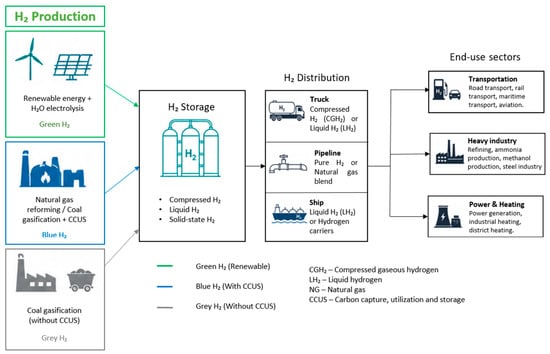
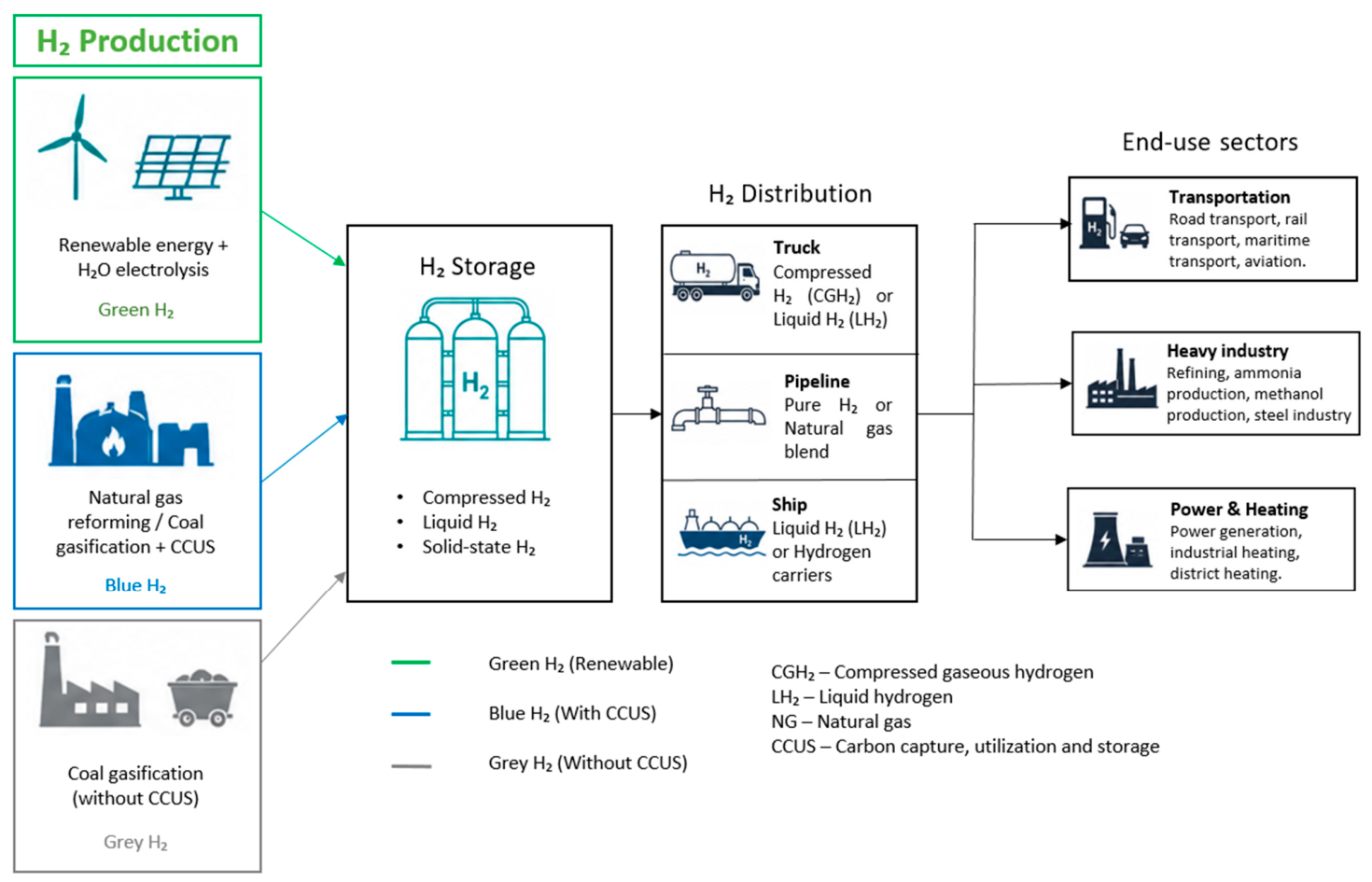
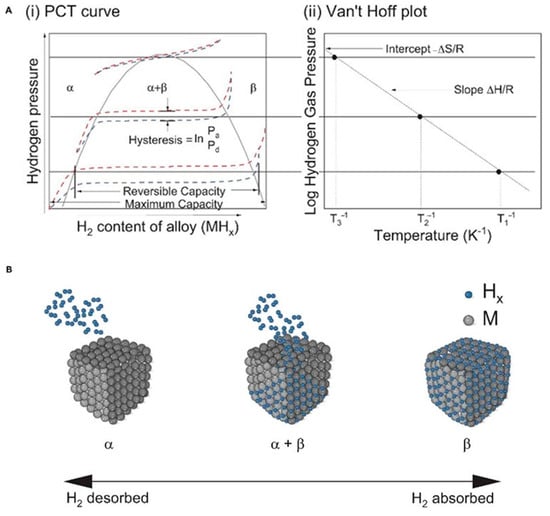
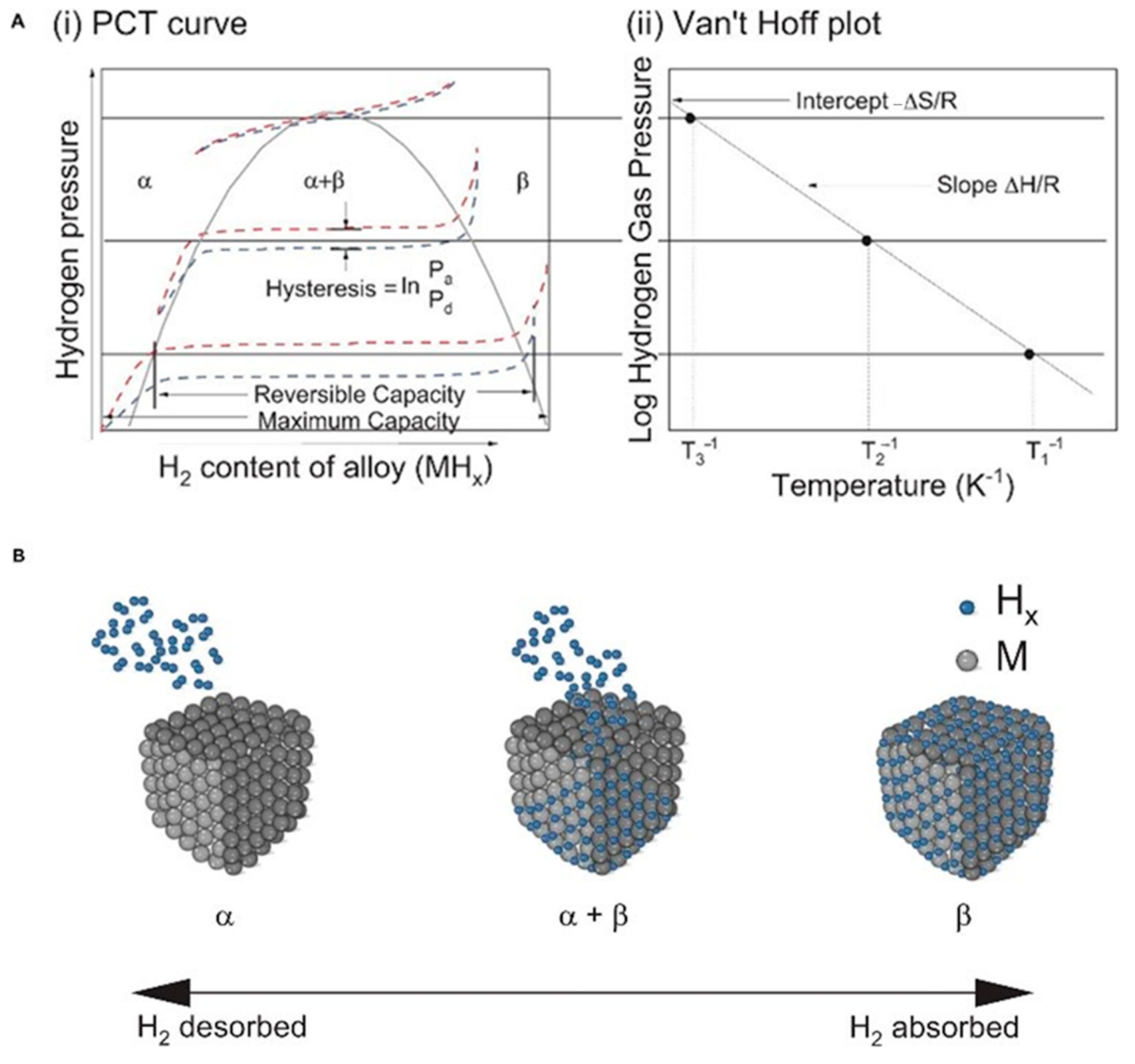
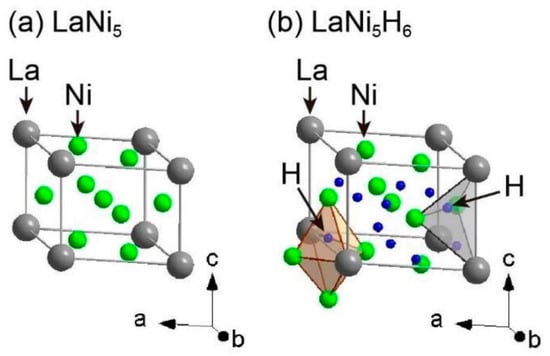
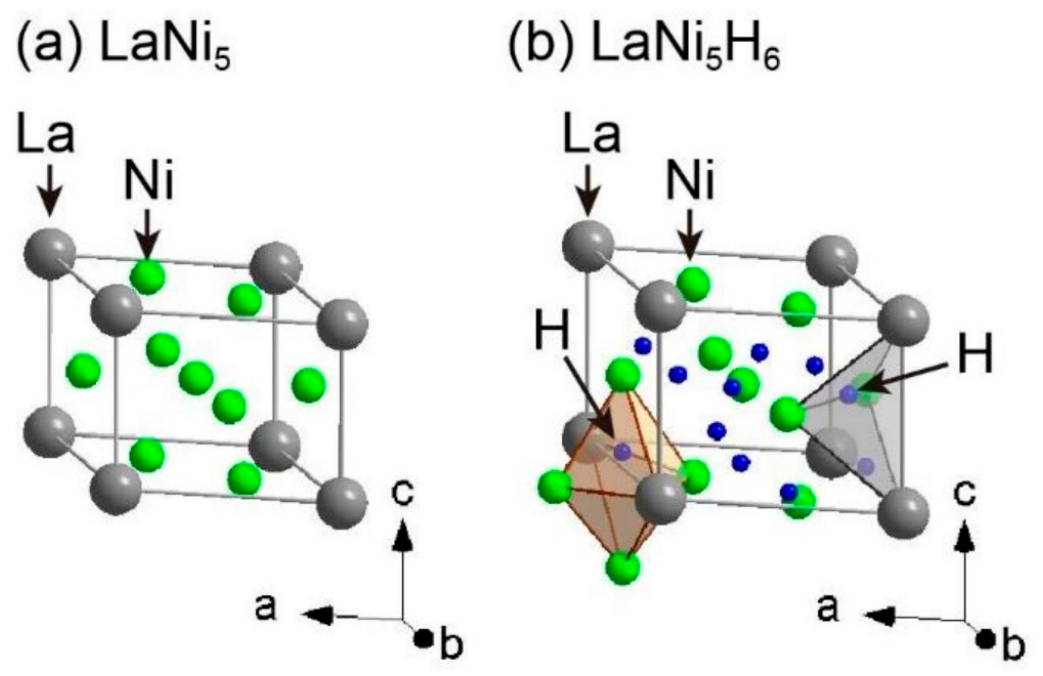
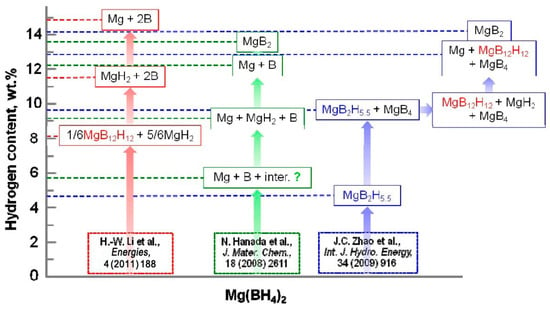
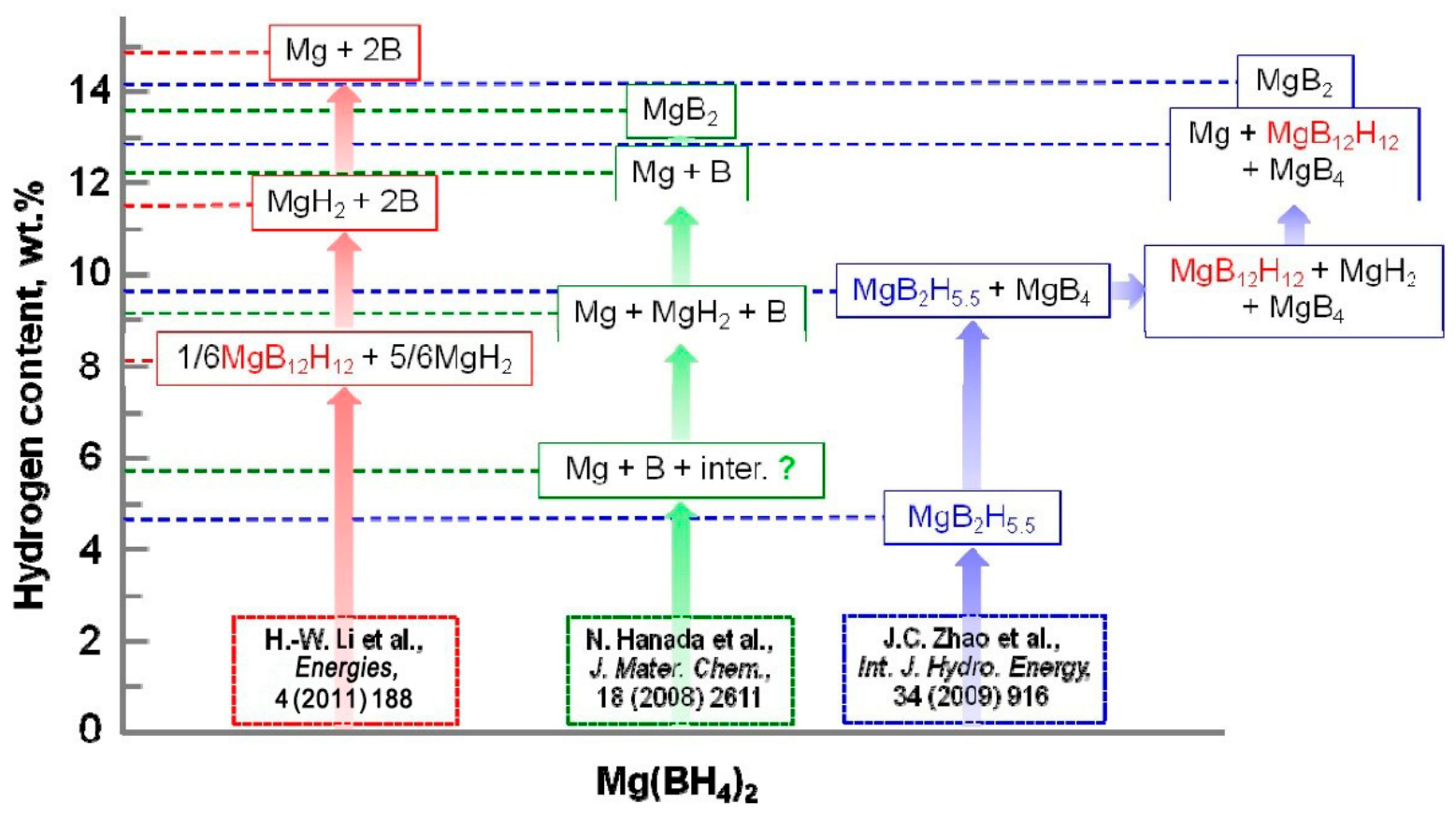
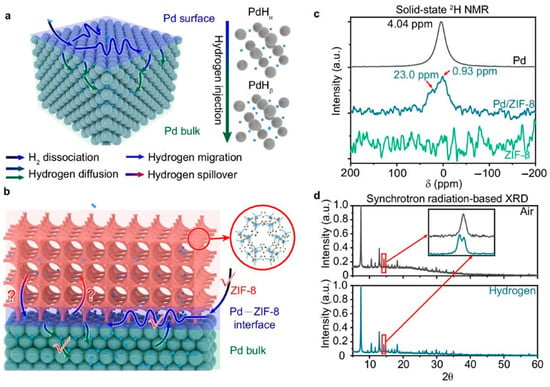
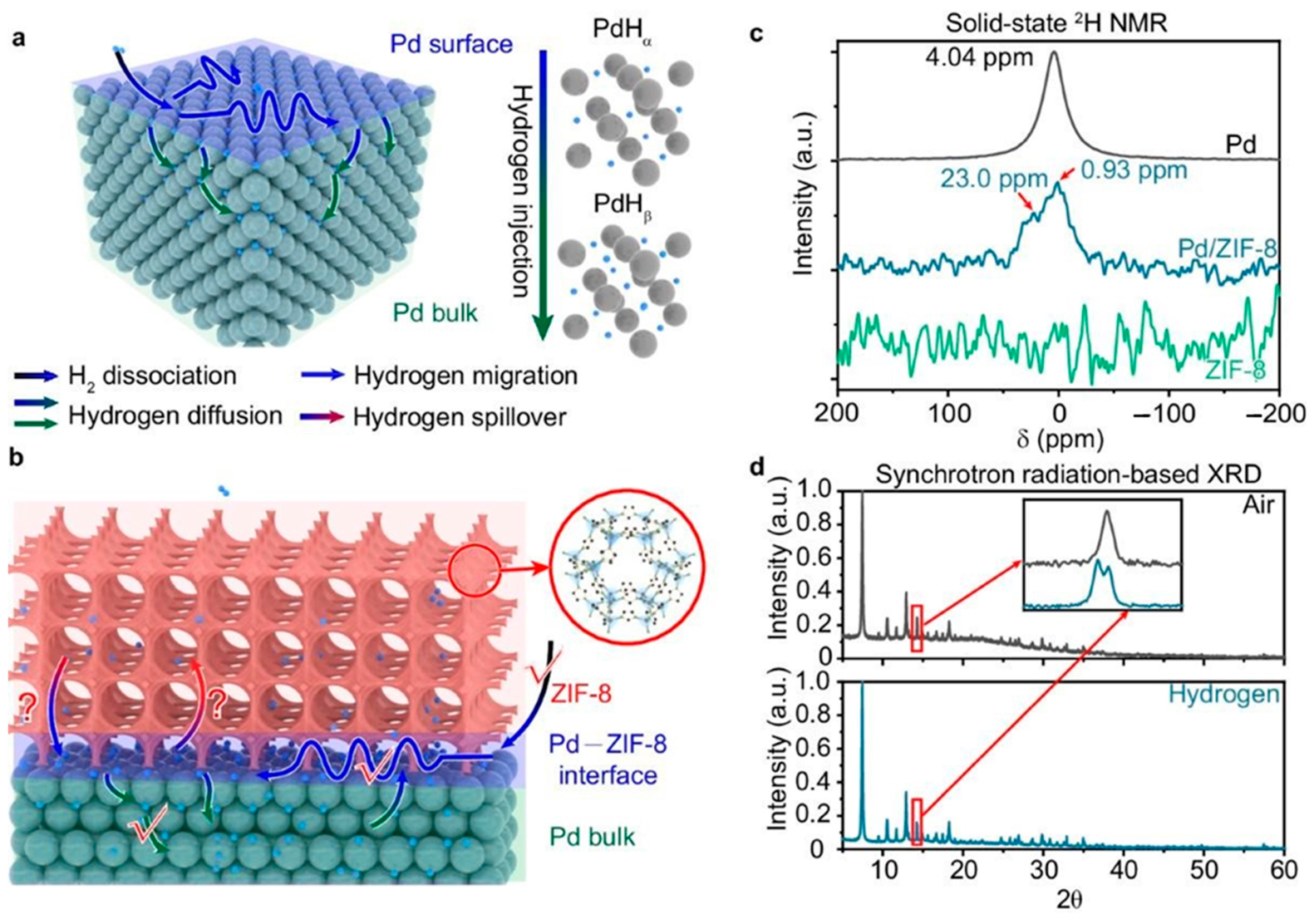
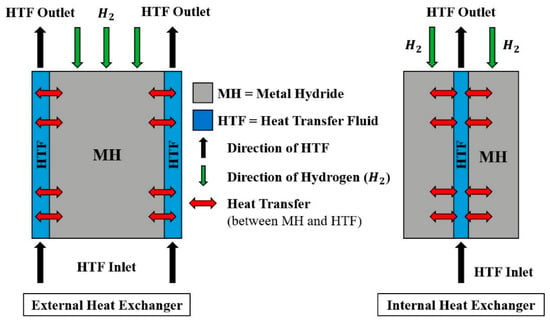
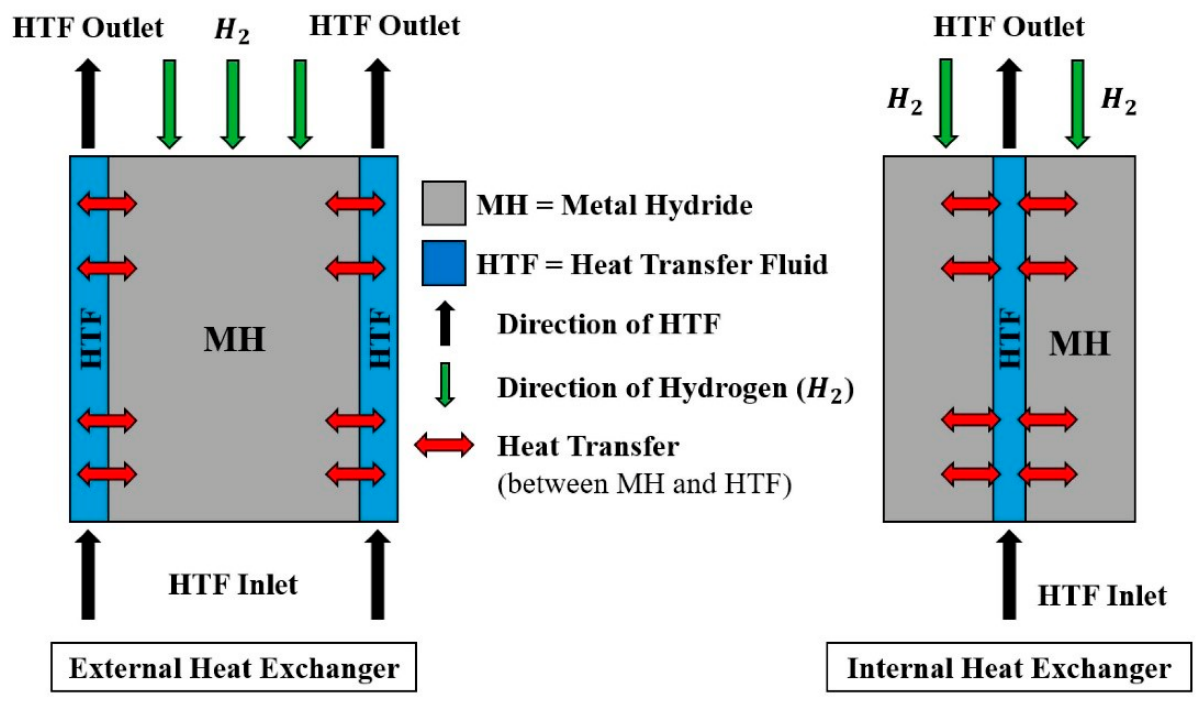
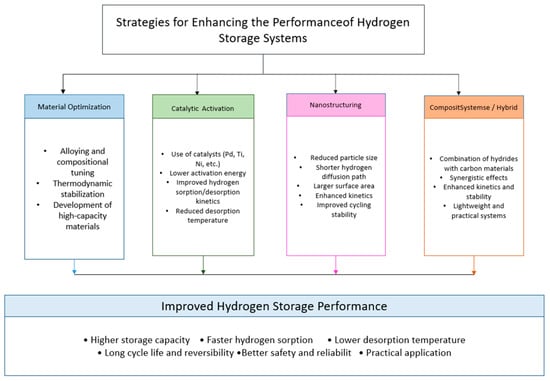
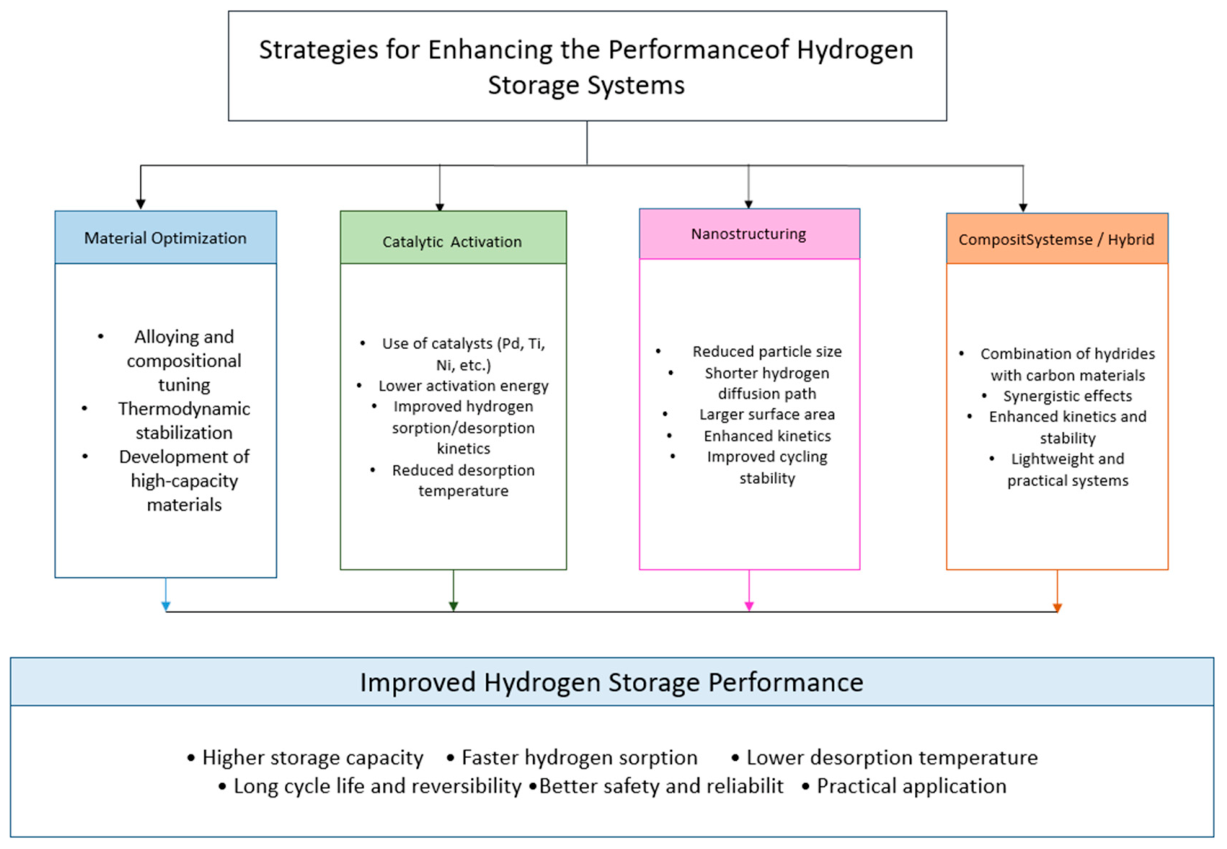

Disclaimer/Publisher’s Note: The statements, opinions and data contained in all publications are solely those of the individual author(s) and contributor(s) and not of MDPI and/or the editor(s). MDPI and/or the editor(s) disclaim responsibility for any injury to people or property resulting from any ideas, methods, instructions or products referred to in the content. |
© 2026 by the authors. Licensee MDPI, Basel, Switzerland. This article is an open access article distributed under the terms and conditions of the Creative Commons Attribution (CC BY) license.