Article

A Novel Classification Method for Pores in Laser Powder Bed Fusion
1
FIT AG, Am Grohberg 1, 92331 Lupburg, Germany
2
Chair of Materials Engineering of Additive Manufacturing, Technical University of Munich, Boltzmannstr. 15, 85748 Garching, Germany
*
Author to whom correspondence should be addressed.
Metals 2021, 11(12), 1912; https://doi.org/10.3390/met11121912
Submission received: 24 October 2021 / Revised: 21 November 2021 / Accepted: 23 November 2021 / Published: 26 November 2021
(This article belongs to the Special Issue Advances in Additive Manufacturing of Metals)

Abstract

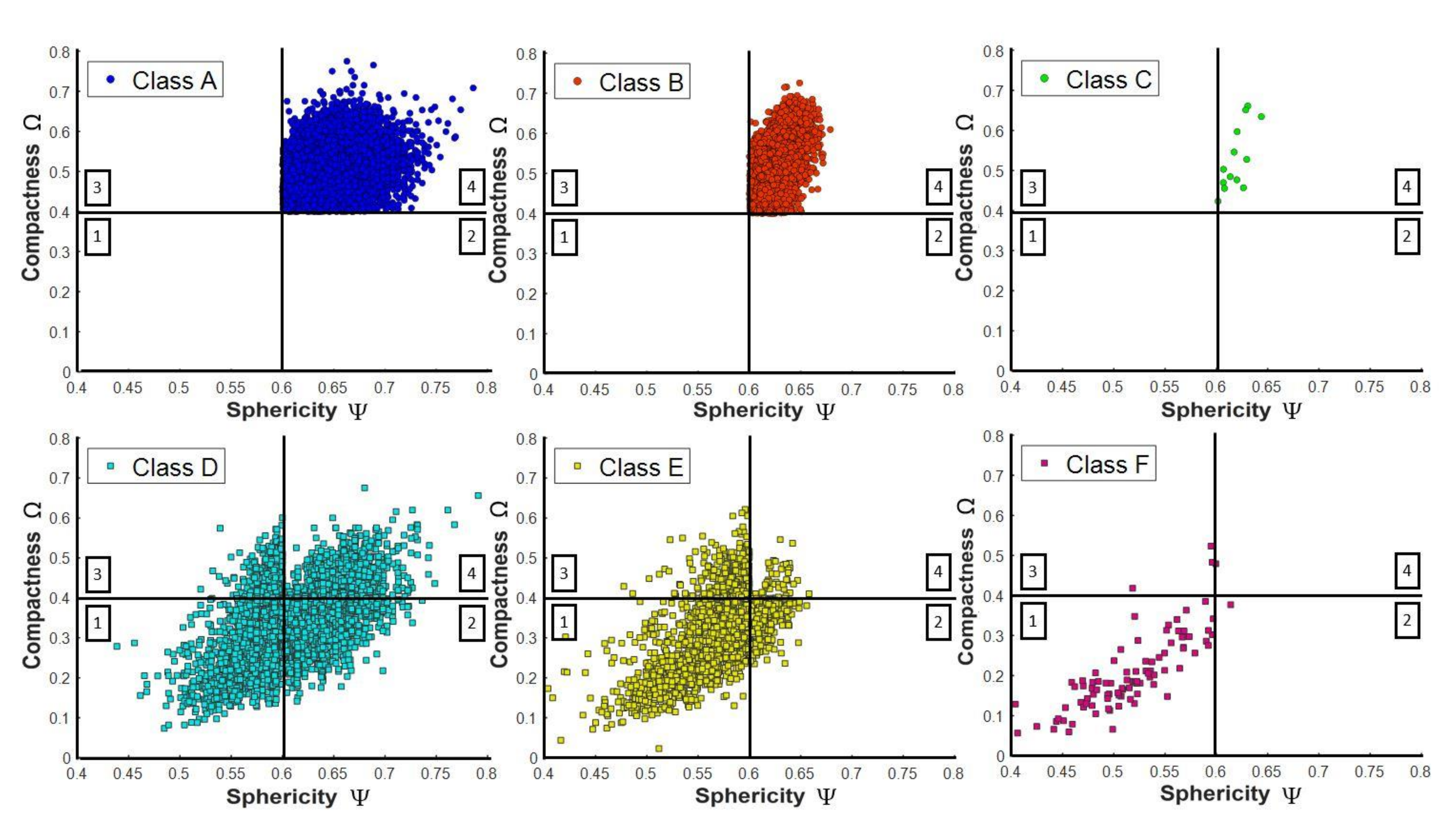
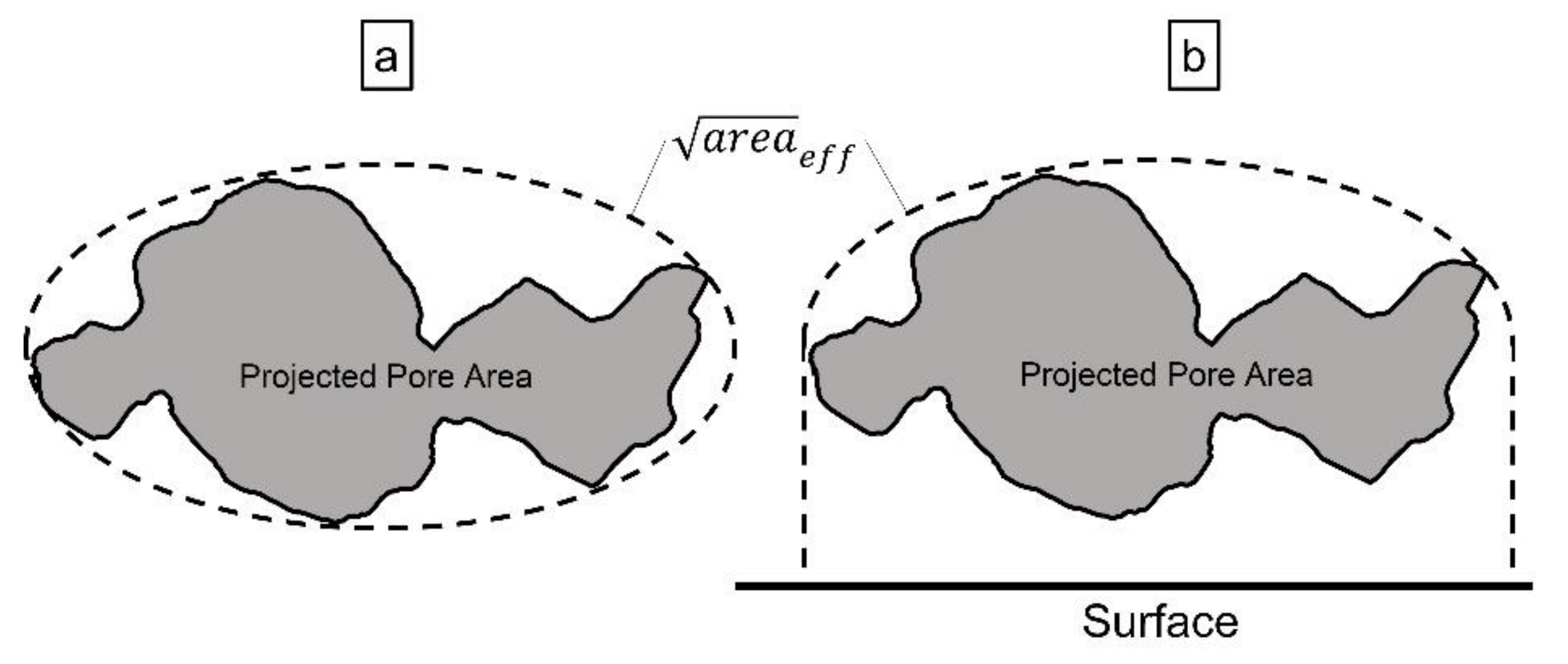
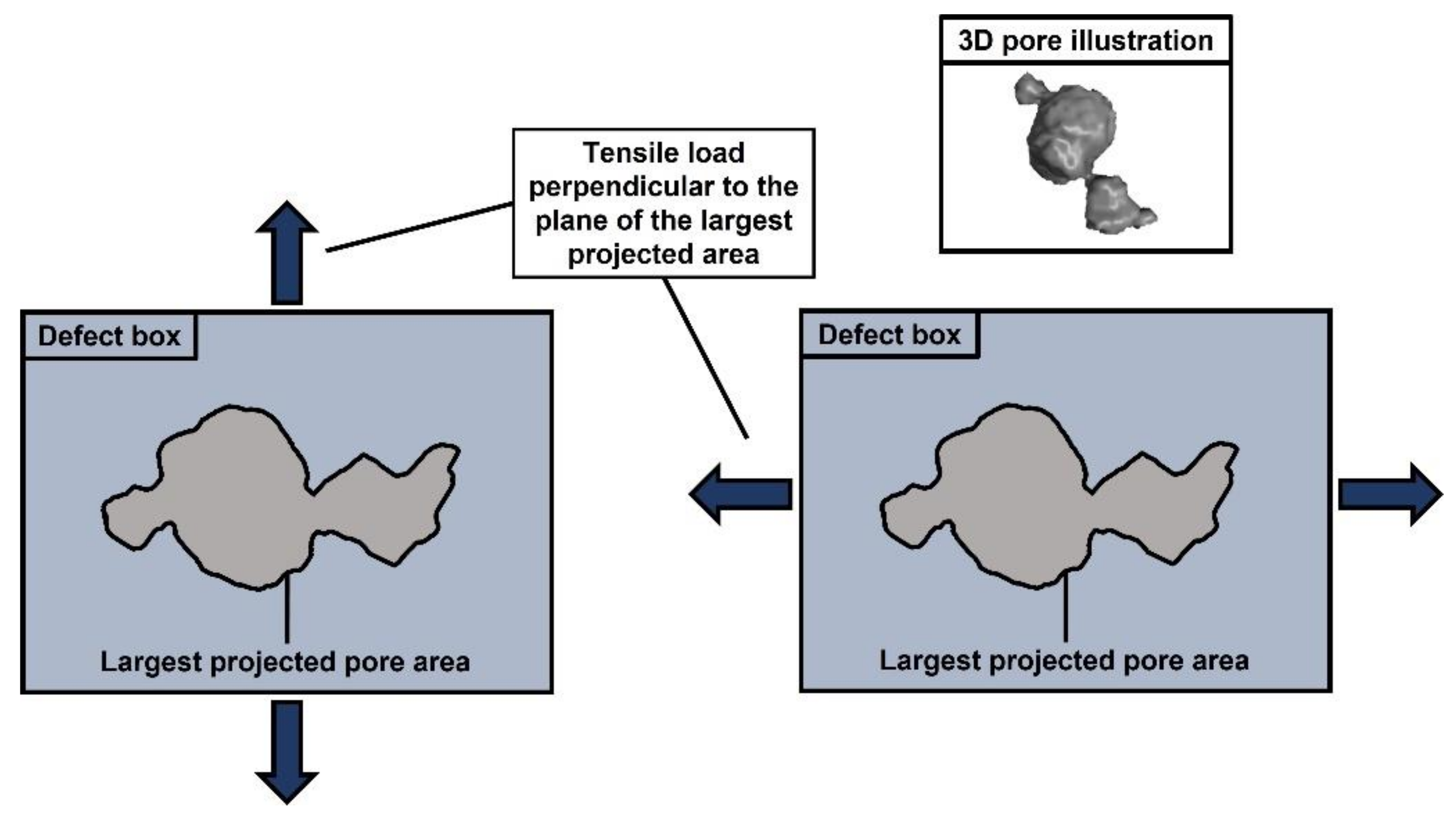
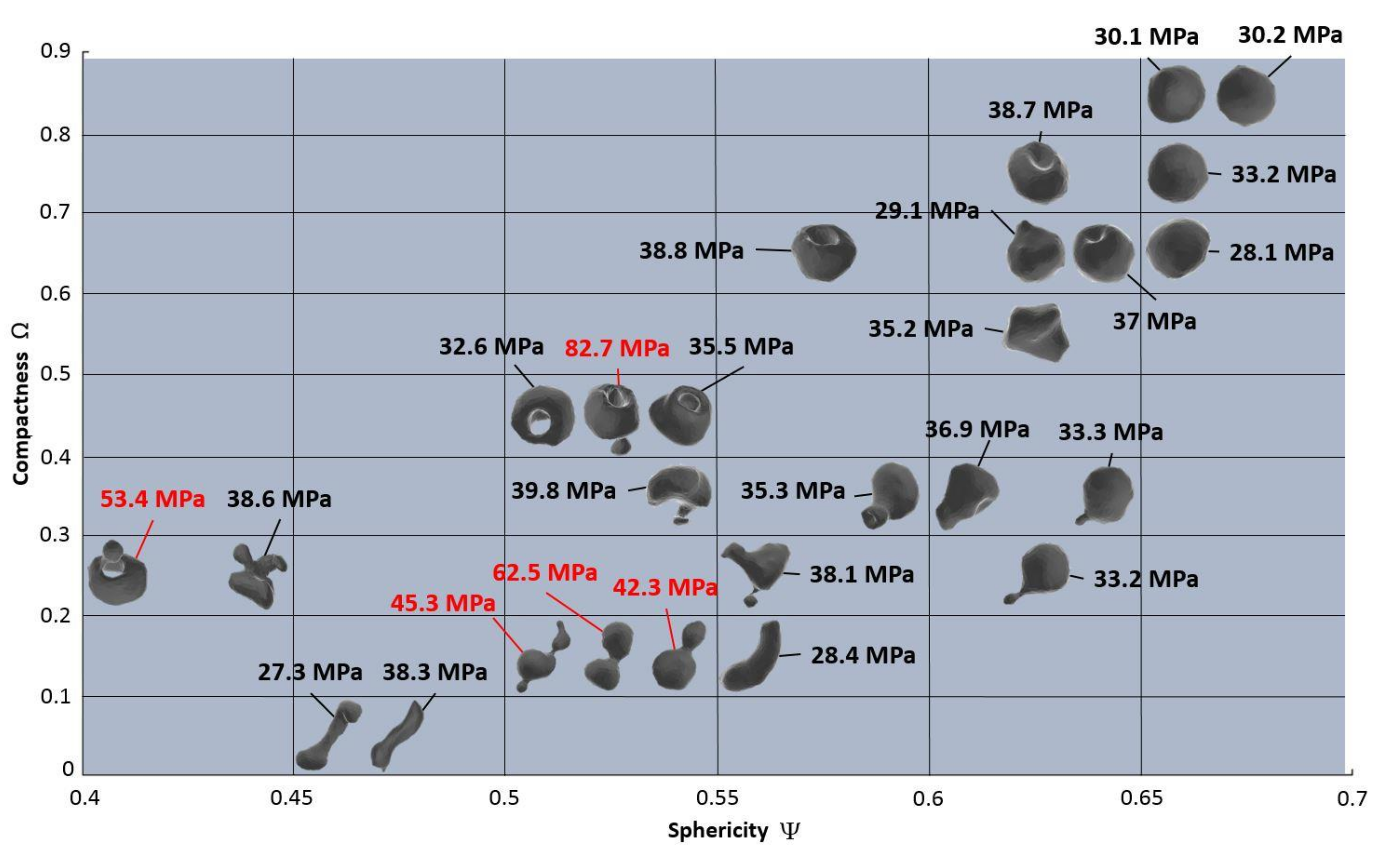
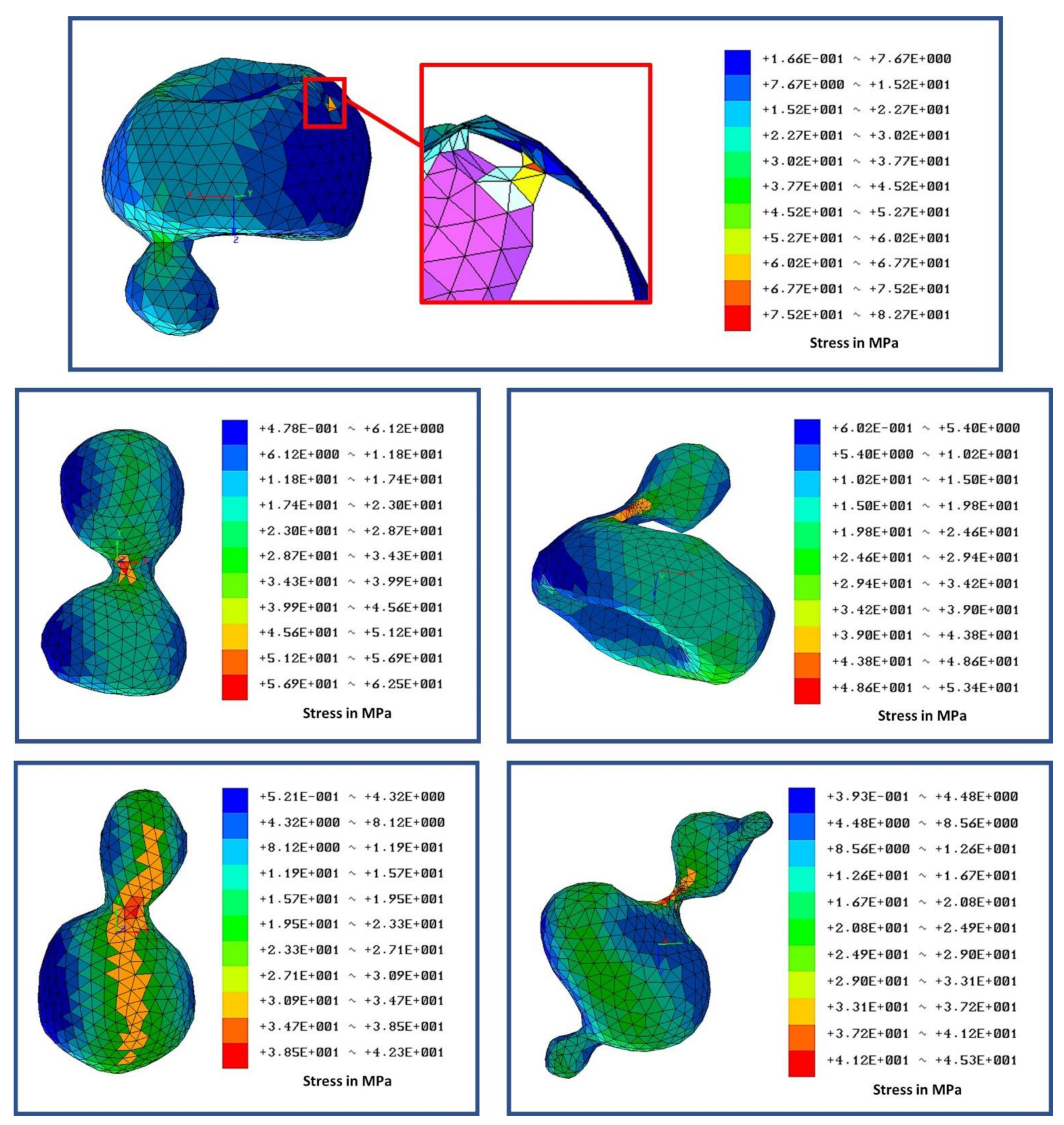
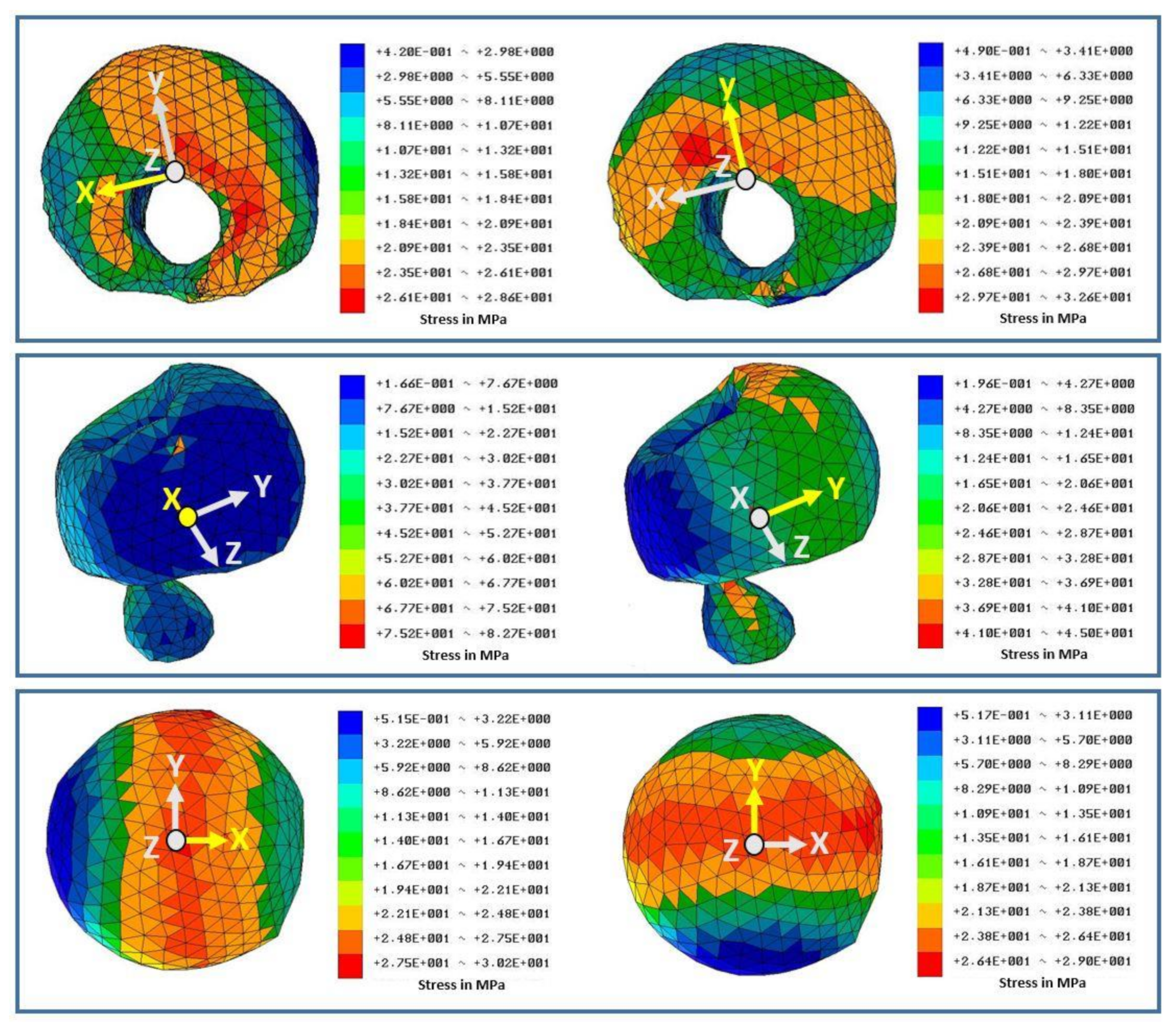
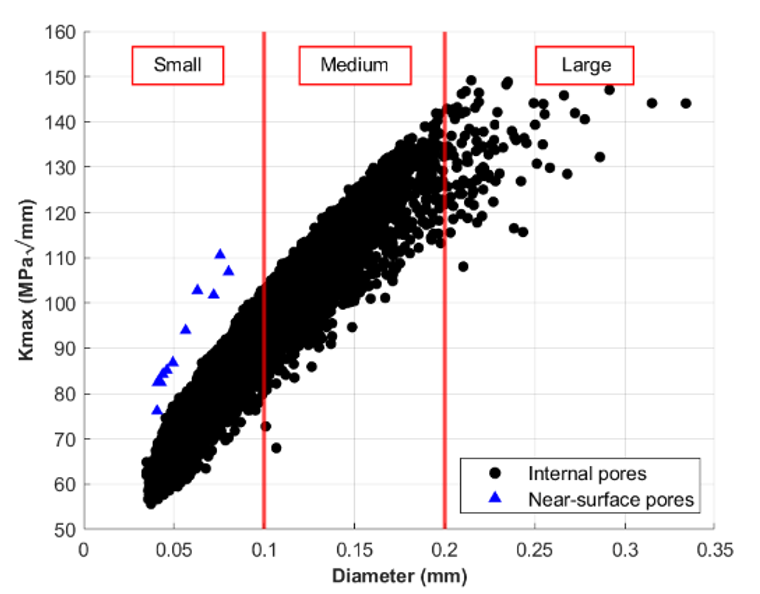
Nowadays, additive manufacturing (AM) using laser powder bed fusion (LPBF) is acknowledged for its ability to generate near-net-shape components for various industries such as aerospace, automotive, and health industries. However, internal defects seem to be the inevitable concomitant in the current state of laser powder bed fusion of Al alloys. Hence, knowledge of the formation, different types, and morphologies of pores and their suppression is an essential element for successful future AM applications. The purpose of this research is to qualify a new approach of defect classification using X-ray tomography. In this framework, this research examined the influence of size, shape, and location of pores on crack initiation for AlSi10Mg parts produced by LPBF. For this reason, a total number of 39,228 pores detected in a cylindrical sample were categorised. Additionally, 26 selected pores of different morphology from the X-ray scan were analysed by means of finite element analysis (FEA). Moreover, fracture mechanics determinations were carried out to examine the correlations between pore characteristics and degree of stress concentration. The result is an evaluated novel pore classification method that can be used for process adjustments, quality assurance, as well as further research.
Keywords: laser powder bed fusion; AlSi10Mg; computed tomography; finite element analysis; novel pore classification laser powder bed fusion; AlSi10Mg; computed tomography; finite element analysis; novel pore classification