Article

Remote Fibre Laser Welding of Advanced High Strength Martensitic Steel

by
Urban Prijanovič
1,
Marica Prijanovič Tonkovič
2,
Uroš Trdan
3,*,
Matej Pleterski
4,
Matija Jezeršek
3 and
Damjan Klobčar
3,*
1
TPV Group Corporation, Kandijska 60, 8000 Novo mesto, Slovenia
2
High Mechanical Engineering School, Šegova 112, 8000 Novo mesto, Slovenia
3
Faculty of Mechanical Engineering, University of Ljubljana, Aškerčeva cesta 6, 1000 Ljubljana, Slovenia
4
NUMIP Engineering, Construction, Maintenance and Production Ltd., Cesta krških žrtev 135b, 8270 Krško, Slovenia
*
Authors to whom correspondence should be addressed.
Metals 2020, 10(4), 533; https://doi.org/10.3390/met10040533
Submission received: 21 March 2020 / Revised: 15 April 2020 / Accepted: 18 April 2020 / Published: 20 April 2020
(This article belongs to the Special Issue Microstructure and Properties of Metallic Heat-Affected Zones)

Abstract

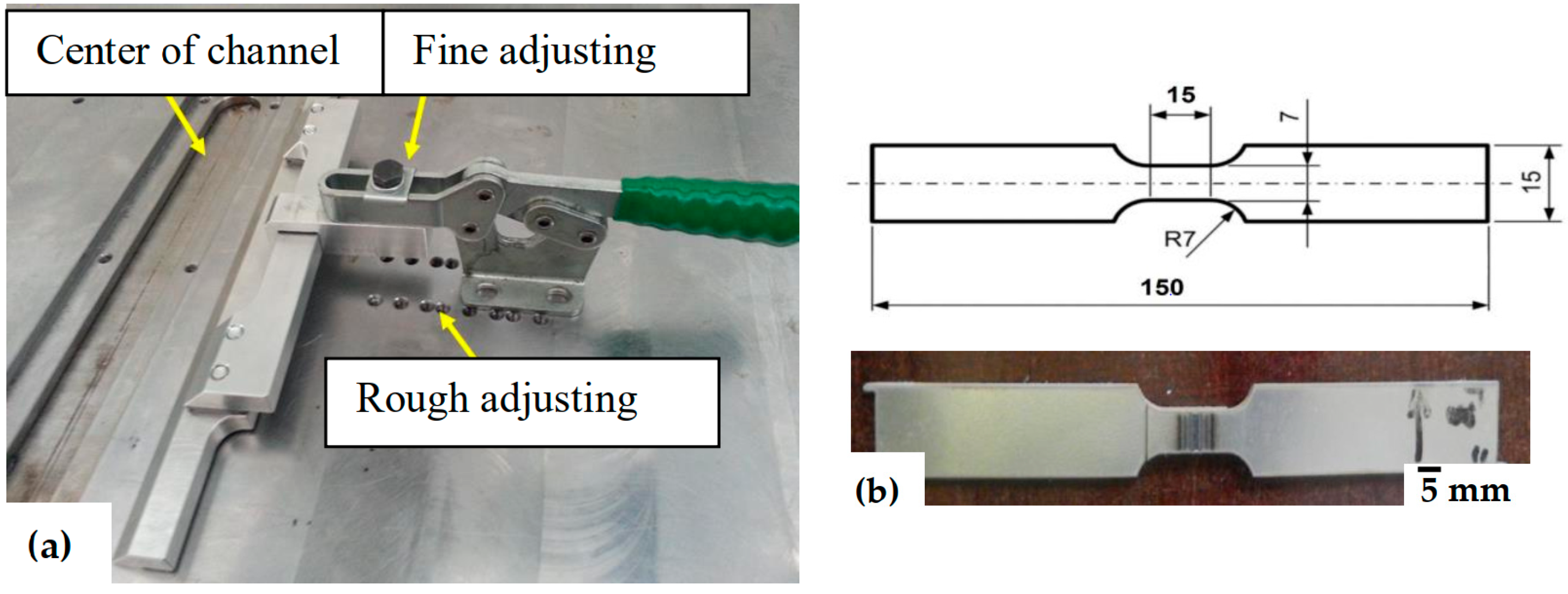
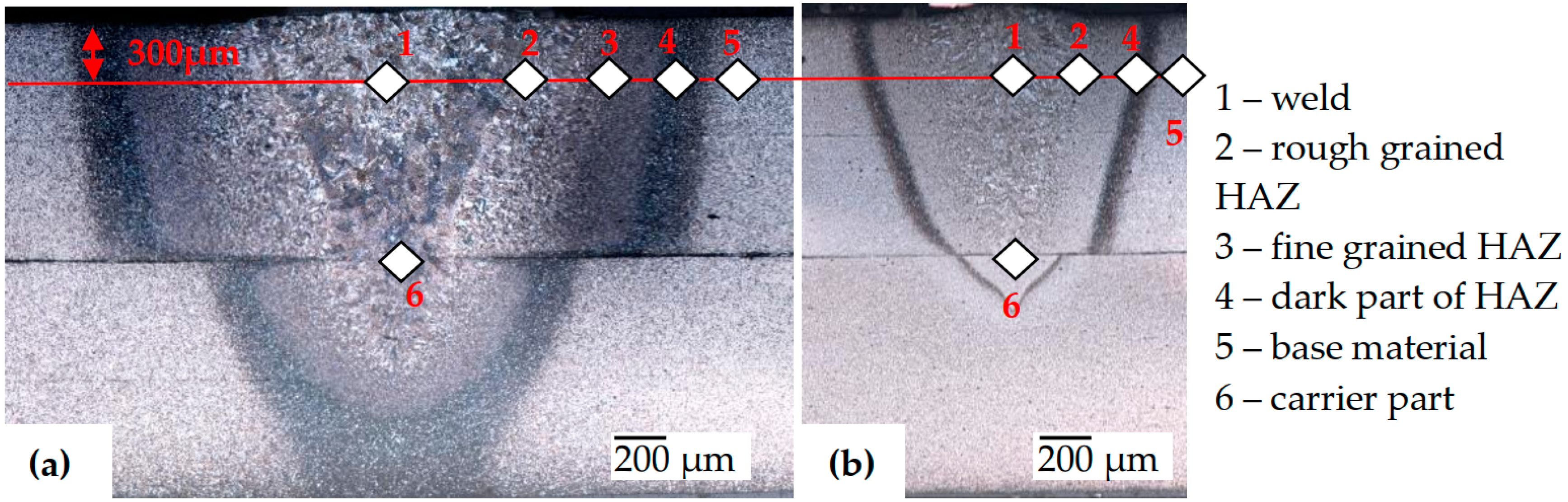
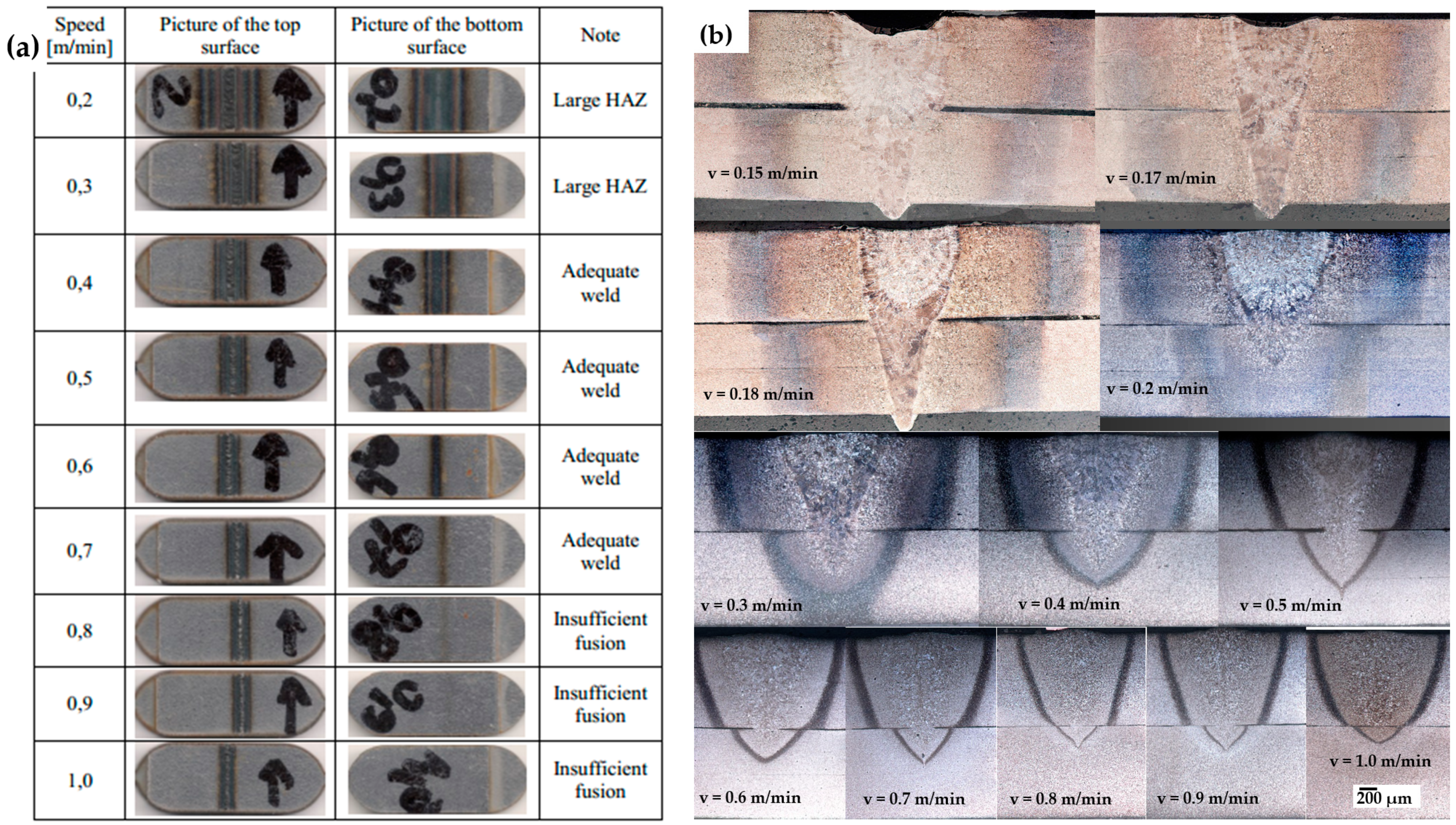
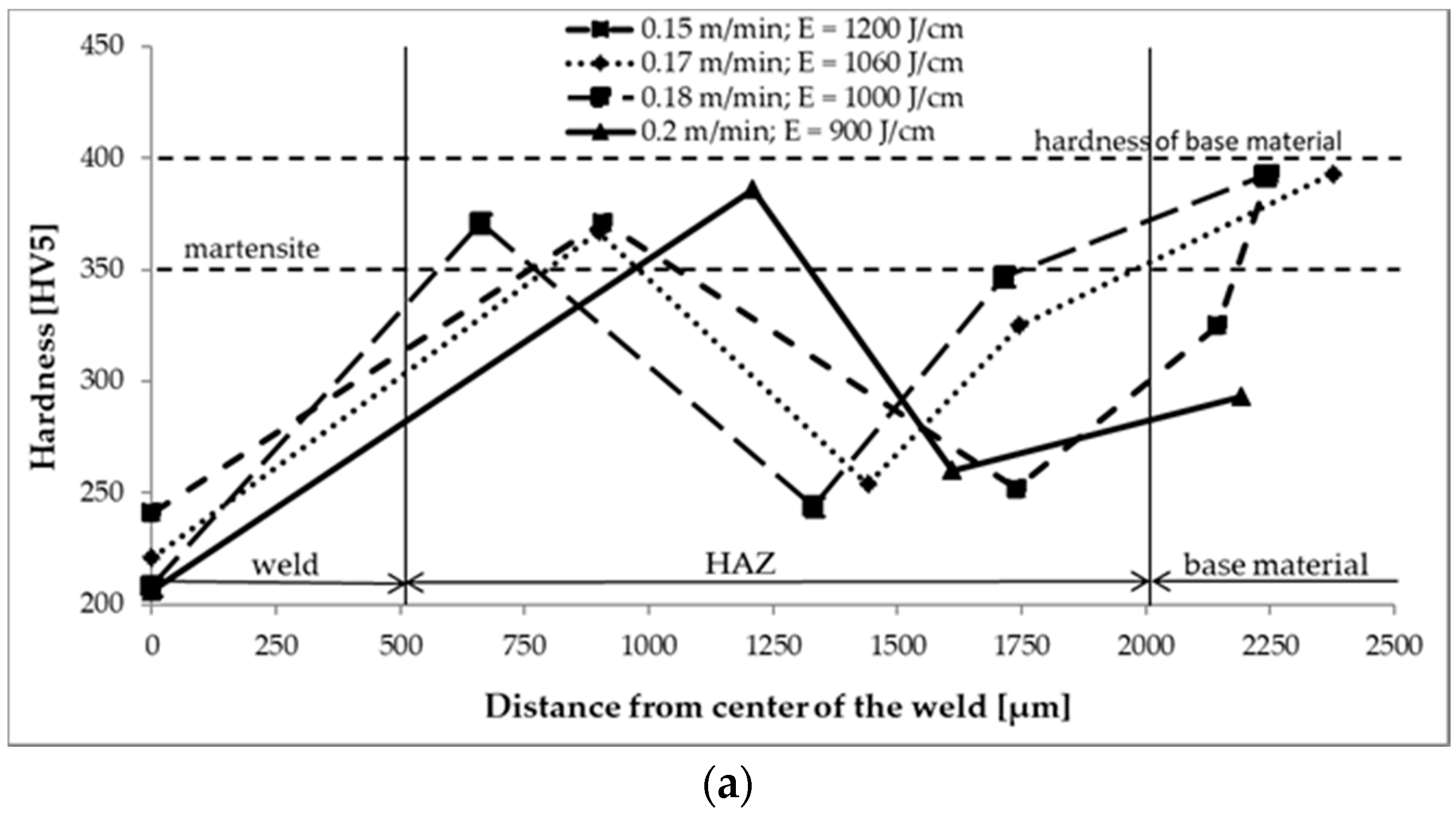
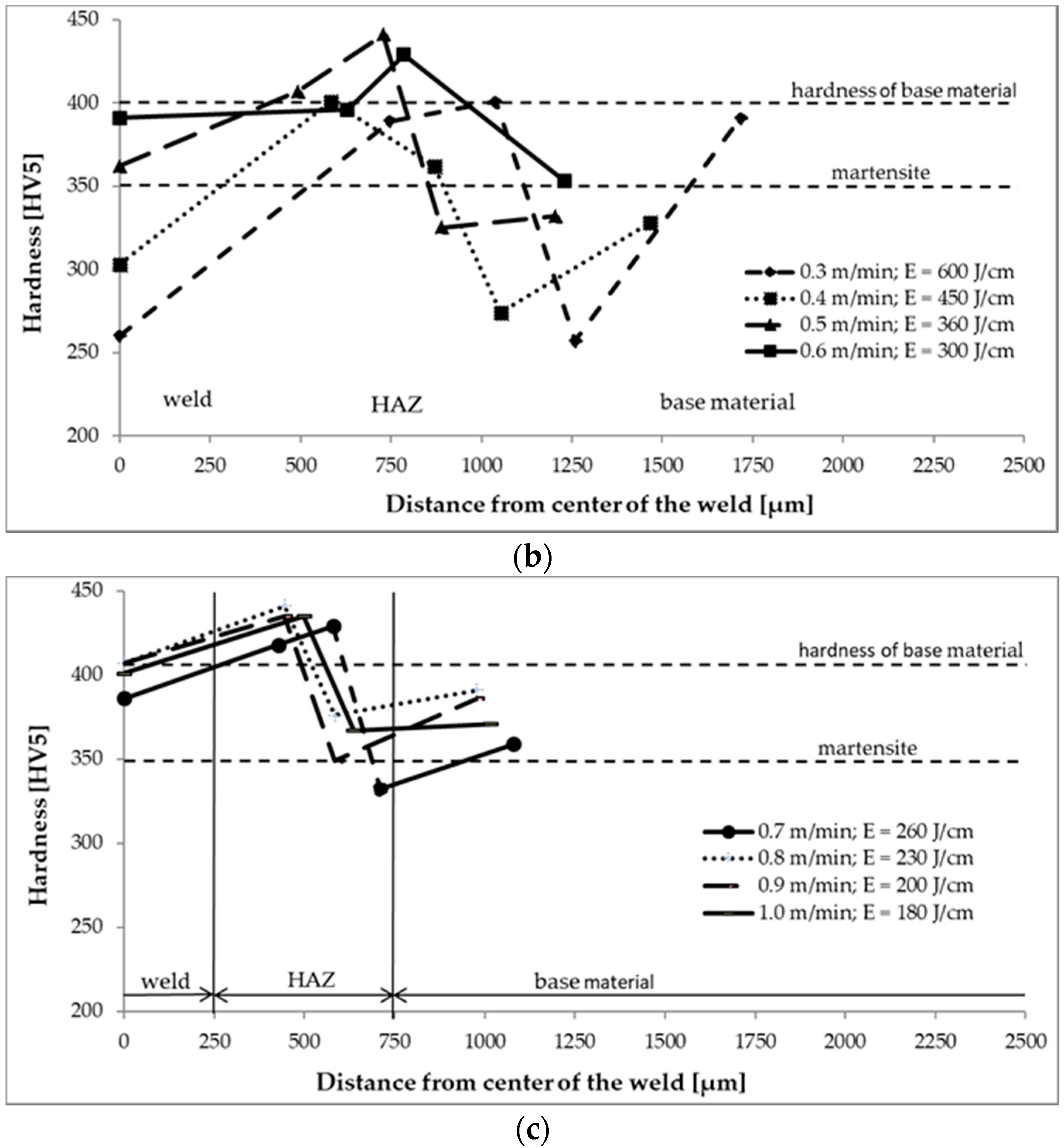
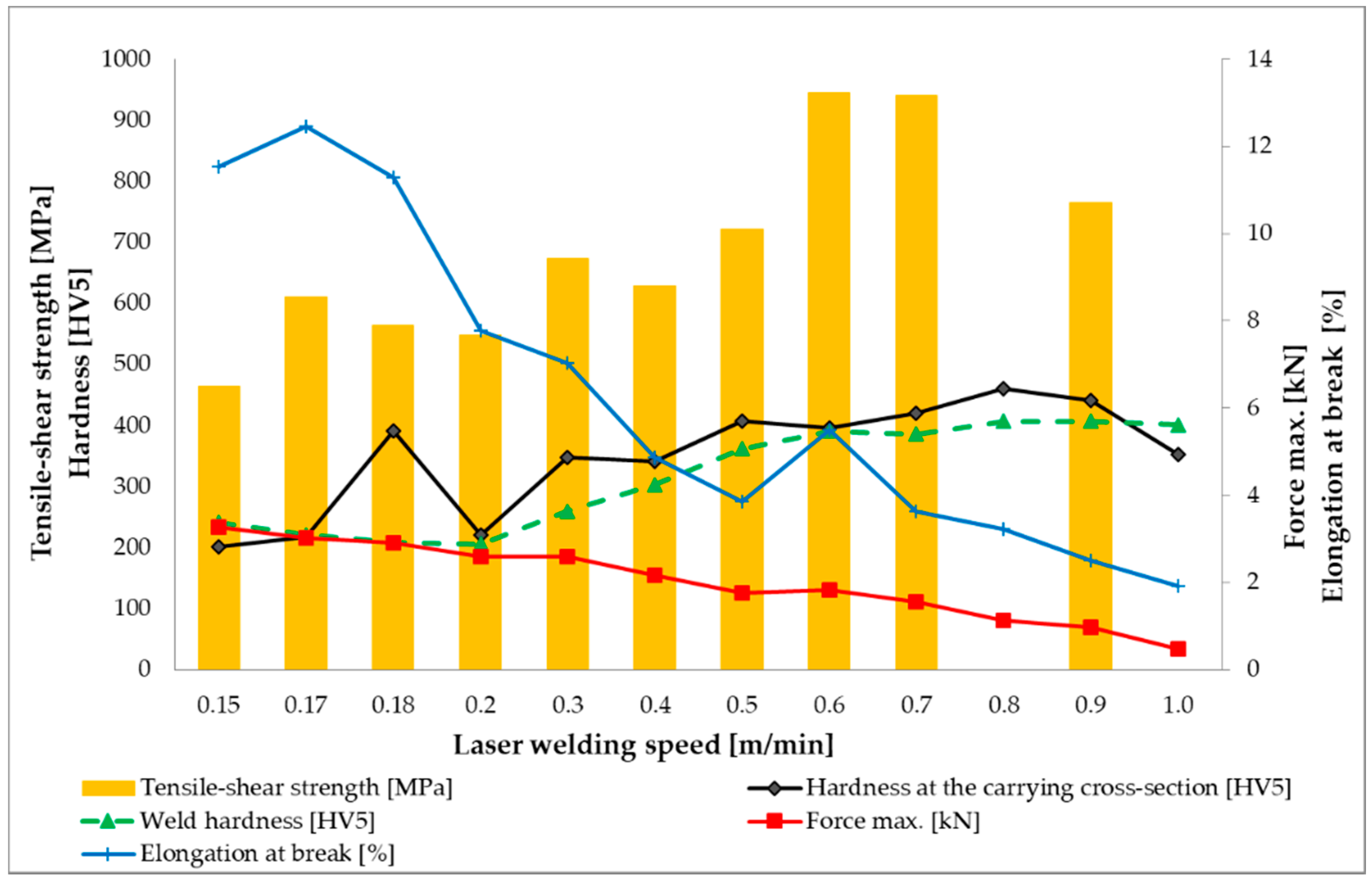
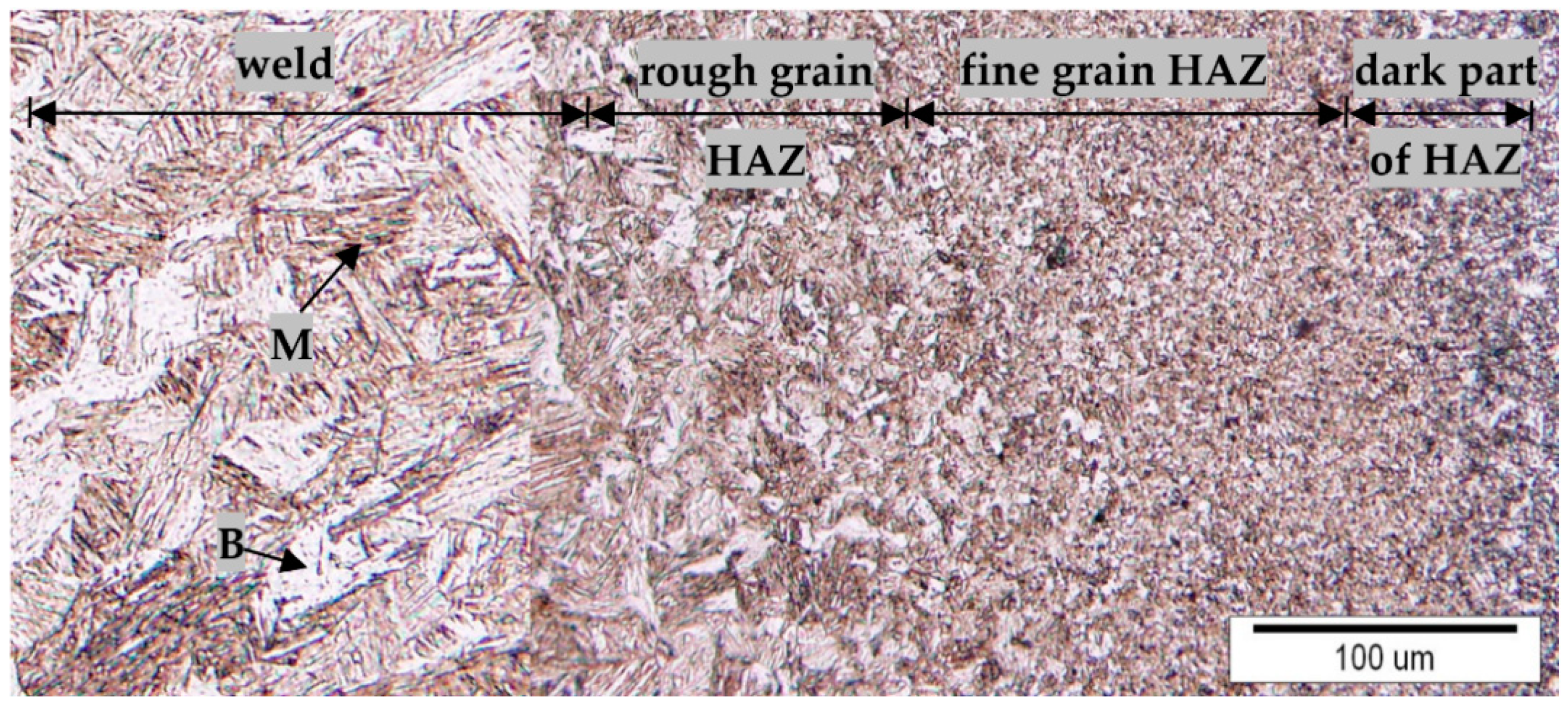
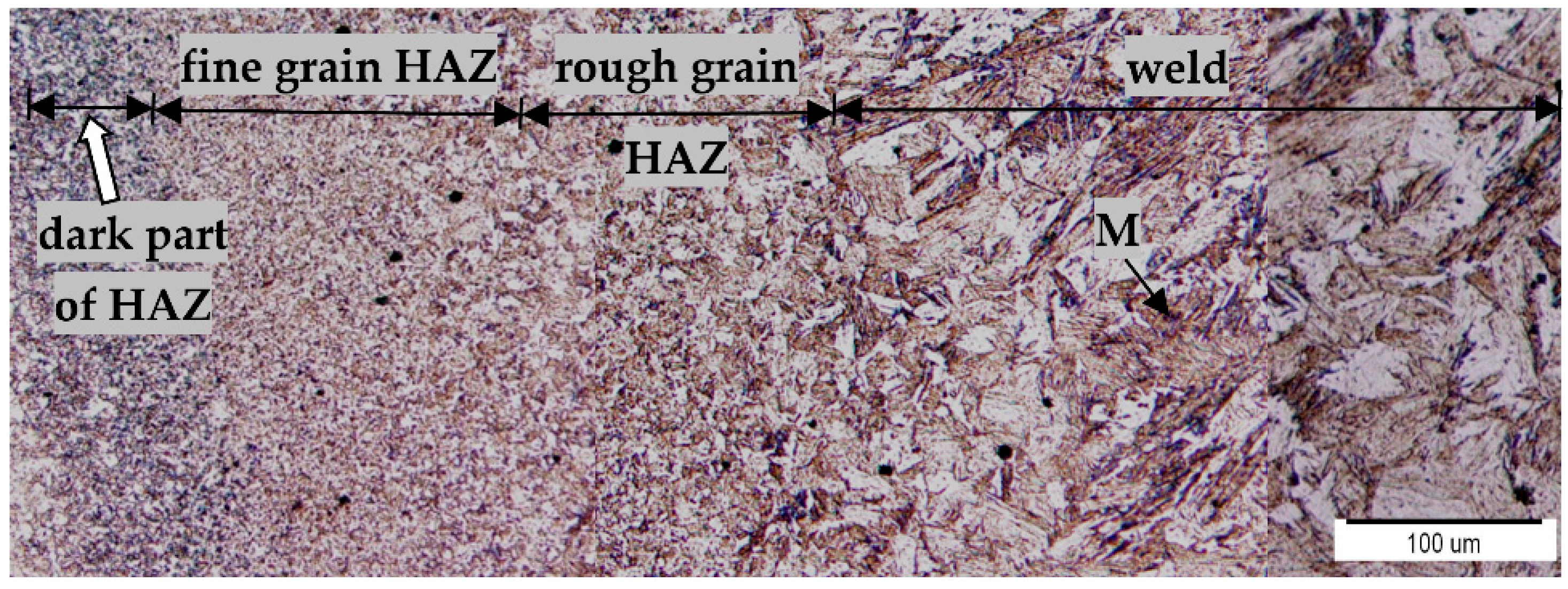
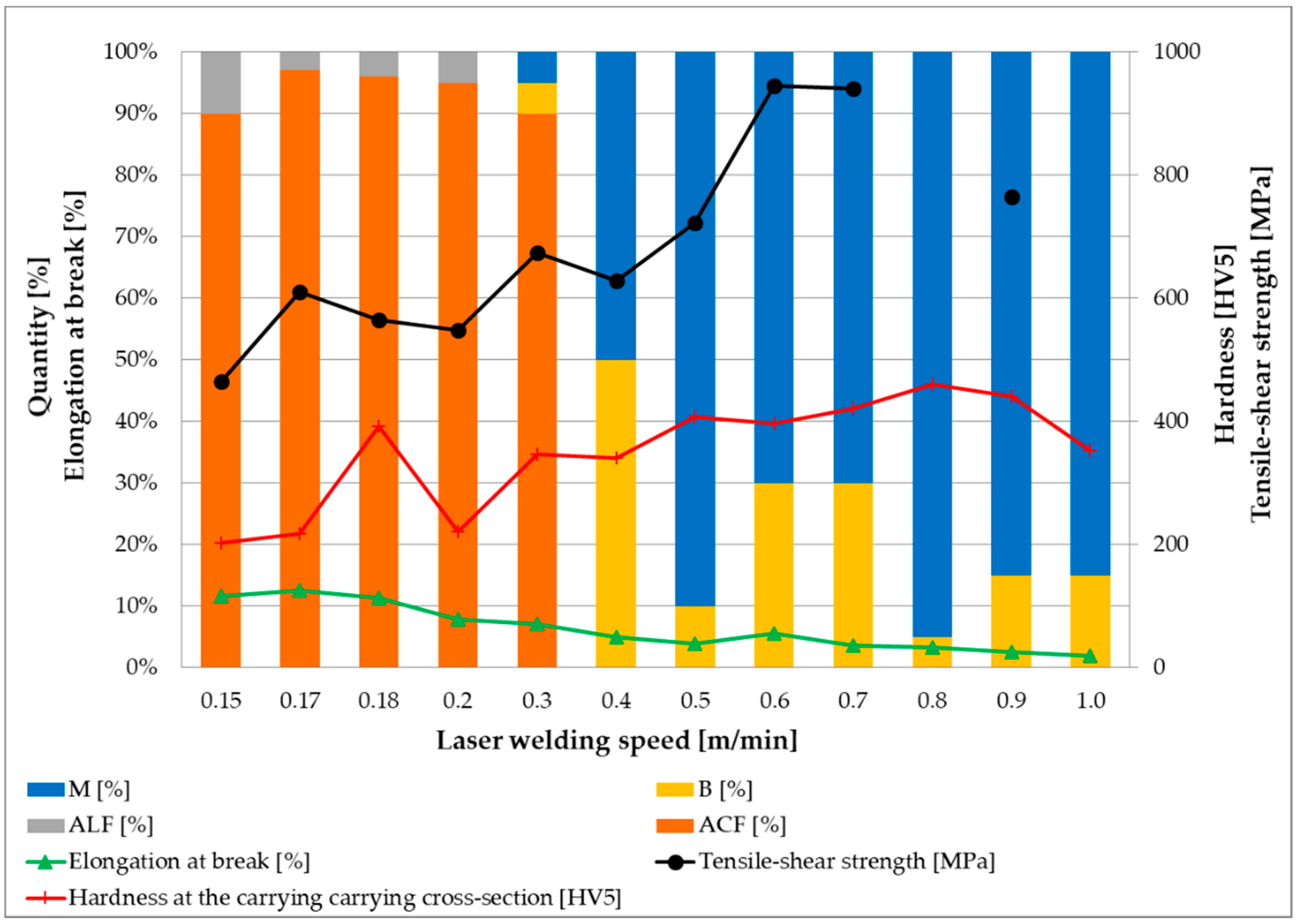
The study presents the results of remote robotic laser welding of advanced high strength Docol® 1200 M martensitic steel. One mm thick samples were welded in a lap joint configuration using a special clamping system. Welding was done using a continuous-wave (CW) fibre laser with a constant welding power of 300 W and constant focus diameter Ø 1.8 mm. Welding was done using 12 different welding speeds in the range from 0.15 to 1 m/min, whereas the inclination angle was kept constant at 0°. The influence of various welding speeds and linear heat inputs during welding on microstructural changes were examined by the occurrence of acicular and allotriomorphic ferrite or martensite. Results revealed big influence of the clamping system on the accumulation of the laser beam energy, heat sink and consequently weld size and geometry, as well as its microstructure and joint strength. Tensile-shear strength, microstructure and hardness results confirmed laser power of 300 W and 0.6 m/min welding speed as the optimal parameters, at which a martensitic structure was obtained in the weld. The width of the heat affected zone (HAZ) in this case is 1100 μm.
Keywords: advanced high-strength steel; laser welding; automotive industry; tensile-shear strength; hardness; heat affected zone (HAZ); microstructure advanced high-strength steel; laser welding; automotive industry; tensile-shear strength; hardness; heat affected zone (HAZ); microstructure