


Abstract
Ethical leadership has become increasingly relevant to employee well-being and creative performance in Saudi Arabia’s tourism sector, where Vision 2030 emphasizes human capital development, decent work, and sustainable tourism. This study examines how ethical leadership is associated with employees’ creative performance through three resource-related mechanisms: workaholism, employee voice, and self-efficacy, among full-time employees in travel agencies. A cross-sectional survey design was employed; 1094 questionnaires were distributed and 689 usable responses were analyzed using partial least squares structural equation modeling. Ethical leadership was directly associated with higher creative performance and indirectly associated with it through lower workaholism and higher employee voice and self-efficacy. All three indirect associations were significant and reflected complementary partial mediation, indicating that the ethical leadership–creative performance relationship is associated with distinct strain-related, behavioral, and psychological pathways. The cross-sectional, single-source design and the focus on travel agencies in two major cities limit causal inference and generalizability. Practically, the findings highlight the relevance of ethical leadership for limiting workaholic tendencies while supporting employee voice, self-efficacy, and creative performance within workplace conditions aligned with Vision 2030 and sustainable employee well-being. The study contributes by integrating three theoretically distinct mediating pathways within a single resource-based framework in the underexamined context of Saudi Arabian travel agencies.
1. Introduction
Travel agency work involves sustained customer contact and emotionally demanding service interactions in which employees must respond to customers while managing the emotions displayed during service encounters [1]. Within this setting, ethical leadership is particularly relevant because employees operate under service pressures while exercising judgment in situations involving customers, organizational expectations, and workplace relationships. Ethical leadership has received growing attention because of its reported associations with employee attitudes, workplace conduct, and organizational outcomes [2]. Ethical leadership is commonly reflected in integrity, fairness, accountability, transparency, and consistency between stated values and actual behavior [3]. Within the broader tourism literature, these qualities have particular relevance to customer-facing work, where ethical dilemmas, service pressures, and discretionary judgments are common [4]. Although prior research has linked ethical leadership with trust, psychological safety, commitment, job satisfaction, and organizational performance, its relationship with employees’ creative performance remains less fully understood [5].
Creative performance is particularly relevant in travel agencies because service delivery frequently requires employees to interpret customer needs, adapt available service arrangements, and formulate practical responses to non-routine operational problems. More broadly, tourism research emphasizes the importance of employee creativity for service adaptation, customer-experience development, and workplace problem-solving [6,7]. Unlike organizational innovation, employee creative performance concerns the generation and application of useful and novel ideas within everyday work activities. Prior studies have reported positive relationships between ethical leadership and employee creativity, particularly in workplaces perceived as supportive, fair, and open to new ideas [8]. However, the direct relationship alone provides only a partial account of how ethical leadership relates to creative performance. This limitation is especially important when travel agencies are treated simply as part of an undifferentiated tourism and hospitality setting. Evidence comparing frontline hotel and travel agency employees indicates that voice-related relationships can differ across these service contexts, suggesting that findings from one tourism setting should not automatically be assumed to characterize another [9].
Workaholism, employee voice, and self-efficacy represent three conceptually distinct variables that may statistically account for this relationship. Workaholism reflects excessive and compulsive work involvement; employee voice concerns the discretionary expression of suggestions, concerns, and work-related ideas; and self-efficacy refers to employees’ beliefs in their ability to perform tasks and manage difficult situations. Although these constructs have received considerable attention, they have generally been examined in separate research streams rather than as simultaneous mediators within a single model [10,11].
Workaholism is particularly relevant because its position in the literature remains contested. Some studies associate excessive and compulsive work involvement with exhaustion, strain, and weaker performance, whereas others do not distinguish it clearly from work engagement, long working hours, or high job involvement. This distinction matters because workaholism contains a compulsive element that differentiates it from voluntary and intrinsically motivated engagement [12]. In the present study, workaholism is therefore examined as a potentially detrimental behavioral mediator, with ethical leadership expected to be negatively associated with workaholism and workaholism negatively associated with creative performance.
Employee voice represents a different behavioral dimension. Frontline travel agency employees possess work-related knowledge derived from direct service encounters, yet the expression of suggestions or concerns remains discretionary and may depend on how employees evaluate the interpersonal consequences of speaking up [9]. Such knowledge may remain unexpressed when employees anticipate interpersonal risk or believe that their contributions will not be taken seriously. Ethical leadership has been associated with stronger employee voice because fairness, openness, and leader credibility correspond with greater willingness to communicate concerns and suggestions [13]. Employee voice has also been linked to knowledge exchange, collective learning, and the articulation of ideas relevant to creative performance. However, its indirect role in the ethical leadership–creativity relationship remains insufficiently examined.
Self-efficacy provides the psychological dimension of the proposed model. Creative work requires persistence, confidence, and tolerance of uncertainty, particularly when employees must develop and defend non-routine ideas. Employees with stronger self-efficacy are generally more willing to engage with difficult tasks and persist when immediate solutions are unavailable [14,15]. Ethical leadership has also been associated with self-efficacy through perceptions of support, fair treatment, feedback, and role clarity [16]. Nevertheless, previous studies have not always distinguished clearly among general, occupational, and creative self-efficacy. The present study therefore examines self-efficacy as employees’ general confidence in their work-related capabilities.
The simultaneous examination of workaholism, employee voice, and self-efficacy addresses an important limitation in the existing literature. Studying each mediator separately may overstate its relevance by overlooking alternative behavioral and psychological pathways. A multiple-mediation framework allows their relative indirect associations to be estimated within the same model and permits assessment of whether ethical leadership retains a direct association with creative performance after the mediators are included [14,17,18].
The resulting gap is both theoretical and contextual. Existing research provides evidence for associations between ethical leadership and creativity, but offers less insight into how distinct resource-related pathways coexist when employees work under customer-facing, emotionally demanding conditions characterized by irregular workloads, variable service demands, and employee discretion. Such conditions are theoretically important because they place different demands on employees’ resources. Compulsive overinvestment in work may coincide with resource depletion, speaking up requires employees to invest interpersonal and psychological resources under conditions of social uncertainty, and self-efficacy reflects a personal resource relevant to managing non-routine demands. From a Conservation of Resources perspective, ethical leadership may therefore be associated with creative performance through qualitatively different resource conditions rather than through a single undifferentiated process. Examining workaholism, employee voice, and self-efficacy simultaneously makes it possible to distinguish a potential resource-depletion pathway from behavioral resource investment and personal-resource pathways and to assess their relative indirect associations within the same model. This issue is particularly pertinent to travel agencies because direct and sustained customer contact, emotional regulation, irregular workloads, changing service demands, and employee discretion can make both resource preservation and resource deployment salient to everyday service work [1]. Moreover, empirical differences between hotel and travel agency employees in voice-related relationships caution against treating tourism and hospitality as a homogeneous employment context [9]. Accordingly, the study addresses not merely whether an established ethical leadership–creativity relationship can be replicated in another setting, but whether three theoretically distinct resource-related pathways jointly account for that association in travel agency work.
From a public health perspective, these dynamics position travel agency workplaces as relevant organizational settings for promoting sustainable employee well-being rather than treating health as an exclusively individual responsibility [19,20,21]. In line with contemporary frameworks of worker well-being, ethical leadership and resource-related conditions such as workaholism, employee voice, and self-efficacy can be interpreted as psychosocial and organizational determinants of health that are associated with employees’ capacity to thrive at work and beyond [19,21]. Conceptualizing the focal relationships as part of a broader workplace health promotion agenda is consistent with Saudi Arabia’s national research, development, and innovation priorities, which emphasize “Health and Wellness” and “Sustainable Environment and Supply of Essential Needs” as pillars for Vision 2030 [22,23]. Accordingly, ethical leadership and the associated resource conditions examined in this study are treated not only as factors associated with creative performance, but also as elements of organizational environments that may support human sustainability, decent work, and psychosocial health in Saudi Arabian travel agencies. This policy context also strengthens the theoretical relevance of COR Theory in the Saudi setting, because national ambitions for human-capital development, decent work, and sustainable tourism depend partly on organizational conditions associated with the preservation, investment, and availability of employee resources. Examining ethical leadership alongside workaholism, employee voice, and self-efficacy therefore provides a resource-based perspective on how workplace conditions may align with broader national priorities for employee well-being and sustainable service sector development.
Accordingly, this study addresses the following research question: How is ethical leadership associated with creative performance in Saudi Arabian travel agencies, and to what extent do workaholism, employee voice, and self-efficacy statistically mediate this association? The general objective of the study is to examine the direct association between ethical leadership and creative performance and its indirect associations through workaholism, employee voice, and self-efficacy within COR Theory. Drawing on this framework, ethical leadership is considered an organizational condition associated with employees’ perceptions of support, predictability, and resource availability. Workaholism is treated as a behavioral condition associated with potential resource depletion, employee voice as a constructive behavioral mediator, and self-efficacy as a psychological mediator. The study contributes to the literature in two ways. First, it integrates workaholism, employee voice, and self-efficacy within a single multiple-mediation framework. Second, it extends this line of inquiry to Saudi Arabian travel agencies, where employee discretion and customer-oriented problem-solving are central to service delivery.
2. Literature Review and Hypotheses Development
2.1. Conservation of Resources (COR) Theory
Conservation of Resources (COR) Theory provides a relevant framework for interpreting the relationships among ethical leadership, workaholism, employee voice, self-efficacy, and creative performance in tourism and hospitality organizations. At its core, COR Theory proposes that individuals strive to obtain, retain, protect, and build valued resources and are particularly sensitive to actual or anticipated resource loss [24,25]. These resources may include time, energy, psychological safety, social support, and efficacy beliefs. Resource loss, or the anticipation of such loss, has been associated with stress and impaired work outcomes, whereas greater resource availability has been linked to engagement, resilience, and creativity [26]. COR Theory also emphasizes resource investment, whereby individuals expend existing resources in efforts to protect against further loss, recover from loss, or obtain additional resources [25]. From this perspective, ethical leadership may be viewed as an organizational condition associated with fairness, support, predictability, and access to valued workplace resources [27].
Prior research has linked ethical leadership with fair treatment, supportive relationships, psychological safety, and clearer organizational decision-making [28]. These conditions are particularly relevant in tourism and hospitality settings, where employees frequently encounter demanding workloads, customer pressure, emotional labor, and complex interpersonal interactions [29]. Integrity, transparency, consistency, and concern for employees have been associated with lower uncertainty and role ambiguity and with stronger perceptions of recognition and support [30]. Ethical leadership is therefore not treated as a resource in itself or as a confirmed source of resource gain, but as a contextual condition associated with how employees evaluate the availability and vulnerability of their resources. This interpretation is consistent with COR-based research that has positioned ethical leadership as relevant to employees’ access to and mobilization of resources during creative work rather than as an automatic generator of creativity [31].
Within this framework, workaholism, employee voice, and self-efficacy represent distinct resource-related mediators. Workaholism reflects excessive and compulsive work involvement and has been associated with physical, emotional, and psychological resource depletion [32]. Its inclusion is consistent with the resource-loss dimension of COR Theory. Meta-analytic evidence further associates workaholism with burnout, job stress, work–life conflict, and poorer physical and mental health, supporting its conceptualization as a pattern of sustained resource expenditure rather than simply high work involvement [33]. However, workaholism should be distinguished from work engagement, commitment, and long working hours, as these constructs do not necessarily contain the same compulsive element. Treating them as equivalent may obscure the negative relationship between compulsive work patterns and creative performance.
Employee voice represents a behavioral mediator associated with the expression of suggestions, concerns, and constructive work-related ideas. Voice is inherently discretionary and involves communicating potentially useful work-related information to organizational authorities [34]. Previous studies have linked voice with knowledge sharing, collaboration, participation, and organizational learning, particularly in contexts characterized by psychological safety and leader openness [35]. Within COR logic, employee voice is interpreted as a form of resource investment because employees allocate attention, cognitive effort, and interpersonal resources when deciding whether and how to speak up. COR-based research on follower voice also demonstrates that leader–follower relational conditions are relevant to employees’ willingness to engage in voice behavior [36]. Employee voice should therefore not be regarded automatically as a resource-generating process; its relevance depends on the perceived costs of expression and the organizational response to employee input.
Self-efficacy constitutes the psychological mediator in the model and refers to employees’ beliefs in their capability to perform tasks, manage challenges, and persist under difficult conditions. COR Theory commonly treats self-efficacy as a personal resource because stronger efficacy beliefs are associated with employees’ perceived capacity to respond to workplace demands [37,38]. The broader personal-resources literature similarly identifies self-efficacy explicitly as a personal resource and demonstrates its relevance to how employees experience job resources, engagement, and exhaustion [39]. Although self-efficacy has also been linked to creative problem-solving, it should not be interpreted as an automatic outcome of ethical leadership. In this study, it is examined as a psychological variable statistically associated with both ethical leadership and creative performance.
COR Theory is particularly suitable for integrating the proposed relationships because the three mediators represent different ways in which employees experience, expend, invest in, or perceive valued resources. Ethical leadership represents the contextual starting point in this resource logic. Fairness, predictability, supportive interaction, and clearer expectations are theoretically consistent with lower perceived resource vulnerability and more favorable assessments of the resources available for managing work demands. Previous COR-based research similarly demonstrates the relevance of ethical leadership to resource acquisition in the context of employee creativity [31]. These contextual conditions are theoretically relevant to workaholism because compulsive overinvestment in work is associated with strain and adverse well-being outcomes consistent with continued resource expenditure [33]. They are relevant to employee voice because speaking up constitutes a discretionary behavior whose expression depends partly on employees’ relational and organizational context and is interpretable within COR as an investment of valued resources [34,36]. They are also relevant to self-efficacy because efficacy beliefs represent a personal resource associated with how employees perceive and respond to their working environment [39]. Accordingly, the three mediators are not interchangeable explanations but represent distinct resource-related pathways: potential resource depletion through workaholism, behavioral resource investment through employee voice, and personal-resource availability through self-efficacy.
These differentiated pathways provide the theoretical bridge from the leadership context to creative performance. Creative activity is often resource demanding because pursuing novelty involves uncertainty, setbacks, and the need to obtain additional support or resources, making COR particularly relevant to creativity research [31]. Within this logic, workaholism represents a potentially constraining pathway because its associations with burnout, stress, and impaired well-being are consistent with reduced resource availability [33]. Employee voice represents a contrasting behavioral pathway because it concerns communicating work-related suggestions, concerns, and information to organizational decision-makers while requiring employees to commit resources to discretionary upward communication [34]. Self-efficacy represents the personal-resource pathway because it reflects perceived capability and is recognized in the personal-resources literature as relevant to employees’ responses to job demands and resources [39]. COR Theory therefore offers an integrative theoretical mechanism for interpreting how ethical leadership is conceptually associated with creative performance through different patterns of resource vulnerability, investment, and availability. Examining the three mediators simultaneously allows these contrasting resource-related pathways to be assessed within the same structural model rather than reducing the ethical leadership–creative performance relationship to a single undifferentiated process. Consistent with the cross-sectional design, however, these pathways are interpreted as theoretically informed and statistically examined associations rather than as established causal mechanisms.
2.2. Ethical Leadership and Its Direct Associations
Creativity research has increasingly considered ethical leadership because of its reported association with experimentation, learning, and innovative behavior [40]. Fair and consistent leadership may correspond with stronger trust, psychological safety, and perceived organizational support, as well as with fewer interpersonal concerns associated with proposing unconventional ideas. From a COR Theory perspective, employees who perceive their leaders as ethical are theoretically expected to report lower uncertainty and greater attentional availability for work-related problem-solving rather than managing ambiguity or interpersonal risk [31]. This reasoning does not suggest that ethical leadership generates creativity directly; instead, it positions ethical leadership as part of a supportive context in which creative performance may be more readily expressed. This association is especially relevant in tourism and hospitality, where creative performance often involves adapting procedures, addressing non-routine customer needs, and proposing practical service improvements under demanding conditions [4]. Previous research has associated ethical leadership with autonomy, psychological safety, organizational trust, intrinsic motivation, and innovative behavior [41,42,43,44]. However, much of this evidence is cross-sectional, while several studies examine innovative behavior or creativity climate rather than creative performance specifically. These conceptual and methodological differences restrict direct comparison, although they remain consistent with a broader positive association.
H1.
Ethical leadership is positively associated with employees’ creative performance.
A different pattern is expected for workaholism, which should not be equated with persistence, work engagement, or long working hours. Its defining characteristic is excessive and compulsive work involvement, including continued effort beyond actual task requirements [45]. This distinction is particularly important in tourism and hospitality, where irregular schedules, emotional demands, difficult customers, and strong performance expectations may normalize overwork and frame constant availability as commitment or reliability [46]. Excessive involvement may nevertheless correspond with concerns about managerial approval, employment security, or implicit expectations of personal sacrifice. Workaholism may therefore reflect not only an individual tendency but also employees’ interpretations of organizational demands. COR Theory suggests that employees who perceive valued resources such as recognition, status, or job security as vulnerable may invest additional time, energy, and attention in work to protect them [47]. Although such investment may offer temporary reassurance, it remains associated with continued resource expenditure. Resource pressure does not necessarily coincide with workaholism, but it provides a basis for understanding why uncertainty and ambiguous performance expectations are associated with compulsive work involvement. Ethical leadership represents a contrasting contextual condition because fairness, transparency, consistency, and concern for well-being are associated with clearer performance standards and lower ambiguity regarding what is required for recognition [48]. Where approval is not perceived as dependent on constant availability or excessive sacrifice, lower workaholic tendencies may be reported. Previous studies have linked ethical leadership with lower psychological strain, stronger perceived support, and healthier work boundaries [49,50,51]. Nevertheless, direct evidence concerning ethical leadership and workaholism remains limited, particularly in tourism and hospitality. The existing literature therefore supports a plausible negative association without establishing that ethical leadership directly reduces compulsive work behavior.
H2.
Ethical leadership is negatively associated with employees’ workaholism.
Ethical leadership is also theoretically relevant to employee voice, defined as the discretionary expression of suggestions, ideas, and concerns intended to improve organizational functioning. Voice is particularly important in tourism and hospitality because frontline employees possess direct knowledge of customer needs, service failures, and operational inefficiencies [52]. Yet access to such knowledge does not necessarily result in speaking up. Employees may remain silent when they anticipate interpersonal costs, perceive weak managerial support, or question the psychological safety of their work environment [53]. Voice is therefore better understood as a calculated and context-dependent form of participation than as routine communication. Speaking up requires the investment of psychological and social resources because employees must formulate concerns, question established practices, and accept uncertainty regarding managerial reactions. Fairness, trust, and respect may correspond with lower anticipated interpersonal risk, making ethical leadership theoretically relevant to employees’ voice decisions [54,55]. Integrity, openness to participation, and recognition of employees’ contributions may also coincide with stronger psychological and social support and greater confidence in communicating work-related concerns [56]. From a COR Theory perspective, these conditions matter because voice may place valued resources at risk, including professional reputation, social acceptance, and managerial approval. However, ethical leadership alone may be insufficient where hierarchy, fear of retaliation, or restricted decision authority remain associated with lower levels of upward communication. Moreover, the organizational relevance of voice depends on whether suggestions are acknowledged and evaluated seriously. This qualification is particularly important in tourism and hospitality, where employee input often concerns service quality, customer experience, and operational adaptability [57,58]. In the absence of formal or informal procedures for considering employee contributions, voice may have limited practical value. Prior studies have associated ethical leadership with trust, psychological safety, participative communication, and open information exchange, all of which are closely related to voice [8,59]. Ethical leadership has also been linked to employees’ sense of responsibility and confidence in communicating operational suggestions and feedback [60]. Nonetheless, voice remains discretionary, and its association with ethical leadership may differ according to hierarchy, power distance, and managerial responsiveness.
H3.
Ethical leadership is positively associated with employee voice.
The fourth proposed association concerns self-efficacy, which refers to employees’ judgments of their capability to perform tasks successfully and manage challenging situations [61]. Such judgments are especially relevant in tourism and hospitality, where employees regularly confront service uncertainty, emotional demands, changing customer expectations, and problems without standardized solutions. In these circumstances, self-efficacy has been associated with confidence, persistence, resilience, and readiness to engage with demanding situations [62]. Self-efficacy should nevertheless be distinguished from related constructs such as confidence, resilience, perceived competence, personal growth, and psychological empowerment. Although these concepts overlap, self-efficacy concerns a specific judgment of capability, whereas psychological empowerment also includes meaning, autonomy, and perceived influence. Evidence concerning broader positive psychological states should therefore not be treated automatically as direct evidence concerning efficacy beliefs. COR Theory regards self-efficacy as a personal resource associated with employees’ capacity to manage workplace demands and maintain valued outcomes [63]. Ethical leadership is relevant because fairness, consistency, constructive feedback, and supportive interaction are interpretable as signals that competence is recognized and learning efforts are valued [64,65]. Clearer expectations and credible feedback may consequently coincide with stronger efficacy judgments. Trust, role clarity, and developmental support are also associated with employees’ openness to difficult tasks and their interpretation of mistakes as part of learning rather than evidence of inadequacy [66]. These leadership conditions cannot, however, fully account for differences in self-efficacy. Employees working under the same leader may report different capability judgments because of variations in prior experience, task mastery, occupational knowledge, autonomy, and job complexity. Empirical studies have associated ethical leadership with psychological empowerment, perceived competence, personal growth, and employee confidence [37,67]. These findings offer indirect rather than conclusive support, since the constructs and measurement approaches differ from self-efficacy specifically. Guidance, recognition, and emotional support from ethical leaders have also been associated with employees’ favorable assessments of their capacity to manage workplace challenges [68]. Yet role modeling is unlikely to be interpreted uniformly. Its relevance may depend on whether employees identify with the leader, regard the feedback as credible, and consider the modeled behavior applicable to their responsibilities. The proposed association therefore depends on employees’ interpretations of the leadership environment rather than on the mere presence of ethical managerial conduct.
H4.
Ethical leadership is positively associated with employees’ self-efficacy.
2.3. Resource-Related Correlates of Creative Performance
Creative performance does not depend on the quantity of effort, communication, or confidence alone, but on how these qualities are expressed and directed. Intensive effort is less compatible with creativity when it becomes compulsive, communication may contribute little when it lacks substantive or improvement-oriented content, and confidence may be unproductive when it is detached from competence and openness to feedback [15,69]. Workaholism, employee voice, and self-efficacy therefore represent three conceptually different correlates of creative performance: the first concerns the regulation of effort, the second the contribution of work-related knowledge, and the third employees’ judgments of their capability to engage with difficult tasks. The distinction between productive effort and compulsive involvement is central to understanding the expected negative association between workaholism and creative performance. Workaholism combines excessive investment with an internal inability to disengage, rather than simply reflecting persistence, engagement, commitment, or extended working hours [70]. This distinction is especially important in tourism and hospitality, where intensive customer contact, emotional regulation, unpredictable service demands, and rapid decisions may reward speed and continuous availability [71]. Under such conditions, visible productivity may coexist with limited experimentation because employees’ effort remains concentrated on urgency and immediate task completion.
Compulsive work patterns have also been associated with cognitive fatigue, emotional exhaustion, and inadequate psychological recovery [47,72]. These conditions are relevant because creative performance requires attentional openness, cognitive flexibility, information integration, and tolerance of uncertainty. Their presence should not be attributed to intensive work generally, however, since voluntary and well-regulated effort may display different outcomes. Within contemporary occupational health frameworks, such patterns are regarded as psychosocial risk conditions associated with compromised worker well-being and greater vulnerability to stress-related health outcomes, rather than as benign indicators of dedication [19,20]. Treating workaholism as a strain-based correlate of health and well-being aligns the present model with public health approaches that seek to identify and redesign harmful aspects of work organization as part of workplace revitalization strategies.
The more plausible concern arises when employees have difficulty controlling their work investment and directing attention away from immediate performance demands. A similar qualification applies to the orientation of employees’ effort. Workaholic tendencies may correspond with an emphasis on visible productivity, quantity, and routine completion, leaving less time and attention for divergent thinking or unfamiliar alternatives [57]. This argument does not question employees’ competence or motivation; it concerns whether their effort is directed toward the open-ended and reflective processes required for creativity. The mixed literature on intensive work may therefore partly reflect the continued conflation of workaholism with engagement, long hours, and commitment. Although some forms of strong involvement are associated with persistence and achievement, evidence concerning compulsive involvement generally reports cognitive fatigue, weaker intrinsic motivation, emotional exhaustion, and lower innovation and creativity [73,74].
H5.
Workaholism is negatively associated with employees’ creative performance.
Employee voice presents a contrasting issue because its creative relevance depends on the informational value of what employees communicate. Voice has been associated with the introduction of ideas, operational concerns, and alternative interpretations that would otherwise remain unavailable to decision-makers, as well as with organizational learning and innovation [75]. Yet speaking up is not inherently creative. Reporting routine problems, expressing dissatisfaction, or defending personal interests does not necessarily involve the formulation of novel and useful ideas. This distinction has relevance for frontline tourism and hospitality employees, whose interactions with customers expose them to service failures, changing expectations, and practical operational constraints [57]. Such proximity may provide valuable knowledge, but neither its possession nor its expression ensures creative performance. Employee contributions are more likely to correspond with creativity when they contain improvement-oriented insights and when organizational procedures allow those insights to be assessed, challenged, and refined.
Voice has been associated with collaborative problem-solving, organizational learning, and consideration of alternative responses to workplace problems [76]. However, collaboration may also reproduce established assumptions when participation is symbolic or dissenting views are marginalized. Similarly, a high volume of communication is not necessarily valuable when suggestions are repetitive, poorly developed, or disconnected from organizational priorities. The positive association is therefore more defensible where voice is accompanied by broader access to knowledge, feedback, and contrasting viewpoints and by opportunities for substantive reflection and experimentation [77]. Previous evidence connecting voice with knowledge sharing, psychological empowerment, constructive communication, organizational learning, and innovative problem-solving supports this interpretation [17,69]. Nevertheless, these constructs should not be treated as equivalents. Voice concerns the discretionary expression of work-related ideas and concerns, while creative performance concerns the development of outcomes that are both novel and useful. Their association is therefore theoretically plausible without implying that communication automatically produces creativity.
H6.
Employee voice is positively associated with employees’ creative performance.
Self-efficacy differs from both workaholism and voice because it concerns perceived capability rather than effort regulation or communication. It reflects employees’ judgments of whether they can perform tasks and manage difficult situations successfully [78]. Such judgments may be relevant to creative performance because creativity involves uncertainty, possible failure, unfamiliar alternatives, and ideas whose value may not be immediately recognized. The proposed relationship is not based on confidence alone, but on employees’ perceived capacity to act under these conditions. In tourism and hospitality settings, employees frequently confront unexpected customer requests, service failures, operational limitations, and rapidly shifting expectations. Self-efficacy may correspond with whether these situations are interpreted as manageable challenges or as threats to competence and may therefore be relevant to employees’ readiness to consider non-routine responses [57]. Stronger efficacy beliefs have also been associated with viewing difficult tasks as opportunities for learning rather than solely as risks of failure [79]. The expected positive association nevertheless requires qualification. Confidence unsupported by task knowledge or experience may coincide with overestimation, insufficient consideration of alternatives, or resistance to corrective feedback. Self-efficacy is therefore more likely to correspond with creativity when it is realistically grounded and accompanied by cognitive flexibility. Employees reporting stronger efficacy beliefs tend to express greater willingness to experiment, propose unfamiliar solutions, tolerate intellectual risk, and continue after setbacks [52,80]. Yet persistence is unlikely to correspond with improved outcomes when ineffective approaches are repeated without revision.
Self-efficacy is also associated with intrinsic motivation, autonomy, and cognitive flexibility, but remains conceptually distinct from each. Intrinsic motivation concerns the value attached to an activity, autonomy concerns discretion, and cognitive flexibility concerns the capacity to shift perspectives. Evidence linking efficacy with experimentation, persistence, innovative behavior, and creative performance therefore supports the proposed association but requires attention to measurement differences [14,81]. Studies examining creative self-efficacy may report stronger relationships than those using general or occupational efficacy because the measure corresponds more closely with the creative outcome.
H7.
Self-efficacy is positively associated with employees’ creative performance.
2.4. The Mediating Roles of Workaholism, Employee Voice, and Self-Efficacy
Although previous research has reported a positive relationship between ethical leadership and employees’ creative performance, the variables statistically accounting for this relationship remain insufficiently examined, particularly in tourism and hospitality settings. Focusing only on the direct association risks presenting the ethical leadership–creativity relationship as overly simple. Employees’ creative performance is also associated with how they allocate personal resources, respond to workplace demands, communicate work-related ideas, and evaluate their own capabilities. Workaholism, employee voice, and self-efficacy are therefore considered simultaneously as behavioral and psychological mediators rather than as confirmed explanatory mechanisms. Workaholism represents the resource-depletion dimension of the proposed model [18,33]. Ethical leadership has been associated with supportive work conditions, clearer performance expectations, and greater attention to employee well-being. Such conditions are theoretically consistent with lower levels of compulsive and excessive work involvement [55,67]. In turn, workaholism has been linked to cognitive fatigue, emotional exhaustion, and insufficient psychological recovery, all of which are negatively associated with creative performance [18,82]. The indirect relationship proposed here is therefore based on two negative associations: ethical leadership is expected to be negatively related to workaholism, while workaholism is expected to be negatively related to creative performance. The product of these paths implies a positive indirect association. Workaholism is consequently examined as a behavioral mediator associated with resource depletion, rather than as a process through which ethical leadership is assumed to reduce work strain or produce creativity [83].
H8.
Workaholism mediates the association between ethical leadership and employees’ creative performance.
Employee voice represents a contrasting behavioral pathway because it concerns employees’ discretionary expression of ideas, concerns, and suggestions. Ethical leadership has been positively associated with trust, fairness, openness, and psychological safety, all of which are relevant to employees’ assessments of whether speaking up is acceptable and worthwhile [84]. Employee voice has also been associated with knowledge sharing, organizational learning, and collaborative problem-solving, which correspond with higher creative performance [13,85]. Nevertheless, voice should not be assumed to generate creativity automatically. Its relevance depends on the quality of the ideas expressed, the receptiveness of decision-makers, and the organization’s ability to evaluate and use employee input. In the present model, employee voice is therefore treated as a constructive behavioral mediator that statistically accounts for part of the positive association between ethical leadership and creative performance.
H9.
Employee voice mediates the association between ethical leadership and employees’ creative performance.
Self-efficacy constitutes the psychological mediator in the model. Ethical leadership has been linked to employees’ perceptions of support, developmental opportunities, recognition, and constructive feedback [86]. These perceptions are conceptually related to employees’ confidence in managing workplace tasks and challenges, although they should not be interpreted as sufficient conditions for developing self-efficacy. Employees reporting stronger self-efficacy also tend to report greater persistence, confidence, cognitive flexibility, and willingness to engage with non-routine problems [87]. These characteristics are relevant to creative performance, but stronger self-efficacy is not necessarily associated with greater creativity when confidence is unsupported by competence, autonomy, or opportunities for idea implementation. Accordingly, self-efficacy is examined as a psychological mediator statistically associated with both ethical leadership and creative performance.
H10.
Self-efficacy mediates the association between ethical leadership and employees’ creative performance.
The simultaneous inclusion of the three mediators addresses an important limitation in earlier research. Examining each variable separately may exaggerate its importance because it does not account for the presence of alternative behavioral and psychological pathways. A multiple-mediation model allows the indirect associations through workaholism, employee voice, and self-efficacy to be estimated and compared within the same structural framework. It also permits assessment of whether the direct association between ethical leadership and creative performance remains statistically significant after the mediators are included. The hypothesized direct and indirect relationships among ethical leadership, workaholism, employee voice, self-efficacy, and creative performance are summarized in Figure 1.
Figure 1.
Conceptual model.
2.5. Relationship with Sustainability and Sustainable Development Goals (SDGs)
The relationships examined in this study between ethical leadership, workaholism, employee voice, self-efficacy, and creative performance sit squarely within contemporary debates on how tourism can meaningfully contribute to the 2030 Agenda for Sustainable Development. Tourism is explicitly recognized as a vehicle for promoting decent work, responsible production, and sustainable use of marine and coastal resources under SDG 8, SDG 12, and SDG 14 [88]. At the same time, recent scholarship emphasizes that the sector’s contribution to the SDGs will depend less on promotional rhetoric and more on how work is organized, governed, and experienced within tourism organizations [89].
By focusing on ethical leadership and resource-related mediators, the present study addresses this internal organizational dimension of sustainability. Ethical leadership practices that reduce workaholism, encourage constructive voice, and strengthen self-efficacy correspond closely with SDG 8’s emphasis on “full and productive employment and decent work” and with SDG 12’s concern for responsible organizational practices [90]. In tourism and hospitality settings, employees’ creative performance is also increasingly viewed as a precondition for implementing environmental and social innovations—such as energy-saving routines, waste-reduction initiatives, or more inclusive service designs—rather than as a purely economic outcome [91]. Accordingly, the model developed here can be interpreted as a human-capital and governance pathway through which tourism organizations may contribute to sustainable development, particularly in labor-intensive service contexts where ethical leadership and employee creativity shape both visitor experiences and broader sustainability performance. These connections suggest that ethical leadership and resource-supportive workplace practices can be understood as components of broader strategies to revitalize workplaces in line with national and international agendas for sustainable well-being at work.
3. Methods
3.1. Sample and Data Collection
The empirical data were collected from full-time employees at travel agencies in Saudi Arabia, specifically in Riyadh and Jeddah. Travel agencies provide an appropriate context for examining the proposed relationships because their employees regularly engage in customer interaction, operational coordination, service problem-solving, and decision-making under changing conditions. These responsibilities provide employees with direct exposure to leadership practices and work situations relevant to workaholism, employee voice, self-efficacy, and creative performance. The selection of Riyadh and Jeddah was deliberately justified on both conceptual and practical grounds. Riyadh, as the administrative and economic capital, hosts the headquarters of major travel conglomerates and a high volume of business-related travel services, offering insight into highly structured, corporate-oriented operational environments. Jeddah, as the principal commercial hub of the western province and the primary gateway for religious tourism (Umrah and Hajj), is exposed to high-intensity seasonal service demands and culturally diverse customer interactions. Together, these two cities capture a substantial spectrum of the travel agency sector’s heterogeneity in Saudi Arabia, ranging from corporate and governmental travel to pilgrimage and leisure tourism, thereby enhancing the data’s contextual relevance and richness.
The translated instruments were reviewed by bilingual experts in tourism and hospitality research to ensure linguistic accuracy and cultural appropriateness. Strict confidentiality was guaranteed, with no personal identifiers (e.g., names) collected beyond demographic details. The study adhered to the Declaration of Helsinki and all applicable ethical regulations for social science research involving human participants. The protocol received formal approval from the Ethics Committee of the Faculty of Tourism and Hotels, Sadat City University (Ref. No. REC/FTH/USC/186/2025, approved 22 December 2025). Participation was entirely voluntary, and written informed consent was secured from all respondents prior to data collection. The consent form clearly explained the research purpose, the voluntary nature of participation, the right to withdraw at any time without penalty, and the measures ensuring anonymity and confidentiality. Participants were informed that their data would be stored securely in aggregated form and used exclusively for academic analysis. Finally, they were assured that no foreseeable risks were associated with taking part in the study.
A purposive sampling approach was adopted to recruit employees working in operational and customer-facing roles. The purpose of this approach was not to produce a statistically representative sample of all travel agency employees in Saudi Arabia but to ensure that respondents had direct experience of the leadership and work-related conditions examined in the study. Eligible participants were required to be employed full-time and to perform duties involving customer service, operational activities, problem-solving, or adaptation to changing workplace demands.
Data were collected with the assistance of four field researchers who were recruited and trained specifically for the study. Their training covered the purpose of the research, participant eligibility criteria, standardised questionnaire distribution procedures, ethical requirements, and the importance of avoiding any attempt to explain, influence, or direct participants’ responses. Using the same instructions across the four researchers was intended to reduce variation in questionnaire administration and limit potential interviewer or administrator bias.
A total of 1094 questionnaires were distributed across travel agency branches in Riyadh and Jeddah between January and April 2026. The four-month collection period facilitated access to employees working under varying operational conditions, capturing both peak and regular business cycles characteristic of these urban contexts. Participation was entirely voluntary. Before completing the questionnaire, respondents were informed of the academic purpose of the research, the confidentiality and anonymity of their responses, and their right to decline participation or discontinue completion without penalty.
Several procedural measures were adopted to reduce response bias and protect data integrity. No identifying information was collected, and managers were not present while employees completed the questionnaires. The field researchers were instructed not to suggest preferred answers or discuss individual responses with agency management. Completed questionnaires were handled confidentially and used solely for academic purposes. These measures were intended to reduce evaluation apprehension, social desirability concerns, and perceived pressure to provide responses favorable to supervisors or organizations.
Before analysis, returned questionnaires were screened for data quality. Responses were excluded when they contained substantial missing values, duplicate submissions, or straight-lining patterns indicating that the same response option had been selected repeatedly without meaningful variation across questionnaire items. Questionnaires showing inconsistent or insufficiently engaged response patterns were also removed. Following this screening process, 689 valid questionnaires were retained for analysis from the 1094 distributed questionnaires, yielding a usable response rate of approximately 63%.
The final sample therefore consisted of employees with relevant occupational exposure to leadership practices and service-related work demands within the Riyadh and Jeddah travel agency sectors. Nevertheless, the use of purposive sampling limits statistical generalization beyond the participating travel agencies in these two cities. The sample should consequently be understood as contextually relevant to the study rather than fully representative of all employees in Saudi Arabia’s travel agency sector.
3.2. Measures
To assess the hypothesized relationships, this study used established multi-item measurement scales adapted from prior empirical research. All construct items were evaluated on a five-point Likert scale ranging from 1 = strongly disagree to 5 = strongly agree. Ethical leadership was measured using the 10-item scale developed by [92], workaholism using the 10-item scale developed by [93], employee voice using the 4-item scale developed by [94], self-efficacy using the 8-item scale developed by [95], and creative performance using an 8-item scale adapted from [96]. To ensure linguistic and contextual appropriateness, the original scale items were translated into Arabic and then independently back-translated into English to assess consistency with the original wording and construct meanings. The translated version was subsequently reviewed by bilingual experts with expertise in tourism and hospitality research. Their review focused on linguistic clarity, cultural appropriateness, and the applicability of the item wording to employees working in Saudi Arabian travel agencies. Where minor wording adjustments were required, they were limited to contextual references such as the immediate supervisor or workplace setting, while the conceptual meaning of the original items was preserved. The complete wording of all measurement items, together with their sources, item codes, number of items, and response anchors, is provided in Appendix A. In addition to the focal constructs, the questionnaire included demographic variables covering gender, age, educational level, and years of work experience.
3.3. Common Method Bias
Given that the data were collected from a single source using a cross-sectional survey design, the potential influence of common method bias (CMB) was carefully assessed to ensure the validity and robustness of the study findings [97]. Following the recommendations of [98], both procedural and statistical remedies were employed to minimize and assess the potential impact of CMB. From a procedural perspective, several measures were implemented during the questionnaire design and data collection process. Respondents were assured of the anonymity and confidentiality of their responses, thereby reducing social desirability bias and evaluation apprehension. In addition, participants were informed that there were no right or wrong answers and were encouraged to respond honestly based on their personal experiences. Clear instructions and simple wording were also used to reduce ambiguity and common scale effects. From a statistical perspective, Harman’s single-factor test was initially conducted using principal component analysis (PCA), following the recommendations of [99]. The results revealed that the first unrotated factor accounted for less than 50% of the total variance (33.9%), indicating that no single factor dominated the covariance among the study variables. To further strengthen the assessment, the full collinearity variance inflation factor (VIF) approach proposed by [100] was employed. The results showed that all VIF values were below the recommended threshold of 3.3, indicating the absence of substantial common method bias. Collectively, the procedural and statistical assessments provide strong evidence that common method bias does not represent a significant threat to the validity and reliability of the study findings.
3.4. Data Analysis
Partial least squares structural equation modeling (PLS-SEM) was employed to examine the proposed research model. PLS-SEM was selected because the study simultaneously examines multiple latent constructs, several direct relationships, and three parallel indirect relationships linking ethical leadership with creative performance. The analysis also emphasizes the explanatory power and predictive relevance of the endogenous constructs while estimating direct and indirect associations within a single structural model. These characteristics make PLS-SEM appropriate for the analytical objectives of the study and for testing mediation through nonparametric bootstrapping [101].
The analysis followed the two-stage procedure recommended for PLS-SEM, beginning with assessment of the measurement model and subsequently evaluating the structural model. The measurement model was examined in terms of indicator reliability, internal consistency reliability, convergent validity, discriminant validity, and indicator collinearity. Indicator reliability was assessed using standardized outer loadings, with values of 0.70 or higher considered satisfactory. Internal consistency reliability was evaluated using Cronbach’s alpha and composite reliability (CR), applying the recommended minimum value of 0.70. Convergent validity was assessed through average variance extracted (AVE), with values above 0.50 indicating that a construct explained more than half of the variance in its indicators. Indicator collinearity was examined using outer variance inflation factor (VIF) values, with values below the recommended thresholds indicating that problematic collinearity was unlikely.
Discriminant validity was evaluated using both the heterotrait–monotrait ratio of correlations (HTMT) and the Fornell–Larcker criterion. HTMT values were assessed against the conservative threshold of 0.85. Under the Fornell–Larcker criterion, discriminant validity was considered established when the square root of each construct’s AVE exceeded the absolute values of its correlations with the remaining constructs. The combined use of these criteria provided complementary evidence regarding the empirical distinctiveness of the study constructs.
After establishing the adequacy of the measurement model, the structural model was evaluated using standardized path coefficients (β), statistical significance, effect sizes, explanatory power, and predictive relevance. The statistical significance of the hypothesized direct relationships was assessed through nonparametric bootstrapping with 5000 subsamples, using t-values, p-values, and 95% confidence intervals. The same bootstrapping procedure was applied to the specific indirect effects through workaholism, employee voice, and self-efficacy. Indirect effects were considered statistically significant when their confidence intervals did not include zero.
The substantive contribution of each predictor to the explained variance of an endogenous construct was evaluated using Cohen’s f2 effect size. Values of approximately 0.02, 0.15, and 0.35 were interpreted as small, medium, and large effects, respectively. The explanatory power of the structural model was assessed using the coefficient of determination (R2) for each endogenous construct, while Stone-Geisser’s Q2 was used to assess predictive relevance, with values greater than zero indicating predictive relevance. SRMR and NFI were additionally examined as supplementary indicators of overall model adequacy.
4. Results
4.1. Respondents’ Profile
The respondents’ profile presented in Table 1 shows that the sample consisted of 689 employees from travel agencies in Saudi Arabia. In terms of gender, 59.9% were male (n = 413) and 40.1% were female (n = 276). Regarding age, the largest group was 30 to less than 40 years (49.9%, n = 344), followed by 40 to less than 50 years (33.5%, n = 231), while 11.8% (n = 81) were 50 years and above, and 4.8% (n = 33) were less than 30 years. Most respondents held a bachelor’s degree (92%, n = 634), with 4.5% (n = 31) having less than a bachelor’s degree and 3.5% (n = 24) holding a postgraduate qualification. Regarding work experience, 41.8% (n = 288) had between 5 and less than 10 years of experience, 27.7% (n = 191) had 10 to less than 15 years, 23.1% (n = 159) had 15 years or more, and 7.4% (n = 51) had less than 5 years of experience.
Table 1.
Respondents’ profile.
4.2. Measurement Model
As shown in Table 2, the measurement model demonstrated satisfactory reliability and convergent validity. All indicator loadings exceeded 0.70, ranging from 0.739 to 0.866. Cronbach’s alpha values ranged from 0.871 to 0.927 and composite reliability values from 0.911 to 0.947, exceeding the recommended 0.70 threshold. AVE values ranged from 0.617 to 0.719 and were therefore above the 0.50 criterion for convergent validity. Outer VIF values ranged from 1.543 to 2.230, indicating that indicator collinearity was not a concern. Collectively, these results supported the reliability and convergent validity of the measurement model. Discriminant validity was also established (Table 3 and Table 4). All HTMT values were below the conservative threshold of 0.85, ranging from 0.286 to 0.611. The Fornell–Larcker criterion was likewise satisfied, as the square root of the AVE for each construct exceeded its correlations with the remaining constructs. The HTMT and Fornell–Larcker results provided consistent evidence that the five constructs were empirically distinct.
Table 2.
Measurement model.
Table 3.
HTMT for validity.
Table 4.
Fornell–Larcker Criterion.
4.3. Structural Model
Table 5 summarizes the explanatory power, predictive relevance, and overall adequacy of the structural model. The model explained 55.6% of the variance in creative performance, indicating substantially greater explanatory power for the principal outcome than for workaholism (R2 = 0.154), employee voice (R2 = 0.213), and self-efficacy (R2 = 0.140). All Q2 values were above zero, indicating predictive relevance for each endogenous construct, with the highest value observed for creative performance (Q2 = 0.329). The supplementary model indices were also acceptable (SRMR = 0.052; NFI = 0.932).
Table 5.
Coefficient of Determination, Predictive Relevance, and Model Fit.
As reported in Table 6 and Figure 2, all seven direct relationships were statistically significant at p < 0.001 and their 95% confidence intervals excluded zero. Ethical leadership was positively associated with creative performance (β = 0.241, f2 = 0.081), employee voice (β = 0.461, f2 = 0.270), and self-efficacy (β = 0.374, f2 = 0.163), and negatively associated with workaholism (β = −0.392, f2 = 0.182), supporting H1–H4. Among these relationships, the association with employee voice had the largest standardized coefficient. In terms of effect size, the associations of ethical leadership with workaholism, employee voice, and self-efficacy were medium, whereas its association with creative performance was small. Workaholism was negatively associated with creative performance (β = −0.287, f2 = 0.122), whereas employee voice (β = 0.196, f2 = 0.059) and self-efficacy (β = 0.312, f2 = 0.143) were positively associated with creative performance, supporting H5–H7. Although all three relationships were statistically significant, their effect sizes were small according to the adopted criteria. Among the three mediators, self-efficacy showed the largest positive standardized association with creative performance. The three specific indirect associations were also statistically significant, supporting H8–H10. The indirect association through self-efficacy was the largest (β = 0.117), although only marginally greater than that through workaholism (β = 0.113), while the indirect association through employee voice was somewhat smaller (β = 0.090). Because the direct association between ethical leadership and creative performance remained significant alongside each indirect association, the pattern of results was consistent with complementary partial mediation through all three variables. Collectively, these results indicate that the relationship between ethical leadership and creative performance was statistically accounted for through distinct strain-related, behavioral, and psychological pathways, while a significant direct association remained. Figure 2 provides a visual summary of the standardized direct path coefficients, significance levels, and R2 values of the endogenous constructs.
Table 6.
Structural model.
Figure 2.
Research final model.
5. Discussion
The findings present ethical leadership as an important managerial correlate of employees’ creative performance in tourism and hospitality organizations. This relationship is particularly relevant in service settings, where creativity is embedded in everyday interactions, discretionary judgments, and responses to changing customer expectations rather than being confined to formal innovation processes. The positive association observed in this study suggests that creative performance is related not only to employees’ individual capabilities but also to their perceptions of fairness, trust, managerial support, and workplace predictability.
This interpretation is consistent with prior research linking ethical leadership with employee autonomy and lower workplace uncertainty [43,102]. Nevertheless, ethical leadership represents only one element within a broader configuration associated with creativity. Occupational expertise, task design, autonomy, workload, access to information, and the wider innovation climate are also likely to be relevant. The importance of ethical leadership may be particularly evident in tourism and hospitality environments characterized by emotional demands and operational ambiguity, where employees frequently rely on managerial guidance and psychological support when responding to non-routine situations [31,103].
The negative association between ethical leadership and workaholism challenges the tendency to interpret prolonged working hours and constant availability as evidence of commitment. This finding distinguishes voluntary effort from compulsive overinvestment and suggests that intensive work involvement is not necessarily sustainable or beneficial. Ethical leadership is associated with fairness, transparency, and concern for employee welfare, whereas workaholism is often linked to contexts in which recognition appears dependent on excessive personal sacrifice. This interpretation corresponds with earlier evidence of an inverse relationship between ethical leadership and unhealthy work patterns [11] and with concerns that institutionalized overwork may weaken long-term organizational functioning [49]. However, personal dispositions, job insecurity, reward systems, and occupational norms may also be associated with workaholism, indicating that leadership should not be considered its sole organizational correlate.
Ethical leadership was also positively associated with employee voice. Frontline employees in tourism and hospitality frequently possess operational knowledge derived from customer interactions and service-delivery processes, but such knowledge may remain unexpressed when employees anticipate interpersonal costs or doubt that their contributions will be taken seriously. The finding aligns with previous studies reporting positive relationships between ethical leadership and voice behavior [104,105]. Its significance, however, extends beyond employees’ willingness to speak. The organizational value of voice also depends on managerial receptiveness, tolerance of constructive disagreement, and credible procedures for evaluating employee input. In this respect, voice may represent an organizational capacity to access frontline knowledge, particularly in service environments where adaptability is closely associated with employees’ willingness to identify operational problems and question inefficient routines [10]. The Saudi cultural context adds an important qualification to the interpretation of this relationship. Saudi workplaces have often been characterized as relatively hierarchical and high in power distance, conditions under which employees have been described as more cautious about questioning authority or expressing views that could be interpreted as disagreement with supervisors [106,107]. In such settings, employee voice is likely to involve greater perceived interpersonal risk because hierarchical expectations are associated with employees’ judgments about appropriate upward communication. Evidence from hospitality research further indicates that power-distance orientation is associated with frontline employees’ willingness to speak up, suggesting that voice behavior depends partly on how employees and supervisors interpret status differences and authority relations [108]. Against this background, the positive association between ethical leadership and employee voice observed here may be particularly meaningful: perceptions of fairness, consistency, respect, and managerial openness are likely to correspond with lower uncertainty surrounding upward communication and greater perceived acceptability of constructive expression [109].
The positive association between ethical leadership and self-efficacy adds a psychological dimension to the findings. Tourism and hospitality employees regularly encounter customer complaints, unpredictable service situations, and operational demands requiring confidence and independent judgment. Perceptions of fairness, support, recognition, and role clarity may be closely related to how employees assess their capability to manage such situations. This result is consistent with earlier studies linking ethical leadership with self-efficacy [37,110]. Yet efficacy beliefs are also associated with prior experience, professional knowledge, task mastery, autonomy, and access to relevant resources. Ethical leadership should therefore be understood as one contextual correlate of self-efficacy rather than a complete account of employees’ confidence in their capabilities.
The negative relationship between workaholism and creative performance further questions the assumption that greater work investment necessarily corresponds with superior performance. Workaholism combines substantial effort with a compulsive orientation that may coincide with persistent psychological involvement and insufficient recovery. Creative performance, in contrast, requires reflection, cognitive flexibility, and openness to alternatives beyond immediate task completion. The result is consistent with prior research documenting negative relationships between workaholism, employee well-being, and performance outcomes [18,111]. Importantly, this interpretation concerns compulsive overworking rather than effort itself. Work engagement, persistence, and voluntary involvement remain conceptually different from workaholism and may be associated with different employee outcomes.
Employee voice was positively associated with creative performance, emphasizing the communicative dimension of creativity in service organizations. Employees who articulate suggestions, identify operational problems, and question established routines introduce alternative perspectives into organizational discussions. Such input is particularly relevant in tourism and hospitality because frontline employees directly observe customer responses, service failures, and opportunities for improvement. This interpretation is consistent with research linking employee voice with innovation [13,112]. Nevertheless, voice is not inherently creative. Its relevance depends on the novelty and usefulness of the ideas expressed and on the organization’s capacity to evaluate and develop employee contributions. Voice is therefore best interpreted as a communicative condition associated with creativity rather than as an automatic source of innovative outcomes.
Self-efficacy was also positively associated with creative performance. Employees with stronger efficacy beliefs may be more prepared to engage with uncertainty, persist after setbacks, and remain involved in non-routine tasks. These qualities are particularly relevant to creative work, which often involves incomplete information, possible rejection, and repeated refinement of ideas. The finding supports previous research linking self-efficacy with creativity [113,114]. However, confidence is unlikely to be sufficient in the absence of relevant expertise, autonomy, informational resources, and opportunities to implement ideas. The relationship between self-efficacy and creativity should therefore be interpreted within a wider configuration of personal capability and organizational opportunity.
The mediation results provide a more differentiated account of the ethical leadership–creative performance relationship. Workaholism, employee voice, and self-efficacy each partially accounted for this relationship, while the direct association remained significant. This pattern is consistent with complementary partial mediation and indicates that the relationship is associated with three distinct pathways: a strain-related pathway through workaholism, a behavioral participation pathway through employee voice, and a psychological resource pathway through self-efficacy.
The relative magnitude of the indirect associations provides additional insight into these pathways. Self-efficacy showed the largest estimated indirect association (β = 0.117), followed very closely by workaholism (β = 0.113), whereas the indirect association through employee voice was somewhat smaller (β = 0.090). The difference between self-efficacy and workaholism was modest, however, and no formal pairwise comparison of the indirect associations was conducted. The result should therefore not be interpreted as evidence that self-efficacy is statistically dominant, but rather as indicating that psychological capability may represent a particularly salient pathway within the specified model.
One explanation for the comparatively larger self-efficacy pathway is its proximity to the demands of creative performance. Creative work typically requires employees to persist under uncertainty, engage with unfamiliar problems, tolerate the possibility of failure or rejection, and continue refining ideas when immediate solutions are unavailable. Self-efficacy is directly relevant to these demands because it reflects employees’ beliefs that they can successfully manage difficult tasks and persist when obstacles arise [113,114]. Ethical leadership has been associated with stronger efficacy beliefs alongside perceptions of fair treatment, constructive feedback, support, and clearer expectations, all of which are relevant to employees’ confidence in their ability to deal with demanding work situations [37,110]. From a COR Theory perspective, self-efficacy therefore represents a relatively proximal personal resource relevant when employees confront the uncertainty and persistence requirements of creative work [31].
The other two mediators operate through somewhat different processes. Workaholism reflects a depletion-related pathway characterized by associations between compulsive work involvement, restricted recovery, and reduced availability of cognitive resources for flexible problem-solving. Its indirect association was almost as large as that of self-efficacy, suggesting that maladaptive resource expenditure is also highly relevant to the ethical leadership–creative performance relationship. Employee voice, by contrast, represents a behavioral pathway whose association with creativity depends not only on employees’ willingness to speak but also on whether expressed ideas are heard, evaluated, and supported by the organization [13,104]. This additional dependence on organizational receptiveness offers one plausible explanation for why its estimated indirect association was smaller than those of self-efficacy and workaholism. The three pathways should therefore be viewed as complementary rather than competing explanations: ethical leadership is associated with creative performance alongside variations in employees’ psychological capability, patterns of resource expenditure, and willingness to communicate constructive ideas.
6. Study Implications
6.1. Theoretical Implications
This study contributes to the literature on ethical leadership, employee creativity, and Conservation of Resources Theory by offering an integrated account of the relationships among leadership perceptions, employee behavior, psychological resources, and creative performance. Rather than treating ethical leadership as a sufficient explanation of creativity, the findings position it within a broader configuration of behavioral and psychological correlates. First, the study broadens the application of COR Theory by examining ethical leadership as an organizational condition associated with employees’ perceptions of resource availability, protection, and potential depletion. Ethical leadership is not conceptualized as a resource in itself, but as a contextual condition linked to fairness, predictability, support, and psychological security. This distinction avoids assuming that leadership automatically generates resources and provides a more cautious interpretation that is consistent with the study’s cross-sectional design.
Second, the findings indicate that the relationship between ethical leadership and creative performance is not limited to a direct association. Workaholism, employee voice, and self-efficacy each accounted for part of this relationship, revealing statistically distinct behavioral and psychological pathways. Their simultaneous inclusion provides a more comprehensive representation of the ethical leadership–creative performance relationship than models based on a single mediator.
Third, the study integrates resource-depleting and resource-supportive conditions within the same framework. Workaholism represents a behavioral condition associated with sustained resource expenditure and limited recovery, whereas employee voice and self-efficacy correspond with constructive participation and perceived psychological capability. This integration offers a more balanced application of COR Theory by considering both resource vulnerability and resource availability in relation to creative performance.
Fourth, the study contributes to creativity research by supporting a multidimensional view of creative performance. Creativity appears to be embedded in a wider configuration involving leadership perceptions, work-related behavior, communication, and psychological capability. This challenges approaches that locate creativity primarily in individual talent or regard it as a straightforward consequence of supportive organizational conditions.
The study also refines the interpretation of mediation in ethical leadership research. The significant indirect associations indicate that workaholism, employee voice, and self-efficacy statistically account for part of the association between ethical leadership and creative performance. They should therefore be understood as theoretically informed mediators within the structural model rather than as confirmed causal mechanisms or established temporal processes.
Finally, the study extends this line of inquiry to tourism and hospitality organizations, where employee creativity is closely related to frontline interaction, emotional demands, service recovery, and adaptation to changing customer expectations. This context is theoretically relevant because creative performance in service organizations is closely associated with employee discretion, communication, and confidence in dealing with non-routine situations.
6.2. Practical Implications
The findings offer several practical implications for managers and decision-makers in tourism and hospitality organizations. Ethical leadership should be regarded not only as an interpersonal or normative attribute, but also as a managerial condition associated with employees’ creative performance and with the behavioral and psychological factors surrounding creative work. Organizations may therefore benefit from leadership development initiatives that emphasize fairness, transparency, integrity, consistency, and respect for employees. Such initiatives should also prepare managers to communicate expectations clearly, respond constructively to employee input, and maintain credible and supportive working relationships. The positive associations of employee voice and self-efficacy with creative performance underline the importance of participation and employee confidence. Organizations should provide credible formal and informal channels through which employees can communicate suggestions, identify operational problems, and contribute to workplace decisions. These channels are likely to be most useful when employees receive feedback on their contributions and perceive that their input is evaluated seriously. In parallel, coaching, mentoring, training, and developmental feedback represent relevant practices for strengthening employees’ confidence in handling complex tasks and non-routine service situations. This consideration may be especially important in relatively hierarchical work settings, where employees may hesitate to challenge supervisors openly. In Saudi travel agencies, voice initiatives should therefore rely not only on formal communication channels but also on culturally sensitive practices such as explicit invitations to contribute, private or structured feedback mechanisms, psychologically safe reporting routes, and visible managerial follow-up on employee suggestions. Such practices are particularly relevant to reducing perceived interpersonal risk in upward communication while preserving appropriate respect for organizational hierarchy.
The negative association between workaholism and creative performance also has important managerial implications. Tourism and hospitality organizations frequently operate through irregular schedules, intensive customer contact, and fluctuating workloads, which are often associated with organizational norms favoring excessive work involvement. Managers should therefore avoid practices that equate long hours or constant availability with commitment. Clear workload expectations, adequate recovery time, fair scheduling, and realistic performance standards provide a basis for distinguishing sustainable engagement from compulsive overwork. The findings further suggest that creativity should not be treated as the exclusive responsibility of senior managers or specialized innovation units. Frontline employees possess direct knowledge of customer expectations, service failures, and operational constraints, making their experience particularly relevant to service improvement. Organizations should therefore embed opportunities for idea sharing, collaborative problem-solving, and constructive dissent within routine work processes rather than relying solely on occasional innovation initiatives.
A coordinated approach is likely to be more appropriate than isolated interventions. Leadership development, employee voice systems, capability-building initiatives, and well-being practices should be aligned within broader human resource and organizational policies. Such alignment is consistent with a more supportive context for creative performance by combining employee participation, confidence, and sustainable patterns of work involvement. From a workplace revitalization perspective, the findings also indicate that ethical leadership and the associated resource conditions are relevant to sustainable workplace well-being. Human resource and organizational development initiatives that deliberately monitor and address compulsive overwork, institutionalize psychologically safe voice channels, and build employees’ efficacy for managing demanding service situations are consistent with conditions associated with both creative performance and healthier, more resilient work environments. In travel agencies and comparable tourism and hospitality businesses, these practices may be integrated with broader public health-oriented programs—such as stress management, mental health promotion, and digital workload regulation—to support long-term employee flourishing and organizational vitality. Such an approach aligns with growing evidence from the Saudi tourism and hospitality sector, where sustainability actions and ethical business practices are increasingly understood as interdependent with workforce well-being and long-term sector competitiveness [115].
6.3. Policy and National Vision Implications
The findings of this study have direct implications for national policy debates in Saudi Arabia, where tourism is positioned as a cornerstone of economic diversification under Vision 2030 and explicitly linked to SDG 8 on decent work and economic growth [116]. Vision 2030 and the National Tourism Strategy seek to increase tourism’s contribution to GDP, create large numbers of quality jobs, and promote more inclusive and sustainable growth, while recent analyses show that sustainable tourism projects such as AlUla and the Red Sea are already being framed as flagships of this transition [117]. Against this backdrop, ethical leadership, reduced workaholism, stronger employee voice, and higher self-efficacy can be understood as micro-level conditions aligned with macro-level goals: they correspond with the development of a resilient, innovative workforce capable of delivering high-quality, sustainable services rather than merely expanding employment in numerical terms.
Policy initiatives anchored in Vision 2030 and aligned with the SDGs therefore need to address leadership development and organizational climate as explicit elements of sustainable tourism governance, not as secondary human resource issues. Empirical evidence from Saudi Arabia indicates that sustainability adoption is shaped by a government-led institutional framework that combines regulatory direction, incentives, and capacity-building across environmental, social, and economic dimensions [91]. Embedding ethical leadership competencies in national training programs, accreditation schemes, and tourism-education curricula would complement investments in physical infrastructure and giga-projects by strengthening the “soft infrastructure” of sustainable destinations [89]. Moreover, policies encouraging structured mechanisms for employee voice—such as participatory service-improvement forums and psychologically safe reporting channels—would be relevant to the sector’s capacity to identify operational inefficiencies, address workaholic tendencies, and encourage context-specific sustainability innovations that support SDG 8, SDG 11, and SDG 12 in the Saudi tourism context [88]. In designing such mechanisms, policymakers and sector bodies should also recognize that hierarchical expectations and power-distance orientations are associated with variation in employees’ willingness to communicate concerns or challenge established practices. Accordingly, national leadership-development and employee participation initiatives should combine respect for culturally embedded authority relationships with explicit protections and structured opportunities for constructive upward voice.
7. Limitations and Future Research
Several limitations should be considered when interpreting the findings of this study. First, the sample was drawn exclusively from employees of travel agencies in Saudi Arabia. Although this context is theoretically relevant to tourism and hospitality research, it limits the extent to which the findings can be generalized to other tourism subsectors, service industries, or national settings. Cultural values, employment practices, labor-market conditions, and organizational structures may be associated with different patterns of ethical leadership, workaholism, employee voice, self-efficacy, and creative performance. Future research should therefore examine the proposed model across hotels, airlines, restaurants, destination-management organizations, and other high-contact service settings. Cross-cultural and multi-country studies would also help determine whether the observed relationships remain stable across different institutional and cultural contexts.
Second, the study relied on a cross-sectional, one-wave design in which all variables were reported by the same respondents. Consequently, the temporal ordering of the proposed relationships cannot be established, and the direct and indirect associations should not be interpreted as evidence of causal effects or confirmed explanatory processes. Although statistical procedures may reduce concerns regarding common-method variance, they cannot determine whether ethical leadership precedes changes in the mediators or creative performance. Longitudinal studies with multiple measurement waves would provide a stronger basis for examining temporal precedence. Experimental or quasi-experimental designs could also offer more rigorous evidence regarding changes associated with ethical leadership practices.
The use of self-reported measures represents an additional limitation. Employees’ evaluations of leadership, workaholism, voice, self-efficacy, and creative performance may be influenced by shared perceptions, social desirability, or consistency motives. Creative performance, in particular, may be assessed differently by employees, supervisors, colleagues, or customers. Future studies should therefore consider multisource data, including supervisor-rated creativity, peer assessments, objective innovation indicators, and organizational records. Combining survey data with interviews, observations, or qualitative evidence may also provide a richer understanding of the relationships examined.
Third, the study tested workaholism as a single construct characterized by excessive and compulsive work involvement. This approach does not capture the conceptual distinctions among workaholism, work engagement, long working hours, and passionate or voluntary work investment. The positive indirect association through workaholism resulted from the combination of a negative relationship between ethical leadership and workaholism and a negative relationship between workaholism and creative performance. It should not be interpreted as evidence that workaholism is beneficial. Future research should distinguish more clearly between compulsive overworking and highly engaged work to determine whether different forms of intensive involvement show different relationships with creativity.
Fourth, the model concentrated on workaholism, employee voice, and self-efficacy as simultaneous mediators. Although these variables represent distinct behavioral and psychological dimensions, they do not exhaust the range of factors that may statistically account for the relationship between ethical leadership and creative performance. Intrinsic motivation, job autonomy, psychological safety, organizational trust, role clarity, creative self-efficacy, and perceived organizational support may provide additional insights. Future studies could compare alternative mediation models or examine whether these variables operate alongside, before, or instead of the mediators included in the present framework.
Fifth, the study did not directly examine cultural or organizational boundary conditions associated with variation in the observed relationships. This limitation is particularly relevant in the Saudi context, where relatively high power distance and hierarchical workplace norms are potentially relevant to both employees’ willingness to exercise voice and their interpretations of leadership behavior. Employees who place greater value on hierarchical authority may perceive speaking up as more interpersonally risky, whereas others may interpret leader openness and participative behavior more positively. Similarly, perceptions of what constitutes ethical leadership may partly reflect culturally embedded expectations concerning authority, fairness, respect, and appropriate leader–employee interaction. Because power-distance orientation and related cultural values were not measured directly, the present study cannot determine whether these factors strengthen, weaken, or otherwise condition the relationships involving ethical leadership and employee voice. Future research should therefore examine individual power-distance orientation, organizational hierarchy, and related cultural values as theoretically justified moderators and should compare the proposed model across Saudi organizations and lower-power-distance national contexts. Such comparisons would help clarify which relationships are context-specific and which are more broadly generalizable. In addition, although workaholism is interpreted as a strain-based correlate of well-being and employee voice and self-efficacy as resource-related correlates, the study did not include direct multi-dimensional measures of employee well-being such as subjective well-being, affective well-being or health-related indicators. Future research in tourism and hospitality settings could therefore extend the model by incorporating explicit well-being outcomes and by examining the relationships between ethical leadership, emerging work arrangements—such as hybrid work, algorithmic management and AI-supported service systems—and both well-being and creative performance over time.
Finally, the structural model represents one theoretically informed specification among several plausible alternatives. Reciprocal relationships may also be possible. Employees with stronger self-efficacy or higher creative performance may evaluate their leaders more favorably, while employees who are more willing to speak may also report stronger perceptions of an ethical and participative leadership environment. Future studies should compare competing models and use temporally separated data to assess whether reciprocal or alternative relationships provide a better account of the observed patterns.
8. Conclusions
This study contributes to Conservation of Resources Theory by integrating three distinct resource-related pathways—workaholism, employee voice, and self-efficacy—within a single framework examining the association between ethical leadership and creative performance. The findings indicate that ethical leadership is associated with creative performance both directly and through significant indirect associations involving lower workaholism and higher employee voice and self-efficacy, with self-efficacy showing the largest estimated indirect association, although only marginally exceeding the workaholism pathway. Practically, the findings suggest that travel agencies should complement ethical leadership development with workplace practices focused on strengthening employees’ confidence in handling demanding and non-routine tasks, discouraging compulsive overwork, and providing credible opportunities for constructive voice. These practices are consistent with organizational conditions associated with creative performance and a more sustainable use of employee resources.
Author Contributions
Conceptualization: A.S.A., B.S.A.-R., A.A.A.A., E.A.A.-E., H.A.M.A. and A.A.A.M.; Data curation: A.A.A.A. and A.A.A.M.; Formal analysis: E.A.A.-E., A.A.A.M. and B.S.A.-R.; Funding acquisition: A.S.A.; Investigation: A.S.A. and H.A.M.A.; Methodology: A.S.A., A.A.A.A. and B.S.A.-R.; Project administration: A.S.A., A.A.A.A. and B.S.A.-R.; Resources: B.S.A.-R. and A.A.A.A.; Software: B.S.A.-R. and H.A.M.A.; Supervision: A.S.A. and H.A.M.A.; Validation: A.S.A. and A.A.A.A.; Visualization: B.S.A.-R., H.A.M.A. and A.A.A.M.; Writing – original draft: E.A.A.-E., A.A.A.M., A.S.A., B.S.A.-R. and A.A.A.A.; Writing – review & editing: E.A.A.-E., A.A.A.M., A.S.A., H.A.M.A., B.S.A.-R. and A.A.A.A. All authors have read and agreed to the published version of the manuscript.
Funding
This study is supported via funding from Prince Sattam Bin Abdulaziz University, Saudi Arabia (Project number: PSAU/2026/02/46486).
Institutional Review Board Statement
The study was conducted in accordance with the Declaration of Helsinki, and approved by the Ethics Committee of the Faculty of tourism and hotels, University of Sadat City (protocol code REC/FTH/USC/186/2025 and date of approval: 22 December 2025).
Informed Consent Statement
Informed consent was obtained from all subjects involved in this study.
Data Availability Statement
The information provided in this research can be obtained by contacting the corresponding author.
Acknowledgments
The authors extend their appreciation to Prince Sattam bin Abdulaziz University for funding this research work through the project number (PSAU/2026/02/46486).
Conflicts of Interest
The authors declare no conflict of interest. The funders had no role in the design of the study; in the collection, analyses, or interpretation of data; in the writing of the manuscript, or in the decision to publish the results.
Appendix A. Measurement Items
| Construct and Source | Number of Items | Item | Full Item Wording | Scale Anchors |
| Ethical leadership—[92] | 10 | EL1 | My superior listens to what followers have to say. | 5-point Likert: 1 = Strongly disagree; 5 = Strongly agree. |
| EL2 | My superior disciplines employees who violate ethical standards. | |||
| EL3 | My superior conducts his/her personal life in an ethical manner. | |||
| EL4 | My superior has the best interests of employees in mind. | |||
| EL5 | My superior makes fair and balanced decisions. | |||
| EL6 | My superior can be trusted. | |||
| EL7 | My superior discusses business ethics or values with employees. | |||
| EL8 | My superior sets an example of how to do things the right way in terms of ethics. | |||
| EL9 | My superior defines success not just by results but also the way that they are obtained. | |||
| EL10 | When making decisions, my superior asks, “What is the right thing to do?” | |||
| Workaholism—[93] | 10 | WH1 | It is hard for me to relax when I am not working. | 5-point Likert: 1 = Strongly disagree; 5 = Strongly agree. |
| WH2 | I seem to be in a hurry and racing against the clock. | |||
| WH3 | I find myself continuing to work after my co-workers have called it quits. | |||
| WH4 | It’s important to me to work hard even when I don’t enjoy what I’m doing. | |||
| WH5 | I stay busy and keep many irons in the fire. | |||
| WH6 | I feel that there’s something inside me that drives me to work hard. | |||
| WH7 | I spend more time working than on socializing with friends, on hobbies, or on leisure activities. | |||
| WH8 | I feel obliged to work hard, even when it’s not enjoyable. | |||
| WH9 | I find myself doing two or three things at one time such as eating lunch and writing a memo, while talking on the telephone. | |||
| WH10 | I feel guilty when I take time off work. | |||
| Employee voice—[94] | 4 | EV1 | I speak to the supervisor about new project ideas or procedure changes. | 5-point Likert: 1 = Strongly disagree; 5 = Strongly agree. |
| EV2 | I communicate my opinions about work issues to the supervisor even if my opinion is different and the supervisor disagrees with me. | |||
| EV3 | I speak to my supervisor to eliminate redundant or unnecessary procedures. | |||
| EV4 | I try to persuade my supervisor to revise organizational rules or policies that hinder effective work. | |||
| Self-efficacy—[95] | 8 | SE1 | I will be able to achieve most of the goals that I have set for myself. | 5-point Likert: 1 = Strongly disagree; 5 = Strongly agree. |
| SE2 | When facing difficult tasks, I am certain that I will accomplish them. | |||
| SE3 | In general, I think that I can obtain outcomes that are important to me. | |||
| SE4 | I believe I can succeed at most any endeavor to which I set my mind. | |||
| SE5 | I will be able to successfully overcome many challenges. | |||
| SE6 | I am confident that I can perform effectively on many different tasks. | |||
| SE7 | Compared to other people, I can do most tasks very well. | |||
| SE8 | Even when things are tough, I can perform quite well. | |||
| Creative performance—[96] | 8 | CP1 | I try out new technology, processes, and techniques to complete my work. | 5-point Likert: 1 = Strongly disagree; 5 = Strongly agree. |
| CP2 | I promote my ideas so that others might use them in their work. | |||
| CP3 | I encourage my colleagues to apply my ideas in their work. | |||
| CP4 | I develop plans and schedules to realize my ideas. | |||
| CP5 | I try out new ideas in my work. | |||
| CP6 | I exhibit creativity at work when given the opportunity to. | |||
| CP7 | I often have new ideas to accomplish my work task. | |||
| CP8 | I often come up with creative solutions to problems. |
References
- Nedeljković Knežević, M.; Petrović, M.D.; Kovačić, S.; Mijatov, M.; Vuković, D.B.; Kennell, J. Acting the part: Emotional intelligence and job satisfaction as predictors of emotional lab or in travel agencies. Tour. Hosp. Res. 2021, 21, 183–201. [Google Scholar] [CrossRef] [Scilit]
- Khatter, A.; White, L.; Pyke, J.; McGrath, M. Barriers and drivers of environmental sustainability: Australian hotels. Int. J. Contemp. Hosp. Manag. 2021, 33, 1830–1849. [Google Scholar] [CrossRef] [Scilit]
- Dahiya, R.; Selvakumar, P.; Ahluwalia, G.; Manjunath, T.; Anute, N. Ethical leadership and decision making. In Advances in Ethical Work Climate and Employee Well-Being; IGI Global Scientific Publishing: New York, NY, USA, 2025; pp. 45–66. [Google Scholar]
- Schwepker, C.; Dimitriou, C. Using ethical leadership to reduce job stress and improve performance quality in the hospitality industry. Int. J. Hosp. Manag. 2021, 94, 102860. [Google Scholar] [CrossRef] [Scilit]
- Torlak, N.; Kuzey, C.; Dinç, M.; Güngörmüş, A. Effects of ethical leadership, job satisfaction and affective commitment on the turnover intentions of accountants. J. Model. Manag. 2021, 16, 413–440. [Google Scholar] [CrossRef] [Scilit]
- Khan, H. Innovative services, processes and product design crucial for enhancing customer experience. In Marketing and Design in the Service Sector: Enhancing Customer Experience; Emerald Publishing Limited: Bingley, UK, 2024; pp. 63–81. [Google Scholar]
- Wang, C.; Ilyas, B.; Ni, G.; Rasheed, M. Leveraging employee engagement and creativity through ethical leadership: The role of employee ambidexterity in the hospitality industry. Kybernetes 2024, 53, 5473–5493. [Google Scholar] [CrossRef] [Scilit]
- Bai, Y.; Lin, L.; Liu, J. Leveraging the employee voice: A multi-level social learning perspective of ethical leadership. Int. J. Hum. Resour. Manag. 2019, 30, 1869–1901. [Google Scholar] [CrossRef] [Scilit]
- Elbaz, A.M.; Salem, I.E.; Onjewu, A.-K.; Shaaban, M.N. Hearing employee voice and handling grievance: Views from frontline hotel and travel agency employees. Int. J. Hosp. Manag. 2022, 107, 103311. [Google Scholar] [CrossRef] [Scilit]
- Dua, A.; Farooq, A.; Rai, S. Ethical leadership and its influence on employee voice behavior: Role of demographic variables. Int. J. Ethics Syst. 2023, 39, 213–235. [Google Scholar] [CrossRef] [Scilit]
- Wibawa, W.; Takahashi, Y. The effect of ethical leadership on work engagement and workaholism: Examining self-efficacy as a moderator. Adm. Sci. 2021, 11, 50. [Google Scholar] [CrossRef] [Scilit]
- Sulistiawan, J.; Moslehpour, M.; Lin, P. Linking passion for work and emotional exhaustion in Indonesian firefighters: The role of work–family conflict. Int. J. Environ. Res. Public Health 2022, 19, 14629. [Google Scholar] [CrossRef] [Scilit] [PubMed]
- Ashiru, J.; Erdil, G.; Oluwajana, D. The linkage between high performance work systems on organizational performance, employee voice and employee innovation. J. Organ. Change Manag. 2022, 35, 1–17. [Google Scholar] [CrossRef] [Scilit]
- Christensen-Salem, A.; Walumbwa, F.; Hsu, C.; Misati, E.; Babalola, M.; Kim, K. Unmasking the creative self-efficacy–creative performance relationship: The roles of thriving at work, perceived work significance, and task interdependence. Int. J. Hum. Resour. Manag. 2021, 32, 4820–4846. [Google Scholar] [CrossRef] [Scilit]
- Islam, M.; Islam, S. An empirical study on the relationship between self-efficacy, employees’ creative performance, and thinking style in the Bangladeshi trade companies. Future Bus. J. 2025, 11, 65. [Google Scholar] [CrossRef] [Scilit]
- Su, X.; Lin, W.; Wu, J.; Zheng, Q.; Chen, X.; Jiang, X. Ethical leadership and knowledge sharing: The effects of positive reciprocity and moral efficacy. SAGE Open 2021, 11, 21582440211021823. [Google Scholar] [CrossRef] [Scilit]
- Badi, W.; Al-Zubaidi, G. The impact of employee voice on creative performance: An analytical research in the number of industrial companies. J. Econ. Adm. Sci. 2024, 30, 29–41. [Google Scholar] [CrossRef] [Scilit]
- Xu, X.; Moughan, C.; Peng, Y.; Ma, J.; Zhang, W. When and why creative performance influences job self-efficacy: Pride as a mediator and workaholism as a moderator. Appl. Psychol. 2024, 73, 748–775. [Google Scholar] [CrossRef] [Scilit]
- Chari, R.; Chang, C.-C.; Sauter, S.L.; Petrun Sayers, E.L.; Cerully, J.L.; Schulte, P.; Schill, A.L.; Uscher-Pines, L. Expanding the paradigm of occupational safety and health: A new framework for worker well-being. J. Occup. Environ. Med. 2018, 60, 589–593. [Google Scholar] [PubMed]
- Schulte, P.A.; Guerin, R.J.; Schill, A.L.; Bhattacharya, A.; Cunningham, T.R.; Pandalai, S.P.; Eggerth, D.; Stephenson, C.M. Considerations for incorporating "well-being" in public policy for workers and workplaces. Am. J. Public Health 2015, 105, e31–e44. [Google Scholar] [CrossRef] [Scilit] [PubMed]
- Sorensen, G.; Dennerlein, J.T.; Peters, S.E.; Sabbath, E.L.; Kelly, E.L.; Wagner, G.R. The future of research on work, safety, health and wellbeing: A guiding conceptual framework. Soc. Sci. Med. 2020, 269, 113593. [Google Scholar] [CrossRef] [Scilit] [PubMed]
- Research, Development and Innovation Authority (RDIA). Researchers and Innovators Guidebook: National Aspirations and Priorities for Research, Development and Innovation; RDIA: Riyadh, Saudi Arabia, 2024.
- Saudi Vision 2030; Kingdom of Saudi Arabia. 2016. Available online: https://www.vision2030.gov.sa (accessed on 15 September 2026).
- Hobfoll, S.E. Conservation of resources: A new attempt at conceptualizing stress. Am. Psychol. 1989, 44, 513–524. [Google Scholar] [CrossRef] [Scilit] [PubMed]
- Hobfoll, S.E.; Halbesleben, J.; Neveu, J.-P.; Westman, M. Conservation of resources in the organizational context: The reality of resources and their consequences. Annu. Rev. Organ. Psychol. Organ. Behav. 2018, 5, 103–128. [Google Scholar] [CrossRef] [Scilit]
- Güler, M.; Çetin, F. The relationship between personal resources and well-being: The role of resource-threatening and resource-consuming factors. Manag. Res. Rev. 2019, 42, 199–214. [Google Scholar]
- Peng, A.; Kim, D. A meta-analytic test of the differential pathways linking ethical leadership to normative conduct. J. Organ. Behav. 2020, 41, 348–368. [Google Scholar] [CrossRef] [Scilit]
- Dey, M.; Bhattacharjee, S.; Mahmood, M.; Uddin, M.; Biswas, S. Ethical leadership for better sustainable performance: Role of employee values, behavior and ethical climate. J. Clean. Prod. 2022, 337, 130527. [Google Scholar] [CrossRef] [Scilit]
- Morrison, A. Hospitality and Travel Marketing; Routledge: Abingdon, UK, 2022. [Google Scholar]
- Theriou, G.; Chatzoudes, D.; Mavrommatidou, S. The effect of ethical leadership on organizational outcomes in the hospitality industry: The mediating role of trust and emotional exhaustion. J. Hum. Resour. Hosp. Tour. 2024, 23, 24–51. [Google Scholar] [CrossRef] [Scilit]
- Li, G.; Li, L.; Xie, L.; Lopez, O. The effects of ethical leadership on creativity: A conservation of resources perspective. Curr. Psychol. 2024, 43, 1–11. [Google Scholar] [CrossRef] [Scilit] [PubMed]
- Al-Romeedy, B. Navigating the tides of change: Unveiling the shifting environment of challenges and opportunities in the South African tourism labor market. In Careers in Africa; Ologunoye, O., Mordi, C., Adekoya, O., Eds.; Palgrave Macmillan: Cham, Switzerland, 2025. [Google Scholar] [CrossRef] [Scilit]
- Clark, M.A.; Michel, J.S.; Zhdanova, L.; Pui, S.Y.; Baltes, B.B. All work and no play? A meta-analytic examination of the correlates and outcomes of workaholism. J. Manag. 2016, 42, 1836–1873. [Google Scholar] [CrossRef] [Scilit]
- Morrison, E.W. Employee voice and silence. Annu. Rev. Organ. Psychol. Organ. Behav. 2014, 1, 173–197. [Google Scholar] [CrossRef] [Scilit]
- Zhang, C.; Wang, Y. From silence to voice: How ethical leadership influences employees’ promotive voice behavior through feedback seeking behavior and role ambiguity. Asia Pac. Econ. Manag. Rev. 2025, 2, 1–13. [Google Scholar] [CrossRef] [Scilit]
- Huang, L.; Krasikova, D.V.; Harms, P.D. Avoiding or embracing social relationships? A conservation of resources perspective of leader narcissism, leader–member exchange differentiation, and follower voice. J. Organ. Behav. 2020, 41, 77–92. [Google Scholar] [CrossRef] [Scilit]
- Ashfaq, F.; Abid, G.; Ilyas, S. Impact of ethical leadership on employee engagement: Role of self-efficacy and organizational commitment. Eur. J. Investig. Health Psychol. Educ. 2021, 11, 962–974. [Google Scholar] [CrossRef] [Scilit] [PubMed]
- Holbeche, L. The Agile Organization: How to Build an Engaged, Innovative and Resilient Business; Kogan Page Publishers: New York, NY, USA, 2023. [Google Scholar]
- Xanthopoulou, D.; Bakker, A.B.; Demerouti, E.; Schaufeli, W.B. The role of personal resources in the job demands–resources model. Int. J. Stress Manag. 2007, 14, 121–141. [Google Scholar] [CrossRef] [Scilit]
- Walumbwa, F.; Schaubroeck, J. Leader personality traits and employee voice behavior: Mediating roles of ethical leadership and work group psychological safety. J. Appl. Psychol. 2009, 94, 1275–1286. [Google Scholar] [CrossRef] [Scilit] [PubMed]
- Ardalan, M.; Majooni, H.; Taajobi, M.; Abdolmaleki, J. Investigating the mediating role of psychological contract fulfillment in the relationship between ethical leadership and organizational citizenship behavior and creative performance. J. New Thoughts Educ. 2022, 18, 85–105. [Google Scholar]
- Soleas, E. Leader strategies for motivating innovation in individuals: A systematic review. J. Innov. Entrep. 2020, 9, 9. [Google Scholar] [CrossRef] [Scilit] [PubMed]
- Ullah, I.; Mirza, B.; Jamil, A. The influence of ethical leadership on innovative performance: Modeling the mediating role of intellectual capital. J. Manag. Dev. 2021, 40, 273–292. [Google Scholar] [CrossRef] [Scilit]
- Wadei, K.; Asaah, J.; Amoah-Ashyiah, A.; Wadei, B. Do the right thing the right way! How ethical leaders increase employees’ creative performance. J. Leadersh. Organ. Stud. 2023, 30, 428–441. [Google Scholar] [CrossRef] [Scilit]
- Afota, M.; Robert, V.; Vandenberghe, C. The interactive effect of leader-member exchange and psychological climate for overwork on subordinate workaholism and job strain. Eur. J. Work Organ. Psychol. 2021, 30, 495–509. [Google Scholar] [CrossRef] [Scilit]
- Al-Azab, M.; Al-Romeedy, B. Servant leadership and tourism businesses’ outcomes: A multiple mediation model. Tour. Rev. 2024, 79, 184–204. [Google Scholar] [CrossRef] [Scilit]
- Ibrahim, A.; Khalil, A.; Fahmy, T.; Al-Azab, M. The impact of delegating leadership on organizational excellence in tourism organizations: Comparative study. J. Fac. Tour. Hotels-Univ. Sadat City 2023, 7, 108–127. [Google Scholar]
- Skiba, R. Leading and Influencing Ethical Practice; After Midnight Publishing: Melbourne, Australia, 2024. [Google Scholar]
- Anany, R.; Elghabbour, G. Ethical leadership and its relationship to nurses’ workaholism in Port-Said hospitals. Port Said Sci. J. Nurs. 2025, 12, 237–263. [Google Scholar] [CrossRef] [Scilit]
- Mahran, H.; Abd Al, M.; Saleh, N. Relationship between ethical leadership and workaholism among nursing supervisors as perceived by staff nurses. Egypt. Nurs. J. 2022, 19, 79–87. [Google Scholar] [CrossRef] [Scilit] [PubMed]
- Mahran, H.; Gomaa Ragab, O.; El Hosany Dawood, W. Effect of ethical leadership awareness on nursing managers’ levels of workaholism. Egypt. J. Hosp. Med. 2025, 99, 2257. [Google Scholar] [CrossRef] [Scilit]
- Gaafar, H.; Elzek, Y.; Al-Romeedy, B. The effect of green human resource management on green organizational behaviors: Evidence from Egyptian travel agencies. Afr. J. Hosp. Tour. Leis. 2021, 10, 1339–1356. [Google Scholar] [CrossRef] [Scilit]
- Fousiani, K.; Xu, S.; Perchtold-Stefan, C. Fear of losing power and malevolent creativity in organizational leaders: The moderating role of power as responsibility. J. Creat. Behav. 2025, 59, e70048. [Google Scholar] [CrossRef] [Scilit]
- Kim, B.; Kim, M.; Kim, T. The power of ethical leadership: The influence of corporate social responsibility on creativity, the mediating function of psychological safety, and the moderating role of ethical leadership. Int. J. Environ. Res. Public Health 2021, 18, 2968. [Google Scholar] [CrossRef] [Scilit] [PubMed]
- Olusegun, O. Leaders’ Responsiveness to Creating Ethical Climate for Whistleblowing and Implicit Retaliation in the Public Sector. Doctoral Dissertation, Walden University, Minneapolis, MN, USA, 2024. [Google Scholar]
- Ahmad, S.; Sohal, A.; Wolfram, J. Leading well is not enough: A new insight from the ethical leadership, workplace bullying and employee well-being relationships. Eur. Bus. Rev. 2020, 32, 159–180. [Google Scholar]
- Al-Romeedy, B. The relationships between leadership styles, entrepreneurial orientation, and knowledge sharing in the tourism and hospitality industry. In Shifts in Knowledge Sharing and Creativity for Business Tourism; IGI Global Scientific Publishing: London, UK, 2024; pp. 208–227. [Google Scholar]
- De Clercq, D.; Fatima, T.; Jahanzeb, S. Cronies, procrastinators, and leaders: A conservation of resources perspective on employees’ responses to organizational cronyism. Eur. J. Work Organ. Psychol. 2022, 31, 77–88. [Google Scholar] [CrossRef] [Scilit]
- Cheng, J.; Bai, H.; Hu, C. The relationship between ethical leadership and employee voice: The roles of error management climate and organizational commitment. J. Manag. Organ. 2022, 28, 58–76. [Google Scholar] [CrossRef] [Scilit]
- Qi, Y.; Ming-Xia, L. Ethical leadership, organizational identification and employee voice: Examining moderated mediation process in the Chinese insurance industry. Asia Pac. Bus. Rev. 2014, 20, 231–248. [Google Scholar] [CrossRef] [Scilit]
- Ozyilmaz, A.; Erdogan, B.; Karaeminogullari, A. Trust in organization as a moderator of the relationship between self-efficacy and workplace outcomes: A social cognitive theory-based examination. J. Occup. Organ. Psychol. 2018, 91, 181–204. [Google Scholar] [CrossRef] [Scilit]
- Prayag, G.; Dassanayake, D. Tourism employee resilience, organizational resilience and financial performance: The role of creative self-efficacy. J. Sustain. Tour. 2023, 31, 2312–2336. [Google Scholar] [CrossRef] [Scilit]
- Yue, Y.; Lin, W.; Tan, H. Unlocking employee creativity: Ethical leadership, employee voice behavior and innovation climate in the era of intelligent manufacturing in China. Soc. Responsib. J. 2025, 21, 1440–1465. [Google Scholar] [CrossRef] [Scilit]
- Liao, Z.; Cheng, J.; Chen, Q. Socially responsible human resource management and employee ethical voice: Roles of employee ethical self-efficacy and organizational identification. Corp. Soc. Responsib. Environ. Manag. 2022, 29, 820–829. [Google Scholar] [CrossRef] [Scilit]
- Lumpkin, A.; Achen, R. Explicating the synergies of self-determination theory, ethical leadership, servant leadership, and emotional intelligence. J. Leadersh. Stud. 2018, 12, 6–20. [Google Scholar] [CrossRef] [Scilit]
- Hubbart, J. Understanding and mitigating leadership fear-based behaviors on employee and organizational success. Adm. Sci. 2024, 14, 225. [Google Scholar] [CrossRef] [Scilit]
- Ilyas, S.; Abid, G.; Ashfaq, F. Ethical leadership in sustainable organizations: The moderating role of general self-efficacy and the mediating role of organizational trust. Sustain. Prod. Consum. 2020, 22, 195–204. [Google Scholar] [CrossRef] [Scilit]
- Yang, M.; Luu, T.; Hoang, G. Can ethical climate and ethical self-efficacy channel ethical leadership into service performance? A multilevel investigation. Int. J. Hosp. Manag. 2023, 114, 103548. [Google Scholar] [CrossRef] [Scilit]
- Cao, Y.; Zhou, K.; Wang, Y.; Hou, Y.; Miao, R. The influence of leader humor on employee creativity: From the perspective of employee voice. Front. Psychol. 2023, 14, 1162790. [Google Scholar] [CrossRef] [Scilit] [PubMed]
- Naseer, S.; Bouckenooghe, D.; Qazi, S.; Syed, F. The silver lining of workaholism: Its impact on employees’ creativity and presenteeism explained. J. Creat. Behav. 2024, 58, 636–656. [Google Scholar] [CrossRef] [Scilit]
- He, P.; Zhou, Q.; Zhao, H.; Jiang, C.; Wu, Y. Compulsory citizenship behavior and employee creativity: Creative self-efficacy as a mediator and negative affect as a moderator. Front. Psychol. 2020, 11, 1640. [Google Scholar] [CrossRef] [Scilit] [PubMed]
- Qian, S.; Zhang, X.; Liu, J. Impacts of work-related rumination on employee’s innovative performance: Based on the conservation of resources theory. Balt. J. Manag. 2024, 19, 435–454. [Google Scholar] [CrossRef] [Scilit]
- She, Z.; Ma, L.; Li, Q.; Jiang, P. Help or hindrance? The effects of leader workaholism on employee creativity. J. Bus. Res. 2024, 182, 114767. [Google Scholar] [CrossRef] [Scilit]
- Xu, Y.; Hu, W.; Liu, D. Servant leadership and work–family conflict: The dual mediation effects of thriving at work and workaholism. Asia Pac. J. Hum. Resour. 2024, 62, e12417. [Google Scholar] [CrossRef] [Scilit]
- Ajmal, M.; Sareet, Z.; Islam, A. Unleashing innovation through employee voice behavior in the hotel industry: The impact of ambidextrous leadership on innovative work behavior. J. Hosp. Tour. Insights 2025, 8, 448–471. [Google Scholar] [CrossRef] [Scilit]
- Nguyen, M.; Rundle-Thiele, S.; Malik, A.; Budhwar, P. Impact of technology-based knowledge sharing on employee outcomes: Moderation effects of training, support and leadership. J. Knowl. Manag. 2023, 27, 2283–2301. [Google Scholar] [CrossRef] [Scilit]
- Azevedo, M.; Schlosser, F.; McPhee, D. Building organizational innovation through HRM, employee voice and engagement. Pers. Rev. 2021, 50, 751–769. [Google Scholar] [CrossRef] [Scilit]
- Wan, X.; He, R.; Zhang, G.; Zhou, J. Employee engagement and open service innovation: The roles of creative self-efficacy and employee innovative behaviour. Front. Psychol. 2022, 13, 921687. [Google Scholar] [CrossRef] [Scilit] [PubMed]
- Mehmood, W.; Shah, S.; Khan, S.; Zada, M. Inclusive leadership: Catalyzing creative self-efficacy and challenge-oriented organization citizenship behavior in IT industry. Hum. Syst. Manag. 2025, 44, 796–806. [Google Scholar] [CrossRef] [Scilit]
- Muavia, M.; Hussain, G.; Sahibzada, U.; Wan Ismail, W. Employee’s regulatory focus and intrapreneurship: Modeling the mediating role of creative self-efficacy and thriving. J. Entrep. Emerg. Econ. 2023, 15, 1050–1070. [Google Scholar] [CrossRef] [Scilit]
- Yodchai, N.; Ly, P.; Tran, L. Co-creating creative self-efficacy to build creative performance and innovation capability for business success: A meta-analysis. Creat. Stud. 2022, 15, 74–88. [Google Scholar] [CrossRef] [Scilit]
- Kopperud, K.; Buch, R.; Skogen, C. Work overload and leader–member exchange: The moderating role of psychological flexibility. J. Gen. Manag. 2021, 46, 173–184. [Google Scholar] [CrossRef] [Scilit]
- Ghafoor, A.; Haar, J. Does job stress enhance employee creativity? Exploring the role of psychological capital. Pers. Rev. 2022, 51, 644–661. [Google Scholar] [CrossRef] [Scilit]
- Kyambade, M.; Nkurunziza, G.; Sewante, L.; Namatovu, A.; Tushabe, M. Servant leadership and healthy work relationships in university context: A moderated mediation analysis of psychological safety and socially responsible leadership. Cogent Educ. 2024, 11, 2418802. [Google Scholar] [CrossRef] [Scilit]
- Hosseini, E.; Saeida Ardekani, S.; Sabokro, M.; Salamzadeh, A. The study of knowledge employee voice among the knowledge-based companies: The case of an emerging economy. Rev. Gestão 2022, 29, 117–138. [Google Scholar] [CrossRef] [Scilit]
- Sam, T.; Isa, K.; Siqi, P.; Palpanadan, S.; Hong, H.; Luan, N. Leadership styles and their effects on employee satisfaction in empowering happiness at workplace. J. Ecohumanism 2025, 4, 454–470. [Google Scholar] [CrossRef] [Scilit]
- Hoang, G.; Luu, T.; Du, T.; Nguyen, T. Can both entrepreneurial and ethical leadership shape employees’ service innovative behavior? J. Serv. Mark. 2023, 37, 446–463. [Google Scholar] [CrossRef] [Scilit]
- World Tourism Organization; United Nations Development Programme. Tourism and the Sustainable Development Goals—Journey to 2030; UNWTO: Madrid, Spain, 2017. [Google Scholar] [CrossRef] [Scilit]
- Buhalis, D.; Leung, X.Y.; Fan, D.; Darcy, S.; Chen, G.; Xu, F.; Wei-Han Tan, G.; Nunkoo, R.; Farmaki, A. Tourism 2030 and the contribution to the sustainable development goals: The Tourism Review viewpoint. Tour. Rev. 2023, 78, 293–313. [Google Scholar] [CrossRef] [Scilit]
- World Tourism Organization. Tourism for Development—Volume I: Key Areas for Action; UNWTO: Madrid, Spain, 2018. [Google Scholar] [CrossRef] [Scilit]
- Zaki, K.; Alotaibi, R.; Raslan, A. From desert lands to green avenues: Understanding sustainability actions in the Saudi Arabian tourism and hospitality sector through expert perspectives. Sustainability 2026, 18, 2982. [Google Scholar] [CrossRef] [Scilit]
- Brown, M.; Treviño, L.; Harrison, D. Ethical leadership: A social learning perspective for construct development and testing. Organ. Behav. Hum. Decis. Process. 2005, 97, 117–134. [Google Scholar] [CrossRef] [Scilit]
- Schaufeli, W.; Taris, T.; Bakker, A. It takes two to tango: Workaholism is working excessively and working compulsively. In The Long Work Hours Culture: Causes, Consequences and Choices; Emerald: Bingley, UK, 2008; pp. 203–226. [Google Scholar]
- Hosseini, E.; Ferreira, J. The impact of ethical leadership on organizational identity in digital startups: Does employee voice matter? Asian J. Bus. Ethics 2023, 12, 369–393. [Google Scholar] [CrossRef] [Scilit]
- Chen, G.; Gully, S.; Eden, D. Validation of a new general self-efficacy scale. Organ. Res. Methods 2001, 4, 62–83. [Google Scholar] [CrossRef] [Scilit]
- Mutonyi, B.; Slåtten, T.; Lien, G. Organizational climate and creative performance in the public sector. Eur. Bus. Rev. 2020, 32, 615–631. [Google Scholar] [CrossRef] [Scilit]
- Andersen, R.; Thomakos, D.; Wood, G. Common method variance (CMV) bias: Its implications, how to detect it, and how to handle it. Hum. Resour. Dev. Int. 2025, 1–13. [Google Scholar] [CrossRef] [Scilit]
- Podsakoff, P.M.; Podsakoff, N.P.; Williams, L.J.; Huang, C.; Yang, J. Common method bias: It’s bad, it’s complex, it’s widespread, and it’s not easy to fix. Annu. Rev. Organ. Psychol. Organ. Behav. 2024, 11, 17–61. [Google Scholar] [CrossRef] [Scilit]
- Howard, M.; Boudreaux, M.; Oglesby, M. Can Harman’s single-factor test reliably distinguish between research designs? Not in published management studies. Eur. J. Work Organ. Psychol. 2024, 33, 790–804. [Google Scholar] [CrossRef] [Scilit]
- Kock, N. Methods showcase—Using PLSF-SEM in business communication research. Int. J. Bus. Commun. 2025, 62, 187–205. [Google Scholar] [CrossRef] [Scilit]
- Hair, J.; Hult, G.; Ringle, C.; Sarstedt, M. A Primer on Partial Least Squares Structural Equation Modeling (PLS-SEM); Sage Publications: Thousand Oaks, CA, USA, 2021. [Google Scholar]
- Wadei, K.; Chen, L.; Frempong, J.; Appienti, W. The mediation effect of ethical leadership and creative performance: A social information processing perspective. J. Creat. Behav. 2021, 55, 241–254. [Google Scholar] [CrossRef] [Scilit]
- Saddique, F.; Fatima, H.; Muzammil, M.; Mushtaq, N. Impact of ethical leadership on creative work performance: The empirical mediating roles of work engagement and attitude toward performing wells in construction organizations in Pakistan. J. Soc. Sci. Rev. 2023, 3, 607–622. [Google Scholar] [CrossRef] [Scilit]
- Lam, L.W.; Loi, R.; Chan, K.W.; Liu, Y. Voice more and stay longer: How ethical leaders influence employee voice and exit intentions. Bus. Ethics Q. 2016, 26, 277–300. [Google Scholar] [CrossRef] [Scilit]
- Wang, D.; Gan, C.; Wu, C.; Wang, D. Ethical leadership and employee voice: Employee self-efficacy and self-impact as mediators. Psychol. Rep. 2015, 116, 751–767. [Google Scholar] [CrossRef] [Scilit] [PubMed]
- Davies, J.; Anjuman, T.; Al Ghamdi, Z.; Altamimi, S.; Ellahi, S.M.; Al Thani, M.; Huang, F.; Alsoqair, Y.; Alshehri, R. Intersectional employee voice inequalities and culture care theory: The case of migrant palliative care nurses in Saudi Arabia. J. Health Organ. Manag. 2024, 38, 1108–1125. [Google Scholar] [CrossRef] [Scilit] [PubMed]
- Asfahani, A.M. Culturally anchored leadership in Saudi Arabia’s remote work context: A qualitative study of well-being, sustainability, and adaptation. Cogent Bus. Manag. 2026, 13, 2622723. [Google Scholar] [CrossRef] [Scilit]
- Bao, Y.; Han, P.; Liao, S.; Liao, J.; Deng, C.J. To speak up or stay silent? How employee–supervisor value differences affect speaking up behavior in the hospitality industry. Int. J. Hosp. Manag. 2021, 96, 102946. [Google Scholar] [CrossRef] [Scilit]
- Almajed, A.A.; Abdelghani, A.A.A.; Fayyad, S.; Ahmed, H.A.M. Workplace romance and its dark side: The sequential mediation of ostracism and envy and the buffering effect of organization-based self-esteem. Adm. Sci. 2026, 16, 422. [Google Scholar] [CrossRef] [Scilit]
- Walumbwa, F.; Mayer, D.; Wang, P.; Wang, H.; Workman, K.; Christensen, A. Linking ethical leadership to employee performance: The roles of leader–member exchange, self-efficacy, and organizational identification. Organ. Behav. Hum. Decis. Process. 2011, 115, 204–213. [Google Scholar] [CrossRef] [Scilit]
- Abdelwahed, N.; Al Doghan, M.; Bhatti, M.; Soomro, B. Job performance prognosis: Evaluating work engagement, workaholism, and self-efficacy. J. Law Sustain. Dev. 2023, 11, e1996. [Google Scholar] [CrossRef] [Scilit]
- Rasheed, M.; Shahzad, K.; Conroy, C.; Nadeem, S.; Siddique, M. Exploring the role of employee voice between high-performance work system and organizational innovation in small and medium enterprises. J. Small Bus. Enterp. Dev. 2017, 24, 670–688. [Google Scholar] [CrossRef] [Scilit]
- Malik, M.; Butt, A.; Choi, J. Rewards and employee creative performance: Moderating effects of creative self-efficacy, reward importance, and locus of control. J. Organ. Behav. 2015, 36, 59–74. [Google Scholar] [CrossRef] [Scilit]
- Tierney, P.; Farmer, S. Creative self-efficacy: Its potential antecedents and relationship to creative performance. Acad. Manag. J. 2002, 45, 1137–1148. [Google Scholar] [CrossRef] [Scilit]
- Abdelghani, A.A.A.; Al-Romeedy, B.S.; Taha, E.H.; Fayyad, S.; Masheh, A.H.A.; Ahmed, H.A.M. Shaping green workplace behavior in tourism and hospitality through organizational learning, workforce agility, and organizational intelligence. Sci. Rep. 2026, 16, 22361. [Google Scholar] [CrossRef] [Scilit] [PubMed]
- Ali, A.; Salameh, A.A. Role of travel and tourism sector in the attainment of Vision 2030 in Saudi Arabia: An analytical study. Probl. Perspect. Manag. 2021, 19, 276–290. [Google Scholar] [CrossRef] [Scilit]
- Iqbal, T.; Aftab, F. Exploring tourism’s contribution to Saudi Arabia’s Vision 2030: Aligning with UN SDG 8 for sustainable growth. Int. J. Sustain. Dev. Plan. 2025, 20, 1283–1289. [Google Scholar] [CrossRef] [Scilit]
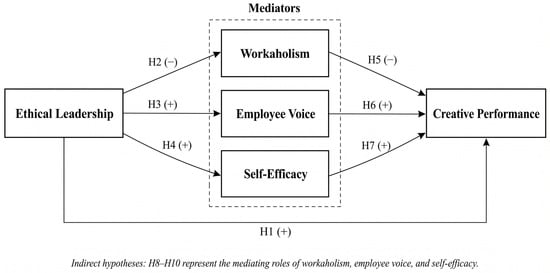
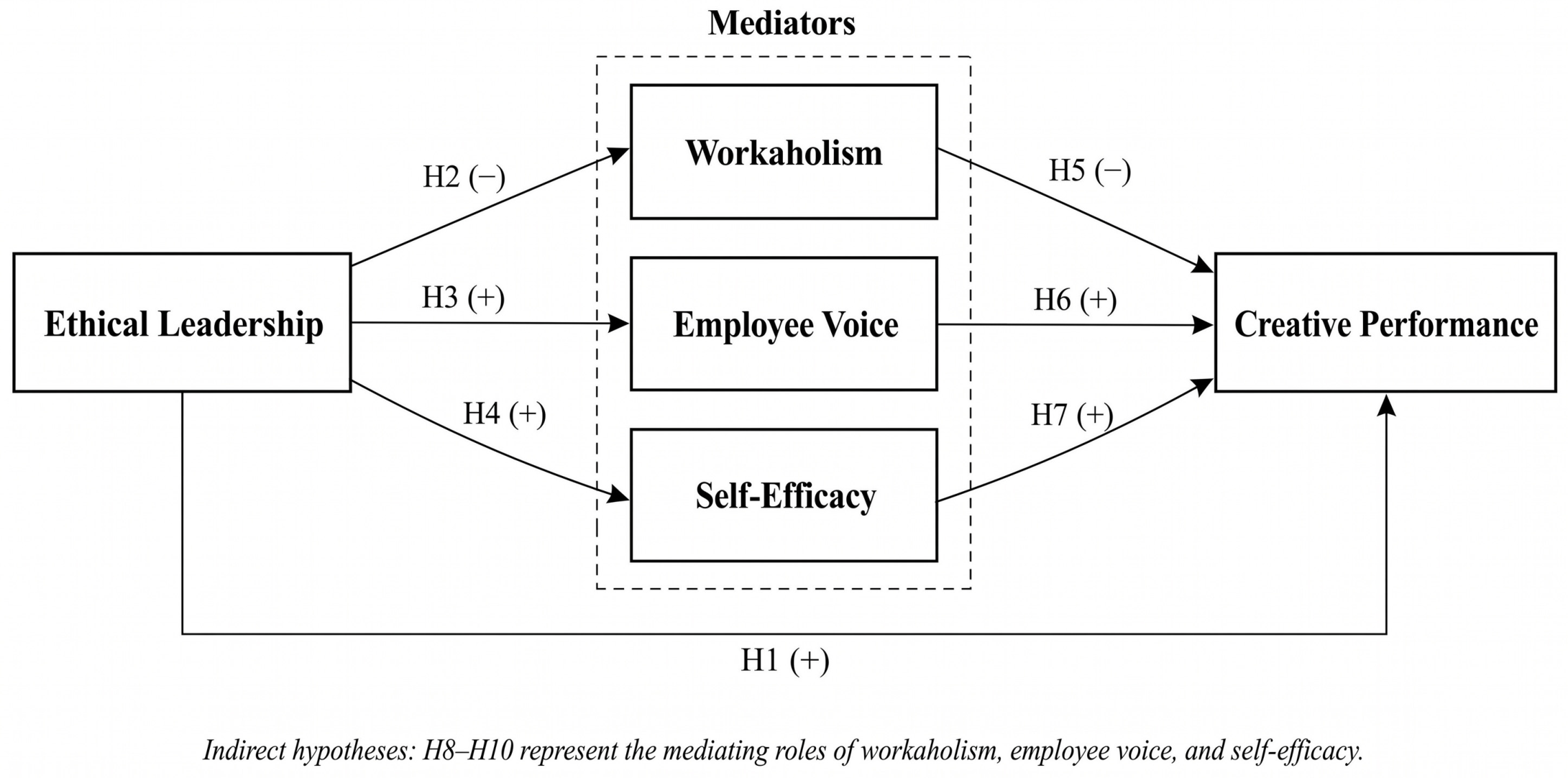
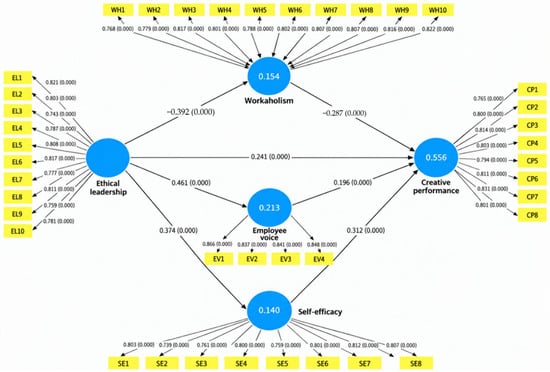
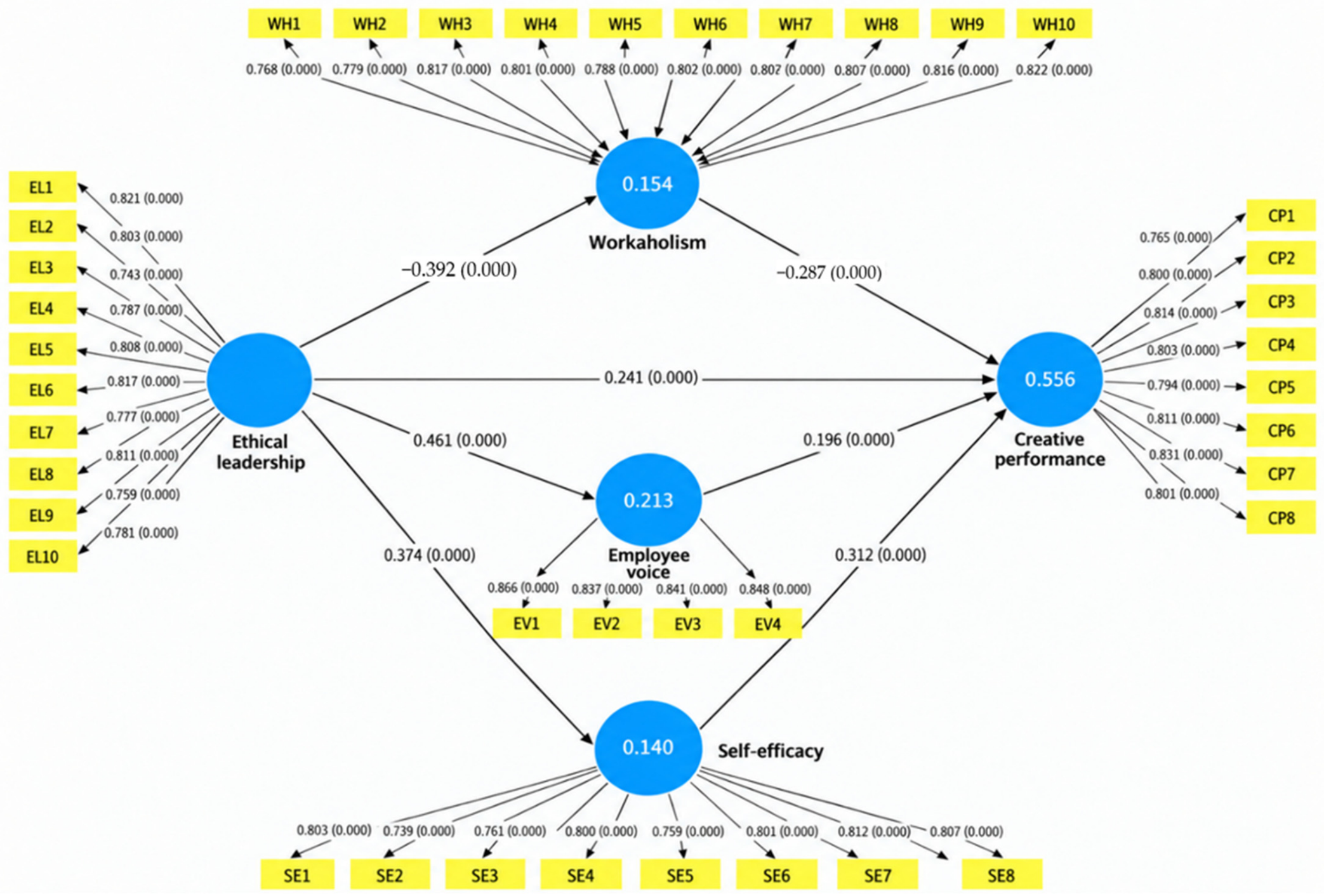

Disclaimer/Publisher’s Note: The statements, opinions and data contained in all publications are solely those of the individual author(s) and contributor(s) and not of MDPI and/or the editor(s). MDPI and/or the editor(s) disclaim responsibility for any injury to people or property resulting from any ideas, methods, instructions or products referred to in the content. |
© 2026 by the authors. Licensee MDPI, Basel, Switzerland. This article is an open access article distributed under the terms and conditions of the Creative Commons Attribution (CC BY) license.