


Abstract
Tribology is a growing field concerning reductions in the environmental footprint of tribological systems while increasing their operational efficiency by minimizing friction, wear and lubrication in an environmentally conscious manner. This review aims to discuss in detail sustainable lubrication strategies, with particular emphasis on surface modification and coating-based strategies for advanced tribological applications. The surface engineering techniques covered in this study are critically reviewed with regard to their ability to improve wear resistance, reduce friction and increase the durability of components, such as laser surface texturing (LST), nitriding, plasma treatment and advanced coating technologies such as DLC-, TiN-, CrN- and PVD-based coatings. Another key focus is on the synergy of sustainable lubricants and engineered surface coatings. The tribochemical compatibility of eco-friendly lubricants, bio-lubricants, ionic liquids and advanced coated surfaces is explained in detail, because they are essential for the formation of stable tribofilms, lubricant retention, reductions in surface degradation, and the minimization of tribological losses. They are an important component of environmental footprint, energy consumption and the thermal stability and service life of tribological components. Recent developments in coating-assisted green tribology, sustainable tribochemistry and circular sustainability concepts of the design of tribological systems are also included in the review. In addition, the review briefly outlines the use of Life Cycle Assessment (LCA) as a potential tool for the future evaluation of the environmental sustainability of tribological systems. The proposed expanded set of Green Tribology principles offers useful guidance for the implementation of tribology-based solutions toward more sustainable engineering systems and responsible resource utilization.
1. Introduction
Sustainability is becoming increasingly critical in engineering fields, and one of the most important areas of sustainable design has been tribology, which is the science of friction, wear, and lubrication [1]. Sliding or rolling contact systems are energy-loss systems that cause wear debris and require regular lubrication, which is a strain on the economy and environment. Conventional lubricants are mostly petroleum-based and are subject to interrogation due to a lack of biodegradability, toxicity and a reliance on limited fossil reserves. Integration of surface engineering and lubrication science is thus encouraged by the need to find more green solutions. Direct effects on contact behavior can be achieved by surface modification and coating; for example, adjusting the roughness, chemistry and microstructure of surfaces can alleviate the applied contact stress, improve lubricant retention and promote protective tribo-films. In this way, these strategies provide avenues to minimize friction and wear, extend the life of the component and reduce the use of lubricants, all of which contribute to sustainable tribological performance. The recent literature indicates that there is an increasing interest in integrating the design of surface topography, advanced lubricants and eco-friendly lubricants or solid lubricants. The purpose of this review is to summarize existing information on sustainable lubrication via surface modification and coating techniques, their mechanism, lubricant reactions, and criteria of evaluation. This is accompanied by establishing main challenges and future opportunities to further inform the development of green tribological systems. Contemporary engineering has made sustainability a central issue, and tribology, or the science of friction, wear, and lubrication, has a crucial role to play in achieving sustainability [2].
1.1. Background and Motivation
By nature, mechanical systems with sliding/rolling contacts lose energy and wear down materials, which translates to economic damage and environmental overburden due to high energy usage, wear, and discarding of lubricants. The traditional lubricants, which are mostly made using mineral oil or synthetic oil, have been linked with ecological factors like non-biodegradability, toxicity, and reliance on the limited petroleum reserves. As a result, a rapid change in favor of environmentally friendly lubrication systems that favor energy saving, life span, and environmental friendliness has been experienced. The technologies for surface modification and coating have appeared as potent means of achieving sustainable lubrication. Other than the enhancement of lubricant chemistry, it is possible to significantly decrease contact stress, increase retention of lubricants in the surface microstructure, and form protective tribo-films by engineering the surface microstructure, chemistry and coating architecture. These engineered surfaces not only reduce friction and wear but also increase component life, reduce the use of lubricants, and reduce waste generation, which are all factors that help to make production and operation sustainable. Recent sustainable tribology studies focus on combining surface engineering with environment-friendly lubrication. The elements of tribology are illustrated in Figure 1. This review summarizes the knowledge in terms of sustainable lubrication using the methods of surface modification and coating, as well as their mechanisms, coating–lubricant interactions and sustainability assessment models. The existing problems and future research perspectives that should be considered to develop green tribological technologies are also paid attention to. Making tribology sustainable is an endeavor to bring industrial performance in harmony with the environment. Conventional lubrication techniques utilize oils that are non-biodegradable, toxic and naturally petroleum-based. The emergence of green tribology is focused on renewable lubricants, finishes, and surface finishes, with reduced carbon footprint and enhanced wear resistance [3,4]. It has been estimated that tribological contact losses [2] can account for about 23% of total global energy consumption [5]. This impact can be greatly mitigated by a sustainable practice based on modified surfaces and improved coatings.
Figure 1.
Elements of Tribology.
The study of tribology can further be divided into two distinct fields, which include tribotechnology and triboscience. The tribology concerned with the technical aspects of tribological application is referred to as tribotechnology, and the science of tribology is known as triboscience. Scientific disciplines, including tribochemistry, tribophysics, contact mechanics and materials, and surface sciences, comprise the scientific aspects of tribology [6]. This science is referred to as tribochemistry, which is concerned with all chemical reactions of mineral and synthetic formulations that affect tribofilm formation on metal surfaces. It is interested in tribosystem relations and chemical change relations of the surface layer [7]. The conditions of lubrication under which tribochemistry occurs are identified as a trade-off between many of the constraints dictated by the nature of the physical and chemical properties of the lubricant, surfaces of the material, and oil formulation, as well as the life required. Industries can reduce the effects on the environment by concentrating on resource savings, recycling, and innovative designs to maximize performance. Incorporation of environmental performance metrics in investment evaluations also promotes sustainability in that the technological developments work towards positive gains in ecological and economic objectives [8].
1.2. The Concept of Green Tribology
Green Tribology is a new field of scientific curricula aimed at reducing the environmental burden by developing new tribological methods that reduce friction, wear, and energy use [9]. The concept has three major areas of research: (1) biomimetic tribological applications, (2) environmentally friendly lubrication, and (3) tribology of renewable energy systems [10]. It has 12 core principles, such as reducing friction and wear, biodegradable lubrication, sustainable engineering principles (Figure 2), and a biomimetic approach [11]. The field proposes a balanced development of technology and ecology, and can solve the key sustainability issues in minimizing energy waste, material waste, and environmental pollution [12]. By integrating principles from tribology, materials science, and environmental engineering, Green Tribology represents a promising pathway to more sustainable technological solutions.
Figure 2.
Core principles of green chemistry, engineering and tribology (adopted from [13]).
1.3. Environmental and Energy Challenges in Conventional Lubrication
Traditional lubricants are highly damaging to the environment and to energy use, as friction and wear account for about 23% of the total energy consumption worldwide and lead to major ecological destruction [14]. Petroleum-based lubricants pose significant ecological hazards due to resource depletion, industrial pollution from spills, and potential ecosystem pollution [15,16]. The major environmental issues are the total-loss applications that cause pollution of the ecosystem, intensive use of energy caused by poor lubrication, chemical compositionsthat are not biodegradable and possible land and water system toxicity. Sustainable alternatives, such as bio-based lubricants, offer potential solutions, as they are derived from renewable sources, are more biodegradable, and have a lower environmental impact [17]. The reason behind these alternatives is to achieve the best energy efficiency and limit the wear and tear of machinery, besides ensuring worldwide sustainability.
1.4. Role of Surface Modification and Coatings in Sustainable Tribological Systems
Involving surface modification and novel coatings is critical for achieving sustainable tribology systems by significantly enhancing of mechanical performance, environmental friendliness, and component lifecycles. The latest studies show several new solutions: Sivakumar, et al. [18] outline innovative ceramic and Diamond-Like Carbon (DLC) coatings with exceptional durability, corrosion resistance, and low-friction properties. Thanigaivelan, et al. [19] identified key modification methods, such as chemical vapor deposition (CVD) and PVD that can improve mechanical and tribological properties. Kalin, et al. [20] emphasize that green tribology focuses on minimizing pollution, energy consumption, and the use of natural resources through advanced surface engineering. The new technologies are oriented towards multifunctional coating surfaces, functional grading systems, and environmentally friendly variants that save high technical performance and contribute to sustainability. Duraiselvam, et al. [21] examined the tribological character of the plasma-sprayed NiCrBSiCFe coating on AISI 316 stainless steel on the basis of the dry sliding wear behavior. Plasma spraying forms a metallurgically bonded coating that increases the hardness and wear resistance of surfaces—significant factors in sustainable surface modification to reduce friction and extend part life.
1.5. Objectives and Organization of the Review
The main aim of this review paper is to critically discuss the latest developments in sustainable lubrication facilitated by surface modification and coating technologies, and especially their contribution to the development of green tribology. The purpose of the review is to bring together knowledge on available environmentally benign tribological solutions with the objectives of to minimize friction, wear, energy consumption, and environmental impact, and to maximize component durability and system efficiency. The focus is on sustainable lubrication strategies, surface engineering strategies, coating technologies, and the nanoengineering and tribo-chemical mechanisms that individually contribute to the construction of eco-efficient tribological systems. The structure of this review is in the following way. Section 2 offers the principles of green tribology. Section 3 discusses different sustainable lubrication solutions. Section 4 provides strategies for modifying the surface to enhance green tribology. Section 5 provides the coating technologies of sustainable lubrication. Section 6 dwells on nanoengineering and tribocorrosion considerations for green tribology systems. The industrial applications were detailed in Section 7 whereas Section 8 details the development of novel inclusions in the principle of green tribology. Section 9 addresses the challenges, opportunities, and future research directions, whereas Section 10 presents the key findings and concludes with remarks.
2. Fundamentals of Green Tribology
Green tribology builds on previous tribology by integrating new environmental and sustainability requirements into the analysis of friction, wear, and lubrication systems. Its objectives usually involve minimizingenergy loss and wear, using lubricant-free or self-lubricating systems, and giving preference to non-toxic, renewable, or recyclable materials. One of the main principles of green tribology is the connection between friction reduction and energy efficiency. For example, surfaces texturing during hydrodynamic or mixed lubrication regimes has reduced friction by 10–20% in some experiments (depending on geometry, lubricant viscosity, and load). Wear resistance also contributes to sustainability by reducing maintenance requirements, limiting the number of part replacements, and conserving materials. Surface engineering is very important in this regard. DLC, MoS2, WS2 and graphene-based composite layers are examples of coatings that offer self-lubricating properties and can conform to changing loads or conditions. To also legitimately evaluate sustainability, the performance metrics should not be restricted to tribological parameters. There are also some recent studies that report on the environmental impact of processes. Green Tribology is a new interdisciplinary field that aims to reduce environmental impact by loweringfriction, wear, and energy loss through the development of new tribological methods [10]. It has three major areas of research, namely, biomimetics in tribological systems, greener lubrication, and renewable-energy tribology [13]. The major objectives are to reduce energy use, curtail carbon emissions, reduce environmental costs, and to enhance the general quality of life [12]. Green tribology, which concentrates on super-low friction, wear minimization, and sustainable technologies, is a key solution to the ecological issues in engineering and materials science [22].
2.1. Principles of Green Tribology
Green tribology is a more rational extension of classical tribological concepts, with environmental and sustainability factors playing a more significant role in the analysis and design of frictional systems. It promotes energy conservation and waste reduction while minimizing the ecological footprint by using renewable, biodegradable, or non-toxic resources. The major goals of green tribology are to reduce friction coefficients and material wear, develop self-lubricating or lubricant-free systems, and reduce waste during operational and disposal stages (Figure 2). Green tribology is based upon the relationship between friction and energy efficiency. Even modest energy savings in large-scale industrial and automotive systems can be achieved through small reductions in friction. Increased wear resistance also improves sustainability by reducing material use, maintenance costs, and machine downtime. Surface modification will serve sustainability in several ways. Modifying surface topography, for example, with dimples, grooves, or asperities, makes lubricant trapping and hydrodynamic film formation easier. Surface energy, corrosion resistance, and wettability are altered through chemical and laser-based surface treatments to enhance tribological behavior in boundary lubrication environments. DLC, molybdenum disulfide (MoS2), tungsten disulfide (WS2), and graphene-based composites are examples of self-lubricating or adaptive coatings proposed for sustainable lubrication applications under varying loads and temperatures [23]. In the sustainability view, the study of tribological systems goes beyond friction and wear statistics to life-cycle analysis. This includes an assessment of the environmental effects of coating deposition, resource use, recyclability, and the possible toxicity of released debris. Recent studies of green coating technologies, e.g., PVD-based eco-lubricant coatings and plasma-engineered solid lubrication systems, have emphasized the need to measure tribological performance within a broader environmental and resource-efficiency framework. Other recent developments in sustainable tribology include bioinspired surface textures, self-healing, adaptive surfaces, and the incorporation of artificial intelligence into the prediction of frictional behavior. Green tribology is the design of tribological systems that are green and energy-efficient. It has three pillars: environmental compatibility, energy conservation, and durable performance. A combination of nanotechnology, bio-based oils, and improved coatings offers one avenue to achieving these objectives. Green Tribology is a multidisciplinary field that aims to reduce environmental impacts through novel tribological solutions [13]. The principal objectives are the minimization of friction and wear, the use of natural and biodegradable lubricants, biomimetic application, and the use of concentrated energy [12]. These values aim to make tribology a clean discipline that conserves energy, safeguards resources, and enhances the general quality of life [24]. This is best supported by peer-reviewed sources that consistently characterize these principles across publications, suggesting a solid and emerging scientific consensus on the subject. In addition to drawing together the current trends in Green Tribology, this review is an SDG-aligned development of the traditional framework, which now has 15 principles rather than 12. The proposed principles, including circular tribology, smart and digital green tribology, and human-ecosystem-safe tribology, aim to meet new sustainability requirements and position tribology as a key enabler of sustainable engineering systems.
2.2. Relationship Between Friction, Wear, and Energy Efficiency
Friction and wear are two inseparable processes that significantly affect the energy efficiency of industrial systems and can save 8.7% to 40% of the world’s energy. The connection is intricate: friction is a dispersal of power and the source of entropy, and wear is a permanent alteration of material structures [25]. Reducing unwarranted energy use by minimizing friction and wear in mechanisms can be achieved through tribological innovations [26]. Empirical evidence indicates that tribological interventions can save up to 8.7% of global energy consumption and 1.4% of GDP [27]. It is important to note that current methods focus on developing new high-end materials, lubricants, and surface technologies to maximize this interaction [28]. More importantly, wear seems to be more consequential than friction, which may lead to catastrophic failures that have a drastic effect on productivity [3].
2.3. Life Cycle Perspective of Lubrication Systems
Life Cycle Assessment (LCA) is an assessment of the overall environmental impact of the production of lubricants, their use, and disposal. Bio lubricants have a global warming potential (GWP) that is up to 70% lower than that of mineral oils. Research by UNEP and ASTM D6866 establishes that carbon-based sustainability metrics are significant in the process of standardizing lubricants. Given the life cycle, lubrication systems are becoming the key to environmental and economic optimization across various areas. This evidence has shown several major lessons, which are as follows: Girotti, et al. [29] discovered that the effect of lubricant additives on the environment is substantial, especially in the land occupation (>50%) and climate change (30%). Miller, et al. [30] demonstrated that other lubricants, such as soybean-based lubricants, may offer climate change and fossil fuel benefits, but may come at a cost to water quality. Sophisticated methods are emerging to maximize the sustainability of lubricants. Domínguez-García, et al. [31] demonstrated that excessive degradation can be avoided by optimizing lubricant flow, thereby increasing lubricant life. Eusufzai [32] also noted that integrated lubrication management can enhance equipment reliability, reduce energy intensity by 8.5%, and reduce lubricant consumption by 22%. Compared with research on hydrogels in the US, which began quite late, it has grown at a very rapid pace. The biomedical field has achieved many breakthroughs in recent years, including drug delivery, wound dressings, and artificial cartilage. Figure 3 depicts the development path of hydrogel lubricants and the current research trend [33].
Figure 3.
Development trend of hydrogel lubricants and recent trend of research (adopted from [33]). [In pHEMA *—continuation of the polymer chain and n—number of repeating units. In PVA *—polymer chain continuation and n = degree of polymerization].
LCA is a systematic approach to assessing the environmental sustainability of tribological systems and accounts for the entire life cycle of tribological materials, coatings, lubricants, and engineering components. In the context of green tribology, LCA can serve as a comparative sustainability evaluation tool to assess environmental impacts, resource consumption, energy use, waste generation, and component life extension across various tribological pathways. While this review does not include a detailed LCA analysis, it allows for a more holistic understanding of the sustainability implications of sustainable lubricants, surface engineering methods, advanced coatings, and circular tribology approaches. Traditional tribological systems with petroleum-based lubricants and regular component replacement cause significant environmental pollution, including lubricant leaks and disposal, greenhouse gas emissions, excessive energy losses due to friction, and erosion and industrial pollution. These impacts can be reduced through sustainable tribological solutions such as biodegradable lubricants, low-friction coatings, energy-efficient surface engineering, reduced material degradation, and longer service intervals. Bio-lubricants and ester-based lubricants, for example, are less toxic and more biodegradable than mineral oil, helping to minimize the risk of soil and water contamination. In the same manner, higher-grade coatings like DLC, TiN, and CrN will help reduce frictional energy loss and will help minimize the amount of wear particles generated during operation, resulting in a lower environmental impact. LCA can assess reductions in environmental impact through carbon footprint, emission reductions, impact on lubricant disposal, waste generation, ecological toxicity indicators, and resource consumption. Maintenance, replacement of parts, and lubricant consumption are key aspects of tribological systems that place significant demands on resources throughout the system’s operational life, making it a major sustainability concern. Advanced surface engineering and coating technologies help conserve resources by reducing wear rates, reducing raw material inputs, decreasing lubricant consumption, and lowering replacement frequency. For instance, by reducing the need for lubricant, LST prolongs the life of the tool and its parts and saves raw material used to produce spare parts. Regenerative lubrication and circular tribology practices enable the reuse and recovery of materials and lubricants. Some high-tech coating processes, however, do require high energy consumption, the use of rare materials, and complex manufacturing infrastructure. For this reason, future sustainability assessments need to be balanced with operational performance benefits, manufacturing energy requirements, recyclability, overall life-cycle resource efficiency, and a component life-extension perspective. The most significant sustainability benefit of green tribology is that it increases the usable lifetime of components. Increased maintenance, downtime, material waste, and energy usage are the high costs of mechanical failure caused by friction and wear. Surface engineering, tribochemical lubrication, and advanced coatings can enhance the durability of components by enabling stable tribofilm formation, increasing surface hardness, minimizing adhesive and abrasive wear, improving corrosion resistance, and mitigating thermal degradation. Long component life offers significant sustainability benefits, including reduced manufacturing demand, reduced raw material extraction, minimized maintenance operations, reduced industrial waste, and lower lifecycle costs. For example, DLC-coated components in bio-lubricant operation exhibit low wear and are stable. The addition of nanocomposite coatings enhances resistance to fatigue and high-temperature degradation. Life-cycle extension is further enhanced by circular approaches in tribology, such as remanufacturing and refurbishment. When viewed from an LCA perspective, component life extension has a significant impact on sustainability, as the environmental impacts of manufacturing new components are spread out over a longer timeframe. Further studies should include detailed LCA approaches in tribological system evaluations to determine standardized sustainability metrics, coating-lubricant environmental compatibility, energy-efficient manufacturing pathways, circular lifecycle optimization, and the design of a low-carbon lubrication system. LCA can be coupled with green tribology to aid the development of sustainable industrial policies, eco-design strategies, resource-efficient manufacturing systems, and next-generation circular tribological technologies. Therefore, future LCA-based tribological engineering research and industrial applications are expected to gain significance as an important cross-cutting sustainability evaluation framework.
2.4. Sustainability Assessment Indicators
The sustainability assessment indicators are a holistic approach evaluating technologies and processes across environmental, economic, and social contexts, with emphasis on energy, emissions, toxicity, and resource consumption. Hirschberg, et al. [34] came up with a model of quantitative assessment of sustainability that encompasses the pollutant emissions, the generation costs, and the possible results of the accidents. Gonzalez, et al. [35] presented the green scope methodology evaluating sustainability through four key dimensions, namely environment, energy, efficiency, and economics. Ma, et al. [36] came up with six categories of critical impact, namely, material, energy, water, solid waste, toxic release, and pollutant effects [37]. Ahmad, et al. [38] energy consumption and air pollution are the most common indicators employed in the environment, whereas solid waste data is the least established. Ovezikoglou, et al. [8] showed that the highest-scoring indicators on a sustainability assessment were resource savings and recycling. Muhammad, et al. [39] explicitly performed progressive toxicity assessment by integrating human health, environmental, and exposure dimensions. These measures have their methodological basis in LCA, multi-criteria decision analysis, and probabilistic safety assessment to provide all-inclusive, quantifiable performance measures.
2.5. Fundamentals of Sustainable Tribology
Sustainable tribology is a scientific concept that aims to reduce friction, wear, and environmental impact while maximizing the energy efficiency of mechanical systems. The principles are laid out in 12 major principles [10], including reducing friction and wear, minimizing lubrication requirements, using biodegradable lubricants, and applying biomimetic approaches. Tribology also supports sustainability by saving energy and minimizing CO2 emissions [40]. Vital research areas include tribology, biomimetics, environmentally friendly lubrication, and renewable energy tribology. Empirical data indicate that tribological innovations could reduce the world’s CO2 emissions by 3140 megatons per year. Science has a broad range of fields of study, including both industrial and biotechnological applications, and its fundamental purpose is to create more efficient, efficient, and environmentally friendly mechanical interactions [40].
3. Sustainable Lubrication Approaches
The process of shifting to sustainable lubrication strategies involves substituting or reducing the use of traditional oil-based lubricants with environmentally friendly lubricants and optimizing lubrication regimes to reduce material and energy losses.
The methods can be broadly divided into four sections, which are (i) bio-based and biodegradable lubricants, (ii) ionic-liquid and nano lubricant systems, (iii) solid and hybrid lubrication, and (iv) optimal supply methods such as minimum-quantity lubrication (MQL) and near-dry machining. Vegetable oils, such as castor, jatropha, and palm, are used to produce bio-lubricants with higher biodegradability and greater lubricating properties. The evaluation of conventional and sustainable lubricants is presented in Table 1. The fatty acid compositions of commonly used vegetable oils are presented in Table 2. The physical properties of vegetable oils are presented in Table 3.
Table 1.
Comparison between conventional and sustainable lubricants.
Table 2.
Fatty acid compositions of commonly used vegetable oils (adopted from [41,42,43,44,45,46,47,48,49,50,51,52,53,54,55,56]).
Table 3.
Physical properties of vegetable oils [41].
3.1. Bio-Based and Biodegradable Lubricants
The vegetable oils or animal fat, which have been converted into bio-derived lubricants, have the benefit of being highly viscous and exhibit high lubricity indices because of the long-chain fatty acids inherent in them. Nevertheless, they are not usable at high temperatures due to thermal-oxidative instability and low cold-flow properties. Recent studies have investigated chemical modification (trans-esterification, epoxidation) and the introduction of green antioxidants and nanoparticles to address such disadvantages [67]. It has been demonstrated that bio-oils can be combined with synthetic esters without reducing biodegradability, thereby extending service life. Biodiesel-based lubricants are alternatives to petroleum-based lubricants, derived from vegetable oils such as soybean, rapeseed, and sunflower [68]. Such lubricants offer considerable environmental benefits, including low toxicity, high-quality water, and mitigation of climate change [16]. Its main advantages are high biodegradability, low toxicity, and renewability [69]. Nevertheless, there are still difficulties, as they now cost more to produce, lack thermal stability, and may be oxidatively unstable [70]. Scientists are working on chemical modification to improve performance, such as adding catalysts to raise oxidative stability and lower pour points [71]. Machinery in sensitive environments, such as marine environments, where there is a likelihood of oil loss, is the best application [68].
3.2. Ionic Liquids and Nano Lubricants
Room-temperature ionic liquids (RTILs) and nanoparticle-based lubricants are the new eco-tribological materials with promising futures. The volatility of RTIs is low, and they are highly polar, allowing them to form boundary films via tribochemical reactions. By adding nanoparticles (a part of base oils or bio lubricants) (graphene, h-BN, MoS2, or TiO2), the wear can additionally be reduced to maintain the temperature during operation. Nanoparticles and Ionic Liquids (ILs) used together increase load-bearing capacity and friction management and lower the need for lubricants. However, nanoparticles are subject to dispersion stability and potential toxicity, and these factors require a comprehensive life-cycle assessment prior to their use in industry. ILs are a groundbreaking technology in nano-lubricants that possess outstanding tribological characteristics and a wide range of engineering applications. The facts show that ILs offer undeniable benefits over traditional lubricants: they are non-combustible, thermally stable, and capable of operating at extreme temperatures [72]. Their potential has been reported by researchers across various fields, including microelectromechanical systems, hard disk drives, and advanced mechanical engineering [73,74]. Their strengths are that they can form protective nanometer-thick films, reduce friction at various length scales, and serve as substitutes for conventional lubricant additives [75,76]. More importantly, low concentrations (1 mol%) of ILs can provide efficient lubrication [77], suggesting significant potential for large-scale industrial implementation.
3.3. Solid Lubricants and Hybrid Systems
Another avenue to sustainable lubrication is solid lubricants, particularly when liquid lubricants are not feasible. Graphite, MoS2, WS2, and PTFE are commonly used due to their low shear strength and chemical inertness [78]. The development of nanostructured and composite solid lubricants has enabled enhanced adhesion, wear resistance, and operational viability across diverse humidity levels and under vacuum conditions. Hybrid solid lubricant systems have the potential to deliver significantly improved tribological performance through synergetic interactions between materials. The usefulness of these systems has been reflected by evidence after several studies. According to Boidi, et al. [79], hybrid Ti3C2Tx/MoS2 coatings demonstrated a significant reduction in friction and wear, surpassing those of pure coatings, but this was achieved through a synergistic effect. A hybrid MoS2-graphene oxide lubricant was developed by Ayyagari, et al. [80], and this hybrid can work under a wide range of conditions, including enduring over 44 km of linear sliding. There is, however, no uniform performance. Buttery, et al. [81] found that the effect of hybrid lubrication is mixed: in some combinations, hybrid lubricants can extend lubricant lifetime, whereas in others they can suppress positive tribological behavior. The physical characteristics of the lubricant fluid appear to be associated with success, including film thickness and viscosity. All these results indicate that hybrid solid lubricants can be effective in advancing engineering projects, especially in challenging environmental conditions.
3.4. Minimum Quantity and Near-Dry Lubrication Techniques
The practice of eliminating lubricant use through Minimum Quantity Lubrication (MQL) or near-dry machining is sustainable. These systems deliver aerosols or micro-droplets of lubricant into the cutting zone, greatly reducing oil use while ensuring efficient heat transfer. Research indicates a maximum 80% reduction in lubricant use without loss of performance, especially when vegetable-oil-based MQL fluids are used. Minimum Quantity Lubrication is a sophisticated machining process that achieves significant savings in lubricant consumption whilst maintaining machining performance, with the minimum amount required as little as 5–50 mL per process hour [82]. Support for the effectiveness of MQL is strong across various studies. Among the major benefits are that coolant use will decrease by 90–95% compared to traditional approaches [83], the environmental and health risks of cutting fluids will be minimized [84], and production costs will decrease by 7–17% [85]. MQL operates by spraying an aerosol mixture of compressed air and lubricant at the cutting interface, providing optimal lubrication and virtually no fluid waste [86]. Various experiments on various machining processes unanimously reveal that it has potential for sustainable production.
The review of Elsheikh, et al. [87] illuminates sustainable machining technologies in order to reduce the environmental impact of traditional cutting fluids. It presents different categories of cutting fluids, outlining their advantages and applications in cutting. In addition, it explores sustainable assessments, which include economic, environmental, and social factors of green machining technologies. There are numerous factors in machining operations, as shown in Figure 4 [88,89,90,91,92,93]. Cutting fluids are usually applied to provide efficient lubrication at the interacting surfaces and to cool the cutting area [94]. Influential functions of cutting fluids include reducing friction, improving surface quality, evacuating chips from the cutting area, preventing the formation of a built-up edge (BUE), and protecting the workpiece from corrosion [95]. Cutting fluid related diseases as demonstrated in Figure 5 [96] can be caused by exposure to the cutting fluids in the workplace, either through the nose or the mouth, or both the eyes or through direct skin contact. The diseases caused by inhalation of the mist produced during the machining process led to respiratory diseases, whereas problems with the skin may be caused by direct contact with machine parts, equipment, or tools that are covered with metalworking fluids. The end outcomes of inappropriate exposure could be respiratory diseases such as chronic bronchitis, lipoid pneumonia, hypersensitivity pneumonitis, and occupational asthma, among others [97,98]. Cutting fluids that come into direct contact with the skin may cause health complications, including allergic contact dermatitis and irritant contact dermatitis [99,100]. Sustainable machining encompasses a number of aspects; these align with particular SDGs, as indicated in Figure 6.
Figure 4.
Influencing factors on the machining performance (adopted from [87]).
Figure 5.
Routes of Occupational Exposure to Cutting Fluids and Associated Health Impacts (adopted from [87]).
Figure 6.
Sustainable machining implies a number of issues, each of which is correlated with particular SDGs (adopted from [87]).
4. Surface Modification Strategies for Green Tribology
Surface modification has continued to play a pivotal role in achieving green tribology, as engineered surfaces are the direct targets for controlling frictional behavior, wear rate, and lubricant interactions. The modifications can be physical, chemical, or hybrid in nature and aimed at enhancing microtopography, surface chemistry, and mechanical integrity. Various surface texturing methods were illustrated in Figure 7. Lubricant retention and less friction are achieved through surface texturing, laser surface alloying, and CVD surfaces. LST is used to generate micro-dimples that serve as reservoirs for lubricant, facilitating hydrodynamic film formation. Hardness and wear resistance are enhanced by plasma nitriding and ion implantation, which favors low-friction coating.
Figure 7.
Various surface texturing techniques.
4.1. Mechanical, Chemical, and Laser-Based Surface Texturing
Surface texturing is a type of micro- or nano-featured surface, typically dimples, grooves, or pits, which serve to create micro-reservoirs of lubricants and debris traps. LST has been used to pattern precise designs with a low environmental impact because the process is clean and solvent-free. The best texture parameters, which are the dimple diameter (50–200 µm), depth, and density, have been linked with friction reduction in hydrodynamic and mixed lubrication regimes. Recent studies have shown that adding bio-lubricants to LST can achieve friction reductions greater than 20% while increasing wear resistance. Different chemical modification techniques, such as oxidation, nitriding, and carburizing, alter the surface composition to improve hardness and reduce adhesion. Boriding and plasma nitriding have been reported to form hard diffusion layers that support thin lubricant films under extreme contact conditions. Surface texturing includes mechanical, chemical and laser-based processes on the surface of materials, the most modern and the most accurate process is LST. The mechanical techniques are abrasive blasting and mechanical machining, and the chemical techniques are reactive-ion etching and lithography [101]. Nevertheless, LST is remarkable for its advanced features: it produces strong control in geometries, is environmentally safe, and generates very little waste [102]. LST offers significant advantages across various fields, including enhancing tribological performance, increasing wear resistance, altering surface wettability, and forming micro-dimples that serve as lubrication and debris-trapping functions [103]. The technique’s accuracy is especially high with femtosecond laser systems, which enable nanoscale surface engineering with minimal peripheral damage [104].
One of the most effective methods of altering material surfaces is laser texturing, which has received extensive research. The various applications were illustrated in Figure 8. A significant study by Govindarajan et al. [105] demonstrated the potential of laser texturing by applying three different textures (linear, sinusoidal, and waviness) to titanium surfaces. Extended literature confirms the versatility of LST, including the ability to produce sharp micro- and nanoscale features on surfaces, alter tribological properties, and manage surface functionalities across all areas of engineering. Although laser methods are the main focus of the sources, they imply that surface texturing is a complex tool for altering material properties, with extensive possibilities [102,104]. Aditya et al. [106] reported that LST increases the adhesion strength of the thermal barrier coating on superalloy substrates. Laser texturing produces controlled micro-features that serve as reservoirs for lubricants and enhance the mechanical interlocking between the substrate and the coating, thereby increasing wear life. Some of these include surface modification of Aluminum 7075 by electrical discharge alloying [107,108], and surface texturing and tribological behavior of cast iron [109,110,111,112] and superalloys [113,114,115,116,117,118,119]. The significance of these surface treatments is that they directly affect surface roughness, contact mechanics, and film-forming behavior. All of which control friction and wear performance when combined with the state-of-the-art lubrications or coatings. Surface texturing has been viewed as an effective and popular method to alter surface contact to enhance lubrication efficiency, control friction, and protect against wear in engineering materials [120,121,122,123].
Figure 8.
Advantages and application of LST.
4.2. Surface Alloying and Diffusion Treatments
The resultant gradient or composite surfaces are harder and less adhesive, making them more wear-resistant. These layers, when mixed with lubricants that compatibly disperse nanoparticles, facilitate the formation of tribo-chemical films that stabilize friction in the long term. Surface alloying and diffusion treatments are advanced surface engineering processes that alter the properties of materials by adding atoms to a surface layer through thermal diffusion. Such activities include adding metal or non-metal atoms to the surface of a material to improve its functional properties [124]. Common processes include decomposition of chemical species, atom absorption, and diffusion into the metallic lattice [125]. The main advantages are a radically enhanced surface hardness (3–5× substrate hardness) [126], enhanced wear resistance, the opportunity to alter surface chemistry and microstructure, and the possibility of producing gradient coatings with superior functionality [127]. Maideen et al. [107] list many publications on laser surface engineering and laser-alloyed composite coatings to enhance wear and erosion protection. These involve research on cavitation-erosion resistance of a laser-coated intermetallic composite and on the wear characteristics of laser-alloyed WC-reinforced iron. Liquid impact erosion of the laser surface.
4.3. Functionalization to Control Surface Energy and Wettability
Surface energy regulatory controls the spreading and adherence behavior of lubricants in the working environment. The developable wettability of surfaces has been facilitated by breakthroughs in plasma and laser functionalization, enabling dynamic control of wettability under new conditions (e.g., changing temperature or humidity). Surface energy and wettability can be accurately regulated through multiple targeted functionalization procedures that control surface chemical structure, topography, and nanoscale morphology. Several studies prove the effective approaches to surface modification. Ying [128] found that surface energy, roughness, and micro/nanostructure were important wettability factors. Takeshita et al. [129] demonstrated that by controlling both surface topography and chemical structure, it is possible to exert wide control over wettability, with contact angles ranging from 18° to 150°. The most important functionalization methods are the plasma treatments [130], nanoparticle coating [131], and chemical transformations [132]. The evidence spans a variety of material types and methods, offering robust, reproducible methods for accurate surface engineering.
4.4. Synergistic Interaction Between Surface Modification, Coatings, and Sustainable Lubricants
The synergy among advanced surface modification techniques, protective coatings, and sustainable lubricants is indeed a promising approach to improve the performance of tribological systems. The measures, when implemented individually, help reduce friction, improve wear resistance, and conserve energy, but when combined, their synergistic impact results in better tribological and environmental performance than when implemented individually. The use of surface modification techniques such as LST, nitriding, carburizing, shot peening, and plasma treatment enhances hardness, microstructural stability, wettability, and the ability to retain lubricants. Likewise, the following coatings, such as PVD, CVD, Diamond-Like Carbon (DLC), TiN, CrN, MoS2, and nanocomposite coatings, offer additional properties, including hardness, oxidation resistance, thermal stability, and reduced adhesive wear. Sustainable lubricants, such as bio-lubricants, vegetable oil-based, synthetic ester-based, ionic liquid-based, and biodegradable nanolubricants, can enhance the performance of these engineered surfaces. Sustainable lubricants tribochemically interact with the surface modification or coating to form a stable tribofilm, which reduces direct asperity contact, minimizes frictional heating, and suppresses the generation of wear particles. These synergistic mechanisms are mainly realized via improved lubricant adhesion to structured or treated surfaces, initiation of tribochemical boundary films, improved heat dissipation, reduced scuffing, less oxidation and corrosive wear, greater retention of lubricant within surface micro-textures, reduced environmental hazard, and biodegradability. The various attributes of the sustainable tribology framework are illustrated in Figure 9.
Figure 9.
Sustainable Tribology Framework.
For instance, bio-based esters have been shown to provide significantly reduced friction coefficients on DLC-coated steel surfaces, as a carbon-rich transfer film and a stable boundary lubrication layer forms. Likewise, vegetable oil-based nanolubricants and MoS2 and TiN coatings exhibited better anti-wear properties due to the surface passivation and tribofilm stability provided by nanoparticles and the polar vegetable oil lubricants. Moreover, lubricant entrapment and hydrodynamic pressure generation are improved on laser-textured surfaces lubricated with biodegradable lubricants, thereby further extending wear life and reducing lubricant consumption. Additionally, it was reported that ionic liquid additives mixed with hard PVD coatings can reduce friction and improve tribochemical stability under severe operating conditions. These integrated solutions align with the principles of green tribology, as they address the same issues. Energy efficiency, resource conservation, reduced emissions, extended component life, lower lubricant toxicity, and sustainable manufacturing practices. Therefore, the future of sustainable tribology is increasingly characterized by multifunctional integration, on the one hand between surface engineering and coating technologies, and on the other hand between environmentally friendly lubrication systems.
4.5. Micro and Nano Scale Topography Effects on Lubrication Performance
It has been discovered that nano-grooved surfaces can support continuous fluid flow and prevent lubricant starvation using atomic force microscopy (AFM) and molecular dynamics simulations. The results of this study support the significance of multi-scale design in the implementation of surface modification and in the use of sustainable lubrication methods. Surface topography at the micro- and nanoscale strongly influences lubrication performance, customizing friction, load-carrying capacity, and lubricant film behavior. Several researchers have proven that tribological performance can be enhanced through surface texturing. According to Jackson [133], nanoscale textures can reduce load-carrying capacity and friction force. It was demonstrated that micro-dents can enhance lubrication efficiency by limiting asperity interactions, especially in starved-contact conditions [134]. Al-Azizi et al. [135] found that nanoconfinement effects are influenced by surface texture, and molecular structure determines friction behavior. Nalam et al. [136] also showed that the nanoscale roughness leads to variations in friction coefficients with contact stress.
4.6. Recent Progress on PVD Coatings in Tribochemistry
The application of multifunctional surface protection, adaptive tribochemical behavior, and improved environmental performance, as enabled by recent developments in PVD coatings, has greatly advanced the sustainable tribology field. New PVD technologies are increasingly being developed to enhance coating adhesion, tribofilm stability, wear resistance, and compatibility with sustainable lubricants [137,138]. Diamond-Like Carbon (DLC) coatings are among those receiving significant interest, thanks to their ultra-low friction coefficients, high hardness, and superior wear resistance. Recent studies have shown that tribochemical interactions between DLC coatings and biolubricants can form stable carbon-rich transfer layers that markedly limit adhesive wear and energy loss. The coating durability and tribological performance have also been improved by advanced DLC architectures, which incorporate element doping, multilayer structures, and hybrid deposition techniques [139,140]. Further, recent studies of TiN, CrN, TiAlN, and multilayer nitride coatings have focused on optimizing coating microstructure, residual stress distribution, and oxidation resistance under severe tribological conditions. The coating density, adhesion strength, and tribological stability have been improved by advanced deposition processes, including High-Power Impulse Magnetron Sputtering (HiPIMS), pulsed-DC magnetron sputtering, and hybrid PVD processes [138,141,142]. The use of Nanocomposite and multilayer PVD coatings has been identified as a promising approach to simultaneously achieve high hardness, toughness, and adaptive tribological behavior. Elements such as Si, Cr, Mo, W, Ag, and Cu have been added to multilayer coatings to enhance high-temperature wear resistance and tribo-oxidation stability.
Recent studies have shown that the roles of tribo-induced oxide layers and adaptive tribofilms in reducing friction and protecting surfaces under extreme operating conditions are critical [138,143]. The advanced PVD technologies have also attracted growing research interest due to the development of High-Entropy Alloy (HEA) coatings for their superior wear, corrosion resistance, and thermal stability. The coatings offer precise compositional control and surface properties that are highly appropriate for sustainable tribological applications in aggressive environments and under heavy loads [144]. Moreover, recent research has made tribochemical coating design an increasingly important issue. The tribochemical interactions among coatings, lubricants, and contact surfaces are becoming increasingly important and now play a decisive role in friction behavior, tribofilm formation, and long-term durability. The research focus of green tribology is shifting towards the development of adaptive coatings with self-lubricating properties and the dynamic generation of tribofilms [145,146]. Other new developments in PVD tribological coating consist of multifunctional adaptive coatings, self-lubricating green coatings, nano-engineered multilayer architectures, smart coatings with tribologically responsive behavior, low-temperature deposition processes that are sustainable, and optimization of the coating with AI and predictive modeling of tribology [137]. In general, recent advances in PVD coatings indicate a clear evolution from traditional wear protection strategies to integrated sustainable tribological systems that combine advanced surface engineering, sustainable lubrication, tribochemistry, and circular manufacturing concepts (Table 4). The tribochemical interaction framework for sustainable PVD-coated tribological systems is illustrated in Figure 10.
Table 4.
Sustainable PVD and Advanced Tribological Coatings.
Figure 10.
Tribochemical Interactions of PVD Coatings.
4.7. Characterization and Evaluation Techniques
Green tribology uses holistic characterization and assessment methods that simultaneously evaluate environmental impact, energy use, and tribological performance. Methods of evaluation comprise lifecycle environmental assessment, tribological testing apparatus, of which the degree of friction, wear, and heat loss are gauged [150], and laboratory screening with arrangements such as ball-on-disc tribometers [151]. The more common methods of characterization include surface modification analysis, friction and wear coefficient measurements, and environmental impact measurements. The aim is to develop tribological solutions that are sustainable, energy-efficient, reduce environmental pollution, and enhance the system’s overall efficiency [12]. Scanning Electron Microscopy (SEM) has a maximum magnification of hundreds of thousands of times [152], and is used to study the surface topography and composi-tion.
5. Coating Technologies for Sustainable Lubrication
Surface finishes are crucial to achieving green tribology by reducing wear and prolonging component life. The particularly effective coatings are diamond-like carbon (DLC), titanium nitride (TiN), and molybdenum disulfide (MoS2). For example, in dry sliding experiments under boundary conditions, a DLC coating has decreased the COF by 40%.
5.1. Overview of Coating Methods
Several types of coating provide significant improvements in tribological performance by modifying surfaces through surface modification methods, among them PVD, CVD, Thermal Spray, and Sol-Gel. Various studies indicate that different coating techniques are effective in reducing friction and wear [153]. High-performance coatings can be deposited in thin layers by PVD and CVD methods, and at thicknesses down to a fraction of a micrometer, improved surface properties are achieved. Thermal spraying provides a thick coating at temperatures between 8000 and 14,000 K, and hence it is especially used in engine applications [154]. The main objective of all these techniques is to ensure that surfaces are not damaged by mechanical or chemical effects, and that the coating materials used comprise metallic alloys, ceramics, and polymers. The further evolution of protective properties is expected to involve state-of-the-art coating methods. Surface coating is also an important aspect of green tribology because it improves energy efficiency and reduces CO2 emissions. Methods such as high-velocity oxyfuel (HVOF) and PVD are considered in terms of environmental performance and impact, especially as alternatives to Cr(VI)-based coatings (which are harmful). Tribology testing replicates real-world conditions to determine friction and wear and inform the selection of sustainable materials. The paper will combine lifecycle environmental evaluation and tribological data to design low-carbon footprint products that support the European Green Deal and climate-neutrality objectives [150].
5.2. Solid Lubricant Coatings
Solid lubricant surfaces such as DLC, MoS2, WS2, graphene, and h-BN are promising alternatives in green tribology that would greatly reduce friction, wear, and the environmental impact of mechanical systems [155,156]. Such materials exhibit superior tribological behavior: 2D nanomaterials have shown the lowest friction coefficients and wear rates [155]. As an example, 3D graphene/h-BN composites will be capable of decreasing friction coefficients in astonishing ways, creating protective films with no damaging components [157]. Certain coatings, such as the MoS2 -hBN, may even perform well at high temperatures (up to 1000 °C) in the open-air conditions [158]. The key advantage is their potential to replace traditional lubricants with environmentally friendly alternatives that maintain or improve mechanical performance.
5.3. Adaptive and Self-Lubricating Coatings Under Variable Conditions
Adaptive and self-lubricating coatings are high-tech materials that can dynamically modify surface properties to maintain optimal performance under changing environmental conditions. Multiple studies demonstrate the outstanding performance of these coatings. As revealed by Muratore et al. [159], these nanocomposite materials are auto-reversible, changing their surface composition under large ambient conditions. Fox-Rabinovich, et al. [160], also note that these coatings have demonstrated dynamic hierarchy at nanoscale which forms protective tribo films when subjected to friction and increases wear resistance. Some of the main mechanisms are the formation of self-lubricating transfer films, the ability to replenish protective surface layers, and adaptation to extreme temperatures and pressures. These coatings have potential for tribological applications, as Pogrebnjak et al. [161] state that these coatings can preserve functional properties even under harsh operating conditions. The literature indicates that these materials will provide a powerful breakthrough in surface engineering, with better versatility and performance than ever before.
5.4. Bio-Inspired, Multifunctional, and Smart Coating Designs
Multifunctional smart coatings inspired by nature are a new trend in green tribology, providing innovative solutions to minimize environmental impact and enhance the performance of materials. Green tribology is concerned with optimizing tribological systems towards a better ecological balance [162]. Bioinspired coatings are designed using principles of nature to develop highly functional materials, including superhydrophobicity, self-cleaning, and low friction [163]. For instance, Shuangjian et al. [164] developed a synthetic artificial articular cartilage-like material with very low friction and zero-wear properties. Kumar et al. [165] also showed that biomimetic surfaces could be used to create multifunctionality by controlling surface textures to reduce friction, increase load-bearing capacity, and enhance environmental adaptiveness. These superior coating designs not only enhance technological performance but also contribute to sustainability, reducing waste and extending equipment life.
5.5. Coating–Lubricant Synergistic Interactions
The synergistic interactions between coatings and lubricants are a very promising strategy in green tribology, where reductions in friction, wear, and environmental impact have been shown to have great potential. Studies indicate that several approaches can be used to attain such synergies. Shaikh et al. [166] discovered that a diamond-like carbon (DLC) coating using ILs has tremendous potential to minimize energy loss and enhance lifespan. Hanif et al. [167] found that bio-lubricants exhibit synergistic effects with DLC coatings in symmetric contacts, resulting in reduced friction and enhanced wear resistance. Kalin et al. [20] point out that green tribology is intended to minimize pollution, reduce energy consumption, and limit the depletion of natural oil resources.
6. Nanoengineering and Tribo-Chemical Aspects
This section is devoted to the mechanisms at the nanoscale that confer materials with improved tribological properties after surface modification (Section 4) and advanced coating (Section 5) technologies. Nanoengineering alters the surface morphology and coating architecture, and so do the tribochemical reactions at the sliding surface. These reactions facilitate the formation of stable tribofilms, enhance coating–lubricant compatibility, reduce frictional losses, and increase wear resistance. Thus, the development of nanoengineered surfaces and the use of environmentally friendly lubricants have become important routes to achieving sustainable tribological systems. Recent studies have shown that using these nanoparticles in bio-lubricants results in significant improvements in lubrication, as interfacial shear stress, load-carrying capacity, and protective boundary film formation are enhanced. Materials such as graphene, MoS2, cellulose, and lignin nanoparticles not only enhance lubricant stability but also ensure their biodegradability, aligning with Green Tribology principles. Recent advances also show that tribochemical reactions can be specifically engineered using nanoengineered materials. Du et al. [168] have designed tribocatalytic high-entropy ceramics that can catalyze the in-situ hydrolysis of molecules in the phosphate-containing lubricant, thereby generating protective tribochemical products with an ultralow friction coefficient of 0.0037 and very good wear resistance. Naturally occurring hypericin was also found to form graphene-like carbonaceous tribofilms via mechanochemical reactions, leading to environmentally friendly boundary superlubricity in steel contacts [169]. Environmental conditions are also very important factors for tribofilm evolution. Pölzlberger et al. [170] showed that friction and wear life were significantly prolonged in a nitrogen atmosphere when MoS2 and WS2 tribofilms were formed in the absence of oxygen. Similarly, Long et al. [171] demonstrated that DLC/Si3N4 contacts under castor oil lubrication can maintain superlubricity by tribochemical degradation of the lubricant in the localized area. The synergy between the nanoengineered coatings and the tribochemistry was again shown by Jacques et al. [172], who found that under sliding conditions in contact with hydrocarbon fuels, the tribocatalytic MoVN–Cu coatings continuously regenerated carbon-rich tribofilms, which provided long-term surface protection.
6.1. Nanoparticle Additives and In-Situ Tribo Film Formation
The use of nanotechnology as additives to lubricants is one of the most promising methods for sustainable lubrication, as they actively participate in the formation of the tribofilm, rather than merely serving as conventional lubricant additives. When mechanical loading is applied to nanoparticles, tribosintering, stress-assisted chemical reactions, and mechanical mixing occur, leading to the formation of protective interfacial films that reduce direct asperity contact [173,174]. The anti-wear performance of nanoparticles has been reported to be much greater than that of conventional base oils, with tribofilm thicknesses exceeding 200 nm for magnesium silicate hydroxide nanoparticles [175] and for ZnO nanoparticles used to improve anti-wear performance [176]. In-situ tribofilm formation leads to reduced lubricant consumption, increased component life, and the possibility of using environmentally harmful lubricant additives in reduced amounts or even eliminating them.
6.2. Tribo Chemical Reactions at the Interface
Interface tribochemical reactions are a key process that should be used to develop green tribology, replacing mechanical processes with sustainable chemical reactions. Variations in tribochemical reactions have been shown to fundamentally alter surface properties and reduce friction via novel mechanisms [177,178]. These reactions involve complex interactions among surfaces, lubricants, and environmental molecules, suggesting the possibility of energy-efficient remedies [179]. Major implications include the following: mechanical stress may cause chemical changes at interfaces, electrical and mechanical energies may initiate interface reactions, tribochemical reactions may form self-lubricating surfaces, and reactions may be used to alter material properties to minimize friction and wear. It is worth highlighting that the cross-disciplinary potential of tribochemistry, as proposed by Carlton et al. [180], points to interface reactions as a feasible strategy in green tribology and suggests that tribochemical reactions can provide novel reaction pathways.
Tribochemical reactions are the basic mechanism that connects nano-engineering and Green Tribology. Mechanical energy during sliding induces chemical changes at the contacting surfaces, among lubricant molecules, coating constituents, and environmental species. The reactions form protective tribofilms that are continually modified in response to varying operating conditions to minimize friction and limit wear [177,178,179]. In contrast to traditional lubrication strategies, tribochemistry enables dynamic surface evolution, thereby enabling the regeneration of the protective layer during service. Insights into mechanochemically activated reactions, as reported by Carlton et al. [180], open new avenues for the design of energy-efficient and environmentally friendly tribological systems.
6.3. Nano-Textured and Gradient Coatings
Nanoengineered coatings combine nanoscale architectures with advanced surface-engineering technologies to provide multifunctional protection. Nanostructured and gradient coatings have been shown to offer superior hardness, adhesion, fracture resistance, and lubricant compatibility during operation and ensure stable tribofilm formation [181]. The use of green nanomaterials in coating architectures further reduces friction and wear while maintaining low environmental impact [182]. Self-lubricating nanoengineered coatings are fabricated using advanced PVD technologies and can operate in low-lubrication regimes [147]. The developments described in this section illustrate how nanoscale engineering can enhance tribochemical activity and support the sustainability of tribological performance [183], along with the coating technologies discussed in Section 5.
6.4. Tribo Catalytic and Self-Regenerating Surfaces
An important goal of green tribology is to create intelligent surfaces that can sustain their tribological characteristics through self-regenerative mechanisms. In self-organizing interfaces, reaction layers are continuously recreated dynamically without external control, whereas tribocatalytic surfaces provide a protective reaction layer during sliding without external action. The idea of using self-organized processes for self-healing and self-lubricating of materials was first introduced by Nosonovsky [184]. Further studies revealed that sublayer protection can form naturally during sliding, bonding components together with low friction and prolonging their life [185,186]. In addition, Nosonovskiĭ et al. [187] highlighted the significance of self-replenishing lubrication and adaptive composite surfaces in the next-generation sustainable tribological systems. While these technologies are still at an early stage of industrial application, they offer a potential path to long-term durability, reduced lubricant use, and greater efficiency in resource use.
7. Industrial Applications
Green tribological technologies have been implemented in several industries. DLC-coated piston rings and lubricants containing MoS2 reduce CO2 emissions by 5–8% in the automotive system. Bio-lubricants used in the wind energy industry help stabilize viscosity even during significant temperature variations. In the aerospace sector, TiN and AlTiN are coating materials that are used to enhance fuel efficiency.
7.1. Automotive and Aerospace Tribo-Systems
Green tribology provides major sustainable solutions for automotive and aerospace tribosystems through its innovative materials and methods. In particular, it has been shown that promising advances are being made with fly ash-based composites that can reduce the total weight of products in automotive and aerospace applications, and that they offer a sustainable alternative to standard materials [188]. The principles of green tribology were introduced to reduce friction, wear, and environmental impacts through strategies such as biomimetic surfaces and biodegradable lubricants [183]. Recent developments focus on green lubricants, composite materials, and textured surfaces to minimize friction and wear [189]. The evidence indicates that green tribology is becoming an important methodology for sustainable engineering in transportation systems, but further studies are necessary to fully apply these technologies in the automotive and aerospace industries.
7.2. Cutting and Forming Tools in Sustainable Manufacturing
The cutting and forming tool manufacturing process is moving towards sustainable manufacturing, focusing on green tribology technologies that reduce environmental impact without affecting machining performance. A variety of studies reveal that self-lubricating micro-textured tools such as self-lubricating tools can reduce the cutting forces by 5–33% [190], which leads to a large reduction in fluids, and new tool coating methods, such as multilayer DLC and ceramic-based composites, are available with a better tribological performance and lower environmental impact [191,192,193]. The data indicate that green tribology has a multifaceted nature, and technological developments are increasingly addressing sustainability issues in the manufacturing field [194].
7.3. Renewable Energy Systems
Green tribology is essential to the development of renewable energy systems, especially in wind turbine technologies, because it aims to solve tribology-related problems that affect the energy efficiency and reliability of components. The study has shown that green tribology comprises three major fields: biomimetic surfaces, environmentally friendly lubrication, and tribology for renewable energy use [10]. In the case of wind turbines, tribological problems have a significant impact on maintenance and operational costs. Research indicates that bearings are important components that often fail prematurely due to unbalanced operation, loading, and environmental factors [195]. Some of them are minimizing friction, minimizing lubrication requirements, using biodegradable lubricants, and enabling real-time monitoring. Although the sources mention wind turbines first, they imply the great potential of green tribology for sustainable energy development [22,196].
7.4. Biomedical and Food-Grade Tribological Interfaces
Biomedical tribological interfaces are complex biological interfaces that contain specific target molecules and surface alterations that act in concert to reduce friction and wear in human body contacts. Important data indicate that mucins, lubricin, and hyaluronic acid are biomacromolecules with remarkable tribological properties. Scientists have discovered that biological lubrication cannot be entirely reproduced by a single molecule, but a combination of molecules can increase anchoring and lubrication [197]. Friction at the boundaries is greatly reduced by surface alterations (e.g., macromolecular coating), particularly at low sliding velocities [198]. New technologies involve the utilization of 2D materials and high-performance titanium alloy coating to enhance the performance of biomedical interfaces [199,200]. The discipline has seemed fruitful and challenging, and continuous investigation is ongoing to fully comprehend and recreate the lubrication processes in nature.
7.5. Case Study 1: Bio-Based Polyol Ester Lubricant for Sustainable Industrial Lubrication
A bio-based secondary polyol ester lubricant was recently investigated at a commercial scale using a prospective LCA to assess its potential to replace fossil-derived ester lubricants as a sustainable option. The study has shown that up to a 41% reduction in greenhouse gas emissions can be achieved (84% with consideration of biogenic carbon uptake), with tribological performance comparable to that of conventional ester lubricants. The analysis also revealed trade-offs, such as the fact that agricultural feedstocks can negatively affect freshwater ecotoxicity, underscoring the need to consider tribological performance alongside life-cycle environmental impacts. The study shows that using bio-based lubricants instead of conventional lubricants can achieve a considerably lower carbon footprint and, at the same time, promote the circular use of resources, provided sustainable use of feedstock is followed [201].
7.6. Case Study 2: Laser-Textured Self-Lubricating Surface for Green Tribology
Recently, a study has been developed to create a bio-inspired hexagonal surface texture combined with a pressure-dependent solid lubricant to enhance self-lubrication under severe operating conditions. The engineered surface formed stable tribofilms through a synergistic interaction between laser-induced microreservoirs and the solid lubricant, exhibiting excellent self-lubrication with a 94.4% reduction in wear volume under heavy loading. By minimizing wear, the system helps prolong component lifespan, reduce the need for frequent maintenance, minimize material use, and lower lubricant demand, all of which contribute to sustainable manufacturing practices and resource efficiency [202].
These case studies (Table 5) illustrate the complementary paths to achieving sustainable tribological performance. The advantages of bio-based lubricants are mainly to decrease reliance on fossil resources and greenhouse gas emissions, while the advantages of advanced surface modification technologies are to reduce material and lubricant consumption and component wear, thereby extending component service life and, in turn, increasing their sustainability.
Table 5.
Sustainability assessment framework for representative green tribology case studies.
8. Proposed Principle of Green Tribology
The critical originality of the review is that a 15-principle Green Tribology framework, directly consistent with the SDGs, has been developed, thereby connecting customary tribological performance indicators with the global sustainability goals. The SDG perspective of the conventional principles of green tribology, with the proposed inclusion, is presented in Table 6.
Table 6.
Principles, SDG perspective and relevance of SDGs in green tribology.
Green tribology (Table 6) has become an important facilitator of sustainable development due to its systematic approach to reducing friction, wear, and lubrication at minimal environmental cost. According to the United Nations Sustainable Development Goals (SDGs), affordable and clean energy (SDG 7) and climate action (SDG 13) in green tribology directly reduce the effects of friction on the energy consumption of mechanical systems. The wear minimization and surface engineering approaches will make components more durable and more efficient in resource use, which is compatible with responsible production and consumption (SDG 12) and with infrastructure, innovation, and industry (SDG 9). Ecological toxicity can be reduced through biodegradable lubricants, water-based and self-lubricating systems, and the development of biomimetic and bio-derived materials as part of biodiversity-safe engineering design (SDG 15) that supports the ecology of life in the 21st century (SDG 6 and SDG 14). Moreover, preventive maintenance, occupational safety, and minimized material waste are reinforced through the integration of real-time monitoring, digital twins, and AI-supported wear prediction, enhancing good health and well-being (SDG 3) and decent work conditions (SDG 8).
Green tribology in the SDG era, collectively, goes beyond the efficiency innovations of the past by implementing the concepts of circularity, digital intelligence, and human-centered design within the tribology system and serves as a cornerstone for sustainable and resilient engineering processes. Although the original 12 principles of Green Tribology are indirectly centered on sustainability, they do not explicitly include the circular economy, digitalization, and human-ecosystem safety in the suggested principles (Table 7). The SDG-aligned inclusion in green tribology is illustrated in Figure 11. The proposed SDG-aligned green tribology is presented in Figure 12.
Table 7.
Proposed principles with their coverage level.
Figure 11.
SDG aligned green tribology.
Figure 12.
Proposed SDG aligned green tribology.
A stronger justification for extending the original principles of green tribology is presented in Table 8. The expanded principles, which correlate with recent developments in coating technologies, sustainable lubrication strategies, circular material use, tribochemistry, and resource-efficient surface engineering approaches, are illustrated in Figure 13.
Table 8.
Expanded principles of green tribology with sustainability correlation.
Figure 13.
Expanded Green Tribology Framework.
The foundation of green tribology was mainly based on lubrication management to reduce friction, wear, energy loss, and environmental impact. But recent advances in advanced surface engineering, tribochemistry, nanotechnology, and sustainable manufacturing have greatly changed modern tribological systems. Thus, the principles outlined in this work are offered to address new technological needs and sustainability issues that are not well represented in traditional principles (Table 7). The other principles highlight the emerging importance of surface modification technologies, multifunctional coatings, tribochemical compatibility, circular economy concepts, and intelligent tribological surfaces in achieving long-term sustainability goals. The need to expand stems from the growing use of hybrid tribological solutions, in which coatings and engineered surfaces, combined with eco-friendly lubricants, work in synergy to enhance efficiency, durability, and environmental performance. Moreover, the new approach establishes stronger links between tribological performance and other sustainability targets, such as energy savings, waste reduction, emissions reduction, resource recovery, and circular manufacturing.
Substituting mineral oil-based lubricants with biodegradable and bio-derived lubricants with elevated viscosity indices, low toxicity, and high biodegradation rates (so that, in OECD 301 assays, which are 300 °C 60 min in most solvents) is consistent with SDG 6 and SDG 14. There are more sophisticated surface engineering techniques, such as LST and environmentally friendly coatings, that allow the establishment of controlled friction regimes and minimize reliance on lubricants, thereby supporting SDG 9. In addition, predictive maintenance for SDG 3 and SDG 8 can be achieved through real-time tribo-monitoring using acoustic emission, friction force sensors, and AI-based wear prediction models, with the aim of reducing unplanned downtime and enhancing occupational safety. At this stage of SDG, green tribology is developing and moving from a concept of qualitative sustainability to a metrics-based field that combines energy efficiency with material circularity and digital intelligence to deliver quantifiable environmental and social benefits.
9. Challenges, Opportunities, and Future Directions
Difficulties include the oxidation stability of bio-lubricants, nanoparticle agglomeration, and the high cost of coating. Further studies should focus on hybrid nano-additives, self-healing smart coatings, and AI-controlled lubrication. Predictive maintenance in Industry 4.0 settings may be achieved through the combination of machine learning and tribological monitoring.
9.1. Barriers to Industrial Adoption
The major challenges facing industrial adoption of green tribology are economic, technical performance, and complicated implementation. According to Shah et al. [69], there is a serious challenge in implementing industrial lubricants due to the need to meet high technical standards and comply with environmental regulations. Major obstacles include the high cost of adoption, lack of performance equivalence with traditional solutions, limited availability of raw materials [203], complex production, and the need for biodegradable and renewable alternatives. The above findings indicate that green tribology has a bright future, but its implementation in industry remains difficult due to economic, technical, and environmental factors. It is important to note that the study shows that the barriers will only be overcome through interdisciplinary cooperation and the ongoing technological revolution.
9.2. Integration of Artificial Intelligence and Machine Learning in Surface Design
Surface design in tribology is being transformed by artificial intelligence and machine learning, enabling the production of advanced textures and the prediction of performance with a high level of sustainability. There is a variety of research that proves interesting progress. Zhu et al. [204] developed a machine learning model that produces optimal surface textures, reduces friction coefficients by 27.3–49.7, and enhances load-carrying capacity by 126.1–144.4. As Hasan et al. [205] note, machine learning is useful for establishing correlations in tribological data, thereby transforming a formerly empirical field into a more predictive one. Rosenkranz et al. [206] focus on the potential of AI for describing surface topography and creating lubricated systems, whereas Marian et al. [207] note the capacity of ML to distinguish between complex tribological interactions across several areas. This fact indicates that AI/ML are emerging as important instruments towards sustainable, high-performance surface design in tribology.
9.3. Emerging Trends: Self-Healing and Smart Coatings
The new developments in green tribology, including smart coatings and self-healing, are driving new trends in nanotechnology and autonomous mechanisms for repairing materials. According to recent research, the most important developments are as follows: Sanyal et al. [208] show that self-healing coatings can autonomously repair metal corrosion using micro/nanocontainers that employ intrinsic and extrinsic repair strategies. Sivakumar et al. [18] note that, through nanotechnology, it is possible to implement self-repair procedures and nano-lubrication, resulting in longer component lifespans. These coatings have transformative potential across the automotive, aerospace, and healthcare industries. Yelwa et al. [209] also confirm that it provides better durability and sustainability. Among the innovations are nanomaterials, new polymers, and systems that respond to environmental stimuli, which may lower maintenance costs and environmental impact.
9.4. Research Gaps and Roadmap Toward Fully Sustainable Tribological Systems
The path to fully sustainable tribological systems is a complex process that should aim to reduce friction, wear, and environmental impact across many fields. The main research questions are: (1) invention of sustainable lubrication technologies [210], (2) applying tribological innovations that would lead to the reduction of CO2 by up to 3140 megatons per year [40], and (3) studying 6 areas of tribology at a critical level: fundamental, materials, micro/nanotribology, industrial, bio tribology and new frontiers [211]. Some of the critical gaps in research are the development of green technologies that ensure the preservation of technical performance and reduce the environmental footprint. The discipline needs further interdisciplinary research to develop lubricants, surface coatings, and materials that enhance the efficiency and sustainability of mechanical systems [212].
9.5. Sustainable Lubricants: Opportunities and Limitations
There are larger potential exits for using sustainable lubricants, such as vegetable oil-based lubricants, synthetic esters, biodegradable lubricants, ionic liquids, and nano-enhanced lubricants, which are showing promising results for minimizing environmental pollution and enhancing tribological performance. They are biodegradable, less toxic, and renewable, making them attractive alternatives to conventional petroleum-based lubricants. Despite these benefits, some questions remain. Vegetable oil lubricants have disadvantages in terms of oxidation stability, thermal resistance, and low-temperature performance. Also, the compatibility of ionic liquids and nanolubricants with seals, coatings, and base materials can be problematic under extreme operating conditions. Other important issues for investigation include the long-term stability of nano-additives and their environmental effects after disposal. Additional studies are needed to develop oxidation-resistant bio-lubricants, improve additive compatibility, enhance tribofilm stability, develop hybrid lubrication systems combining bio-lubricants and nano-additives, and validate them in real operating conditions on an industrial scale.
9.6. Surface Engineering and Sustainable Performance
LST, nitriding, carburizing, plasma treatment, shot peening, and thermal spraying have significantly increased the wear resistance, lubricant retention, and fatigue life of tribological components through surface engineering. These methods allow achieving multiple functions on a surface that can operate under low-lubrication conditions. But the challenges for industrial implementation include high processing costs, scalability limitations, surface uniformity control, energy-intensive manufacturing processes, and long-term reliability under variable load conditions. Furthermore, there has been insufficient research on the sustainability of surface modification technologies. In the future, during surface engineering processes, it is important to include analysis of energy consumption, process optimization, and environmentally friendly manufacturing methods. Other future research goals include smart, adaptive surfaces; self-healing surface technologies; AI-assisted surface optimization; incorporation of hybrid surface engineering techniques; and sustainable, low-energy surface processing techniques.
9.7. Advanced Coatings and Tribological Sustainability
More advanced coatings, including DLC, TiN, CrN, MoS2, ceramic coatings, nanocomposite coatings, and PVD/CVD films, have become essential means to enhance tribological performance and prolong component lifetimes. Coatings help to improve thermal stability under severe operating conditions, suppress wear, and significantly reduce frictional losses. However, there are a few remaining coating challenges: poor coating adhesion, residual stress development, wear under cyclic loading, tribochemical instability with sustainable lubricants, high deposition cost, and recycling problems with coated components. In particular, the relationship between eco-friendly lubricants and advanced coatings must be better understood. Tribochemical compatibility significantly affects tribofilm formation, friction behavior, and wear mechanisms. Future work should be directed towards multifunctional and self-lubricating coatings, environmentally friendly coating deposition techniques, coating recyclability, bio-compatible coatings, and adaptive coating systems via tribochemistry. The adoption of various coating technologies, sustainable lubricants, and textured surfaces is likely to be a prime area of future research for a green tribology system.
9.8. Tribochemistry and Interfacial Mechanisms
Tribochemistry is a key factor in the performance and durability of tribological interfaces. In sliding contact, a complex chemical reaction occurs among lubricants, additives, coatings, and surface materials, and tribofilms form, which help determine friction and wear properties. Recent progress in tribochemistry has enhanced the knowledge of boundary lubrication, tribofilm growth mechanisms, nano-scale interfacial reactions, and additive-surface interactions. Yet the field still faces significant challenges along the way, including a lack of real-time characterization methods, a lack of understanding of nanoscale tribochemical kinetics, instability of the tribofilm under different conditions, and difficulties in modeling tribochemical reactions for hybrid lubrication systems. Future studies should focus on in-situ tribochemical characterization, data-driven tribological modeling, AI-assisted tribofilm prediction, sustainable additive chemistry, and tribochemistry-tailored coating development. A new understanding of tribochemical mechanisms will be necessary for the design of highly efficient, environmentally friendly tribological systems.
9.9. Circular Material Utilization in Tribology
The concepts of the circular economy are becoming increasingly relevant to tribological system design through material reuse, remanufacturing, recycling, lubricant regeneration, and extending component lifespans. Circular tribology enables the sustainable use of resources and reduces waste production and the environmental impact. Along with the manufacture of new parts, there is also the re-manufacturing of bearings and gears. The reconditioning of coated surfaces, and recycling-compatible coatings, the regeneration of industrial lubricants, and additive recovery technologies. Despite these developments, the use of these technologies in industry is limited by a lack of standardized remanufacturing procedures, economic uncertainty, inconsistent quality, challenges with coating recyclability, and insufficient industrial awareness. Future research on circular tribology should focus on design for remanufacturing, recyclable coating architectures, sustainable material recovery systems, and digital lifecycle monitoring, as well as industrial optimization with circular tribological databases. The combination of circular material use and green tribology will be a key enabler of sustainable manufacturing and the industry’s net-zero goals. While green tribology technologies are promising for sustainability, some practical challenges prevent their implementation in industry. The initial cost of investments, the shortage of large-scale industrial validations, the lack of standardized measurement approaches for sustainability, the incompatibility of manufacturing infrastructure, the lack of long-term reliability data, limited awareness of circular tribology practices, and the incompatibility between coatings, lubricants, and environments. To address these constraints, future industrial activities should focus on standardized, up-to-date green tribology frameworks, life-cycle-oriented tribological design, industry-academia collaboration, AI-driven predictive tribology, smart condition-monitoring systems, and the integration of sustainable manufacturing policy. In the future, the interdisciplinary integration of surface engineering, sustainable lubrication, tribochemistry, advanced coating technology, and circular manufacturing processes will be crucial to the development of green tribology and the creation of resource-efficient, environmentally friendly engineering systems. The major advantages, key challenges, and future directions of green tribology were illustrated in Table 9.
Table 9.
Comparative Overview of Major Green Tribology Pathways.
9.10. Evaluation Between Sustainable and Circular Tribology
Sustainable tribology and circular tribology are closely related concepts that contribute to the improvement of functional and environmental performance of tribological systems. Both focus on resource efficiency, reduced environmental impact, and longer component life, but differ in scope and implementation strategies. Sustainable tribology is a more comprehensive, multidisciplinary approach that aims to reduce friction, wear, and energy use; emissions; lubricant toxicity; and material losses, and to increase system reliability, cost-effectiveness, and environmental compatibility. It incorporates the concepts of green manufacturing, sustainable lubrication, energy-efficient design, surface engineering, tribochemistry, and lifecycle-oriented engineering. Circular tribology, on the other hand, is a narrower concept grounded in circular economy principles. It focuses mostly on maintaining and retaining the material value in the tribological system through reuse, remanufacturing, recycling, refurbishing tribological parts, regenerative lubrication, and extending tribological parts’ life. Circular tribology aims to minimize resource use and waste by enabling materials and components to be reused multiple times across service cycles.
Thus, circular tribology cannot be regarded as an independent alternative to sustainable tribology. Rather, it exists as an enabling path or part of a sustainable tribology solution. Sustainable tribology covers all aspects of environmental, economic, and functional sustainability; however, circular tribology specifically focuses on aspects of material circulation and resource recovery. Sustainable tribology includes friction and wear reduction, energy efficiency, eco-friendly lubrication, surface engineering, sustainable tribochemistry, reduced emissions, component durability, and circular resource utilization. Circular tribology mainly focuses on remanufacturing, reuse and refurbishment, recycling-compatible coatings, lubricant regeneration, material recovery, life extension strategies, and waste minimization. By integrating circular tribology into sustainable tribology, highly resource-efficient tribological systems can be developed that support long-term environmental sustainability and circular manufacturing goals. Circular tribology acts as a supporting pathway within the broader sustainable tribology framework (Table 10 and Figure 14).
Table 10.
Sustainable Tribology verses Circular Tribology.
Figure 14.
Conceptual Relationship Between Sustainable Tribology and Circular Tribology.
10. Conclusions
The recent developments in green tribology from a critical perspective have been reviewed, focusing on surface modification and coating-based routes to sustainable tribological performance. The study underscored the growing importance of combining advanced surface engineering, sustainable lubrication technologies, tribochemistry, and circular sustainability concepts to minimize friction, wear, energy losses, and the environmental footprint in modern engineering systems. Surface modification pathways are:
- Modern surface modification methods like LST, nitriding, carburizing, plasma treatment, shot peening, and thermal surface engineering have already been seen to have significant potential for improving tribological efficiency and component longevity.
- These methods enhance surface hardness, lubricant retention properties, fatigue resistance, and tribofilm stability and minimize degradation of material caused by wear.
- Surface engineering can also be used for designing multifunctional and adaptive tribological interfaces for sustainable manufacturing applications.
- It was also concluded from the review that textured and engineered surfaces clearly improve lubricant distribution and interfacial stability, and thus, reduce the overall inefficiency of sustainable lubrication systems.
Sustainable lubrication strategies are:
- 5.
- Alternative solutions to petroleum-based lubricants are presented, such as sustainable lubrication strategies based on the use of bio-lubricants, biodegradable esters, ionic liquids, nano-lubricants, and environmentally friendly additives.
- 6.
- These lubricants help to decrease environmental toxicity, emissions, biodegradability, and energy efficiency.
- 7.
- The friction-reducing effect, boundary lubrication behavior, and tribological film formation are greatly influenced by the interactions of the lubricant and engineered surface.
- 8.
- The review revealed that tribochemical compatibility between eco-friendly lubricants and advanced coatings is crucial for guaranteeing stable tribological performance in harsh operating conditions over extended periods.
Coating-Driven Sustainability Benefits.
- 9.
- There are many coatings available for application that offer significant sustainability benefits when applied to parts, such as PVD and CVD coatings like DLC, TiN, CrN, MoS2, multilayer and nanocomposite coatings, which lower friction, increase wear resistance, increase thermal stability, and extend the life of components.
- 10.
- New concepts of adaptive and multifunctional coatings have also reinforced the coating-assisted green tribology pathways.
- 11.
- The review also highlighted the importance of the interactions between coating lubricants with regard to tribochemical behavior, stability of tribofilm, and energy efficiency.
- 12.
- Tribological systems with coatings have a lower maintenance frequency, less lubricant use, less material losses, and contribute to a more environmentally friendly production process.
- 13.
- The 15 principles of Green Tribology proposed provide a holistic and prospective framework that goes beyond the minimization of friction and wear, which requires circularity, digital smartness, and environmental friendliness to be integrated into tribological design. The framework will inform future research, industrial applications, and policy-based sustainability endeavors.
The research clarified that there is a relationship between circular and sustainable tribology, with circular tribology serving as a supporting pathway. Circular tribology can play a role in remanufacturing, lubricant regeneration, material recycling, compatible coatings, component refurbishment, and the reduction of waste generation, and an increase in efficient resource utilization. Moreover, LCA was identified as a potential future sustainability evaluation tool for assessing of environmental impacts, resource use, and lifecycle performance of tribological systems.
11. Future Scope
Sustainable lubrication and green tribology are likely to transform in the future by taking a stronger hold of materials science, surface engineering, and sustainability assessment frameworks.
- The use of advanced methods in surface modification, including laser texturing, additive surface structuring, and plasma-based methods, is expected to be very critical in creating tribological interfaces to achieve ultra-low friction and prolonged service life of surfaces when operating under extreme conditions.
- Advanced multifunctional and self-adaptive coating layers, dynamically able to react to load, temperature, and environmental changes, offer much promise to the development of next-generation sustainable tribo systems.
- The future of bio-based, biodegradable, and hybrid lubricants needs further studies on how to effectively work with engineered surfaces to produce stable lubricant tribo films with low shear.
- Here, nanoengineered additives based on renewable or waste materials have a bright future to improve lubrication performance with a minimum ecological footprint.
- The combination of the concept of tribochemistry and nanotribology will play a pivotal role in the interface’s mechanism operating at various length scales and the optimal lubricant-surface interactions.
- With reference to sustainability, more attention should be given to the long-term environmental and economic outcomes of the use of surface-modified and coated components, the calculations of which should be performed with reference to the comprehensive LCA and techno-economic analysis.
- It is anticipated that the integration of digital solutions, such as machine learning and data-based tribology, will shorten the time and resource-intensive process of selecting materials, creating coats, and predicting their behavior, thus decreasing the time and resources required to conduct an experiment.
- The implementation of green tribology at a large scale in industries, standardization, and validation of such solutions in industries like automotive, aerospace, renewable energy, biomedical devices, and manufacturing systems should be worked on in the future.
- The academic, industrial, and policy-making agencies will be necessary to carry out collaborative research to develop laboratory-scale innovations into commercially viable, sustainable tribological technologies, which can help achieve global sustainability objectives.
- The contribution of future tribological innovations based on this framework to energy efficiency, and resource conservation, and climate-responsive engineering solutions is significant.
Further research is recommended to increasingly consider integrated hybrid tribological systems that utilize intelligent tribochemistry-based design approaches, sustainable lubricants, advanced coatings, and surface texturing techniques. Green tribology will become multi-functional, adaptive, and digitally optimized in the future, with the support from Artificial Intelligence, smart monitoring, and circular manufacturing frameworks. These technologies will become important in industry to achieve low-emission manufacturing, resource-efficient engineering systems, and long-term environmental objectives.
Author Contributions
Writing—original draft preparation, V.M.; writing—review and editing, M.D. All authors have read and agreed to the published version of the manuscript.
Funding
This research received no external funding.
Data Availability Statement
No new data were created or analyzed in this study. Data sharing is not applicable to this article.
Conflicts of Interest
The authors declare no conflicts of interest.
References
- Cheng, Y.; Yu, R.; Wang, T.; Gao, X. Design of a Superlubricity System Using Polyimide Film Surface-Modified Poly-Ether-Ether-Ketone. Polymers 2025, 17, 1439. [Google Scholar] [CrossRef] [Scilit] [PubMed]
- Monteiro, P.L., Jr.; Costa, H.L. A Holistic Review of Surface Texturing in Sheet Metal Forming: From Sheet Rolling to Final Forming. Lubricants 2025, 13, 253. [Google Scholar] [CrossRef] [Scilit]
- Holmberg, K.; Erdemir, A. Influence of tribology on global energy consumption, costs and emissions. Friction 2017, 5, 263–284. [Google Scholar] [CrossRef] [Scilit]
- Holmberg, K.; Andersson, P.; Erdemir, A. Global energy consumption due to friction in passenger cars. Tribol. Int. 2012, 47, 221–234. [Google Scholar] [CrossRef] [Scilit]
- Erdemir, A.; Ramirez, G.; Eryilmaz, O.L.; Narayanan, B.; Liao, Y.; Kamath, G.; Sankaranarayanan, S.K. Carbon-based tribofilms from lubricating oils. Nature 2016, 536, 67–71. [Google Scholar] [CrossRef] [Scilit] [PubMed]
- Heinicke, G. Tribochemistry; Walter de Gruyter GmbH & Co KG: Berlin, Germany, 1984. [Google Scholar]
- Pawlak, Z. Tribochemistry of Lubricating Oils; Elsevier: Amsterdam, The Netherlands, 2003; Volume 45. [Google Scholar]
- Ovezikoglou, P.; Aidonis, D.; Achillas, C.; Vlachokostas, C.; Bochtis, D. Sustainability assessment of investments based on a multiple criteria methodological framework. Sustainability 2020, 12, 6805. [Google Scholar] [CrossRef] [Scilit]
- Nosonovsky, M.; Hejazi, V.; Mortazavi, V. Green and Biomimetic Tribology. In Tribology for Scientists and Engineers; Menezes, P.L., Nosonovsky, M., Ingole, S.P., Kailas, S.V., Lovell, M.R., Eds.; Springer: New York, NY, USA, 2013; pp. 485–509. [Google Scholar]
- Nosonovsky, M.; Bhushan, B. Green tribology: Principles, research areas and challenges. Philos. Trans. R. Soc. A Math. Phys. Eng. Sci. 2010, 368, 4677–4694. [Google Scholar] [CrossRef] [Scilit]
- Shah, R.; Martini, A.; Woydt, M.; Wong, H. Green tribology. Tribol. Ind. 2020, 42, 592. [Google Scholar] [CrossRef] [Scilit]
- Kayode, J.F.; Lawal, S.L.; Afolalu, S.A. Overview of green tribology in recent world: Fundamentals and future development. In Proceedings of the 2023 International Conference on Science, Engineering and Business for Sustainable Development Goals (SEB-SDG), Omu-Aran, Nigeria, 5–7 April 2023. [Google Scholar]
- Van Minh, N.; Kuzharov, A.; Huynh, N.; Kuzharov, A. Green Tribology. In Tribology in Materials and Manufacturing-Wear, Friction and Lubrication; IntechOpen: London, UK, 2020. [Google Scholar]
- Silva-Alvarez, D.; Dominguez-Lopez, I.; Hurtado, M.V.; Gutierrez-Antonio, C.; Flores-Garay, K.; Garcia-Garcia, A. A review on the menagerie of green fluids and nanoparticles to develop sustainable biolubricant technologies. Environ. Technol. Innov. 2024, 33, 103532. [Google Scholar] [CrossRef] [Scilit]
- Malik, M.A.I.; Kalam, M.; Mujtaba, M.; Almomani, F. A review of recent advances in the synthesis of environmentally friendly, sustainable, and nontoxic bio-lubricants: Recommendations for the future implementations. Environ. Technol. Innov. 2023, 32, 103366. [Google Scholar] [CrossRef] [Scilit]
- Prema, E.; Sundar, V.S.; Lynch, M.; Sivaraman, K.; Venkatesan, P.R. The need for eco-friendly green bio-lubricants to achieve united nations sustainable development goals: An analysis. AIP Conf. Proc. 2024, 2986, 030079. [Google Scholar] [CrossRef] [Scilit]
- Wilińska, I.; Wilkanowicz, S. Advancements in Environmentally Friendly Lubricant Technologies: Towards Sustainable Performance and Efficiency. Energies 2025, 18, 4006. [Google Scholar] [CrossRef] [Scilit]
- Sivakumar, V.; Manikandan, S.; Richard, T.; Veeraraghavan, V.; Vickram, A.; Saravanan, A. Recent Trends in Tribology: Advanced Surface Coatings and Lubrication Techniques. SSRG Int. J. Mech. Eng. 2023, 10, 26–34. [Google Scholar] [CrossRef] [Scilit]
- Thanigaivelan, R.; Saravanan, K.; Makesh, M. Surface modification techniques for improving the material performance. In Advanced Manufacturing Techniques for Engineering and Engineered Materials; IGI Global Scientific Publishing: Hershey, PA, USA, 2022; pp. 1–19. [Google Scholar]
- Kalin, M.; Polajnar, M.; Kus, M.; Majdič, F. Green Tribology for the Sustainable Engineering of the Future. J. Mech. Eng./Stroj. Vestn. 2019, 65, 709–727. [Google Scholar] [CrossRef] [Scilit]
- Duraiselvam, M.; Parthasarathi, N. Dry Sliding Wear Behaviour of NiCrBSiCFe Plasma Coating On Austenitic Stainless Steel. J. Manuf. Eng. 2010, 5, 118–123. [Google Scholar]
- Zhang, S.-W. Recent developments of green tribology. Surf. Topogr. Metrol. Prop. 2016, 4, 023004. [Google Scholar] [CrossRef] [Scilit]
- Taheri, M.; Shirvani, K. Characterization and wear behavior of Self-Lubricating coatings produced via laser cladding: A comprehensive review. Emergent Mater. 2025, 8, 7173–7221. [Google Scholar] [CrossRef] [Scilit]
- Assenova, E.; Majstorović, V.; Vencl, A.; Kandeva, M. Green tribology and quality of life. Int. J. Adv. Qual. 2012, 40, 26–32. [Google Scholar]
- Bryant, M.D. Entropy and dissipative processes of friction and wear. FME Trans. 2009, 37, 55–60. [Google Scholar]
- Adetunla, A.; Afolalu, S.; Jen, T.-C.; Ogundana, A. The advances of tribology in materials and energy conservation and engineering innovation. E3S Web Conf. 2023, 391, 01014. [Google Scholar] [CrossRef] [Scilit]
- Kayode, J.F.; Afolalu, S.A.; Emetere, M.E.; Monye, S.I.; Lawal, S.L. Application and impact of tribology in energy-an overview. E3S Web Conf. 2023, 391, 01081. [Google Scholar] [CrossRef] [Scilit]
- Ismail, R.; Tauviqirrahman, M.; Jamari; Schipper, D.J. New Material Development for Surface Layer and Surface Technology in Tribology Science to Improve Energy Efficiency. AIP Conf. Proc. 2009, 1169, 214–221. [Google Scholar] [CrossRef] [Scilit]
- Girotti, G.; Raimondi, A.; Blengini, G.A.; Fino, D. The contribution of lube additives to the life cycle impacts of fully formulated petroleum-based lubricants. Am. J. Appl. Sci. 2011, 8, 1232. [Google Scholar] [CrossRef] [Scilit]
- Miller, S.A.; Landis, A.E.; Theis, T.L.; Reich, R.A. A comparative life cycle assessment of petroleum and soybean-based lubricants. Environ. Sci. Technol. 2007, 41, 4143–4149. [Google Scholar] [CrossRef] [Scilit] [PubMed]
- Domínguez-García, S.; Béjar-Gómez, L.; López-Velázquez, A.; Maya-Yescas, R.; Nápoles-Rivera, F. Maximizing lubricant life for internal combustion engines. Processes 2022, 10, 2070. [Google Scholar] [CrossRef] [Scilit]
- Eusufzai, Z. Impact of Advanced Lubrication Management Systems on Equipment Longevity And Operational Efficiency In Smart Manufacturing Environments. ASRC Procedia Glob. Perspect. Sci. Scholarsh. 2025, 1, 618–653. [Google Scholar] [CrossRef] [Scilit]
- Xu, Y.; Wang, Y.; An, K.; Ni, C.; Zhang, H.; Ren, Y.; Yang, Z. Advances on Hydrogel Lubrication Modification Under Diverse Design Strategies. Lubricants 2025, 13, 373. [Google Scholar] [CrossRef] [Scilit]
- Hirschberg, S.; Burgherr, P. Sustainability assessment for energy technologies. In Handbook of Clean Energy Systems; John Wiley & Sons, Ltd.: Hoboken, NJ, USA, 2015; pp. 1–22. [Google Scholar]
- Gonzalez, M.A.; Smith, R.L. A methodology to evaluate process sustainability. Environ. Prog. 2003, 22, 269–276. [Google Scholar] [CrossRef] [Scilit]
- Beloff, B.R.; Tanzil, D.; Ma, G. Sustainability Metrics. In Proceedings of the 11th International Conference of the Greening of Industry Network: Innovating for Sustainability, San Francisco, CA, USA, 12–15 October 2003. [Google Scholar]
- Sengupta, D.; Mukherjee, R.; Sikdar, S.K. Moving to a decision point in sustainability analyses. In Assessing and Measuring Environmental Impact and Sustainability; Elsevier: Oxford, UK, 2015; pp. 87–129. [Google Scholar]
- Ahmad, S.; Wong, K.Y.; Rajoo, S. Sustainability indicators for manufacturing sectors: A literature survey and maturity analysis from the triple-bottom line perspective. J. Manuf. Technol. Manag. 2019, 30, 312–334. [Google Scholar] [CrossRef] [Scilit]
- Muhammad, N.; Scrimgeour, F.; Reddy, K.; Abdin, S. Emission indices for hazardous substances: An alternative measure of corporate environmental performance. Corp. Soc. Responsib. Environ. Manag. 2016, 23, 15–26. [Google Scholar]
- Shah, R.; Woydt, M.; Huq, N.; Rosenkranz, A. Tribology meets sustainability. Ind. Lubr. Tribol. 2021, 73, 430–435. [Google Scholar]
- Karmakar, G.; Ghosh, P.; Sharma, B.K. Chemically modifying vegetable oils to prepare green lubricants. Lubricants 2017, 5, 44. [Google Scholar] [CrossRef] [Scilit]
- Afonso, I.S.; Nobrega, G.; Lima, R.; Gomes, J.R.; Ribeiro, J.E. Conventional and recent advances of vegetable oils as metalworking fluids (MWFs): A review. Lubricants 2023, 11, 160. [Google Scholar] [CrossRef] [Scilit]
- Shashidhara, Y.; Jayaram, S. Vegetable oils as a potential cutting fluid—An evolution. Tribol. Int. 2010, 43, 1073–1081. [Google Scholar] [CrossRef] [Scilit]
- Corma, A.; Iborra, S.; Velty, A. Chemical routes for the transformation of biomass into chemicals. Chem. Rev. 2007, 107, 2411–2502. [Google Scholar] [CrossRef] [Scilit] [PubMed]
- Xia, Y.; Larock, R.C. Vegetable oil-based polymeric materials: Synthesis, properties, and applications. Green Chem. 2010, 12, 1893–1909. [Google Scholar] [CrossRef] [Scilit]
- Bailey, A.E. Edible Oil and Fat Products: General Applications; John Wiley & Sons, Limited: New York, NY, USA, 1996. [Google Scholar]
- Belgacem, M.N.; Gandini, A. (Eds.) Monomers, Polymers and Composites from Renewable Resources; Elsevier Ltd.: Amsterdam, The Netherlands, 2008. [Google Scholar]
- Wang, Y.-N.; Chen, M.-H.; Ko, C.-H.; Lu, P.-J.; Chern, J.-M.; Wu, C.-H.; Chang, F.-C. Lipase catalyzed transesterification of tung and palm oil for biodiesel. In Proceedings of the World Renewable Energy Congress (WREC 2011), Linkoping, Sweden, 8–13 May 2011; pp. 87–92. [Google Scholar]
- Güner, F.S.; Yağcı, Y.; Erciyes, A.T. Polymers from triglyceride oils. Prog. Polym. Sci. 2006, 31, 633–670. [Google Scholar] [CrossRef] [Scilit]
- Rashid, U.; Anwar, F.; Knothe, G. Evaluation of biodiesel obtained from cottonseed oil. Fuel Process. Technol. 2009, 90, 1157–1163. [Google Scholar] [CrossRef] [Scilit]
- Rani, S.; Joy, M.; Nair, K.P. Evaluation of physiochemical and tribological properties of rice bran oil–biodegradable and potential base stoke for industrial lubricants. Ind. Crops Prod. 2015, 65, 328–333. [Google Scholar] [CrossRef] [Scilit]
- Chauhan, P.; Chhibber, V. Epoxidation in karanja oil for biolubricant applications. Int. J. Pharm. Biol. Sci. Arch. 2013, 1, 61–70. [Google Scholar]
- Meher, L.; Naik, S.; Das, L. Methanolysis of Pongamia pinnata (karanja) oil for production of biodiesel. J. Sci. Ind. Res. 2004, 63, 913–918. [Google Scholar]
- Akbar, E.; Yaakob, Z.; Kamarudin, S.K.; Ismail, M.; Salimon, J. Characteristic and composition of Jatropha curcas oil seed from Malaysia and its potential as biodiesel feedstock feedstock. Eur. J. Sci. Res. 2009, 29, 396–403. [Google Scholar]
- Aigbodion, A.; Pillai, C. Preparation, analysis and applications of rubber seed oil and its derivatives in surface coatings. Prog. Org. Coat. 2000, 38, 187–192. [Google Scholar] [CrossRef] [Scilit]
- Aransiola, E.; Betiku, E.; Ikhuomoregbe, D.; Ojumu, T. Production of biodiesel from crude neem oil feedstock and its emissions from internal combustion engines. Afr. J. Biotechnol. 2012, 11, 6178–6186. [Google Scholar] [CrossRef] [Scilit]
- Berman, D. Plant-based oils for sustainable lubrication solutions. Lubricants 2024, 12, 300. [Google Scholar] [CrossRef] [Scilit]
- Misra, R.D.; Murthy, M. Straight vegetable oils usage in a compression ignition engine—A review. Renew. Sustain. Energy Rev. 2010, 14, 3005–3013. [Google Scholar] [CrossRef] [Scilit]
- Singh, S.; Singh, D. Biodiesel production through the use of different sources and characterization of oils and their esters as the substitute of diesel: A review. Renew. Sustain. Energy Rev. 2010, 14, 200–216. [Google Scholar] [CrossRef] [Scilit]
- Karmakar, A.; Karmakar, S.; Mukherjee, S. Properties of various plants and animals feedstocks for biodiesel production. Bioresour. Technol. 2010, 101, 7201–7210. [Google Scholar] [CrossRef] [Scilit] [PubMed]
- Akhtar, N.; Adnan, Q.; Ahmad, M.; Mehmood, A.; Farzana, K. Rheological studies and characterization of different oils. J. Chem. Soc. Pak. 2009, 31, 201–206. [Google Scholar]
- Verma, P.; Sharma, M.; Dwivedi, G. Evaluation and enhancement of cold flow properties of palm oil and its biodiesel. Energy Rep. 2016, 2, 8–13. [Google Scholar] [CrossRef] [Scilit]
- Blin, J.; Brunschwig, C.; Chapuis, A.; Changotade, O.; Sidibe, S.; Noumi, E.S.; Girard, P.J.R. Characteristics of vegetable oils for use as fuel in stationary diesel engines—Towards specifications for a standard in West Africa. Renew. Sustain. Energy Rev. 2013, 22, 580–597. [Google Scholar] [CrossRef] [Scilit]
- Harikrishnan, S.; Sabarish, R. Experimental analysis of direct injection diesel engine using rubber seed oil. Middle-East J. Sci. Res. 2014, 20, 709–714. [Google Scholar]
- Bello, E.I.; Otu, F. Physicochemical properties of rubber (Hevea brasiliensis) seed oil, its biodiesel and blends with diesel. Curr. J. Appl. Sci. Technol. 2015, 6, 261–275. [Google Scholar] [CrossRef] [Scilit]
- Padhi, S.; Singh, R. Optimization of esterification and transesterification of Mahua (Madhuca Indica) oil for production of biodiesel. J. Chem. Pharm. Res. 2010, 2, 599–608. [Google Scholar]
- Salimon, J.; Salih, N.; Yousif, E. Biolubricants: Raw materials, chemical modifications and environmental benefits. Eur. J. Lipid Sci. Technol. 2010, 112, 519–530. [Google Scholar] [CrossRef] [Scilit]
- Mohanraj, T.; Radhika, N. Biolubricants. In Tribology and Sustainability; Davim, J.P., Radhika, N., Eds.; CRC Press: Boca Raton, FL, USA, 2021; pp. 143–161. [Google Scholar]
- Shah, R.; Woydt, M.; Zhang, S. The economic and environmental significance of sustainable lubricants. Lubricants 2021, 9, 21. [Google Scholar] [CrossRef] [Scilit]
- Ing, A. Biobased lubricants: A viability study. In Proceedings of the 53rd Annual Meeting of the International Society for the Systems Sciences (ISSS 2009), Brisbane, Australia, 12–17 July 2009. [Google Scholar]
- Sancheti, S.V.; Yadav, G.D. Synthesis of environment-friendly, sustainable, and nontoxic bio-lubricants: A critical review of advances and a path forward. Biofuels Bioprod. Biorefining 2022, 16, 1172–1195. [Google Scholar] [CrossRef] [Scilit]
- Bermúdez, M.-D.; Jiménez, A.-E.; Sanes, J.; Carrión, F.-J. Ionic liquids as advanced lubricant fluids. Molecules 2009, 14, 2888–2908. [Google Scholar] [CrossRef] [Scilit] [PubMed]
- Wang, B.; Tirado, A.; Yang, F.; Moran, C.; Vander Woude, M.; Song, Y.; Wang, X.; Qiao, R.; Bai, S.; Guo, Q. A functionalized ionic liquid as the next-generation nano-lubricant. Droplet 2022, 1, 192–201. [Google Scholar] [CrossRef] [Scilit]
- Cai, M.; Yu, Q.; Liu, W.; Zhou, F. Ionic liquid lubricants: When chemistry meets tribology. Chem. Soc. Rev. 2020, 49, 7753–7818. [Google Scholar] [CrossRef] [Scilit] [PubMed]
- Li, H.; Somers, A.E.; Howlett, P.C.; Rutland, M.W.; Forsyth, M.; Atkin, R. Addition of low concentrations of an ionic liquid to a base oil reduces friction over multiple length scales: A combined nano-and macrotribology investigation. Phys. Chem. Chem. Phys. 2016, 18, 6541–6547. [Google Scholar] [CrossRef] [Scilit] [PubMed]
- Somers, A.E.; Howlett, P.C.; MacFarlane, D.R.; Forsyth, M. A review of ionic liquid lubricants. Lubricants 2013, 1, 3–21. [Google Scholar] [CrossRef] [Scilit]
- Li, H.; Cooper, P.K.; Somers, A.E.; Rutland, M.W.; Howlett, P.C.; Forsyth, M.; Atkin, R. Ionic liquid adsorption and nanotribology at the silica–oil interface: Hundred-fold dilution in oil lubricates as effectively as the pure ionic liquid. J. Phys. Chem. Lett. 2014, 5, 4095–4099. [Google Scholar] [CrossRef] [Scilit] [PubMed]
- Bhushan, B. (Ed.) Modern Tribology Handbook, Two Volume Set; CRC Press: Boca Raton, FL, USA, 2000. [Google Scholar]
- Boidi, G.; Zambrano, D.; Schwarz, S.; Marquis, E.; Varga, M.; Ripoll, M.R.; Badisch, E.; Righi, M.C.; Gachot, C.; Grützmacher, P.G. Solid lubrication performance of hybrid Ti3C2Tx/MoS2 coatings. Carbon 2024, 225, 119067. [Google Scholar] [CrossRef] [Scilit]
- Ayyagari, A.V.; Mutyala, K.C.; Sumant, A.V. Towards developing robust solid lubricant operable in multifarious environments. Sci. Rep. 2020, 10, 15390. [Google Scholar] [CrossRef] [Scilit] [PubMed]
- Buttery, M.; Kent, A.; Forster, D.; Vortsellas, A. Hybrid Lubrication of PFPE Fluids and Sputtered MoS2. In Proceedings of the 44th Aerospace Mechanisms Symposium, Cleveland, OH, USA, 16–18 May 2018; pp. 241–252. [Google Scholar]
- Jamadar, A.A.; Awale, V.S.; Kale, M.S. Minimum Quantity Lubrication. Int. J. Adv. Res. Sci. Eng. Technol. 2017, 4, 3150–3156. [Google Scholar] [CrossRef] [Scilit]
- Upadhyay, V.; Jain, P.; Mehta, N. Machining with minimum quantity lubrication: A step towards green manufacturing. Int. J. Mach. Mach. Mater. 2013, 13, 349–371. [Google Scholar] [CrossRef] [Scilit]
- Singh, T.; Singh, P.; Dureja, J.; Dogra, M.; Singh, H.; Bhatti, M.S. A review of near dry machining/minimum quantity lubrication machining of difficult to machine alloys. Int. J. Mach. Mach. Mater. 2016, 18, 213–251. [Google Scholar] [CrossRef] [Scilit]
- Anand, R.; Raina, A.; Haq, M.I.U.; Fadzli, M.; Abdollah, B. Minimum quantity lubrication for sustainable manufacturing. In Tribology and Sustainability; Davim, J.P., Radhika, N., Eds.; CRC Press: Boca Raton, FL, USA, 2021; pp. 269–292. [Google Scholar]
- Singh, J.; Singh, H.; Goyal, A. Influence of minimal quantity lubrication (MQL) technique in achining evolution: A review and applications. Int. J. Adv. Res. Innov. 2015, 3, 107–112. [Google Scholar] [CrossRef] [Scilit]
- Elsheikh, A.; Ali, A.; Saba, A.; Faqeha, H.; Alsaati, A.; Maghfuri, A.; Abd-Elaziem, W.; El Ashmawy, A.; Ma, N. A review on sustainable machining: Technological advancements, health and safety considerations, and related environmental impacts. Results Eng. 2024, 24, 103042. [Google Scholar] [CrossRef] [Scilit]
- Sur, G.; Motorcu, A.R.; Nohutçu, S. Single and multi-objective optimization for cutting force and surface roughness in peripheral milling of Ti6Al4V using fixed and variable helix angle tools. J. Manuf. Processes 2022, 80, 529–545. [Google Scholar] [CrossRef] [Scilit]
- Varatharajulu, M.; Jayaprakash, G.; Baskar, N.; Saravanan, A. Genetic Algorithm-Assisted Artificial Neural Network for the Estimation of Drilling Parameters of Magnesium AZ91 in Vertical Milling Machine. Surf. Rev. Lett. 2020, 27, 1–15. [Google Scholar] [CrossRef] [Scilit]
- Wagri, N.K.; Jain, N.K.; Petare, A.; Das, S.R.; Tharwan, M.Y.; Alansari, A.; Alqahtani, B.; Fattouh, M.; Elsheikh, A. Investigation on the performance of coated carbide tool during dry turning of AISI 4340 alloy steel. Materials 2023, 16, 668. [Google Scholar] [CrossRef] [Scilit] [PubMed]
- Varatharajulu, M.; Duraiselvam, M.; Pradeep, G.K.; Jagadeesh, B. Tool temperature thermographic study on end milling magnesium AZ31 using carbide tool. Mater. Chem. Phys. 2023, 295, 1–5. [Google Scholar] [CrossRef] [Scilit]
- Elsheikh, A.H.; Muthuramalingam, T.; Shanmugan, S.; Ibrahim, A.M.M.; Ramesh, B.; Khoshaim, A.B.; Moustafa, E.B.; Bedairi, B.; Panchal, H.; Sathyamurthy, R. Fine-tuned artificial intelligence model using pigeon optimizer for prediction of residual stresses during turning of Inconel 718. J. Mater. Res. Technol. 2021, 15, 3622–3634. [Google Scholar] [CrossRef] [Scilit]
- Kannan, S.; Varatharajulu, M.; Hariharasakthisudhan, P.; Logesh, K. Identification of the effect of strontium and ytterbium addition over magnesium zinc alloy during the drilling process with ARAS and WASPAS techniques. Mater. Chem. Phys. 2023, 309, 1–10. [Google Scholar] [CrossRef] [Scilit]
- Yang, K.Z.; Pramanik, A.; Basak, A.; Dong, Y.; Prakash, C.; Shankar, S.; Dixit, S.; Kumar, K.; Vatin, N.I. Application of coolants during tool-based machining—A review. Ain Shams Eng. J. 2023, 14, 101830. [Google Scholar] [CrossRef] [Scilit]
- Adler, D.P.; Hii, W.-S.; Michalek, D.J.; Sutherland, J.W.J.M.S. Examining the role of cutting fluids in machining and efforts to address associated environmental/health concerns. Mach. Sci. Technol. 2006, 10, 23–58. [Google Scholar] [CrossRef] [Scilit]
- Wu, X.; Li, C.; Zhou, Z.; Nie, X.; Chen, Y.; Zhang, Y.; Cao, H.; Liu, B.; Zhang, N.; Said, Z. Circulating purification of cutting fluid: An overview. Int. J. Adv. Manuf. Technol. 2021, 117, 2565–2600. [Google Scholar] [CrossRef] [Scilit] [PubMed]
- Key, M.M.; Ritter, E.J.; Arndt, K.A. Cutting and grinding fluids and their effects on the skin. Am. Ind. Hyg. Assoc. J. 1966, 27, 423–427. [Google Scholar] [CrossRef] [Scilit] [PubMed]
- Li, K.; Aghazadeh, F.; Hatipkarasulu, S.; Ray, T.G. Health risks from exposure to metal-working fluids in machining and grinding operations. Int. J. Occup. Saf. Ergon. 2003, 9, 75–95. [Google Scholar] [CrossRef] [Scilit] [PubMed]
- Alomar, A. Occupational skin disease from cutting fluids. Dermatol. Clin. 1994, 12, 537–546. [Google Scholar] [CrossRef] [Scilit] [PubMed]
- Järvholm, B.; Fast, K.; Lavenius, B.; Tomsic, P. Exposure to cutting oils and its relation to skin tumors and premalignant skin lesions on the hands and forearms. Scand. J. Work. Environ. Health 1985, 11, 365–369. [Google Scholar] [CrossRef] [Scilit] [PubMed]
- Wahab, J.; Ghazali, M.; Yusoff, W.; Sajuri, Z. Enhancing material performance through laser surface texturing: A review. Trans. IMF 2016, 94, 193–198. [Google Scholar] [CrossRef] [Scilit]
- Mao, B.; Siddaiah, A.; Liao, Y.; Menezes, P.L. Laser surface texturing and related techniques for enhancing tribological performance of engineering materials: A review. J. Manuf. Processes 2020, 53, 153–173. [Google Scholar] [CrossRef] [Scilit]
- Etsion, I. State of the art in Laser Surface Texturing. J. Tribol.-Trans. ASME 2004, 127, 248–253. [Google Scholar]
- Bonse, J.; Kirner, S.V.; Griepentrog, M.; Spaltmann, D.; Krüger, J. Femtosecond laser texturing of surfaces for tribological applications. Materials 2018, 11, 801. [Google Scholar] [CrossRef] [Scilit] [PubMed]
- Govindarajan, P.; Duraiselvam, M.; Matheswaran, M.; Prabakaran, A.; Jayabalan, T.; Muthukrishnan, V. Laser surface texturing for enhancing microbial fuel cell-based electricity generation from wastewater. Proc. Inst. Mech. Eng. Part A J. Power Energy 2022, 236, 937–948. [Google Scholar] [CrossRef] [Scilit]
- Aditya, S.; Duraiselvam, M.; Parthiban, K.; Bagade, V. Laser surface texturing of nickel superalloy to improve adhesion bond strength of thermal barrier coating. Int. J. Appl. Phys. Sci. 2017, 3, 85–92. [Google Scholar] [CrossRef] [Scilit]
- Maideen, A.H.; Duraiselvam, M.; Varatharajulu, M. Surface modification of aluminium 7075 by electrical discharge alloying and influence of surface roughness using RSM. Mater. Today Proc. 2020, 39, 1440–1449. [Google Scholar] [CrossRef] [Scilit]
- Maideen, A.H.; Duraiselvam, M.; Varatharajulu, M. Application of desirability function approach for optimized process parameters of electrical discharge alloying of Al 7075 with nickel powder. Trans. Indian. Inst. Met. 2019, 72, 1901–1916. [Google Scholar] [CrossRef] [Scilit]
- Jeyaprakash, N.; Duraiselvam, M.; Aditya, S. Numerical modeling of WC-12% Co laser alloyed cast iron in high temperature sliding wear condition using response surface methodology. Surf. Rev. Lett. 2018, 25, 1950009. [Google Scholar] [CrossRef] [Scilit]
- Jeyaprakash, N.; Duraiselvam, M.; Raju, R. Modelling of Cr3C2-25% NiCr laser alloyed cast iron in high temperature sliding wear condition using response surface methodology. Arch. Metall. Mater. 2018, 63, 1303–1315. [Google Scholar] [CrossRef] [Scilit]
- Kumar, B.A.; Babu, P.D.; Marimuthu, P.; Duraiselvam, M. Effect of laser surface texturing on tribological behaviour of grey cast iron. Int. J. Surf. Sci. Eng. 2019, 13, 220–235. [Google Scholar] [CrossRef] [Scilit]
- Karthick, K.; Duraiselvam, M. Laser Surface Modification of Vermicular Cast Iron to Resist Erosion. Lasers Manuf. Mater. Process. 2023, 10, 251–265. [Google Scholar] [CrossRef] [Scilit]
- Parthiban, K.; Duraiselvam, M.; Manivannan, R. TOPSIS based parametric optimization of laser micro-drilling of TBC coated nickel based superalloy. Opt. Laser Technol. 2018, 102, 32–39. [Google Scholar] [CrossRef] [Scilit]
- Khan, M.A.; Sundarrajan, S.; Duraiselvam, M.; Natarajan, S.; Kumar, A.S. Sliding wear behaviour of plasma sprayed coatings on nickel based superalloy. Surf. Eng. 2017, 33, 35–41. [Google Scholar] [CrossRef] [Scilit]
- Narayanan, B.K.; Duraiselvam, M.; Natarajan, S.; Anaz Khan, M. Laser material processing of nickel superalloy for improved erosion resistance. Mater. Manuf. Processes 2017, 32, 1596–1605. [Google Scholar] [CrossRef] [Scilit]
- Prakash, F.P.; Jeyaprakash, N.; Duraiselvam, M.; Prabu, G.; Yang, C.-H. Droplet spreading and wettability of laser textured C-263 based nickel superalloy. Surf. Coat. Technol. 2020, 397, 126055. [Google Scholar] [CrossRef] [Scilit]
- Duraiselvam, M.; S, N.; Balamurugan, K.G. Effect of laser surface texturing on wear resistance of nickel based superalloy. Ind. Lubr. Tribol. 2019, 71, 842–850. [Google Scholar] [CrossRef] [Scilit]
- Prakash, F.; Duraiselvam, M.; Natarajan, S.; Balamurugan, K. Laser Microtexturing of NiCrAlY Coated Nickel-based Superalloy for Improved Adhesion Bond Strength. Lasers Eng. 2020, 46, 63–78. [Google Scholar]
- Adam Khan, M.; Chellaganesh, D.; Uthayakumar, M.; Winowlin Jappes, J.; Duraiselvam, M. Electrochemical behaviour and surface studies on austenitic stainless steel and nickel-based superalloy dissimilar weld joints. In Materials Forming, Machining and Post Processing; Davim, J.P., Srinivasan, C., Eds.; Springer Nature Singapore Pte Ltd.: Singapore, 2019; pp. 251–266. [Google Scholar]
- Vilhena, L.; Sedlaček, M.; Podgornik, B.; Vižintin, J.; Babnik, A.; Možina, J. Surface texturing by pulsed Nd: YAG laser. Tribol. Int. 2009, 42, 1496–1504. [Google Scholar] [CrossRef] [Scilit]
- Menezes, P.L.; Kailas, S.V. Influence of surface texture on coefficient of friction and transfer layer formation during sliding of pure magnesium pin on 080 M40 (EN8) steel plate. Wear 2006, 261, 578–591. [Google Scholar] [CrossRef] [Scilit]
- Gachot, C.; Rosenkranz, A.; Hsu, S.; Costa, H. A critical assessment of surface texturing for friction and wear improvement. Wear 2017, 372, 21–41. [Google Scholar] [CrossRef] [Scilit]
- He, Y.; Zou, P.; Zhu, Z.; Zhu, W.-L.; Yang, X.; Cao, J.; Ehmann, K.F. Design and application of a flexure-based oscillation mechanism for surface texturing. J. Manuf. Processes 2018, 32, 298–306. [Google Scholar] [CrossRef] [Scilit]
- Czerwinski, F. Thermochemical treatment of metals. Heat. Treat.–Conv. Nov. Appl. 2012, 5, 73–112. [Google Scholar]
- Barry Waterhouse, R.; Henry Wharton, M. Titanium and Tribology: Part Two. Ind. Lubr. Tribol. 1974, 26, 56–59. [Google Scholar] [CrossRef] [Scilit]
- Zhang, M.-X.; Shi, Y.-N.; Sun, H.; Kelly, P.M. Surface alloying of Mg alloys after surface nanocrystallization. J. Nanosci. Nanotechnol. 2008, 8, 2724–2728. [Google Scholar] [CrossRef] [Scilit] [PubMed]
- Siddiqui, A.A.; Dubey, A.K. Recent trends in laser cladding and surface alloying. Opt. Laser Technol. 2021, 134, 106619. [Google Scholar] [CrossRef] [Scilit]
- Li, X.-B.; Liu, Y. Control and Prepartion to Wettability of Material Surfaces. J. Mater. Eng. 2008, 4, 74–80. [Google Scholar]
- Takeshita, N.; Paradis, L.A.; Oner, D.; McCarthy, T.J.; Chen, W. Simultaneous tailoring of surface topography and chemical structure for controlled wettability. Langmuir ACS J. Surf. Colloids 2004, 20, 8131–8136. [Google Scholar] [CrossRef] [Scilit]
- Vesel, A.; Mozetič, M. New developments in surface functionalization of polymers using controlled plasma treatments. J. Phys. D Appl. Phys. 2017, 50, 293001. [Google Scholar] [CrossRef] [Scilit]
- Al-Shatty, W.; Lord, A.M.; Alexander, S.; Barron, A.R. Tunable Surface Properties of Aluminum Oxide Nanoparticles from Highly Hydrophobic to Highly Hydrophilic. ACS Omega 2017, 2, 2507–2514. [Google Scholar] [CrossRef] [Scilit] [PubMed]
- Griffiths, J.-P.; Leonard, D.M.L.; Moloney, M.G.; Stratton, N.J. Control of Wetting Behavior using Post-Polymerization Modifications of Surface Chemical Functionality. J. Mol. Eng. Mater. 2013, 1, 1250002. [Google Scholar] [CrossRef] [Scilit]
- Jackson, R.L. A Scale Dependent Simulation of Liquid Lubricated Textured Surfaces. J. Tribol.-Trans. ASME 2010, 132, 022001. [Google Scholar] [CrossRef] [Scilit]
- Křupka, I.; Hartl, M.; Svoboda, P. Effects of surface topography on lubrication film formation within elastohydrodynamic and mixed lubricated non-conformal contacts. Proc. Inst. Mech. Eng. Part J J. Eng. Tribol. 2010, 224, 713–722. [Google Scholar]
- Al-Azizi, A.A.; Eryilmaz, O.L.; Erdemir, A.; Kim, S.H. Effects of nanoscale surface texture and lubricant molecular structure on boundary lubrication in liquid. Langmuir ACS J. Surf. Colloids 2013, 29, 13419–13426. [Google Scholar] [CrossRef] [Scilit]
- Nalam, P.C.; Sheehan, A.; Han, M.; Espinosa-Marzal, R.M. Effects of nanoscale roughness on the lubricious behavior of an ionic liquid. Adv. Mater. Interfaces 2020, 7, 2000314. [Google Scholar] [CrossRef] [Scilit]
- Jan, S.G.; Arif, A.F.M.; He, Q.; Ahmed, Y.S.; Abubakar, A.; Ankah, N.; Akhtar, S.S. Adhesion mechanisms, evaluation techniques and modeling strategies in PVD coatings: From fundamentals to data-driven design. J. Mater. Res. Technol. 2026, 41, 3618–3649. [Google Scholar] [CrossRef] [Scilit]
- Devarajan, D.K.; Rangasamy, B.; Amirtharaj Mosas, K.K. State-of-the-Art Developments in Advanced Hard Ceramic Coatings Using PVD Techniques for High-Temperature Tribological Applications. Ceramics 2023, 6, 301–329. [Google Scholar] [CrossRef] [Scilit]
- Wu, L.; Bai, Z.; Hao, Q.; Qin, J. Improving Wear Resistance of DLC-Coated Metal Components During Service: A Review. Lubricants 2025, 13, 257. [Google Scholar] [CrossRef] [Scilit]
- Meng, Y.; Xu, J.; Jin, Z.; Prakash, B.; Hu, Y. A review of recent advances in tribology. Friction 2020, 8, 221–300. [Google Scholar] [CrossRef] [Scilit]
- Al-Asadi, M.M.; Al-Tameemi, H.A. A review of tribological properties and deposition methods for selected hard protective coatings. Tribol. Int. 2022, 176, 107919. [Google Scholar] [CrossRef] [Scilit]
- Bakhytuly, N.; Smailov, K.M.; Kenzhegulov, A.K.; Kudabayeva, M.A.; Yessengaziyev, A.M.; Karim, D.D.; Arynbayev, T.M. Deposition Methods of Multilayer Hard Coatings for Improving Tribological Performance: A Mini-Review. Kompleks. Ispolz. Miner. Syra = Complex. Use Miner. Resour. 2026, 343, 16–33. [Google Scholar] [CrossRef] [Scilit]
- Matthews, A. Developments in PVD tribological coatings (IUVSTA highlights seminar-vacuum metallurgy division). Vacuum 2002, 65, 237–238. [Google Scholar] [CrossRef] [Scilit]
- Sharma, A.; Verma, R.; Sharma, V. High-entropy alloy coatings through physical vapor deposition: Recent progress in synthesis, characterization, and applications. Phys. B Condens. Matter 2026, 733, 418494. [Google Scholar] [CrossRef] [Scilit]
- Rosenkranz, A.; Wang, B.; Zambrano, D.; Henríquez, J.M.; Aguilar-Hurtado, J.Y.; Marquis, E.; Restuccia, P.; Wyatt, B.C.; Righi, M.C.; Anasori, B. Solid-lubrication performance of Ti3C2Tx-effect of tribo-chemistry and exfoliation. Mater. Today Nano 2024, 25, 100464. [Google Scholar] [CrossRef] [Scilit]
- Restuccia, P.; Righi, M.C. Tribochemistry of graphene on iron and its possible role in lubrication of steel. Carbon 2016, 106, 118–124. [Google Scholar] [CrossRef] [Scilit]
- Kong, F.; Luan, J.; Xie, F.; Zhang, Z.; Evaristo, M.; Cavaleiro, A. The Green Lubricant Coatings Deposited by Physical Vapor Deposition for Demanding Tribological Applications: A Review. Coatings 2024, 14, 828. [Google Scholar] [CrossRef] [Scilit]
- Krella, A. Resistance of PVD Coatings to Erosive and Wear Processes: A Review. Coatings 2020, 10, 921. [Google Scholar] [CrossRef] [Scilit]
- Krauß, S.; Seynstahl, A.; Tremmel, S.; Meyer, B.; Bitzek, E.; Göken, M.; Yokosawa, T.; Zubiri, B.A.; Spiecker, E.; Merle, B. Structural reorientation and compaction of porous MoS2 coatings during wear testing. Wear 2022, 500, 204339. [Google Scholar] [CrossRef] [Scilit]
- Igartua, A.; Mendoza, G.; Fernandez, X.; Zabala, B.; Alberdi, A.; Bayon, R.; Aranzabe, A. Surface treatments solutions to green tribology. Coatings 2020, 10, 634. [Google Scholar] [CrossRef] [Scilit]
- Sánchez, R.; Fiedler, M.; Kuhn, E.; Franco, J. Tribological characterization of green lubricating greases formulated with castor oil and different biogenic thickener agents: A comparative experimental study. Ind. Lubr. Tribol. 2011, 63, 446–452. [Google Scholar] [CrossRef] [Scilit]
- Abdel-Fattah, T.M. (Digital Presentation) Advanced Surface Characterization Techniques in Metals and Alloys. ECS Meet. Abstr. 2024, MA2024-02, 5031. [Google Scholar] [CrossRef] [Scilit]
- Ademuyiwa, F.; Afolalu, S.A.; Monye, S.I.; Salawu, E.; Lawal, S.L.; Ongbali, S.O. Friction and Wear Characteristics of Nanostructured Coatings in Tribological Systems. In Proceedings of the 2024 International Conference on Science, Engineering and Business for Driving Sustainable Development Goals (SEB4SDG), Omu-Aran, Nigeria, 2–4 April 2024; pp. 2883–2892. [Google Scholar]
- Isaac, F.O. A Review of coating methods and their applications in compression and spark-ignition engines for enhanced performance. FUOYE J. Eng. Technol. 2022, 7, 217–221. [Google Scholar] [CrossRef] [Scilit]
- Uzoma, P.C.; Hu, H.; Khadem, M.; Penkov, O.V. Tribology of 2D nanomaterials: A review. Coatings 2020, 10, 897. [Google Scholar] [CrossRef] [Scilit]
- Manu, B.R.; Gupta, A.; Jayatissa, A.H. Tribological properties of 2D materials and composites—A review of recent advances. Materials 2021, 14, 1630. [Google Scholar] [CrossRef] [Scilit]
- Qi, S.; Wei, X.; Chen, L.; Geng, Z.; Luo, J.; Lu, Z.; Zhang, G. 3D graphene/hexagonal boron nitride composite nanomaterials synergistically reduce the friction and wear of Steel-DLC contacts. Nano Sel. 2021, 2, 791–801. [Google Scholar] [CrossRef] [Scilit]
- Huai, W.; Han, T.; Yu, Q.; Zhang, C. Synergistic effect between h-BN and MoS2 for Excellent lubrication of solid lubricant coating for high-temperature, open-air-system applications. Friction 2025, 13, 9441067. [Google Scholar] [CrossRef] [Scilit]
- Muratore, C.; Voevodin, A.A. Chameleon coatings: Adaptive surfaces to reduce friction and wear in extreme environments. Annu. Rev. Mater. Res. 2009, 39, 297–324. [Google Scholar] [CrossRef] [Scilit]
- Fox-Rabinovich, G.S.; Yamamoto, K.; Beake, B.D.; Gershman, I.S.; Kovalev, A.I.; Veldhuis, S.C.; Aguirre, M.H.; Dosbaeva, G.; Endrino, J.L.J.S. Hierarchical adaptive nanostructured PVD coatings for extreme tribological applications: The quest for nonequilibrium states and emergent behavior. Sci. Technol. Adv. Mater. 2012, 13, 043001. [Google Scholar] [CrossRef] [Scilit] [PubMed]
- Pogrebnjak, A.D.; Bagdasaryan, A.A.e.; Pshyk, A.; Dyadyura, K. Adaptive multicomponent nanocomposite coatings in surface engineering. Phys.-Uspekhi 2017, 60, 586. [Google Scholar] [CrossRef] [Scilit]
- Assenova, E.; Polzer, G.; Tsermaa, D.; Kandeva, M. Smart coatings and green tribology. In Proceedings of the 5th World Tribology Congress (WTC 2013), Torino, Italy, 8–13 September 2013. [Google Scholar]
- George, J.S.; Hoang, A.T.; Kalarikkal, N.; Nguyen-Tri, P.; Thomas, S. Recent advances in bio-inspired multifunctional coatings for corrosion protection. Prog. Org. Coat. 2022, 168, 106858. [Google Scholar] [CrossRef] [Scilit]
- Shuangjian, L.; Yulong, A.; Xiaoqin, Z.; Huidi, Z.; Jianmin, C.; Guoliang, H. Bioinspired Smart Coating with Superior Tribological Performance. ACS Appl. Mater. Interfaces 2017, 9, 16745–16749. [Google Scholar] [CrossRef] [Scilit]
- Kumar, R.; Rezapourian, M.; Rahmani, R.; Maurya, H.S.; Kamboj, N.; Hussainova, I. Bioinspired and multifunctional tribological materials for sliding, erosive, machining, and energy-absorbing conditions: A review. Biomimetics 2024, 9, 209. [Google Scholar] [CrossRef] [Scilit] [PubMed]
- Shaikh, S.; Sadeghi, M.; Cruz, S.; Ferreira, F. Recent progress on the tribology of pure/doped diamond-like carbon coatings and ionic liquids. Coatings 2024, 14, 71. [Google Scholar] [CrossRef] [Scilit]
- Hanif, M.; Zahid, R.; Mufti, R.; Waqas, M.; Naveed, T. A review on tribological study of DLC coatings in combination with bio based lubricants Inter. Mater. Sci. Appl. 2021, 10, 61–78. [Google Scholar] [CrossRef] [Scilit]
- Du, C.; Yu, T.; Sui, X.; Zhang, Z.; Cai, R.; Zhang, L.; Feng, Y.; Feng, M.; Zhou, F.; Wang, D. Macro-Superlubricity Induced by Tribocatalysis of High-Entropy Ceramics. Adv. Mater. 2025, 37, 2413781. [Google Scholar]
- Long, Y.; Pacini, A.; Ferrario, M.; Van Tran, N.; Peeters, S.; Thiebaut, B.; Loehlé, S.; Martin, J.M.; Righi, M.C.; De Barros Bouchet, M.-I. Superlubricity from mechanochemically activated aromatic molecules of natural origin: A new concept for green lubrication. Carbon 2024, 228, 119365. [Google Scholar] [CrossRef] [Scilit]
- Pölzlberger, D.; Gachot, C.; Grützmacher, P.G.; Schwarz, S.; Riedl, H.; Yan, Z.; Sui, X. Influence of the Gas Atmosphere on the In-Situ Formation of Low-Friction Molybdenum and Tungsten Diselenides. Tribol. Lett. 2025, 73, 146. [Google Scholar] [CrossRef] [Scilit]
- Long, Y.; Wang, Y.; Weihnacht, V.; Makowski, S.; Kubo, M.; Martin, J.M.; De Barros Bouchet, M.-I. Mechanism of superlubricity of a DLC/Si3N4 contact in the presence of castor oil and other green lubricants. Friction 2022, 10, 1693–1706. [Google Scholar] [CrossRef] [Scilit]
- Jacques, K.; Shirani, A.; Smith, J.; Scharf, T.W.; Walck, S.D.; Berkebile, S.; Eryilmaz, O.L.; Voevodin, A.A.; Aouadi, S.; Berman, D. MoVN-Cu Coatings for In Situ Tribocatalytic Formation of Carbon-Rich Tribofilms in Low-Viscosity Fuels. ACS Appl. Mater. Interfaces 2023, 15, 30070–30082. [Google Scholar] [CrossRef] [Scilit] [PubMed]
- Khare, H.S.; Lahouij, I.; Jackson, A.; Feng, G.; Chen, Z.; Cooper, G.D.; Carpick, R.W. Nanoscale generation of robust solid films from liquid-dispersed nanoparticles via in situ atomic force microscopy: Growth kinetics and nanomechanical properties. ACS Appl. Mater. Interfaces 2018, 10, 40335–40347. [Google Scholar] [CrossRef] [Scilit] [PubMed]
- Xiao, N.; Wu, C.; Yang, K.; Tang, J. Progress of Multidimensional Nano-Additives under Dry/Liquid Wear: A Review. Lubricants 2024, 12, 332. [Google Scholar] [CrossRef] [Scilit]
- Li, Z.; Chang, Q.; Meng, Y.; Yang, H.; Hao, L. In situ visualization study of tribofilm growth process from magnesium silicate hydroxide nanoparticles. Tribol. Int. 2023, 187, 108725. [Google Scholar] [CrossRef] [Scilit]
- Vyavhare, K.; Timmons, R.B.; Erdemir, A.; Edwards, B.L.; Aswath, P.B. Robust interfacial tribofilms by borate-and polymer-coated ZnO nanoparticles leading to improved wear protection under a boundary lubrication regime. Langmuir 2021, 37, 1743–1759. [Google Scholar] [CrossRef] [Scilit] [PubMed]
- Tang, H.; Sun, J.; He, J.; Wu, P. Research progress of interface conditions and tribological reactions: A review. J. Ind. Eng. Chem. 2021, 94, 105–121. [Google Scholar] [CrossRef] [Scilit]
- Zhu, D.; Li, H.; Ji, L.; Zhou, H.; Chen, J. Tribochemistry of superlubricating amorphous carbon films. Chem. Commun. 2021, 57, 11776–11786. [Google Scholar] [CrossRef] [Scilit]
- Liu, C.; Tian, Y.; Meng, Y. A chemical potential equation for modeling triboelectrochemical reactions on solid–liquid interfaces. Front. Chem. 2021, 9, 650880. [Google Scholar] [CrossRef] [Scilit] [PubMed]
- Carlton, H.; Huitink, D.; Liang, H. Tribochemistry as an alternative synthesis pathway. Lubricants 2020, 8, 87. [Google Scholar] [CrossRef] [Scilit]
- Levchenko, V.A.; Gory, L.; Kharitonievsky, M.; Gory, L. To the new concept of green tribology. J. Mater. Sci. Chem. Eng. 2017, 5, 175. [Google Scholar] [CrossRef] [Scilit]
- Xie, G.; Sun, X.; Gong, H.; Ren, Y.; Chen, H.; Li, M.; Li, Y.; Zhang, L.; Ji, Z.; Si, L. Tribology of Polymer Composites with Green Nano-Materials. In Green Tribology; CRC Press: Boca Raton, FL, USA, 2021; pp. 129–154. [Google Scholar]
- Nosonovsky, M.; Bhushan, B. Green tribology, its history, challenges, and perspectives. In Green Tribology; Nosonovsky, M., Bhushan, B., Eds.; Springer: Berlin/Heidelberg, Germany, 2012; pp. 3–22. [Google Scholar]
- Nosonovsky, M. Self-organization at the frictional interface for green tribology. Philos. Trans. R. Soc. A Math. Phys. Eng. Sci. 2010, 368, 4755–4774. [Google Scholar] [CrossRef] [Scilit]
- Vasudev, H.; Singh, G. Multifunctional and Smart Materials: Advances in Sustainable Engineering Applications; CRC Press: Boca Raton, FL, USA, 2026. [Google Scholar]
- Assenova, E.; Vencl, A. Tribology and self-organization in reducing friction: A brief review. Tribol. Mater. 2022, 1, 35–41. [Google Scholar] [CrossRef] [Scilit]
- Nosonovsky, M.; Bhushan, B. (Eds.) Green Tribology: Biomimetics, Energy Conservation and Sustainability; Springer: Berlin/Heidelberg, Germany, 2012. [Google Scholar]
- Rohatgi, P.K.; Menezes, P.L.; Lovell, M.R. Tribological properties of fly ash-based green friction products. In Green Tribology; Nosonovsky, M., Bhushan, B., Eds.; Springer: Berlin/Heidelberg, Germany, 2012; pp. 429–443. [Google Scholar]
- Rao, T.; Kasolang, S.B.; Xie, G.; Katiyar, J.K.; Rani, A.M.A. Recent Developments in Green Tribology. In Green Tribology; Emerging Technologies and Applications; Springer: Berlin/Heidelberg, Germany, 2022; pp. 1–26. [Google Scholar]
- Gajrani, K.K.; Sankar, M.R. Sustainable machining with self-lubricating coated mechanical micro-textured cutting tools. In Encyclopedia of Renewable and Sustainable Materials; Elsevier: Amsterdam, The Netherlands, 2020; Volume 5, pp. 542–553. [Google Scholar]
- Debnath, S.; Reddy, M.M.; Pramanik, A. Dry and near-dry machining techniques for green manufacturing. In Innovations in Manufacturing for Sustainability; Gupta, K., Ed.; Springer: Cham, Switzerland, 2018; pp. 1–27. [Google Scholar]
- Shaikh, V.A.; Boubekri, N. Using vegetable-oil-based sustainable metal working fluids to promote green manufacturing. Int. J. Manuf. Mater. Mech. Eng. 2020, 10, 1–19. [Google Scholar] [CrossRef] [Scilit]
- Sulaiman, M.H.; Raof, N.A.; Dahnel, A.N. Tribology of Composite Materials and Coatings in Manufacturing. In Tribological Applications of Composite Materials; Springer: Singapore, 2021; pp. 283–308. [Google Scholar]
- Farooqi, A.; bin Yusoff, N.J.A.M. Green manufacturing-textured novel cutting tool for sustainable machining: A review. Appl. Mech. Mater. 2020, 899, 135–143. [Google Scholar] [CrossRef] [Scilit]
- Dhanola, A.; Garg, H. Tribological challenges and advancements in wind turbine bearings: A review. Eng. Fail. Anal. 2020, 118, 104885. [Google Scholar] [CrossRef] [Scilit]
- Wood, R.J.; Bahaj, A.S.; Turnock, S.R.; Wang, L.; Evans, M. Tribological design constraints of marine renewable energy systems. Philos. Trans. R. Soc. A Math. Phys. Eng. Sci. 2010, 368, 4807–4827. [Google Scholar] [CrossRef] [Scilit]
- Pradal, C.; Yakubov, G.E.; Williams, M.A.; McGuckin, M.A.; Stokes, J.R. Lubrication by biomacromolecules: Mechanisms and biomimetic strategies. Bioinspir. Biomim. 2019, 14, 051001. [Google Scholar] [CrossRef] [Scilit] [PubMed]
- Winkeljann, B.; Leipold, P.M.A.; Lieleg, O. Macromolecular coatings enhance the tribological performance of polymer-based lubricants. Adv. Mater. Interfaces 2019, 6, 1900366. [Google Scholar] [CrossRef] [Scilit]
- Marian, M.; Berman, D.; Nečas, D.; Emami, N.; Ruggiero, A.; Rosenkranz, A. Roadmap for 2D materials in biotribological/biomedical applications—A review. Adv. Colloid. Interface Sci. 2022, 307, 102747. [Google Scholar] [CrossRef] [Scilit]
- Abakay, E.; Armağan, M.; Yıldıran Avcu, Y.; Guney, M.; Yousif, B.F.; Avcu, E. Advances in improving tribological performance of titanium alloys and titanium matrix composites for biomedical applications: A critical review. Front. Mater. 2024, 11, 1452288. [Google Scholar] [CrossRef] [Scilit]
- Ijeoma, M.W.; Hunt, Z.; Chen, H.; Carbajales-Dale, M. From fossil to biobased: A life cycle assessment of commercial-scale polyol ester lubricant base oils. RSC Sustain. 2026, 4, 2337–2354. [Google Scholar] [CrossRef] [Scilit]
- Zhai, L.; Liu, Y.; Yang, K.; Guan, F.; Liu, W.; Liang, Y.; Zhang, Z.; Liu, C.; Yang, K. Enhanced self-lubrication and anti-wear of bio-inspired surface through synergy of laser-induced hexagonal textures and solid lubrication. Tribol. Int. 2026, 223, 112252. [Google Scholar] [CrossRef] [Scilit]
- Kandile, N.G.; Harding, D.R.K. A Green Approach to Tribology. In Surfactants in Tribology; Biresaw, G., Mittal, K.L., Eds.; CRC Press: Boca Raton, FL, USA, 2019; Volume 6, pp. 215–266. [Google Scholar]
- Zhu, B.; Zhang, W.; Zhang, W.; Li, H. Generative design of texture for sliding surface based on machine learning. Tribol. Int. 2023, 179, 108139. [Google Scholar] [CrossRef] [Scilit]
- Hasan, M.; Nosonovsky, M. Triboinformatics: Machine Learning algorithms and Data Topology methods for surface roughness, friction, and wear. Surf. Innov. 2022, 10, 229–242. [Google Scholar] [CrossRef] [Scilit]
- Rosenkranz, A.; Marian, M.; Profito, F.J.; Aragon, N.; Shah, R. The use of artificial intelligence in tribology—A perspective. Lubricants 2020, 9, 2. [Google Scholar] [CrossRef] [Scilit]
- Marian, M.; Tremmel, S. Current trends and applications of machine learning in tribology—A review. Lubricants 2021, 9, 86. [Google Scholar] [CrossRef] [Scilit]
- Sanyal, S.; Park, S.; Chelliah, R.; Yeon, S.-J.; Barathikannan, K.; Vijayalakshmi, S.; Jeong, Y.-J.; Rubab, M.; Oh, D.H. Emerging trends in smart self-healing coatings: A focus on micro/nanocontainer technologies for enhanced corrosion protection. Coatings 2024, 14, 324. [Google Scholar] [CrossRef] [Scilit]
- Yelwa, J.M.; Musa, H. Innovative smart coatings: Advancing surface protection and sustainability across industries. Acad. Nano Sci. Mater. Technol. 2024, 1, 1–12. [Google Scholar] [CrossRef] [Scilit]
- Katiyar, J.K.; Rao, T. Sustainable tribology for reliability and efficiency. Proc. Inst. Mech. Eng. Part J J. Eng. Tribol. 2023, 237, 1670–1679. [Google Scholar] [CrossRef] [Scilit]
- Ciulli, E. Vastness of tribology research fields and their contribution to sustainable development. Lubricants 2024, 12, 33. [Google Scholar] [CrossRef] [Scilit]
- Freschi, M.; Paniz, A.; Cerqueni, E.; Colella, G.; Dotelli, G. The twelve principles of green tribology: Studies, research, and case studies—A brief anthology. Lubricants 2022, 10, 129. [Google Scholar] [CrossRef] [Scilit]
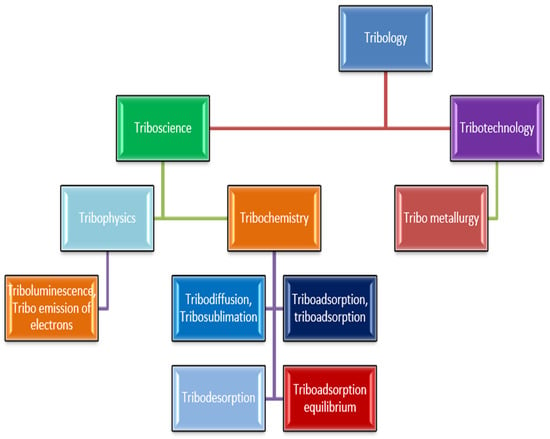
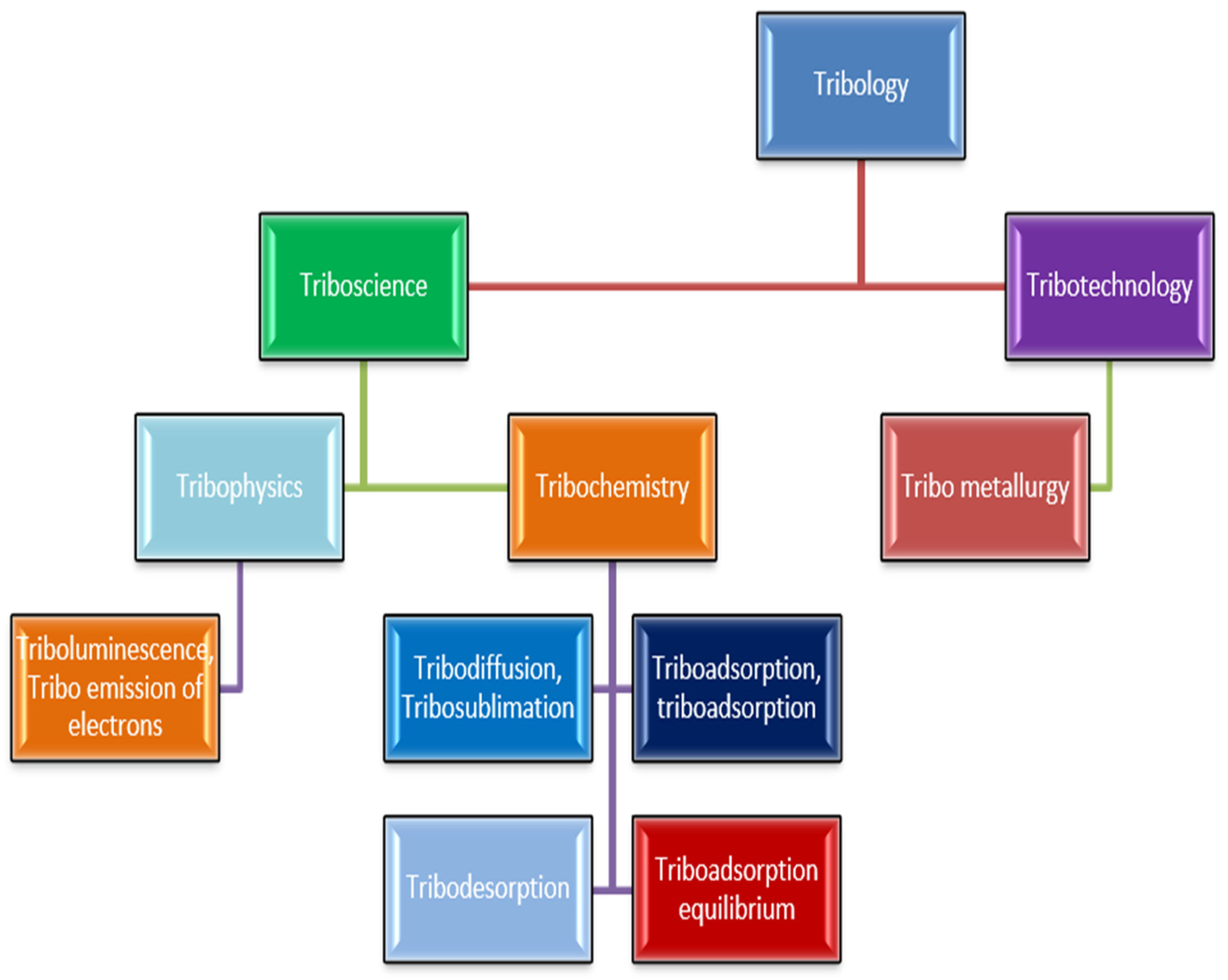
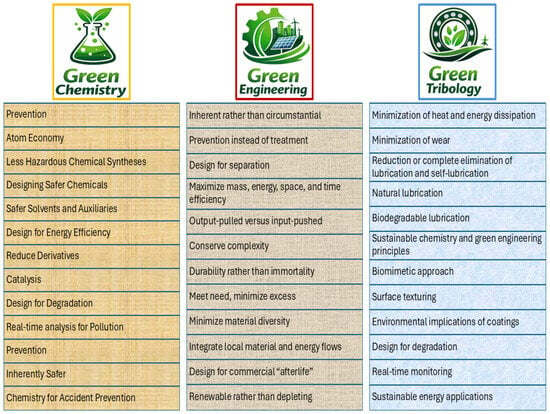
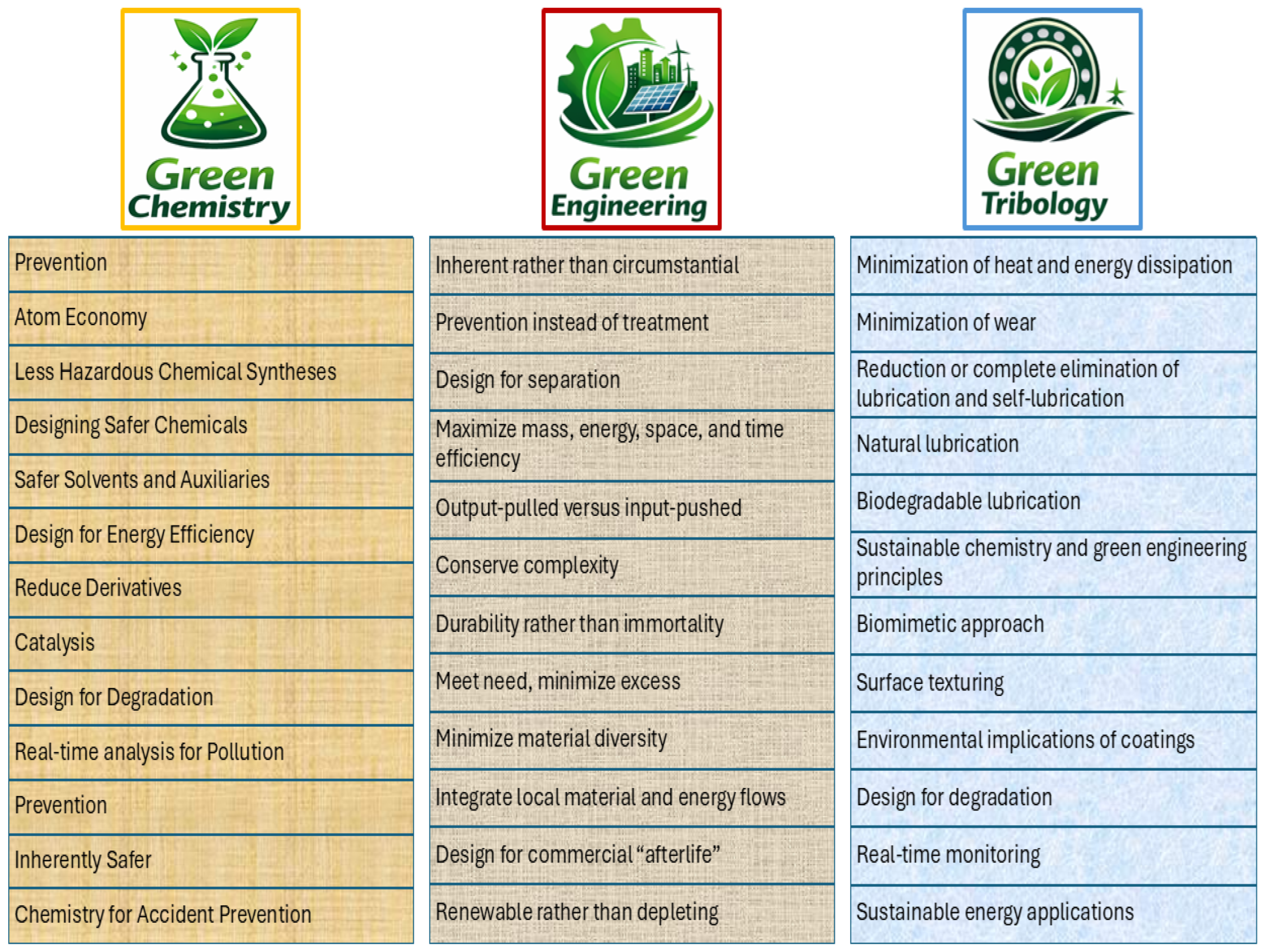
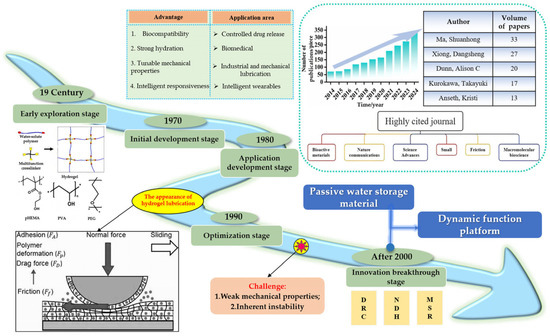
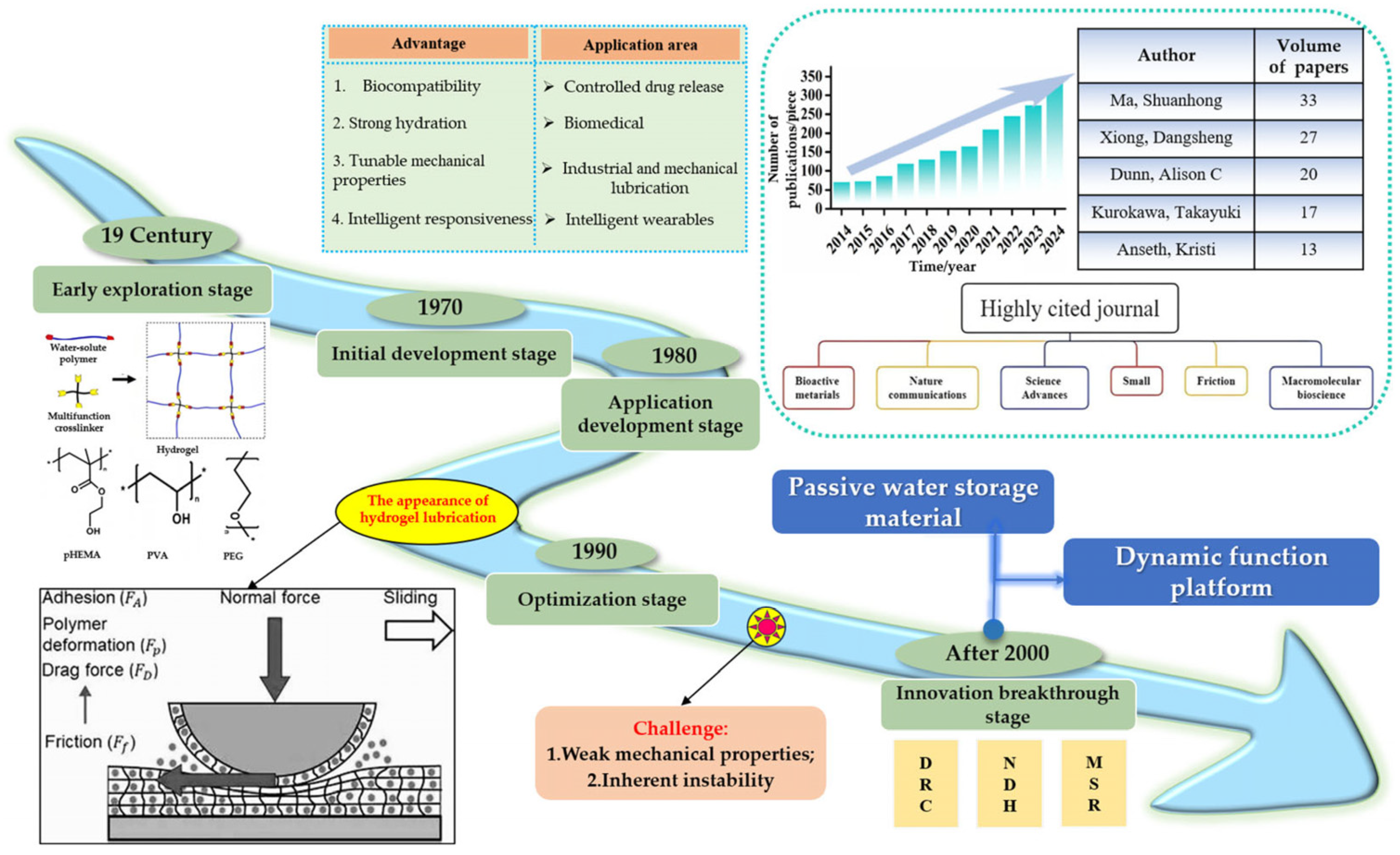
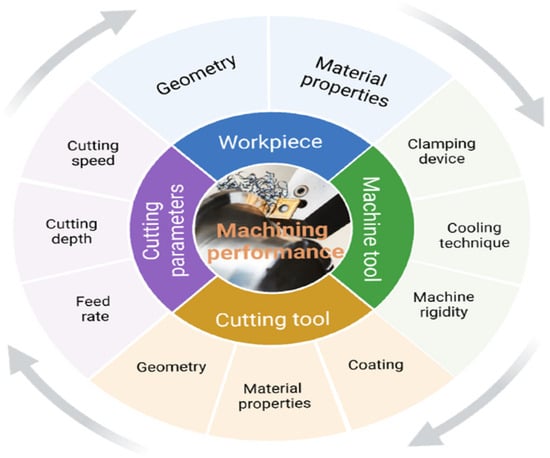
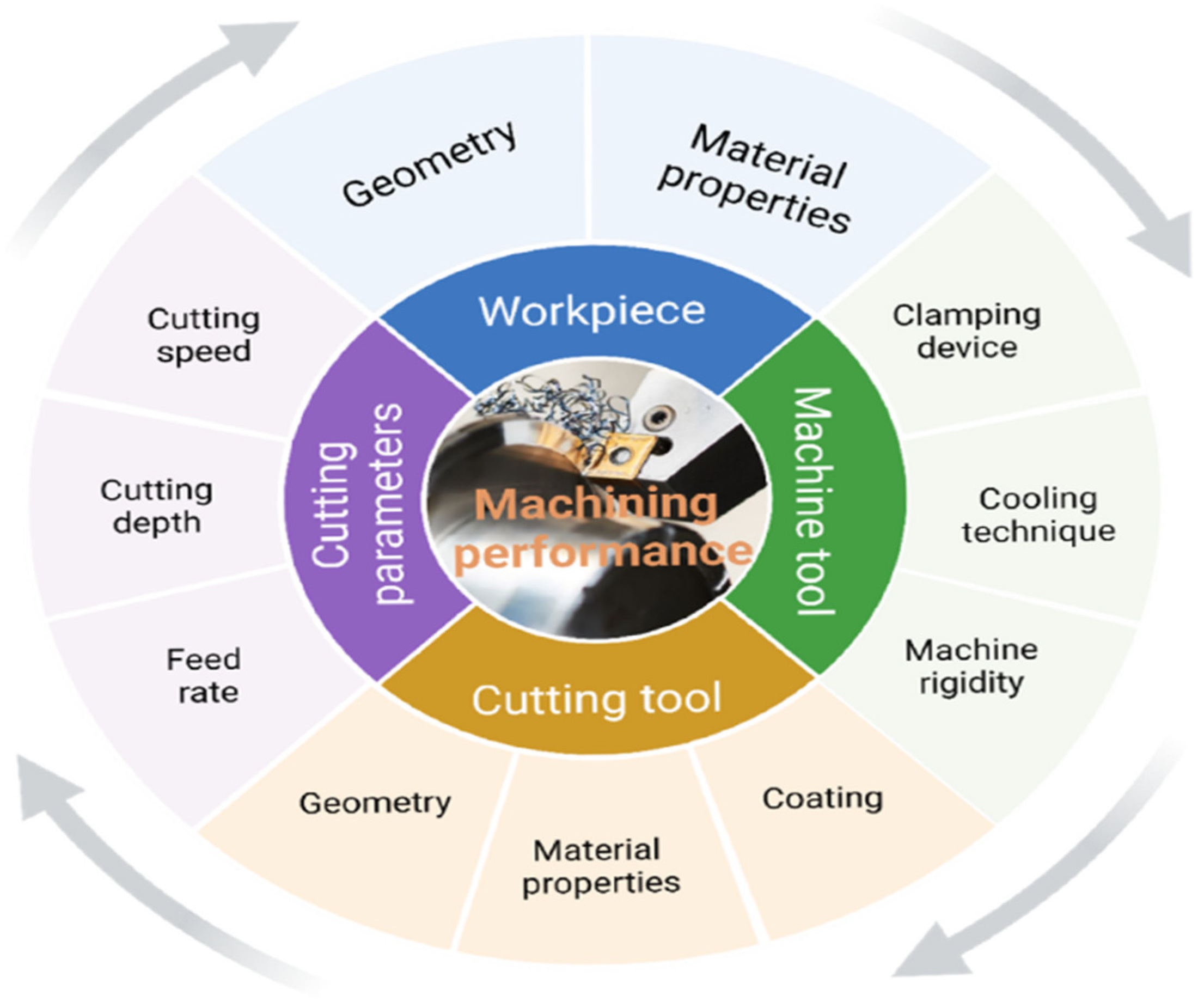
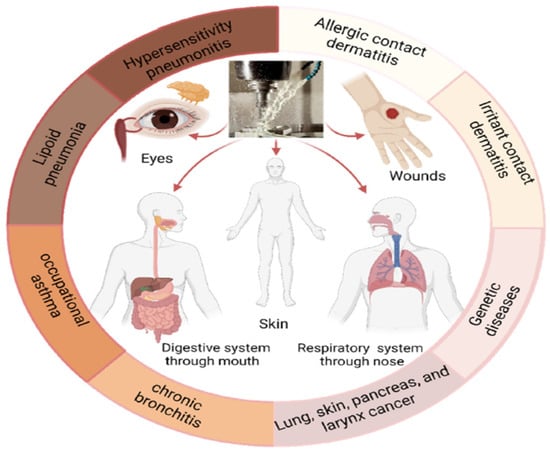
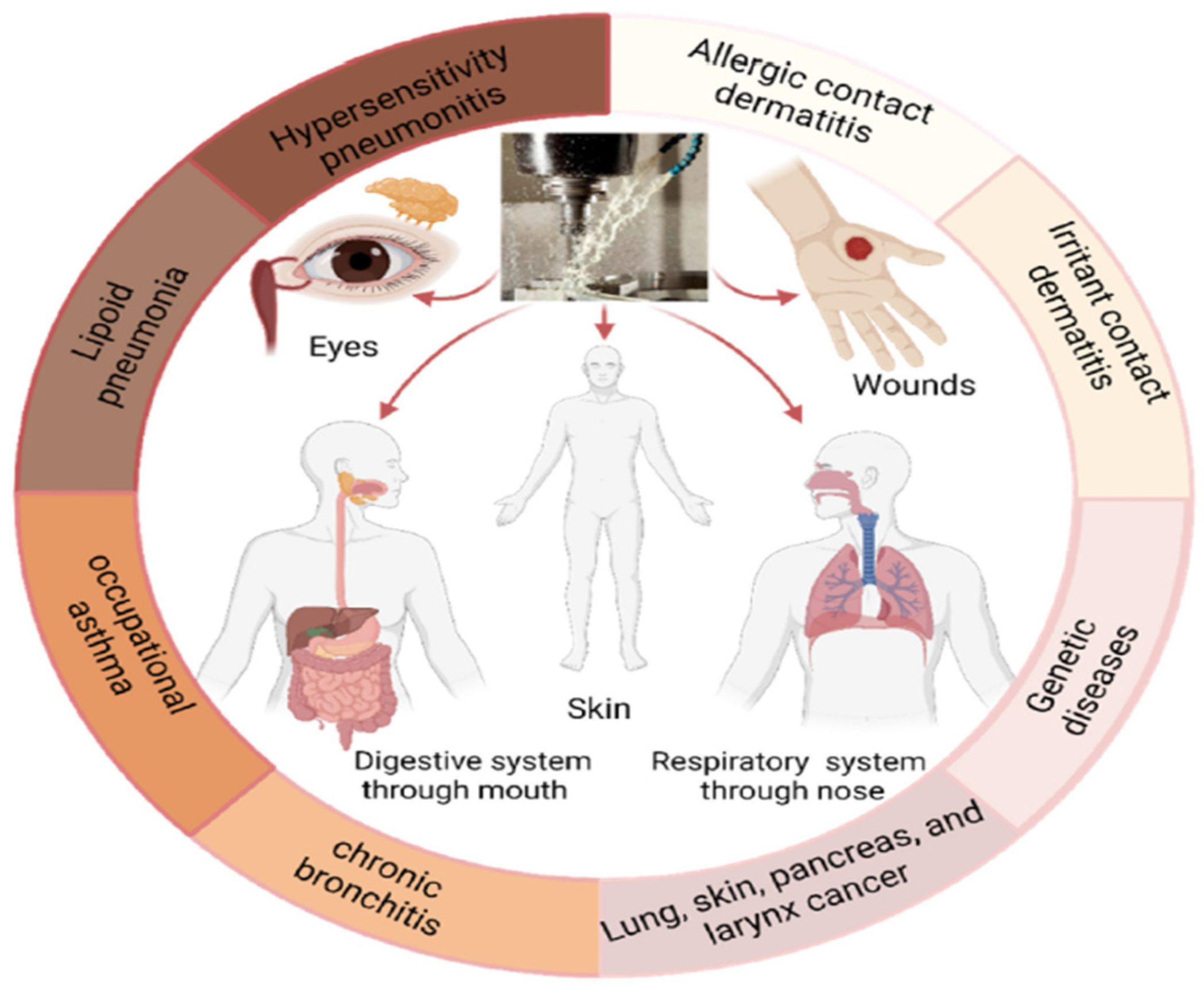
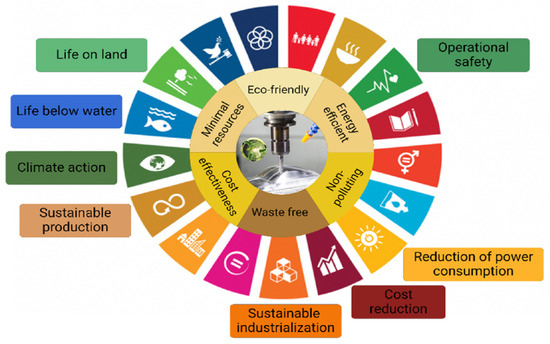
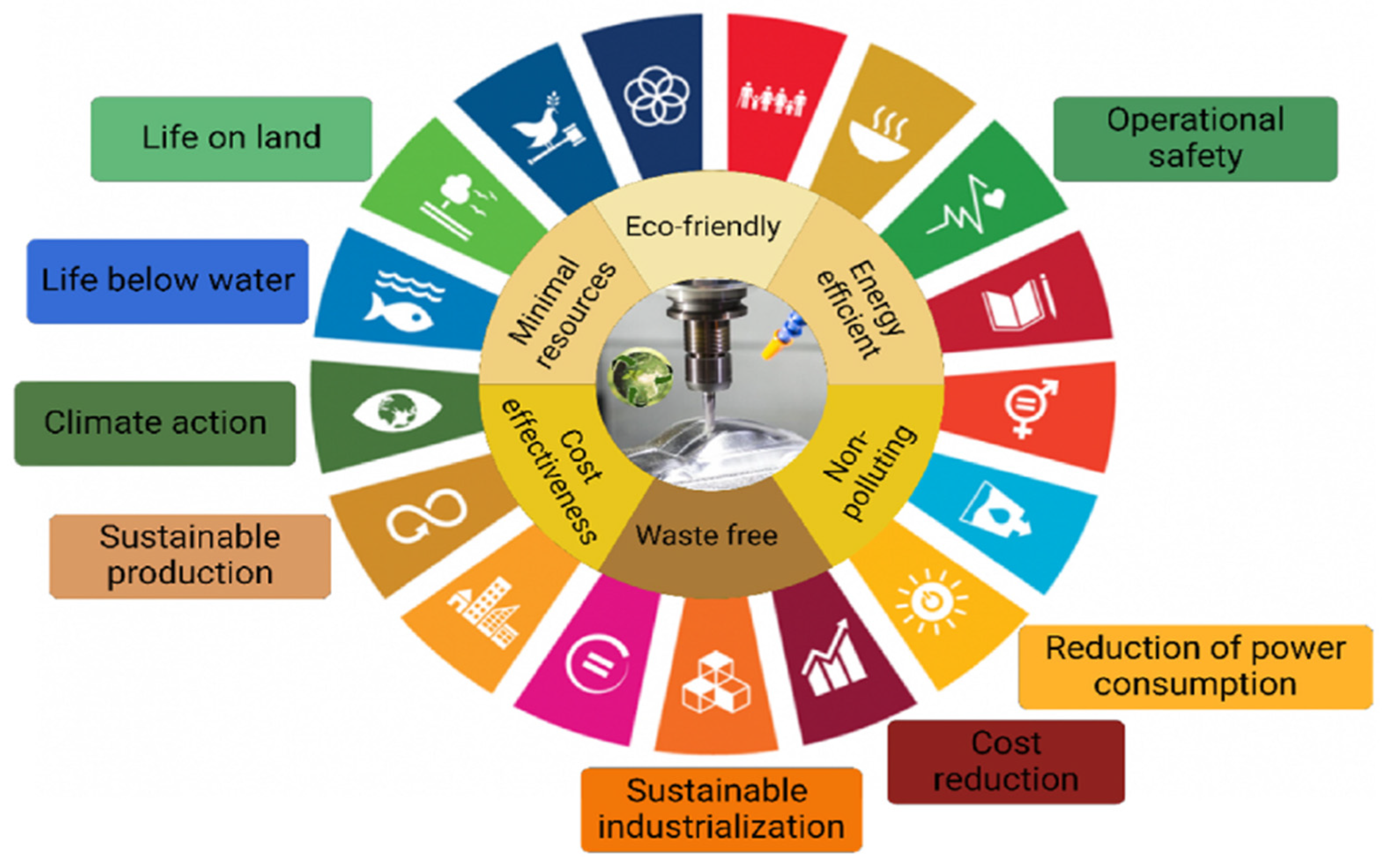
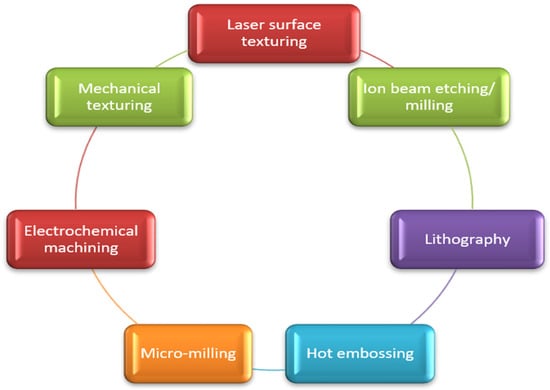
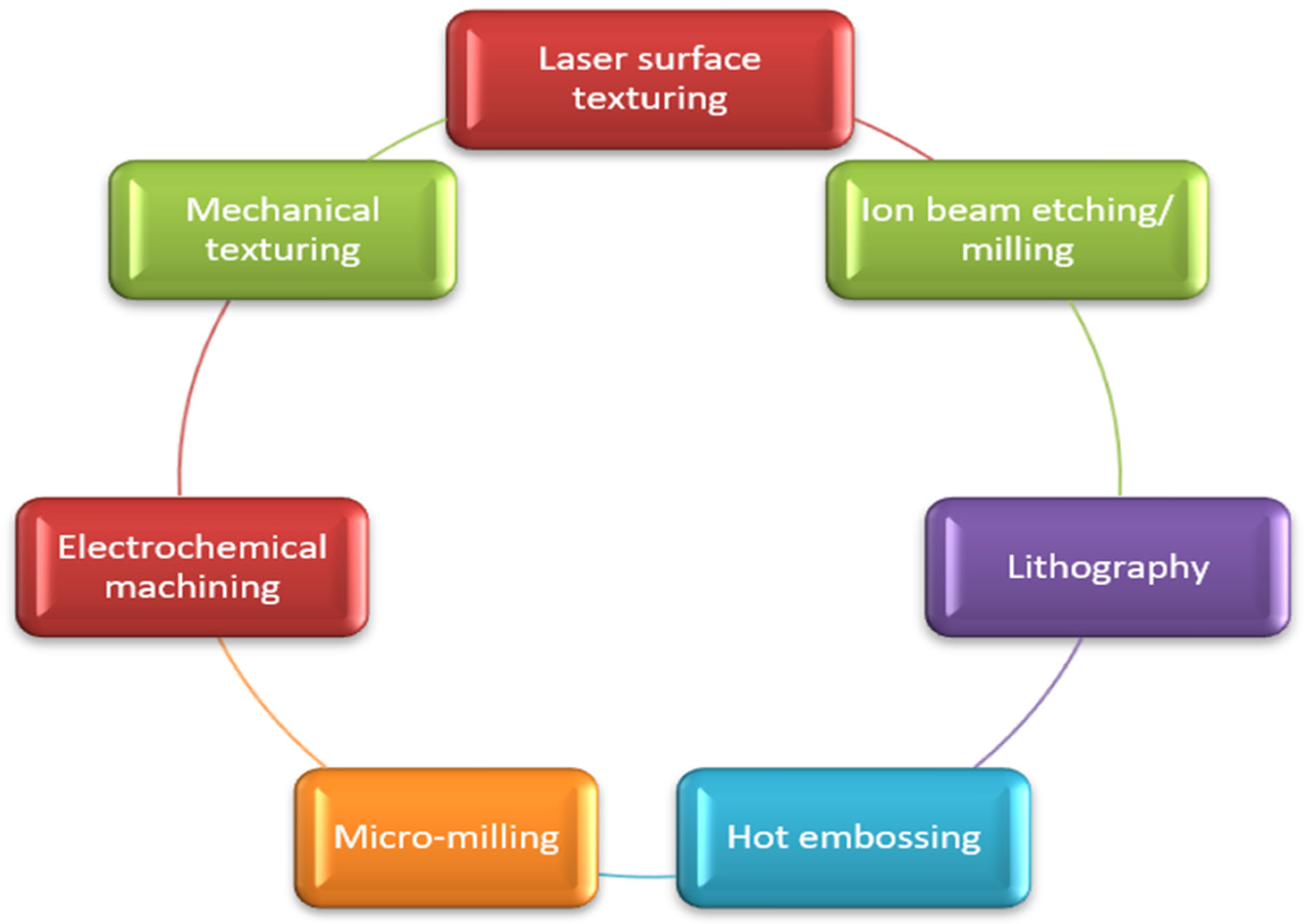
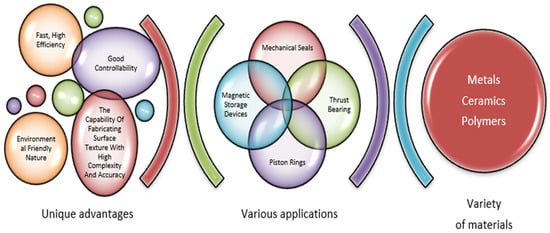
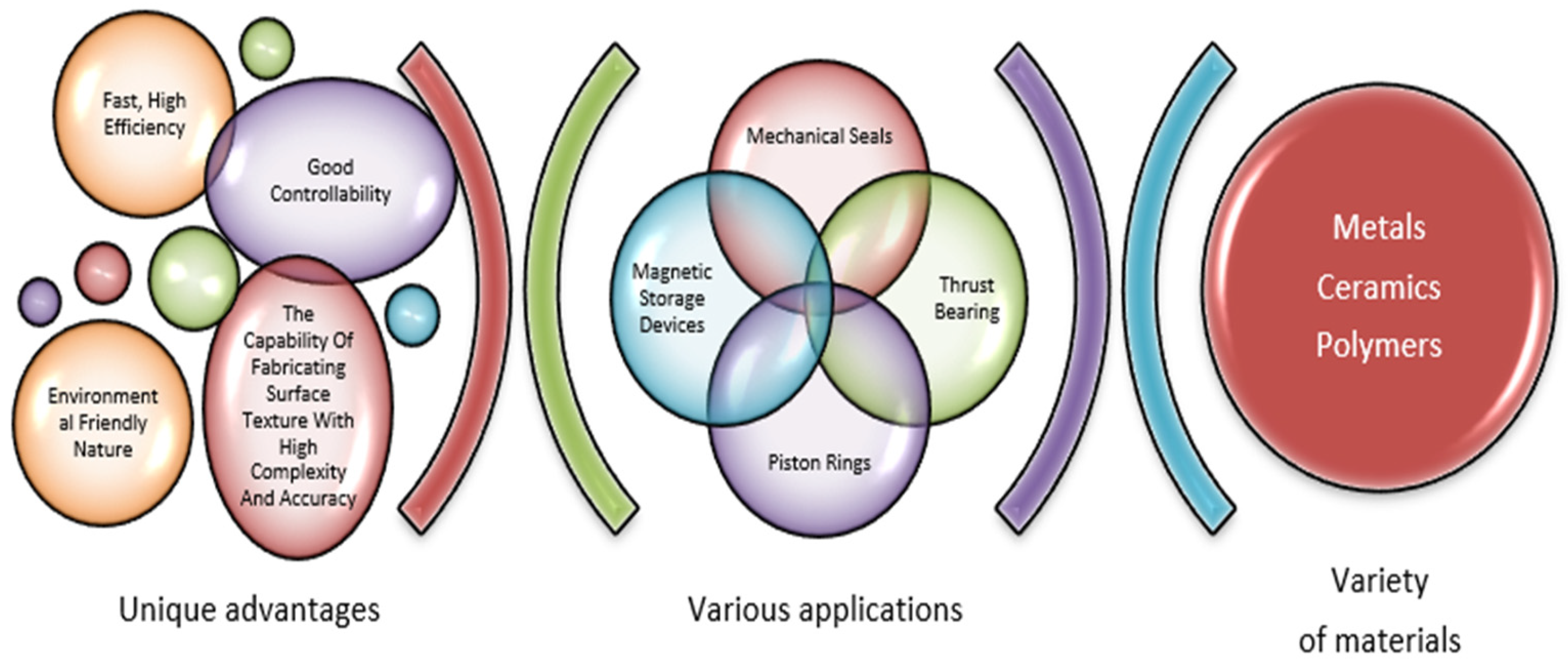
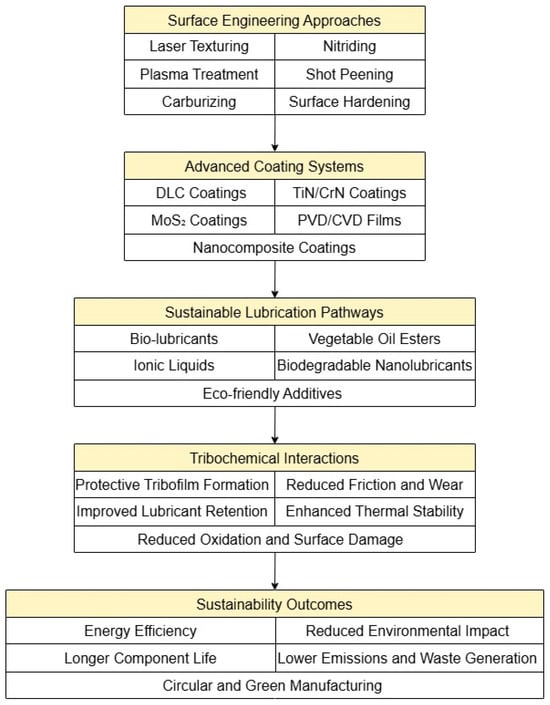
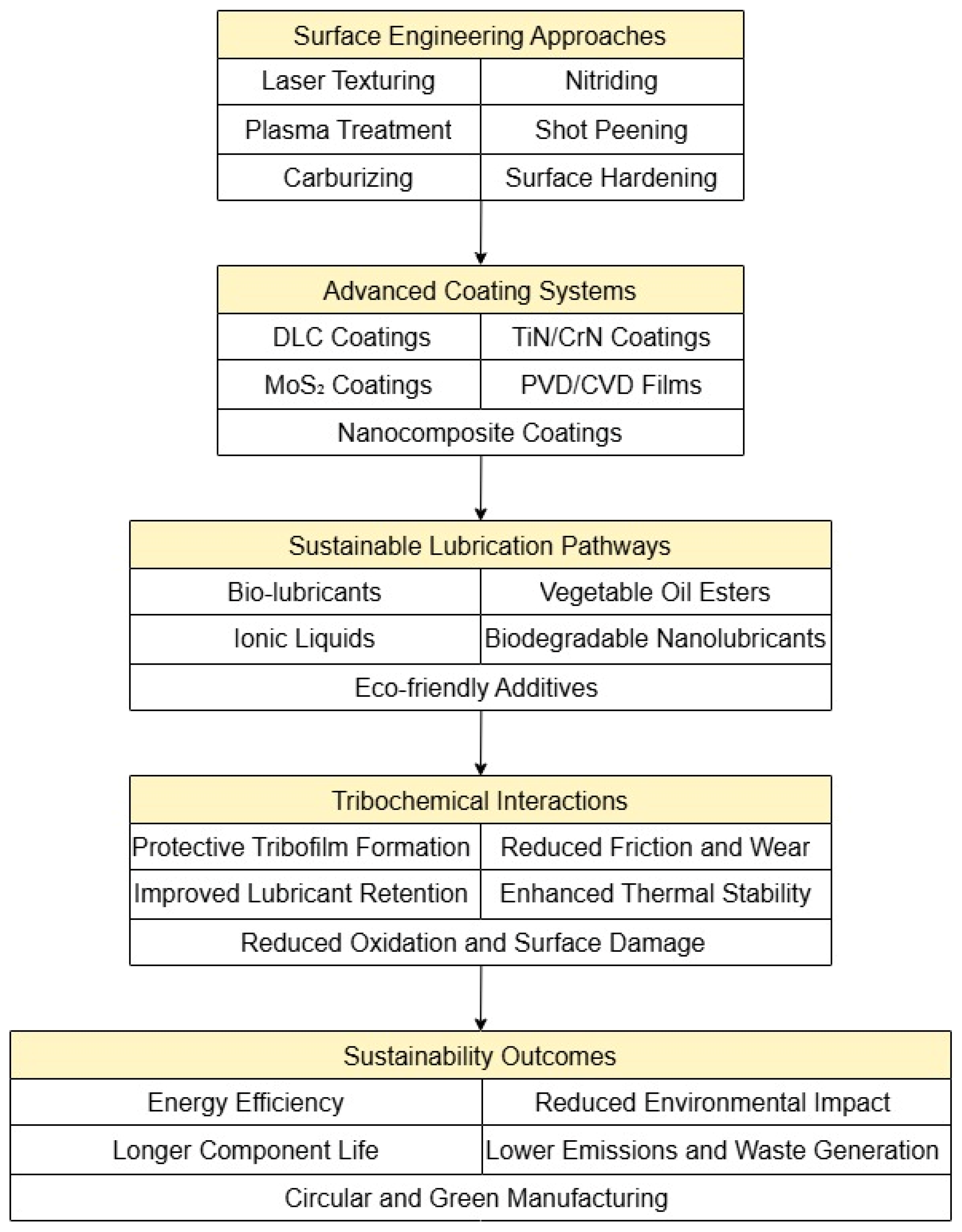
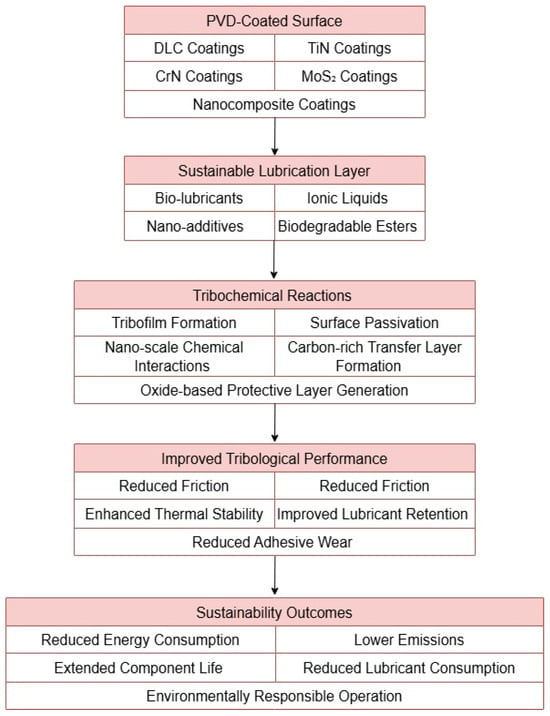
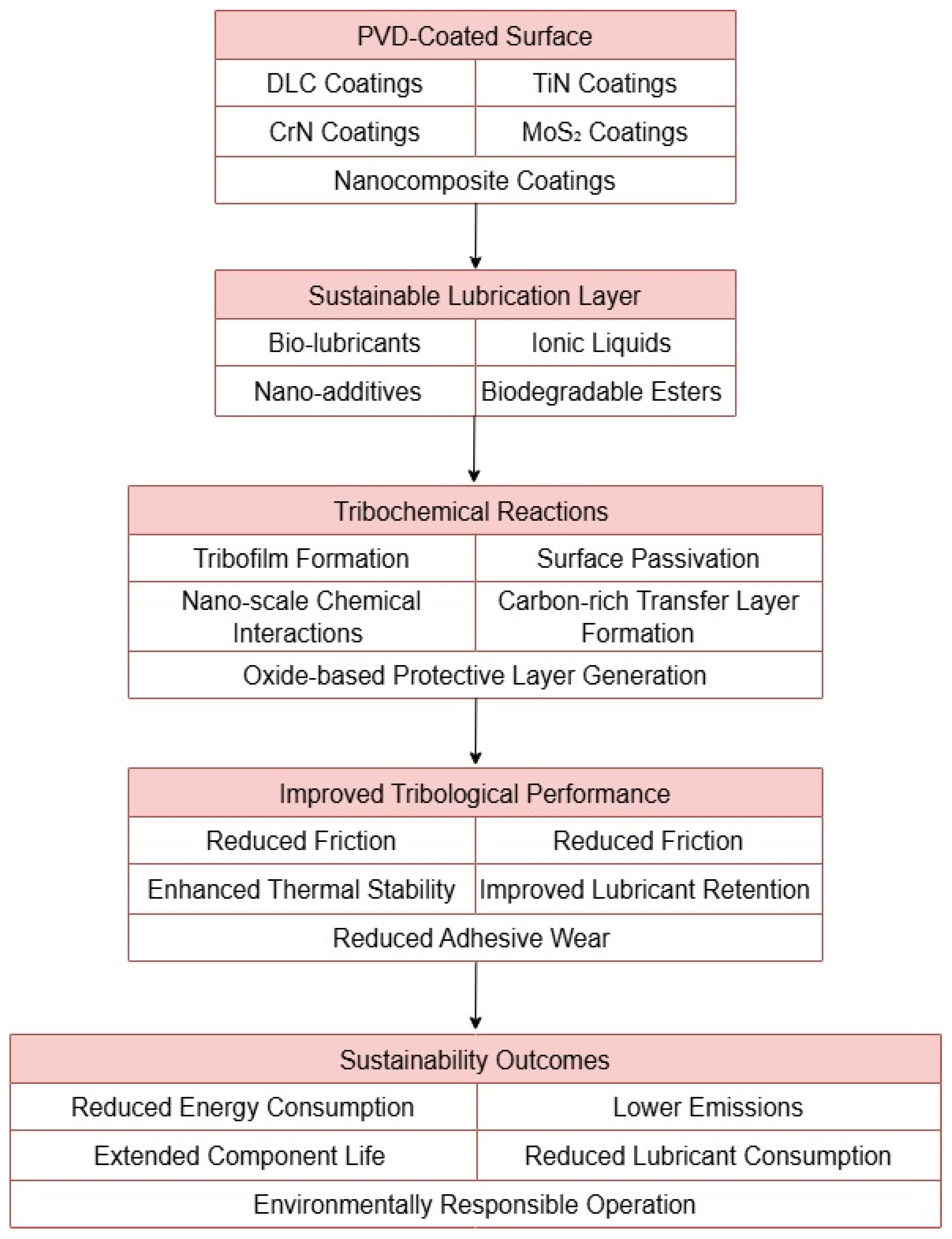
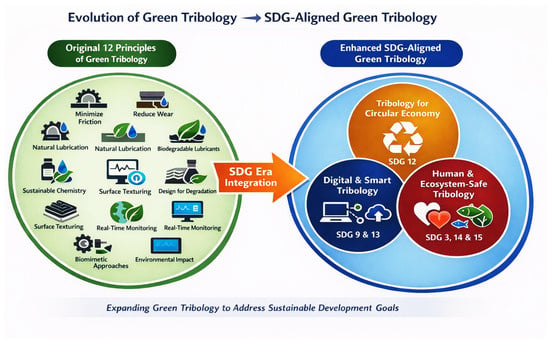
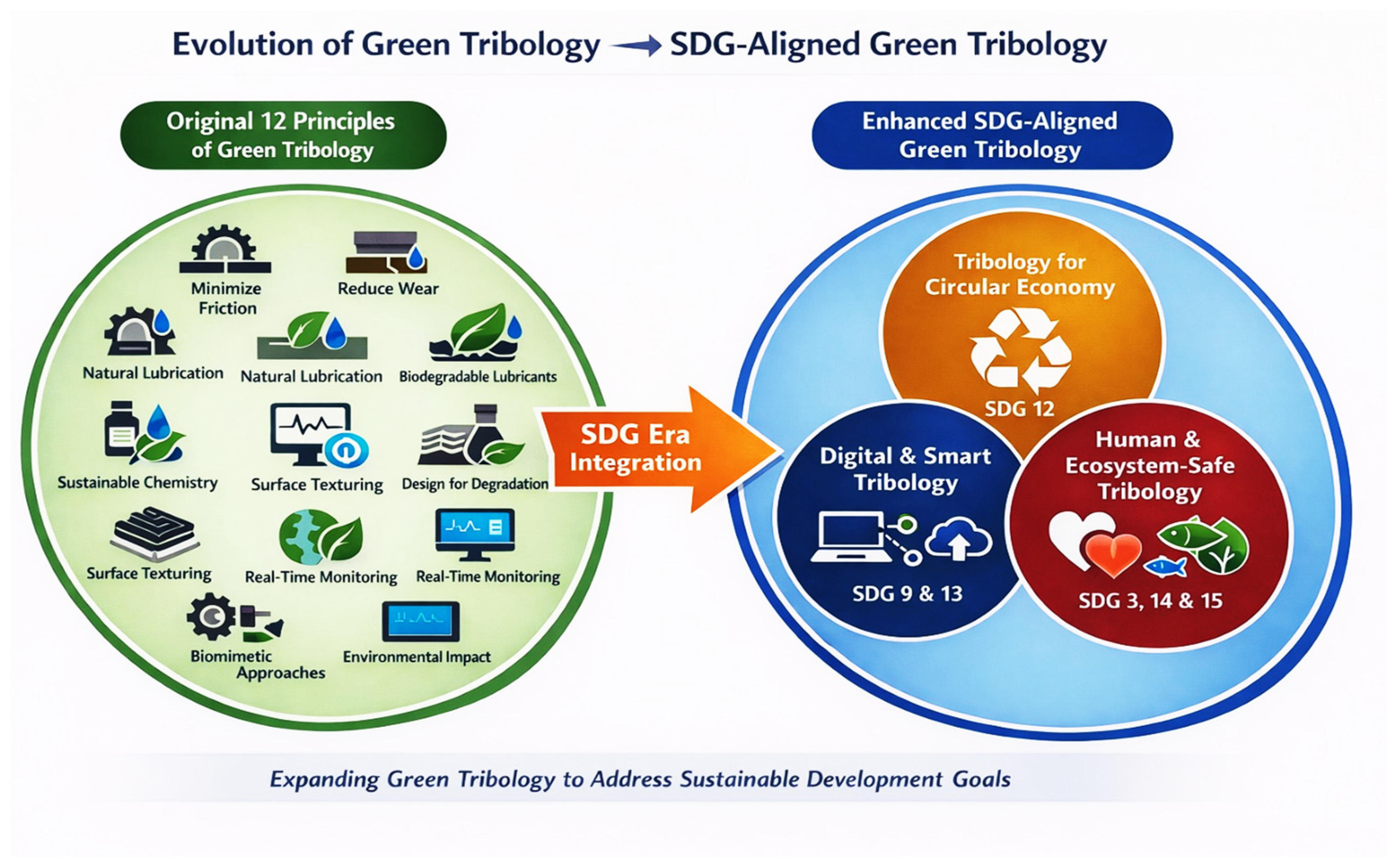
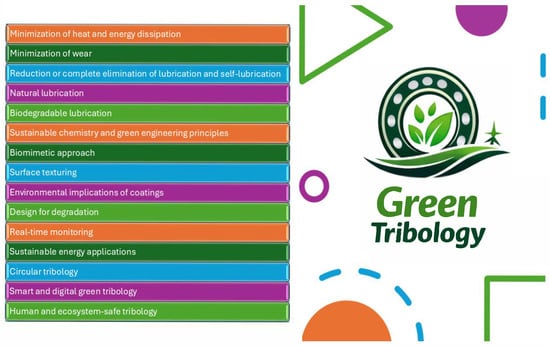
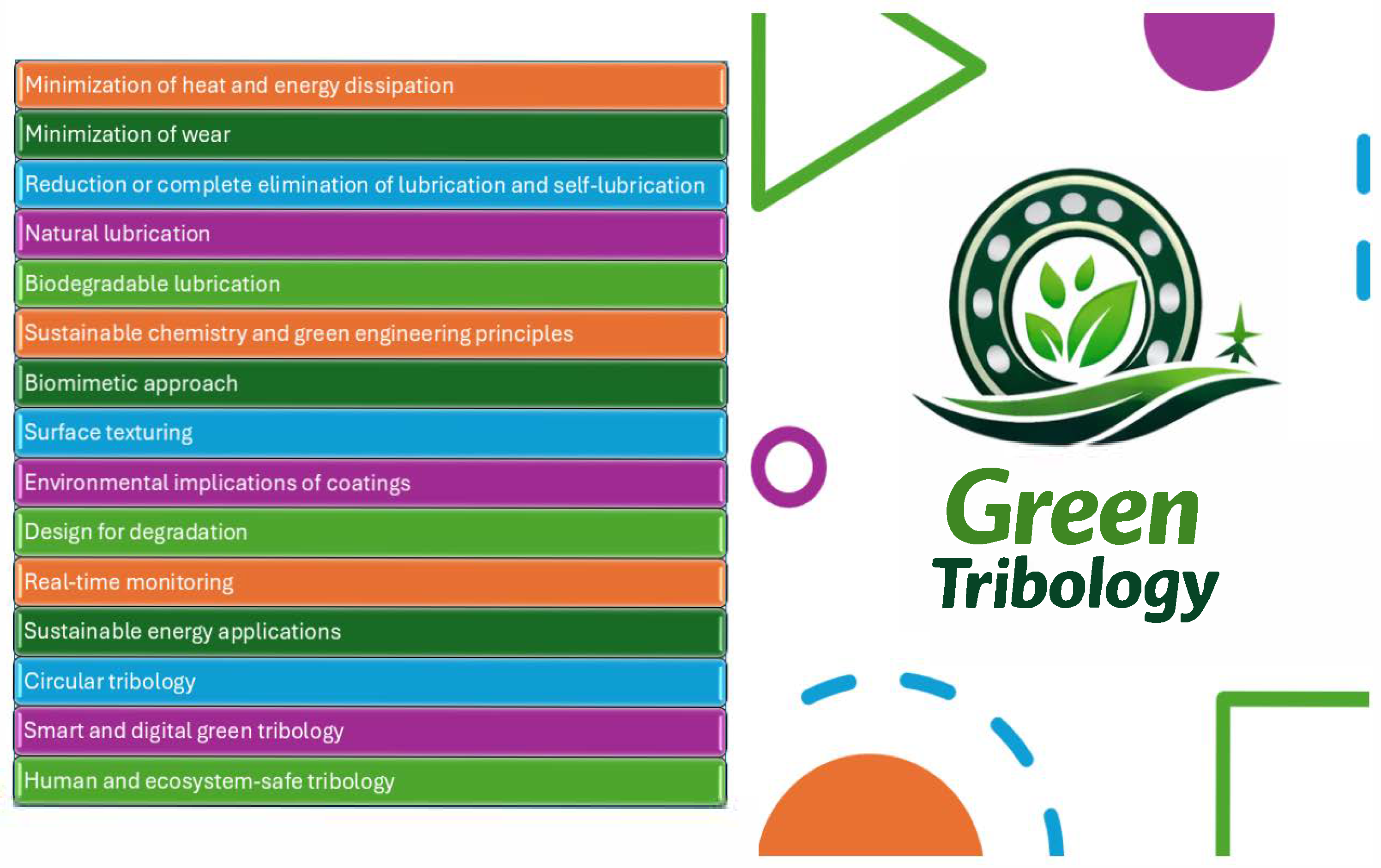
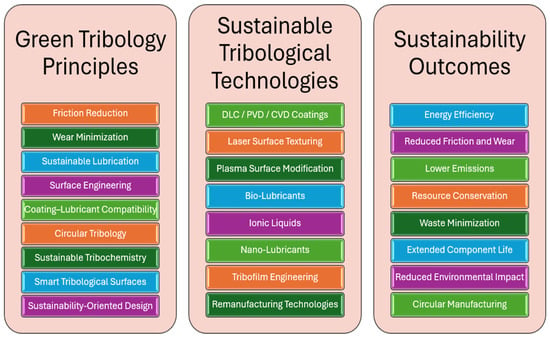
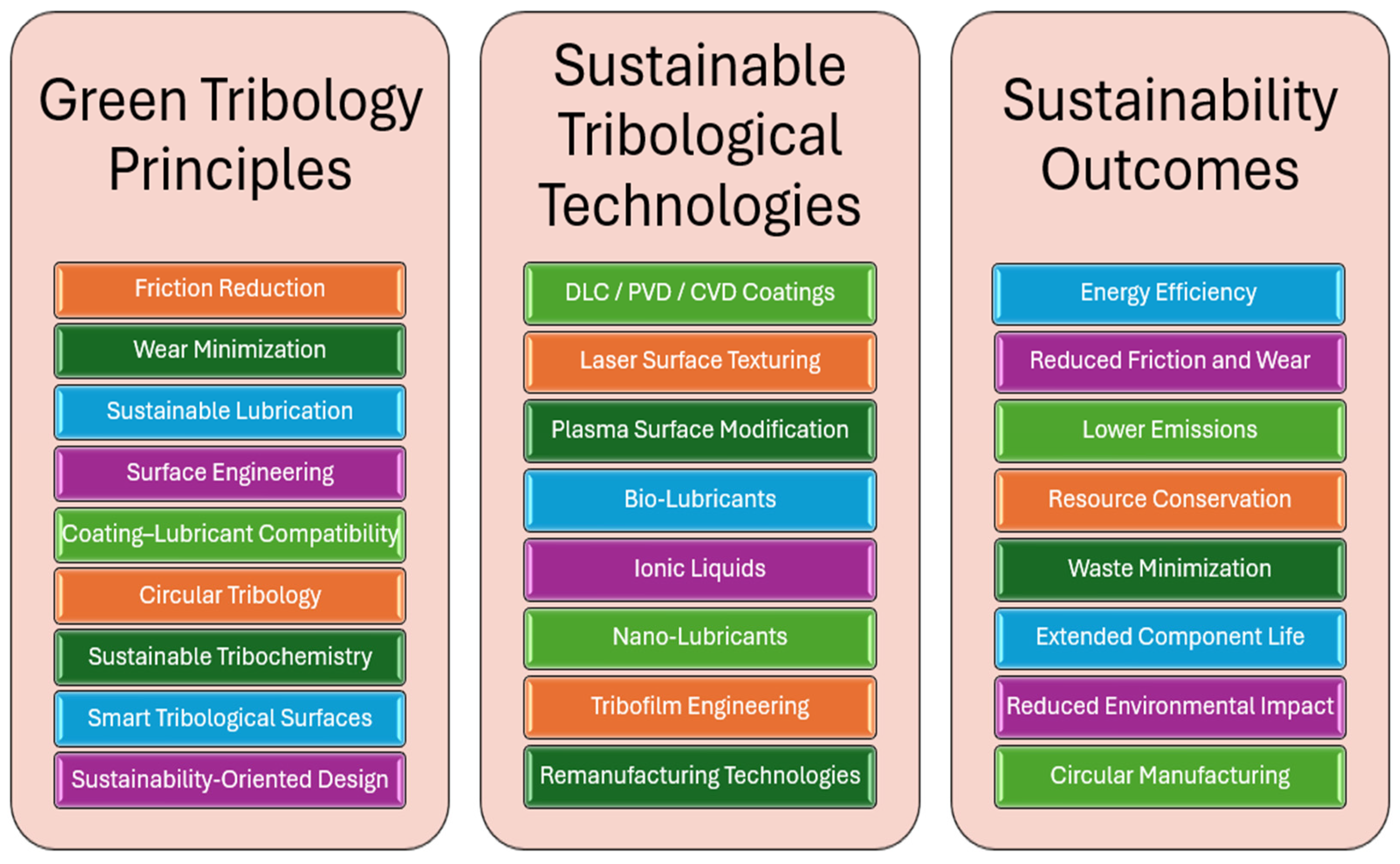
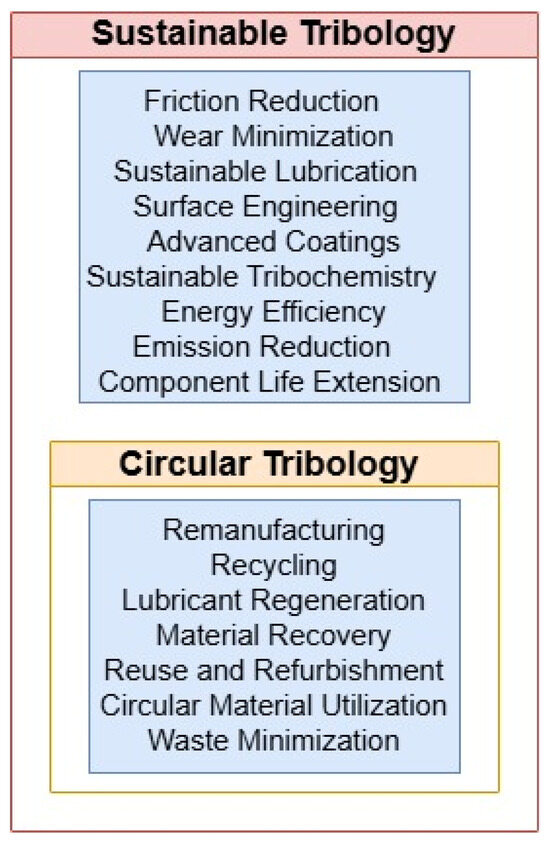
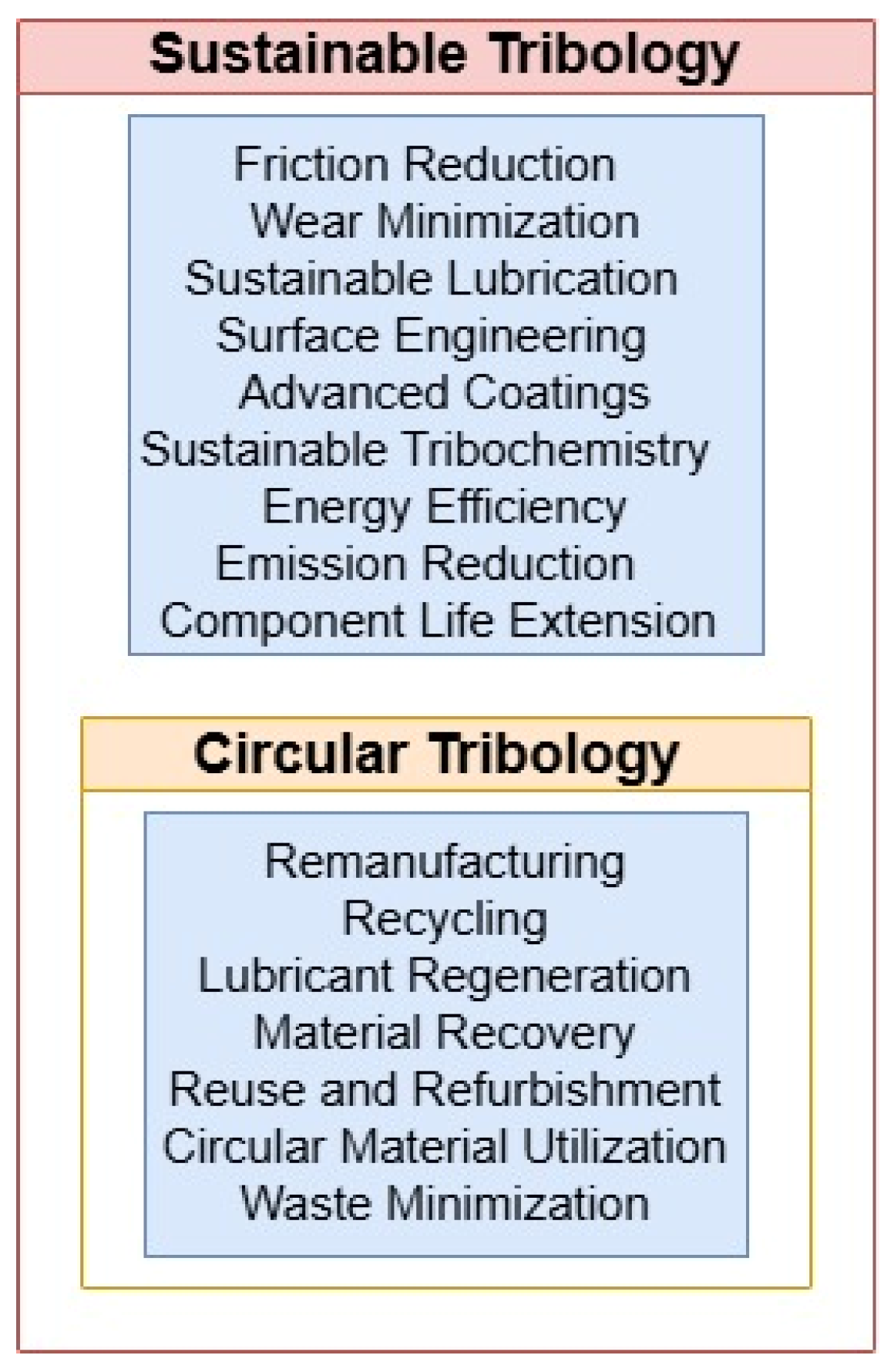

Disclaimer/Publisher’s Note: The statements, opinions and data contained in all publications are solely those of the individual author(s) and contributor(s) and not of MDPI and/or the editor(s). MDPI and/or the editor(s) disclaim responsibility for any injury to people or property resulting from any ideas, methods, instructions or products referred to in the content. |
© 2026 by the authors. Licensee MDPI, Basel, Switzerland. This article is an open access article distributed under the terms and conditions of the Creative Commons Attribution (CC BY) license.