


Abstract
Pseudomonas aeruginosa is an important opportunistic pathogen associated with diverse healthcare-associated infections and increasing antimicrobial resistance. This systematic review evaluated antimicrobial treatment regimens, clinical outcomes, and pharmacokinetic/pharmacodynamic (PK/PD) considerations in P. aeruginosa infections. A systematic review was conducted according to PRISMA guidelines. PubMed/MEDLINE and the Cochrane Library were searched for studies published between January 2000 and March 2026. Data on antimicrobial therapies, clinical and microbiological outcomes, and PK/PD parameters were extracted. Study quality was assessed using the NHLBI quality assessment tool. Narrative synthesis was performed for all eligible studies, and a quantitative meta-analysis was conducted for studies with standardized outcome data. Of the 982 records identified, 249 studies met the inclusion criteria, and 34 were included in the quantitative meta-analysis. The evidence base was highly heterogeneous regarding study design, patient populations, infection types, and treatment regimens. Respiratory infections, particularly in cystic fibrosis patients, accounted for most studies. Quantitative synthesis showed no consistent superiority of any antimicrobial regimen (or combination of them), while treatment outcomes were influenced by infection characteristics, antimicrobial resistance patterns, and PK/PD factors. No universally superior antimicrobial regimen was identified for Pseudomonas aeruginosa infections. Some novel and promising treatment options have been identified, such as anti-Pseudomonas aeruginosa LPS monoclonal antibody panobacumab and inhaled Clostridium butyricum delivered via oxygen-driven nebulization. Two novel treatment modalities did not yield a clinically relevant effect, namely, the bispecific monoclonal antibody MEDI3902 (gremubamab) and the IC43 Pseudomonas aeruginosa vaccine. Treatment effectiveness appears to depend on clinical context, antimicrobial susceptibility, and PK/PD considerations, highlighting the need for further standardized research.
1. Introduction
Pseudomonas aeruginosa is a ubiquitous Gram-negative opportunistic pathogen and the most frequent cause of acute and chronic infections, particularly in immunocompromised patients and patients with underlying comorbidities. It causes respiratory tract infections, bloodstream infections, urinary tract infections, and device-associated infections, and is among the most prevalent pathogens of healthcare-associated infections in the world [1,2]. P. aeruginosa in patients with cystic fibrosis (CF) turns into a chronic colonizer of the lungs, contributing to morbidity, the gradual loss of lung functionality, and death [2,3]. The fact that it is a severe hazard on the list of the priority pathogens of the World Health Organization also explains the topicality of its implementation in clinical practice due to antimicrobial resistance [4].
The ability of P. aeruginosa to resist antibiotics in various ways is a great peculiarity that contributes to the failure of treatment, persistence of infection, and lack of therapy options, especially when it is multidrug-resistant (MDR) and extensively drug-resistant (XDR), and is largely due to efflux pump expression, reduced permeability of the outer membrane, target site mutation, and antibiotic degradation [5].
Despite the existence of certain anti-pseudomonal agents like beta-lactams, fluoroquinolones, aminoglycosides, and polymyxins, the clinical outcome is not foreseeable, and the most adequate options for treatment are not so obvious. The same efficacy of different antimicrobial regimens is frequently suggested by comparative studies, and treatment is frequently chosen depending on local resistance patterns, severity of the infection, and patient-specific factors rather than being demonstrated to be more effective [6,7]. In addition, the increasing resistance to last-line agents, including carbapenems and polymyxins, has raised the need to provide personalized and tailored care.
Pharmacodynamic and pharmacokinetic (PK/PD) factors have become increasingly important in antimicrobial therapy. Adequate exposure of the drug relative to bacterial susceptibility is often expressed in terms of PK/PD indices of time above minimum inhibitory concentration (T>MIC) with beta-lactams or area under the curve to minimum inhibitory concentration ratio (AUC/MIC) with beta-lactams, which are also important to maximize efficacy and minimize resistance development [8]. The problem of tissue penetration changes, especially in biofilm-associated infections, also troubles the effective use of antimicrobials.
To date, the evidence base is highly heterogeneous, and the nature of studies, the nature of infections, and their outcomes of interest are all variable despite the numerous studies that evaluated the antimicrobial treatment of P. aeruginosa. In most of these studies, the target is narrowed down to a specific group of individuals, e.g., CF patients, and may not be applicable in other clinical settings. Nor is there any standardization of the incorporation of PK/PD into clinical consequences, nor is there a giant synthesis as yet that would encompass microbiological, pharmacological, and clinical viewpoints.
These limitations should include a systematic review of the available evidence to contribute to the description of the effectiveness of antimicrobial therapy for Pseudomonas aeruginosa infections. The outcomes of the treatment vary, despite numerous studies on the topic, and there is no definite comparative effectiveness of treatment options. Therefore, this systematic review will focus on exploring antimicrobial treatment regimens and their clinical effects in various infections and patients. Moreover, relevant pharmacodynamics and pharmacokinetics are also addressed as the mechanisms that lead to the reaction to treatment. The present review is targeted at summarizing the existing evidence from heterogeneous study designs and clinical settings, and the identification of the gaps that should be filled in future studies to inform the most suitable patient management and treatment.
2. Materials and Methods
2.1. Study Design
This systematic review was conducted in accordance with the Preferred Reporting Items of Systematic Reviews and Meta-Analyses (PRISMA) guidelines. The review protocol was not prospectively registered in PROSPERO or any other systematic review registry. This represents a limitation of the review because prospective protocol registration enhances methodological transparency and reduces the potential risk of reporting bias. Nevertheless, the review methodology, including the eligibility criteria, search strategy, study selection, data extraction, quality assessment, and statistical analyses, was predefined before the review was conducted and was applied consistently throughout the study. This review was aimed at assessing antimicrobial treatment regimens and clinical outcomes in patients with Pseudomonas aeruginosa infections.
The review question was formulated using the PICO framework as follows: Population (P): Patients with Pseudomonas aeruginosa infections. Intervention (I): Systemic or inhaled antimicrobial therapies. Comparator (C): Alternative antimicrobial regimens, combination therapies, placebo, or standard care. Outcome (O): Clinical outcomes, microbiological eradication, mortality, pharmacokinetic/pharmacodynamic (PK/PD) parameters, and treatment-related adverse events.
2.2. Information Sources
The MEDLINE database through PubMed and the Cochrane Library were used for the systematic literature search. Moreover, all included articles were screened through the reference lists of the included articles to identify additional potentially relevant studies that were not initially identified in the database search.
2.3. Search Strategy
The search strategy was formulated to find studies that evaluated antimicrobial treatment for Pseudomonas aeruginosa infections. The main search term was Pseudomonas aeruginosa, which was searched in the title and abstract fields.
A systematic literature search was conducted to identify relevant studies on Pseudomonas aeruginosa infections and antimicrobial treatment outcomes. The search was performed in MEDLINE (via PubMed), the Cochrane Library, and the reference lists of all included studies were manually screened to identify additional eligible publications.
To improve comprehensiveness and reduce publication bias, the search strategy was expanded to include additional databases: Embase, Web of Science, and Scopus. These databases were selected due to their broader biomedical and pharmacological coverage, particularly for clinical trials and pharmacokinetic/pharmacodynamic studies.
2.3.1. Search Terms and Strategy
The core search term used across all databases was
- “Pseudomonas aeruginosa”
This term was adapted using database-specific syntax and combined with Boolean operators and controlled vocabulary (e.g., MeSH terms in PubMed where applicable). The full search string used in PubMed was structured as follows:
- PubMed example search string:
(“Pseudomonas aeruginosa”[Title/Abstract] OR “Pseudomonas aeruginosa”[MeSH Terms])
AND
(infection*[Title/Abstract] OR treatment*[Title/Abstract] OR therap*[Title/Abstract] OR antimicrobial*[Title/Abstract] OR antibiotic*[Title/Abstract])
AND
(“pharmacokinetic*”[Title/Abstract] OR “pharmacodynamic*”[Title/Abstract] OR outcome*[Title/Abstract])
The search strategy was adapted for each database using the appropriate controlled vocabulary and database-specific syntax. In PubMed, MeSH terms were used where applicable, whereas Emtree terms were used in Embase. Equivalent keyword combinations, Boolean operators (AND/OR), truncation symbols, and database-specific field tags were applied in Web of Science, Scopus, and the Cochrane Library. Searches were restricted to human studies published between January 2000 and March 2026 in English, German, or French.
2.3.2. Filters and Limits
Search results were restricted using the following filters:
- Language: English, German, and French.
- Publication type: Clinical trials, randomized controlled trials, meta-analyses, and systematic reviews. Published systematic reviews and meta-analyses were screened only to identify additional eligible primary studies through their reference lists and were not included in the qualitative or quantitative evidence synthesis.
- Study population: Human studies only.
- Publication years: only studies published in the period between 1 January 2000 and 31 March 2026, were included in the search.
- Database filters: Applied where available (e.g., PubMed Clinical Trial, RCT, Systematic Review filters, Cochrane review filters).
Additional Search Methods
To ensure completeness, reference lists of all included studies and relevant reviews were manually screened for additional eligible publications not captured in the database search. Compliance with the PRISMA-S reporting checklist is summarized in Table 1.
Table 1.
PRISMA-S checklist.
2.4. Inclusion and Exclusion Criteria
For the studies included in the quantitative meta-analysis, additional selection criteria were applied. Studies were included if they reported standardized clinical and/or microbiological outcomes, and the necessary numerical data were available. Studies eligible for the quantitative meta-analysis were selected from the 249 studies included in the systematic review based on predefined methodological criteria. Specifically, studies were required to report standardized and comparable clinical and/or microbiological outcomes, provide sufficient numerical data for effect size calculation (including treatment and comparator group data), and evaluate comparable antimicrobial interventions. Studies with heterogeneous outcome definitions, insufficient quantitative data, duplicate populations, or designs unsuitable for statistical pooling were included only in the narrative synthesis. As a result, 34 studies met all eligibility criteria for quantitative synthesis and were included in the meta-analysis.
2.4.1. Inclusion Criteria
Studies that compared the systemic antimicrobial therapy (intravenous (IV), oral (PO), or inhalation (INH)) were included in the quantitative synthesis. Included studies were required to report clinical outcomes such as clinical cure, clinical success, or marked improvement in infection-related signs and symptoms at specified time points of evaluation (e.g., Test of Cure). Microbiological outcome measures for the eradication or presumed eradication of baseline pathogens were also summarized. Studies involving both paediatric and adult populations were eligible for inclusion if they met the predefined eligibility criteria. These populations were included in the qualitative synthesis to provide a comprehensive overview of the available evidence. For the quantitative meta-analysis, studies were pooled only when they reported comparable interventions, outcome definitions, and sufficient quantitative data, irrespective of patient age. Clinical heterogeneity related to age was considered during the interpretation of the findings. Published systematic reviews and meta-analyses were used only to identify additional primary studies through citation screening and were not included in either the qualitative or quantitative synthesis, thereby avoiding duplication of evidence.
2.4.2. Exclusion Criteria
Studies were excluded if they involved the topical, ophthalmic, or local use of an antimicrobial. Studies that were lacking clearly defined clinical endpoints, studies that evaluated prophylactic antimicrobial use rather than for therapeutic purposes, and studies that did not present quantitative data that could be extracted for a specific route of administration or specific outcome(s) were also not included in the quantitative meta-analysis.
2.5. Study Selection Process
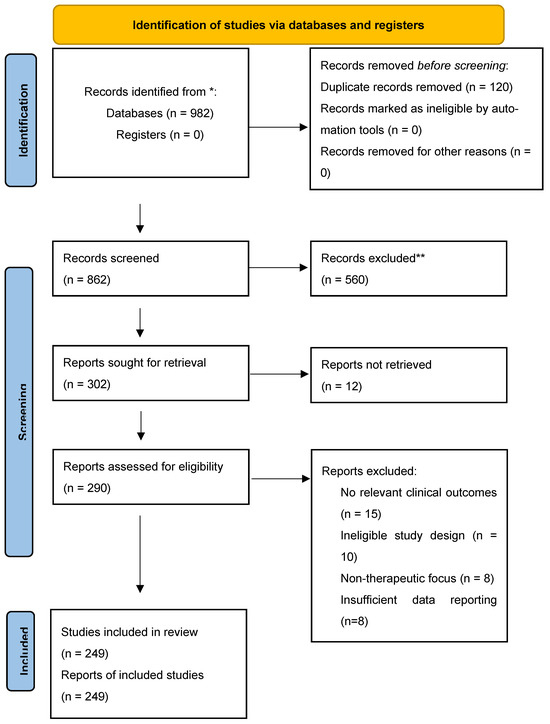
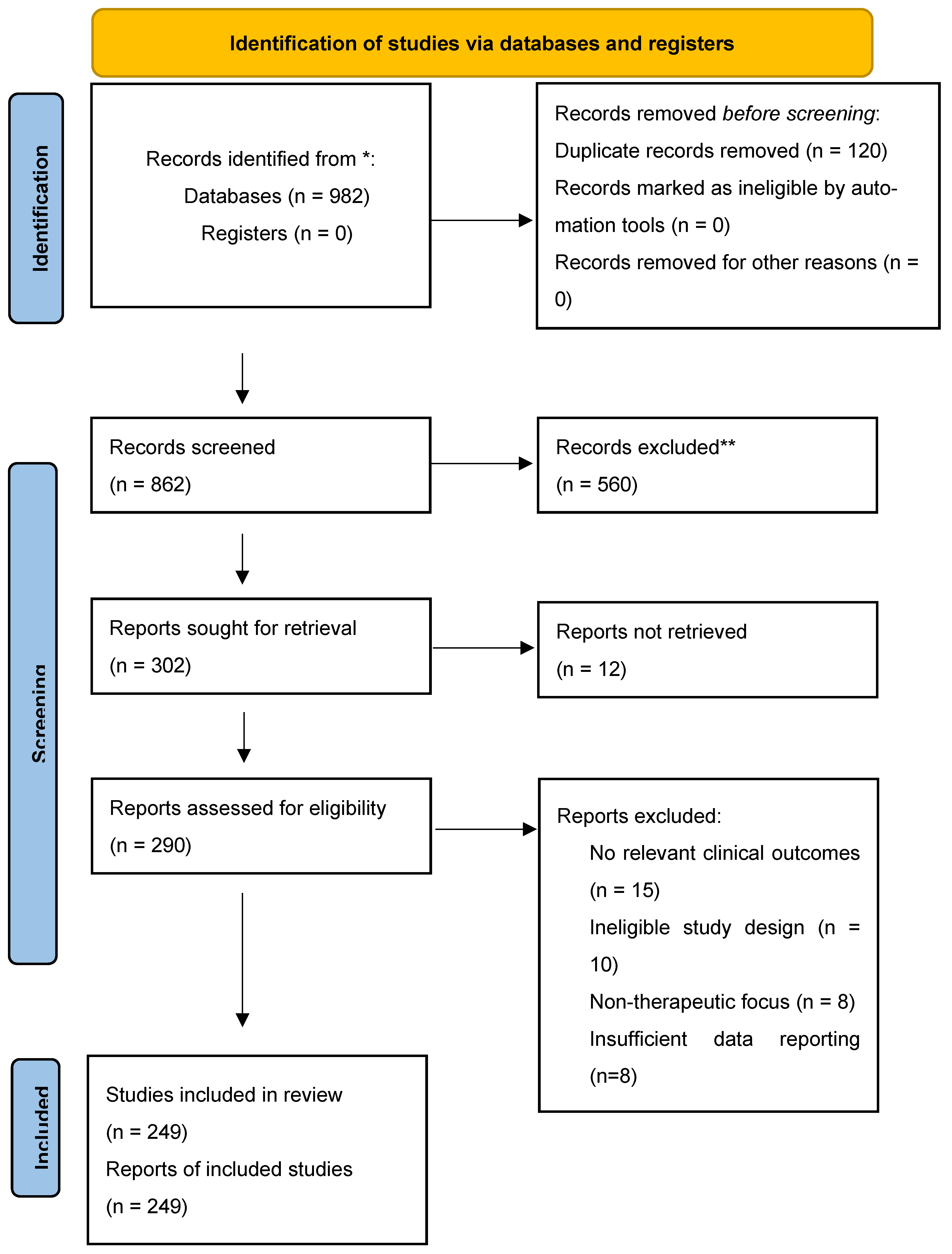
All the records of the database search were pooled and screened for eligibility. A total of 982 records were identified. The selection of the studies was conducted in a stepwise manner, starting with removing duplicate records and screening the title and abstract to identify potentially relevant studies. Then, the full-text articles were assessed against the eligibility criteria. After reading the full-text, 249 studies were found to be eligible and were included in the final analysis. Reasons for exclusion at the full-text stage were recorded. The process of study selection is outlined in the PRISMA flow diagram (Figure 1).
Figure 1.
PRISMA flow diagram.
2.6. Data Extraction
A standardized and pre-defined data extraction form that was created in Microsoft Excel was used for data extraction. Extracted data included study characteristics like author, year of publication, study design, and setting, and population characteristics like sample size and mean age. Clinical variables were also recorded, such as the site of infection and follow-up period.
Antimicrobial intervention details (type of treatment and route of administration) were gathered with reported outcomes (clinical success, mortality, microbiological outcomes, and pharmacokinetic/pharmacodynamic parameters). Additional information, like statistical outcomes and variables that were adjusted in the analysis, was also gathered. The process of data extraction was conducted systematically to minimize inconsistencies and incomplete data in the extracted data from all the included studies. For studies that were part of the quantitative synthesis, other data extracted included treatment and control event counts, total sample sizes, outcome definitions, route of administration, and direction of effect for pooled meta-analysis calculations.
2.7. Quality Assessment Methods
The methodological quality and risk of bias of studies included were evaluated using the National Heart, Lung, and Blood Institute (NHLBI) Study Quality Assessment Tool.
This evaluation assessed various domains, such as adequacy of randomization, allocation concealment, based on these criteria, baseline comparability of study groups, loss of follow-up, adherence to intervention procedures, validity and reliability of outcome measures, adequacy of sample size, and use of intention-to-treat analysis. According to these criteria, all studies were classified as good, fair, or poor quality.
2.8. Data Synthesis
The studies were highly varied in their study designs, patient populations, administered antimicrobial therapies, and outcomes reported, and therefore, the synthesis was mostly qualitative (narrative). Only a subset of these studies was suitable for quantitative meta-analysis of the clinical and microbiological endpoints.
Selected studies were quantitatively synthesized based on the available numerical treatment and control data and similar outcome definitions. The clinical outcomes were clinical cure or clinical success (at specific evaluation time points), and the microbiological outcomes were pathogen eradication or presumed eradication.
For studies that did not report quantitative data or heterogeneous methodologies, non-comparable outcome definitions, or limited quantitative data, narrative synthesis was the primary method of analysis.
2.9. Statistical Analysis
Studies with standardized and extractable outcome data were included in the quantitative meta-analysis. Pooled effect estimates were used to synthesize clinical and microbiological outcomes. Fixed-effect and random-effects models were used as appropriate. Cochrane’s Q statistic and H2 values were used to evaluate the heterogeneity of the studies. In order to visualize the pooled treatment effects and the associated 95% confidence intervals, forest plots were created.
The funnel plot analysis was used to assess publication bias, as was Egger’s regression test. Furthermore, a network meta-analysis was conducted to evaluate the relative treatment effects between antimicrobial treatments and to compare the antimicrobial treatment strategies across different studies. Heterogeneity in study design, patient population, outcome definitions, and antimicrobial regimens led to the interpretation of treatment rankings with caution.
Software and computational environment. Bayesian network meta-analysis was performed using Python version 3.11.1 (64-bit, Windows 10 environment). Bayesian modelling and Markov chain Monte Carlo sampling were conducted using PyMC version 5.28.5, with PyTensor version 2.38.3 as the computational backend. Posterior inference and convergence diagnostics were assessed using ArviZ version 0.19.0. Data processing and statistical computations were performed using NumPy version 2.0.2, Pandas version 2.2.3, SciPy version 1.15.1, and Statsmodels version 0.14.1. Data visualization was performed using Matplotlib version 3.10.0 and Seaborn version 0.13.2. Excel file handling was performed using OpenPyXL version 3.1.2.
2.10. Ethical Considerations
Ethical approval was not sought for this research as it relied solely on data from previously published research, and no human or animal subjects were included.
3. Results
3.1. Study Selection
Database searching identified a total of 982 records. After screening the titles and the abstracts, potentially relevant studies were identified to be screened in the full text. A total of 249 studies were included in the qualitative synthesis. Of these, 34 studies fulfilled the predefined eligibility criteria for quantitative synthesis by reporting comparable outcomes and sufficient numerical data for meta-analysis. A sub-group of studies with quantitative eligibility criteria was selected and included in the clinical and microbiological outcomes meta-analysis. The study selection process and reasons for exclusion are presented in the PRISMA flow diagram (Figure 1).
3.2. Study Characteristics
The 249 included studies represented a heterogeneous body of evidence in terms of design, population, and clinical context. Most of them were randomized controlled trials (RCTs) (n = 112), followed by observational studies (n = 57) and other study designs (n = 80), such as pharmacokinetic/pharmacodynamic (PK/PD) studies, non-randomized studies, and other primary clinical investigations.
The sample sizes of the studies were also highly variable, with 3 to 12,706 patients included, as some of them were exploratory studies, and some were large cohorts [9]. This variation contributed to differences in statistical power and generalizability between studies to a large degree.
The clinical focus was mainly on respiratory infections, especially in populations that had cystic fibrosis and bronchiectasis. Pneumonia, such as community-acquired, hospital-acquired, and ventilator-associated pneumonia, was commonly researched. The additional infection sites were bloodstream infections, intra-abdominal infections, skin and soft tissue infections, urinary tract infections, and sepsis-related infections. Less frequently reported were otolaryngological, ocular, bone, central nervous system, and device-associated infections. In general, the prevalence of types of infections underscores the substantial concentration of data in pulmonary disease, with relatively less information in non-respiratory infections [10].
3.3. Antimicrobial Treatment Strategies
The variety of antimicrobial agents was examined in a large number of studies, and the use of anti-pseudomonal agents was a general trend. Most commonly reported antibiotics were tobramycin, ciprofloxacin, colistin (colistimethate sodium), piperacillin/tazobactam, ceftazidime, meropenem, and aztreonam, with extra use of carbapenems like imipenem and cefepime (Supplementary Table S1).
The treatment options in the studies were quite different and included both monotherapy and combination therapy. Inhaled antibiotics like tobramycin played a prominent role in respiratory infections, especially cystic fibrosis, in chronic or suppressive therapy [11,12,13]. Conversely, systemic treatments like beta-lactams and polymyxins were more commonly used in severe infections like bacteremia and those occurring in ICUs [14,15].
In general, there was evidence that the choice of treatment was dependent on the site of infection, severity, and antimicrobial resistance patterns, with an increasing trend toward the use of combination regimens (Supplementary Table S1) in the studies on multidrug-resistant Pseudomonas aeruginosa, even though clinical and microbiological outcomes were not consistent across studies [16,17].
3.4. Reported Outcomes
The findings and outcome definitions varied across studies and were extremely heterogeneous. A summary of the outcome definitions, measurement methods, and principal findings across the included studies is presented in Table 2. These were categorized into clinical, microbiological, functional, pharmacological, and safety in general (Supplementary Table S1 and S2).
Table 2.
Summary of outcome definitions, measurement methods, and principal findings across the included studies.
The most reported outcomes were clinical outcomes, which consisted of clinical cure or treatment success, mortality, outcome of symptom resolution, and healthcare resource utilization (length of hospital or ICU stay). The success rates of the various studies were highly variable, with most of them being moderate to high, depending on the intensity of infection and treatment [18,19]. Mortality rates were more common among the critically ill, or more specifically, in the case of bloodstream or ICU-related infections [16,20].
Microbiological outcomes were bacterial eradication, culture negativity, and changes in bacterial load. Eradication showed inconsistent eradication rates between studies, which were high in the short-term eradication in some respiratory studies [21,22], but not in the long-term eradication. It also had some research that reported a change in minimum inhibitory concentration (MIC) that had fluctuating resistance patterns [23].
The functional outcomes of the respiratory system were the parameters of lung function that involved forced expiratory volume in one second (FEV1) and forced vital capacity (FVC). It was observed that the antimicrobial therapy, and especially inhaled therapy, was associated with positive effects [24,25], and the magnitude and durability of the changes were different among the studies.
Pharmacological outcomes (also reported) were PK/PD-related and were in AUC/MIC ratios, time above MIC (T>MIC), and target attainment. It has been mentioned in the articles that the populations of patients were very different in their exposure to drugs and target attainment, which means that there could be implications for treatment effectiveness and variability in clinical outcomes [26,27].
The adverse events of antimicrobial treatment were the safety outcomes. Most frequently, nephrotoxicity and ototoxicity were most frequently associated with the aminoglycosides and the polymyxins, including colistin [28,29].
Other endpoints included recurrence or relapses, time to exacerbation, inflammatory biomarkers (e.g., CRP, IL-6, TNF-alpha), quality of life scales, and biofilm responses. Overall, the outcome landscape was highly heterogeneous, and the most common endpoints were clinical response, microbiological eradication, lung function, mortality, and PK/PD target achievement.
3.5. Quality Assessment
The methodological quality in the included studies was highly heterogeneous. The NHLBI quality assessment tool indicated that 81 articles were of good quality, 75 of fair quality, and 83 of poor quality, which is a rather balanced distribution of study quality.
Reports of randomization, lack of blinding, and lack of consistency in the definition and measurement of outcomes were the common methodological weaknesses. Smaller studies, non-randomized design, were considered to be of lower quality and therefore were various observational and preliminary studies that were considered in this study [30,31]. This difference in quality of studies raised concerns about the overall quality of the evidence and lowered the comparability of studies.
3.6. Synthesis of Evidence
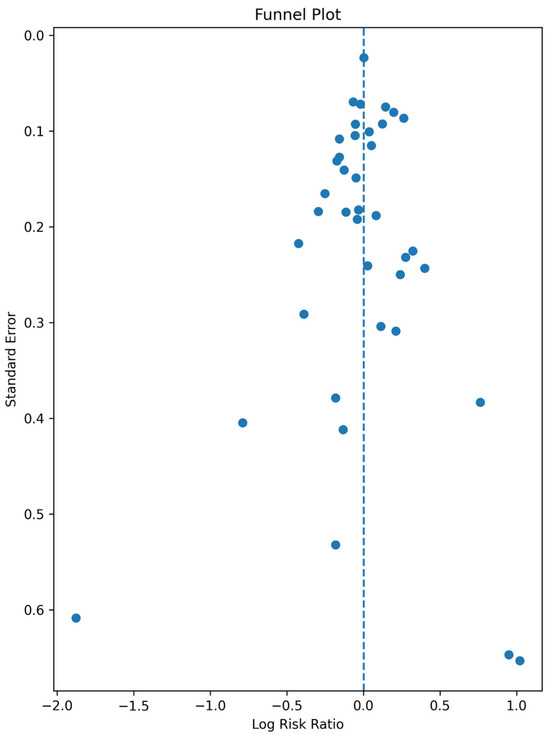
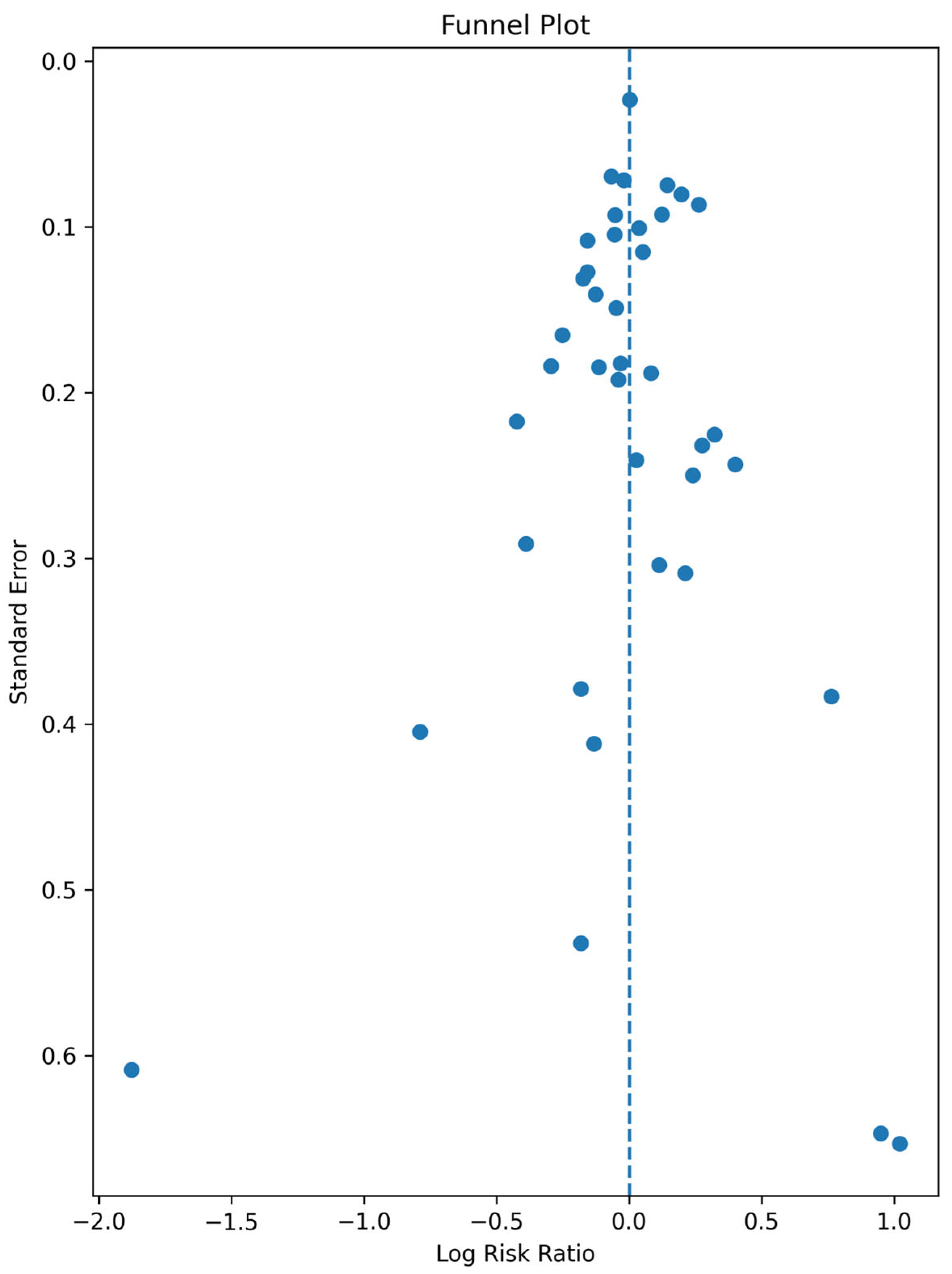
The body of evidence lacked consistency regarding the study design, patient populations, antimicrobial interventions, and outcomes. Most of the literature was randomized controlled trials, but most of the literature was not only small but also specific to the subpopulation, i.e., cystic fibrosis patients, and therefore limited its application to a broader clinical population [32,33]. Publication bias among studies included in the quantitative synthesis was assessed using a funnel plot (Figure 2).
Figure 2.
Funnel plot assessing publication bias among studies included in the quantitative meta-analysis.
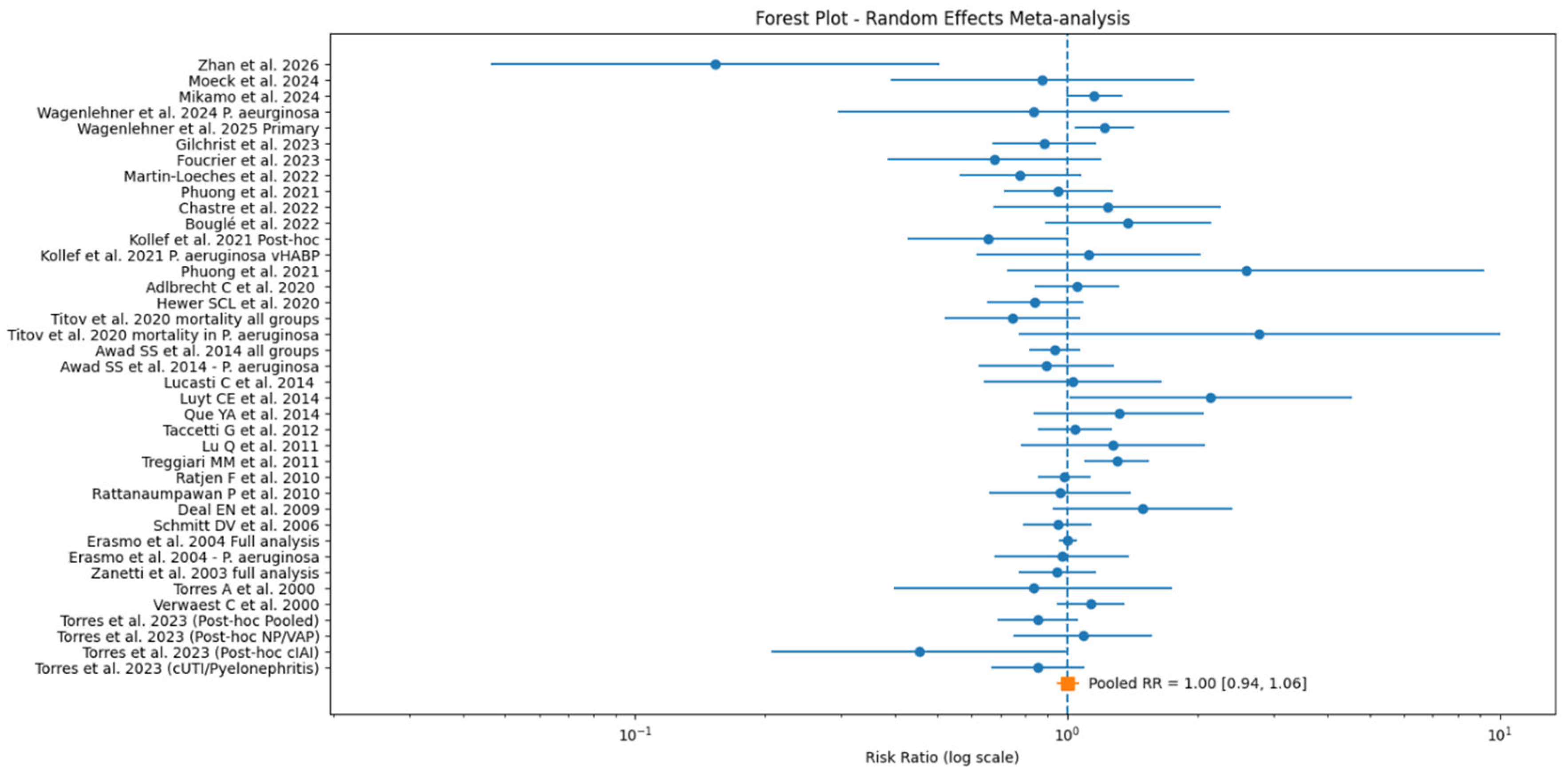
Direct comparisons across the studies were also difficult because of the overall predominance of respiratory infections and the inconsistency in reporting the treatment regimens and outcomes. In addition, the inclusion of heterogeneous study designs, like non-randomized research and PK/PD research, also introduced methodological heterogeneity. There was significant heterogeneity in the results of all included studies (Table S2). The pooled treatment effects and heterogeneity statistics from the quantitative meta-analysis are presented in Figure 3.
Figure 3.
Forest plot. Cochran Q: 69.6154. Degrees of freedom: 38, H2: 1.8320. With fixed-effect model: Fixed RR: 1.0090; 95% CI: [0.9777, 1.0413]. With random effect model: Random RR: 1.0018; 95% CI: [0.9444, 1.0628]; EGGER TEST Intercept: −0.1197; p-value: 0.5838 [15,17,18,34,35,36,37,38,39,40,41,42,43,44,45,46,47,48,49,50,51,52,53,54,55,56,57,58,59].
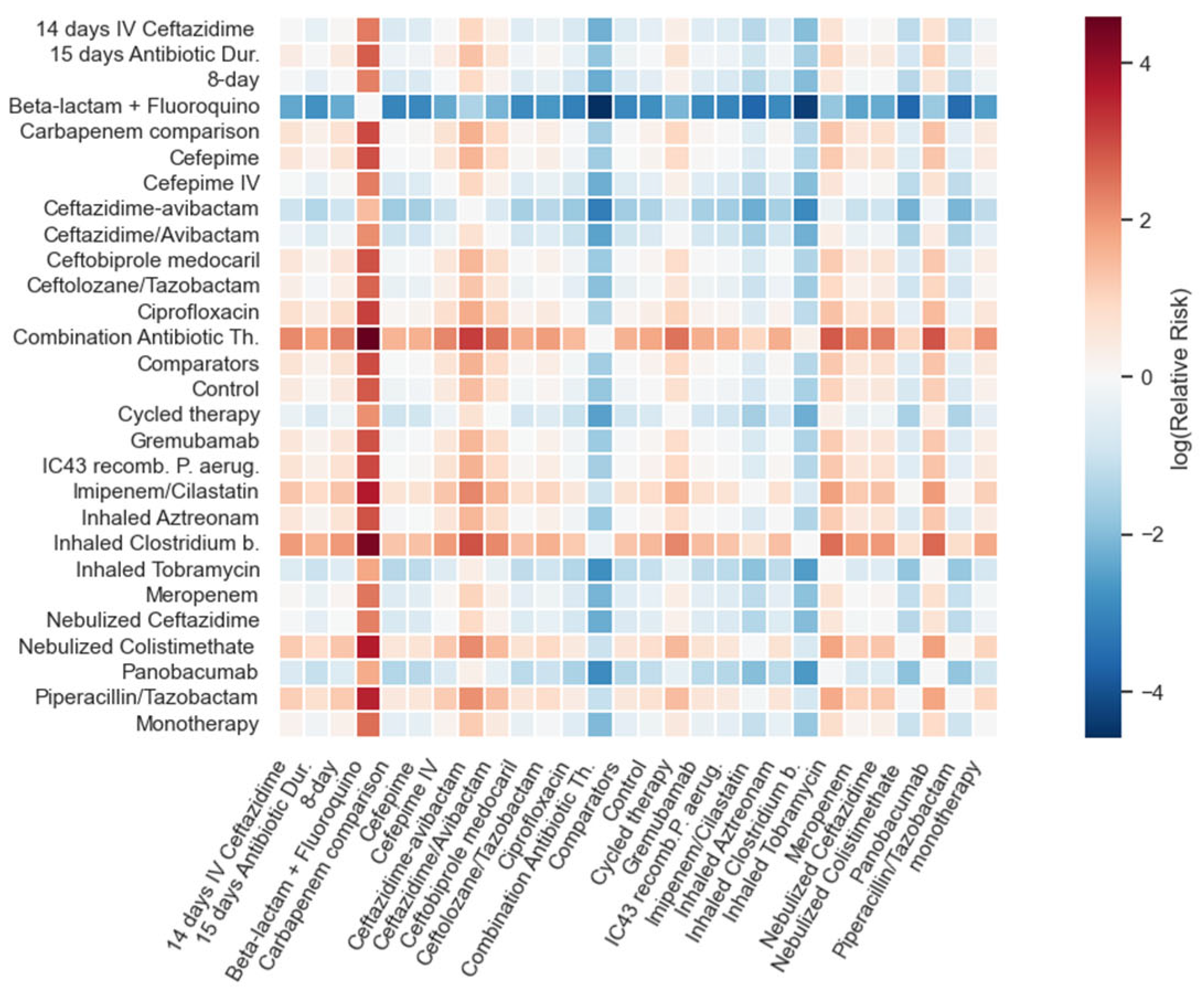
To provide further evidence, we conducted a network meta-analysis. Based on the network meta-analysis, Combination Antibiotic therapy [17] study in COPD patients) showed the most favorable estimated treatment effect (d_mean = −1.89), followed by Inhaled Clostridium butyricum (d_mean = −1.63) and Imipenem/Cilastatin (d_mean = −0.96). Treatments such as Panobacumab (d_mean = 1.00) and Ceftazidime-avibactam versus comparator (d_mean = 1.27) demonstrated less favorable point estimates. However, interpretation should consider the associated uncertainty intervals, as treatment rankings based solely on point estimates may not reflect statistically significant differences. The league table generated from the network meta-analysis is presented in Figure 4. Estimated treatment effects relative to comparator treatments are summarized in Table 3.
Figure 4.
League table from the network meta-analysis showing relative treatment effect estimates across antimicrobial interventions.
Table 3.
Estimated treatment effects relative to comparator treatments from the network meta-analysis.
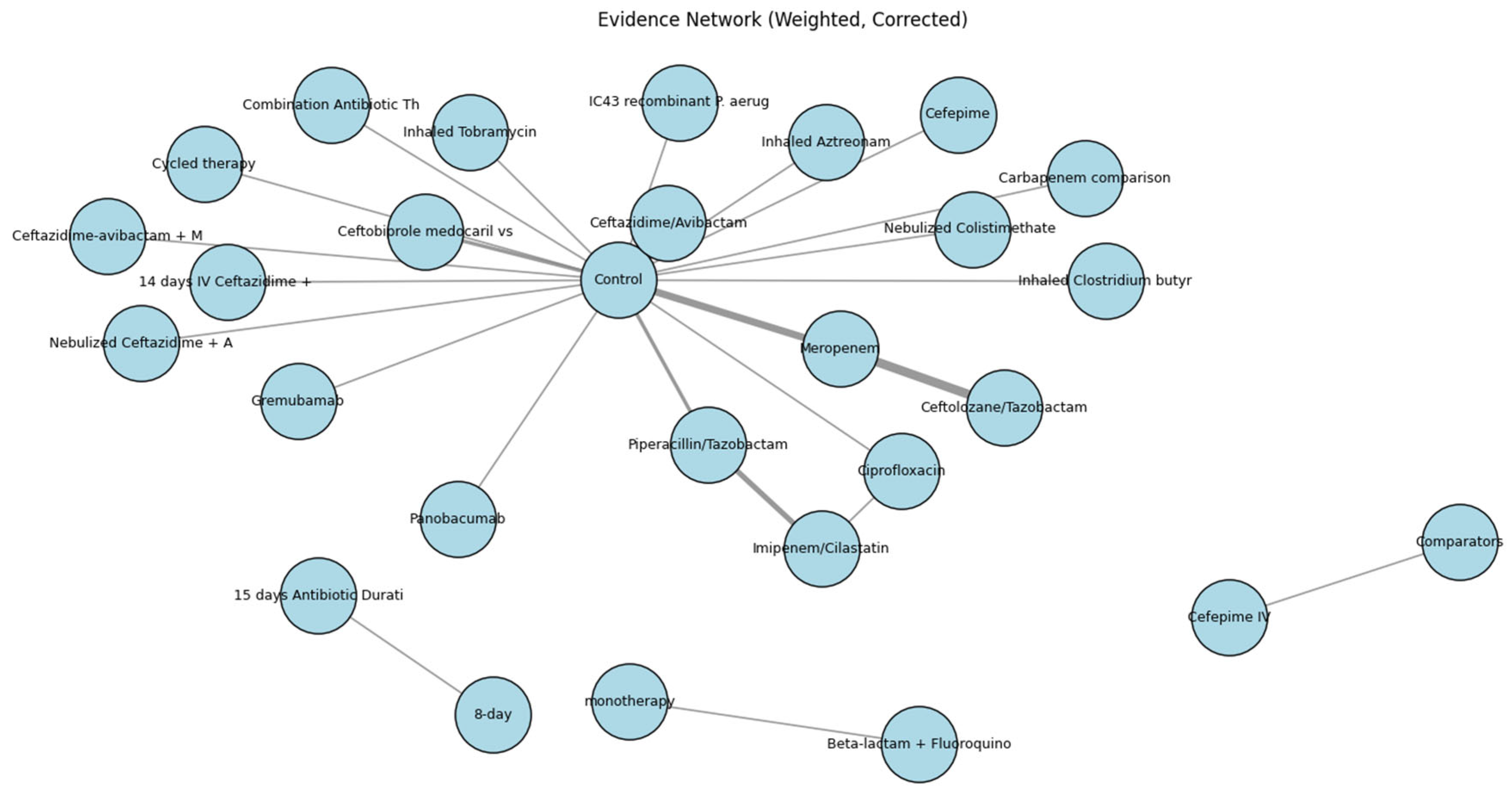
The network of treatment comparisons included in the network meta-analysis is illustrated in Figure 5.
Figure 5.
Treatment network illustrating direct and indirect comparisons among antimicrobial interventions included in the network meta-analysis. Nodes represent antimicrobial interventions, while connecting lines represent direct comparisons between treatments. Thicker lines indicate comparisons supported by a greater amount of evidence (weighted comparisons).
However, a group of studies with standardized and extractable outcomes was chosen to be included in quantitative meta-analysis. Overall, the available evidence suggests that treatment effectiveness varies across clinical settings, and no antimicrobial regimen consistently demonstrated superiority across the diverse patient populations and infection types evaluated. However, this conclusion should be interpreted cautiously because of the substantial clinical and methodological heterogeneity and the variable quality of the included studies.
Since the primary analysis and synthesis of evidence showed a high heterogeneity between the studies, we decided to conduct two separate sub-analyses.
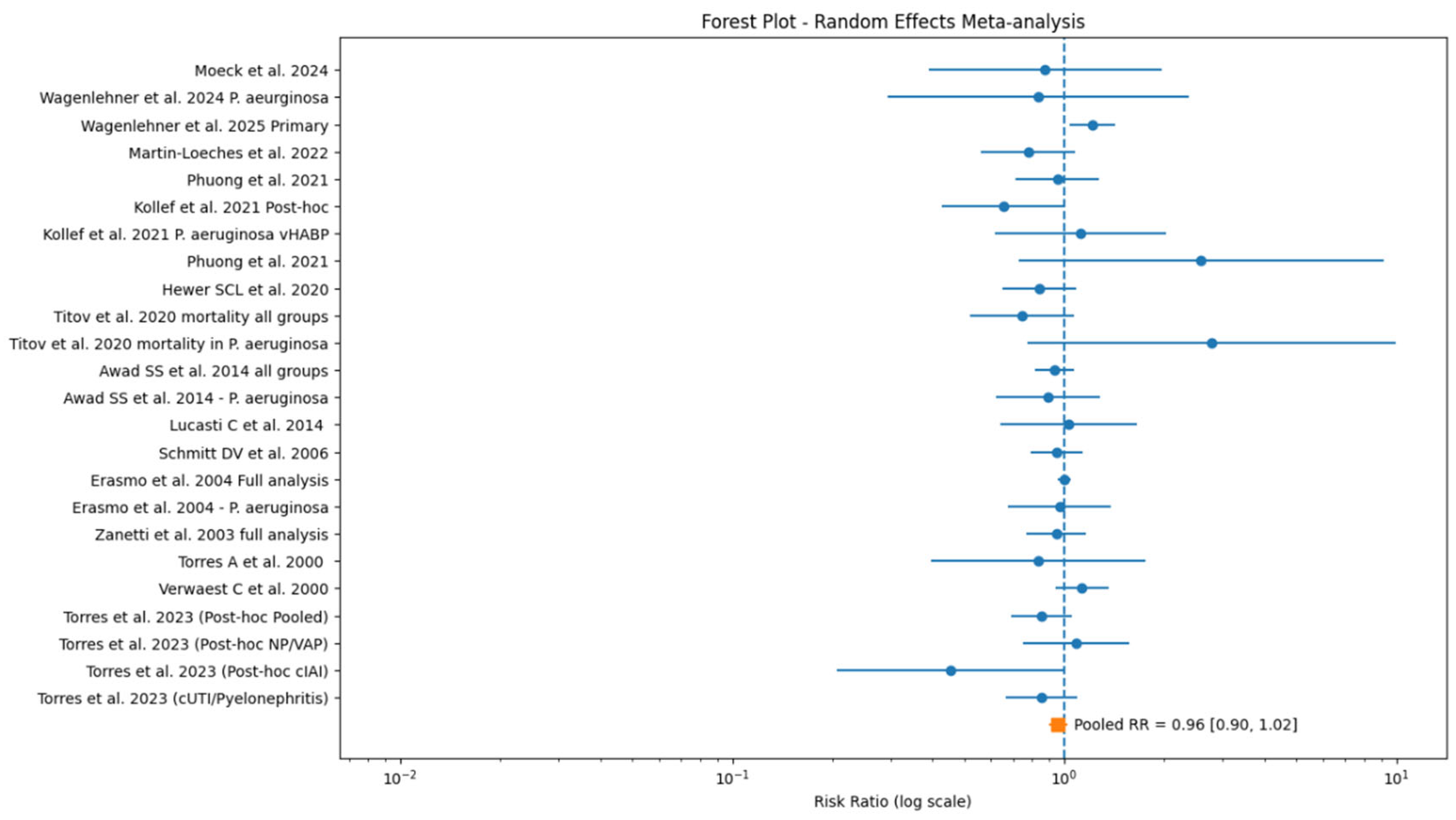
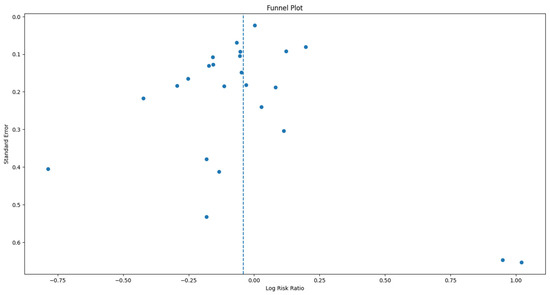
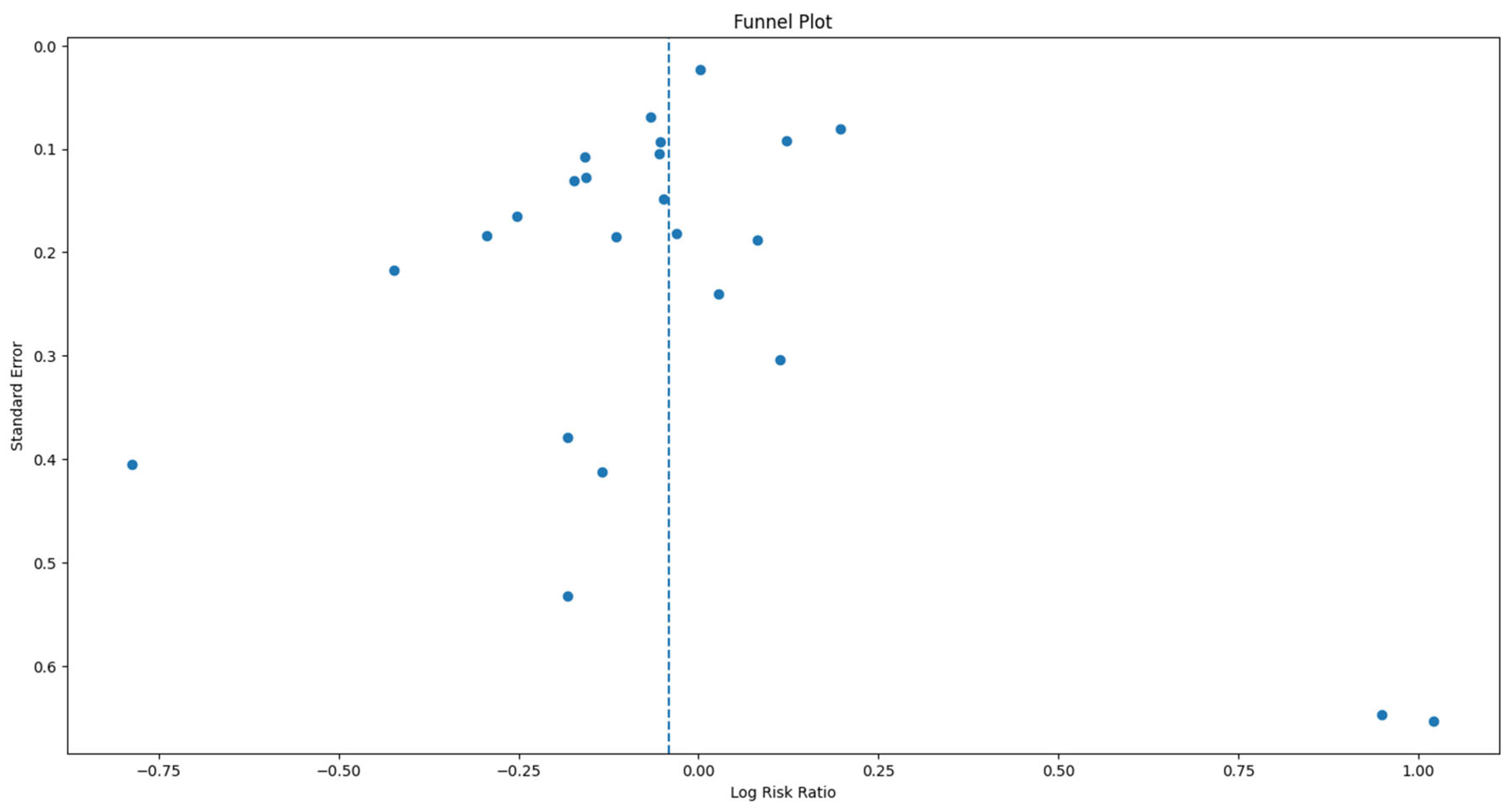
As a first sub-analysis, we conducted a meta-analysis and network meta-analysis within the subset that includes only studies that tested the IV antimicrobial therapies, had a control group, and compared a clinically relevant endpoint with direct patient benefit. This meta-analysis, including 24 studies, was performed to evaluate the pooled relative risk (RR). Using a random-effects model, the overall pooled RR was 0.96 (95% CI: 0.90–1.02), indicating no statistically significant association between the exposure and outcome. The fixed-effect model produced a similar estimate (RR: 0.99, 95% CI: 0.95–1.02), supporting the robustness of the findings across modelling approaches. Between-study heterogeneity was low to moderate (τ2 = 0.0051; I2 = 29.13%), with Cochran’s Q test suggesting no significant heterogeneity (Q = 32.45, df = 23). These results indicate acceptable consistency across included studies. Assessment of publication bias using Egger’s regression test did not indicate significant asymmetry (intercept = −0.39, p = 0.73), suggesting no strong evidence of small-study effects. Overall, the findings indicate a neutral association with limited heterogeneity and no detectable publication bias. The corresponding forest plot for the meta-analysis of IV therapies is presented in Figure 6 with Funnel plot (Figure 7).
Figure 6.
Forrest plot meta-analysis of IV therapies [15,17,18,35,37,40,43,45,46,54,55,56,57,58].
Figure 7.
Funnel plot of IV therapies. Each point represents an individual study. The blue dashed vertical line indicates the pooled effect estimate (log risk ratio), which serves as the reference for assessing the symmetry of the funnel plot and potential publication bias.
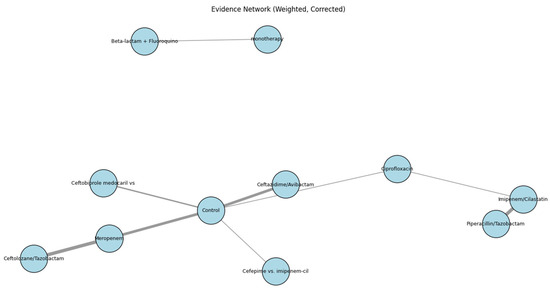
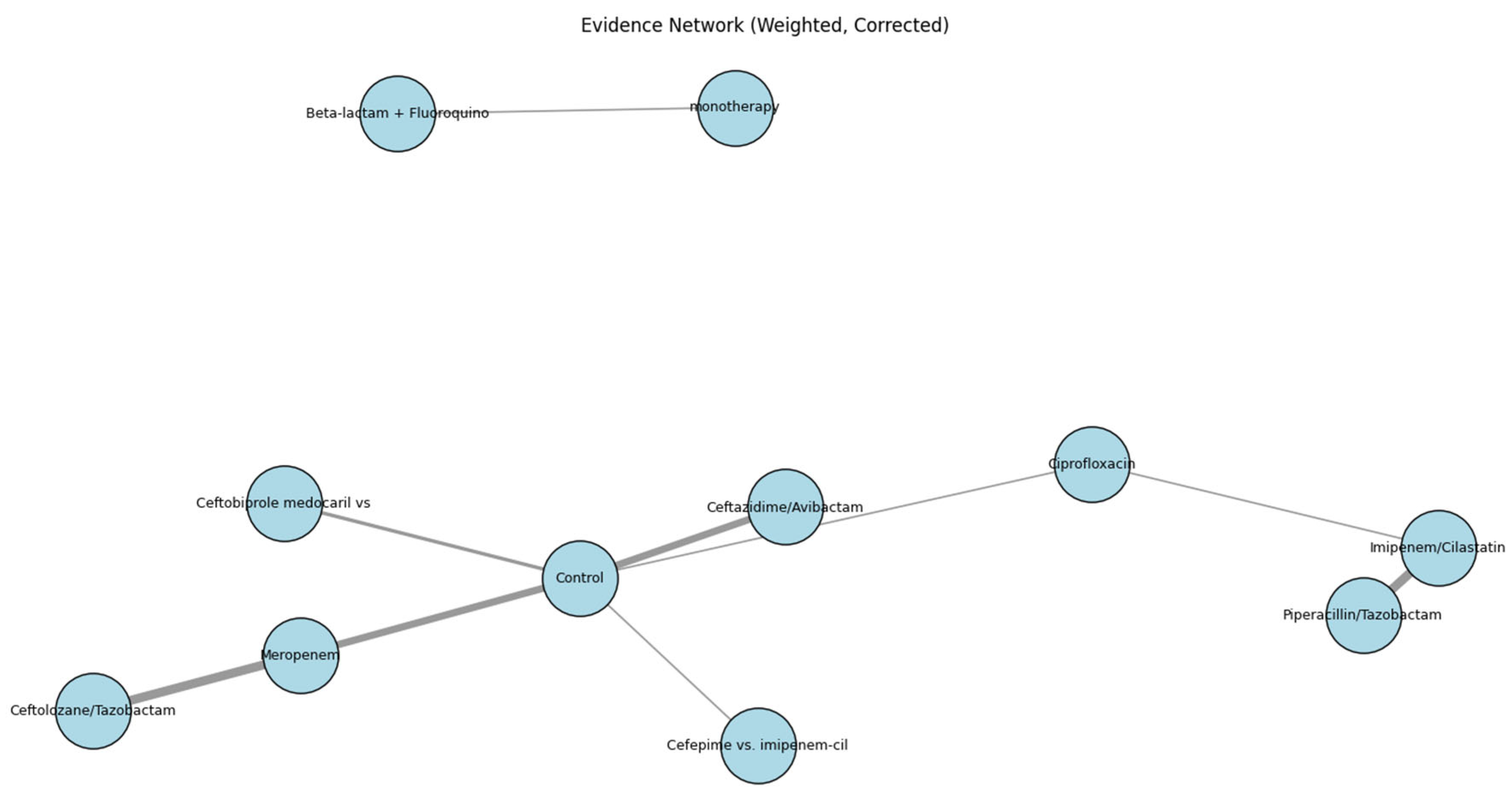
The Bayesian random-effects network meta-analysis incorporating 22 studies and 15 antimicrobial regimens demonstrated broadly comparable efficacy across treatments for Pseudomonas aeruginosa infections. The estimated relative treatment effects showed considerable overlap, with all 95% highest density intervals crossing the null value, indicating no statistically credible evidence that any regimen was superior to the reference treatment. Between-study heterogeneity was low to moderate (τ = 0.279; 95% HDI 0.034–0.625), suggesting that treatment effects were generally consistent across the included studies despite differences in patient populations and clinical settings. Ranking analysis identified cefepime/taniborbactam as having the highest probability of being the most effective treatment (SUCRA = 0.810), followed by meropenem (SUCRA = 0.683) and carbapenem comparator regimens (SUCRA = 0.662), whereas ceftazidime/tobramycin (SUCRA = 0.304) and ceftazidime/avibactam (SUCRA = 0.335) ranked lowest. However, because the posterior credible intervals substantially overlapped and no statistically significant differences were observed between treatments, these rankings should be interpreted as probabilistic rather than definitive measures of comparative efficacy. Furthermore, the Bayesian model exhibited convergence issues, including 217 divergent transitions, an elevated R-hat for the heterogeneity parameter, and a low effective sample size for τ, indicating uncertainty in the posterior estimates and suggesting that the treatment rankings should be interpreted with caution. Overall, the findings indicate that currently available anti-pseudomonal regimens provide broadly similar clinical outcomes, with no convincing evidence supporting the superiority of any single antimicrobial therapy. The corresponding network meta-analysis of IV therapies is presented in Figure 8.
Figure 8.
Network meta-analysis of IV therapies. Nodes represent individual antimicrobial interventions, while connecting lines represent direct comparisons between treatments included in the network meta-analysis. Thicker lines indicate comparisons supported by a greater amount of evidence (weighted comparisons).
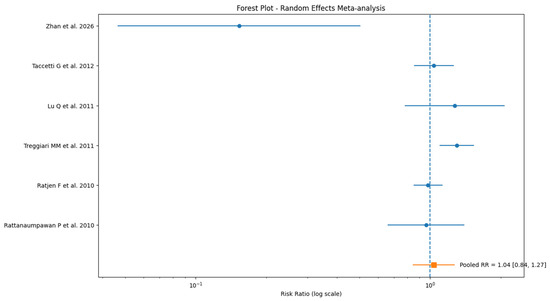
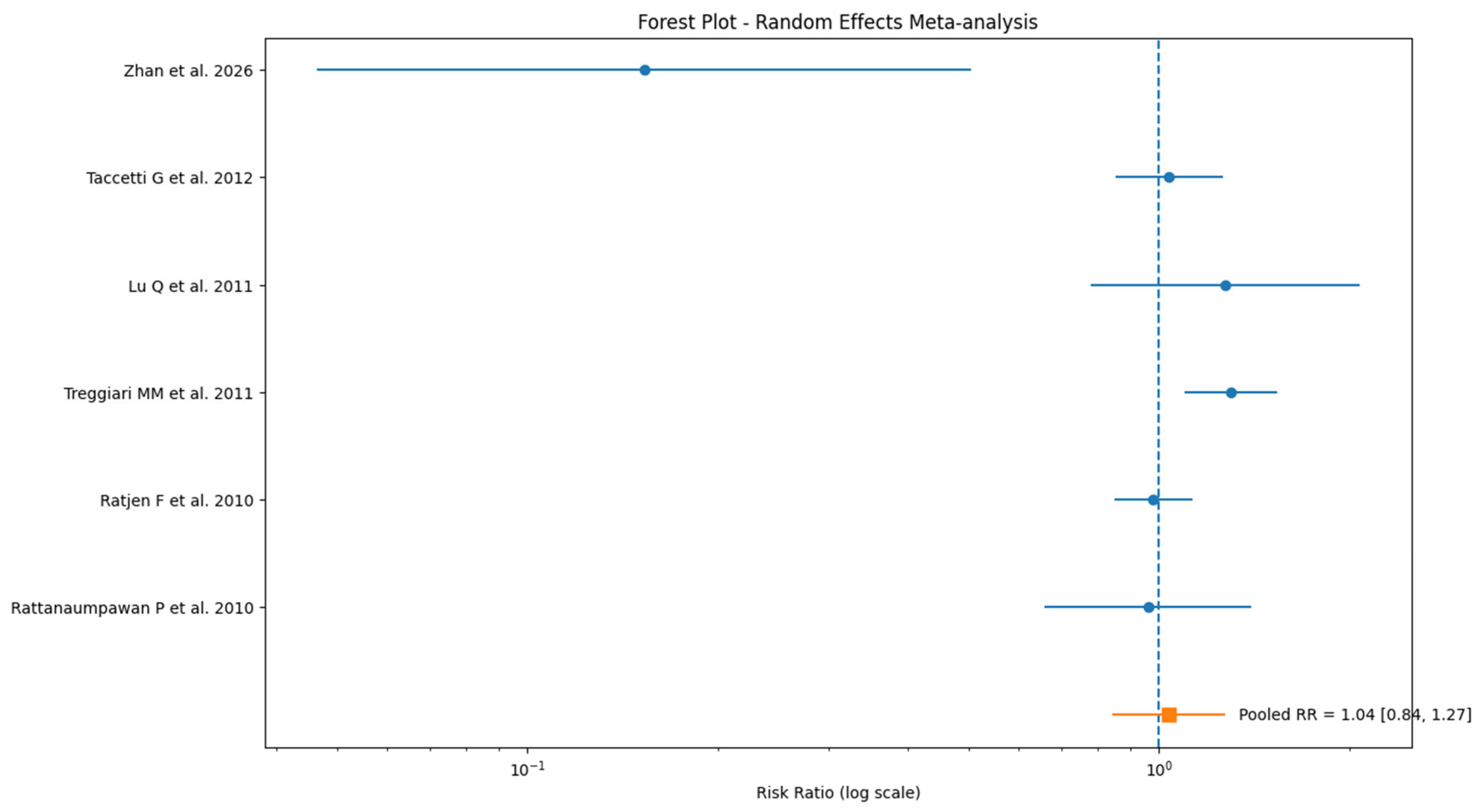
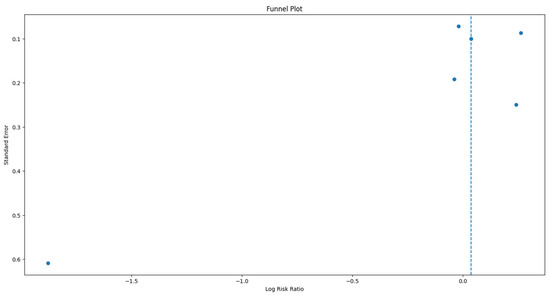
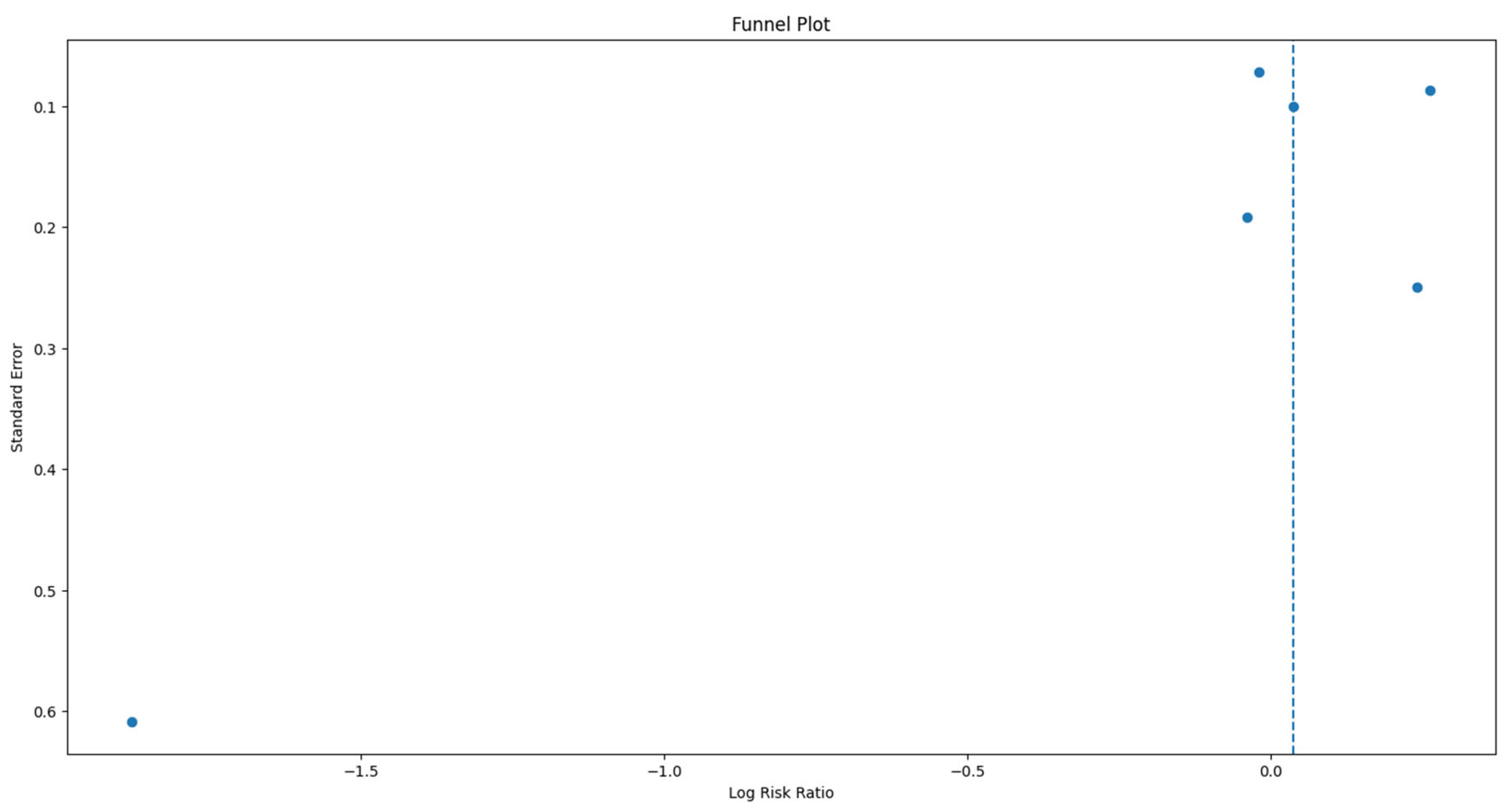
As the second sub-analysis, we also separated studies with inhaled antimicrobials. A total of 6 studies were included in the meta-analysis. The pooled random-effects risk ratio (RR) was 1.037 (95% CI: 0.845–1.273), indicating no statistically significant association between exposure and outcome. Substantial heterogeneity was observed (I2 = 71.64%, τ2 = 0.0381; Cochran’s Q = 17.63, df = 5), suggesting notable between-study variability. The fixed-effect model produced a similar estimate (RR = 1.071, 95% CI: 0.979–1.172). Sensitivity analysis using leave-one-out procedures showed stable results, with pooled estimates ranging from 0.969 to 1.090, indicating no single study disproportionately influenced the overall effect. Egger’s test did not indicate significant publication bias (intercept = −1.634, p = 0.256). The 95% prediction interval (0.672–1.601) further reflected uncertainty and heterogeneity across potential future studies. Overall, the findings do not support a statistically significant association, though heterogeneity suggests underlying differences across studies. The corresponding forest plot for the meta-analysis of inhaled therapies is presented in Figure 9 and funnel plot for the meta-analysis of inhaled therapies is presented in Figure 10.
Figure 9.
Forrest plot meta-analysis of inhaled therapies [34,48,49,50,51,52].
Figure 10.
Funnel plot meta-analysis of inhaled therapies. Each point represents an individual study. The blue dashed vertical line indicates the pooled effect estimate (log risk ratio), which serves as the reference for assessing the symmetry of the funnel plot and potential publication bias.
The strongest effect was observed in a [34] study with Oxygen-driven nebulization of Clostridium butyricum for P. aeruginosa pneumonia prevention. However, this effect was only observed in a single multicenter, randomized, single-blind, parallel-group, controlled study design, and, to the best of our knowledge, has not yet been replicated.
4. Discussion
The systematic review provides a synthesis of the evidence in a large and methodologically heterogeneous literature base and shows that the management of Pseudomonas aeruginosa infections is a complex problem. Despite the presence of antimicrobial classes and several randomized controlled trials, there is evidence that suggests similar efficacy of each of the treatment approaches. Instead, the impact of treatment appears to be quite circumstantial and dependent on the site of the infection, host factors, antimicrobial exposure, and adaptive capacity of the pathogen.
The disproportionate focus on respiratory infections, in particular, in the cohort of cystic fibrosis patients is one of the most notable features of the existing evidence base that facilitates interpretation but limits generalizability. Small alterations in the functioning of the lungs have been demonstrated to be associated with reductions in bacterial density and inhaled antibiotic treatment (mainly tobramycin and aztreonam) in numerous randomized trials [13,25,60,61]. They are not permanent, though, and do not generally result in lasting disease cure, as evidenced by recurrence rates and long-term follow-up [62,63]. This kind of separation is a serious problem in the treatment of P. aeruginosa: the ability to achieve temporary microbiological suppression, and not complete eradication.
Across comparative trials of treatment modalities, superiority hypotheses were generally not demonstrated. Therefore, in clinical trials involving intra-abdominal infections and ventilator-associated bloodstream infections, treatment outcomes can be expected to be broadly similar across treatment arms, partly because antimicrobial therapy alone does not always achieve cure as a stand-alone intervention.
Clinical cure rates of beta-lactam-based, carbapenem-based treatment, and even more recent drugs such as ceftolozane-tazobactam have similar clinical curative rates to randomized studies, yet demonstrate that the therapeutic limitations of P. aeruginosa infections are constrained by the drug of choice compared to biological and pharmacological factors, which limit effective bacterial eradication.
Combination regimens have been proposed to exhibit synergistic activity and suppress the emergence of resistance. After a careful review of the available evidence, we identified a study conducted by Arnaud Foucrier et al. (2023) [39]. In this study, the authors effectively addressed one of the key questions by demonstrating that monotherapy and combination antibiotic therapy were similar in terms of the recurrence rate of VAP, the incidence of extrapulmonary infections, and the acquisition of multidrug-resistant (MDR) bacteria during ICU stay. In this study, combination therapy consisted of a β-lactam plus an aminoglycoside or a fluoroquinolone, or a combination of a fluoroquinolone and an aminoglycoside. In contrast, definitive monotherapy was the use of a single active antimicrobial agent (a β-lactam, fluoroquinolone, or colistin), administered as directed antibiotic therapy throughout the entire treatment duration.
The first mechanistic explanation that can be offered for these observations of the limited efficacy of combination therapy is the heterogeneity of pharmacodynamics and pharmacokinetics of chronically infected and critically ill groups. Other authors observe that the interpatient variability of the beta-lactam exposure is highly variable, and even in the instance of a dose that is typically used, subtherapeutic concentrations are common [26,27]. Also, drug diffusion and biofilm-secreting respiratory secretions of the infected compartments are also postulated on impaired drug penetration despite the seemingly adequate systemic concentrations [64]. The reason behind the reduced drug activity can also be attributed to the fact that P. aeruginosa can form biofilm and adaptive resistance that results in phenotypic tolerance that cannot be detected by conventional susceptibility tests.
Another rather illustrative study that was excluded from sub-analyses due to being a prospective observational study was conducted [65]. In the study, it was concluded that imipenem-, meropenem-, and doripenem-treated patients had similar VAP recurrence rates (41%, 25%, and 22%, respectively; p = 0.15) and mortality rates (47%, 25%, and 22%, respectively; p = 0.07). Carbapenem resistance emerged similarly among patients treated with any carbapenem. No carbapenem was superior to another for preventing the emergence of carbapenem resistance. Our systematic review helps to draw very similar conclusions. That is, in the majority of cases, if Pseudomonas aeruginosa is susceptible to the prescribed antimicrobial, prescribing an additional antimicrobial for synergetic effects alone is unlikely to lead to significantly better outcomes. This conclusion also appears to extend to inhaled antibiotic strategies, although the evidence derives from a different clinical context and study design. For example, it was reported that no statistically significant differences between treatment strategies were observed and the odds ratios for Pseudomonas aeruginosa–positive cultures were 0.78 (95% CI, 0.49–1.23) for cycled versus culture-based therapy and 1.10 (95% CI, 0.71–1.71) for ciprofloxacin versus placebo, indicating no significant between-group differences [50].
It is also increasingly difficult to treat because of antimicrobial resistance. The most widespread treatments are not active, e.g., fluoroquinolones [23], which is why antimicrobial resistance becomes a major contributor to the problem of effective and timely treatment of the disease. Even in these cases, however, there will be no single solution by which the adaptive properties of the organism will be able to be fully overcome.
Interestingly, there are pathogen-directed novel interventions for the treatment of Pseudomonas aeruginosa infections. In the randomized study of 310 patients, inhaled Clostridium butyricum delivered via oxygen-driven nebulization significantly reduced the incidence of drug-resistant bacterial pneumonia compared with oral capsules (1.97% vs. 46.45%; RR 23.54, 95% CI 7.58–73.08). The inhaled formulation also led to improved clinical parameters and reduced respiratory bacterial colonization [34]. Another promising intervention is adjunctive immunotherapy with the anti-Pseudomonas aeruginosa LPS monoclonal antibody panobacumab. In a post hoc analysis of a phase IIa trial, patients receiving the full three-dose regimen demonstrated higher clinical resolution rates and a shorter time to recovery compared with those not treated with the antibody (85% vs. 64%; p = 0.048), despite having greater baseline disease severity [47].
However, in the EVADE phase 2 randomized controlled trial (n = 188), the bispecific monoclonal antibody MEDI3902 (gremubamab) did not reduce the incidence of nosocomial Pseudomonas aeruginosa pneumonia compared with placebo in mechanically ventilated, colonised patients (22.4% vs. 18.1%; p = 0.49). The estimated effect showed no significant relative risk reduction, and safety outcomes were comparable between groups [41]. In another randomized, double-blind phase 2/3 trial (n = 800), the IC43 Pseudomonas aeruginosa vaccine did not reduce 28-day all-cause mortality compared with placebo (29.2% vs. 27.7%; p = 0.67), nor did it significantly reduce infection-related outcomes [44].
There is substantial variability between studies that goes beyond study design: it is biological and clinical. They are all subject to variation, depending on host immunity, immune status, and differences in the location of the infection, and the length of the disease. This is also substantiated by the fact that most of the trials are cystic fibrosis-based and, therefore, could not have been generalized to an acute care setting, where the dynamics of the disease and the management priorities are extremely different. It is among the reasons why such a fragmented evidence base is bound to lead to the insufficiency of clear treatment recommendations.
The clinical environment outcomes allow for the refinement of conventional treatment algorithms into more personalized and precision-based approaches. It manifests itself and is reflected in the fact that the respiratory infection progresses more gradually, and the antibiotic therapy is initiated earlier [66], but it is also possible that it might be required to optimize the dosage, according to the principles of PK/PD. The influence of therapeutic drug monitoring on hard clinical results has been unclear despite the potential to increase target attainment [67], which explains why the necessity to formulate additional studies arises.
The review has strengths such as the breadth of included studies in the review and the synthesis of clinical, microbiological, and pharmacological evidence. The limitations of this review are, however, the substantial heterogeneity, variability in study quality, and inconsistency in outcome definitions. Due to heterogeneity, pooled analysis was not performed on all included studies, and selected studies with standardized outcome reporting were quantitatively analyzed, allowing for a better comparative interpretation of the clinical and microbiological outcomes.
The findings of this review should be interpreted in the context of several important methodological limitations. Although quantitative synthesis was restricted to studies with standardized and extractable outcome data, considerable clinical and methodological heterogeneity remained across the included studies with respect to patient populations, infection sites, antimicrobial regimens, outcome definitions, and study designs. Furthermore, the variable methodological quality of the included evidence may have influenced the precision and reliability of the pooled estimates. Consequently, the absence of a consistently superior antimicrobial regimen should not be interpreted as evidence of equivalent efficacy across all therapeutic strategies, but rather as reflecting the diversity of clinical settings and the limitations of the available evidence. These findings support the need for standardized outcome reporting, adequately powered randomized controlled trials, and harmonized methodological approaches to strengthen the evidence base for the management of Pseudomonas aeruginosa infections.
Further studies are required where the focus is on large multicentre randomized trials that balance the outcomes and other patient groups other than cystic fibrosis. The rapid diagnostics can be applied in combination with rapid resistance profiling, where the majority of optimal individualized treatment strategies can be developed. It will also involve the need to develop new antimicrobial agents and other alternative treatments against it, so that they can be capable of addressing the issue of antimicrobial resistance that is currently arising.
5. Conclusions
In conclusion, this systematic review reveals the fact that the treatment of Pseudomonas aeruginosa infections is a complex and context-specific challenge. The range of antimicrobial agents is extensive, and it does not imply that a particular approach to treatment is universally applicable; it might be more effective in various clinical settings. These combinations of factors, such as site of infection, host factors, antimicrobial resistance patterns, and variability in drug exposure, determine the outcome of treatment. Still, these gaps in evidence base and standardization of the study design and outcome continue to hinder the development of definitive treatment guidelines. Future progress may be supported by more individualized treatment approaches that integrate clinical, microbiological, and pharmacological factors that entail clinical, microbiological, and pharmacological factors. Quantitative synthesis did not demonstrate consistent evidence supporting the superiority of any antimicrobial regimen across the evaluated clinical settings; however, this finding should be interpreted in light of the clinical and methodological heterogeneity of the available evidence. Future research should prioritize harmonized outcome measures, adequately powered multicentre randomized controlled trials, optimization of antimicrobial dosing strategies, and rigorous evaluation of emerging therapeutic approaches to strengthen the evidence base for the management of Pseudomonas aeruginosa infections.
Supplementary Materials
The following supporting information can be downloaded at https://www.mdpi.com/article/10.3390/life16081267/s1. Supplementary Materials. Additional data, statistical analyses, and computational resources supporting the findings of this study are provided. Supplementary File S1 (Analysis_V2.py) contains the Python code used for data processing, statistical analyses, and generation of quantitative synthesis outputs. Supplementary File S2 (meta_analysis_results.xlsx) provides the results of the conventional pairwise meta-analysis, including pooled effect estimates, confidence intervals, and heterogeneity statistics. Supplementary File S3 (Network meta V2.py) contains the Python code used for Bayesian network meta-analysis, including model specification, Markov chain Monte Carlo sampling, posterior estimation, and treatment ranking procedures. Supplementary File S4 (NMA_report 4 chains.xlsx) presents the complete Bayesian network meta-analysis output generated using four independent Markov chain Monte Carlo chains, including posterior estimates, convergence diagnostics, and treatment comparison results. Supplementary File S5 (Quant_meta_V2.xlsx) provides the quantitative meta-analysis dataset used for statistical analyses, including extracted study-level characteristics, interventions, comparators, and outcome data. Supplementary File S6 (Table S1. Selected_studies_review.xlsx) summarizes the characteristics of studies included in the systematic review. Supplementary File S7 (Table S2.xlsx) contains additional extracted study-level variables and outcome data supporting the quantitative synthesis and network meta-analysis.
Author Contributions
Conceptualization, S.A.; methodology, S.A., E.S.; formal analysis, S.A.; investigation, S.A., T.T. and D.A. (Dovilė Abramavičienė); data curation, T.T., D.A. (Dalia Akramienė); writing—original draft preparation, S.A. and T.T.; writing—review and editing, S.A., D.A. (Dalia Akramienė), D.A. (Dovilė Abramavičienė) and E.S.; visualization, S.A.; supervision, D.A. (Dalia Akramienė). All authors have read and agreed to the published version of the manuscript.
Funding
This research received no external funding.
Institutional Review Board Statement
Not applicable.
Informed Consent Statement
Not applicable.
Data Availability Statement
The data obtained, Excel data extraction, synthesis, and quantitative analysis are supplied in the Supplementary Materials attached to this article.
Acknowledgments
The authors would like to thank Giedrius Šėmys and Ieva Vienažindytė for their contribution to the article selection. During the preparation of this manuscript, the author(s) used ChatGPT (OpenAI), GPT-5.5 for language editing and text structuring. The authors have reviewed and edited the output and take full responsibility for the content of this publication.
Conflicts of Interest
The authors declare no conflicts of interest.
Abbreviations
The following abbreviations are used in this manuscript:
| AUC/MIC | Area Under the Curve to Minimum Inhibitory Concentration Ratio |
| CF | Cystic Fibrosis |
| CI | Confidence Interval |
| CRP | C-Reactive Protein |
| FEV1 | Forced Expiratory Volume in One Second |
| FVC | Forced Vital Capacity |
| ICU | Intensive Care Unit |
| IL-6 | Interleukin-6 |
| INH | Inhalation |
| IV | Intravenous |
| MDR | Multidrug-Resistant |
| MIC | Minimum Inhibitory Concentration |
| NHLBI | National Heart, Lung, and Blood Institute |
| PK/PD | Pharmacokinetics/Pharmacodynamics |
| PO | Oral (Per Os) |
| PRISMA | Preferred Reporting Items for Systematic Reviews and Meta-Analyses |
| RCT | Randomized Controlled Trial |
| RR | Risk Ratio |
| T>MIC | Time Above Minimum Inhibitory Concentration |
| TNF-alpha | Tumor Necrosis Factor Alpha |
| XDR | Extensively Drug-Resistant |
References
- Driscoll, J.A.; Brody, S.L.; Kollef, M.H. The Epidemiology, Pathogenesis and Treatment of Pseudomonas aeruginosa Infections. Drugs 2007, 67, 351–368. [Google Scholar] [CrossRef] [Scilit] [PubMed]
- Moradali, M.F.; Ghods, S.; Rehm, B.H. Pseudomonas aeruginosa lifestyle: A paradigm for adaptation, survival, and persistence. Front. Cell. Infect. Microbiol. 2017, 7, 39. [Google Scholar] [CrossRef] [Scilit] [PubMed]
- Elborn, J.S. Adult Care in Cystic Fibrosis. Semin. Respir. Crit. Care Med. 2019, 40, 857–868. [Google Scholar] [CrossRef] [Scilit] [PubMed]
- Sati, H.; Carrara, E.; Savoldi, A.; Hansen, P.; Garlasco, J.; Campagnaro, E.; Boccia, S.; Castillo-Polo, J.A.; Magrini, E.; Garcia-Vello, P. The WHO Bacterial Priority Pathogens List 2024: A prioritisation study to guide research, development, and public health strategies against antimicrobial resistance. Lancet Infect. Dis. 2025, 25, 1033–1043. [Google Scholar] [CrossRef] [Scilit] [PubMed]
- Lambert, P. Mechanisms of antibiotic resistance in Pseudomonas aeruginosa. J. R. Soc. Med. 2002, 95, 22. [Google Scholar] [PubMed]
- Bassetti, M.; Peghin, M.; Vena, A.; Giacobbe, D.R. Treatment of infections due to MDR Gram-negative bacteria. Front. Med. 2019, 6, 74. [Google Scholar] [CrossRef] [Scilit] [PubMed]
- Hsu, A.J.; Tamma, P.D. Treatment of multidrug-resistant Gram-negative infections in children. Clin. Infect. Dis. 2014, 58, 1439–1448. [Google Scholar] [CrossRef] [Scilit] [PubMed]
- Roberts, J.A.; Abdul-Aziz, M.H.; Lipman, J.; Mouton, J.W.; Vinks, A.A.; Felton, T.W.; Hope, W.W.; Farkas, A.; Neely, M.N.; Schentag, J.J. Individualised antibiotic dosing for patients who are critically ill: Challenges and potential solutions. Lancet Infect. Dis. 2014, 14, 498–509. [Google Scholar] [CrossRef] [Scilit] [PubMed]
- VanDyke, R.D.; McPhail, G.L.; Huang, B.; Fenchel, M.C.; Amin, R.S.; Carle, A.C.; Chini, B.A.; Seid, M. Inhaled tobramycin effectively reduces FEV1 decline in cystic fibrosis. An instrumental variables analysis. Ann. Am. Thorac. Soc. 2013, 10, 205–212. [Google Scholar] [CrossRef] [Scilit] [PubMed]
- Cogen, J.; Emerson, J.; Sanders, D.B.; Ren, C.; Schechter, M.S.; Gibson, R.L.; Morgan, W.; Rosenfeld, M.; for the EPIC Study Group. Risk factors for lung function decline in a large cohort of young cystic fibrosis patients. Pediatr. Pulmonol. 2015, 50, 763–770. [Google Scholar] [CrossRef] [Scilit] [PubMed]
- Chuchalin, A.; Csisz??r, E.; Gyurkovics, K.; Bartnicka, M.T.; Sands, D.; Kapranov, N.; Varoli, G.; Monici Preti, P.A.; Mazurek, H. A Formulation of Aerosolized Tobramycin (Bramitob??) in the Treatment of Patients with Cystic Fibrosis and Pseudomonas aeruginosa Infection: A Double-Blind, Placebo-Controlled, Multicenter Study. Pediatr. Drugs 2007, 9, 21–31. [Google Scholar] [CrossRef] [Scilit] [PubMed]
- Konstan, M.W.; Flume, P.A.; Galeva, I.; Wan, R.; Debonnett, L.M.; Maykut, R.J.; Angyalosi, G. One-year safety and efficacy of tobramycin powder for inhalation in patients with cystic fibrosis. Pediatr. Pulmonol. 2016, 51, 372–378. [Google Scholar] [CrossRef] [Scilit] [PubMed]
- McCoy, K.S.; Quittner, A.L.; Oermann, C.M.; Gibson, R.L.; Retsch-Bogart, G.Z.; Montgomery, A.B. Inhaled Aztreonam Lysine for Chronic Airway Pseudomonas aeruginosa in Cystic Fibrosis. Am. J. Respir. Crit. Care Med. 2008, 178, 921–928. [Google Scholar] [CrossRef] [Scilit] [PubMed]
- Chastre, J.; Wunderink, R.; Prokocimer, P.; Lee, M.; Kaniga, K.; Friedland, I. Efficacy and safety of intravenous infusion of doripenem versus imipenem in ventilator-associated pneumonia: A multicenter, randomized study. Crit. Care Med. 2008, 36, 1089–1096. [Google Scholar] [CrossRef] [Scilit] [PubMed]
- Lucasti, C.; Hershberger, E.; Miller, B.; Yankelev, S.; Steenbergen, J.; Friedland, I.; Solomkin, J. Multicenter, Double-Blind, Randomized, Phase II Trial To Assess the Safety and Efficacy of Ceftolozane-Tazobactam plus Metronidazole Compared with Meropenem in Adult Patients with Complicated Intra-Abdominal Infections. Antimicrob. Agents Chemother. 2014, 58, 5350–5357. [Google Scholar] [CrossRef] [Scilit] [PubMed]
- Tan, L.; Wang, H.; Li, C.; Pan, Y. 16S rDNA-based metagenomic analysis of dental plaque and lung bacteria in patients with severe acute exacerbations of chronic obstructive pulmonary disease. J. Periodontal Res. 2014, 49, 760–769. [Google Scholar] [CrossRef] [Scilit] [PubMed]
- Thu, P.N.T.; Huong, M.N.T.; Thi, N.T.; Thanh, H.N.; Minh, K.P. Combination antibiotic therapy versus monotherapy in the treatment of acute exacerbations of chronic obstructive pulmonary disease: An open-label randomized trial. BMC Infect. Dis. 2021, 21, 1019. [Google Scholar] [CrossRef] [Scilit] [PubMed]
- Awad, S.S.; Rodriguez, A.H.; Chuang, Y.-C.; Marjanek, Z.; Pareigis, A.J.; Reis, G.; Scheeren, T.W.; Sánchez, A.S.; Zhou, X.; Saulay, M. A phase 3 randomized double-blind comparison of ceftobiprole medocaril versus ceftazidime plus linezolid for the treatment of hospital-acquired pneumonia. Clin. Infect. Dis. 2014, 59, 51–61. [Google Scholar] [CrossRef] [Scilit] [PubMed]
- Saltzstein, D.; Wachs, B.; Perroncel, R.; Benson, A.; Herrington, J.; Haverstock, D.; Pertel, P. Complicated Urinary Tract Infections Treated with Extended-Release Ciprofloxacin with Emphasis on Pseudomonas aeruginosa. J. Chemother. 2007, 19, 694–702. [Google Scholar] [CrossRef] [Scilit] [PubMed]
- Parker, C.M.; Kutsogiannis, J.; Muscedere, J.; Cook, D.; Dodek, P.; Day, A.G.; Heyland, D.K.; Group, C.C.C.T. Ventilator-associated pneumonia caused by multidrug-resistant organisms or Pseudomonas aeruginosa: Prevalence, incidence, risk factors, and outcomes. J. Crit. Care 2008, 23, 18–26. [Google Scholar] [CrossRef] [Scilit] [PubMed]
- Gibson, R.L.; Emerson, J.; McNamara, S.; Burns, J.L.; Rosenfeld, M.; Yunker, A.; Hamblett, N.; Accurso, F.; Dovey, M.; Hiatt, P.; et al. Significant Microbiological Effect of Inhaled Tobramycin in Young Children with Cystic Fibrosis. Am. J. Respir. Crit. Care Med. 2003, 167, 841–849. [Google Scholar] [CrossRef] [Scilit] [PubMed]
- Tiddens, H.; De Boeck, K.; Clancy, J.P.; Fayon, M.; HGM, A.; Bresnik, M.; Derchak, A.; Lewis, S.A.; Oermann, C.M.; ALPINE study investigators. Study Open label study of inhaled aztreonam for Pseudomonas eradication in children with cystic fibrosis: The ALPINE study. J. Cyst. Fibros. 2015, 14, 111–119. [Google Scholar] [CrossRef] [Scilit] [PubMed]
- Oldenburg, C.E.; Lalitha, P.; Srinivasan, M.; Rajaraman, R.; Ravindran, M.; Mascarenhas, J.; Borkar, D.S.; Ray, K.J.; Zegans, M.E.; McLeod, S.D.; et al. Emerging Moxifloxacin Resistance in Pseudomonas aeruginosa Keratitis Isolates in South India. Ophthalmic Epidemiol. 2013, 20, 155–158. [Google Scholar] [CrossRef] [Scilit] [PubMed]
- Assael, B.M.; Pressler, T.; Bilton, D.; Fayon, M.; Fischer, R.; Chiron, R.; LaRosa, M.; Knoop, C.; McElvaney, N.; Lewis, S.A. Inhaled aztreonam lysine vs. inhaled tobramycin in cystic fibrosis: A comparative efficacy trial. J. Cyst. Fibros. 2013, 12, 130–140. [Google Scholar] [CrossRef] [Scilit] [PubMed]
- Wainwright, C.E.; Vidmar, S.; Armstrong, D.S.; Byrnes, C.A.; Carlin, J.B.; Cheney, J.; Cooper, P.J.; Grimwood, K.; Moodie, M.; Robertson, C.F. Effect of bronchoalveolar lavage–directed therapy on Pseudomonas aeruginosa infection and structural lung injury in children with cystic fibrosis: A randomized trial. JAMA 2011, 306, 163–171. [Google Scholar] [CrossRef] [Scilit] [PubMed]
- Carlier, M.; Carrette, S.; Stove, V.; Verstraete, A.G.; De Waele, J.J. Does consistent piperacillin dosing result in consistent therapeutic concentrations in critically ill patients? A longitudinal study over an entire antibiotic course. Int. J. Antimicrob. Agents 2014, 43, 470–473. [Google Scholar] [CrossRef] [Scilit] [PubMed]
- Cies, J.J.; Jain, J.; Kuti, J.L. Population pharmacokinetics of the piperacillin component of piperacillin/tazobactam in pediatric oncology patients with fever and neutropenia. Pediatr. Blood Cancer 2015, 62, 477–482. [Google Scholar] [CrossRef] [Scilit] [PubMed]
- Hodson, M.E.; Gallagher, C.G.; Govan, J.R.W. A randomised clinical trial of nebulised tobramycin or colistin in cystic fibrosis. Eur. Respir. J. 2002, 20, 658–664. [Google Scholar] [CrossRef] [Scilit] [PubMed]
- Smyth, A.; Tan, K.H.; Hyman-Taylor, P.; Mulheran, M.; Lewis, S.; Stableforth, D.; Knox, A. Once versus three-times daily regimens of tobramycin treatment for pulmonary exacerbations of cystic fibrosis—The TOPIC study: A randomised controlled trial. Lancet 2005, 365, 573–578. [Google Scholar] [CrossRef] [Scilit]
- Ball, R.; Southern, K.W.; McCormack, P.; Duff, A.J.; Brownlee, K.G.; McNamara, P.S. Adherence to nebulised therapies in adolescents with cystic fibrosis is best on week-days during school term-time. J. Cyst. Fibros. 2013, 12, 440–444. [Google Scholar] [CrossRef] [Scilit] [PubMed]
- Moskowitz, S.M.; Emerson, J.C.; McNamara, S.; Shell, R.D.; Orenstein, D.M.; Rosenbluth, D.; Katz, M.F.; Ahrens, R.; Hornick, D.; Joseph, P.M.; et al. Randomized trial of biofilm testing to select antibiotics for cystic fibrosis airway infection. Pediatr. Pulmonol. 2011, 46, 184–192. [Google Scholar] [CrossRef] [Scilit] [PubMed]
- Clancy, J.P.; Dupont, L.; Konstan, M.W.; Billings, J.; Fustik, S.; Goss, C.H.; Lymp, J.; Minic, P.; Quittner, A.L.; Rubenstein, R.C. Phase II studies of nebulised Arikace in CF patients with Pseudomonas aeruginosa infection. Thorax 2013, 68, 818–825. [Google Scholar] [CrossRef] [Scilit] [PubMed]
- Serisier, D.J.; Bilton, D.; De Soyza, A.; Thompson, P.J.; Kolbe, J.; Greville, H.W.; Cipolla, D.; Bruinenberg, P.; Gonda, I.; ORBIT-2 investigators. Inhaled, dual release liposomal ciprofloxacin in non-cystic fibrosis bronchiectasis (ORBIT-2): A randomised, double-blind, placebo-controlled trial. Thorax 2013, 68, 812–817. [Google Scholar] [CrossRef] [Scilit] [PubMed]
- Zhan, M.-H.; Zhan, S.-H.; Han, H.-Q.; Kang, L.-N.; Yang, X.-G.; Chai, A.-X. Oxygen-driven nebulization of Clostridium butyricum prevents drug-resistant bacterial pneumonia. Appl. Microbiol. Biotechnol. 2026, 110, 39. [Google Scholar] [CrossRef] [Scilit] [PubMed]
- Moeck, G.; Gasink, L.B.; Mendes, R.E.; Woosley, L.N.; Dorr, M.; Chen, H.; Wagenlehner, F.M.; Henkel, T.; McGovern, P.C. Patient outcomes by baseline pathogen resistance phenotype and genotype in CERTAIN-1, a Phase 3 study of cefepime-taniborbactam versus meropenem in adults with complicated urinary tract infection. Antimicrob. Agents Chemother. 2024, 68, e00236-24. [Google Scholar] [CrossRef] [Scilit] [PubMed]
- Mikamo, H.; Nakazuru, Y.; Tabuchi, R.; Suzuki, M.; Nagashima, M.; Tawadrous, M.; Wible, M.; Ohta, M. Efficacy and safety of ceftazidime-avibactam in combination with metronidazole in Japanese patients with complicated intra-abdominal infection: A phase 3, multicentre, open-label study. J. Infect. Chemother. 2025, 31, 102598. [Google Scholar] [CrossRef] [Scilit] [PubMed]
- Wagenlehner, F.M.; Gasink, L.B.; McGovern, P.C.; Moeck, G.; McLeroth, P.; Dorr, M.; Dane, A.; Henkel, T.; Tenke, P.; Tarek, A. Cefepime-taniborbactam in complicated urinary tract infection. New Engl. J. Med. 2024, 390, 611–622. [Google Scholar] [CrossRef] [Scilit] [PubMed]
- Gilchrist, F.J.; Bui, S.; Gartner, S.; McColley, S.A.; Tiddens, H.; Ruiz, G.; Stehling, F.; Alani, M.; Gurtovaya, O.; Bresnik, M. ALPINE2: Efficacy and safety of 14-day vs 28-day inhaled aztreonam for Pa eradication in children with cystic fibrosis. J. Cyst. Fibros. 2024, 23, 80–86. [Google Scholar] [CrossRef] [Scilit] [PubMed]
- Foucrier, A.; Dessalle, T.; Tuffet, S.; Federici, L.; Dahyot-Fizelier, C.; Barbier, F.; Pottecher, J.; Monsel, A.; Hissem, T.; Lefrant, J.; et al. Association between combination antibiotic therapy as opposed as monotherapy and outcomes of ICU patients with Pseudomonas aeruginosa ventilator-associated pneumonia: An ancillary study of the iDIAPASON trial. Crit. Care 2023, 27, 211. [Google Scholar] [CrossRef] [Scilit] [PubMed]
- Martin-Loeches, I.; Timsit, J.-F.; Kollef, M.H.; Wunderink, R.G.; Shime, N.; Nováček, M.; Kivistik, Ü.; Réa-Neto, Á.; Bruno, C.J.; Huntington, J.A. Clinical and microbiological outcomes, by causative pathogen, in the ASPECT-NP randomized, controlled, Phase 3 trial comparing ceftolozane/tazobactam and meropenem for treatment of hospital-acquired/ventilator-associated bacterial pneumonia. J. Antimicrob. Chemother. 2022, 77, 1166–1177. [Google Scholar] [CrossRef] [Scilit] [PubMed]
- Chastre, J.; François, B.; Bourgeois, M.; Komnos, A.; Ferrer, R.; Rahav, G.; De Schryver, N.; Lepape, A.; Köksal, I.; Luyt, C.-E. Safety, efficacy, and pharmacokinetics of gremubamab (MEDI3902), an anti-Pseudomonas aeruginosa bispecific human monoclonal antibody, in P. aeruginosa-colonised, mechanically ventilated intensive care unit patients: A randomised controlled trial. Crit. Care 2022, 26. [Google Scholar] [CrossRef] [Scilit] [PubMed]
- Bouglé, A.; Tuffet, S.; Federici, L.; Leone, M.; Monsel, A.; Dessalle, T.; Amour, J.; Dahyot-Fizelier, C.; Barbier, F.; Luyt, C.-E. Comparison of 8 versus 15 days of antibiotic therapy for Pseudomonas aeruginosa ventilator-associated pneumonia in adults: A randomized, controlled, open-label trial. Intensive Care Med. 2022, 48, 841–849. [Google Scholar] [CrossRef] [Scilit] [PubMed]
- Timsit, J.-F.; Huntington, J.A.; Wunderink, R.G.; Shime, N.; Kollef, M.H.; Kivistik, Ã.; Novacek, M.; Rea-Neto, A.; Martin-Loeches, I.; Yu, B. Ceftolozane/tazobactam versus meropenem in patients with ventilated hospital-acquired bacterial pneumonia: Subset analysis of the ASPECT-NP randomized, controlled phase 3 trial. Crit. Care 2021, 25, 290. [Google Scholar] [CrossRef] [Scilit] [PubMed]
- Adlbrecht, C.; Wurm, R.; Depuydt, P.; Spapen, H.; Lorente, J.A.; Staudinger, T.; Creteur, J.; Zauner, C.; Meier-Hellmann, A.; Eller, P.; et al. Efficacy, immunogenicity, and safety of IC43 recombinant Pseudomonas aeruginosa vaccine in mechanically ventilated intensive care patients—A randomized clinical trial. Crit. Care 2020, 24, 74. [Google Scholar] [CrossRef] [Scilit] [PubMed]
- Hewer, S.C.L.; Smyth, A.R.; Brown, M.; Jones, A.P.; Hickey, H.; Kenna, D.; Ashby, D.; Thompson, A.; Williamson, P.R. Intravenous versus oral antibiotics for eradication of Pseudomonas aeruginosa in cystic fibrosis (TORPEDO-CF): A randomised controlled trial. Lancet Respir. Med. 2020, 8, 975–986. [Google Scholar] [CrossRef] [Scilit] [PubMed]
- Titov, I.; Wunderink, R.G.; Roquilly, A.; Gonzalez, D.R.; David-Wang, A.; Boucher, H.W.; Kaye, K.S.; Losada, M.C.; Du, J.; Tipping, R. Randomized, Double-blind, Multicenter Trial Comparing Efficacy and Safety of Imipenem/Cilastatin/Relebactam Versus Piperacillin/Tazobactam in Adults With Hospital-acquired or Ventilator-associated Bacterial Pneumonia (RESTORE-IMI 2 Study). Clin. Infect. Dis. 2021, 73, e4539. [Google Scholar] [CrossRef] [Scilit] [PubMed]
- Que, Y.-A.; Lazar, H.; Wolff, M.; François, B.; Laterre, P.-F.; Mercier, E.; Garbino, J.; Pagani, J.-L.; Revelly, J.-P.; Mus, E. Assessment of panobacumab as adjunctive immunotherapy for the treatment of nosocomial Pseudomonas aeruginosa pneumonia. Eur. J. Clin. Microbiol. Infect. Dis. 2014, 33, 1861–1867. [Google Scholar] [CrossRef] [Scilit] [PubMed]
- Taccetti, G.; Bianchini, E.; Cariani, L.; Buzzetti, R.; Costantini, D.; Trevisan, F.; Zavataro, L.; Campana, S.; Italian Group for P aeruginosa Eradication in Cystic Fibrosis. Early antibiotic treatment for Pseudomonas aeruginosa eradication in patients with cystic fibrosis: A randomised multicentre study comparing two different protocols 2012. Thorax 2012, 67, 853–859. [Google Scholar] [PubMed]
- Lu, Q.; Yang, J.; Liu, Z.; Gutierrez, C.; Aymard, G.; Rouby, J.-J. Nebulized ceftazidime and amikacin in ventilator-associated pneumonia caused by Pseudomonas aeruginosa. Am. J. Respir. Crit. Care Med. 2011, 184, 106–115. [Google Scholar] [CrossRef] [Scilit] [PubMed]
- Treggiari, M.M.; Retsch-Bogart, G.; Mayer-Hamblett, N.; Khan, U.; Kulich, M.; Kronmal, R.; Williams, J.; Hiatt, P.; Gibson, R.L.; Spencer, T. Comparative efficacy and safety of 4 randomized regimens to treat early Pseudomonas aeruginosa infection in children with cystic fibrosis. Arch. Pediatr. Adolesc. Med. 2011, 165, 847–856. [Google Scholar] [CrossRef] [Scilit] [PubMed]
- Ratjen, F.; Munck, A.; Kho, P.; Angyalosi, G.; ELITE Study Group. Treatment of early Pseudomonas aeruginosa infection in patients with cystic fibrosis: The ELITE trial 2010. Thorax 2010, 65, 286–291. [Google Scholar] [CrossRef] [Scilit] [PubMed]
- Rattanaumpawan, P.; Lorsutthitham, J.; Ungprasert, P.; Angkasekwinai, N.; Thamlikitkul, V. Randomized controlled trial of nebulized colistimethate sodium as adjunctive therapy of ventilator-associated pneumonia caused by Gram-negative bacteria. J. Antimicrob. Chemother. 2010, 65, 2645–2649. [Google Scholar] [CrossRef] [Scilit] [PubMed]
- Deal, E.N.; Micek, S.T.; Reichley, R.M.; Ritchie, D.J. Effects of an alternative cefepime dosing strategy in pulmonary and bloodstream infections caused by Enterobacter spp, Citrobacter freundii, and Pseudomonas aeruginosa: A single-center, open-label, prospective, observational study. Clin. Ther. 2009, 31, 299–310. [Google Scholar] [CrossRef] [Scilit] [PubMed]
- Schmitt, D.V.; Leitner, E.; Welte, T.; Lode, H. Piperacillin/tazobactam vs imipenem/cilastatin in the treatment of nosocomial pneumonia—A double blind prospective multicentre study. Infection 2006, 34, 127–134. [Google Scholar] [CrossRef] [Scilit] [PubMed]
- Erasmo, A.A.; Crisostomo, A.C.; Yan, L.-N.; Hong, Y.-S.; Lee, K.-U.; Lo, C.-M. Randomized comparison of piperacillin/tazobactam versus imipenem/cilastatin in the treatment of patients with intra-abdominal infection. Asian J. Surg. 2004, 27, 227–235. [Google Scholar] [CrossRef] [Scilit] [PubMed]
- Zanetti, G.; Bally, F.; Greub, G.; Garbino, J.; Kinge, T.; Lew, D.; Romand, J.-A.; Bille, J.; Aymon, D.; Stratchounski, L.; et al. Cefepime versus Imipenem-Cilastatin for Treatment of Nosocomial Pneumonia in Intensive Care Unit Patients: A Multicenter, Evaluator-Blind, Prospective, Randomized Study. Antimicrob. Agents Chemother. 2003, 47, 3442–3447. [Google Scholar] [CrossRef] [Scilit] [PubMed]
- Torres, A.; Bauer, T.T.; León-Gil, C.; Castillo, F.; Alvarez-Lerma, F.; Martínez-Pellús, A.; Leal-Noval, S.R.; Nadal, P.; Palomar, M.; Blanquer, J. Treatment of severe nosocomial pneumonia: A prospective randomised comparison of intravenous ciprofloxacin with imipenem/cilastatin. Thorax 2000, 55, 1033–1039. [Google Scholar] [CrossRef] [Scilit] [PubMed]
- Torres, A.; Wible, M.; Tawadrous, M.; Irani, P.; Stone, G.G.; Quintana, A.; Debabov, D.; Burroughs, M.; Bradford, P.A.; Kollef, M. Efficacy and safety of ceftazidime/avibactam in patients with infections caused by β-lactamase-producing Gram-negative pathogens: A pooled analysis from the Phase 3 clinical trial programme. J. Antimicrob. Chemother. 2023, 78, 2672–2682. [Google Scholar] [CrossRef] [Scilit] [PubMed]
- Verwaest, C. Meropenem versus imipenem/cilastatin as empirical monotherapy for serious bacterial infections in the intensive care unit. Clin. Microbiol. Infect. 2000, 6, 294–302. [Google Scholar] [CrossRef] [Scilit] [PubMed]
- Guan, W.; Xu, J.; Luo, H.; Xu, X.; Song, Y.; Ma, W.; Liang, Z.; Liu, X.; Zhang, G.; Zhang, X. A double-blind randomized placebo-controlled phase 3 trial of tobramycin inhalation solution in adults with bronchiectasis with Pseudomonas aeruginosa infection. Chest 2023, 163, 64–76. [Google Scholar] [CrossRef] [Scilit] [PubMed]
- Konstan, M.W.; Geller, D.E.; Minić, P.; Brockhaus, F.; Zhang, J.; Angyalosi, G. Tobramycin inhalation powder for P. aeruginosa infection in cystic fibrosis: The EVOLVE trial. Pediatr. Pulmonol. 2011, 46, 230–238. [Google Scholar] [CrossRef] [Scilit] [PubMed]
- Mayer-Hamblett, N.; Rosenfeld, M.; Treggiari, M.M.; Konstan, M.W.; Retsch-Bogart, G.; Morgan, W.; Wagener, J.; Gibson, R.L.; Khan, U.; Emerson, J.; et al. Standard care versus protocol based therapy for new onset Pseudomonas aeruginosa in cystic fibrosis. Pediatr. Pulmonol. 2013, 48, 943–953. [Google Scholar] [CrossRef] [Scilit] [PubMed]
- Regelmann, W.E.; Schechter, M.S.; Wagener, J.S.; Morgan, W.J.; Pasta, D.J.; Elkin, E.P.; Konstan, M.W. Investigators of the Epidemiologic Study of Cystic Fibrosis. Pulmonary exacerbations in cystic fibrosis: Young children with characteristic signs and symptoms. Pediatr. Pulmonol. 2013, 48, 649–657. [Google Scholar] [CrossRef] [Scilit] [PubMed]
- Moriarty, T.F.; McElnay, J.C.; Elborn, J.S.; Tunney, M.M. Sputum antibiotic concentrations: Implications for treatment of cystic fibrosis lung infection. Pediatr. Pulmonol. 2007, 42, 1008–1017. [Google Scholar] [CrossRef] [Scilit] [PubMed]
- Luyt, C.-E.; Aubry, A.; Lu, Q.; Micaelo, M.; Bréchot, N.; Brossier, F.; Brisson, H.; Rouby, J.-J.; Trouillet, J.-L.; Combes, A.; et al. Imipenem, Meropenem, or Doripenem To Treat Patients with Pseudomonas aeruginosa Ventilator-Associated Pneumonia. Antimicrob. Agents Chemother. 2014, 58, 1372–1380. [Google Scholar] [CrossRef] [Scilit] [PubMed]
- Plant, B.J.; Einarsson, G.G.; Deasy, K.F.; Dahly, D.; Singh, P.K.; Barry, P.J.; Goss, C.H.; Fajac, I.; Vagg, T.; Durieu, I. Cystic Fibrosis Microbiome-directed Antibiotic Therapy Trial in Exacerbations Results Stratified (CFMATTERS): Results of a multicentre randomised controlled trial. Eur. Respir. J. 2025, 66, 2402443. [Google Scholar] [CrossRef] [Scilit]
- Hagel, S.; Bach, F.; Brenner, T.; Bracht, H.; Brinkmann, A.; Annecke, T.; Hohn, A.; Weigand, M.; Michels, G.; Kluge, S.; et al. Effect of therapeutic drug monitoring-based dose optimization of piperacillin/tazobactam on sepsis-related organ dysfunction in patients with sepsis: A randomized controlled trial. Intensive Care Med. 2022, 48, 311–321. [Google Scholar] [CrossRef] [Scilit] [PubMed]

Disclaimer/Publisher’s Note: The statements, opinions and data contained in all publications are solely those of the individual author(s) and contributor(s) and not of MDPI and/or the editor(s). MDPI and/or the editor(s) disclaim responsibility for any injury to people or property resulting from any ideas, methods, instructions or products referred to in the content. |
© 2026 by the authors. Licensee MDPI, Basel, Switzerland. This article is an open access article distributed under the terms and conditions of the Creative Commons Attribution (CC BY) license.