


Abstract
The narrow-clawed crayfish (Pontastacus leptodactylus) is an economically important aquaculture species, yet its dietary preferences and physiological and gut microbial responses remain poorly understood. Here, we investigated the effects of carrot, shrimp meat, corn, and formulated feed on feeding preference, growth, molting, biochemical traits, digestive enzymes, and gut microbiota. Carrot showed the highest feeding preference, whereas shrimp meat elicited the earliest feeding response. After 60 days, carrot and formulated feed resulted in significantly greater gains in body length and weight than shrimp meat and corn, with no differences in survival. Dietary treatments induced distinct metabolic and digestive responses, with shrimp meat increasing triglycerides, total cholesterol, pepsin, and trypsin; corn increasing glycogen, lactate, and cellulase; and formulated feed producing the highest lipase activity. Carrot feeding markedly reduced gut microbial α-diversity and reshaped community composition, enriching Hafnia-Obesumbacterium, Candidatus Hepatoplasma, and Aeromonas, while reducing Firmicutes, Lactobacillus, and Enterococcus. Predicted phenotypes further indicated an enrichment of facultative anaerobes in carrot-fed crayfish. Overall, carrot and formulated feed promoted growth, whereas carrot exerted a pronounced effect on gut microbial assembly, highlighting the potential of plant-based ingredients as dietary modulators in crayfish aquaculture.
1. Introduction
The narrow-clawed crayfish (Pontastacus leptodactylus) is a large freshwater crayfish native to the Black Sea, Caspian Sea, and Volga River basins and now widely established across Eurasia [1]. It occupies diverse freshwater habitats, including lakes, rivers, and ponds, and exhibits considerable environmental plasticity, including tolerance to low-salinity conditions [2]. As a benthic omnivore, it feeds opportunistically on aquatic vegetation, invertebrates, and organic detritus, with distinct feeding rhythms and dietary preferences [3]. Its rapid growth, desirable meat quality, and high market value have made it an important fishery and aquaculture species in Eastern Europe, Türkiye, and parts of Asia [4]. More recently, its natural occurrence in the Irtysh River basin of Xinjiang, China, has highlighted its potential as a valuable cold-water genetic resource for aquaculture development [5].
In recent years, research on the narrow-clawed crayfish has primarily focused on its reproductive biology, population genetic structure, environmental adaptability, and aquaculture techniques [6]. However, studies on its feeding ecology and nutritional physiological regulation mechanisms remain relatively limited. Feeding behavior directly determines the crayfish’s feed utilization efficiency, growth rate, and health status, thereby influencing aquaculture economic returns [7]. Previous studies have shown that crayfish exhibit differences in the utilization efficiency of plant-based versus animal-based proteins, with a shift from animal to plant protein significantly affecting cholesterol and triglyceride levels in their hemolymph [8]. In aquaculture settings, commonly used feeds for narrow-clawed crayfish include animal-based feeds (such as shrimp and fish meat), plant-based feeds (such as carrots and corn), and formulated commercial diets. Nevertheless, systematic comparative studies on how different feed types affect feeding preferences, growth performance, and metabolic regulation are still scarce [4]. Existing evidence indicates that crayfish feeding preferences are influenced by multiple factors including food availability, palatability, and nutritional requirements, making feed formulation optimization crucial for reducing production costs and enhancing economic benefits [9]. Therefore, systematically elucidating the narrow-clawed crayfish’s feeding preferences and feed utilization efficiency across different food sources holds significant theoretical and practical implications for precision management and improved aquaculture productivity.
With the rapid advancement of molecular biology and high-throughput sequencing technologies, gut microbiomics has become a crucial research tool for uncovering the mechanisms underlying nutrition metabolism and health regulation in aquatic animals [10,11,12]. The intestinal microbiota play key roles in host nutrient digestion, immune modulation, and energy metabolism, and different dietary components can significantly influence the composition and function of gut microbial communities [13,14,15]. High-throughput 16S rRNA gene sequencing has been widely applied to characterize the gut microbiome of crayfish. Studies have shown that in red clawed crayfish (Cherax quadricarinatus), gut microbial diversity is closely associated with individual body weight and sex [5]. In another species, Cherax cainii, plant-based proteins and animal-based proteins exert distinct stimulatory effects on gut microbiota—plant proteins increase the abundance of genera such as Aeromonas, Flavobacterium, and Vogesella, while animal and insect proteins modulate bacteria involved in various metabolic activities [16]. Moreover, dietary structure can rapidly reshape the gut microbiota composition in the red swamp crayfish (Procambarus clarkii) [17], and specific probiotics can promote its growth [18]. Research also indicates that changes in gut microbial diversity and composition are closely linked to host growth performance—for example, shifts in the Firmicutes/Bacteroidota ratio reflect improvements in growth [19]. Meanwhile, digestive enzyme activities (such as protease, cellulase, and lipase) serve as sensitive physiological indicators of an animal’s ability to digest and utilize nutrients, and their variations directly reflect the impact of different food sources on the digestive system. Studies have demonstrated that different feed formulations can significantly regulate digestive enzyme activities in the gut and hepatopancreas of crayfish, thereby affecting nutrient absorption and growth performance [20]. However, systematic integrative analyses combining feeding behavior, growth performance, digestive enzyme activity, and gut microbiomics remain relatively limited, and no studies have yet reported a comprehensive evaluation of these parameters in narrow-clawed crayfish under different dietary conditions [4]. Integrating behavioral, physiological, and microbiomic data will help provide a holistic understanding of how narrow-clawed crayfish respond to diverse food sources, offering scientific support for precision nutritional management and healthy aquaculture practices.
In this study, four representative feed materials, namely shrimp meat, carrots, corn, and artificial formulated feed, were selected to systematically evaluate the feeding frequency and feeding preferences of the narrow-clawed crayfish [3]. The effects of different feed materials on their growth performance, digestive enzyme activity, and intestinal microbial community structure were compared [4]. Through the integration of behavioral observation, physiological index measurement, and 16S rRNA high-throughput sequencing analysis, the adaptation mechanism and metabolic response patterns of the narrow- clawed crayfish to different nutrient source feed materials were revealed [21]. The research results not only provide a theoretical basis for the precise feed formula design and breeding management of the narrow-clawed crayfish, but also offer a reference paradigm for other studies on the nutritional ecology of freshwater crayfish species.
2. Materials and Methods
2.1. Experimental Food Sources
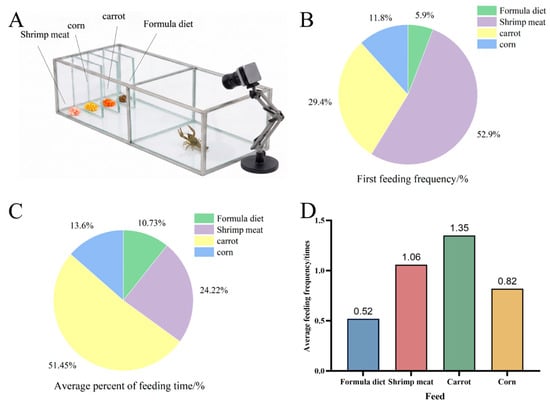
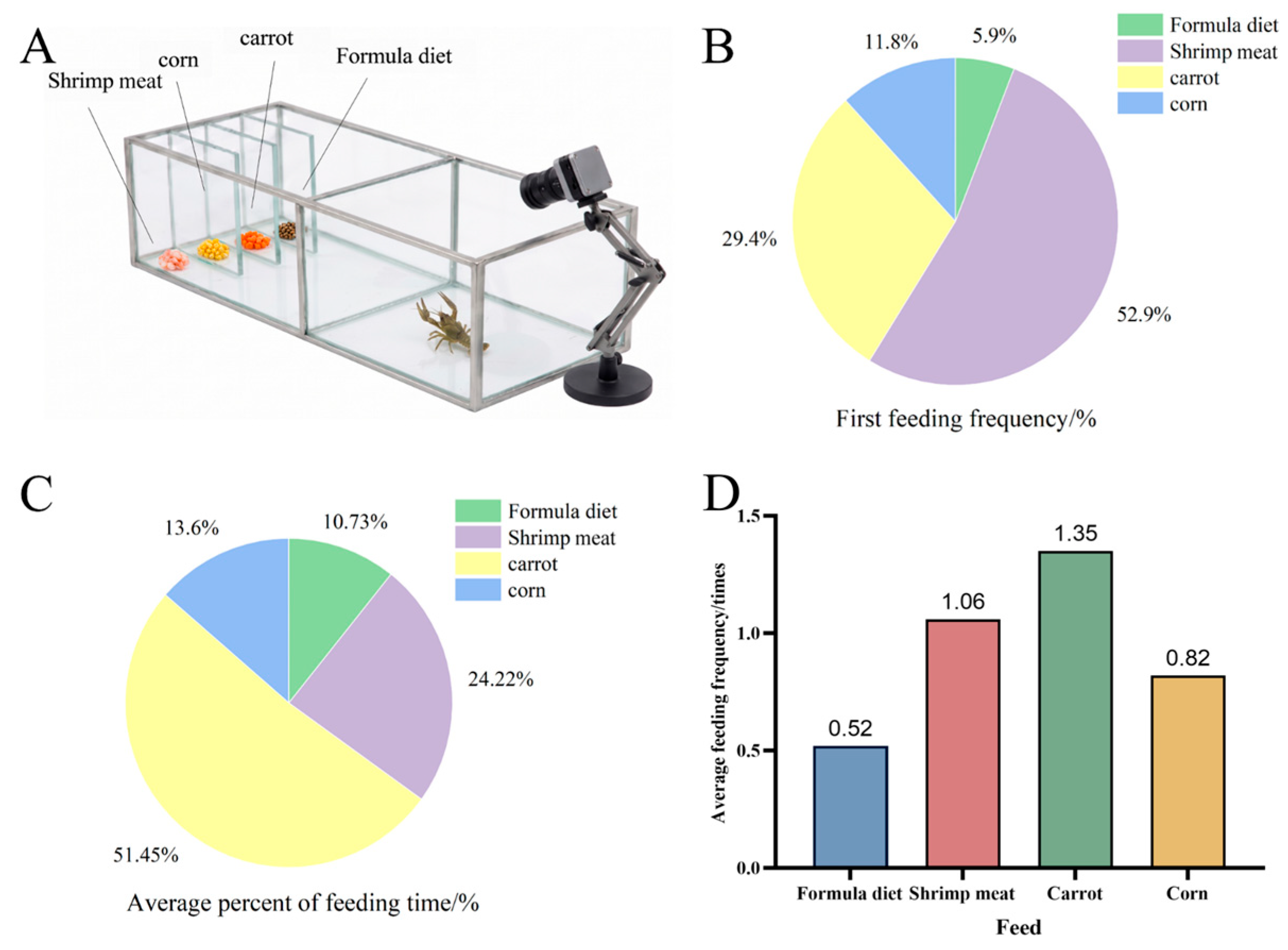
In this experiment, shrimp meat (abdominal muscle of Procambarus clarkii), corn, carrot, and formulated feed (Aohua Group, China) were used as four food sources. Shrimp meat, corn, and carrot were fresh ingredients purchased from a local market. After grinding, these ingredients and the formulated feed were sieved separately to a uniform particle size of 0.71–0.85 mm to eliminate the interference of particle size with food selection. The four food sources were placed as four separate piles (10 g/pile) in the feeding device (Figure 1). The nutrient composition of the food sources is expressed on a dry matter basis (Table 1).
Figure 1.
Feeding preferences of P. leptodactylus for four feed types. (A) Schematic diagram of the feeding experiment, showing the placement of the four feeds (shrimp meat, corn, carrot, formulated feed) in the rearing tank and the feeding behavior of the crayfish. (B) Pie chart of first-feeding frequency, indicating the proportion of crayfish that selected each feed as their first choice after starvation relative to the total number of observed individuals. (C) Pie chart of average feeding time, showing the proportion of the total feeding duration that crayfish spent on each feed per single feeding event. (D) Chart of average feeding frequency, illustrating differences in the number of feeding events per unit time on each feed.
Table 1.
Proximate composition of the four experimental food sources (on a dry matter basis, %).
2.2. Experimental Animals and Rearing Management
The narrow-clawed crayfish (P. leptodactylus) used in this study were obtained from Xinjiang Agricultural University. All crayfish were acclimatized for 7 days in an indoor recirculating aquaculture system prior to the formal experiment. During the acclimation period, water temperature was maintained at 22 ± 1 °C, and the photoperiod was set at 12 h light: 12 h dark. Commercial formulated feed was provided twice daily at 8:00 and 17:00, with the feeding rate adjusted to 3–5% of body weight, and further adjusted according to feed intake. One-third of the water was replaced daily, and continuous aeration was provided to maintain water quality, with ammonia nitrogen < 0.2 mg/L and dissolved oxygen > 6.0 mg/L.
2.3. Short-Term Feeding Preference Experiment
Healthy narrow-clawed crayfish were selected and starved for 24 h prior to the experiment. The experiment was conducted in glass tanks (90 cm × 50 cm × 40 cm) with a water depth of 20 cm and a water temperature maintained at 22 ± 1 °C. A removable partition divided the tank into two equal areas (A and B). Area A was further divided into four sub-areas, into which equal amounts of shrimp meat, carrot, corn, and formulated feed were randomly placed. One crayfish was placed in area B. After the crayfish had fully acclimated and remained calm, the partition was removed, and feeding behavior was continuously recorded for 1 h using a high-definition camera. The first food choice, feeding frequency on each feed, and the proportion of feeding time were analyzed. A total of 17 independent replicates were performed, each using a new individual. After each replicate, the water and all feeds were renewed, and the positions of the four feeds were re-randomized. Each feeding event was observed for 1 h.
2.4. Long-Term Feeding Preference Experiment
The experiment was conducted for 60 days in rearing tanks (90 cm × 50 cm × 40 cm). No shelter was provided inside the tanks during the experimental period, and the rearing conditions were kept the same as those used during acclimation. Four feed groups were established (shrimp meat, carrot, corn, and formulated feed), each with three replicates, and six crayfish were randomly placed into each tank. During the trial, the crayfish were fed once daily at 4% of body weight; the feeding amount was adjusted every 15 days according to body weight. The daily amount of feed provided to each tank was recorded, and residual feed was collected. Molting was checked and recorded daily, and crayfish tissue samples were collected and body weight was measured on days 15, 30, 45, and 60.
2.5. Growth Performance and Molting Record
At the end of the rearing period, the body length and body weight of the crayfish were measured. Body length was measured using a vernier caliper from the base of the eyestalk to the tip of the telson. Body weight was measured using an electronic balance. The body length growth rate and body weight growth rate were calculated based on the measurement data using the following formulas:
Length growth rate (%) = (Lt − L0)/L0 × 100%,
Body weight growth rate (%) = (Wt − W0)/W0 × 100%,
Lt = final body length, L0 = initial body length.
Wt = final body weight, W0 = initial body weight.
The survival rate of each group was also recorded.
2.6. Biochemical Index Determination
An appropriate amount of hepatopancreas tissue was taken, mixed with pre-chilled physiological saline, and homogenized using a homogenizer in an ice bath to prepare a 10% tissue homogenate. After centrifugation, the supernatant was collected. The concentrations of triglyceride, total cholesterol, glycogen, and lactic acid were determined following the instructions of the reagent kits from Nanjing Jiancheng Bioengineering Institute. Three technical replicates were set for each sample, and the average value was taken as the final result.
2.7. Digestive Enzyme Activity Determination
Hepatopancreas tissue from each group of crayfish was collected, and pre-chilled physiological saline was added at a mass-to-volume ratio of 1:9. The mixture was homogenized using a homogenizer in an ice bath to prepare a 10% tissue homogenate. The homogenate was centrifuged at 4 °C and 3000 rpm for 10 min, and the supernatant was collected for analysis. The activities of pepsin, trypsin, cellulase, and lipase were determined using corresponding reagent kits from Nanjing Jiancheng Bioengineering Institute, and all operations were strictly performed according to the kit instructions. Three technical replicates were set for each sample, and the average value was taken as the final result.
2.8. Gut Microbiota Analysis
At the end of the rearing trial, the intestines of all crayfish in each tank were collected under sterile conditions. The samples from each tank were pooled into one composite sample, immediately snap-frozen in liquid nitrogen, and stored at −80 °C for subsequent analysis. Based on the growth and feeding preference results, only the formulated feed group and the carrot group were selected for gut microbiota comparison. Total genomic DNA was extracted from the intestinal contents using a DNA extraction kit. The purity and integrity of the DNA were assessed using a NanoDrop 2000 spectrophotometer (Thermo Fisher Scientific, Waltham, MA, USA) and agarose gel electrophoresis. Then, PCR amplification of the V3–V4 hypervariable region of the bacterial 16S rRNA gene was performed using barcoded specific primers. The amplified products were purified, quantified, and pooled in equimolar amounts to construct a library, followed by paired-end high-throughput sequencing on the Illumina NovaSeq 6000 platform (Illumina, San Diego, CA, USA). The raw FASTQ data were trimmed of adapters and primers using Cutadapt (5.2), and then processed with the DADA2 plugin in QIIME 2 for quality filtering, denoising, read merging, and chimera removal to generate an amplicon sequence variant (ASV) abundance table. Taxonomic annotation was performed by aligning ASV representative sequences against the Silva database. Alpha diversity indices (Shannon, Simpson, Observed_species, and Chao1) were calculated based on ASVs. Beta diversity was analyzed using PCoA, NMDS, distance heatmaps, and UPGMA clustering trees. Statistical differences between groups were assessed using Student’s t-test or Wilcoxon rank-sum test according to normality and homogeneity of variance. Differential abundance analysis at the genus level was performed, and boxplots and heatmaps were generated. LEfSe analysis (LDA > 2) was used to identify differential bacterial biomarkers. Furthermore, functional phenotypes of the microbial community were predicted based on 16S rRNA sequencing data, and differences in COG and KEGG functional categories were compared between groups.
2.9. Statistical Analysis
All experimental data are expressed as mean ± standard deviation. Statistical analyses were performed using SPSS 25.0 software (IBM Corp., Armonk, NY, USA). First, the Shapiro–Wilk test was used to assess normality, and Levene’s test was used to assess homogeneity of variances, confirming that the data conformed to a normal distribution with equal variances. One-way analysis of variance (ANOVA) was then employed to compare overall differences among multiple groups. When the ANOVA result was significant, Tukey’s test was further applied for multiple comparisons. The significance level for all statistical tests was set at p < 0.05, which was considered statistically significant.
3. Results
3.1. Feeding Preference
The short-term feeding preference results showed that the carrot group had the highest overall feeding frequency and average feeding frequency. The shrimp meat group exhibited the highest first-feeding frequency. The formulated feed group showed the lowest values for all feeding frequency parameters. The long-term feeding preference observation results were consistent with the short-term trends, as crayfish consistently showed a higher selection frequency for carrots over other feeds throughout the long-term rearing period (Figure 1).
3.2. Growth Performance and Molting
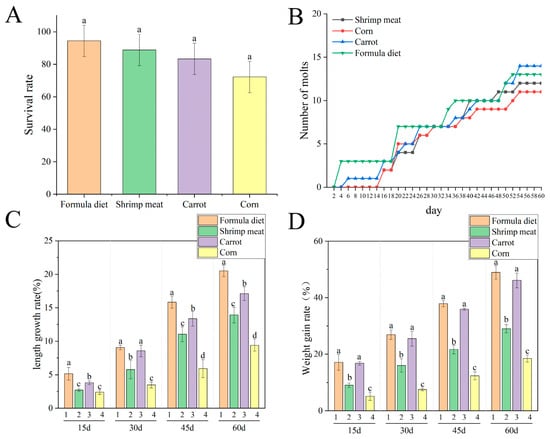
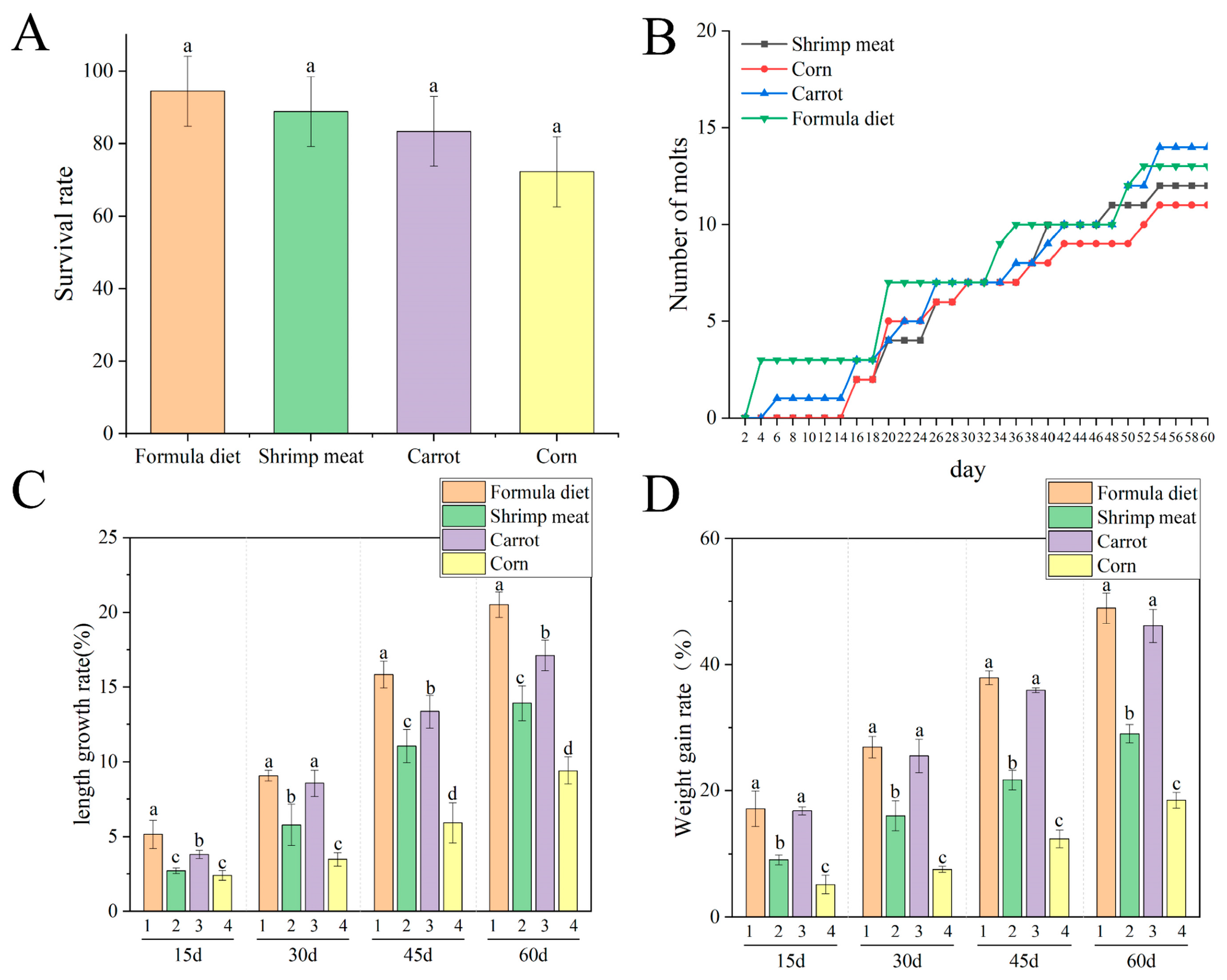
After 60 days of culture, the body length growth rate and body weight growth rate in the carrot group and formulated feed group were significantly higher than those in the shrimp meat group and corn group (p < 0.05), while there was no significant difference in survival rate among all treatment groups (p > 0.05). Regarding cumulative molting frequency, the formulated feed group reached its molting peak earliest, whereas the carrot group exhibited the highest cumulative molting frequency by the end of the rearing period (Figure 2).
Figure 2.
Growth performance of P. leptodactylus. (A) Bar chart of survival rate, showing the proportion of surviving individuals in each experimental group after the 60-day rearing period. (B) Line chart of molting number, reflecting the trend of cumulative molting frequency of each experimental group during the rearing period. (C) Bar chart of body length growth rate, comparing the extent of body length increase in crayfish among different experimental groups. (D) Bar chart of body weight growth rate, comparing the extent of body weight increase in crayfish among different experimental groups. Different letters above the bars indicate significant differences between groups (p < 0.05). Different markers in the line chart indicate significant differences at the corresponding time points.
3.3. Biochemical Indices
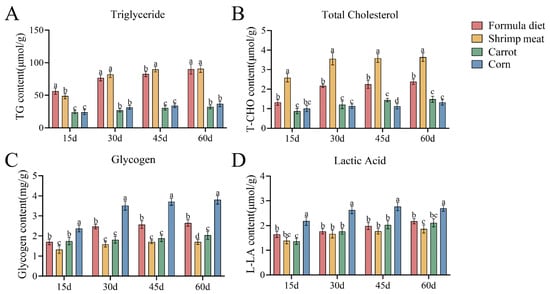
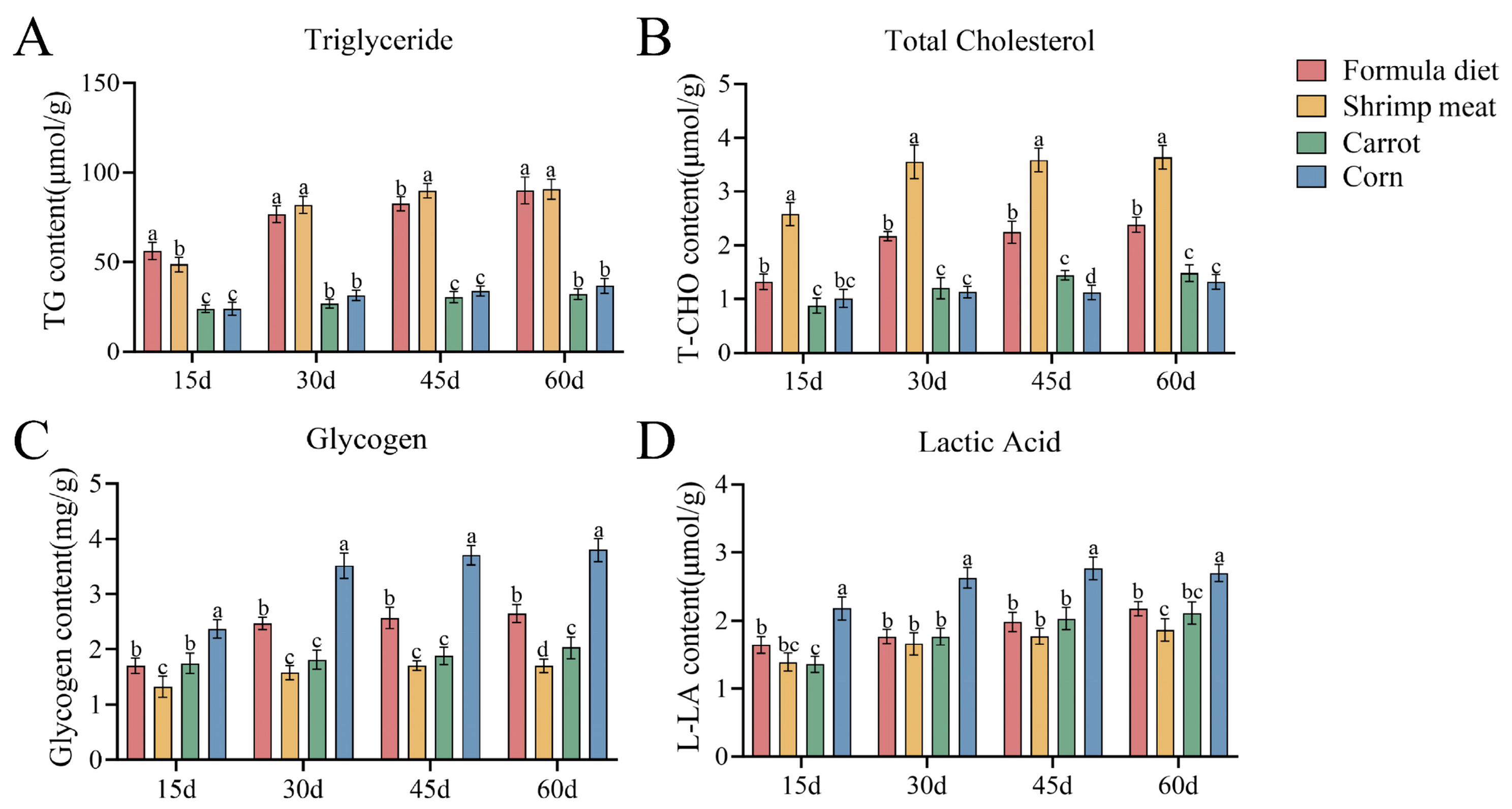
The shrimp meat group exhibited the highest levels of triglyceride and total cholesterol among the four groups (p < 0.05). The corn group showed the highest levels of glycogen and lactic acid (p < 0.05). In contrast, the carrot group and formulated feed group maintained relatively low levels across all measured indices (Figure 3).
Figure 3.
Biochemical indices in the hepatopancreas of P. leptodactylus. (A) Bar chart of triglyceride content, comparing differences among feed treatment groups. (B) Chart of total cholesterol content, showing variations in total cholesterol levels among treatment groups. (C) Chart of glycogen content, reflecting differences in glycogen storage in the hepatopancreas among treatment groups. (D) Chart of lactic acid content, displaying intergroup differences in lactic acid levels. Different letters above the bars indicate significant differences between groups (p < 0.05).
3.4. Digestive Enzyme Activities
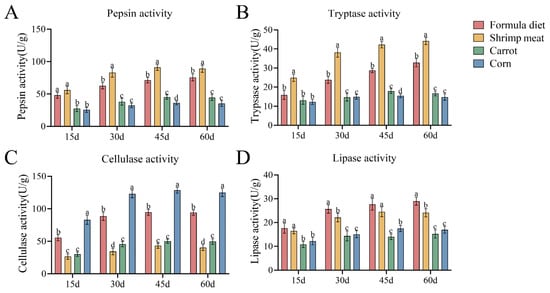
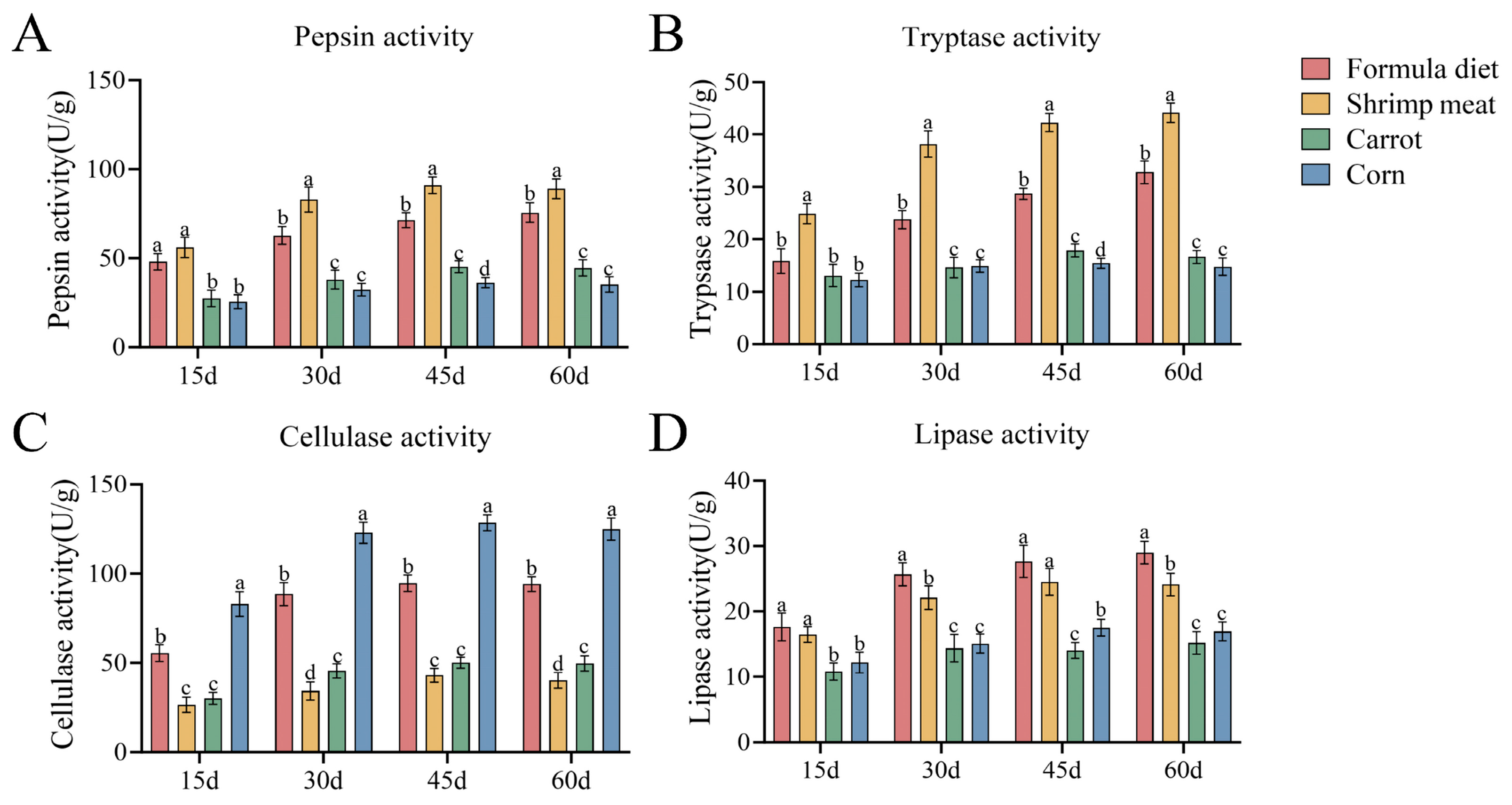
The shrimp meat group exhibited the highest activities of pepsin and trypsin (p < 0.05). The corn group showed the highest cellulase activity (p < 0.05). The formulated feed group had the highest lipase activity (p < 0.05). The carrot group exhibited moderate levels of all digestive enzyme activities, demonstrating a relatively balanced profile (Figure 4).
Figure 4.
Digestive enzyme activities in the hepatopancreas of P. leptodactylus. (A) Chart of pepsin activity, comparing differences among feed treatment groups. (B) Bar chart of trypsin activity, showing variations in trypsin levels among treatment groups. (C) Chart of cellulase activity, reflecting differences in cellulase activity in the hepatopancreas among treatment groups. (D) Bar chart of lipase activity, displaying intergroup differences in lipase activity. Different letters above the bars indicate significant differences between groups (p < 0.05).
3.5. Gut Microbial Community
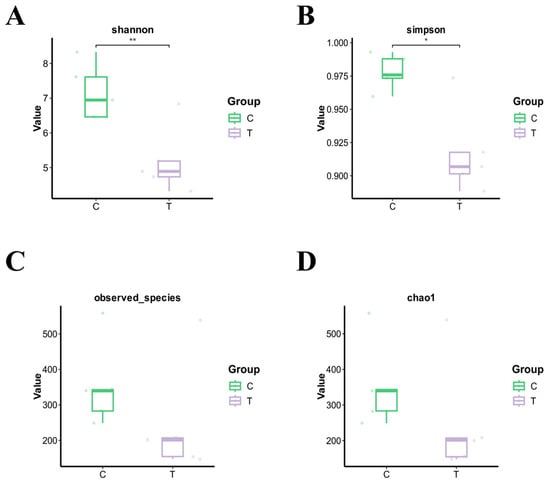
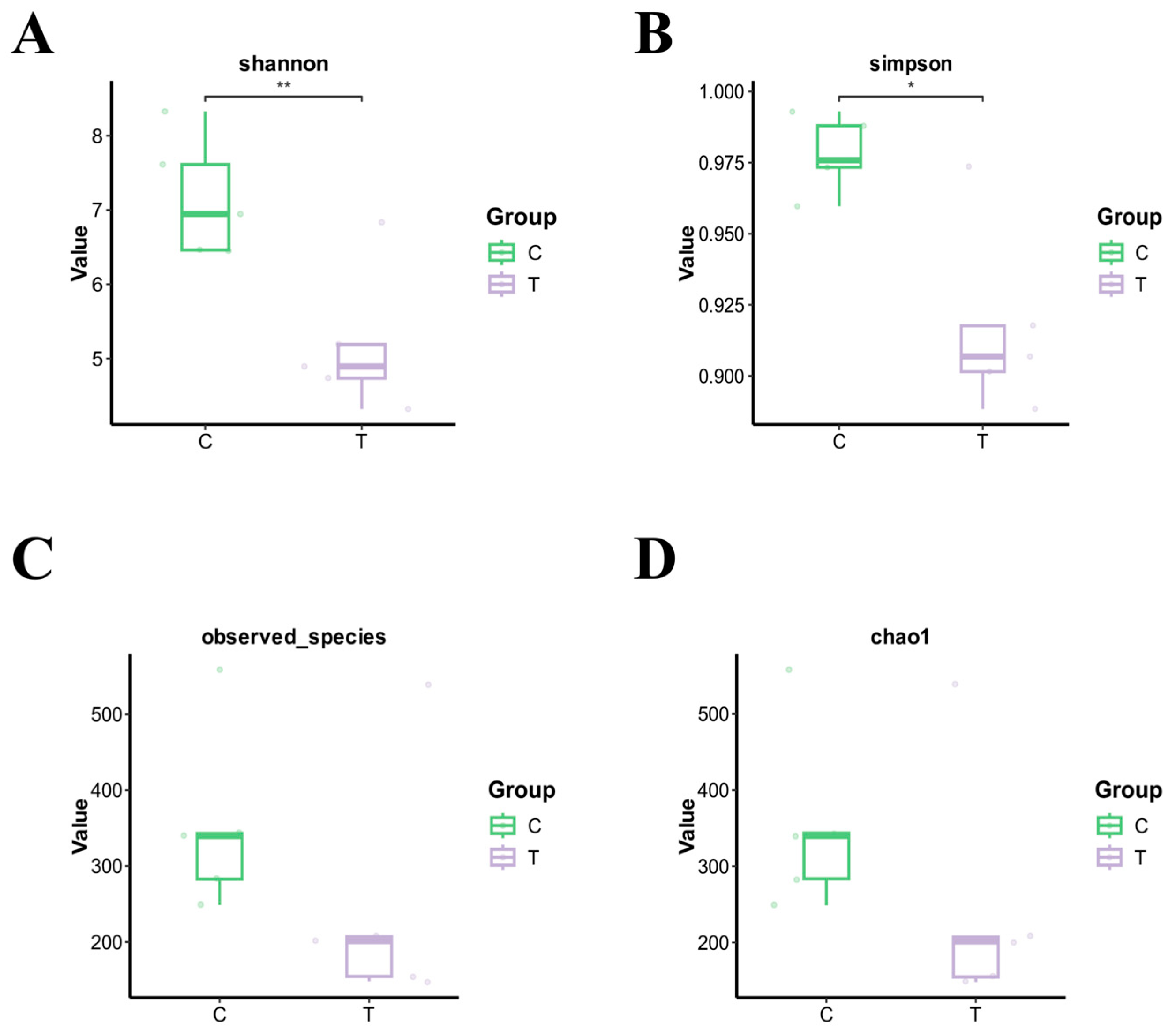
Alpha diversity analysis showed that the Shannon index, Simpson index, Observed_species index, and Chao1 index of the intestinal microbiota in the carrot treatment group were significantly lower than those in the formulated feed group (p < 0.05), indicating that carrot feeding reduced the richness and diversity of the gut microbial community (Figure 5).
Figure 5.
Effect of carrot treatment on gut microbial alpha diversity. Boxplots show the distribution differences in alpha diversity indices between the control group (C, conventional feed) and the carrot treatment group (T). (A) Shannon index; (B) Simpson index; (C) Observed_species index; (D) Chao1 index. Asterisks indicate significant differences between groups (p < 0.05).
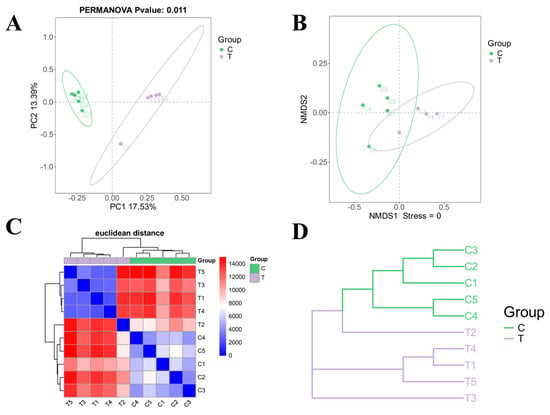
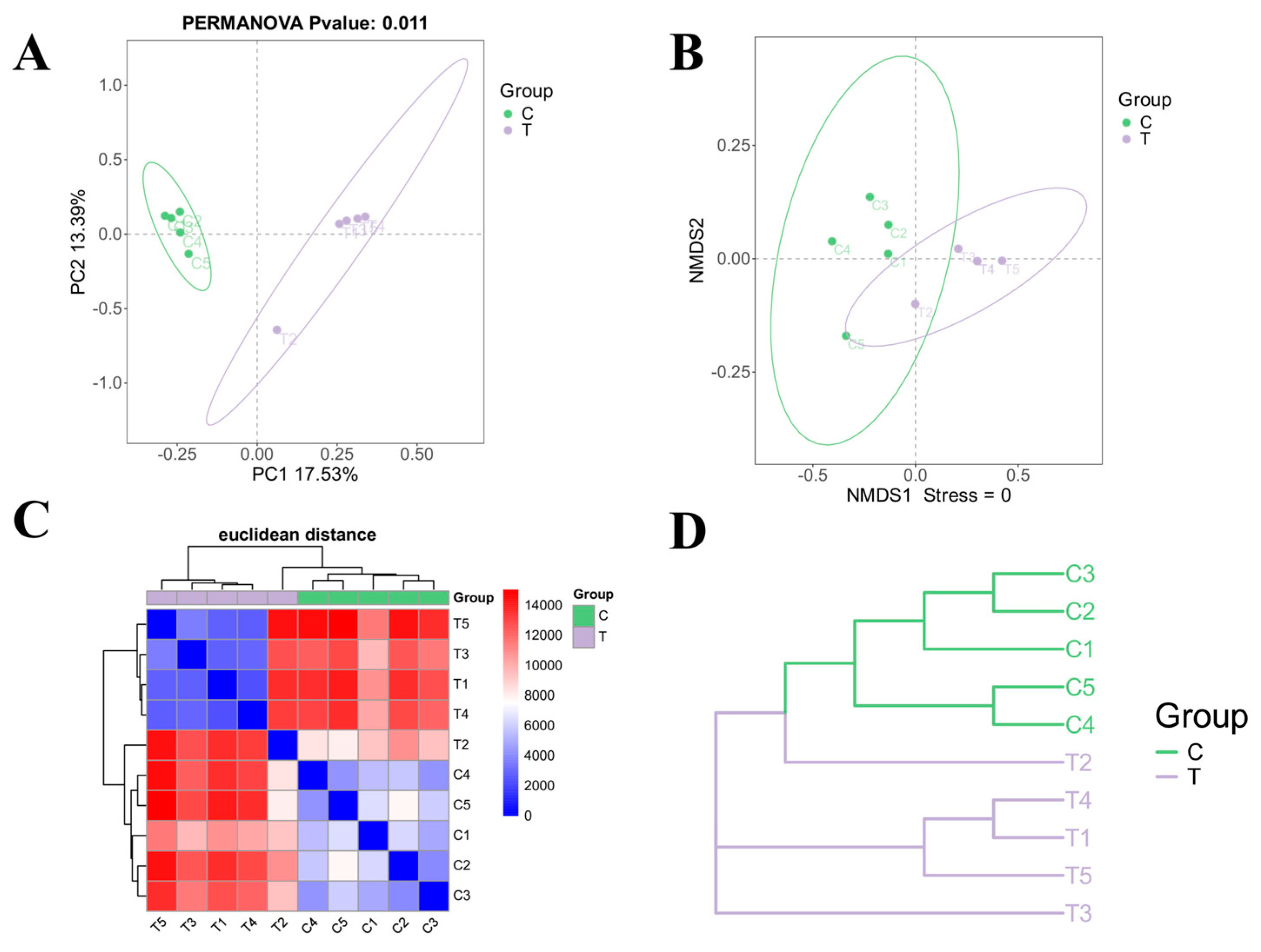
PCoA, NMDS, distance heatmap, and UPGMA cluster analysis in the beta diversity analysis all indicated a clear separation in gut microbial community structure between the carrot treatment group and the control group, demonstrating that carrot treatment significantly altered the overall community structure of the intestinal microbiota (Figure 6).
Figure 6.
Beta diversity analysis of the gut microbiota. (A) Two-dimensional PCoA plot showing the spatial distribution differences in samples between the control group (C, conventional feed) and the carrot treatment group (T). (B) Two-dimensional NMDS plot further validating the separation trend between the two groups. (C) Euclidean distance matrix heatmap: bluer colors indicate smaller distances and higher similarity between samples, while redder colors indicate larger distances. (D) UPGMA hierarchical clustering tree of samples, illustrating the clustering relationships among groups.
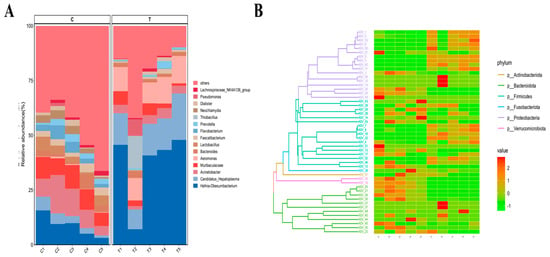
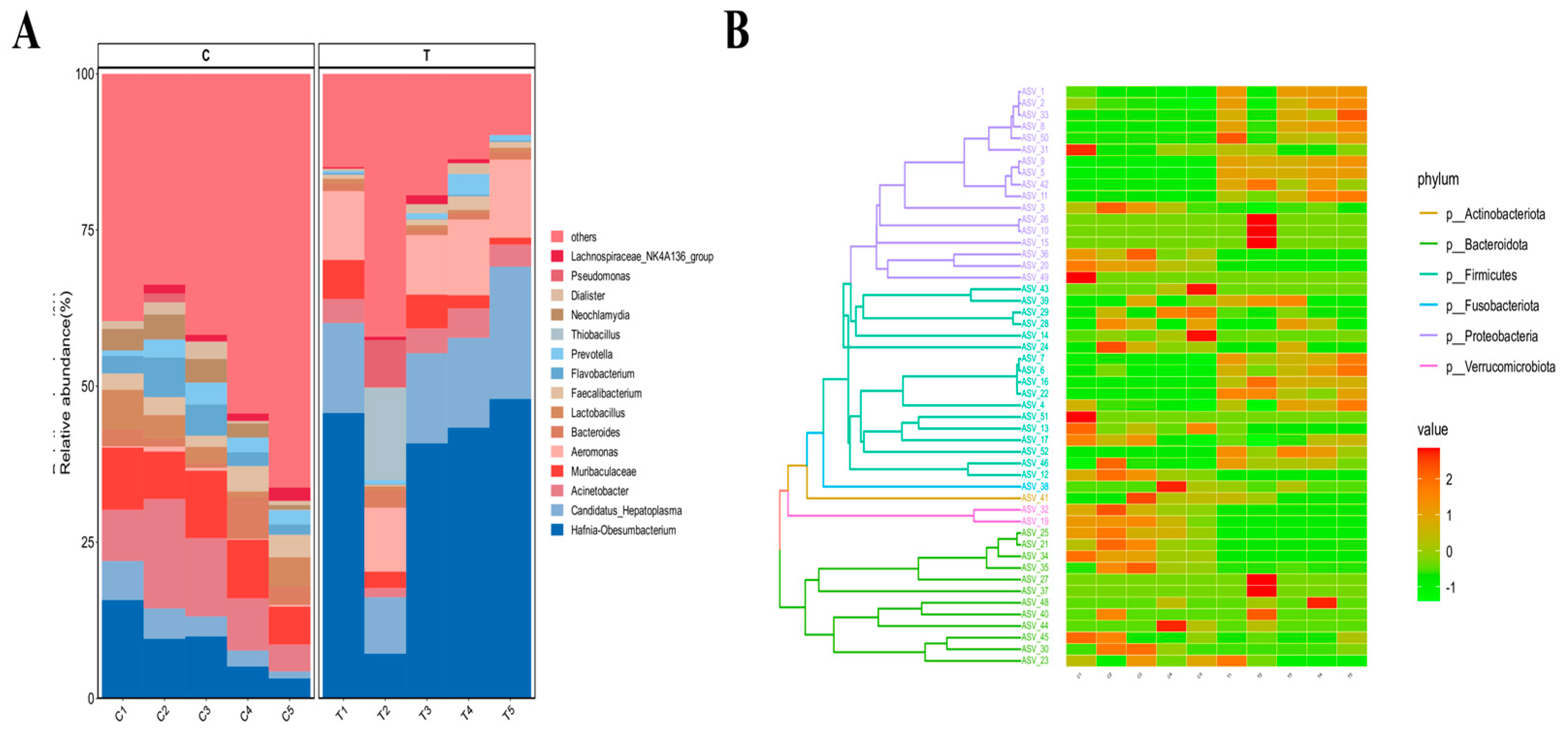
At the genus level, the carrot group significantly enriched taxa belonging to the phylum Proteobacteria, including Hafnia-Obesumbacterium, Candidatus Hepatoplasma, and Aeromonas. Meanwhile, it suppressed the dominant phylum Firmicutes taxa observed in the formulated feed group, such as Lactobacillus and Enterococcus, as well as Muribaculaceae and Flavobacterium (Figure 7).
Figure 7.
Effect of carrot treatment on gut microbial species composition. (A) Bar chart of community structure at the genus level, showing the relative abundance distribution of major genera in the control group (C, conventional feed) and the carrot treatment group (T). (B) Phylogenetic tree combined with abundance heatmap at the ASV level. The left panel shows the phylogenetic tree constructed based on ASV sequences; the right panel is a heatmap displaying the abundance changes in each ASV between the two groups, with redder colors indicating higher abundance.
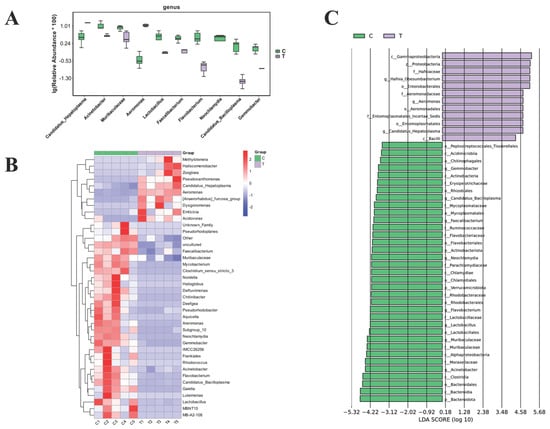
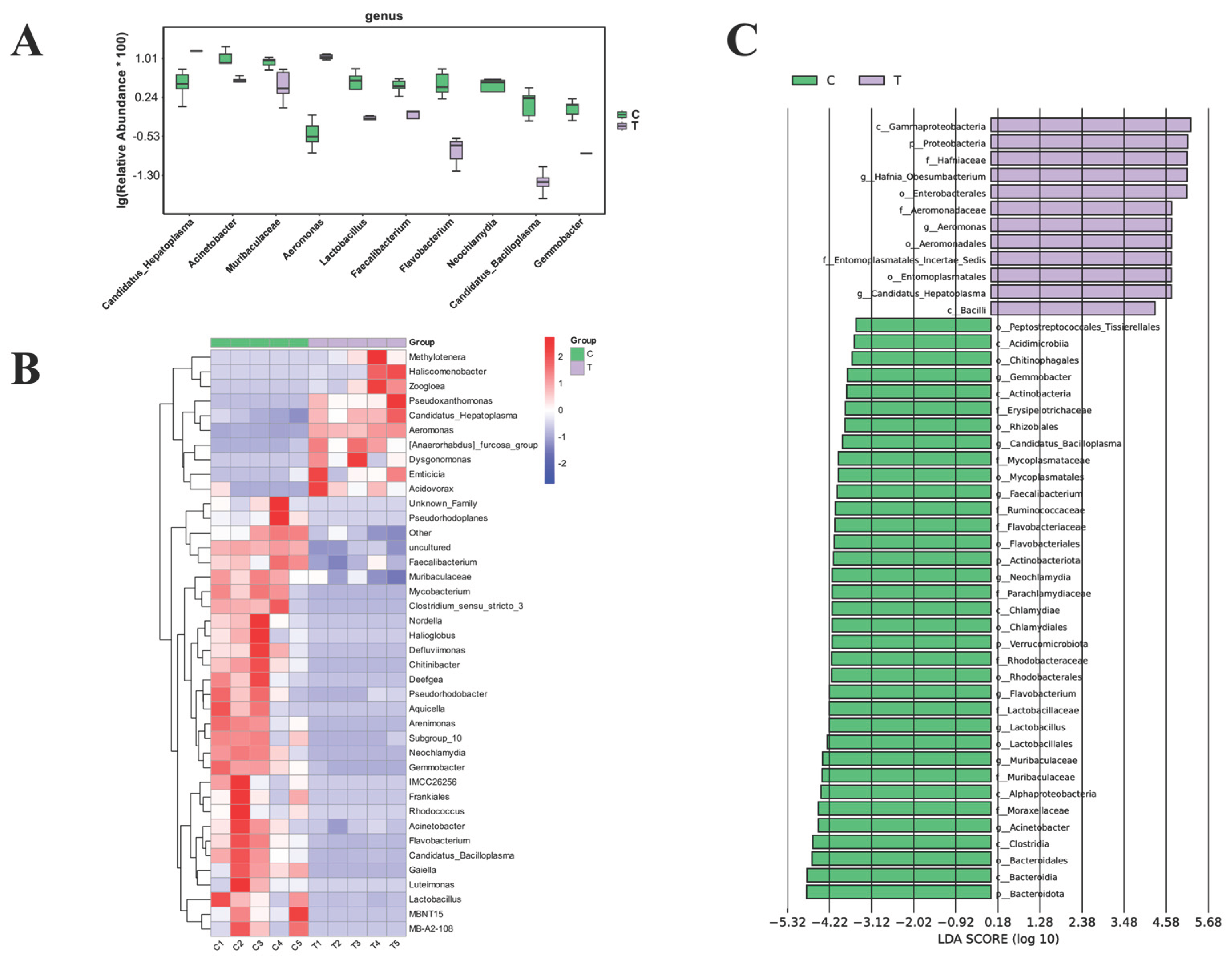
LEfSe analysis (LDA > 2) further confirmed the above-mentioned differential genera as biomarkers of the carrot group. The results showed that the carrot treatment suppressed the dominant taxa in the control group (C), including Bacteroidota, Clostridia, Lactobacillus, Muribaculaceae, and Flavobacterium, while selectively enriching the phylum Proteobacteria and its affiliated genera such as Hafnia-Obesumbacterium, Aeromonas, and Candidatus Hepatoplasma (Figure 8).
Figure 8.
LEfSe analysis and differential abundance genera of the gut microbiota between groups. (A) Boxplot of differential abundance at the genus level between group C and group T. (B) Heatmap of differential species abundance at the genus level between group C and group T. (C) LEfSe analysis identifying group-specific bacterial biomarkers.
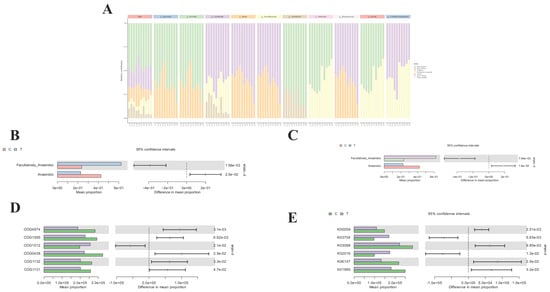
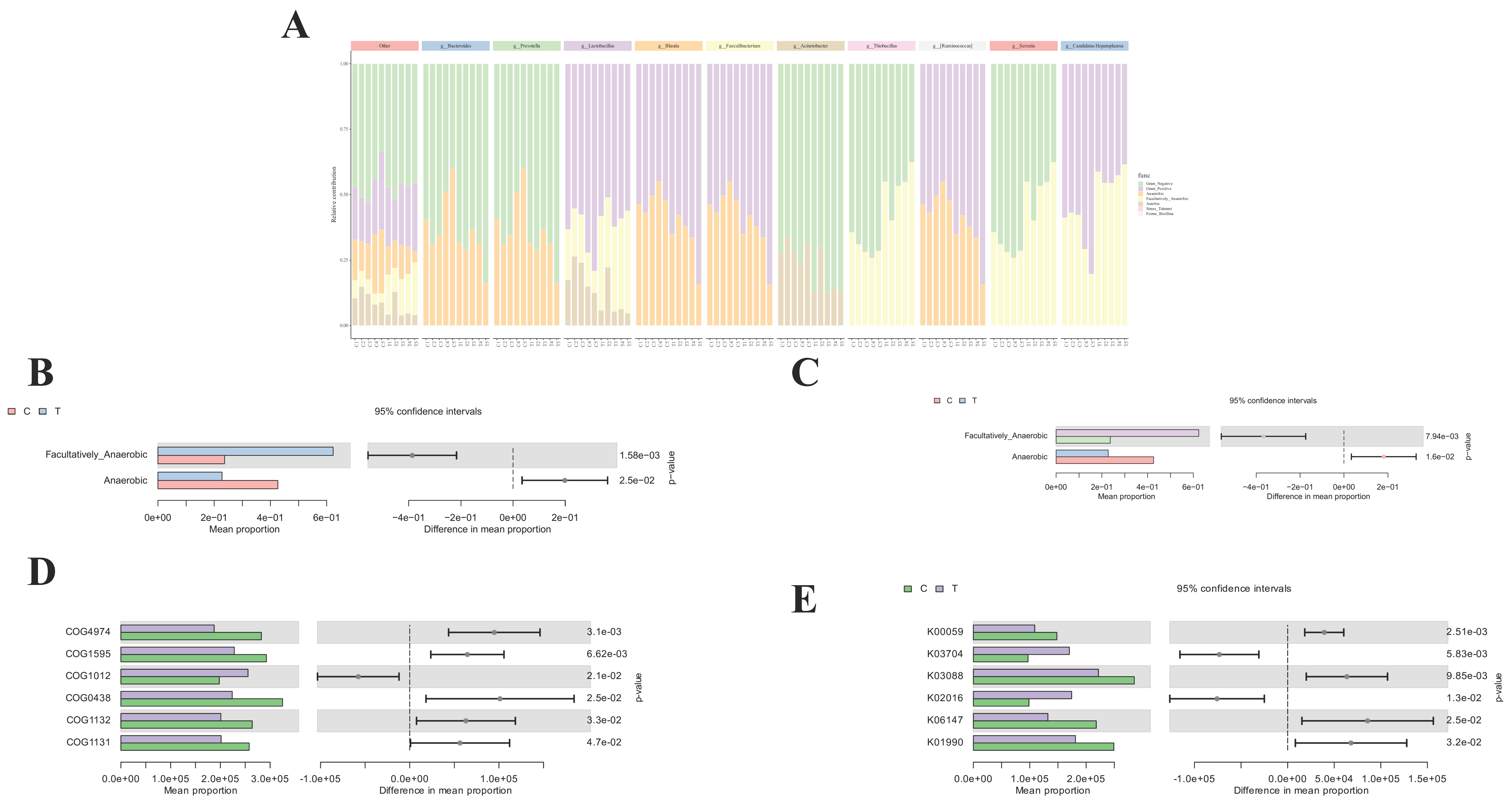
Functional phenotype prediction based on 16S rRNA gene sequencing revealed that the carrot group exhibited an increased relative abundance of facultative anaerobes and a decreased relative abundance of obligate anaerobes. COG and KEGG functional annotation analyses showed that pathways related to plant polysaccharide degradation and antioxidant stress were significantly enriched in the carrot group (Figure 9).
Figure 9.
Predicted functional characteristics of the gut microbial community under carrot treatment. (A) Stacked bar chart showing the relative contribution of dominant genera to potential macrophenotypic functions in each sample. (B) Comparison of relative abundance of predicted phenotypes between group C and group T based on Student’s t-test. (C) Comparison of relative abundance of predicted phenotypes between group C and group T based on Wilcoxon rank-sum test. (D) COG functional categories with significant differences between the two groups. (E) KEGG functional categories with significant differences between the two groups. Error bars represent 95% confidence intervals. C: conventional feed group; T: carrot treatment group.
4. Discussion
The feeding behavior of the P. leptodactylus exhibits distinct staged characteristics at different time scales. The chemical sensing system of crustaceans can sensitively detect free amino acids, nucleotides, and amine substances in food sources [22]. Taurine, glycine, arginine, and betaine have all been proven to trigger feeding responses in the Macrobrachium rosenbergii [23]. The high concentration of free amino acids and nucleotides in shrimp meat provides rapid location signals for the narrow-clawed crayfish, explaining the reason for the highest frequency of their first feeding [24]. The continuous feeding attraction of carrots to the narrow-clawed crayfish may come from the rich carotenoids and fermentable carbohydrates they contain. The abundant β-carotene in carrots is not only related to key physiological processes of individual development (such as molting) but may also be perceived by the narrow-clawed crayfish as a nutritional quality signal [25]. Studies have confirmed that freshwater crayfish have significantly increased levels of carotenoids in liver, muscle, and gill tissues after feeding on algae rich in β-carotene, suggesting that the narrow-clawed crayfish’s persistent preference for such feed sources may be closely related to its physiological need for accumulating carotenoids [26].
Although shrimp meat is the most palatable, long-term feeding did not result in the best growth. The group that received formulated feed and carrots had the highest growth rates in terms of body length and weight. The core reason for this phenomenon lies in the difference in nutritional balance. Although shrimp meat has a high protein content, its composition of other nutrients (especially carbohydrates and trace elements) is not balanced enough to meet the energy balance and nutritional synergy requirements during long-term growth [27]. The formulated feed achieved a balanced configuration of the three major macronutrients through formula optimization, providing a comprehensive nutritional foundation for growth. Carrots contain β-carotene that can be converted into vitamin A, reducing oxidative stress and indirectly promoting growth. Existing studies have confirmed that adding Dunaliella salina (a type of Dunaliella algae rich in β-carotene) to the feed for juvenile prawns significantly improves the antioxidant capacity, immune function, and stress tolerance of the shrimp, and also promotes the deposition of astaxanthin in the body tissues [28]. As a precursor to vitamin A and a direct antioxidant, β-carotene may alleviate the oxidative stress reactions related to molting, optimize the internal metabolic state of the organism, and indirectly promote higher molting frequencies [29,30]. The number of molts in the carrot group significantly increased in the later stage, reflecting the long-term regulatory effect of the accumulation of carotenoids in inducing the secretion of molting hormones and reducing molting stress [25].
Shrimp meat, as an animal protein source, has a high fat content, especially a relatively high cholesterol content, which can easily lead to significant accumulation of lipids in the hemolymph and hepatopancreas of prawns. Studies have found that in experiments where prawns were fed with different fat sources, the total triglyceride and total cholesterol contents in the hepatopancreas and hemolymph were closely related to the composition of the feed fat. The feed groups using fish oil or mixed oil as the fat source showed lower lipid levels, while the feed rich in animal fat resulted in higher lipid deposition. This pattern was consistent with the differences in lipid levels between the shrimp meat group and the feed group in this study. Crustaceans cannot synthesize cholesterol from scratch and rely on food intake to meet the sterol requirements for molting and gonad development [31,32]. Therefore, the high cholesterol content in shrimp meat directly led to an increase in lipid levels. Although crustaceans have limited ability to utilize carbohydrates, they can convert excess carbohydrates into glycogen stored in the hepatopancreas and muscles for energy consumption. Studies have shown that a high-carbohydrate diet promotes glycogen synthesis and accumulation in the hepatopancreas, accompanied by an increase in α-amylase activity and blood lymph glucose levels [33,34]. Corn is rich in starch, and when narrow-clawed crayfish consume corn with a high starch content, the activity of the carbohydrate metabolism pathway is upregulated. Through glycolysis and glycogen synthesis pathways, starch is converted into storage glycogen. Lactic acid is the end product of anaerobic glycolysis, and its level increase usually indicates insufficient oxygen supply or an increase in glycolytic flux [35]. The high fermentable starch content in corn is rapidly decomposed in the intestine into glucose, which is transported through the hepatic portal system and may cause a sudden increase in local glucose concentration during the metabolic peak period, leading to a temporary increase in glycolytic flux and a certain degree of anaerobic metabolism, thereby causing lactate accumulation in the tissues. In addition, carotenoids play a core protective role in the body ‘s antioxidant defense [36]. Carrots are rich in carotenoids, which help maintain the integrity of cell membranes and mitochondrial function [37]. These effects may enable the carrot group to more efficiently perform aerobic metabolism when facing similar substrate loads, thereby avoiding excessive lactate accumulation. The carrot and feed groups maintained lower and stable lactate levels, reflecting a more metabolically adaptive substrate utilization pattern.
The shrimp group had the highest activity of pepsin and trypsin, followed by the combined feed group. This result reflects the typical “substrate-induced adaptation” pattern of the digestive enzyme system to dietary protein content—high-protein diets will feed back and stimulate the upregulation of proteinase synthesis and secretion to enhance the efficiency of protein digestion and absorption. Studies on Penaeus vannamei have demonstrated that increasing dietary casein from 25% to 48% significantly up-regulates trypsin activity at both the enzyme activity level and mRNA transcription level, providing direct evidence for substrate-induced adaptation of digestive proteases in decapod crustaceans [38]. A comprehensive review of protein digestion in decapods further highlights that peptidase activities are highly responsive to dietary protein content, allowing crustaceans to optimize nutrient extraction from protein-rich food sources [39]. Existing studies have shown that in Cherax quadricarinatus, the high-protein feed group with a fish meal content of 60 g/kg induced higher pepsin activity, and the effects on the activities of major digestive enzymes were significant under different protein levels of diets [20]. When redclaw crayfish were fed a high-protein diet (34–40% protein level), their weight growth rate and specific growth rate significantly increased, and the improvement in protein utilization efficiency was closely related to the enhancement of proteinase activity [20]. Shrimp meat, as a pure animal protein source, has extremely high protein content and excellent amino acid composition. Narrow-clawed crayfish adaptively upregulate the synthesis and secretion of pepsin and trypsin to efficiently digest high-protein-content food.
The cellulase activity of the corn group was the highest, followed by the combined feed group. Crustaceans cannot synthesize cellulase themselves, but recent studies have found that freshwater crayfish can endogenously express cellulase genes, which gives them a potential metabolic pathway for utilizing cellulose as an energy source [40]. Transcriptome sequencing of C. quadricarinatus identified 65 transcripts coding for carbohydrate-active enzymes (CAZy) in the hepatopancreas and other tissues, including multiple endogenous glycosyl hydrolase family 9 (GH9) and GH5 cellulase genes [40]. The high relative transcript abundance in the hepatopancreas supports their functional role in nutrient digestion, and the surprising evolutionary diversification of these cellulases suggests their critical importance in crayfish’s adaptation to plant-based food sources [40]. In addition, the activity level of cellulase is directly regulated by the dietary cellulose content. In three Cherax species (redclaw C. quadricarinatus, marron C. tenuimanus, and yabby C. destructor), separate feeding trials with a test diet containing 20% soluble cellulose revealed that marron and yabby showed significantly higher cellulase activity when fed the high-fiber reference diet compared with the low-fiber control [41]. This substrate-induced pattern explains the phenomenon of the highest cellulase activity in the corn group in this study. The high content of cellulose in the corn group stimulated the upregulation of endogenous cellulase synthesis in narrow-clawed crayfish. In general, the digestive enzyme system of narrow-clawed crayfish is highly plastic to different diets, and the combined feed, by balancing the activation of multiple digestive enzymes, stably supports growth. Carrots have an adaptive potential for plant-based substrates and are suitable for application.
The intestinal microbiota plays a crucial role in the nutritional metabolism, immune regulation, and intestinal homeostasis maintenance of crustaceans [42]. The dietary structure is one of the most significant exogenous factors shaping the composition of the intestinal microbiota. This study shows that the treatment with carrots significantly reshaped the microbial community structure of the intestinal tract of the narrow-clawed crayfish: it reduced the overall richness and diversity of the microbiota, and inhibited the dominant groups such as Lactobacillus, Muribaculaceae, and Flavobacterium in the regular feed group, while enriching the Proteobacteria-related groups (Hafnia-Obesumbacterium, Aeromonas) and leading to an increase in the relative abundance of facultative anaerobes. Carrots are rich in β-carotene, dietary fiber, and phytochemicals. The decrease in alpha diversity in the treatment group may be related to the antibacterial activity of carotenoids—β-carotene can selectively inhibit some bacterial genera (such as Collinsella, Enterobacter) in vitro [43], and the anti-nutritional factors (protease inhibitors, phytic acid, etc.) in the plant-based feed can also inhibit the growth of specific microorganisms [5,44]. Although dietary fiber usually promotes the proliferation of some beneficial bacteria, the antibacterial effect in this study may have dominated, leading to a decrease in overall diversity. Similar phenomena have also been reported in the research on crustacean plant-based feeds [45].
In the carrot treatment group, the Proteobacteria phylum (Hafnia-Obesumbacterium, Aeromonas, and Candidatus Hepatoplasma) was significantly enriched. The Proteobacteria phylum is highly sensitive to the ingested food in the crustacean‘s intestinal tract, and specific plant polysaccharides may provide it with competitive carbon sources. The Aeromonas genus is a complex group—it includes opportunistic pathogens as well as groups that can symbiotically coexist with probiotics and maintain intestinal homeostasis [46]. However, numerous studies have also shown that Aeromonas is one of the most important opportunistic pathogen genera in aquaculture, with its pathogenic factors including exotoxins, extracellular enzymes, iron uptake systems, and biofilm formation capabilities [47]. In the culture system of Penaeus vannamei, the significant growth of A. veronii led to a large number of shrimp deaths, and its abundance was significantly negatively correlated with the number of probiotic Bacillus in the aquaculture water and the shrimp’s intestinal tract [37]. These shifts more likely reflect a metabolic adaptation to dietary fiber and carotenoids, potentially involving polysaccharide degradation and antioxidant stress responses. Nevertheless, because the opportunistic pathogenic potential of Aeromonas cannot be excluded, future studies should combine histopathology, challenge tests, and metabolomics to evaluate this risk. The Hafnia-Obesumbacterium genus belongs to the Enterobacterales order and the Hafniaceae family, and is a Gram-negative, facultative anaerobic bacterium. The relative abundance of Hafnia-Obesumbacterium is strongly correlated with the expression of antioxidant stress-related genes such as glutathione S-transferase, suggesting that this genus may play a role in host detoxification and oxidative stress response [13]. Carrots are rich in β-carotene and other carotenoids, and these compounds, after being metabolized by microorganisms in the gut, may produce metabolites with antioxidant activity [43].
Candidatus Hepatoplasma is a symbiotic bacterium belonging to the Firmicutes phylum. It has been confirmed in terrestrial isopods to be closely related to the survival of the host under a low-quality fiber diet [48]. It has been hypothesized that C. Hepatoplasma secretes cellulase to assist the host in degrading plant cell wall polysaccharides, thereby improving the nutritional utilization efficiency of plant-based feed [49]. This result is highly consistent with the pattern observed in the aforementioned isopod studies, further supporting the conserved function of this type of Firmicutes symbiotic bacteria in crustaceans adapting to plant-based diets, that is, by enriching symbiotic bacteria with the potential to degrade plant polysaccharides, to compensate for the deficiency of the host’s cellulase [9]. The abundance of Lactobacillus and Muribaculaceae in the normal diet group decreased in the carrot group. The suppression of Lactobacillus may be related to the direct bacteriostatic effect of carotenoids. Previous studies have confirmed that β-carotene treatment can significantly inhibit the abundance of Lactobacillus [43,50]. The enrichment of Muribaculaceae in plant protein diets is related to its function of decomposing plant polysaccharides and nitrogen cycling [51]. In this study, the abundance of Muribaculaceae was higher in the normal diet group, indicating that the effects of different plant-based components on the microbiota vary significantly.
The relative abundance of facultative anaerobes (such as Hafnia-Obesumbacterium) increased and that of obligate anaerobes decreased in the carrot group. The expansion of facultative anaerobes is often associated with an increase in intestinal microenvironment oxygen tension or mild inflammation, while the reduction in obligate anaerobes may weaken the ability to produce short-chain fatty acids (SCFAs) [52]. Previous studies have shown that carotenoids can significantly promote the generation of total SCFAs in in vitro fermentation models, but the specific mechanism of action is related to specific microbial groups [43]. Therefore, the net impact of the expansion of facultative anaerobic communities and the reduction in obligate anaerobic communities on the SCFA metabolic pathway still requires a more in-depth combined analysis using metabolomics data to confirm the functional predictions [53].
5. Conclusions
Carrot and formulated feed were associated with the greatest growth in P. leptodactylus; shrimp meat elicited the strongest initial feeding response but was accompanied by increased lipid accumulation, whereas corn was associated with increased glycogen and lactate accumulation. Carrot feeding was also accompanied by shifts in gut microbiota composition, including a higher relative abundance of facultative anaerobes and enrichment of Candidatus Hepatoplasma, a pattern that may be consistent with enhanced plant-polysaccharide utilization. These results suggest that carrot merits further consideration as a functional feed ingredient and that cost-effectiveness and sustainability assessments of plant-based feeds in P. leptodactylus aquaculture are warranted.
Author Contributions
Conceptualization, Y.L. (Yiming Li) and Z.Z.; methodology, Z.Z.; software, M.L.; validation, Z.Y. and Y.L. (Yiming Li); formal analysis, P.G.; investigation, K.Z.; resources, Y.W.; data curation, P.G.; writing—original draft preparation, Z.Z.; writing—review and editing, Z.Z.; visualization, B.L.; supervision, Q.L.; project administration, Y.L. (Yan Li); funding acquisition, Q.L. All authors have read and agreed to the published version of the manuscript.
Funding
This research was funded by the Xinjiang Major Demand Talent Support Program Project (XJRC-2025-ZZB-ZDXQ-011). The funding sources had no role in study design; collection, analysis and interpretation of data; writing of the report; or the decision to submit the article for publication.
Institutional Review Board Statement
All treatments of crayfish in this study were strictly in accordance with the guidelines of Animal Experiment Ethics Committee of East China Sea Fisheries Research Institute. The protocol was approved by the Animal Experiment Ethics Committee of East China Sea Fisheries Research Institute.
Informed Consent Statement
Not applicable.
Data Availability Statement
Data are contained within the article.
Acknowledgments
The authors sincerely thank Qifang Lai for his help in providing experimental samples and sites.
Conflicts of Interest
The authors declare no conflicts of interest.
References
- Bláha, M.; Patoka, J.; Policar, T.; Śliwińska, K.; Alekhnovich, A.; Berezina, N.; Petrescu, A.M.; Mumladze, L.; Weiperth, A.; Jelic, M.; et al. Phylogeographic patterns of genetic diversity in Pontastacus leptodactylus (Decapoda: Astacidae): Is the hypothesis of the taxonomically rich genus Pontastacus true? Zool. J. Linn. Soc. 2023, 199, 140–155. [Google Scholar] [CrossRef] [Scilit]
- Uzun Gören, G. Seasonal variation of fatty acid compositions in freshwater crayfish (Pontastacus leptodactylus Eschscholtz, 1823). J. Freshw. Ecol. 2025, 40, 2461684. [Google Scholar] [CrossRef] [Scilit]
- Štrbac, L.; Vukojević, D.; Milić, S. Growth performance and RNA/DNA ratio of noble crayfish (Astacus astacus) and narrow-clawed crayfish (Pontastacus leptodactylus) fed fish waste diets. Aquac. Res. 2020, 51, 3205–3215. [Google Scholar] [CrossRef] [Scilit]
- Farhadi, A.; Harlıoğlu, M.M.; Li, E. The Narrow-Clawed Crayfish Pontastacus leptodactylus: Biology, Culture Development, and Prospects for Sustainable Aquaculture. Rev. Aquac. 2026, 18, e70155. [Google Scholar] [CrossRef] [Scilit]
- Li, Y.; Gao, P.; Zhou, K.; Lai, Q. Genetic structure analysis of a newly discovered wild population of Pontastacus leptodactylus in Xinjiang, China, based on the mitochondrial COI gene. Mol. Biol. Rep. 2025, 52, 788. [Google Scholar] [CrossRef] [Scilit]
- Alvanou, M.V.; Papadopoulos, D.K.; Lattos, A.; Georgoulis, I.; Feidantsis, K.; Apostolidis, A.P.; Michaelidis, B.; Giantsis, I.A. Biology, distribution, conservation status and stocking perspective of freshwater crayfish in Greece: An updated review. Aquac. Res. 2022, 53, 5115–5128. [Google Scholar] [CrossRef] [Scilit]
- Lim, L.S.; Liew, K.S.; Ebi, I.; Shapawi, R.; Lal, M.T.M.; Liew, H.J.; Hamasaki, K.; Masuda, R.; Kawamura, G. Amino acids as chemoattractant and feeding stimulant for the commercially farmed decapod crustaceans: A brief review. Aquac. Res. 2021, 52, 333–343. [Google Scholar] [CrossRef] [Scilit]
- Banaee, M.; Daryalaal, F.; Emampoor, M.R.; Yaghobi, M. Effects of soybean meal based diet on growth performance and hemolymph biochemical parameters of narrow-clawed crayfish (Astacus leptodacylus Eschscholtz, 1823). Croat. J. Fish. 2013, 71, 45–57. [Google Scholar] [CrossRef] [Scilit]
- Wang, Y. Feed and feeding management in aquaculture: Concept, technological scheme and practices. J. Fish. China 2025, 49, 049602. [Google Scholar]
- Madhulika, E.A. Multifaceted Role of Probiotics in Enhancing Health and Growth of Aquatic Animals: Mechanisms, Benefits, and Applications in Sustainable Aquaculture—A Review and Bibliometric Analysis. Aquac. Nutr. 2025, 2025, 5746972. [Google Scholar] [CrossRef] [Scilit]
- Dhanush, G.; Sundaramanickam, A.; Thangaraj, M. Metagenomic approach for improved culture of whiteleg shrimp (Litopenaeus vannamei). Acad. Biol. 2025, 3. [Google Scholar] [CrossRef] [Scilit]
- Chervochkina, A.S.; Pastukhova, N.O.; Aksenov, A.S. Alteration of the Intestinal Bacterial Community in Rainbow Trout (Oncorhynchus mykiss): The Role of Animal, Plant, and Microbial Diets. Microbiol. Res. 2024, 15, 2199–2209. [Google Scholar] [CrossRef] [Scilit]
- Rai, N.; Kachore, A.; Julka, J.M.; Panigrahi, A.; Das, S.P.; Nan, F.H. Symbiotic strategies: Deciphering the role of gut microbiota in the nutrition and metabolism of fish and shellfish. Front. Cell. Infect. Microbiol. 2025, 15, 1639426. [Google Scholar] [CrossRef] [Scilit]
- Ou, W.; Guo, Z.; Pan, Y.; Huang, K.; Ma, Y.; Qin, Z. Advances in the Effects of Dietary Macronutrients on the Gut Microbiota of Tilapia (Oreochromis spp.). Microorganisms 2024, 12, 543. [Google Scholar] [CrossRef] [Scilit]
- Nayak, S.K. Role of gastrointestinal microbiota in fish. Aquac. Res. 2010, 41, 1553–1573. [Google Scholar] [CrossRef] [Scilit]
- Foysal, M.J.; Nguyen, T.T.T.; Chaklader, M.R.; Siddik, M.A.B.; Tay, A.C.Y.; Fotedar, R.; Gupta, S.K. Sources of protein diet differentially stimulate the gut and water microbiota under freshwater crayfish, marron (Cherax cainii, Austin 2002) culture. Environ. Microbiol. Rep. 2022, 14, 286–298. [Google Scholar] [CrossRef] [Scilit]
- He, Z.; Hu, Y.; Qiu, X.; Zhang, H.; Chen, K.; Xu, W.; Cai, M.; Wang, A. Effects of replacing fishmeal with soybean meal on the immune and antioxidant capacity, and intestinal metabolic functions of red swamp crayfish Procambarus clarkii. Fish. Shellfish Immunol. 2024, 149, 109600. [Google Scholar] [CrossRef] [Scilit]
- Zhang, Z.; Liu, J.; Jin, X.; Liu, C.; Fan, C.; Guo, L.; Liang, Y.; Zheng, J.; Peng, N. Developmental, Dietary, and Geographical Impacts on Gut Microbiota of Red Swamp Crayfish (Procambarus clarkii). Microorganisms 2020, 8, 1376. [Google Scholar] [CrossRef] [Scilit]
- Lozupone, C.A.; Stombaugh, J.I.; Gordon, J.I.; Jansson, J.K.; Knight, R. Diversity, stability and resilience of the human gut microbiota. Nature 2012, 489, 220–230. [Google Scholar] [CrossRef] [Scilit]
- Jiang, Z.; Qian, D.; Liang, Z.; Jia, Y.; Xu, C.; Li, E. Effects of dietary plant protein sources intake on growth, digestive enzyme activity, edible tissue nutritional status and intestinal health of the omnivorous Redclaw crayfish, Cherax quadricarinatus. Br. J. Nutr. 2023, 130, 978–995. [Google Scholar] [CrossRef] [Scilit]
- Safari, O.; Paolucci, M. Dietary supplementation of Chlorella vulgaris improved growth performance, immunity, intestinal microbiota and stress resistance of juvenile narrow clawed crayfish, Pontastacus leptodactylus Eschscholtz, 1823. Aquaculture 2025, 554, 738138. [Google Scholar]
- Derby, C.D.; Sorensen, P.W. Chemical ecology of fish and crustaceans: A review of chemoreception research. J. Chem. Ecol. 2018, 44, 201–213. [Google Scholar]
- Moller, T.H. Feeding behaviour of larvae and postlarvae of Macrobrachium rosenbergII (de Man) (Crustacea: Palaemonidae). J. Exp. Mar. Biol. Ecol. 1978, 35, 251–258. [Google Scholar] [CrossRef] [Scilit]
- Carr, W.E.S.; Derby, C.D. Chemically stimulated feeding behavior in marine animals. J. Chem. Ecol. 1986, 12, 989–1011. [Google Scholar] [CrossRef] [Scilit]
- Petit, H.; Nègre-Sadargues, G.; Castillo, R.; Trilles, J.P. The effects of dietary astaxanthin on growth and moulting cycle of postlarval stages of the prawn, Penaeus japonicus (Crustacea, Decapoda). Comp. Biochem. Physiol. Part A Physiol. 1991, 98, 195–199. [Google Scholar]
- Li, Y.; Gao, P.; Zhou, K.; Lai, Q. Optimal Dietary Dunaliella salina Supplementation Enhances Growth, Antioxidant Capacity, Immune Response, Stress Tolerance, and Carotenoid-Based Pigmentation in Juvenile Red Swamp Crayfish (Procambarus clarkii). Aquac. Nutr. 2026, 2026, 3727931. [Google Scholar] [CrossRef] [Scilit]
- McGoogan, B.B.; Gatlin, D.M. Dietary manipulations affecting growth and nitrogenous waste production of red drum, Sciaenops ocellatus: II. Effects of dietary protein and energy levels. Aquac. Res. 2000, 31, 1–12. [Google Scholar]
- Sommer, T.R.; Morris, J.D.; Potts, W.T. Growth and pigmentation of marron (Cherax tenuimanus) fed a reference ration supplemented with the microalga Dunaliella salina. Aquaculture 1991, 99, 285–295. [Google Scholar] [CrossRef] [Scilit]
- Wade, N.M.; Gabaudan, J.; Glencross, B.D. A review of carotenoid utilisation and function in crustacean aquaculture. Rev. Aquac. 2017, 9, 141–156. [Google Scholar] [CrossRef] [Scilit]
- Linan-Cabello, M.A.; Paniagua-Michel, J.; Hopkins, P.M. Bioactive roles of carotenoids and retinoids in crustaceans. Aquaculture 2002, 206, 223–234. [Google Scholar]
- Zandee, D.I. Metabolism in the crayfish Astacus astacus (L.)—III. Absence of cholesterol synthesis. Arch. Int. De Physiol. Et. De Biochim. 1966, 74, 89–104. [Google Scholar] [CrossRef] [Scilit]
- Suprayudi, M.A.; Takeuchi, T.; Hamasaki, K. Metabolism and nutritive role of cholesterol in the growth, gonadal development, and reproduction of crustaceans. Rev. Fish. Sci. Aquac. 2018, 26, 254–273. [Google Scholar] [CrossRef] [Scilit]
- Rosas, C.; Cuzon, G.; Gaxiola, G.; Arena, L.; Lemaire, P.; Soyez, C.; Van Wormhoudt, A. Influence of dietary carbohydrate on the metabolism of juvenile Litopenaeus stylirostris. J. Exp. Mar. Biol. Ecol. 2000, 249, 181–198. [Google Scholar] [CrossRef] [Scilit]
- Ding, Z.L.; Kong, Y.Q.; Li, J.F.; Cao, F.; Zhang, Y.X.; Du, Z.Y.; Ye, J.Y. Growth and metabolic responses of juvenile Macrobrachium nipponense to different dietary carbohydrate levels. Aquac. Nutr. 2017, 23, 487–496. [Google Scholar] [CrossRef] [Scilit]
- Hu, Y.; Jian, Y.; Song, J.; Chen, Z.; Zhou, D.; Kong, Y.; Liu, Y.; Zhang, Y.; Bai, H.; Ding, Z. Dietary thiamine enhances thiamine transport, carbohydrate absorption, glycolysis, and antioxidant properties in Macrobrachium nipponense when fed a high carbohydrate diet. Aquaculture 2025, 603, 742094. [Google Scholar]
- Liu, M.; Jiang, X.; Chen, A.; Chen, T. Transcriptome analysis reveals the potential mechanism of dietary carotenoids improving antioxidative capability and immunity of juvenile Chinese mitten crabs Eriocheir sinensis. Fish. Shellfish Immunol. 2020, 104, 359–373. [Google Scholar] [CrossRef] [Scilit]
- Liu, Y.; Zhao, L.; Wang, M.; Wang, Q.; Zhang, X.; Han, Y.; Wang, M.; Jiang, T.; Shao, H.; Jiang, Y.; et al. Monitoring and prediction of Aeromonas veronii dynamics via absolute quantification microbiome sequencing facilitated the development of a risk assessment tool in a shrimp farm. Aquaculture 2024, 581, 740393. [Google Scholar] [CrossRef] [Scilit]
- Lemos, D.; Navarrete del Toro, M.A.; Córdova-Murueta, J.H.; García-Carreño, F. Effects of dietary protein on the activity and mRNA level of trypsin in the midgut gland of the white shrimp Penaeus vannamei. Comp. Biochem. Physiol. Part B Biochem. Mol. Biol. 2003, 135, 171–180. [Google Scholar] [CrossRef] [Scilit]
- Navarrete del Toro, M.A.; García-Carreño, F. The toolbox for protein digestion in decapod crustaceans: A review. Rev. Aquac. 2019, 11, 1005–1021. [Google Scholar] [CrossRef] [Scilit]
- Tan, M.H.; Gan, H.M.; Lee, Y.P.; Austin, C.M. First comprehensive multi-tissue transcriptome of Cherax quadricarinatus (Decapoda: Parastacidae) reveals unexpected diversity of endogenous cellulase. Org. Divers. Evol. 2016, 16, 185–200. [Google Scholar] [CrossRef] [Scilit]
- Dammannagoda, L.K.; Pavasovic, A.; Hurwood, D.A.; Mather, P.B. Effects of soluble dietary cellulose on specific growth rate, survival and digestive enzyme activities in three freshwater crayfish (Cherax) species. Aquac. Res. 2015, 46, 626–636. [Google Scholar] [CrossRef] [Scilit]
- Holt, C.C.; Bass, D.; Stentiford, G.D.; van der Giezen, M. The role of the gut microbiome in crustacean health and disease. Rev. Aquac. 2020, 13, 1525–1544. [Google Scholar]
- Dai, Z.; Li, Z.; Shi, E.; Nie, M.; Feng, L.; Chen, G.; Gao, R.; Zeng, X.; Li, D. Study on the interaction between four typical carotenoids and human gut microflora using an in vitro fermentation model. J. Agric. Food Chem. 2022, 70, 13592–13601. [Google Scholar] [CrossRef] [Scilit]
- Francis, G.; Makkar, H.P.S.; Becker, K. Antinutritional factors in plant-based feed ingredients for aquaculture. Aquaculture 2001, 199, 197–227. [Google Scholar]
- Ding, F.; Kong, Y.Q.; Li, J.F.; Cao, F.; Zhang, Y.X.; Du, Z.Y.; Ye, J.Y. Impact of soybean bioactive peptides on growth, lipid metabolism, antioxidant ability, molecular responses, and gut microbiota of oriental river prawn (Macrobrachium nipponense) fed with a low-fishmeal diet. Biology 2024, 14, 11. [Google Scholar] [CrossRef] [Scilit]
- Igbinosa, I.H.; Igumbor, E.U.; Aghdasi, F.; Tom, M.; Okoh, A.I. Emerging Aeromonas species infections and their significance in public health. Sci. World J. 2012, 2012, 625023. [Google Scholar] [CrossRef] [Scilit]
- Janda, J.M.; Abbott, S.L. The genus Aeromonas: Taxonomy, pathogenicity, and infection. Clin. Microbiol. Rev. 2010, 23, 35–73. [Google Scholar] [CrossRef] [Scilit]
- Fraune, S.; Zimmer, M. Host-specificity of environmentally transmitted Mycoplasma-like isopod symbionts. Environ. Microbiol. 2008, 10, 2497–2504. [Google Scholar] [CrossRef] [Scilit]
- Wang, Y.; Stingl, U.; Anton-Erxleben, F.; Geisler, S.; Brune, A.; Zimmer, M. “Candidatus Hepatoplasma crinochetorum,” a new, stalk-forming lineage of Mollicutes colonizing the midgut glands of a terrestrial isopod. Appl. Environ. Microbiol. 2004, 70, 6166–6172. [Google Scholar] [CrossRef] [Scilit]
- Rocha, H.R.; Pintado, M.E.; Gomes, A.M.; Coelho, M.C. Carotenoids and intestinal harmony: Exploring the link for health. Foods 2024, 13, 1599. [Google Scholar] [CrossRef] [Scilit]
- Lagkouvardos, I.; Lesker, T.R.; Hitch, T.C.A.; Gálvez, E.J.C.; Smit, N.; Neuhaus, K.; Wang, J.; Baines, J.F.; Abt, B.; Stecher, B.; et al. Sequence and cultivation study of Muribaculaceae reveals novel species, host preference, and functional potential of this yet undescribed family. Microbiome 2019, 7, 28. [Google Scholar] [CrossRef] [Scilit]
- Rivera-Chávez, F.; Zhang, L.F.; Faber, F.; Lopez, C.A.; Byndloss, M.X.; Olsan, E.E.; Xu, G.; Velazquez, E.M.; Lebrilla, C.B.; Winter, S.E.; et al. Depletion of butyrate-producing clostridia from the gut microbiota drives an aerobic luminal expansion of Salmonella. Cell Host Microbe 2016, 19, 443–454. [Google Scholar] [CrossRef] [Scilit]
- Nicholson, J.K.; Holmes, E.; Kinross, J.; Burcelin, R.; Gibson, G.; Jia, W.; Pettersson, S. Host-gut microbiota metabolic interactions. Science 2012, 336, 1262–1267. [Google Scholar] [CrossRef] [Scilit]

Disclaimer/Publisher’s Note: The statements, opinions and data contained in all publications are solely those of the individual author(s) and contributor(s) and not of MDPI and/or the editor(s). MDPI and/or the editor(s) disclaim responsibility for any injury to people or property resulting from any ideas, methods, instructions or products referred to in the content. |
© 2026 by the authors. Licensee MDPI, Basel, Switzerland. This article is an open access article distributed under the terms and conditions of the Creative Commons Attribution (CC BY) license.