


Abstract
This survey presents a large-scale, reproducible, and parameter-mapped benchmarking analysis of path planning algorithms for multiple mobile robot systems (MMRS) by systematically examining 247 rigorously filtered papers from high-impact journals. Unlike prior reviews that primarily provide conceptual taxonomies, this survey introduces execution-oriented multi-parameter mapping enabling direct comparison of classical planners (A*, D*, Cell Decomposition, APF, RM, RRT, and ORCA), nature-inspired metaheuristics (PSO, GA, ACO, GWO, FA, ABC, BFO, CS, BA, SFLA, eagle-inspired optimizers), and learning-driven AI frameworks (Fuzzy Logic, Artificial Neural Networks, and Deep Reinforcement Learning). Each paper is evaluated across 15 practical planning dimensions, including environment type (static 95% vs. dynamic 51%), multi-robot validation (52%), dynamic goal handling (13%), energy awareness (14%), timepath optimization bias (82% focus), inter-robot coordination (less than 47%), and software validation platforms (MATLAB 42% and ROS 9%), revealing that simulation-only validation dominates (98%) while experimental testing remains limited (33%). Multivariate validation through Multiple Correspondence Analysis further confirms that coordination maturity, energy awareness, and multi-robot applicability are the primary structural differentiators of deployment readiness across algorithm families. The findings emphasize the need for hybrid, energy-aware, and coordination-driven MRPP frameworks supported by experimental benchmarking and reproducible deployment pipelines to advance real-world MMRS autonomy.
1. Introduction
In the past few years, robots have become integral to a wide range of application domains, including factories, hospitals, farms, warehouses, security and surveillance, disaster management, defense, transportation, and space missions [1,2]. In particular, mobile robots have gained significant attention due to their ability to operate in hazardous, large-scale, or inaccessible environments where human intervention is limited or unsafe. This trend has accelerated research into multiple mobile robot systems (MMRS), where teams of robots cooperate to divide tasks, improve coverage efficiency, enhance robustness, and provide fault tolerance in case of individual robot failure.
At the core of any autonomous mobile robot system lies the robot path planning problem, which involves computing a feasible and safe trajectory from a start location to a target while avoiding collisions with obstacles. As illustrated in Figure 1, global navigation assumes a known environment map and allows offline path computation, whereas local navigation relies on onboard sensors to perceive unknown or dynamic surroundings and update the path online in real time. The objective of path planning extends beyond obstacle avoidance and includes optimizing criteria such as path length, traversal time, trajectory smoothness, energy consumption, and safety in shared workspaces. The navigation pipeline usually comprises perception, localization, cognition (path planning), and motion control as indicated in Figure 2. The sensor information is initially analyzed to build an image of the surroundings (perception) and determine the position of the robot (localization). Through this data, a collision-free path is obtained (cognition) and the actuator level control is then used to implement the desired motion. These elements put mobile robot path planning (MRPP) in a central position as a decision-making layer in the autonomous navigation stack.
Figure 1.
Global and local navigation in an MRPP.
Figure 2.
Robot navigation control.
The problem of path planning becomes considerably more complex when multiple robots operate within a shared workspace. In addition to obstacle avoidance, planners must ensure inter-robot collision safety, coordination consistency, communication feasibility, congestion-free motion, and real-time decision compliance in dynamic environments. This complexity is further amplified by the kinematic constraints of the robotic platforms. For example, skid-steering wheeled robots exhibit non-trivial maneuverability characteristics that directly affect path feasibility [3].
Even though these difficulties are known, many existing review articles describe MRPP algorithms at a conceptual or taxonomic level, without adequately mapping them to implementation limitations or reasons as to why various underlying challenges have not been resolved [4,5,6,7]. To address the need for standardized evaluation in mobile robotics, Hsueh et al. [8] developed PathBench, a unified open-source framework for systematically comparing classical and learning-based path-planning algorithms.
Although the literature on MRPP grows very fast, the majority of studies on survey level are aimed at categorizing algorithms, but not at the implementation-level feasibility. Such important issues as scalability to multi-robot interaction pressure, the bottlenecks of coordination of shared environments, software-stack applicability to real-world systems, and the ongoing underrepresentation of energy-aware and coordination-aware goals are usually described marginally or not listed at all. Consequently, there is still a wide difference between conceptualization of algorithmic feasibility in simulation and implementable multi-robot autonomy in practical operational settings.
In a bid to overcome these shortcomings, this review follows an execution-oriented analysis approach, whereby a unified 15-parameter evaluation model has been used to analyze every chosen paper. These parameters include the environment properties (static/dynamic), population of robots, dynamic goal management, the modeling of inter-robot coordination, formulation of objectives (path, time, and energy), all the quality and smoothing methods of the trajectory, scale of validation, software environments, and indicators of reproducibility. This is a parameter-mapped methodology which allows direct, reproducible, and execution-relevant comparisons between heterogeneous families of algorithms.
In the present study, benchmarking refers to a literature-level comparative assessment performed through a unified parameter-mapping framework rather than direct experimental evaluation using standardized datasets, common test environments, or head-to-head algorithmic performance comparisons.
Based on the systematic analysis of 247 research papers, several quantitative trends and limitations in the current MRPP literature are revealed:
- A total of 95% of studies evaluate algorithms exclusively in static environments, while only 51% consider dynamic environments with moving obstacles.
- Only 13% of papers address dynamic or moving goals, despite their importance in real-world autonomous missions.
- More than 82% of studies focus on path length or traversal time optimization, whereas only 14% explicitly incorporate energy consumption, indicating a clear imbalance in energy-aware planning.
- Nearly 56% of works validate performance using a single robot, while only 52% conduct multi-robot experiments, leaving many coordination claims untested under realistic interaction pressure.
- MATLAB is used in 42% of validation studies, whereas ROS, the dominant deployment framework for real robots, appears in only 9%
- Explicit inter-robot coordination modeling is present in fewer than 47% of studies, suggesting that many swarm-based approaches focus on geometric collision avoidance without fully addressing interaction conflicts or communication constraints.
These observations indicate that, while MRPP research is rich in algorithmic diversity, it remains limited in real-robot validation, energy modeling, and coordination maturity. This review differentiates itself through the following contributions:
- Comprehensive cross-family coverage: to the best of our knowledge, this work presents one of the most comprehensive cross-family MRPP reviews, spanning 21 algorithm families across classical, artificial intelligence-based, and nature-inspired approaches.
- Execution-mapped benchmarking: a 15-parameter evaluation framework is employed to systematically compare scalability, environment type, dynamic goals, path quality, energy–time balance, inter-robot coordination, validation scale, and smoothing adoption across studies.
- Structured gap analysis with contributing factors: beyond identifying open challenges, the review analyzes why key gaps persist, linking them to energy-modeling complexity, coordination pressure in dense robot populations, decentralized communication constraints, and limited runtime reporting.
- Deployment-oriented perspective: the study explicitly positions MRPP research toward real-robot reproducibility, coordination maturity, and balanced objective formulation, with particular emphasis on software-stack alignment and experimental validation practices for MMRS autonomy.
This review helps the reader understand dominant algorithm families, prevailing planning objectives, validation practices, and key open challenges in deployment-oriented MRPP research for MMRS. The remainder of this paper is structured in the following way: Section 2 is entitled Review Methodology and Algorithmic Foundations; Section 3, Section 4 and Section 5 contain a review of classical, AI-based, and nature-inspired algorithm families; Section 6 provides comparative analytical insights; and Section 7 outlines important gaps on future research directions.
2. Review Methodology and Algorithmic Foundations
2.1. Review Methodology
This review adopts a structured systematic review methodology guided by the PRISMA (Preferred Reporting Items for Systematic Reviews and Meta-Analyses) framework [9]. The PRISMA methodology was employed to improve transparency in literature identification, screening, eligibility assessment, and study selection procedures. The review process consisted of four stages: identification, screening, eligibility assessment, and final inclusion. The completed PRISMA 2020 checklist is provided in Supplementary Materials.
Initially, 778 records were identified from major scientific databases including IEEE Xplore, Elsevier ScienceDirect, SpringerLink, and MDPI. Duplicate records were removed before screening, resulting in 655 unique studies. Title and preliminary content screening excluded 251 studies unrelated to mobile robot navigation or path planning. The remaining 404 studies proceeded to abstract and conclusion screening. A further 95 studies were excluded because they lacked algorithmic, methodological, or path-planning-specific contributions. Full-text assessment was then conducted on 309 studies, resulting in the exclusion of 62 papers that did not address path planning as a primary research contribution. Finally, 247 studies were retained for detailed analysis.
The complete identification and screening workflow adopted in this review is presented in Figure 3. The selected studies were subsequently categorized into introductory and foundational studies (50), classical algorithm-based approaches (64), artificial intelligence-based methods (32), and nature-inspired algorithm-based approaches (101) to facilitate structured comparative analysis. Structured comparative analysis only considers the 197 (Classical 64 + AI 32 + NIA 101) papers. An introductory and foundational studies (50) category includes survey papers, conceptual studies, and seminal works retained to provide historical background and support understanding of the evolution of MRPP methodologies which are not part of structured comparative analysis.
Figure 3.
PRISMA-based literature identification, screening, eligibility assessment, and inclusion workflow adopted in this review [10].
2.1.1. Inclusion and Exclusion Criteria
To ensure consistency during literature screening and selection, predefined inclusion and exclusion criteria were adopted. Studies were included if they addressed mobile robot path planning problems and contained algorithmic, methodological, or implementation-related contributions relevant to navigation and path planning. Both single-robot and multi-robot studies were considered. Single-robot studies were included only when they introduced foundational planning algorithms, coordination principles, or methodological developments that later influenced multiple mobile robot path-planning approaches. The primary analytical focus of this review, however, remains on multiple mobile robot systems and cooperative navigation challenges. Only peer-reviewed journal articles and conference papers and foundational books/chapters written in English were considered.
Studies were excluded if they were unrelated to robotics or path planning, duplicate records, editorials, tutorials, abstracts without full text, or studies lacking sufficient methodological contribution. The inclusion and exclusion criteria adopted during the literature selection process are summarized in Table 1.
Table 1.
Inclusion and exclusion criteria used during literature selection.
2.1.2. Search Strategy
Literature searches were conducted using predefined keyword combinations related to mobile robot navigation and path planning. Search expressions were adapted according to the syntax requirements of individual databases, including IEEE Xplore, Elsevier ScienceDirect, SpringerLink, MDPI, Google Scholar and others. The search process was designed to capture studies related to path planning algorithms, obstacle avoidance, coordination strategies, and optimization techniques relevant to mobile robot systems.
A representative search expression employed during the review process is shown below:
(“mobile robot” OR “multiple mobile robot” OR “multi-robot”)
AND
(“path planning” OR “motion planning” OR “navigation”)
AND
(“optimization” OR “coordination” OR “obstacle avoidance”)
AND
(“path planning” OR “motion planning” OR “navigation”)
AND
(“optimization” OR “coordination” OR “obstacle avoidance”)
Minor modifications to keyword structure and syntax were applied depending on database-specific search requirements. The literature search covered publications from 1943 to 2026, with emphasis on recent contributions from 2015 onward to capture both foundational algorithmic developments and current research trends.
2.1.3. Screening Consistency and Study Selection Procedure
The literature screening and study selection were primarily performed by the first author. In cases where ambiguity existed regarding study relevance or classification, additional full-text examination was undertaken, and the study objectives were cross-verified. Uncertain cases were discussed with the co-authors until consensus was reached before making the final inclusion decision. The structured PRISMA-guided workflow and predefined assessment criteria were employed to minimize subjectivity and maintain consistency throughout the selection process. Since independent parallel screening by multiple reviewers was not performed, formal inter-rater reliability metrics were not calculated.
2.2. Review Parameters and Evaluation Criteria
The 15 assessment parameters were identified from the characteristics and evaluation criteria most consistently reported across the reviewed MRPP literature. Their selection was guided by three considerations: (i) frequent reporting across different algorithm families, (ii) relevance to practical implementation and deployment of mobile robot path planning, and (iii) applicability to a unified comparison of classical, artificial intelligence-based, and nature-inspired approaches. The selected parameters collectively capture the key aspects of validation methodology, environment characteristics, robot coordination, optimization objectives, and trajectory quality. The framework deliberately avoids assigning differential weights to individual parameters, as these characteristics are inherently interrelated and must be considered collectively to produce a meaningful comparative analysis.
The selected parameters are grouped into four logical categories aligned with the MRPP execution pipeline.
A. Validation and Modeling Approach
- Simulation: Algorithm validated through simulation studies;
- Experimental: Algorithm validated using real robotic platforms;
- Mathematical modeling: Use of analytical or mathematical formulations.
These parameters assess the validation depth and theoretical work of MRPP approaches. While simulation and mathematical modeling enable rapid prototyping and theoretical analysis, experimental validation is essential for verifying robustness under real-world uncertainties.
B. Environment and Mission Characteristics
- 4.
- Static environment: Evaluation in environments with stationary obstacles;
- 5.
- Dynamic environment: Evaluation in environments with moving obstacles;
- 6.
- Dynamic goal: Ability to handle moving or time-varying targets.
This group shows the operational complexity of navigation cases. Dynamic environments and dynamic goals create frequent replanning requirements and are strong factors of real-world applicability. The indoor/outdoor environment distinction and terrain type (flat versus rough) are relevant deployment factors that were inconsistently reported across the reviewed literature and could not be reliably coded.
C. Robot Population and Coordination Capability
- 7.
- Single robot: Validation on a single mobile robot;
- 8.
- Multiple robots: Validation on multi-robot systems;
- 9.
- Inter-robot relation: Explicit modeling of robot-to-robot interaction, coordination, or communication.
These parameters quantify the degree of cooperation among the robots. Many studies claim multi-robot applicability without explicitly modeling inter-robot relations, which this framework systematically reveals.
D. Optimization Objectives and Path Quality
- 10.
- Path optimization: Optimization of path length or geometric cost;
- 11.
- Time optimization: Minimization of traversal or execution time;
- 12.
- Energy efficiency: Explicit consideration of energy consumption;
- 13.
- Collision avoidance: Handling of robot–obstacle and robot–robot collisions;
- 14.
- Path smoothing: Use of smoothing or interpolation techniques;
- 15.
- Hybrid approach: Combination of multiple algorithms or planning strategies.
Parameters 10, 11, and 12 are retained as distinct dimensions to quantify the degree to which each is explicitly treated as a planning objective. True energy efficiency depends on velocity profiles, terrain gradients, and battery discharge characteristics that are rarely reported consistently across the reviewed literature.
This category evaluates how planning objectives and algorithmic design translate to physically executable trajectories. In particular, energy efficiency and path smoothing highlight the imbalance between theoretical optimization and execution feasibility in existing MRPP research.
Unlike conventional MRPP surveys that organize algorithms primarily by methodological classification, the proposed framework assesses studies through a unified set of execution-oriented parameters to support structured cross-family comparison across a heterogeneous literature corpus. It is designed as a literature-level assessment tool rather than a direct algorithmic benchmarking methodology. Quantitative measures such as computational complexity, convergence speed, robustness, scalability, and optimality were excluded because they are reported inconsistently across the reviewed studies and cannot be compared uniformly. The selected parameters therefore prioritize characteristics that remain assessable across diverse validation contexts, while still yielding meaningful insights into execution readiness and prevailing research trends.
This structured category enables quantitative aggregation across algorithm families and forms the analytical basis for the comparative results and gap analysis presented in Section 6.
2.3. Algorithmic Classification for MRPP
This section establishes the algorithmic basis of MRPP and describes the historical development of key approaches to MRPP problem reported in literature. The goal of this section is to give a structured background and historical development of the reviewed algorithms. Detailed descriptions, strengths and limitations of each family of algorithms are given in the following sections.
Based on the underlying planning philosophy and optimization mechanism, MRPP algorithms are broadly grouped in three major categories, namely: classical algorithms, artificial intelligence-based algorithms, and nature-inspired algorithms. Foundational theoretical frameworks for robot motion planning, including generalized configuration space formulations applicable to both robot arm and mobile robot systems, are established by Latombe [11]. This classification is adopted as an organizational structuring the review and cross-family comparison with the aid of the execution-oriented evaluation criteria defined in Section 2.2. The full hierarchy of classification adopted for the purposes of this review is shown in Figure 4.
Figure 4.
Classification hierarchy of MRPP algorithms.
To indicate the chronological development of MRPP research, Table 2 gives a brief historical overview of representative MRPP algorithms including the inventors and the year of introduction. The table shows the evolution of MRPP methodologies from early learning-based and deterministic methods to current bio-inspired and hybrid optimization methods. This historical perspective is helpful for placing the evolution of planning objectives, planning computational strategies, and the rise of emphasis on multi-robot coordination and complex environments into context.
Table 2.
Brief history of a mobile robot path-planning algorithm.
This part is used as a conceptual and historical background for the review, whereas in-depth analytical evaluation of MRPP algorithms is performed in the following sections.
2.4. Literature Statistics and Publication Trends
This subsection discusses statistical information about the distribution and time development of the MRPP literature considered in this review. The goal of this analysis is not to evaluate the performance of algorithms, but to put the scope, maturity and research focus of the selected studies in perspective and substantiate the need for a comprehensive and execution-oriented review. Foundational studies predating the primary publication analysis period were retained separately where they provided historical context and established algorithmic foundations relevant to the evolution of MRPP methodologies.
Figure 5 shows the distribution of selected MRPP publications among different publishers. Most of the selected literature originates from Elsevier, Springer, IEEE, MDPI, SAGE, Taylor & Francis and followed by other journals in robotics.
Figure 5.
Distribution of selected articles across different publishers.
Figure 6 displays the decade-wise publication statistics calculated using the studies included in the parameter-based comparative analysis presented in Appendix A (197 studies), while introductory and historical studies retained for conceptual background were excluded from percentage calculations. A clear growth trend is noted in recent years, reflecting increasing research interest in MRPP driven by advances in autonomous navigation, multi-robot coordination, and intelligent transportation systems. The concentration of publications in the latest decade further reflects rapid algorithmic evolution, particularly the development of hybrid, learning-based, and nature-inspired approaches intended to address scalability and dynamic environments. The observed dominance of nature-inspired approaches in the reviewed corpus is consistent with these broader publication trends, where metaheuristic methods have seen the fastest growth over the past decade, and is not considered an artifact of the adopted search strategy, which employed algorithm-neutral keywords throughout the identification process.
Figure 6.
Decade-wise distribution of publications included in the primary publication analysis period.
Together, these statistics suggest that MRPP is a rapidly growing research field with substantial engagement from leading publishers and an increasing focus on complex real-world applications. However, this volume-driven growth also reinforces the importance of systematic comparison frameworks, such as the execution-oriented parameter analysis proposed in this review, to move beyond fragmented algorithmic proposals toward reproducible and deployment-ready solutions.
3. Classical Algorithms
Classical path planning algorithms are the original basis of research in mobile robot path planning (MRPP). These methods are, for the most part, deterministic and geometry-driven, and provide computational efficiency, interpretability, and in many cases guarantees of optimality. As a result, they find wide range of applications as baseline planners and reference frameworks in both single-robot and multiple-robot navigation research. However, their applicability to dynamic, large-scale and densely populated multi-robot environments is still limited, which has motivated the development of hybrid, learning-based and nature-inspired extensions. This section presents a review of the most prominent classical algorithms of MRPP and shows to the reader their possibilities and limitations.
3.1. Cell Decomposition (CD) Approach
Cell Decomposition (CD) is a traditional path planning technique that divides the environment into a set of non-overlapping cells, typically arranged in a grid. A connected graph is then constructed to represent possible transitions between cells, enabling the robot to traverse from the start to goal position. Only pure cells free of obstacles are used to construct feasible paths. When a corrupted cell (containing obstacles) lies along the potential path, it is subdivided into smaller cells to isolate pure sub-cells, which can then be incorporated into the valid path sequence. In this approach, start and goal points are mapped to the start cell and end cell, respectively, and the order of connected clean cells defines the resultant path. Cell Decomposition techniques are generally categorized into three types—exact, approximate, and adaptive—depending on the granularity and obstacle-handling strategies employed [34]. Kanoon et al. [35] studied a hybrid approach for mobile robots combining CD with Quarter Orbits Particle Swarm Optimization (QOPSO). Results indicate that it gave a shorter path length and smoother path than the traditional path. This could be helpful for complex and dynamic environments.
Cell Decomposition (CD) methods break up the environment to create a connectivity graph. Exact CD breaks free space into flexible, non-regular geometric primitives (like trapezoids) for high boundary precision, routing paths through adjacent cell midpoints. Approximate CD, on the other hand, is based on uniform grid of empty or occupied cells and can be easily implemented with discrete connectivity graphs with less precision in the geometry. Adaptive Cell Decomposition (quadtree-based), as suggested by Samet et al. [36], on the other hand, fractures partially occupied cells into four equal parts in a recursive step which proceeds until pure free or obstacle cells are produced. This produces a multi-resolution map, which allows more effective and precise navigation around obstacles and larger free areas to be represented poorly.
Weigl et al. [37] proposed grid-based mapping of MRPP with sonar data that is improved with the geometric filtering and the evidential theory of Shafer. The approach optimizes occupancy grids, made more resistant to sensor noise, with limitations imposed on sonar accuracy and a stationary environment. Kloetzer et al. [38] compared the influence of various distance measures on Cell Decomposition path planning in the case of mobile robots. It revealed that it has a direct effect on the path length and path navigation planning performance, which affects the quality and optimality of robot navigation. The results underline the need to choose appropriate measures as one of the areas of increasing the performance of MRPP. Abbadi et al. [39] researched on the advanced Cell Decomposition methods in MRPP in omnidirectional robots. Using quadtree breaking down and adaptive weighting of edges, the method chooses to move by big free spaces with a low safety gap to obstacles. The algorithm offers a viable balance between path safety and efficiency that can add valuable knowledge to the grid-based robot path-planning methods. Lingelbach [40] was involved in the development of the path robotic platforms, which resembled chains that were required to go through labyrinthine environments. High-dimensional configuration spaces that were used. The method was successful in complicated spaces where the degrees of freedom were numerous. Rosell et al. [41] used harmonic functions on Cell Decomposition to deal with complex C-shaped obstacle environment, which allows easy navigation. Sleumer et al. [42] suggested a Cell Decomposition strategy CAD-based, which makes use of geometric models to obtain accurate MRPP. Cai et al. [43] suggested sensor-based Approximate Cell Decomposition (ACD) approach to target classification within a complex environment, such that they would obtain the efficient shortest routes and full coverage in the static environment. Batsaikhan et al. [44] suggested an incremental boustrophedon in the unknown environment with the help of laser scanners. The algorithm dynamically constructed the cells of the critical edges, which allowed the real-time coverage with the minimum visits of a robot. The simulations indicated effective coverage in rectilinear areas with reduced turns and quicker coverage. While Cell Decomposition methods provide structured and collision-free navigation in static and well-defined environments, their scalability to dynamic and multi-robot scenarios is limited. Frequent environment updates and robot-to-robot interactions significantly increase computational overhead, making CD approaches more suitable as foundational or hybrid components rather than standalone planners for MMRS.
3.2. Artificial Potential Field (APF)
The Artificial Potential Field (APF) approach, introduced in 1985 by Khatib [16], is a foundational motion planning and obstacle avoidance algorithm in robotics. The proposed APF provided the basis for MRPP on artificial forces. This method involves having the goal position to provide attraction forces to the robot, and obstacles provide repulsion forces. The robot will travel in the negative gradient of the combined effect of forces which helps robot to reach the target without breaking or hitting any obstacles. As in Figure 7, the green vector represents the attractive force which is acting on the robot at the beginning towards the goal, whereas the orange vector is the repulsive force which is pushing the robot away on the obstacles. This framework was known to be valued due to its simplified computations, real-time applicability and geometrical clarity. Nevertheless, classical APF had severe problems like local minimum traps, oscillatory solutions, and inaccessible objectives that limited the usage of the method in more elaborate frameworks.
Figure 7.
Mobile robot navigation by using APF.
Nasuha et al. [45] proposed a vortex-based enhancement to the Artificial Potential Field (APF) method for mobile robot path planning, aiming to overcome the local minima problem caused by Symmetrically Aligned Robot–Obstacle–Goal (SAROG) conditions. Simulation results show that adding a vortex field successfully guides the robot around obstacles and enables it to reach the goal more effectively than conventional APF.
Pradhan et al. [46] were one of the first to substantiate APF performance in real-life multi-robot settings. They have investigated the coordination of various settings under the control of multiple MR using the ROBOPATH simulation tool. Their findings showed that APF is strong in simple navigation, which presents challenges in coordination and dynamic challenges, and in cluttered environments. This demonstrated the need to improve and have hybrid models to counter the intrinsic shortcomings of classical APF. In order to overcome these drawbacks, scientists tested algorithmic optimization. Oscillatory behavior and conflicts around obstacles were one of the most challenging problems tackled by Sfeir et al. [47] in which an improved algorithm of APF was introduced. They developed a more sophisticated APF algorithm which minimized these instabilities, creating more smooth trajectory generation and increased reliability in dense obstacle-based environments. By modifying their changes, they came up with more sophisticated potential function formulations with a more favorable balance between obstacle avoidance and navigation stability. This study was a significant move to the broadening of APF applications for path planning in multi-robot formation control situation. Chen et al. [48] expanded APF by adding other control forces that could allow robots to form in real, familiar environments.
This was a big step forward in the use of APF in the field of collective rather than individual behaviors. This was later developed by Chen et al. [49] who made a priority-based APF approach to structured space like warehouses. They were successful in overcoming the main drawbacks of traffic congestion, deadlocks, collisions, and local minima traps, which made APF the right choice in the large-scale navigation of multi-robot systems in factory logistics. Discrete and grid-based environments were also considered as another line of research. To address the natural weaknesses of traditional APF techniques such as the trapping to local minima and the inability to attain particular goal states, scholars have come up with a superior APF algorithm in [50]; this enhances local path planning capabilities in real-time where dynamic obstructions are introduced. A hybrid APF + Enhanced Genetic Algorithm (EGA) of MRPP in a continuous environment was proposed by Nazarahari et al. [51]. To further optimize these paths the EGA uses specialized crossover and mutation operators to minimize path length and maximize smoothness and safety criteria at the same time. Multi-robot cases and also simulation environments were characterized by improved performance of the algorithm over other algorithms with regard to path length and time of travel.
In the same way, Zhao et al. [52] proposed an improved APF with a Fuzzy Inference System (FIS) based on collision avoidance and risk evaluation in uncertainties, such that the MRPP would be more flexible and robust in the unknown space. Local minima are removed by the improved repulsive field function. Meanwhile, the FIS intelligently changes the speed of robots to be safe and efficient. Multi-robot systems have been proven through simulations to have strong collision avoidance, continuous trajectories, and cooperative planning in real time. Later works were devoted to the problem of overcoming the local minima of APF by adopting hybrid approaches. Wu et al. [53] introduced a Deterministic Annealing (DA)–APF method, in which the temperature parameter enabled robots to overcome local minima, generating smoother paths, reduced planning time, and increased success rates in unchanging settings than classical APF. This orientation focused on the role of integrating metaheuristic ideas with APF in order to achieve improved global performance.
Liangwu et al. proposed a hybrid path planning approach by integrating an improved Artificial Potential Field (APF) with the Rapidly exploring Random Tree (RRT) algorithm. The improved APF employs a piecewise attractive potential function to mitigate local minima and goal-unreachable issues, while the probabilistic APF-guided RRT enhances search directionality, resulting in reduced path length and computation time compared with conventional APF and RRT methods [54]. The use of APF in multi-robot cooperation would further be reinforced with work like the article by Wang et al. [55]. They came up with a PF-based controller enabling the robots to be spread to the various classes of topological pathways, thus enhancing congestion reduction, travel efficiency, and collision safety over the shortest-paths approach. This piece of work indicated how APF might be developed from collision avoidance to cooperative control when dealing with large multi-robot systems. The latest development is in terms of Xi et al. [56] who developed a hybrid framework of Probabilistic Roadmap (PRM) and enhanced APF. They showed their method to be less path planning time, number of nodes in the path, and path length by utilizing Sobel sampling and elliptical constraints to create quality waypoints and a divided APF to avoid local minima and unattainable objectives. Artificial Potential Field methods offer fast and reactive navigation, which is advantageous for real-time obstacle avoidance. Nevertheless, issues such as local minima, oscillatory behavior, and limited coordination modeling restrict their direct applicability in dense multi-robot environments, necessitating hybrid or optimization-based enhancements.
3.3. Roadmap Approach (RA)
It is alternatively known as the highway approach, and constructs navigable paths using a network of one-dimensional curves that interconnect free space regions within the operational environment [57]. Once the roadmap is constructed, feasible paths are built from which the planner searches for an optimal route. In this structure, nodes are crucial in guiding the robot toward the desired destination by defining key waypoints along the path.
The Roadmap Approach (RA) explores the shortest line between a robot’s initial position and the goal position, frequently through the use of visibility graphs (VGs) to create the roadmap. Such places as the beginning and the end of goals and the corners of obstacles are crucial points in this system, and edges between the nodes can be seen by one another. In this context, a visibility graph serves as a basic tool that creates the most optimal route by connecting visible nodes, and is useful in polygonal maps but with very little apparent clearance of objects. The colored area serves as obstacles, as Figure 8 demonstrates, and the dashed line between start and the goal is the path [58]. Voronoi diagram (VD) [59] is another potentially powerful roadmap-based MRPP approach. It breaks the environment into smaller spaces, where the points of the environment are equally spaced along the edges of the adjacent obstacles constituting the edges of the diagram. This will generate paths that will maximize the avoidance of the robot to obstructions. Figure 9 represents the form and the operation of a Voronoi diagram. Its use in mobile robot navigation, especially in moving around the obstacles, has been widely researched and was shown by Masehian et al. [60]. To determine the best path for MRPP, Wein et al. [61] recommended a hybrid method that mixes the VG and VD. This method influences the directness of visibility graphs and the obstacle-clearance advantage of Voronoi diagrams, resulting in efficient and safe path planning. Ayawli et al. [62] compared PRM, RRT, and the VD for mobile robot path planning. PRM gave the shortest paths with unstable timing, RRT was fastest but less safe, and VD was safest with higher computation time. The study outlines trade-offs to guide method selection and future improvements.
Figure 8.
Visibility graph.
Figure 9.
Voronoi diagram.
Overmars et al. [63] proposed generating roadmap abstractions by partitioning a single-robot roadmap into multiple areas; however, it did not account for inter-robot interference within the same region. To address this, Le and Plaku [64] presented a roadmap-based method for multiple mobile robot system (MMRS) motion planning that is probabilistically complete. It uses an omnidirectional robot to guide a discrete-space search that guides sampling in the combined configuration space.
Roadmap-based approaches provide strong geometric guarantees and efficient global planning in structured environments. Their dependence on precomputed connectivity graphs and limited adaptability to environmental changes, however, constrains their effectiveness in dynamic and real-time multi-robot navigation tasks.
3.4. A* Search
The A* search method is used in MRPP because it is able to efficiently calculate best paths using a combination of actual and heuristic costs. As given in Figure 10, the computed path line is highlighted by using the grid-based implementation. In the earliest A* implementations it was mainly used for single-robot situations, with focus on improving efficiency and quality of paths. Chong et al. [65] proposed the Static Rectangle Expansion A* (SREA*) which is an incremental caching-based technique that maintains optimality and increases computation speed. This enhancement made A* more suitable for real-time robotic applications as well by ensuring that it could still perform well even after performing many searches. Building on the need for better trajectories, Das et al. [66] combined an improved real-time A* with Fuzzy Logic controllers, thus producing the Improved A*–Fuzzy Logic Controller (IAFLC). This hybrid framework reduced time and energy use and increased safety and flexibility in simulations and experiments with Khepera-II robots. Similarly, Zhang and Zhao [67] combined A* with Dijkstra’s algorithm to schedule the paths in smart parking systems, showed how A* could be combined with other graph-based planners to manage semi-structured environments with static and moving obstacles.
Figure 10.
Example of the A* algorithm.
Subsequent research brought more and more attention to path smoothing and optimization for single robot navigation. Fu et al. [68] proceeded to enhance the performance of A* with the introduction of hybrid neighborhood expansion, key-node extraction, and bidirectional search, which significantly reduced the redundancy of nodes and search time and increased path smoothness. The Smooth Optimized A*-Guided DWA (SOA-DWA) was created by Cao et al. [69] by adding an enhancement of A* with the Dynamic Window Approach (DWA). This method cropped unnecessary nodes, used B-spline smoothing and improved obstacle avoidance in real time, which was validated in both simulations and physical robots. The trend culminated with Lu et al. [70], who suggested an improved A* with jump point prioritization, dynamic weighting of heuristics, and Bezier interpolation. Their algorithm demonstrated fewer node expansions, faster computation and smoother paths compared to standard A* which is the state of the art in the refinement of A* for single robots in indoor environments.
In multi-robot and cooperative planning the problems go beyond efficiency and concern coordination and avoiding collisions. Shwail et al. [71] combined Probabilistic Roadmaps and A* for multi-robot path planning in dynamic environment, which demonstrated that A* could be better than DFS as it provided a shorter and faster path. Erokhin et al. [72] went further and included waiting times in node costs, in a way allowing robots to avoid collisions with each other while planning feasible schedules. Hybridization also played a significant role, as shown by Kiadi et al. [73], where they hybridized A* with co-evolutionary optimization, i.e., they used evolutionary search to fine-tune A*-generated paths in order to accomplish collision-free navigation in mazes. The experimental application of multiple robot A* approaches was another turning point.
Garip et al. [74] demonstrated a practical implementation in which A* paths are (re-)run on several robots with real-time tracking capability. This integration demonstrated the feasibility of A* in experimental labs and the adaptability of A* to robotic hardware. Besides independent multi-robot navigation, formation control became an area of interest. Lurz et al. [75] adapted A* to rigid robot formations by augmenting Relaxed-A* with quintic Beier splines to produce smooth, jerk-limited trajectories which preserved rigid inter-robot distances during cooperative transport. Their experiments with MiR200 robots confirmed the feasibility of the method in dealing with nonholonomic constraints and reconfiguration maneuvers—an important step in the exploration of the applicability of A* to problems in cooperative object transportation. Overall, A*-based planners remain widely adopted due to their optimality guarantees and heuristic efficiency. In multi-robot settings, however, repeated replanning, congestion handling, and conflict resolution significantly increase computational complexity, limiting scalability without additional coordination or local planning mechanisms.
3.5. D* Algorithm
D* (Dynamic A*) was first introduced by Anthony Stentz [18] in the 1993 at Carnegie Mellon University’s Robotics Institute. Building on his earlier work on path planning in unknown environments, Stentz [76] formalized the D* algorithm as a real-time replanner capable of incrementally repairing optimal traverses as a sensor-equipped robot acquires new environmental information during navigation. Rather than recomputing the entire route, D* limits replanning to the portion of the path affected by arc cost corrections near the robot’s current location, achieving significantly faster replanning than brute-force approaches while guaranteeing traverse optimality. Later on, the D* Lite algorithm, presented by Koenig et al. [22] in 2002, provided a simpler but equally good incremental search strategy. By minimizing complexity without sacrificing efficiency, D* Lite enabled single robots to replan trajectories quickly in dynamic environments, establishing it as a benchmark for real-time motion planning in unknown terrains. As the applications of robotics spread to multi-robot situations, extensions of D* were devised. D* Lite was adapted to multi-agent systems by Al-Mutib et al. [77] based on a centralized framework for sharing obstacles. The algorithm purports to be a viable option for a small group of robots, but has shown worse results as the number of robots has increased. A centralized coordinator manages a shared obstacle map G and sequentially dispatches the D* Lite planner to each robot for incremental path repair, as shown in Figure 11. Each robot executes its move, senses the environment, and reports detected obstacles back to the coordinator, which requeues only affected robots for replanning in the next cycle. The serial per-robot planning strategy introduces a scalability bottleneck and performance degrades as the number of robots N increases.
Figure 11.
Centralized Multi-Robot D* Lite framework.
Soon after, Silveira et al. [78] proposed Space D*, which integrated D* principles with space colonization heuristics. Unlike centralized designs, Space D* was conducive to decentralized planning, where multiple robots could move throughout open areas in order to reduce congestion and collisions. Further refinements were offered by Peng et al. [79] who proposed a D* Lite that decreased computation time and provided smooth paths under dynamic conditions. This focus on efficiency was complemented by Ravankar et al. [80] who presented symbiotic navigation using D* within a knowledge-sharing system. Robots communicated in real time with one another through sensor exchange, which adds to their adaptability in uncertain environments and allows for cooperative replanning. By 2022, Sharma and Menezes [81] had incorporated the priority-based scheduling with D* Lite to solve the problems of coordination among multiple robots. Their framework was a balance of task allocation and navigation, enhancing efficiency under constrained environments.
Gao et al. [82] developed a fusion of D* Lite with the DWA, yielding a global and local planner to reduce traversal risk and computational costs. Similarly, Lima et al. [83] applied D* Lite to natural environments using aerial LiDAR maps, it demonstrated that navigation approach using prior information leads to shorter paths than the no prior information and increases the chances of reaching the goal even in challenging forest scenarios. The most advanced approach comes from Liu et al. [84], who proposed a hybrid of D* Lite with multi-agent reinforcement learning (MARL). Their system maintained path efficiency and collision avoidance even in congested, large-scale deployments by dynamically switching between global planning and local MARL-based decision-making. The D* algorithms are an extension of classical search algorithms that allow for incremental replanning in dynamic environments. While effective for single robot navigation, the problems associated with decentralized coordination, communication overhead and scalability remain for large-scale multi-robot systems.
3.6. Rapidly Exploring Random Tree (RRT) Approach
Rapidly Exploring Random Tree (RRT) is a sampling-based path planning approach widely used in mobile robot navigation because of its ability to efficiently explore high-dimensional configuration spaces. Unlike graph-based methods that require complete environment discretization, RRT incrementally constructs a search tree by randomly sampling points in the free configuration space and connecting them to the nearest existing node. The tree grows quickly outwards towards unexplored areas until a realistic route between the initial and final conditions is found. The RRT has been widely used in the field of autonomous navigation and robotic systems because of its effective exploration algorithm. There are, however, some drawbacks to the conventional RRT, such as creating redundant nodes and sub-optimal trajectories, which are not smooth [85]. The RRT algorithm example in Figure 12 shows how the algorithm works by randomly sampling the workspace and searching the tree without colliding with the obstacles; the collision-free path is shown in red.
Figure 12.
Rapidly Exploring Random Tree (RRT) algorithm for mobile robot path planning.
Depending on the desired optimization goals and environmental limitations, RRT techniques have been extended into a variety of variants such as RRT*, Informed-RRT*, bidirectional RRT and kinodynamic extensions. The key concept of RRT is the quick search of practical paths but without regard for optimality. To enhance path quality, RRT* was extended with a rewiring mechanism to update links between nodes when better paths are discovered, and Seif and Oskoei [86] showed RRT*’s ability to converge towards optimal paths in dynamic environments. This improvement makes the calculations more complicated and the planning time longer, however. To further enhance the convergence efficiency, informed sampling approaches are introduced. In addition to this, Feng et al. [87] introduced an algorithm named multi-strategy optimized Informed-RRT* which enhances the sampling efficiency and decreases the planning duration for solving the path planning problem in large-scale environments. Huang et al. [88] proposed an algorithm called Informable Multi-Objective and Multi-Directional RRT* for large-scale environments in which the path planning problem has to be solved with multiple objectives and multiple destinations, which enhances the sampling efficiency and decreases the planning duration.
Bidirectional RRT methods have also been considered due to their speed in searching. These are not expansion methods as they grow trees from both the start and goal position at the same time. In order to get smoother paths with fewer redundant nodes, Chen et al. [89] proposed an improved RRT-Connect algorithm using guidance biasing. Similarly, Wang and Zheng [90] also proposed the guide-node and pruning approaches to enhance both search efficiency and path quality.
In the case of constrained and dynamic robotic systems, researchers have suggested the following variants of RRT: kinodynamic RRT and kinematically constrained RRT. Moon and Chung [91] proposed DT-RRT (Dual-Tree RRT) to enhance planning performance of high-speed mobile robots with dynamic constraints. In the same manner, Ye et al. [92] developed a bidirectional RRT approach with kinematically constrained methods to combine the Artificial Potential Field guidance methods for generating feasible trajectories in unstructured environments.
RRT frameworks are more increasingly embracing environmental perception and optimization in their recent developments. Loklang et al. [93] presented an Improved RRT with Reduced Random Map Size (IRRT-RRMS)** and RoW rule for multi-robot path planning and collision avoidance. The approach exploits virtual obstacles to safely navigate robots in the presence of static and dynamic obstacles, while adhering to traffic-like navigation rules. The experimental results on real mobile robots show the feasibility of collision avoidance, efficiency and adaptability in dynamic environments. Moreover, to achieve better sampling efficiency and path quality in multi-objective tasks, Yang et al. [94] proposed Multi-Informed RRT* for mobile inspection robots.
In summary, RRT-based algorithms offer efficient exploration and adaptability in high-dimensional environments, yet they also have some limitations, such as computational costs and path smoothness. The use of informed sampling, optimization methods, and trajectory smoothing methods is increasingly becoming part of modern variants of RRT to better plan complex mobile robotic applications.
3.7. Optimal Reciprocal Collision Avoidance (ORCA)
Optimal Reciprocal Collision Avoidance (ORCA), introduced by van den Berg et al. [27], reformulates multi-robot collision avoidance as a per-robot linear program in velocity space, where each robot selects the velocity closest to its preferred velocity subject to half-plane constraints derived from neighboring robots. Each constraint guarantees that if both robots comply with their respective ORCA conditions, the pair remains collision-free for a specified time horizon providing formal safety guarantees with linear computation in the number of neighbors and scaling to thousands of agents in milliseconds. Since this foundational work, ORCA has been extended in three major directions: handling nonholonomic constraints, integrating with complementary planners, and augmenting with learning-based mechanisms.
On the nonholonomic front, Alonso-Mora et al. [95] extended ORCA to NH-ORCA, formally deriving kinematically feasible velocity constraints for differential-drive robots and validating collision-free navigation in physical experiments with up to fourteen e-puck robots on collision courses. The same group further extended this to car-like vehicles with Bicycle-ORCA (B-ORCA) [96], guaranteeing collision-free motion under the kinematic constraints of Ackermann-steered platforms—an important step toward deployment on wheeled mobile robots with steering limitations. For general nonlinear agents, Li et al. [97] proposed a reinforcement learning approach to reciprocal collision avoidance that removes the need for analytical velocity-space derivations, enabling ORCA-style avoidance for agents whose kinematics cannot be easily linearized.
On the integration front, Mao et al. [98] combined ORCA with Model Predictive Control (MPC) for multi-nonholonomic robot navigation, using ORCA-generated safe zones as constraints for an MPC controller solved via quadratic programming, bridging the gap between ORCA’s idealized velocity model and real differential-drive robot dynamics. Dai et al. [99] fused ORCA with an improved Dynamic Window Approach (DWA) for mobile robot path planning, using DWA to resolve ORCA’s difficulty in autonomously determining a preferred speed while ORCA handles inter-robot collision avoidance, achieving improved path efficiency and obstacle avoidance quality in simulation. Xu et al. [100] applied ORCA to a practical agricultural setting, developing a multi-robot collision avoidance method for sweet potato field operations that adapts ORCA for unstructured outdoor environments with irregular terrain, demonstrating the algorithm’s utility beyond controlled indoor scenarios.
On the learning-augmented front, Jiang et al. [101] proposed an improved ORCA framework incorporating Q-learning to adaptively determine optimal responsibility weights for each robot pair, replacing the fixed equal-responsibility assumption with a data-driven allocation that improves adaptability under perceptual uncertainty. Alongside this, a probabilistic environment model and spatial partitioning strategy were introduced to improve robustness and computational efficiency. Liu et al. [102] applied Multi-Agent Proximal Policy Optimization (MAPPO) within the ORCA framework to learn optimal escape velocities for each robot–human interaction, significantly improving navigation success rates in crowded human-populated scenarios where standard ORCA’s reciprocity assumption breaks down. London [103] proposed ORCA-FL, which uses Fuzzy Logic controllers to handle uncertainty in obstacle velocity estimation, and further extends this to ORCA-FQL using fuzzy Q-learning for online tuning of the fuzzy parameters. A broader systematic review by Raibail et al. [104] analyzed seventeen multi-robot decentralized collision avoidance studies from 2015 to 2021, confirming that ORCA serves as the primary baseline against which all state-of-the-art techniques are evaluated, while also identifying that most studies validate only in simulation and primarily in open-space environment gaps that directly motivate the real-robot and structured environment extensions described above.
Classical path planning algorithms provide a strong foundation for mobile robot navigation due to their simplicity, interpretability, and proven effectiveness in structured environments. Techniques such as A*, D*, RRT, APF, and ORCA offer reliable solutions for path generation, obstacle avoidance, and collision-free navigation. However, their limited adaptability to highly dynamic, uncertain, and large-scale multi-robot environments has motivated the development of hybrid, learning-based, and intelligent planning approaches.
4. Artificial Intelligence
Artificial intelligence-based algorithms add learning, adaptability and the management of uncertainty to mobile robot path planning (MRPP). Unlike classical planners, approaches based on artificial intelligence (AI) allow robots to operate in only partially known, dynamic, and sensor-driven environments by making use of rule-based reasoning or data-driven learning mechanisms. These methods are especially appealing for real-time navigation and cooperative MMRS; however, their performance and reliability tend to be parameter-dependent, training quality-dependent, and validation depth-dependent. This section reviews AI-based MRPP approaches spanning rule-based inference Fuzzy Logic (FL), data-driven learning architectures (ANNs), and policy-gradient Deep Reinforcement Learning (DRL).
4.1. Fuzzy Logic (FL)
Fuzzy Logic (FL) was first invented by Zadeh in 1965 [105], and has been employed in a variety of research and development fields. It is particularly good at handling uncertainty, complexity and nonlinear problems. The foundation of FL arises from the capability of the human being to process data, where human beings defined mathematically formalized if–then rules. This helps system designers and computers understand the real-world system behavior better. FL is a suitable tool for MRPP.
FL was shown to be a solid reactive layer for multi-robot navigation in an uncertain environment in early foundations. Parhi’s [106] classic work used a fuzzy controller with a Petri-Net mechanism to avoid inter-robot collisions in dynamic spaces, demonstrating safe target orientation and obstacle avoidance with interpretable rule bases. Pradhan et al. [107] who demonstrated that Gaussian membership functions can co-ordinate very large teams (hundreds to thousands) in both static and dynamic environments without compromising the stability and collision-free motion of the robots, which shows that Fuzzy Logic is simple and highly scalable for multi-robot path planning. Hoy et al. [108] proposed a cooperative navigation algorithm based on a decentralized MPC communication approach for a large number of wheeled robots in complex, unknown environments. Robots use local sensing and short-range communication to compute their safe short-time trajectories, ensuring they move with no colliding with other robots. By simulations and experiments using the Pioneer robots, better safety and efficiency were demonstrated than classical potential field methods.
Probabilistic Fuzzy Logic was combined with an AN-FIS high-level model in an architecture of leaders and followers by Al-Jarrah et al. [109] that was able to generate cooperative, collision-free paths in simulation, and was partially verified with hardware, with stochastic uncertainties being dealt with at the low level. Muni et al. [110] fused Prim’s algorithm + fuzzy to generate safe turning angles and resolve local deadlocks for multiple humanoids/robots, improving both path length and traversal time. Kumar et al. [111] introduced Fuzzy–WOA, reporting improvement in path length and time over baselines with MATLAB and real-robot validations, explicitly addressing path-and-time co-optimization in static and dynamic arenas. A follow-on by Kumar and Parhi [112] used Modified Krill Herd (MKH) + fuzzy for multi-robot trajectory planning, using a Petri-Net conflict module, and succeeded in finding shorter paths, using both MATLAB/V-REP and laboratory tests, demonstrating that metaheuristics can tune/guide fuzzy decisions for the team’s efficacy.
Cheng et al. [113] added a fuzzy priority controller and VFH combined with pure-pursuit to resolve the passage in narrow shared corridors to boost the throughput and cut down the number of collisions when there are frequent intersections of multi-robot paths. Moving from policy to geometry, Tang et al. [114] integrated fuzzy rules with Velocity Obstacles (VO/HRVO): a sector-wise intruder selection and small rule base decides the evasive action, then VO guarantees kinematic safety. The outcome is scalable, enabling for higher success rates and much lower per-step latency for dense encounters avoidance compared to vanilla VO or fuzzy-only methods, and can be practically applied to decentralized, real-time avoidance in large teams.
Fuzzy Logic based planners provide interpretable and reactive navigation under uncertainty, making them suitable for real-time obstacle avoidance and cooperative behaviors. However, their performance strongly depends on rule-base design and membership tuning, and scalability to large multi-robot systems remains challenging without hybrid optimization or learning-based enhancements.
4.2. Artificial Neural Networks (ANN)
Artificial Neural Networks (ANNs) are computational models inspired by the structure and functioning of biological neural systems. ANNs consist of interconnected processing units called neurons organized in layers, which learn complex input–output relationships through adaptive weight adjustment during training. Due to their capability to model nonlinear patterns and learn from data, ANNs have been widely applied in navigation, prediction, and optimization problems in mobile robot path planning. Through their dynamic state reactions to outside stimuli, they provide information. Within a structural framework, an ANN is structured into layers of interconnected nodes with each node having an activation function. The input layer recognizes patterns as shown in Figure 13, which are then transferred to the hidden layers for processing via weighted connections. Now these layers further connect to the o/p layer to generate the final response.
Figure 13.
NN architecture.
Janglova [115] applied an ANN to a wheeled MRPP navigating in a partially known scenario using two neural mechanisms: one for identifying free space through sensory input and another for determining safe trajectories by avoiding obstacles. Li et al. [116] combined ANN with the Fast SLAM algorithm to minimize error introduced by faulty odometry model and nonlinear function approximations. This combination improved navigation precision within unfamiliar habitats.
Hybrid models further boost the performance of the navigation. Na et al. [117] used an ANN and APF to achieve cooperative and competitive coordination in behavior-based control and resolved the local minima problem. It is topologically able to hold only requisite features of navigation. Pothal et al. [118] combined an ANN and Fuzzy Logic (FL) for MRPP in cluttered environments, and it proved to be robust to static obstacles. Likewise, Abu Baker [119] introduced a new ANN-FL hybrid system, which optimized the number of activation rules, lowering the rate of computations cost and improving the performance of real-time applications. Pal et al. [120] increased the usage of ANN with sonar sensors for MRPP and Medina-Santiago et al. [121] proposed a real-time neural control system based on ultrasonic sensors.
Further improvements have been made to make the process more efficient. Syed et al. [122] created an ANN variant called the Global Average Pooling Convolutional Neural Network (GAPCNN) with directional autowave control and faster neuron firing through dynamic thresholding, which results in faster convergence in static and dynamic scenarios. Markoski et al. [123] suggested a self-learning ANN-based navigation planning. Because of its adaptability, ANN has become a widely used path-planning technique in various fields. Its capability to learn nonlinear and complex relationships with little statistical training makes it applicable to humanoid robots [124], industrial robots [125] and aerial robots [126]. Yu et al. [127] introduced a NN-based hierarchical Reinforcement Learning Framework (RLF) for MRPP. By decoupling decision-making (high-level subgoal selection and low-level obstacle avoidance/control), the approach facilitates more efficient learning, adaptability and robustness in the presence of obstacles as compared to conventional RL.
To solve the problem of path planning of a group of multi-robots in a new environment, a hybrid controller to reduce the lengths of the paths is designed by integrating Artificial Bee Colony (ABC) algorithm and recurrent neural network [128]. In a decentralized framework, dynamic path planning is based on Graph Neural Networks (GNN) in combination with Historical Information, Convolutional Neural Network (CNN) to extract different features from the environment despite the limitations of sensor range. The Graph Neural Network Hierarchical Information Model (GNNHIM) architecture, which is depicted in Figure 14, consists mainly of convolutional layers, normalization layers and pooling layers with all kernels using zero-padding. Experimental results have shown the GNNHIM can improve the efficiency and reliability of MRPP, and all the robots can achieve their corresponding goal in a certain time limit [129]. After the task allocation by using convex optimization, and the position refinement by using graph-based Delaunay triangulation, a (SOM)-self-organizing map-based NN is used to dynamically distribute the sub-tasks and assign localization goals to robots nearby [130].
Figure 14.
The architecture of GNNHIM [129].
Overall, Artificial Neural Network-based approaches offer strong adaptability and learning capability for navigation in complex and unstructured environments. Nevertheless, their reliance on training data, limited transparency in decision-making, and a lack of formal optimality guarantees restrict direct deployment in safety-critical and large-scale multi-robot applications without additional validation and control layers.
4.3. Deep Reinforcement Learning (DRL)
Deep Reinforcement Learning (DRL) has emerged as one of the most actively researched paradigms for mobile robot path planning, enabling agents to learn navigation policies directly from sensor observations through trial-and-error interaction with the environment without requiring explicit map models or hand-crafted cost functions. Singh et al. [131] provide a comprehensive review of DRL algorithms for mobile robot path planning and conclude that there has been a significant shift in the field from discrete action-space methods to continuous control methods that are able to generate smooth velocity commands that are kinematically feasible for real robot hardware.
Deep Deterministic Policy Gradient (DDPG) has been the most widely applied continuous control algorithm to MRPP. Gong et al. [132] proposed a hybrid approach that integrated the DDPG with Long Short-Term Memory (LSTM) networks for mobile robot path planning in environments with a large number of obstacles, where the LSTM component maintains the state sequence of the sensor in the path planning process to enhance the consistency of decision-making in cluttered environments. Zhang et al. [133] developed a mapless DDPG algorithm using an enhanced reward function that proved to converge even in the absence of a map in a dynamic obstacle environment. Deshpande et al. [134] proposed a DDPG with Differential Gaming (DDPG-DG) exploration to address this issue of mobile robot path planning, which uses adversarial training and DDPG to get better exploration in complex state space and less episodes to converge. Xue et al. [135] developed a Bidirectional Obstacle Avoidance Enhancement DDPG (BOAE-DDPG) algorithm for unknown dynamic environments, incorporating bidirectional obstacle detection to improve collision avoidance against fast-moving obstacles.
In the MMRS approach, Wen et al. [136] proposed a meta-reinforcement learning framework for multi-robot autonomous navigation. Their method combines an enhanced Proximal Policy Optimization (PPO) algorithm with a Covariance Matrix Adaptation Evolution Strategy (CMA-ES). The framework also incorporates transfer learning, allowing knowledge gained in one environment to be reused in other types of environments, thereby reducing the computational burden on robots hardware. Hu et al. [137] proposed a MAPPO-ITD3-IMLFQ algorithm combining Multi-Agent PPO with Twin Delayed DDPG and improved multi-label fuzzy Q-learning, achieving coordinated collision-free navigation in complex multi-robot scenarios with improved convergence stability. Orr and Dutta [7] provide a comprehensive Multi-Agent Deep Reinforcement Learning (MADRL) survey for multi-robot systems, confirming path planning as the dominant application and identifying scalability, benchmark standardization, and sim-to-real transfer as the primary open challenges across MADDPG, MAPPO, and Centralized Training with Decentralized Execution (CTDE)-based frameworks.
He et al. [138] addressed energy-aware multi-robot path planning through integral reinforcement learning, formulating a minimum time–energy trajectory optimization problem subject to collision avoidance and unknown disturbances, validated across multi-robot simulations.
For large-scale and unknown environments, Bai et al. [139] applied DRL to autonomous mobile robot navigation in comprehensive unknown environments using hierarchical reward design to address the sparse reward problem in large-scale spaces. Zhao et al. [140] proposed a hierarchical control framework combining global path guidance with a local DRL controller for dynamic obstacle avoidance, separating the planning horizon into coarse global waypoints and fine-grained reactive local control. Chai et al. [141] presented one of the few DRL path planning works with systematic physical robot experimental validation, demonstrating that DRL-generated trajectories can be tracked by real robot hardware under dynamic constraints using a fast trajectory planning and control system validated on IEEE TNNLS. Hoseinnezhad [142] provides a recent comprehensive review categorizing deep learning techniques in mobile robot path planning by network architecture and transformer-based, and identifies sim-to-real transfer, reward engineering, and multi-robot scalability as the dominant open challenges.
Overall, DRL-based methods offer strong adaptability and model-free navigation in dynamic and unknown environments with constant-time policy execution at runtime. However, their reliance on extensive simulation training, a lack of formal optimality guarantees, and the persistent sim-to-real transfer gap limit deployment readiness.
The application of Artificial Intelligence (AI)-based path planning methods has been seen to improve the navigation of a mobile robot by providing the ability to learn, adapt, and make decisions in the presence of uncertainty. These techniques have shown to be effective in dynamic, unknown, and multi-robot environments, where classical methods are not as successful. Despite these efforts, however, the training requirements, parameter tuning, interpretability, scalability and deployment to real-world settings are important directions of further research to realize reliable and efficient large-scale multi-robot path-planning systems. The limitations have spurred the interest in using population-based and nature-inspired optimization methods, which are discussed next.
5. Nature-Inspired Algorithms
Nature-inspired algorithms constitute one of the most extensively explored classes of optimization techniques for mobile robot path planning (MRPP). Inspired by biological, social, and evolutionary processes, these algorithms are particularly effective in addressing nonlinear, high-dimensional, and multi-objective planning problems. Their population-based search mechanisms make them attractive for cooperative and multi-robot navigation scenarios. However, issues related to convergence speed, parameter sensitivity, computational overhead, and real-time feasibility continue to influence their deployment readiness. This section reviews major nature-inspired MRPP algorithms and discusses their applicability and limitations in both single-robot and multi-robot systems.
5.1. Particle Swarm Optimization (PSO)
PSO is a bio-inspired algorithm invented by Kennedy et al. in 1995 [19]. Modeled on the social activities of bird flocks and fish groups, PSO enables a team of particles, each of which represents a possible solution, to cooperatively look for the best course of action without the need for a leader.
As PSO is simple and efficient, it has become a widely used tool in MRPP and other engineering applications. Shao et al. [143] developed a Distributed Cooperative PSO (DCPSO) that employed Pythagorean hodograph curves and elite preservation to generate flyable and safe UAV formation rendezvous trajectories with continuous curvature, simultaneous arrival, and collision-free guarantees. Similarly, He et al. [144] hybridized PSO with Modified Symbiotic Organism Search (MSOS) and B-spline smoothing (HIPSO–MSOS) for multi-UAV teams, improving path smoothness and convergence in 3D terrains. In parallel, Mobarez et al. [145] showed PSO’s suitability for leader–follower UAV formations with integrated obstacle avoidance, demonstrating cooperative feasibility in constrained airspaces.
On the ground domain, Chen et al. [146] formulated MRPP for heterogeneous multiple air–ground robot systems using PSO to minimize mission completion time under multi-constraint conditions. In structured logistics environments, Zhong et al. [147] presented a hybrid GA–PSO for conflict-free multi-AGV scheduling, achieving deadlock-free and efficient flows, though it was limited by computational scalability. Later refinements integrated fuzzy controllers and adaptive heuristics into GA–PSO frameworks to further enhance convergence and scheduling flexibility in automated container terminals.
The tendency of the classical PSO to stagnate and suffer from premature convergence motivated many modifications to this algorithm. Das et al. [148] proposed IPSO with differentially perturbed velocity (PSO-DV) based on DE-inspired perturbation to minimize maximum path length and arrival times for multi-robot coordination. Tang et al. [149] offered a self-adaptive evolutionary-game-based PSO (SAEGB-PSO) which is designed to dynamically adjust the swarm parameters to improve the exploration–exploitation balance. Paikray et al. [150] enhanced PSO by using sine–cosine perturbations and democratic/greedy approaches to achieve deadlock-free movement and shorter, collision-free trajectories that were confirmed in both simulation and actual robot trials. Similarly, Panda et al. [151] hybridized PSO with Invasive Weed Optimization (IWO) in order to gain robustness against local minima and improve diversity in search in dynamic environments. Learning-based hybrids have also been effective. Sahu et al. [152] proposed a Democratic Robotics PSO with Q-learning for twin robotic cooperation in order to ensure synchronized payload transportation and obtain substantial improvements in energy efficiency, quality and paths. Hu et al. [153] further combined fuzzy controllers, mutation factors (MF) and exponential noise with PSO, a multi-strategy fusion framework to solve the multi-robot, multi-objective search problem outperformed eight metaheuristics in multi-robot scenarios with static and moving obstacles. Trajectory quality is a critical theme. Poy et al. [154] introduced Modified PSO (MPSO) for multi-robot systems, and combined global waypoint planning and local obstacle avoidance to generate shorter paths with faster running times. In their further research, Enhanced PSO (EPSO) incorporated the application of the Bezier curve smoothing technique to always achieve smoother, shorter trajectories with fewer turns, reduced energy consumption, and efficiency in navigation [155]. The Enhanced PSO consists of the Bezier curve trajectory smoothing algorithm and the proposed PSO path-planning method. Figure 15 depicts flowchart of the EPSO.
Figure 15.
Flowchart of EPSO algorithm [155].
Zheng et al. [156] hybridized PSO with APF on raster maps, achieving shorter paths and faster convergence compared with canonical PSO, while Bouaziz et al. [157] improved PSO to PSO-APF hybrid for wheeled robot formation control, ensuring smooth trajectories and collision avoidance in formation rendezvous tasks.
Chen et al. [158] developed interval multi-objective PSO with refined global and local best update rules and crowding distance strategies, improving decision-making under uncertainty in patrolling robotics applications.
Particle Swarm Optimization (PSO) provides efficient global exploration capability and natural suitability for cooperative MRPP. Nonetheless, issues such as premature convergence, parameter sensitivity, and increased computational cost in dynamic environments need hybridization or adaptive control strategies for reliable real-time operation.
5.2. Genetic Algorithm (GA)
The GA is proposed by Holland [14] and promoted by Goldberg [159] are evolutionary metaheuristic inspired by natural selection. Genetic algorithm is an evolutionary computing algorithm that starts by using initial population and repeats the process of fitness function, crossover, mutation, and selection to generate better and better solutions. The algorithm concludes when termination conditions are met, yielding the optimal solution discovered during the evolutionary cycles.
Genetic Algorithms are used to model candidate solutions, including chromosomes, and use the operators of crossover, mutation, and selection to traverse complex, nonlinear spaces of solutions and are especially useful for solving NP-hard problems in robotic applications including path planning and task allocation. They are particularly well suited to (MRPP) and multi-robot task allocation (MRTA) because they can be hybridized with traditional optimization methods, domain specific knowledge can be integrated, and they can be processed in parallel with multiple agents.
One of the earliest efforts was by Yang et al. [160], who proposed a knowledge-based GA for MMRS in dynamic environments. Paths were encoded as sequences of waypoints, and operators were guided by obstacle and robot-interaction knowledge to improve feasibility. Their fitness included path length, clearance, and temporal separation, showing better performance than generic GA operators. Building on this, Kala [161] studied cooperative co-evolution, where each robot evolved in its own subpopulation but migration preserved team coordination. This minimized the combinatorial complexity and emphasized trade-offs between centralized and decentralized control. The GA was soon used as a powerful algorithm covering planning. Kapanoglu et al. [162] suggested a pattern-based GA, which assumed sensing ranges to be disks and introduced turn penalties to the cost function, and optimized makespan in coverage jobs. Their algorithm was tested on P3-DX robots and simulations. Sun et al. [163] developed a multi-robot coverage is a variation of the multiple traveling salesman problem (mTSP) based on SLAM maps over subregions; GA assigned regions and a sequence of visits to achieve lower completion time and optimal workload allocation. In a related study, Sun et al. [164] extended the GA for persistent coverage by encoding cyclic tours and adding lateness penalties to ensure revisit deadlines were met even in obstacles. Hybrid approaches improved GA performance by leveraging other planners. Nazarahari et al. [51] developed an Enhanced GA (EGA) seeded with Artificial Potential Field (APF) solutions. Chromosomes used spline control points, and operators such as curvature-bounded mutation and collision-removal maintained feasibility. The fitness combined length, smoothness, obstacle avoidance, and inter-robot spacing, outperforming A*, PRM, B-RRT, and PSO. Jathunga and Rajapaksha [165] introduced a novel approach to combine GA with Probabilistic Roadmaps (PRM), where the PRM is used to provide feasible skeletons, and GA is used for optimizing the order and timing of the waypoints, which helps to increase the performance in a dynamic map. Liang et al. [166] tackled MRTA and MAPF jointly by using GA for multi-TSP allocation and Conflict-Based Search (CBS) for collision-free execution, blending global search with local deconfliction.
The improvement of the operators and evolutionary models also strengthened the GA. Sarkar et al. [167] prepared a cooperative co-evolutionary GA with elitist seeding and 2-opt style mutation, improving convergence in multi-target planning with a shorter path. Cechinel et al. [168] used an island-model GA for heterogeneous MRTA under deadlines where task–robot assignments were repaired to guarantee feasibility and migrations ensured diversity. Their approach was less energy-consuming and time-efficient than monolithic GAs.
Robustness and reliability objectives have recently come into focus. Li et al. [169] introduced a reliability-aware GA for multi-UAV coverage, incorporating failure models and deadlines into the fitness to maximize probability of mission completion and the GA provides good solutions at reasonable runtimes. Trudeau and Clark [170] demonstrated the superior scalability and completion time of evolving policies for single-lane mobile robot path planning using GP over those of Push–Swap–Wait, providing evidence that evolutionary techniques other than the GA can help. Muthiah and Saad [171] proposed a GA with prioritized decoupling, where higher priority robots were planned first and other robots adapted to the plans of the higher priority robots, and validated this experimentally with m3pi robots.
Finally, multi-objective optimization and industrial applications show the GA’s maturity. Foster et al. [172] developed an NSGA-II variant for multi-robot coverage, introducing donation-mutation, multi-parent crossover, and elitist path libraries. Tested in multi-drone wind turbine inspections, their method produced Pareto fronts superior to baseline NSGA-II.
Genetic Algorithms offer strong global optimization performance and flexibility in encoding complex planning constraints. However, slow convergence rates, high computational overhead, and limited real-time responsiveness restrict their standalone applicability in time-critical and large-scale multi-robot navigation tasks.
5.3. Ant Colony Optimization (ACO)
ACO simulates foraging behavior in ants as a model of solving difficult combinatorial problems, introduced by Marco Dorigo in 1992 [17]. Later on Dorigo and Gambardella [173] introduced the Ant Colony System (ACS), a distributed swarm-based algorithm in which cooperative agents navigate a graph by depositing and following pheromone trails to converge on optimal paths. Its core mechanisms of indirect communication, positive feedback, and distributed decision-making have since been widely adapted for multi-robot path-planning and route optimization applications. Figure 16 shows how ants have evolved to learn the best routes in three steps. First, they randomly explore the environment, laying down food near obstacles. Secondly, they leave pheromone trails, with successful ants laying chemical markers, and concentrating more on the stronger trail; this process moves most ants onto that strongest pheromone trail, which is the best route. That process exhibits the emergent collective intelligence, in which simple local behaviors (following pheromone gradients) induce complex optimization without central control as the biological basis of Ant Colony Optimization algorithms of computational problem solving.
Figure 16.
Ants finding optimal path, avoiding obstacle.
It has a highly suited and adaptive mechanism with a high level of robustness, which consists of a decentralized, pheromone-based mechanism that is highly applicable in robot direction-finding in the real world. ACO was one of the first real-time solutions to MRPP as Tan et al. [174] proposed a solution that showed fast solution and improved global search performance compared to other algorithms like Genetic Algorithms. On the basis of this, Castillo et al. [175] combined ACO and Fuzzy Logic in order to enhance decision-making under uncertainty to balance global and local obstacle avoidance in the static surroundings. Kumar et al. [176] applied ACO to humanoid robots in a Reinforced ACO (RA-ACO) and Petri-Nets, and successfully tested their solution with real-time multi-agent navigation. Liu et al. [177] enhanced convergence by guiding ants through geometrical optimization and pheromone diffusion, minimizing redundant search and maximizing efficiency.
In order to tackle the difficulty of stagnation in dynamic situations of ACO, Rajput et al. [178] proposed updated rules for updating pheromones, which increase adaptability. Brand et al. [179] have added a standardized ACO framework and implementation guidelines to evaluate reproducible evaluation. Akka et al. [180] further developed the transition mechanism by the reward–penalty system and multi-heuristics, which promote exploration and limit the bias in pheromones. Also, hybridization strategies were realized. Dai et al. [181] used the mix of ACO and A* with the Max-Min Ant System, including backtracking to address the deadlocks and enhance the quality of the paths. Twomey et al. [182] discussed multi-population ACO to increase search diversity and prevent unfavorable convergence. Yang et al. [183] enhanced the practicality of ACO in changing environments by combining it with DWA, which allowed the global and local planning at the same time and obstacle avoidance. More recent works also developed ACO. Si et al. [184] applied parallel ACO based on OpenMP, which had quicker convergence and was applicable to time-sensitive applications.
Lu et al. [185] used ACO to implement hybrid navigation with DWA, which has increased real-time flexibility. An optimized ACO flow is depicted in Figure 17. Zhang et al. [186] proposed Improved Multi-Strategy ACO (IMSACO) that enhances the conventional ACO by use of adaptive strategies such as enhanced pheromone updates, dynamic heuristics, and parameter adjustment. It has a better accuracy and adaptability which is better than the standard ACO in dynamic and cluttered conditions. Ma et al. [187] Improved Trimming ACO (ITACO) algorithm combines the trimming strategies to eliminate the redundant paths and optimize the pheromone updates. It is much better in convergence and shorter path length than traditional ACO. In the meantime, Liu et al. [188] added repulsive field rules to ACO to generate safer paths, which is essential in rescue and human–robot interaction cases.
Figure 17.
Flowchart of the optimized ACO [185].
To conclude, Ant Colony Optimization demonstrates effective distributed search and adaptability in complex environments, making it suitable for multi-robot coordination. Its dependence on pheromone update mechanisms and sensitivity to parameter tuning, however, can lead to slow convergence and scalability challenges in dynamic scenarios.
5.4. Grey Wolf Optimizer (GWO)
Mirjalili et al. [30] developed the GWO in 2014 on the basis of the hunting and leadership patterns of gray wolves. The GWO comprises three steps as shown in Figure 18. Step 1 (Initialization): Robot paths are created randomly and then ranked according to their fitness in terms of distance covered, number of obstacles, and safety levels. The top-performing paths are assigned to alpha, beta, and delta wolves, while the remaining ones are referred to as omega paths. Step 2 (Encircling Prey): In this phase, the paths taken by robots are improved using information generated from the three top wolf individuals. This process ensures that the robot moves towards areas with better potential. Step 3 (Hunting and Attack): This step corresponds to exploitation and entails the modification of omega paths using the information provided by alpha, beta, and delta until a satisfactory outcome is achieved. Because of its minimal computational expense and easy-to-understand parameters, GWO has been widely used in mobile robot path-planning tasks.
Figure 18.
Grey Wolf hunting phases.
To enhance exploration and accelerate the convergence, Kumar et al. [189] introduced a Modified GWO algorithm in planning a multi-robot path where the omega wolves are considered equal to delta wolves. MGWO, compared to PSO, the IBA, standard GWO and VW-GWO, has quicker execution and more efficient paths in simulations. It guarantees collision-free movement and safe separation of robots in stagnant surroundings. The researchers Su et al. [190] recommended an improved version of the GWO to tackle such problems as slow convergence and rough trajectories in mobile robots path planning. Better initialization employs the use of Ant Colony Optimization, whereas exploration–exploitation balance is enhanced by random walks, sine and log functions. Dynamic programming eliminates duplicate points, and the B-spline curves round edges. Simulations exhibit superior obstacle avoidance, quicker computation, and more smooth and optimized paths. Precup et al. [191] supported Nonholonomic Wheeled Mobile Robots (NWMRs): offline path planning (PaPl) to compute optimal paths in static settings, and PI–fuzzy controller tuning to track trajectories accurately. Both methods have superior performance to PSO, the GSA, and CSS because of the low parameter complexity of GWO. Experimental outcomes of a multi-agent nRobotic platform verify high real-world performance improvements. Tsai et al. [192] proposes multi-objective GWO (MOGWO) of MRPP, which maximize path length and smoothness. The waypoints are selected using a combined fitness function that allows efficient collision-free paths in stagnant environments. A multiple constraint model of multiple UAVs in uncertain environments has been solved using an improved GWO, which takes into account factors such as spatial constraints, energy consumption, and time constraints [193].
This improved GWO has some additions and the implementation of these additions encompasses changes to how the individual positions are updated, the population starting position and the decay factor over time. Also, there is a proposal of a hybrid GWO by combining it with the Whale Optimization Algorithm to form leaders and followers. This suggests a hybrid path planning method that links both global and local strategies to determine the best navigation path to follow by the lead robot. This combination strategy employs a dynamic window technique to successfully circumvent dynamic barriers in the path-planning process [194].
The leader–follower approach makes sure the follower UAVs respond to their corresponding virtual robots based on the position of the lead UAV, and not to exceed the most critical angular and linear velocities. In [195], a hybrid discrete GWO is suggested to resolve the shortcomings of the standard GWO in the discrete field. It adjusts the position updates to increase the speed of convergence and the diversity of the solution and employs integer coding and greedy algorithms to map the continuous space to the discrete space, which supports the effective multi-UAV path planning.
The Grey Wolf Optimizer exhibits balanced exploration and exploitation behavior with relatively simple parameter settings. Despite promising results in MRPP applications, performance degradation in high-dimensional search spaces and limited experimental validation remain challenges for large-scale multi-robot systems.
5.5. Firefly Algorithm (FA)
The Firefly Algorithm (FA), introduced by Yang in 2010 [26], is a nature-inspired metaheuristic based on the bioluminescent communication behavior of fireflies, modeled through light intensity and attraction. In Firefly Algorithm each firefly represents a solution, and its brightness corresponds to solution quality. Dimmer fireflies are attracted and move toward brighter ones, guided by light intensity, which leads the swarm toward optimal solutions.
The FA has gained widespread application in MRPP due to its simple, adaptable, and effective global search capability. Hidalgo-Paniagua et al. [196] presented a multi-objective Firefly Algorithm (FA) for MRPP, optimizing path length, obstacle avoidance, and smoothness. Fireflies are possible solution paths, and brightness corresponds to the quality of the solution. The strategy offers a balanced compromise between goals and demonstrates strong convergence and competitiveness with the GA and PSO on simulations. On the same note, Brand and Yu [197] revealed that FA is capable of producing collision-free paths in a simulation. A Modified Firefly Algorithm was invented by Wang et al. [198]. They applied it to Unmanned Combat Aerial Vehicle navigation to enhance convergence and search efficiency by enhancing attraction and adaptive randomness. MFA includes flight constraints like radar and obstacles, and creates shorter, safer, and more viable paths, which are better in simulation than traditional metaheuristics.
To enhance the navigation of the FA further, Patle et al. [199] proposed a concentric sphere-based FA as this minimizes redundant movements and maximizes convergence. Elsewhere, Patle [200] also suggested a real-time MRPP technique with a FA based on a Normal Probability Distribution (NPD), which had better obstacle avoidance and path optimization. This was prolonged work where the FA was successful in managing concave, convex and even zigzag obstacles within complicated settings. Using swarm intelligence for effective MRPP and obstacle avoidance, researchers demonstrated the utilization of the FA for MMRS path planning in uncertain situations, as seen in Kim et al. [201]. In further study, Patle et al. proposed a controller which enhances global search with fewer iterations and achieves better path optimality compared to other approaches [202]. Figure 19 shows the FA-based controller for MMRS path planning. Patle et al. [203] further introduces a Functional Firefly Algorithm (FFA) for optimized MRPP, achieving efficient navigation in both 2D and 3D uncertain environments. The approach ensures minimal path length and navigation time, outperforming existing controllers under identical conditions.
Figure 19.
Architecture of proposed FA controller for multi-robot path planning [202].
Firefly Algorithm-based planners are effective in generating smooth and collision-free paths due to their attraction-based search mechanism. However, sensitivity to light-intensity parameters and reduced efficiency in highly dynamic environments limit their robustness for real-time multi-robot navigation.
5.6. Artificial Bee Colony Algorithm
Originally developed by Karaboga [25], later Karaboga and Basturk [204] introduced the Artificial Bee Colony (ABC) algorithm, a swarm intelligence metaheuristic modeled on the foraging behavior of honey bees, structured around three agent roles—employed bees, onlookers, and scout bees—to balance exploration and exploitation. Benchmarked against the GA, PSO, and PS-EA, ABC algorithm demonstrated superior performance on numerical function optimization, establishing it as a foundational framework subsequently adapted for mobile robot path-planning applications. ABC algorithm utilizes swarm intelligence based on the honey bee’s foraging mechanism, as seen in Figure 20. ABC algorithm is a population-based probabilistic search approach that has become well-known for being easy, quick, and efficient in solving optimization issues within the realm of swarm intelligence. In the Artificial Bee Colony (ABC) algorithm, potential solutions to an optimization problem are represented as food sources, and the search is accomplished using three bee types: working bees that forage for food sources and assess their nectar quality or solution fitness; onlookers, which choose a source of food based on collective knowledge from employed bees and conduct subsequent assessments; and scout bees, who look for new sources of food when previous sources are left due to inferior quality.
Figure 20.
Structure and flowchart of Artificial Bee Colony technique.
Contreras-Cruz et al. [205] provided an application of the ABC algorithm for path development of a mobile robot within a static environment, where the ABC algorithm was implemented for determining the best path. They tested their method using real-time experiments indoors. In terms of dealing with navigation in dynamic environments, a hybrid scheme of the ABC algorithm with a time-rolling window technique was developed by Ma et al. [206]. Cui et al. [207] developed a method called IMOABC for MRPP that uses an Improved Multi-Objective ABC algorithm. Through the use of archive pruning, non-dominated sorting, crowding distance, and an improved search process, they were able to obtain efficient, effective, and diverse paths.
Szczepański et al. [208] proposed a two-stage hybrid algorithm for MRPP. In the first stage, which is offline, the ABC algorithm was used to optimize waypoint locations in dynamic configuration space. In the second real-time stage, a graph was created using the optimized waypoints and then Dijkstra’s algorithm was used to obtain the shortest path. This has been simulated through MATLAB R2020. Liang et al. [209] addressed the Efficient Artificial Bee Colony (E-ABC) algorithm for multi-robot navigation, which improves the standard ABC algorithm with modified search operators for faster convergence. The method also incorporates collision-avoidance mechanisms, ensuring safe navigation in shared environments. Cui et al. [210] study introduces a learning-based ABC algorithm for efficient multiple MRPP, combining global best guidance and teaching–learning strategies. ABCL outperforms seven metaheuristics and improves path quality.
Artificial Bee Colony algorithms provide efficient exploration of the search space with low control parameter complexity. Nevertheless, convergence speed and performance stability may degrade as problem dimensionality and robot population size increase, requiring hybrid or adaptive enhancements.
5.7. Cuckoo Search Algorithm (CS)
Yang and Deb (2009) presented Cuckoo Search algorithm [28]. Some species of cuckoos lay eggs in the other host birds’ nests as a parasitic breeding method. Yang presented the three fundamental principles on which it functions when applied to optimization issues. In the Cuckoo Search algorithm, each cuckoo randomly selects a nest and lays one egg at a time. Superior eggs, representing better solutions, are carried over to the next generation. If a host bird discovers a cuckoo egg, it may either discard the egg or abandon the nest and build a new one elsewhere, while the total number of host nests remains constant as shown in Figure 21. MRPP, where both performance and time are critical, is one key application area for the CS algorithm [211]. However, because the CS algorithm is evolving, there are fewer studies available on MRPP.
Figure 21.
The migration and brood parasitism of cuckoos.
Mohanty et al. [212] introduced a CS algorithm for wheeled MRPP in a unknown static environment. Their simulation and real-time experiments exhibited high consistency and minimal deviation, demonstrating the algorithm’s effectiveness. The performance of the Cuckoo Search (CS) algorithm can be enhanced by hybridizing it with other techniques. In a subsequent study, Mohanty et al. [213] proposed a hybrid model of CS with an Adaptive Neuro-Fuzzy Inference System (ANFIS). The modified CS, incorporating a tournament selection function, outperforms both the conventional Cuckoo Search and PSO in terms of path length and path travel time. This function helps the algorithm avoid local minima and enhances the chances of finding optimal solutions [214].
In research [215] Shukla evaluated the CS and PSO algorithms of path planning in multiple robots in uncertain environments based on coverage, time, movement, and energy. The two algorithms were successful in steering the multi-robot away from obstructions and towards its destination in the best path. CS is also applied to path planning of twin robots in an MMRS that performs better than current algorithms regarding the success rate of global paths. It allowed the robots to collaborate as it made distance and velocity constraints shown by Sahu et al. [216]. An enhanced CS algorithm combined with a sine–cosine algorithm and PSO to handle the case of multiple robot path planning studied by Sahu et al. [217].
Cuckoo Search algorithms demonstrate strong global search capability through Lévy flight mechanisms. Their computational cost and limited real-time validation, however, constrain direct application in fast-changing and densely populated multi-robot environments.
5.8. Bat Algorithm (BA)
The Bat Algorithm (BA), a swarm-intelligence-based metaheuristic inspired by the echolocation behavior of microbats, models each solution as a “bat” characterized by frequency, velocity, loudness, and pulse rate, dynamically balancing exploration and exploitation through adaptive parameter updates. Developed by Xin-She Yang in 2010 [29], the BA has been validated across numerous optimization domains, and its variants have gained increasing attention in MRPP due to their efficiency in solving complex optimization problems. Yuan et al. [218] gave an Improved Bat Algorithm (IBA) that modifies frequency and loudness parameters to balance exploration and exploitation. Their results in dynamic environments showed faster convergence and shorter collision-free paths compared to the standard BA. Figure 22 shows the flowchart of the Improved Bat Algorithm.
Figure 22.
Flowchart of designed Improved Bat Algorithm [218].
Likewise, Xin et al. [219] proposed a Reformative Bat Algorithm (RBA) that had an adaptive velocity and frequency control that was shown to have better path smoothness and obstacle-avoidance performance compared to traditional algorithms like GA and PSO. Ibraheem and Ajeil [220] used a Modified Bat Swarm Optimization in dynamic environments and found it to be more resilient to moving obstacles and better at real-time re-planning. To further optimize the capabilities, Ajeil and Ibraheem [221] introduced a hybrid PSO-MFB (Modified Frequency Bat) algorithm that optimized the global search of PSO coupled with local intensification of the BA to generate efficient trade-offs between path length, safety and smoothness. In order to overcome the more complex navigation, Saraswathi [222] suggested a combination of CS and the BA, which exploited the exploration ability of CS and exploitation ability of the BA. It was found that this hybrid algorithm generated shorter paths and better success rates in obstacle-intensive environments, which highlights the benefits of integrating metaheuristics. In the latest work, Teja [6] presented a generic study on the existing MRPP approaches and the comparison of the BA with PSO, the GA, ACO, and the GWO, which were popular algorithms at that time. Teja highlighted the advantages of the BA regarding its fast convergence and smooth path generation; however, he also pointed out that hybrid approaches using the BA together with some other metaheuristic approaches always performed better than pure approaches, especially in dynamic situations and the real-world scenario.
The Bat Algorithm is a good balance between exploration and exploitation and has been widely used for MRPP. On the other hand, performance instability caused by parameter sensitivity and scalability issues are the two major problems of the Bat Algorithm.
5.9. Bacterial Foraging Optimization (BFO)
The Bacterial Foraging Optimization (BFO) technique was introduced by Passino in the year 2002 using the concepts of chemotaxis, reproduction, and elimination–dispersal mechanisms exhibited by the E. coli bacteria [23]. This method simulated the search behavior of the bacteria and provided a very efficient search technique and thus it emerged as a good technique that provided swarm intelligence in no time. This seminal work paved the way for later adaptations of BFO to robotics, especially in the domain of path planning, where finding collision-free trajectories is very important. The early use of BFO in robotics took place in the period 2013–2015. Liang et al. [223] proposed a self-adaptive BFO (SABFO) model for MRPP in which, for each bacterium, the run-length unit is dynamically adjusted to balance exploration and exploitation. Simulations in static environments with different obstacles demonstrated collision-free, stable and energy efficient trajectories. In the same year, Liu et al. [224] successfully applied BFO in MRPP, which proved the capability of the algorithm to obtain collision-free trajectories while minimizing turns and path length in static environments. Recognizing the limitations of basic BFO in dynamic conditions, Hossain and Ferdous [225] introduced BFO-inspired MRPP for dynamic conditions with a focus on real-time adaptability. These studies confirmed the capability of BFO to perform better than deterministic methods in unstructured scenarios by balancing global exploration and local exploitation.
The next phase of development was based on hybridization and parameter improvement. Abbas and Ali [226] proposed an Adaptive Tuned BFO (ATBFO) in 2016, which enhanced convergence speed and robustness of autonomous robot navigation. To use BFO with the APF method, Zhao and Wang [227] later combined the global searching ability of BFO with the local avoiding ability of APF. However, local minima were still a critical challenge. To solve this issue, Abdi et al. [228] proposed a solution in 2020 called Robust BFO (RBF), which added virtual obstacles at local minima so that robots could back off and regenerate feasible paths. Their method also extended naturally to multi-robot coordination by sharing the information about obstacles among agents. Parallelly, Long et al. [229] used BFO as a hybrid algorithm with the A* algorithm for MRPP of USV for cost optimization to obtain efficiency in marine navigation; Muni et al. [230] used BFO for humanoid robot motion planning, and thus combined it with Gaussian cost functions to achieve smooth trajectory planning.
From 2021, researchers sought multi-subpopulation- and marine-specific extensions of BFO. Long et al. [231] proposed a Multi-Subpopulation BFO (MS-BFO) employing deletion and immigration strategies, which increased diversity without early convergence in USV navigation tasks. This led to better convergence speed due to the preservation of elite solutions between subpopulations. In 2023, Long et al. [232] further improved BFO by incorporating a simulated annealing algorithm into the elimination–dispersal process. This SA-BFO was planned especially for local path planning in maritime environments with dynamic obstacles and COLREGS maritime traffic rules to guarantee a safe plan and compliance in local coastal navigation. These contributions are a reflection of the growing interest in porting BFO to special cases of real-world marine robotics applications. Most recently, focus has been placed on the hybridization with other metaheuristics for dynamic environments. Makhlouf et al. [233] proposed a hybrid algorithm for autonomous mobile robot navigation in dynamic environments using the BFO and PSO algorithms in 2024. This approach integrated the global search ability of BFO with the fast convergence ability of PSO, which can achieve more than a 90% success rate on dynamic obstacle avoidance tasks, and lower computational overhead. This work represents the state of the art in BFO research today, taking the algorithm closer to being applicable in the real world in complex, uncertain, and dynamically changing environments. Sharma et al. [234] used BFO for MMRS path planning in known and unknown target spaces and this resulted in collision-free and coordinated navigation. The approach demonstrated scalability for multi-agent systems and had drawbacks of being unvalidated experimentally and lacking advanced hybrid/adaptive improvements.
Thus, Bacterial Foraging Optimization algorithms provide robust search capability and resilience to local minima. Their relatively slow convergence and computational overhead, however, limit applicability in real-time and large-scale multi-robot path planning without hybrid acceleration mechanisms.
5.10. Shuffled Frog Leaping Algorithm (SFLA)
This algorithm for water supply network optimization was first introduced by Eusuff et al. [24]. Here, the authors propose a memetic metaheuristic where global information exchange is performed via a shuffling process, while localized searches take place within groups allowing efficient exploration of nonlinear optimization problems. Therefore, the algorithm became a promising population-based optimization method for large-scale infrastructural design applications. The scheme of application of the SFLA for food searching is presented in Figure 23. Next, the authors initiated research on SFLA applicability in mobile robotics. Thus, Hassanzadeh et al. [235] demonstrate the applicability of the SFLA to navigation tasks in environments that are not fully known to robots, thereby showing that algorithm enables generating collision-free paths and updating information about the environment in real time. Then, the next improvement of the algorithm is made by Ni et al. [236] who introduce the ISFLA—an improved version of the SFLA that introduces a median-based updating method as well as a modified fitness function, enabling generating smooth robot trajectories. Thus, it can be said that the SFLA has successfully been adapted for robot navigation purposes and used in an autonomous robotic way. The SFLA has also been applied in underwater robotics. Shubhasri and Parhi [237] have designed an adaptive SFLA for the navigation of underwater robots, in which they have incorporated dynamic modifications in the convergence process to cope with the uncertainties in the underwater environment. Extending this work, Parhi and Kundu [238] suggested a hybrid method in which the SFLA was combined with an Adaptive Neuro-Fuzzy Inference System (ANFIS) to perform robust underwater path planning in three-dimensional environments. These contributions illustrated the generality of the SFLA in solving difficult domains with uncertainties, noise and dynamics constraints.
Figure 23.
The basic concept of SFLA.
Parallel to such developments, the SFLA was also applied to aerial robotics and flight control. Pu et al. [239] used a modified version of the SFLA for the optimization of UAV flight controllers, and Liang et al. [240] extended the method to control of hypersonic vehicles, which confirmed its potential use in aerospace applications. More recently, Maleki et al. [241] suggested a QoS-aware SFLA for UAV network routing, proposing a two-phase optimization process consisting of global exploration and local exploitation. Their approach took into consideration Quality-of-Service constraints such as energy consumption, latency, and throughput, and experimental results showed improvements in energy efficiency and network lifetime compared to benchmark algorithms such as ACO and PSO. This work established the SFLA as a scalable and efficient optimization tool for large-scale UAV networks, which has relevance in disaster response and surveillance applications. The path of the SFLA has reached maturity in its application to multi-robot path planning. Hidalgo-Paniagua et al. [242] proposed MOSFLA-MRPP, a multi-objective SFLA that optimized path length, safety and smoothness together to demonstrate better performance than NSGA-II in real-world robotic environments. Paikray et al. [243] enhanced the algorithm by introducing weight and acceleration factors in the local search, hence the Improved SFLA (ISFLA) can escape the premature convergence and has better performance in terms of runtime, energy efficiency and smoothness of the trajectory than the SFLA, Gravitational Search Algorithm (GSA) and PSO.
Shuffled Frog Leaping Algorithm combines local search and global information exchange, enabling effective optimization in MRPP. Despite this, increased computational complexity and limited experimental validation restrict its direct adoption in real-time multi-robot navigation.
5.11. Eagle-Inspired Algorithms
The Bald Eagle Search (BES) algorithm, which was proposed as a nature-inspired algorithm, simulates the hunting mechanism of eagles with three modes: selecting, searching, and swooping. The flowchart for the steps in the BES algorithm is presented in Figure 24. While effective in maintaining the exploration ability, the original BES has slow convergence and a tendency to fall into local optima, which limits its application in MRPP [31]. To overcome these limitations, a number of improved versions have been created that have improved convergence, robustness and path quality. Tang et al. [244] proposed the Enhanced BES (EBES) which combines the concepts of chaotic mapping, a dynamic control factor and Cauchy mutation. EBES was more capable of faster convergence and the generation of shorter and more consistent robot paths when compared with BES, the GWO and IGWO. Chen et al. [245] further developed a Self-Adaptive Hybrid BES (SAHBES) using adaptive control, Pigeon Inspired Optimization (PIO) and Bezier curve smoothing. SAHBES enhanced the robustness and produced safe and smooth paths, converging in less time than BES in complex obstacle environments.
Figure 24.
Flowchart of BES algorithm.
Hybrid approaches have also been tried. Dian et al. [246] combined BES and Quantum-behaved PSO (QPSO), which resulted in smoother collision-free robot trajectories. Beyond BES, Zhang et al. [247] proposed an Improved Aquila Optimizer (IAO), with the usage of chaotic initialization, Cauchy–Gaussian mutations, and HHO-inspired energy switching. The IAO generated shorter and more stable paths of faster convergence. Patel et al. [33] proposed an Indian Spotted Eagle Algorithm [ISEA] for UAVs, which incorporates the use of Cubic Spline Interpolation for continuous trajectories, which reduces the path length. In summary, eagle-inspired optimization algorithms demonstrate promising convergence behavior and adaptability for complex path planning problems. As relatively recent methods, their application to MRPP remains limited by scarce large-scale validation and the need for further benchmarking in cooperative multi-robot environments.
Nature-inspired algorithms have become a dominant and influential class of algorithms in mobile robot path planning owing to their high global optimization capability, adaption and flexibility in solving nonlinear and multi-objective navigation problems. Established methods like PSO, GA and ACO have proven to be effective in cooperative and multi-robot applications whereas relatively new algorithms including the GWO, FA, ABC, CS, BA, BFO, SFLA and eagle-inspired optimizers build on swarm intelligence principles using enhanced exploration–exploitation balance and hybrid formulations. Despite these advances, most nature-inspired MRPP approaches are still reliant on heavily simulation-based validation and suffer from persistent challenges that are related to computational cost, parameter sensitivity, real-time scalability, energy awareness, and maturity in large multi-robot systems. These limitations justify the need for systematic and execution-oriented comparison among algorithm families, which is dealt with in the following section by means of a comprehensive analysis of results and discussion according to the proposed 15-parameter evaluation framework.
6. Results and Discussion
This section presents an execution-oriented analysis of the reviewed mobile robot path planning (MRPP) literature based on the proposed 15-parameter evaluation framework. Rather than reiterating algorithmic descriptions, the focus here is on interpreting quantitative trends, validation maturity, objective imbalance, and coordination readiness across classical, artificial intelligence-based, and nature-inspired algorithm families. The discussion emphasizes why certain research gaps persist and how these limitations affect the transition from simulation-centric studies to real-world multi-robot deployment.
The reported percentages presented in this section represent descriptive statistics calculated from the reviewed study corpus and are intended to summarize the observed literature trends rather than infer population-level estimates.
6.1. Performance Characteristics of Classical Algorithms
The performance analysis of Cell Decomposition, APF, roadmap-based methods, A*, D*, RRT, and ORCA shown in the Figure 25, Figure 26, Figure 27, Figure 28, Figure 29, Figure 30 and Figure 31. This analysis is based on 64 classical algorithm studies selected from a total of 197 studies. The classical algorithms perform effectively in static and structured environments, with strong emphasis on path optimization and collision avoidance. Among them, ORCA demonstrates the best support for dynamic environments, multi-robot coordination, and inter-robot interaction, while RRT and D* provide greater adaptability through path refinement and replanning capabilities.
Figure 25.
Analysis of classical algorithm Cell Decomposition predominantly applied in static environments with strong path optimization coverage but limited multi-robot coordination and energy-aware planning.
Figure 26.
Analysis of classical algorithm A* widely validated in simulation with strong path and collision avoidance performance; experimental and multi-robot validation remains limited.
Figure 27.
Analysis of classical algorithm D* shows stronger dynamic environment support than most classical methods due to its replanning capability, though energy efficiency remains unaddressed.
Figure 28.
Analysis of classical algorithm Artificial Potential Field which is real-time-applicable but predominantly single-robot and simulation-based; local minima and coordination limitations restrict multi-robot deployment.
Figure 29.
Analysis of classical algorithm Roadmap Approach effective in structured static environments; limited dynamic goal handling and inter-robot coordination restrict deployment in MMRS.
Figure 30.
Analysis of classical algorithm RRT which is strong in high-dimensional spaces with improving multi-robot applicability; path smoothing and energy awareness remain underrepresented.
Figure 31.
Analysis of classical algorithm ORCA showing the highest dynamic environment and multi-robot coordination coverage among classical methods, making it the most deployment-ready classical planner reviewed.
The results also indicate that most studies rely heavily on simulation-based validation, whereas experimental implementations are less common. Additionally, energy-efficiency optimization receives limited attention across all methods. Overall, classical algorithms remain valuable as baseline planners and components of hybrid frameworks, but their scalability and coordination capabilities are often insufficient for highly dynamic and large-scale MMRS applications.
6.2. Performance Characteristics of Artificial Intelligence Algorithms
The performance analysis of Fuzzy Logic (FL), Artificial Neural Networks (ANN), and Deep Reinforcement Learning (DRL) indicates that AI-based approaches offer improved adaptability in dynamic environments, obstacle avoidance, and multi-robot coordination (Figure 32, Figure 33 and Figure 34). Among them, DRL shows the strongest performance in dynamic environments (100%), path optimization, collision avoidance, and path smoothing, while FL demonstrates excellent support for multi-robot coordination and interpretable decision-making. ANN provide strong optimization capabilities but depend heavily on training data quality and model design. This analysis is based on 32 AI-based algorithm studies out of a total of 197 studies. Furthermore, energy-efficiency optimization and large-scale coordination receive limited attention across all three approaches. Overall, AI-based algorithms are most effective when integrated into hybrid planning frameworks, combining learning-based adaptability with deterministic or optimization-based methods to achieve robust and scalable MMRS navigation.
Figure 32.
Analysis of AI algorithm Fuzzy Logic shows strong multi-robot coordination and dynamic environment support; it is predominantly simulation-based with limited energy-aware objective formulation.
Figure 33.
Analysis of AI algorithm ANN shows strong path and time optimization coverage; it is heavily dependent on training data quality with limited experimental and multi-robot validation.
Figure 34.
Analysis of AI algorithm DRL shows highest dynamic environment coverage (100%) among all reviewed algorithm families; real-world experimental validation remains the primary limitation.
6.3. Performance Characteristics of Nature-Inspired Algorithms
The performance analysis of PSO, GA, ACO, GWO, FA, ABC, CS, BA, BFO, SFLA, and Eagle-Inspired Algorithms (EIA) shown in Figure 35, Figure 36, Figure 37, Figure 38, Figure 39, Figure 40, Figure 41, Figure 42, Figure 43, Figure 44 and Figure 45 indicates that nature-inspired approaches are among the most widely used techniques for MRPP due to their strong optimization capabilities. Most algorithms demonstrate excellent performance in path optimization and collision avoidance, with PSO, GA, GWO, ABC, CS, BA, and BFO achieving nearly 100% adoption in optimization-oriented studies. These methods are also predominantly evaluated in simulation environments, with relatively limited experimental validation.
Figure 35.
Analysis of nature-inspired PSO shows strong path optimization and multi-robot applicability; it is predominantly simulation-based with limited energy efficiency and dynamic goal handling.
Figure 36.
Analysis of nature-inspired GA shows high path optimization coverage with multi-robot study; experimental validation and energy awareness remain underrepresented.
Figure 37.
Analysis of nature-inspired ACO shows strong pheromone-based coordination for multi-robot scenarios; dynamic environment support and energy-aware planning remain limited.
Figure 38.
Analysis of nature-inspired Grey Wolf Optimizer.
Figure 39.
Analysis of nature-inspired FA shows strong single-robot path optimization; multi-robot and experimental validation coverage remains limited compared to PSO and GA.
Figure 40.
Analysis of nature-inspired Artificial Bee Colony algorithm.
Figure 41.
Analysis of nature-inspired Cuckoo Search algorithm.
Figure 42.
Analysis of nature-inspired Bat Algorithm.
Figure 43.
Analysis of nature-inspired Bacterial Foraging Optimization.
Figure 44.
Analysis of nature-inspired SFLA places it among the stronger NIA methods for energy efficiency and dynamic environments; experimental validation and multi-robot coordination are still developing.
Figure 45.
Analysis of nature-inspired Eagle-Inspired Algorithms—an emerging family with promising global search behavior; large-scale multi-robot validation and deployment benchmarking remain open research directions.
Among the algorithms, PSO, GWO, BFO, and SFLA exhibit better support for dynamic environments, while GA, ACO, BA, and FA are more frequently applied in static scenarios. SFLA and BFO show comparatively stronger consideration of energy efficiency, whereas energy-aware optimization remains largely unexplored in most other approaches. In terms of robot coordination, the majority of studies focus on single-robot planning, although PSO, GWO, ABC, and SFLA demonstrate increasing applicability to multi-robot systems. This analysis is based on 101 nature-inspired algorithm studies out of a total of 197 studies.
Overall, nature-inspired algorithms provide a strong balance between exploration and exploitation, making them highly effective for solving complex path-planning optimization problems. However, challenges remain in terms of real-time scalability, dynamic goal adaptation, and experimental deployment, indicating that these algorithms are often most effective when integrated with hybrid or cooperative planning frameworks.
6.4. Execution-Oriented Comparative Analysis of MRPP Algorithms
This subsection provides an integrated and execution-oriented analysis of the MRPP literature, highlighting trends in algorithm adoption, environment modeling, optimization objectives, validation practices, and cooperative multi-robot execution challenges. Unlike previous surveys that primarily classify algorithms, this analysis relates algorithm selection to deployment requirements and identifies persistent research gaps.
As illustrated in Figure 46, nature-inspired algorithms represent the most extensively studied category in MRPP research, reflecting a strong preference for population-based optimization techniques in complex path planning problems. These approaches are valued for their ability to explore large search spaces and generate near-optimal solutions. In contrast, classical algorithms remain widely used as baseline planners due to their computational efficiency, deterministic behavior, and effectiveness in structured environments. AI-based approaches are increasingly adopted to enhance adaptability, learning capability, and decision-making in dynamic and uncertain scenarios.
Figure 46.
Analysis of path-planning algorithms based on the number of studies.
The analysis further indicates that each algorithm category possesses distinct strengths and limitations. Classical methods provide reliable and predictable planning but often struggle in highly dynamic environments. Nature-inspired algorithms offer strong optimization performance but may incur higher computational costs. AI-based approaches improve adaptability and autonomous decision-making but frequently depend on training quality and extensive simulation. Consequently, recent research trends increasingly favor hybrid planning frameworks that combine deterministic planning, optimization techniques, and learning-based intelligence to achieve more robust, scalable, and cooperative multi-robot path-planning solutions.
Environmental evaluation trends show a large validation bias. Static environments have a strong presence in the literature (95%), mainly because they are easier to model, benchmark and reproduce. In contrast, evaluating dynamic environments and moving obstacles is done in only 51% of studies, shown in Figure 47. This imbalance is not simply a matter of methodology, but of structure: dynamic navigation involves frequent replanning in sensing uncertainty in the face of actuator constraints and stringent real-time deadlines, greatly increasing computational complexity overhead. As a result, many studies do not subject planners to dynamic conditions in a realistic mode for stress testing.
Figure 47.
Percentage of papers in all environment conditions.
Validation methodology further points out a simulation–experiment divide. As shown in Figure 48, almost 98% of reviewed studies include validation based on simulation while only 33% include experimental testing, which is around a three-to-one ratio of simulation to experiment. This confirms that despite the algorithmic diversity there is still very little assessment being done on MRPP research in the application of real-world issues such as sensor noise, communication latency, hardware failures, and on-board computational limits.
Figure 48.
Percentage of papers in experimental, simulation and mathematical modeling studies.
A severe imbalance is also present in optimization objectives. As shown in Figure 49, over 82% of studies involve path length or traversal time optimization and only 14% explicitly incorporate energy consumption as a measurable goal. This imbalance stems from the fact that most simulation frameworks abstract motion physics, dynamics of the actuators, effects of payloads and battery discharge behavior so that it is easier to evaluate time and distance than energy. As a consequence, energy-aware planning, despite being critical in the case of UAVs, AGVs and long-duration MMRS missions, is still underrepresented.
Figure 49.
Distribution of optimization objectives and coordination parameters across reviewed MRPP studies.
Although advances in computational platforms continue to improve processing capability, practical deployment challenges in MRPP extend beyond hardware limitations alone. Factors such as communication overhead, software integration, coordination complexity, validation maturity, and real-world uncertainty continue to influence deployment readiness. Therefore, the observed imbalance between simulation-based validation and practical implementation reflects broader execution constraints rather than solely platform-specific computational limitations.
Inter-robot coordination and interaction modeling is rigorously addressed in fewer than 47% of studies, indicating that most planners focus primarily on geometric collision avoidance rather than deeper coordination challenges such as congestion effects, priority conflicts, deadlock resolution, and temporal coupling between robot decisions. This finding explains why many algorithms demonstrate good performance in isolated or small-scale scenarios but struggle to scale under multi-robot interaction pressure.
Software validation trends further reinforce the execution gap. As shown in Figure 50, MATLAB dominates 42% of validation environments, while ROS appears in only 9% of studies. While MATLAB supports rapid mathematical prototyping, the limited adoption of ROS-based pipelines restricts real-time testing, middleware integration, standardized benchmarking, and key reproducibility requirements for deployable MMRS autonomy.
Figure 50.
Analysis of software tools used for simulation studies.
To provide a multivariate validation of the parameter-based findings, Multiple Correspondence Analysis (MCA) was applied to the binary-coded 197-paper dataset. MCA is the appropriate method for binary categorical data and reveals co-occurrence patterns among parameters that simple frequency statistics cannot capture. As shown in Figure 51, Dimension 1 (19.94% of variance) separates single-robot studies (right side) from coordination-aware multi-robot studies that incorporate dynamic environments and inter-robot interaction modeling (left side). Dimension 2 (12.54% of variance) captures deployment complexity, separating studies that address energy efficiency, dynamic goals, and path smoothing (top) from basic multi-robot studies without these objectives (bottom). Classical algorithms cluster toward the right, confirming their predominantly single-robot, static-environment validation profile. NIA algorithms spread across the left–center region, reflecting multi-robot applicability but limited energy and dynamic goal coverage. AI-based methods cluster near the center, consistent with their moderate deployment maturity observed in Section 6.2.
Figure 51.
Multiple Correspondence Analysis (MCA) of 197 MRPP studies across 15 binary evaluation parameters.
Collectively these results show that MRPP research has achieved strong progress in algorithmic innovation and hybridization, but practical maturity is limited in energy-balanced modeling, large-scale multi-robot stress validation, coordination-behavior analysis, decentralized conflict handling, standardization benchmarking, runtime parameter log and ROS-shared deployment validation.
The novelty of this review is not creating new algorithms, but explaining these imbalances quantitatively, explicitly maintaining a relation to real execution constraints, and placing future research on MRPP into the perspective of reproducing coordination-aware, energy-balanced, and deployment-aligned planning frameworks for cooperative multi-robot autonomy. While Table 3 is a high-level, decision-oriented synthesis, a detailed execution-level comparison of individual MRPP algorithms is provided in Appendix A (Table A1).
Table 3.
Decision-oriented execution matrix for MRPP algorithm families, summarizing applicability, strengths, limitations, validation practices, and deployment readiness.
6.5. Energy-Aware Planning in MRPP
Analysis of the reviewed studies reveals that only 14% of papers explicitly incorporate energy-related objectives, making it one of the most underrepresented dimensions in MRPP research despite its critical importance for battery-constrained platforms such as UAVs, AGVs, and long-duration MMRS deployments. The majority of energy-aware approaches treat energy indirectly; path length minimization, trajectory smoothing, and time optimization serve as proxies for energy savings rather than direct objectives. For instance, Poy et al. [155] demonstrated that Enhanced PSO with Bézier curve smoothing reduces energy consumption implicitly through shorter, smoother trajectories, while Das et al. [66] showed that an A*–Fuzzy hybrid reduced both time and energy in Khepera-II robot experiments, and Liang et al. [223] reported energy-efficient trajectories from self-adaptive BFO through reduced redundant motion.
A smaller but significant subset formulates energy as an explicit optimization objective. He et al. [138] represent the most rigorous treatment formulating a minimum time–energy trajectory optimization problem via integral reinforcement learning, subject to collision avoidance and unknown disturbances in multi-robot simulations. Xu et al. [193] incorporated energy, spatial, and time constraints jointly in an improved GWO for multi-UAV planning, while Maleki et al. [241] integrated energy consumption as a QoS constraint in SFLA-based UAV routing, reporting improvements over ACO and PSO baselines.
In multi-robot cooperative settings, energy management extends beyond locomotion to include communication overhead, sensing costs, and replanning cycles. Sahu et al. [152] addressed this through a PSO–Q-learning cooperative framework for twin-robot payload transport, reporting substantial energy efficiency gains, while Paikray et al. [243] demonstrated that the Improved SFLA achieves better runtime and energy efficiency than the standard SFLA, GSA, and PSO in multi-robot scenarios.
Despite these contributions, three persistent gaps remain: (1) most simulation environments abstract motion physics, preventing realistic power consumption modeling; (2) energy estimates are rarely validated against physical battery discharge on real robots; and (3) locomotion energy, communication cost, and replanning overhead are almost never jointly modeled in multi-robot systems. Future MRPP frameworks should incorporate realistic battery discharge models, multi-objective energy–time–path co-optimization, and experimentally validated energy-aware mechanisms, particularly for platforms where operational endurance is a primary deployment constraint.
The energy-aware studies identified in this review are summarized in Table 4, categorized by algorithm family, energy modeling approach, and application platform.
Table 4.
Summary of energy-aware path planning studies identified in the reviewed MRPP literature.
7. Conclusions
This review systematically evaluated the evolution of mobile robot path planning (MRPP) algorithms for single and multiple mobile robot systems, categorizing existing approaches into classical, artificial intelligence-based, and nature-inspired families. A total of 247 rigorously screened research articles were analyzed using a 15-parameter execution-oriented framework. This enables comparison across algorithmic models, operational environments, optimization objectives, validation strategies, and coordination maturity.
The analysis confirms that each algorithmic family has made substantial contributions to MRPP research; however, no single class independently satisfies the combined requirements of scalability, uncertainty handling, energy awareness, and decentralized coordination demanded by real-world multi-robot deployments. As a result, recent research increasingly favors hybrid frameworks that integrate the computational efficiency of classical planners, the adaptability of learning-based methods, and the global exploration capability of nature-inspired optimizers.
It is important to note that the proposed 15-parameter framework is designed as a literature-level comparative instrument based on categorical descriptors of algorithmic behavior and validation practice, rather than a direct performance assessment tool using quantitative algorithmic metrics. Its purpose is to enable structured, reproducible, and cross-family comparisons across a heterogeneous MRPP literature corpus.
The principal findings of this review are summarized as follows:
- Classical planning methods remain computationally efficient and reliable for structured and static environments; however, quantitative evidence shows that they are insufficient for modern autonomous systems requiring adaptability, scalability, and energy-aware operation in dynamic multi-robot settings.
- Learning-based and hybrid approaches emerge as the most promising direction, with DRL demonstrating 100% dynamic environment coverage among reviewed AI-based studies, the broadest performance across multi-objective optimization and cooperative multi-robot scenarios. These methods increasingly serve as coordination and adaptation layers rather than standalone planners.
- Nature-inspired and swarm-based algorithms exhibit strong global optimization capability, with a large proportion of studies reporting improvements in path optimality and collision avoidance. Nevertheless, their practical adoption remains constrained by computational overhead, parameter sensitivity, and limited experimental validation. Newer metaheuristics such as the GWO, FA, ABC, SFLA, and eagle-inspired optimizers show potential for balanced exploration–exploitation behavior but remain under-explored at scale.
- A persistent simulation dominance (98%) highlights the field’s reliance on theoretical validation, while experimental studies (33%) remain limited and concentrated around a small subset of algorithms (e.g., A*, D*, APF, RRT, ORCA, FL, ANN, GA, ACO, PSO). This imbalance reinforces the simulation-to-reality gap in MRPP research.
- Dynamic environments with moving obstacles are addressed in only 51% of studies, and dynamic goals in only 13%, particularly in multi-robot scenarios where fast convergence, frequent replanning, and decentralized coordination are essential. This underscores a major gap between algorithm feasibility and execution robustness.
- Despite being fundamental for real deployments, energy-aware planning is incorporated in only 14% of reviewed studies, while path length and time optimization dominate. This exposes a clear imbalance in energy–time co-optimization, especially critical for UAVs, AGVs, and long-duration MMRS missions.
- The limited emphasis on inter-robot coordination (47%) indicates that much of the existing MRPP literature remains exploratory rather than deployment-oriented, with insufficient evaluation of congestion effects, conflict resolution, and coordination stability under interaction pressure.
- From a software validation perspective, MATLAB dominates (42%) as the primary simulation platform, whereas ROS and deployment-oriented frameworks are significantly underutilized, restricting reproducibility, middleware integration, and real-robot benchmarking.
- Multiple Correspondence Analysis (MCA) of the 197-paper dataset provides structural confirmation of these trends. Dimension 1 (19.94% of variance) separates single-robot static studies from coordination-aware multi-robot studies; Dimension 2 (12.54% of variance) distinguishes deployment-complex studies addressing energy efficiency and dynamic goals. Classical algorithms cluster in the single-robot static region, NIA methods in the multi-robot simulation-dominated space, and AI-based approaches near the center, confirming that coordination maturity and energy awareness remain the primary unresolved differentiators of deployment readiness.
Overall, future progress in MRPP will depend less on proposing new standalone algorithms and more on developing experimentally validated, coordination-aware, energy-balanced, and software-aligned hybrid frameworks. Bridging the gap between theoretical optimization and real-world multi-robot autonomy requires a decisive shift toward execution-centric evaluation, standardized benchmarks, and reproducible deployment pipelines. This review contributes by quantitatively exposing these gaps and positioning MRPP research toward practical, scalable, and deployable multi-robot path-planning systems.
8. Future Scope
Future studies should expand MRPP frameworks beyond wheeled robots to include legged, aerial, underwater, and hybrid robotic systems, where differences in dynamics, sensing modalities, and energy consumption demand fundamentally different planning and coordination strategies.
Supplementary Materials
The following supporting information can be downloaded at https://www.mdpi.com/article/10.3390/machines14080870/s1.
Author Contributions
Conceptualization, A.U. and B.K.P.; Methodology, A.U.; Software, S.S.; Validation, A.U., B.K.P. and S.S.; Formal Analysis, A.U.; Investigation, A.U.; Resources, B.K.P.; Data Curation, S.S.; Writing—Original Draft Preparation, A.U.; Writing—Review and Editing, A.U., B.K.P., S.S. and B.P.; Visualization, S.S.; Supervision, B.K.P. and B.P. All authors have read and agreed to the published version of the manuscript.
Funding
This research received no external funding.
Data Availability Statement
The data presented in this study are available on request from the corresponding author. The data are not publicly available due to restrictions related to ongoing research and institutional policies.
Acknowledgments
The authors acknowledge the support and facilities provided by their respective institutions during the completion of this research.
Conflicts of Interest
The authors declare no conflicts of interest.
Appendix A
Table A1.
Detailed execution-level comparison of MRPP algorithms.
Appendix A provides a detailed execution-level coding of individual MRPP studies based on the 15-parameter evaluation framework adopted in this review. This table supports the quantitative trends discussed in Section 6.
References
- Yang, L.; Li, P.; Qian, S.; Quan, H.; Miao, J.; Liu, M.; Hu, Y.; Memetimin, E. Path Planning Technique for Mobile Robots: A Review. Machines 2023, 11, 980. [Google Scholar] [CrossRef] [Scilit]
- Lin, S.; Liu, A.; Wang, J.; Kong, X. A Review of Path-Planning Approaches for Multiple Mobile Robots. Machines 2022, 10, 773. [Google Scholar] [CrossRef] [Scilit]
- Cosenza, C.; Malfi, P.; Nicolella, A.; Niola, V.; Savino, S. Multibody Modeling for the Analysis of the Maneuverability of a Skid Steering 6-Wheeled Robot. In Proceedings of the Advances in Italian Mechanism Science; Quaglia, G., Boschetti, G., Carbone, G., Eds.; Springer Nature: Cham, Switzerland, 2024; pp. 272–280. [Google Scholar]
- Qin, H.; Shao, S.; Wang, T.; Yu, X.; Jiang, Y.; Cao, Z. Review of Autonomous Path Planning Algorithms for Mobile Robots. Drones 2023, 7, 211. [Google Scholar] [CrossRef] [Scilit]
- AbuJabal, N.; Rabie, T.; Baziyad, M.; Kamel, I.; Almazrouei, K. Path Planning Techniques for Real-Time Multi-Robot Systems: A Systematic Review. Electronics 2024, 13, 2239. [Google Scholar] [CrossRef] [Scilit]
- Teja, G.K.; Mohanty, P.K.; Das, S. Review on Path Planning Methods for Mobile Robot. Proc. Inst. Mech. Eng. Part C J. Mech. Eng. Sci. 2025, 239, 5547–5580. [Google Scholar] [CrossRef] [Scilit]
- Orr, J.; Dutta, A. Multi-Agent Deep Reinforcement Learning for Multi-Robot Applications: A Survey. Sensors 2023, 23, 3625. [Google Scholar] [CrossRef] [Scilit] [PubMed]
- Hsueh, H.-Y.; Toma, A.-I.; Ali Jaafar, H.; Stow, E.; Murai, R.; Kelly, P.H.J.; Saeedi, S. Systematic Comparison of Path Planning Algorithms Using PathBench. Adv. Robot. 2022, 36, 566–581. [Google Scholar] [CrossRef] [Scilit]
- Page, M.J.; McKenzie, J.E.; Bossuyt, P.M.; Boutron, I.; Hoffmann, T.C.; Mulrow, C.D.; Shamseer, L.; Tetzlaff, J.M.; Akl, E.A.; Brennan, S.E.; et al. The PRISMA 2020 Statement: An Updated Guideline for Reporting Systematic Reviews. BMJ 2021, 372, n71. [Google Scholar] [CrossRef] [Scilit] [PubMed]
- Haddaway, N.R.; Page, M.J.; Pritchard, C.C.; McGuinness, L.A. PRISMA2020: An R Package and Shiny App for Producing PRISMA 2020-Compliant Flow Diagrams, with Interactivity for Optimised Digital Transparency and Open Synthesis. Campbell Syst. Rev. 2022, 18, e1230. [Google Scholar] [CrossRef] [Scilit] [PubMed]
- Latombe, J.-C. Robot Motion Planning; Springer: Boston, MA, USA, 1991. [Google Scholar]
- McCulloch, W.S.; Pitts, W. A Logical Calculus of the Ideas Immanent in Nervous Activity. Bull. Math. Biophys. 1943, 5, 115–133. [Google Scholar] [CrossRef] [Scilit]
- Hart, P.E.; Nilsson, N.J.; Raphael, B. A Formal Basis for the Heuristic Determination of Minimum Cost Paths. IEEE Trans. Syst. Sci. Cybern. 1968, 4, 100–107. [Google Scholar] [CrossRef] [Scilit]
- Holland, J.H. Adaptation in Natural and Artificial Systems: An Introductory Analysis with Applications to Biology, Control, and Artificial Intelligence; Complex Adaptive Systems; MIT Press: Cambridge, MA, USA, 1975. [Google Scholar]
- Lozano-Perez, T. Spatial Planning: A Configuration Space Approach. IEEE Trans. Comput. 1983, 32, 108–120. [Google Scholar] [CrossRef] [Scilit]
- Khatib, O. Real-Time Obstacle Avoidance for Manipulators and Mobile Robots. In Proceedings of the 1985 IEEE International Conference on Robotics and Automation, St. Louis, MO, USA, 25–28 March 1985; IEEE: Piscataway, NJ, USA, 1985; Volume 2, pp. 500–505. [Google Scholar]
- Dorigo, M. Optimization, Learning and Natural Algorithms. Ph.D. Thesis, Politecnico di Milano, Milan, Italy, 1992. [Google Scholar]
- Stentz, A. Optimal and Efficient Path Planning for Unknown and Dynamic Environments; The Robotics Institute Carnegie Mellon University: Pittsburgh, PA, USA, 1993. [Google Scholar]
- Kennedy, J.; Eberhart, R. Particle Swarm Optimization. In Proceedings of the ICNN’95—International Conference on Neural Networks, Perth, Australia, 27 November 1995–1 December 1995; IEEE: Piscataway, NJ, USA, 1995; Volume 4, pp. 1942–1948. [Google Scholar]
- Kavraki, L.E.; Svestka, P.; Latombe, J.-C.; Overmars, M.H. Probabilistic Roadmaps for Path Planning in High-Dimensional Configuration Spaces. IEEE Trans. Robot. Autom. 1996, 12, 566–580. [Google Scholar] [CrossRef] [Scilit]
- LaValle, S.M. Rapidly-Exploring Random Trees: A New Tool for Path Planning; Iowa State University: Ames, IA, USA, 1998. [Google Scholar]
- Koenig, S. D* Lite. In Proceedings of the AAAI-02 Proceedings; Association for the Advancement of Artificial Intelligence: Washington, DC, USA, 2002. [Google Scholar]
- Passino, K.M. Biomimicry of Bacterial Foraging for Distributed Optimization and Control. IEEE Control Syst. Mag. 2002, 22, 52–67. [Google Scholar] [CrossRef] [Scilit]
- Eusuff, M.M.; Lansey, K.E. Optimization of Water Distribution Network Design Using the Shuffled Frog Leaping Algorithm. J. Water Resour. Plan. Manag. 2003, 129, 210–225. [Google Scholar] [CrossRef] [Scilit]
- Karaboğa, D. An Idea Based on Honey Bee Swarm for Numerical Optimization; Erciyes University: Kayseri, Türkiye, 2005. [Google Scholar]
- Yang, X.-S. Nature-Inspired Metaheuristic Algorithms, 2nd ed.; Luniver Press: Frome, UK, 2010. [Google Scholar]
- van den Berg, J.; Lin, M.; Manocha, D. Reciprocal Velocity Obstacles for Real-Time Multi-Agent Navigation. In Proceedings of the 2008 IEEE International Conference on Robotics and Automation, Pasadena, CA, USA, 19–23 May 2008; IEEE: Piscataway, NJ, USA, 2008; pp. 1928–1935. [Google Scholar]
- Yang, X.-S.; Deb, S. Cuckoo Search via Lévy Flights. In Proceedings of the 2009 World Congress on Nature & Biologically Inspired Computing (NaBIC), Coimbatore, India, 9–11 December 2009; IEEE: Piscataway, NJ, USA, 2009; pp. 210–214. [Google Scholar]
- Yang, X.-S. A New Metaheuristic Bat-Inspired Algorithm. In Nature Inspired Cooperative Strategies for Optimization (NICSO 2010); González, J.R., Pelta, D.A., Cruz, C., Terrazas, G., Krasnogor, N., Eds.; Springer: Berlin/Heidelberg, Germany, 2010; pp. 65–74. [Google Scholar]
- Mirjalili, S.; Mirjalili, S.M.; Lewis, A. Grey Wolf Optimizer. Adv. Eng. Softw. 2014, 69, 46–61. [Google Scholar] [CrossRef] [Scilit]
- Alsattar, H.A.; Zaidan, A.A.; Zaidan, B.B. Novel Meta-Heuristic Bald Eagle Search Optimisation Algorithm. Artif. Intell. Rev. 2020, 53, 2237–2264. [Google Scholar] [CrossRef] [Scilit]
- Abualigah, L.; Yousri, D.; Abd Elaziz, M.; Ewees, A.A.; Al-qaness, M.A.A.; Gandomi, A.H. Aquila Optimizer: A Novel Meta-Heuristic Optimization Algorithm. Comput. Ind. Eng. 2021, 157, 107250. [Google Scholar] [CrossRef] [Scilit]
- Patel, B.; Patle, B.K.; Aware, S.; Dujari, R. Adaptive Path Planning and Obstacle Avoidance for Unmanned Aerial Vehicles Using the Indian Spotted Eagle Algorithm. In Proceedings of the 2024 International Automatic Control Conference (CACS), Taoyuan, Taiwan, 31 October 2024–3 November 2024; IEEE: Piscataway, NJ, USA, 2024; pp. 1–6. [Google Scholar]
- Šeda, M. Roadmap Methods vs. Cell Decomposition in Robot Motion Planning. In Proceedings of the 6th WSEAS International Conference on Signal Processing, Robotics and Automation, Corfu Island, Greece, 16–19 February 2007. [Google Scholar]
- Kanoon, Z.E.; Al-Araji, A.S.; Abdullah, M.N. Enhancement of Cell Decomposition Path-Planning Algorithm for Autonomous Mobile Robot Based on an Intelligent Hybrid Optimization Method. Int. J. Intell. Eng. Syst. 2022, 15, 161–175. [Google Scholar] [CrossRef] [Scilit]
- Samet, H. An Overview of Quadtrees, Octrees, and Related Hierarchical Data Structures. In Proceedings of the Theoretical Foundations of Computer Graphics and CAD; Earnshaw, R.A., Ed.; Springer: Berlin/Heidelberg, Germany, 1988; pp. 51–68. [Google Scholar]
- Weigl, M.; Siemiȧatkowska, B.; Sikorski, K.A.; Borkowski, A. Grid-Based Mapping for Autonomous Mobile Robot. Robot. Auton. Syst. 1993, 11, 13–21. [Google Scholar] [CrossRef] [Scilit]
- Kloetzer, M.; Mahulea, C.; Gonzalez, R. Optimizing Cell Decomposition Path Planning for Mobile Robots Using Different Metrics. In Proceedings of the 2015 19th International Conference on System Theory, Control and Computing (ICSTCC), Cheile Gradistei, Romania, 14–16 October 2015; IEEE: Piscataway, NJ, USA, 2015; pp. 565–570. [Google Scholar]
- Abbadi, A.; Prenosil, V. Safe Path Planning Using Cell Decomposition Approximation. Distance Learn. Simul. Commun. 2015, 8, 1–6. [Google Scholar] [CrossRef] [Scilit]
- Lingelbach, F. Path Planning Using Probabilistic Cell Decomposition. In Proceedings of the IEEE International Conference on Robotics and Automation, 2004. Proceedings. ICRA ’04. 2004, New Orleans, LA, USA, 26 April 2004–1 May 2004; IEEE: Piscataway, NJ, USA, 2004; Volume 1, pp. 467–472. [Google Scholar]
- Rosell, J.; Iniguez, P. Path Planning Using Harmonic Functions and Probabilistic Cell Decomposition. In Proceedings of the 2005 IEEE International Conference on Robotics and Automation, Barcelona, Spain, 18–22 April 2005; IEEE: Piscataway, NJ, USA, 2005; pp. 1803–1808. [Google Scholar]
- Nora, S.; Tschichold-Gürman, N. Exact Cell Decomposition of Arrangements Used for Path Planning in Robotics; ETH Zurich, Department of Computer Science: Zürich, Switzerland, 1999; Volume 329. [Google Scholar] [CrossRef] [Scilit]
- Cai, C.; Ferrari, S. Information-Driven Sensor Path Planning by Approximate Cell Decomposition. IEEE Trans. Syst. Man Cybern. Part B Cybern. 2009, 39, 672–689. [Google Scholar] [CrossRef] [Scilit] [PubMed]
- Batsaikhan, D.; Janchiv, A.; Lee, S.-G. Sensor-Based Incremental Boustrophedon Decomposition for Coverage Path Planning of a Mobile Robot; Lee, S., Cho, H., Yoon, K.-J., Lee, J., Eds.; Springer: Berlin/Heidelberg, Germany, 2013; Volume 193, pp. 621–628. [Google Scholar]
- Nasuha, A.; Priambodo, A.S.; Pratama, G.N.P. Vortex Artificial Potential Field for Mobile Robot Path Planning. J. Phys. Conf. Ser. 2022, 2406, 012001. [Google Scholar] [CrossRef] [Scilit]
- Pradhan, S.K.; Parhi, D.R.; Panda, A.K.; Behera, R.K. Potential Field Method to Navigate Several Mobile Robots. Appl. Intell. 2006, 25, 321–333. [Google Scholar] [CrossRef] [Scilit]
- Sfeir, J.; Saad, M.; Saliah-Hassane, H. An Improved Artificial Potential Field Approach to Real-Time Mobile Robot Path Planning in an Unknown Environment. In Proceedings of the 2011 IEEE International Symposium on Robotic and Sensors Environments (ROSE), Montreal, QC, Canada, 17–18 September 2011; IEEE: Piscataway, NJ, USA, 2011; pp. 208–213. [Google Scholar]
- Chen, Y.; Yu, J.; Su, X.; Luo, G. Path Planning for Multi-UAV Formation. J. Intell. Robot. Syst. 2014, 77, 229–246. [Google Scholar] [CrossRef] [Scilit]
- Chen, H.; Wang, Q.; Yu, M.; Cao, J.; Sun, J. Path Planning for Multi-Robot Systems in Intelligent Warehouse. In Proceedings of the Internet and Distributed Computing Systems; Xiang, Y., Sun, J., Fortino, G., Guerrieri, A., Jung, J.J., Eds.; Springer International Publishing: Cham, Switzerland, 2018; pp. 148–159. [Google Scholar]
- Wang, B.; Zhou, K.; Qu, J. Research on Multi-Robot Local Path Planning Based on Improved Artificial Potential Field Method. In Proceedings of the Fifth Euro-China Conference on Intelligent Data Analysis and Applications; Krömer, P., Zhang, H., Liang, Y., Pan, J.-S., Eds.; Advances in Intelligent Systems and Computing; Springer International Publishing: Cham, Switzerland, 2019; Volume 891, pp. 684–690. [Google Scholar]
- Nazarahari, M.; Khanmirza, E.; Doostie, S. Multi-Objective Multi-Robot Path Planning in Continuous Environment Using an Enhanced Genetic Algorithm. Expert Syst. Appl. 2019, 115, 106–120. [Google Scholar] [CrossRef] [Scilit]
- Zhao, T.; Li, H.; Dian, S. Multi-Robot Path Planning Based on Improved Artificial Potential Field and Fuzzy Inference System. J. Intell. Fuzzy Syst. 2020, 39, 7621–7637. [Google Scholar] [CrossRef] [Scilit]
- Wu, Z.; Dai, J.; Jiang, B.; Karimi, H.R. Robot Path Planning Based on Artificial Potential Field with Deterministic Annealing. ISA Trans. 2023, 138, 74–87. [Google Scholar] [CrossRef] [Scilit] [PubMed]
- Liangwu, Y.; Jianggui, H.; Boweng, M.; Bao, L.; Zhiying, H. Integration of Improved APF and RRT Algorithms for Enhanced Path Planning in Mobile Robotics. Meas. Control 2025, 58, 427–434. [Google Scholar] [CrossRef] [Scilit]
- Wang, X.; Sahin, A.; Bhattacharya, S. Coordination-Free Multi-Robot Path Planning for Congestion Reduction Using Topological Reasoning. J. Intell. Robot. Syst. 2023, 108, 50. [Google Scholar] [CrossRef] [Scilit]
- Xi, W.; Lin, J.; Shao, Z. Path Planning of Mobile Robot Based on Improved PRM and APF. Meas. Control 2025, 58, 979–995. [Google Scholar] [CrossRef] [Scilit]
- Choset, H.; Burdick, J. Sensor-Based Exploration: The Hierarchical Generalized Voronoi Graph. Int. J. Robot. Res. 2000, 19, 96–125. [Google Scholar] [CrossRef] [Scilit]
- Lulu, L.; Elnagar, A. A Comparative Study between Visibility-Based Roadmap Path Planning Algorithms. In Proceedings of the 2005 IEEE/RSJ International Conference on Intelligent Robots and Systems, Edmonton, AB, Canada, 2–6 August 2005; IEEE: Piscataway, NJ, USA, 2005; pp. 3263–3268. [Google Scholar]
- Takahashi, O.; Schilling, R.J. Motion Planning in a Plane Using Generalized Voronoi Diagrams. IEEE Trans. Robot. Autom. 1989, 5, 143–150. [Google Scholar] [CrossRef] [Scilit]
- Masehian, E.; Amin-Naseri, M.R. Mobile Robot Online Motion Planning Using Generalized Voronoi Graphs. J. Optim. Ind. Eng. 2010, 3, 1–15. [Google Scholar] [CrossRef] [Scilit]
- Wein, R.; van den Berg, J.P.; Halperin, D. The Visibility–Voronoi Complex and Its Applications. Comput. Geom. 2007, 36, 66–87. [Google Scholar] [CrossRef] [Scilit]
- Ayawli, B.B.K.; Dawson, J.K.; Badu, E.; Ayawli, I.E.B.; Lamusah, D. Comparative Analysis of Popular Mobile Robot Roadmap Path-Planning Methods. Robotica 2025, 43, 1548–1571. [Google Scholar] [CrossRef] [Scilit]
- Švestka, P.; Overmars, M.H. Coordinated Path Planning for Multiple Robots. Robot. Auton. Syst. 1998, 23, 125–152. [Google Scholar] [CrossRef] [Scilit]
- Le, D.; Plaku, E. Multi-Robot Motion Planning with Dynamics via Coordinated Sampling-Based Expansion Guided by Multi-Agent Search. IEEE Robot. Autom. Lett. 2019, 4, 1868–1875. [Google Scholar] [CrossRef] [Scilit]
- Chong, L.; Jian, L.; XueQuan, L. Static Rectangle Expansion A* Algorithm for Pathfinding. IEEE Trans. Games 2022, 14, 23–35. [Google Scholar] [CrossRef] [Scilit]
- Das, P.K.; Pradhan, S.K.; Tripathy, H.K.; Jena, P.K. Improved Real Time A*-Fuzzy Controller for Improving Multi-Robot Navigation and Its Performance Analysis. Int. J. Data Sci. 2017, 2, 105. [Google Scholar] [CrossRef] [Scilit]
- Zhang, Z.; Zhao, Z. A Multiple Mobile Robots Path Planning Algorithm Based on A-Star and Dijkstra Algorithm. Int. J. Smart Home 2014, 8, 75–86. [Google Scholar] [CrossRef] [Scilit]
- Fu, X.; Huang, Z.; Zhang, G.; Wang, W.; Wang, J. Research on Path Planning of Mobile Robots Based on Improved A* Algorithm. PeerJ Comput. Sci. 2025, 11, e2691. [Google Scholar] [CrossRef] [Scilit] [PubMed]
- Cao, L.; Tang, L.; Cao, S.; Sun, Q.; Zhou, G. Smooth Optimised A*-Guided DWA for Mobile Robot Path Planning. Appl. Sci. 2025, 15, 6956. [Google Scholar] [CrossRef] [Scilit]
- Lu, Q.; Wei, D.; Liu, Y. Indoor Mobile Robot Path Planning Based on Improved A* Algorithm. In Proceedings of the 2025 IEEE 6th International Seminar on Artificial Intelligence, Networking and Information Technology (AINIT), Shenzhen, China, 11–13 April 2025; IEEE: Piscataway, NJ, USA, 2025; pp. 1–5. [Google Scholar]
- H.Shwail, S.; Karim, A.; Turner, S. Probabilistic Multi Robot Path Planning in Dynamic Environments: A Comparison between A* and DFS. Int. J. Comput. Appl. 2013, 82, 29–34. [Google Scholar] [CrossRef] [Scilit]
- Erokhin, A.; Erokhin, V.; Sotnikov, S.; Gogolevsky, A. Optimal Multi-Robot Path Finding Algorithm Based on A*. In Proceedings of the Intelligent Systems in Cybernetics and Automation Control Theory; Silhavy, R., Silhavy, P., Prokopova, Z., Eds.; Springer International Publishing: Cham, Switzerland, 2019; pp. 172–182. [Google Scholar]
- Kiadi, M.; Enol, G.; Villar, J.R.; Tan, Q. A*-Based Co-Evolutionary Approach for Multi-Robot Path Planning with Collision Avoidance. Cybern. Syst. 2023, 54, 339–354. [Google Scholar] [CrossRef] [Scilit]
- Batik Garip, Z.; Karayel, D.; Ozkan, S.S.; Atali, G. Path Planning for Multiple Mobile Robots Using A* Algorithm. Acta Phys. Pol. A 2017, 132, 685–688. [Google Scholar] [CrossRef] [Scilit]
- Lurz, H.; Recker, T.; Raatz, A. Spline-Based Path Planning and Reconfiguration for Rigid Multi-Robot Formations. Procedia CIRP 2022, 106, 174–179. [Google Scholar] [CrossRef] [Scilit]
- Stentz, A. The D*Algorithm for Real-Time Planning of Optimal Traverses; The Robotics Institute, Carnegie Mellon University: Pittsburgh, PA, USA, 1994. [Google Scholar]
- Al-Mutib, K.; AlSulaiman, M.; Emaduddin, M.; Ramdane, H.; Mattar, E. D* Lite Based Real-Time Multi-Agent Path Planning in Dynamic Environments. In Proceedings of the Modelling & Simulation 2011 Third International Conference on Computational Intelligence, Langkawi, Malaysia, 20–22 September 2011; IEEE: Piscataway, NJ, USA, 2011; pp. 170–174. [Google Scholar]
- Silveira, L.; Maffei, R.Q.; Botelho, S.S.C.; Drews, P.L.; Bicho, A.d.L.; Duarte Filho, N.L. Space D* A Path-Planning Algorithm for Multiple Robots in Unknown Environments. J. Braz. Comput. Soc. 2012, 18, 363–373. [Google Scholar] [CrossRef] [Scilit]
- Peng, J.-H.; Li, I.-H.; Chien, Y.-H.; Hsu, C.-C.; Wang, W.-Y. Multi-Robot Path Planning Based on Improved D* Lite Algorithm. In Proceedings of the 2015 IEEE 12th International Conference on Networking, Sensing and Control, Taipei, Taiwan, 9–11 April 2015; IEEE: Piscataway, NJ, USA, 2015; pp. 350–353. [Google Scholar]
- Ravankar, A.; Ravankar, A.A.; Kobayashi, Y.; Emaru, T. Symbiotic Navigation in Multi-Robot Systems with Remote Obstacle Knowledge Sharing. Sensors 2017, 17, 1581. [Google Scholar] [CrossRef] [Scilit] [PubMed]
- Sharma, S.; Menezes, N.A. Multi Robot Path Planning Using Priority Based Algorithm. In Proceedings of the 2022 IEEE International Conference on Electronics, Computing and Communication Technologies (CONECCT), Bangalore, India, 8–10 July 2022; IEEE: Piscataway, NJ, USA, 2022; pp. 1–6. [Google Scholar]
- Gao, Y.; Han, Q.; Feng, S.; Wang, Z.; Meng, T.; Yang, J. Improvement and Fusion of D*Lite Algorithm and Dynamic Window Approach for Path Planning in Complex Environments. Machines 2024, 12, 525. [Google Scholar] [CrossRef] [Scilit]
- de Lima, L.C.; Lawrance, N.; Khosoussi, K.; Borges, P.; Brünig, M. Under-Canopy Navigation Using Aerial Lidar Maps. IEEE Robot. Autom. Lett. 2024, 9, 7031–7038. [Google Scholar] [CrossRef] [Scilit]
- Liu, N.; Shen, S.; Kong, X.; Zhang, H.; Bräunl, T. Cooperative Hybrid Multi-Agent Pathfinding Based on Shared Exploration Maps. J. Intell. Robot. Syst. 2025, 111, 97. [Google Scholar] [CrossRef] [Scilit]
- Wang, L.; Yang, X.; Chen, Z.; Wang, B. Application of the Improved Rapidly Exploring Random Tree Algorithm to an Insect-like Mobile Robot in a Narrow Environment. Biomimetics 2023, 8, 374. [Google Scholar] [CrossRef] [Scilit] [PubMed]
- Seif, R.; Oskoei, M.A. Mobile Robot Path Planning by RRT* in Dynamic Environments. Int. J. Intell. Syst. Appl. 2015, 5, 24–30. [Google Scholar] [CrossRef] [Scilit]
- Feng, M.X.; Xia, M.K.; Fan, M.S.; Wang, L.; Zhao, X. Research on Informed-RRT* Algorithm for Multi-Strategy Optimization in Mobile Robot Path Planning. In Proceedings of the Fourth International Conference on Sensors and Information Technology (ICSI 2024); SPIE: Bellingham, WC, USA, 2024; Volume 13107, p. 1018. [Google Scholar]
- Huang, J.-K.; Tan, Y.; Lee, D.; Desaraju, V.R.; Grizzle, J.W. Informable Multi-Objective and Multi-Directional RRT* System for Robot Path Planning. In Proceedings of the 2023 IEEE International Conference on Robotics and Automation (ICRA), London, UK, 29 May 2023–2 June 2023; IEEE: Piscataway, NJ, USA, 2023; pp. 5666–5673. [Google Scholar]
- Chen, J.; Zhao, Y.; Xu, X. Improved RRT-Connect Based Path Planning Algorithm for Mobile Robots. IEEE Access 2021, 9, 145988–145999. [Google Scholar] [CrossRef] [Scilit]
- Wang, J.; Zheng, E. Path Planning of Mobile Robot Based on the Improved RRT-Connect Algorithm. In Proceedings of the 2024 3rd International Conference on Service Robotics (ICoSR), Hangzhou, China, 26–28 July 2024; IEEE: Piscataway, NJ, USA, 2024; pp. 34–38. [Google Scholar]
- Moon, C.; Chung, W. Kinodynamic Planner Dual-Tree RRT (DT-RRT) for Two-Wheeled Mobile Robots Using the Rapidly Exploring Random Tree. IEEE Trans. Ind. Electron. 2015, 62, 1080–1090. [Google Scholar] [CrossRef] [Scilit]
- Ye, L.; Wu, F.; Zou, X.; Li, J. Path Planning for Mobile Robots in Unstructured Orchard Environments: An Improved Kinematically Constrained Bi-Directional RRT Approach. Comput. Electron. Agric. 2023, 215, 108453. [Google Scholar] [CrossRef] [Scilit]
- Lonklang, A.; Xu, H.; Cordero Jara, P.A.; Botzheim, J. Multi Mobile Robots Path Planning by Improved RRT* Algorithm with Right-of-Way Rule. In Proceedings of the 2024 7th International Conference on Robot Systems and Applications, Bangkok, Thailand, 12–14 September 2024; ACM: New York, NY, USA, 2024; pp. 7–15. [Google Scholar]
- Yang, H.; Luo, X.; Duan, C.; Wang, P.; Zhu, K.; Deng, X.; Ren, W. Research on Multi-Objective Point Path Planning for Mobile Inspection Robot Based on Multi-Informed-Rapidly Exploring Random Tree∗. Eng. Appl. Artif. Intell. 2025, 151, 110645. [Google Scholar] [CrossRef] [Scilit]
- Alonso-Mora, J.; Breitenmoser, A.; Rufli, M.; Beardsley, P.; Siegwart, R. Optimal Reciprocal Collision Avoidance for Multiple Non-Holonomic Robots. In Distributed Autonomous Robotic Systems; Martinoli, A., Mondada, F., Correll, N., Mermoud, G., Egerstedt, M., Hsieh, M.A., Parker, L.E., Støy, K., Eds.; Springer Tracts in Advanced Robotics; Springer: Berlin/Heidelberg, Germany, 2013; Volume 83, pp. 203–216. [Google Scholar]
- Alonso-Mora, J.; Breitenmoser, A.; Beardsley, P.; Siegwart, R. Reciprocal Collision Avoidance for Multiple Car-like Robots. In Proceedings of the 2012 IEEE International Conference on Robotics and Automation, Saint Paul, MN, USA, 14–18 May 2012; IEEE: Piscataway, NJ, USA, 2012; pp. 360–366. [Google Scholar]
- Li, H.; Weng, B.; Gupta, A.; Pan, J.; Zhang, W. Reciprocal Collision Avoidance for General Nonlinear Agents Using Reinforcement Learning. arXiv 2020, arXiv:1910.10887. [Google Scholar]
- Mao, R.; Gao, H.; Guo, L. A Novel Collision-Free Navigation Approach for Multiple Nonholonomic Robots Based on ORCA and Linear MPC. Math. Probl. Eng. 2020, 2020, 4183427. [Google Scholar] [CrossRef] [Scilit]
- Dai, J.; Jing, Y.; Su, Z.; Zhu, C. Mobile Robot Path Planning Based on ORCA and Improved DWA Method. Int. J. Control 2025, 98, 2175–2190. [Google Scholar] [CrossRef] [Scilit]
- Xu, K.; Xing, J.; Sun, W.; Xu, P.; Yang, R. Multi-Robot Collision Avoidance Method in Sweet Potato Fields. Front. Plant Sci. 2024, 15, 1393541. [Google Scholar] [CrossRef] [Scilit] [PubMed]
- Jiang, M.; Du, Y.; Gan, L.; Li, J. An Improved Optimal Reciprocal Collision Avoidance with Q-Learning for Local Path Planning of Mobile Robots. Proc. Inst. Mech. Eng. Part C J. Mech. Eng. Sci. 2026, 240, 5249–5272. [Google Scholar] [CrossRef] [Scilit]
- Liu, Z.; Yao, C.; Na, W.; Liu, C.; Chen, Q. MAPPO-Based Optimal Reciprocal Collision Avoidance for Autonomous Mobile Robots in Crowds. In Proceedings of the 2023 IEEE International Conference on Systems, Man, and Cybernetics (SMC), Honolulu, HI, USA, 1–4 October 2023; IEEE: Piscataway, NJ, USA, 2023; pp. 3907–3912. [Google Scholar]
- London, J. Improved Obstacle Avoidance for Autonomous Robots with ORCA-FLC. arXiv 2025, arXiv:2508.06722. [Google Scholar]
- Raibail, M.; Rahman, A.H.A.; AL-Anizy, G.J.; Nasrudin, M.F.; Nadzir, M.S.M.; Noraini, N.M.R.; Yee, T.S. Decentralized Multi-Robot Collision Avoidance: A Systematic Review from 2015 to 2021. Symmetry 2022, 14, 610. [Google Scholar] [CrossRef] [Scilit]
- Zadeh, L.A. Fuzzy Sets. Inf. Control 1965, 8, 338–353. [Google Scholar] [CrossRef] [Scilit]
- Parhi, D.R. Navigation of Mobile Robots Using a Fuzzy Logic Controller. J. Intell. Robot. Syst. 2005, 42, 253–273. [Google Scholar] [CrossRef] [Scilit]
- Pradhan, S.K.; Parhi, D.R.; Panda, A.K. Fuzzy Logic Techniques for Navigation of Several Mobile Robots. Appl. Soft Comput. 2009, 9, 290–304. [Google Scholar] [CrossRef] [Scilit]
- Hoy, M.; Matveev, A.S.; Savkin, A.V. Collision Free Cooperative Navigation of Multiple Wheeled Robots in Unknown Cluttered Environments. Robot. Auton. Syst. 2012, 60, 1253–1266. [Google Scholar] [CrossRef] [Scilit]
- Al-Jarrah, R.; Shahzad, A.; Roth, H. Path Planning and Motion Coordination for Multi-Robots System Using Probabilistic Neuro-Fuzzy. IFAC-Pap. 2015, 48, 46–51. [Google Scholar] [CrossRef] [Scilit]
- Muni, M.K.; Parhi, D.R.; Kumar, P.B.; Kumar, S. Motion Control of Multiple Humanoids Using a Hybridized Prim’s Algorithm-Fuzzy Controller. Soft Comput. 2021, 25, 1159–1180. [Google Scholar] [CrossRef] [Scilit]
- Kumar, S.; Parhi, D.R.; Kashyap, A.K.; Muni, M.K. Static and Dynamic Path Optimization of Multiple Mobile Robot Using Hybridized Fuzzy Logic-Whale Optimization Algorithm. Proc. Inst. Mech. Eng. Part C J. Mech. Eng. Sci. 2021, 235, 5718–5735. [Google Scholar] [CrossRef] [Scilit]
- Kumar, S.; Parhi, D.R. Trajectory Planning and Control of Multiple Mobile Robot Using Hybrid MKH-Fuzzy Logic Controller. Robotica 2022, 40, 3952–3975. [Google Scholar] [CrossRef] [Scilit]
- Cheng, X.; Jiang, Z.; Niu, H.; Groves, K.; Watson, S.; Matsuhira, N.; Lennox, B.; Asama, H. Priority Planning for Robots via Fuzzy Logic Controller. IFAC-Pap. 2023, 56, 7026–7031. [Google Scholar] [CrossRef] [Scilit]
- Tang, W.; Zhou, Y.; Zhang, T.; Liu, Y.; Liu, J.; Ding, Z. Cooperative Collision Avoidance in Multirobot Systems Using Fuzzy Rules and Velocity Obstacles. Robotica 2023, 41, 668–689. [Google Scholar] [CrossRef] [Scilit]
- Janglova, D. Neural Networks in Mobile Robot Motion. Int. J. Adv. Robot. Syst. 2004, 1, 2. [Google Scholar] [CrossRef] [Scilit] [PubMed]
- Li, Q.-L.; Song, Y.; Hou, Z.-G. Neural Network Based FastSLAM for Autonomous Robots in Unknown Environments. Neurocomputing 2015, 165, 99–110. [Google Scholar] [CrossRef] [Scilit]
- Na, Y.-K.; Oh, S.-Y. Hybrid Control for Autonomous Mobile Robot Navigation Using Neural Network Based Behavior Modules and Environment Classification. Auton. Robots 2003, 15, 193–206. [Google Scholar] [CrossRef] [Scilit]
- Pothal, J.K.; Parhi, D.R. Navigation of Multiple Mobile Robots in a Highly Clutter Terrains Using Adaptive Neuro-Fuzzy Inference System. Robot. Auton. Syst. 2015, 72, 48–58. [Google Scholar] [CrossRef] [Scilit]
- AbuBaker, A. A Novel Mobile Robot Navigation System Using Neuro-Fuzzy Rule-Based Optimization Technique. Res. J. Appl. Sci. Eng. Technol. 2012, 4, 2577–2583. [Google Scholar] [CrossRef] [Scilit]
- Pal, P.K.; Kar, A. Sonar-Based Mobile Robot Navigation through Supervised Learning on a Neural Net. Auton. Robots 1996, 3, 355–374. [Google Scholar] [CrossRef] [Scilit]
- Medina-Santiago, A.; Camas-Anzueto, J.L.; Vazquez-Feijoo, J.A.; Hernández-de León, H.R.; Mota-Grajales, R. Neural Control System in Obstacle Avoidance in Mobile Robots Using Ultrasonic Sensors. J. Appl. Res. Technol. 2014, 12, 104–110. [Google Scholar] [CrossRef] [Scilit]
- Syed, U.A.; Kunwar, F.; Iqbal, M. Guided Autowave Pulse Coupled Neural Network (GAPCNN) Based Real Time Path Planning and an Obstacle Avoidance Scheme for Mobile Robots. Robot. Auton. Syst. 2014, 62, 474–486. [Google Scholar] [CrossRef] [Scilit]
- Markoski, B.; Vukosavljev, S.; Kukolj, D.; Pletl, S. Mobile Robot Control Using Self-Learning Neural Network. In Proceedings of the 2009 7th International Symposium on Intelligent Systems and Informatics, Subotica, Serbia, 25–26 September 2009; IEEE: Piscataway, NJ, USA, 2009; pp. 45–48. [Google Scholar]
- Sun, C.; He, W.; Ge, W.; Chang, C. Adaptive Neural Network Control of Biped Robots. IEEE Trans. Syst. Man Cybern. Syst. 2016, 47, 315–326. [Google Scholar] [CrossRef] [Scilit]
- Sun, C.; Gao, H.; He, W.; Yu, Y. Fuzzy Neural Network Control of a Flexible Robotic Manipulator Using Assumed Mode Method. IEEE Trans. Neural Netw. Learn. Syst. 2018, 29, 5214–5227. [Google Scholar] [CrossRef] [Scilit] [PubMed]
- Zhang, C.; Hu, H.; Wang, J. An Adaptive Neural Network Approach to the Tracking Control of Micro Aerial Vehicles in Constrained Space. Int. J. Syst. Sci. 2017, 48, 84–94. [Google Scholar]
- Yu, J.; Su, Y.; Liao, Y. The Path Planning of Mobile Robot by Neural Networks and Hierarchical Reinforcement Learning. Front. Neurorobotics 2020, 14, 63. [Google Scholar] [CrossRef] [Scilit] [PubMed]
- Kumar, S.; Parhi, D.R.; Muni, M.K. Path Planning and Obstacle Avoidance of Multi-Robotic System in Static and Dynamic Environments. Proc. Inst. Mech. Eng. Part B J. Eng. Manuf. 2023, 237, 1376–1390. [Google Scholar] [CrossRef] [Scilit]
- Li, J.; Su, Z.; Qiu, Y. Dynamic Motion Planning Model for Multirobot Using Graph Neural Network and Historical Information. Adv. Intell. Syst. 2023, 5, 2300036. [Google Scholar] [CrossRef] [Scilit]
- Lei, T.; Chintam, P.; Luo, C.; Liu, L.; Jan, G.E. A Convex Optimization Approach to Multi-Robot Task Allocation and Path Planning. Sensors 2023, 23, 5103. [Google Scholar] [CrossRef] [Scilit] [PubMed]
- Singh, R.; Ren, J.; Lin, X. A Review of Deep Reinforcement Learning Algorithms for Mobile Robot Path Planning. Vehicles 2023, 5, 1423–1451. [Google Scholar] [CrossRef] [Scilit]
- Gong, H.; Wang, P.; Ni, C.; Cheng, N. Efficient Path Planning for Mobile Robot Based on Deep Deterministic Policy Gradient. Sensors 2022, 22, 3579. [Google Scholar] [CrossRef] [Scilit] [PubMed]
- Zhang, Q.; Ma, W.; Zheng, Q.; Zhai, X.; Zhang, W.; Zhang, T.; Wang, S. Path Planning of Mobile Robot in Dynamic Obstacle Avoidance Environment Based on Deep Reinforcement Learning. IEEE Access 2024, 12, 189136–189152. [Google Scholar] [CrossRef] [Scilit]
- Deshpande, S.; Harikrishnan, R.; Ibrahim, B.S.K.K.; Ponnuru, M. Mobile Robot Path Planning Using Deep Deterministic Policy Gradient with Differential Gaming (DDPG-DG) Exploration. Cogn. Robot. 2024, 4, 156–173. [Google Scholar] [CrossRef] [Scilit]
- Xue, J.; Zhang, S.; Lu, Y.; Yan, X.; Zheng, Y. Bidirectional Obstacle Avoidance Enhancement-Deep Deterministic Policy Gradient: A Novel Algorithm for Mobile-Robot Path Planning in Unknown Dynamic Environments. Adv. Intell. Syst. 2024, 6, 2300444. [Google Scholar] [CrossRef] [Scilit]
- Wen, S.; Wen, Z.; Zhang, D.; Zhang, H.; Wang, T. A Multi-Robot Path-Planning Algorithm for Autonomous Navigation Using Meta-Reinforcement Learning Based on Transfer Learning. Appl. Soft Comput. 2021, 110, 107605. [Google Scholar] [CrossRef] [Scilit]
- Hu, L.; Wei, C.; Yin, L. MAPPO-ITD3-IMLFQ Algorithm for Multi-Mobile Robot Path Planning. Adv. Eng. Inform. 2025, 65, 103398. [Google Scholar] [CrossRef] [Scilit]
- He, C.; Wan, Y.; Gu, Y.; Lewis, F.L. Integral Reinforcement Learning-Based Multi-Robot Minimum Time-Energy Path Planning Subject to Collision Avoidance and Unknown Environmental Disturbances. IEEE Control Syst. Lett. 2021, 5, 983–988. [Google Scholar] [CrossRef] [Scilit]
- Bai, Z.; Pang, H.; He, Z.; Zhao, B.; Wang, T. Path Planning of Autonomous Mobile Robot in Comprehensive Unknown Environment Using Deep Reinforcement Learning. IEEE Internet Things J. 2024, 11, 22153–22166. [Google Scholar] [CrossRef] [Scilit]
- Zhao, H.; Guo, Y.; Li, X.; Liu, Y.; Jin, J. Hierarchical Control Framework for Path Planning of Mobile Robots in Dynamic Environments Through Global Guidance and Reinforcement Learning. IEEE Internet Things J. 2025, 12, 309–333. [Google Scholar] [CrossRef] [Scilit]
- Chai, R.; Niu, H.; Carrasco, J.; Arvin, F.; Yin, H.; Lennox, B. Design and Experimental Validation of Deep Reinforcement Learning-Based Fast Trajectory Planning and Control for Mobile Robot in Unknown Environment. IEEE Trans. Neural Netw. Learn. Syst. 2022, 35, 5778–5792. [Google Scholar] [CrossRef] [Scilit] [PubMed]
- Hoseinnezhad, R. A Comprehensive Review of Deep Learning Techniques in Mobile Robot Path Planning: Categorization and Analysis. Appl. Sci. 2025, 15, 2179. [Google Scholar] [CrossRef] [Scilit]
- Shao, Z.; Yan, F.; Zhou, Z.; Zhu, X. Path Planning for Multi-UAV Formation Rendezvous Based on Distributed Cooperative Particle Swarm Optimization. Appl. Sci. 2019, 9, 2621. [Google Scholar] [CrossRef] [Scilit]
- He, W.; Qi, X.; Liu, L. A Novel Hybrid Particle Swarm Optimization for Multi-UAV Cooperate Path Planning. Appl. Intell. 2021, 51, 7350–7364. [Google Scholar] [CrossRef] [Scilit]
- Mobarez, E.N.; Sarhan, A.; Ashry, M.M. Obstacle Avoidance for Multi-UAV Path Planning Based on Particle Swarm Optimization. IOP Conf. Ser. Mater. Sci. Eng. 2021, 1172, 012039. [Google Scholar] [CrossRef] [Scilit]
- Chen, Y.; Ren, S.; Chen, Z.; Chen, M.; Wu, H. Path Planning for Vehicle-Borne System Consisting of Multi Air–Ground Robots. Robotica 2020, 38, 493–511. [Google Scholar] [CrossRef] [Scilit]
- Zhong, M.; Yang, Y.; Dessouky, Y.; Postolache, O. Multi-AGV Scheduling for Conflict-Free Path Planning in Automated Container Terminals. Comput. Ind. Eng. 2020, 142, 106371. [Google Scholar] [CrossRef] [Scilit]
- Das, P.K.; Behera, H.S.; Das, S.; Tripathy, H.K.; Panigrahi, B.K.; Pradhan, S.K. A Hybrid Improved PSO-DV Algorithm for Multi-Robot Path Planning in a Clutter Environment. Neurocomputing 2016, 207, 735–753. [Google Scholar] [CrossRef] [Scilit]
- Tang, B.; Xiang, K.; Pang, M.; Zhanxia, Z. Multi-Robot Path Planning Using an Improved Self-Adaptive Particle Swarm Optimization. Int. J. Adv. Robot. Syst. 2020, 17, 172988142093615. [Google Scholar] [CrossRef] [Scilit]
- Paikray, H.K.; Das, P.K.; Panda, S. Optimal Multi-Robot Path Planning Using Particle Swarm Optimization Algorithm Improved by Sine and Cosine Algorithms. Arab. J. Sci. Eng. 2021, 46, 3357–3381. [Google Scholar] [CrossRef] [Scilit]
- Panda, M.R.; Das, P.; Pradhan, S. Hybridization of IWO and IPSO for Mobile Robots Navigation in a Dynamic Environment. J. King Saud Univ.-Comput. Inf. Sci. 2020, 32, 1020–1033. [Google Scholar] [CrossRef] [Scilit]
- Sahu, B.; Kumar Das, P.; Kabat, M. ranjan Multi-Robot Cooperation and Path Planning for Stick Transporting Using Improved Q-Learning and Democratic Robotics PSO. J. Comput. Sci. 2022, 60, 101637. [Google Scholar] [CrossRef] [Scilit]
- Hu, J.; Zheng, Y.; Wang, S.; Zhou, C. Improved Particle Swarm Optimization Based on Fuzzy Controller Fusion of Multiple Strategies for Multi-Robot Path Planning. Big Data Cogn. Comput. 2025, 9, 229. [Google Scholar] [CrossRef] [Scilit]
- Poy, Y.L.; Darmaraju, S.; Kwan, B.-H. Multi-Robot Path Planning Using Modified Particle Swarm Optimization. In Proceedings of the 2023 IEEE International Conference on Automatic Control and Intelligent Systems (I2CACIS), Shah Alam, Malaysia, 17 June 2023; IEEE: Piscataway, NJ, USA, 2023; pp. 225–230. [Google Scholar]
- Poy, Y.-L.; Loke, Z.-Y.; Darmaraju, S.; Goh, C.-H.; Kwan, B.-H.; Liu, H.; Ng, D.W.K. Enhanced Particle Swarm Optimisation for Multi-Robot Path Planning with Bezier Curve Smoothing. Robotics 2024, 13, 141. [Google Scholar] [CrossRef] [Scilit]
- Zheng, L.; Yu, W.; Li, G.; Qin, G.; Luo, Y. Particle Swarm Algorithm Path-Planning Method for Mobile Robots Based on Artificial Potential Fields. Sensors 2023, 23, 6082. [Google Scholar] [CrossRef] [Scilit] [PubMed]
- Bouaziz, N.E.I.; Mechali, O.; Besseghieur, K.; Achour, N. Trajectory Planning for Autonomous Formation of Wheeled Mobile Robots via Modified Artificial Potential Field and Improved PSO Algorithm. Unmanned Syst. 2024, 12, 1085–1104. [Google Scholar] [CrossRef] [Scilit]
- Chen, Z.; Wu, H.; Chen, Y.; Cheng, L.; Zhang, B. Patrol Robot Path Planning in Nuclear Power Plant Using an Interval Multi-Objective Particle Swarm Optimization Algorithm. Appl. Soft Comput. 2022, 116, 108192. [Google Scholar] [CrossRef] [Scilit]
- Goldberg, D.E.; Holland, J.H. Genetic Algorithms and Machine Learning. Mach. Learn. 1988, 3, 95–99. [Google Scholar] [CrossRef] [Scilit]
- Yang, S.X.; Hu, Y.; Meng, M.Q.-H. A Knowledge Based GA for Path Planning of Multiple Mobile Robots in Dynamic Environments. In Proceedings of the 2006 IEEE Conference on Robotics, Automation and Mechatronics, Bangkok, Thailand, 1–3 June 2006; IEEE: Piscataway, NJ, USA, 2006; pp. 1–6. [Google Scholar]
- Kala, R. Coordination in Navigation of Multiple Mobile Robots. Cybern. Syst. 2014, 45, 1–24. [Google Scholar] [CrossRef] [Scilit]
- Kapanoglu, M.; Alikalfa, M.; Ozkan, M.; Yazıcı, A.; Parlaktuna, O. A Pattern-Based Genetic Algorithm for Multi-Robot Coverage Path Planning Minimizing Completion Time. J. Intell. Manuf. 2012, 23, 1035–1045. [Google Scholar] [CrossRef] [Scilit]
- Sun, R.; Tang, C.; Zheng, J.; Zhou, Y.; Yu, S. Multi-Robot Path Planning for Complete Coverage with Genetic Algorithms. In Intelligent Robotics and Applications; Yu, H., Liu, J., Liu, L., Ju, Z., Liu, Y., Zhou, D., Eds.; Lecture Notes in Computer Science; Springer International Publishing: Cham, Switzerland, 2019; Volume 11744, pp. 349–361. [Google Scholar]
- Sun, G.; Zhou, R.; Di, B.; Dong, Z.; Wang, Y. A Novel Cooperative Path Planning for Multi-Robot Persistent Coverage with Obstacles and Coverage Period Constraints. Sensors 2019, 19, 1994. [Google Scholar] [CrossRef] [Scilit] [PubMed]
- Jathunga, T.; Rajapaksha, S. Improved Path Planning for Multi-Robot Systems Using a Hybrid Probabilistic Roadmap and Genetic Algorithm Approach. J. Robot. Control JRC 2025, 6, 715–733. [Google Scholar] [CrossRef] [Scilit]
- Liang, Y.; Zhang, Z.; Luo, Y.; Liu, K. Multi-Robot Task Allocation and Path Planning Method Based on Improved Genetic Algorithm and Conflict-Based Search. In Intelligent Robotics; Hou, Z., Fu, X., Hu, Q., Fan, X., Song, X., Lu, Z., Eds.; Communications in Computer and Information Science; Springer Nature: Singapore, 2025; Volume 2355, pp. 272–285. [Google Scholar]
- Sarkar, R.; Barman, D.; Chowdhury, N. A Cooperative Co-Evolutionary Genetic Algorithm for Multi-Robot Path Planning Having Multiple Targets. In Proceedings of the Computational Intelligence in Pattern Recognition; Das, A.K., Nayak, J., Naik, B., Pati, S.K., Pelusi, D., Eds.; Springer: Singapore, 2020; pp. 727–740. [Google Scholar]
- Cechinel, A.K.; De Pieri, E.R.; Fernandes Perez, A.L.; Méa Plentz, P.D. Multi-Robot Task Allocation Using Island Model Genetic Algorithm. IFAC-Pap. 2021, 54, 558–563. [Google Scholar] [CrossRef] [Scilit]
- Li, M.; Richards, A.; Sooriyabandara, M. Reliability-Aware Multi-UAV Coverage Path Planning Using a Genetic Algorithm. In Proceedings of the 20th International Conference on Autonomous Agents and MultiAgent Systems, Virtual Event, 3–7 May 2021; International Foundation for Autonomous Agents and Multiagent Systems: Richland, SC, USA, 2021; pp. 1584–1586. [Google Scholar]
- Trudeau, A.; Clark, C.M. Multi-Robot Path Planning Via Genetic Programming. arXiv 2019. [Google Scholar] [CrossRef] [Scilit]
- Muthiah, M.; Saad, A. Multi Robot Path Planning and Path Coordination Using Genetic Algorithms: Extended Abstract. In Proceedings of the SouthEast Conference, Kennesaw, GA, USA, 13–15 April 2017; ACM: New York, NY, USA, 2017; pp. 112–119. [Google Scholar]
- Foster, A.; Gianni, M.; Aly, A.; Samani, H. An Efficient NSGA-II-Based Algorithm for Multi-Robot Coverage Path Planning. In Proceedings of the 2025 IEEE International Conference on Robotics and Automation (ICRA), Atlanta, GA, USA, 19–23 May 2025; IEEE: Piscataway, NJ, USA, 2025; pp. 5401–5407. [Google Scholar]
- Dorigo, M.; Gambardella, L.M. Ant Colony System: A Cooperative Learning Approach to the Traveling Salesman Problem. IEEE Trans. Evol. Comput. 1997, 1, 53–66. [Google Scholar] [CrossRef] [Scilit]
- Tan, G.-Z.; He, H.; Sloman, A. Ant Colony System Algorithm for Real-Time Globally Optimal Path Planning of Mobile Robots. Acta Autom. Sin. 2007, 33, 279–285. [Google Scholar] [CrossRef] [Scilit]
- Castillo, O.; Neyoy, H.; Soria, J.; Melin, P.; Valdez, F. A New Approach for Dynamic Fuzzy Logic Parameter Tuning in Ant Colony Optimization and Its Application in Fuzzy Control of a Mobile Robot. Appl. Soft Comput. 2015, 28, 150–159. [Google Scholar] [CrossRef] [Scilit]
- Kumar, P.B.; Sahu, C.; Parhi, D.R. A Hybridized Regression-Adaptive Ant Colony Optimization Approach for Navigation of Humanoids in a Cluttered Environment. Appl. Soft Comput. 2018, 68, 565–585. [Google Scholar] [CrossRef] [Scilit]
- Liu, J.; Yang, J.; Liu, H.; Tian, X.; Gao, M. An Improved Ant Colony Algorithm for Robot Path Planning. Soft Comput. 2017, 21, 5829–5839. [Google Scholar] [CrossRef] [Scilit]
- Rajput, U.; Kumari, M. Mobile Robot Path Planning with Modified Ant Colony Optimisation. Int. J. Bio-Inspir. Comput. 2017, 9, 106. [Google Scholar] [CrossRef] [Scilit]
- Brand, M.; Masuda, M.; Wehner, N.; Yu, X.-H. Ant Colony Optimization Algorithm for Robot Path Planning. In Proceedings of the 2010 International Conference on Computer Design and Applications, Qinhuangdao, China, 25–27 June 2010; IEEE: Piscataway, NJ, USA, 2010; Volume 3, pp. V3-436–V3-440. [Google Scholar]
- Akka, K.; Khaber, F. Mobile Robot Path Planning Using an Improved Ant Colony Optimization. Int. J. Adv. Robot. Syst. 2018, 15, 1729881418774673. [Google Scholar] [CrossRef] [Scilit]
- Dai, X.; Long, S.; Zhang, Z.; Gong, D. Mobile Robot Path Planning Based on Ant Colony Algorithm with A* Heuristic Method. Front. Neurorobotics 2019, 13, 15. [Google Scholar] [CrossRef] [Scilit] [PubMed]
- Twomey, C.; Stützle, T.; Dorigo, M.; Manfrin, M.; Birattari, M. An Analysis of Communication Policies for Homogeneous Multi-Colony ACO Algorithms. Inf. Sci. 2010, 180, 2390–2404. [Google Scholar] [CrossRef] [Scilit]
- Yang, L.; Fu, L.; Li, P.; Mao, J.; Guo, N. An Effective Dynamic Path Planning Approach for Mobile Robots Based on Ant Colony Fusion Dynamic Windows. Machines 2022, 10, 50. [Google Scholar] [CrossRef] [Scilit]
- Si, J.; Bao, X.; Si, J.; Bao, X. A Novel Parallel Ant Colony Optimization Algorithm for Mobile Robot Path Planning. Math. Biosci. Eng. 2024, 21, 2568–2586. [Google Scholar] [CrossRef] [Scilit] [PubMed]
- Lu, Y.; Da, C. Global and Local Path Planning of Robots Combining ACO and Dynamic Window Algorithm. Sci. Rep. 2025, 15, 9452. [Google Scholar] [CrossRef] [Scilit] [PubMed]
- Zhang, R.; Li, R.; Fan, W. Improved Multi-Strategy Ant Colony Algorithm for Mobile Robot Path Planning. In Proceedings of the 4th International Conference on Computer, Artificial Intelligence and Control Engineering, Heifei, China, 10–12 January 2025; ACM: New York, NY, USA, 2025; pp. 339–344. [Google Scholar]
- Ma, J.; Liu, Q.; Yang, Z.; Wang, B. Improved Trimming Ant Colony Optimization Algorithm for Mobile Robot Path Planning. Algorithms 2025, 18, 240. [Google Scholar] [CrossRef] [Scilit]
- Liu, J.; Qian, Y.; Zhang, W.; Ji, M.; Xv, Q.; Song, H. High-Safety Path Optimization for Mobile Robots Using an Improved Ant Colony Algorithm with Integrated Repulsive Field Rules. Robot. Auton. Syst. 2025, 190, 104998. [Google Scholar] [CrossRef] [Scilit]
- Kumar, R.; Singh, L.; Tiwari, R. Path Planning for the Autonomous Robots Using Modified Grey Wolf Optimization Approach. J. Intell. Fuzzy Syst. 2021, 40, 9453–9470. [Google Scholar] [CrossRef] [Scilit]
- Su, Y.; Li, Y.; Ge, L.; Dai, M. Robot Path Planning Method Based on Improved Grey Wolf Optimizer. In Proceedings of the Pattern Recognition and Artificial Intelligence: Third International Conference, ICPRAI 2022, Paris, France, 1–3 June 2022, Proceedings, Part II; Springer: Berlin/Heidelberg, Germany, 2022; pp. 65–77. [Google Scholar]
- Precup, R.-E.; Voisan, E.-I.; Petriu, E.M.; Tomescu, M.L.; David, R.-C.; Szedlak-Stinean, A.-I.; Roman, R.-C. Grey Wolf Optimizer-Based Approaches to Path Planning and Fuzzy Logic-Based Tracking Control for Mobile Robots. Int. J. Comput. Commun. Control 2020, 15, 3844. [Google Scholar] [CrossRef] [Scilit]
- Tsai, P.-W.; Nguyen, T.-T.; Dao, T.-K. Robot Path Planning Optimization Based on Multiobjective Grey Wolf Optimizer. In Genetic and Evolutionary Computing; Pan, J.-S., Lin, J.C.-W., Wang, C.-H., Jiang, X.H., Eds.; Advances in Intelligent Systems and Computing; Springer International Publishing: Cham, Switzerland, 2017; Volume 536, pp. 166–173. [Google Scholar]
- Xu, C.; Xu, M.; Yin, C. Optimized Multi-UAV Cooperative Path Planning under the Complex Confrontation Environment. Comput. Commun. 2020, 162, 196–203. [Google Scholar] [CrossRef] [Scilit]
- Zhou, M.; Wang, Z.; Wang, J.; Dong, Z. A Hybrid Path Planning and Formation Control Strategy of Multi-Robots in a Dynamic Environment. J. Adv. Comput. Intell. Intell. Inform. 2022, 26, 342–354. [Google Scholar] [CrossRef] [Scilit]
- Huang, G.; Cai, Y.; Liu, J.; Qi, Y.; Liu, X. A Novel Hybrid Discrete Grey Wolf Optimizer Algorithm for Multi-UAV Path Planning. J. Intell. Robot. Syst. 2021, 103, 49. [Google Scholar] [CrossRef] [Scilit]
- Hidalgo-Paniagua, A.; Vega-Rodríguez, M.A.; Ferruz, J.; Pavón, N. Solving the Multi-Objective Path Planning Problem in Mobile Robotics with a Firefly-Based Approach. Soft Comput. 2017, 21, 949–964. [Google Scholar] [CrossRef] [Scilit]
- Brand, M.; Yu, X.-H. Autonomous Robot Path Optimization Using Firefly Algorithm. In Proceedings of the 2013 International Conference on Machine Learning and Cybernetics, Tianjin, China, 14–17 July 2013; IEEE: Piscataway, NJ, USA, 2013; Volume 3, pp. 1028–1032. [Google Scholar]
- Wang, G.; Guo, L.; Duan, H.; Liu, L.; Wang, H. A Modified Firefly Algorithm for UCAV Path Planning. Int. J. Hybrid Inf. Technol. 2012, 5, 123–144. [Google Scholar]
- Patle, B.K.; Parhi, D.R.; Jagadeesh, A.; Kashyap, S.K. On Firefly Algorithm: Optimization and Application in Mobile Robot Navigation. World J. Eng. 2017, 14, 65–76. [Google Scholar] [CrossRef] [Scilit]
- Patle, B.K. Real Time Navigation Approach for Mobile Robot. J. Comput. 2017, 12, 135–142. [Google Scholar] [CrossRef] [Scilit]
- Kim, H.C.; Kim, J.S.; Ji, Y.K.; Park, J.H. Path Planning of Swarm Mobile Robots Using Firefly Algorithm. J. Inst. Control Robot. Syst. 2013, 19, 435–441. [Google Scholar] [CrossRef] [Scilit]
- Patle, B.K.; Pandey, A.; Jagadeesh, A.; Parhi, D.R. Path Planning in Uncertain Environment by Using Firefly Algorithm. Def. Technol. 2018, 14, 691–701. [Google Scholar] [CrossRef] [Scilit]
- Patle, B.K.; Patel, B.; Jha, A.; Kashyap, S.K. Self-Directed Mobile Robot Navigation Based on Functional Firefly Algorithm (FFA). Eng 2023, 4, 2656–2681. [Google Scholar] [CrossRef] [Scilit]
- Karaboga, D.; Basturk, B. A Powerful and Efficient Algorithm for Numerical Function Optimization: Artificial Bee Colony (ABC) Algorithm. J. Glob. Optim. 2007, 39, 459–471. [Google Scholar] [CrossRef] [Scilit]
- Contreras-Cruz, M.A.; Ayala-Ramirez, V.; Hernandez-Belmonte, U.H. Mobile Robot Path Planning Using Artificial Bee Colony and Evolutionary Programming. Appl. Soft Comput. 2015, 30, 319–328. [Google Scholar] [CrossRef] [Scilit]
- Ma, Q.; Lei, X. Dynamic Path Planning of Mobile Robots Based on ABC Algorithm. In Proceedings of the Artificial Intelligence and Computational Intelligence; Wang, F.L., Deng, H., Gao, Y., Lei, J., Eds.; Springer: Berlin/Heidelberg, Germany, 2010; pp. 267–274. [Google Scholar]
- Cui, Q.; Liu, P.; Du, H.; Wang, H.; Ma, X. Improved Multi-Objective Artificial Bee Colony Algorithm-Based Path Planning for Mobile Robots. Front. Neurorobotics 2023, 17, 1196683. [Google Scholar] [CrossRef] [Scilit] [PubMed]
- Szczepanski, R.; Tarczewski, T. Global Path Planning for Mobile Robot Based on Artificial Bee Colony and Dijkstra’s Algorithms. In Proceedings of the 2021 IEEE 19th International Power Electronics and Motion Control Conference (PEMC), Gliwice, Poland, 25–29 April 2021; IEEE: Piscataway, NJ, USA, 2021; pp. 724–730. [Google Scholar] [CrossRef] [Scilit]
- Liang, J.-H.; Lee, C.-H. Efficient Collision-Free Path-Planning of Multiple Mobile Robots System Using Efficient Artificial Bee Colony Algorithm. Adv. Eng. Softw. 2015, 79, 47–56. [Google Scholar] [CrossRef] [Scilit]
- Cui, Y.; Hu, W.; Rahmani, A. Multi-Robot Path Planning Using Learning-Based Artificial Bee Colony Algorithm. Eng. Appl. Artif. Intell. 2024, 129, 107579. [Google Scholar] [CrossRef] [Scilit]
- Fister, I.; Yang, X.-S.; Fister, D.; Fister, I. Cuckoo Search: A Brief Literature Review. In Cuckoo Search and Firefly Algorithm: Theory and Applications; Yang, X.-S., Ed.; Springer International Publishing: Cham, Switzerland, 2014; pp. 49–62. [Google Scholar]
- Mohanty, P.K.; Parhi, D.R. Optimal Path Planning for a Mobile Robot Using Cuckoo Search Algorithm. J. Exp. Theor. Artif. Intell. 2016, 28, 35–52. [Google Scholar] [CrossRef] [Scilit]
- Mohanty, P.K.; Parhi, D.R. A New Hybrid Optimization Algorithm for Multiple Mobile Robots Navigation Based on the CS-ANFIS Approach. Memetic Comput. 2015, 7, 255–273. [Google Scholar] [CrossRef] [Scilit]
- Sharma, K.; Singh, S.; Doriya, R. Optimized Cuckoo Search Algorithm Using Tournament Selection Function for Robot Path Planning. Int. J. Adv. Robot. Syst. 2021, 18, 1729881421996136. [Google Scholar] [CrossRef] [Scilit]
- Shukla, S.; Shukla, N.K.; Sachan, V.K.; Sharma, S. Multi Robot Path Planning Based on Cuckoo Search and with PSO Algorithm in the Complex and the Unknown Environment. Int. J. Recent Technol. Eng. IJRTE 2019, 8, 2924–2932. [Google Scholar] [CrossRef] [Scilit]
- Sahu, B.; Das, P.K.; Kabat, M.R. Cuckoo Search Applied Path Planning of Twin Robot in Multi-Robot Environment. In Proceedings of the Next Generation of Internet of Things; Kumar, R., Mishra, B.K., Pattnaik, P.K., Eds.; Springer: Singapore, 2021; pp. 39–50. [Google Scholar]
- Sahu, B.; Das, P.K.; Kumar, R. A Modified Cuckoo Search Algorithm Implemented with SCA and PSO for Multi-Robot Cooperation and Path Planning. Cogn. Syst. Res. 2023, 79, 24–42. [Google Scholar] [CrossRef] [Scilit]
- Yuan, X.; Yuan, X.; Wang, X. Path Planning for Mobile Robot Based on Improved Bat Algorithm. Sensors 2021, 21, 4389. [Google Scholar] [CrossRef] [Scilit] [PubMed]
- Xin, G.; Shi, L.; Long, G.; Pan, W.; Li, Y.; Xu, J. Mobile Robot Path Planning with Reformative Bat Algorithm. PLoS ONE 2022, 17, e0276577. [Google Scholar] [CrossRef] [Scilit] [PubMed]
- Ibraheem, I.K.; Ajeil, F.H.; Khan, Z.H. Path Planning of an Autonomous Mobile Robot in a Dynamic Environment Using Modified Bat Swarm Optimization. arXiv 2019, arXiv:1807.05352. [Google Scholar]
- Ajeil, F.H.; Ibraheem, I.K.; Sahib, M.A.; Humaidi, A.J. Multi-Objective Path Planning of an Autonomous Mobile Robot Using Hybrid PSO-MFB Optimization Algorithm. Appl. Soft Comput. 2020, 89, 106076. [Google Scholar] [CrossRef] [Scilit]
- Saraswathi, M.; Gunji, B.; Deepak, B. Optimal Path Planning of Mobile Robot Using Hybrid Cuckoo Search-Bat Algorithm. Procedia Comput. Sci. 2018, 133, 510–517. [Google Scholar] [CrossRef] [Scilit]
- Liang, X.; Li, L.; Wu, J.; Chen, H. Mobile Robot Path Planning Based on Adaptive Bacterial Foraging Algorithm. J. Cent. South Univ. 2013, 20, 3391–3400. [Google Scholar] [CrossRef] [Scilit]
- Liu, W.; Niu, B.; Chen, H.; Zhu, Y. Robot Path Planning Using Bacterial Foraging Algorithm. J. Comput. Theor. Nanosci. 2013, 10, 2890–2896. [Google Scholar] [CrossRef] [Scilit]
- Hossain, M.A.; Ferdous, I. Autonomous Robot Path Planning in Dynamic Environment Using a New Optimization Technique Inspired by Bacterial Foraging Technique. Robot. Auton. Syst. 2015, 64, 137–141. [Google Scholar] [CrossRef] [Scilit]
- Abbas, N.H.; Ali, F.M. Path Planning of an Autonomous Mobile Robot Using Enhanced Bacterial Foraging Optimization Algorithm. Al-Khwarizmi Eng. J. 2017, 12, 26–35. [Google Scholar] [CrossRef] [Scilit]
- Zhao, T.; Wang, S. Path Planning of Mobile Robot Based on Bacterial Foraging Algorithm and Artificial Potential Field Method. DEStech Trans. Eng. Technol. Res. 2017, 152–157. [Google Scholar] [CrossRef] [Scilit] [PubMed]
- Abdi, M.I.I.; Khan, M.U.; Güneş, A.; Mishra, D. Escaping Local Minima in Path Planning Using a Robust Bacterial Foraging Algorithm. Appl. Sci. 2020, 10, 7905. [Google Scholar] [CrossRef] [Scilit]
- Long, Y.; Zuo, Z.; Su, Y.; Li, J.; Zhang, H. An A*-Based Bacterial Foraging Optimisation Algorithm for Global Path Planning of Unmanned Surface Vehicles. J. Navig. 2020, 73, 1247–1262. [Google Scholar] [CrossRef] [Scilit]
- Muni, M.K.; Parhi, D.R.; Kumar, P.B. Improved Motion Planning of Humanoid Robots Using Bacterial Foraging Optimization. Robotica 2021, 39, 123–136. [Google Scholar] [CrossRef] [Scilit]
- Long, Y.; Su, Y.; Shi, B.; Zuo, Z.; Li, J. A Multi-Subpopulation Bacterial Foraging Optimisation Algorithm with Deletion and Immigration Strategies for Unmanned Surface Vehicle Path Planning. Intell. Serv. Robot. 2021, 14, 303–312. [Google Scholar] [CrossRef] [Scilit]
- Long, Y.; Liu, S.; Qiu, D.; Li, C.; Guo, X.; Shi, B.; AbouOmar, M.S. Local Path Planning with Multiple Constraints for USV Based on Improved Bacterial Foraging Optimization Algorithm. J. Mar. Sci. Eng. 2023, 11, 489. [Google Scholar] [CrossRef] [Scilit]
- Makhlouf, A.; Benmachiche, A.; Boutabia, I. Enhanced Autonomous Mobile Robot Navigation Using a Hybrid BFO/PSO Algorithm for Dynamic Obstacle Avoidance. Informatica 2024, 48, 209–222. [Google Scholar] [CrossRef] [Scilit]
- Sharma, S.; Sur, C.; Shukla, A.; Tiwari, R. Multi Robot Path Planning for Known and Unknown Target Using Bacteria Foraging Algorithm. In Swarm, Evolutionary, and Memetic Computing; Panigrahi, B.K., Suganthan, P.N., Das, S., Eds.; Lecture Notes in Computer Science; Springer International Publishing: Cham, Switzerland, 2015; Volume 8947, pp. 674–685. [Google Scholar]
- Hassanzadeh, I.; Madani, K.; Badamchizadeh, M.A. Mobile Robot Path Planning Based on Shuffled Frog Leaping Optimization Algorithm. In Proceedings of the 2010 IEEE International Conference on Automation Science and Engineering, Toronto, ON, Canada, 21–24 August 2010; IEEE: Piscataway, NJ, USA, 2010; p. 5584758. [Google Scholar]
- Ni, J.; Yin, X.; Chen, J.; Li, X. An Improved Shuffled Frog Leaping Algorithm for Robot Path Planning. In Proceedings of the 2014 10th International Conference on Natural Computation (ICNC), Xiamen, China, 19–21 August 2014; IEEE: Piscataway, NJ, USA, 2014; pp. 545–549. [Google Scholar]
- Shubhasri, K.; Parhi, D.R. Navigation Based on Adaptive Shuffled Frog-Leaping Algorithm for Underwater Mobile Robot. In Intelligent Computing, Communication and Devices; Jain, L.C., Patnaik, S., Ichalkaranje, N., Eds.; Advances in Intelligent Systems and Computing; Springer: New Delhi, India, 2015; Volume 308, pp. 651–659. [Google Scholar]
- Parhi, D.; Kundu, S. Navigational Strategy for Underwater Mobile Robot Based on Adaptive Neuro-Fuzzy Inference System Model Embedded with Shuffled Frog Leaping Algorithm–Based Hybrid Learning Approach. Proc. Inst. Mech. Eng. Part M J. Eng. Marit. Environ. 2017, 231, 844–862. [Google Scholar] [CrossRef] [Scilit]
- Pu, H.; Zhen, Z.; Wang, D. Modified Shuffled Frog Leaping Algorithm for Optimization of UAV Flight Controller. Int. J. Intell. Comput. Cybern. 2011, 4, 25–39. [Google Scholar] [CrossRef] [Scilit]
- Liang, B.; Zhen, Z.; Jiang, J. Modified Shuffled Frog Leaping Algorithm Optimized Control for Air-Breathing Hypersonic Flight Vehicle. Int. J. Adv. Robot. Syst. 2016, 13, 1729881416678136. [Google Scholar] [CrossRef] [Scilit]
- Maleki, F.; Jamali, M.A.J.; Heidari, A. Unmanned Aerial Vehicle Routing Based on Frog-Leaping Optimization Algorithm. Sci. Rep. 2025, 15, 11249. [Google Scholar] [CrossRef] [Scilit] [PubMed]
- Hidalgo-Paniagua, A.; Vega-Rodríguez, M.A.; Ferruz, J.; Pavón, N. MOSFLA-MRPP: Multi-Objective Shuffled Frog-Leaping Algorithm Applied to Mobile Robot Path Planning. Eng. Appl. Artif. Intell. 2015, 44, 123–136. [Google Scholar] [CrossRef] [Scilit]
- Paikray, H.K.; Das, P.K.; Panda, S.; Balabantaray, B.K. Improved Shuffled Frog Leaping Algorithm for Path Planning of Multiple Mobile-Robot. In Proceedings of the 2019 2nd International Conference on Innovations in Electronics, Signal Processing and Communication (IESC), Shillong, India, 1–2 March 2019; IEEE: Piscataway, NJ, USA, 2019; pp. 132–137. [Google Scholar]
- Tang, G.; Zhang, X.; Hou, P.; Yang, X. An Enhanced Algorithm of Bald Eagle Search for Mobile Robot Path Planning. In Proceedings of the 2024 IEEE International Conference on Computational Intelligence and Virtual Environments for Measurement Systems and Applications (CIVEMSA), Xi’an, China, 14–16 June 2024; IEEE: Piscataway, NJ, USA, 2024; pp. 1–5. [Google Scholar]
- Chen, Y.; Wu, W.; Jiang, P.; Wan, C. An Improved Bald Eagle Search Algorithm for Global Path Planning of Unmanned Vessel in Complicated Waterways. J. Mar. Sci. Eng. 2023, 11, 118. [Google Scholar] [CrossRef] [Scilit]
- Dian, S.; Zhong, J.; Guo, B.; Liu, J.; Guo, R. A Smooth Path Planning Method for Mobile Robot Using a BES-Incorporated Modified QPSO Algorithm. Expert Syst. Appl. 2022, 208, 118256. [Google Scholar] [CrossRef] [Scilit]
- Zhang, J.; Meng, H.; Li, T.; Zhao, J. Path Planning for Mobile Robot Based on Improved Aquila Optimizer. In Proceedings of the 2024 4th International Conference on Computer Science, Electronic Information Engineering and Intelligent Control Technology (CEI), Guangzhou, China, 8–10 November 2024; IEEE: Piscataway, NJ, USA, 2024; pp. 452–456. [Google Scholar]
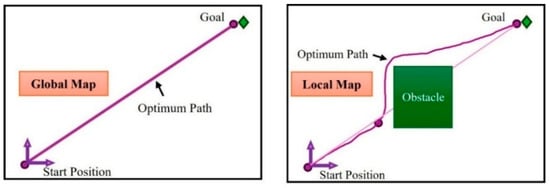
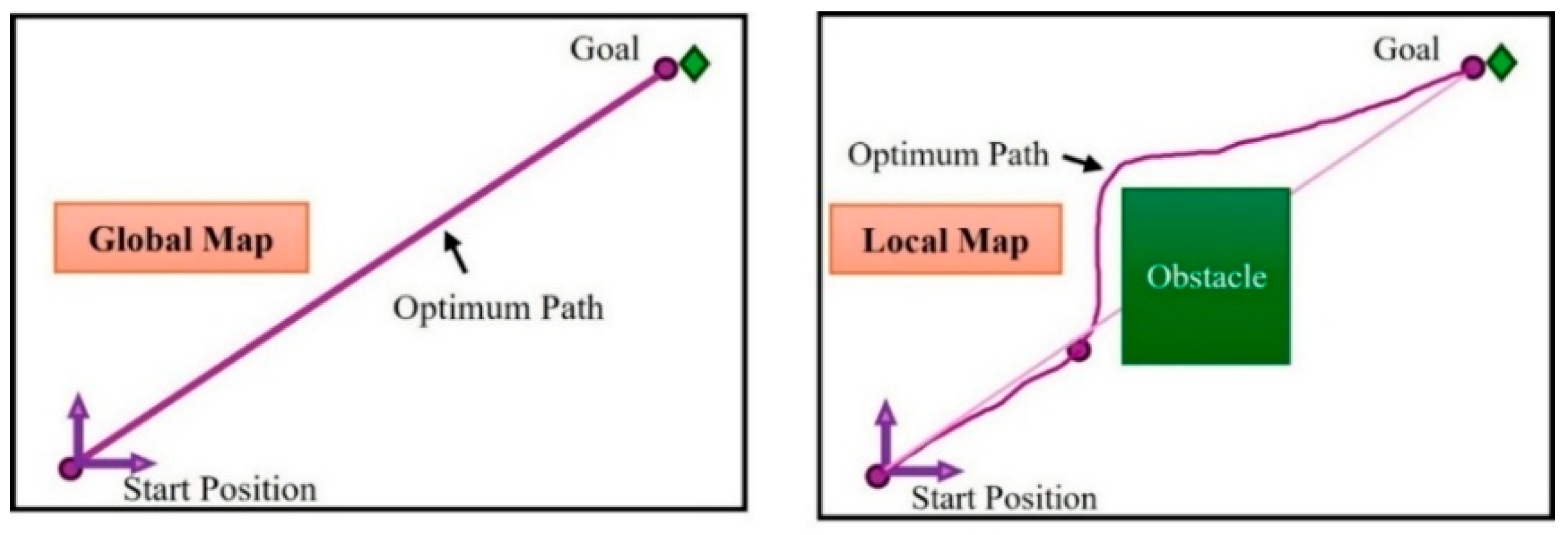
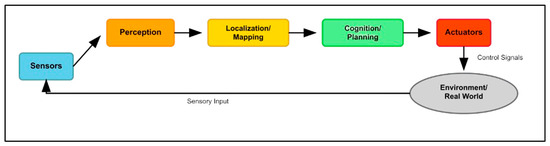
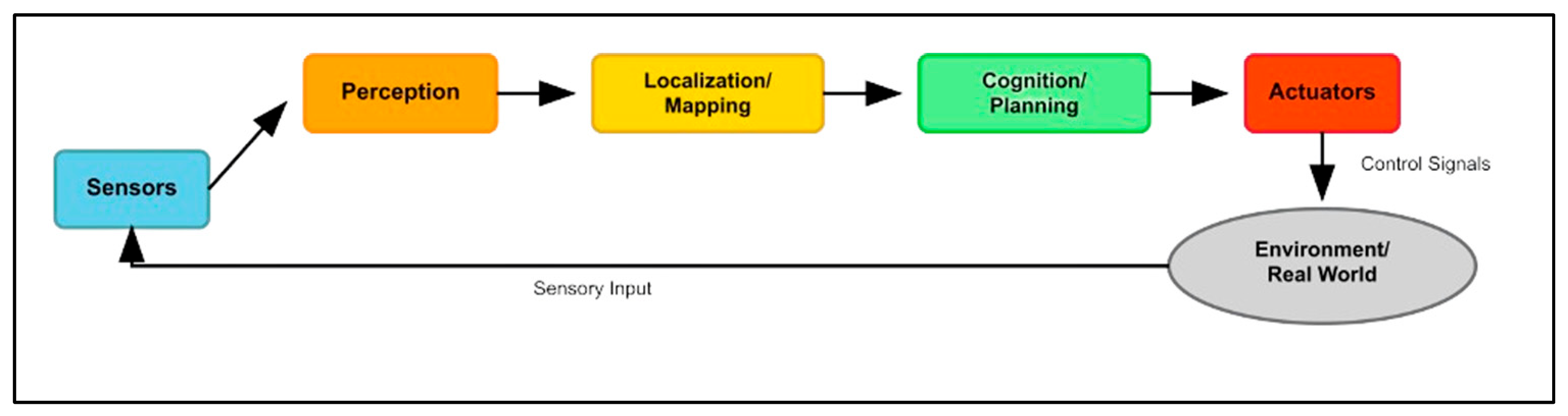
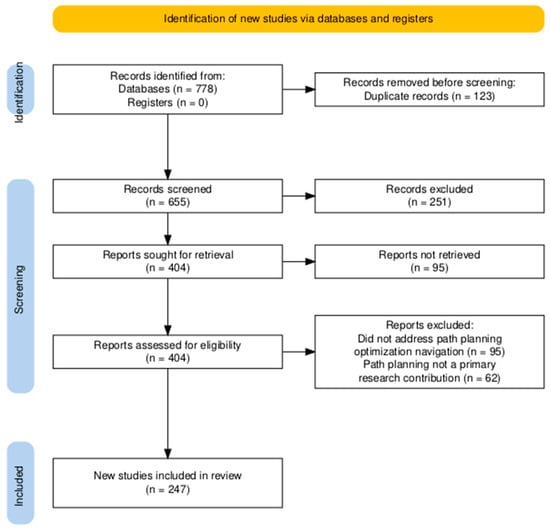
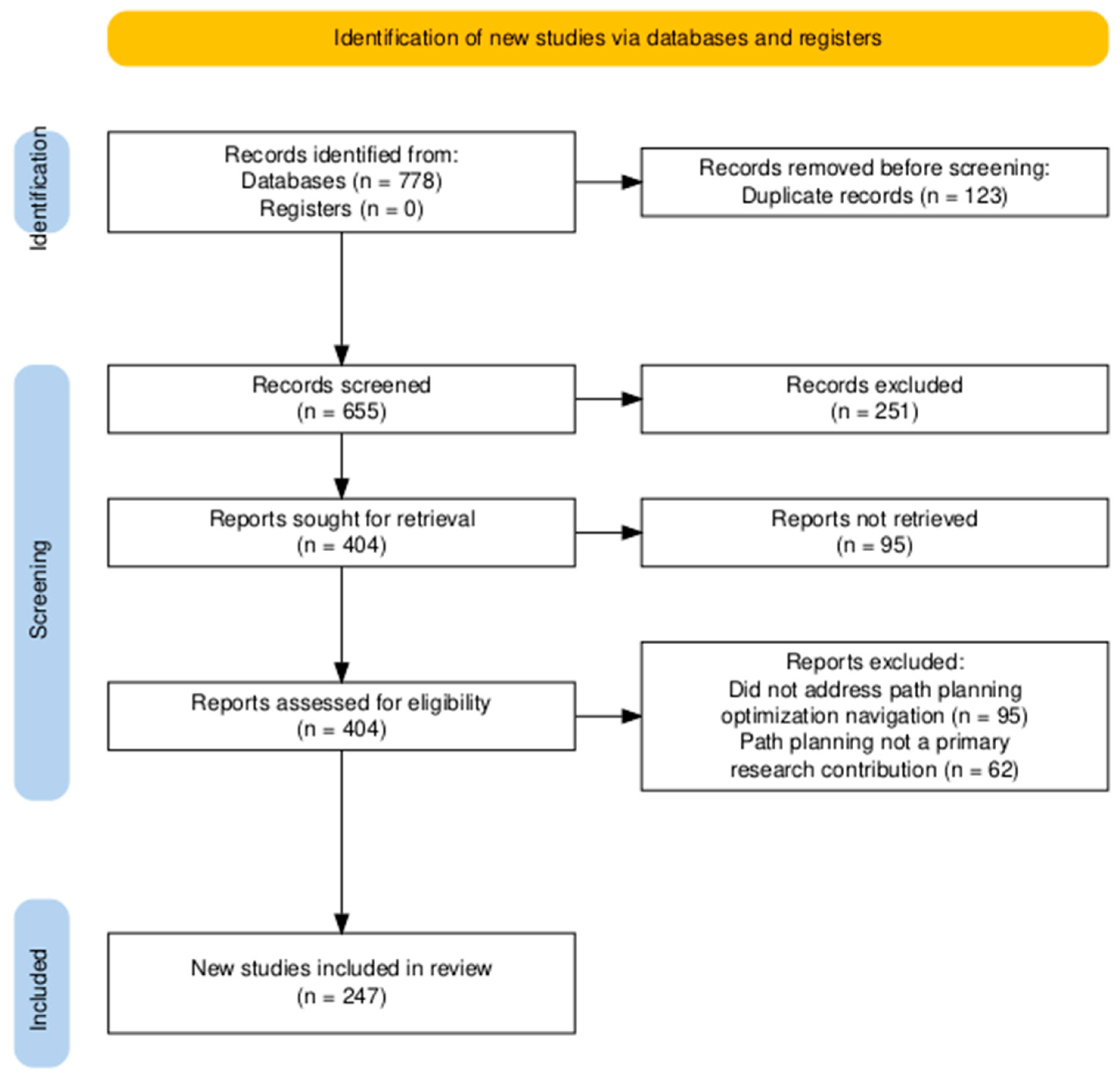
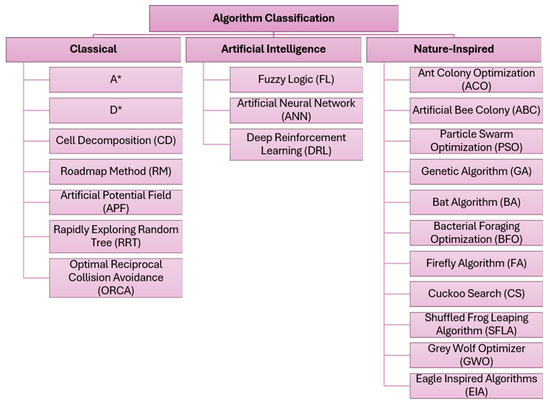
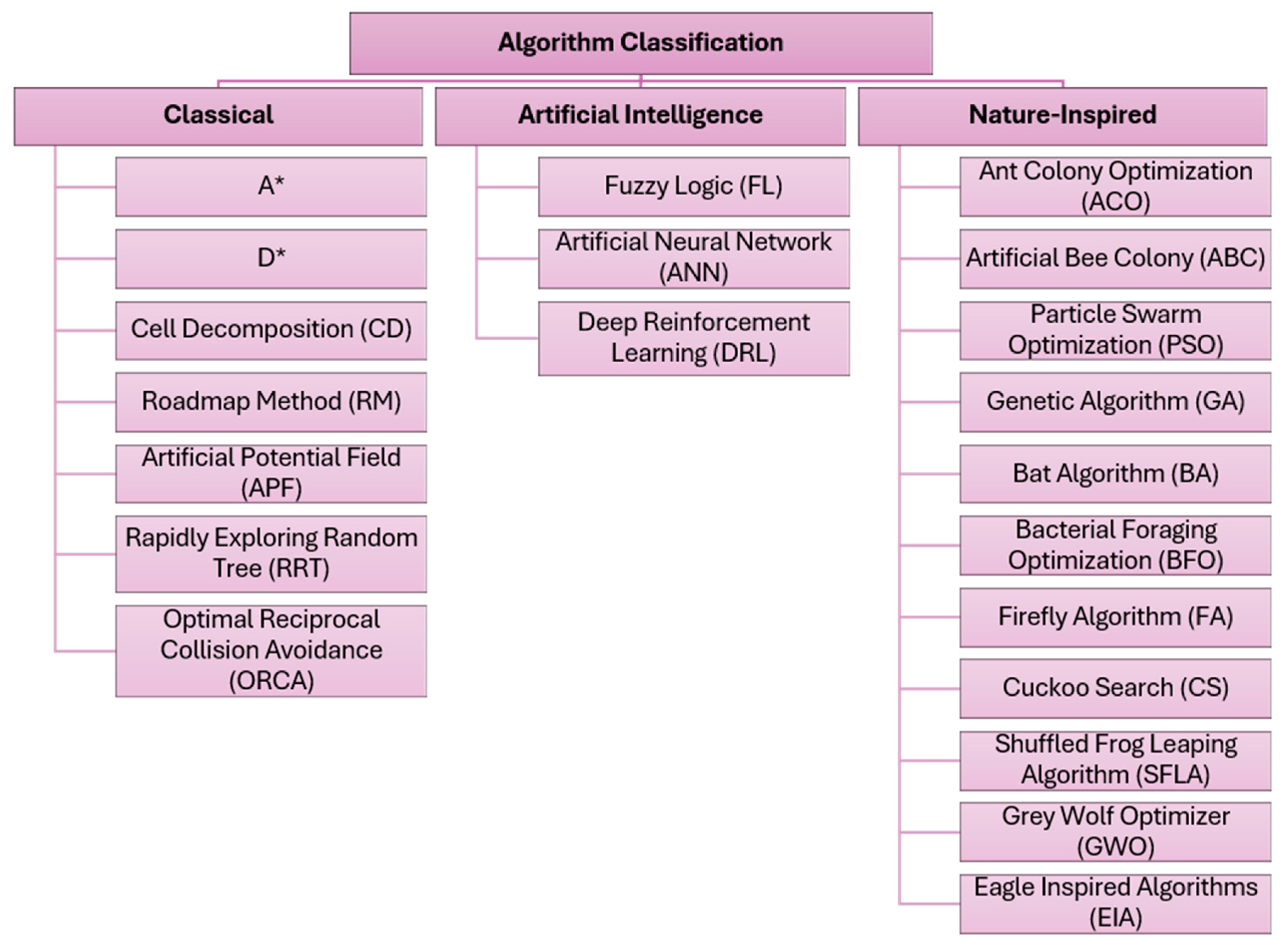
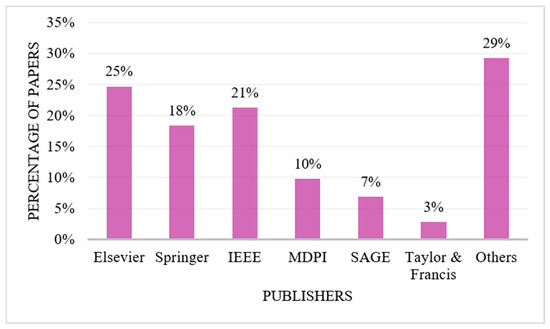
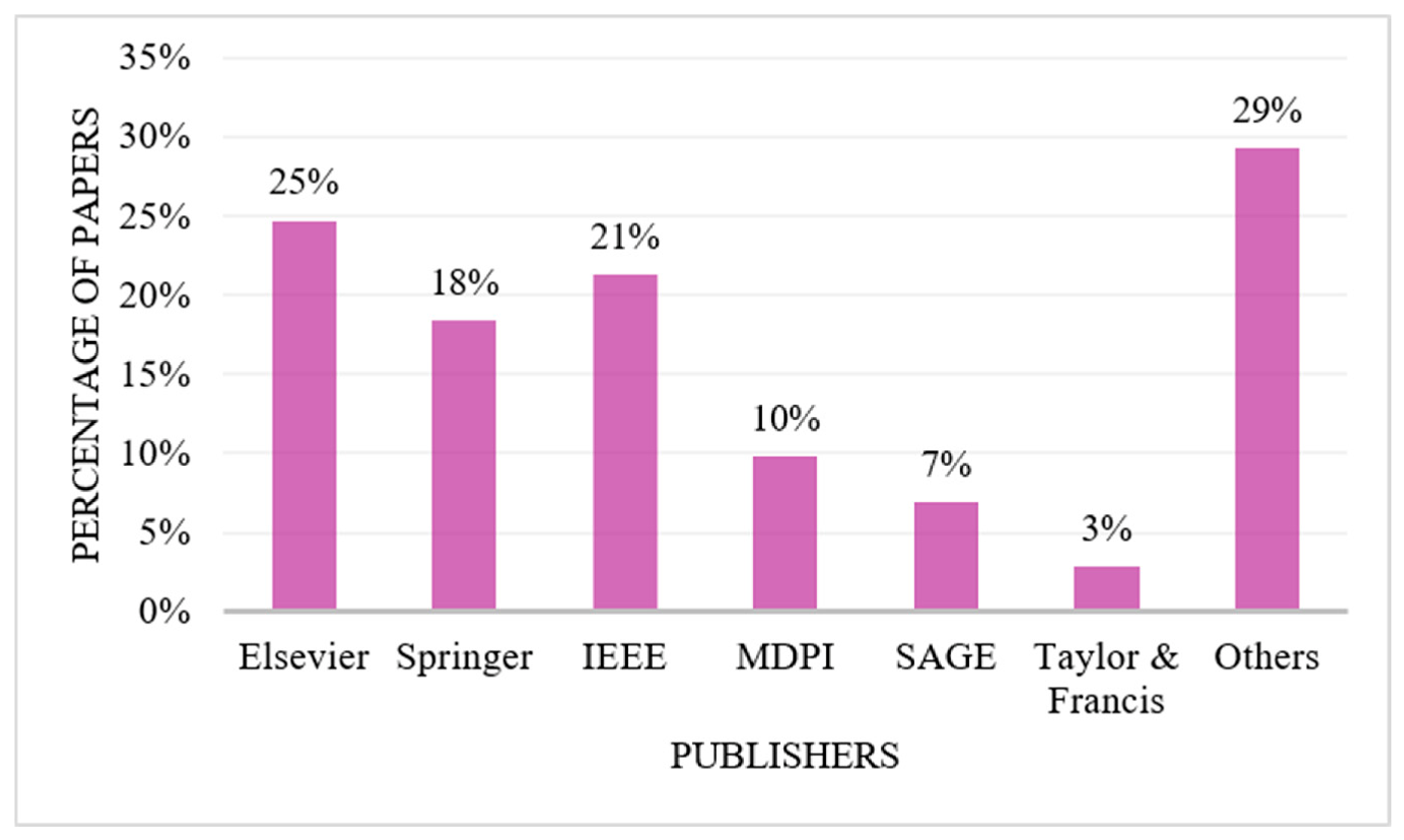
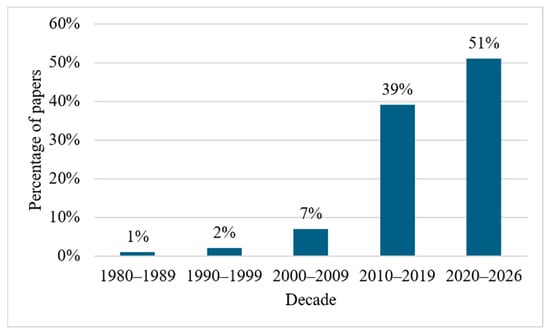
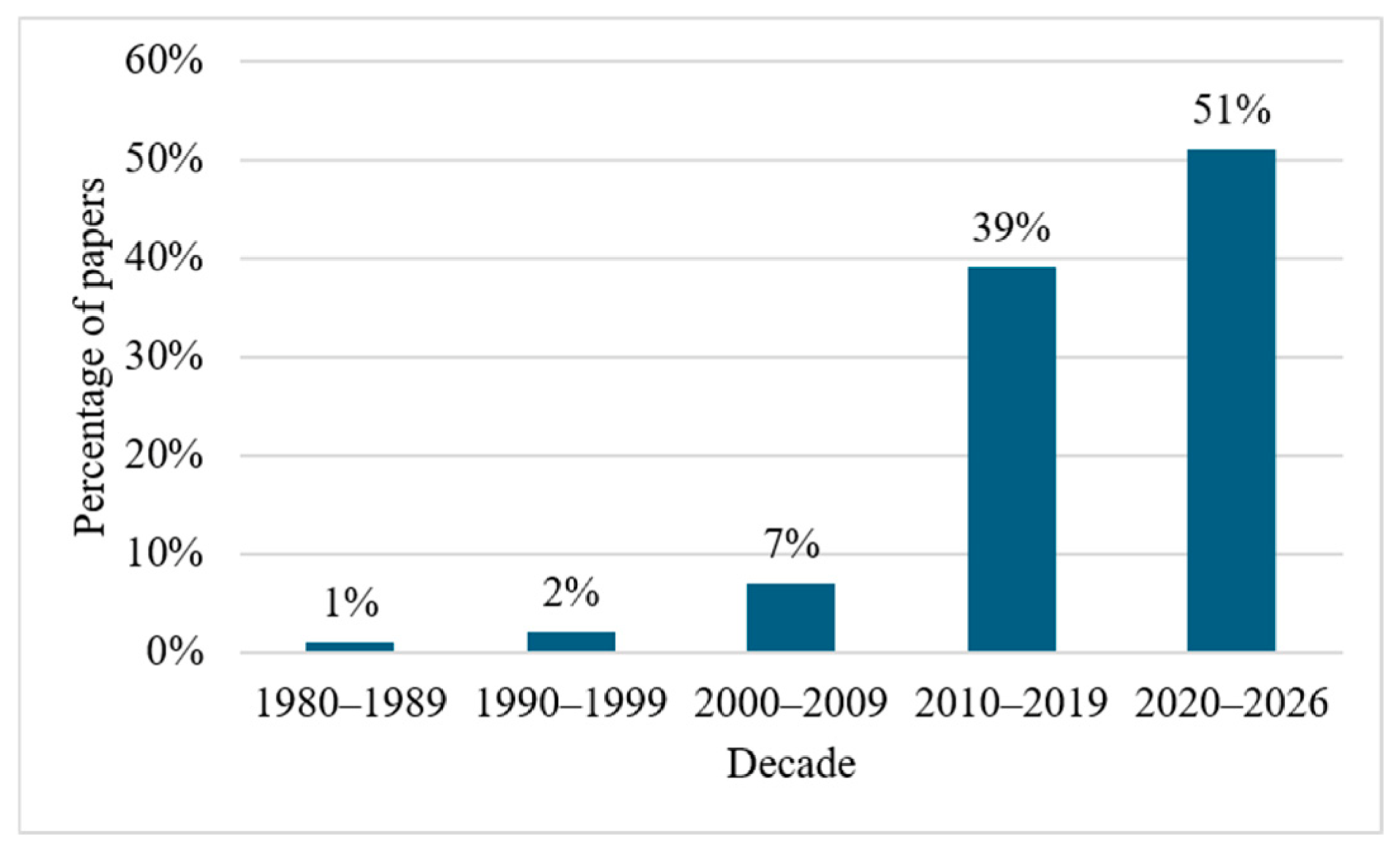
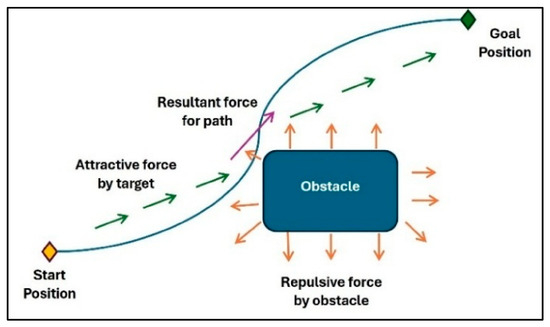
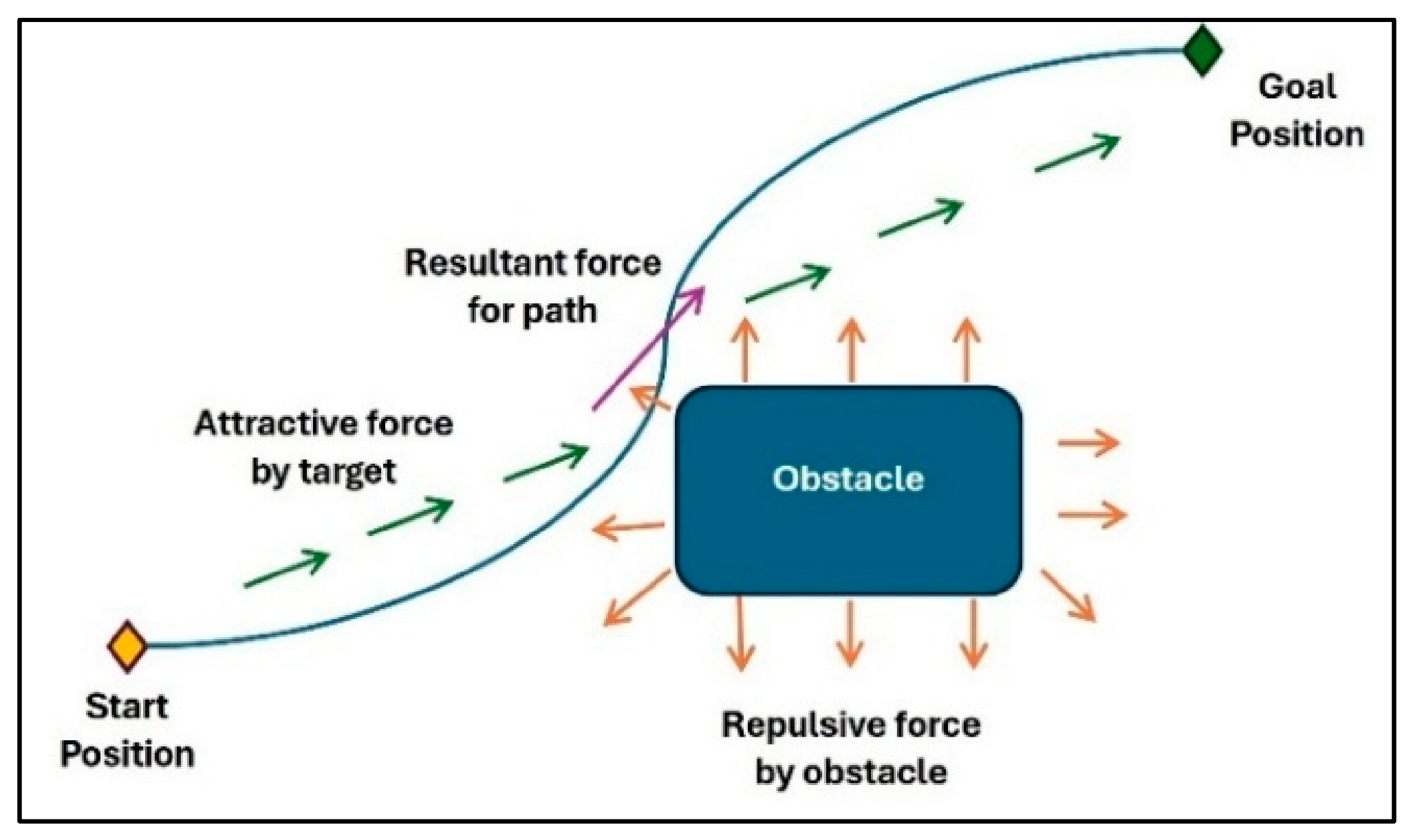
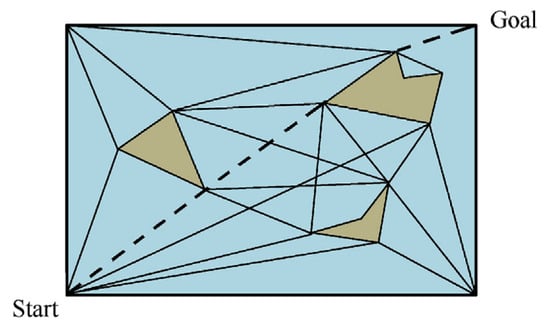
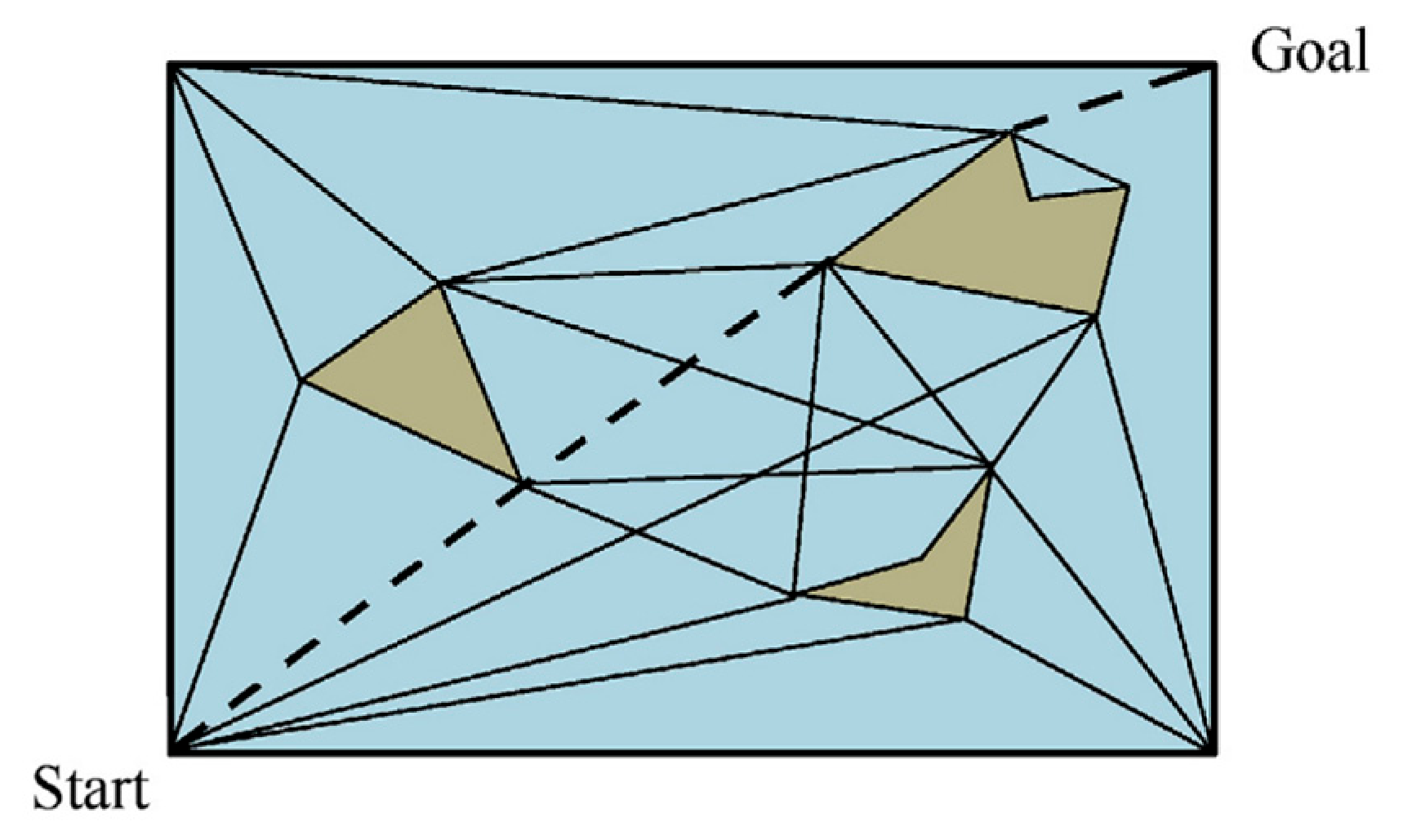
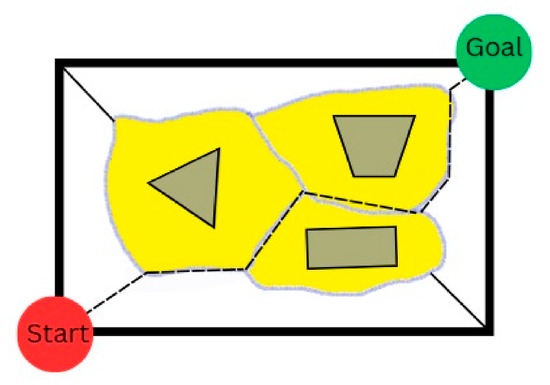
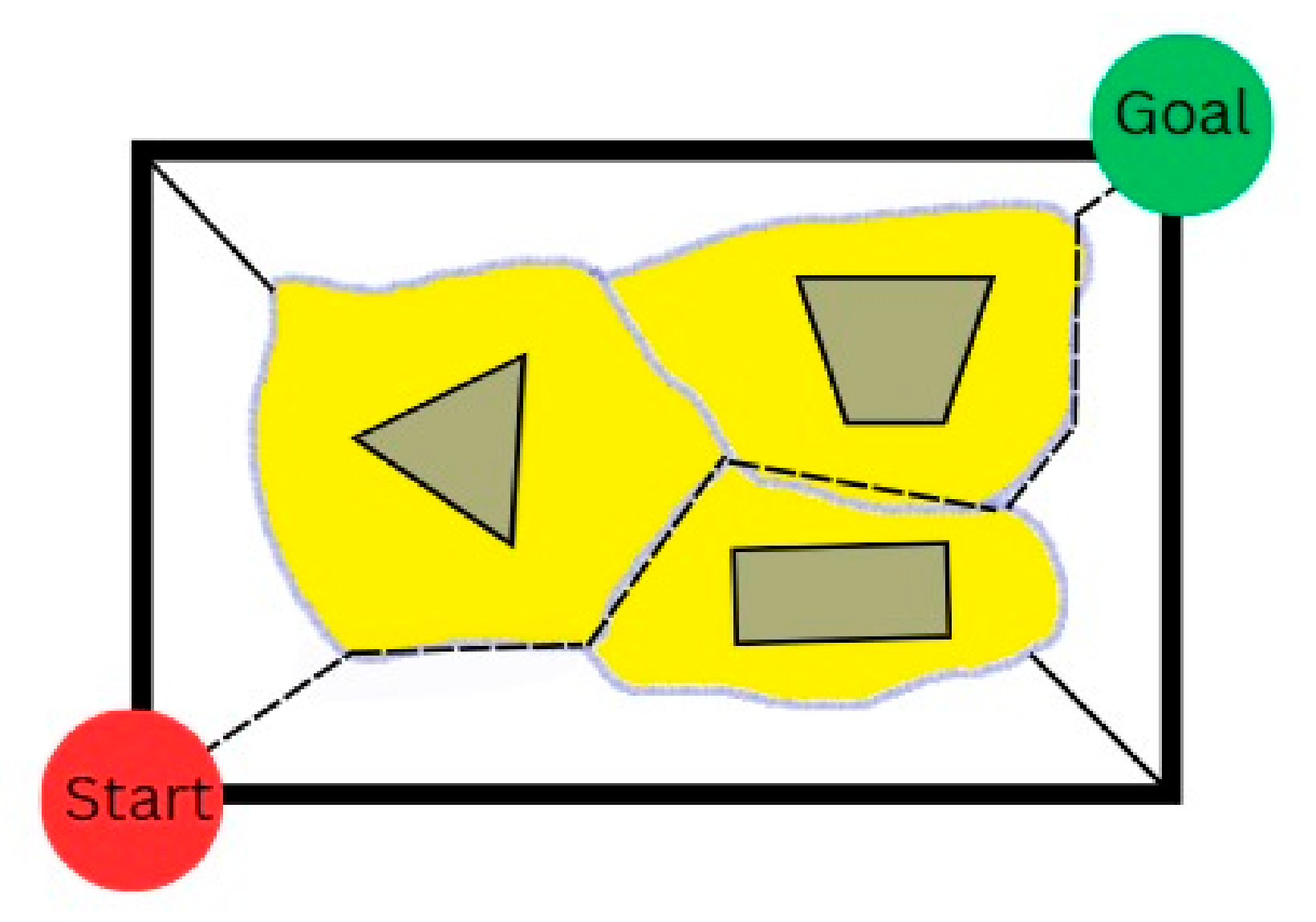
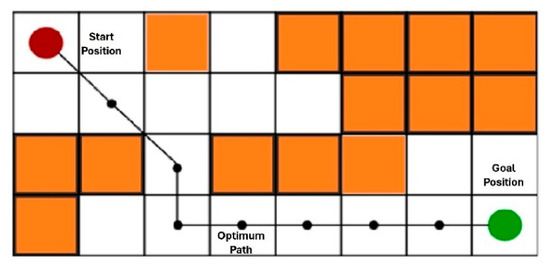
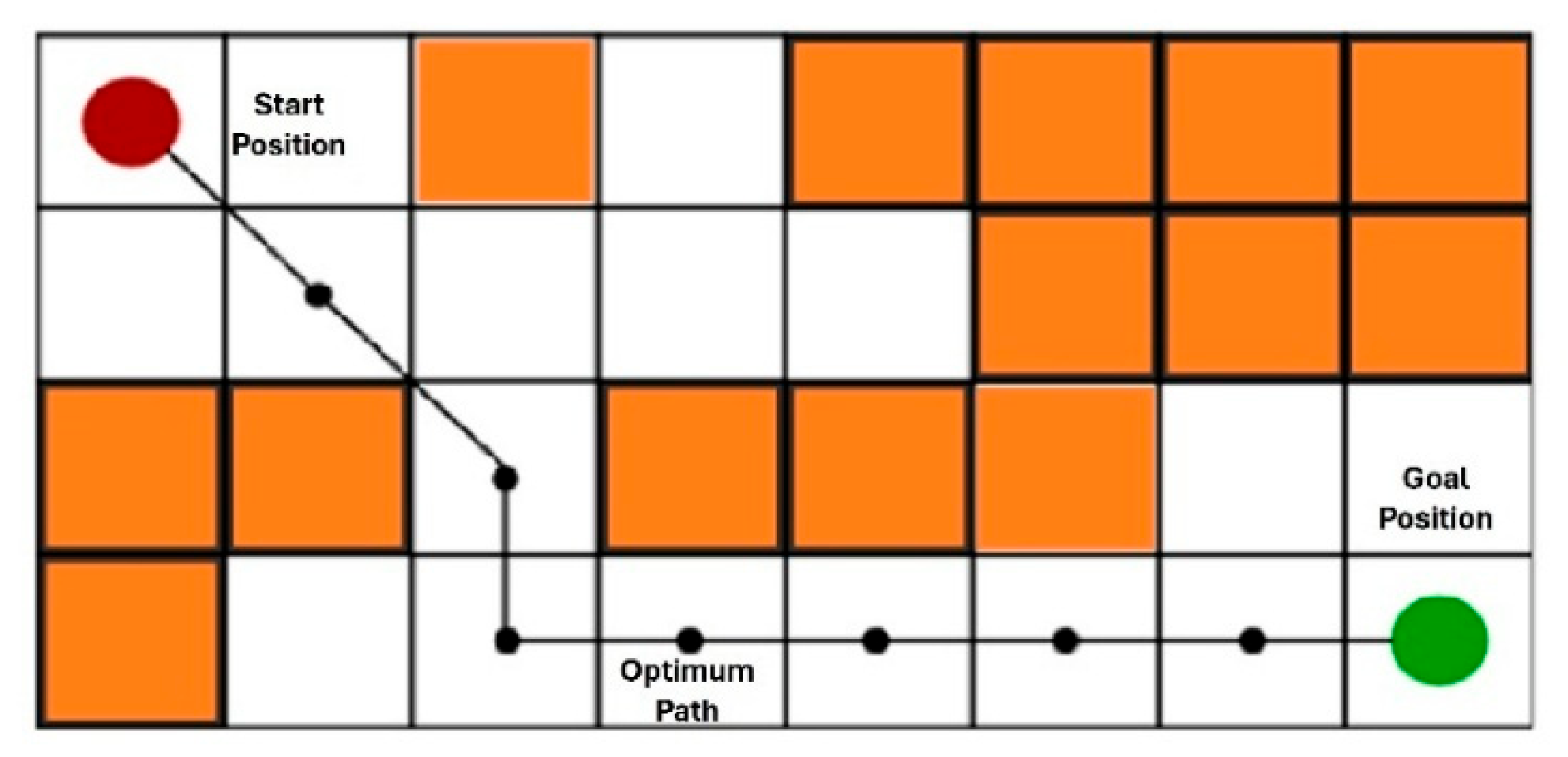
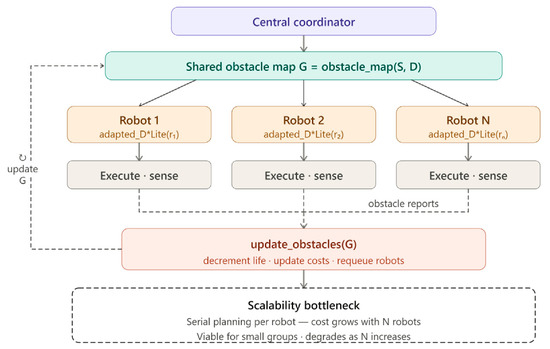
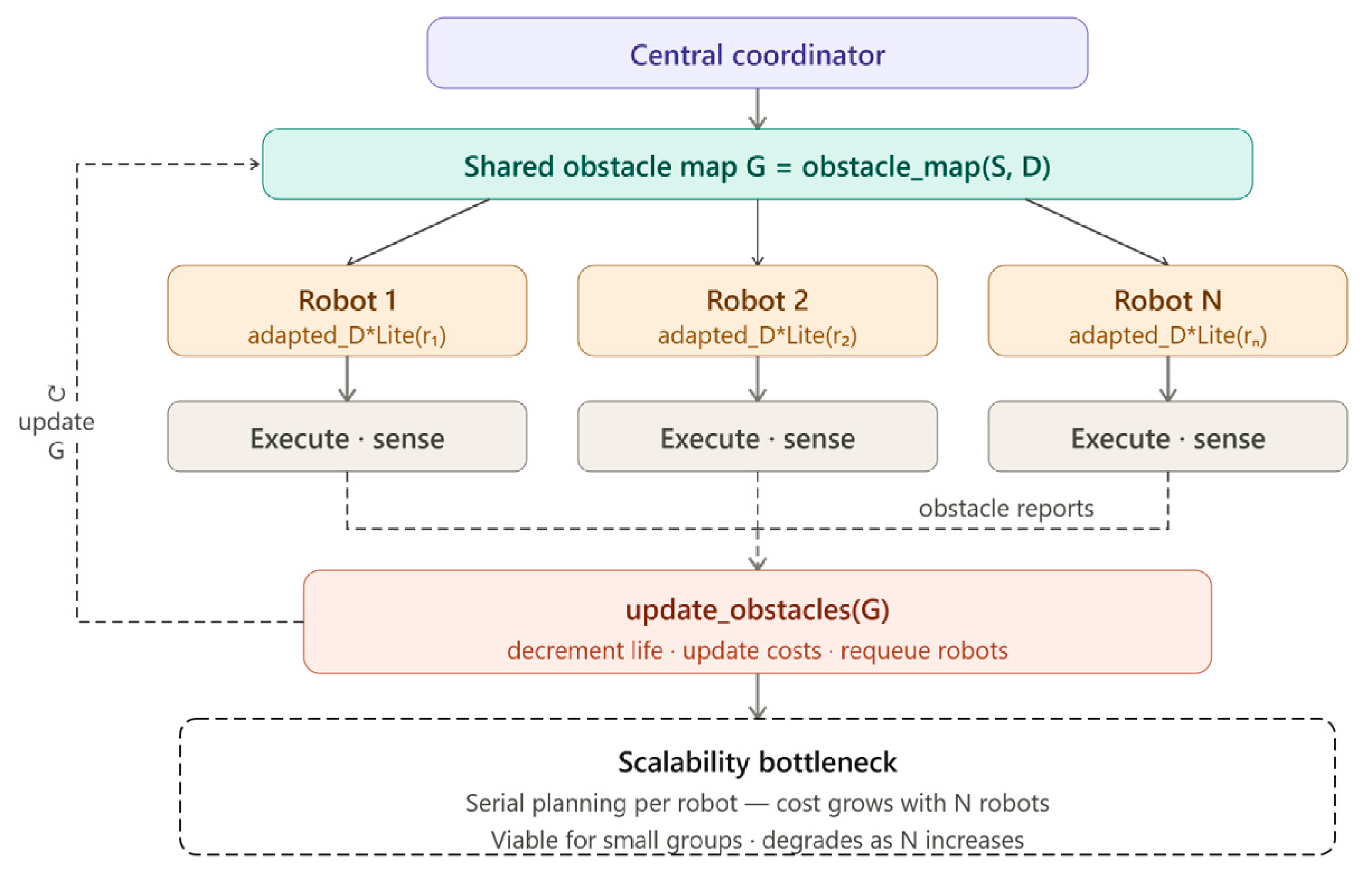
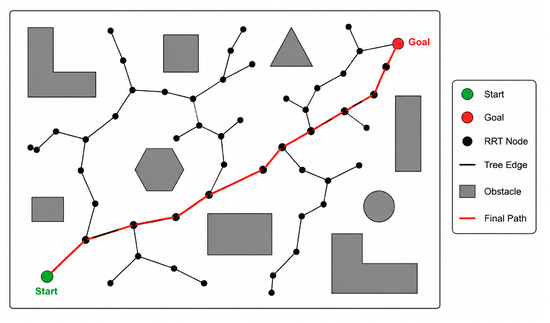
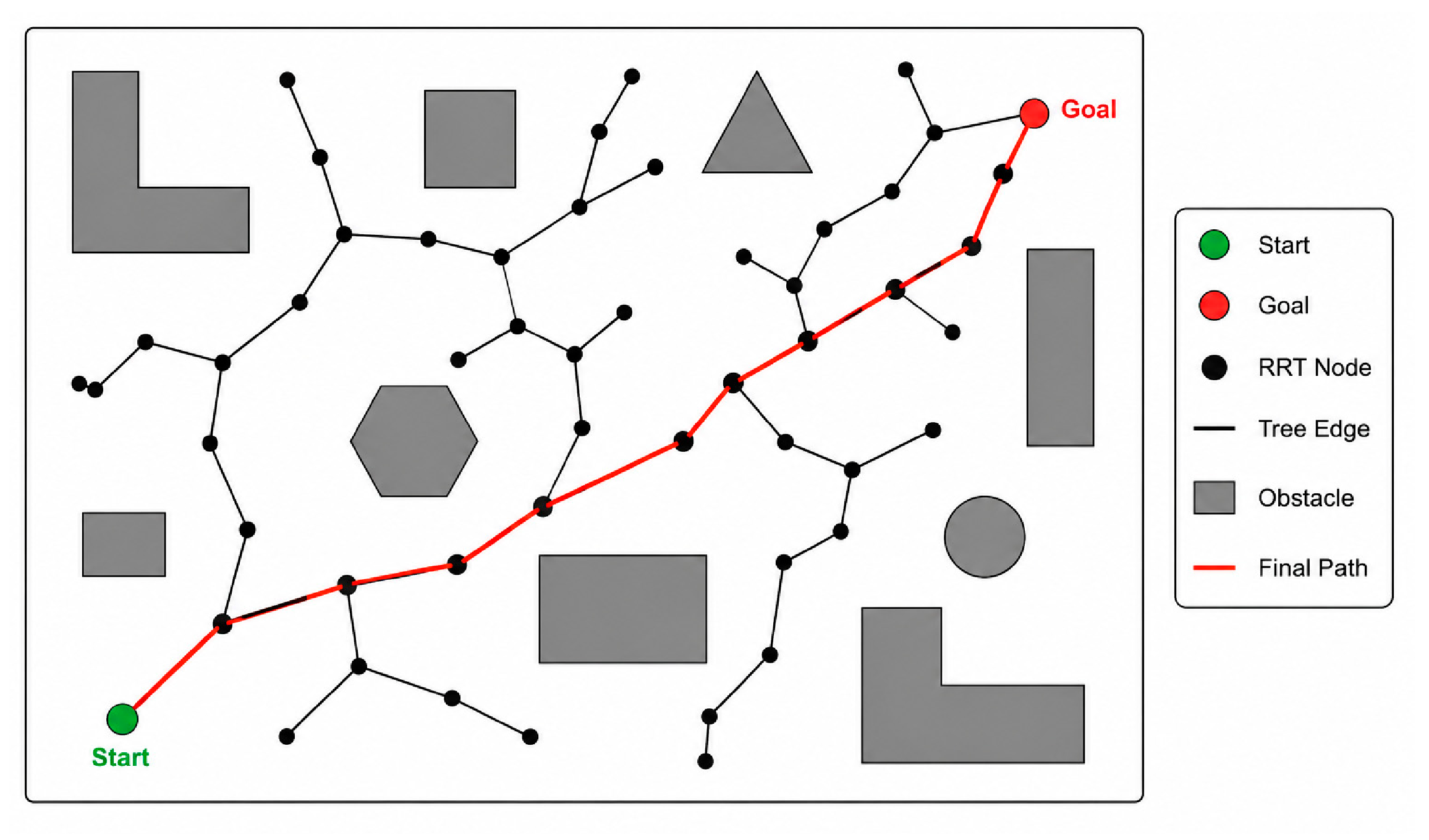
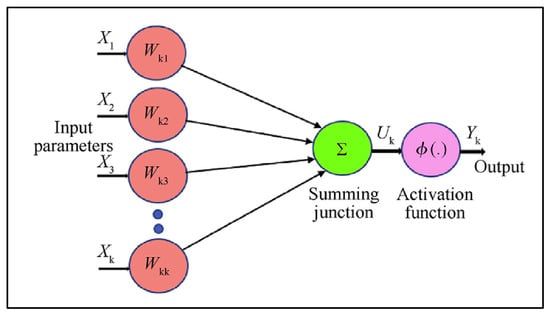
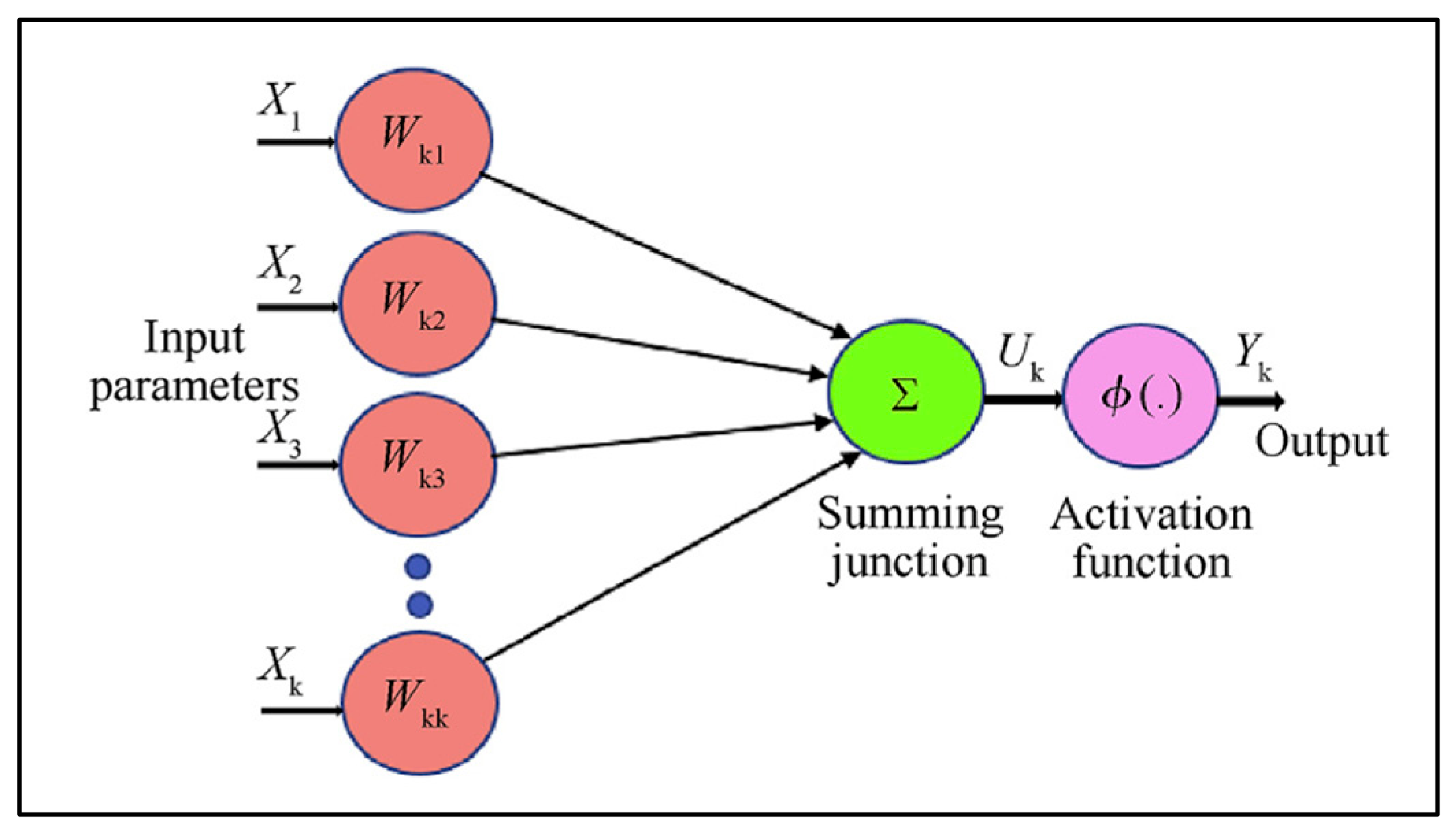
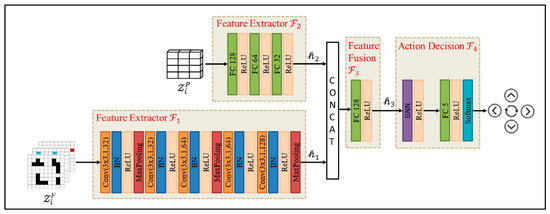
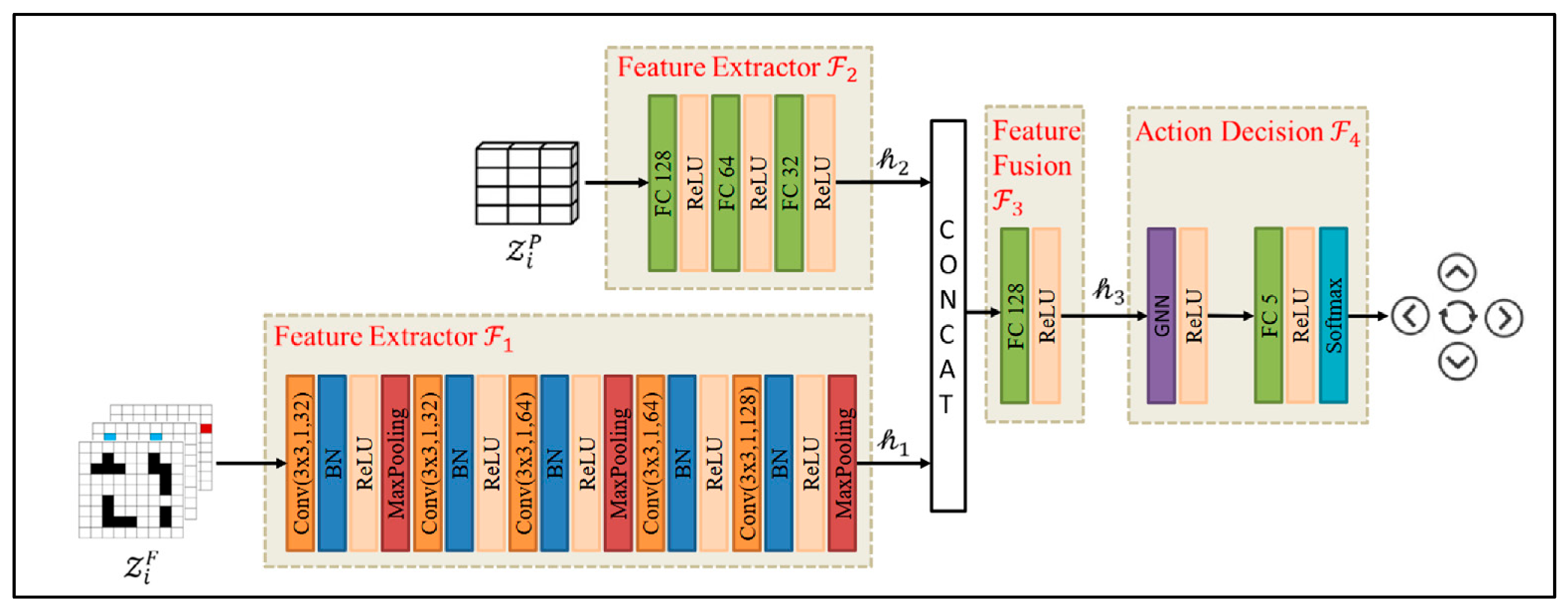
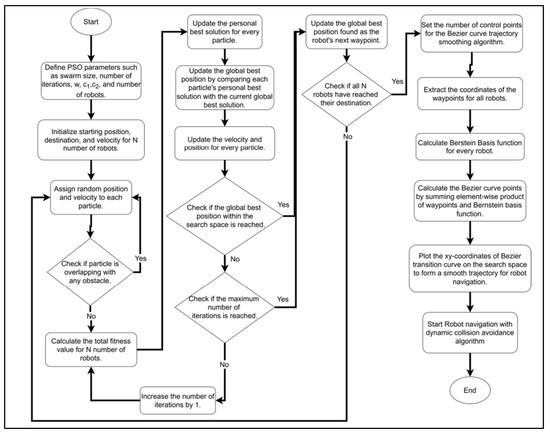
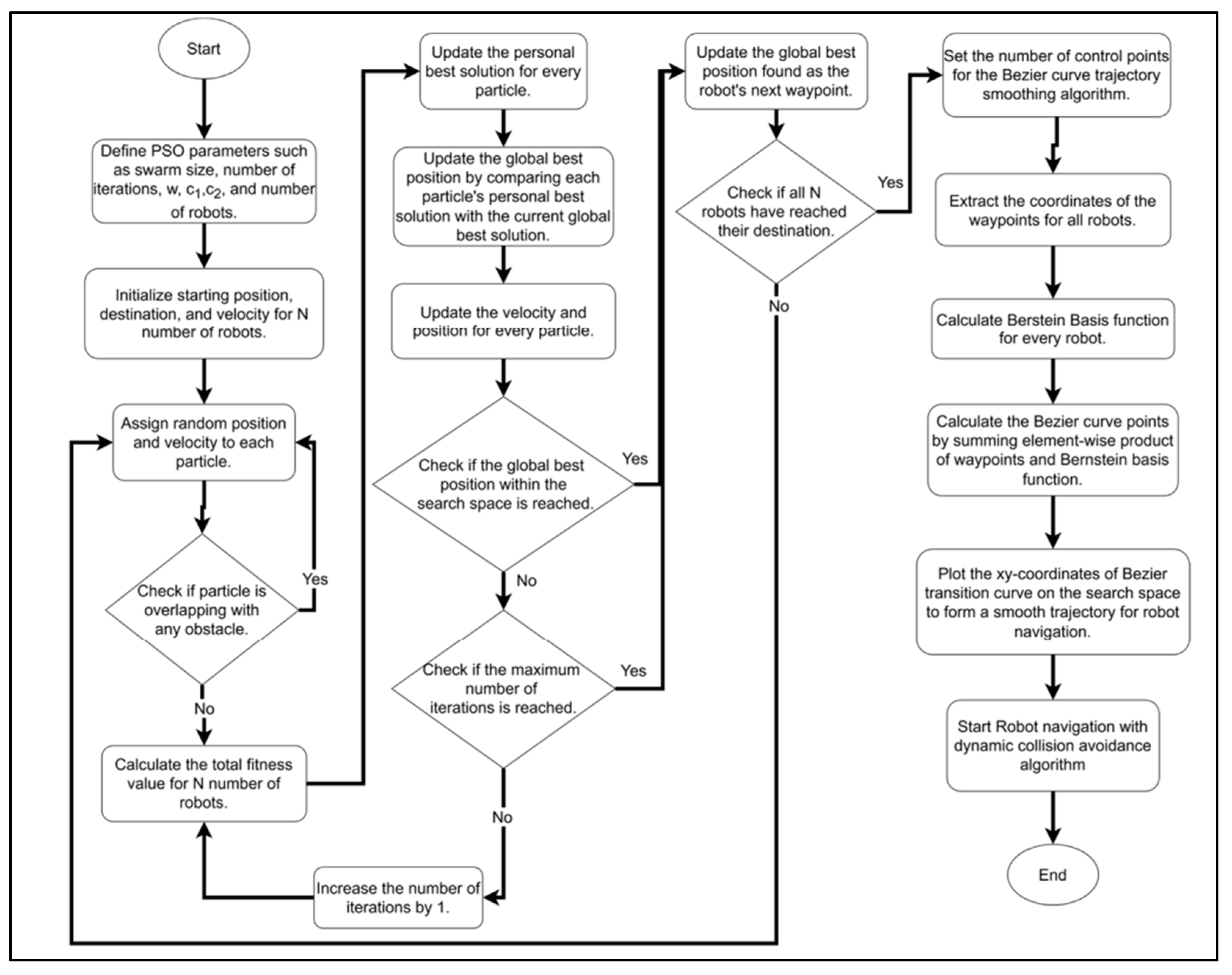
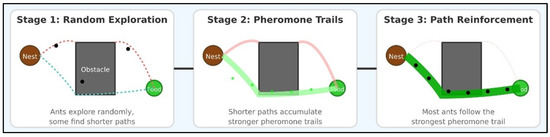
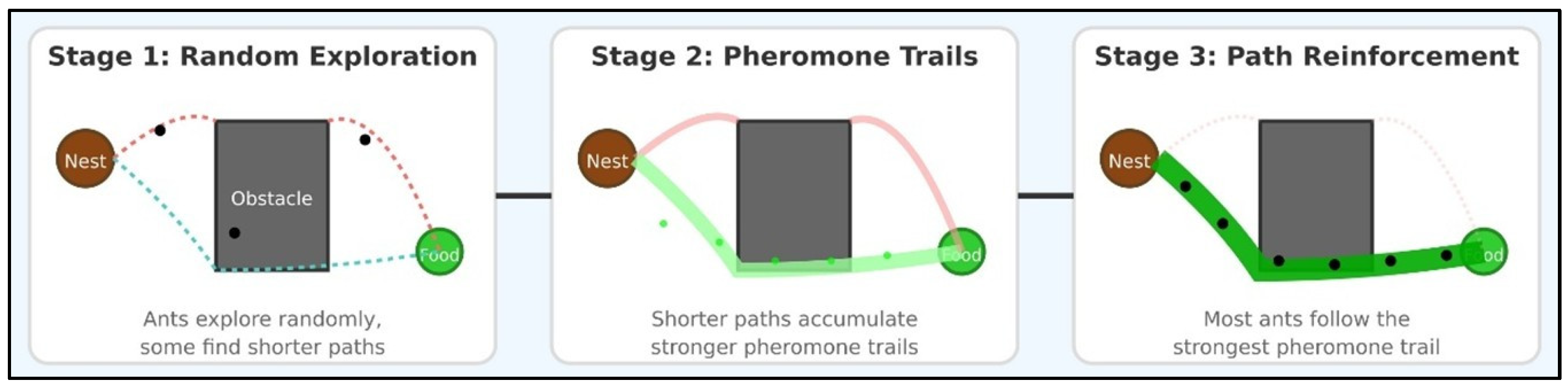
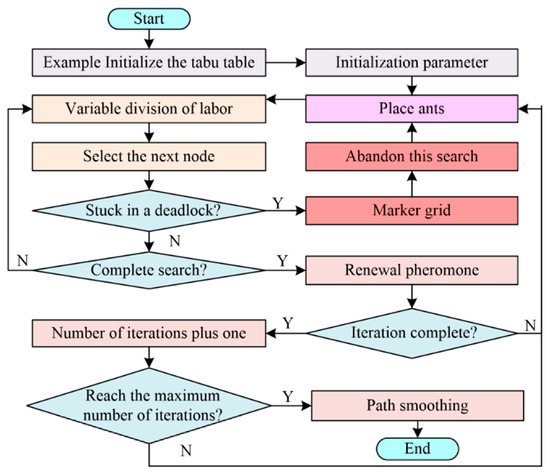
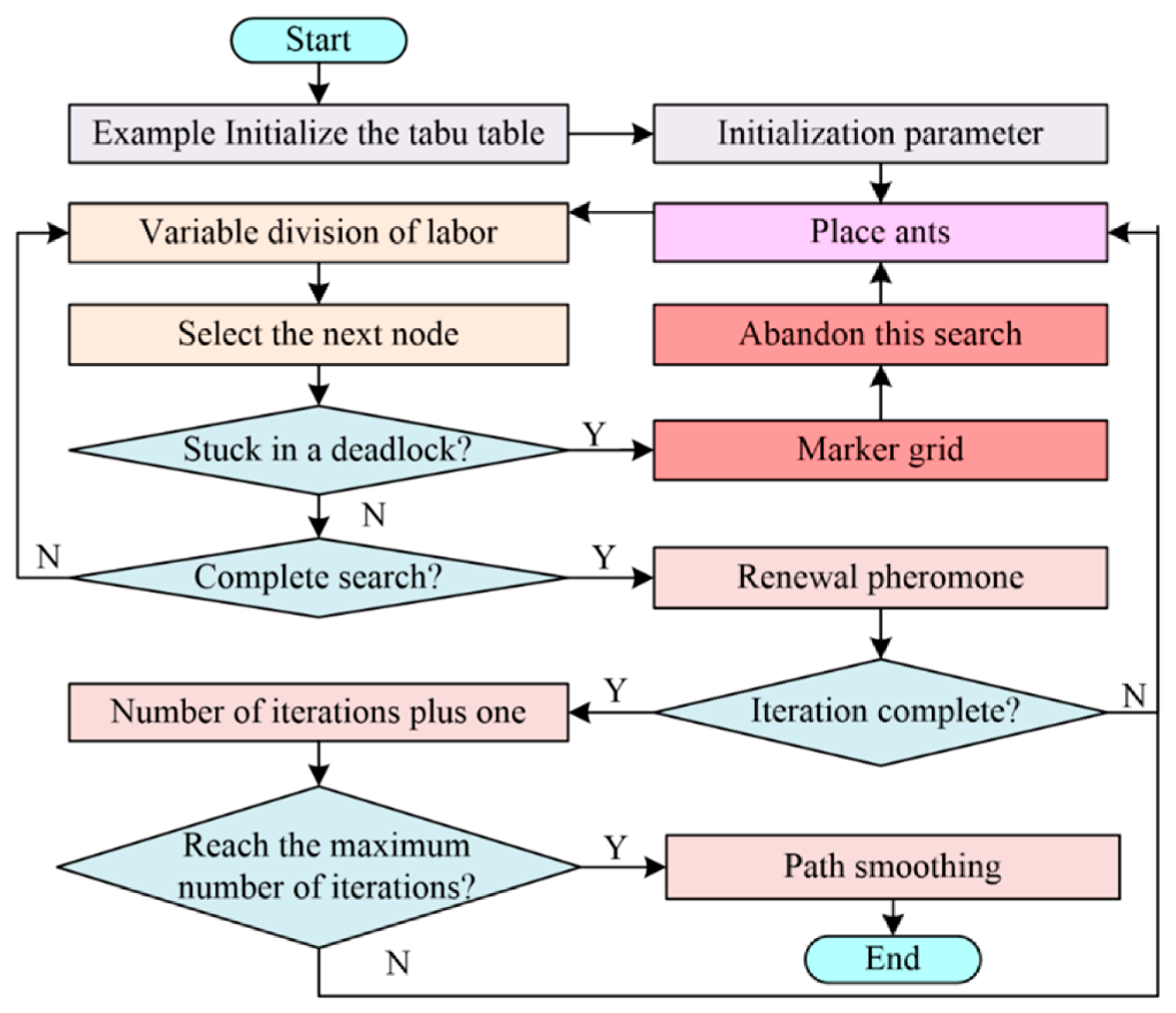
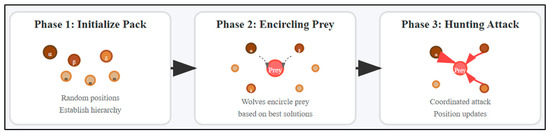
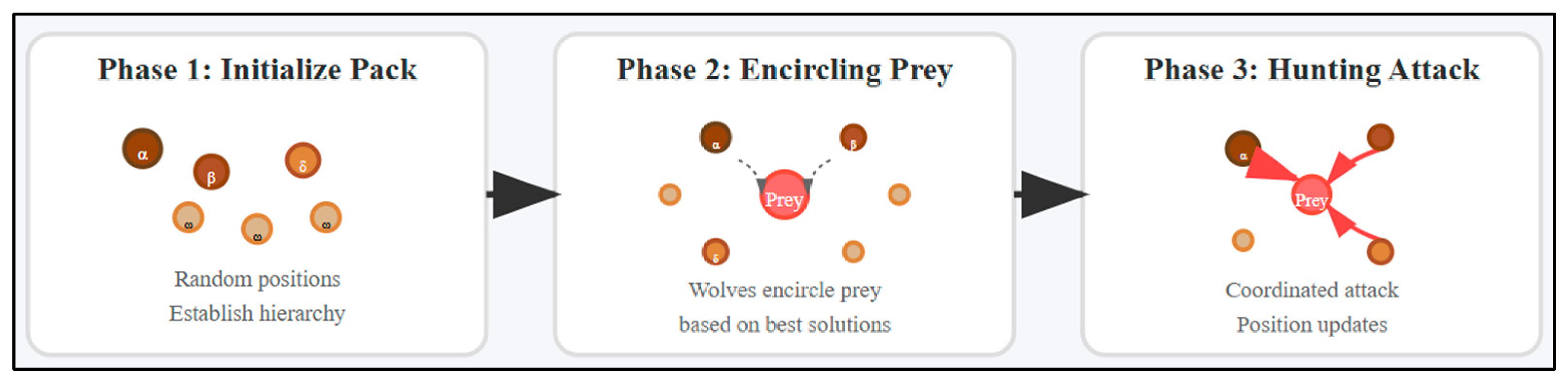
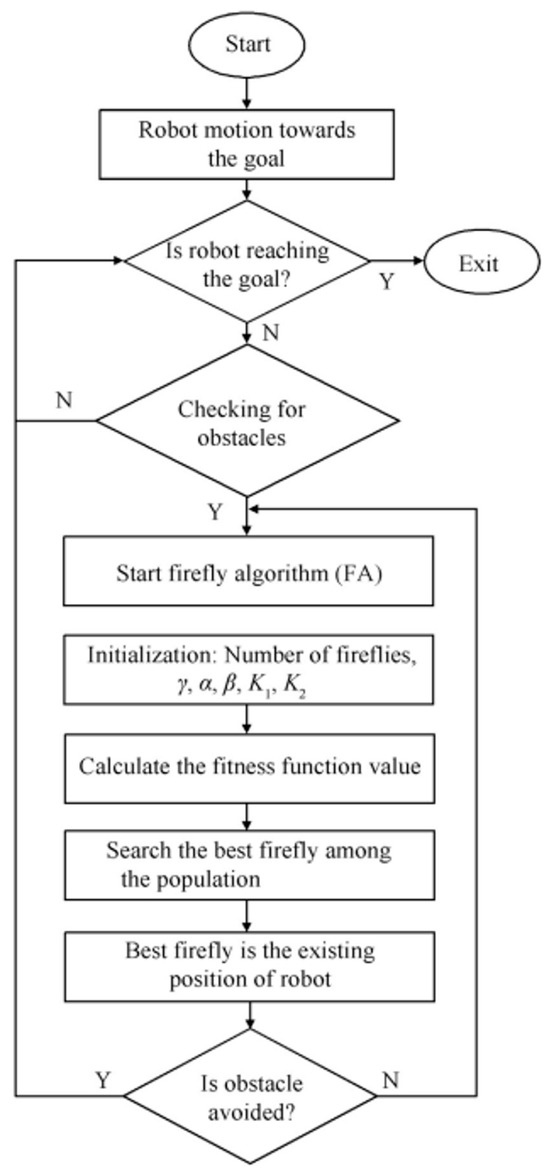
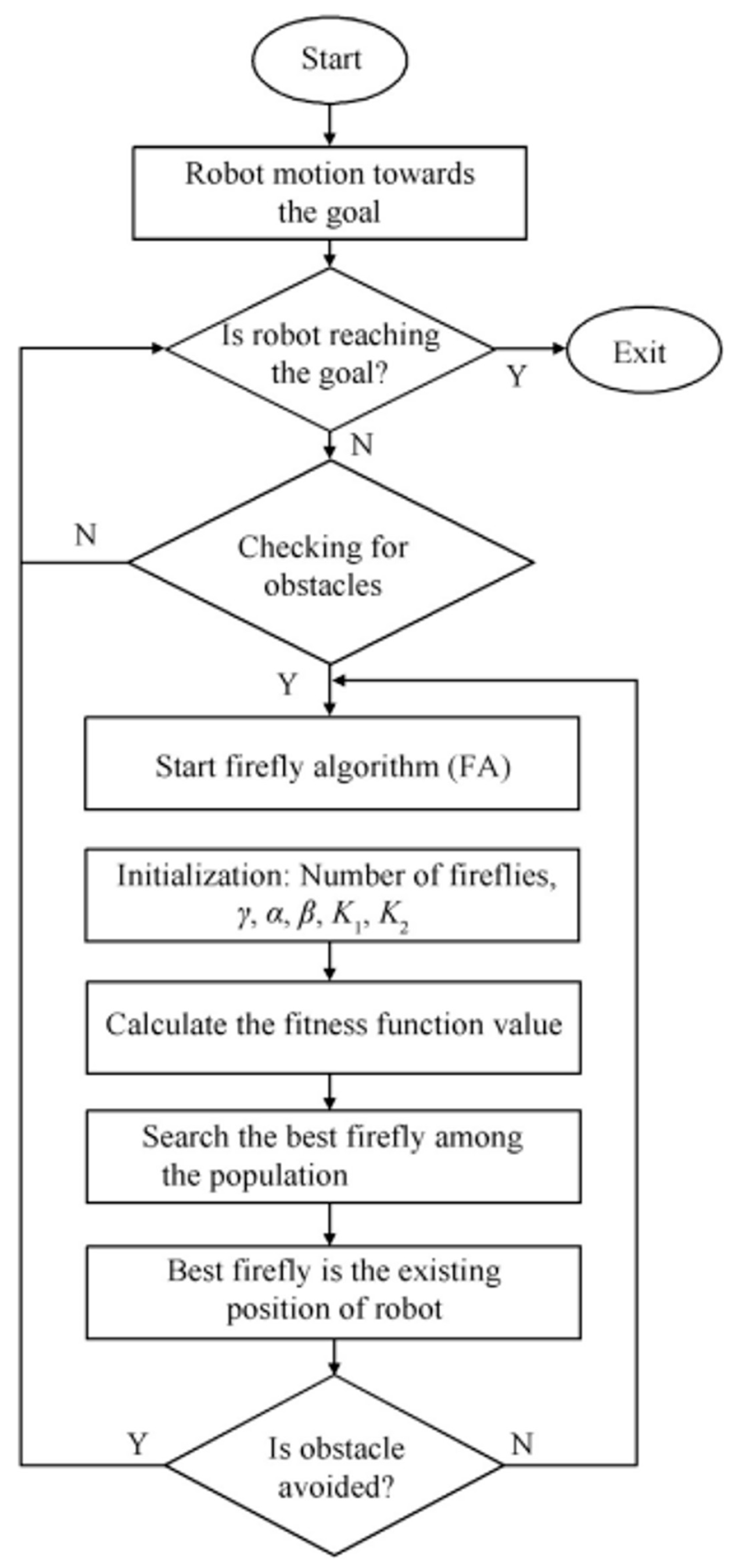
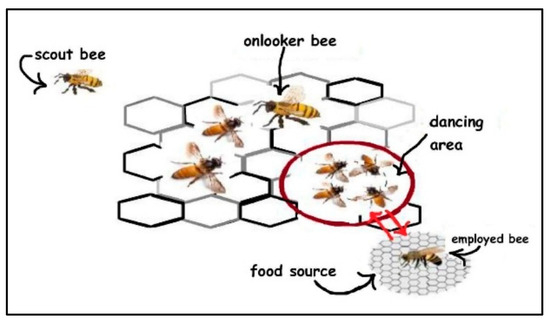
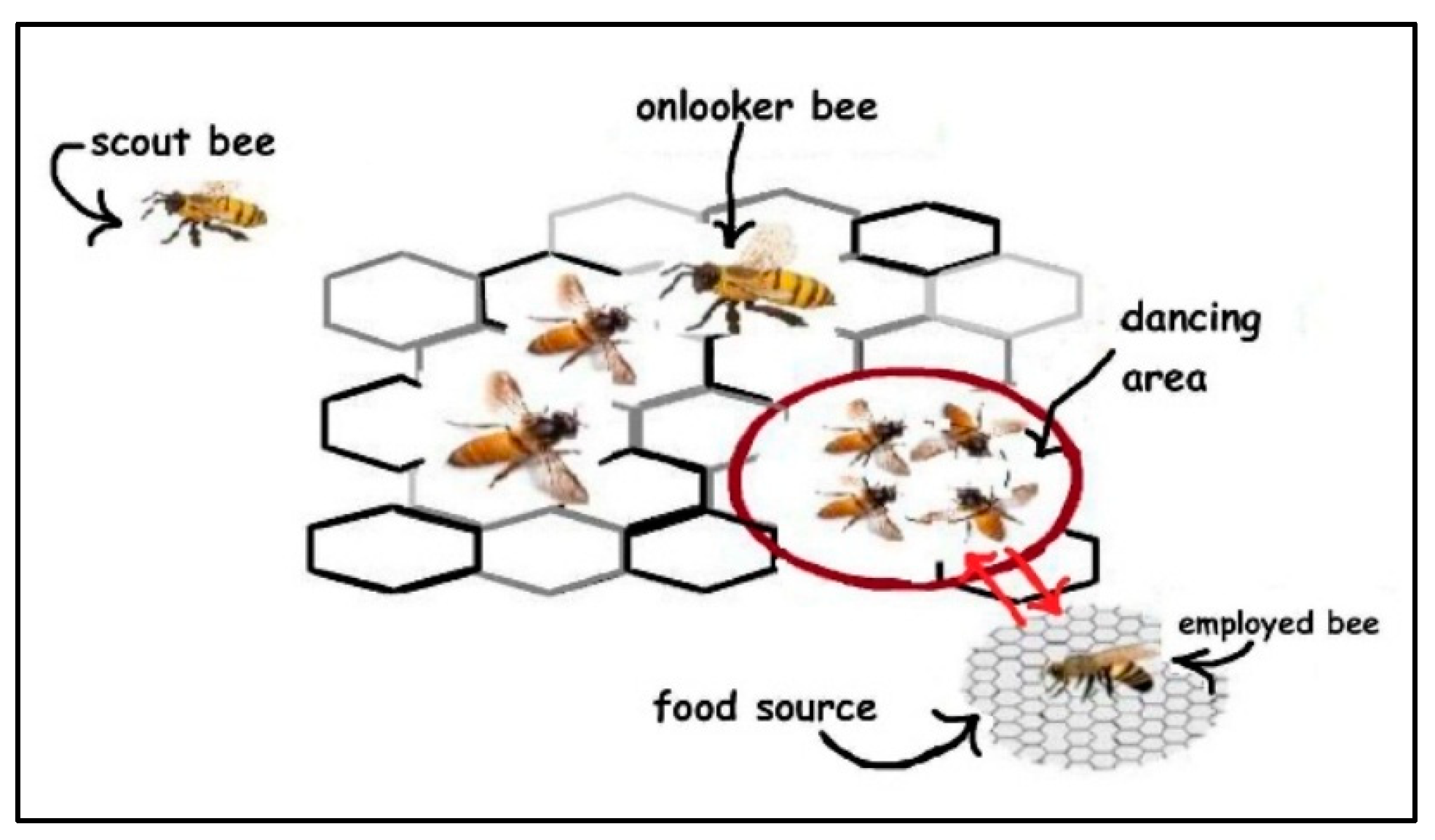
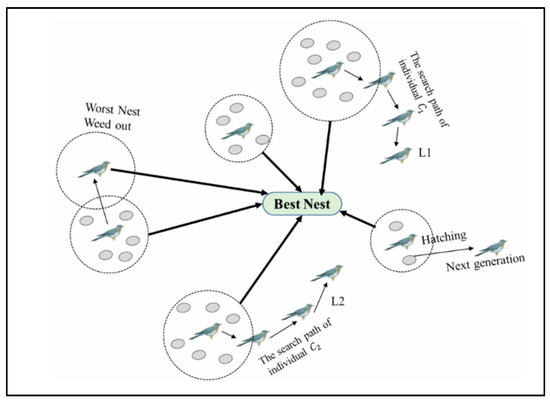
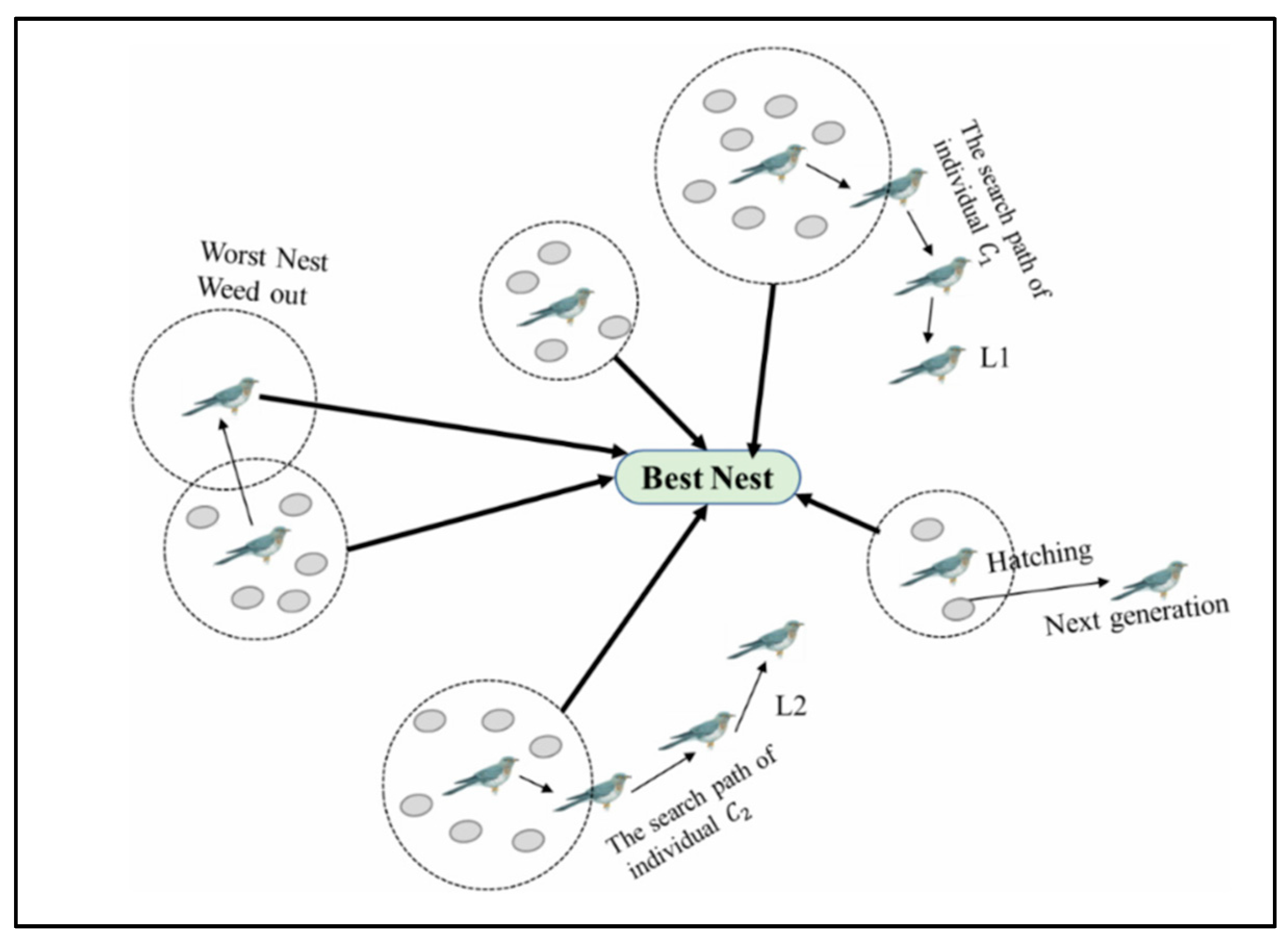
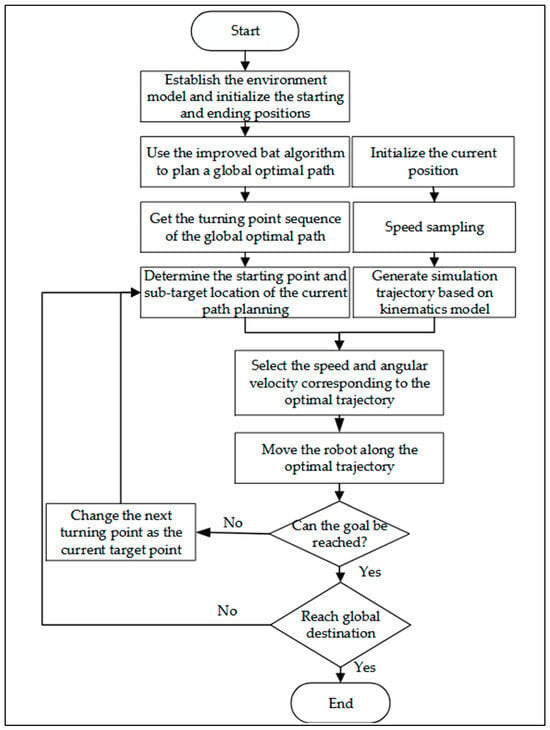
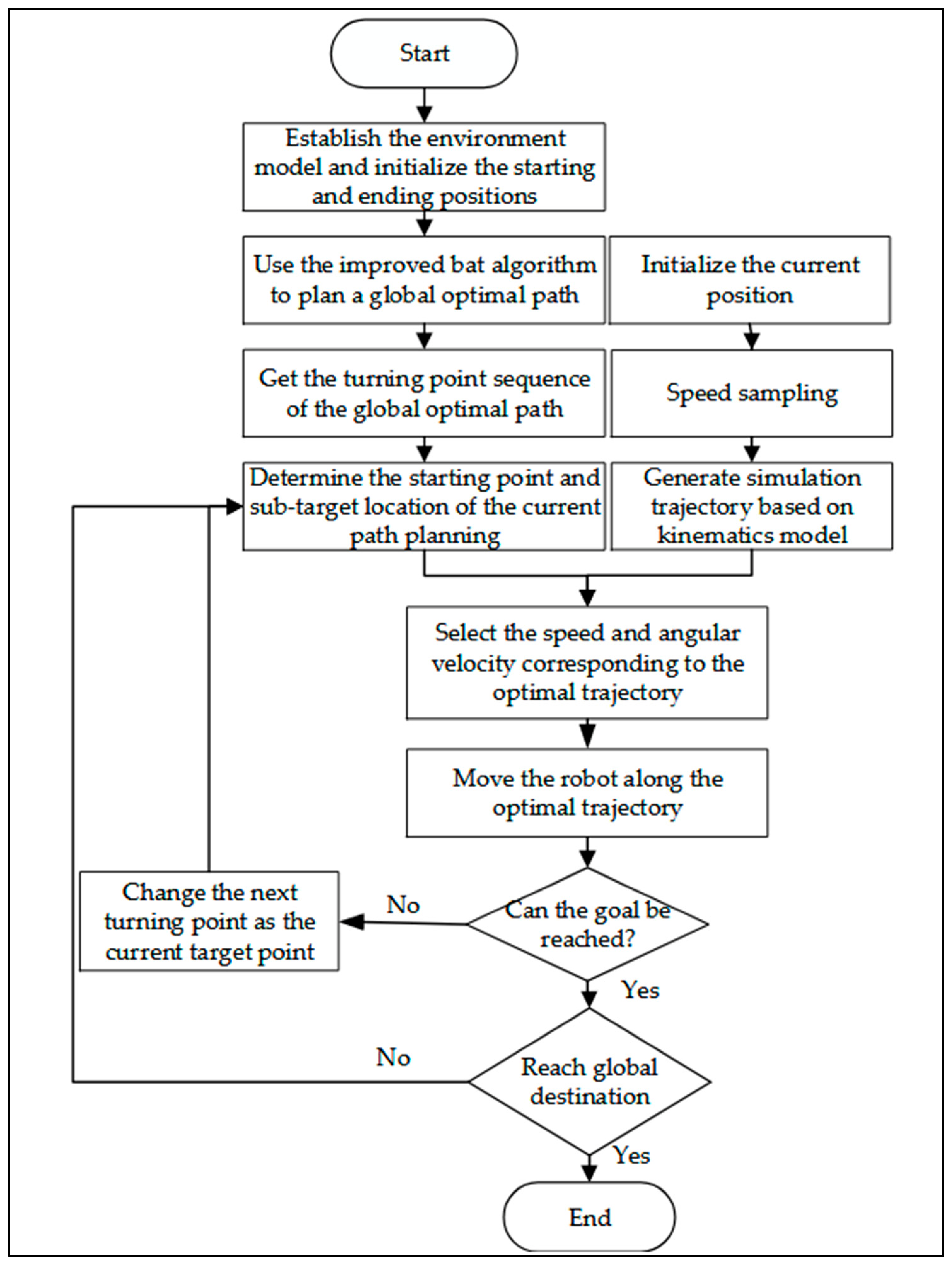
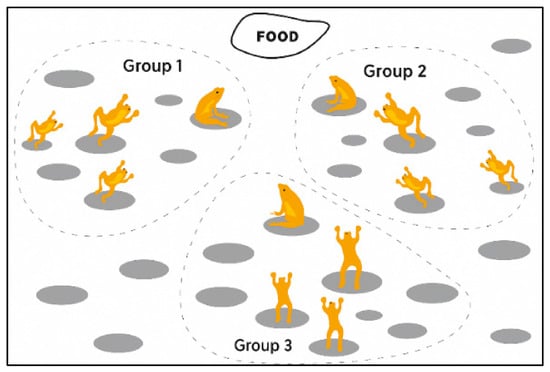
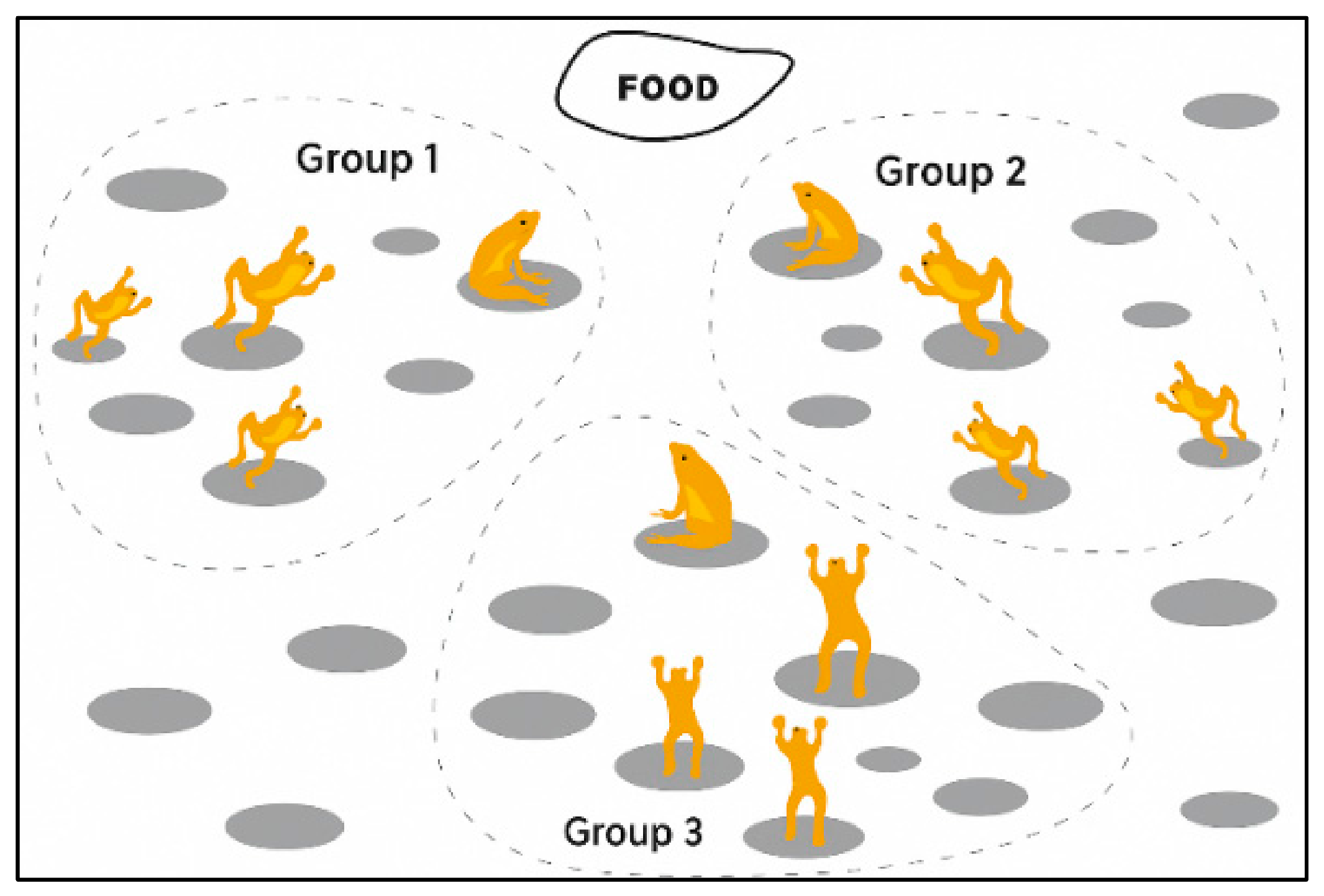
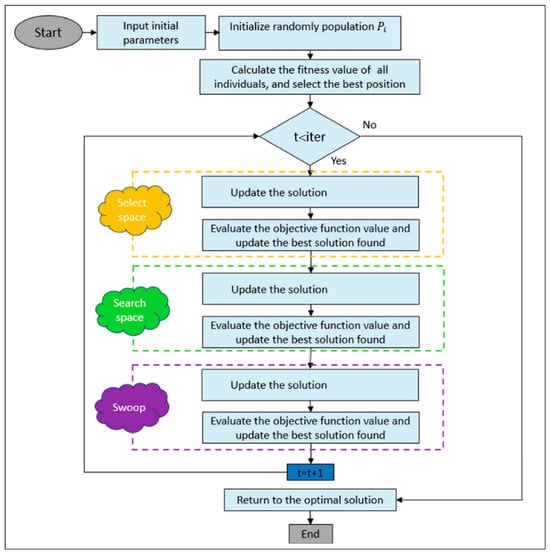
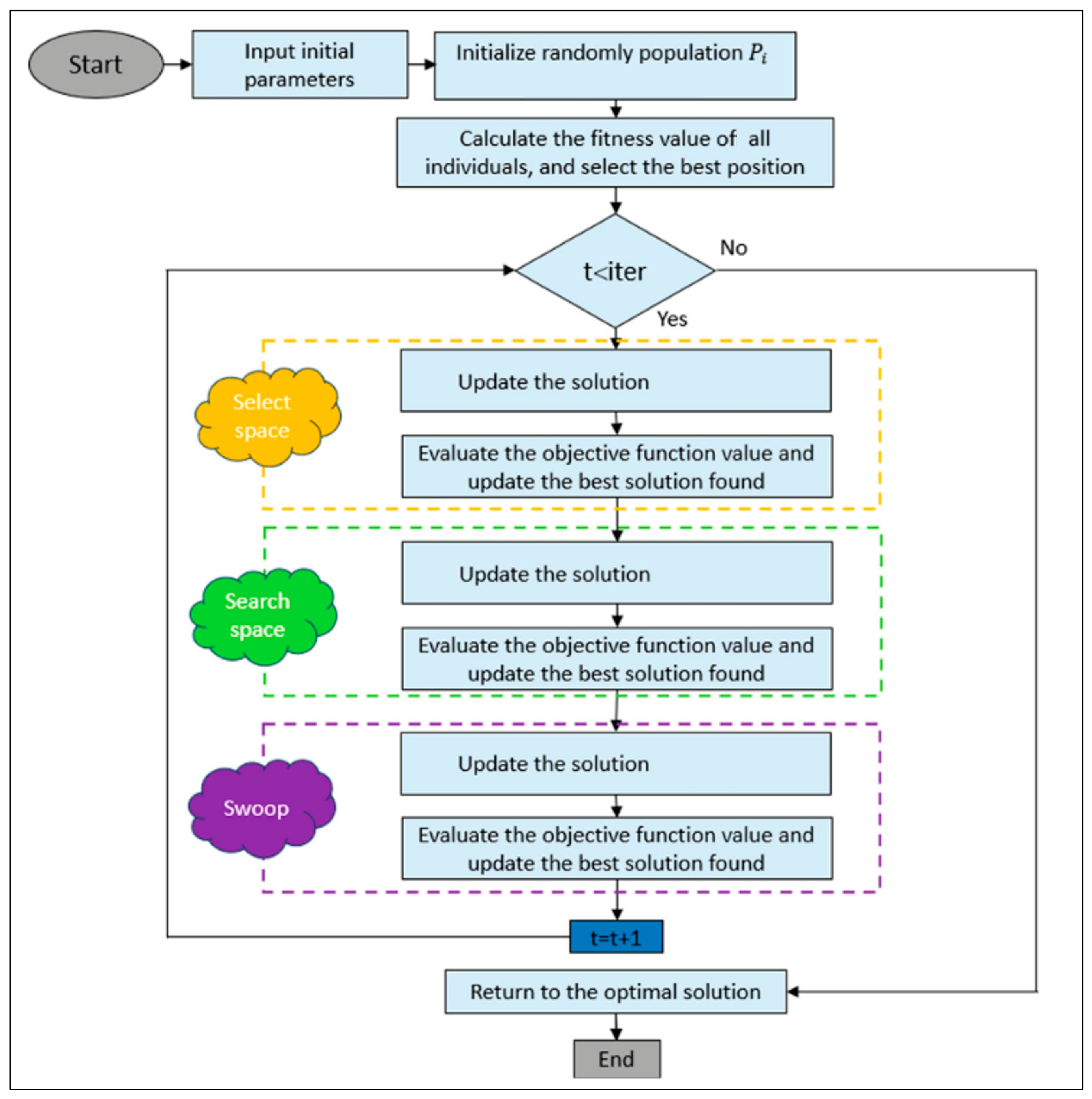
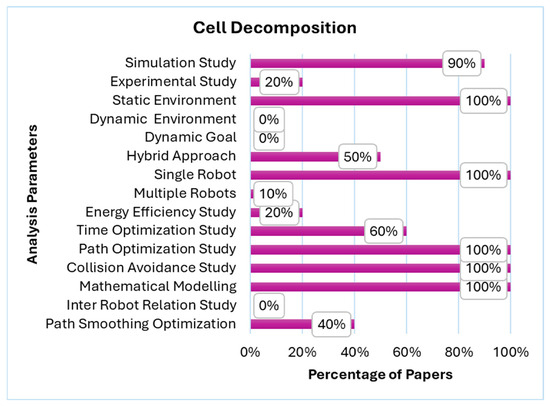
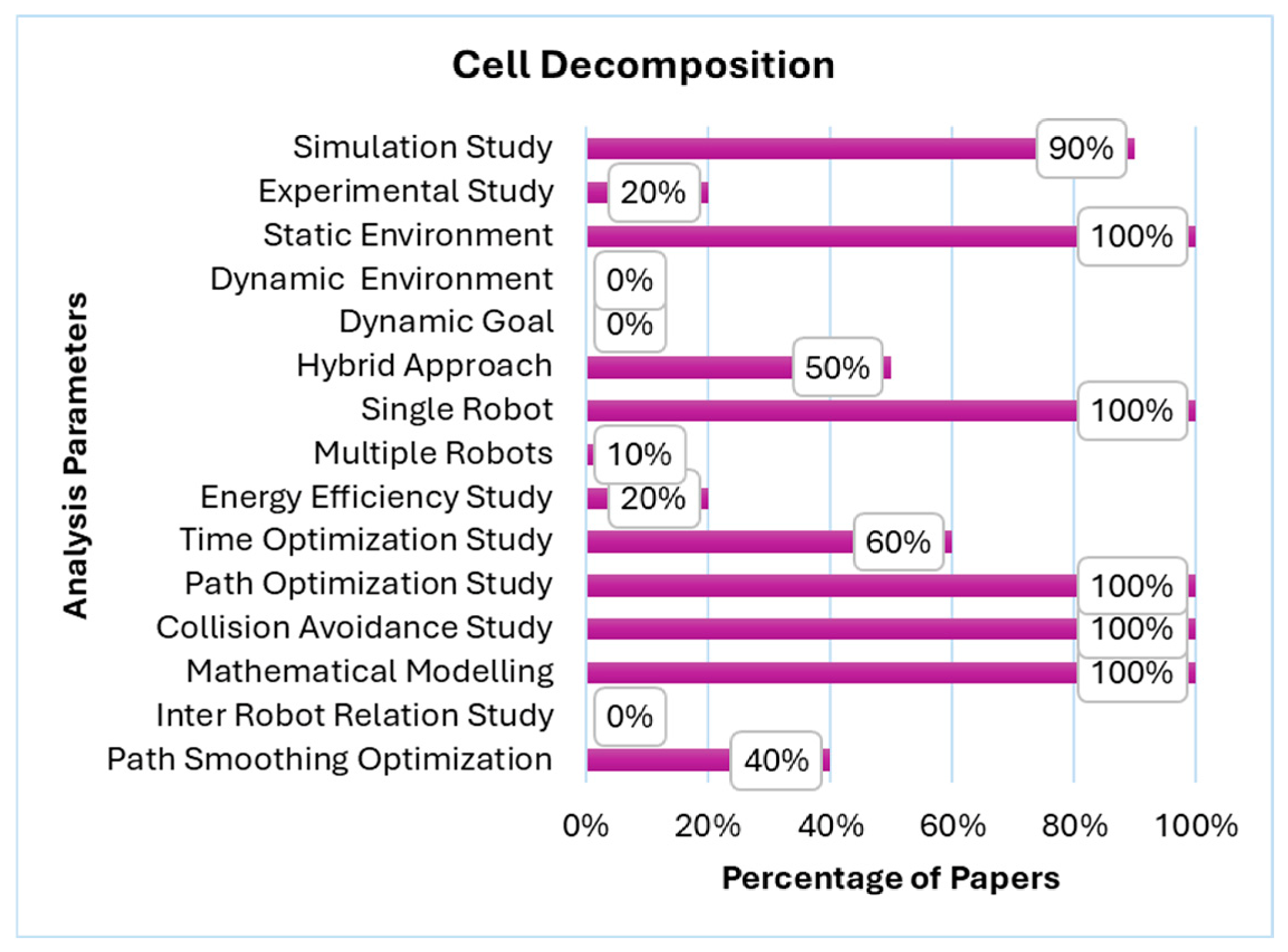
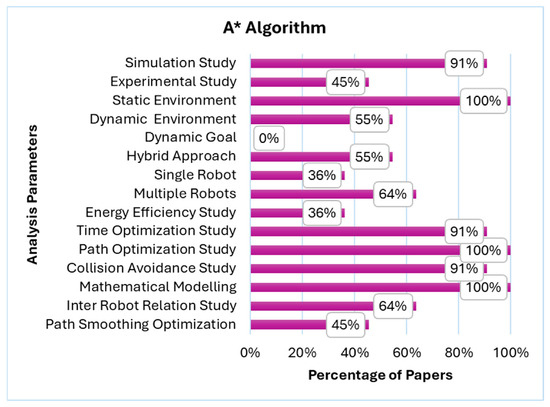
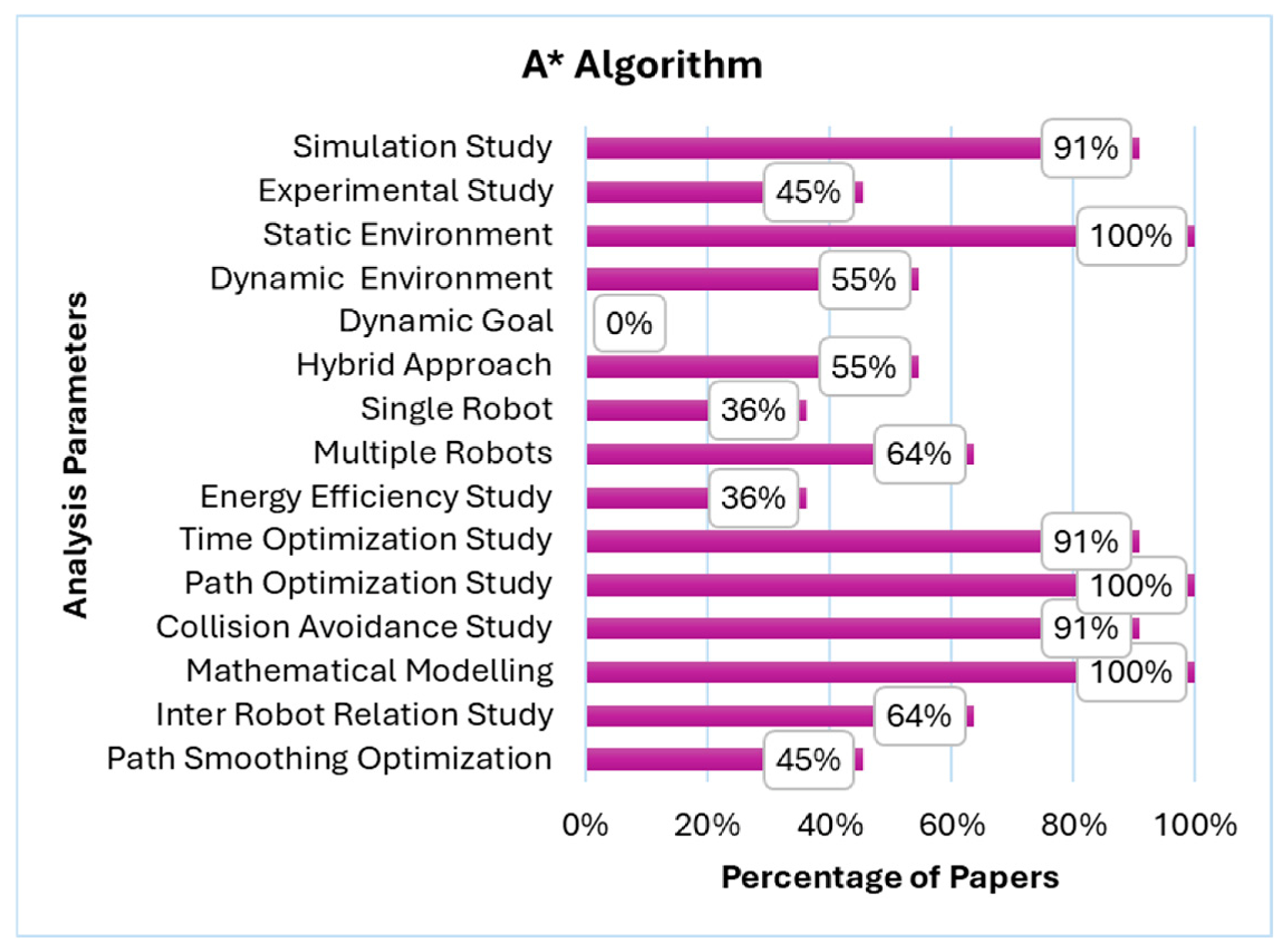
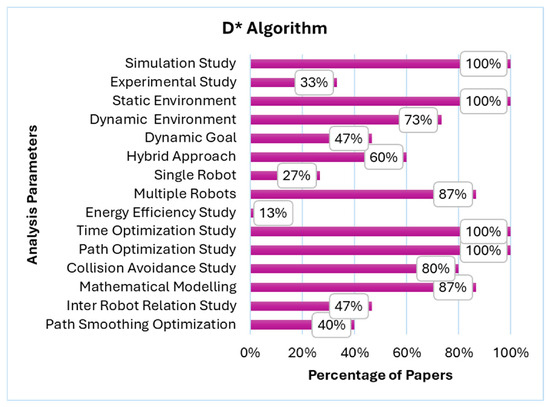
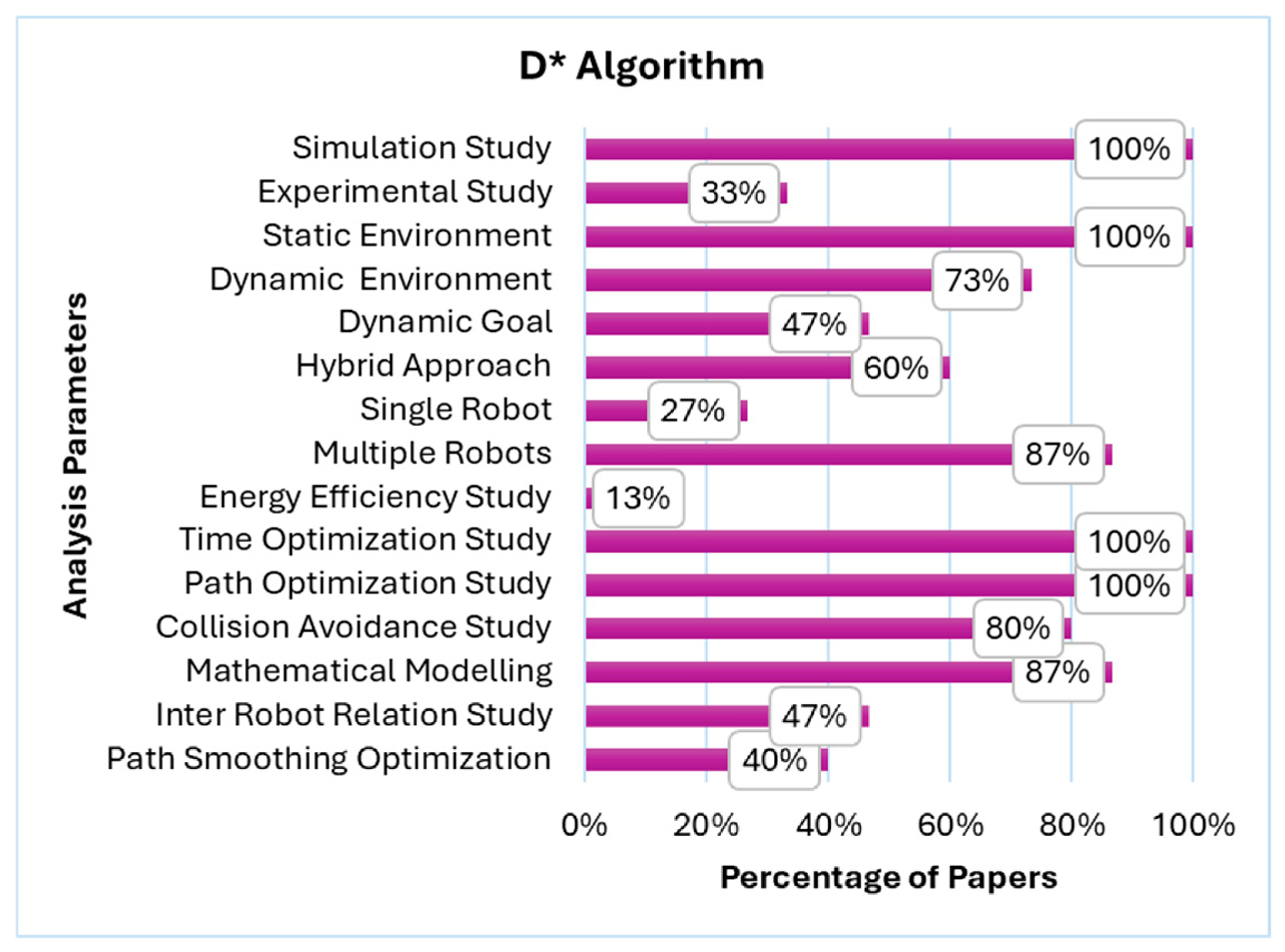
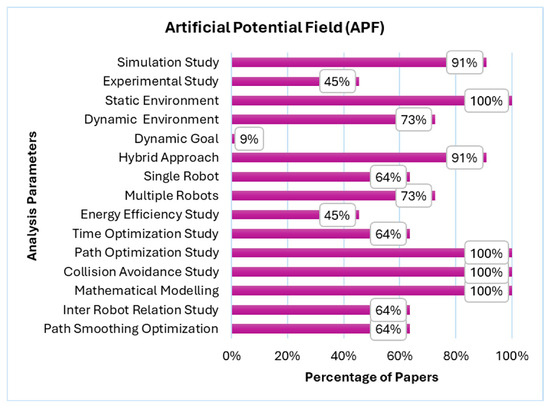
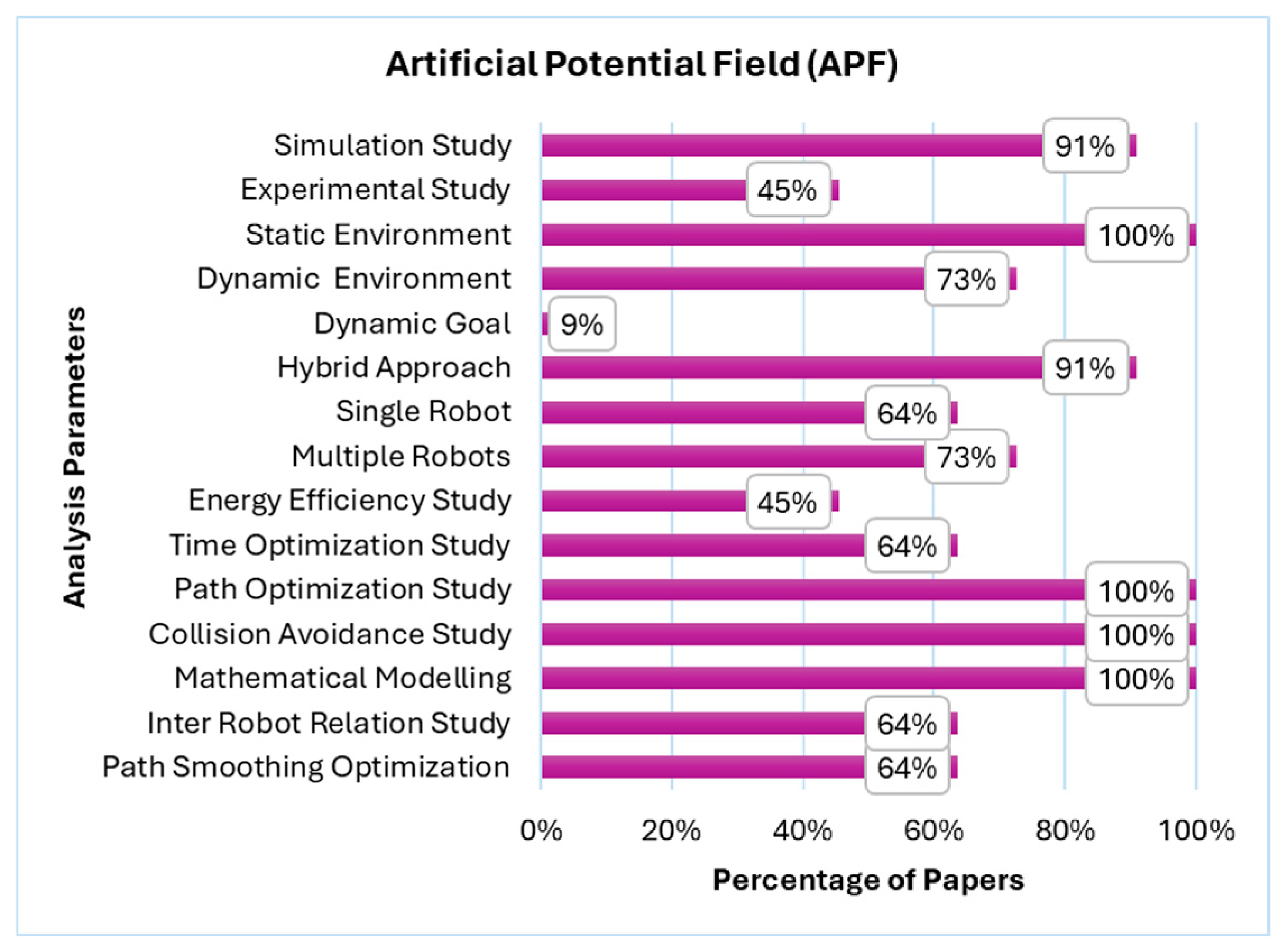
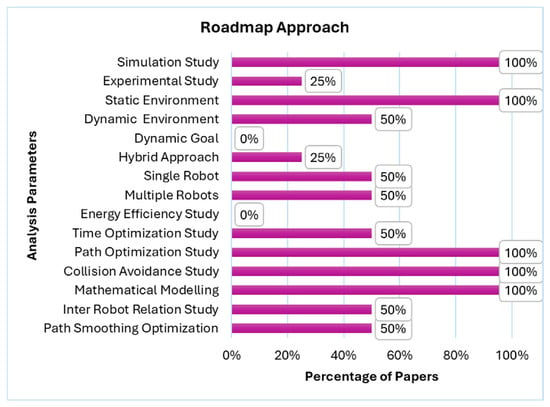
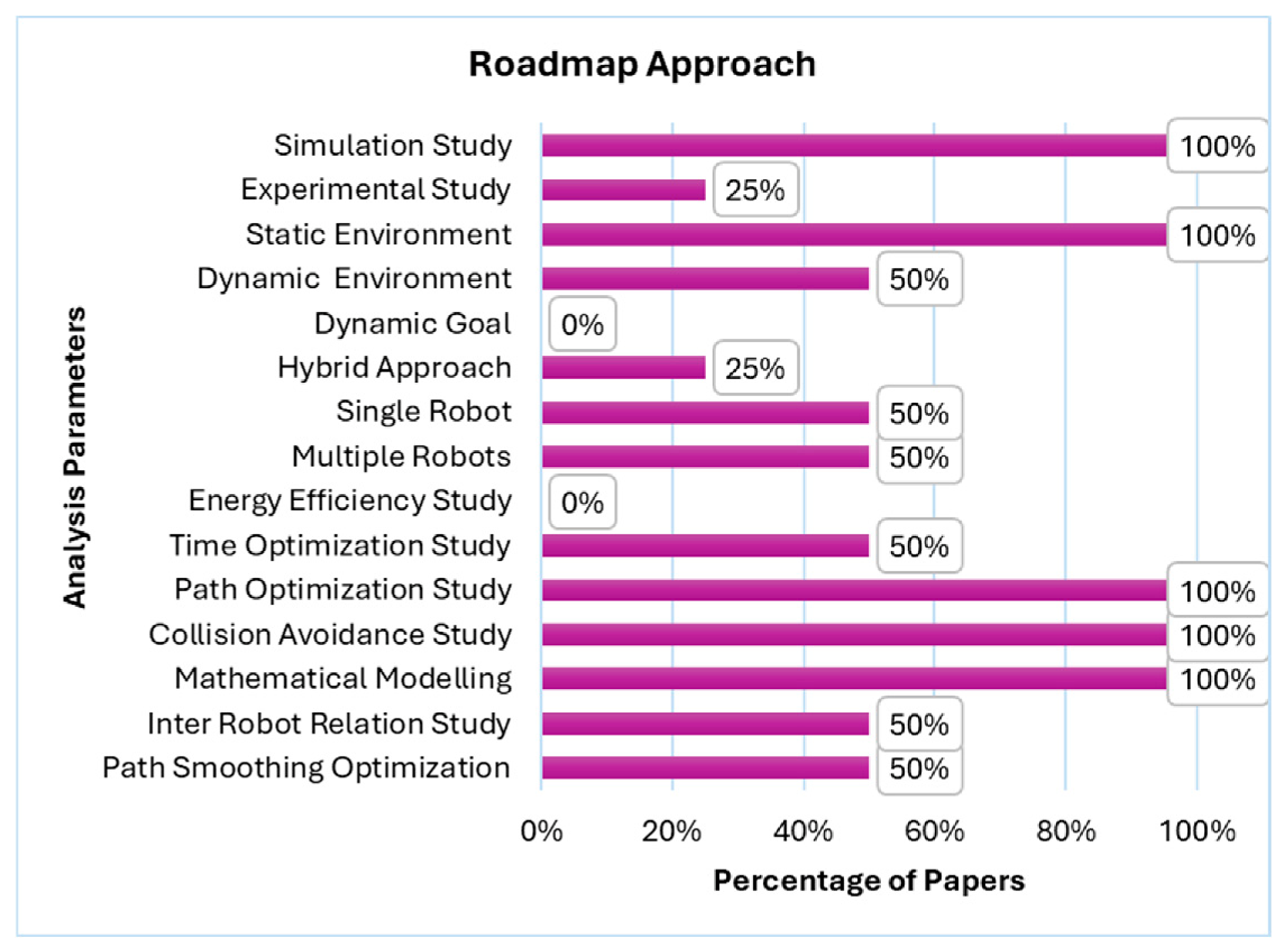
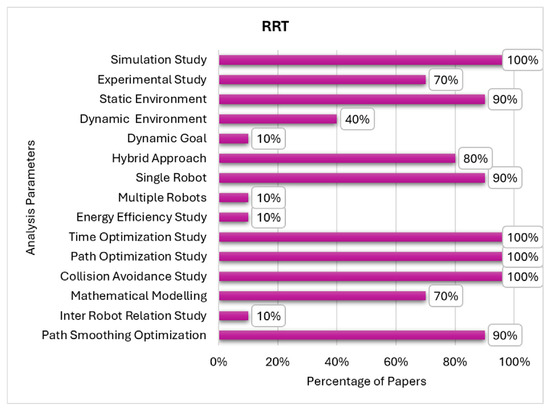
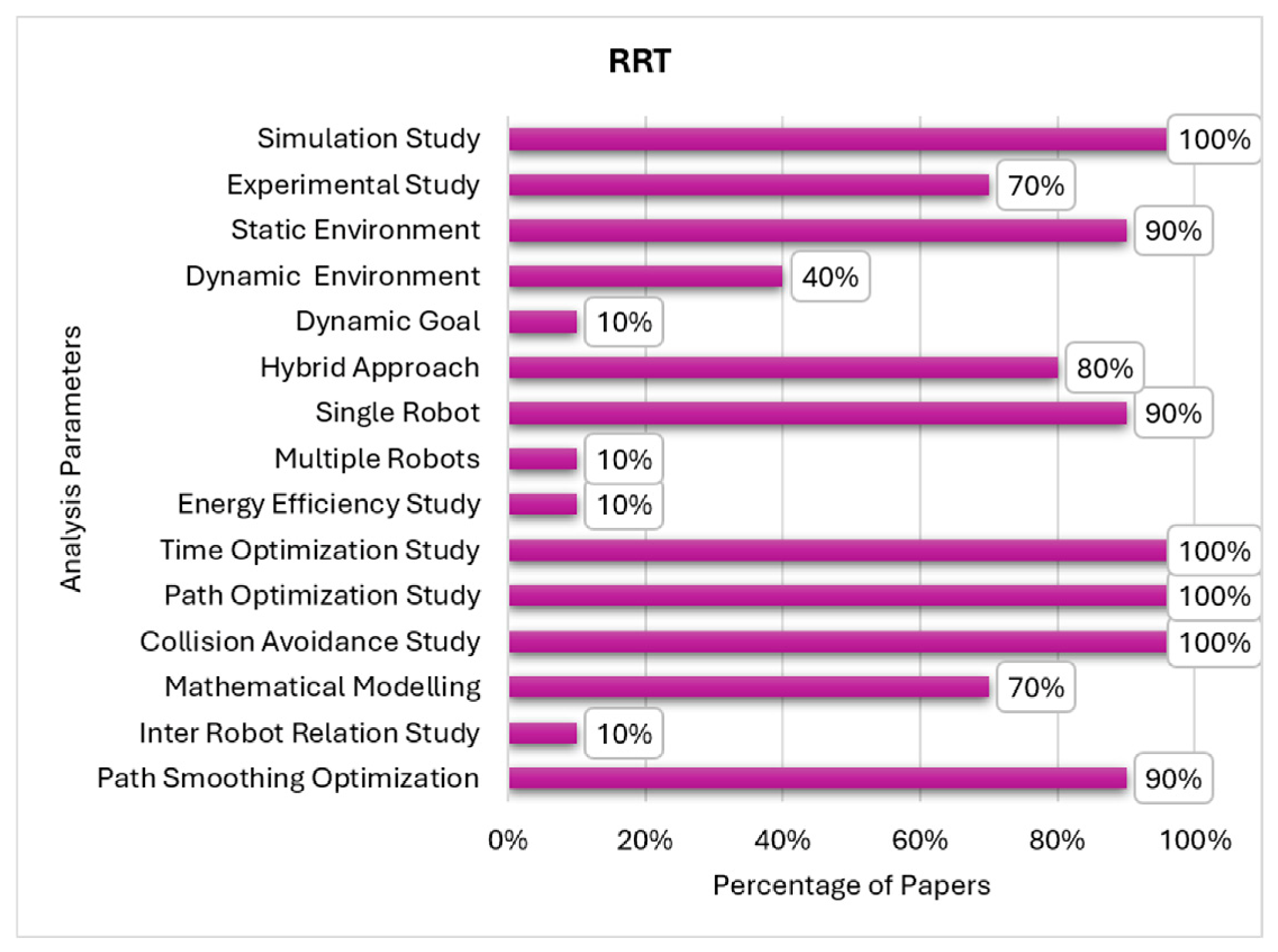
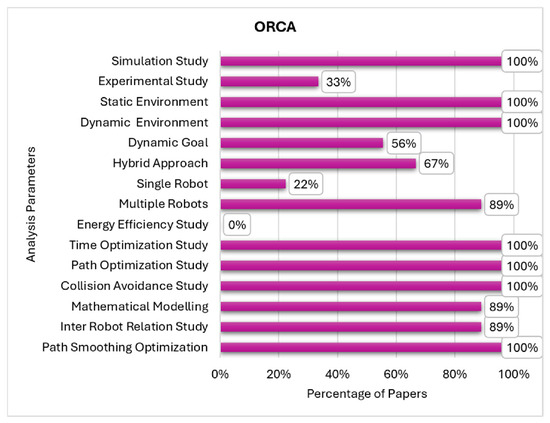
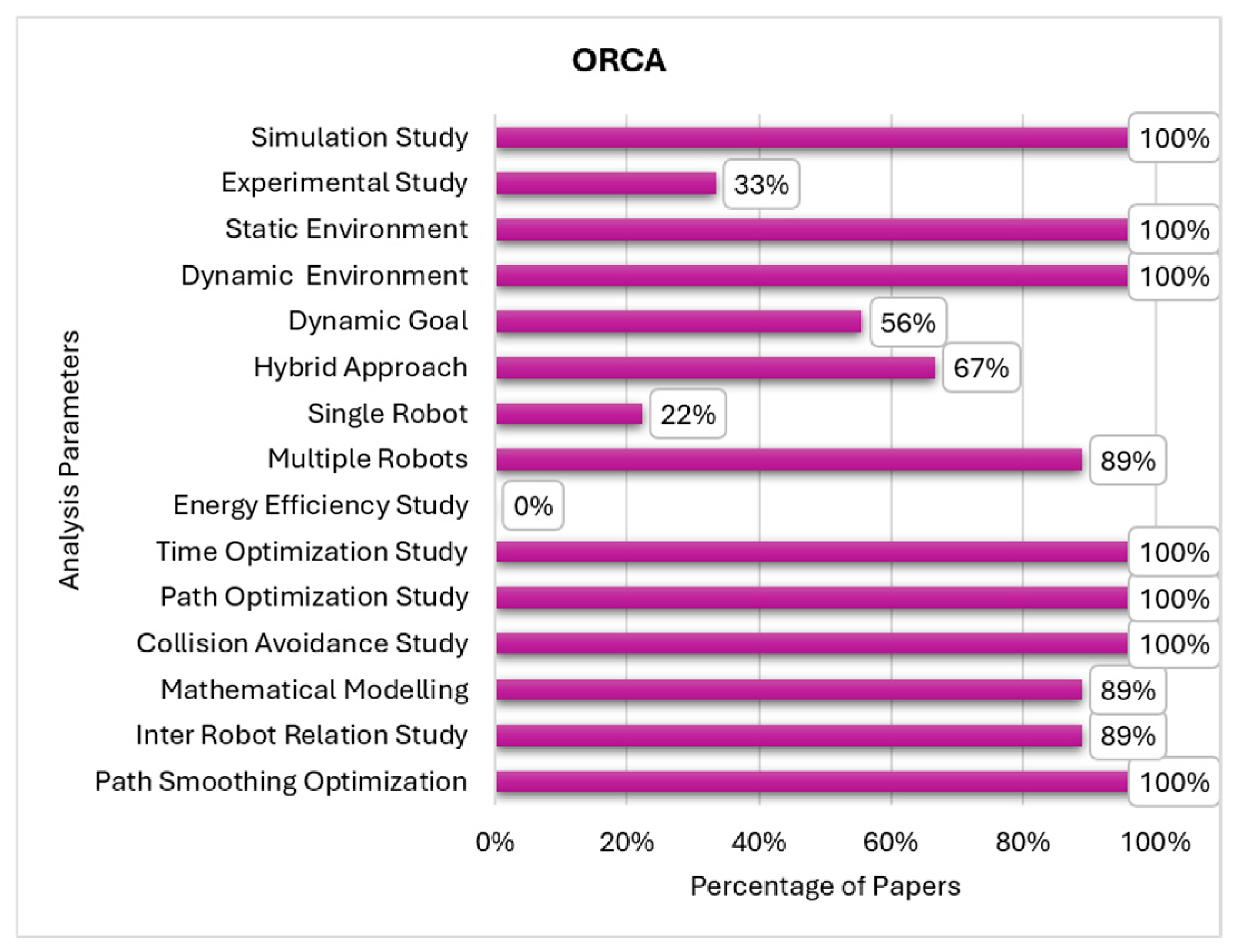
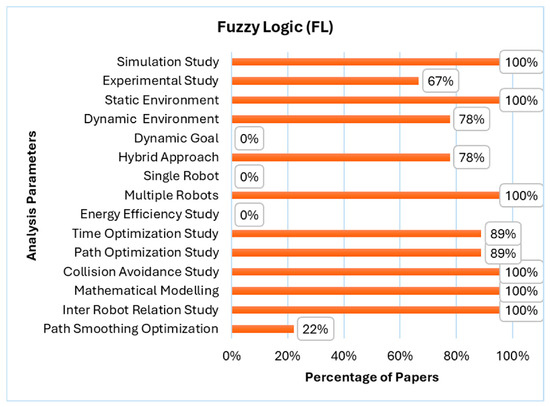
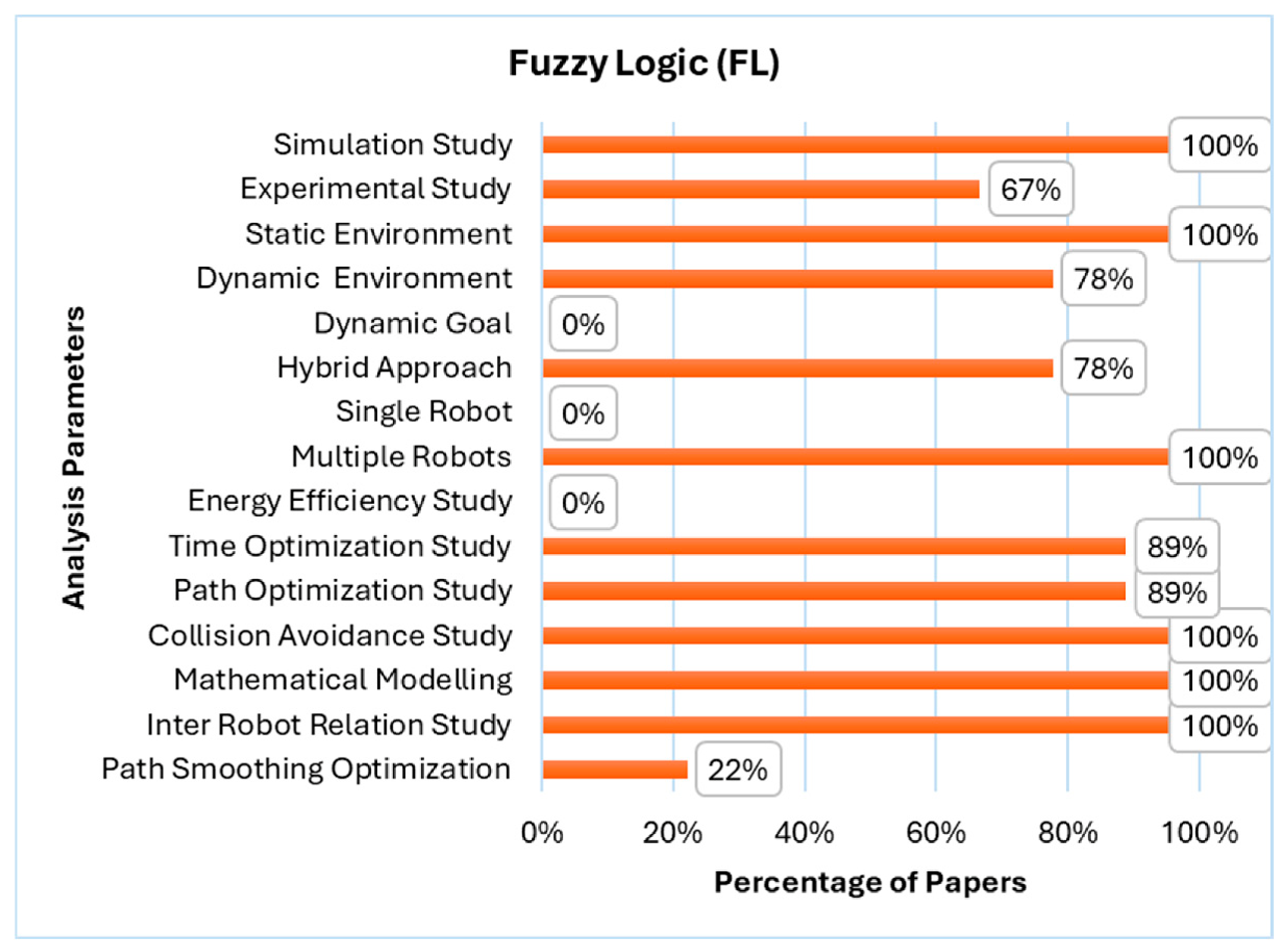
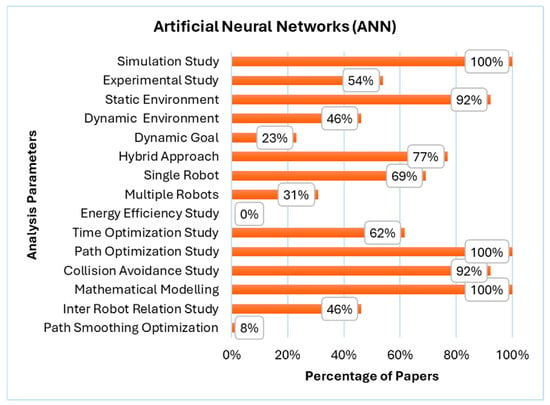
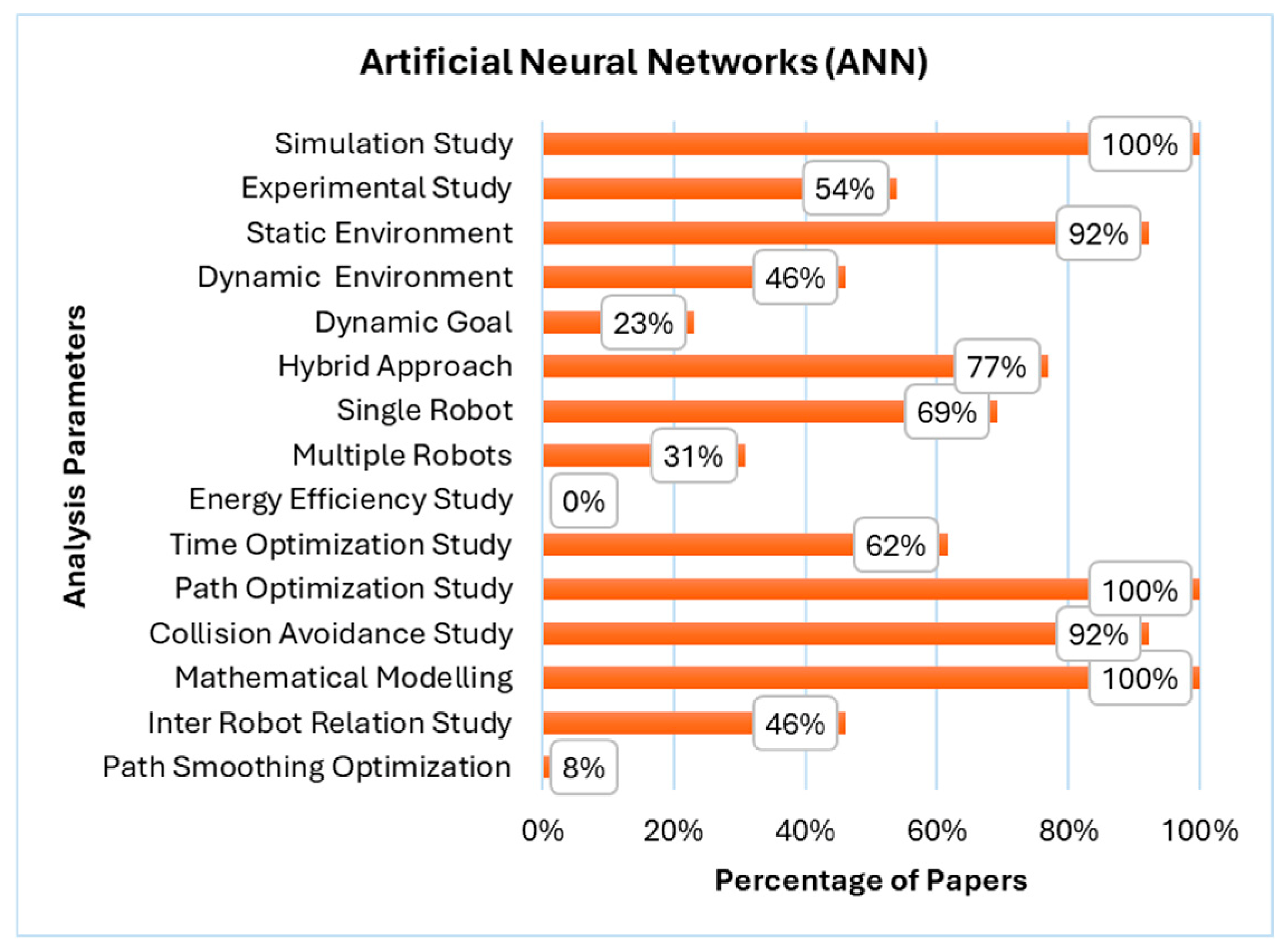
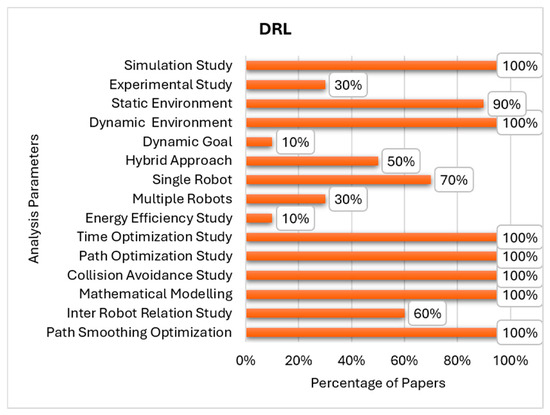
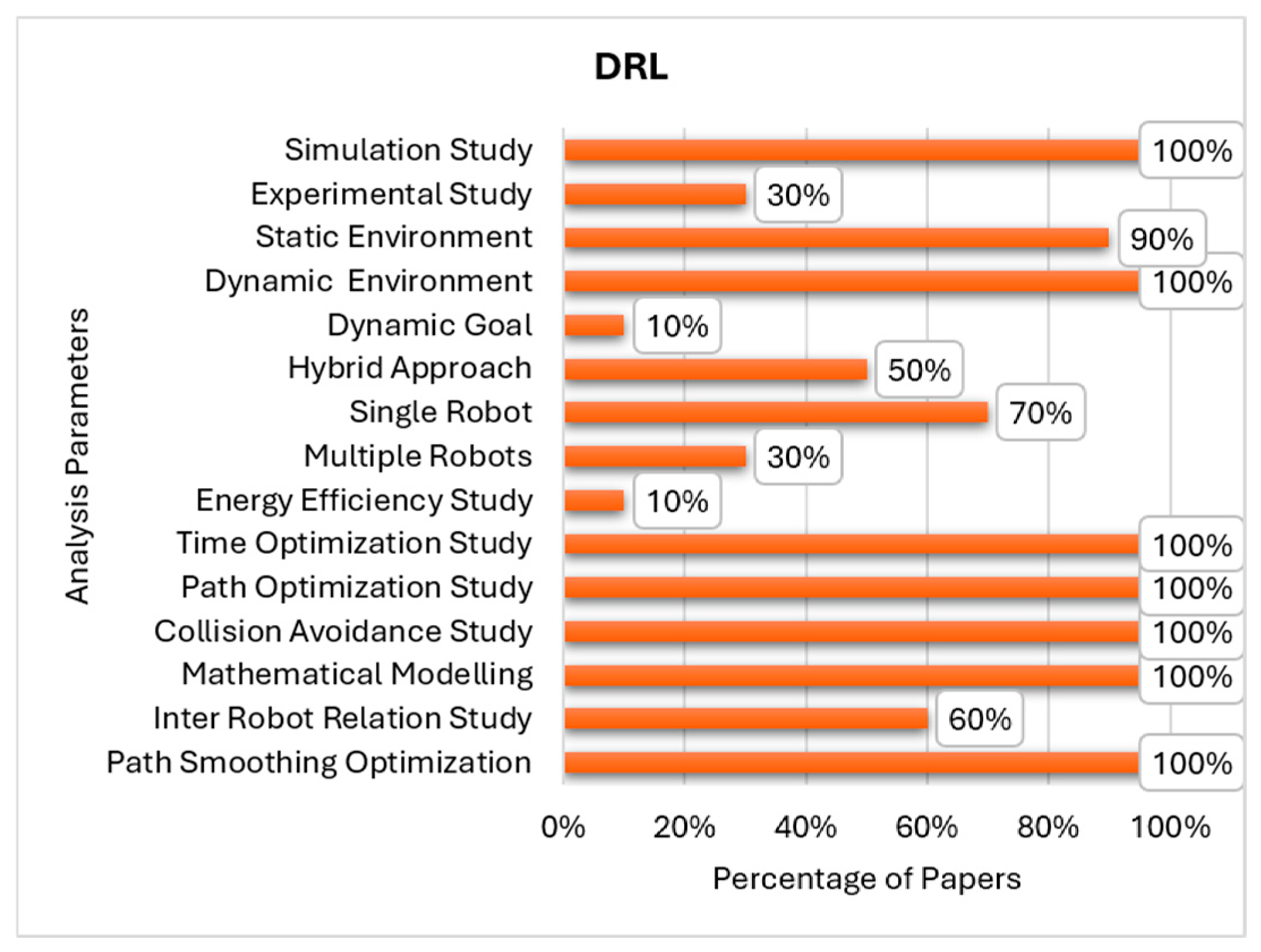
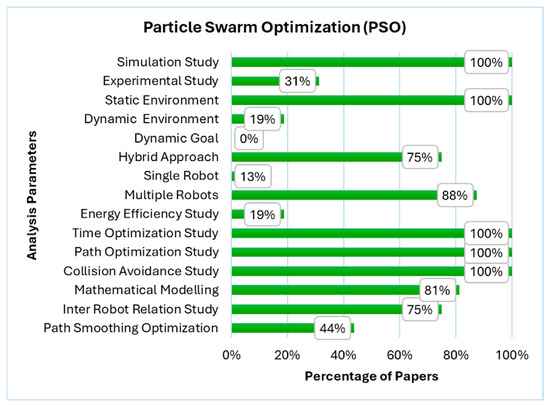
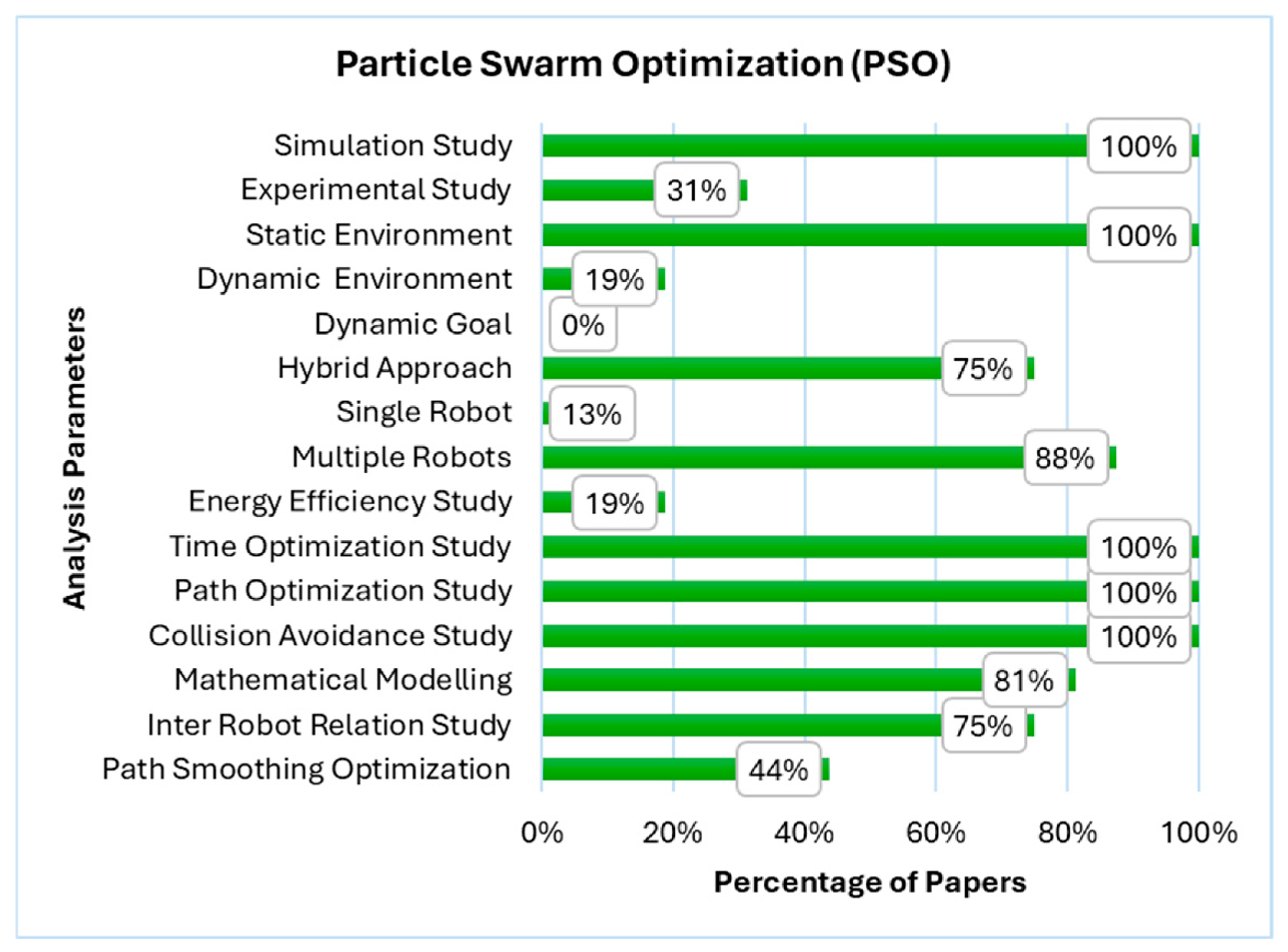
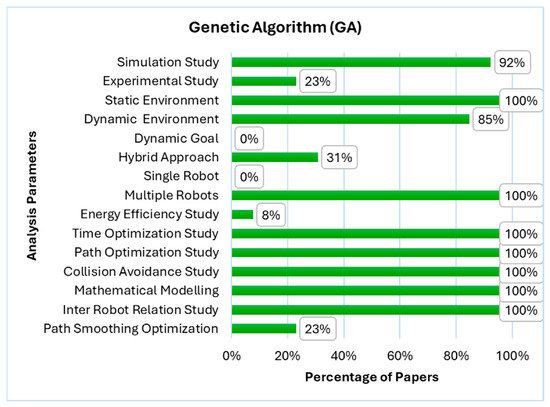
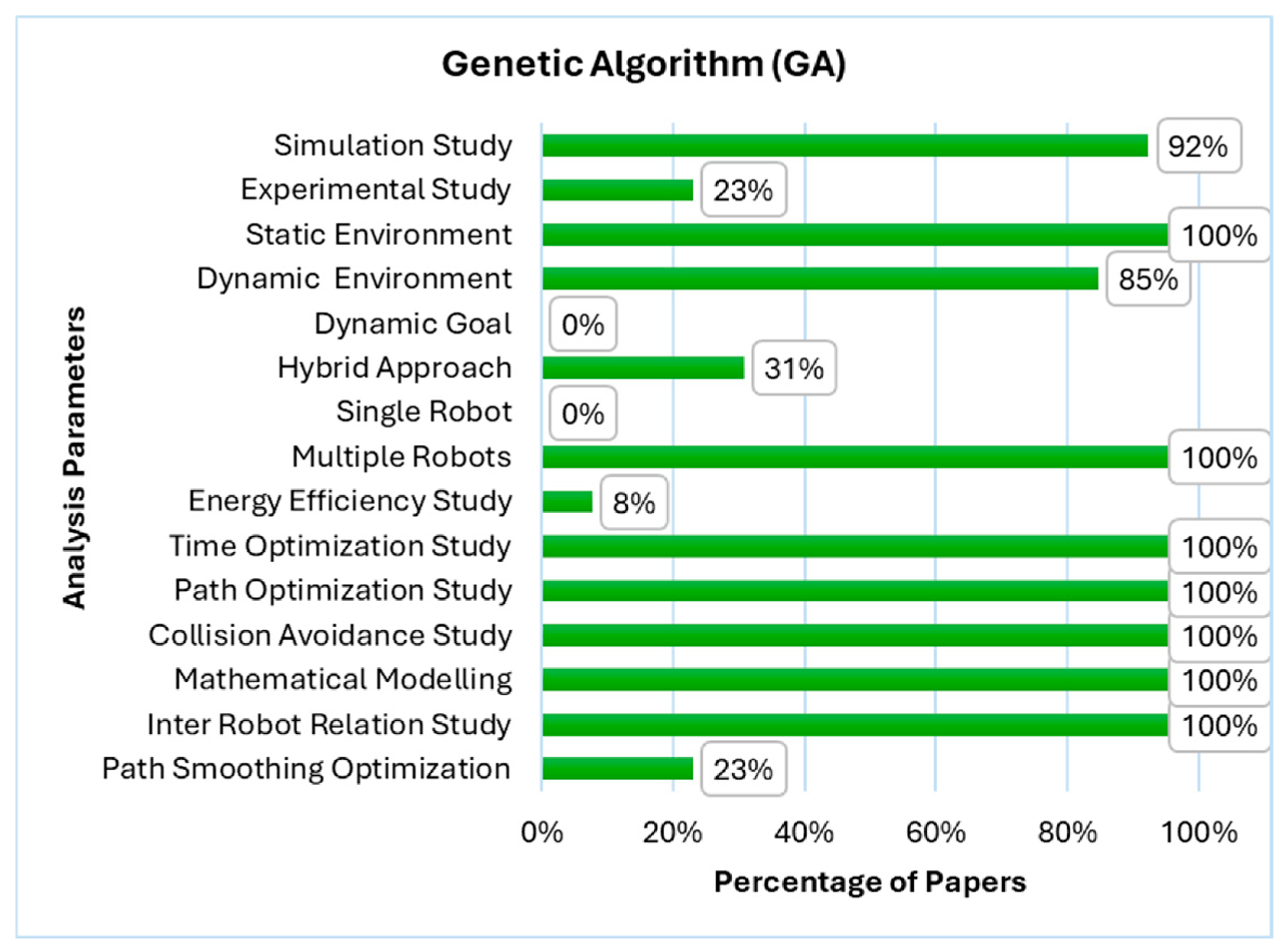
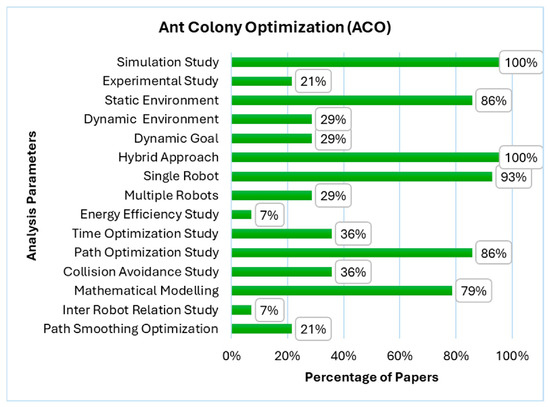
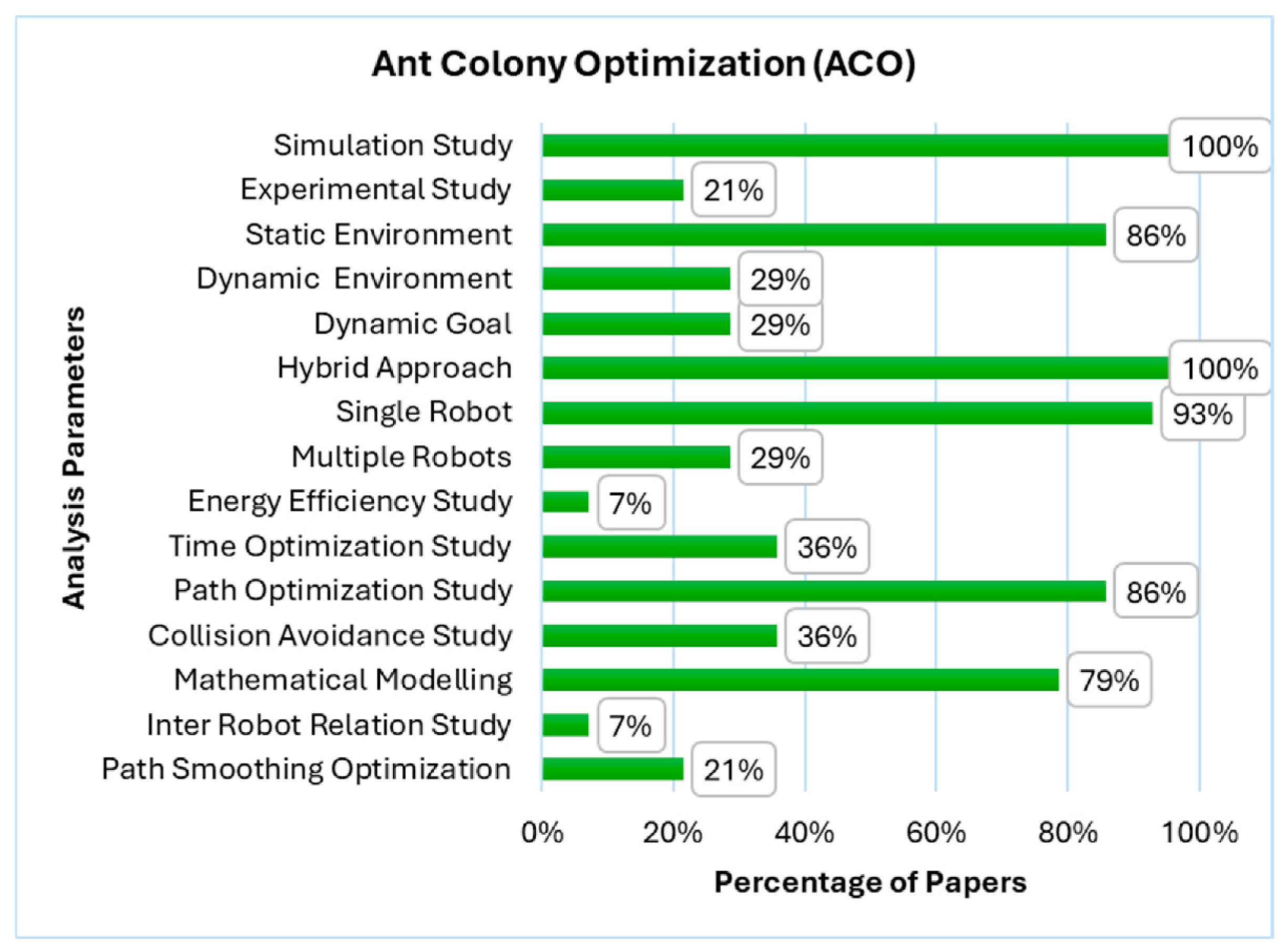
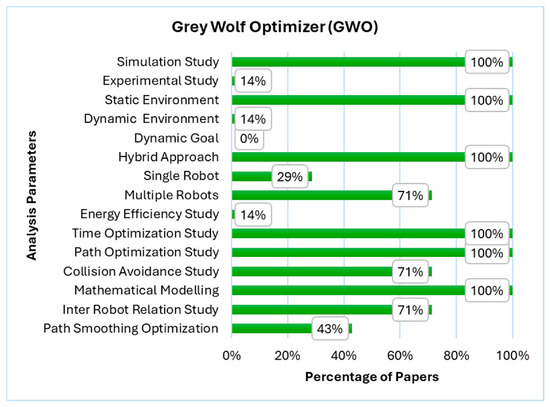
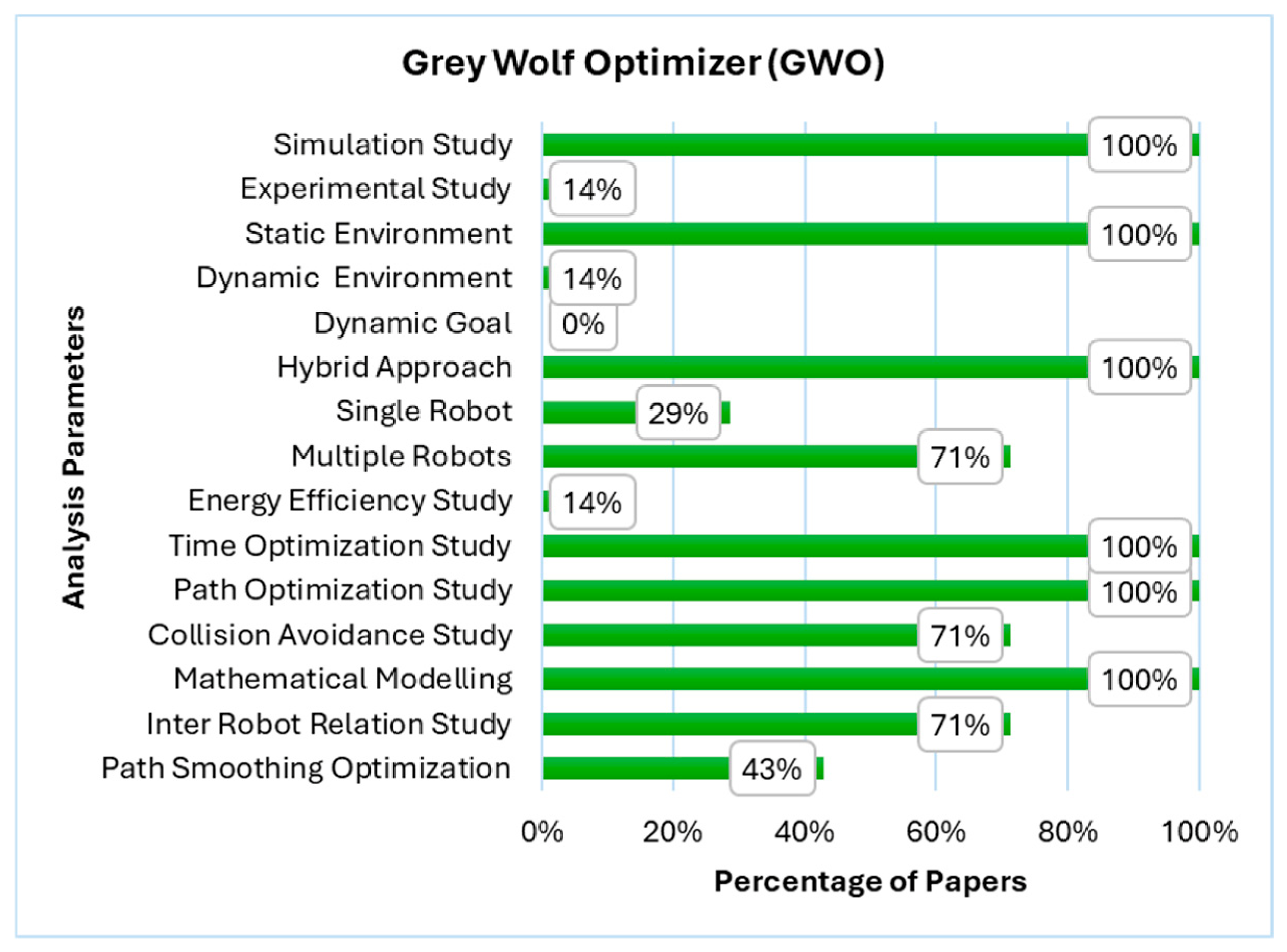
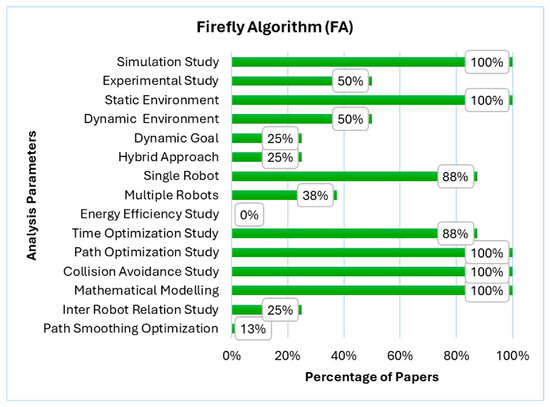
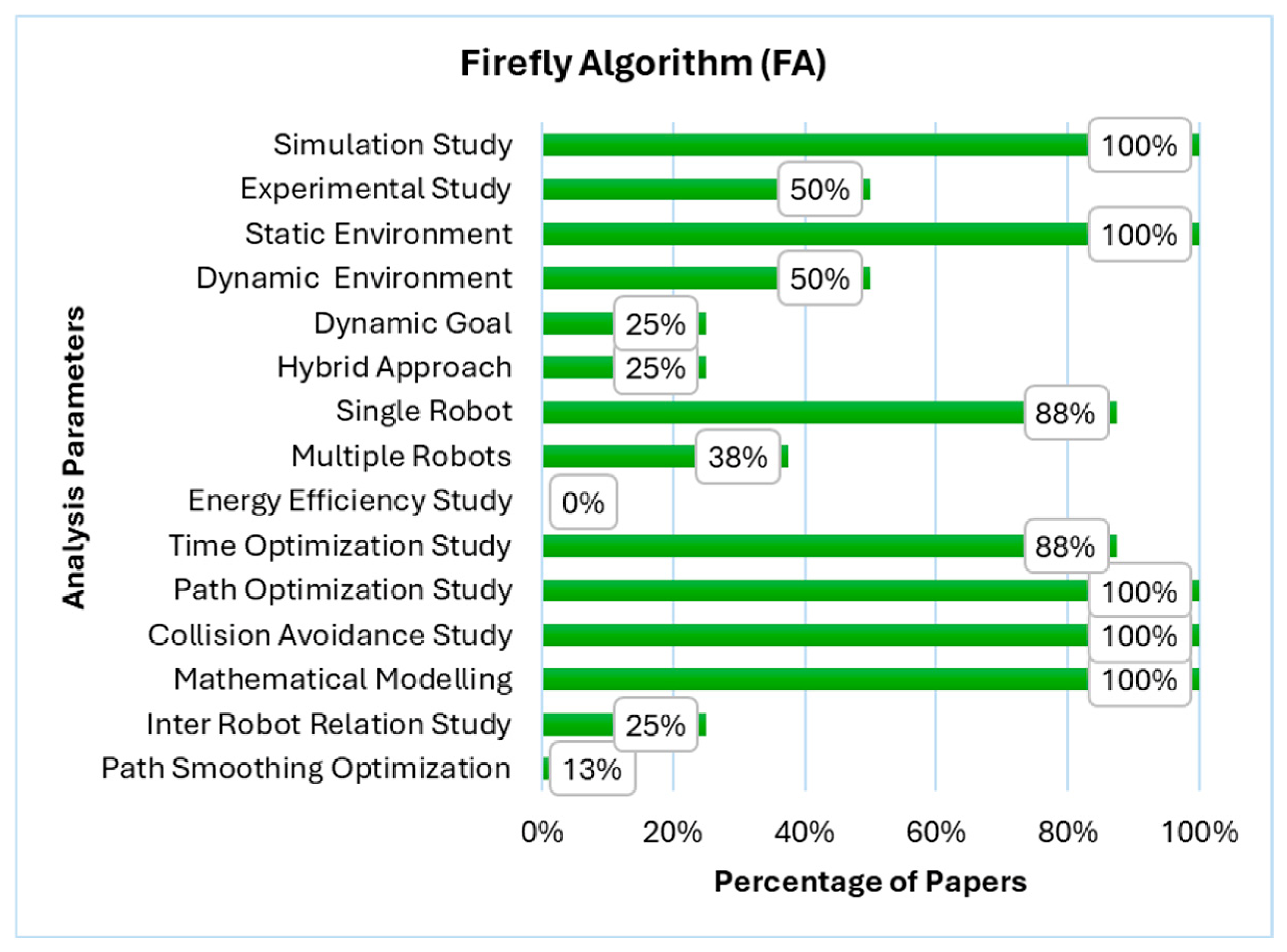
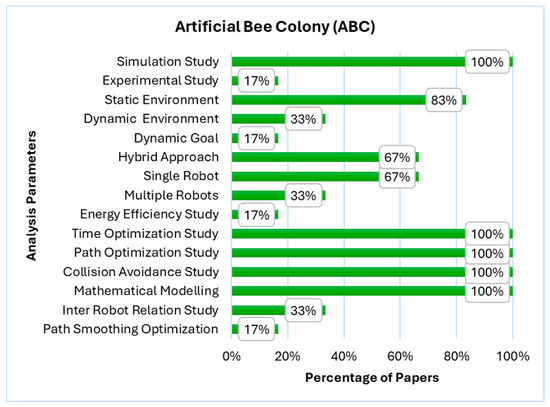
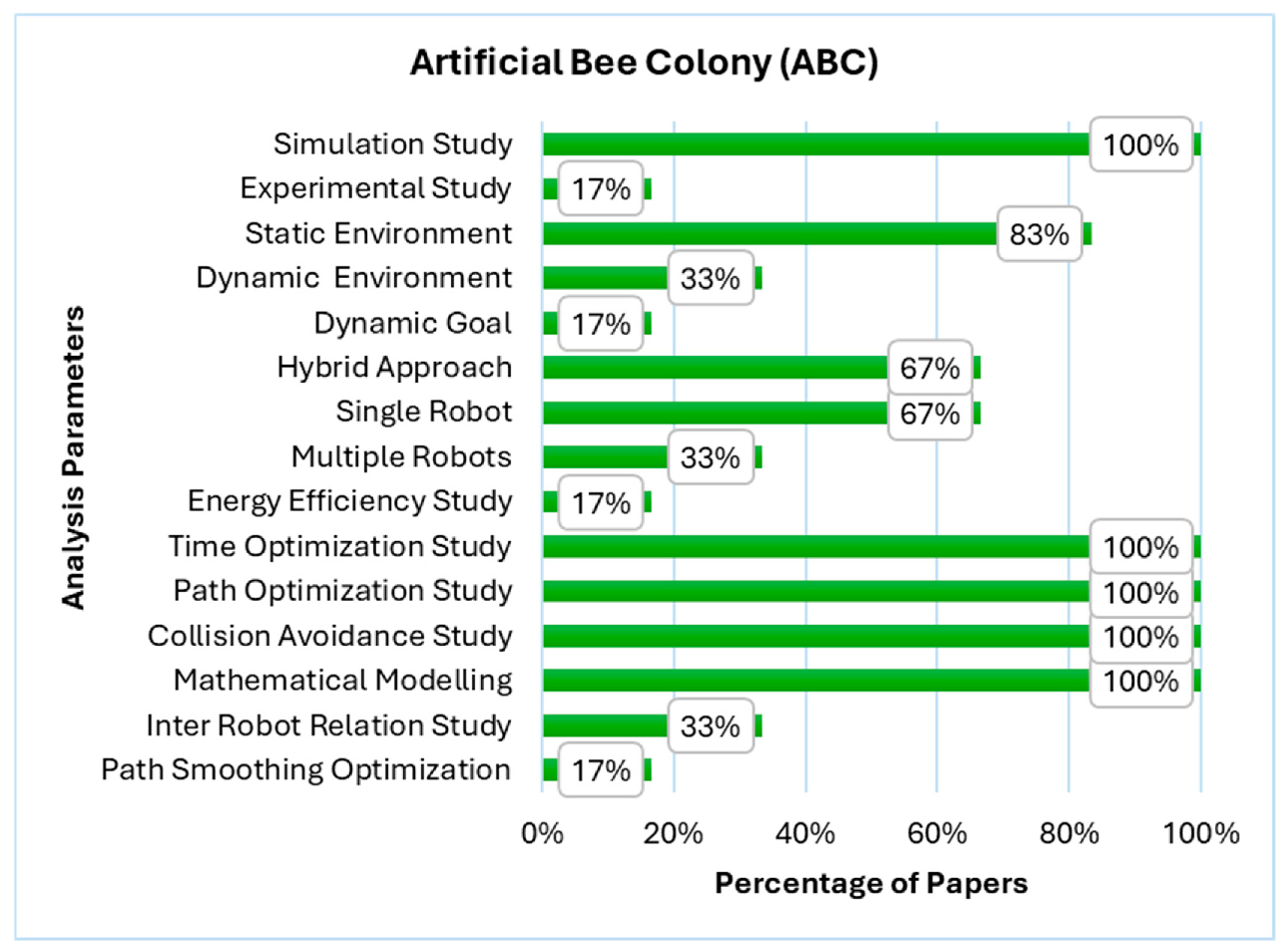
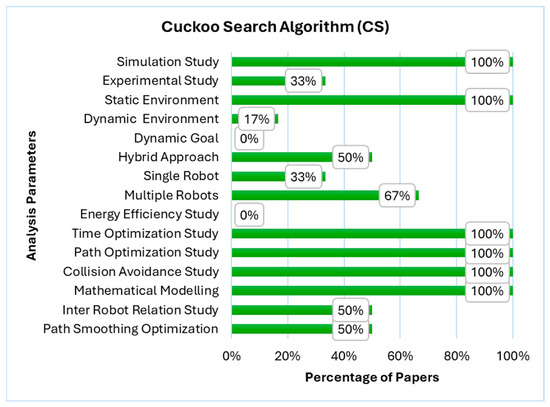
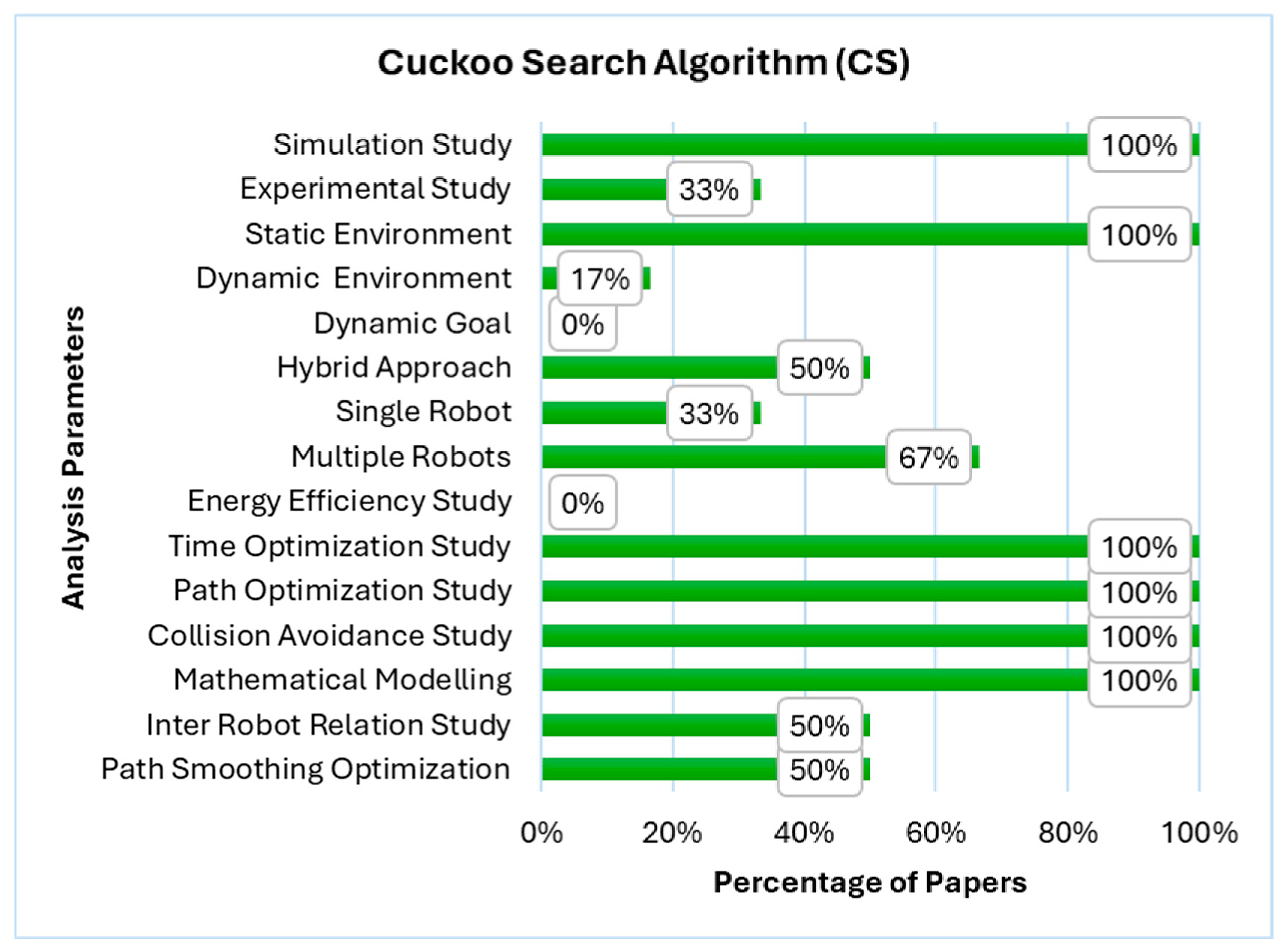
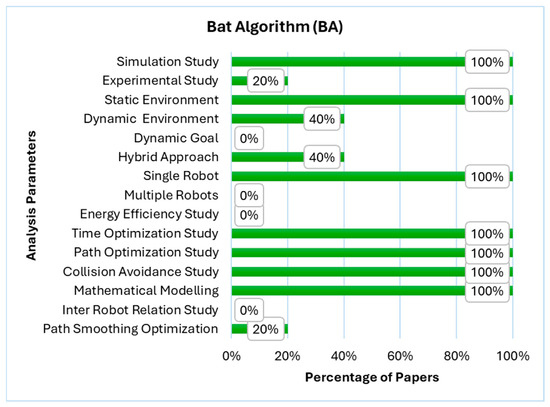
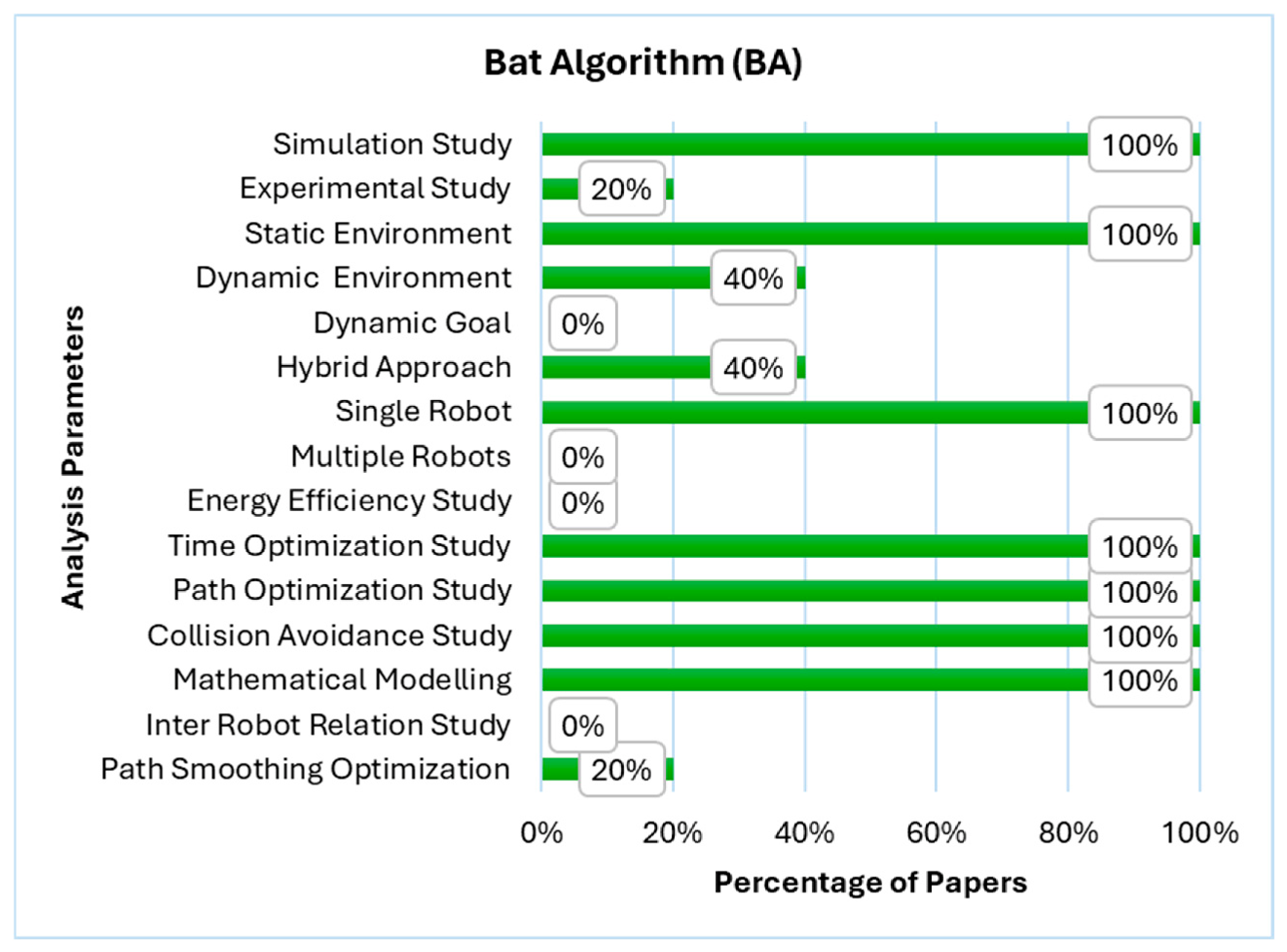
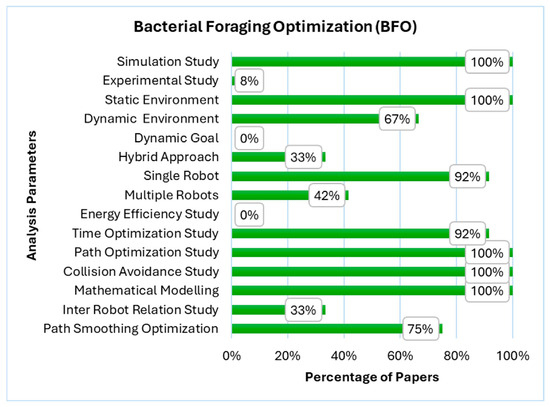
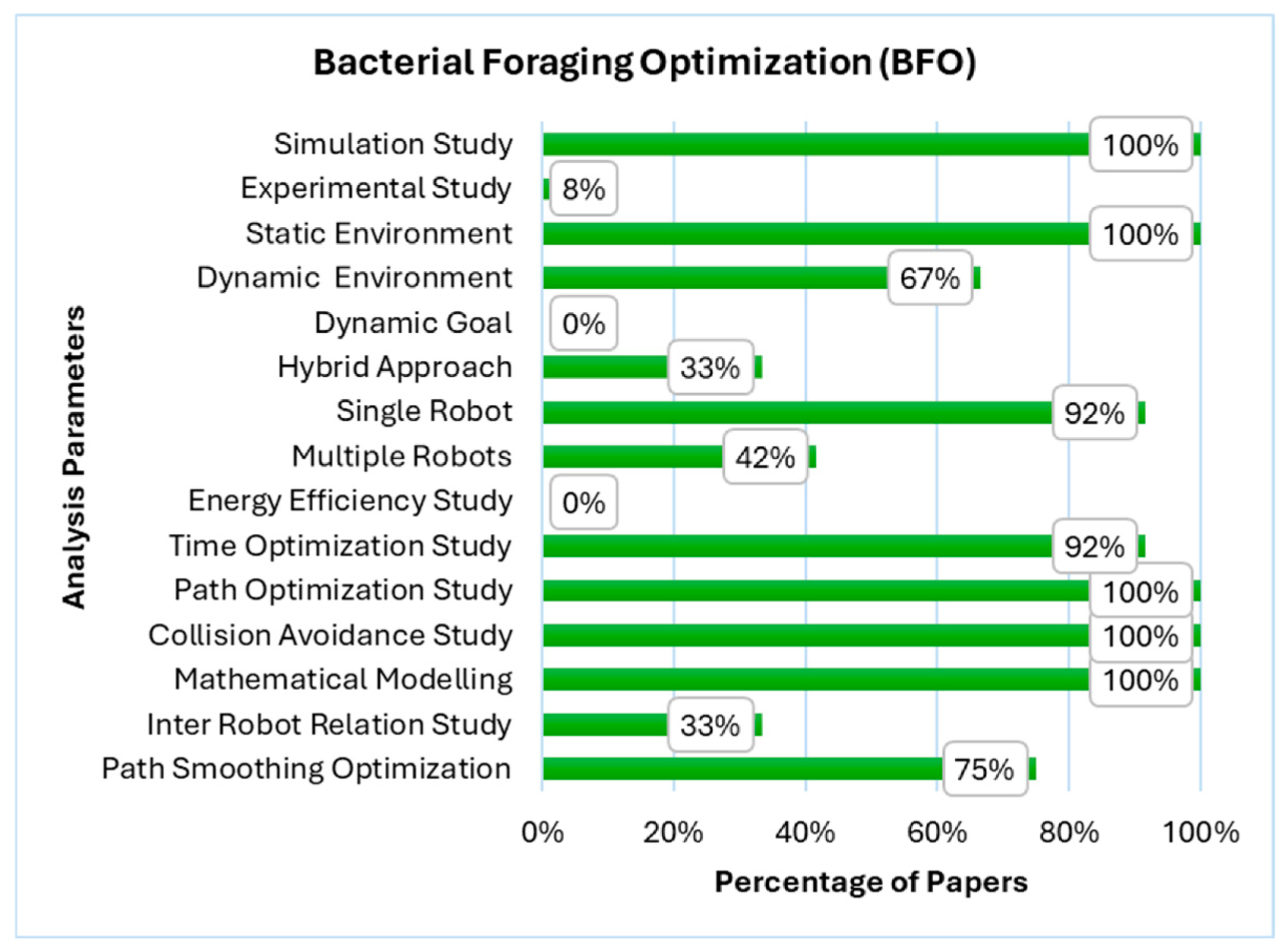
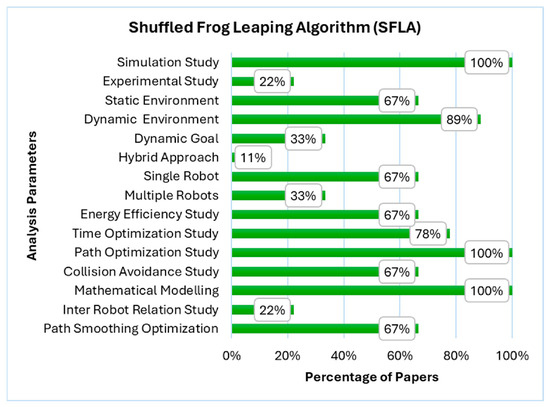
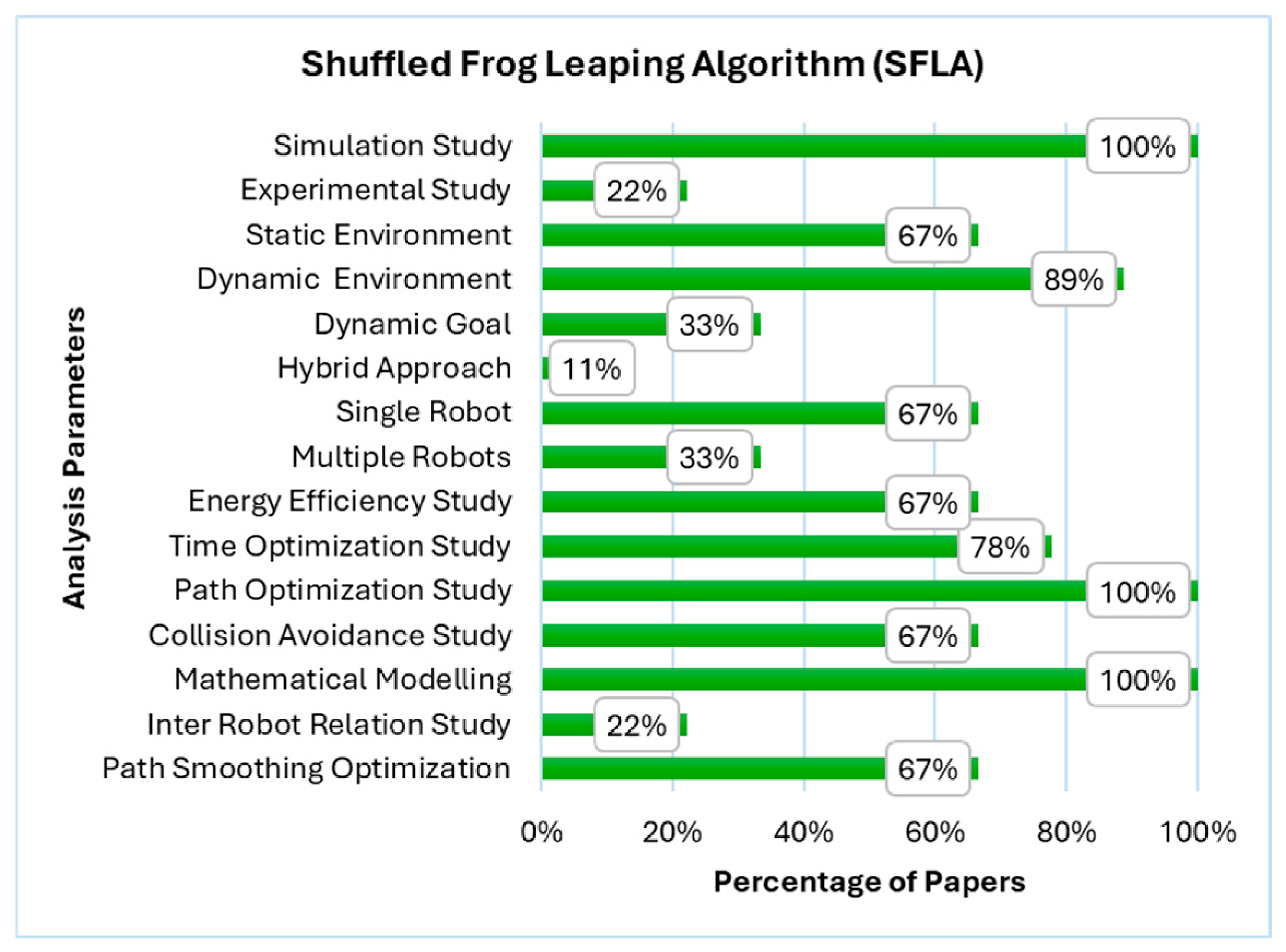
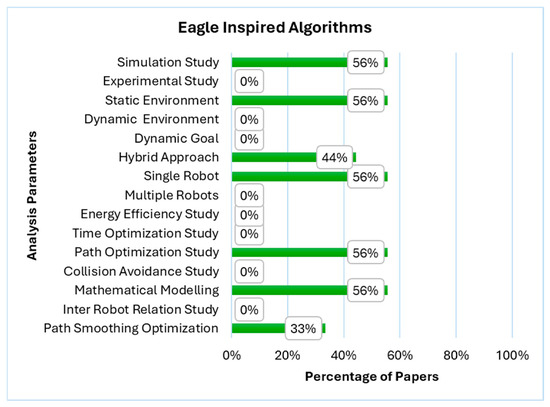
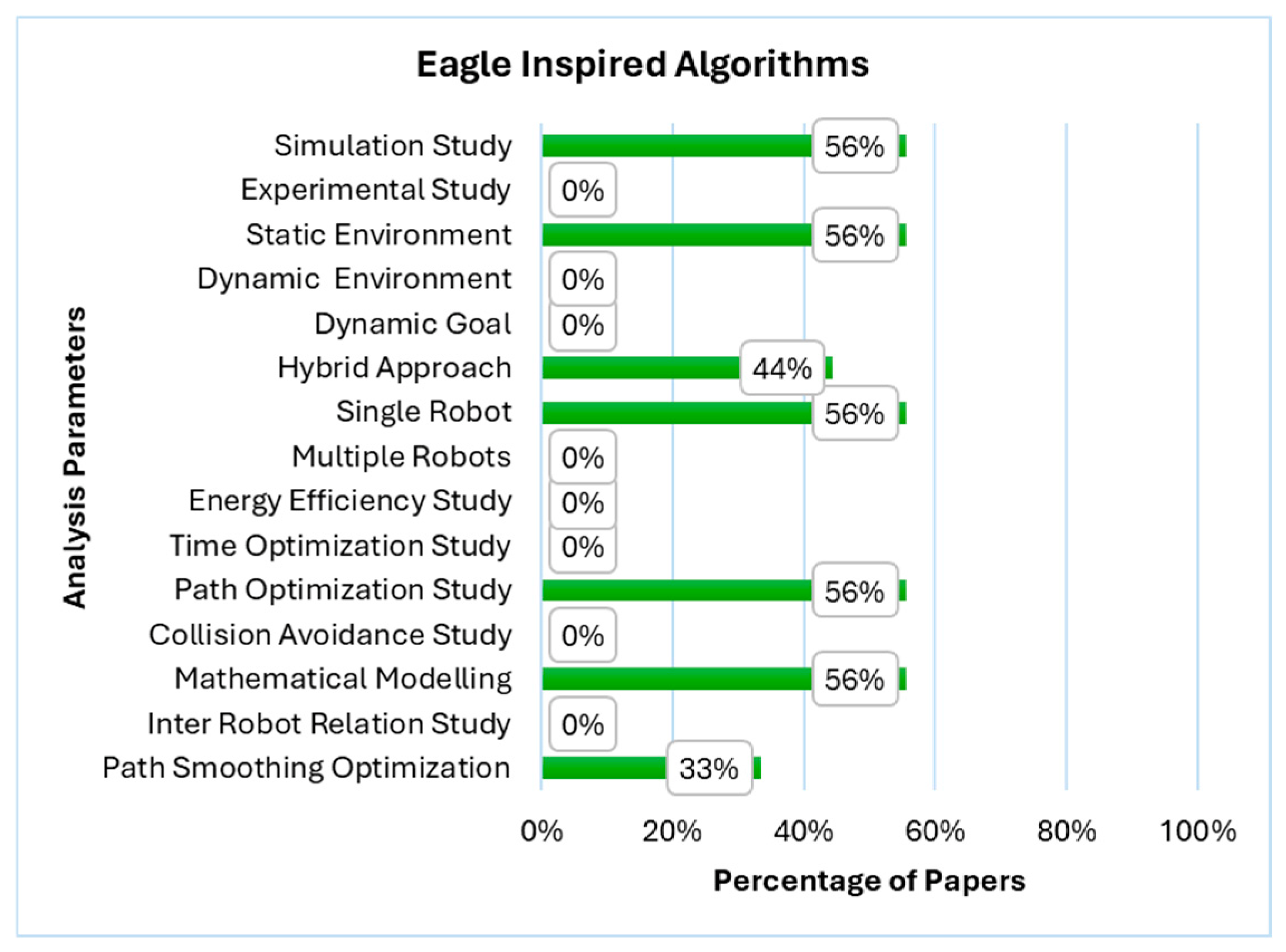
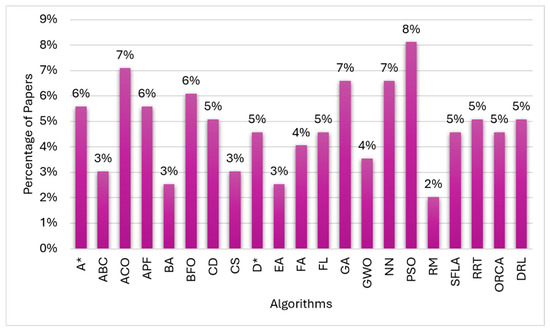
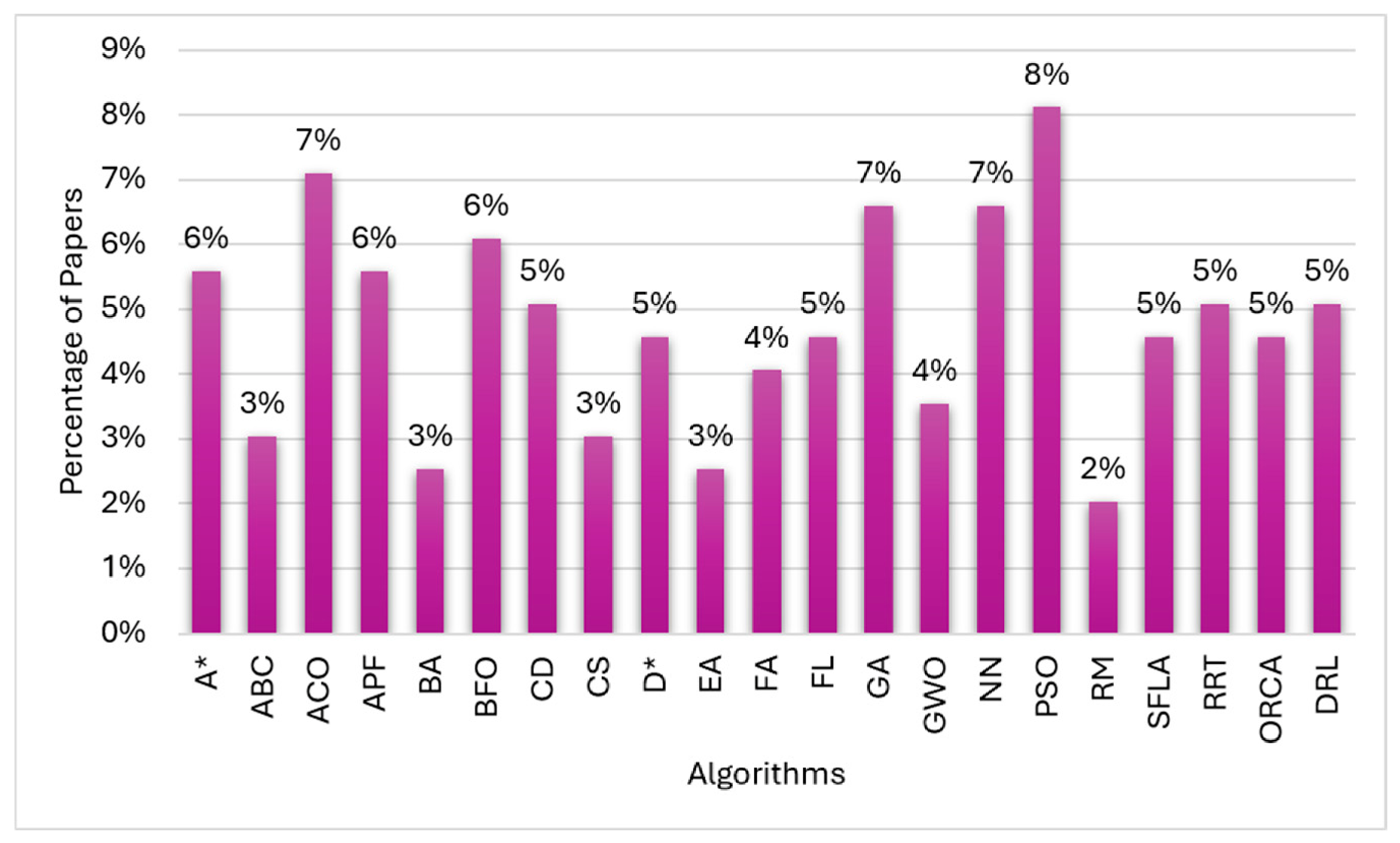
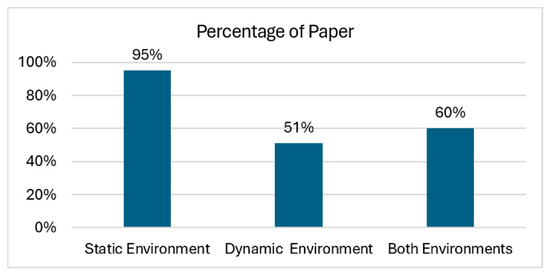
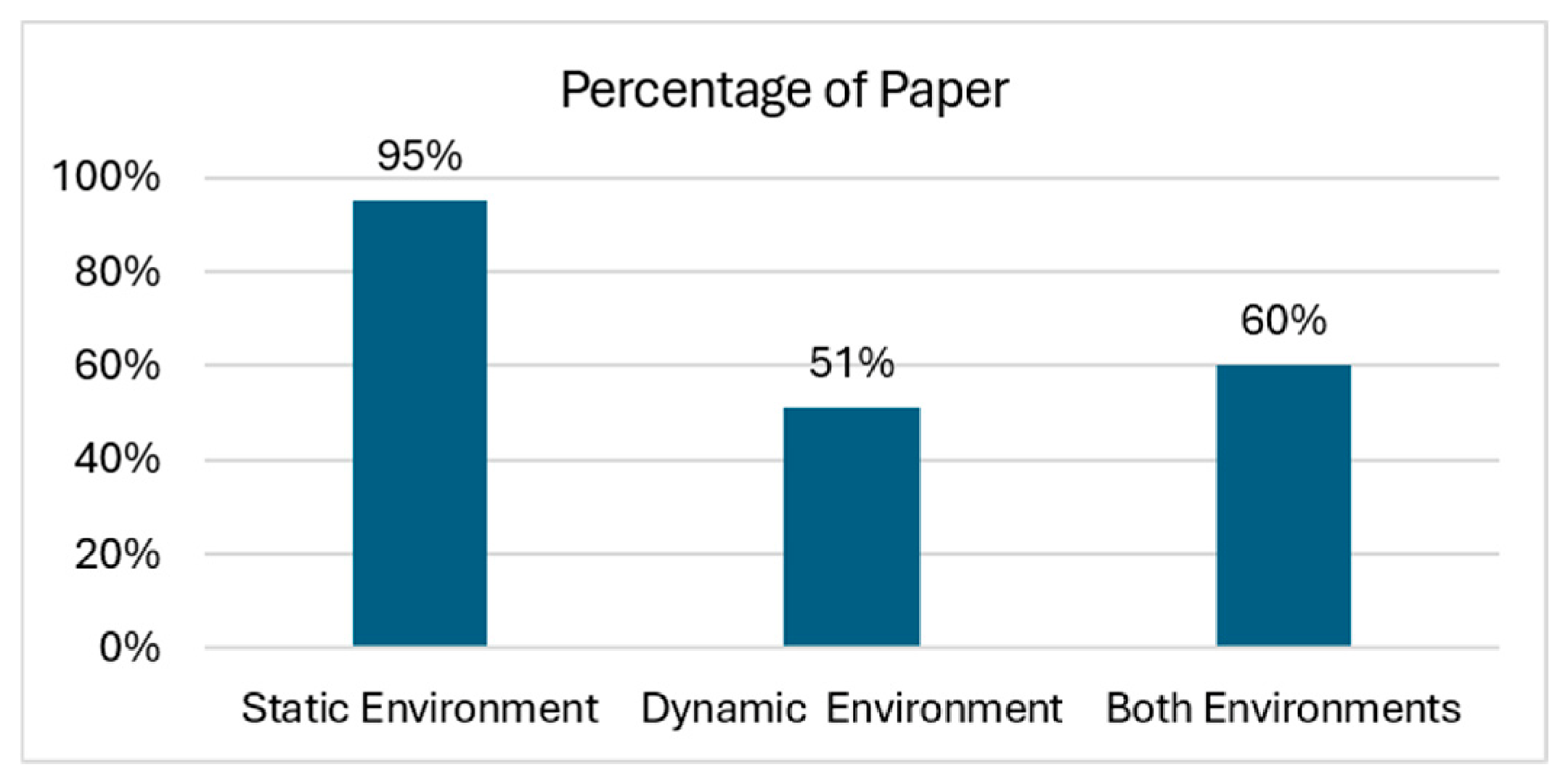
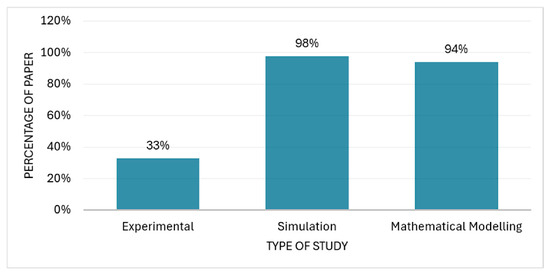
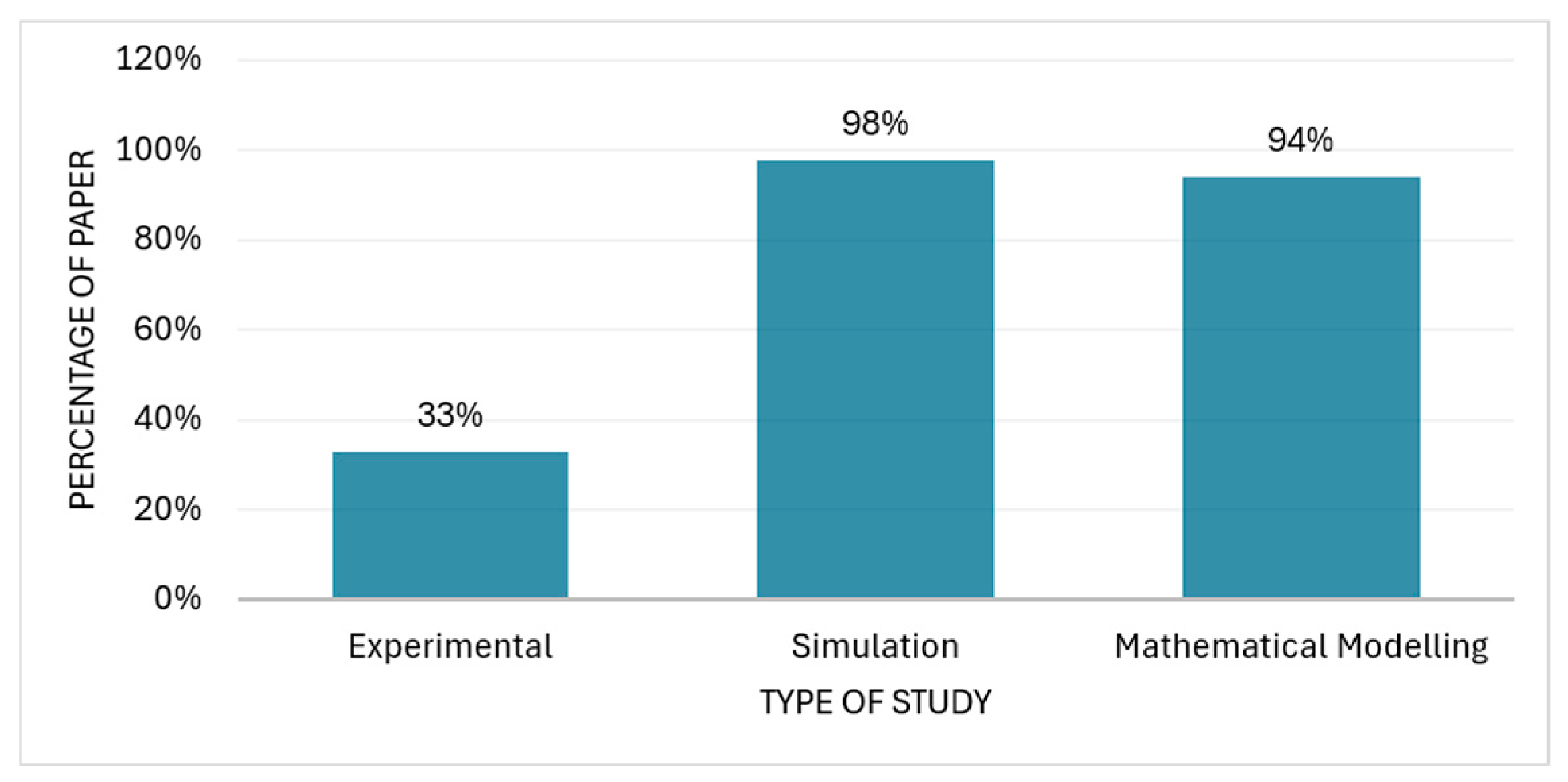
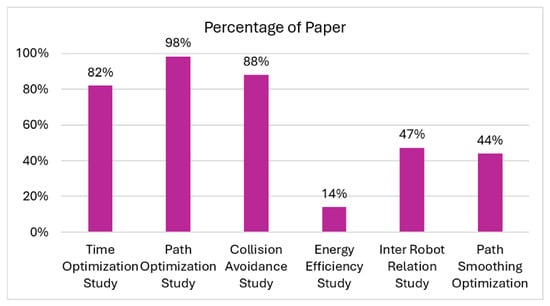
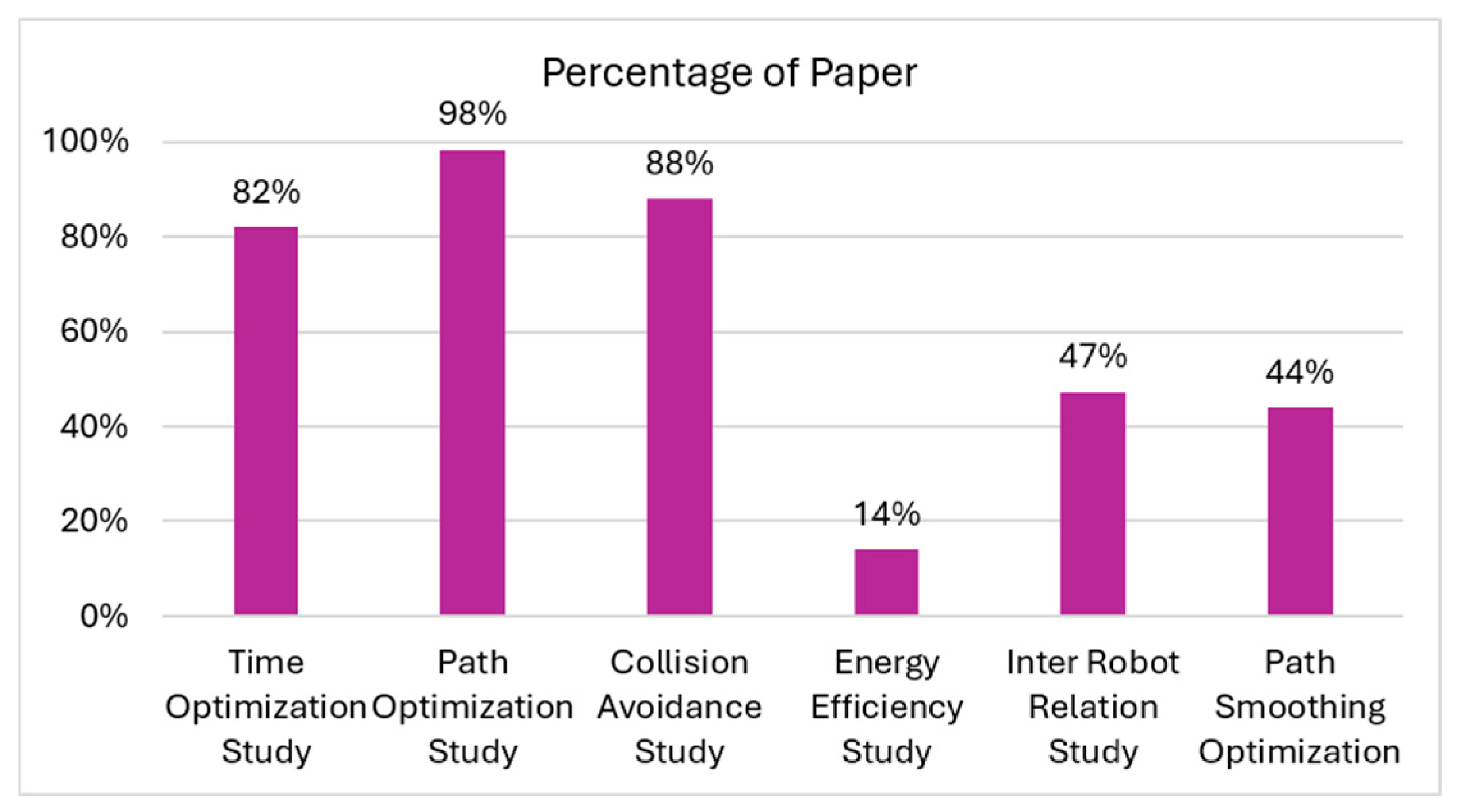
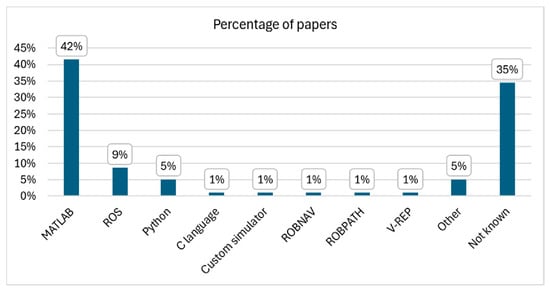
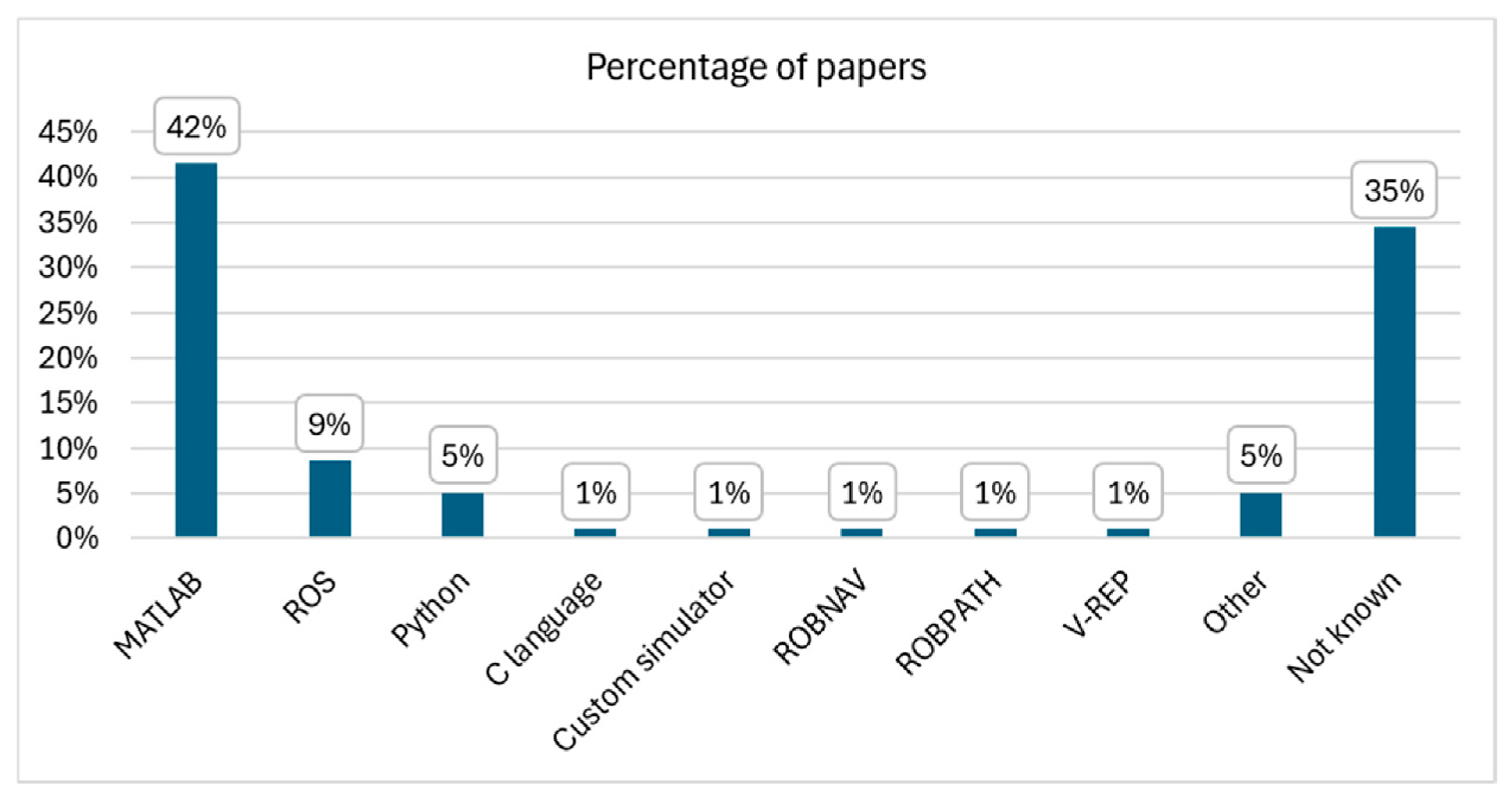
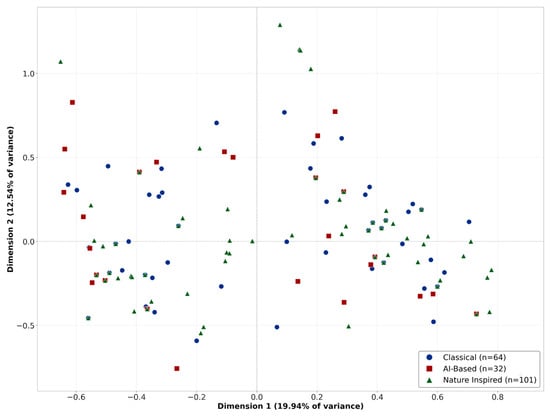
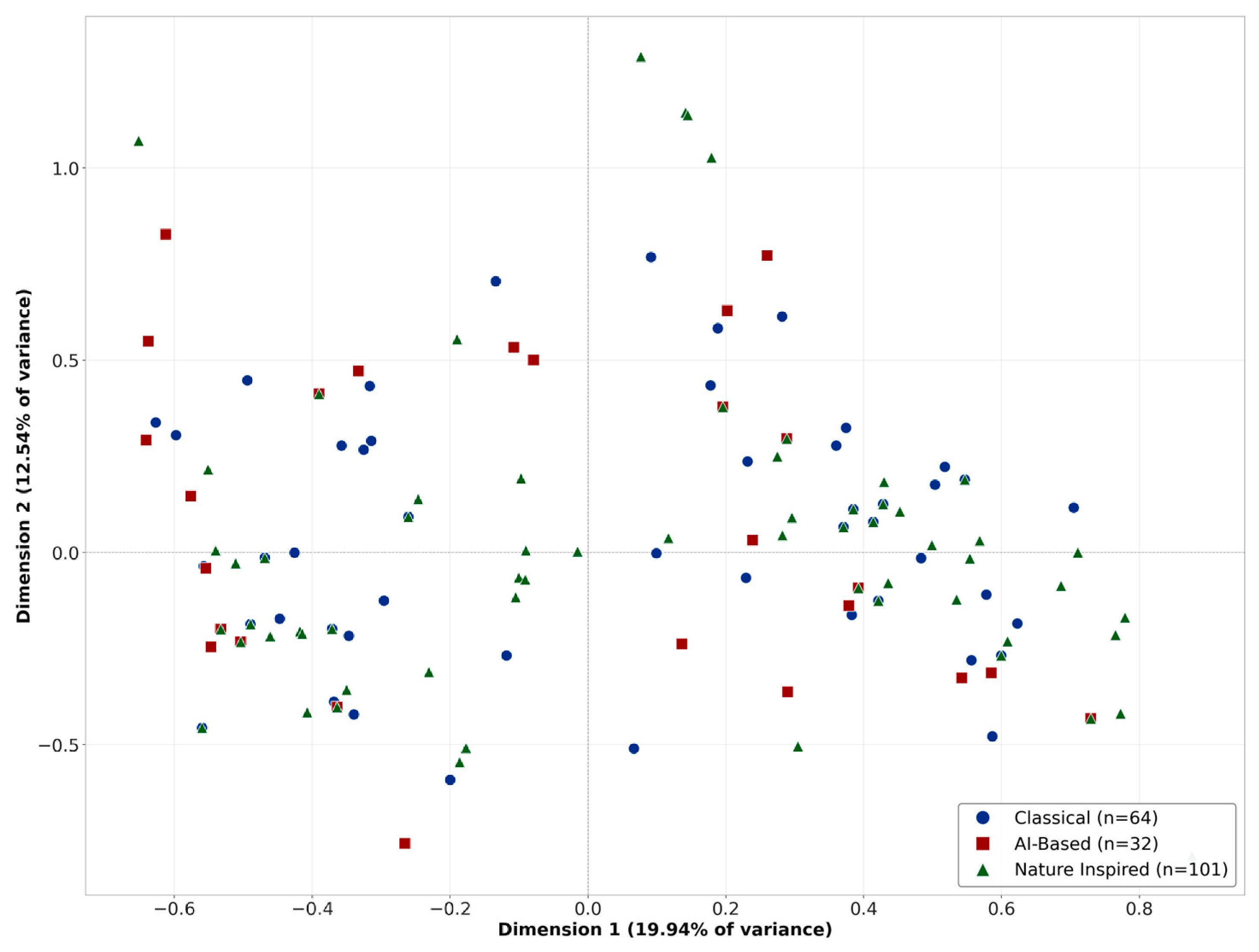

Disclaimer/Publisher’s Note: The statements, opinions and data contained in all publications are solely those of the individual author(s) and contributor(s) and not of MDPI and/or the editor(s). MDPI and/or the editor(s) disclaim responsibility for any injury to people or property resulting from any ideas, methods, instructions or products referred to in the content. |
© 2026 by the authors. Licensee MDPI, Basel, Switzerland. This article is an open access article distributed under the terms and conditions of the Creative Commons Attribution (CC BY) license.