


Abstract
Wire Arc Additive Manufacturing (WAAM) has gained attention as a metal additive manufacturing process producing complex large-scale components with high deposition rates and lower costs. Cold Metal Transfer (CMT) offers reduced heat input and enhanced control of metal transfer, making it suitable for aluminium. This review analyses CMT-based WAAM with a focus on Al–Si alloys, providing a synthesis for this material system and establishing a structured comparison of representative studies on process fundamentals, arc mode variants, and key processing parameters. The influence of electrical and kinematic parameters and thermal management on process and geometrical stability, microstructural evolution, defect formation, and mechanical behaviour is discussed. Process behaviour is governed by the temporal distribution of heat input within the CMT cycle and thermal history. Control of heat input can reduce porosity, microstructural heterogeneity, and geometric instability, while advanced CMT modes can improve process stability and material efficiency under appropriate process configurations. Mechanical performance depends on the interaction between process parameters, microstructure, and defects, leading to variability and anisotropy. Despite progress, challenges related to process repeatability, narrow processing windows, defect susceptibility, and predictive capability remain. Future research should focus on parameter optimization, integrated modelling, real-time control, and WAAM-specific alloys to enable reliable industrial implementation.
1. Introduction
Additive manufacturing has attracted increasing attention in recent years due to its capability to produce complex three-dimensional geometries that are difficult or even impossible to achieve using conventional manufacturing processes [1]. This capability has led to a progressive substitution of traditional manufacturing techniques in specific applications and has demonstrated broad industrial applicability across different sectors [2]. As a result, additive manufacturing (AM) has become a highly relevant topic within manufacturing and engineering, driving advances not only in process development and variants but also in material design, as fusion-based techniques often produce microstructures that differ from those obtained through conventional processes [1,3].
Currently, the most widespread metal additive manufacturing processes based on material fusion are powder bed fusion (PBF) technologies, which enable high dimensional accuracy and fine surface finish [4]. However, these processes are characterized by relatively low deposition rates and the use of powder-based feedstock, which increases process cost and often requires costly post-processing [1]. In contrast, Wire Arc Additive Manufacturing (WAAM), despite offering lower dimensional precision, enables the fabrication of large-scale metallic components due to its significantly higher deposition rates [5]. Furthermore, WAAM is frequently selected due to its lower equipment and consumables cost, greater design flexibility, and reduced post-processing requirements [6].
The advantages of WAAM have driven increasing interest across multiple industrial sectors, including aerospace, marine, automotive, energy, and defense, where large-scale and geometrically complex metallic components are required [7]. This growing industrial demand has been accompanied by a significant increase in research activity, highlighting both the technological potential of WAAM and the need to further understand and optimize its process mechanisms to enable broader industrial adoption [8]. However, despite its high potential, WAAM involves complex thermal dynamics and coupled physical phenomena that make ensuring the final quality of manufactured components challenging [6]. Achieving high-quality components requires a comprehensive understanding of process parameters, material behaviour, and appropriate post-processing strategies [9].
Aluminium holds a particularly relevant position among materials processable by WAAM due to its low density, high specific strength, and excellent corrosion resistance [10]. These properties make aluminium especially attractive for applications where weight reduction and structural performance are critical. However, its processing presents significant challenges related to high thermal conductivity, elevated thermal expansion coefficient, and the instantaneous formation of a stable surface oxide layer, which hinder arc stability and complicate the fusion and solidification mechanisms during deposition [10,11]. As a result, WAAM processing of aluminium tends to promote the formation of defects such as porosity, residual stress, cracking, and geometric distortions [12].
The Al-Si system has been extensively studied in WAAM with conventional welding technologies, especially using commercial wires such as ER4043 or ER4047 [10]. While several reviews have addressed WAAM and CMT processes in general, a dedicated analysis focused on Al–Si alloys and their behaviour under different CMT arc modes has not yet been specifically addressed in the literature. In this context, this review aims not only to compile and analyze the existing scientific knowledge on the processing of Al–Si alloys by WAAM using Cold Metal Transfer (CMT) technology but also to provide a focused synthesis of the available literature. This work specifically emphasizes the behaviour of Al–Si alloys, which present processing challenges and remain less comprehensively studied under advanced CMT modes.
Furthermore, this review provides a structured comparison of representative experimental studies, allowing the identification of consistent trends and discrepancies in terms of process parameters, geometric and dimensional stability, microstructural evolution, defect formation and mechanical performance. Particular emphasis is placed on the temporal distribution of heat input as a key parameter governing melt pool behaviour, solidification processes and thermal accumulation during multilayer deposition. In this context, CMT is characterized by a reduced heat input compared to conventional GMAW, which contributes to its higher energy efficiency [13]. However, its process behaviour cannot be fully described by average energy values alone, due to the inherently cyclic nature of the CMT process.
Based on this analysis, the present work identifies key limitations and research gaps, particularly regarding the limited availability of systematic studies on advanced CMT modes and the lack of fully consistent processing–structure–property relationships for Al–Si alloys. These findings also provide a basis for defining future research directions.
2. Wire Arc Additive Manufacturing: Process Principles, Technological Evolution and Current Challenges
This section presents WAAM within the context of metal additive manufacturing, addressing its technological evolution, operating principles and arc welding technologies. It also discusses current research trends, key challenges and technological gaps.
2.1. WAAM Within Metal Additive Manufacturing: Technological Evolution, Current Status and Challenges
Metal additive manufacturing (MAM) processes are specifically aimed at metallic component production and can be classified into solid-state, binder, sintering and fusion-based processes, the latter including Directed Energy Deposition (DED) processes [14]. Within this framework, Wire Arc Additive Manufacturing is considered a technology within this family and constitutes the central focus of the present review [15].
DED processes are based on the localized melting of a feedstock material, supplied in either powder or wire form, using an energy source of different nature, such as a laser beam, an electron beam, or an electric arc. The energy source provides the heat required to melt the material, either under vacuum or using a shielding gas atmosphere. The molten material is deposited along a predefined toolpath, forming successive layers that generate the volume corresponding to the final component [16].
The first attempts to manufacture fully dense metallic components using arc-based welding technologies date back to the early 20th century [17]. In 1925, Baker [18] patented a method for producing metallic decorative articles through controlled deposition of metallic material using an electric arc, establishing the conceptual foundation of modern WAAM. Following significant technological advancements in welding equipment, process control, and motion systems, WAAM has evolved from an experimental manufacturing concept into a versatile industrial technology [1]. At present, it is employed both for the fabrication of new components and for the repair or reconstruction of parts that have experienced localized wear or damage [19]. Its capability to deposit material efficiently over large volumes has positioned WAAM as a suitable solution for large-scale metallic structures [2].
WAAM has experienced rapid scientific development and growing industrial interest due to its high deposition rates and material efficiency [9]. However, several technological limitations still restrict its broader industrial implementation [20]. Despite its high potential, the WAAM process involves complex thermal dynamics, phase transitions, and metallurgical, mechanical, and chemical interactions, which represent a significant challenge in ensuring the final quality of manufactured components [7]. Currently, research on WAAM is mainly structured around two major fields: process planning and control and materials science [6]. In this context, the main research objectives focus on improving process stability, reducing or eliminating typical defects, and achieving high-quality components with mechanical performance competitive with conventional manufacturing processes [9]. From the materials science perspective, research is also directed toward the development of alloys specifically designed for WAAM [4]. Achieving these objectives requires a comprehensive understanding of the materials employed, process configuration, welding parameter control, and appropriate post-processing strategies [21].
Beyond its technological evolution, understanding the current research landscape, existing limitations, and emerging challenges is essential to contextualize the development of WAAM and its industrial implementation.
Recent research has progressively evolved toward improving process robustness, repeatability, and industrial reliability [20]. Current trends are strongly focused on advanced process optimization, in situ process enhancement techniques, and the integration of real-time monitoring systems, particularly through multi-sensor data acquisition, thermal tracking, and geometric monitoring to enhance process stability and ensure consistent deposition quality [22,23]. In parallel, numerical simulation approaches, especially finite element modelling, are widely used to predict thermal fields, residual stresses, and distortions, enabling process optimization with reduced experimental cost [23]. Furthermore, data-driven approaches, including machine learning and artificial intelligence, are increasingly applied to defect prediction, process monitoring, and parameter optimization. These approaches, together with emerging digital manufacturing strategies such as digital twins, enable the integration of real-time sensor data with simulation models for enhanced process monitoring and control [24], paving the way toward more adaptive and intelligent WAAM systems, although their industrial application is still in an early stage [21].
Despite these advances, several critical challenges still limit the broader industrial adoption of WAAM. Defect formation, including porosity, a lack of fusion, cracking, and surface irregularities, remains one of the most significant issues, strongly influenced by process parameters and the complex thermal cycles inherent to arc-based deposition [20,21]. Additionally, the high and cyclic heat input characteristic of WAAM processes leads to residual stress, shrinkage, and distortion, negatively affecting dimensional accuracy and structural integrity [23]. Heat accumulation and reheating phenomena during multilayer deposition generate complex and non-uniform thermal histories that further increase process instability [21]. Another critical challenge is the control of microstructural evolution and mechanical performance. Directional solidification and repeated thermal cycling promote the formation of anisotropic grain structures [24]. As a result, WAAM components often exhibit heterogeneous mechanical properties depending on build direction and deposition conditions [20,24].
In this context, current research gaps are focused on overcoming these limitations in a robust and scalable manner. A key gap lies in the lack of fully integrated real-time control systems capable of ensuring stable deposition and consistent quality in industrial environments [21]. Although monitoring technologies have advanced significantly, their integration into closed-loop control systems remains limited [22,23]. Furthermore, simulation tools and data-driven models still face challenges related to accuracy, computational cost, and generalization across different materials and process conditions [24]. The development of reliable multi-physics models capable of accurately capturing thermo-metallurgical phenomena also remains an open research challenge [21,24]. In addition, advanced control strategies based on artificial intelligence, including reinforcement learning, are emerging as promising tools for adaptive process control, although their implementation is still under development [24].
At the same time, hybrid manufacturing approaches combining WAAM with subtractive processes and advanced post-processing techniques are gaining attention as a strategy to improve final quality [23]. Another critical gap lies in the lack of standardized qualification and certification procedures for WAAM-fabricated components, particularly in safety-critical industries, which hinders broader industrial adoption [25].
Therefore, bridging the gap between laboratory-scale developments and industrial deployment requires the integration of monitoring, modelling, and control into unified and robust process frameworks capable of ensuring process stability, repeatability, and industrial applicability [24].
2.2. Process Fundamentals and Arc Welding Technologies for WAAM
WAAM technology is characterized by the use of an electric arc as the heat source and a metallic wire as feedstock, enabling the continuous and progressive deposition and solidification of material along a controlled predefined trajectory until the metallic component is formed [16,26]. Figure 1 represents the operating principle of a WAAM system.
Figure 1.
Graphic representation of WAAM operating principle.
Among the different arc welding processes, Gas Metal Arc Welding (GMAW) is the most widely employed in WAAM due to its high deposition rates and process flexibility, making it particularly suitable for large-scale component fabrication within short production times [1,11]. In contrast, Gas Tungsten Arc Welding (GTAW) and Plasma Arc Welding (PAW), both based on non-consumable tungsten electrodes, offer higher arc stability and heat input control, although with significantly lower deposition rates. PAW, in particular, provides higher energy density than conventional arc processes due to arc constriction; however, it remains lower than that of concentrated energy beam technologies such as laser or electron beam systems [27,28].
In GMAW, four main metal transfer modes can be distinguished according to the mechanism by which molten material is transferred from the electrode to the weld pool: globular, spray, pulsed spray and short-circuit transfer (Figure 2c,d) [29]. These modes differ in terms of droplet size, transfer frequency and heat input, directly influencing process stability and bead quality [28].
Figure 2.
Graphic representation of metal transfer mode: (a) globular; (b) spray; (c) pulsed arc; (d) short-circuiting.
Table 1 provides a comparative overview of the main arc welding processes used in WAAM, compiled from the literature [2,9,30,31].
Table 1.
Main characteristics of welding technologies.
However, in the context of WAAM, a modified GMAW process known as Cold Metal Transfer (CMT) has been widely adopted due to its suitability for controlled material deposition [30]. This process is described in detail in the following section.
3. WAAM Based on Cold Metal Transfer
This section focuses on WAAM based on Cold Metal Transfer, addressing its operating principles, arc mode variants and key process parameters. Emphasis is placed on their role in controlling heat input, metal transfer and deposition stability.
3.1. Fundamentals of CMT Process
Cold Metal Transfer welding, commonly referred to by its acronym, CMT, has attracted significant industrial and scientific interest in recent years. The CMT process represents an advanced evolution of Gas Metal Arc Welding, originally developed by Fronius International GmbH (Wels, Austria) [30]. At present, several process variants and technological developments derived from the original CMT concept have been proposed, highlighting the ongoing evolution of controlled short-circuit transfer techniques [32].
One of the main characteristics of the CMT process is its ability to perform welding operations with a significantly lower heat input compared to conventional GMAW. CMT is commonly regarded as a “cold” metal transfer process in comparison with other arc-based welding technologies [32,33]. This characteristic makes it particularly suitable for heat-sensitive materials such as aluminium (Al) or magnesium (Mg), especially in applications such as metal additive manufacturing [30]. In addition to its low heat input, it is widely chosen because it allows for welding with zero or minimal spatter and high deposition rates [34].
CMT is a cyclic process in which a short circuit and the subsequent re-ignition of the arc are intentionally and precisely induced. Figure 3 illustrates the different stages of a CMT cycle. The process can be described as a sequence of synchronized electrical and mechanical events. The cycle begins with a constant wire feed toward the substrate, during which the maximum current value is reached (1st), promoting arc ignition to heat the electrode and form a molten droplet at the wire tip. Before the electrode comes into contact with the substrate, the current value is significantly reduced (2nd). Subsequently, a short circuit occurs (3rd), during which, unlike conventional processes, the current intensity is actively regulated to a very low value. Once the short circuit is detected, the wire feed speed is reduced until it stops, and a control signal is sent to activate wire retraction (4th). This motion breaks the short circuit and enables the detachment of the molten droplet into the weld pool. Finally, as the electrode separates from the substrate, arc re-ignition occurs (5th), and a new cycle begins [33,35,36].
Figure 3.
Graphic representation of standard CMT cycle phases.
The pure CMT process operates within a defined process window in which its characteristic advantages are effectively maintained [33]. This process window is governed by the balance between electrical parameters and the stability of the short-circuit transfer mechanism. An upper operating limit exists, associated with high current and voltage values, beyond which short-circuiting no longer occurs, as the generated heat is sufficient to keep the wire molten and transfer the material through the arc without physical contact with the workpiece [33,35]. Conversely, a lower operating limit can be identified, which is lower than that of conventional arc welding processes and enables welding with a highly controlled arc and very low heat input. However, below this threshold, the current becomes insufficient to generate the required heat and sustain a stable arc [33].
3.2. CMT Arc Mode Variants and Their Process Characteristics
The limitations discussed previously have driven the development of different arc operating modes, giving rise to advanced CMT process variants designed to address specific application requirements. Among the most studied variants in WAAM applications are CMT Pulse, CMT Advanced, and CMT Pulse Advanced [32].
From a process control perspective, each CMT variant modifies the interaction between arc behaviour, droplet transfer and thermal input. As a result, the overall energy distribution and deposition stability are affected [13].
The CMT Pulse (CMT-P) mode is characterized by a higher effective heat input compared to standard CMT, which results in increased deposition rates and allows higher manufacturing speeds. This behaviour is achieved by combining CMT cycles with pulsed arc phases, alternating between both mechanisms during the process. During the CMT phase, metal transfer occurs by short-circuiting, whereas during the pulsed phase, droplet detachment is promoted by each arc pulse. The CMT phase reduces the heat input from the pulsed phase, and the mechanical forward and backward movement helps to readjust the arc length, increasing the stability of the entire process [2,33].
CMT Advanced (CMT-ADV) provides enhanced control over heat input and improved deposition rates through current polarity modulation. During the short-circuit phase, the polarity is reversed so that, under negative polarity, the arc more strongly envelops the electrode, promoting the formation of larger droplets and increasing the deposition rate. When operating under positive polarity, the heat input to the base material is increased, while simultaneously promoting oxide cleaning of the substrate surface, which is particularly advantageous for welding aluminium alloys [33,37].
The CMT Pulse Advanced (CMT-PADV) variant combines the benefits of polarity switching and pulsed arc operation. It offers an optimal compromise between high deposition rates and controlled energy input. In this mode, the short circuit is used as the mechanism to reverse polarity. CMT cycles are executed during the negative polarity phase, and pulsed arc cycles are applied during the positive polarity phase [13,33].
The CMT Twin variant uses two electrodes working simultaneously in the same weld pool. Its main objective is to increase the deposition rate without compromising arc stability or weld quality. The most common variants are CMT-CMT, where both electrodes work in CMT mode on the same weld pool, and CMT-Pulse, where one of the electrodes works in CMT mode and the other operates with a pulsed arc. This technique has been used to create customized alloys in situ by combining different filler materials [33,38].
In addition to these variants, further technological developments have been introduced to enhance process control and industrial applicability. Among them, CMT Additive Pro represents an advanced implementation specifically tailored for wire arc additive manufacturing. This approach is based on predefined process curves designed to stabilize layer formation and improve process repeatability. It incorporates functions such as deposition rate stabilization, real-time measurement of the contact tip to work distance (CTWD), and automatic power correction to maintain consistent bead geometry. These features facilitate integration into robotic systems and contribute to improved process reliability in industrial environments [39].
Owing to these characteristics, the CMT process has gained significant attention as an alternative to conventional GMAW in WAAM applications [40]. This is attributed to its high arc stability, controlled material deposition and reduced heat input achieved through lower current levels [32]. Additional advantages include low spatter generation, improved process stability and enhanced control over droplet transfer, which contribute to higher deposition quality and process reliability [2]. These features are directly reflected in the performance differences observed among the various CMT arc modes. Table 2 provides a comparison of the relative performance of the main CMT arc modes reported in WAAM literature in terms of heat input, deposition rate, arc stability, deposition quality and porosity reduction. These trends should be interpreted as qualitative comparisons between CMT variants rather than absolute values [13].
Table 2.
Comparison of the main CMT arc modes used in WAAM.
The trends summarized in Table 2 can be more accurately understood in terms of their effective thermal cycle and the temporal distribution of energy associated with each CMT variant, rather than solely their nominal operating characteristics. In this context, heat input should be understood as an effective parameter governed not only by the total energy supplied, but also by its temporal distribution within the CMT cycle and its interaction with process parameters, which determine thermal accumulation during multilayer deposition [41].
Standard CMT exhibits a relatively low effective heat input compared to conventional GMAW processes, due to the controlled short-circuit transfer and the active regulation of wire motion, which also enhances arc stability, limits arc energy and minimizes heat accumulation [36,42]. This controlled transfer mechanism also reduces spatter formation and limits melt pool turbulence. As a result, more stable conditions for gas escape are achieved, while reducing potential contamination sources, which may contribute to lower porosity and improved deposition quality [13,43].
The introduction of pulsed current in CMT-P modifies this balance by introducing high-energy intervals within the cycle, resulting in an increase in effective heat input and deposition rates. Experimental studies have shown that pulsed variants exhibit higher heat input values compared to standard CMT under similar conditions [44]. These periodic energy fluctuations can enhance melt pool convection, which may promote local thermal homogenization and facilitate bubble coalescence and gas escape [13]. However, this increased heat input must be carefully controlled, as it may prolong solidification time and promote defect formation if process conditions are not optimized [36,44].
In advanced variants such as CMT-ADV and CMT-PADV, polarity modulation and phase alternation enable more precise control of energy delivery, redistributing heat input throughout the cycle while maintaining high process stability [42]. This enhanced control allows the combination of high deposition rates with improved thermal management and more controlled solidification behaviour, which can result in a more stable and uniform deposition. Consequently, deposition quality is improved and the likelihood of defect formation, including porosity, is reduced [43,44].
Overall, these differences in effective heat input and energy distribution define the balance between thermal conditions, deposition rate and process stability across different CMT variants. While increased energy input is associated with higher deposition capability, its temporal control governs process stability and defect formation. In addition, arc stability is improved in advanced variants through enhanced control of arc length, current evolution and droplet transfer dynamics, including the synchronization between wire motion and arc behaviour, which reduces process fluctuations [36].
In this context, the performance differences summarized in Table 2 arise from the ability of each variant to regulate energy delivery and melt pool behaviour, rather than from isolated process characteristics, defining the trade-off between deposition efficiency, thermal control and defect mitigation [44].
3.3. Process Parameters in CMT-Based WAAM
Arc-based additive manufacturing can become a complex process due to the large number of parameters that must be controlled, as both welding-related parameters and additive manufacturing parameters need to be considered simultaneously [41]. According to the literature, certain parameters, or combinations thereof, have a significant influence on the resulting microstructure, mechanical properties, and overall quality of the fabricated component [2]. Figure 4 summarizes the main parameters that must be controlled during the design and manufacturing of WAAM components. Proper optimization of these parameters is crucial for achieving a suitable balance between deposition rate, structural integrity, functional performance, and component quality [8].
Figure 4.
Principal CMT based WAAM processing parameters.
The following subsections describe the most influential WAAM processing parameters according to the existing scientific literature.
3.3.1. Current and Voltage
Welding current directly affects the electrode melting rate and, consequently, the material deposition rate. It also governs penetration depth and the dilution between the deposited material and the substrate. In turn, arc voltage controls arc length, electrode melting behaviour and melt pool morphology [45]. Higher voltages generally produce wider and flatter beads due to increased arc length and heat distribution, whereas lower values promote narrower beads with deeper penetration [11].
Both parameters are strongly interrelated and jointly determine the heat input delivered to the process, which plays a critical role in arc stability, molten pool dynamics, solidification behaviour, and ultimately the quality of the deposited layers [11]. Heat input is commonly defined by Equation (1), where η is the efficiency, U is the voltage, I is the current intensity and TS corresponds to the travel speed [26]:
However, formulations based on averaged electrical parameters provide only a simplified description of the process, as they do not account for the temporal variations inherent to the CMT cycle. In CMT processes, where current and voltage vary continuously during the metal transfer cycle, the thermal behaviour is governed by the temporal evolution of these parameters rather than by their average values [46].
To address this limitation, a more representative formulation can be expressed by integrating the instantaneous electrical power over time, as expressed in Equation (2) [44]:
3.3.2. Polarity
The direction of the electric current plays a crucial role, as it directly influences arc behaviour and, consequently, the characteristics of the deposited material [26]. In direct current (DC) welding, when Electrode Negative (EN) is used (Figure 5a), heat is preferentially concentrated in the workpiece, promoting deeper penetration and a narrower weld pool. Conversely, under Electrode Positive (EP) conditions (Figure 5b), a greater proportion of heat is generated at the electrode resulting in shallower penetration and a wider weld pool. Additionally, ions from the shielding gas bombard the workpiece surface, promoting oxide layer removal and cleaning of the weld surface. The advantages of both polarities are combined in AC (Figure 5c) [27,28].
Figure 5.
Polarity settings in arc welding: (a) Direct current in negative polarity; (b) direct current in positive polarity; (c) alternating current.
In general, the positively charged side reaches higher temperatures than the negatively charged side, with approximately 60% of the total heat concentrated at the positive pole [26]. For this reason, processes using consumable electrodes, such as GMAW, commonly employ positive polarity [28].
3.3.3. Torch Travel Speed
Torch travel speed (TS) controls the interaction time between heat source and the substrate, directly affecting heat input per unit length [11]. In general, high TS values lead to lower heat input and thinner beads. However, excessively high TS values result in insufficient heat input, causing low dilution, bead irregularity, and reduced wetting angles. Conversely, low TS values promote excessive heat accumulation, resulting in high dilution, wider beads, and, in extreme cases, substrate burn-through [47]. In multilayer WAAM deposition, torch travel speed also plays a key role in controlling thermal accumulation and interpass temperature between successive layers [2].
3.3.4. Wire Feed Speed
Wire Feed Speed (WFS) controls the amount of material supplied during deposition. For a given TS, an increase in WFS leads to a higher amount of deposited material per unit length. WFS must be properly balanced with current and voltage to ensure an appropriate power level for adequate substrate preheating and material fusion.
In synergic welding systems, WFS controls voltage and current during welding, meaning that variations in WFS directly modify the thermal input conditions [48]. In WAAM, the WFS-TS ratio is a key parameter; an inappropriate ratio may cause excessive heat accumulation or insufficient energy input, both of which negatively affect bead morphology and process stability [49].
3.3.5. Contact Tip-to-Work Distance, Stand-Off Distance and Stick-Out Distance
Geometric distances significantly affect arc voltage and, in general, welding process stability. Contact Tip-to-Work Distance (CTWD) is defined as the distance between the wire feeder contact tip and the workpiece. The Stand-Off Distance (SOD) refers to the distance between the torch nozzle and the workpiece surface. In turn, Stick-Out Distance corresponds to the free wire length extending beyond the contact tip, and directly influences resistive heating of the wire and arc stability [11,22]. Figure 6 shows these distances.
Figure 6.
Graphic representation of different distances in WAAM setup.
3.3.6. Shielding Gas
Shielding gas isolates the molten weld pool from contamination by atmospheric gases during deposition and plays a key role in arc ignition, arc stability, and in controlling weld bead geometry and penetration [27]. In WAAM, argon (Ar) is the most widely used shielding gas, while small additions of active gases contribute to arc stabilization and improved molten metal transfer [12]. Therefore, proper control of the shielding gas flow rate is essential to ensure that these functions are effectively fulfilled [11].
3.3.7. Deposition Strategy
Deposition strategies play a fundamental role, directly affecting temperature distribution, cooling behaviour and microstructural evolution and consequently influencing defect formation, including residual stresses, porosity, a lack of fusion, and non-uniform bead geometry [50]. In addition, a minimum trajectory length is required to ensure stable deposition conditions. Common strategies are based on variations in the overlapping of welding beads and on different deposition path patterns. Among the most adopted deposition path strategies are zigzag, contour and raster (unidirectional and bidirectional) as well as hybrid strategies combining different approaches [7,51].
3.3.8. Interlayer Time and Interpass Temperature
Interlayer time controls thermal accumulation between successive layers, directly affecting interpass temperature [11]. Short waiting times lead to high interpass temperatures, which can destabilize the molten pool and increase heat accumulation, resulting in irregular bead formation and microstructural heterogeneities. Adequate cooling time between layers has a significant influence on microstructure and, consequently, on the final properties of the fabricated material [22].
3.3.9. Torch Angle and Workpiece Orientation
Torch inclination angle and part orientation directly affect heat input distribution, melt pool stability, and bead geometry [52]. In multidirectional deposition strategies, torch inclination introduces additional complexity due to gravitational effects. For this reason, the torch is commonly kept perpendicular to the build direction [2]. Similarly, part orientation during fabrication strongly influences final geometric characteristics and mechanical properties due to the complex interactions between processing parameters, residual stresses, and the resulting microstructure [53].
In addition to the general WAAM parameters described above, advanced configuration parameters specific to CMT process variants provide an additional level of control over arc behaviour and thermal input. These parameters are actively used to fine-tune droplet transfer dynamics and energy distribution.
3.3.10. Arc Length Correction
This parameter must be adjusted in all CMT variants. It modifies the arc length during welding through voltage variation. When negative correction values are applied, the resulting voltage is reduced, leading to a shorter arc length and lower heat input. Conversely, when the correction is shifted towards positive values, the arc becomes longer, resulting in an increased heat input. In CMT-P, it modifies the pulsed phase. In CMT-ADV and CMT-PADV, it modifies the positive polarity phase [33,54].
3.3.11. Pulse Correction
This parameter is used in CMT-P. It controls the amount of energy delivered on each pulse and pulse duration. Corrections toward negative values result in a lower energy input per pulse, whereas positive corrections increase the energy delivered. This parameter directly affects the droplet detachment behaviour [33,54].
3.3.12. Pulse Balance
Pulse balance is an adjustment parameter used in CMT-Pulse. It acts on the number of pulsed cycles between consecutive CMT cycles. A positive correction increases the number of pulsed cycles, leading to a higher heat input, whereas a negative correction reduces the number of pulsed cycles, shortening the duration of the hot phase and consequently decreasing the total heat input [33].
3.3.13. EP:EN Balance
This correction factor is applied in CMT variants that incorporate polarity changes. It refers to the ratio between electrode-positive (EP) and electrode-negative (EN) cycles. In CMT-ADV, an increase in the EP:EN balance results in a higher proportion of EP cycles within a given period, leading to an increased thermal input and vice versa. In CMT-PADV, this parameter acts during the positive pulsed phase, adjusting the number of pulsed cycles between CMT cycles in a manner analogous to the pulse balance parameter in CMT-P. The EP:EN ratio plays an important role in determining the stability of the arc and droplet transfer process [33,55].
3.3.14. Arc-Force Dynamic Correction
This parameter regulates the current level and the duration of the short-circuit phase, thereby affecting the arc re-ignition energy. A reduction in this correction parameter may result in higher current peaks during short-circuiting, which increases the arc pressure during re-ignition. Conversely, increasing this correction reduces the current during the short circuit, leading to smoother and less aggressive arc re-ignition [33].
Section 5.3 provides a detailed discussion of the influence of the main processing parameters on the processability of Al–Si via WAAM using the CMT technique, in accordance with the existing literature.
4. WAAM of Aluminium Alloys: Alloy Selection, Defects and Process-Related Challenges
This section addresses WAAM of aluminium alloys, focusing on alloy selection, defect formation and process-related challenges. The availability of aluminium filler wires is first discussed, followed by an analysis of the main defects and their underlying mechanisms.
4.1. Aluminium Alloys in WAAM and Their Availability as Filler Wires
Aluminium alloys are widely used in the manufacture of products across several industrial sectors [56]. Consequently, they have become one of the main material systems in metal additive manufacturing technologies, expanding the range of possibilities for layer-by-layer component fabrication [10].
Among the materials most extensively studied using this technology are steels, aluminium, titanium and nickel-based alloys [9]. The commercial value of WAAM for aluminium alloys lies in the fabrication of large-scale components, thin-walled structures and complex geometries with high buy-to-fly ratios. In contrast, components with simple geometries, standard thicknesses and dimensions are generally more cost-effective when produced by conventional machining [4,9].
WAAM can process virtually any metal available as a commercial welding wire, which represents a significant advantage compared to other additive manufacturing processes [9]. However, the range of commercially available aluminium filler alloys remains limited for certain applications, restricting the number of filler/base alloy combinations for WAAM applications [57]. The literature reports the use of different aluminium alloy series as filler materials, from which the following general trends can be identified [10]:
Alloys of the 1xxx series correspond to commercially pure aluminium, containing less than 1 wt.% of alloying elements. Due to their low mechanical strength, they are not suitable for structural applications and are virtually absent from WAAM-related studies.
Within the 2xxx series, commercial wires such as alloy 2319 are available, originally developed for joining. In WAAM, alloys such as 2219 and 2024 have shown satisfactory results when appropriate process control is applied.
Alloys from the 4xxx series are the most extensively studied families in WAAM. Alloys 4043 and 4047 are commonly used as filler materials in arc welding and have been recurrently employed as feedstock wires in WAAM, with Al 4043 being the most frequently reported.
The 5xxx series have shown favourable deposition behaviour in WAAM, using commercial filler wires such as 5087, 5183, and 5356, which have contributed to their increasing presence in WAAM-related research.
In contrast, alloys from the 6xxx and 7xxx series present welding difficulties due to unstable melt pool behaviour and a high susceptibility to defects, particularly solidification cracking, which limits their applicability in WAAM.
Several studies have reported positive results for different series, highlighting the applicability of WAAM to aluminium alloy systems [30]. At the same time, a clear trend can be identified towards the development of dedicated aluminium filler wires specifically designed for WAAM applications, aimed at overcoming the constraints associated with conventional welding consumables and enabling improved process stability and material performance [57].
4.2. Challenges in WAAM of Aluminium Alloys
Although the mechanical properties of AM components can, in many cases, be comparable to those obtained through conventional manufacturing processes, characteristic defects may still arise and become critical depending on the application requirements [12]. In WAAM, repeated thermal cycles involving melting and solidification promote the formation of inherent process-related defects [58].
Aluminium welding is especially challenging due to the presence of a stable surface oxide layer and its solidification behaviour [10]. The main defects associated with aluminium components fabricated by WAAM are shown in Figure 7 [9]. They may originate from the intrinsic characteristics of the material, the welding process conditions, or the combined interaction of both. In general, their occurrence is intensified by inadequate processing parameters, unsuitable deposition strategies, molten pool instability, excessive heat accumulation, unfavourable environmental conditions, or equipment-related issues [10,12].
Figure 7.
Comparison of common defects in parts manufactured with WAAM for different materials, based on trends reported in [9].
4.2.1. Anisotropy
As in any component manufactured layer by layer through fusion-based additive processes, heat accumulation during deposition leads to microstructural variations between successive layers [2].
In the case of aluminium, its high thermal conductivity promotes steep thermal gradients, which strongly influence the solidification process and result in distinct grain morphologies. Several studies have shown that two microstructurally distinct regions can be identified within a single deposited layer (Figure 8). Experimental observations reveal the coexistence of columnar and equiaxed grain structures associated with different thermal histories during deposition [59,60].
Figure 8.
Graphic representation of microstructural morphology evolution of WAAM component during deposition. Reproduced from [60].
The upper region, where grains grow from the starting point of deposition of the subsequent layer and are subjected to a higher thermal gradient, promotes columnar grain growth along the deposition direction [59]. In contrast, in the lower region, grains develop from the interface between the partially remelted material and the solid material from the previous layer, where the thermal gradient is lower, leading to a more equiaxed grain morphology [60]. During the deposition of subsequent layers, the columnar grains formed in the upper region are partially remelted, evolving toward a more isometric morphology. However, both regions continue to coexist throughout the structure [59]. In addition, equiaxed grain growth has been observed in the top surface region exposed to ambient air, which is associated with distinct thermal and cooling conditions [61]. This periodic alternation of grain morphologies and crystallographic orientations results in a heterogeneous microstructure, which contributes to anisotropic mechanical behaviour in WAAM components [13].
4.2.2. Residual Stress and Distortion
As in other fusion-based AM processes, residual stresses and distortion are inherent to WAAM and cannot be completely eliminated. The successive deposition of layers subjects the component to multiple thermal cycles, in which repeated localized heating and cooling lead to non-uniform expansion and contraction [9]. These phenomena induce localized plastic deformation and generate internal stress within the material [62].
In aluminium alloys, the high thermal expansion coefficient results in significant contraction during solidification [10]. The constraint imposed by the substrate or by previously solidified layers prevents free shrinkage of the newly deposited layer, thereby promoting the development of residual stresses [63]. When these stresses exceed the yield strength (YS), permanent plastic deformation or geometric distortions (warping) may develop, particularly after detaching the component from the base plate [64]. In general, residual stresses can lead to geometric distortions, loss of dimensional tolerances, interlayer delamination, and a reduction in fatigue performance and overall mechanical strength [10,63]. These effects are especially critical in large-scale and thin-walled components, where thermal accumulation and geometric constraints are more pronounced [65].
4.2.3. Cracking and Delamination
Cracking and delamination can compromise the structural integrity of components and reduce their service life. Their occurrence is associated with residual stresses and porosity, improper selection of WAAM processing parameters, or inadequate post-processing techniques [11].
In aluminium alloys, the most common cracking mechanism is solidification cracking, which originates in the molten pool during solidification [10]. The susceptibility to solidification cracking increases with a wider solidification range and with the development of columnar dendritic grain growth [9,10]. Under these conditions, an interconnected network of solid dendrites forms, trapping the remaining liquid between grains. During cooling, material contraction subjects this dendritic network to tensile stresses, as the trapped liquid cannot adequately feed shrinkage, leading to stress concentration within the solid structure. If these stresses exceed the material strength at that temperature, intergranular solidification cracks are formed [10].
In addition, cracks at grain boundaries have been reported due to unfavourable grain boundary morphology or the presence of brittle phases, such as oxides or intermetallic compounds, together with residual stresses generated during solidification shrinkage [9,10].
Delamination, in turn, occurs when insufficient fusion or remelting between successive layers is achieved, leading to interlayer separation. Factors such as residual stress, material properties, and process parameters can contribute to this defect [2]. Delamination is generally visible and difficult to correct after the fact [9].
4.2.4. Porosity
Porosity in aluminium components fabricated by WAAM is one of the most frequent and critical defects, as it directly affects component density and, consequently, mechanical performance. It can appear for different reasons [11,66].
Shrinkage-related porosity originates from the high thermal contraction of aluminium (∼23 μm/m·K). This type of porosity is typically located near primary dendrites, such as α-Al, and may lead to solidification cracking phenomena as mentioned before [10]. It is closely associated with its low melting temperature and high thermal conductivity, which promotes rapid heat dissipation and accelerated cooling of the molten pool. As a result, premature solidification occurs, hindering proper liquid feeding and favouring the formation of internal cavities [11,23].
However, the most dominant mechanism governing porosity formation is associated with the difference in hydrogen solubility between liquid and solid aluminium [10]. Molten aluminium can dissolve significant amounts of hydrogen, whereas its solubility in the solid state is nearly negligible. During solidification, hydrogen is rejected from the solid lattice and accumulates in the remaining liquid aluminium; once the solubility limit is exceeded, gas bubbles nucleate [43]. Depending on the molten pool dynamics, these bubbles may rise and escape by buoyancy; however, the rapid solidification characteristic of WAAM often traps them within the advancing solidification front, resulting in retained porosity in the final component [11].
In addition, the evaporation of alloying elements such as Mg, Zn, or Li during welding can contribute to porosity formation [10]. Although these elements evaporate at elevated temperatures, if the generated gases cannot escape from the molten pool, they may become trapped within the solidified structure, leading to internal pores. This phenomenon may also result in compositional losses that negatively affect the mechanical properties of the final component [67].
Furthermore, surface contaminants, such as grease, moisture, or other compounds present on the welding wire and/or the substrate can be absorbed by the molten pool and generate pores during solidification [9]. Surface contamination of the filler wire has been identified as a major source of hydrogen, as wire surfaces may retain moisture or hydrocarbons that decompose into hydrogen upon melting [10]. Porosity may also arise from the entrapment of shielding gas or atmospheric gases during the melting process [9].
The main defects observed in aluminium WAAM, together with their underlying mechanisms and the mitigation strategies reported in the literature, are summarized in Table 3.
Table 3.
Summary of the main defects in aluminium WAAM, their formation mechanisms and associated mitigation strategies.
Overall, defect mitigation in aluminium WAAM requires an integrated approach combining process parameter optimization, thermal management and material-related strategies, rather than isolated corrective actions, to ensure stable deposition and reliable component performance.
5. CMT-Based WAAM of Al-Si Alloys
The study of Wire Arc Additive Manufacturing based on Cold Metal Transfer (CMT) applied to aluminium alloys has attracted considerable attention from the scientific community in recent years. As mentioned before, this technique enables a significant reduction in heat input during deposition. It is particularly advantageous for WAAM processing of aluminium alloys, where thermal control is critical to minimizing defects and improving the final quality of fabricated components [30,36]. In this context, several studies have focused on analyzing the behaviour of different aluminium alloys processed by CMT arc modes. These investigations aim to elucidate the physical and metallurgical phenomena occurring during deposition and to establish clear relationships between processing conditions and the resulting properties of manufactured components.
5.1. Al–Si Alloys: Metallurgical Background and Relevance for WAAM
Al–Si alloys from the 4xxx series have emerged as one of the most widely investigated and industrially relevant systems. For this reason, this review focuses on the analysis of Al–Si alloys processed by CMT-based WAAM.
Al–Si alloys are widely used in aerospace and automotive engineering. They exhibit intermediate strength due to solid-solution hardening provided by silicon and show high corrosion resistance in most environments [10,80]. The addition of silicon significantly modifies the solidification behaviour. The increase in Si content progressively narrows the solidification range, reaching a eutectic reaction at 12.5 wt.% Si (577 °C). Silicon decreases the viscosity of the liquid phase and reduces the overall thermal contraction during solidification. These effects facilitate the feeding of interdendritic regions during solidification and reduce the development of tensile stresses in the semi-solid region [3,80]. As a result, the susceptibility to solidification cracking is significantly lower compared with other series [81].
Their excellent flowability and low thermal contraction make them widely used in casting processes. Furthermore, they are commonly employed as electrodes for welding and brazing processes, and in brazing sheets. Alloy Al 4043 (4.5–6.0 wt.% Si) is considered the reference filler wire in arc welding and is extensively used across various industrial sectors because of its good flowability and its excellent weldability with a broad range of aluminium alloys. Similarly, alloy Al 4047 (11.0–13.0 wt.% Si), characterized by its high silicon content, is frequently used in brazing applications [10,80]. Both alloys have been investigated in the context of WAAM, with Al 4043 being the most widely reported in the literature [10].
Besides silicon, minor alloying elements play an important role in tailoring the performance of Al–Si alloys. Magnesium promotes precipitation hardening and enhances strength through the formation of Mg2Si. Minor additions of Ti and B are often used as grain refiners, reducing columnar grain growth and improving cracking resistance [10,80].
Al–Si alloys from the 4xxx series are primarily classified as casting alloys and are not commonly used in wrought applications [82]. The mechanical properties of Al–Si alloys are not only governed by their chemical composition but are also strongly influenced by the manufacturing route [83]. In casting, the specific process employed plays a key role in determining the final mechanical performance. Table 4 shows typical values for different casting techniques, highlighting the variability associated with each process. As can be observed, a wide range of properties is obtained for cast alloys, with yield strength typically ranging from ~200 to 280 MPa, ultimate tensile strength from ~220 to 350 MPa, and elongation from ~1 to 10% [84].
Table 4.
Comparison of AlSi7Mg0.5 (A357) mechanical properties manufactured by different casting routes [84].
In CMT-based WAAM, the reported mechanical properties for Al–Si alloys (≈5–10 wt.% Si) show yield strength values ranging from ~62 to 142 MPa, ultimate tensile strength from ~98 to 223 MPa, and elongation from ~5 to 28%. These variations are strongly influenced by alloy composition, processing parameters, defect formation, and testing orientation relative to the deposition direction [83]. A comprehensive compilation of mechanical properties reported for CMT-WAAM using Al–Si alloys is presented in Section 5.3.4.
5.2. Overview of CMT-Based WAAM Studies on Al–Si Alloys
Several experimental studies have reported the application of CMT-based WAAM to Al–Si alloy systems. To provide a structured overview of the existing literature, Table 5 summarizes representative studies on CMT-based WAAM of Al–Si alloys. The table includes the alloy or filler wire composition, the CMT mode employed, as well as the main objectives and processing variables investigated in each study.
Table 5.
Summary of research studies on Al-Si alloys processed by CMT-based WAAM.
The available literature reveals a clear concentration of studies on a limited number of alloy compositions and process configurations. In particular, a strong predominance of Al–Si5 alloys processed using standard CMT conditions can be identified. In contrast, studies specifically addressing advanced CMT arc modes remain scarce, especially when compared to other aluminium alloy systems.
Despite this limited diversity, the existing body of work provides an initial basis for understanding the general behaviour of Al–Si alloys in CMT-based WAAM. However, the current state of the literature remains insufficient to establish robust and fully consistent relationships between processing conditions and material response. The following subsection builds upon these studies to analyze the influence of processing parameters in greater detail.
5.3. Influence of Processing Parameters in CMT-Based WAAM of Al–Si Alloys
In general, existing studies agree that the appropriate selection of the CMT mode and the precise control of processing parameters are crucial to achieving high-quality aluminium components fabricated by WAAM. Improper parameter settings may exacerbate process instability and typical aluminium-related defects [42]. For this reason, a significant portion of the literature on CMT-based WAAM of Al–Si alloy systems focuses on analyzing the influence of fundamental processing parameters on geometrical and dimensional stability, microstructural evolution, defect formation, and mechanical behaviour.
5.3.1. Influence of Processing Parameters on Geometrical and Dimensional Stability
Geometrical and dimensional stability depends on the control of heat input, the management of thermal accumulation during multilayer deposition, and the stability of metal transfer at the scale of each CMT cycle. In this context, several studies have investigated how WAAM processing parameters and CMT-specific parameters can be used to control these aspects [41,54].
Within this framework, the combination of wire feed speed (WFS) and travel speed (TS) constitutes one of the most critical factors for ensuring bead geometrical regularity and dimensional stability of additively manufactured walls. Liu et al. [48] showed that, in Al5Si walls fabricated by CMT and CMT-P, the deposit geometry is strongly conditioned by the combination of WFS and TS. When TS was kept constant, increasing WFS led to an increase in linear heat input, which promoted lateral bead collapse. The phenomenon was more pronounced at the beginning and at the end of the trajectory, where material overflow occurred more easily. In contrast, increasing TS reduced the heat input per unit length, which significantly decreased lateral collapse, from approximately 16% to 3.5%. In addition, increasing TS reduced the effective bead width. They indicated that this behaviour is linked to the synergistic control of the CMT process, in which an increase in WFS automatically increases current and voltage, thus directly increasing the heat input.
Similar results were reported by Dugar et al. [87], who analyzed the influence of the combination of TS and WFS, using the standard CMT mode to define a processing window for producing uniform walls suitable for subsequent machining. The range analyzed for TS was 6–10 mm/s and for WFS was 2.6–5.3 m/min. The current intensity and voltage varied as a function of the WFS due to the synergic control of the CMT welding system. The value ranges were 40–96 A and 10.8–12.7 V, respectively. It was observed that excessive heat input causes excessive remelting and local loss of bead height, especially at the wall extremities. This effect was associated with high current values or low TS. In contrast, an excessive reduction in current prevents proper substrate fusion and adequate adhesion of the deposited material, thereby compromising process continuity. In addition, high travel speeds around 10 mm/s for Al5Si processed by CMT led to waviness, corrugation and poor geometrical uniformity. These defects occurred because wire and molten pool stability became difficult to maintain.
Li et al. [94] confirmed that geometrical stability is directly governed by the thermal balance imposed by WFS and TS. They systematically analyzed the effect of heat input through WFS and TS in Al7Si0.6Mg alloy deposited by standard CMT. A wide processing window associated with good geometrical stability was identified (73.13–470.95 J/mm). Within this range, continuous beads, uniform widths and stable interlayer overlap were obtained. When the supplied thermal energy was excessively increased, high penetration occurred, and the arc strongly impinged on the molten pool and gas shielding was lost, leading to bead over-widening, loss of geometrical definition and, in extreme cases, failure of deposit formation. Furthermore, Ortega et al. [41] reported that successive layer superposition leads to heat accumulation. This phenomenon results in progressive wall widening and a reduction in the effective layer height. The authors proposed the use of TS as a thermal compensation parameter. A progressive increase in TS with the number of layers reduces the energy input per unit length. This strategy limited heat accumulation, stabilized wall width and produced a quasi-linear growth of wall height with the number of layers.
In the same study [41], it was demonstrated that the thermal behaviour of the CMT process is not governed solely by the average power, since different parameter configurations with similar power values produced significantly different bead geometries. This result indicates that the effective heat input depends on the temporal distribution of energy within the CMT cycle, particularly during the boost phase (high-current phase). Under these conditions, an operational window was identified in which the energy per pulse allows stable droplet-by-droplet transfer characteristic of the CMT mode, associated with minimal geometrical deviations. Outside this range, excessive energy leads to premature droplet detachment and loss of transfer stability, resulting in increased geometrical variability. Beyond its geometrical effect, Ortega Gómez et al. [46] further showed that TS also affects the energetic efficiency of the process. Increasing TS reduced heat losses by thermal conduction towards the torch, promoted the melting of a larger volume of filler wire per unit of supplied energy, and modified both the weight and the frequency of the deposited droplets. These results confirm that the relationship between travel speed and effective heat input is not linear and strongly depends on the configuration of the CMT cycle.
The effect of arc mode on heat input and geometrical regularity was analyzed by Fang et al. [44]. The CMT, CMT-Pulse and CMT-Advanced modes were compared while keeping WFS and TS constant using ER5183 (Al-Mg alloy). Significant differences in heat input were observed, being higher in CMT-Pulse (185.4 J/mm), intermediate in CMT (165.3 J/mm) and lower in CMT-Advanced (157.8 J/mm). The authors indicated that these differences directly influence molten pool stability and the residence time in the liquid state. The smoothest and most regular surface was obtained using CMT-Advanced.
Research study [87] highlighted the importance of interlayer temperature control on the geometrical stability of Al5Si walls. The authors observed that values above 120 °C generated excessive thermal accumulation. This produced pronounced remelting of the previously deposited material, leading to geometrical degradation during successive layer deposition. Similar results were reported by Ortega et al. [46]. In their work, interlayer dwell times were introduced, and short pauses of approximately 10 s were found to stabilize the bead width. Longer dwell times provided limited improvements.
Another relevant parameter in the control of geometrical stability is the deposition strategy. Several studies indicate that trajectory optimization is critical. Ortega et al. [46] observed that unidirectional strategies lead to systematic material accumulation at the beginning of the bead. This effect is amplified when successive layers start at the same position. It was attributed to transient conditions during arc ignition and extinction in each pass, before a stable thermal regime is reached, which promotes faster solidification and reduced spreading of the molten metal. The authors showed that the back-and-forth strategy allows redistribution of regions with greater height and improves the geometrical homogeneity of the deposit. Pan et al. [60] also examined the bead morphology in Al-2319, under unidirectional and alternating interlayer deposition strategies. Based on the improved geometrical uniformity and formation stability observed when the deposition direction was alternated between successive layers, the bidirectional strategy was selected for the manufacturing process in order to limit defect accumulation and ensure stable wall growth, as can be observed in Figure 9. These conclusions are consistent with those reported by Liu et al. [48], who also analyzed different deposition scanning strategies, generating layers composed of equally spaced parallel beads using unidirectional, back-and-forth and 90° layer rotation strategies. ER4043 filler wire was employed with the CMT-Pulse mode. Unidirectional and perpendicular-layer strategies generated local accumulation of material and heat at arc start and end regions, leading to bulging, local collapse and waviness, whereas the reciprocating strategy allowed redistribution of these effects.
Figure 9.
Comparison of geometrical stability with different deposition strategies: (a) Bidirectional (b) Unidirectional. Adapted from [60].
Research study [87] also investigated the feasibility of depositing thin walls with different inclination angles with respect to the substrate plane in order to avoid the use of support structures. To generate the inclination, two strategies were evaluated. In the first one, the torch was kept perpendicular to the substrate plane, and the inclination was obtained by progressively shifting successive layers laterally (Figure 10a). In the second strategy, the torch was directly tilted in the growth direction of the wall (Figure 11a). The results showed that the burner-shifting strategy was only suitable for moderate slopes (75° and 60°). However, for steeper inclination angles such as 45°, the remelted material flowed out of the wall after arc ignition (Figure 10b–d). In contrast, the strategy based on direct torch angle inclination proved to be more stable, allowing the successful fabrication of up to 45° inclined walls with uniform geometrical profiles and homogeneous layer heights (Figure 11b–d).
Figure 10.
Burner shifting strategy: (a) schematic representation of burner configuration; (b) deposition at 75°; (c) deposition at 60° and (d) deposition at 45°. Reproduced from [87].
Figure 11.
Burner tilting strategy: (a) schematic representation of burner configuration; (b) deposition at 75°; (c) deposition at 60° and (d) deposition at 45°. Reproduced from [87].
The combined effect of torch angle and interlayer temperature was analyzed by Hauser et al. [96] using standard CMT with Al–5Si. They used pushing angles above 10° and dragging angles up to 10°, as shown in Figure 12a,b. At low interlayer temperatures, pushing configurations led to the formation of droplets instead of a continuous bead (Figure 12c–e). This was associated with the combination of low interlayer temperature, low heat input of the CMT mode and the high thermal conductivity of aluminium. In contrast, angles of 10°, 0° and −10° allowed bead continuity to be maintained (see Figure 12f–h). Under high interlayer temperature conditions, the molten pool remained in the liquid state for a longer time. With angles of −10° and 0°, the wire and arc pressure pushed the molten pool opposite to the travel direction, producing cyclic material accumulation behind the processing zone and the formation of a periodic waviness pattern (Figure 13c,d). A moderate pushing angle of approximately 10° exhibited higher geometrical stability, as is shown in Figure 13e.
Figure 12.
Configurations: (a) Pushing; (b) Dragging; Bead geometry with low interlayer heat input conditions: (c) 40°; (d) 30°; (e) 20°; (f) 10°; (g) 0°; (h) −10°. Reproduced from [96].
Figure 13.
Configurations: (a) Pushing; (b) Dragging; Bead geometry with high interlayer heat input conditions: (c) −10°; (d) 0°; (e) 10. Reproduced from [96].
In this study [96], it was indicated that stable deposition is associated with a constant characteristic frequency of the CMT cycle. Unstable regimes exhibit significant deviations and irregular signals, which are directly linked to geometrical fluctuations of the bead.
The role of alloy composition and solidification range on geometrical stability was highlighted by Köhler et al. [54] for ER4047 processed by CMT-P. Walls with high surface waviness were obtained, together with significant variability in width and height and irregular lateral displacements between successive layers. The authors observed a longer molten pool compared to Al–Mg systems (Figure 14a,b). This behaviour was related to the narrow solidification range of ER4047, characteristic of a near-eutectic alloy, which leads to less uniform deposition.
Figure 14.
Comparison of metal deposition using (a) Al-Si and (b) Al-Mg. Reproduced from [54].
Advanced arc corrections were analyzed in the same research work [54], specifically arc length correction and pulse correction. Negative correction values caused process instability and irregular arc extinctions during deposition. In contrast, positive values led to non-uniform droplet transfer due to the increase in arc length and energy, generating high dynamic forces during the process. Both extremes increased surface waviness. In contrast, neutral adjustments resulted in more stable transfer and improved geometrical regularity (Figure 15a–c). Other authors also applied positive arc length correction in standard CMT, obtaining larger molten pools and improved wetting behaviour during deposition on the substrate compared to conditions without arc correction [96].
Figure 15.
Effects arc length and pulse corrections on droplet transition and geometrical stability: (a) negative; (b) neutral; (c) positive. Reproduced from [54].
Zhang et al. [55] demonstrated that the EP:EN ratio in CMT-PADV controls process stability and geometrical accuracy. They observed that ratios with a high EN-CMT fraction led to unstable droplet transfer. Arc forces, cathode spot pressure and electromagnetic effects hindered droplet transfer, reducing molten metal fluidity and wetting ability, thereby promoting the formation of isolated spherical deposits instead of a continuous bead. In contrast, a progressive increase in the EP-pulse fraction (EP:EN ≥ 10:10) significantly improved arc stability and droplet transfer, with more regular electrical signals and more controlled material transfer. An optimal fraction of approximately EP:EN ≈ 13:7 was identified, providing the most stable deposit geometry. However, further increases in the EP fraction (EP:EN ≥ 16:4) deteriorated geometrical accuracy due to increased arc forces, enhanced Marangoni convection and higher plasma pressure, inducing greater molten pool instability and excessive bead widening.
The literature also reports strategies based on interlayer coatings aimed at improving process stability. Hu et al. [90] studied the introduction of TiC nanoparticles through an interlayer coating during the fabrication of ER4043 walls. The TiC suspension was brushed onto the surface of each deposited welding bead after cooling down to room temperature and was allowed to dry before depositing the next layer. They observed that approximately 4 mg/cm2 improved molten metal wettability. This eliminated local material accumulation and produced straighter sidewalls and more uniform layers. Nevertheless, for excessive TiC amounts, molten pool fluidity decreased, and lateral profile irregularities and lack of bead continuity were observed. Furthermore, Fan et al. [89] investigated the effect of interlayer coatings with La2O3 particles in the same alloy. The La2O3 powder–alcohol solution was sprayed evenly onto each interlayer using a spraying gun, after cooling the deposited layer down to room temperature. The authors demonstrated that La2O3 particle size directly influences arc length, horizontal arc diameter and metal transfer stability. Nanometric particles induced a moderate and stable arc deflection, improved molten pool fluidity and promoted pore evacuation, resulting in more uniform walls with fewer defects. In contrast, the use of larger particles severely deteriorated geometrical quality and promoted defect formation.
5.3.2. Influence of Processing Parameters on Microstructural Evolution
It is widely reported in the literature that WAAM deposits of Al–Si alloys exhibit a typical solidification microstructure, characterized by α-Al solid-solution dendrites surrounded by an Al–Si eutectic preferentially located along grain boundaries [34]. These microstructures are predominantly governed by directional solidification regimes that are associated with high thermal gradients, which promote columnar dendritic growth along the heat flow direction [97]. However, several studies have shown that grain morphology, size, fraction and phase distribution vary significantly along the build direction and between successive layers [34]. These variations are closely related to the thermal history imposed by the process during multilayer deposition, which can locally reduce the thermal gradient and promote the formation of equiaxed grains, resulting in a mixed columnar–equiaxed microstructure [61,86].
In this context, the study performed by Ortega et al. [46] showed that in a multilayered wall of AlSi5 the first layer exhibited a finer and more equiaxed microstructure associated with a higher solidification rate, whereas the upper layers showed coarser and more oriented dendrites under reduced cooling conditions. This evolution was attributed to the progressive reduction in the thermal gradient due to heat accumulation during multilayer deposition, which decreases the solidification rate as the component height increases, thus reducing the cooling rate and promoting dendrite coarsening. Consistent results were reported by Pramod et al. [85]. In their study, three regions were distinguished along the cylinder (lower, middle and upper), showing a progressive transition in dendritic morphology. The first layers near the substrate exhibited a finer microstructure, whereas the upper layers showed larger dendrites. This evolution was related to the progressive decrease in heat dissipation towards the substrate as the component height increases, which reduces the cooling rate in the upper layers and leads to an increase in dendritic scale. In all regions, the coexistence of columnar and equiaxed dendrites was observed. In contrast, Nanjundan et al. [34] observed an opposite tendency in microstructural evolution along the building height. They manufactured thin-walled AlSi5 cylinders fabricated by standard CMT. The layers close to the substrate were characterized by larger columnar dendrites, whereas the final layers exhibited a finer microstructure with a higher fraction of equiaxed dendrites. A progressive transition region where both dendritic morphologies coexist was identified and attributed to differences in thermal history associated with the number of thermal cycles during multilayer deposition. Yang et al. [61] reported a pronounced microstructural heterogeneity along thin walls processed by standard CMT. It was characterized by the coexistence of coarse and fine grains, as well as columnar and equiaxed morphologies (Figure 16a,b). This was attributed to the solidification behaviour of the molten pool during multilayer deposition. At the bottom of the melt pool, high thermal gradients promoted the growth of columnar dendrites opposite to the heat flow direction. In contrast, in the upper regions of the molten pool, where the thermal gradient decreased, the formation of equiaxed grains was favoured. In addition, partial remelting of previously deposited layers contributed to the development of a mixed microstructure along the build height. The authors also quantified a secondary dendrite arm spacing (SDAS) of about 8 μm and associated it with a cooling rate of approximately 244 K/s, confirming the refined solidification scale achieved by CMT, which is finer than that of conventional Al–Si casting alloys (Figure 17a,b) [61]. Similarly, Li et al. [94] reported that under higher heat input conditions, the solidification process becomes slower, allowing sufficient time for eutectic silicon phases to aggregate and grow, leading to microstructural coarsening.
Figure 16.
Coexistence of coarse grain zone and fine grain zone in CMT-based WAAM samples: (a) plane section XOY; (b) plane section XOZ. Adapted from [61].
Figure 17.
Grain morphology and size of AlSi7Mg0.6 manufactured by: (a) CMT based WAAM; (b) Casting. Adapted from [61].
In relation to multilayer deposition, in the same research study [34], melt pool zones (MPZs) and partial melt zones (PMZs) generated by partial remelting of previously deposited material during the deposition of new layers were identified. They indicated that the repetition of these thermal cycles directly influences the dendritic morphology and microstructural distribution along the building direction. Consistently, the authors in [85] also observed partially remelted regions between layers associated with successive bead superposition. The low-melting eutectic can remelt and be subsequently replaced by liquid metal from the molten pool, contributing to dendritic microstructure re-formation and promoting good interlayer bonding.
The role of the thermal balance imposed by process parameters was analyzed in detail by Li et al. [92], who studied the influence of wire feed speed, travel speed and interlayer dwell time in Al–5Si walls. Increasing WFS increased the effective heat input, reduced the thermal gradient and promoted significant grain coarsening. The average grain size increased from 90 μm to 135 μm. In contrast, longer interlayer dwell times promoted heat dissipation, increased undercooling and led to microstructural refinement. In this case, the average grain size decreased from 122 μm to 85 μm as the interlayer time increased. In this study, the effect of travel speed on grain size was more limited; increasing travel speed only reduced the average grain size from 145 μm to 129 μm. Similar behaviours were obtained in [94], where it was observed that increasing heat input leads to an increase in SDAS and consequent microstructural coarsening, whereas low heat input favours the formation of finer dendrites. They also reported progressive coarsening in upper layers because of thermal accumulation and repeated thermal cycles during multilayer manufacturing.
Different results have been reported in the literature regarding the effect of the arc mode on microstructure. Vishnukumar et al. [86] analyzed WAAM deposits of ER4043 fabricated by CMT and CMT-Pulse and observed significant differences. While conventional CMT led to a coarser columnar microstructure aligned with the deposition direction, the CMT-Pulse mode promoted the formation of finer equiaxed dendrites. This refinement was attributed to instantaneous heat input reduction during the short-circuit phase and to the pulsed arc effect, which promotes molten pool undercooling and heterogeneous nucleation. Nevertheless, regardless of the arc mode, the authors indicated that the overall microstructural evolution remains dominated by the thermal history associated with multilayer deposition. Liu et al. [48] detected within a single bead a heterogeneous microstructure for CMT and CMT-P thin and thick walls. In the case of CMT-P, a fine-grained upper region was observed, associated with pulsed-arc-induced undercooling, molten pool agitation and dendrite arm fragmentation. In contrast, the lower region exhibited grain coarsening, associated with thermal accumulation and partial remelting of previously deposited material. This condition reduces the local thermal gradient and delays molten metal solidification, thereby promoting dendritic growth. The authors further reported dendrite arm widths of 10.93 μm in the fine-grained region and 18.09 μm in the coarse-grained region. These effects were intensified in thick-wall structures due to the superposition of multiple beads and layers, leading to particularly coarse-grained zones at interlayer interfaces.
However, a different behaviour was reported by Fang et al. [44] for an Al–Mg alloy. They also compared CMT and CMT-Advanced modes. Clear microstructural differentiation between interlayer and inner regions was observed, with fine grains at interlayer boundaries and columnar grains dominating within the deposited layers (Figure 18a,b). This differentiation became more pronounced for the CMT-Pulse mode, where higher heat input and a lower solidification rate led to the formation of coarser columnar grains (Figure 18c). The authors highlighted that higher heat input promotes columnar grain growth along the direction of maximum heat conduction. This behaviour is consistent with the high thermal gradients generated by continuous heat transfer towards the substrate and previously deposited layers. In addition, in the CMT-Advanced mode, polarity switching induced intense electromagnetic stirring of the molten pool, promoting dendrite tip fragmentation and secondary nucleation. This resulted in a finer and more refined microstructure compared with CMT and CMT-Pulse.
Figure 18.
Microstructural variations between inner and interlayer regions: (a) CMT-Advanced; (b) CMT standard; (c) CMT-Pulse. Reproduced from [44].
Campatelli et al. [93] identified two distinct microstructural zones, an Arc Zone (AZ) with finer microstructure and a Heat Affected Zone (HAZ) with coarser microstructure associated with the additional thermal cycle. In CMT Mix Drive, characterized by higher heat input, a more homogeneous microstructure with predominantly equiaxed dendrites was obtained, whereas conventional CMT exhibited higher heterogeneity with coexistence of columnar and equiaxed dendrites.
Advanced CMT parameters were studied by Zhang et al. [55]. The authors analyzed the EP:EN ratio and observed that increasing the fraction of EP-pulse progressively refined the average grain size in the deposited bead and the inter-bead interface. An increase in the fraction of fine crystallographic grains was also detected. In parallel, a reduction in texture intensity and a higher fraction of high-angle grain boundaries were detected, particularly in the fusion zone. These microstructural changes were attributed to the combined action of the pulsed arc, which intensifies molten pool convection and accelerates solidification, and to the partial remelting occurring during successive layer deposition. This study therefore indicates that, even at constant heat input, polarity modulation provides an effective additional degree of freedom to control grain refinement and crystallographic texture.
Beyond process parameters and arc characteristics, deposition strategy has also been shown to significantly affect microstructural development in WAAM. Su et al. [95] analyzed multilayer Al–Si structures fabricated using different deposition strategies (Line 90°, Cycle Line 90° and Line 45°) involving distinct layer-to-layer rotations. Marked differences in grain size, Si morphology and microstructural distribution were observed. In general, columnar or dendritic grains dominated within the layer interior, whereas finer equiaxed grains were preferentially formed at interlayer regions. This was attributed to the cumulative thermal behaviour of the WAAM process, as discussed previously. The highest cooling rate was obtained for the Line 45° strategy, followed by Cycle Line 90° and Line 90°, leading to average grain sizes of approximately 9.23 μm, 9.84 μm and 12.34 μm, respectively.
In addition to thermal control, several studies have explored active strategies to promote grain refinement and reduce microstructural anisotropy through the incorporation of reinforcing particles. Yang et al. [88] investigated a TiB2/AlSi7Mg0.6 composite wire containing approximately 0.5 wt% TiB2. The addition of TiB2 led to a significant refinement of the grain structure, with the average grain size decreasing from about 53.4 μm in the unreinforced alloy to approximately 35 μm in the composite material, which was attributed to the role of TiB2 particles as heterogeneous nucleation sites. However, a non-uniform microstructure with the coexistence of fine and coarse-grained regions persisted. The authors further showed that a subsequent T6 heat treatment eliminated this heterogeneity, homogenized the elemental distribution and markedly reduced microstructural anisotropy. Similar refinement effects were achieved by means of interlayer coatings. Hu et al. [90] reported that the introduction of TiC nanoparticles between deposited layers transformed coarse columnar dendrites into finer dendritic structures, increased the fraction of equiaxed grains and promoted a more random crystallographic orientation, particularly in the interlayer region. This refinement was attributed to the role of TiC particles as heterogeneous nucleation sites and to their effect on dendritic fragmentation during solidification. Likewise, Fan et al. [89] demonstrated that the interlayer addition of La2O3 particles, especially in the nanometric range, reduced the average grain size from about 85 μm in the uncoated condition to approximately 37 μm and promoted the transformation of coarse columnar dendrites into finer equiaxed structures. In this case, the refinement was attributed both to heterogeneous nucleation and to the preferential accumulation of La2O3 particles at grain boundaries, where they acted as barriers to grain growth, weakening crystallographic texture and reducing microstructural anisotropy.
5.3.3. Influence of Processing Parameters on Porosity Formation
In the WAAM of aluminium alloys, porosity is primarily associated with the difference in hydrogen solubility in molten and solid-state aluminium, as well as the complex thermal cycles inherent to multilayer deposition [43]. The final amount, size and spatial distribution of pores are therefore strongly dependent on the processing conditions and on the local solidification behaviour of the molten pool during successive layer deposition [46].
In this context, Ortega et al. [46] mainly identified spherical pores associated with the high solubility of hydrogen in molten aluminium. They showed that higher heat input conditions were associated with a lower porosity fraction, which was attributed to reduced melt viscosity and enhanced convection driven by Marangoni effects, facilitating bubble escape prior to solidification. Consistent results were reported in [48], where the authors observed that higher heat input combinations increase the solidification time and promote hydrogen release, reducing the final porosity fraction. The CMT-P mode produced a lower porosity fraction than the conventional CMT mode, with a relative content of 0.57% compared to 1.29%, respectively. In addition to the higher thermal input of the pulsed variant, this reduction was attributed to the greater agitation of the molten pool induced by the pulsed arc, which favours the escape of gas bubbles before solidification. The pores were mainly located at the interfaces between beads, especially in thick-walled structures, where they were associated with oxidation and contamination of the previously deposited material. Conversely, Fang et al. [44] observed the opposite behaviour in Al–Mg alloys, reporting that CMT-Pulse exhibited the highest porosity fraction (0.85%) and the largest pore sizes, associated with its higher heat input. In this case, prolonged liquid lifetime promoted pore nucleation, growth and coalescence, particularly in partially remelted interlayer regions. Meanwhile, CMT-Advanced exhibited the lowest porosity fraction (0.36%) and significantly smaller maximum pore sizes, which were attributed to the intense electromagnetic stirring induced by polarity switching, promoting gas bubble escape. Figure 19 shows the distribution of the number of pores classified by size for each CMT arc mode.
Figure 19.
Evolution of porosity with different CMT arc modes. Reproduced from [44].
The same trend was obtained in another study, which also incorporated CMT-Pulse Advanced for the study of an Al-Cu alloy. Cong et al. [43] demonstrated that CMT-Pulse Advanced enables the fabrication of nearly pore-free walls over a wide processing window, combining low heat input, a fine equiaxed interlayer microstructure that limits pore nucleation and growth, and a more effective oxide-cleaning action on the filler wire. However, they carefully analyzed the behaviour of each mode. The standard CMT mode exhibited a high porosity fraction even in single-layer deposits, which was attributed to the finger-shaped geometry of the molten pool, limited gas escape and the development of a coarse columnar microstructure that hinders hydrogen removal during solidification. For the CMT-Pulse mode, the overall porosity remained nearly constant over the entire heat input range. The authors demonstrated that micropores present in previously deposited layers can act as heterogeneous nucleation sites after remelting, promoting the formation of new pores during solidification that become trapped at interlayer interfaces. In the CMT-Advanced mode, porosity and wall geometry were strongly affected by heat input. At high energy levels, irregular wall profiles induced unstable droplet transfer and local oxidation in deposition valleys. In this case, oxides acted as heterogeneous nucleation particles that promoted pore formation.
The role of thermal history throughout the height of the component is also decisive. In study [34], a higher pore fraction was observed in the lower layers close to the substrate, attributed to rapid initial solidification on a cold substrate, which limits the evacuation of dissolved gases. Subsequent thermal cycles were not sufficient to completely eliminate this initial porosity. In contrast, Pramod et al. [85] detected a higher pore fraction in the upper layers. They attributed this behaviour to the presence of undissolved hydrogen, generated by the difference in gas solubility between the liquid and solid phases during solidification. They also noted that successive reheating of the lower layers acted as an in situ heat treatment that contributed to reducing porosity in these regions the role of thermal history throughout the height of the component is also decisive. In addition to thermal-history-related effects, the origin of dissolved gas also plays a key role in pore formation. Yang et al. [61] detected fine micropores with sizes of 2–4 µm, which were attributed to gas trapped in the filler wire or absorbed from the surrounding atmosphere during deposition.
It is also worth highlighting the work by Kesarwani and Yuvaraj [91], who addressed the simultaneous reduction in porosity and surface roughness through systematic optimization using Taguchi and ANOVA analysis. This approach was applied to manufacture bimetallic walls from ER5356 and ER4043 alloys. They found that current was identified as the parameter with the greatest influence compared to feed rate. With the optimal combination of parameters, a minimum porosity of 0.63% and an average roughness Ra ≈ 15.55 μm were obtained, with excellent agreement between the predicted and experimental values. Metallographic analysis revealed predominantly spherical pores distributed homogeneously throughout the layers, with no evidence of preferential pore accumulation at the bimetallic interface. This confirmed good metallurgical continuity between the two materials when the process parameters are properly optimized.
Finally, it was found that the addition of La2O3 particles, particularly at the nanoscale, significantly reduces both the amount and size of hydrogen pores. This was attributed to improved melt wettability, moisture adsorption by fine particles and partial powder ejection by the arc, which decreases the hydrogen content available during solidification [89].
5.3.4. Influence of Processing Parameters on Mechanical Properties
The mechanical behaviour of WAAM structures produced from Al–Si alloys is strongly governed by the microstructure generated during multilayer deposition, particularly grain size, crystallographic orientation and morphology, Al–Si eutectic distribution, porosity content, and the heterogeneity between layers and layer interfaces [34,48].
In this context, Li et al. [92] showed that grain coarsening associated with higher wire feed speed values leads to a decrease in both tensile strength and hardness. In contrast, microstructural refinement promoted by longer interlayer dwell times results in a significant increase in mechanical strength and hardness. These variations were directly related to changes in grain size, crystallographic texture and Al–Si eutectic distribution. In addition, the presence of pores and microstructural heterogeneities was identified as fracture initiation sites and as a major source of mechanical property scatter. Consistent results were reported in research study [48], where the authors observed that the transverse tensile strength was lower than the longitudinal tensile strength. In thin walls, mechanical anisotropy was limited (4–5%), whereas in thick walls more pronounced anisotropy (~10%) was observed, which was attributed to the accumulation of coarse-grained regions at layer interfaces. Fracture preferentially occurred in these interlayer regions, particularly when pores were present. A local decrease in microhardness was also detected at inter-bead interfaces, in contrast to higher values in refined microstructural regions. Nanjundan et al. [34] reported a progressive increase in microhardness along the build direction from approximately 53 HV to 62 HV, together with a slight improvement in ultimate tensile strength and elongation in the upper layers. This was attributed to microstructural refinement and secondary phase redistribution. In contrast, research article [85] reported a progressive decrease in microhardness from the lower to the upper region. It was associated with interlayer thermal variations, coarse grains, interlayer porosity and heat-affected zones. Nevertheless, the authors reported an almost isotropic mechanical behaviour, with properties superior to those of conventionally cast Al4043 and predominantly ductile fracture independent of the loading orientation (0°, 45° and 90°).
The role of global heat input was analyzed by Li et al. [94], who observed that within a wide heat input range, the mechanical properties remained relatively stable, although increasing heat input enhances directional differences and slightly reduces ductility.
Su et al. [95] investigated different deposition strategies based on the interlayer rotation angle and path sequence, including 90° (perpendicular deposition between successive layers), 45° (progressive rotation of the deposition direction between layers), and a cyclic 90° strategy, in which the deposition path follows a rotating sequence within each layer. They showed that the deposition strategy significantly affects both microhardness and tensile strength. Interlayer regions with finer grains exhibited higher hardness values than the bead interior. Furthermore, zones close to the substrate and the top of the wall showed increased hardness, associated with higher cooling rates. In terms of strength, the 45° strategy produced higher yield and ultimate tensile strengths but lower elongation than the 90° strategy. Fracture was predominantly ductile and preferentially initiated in interlayer regions, where pores and cracks associated with the Si phase promoted microcrack formation.
Fang et al. [44] demonstrated that the arc mode plays a decisive role. The CMT-ADV mode provided the best mechanical properties and the lowest anisotropy, whereas CMT-P exhibited lower strength due to higher porosity and columnar grain growth (Figure 20). The authors noted that the average Mg content in the matrix was higher in the CMT-ADV samples (5.9 wt.%) than in CMT-P (5.67 wt.%), which directly contributes to the improved mechanical properties obtained with CMT-ADV. The interlayer region was identified as a mechanically critical zone, and local grain refinement reduces anisotropy, although porosity remains the dominant factor. In contrast, similar mechanical properties for CMT and CMT Mix Drive were reported, although higher scatter was observed for CMT due to lower microstructural uniformity [93]. Zhang et al. [55] observed that horizontal tensile strength was higher than vertical tensile strength. Increasing the EP-pulse fraction significantly improved strength in the vertical direction and reduced mechanical anisotropy, which was attributed to grain refinement and to the increased fraction of high-angle grain boundaries hindering interlayer crack propagation and improving interlayer cohesion.
Figure 20.
Comparison of tensile strength in horizontal and vertical direction for CMT, CMT Advanced and CMT Pulse. Reproduced from [44].
Kesarwani and Yuvaraj [91] also analyzed the microhardness distribution and tensile behaviour across the deposited bimetallic wall. The average microhardness values were approximately 76.9 HV in the ER5356 layer, 70.1 HV at the interface, and 65.1 HV in the ER4043 layer. This behaviour was associated with the microstructural features, where coarse equiaxed grains were observed in the ER4043 layer, while the ER5356 layer exhibited a finer grain structure. In the interface zone, a heterogeneous microstructure composed of fine equiaxed and columnar grains was identified. Tensile tests revealed ductile behaviour with an ultimate tensile strength of approximately 185 MPa, with fracture occurring in the ER4043 region due to its coarser grain structure. Notably, no preferential failure was observed at the interface, indicating good metallurgical bonding and mechanical integrity of the bimetallic walls produced by CMT-based WAAM.
In research study [61] limited differences in yield strength and ultimate tensile strength between the X (arc travel direction) and Z (build direction) directions were observed in AlSi7Mg0.6 alloy, although slightly higher values were generally obtained along the X direction. However, a slight difference in elongation was detected, being greater in the X direction, which the authors associated with the higher fraction of equiaxed grains observed in the XOY plane. This promotes a more homogeneous plastic deformation during tensile loading. After applying T6 heat treatment, a notable increase in both parameters was observed (Figure 21a). The authors attributed this mainly to the precipitation of Mg and Si hardening phases during aging, as well as to the spheroidization of eutectic Si, which reduces the stress concentration at grain boundaries. In TiB2-reinforced material, a more pronounced initial anisotropy was observed, as can be appreciated in Figure 21b, which was also significantly reduced after T6 treatment, resulting in nearly isotropic mechanical behaviour, due to precipitation strengthening and microstructural homogenization during heat treatment [88].
Figure 21.
Tensile strength test in the X and Z directions as-deposited and after T6 heat treatment: (a) Al-Si7-Mg0.6; (b) TiB2-reinforcedAl-Si7-Mg0.6. Reproduced from [61,88].
The addition of TiC significantly increased hardness and simultaneously improved both strength and ductility, while also reducing mechanical anisotropy [90]. It was attributed to grain refinement induced by the role of nanoparticles as heterogeneous nucleation sites, as well as to particle reinforcement mechanisms, where dispersed TiC nanoparticles act as obstacles to dislocation motion and contribute to strengthening. Similarly, it was demonstrated that the addition of La2O3 particles through interlayer coating significantly influenced the mechanical response, with the greatest improvement obtained for the nano-sized condition. In this case, tensile strength increased in both directions, with increases of up to 22.6% in the horizontal direction and 15.8% in the vertical direction. This behaviour was attributed to both microstructural refinement and a significant reduction in porosity [89]. It should be noted that the effect strongly depends on particle size, as coarse particles may deteriorate the forming quality and mechanical performance.
To provide a comprehensive overview of the mechanical performance reported in the literature, Table 6 compiles the available quantitative values of yield strength, ultimate tensile strength and elongation from the studies discussed in this subsection, facilitating a direct comparison of the mechanical response associated with variations in process parameters, arc modes and material conditions.
Table 6.
Mechanical properties of Al–Si alloys produced by CMT-based WAAM under different processing conditions.
Overall, the compiled data highlights the significant variability in mechanical properties, which cannot be attributed to a single processing parameter but rather to the combined influence of thermal history, microstructural heterogeneity and process conditions inherent to WAAM. Variations in heat input, interlayer conditions and deposition strategy directly affect grain size, defect formation and anisotropy, leading to differences in strength and ductility depending on the testing orientation. These results reinforce that mechanical performance is governed by the complex interaction between process parameters, microstructure evolution and defect formation, making it difficult to define unique representative values even within the same alloy system and CMT mode.
6. Research Gaps and Future Perspectives
Despite the advances reported to date, this review reveals that studies specifically focused on WAAM-CMT applied to Al–Si alloy systems remain limited, with several compositions of high industrial relevance still unexplored. Current research is strongly concentrated on 4xxx-series alloys, particularly ER4043, limiting the understanding of broader Al–Si compositional ranges and their processability under CMT-based WAAM conditions. For this reason, future research should focus on the investigation of a wider range of Al–Si compositions and modified alloys. This includes the development of new filler materials specifically designed for WAAM, as well as the exploration of bimetallic structures and functionally graded materials, and in situ reinforcement strategies based on particles or alloying elements, with the aim of controlling solidification behaviour and improving functional properties.
Existing studies on WAAM-CMT applied to Al–Si alloys have been mainly conducted using highly restricted parametric configurations, leaving a large number of variables that directly influence process behaviour outside the scope of analysis. As a consequence, direct comparability between studies is limited, and a unified framework capable of robustly relating process parameters to thermal state, global process dynamics, deposit geometry, microstructural evolution, defect formation and material properties are still lacking. This limitation hinders the consolidation of general criteria for process design and optimization in Al–Si alloys.
More specifically, a clear lack of systematic comparative studies between the different CMT arc modes applied to this alloy system has been identified. Although individual studies analyzing single modes such as CMT, CMT-Pulse, CMT-Advanced or CMT-Pulse Advanced, or partial comparisons between them, can be found in the literature, the available evidence remains fragmented, with narrow parametric windows and non-homogeneous experimental metrics. Likewise, CMT mode-specific adjustment parameters, such as arc length corrections, pulse corrections or EP:EN ratios, have generally been evaluated in isolation and under very limited conditions. This lack of in-depth comparative analyses makes it difficult to generalize the specific role of each arc mode in metal transfer stability, weld pool dynamics and, consequently, in the final quality of the material deposited during multilayer manufacturing of Al–Si alloys. Additionally, inconsistencies in the definition of heat input in CMT-based processes, often based on averaged electrical parameters, further complicate the comparison between arc modes and limit the understanding of their actual thermal impact.
Thermal control is therefore of critical importance for understanding the phenomena occurring during the welding process. It should evolve towards advanced modelling and control approaches with enhanced predictive capability and adaptability. To this end, the incorporation of real-time monitoring systems of process state, including electrical and thermal signals, together with adaptive compensation strategies, is essential. These approaches offer significant potential to reduce defects, improve process repeatability, decrease geometric and microstructural variability, and move towards more stable and energy-efficient processes. A major limitation remains the absence of integrated predictive models capable of linking process parameters, thermal history, microstructure evolution and defect formation in a unified framework.
In the field of defectology, it is essential to understand heterogeneous pore nucleation in regions affected by remelting and interlayer zones, as well as the role of oxides and contaminants in defect formation. Particular attention should be given to hydrogen behaviour, including its sources, transport and trapping mechanisms during rapid solidification. Systematic evaluations of reinforcement strategies, cleaning procedures and atmospheric control should be carried out under comparable and reproducible conditions, in order to establish effective methodologies for sustained defect reduction. In addition, it is necessary to extend the analysis to other defects that remain poorly explored in Al–Si alloys, such as residual stresses, geometric distortion and cracking.
Regarding mechanical properties, future research should focus on establishing quantitative correlations between local microstructure, defect population and mechanical behaviour, incorporating systematic analyses of anisotropy, statistical property dispersion and fracture initiation mechanisms. The high variability of reported values prevents the definition of reliable property ranges, highlighting the need for standardized testing and reporting methodologies. In addition to the development of homogeneous sampling and testing protocols, further studies addressing fatigue behaviour, wear resistance and tribological performance are essential to assess the suitability of these materials for demanding structural applications.
Complementarily, thermal, thermomechanical and plastic deformation treatments represent promising tools to mitigate microstructural heterogeneity and stabilize mechanical properties, as has already been convincingly demonstrated in numerous studies on other materials and aluminium alloy systems. However, their application to CMT-based WAAM of Al–Si alloys remain scarcely explored, making this a particularly promising line of future research, together with the integration of such auxiliary processes within WAAM cells.
Furthermore, the scalability of process parameters and their transferability from simple wall geometries to complex three-dimensional components remain insufficiently understood.
Finally, to advance towards industrial implementation, it is essential to incorporate a combined evaluation of deposit quality, productivity and energy consumption into process design. In aluminium alloys, small variations in thermal state can significantly affect weld pool stability, geometric regularity and defect formation. The development of processing windows and correlation maps linking process parameters to deposit quality, together with control methodologies focused on repeatability, will improve overall process reliability. These tools will enable WAAM-CMT to be positioned as a viable alternative for near-net-shape manufacturing and structural repair. Moreover, they will facilitate its integration into hybrid manufacturing routes combining additive deposition with mechanical and thermal post-processing operations aimed at meeting industrial requirements. This approach contributes to improved material efficiency and supports the development of more sustainable manufacturing processes.
7. Summary and Conclusions
This work presents a comprehensive and structured review of the state of the art on Cold Metal Transfer (CMT)-based WAAM applied to Al–Si aluminium alloys. It provides a focused synthesis of the Al–Si system together with a structured comparison of representative studies, integrating the fundamentals of the manufacturing process, the principles of metal transfer, the metallurgical challenges of the material and the influence of processing parameters on dimensional, geometrical and process stability; microstructure evolution; defect formation; and mechanical properties.
- First, this review confirms that WAAM represents one of the most promising technologies within metal additive manufacturing to produce large-scale and complex near-net-shape components, owing to its high deposition rates, design flexibility, reduced investment cost and high material efficiency. In this context, CMT technology provides significant advantages over conventional GMAW processes by enabling more precise control of heat input and metal transfer stability, which are critical aspects in aluminium processing.
- The combined analysis of the literature highlights that the processing of Al–Si alloys by WAAM involves intrinsic challenges arising from both the metallurgical characteristics of the material and from the multilayer nature of the process. This explains the recurrent occurrence of anisotropy, porosity, residual stresses and hot cracking, which currently limit the repeatability and structural reliability of fabricated components.
- For the specific Al–Si system, the literature demonstrates that components with good geometrical and dimensional control and competitive mechanical properties can be obtained, provided that heat balance, thermal accumulation and metal transfer stability during the CMT cycle are properly managed. This confirms that the final quality does not depend on a single parameter, but rather on the interaction among multiple process variables and their temporal evolution.
- One of the main transversal findings of this review is that process behaviour is not governed solely by the average heat input, but also by its temporal distribution within each CMT cycle. This highlights the limitations of conventional heat input definitions and underscores the need for more representative formulations. This aspect constitutes a key contribution of this review, as it provides a more accurate framework to understand transfer stability, weld pool dynamics and defect formation, and represents a research line with high potential for the development of advanced control strategies.
- From a metallurgical and mechanical perspective, the review confirms that microstructural heterogeneity and anisotropy remain relevant limitations in WAAM-CMT of Al–Si alloys. However, appropriate processing windows and arc mode configurations can produce components with good geometrical stability, refined and equiaxed microstructures, low porosity, and improved mechanical performance, particularly under controlled processing conditions, demonstrating the potential for process optimization.
- The review also highlights the emerging role of advanced CMT variants and active microstructural control strategies, such as polarity switching, pulsed arc operation and the use of interlayer coatings or post-deposition heat treatments. These approaches significantly expand the available processing space and open new possibilities to simultaneously control metal transfer, solidification and defect formation.
- This work reveals that the scientific maturity level of WAAM-CMT applied to Al–Si alloys remains limited. The scarcity of extensive systematic parametric studies, the lack of homogeneous protocols and the reduced variety of investigated compositions hinder result comparison and prevent the establishment of a robust and predictive framework for process design and optimization. In particular, advanced CMT modes remain under-explored for Al–Si alloys, which further limits the ability to establish consistent processing–structure–property relationships.
Overall, this review provides a structured overview of the mechanisms governing CMT-based WAAM of Al–Si alloys and establishes a solid basis for future research oriented towards advanced thermal control, parametric optimization, predictive modelling and the development of processing strategies for reliable industrial implementation. Bridging the existing gaps between process understanding, microstructural control and defect mitigation will be essential to unlock the full technological potential of this manufacturing approach.
Author Contributions
Conceptualization, G.R.-G., J.S. and I.D.S.; formal analysis, G.R.-G. and J.S.; investigation, G.R.-G., J.S., M.B., L.G.-R. and I.D.S.; writing—original draft preparation, G.R.-G. and M.B.; writing—review and editing, J.S. and I.D.S.; visualization, G.R.-G. and I.D.S.; supervision, J.S. and I.D.S.; project administration, M.B., L.G.-R. and I.D.S.; funding acquisition, L.G.-R. All authors have read and agreed to the published version of the manuscript.
Funding
This research has been funded by the Spanish Government (Ministry of Science, Innovation and Universities, MICIU/AEI/10.13039/501100011033), PROMETIA project (grant PLEC2023-010346).
Data Availability Statement
The original contributions presented in the study are included in the article, further inquiries can be directed to the corresponding author.
Acknowledgments
The authors gratefully acknowledge the University of Cádiz for providing research facilities and technical support, as well as the PROMETIA project consortium for enabling the development of this review.
Conflicts of Interest
The authors declare no conflicts of interest.
References
- Rodrigues, T.A.; Duarte, V.; Miranda, R.M.; Santos, T.G.; Oliveira, J.P. Current Status and Perspectives on Wire and Arc Additive Manufacturing (WAAM). Materials 2019, 12, 1121. [Google Scholar] [CrossRef] [Scilit]
- Kesarwani, S.; Yuvaraj, N.; Niranjan, M.S. CMT-Based WAAM: A Comprehensive Review of Process Parameters, Their Effects, Challenges, and Future Scope. J. Braz. Soc. Mech. Sci. Eng. 2024, 46, 699. [Google Scholar] [CrossRef] [Scilit]
- Bourell, D.; Kruth, J.P.; Leu, M.; Levy, G.; Rosen, D.; Beese, A.M.; Clare, A. Materials for Additive Manufacturing. CIRP Ann. Manuf. Technol. 2017, 66, 659–681. [Google Scholar] [CrossRef] [Scilit]
- Sarıkaya, M.; Başcıl Önler, D.; Dağlı, S.; Hartomacıoğlu, S.; Günay, M.; Królczyk, G.M. A Review on Aluminum Alloys Produced by Wire Arc Additive Manufacturing (WAAM): Applications, Benefits, Challenges and Future Trends. J. Mater. Res. Technol. 2024, 33, 5643–5670. [Google Scholar] [CrossRef] [Scilit]
- Tabernero, I.; Paskual, A.; Álvarez, P.; Suárez, A. Study on Arc Welding Processes for High Deposition Rate Additive Manufacturing. Procedia CIRP 2018, 68, 358–362. [Google Scholar] [CrossRef] [Scilit]
- Chen, Z.; Yuan, L.; Pan, Z.; Zhu, H.; Ma, N.; Ding, D.; Li, H. A Comprehensive Review and Future Perspectives of Simulation Approaches in Wire Arc Additive Manufacturing (WAAM). Int. J. Extrem. Manuf. 2025, 7, 022016. [Google Scholar] [CrossRef] [Scilit]
- Vazquez-Martinez, J.M.; Salguero, J.; Ramírez-Peña, M.; Batista, M. Technical Principles and Functional Aspects Related to Wire Arc Additive Manufacturing (WAAM). In Metal Additive Manufacturing: Methods, Materials and Applications; Rathee, S., Srivastava, M., Paulo Davim, J., Eds.; Springer Nature: Singapore, 2026; pp. 285–300. ISBN 978-981-96-8162-7. [Google Scholar]
- Raut, L.P.; Taiwade, R.V. Wire Arc Additive Manufacturing: A Comprehensive Review and Research Directions. J. Mater. Eng. Perform. 2021, 30, 4768–4791. [Google Scholar] [CrossRef] [Scilit]
- Wu, B.; Pan, Z.; Ding, D.; Cuiuri, D.; Li, H.; Xu, J.; Norrish, J. A Review of the Wire Arc Additive Manufacturing of Metals: Properties, Defects and Quality Improvement. J. Manuf. Process. 2018, 35, 127–139. [Google Scholar] [CrossRef] [Scilit]
- Langelandsvik, G.; Akselsen, O.M.; Furu, T.; Roven, H.J. Review of Aluminum Alloy Development for Wire Arc Additive Manufacturing. Materials 2021, 14, 5370. [Google Scholar] [CrossRef] [Scilit]
- Lambiase, F.; Yanala, P.B.; Pace, F.; Andreucci, E.; Paoletti, A. A State of the Art Review of Wire Arc Additive Manufacturing (WAAM)–Part 1: Process Fundamentals, Parameters and Materials. Int. J. Adv. Manuf. Technol. 2025, 138, 4965–4993. [Google Scholar] [CrossRef] [Scilit]
- Tomar, B.; Shiva, S.; Nath, T. A Review on Wire Arc Additive Manufacturing: Processing Parameters, Defects, Quality Improvement and Recent Advances. Mater. Today Commun. 2022, 31, 103739. [Google Scholar] [CrossRef] [Scilit]
- Omiyale, B.O.; Jack, T.A.; Ogedengbe, I.I.; Odeyemi, J.; Mishra, D.; Ogbeyemi, A.; Zhang, W.C. Impact of Cold Metal Transfer Variants on the Mechanical and Microstructural Properties of Aluminum Alloys in Wire Arc Additive Manufacturing: A Critical Review. Int. J. Adv. Manuf. Technol. 2025, 140, 1183–1210. [Google Scholar] [CrossRef] [Scilit]
- Zhu, Z.; Hu, Z.; Seet, H.L.; Liu, T.; Liao, W.; Ramamurty, U.; Nai, S.M.L. Recent Progress on the Additive Manufacturing of Aluminum Alloys and Aluminum Matrix Composites: Microstructure, Properties, and Applications. Int. J. Mach. Tools Manuf. 2023, 190, 104047. [Google Scholar] [CrossRef] [Scilit]
- Gibson, I.; Rosen, D.; Stucker, B. Development of Additive Manufacturing Technology. In Additive Manufacturing Technologies: 3D Printing, Rapid Prototyping, and Direct Digital Manufacturing; Springer: New York, NY, USA, 2015; pp. 19–41. ISBN 978-1-4939-2112-6. [Google Scholar]
- del Sol, I.; Arrizubieta, J.I.; Ramírez-Peña, M.; Lamikiz, A.; Salguero, J. Procesos de Aporte Directo de Material Para La Fabricación de Piezas Metálicas. In Fabricación Aditiva; Lamikiz, A., Camacho López, A.M., Ferrándiz Bou, S., Batista, M., Eds.; Universidad Nacional de Educación a Distancia: Madrid, Spain, 2023; pp. 264–290. ISBN 978-84-362-8010-4. [Google Scholar]
- Derekar, K.S. A Review of Wire Arc Additive Manufacturing and Advances in Wire Arc Additive Manufacturing of Aluminium. Mater. Sci. Technol. 2018, 34, 895–916. [Google Scholar] [CrossRef] [Scilit]
- Baker, R. Method of Making Decorative Articles. U.S. Patent 423,647, 14 April 1925. [Google Scholar]
- Qvale, P.; Njaastad, E.B.; Bræin, T.; Ren, X. A Fast Simulation Method for Thermal Management in Wire Arc Additive Manufacturing Repair of a Thin-Walled Structure. Int. J. Adv. Manuf. Technol. 2024, 132, 1573–1583. [Google Scholar] [CrossRef] [Scilit]
- Jafari, D.; Vaneker, T.H.J.; Gibson, I. Wire and Arc Additive Manufacturing: Opportunities and Challenges to Control the Quality and Accuracy of Manufactured Parts. Mater. Des. 2021, 202, 109471. [Google Scholar] [CrossRef] [Scilit]
- Huang, L.; Chen, X.; Konovalov, S.; Su, C.; Fan, P.; Wang, Y.; Xiaoming, P.; Panchenko, I. A Review of Challenges for Wire and Arc Additive Manufacturing (WAAM). Trans. Indian Inst. Met. 2023, 76, 1123–1139. [Google Scholar] [CrossRef] [Scilit]
- Shah, A.; Aliyev, R.; Zeidler, H.; Krinke, S. A Review of the Recent Developments and Challenges in Wire Arc Additive Manufacturing (WAAM) Process. J. Manuf. Mater. Process. 2023, 7, 97. [Google Scholar] [CrossRef] [Scilit]
- Lambiase, F.; Yanala, P.B.; Pace, F.; Andreucci, E.; Paoletti, A. A State of the Art Review of Wire Arc Additive Manufacturing (WAAM)—Part2: Process Improvements and Industrial Applications. Int. J. Adv. Manuf. Technol. 2026. [Google Scholar] [CrossRef] [Scilit]
- Gain, S.; Veeman, D. A Review on Advances and Challenges in Wire Arc Additive Manufacturing: Process Parameters, Microstructural Evolution and Material Performance across Alloys. J. Alloys Compd. 2025, 1029, 180735. [Google Scholar] [CrossRef] [Scilit]
- Kawalkar, R.; Dubey, H.K.; Lokhande, S.P. Wire Arc Additive Manufacturing: A Brief Review on Advancements in Addressing Industrial Challenges Incurred with Processing Metallic Alloys. Mater. Today Proc. 2022, 50, 1971–1978. [Google Scholar] [CrossRef] [Scilit]
- Khoshnaw, F. An Introduction to Welding of Metallic Materials. In Welding of Metallic Materials: Methods, Metallurgy, and Performance; Elsevier: Amsterdam, The Netherlands, 2023; pp. 1–35. ISBN 9780323905527. [Google Scholar]
- Khoshnaw, F.; Krivtsun, I.; Korzhyk, V. Arc Welding Methods. In Welding of Metallic Materials: Methods, Metallurgy, and Performance; Khoshnaw, F., Ed.; Elsevier: Amsterdam, The Netherlands, 2023; pp. 37–71. ISBN 9780323905527. [Google Scholar]
- Kou, S. Fusion Welding Processes. In Welding Metallurgy; John Wiley & Sons: Hoboken, NJ, USA, 2003; pp. 3–36. ISBN 9780471434917. [Google Scholar]
- Ding, D.; Pan, Z.; Cuiuri, D.; Li, H. Wire-Feed Additive Manufacturing of Metal Components: Technologies, Developments and Future Interests. Int. J. Adv. Manuf. Technol. 2015, 81, 465–481. [Google Scholar] [CrossRef] [Scilit]
- Meena, R.P.; Yuvaraj, N.; Vipin, K. A Review on Wire Arc Additive Manufacturing Based on Cold Metal Transfer. Mater. Manuf. Process. 2024, 39, 1315–1341. [Google Scholar] [CrossRef] [Scilit]
- Çam, G. Prospects of Producing Aluminum Parts by Wire Arc Additive Manufacturing (WAAM). Mater. Today Proc. 2022, 62, 77–85. [Google Scholar] [CrossRef] [Scilit]
- Srinivasan, D.; Sevvel, P.; John Solomon, I.; Tanushkumaar, P. A Review on Cold Metal Transfer (CMT) Technology of Welding. Mater. Today Proc. 2022, 64, 108–115. [Google Scholar] [CrossRef] [Scilit]
- Fronius International GmbH. CMT PROCESS: Training Documentation; Fronius International GmbH: Wels, Austria, 2013. [Google Scholar]
- Nanjundan, A.; Natarajan, U.; Simson, D. Investigation of Microstructure and Mechanical Properties of Al-Si Alloy Thin Walled Cylindrical Part Fabricated by CMT Based WAAM Process. Phys. Scr. 2024, 99, 105606. [Google Scholar] [CrossRef] [Scilit]
- Feng, J.; Zhang, H.; He, P. The CMT Short-Circuiting Metal Transfer Process and Its Use in Thin Aluminium Sheets Welding. Mater. Des. 2009, 30, 1850–1852. [Google Scholar] [CrossRef] [Scilit]
- Bellamkonda, P.N.; Dwivedy, M.; Addanki, R. Cold Metal Transfer Technology—A Review of Recent Research Developments. Results Eng. 2024, 23, 102423. [Google Scholar] [CrossRef] [Scilit]
- Kah, P.; Suoranta, R.; Martikainen, J. Advanced Gas Metal Arc Welding Processes. Int. J. Adv. Manuf. Technol. 2012, 67, 655–674. [Google Scholar] [CrossRef] [Scilit]
- Vázquez, L.; Iturrioz, A.; Lopez de Uralde, P.; Alvarez, P. Maximising the Deposition Rate of 5356 Aluminium Alloy by CMT-Twin-Based WAAM While Reducing Segregation-Related Problems by Local IR Thermography. Metals 2023, 13, 1890. [Google Scholar] [CrossRef] [Scilit]
- Fronius International GmbH. Fronius Additive: Additive Manufacturing to Unleash Your Welding Potential; Fronius International GmbH: Wels, Austria, 2024. [Google Scholar]
- Hussein, N.I.S.; Chin Ket, G.; Abdul Rahim, T.; Ayof, M.N.; Zainal Abidin, M.Z. Process and Heat Resources for Wire Arc Additive Manufacturing of Aluminium Alloy ER4043: A Review. J. Mech. Eng. 2023, 20, 21–41. [Google Scholar] [CrossRef] [Scilit]
- Ortega, A.G.; Galvan, L.C.; Deschaux-Beaume, F.; Mezrag, B.; Rouquette, S. Effect of Process Parameters on the Quality of Aluminium Alloy Al5Si Deposits in Wire and Arc Additive Manufacturing Using a Cold Metal Transfer Process. Sci. Technol. Weld. Join. 2018, 23, 316–332. [Google Scholar] [CrossRef] [Scilit]
- Omiyale, B.O.; Ogedengbe, I.I.; Olugbade, T.O.; Rasheed, A.A.; Ogbeyemi, A.; Farayibi, P.K. Cold Metal Transfer WAAM of Aluminum Alloys: Influence of Processing Parameters. Int. J. Adv. Manuf. Technol. 2025, 136, 1967–1987. [Google Scholar] [CrossRef] [Scilit]
- Cong, B.; Ding, J.; Williams, S. Effect of Arc Mode in Cold Metal Transfer Process on Porosity of Additively Manufactured Al-6.3%Cu Alloy. Int. J. Adv. Manuf. Technol. 2015, 76, 1593–1606. [Google Scholar] [CrossRef] [Scilit]
- Fang, X.; Zhang, L.; Chen, G.; Dang, X.; Huang, K.; Wang, L.; Lu, B. Correlations between Microstructure Characteristics and Mechanical Properties in 5183 Aluminium Alloy Fabricated by Wire-Arc Additive Manufacturing with Different Arc Modes. Materials 2018, 11, 2075. [Google Scholar] [CrossRef] [Scilit]
- Mohanta, G.; Senapati, A. The Effect of Welding Parameters on Mild Steel by MMAW. IOP Conf. Ser. Mater. Sci. Eng. 2018, 410, 012015. [Google Scholar] [CrossRef] [Scilit]
- Ortega, A.G.; Corona Galvan, L.; Salem, M.; Moussaoui, K.; Segonds, S.; Rouquette, S.; Deschaux-Beaume, F. Characterisation of 4043 Aluminium Alloy Deposits Obtained by Wire and Arc Additive Manufacturing Using a Cold Metal Transfer Process. Sci. Technol. Weld. Join. 2019, 24, 538–547. [Google Scholar] [CrossRef] [Scilit]
- Dinovitzer, M.; Chen, X.; Laliberte, J.; Huang, X.; Frei, H. Effect of Wire and Arc Additive Manufacturing (WAAM) Process Parameters on Bead Geometry and Microstructure. Addit. Manuf. 2019, 26, 138–146. [Google Scholar] [CrossRef] [Scilit]
- Liu, Z.; Zhang, P.; Li, S.; Wu, D.; Yu, Z. Wire and Arc Additive Manufacturing of 4043 Al Alloy Using a Cold Metal Transfer Method. Int. J. Miner. Metall. Mater. 2020, 27, 783–791. [Google Scholar] [CrossRef] [Scilit]
- Williams, S.W.; Martina, F.; Addison, A.C.; Ding, J.; Pardal, G.; Colegrove, P. Wire + Arc Additive Manufacturing. Mater. Sci. Technol. 2016, 32, 641–647. [Google Scholar] [CrossRef] [Scilit]
- Köhler, M.; Sun, L.; Hensel, J.; Pallaspuro, S.; Kömi, J.; Dilger, K.; Zhang, Z. Comparative Study of Deposition Patterns for DED-Arc Additive Manufacturing of Al-4046. Mater. Des. 2021, 210, 110122. [Google Scholar] [CrossRef] [Scilit]
- Liu, J.; Xu, Y.; Ge, Y.; Hou, Z.; Chen, S. Wire and Arc Additive Manufacturing of Metal Components: A Review of Recent Research Developments. Int. J. Adv. Manuf. Technol. 2020, 111, 149–198. [Google Scholar] [CrossRef] [Scilit]
- Baffa, F.; Venturini, G.; Campatelli, G.; Galvanetto, E. Effect of Stepover and Torch Tilting Angle on a Repair Process Using WAAM. Adv. Manuf. 2022, 10, 541–555. [Google Scholar] [CrossRef] [Scilit]
- Lockett, H.; Ding, J.; Williams, S.; Martina, F. Design for Wire + Arc Additive Manufacture: Design Rules and Build Orientation Selection. J. Eng. Des. 2017, 28, 568–598. [Google Scholar] [CrossRef] [Scilit]
- Köhler, M.; Fiebig, S.; Hensel, J.; Dilger, K. Wire and Arc Additive Manufacturing of Aluminum Components. Metals 2019, 9, 608. [Google Scholar] [CrossRef] [Scilit]
- Zhang, L.; Han, Y.; Fan, J.; Sun, Z.; Liu, L.; Su, Y. Preparation and Characterization of CMT Pulse Advance Wire Arc Additive Manufacturing Al-Si Alloy at the Variable Positive and Negative Polarity Ratio. Int. J. Adv. Manuf. Technol. 2025, 139, 2431–2448. [Google Scholar] [CrossRef] [Scilit]
- Polmear, I.; StJohn, D.; Nie, J.-F.; Qian, M. The Light Metals. In Light Alloys; Elsevier Ltd.: Oxford, UK, 2017; pp. 1–29. ISBN 978-0-08-099431-4. [Google Scholar]
- Saleh, B.; Fathi, R.; Tian, Y.; Radhika, N.; Jiang, J.; Ma, A. Fundamentals and Advances of Wire Arc Additive Manufacturing: Materials, Process Parameters, Potential Applications, and Future Trends. Arch. Civ. Mech. Eng. 2023, 23, 96. [Google Scholar] [CrossRef] [Scilit]
- Lee, J.; Park, H.J.; Chai, S.; Kim, G.R.; Yong, H.; Bae, S.J.; Kwon, D. Review on Quality Control Methods in Metal Additive Manufacturing. Appl. Sci. 2021, 11, 1966. [Google Scholar] [CrossRef] [Scilit]
- Dong, B.; Cai, X.; Lin, S.; Li, X.; Fan, C.; Yang, C.; Sun, H. Wire Arc Additive Manufacturing of Al-Zn-Mg-Cu Alloy: Microstructures and Mechanical Properties. Addit. Manuf. 2020, 36, 101447. [Google Scholar] [CrossRef] [Scilit]
- Pan, Y.; Yu, M.; Xu, C.; Zhang, J.; Geng, L. High-Performance 2319 Aluminum Alloy via CMT-WAAM: Microstructure, Porosity, and Mechanical Properties. Metals 2024, 14, 797. [Google Scholar] [CrossRef] [Scilit]
- Yang, Q.; Xia, C.; Deng, Y.; Li, X.; Wang, H. Microstructure and Mechanical Properties of AlSi7Mg0.6 Aluminum Alloy Fabricated by Wire and Arc Additive Manufacturing Based on Cold Metal Transfer (WAAM-CMT). Materials 2019, 12, 2525. [Google Scholar] [CrossRef] [Scilit]
- Cambon, C.; Bendaoud, I.; Rouquette, S.; Soulié, F. A WAAM Benchmark: From Process Parameters to Thermal Effects on Weld Pool Shape, Microstructure and Residual Stresses. Mater. Today Commun. 2022, 33, 104235. [Google Scholar] [CrossRef] [Scilit]
- Sun, J.; Hensel, J.; Köhler, M.; Dilger, K. Residual Stress in Wire and Arc Additively Manufactured Aluminum Components. J. Manuf. Process. 2021, 65, 97–111. [Google Scholar] [CrossRef] [Scilit]
- Sames, W.J.; List, F.A.; Pannala, S.; Dehoff, R.R.; Babu, S.S. The Metallurgy and Processing Science of Metal Additive Manufacturing. Int. Mater. Rev. 2016, 61, 315–360. [Google Scholar] [CrossRef] [Scilit]
- Colegrove, P.A.; Coules, H.E.; Fairman, J.; Martina, F.; Kashoob, T.; Mamash, H.; Cozzolino, L.D. Microstructure and Residual Stress Improvement in Wire and Arc Additively Manufactured Parts through High-Pressure Rolling. J. Mater. Process. Technol. 2013, 213, 1782–1791. [Google Scholar] [CrossRef] [Scilit]
- Arana, M.; Ukar, E.; Rodriguez, I.; Iturrioz, A.; Alvarez, P. Strategies to Reduce Porosity in Al-Mg WAAM Parts and Their Impact on Mechanical Properties. Metals 2021, 11, 524. [Google Scholar] [CrossRef] [Scilit]
- Yuan, T.; Yu, Z.; Chen, S.; Xu, M.; Jiang, X. Loss of Elemental Mg during Wire + Arc Additive Manufacturing of Al-Mg Alloy and Its Effect on Mechanical Properties. J. Manuf. Process. 2020, 49, 456–462. [Google Scholar] [CrossRef] [Scilit]
- Yehorov, Y.; da Silva, L.J.; Scotti, A. Exploring the Use of Switchback for Mitigating Homoepitaxial Unidirectional Grain Growth and Porosity in WAAM of Aluminium Alloys. Int. J. Adv. Manuf. Technol. 2019, 104, 1581–1592. [Google Scholar] [CrossRef] [Scilit]
- Eimer, E.; Ganguly, S.; Czink, S.; Dietrich, S.; Chehab, B.; Ding, J.; Williams, S. Effect of Inter Layer Cold Work on 2024 Aluminium Alloy Produced by Wire Directed Energy Deposition. Mater. Sci. Eng. A 2023, 880, 145272. [Google Scholar] [CrossRef] [Scilit]
- Langelandsvik, G.; Eriksson, M.; Akselsen, O.M.; Roven, H.J. Wire Arc Additive Manufacturing of AA5183 with TiC Nanoparticles. Int. J. Adv. Manuf. Technol. 2021, 119, 1047–1058. [Google Scholar] [CrossRef] [Scilit]
- Hönnige, J.R.; Colegrove, P.A.; Ganguly, S.; Eimer, E.; Kabra, S.; Williams, S. Control of Residual Stress and Distortion in Aluminium Wire + Arc Additive Manufacture with Rolling. Addit. Manuf. 2018, 22, 775–783. [Google Scholar] [CrossRef] [Scilit]
- Gurmesa, F.D.; Lemu, H.G. Literature Review on Thermomechanical Modelling and Analysis of Residual Stress Effects in Wire Arc Additive Manufacturing. Metals 2023, 13, 526. [Google Scholar] [CrossRef] [Scilit]
- Dai, P.; Li, A.; Zhang, J.; Chen, R.; Luo, X.; Wen, L.; Wang, C.; Lv, X. Research Status and Development Trend of Wire Arc Additive Manufacturing Technology for Aluminum Alloys. Coatings 2024, 14, 1094. [Google Scholar] [CrossRef] [Scilit]
- Athaib, N.H.; Haleem, A.H.; Al-Zubaidy, B. A Review of Wire Arc Additive Manufacturing (WAAM) of Aluminium Composite, Process, Classification, Advantages, Challenges, and Application. J. Phys. Conf. Ser. 2021, 1973, 012083. [Google Scholar] [CrossRef] [Scilit]
- Rodríguez-González, P.; Ruiz-Navas, E.M.; Gordo, E. Wire Arc Additive Manufacturing (WAAM) for Aluminum-Lithium Alloys: A Review. Materials 2023, 16, 1375. [Google Scholar] [CrossRef] [Scilit] [PubMed]
- Albannai, A.I. A Brief Review on The Common Defects in Wire Arc Additive Manufacturing. Int. J. Curr. Sci. Res. Rev. 2022, 5, 4556–4576. [Google Scholar] [CrossRef] [Scilit]
- Sahoo, S.; Adinarayanappa, S.M.; Rajendran, A. Investigation of Defect Formation and Nozzle Behaviour in WAAM of Aluminium Alloy under Different Process Parameters. Prog. Addit. Manuf. 2025, 10, 9621–9635. [Google Scholar] [CrossRef] [Scilit]
- Derekar, K.S.; Addison, A.; Joshi, S.S.; Zhang, X.; Lawrence, J.; Xu, L.; Melton, G.; Griffiths, D. Effect of Pulsed Metal Inert Gas (Pulsed-MIG) and Cold Metal Transfer (CMT) Techniques on Hydrogen Dissolution in Wire Arc Additive Manufacturing (WAAM) of Aluminium. Int. J. Adv. Manuf. Technol. 2020, 107, 311–331. [Google Scholar] [CrossRef] [Scilit]
- Gu, J.; Yang, S.; Gao, M.; Bai, J.; Zhai, Y.; Ding, J. Micropore Evolution in Additively Manufactured Aluminum Alloys under Heat Treatment and Inter-Layer Rolling. Mater. Des. 2020, 186, 108288. [Google Scholar] [CrossRef] [Scilit]
- Polmear, I.; StJohn, D.; Nie, J.-F.; Qian, M. Wrought Aluminium Alloys. In Light Alloys: Metallurgy of the Light Metals; Butterworth-Heinemann: Oxford, UK, 2017; pp. 157–263. ISBN 978-0-08-099431-4. [Google Scholar]
- Guo, Y.; Han, Q.; Hu, J.; Yang, X.; Mao, P.; Wang, J.; Sun, S.; He, Z.; Lu, J.; Liu, C. Comparative Study on Wire-Arc Additive Manufacturing and Conventional Casting of Al–Si Alloys: Porosity, Microstructure and Mechanical Property. Acta Metall. Sin. (Engl. Lett.) 2021, 35, 475–485. [Google Scholar] [CrossRef] [Scilit]
- Ahmed, M.; Javidani, M.; Mirakhorli, F.; Maltais, A.; Chen, X.G. Developing High-Strength Al-Si-Mg Filler Metals for Aluminum Fusion Welding. J. Mater. Eng. Perform. 2022, 32, 2218–2227. [Google Scholar] [CrossRef] [Scilit]
- Rao, B.S.; Rao, T.B. Mechanical and Tribological Properties of 3D Printed Al-Si Alloys and Composites: A Review. Silicon 2021, 14, 5751–5782. [Google Scholar] [CrossRef] [Scilit]
- Polmear, I.; StJohn, D.; Nie, J.-F.; Qian, M. Casting of Light Alloys. In Light Alloys; Butterworth-Heinemann: Oxford, UK, 2017; pp. 109–156. ISBN 978-0-08-099431-4. [Google Scholar]
- Pramod, R.; Kumar, S.M.; Girinath, B.; Kannan, A.R.; Kumar, N.P.; Shanmugam, N.S. Fabrication, Characterisation, and Finite Element Analysis of Cold Metal Transfer–Based Wire and Arc Additive–Manufactured Aluminium Alloy 4043 Cylinder. Weld. World 2020, 64, 1905–1919. [Google Scholar] [CrossRef] [Scilit]
- Vishnukumar, M.; Pramod, R.; Rajesh Kannan, A. Wire Arc Additive Manufacturing for Repairing Aluminium Structures in Marine Applications. Mater. Lett. 2021, 299, 130112. [Google Scholar] [CrossRef] [Scilit]
- Dugar, J.; Ikram, A.; Klobčar, D.; Pušavec, F. Sustainable Hybrid Manufacturing of AlSi5 Alloy Turbine Blade Prototype by Robotic Direct Energy Layered Deposition and Subsequent Milling: An Alternative to Selective Laser Melting? Materials 2022, 15, 8631. [Google Scholar] [CrossRef] [Scilit]
- Yang, Q.; Xia, C.; Wang, H.; Zhou, M.; Gao, S.; Li, B.; Liu, S. Microstructure and Mechanical Properties of TiB2/AlSi7Mg0.6 Composites Fabricated by Wire and Arc Additive Manufacturing Based on Cold Metal Transfer (WAAM-CMT). Materials 2022, 15, 2440. [Google Scholar] [CrossRef] [Scilit]
- Fan, Y.; Chen, F.; Cao, S.; Hu, Y.; Xie, R.; Yang, Y. Effect of Interlayer Coating La2O3 Particles on Arc Behavior and Microstructure of Wire Arc Additive Manufacturing Al-Si Alloy Deposition. J. Manuf. Process. 2023, 101, 943–958. [Google Scholar] [CrossRef] [Scilit]
- Hu, Y.; Chen, F.; Cao, S.; Fan, Y.; Xie, R. Improvement of Microstructure and Mechanical Properties of CMT Wire Arc Additive Manufacturing Al-Si Alloy Deposition via Interlayer Coating TiC Nanoparticles. Mater. Today Commun. 2024, 38, 107851. [Google Scholar] [CrossRef] [Scilit]
- Kesarwani, S.; Yuvaraj, N. Optimization of CMT-WAAM Process Parameters to Minimize the Porosity and Surface Roughness in Bimetallic Wall of Aluminium Alloys. Weld. World 2025, 69, 989–1002. [Google Scholar] [CrossRef] [Scilit]
- Li, Y.; Liu, D.; Huang, Y.; Yang, Z.; Shang, X. Influence of Process Parameters on Microstructure and Mechanical Properties of ER 4043 Al-5Si Alloys Fabricated by Wire Arc Additive Manufacturing. Weld. World 2025, 69, 3285–3303. [Google Scholar] [CrossRef] [Scilit]
- Campatelli, G.; Campanella, D.; Barcellona, A.; Fratini, L.; Grossi, N.; Ingarao, G. Microstructural, Mechanical and Energy Demand Characterization of Alternative WAAM Techniques for Al-Alloy Parts Production. CIRP J. Manuf. Sci. Technol. 2020, 31, 492–499. [Google Scholar] [CrossRef] [Scilit]
- Li, C.; Gu, H.; Wang, W.; Wang, S.; Ren, L.; Wang, Z.; Ming, Z.; Zhai, Y. Effect of Heat Input on Formability, Microstructure, and Properties of Al–7Si–0.6Mg Alloys Deposited by CMT-WAAM Process. Appl. Sci. 2019, 10, 70. [Google Scholar] [CrossRef] [Scilit]
- Su, C.; Chen, X.; Konovalov, S.; Arvind Singh, R.; Jayalakshmi, S.; Huang, L. Effect of Deposition Strategies on the Microstructure and Tensile Properties of Wire Arc Additive Manufactured Al-5Si Alloys. J. Mater. Eng. Perform. 2021, 30, 2136–2146. [Google Scholar] [CrossRef] [Scilit]
- Hauser, T.; Da Silva, A.; Reisch, R.T.; Volpp, J.; Kamps, T.; Kaplan, A.F.H. Fluctuation Effects in Wire Arc Additive Manufacturing of Aluminium Analysed by High-Speed Imaging. J. Manuf. Process. 2020, 56, 1088–1098. [Google Scholar] [CrossRef] [Scilit]
- DebRoy, T.; Wei, H.L.; Zuback, J.S.; Mukherjee, T.; Elmer, J.W.; Milewski, J.O.; Beese, A.M.; Wilson-Heid, A.; De, A.; Zhang, W. Additive Manufacturing of Metallic Components—Process, Structure and Properties. Prog. Mater. Sci. 2018, 92, 112–224. [Google Scholar] [CrossRef] [Scilit]
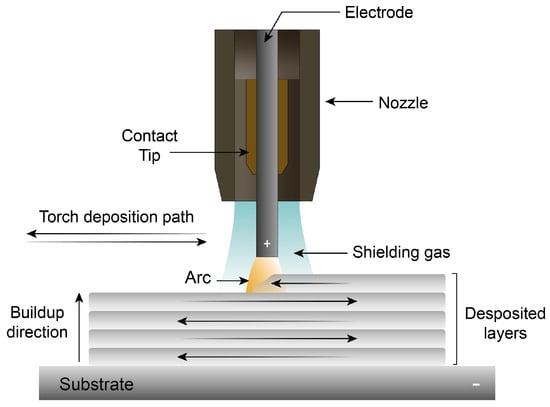
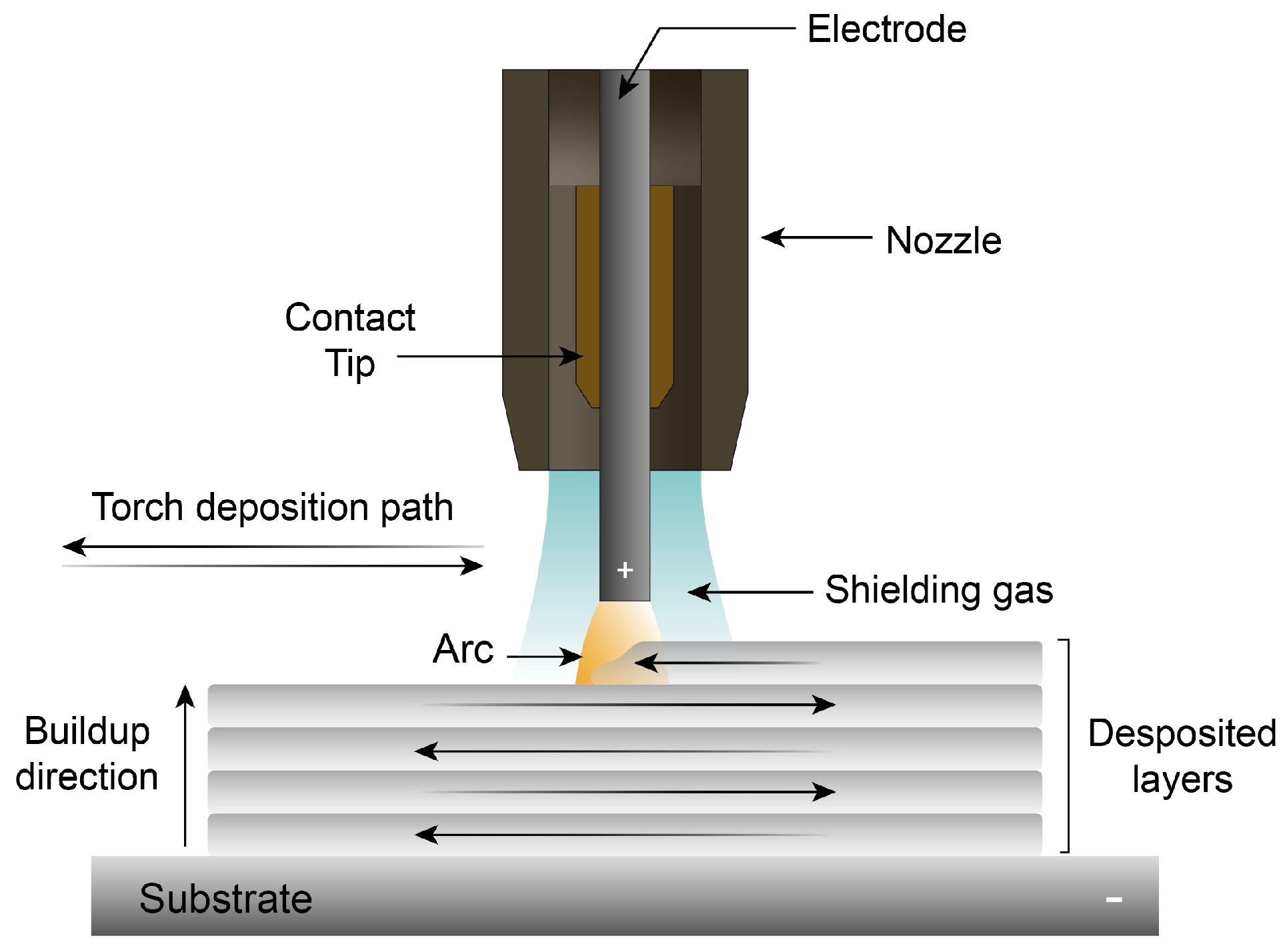
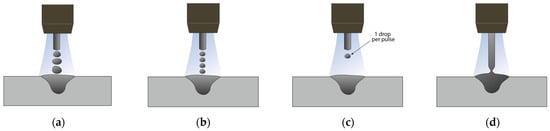
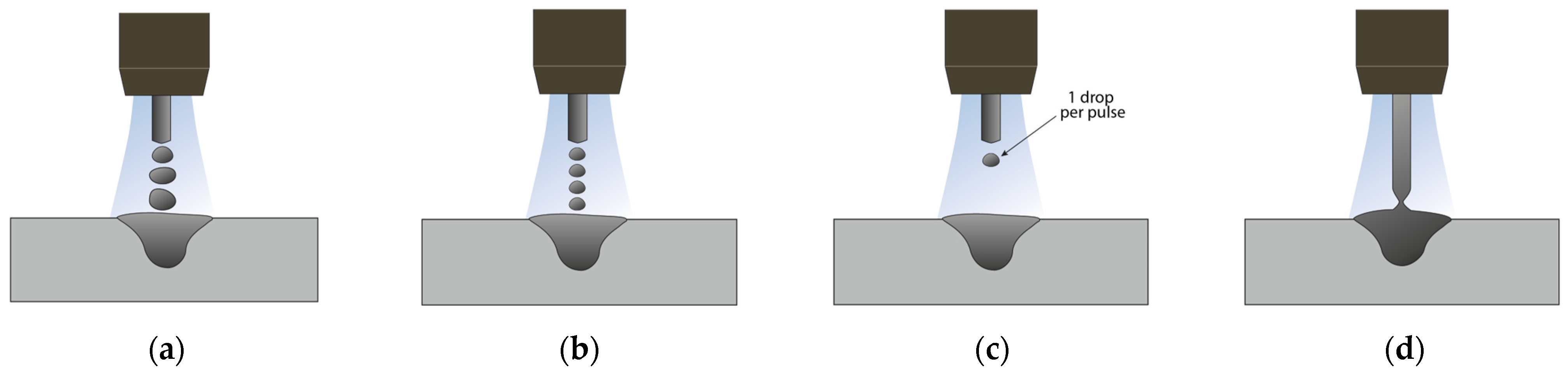
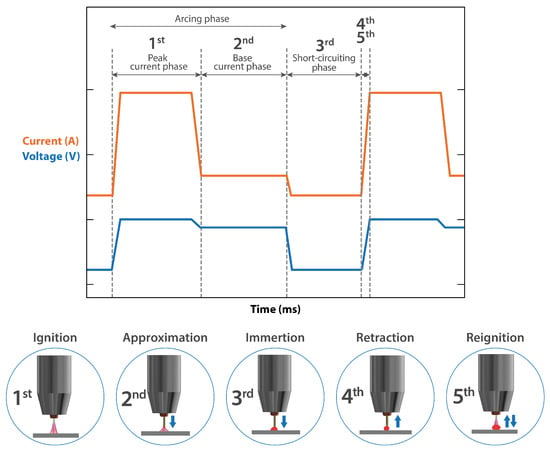
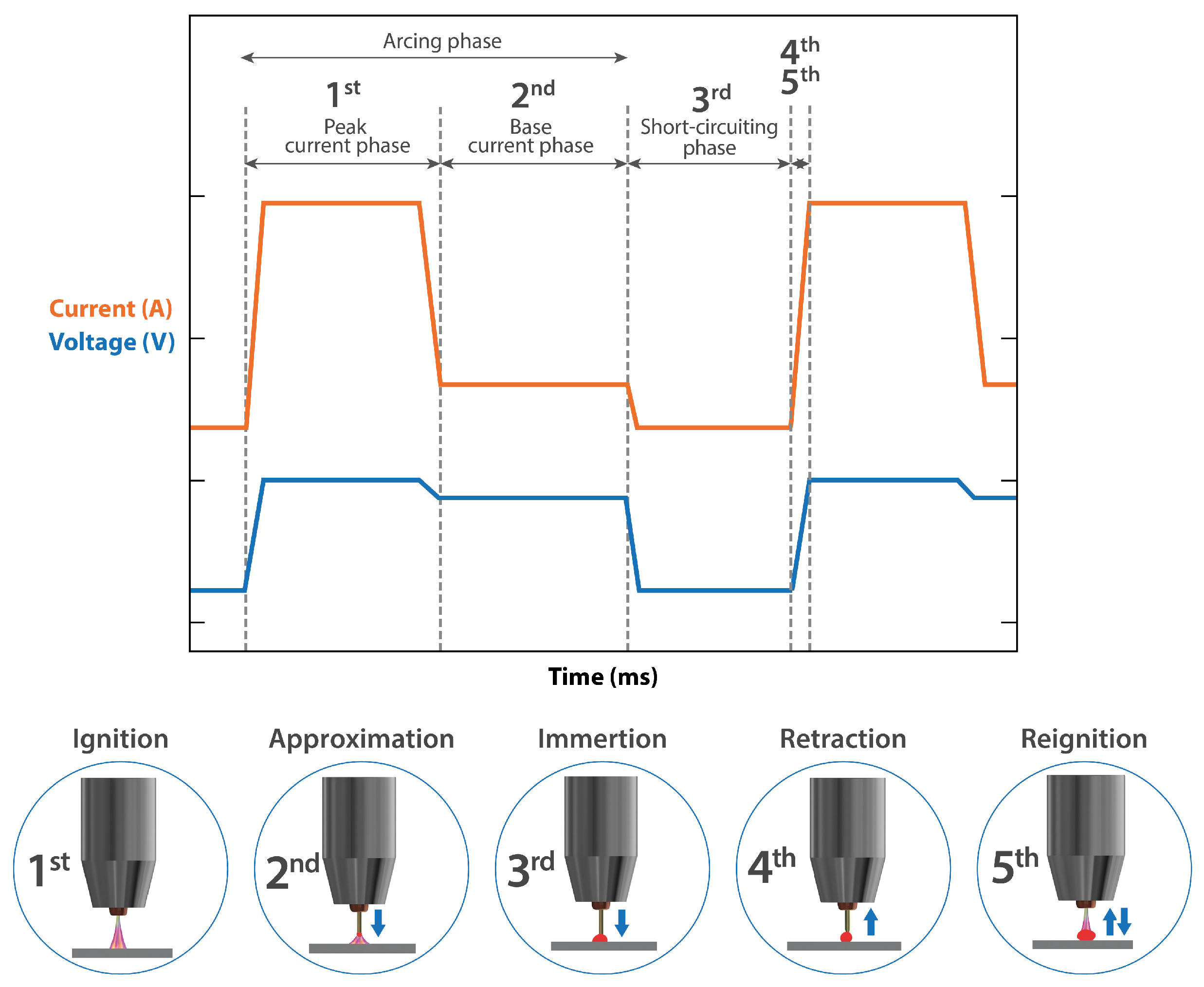
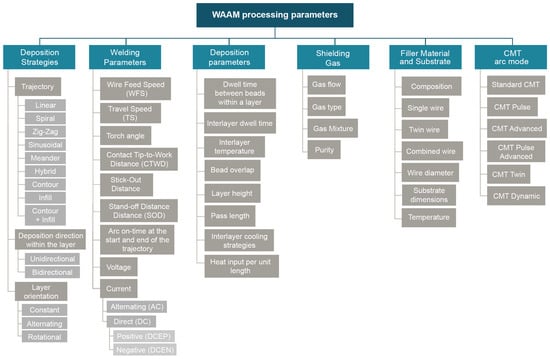
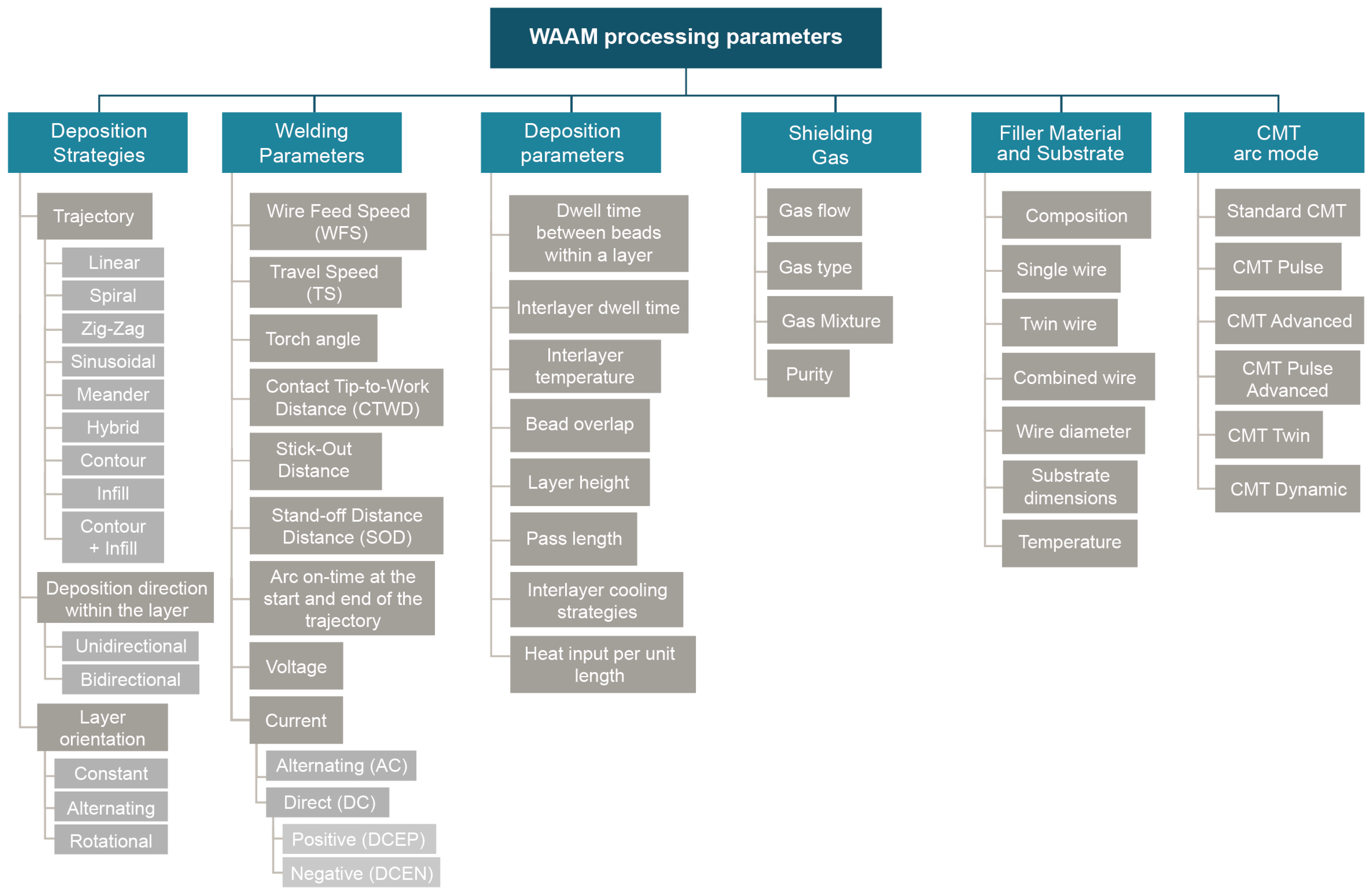
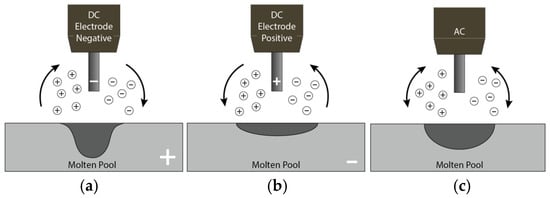
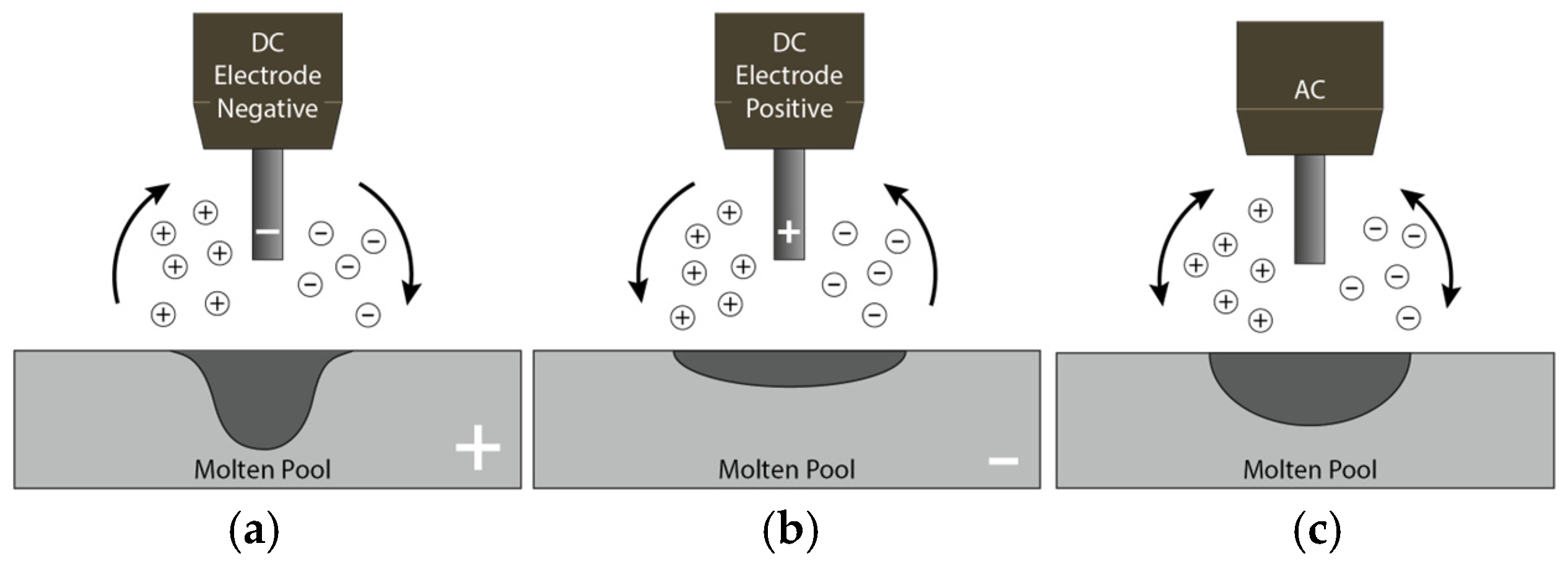
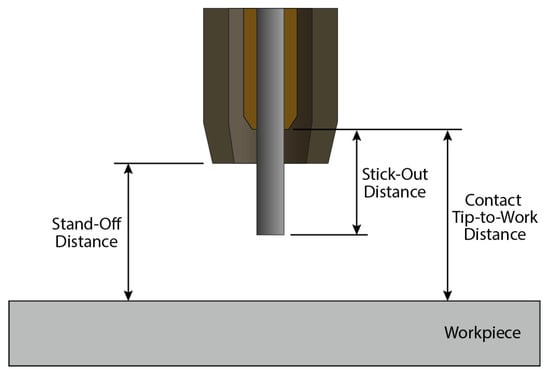
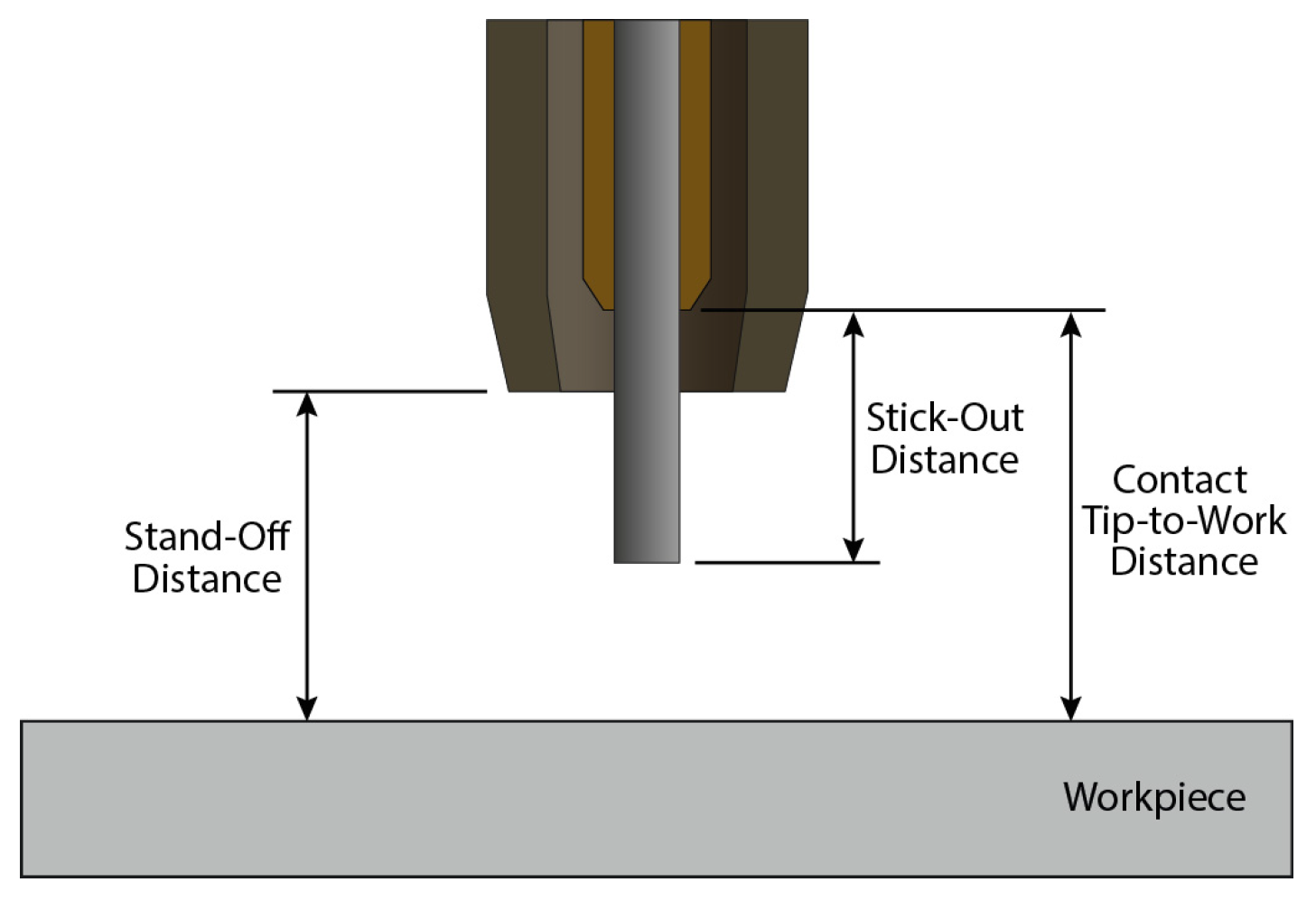
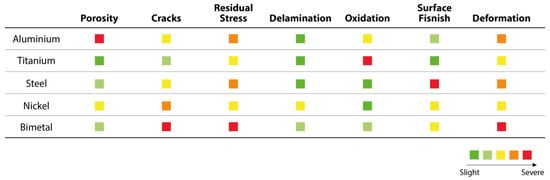
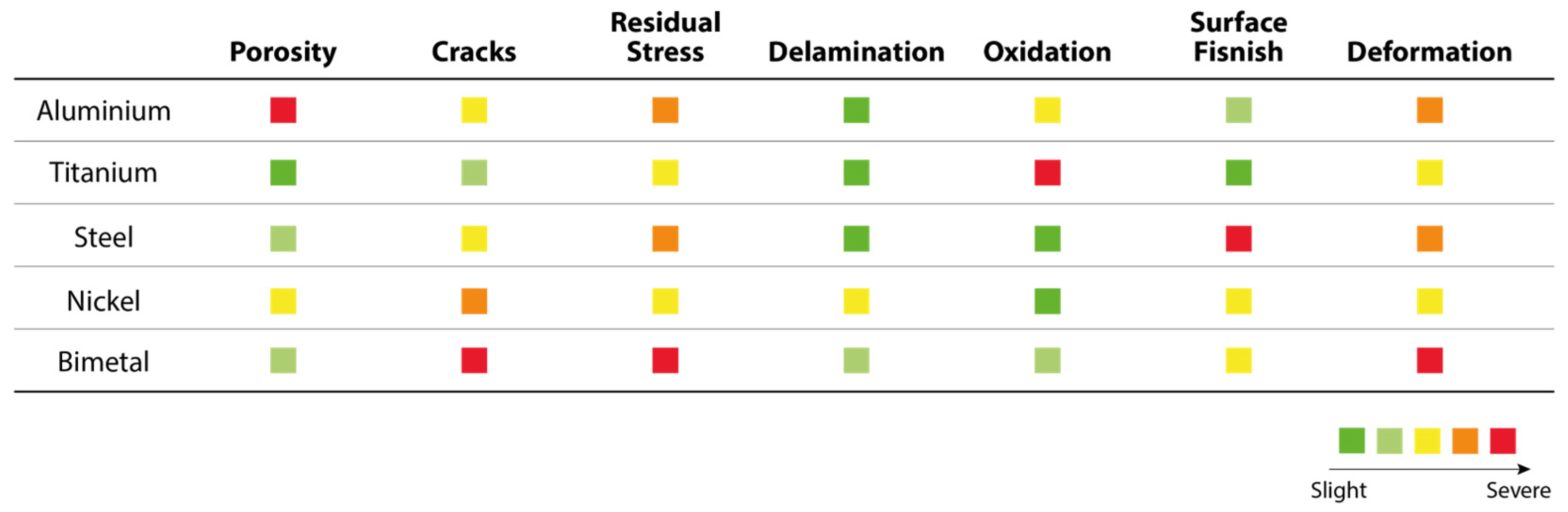
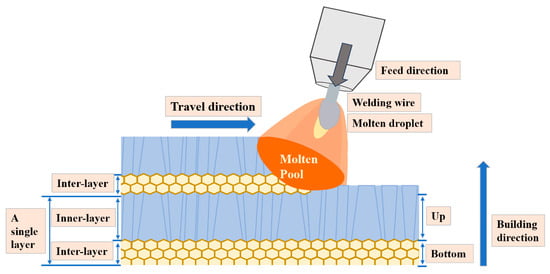
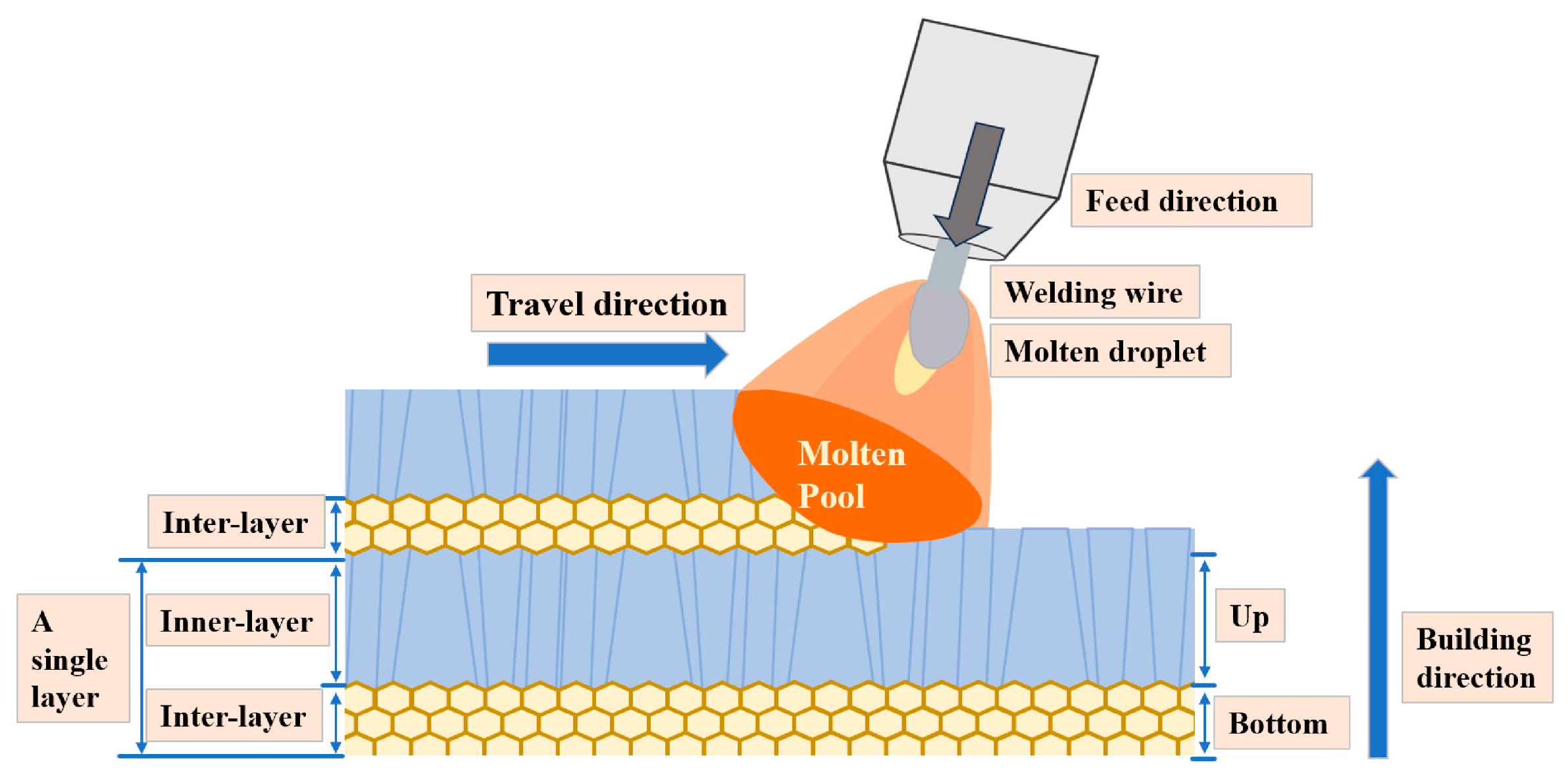
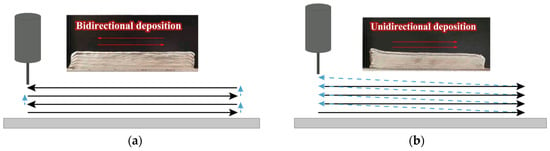
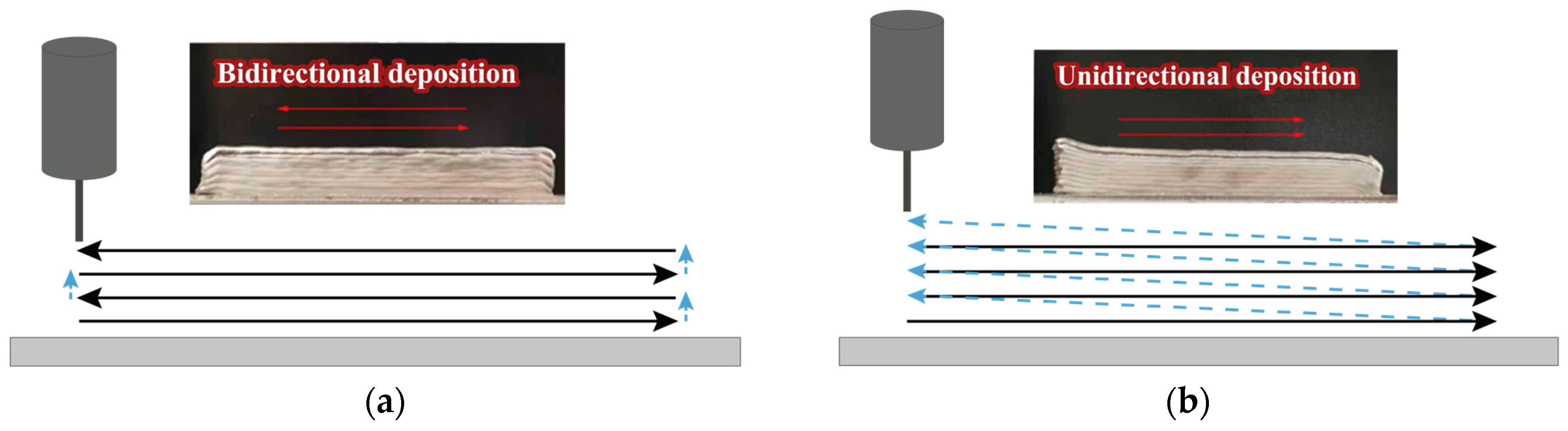
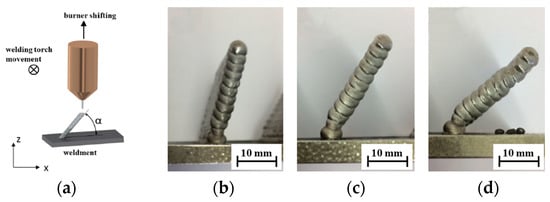
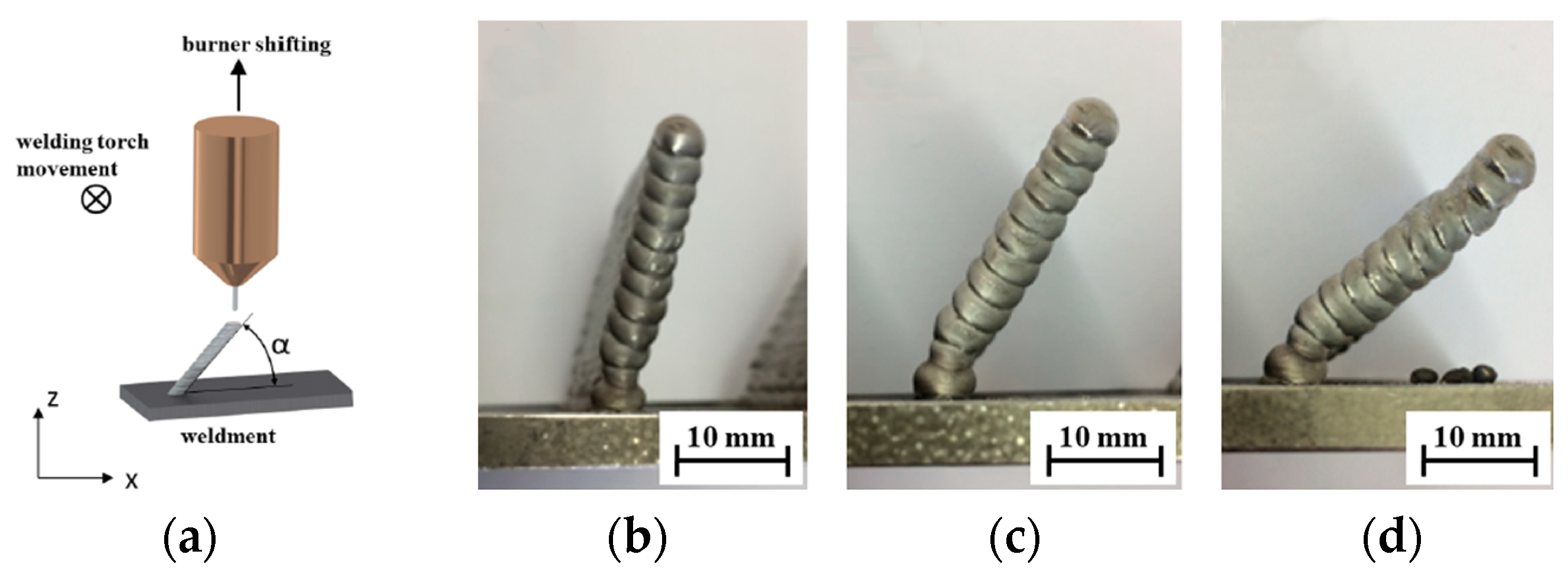
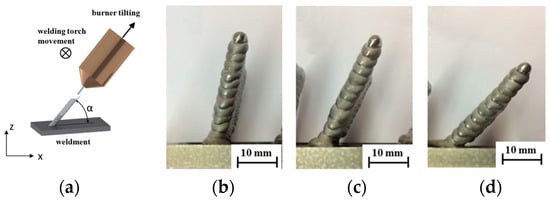
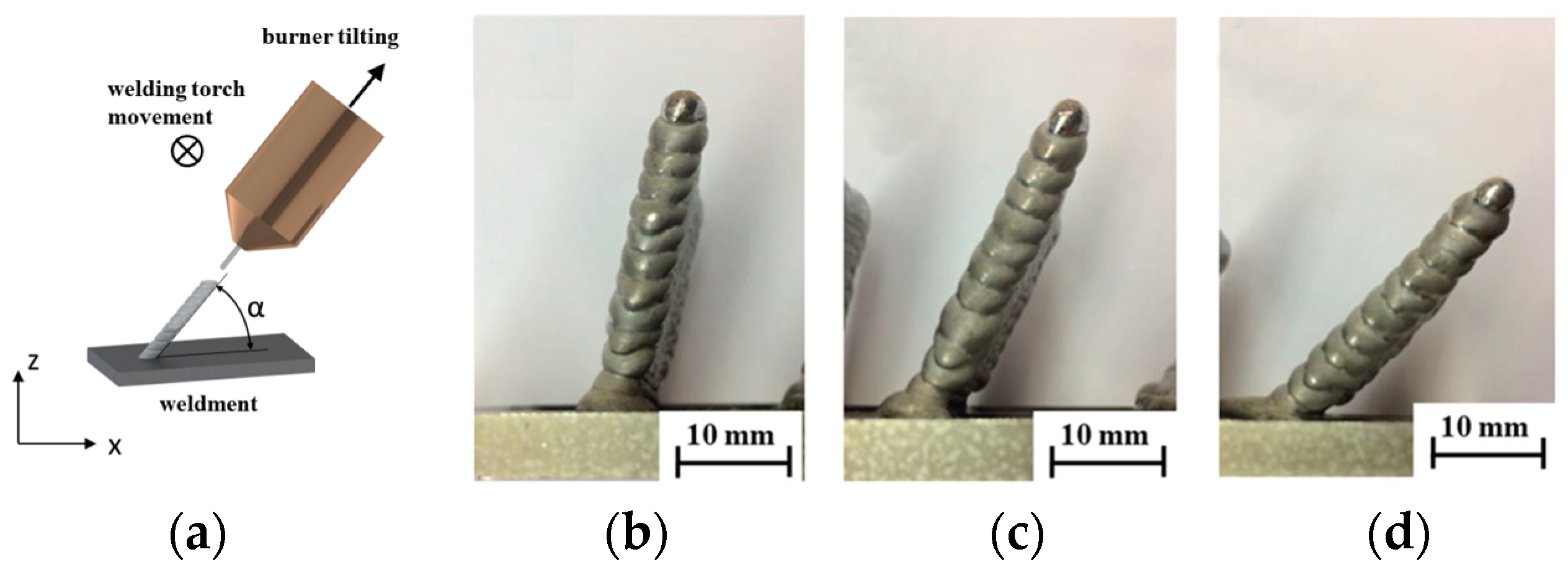
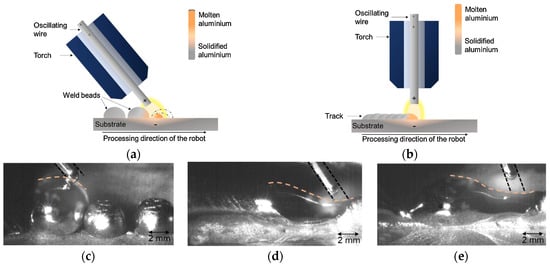
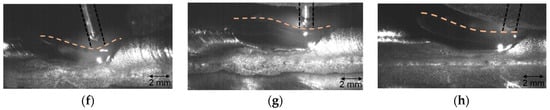
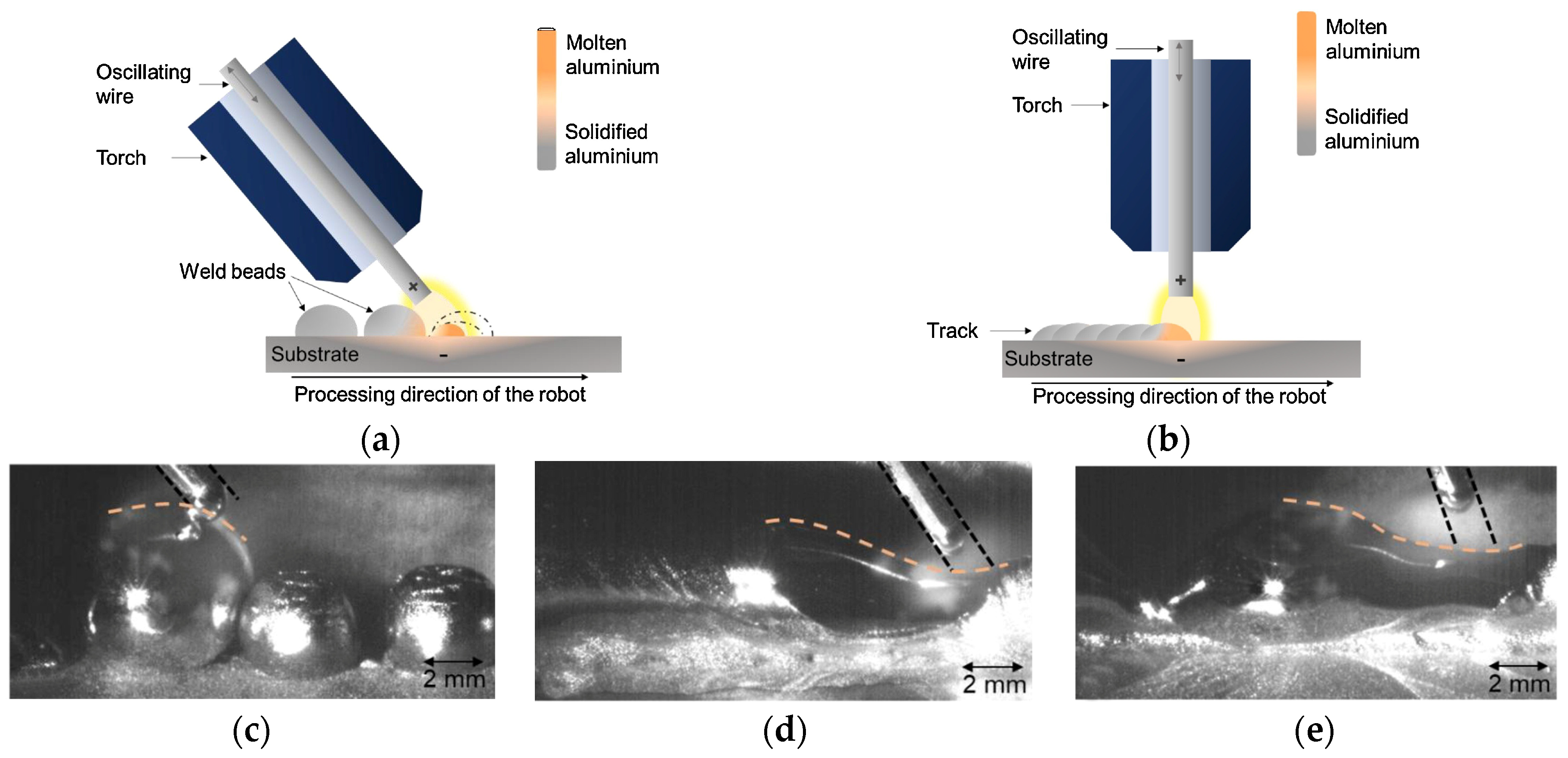

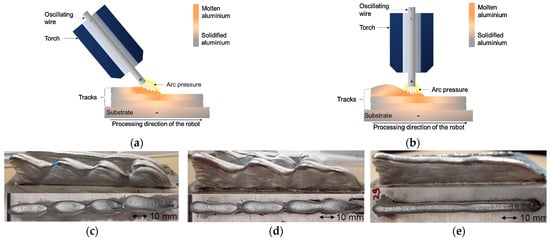
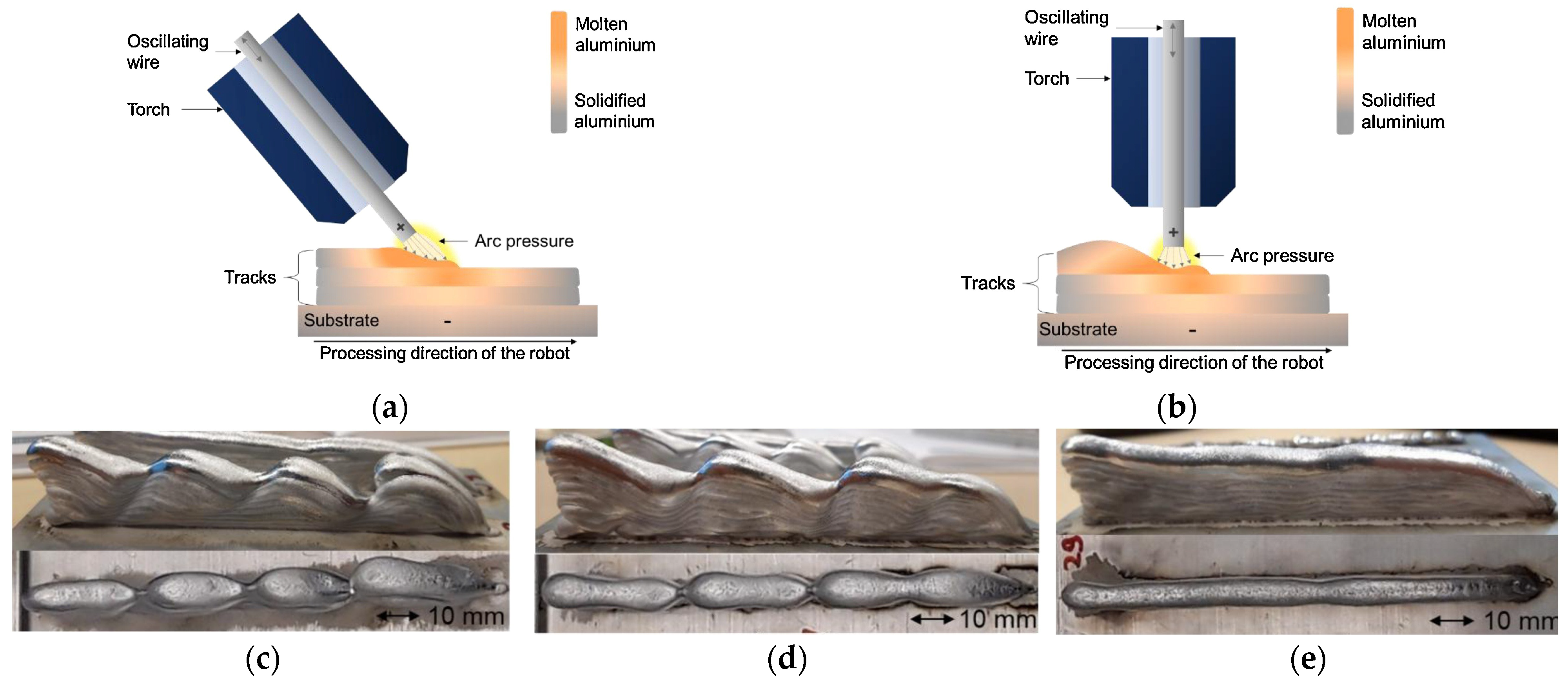
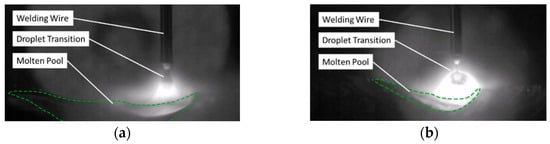
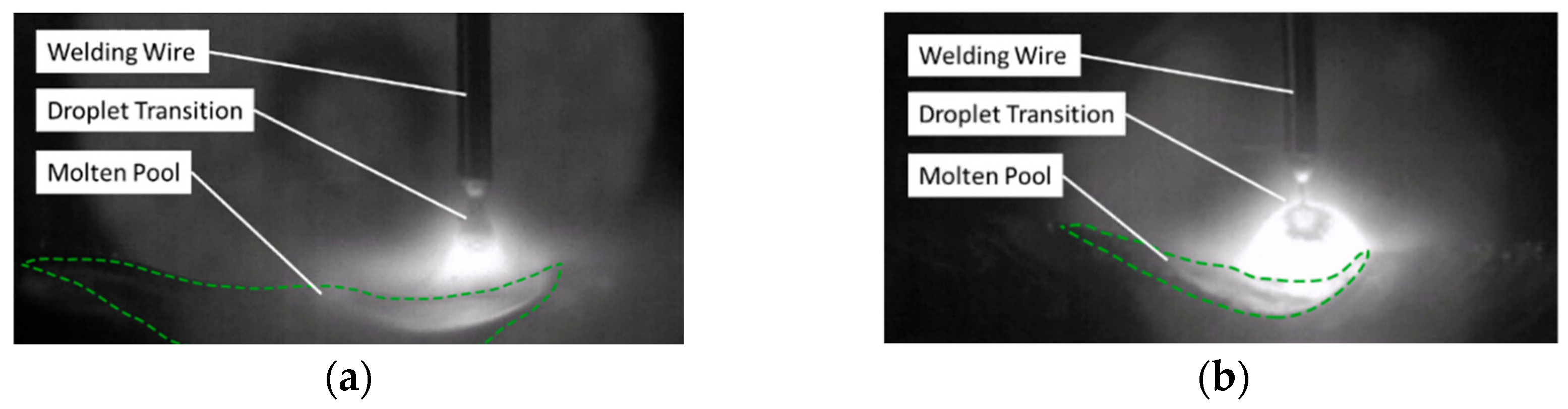
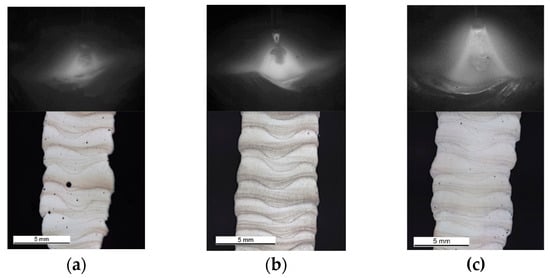
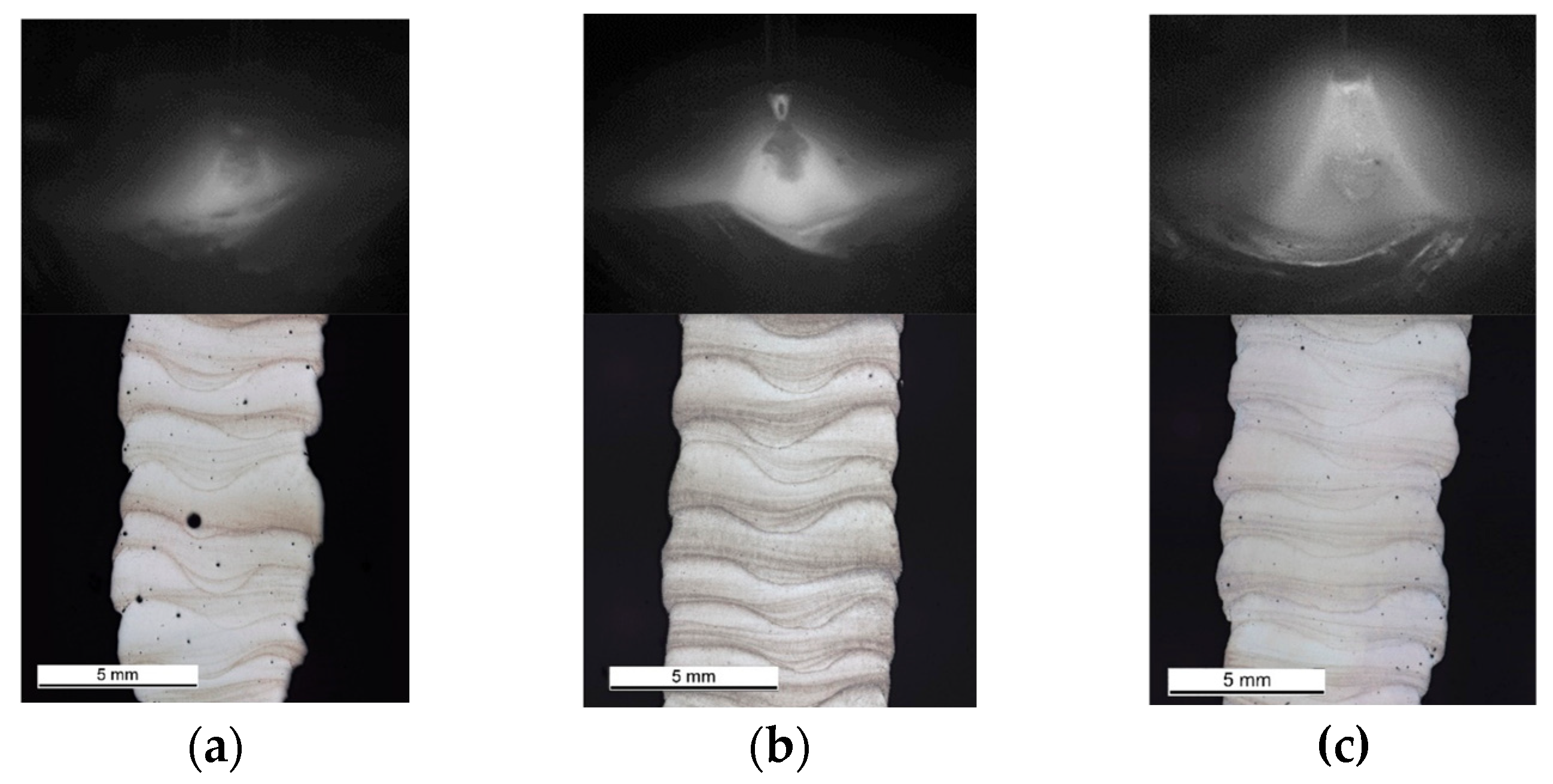
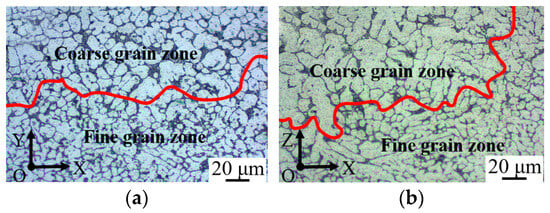
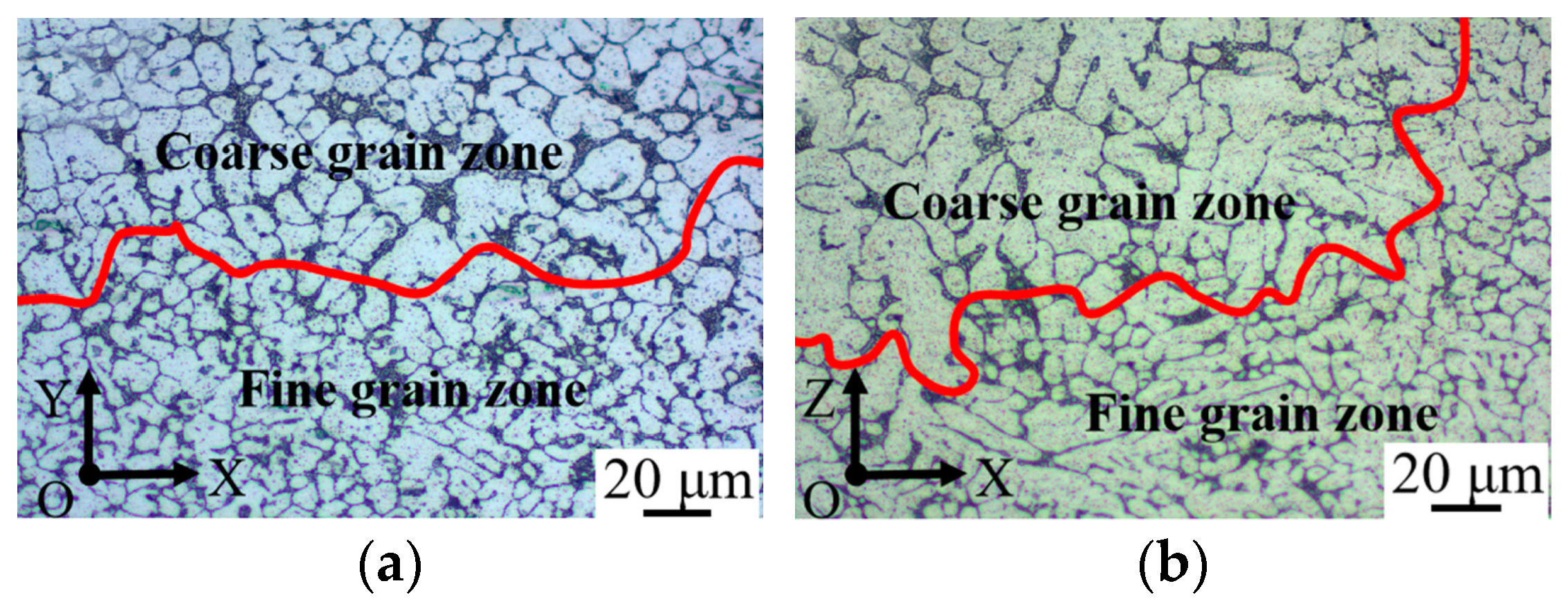
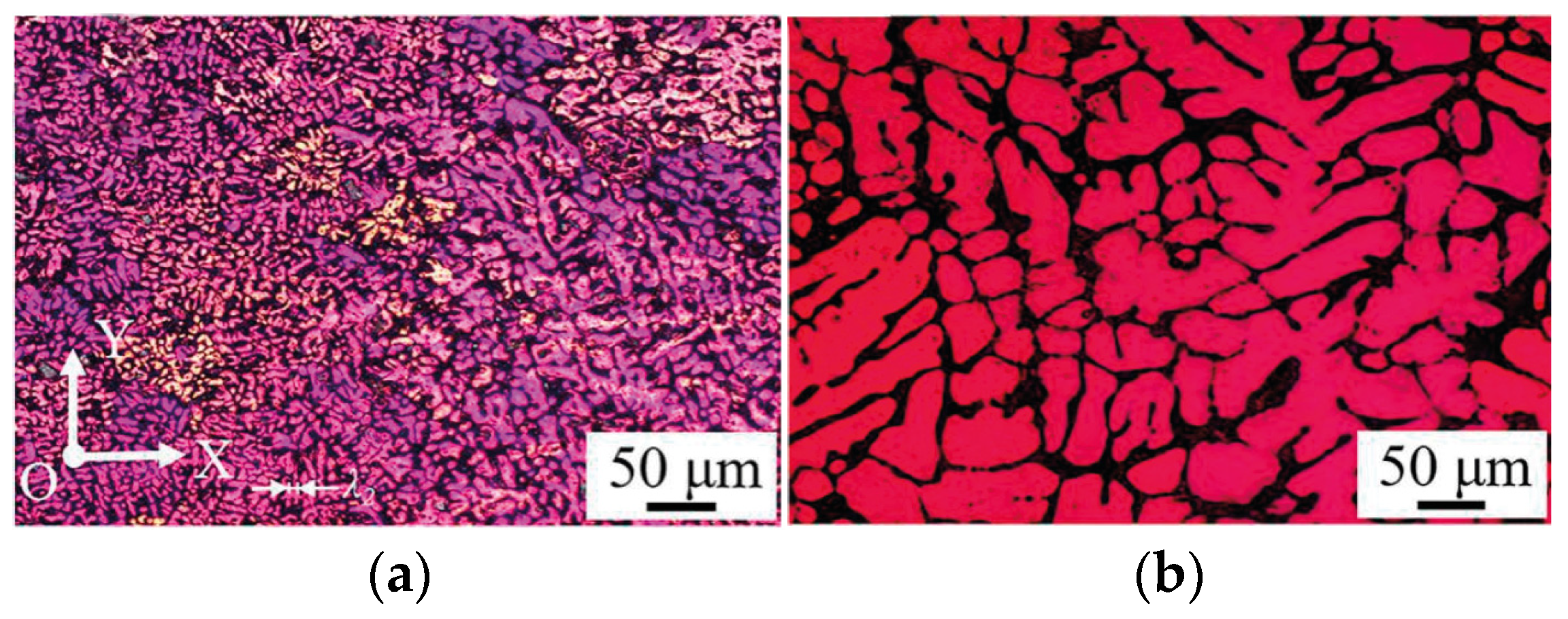
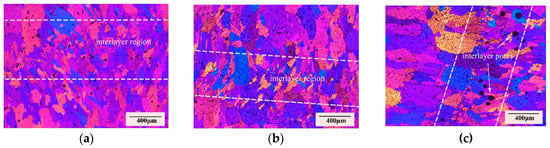
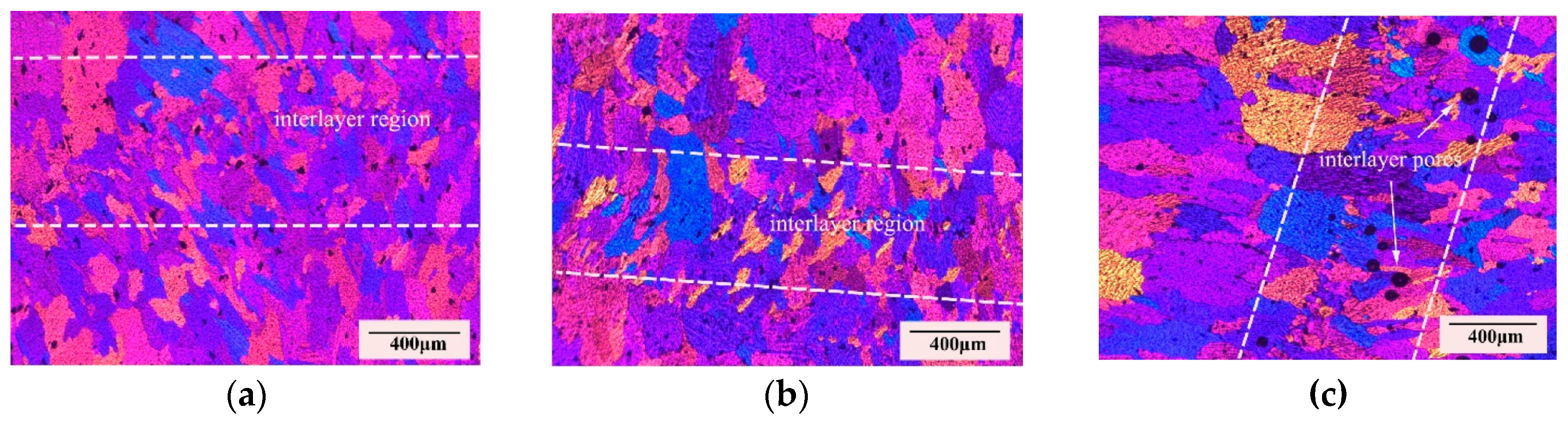
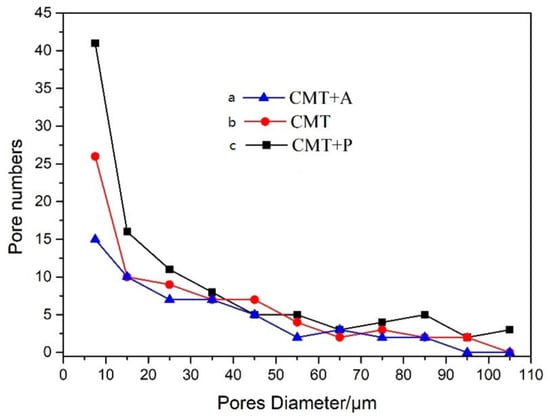
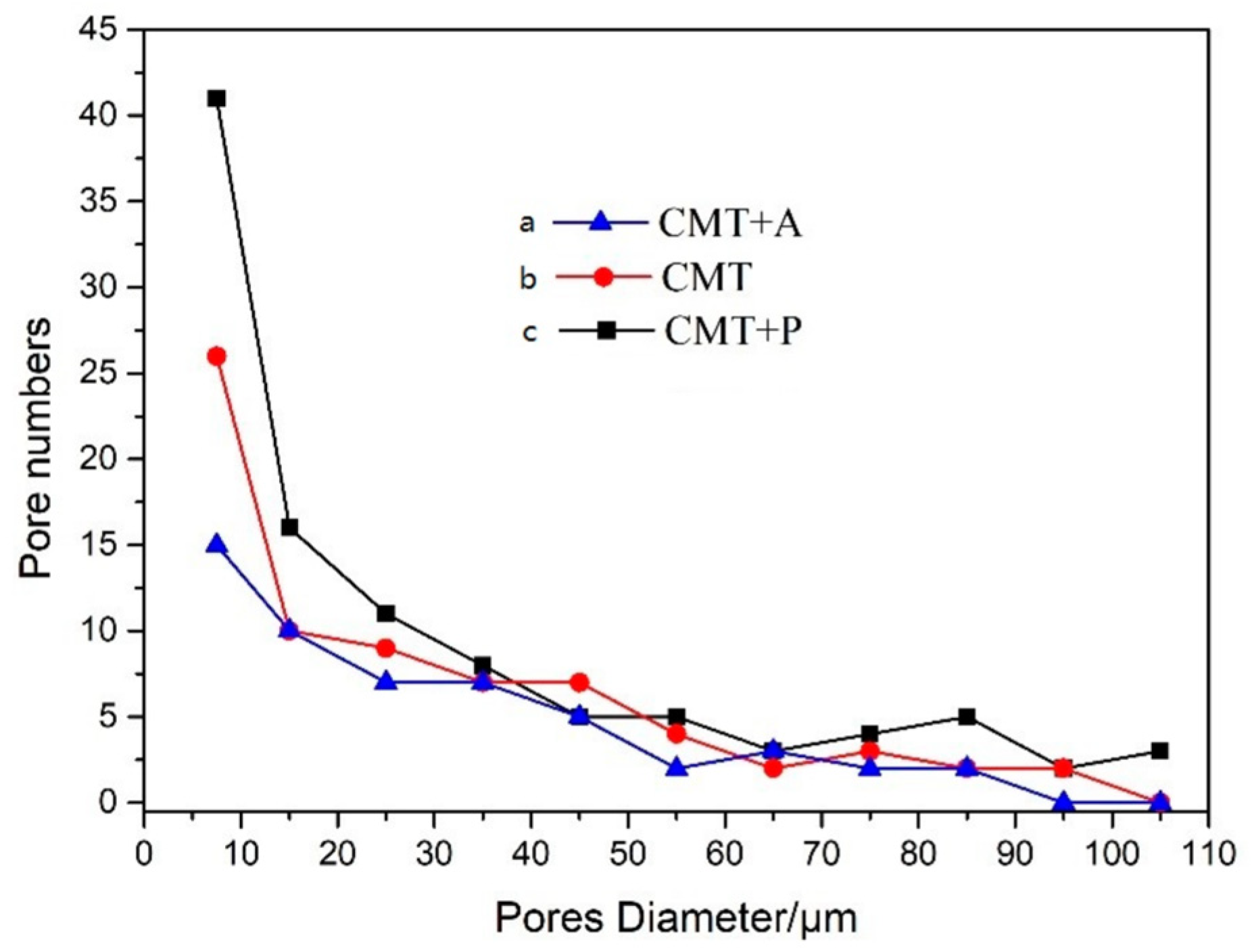
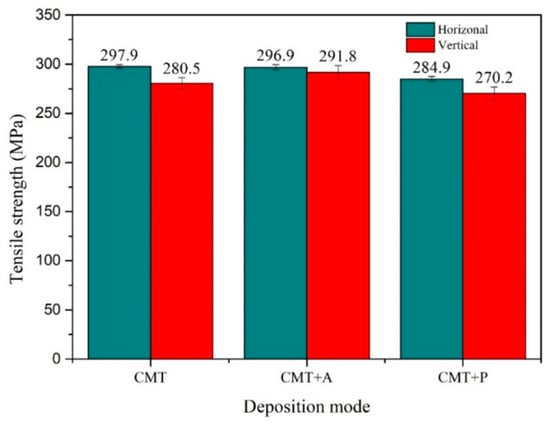
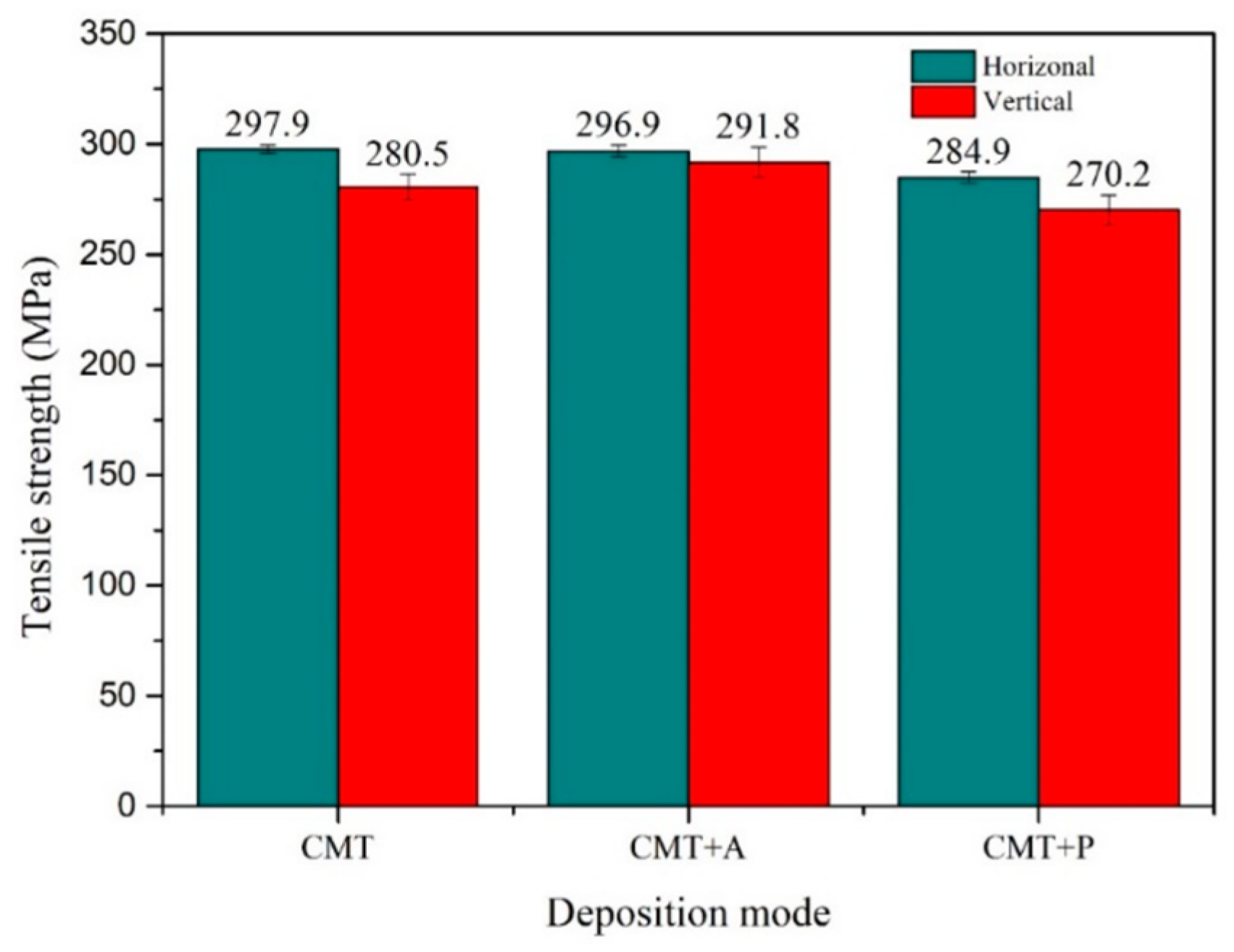
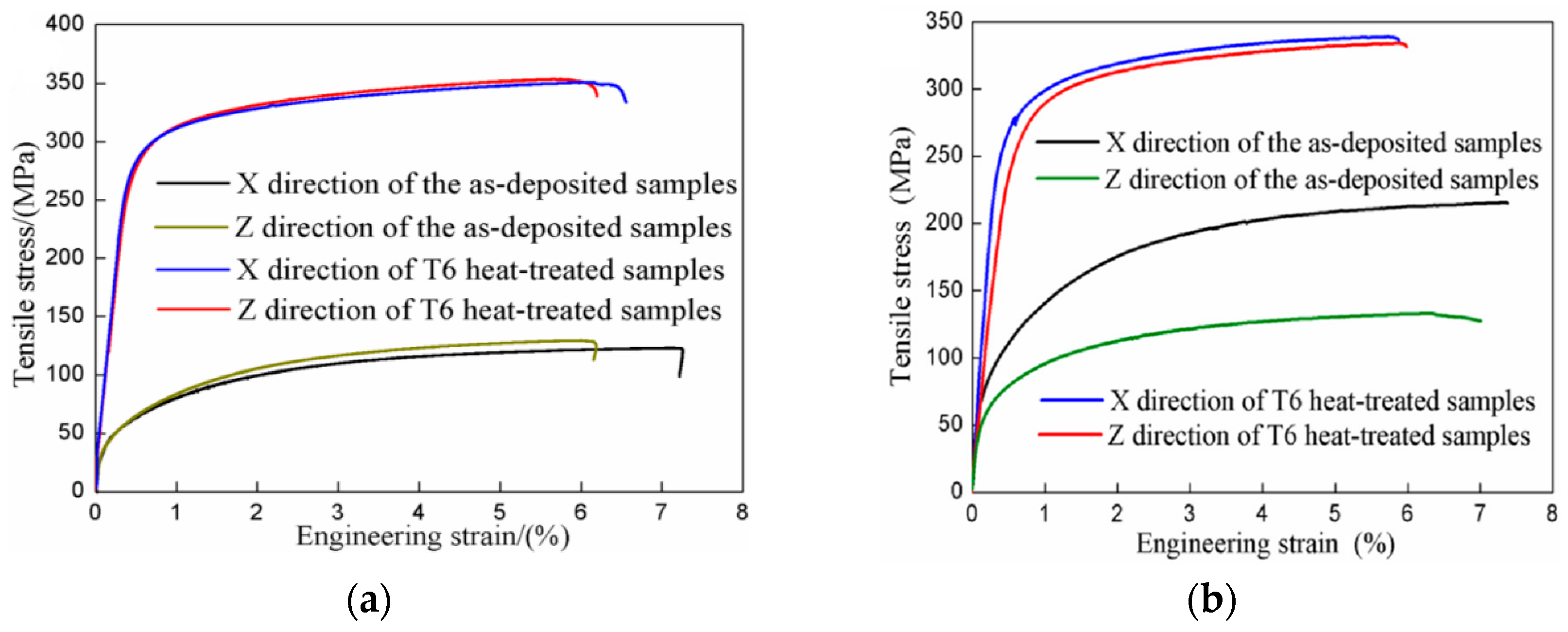

Disclaimer/Publisher’s Note: The statements, opinions and data contained in all publications are solely those of the individual author(s) and contributor(s) and not of MDPI and/or the editor(s). MDPI and/or the editor(s) disclaim responsibility for any injury to people or property resulting from any ideas, methods, instructions or products referred to in the content. |
© 2026 by the authors. Licensee MDPI, Basel, Switzerland. This article is an open access article distributed under the terms and conditions of the Creative Commons Attribution (CC BY) license.