


Abstract
Laser ablation is one of the widely used processes in micro and nano engineering applications. Owing to the limitations of re-deposition of melt debris, heat-affected zones, spatter adhesion, deep ablation difficulties, surface morphological issues, thermal damage, and compromises over the geometrical accuracies, the dry laser ablation is extended to laser ablation under wet media. The ablation performed under the coupling effect of laser parameters and the liquid medium parameters facilitates the flushing of melt debris, the cooling effect around the irradiated zones, reduction in heat-affected zones, less thermal damage, and improved accuracy of the ablated micro- and nano-features. The process has several variants, such as underwater laser ablation, waterjet-guided laser ablation, micro-machining under liquid laser ablation, underwater laser surface structuring, etc. In this review, these variants of the laser ablation process are systematically discussed to understand what distinct competencies are offered by this category of laser ablation under wet media. Under each of these variants, different attributes are systematically presented and discussed, such as process fundamentals, the principle of material removal phenomenon, process capabilities to deal with different engineering materials, types of lasers used in each case, performance measures, parametric effects, and the challenges within each of these process variants. At the end, important conclusions are inferred and supported with a proposed set of future research directions for the researchers’ community to explore further deep insights in this area of laser ablation under wet media.
1. Introduction
The fundamental principles of laser ablation and the allied processes are primarily performed in an air environment. The process is called dry laser ablation. In general, the ablation chamber is air-filled without applying external pressure. However, some gaseous media other than air are also used, such as nitrogen and argon gases [1,2]. Laser ablation allows the removal of material from the surface of the substrate in a precise and controlled manner, bringing localized surface changes. Morphological and structural changes are common changes that appear on the ablated surfaces [3,4,5]. The material is removed in the form of tiny debris, which are later extracted from the ablation chamber. The debris extraction is either under the action of air or through some suction mechanism. Some of the debris are redeposited around the ablated area [6]. The material removal process in laser ablation follows different mechanisms depending on the laser type and pulse regime. Material removal mechanisms include thermal, direct vaporization (sublimation), photoablation, and phase explosion. Short and ultrashort pulses (picosecond and femtosecond) allow ablation without thermal effects. However, thermal melt processes occur within a highly focused and localized area equivalent to the laser spot size; as such, the neighboring areas are affected by the heat density [7]. The micro- and nano-layers immediately below the ablated surface layers become heat-affected layers. The properties of these sub-surface micro-layers are changed and differ from the properties of the bulk material of the substrate. Such changes in the sub-surface properties include, for instance, micro-hardness changes [8,9] and microstructural changes [10,11].
Morphological changes, microstructural changes, thermal damage, re-deposition of melted debris, and heat-affected zones and layers are some challenges of laser ablation under dry media or air-ambient ablation [12,13,14,15]. Laser ablation performed under liquid media, such as water, alcohol, ethanol, etc., offers an alternative way of addressing these challenges [16,17,18]. The presence of a water layer between the laser source and substrate allows for reducing thermal damage and comparatively fewer morphological changes. In this review, different processes associated with the category of laser ablation under wet media are discussed in terms of process principle, material removal mechanism, structure and feature formation, types of materials, types of laser systems employed in each process, and the challenges of each process variant. Future research directions are proposed to explore areas of interest to address the challenges of laser ablation under wet media.
2. Methodology
In this review, a systematic methodology was adopted for the identification, screening, and selection of articles, with emphasis on searching for the latest articles, published mainly during 2015 to 2026. However, articles published earlier than 2015 were also included, provided that the results were highly relevant and detailed enough to include in this review. To capture the widespread coverage of the topic, the articles were searched through several databases, including Google Scholar, ScienceDirect, Springer Nature, Taylor & Francis, MDPI, SAGE Journals, Inderscience, and other similar sources. More than 20 keywords were used while searching for articles related to laser ablation under wet media, such as underwater laser ablation, waterjet-guided laser ablation, underwater laser beam machining, surface structuring through liquid-assisted laser ablation, etc. This method identified more than 350 articles. Inclusion and exclusion criteria for article selection were applied in such a way that articles were excluded if they had fewer details on the topic. Moreover, irrelevant search results and non-English-language articles were also excluded from the selection. Articles with relevant information, clear results, and quantitative information were screened and studied in detail. In addition to the full coverage of the selected articles, more than 50 articles available as open access and belonging to different process variants of laser ablation under wet media were studied and analyzed to synthesize review findings and develop future research directions. To further understand the methodology followed in this review, a PRISMA-like diagram is presented in Figure 1.
Figure 1.
PRISMA-like methodology for the search, identification, screening and final selection of articles.
3. Underwater Laser Ablation (UWLA)
In dry laser ablation, the workpiece is placed inside a machine chamber. The laser beam, passing through the focal lens and the air medium, strikes the top surface of the workpiece. Under the action of laser irradiation, the work surface material from the localized area beneath and around the laser spot is ablated. Underwater laser ablation is the simplest extension of dry laser ablation. The workpiece is immersed inside a water container, which is simply placed inside the machine chamber. The laser beam passes through the focal lens, air, and the water layer above the workpiece. A simple schematic diagram of both the dry ablation and underwater laser ablation is shown in Figure 2.
Figure 2.
Schematic of laser ablation: (a) air environment and (b) underwater environment [19].
3.1. Underwater Laser Ablation Phenomena
The interaction of the laser beam with liquid media and the substrate medium triggers several laser-induced physical characteristics. The ionization of atoms, optical breakdown of liquids, bubble formation, cavitation, phase exploration, formation of a plasma plume, and propagation of shockwaves are some of the physical characteristics. The use of heavy water (D2O) amplifies these characteristics as compared to ordinary water (H2O). Heavy water amplifies the plasma to double its strength. The pulse mode also plays an important role in controlling these characteristics: the single-pulse mode and burst-pulse mode have their own impact on these characteristics [20]. Under the action of burst-pulse mode in heavy water (D2O), the size of the ablation ring gets thicker and larger compared with the ring size under the single-pulse mode, as shown in Figure 3. In the former case of a burst-pulse regime, the process becomes 3.5 times more intense to glow the plasma plume compared to the single-pulse mode [21]. The shape of the ablated region and its surroundings also depends on the laser beam type. For instance, the Gaussian mode of the laser beam produces a single rim-shaped ablation, while the vortex mode ablates the surface in two rims, as shown in Figure 4 [22]. In the presence of the liquid medium, the ablated regions undergo microstructure and phase changes, such as amorphous phase changes. The interaction between rapid cooling and laser-induced shockwave propagation pressure lead to these structural changes. The type of liquid used in wet laser ablation affects the phase changes that occur on ablated surfaces. As can be noticed from Figure 5, the percentage change in the microcrystalline phase and percentage change in amorphous phase are ablation-medium-dependent. Although the laser fluence also affects these percentage changes, the effect of the liquid medium (water, isopropanol, and glycerin) is also clearly visible.
Figure 3.
The size of the ablation ring and ablation glow using heavy water (D2O) as the ablation medium: (a) single-pulse mode and (b) burst-pulse mode (5× pulses) [20].
Figure 4.
Surface morphology of ablated regions: (a) under Gaussian mode at 3 × Fth, (b) under Vortex-water mode at 3 × Fth, (c) under Gaussian mode at 8 × Fth, and (d) under Vortex-water mode of laser beam at 8 × Fth [22].
Figure 5.
Percentage of phase changes during laser ablation of Si under different wet media: (a) % of microcrystalline phase and (b) % of amorphous phase [22].
3.2. Liquid Media
Within the category of laser ablation using wet media, the most commonly used liquid medium is water. However, other liquids can also be used, such as isopropanol, glycerin, and ethylene glycol [19,22]. The liquid can be used in three different states, i.e., still, flowing, and jet states. The water flowing in the form of a waterjet creates a layer of water that may sometimes destabilize the formation of a uniform layer thickness over the workpiece surface and may pose difficulty in achieving a sufficient ablation rate [23].
3.3. Parametric Effects of UWLA
The commonly reported laser parameters contributing to the UWLA are laser power, fluence, pulse mode, and focal point. In addition to the laser parameters, some parameters are associated with the wet medium, such as the water layer thickness. The highlighted benefit of the use of wet media in laser ablation is the reduction in heat-affected zone and better control of the ablation geometry. Figure 6 shows a comparison of laser ablation in air and underwater while processing smart ceramic material (Lead Zirconate Titanate—PZT). The use of water as the medium for laser ablation, as compared to air, shows a significant improvement in process performance measures, including the heat-affected zone, hole taper angle, and ablation geometry (cavity diameter).
Figure 6.
Comparison of laser ablation performance characteristics: (a) heat-affected zone, (b) hole taper angle, (c) hole diameter, and (d) micro-cavities machined in smart ceramic (Lead Zirconate Titanate—PZT) [19].
The ablation depth, especially in the case of underwater laser drilling, depends on the water layer thickness and ablation time. The more time there is for ablation, the deeper the depth achieved. In general, the ablation depth is comparatively less in the presence of water as compared to an air environment. At the same time, the ablation geometry—for instance, the hole diameter—is better controlled by the use of a wet environment, as shown in Figure 7b. The greater the water layer thickness is, the better the control on the ablation diameter. The craters’ formation and their combination are the basics for the overall ablation volume and depth. An individual crater’s volume depends on the ablation medium as well as the substrate material to be ablated. As shown in Figure 7c,d, the crater volume is greater in the case of silicon as compared to stainless steel. The ablation volume is also a function of water layer thickness. A water layer thickness of 2 mm results in a larger-sized crater as compared to a 1 mm layer thickness, shown in the study relating to Figure 7. Generally, a higher thickness of the liquid medium above the substrate negatively affects the ablation rate and ablation depth. There are two measures, i.e., ablation depth and ablation volume. Ablation volume increases with water layer thickness as the latter results in larger-sized craters; however, the ablation depth decreases. As the ablation continues, material is removed, and the fresh surface under the laser spot receives more water layer thickness because of localized crater depth. In this way, an accurate value of actual layer thickness is not the same for a deeper surface as that of the initial surface. Previous studies only report the water layer thickness set at the beginning of the experiments. Moreover, there have been mixed results over the effect of layer thickness. The ablation rate or ablation depth are also substrate-material-dependent. As seen in Figure 7c,d, the effect of layer thickness is more prominent in the case of silicon as compared to stainless steel. Hence, deciding a specific layer thickness for high-ablation rates that is applicable to all materials is not possible. But it is evident that, in most of the studies reported in the literature, ablation performance is better in the case of liquid assistance than ablation in air. Compared with dry laser ablation, a 23% increase in the ablation depth was reported in the use of 0.6 mm water thickness [24]. However, the ablated hole edge roundness showed improvement under increased water thickness. Laser ablation for drilling operations relies on specific parameters, including drilling time, positioning of the focus point, and thickness of the water layer. Output measures during the underwater laser drilling include the hole depth, hole diameter, taper angle, and edge roundness of the produced hole.
Figure 7.
Parametric effects on ablation depth, diameter, and crater volume: (a) Effect of irradiation time on ablation depth, (b) effect of water thickness on ablation diameter, (c) effect of pulse energy on crater volume in case of stainless steel, and (d) effect of pulse energy on crater volume in case of silicon [24,25].
In general, the ablation depth is comparatively less in the presence of water than in an air environment. However, optimized parameters and the appropriate laser focal point lead to more ablation depth during UWLA. Figure 8a shows the comparison of laser ablation with and without water. The ablation at 0.6 mm water layer thickness resulted in deeper ablation compared to ablation without water. Another important contributing parameter is the laser focus. The ablation depth is sensitive to the position of the laser focus with respect to the water layer thickness and workpiece surface. Laser focus exactly on the top surface of the substrate gives the highest ablation depth (92 µm) as compared to focus above and below the top surface. Laser beam focus in underwater laser ablation can be adjusted in three different positions. Positive focus is the position of the laser beam focus above the upper surface of the substrate. Negative focus is the relative position of the laser beam focus below the upper surface (inside the bulk material). The third possibility is focusing the beam exactly at the surface of the workpiece. This third type of focus is called at-focus, and this is the most commonly opted type of focus in the literature. The formation of the plasma plume in all three types of focal positions is presented in Figure 8b. It has also been reported that material removal also depends on machined geometries [26].
Figure 8.
Effect of laser beam focus on ablation depth and formation of plasma plume in the case of: (a) negative focus, (b) at-focus, and (c) positive focus [24].
During underwater laser ablation, bubble formation is an inevitable phenomenon. It involves the number of bubbles, bubble size, and the lifetime of a bubble. The cumulative effect is called the bubble cavitation effect. The aggregation of these cavitation bubbles forms a bubble barrier between the laser irradiation and the substrate surface. The formation of this barrier not only causes laser energy loss but also disturbs the laser beam path, consequently affecting the quality of the ablated surface.
Laser beam focus plays an important role in the formation of cavitation bubbles. At the same time, focal position also directly contributes to the material removal rate and the depth of the ablated feature. For example, in comparison with the at-focus condition, the positive focus condition reduces groove depth in silicon wafers by 77%, whereas it significantly (more than 50%) reduces the bubble size and bubble lifetime. On the other hand, the negative focus condition is favorable as it significantly reduces the overall number of bubbles, which means that the disturbance of and interference with the laser beam can be minimized. Negative focus not only increases ablation depth by 88% but also reduces bubble size by 65% and bubble lifetime by 80%, in the case of underwater laser processing of silicon wafers [27]. By shifting the focal point to inside the surface (negative focus), the geometry of the beam changes, which leads to a larger cross-sectional area. As a result, the plasma shielding in the liquid is reduced, which ultimately allows a high fraction of pulse energy to bypass the liquid and directly interact with the solid material. This leads to a higher ablation depth. [28]. Ablation depth also correlates with water layer thickness above the substrate’s upper surface. In general, a thick layer of water is favorable for better ablation results; however, some researchers have suggested a thin layer (1 mm thickness) [19,29]. A water layer thickness of 2 mm offers higher material removal in comparison with a layer thickness of 1 mm, as can be seen in Figure 5. In the case of underwater laser ablation of stainless steel and silicon, the ablation efficiency drops at a 1 mm water layer. The possible reason behind this drop is the larger number of bubbles produced at a 1 mm (thin water) layer as compared to that at a 2 mm thick layer [25]. In another study carried out on the comparison of dry and underwater laser ablation of brass, it has been reported that a 3 mm thick layer of water is promising [30]. Based on these reports, it can be inferred that the reported suitable layer thickness in these studies are subject to specific experimental conditions and substrate materials. A standardized value of water layer thickness equally suitable in all cases cannot be identified; however, 1–2 mm layer thickness may be considered as the commonly used layer thickness value.
3.4. Challenges of UWLA
- One of the challenges of UWLA is to maintain the water layer at a desired thickness, especially in research-oriented experimental work. In order to evaluate the effect of liquid layer thickness, experiments need to be performed under different layer thicknesses. The accuracy of results largely depends on the precise values of layer thicknesses and their measurements. One concept to address this challenge can be found in the research presented in [24]. The researchers prepared a multi-cavity container in which each cavity is machined to a precise and known depth. Work samples can be placed in these cavities, as shown in Figure 9. Filling each cavity with liquid can ensure accurate liquid thickness above the sample.Figure 9. Multi-cavity stand for UWLA to maintain precise liquid thickness above the work samples: (a) sample under the laser beam head and (b) enlarged view of cavities with different depths [24].
- The formation of water bubbles and the corresponding cavitation phenomenon are common during UWLA. The presence of bubbles and the formation of a bubble barrier cause significant laser energy losses. This is among the challenges of underwater laser ablation, and further research can explore ways of reducing bubble interference with the laser beam and attenuation of laser energy.
- In most of the research regarding underwater laser ablation, material removal rate and ablation depth are improved compared to laser ablation in an air environment. However, some studies have reported opposite results, i.e., high material processing rate and higher ablation volumes under dry atmosphere compared to underwater laser ablation. Laser–material interaction is a complex phenomenon; however, a highly plausible reason behind these conflicting results could be the material-specific properties and laser ablation parameters that result in low performance across the measured values (low material removal rate and ablation depths). As such, studying laser and material-specific interaction can be another future area of research to expand knowledge on underwater laser ablation.
4. Waterjet-Guided Laser Ablation (WJGLA) and Machining
Waterjet-guided laser ablation (WJGLA) is an extended form of underwater laser ablation (UWLA). Usually, a high-power laser is used in WJGLA. The waterjet stream performs the role of laser guidance. The laser light travels in a straight line under the effect of a guided waterjet. A schematic diagram of WJGLA is shown in Figure 10. In order to further improve the performance of the waterjet-guided path, another modification is introduced: coaxial waterjet-assisted ablation. The waterjet passes through a nozzle of the water chamber and produces a water column with a diameter ranging from 2 mm to 5 mm. A coaxial waterjet reduces the coupling effect of the laser and water. It also reduces the chances of nozzle damage due to the laser beam, thus improving the system stability.
Figure 10.
Schematic diagram of waterjet-guided laser ablation [31].
Fabrication and machining of several geometries through conventional dry laser ablation or laser machining pose challenges, especially in terms of high edge quality, such as high-quality gas film holes, micro-cavities, and micro-channels. Machining and cutting challenges are compounded when the substrate material belongs to the family of difficult-to-machine materials, such as nickel alloys, titanium alloys, tungsten carbide, die-steel, etc. Another challenging area is the ablation of carbon fiber-reinforced plastics (CFRPs), where larger-sized heat-affected zones, delamination, and poor edge quality are the most commonly known issues. Under the action of waterjet-guided laser irradiation, a water–light coupling mode is achieved. Single-pulse energy, pulse frequency, fluence, scanning speed, scanning mode and direction, laser power, focus point, laser spot, flow rate of water, nozzle size, and waterjet diameter are the main influential parameters in WJGLA.
Another schematic of a waterjet-guided laser system and laser–water–material interaction is shown in Figure 11. Due to the pressure difference, the micro-bubbles continuously generate and explode. Once the waterjet breaks down due to splashing, bubbles formation, and explosion, the laser beam escapes from the waterjet, and as a result, the material removal rate is reduced. It has been reported that material removal rate is reduced by 61% due to the energy losses caused by the above said factors, as can be noticed in Figure 11.
Figure 11.
Schematic of WJGLA and interactions with the water and material, along with the distortion, splashing, and bubble formation of the waterjet. Additionally, material removal mechanism of water-jet-guided laser drilling. (a) Before pulsed laser action; (b) formation of molten pool and steam; (c) formation of plasma plume and shock wave; (d) after pulsed laser action [32,33].
4.1. Compound Ablation/Machining Mechanism
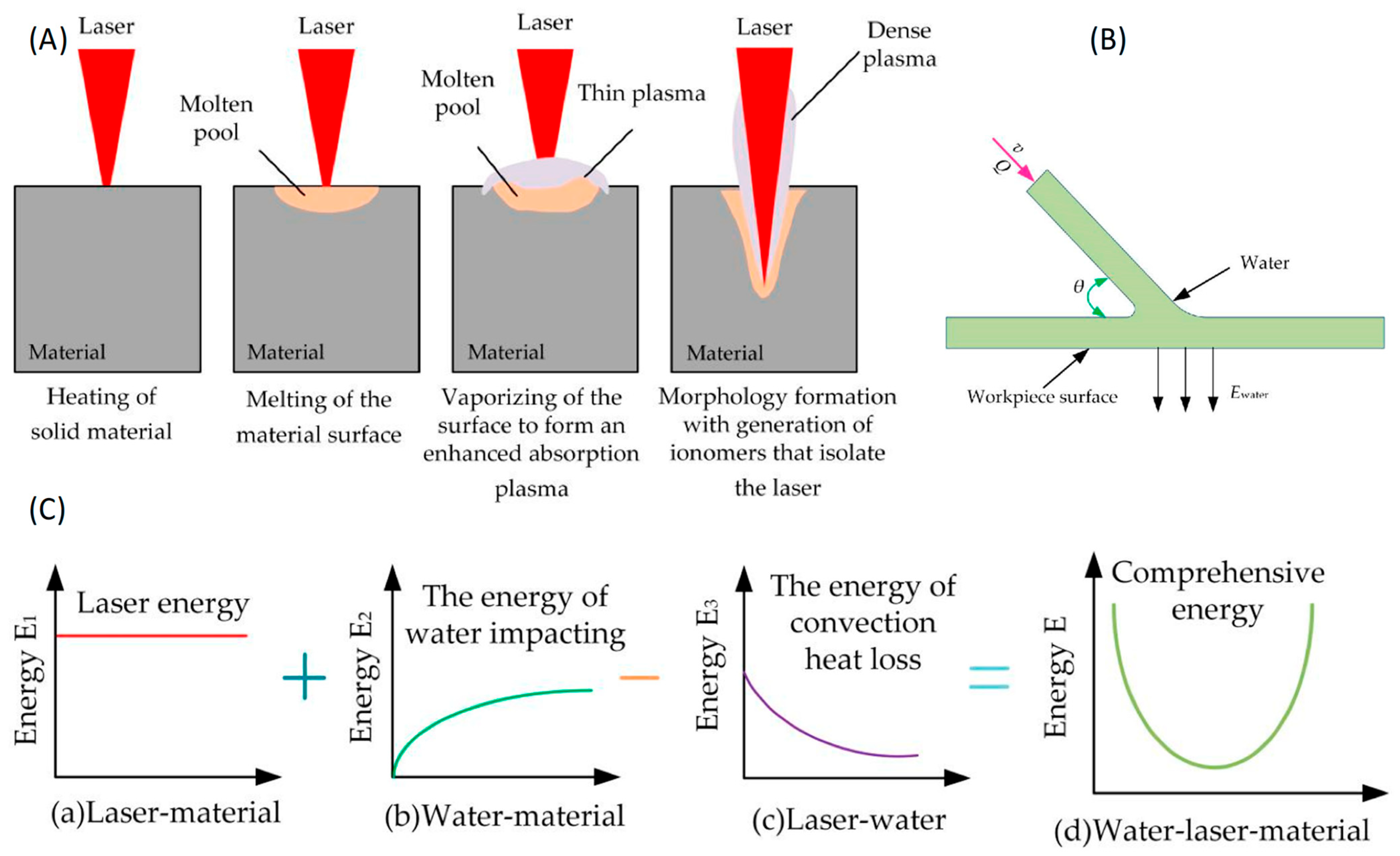
Under the action of WJGLA, the ablation undergoes a compound ablation mechanism of four interactions. The first interaction mechanism is the laser–substrate material interaction, wherein the high-density laser beam irradiates the substrate surface beyond the phase-transition temperature, which results in structural or phase changes. Continued laser irradiation brings temperature to the melting point, and material is removed in the form of debris. Furthermore, high laser-power density also causes temperature to reach the boiling point, upon which the material vaporizes. In this way, the plasma formation starts occurring at the localized region of the laser spot. Plasma formation grows from a thin state to a dense plasma state, as depicted in Figure 12A.
The second phenomenon is the water–material interaction. The presence of the waterjet facilitates the role of impact and debris transport (pushing debris away from the ablation zone). The kinetic energy of the jet flushes molten material away from the ablation zone in a timely manner such that accumulation of slag is minimized, and ultimately, the ablation zone provides a clean surface for the upcoming laser pulses. The waterjet further offers a role of cooling the substrate surface under the effect of convection heat transfer, leading to minimal heat-affected zones.
The third form of interaction mechanism is the interaction between water and the laser. Although the waterjet offers several benefits, it also causes energy loss in the laser beam, as shown in Figure 12C. There is a possibility of the laser beam breaking down its continuity, especially under low-power densities.
The fourth interaction is the cumulative interaction of water, laser, and the substrate material. Each of the above three interactions have their own energies named as the laser–material interaction energy (E1), waterjet–material energy (E2), and the laser–water energy (E3). Two of these energies (E1 and E2) are added together while the third (E3) is the loss of energy (E3) due to the laser–water interaction. The ablation or machining achieved under the effect of WJGLA results from the commutative energy of these three energies (commutative energy E = E1 + E2 − E3), as depicted in Figure 12. The equation is a qualitative measure which can only be used as a means of understanding the forms of energies and their individual interaction roles during ablation. It does not give the accurate values of the actual energies. Similar observations are reported in [34], which states that material removal in WJGLA is the combined effect of removal through vapor pressure, impulse shock pressure, and the mechanical pressure of the waterjet.
Figure 12.
Laser beam interaction mechanisms during WJGLA: (A) laser–material interaction stages, (B) waterjet incident angle, and (C) energy graphs of different types of laser interactions [35].
4.2. Power Attenuation in WJGLA
The presence of a waterjet also drops the laser power effective for machining. The decay of laser power is greater at higher laser powers than at low-power values. At the same time, the decay is also a function of water thickness, as can be observed in Figure 13. Regardless of the laser power, the effective power for machining continues to decline and converges at 65 mm water layer thickness. The power attenuation behavior beyond 65 mm thickness is not reported in [36]. However, it is noticeable that the rate of laser power decay is abruptly high at higher laser powers (e.g., 18 W), whereas the power decay is minimal at low laser powers, like 8 W. The water layer thickness has almost a negligible effect on power decay once the process is executed at a low laser power of 8 W. The breakdown of the laser beam is greater at high laser power as compared to low power density. In this context, the optimized speed of the waterjet plays an important role in maintaining the high material removal rate. A low-speed waterjet is generally recommended. For example, a waterjet at a speed of 160 m/s reduces material removal rate by 61% as compared to 140 m/s speed. In order to control the splashing behavior, the placement of a water-absorbing filter above the workpiece can be a solution [33].
Figure 13.
Laser power decay due to water: (a) effect of water layer thickness on laser power decay; (b) energy scattering, disturbance of waterjet, and effective length of waterjet [36].
4.3. Parametric Effects of WJGLA
In this process, several parameters are involved and contribute to improving performance. These parameters can be classified as the laser beam parameters and the waterjet-guided system parameters. Under the category of laser beam parameters, the conventional characteristics of laser beams are involved, such as the type of laser, wavelength, pulse frequency, pulse mode, laser power density, laser beam mode (Gaussian and Vortex), scanning speed, and focus point. On the other side, the waterjet-guided system parameters include the flow rate, diameter of the waterjet, flow type, gap between workpiece and the nozzle, water thickness above the substrate, and the laser focus point with reference to the water layer.
The optimized combination of both types of parameters is important in order to realize better ablation results under WJGLA as compared to laser ablation in air. It is worth noting that the optimized parameters are not considered as a universal set of parameters applicable to every case. It depends on the type of substrate material, the type of laser used, and the ablation and machining geometries. Thermo-physical properties of the substrate material play an important role in determining the optimized parameters and the corresponding ablation efficiency [26].
Parametric effects on hole quality are studied in [37], within the context of producing micro-holes. Low power, smaller workpiece–nozzle gap, and higher waterjet flow rates improve the surface quality of the machined holes. In comparison with laser ablation in a dry environment, WJGLA exhibited a 367% improvement in reducing hole taper angle. The corresponding experimental conditions to achieve such a high-percentage improvement can be found in [37]. Optimized parameters of WJGLA are recommended for silicon in [38]. Neural networks and simulation models are combined in a study presented in [39] to find out the optimized combination of process parameters for the WJGLA of silicon-carbide composites (SiC/SiC). Similarly, optimized laser parameters are proposed in [40] for drilling high-aspect-ratio holes (20:1) in TBC superalloy. Using optimized parameters, 45-degree deep holes can be drilled with minimum thermal damage, taper angle, delamination, and coating fragmentation. Laser power of more than 16 W has been reported to be the optimized laser power to achieve higher values of MRR, aspect ratio, and kerf straightness while processing single-crystal diamond through WJGLA [36].
4.4. Interaction of Pulse Duration Regimes
Laser systems are mainly characterized based on power and pulse duration. Each system offers its own range of pulse duration. Laser beam interaction with the target material and the material removal mechanism is mainly driven by the pulse duration. Depending on the ablation environment (wet environment or waterjet-guided environment), pulse duration alters the interaction mechanism between the laser light and the liquid [41,42].
In the nanosecond regime, pulse duration (10−9 s to 10−7 s) is relatively longer than the electron-phonon relaxation time (10−12 s to 10−11 s). This causes thermal diffusion into both the target material and the liquid environment, thus yielding a thermally hydrodynamic-dominant mechanism [43]. Under a static or flowing liquid environment, nanosecond-long pulse durations allow for heavily interacting with the material and produce strong plasma shielding. The high-density plasma covers the incident light and provides a shielding effect to the incoming laser energy. Under the shielding effect, a high energy density reaches the target. Significant thermal conduction into the liquid triggers immediate explosive boiling that creates cavitation bubbles. These persistent bubbles scatter and refract subsequent incoming laser pulses in high-repetition-rate systems, severely decreasing ablation efficiency [44,45]. On the other hand, in the case of waterjet-guided systems, high-energy nanosecond pulses induce strong plasma shockwaves, creating massive bubbles that ultimately disrupt the waterjet. The laminar waterjet filament breaks down and adversely affects the stable waveguide of the waterjet for the subsequent pulses [46].
The picosecond pulse duration regime (10−12 s to 10−10 s) is considered a short-pulse regime in which pulse duration is slightly longer than the electron-phonon relaxation time. Material removal shifts from purely thermal melting to rapid phase change or phase explosion. Short pulses end so quickly that the incoming laser beam escapes the plasma shielding effect, leading to high energy deposition in the target material during the static liquid mode of laser ablation [47]. On the other hand, in waterjet-guided systems, the waveguide effect remains stable due to the short pulse duration and allows for minimizing the bulk thermal absorption inside the liquid channel. Debris and mechanical expansion occur after the previous pulse ends, allowing the continuously flowing waterjet to wash away slag and cool the zone before the next pulse arrives [47].
A third category of pulse duration regime is the ultrashort-pulse regime (pulse duration < 10−12 s), referred to as the femtosecond laser regime. The dominant material removal mechanism is substrate-material-dependent, but generally it may be considered the non-thermal multiphoton mechanism. Under the action of the ultrashort-pulse regime, the water layer undergoes optical breakdown, and material removal occurs through the direct electrostatic ablation or rapid phase explosion. Table 1 shows a comparative summary of pulse duration interaction under the different regimes.
Table 1.
Comparison of laser–material interaction under the effect of pulse duration.
4.5. Ablation Quality of WJGLA
WJGLA has shown the potential of producing high-quality micro-holes in Inconel 718 with a minimal recast layer and heat-affected zone, and a hole taper of 0.32° [32]. The ablation quality is a function of different parameters associated with the laser beam and the waterjet. Figure 14 shows the surface morphology of holes machined through WJGLA. The edge deterioration is greater at the hole entry side compared to the hole exit side. The effect of laser scanning speed reveals that low scanning speeds (10–20 mm/s) deteriorate hole edge quality and produce larger-sized heat-affected zones. High scanning speeds (>30 mm/s) are favorable for achieving high-quality machined holes. Contrarily, high-frequency laser pulses (350–450 kHz) negatively affect hole quality. Thus, low-frequency range selection is a good choice to achieve better-quality holes through WJGLA. The area of the heat-affected zone decreases with the increase in water flow rate, as depicted in Figure 14. A laminar flow rate of 3.1 m/s and above (through coaxial waterjet laser ablation) results in drilling micro-holes with zero heat-affected zone. Increasing the flow rate to 5 m/s and above helps in minimizing other defects like micro-cracking and phase transformation [48]. The formation of micro-pits is another phenomenon of dry laser ablation that can be reduced by waterjet-guided ablation.
Figure 14.
Machining of micro holes through WJGLA: surface morphology of the hole entry and exit surfaces, control of heat-affected zone through waterjet flow rate, and film cooling holes produced in the actual part [32,48].
The successful machining of deep micro-holes through WJGLA is also a challenge. It is difficult to maintain the water flow rate as the hole formation is underway, especially if the job is to produce blind holes. Blind holes are formed in different phases, including the rapid drilling phase, uniform bottom reaming phase, and finally the stable phase. The transmission of water to the bottom of the blind hole is influenced by the waterjet diameter (d), waterjet velocity (v), and the hole diameter (D). It has been reported that the stable transmission of the waterjet to the hole bottom can be achieved if the ratio of hole diameter to the waterjet diameter (D/d) is more than 2.3 [49]. Surface integrity and geometrical characteristics of CFRP are studied in [50] through comparative analysis of dry laser ablation and WJGL ablation. The process also improves the machining of titanium alloy in terms of reduced thermal damage and improved cut quality. The presence of flowing water allows for comparatively narrower and deeper cuts [51]. A summary of the results are provided in Table 2.
Table 2.
Summary of quantitative process parameters and quality threshold.
4.6. WJGLA in Multi-Material Machining
Electric discharge machining (EDM) is one of the widely used methods of drilling micro-holes in a variety of applications, such as fuel injector nozzles. However, it has also been reported that waterjet-guided laser ablation is an effective alternative to EDM in order to achieve a high-quality surface finish. In the context of drilling of micro-holes, the EDM process results in a surface quality with 450 nm roughness, while the WJGLA results in 150 nm surface roughness [50,52]. This process of waterjet-guided laser ablation is suitable for the ablation of advanced materials, such as ceramics, composites, and other difficult-to-cut materials. The competency of WJGLA in terms of better efficiency and precision has been reported in the case of producing grooves in ceramic matrix composites [53] and the fabrication of a diamond milling tool [54]. In the case of WJG laser drilling of TBC-coated nickel superalloy, the process results in high-quality machining in terms of minimum coating delamination, recast layer, and surface topography [34]. In addition to micro-machining, WJGLA can also be used in cutting applications. However, the effectiveness of the process is a function of cutting depth, which differs from metal to metal. The maximum cutting depths through waterjet-guided laser ablation for steel, titanium, and aluminum are reported as 1.5 mm, 4.7 mm, and 8 mm, respectively [55]. Similarly, WJGLA has been employed on multi-materials, i.e., aluminum alloys, titanium alloys, steel alloys, and copper [56] to examine the drilling performance of the process. Upon comparison of the conventional laser system and the waterjet-guided laser system, both employed on the cutting of aerospace alloys (Inconel, Titanium, Rene, and Haynes), better surface integrity results were observed under the effect of the waterjet-guided system. The results demonstrate a noticeable reduction in the dross or burr formation, taper angle, and the recast layer. Table 3 shows various performance characteristics relating to the comparison between conventional laser beam machining (LBM) and waterjet-guided laser (WJGL) ablation. There is more than 50% reduction in the surface roughness of different aerospace materials processed through WJGL ablation as compared with the roughnesses resulting from LBM, except for Ti6Al4V, for which the surface roughness is reduced by approximately 35%. The taper angle of the cut surfaces is significantly less during WJGL ablation of aerospace alloys compared to conventional LBM. More than 60% reduction in taper angle can be realized through WJGL ablation. More specifically, 85.5% reduction in taper angle can be noticed in the case of titanium alloy (Ti6Al4V). Similarly, a larger amount of recast layer can be avoided through the use of a waterjet-guided laser. The reduction in the recast layer through WJGL ablation was also found to be more than 50%. Nickel alloy (Inconel 718) shows the minimum recast layer with a reduction of 89.5%, indicating the salient advantages of WJGL ablation. Figure 15 shows images of different samples from this comparison in terms of surface morphology, kerf morphology, cut quality, and recast layer [57].
Table 3.
Aerospace materials processed through LBM and WJGL ablation, with a comparison among performance characteristics.
Figure 15.
Comparison of waterjet-guided laser (WJGL) ablation and conventional laser beam machining (LBM) of different aerospace alloys in terms of surface morphology, kerf morphology, cut quality, and recast layer: (A) surface morphology of Inconel 718 under (a1) WJGL & (a2) LBM, (B) Kerf morphology of Hayness 188 under (b1) WJGL & (b2) LBM, (C) Rene 41 samples cut with WJGL (c1) 800×, and (D) recast layer of Hayness 188 under (d1) WJGL & (d2) LBM [57].
4.7. Challenges in WJGLA
- Although waterjet-guided laser ablation (WJGLA) is being used to machine a variety of materials, the understanding of the whole machining mechanism and the process is still indistinct and needs further research.
- Due to several types of interactions during WJGLA, the waterjet stability remains an issue. Splashing of water, bubble formation, and mixing of debris are the factors contributing to waterjet instability. The interaction behaviors become more complex during deep machining, for instance, deep hole drilling and narrow cavities. Water accumulation, droplets falling or rebounding from the substrate surface, and water mist break the waterjet stream, leading to an unstable waterjet. The laser escapes from the waterjet, which lowers material removal. Further research is required to address the challenge of waterjet stability.
- Ablation of carbon fiber-reinforced plastics (CFRPs) is another challenging area in which the propagation of the heat-affected zone and delamination are primary issues.
- The successful machining of deep micro-holes through WJGLA is also a challenge. It is difficult to maintain the water flow rate as hole formation is underway, especially if the task is to produce blind holes.
5. Underwater Laser Ablation Micro-Machining (UWLAM)
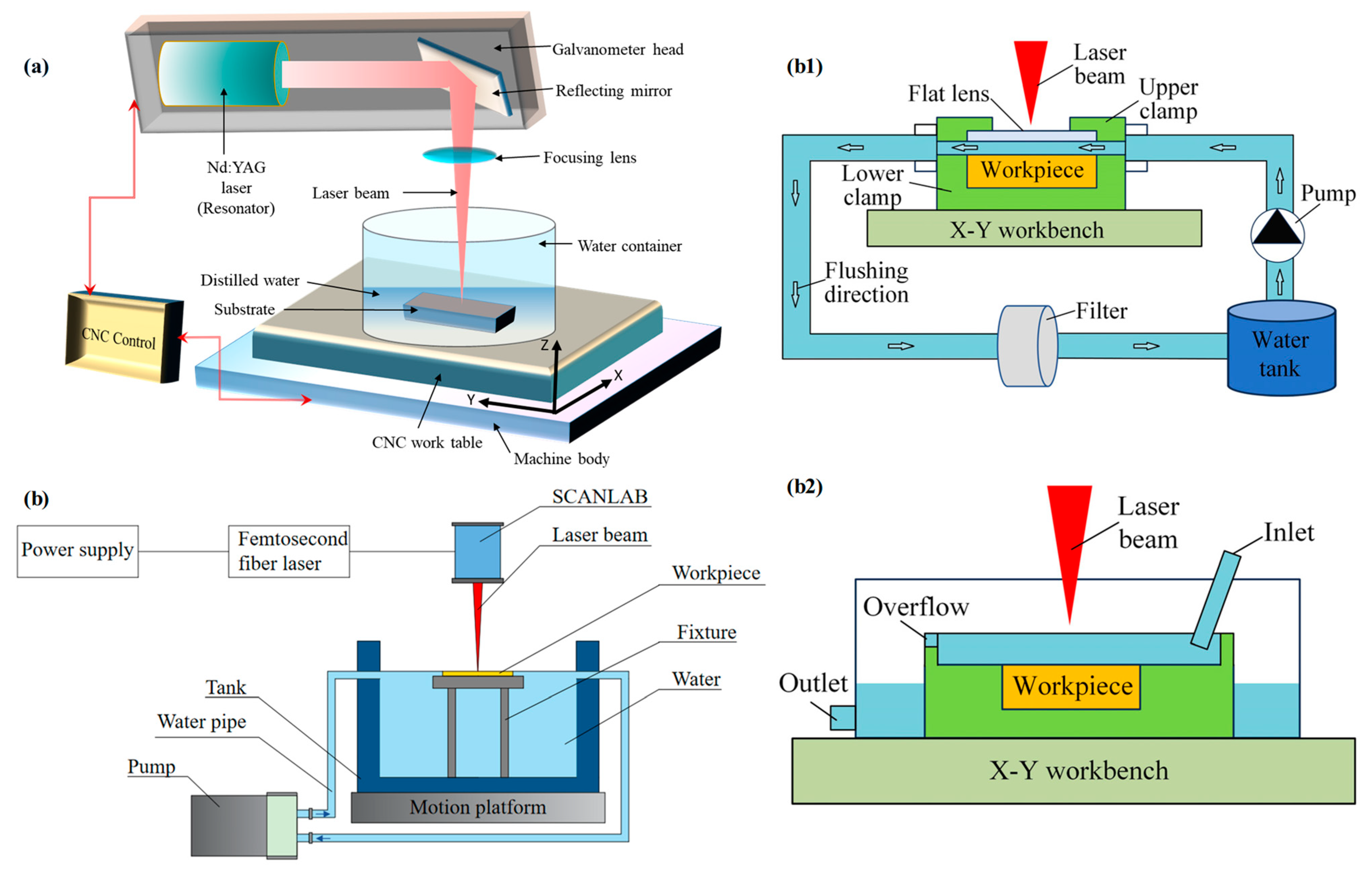
The use of water in laser ablation for micro-machining (as well as macro-machining) is another area of interest for many researchers. Such a process can be referred to as underwater laser ablation micro-machining (ULAM). The substrate is immersed in a water container, and the laser beam passes through the water layer until it strikes the top of the substrate surface. The laser setup is comparatively simple. Usually, an additional container is used for the provision of water. The container can be simply placed on the worktable inside the machining chamber. Primarily, the process has two types. In the first, the water is used in static form, while in the other type, the water flows over the substrate surface; the two types are shown in Figure 16a,b, respectively. An external pump is connected to the water container to regulate the flow. By simply turning off the pump, the setup can be switched to the static mode of water. The flow rate of the water supply can be controlled through the valve as per the required amount for experimentation.
The flowing-water mode has two further variants, as shown in Figure 16(b1,b2). Closed-loop flowing water (Figure 16(b1)) consists of water supply from a tank to the machining chamber and back to the water tank through a pumping operation. The flowing water carries the bubbles and ablated material (in the form of debris) out of the machining zone. A filter is installed in the outlet stream to filter out the bubbles and debris so that a clean water supply can be ensured. In this type of setup, a designated fixture is required to maintain the water flow, placement of the workpiece, and maintain the desired water thickness above the workpiece.
The second variant of the closed-loop is the overflow mode. This variant does not need the pump connection, rather the water from the inlet enters a fixture and departs from the outlet under its own flow through the overflowing port of the fixture. This is a comparatively simple setup; however, maintaining the water layer at a desired or constant thickness is challenging. Changing the size of the overflow port to the right size can facilitate adjusting the desired water layer thickness. Converting this setup to the static mode of underwater laser machining is very simple. By closing the inlet and overflow ports, the setup is converted to static mode.
5.1. Substrate Materials for Micro-Machining
Underwater laser ablation micro-machining (UWLAM) has proven its competency to process a variety of materials. Numerous categories of materials have been processed through UWLAM by many studies in the literature. The process is well-suited for ductile, brittle, and difficult-to-machine materials. For example, UWLAM is employed to produce micro-features in aluminum [58], silicon [59,60], and stainless steel [61]. The application of the process on well-known difficult-to-cut materials can be found in [62,63,64], wherein the researchers machined micro-features in titanium alloy (Ti6Al4V) and nickel-based superalloy (Inconel 718). Several studies have reported the use of underwater laser micro-machining to deal with advanced ceramic materials and composites, such as Alumina [65], piezoelectric ceramic (Lead Zirconate Titanate—PZT) [19], and C/SiC composites [66]. The process is not only applicable to bulk and heavy substrates but also suited well to machine micro-geometries in thin sheets. The research reported in [67,68] investigated UWLAM performance during micro-machining of copper foils and aluminum thin films.
5.2. Micro-Machining Features
Underwater laser ablation micro-machining (UWLAM) has emerged as a widely used technique for the fabrication of a wide variety of micro-features across various materials, as explained above. By performing laser ablation in a liquid environment, UWLAM enhances debris removal, minimizes thermal damage, and improves surface integrity, making it suitable for both macro-scale and micro-scale fabrication jobs. The process has been successfully applied to produce various micro-features, such as micro-holes [63], micro-channels [69], deep grooves, 3D cavities, and precision micro-scribing [68]. It is also widely used in the area of post-processing operations, such as surface refinement and defect removal [61]. Additionally, UWLAM also supports advanced finishing applications, such as laser polishing [70], which further enhances surface and edge finishing and dimensional accuracy of the machined features, especially the array of micro-features.
Figure 16.
Underwater laser beam micro-machining setups: (a) static water, (b) circulating water, and (b1) closed-loop flowing water and (b2) overflow water modes [71,72].
5.3. Types of Ablation Medium in Micro-Machining
Underwater laser ablation micro-machining (UWLAM) deals with a wide variety of engineering materials to produce various types of micro-features and -geometries, and arrays of features, like micro-holes, micro-channels, and deep grooves. The process is mainly performed in the presence of water. However, several studies have demonstrated that alternative liquids can also be effectively utilized, offering different thermal and optical properties that influence ablation behavior. The studies performed using this process variant also featured micro-machining results associated with laser micro-machining in air to compare and better understand how the surrounding medium affects material removal rates, surface morphology, and feature precision. Research has explored a variety of ablation environment combinations. The most frequently used combination is air and water [63,65,66,68]. Some research has shown the use of multi-medium comparisons, such as the use of air, water, and ethanol [30]. One study has shown the comparison of micro-machining under the effect of air and ice [60]. Some studies have investigated the effects of air, distilled water, and ethylene glycol [19]. The use of a multi-media ablation environment is meant to examine how the viscosity, refractive index, and thermal conductivity of the medium affect the machining performance measures. The use of a multi-media environment has shown that the processing medium plays an important role in laser micro-machining.
5.4. Types of Lasers in Micro-Machining
Underwater laser ablation micro-machining (UWLAM) employs a wide range of laser sources and operating modes to achieve high material removal and high-quality micro-feature fabrication. Different studies have demonstrated the use of CO2 continuous-wave lasers [19,65], which provide steady and continuous delivery of laser energy. Nanosecond lasers have also been widely utilized [66]. Nanosecond-pulsed lasers offer short-pulse energy bursts that help in reducing heat-affected zones. Pulsed lasers operating in UV, visible, and near-infrared wavelengths have been applied to enhance absorption characteristics pertaining to different substrate materials [68]. Q-switched Nd3+:YAG lasers and other nanosecond-pulsed lasers are another frequently used type due to their high peak power and versatility in micro-machining tasks [63]. Additional research highlights the use of Nd:YAG pulsed lasers for better machining precision and control over the geometry of the machined features [62]. In order to enhance debris removal and improve machining stability, an ultrasonic vibration-assisted laser system was employed in [73]. More advanced approaches incorporate femtosecond lasers [30], which offer ultrashort pulses capable of minimizing thermal effects and enabling high-resolution micro-structuring. Collectively, these laser technologies illustrate the broad adaptability of UWLAM to different materials, feature requirements, and machining conditions.
5.5. Performance Measures in Micro-Machining
Micro-machining through underwater laser ablation (UWLAM) has shown several machining indicators that serve as key performance measures across different research studies. Researchers have identified surface quality, re-deposition behavior, and the extent of the heat-affected zone (HAZ) as fundamental criteria for assessing process efficiency [66]. Heat-affected zones are more critical during the cutting of non-metals [74,75]. Some investigations are focused on the micro-machining of 3D profiles, evaluation of surface roughness achieved during the polishing of SiC ceramics [76], and the depth and cross-sectional characteristics of micro-channels produced under various machining conditions [68]. Analysis of micro-hole morphology is presented in [63] to understand the effect of ablation medium on hole accuracy. The micro-hole radius and depth are analyzed to investigate the effect of process parameters in micro-drilling applications of underwater laser ablation [77]. Studies further report on HAZ formation and hardness variations in processed materials (304 stainless steel) [61], along with the recast layer thickness, groove quality, and overall surface finish of machined grooves in 7075 aluminum alloy [70]. Other performance indicators include micro-channel dimensions and spatter dispersion patterns [62], material removal rate, and cut quality when ultrasonic vibration assistance is applied [73]. Crater depth and bubble formation dynamics have also been documented as important parameters for understanding laser–liquid interactions during UWLAM [25]. Collectively, these indicators provide a comprehensive basis for evaluating and optimizing underwater laser micro-machining performance.
5.6. Effect of Process Parameters on UWLAM
The performance measures associated with underwater laser ablation micro-machining (UWLAM) largely depend on laser parametric settings and ablation medium parameters (water flow rate and layer thickness). Performance characteristics, such as material removal, geometrical accuracy, surface morphology, recast layers, and others, also depend on the type of substrate material. For example, the kerf width while machining deep cavities in alumina is significantly affected by the water layer thickness above the substrate, whereas the machining depth is a function of the laser power and water layer thickness together [65]. The micro-channel depth produced in copper and aluminum through underwater laser micro-machining depends on the wavelength of the irradiated laser beam. Comparing 355 nm and 532 nm wavelengths, the larger wavelength allows for machining deeper micro-channels [68].
The machining depth also depends on the substrate material and the irradiated beam wavelength. For example, machining under 355 nm produces a deep channel in aluminum, whereas a 532 nm wavelength results in a higher depth of channels in copper. The environment medium and its associated plasma shockwave have obvious effects on the morphology of machined features [63]. The hardness of the neighboring areas of the machined features is higher in the case of underwater laser machining as compared to dry laser beam machining [61]. The laser energy density and the water layer thickness have a significant effect on the hole quality and spatter dispersion. As compared to machining in air, underwater laser machining produces better quality holes with less debris spatter around the machined areas [78]. Under a flowing-water mode at higher velocities, the groove depth is increased along with a decrease in the re-deposited debris. A 30 m/s velocity of water flow is reported to achieve better quality grooves in aluminum alloys [70]. Scanning speed is another important parameter contributing to the massive deposition of spatter and its dispersion. A scan speed of 400 mm/s has been reported as the optimal speed to produce micro-channels in Ti6Al4V with minimum spatter [62]. Hence, it can be inferred that the performance measure in UWLAM is a function of laser parameters, ablation medium parameters, and the substrate material. To achieve better machining results, a substrate-material-based optimized combination of laser and ablation medium parameters is required.
5.7. Machining Quality of UWLAM
The flow rate of water plays an important role in achieving the desired machining results. Water with a very-low flow rate does not efficiently promote the processing of the material. Contrarily, a very-high flow rate also negatively affects the material processing, as a very-high flow rate will overflow onto the work surface. High flow rate and a thick film of water will lead to more energy losses and will cause changes to the laser beam propagation path. Therefore, it has been reported that the top surface of the workpiece should be kept almost free from water [71].
It is also important to replace the water in the tank or container after some machining intervals. An excessive amount of debris inside the water container or in the flowline can be redeposited around the machining zone and can also cause additional energy losses. Replacement with fresh and clean water ensures that the debris produced by the process does not interfere with the laser beam and does not affect the quality of machined surfaces. A 2 h machining interval is a reasonable time frame for the delivery of fresh and clean water. A water layer of 2 mm thickness was proposed to be effective for machining micro-grooves in stainless steel [72]. Figure 17 shows steel samples machined through the use of air and water as the ablation media. Each mode of water supply has its own effect on the groove geometry (width, depth, and overall shape). The groove or cavity depth was found to be higher under the closed-loop flowing water mode compared to both the static water mode and the simple overflow mode (Figure 17a–c). The closed-loop flowing water mode, under the action of pressure induced through water pumping, facilitates the flushing of debris, resulting in clean and sharp geometry. On the other hand, the static mode and simple overflow mode are less effective for debris ejection and result in the accumulation of debris at the bottom surface of the machined cavity. Hence, of the three modes of water supply, closed-loop flowing water is the most appropriate variant to achieve better machining results. The process was applied to produce deep grooves, and the results were compared with laser machining in air. The grooves produced under dry laser micro-machining were found to be V-shaped with a sharp and narrow bottom, whereas the geometry of the deep grooves were well maintained through laser micro-machining under the closed-loop flowing water mode, as depicted in Figure 17d,e.
Figure 17.
The cross-section morphology of the grooves processed in: (a) still water, (b) over flowing water, (c) closed-loop flowing water, (d) deep grooving in air, and (e) deep grooving in closed-loop flowing water [72].
5.8. Competencies of UWLAM
The major challenge of laser beam micro-machining is the lack of geometrical accuracy in terms of under- and oversizing. The oversizing is mainly at the entrance of the machined features, while the undersizing is at the bottom or exit sides. The dispersion of melted debris in the form of spatter around the ablated zones significantly contributes to inaccuracies [62]. The amount of spatter and its dispersion, and the deposition of a recast layer around the machined features was found to be significantly higher in dry laser machining compared to underwater laser machining. Figure 18 shows the comparison of spatter dispersion and the cumulative deposition of debris, in the form of a thick recast layer around the edges, in micro-channels produced in Ti6Al4V. Knowing the space of the spatter region is very crucial for the machinist, especially if multiple micro-features are to be produced in the form of an array of features. This planning is important so that each successive feature is free from the interference of the preceding feature and its associated spatter space.
Underwater laser ablation has the potential to minimize the spatter and to achieve better machining performance due to bubble cavitation and capillary effects [58]. Underwater laser machining is more productive than machining in the air environment, and the process is suited for both easy- and difficult-to-cut materials [79]. The position of the focal point is directly involved in controlling the spread of the debris spattering. The laser focus on the upper surface of the substrate causes a larger amount of spatter compared to the focal point beneath the upper surface, which has been reported in the case of processing silicon wafers [59].
In the presence of the water layer above the work surface, the oxidation process initiates, and because of the oxides, the surface quality is compromised. The amount of oxidation also depends on the material to be processed; for example, dense areas of oxidation were found in the case of copper foils and aluminum. The volume of oxidation is found to be higher when the laser beam is irradiated vertically at the work surface. By increasing the angle between the laser beam and the guide hole from 0° to 90°, the spatter can be effectively reduced [67].
The formation of bubbles and the presence of debris inside the water layer, especially in still water mode, affect the laser beam path and energy transmission to the workpiece. The efficient removal of the debris is important to have a quality cut. The provision of ultrasonic vibrations to the water has demonstrated better material removal rate in deep and clean cuts in silicon [73]. High-frequency vibration through the agitation induced in the forced water flow has also been reported to mitigate cavitation bubble formation, deposition of recast layer, and heat-affected zones [80].
It is also noticeable that, under the action of a laser beam, water is also heated, and the heated water affects the cooling rate of underwater laser ablation/machining. In a previous study [61], laser beam machining (LBM) under an air environment was compared with underwater laser beam machining (ULBM) and heated underwater laser beam machining (HULBM). The results revealed that the heat-transferring zones are reduced by 33% in the case of ULMB and by 23% with HULBM.
A summary of underwater laser ablation applications in the area of machining micro-features is provided in Table 4. It shows a detailed analysis of the commonly used ablation media, different types of lasers, substrate materials, micro-machining features and geometry, and the process performance measures.
Figure 18.
Spattering of debris and deposition of recast layer during laser machining of micro-channels in Ti6AL4V under air and water-immersed environments [62,81].
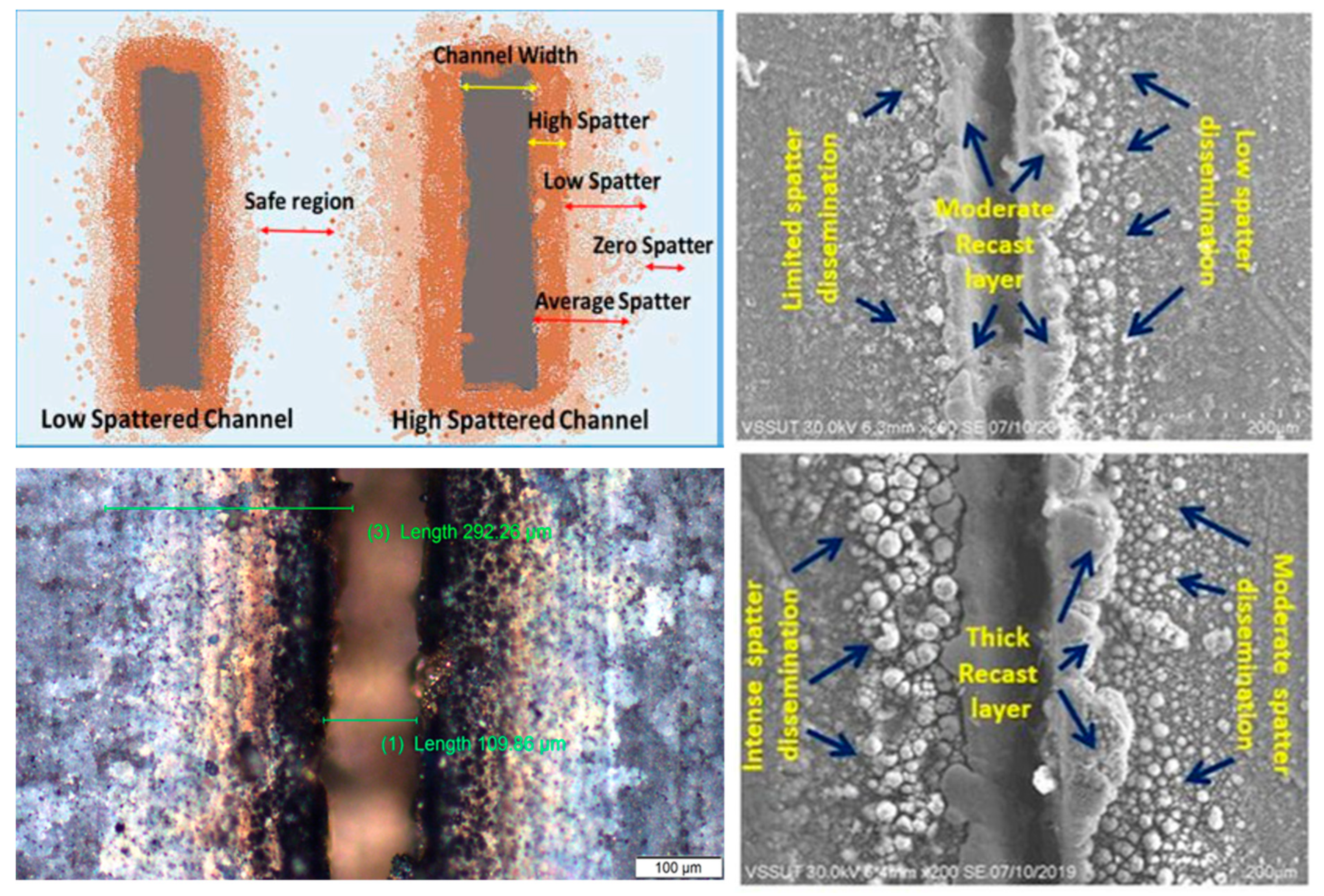
Table 4.
Summary of underwater laser ablation in micro-machining applications (ablation medium, laser types, substrate materials, micro-feature geometry, and process performance indicators) [82].
6. Underwater Laser-Induced Periodic Structures (ULIPSs)
One of the major areas of interest in laser ablation under a liquid medium is the ability to produce a periodic and repeated array of customized surface structures. The process is mainly carried out in the presence of water as the ablation medium. This laser ablation process variant can be referred to as underwater laser-induced periodic structures (ULIPSs). Surface texturing through laser ablation is performed through pure laser texturing in the air environment as well as through laser ablation under wet media. The types of commonly used lasers are nanosecond, picosecond, and femtosecond lasers. Laser texting under wet media is usually carried out either in still water mode or flowing water mode. Hence, the primary experimental setup to produce laser-induced structure is very similar to the other underwater laser ablation setups, and the explanation of the setup is not repeated here.
The metallic vapor pollution is formed during laser surface texturing under an air environment. The presence of water avoids this vapor pollution and re-deposition. A comparison of laser surface texturing performed under air, still water, and flowing water environments was presented in [90], which reported mixed results regarding texturing chromium-coated piston rings to produce dimple structures. The dimple depth was found to be high under the air environment, whereas the underwater environment facilitated flushing of the melted pool to achieve minimal re-deposition of melted debris around the dimples. The amount of re-deposition around the periphery of the dimples is less under flowing water than in the still water and air environments.
6.1. Crater Formation and Superhydrophobic Structuring
The formation of craters is the basis of surface structuring. Therefore, several studies have investigated crater geometry [91,92]. A previous study [93] investigated crater geometry through the application of laser ablation under air, water, and alcohol. Laser beam parameters had a direct impact on the crater geometry; for instance, the larger the pulse numbers, fluence, and number of shots, the deeper the craters produced in the substrate. However, liquid medium type also contributed to crater geometry. For instance, crater depth was found to be the highest in the case of water-assisted ablation as compared to air and alcohol (refer to Figure 19), indicating that the ablation medium has its own impact on the formation of craters. The ablation medium affects the laser angle of incidence, which changes with the refraction index ratio associated with the medium used for ablation to produce micro- and nano-structures.
Figure 19.
Crater profiles and depths: (A) crater profiles under different media; (a–c) air, (d–f) water, (g–i) alcohol, and (B) comparative analysis of crater depths; (b1) under 1.5 µJ & (b2) under 2.5 µJ [93].
Producing surfaces and their associated textures with superhydrophobicity is another widely attempted research area of laser texturing. Comparatively, this is an advanced area of laser texturing. The applications of superhydrophobic surfaces are widespread across different industrial sectors, such as aviation, biomedical, and solar energy industries. The metallic surfaces with superhydrophobic properties also help in controlling the adhesion of water, wax, and oils on the surfaces of numerous engineering structures, as well as several home appliances. Such surface properties eliminate the need for expensive coatings on the metal surfaces. Surfaces with superhydrophobic properties maintain their wetting behavior for longer periods of time (more than 4 weeks) against different solutions, including corrosive media such as aqueous hydrochloric acid and sodium hydroxide solutions. This ULIPS method of producing surface structures with hydrophobic properties has been employed and tested for different metals such as stainless steel [94], aluminum [95], brass [96], and titanium alloy (Ti6Al4V) [97]. The study presented in [94] used ULIPs along with magnetron sputtering to produce surface structures in stainless steel. Superhydrophobic surfaces were generated in aluminum through laser ablation by Xu et al. [95], wherein micro- and nano-structured surfaces are produced with three different types of structures, namely regular micro/nano (RMN)-, conical micro/nano (CMN)-, and square micro/nano (SMN)-structures. The texture characteristics depend on the laser and liquid parameters. Figure 20 shows the surface texturing of stainless steel and the effect of laser scanning speed and grid spacing on the uniformity of the structures. Grid spacings of 25 µm and above resulted in clear and distinct structures [98].
Figure 20.
(a) As-received stainless steel (304S15) substrate. (b–d) The line separations are 10, 25 and 100 μm, respectively. (e) Structures with line separation of 50 μm and (f) high-resolution of a single unit [98].
In some of the studies, the flowing water mode is converted to a waterjet, a process referred to as waterjet-guided laser texturing (WJGLT). Under the action of a waterjet, the debris are more effectively flushed out of the ablation zones, and the process yields surface textures with minimal HAZs. In the presence of water and the coupling of intense heat concentration, oxidation chain reactions are triggered, leading to modification of the micro-morphology of the surfaces. Because of these changes in the surface chemistry, the textured surfaces were found to be more superhydrophobic [99]. The wettability of surfaces depends on the media used during laser surface structuring, such as air, gas, water, ethanol, etc. The mechanism behind the formation of surface structures during underwater laser ablation has been discussed in [100]. Ni-based superalloy irradiated through waterjet-guided laser cutting results in two different types of surface structures, namely recast crystals and recast amorphous oxides. The formation of these structures is mainly because of the re-solidification of the melted debris and plasma around the irradiated regions under the action of laser–water interaction. The waterjet further produces a confined plasma shockwave, and under this impact, the formation of twinning structures are also reported in this study.
Laser-induced periodic surface structures (LIPSSs) are another class of laser surface texturing. LIPSSs are organized micro- and nano-scale patterns that form on material surfaces when they are irradiated with polarized laser beams. These structures are generally classified into two types, i.e., low-spatial frequency (LSFL) and high-spatial frequency (HSFL), depending on the wavelength of the laser-irradiated beam [101]. These structures also support the superhydrophobicity of the produced surfaces, and such surfaces are used for self-cleaning and light-trapping properties [102]. As a result, the surface develops highly ordered ripples, grooves, or wave-like patterns in a variety of substrate materials. The formation of LIPSSs and their ordering and periodicity are functions of material properties, and the formation is considered as a material-specific phenomenon [103,104]. Some of the LIPSSs produced in silicon wafers and stainless steel developed through laser ablation in air are shown in Figure 21. Similarly, LIPSSs can also be produced using liquid medium in place of air to create superhydrophobic surfaces. Figure 22 shows the formation of LIPSSs in stainless steel through the use of different wet media, such as water, sugar syrup, Decane, and ethanol [105]. The results reveal that the surface morphology of the structures depends on the refractive index and thermal conductivity of the liquid media used in ablation process. In the case of a liquid with low thermal conductivity, a mesh structure formed on the irradiated surface rather than nano-scale grooves.
Figure 21.
LIPSSs produced under water: (a–c) effect of laser fluence underwater laser ablation of silicon wafer (fluence is in increasing order 0.22 J·cm−2, 0.4 J·cm−2, and 0.53 J·cm−2) and (d,e) LIPSSs in stainless steel [102,106].
Figure 22.
LIPSSs produced in stainless steel under air and different liquid media at 7 mm layer thickness: (a) air, (b) water, (c) sugar syrup, (d) Decane, and (e) Ethanol [105].
6.2. Substrate Materials
Underwater laser-induced periodic structures (ULIPSs) have been demonstrated on a wide range of materials, showing that this technique is versatile and applicable to surface-structuring applications. Research has shown successful formation of periodic features on silicon wafers [93,106], where controlled laser–liquid interactions enable high-precision patterning. Stainless steel and other alloy steels, such as Mn-alloy steel, have also been widely investigated in the context of surface structuring and surface patterning [102,107,108]. The process not only offers the benefits of improved surface modification but also allows for reduced thermal effects around the periphery of the structures due to the cooling effect of water. Studies on constant elastic alloys [109] highlight ULIPSs’ capability to ablate micro-structures as well as nano-structures with more uniformity. This process variant has been employed to produce structures with enhanced tribological performance and other functional properties. For instance, the tribological performance of chromium-coated piston rings was enhanced in [90], whereas the functional surface properties of Ni-based superalloys were improved in [100] through the application of ULIPSs. Additional work includes experimental studies on copper and brass [96], reflecting the ability of the process to generate periodic structures in conductive materials. Aluminum and its alloys have also been frequently explored, including pure aluminum [95] and aluminum–magnesium alloys (Al-Mg AA5754) [110,111], each showing the formation of distinct periodic structuring. The titanium alloy Ti6Al4V has similarly been patterned using underwater laser techniques [112], further illustrating the broad material compatibility of ULIPSs. Collectively, these studies confirm that ULIPSs can be effectively applied across metals, alloys, and semiconductors to achieve controlled periodic surface features.
6.3. Types of Surface Structures
Underwater laser-induced periodic structures (ULIPSs) have been successfully generated on a wide range of materials, demonstrating the process applications in producing surface structures. Numerous types of surface structures, patterns, and textures are reported through laser ablation either in a dry environment and/or laser ablation under a liquid medium. Several studies report the formation of multi-shot craters [91,92] and laser-induced periodic surface structures (LIPSSs) [107,113], produced by the use of water as the ablation medium and varying underwater conditions. The development of superhydrophobic surfaces through controlled micro- and nano-scale patterning is also very common [99,107]. Additional investigations highlight the creation of micro-craters and dimples on various alloys [109], as well as general surface texturing [90]. Micro-dimples [114] and micro-pillars [115] have also been fabricated, showcasing the capability of ULIPSs to generate ordered micro-arrays. More complex transformations such as recast crystals, amorphous oxides, and mechanical twinning structures, have been observed on processed surfaces [100]. Regular micro–nano-structures, including conical and square-shaped patterns, have been generated on aluminum surfaces as reported in [95]. Studies on aluminum alloy 2A12 report the formation of intricate micro–nano-structures [116], and nano-lamellae textures have been achieved in stainless steel using water and air as the ablation environment [117]. Furthermore, four distinct pattern types (including lines, grids, concentric circles, and concentric rectangles) have been fabricated in Al-Mg alloy using ULIPSs [111], and three characteristic surface patterns (namely dimples, grooves, and grids) have been produced on 30CrMnSiA steel [108]. Collectively, these findings illustrate that the laser ablation under different ablation media has a wide range of applications in the area of laser-induced surface structuring across a large number of materials.
6.4. Ablation Medium in Surface Structuring
Underwater laser-induced periodic structures (ULIPSs) have been produced on a wide variety of materials, showing the technique’s high potential for creating functional surface textures demonstrating the applications of laser ablation in the area of the fabrication of micro- and nano-structures. While dry laser ablation in air can generate these periodic structures, it often suffers from drawbacks such as reduced uniformity, the formation of recast layers, and contamination on the processed surface. To overcome these limitations, researchers have explored alternative ablation media, with water being the most commonly used due to its ability to improve cleanliness and structural consistency [111]. Several studies have demonstrated the comparison of surface structures produced through the use of air and liquid media. Comparative studies have examined ULIPS formation in air versus water, as well as in other liquids such as alcohol and ethanol mixtures [93,106]. In another study [109], ethanol was used as the ablation medium with different percentages of ethanol. Additional investigations have expanded the range of media to include gases, such as oxygen, carbon dioxide, nitrogen, and argon, instead of liquids, each influencing structure formation differently [118]. Some studies have used water as the ablation medium to produce surface structures, and the water is supplied in different modes. For example, the research presented in [90,110] compared the effects of an air environment and still water and flowing water modes. Some researchers have used water in the form of a waterjet to further enhance the quality of periodic structures and the process stability [100]. Waterjet-guided laser surface structuring is another example of the use of water in a jet-guided mode instead of the still mode of water [99]. Collectively, these studies highlight how the choice of ablation medium plays a crucial role in optimizing ULIPS formation and tailoring surface characteristics for specific applications.
6.5. Types of Laser Systems in Surface Structuring
In order to produce laser-induced micro- and nano-structures on engineering surfaces, a wide range of lasers is used in the literature. Among the types of lasers, femtosecond-pulsed lasers are frequently reported [93,102,106,107,119]. These systems generally operate at 1030 nm wavelength and deliver ultrashort pulses (e.g., 25 fs), which are considered highly suitable for producing well-defined nanoscale ripples (produced in zirconium) due to their minimal thermal diffusion [120].
Some other studies have utilized different variants of Nd:YAG laser systems (e.g., Nd3+:YAG lasers and Nd:YVO4) [90,121]. These systems are usually operated at nanosecond or picosecond ranges to achieve different texturing effects [95,121]. Other widely used types of laser systems are fiber lasers [116,122], which are reportedly used at nanometer wavelength and nanosecond and picosecond pulse ranges [110,111]. Pulsed Yb:fiber laser has proven to be effective in improving the adhesive-bonded performance of sheet aluminum substrates [123]. For biomedical applications, 355 nm picosecond lasers have been applied to create microtextures on Ti6Al4V alloys, highlighting the versatile applications of short-pulse systems [124]. Collectively, these femtosecond, picosecond, and related short-pulse sources are categorized as ultrafast laser systems, widely used for precision laser-induced surface structuring. In comparison, infrared nanosecond fiber lasers offer faster processing speeds and reduced operational costs [96], making them attractive for large-scale applications. Additionally, ArF excimer lasers have been employed to generate controlled surface textures on titanium alloys [125], further expanding the applications of different types of laser systems to produce micro- and nano-scale periodic surface structures.
6.6. Performance Measures in Surface Structuring
While producing micro- and nano-scale periodic surface structures through the use of dry or liquid-assisted media ablation, numerous types of performance measures are involved. Research has shown that in almost every study, multiple performance characteristics associated with periodic structures are routinely investigated to characterize the resulting textures and surface structures. Studies have reported several performance attributes, and these types of performance measures can be classified as: (1) shape of the structures, (2) sizing in terms of geometrical indicators and spacing, (3) surface morphology and topology, (4) surface wettability and hydrophobicity, and (5) mechanical and other functional properties. Commonly assessed indicators include surface morphology [108,126], the formation and quality of laser-induced periodic surface structures (LIPSSs) [93], groove depth, symmetry [106], and topographical uniformity [127]. Additional attributes include crater diameters and depths [109] and dimple size, depth, and re-deposition area [90], which are used to understand ablation dynamics. Research has shown that, compared to the air medium, femtosecond laser radiation in a liquid medium could induce larger surface areas in LIPSSs, which assist in enhancing the functional properties of the produced structures [128]. Performance evaluations also extend to superhydrophobic behavior [95,99], structural periodicity [129], and changes in surface wetting and optical properties [130]. Several studies further investigate how micro- and nano-structures influence adhesive bonding strength [108,110], wear resistance, friction coefficients, and overall tribological performance [114]. In biomedical contexts, laser-induced textures on implant materials, such as titanium alloys, are analyzed for their ability to improve surface wettability and biological interactions [122]. In controlling the surface wear behavior, the type of micro- and nano-patterns have their own impact. Different types of patterns allow for trapping wear debris and lubricants in the surface, thereby contributing to controlled wear behavior. For example, the effects of different patterns, such as lines, crosshatches, and dimples, are assessed in [131] to evaluate the effectiveness of each pattern type. These diverse performance measures provide a comprehensive understanding of how laser-induced surface texturing is achieved through ULIPSs, and how it affects the mechanical and other functional domains of the surfaces.
6.7. Effect of Process Parameters on Surface Structures
Like the other variants of laser ablation under wet media, the characteristics of laser-induced structures depend on the laser energy parameters as well as the liquid medium parameters. The effect of laser pulse duration and pulse energy on the formation of laser-induced structures on zirconium substrates is presented in [120], and it is reported that high pulse energies (500 and 600 µJ) allow the creation of clear and distinct structures as compared to low energies (300 and 400 µJ). Contrarily, it is reported that in order to produce typical submicron-level laser-induced periodic surface structures (LIPSSs), a relatively low laser fluence is suitable. With increasing laser fluence, the structures change into cone-shaped and periodic ripple-shaped structures covered with LIPSSs [107]. Laser pulse number is another parameter that affects the geometry and size of the structures. The larger the pulse number is, the greater the structure diameter and depth, as shown in Figure 23. With reference to pulse duration, short-duration pulses (25 fs) are considered as the most suitable choice to produce clear nano-scale ripples [120]. The laser beam’s polarization direction has a direct effect on the formation of LIPSSs. Symmetrical grooves with uniform structures can be obtained when the laser beam polarization direction is parallel to the direction of the scanning path [106].
Figure 23.
The effect of pulse number on: (a) the diameter of the structure and (b) the depth of the structures [109].
The surface structures’ characteristics largely depend on the nature of the medium used in laser ablation and the liquid layer thickness above the substrate. For instance, the effect of different liquid media (water and alcohol) on the threshold fluence and ablation depth is analyzed in [93], which reports that the threshold for silicon is reduced during ablation under liquid media as compared to dry ablation. Comparing water and alcohol performance in ULIPSs, the water allows for the production of deep craters in silicon. On the other hand, the presence of alcohol in front of the laser beam produces craters with a better surface finish. The texturing pattern and the textures’ depth can be controlled through the liquid media type and their layer thickness above the substrate. For example, a high percentage of ethanol allows for the production of deeper craters as compared to the craters produced either through air or through the use of ethanol at lower concentrations [109]. On the other hand, the size of the crater diameter shows an inverse relationship with the percentage of ethanol, as shown in Figure 24. The liquid layer thickness of 1 mm can be considered as a suitable layer thickness to achieve different structures [111]. The effects of waterjet and laser parameters (e.g., diameter of waterjet, laser power, and grid spacing) are studied in [99] to examine the surface textures in the context of superhydrophobicity. Effective control over the grid spacing ensures accuracy and retains the uniformity of the laser-induced structures [95]. The effect of grid spacing and scanning space on the micro-structures of Al-Mg alloys was studied in [110] to investigate the effect of laser-induced textures on the adhesive bonding strength of the alloy. In order to have surface textures with high surface finish and surface hydrophobicity, a scanning speed of 500 mm/s was identified in [111], in the context of producing different types of texture patterns and a grid of structures. The water depth, pulse frequency, and pulse width affected the depth of microstructures (micro-dimples) produced in stainless steel [114].
Figure 24.
The effect of ethanol content on: (a) the diameter and (b) depth of craters produced through underwater laser ablation [109].
It can be inferred that a variety of surface structures and patterns can be achieved through laser ablation under wet media, but it is necessary to explore the appropriate combination of laser parameters, liquid parameters, and a suitable wet medium. Similar findings are reported in [132], emphasizing the selection of a suitable combination of laser and liquid medium parameters to achieve not only one type of structure but also a variety of structure patterns.
A summary of the underwater laser-induced periodic structures is provided in Table 5. It shows a detailed analysis of commonly used ablation media, different types of lasers, substrate materials used for surface structuring, different types of structures and patterns, and performance indicators of surface structures.
Table 5.
Summary of underwater laser-induced periodic structures (ablation medium, laser types, substrate materials, micro-feature geometry, and surface performance indicators).
6.8. Challenges in Surface Structuring
- Laser-ablated texture dimensions are primarily linked to laser light properties, such as laser wavelength, thus limiting the achievable structure shapes. The LIPSS pitch is lower in the underwater environment due to the change in the laser angle of incidence, which changes with the refraction index ratio of air and water. The periodicity of the ULIPS strongly depends on the refractive index of the liquid medium.
- Short pulses, such as femtosecond pulse duration, are considered as the most suitable choice to produce distinct periodic structures. If the laser system is not equipped with short pulses, like nanosecond systems, then achieving the periodicity and the high precision of nano-structures is a challenging task.
- The selection of the right combination of laser and liquid parameters not only allow for the creation of one type of structure but also a variety of patterns, with each pattern offering different surface features, such as surface chemistry and wettability. The selection of the appropriate parametric combination is a challenging task and needs lots of trial experiments, especially if the micro- and nano-structures are to be produced in different substrate materials.
7. Wet Media and Its Net Effect (Summary)
The literature shows that water is the most commonly used liquid medium during laser ablation and its different variant processes. However, in addition to water, several organic fluids have also been investigated by many researchers, such as isopropanol, ethylene glycol, sugar syrup, glycerine, etc. Owing to specific surface tension, viscosity, and refractive index, each medium shows its own performance. In general, when the ablation medium is changed from water to organic fluid, the material removal mechanism changes because of having different fluid properties. These properties exert a combined effect on ablation rate. The nature of the fluid also affects the flushing of debris from the ablation zone. The temperature of the liquid medium also plays an important role in controlling fluid viscosity and consequently the ablation and flushing rate [146,147].
High-viscous fluid decreases the ablation rate. High viscosity and surface tension restricts the dynamic expansion of the laser-induced cavitation bubble. The fluid exerts strong mechanical resistance, damping shockwaves and slowing down fluid circulation. It also restricts the efficient removal of debris from the ablation zone [148,149]. Higher refractive index increases the local laser intensity but shortens the effective focal depth.
Additionally, chemical decomposition of organic fluid is another process that occurs simultaneously duration ablation. Localized photothermic cracking of fluids take place under the action of a high-temperature plasma plume, which is not the case when water is used as the ablation medium. The side effect of the use of organic fluids is the release of volatile gases, such as H2, CO, and CH4. It also creates an amorphous carbon byproduct layer [149,150]. Table 6 shows a fluid type and property matrix along with their impact on relative ablation rate, amorphous transformation rate and dominant phenomenon.
Table 6.
Fluid-specific properties and their response during laser ablation [151,152].
In terms of the use and selection of a certain fluid, it depends on several factors. For example, the selection of water is considered as the default selection because of its zero cost, lack of safety hazard, and lack of side effects. It also has no contamination effects. On the other hand, organic fluid generates contaminations and deposition layers over the ablated surfaces. Hence, transitioning from water to organic fluids is mainly due to achieving specialized mechanical and surface properties of the ablated material. The other case of organic fluid preference is to achieve desired shapes and properties in nanoparticle synthesis that are not achievable through the use of water.
Although the use of organic fluids offers advantages in tailoring the specialized structures and material phases, at the same time, they present several challenges to deal with. For example, flammability and explosion hazards are safety concerns. Organic fluids like isopropanol are highly volatile and flammable. The intense local heat and high-voltage conditions within the laser-induced plasma plume can easily reach the fluid’s flash point. This triggers a high risk of ignition. Due to high viscosity, these fluids leave behind a sticky residue on target surfaces that needs post-processing and surface cleaning. Such cleansing requirements pose more challenges if the ablation is performed for complex geometries. Another challenge to the use of such a high-viscosity organic fluids, especially glycerin, is recirculation and difficult pumping if the fluid is used in a waterjet-guided laser ablation process. Pumping glycerin through fine nozzles or a steady waterjet waveguide is incredibly difficult due to its viscosity and mechanical resistance to flow.
8. Discussion
Comparing the process inputs, it can be inferred that both techniques (UWLA and ULIPSs) rely heavily on the interaction between the ablation medium, laser characteristics, and substrate material to define the resulting micro-features. UWLAM demonstrates a broader exploration of liquid-based media, ranging from water and ethanol to ethylene glycol, glycerin, and even ice, reflecting its emphasis on machining stability, debris removal, and thermal moderation during micro-manufacturing. ULIPSs, on the other hand, expand the medium domain further by incorporating gases (oxygen, CO2, nitrogen, argon) and complex liquids such as sugar syrup, highlighting its focus on optical modulation, refractive index control, and surface chemistry alteration for periodic structure formation. Laser types also differ in purpose: UWLAM spans from CO2 continuous-wave lasers to nanosecond, femtosecond, and vibration-assisted systems, supporting machining operations such as drilling, micro-channels, grooves, and polishing. ULIPSs rely more on ultrashort-pulse lasers, including femtosecond and excimer systems, which are essential for generating highly ordered periodic structures with minimal thermal damage. The substrate materials used in UWLAM are typically engineering alloys, ceramics, composites, and difficult-to-cut aerospace materials, aligning with its machining-oriented objectives. In contrast, ULIPSs target silicon, glass, metallic films, polymers, and nano-films—materials that respond well to periodic surface structuring and optical pattern formation. The literature also indicates that different input parametric values result in specific response measures. The selection of suitable parameters, such as liquid layer thickness, flow rate, laser power, and other ablation parameters, are experimental condition-based. Therefore, it is extremely difficult to get an exact value for parameters to be considered as the standardized setting. For example, there is no standard value of the liquid layer thickness because the literature results have shown an wide range of layer thicknesses and the optimal layer thickness is experimental-condition- and substrate-material-dependent. That is why parametric optimization is widely suggested in the literature. However, a layer thickness of 1–2 mm is suggested to avoid excessive absorbance of laser power before it reaches the target surface [153,154]. This review and its summary tables may help in understanding the range of some parameters.
In the context of process output measures, the performance indicators of both processes reveal a clear distinction between machining-driven and surface-structuring-driven outcomes. UWLAM focuses on machining quality metrics, including surface roughness, micro-feature geometry, micro-hardness, material removal rate, recast layer formation, and heat-affected zone characteristics. These measures reflect the process’s primary goal: producing precise micro-features with controlled depth, morphology, and minimal thermal defects. ULIPSs, however, emphasize surface morphology, symmetry, periodicity, wettability, and hydrophobicity, which are critical for functional surface engineering. The formation of LSFLs, HSFLs, micro-pillars, dimples, nano-holes, and superhydrophobic textures demonstrates ULIPSs’ capability to engineer surfaces for advanced applications such as self-cleaning, wear resistance, optical modulation, and enhanced surface area. While UWLAM evaluates crater depth and bubble formation as indicators of ablation efficiency, ULIPSs assess structural periodicity and topographical uniformity to determine the quality of laser-induced patterns. Together, the two tables illustrate how UWLAM is optimized for material removal and micro-machining, whereas ULIPSs are tailored for functional surface modification and periodic structure generation, each offering distinct advantages depending on the intended engineering application.
It is evident that liquid assistance positively contributes towards improvement of the ablation process. Laser ablation in an air environment produces a massive heat-affected zone, which further leads to micro-cracking and recast layering. However, liquid assistance provides a cooling blanket, absorbs a massive amount of heat at the pulse gap, and significantly minimizes the HAZ. As a result, the surface quality of the machined or surface structures is improved [155,156,157]. Other noticeable improvements include the enhanced material removal rate in the presence of liquids. When the laser pulse strikes the substrate, it creates a plasma plume that expands freely if an air environment is applied. The presence of liquids provides a confinement to the plasma plume, which is trapped inside the liquid. It creates a shockwave effect and recoil pressure that expel the melted material out of the processing zone, yielding high material removal [158,159]. Another highlighted advantage of liquid assistance is to achieve better geometrical accuracy, as discussed in earlier sections. During ablation in air, inefficient flushing of debris away from the machining zones allows the residual debris to interact with the incoming laser pulses. Due to this blockage of the laser beam path, the machined walls become tapered rather than straight. The hydrodynamic flushing of the liquid facilitate debris removal, and consequently improve geometrical accuracy [89,160].
9. Conclusions
Laser ablation in dry and liquid media is a widely employed category of precision manufacturing process. Its applications spread over a variety of engineering materials with a diverse range of micro- and nano-features to fulfill the industrial requirements. Based on the discussion and review findings, the following conclusions may be drawn to understand this category of precision manufacturing:
- Laser ablation under a dry environment (air and/or a gas) can be employed to achieve micro-features. However, dry laser ablation has certain limitations, including thermal damage, debris ejection and removal issues, re-deposition of melt debris, compromised surface morphologies, geometrical inaccuracies, and difficulty in retaining the desired size and shape of the micro- and nano-features.
- Laser ablation under wet media (water and other liquids) is an alternative modification to dry laser ablation. The presence of a liquid layer above the substrate surface significantly controls the above-mentioned issues of dry laser ablation with minimal thermal damage.
- Because of the absence of a physical tool, the laser ablation under a liquid-assisted media process can be applied to a wide variety of materials, including brittle-to-ductile, metallic and non-metallic, and difficult-to-machine materials; aerospace alloys; ceramics; solids; and thin films.
- Laser ablation under a liquid environment is employed in numerous categories of engineering applications, including micro-machining, cutting, and surface structuring. It includes the fabrication of micro-channels, micro-grooves, micro-holes, micro-scribing, micro-dimples, micro-pillars, and the fabrication of a wide range of periodic structures (patterning, craters, ripples, LIPSSs) to improve the functional properties of the produced surfaces, such as superhydrophobicity, wettability, and wear resistance.
- The material removal of laser ablation under wet media involves several factors regarding laser parameters and liquid flow rate parameters. The most common contributing factors of the liquid are the layer thickness above the substrate, the flow rate of the liquid, and bubble formation. The material removal rate also depends on the type of substrate material and the liquid material. Commonly used liquids include distilled water, alcohol, and ethanol, with a layer thickness of 1 mm above the immersed surface; note that 1 mm is not standard but is commonly used.
- Underwater laser ablation (UWLA), waterjet-guided laser ablation (WJGLA), underwater laser ablation micro-machining (UWLAM), and underwater laser-induced surface structures (ULIPSs) are the frequently researched liquid-assisted laser ablation variants.
- Attenuation of laser power, cavitation bubble formation, breakdown of the laser-irradiated beam, multi-reflections, changes in liquid media-based refractive indices, spread of liquid splashes around feature surroundings, adhesion of spatter, and maintaining a uniform layer thickness above the substrate are the overall challenges of laser ablation under wet media.
- In order to fabricate the desired ablation features (micro-machining and/or surface structuring with desired surface properties), the search for optimal parametric combinations is frequently required. This parametric combination involves the appropriate selection of laser parameters, liquid flow rate parameters, and the selection of the liquid medium. The optimized combination does not outperform for every material type, but it works well for the selected substrate material.
- In the context of laser micro-machining (micro-channels, micro-holes, micro-grooves, etc.), the performance of underwater laser ablation is better than that of dry laser ablation. However, underwater laser ablation creates liquid splashing mixed with melted debris, which ultimately redeposits around the micro-features, affecting the machined geometry. The position of the laser focal point with reference to the substrate surface plays an important role, and focusing beneath the top surface reduces debris-mixed spatter dispersion, leading to the production of high-quality micro-features.
- Short pulses are the most suitable selection to fabricate distinct surface structures having high periodicity and better functional properties. As an example, femtosecond lasers with a pulse duration of 25 fs is the most suitable for LIPSS formation in Zirconia during laser ablation in ethanol.
- Although the process has several variants employed on a wide range of materials and applications, several problems and challenges still exist. For instance, problems such as waterjet instability, high equipment costs, and precise layer thickness control are obstacles to commercial scaling.
10. Future Research Directions
- Generally, surface structuring through laser ablation under wet media is produced, and surfaces are tested against their functionalities for a shorter period of time, ranging from a few hours to a few days. However, the long-term stability of the periodic surface structures in terms of their functionalities has not been established. Hence, a future research area can be to explore the testing of underwater laser-induced periodic structures’ stability for a longer period of time, such as wettability, superhydrophobicity, and adhesion strength over a longer period of time or against a larger number of test cycles, similar to real industrial application environments. Furthermore, the role of chemical effects on surface structures can also be explored.
- Exploring the effects of high pulse repetition rates on laser ablation performance indicators can be explored in future research. Laser systems beyond MHz frequencies and with more options for laser scanning strategies could have more unique results in the area of micro- and nano-engineering.
- Laser ablation with the assistance of wet media minimizes most of the challenges of laser ablation under dry or gaseous environment. However, deep machining of micro-features (e.g., deep micro-channels and deep micro-holes) is still a challenge. The circulation and ejection of the liquid from the deep and narrow areas of the machined features pose challenges in completely ejecting the melted debris. Cavitation bubbles, their size, number, and lifespan are completely different at the beginning and ending cycles of the deep machining. Further research can be carried out to address this challenge.
- Waterjet-guided laser ablation (WJGLA) has proven numerous benefits over the use of dry laser ablation and under still water laser ablation. However, the water accumulation, droplet falling or rebounding from the substrate surface, and water mist break the waterjet stream, leading to an unstable waterjet. The laser escapes from the waterjet and lowers material removal rate. Further research can be carried out to address the challenge of waterjet stability.
- Generally, the performance of a certain liquid medium is substrate-material-specific. The same liquid may not perform equally with another substrate material. That is why water has been reported as the most commonly used wet medium in laser ablation. One of the future research areas can be searching for a liquid that may perform better than water. Some surfactant-based liquids, acidic solutions, and salt solutions can be employed in future research.
- Similar to the selection of the liquid medium, the selection of the optimized parametric combination (laser and liquid parameters) is also material-specific. It indicates that a new set of optimized parameters is required upon changing the substrate material, a task that requires lots of effort, time, and cost in order to perform extensive trial experiments. A future research area can be to establish optimized parameters or ranges of optimized parameters not only serving one specific material but a class of materials, for instance, steel alloys, titanium alloys, aluminum alloys, ceramics, etc.
- The use of liquid media in the form of a mist or spray is not very common as compared to other liquid-assisted laser ablation variants. The concept of minimum quantity lubrication (MQL) is widely used in conventional machining. A similar MQL concept can be applied to the laser ablation process to further explore research horizons.
- Waterjet instability is a critical challenge during the WJGLA. Nonlinear self-focusing inside the jet waveguide is a problem, especially under the ultrashort picosecond laser pulse regime. More research is needed to improve the stability of waterjet and non-linear self-focusing. The concept of aerodynamic stabilization can be further explored as studied in [161], wherein auxiliary airflow is provided around the waterjet in the form of a coaxial air curtain.
Author Contributions
Conceptualization, N.A.; methodology, N.A.; software, W.A.; validation, N.A. and W.A.; formal analysis, N.A.; investigation, N.A.; resources, W.A.; data curation, N.A. and W.A.; writing—original draft preparation, N.A.; writing—review and editing, W.A.; visualization, W.A.; supervision, N.A.; project administration, N.A.; funding acquisition, N.A. and W.A. All authors have read and agreed to the published version of the manuscript.
Funding
This research received no external funding.
Data Availability Statement
Data sharing is not applicable to this article.
Acknowledgments
The authors would like to thank Al Yamamah University for supporting this work.
Conflicts of Interest
The authors declare no conflict of interest.
References
- Rajčić, B.; Šibalija, T.; Nikolić, V.; Čekada, M.; Savović, J.; Petronić, S.; Milovanović, D. Structural and Functional Picosecond Laser Modification of the Nimonic 263 Superalloy in Different Environmental Conditions and Optimization of the Irradiation Process. Materials 2023, 16, 1021. [Google Scholar] [CrossRef] [Scilit]
- Diaz, D.; Hahn, D.W. Plasma chemistry produced during laser ablation of graphite in air, argon, helium and nitrogen. Spectrochim. Acta Part B At. Spectrosc. 2020, 166, 105800. [Google Scholar] [CrossRef] [Scilit]
- Wang, Y.; Zhang, M.; Dong, Y.; Zhao, J.; Zhu, X.; Li, Y.; Fan, L.; Leng, H. Morphology modelling and validation in nanosecond pulsed laser ablation of metallic materials. Precis. Eng. 2023, 79, 34–42. [Google Scholar] [CrossRef] [Scilit]
- Tarasenka, N. Laser ablation in liquids for shape-tailored synthesis of nanomaterials: Status and challenges. Beilstein J. Nanotechnol. 2025, 16, 1963–1997. [Google Scholar] [CrossRef] [Scilit]
- Vazquez-Zuniga, L.A.; Galvan, C.; Gleyze, J.-F.; Cormont, P.; Gallais, L. Study on the ablation evolution and surface morphology of fused silica as function of CO2 laser processing parameters. J. Appl. Phys. 2025, 137, 135106. [Google Scholar] [CrossRef] [Scilit]
- Schott, N.; Brönner, M.; Christ, F.; Hartmann, M.; Schaumann, G.; Roth, M. Management of Material Redeposition Below and Above the Sample for Laser Micromachining of Laser Fusion Targets. Lasers Manuf. Mater. Process. 2025, 12, 625–648. [Google Scholar] [CrossRef] [Scilit]
- Ning, J.; Yu, H.; Zhao, J.-X.; Zhang, L.-J.; Na, S.-J. Thermal damage behavior and material removal mechanism during femtosecond and nanosecond laser ablation of refractory metal molybdenum. J. Mater. Res. Technol. 2025, 36, 1848–1859. [Google Scholar] [CrossRef] [Scilit]
- Ghalot, R.S.; Lazov, L.; Yankov, E.; Angelov, N. Investigation of the Change in Roughness and Microhardness during Laser Surface Texturing of Copper Samples by Changing the Process Parameters. Coatings 2023, 13, 1970. [Google Scholar] [CrossRef] [Scilit]
- Sujaya, C.; Shashikala, H.D.; Umesh, G.; Narayan Prabhu, K.; Hegde, S. Microhardness of laser ablated alumina coating on Ti-6Al-4V. Trans. Indian Inst. Met. 2008, 61, 99–101. [Google Scholar] [CrossRef] [Scilit]
- Caruso, S.; Saffioti, M.R.; Rotella, G. Modeling microstructural alterations and the formation of keyhole-mode melting on TI6AL4V during single-pass laser ablation. Int. J. Adv. Manuf. Technol. 2025, 139, 4085–4095. [Google Scholar] [CrossRef] [Scilit]
- Ackerl, N.; Fisch, G.; Auerswald, J.; Wegener, K. Evolution of microstructures on stainless steel induced by ultra-short pulsed laser ablation. SN Appl. Sci. 2020, 2, 652. [Google Scholar] [CrossRef] [Scilit]
- Xiao, L.; Guo, J.; Wang, H.; He, Q.; Xu, Y.; Yuan, L.; Yi, Q.; Zhang, Q.; Wang, J.; Min, S.; et al. Thermal damage and the prognostic evaluation of laser ablation of bone tissue—A review. Lasers Med. Sci. 2023, 38, 205. [Google Scholar] [CrossRef] [Scilit]
- Song, J.; Wang, B.; Jiang, Q.; Hao, X. Study on laser ablation quality and removal mechanism of SiCf/SiC composites by wavelength and thermal effect equation. Int. J. Appl. Ceram. Technol. 2025, 22, e15068. [Google Scholar] [CrossRef] [Scilit]
- Amalina, N.S.; Hossain, A.; Alrashed, K.; Nukman, Y. Prediction Modelling of Recast Layer and Circularity for Laser Drilling of Polyethylene Terephthalate (PETG) Thermoplastic. Procedia Eng. 2017, 184, 197–204. [Google Scholar] [CrossRef] [Scilit]
- Abdelmalek, A.; Giakoumaki, A.N.; Bharadwaj, V.; Sotillo, B.; Le Phu, T.; Bollani, M.; Bedrane, Z.; Ramponi, R.; Eaton, S.M.; Maaza, M. Morphological Study of Nanostructures Induced by Direct Femtosecond Laser Ablation on Diamond. Micromachines 2021, 12, 583. [Google Scholar] [CrossRef] [Scilit]
- Bashir, S.; Rafique, M.S.; Ajami, A.A.; Nathala, C.S.; Husinsky, W.; Whitmore, K. Femtosecond laser ablation of Zn in air and ethanol: Effect of fluence on the surface morphology, ablated area, ablation rate and hardness. Appl. Phys. A 2021, 127, 226. [Google Scholar] [CrossRef] [Scilit]
- Ouyang, P.; Li, P.; Leksina, E.G.; Michurin, S.V.; He, L. Effect of liquid properties on laser ablation of aluminum and titanium alloys. Appl. Surf. Sci. 2016, 360, 880–888. [Google Scholar] [CrossRef] [Scilit]
- Song, D.; Choi, J.; Lee, S.; Kim, R.; Park, I. A Comparative Study on Laser Cutting Performance with Varying Speeds at 10 M Underwater. Metals 2024, 14, 1270. [Google Scholar] [CrossRef] [Scilit]
- Parmar, M.; James, S. Experimental and Modeling Study of Liquid-Assisted—Laser Beam Micromachining of Smart Ceramic Materials. J. Manuf. Mater. Process. 2018, 2, 28. [Google Scholar] [CrossRef] [Scilit]
- Moskal, D.; Martan, J.; Lang, V.; Honner, M. Thermo-electron accumulation in light and heavy water during MHz-burst laser ablation. Int. J. Heat Mass Transf. 2025, 239, 126573. [Google Scholar] [CrossRef] [Scilit]
- Moskal, D.; Martan, J.; Lang, V.; Honner, M. Burst laser ablation in distilled and heavy water. Procedia CIRP 2024, 124, 755–758. [Google Scholar] [CrossRef] [Scilit]
- Afshar, M.; Walia, J.; Berini, P.; Variola, F.; Bhardwaj, R. Raman spectroscopic characterization of femtosecond Laser ablation of Silicon in air and liquid medium. Appl. Surf. Sci. 2025, 702, 163258. [Google Scholar] [CrossRef] [Scilit]
- Cheng, B.; Ding, Y.; Li, Y.; Li, J.; Xu, J.; Li, Q.; Yang, L. Coaxial helical gas assisted laser water jet machining of SiC/SiC ceramic matrix composites. J. Mater. Process. Technol. 2021, 293, 117067. [Google Scholar] [CrossRef] [Scilit]
- Zahrani, E.G.; Azarhoushang, B.; Wilde, J.; Zahedi, A. Ablation characteristics of picosecond laser single point drilling of Si3N4 under dry and water medium. Procedia CIRP 2020, 95, 938–943. [Google Scholar] [CrossRef] [Scilit]
- van der Linden, S.; Hagmeijer, R.; Römer, G.R.B.E. Picosecond pulsed underwater laser ablation of silicon and stainless steel: Comparing crater analysis methods and analysing dependence of crater characteristics on water layer thickness. Appl. Surf. Sci. 2021, 540, 148005. [Google Scholar] [CrossRef] [Scilit]
- Subasi, L.; Gokler, M.I.; Yaman, U. A comprehensive study on water jet guided laser micro hole drilling of an aerospace alloy. Opt. Laser Technol. 2023, 164, 109514. [Google Scholar] [CrossRef] [Scilit]
- Chengjin, W.; Zhiwen, W.; Wentao, T.; Hongyu, Z. Influence of focus positions on underwater femtosecond laser dicing of silicon wafer. J. Manuf. Process. 2023, 92, 189–195. [Google Scholar] [CrossRef] [Scilit]
- Verma, S.; Arba Mosquera, S. A Refined Model for Ablation Through Cavitation Bubbles with Ultrashort Pulse Lasers. Photonics 2024, 11, 1047. [Google Scholar] [CrossRef] [Scilit]
- Saetang, V.; Wang, J.; Mathew, P. A Comparison of Dry and Underwater Laser Micromachining of Silicon Substrates. Key Eng. Mater. 2010, 443, 693–698. [Google Scholar] [CrossRef] [Scilit]
- Shaheen, M.E.; Gagnon, J.E.; Fryer, B.J. Femtosecond laser ablation of brass in air and liquid media. J. Appl. Phys. 2013, 113, 213106. [Google Scholar] [CrossRef] [Scilit]
- Deng, C.; Yeo, H.; Ki, H. Electrodynamic simulation of laser beam propagation in waterjet-guided laser processing. Opt. Express OE 2020, 28, 11128–11143. [Google Scholar] [CrossRef] [Scilit]
- Liu, Q.; Zhao, G.; Zhao, Y.; Yu, S.; Zhang, G. Research on the Mechanism and Process of Water-Jet-Guided Laser Annular Cutting for Hole Making in Inconel 718. Micromachines 2025, 16, 1090. [Google Scholar] [CrossRef] [Scilit]
- Bao, B.; Zhang, G.; Chen, Z.; Chao, Y.; Zhang, W. Splashing effects and mechanism in water jet-guided laser processing of Cf/SiC composites. J. Mater. Process. Technol. 2025, 335, 118671. [Google Scholar] [CrossRef] [Scilit]
- Marimuthu, S.; Smith, B. Water-jet guided laser drilling of thermal barrier coated aerospace alloy. Int. J. Adv. Manuf. Technol. 2021, 113, 177–191. [Google Scholar] [CrossRef] [Scilit]
- Shao, K.; Zhou, Q.; Chen, Q.; Liu, Y.; Wang, C.; Li, X. Research Progress of Water–Laser Compound Machining Technology. Coatings 2022, 12, 1887. [Google Scholar] [CrossRef] [Scilit]
- Chen, S.; Jin, T.; Lin, Z.; Wu, M.; Huang, J.; Chen, J.; Nie, A. Energy-dependent machining mechanism and process in water-jet guided laser processing single crystal diamond. Alex. Eng. J. 2025, 118, 681–691. [Google Scholar] [CrossRef] [Scilit]
- Wang, Y.; Zhang, Z.; Zhang, G.; Wang, B.; Zhang, W. Study on immersion waterjet assisted laser micromachining process. J. Mater. Process. Technol. 2018, 262, 290–298. [Google Scholar] [CrossRef] [Scilit]
- Hu, X.; Shi, T.; Long, Y.; Huang, Y.; Zhang, G. Mechanistic insights into waterjet-guided laser grooving of silicon: Impact of ablation dynamics, oxide formation, and thermal stress. J. Appl. Phys. 2024, 136, 233102. [Google Scholar] [CrossRef] [Scilit]
- Gao, M.; Yuan, S.; Wei, J.; Niu, J.; Zhang, Z.; Li, X.; Zhang, J.; Zhou, N.; Luo, M. Optimization of processing parameters for waterjet-guided laser machining of SiC/SiC composites. J. Intell. Manuf. 2024, 35, 4137–4157. [Google Scholar] [CrossRef] [Scilit]
- Wang, S.; Xie, W.; Ding, Y.; Liu, H.; Zhang, X.; Yang, L.; Chen, X.; Chen, M.; Zhang, W.; Lu, Y.; et al. Investigations on the Water-Jet Guided Laser drilling film cooling holes on the 8.5 mm-thick TBC superalloy. J. Manuf. Process. 2024, 125, 374–388. [Google Scholar] [CrossRef] [Scilit]
- Kang, H.W.; Welch, A.J. Effect of liquid thickness on laser ablation efficiency. J. Appl. Phys. 2007, 101, 083101. [Google Scholar] [CrossRef] [Scilit]
- Nguyen Tri, P.; Ouellet-Plamondon, C.; Rtimi, S.; Assadi, A.A.; Nguyen, T.A. Chapter 3—Methods for Synthesis of Hybrid Nanoparticles. In Noble Metal-Metal Oxide Hybrid Nanoparticles; Mohapatra, S., Nguyen, T.A., Nguyen-Tri, P., Eds.; Micro and Nano Technologies; Woodhead Publishing: Cambridge, UK, 2019; pp. 51–63. [Google Scholar]
- Singh, R.; Soni, R.K. Chapter 11—Laser-Induced Heating Synthesis of Hybrid Nanoparticles. In Noble Metal-Metal Oxide Hybrid Nanoparticles; Mohapatra, S., Nguyen, T.A., Nguyen-Tri, P., Eds.; Micro and Nano Technologies; Woodhead Publishing: Cambridge, UK, 2019; pp. 195–238. [Google Scholar]
- Fazio, E.; Gökce, B.; De Giacomo, A.; Meneghetti, M.; Compagnini, G.; Tommasini, M.; Waag, F.; Lucotti, A.; Zanchi, C.G.; Ossi, P.M.; et al. Nanoparticles Engineering by Pulsed Laser Ablation in Liquids: Concepts and Applications. Nanomaterials 2020, 10, 2317. [Google Scholar] [CrossRef] [Scilit]
- Spellauge, M.; Doñate-Buendía, C.; Barcikowski, S.; Gökce, B.; Huber, H.P. Comparison of ultrashort pulse ablation of gold in air and water by time-resolved experiments. Light. Sci. Appl. 2022, 11, 68. [Google Scholar] [CrossRef] [Scilit]
- Noack, J.; Hammer, D.X.; Noojin, G.D.; Rockwell, B.A.; Vogel, A. Influence of pulse duration on mechanical effects after laser-induced breakdown in water. J. Appl. Phys. 1998, 83, 7488–7495. [Google Scholar] [CrossRef] [Scilit]
- Zhu, S.; Lu, Y.F.; Hong, M.H.; Chen, X.Y. Laser ablation of solid substrates in water and ambient air. J. Appl. Phys. 2001, 89, 2400–2403. [Google Scholar] [CrossRef] [Scilit]
- Liu, Y.Z. Coaxial waterjet-assisted laser drilling of film cooling holes in turbine blades. Int. J. Mach. Tools Manuf. 2020, 150, 103510. [Google Scholar] [CrossRef] [Scilit]
- Liang, J.; Qiao, H.; Zhao, J.; Cao, Z.; Zhang, Y.; Wang, S. Study on fluid flow characteristics and laser transmission mode of water jet–guided laser processing in blind hole. Int. J. Adv. Manuf. Technol. 2023, 129, 1717–1730. [Google Scholar] [CrossRef] [Scilit]
- Sun, D.; Han, F.; Ying, W.; Jin, C. Surface integrity of water jet guided laser machining of CFRP. Procedia CIRP 2018, 71, 71–74. [Google Scholar] [CrossRef] [Scilit]
- Tangwarodomnukun, V.; Likhitangsuwat, P.; Tevinpibanphan, O.; Dumkum, C. Laser ablation of titanium alloy under a thin and flowing water layer. Int. J. Mach. Tools Manuf. 2015, 89, 14–28. [Google Scholar] [CrossRef] [Scilit]
- Rashed, C.A.A.; Romoli, L.; Tantussi, F.; Fuso, F.; Burgener, M.; Cusanelli, G.; Allegrini, M.; Dini, G. Water jet guided laser as an alternative to EDM for micro-drilling of fuel injector nozzles: A comparison of machined surfaces. J. Manuf. Process. 2013, 15, 524–532. [Google Scholar] [CrossRef] [Scilit]
- Hu, T.; Yuan, S.; Wei, J.; Zhou, N.; Zhang, Z.; Zhang, J.; Li, X. Water jet guided laser grooving of SiCf/SiC ceramic matrix composites. Opt. Laser Technol. 2024, 168, 109991. [Google Scholar] [CrossRef] [Scilit]
- Chen, J.; Chen, S.; Lin, Z.; Jin, T.; Nie, A. Enhancing machining efficiency and precision: Water-jet guided laser fabrication of diamond micro-milling tool. Opt. Laser Technol. 2025, 181, 112040. [Google Scholar] [CrossRef] [Scilit]
- Adelmann, B.; Ngo, C.; Hellmann, R. High aspect ratio cutting of metals using water jet guided laser. Int. J. Adv. Manuf. Technol. 2015, 80, 2053–2060. [Google Scholar] [CrossRef] [Scilit]
- Zhang, Y.; Qiao, H.; Zhao, J.; Cao, Z. Research on the Mechanism of Micro-Water Jet-Guided Laser Precision Drilling in Metal Sheet. Micromachines 2021, 12, 343. [Google Scholar] [CrossRef] [Scilit]
- Bektas, E.; Subasi, L.; Gunaydin, A.; Diboine, J.; Can Ozaner, O.; Canadinc, D. Water Jet Guided Laser vs. Conventional Laser: Experimental Comparison of Surface Integrity for Different Aerospace Alloys. J. Laser Micro/Nanoeng. 2021, 16, 1. [Google Scholar] [CrossRef] [Scilit]
- He, H.; Wang, L.; Li, J.; Zhong, X.; Sun, L. Ultra-thin aluminum wicks with ordered hierarchical microgrooves produced by two-steps multi-lines laser milling in water and air. Opt. Laser Technol. 2026, 195, 114560. [Google Scholar] [CrossRef] [Scilit]
- Wee, L.M.; Ng, E.Y.K.; Prathama, A.H.; Zheng, H. Micro-machining of silicon wafer in air and under water. Opt. Laser Technol. 2011, 43, 62–71. [Google Scholar] [CrossRef] [Scilit]
- Tangwarodomnukun, V.; Mekloy, S.; Dumkum, C.; Prateepasen, A. Laser micromachining of silicon in air and ice layer. J. Manuf. Process. 2018, 36, 197–208. [Google Scholar] [CrossRef] [Scilit]
- Lee, J.Y.; Kim, D.-H.; Cho, Y.T.; Lee, C.M. A Study on the Characteristics of 304 Stainless Steel According to the Water Temperature Changes in Underwater Laser Beam Machining. Materials 2023, 16, 7463. [Google Scholar] [CrossRef] [Scilit]
- Darwish, S.; Ahmed, N.; Alahmari, A.M.; Mufti, N.A. A study of micro-channel size and spatter dispersion for laser beam micro-milling. Mater. Manuf. Process. 2017, 32, 171–184. [Google Scholar] [CrossRef] [Scilit]
- Zhai, Z.; Wang, W.; Mei, X.; Wang, K.; Yang, H. Influence of plasma shock wave on the morphology of laser drilling in different environments. Opt. Commun. 2017, 390, 49–56. [Google Scholar] [CrossRef] [Scilit]
- Alahmari, A.M.; Ahmed, N.; Darwish, S. Laser beam micro-machining under water immersion. Int. J. Adv. Manuf. Technol. 2016, 83, 1671–1681. [Google Scholar] [CrossRef] [Scilit]
- Yan, Y.; Li, L.; Sezer, K.; Wang, W.; Whitehead, D.; Ji, L.; Bao, Y.; Jiang, Y. CO2 laser underwater machining of deep cavities in alumina. J. Eur. Ceram. Soc. 2011, 31, 2793–2807. [Google Scholar] [CrossRef] [Scilit]
- Yan, S.; Diao, Q.; Chen, B.; Zou, H.; Ren, X.; Wang, Y.; Zhang, C.; Sui, T.; Lin, B. Nanosecond laser ablation behavior of C/SiC composites under water layer protection: Experiments and theoretical investigation. Opt. Laser Technol. 2024, 172, 110516. [Google Scholar] [CrossRef] [Scilit]
- Wang, L.; Zou, Z.; Su, C.; Jia, X.; Guo, Z. Copper foil microforming through underwater laser oblique impact. Opt. Laser Technol. 2024, 179, 111378. [Google Scholar] [CrossRef] [Scilit]
- Nammi, S.; Vasa, N.J.; Balaganesan, G.; Mathur, A.C. Pulsed Laser Assisted Micro-Scribing of Metal thin Films in Air and Underwater Using UV, Visible and Near-IR Wavelengths. Procedia Manuf. 2016, 5, 684–695. [Google Scholar] [CrossRef] [Scilit]
- Behera, R.R.; Sankar, M.R.; Swaminathan, J.; Kumar, I.; Sharma, A.K.; Khare, A. Experimental investigation of underwater laser beam micromachining (UW-LBμM) on 304 stainless steel. Int. J. Adv. Manuf. Technol. 2016, 85, 1969–1982. [Google Scholar] [CrossRef] [Scilit]
- Li, X.; Huang, S.; Tang, J.; Mu, W.; Xu, X.; Chen, X. Effects of Laser Machining Aluminum Alloy in Different Media. Micromachines 2022, 13, 1130. [Google Scholar] [CrossRef] [Scilit]
- Ren, N.; Zhang, J.; Li, Z.; Qi, D.; Zhang, H.; Xia, K. The Effects of Static- and Flowing-Water-Assisted Methods on the Quality of Femtosecond Laser Drilling of Thermal-Barrier-Coated Superalloys. Metals 2025, 15, 261. [Google Scholar] [CrossRef] [Scilit]
- Chen, G.; Zhang, J.; Yuan, J.; He, B.; Han, J.; Zhang, S. Microgrooves with Small Taper Angle Processed by Nanosecond Laser in Closed Flowing Water. Micromachines 2024, 15, 448. [Google Scholar] [CrossRef] [Scilit]
- Charee, W.; Tangwarodomnukun, V.; Dumkum, C. Ultrasonic-assisted underwater laser micromachining of silicon. J. Mater. Process. Technol. 2016, 231, 209–220. [Google Scholar] [CrossRef] [Scilit]
- Der, O.; Basar, G.; Mert, İ.; Yıldırım, E. Comparative machine learning for multi-response quality prediction in CO2 laser cutting of polypropylene. Mater. Test. 2026, 68, 1311–1328. [Google Scholar] [CrossRef] [Scilit]
- Mehrabi, O.; Malekshahi Beiranvand, Z.; Rasoul, F.A.; Moradi, M. Enhancing the Quality and Sustainability of Laser Cutting Processes in Laser-Assisted Manufacturing Using a Box–Behnken Design. Processes 2025, 13, 1279. [Google Scholar] [CrossRef] [Scilit]
- Zheng, Q.; Cui, J.; Fan, Z.; Yan, Z.; Lin, Q.; Jiang, G.; Mei, X. Investigation on the underwater femtosecond laser polishing SiC ceramic. Ferroelectrics 2020, 564, 28–36. [Google Scholar] [CrossRef] [Scilit]
- Zheng, C.; Shen, H. Ablation mechanism in underwater drilling by an ultrafast laser with pulse energy below the water breakdown threshold. J. Manuf. Process. 2022, 73, 354–363. [Google Scholar] [CrossRef] [Scilit]
- Lv, J.; Dong, X.; Wang, K.; Duan, W.; Fan, Z.; Mei, X. Study on process and mechanism of laser drilling in water and air. Int. J. Adv. Manuf. Technol. 2016, 86, 1443–1451. [Google Scholar] [CrossRef] [Scilit]
- Darwish, S.; Ahmed, N.; Alahmari, A.M.; Mufti, N.A. A comparison of laser beam machining of micro-channels under dry and wet mediums. Int. J. Adv. Manuf. Technol. 2016, 83, 1539–1555. [Google Scholar] [CrossRef] [Scilit]
- Kim, J.H.; Yoon, S.; Kim, B.S.; Kim, J.; Cho, S.-H. Hybrid Bubble Removal for High-Efficiency Underwater Pulse Laser Machining: Effects of Water Flow and Vibration. Int. J. Precis. Eng. Manuf. 2026, 27, 1403–1417. [Google Scholar] [CrossRef] [Scilit]
- Panda, S.K.; Rout, S.; Panigrahi, D.; Dhupal, D. Investigation on Surface Morphology and Dimensional Characteristics of Micro-channels Fabricated on Titanium-V Alloy by DPSS Nd:YAG Laser. Lasers Manuf. Mater. Process. 2021, 8, 443–465. [Google Scholar] [CrossRef] [Scilit]
- Tangwarodomnukun, V.; Chen, H.-Y. Laser Ablation of PMMA in Air, Water, and Ethanol Environments. Mater. Manuf. Process. 2015, 30, 685–691. [Google Scholar] [CrossRef] [Scilit]
- Gabzdyl, J. Micro-Machining with Nanosecond Pulsed Fiber Laser Beams. In Proceedings of the 4th Pacific International Conference on Laser Materials Processing, Micro, Nano and Ultrafast Fabrication; AIP Publishing: Melville, NY, USA, 2010. [Google Scholar]
- Teixidor, D.; Thepsonthi, T.; Ciurana, J.; Özel, T. Nanosecond pulsed laser micromachining of PMMA-based microfluidic channels. J. Manuf. Process. 2012, 14, 435–442. [Google Scholar] [CrossRef] [Scilit]
- Ren, N.; Yao, S.; Wu, Z.; Zheng, Y.; Di, J.; Wang, L.; Xia, K. The influence of different water-assisted methods on femtosecond laser layered- ring trepanning in silicon nitride ceramics. Opt. Laser Technol. 2025, 185, 112605. [Google Scholar] [CrossRef] [Scilit]
- Muhammad, N.; Li, L. Underwater femtosecond laser micromachining of thin nitinol tubes for medical coronary stent manufacture. Appl. Phys. A 2012, 107, 849–861. [Google Scholar] [CrossRef] [Scilit]
- Biswas, S.; Biswas, R.; Das, M.C.; Pramanik, D.; Bhattacharyya, S.; Kuar, A.S. Explore AI based performance evaluation of underwater fiber laser transmission micro-channeling operation on PMMA material. Infrared Phys. Technol. 2025, 148, 105856. [Google Scholar] [CrossRef] [Scilit]
- Li, X.; Tang, R.; Li, D.; Li, F.; Chen, L.; Zhu, D.; Feng, G.; Zhang, K.; Han, B. Investigations of the Laser Ablation Mechanism of PMMA Microchannels Using Single-Pass and Multi-Pass Laser Scans. Polymers 2024, 16, 2361. [Google Scholar] [CrossRef] [Scilit]
- Liu, Y.; Wang, H.; Zhang, Z.; Wang, Y.; Lu, J.; Zhu, H.; Xu, K.; Wang, J.; Zhang, H.; Lu, H.; et al. Laser-liquid composite micromachining technologies: A review of research progress. J. Adv. Manuf. Sci. Technol. 2024, 4, 2024002. [Google Scholar] [CrossRef] [Scilit]
- Ezhilmaran, V. Experimental analysis of Nd3+:YAG laser-assisted ablation on piston ring surface in an environmentally friendly underwater ambiance. J. Manuf. Process. 2022, 76, 311–319. [Google Scholar] [CrossRef] [Scilit]
- van der Linden, S.; Hagmeijer, R.; Römer, G.R.B.E. Influence of water layer thickness on crater volume for nanosecond pulsed laser ablation of stainless steel. Appl. Phys. A 2023, 129, 824. [Google Scholar] [CrossRef] [Scilit]
- Shi, M.; Wu, J.; Wu, D.; Guo, X.; Qiu, Y.; Zhou, Y.; Li, J.; Sun, H.; Li, X.; Qiu, A. The effect of ablation crater on geomaterials caused by laser shot accumulation on the laser-induced plasma and shock wave. Spectrochim. Acta Part B At. Spectrosc. 2023, 209, 106797. [Google Scholar] [CrossRef] [Scilit]
- Liu, H.; Chen, F.; Wang, X.; Yang, Q.; Bian, H.; Si, J.; Hou, X. Influence of liquid environments on femtosecond laser ablation of silicon. Thin Solid Films 2010, 518, 5188–5194. [Google Scholar] [CrossRef] [Scilit]
- Al-akhali, A.; Nie, K.; Fang, D.; Tang, Z. Fabrication of metal-based superhydrophilic and underwater superoleophobic surfaces by laser ablation and magnetron sputtering. Appl. Surf. Sci. 2023, 621, 156829. [Google Scholar] [CrossRef] [Scilit]
- Xu, Z.; Yin, H.; Jiang, Y.; Jiang, Z.; Liu, Y.; Yang, C.C.; Wang, G. Enhanced stability and durability of Cassie-Baxter state in aluminum-based superhydrophobic surfaces fabricated via nanosecond laser ablation. J. Mater. Res. Technol. 2024, 33, 7586–7595. [Google Scholar] [CrossRef] [Scilit]
- Ta, D.V.; Dunn, A.; Wasley, T.J.; Kay, R.W.; Stringer, J.; Smith, P.J.; Connaughton, C.; Shephard, J.D. Nanosecond laser textured superhydrophobic metallic surfaces and their chemical sensing applications. Appl. Surf. Sci. 2015, 357, 248–254. [Google Scholar] [CrossRef] [Scilit]
- Lian, Z.; Yang, J.; Wang, J.; Zhou, D.; Xu, J.; Yu, H. Texturing of superhydrophobic Ti6Al4V surfaces by dynamic water film assisted laser micromachining. Opt. Laser Technol. 2025, 181, 112044. [Google Scholar] [CrossRef] [Scilit]
- Ta, V.D.; Dunn, A.; Wasley, T.J.; Li, J.; Kay, R.W.; Stringer, J.; Smith, P.J.; Esenturk, E.; Connaughton, C.; Shephard, J.D. Laser textured superhydrophobic surfaces and their applications for homogeneous spot deposition. Appl. Surf. Sci. 2016, 365, 153–159. [Google Scholar] [CrossRef] [Scilit]
- Shi, Y.; Jiang, Z.; Cao, J.; Ehmann, K.F. Texturing of metallic surfaces for superhydrophobicity by water jet guided laser micro-machining. Appl. Surf. Sci. 2020, 500, 144286. [Google Scholar] [CrossRef] [Scilit]
- Liao, Z.; Xu, D.; Axinte, D.; Diboine, J.; Wretland, A. Surface formation mechanism in waterjet guided laser cutting of a Ni-based superalloy. CIRP Ann. 2021, 70, 155–158. [Google Scholar] [CrossRef] [Scilit]
- Bonse, J.; Gräf, S. Ten Open Questions about Laser-Induced Periodic Surface Structures. Nanomaterials 2021, 11, 3326. [Google Scholar] [CrossRef] [Scilit]
- Liu, E.; Lee, H.J.; Lu, X. Superhydrophobic Surfaces Enabled by Femtosecond Fiber Laser-Written Nanostructures. Appl. Sci. 2020, 10, 2678. [Google Scholar] [CrossRef] [Scilit]
- Bonse, J.; Kirner, S.V.; Krüger, J. Laser-Induced Periodic Surface Structures (LIPSS). In Handbook of Laser Micro- and Nano-Engineering; Springer: Cham, Switzerland, 2020; pp. 1–59. [Google Scholar]
- Bonse, J. Quo Vadis LIPSS?—Recent and Future Trends on Laser-Induced Periodic Surface Structures. Nanomaterials 2020, 10, 1950. [Google Scholar] [CrossRef] [Scilit]
- Kobayashi, T.; Wakabayashi, T.; Takushima, Y.; Yan, J. Formation behavior of laser-induced periodic surface structures on stainless tool steel in various media. Precis. Eng. 2019, 57, 244–252. [Google Scholar] [CrossRef] [Scilit]
- Wang, C.; Wang, Z.; Wang, X.; Ji, C.; Zhu, S.; Qi, D.; Zheng, H. Influence of beam polarization on underwater femtosecond laser machining of silicon wafer. J. Manuf. Process. 2024, 128, 41–49. [Google Scholar] [CrossRef] [Scilit]
- Wu, B.; Zhou, M.; Li, J.; Ye, X.; Li, G.; Cai, L. Superhydrophobic surfaces fabricated by microstructuring of stainless steel using a femtosecond laser. Appl. Surf. Sci. 2009, 256, 61–66. [Google Scholar] [CrossRef] [Scilit]
- Feng, Z.; Zhao, H.; Tan, C.; Zhu, B.; Xia, F.; Wang, Q.; Chen, B.; Song, X. Effect of laser texturing on the surface characteristics and bonding property of 30CrMnSiA steel adhesive joints. J. Manuf. Process. 2019, 47, 219–228. [Google Scholar] [CrossRef] [Scilit]
- Deng, G.; Su, W.; Duan, J.; Fan, N.; Sun, X.; Zhou, J.; Wang, C.; Yin, K.; Dong, X.; Hu, Y. Research on ablation process of constant elastic alloy with femtosecond laser in solution medium. Appl. Phys. A 2016, 122, 861. [Google Scholar] [CrossRef] [Scilit]
- Kumar, N.; Kumar, S.; Prakash, S. Underwater laser texturing for enhanced adhesive joint bonding strength of Al-Mg alloy. Proc. Inst. Mech. Eng. Part B J. Eng. Manuf. 2023, 237, 1461–1472. [Google Scholar] [CrossRef] [Scilit]
- Kaushik, P.; Prakash, S. Investigation of open air and under water laser surface texturing on surface roughness and wettability of Al-Mg alloy. Proc. Inst. Mech. Eng. Part L J. Mater. Des. Appl. 2025, 239, 947–960. [Google Scholar] [CrossRef] [Scilit]
- Yang, J.; Lian, Z.; Wang, J.; Zhou, D.; Xu, J.; Yu, H. Texturing of Superhydrophobic Ti6al4v Surfaces by Waterjet-Assisted Laser Micromachining. SSRN 2024, 1–29. [Google Scholar] [CrossRef] [Scilit]
- Vaghasiya, H.; Miclea, P.-T. Investigating Laser-Induced Periodic Surface Structures (LIPSS) Formation in Silicon and Their Impact on Surface-Enhanced Raman Spectroscopy (SERS). Optics 2023, 4, 538–550. [Google Scholar] [CrossRef] [Scilit]
- Hu, J.; Xu, H. Friction and wear behavior analysis of the stainless steel surface fabricated by laser texturing underwater. Tribol. Int. 2016, 102, 371–377. [Google Scholar] [CrossRef] [Scilit]
- Sierra, D.R.; Edwardson, S.P.; Dearden, G. Laser surface texturing of titanium with thermal post-processing for improved wettability properties. Procedia CIRP 2018, 74, 362–366. [Google Scholar] [CrossRef] [Scilit]
- Li, G.; Lei, M.; Liang, C.; Li, K.; Li, B.; Wang, X.; Wang, J.; Wei, Z. Improving Adhesive Bonding of Al Alloy by Laser-Induced Micro–Nano Structures. Appl. Sci. 2022, 12, 1199. [Google Scholar] [CrossRef] [Scilit]
- Piccolo, L.; Wang, Z.; Lucchetta, G.; Shen, M.; Masato, D. Ultrafast Laser Texturing of Stainless Steel in Water and Air Environment. Lasers Manuf. Mater. Process. 2022, 9, 434–453. [Google Scholar] [CrossRef] [Scilit]
- Pou, P.; del Val, J.; Riveiro, A.; Comesaña, R.; Arias-González, F.; Lusquiños, F.; Bountinguiza, M.; Quintero, F.; Pou, J. Laser texturing of stainless steel under different processing atmospheres: From superhydrophilic to superhydrophobic surfaces. Appl. Surf. Sci. 2019, 475, 896–905. [Google Scholar] [CrossRef] [Scilit]
- Zhang, Y.; Jiang, Q.; Long, M.; Han, R.; Cao, K.; Zhang, S.; Feng, D.; Jia, T.; Sun, Z.; Qiu, J.; et al. Femtosecond laser-induced periodic structures: Mechanisms, techniques, and applications. Opto-Electron. Sci. 2022, 1, 220005–220021. [Google Scholar] [CrossRef] [Scilit]
- Bashir, S.; Rafique, M.S.; Husinsky, W. Liquid assisted ablation of zirconium for the growth of LIPSS at varying pulse durations and pulse energies by femtosecond laser irradiation. Nucl. Instrum. Methods Phys. Res. Sect. B Beam Interact. Mater. At. 2015, 349, 230–238. [Google Scholar] [CrossRef] [Scilit]
- Wang, X.; Li, C.; Ma, C.; Feng, J.; Hong, W.; Zhang, Z. Formation of laser induced periodic structures on stainless steel using multi-burst picosecond pulses. Opt. Express OE 2018, 26, 6325–6330. [Google Scholar] [CrossRef] [Scilit]
- Kumar, N.; Prakash, S.; Kumar, S. Studies of laser textured Ti-6Al-4V wettability for implants. IOP Conf. Ser. Mater. Sci. Eng. 2016, 149, 012056. [Google Scholar] [CrossRef] [Scilit]
- Zhu, C.; Wan, H.; Min, J.; Mei, Y.; Lin, J.; Carlson, B.E.; Maddela, S. Application of pulsed Yb: Fiber laser to surface treatment of Al alloys for improved adhesive bonded performance. Opt. Lasers Eng. 2019, 119, 65–76. [Google Scholar] [CrossRef] [Scilit]
- Woźniak, A.; Bialas, O.; Adamiak, M.; Hadzima, B.; Szewczenko, J. The influence of laser texturing on the tribological behavior of titanium alloy Ti6Al4V in medical applications. Arch. Civ. Mech. Eng. 2024, 24, 146. [Google Scholar] [CrossRef] [Scilit]
- Pfleging, W.; Kumari, R.; Besser, H.; Scharnweber, T.; Majumdar, J.D. Laser surface textured titanium alloy (Ti–6Al–4V): Part 1—Surface characterization. Appl. Surf. Sci. 2015, 355, 104–111. [Google Scholar] [CrossRef] [Scilit]
- Zehetner, J.; Hotovy, I.; Rehacek, V.; Kostic, I.; Mikolasek, M.; Seyringer, D.; Dohnal, F. Laser-Induced Periodic Surface Structures and Their Application for Gas Sensing. Micromachines 2024, 15, 1161. [Google Scholar] [CrossRef] [Scilit]
- Albu, C.; Dinescu, A.; Filipescu, M.; Ulmeanu, M.; Zamfirescu, M. Periodical structures induced by femtosecond laser on metals in air and liquid environments. Appl. Surf. Sci. 2013, 278, 347–351. [Google Scholar] [CrossRef] [Scilit]
- Yang, Y.; Yang, F.; Huang, K.; Liu, Z.; Zhao, S.; Sui, X. Liquid-assisted femtosecond laser-induced LIPSS on the surface of YT15 cemented carbide and its mechanical properties. Surf. Coat. Technol. 2024, 476, 130132. [Google Scholar] [CrossRef] [Scilit]
- Rivera, L.P.; Munoz-Martin, D.; Chávez-Chávez, A.; Morales, M.; Gómez-Rosas, G.; Molpeceres, C. Subwavelength LIPSS formation on SS304 by picosecond laser irradiation under water confinement. Mater. Sci. Eng. B 2021, 273, 115393. [Google Scholar] [CrossRef] [Scilit]
- Vlahou, M.; Protopapa, N.; Maragkaki, S.; Tsibidis, G.D.; Stratakis, E. Fabrication of highly uniform laser-induced periodic structures on polycarbonate via UV femtosecond pulses. Opt. Laser Technol. 2025, 189, 113121. [Google Scholar] [CrossRef] [Scilit]
- Conradi, M. Laser Surface Texturing to Improve the Tribological Properties of Ti Alloys. Mater. Technol. 2024, 58, 531–536. [Google Scholar] [CrossRef] [Scilit]
- Razi, S.; Madanipour, K.; Mollabashi, M. Laser surface texturing of 316L stainless steel in air and water: A method for increasing hydrophilicity via direct creation of microstructures. Opt. Laser Technol. 2016, 80, 237–246. [Google Scholar] [CrossRef] [Scilit]
- Miyaji, G.; Miyazaki, K.; Zhang, K.; Yoshifuji, T.; Fujita, J. Mechanism of femtosecond-laser-induced periodic nanostructure formation on crystalline silicon surface immersed in water. Opt. Express OE 2012, 20, 14848–14856. [Google Scholar] [CrossRef] [Scilit]
- Zhang, X.; Ji, S.; Cheung, B.C.F.; Sun, Y.; Wang, C.; Chen, Z.; Zhan, X.; Wang, C. Formation Mechanism of the Nanostructures and Crystallographic Features on Silicon Created by Ultrafast Laser Scanning. Engineering 2026. [Google Scholar] [CrossRef] [Scilit]
- Gyorgy, E.; del Pino, A.P.; Serra, P.; Morenza, J.-L. Surface structuring of titanium under pulsed Nd:YAG laser irradiation. In Proceedings of the ROMOPTO 2003: Seventh Conference on Optics; SPIE: London, UK, 2004; Volume 5581, pp. 323–332. [Google Scholar]
- Kaludjerović, B.V.; Srećković, M.; Janićijević, M.; Kovačević, A.; Bojanić, S. Influence of Nd3+: YAG laser irradiation on the properties of composites with carbon fibers. Compos. Part B Eng. 2017, 125, 165–174. [Google Scholar] [CrossRef] [Scilit]
- Shabib, S. Use of Nd:YVO4 laser, photodynamic therapy, sulfuric acid and sand blasting on improving bond integrity of PEEK to resin cement with adhesive. Photodiagnosis Photodyn. Ther. 2022, 39, 102865. [Google Scholar] [CrossRef] [Scilit]
- Fiorucci, M.P.; López, A.J.; Ramil, A. Surface modification induced by UV nanosecond Nd:YVO4 laser structuring on biometals. In Second International Conference on Applications of Optics and Photonics; SPIE: London, UK, 2014; Volume 9286, p. 92862F. [Google Scholar]
- Teleginski, V.; Chagas, D.C.; Costa de Oliveira, A.C.; Santos, J.C.G.; Azevedo, J.F.; Riva, R.; de Vasconcelos, G. Yb:fiber laser surface texturing of stainless steel substrate, with MCrAlY deposition and CO2 laser treatment. Surf. Coat. Technol. 2014, 260, 251–259. [Google Scholar] [CrossRef] [Scilit]
- Zazo, R.; Solis, J.; Sanchez-Gil, J.A.; Ariza, R.; Serna, R.; Siegel, J. Deep UV laser induced periodic surface structures on silicon formed by self-organization of nanoparticles. Appl. Surf. Sci. 2020, 520, 146307. [Google Scholar] [CrossRef] [Scilit]
- Rebollar, E.; Castillejo, M.; Ezquerra, T.A. Laser induced periodic surface structures on polymer films: From fundamentals to applications. Eur. Polym. J. 2015, 73, 162–174. [Google Scholar] [CrossRef] [Scilit]
- Wang, X.; Mei, X.; Yin, H.; Wang, Z.; He, X.; Cui, J. Direct Writing Nanostructures on Au Nano-Film by Laser Irradiating Cantilevered Scanning Near-Field Optical Microscope Tip. Engineering 2025, 49, 104–112. [Google Scholar] [CrossRef] [Scilit]
- Gnilitskyi, I.; Derrien, T.J.-Y.; Levy, Y.; Bulgakova, N.M.; Mocek, T.; Orazi, L. High-speed manufacturing of highly regular femtosecond laser-induced periodic surface structures: Physical origin of regularity. Sci. Rep. 2017, 7, 8485. [Google Scholar] [CrossRef] [Scilit]
- Wang, Z.; Song, J.; Wang, T.; Wang, H.; Wang, Q. Laser Texturing for Superwetting Titanium Alloy and Investigation of Its Erosion Resistance. Coatings 2021, 11, 1547. [Google Scholar] [CrossRef] [Scilit]
- Ali, N.; Bashir, S.; Umm-i-Kalsoom; Rafique, M.S.; Begum, N.; Husinsky, W. Nanostructuring of zirconium by femtosecond laser irradiation in the ambient environment of air and ethanol. Optik 2017, 134, 149–160. [Google Scholar] [CrossRef] [Scilit]
- Ali, M.; Tan, Y.; Kadir, S.; Lin, F.; Su, Z.; Liao, W.-H.; Wong, H. Generation of titanium dioxide nanoparticles in liquids using laser ablation: Analysing the roles of temperature and viscosity. Mater. Sci. Eng. B 2025, 319, 118383. [Google Scholar] [CrossRef] [Scilit]
- Yang, G.W. Laser ablation in liquids: Applications in the synthesis of nanocrystals. Prog. Mater. Sci. 2007, 52, 648–698. [Google Scholar] [CrossRef] [Scilit]
- Fromme, T.; Reichenberger, S.; Tibbetts, K.M.; Barcikowski, S. Laser synthesis of nanoparticles in organic solvents—Products, reactions, and perspectives. Beilstein J. Nanotechnol. 2024, 15, 638–663. [Google Scholar] [CrossRef] [Scilit]
- Ahmed, A.M.; Halim, M.M.; Ahmed, N.M.; Rashid, M.; Taha, B.A. Advances in Pulsed Laser Ablation in Liquid for Silver and Copper Synthesis: From Plasma Generation to Nanoparticle Formation. Phys. Status Solidi (a) 2025, 222, 2500382. [Google Scholar] [CrossRef] [Scilit]
- Fromme, T.; Spiekermann, M.L.; Lehmann, F.; Barcikowski, S.; Seidensticker, T.; Reichenberger, S. Preferential enrichment and extraction of laser-synthesized nanoparticles in organic phases. Beilstein J. Nanotechnol. 2025, 16, 254–263. [Google Scholar] [CrossRef] [Scilit]
- Koohyar, F. Study on the Change of Refractive Index on Mixing, Excess Molar Volume and Viscosity Deviation for Aqueous Solution of Methanol, Ethanol, Ethylene Glycol, 1-Propanol and 1, 2, 3-Propantriol at T = 292.15 K and Atmospheric Pressure. Res. J. Appl. Sci. Eng. Technol. 2012, 4, 3095–3101. [Google Scholar]
- Famili, Z.; Dorranian, D.; Sari, A.H. Influence of chemical properties of liquid environment on the physical characteristics of laser ablation produced tungsten nanostructures. J. Theor. Appl. Phys. 2022, 16, 62227. [Google Scholar]
- Jin, L.; Cai, J.; Zhang, B.; Liu, Y.; Zhou, Y.; Qiu, J. Optimization of surface morphology and mechanism of liquid-assisted combined laser removal of surface rust on Q235 steel. Opt. Commun. 2025, 578, 131496. [Google Scholar] [CrossRef] [Scilit]
- Guo, Y.; Qiu, P.; Xu, S.; Cheng, G.J. Laser-induced microjet-assisted ablation for high-quality microfabrication. Int. J. Extrem. Manuf. 2022, 4, 035101. [Google Scholar] [CrossRef] [Scilit]
- Saetang, V.; Qi, H.; Zhu, H.; Charee, W. Mechanism-driven liquid-assisted laser micromachining: From cavitation dynamics to surface integrity. Opt. Laser Technol. 2026, 203, 115541. [Google Scholar] [CrossRef] [Scilit]
- Menon, V.A.; James, S. Molecular Dynamics Simulation Study of Liquid-Assisted Laser Beam Micromachining Process. J. Manuf. Mater. Process. 2018, 2, 51. [Google Scholar] [CrossRef] [Scilit]
- Li, P.; Wang, Y.; Li, L.; Gong, Y.; Zhou, J.; Lu, J. Ablation oxidation and surface quality during laser polishing of TA15 aviation titanium alloy. J. Mater. Res. Technol. 2023, 23, 6101–6114. [Google Scholar] [CrossRef] [Scilit]
- Zhang, J.; Wang, L.; Shi, Y.; Yao, S.; Xia, K. Effects of Water-Based and Underwater Assistance Methods on the Hole Quality of Silicon Nitride Ceramics Using a Picosecond Laser. Micromachines 2025, 16, 651. [Google Scholar] [CrossRef] [Scilit]
- Zhang, H.; Zhang, R.; Gao, L.; Yang, Z.; Mao, Y.; Zhao, N.; Lu, J.; Wang, X. Laser-induced plasma micromachining on surfaces parallel to the incident laser in different solutions. Opt. Express OE 2024, 32, 16970–16982. [Google Scholar] [CrossRef] [Scilit]
- Garcia-Giron, A.; Sola, D.; Peña, J.I. Liquid-assisted laser ablation of advanced ceramics and glass-ceramic materials. Appl. Surf. Sci. 2016, 363, 548–554. [Google Scholar] [CrossRef] [Scilit]
- Wang, S.; Qiao, H.; Han, X.; Han, D.; Cao, Z.; Zhao, J. Analysis of the Influence of Auxiliary Airflow on the Stability of Water Jet-Guided Laser Jet (Invited). Chin. J. Lasers 2025, 52, 1402118. [Google Scholar] [CrossRef] [Scilit]
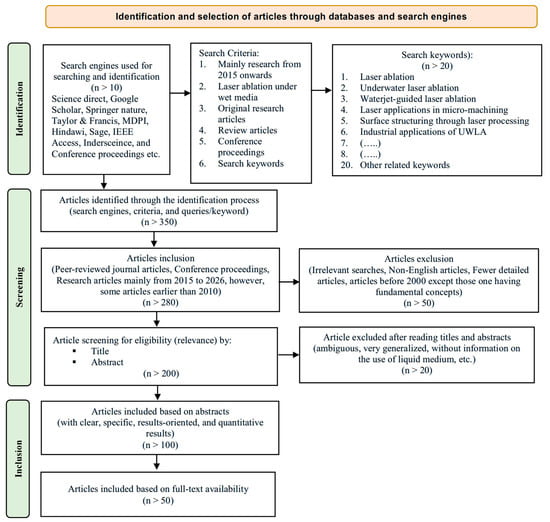
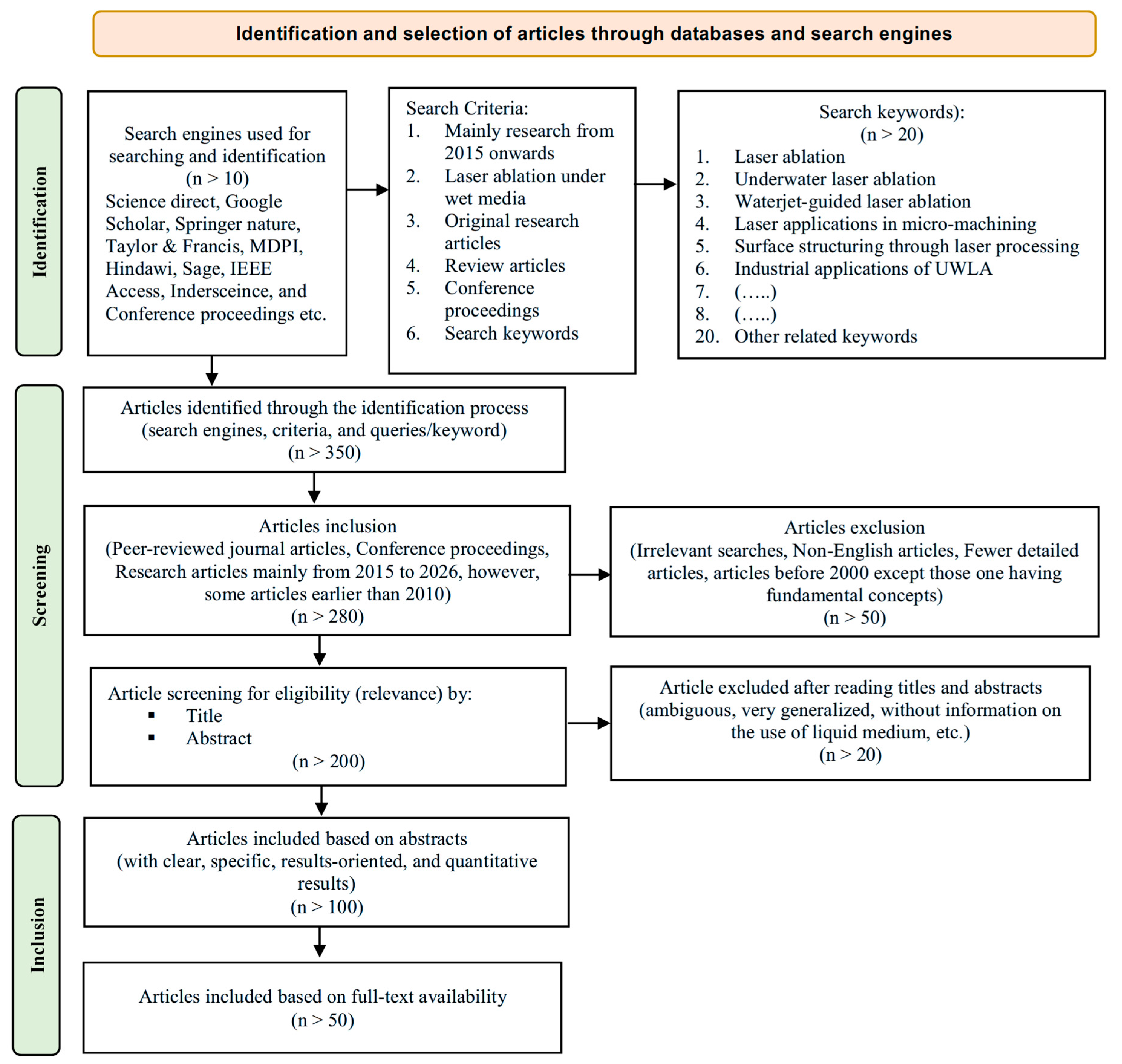
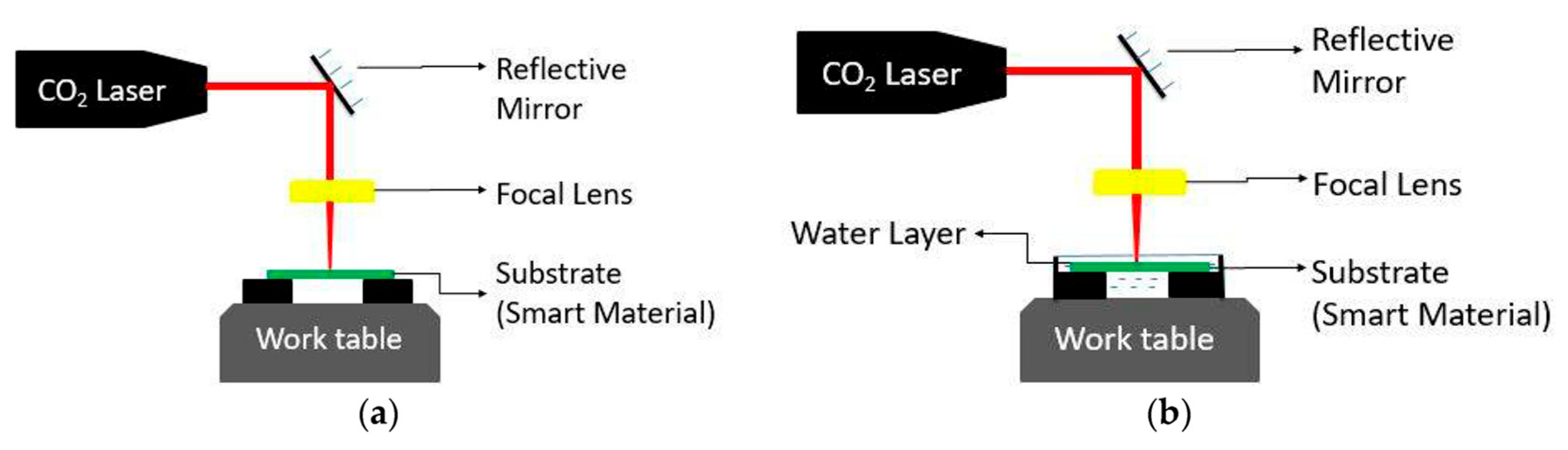
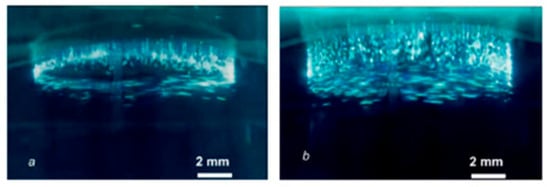
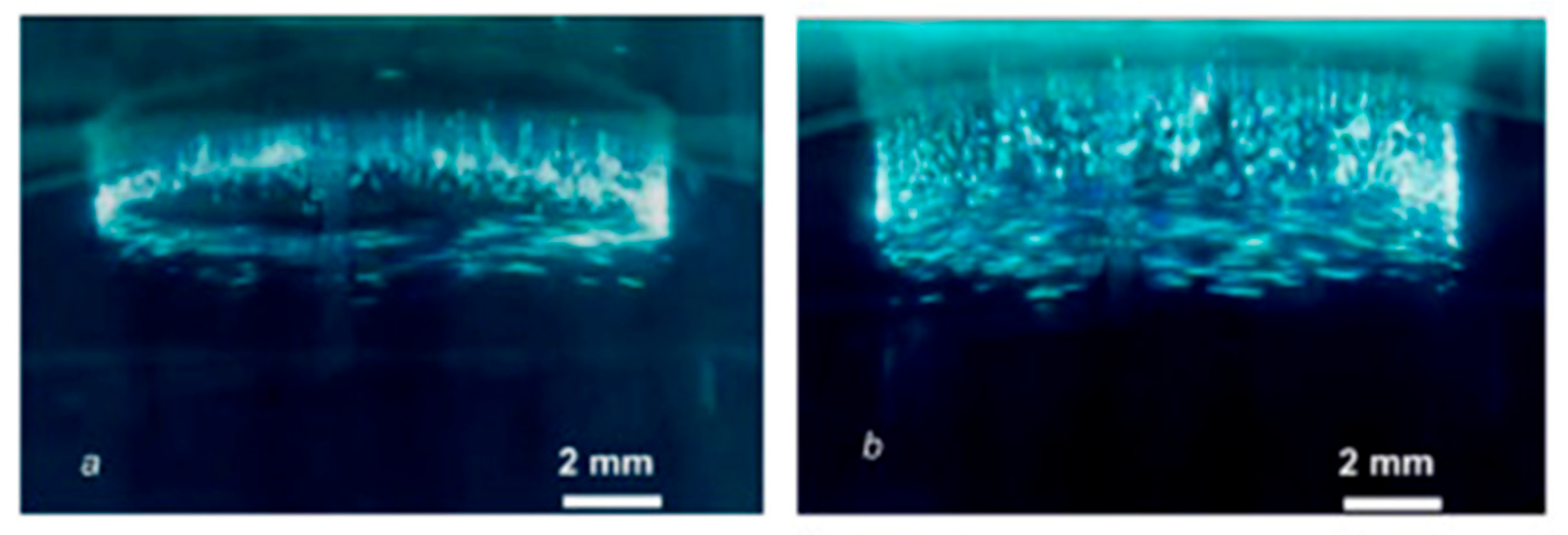
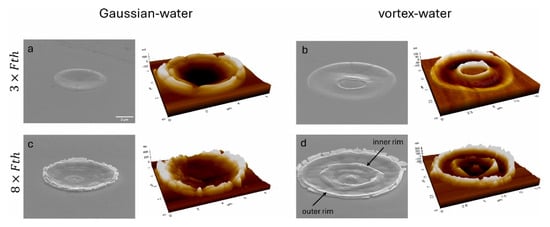
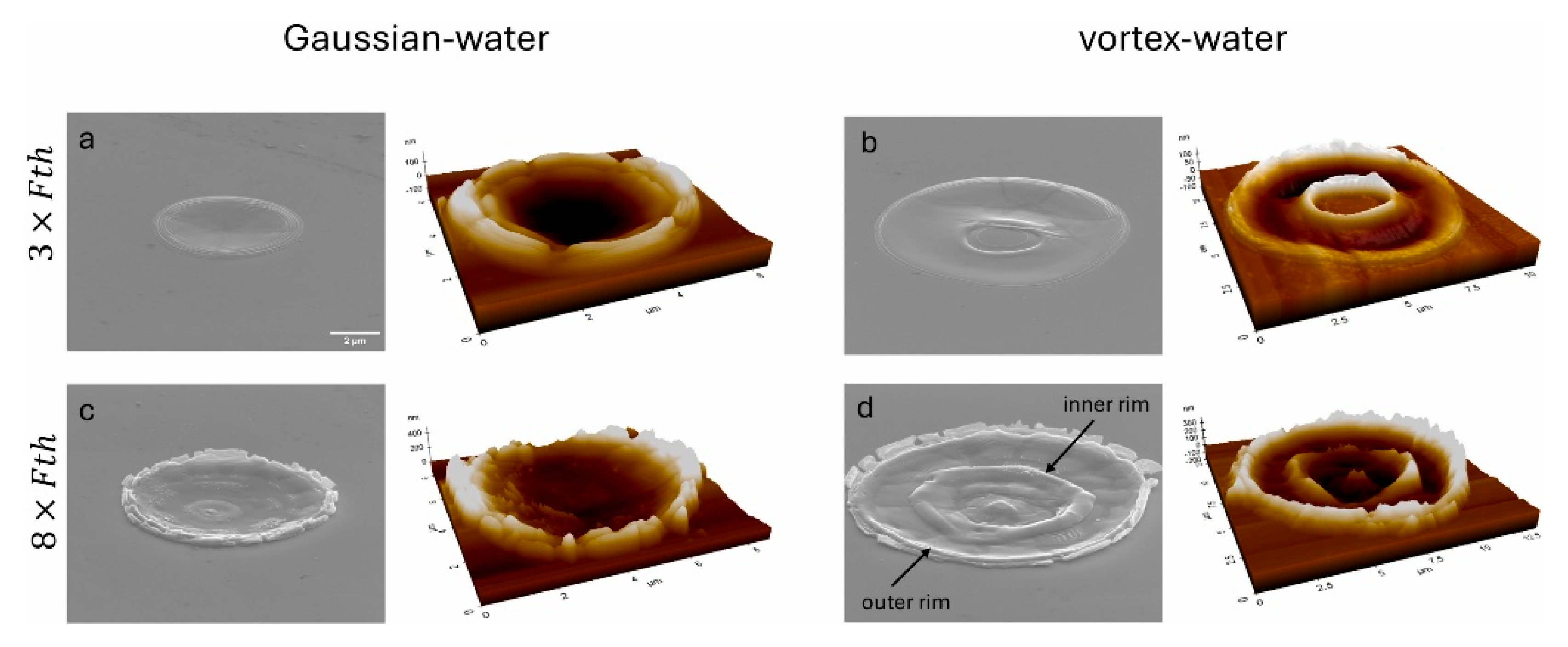
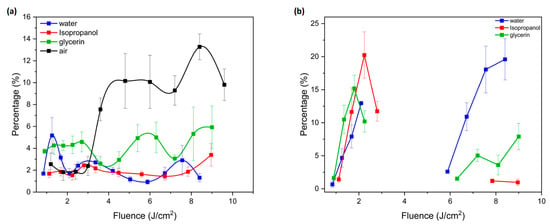
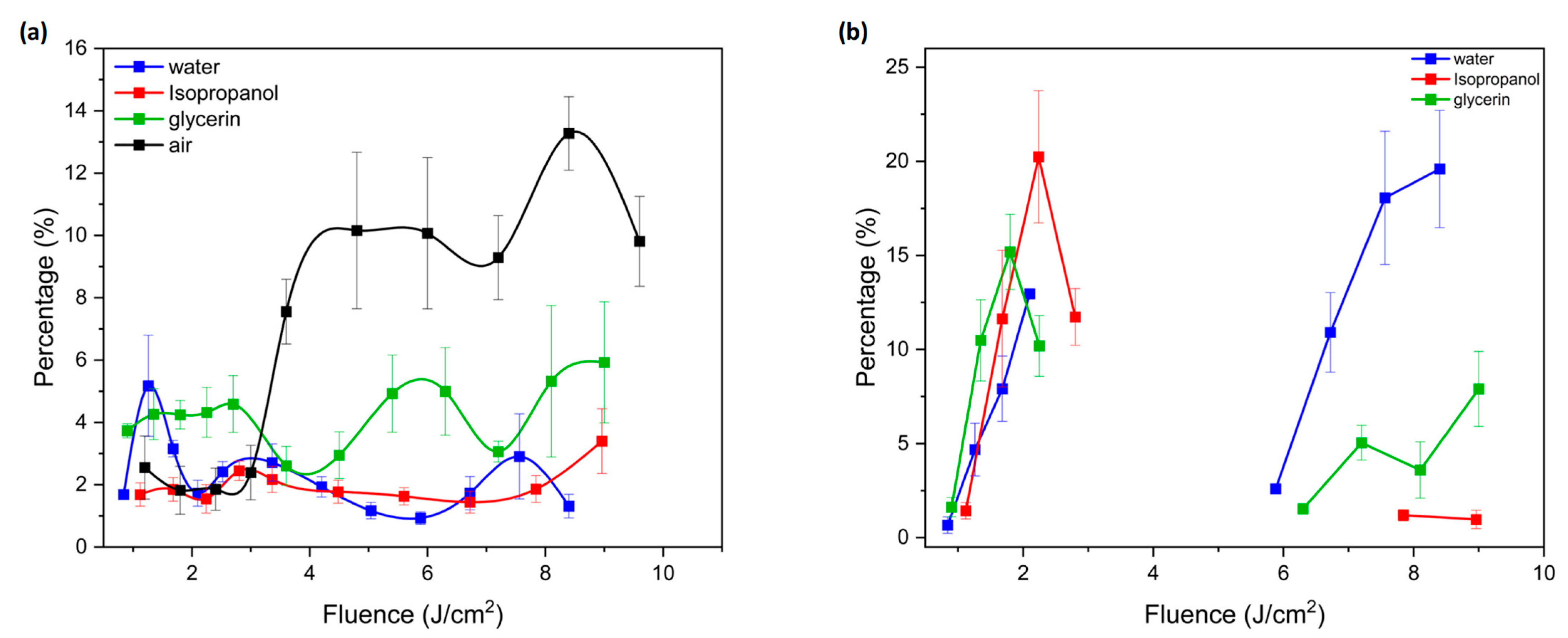
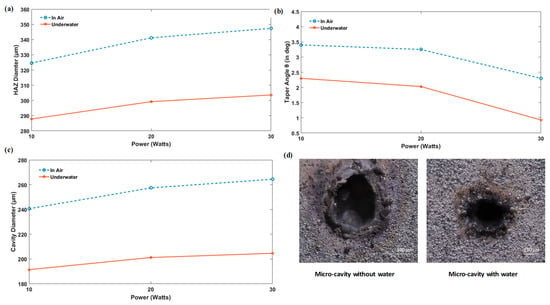
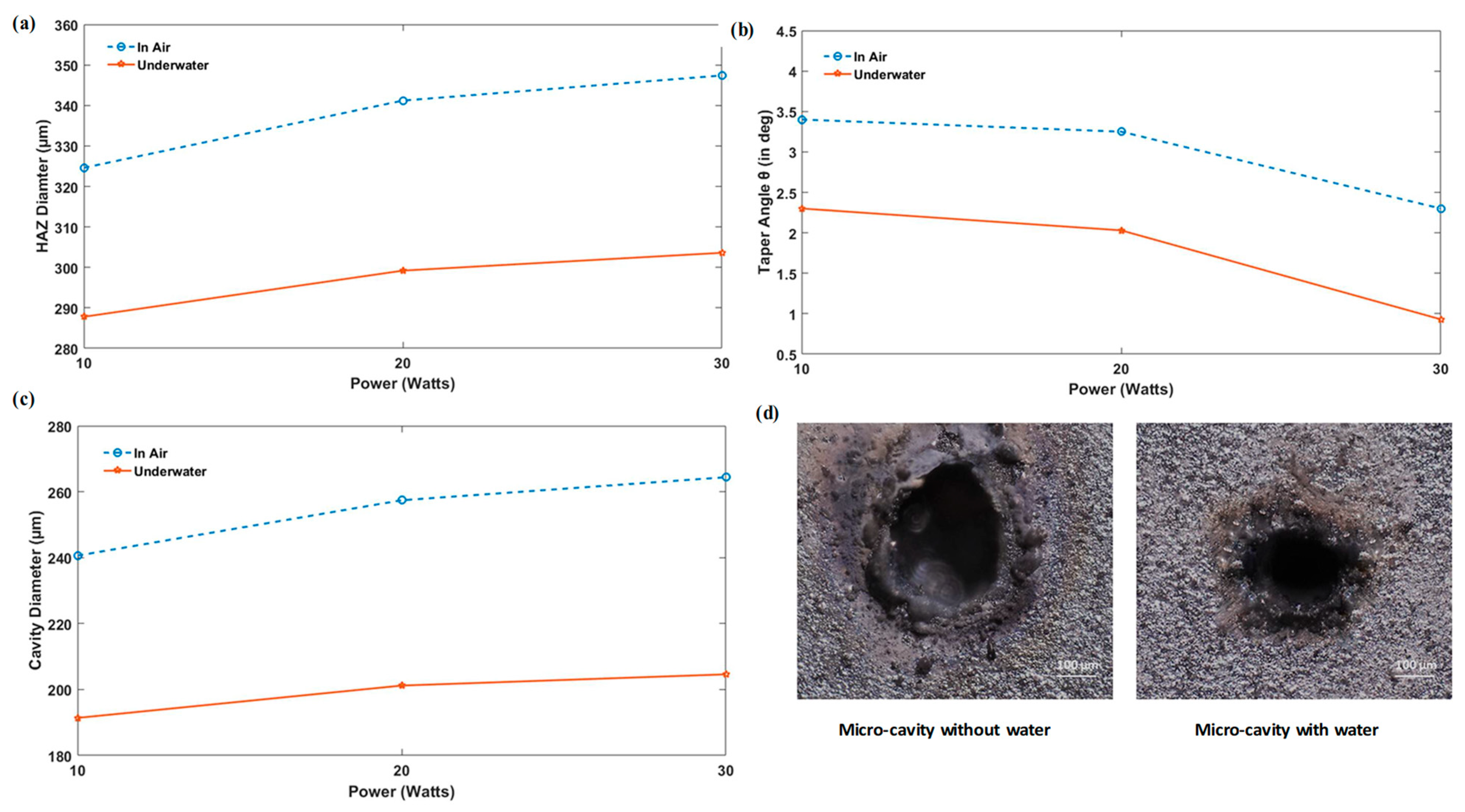
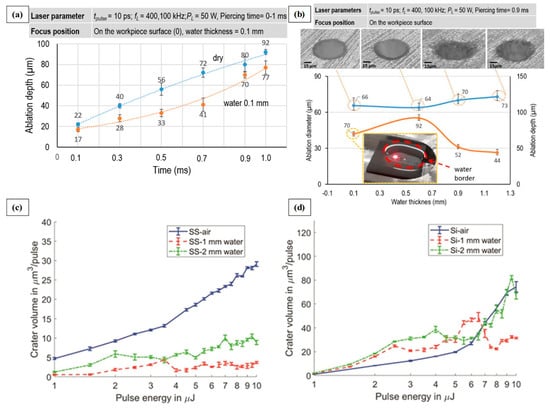
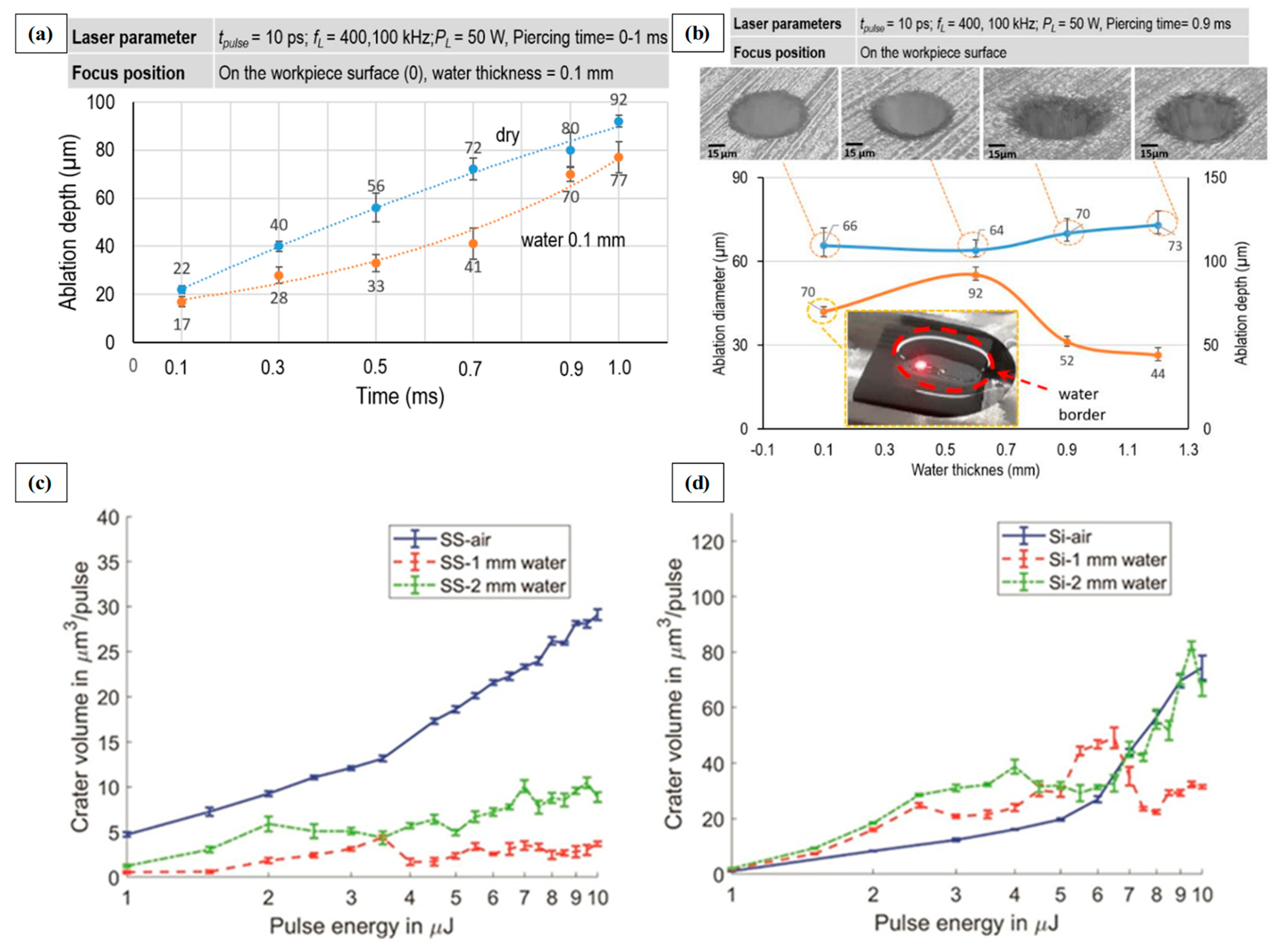
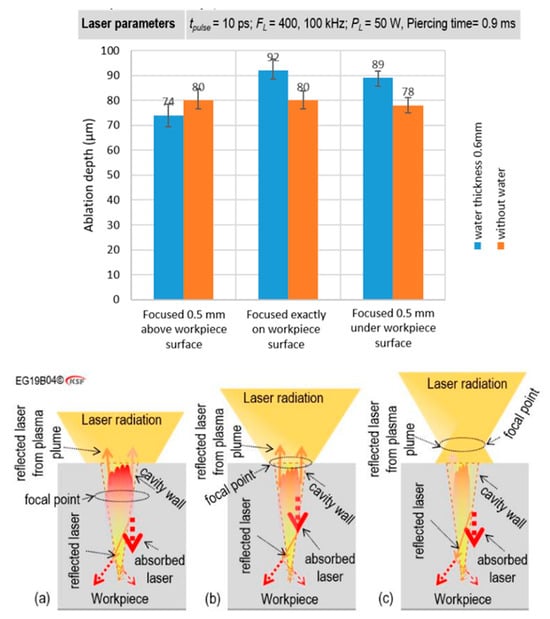
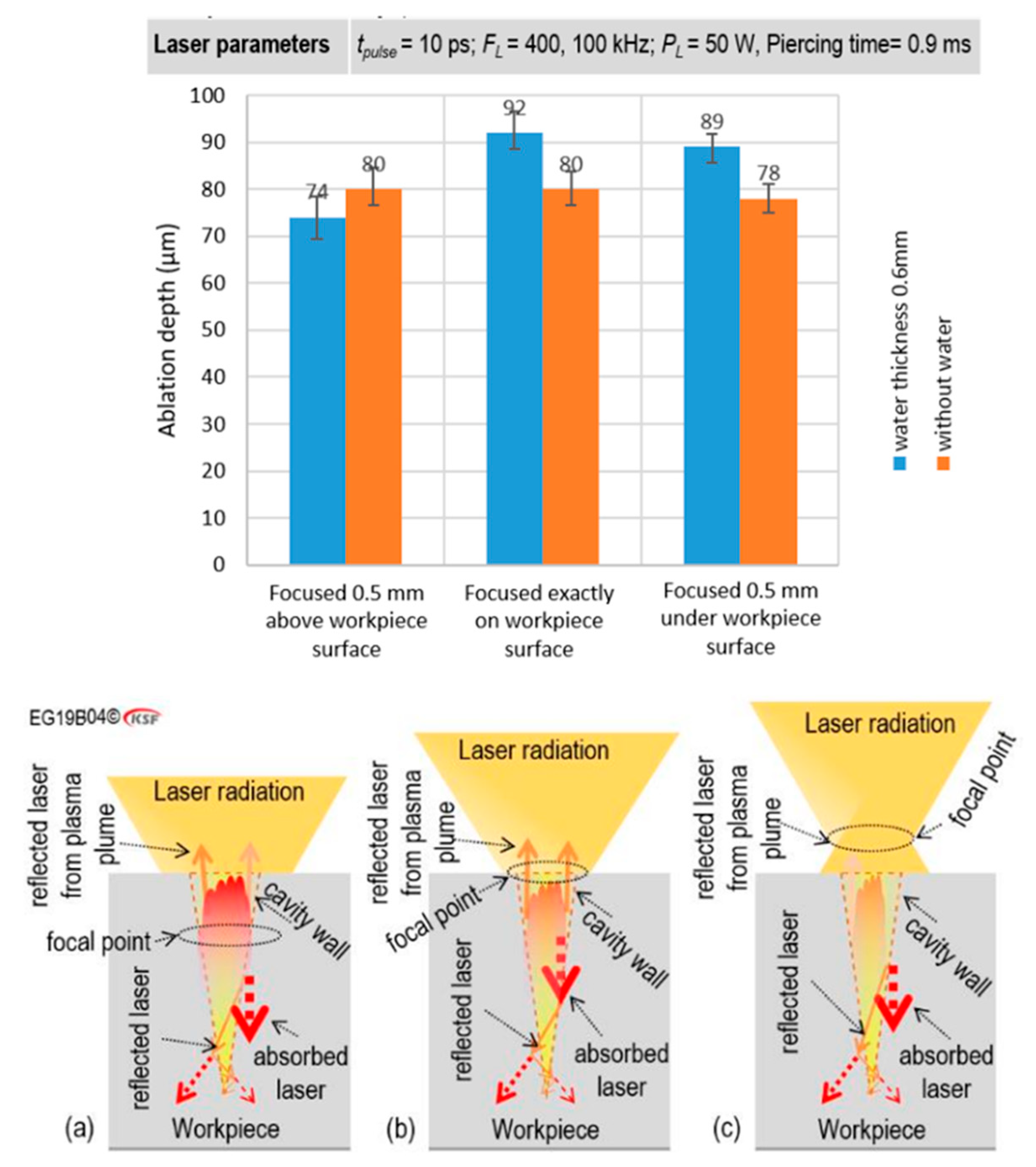
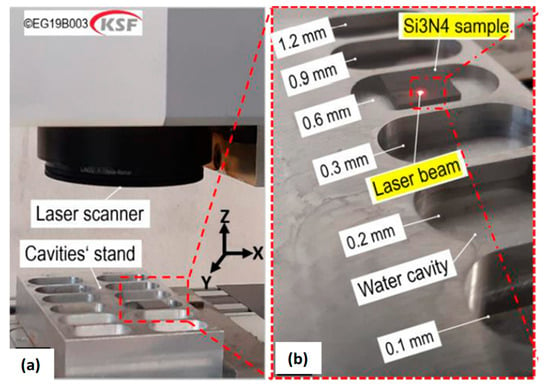
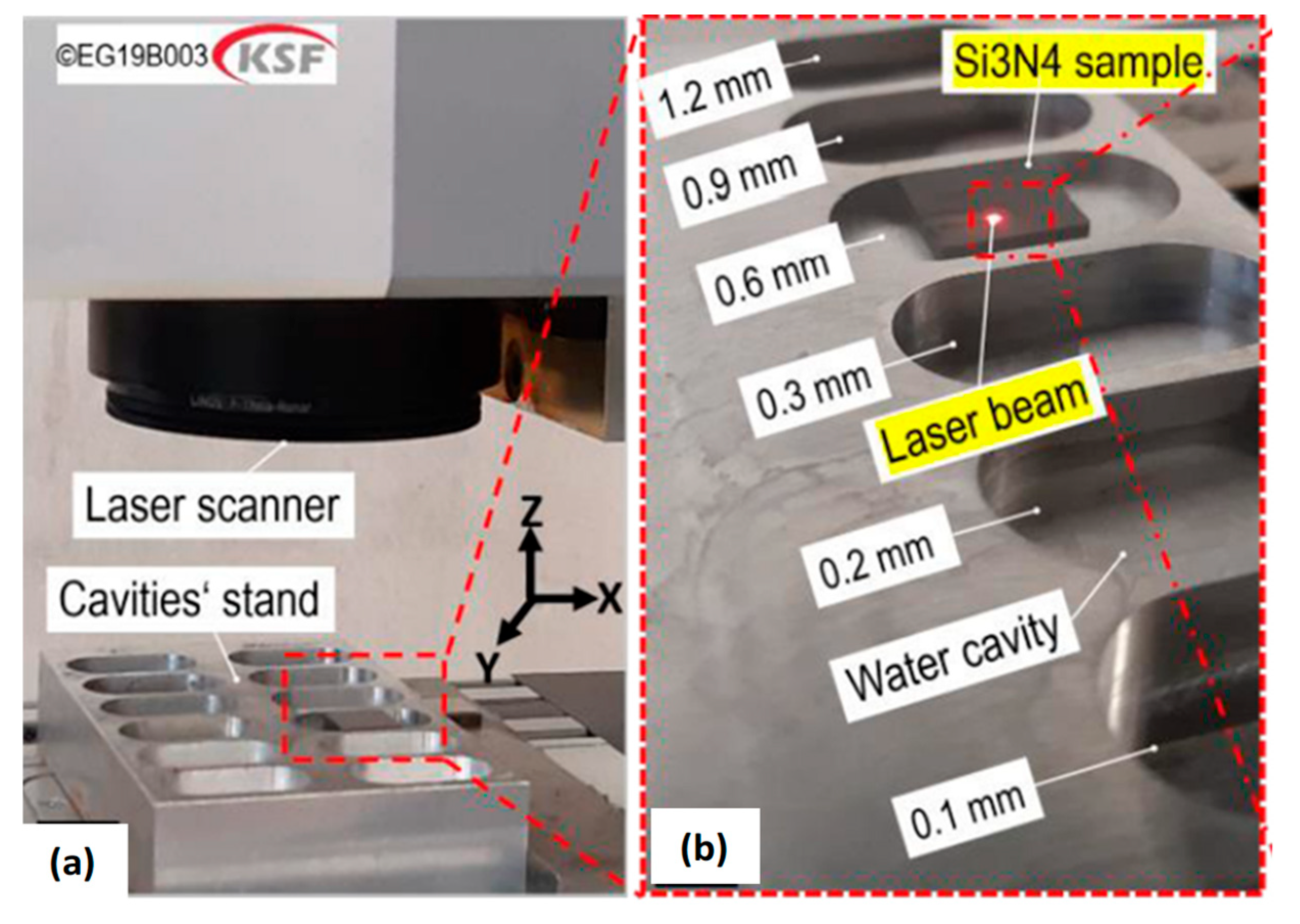
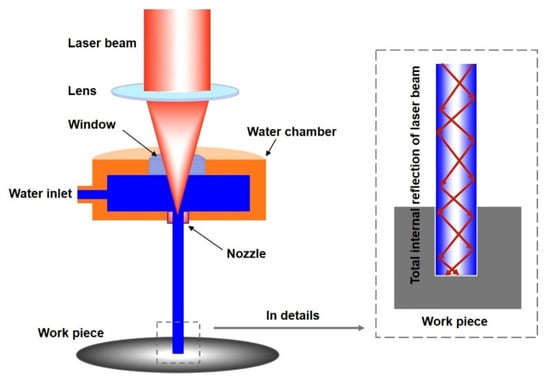
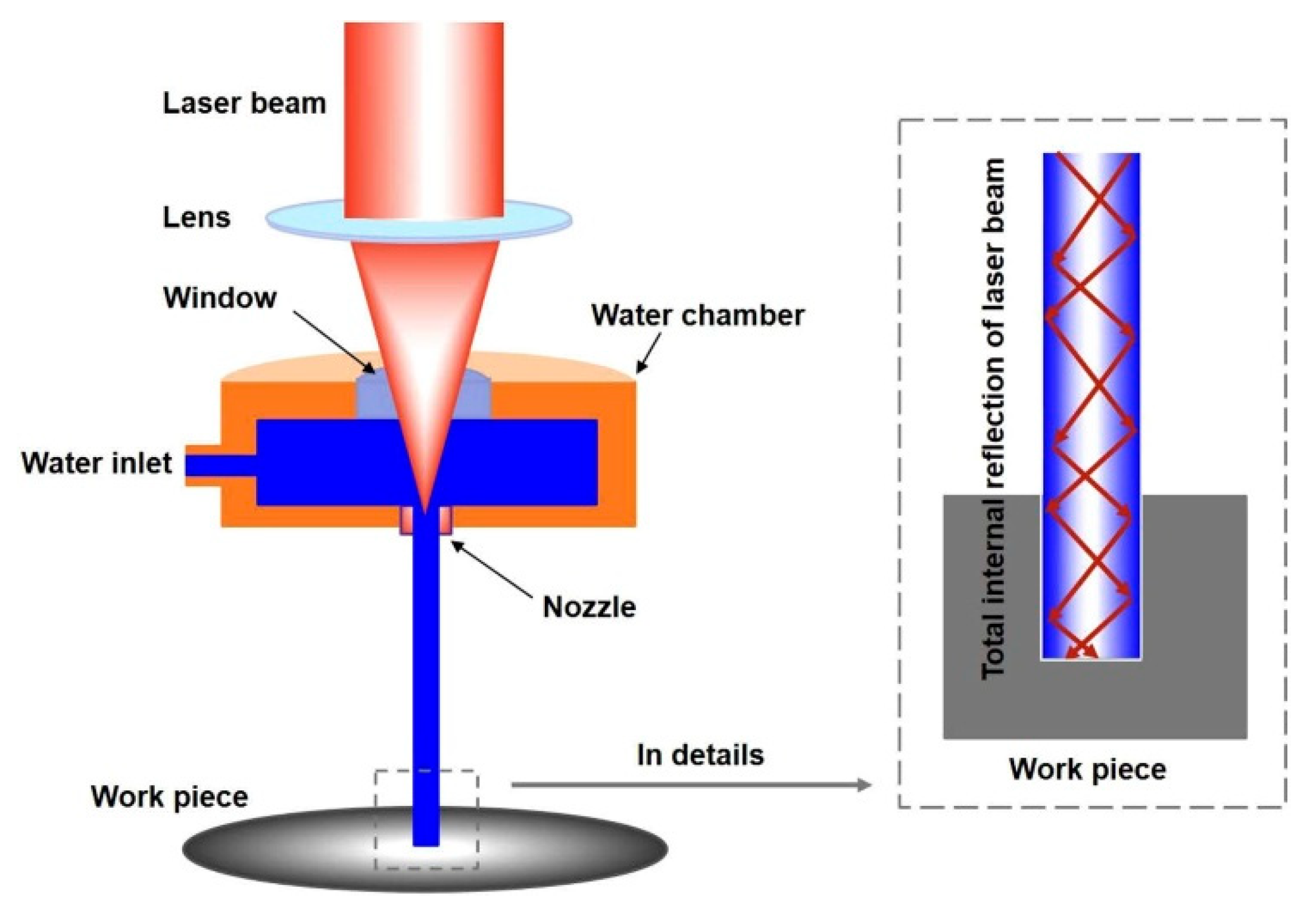
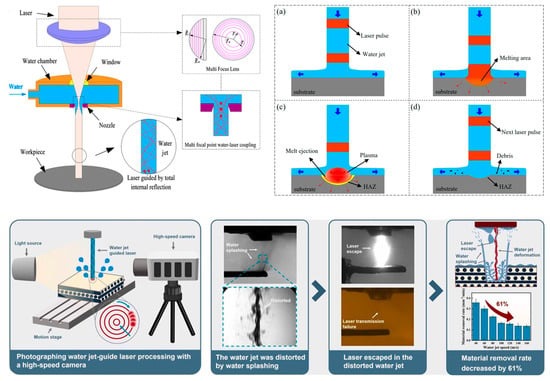
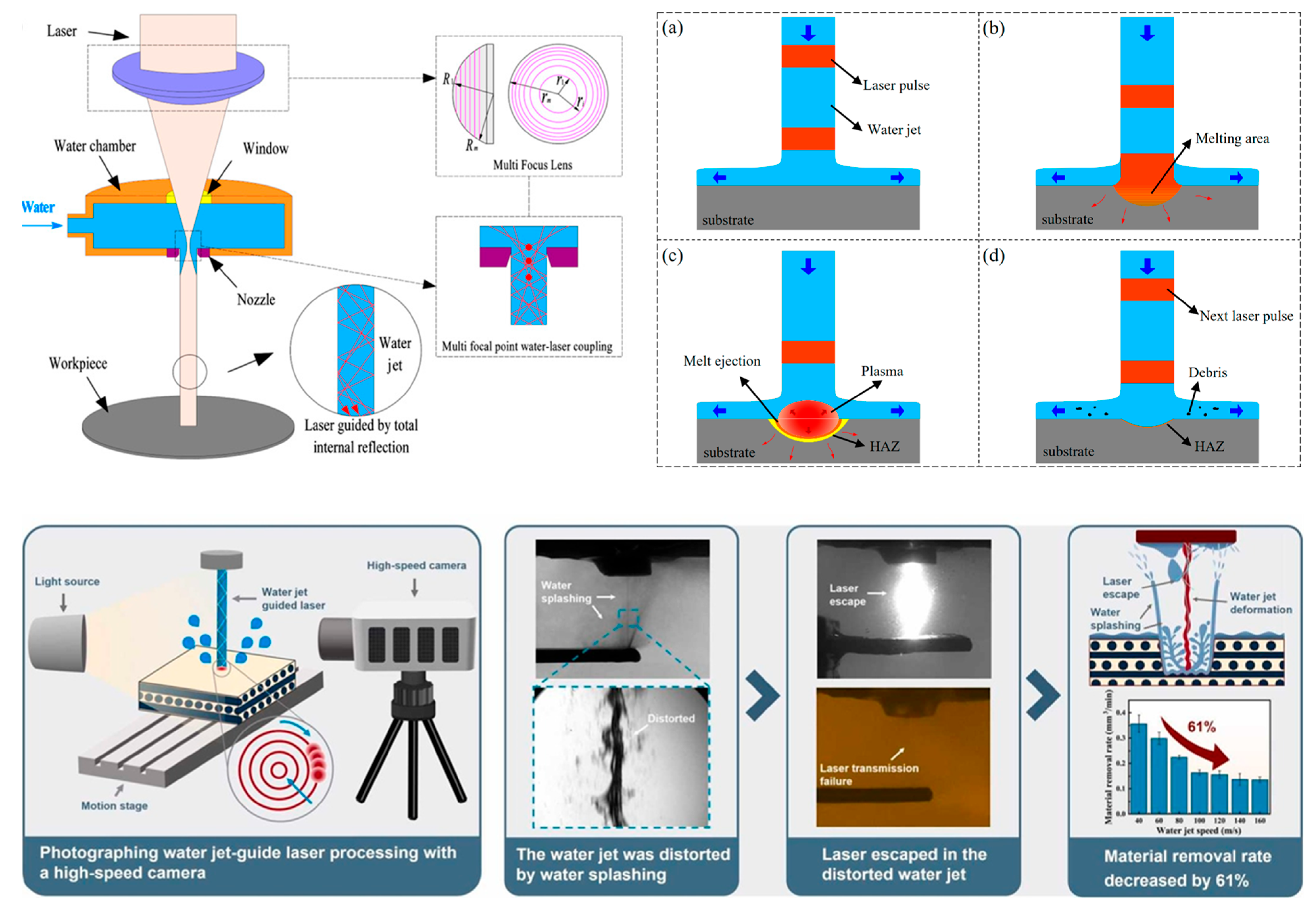
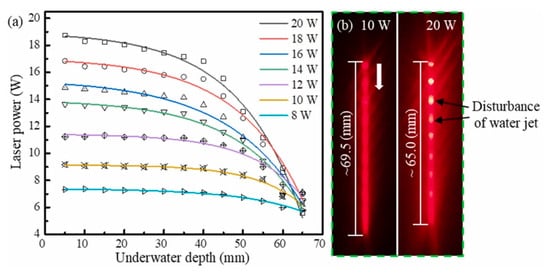
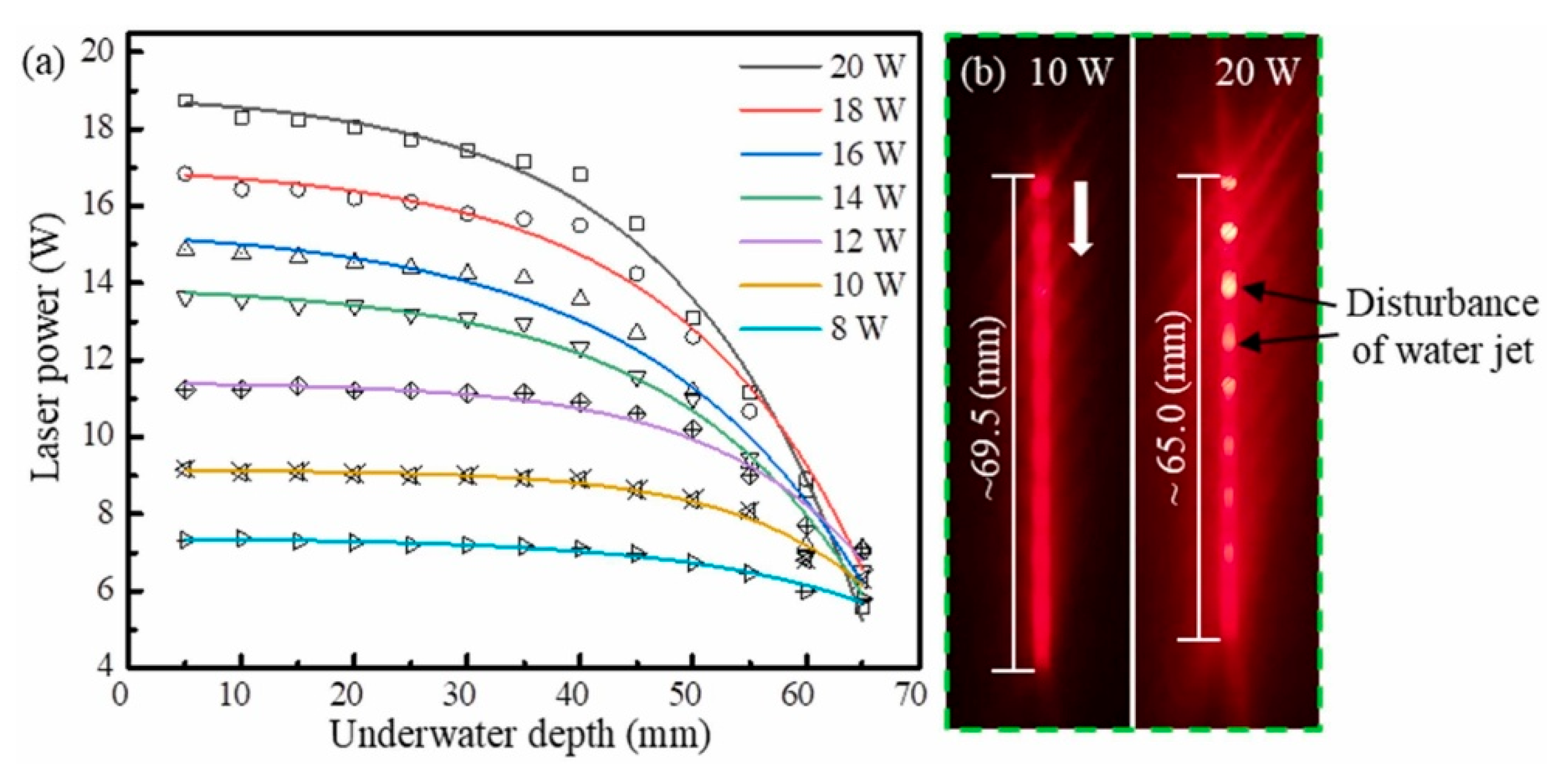
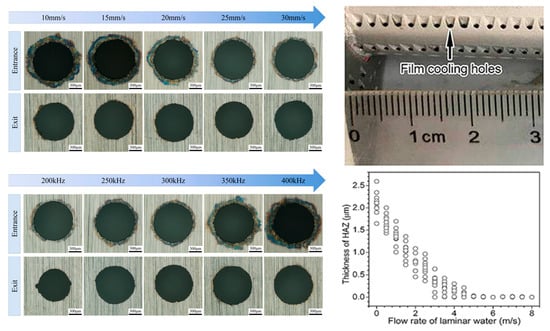
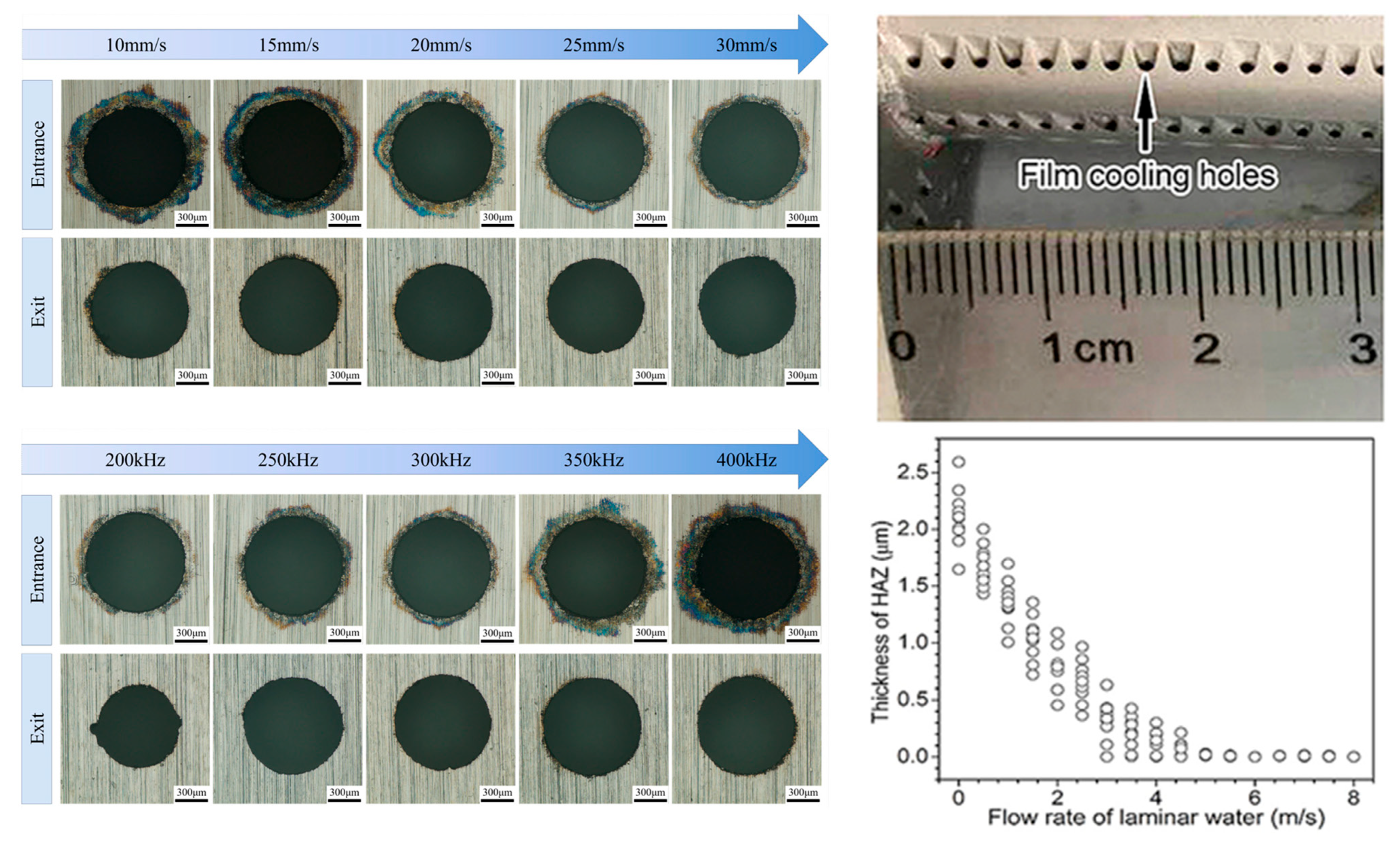
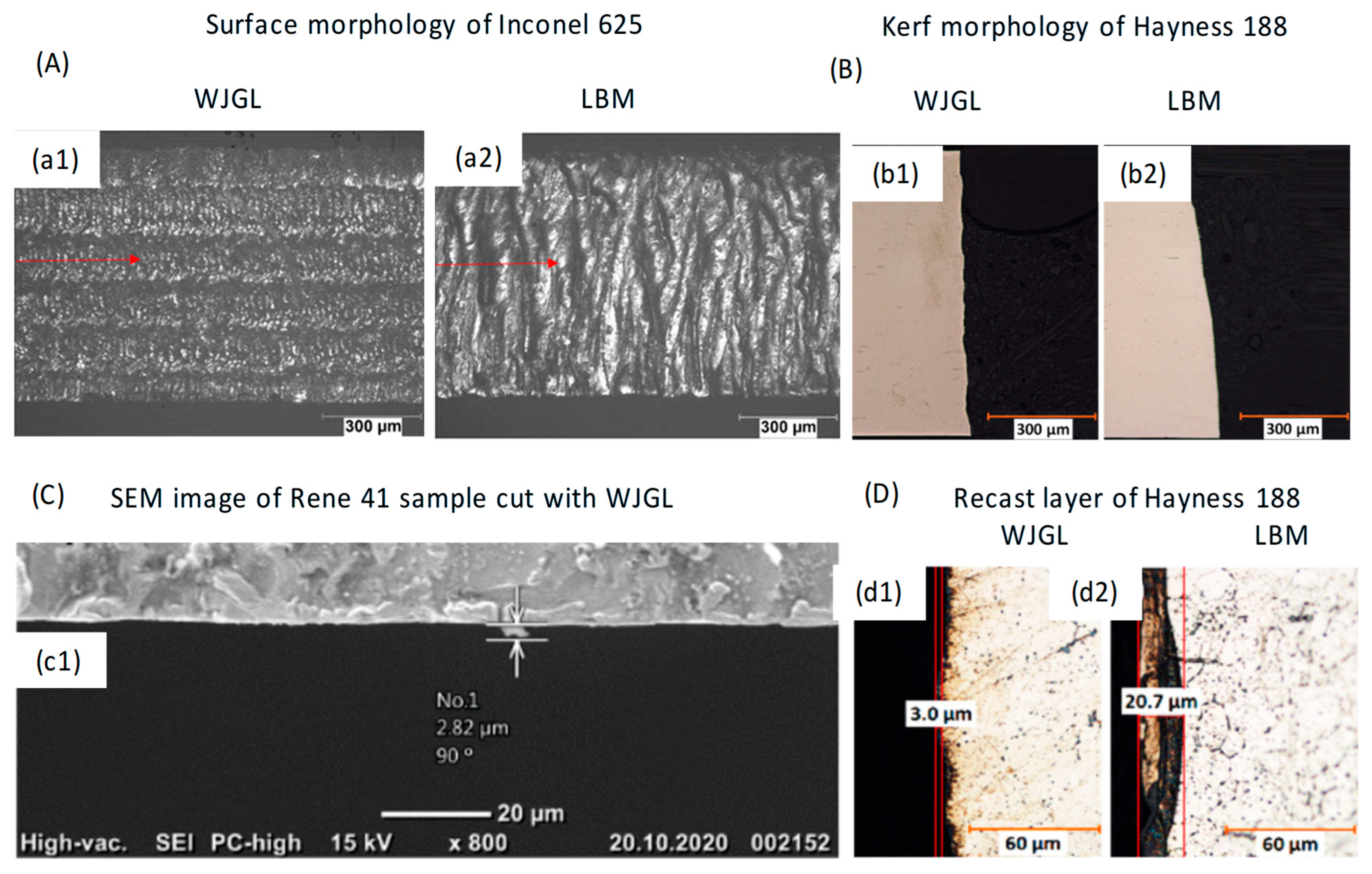
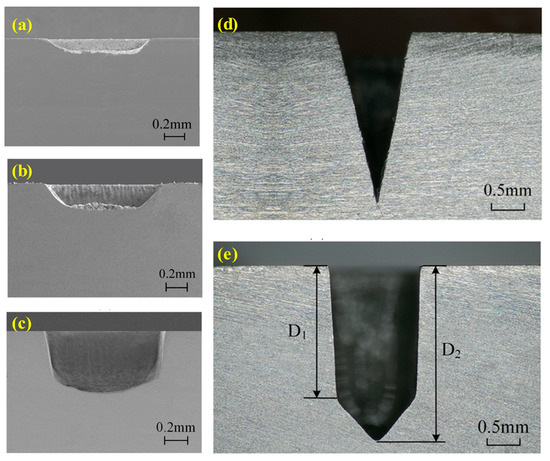
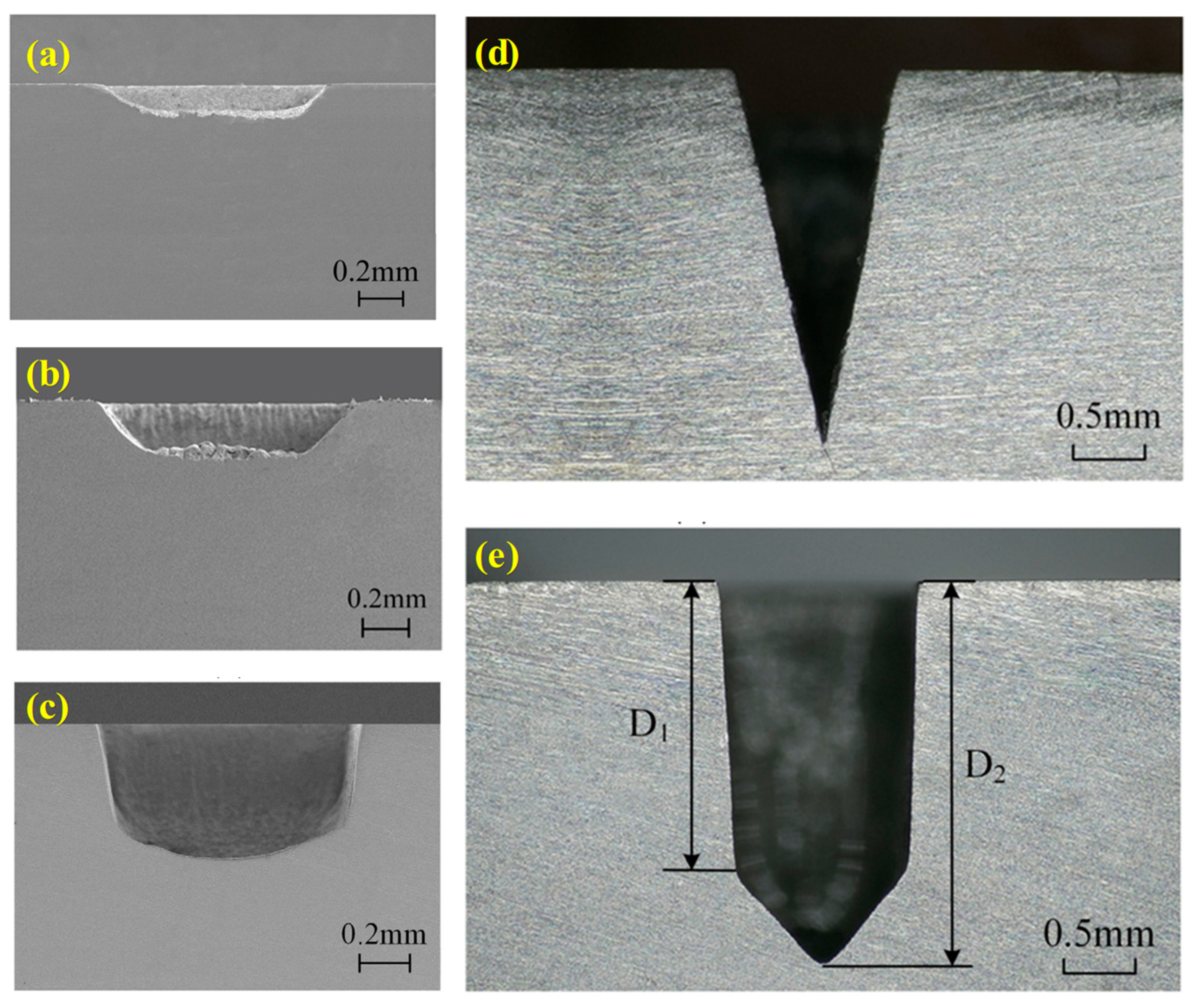
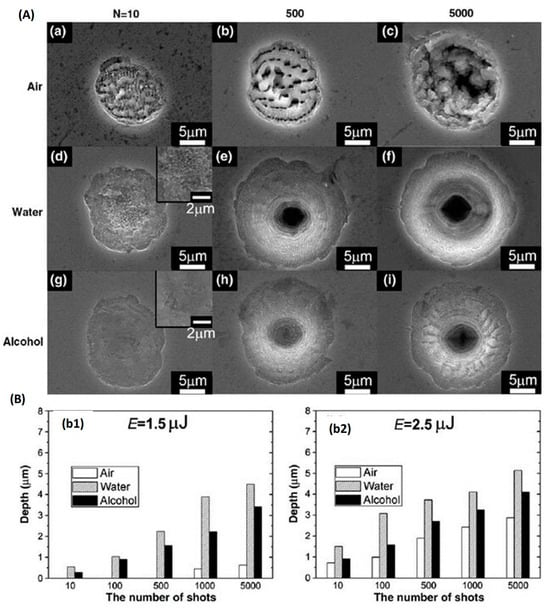
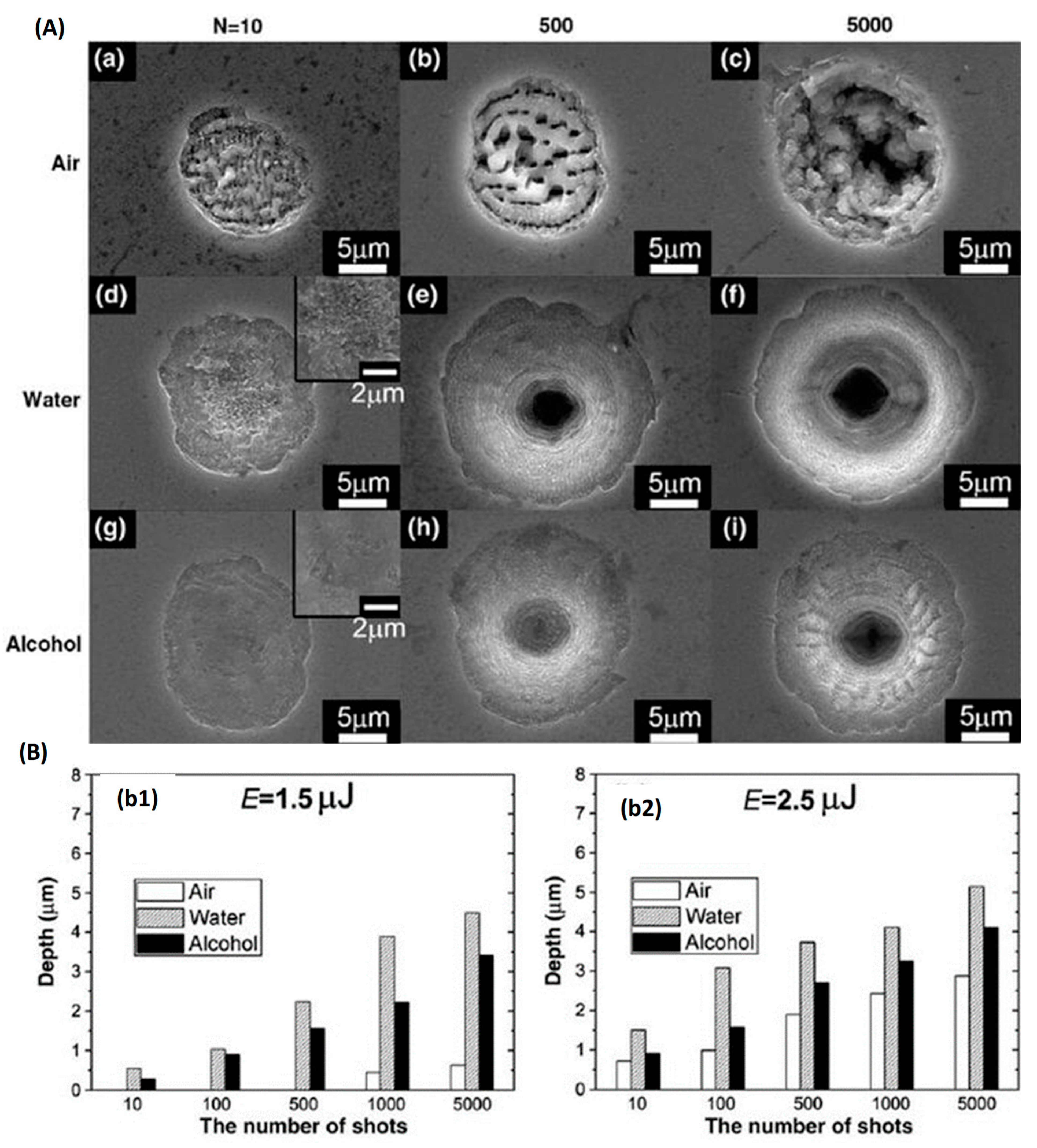
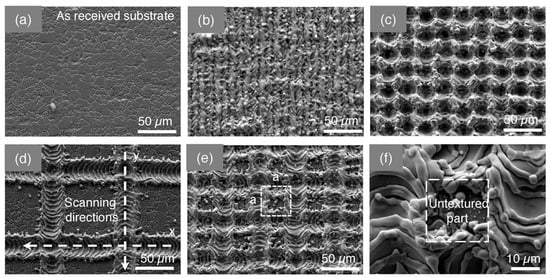
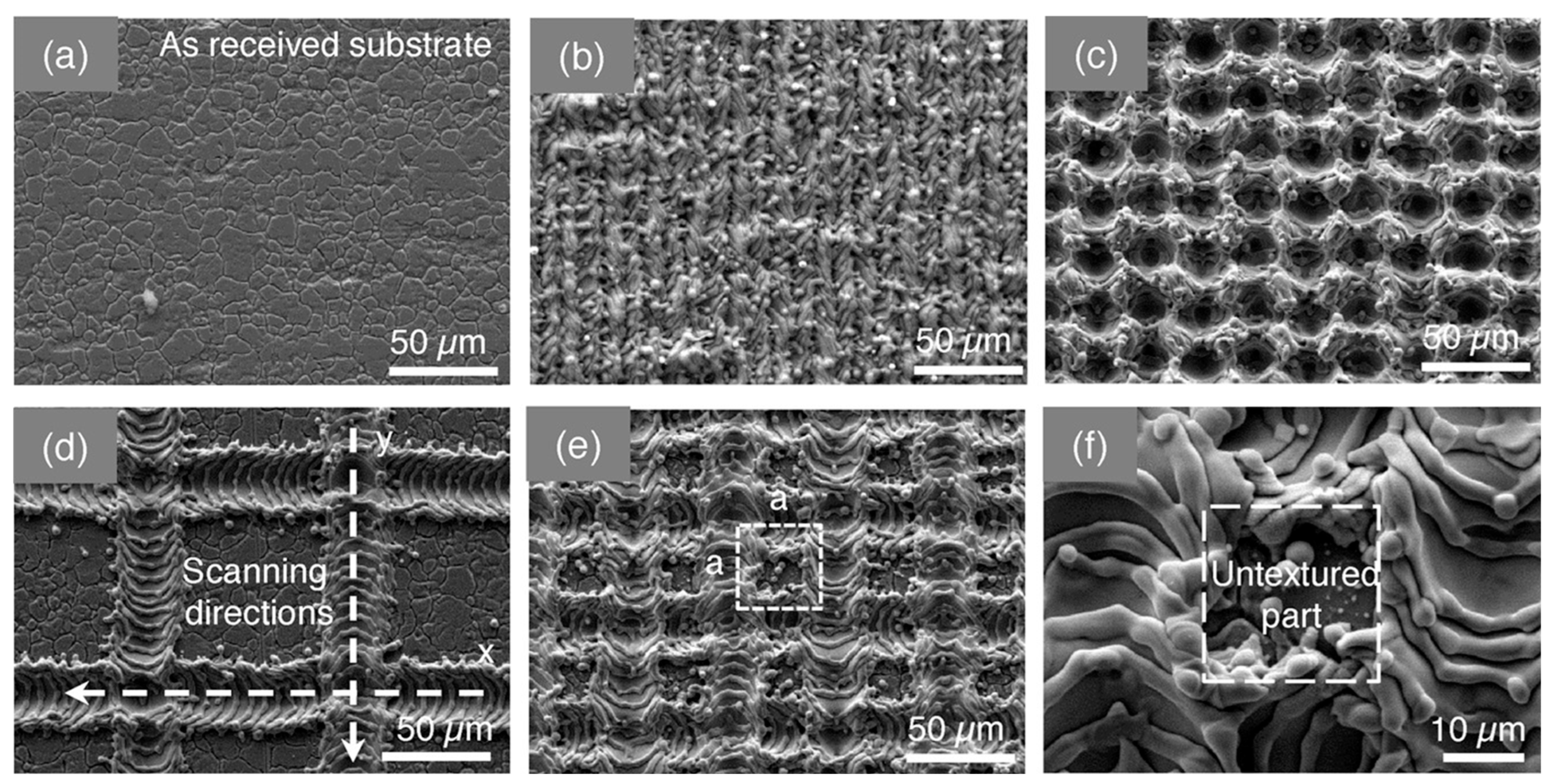
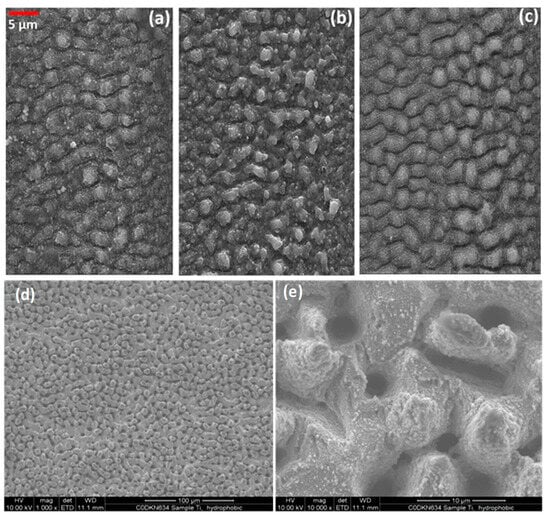
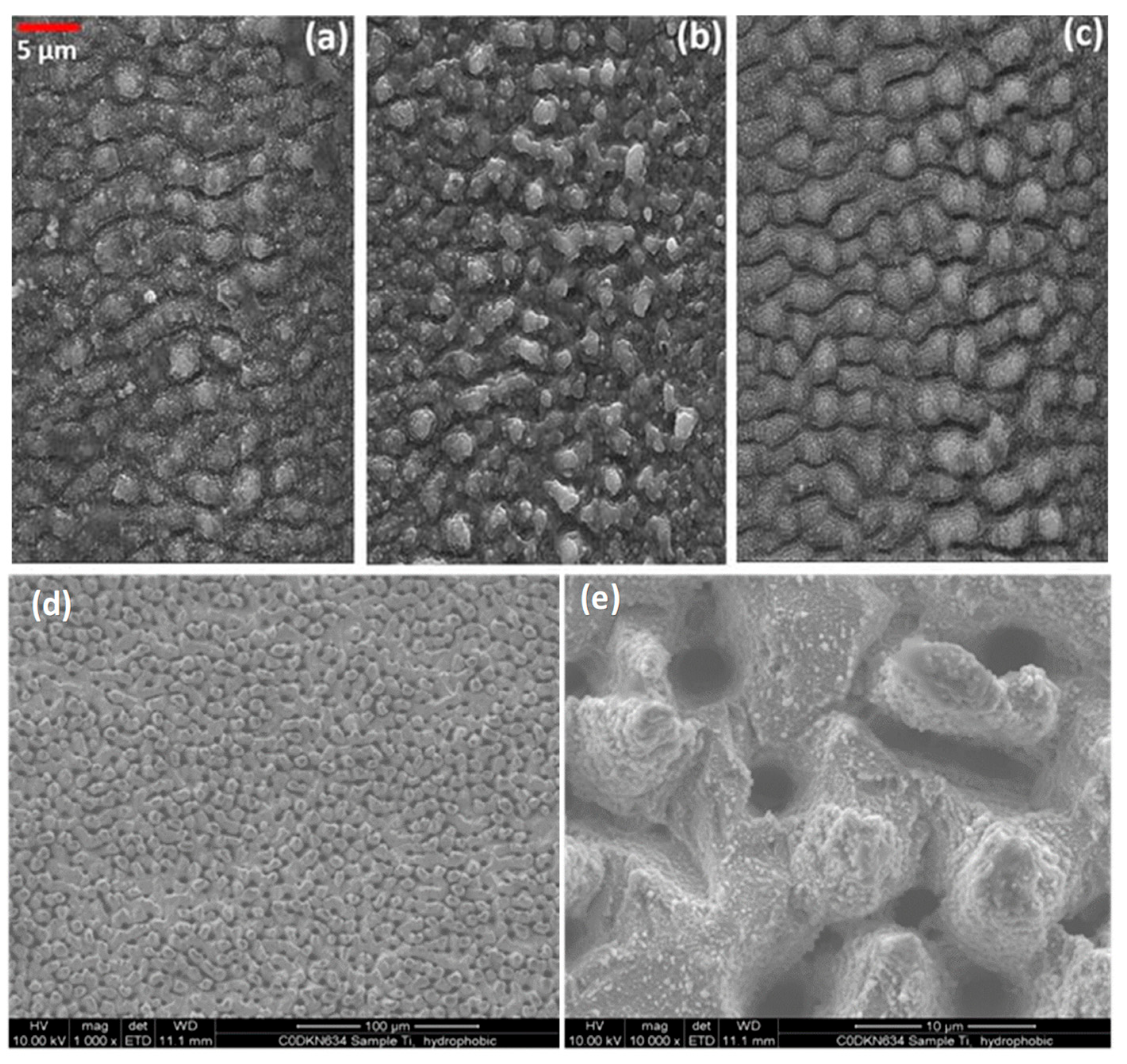
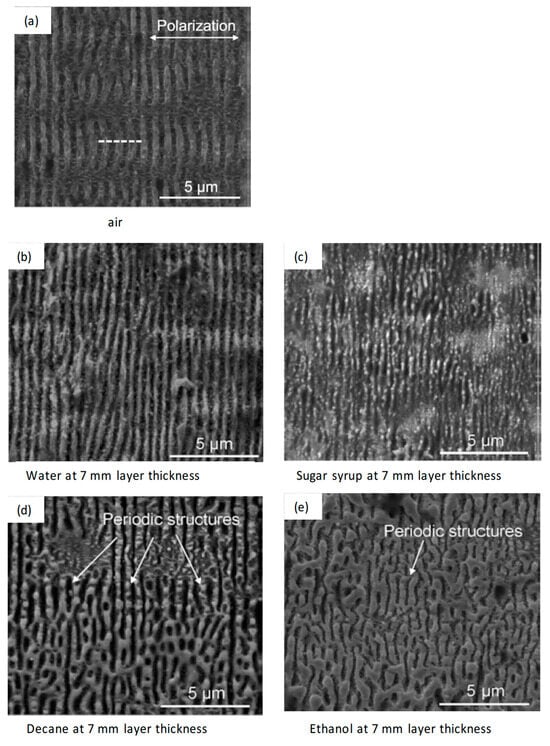
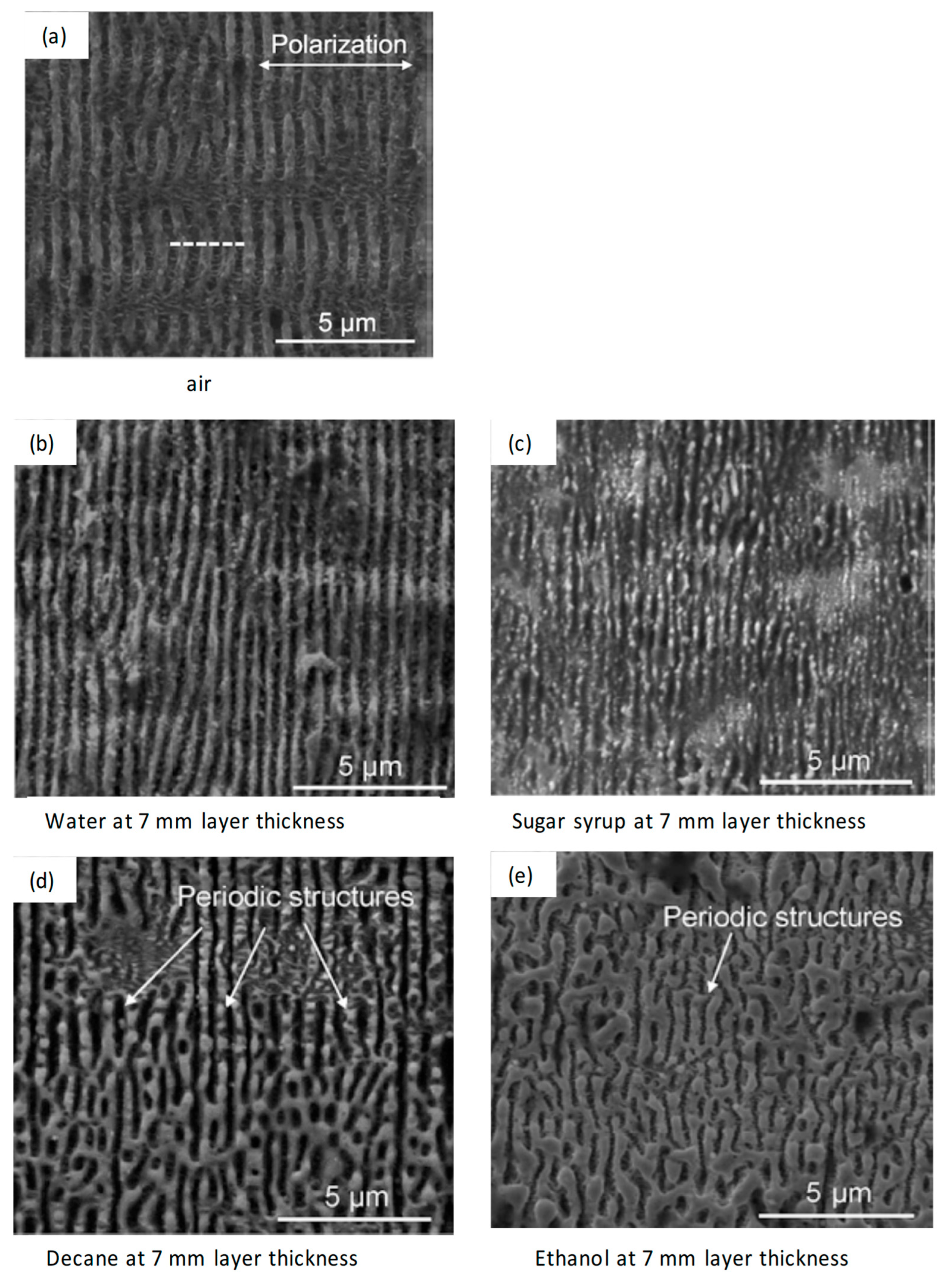
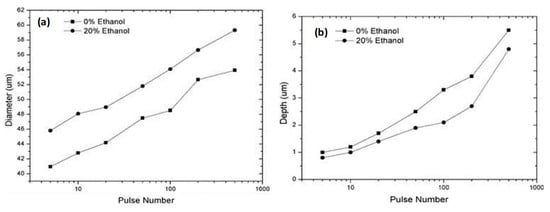
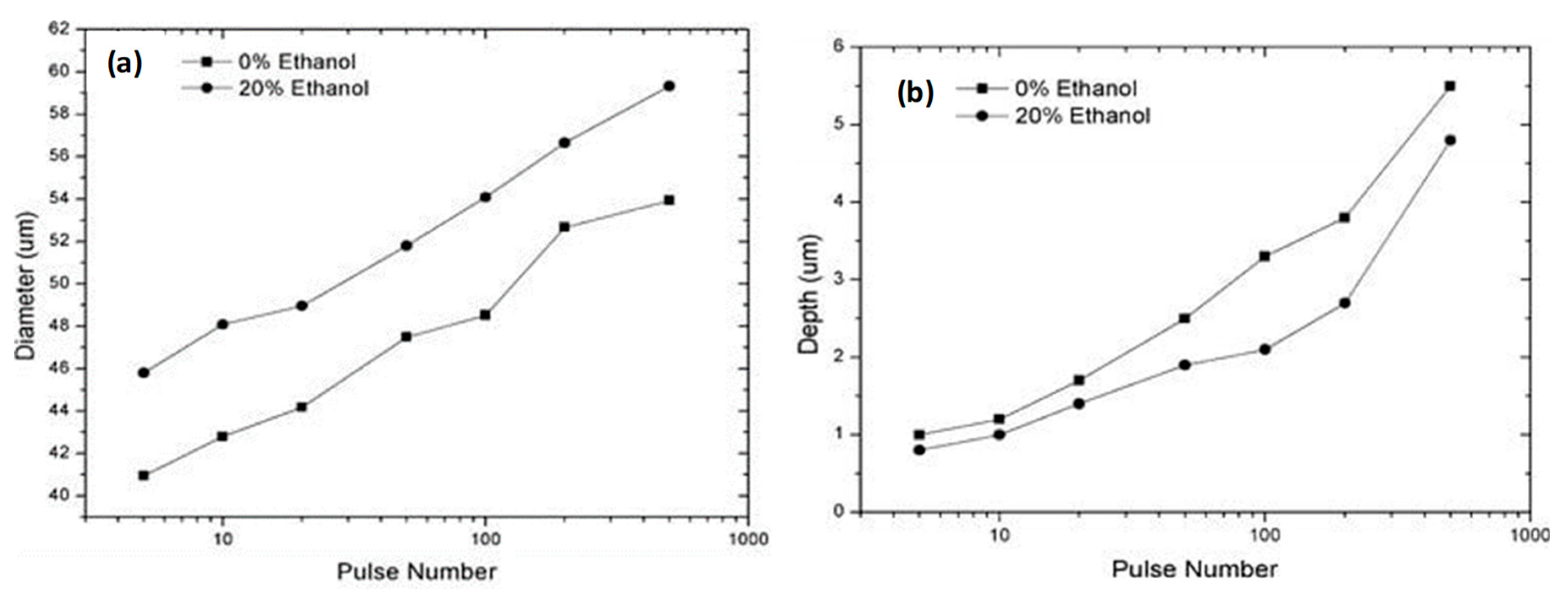
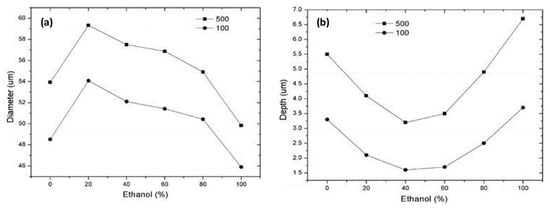
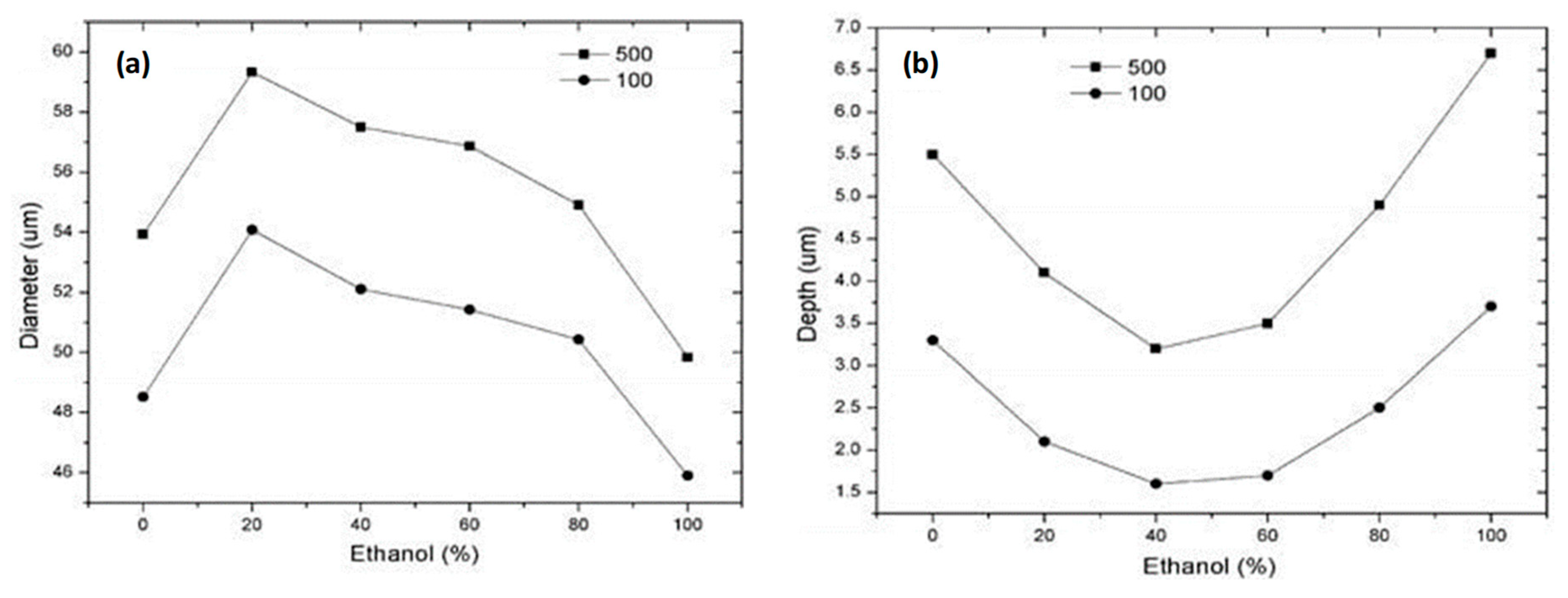

Disclaimer/Publisher’s Note: The statements, opinions and data contained in all publications are solely those of the individual author(s) and contributor(s) and not of MDPI and/or the editor(s). MDPI and/or the editor(s) disclaim responsibility for any injury to people or property resulting from any ideas, methods, instructions or products referred to in the content. |
© 2026 by the authors. Licensee MDPI, Basel, Switzerland. This article is an open access article distributed under the terms and conditions of the Creative Commons Attribution (CC BY) license.