


Abstract
Robotic wire harness assembly remains difficult to automate because the harness’s physical behavior must be reconciled with the requirements of industrial assembly across a sequence of dependent operations. This review addresses that problem by providing a unified view of the research landscape and by clarifying how existing technological developments contribute to complete wire harness automation. The contemporary analytical window covers publications from 2019 to August 2026, while earlier studies are retained selectively when they provide foundational technical context. The literature was reviewed through a structured, PRISMA-inspired evidence-mapping workflow and organized through six interconnected research domains. A transversal classification was combined with frequency analysis and binary association mapping to examine the distribution of research effort and patterns of cross-domain co-representation. The results reveal broad technical development throughout the proposed taxonomy. Higher associations are concentrated within a technical core linking robotic tasks, DLO manipulation, perception, and control, whereas manufacturing requirements are less frequently co-represented and reusable research infrastructure remains limited. These findings indicate that the current frontier of robotic wire harness assembly lies in the integration of existing capabilities. The resulting framework provides a structured foundation for navigating the field and directing future research toward cumulative and industrially relevant systems.
1. Introduction
Wire harnesses have evolved from auxiliary electrical components into distributed infrastructures that connect power, communication, sensing, and control functions across increasingly complex products. This evolution is particularly visible in the automotive sector, where electrical systems extend throughout the complete vehicle and combine multiple cable branches, connectors, terminals, protective elements, and attachment points. However, the physical production of these systems still relies strongly on human manipulation. As illustrated in Figure 1, the problem is not limited to producing individual wires, but to reliably transforming numerous flexible components into a structured and functional harness.
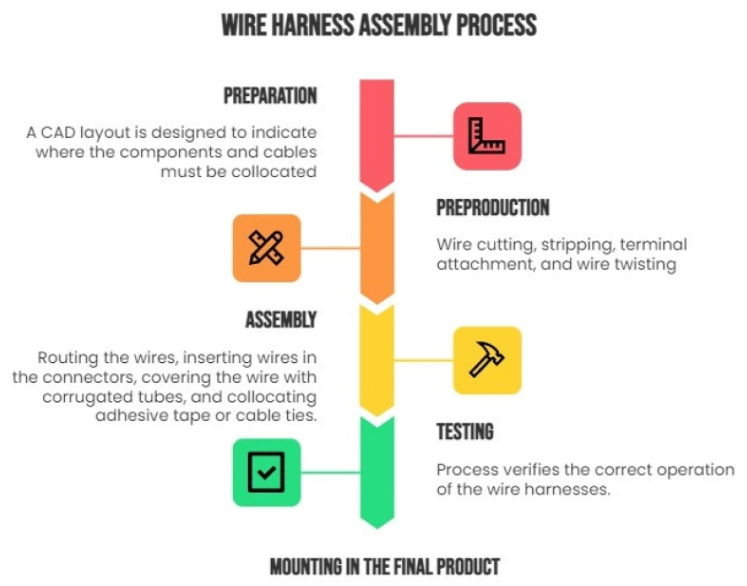
This contrast becomes clearer when the complete manufacturing sequence is considered. Wire harness production is not a single manipulation task, but a chain that moves from product preparation and wire pre-production to physical assembly, testing, and final installation. Cutting, stripping, terminal attachment, and other repetitive operations can be supported by dedicated equipment. In contrast, the assembly stage introduces stronger dependence on the physical configuration of the wires, the location of components, and the progressive construction of the harness [1,2]. Figure 2 provides a compact representation of this process.
Figure 1.
Current industrial context of automotive wire harnesses. (A) Representative distribution of the electrical and wiring infrastructure throughout a modern vehicle, illustrating the spatial extension, branching, and integration of harness systems across different vehicle regions [3]. (B) Manual wire harness assembly on a formboard, where operators route, position, and organize individual wires and harness components. The image illustrates the continued dependence on human dexterity and manual handling during harness manufacturing [4].
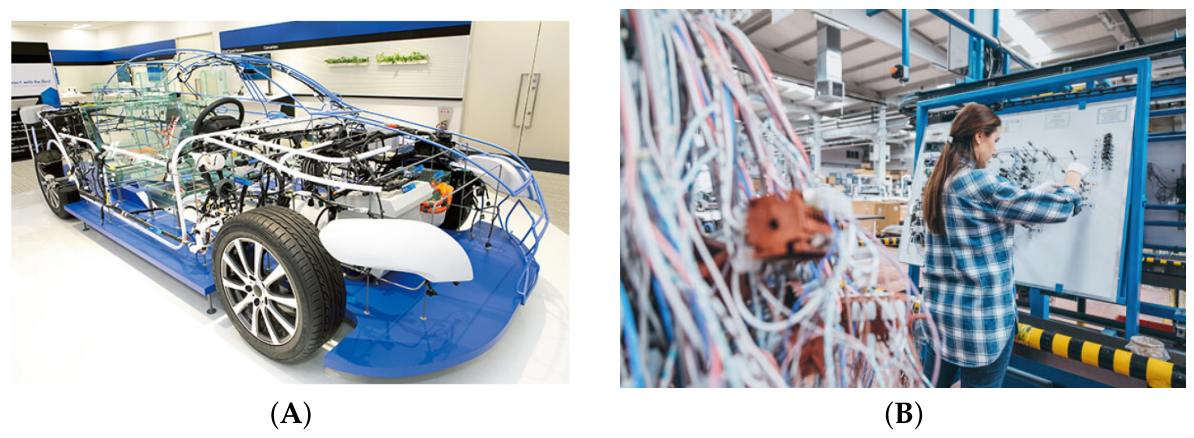
Figure 2.
Main stages of a generic wire harness manufacturing and assembly process, including preparation, preproduction, assembly, testing, and final product integration. Adapted from [2].
Research has addressed many parts of this problem over the last few years. Wire and harness modeling, robotic manipulation, grasping, perception, state estimation, motion planning, control, learning, and collaborative assembly have all developed into identifiable research directions. Several of these areas are also supported by specialized reviews. Consequently, robotic Wire Harness Assembly (WHA) can no longer be considered a field in which the primary difficulty is the absence of individual technological solutions. The literature already contains substantial knowledge at the level of specific tasks and methods. The more persistent difficulty is how these developments should be selected, transferred, and combined when the objective moves from an isolated experiment toward a complete assembly process. Previous analyzes have similarly identified a persistent separation between advances in modeling and robotic methods and their integration into practical manufacturing systems [1].
This distinction is relevant because success at the level of one capability does not necessarily imply success at the system level. Perception determines which information about the harness is available. The selected state representation determines which deformation or geometric conditions can be considered. The gripper limits the contacts, forces, and local motions that can physically be produced. Planning and control depend on these previous layers to determine and execute feasible actions. At the same time, every routing, grasping, fixing, or insertion operation changes the state of the harness and modifies the conditions of the next operation. Robotic WHA must consequently be understood as a sequence of coupled physical and computational decisions in which individual robotic skills remain mutually dependent.
To organize this relationship, the present review considers robotic WHA through six interconnected research domains, illustrated conceptually in Figure 3.
Figure 3.
Cross-domain structure adopted in this review for robotic wire harness assembly. The six blocks represent industrial manufacturing and assembly requirements (C1), robotic WHA tasks (C2), DLO manipulation (C3), grippers and contact interaction (C4), perception and state estimation (C5), and planning, control, and learning methods (C6). The structure emphasizes their role as interacting technological layers rather than independent research topics.
Progress in robotic WHA increasingly depends on how mature domain-specific methods are connected within a common assembly process. Specialized reviews provide valuable depth on manufacturing automation, collaborative assembly, DLO manipulation, robotic vision, grasping, and learning-based methods [1,2,5,6]. Despite this, these perspectives do not necessarily indicate how their results should be connected for a particular WHA problem. A researcher may find an appropriate perception method, manipulation strategy, gripper, or controller while still lacking a clear view of the dependencies required to integrate them. The same fragmentation affects validation. The review literature itself reflects this specialization: strong coverage exists within individual domains, while their joint treatment with reusable resources, failure recovery, and industrial validation stay considerably less developed.
This review systematically maps and synthesizes the multidisciplinary research landscape of robotic WHA through a six-domain framework covering industrial manufacturing and assembly, robotic WHA tasks, DLO manipulation, grippers and contact interaction, perception and state estimation, and planning, control, and learning. It integrates direct WHA research with transferable advances from adjacent DLO and robotic manipulation studies to provide a structured basis for understanding the field, identifying relevant contributions, and selecting research pathways according to specific assembly problems. Rather than examining these domains independently, the review focuses on their technical dependencies and interfaces to reveal cross-domain gaps and integration opportunities for future robotic and industrial systems.
Accordingly, the principal contributions of this review are:
- A structured synthesis of robotic WHA research into six related areas covering the industrial process, assembly tasks, DLO manipulation, grippers, perception, and planning, control, and learning methods.
- An analysis of the relationships among these areas, showing which problems have already been studied and where technological connections remain weak or insufficiently explored.
- A schematic research guide that helps readers relate a WHA problem to the most relevant research area, methods, previous reviews, and representative studies.
- A general identification of cross-domain research opportunities, particularly where existing methods could be combined or extended toward more complete WHA applications.
Based on these objectives and contributions, the review addresses the following research questions:
- RQ1:
- What technological, process, and research domains constitute robotic wire harness assembly, and how can they be organized into coherent research pathways?
- RQ2:
- How do the methods developed across the principal WHA research domains depend on, complement, or constrain one another when integrated into robotic assembly systems?
- RQ3:
- Which cross-domain gaps, shared resources, and validation requirements must be addressed to enable cumulative, reliable, and industrially relevant progress in robotic wire harness assembly?
The remainder of this paper is organized as follows. Section 2 presents the technical background of robotic wire harness assembly. Section 3 describes the review methodology and classification framework. Section 4 analyzes the state of the art across six interconnected research domains, including their validation methods and research resources. Section 5 synthesizes cross-domain relationships, research gaps, and relevant research pathways. Finally, Section 6 presents the conclusions.
2. Research Background
2.1. Structure and Components of Wire Harnesses
A wire harness is the electrical interconnection structure that links distributed components within a product. In automotive systems, it connects elements such as sensors, electronic control units, batteries, and actuators, while enabling the transmission of electrical power and information between them [1,7]. This function has become increasingly important as vehicles incorporate more electrical and electronic systems. With increasing electrification and vehicle automation, the harness has also become safety-critical because failures may affect functions such as steering and braking [8].
Physically, a wire harness is a predominantly tree-structured assembly that integrates electrical and mechanical components such as wires, terminals, connectors, seals, fixation devices, and protective elements [1]. Conductors are organized around a main trunk and divide into branches at defined breakout points, with connectors typically located at branch ends and protective coverings applied along shared cable sections [9]. Figure 4 illustrate these complementary structural scales. For robotic representation, a multi-branch harness can be described through endpoints, branch points, branch segments, and critical path points that capture connectivity and prescribed routing constraints such as clamp locations [10]. This abstraction is consistent with the simplified trunk–branch–connector topology reported in [9].
Figure 4.
Representative automotive wire harness and its principal components. The complete assembly integrates protective tubes and tape, single and twisted wires, terminals, seals, splices, grommets, connectors, clips, and other functional elements distributed throughout the harness. Reproduced from [11].
2.2. Wire Harness Manufacturing Process and Robotic Tasks
Conventional wire harness manufacturing is commonly organized into wire preparation, pre-assembly, final assembly, and verification stages [1,12]. These stages do not operate independently. Each one modifies the physical or functional condition of the product and establishes the starting conditions for the following operation. Figure 5 summarizes this relationship by linking the manufacturing stage, representative robotic tasks, and the resulting harness state.
Figure 5.
Relationship between wire harness manufacturing stages, representative robotic tasks, and the progressive transformation of the product state. Wire preparation and pre-assembly generate prepared conductors and intermediate modules, while final assembly organizes these elements into the required harness configuration. Verification determines whether the resulting product can be accepted or requires corrective operations and subsequent retesting. The correction/retest stage represents a conditional process activated after unsuccessful verification rather than a mandatory manufacturing stage [1,12,13,14,15].
The upper and lower rows of Figure 5 illustrate how the harness evolves throughout manufacturing. During wire preparation, individual conductors are cut to the required length, stripped, provided with seals, and terminated through crimping or related attachment operations [1,12]. The resulting prepared wires then enter pre-assembly, where twisting, splicing, heat-shrink processing, and the formation of smaller modules may be performed [1]. These intermediate products become the input to final assembly. At this stage, connector population, routing on the assembly board, bundling, and the installation of fixation elements progressively transform the prepared elements into an organized harness [1,12]. The product-state row in Figure 5 represents a physical progression from prepared wires to subassemblies and finally to the assembled harness.
The middle row of Figure 5 translates these manufacturing stages into representative robotic operations. Robotic involvement can begin with picking, grasping, positioning, and controlled feeding of prepared wires. During final assembly, the manipulation requirements become more diverse. Integrated robotic WHA systems have decomposed this stage into branch pick-and-place, selective separation, routing, pushing wires into fixation points, and taping operations [13]. The sequence can also require information-gathering actions before direct manipulation. Wire tracing has been used to determine the currently manipulated segment, locate fixing clamps, and identify branch positions before subsequent assembly actions [14]. Connector and terminal insertion introduce another task family in which the corresponding component must first be correctly positioned and aligned before mating can occur [15]. Dual-arm connector mating has also been addressed through maximum-manipulability analysis, where the parallel configuration of both end-effectors is selected to support the mating motion and obtain suitable joint solutions [16].
The relationships represented in Figure 5 are particularly important because these robotic tasks are state-dependent. After a branch is positioned on the assembly board, its individual wires must be routed along prescribed paths before they can be fixed in their final locations [13]. When different wires of the same branch follow separate paths, the required conductors may first need to be grasped and separated from the remaining bundle before routing can continue [13]. Recognition introduces another dependency because the location of a clamp or branch point may determine the next grasp or manipulation action [14]. Multi-manipulator assembly follows the same principle. Complex harness manipulation has been decomposed into handover, approach-and-grip, spreading, clamp grasping, and insertion primitives, with each completed operation establishing the configuration required by the next [17]. Connector assembly similarly requires a sequence of grasping, alignment, insertion, and subsequent verification [15]. The output state of one operation becomes the initial condition of the following operation.
Verification closes the nominal assembly sequence but does not always terminate the manufacturing process. A harness can only progress from an organized state to an accepted product after its assembly condition has been validated. For connector population, terminal entry alone is insufficient because secure mechanical locking must also be confirmed after insertion [15]. At the complete-product level, functional and completeness testing is followed by corrective work and renewed testing when defects are detected [12]. This distinction is important because successful execution of an isolated robotic operation does not guarantee successful completion of the entire process. An integrated wire-pinning workcell reported a 98.7% success rate for a local vision-guided capability but only a 77% first-time yield for the complete multi-step process [18]. Verification can trigger correction, re-routing, re-insertion, repetition, or retesting before the harness is accepted.
2.3. Physical Nature and Manipulation Complexity of Wire Harnesses
DLOs are elongated objects with lengths much larger than their cross-sectional dimensions, and their shape can change significantly under external forces [19]. In industrial applications, individual wires and cables belong to this class, while wiring harnesses extend the problem toward deformable multi-linear and branched structures composed of interconnected elements [19]. This distinction is important because wire harnesses exhibit nonlinear and difficult-to-predict deformation during manipulation [5].
Unlike rigid objects, an applied force can simultaneously move a deformable object and modify its shape, making its material properties part of the manipulation problem [20]. Depending on the material and operating condition, deformable behavior may include elastic, plastic, or elastoplastic responses [19,21]. Physical descriptions can further account for axial deformation, bending, torsion, shear, and the corresponding stiffness properties [19,22]. Gravity, friction, self-contact, and interaction with fixtures or obstacles also affect the resulting configuration [19,22].
This physical nature makes the harness state itself a central part of the manipulation problem. In contrast with the six-degree-of-freedom pose commonly used for rigid objects, DLOs have a high-dimensional and theoretically continuous configuration space [19,23]. Dynamic behavior may also depend on previous states and not only on the instantaneous configuration [19]. Moreover, forces applied at a local grasp point can propagate through the object and produce deformation in other sections of the DLO [23]. Thus, local and global deformation cannot always be treated independently. Shape control and trajectory control address this problem by regulating selected aspects of the deformable state during manipulation. Nevertheless, full material-level representation is not always practical. Reduced descriptions based on spatial keypoints can preserve task-relevant deformation information while avoiding direct representation of the complete configuration space [24]. Bimanual approaches can similarly use local deformation models to relate the motion of two manipulators to changes in cable shape [25].
Manipulation complexity increases further when moving from a single cable to a complete wire harness. A single DLO may be controlled from one or two grasp points, whereas bimanual manipulation introduces coordinated motion between different constrained regions. Multiple DLO manipulation adds another level of complexity. When several DLOs coexist, their state may include crossings, relative layers, self-entanglement, and entanglement between different objects [26]. This makes untangling and separation dependent on both geometry and topology. Wire harnesses introduce an additional structural level because their branches form interconnected deformable structures [19]. In branched DLO manipulation, slack distribution, sagging, tension, bend limits, collisions, and possible entanglement must be managed while different branches are moved toward their target configurations [27].
The deformable state also constrains how robotic motions can be generated. Shape control, trajectory control, and DLO motion planning cannot be reduced to the end-effector trajectory alone. For connector-attached cables, physical simulation can be used to predict whether the cable will interfere with surrounding structures before the connector trajectory is executed [28]. A connector path may be geometrically reachable while the attached cable produces an unacceptable configuration. Branched harness manipulation makes this coupling stronger. Multi-robot planning for branched DLOs has treated the robots and harness as a coupled system while enforcing collision, branch-length, bending, tension, and entanglement constraints [27].
Deformable-object modeling should select a representation according to the object shape and the intended manipulation task, since no single model is appropriate for every condition [20]. Operations such as routing, laying, shape control, multi-DLO manipulation, branch positioning, and untangling can require information about a broader portion of the deformable configuration [26,27]. In contrast, some local operations can be performed from reduced information. Cable routing has been demonstrated using the local shape of the grasped cable and the travelled arc length [29]. Likewise, keypoint-based representations can provide a compact state for deformation control [24]. A stronger reduction is possible when rigid functional components are attached to the DLO. For cable-harness connection, the rigid connector can become the principal manipulation reference, allowing its pose to be estimated directly instead of reconstructing the complete deformable cable [30]. Hence, complete harness reconstruction is not a universal requirement. The relevant representation should preserve the physical and structural information needed by the specific assembly operation.
2.4. Grippers, End-Effectors, and Contact Interaction
WHA systems have used conventional parallel grippers equipped with customized fingers to separate and route individual wires, manipulate connectors, and monitor contact during assembly [31]. For cable transport, multi-contact designs can instead support the cable at several locations; a four-contact gripper has been proposed to accommodate different cable diameters while limiting cable deformation during transfer [32]. Connector manipulation introduces different requirements. Connector-specific jaws must account for the available grasping surface, geometric uncertainty, and subsequent mating operation; increasing jaw clearance can improve grasp robustness but simultaneously increase the uncertainty of the connector pose inside the gripper and reduce the available contact area [33]. Consequently, gripper selection cannot be reduced to maximizing grasp force or adopting a single universal geometry. It must consider whether the target is a wire, cable section, bundle, terminal, or connector, together with the required stability, permitted deformation, contact area, and subsequent manipulation.
2.4.1. Principles of In-Hand Manipulation and Regrasping
For several WHA operations, grasping is not a static constraint. The cable or connector must move relative to the gripper while remaining under control. A multifunctional cable end-effector has integrated gripping, axial sliding, twisting, and tactile cable-pose recognition within the same tool, allowing local cable adjustments without replacing the end-effector [34]. Passive in-hand alignment has also been demonstrated for ribbon cables. A sliding surface moves the grasped cable toward a geometric constraint, which passively brings the connector to a predictable pose before mating [35]. Connector pose can also be modified mechanically inside the gripper: a vibration plate combined with a free roller and geometric stopping surfaces has been used to reposition a cable and align its connector through controlled friction and contact [36]. More dexterous approaches attempt to reproduce the way a human hand changes its effective grasp location. Tactile dexterous fingers have been used to follow a DLO by continuously changing the grasp point through in-hand sliding while simultaneously retaining the cable against loss [37]. These capabilities are relevant to routing, cable following, connector alignment, and operations in which repeated release and reacquisition would increase uncertainty.
Gripper design for WHA must balance mechanical adaptability with task-specific interaction requirements. Soft and structured-compliance mechanisms accommodate geometric uncertainty, while preserving the stiffness needed for precise manipulation [38,39]. Specialized designs can also regulate the contact regime during routing, as demonstrated by bio-inspired cable retention strategies [40]. Alternative concepts such as hybrid adhesion and cable-driven architectures broaden the available design space, although their direct applicability to WHA remains uneven [41,42]. Sensorized grippers add a second function by converting local contact into actionable state information. Tactile and proximity sensing can support grasp verification, routing, insertion monitoring, and slip regulation without relying exclusively on global visual reconstruction [15,29,31,38].
2.4.2. Fundamentals of Contact, Slip, and Force Interaction
The effectiveness of these operations depends on regulating the interaction between retention and mobility. In cable following, excessive gripping force prevents the cable from sliding through the fingers, whereas insufficient force allows the cable to escape from the grasp [37]. Gripper geometry can partly resolve this conflict. A variable four-bar gripper has shown that an off-center cable held by a parallel grasp remains strongly dependent on friction, whereas a pinch configuration introduces a geometric restoring constraint that guides the cable toward the center and reduces the likelihood of slip [43]. Contact can also be regulated through sensing and feedback. Tactile servoing has been applied to maintain a desired local cable–gripper interaction during continuous DLO contour following and subsequent routing [44], while tactile routing experiments have maintained an opening related to the estimated cable diameter to permit sliding without producing excessive friction [29]. Similarly, bio-inspired fingernails can provide radial constraint with reduced contact force during sliding and transition to tighter retention when the routing operation demands it [40]. Hence, successful cable manipulation requires neither maximum friction nor minimum friction, but a controlled contact condition that changes with the manipulation state.
Taken together, the available approaches indicate that there is no single optimal gripper for all WHA operations. Connector insertion benefits from accurately defined grasp geometry and sufficient axial force, while connector-specific jaws and structured compliance provide different mechanisms for tolerating grasp or mating uncertainty [33,39]. Cable routing instead benefits from controlled sliding, local tactile information, and the ability to alternate between loose guiding and firm retention [29,40]. Cable transport can benefit from multiple supporting contacts that limit deformation [32], whereas continuous cable following can require dexterous in-hand motion and tactile regulation of the grasp [37]. Adhesive and cable-driven designs broaden the available design space but presently provide only indirect evidence for WHA [41,42].
2.5. Perception and State Estimation
In the past decade, WHA approaches still depend strongly on two-dimensional and three-dimensional vision because cameras provide geometric information without direct physical contact. Two-dimensional vision has been used to detect freely hanging cables and identify suitable grasping locations [45]. Even so, this representation cannot directly observe all out-of-plane deformation. Three-dimensional methods extend this capability by reconstructing cable profiles and identifying individual branches within a wire harness [46,47]. These approaches are useful for estimating the spatial configuration required for manipulation. Nevertheless, the geometry of a wire harness does not remain fixed after the robot begins acting on it.
This dependence on vision becomes more restrictive during cable routing. Unlike a rigid component, a cable cannot normally be represented by one fixed pose. Its visible contour changes as different sections are displaced. Occlusion can also increase as the robot moves through the workspace. Cable perception is particularly affected by self-occlusion and visually similar segments. Intersections between cables create additional ambiguity for passive vision methods [48]. Shape tracking becomes important when the robot must maintain awareness of the manipulated cable over time. RGB-D observations have been transformed into ordered representations that estimate the evolving shape and direction of a DLO [49]. Even so, routing may require observation of an extended part of the harness rather than a single local region. This requirement makes continuous visual reconstruction difficult when branches overlap or when the robot blocks the available viewpoint.
The geometric state required by the robot also depends on the task. Cable detection alone does not describe all information needed for WHA. Routing may require the cable path and its three-dimensional shape. Branched manipulation may additionally require structural connectivity. Graph-based representations have been used to distinguish physical branch points from apparent intersections between harness sections [50]. Similar representations can describe endpoints and connectivity when deformation or overlap complicates direct recognition [51]. In contrast, connector-oriented tasks can operate with a smaller state. Monocular vision has been used to estimate the orientation of a cable-attached connector without reconstructing the complete harness configuration [52]. Likewise, connector-centered manipulation can combine coarse visual detection with local three-dimensional matching of the rigid component [30].
Visual geometry alone cannot describe the complete physical state generated during manipulation. Two cable configurations can appear similar while experiencing different mechanical constraints. Tactile sensing addresses this limitation at the contact interface. Local tactile measurements have been used to estimate cable orientation and reconstruct the local shape required for contour following [29]. Tactile information can also describe the interaction that develops while the cable slides through the gripper [44]. Force information provides a different physical cue. Force-based manipulation has shown that cable tension contains information about the DLO state and its interaction with environmental fixtures [53]. Proximity measurements can further support local interaction before or near contact. Such sensing has been integrated into robotic fingers for WHA [13]. External sensors are not always mandatory. Sensorless approaches can infer cable interaction from robot behavior and internally estimated contact forces [54]. These methods demonstrate that perception must extend beyond visual recognition when the task depends on the physical condition of the cable.
The relevant WHA state is inherently multidimensional. It must capture both cable configuration and physical interaction. Geometric and topological information describe the harness structure, while mechanical variables such as tension, contact, and slip reflect its current interaction state. No single variable is sufficient for all assembly tasks. Topology-based representations support reasoning about branched harness structures [50], while force information can reveal changes in cable constraint that are not evident from geometry alone [53]. Local tactile information can support cable following without reconstructing the complete DLO [29]. Connector insertion may instead require only a reliable terminal orientation together with confirmation that the physical operation has progressed correctly [8,52]. Figure 6 summarizes the main perception groups involved in robotic WHA by separating global geometric information from local contact and physical interaction information.
Figure 6.
Main perception groups in robotic wire harness assembly: (1) vision-based perception for global geometry, shape, topology, and component pose estimation; (2) tactile perception for local contact, orientation, contour, and slip detection; and (3) force, tension, proximity, and sensorless estimation for complementary assessment of physical interaction states. The arrows indicate the direction of cable motion, the relationship between sensing modalities, and the local coordinate axes used for pose representation.
Multimodal perception provides a natural way to combine these complementary sources. Vision should provide geometric information while other modalities describe physical interaction. In robotic connector assembly, stereo vision has been used to estimate the global pose while tactile sensing monitors the insertion process [15]. A similar separation has been demonstrated when vision determines terminal orientation and tactile measurements refine the local wire state [55]. Force feedback can also verify connector seating and identify failed insertion attempts after visual alignment [8]. Active perception extends this concept further. Physical tracing has been used together with force measurements and robot motion to identify harness features that are difficult to obtain from a single passive observation [14]. Therefore, the main challenge in WHA perception is not to eliminate two-dimensional or three-dimensional vision. It is to reduce the dependence on vision as the only source of state information.
2.6. Planning, Control, and Learning for Assembly Execution
Robotic wire harness assembly requires more than generating a collision-free motion for the manipulator. The assembly process must first be decomposed into a sequence of actions that preserves a suitable harness configuration. WHA motion planners have represented the process through manipulation primitives such as approach, grasping, handover, spreading, and insertion while coordinating several redundant manipulators [17]. Dual-arm planning has also been formulated to coordinate robot motions under kinematic constraints and obstacle-avoidance requirements [56]. However, the choice of a grasp affects more than the immediate reachability of the cable. Topology-aware planning has shown that grasp and regrasp decisions can determine whether subsequent cable motions remain compatible with the required relationship between the robot, cable, and environment [57]. This issue becomes more relevant for branched harnesses. Multi-robot strategies have assigned different manipulation roles while considering regrasping and deformation constraints during coordinated execution [27].
Planning in WHA must establish not only a nominal route but also whether the deformable harness can physically realize it. Online routing can revise the path from local interaction feedback [58], while physics-based planners incorporate cable mechanics and collision constraints directly into motion generation [59]. Replanning becomes necessary when the observed DLO response departs from prediction [60]; for branched structures, this extends to coordinated multi-robot optimization under deformation constraints [27]. Layout optimization defines feasible harness routes under manufacturing constraints [10,61], but execution must still preserve a valid cable configuration. This continuous to be challenging because DLO manipulation is inherently underactuated, so accurate robot motion does not ensure the intended cable response [62]. Compliance control can regulate interaction and cable tension [63], adaptive methods compensate for uncertain deformation through online model correction and parameter estimation [24,64,65]. Robust WHA thus requires planning and control to stay coupled to the evolving physical state of the harness.
This correction becomes more effective when the state estimated by the perception system directly modifies the manipulation command. Visual servoing provides one example of this connection. Bimanual DLO control has used observed shape errors to update local deformation Jacobians online and modify subsequent robot motions [25]. Simplified geometric models can also support visual control without requiring detailed material identification [66]. Tactile feedback offers a complementary strategy when the relevant information is located at the gripper–cable interface. Tactile-reactive manipulation can regulate grasp interaction during cable sliding and trigger emergency regrasps when cable retention deteriorates [67]. Tactile servoing has also been used to align the gripper with a cable and follow its local three-dimensional contour during routing [29]. In this sense, perception becomes operationally useful when the estimated cable state produces a corrective change in the robot command.
Learning-based methods complement feedback control when the relationship between observed states and appropriate actions is difficult to model explicitly. Model-free reinforcement learning can acquire DLO manipulation policies without analytical deformation models [68], while imitation and demonstration-based approaches reduce manual programming and adapt contact-rich skills during execution [69,70]. Learned deformation models can also be updated online [65], whereas graph-based learning provides topological representations for subsequent harness manipulation [50]. However, their practical value for WHA depends on generalization beyond the training conditions. Recent approaches therefore integrate learning with planning and control. Koopman-based predictive control has been applied to tension regulation and tactile cable–gripper interaction [44,71], while physics-based replanning and task-level recovery address deviations from nominal execution [60,70]. For branched harnesses, coordinated planning further incorporates deformation constraints before execution [27]. Figure 7 summarizes the complete decision and execution architecture discussed in this subsection.
Figure 7.
Integrated planning, control, learning, and recovery architecture for robotic wire harness assembly. (1) Task and planning methods define the manipulation sequence, grasp strategy, robot motion, and harness route while considering physical feasibility. (2) The robot–harness execution system represents the physical response of the deformable harness during manipulation. (3) Feedback control regulates the execution using trajectory, force, adaptive, visual, and tactile control strategies. The non-numbered State Feedback block provides the estimated harness response through visual and physical sensing. (4) Learning and adaptation update models or policies from execution data. (5) Failure detection identifies deviations and activates recovery or replanning when the nominal execution becomes invalid.
3. Review Methodology and Evidence Mapping
3.1. Review Protocol and Study Selection
The review protocol was designed to identify research directly addressing robotic Wire Harness Assembly (WHA), together with studies from adjacent fields that provide technically transferable methods for manipulating flexible cables and DLOs. The selection process was not restricted to publications explicitly using the term wire harness. Instead, candidate studies were evaluated according to their technical relevance to the capabilities required for robotic harness manipulation, assembly, perception, and control.
3.1.1. Information Sources
The literature search was conducted iteratively between May and August 2026, with August 2026 defined as the final search cutoff. The contemporary analytical window emphasized publications from 2019 to August 2026. Earlier studies were retained selectively when they established foundational methods or concepts needed to interpret the technical development of robotic WHA; these studies were used for technical context rather than to infer recent temporal trends. Scientific records were retrieved from Scopus, Web of Science, IEEE Xplore, and arXiv, while Google Scholar was used as a complementary source for related-paper discovery and citation tracing.
The use of multiple information sources was intended to capture both peer-reviewed journal and conference publications and recent research developments relevant to robotic manipulation. Particular attention was given to robotics, automation, manufacturing, mechatronics, and deformable-object research because robotic WHA intersects these fields.
3.1.2. Search Strategy
The search strategy was designed to identify both direct WHA research and technically transferable developments from adjacent fields. Because the required capabilities are distributed across distinct research domains, the search was organized into thematic Boolean blocks rather than a single generic query. Table 1 documents the core conceptual search blocks used throughout the iterative search.
Table 1.
Core Boolean search blocks used in the iterative literature search.
The Boolean blocks were applied iteratively, with database-specific syntax adjustments used to preserve the same technical concepts across sources. The search intentionally combined direct WHA studies with transferable methods from adjacent robotic-manipulation fields. Exact database-level query histories and source-specific retrieval counts were not preserved as a single export log during the iterative search and are not reconstructed retrospectively. Study relevance was instead determined through the predefined eligibility criteria and full technical content rather than terminology alone.
3.1.3. Eligibility Criteria
A publication was considered directly relevant when its main problem involved wire harness manufacturing, robotic WHA, cable or wire assembly, harness recognition, routing, laying, pinning, connector manipulation, connector insertion, or another operation belonging to the harness production or assembly process.
Publications without an explicit WHA application were also considered when their contribution addressed a technical capability required for harness manipulation. This included DLO modeling and state representation, shape and trajectory manipulation, bimanual or multi-DLO manipulation, cable separation and untangling, gripper and end-effector design, contact and slip interaction, perception and sensing, state estimation, motion planning, control, optimization, and learning-based manipulation.
Transferability was evaluated from the technical content of the study. A publication was retained when the manipulated object, proposed method, sensing principle, control strategy, or robotic task could reasonably contribute to the manipulation of wires, cables, harness branches, connectors, or related WHA components. For this reason, studies involving ropes or other linear deformable objects could be included when they addressed relevant manipulation problems. Conversely, publications concerning deformable objects with no meaningful relationship to the physical, perceptual, or manipulation requirements of WHA were excluded.
The publication title and abstract were initially used to determine whether the study fell within the review scope. When relevance could not be established from these elements, the full paper was examined. Final inclusion required a clear technical contribution to at least one capability relevant to robotic WHA. The presence of an isolated search keyword was insufficient for inclusion.
For subsequent coding, evidence origin was recorded explicitly. A study was classified as Direct WHA when its investigated object, manufacturing process, component, or robotic task explicitly belonged to wire-harness production or assembly. A study was classified as Transferable when it did not target WHA directly but developed a technical capability that could be mapped to one or more C1–C6 domains. This distinction separates demonstrated WHA evidence from knowledge transferred from adjacent DLO and robotic-manipulation research.
3.1.4. Screening and Study Selection
The study-selection procedure followed a PRISMA-inspired reporting sequence rather than a strict PRISMA protocol. The sequence was: Identification → initial filtering → title/abstract screening → full-text technical assessment → final coding and inclusion. Duplicate records were removed when identified, and the contemporary temporal focus was applied during initial filtering. Earlier foundational studies were retained separately when they were necessary to establish the technical basis of WHA.
Study selection and coding were performed manually by the authors through an exhaustive technical assessment. Candidate studies were judged against three principal criteria: the strength of the technical contribution, the research gap addressed, and the degree of correspondence with the predefined C1–C6 domains. Ambiguous cases were re-examined against the same criteria before a common classification was retained. The procedure was collaborative rather than an independently duplicated screening process; consequently, no inter-rater agreement coefficient was calculated.
Because the search was iterative rather than a single export-based retrieval event, source-by-source identification and duplicate-removal counts were not preserved as a unified log and were not reconstructed retrospectively. For this reason, the procedure is reported as PRISMA-inspired rather than PRISMA-compliant. The final corpus combines direct WHA research with complementary transferable evidence and was subsequently processed through the extraction and classification framework described below.
3.2. Data Extraction and Classification Framework
Following study selection, all included publications were transferred to a structured extraction matrix. Each record captured the research focus, technical problem, main contribution, remaining gap, thematic coverage, validation characteristics, evidence origin, publication year, and review relevance. These fields established a common analytical basis for comparing the reviewed evidence. The extracted information fields are summarized in Table 2.
Table 2.
Information recorded for each paper in the review database.
The former internal Impact field is referred to in the revised manuscript as Review Relevance. It describes the importance of a study to the objectives of this review rather than its general scientific quality. The level was assigned comparatively from three criteria: the strength of the technical contribution, the research gap addressed, and the degree of correspondence with the C1–C6 framework. Contributions introducing a new method, connecting previously separate technical areas, providing stronger validation, or extending established work could consequently receive higher relevance within this review. LOW denotes limited relevance to the review objectives; MEDIUM denotes a clearly relevant contribution; HIGH denotes a substantial methodological, validation, or cross-domain contribution; and VIP denotes a particularly strong contribution to the technical synthesis. Review Relevance does not represent journal impact, citation performance, or a general ranking of methodological quality.
The C taxonomy identifies the technical capability addressed by each study, whereas T1 characterizes the nature of the contribution and its evidence. Multiple C and T1 codes were allowed when a publication connected several capabilities or validation forms. Specific C subcategories were preferred whenever the contribution could be identified precisely. When only a parent-domain code was assigned, it denoted broad coverage of that domain. For the hierarchical frequency visualization, parent-domain assignments were expanded across the corresponding branch to preserve broad-domain coverage; these expanded labels were not interpreted as independent technical evidence for every child subcategory in the qualitative synthesis. Complete subcategory definitions and coding boundaries were established during the data extraction and classification process. The two classification dimensions and their respective scopes are summarized in Table 3 and Table 4, while Table 5, Table 6, Table 7, Table 8, Table 9 and Table 10 illustrate their technical interpretation through representative studies. The two classification dimensions and their respective scopes are summarized in Table 3 and Table 4.
Table 3.
Transversal classification by document nature and validation type.
Table 4.
Main thematic categories of the technical evidence.
3.3. Computational Evidence Analysis
The classification matrix was subsequently processed computationally to obtain a consistent evidence map. The seven technical classification fields, CA–CG, and the three transversal fields, TA–TC, were standardized before analysis.
The computational analysis was descriptive and was performed at two complementary levels. First, category and subcategory frequencies were used to characterize the distribution of research effort. Second, each publication was transformed into a binary representation indicating the presence or absence of each assigned category. This binary representation supported association and raw co-occurrence analyses without treating either measure as direct evidence of technological integration.
For the frequency visualization, subcategories appearing more than ten times were treated as recurrent topics, whereas those appearing five times or fewer were treated as having limited representation. These support thresholds were selected relative to the size and observed frequency distribution of the reviewed corpus. They are descriptive filters rather than universal cutoffs and would require recalibration for a substantially larger corpus. Frequency alone was not interpreted as evidence of technical maturity or industrial validation.
For the association analysis, only subcategories occurring in at least twelve publications were retained. Pairwise associations between the resulting binary variables were quantified using the Pearson correlation coefficient, which is equivalent to the phi coefficient () for two binary variables. Both positive and negative associations were retained when their absolute magnitude reached the visualization threshold. Values with were suppressed only to improve graphical readability; this value was not used as a statistical-significance cutoff. Accordingly, a blank cell indicates an association below the selected display threshold, not technological incompatibility or absence of previous joint use. Because the analysis describes a defined review corpus rather than a probabilistic sample, the interpretation is descriptive, and no inferential p-value threshold was used to define the displayed relationships.
Raw co-occurrence was additionally evaluated at the level of the six primary categories by counting how often two domains were assigned to the same publication. These counts were used only as descriptive evidence of joint representation within the corpus. They were not treated as a normalized measure of technological integration because more frequent categories have more opportunities to co-occur.
3.4. Statistical Characterization of the Reviewed Literature
3.4.1. Technical Coverage and Research Concentration
The taxonomy analysis shows that the reviewed corpus spans all six primary domains and a broad range of their technical subcategories. Representation is nevertheless uneven. Planning, control, and learning (C6) show the greatest concentration, followed by DLO manipulation (C3) and perception/state estimation (C5). Robotic WHA tasks (C2) occupy an intermediate position, while manufacturing (C1) and gripper/contact research (C4) are less frequent in the classification structure. Figure 8 summarizes this distribution.
Figure 8.
Distribution of technical classification occurrences across the six primary categories C1–C6.
This result establishes an important distinction. The fundamental capabilities required for robotic WHA already exist in the research landscape, but they have not received equivalent attention. The corpus is particularly dense around computational decision-making, DLO representation, perception, and manipulation. Manufacturing requirements and end-effector/contact interaction are also present, but they are less dominant in the overall classification structure.
At the subtype level, recurrent attention is concentrated around DLO modeling, state representation, perception, routing, optimization, and learning. More specialized manipulation, sensing, and contact-control topics appear less frequently. Figure 9 presents these two parts of the same evidence structure. The important result is not simply that some subjects contain more publications than others. The corpus contains substantial technical breadth, but research effort remains concentrated around specific capabilities. The next question is whether this evidence extends beyond isolated laboratory demonstrations.
Figure 9.
Frequency-based distribution of technical subcategories within the C1–C6 taxonomy. (A) Recurrent subcategories with more than ten occurrences in the reviewed corpus. (B) Subcategories with five or fewer occurrences, indicating comparatively limited representation. These thresholds are descriptive and corpus-relative.
3.4.2. Nature, Validation, and Reusability of the Evidence
The transversal T1 classification characterizes the form and maturity of the reviewed evidence. Experimental research (T1.2) and algorithm/method papers (T1.8) dominate the corpus, while comparative studies (T1.13) and framework papers (T1.6) also have substantial representation. The overall distribution indicates a literature strongly oriented toward method development and experimental validation.
The strong presence of experimental studies should not be interpreted automatically as industrial maturity. T1.2 includes physical and laboratory experimentation and does not imply validation under production conditions. Industrial case studies (T1.9) are comparatively less represented, indicating that much of the available physical evidence remains closer to laboratory validation than to deployment under actual manufacturing constraints.
Reusable research infrastructure is still less represented. Dataset papers (T1.4), benchmarks (T1.5), and validation/resource studies (T1.11) occur less frequently than individual methods and experiments. The complete T1 distribution is shown in Figure 10.
Figure 10.
Distribution of the transversal T1 classifications describing document nature, validation form, and reusable research resources.
This distribution indicates that the field is richer in methods and demonstrations than in reusable research foundations. Framework papers often describe study-specific architectures rather than standardized ecosystems that can be reproduced directly. The limited availability of shared datasets, benchmarks, validation resources, and common evaluation procedures increases the effort required to compare methods or connect capabilities across C1–C6.
3.4.3. Correlation Between Technical Subcategories
The correlation matrix was used to examine co-assignment patterns among recurrent technical subcategories. Only associations satisfying the support and visualization criteria defined in Section 3.3 are displayed. Blank cells do not imply technological incompatibility, absence of prior joint use, or a statistically significant research gap; they indicate only that the corresponding binary association did not reach the selected display threshold within the reviewed corpus.
The retained associations reveal several coherent local patterns. DLO state representation is associated with state estimation, sensorized grippers with tactile sensing, and DLO motion planning with physics-based planning. Manufacturing-related subcategories also show internal associations. These patterns are used to identify candidate interfaces for closer technical examination, not to measure system integration directly. Figure 11 summarizes the displayed associations. Accordingly, weaker or absent associations are interpreted conservatively. They suggest that two capabilities are less frequently represented together in the reviewed literature and can motivate further investigation. Claims about practical WHA integration are supported subsequently through the technical evidence discussed in Section 4 and Section 5, rather than from the correlation matrix alone.
Figure 11.
Pearson/phi correlation matrix of recurrent binary technical subcategories. Blank cells denote associations with after applying the minimum-support criterion; they do not indicate technological incompatibility or absence of prior joint use.
3.4.4. Temporal Development and Review Relevance
The temporal analysis examines how Review Relevance is distributed across the contemporary observation period. Figure 12 shows the LOW, MEDIUM, HIGH, and VIP levels from 2019 onward. Earlier years are weighted more strongly toward medium-relevance foundational work, whereas higher-relevance contributions become more prominent in the later part of the period. The 2026 distribution represents only the partial year available up to the August search cutoff. This progression is interpreted descriptively. Earlier work mainly establishes foundational capabilities, whereas recent studies more often address direct WHA problems, stronger validation, and cross-domain or system-level developments. Publication year is not used to assign Review Relevance, avoiding a circular interpretation of the temporal pattern. Figure 12 retains the original internal plot label “Impact,” but the manuscript uses the term Review Relevance to emphasize that the classification is specific to the objectives of this review and is not a bibliometric or general quality measure.
Figure 12.
Temporal distribution of the Review Relevance levels assigned to publications from 2019 onward.
3.5. Evidence Synthesis and Transition to the State of the Art
The evidence map reveals a technically broad but uneven WHA research landscape. Experimental and method-oriented studies are prominent, whereas industrial validation and reusable research resources are less common. The association patterns show higher co-representation among robotic tasks, DLO manipulation, perception, and planning/control, while manufacturing and gripper-related domains are less consistently represented with the rest of the chain. These corpus-level patterns are treated as indicators for further technical examination rather than direct measures of technological integration. Effective WHA automation still requires the six domains to operate as a connected chain, and system-level validation must establish whether that integration remains reliable beyond laboratory conditions. Section 4 examines the transition by assessing demonstrated capabilities, remaining limitations, cross-domain dependencies, and the developments required for integrated robotic WHA.
4. State-of-the-Art of the Wire Harness Assembly Process
Throughout this section, the evidence is interpreted according to its origin. Direct WHA studies are used to characterize capabilities demonstrated on wire-harness manufacturing or assembly problems. Transferable studies from adjacent DLO and robotic-manipulation fields are used to identify methods that can inform WHA but are not treated as direct WHA validation. The evidence origin of individual publications is recorded in the supplementary extraction matrix.
4.1. WH Manufacturing and Industrial Assembly (C1)
4.1.1. Manufacturing Processes and Industrial Automation
The representative studies in Table 5 show that the main manufacturing challenge is no longer the automation of isolated wire-handling operations, but their integration within a variable production process. Wire harnesses remain difficult to automate because their deformability and large configuration space must be managed together with substantial product variation [1]. The product itself can partly reduce this burden. Modular harness architectures and standardized interfaces can simplify manufacturing by reducing the number of product-specific assembly conditions that the production system must accommodate [72]. Nevertheless, design simplification does not remove the need for system-level integration. Current reviews show substantial progress in manufacturing automation and robotic manipulation, while complete integration across these capabilities persists limited [5]. Physical implementations confirm this boundary. Several WHA operations can already be combined within a common robotic system, although complete-process reliability could stay lower than the reliability achieved by individual operations [13]. This difference is critical because every operation inherits the physical state produced by the previous one. Industrial automation must be evaluated at process level rather than through isolated task success. Subsequent work should combine design for automation with robotic systems capable of preserving usable harness states across product variants and successive manufacturing operations.
4.1.2. Production Systems and Human–Robot Collaboration
The same system-level requirement applies to the production environment in which robotic capabilities are deployed. A technically feasible operation does not automatically produce an effective workstation. Collaborative WHA studies show that task allocation must consider human capabilities together with tooling, process knowledge, ergonomics, and production requirements [73,74].
Consequently, several contributions redesign the workstation or redistribute operations instead of simply replacing the operator. Selective automation and collaborative workstation redesign have demonstrated improvements in repetitive assembly work and production performance while preserving human participation in tasks that remain difficult to automate [75,76]. Despite this, these benefits persist sensitive to the configuration in which they were obtained. Product variation can require additional programming or workstation changes, while robot reach and physical layout can restrict the transfer of a collaborative solution to other harness configurations [7,74]. Economic feasibility is similarly context-dependent. The viability of collaborative WHA depends strongly on production volume, labor conditions, and robotic cycle time [77]. The main limitation is therefore reconfigurability rather than the absence of workable HRC concepts. Subsequent production systems should absorb product changes through modular fixtures, adaptable task allocation, and automatic reconfiguration instead of requiring extensive engineering intervention whenever the harness variant changes.
4.1.3. Quality, Inspection, and Product Lifecycle
Manufacturing capability is incomplete if the system cannot determine whether the expected product state was actually achieved. Quality assurance extends automation beyond motion execution toward verification and traceability. Manufacturing signals have been used for automated crimping-fault detection, showing that process data can provide information about defects before final product verification [78]. End-of-line systems can further verify electrical continuity, identify wiring faults, and preserve production records for subsequent diagnosis and rework [79]. These contributions make incorrect manufacturing states increasingly observable. However, identifying a failure is more mature than correcting the process that generated it. Changes in production conditions can alter the data distribution sufficiently to reduce the validity of previously trained fault-detection models [78]. Likewise, end-of-line verification can identify defective harnesses and direct them toward rework, but the corrective operation and subsequent retesting remain separate from the original automated sequence [79]. The same limitation extends beyond initial production. Connector-disassembly research addresses recognition, physical separation, and verification as related stages, but complete autonomous recovery chains stay insufficiently demonstrated [80]. Future WHA should move from fault detection toward closed-loop quality management, where verification can trigger diagnosis, corrective action, and renewed validation without breaking process continuity.
C1 therefore defines the industrial conditions against which the robotic capabilities reviewed in C2–C6 must be judged. The literature consistently shows that individual automation technologies are available, while their integration across variable products and successive manufacturing stages represents a central limitation [1,5,13]. A robotic operation is not industrially sufficient because it succeeds under controlled initial conditions. Its result must provide a valid starting state for the next operation. The workstation must also accommodate that sequence without compromising production performance. Finally, the resulting product state must be observable so that incorrect outcomes can be detected and corrected. Current quality systems already provide increasingly structured fault detection and verification, although autonomous recovery remains substantially less mature [78,79]. The central limitation around classification C1 is not the absence of automation technologies, but the difficulty of maintaining manufacturing validity when those technologies are combined within a changing production process.
Table 5.
Representative studies on wire harness manufacturing and industrial assembly.
4.2. Robotic Wire Harness Assembly Tasks (C2)
As established in the Research Background, robotic WHA is formed by dependent operations. The purpose of C2 is to examine how far their automation has progressed and where current solutions still fail to support a continuous assembly process. The representative literature, summarized in Table 6, already demonstrates robotic capabilities across the main WHA task families, yet the evidence remains considerably stronger for individual operations than for their reliable integration within a complete sequence [5,13]. This distinction defines the central question of C2: whether a successful robotic skill can preserve the conditions required by the task that follows.
4.2.1. Recognition and Initial Harness Handling
Recognition and initial handling have progressed from passive observation toward active interaction with the harness. Physical tracing can reduce dependence on complete global reconstruction because continuous contact provides local information about the manipulated segment and its surrounding structure [14]. However, this advantage introduces a new dependency. The robot must preserve contact while the next action is selected, which transfers part of the recognition problem into manipulation planning [14]. Branched structures create a similar boundary. Graph-based representations can distinguish branches from apparent visual intersections without requiring complete prior knowledge of the harness, but the associated manipulation remains limited when robot collisions or complex multi step motions arise [50]. Closed-loop handling of entangled harnesses further demonstrates that difficult initial configurations can be physically separated, although performance remains sensitive to object variability and workspace constraints [88]. Consequently, future research should not treat recognition as a single initialization event. The relevant state must identify while the harness is grasped and moved. Otherwise, the information obtained before manipulation can become invalid before the next operation begins.
4.2.2. Routing, Laying, and Fixation
Routing and fixation provide the clearest evidence that task feasibility does not imply process reliability. Physical experiments have shown that local cable shape can be followed through tactile feedback without reconstructing the complete DLO [29]. Nevertheless, this capability still depends on structured conditions. The cable is constrained, and the fixation locations are known in advance [29]. Multi-robot systems extend this problem toward branched harnesses and physically demonstrate coordinated routing, yet current execution can be developed in open loop with respect to the actual harness configuration [27]. Therefore, deviations in slack or deformation may persist even when the planned robot trajectories remain valid. Simulation-based laying methods provide a complementary view because they can represent progressive fixation and deformation, but their transfer to physical assembly has not yet been established [89]. More importantly, integrated physical systems reveal the same limitation at the process level. Individual routing and manipulation operations can perform reliably while the complete assembly sequence is still vulnerable to accumulated deviations [13]. A similar difference appears in robotic wire pinning, where local perception-guided operations are more robust than the complete process and unexpected wire bending can still require human intervention [18]. Thus, future routing research should move beyond the generation of feasible robot motion. The execution itself must adapt when the harness state differs from the condition assumed during planning.
4.2.3. Connector and Terminal Operations
Connector and terminal operations are comparatively mature when they are considered as bounded insertion tasks. Physical mating studies show that the usable alignment region of a connector cannot always be inferred directly from nominal CAD geometry and that experimentally characterized tolerances can compensate for part of the robot positioning error [90]. More recent systems extend this capability by correcting terminal orientation before insertion and by using local contact information to determine whether the mechanical connection has been completed [8,15]. However, these results do not yet represent autonomous connector population within a complete harness process. Current multimodal insertion experiments still rely on structured initial conditions in which the connector pose is controlled and the wire is already available to the robot [15]. Vision-driven insertion similarly requires the terminal to be observable from defined viewpoints while the mating location is known beforehand [8]. These assumptions isolate the insertion problem from the uncertainty generated during preceding harness manipulation. Subsequent development must connect insertion with the actual state delivered by upstream operations. A terminal should not need to arrive in an artificially prepared condition for the insertion method to achieve effectiveness.
The principal limitation revealed by C2 is therefore not the absence of robotic solutions for WHA tasks. It is the loss of continuity between them. Current studies repeatedly show that a task can succeed under its own controlled conditions while the complete sequence remains more sensitive to deformation, accumulated positioning errors, or changes in the physical state of the harness [13,18,27]. This changes the direction of the research problem. Further progress cannot depend only on improving the isolated success of recognition, routing, fixation, or insertion. Each operation must deliver a harness state that the following operation can understand and use. More importantly, the robot must detect when this condition has not been achieved before the error propagates through the process. The critical research frontier is located at the interfaces between robotic tasks. A complete WHA system requires state continuity across those interfaces. This conclusion leads directly to C3. Once the required robotic actions are known, the decisive question becomes how the deformable configuration produced by those actions should be represented so that the next task can begin from the real harness state.
Table 6.
Representative studies on robotic wire harness assembly tasks.
4.3. Deformable Linear Object Manipulation (C3)
4.3.1. Modeling and State Representation
Following the task-level analysis of C2, the problem now shifts from defining the required robotic action to understanding the deformable state on which that action operates. The representative studies in Table 7 provide physical, geometric, numerical, and learned representations for describing DLO deformation, while also showing a persistent trade-off between model fidelity, parameter requirements, and computational usability [19,20,91]. Simulation frameworks have increased the physical detail with which bending, twisting, contact, and self-interaction can be represented, although their strongest validation is just in simulated environments [21,22]. However, greater physical detail does not necessarily produce a more useful robotic state. Online model adaptation can compensate for variations in DLO behavior, but current implementations still depend on simplified prediction horizons or predefined state discretizations [65]. Conversely, reduced representations can be sufficient when the task depends only on a specific part of the object. Connector-centered representations and local tactile cable information have been used without reconstructing the complete DLO configuration [29,30]. Therefore, the main limitation is not the absence of suitable models. It is the difficulty of maintaining a representation that remains observable and useful while manipulation changes the harness. Next steps on research should consequently prioritize task-relevant states that can be updated during execution more than pursuing physical completeness independently of the manipulation objective.
4.3.2. Shape, Trajectory, and Motion Manipulation
The studies summarized in Table 7 demonstrate that cable deformation can be incorporated directly into trajectory generation and shape control instead of treating the DLO as a passive consequence of robot motion [28,62]. This contribution is essential for WHA because the robot and the cable do not follow equivalent trajectories. Planning methods that explicitly predict cable deformation can reject connector motions that are geometrically feasible for the robot but physically unsuitable for the attached cable [28]. Dynamic control further shows that cable motion and oscillation can be deliberately exploited, although physical execution remains sensitive to state observation and model accuracy [62]. The same boundary appears in more general shape-control approaches. Reduced geometric models are efficient under moderate deformation but lose validity as the required shape change becomes more complex [66]. Closed-loop planning can partially compensate for modeling errors, yet current physical validations still rely on simplified perception or constrained manipulation conditions [60,92]. Consequently, a valid robot trajectory cannot be assumed to generate the intended DLO state. Progress in manipulation must close the loop on the deformation actually produced during execution and update the commanded motion when the physical cable departs from the predicted configuration.
4.3.3. Bimanual, Multi-DLO, and Branched Manipulation
This limitation becomes more critical when the manipulated structure approaches an actual wire harness. Bimanual methods can estimate local deformation relationships online and coordinate multiple grasp points without requiring complete prior calibration [25]. However, branching changes the manipulation problem because motion applied to one segment can modify the state required elsewhere. Graph-based representations can recover the topology of branched harnesses and distinguish physical branches from visual intersections, but correct topological recognition does not guarantee that the corresponding manipulation is physically feasible [50]. The need for additional control authority has consequently motivated coordinated multi-robot approaches. Multi-robot manipulation can distribute support and manage the configuration of branched DLOs, although current validation remains considerably stronger in simulation than in closed-loop physical assembly [27]. A similar limitation appears when perception is deliberately reduced. Force and robot-state information can support cable manipulation, but unobserved branches may create configurations that cannot be recovered from those signals alone [63]. Thus, methods developed for isolated cables cannot be transferred directly to complete harnesses. Further developed systems must determine which parts of the structure require active control as the topology evolves, while allowing grasp and support conditions to change when the current manipulation no longer provides sufficient authority over the harness.
4.3.4. Untangling, Separation, and General Cable Manipulation
Finally, complex cable manipulation reveals what happens when the DLO state no longer follows the configuration assumed by the robot. The representative work in Table 7 shows that multiple DLOs can be topologically reconstructed and progressively separated through repeated bimanual manipulation [26]. Closed-loop manipulation has also been extended to physically entangled wire harnesses, where regrasping and recovery actions are used when the initial handling strategy is insufficient [88]. These contributions show that manipulation can continue without complete prior knowledge, but they also expose the limits of fixed representations. Severe crossings and incomplete observation can restrict successful untangling, while task-specific cable manipulation remains sensitive to configurations that fall outside the conditions considered during development [26,93]. Learned cable dynamics can further depend on the wire used during training, which limits direct transfer to different physical cables without additional adaptation [71]. The central limitation of C3 is deeper than insufficient model accuracy. A useful DLO representation must preserve the information that determines what manipulation is physically feasible after the object has changed. Its value is defined by its validity during interaction, not by how completely it reproduces the cable in isolation. When deformation or topology changes, the robotic system must update that representation before the previous assumption propagates into the next action. This establishes the critical frontier for WHA: the harness state and the physical interaction used to modify it cannot be treated independently. C4 follows from a direct technical requirement: the robot must establish and regulate contact with the harness in a manner that preserves control over the deformable state identified in C3.
Table 7.
Representative studies on deformable linear object manipulation.
4.4. Grippers, End-Effectors, and Contact Interaction (C4)
4.4.1. Gripper and End-Effector Designs
The deformable-state problem identified in C3 becomes a physical interaction problem once the robot establishes contact with the harness. The end-effector must do more than retain the manipulated component. It must preserve a contact condition that remains compatible with the current operation. The representative studies in Table 8 show a clear evolution in gripper design for deformable objects. Despite this progress, reliable industrial transfer still depends on robust and stable interaction under changing task conditions [96]. Sensorized parallel grippers have already been integrated into WHA systems for cable handling and connector operations, although the added hardware can restrict access when the available assembly space becomes small [13,31]. Mechanical adaptation can reduce this dependence on precise object geometry. Multi-contact grippers can stabilize separated cable sections and reduce uncontrolled deformation during handling, but their demonstrated contribution remains concentrated on transfer and structured storage [32]. Thus, adaptability is valuable only when it preserves the precision and accessibility required by the task. Further development of end-effectors must accommodate product variation without transferring new uncertainty to the following assembly operation.
A second contribution visible in Table 8 is the increasing use of compliance as part of the interaction strategy. However, compliance is useful only when its mechanical direction and magnitude correspond to the intended motion. Sensorized soft grippers combine passive geometric adaptation with active force regulation and slip detection, but their capabilities are more extensively demonstrated on generic deformable objects than on cable-specific WHA conditions [38]. Three-dimensional soft actuation expands the range of compliant motion, although cable-specific retention, sliding, and slip regulation have not been established for such architectures [97]. More task-oriented designs provide a clearer advantage. Bio-inspired fingertips can alternate between low-force cable guidance and firmer retention, allowing three-dimensional routing to continue from the same initial grasp [40]. Likewise, structured compliance can preserve axial stiffness for connector insertion while allowing transverse deformation to passively compensate for lateral misalignment [39]. Yet mechanical specialization also creates new boundaries. Hybrid adhesion reduces the normal force required to retain deformable objects, but its applicability to thin cylindrical wires is not validated [41]. Connector-specific jaws improve acquisition robustness, while geometric clearance introduces additional uncertainty in the connector pose inside the gripper [33]. These results indicate that no single level of stiffness or compliance is inherently preferable. The relevant requirement is an interaction mechanism whose mechanical behavior changes with the operation beyond remaining fixed throughout WHA.
4.4.2. In-Hand Manipulation and Regrasping
This hardware-level trade-off becomes more consequential when the cable must move relative to the fingers after the initial grasp. The studies in Table 8 demonstrate that this adjustment can be transferred from large robot-arm motions to the end-effector itself. Multifunctional end-effectors can grasp, slide, and twist a cable without releasing it, thereby enabling local repositioning while preserving task continuity; however, current prototypes remain mechanically bulky and are validated over restricted cable-size ranges [34]. Connector pose can also be normalized inside the gripper through vibration and mechanical constraints, avoiding complete release and visual reacquisition, although the method depends on component geometry that provides predictable contact surfaces [36]. Dexterous manipulation extends this principle to continuous cable following. Tactile hands can repeatedly change the effective grasping region while maintaining contact with the DLO, but adverse loading can open the fingers and loss of tactile contact can remove the feedback required to continue the task [37]. These limitations expose the central problem of in-hand manipulation: retaining the object and permitting relative motion impose competing mechanical requirements. Regrasping should evolve from discrete release-and-reacquisition toward controlled transitions between contact modes, provided that the cable can be continuously both physically retained and locally observable.
4.4.3. Contact, Slip, and Force Interaction
Once relative motion is intentionally permitted, contact force and slip become control variables rather than undesirable side effects. The representative methods in Table 8, together with complementary cable-specific studies, show that successful interaction depends on maintaining contact within a functional range. Cable sliding becomes unreliable when gripping force is too small to retain the object, whereas excessive force suppresses the relative motion required for manipulation [67]. Tactile sensing provides a direct means of operating within this range. Local tactile geometry can support cable alignment and contour following without reconstructing the entire DLO, although the demonstrated operation still relies on constrained cable conditions and predefined routing targets [29]. Learned tactile interaction models further enable closed-loop regulation of cable sliding, but control of the local cable–gripper state does not by itself determine the configuration of the remaining harness [44]. More compact solutions seek to obtain similar interaction information without increasing sensor complexity. Intrinsic motor-current sensing can estimate contact location and force in a low-DOF gripper, allowing cable shaping while reducing the risk of slip or cable loss [43]. Contact sensing can also support verification, not just manipulation alone. Sensorized fingers have been used to monitor connector insertion and physically verify the resulting assembly state, extending the end-effector from an actuation device to a local source of process information [15]. The remaining limitation is not insufficient gripping force, but insufficient adaptation of the contact regime to the operation being executed. The research frontier is not a universal gripper that holds every harness component in the same manner. It is an end-effector that can change how it interacts with the harness as the assembly state changes. This requirement directly motivates C5. Once contact becomes task-dependent, the robot must determine whether the observed harness state and the physical interaction still correspond to those assumed by the manipulation strategy.
Table 8.
Representative studies on grippers, end-effectors, and contact interaction for wire harness assembly.
4.5. Perception, Sensing, and State Estimation (C5)
4.5.1. Vision-Based Perception
The contact requirements identified in C4 make perception relevant only when it provides information that can support the next physical action. In this context, the main limitation is no longer the ability to visually detect a wire harness. The representative studies in Table 9 show that two-dimensional, RGB-D, and multi-view vision can already provide cable locations, branch geometry, connector positions, and task-specific orientation information for several bounded WHA operations [9,45,46,47]. Task-specific visual variables can provide sufficient information for connector orientation and insertion when the relevant geometric quantities are directly observable from appropriately selected views [8,52]. These contributions indicate that increasing visual detail alone is no longer the central research requirement. The limitation appears when the robot must interpret what the observed geometry means for the physical state of the harness. Connector localization can support robotic acquisition, but recognizing individual components does not by itself provide the structural state of the branched harness required for subsequent manipulation [9]. Therefore, future vision systems should not be evaluated only by reconstruction accuracy. They should be evaluated by whether the extracted information remains sufficient for the operation that follows. More importantly, the system must recognize when visual evidence can no longer characterize the state on which that operation depends.
4.5.2. Physical Interaction Sensing
This boundary becomes clearer once the required information is not directly visible. Physical interaction sensing provides a complementary source of evidence because contact can reveal properties that geometry alone cannot determine. Local tactile perception can recover the cable state required for contour following without reconstructing the complete DLO, providing information directly at the region where manipulation occurs [29]. Force sensing exposes a different part of the state. Vision and force measurements provide complementary information: visual observations describe geometric configuration, whereas force measurements can reveal tension and interaction states that cannot be reliably inferred from geometry alone [53]. Still, the opposite limitation also holds. Force information does not easily determine the global cable shape and becomes informative only when the physical interaction produces sufficient resistance [53]. Dedicated sensing hardware is not always necessary either. Cable interaction and connector location can be inferred from robot motion and compliant behavior without external vision or tactile sensors, although such estimation remains dependent on structured contact conditions [54]. More significantly, perception itself can become an active manipulation process. Physical tracing combines robot motion and measured interaction forces to progressively identify harness landmarks and structural changes without requiring a complete global observation beforehand [14]. The future direction is not simply to add more sensing modalities. The robot must be able to create informative interactions when the state required by the task cannot be established from passive observation.
4.5.3. Shape Tracking, State Estimation, and Sensor Fusion
Once information has been acquired, the remaining problem is keeping that information valid while the harness changes. A single detection cannot represent a DLO throughout manipulation because the object is continuously reshaped by the robot and the environment. DLO manipulation requires the perceived geometry to be updated during execution, since an initial observation does not remain a valid description once the cable moves or deforms [49]. At the same time, geometric tracking alone does not provide the structural meaning required for complex harnesses. Graph-based perception can transform visual observations into a topological state that distinguishes physical branches from apparent crossings, moving harness perception beyond local geometric detection [50]. This is an important step from seeing the harness toward interpreting it. When passive perception becomes ambiguous, the robot may need to deliberately alter the scene. Interactive perception can distinguish a target cable from visually similar clutter by perturbing it and using the resulting motion as additional evidence [48]. State estimation should be treated as an iterative process instead of a one-time perception stage. Observation should update manipulation, while manipulation should also be used to recover information when the current representation becomes uncertain. Subsequent WHA systems must consequently detect when their state estimate has lost validity and acquire new evidence before that uncertainty propagates to the next task.
Table 9.
Representative studies on perception, sensing, and state estimation for wire harness assembly.
The final requirement is stronger than maintaining an estimate. The robot must also determine whether the physical state produced by an action corresponds to the state that was expected. Here, multimodal sensing becomes especially relevant because different modalities can separate geometric prediction from physical verification. In connector assembly, vision can provide the global terminal pose while tactile feedback identifies insertion events and verifies mechanical locking after contact [15]. This distinction is fundamental for autonomous WHA. A visually successful insertion does not by itself provide direct evidence that the terminal has been mechanically locked, making post-contact sensing necessary for autonomous verification [15]. Similar combinations reinforce this separation between global localization and local physical confirmation. Visual localization can be complemented by tactile in-hand information to assess insertion progress and terminal retention during connector assembly [55]. Furthermore, force feedback can identify collision or unsuccessful seating after visually guided insertion and initiate a recovery action when the expected state is not achieved [8]. The central limitation of C5 is no longer insufficient visibility. It is the absence of a continuously validated state on which the next robotic decision can safely depend. The research frontier is shifting from observing the wire harness toward maintaining and physically verifying its task-relevant state. Future systems should determine what information is required, evaluate whether the available evidence is sufficient, and actively obtain complementary sensory information when it is not. Once that state can be estimated and verified, the remaining challenge moves to C6: planning and control must decide how the robot should act, adapt, and recover as the verified harness state evolves.
4.6. Planning, Control, and Learning Methods (C6)
4.6.1. Planning and Optimization
Planning represents more than the final computational stage of robotic WHA. It must reconcile robot feasibility with the physical state of the harness and the requirements imposed by the assembly process. The representative studies in Table 10 show that coordinated planning can account for robot redundancy, collision avoidance, regrasping, environmental interaction, and deformable-object constraints [17,56,57,92]. However, these capabilities do not guarantee that the resulting harness state will remain suitable for assembly. A feasible end-effector trajectory does not necessarily move the physical DLO along the configuration predicted during planning, particularly when model errors accumulate during execution [92]. Planning feasibility can also depend on the topology jointly created by the cable, robot grasps, and environment [57]. Online approaches partly address this mismatch. Cable-routing paths can be regenerated during execution from updated contact and cable information instead of relying exclusively on a fixed offline plan [58]. Therefore, planning should be evaluated by the validity of the resulting harness configuration for the subsequent manufacturing operation. Future planning must continuously re-evaluate this feasibility as deformation, contact, and environmental constraints change.
This requirement reconnects C6 directly with the manufacturing conditions introduced in C1. Planning cannot be considered independently from the way the harness, workstation, and assembly sequence are designed. Automotive wire-harness production is characterized by substantial product variety, which requires automation strategies capable of accommodating changing product configurations [1,12]. This system-level requirement is also visible in routing optimization. Individually favorable wire routes can generate undesirable branch structures when evaluated at the complete harness level, showing that local optimality does not necessarily preserve harness-level feasibility [10]. Likewise, layout-planning methods still require stronger integration with manufacturing considerations such as bend constraints, fixture placement, and installation requirements before optimized digital layouts can directly support robotic execution [61]. These limitations indicate that robotic planning should not begin only after the product and workstation have been fixed. A research way to explore in WHA should move toward the co-design of harness layout, fixtures, assembly sequence, and robot motion. In this sense, C6 must return to the requirements of C1 and translate them into constraints that remain active throughout robotic execution.
4.6.2. Feedback and Adaptive Control
Even a manufacturing-aware plan persist incomplete when the physical harness responds differently from the predicted model. Feedback and adaptive control address this discrepancy by correcting robot actions from the state produced during execution. Adaptive DLO controllers can update local deformation relationships online and reduce dependence on predefined cable parameters, although some approaches still require exploratory motions before effective task-directed control can begin [25]. Model adaptation can also update unknown DLO parameters from observed deformation, but current formulations achieved simplified prediction horizons and the structure of the learned model [65]. In industrially relevant harnessing, the control objective is additionally constrained by product integrity. Cable tension needs to stay within a useful operating range because excessive force can damage the wire or connector, whereas insufficient tension can make subsequent fixation unreliable [71]. Nevertheless, the learned dynamics used to regulate this interaction may not transfer directly across products. Cable-dynamics models trained for one wire type may require further adaptation to be considered valid for different physical wires [71]. Thus, adaptation alone does not solve the control problem. The critical capability is recognizing when the current model or control law has ceased to represent the physical interaction adequately. Next investigation steps should detect this loss of validity and use it to trigger parameter updating, replanning, or recovery before the error propagates through the assembly sequence.
Table 10.
Representative studies on planning, control, and learning methods for wire harness assembly.
4.6.3. Learning-Based Methods
Learning-based methods offer a complementary route toward the flexibility demanded by variable WHA production, particularly when repeated manual programming becomes impractical. Goal-conditioned reinforcement learning can consolidate several DLO manipulation behaviors within a common policy structure, although representative demonstrations remain predominantly simulation-based and do not reproduce complete physical WHA sequences [68]. Imitation-based and adaptive reproduction methods can reduce reprogramming for contact-rich assembly, but extension toward multi-stage operations with changing contacts, regrasping, and failure conditions presents a development gap [69,70]. Therefore, learning an action does not necessarily imply that the conditions under which that action is valid have also been learned. This distinction becomes critical when the process is evaluated at the manufacturing level. Integrated robotic WHA systems can already combine several physical operations, yet complete-cycle execution can remain slower and more failure-sensitive than manual production [13]. Further progress requires planning, control, and learning methods to operate from a shared representation of the evolving harness state. It is their integration into a decision process that preserves manufacturing validity while the harness state, interaction conditions, and assembly stage evolve. From this perspective, C6 closes the WHA automation loop. C1 defines what production requires. C2-C5 establish what must be executed, physically manipulated, contacted, and observed. C6 must continuously reconcile these requirements and determine whether the next action stays valid for the process as a whole. A robotic action becomes industrially meaningful only when its success can also be interpreted as progress toward a reliable manufacturing outcome.
5. Cross-Domain Discussion and Research Directions
The preceding sections establish the technological breadth of robotic wire harness assembly and the progress achieved across its principal research domains. Yet the relevance of these advances at the system level cannot be inferred from the performance of individual methods, because WHA is executed through successive operations acting on the same evolving physical structure. A method must remain effective not only under its own experimental conditions, but also when its initial state is the uncertain outcome of a preceding manipulation. This section examines the reviewed evidence from that broader perspective and identifies the conditions required to translate domain-specific progress into cumulative and industrially meaningful WHA research.
5.1. System-Level Integration and Task Continuity
Against this requirement, the evidence presented in Section 3 suggests higher co-representation among robotic tasks, DLO manipulation, perception, and control, whereas manufacturing requirements and complete-process validation are less frequently associated with the rest of the technical chain. These corpus-level relationships are interpreted as candidate interfaces rather than as direct measures of technological integration. Their practical importance is supported by direct WHA studies showing that accumulated deformation, positioning uncertainty, or an incomplete preceding operation can invalidate the assumptions of the following task [13,18]. Future WHA architectures should preserve task continuity explicitly so that each operation terminates in a verified harness state compatible with the next stage.
Such continuity also changes how the individual elements of a WHA system should be conceived. No universal ordering can be imposed on state representation, end-effector design, perception, and control, because the manipulation objective determines simultaneously what must be observed and what physical interaction must be generated. Connector-oriented operations, for example, can exploit the pose of a rigid functional component without reconstructing the complete cable, whereas branched manipulation and uncertain contact demand richer information about the deformable and interaction state [6,19,30]. WHA systems should consequently be designed backward from the task, with the required harness state acting as the common interface between what the system perceives, what the end-effector can impose, and what the controller must regulate; verification and recovery must preserve this consistency whenever execution departs from the expected state.
5.2. Shared Research Infrastructure: Datasets, Benchmarks, and Reusable Frameworks
The transversal evidence presented in Section 3 exposes a different limitation: the literature is rich in methodological development and experimental demonstration, yet the infrastructure required to reproduce, compare, and extend those results remains comparatively scarce. Consequently, a substantial part of each new investigation is spent reconstructing the experimental and computational foundation required to evaluate the proposed contribution, which limits direct comparison and weakens continuity between independent studies. Recent developments such as DLO-Lab, WireCraft, DeformX, and MovingCables indicate a more productive direction, in which the experimental problem and its evaluation basis persist beyond the particular method for which they were created [21,22,23,48]. WHA research should extend this principle by establishing an open and modular research infrastructure in which representative data, task definitions, digital assets, and evaluation protocols needs to stay reusable across studies, allowing reproducibility to support direct methodological extension.
5.3. WHA Research: A Prioritized Roadmap
The resulting roadmap is hierarchical: comparability must precede integration, and integration must precede credible industrial validation. A common experimental basis is the immediate priority, since independently developed capabilities cannot be meaningfully combined when they represent the task differently or are validated under incompatible conditions. On this foundation, research can progress toward closed-loop assembly sequences whose intermediate states are verifiable and recoverable, while validation advances from controlled demonstrations toward representative production conditions in which robotic performance is assessed against product quality, operational robustness, and production viability [7,13,19,88]. Progress becomes cumulative when the outcome of such studies persists as a validated and reusable element that subsequent research can extend directly, leaving in the past a self-contained prototype that requires the surrounding experimental system to be reconstructed.
6. Conclusions
This review established a unified view of robotic wire harness assembly by organizing a broad and multidisciplinary body of research into six interconnected domains spanning industrial requirements, robotic tasks, DLO manipulation, physical interaction, perception, and decision-making methods. This structure shows that WHA cannot be reduced to a single manipulation problem or technological component, but must be understood as a coordinated assembly process in which mechanical behavior, sensing, interaction, and robotic execution continuously influence one another. By connecting these domains within a common framework, the review provides a structured entry point for researchers approaching WHA and a broader reference for those seeking to extend an existing line of investigation.
The cross-domain analysis further showed that the field has reached a promising level of technical development, with substantial progress already available across the principal capabilities required for robotic assembly. Nevertheless, these advances remain more mature as individual solutions than as elements of complete and continuous WHA systems. The main challenge shifts from demonstrating whether a particular capability is technically possible to determining how independently developed capabilities can preserve a consistent harness state, exchange meaningful information, and operate reliably throughout a complete assembly sequence. This distinction places system integration and task continuity among the most relevant research problems for the next stage of WHA development.
A second major finding concerns the way knowledge is accumulated within the field. Although methodological and experimental contributions are extensive, the foundations required to reproduce, compare, and directly extend previous work are comparatively fragmented. Advance and progress will certainly depend on converting individual advances into reusable scientific resources and interoperable components, allowing subsequent research to begin from an established foundation. Shared research infrastructure, together with progressively integrated and verifiable assembly architectures, can accelerate the transition from isolated demonstrations toward sustained and cumulative technological development.
Overall, the review indicates that robotic WHA is no longer defined primarily by the absence of enabling technologies, but by the challenge of bringing existing knowledge together under common research and validation foundations. The framework developed in this study is intended to support both researchers entering the field and those seeking to identify where their work fits within the broader WHA problem, and which research paths offer the greatest opportunity for meaningful extension. In this sense, the principal contribution of the review is not only to summarize the current state of robotic WHA, but to provide a coherent research perspective from which future developments can be positioned, connected, and progressively advanced toward reliable industrial assembly.
Author Contributions
Conceptualization, A.C.-G., R.F.-C., M.S.A.-A., J.V.-A., R.A., B.J. and F.Y.; Methodology, A.C.-G. and F.Y.; Validation, A.C.-G., R.F.-C., M.S.A.-A., J.V.-A., R.A., B.J. and F.Y.; Formal Analysis, A.C.-G., R.F.-C., M.S.A.-A., J.V.-A., R.A., B.J. and F.Y.; Investigation, A.C.-G. and F.Y.; Resources, F.Y.; Data Curation, A.C.-G., R.F.-C., M.S.A.-A., J.V.-A., R.A., B.J. and F.Y.; Writing—original draft preparation, A.C.-G. and F.Y.; Writing—review and editing, A.C.-G., R.F.-C., M.S.A.-A., J.V.-A., R.A., B.J. and F.Y.; Visualization, A.C.-G., R.F.-C., M.S.A.-A., J.V.-A., R.A., B.J. and F.Y.; Supervision, R.A. and F.Y.; Project Administration, F.Y.; Funding Acquisition, F.Y. All authors have read and agreed to the published version of the manuscript.
Funding
This research received no external funding.
Institutional Review Board Statement
Not applicable.
Data Availability Statement
The evidence analyzed in this review was obtained from publicly available published studies cited in the manuscript. No supplementary datasets are provided.
Acknowledgments
This work was supported by the Robotics, Automation and Mechatronics Engineering Laboratory (RAMEL), Ecuador. During the preparation of this manuscript, the authors used OpenAI ChatGPT (GPT-5.6 Sol) and OpenAI image-generation tools to assist with the identification and synthesis of key information from selected publications, including relevant contributions, methodological elements, and research findings. The tools were also used to support the organization and structuring of the extracted information, language refinement, paragraph formulation, and the development of selected conceptual graphical materials. All AI-assisted outputs were critically reviewed, verified against the sources, and revised by the authors. The authors take full responsibility for the accuracy, interpretation, and content of this publication.
Conflicts of Interest
The authors declare no conflicts of interest.
Abbreviations
The following abbreviations are used in this manuscript:
| DLO | Deformable Linear Object |
| HRC | Human–Robot Collaboration |
| RGB-D | Red–Green–Blue plus Depth |
| WHA | Wire Harness Assembly |
References
- Nguyen, H.G.; Kuhn, M.; Franke, J. Manufacturing Automation for Automotive Wiring Harnesses. Procedia CIRP 2021, 97, 379–384. [Google Scholar] [CrossRef] [Scilit]
- Navas-Reascos, G.E.; Romero, D.; Stahre, J.; Caballero-Ruiz, A. Wire harness assembly process supported by collaborative robots: Literature review and call for R&D. Robotics 2022, 11, 65. [Google Scholar] [CrossRef] [Scilit]
- Guerrero, R.; Serrano-Hernandez, A.; Pascual, J.; Faulin, J. Simulation Model for Wire Harness Design in the Car Production Line Optimization Using the SimPy Library. Sustainability 2022, 14, 7212. [Google Scholar] [CrossRef] [Scilit]
- Warrier, S. Wire Harness Manufacturing Automation Ideas in a Tight Labor Market; Zuken: Yokohama, Japan, 2022. [Google Scholar]
- Hernandez-Mejia, M.; Romero, D.; Ruppert, T.; Guedea, F.; Salunkhe, O.; Rodriguez, C.; Stahre, J. A Review of Robotic Manipulation Solutions for Deformable Linear Objects: The Case of Wire Harnesses (Co-) Assembly by Robots. Robot. Auton. Syst. 2026, 199, 105375. [Google Scholar] [CrossRef] [Scilit]
- Wang, H.; Salunkhe, O.; Quadrini, W.; Lämkull, D.; Ore, F.; Despeisse, M.; Fumagalli, L.; Stahre, J.; Johansson, B. A systematic literature review of computer vision applications in robotized wire harness assembly. Adv. Eng. Inform. 2024, 62, 102596. [Google Scholar] [CrossRef] [Scilit]
- Navas-Reascos, G.E.; Romero, D.; Guedea, F.; Rodriguez, C.A.; Stahre, J. Simulation tests of wire harness assembly tasks supported by collaborative robots for different types of wire harnesses. Int. J. Comput. Integr. Manuf. 2026. [Google Scholar] [CrossRef] [Scilit]
- Kaupp, T.; Verde, R.; Mahmoud, A.; Willert, V. You Only Orient Once: Vision-Driven Robotic Cable Insertion for Automotive Wiring Harness Assembly. IEEE Robot. Autom. Pract. 2026, 1, 76–80. [Google Scholar] [CrossRef] [Scilit]
- Yumbla, F.; Abeyabas, M.; Luong, T.; Yi, J.S.; Moon, H. Preliminary connector recognition system based on image processing for wire harness assembly tasks. In Proceedings of the 2020 20th International Conference on Control, Automation and Systems (ICCAS); IEEE: New York, NY, USA, 2020; pp. 1146–1150. [Google Scholar]
- Yang, F.; Wang, P.; Zhang, R.; Xing, S.; Wang, Z.; Li, M.; Fang, Q. A*–ant colony optimization algorithm for multi-branch wire harness layout planning. Electronics 2024, 13, 529. [Google Scholar] [CrossRef] [Scilit]
- Tim. HMLV Wire Harness Manufacturing Guide for Prototyping; Tonful: Yueqing, China, 2026. [Google Scholar]
- Trommnau, J.; Kühnle, J.; Siegert, J.; Inderka, R.; Bauernhansl, T. Overview of the state of the art in the production process of automotive wire harnesses, current research and future trends. Procedia CIRP 2019, 81, 387–392. [Google Scholar] [CrossRef] [Scilit]
- Laudante, G.; Mirto, M.; Pennacchio, O.; Galassi, K.; Govoni, A.; Pasquali, A.; Pirozzi, S.; Gosar, Ž.; Palli, G. Mechatronic integration of a dual-arm robotic system for wiring harness manufacturing. IEEE/ASME Trans. Mechatron. 2025, 30, 3880–3891. [Google Scholar] [CrossRef] [Scilit]
- Jiang, X.; Nagaoka, Y.; Ishii, K.; Abiko, S.; Tsujita, T.; Uchiyama, M. Robotized recognition of a wire harness utilizing tracing operation. Robot. Comput.-Integr. Manuf. 2015, 34, 52–61. [Google Scholar] [CrossRef] [Scilit]
- Caporali, A.; Mirto, M.; Pirozzi, S.; Palli, G. Vision and Tactile Sensing for DLO Manipulation and Pin Insertion in Robotic Connector Assembly. IEEE/ASME Trans. Mechatron. 2026, 1–12. [Google Scholar] [CrossRef] [Scilit]
- Yumbla, F.; Medrano, J.; Luong, T.; Seo, S.; Jeon, J.; Moon, H. Wire Harness Connectors Mating Process by Dual-Arm Co-Manipulation Using Maximum Manipulability. In Proceedings of the 2023 IEEE 19th International Conference on Automation Science and Engineering (CASE); IEEE: New York, NY, USA, 2023; pp. 1–6. [Google Scholar] [CrossRef] [Scilit]
- Koo, K.; Jiang, X.; Konno, A.; Uchiyama, M. Development of a wire harness assembly motion planner for redundant multiple manipulators. J. Robot. Mechatron. 2011, 23, 907. [Google Scholar] [CrossRef] [Scilit]
- Tunstel, E.; Dani, A.; Martinez, C.; Blakeslee, B.; Mendoza, J.; Saltus, R.; Trombetta, D.; Rotithor, G.; Fuhlbrigge, T.; Lasko, D.; et al. Robotic Wire Pinning for Wire Harness Assembly Automation. In Proceedings of the 2020 IEEE/ASME International Conference on Advanced Intelligent Mechatronics (AIM); IEEE: New York, NY, USA, 2020; pp. 1208–1215. [Google Scholar] [CrossRef] [Scilit]
- Caporali, A.; Cuiral-Zueco, I.; López-Nicolás, G.; Palli, G. Robotic perception and manipulation of deformable linear objects: A survey. Int. J. Robot. Res. 2026, 02783649261432253. [Google Scholar] [CrossRef] [Scilit]
- Arriola-Rios, V.E.; Guler, P.; Ficuciello, F.; Kragic, D.; Siciliano, B.; Wyatt, J.L. Modeling of deformable objects for robotic manipulation: A tutorial and review. Front. Robot. AI 2020, 7, 82. [Google Scholar] [CrossRef] [Scilit] [PubMed]
- Cao, J.; Wang, Y.; Xiong, Z.; Lin, C.; Chen, Z.; Gan, C. DLO-Lab: Benchmarking Deformable Linear Object Manipulations with Differentiable Physics. arXiv 2026, arXiv:2606.04206. [Google Scholar]
- Yang, Y.; Fei, X.; Wang, L.; Li, C.; Dai, Z.; Kou, H.; Li, L.; Choset, H. DeformX: A Versatile Co-Simulation Framework for Deformable Linear Objects. arXiv 2026, arXiv:2606.22116. [Google Scholar]
- Zhu, C.; ElMallah, R.; Kim, H.; Tang, Z.; Rao, J.; Arutyunov, A.; Ha, S.; Lee, C.G. WireCraft: A Simulation Benchmark for Industrial DLO Manipulation. arXiv 2026, arXiv:2606.18097. [Google Scholar]
- Xu, Y.; Han, N.; Li, J.; Yang, T.; Liu, Y.H.; Sun, N.; Navarro-Alarcon, D. Manipulation of Deformable Objects with Soft Grippers Based on Adaptive Fuzzy Control and a Self-Supervised Feature Descriptor. IEEE Trans. Fuzzy Syst. 2026, 34, 2835–2849. [Google Scholar] [CrossRef] [Scilit]
- Szymko, A.; Kicki, P.; Walas, K. Calibrationless bimanual deformable linear object manipulation with recursive least squares filter. IEEE Access 2024, 12, 126707–126716. [Google Scholar] [CrossRef] [Scilit]
- Huang, X.; Chen, D.; Guo, Y.; Jiang, X.; Liu, Y. Untangling multiple deformable linear objects in unknown quantities with complex backgrounds. IEEE Trans. Autom. Sci. Eng. 2023, 21, 671–683. [Google Scholar] [CrossRef] [Scilit]
- Hartmann, A.; Lamprecht, S.; Ammon, F.; Wang, W.; Bründl, P.; Franke, J. Multi-Robot Coordination and Simulation for Branched Deformable Linear Object Manipulation. In Proceedings of the 2025 5th International Conference on Robotics, Automation, and Artificial Intelligence (RAAI); IEEE: New York, NY, USA, 2025; pp. 855–860. [Google Scholar]
- Nozaki, K.; Ying, C.; Matsuura, Y.; Yamazaki, K. Manipulation planning for wiring connector-attached cables considering linear object’s deformability. Int. J. Autom. Technol. 2023, 17, 399–409. [Google Scholar] [CrossRef] [Scilit]
- Monguzzi, A.; Pelosi, M.; Zanchettin, A.M.; Rocco, P. Tactile based robotic skills for cable routing operations. In Proceedings of the 2023 IEEE International Conference on Robotics and Automation (ICRA); IEEE: New York, NY, USA, 2023; pp. 3793–3799. [Google Scholar]
- Zhou, H.; Li, S.; Lu, Q.; Qian, J. A practical solution to deformable linear object manipulation: A case study on cable harness connection. In Proceedings of the 2020 5th International Conference on Advanced Robotics and Mechatronics (ICARM); IEEE: New York, NY, USA, 2020; pp. 329–333. [Google Scholar]
- Govoni, A.; Laudante, G.; Mirto, M.; Natale, C.; Pirozzi, S. Towards the automation of wire harness manufacturing: A robotic manipulator with sensorized fingers. In Proceedings of the 2023 9th International Conference on Control, Decision and Information Technologies (CoDIT); IEEE: New York, NY, USA, 2023; pp. 974–979. [Google Scholar]
- Govoni, A.; Cavuoto, M.; Alunni, M.M.; Indovini, M.; Palli, G. Design and Integration of a Robotic Gripper and Warehouse System for Automated Cable Assembly. In Proceedings of the 2025 IEEE 21st International Conference on Automation Science and Engineering (CASE); IEEE: New York, NY, USA, 2025; pp. 596–601. [Google Scholar]
- Gebauer, D.; Roith, A.; Dirr, J.; Daub, R. Robot-based, sensitive mating of electrical connectors using automatically designed gripper jaws. Procedia CIRP 2024, 130, 861–866. [Google Scholar] [CrossRef] [Scilit]
- Zhou, Y.; Jiang, X.; Chen, D.; Guo, Y.; Liu, Y. Design of a gripper for cable assembly with integrated in-hand cable manipulation functions. In Proceedings of the 2021 IEEE International Conference on Robotics and Biomimetics (ROBIO); IEEE: New York, NY, USA, 2021; pp. 1929–1934. [Google Scholar]
- Yi, J.S.; Yumbla, F.; Auh, E.; Abayebas, M.; Luong, T.A.; Moon, H. Passive Aligning of Ribbon Cable in Sliding Surface Gripper for Assembly Task. J. Mech. Robot. 2021, 13, 025001. [Google Scholar] [CrossRef] [Scilit]
- Yumbla, F.; Abayebas, M.; Yi, J.S.; Jeon, J.; Moon, H. Reposition and alignment of cable connectors using a vibration plate manipulator for wire harness assembly tasks. Int. J. Precis. Eng. Manuf. 2021, 22, 649–657. [Google Scholar] [CrossRef] [Scilit]
- Yu, M.; Liang, B.; Zhang, X.; Zhu, X.; Sun, L.; Wang, C.; Song, S.; Li, X.; Tomizuka, M. In-hand following of deformable linear objects using dexterous fingers with tactile sensing. In Proceedings of the 2024 IEEE/RSJ International Conference on Intelligent Robots and Systems (IROS); IEEE: New York, NY, USA, 2024; pp. 13518–13524. [Google Scholar]
- Zhou, Z.; Zuo, R.; Ying, B.; Zhu, J.; Wang, Y.; Wang, X.; Liu, X. A sensory soft robotic gripper capable of learning-based object recognition and force-controlled grasping. IEEE Trans. Autom. Sci. Eng. 2022, 21, 844–854. [Google Scholar] [CrossRef] [Scilit]
- Hartisch, R.M.; Haninger, K. High-speed electrical connector assembly by structured compliance in a finray-effect gripper. IEEE/ASME Trans. Mechatron. 2023, 29, 810–819. [Google Scholar] [CrossRef] [Scilit]
- Zuo, J.; Zhang, B.; Zhang, F. CaRoBio: 3d cable routing with a bio-inspired gripper fingernail. In Proceedings of the 2025 10th International Conference on Automation, Control and Robotics Engineering (CACRE); IEEE: New York, NY, USA, 2025; pp. 72–79. [Google Scholar]
- Han, A.K.; Hajj-Ahmad, A.; Cutkosky, M.R. Bimanual handling of deformable objects with hybrid adhesion. IEEE Robot. Autom. Lett. 2022, 7, 5497–5503. [Google Scholar] [CrossRef] [Scilit]
- Zhang, B.; Soleymanzadeh, D.; Liang, X.; Zheng, M. Degrip: A compact cable-driven robotic gripper for desktop disassembly. arXiv 2025, arXiv:2510.16231. [Google Scholar]
- Park, J.; Lee, Y.; Kim, U. Contact Sensing Gripper for Cable Manipulation. IEEE/ASME Trans. Mechatron. 2026, 1–11. [Google Scholar] [CrossRef] [Scilit]
- Liu, A.; Qian, K.; Duan, B.; Luo, S. Dynamic contrastive Koopman operator for tactile servo of deformable linear objects. IEEE Trans. Ind. Electron. 2025, 72, 13716–13728. [Google Scholar] [CrossRef] [Scilit]
- Egel, R.; Kuhlenkötter, B. Method for Gripping a Freely Hanging Cable with a 2D-Camera for Automated Control Cabinet Wiring. In Proceedings of the 2024 IEEE International Conference on Industrial Engineering and Engineering Management (IEEM); IEEE: New York, NY, USA, 2024; pp. 1004–1008. [Google Scholar]
- Nguyen, T.P.; Kim, D.; Lim, H.K.; Yoon, J. Revolutionizing robotized assembly for wire harness: A 3D vision-based method for multiple wire-branch detection. J. Manuf. Syst. 2024, 72, 360–372. [Google Scholar] [CrossRef] [Scilit]
- Nguyen, T.P.; Yoon, J. A novel vision-based method for 3D profile extraction of wire harness in robotized assembly process. J. Manuf. Syst. 2021, 61, 365–374. [Google Scholar] [CrossRef] [Scilit]
- Holešovskỳ, O.; Škoviera, R.; Hlaváč, V. Movingcables: Moving cable segmentation method and dataset. IEEE Robot. Autom. Lett. 2024, 9, 6991–6998. [Google Scholar] [CrossRef] [Scilit]
- Rastegarpanah, A.; Howard, R.; Stolkin, R. Tracking linear deformable objects using slicing method. Robotica 2022, 40, 1188–1206. [Google Scholar] [CrossRef] [Scilit]
- Caporali, A.; Galassi, K.; Zanella, R.; Palli, G. GNN topology representation learning for deformable multi-linear objects dual-arm robotic manipulation. IEEE Trans. Autom. Sci. Eng. 2025, 22, 14738–14751. [Google Scholar] [CrossRef] [Scilit]
- Shi, X.; Yamakawa, Y. Recognizing and picking up deformable linear objects based on graph. J. Robot. Mechatron. 2025, 37, 335–347. [Google Scholar] [CrossRef] [Scilit]
- Caporali, A.; Galassi, K.; Berselli, G.; Palli, G. Monocular estimation of connector orientation: Combining deformable linear object priors and smooth angle classification. In Proceedings of the 2024 IEEE International Conference on Advanced Intelligent Mechatronics (AIM); IEEE: New York, NY, USA, 2024; pp. 799–804. [Google Scholar]
- Süberkrüb, F.; Laezza, R.; Karayiannidis, Y. Feel the tension: Manipulation of deformable linear objects in environments with fixtures using force information. In Proceedings of the 2022 IEEE/RSJ International Conference on Intelligent Robots and Systems (IROS); IEEE: New York, NY, USA, 2022; pp. 11216–11222. [Google Scholar]
- Monguzzi, A.; Zanchettin, A.M.; Rocco, P. Sensorless robotized cable contour following and connector detection. Mechatronics 2024, 97, 103096. [Google Scholar] [CrossRef] [Scilit]
- Mirto, M.; Caporali, A.; Laudante, G.; Pirozzi, S.; Palli, G. Towards Automated Connector Assembly: Wire Insertion Combining Tactile and Vision Sensors. In Proceedings of the 2025 IEEE/ASME International Conference on Advanced Intelligent Mechatronics (AIM); IEEE: New York, NY, USA, 2025; pp. 1–7. [Google Scholar]
- Kim, J.; Kim, J.G.; Park, J.; Han, B.K.; Kim, S.; Park, D.I. Dual-arm path-planning algorithm for wiring harness assembly using redundantly actuated robotic systems. IEEE Access 2023, 11, 98427–98435. [Google Scholar] [CrossRef] [Scilit]
- Mitrano, P.; Berenson, D. The grasp loop signature: A topological representation for manipulation planning with ropes and cables. In Proceedings of the 2024 IEEE International Conference on Robotics and Automation (ICRA); IEEE: New York, NY, USA, 2024; pp. 10888–10894. [Google Scholar]
- Monguzzi, A.; Mantegna, N.; Zanchettin, A.M.; Rocco, P. Potential field-based online path planning for robust cable routing. In Proceedings of the 2024 IEEE/RSJ International Conference on Intelligent Robots and Systems (IROS); IEEE: New York, NY, USA, 2024; pp. 7558–7564. [Google Scholar]
- Hermansson, T.; Bohlin, R.; Carlson, J.S.; Söderberg, R. Automatic assembly path planning for wiring harness installations. J. Manuf. Syst. 2013, 32, 417–422. [Google Scholar] [CrossRef] [Scilit]
- Aksoy, B.; Wen, J.T. Planning and control for deformable linear object manipulation. IEEE Trans. Autom. Sci. Eng. 2025, 23, 1093–1111. [Google Scholar] [CrossRef] [Scilit]
- Karlsson, T.; Åblad, E.; Hermansson, T.; Carlson, J.S.; Tenfält, G. Automatic cable harness layout routing in a customizable 3D environment. Comput.-Aided Des. 2024, 169, 103671. [Google Scholar] [CrossRef] [Scilit]
- Hinze, C.; Zürn, M.; Wnuk, M.; Lechler, A.; Verl, A. Nonlinear trajectory control for deformable linear objects based on physics simulation. In Proceedings of the IECON 2020 The 46th Annual Conference of the IEEE Industrial Electronics Society; IEEE: New York, NY, USA, 2020; pp. 310–316. [Google Scholar]
- Cho, Y.; Cho, M.; Park, J.; Han, B.K.; Lee, Y.H.; Song, S.H.; Park, C.; Park, D.I. Strategic algorithm for cable wiring using dual arm with compliance control. Robot. Comput.-Integr. Manuf. 2025, 93, 102924. [Google Scholar] [CrossRef] [Scilit]
- Yu, M.; Zhong, H.; Zhong, F.; Li, X. Adaptive control for robotic manipulation of deformable linear objects with offline and online learning of unknown models. arXiv 2021, arXiv:2107.00194. [Google Scholar]
- Caporali, A.; Kicki, P.; Galassi, K.; Zanella, R.; Walas, K.; Palli, G. Deformable linear objects manipulation with online model parameters estimation. IEEE Robot. Autom. Lett. 2024, 9, 2598–2605. [Google Scholar] [CrossRef] [Scilit]
- Burgh-Oliván, M.; Aranda, M.; López-Nicolás, G. Controlling the Shape of Deformable Linear Objects in 3D with a Simple Geometric Model. In Proceedings of the 2025 IEEE 30th International Conference on Emerging Technologies and Factory Automation (ETFA); IEEE: New York, NY, USA, 2025; pp. 1–8. [Google Scholar]
- She, Y.; Wang, S.; Dong, S.; Sunil, N.; Rodriguez, A.; Adelson, E. Cable manipulation with a tactile-reactive gripper. Int. J. Robot. Res. 2021, 40, 1385–1401. [Google Scholar] [CrossRef] [Scilit]
- Zhaole, S.; Zhu, J.; Fisher, R.B. Dexdlo: Learning goal-conditioned dexterous policy for dynamic manipulation of deformable linear objects. In Proceedings of the 2024 IEEE International Conference on Robotics and Automation (ICRA); IEEE: New York, NY, USA, 2024; pp. 16009–16015. [Google Scholar]
- Wang, Y.; Beltran-Hernandez, C.C.; Wan, W.; Harada, K. An adaptive imitation learning framework for robotic complex contact-rich insertion tasks. Front. Robot. AI 2022, 8, 777363. [Google Scholar] [CrossRef] [Scilit] [PubMed]
- Rakovitis, D.; Origanti, V.K.; Bargsten, V.; Danzglock, A.; Mronga, D.; Kirchner, F. Fast reprogramming and adaptive reproduction of contact-rich assembly. Front. Robot. AI 2026, 13, 1746577. [Google Scholar] [CrossRef] [Scilit] [PubMed]
- Zhang, X.; Lin, H.C.; Zhao, Y.; Tomizuka, M. Harnessing with twisting: Single-arm deformable linear object manipulation for industrial harnessing task. In Proceedings of the 2024 IEEE/RSJ International Conference on Intelligent Robots and Systems (IROS); IEEE: New York, NY, USA, 2024; pp. 4069–4075. [Google Scholar]
- Warnecke, J.; Auchtor, S.; Bruendl, P.; Franke, J. Methods and Technologies for Modularising Wire Harness Designs in the Automotive Industry; Springer: Cham, Switzerland, 2025; pp. 131–145. [Google Scholar] [CrossRef] [Scilit]
- Salunkhe, O.; Quadrini, W.; Wang, H.; Stahre, J.; Romero, D.; Fumagalli, L.; Lämkull, D. Review of current status and future directions for collaborative and semi-automated automotive wire harnesses assembly. Procedia CIRP 2023, 120, 696–701. [Google Scholar] [CrossRef] [Scilit]
- Heisler, P.; Utsch, D.; Kuhn, M.; Franke, J. Optimization of wire harness assembly using human–robot-collaboration. Procedia CIRP 2021, 97, 260–265. [Google Scholar] [CrossRef] [Scilit]
- Palomba, I.; Gualtieri, L.; Rojas, R.; Rauch, E.; Vidoni, R.; Ghedin, A. Mechatronic re-design of a manual assembly workstation into a collaborative one for wire harness assemblies. Robotics 2021, 10, 43. [Google Scholar] [CrossRef] [Scilit]
- Ibáñez, V.R.; Pujol, F.A.; Ortega, S.G.; Perpiñán, J.S. Collaborative robotics in wire harnesses spot taping process. Comput. Ind. 2021, 125, 103370. [Google Scholar] [CrossRef] [Scilit]
- Navas-Reascos, G.E.; Romero, D.; Rodriguez, C.A.; Guedea, F.; Stahre, J.; Salunkhe, O. A cost-benefit analysis for a wire harness assembly workstation: Manual vs. collaborative workstation. Manuf. Lett. 2023, 38, 65–68. [Google Scholar] [CrossRef] [Scilit]
- Song, J.; Kumar, P.; Kim, Y.; Kim, H.S. A fault detection system for wiring harness manufacturing using artificial intelligence. Mathematics 2024, 12, 537. [Google Scholar] [CrossRef] [Scilit]
- Filip, D.; Filip, L.; Ucenic, C.; Popan, A.I.; Avornicului, M.C. A Data-Centric Architecture for Smart Cable Harness Assembly: 100Continuity Testing, Pin-to-Pin Miswiring Diagnosis, Productivity Improvement, and Achieving Zero Customer Defects. Appl. Sci. 2026, 16, 4281. [Google Scholar] [CrossRef] [Scilit]
- Dall’Olio, M.; Ida’, E.; Carricato, M. Robotic Disassembly of Electrical Cable Connectors: A Critical Review. Robotics 2026, 15, 60. [Google Scholar] [CrossRef] [Scilit]
- Lee, J.H.; Cho, Y.K.; Jin, Y.C.; Kim, S.Y.; Hong, I.P. From Component to Core Infrastructure: A Review of Modern Automotive Wire Technology and Future Directions. Elastomers Compos. 2025, 60, 132–143. [Google Scholar]
- Reis, B.; Cella, H.; Ferreira, M.; Vaz, S.; Cossolino, G.; Montes, R.; Ferreira, F. A Systematic Review of Automotive Wiring Harness Innovations; SAE International: Warrendale, PA, USA, 2024. [Google Scholar] [CrossRef] [Scilit]
- Faccio, M.; Bottin, M.; Rosati, G. Collaborative and traditional robotic assembly: A comparison model. Int. J. Adv. Manuf. Technol. 2019, 102, 1355–1372. [Google Scholar] [CrossRef] [Scilit]
- Navas-Reascos, G.E.; Romero, D.; Rodriguez, C.A.; Guedea, F.; Stahre, J. Wire harness assembly process supported by a collaborative robot: A case study focus on ergonomics. Robotics 2022, 11, 131. [Google Scholar] [CrossRef] [Scilit]
- Popa, C.L.; Iorga, I.; Cotet, C.E.; Ifrim, A.M.; Popescu, C.A.; Dobrescu, T.G. Optimization of wiring harness logistics flow in the automotive industry. Appl. Sci. 2024, 14, 10636. [Google Scholar] [CrossRef] [Scilit]
- Yu, M. Production Line Balancing Optimization for Wire Harness Assembly Engineering. Int. Core J. Eng. 2025, 11, 67–73. [Google Scholar] [CrossRef]
- Yin, H.; Xiao, J.; Wang, G. Human-robot collaboration re-manufacturing for uncertain disassembly in retired battery recycling. In Proceedings of the 2022 5th World Conference on Mechanical Engineering and Intelligent Manufacturing (WCMEIM); IEEE: New York, NY, USA, 2022; pp. 595–598. [Google Scholar]
- Zhang, X.; Domae, Y.; Wan, W.; Harada, K. A closed-loop bin picking system for entangled wire harnesses using bimanual and dynamic manipulation. Robot. Comput.-Integr. Manuf. 2024, 86, 102670. [Google Scholar] [CrossRef] [Scilit]
- Li, W.; Zhu, Z.; Li, D.; Gong, Z.; Lv, N.; Chen, H.; Li, J. An Automated Cable Laying Simulation Method by Robot for Planar Routing. In Proceedings of the 2025 11th Annual International Conference on Network and Information Systems for Computers; Association for Computing Machinery: New York, NY, USA, 2025; pp. 209–214. [Google Scholar]
- Yumbla, F.; Yi, J.S.; Abayebas, M.; Shafiyev, M.; Moon, H. Tolerance dataset: Mating process of plug-in cable connectors for wire harness assembly tasks. Intell. Serv. Robot. 2020, 13, 159–168. [Google Scholar] [CrossRef] [Scilit]
- Zhu, J.; Cherubini, A.; Dune, C.; Navarro-Alarcon, D.; Alambeigi, F.; Berenson, D.; Ficuciello, F.; Harada, K.; Kober, J.; Li, X.; et al. Challenges and outlook in robotic manipulation of deformable objects. IEEE Robot. Autom. Mag. 2022, 29, 67–77. [Google Scholar] [CrossRef] [Scilit]
- Yu, M.; Lv, K.; Wang, C.; Tomizuka, M.; Li, X. A coarse-to-fine framework for dual-arm manipulation of deformable linear objects with whole-body obstacle avoidance. In Proceedings of the 2023 IEEE International Conference on Robotics and Automation (ICRA); IEEE: New York, NY, USA, 2023; pp. 10153–10159. [Google Scholar]
- Ma, Z.; Xiao, J. Robotic perception-motion synergy for novel rope wrapping tasks. IEEE Robot. Autom. Lett. 2023, 8, 4131–4138. [Google Scholar] [CrossRef] [Scilit]
- McKennaa, R.P.; Oyekan, J. A Perspective on Open Challenges in Deformable Object Manipulation. arXiv 2026, arXiv:2602.22998. [Google Scholar]
- Russo, M.; Sadati, S.M.H.; Dong, X.; Mohammad, A.; Walker, I.D.; Bergeles, C.; Xu, K.; Axinte, D.A. Continuum robots: An overview. Adv. Intell. Syst. 2023, 5, 2200367. [Google Scholar] [CrossRef] [Scilit]
- Yuanyang, W.; Mahyuddin, M.N. Grasping deformable objects in industry application: A comprehensive review of robotic manipulation. IEEE Access 2025, 13, 33403–33423. [Google Scholar] [CrossRef] [Scilit]
- Qiu, Z.; Wu, Q.; Liu, Z.; Fang, Y.; Sun, N. A new three-dimensional deformation pneumatic soft actuator with mutually vertical PneuNets. IEEE Trans. Ind. Electron. 2024, 71, 16003–16012. [Google Scholar] [CrossRef] [Scilit]
- Al-Hadithi, B.M.; Pastor, C.; Lin, T.Y. Design and Experimental Validation of a 3D-Printed Hybrid Soft Robotic Gripper for Delicate Object Manipulation. Electronics 2026, 15, 848. [Google Scholar] [CrossRef] [Scilit]
- Staretu, I. Robotic Arms with Anthropomorphic Grippers for Robotic Technological Processes. Proceedings 2020, 63, 77. [Google Scholar] [CrossRef] [Scilit]
- Wang, H.; Salunkhe, O.; Quadrini, W.; Lämkull, D.; Ore, F.; Johansson, B.; Stahre, J. Overview of computer vision techniques in robotized wire harness assembly: Current state and future opportunities. Procedia CIRP 2023, 120, 1071–1076. [Google Scholar] [CrossRef] [Scilit]
- Espana, S.; Sanchez, J.; Saldarriaga, C.; Puruncajas, B.; Seo, S.; Moon, H.; Yumbla, F. Grip points generation on motorcycle wire harnesses main branch based on computer vision and clustering. In Proceedings of the 2024 10th International Conference on Automation, Robotics and Applications (ICARA); IEEE: New York, NY, USA, 2024; pp. 117–122. [Google Scholar]
- Fang, H.S.; Wang, C.; Gou, M.; Lu, C. Graspnet-1billion: A large-scale benchmark for general object grasping. In Proceedings of the 2020 IEEE/CVF Conference on Computer Vision and Pattern Recognition (CVPR); IEEE: New York, NY, USA, 2020; pp. 11441–11450. [Google Scholar]
- Nemec, B.; Simonič, M.; Ude, A. Active Touch Sensing for Robust Hole Detection in Assembly Tasks. Sensors 2025, 25, 4567. [Google Scholar] [CrossRef] [Scilit] [PubMed]
- Caccavale, R.; Finzi, A.; Laudante, G.; Natale, C.; Pirozzi, S.; Villani, L. Manipulation of boltlike fasteners through fingertip tactile perception in robotic assembly. IEEE/ASME Trans. Mechatron. 2023, 29, 820–831. [Google Scholar] [CrossRef] [Scilit]
- Trivisonne, R.; Kerrien, E.; Cotin, S. Constrained stochastic state estimation of deformable 1D objects: Application to single-view 3D reconstruction of catheters with radio-opaque markers. Comput. Med. Imaging Graph. 2020, 81, 101702. [Google Scholar] [CrossRef] [PubMed]
- Sliwowski, D.; Jadav, S.; Stanovcic, S.; Orbik, J.; Heidersberger, J.; Lee, D. Reassemble: A multimodal dataset for contact-rich robotic assembly and disassembly. arXiv 2025, arXiv:2502.05086. [Google Scholar]
- Jahanshahi, H.; Zhu, Z.H. Review of machine learning in robotic grasping control in space application. Acta Astronaut. 2024, 220, 37–61. [Google Scholar] [CrossRef] [Scilit]
- Kadi, H.A.; Terzić, K. Data-driven robotic manipulation of cloth-like deformable objects: The present, challenges and future prospects. Sensors 2023, 23, 2389. [Google Scholar] [CrossRef] [Scilit] [PubMed]
- Han, N.; Gong, G.; Zhang, B.; Xu, Y.; Yang, B.; Liu, Y.; Navarro-Alarcon, D. Prescribed performance control of deformable object manipulation in spatial latent space. IEEE/ASME Trans. Mechatron. 2026, 1–11. [Google Scholar] [CrossRef] [Scilit]
- Almaghout, K.; Cherubini, A.; Klimchik, A. Robotic co-manipulation of deformable linear objects for large deformation tasks. Robot. Auton. Syst. 2024, 175, 104652. [Google Scholar] [CrossRef] [Scilit]
- Mohammed, M.Q.; Chung, K.L.; Chyi, C.S. Review of deep reinforcement learning-based object grasping: Techniques, open challenges, and recommendations. IEEE Access 2020, 8, 178450–178481. [Google Scholar] [CrossRef] [Scilit]
- Vodolazskii, D.; Li, M.; Wu, H.; Handroos, H. A review of robotic manipulation of deformable objects with imitation learning techniques: Progress and outlook. In Proceedings of the 2025 11th International Conference on Electrical Engineering, Control and Robotics (EECR); IEEE: New York, NY, USA, 2025; pp. 9–20. [Google Scholar]
- Yi, J.s.; Luong, T.A.; Chae, H.; Ahn, M.S.; Noh, D.; Tran, H.N.; Doh, M.; Auh, E.; Pico, N.; Yumbla, F.; et al. An online task-planning framework using mixed integer programming for multiple cooking tasks using a dual-arm robot. Appl. Sci. 2022, 12, 4018. [Google Scholar] [CrossRef] [Scilit]
- Monguzzi, A.; Dotti, T.; Fattorelli, L.; Zanchettin, A.M.; Rocco, P. Optimal model-based path planning for the robotic manipulation of deformable linear objects. Robot. Comput.-Integr. Manuf. 2025, 92, 102891. [Google Scholar] [CrossRef] [Scilit]
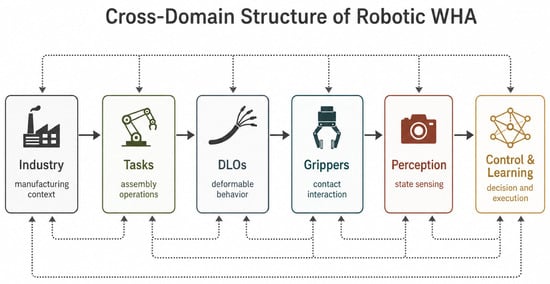
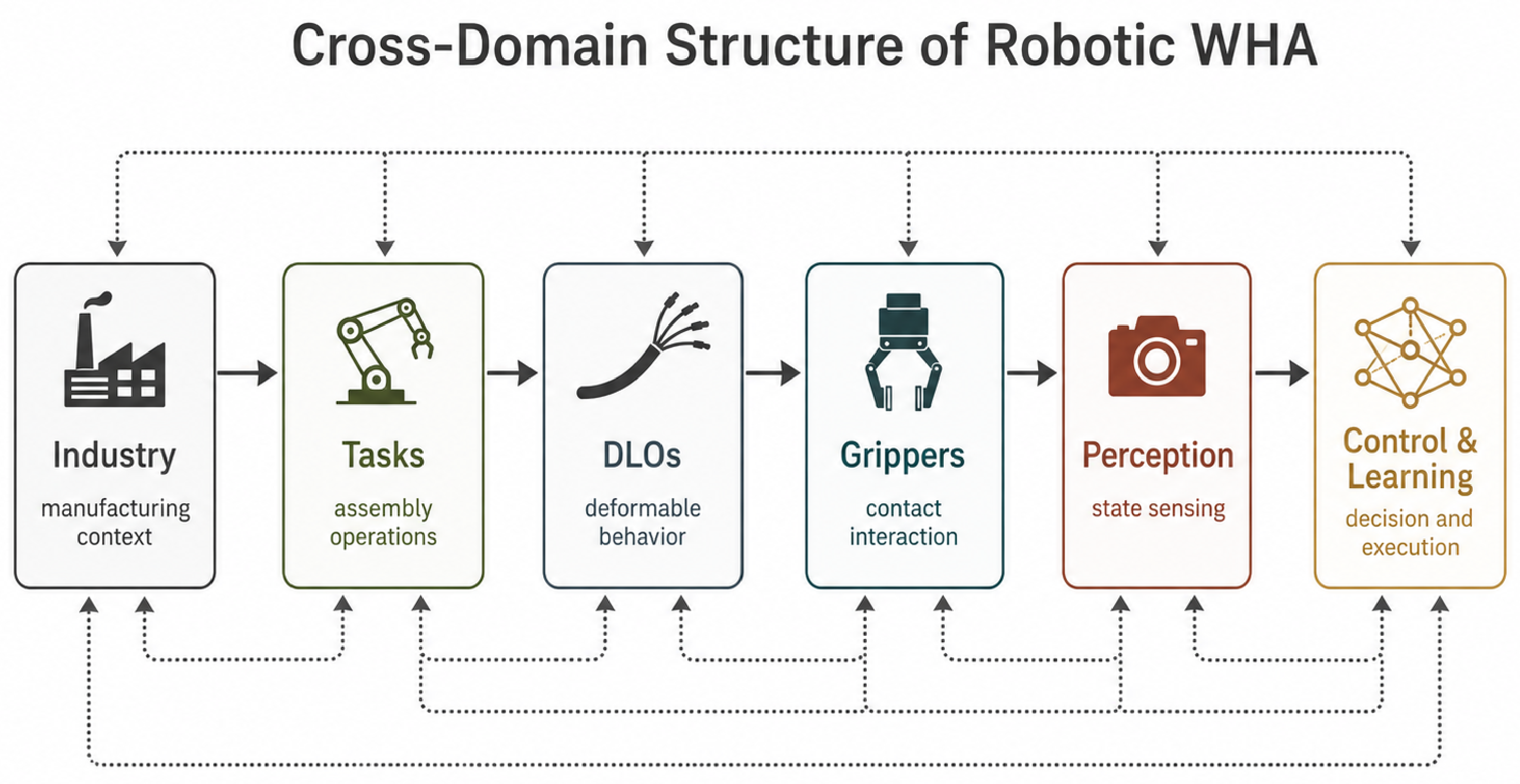
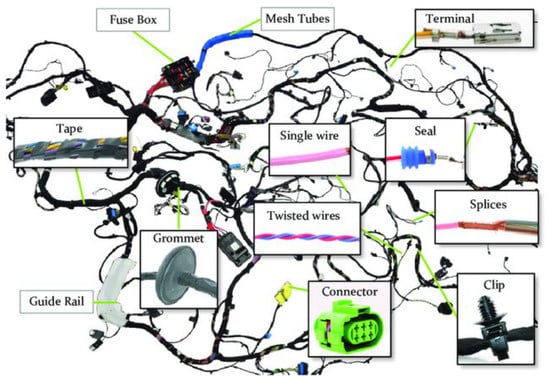
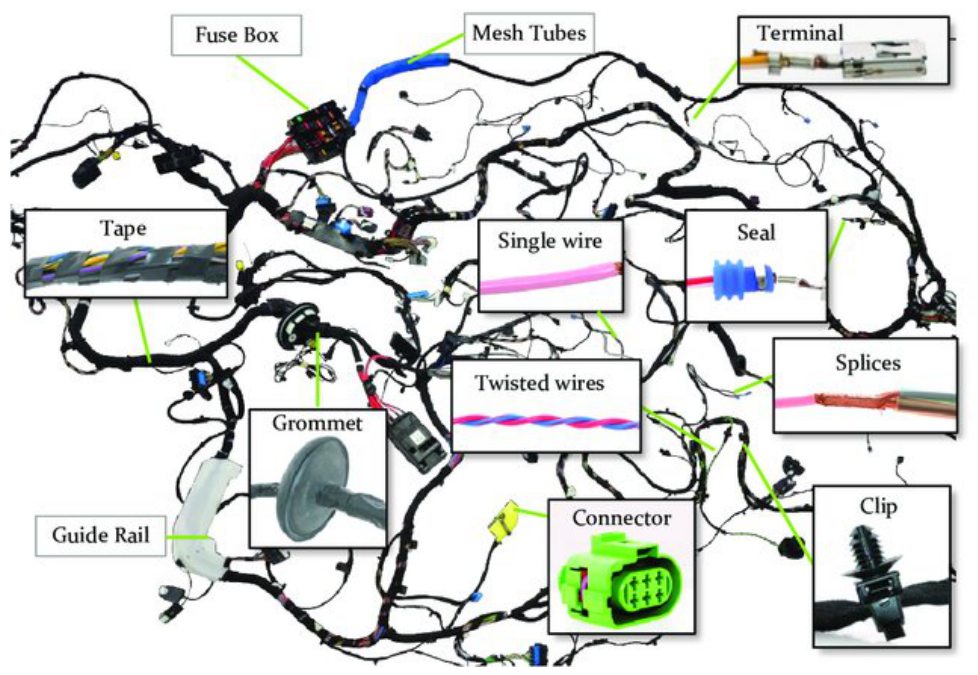
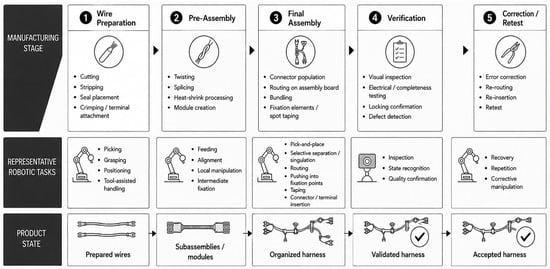
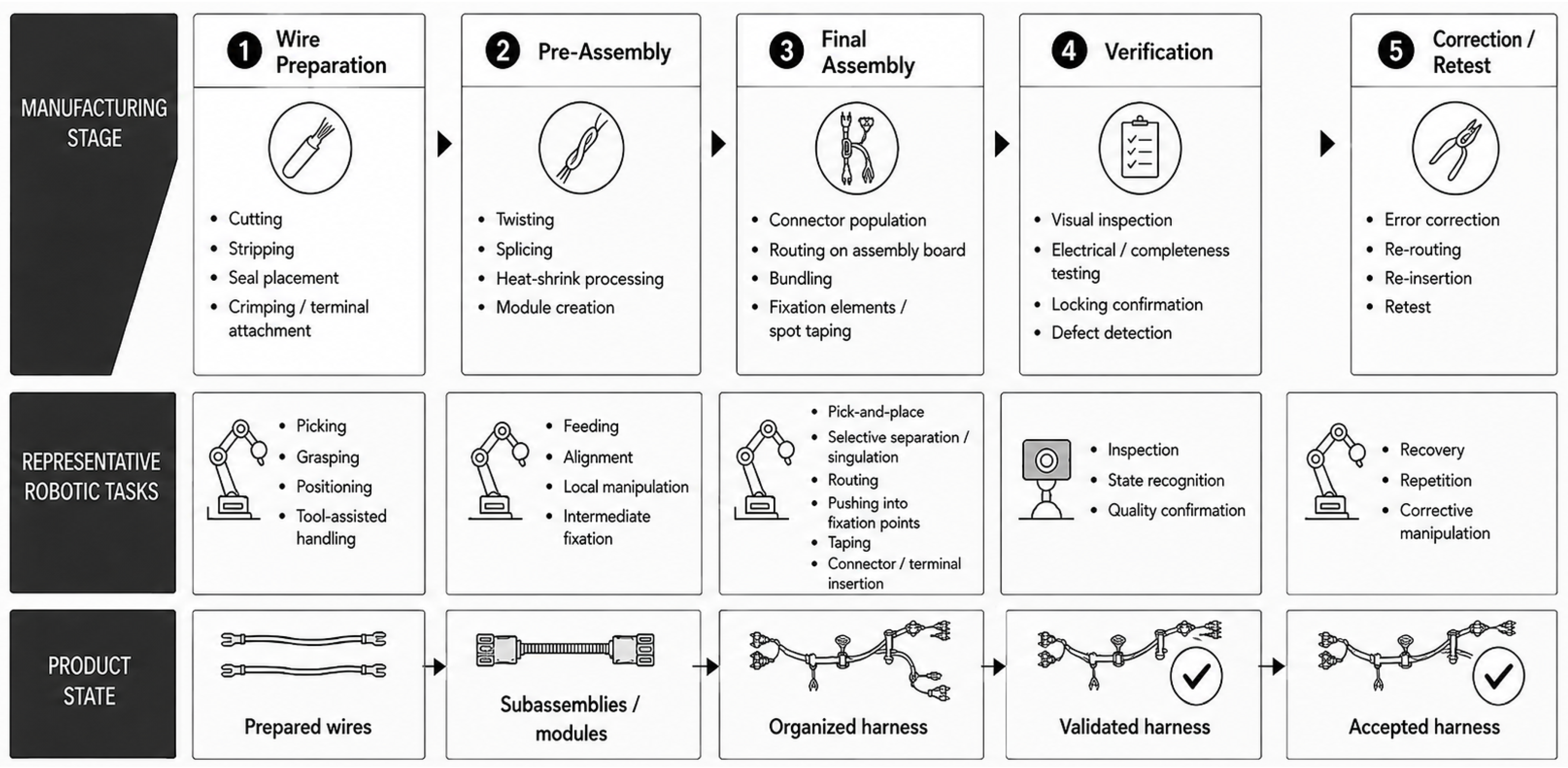
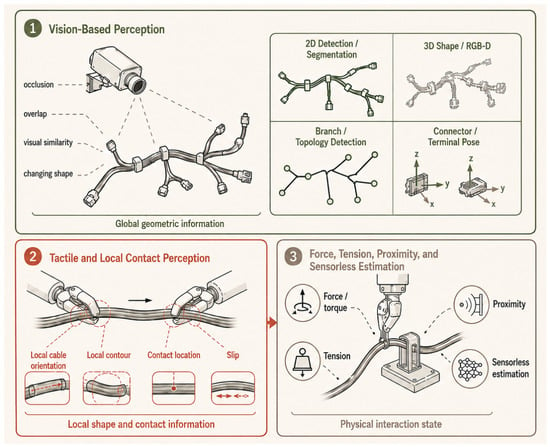
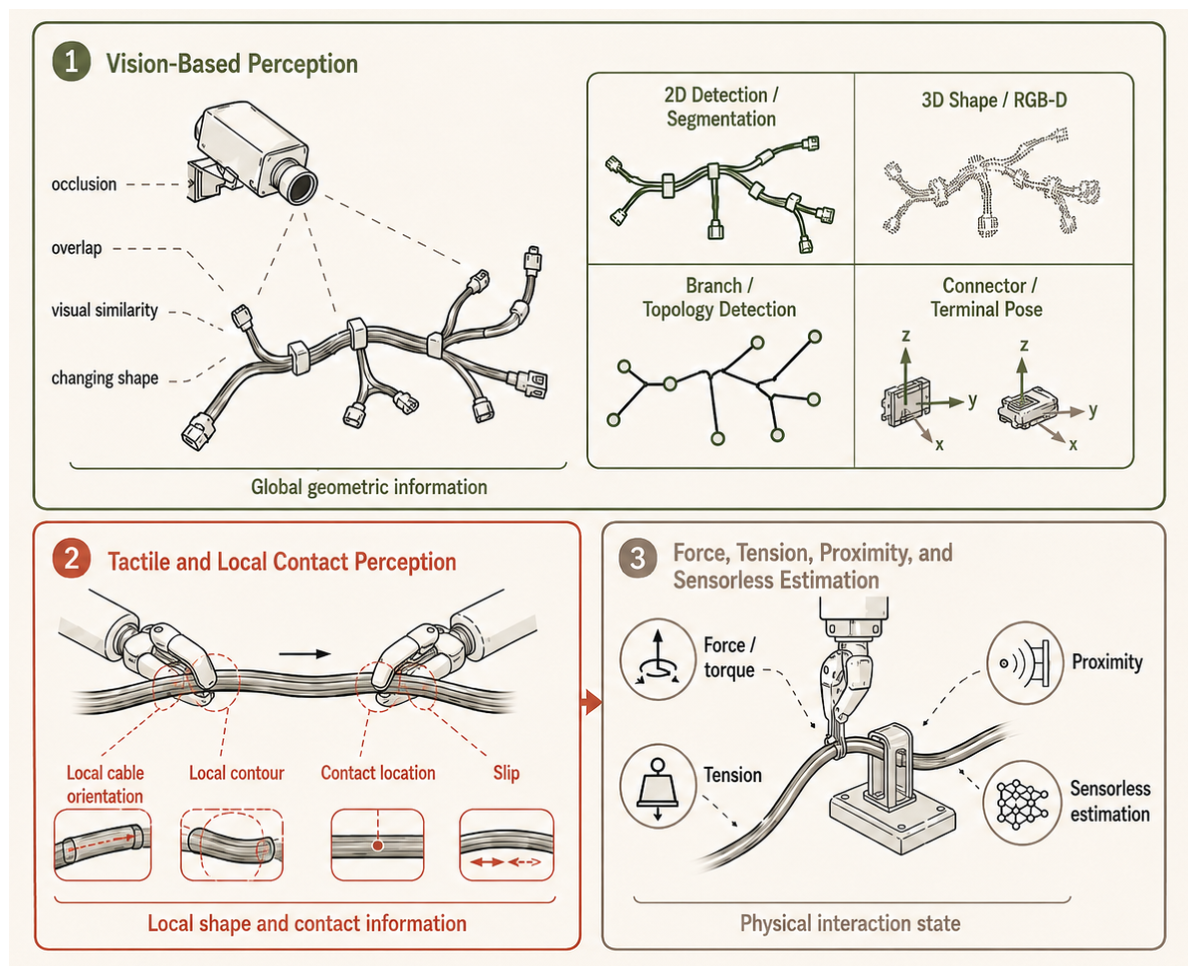
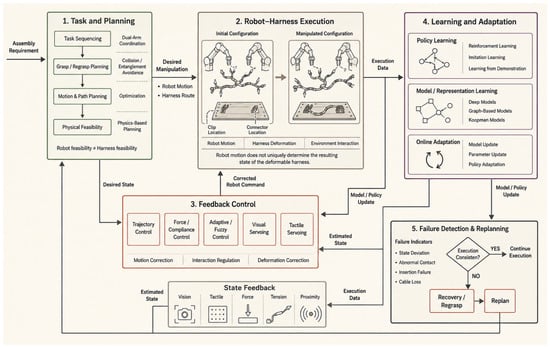
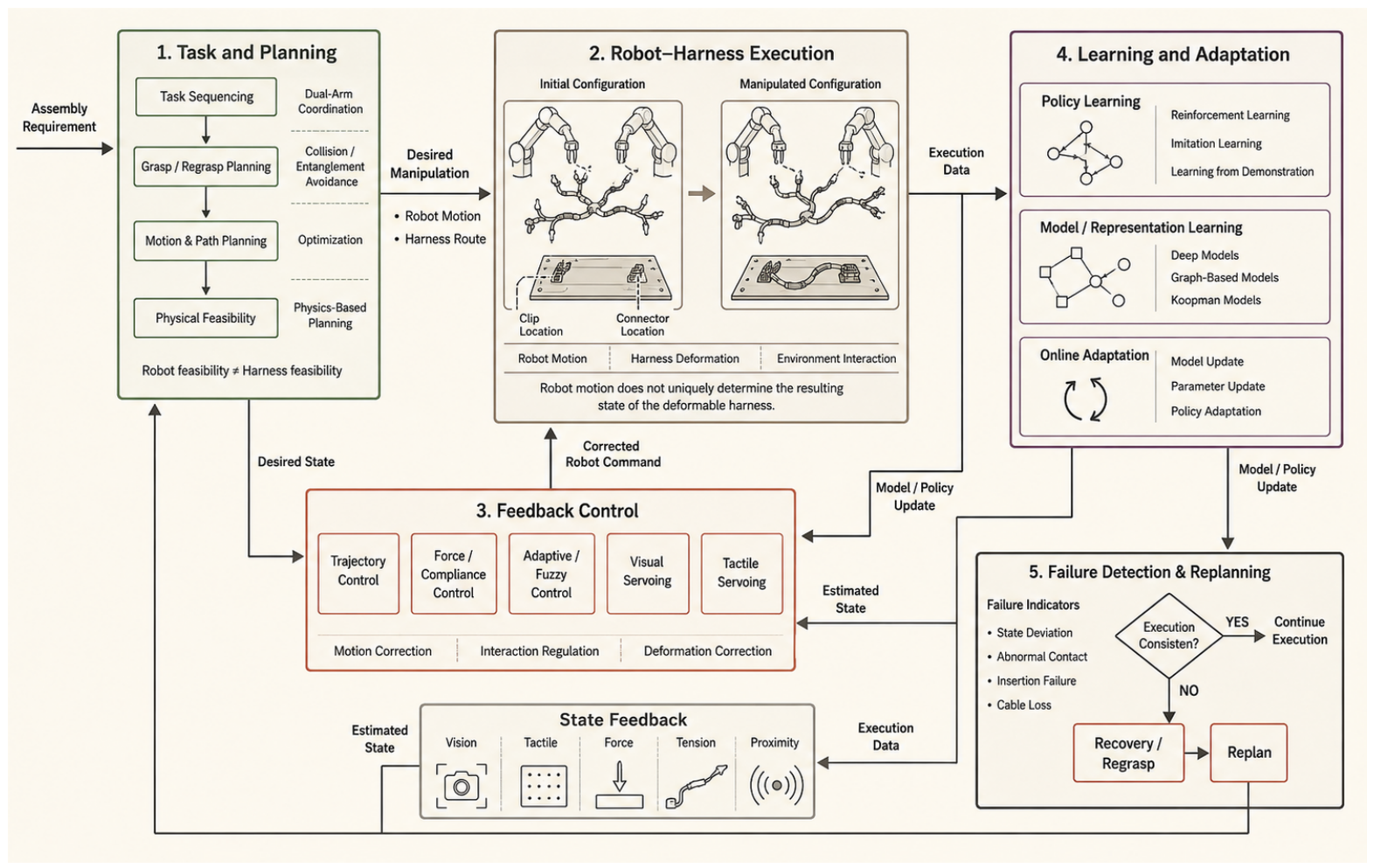
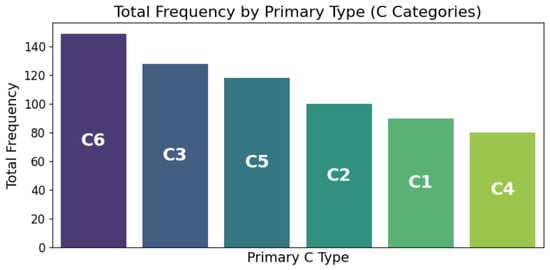
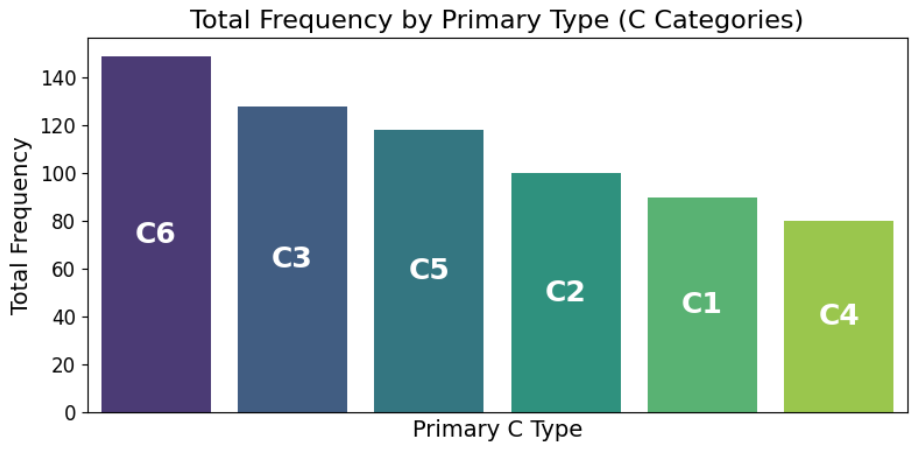
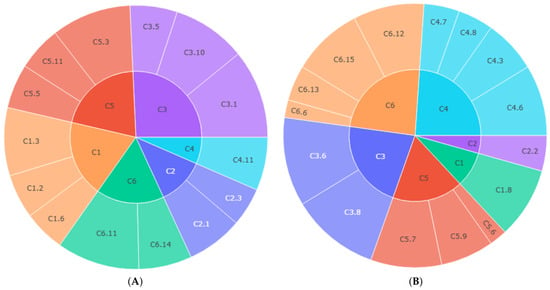
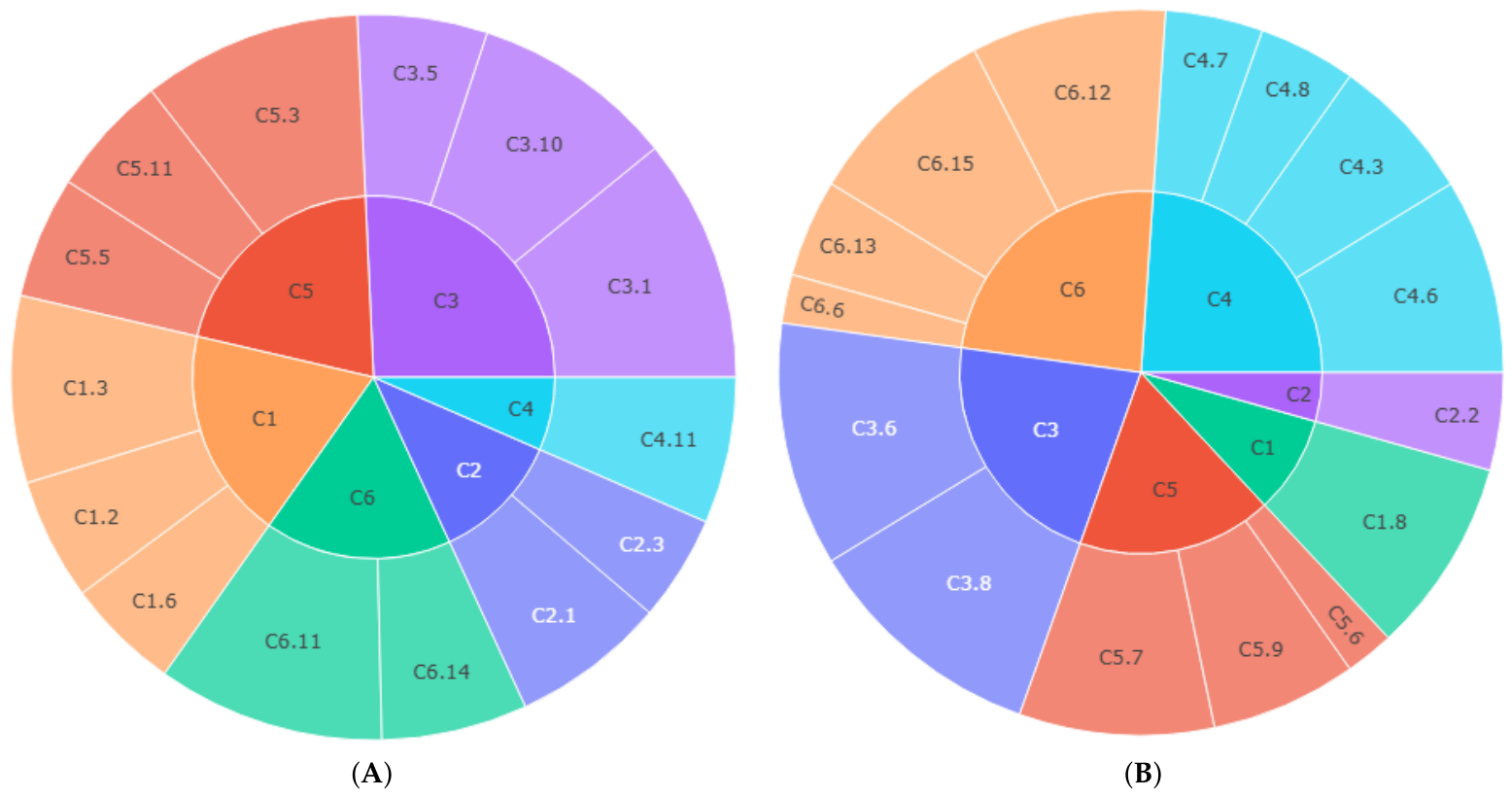
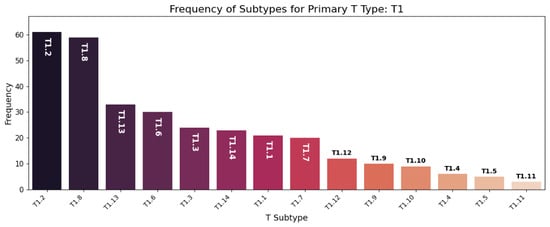
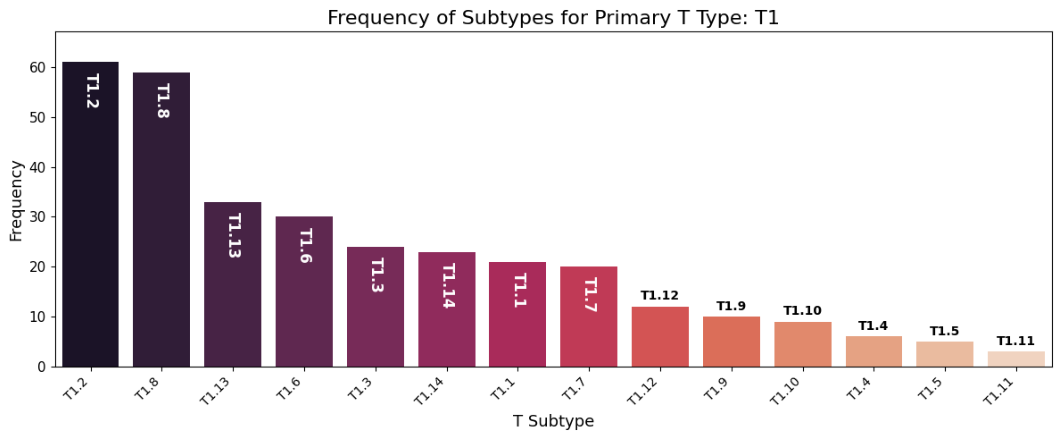
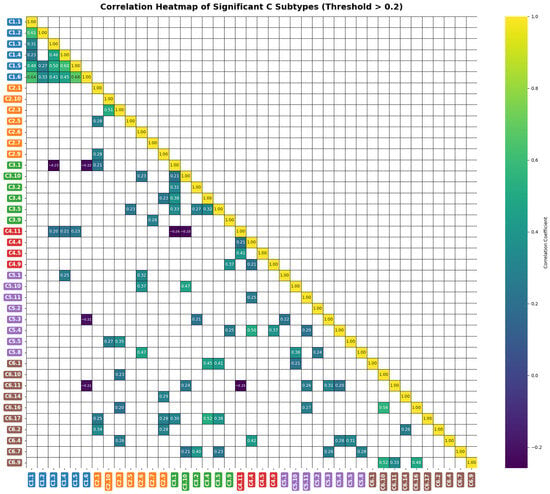
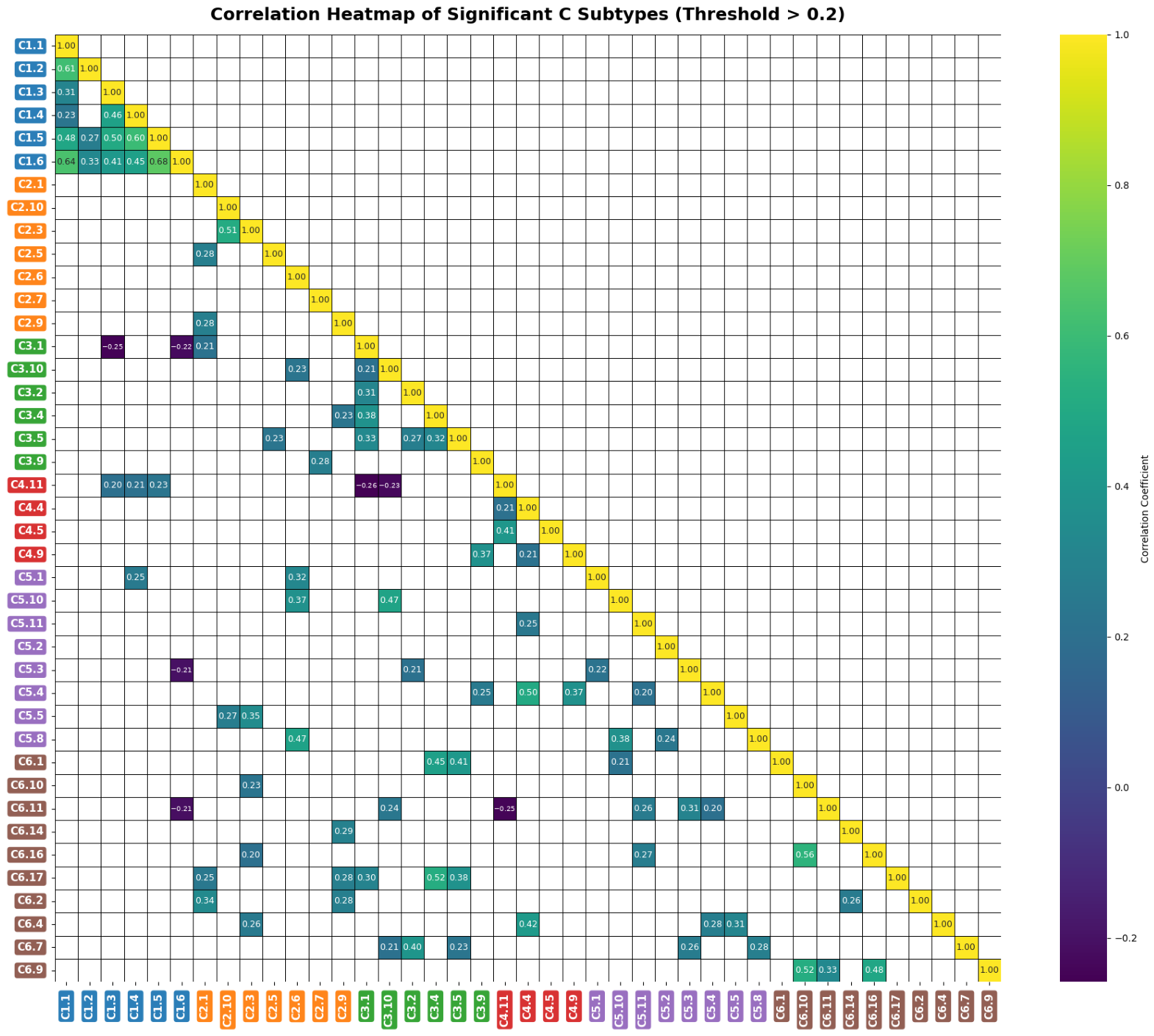
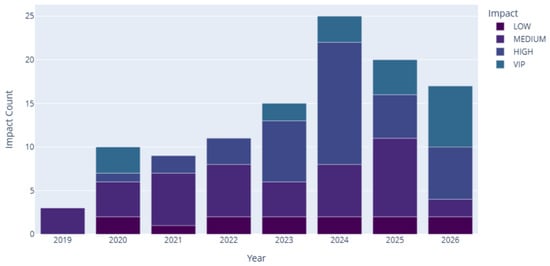
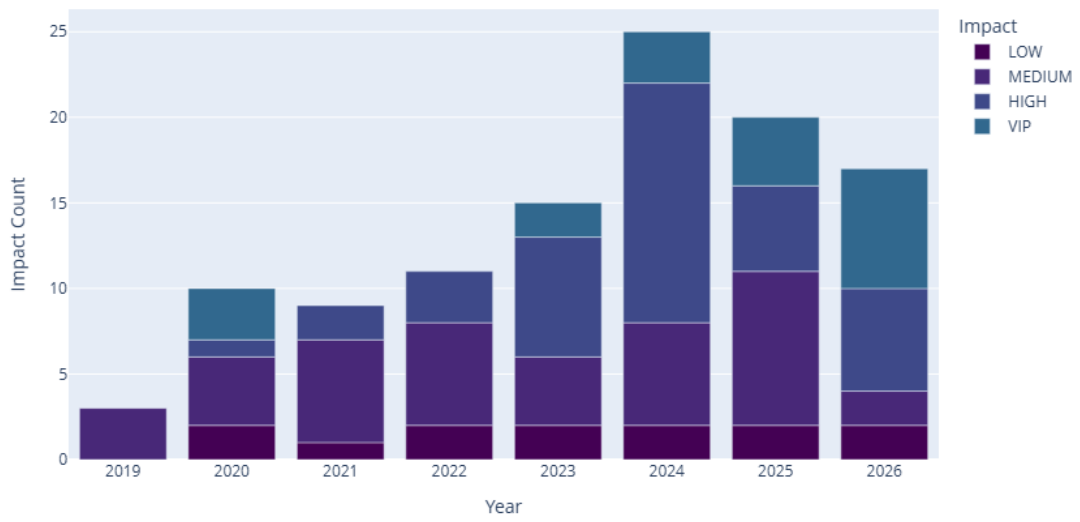

Disclaimer/Publisher’s Note: The statements, opinions and data contained in all publications are solely those of the individual author(s) and contributor(s) and not of MDPI and/or the editor(s). MDPI and/or the editor(s) disclaim responsibility for any injury to people or property resulting from any ideas, methods, instructions or products referred to in the content. |
© 2026 by the authors. Licensee MDPI, Basel, Switzerland. This article is an open access article distributed under the terms and conditions of the Creative Commons Attribution (CC BY) license.