


Abstract
This article examines an integrated approach to data acquisition and transmission within an intelligent thermal conditioning system for engines and vehicles that operates using thermal energy storage and the digital twin concept. The system is characterized by its use of multiple primary energy sources to power internal subsystems and maintain optimal engine and vehicle temperature conditions. Building on a formalized conceptual model of the intelligent thermal conditioning system, the study identifies key technological features required for implementing complex operational processes, as well as the stages necessary for applying the proposed approach during the design and modernization phases throughout the system’s life cycle. A core block diagram of the system’s digital twin is presented, developed using mathematical models that describe support and monitoring processes under real operating conditions. Additionally, an architectural framework for organizing data collection and transmission is proposed, highlighting the integration of digital twin technologies into the thermal conditioning workflow. The article also introduces methods for adaptive data formation, transfer, and processing, supported by a specialized onboard software-diagnostic complex that enables structured information management. The practical implementation of the proposed solutions has the potential to enhance the energy efficiency of thermal conditioning processes and improve the reliability of vehicles employing thermal energy storage technologies.
1. Introduction
Efficient management of thermal processes in transport engines under present-day conditions of high energy intensity and increased environmental sensitivity of transport systems represents one of the most critical challenges of modern engineering science [1,2]. The transport sector is currently undergoing profound technical and structural transformations driven by digitalization, the transition toward intelligent control systems, the tightening of international environmental regulations, and the growing necessity to reduce operating costs [3,4]. Within this context, the thermal regime of internal combustion engines (ICEs) plays a decisive role as it directly influences fuel utilization efficiency, operational stability of power units, the level of harmful emissions, and the service life of individual structural components [3,5,6].
Start-up and post-start operating modes are the most critical phases of engine operation. These modes are characterized by maximum thermal losses, non-uniform temperature distribution across engine functional zones, and reduced lubrication efficiency, which collectively result in intensified mechanical wear [7,8,9,10,11]. According to recent studies, more than 40% of total engine thermal losses occur during the warm-up phase [3,8,9,10], clearly indicating the need for technological solutions aimed at optimizing this process. Furthermore, in regions with low ambient temperatures, the problem of warm-up and thermal conditioning becomes particularly acute, as the time required for the engine to reach its nominal operating mode increases significantly [3,9,10,11,12]. This leads to excessive fuel consumption and deterioration of environmental performance [3,9,10,11,12].
One of the most promising directions for improving the efficiency of thermal management is the application of thermal energy storage systems based on phase change materials (PCMs) [13,14,15,16]. The key feature of such materials is their ability to accumulate large amounts of thermal energy during a phase transition and to release this energy in a stable manner over an extended period. Owing to these properties, phase change technologies make it possible to significantly reduce temperature fluctuations and to maintain stable operating temperatures of the coolant, engine oil, and gas flows [14,15,16,17,18]. Despite the widespread use of phase change technologies in building thermal regulation, electronics, and renewable energy systems, their application in transport engineering remains insufficiently explored [14,17,18,19,20]. This limitation is primarily associated with the complexity of modeling thermal processes in moving objects and the constraints of conventional design approaches [15,19,20,21,22].
In parallel with the development of phase change technologies, there has been a rapid increase in global interest in the concept of digital twins (DTs). Digital twins are virtual cyber–physical models that replicate the behavior of real objects in quasi-real time through the integration of sensor data, mathematical models, and control algorithms [23,24,25]. They have become a core element of the Industry 4.0, Smart Manufacturing, and Smart Mobility paradigms. DTs enable not only the simulation of complex technical systems, but also state prediction, operational optimization, scenario analysis, and the evaluation of innovative design solutions without physical experimentation, as well as enhanced operational safety [26,27,28,29].
At the same time, most existing studies on DTs in transport systems focus on load modeling, fuel efficiency, vehicle dynamics, or technical condition monitoring. The modeling of engine thermal conditioning processes—particularly those based on phase change technologies—remains largely underdeveloped [29,30,31,32,33]. The lack of comprehensive models can be explained by the complexity of thermal phenomena, the multiplicity of energy transfer pathways, the need to account for phase transitions, the high variability of parameters, and the heterogeneity of data generated by sensor systems [34,35,36,37,38].
Previous research indicates that conventional heat-transfer models often neglect phase transition inertia, thermal delays, the influence of real operating conditions, load variations, ambient parameters, and specific engine design features [38,39,40,41,42]. As a result, such models fail to provide sufficient predictive accuracy and do not allow effective optimization of thermal regimes under real-world operating conditions. This highlights the need for a new generation of models—DTs that integrate sensor data, analytical relationships, energy balance equations, and explicitly account for the specifics of phase change technologies [39,40,41,42,43].
The development of a DT for an engine thermal conditioning system also requires the creation of a comprehensive architecture for data acquisition, storage, processing, and transmission. A particular challenge lies in synchronizing heterogeneous data streams, including thermal, dynamic, vibration, and operational parameters, as well as in modeling their interdependencies. This aspect has received limited attention in existing studies, which emphasizes the scientific novelty and practical relevance of the approach proposed in this work [39,40,41,42,43,44].
Current global trends demonstrate a growing demand for the digitalization of energy and transport systems. Within the frameworks of the “green transition,” decarbonization, and energy efficiency strategies, DTs are regarded as a key technology for adapting internal combustion engines to emerging requirements. Their application in thermal conditioning systems makes it possible to mitigate the negative effects of low-temperature start-up, reduce fuel consumption, decrease CO2 emissions, and optimize operating modes of power units [27,28].
However, the scientific literature still lacks integrated approaches to the development of DT structures adapted to different stages of a vehicle’s life cycle—from design and development to operation and modernization. Existing models insufficiently address the need for deep structural adaptation of DTs to phase change materials and do not fully reflect the specific pathways of thermal energy transfer in cooling, lubrication, and exhaust after-treatment systems of transport vehicles [33,34,35,36,37].
In view of the above, the relevance of this study is determined by the need to develop: an integrated DT architecture for engine thermal conditioning systems; models describing the interaction between phase change modules and conventional thermal system components; real-time data acquisition and analysis methodologies; tools for optimizing thermal processes under variable operating conditions; and a foundational platform for the further modernization of transport engines [23,38,39,40,41,42,43,44].
Accordingly, the objective of this paper is to develop the architecture and technological framework of a DT for intelligent thermal conditioning systems of engines and vehicles operating on the basis of thermal energy storage technology, as well as to establish a data acquisition and transmission methodology that ensures system functionality across different stages of the life cycle. To achieve this objective, the following scientific tasks are addressed:
- -
- Substantiation of the formation and application of data acquisition and transmission technologies in intelligent thermal conditioning systems for engines and vehicles based on thermal energy storage using a DT approach, including the development of a formalized data acquisition and transmission scheme;
- -
- Development and analysis of the mechanism and functional structure of intelligent thermal conditioning systems operating with thermal energy storage on the basis of a DT, for both the operational stage (A) and the design and improvement stage (B), enabling design–technological refinement and the establishment of intra-stage and inter-stage linkages;
- -
- Justification of general approaches to the development, application, and analysis of DTs of intelligent thermal conditioning systems based on thermal energy storage for design and improvement purposes;
- -
- Identification of general principles and specific features of constructing a DT of a thermal conditioning system, taking into account data acquisition and transmission technologies;
- -
- Development and analysis of the mechanism and architectural scheme of data acquisition and transmission processes in intelligent thermal conditioning systems for engines and vehicles operating on thermal energy storage technology using a DT;
- -
- Formation of a structured information model of the system and presentation of selected results obtained at different stages of the development and investigation of the DT of intelligent thermal conditioning systems for engines and vehicles operating on thermal energy storage technology across specific life-cycle stages.
The results obtained possess significant scientific and practical value, as they form a foundation for the development of a new generation of energy-efficient and intelligent transport systems that meet contemporary challenges and open new prospects for the advancement of digital engineering.
2. Materials and Methods
At the initial stage of the study, the specific operational features and interaction patterns of the components of an intelligent thermal conditioning system for engines and vehicles employing thermal energy storage technology were analyzed. Based on the obtained results, a formalized scheme of the intelligent thermal conditioning system for engines and vehicles was developed, and its key energy elements and functional subsystems were identified (Figure 1).
Figure 1.
Formalized diagram of an intelligent thermal conditioning system for engines and vehicles operating on the basis of thermal energy storage technology.
The principal energy (functional) elements of the thermal conditioning system include the following components, each of which performs dedicated functions and can operate as an independent subsystem (Figure 1):
- -
- a subsystem for recovering exhaust gas thermal energy using a phase-change thermal accumulator;
- -
- an accelerated warm-up subsystem;
- -
- a contact-type phase-change thermal accumulator;
- -
- an engine oil reservoir equipped with an integrated thermal accumulator;
- -
- a coolant reservoir incorporating a built-in thermal accumulator;
- -
- a thermal accumulator for the catalytic converter of the exhaust after-treatment system.
Structurally, the intelligent thermal conditioning system is integrated into the engine cooling, lubrication, and exhaust systems of the vehicle. It partially assumes their functional roles and has a significant influence on the progression of engine working processes [27,28,29,30,31].
The purpose of the thermal conditioning system is to ensure pre-start and post-start heating of the coolant, engine oil, and catalytic converter to the temperature levels specified by the manufacturer under real operating conditions. These include the temperature required for engine start-up, the temperature range allowing engine loading, and normal operating temperatures. In addition, the system defines the coolant and oil temperatures at which thermal conditioning is terminated. Furthermore, during extended idle periods, the system maintains optimal thermal conditions of working and technological fluids in accordance with the engine’s operational requirements and design characteristics.
Figure 1 highlights groups of energy components that collectively ensure the technological process of thermal conditioning aimed at achieving optimal thermal and environmental performance of the engine and vehicle under real operating conditions:
- -
- A—engine and vehicle components: the internal combustion engine or stationary power unit, exhaust gas catalytic converter, engine lubrication system, engine cooling system, and vehicle cabin;
- -
- B—components of the thermal conditioning system: exhaust heat recovery unit, phase-change thermal accumulator for the engine and vehicle, accelerated thermal conditioning subsystem, catalytic converter thermal accumulator, contact-type phase-change thermal accumulator, engine oil storage unit with phase-change thermal accumulator, and coolant storage unit with phase-change thermal accumulator;
- -
- C—control systems, elements, and processes responsible for managing the intelligent thermal conditioning system and regulating the technological processes that ensure optimal thermal and environmental performance of the engine and vehicle.
As shown in Figure 1, elements belonging to the accelerated warm-up subsystem, exhaust heat recovery subsystem, contact thermal accumulator, and coolant storage unit (group B) directly interact with the engine cooling system (group A). The exhaust heat recovery subsystem is also integrated into the engine exhaust system. At the same time, the accelerated warm-up subsystem, exhaust heat recovery subsystem, contact thermal accumulator, and engine oil reservoir interact with the lubrication system (group A) [3,27,28,29,30,31]. All of these subsystems may operate as a single integrated intelligent thermal conditioning system (together with group C) based on coordinated control algorithms, or they may function autonomously—each within its own functional domain—while remaining connected to individual elements of the control architecture (group C).
The operating principle of the thermal conditioning system is based on the accumulation of thermal energy in phase-change thermal accumulators installed directly on the vehicle. This energy, generated during fuel combustion and normally lost through exhaust gases, convection, and radiation, is recovered and reused to ensure effective thermal conditioning of the engine and vehicle during subsequent operating modes.
Overall, the study focuses on the development of intelligent thermal conditioning systems for engines and vehicles based on thermal energy storage technology and DT methods. Within this framework, several key components requiring further development can be identified:
- -
- the physical object, which exhibits specific characteristics both during steady-state operation throughout the life cycle and during design and improvement stages, including opportunities for engineering and technological optimization;
- -
- the digital twin (DT), which reproduces these characteristics within a virtual structure;
- -
- decision-support, monitoring, control, and supervisory systems whose properties vary depending on life-cycle stages and thermal conditioning modes;
- -
- DT data and information exchange channels between the components of the thermal conditioning system, which require systematic development and adaptation to intelligent thermal management tasks.
To properly account for the features of data acquisition and transmission in an intelligent thermal conditioning system operating on thermal energy storage technology and the DT concept, it is necessary to consider the structural characteristics of the system, its individual components, and the technological processes ensuring the execution of assigned functions. This requires not only defining the architectural model of data acquisition and transmission within the DT, but also substantiating this architecture in accordance with the specific technological processes at various life-cycle stages.
These tasks include, in particular:
- -
- selecting criteria for evaluating system effectiveness and determining optimal system configurations under specified operating conditions;
- -
- developing a data acquisition system within intelligent transportation systems (ITS) for monitoring the technical condition of the engine, thermal conditioning system, and vehicle;
- -
- selecting and justifying optimal energy parameters and the overall configuration of the thermal conditioning system, including structural and operational characteristics of its components, as well as environmental performance indicators of engines and transport systems.
The formalized scheme of the intelligent thermal conditioning system for engines and vehicles operating on thermal energy storage technology (Figure 1) belongs to a broad class of such systems. During operation, the system and its individual components utilize various primary energy sources both to power system elements and to maintain the optimal thermal state of the engine and vehicle.
The primary source of energy for the thermal conditioning system is organic fuel and air supplied to a piston internal combustion engine or stationary power unit. For all system components, primary thermal energy sources include heat generated by the engine, coolant temperature, engine oil temperature, exhaust gas temperature, as well as convection and thermal radiation. The combination of these energy potentials enables the formation of a flexible and adaptive system capable of operating efficiently under diverse conditions.
The study of energy processes in an intelligent thermal conditioning system is characterized by several specific features [27,28,29,30,31,32,33,34].
First, the system must coordinate the parameters and quantities of various forms of energy generated by the engine with the operational and energy characteristics of its elements and subsystems.
Second, thermal flows within the system have a complex and non-uniform structure that changes during operation.
Third, achieving high efficiency requires identifying and configuring optimal operating modes, structural solutions, and layout schemes.
The design of the thermal conditioning system and its individual components has been described in detail in previous studies [27,28,29,30,31,40]. Below is a concise overview of the main functional elements in accordance with the formalized scheme shown in Figure 1.
Primary accumulation of thermal energy from exhaust gases in a phase-change thermal accumulator is achieved by installing a heat recovery exchanger in the engine exhaust system. The working fluid circulating inside the exchanger is heated by the exhaust gas flow and subsequently transfers this energy to the phase-change material within the accumulator. The insulated housing of the accumulator contains three separate heat-exchange modules: one for charging and two for heating the coolant and engine oil. The most intensive energy accumulation occurs during the phase transition of the storage material, when it changes its physical state. At this stage, the largest portion of thermal energy from the exhaust gases is stored, whereas other charging processes require significantly lower energy input [27,28,29,30,31,40,41,42].
The contact-type thermal accumulator of the transport engine is implemented as a multilayer insulated structure [27,28,29,30,31,40,41,42]. It consists of sectional containers filled with phase-change material and enclosed within multilayer insulation made of low-conductivity materials. These containers are mounted on the outer surfaces of the engine cylinder block and oil pan. The operating principle is based on phase transitions of the working material, which absorbs and releases heat through convection and thermal radiation from engine surfaces [27,28,29,30,31,40,41,42].
A characteristic design feature of the coolant and engine oil storage units is the integration of additional contact-type phase-change thermal accumulators into the walls of their insulated housings. Although these modules operate on principles similar to the main contact accumulator, their placement differs. Their use significantly reduces thermal losses of coolant and oil when routed into insulated storage tanks containing phase-change materials during extended vehicle downtime. When the preheated fluids are returned to the engine system, accelerated heating of structural components is achieved, substantially reducing the time required for the engine to reach operating temperature.
Thermal energy from exhaust gases is also utilized to accelerate the warm-up of the catalytic converter. For this purpose, a phase-change thermal accumulator is integrated into the exhaust after-treatment system. During engine operation, the accumulator stores heat from the exhaust gas flow, and during subsequent engine starts it rapidly heats the catalytic substrate, allowing the converter to reach its optimal operating temperature much faster and ensuring effective emission reduction.
Heating of the passenger compartment or driver’s cabin is performed using a heat exchanger through which coolant circulates. The coolant may be heated directly by engine operation or by thermal energy previously stored within the cooling system.
Thus, thermal conditioning of the coolant and engine oil may occur during normal engine warm-up or through various combinations of operating modes of the thermal conditioning system, depending on its design configuration and real operating conditions.
This study examines the operational features of an intelligent thermal conditioning system for engines under real operating conditions, with an emphasis on maintaining the optimal thermal state of the power unit and vehicle. The system architecture includes a set of interconnected modules, such as heat exchangers, phase-change thermal accumulators, exhaust gas heat recovery exchangers, thermal energy storage modules, multi-channel electromagnetic valves, control units, and pump assemblies with adjustable flow rates. All components are integrated into a unified control system that enables centralized or remote regulation of operating modes. System operation relies on modern digital technologies, including industrial communication protocols, intelligent control algorithms, embedded remote monitoring tools, and automated diagnostic functions. Without advanced data acquisition and transmission technologies, the functioning of a DT of an intelligent thermal conditioning system based on thermal energy storage would be impossible. Therefore, a detailed analysis of component interactions at all operational stages and throughout the entire life cycle of the thermal conditioning system is required to develop adequate technological and architectural solutions for data acquisition and transmission.
This article proposes an architectural solution for organizing data acquisition and transmission processes in an intelligent thermal conditioning system for engines and vehicles using thermal energy storage technology. The proposed solution is adapted to real operating conditions and is based on DT principles.
A key aspect of developing a DT for an intelligent thermal conditioning system with thermal energy storage is the creation of a high-accuracy set of models for all system components, including heat exchangers, phase-change accumulators, cooling and lubrication systems, the internal combustion engine, the vehicle, the catalytic converter module, and other elements. Integration of these models into a unified digital environment through synchronized data acquisition and exchange processes ensures complete and near-real-time interaction between the physical system and its virtual representation.
The use of remote data acquisition and communication technologies enables precise and synchronized collection of heterogeneous data from multiple digital sensor channels and information sources. The resulting datasets undergo preliminary filtering, analytical processing, and integration into a unified information-analytical platform. This ensures continuous monitoring of thermal processes and energy characteristics, including operating modes that cannot be directly measured experimentally.
Development of the intelligent system model—both in its energy and information-analytical subsystems—is based on a combination of advanced scientific methods. Morphological analysis is applied for system structuring; set theory is used to formalize interactions between components; mathematical statistics and regression analysis support processing of experimental data. Principles of information theory and relational database design are employed for data storage and transmission, while graph models describe structural and functional relationships between subsystems. The software component is implemented using object-oriented modeling and specialized control algorithms. Thermal process modeling relies on fundamental laws of heat transfer, thermodynamic cycle theory, energy and exergy analysis, and principles of thermal energy storage in phase-change materials.
The data acquisition and transmission subsystem includes tools for real-time visualization of thermal conditioning parameters and integrates measurement data, diagnostic indicators, and predictive results into a unified intelligent environment for managing vehicle thermal processes. The technological sequence of data acquisition and transmission in an intelligent thermal conditioning system based on thermal energy storage and DT technology includes the following main stages:
- -
- development of a digital model for each component of the thermal conditioning system and construction of an integrated digital structure of the entire system based on DT principles;
- -
- application of remote monitoring tools for continuous acquisition of data from physical equipment and prompt transmission to the digital model and operational services;
- -
- use of modern communication interfaces and data synchronization methods to ensure consistent interaction between real objects and their digital representations;
- -
- development and implementation of specialized algorithms, graph structures, and object-oriented software solutions to improve deviation detection accuracy, diagnostic efficiency, and overall system reliability;
- -
- use of remote monitoring platforms, spreadsheet tools, and other analytical software for processing large datasets obtained during real-world operation of the thermal conditioning system, engine, and vehicle.
As a result of implementing these stages, full consistency between the physical thermal conditioning system and its DT is achieved across all thermal interaction processes, along with their coordinated integration at all key operational stages in accordance with real operating conditions.
3. Results of the Study
A key feature of this study is that the functioning of the system exhibits distinct characteristics at different stages of its life cycle. The simplest operational configuration corresponds to the stable operation stage. Under this condition, characterized by steady atmospheric and climatic environments, thermally proven and chemically stable phase-change heat-storage materials are employed in the thermal accumulators. In this case, the digital twin (DT) assumes a form close to the classical configurations previously described in the literature. In contrast, the design and improvement stages require a substantially more advanced digital-twin configuration. Accordingly, the structure of interactions, as well as the data-acquisition and data-transmission technologies developed on the basis of the DT model, differ significantly from those applied during the stable operation phase. This necessitates the identification and justification of the specific principles underlying the construction, operation, and formation of a unified approach to data collection and transmission within the investigated thermal conditioning system. It is therefore essential to compare and ensure a systemic approach that enables the full functional potential of the system to be realized across all life-cycle stages. The development of data-acquisition and data-transmission technologies based on the digital-twin model of the thermal conditioning system for engines and vehicles must account for these stage-dependent characteristics. This requirement is directly related to the fact that the system operates on the basis of thermal energy storage technology (Figure 1). Consequently, a more detailed description of the structural features of the system at different operational stages is required, particularly with respect to its informational, energy, and technological components. Such analysis is a prerequisite for designing the system’s operational technology and the architecture of data collection and transmission, as well as for ensuring its effective application during the operation, design, and modernization of real engines and transport vehicles.
3.1. Comparison of the Digital-Twin Structures of the Thermal-Conditioning System at Different Stages of the Engine Life Cycle
To substantiate the most rational architectural configuration, this study undertakes a comparative analysis of the digital-twin (DT) structures of an engine thermal conditioning system across different stages of its life cycle.
In developing a DT for a thermal conditioning system that employs phase-change thermal accumulators, the research adopts the five-component conceptual framework proposed by Professor Tao F. [23]. In its generalized form, and similarly to other engineering systems, this framework for the standard operational stage comprises the following elements:
- –
- The physical object;
- –
- Its virtual representation (a model or software implementation);
- –
- Digital-twin data;
- –
- A service subsystem (decision-support or maintenance subsystem);
- –
- Communication channels enabling interaction among the above elements.
However, during the design and improvement stages of the system—particularly when engineering and technological optimization is required—the digital-twin structure must undergo substantial modification. These changes are driven by the specific characteristics of phase-change thermal accumulators, the composition and physicochemical properties of phase-change materials, as well as by structural and technological constraints associated with their integration into transport systems.
Taking these factors into account, the study proposes and presents an extended digital-twin architecture for an intelligent thermal conditioning system for engines and vehicles operating on thermal energy storage technology. The proposed architecture is developed to support both stable operational regimes and the stages of system design and modernization, and is illustrated in Figure 2. A distinctive feature of this architecture is its dual representation for the operational stage (A) and for the design and improvement stage (B), which enables the implementation of engineering and technological development processes and clearly illustrates both internal and cross-stage interactions.
Figure 2.
Digital-twin models of the intelligent thermal conditioning system for engines and vehicles based on thermal energy storage technology: (A) operational stage of the system; (B) design and improvement stage of the system.
The conducted study is focused on the formation, refinement, acquisition, and transmission of information, as well as on the verification and control of the components of an intelligent thermal conditioning system based on thermal energy storage technology across all key stages of the vehicle life cycle. Such an approach facilitates the transition toward a more integrated and systemic concept of intelligent operation of transport systems.
In the context of vehicle operation, DTs should rely on information modules capable of collecting, storing, and transmitting data on the technical condition and energy performance of thermal conditioning systems throughout their entire service life. These modules must support the analysis and evaluation of technologies aimed at maintaining the required thermal regimes of engines and vehicles, as well as enable the prediction of technical-condition parameters. On the basis of such data, a generalized methodology can be developed to assess the effectiveness of thermal conditioning using intelligent systems equipped with phase-change thermal accumulators. In addition, it is critically important to determine how the characteristics of individual warm-up system components employing phase-change energy storage affect the stability of thermal regimes under real operating conditions.
The system should also provide a universal approach to data formation, collection, and transmission, enabling comprehensive investigations of intelligent thermal conditioning systems based on thermal energy storage technology. This, in turn, ensures the preservation of optimal thermal parameters of engines and vehicles during operation and supports the structured accumulation of research outcomes.
The present study is grounded in a systems approach traditionally applied at the stages of design, improvement of structural elements and technological processes, as well as during vehicle operation. In practice, the thermal conditioning system, the engine, and the vehicle are influenced by a combination of factors determined by specific operating conditions. For stable operating regimes, Figure 2A presents a version of the digital-twin model intended for thermal conditioning systems utilizing thermal energy storage technology. It should be emphasized that this model is applicable exclusively to a fully developed thermal conditioning system and does not provide for systematic refinement or modernization.
To enable the application of the digital-twin model at the design and improvement stages, an alternative approach is presented in Figure 2B. This configuration is intended to support engineering and technological development processes. In comparison with the model of a fully developed system at the operational stage shown in Figure 2A, it incorporates several important constraints and extensions:
- -
- Digital-twin structure. Full-scale, functionally complete approaches to the development of the system and its components are implemented. This makes it possible to employ the DT in its classical form across all stages of the life cycle of thermal conditioning systems based on thermal energy storage technology.
- -
- Physical objects. Approaches are provided for the comprehensive use of conventional physical components of the thermal conditioning system. However, within the configuration shown in Figure 2A, these components alone are not capable of fully ensuring system functionality at all stages of the life cycle.
- -
- Decision-support and service subsystem. New mechanisms specific to thermal conditioning systems using phase-change thermal accumulators are introduced. Traditional ERP, MES, PDM, and WMS solutions are insufficient to fully address the tasks associated with maintaining and managing thermal conditioning processes throughout the entire system life cycle.
- -
- Digital-twin data. The system is expanded through the development, specialization, and systematic organization of databases, with particular emphasis on data generated under real vehicle operating conditions.
- -
- Communication channels between components. System-level adaptations are introduced to reflect the specific requirements of the design stage and the processes of system improvement throughout the life cycle of the thermal conditioning system.
In Figure 2, arrows indicate possible directions of interaction both within individual subsystems and between them. This visualization clearly demonstrates the functional differences in subsystem interactions during operation as well as during the design and improvement stages. Figure 2B illustrates a substantial expansion of the functional capabilities of digital-twin components involved in the thermal conditioning processes of systems operating on thermal energy storage technology.
In addressing the strategic task of developing data acquisition and transmission technologies and the DT—both for the thermal conditioning system itself and, more broadly, for intelligent thermal conditioning systems of engines and vehicles based on thermal energy storage principles—several conceptual research directions were identified. These include, first, the determination of thermal conditioning parameters and the maintenance of a stable thermal state of engines and vehicles under varying environmental influences. Second, ensuring temperature stabilization of working media (heat carriers) within the thermal conditioning system of transport engines. Third, supporting the processes of thermal energy transfer and stabilization in the coolant and engine oil of transport engines.
The large-scale adoption of intelligent thermal conditioning systems based on phase-change thermal accumulators is currently regarded as a highly effective development pathway. Such systems significantly enhance energy efficiency and improve the operational performance of transport vehicles and their functional subsystems (Figure 1 and Figure 2) [34,35,39]. Further advancement of these solutions contributes to the improvement of technical-condition monitoring methods and deepens the understanding of dynamic changes in system characteristics during operation. In addition, it enables the application of advanced diagnostic and predictive techniques. Taken together, these developments lead to a substantial increase in the overall efficiency of vehicle operation.
When designing intelligent thermal conditioning systems operating on the principles of thermal energy storage, it is advisable to distinguish two core subsystems: an energy subsystem and an information subsystem. The need for such a structural separation is justified by existing standards, technical regulations, and normative documents that define the requirements for the operation of engines, vehicles, and their functional subsystems.
3.2. Features of Developing and Analyzing a Digital Twin of Intelligent Thermal Conditioning Systems Based on Thermal Energy Storage for the Design and Improvement Stages
A dedicated study was conducted to develop a digital-twin model of thermal conditioning systems intended for engines and vehicles operating on thermal energy storage technology. The model is specifically designed for application during the design and improvement stages of the system life cycle. The key features of this model are described in Section 3.1 and illustrated in Figure 2. The obtained results provide the rationale for the architectural scheme of data acquisition and data transmission processes implemented in the intelligent thermal conditioning system and presented in Figure 3, Figure 4, Figure 5, Figure 6, Figure 7 and Figure 8.
Figure 3.
Obtaining monitoring, diagnostic, and forecasting data on engine and vehicle parameters using ITS tools.
Figure 4.
Formation (integration) of heat-storage materials and the design of a phase-change thermal accumulator for application under specified operating conditions; investigation of materials and components of the thermal conditioning system, including thermal accumulators tested on non-motorized installations.
Figure 5.
Formation of the physical object of the thermal accumulator and the elements of the thermal conditioning system directly on engines and vehicles; experimental investigation of the system using laboratory engine test benches.
Figure 6.
Stages of developing a physical prototype of the thermal conditioning system and its adaptation to the operating conditions of the engine and the vehicle.
Figure 7.
Development of a system for monitoring, diagnostics, and forecasting of the technical condition parameters of the engine and the vehicle; development (adaptation) of information and software complexes for operating the thermal conditioning system within a virtual software environment for vehicle operation and technical-condition control.
Figure 8.
Development of the digital twin (DT) based on integrated mathematical models and software complexes, taking into account the systematization of layout configurations of thermal conditioning system components.
For components A0–A6 shown in Figure 2, a unified technological workflow has been defined. This workflow begins with the acquisition of initial monitoring data obtained from the intelligent monitoring system. When required, diagnostic and predictive outputs related to the technical condition of the engine and vehicle are additionally incorporated. These outputs are generated by the ITS A0 subsystem, as illustrated in Figure 3. The process then proceeds sequentially through six main stages, denoted as A1–A6. These stages enable interactive, step-by-step optimization of system configuration processes and allow verification of compliance between the developed thermal conditioning system variants and design requirements. At the same time, they ensure consistency with the operational and technological requirements of the engine and vehicle under specified operating conditions [27,28,29,30,31,40,41,42].
At Stage A1 (Figure 4), the configuration and integration of thermal accumulator (TA) designs, including phase-change thermal accumulators, are carried out in accordance with the specified operating conditions of the engine and the vehicle. In parallel, studies are performed on heat-storage materials and components of the thermal conditioning system, including thermal accumulators tested on non-motorized installations. At this stage, three principal components (sub-stages) of forming the investigated thermal conditioning system are distinguished, each representing a key phase of the research.
The first sub-stage involves the selection and fabrication of heat-storage materials intended for phase-change thermal accumulators. This includes materials-science investigations with a focus on phase-formation kinetics and related thermophysical behavior.
The second sub-stage is devoted to the selection and design of phase-change thermal accumulators. Manufacturing and forming processes are performed based on the main classification features of accumulator design. The most critical operational characteristics are determined with respect to the selected heat-storage materials and their application. In addition, these accumulators are used to establish thermal-conditioning cycles for the engine and the vehicle.
The third sub-stage comprises the fabrication and experimental testing of prototype samples on laboratory facilities. Phase-change thermal accumulators are manufactured, tested, and their operational characteristics are subsequently analyzed.
To select optimal heat-storage materials (PCMs), a wide range of external and internal factors must be taken into account. These factors determine the efficiency, accuracy, reliability, and operational simplicity of the thermal conditioning system. In addition, PCMs must comply with safety requirements, including toxicological, explosion-hazard, fire-safety, and radiation-safety standards applicable to materials used in thermal accumulators. When developing PCMs for thermal energy storage, system-specific features are considered with respect to the current stage of the system life cycle, including operation, design, and modernization phases [19,20,21,22,27,28,29,30,31,40,41,42].
The selection of a phase-change thermal accumulator begins with an analysis of its intended function and structural characteristics. Its key parameters are defined by real operating conditions of the engine and the vehicle under established operating modes. Determining an optimal PCM composition requires a compromise: on the one hand, the material must provide the required functional performance and thermal efficiency; on the other hand, unfavorable properties may complicate system design and increase overall costs. At Stage A1, experimental investigations are carried out focusing on the thermophysical and physicochemical properties of new, promising heat-storage materials, as well as on refining the parameters of already known compounds used in comparable engine and vehicle systems [19,20,21,22,27,28,29,30,31,40,41,42].
An effective heat-storage PCM must exhibit a set of specific properties [31,32,33,34,44]. Such materials accumulate thermal energy through phase transitions and are characterized by appropriate thermophysical and energy-related indicators [27,28,29,30,31,40,41,42].
An analysis of theoretical and experimental studies indicates that selecting PCMs that fully satisfy all operational requirements is an extremely challenging task. Most practical materials and their mixtures combine both advantageous heat-storage characteristics and undesirable properties that cannot always be eliminated or sufficiently mitigated. Additional complexity arises from structural and design constraints: thermal accumulators must be compact and suitable for onboard installation in vehicles or power units, while ensuring a rational layout of system components and assemblies [19,20,21,22,27,28,29,30,31,40,41,42].
Scientific and technical literature defines thermodynamic, kinetic, chemical, and economic criteria for PCM selection, along with principles for their application in thermal accumulators [19,20,21,22,27,28,29,30,31,40,41,42]. Reference [40] presents performance indicators for phase-change thermal accumulators, which must be met both by the PCMs themselves and by the accumulator as an integrated system [19,20,21,22,27,28,29,30,31,41,42]. At present, virtually no PCM fully satisfies all of these requirements simultaneously [40].
Several energy streams can be utilized as heat sources for thermal accumulators in engines and transport vehicles, including exhaust gases, engine coolant, and lubricating oil. In vehicles equipped with energy-recovery systems, braking (inertial) energy may also be employed as an additional heat source [28,29,30,31,43].
At Stage A2 (Figure 5), thermal accumulators and thermal conditioning system components are formed directly on engines and vehicles. At this stage, experimental studies are conducted using engine test benches. During this phase, the design of the developed phase-change thermal accumulators is refined and adapted to real operating conditions of engines and transport vehicles. Experimental tests performed during the formation of the physical object of the system’s digital twin, using a stationary 6FS 12/14 engine as a case study [27,28], demonstrated the relevance and effectiveness of this stage. In particular, it proved suitable for investigating start-up facilitation and accelerated warm-up processes of the coolant and engine oil during the development and analysis of the thermal conditioning system [19,20,21,22,27,28,29,30,31,41,42].
At Stage A3 (Figure 6), an experimental prototype of the thermal conditioning system is developed and adapted to a specific engine and vehicle. To conduct experimental studies and to evaluate the performance of the engine and vehicle during start-up and post-start warm-up modes, it is necessary to record, at a minimum, the following parameters under both stationary conditions and during driving: engine crankshaft rotational speed, vehicle speed, excess air ratio, fuel consumption, engine oil temperature, coolant temperature, catalytic converter temperature, electrical voltage at the catalyst sensors, current engine load, intake manifold pressure, intake air temperature, and the onboard electrical system voltage responsible for battery charging and the power supply of control and instrumentation systems.
To assess engine and vehicle efficiency during start-up and post-start warm-up, a comprehensive set of parameters must be collected. Measurements are performed both at standstill and in motion. The recorded parameters include engine crankshaft speed and vehicle speed, excess air coefficient, and fuel consumption. In addition, the temperatures of the engine oil and coolant are monitored, along with the catalytic converter temperature and the electrical voltage at its sensors. Further parameters include the current engine load, intake manifold pressure, and intake air temperature. The voltage of the onboard electrical network is also measured, as it supplies power for battery charging and vehicle control and instrumentation systems. When testing an engine equipped with a thermal conditioning system incorporating a thermal accumulator, additional measurements are required, including the temperatures of the heat-transfer fluids within the thermal accumulator, as well as the temperatures in the engine cooling and lubrication systems during start-up and warm-up.
A contemporary approach to addressing this challenge within thermal conditioning systems involves the use of remote monitoring technologies. This approach focuses on tracking the heating of the engine coolant during both pre-start and post-start warm-up phases. Pre-start heating is controlled until the coolant temperature reaches at least 50 °C, which ensures that the engine can safely accept external loads. To obtain real-time data on thermal processes during engine start-up and warm-up, additional tracking devices may be installed, and a set of specialized sensors can be connected [24,27,28]. To verify the performance and functional reliability of the thermal conditioning system, a series of experimental and computational studies was carried out. These investigations covered stationary and transport engines, as well as complete vehicles [19,20,21,22,27,28,29,30,31,40,41,42]. Real-time remote monitoring during the experiments was implemented through data transmission to a virtual software platform adapted to the operating conditions of the tested engines and vehicles [24,27,28]. The research encompassed various warm-up scenarios in accordance with established methodological guidelines [19,20,21,22,27,28,29,30,31,40,41,42].
At Stage A4 (Figure 7), a system for monitoring, diagnostics, and forecasting of parameters related to the engine, the tested vehicle, and the thermal conditioning system is developed. This system is hardware-adapted for automotive applications and integrated into the thermal conditioning system architecture. Software tools are adapted or newly developed for integration into a virtual software complex used in vehicle operation and technical-condition control. A detailed description of this development stage is provided in [24,27,28]. For monitoring the parameters of the thermal conditioning system, it is recommended to employ technical tools operating within the environment of intelligent transportation systems (ITS) [24,27,28,31]. The key features of forming intelligent thermal conditioning systems under ITS conditions have been identified in earlier studies [24,27,28,31] and are based on hardware design principles discussed in [24,27,28,29,30,31].
At Stage A5 (Figure 8), a digital twin (DT) is developed, representing a comprehensive mathematical model of the engine and vehicle thermal conditioning system under real operating conditions. At this stage, computational algorithms and calculation parameters are defined, and the structural configurations of the thermal conditioning system are systematized. In addition, system behavior is investigated through DT-based mathematical modeling. The DT of the engine and vehicle thermal conditioning system is implemented as an integrated mathematical framework intended for the analysis of thermal conditioning processes under actual operating conditions [24,27,28,29,30,31]. The DT incorporates several key components. One of these is the mathematical model referred to as “Integrated Combined Thermal Conditioning of the Engine and Vehicle.” Another component is the mathematical model “Engine with a Thermal Conditioning System,” which operates under driving-cycle modes in accordance with UNECE Regulation No. 83-04. The DT also includes a mathematical model describing the “Working Process of an Internal Combustion Engine.” In addition, an information-software complex for monitoring, diagnostics, and forecasting of the vehicle’s technical condition is integrated into the DT and operates within the environment of intelligent transportation systems (ITS).
A core component of the DT is the mathematical model entitled “Integrated Combined Thermal Conditioning of the Engine and Vehicle.” This model is intended for calculating the operating parameters of engines and vehicles during warm-up processes, covering both pre-start and post-start thermal conditioning. In addition, it describes system behavior under normal operating conditions. The model structure comprises several interrelated components. One component represents the operation of a phase-change thermal accumulator, while another models the accelerated engine warm-up subsystem. The model also incorporates an exhaust-gas heat recovery subsystem utilizing a thermal accumulator, as well as a contact-type phase-change thermal accumulator. An additional component describes the operation of an engine oil and/or coolant storage unit equipped with an integrated thermal accumulator. Furthermore, the model includes a representation of the thermal accumulator integrated into the exhaust-gas aftertreatment system with a catalytic converter.
An information–software complex is employed for monitoring, diagnostics, and forecasting of the technical condition and thermal conditioning parameters of the engine and vehicle within the framework of intelligent transportation systems (ITS). This complex comprises several subsystems. One subsystem is responsible for collecting monitoring data from the engine and the vehicle. Another subsystem implements a mathematical model for determining limit characteristics. An additional model is used to generate optimal performance characteristics and to predict the operational state of the engine and vehicle during service.
Between stages A0 and A5, as well as at stage A6, the adaptability of the developed thermal conditioning system based on phase-change thermal accumulators is evaluated. This assessment accounts for the design features of the engine and vehicle, as well as real operating conditions. Verification is performed using a closed-loop optimization method [27,31,39,40], which enables optimization of virtually any warm-up system parameter, ranging from system efficiency coefficients and operating modes to design parameters and specific features of phase-change thermal accumulators. As a result, the approach makes it possible to assess the efficiency and technological maturity of the intelligent thermal conditioning system for the engine and vehicle during pre-start operation, post-start warm-up, and commercial operation.
As an outcome of the study, an application-oriented variant of the digital twin (DT) model for a thermal conditioning system was proposed for engines and vehicles operating on thermal energy storage technology. This approach can be fully implemented not only during the stable operational stage but also at the design and improvement stages. At these stages, it effectively supports the functioning of thermal conditioning processes across the relevant life-cycle components and enables the execution of design and technological development phases for the thermal conditioning system and its individual components.
3.3. General Approaches to the Development and Specific Features of Creating a Digital Twin of a Thermal Conditioning System with Consideration of Data Acquisition and Transmission Technologies
In accordance with the described stages of formation and the architecture of the intelligent thermal conditioning system based on digital twin (DT) technology, a systematic analysis was carried out. The analysis focused on the thermal conditioning of engines and vehicles under real operating conditions and covered all key stages of the life cycle. Engines and vehicles were considered as complex technical systems and as objects of computer-based modeling [27,28,41,42]. The life-cycle stages of engines and vehicles were interpreted as purpose-oriented complexes that integrate information and computational processes, mathematical models, and external information systems. Their primary function is to transform input data into intermediate and final results during the processes of design, operation, and modernization. At the same time, heterogeneous data originating from different life-cycle stages were integrated, which was necessary to enhance the overall efficiency of the system.
The fundamental principles of combining operational information with the thermal conditioning module were implemented. Operational information included data on operating conditions and technical parameters obtained through remote monitoring systems. Both individual and integrated data-processing approaches were applied [24]. In addition, the task of predicting the thermal state and maintaining it within permissible operating limits was addressed, which made it possible to establish a unified algorithmic control loop for thermal processes. Algorithms for combining observational data were developed using automation principles originally applied in military systems, ensuring a high level of modeling accuracy and reliability [24,27,28,29,30,31]. During the development of mathematical and software components of the monitoring subsystem, spatial–temporal integration of the required data was explicitly modeled.
As a result, a digital twin of the vehicle engine thermal conditioning system was developed. It represents a comprehensive mathematical model that serves as the theoretical foundation for ensuring thermal conditioning of engines and vehicles in real operational processes. The DT integrates information on the technical condition of the object with the energy-related parameters of thermal conditioning processes, forming an intelligent decision-support system on this basis. The DT of the engine and vehicle thermal conditioning system comprises several principal components.
The first component consists of information models of the onboard ITS complex of the engine and vehicle. These models describe the structure of the monitoring system with an integrated thermal module based on phase-change thermal accumulators. They also represent information interactions among ITS elements during the monitoring of the vehicle’s technical condition.
The second component is a generalized analytical and theoretical–graph-based model of the system’s subject domain. This model is used to evaluate methods for implementing thermal conditioning of the engine and vehicle and enables prediction of the technical condition during operation by representing the object as a complex dynamic system.
The third component comprises mathematical models of data acquisition, collection, and analysis processes. These models are applied to predict the operating parameters of engines and vehicles equipped with thermal conditioning systems based on phase-change thermal accumulators. This component also includes diagnostic models, fault-identification tools, and algorithms for forecasting parameter variations under real operating conditions.
The fourth component consists of mathematical models describing the operating processes of engines and vehicles with an integrated thermal conditioning system. These models make it possible to evaluate local temperature states under various operating modes and to assess the effectiveness of thermal conditioning.
The fifth component includes mathematical models that describe the functioning of individual subsystems within the thermal conditioning system. These models represent heat-transfer processes, energy conversion, and interactions among system elements under dynamic operating conditions.
The sixth component is a generalized mathematical model of integrated, combined thermal conditioning. This model coordinates the operation of the energy and information subsystems, optimizes heating processes, and maintains the required temperature state of the engine and vehicle during operation.
The input data for the model set include information from design and modernization specifications, technological standards and regulations, as well as regulatory, technical, operational, and maintenance documentation. In addition, data from external intelligent monitoring systems are utilized [24,27,28,29,30,31]. A schematic representation of the digital twin (DT) based on the comprehensive model is shown in Figure 9. It demonstrates that information support can be provided either autonomously or through integration with external information systems. Data exchange may occur in import, monitoring, and export modes.
Figure 9.
Conceptual diagram of the digital twin (DT) of the engine and vehicle thermal conditioning system throughout its life cycle, developed on the basis of a mathematical model for process support and monitoring under operating conditions.
The DT developed on the basis of the integrated mathematical model incorporates two interconnected model blocks adapted to different stages of the object’s life cycle. These blocks are combined into a unified information structure that provides a holistic representation of the thermal conditioning process. Such an approach is required to address complex engineering, technical, organizational, and managerial tasks arising during the design, operation, and modernization of engines and vehicles throughout their entire life cycle. The initial DT modules can be repeatedly refined, extended, and supplemented, resulting in the formation of a metamodel that supports effective thermal solutions at various life-cycle stages [28].
The structure and content of electronic information at each stage are organized to facilitate efficient decision-making. Each decision-maker or operator can perform managerial and technical tasks quickly, accurately, and with minimal time expenditure. The organization of data collection, processing, and storage within a single structured system ensures clarity and convenient visualization of large data volumes. Moreover, long-term operation of the system promotes the accumulation of statistical and analytical data on thermal conditioning processes, thereby increasing both the effectiveness and economic feasibility of system application. Interaction between model blocks is implemented in accordance with the concept of a unified information space [24,27,28,29,30,31], forming an integrated information environment that ensures consistency, interoperability, and coherence of information processes within the digital twin.
The developed digital twin represents a comprehensive mathematical framework for ensuring the thermal conditioning of engines and vehicles. The model is based on the principles of a systems-oriented approach and accounts for complex interrelations between the information model and the models describing thermal conditioning processes at different stages of the life cycle. The DT is integrated with databases and external information systems, which ensures the integrity and coordinated interaction of all system elements. This integration enables the automation of intelligent decision-making procedures related to thermal conditioning of engines and vehicles. The proposed approach also provides systematic interaction among all components of the intelligent thermal conditioning system within a unified information space. Implementation of an integrated DT structure ensures high-speed data exchange between system components, which enhances the quality of thermal conditioning processes and allows real operating conditions of engines and vehicles to be explicitly taken into account.
The developed models are capable of representing existing relationships both within individual life-cycle stages and between different stages. This capability makes it possible to automate and optimize the process of thermal conditioning as a complex organizational and technological task, thereby increasing the overall effectiveness and robustness of the thermal conditioning system.
3.4. Data Acquisition and Transmission in an Intelligent Thermal Conditioning System for Engines and Vehicles Operating on Thermal Energy Storage Technology Using a Digital Twin
An intelligent thermal conditioning system for engines and vehicles based on thermal energy storage technology incorporates a large number of devices manufactured both individually and in series by different suppliers. A distinctive feature of this thermal conditioning system is the complexity of its control object. The target parameter—namely, the optimal temperature state—depends on numerous factors and heterogeneous equipment. In practical terms, the monitored objects include working fluids, ambient air, and exhaust gases. All electronic components of the system operate using different communication protocols and, during operation, generate large volumes of heterogeneous data. This diversity significantly complicates data acquisition and processing. Nevertheless, all collected data are transmitted to a central control and information-processing unit, which is typically located at the operator’s workstation. Certain control functions are delegated to the vehicle or power-unit operator during the operation of the vehicle or a stationary power installation.
To support identification, monitoring, and diagnostics, a specialized onboard software–diagnostic complex was developed. This complex also enables forecasting of temperature-related and technical parameters of the engine and vehicle. Its design is based on commercially available intelligent and diagnostic equipment commonly used in automotive systems. Structurally, at one stage of the study, the onboard complex comprised two main elements. The first was an onboard diagnostic device, specifically a Scanmaster ELM327 (China) system adapter connected to the OBD-II (On-Board Diagnostics II) interface. The second element was an information tablet used for data visualization and processing [24,27,28,29,30,31]. Within the OBD-II standard, diagnostic connectors, data-exchange protocols, and diagnostic trouble codes (DTCs) are unified. The most widely used communication protocols in OBD-II systems include ISO 9141, ISO 14230, SAE J1850 VPW, SAE J1850 PWM, and CAN [24,27,28,30].
The vehicles involved in the study were equipped with RFID tags. The onboard complex was connected to the diagnostic adapter via Bluetooth. Monitoring and diagnostic software applications were installed on the onboard devices of the software–diagnostic complex. When the ELM327 adapter was connected to the vehicle’s OBD interface, data from onboard sensors—both from the engine and from individual components of the thermal conditioning system—were acquired. The information was displayed on the onboard diagnostic device within the vehicle as well as on the operator’s workstation monitor. The data were then processed by the onboard controller. Subsequently, information from the diagnostic device was transmitted via mobile Internet, using the infrastructure of telematic servers, to a remote information terminal—namely, the operator’s computer. Experimental investigations using the described onboard monitoring system were conducted on various vehicles with gasoline and diesel engines [24,27,28,30]. Particular attention was paid to pre-start and post-start thermal conditioning processes.
Vehicle technical-condition monitoring systems used within intelligent transportation systems (ITS) provide continuous automated control of vehicle and component operating parameters. They enable early fault detection and support maintenance and repair strategies based on actual technical condition [24,27,28,30]. Typically, such monitoring systems comprise interconnected onboard and stationary hardware and software components. The most effective implementation is a hybrid monitoring architecture that integrates standard and additional diagnostic equipment into the vehicle’s navigation and communication system. This integration allows the use of satellite navigation technologies to support real-time acquisition and transmission of diagnostic data. Such an approach effectively addresses the challenges associated with collecting and transmitting information from different levels of engine and vehicle equipment. The overall system architecture implementing this concept is presented in Figure 10.
Figure 10.
Architectural framework of data acquisition and transmission processes in an intelligent thermal conditioning system for engines and vehicles operating on thermal energy storage technology using a digital twin (DT).
The increasing requirements imposed on engine and vehicle control systems equipped with thermal conditioning modules make the task of technical-condition forecasting particularly important. In response, an automated information system was developed for assessing and predicting the technical condition of engines and vehicles. This system is capable of continuously tracking, monitoring, and forecasting key parameters during vehicle operation, thereby enhancing the reliability and efficiency of thermal conditioning and overall system performance.
The architectural diagram illustrates the organization of data acquisition and data transmission processes in an intelligent thermal conditioning system for engines and vehicles based on thermal energy storage technology and implemented within a DT environment. The developed information system for monitoring and forecasting the thermal state of the engine and vehicle can be applied to a wide range of transport platforms. This includes vehicles not equipped with an OBD-II interface, as well as modern vehicles featuring OBD-II connectivity or integrated control systems based on real-time operating systems (RTOS).
The protocol-oriented data transmission method proposed in this study ensures reliable integration of information across heterogeneous systems and spreadsheet-based analytical platforms (e.g., Excel). Such integration enables real-time monitoring and analysis of acquired data, thereby increasing the transparency and traceability of thermal processes within engine and vehicle systems. In addition, it provides robust information support for managerial decision-making, operational optimization, and enhancement of thermal conditioning efficiency. Consequently, the acquired data constitute a key element in the effective control and management of intelligent thermal conditioning systems for engines and vehicles.
3.5. Specific Features of the Unified Subject Domain of the Engine and Vehicle as an Information Model and Development of a Structured Information Model of the System Based on a Specialized Onboard Software–Diagnostic Complex
According to the proposed architecture of the monitoring system, the developed database information model incorporates two key subsystems designed to monitor engine parameters in vehicles equipped with PCM-based thermal systems. These subsystems provide data acquisition from the principal information units of the engine and the vehicle, namely [24,27,28,30]:
Subsystem 1 comprises modules responsible for collecting and transmitting information from the engine, the vehicle, and the operating conditions of the internal combustion engine (ICE) via the CAN bus.
Subsystem 2 includes modules responsible for collecting and transmitting information from the PCM-based thermal system, the vehicle, and auxiliary monitoring devices, such as the vehicle GPS tracker.
A distinctive feature of the proposed architecture is the autonomous operation of these two subsystems. Each subsystem performs its own specific functional tasks; however, taken together, they form a unified information space for comprehensive monitoring of engines and vehicles [24,27,28,30].
Based on classical approaches to information volume assessment—namely statistical, semantic, pragmatic, and structural methods—a structured subject-oriented information model was developed. Within this framework, the monitoring system domain is defined separately for each subsystem. Subsystem 1 encompasses the engine, the vehicle, and operating conditions, whereas Subsystem 2 covers the PCM thermal system, the vehicle, monitoring devices, and operating conditions. Each subject domain is represented as a set of interrelated elements reflecting the corresponding data structures and functional relationships.
Using the aforementioned classical information-assessment methodologies, a structured domain-oriented model was formulated. The subject domain of the monitoring system is thus represented independently for Subsystem 1 (engine, vehicle, operating conditions) and Subsystem 2 (PCM system, vehicle, monitoring tools, operating conditions), with each domain described through dedicated sets that formalize the information flows and interactions within the intelligent thermal conditioning system.
where O1 = {om.1/m1 = 1, M}—automation objects of the engine and the vehicle, represented as independent components of Subsystem 1 (engine data acquisition module; vehicle data acquisition module; module for acquiring data on the operating conditions of the internal combustion engine (ICE) and the vehicle); O2 = {om.2/m2 = 1, M}—automation objects of the PCM-based system, the vehicle, and monitoring tools within Subsystem 2; V1 = {vl.1/l1 = 1, L}—informational elements (input Vin.1 and output Vout.1 data) of the engine and the vehicle; V2 = {vl.2/l2 = 1, L}—informational elements (input Vin.2 and output Vout.2 data) of the PCM system, the vehicle, and monitoring tools; F1 = {fi.1/i1 = 1, I}—automation functions performed by the monitoring and forecasting system for engine and vehicle parameters; F2 = {fi.2/i2 = 1, I}—automation functions performed by the monitoring and forecasting subsystem of the PCM system and the vehicle; H1 = {hj.1/j1 = 1, J}—data-processing tasks related to monitoring and forecasting of engine and vehicle parameters; H2 = {hj.2/j2 = 1, J}—data-processing tasks within the monitoring subsystem of the PCM system and the vehicle; P1 = {pk.1/k1 = 1, k}—a set of personnel characteristics required for the operation of the engine and vehicle monitoring system; P2 = {pk.2/k2 = 1, k}—a set of personnel characteristics required for the operation of the PCM system and vehicle monitoring subsystem; R1 = {ry.1/y1 = 1, Y}—relationships among components of the subject-domain model Mpr.o.1; R2 = {ry.2/y2 = 1, Y}—relationships among components of the subject-domain model Mpr.o.2.
3.5.1. Features of Developing a Structured Information Model of the System Using a Specialized Onboard Software–Diagnostic Complex
The implementation of software for technical-condition monitoring is inherently specific and closely tied to particular hardware configurations. Therefore, dividing the software into separate modules is both logical and necessary. Depending on diagnostic objectives and the measurement equipment employed, multiple modules may be required. At the same time, all modules within the system must support a unified interaction interface to ensure interoperability and consistency.
Within the described software environment, a built-in diagnostic and data-processing complex plays a central role. Together with the virtual enterprise used for technical operations, it forms the informational backbone of the system. This foundation supports monitoring of the technical condition of the engine and vehicle within the framework of intelligent transportation systems (ITS). The structured information model of the system is presented in Figure 11.
Figure 11.
Structured information model of the system developed on the basis of the specialized onboard software–diagnostic complex.
To formalize the core processes of engine and vehicle monitoring using PCM technology and ITS infrastructure, the SADT (Structured Analysis and Design Technique) methodology was applied. In accordance with the IDEF0 standard and the developed conceptual model, initial engine monitoring data are collected through multiple channels, including GPS, A-GPS, GLONASS, SBAS, GPRS, the Internet, and local networks. These data are transmitted from the vehicle via a web server to a specialized onboard software–diagnostic complex. The structured information model of this complex is shown in Figure 11.
3.5.2. Main Stages of Information Processing in the Software Complex
The principal stages of information processing within the software complex are defined as follows. The first stage involves receiving diagnostic messages from the engine and the PCM-based thermal system. The next stage comprises acquisition of engine operating parameters under real operating conditions. Subsequently, limit characteristics are determined, including minimum and maximum permissible deviations. These limits are identified using statistical model structures based on the least-squares criterion. At the following stage, optimal time-trend models are constructed using linear, exponential, logarithmic, and polynomial approximations. Based on these models, the future state of the engine is predicted for a specified forecasting horizon. Next, the parameter that is expected to reach its permissible limit first is identified. Finally, the technical condition of the engine and vehicle is confirmed based on the results of monitoring and forecasting procedures [24,27,28,30].
Each monitored parameter represents a quantitative manifestation of complex physical processes occurring within the vehicle engine. Due to nonlinearities and interactions among these processes, explicit analytical relationships cannot be derived for most parameters. Consequently, it is assumed that stable processes exhibit consistent temporal patterns, allowing the monitoring system to be represented by a combined functional model of the form: x = f(t) = f1(t) + f2(t). From a functional perspective, the system consists of two primary subsystems: a graphical user-interface subsystem and a data-processing subsystem.
3.5.3. Forecasting Process
Based on studies reported in [3,24,27,28,30,35], the forecasting task is formulated as an operator-based transformation: P: {DΣ, T} → I, where P—forecasting operator; DΣ = D1 + D2—represents the aggregated data set comprising engine/vehicle parameters and PCM subsystem parameters; T—is the forecasting horizon; I—is the resulting forecast output.
The forecasting procedure consists of several consecutive stages. First, the purpose and significance of each forecasted parameter are identified. Next, appropriate forecasting horizons are determined. Subsequently, one or more curve types are selected to represent the characteristics of the time series. Parameter estimation is then performed, followed by an adequacy assessment and final selection of the most suitable curve. Forecast values are calculated for the required time interval. Finally, forecast accuracy and residual autocorrelation are evaluated. The primary objective of forecasting is to detect deviations of monitored parameters beyond permissible limits. Under complex vehicle operating conditions, short-term forecasting becomes critically important. For systems operating in a cyclic mode, measurements should be performed at least once per operating cycle. When parameter variations occur slowly, single-parameter statistical modeling methods are applied.
An example of using the specialized onboard software–diagnostic complex is shown in Figure 12. Figure 12a illustrates data acquisition and conversion from CSV format to XLSM format. Figure 12b presents the results of monitoring a technical-condition parameter, including the determination of the trend line for coolant temperature in the vehicle engine cooling system.
Figure 12.
Monitoring results obtained using the specialized onboard software–diagnostic complex: data acquisition and conversion from CSV format (a) to XLSM format (b); monitoring results of a technical-condition parameter, including determination of the trend line for coolant temperature in the vehicle engine cooling system (c).
4. Discussion
The results obtained demonstrate the effectiveness of the developed digital twin (DT) model, which provides an integrated representation of thermal processes occurring in a transport engine and ensures reliable prediction of these processes. The model accounts for complex interactions among phase-change thermal energy storage components, heat recovery and accumulation systems, cooling circuits, lubrication systems, and the catalytic module. Unlike conventional approaches, the proposed framework does not focus on isolated subsystems but establishes a unified cyber–physical environment in which physical parameters are continuously synchronized with their digital counterparts.
A comparison with the classical five-component DT structure proposed by Tao F. [23] indicates that the suggested architecture extends beyond the baseline concept. While the traditional model is limited to a physical entity, a virtual model, data, services, and interaction channels, the proposed architecture introduces additional thermal, energy, and technological layers. These layers are essential for thermal conditioning systems of transport engines. As a result, the developed architecture not only complies with standard DT principles but is also specifically adapted to the requirements of heat-transfer processes and phase-change material (PCM) technologies.
It should be noted that most existing studies on thermal energy storage focus primarily on material properties, charging processes, and heat-release characteristics, including the works of Šarbu and Sebarchievici [13,14,15,18]. However, these phenomena are rarely analyzed under real operating conditions of transport vehicles. In practice, thermal regimes are strongly influenced by variable loads, driving conditions, ambient temperature, and other non-stationary factors. In the proposed model, these influences are explicitly incorporated through an integrated data acquisition system, enabling adaptive control based on continuously changing operational parameters.
Further comparison with studies by Wang et al. [13,14,15,18,20] reveals an additional contribution of the present work. While those studies emphasize the potential of PCMs for improving energy efficiency and supporting transport system decarbonization, they do not address the integration of PCM solutions into complex, multi-component cyber–physical systems. The DT developed in this study overcomes this limitation by enabling not only detailed modeling of PCM behavior but also its incorporation into the overall thermal and energy balance of the engine under real operating conditions.
Significant differences are also observed when comparing the proposed approach with SAE-related studies [24,25,26,27,28,29,30,31,40], which focus on engine performance optimization through thermal regime control and heat-transfer modeling. In contrast, the present research introduces an integrated system that combines classical modeling techniques with advanced data acquisition and transmission methods, resulting in a high-fidelity digital representation of the real system. The novelty of the approach lies in the DT’s ability not only to reproduce physical processes but also to adapt to extreme or non-standard operating conditions that frequently arise during vehicle operation.
Another important feature of the proposed system is its life-cycle perspective. The system explicitly accounts for all stages, including design, development, operation, and modernization. In many international studies, these stages are considered separately and are not systematically aligned with stage-specific requirements. By contrast, this work proposes two distinct DT architectures: one supporting performance optimization during the operational stage, and another enabling state prediction and adaptive control during the design improvement and modernization stages under real operating conditions.
In addition, simulation results confirm the high effectiveness of the DT in synchronizing heterogeneous data streams, including thermal, dynamic, technical, and operational parameters. This capability provides deeper insight into thermal processes, reduces the risk of system failures, and enables the generation of predictive operating scenarios under complex conditions. Consequently, the DT performs not only descriptive but also predictive and control functions.
The discussion further confirms that the DT significantly extends the capabilities of conventional diagnostic and monitoring systems. Unlike traditional solutions that primarily record instantaneous parameters, the proposed system enables early detection of potential deviations through trend analysis and dynamically updated thermal models continuously refined using real-time sensor data.
Overall, the results clearly demonstrate that the integration of PCM technologies, an adaptive data acquisition system, and a DT-based architecture establishes a fundamentally new approach to thermal management of transport engines. Such integration improves efficiency, reduces thermal losses, lowers environmental impact, and ensures a resource-efficient operating mode for transport engines and power units.
5. Conclusions
This study developed a comprehensive theoretical and practical framework to support the creation of a digital twin (DT) for an intelligent thermal conditioning system intended for transport engines operating on thermal energy storage technology. The research integrates principles of heat-transfer theory, digital technologies, intelligent control systems, and systems analysis methods, enabling a holistic rethinking of the integration of energy and information processes within a unified cyber–physical infrastructure.
The conducted analysis and the developed model made it possible to formulate the following scientific and practical conclusions:
- A conceptually novel DT architecture has been proposed that integrates energy, information, technological, and control components into a single system with near-real-time data synchronization capabilities. Unlike existing models, the developed architecture explicitly accounts for the specific properties of phase-change materials and their interaction with engine thermal flows.
- Two distinct DT architectural configurations have been identified and scientifically substantiated for the design (improvement) stage and the operational stage. This approach allows the model to be adapted to different life-cycle tasks, ranging from optimization of design solutions to predictive diagnostics and adaptive control of thermal regimes during operation.
- Data acquisition and transmission technology has been developed that provides comprehensive access to the operating parameters of the engine’s thermal subsystems, including thermal energy storage modules, accelerated warm-up systems, and cooling circuits. The proposed approach ensures high data accuracy and reproducibility, which is critical for reliable DT implementation.
- The effectiveness of integrating PCM-based thermal accumulators into a digital environment has been confirmed. This integration enables optimization of warm-up processes, reduction in energy losses, mitigation of cold-cycle emissions, and extension of engine service life. The DT enables high-fidelity modeling of PCM behavior, which has previously been constrained by the complexity of experimental measurements.
- Simulation results demonstrate the DT’s capability to predict thermal processes, significantly improving decision-making efficiency in maintenance and diagnostic systems. Such a system can serve as an effective tool for reducing vehicle downtime, lowering operating costs, and enhancing the operational stability of transport vehicles.
- The scientific novelty of the study lies in the integration of thermal, informational, and control processes into a unified cyber–physical model that represents real engine operating scenarios with substantially higher accuracy than existing algorithmic or analytical approaches.
- The practical value of the research is determined by the feasibility of implementing the proposed DT model in intelligent control systems, transport telematics, and diagnostic platforms, as well as for engine modernization and the design of new generations of energy-efficient engines.
Special attention should be given to directions for further research. The developed model opens new opportunities, including the enhancement of thermal regime prediction algorithms using machine-learning techniques; the creation of digital platforms for fleet management with automated diagnostics; the development of new PCMs with adaptive properties for transport applications; and the integration of the DT into broader cyber–physical networks that will form the foundation of future intelligent transportation systems.
In summary, the results of this study provide both conceptual and practical foundations for advancing intelligent thermal conditioning systems for transport engines and demonstrate that digital twins can significantly enhance the efficiency and safety of transport infrastructure while supporting the transition toward environmentally sustainable and energy-efficient transport technologies.
6. Patents
In the course of the research, two Ukrainian invention patents were obtained, related to the topic of this paper and dedicated to the technology of thermal preparation of internal combustion engines:
- Igor Gritsuk et al. System for ensuring optimal coolant temperatures in an internal combustion engine. UA 103729
- Igor Gritsuk et al. System for ensuring optimal coolant temperatures in an internal combustion engine. UA 106525
Author Contributions
Conceptualization—I.G. and J.Ž.; methodology—I.G.; software—I.G.; validation—I.G. and J.Ž.; writing—original draft preparation—I.G.; writing—review and editing—J.Ž.; project administration—I.G. and J.Ž. All authors have read and agreed to the published version of the manuscript.
Funding
This research received no external funding.
Data Availability Statement
The original materials presented in this study are included in the article. Further information can be obtained from the corresponding author.
Acknowledgments
The authors are responsible for the content of this publication and would like to express their gratitude to their university colleagues for their contribution to improving the quality of the manuscript.
Conflicts of Interest
The authors declare no conflicts of interest.
Abbreviations
The following abbreviations are used in this manuscript:
| DT | digital twin |
| ICE | internal combustion engine |
| SADT | Structured Analysis and Design Technique |
| PCM | Phase Change Materials |
| ITS | Intelligent transportation system |
| RTOS | real-time operating systems |
| OBD | On-Board Diagnostics |
| RFID | Radio Frequency Identification |
| CAN | Controller Area Network |
| GPS | Global Positioning System |
| IDEF0 | Integration DEFinition for Function Modeling |
| A-GPS | Assisted Global Positioning System |
| GLONASS | Global Navigation Satellite System |
| SBAS | Satellite-Based Augmentation System |
| GPRS | General Packet Radio Service |
| CSV | Comma-Separated Values |
| XLSM | Excel Macro-Enabled Workbook |
References
- Prikhodko, V.M. The formation of the functional capabilities of intelligent transport system for road transport. J. Automot. Eng. 2011, 4, 23–27. [Google Scholar]
- Grynkiv, A.V. The Use of Forecasting Methods in Managing the Technical State of Aggregates and Vehicle Systems. Agric. Eng. Ind. Eng. Autom. 2016, 29, 25–32. [Google Scholar]
- Govorushchenko, N.Y. System Engineering of Motor Transport (Calculation Methods of Research): Monograph; KhNAHU: Kharkiv, Ukraine, 2011; p. 292. [Google Scholar]
- Borukayev, Z.H.; Ostapchenko, K.B.; Ericyuk, L.I. Computer Model of Energy Efciency Monitoring: Aspects of Information Modeling. Power Eng. Electrifcation 2007, 1, 3–7. [Google Scholar]
- Kuznetsov, N.I.; Petukhov MYu Khaziev, A.A.; Laushkin, A.V. Problem of Accumulation and Freezing of Condensate in the Exhaust Gases of Cars at Low Temperatures. Appl. Mech. Mater. 2016, 838, 47–55. Available online: https://www.scientific.net/AMM.838.47 (accessed on 2 January 2025).
- Heil, B.; Enderle, C.; Herwig, H.; Strohmer, E.; Margadant, A.; Ruth, W. The Exhaust System of the Mercedes SL500. MTZ Worldw. 2002, 63, 2–5. [Google Scholar] [CrossRef] [Scilit]
- González, N.G. Condensation in Exhaust Gas Coolers. In Energy and Thermal Management, Air Conditioning, Waste Heat Recovery; Junior, C., Jänsch, D., Dingel, O., Eds.; ETA 2016; Springer: Cham, Switzerland, 2016. [Google Scholar] [CrossRef] [Scilit]
- Hashimoto, R.; Mori, G.; Yasir, M.; Tröger, U.; Wieser, H. Impact of Condensates Containing Chloride and Sulphate on the Corrosion in Automotive Exhaust Systems. BHM Berg-Hüttenmännische Monatshefte 2013, 158, 377–383. [Google Scholar] [CrossRef] [Scilit]
- Méthode Rapide D’analyse des Huiles Usagées en Service; Edition Technique; Technip: Paris, France, 2011; pp. 73–89.
- Autodate n 09302-1. Analyse et Diagnostic; Edition Autodate Limited: Berkshire, UK, 2010. [Google Scholar]
- Simdiankin, A.A.; Slyusarev, M.N. Study of the Influence of the Parametres of Ultrasonic Treament of Motor Oil on the Wear of Friction Paris during the Burn-In Period. J. Frict. Wear 2019, 40, 368–373. [Google Scholar] [CrossRef] [Scilit]
- International Energy Agency. 2021. Available online: https://www.iea.org/reports/netzero-by-2050 (accessed on 13 May 2024).
- Wang, H.; Zhang, X.; Wang, R.Z. From Models to Devices: Smart Thermal Storage/Release Walls for Green Buildings. Available online: https://papers.ssrn.com/sol3/papers.cfm?abstract_id=4807720 (accessed on 2 January 2025).
- Sarbu, I.; Sebarchievici, C. A comprehensive review of thermal energy storage. Sustainability 2018, 10, 191. [Google Scholar] [CrossRef] [Scilit]
- Sun, M.; Liu, T.; Wang, X.; Liu, T.; Li, M.; Chen, G.; Jiang, D. Roles of thermal energy storage technology for carbon neutrality. Carbon Neutrality 2023, 2, 12. [Google Scholar] [CrossRef] [Scilit]
- Solomon, L.; Zheng, Y.; Tuzla, K.; Neti, S.; Oztekin, A. Analysis of an encapsulated phase change material based energy storage system for high temperature applications. Int. J. Energy Res. 2018, 42, 2518–2535. [Google Scholar] [CrossRef] [Scilit]
- Zhang, H.; Baeyens, J.; Caceres, G.; Degreve, J.; Lv, Y. Thermal energy storage: Recent developments and practical aspects. Prog. Energy Combust. Sci. 2016, 53, 1–40. [Google Scholar] [CrossRef] [Scilit]
- Sarbu, I.; Dorca, A. Review on heat transfer analysis in thermal energy storage using latent heat storage systems and phase change materials. Int. J. Energy Res. 2019, 43, 29–64. [Google Scholar] [CrossRef] [Scilit]
- Kenisarin, M.; Mahkamov, K. Passive thermal control in residential buildings using phase change materials. Renew. Sustain. Energy Rev. 2016, 55, 371–398. [Google Scholar] [CrossRef] [Scilit]
- Wang, M.; Craig, T.; Wolfe, E.; LaClair, T.J.; Gao, Z.; Levin, M.; Demitroff, D.; Shaikh, F. Integration and Validation of a Thermal Energy Storage System for Electric Vehicle Cabin Heating; SAE Technical Paper 2017-01-0183; SAE: Warrendale, PA, USA, 2017. [Google Scholar] [CrossRef] [Scilit]
- Belik, S.; Dreißigacker, V.; Dieterich, M.; Kraft, W. Thermal Energy Storage Systems: Power-to-Heat Concepts in Solid Media Storage for High Storage Densities. J. Traffic Transp. Eng. 2017, 5, 285–294. [Google Scholar] [CrossRef] [Scilit]
- Pyhtya, V.A. Experimental studies of the engine preheating system with a thermal battery, Visnyk SNU im. Volodymyra Dalia [Bull. Volodymyr Dahl SNU] 2010, 6, 246–251. [Google Scholar]
- Tao, F.; Liu, W.; Liu, J.; Liu, X.; Liu, Q.; Qu, T.; Hu, T.; Zhang, Z.; Xiang, F.; Xu, W. Digital twin and its potential application exploration. Comput. Integr. Manuf. Syst. 2018, 24, 1–18. [Google Scholar]
- Gritsuk, I.V.; Volkov, V.; Mateichyk, V.; Grytsuk, Y.; Nikitchenko, Y.; Klets, D.; Smieszek, M.; Volkov, Y.; Symonenko, R.; Grytsuk, A. Information Model of V2I System of the Vehicle Technical Condition Remote Monitoring and Control in Operation Conditions; SAE Technical Paper 2018-01-0024; SAE: Warrendale, PA, USA, 2018. [Google Scholar] [CrossRef] [Scilit]
- Sinnott, R.O.; Galang, G.; Tomko, M.; Stimson, R. Towards an e-Infrastructure for Urban Research across Australia. In Proceedings of the 2011 IEEE Seventh International Conference on eScience, Stockholm, Sweden, 5–8 December 2011. [Google Scholar]
- Fox, G.C. Web 2.0, grids and cyberinfrastructure/e-infrastructure. In Proceedings of the 2007 International Symposium on Collaborative Technologies and Systems, Orlando, FL, USA, 21–25 May 2007. [Google Scholar]
- Gritsuk, I.; Pohorletskyi, D.; Mateichyk, V.; Symonenko, R.; Tsiuman, M.; Volodarets, M.; Bulgakov, N.; Volkov, V.; Vychuzhanin, V.; Grytsuk, Y.; et al. Improving the Processes of Thermal Conditioning of an Automobile Engine with Petrol and Gas Supply Systems (Vehicle Engine with Petrol and LPG Supplying Systems); SAE Technical Paper 2020-01-2031; SAE: Warrendale, PA, USA, 2020. [Google Scholar] [CrossRef] [Scilit]
- Mateichyk, V.; Saga, M.; Smieszek, M.; Tsiuman, M.; Goridko, N.; Gritsuk, I.; Symonenko, R. Information and analytical system to monitor operating processes and environmental performance of vehicle propulsion systems. IOP Conf. Ser. Mater. Sci. Eng. 2020, 776, 012064. [Google Scholar] [CrossRef] [Scilit]
- Hahanov, V.; Gharibi, W.; Litvinova, E.; Chumachenko, S.; Ziarmand, A.; Englesi, I.; Gritsuk, I.; Volkov, V.; Khakhanova, A. Cloud-Driven Traffic Monitoring and Control Based on Smart Virtual Infrastructure; SAE Technical Paper 2017-01-0092; SAE: Warrendale, PA, USA, 2017. [Google Scholar] [CrossRef] [Scilit]
- Kuric, I.; Gorobchenko, O.; Litikova, O.; Gritsuk, I.; Mateichyk, V.; Bulgakov, M.; Klackova, I. Research of vehicle control informative functioning capacity. IOP Conf. Ser. Mater. Sci. Eng. 2020, 776, 012036. [Google Scholar] [CrossRef] [Scilit]
- Golovan, A.; Gritsuk, I.; Popeliuk, V.; Sherstyuk, O.; Honcharuk, I.; Symonenko, R.; Saravas, V.; Volodarets, M.; Ahieiev, M.; Pohorletskyi, D.; et al. Features of mathematical modeling in the problems of determining the power of a turbocharged engine according to the characteristics of the turbocharger. SAE Int. J. Engines 2020, 13, 5–16. [Google Scholar] [CrossRef] [Scilit]
- Mills, A.; Farid, M.; Selman, J.R.; Al-Hallaj, S. Thermal conductivity enhancement of phase change materials using a graphite matrix. Appl. Therm. Eng. 2006, 26, 1652–1661. [Google Scholar] [CrossRef] [Scilit]
- Al-Aifan, B.; Parameshwaran, R.; Mehta, K.; Karunakaran, R. Performance evaluation of a combined variable refrigerant volume and cool thermal energy storage system for air conditioning applications. Int. J. Refrig. 2017, 76, 271–295. [Google Scholar] [CrossRef] [Scilit]
- Parsadanov, I.; Marchenko, A.; Tkachuk, M.; Kravchenko, S.; Polyvianchuk, A.; Strokov, A.; Gritsuk, I.V.; Rykova, I.; Savchenko, A.; Smirnov, O. Complex Assessment of Fuel Efficiency and Diesel Exhaust Toxicity; SAE Technical Paper 2020-01-2182; SAE: Warrendale, PA, USA, 2020. [Google Scholar] [CrossRef] [Scilit]
- Podrigalo, M.; Klets, D.; Sergiyenko, O.; Gritsuk, I.V.; Soloviov, O.; Tarasov, Y.; Baitsur, M.; Bulgakov, N.; Hatsko, V.; Golovan, A. Improvement of the Assessment Methods for the Braking Dynamics with ABS Malfunction; SAE Technical Paper 2018-01-1881; SAE: Warrendale, PA, USA, 2018. [Google Scholar] [CrossRef] [Scilit]
- Li, L.; Aslam, S.; Wileman, A.; Perinpanayagam, S. Digital twin in aerospace industry: A gentle introduction. IEEE Access 2021, 10, 9543–9562. [Google Scholar] [CrossRef] [Scilit]
- Liu, X. A New Perspective on Digital Twin-Based Mechanical Design in Industrial Engineering. Innov. Appl. Eng. Technol. 2023, 12, 20. [Google Scholar] [CrossRef] [Scilit]
- Moghtadaei, A. Aircraft Engine Maintenance and Digital Twin Technology in Aircraft Engines. J. Data Anal. Eng. Decis. Mak. 2024, 1, 1–5. [Google Scholar] [CrossRef] [Scilit]
- Dmytrychenko, M.F.; Mateichyk, V.P.; Tsyuman, M.P.; Gryschuk, O.K. Systems Analysis Techniques for Automotive Engineering; NTU: Kyiv, Ukraine, 2014; 168p. [Google Scholar]
- Aleksandrov, V.D. The Kinetics of Nucleation and Mass Crystallization of Supercooled Liquids and Amorphous Media; Donbas: Donetsk, Ukraine, 2011; 580p. [Google Scholar]
- Karnauhov, N.N.; Pustovalov, I.A.; Yarkin, A.V. Thermal accumulator for maintaining ICE start temperature of construction machinery in winter. Mot. Transp. Enterp. 2010, 11, 45–48. [Google Scholar]
- Valero, A.; Torres, C.; Lerch, F. Structural Theory and Thermo-Economic Diagnosis—Part III: Intrinsic and Induced Malfunctions. In Proceedings of the ECOS’99 Conference (ASME), Tokyo, Japan, 8–10 June 1999; pp. 35–41. [Google Scholar]
- Chen, Y.; Zhou, M.; Zhang, M.; Zha, M. Research on the Construction of Automobile Wheel Hub Intelligent Production Line Based on Digital Twin. Appl. Sci. 2025, 15, 5871. [Google Scholar] [CrossRef] [Scilit]
- Leng, J.; Wang, D.; Shen, W.; Li, X.; Liu, Q.; Chen, X. Digital twins-based smart manufacturing system design in Industry 4.0: A review. J. Manuf. Syst. 2021, 60, 119–137. [Google Scholar] [CrossRef] [Scilit]
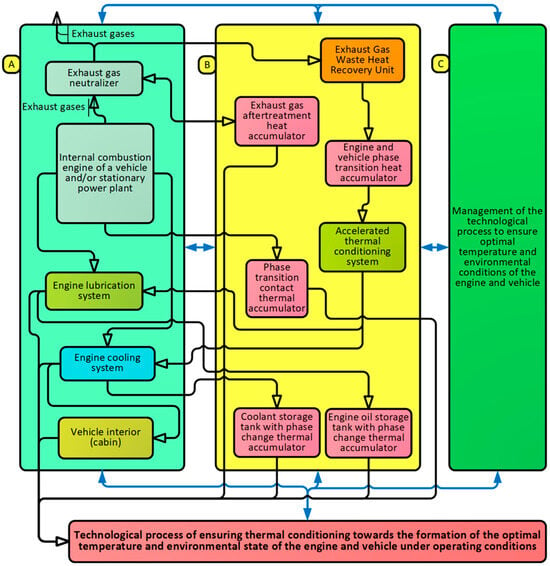
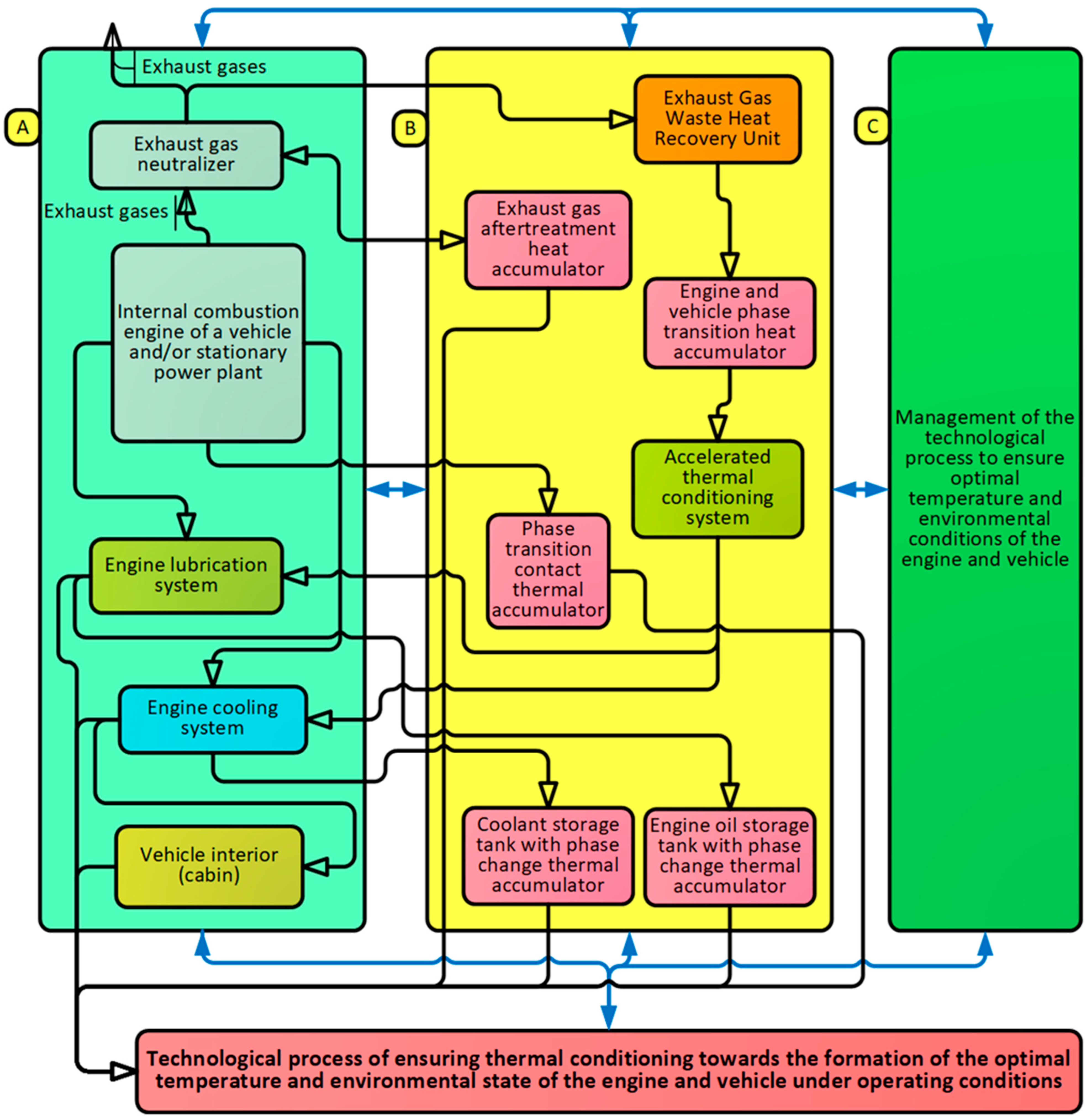
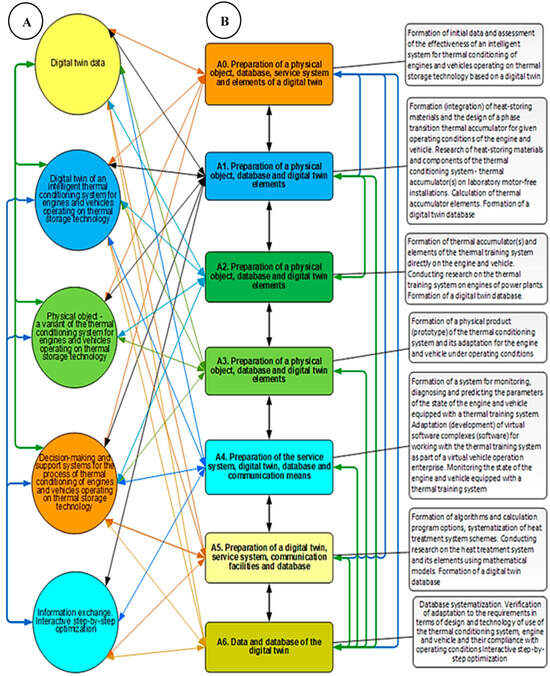
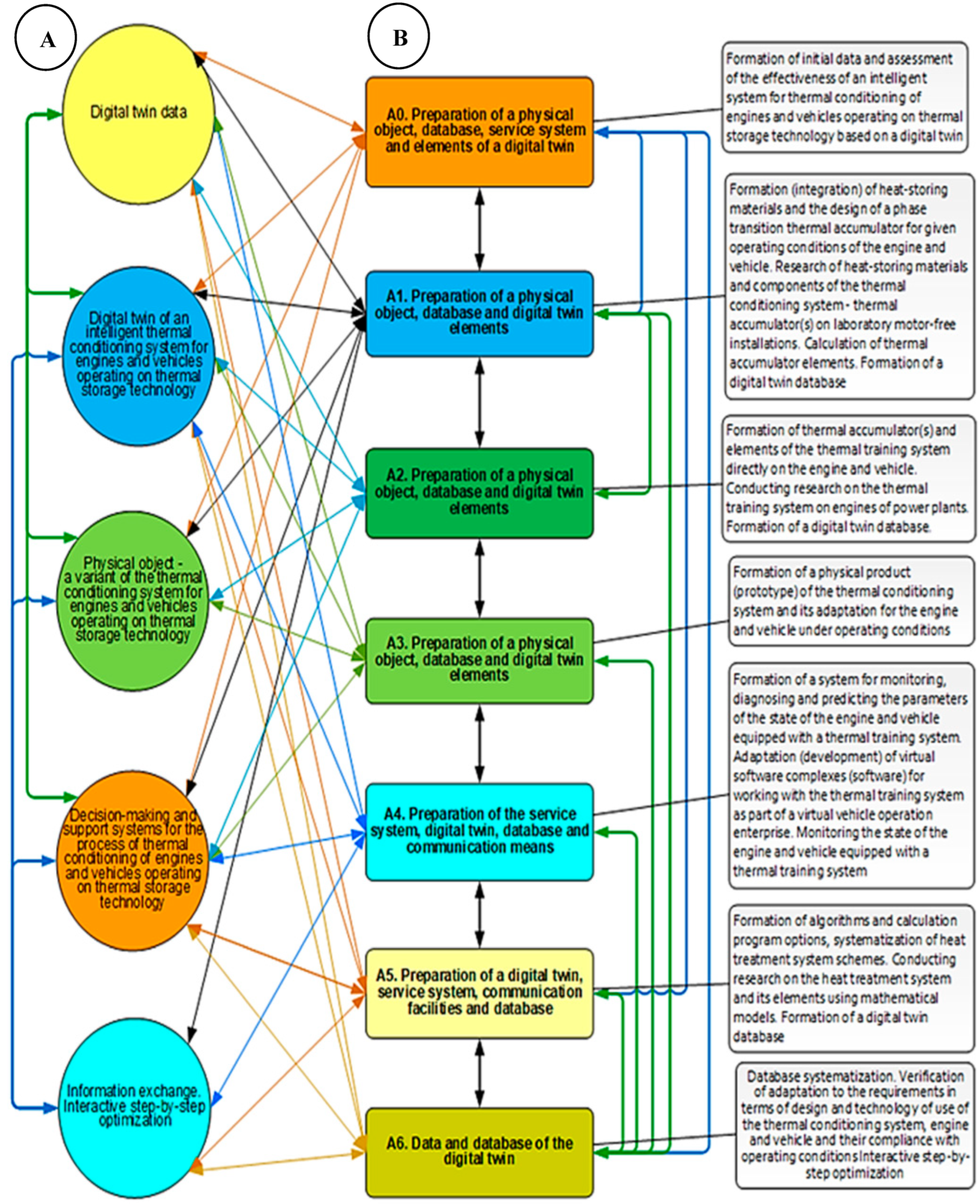
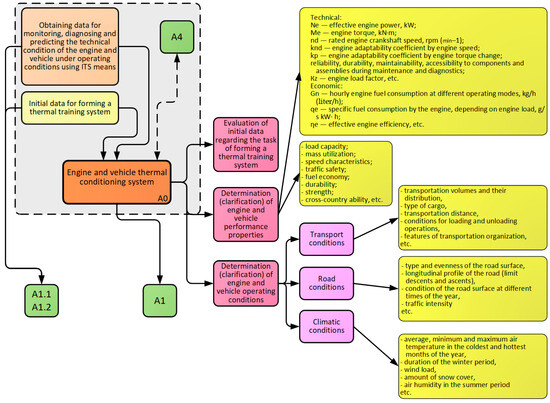
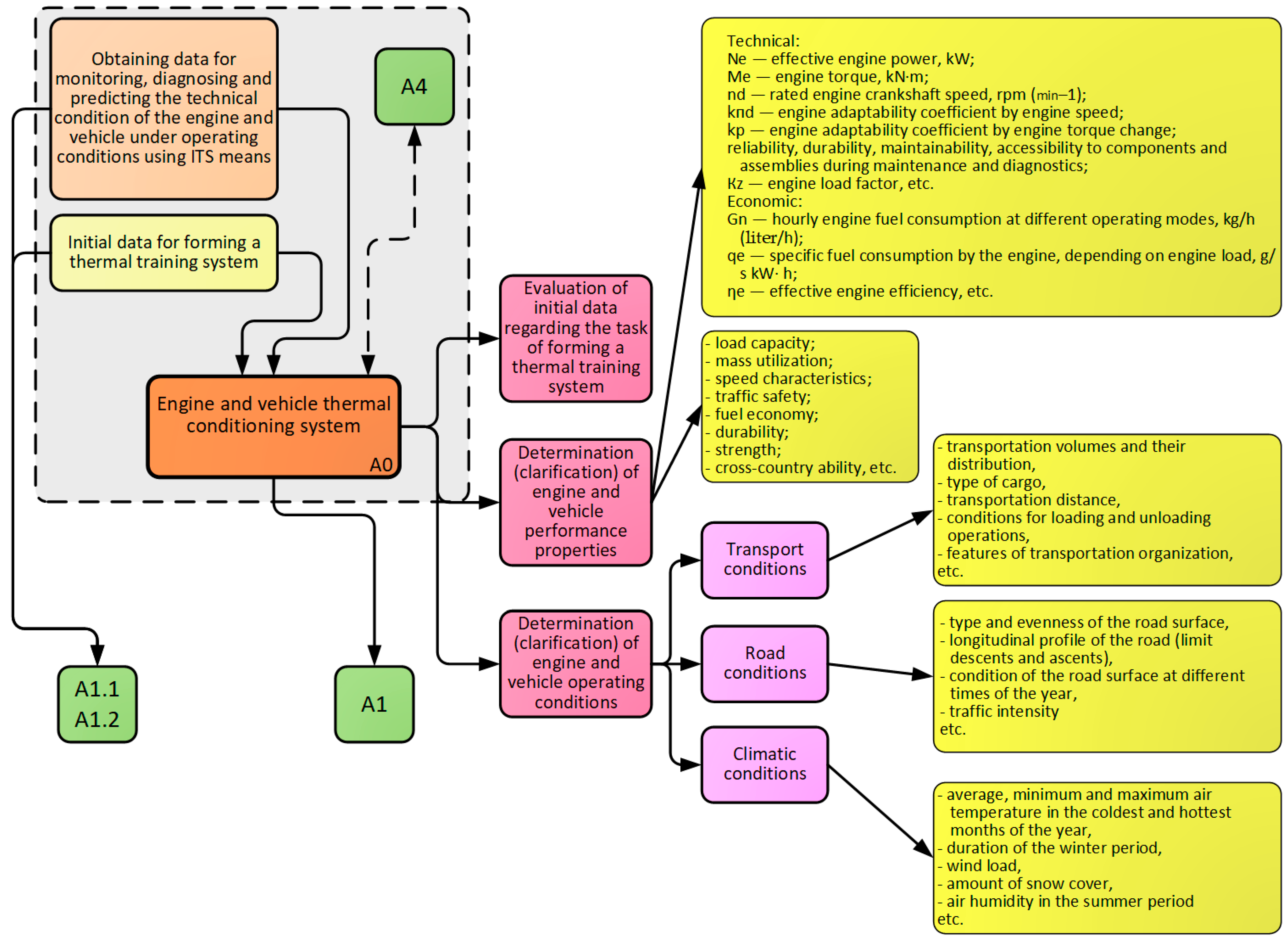
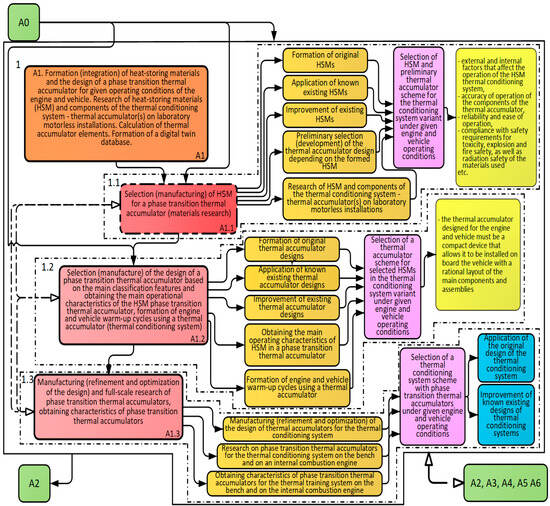
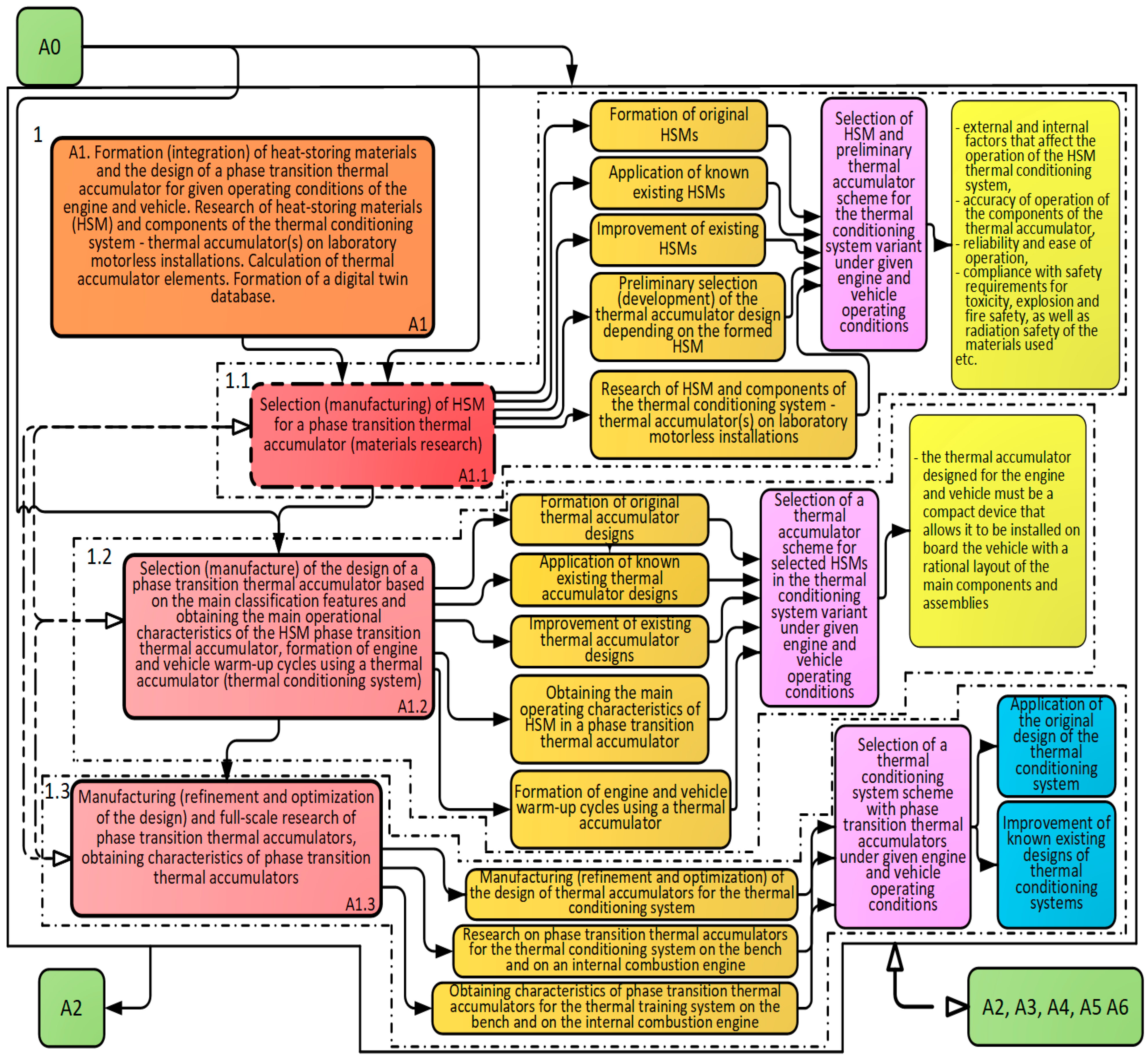
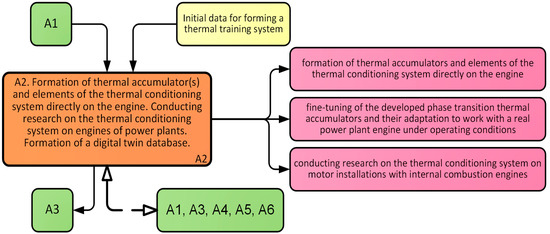
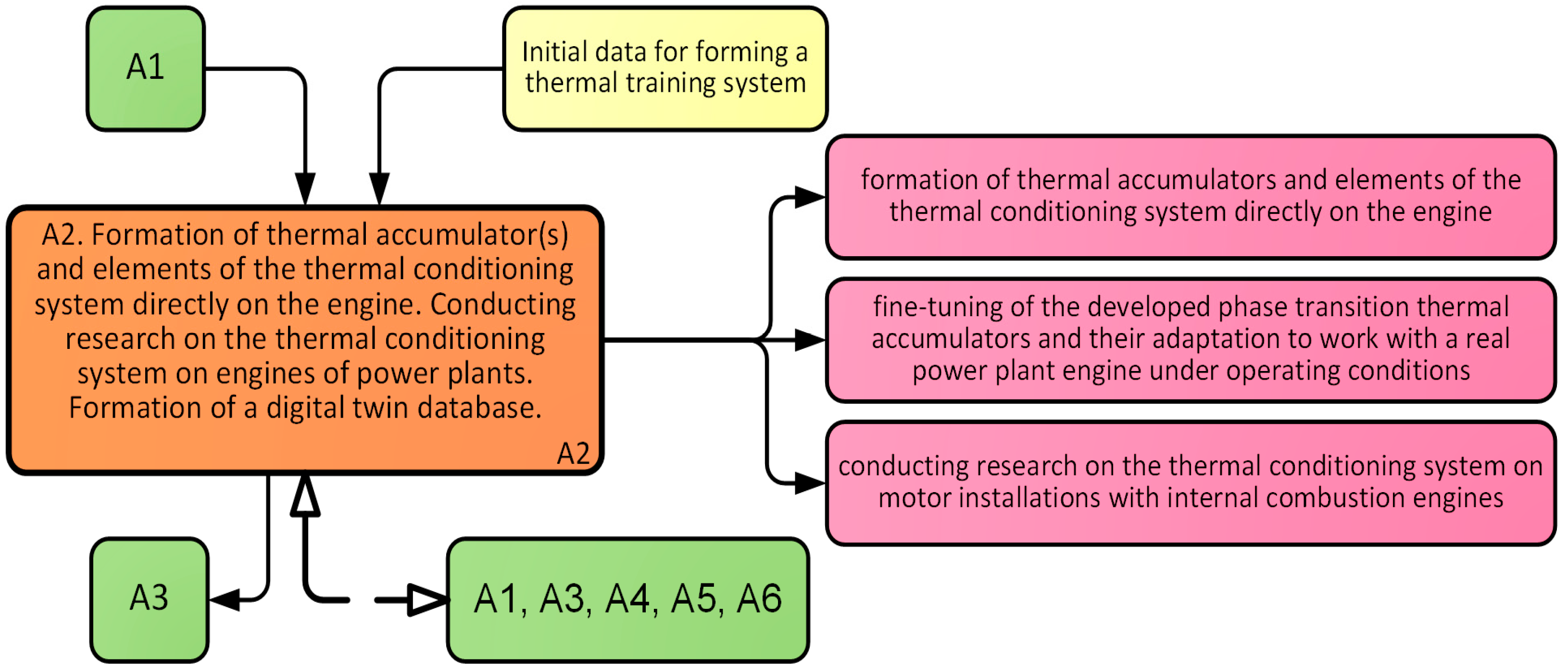
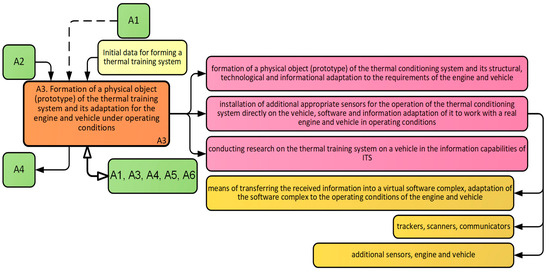
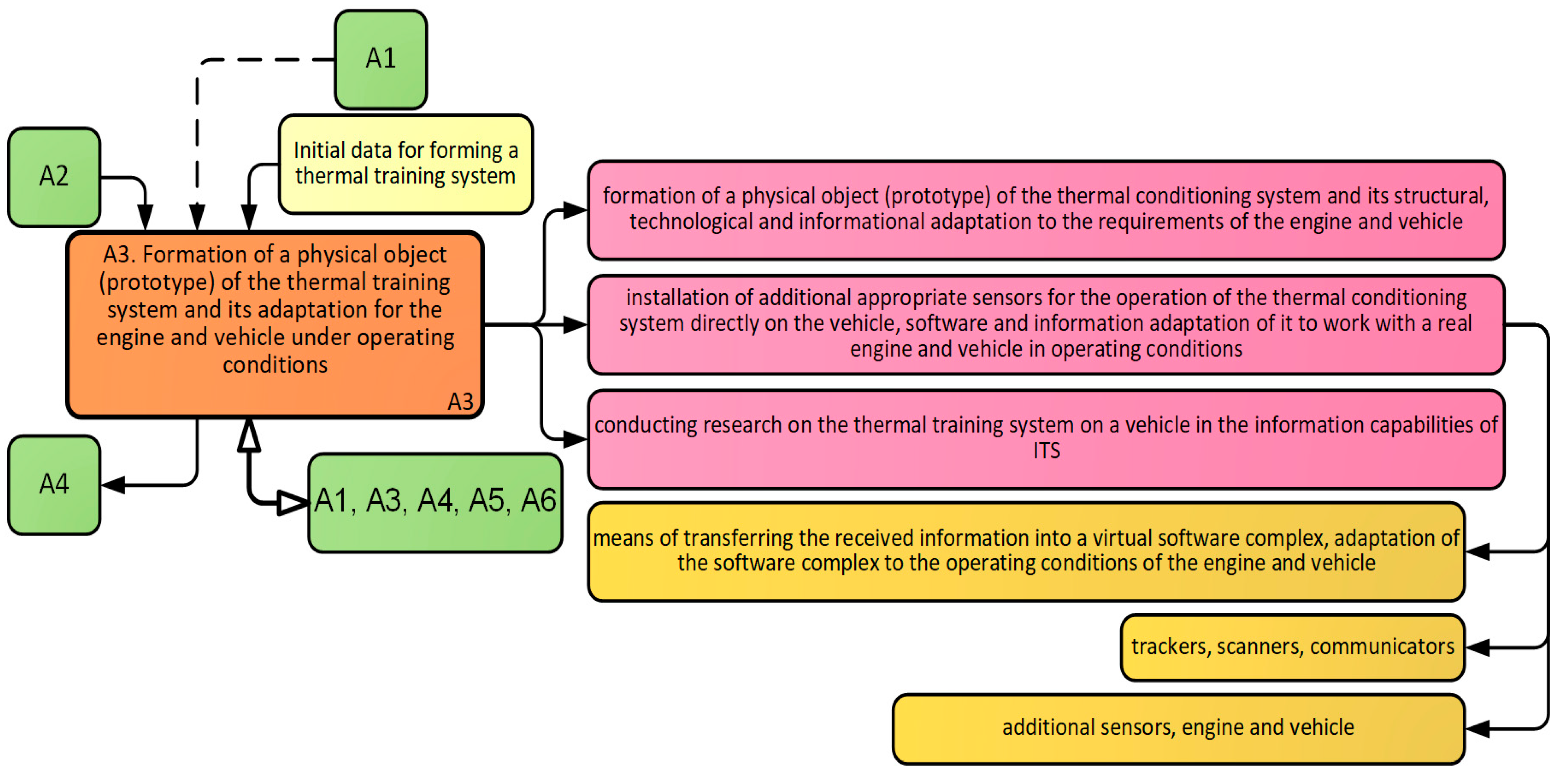
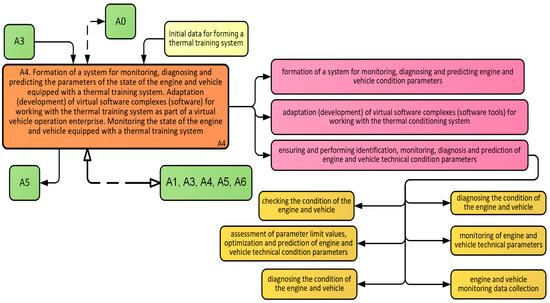
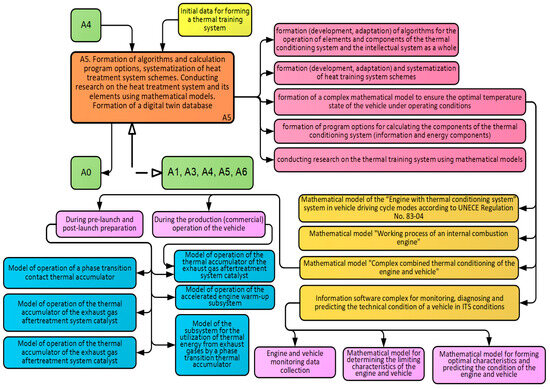
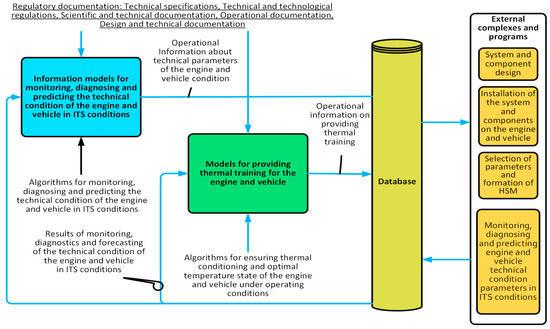
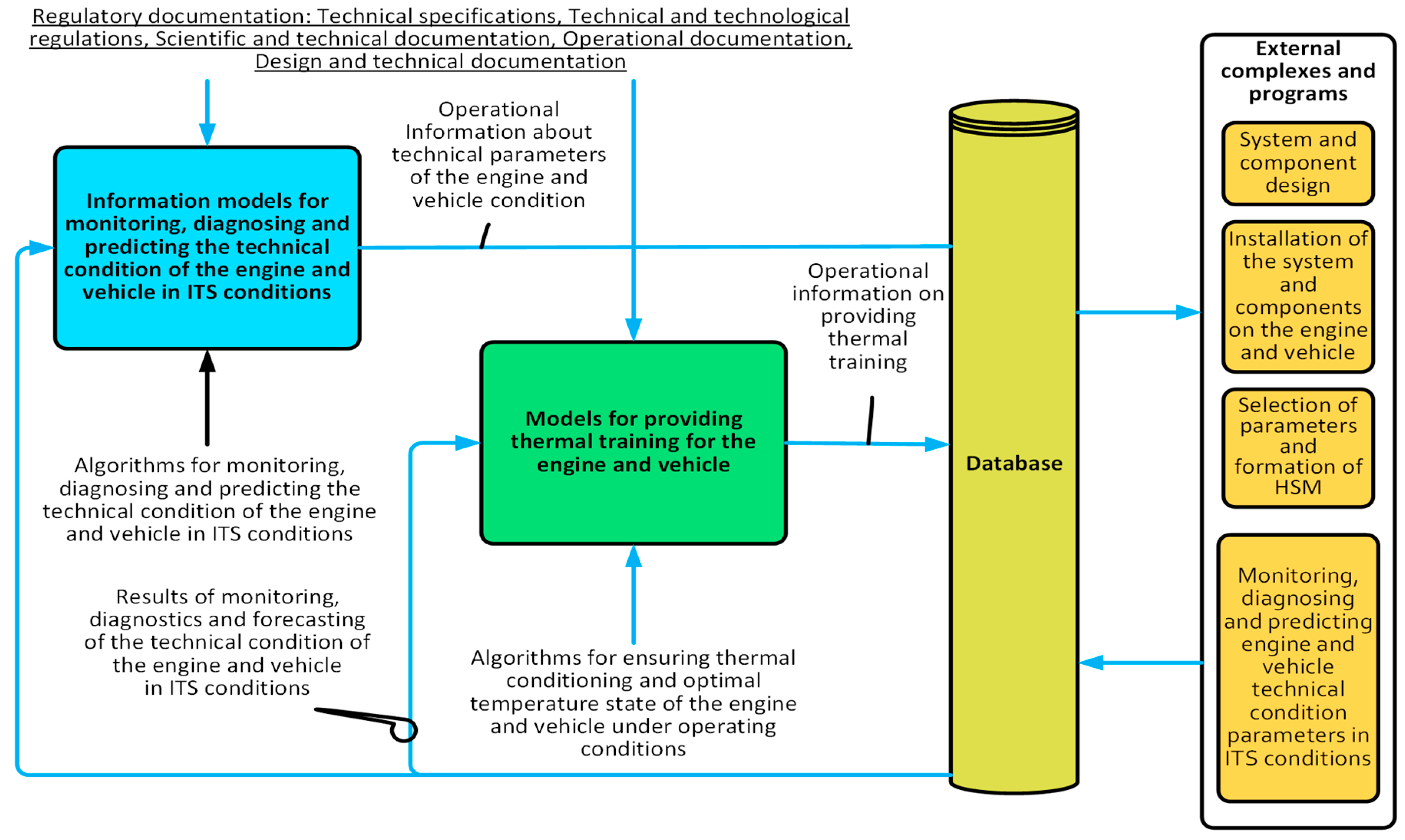
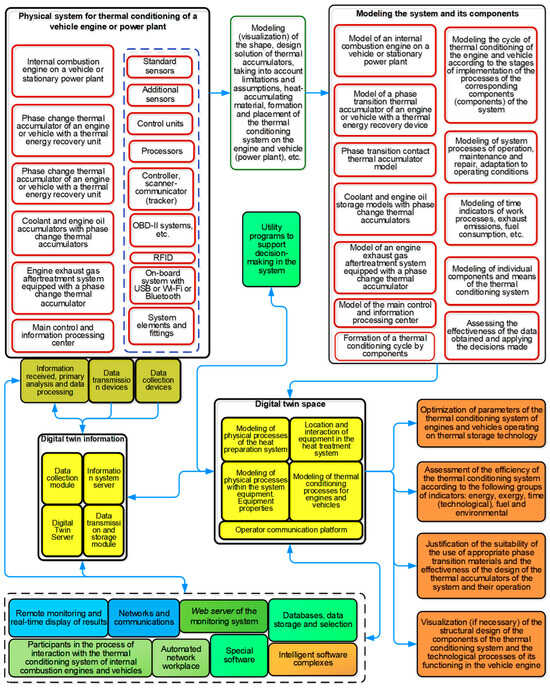
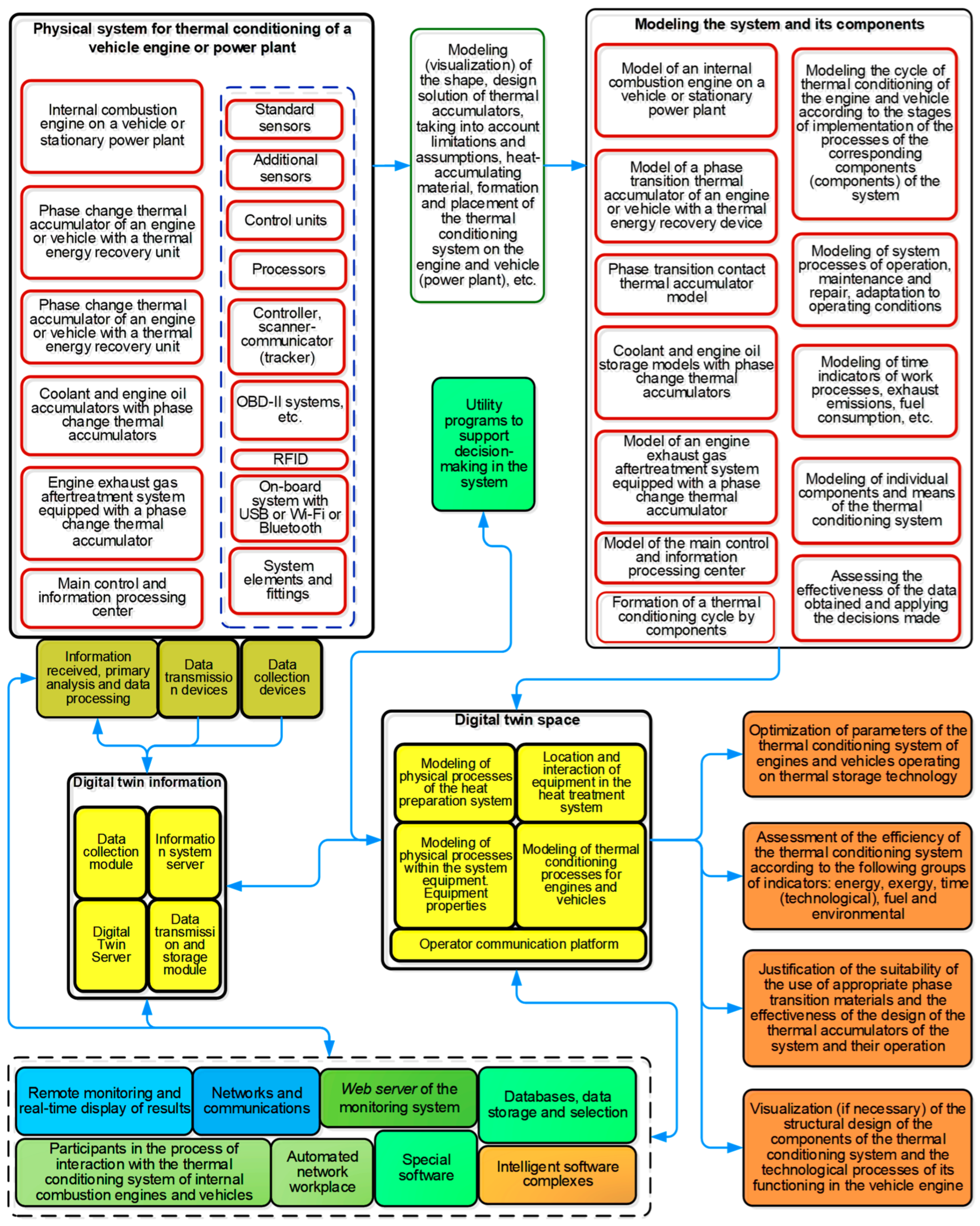
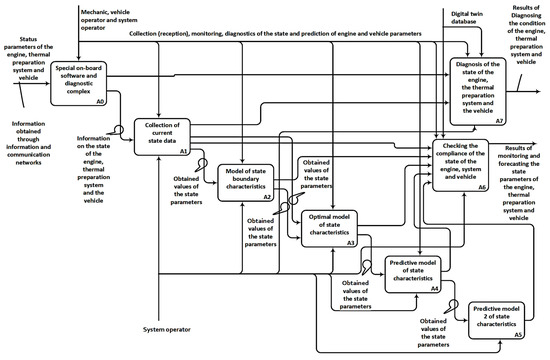
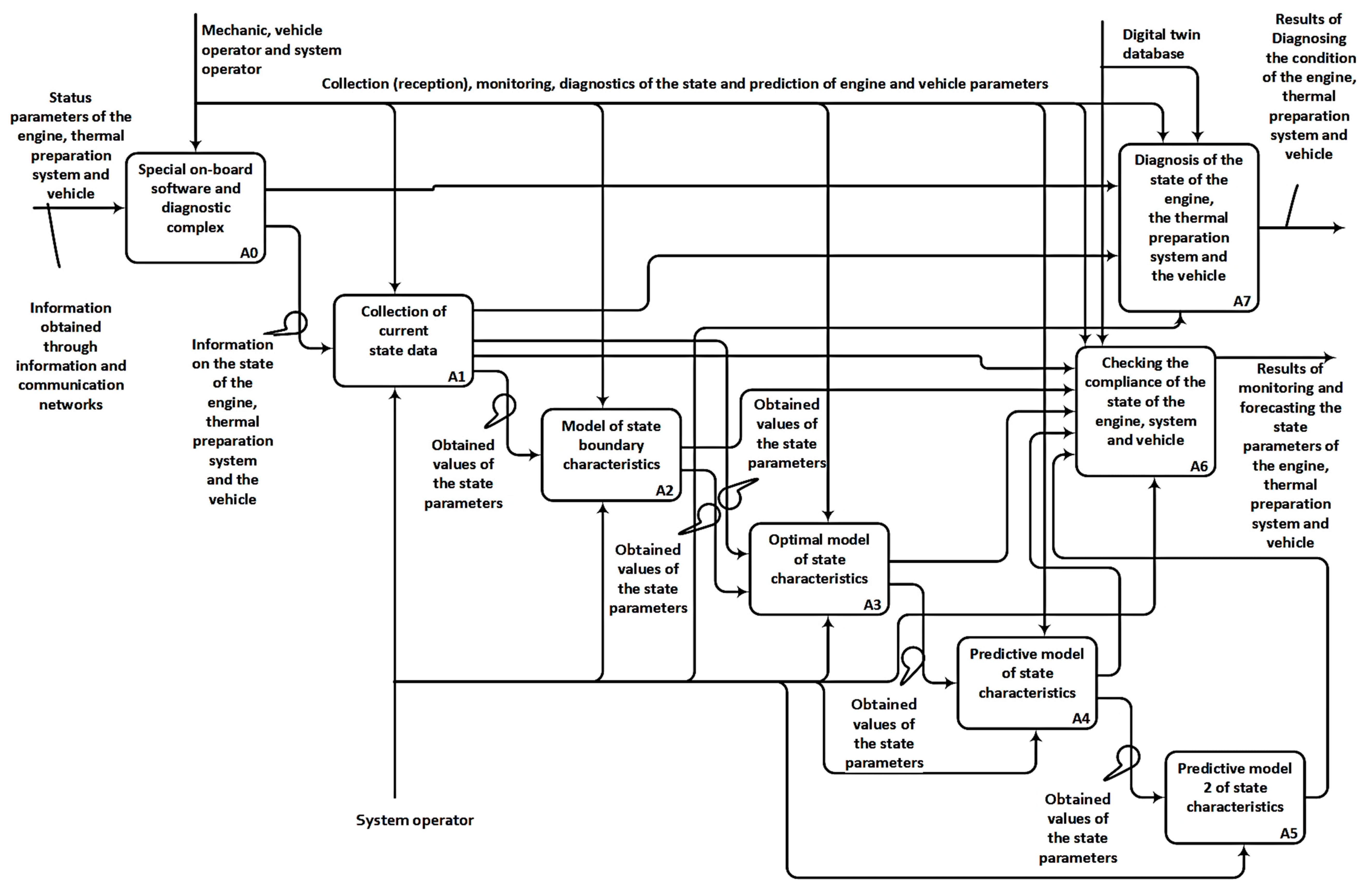
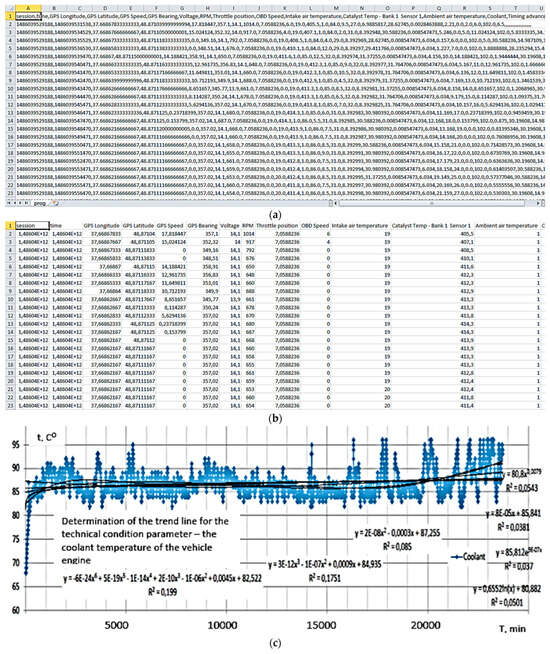
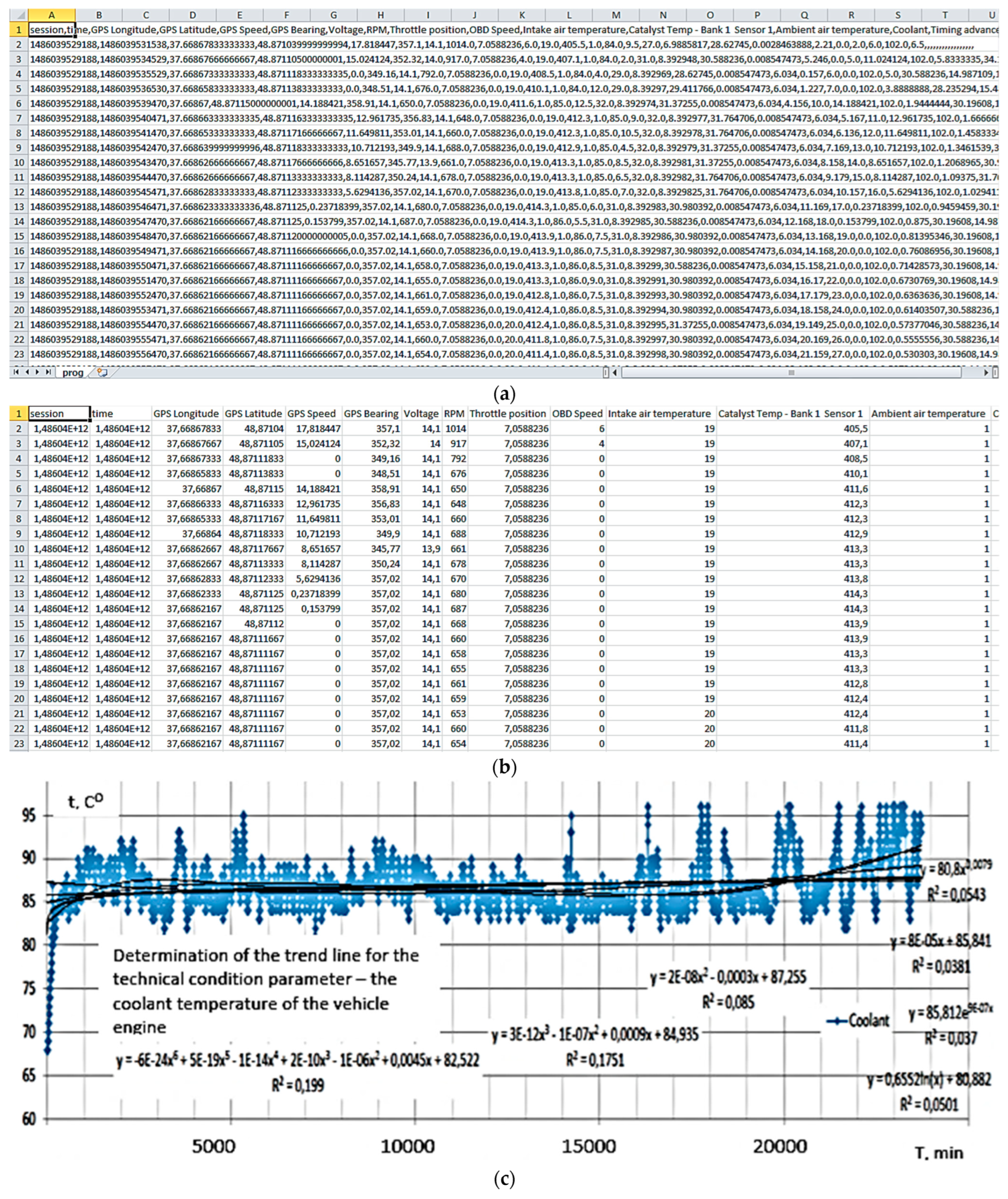
Disclaimer/Publisher’s Note: The statements, opinions and data contained in all publications are solely those of the individual author(s) and contributor(s) and not of MDPI and/or the editor(s). MDPI and/or the editor(s) disclaim responsibility for any injury to people or property resulting from any ideas, methods, instructions or products referred to in the content. |
© 2026 by the authors. Licensee MDPI, Basel, Switzerland. This article is an open access article distributed under the terms and conditions of the Creative Commons Attribution (CC BY) license.