Article

The Geochronology and Geochemistry of Zircon and Apatite from the Shenshan Epimetamorphic Rocks in Ningdu, China: Implications for Ion-Adsorption-Type REE Metallogenesis


1
National Key Laboratory of Uranium Resources Exploration-Mining and Nuclear Remote Sensing, East China University of Technology, Nanchang 330013, China
2
Key Laboratory of Ionic Rare Earth Resources and Environment, Ministry of Natural Resources, Ganzhou 341000, China
3
Chinese Academy of Geological Sciences, Beijing 100037, China
4
The 7th Geological Team of Jiangxi Provincial Bureau of Geology, Ganzhou 341000, China
5
Chongqing Institute of Geology and Mineral Resources, Chongqing 401120, China
*
Author to whom correspondence should be addressed.
Minerals 2026, 16(3), 324; https://doi.org/10.3390/min16030324
Submission received: 22 January 2026 / Revised: 10 March 2026 / Accepted: 17 March 2026 / Published: 19 March 2026
(This article belongs to the Special Issue Advances in Granite Geochronology and Geochemistry)

Abstract

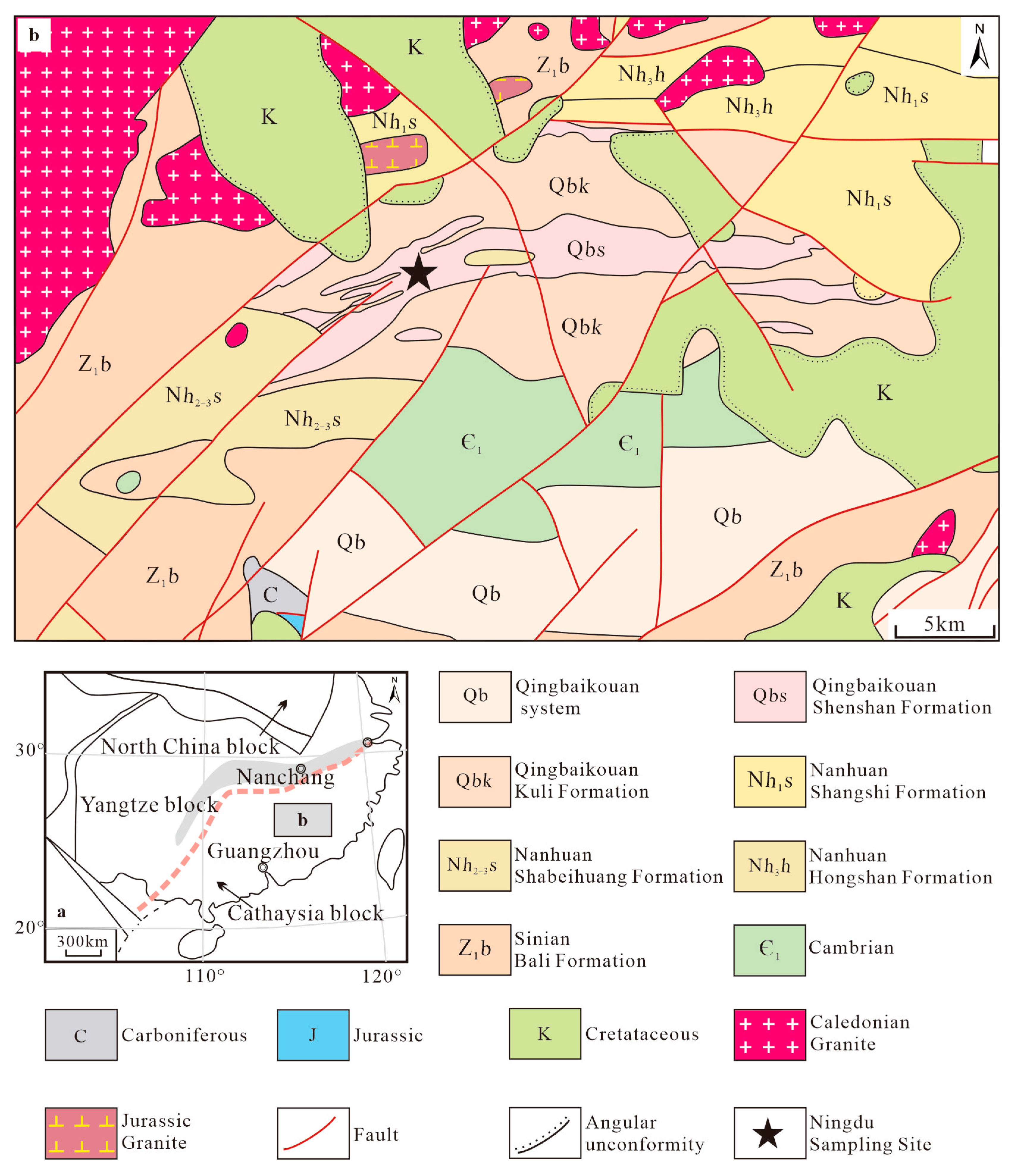
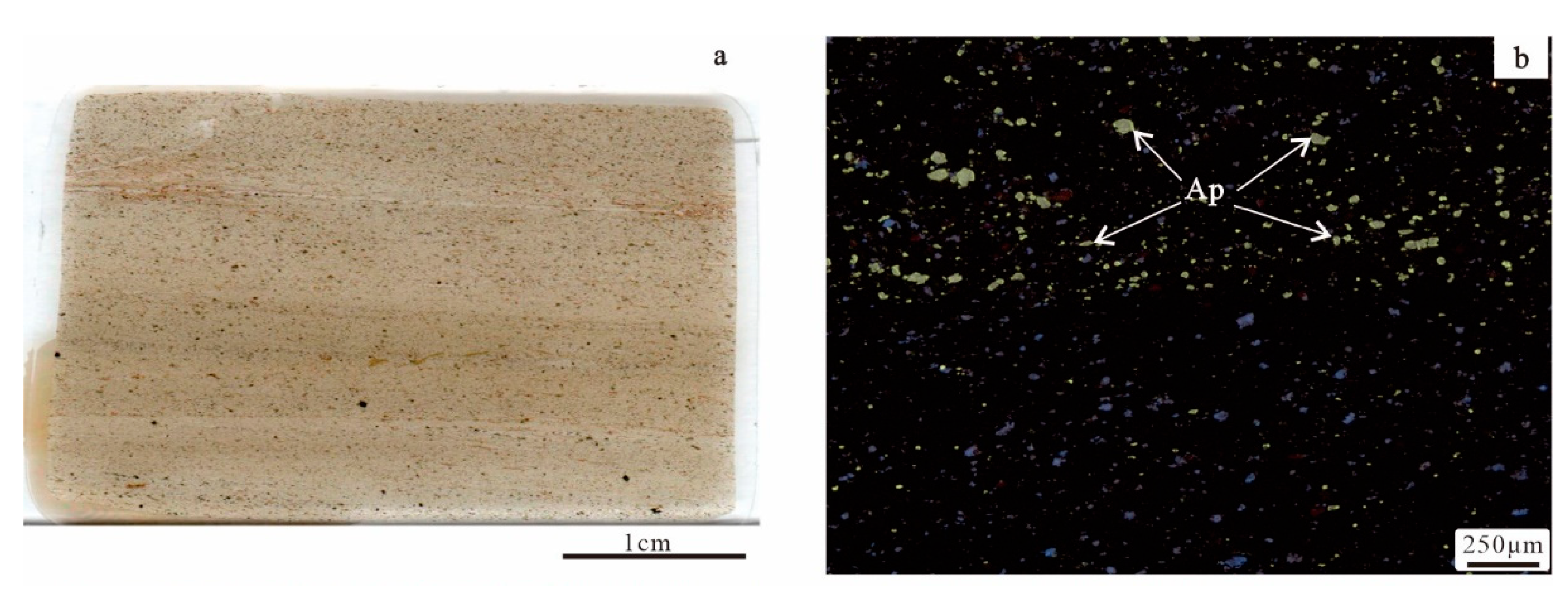
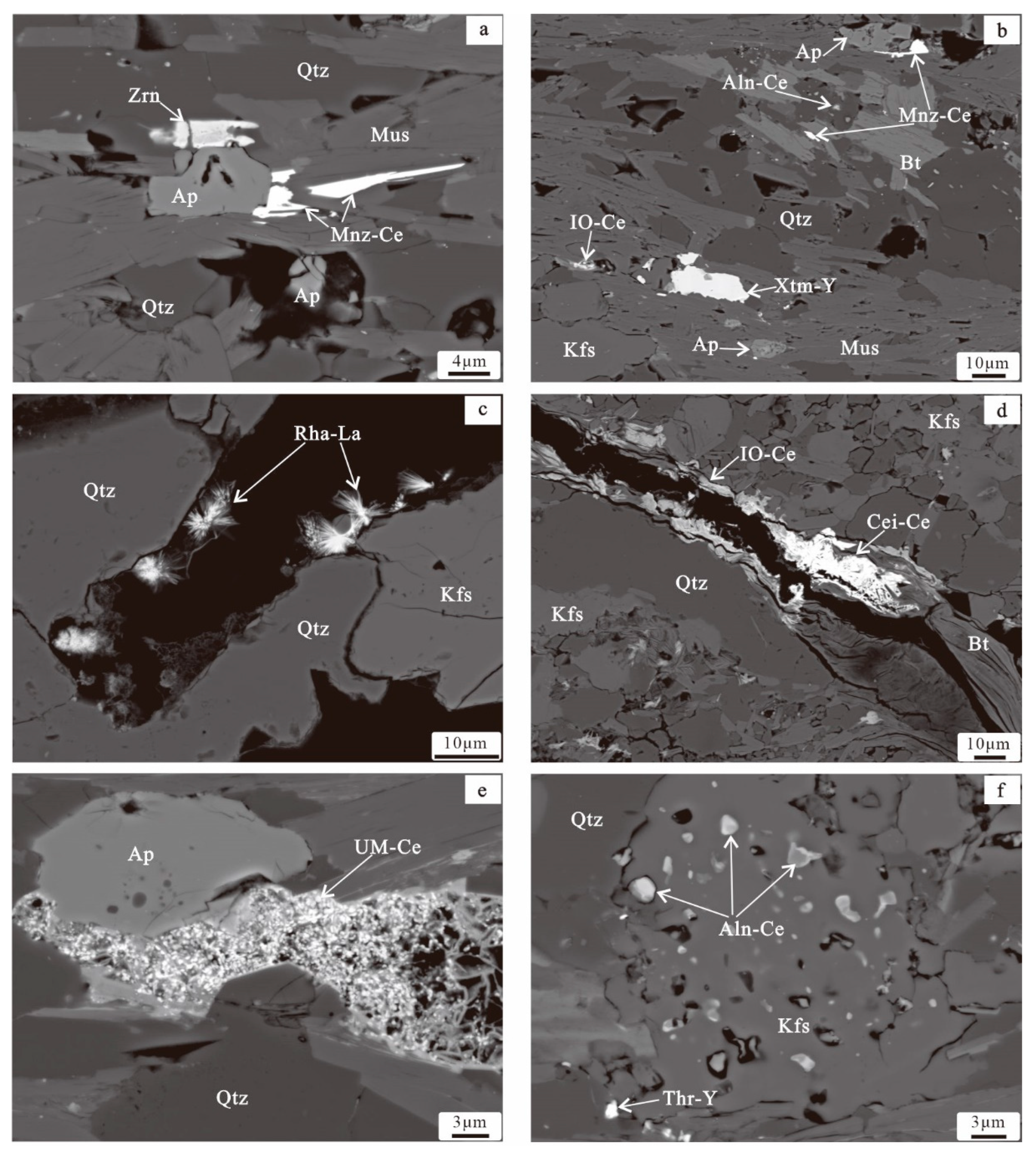
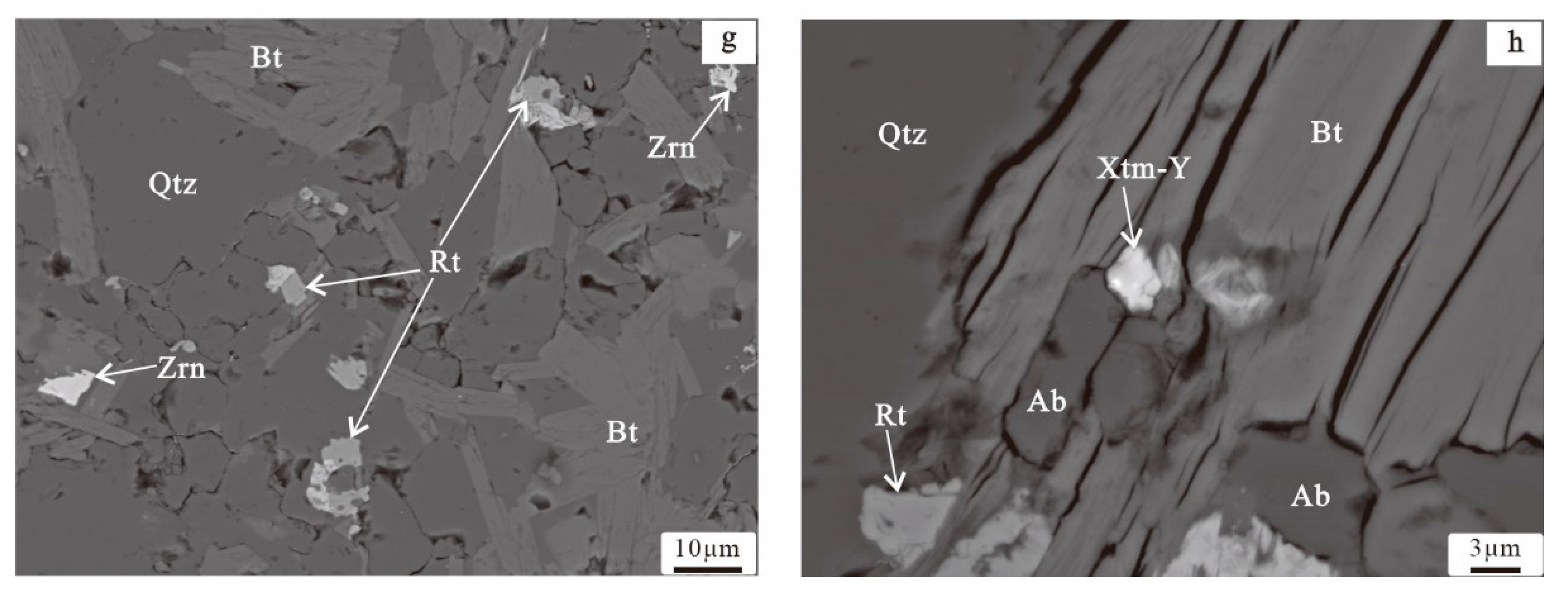
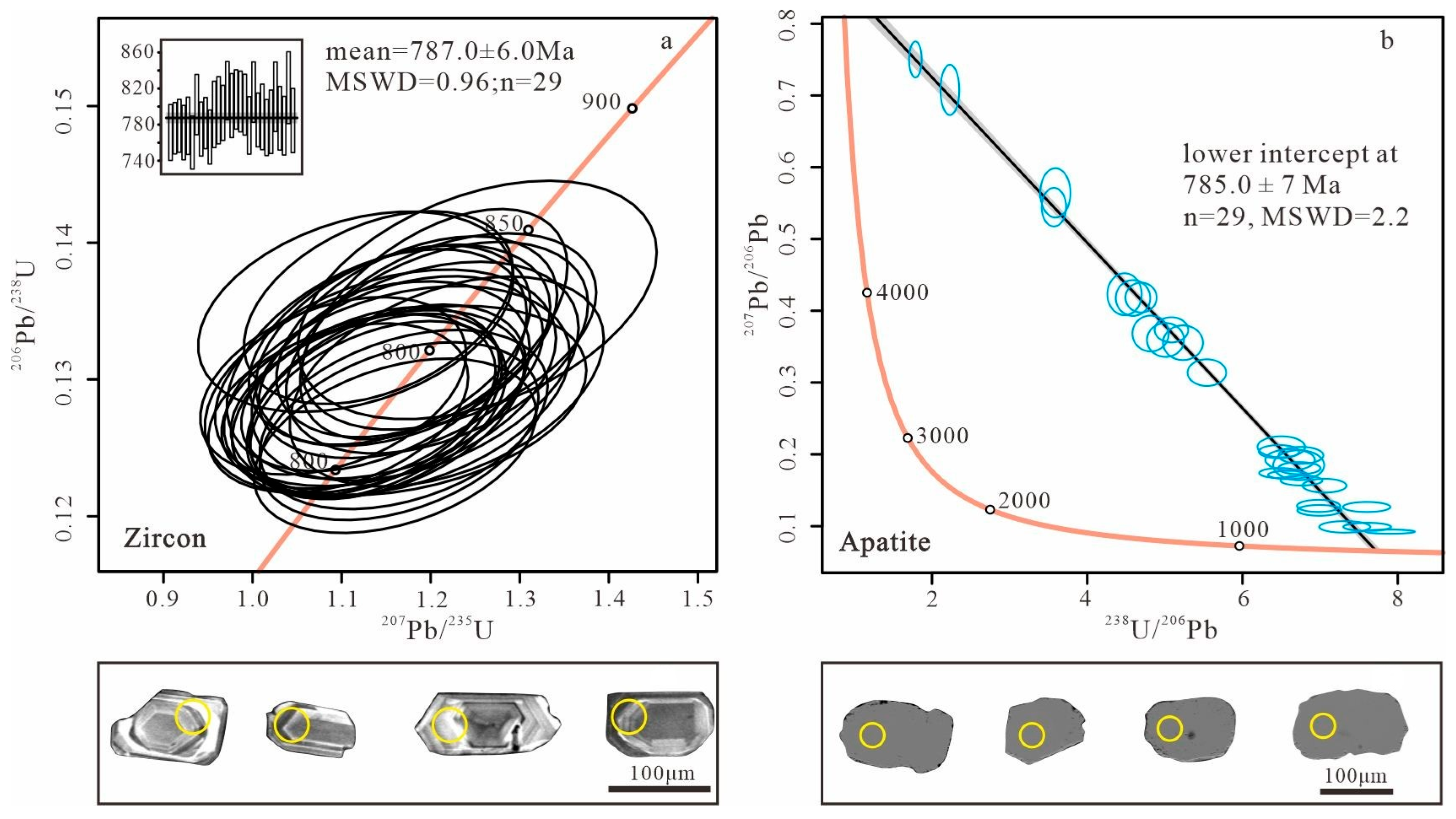
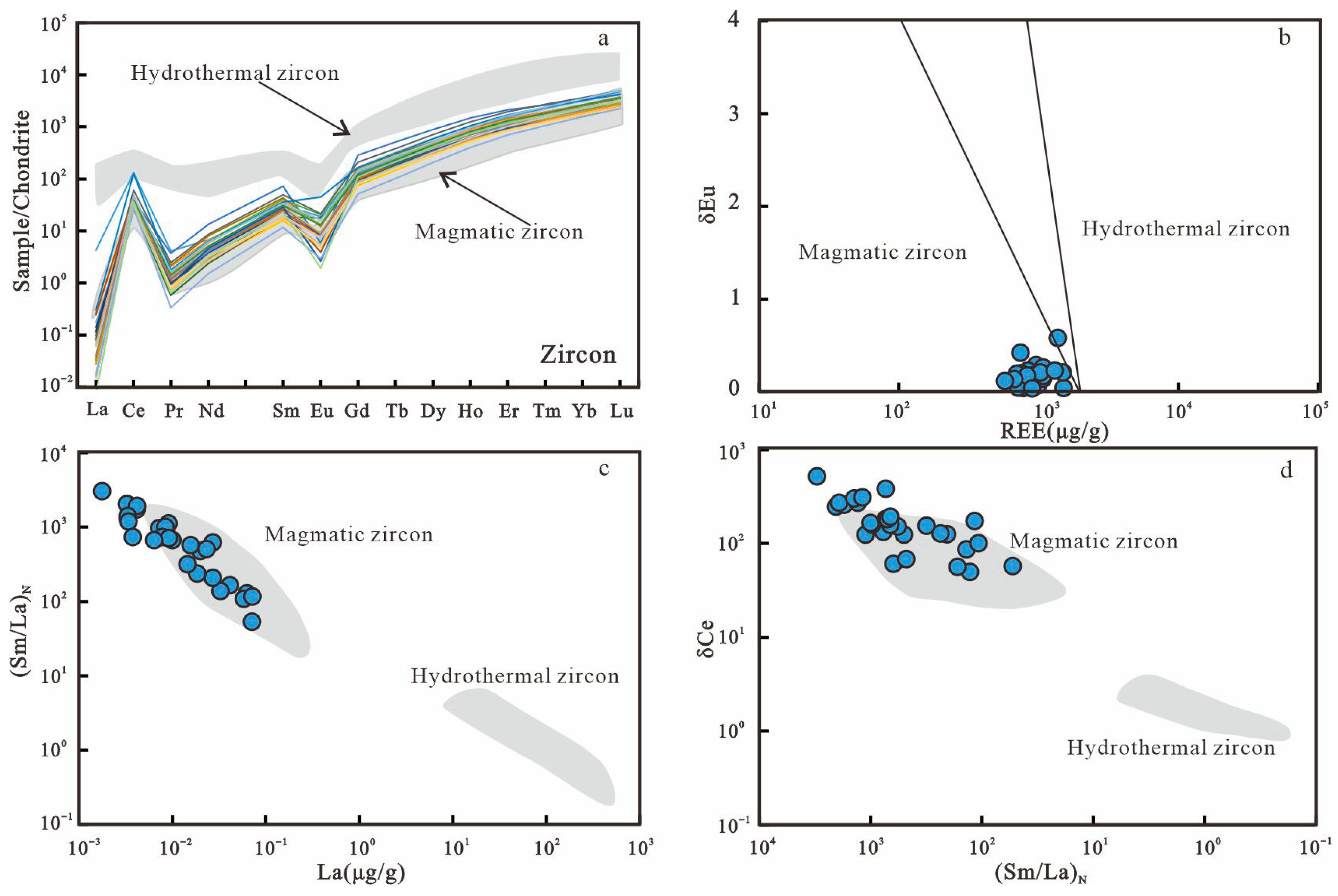
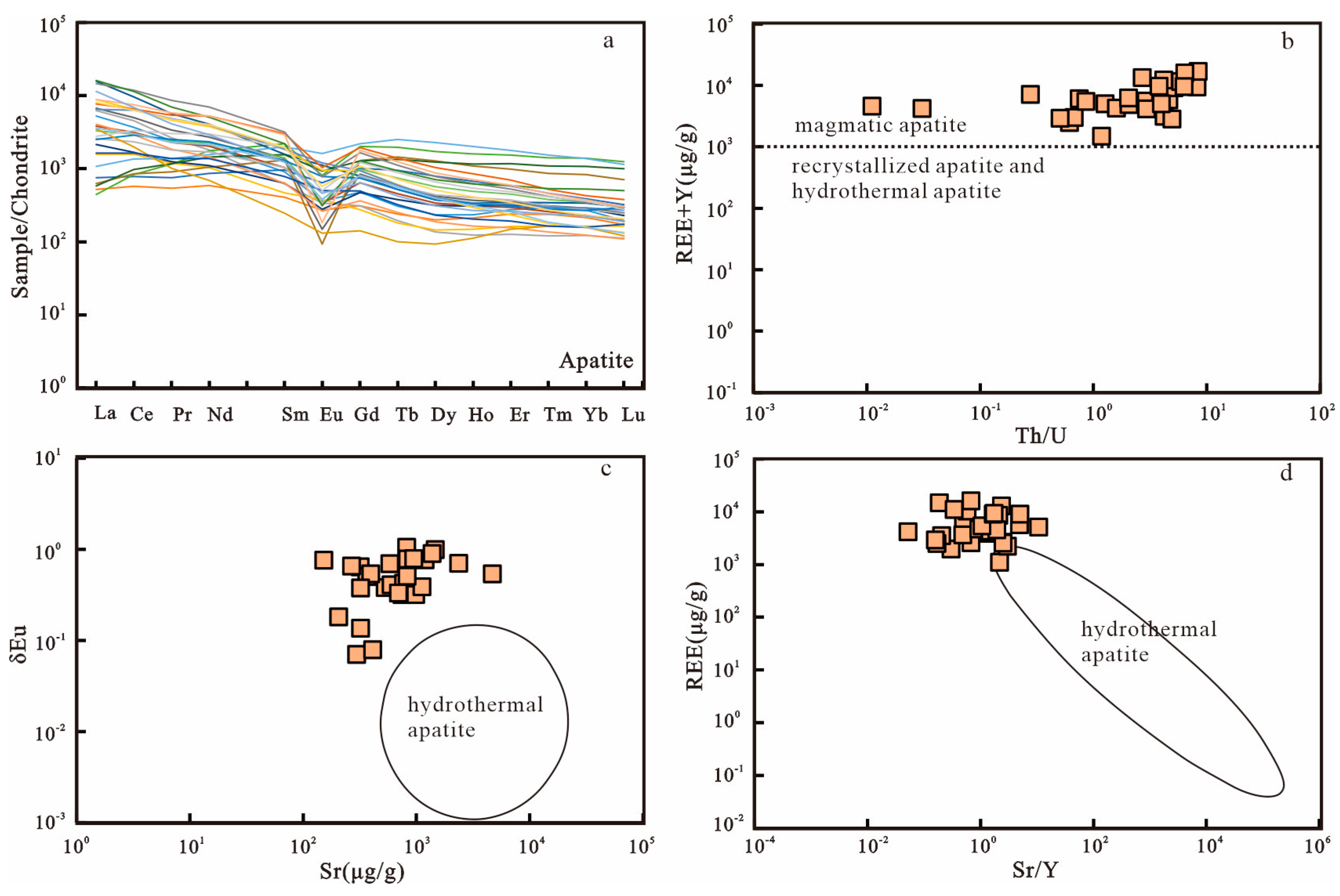
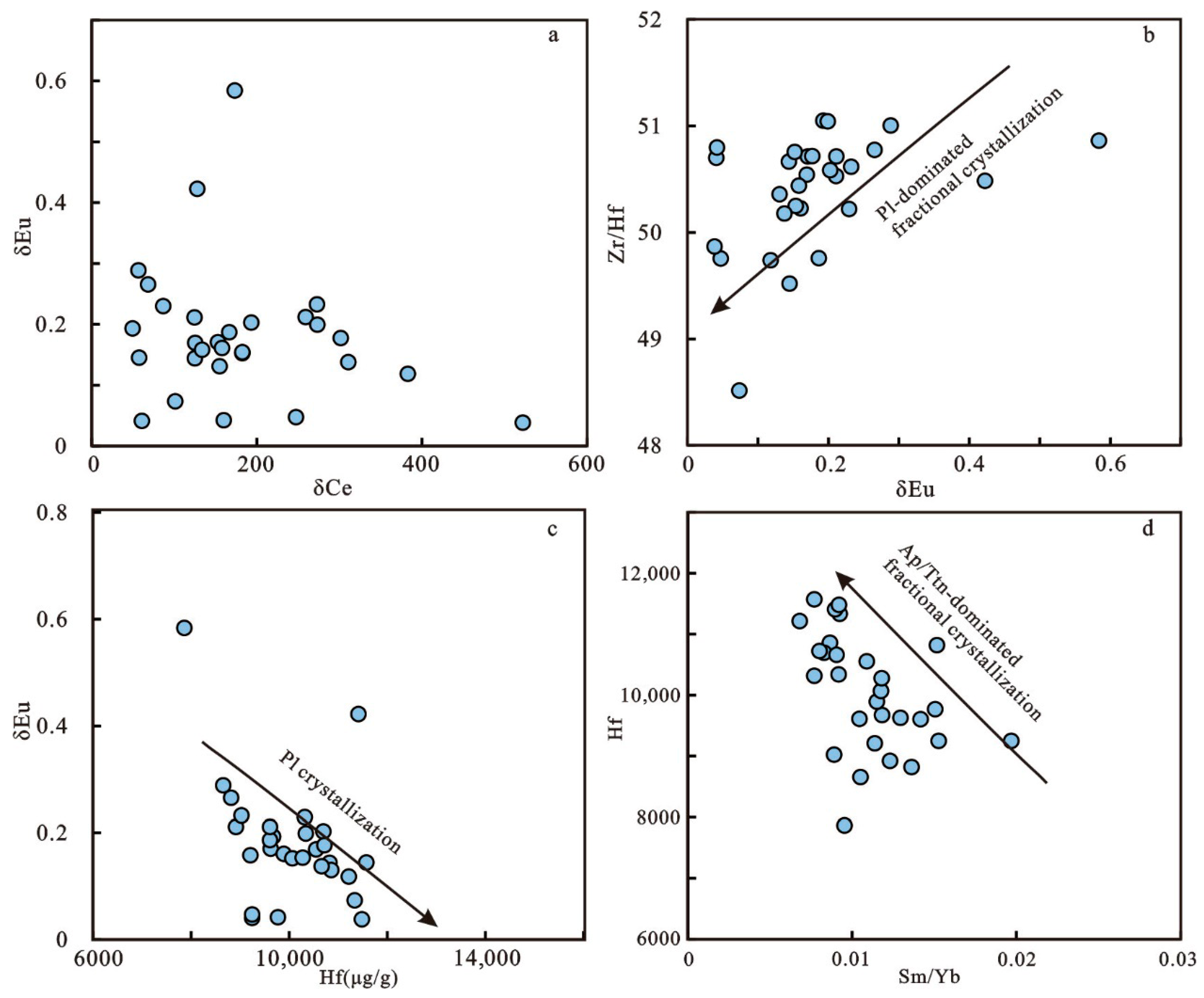
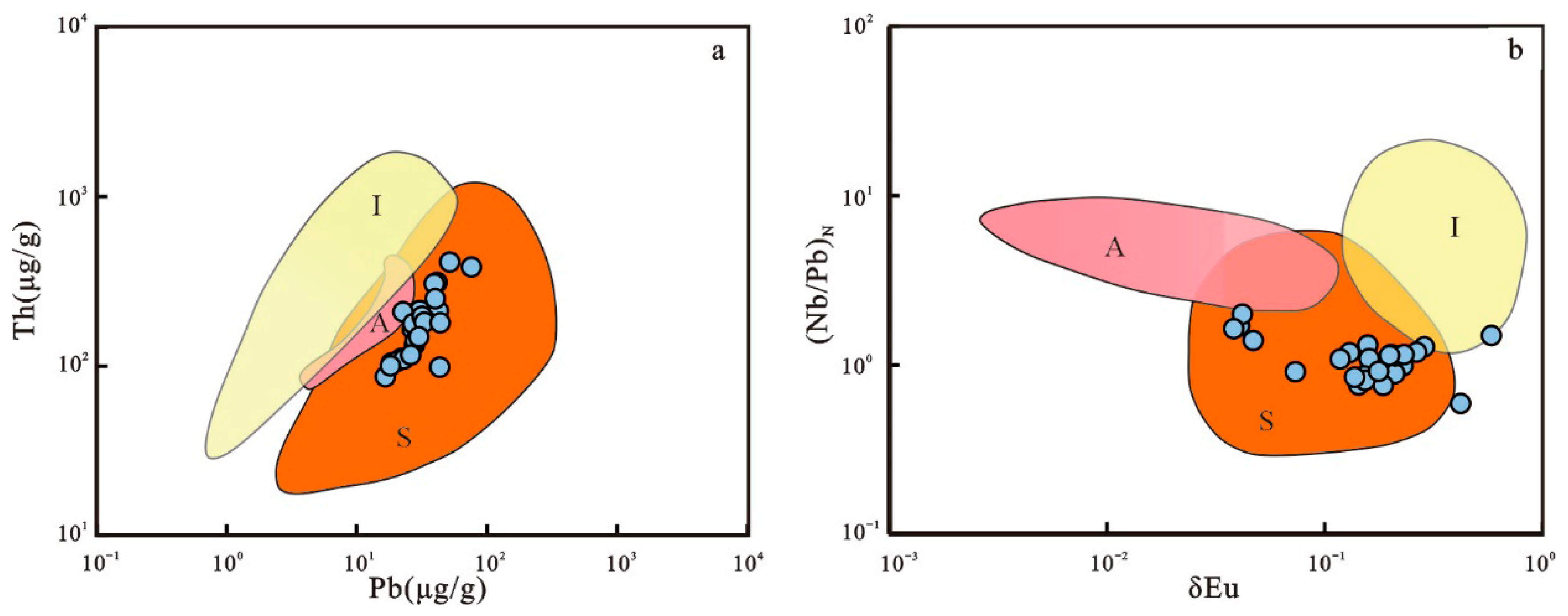
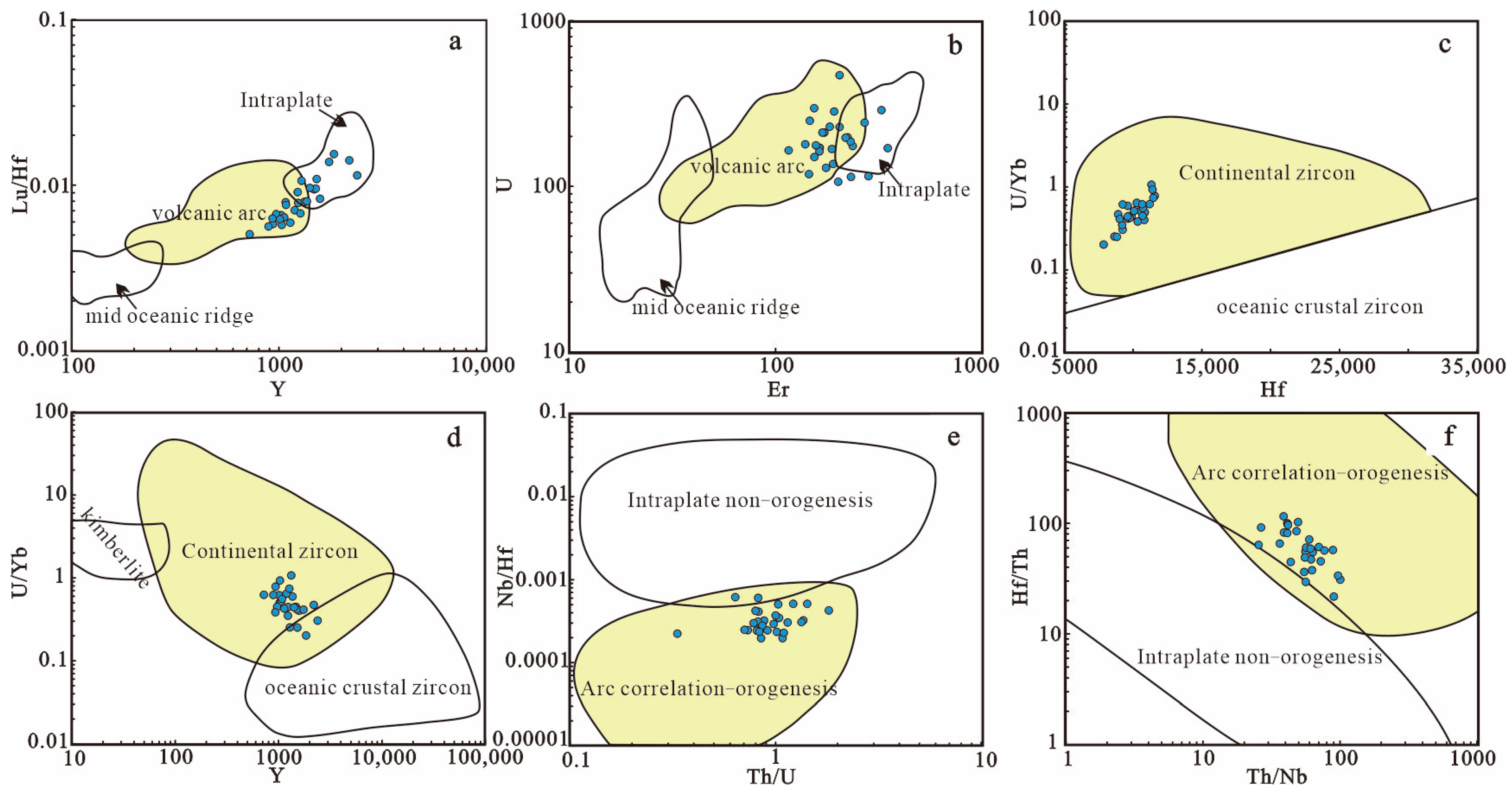
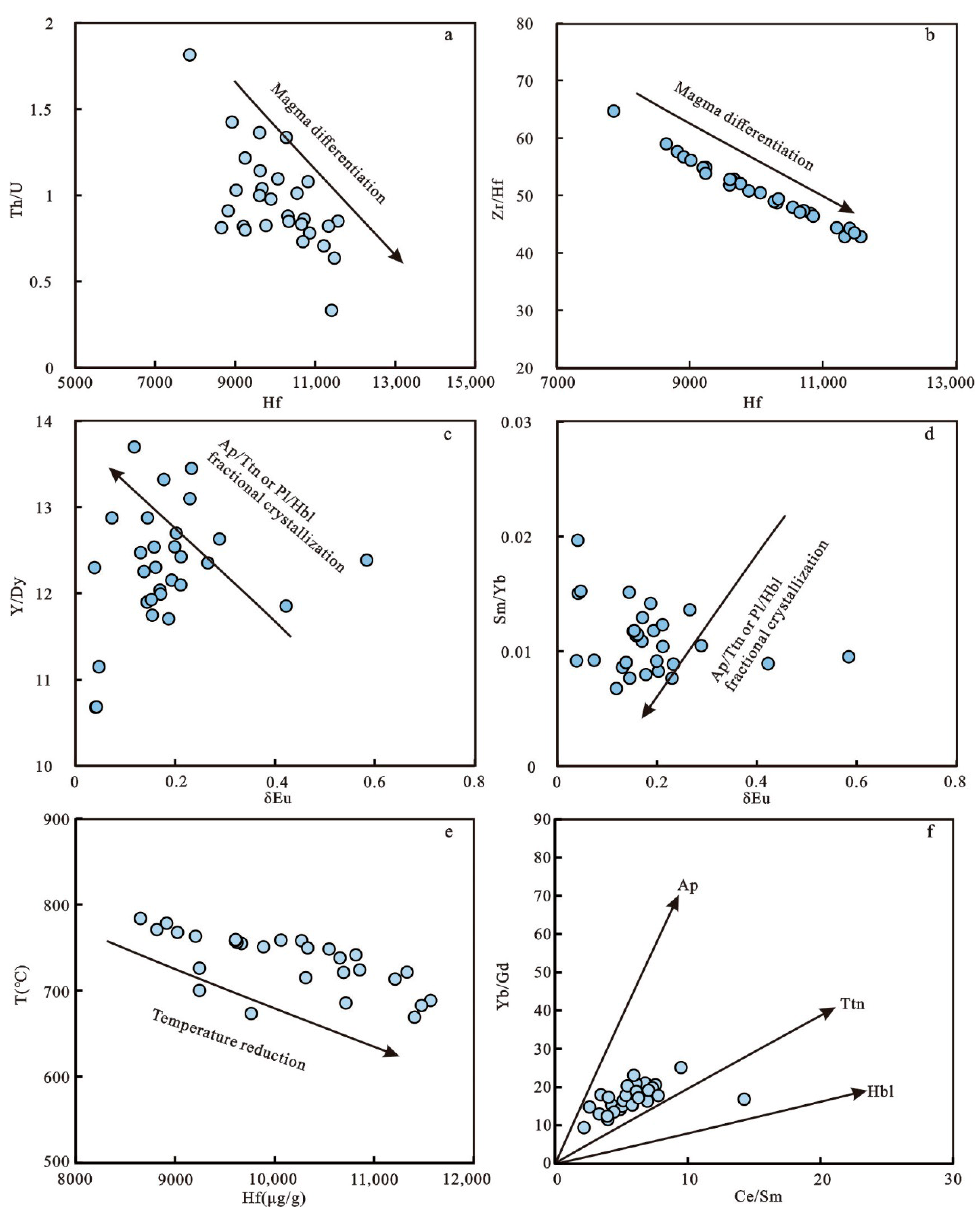
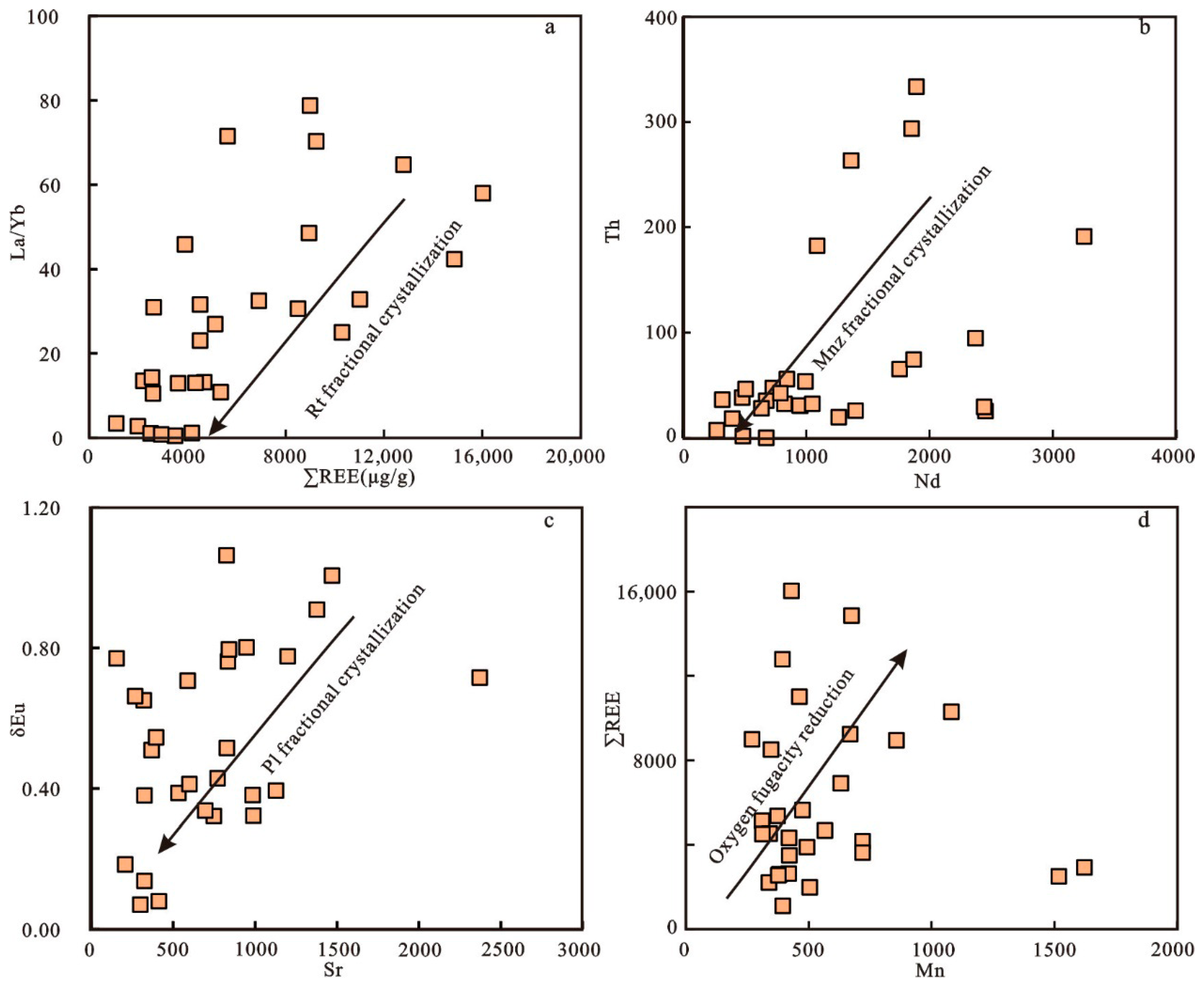
In recent decades, ion-adsorption-type rare earth element (iREE) deposits have been widely documented in the weathering crusts of granitic and volcanic rocks and their geological characteristics and genetic mechanisms extensively studied. Ion-adsorption-type REE mineralization was documented for the first time in the weathered crust overlying the epimetamorphic rocks in Ningdu County, China. In contrast to well-documented granite-derived weathering profiles, investigations of epimetamorphic rocks as protoliths for such REE deposits remain limited, particularly regarding the mineralogy of REE-bearing phases and the geochronology and geochemistry of their parent rocks. To address this gap, the present study combines comprehensive petrographic and mineralogical analyses of REE-mineralized Shenshan Formation phyllites with the U–Pb dating of zircon and apatite and trace element geochemical investigations. U–Pb zircon and apatite geochronology yields a protolith age of ca. 785 Ma for Shenshan Formation metamorphic rocks, consistent with mid-Neoproterozoic magmatism. REE-bearing minerals in the Shenshan Formation phyllites comprise allanite-(Ce), apatite, cerianite-(Ce), monazite-(Ce), rhabdophane-(La), rutile, Y-bearing thorianite and xenotime-(Y). Among these, apatite is the most abundant and likely the principal source of ionic REEs in the deposit. Ti-in-zircon thermometry indicates crystallization temperatures of 641–749 °C (mean ~704 °C), reflecting a prolonged magmatic–hydrothermal evolution. This extended history chiefly controlled the differentiation and redistribution of rare earth elements (REEs), thus governing their availability for subsequent supergene enrichment. Zircon-based oxygen fugacity (fO2) estimates a range from −31.4 to −9.9 (mean −17.9), consistent with reduced magmatic conditions. Trace element correlation diagrams for zircon and apatite indicate that the intrusion underwent an extensive fractional crystallization of accessory phases (zircon, monazite, apatite, titanite, rutile) and plagioclase. The distribution patterns of trace elements further suggest that the Shenshan Formation protolith formed in a continental margin arc or arc-related orogenic belt setting, with geochemical signatures characteristic of an S-type granite. The Shenshan Formation phyllites in southern Jiangxi exhibit high REE abundances and host a labile assemblage of weatherable REE-bearing minerals, providing an optimal material framework for ion-adsorption-type REE deposits and indicating substantial mineralization potential.
Keywords: Shenshan epimetamorphic rock; U-Pb dating; zircon and apatite trace element; REE minerals; Ningdu County Shenshan epimetamorphic rock; U-Pb dating; zircon and apatite trace element; REE minerals; Ningdu County