


Abstract
To address the shortcomings of the information acquisition optimizer (IAO)—specifically its susceptibility to premature convergence, insufficient exploitation capability during later stages, and population diversity decay when applied to complex optimization problems—this paper proposes a multi-strategy improved information acquisition optimizer (MIIAO). Centered on balancing exploration and exploitation capabilities during the search process, this method incorporates several key strategies: an adaptive differential perturbation factor is designed to dynamically adjust the search step size; an elite-guided information acquisition mechanism is introduced to enhance convergence efficiency within high-quality regions; a diversity-based restart perturbation strategy is integrated to mitigate the risk of entrapment in local optima; and a mirror boundary handling technique is adopted to bolster the resilience of solutions near boundaries and improve the effectiveness of searching within the feasible domain. To validate the efficacy of the proposed method, MIIAO was applied to the CEC2014, CEC2017, and CEC2022 benchmark test suites and systematically compared against various representative intelligent optimization algorithms. Furthermore, the method was applied to multi-threshold image segmentation tasks based on Otsu’s criterion. Experimental results demonstrate that MIIAO consistently exhibits superior solution accuracy, convergence speed, stability, and statistical ranking across various dimensions and a diverse range of complex test functions; the results of the Wilcoxon rank-sum test and Friedman mean ranking further substantiate its comprehensive performance advantages. In the image segmentation experiments, MIIAO achieved superior Otsu objective function values across multiple test images and under various threshold settings, while also demonstrating higher segmentation quality and greater robustness across evaluation metrics such as PSNR, SSIM, and FSIM. In summary, the proposed MIIAO effectively enhances the original IAO’s global search capability, local exploitation capability, and ability to maintain population diversity, thereby demonstrating significant potential for practical application in both numerical optimization and multi-threshold image segmentation tasks.
1. Introduction
With the rapid development of scientific computing and intelligent information processing technologies, complex optimization problems are showing increasingly important application value in fields such as engineering design [1], data analysis [2], image processing [3], and machine learning [4]. Whether it is a numerical optimization task in continuous space or an image segmentation and thresholding problem in discrete space, its essence can usually be reduced to finding the optimal solution under given constraints. However, optimization problems in real-world scenarios often exhibit characteristics such as high dimensionality, nonlinearity, multimodality, and strong noise interference, posing challenges to traditional analytical methods or classical gradient-based algorithms, including slow convergence, susceptibility to local optima, and sensitivity to initial conditions. Therefore, designing intelligent optimization algorithms with stronger global search capabilities and robustness has become one of the important directions in current optimization research [5,6,7].
In response to these challenges, a variety of intelligent optimization algorithms have been proposed in recent years, particularly those inspired by natural phenomena and collective behaviors, such as evolutionary algorithms and swarm intelligence methods. These approaches typically do not rely on gradient information and possess strong global search capabilities, making them well-suited for handling complex, nonlinear, and multimodal optimization problems. By simulating mechanisms such as natural selection, social cooperation, and information exchange, they can effectively balance exploration and exploitation in the search process. Among these emerging methods, the information acquisition optimizer (IAO) has attracted increasing attention due to its novel mechanism for modeling information acquisition and decision-making processes.
The information acquisition optimizer (IAO) [8], as an emerging intelligent optimization algorithm, guides a group of individuals to gradually approach the optimal solution in the search space by simulating information acquisition and decision-making update mechanisms. IAO has certain advantages in solving continuous optimization problems; however, when faced with complex multimodal functions, high-dimensional search spaces, or the presence of numerous local extrema, the original IAO may still suffer from decreased population diversity, insufficient local search capabilities, and unstable convergence accuracy, thus affecting its performance in challenging optimization tasks. Therefore, improving and enhancing IAO to give it stronger generalization ability and optimization performance in different types of problems has significant research significance and application value.
Meanwhile, image segmentation, as one of the fundamental tasks in computer vision, plays a crucial role in scenarios such as medical image analysis [9,10], remote sensing image understanding [11,12,13], and industrial defect detection [14,15]. Among these methods, thresholding segmentation is widely used due to its intuitive principle and low computational cost [16,17]. Compared to traditional single-threshold segmentation, multi-threshold image segmentation can more finely characterize the gray-level distribution features of images, achieving effective segmentation of multi-class target regions. However, as the number of thresholds increases, multi-threshold segmentation leads to an exponential growth of the search space, making exhaustive search infeasible and transforming it into a typical combinatorial optimization problem. To improve the performance of multi-threshold segmentation, researchers often introduce objective functions such as the Otsu criterion [18], Kapur’s entropy [19], and Tsallis entropy [20], and combine them with metaheuristic algorithms for threshold optimization. However, in practical applications, problems such as insufficient threshold selection accuracy, susceptibility to noise, and unstable segmentation quality still exist. Therefore, developing high-performance intelligent optimization algorithms for multi-threshold image segmentation is a real need.
Despite the significant progress achieved by existing meta-heuristic optimization algorithms, several critical challenges remain unresolved. First, many algorithms struggle to maintain an effective balance between global exploration and local exploitation, often leading to premature convergence or stagnation in later stages. Second, population diversity tends to decrease rapidly during the optimization process, which increases the risk of getting trapped in local optima, especially in high-dimensional and multimodal problems. Third, the efficiency and robustness of these algorithms are still insufficient when dealing with complex real-world applications such as multi-threshold image segmentation, where the search space grows exponentially with the number of thresholds. Therefore, there is still a clear need for a more robust and adaptive optimization framework that can dynamically balance exploration and exploitation, maintain population diversity, and achieve stable convergence performance across different types of optimization problems.
Against this backdrop, this paper proposes a multi-strategy improved information acquisition optimizer (MIIAO) to enhance the overall performance of the original IAO in numerical optimization and multi-threshold image segmentation tasks. This algorithm introduces four strategies to dynamically enhance population diversity, improve global exploration capabilities, and strengthen local exploitation accuracy during the search process, effectively alleviating the problems of getting stuck in local optima and convergence stagnation. For numerical optimization, the proposed method is validated using the CEC2014 and CEC2017 test sets and compared with 11 other newer metaheuristic algorithms to evaluate its convergence speed, optimization accuracy, and stability. For multi-threshold image segmentation, MIIAO is applied to the threshold optimization process, combined with a typical threshold segmentation objective function to achieve multi-threshold segmentation. PSNR, SSIM, and FSIM metrics are used to evaluate the segmentation quality, verifying the effectiveness and robustness of the proposed algorithm in complex image scenes.
The main contributions of this paper can be summarized as follows:
- This paper proposes a multi-strategy improved information acquisition optimization algorithm (MIIAO), which effectively balances the algorithm’s global exploration and local exploitation capabilities through adaptive differential perturbation, an elite guidance mechanism, a diversity maintenance strategy, and mirror boundary handling.
- Benchmark testing validation: Extensive comparative experiments on the CEC2014 and CEC2017 benchmark function sets show that the proposed MIIAO algorithm outperforms several existing optimization algorithms in terms of convergence accuracy, convergence speed, and stability.
- Image Segmentation Application: MIIAO was successfully applied to the multi-threshold image segmentation problem based on Otsu’s criterion, achieving superior segmentation results and higher image quality evaluation metrics on 10 test images.
The remaining parts of this paper are organized as follows: Part II elaborates on the proposed multi-strategy improved information acquisition optimizer and its key mechanisms; Part III presents the numerical optimization experimental setup and results analyses; Part IV demonstrates the experimental process and performance evaluation of multi-threshold image segmentation; and finally, Part V summarizes the work of the entire paper and looks forward to future research directions.
2. Related Work
2.1. Swarm Intelligence Optimization Algorithms and Information Acquisition Optimizer
In recent years, swarm intelligence and evolutionary computation algorithms have been widely studied for solving complex optimization problems due to their strong global search capability and flexibility. Representative algorithms include particle swarm optimization (PSO) [21], genetic algorithm (GA) [22], gray wolf optimizer (GWO) [23], and differential evolution algorithm (DE) [24]. These methods simulate natural or social behaviors such as biological evolution, animal foraging, and collective decision-making processes to explore the search space effectively.
PSO, inspired by the social behavior of bird flocking, has the advantages of simple implementation and fast convergence. However, it is prone to premature convergence when dealing with multimodal problems. GA, based on natural selection and genetic mechanisms, provides strong global search ability but often suffers from slow convergence speed. GWO mimics the leadership hierarchy and hunting mechanism of gray wolves, showing good performance in balancing exploration and exploitation. To perform parameter identification in PEMFC models, Ge et al. proposed an improved adaptive guided differential evolution (AGDE) algorithm by incorporating a fitness–distance balance (RFDB) strategy—optimized via roulette wheel selection (RWS)—and a Lévy flight (LF) strategy [25]. Through simulations utilizing voltage and current data from four different PEMFCs, and by comparing the results against traditional intelligent algorithms such as the standard AGDE and the whale optimization algorithm (WOA), the experimental findings demonstrate that the proposed algorithm achieves an absolute identification error of less than 5% for all four PEMFCs, thereby demonstrating its robust effectiveness. To enhance the capability of identifying defects in source code, John Philipose Villoth employed swarm intelligence optimization algorithms to fine-tune the parameters of machine learning classifiers; he further proposed a variant based on the classic firefly algorithm [26]. Experimental results demonstrate that the proposed algorithm achieves superior performance.
The information acquisition optimizer (IAO) is a recently proposed intelligent optimization algorithm that simulates the process of information acquisition and decision-making among individuals. By modeling how individuals gather and update information from their environment and peers, IAO guides the population to gradually approach the optimal solution in the search space. Leveraging its novel mechanisms, IAO has been widely applied across various fields. For instance, in the field of UAV path planning, Cheney et al. proposed a multi-strategy enhanced information acquisition optimizer by incorporating Lévy flights, an adaptive differential algorithm, and crossover and greedy mechanisms. Experimental results demonstrated that, compared to the IAO, this approach effectively reduces the cost of UAV flight paths, thereby providing an efficient and reliable solution for UAV operations in complex environments.
Despite their success, these algorithms still face common challenges such as loss of population diversity, insufficient local exploitation capability, and difficulty in maintaining a proper balance between exploration and exploitation, especially in high-dimensional and multimodal optimization problems. Therefore, developing more efficient and robust optimization algorithms remains an active research topic.
2.2. Multi-Threshold Image Segmentation Based on Swarm Intelligence Optimization Algorithm
Image segmentation is a fundamental task in computer vision and plays an important role in applications such as medical image analysis, remote sensing, and industrial inspection. Among various segmentation methods, threshold-based segmentation is widely used due to its simplicity and low computational cost. In particular, multi-threshold image segmentation can effectively divide an image into multiple meaningful regions by selecting appropriate threshold values.
However, as the number of thresholds increases, the computational complexity grows exponentially, making exhaustive search infeasible. Therefore, multi-threshold image segmentation can be formulated as a complex optimization problem, where the goal is to determine the optimal combination of threshold values.
To address this problem, many researchers have combined traditional objective functions—such as Otsu’s method, Kapur’s entropy, and Tsallis entropy—with swarm intelligence optimization algorithms. For instance, to address the issues of slow convergence and susceptibility to local optima inherent in traditional particle swarm optimization (PSO) algorithms, Zheng et al. proposed a PSO-based Otsu multi-threshold image segmentation method [27]; this approach determines the approximate position and search direction of particles by calculating their individual contributions. Experimental results demonstrate that the proposed method achieves superior image segmentation performance and efficiency. To address the issues of suboptimal segmentation quality and excessive time complexity inherent in standard threshold-based image segmentation methods, Guo et al. proposed a dual-mutation differential evolution algorithm based on adaptive control parameters [28]. This approach frames Otsu thresholding as an optimization problem, utilizing the maximum inter-class variance method as the objective function. Experimental results demonstrate that the algorithm excels in both segmentation accuracy and time complexity, thereby exhibiting superior overall performance. To address the multi-threshold image segmentation problem, Ning et al. proposed a two-dimensional Otsu multi-threshold image segmentation algorithm based on a hybrid whale optimization algorithm [29]. The proposed novel hybrid whale optimization algorithm is used to calculate the thresholds. Experiments were conducted using a set of classic image thresholding segmentation datasets. The results show that the proposed two-dimensional Otsu thresholding method effectively improves segmentation efficiency and quality, making it a viable image segmentation method.
Nevertheless, existing methods still face several challenges in practical applications. For example, they may suffer from insufficient segmentation accuracy, sensitivity to noise, and unstable performance when dealing with complex images. Moreover, as the dimensionality of the problem increases, maintaining population diversity and achieving stable convergence become more difficult. Therefore, there is still a need for more robust and efficient optimization algorithms for multi-threshold image segmentation.
3. The Proposed Optimizer
3.1. Information Acquisition Optimizer
The Information Acquisition Optimizer (IAO) constructs an optimization framework by simulating the “collect–filter–organize” behavior in the human information acquisition process. The core iterative process of the algorithm mainly includes three stages: information collection, information filtering and evaluation, and information analysis and organization. The mathematical models for each stage are as follows.
3.1.1. Information Collection
The information gathering phase corresponds to the process by which humans acquire information extensively from multiple sources. Its main objective is to generate new information entities (candidate solutions) through randomization, thereby increasing population diversity and expanding the search space. This phase uses a differential perturbation method to update individual positions, with the update formula as follows:
where represents the current iteration number, is the -th information entity (candidate solution) in the iteration, is the updated information entity, and and are two randomly selected information entities during the iteration process; is a random number used to characterize the degree of random influence in the information collection process. This stage guides individuals to generate new search directions through random differential information, thereby enhancing global exploration capabilities.
3.1.2. Information Filtering and Evaluation
In the information filtering and evaluation stage, the algorithm simulates the human process of sifting through information, removing redundant information, and retaining high-value information. This stage introduces a random evaluation mechanism, allowing individuals to update their state by shifting between their current state and randomly selected information. Mathematically, this can be expressed as:
where represents a random number, represents the randomly selected information unit, and represents the error term caused by subjectivity and uncertainty in the screening and evaluation process, which is defined as:
where represents the subjective influence factor, used to reflect subjective bias and random disturbances in the information filtering process. Its calculation formula is:
where , , and are random variables within the range of 0 to 1.
Furthermore, to improve the adaptability of the screening process, the algorithm introduces a reliability factor , which describes the reliability of information for each individual at different iteration stages, and adjusts the screening intensity accordingly. Its expression is:
where represents the maximum number of iterations, the sine term is used for dynamic adjustment, is used to smooth the iteration process, and is used to characterize the information quality factor. The information quality factor can be defined as:
where is a random number. Through the collaborative action of , , and , this stage enables the algorithm to filter out low-value information and retain potentially high-quality information in the context of information overload, thereby improving the robustness and stability of the search process.
3.1.3. Information Analysis and Organization
The information analysis and organization stage corresponds to the process by which humans deeply process and structurally organize the filtered information. Its main goal is to enhance the utilization of high-quality information, further transforming convertible information into usable information, thereby increasing the probability of obtaining the optimal solution. This stage is updated based on the optimal information set of the current iteration, and its mathematical model is as follows:
where represents the optimal information entity obtained in the previous iteration, is the mean of the optimal information entity across all dimensions, 33 represents the dimensionality of the problem, and is a random number. This stage utilizes an optimal solution guidance and mean correction mechanism to perform local exploration within the solution space, thereby enhancing convergence performance.
Simultaneously, a control factor is introduced at this stage to regulate the intensity of information analysis and organization, which is defined as:
where represents the reliability factor. It can be seen that and establish an adaptive correlation: when information reliability is high, increases, and the algorithm tends to perform more in-depth information mining and integration; when information reliability is low, decreases, thereby reducing the intensity of local exploration and avoiding being misled by low-quality information. The pseudocode for this algorithm is shown in Algorithm 1.
| Algorithm 1: the pseudo-code of the IAO |
| 1: Begin |
| 2: Initialize the relevant parameters |
| 3: while |
| 4: Calculate the fitness of each search agent |
| 5: Update the best solution |
| 6: Information collection: |
| 7: Update the position of individual by Equation (1) |
| 8: Information filtering and evaluation: |
| 9: Update the position of individual by Equation (2) |
| 10: Information analysis and organization: |
| 11: Update the position of individual by Equation (7) |
| 12: End while |
| 13: return best solution |
| 14: end |
3.2. Proposed MIIAO
To further enhance the global exploration capability, convergence speed, and solution stability of the information acquisition optimizer (IAO) in complex optimization problems, this paper proposes an improved IAO based on the original algorithm. The improvement strategy mainly optimizes four aspects: perturbation strength control, high-quality information guidance, diversity maintenance, and boundary handling. Specific details are as follows:
The four modifications introduced in MIIAO were selected in a problem-driven manner rather than by arbitrary combination. Their design is directly motivated by the main deficiencies observed in the original IAO when solving complex multimodal and high-dimensional problems, including overly random perturbation with insufficient stage-dependent regulation, limited exploitation of historical high-quality information, gradual loss of population diversity, and inefficient boundary handling. Therefore, each modification in MIIAO is intended to address one of these weaknesses. Specifically, the adaptive differential perturbation factor is used to regulate the search step size dynamically, so that the algorithm emphasizes global exploration in the early stage and improves local refinement in the later stage. The elite-guided information gathering mechanism is introduced to strengthen the use of the current best information and improve convergence efficiency by guiding individuals toward promising regions. The diversity-driven restart perturbation mechanism is adopted to restore population diversity when the swarm becomes overly concentrated, thereby reducing the risk of premature convergence. In addition, the mirror boundary processing strategy is employed to avoid the accumulation of individuals near the boundaries caused by direct truncation, thus improving feasible-region search stability. Since these four strategies target different but complementary aspects of the search process, their combination enables MIIAO to achieve a better balance between exploration, exploitation, convergence speed, and robustness.
3.2.1. Adaptive Differential Perturbation Factor
In the information gathering phase of the original IAO, individual position updates are performed using differential perturbation, as shown in Equation (1), where θ ∈ [0, 1] represents the random perturbation coefficient. Since fixed random perturbations may cause the algorithm to maintain a large search step size in the later stages of iteration, leading to oscillations or decreased convergence efficiency, this paper introduces an adaptive perturbation factor. This factor gradually reduces the perturbation amplitude during the iteration process, achieving a dynamic balance between “strong exploration in the early stages and strong development in the later stages.” Its expression is defined as:
where and represent the maximum and minimum values of the perturbation factor, respectively. This strategy can expand the search range in the early stages to improve the ability to escape local optima, while reducing the search step size in the later stages to enhance the accuracy of local optimization. For ease of understanding, Figure 1 shows a schematic diagram of this strategy.
Figure 1.
Schematic diagram of the adaptive differential perturbation factor.
Therefore, this modification was chosen to overcome the weakness of the original fixed/random perturbation scheme, which tends to maintain unnecessarily large search steps in later iterations and may degrade convergence precision.
3.2.2. Elite-Guided Information Gathering Mechanism
The original IAO’s information gathering process mainly relies on random difference information to generate new search directions, with limited utilization of historical best information. To improve the algorithm’s ability to mine high-quality information, this paper introduces an elite guidance mechanism based on the difference update term. This mechanism guides the population evolution direction through the current globally optimal individual , thereby accelerating convergence. The improved update formula is:
where is the guiding weight coefficient. This strategy can effectively enhance the algorithm’s development capability, enabling individuals to move towards better regions while maintaining a certain degree of random exploration, thereby improving search efficiency and convergence performance. For ease of understanding, Figure 2 shows a schematic diagram of this strategy.
Figure 2.
Schematic diagram of the Elite-guided information gathering mechanism.
This mechanism was selected because the original IAO mainly depends on random difference information and does not fully exploit the guidance of high-quality historical solutions, which limits its convergence efficiency.
3.2.3. Diversity-Driven Restart Perturbation Mechanism
Swarm intelligence optimization algorithms are prone to population diversity decline during iteration, leading to individuals clustering in local areas and premature convergence. To mitigate this phenomenon, this paper introduces a diversity monitoring mechanism and performs a perturbation restart operation on some individuals when the population diversity falls below a threshold. The following diversity index is used in this paper:
where represents the population mean position. When the value is , , individuals with poor fitness are randomly reinitialized, which can be specifically represented as follows:
where and represent the lower and upper bounds of the variables, respectively.
This strategy can effectively restore population diversity, enhance global exploration capabilities, and significantly reduce the probability of the algorithm getting trapped in local optima. For ease of understanding, Figure 3 shows a schematic diagram of this strategy.
Figure 3.
Schematic diagram of the Diversity-driven restart perturbation mechanism.
This modification was introduced to specifically address diversity loss in the original IAO, since reduced population spread is one of the main causes of premature convergence in swarm-based optimization.
3.2.4. Mirror Boundary Processing Strategy
In continuous optimization problems, updating an individual may result in an out-of-bounds solution. If a simple truncation strategy is used to directly place the out-of-bounds variable at the boundary, a large number of individuals may cluster near the boundary, thus reducing search efficiency. Therefore, this paper employs a mirrored boundary handling method, bouncing out-of-bounds individuals back into the feasible region. The update rules are as follows:
This method avoids boundary accumulation while ensuring the feasibility of the solution, which helps to improve the stability of the algorithm and the quality of feasible solutions. For ease of understanding, Figure 4 shows a schematic diagram of this strategy.
Figure 4.
Schematic diagram of the Mirror boundary processing strategy.
This strategy was chosen because simple truncation can artificially accumulate solutions near the search boundaries, whereas mirror reflection better preserves search continuity and improves boundary-region exploration.
In summary, the proposed MIIAO enhances the search balance between early and late stages through adaptive perturbation control, accelerates the convergence process by utilizing elite guidance, avoids premature convergence by incorporating a diversity restart mechanism, and improves the stability of the feasible-region search by employing mirror boundary treatment. For ease of understanding, the execution flowchart of MIIAO is shown in Figure 5. The pseudocode for this algorithm is shown in Algorithm 2.
| Algorithm 2: the pseudo-code of the MIIAO |
| 1: Begin |
| 2: Initialize the relevant parameters |
| 3: while |
| 4: Calculate the fitness of each search agent |
| 5: Update the best solution |
| 6: Information collection: |
| 7: Compute adaptive perturbation factor |
| 8: Select two random individuals and update the position of individual |
| 9: Information filtering and evaluation: |
| 10: Update the position of individual |
| 11: Information analysis and organization: |
| 12: Update the position of individual |
| 13: Mirror boundary handling: |
| 14: If individual is out of bounds, reflect it back into |
| 15: Evaluate fitness and update the best solution |
| 16: Compute population diversity |
| 17: if then |
| 18: Randomly reinitialize some poor individuals |
| 19: end if |
| 20: end while |
| 21: return the best solution |
Figure 5.
MIIAO flowchart.
3.2.5. Computational Time Complexity
Time complexity analysis is one of the important criteria for evaluating the performance of heuristic optimization algorithms. Since heuristic algorithms typically update the population and calculate fitness iteratively, their running efficiency is significantly affected by factors such as population size, problem dimensionality, and the computational cost of the objective function. Let the population size be , the problem dimension be , and the maximum number of iterations be . In each iteration, the algorithm mainly includes operations such as individual position updates and boundary handling. The computational cost is incurred when updating individuals dimension by dimension, so the complexity is . Under iterations, the total time complexity of the algorithm is , which shows that the improvement strategy in this paper does not change the order of magnitude of the algorithm’s complexity but only adds a small amount of constant-level computational overhead.
4. Experimental Results and Detailed Analyses
This section presents a numerical optimization experiment of the proposed MIIAO algorithm based on the CEC2014 and CEC2017 test sets. First, the CEC2014 and CEC2017 test sets are briefly introduced. Then, to ensure the reproducibility of the experiment, the parameter settings for all comparison algorithms are given. Next, MIIAO is compared and analyzed with 11 other novel algorithms on the CEC2014 and CEC2017 test sets. To ensure fairness, the population size for all algorithms was uniformly set to 50. In the CEC2014 test set experiments, the maximum number of iterations was set to 5000, while in the CEC2017 and CEC2022 test sets, the maximum number of iterations was set to 2000. To reduce the impact of experimental randomness on the results, each algorithm is run independently 30 times, and the mean and standard deviation are used to evaluate the experimental results.
4.1. A Brief Introduction to Benchmark Datasets
The CEC2014 [30] and CEC2017 [31] test sets are classic numerical optimization benchmark function sets proposed in the IEEE CEC (Congress on Evolutionary Computation) competition. They are widely used to evaluate the optimization performance of various heuristic algorithms, swarm intelligence algorithms, and evolutionary computation algorithms. Both test sets include a variety of representative continuous optimization problems, covering objective function types of different difficulties and characteristics, such as unimodal functions (used to test the convergence speed and local exploitation capabilities of algorithms), multimodal functions (used to examine the algorithm’s ability to escape local optima and perform global search), mixed functions, and combinatorial functions (used to simulate more complex nonlinear structures and variable coupling relationships). Furthermore, these functions typically possess characteristics such as high dimensionality, nonconvexity, multiple local extrema, and strong variable correlation, effectively reflecting the robustness and stability of algorithms in complex optimization environments. Because the CEC2014 and CEC2017 test sets have unified evaluation criteria and good reproducibility, they have become important experimental platforms for verifying algorithm effectiveness and conducting fair comparisons in the field of intelligent optimization. In addition, the CEC2022 [32] test set further extends the benchmark framework by introducing more complex and diverse optimization scenarios. Compared with previous benchmarks, CEC2022 places greater emphasis on large-scale optimization problems and enhanced variable interactions, including hybrid functions and composition functions with higher complexity. These functions are designed to better simulate real-world optimization challenges, such as strong nonlinearity, intricate landscape structures, and increased search space dimensionality. Therefore, the CEC2022 test set provides a more challenging and comprehensive platform for evaluating the scalability, robustness, and generalization ability of optimization algorithms.
In summary, this paper selects these three test sets to evaluate the performance of the MIIAO algorithm.
4.2. Competitor Algorithms and Parameter Settings
This section verifies the performance of MIIAO through comparative experiments with 11 other advanced algorithms. The comparison algorithms were selected according to three principles: relevance, diversity, and fairness. The original IAO was adopted as the core baseline because MIIAO is an improved variant of IAO, and this direct comparison can clearly demonstrate the effectiveness of the proposed modifications. In addition, ten representative and recently reported metaheuristic optimizers were further introduced to provide a broad competitive reference, covering different search mechanisms such as swarm cooperation, evolutionary variation, and adaptive population update strategies. This diversified selection avoids bias caused by comparing only with methods from a single algorithmic category. Moreover, from the perspective of the No Free Lunch theorem, no optimizer is universally optimal for all problems; thus, a meaningful evaluation should be conducted against a set of heterogeneous and competitive baselines on benchmark functions with different characteristics. Based on this consideration, the selected algorithms provide a reasonable and sufficiently diverse test bed for assessing the robustness and effectiveness of MIIAO.
The selected algorithms include the velocity pausing particle swarm optimization (VPPSO) [33], preschool education optimization algorithm (PEOA) [34], traffic jam optimizer (TJO) [35], stellar oscillation optimizer (SOO) [36], artificial lemming algorithm (ALA) [37], animated oat optimization algorithm (AOO) [38], phototropic growth algorithm (PGA) [39], beaver behavior optimizer (BBO) [40], educational competition optimizer (ECO) [41], bounty hunter optimizer (BHO) [42], and the standard information acquisition optimizer (IAO). In the comparative experiments, all algorithm parameters were set according to the references. For convenience, Table 1 summarizes the parameter configurations for each algorithm and provides the corresponding references for further reference.
Table 1.
Parameter Settings for Comparison Algorithms.
4.3. Compare Using the CEC 2014 Test Set
In this section, we investigate the performance of MIIAO on the CEC2014 benchmark problems with dimensions of 30 and 50, respectively. To conduct a comprehensive evaluation, we compare MIIAO against 11 state-of-the-art algorithms. The experimental results are presented in Table 2 and Table 3, where “,” “,” “,” and “” denote the average, standard deviation, best value, and worst value of the results obtained from 30 independent runs, respectively. Furthermore, the convergence curves in Figure 6 illustrate the convergence characteristics of these 12 algorithms. To further analyze the robustness of the algorithms and mitigate the influence of stochastic factors, Figure 7 presents box plots generated from the results of 30 repeated experiments. The optimal value in each function is shown in bold.
Table 2.
Performance results of various algorithms on the 30-dimensional CEC 2014 benchmark problems.
Table 3.
Performance results of various algorithms on the 50-dimensional CEC 2014 benchmark problems.
Figure 6.
Comparison of algorithm convergence speeds on the CEC2014 test set.
Figure 7.
Box plot analysis of different algorithms on the CEC2014 test set.
Figure 6 illustrates the convergence behaviors of different algorithms on several representative functions of the CEC2014 test set. Overall, the proposed algorithm exhibits a faster convergence rate and better final convergence accuracy than most of the compared methods on the selected benchmark problems. It can be observed that, on several functions, the proposed method decreases the objective value rapidly in the early stage, indicating that it possesses strong global exploration capability and can quickly locate promising regions of the search space. At the same time, its convergence curves remain capable of further descent in the middle and later stages, which demonstrates that the algorithm still maintains sufficient local exploitation ability and does not easily suffer from premature stagnation. In contrast, some comparison algorithms show relatively slow convergence, while others tend to flatten at higher objective values in the later iterations, revealing insufficient search efficiency or a tendency to become trapped in local optima. In addition, on more complex functions, the convergence trajectory of the proposed algorithm is generally smoother and reaches a lower objective level, which further confirms its superior balance between exploration and exploitation. Therefore, the results in Figure 6 verify that the improvement strategies can effectively enhance the optimization performance of the original algorithm and provide competitive convergence speed and solution quality on the CEC2014 benchmark set.
Figure 7 presents the box plot distributions of different algorithms on several representative functions of the CEC2014 benchmark set. Compared with convergence curves, box plots can more intuitively reflect the stability, robustness, and dispersion characteristics of the algorithms over 30 independent runs. In general, the proposed algorithm exhibits narrower box widths and shorter whiskers on most benchmark functions, indicating that its results are more concentrated and less affected by random factors. Meanwhile, the median values of the proposed algorithm are usually lower than those of the comparison algorithms, demonstrating that it can consistently achieve better optimization accuracy. On functions such as CEC2014-F7, CEC2014-F9, CEC2014-F16, and CEC2014-F22, the proposed method not only obtains the best median performance but also maintains a relatively small interquartile range, which confirms its strong robustness and repeatability. In contrast, some comparison algorithms show wider box ranges and more outliers, indicating that their performance fluctuates significantly across repeated runs and that they are more likely to fall into local optima. In particular, for several complex multimodal functions, the distributions of some algorithms are highly scattered, whereas the proposed algorithm still maintains a stable and concentrated distribution. Therefore, the box plot results further verify that the proposed algorithm has superior stability and reliability on the CEC2014 benchmark set, while also demonstrating stronger robustness against stochastic disturbances.
Table 2 and Table 3 report the optimization results of different algorithms on the 30-dimensional and 50-dimensional CEC2014 benchmark problems, respectively. Overall, the proposed algorithm achieves highly competitive performance on most benchmark functions and demonstrates clear advantages in terms of solution accuracy and stability. In the 30-dimensional case, the proposed method obtains the best or near-best average results on a large number of functions, especially on CEC2014-F2, F4, F5, F6, F7, F8, F9, and F10. For example, on functions such as F2 and F4, the proposed algorithm reaches the theoretical optimum or values extremely close to the optimum, while also maintaining very small standard deviations, indicating excellent convergence precision and stability. On more challenging multimodal functions such as F5, F6, and F9, the proposed method still achieves significantly lower average errors than most comparison algorithms, showing that it possesses stronger global search capability and a better ability to escape local optima. In addition, the standard deviation values of the proposed algorithm are generally smaller than those of the other algorithms, which further confirms that the proposed method has better robustness and repeatability over multiple independent runs.
When the problem dimension increases from 30 to 50, the optimization difficulty becomes significantly higher because the search space expands rapidly and the interactions among variables become more complex. Nevertheless, the proposed algorithm still maintains good optimization performance on most functions. Although the average errors of all algorithms generally increase in the 50-dimensional case, the proposed method continues to outperform most comparison algorithms on representative functions, particularly on functions with complex landscapes and strong multimodality. This indicates that the proposed strategy has good scalability and can maintain stable convergence performance in higher-dimensional search spaces. Compared with the original algorithm, the improved version shows more obvious advantages in both convergence accuracy and standard deviation, suggesting that the introduced adaptive perturbation, elite guidance, diversity restart, and mirror boundary handling mechanisms effectively enhance the search ability of the algorithm. Overall, the results in Table 2 and Table 3 demonstrate that the proposed algorithm not only performs well on low-dimensional problems but also maintains strong competitiveness and robustness in higher-dimensional optimization tasks.
4.4. Compare Using the CEC 2017 Test Set
In this section, we investigate the performance of MIIAO on the CEC2017 benchmark problems with dimensions of 30 and 50, respectively. To conduct a comprehensive evaluation, we compare MIIAO against 11 state-of-the-art algorithms. The experimental results are presented in Table 4 and Table 5, where “,” “,” “,” and “” denote the average, standard deviation, best value, and worst value, respectively, obtained from 30 independent runs. Furthermore, the convergence curves in Figure 8 illustrate the convergence characteristics of these 12 algorithms. To further analyze the robustness of the algorithms and mitigate the influence of stochastic factors, Figure 9 presents box plots generated from the results of 30 repeated experiments.
Table 4.
Performance results of various algorithms on the 30-dimensional CEC 2017 benchmark problems.
Table 5.
Performance results of various algorithms on the 50-dimensional CEC 2017 benchmark problems.
Figure 8.
Comparison of algorithm convergence speeds on the CEC2017 test set.
Figure 9.
Box plot analysis of different algorithms on the CEC2017 test set.
Figure 8 presents a comparison of the convergence curves for the various algorithms on the CEC2017 test suite. Based on the overall results, MIIAO consistently demonstrates superior convergence performance across the majority of the test functions. Specifically, during the initial stages of iteration, MIIAO is able to rapidly reduce the objective function value, indicating its strong global search capability; in the mid-to-late stages, its convergence curve becomes smoother and continues to steadily approach a superior solution, reflecting excellent local exploitation capability. Compared to the other benchmark algorithms—particularly the original IAO—MIIAO enters the stable convergence phase more quickly when applied to complex multimodal and hybrid functions while effectively avoiding the phenomenon of premature convergence. This demonstrates that the proposed multi-strategy enhancements remain capable of significantly improving both the convergence speed and optimization quality of the algorithm within the more complex testing environment of CEC2017.
Figure 9 presents a statistical analysis of the results from multiple runs of each algorithm on the CEC2017 test suite, visualized in the form of box plots. As evident from the results, MIIAO exhibits narrower box ranges, lower median positions, and fewer outliers across the majority of the test functions; this indicates that its result distribution is more concentrated, demonstrating high stability and robustness. In contrast, several of the comparative algorithms display wider fluctuation ranges and distinct outliers on various functions, reflecting their instability when tackling complex problems. MIIAO’s ability to maintain relatively consistent performance across different types of functions suggests low sensitivity to stochastic variations, thereby demonstrating superior reliability and generalization capabilities.
The experimental results presented in Table 4 and Table 5 further validate the aforementioned conclusions. On the 30-dimensional and 50-dimensional CEC2017 benchmark functions, MIIAO achieved superior or competitive average values (Ave) and smaller standard deviations (Std) across the majority of test functions, thereby demonstrating high optimization accuracy and robust stability. Notably, MIIAO’s performance advantages were particularly pronounced on highly complex functions—such as hybrid and composition functions—where its results not only outperformed the original IAO but, in most instances, also surpassed those of other state-of-the-art algorithms. Furthermore, as the problem dimensionality increased from 30 to 50, MIIAO exhibited only a marginal decline in performance while maintaining strong optimization capabilities; this indicates that the algorithm possesses excellent scalability and robustness within high-dimensional search spaces. Taken together, the CEC2017 test results provide further empirical evidence of the proposed MIIAO’s effectiveness and superiority in addressing complex optimization problems.
4.5. Compare Using the CEC 2022 Test Set
In this section, we investigate the performance of MIIAO on the 20-dimensional CEC2022 benchmark problems. To conduct a comprehensive evaluation, we compare MIIAO against 11 state-of-the-art algorithms. The experimental results are presented in Table 6, where “,” “,” “,” and “” denote the average, standard deviation, best value, and worst value, respectively, obtained from 30 independent runs. Furthermore, the convergence curves in Figure 10 illustrate the convergence characteristics of these 12 algorithms. To further analyze the robustness of the algorithms and mitigate the influence of stochastic factors, Figure 11 displays box plots generated from the results of 30 repeated experiments.
Table 6.
Performance results of various algorithms on the 20-dimensional CEC 2022 benchmark problems.
Figure 10.
Comparison of algorithm convergence speeds on the CEC2022 test set.
Figure 11.
Box plot analysis of different algorithms on the CEC2022 test set.
Figure 10 presents a comparison of the convergence curves for the various algorithms on the CEC2022 test suite. As can be observed, MIIAO maintains robust convergence performance even on the CEC2022 benchmark functions, which are characterized by greater complexity and stronger variable coupling properties. Specifically, during the initial stages of iteration, MIIAO rapidly reduces the objective function value, demonstrating strong global search capabilities; conversely, during the intermediate and later stages, its convergence curve smooths out and gradually approaches the optimal solution, reflecting a high degree of precision in local exploitation. Compared to the other algorithms under comparison, MIIAO achieves a state of stable convergence earlier for the majority of the functions while effectively avoiding oscillations or stagnation—evidence of its superior search guidance capability and convergence efficiency within complex search spaces.
Figure 11 presents a statistical analysis—conducted via box plots—of the results obtained from multiple runs of each algorithm on the CEC2022 test suite. As observed in the figure, MIIAO exhibits a narrower interquartile range, a lower median position, and fewer outliers across the majority of the test functions; this indicates that its result distribution is more concentrated, demonstrating superior stability and robustness. In contrast, several of the comparative algorithms display significantly wider fluctuation ranges and pronounced long-tail distributions on various complex functions, suggesting that their optimization processes are heavily influenced by stochastic factors and that their results lack stability. MIIAO consistently maintains a uniform level of performance across different types of functions, thereby further validating its reliability within complex optimization environments.
As evidenced by the experimental results in Table 6, when applied to the 20-dimensional CEC2022 benchmark functions, MIIAO achieved superior or competitive average values (Ave) and smaller standard deviations (Std) across the majority of test functions, thereby demonstrating high optimization accuracy and stability. Its performance advantages were particularly pronounced in highly complex problem domains—such as hybrid and composition functions—where its results significantly outperformed those of the original IAO as well as most of the comparative algorithms. Furthermore, the consistently low standard deviations indicate that the algorithm exhibits excellent consistency across multiple independent runs, effectively mitigating the impact of stochasticity. Overall, the CEC2022 test results further substantiate that the proposed multi-strategy enhancements have not only accelerated the algorithm’s convergence speed but also significantly bolstered its optimization capabilities and robustness when tackling complex, high-dimensional, and strongly nonlinear problems.
4.6. Statistical Analysis
Owing to the inherent randomness of heuristic algorithms, their performance may vary across different independent runs. Consequently, relying solely on a single run or average performance metrics is insufficient to provide a comprehensive and objective evaluation of an algorithm’s true performance. To ensure fairness and statistical validity in performance comparisons, it is essential to conduct appropriate statistical analyses on the experimental results. Statistical tests enable the identification of whether the observed performance differences among algorithms are statistically significant, thereby mitigating the influence of random factors on the conclusions. In this study, the Wilcoxon rank-sum test is employed to perform pairwise significance analysis between algorithms, while the Friedman test based on average ranks is adopted to conduct an overall performance comparison of multiple algorithms across multiple benchmark problems. This combined statistical framework enhances the reliability and persuasiveness of the experimental conclusions. The detailed procedures are described as follows:
4.6.1. Wilcoxon Rank-Sum Test
The Wilcoxon rank-sum test [43], which is equivalent to the Mann–Whitney U test, is a widely adopted nonparametric statistical approach for evaluating performance differences between two independent algorithms when solving the same optimization problem. This test examines whether two sample groups originate from identical probability distributions by pooling their experimental outcomes, ordering them according to rank, and computing the corresponding rank-based statistic.
Unlike parametric tests, the Wilcoxon rank-sum test does not require prior assumptions regarding data normality or variance equality. Consequently, it is especially well suited for analyzing stochastic results produced by heuristic or metaheuristic algorithms across multiple independent runs. In this study, the Wilcoxon rank-sum test was applied with a significance threshold of to assess whether the observed performance differences among algorithms on various benchmark functions are statistically meaningful. The detailed outcomes of the statistical comparisons are reported in Table 7. The symbols “+”, “=”, and “−” indicate that the compared algorithm performs significantly better than, similar to, or worse than the reference algorithm according to the Wilcoxon rank-sum test at a significance level of 0.05, respectively.
Table 7.
Experimental results of the comparison algorithms.
Table 7 presents the comparative experimental results of different algorithms based on the Wilcoxon rank-sum test at a significance level of 0.05. As shown in the table, the proposed algorithm demonstrates clear superiority over most competing algorithms across different benchmark suites and dimensional settings. Specifically, for the CEC2014 and CEC2017 test sets (both 30 and 50 dimensions), the majority of comparison algorithms show a high number of “+” results, indicating that the proposed method significantly outperforms them on most benchmark functions. In particular, algorithms such as TJO, AOO, ECO, and IAO exhibit almost all “+” results, further highlighting the strong competitiveness of the proposed approach. Even for relatively competitive algorithms (e.g., VPPSO and SOO), the number of “−” results remains very limited, suggesting that the proposed method rarely underperforms. Furthermore, on the CEC2022 test set, the proposed algorithm continues to achieve dominant performance, with most comparison algorithms still showing predominantly “+” outcomes. Overall, the statistical results clearly verify that the proposed algorithm achieves significantly better performance than the compared methods in most cases, demonstrating its effectiveness, robustness, and strong generalization ability across different optimization scenarios.
4.6.2. Friedman Mean Rank Test
The Friedman mean rank (FMR) test [44] is a widely adopted nonparametric statistical technique for evaluating the overall performance differences among multiple algorithms over a set of benchmark problems. In this approach, all candidate algorithms are first ranked separately for each test problem based on their performance, after which the average ranking of each algorithm is computed across the entire benchmark suite. The Friedman test statistic is then employed to determine whether the observed differences in average ranks among the algorithms are statistically significant.
As a distribution-free method, the FMR test does not impose strict assumptions on the underlying data, such as normality, and is particularly suitable for comparative studies involving multiple algorithms and multiple test functions. In this study, the Friedman mean rank test was conducted at a significance level of to provide a comprehensive assessment of the overall performance of the competing algorithms on the benchmark set. The resulting mean ranks and corresponding statistical analysis are summarized in Figure 12.
Figure 12.
FMR of the compared algorithms.
Figure 12 presents the ranking results for the various comparative algorithms based on the Friedman Mean Rank Test. In this figure, a higher bar value indicates a lower overall ranking for the algorithm and, consequently, poorer performance. Observing the general trend, MIIAO exhibits the lowest bar value, indicating that it achieves the optimal average ranking among all the algorithms included in the comparison and demonstrates the most outstanding comprehensive performance. This result suggests that MIIAO maintains stable and superior performance across different types of test functions, thereby demonstrating strong global search capability and adaptability. In contrast, the bar values for the remaining comparative algorithms are generally higher—with some algorithms exhibiting a distinct ranking disadvantage—indicating that their performance varies significantly across different functions and that their overall performance lacks consistency. As a non-parametric statistical method, the Friedman ranking provides a holistic perspective on the relative strengths and weaknesses of algorithms across multi-problem scenarios; thus, Figure 12 further validates the superiority of MIIAO from a statistical standpoint. When considered alongside the experimental results presented earlier, it is evident that MIIAO not only excels in terms of optimal values and stability metrics for specific functions but also holds a distinct advantage in overall ranking, thereby conclusively demonstrating the significant effectiveness of the proposed strategy in enhancing the algorithm’s comprehensive performance.
4.7. Parameter Sensitivity Analysis
Parameter sensitivity analysis plays a crucial role in evaluating the robustness and reliability of optimization algorithms. It facilitates an understanding of how different parameter settings impact algorithm performance and provides guidance for selecting appropriate parameter values in practical applications. This subsection presents an analysis of the parameter sensitivity of the strategy proposed in this paper; the experimental results are illustrated in Figure 13.
Figure 13.
Experimental Results of Parameter Sensitivity Analysis.
Figure 13 shows the experimental results of the parameter sensitivity analysis under different parameter settings. It can be observed that the performance of the proposed algorithm varies with changes in parameter values but remains relatively stable within a certain range, indicating good robustness to parameter variations. Specifically, when the parameter is set within an appropriate interval, the algorithm achieves better optimization performance, reflected by lower objective function values and faster convergence behavior. However, when the parameter deviates from this range, the performance tends to degrade, which suggests that extreme parameter settings may negatively affect the balance between exploration and exploitation. Overall, the results demonstrate that the proposed algorithm is not overly sensitive to parameter changes and maintains stable and competitive performance across a wide range of parameter settings, further confirming its practicality and reliability.
4.8. Analysis of Strategy Effectiveness
The analysis of strategy effectiveness is essential for understanding the contribution of each component within the proposed algorithm. It helps to verify whether the designed strategies can effectively enhance the overall optimization performance and provides insights into the internal working mechanism of the algorithm. The experimental results of the strategy effectiveness analysis are presented in Figure 14. Specifically, IAO1 denotes the incorporation of the Adaptive Differential Perturbation Factor strategy into IAO; IAO2 denotes the incorporation of the Elite-Guided Information Gathering Mechanism strategy; IAO3 denotes the incorporation of the Diversity-Driven Restart Perturbation Mechanism strategy; IAO4 denotes the incorporation of the Mirror Boundary Processing Strategy; and MIIAO represents the final algorithm, which integrates all these strategies.
Figure 14.
Experimental Results of Strategy Effectiveness Analysis.
Figure 14 illustrates the performance comparison of different algorithm variants with and without specific strategies. It can be observed that the incorporation of the proposed strategies significantly improves the optimization performance compared to the baseline version. Specifically, the algorithm with all strategies achieves better convergence accuracy and faster convergence speed, indicating that each strategy contributes positively to enhancing the search capability. In contrast, the variants without certain strategies show noticeable performance degradation, reflected by slower convergence and higher objective function values, which demonstrates the necessity of these components. Moreover, the combined effect of multiple strategies further strengthens the balance between exploration and exploitation, enabling the algorithm to avoid premature convergence and achieve more stable results. Overall, the results clearly confirm the effectiveness and rationality of the proposed strategies in improving the algorithm’s performance.
5. Application of MIIAO to Multi-Threshold Image Segmentation
In image thresholding-based segmentation, selecting an appropriate threshold plays a key role in separating foreground objects from the background. Among the widely used automatic thresholding techniques, Otsu’s method and the Kapur entropy method are two representative approaches. For a given threshold , the foreground and background regions exhibit different statistical properties. Otsu’s method evaluates the segmentation quality by analyzing the variance between classes and determines the optimal threshold by maximizing the inter-class variance.
In contrast, the Kapur entropy method originates from information theory and computes the entropy of the foreground and background regions based on their respective gray-level probability distributions. The threshold that maximizes the sum of these entropies is selected as the optimal threshold. Both approaches rely solely on image grayscale information and enable automatic threshold determination according to distinct evaluation criteria, which has led to their extensive application in image segmentation tasks.
Compared with entropy-based methods such as Kapur entropy, Otsu’s method is widely recognized for its computational efficiency, simplicity, and robustness to noise, and does not require parameter tuning. These advantages make it a commonly used and representative objective function in multi-threshold image segmentation [45,46]. In this study, the primary purpose of this section is to evaluate the optimization performance of the proposed MIIAO algorithm under a classical and widely adopted segmentation criterion, rather than to compare different thresholding criteria themselves. Moreover, since the search mechanism of MIIAO is independent of the specific mathematical form of the objective function, the proposed method can be readily extended to other criteria such as Kapur entropy and Tsallis entropy. A comprehensive evaluation under different criteria will be considered in future work.
Otsu’s method is a classical and widely used criterion for automatic threshold selection, which aims to determine optimal thresholds by maximizing the variance between different classes in an image. Consider a grayscale image composed of discrete gray levels , where denotes the number of pixels with gray level . The total number of pixels in the image can be expressed as:
Based on this definition, the probability of a pixel having gray level is given by
where
Assume that the number of thresholds is . When a gray level is selected as a threshold, the image is partitioned into two classes: pixels with gray levels in the range are assigned to the foreground, while pixels with gray levels in are regarded as the background. Let and represent the probability and mean gray level of the foreground class, respectively, and and denote the corresponding quantities for the background class. The overall mean gray level of the image is denoted by . These parameters are calculated as follows:
For the single-threshold case, the between-class variance is defined as
When extending Otsu’s method to multi-level thresholding with thresholds , the between-class variance can be generalized as
where the class probabilities and the corresponding mean gray levels are computed as
Finally, the optimal threshold set is obtained by maximizing the between-class variance, which can be formulated as
In this study, the performance of MIIAO in multi-level threshold image segmentation was evaluated through comparative experiments. Eleven improved swarm intelligence algorithms were selected as benchmark methods. To ensure a fair comparison, all algorithms were executed using the same population size (N = 50) and maximum number of iterations (T = 200), and the Otsu criterion was adopted as the objective function. The use of Otsu in this section is intended to provide a unified and classical benchmark for assessing the optimization performance of different algorithms. The comparison among different thresholding criteria, such as Otsu, Kapur entropy, and Tsallis entropy, is beyond the main scope of this paper and will be considered in future studies. Experiments were conducted on eight benchmark images with diverse visual characteristics, and four different numbers of thresholds (4, 6, 8, and 10) were considered, as illustrated in Figure 15. Each experiment was independently repeated 30 times, and the mean and standard deviation of the objective function values were recorded to assess both accuracy and robustness. All algorithmic parameters were kept consistent with previous settings to maintain fairness in the comparisons.
Figure 15.
Benchmark image set used in the experiments.
5.1. Evaluation Metrics
To objectively assess the segmentation performance of different algorithms, several commonly adopted image quality evaluation metrics are employed in this study, including Peak Signal-to-Noise Ratio (PSNR), Structural Similarity Index Measure (SSIM), and Feature Similarity Index Measure (FSIM). In general, higher values of PSNR and SSIM indicate that the segmented image preserves more information from the original image and suffers from less distortion, whereas a larger FSIM value reflects better feature consistency and perceptual quality. The definitions of these evaluation criteria are described as follows.
PSNR is a classical metric for measuring the fidelity between an original image and its segmented counterpart , which is derived from the mean squared error (MSE) between the two images. It is defined as
where the MSE is calculated by
and denotes the image resolution. Here, and represent the gray-level values of the original and segmented images at pixel location , respectively.
SSIM is designed to evaluate the similarity between two images by jointly considering luminance, contrast, and structural information. Given the images and , SSIM can be expressed as
where and denote the mean gray levels of and , respectively; and are the corresponding variances; and represents the covariance between the two images. The constants and are introduced to avoid numerical instability, where and , with , , and denotes the maximum gray-level value.
FSIM is a perceptual quality metric that evaluates image similarity based on features closely related to human visual perception. Since visually salient features are strongly associated with phase congruency, FSIM adopts phase congruency as its primary feature descriptor. The FSIM between the images and is defined as
where denotes a pixel location and represents the image domain. The term in which and correspond to the phase congruency values of the original image and the segmented image, respectively.
5.2. Performance Analysis of MIIAO on Multi-Threshold Image Segmentation
In this work, the MIIAO algorithm is applied to multi-level image thresholding, where the Otsu criterion is adopted as the objective function for identifying optimal threshold values on ten representative test images. The segmentation performance is quantitatively assessed using the maximum value of the Otsu objective function together with three widely used image quality indicators, namely PSNR, FSIM, and SSIM. In general, larger values of these evaluation metrics correspond to more accurate segmentation results and improved image representation ability. The detailed experimental outcomes are presented in Figure 16 and Table 8, Table 9, Table 10 and Table 11.
Figure 16.
MIIAO experiment results for multi-threshold Image Segmentation.
Table 8.
Average and standard deviation of optimal fitness values using the Otsu objective function.
Table 9.
Average and standard deviation of PSNR for all test images using Otsu’s method.
Table 10.
Average and standard deviation of FSIM for all test images using Otsu’s method.
Table 11.
Average and standard deviation of SSIM for all test images using Otsu’s method.
Figure 16 (experimental results of MIIAO in multi-threshold image segmentation tasks) provides a visual assessment of the effectiveness and stability of the proposed algorithm in practical image segmentation applications. As shown in the figure, MIIAO consistently obtains clear, coherent, and well-defined segmentation results across different test images and varying numbers of thresholds. With an increasing number of thresholds, the segmentation results show further improvements in capturing details of the target region and distinguishing gray-level variations, indicating MIIAO’s strong multi-threshold search capability and its ability to accurately locate optimal or near-optimal threshold combinations in a high-dimensional discrete solution space. Compared to traditional methods or some comparative algorithms that often suffer from over-segmentation, under-segmentation, and noise sensitivity, the segmentation images generated by MIIAO exhibit superior performance in terms of target structure integrity and regional consistency, with a more pronounced contrast between the background and foreground. This demonstrates that it effectively balances global search and local fine-tuning during the threshold optimization process, avoiding getting trapped in local optima. Overall, the experimental results in Figure 16 demonstrate that MIIAO not only has significant advantages in numerical optimization benchmarks but also exhibits good robustness and practical value in the practical application of multi-threshold image segmentation.
Based on the experimental results in Table 8 (Average and Standard Deviation of Optimal Fitness based on Otsu’s objective function), a quantitative analysis of the optimization accuracy and stability of each algorithm in multi-threshold image segmentation tasks can be performed. Overall, MIIAO consistently achieved larger average fitness values (Ave) and significantly smaller standard deviations (Std) across different test images and varying numbers of thresholds. This indicates that MIIAO not only achieves better segmentation quality in the Otsu threshold optimization process but also exhibits strong stability and robustness. As the number of thresholds increases, the problem search space expands rapidly, and some of the comparison algorithms show limited improvement in average fitness, with a significant increase in Std. This reflects their unstable performance and susceptibility to randomness in high-dimensional discrete search spaces. In contrast, MIIAO maintains a high and stable fitness level, demonstrating that its multi-strategy collaborative mechanism effectively avoids premature convergence in complex threshold optimization problems. Especially on test images with complex structures or uneven gray-level distributions, MIIAO’s advantages are even more pronounced, with a clear difference in Ave compared to other algorithms, while maintaining a low Std, demonstrating good generalization ability. Overall, the experimental results in Table 8 numerically validate that MIIAO outperforms the comparison algorithms in both optimization accuracy and stability in multi-threshold image segmentation tasks based on the Otsu criterion.
According to the experimental results in Table 9 (Average PSNR and standard deviation of each test image based on the Otsu method), the performance of different algorithms can be further evaluated from the perspective of segmentation quality. PSNR reflects the similarity between the segmented image and the original image; a higher value indicates better segmentation results in terms of grayscale reconstruction and information preservation. The data in the table show that MIIAO achieved the highest or near-highest average PSNR for most test images and different threshold settings, indicating that its generated segmentation results can more effectively preserve the grayscale information and structural features of the original image. At the same time, the standard deviation corresponding to MIIAO is generally smaller, indicating better stability in multiple independent runs and less susceptibility to random factors. In contrast, some comparison algorithms achieved relatively high PSNR for individual images or under low-threshold conditions, but with increasing thresholds, their average PSNR improvement was limited, and the standard deviation increased significantly, reflecting unstable segmentation results and sensitivity to initial conditions. Overall, the PSNR results in Table 9 indicate that the proposed MIIAO, in the Otsu-based multi-threshold image segmentation task, can maintain good stability while ensuring high segmentation accuracy. This advantage is consistent with the aforementioned optimal fitness results and visual segmentation effect analysis, further verifying the effectiveness and robustness of the algorithm in practical image segmentation applications.
Based on the experimental results in Table 10 (Average FSIM values and standard deviations of each test image based on the Otsu method), the segmentation performance of each algorithm can be further evaluated from the perspective of structural feature preservation and perceptual consistency. FSIM primarily measures the similarity between the segmented image and the original image in terms of phase consistency and gradient features. A higher FSIM value indicates better preservation of visual structure and detail information in the segmentation result. As shown in the table, MIIAO achieved the highest or near-highest average FSIM values for most test images and under different threshold numbers, indicating that its generated segmentation results better preserve the key structural features and edge information of the image. At the same time, the standard deviation of MIIAO is generally smaller, indicating higher stability of the algorithm across multiple independent runs and less fluctuation in the perceptual quality of the segmentation results. In contrast, some comparative algorithms can still obtain acceptable FSIM values under low threshold numbers, but with increasing threshold numbers, their FSIM improvement is limited, and the standard deviation increases significantly, reflecting their insufficient ability to preserve structural information in complex multi-threshold segmentation scenarios. In summary, the FSIM experimental results in Table 10 further validate that MIIAO, in multi-threshold image segmentation tasks based on the Otsu criterion, not only improves the numerical segmentation quality but also achieves superior and stable performance in visual perception and structural preservation, consistent with the PSNR and optimal fitness analysis results, thus demonstrating the comprehensive advantages of the algorithm in practical image segmentation applications.
Based on the experimental results in Table 11 (Average SSIM and standard deviation of each test image based on the Otsu method), the multi-threshold segmentation performance of different algorithms can be further analyzed from the perspective of structural similarity and overall visual consistency. SSIM comprehensively considers brightness, contrast, and structural information; a higher value indicates that the segmentation result is closer to the original image in terms of overall visual perception. The results in the table show that MIIAO achieved the highest or near-highest average SSIM values for most test images and under different numbers of thresholds, indicating that its segmentation results have significant advantages in maintaining the overall image structure, regional relationships, and grayscale distribution. At the same time, the standard deviation corresponding to MIIAO is generally smaller, indicating its stable performance in multiple independent runs and that the segmentation quality is not sensitive to random factors. In contrast, some comparison algorithms can obtain acceptable SSIM values at low numbers of thresholds, but as the number of thresholds increases, the average SSIM improvement is limited, and the standard deviation increases significantly, reflecting insufficient ability to maintain structural consistency in complex multi-threshold scenarios. Combining the results of Table 9 (PSNR), Table 10 (FSIM), and Table 11 (SSIM), it can be concluded that the proposed MIIAO, in the multi-threshold image segmentation task based on the Otsu criterion, not only has advantages at the pixel and feature levels but also performs optimally in terms of overall structural similarity and visual consistency, further verifying its effectiveness and robustness in practical image segmentation applications.
6. Conclusions
Addressing issues such as premature convergence, insufficient exploitation capabilities, and declining population diversity often encountered by the Information Acquisition Optimization (IAO) algorithm in complex optimization problems, this paper proposes a Multi-Strategy Improved IAO (MIIAO) algorithm. By incorporating adaptive differential perturbation, an elite-guided mechanism, a diversity-driven restart strategy, and a mirror boundary handling method, the proposed algorithm effectively enhances the balance between global exploration and local exploitation. Extensive experimental results based on the CEC2014, CEC2017, and CEC2022 benchmark functions demonstrate that MIIAO outperforms various mainstream optimization algorithms in terms of solution accuracy, convergence speed, stability, and statistical ranking. Furthermore, its application in multi-threshold image segmentation tasks further validates its robust performance and practical applicability.
Although the method proposed in this paper has yielded promising results, it is not without limitations. First, the proposed multi-strategy mechanism increases, to some extent, both the structural complexity of the algorithm and the difficulty of parameter tuning; furthermore, the synergistic interactions among the various strategies have not yet been subjected to in-depth theoretical analysis. Second, the current experiments have focused primarily on low-to-medium-dimensional benchmark functions and typical image segmentation tasks; the algorithm’s adaptability to ultra-high-dimensional complex optimization problems and a wider range of practical engineering scenarios remains to be further validated. Moreover, the computational overhead of the algorithm has increased slightly compared to the basic IAO, which may incur additional time costs when applied to large-scale problems.
Future research could proceed in several directions: First, further theoretical analysis could be conducted to construct a more comprehensive framework for convergence proofs and parameter sensitivity analysis, thereby elucidating the underlying mechanisms by which various improvement strategies enhance algorithm performance. Second, lightweight or adaptive mechanisms for strategy selection could be explored to reduce algorithmic complexity and boost computational efficiency when addressing large-scale problems. Third, MIIAO could be extended to a wider range of practical application domains—such as feature selection, engineering design optimization, and deep learning parameter tuning—to validate its generalization capabilities. Fourth, by integrating concepts from machine learning or adaptive control, online dynamic adjustment of parameters and strategies could be implemented to further enhance the algorithm’s optimization performance in dynamic or uncertain environments. In summary, the work presented in this paper offers an effective approach for improving information acquisition optimization algorithms while also charting feasible directions for future related research.
Author Contributions
Conceptualization, X.Z. and B.W.; methodology, X.Z. and B.W.; software, X.Z. and B.W.; validation, X.Z. and B.W.; formal analysis, X.Z. and B.W.; investigation, X.Z. and B.W.; resources, X.Z. and B.W.; data curation, Y.S. and J.W.; writing—original draft preparation, Y.S. and J.W.; writing—review and editing, Y.S. and J.W.; visualization, Y.S. and J.W.; supervision, Y.S. and J.W.; project administration, Y.S. and J.W.; funding acquisition, Y.S. and J.W. All authors have read and agreed to the published version of the manuscript.
Funding
This research received no external funding.
Data Availability Statement
The original contributions presented in this study are included in the article. Further inquiries can be directed to the corresponding author.
Conflicts of Interest
The authors declare no conflicts of interest.
References
- Abualigah, L.; Elaziz, M.A.; Khasawneh, A.M.; Alshinwan, M.; Ibrahim, R.A.; Al-Qaness, M.A.; Mirjalili, S.; Sumari, P.; Gandomi, A.H. Meta-Heuristic Optimization Algorithms for Solving Real-World Mechanical Engineering Design Problems: A Comprehensive Survey, Applications, Comparative Analysis, and Results. Neural Comput. Appl. 2022, 34, 4081–4110. [Google Scholar] [CrossRef] [Scilit]
- Zhang, L.; Zhang, L. Artificial Intelligence for Remote Sensing Data Analysis: A Review of Challenges and Opportunities. IEEE Geosci. Remote Sens. Mag. 2022, 10, 270–294. [Google Scholar] [CrossRef] [Scilit]
- Xu, M.; Cao, L.; Lu, D.; Hu, Z.; Yue, Y. Application of Swarm Intelligence Optimization Algorithms in Image Processing: A Comprehensive Review of Analysis, Synthesis, and Optimization. Biomimetics 2023, 8, 235. [Google Scholar] [CrossRef] [Scilit] [PubMed]
- Karimi-Mamaghan, M.; Mohammadi, M.; Meyer, P.; Karimi-Mamaghan, A.M.; Talbi, E.-G. Machine Learning at the Service of Meta-Heuristics for Solving Combinatorial Optimization Problems: A State-of-the-Art. Eur. J. Oper. Res. 2022, 296, 393–422. [Google Scholar] [CrossRef] [Scilit]
- Abdollahzadeh, B.; Gharehchopogh, F.S.; Khodadadi, N.; Mirjalili, S. Mountain Gazelle Optimizer: A New Nature-Inspired Metaheuristic Algorithm for Global Optimization Problems. Adv. Eng. Softw. 2022, 174, 103282. [Google Scholar] [CrossRef] [Scilit]
- Abualigah, L.; Almotairi, K.H.; Elaziz, M.A. Multilevel Thresholding Image Segmentation Using Meta-Heuristic Optimization Algorithms: Comparative Analysis, Open Challenges and New Trends. Appl. Intell. 2023, 53, 11654–11704. [Google Scholar] [CrossRef] [Scilit]
- Guo, S.; Song, Y.; Wu, Y.; Hu, J.; Lu, J.; Wang, C.; Jia, Z.; Hua, L. Microscopic Mechanism of Enhanced Strength-Plasticity Synergy in Pre-Damaged TC11 Titanium Alloys via Novel Electroshock Treatment. J. Alloys Compd. 2026, 1052, 186139. [Google Scholar] [CrossRef] [Scilit]
- Wu, X.; Li, S.; Jiang, X.; Zhou, Y. Information Acquisition Optimizer: A New Efficient Algorithm for Solving Numerical and Constrained Engineering Optimization Problems. J. Supercomput. 2024, 80, 25736–25791. [Google Scholar] [CrossRef] [Scilit]
- Xu, Y.; Quan, R.; Xu, W.; Huang, Y.; Chen, X.; Liu, F. Advances in Medical Image Segmentation: A Comprehensive Review of Traditional, Deep Learning and Hybrid Approaches. Bioengineering 2024, 11, 1034. [Google Scholar] [CrossRef] [Scilit]
- Wu, X.; Dong, J.; Bao, W.; Zou, B.; Wang, L.; Wang, H. Augmented Intelligence of Things for Emergency Vehicle Secure Trajectory Prediction and Task Offloading. IEEE Internet Things J. 2024, 11, 36030–36043. [Google Scholar] [CrossRef] [Scilit]
- Huang, L.; Jiang, B.; Lv, S.; Liu, Y.; Fu, Y. Deep-Learning-Based Semantic Segmentation of Remote Sensing Images: A Survey. IEEE J. Sel. Top. Appl. Earth Obs. Remote Sens. 2023, 17, 8370–8396. [Google Scholar] [CrossRef] [Scilit]
- Wu, X.; Wang, H.; Zhang, Y.; Zou, B.; Hong, H. A Tutorial-Generating Method for Autonomous Online Learning. IEEE Trans. Learn. Technol. 2024, 17, 1532–1541. [Google Scholar] [CrossRef] [Scilit]
- Wang, H.; Song, Y.; Yang, H.; Liu, Z. Generalized Koopman Neural Operator for Data-Driven Modelling of Electric Railway Pantograph-Catenary Systems. IEEE Trans. Transp. Electrif. 2025, 11, 14100–14112. [Google Scholar] [CrossRef] [Scilit]
- Saberironaghi, A.; Ren, J.; El-Gindy, M. Defect Detection Methods for Industrial Products Using Deep Learning Techniques: A Review. Algorithms 2023, 16, 95. [Google Scholar] [CrossRef] [Scilit]
- Fan, D.; Zhu, X.; Xiang, Z.; Lu, Y.; Quan, L. Dimension-Reduction Many-Objective Optimization Design of Multimode Double-Stator Permanent Magnet Motor. IEEE Trans. Transp. Electrif. 2024, 11, 1984–1994. [Google Scholar] [CrossRef] [Scilit]
- Jardim, S.; António, J.; Mora, C. Image Thresholding Approaches for Medical Image Segmentation-Short Literature Review. Procedia Comput. Sci. 2023, 219, 1485–1492. [Google Scholar] [CrossRef] [Scilit]
- Zhang, J.; Qi, H.; Wu, J.J.; Mao, X.; Zhang, H.; Amin, N.; Xu, F.; Dong, C.; Wang, C.; Wang, P. Disposable Peptidoglycan-Specific Biosensor for Noninvasive Real-Time Detection of Broad-Spectrum Gram-Positive Bacteria in Exhaled Breath Condensates. Anal. Chem. 2024, 96, 9817–9825. [Google Scholar] [CrossRef] [Scilit]
- Raheem, K.R.; Shabat, H.A. An Otsu Thresholding for Images Based on a Nature-Inspired Optimization Algorithm. Indones. J. Electr. Eng. Comput. Sci. 2023, 31, 933–944. [Google Scholar] [CrossRef] [Scilit]
- Jiao, J.; Chen, Z.; Zhou, T. Minimal Kapur Cross-Entropy-Based Image Segmentation for Distribution Grid Inspection Using Improved INFO Optimization Algorithm. J. Supercomput. 2024, 80, 4309–4352. [Google Scholar] [CrossRef] [Scilit]
- Wang, S.; Fan, J. Image Thresholding Method Based on Tsallis Entropy Correlation. Multimed. Tools Appl. 2025, 84, 9749–9785. [Google Scholar] [CrossRef] [Scilit]
- Kennedy, J.; Eberhart, R. Particle Swarm Optimization. In Proceedings of the ICNN’95—International Conference on Neural Networks; IEEE: Perth, WA, Australia, 1995; Volume 4, pp. 1942–1948. [Google Scholar]
- Mirjalili, S. Genetic Algorithm. In Evolutionary Algorithms and Neural Networks: Theory and Applications; Springer: Berlin/Heidelberg, Germany, 2018; pp. 43–55. [Google Scholar]
- Mirjalili, S.; Mirjalili, S.M.; Lewis, A. Grey Wolf Optimizer. Adv. Eng. Softw. 2014, 69, 46–61. [Google Scholar] [CrossRef] [Scilit]
- Price, K.V. Differential Evolution. In Handbook of Optimization: From Classical to Modern Approach; Springer: Berlin/Heidelberg, Germany, 2013; pp. 187–214. [Google Scholar]
- Ge, Y.; Zhang, C.; Liu, Q.; Zhang, X.; Chen, J.; Nazir, M.S.; Peng, T. A Novel Metaheuristic Optimizer Based on Improved Adaptive Guided Differential Evolution Algorithm for Parameter Identification of a PEMFC Model. Fuel 2025, 383, 133869. [Google Scholar] [CrossRef] [Scilit]
- Villoth, J.P.; Zivkovic, M.; Zivkovic, T.; Abdel-salam, M.; Hammad, M.; Jovanovic, L.; Simic, V.; Bacanin, N. Two-Tier Deep and Machine Learning Approach Optimized by Adaptive Multi-Population Firefly Algorithm for Software Defects Prediction. Neurocomputing 2025, 630, 129695. [Google Scholar] [CrossRef] [Scilit]
- Zheng, J.; Gao, Y.; Zhang, H.; Lei, Y.; Zhang, J. OTSU Multi-Threshold Image Segmentation Based on Improved Particle Swarm Algorithm. Appl. Sci. 2022, 12, 11514. [Google Scholar] [CrossRef] [Scilit]
- Guo, Y.; Wang, Y.; Meng, K.; Zhu, Z. Otsu Multi-Threshold Image Segmentation Based on Adaptive Double-Mutation Differential Evolution. Biomimetics 2023, 8, 418. [Google Scholar] [CrossRef] [Scilit]
- Ning, G. Two-Dimensional Otsu Multi-Threshold Image Segmentation Based on Hybrid Whale Optimization Algorithm. Multimed. TOOLS Appl. 2023, 82, 15007–15026. [Google Scholar] [CrossRef] [Scilit]
- Liang, J.J.; Qu, B.Y.; Suganthan, P.N. Problem Definitions and Evaluation Criteria for the CEC 2014 Special Session and Competition on Single Objective Real-Parameter Numerical Optimization; Computational Intelligence Laboratory, Zhengzhou University, Zhengzhou China and Technical Report; Nanyang Technological University: Singapore, 2014; Volume 635. [Google Scholar]
- Wu, G.; Mallipeddi, R.; Suganthan, P.N. Problem Definitions and Evaluation Criteria for the CEC 2017 Competition on Constrained Real-Parameter Optimization. J. Comput. Commun. 2017, 9, 2017. [Google Scholar]
- Ahrari, A.; Elsayed, S.; Sarker, R.; Essam, D.; Coello, C.A.C. Problem Definition and Evaluation Criteria for the CEC’2022 Competition on Dynamic Multimodal Optimization; IEEE: New York, NY, USA, 2022; pp. 18–23. [Google Scholar]
- Shi, X.; He, Z.; Zhou, Y. Time-Optimal Trajectory Planning for Robotic Arms Based on VPPSO Algorithm; Springer: Berlin/Heidelberg, Germany, 2025; pp. 240–250. [Google Scholar]
- Trojovský, P. A New Human-Based Metaheuristic Algorithm for Solving Optimization Problems Based on Preschool Education. Sci. Rep. 2023, 13, 21472. [Google Scholar] [CrossRef] [Scilit]
- Wang, J.; Shang, Z. Traffic Jam Optimizer: A Novel Swarm-Based Metaheuristic Algorithm for Solving Global Optimization Problems. Appl. Math. Model. 2025, 150, 116410. [Google Scholar] [CrossRef] [Scilit]
- Rodan, A.; Al-Tamimi, A.-K.; Al-Alnemer, L.; Mirjalili, S. Stellar Oscillation Optimizer: A Nature-Inspired Metaheuristic Optimization Algorithm. Clust. Comput. 2025, 28, 362. [Google Scholar] [CrossRef] [Scilit]
- Xiao, Y.; Cui, H.; Khurma, R.A.; Castillo, P.A. Artificial Lemming Algorithm: A Novel Bionic Meta-Heuristic Technique for Solving Real-World Engineering Optimization Problems. Artif. Intell. Rev. 2025, 58, 84. [Google Scholar] [CrossRef] [Scilit]
- Wang, R.-B.; Hu, R.-B.; Geng, F.-D.; Xu, L.; Chu, S.-C.; Pan, J.-S.; Meng, Z.-Y.; Mirjalili, S. The Animated Oat Optimization Algorithm: A Nature-Inspired Metaheuristic for Engineering Optimization and a Case Study on Wireless Sensor Networks. Knowl.-Based Syst. 2025, 318, 113589. [Google Scholar] [CrossRef] [Scilit]
- Bohat, V.K.; Hashim, F.A.; Batra, H.; Abd Elaziz, M. Phototropic Growth Algorithm: A Novel Metaheuristic Inspired from Phototropic Growth of Plants. Knowl.-Based Syst. 2025, 322, 113548. [Google Scholar] [CrossRef] [Scilit]
- Ouyang, K.; Wei, D.; Sha, X.; Yu, J.; Zhao, Y.; Qiu, M.; Fu, S.; Heidari, A.A.; Chen, H. Beaver Behavior Optimizer: A Novel Metaheuristic Algorithm for Solar PV Parameter Identification and Engineering Problems. J. Adv. Res. 2025; in press. [CrossRef] [Scilit]
- Lian, J.; Zhu, T.; Ma, L.; Wu, X.; Heidari, A.A.; Chen, Y.; Chen, H.; Hui, G. The Educational Competition Optimizer. Int. J. Syst. Sci. 2024, 55, 3185–3222. [Google Scholar] [CrossRef] [Scilit]
- Yu, M.; Yang, H.; Zhang, J.; Ouyang, K.; Fu, S.; Tan, P.; Jiang, F.; Xu, J. Bounty Hunter Optimizer: A Novel Metaheuristic with an Application to Multi-UAV Mobile Edge Computing and Path Planning. Knowl.-Based Syst. 2026, 341, 115836. [Google Scholar] [CrossRef] [Scilit]
- Lin, T.; Chen, T.; Liu, J.; Tu, X.M. Extending the Mann-Whitney-Wilcoxon Rank Sum Test to Survey Data for Comparing Mean Ranks. Stat. Med. 2021, 40, 1705–1717. [Google Scholar] [CrossRef] [Scilit]
- Zimmerman, D.W.; Zumbo, B.D. Relative Power of the Wilcoxon Test, the Friedman Test, and Repeated-Measures ANOVA on Ranks. J. Exp. Educ. 1993, 62, 75–86. [Google Scholar] [CrossRef] [Scilit]
- Abdel-Basset, M.; Chang, V.; Mohamed, R. A Novel Equilibrium Optimization Algorithm for Multi-Thresholding Image Segmentation Problems. Neural Comput. Appl. 2021, 33, 10685–10718. [Google Scholar] [CrossRef] [Scilit]
- Houssein, E.H.; Mohamed, G.M.; Djenouri, Y.; Wazery, Y.M.; Ibrahim, I.A. Nature Inspired Optimization Algorithms for Medical Image Segmentation: A Comprehensive Review. Clust. Comput. 2024, 27, 14745–14766. [Google Scholar] [CrossRef] [Scilit]
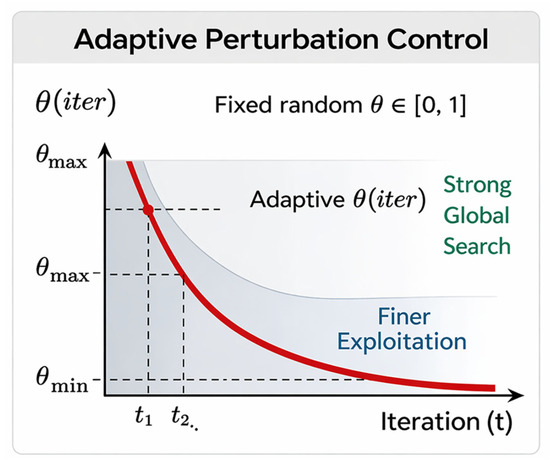
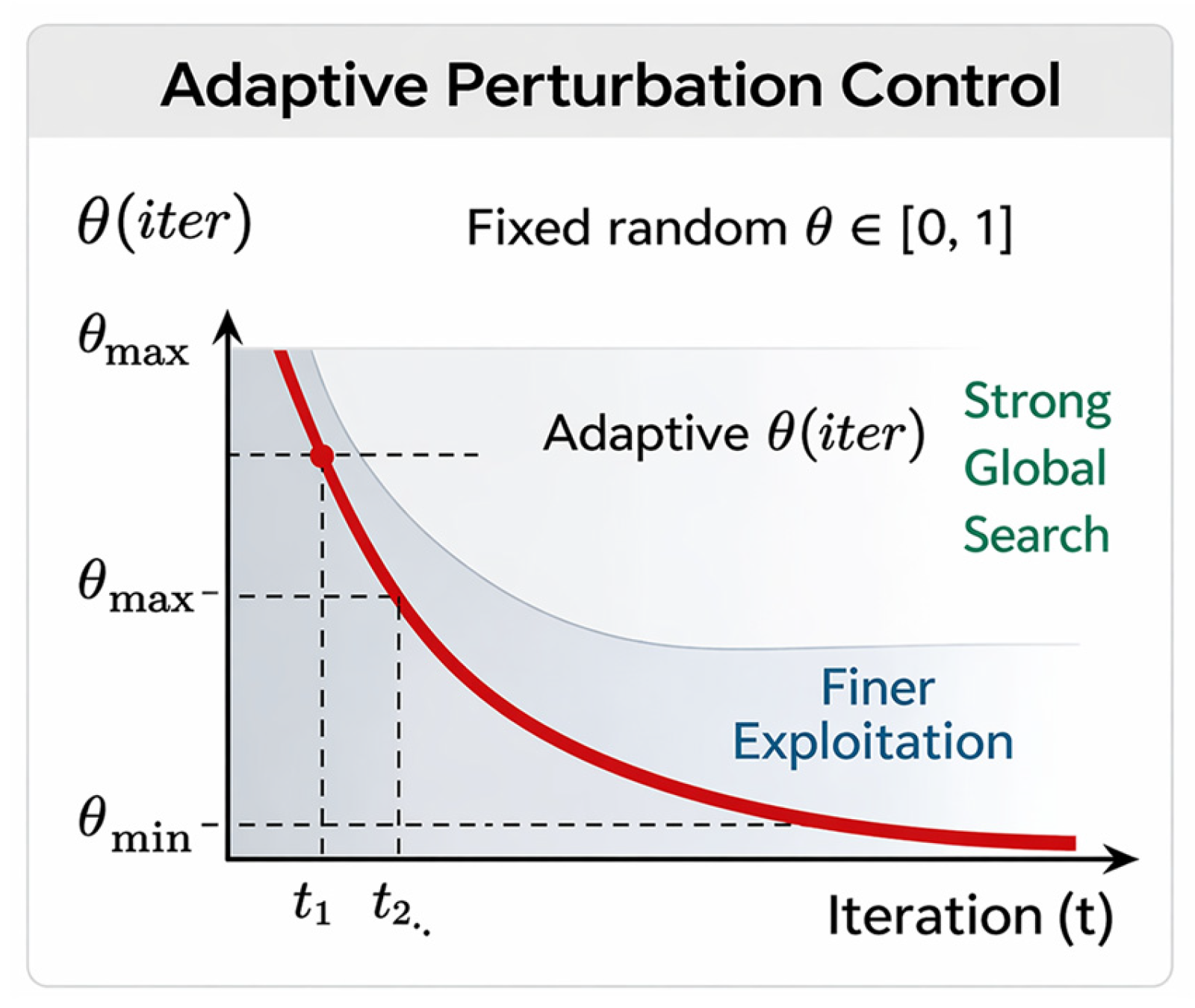
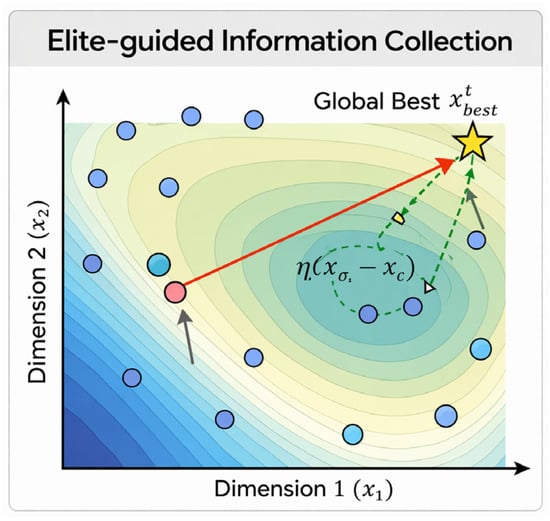
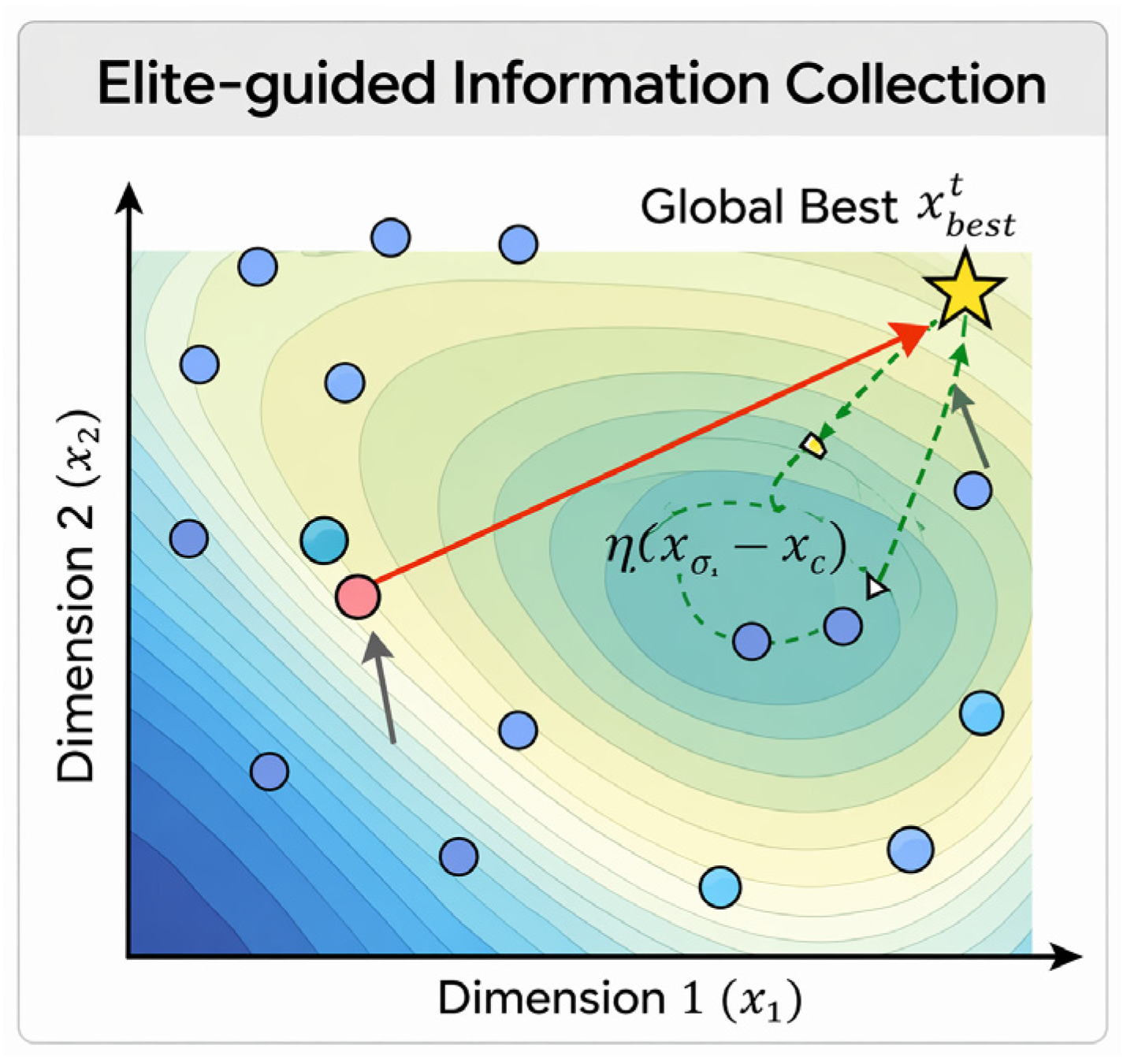
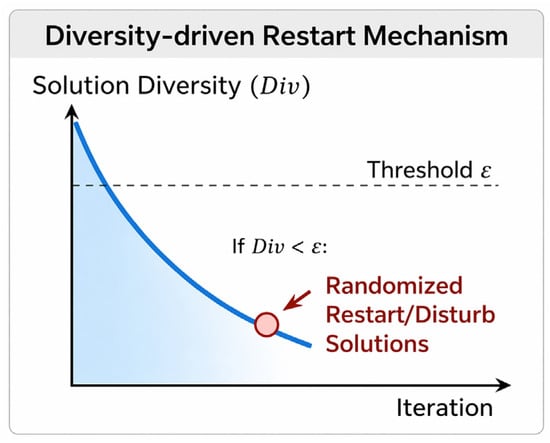
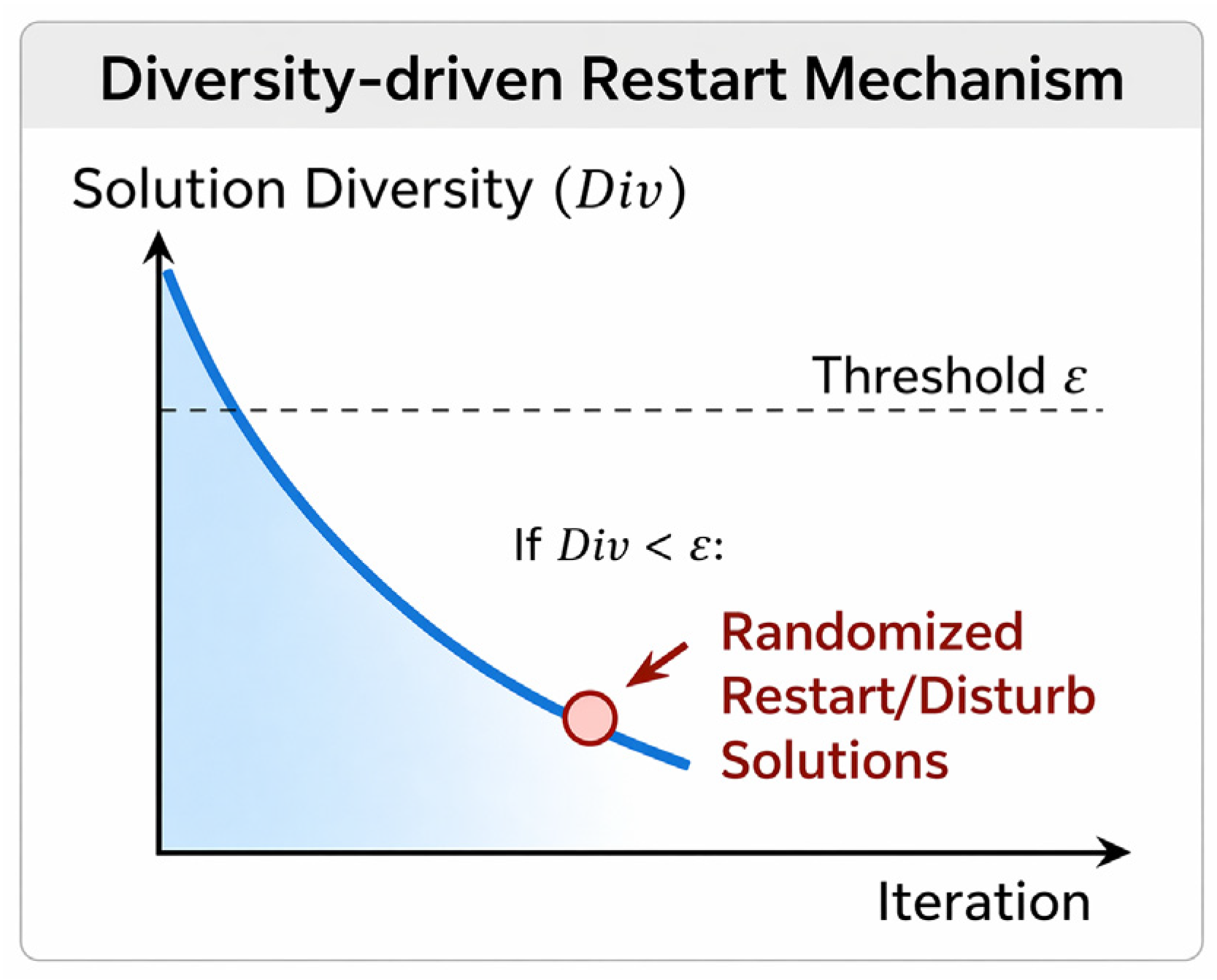
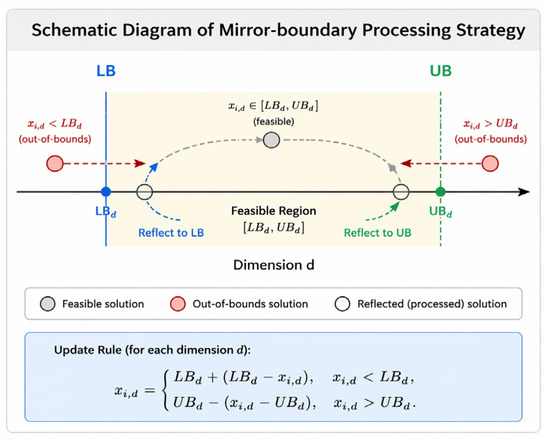
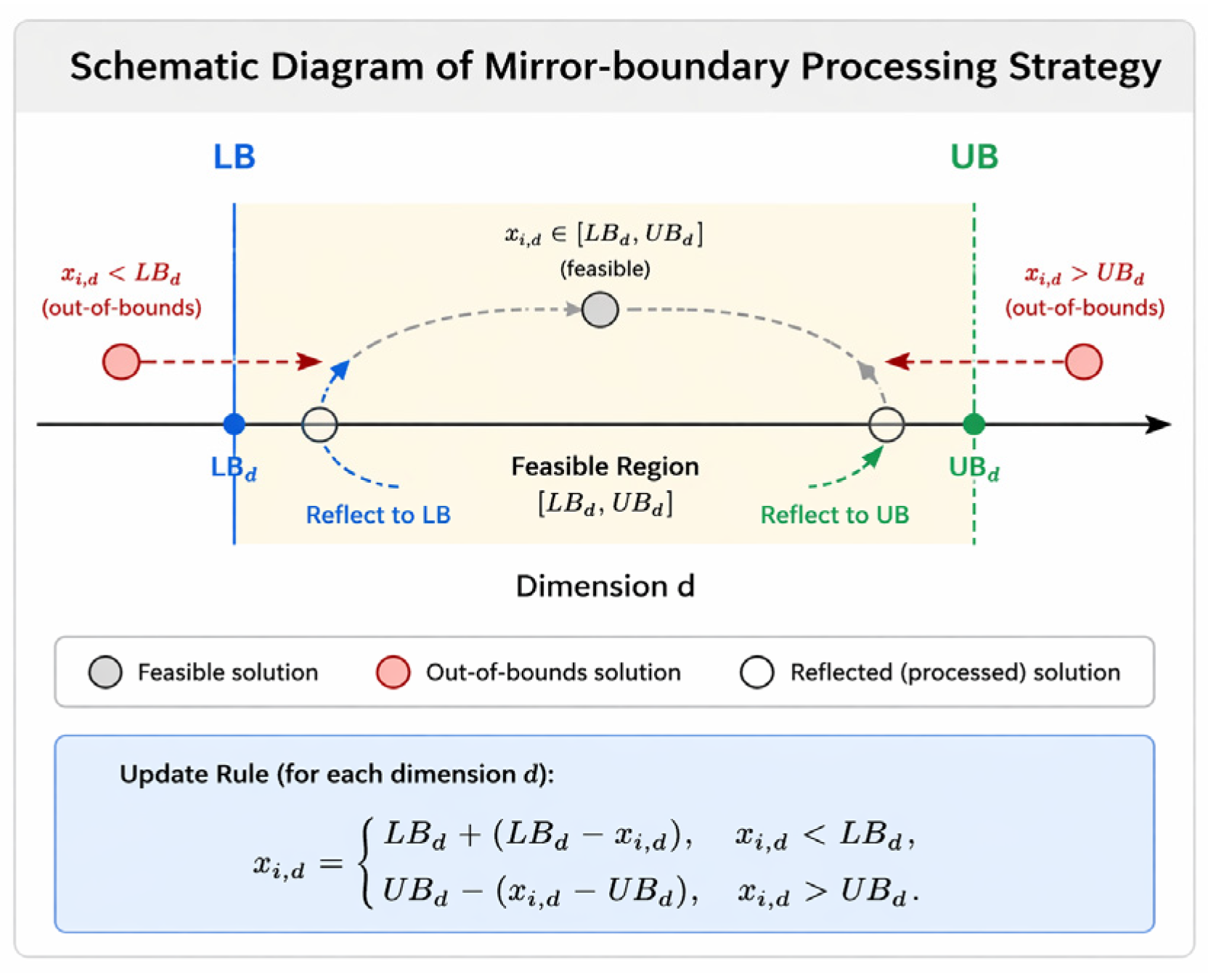
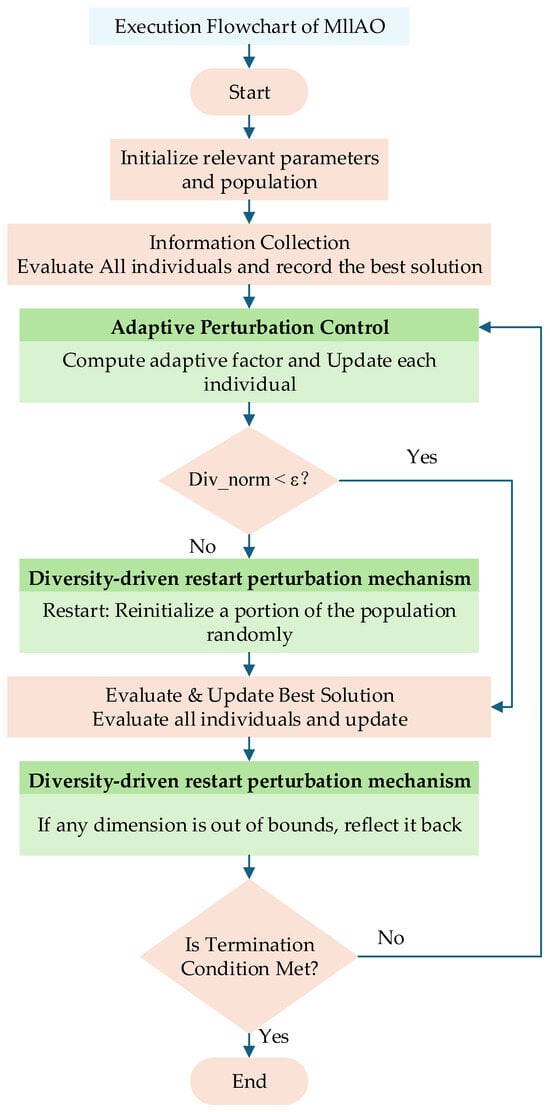
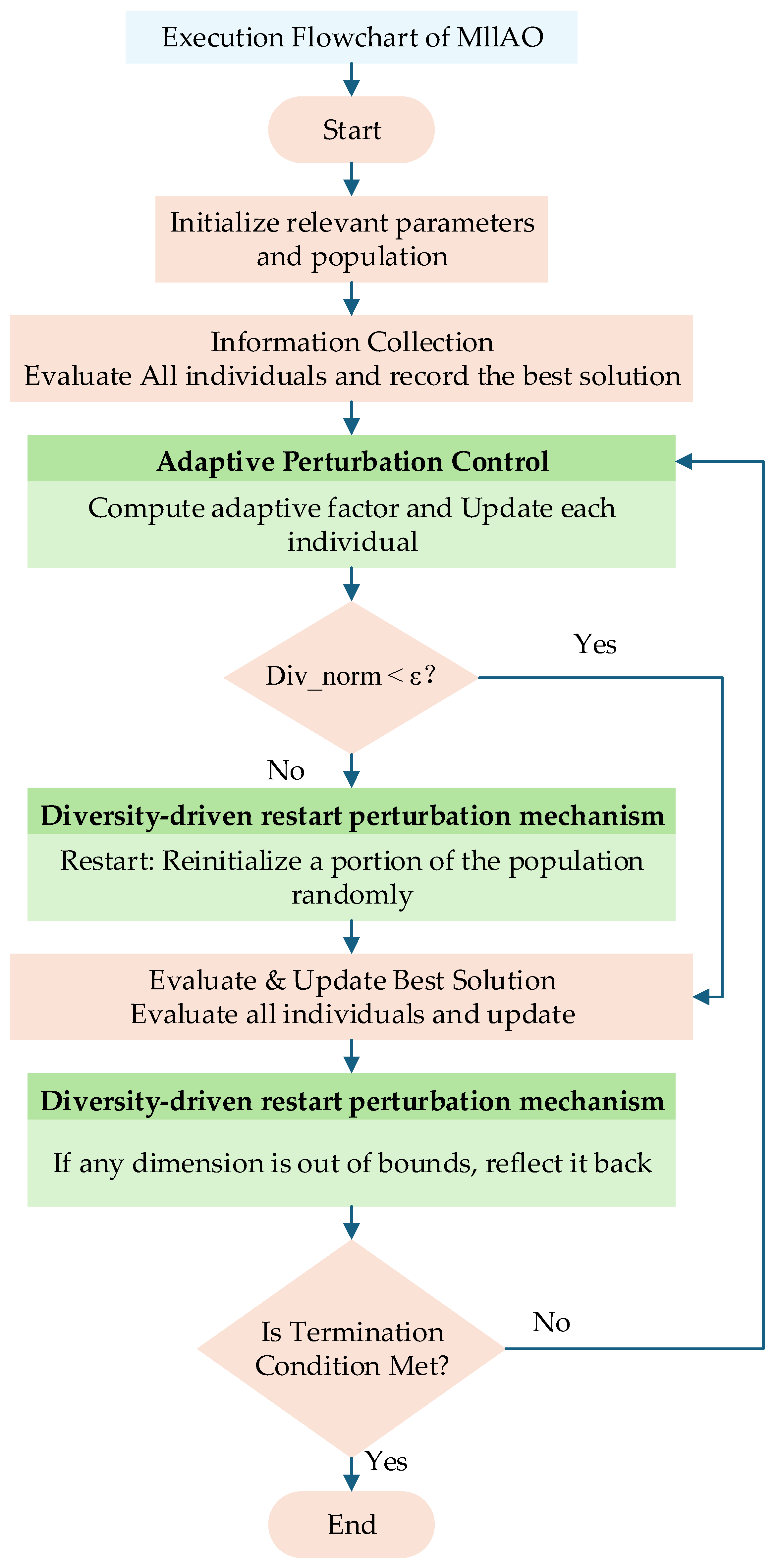
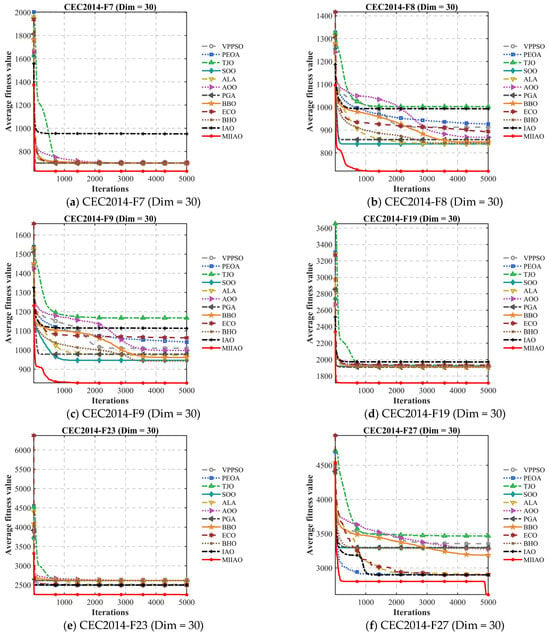
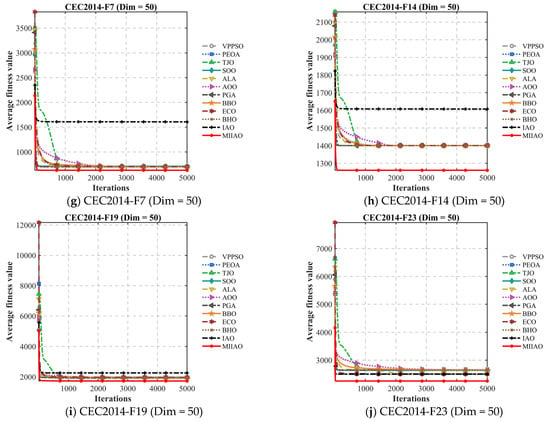
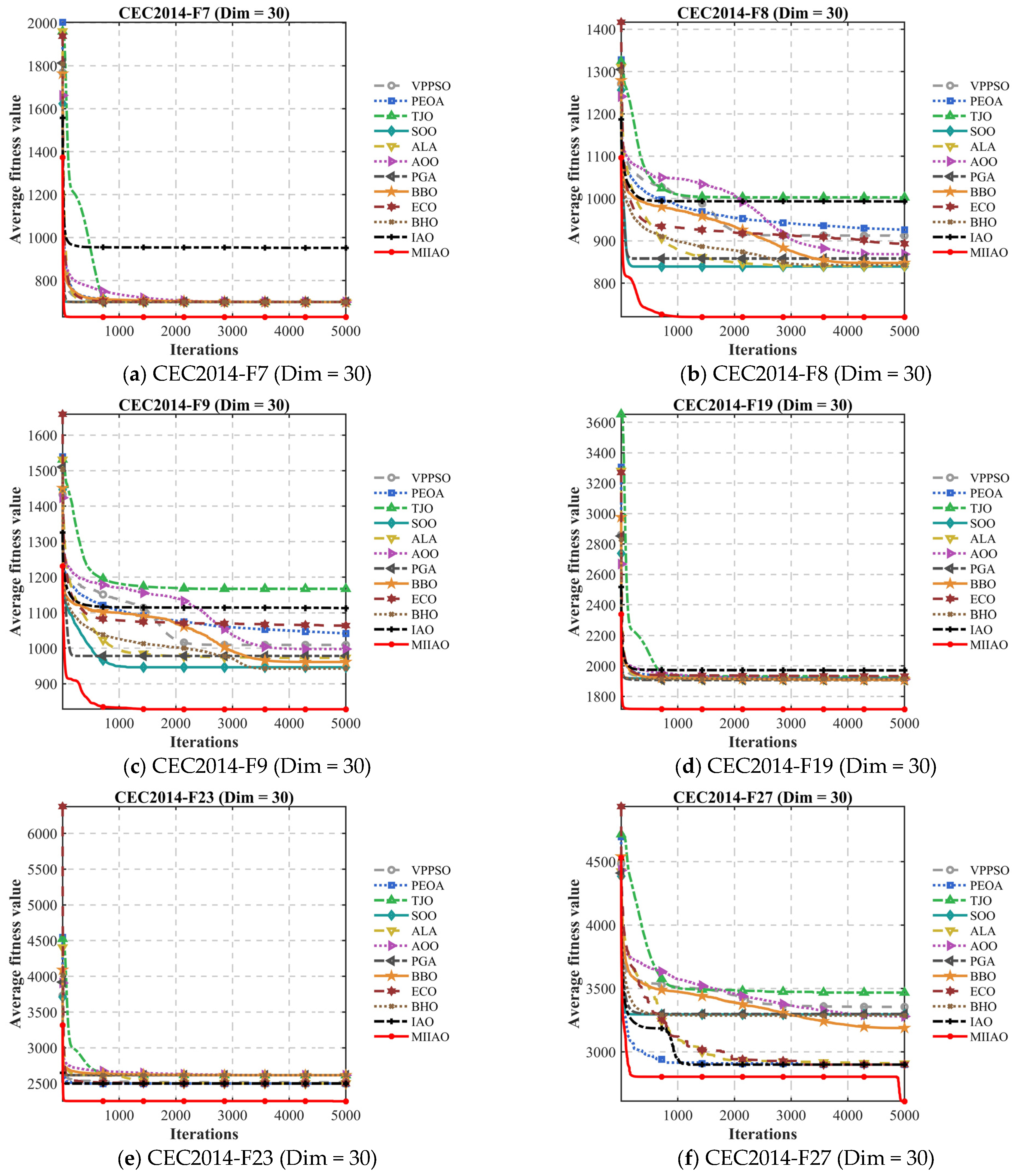
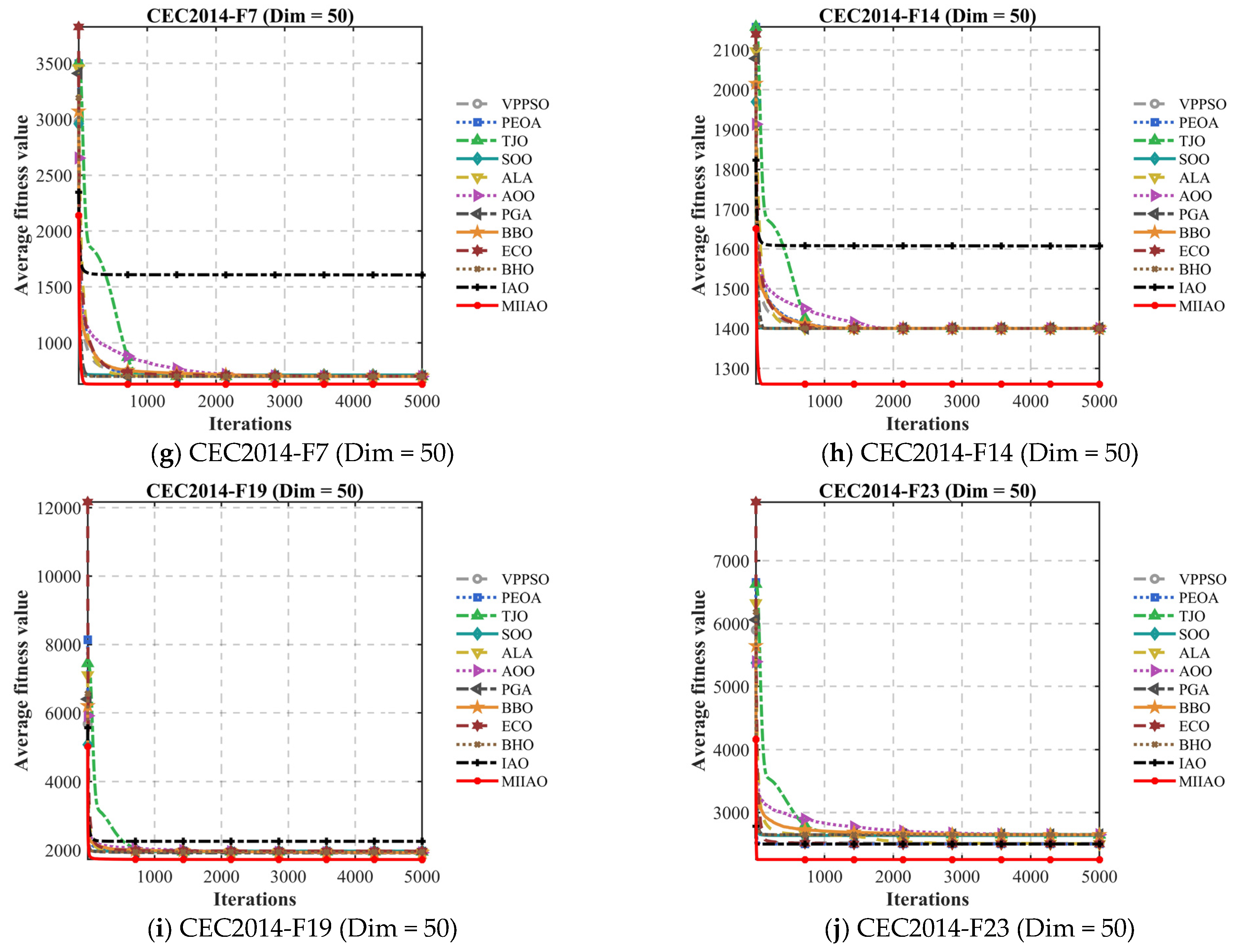
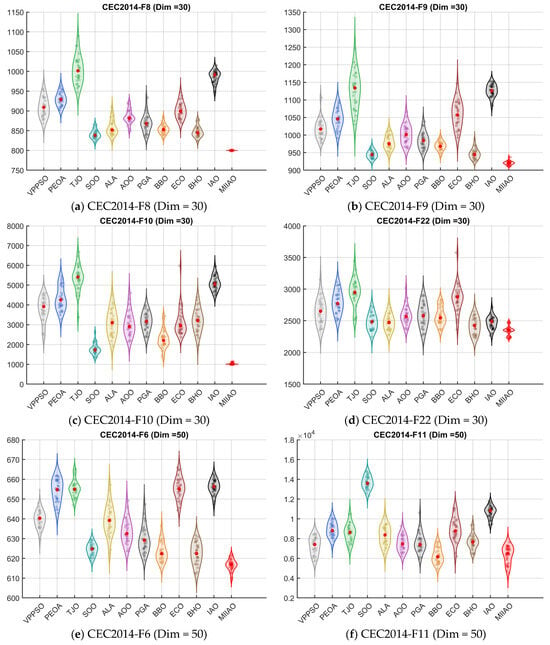
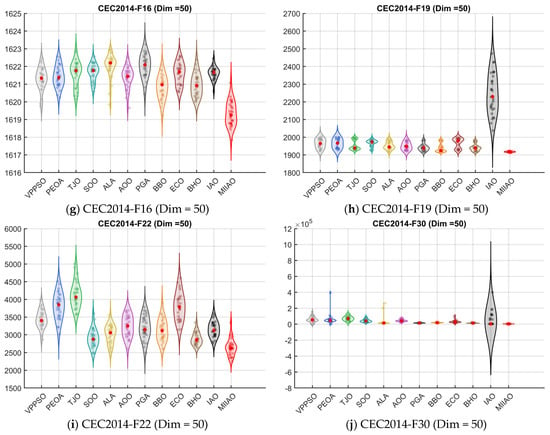
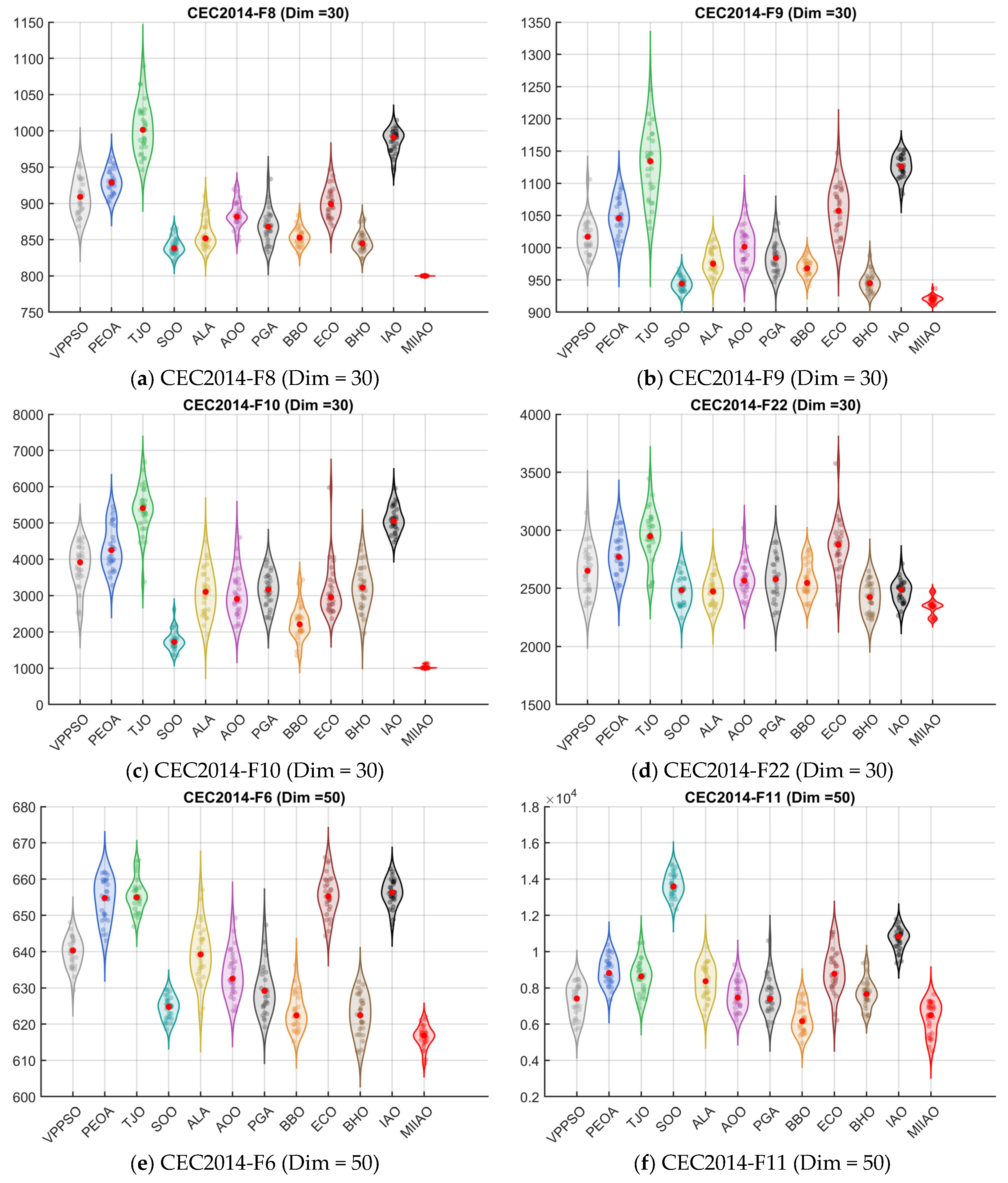
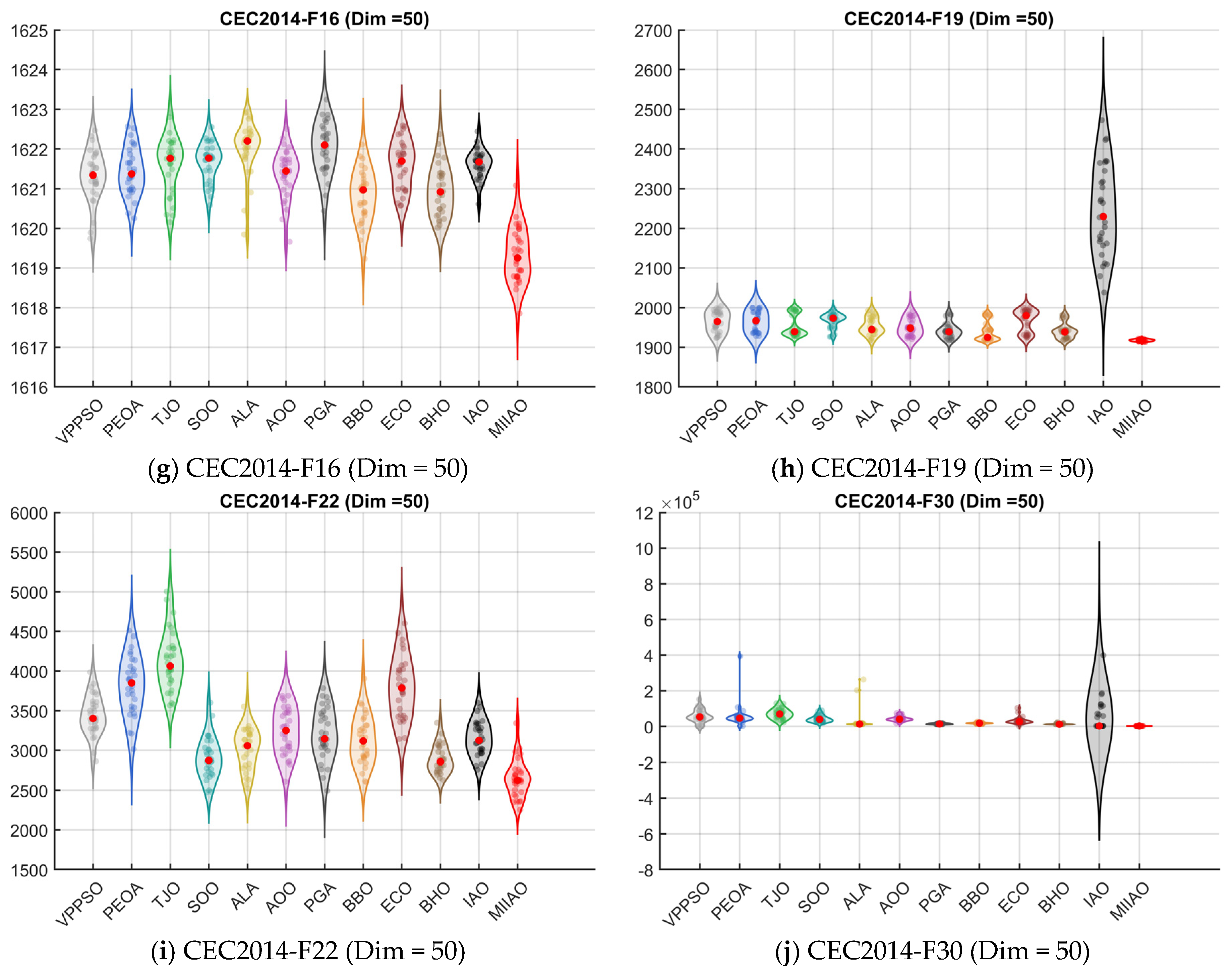
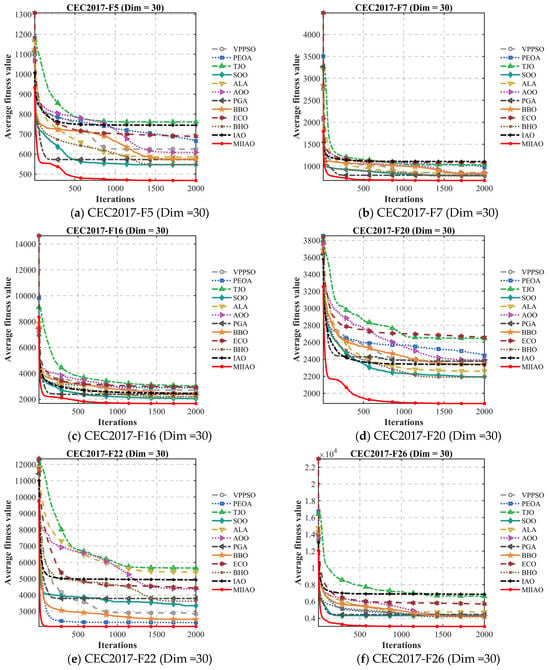
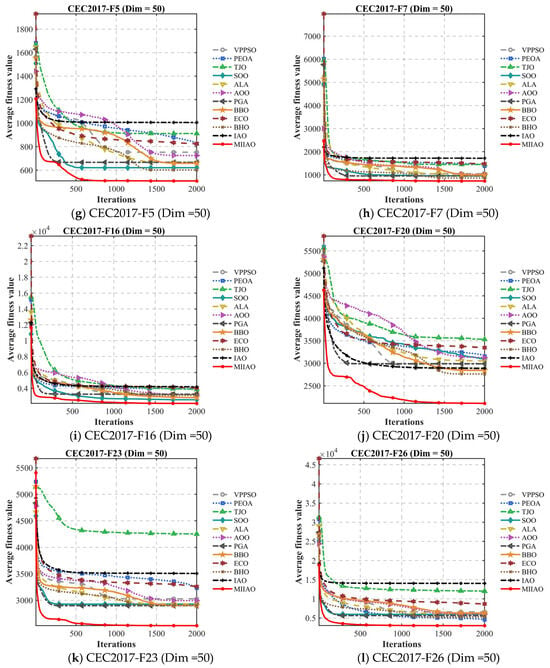
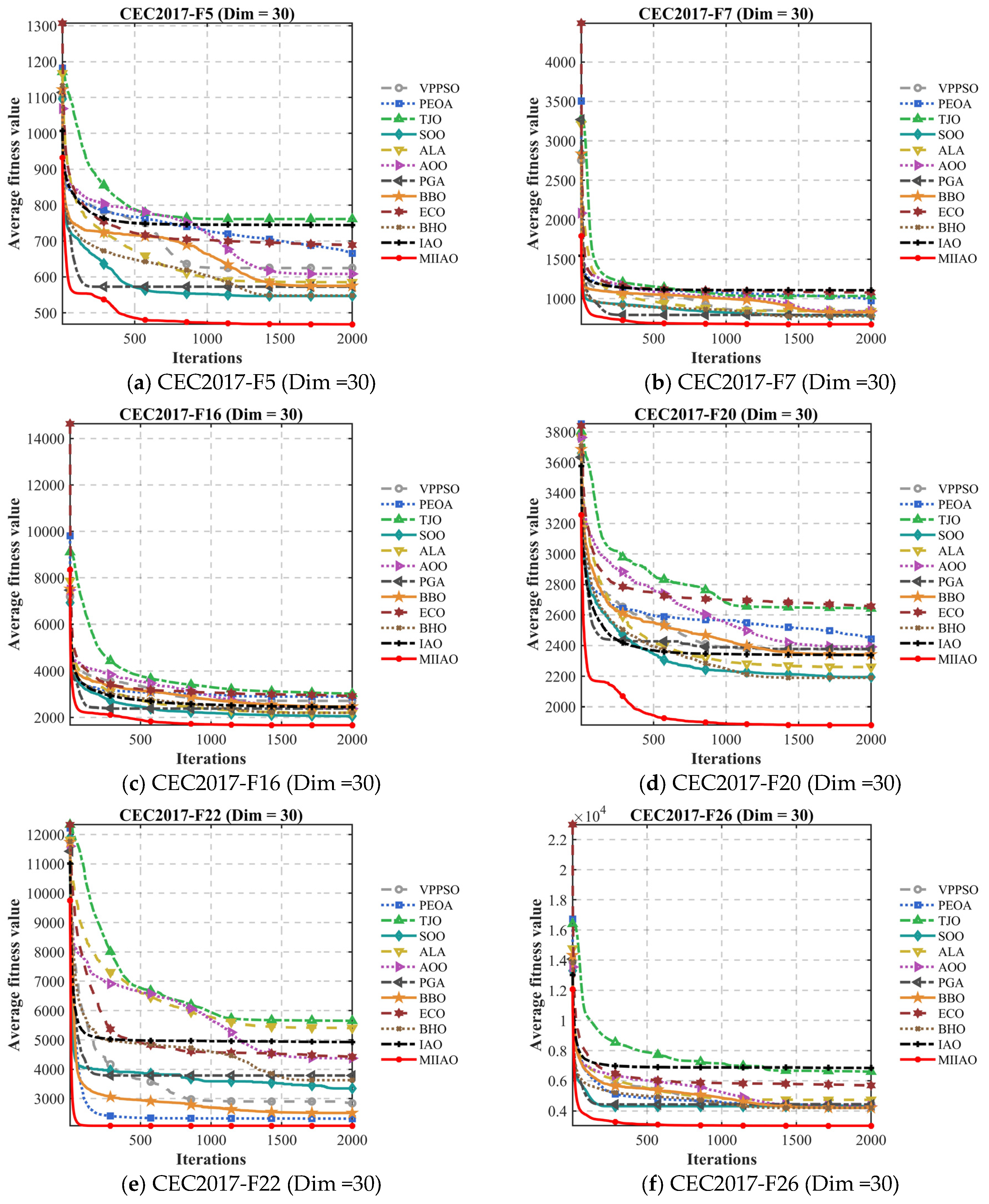
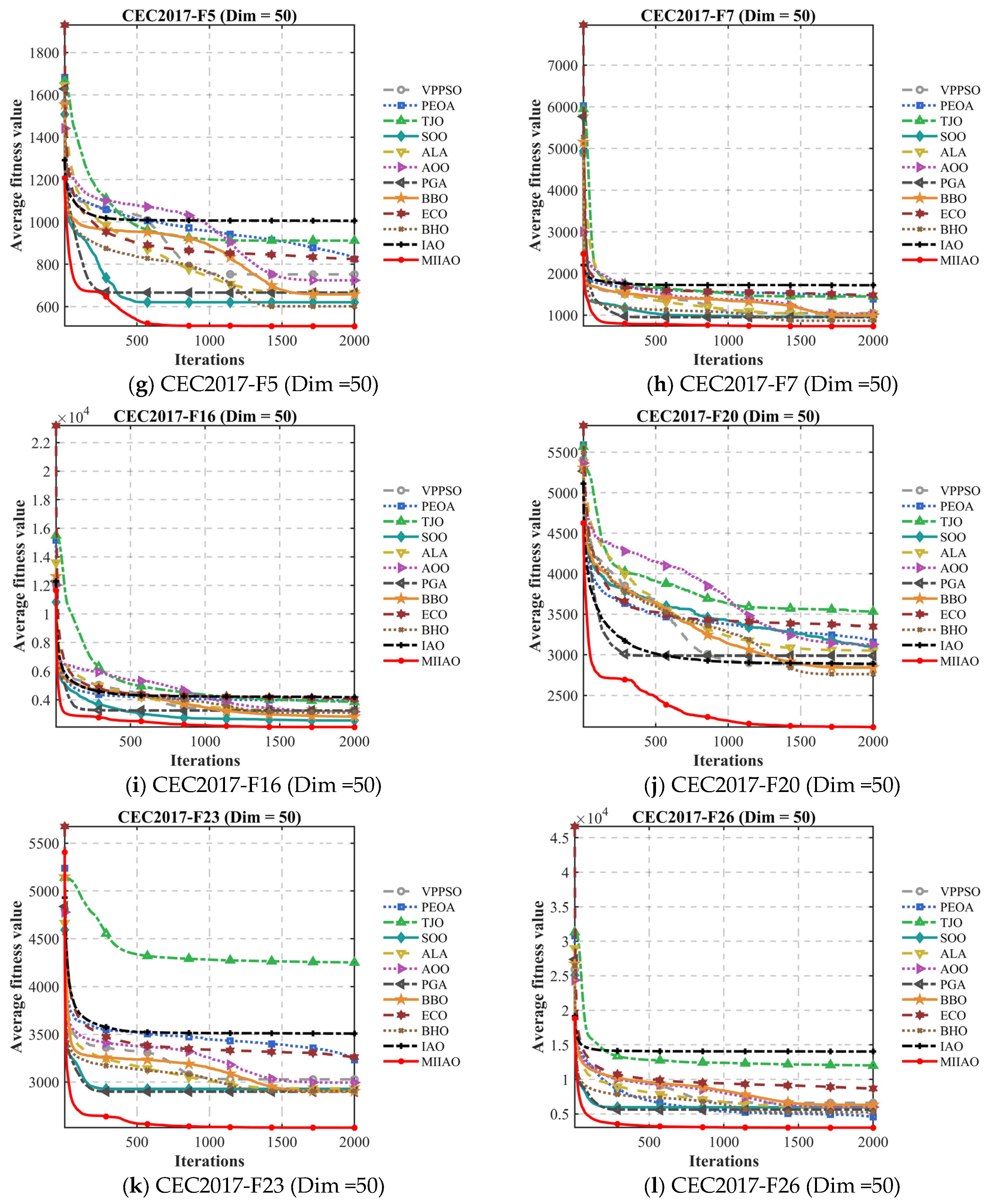
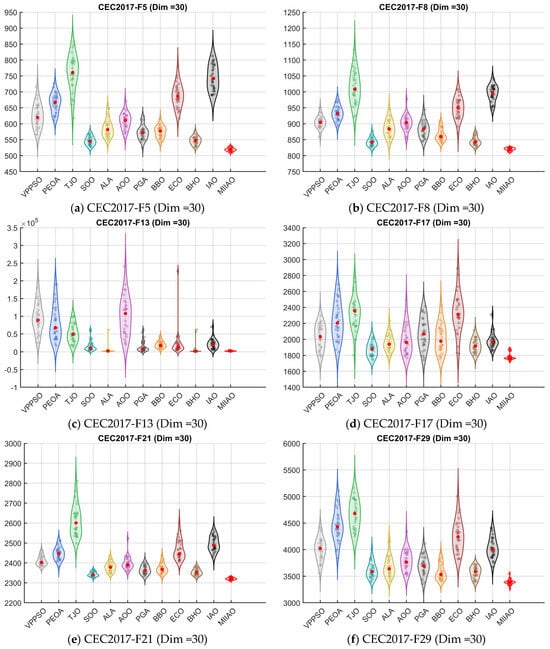
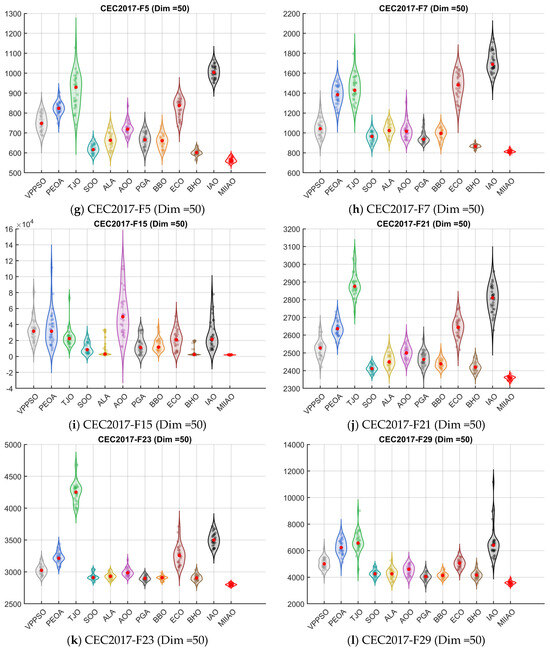
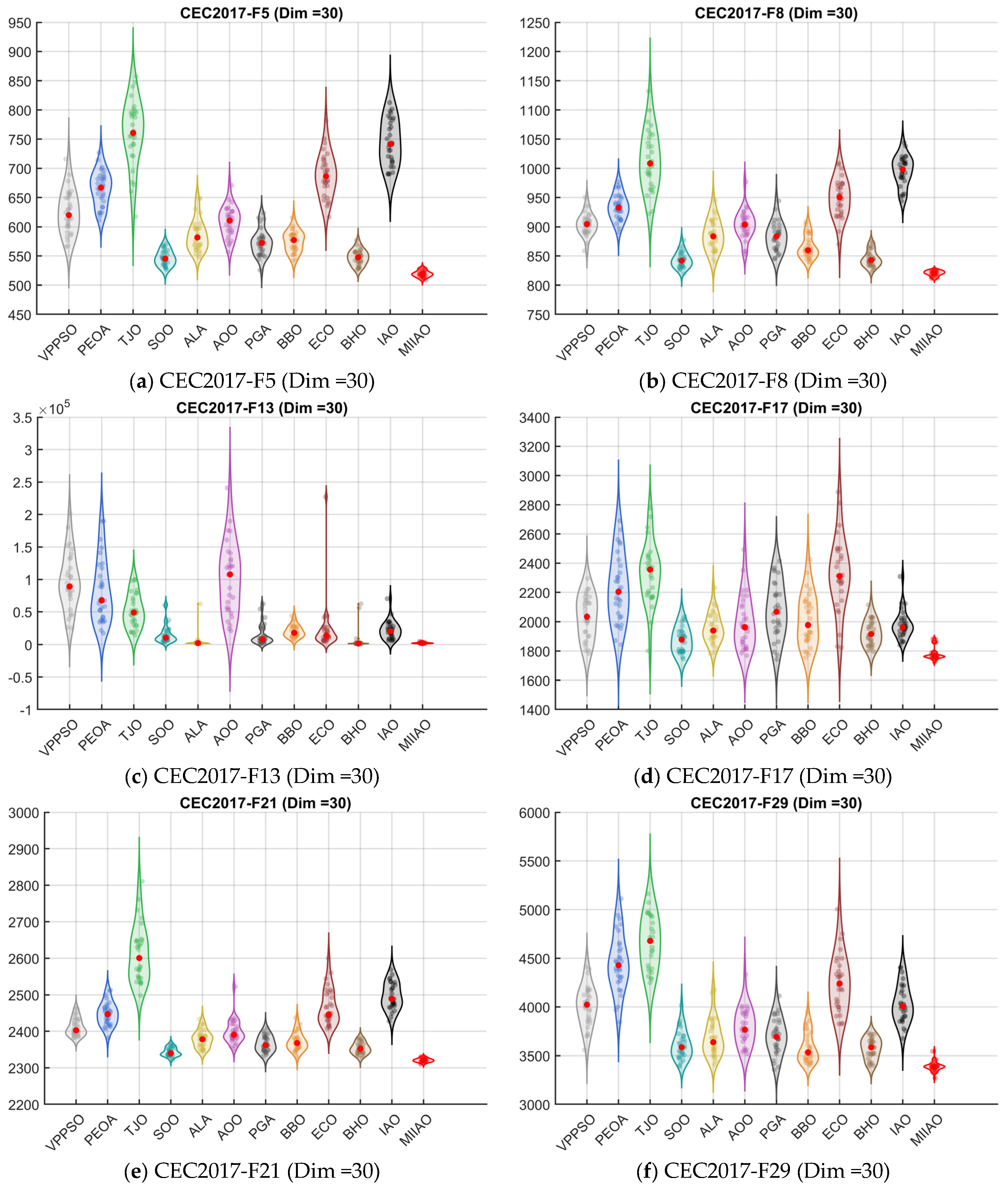
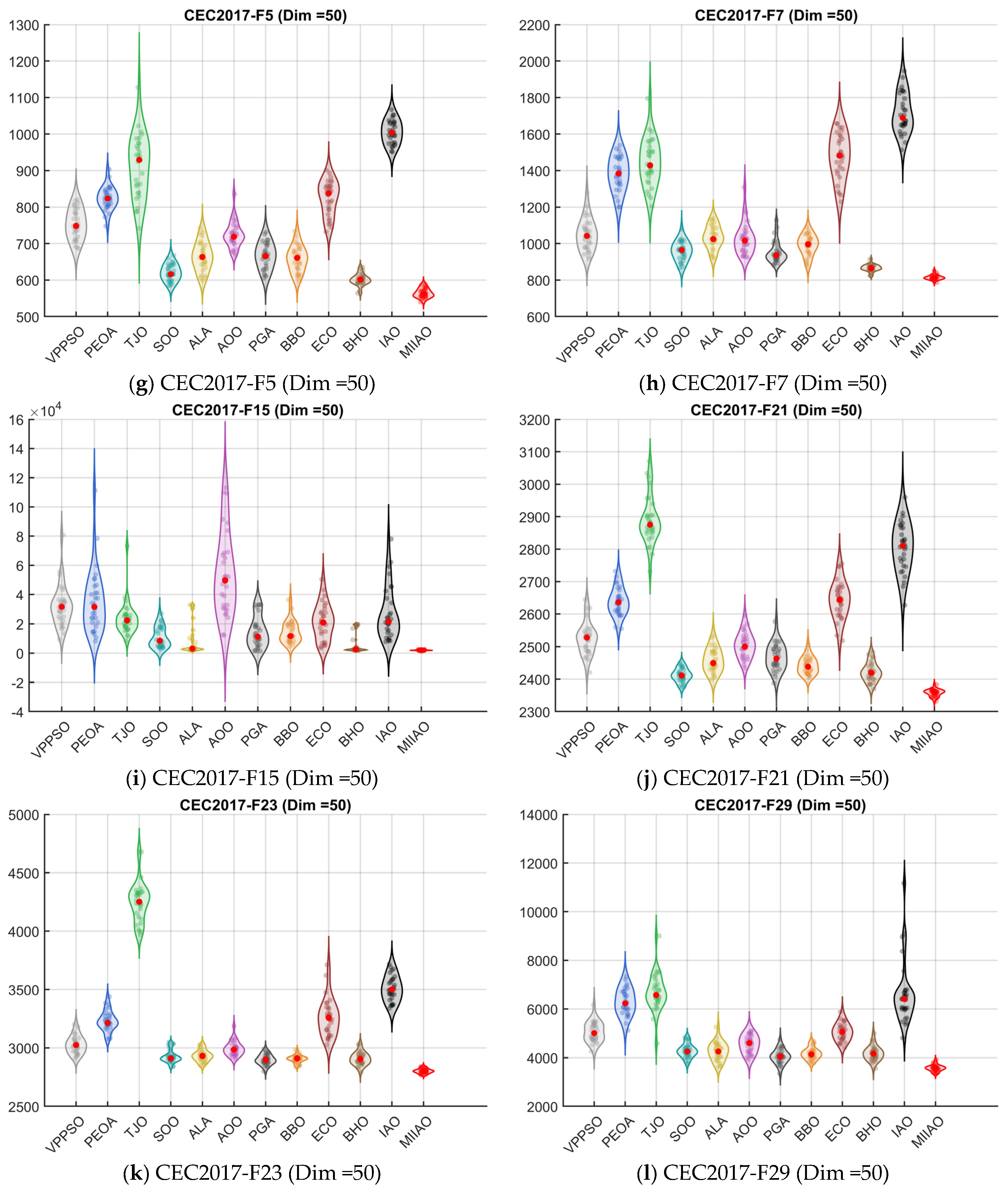
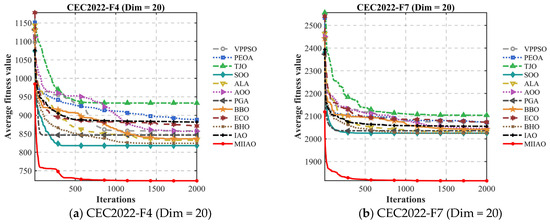
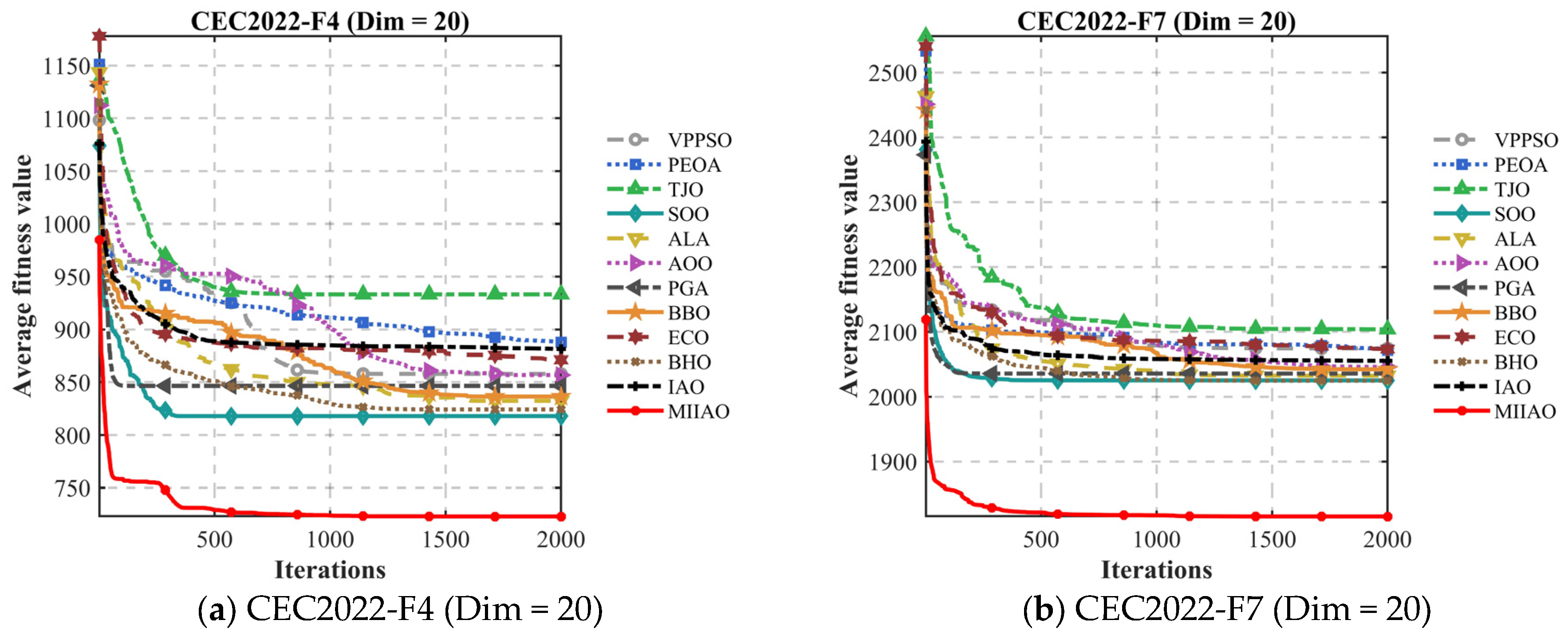
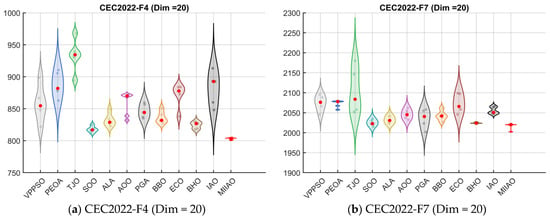
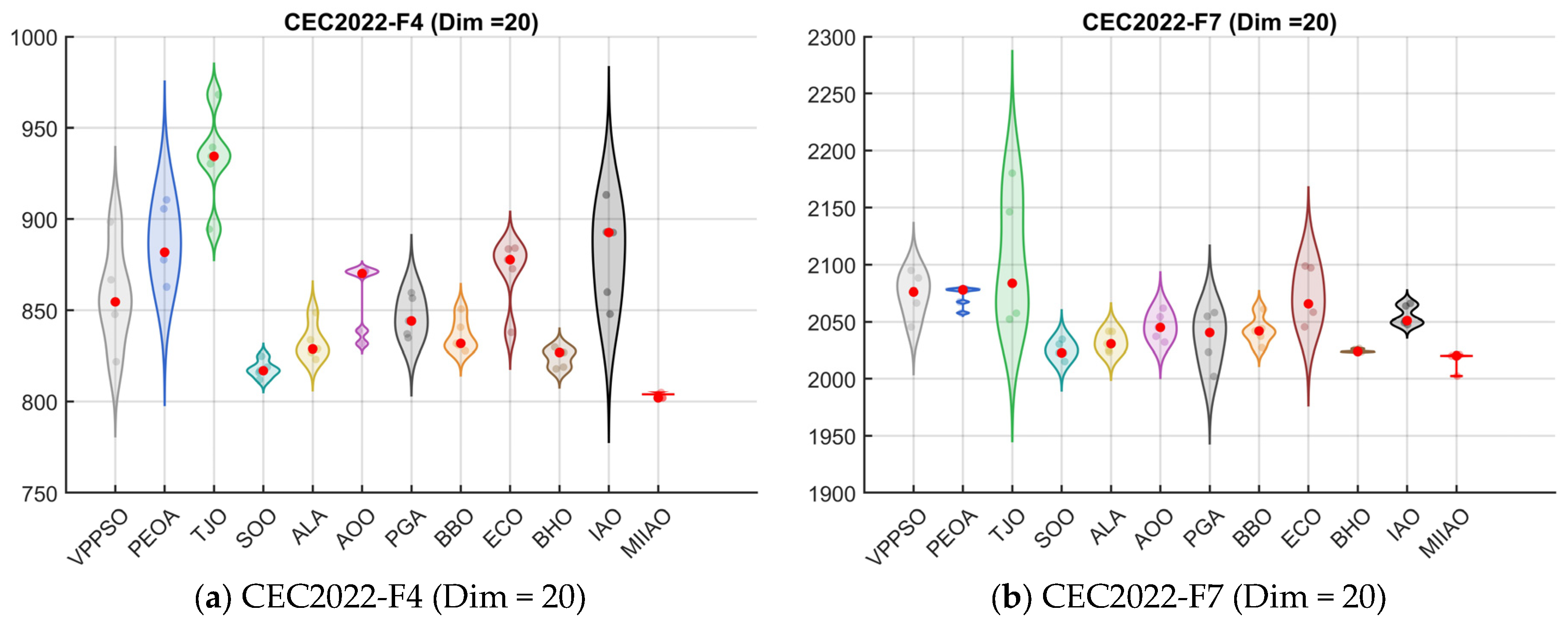
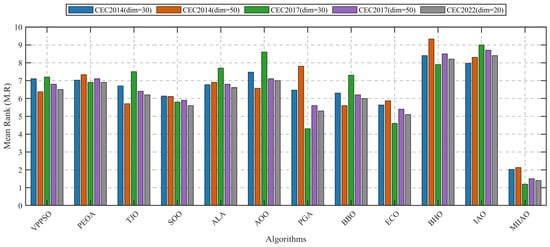
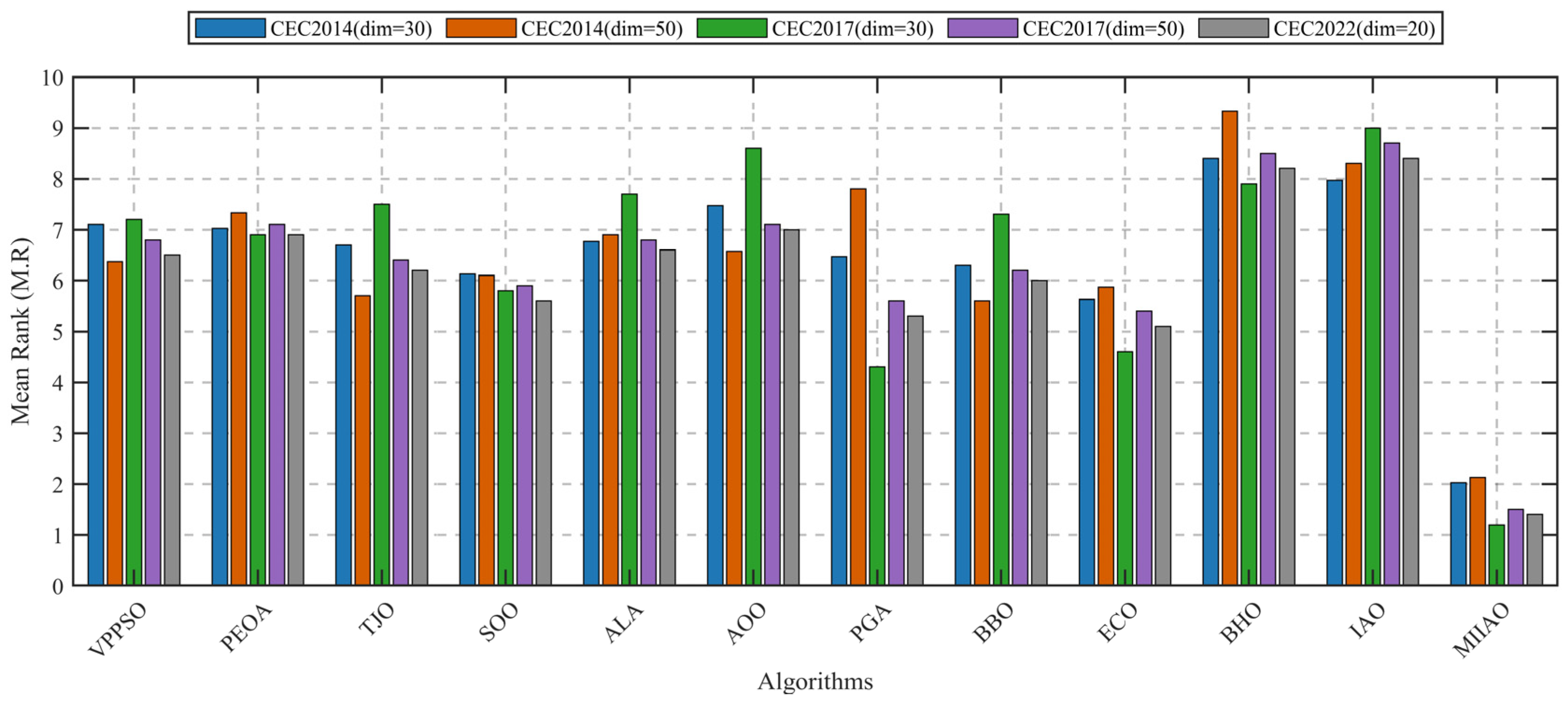
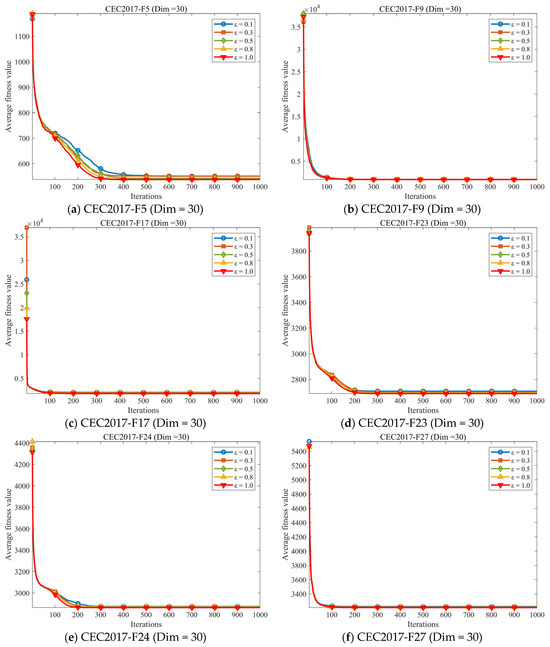
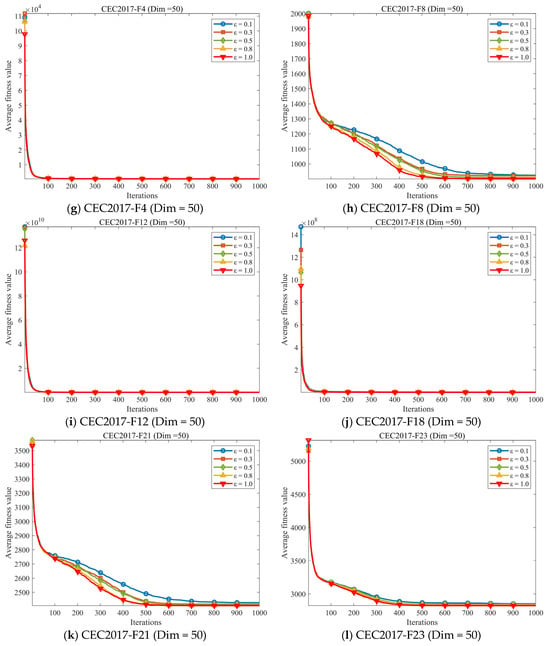
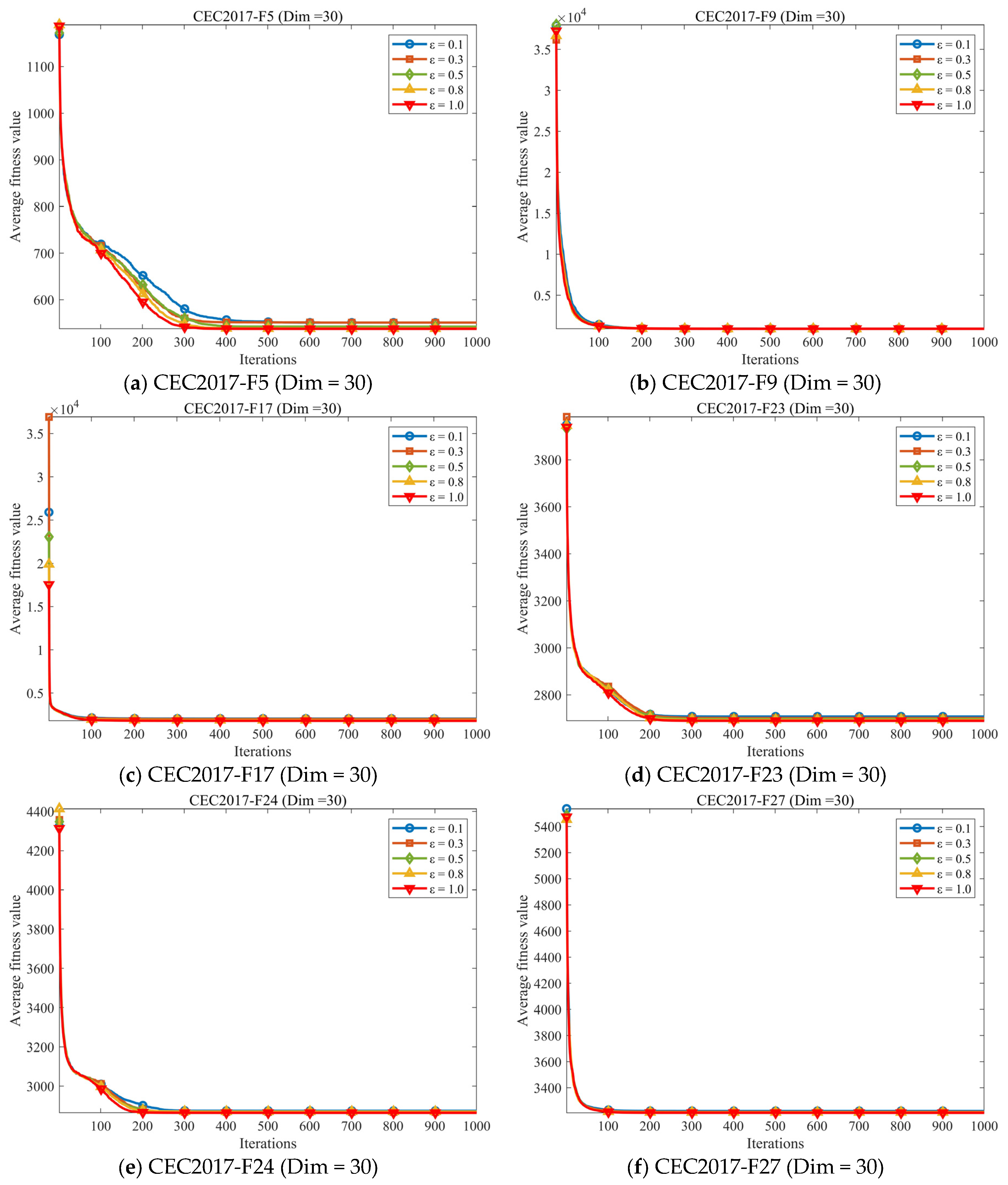
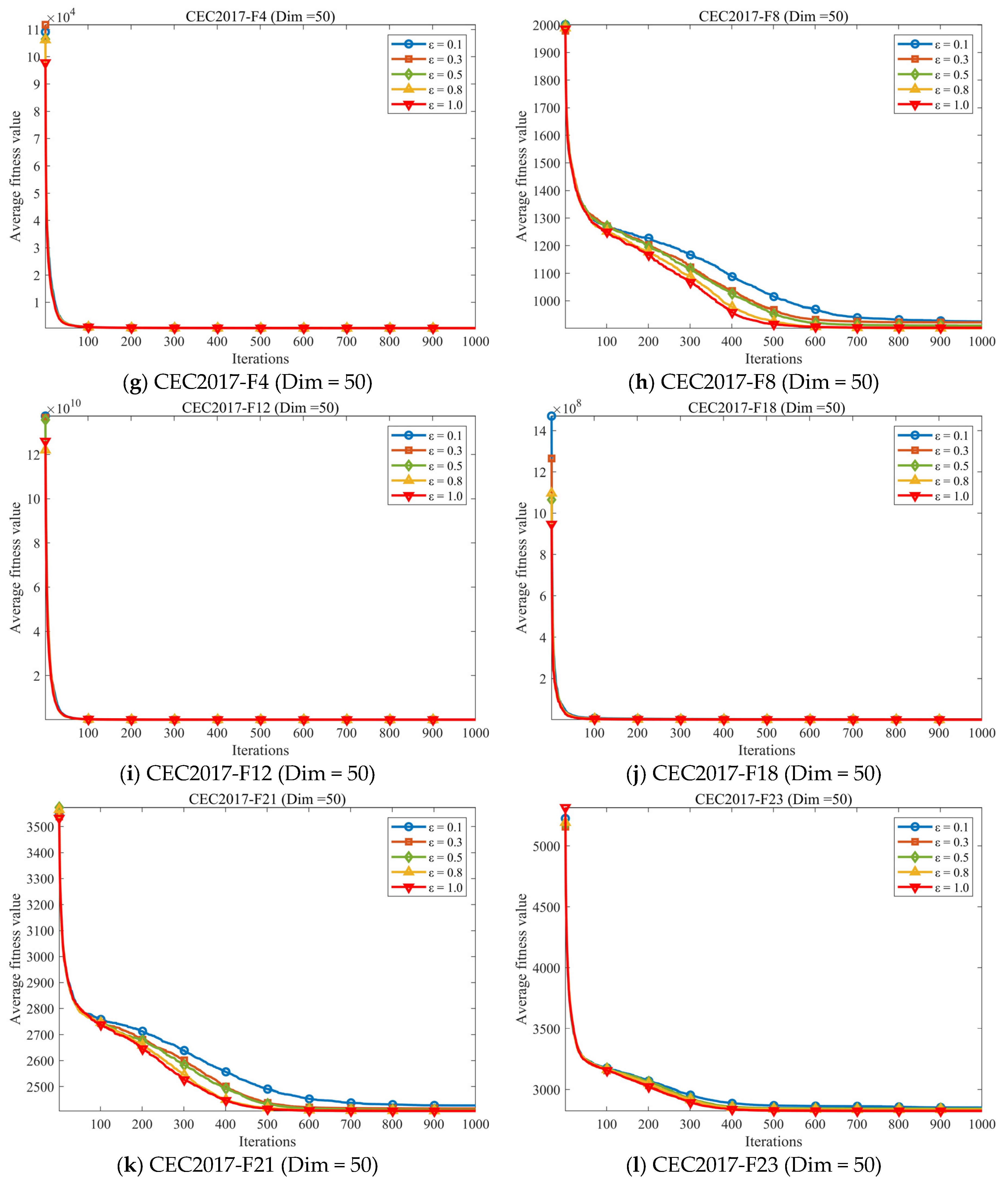
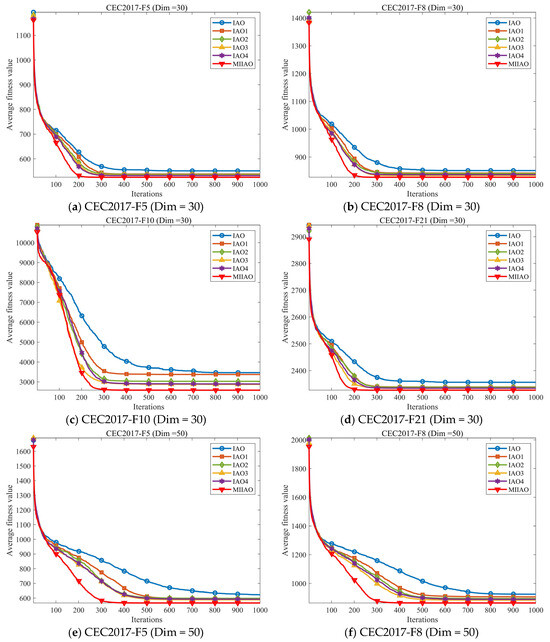
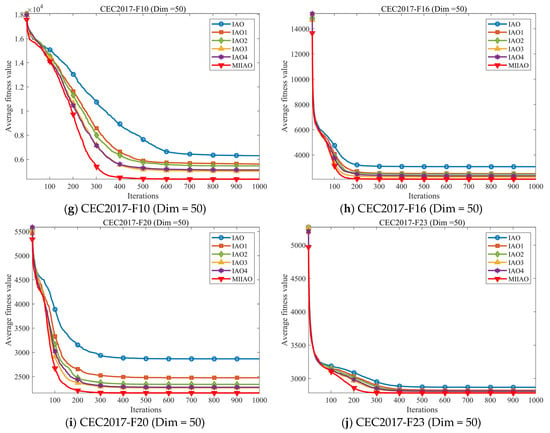
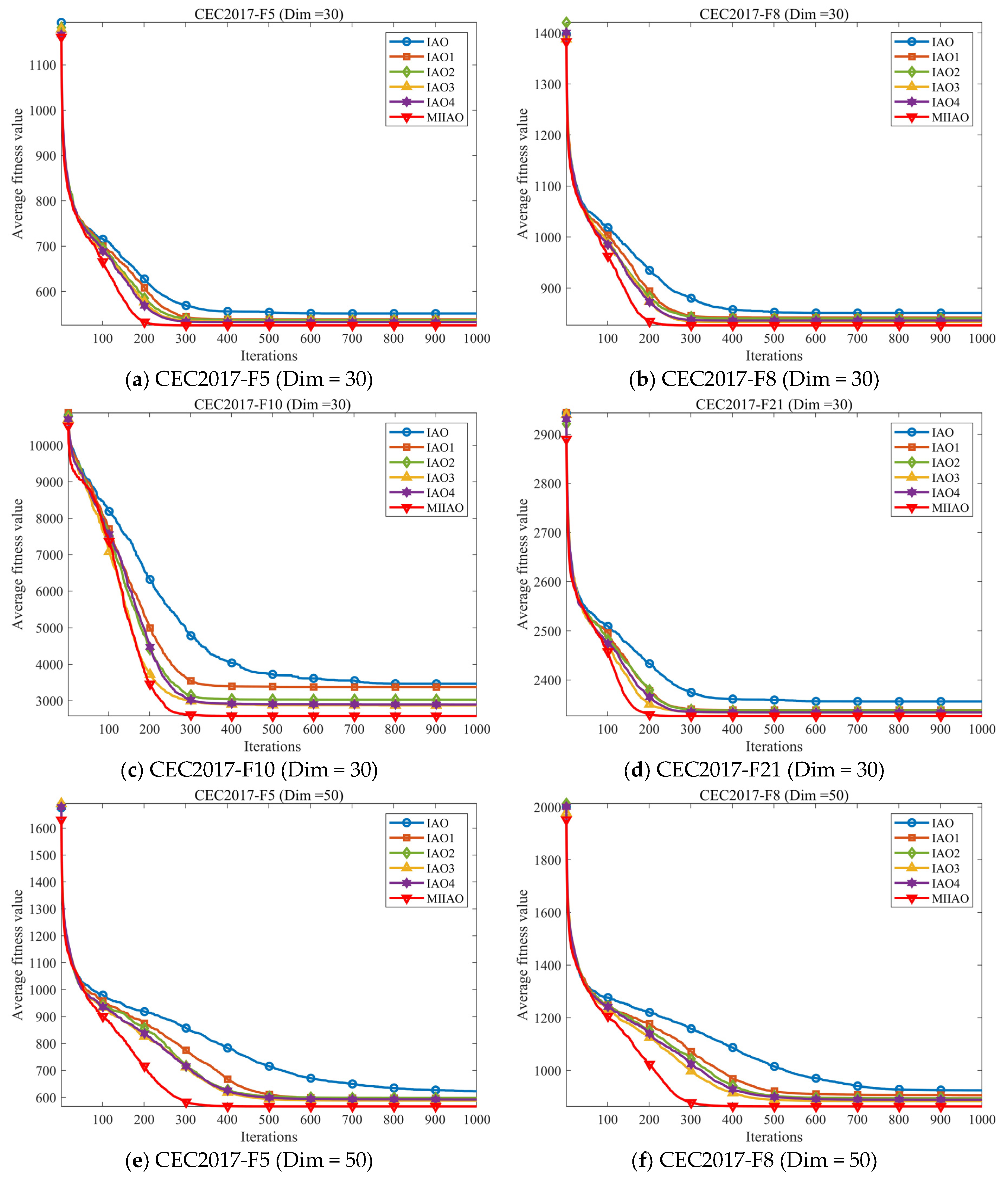
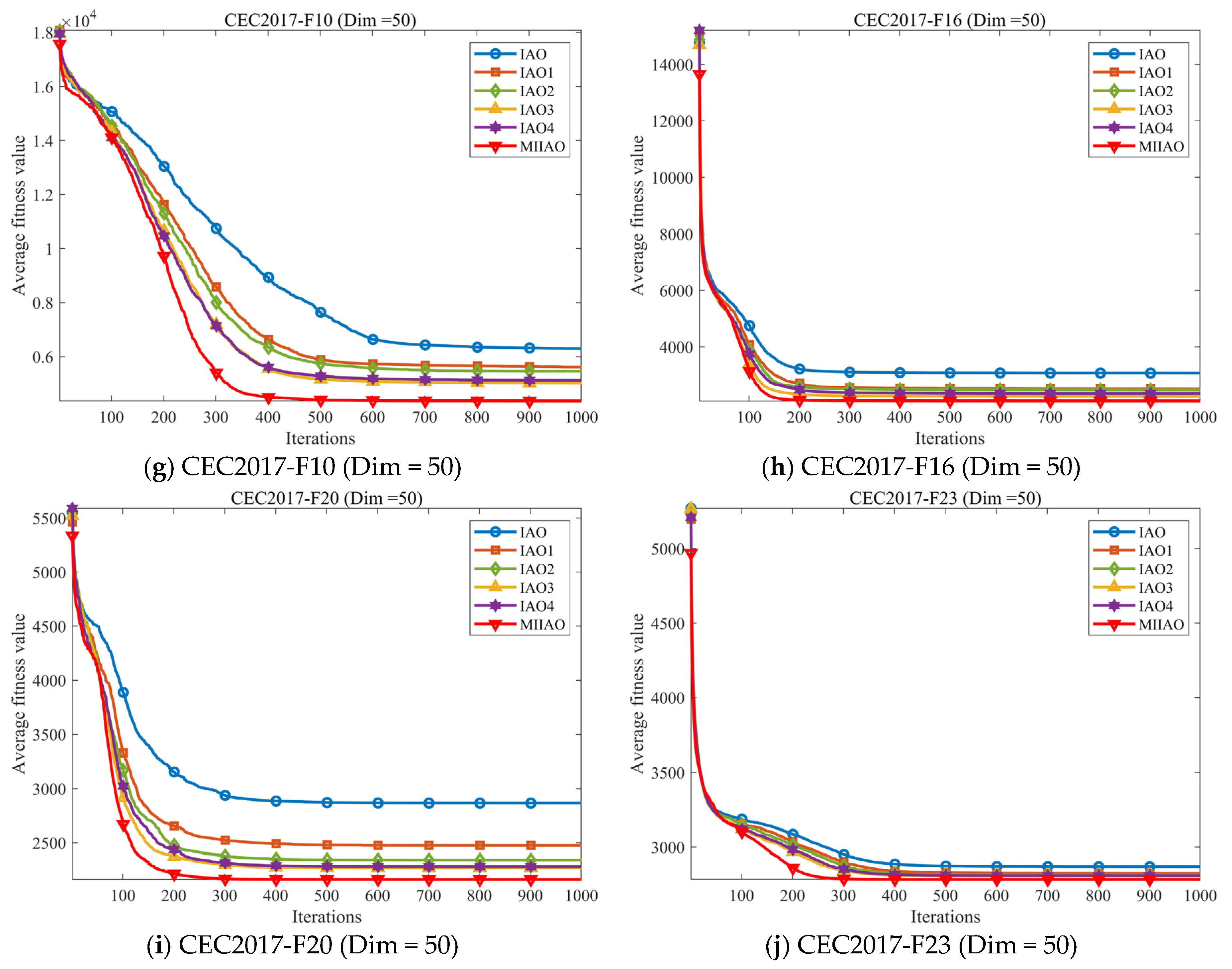
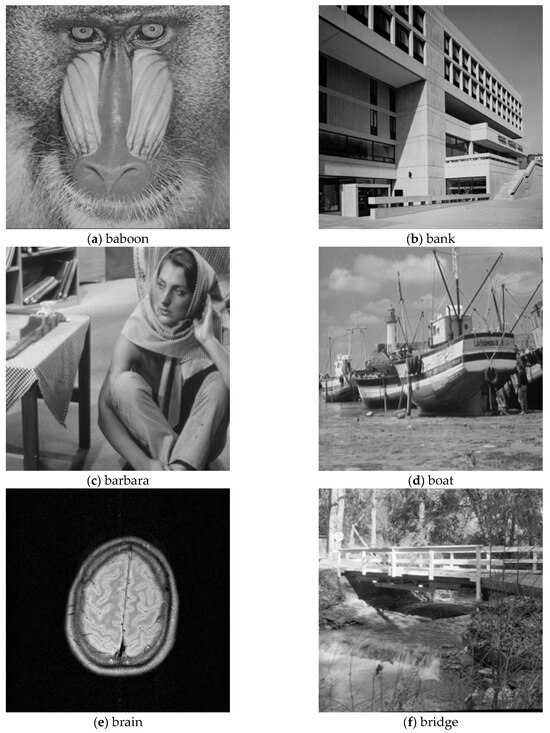
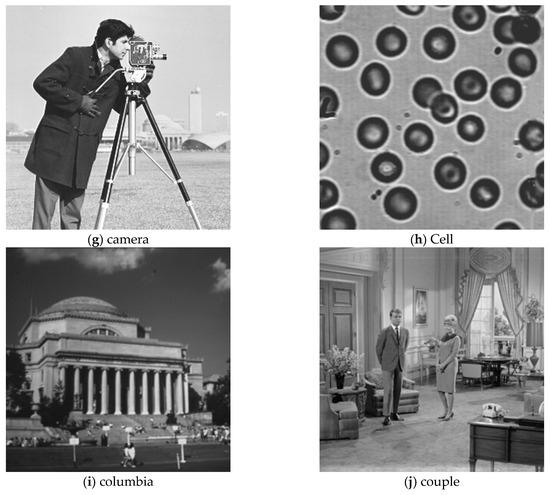
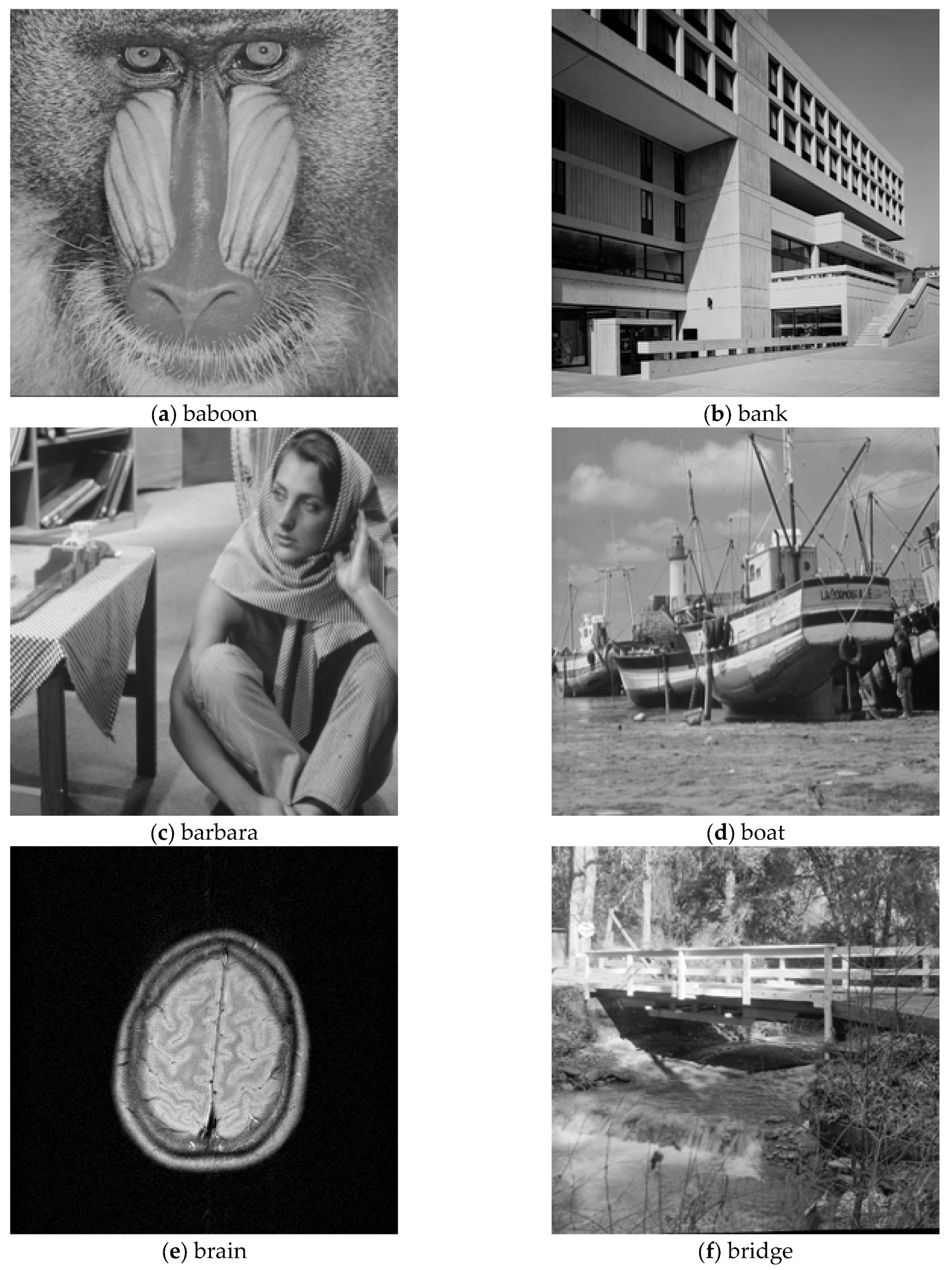
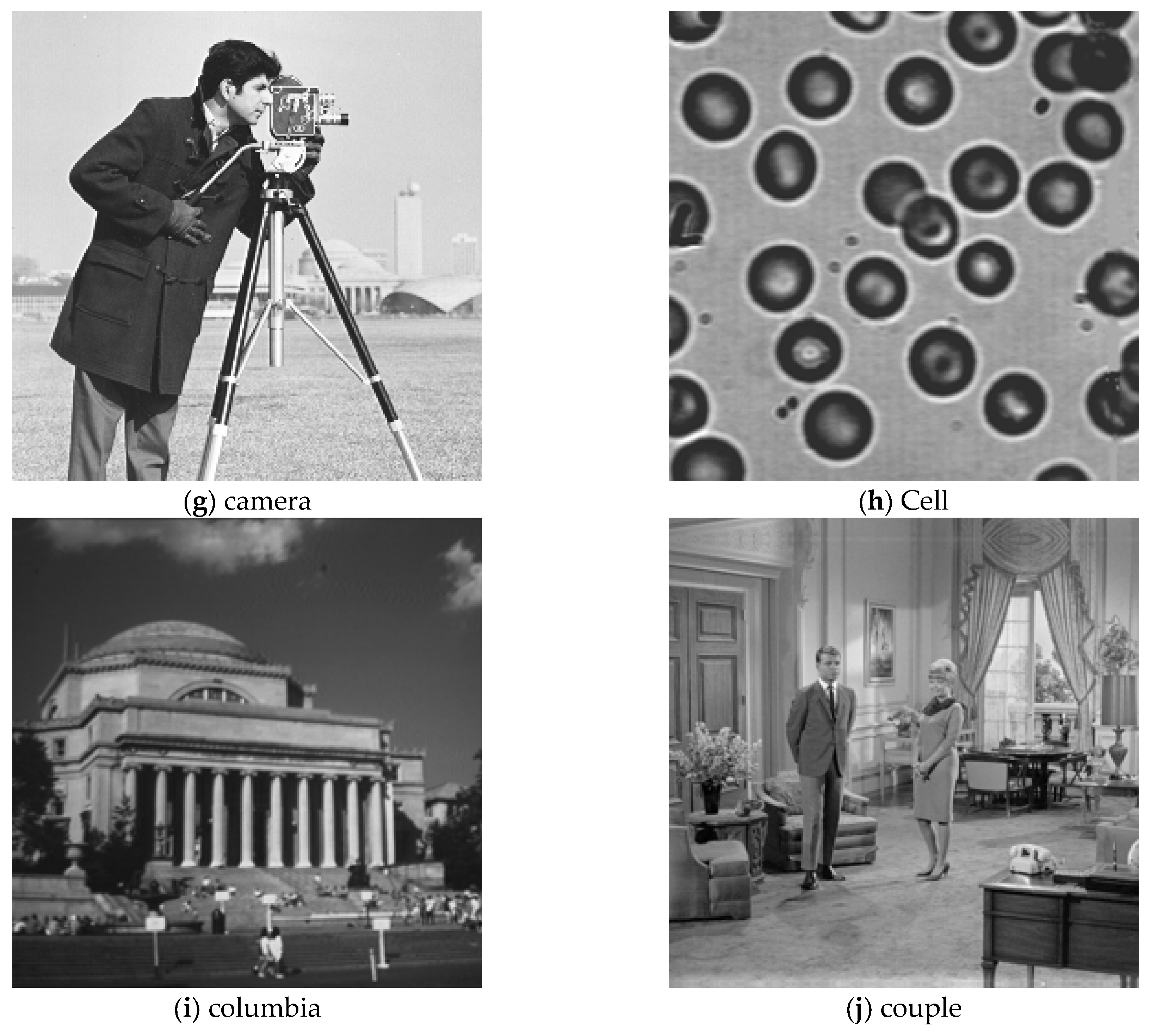
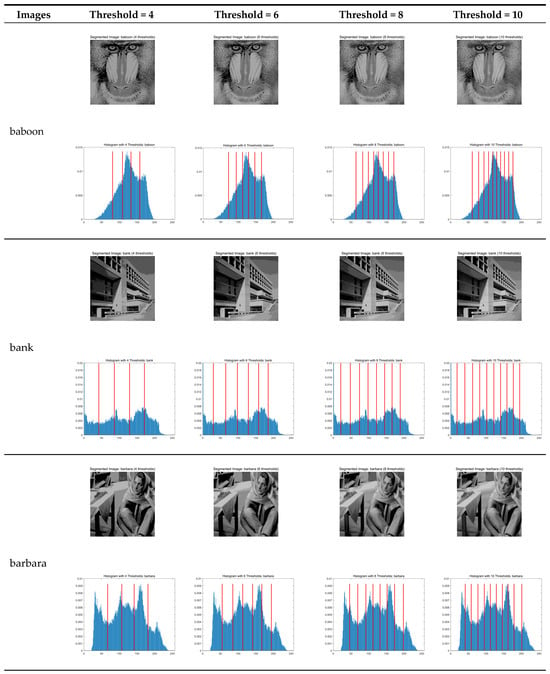
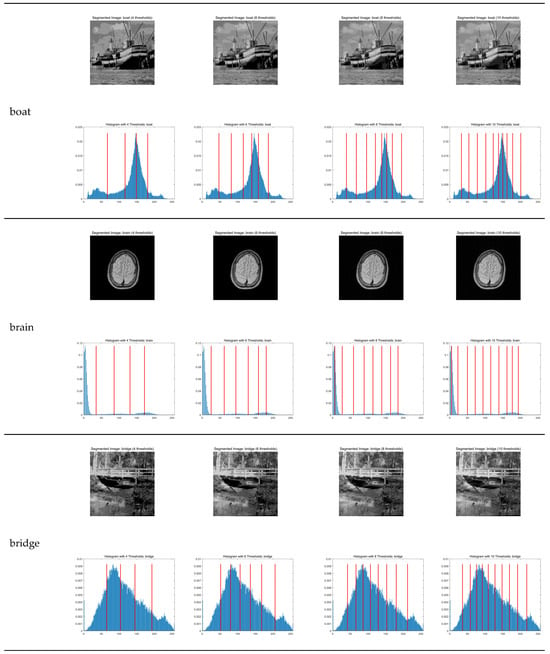
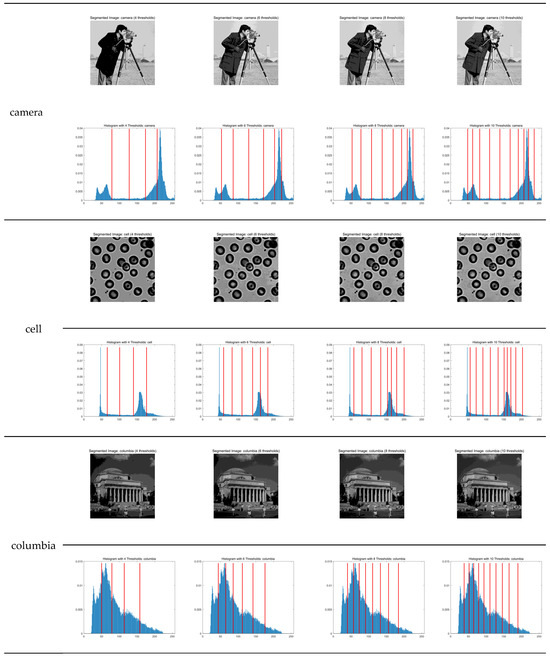
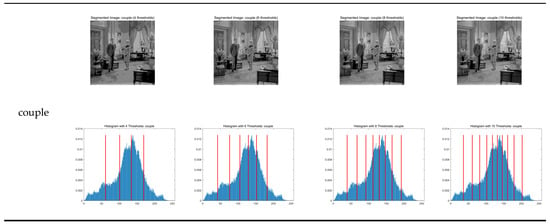
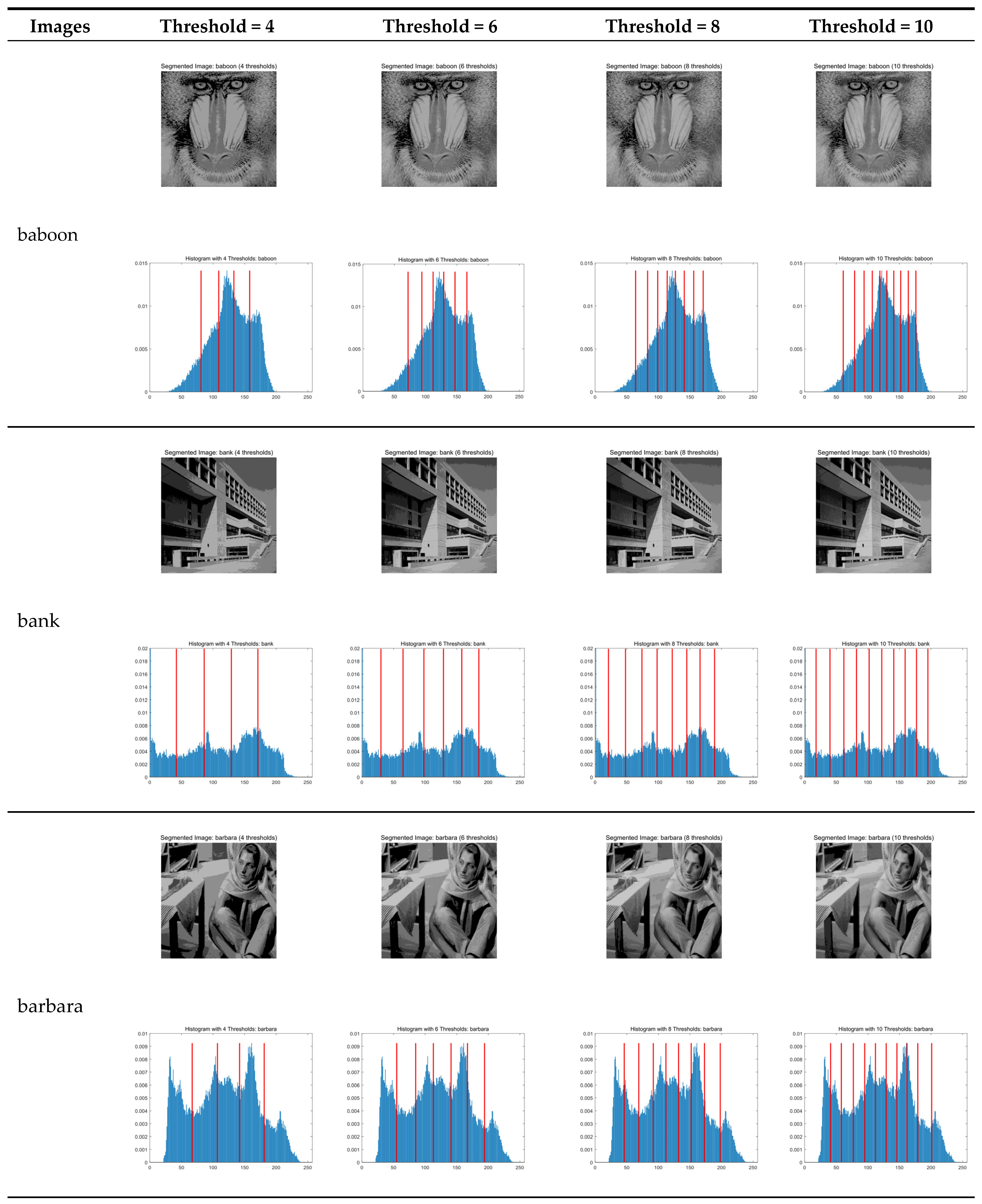
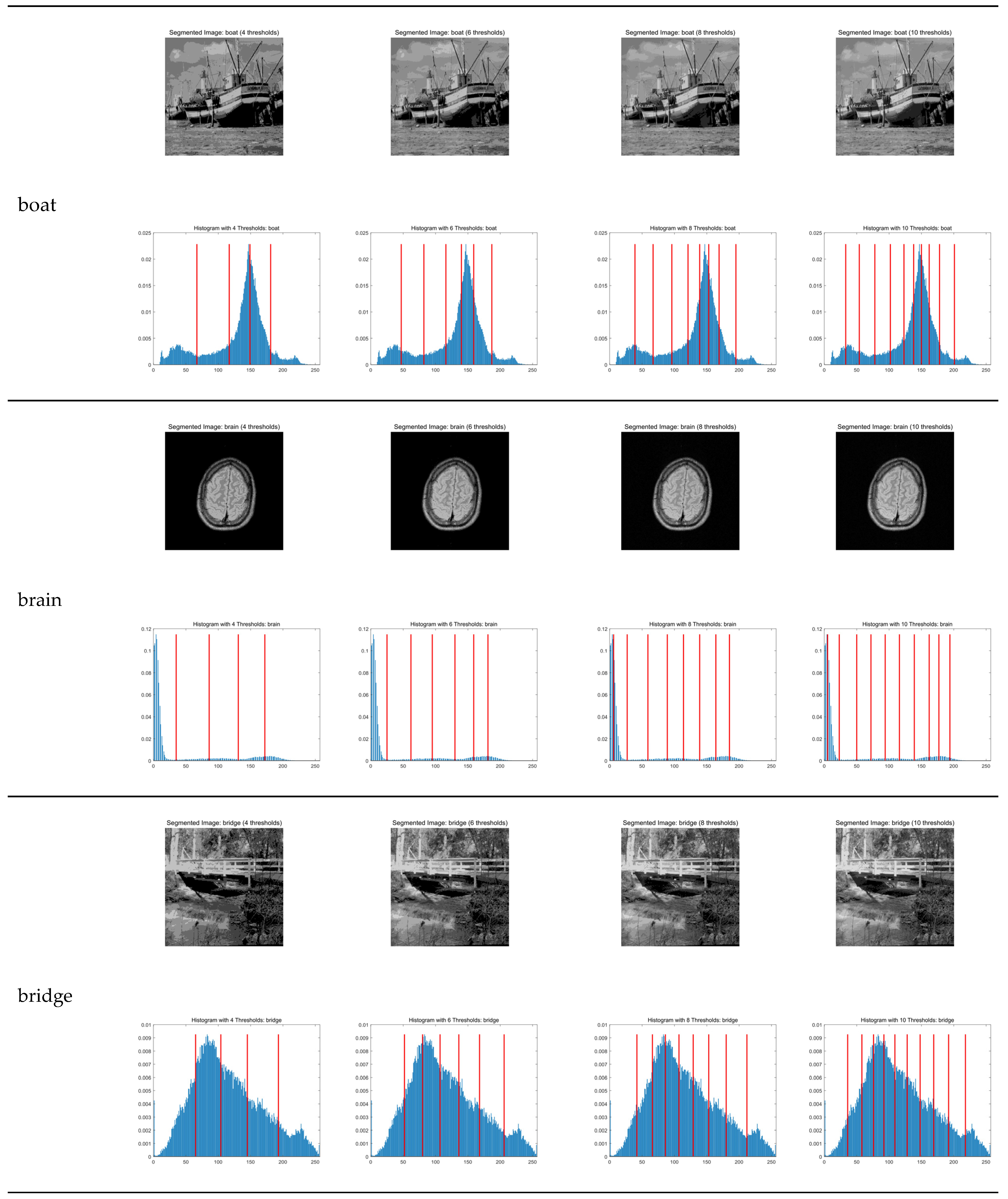
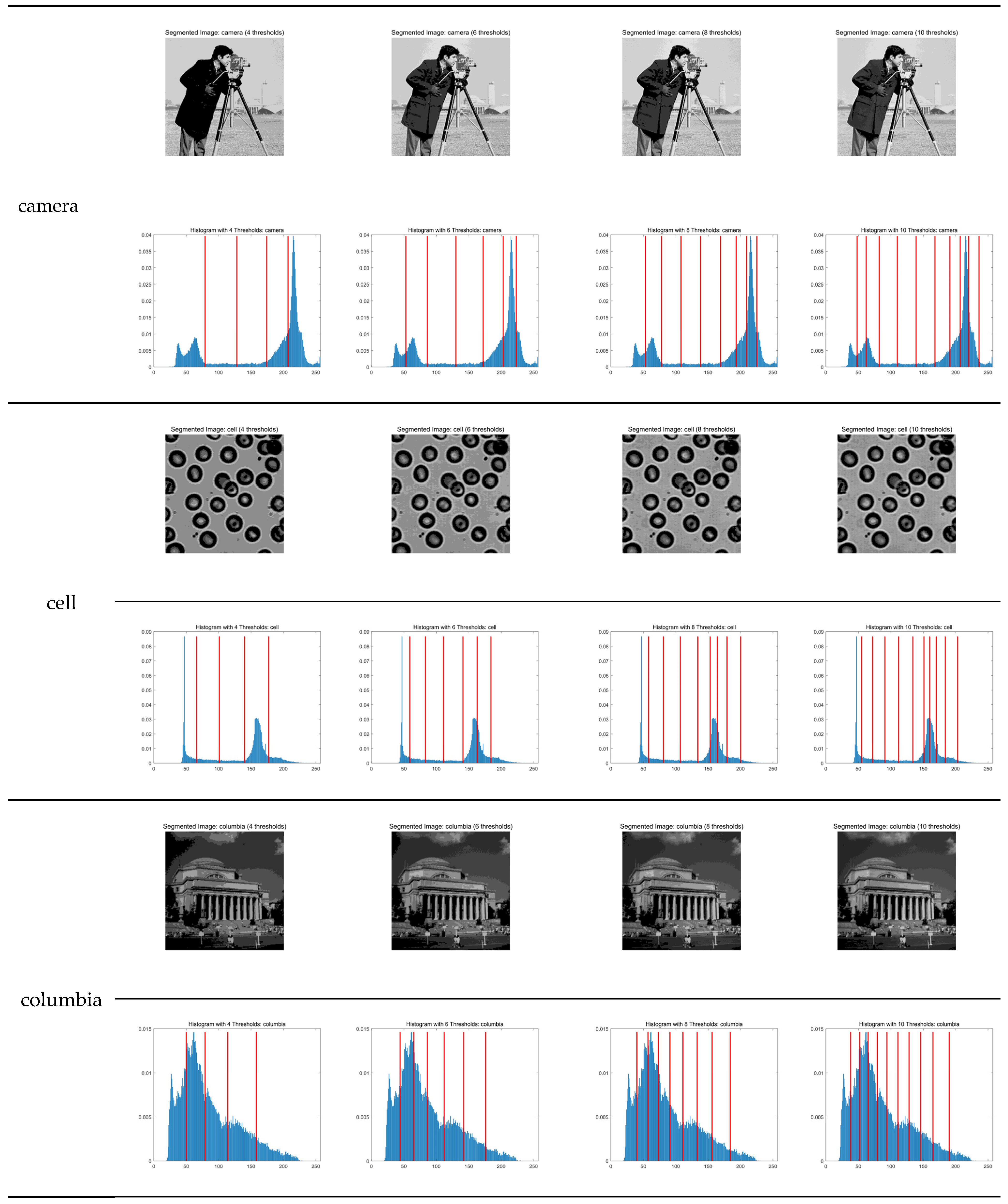
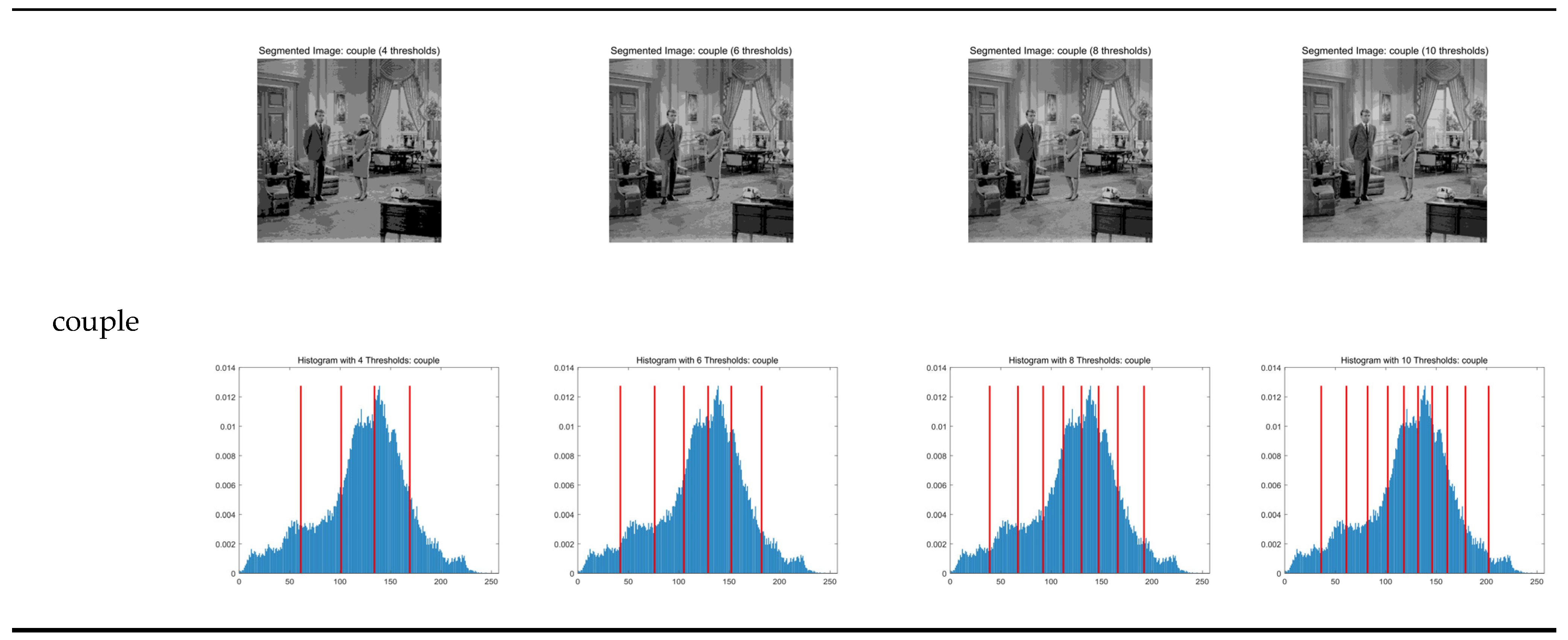

Disclaimer/Publisher’s Note: The statements, opinions and data contained in all publications are solely those of the individual author(s) and contributor(s) and not of MDPI and/or the editor(s). MDPI and/or the editor(s) disclaim responsibility for any injury to people or property resulting from any ideas, methods, instructions or products referred to in the content. |
© 2026 by the authors. Licensee MDPI, Basel, Switzerland. This article is an open access article distributed under the terms and conditions of the Creative Commons Attribution (CC BY) license.