


Abstract
Energetic powder processing includes comminution, sieving, drying, conveying, mixing, and packaging, all of which determine product performance and safety. With growing requirements for efficiency and reliability, numerical simulation has become essential for analyzing mechanisms, optimizing parameters, and supporting equipment design. This review summarizes recent progress in simulation techniques such as the discrete element method (DEM), computational fluid dynamics (CFD), and multi-scale coupling while also evaluating their predictive capabilities and limitations across various unit operations and safety concerns such as electrostatic hazards. It, thus, establishes the core “property–parameter–performance” relationships and clarifies mechanisms in multiphase flow, energy transfer, and charge accumulation, and highlights the role of symmetry in improving simulation efficiency. By highlighting persistent challenges, this work lays a foundation for future research, guiding the development of theoretical frameworks and practical solutions for advanced powder processing.
1. Introduction
Energetic materials are compounds or mixtures that contain explosive groups or consist of binders and energetic powders, capable of undergoing chemical reactions to release energy. They constitute essential components of military explosives, propellants, and rocket fuels, and hold significant importance in the fields of national defense and aerospace [1]. In particular, the characteristics of energetic powders, such as particle size, shape, morphology and dispersibility, have a significant impact on their performance in practical applications [2]. These characteristics, which are directly influenced by the processing of energetic powders, in turn affect key properties such as burning rate, sensitivity, stability and manufacturability. For example, energetic powders with uniform particle size distribution and spherical shape can enhance packing density and fluidity, thereby enhancing production efficiency and reducing safety risks in the production process. Figure 1 summarizes the key processing procedures of energetic powders, including block comminution, sieving, drying, conveying, mixing, and packaging.
Figure 1.
Classification of energetic material powder processing.
However, due to the electrostatic and mechanical sensitivity of energetic powders [3,4], they are prone to spontaneous ignition or explosion under external environments. This behavior introduces significant safety hazards during production, storage, and transportation. Such unique properties not only restrict the optimization of process parameters but also make large-scale experimental studies difficult to conduct. Modeling and simulation of energetic powders processing can facilitate the visualization of process mechanisms, optimization of parameters, and concurrent safety assessment during production. Meanwhile, considering the symmetry of the model during the modeling process significantly enhances simulation efficiency. This also lays an important foundation for achieving continuous and automated production in the processing of energetic powders.
The purpose of this article is to review the simulation and numerical calculation work on the processing of energetic powders, with a particular focus on elaborating on the symmetry involved in the processing of energetic powders. Furthermore, key methods and models for simulating various processes and their safety evaluations are summarized, and the applications of simulation in energetic powders processing are examined in detail. Potential directions for breakthroughs in current process simulation models are analyzed, offering a foundation for the research and study of new models for energetic powders processing in the future. Importantly, the concept of symmetry and its disruption through symmetry-breaking phenomena extends beyond a mere computational tool, serving as a powerful analytical framework for interpreting multiphase flow dynamics in powder processing systems. This review not only surveys existing numerical approaches but also presents a novel conceptual perspective grounded in symmetry principles. It explores how idealized symmetries inherent in theoretical models are disrupted by practical factors such as irregular particle morphology, interparticle cohesive forces, and complex fluid–solid interactions, and how these symmetry-breaking mechanisms ultimately influence macroscopic behaviors, including mixing uniformity, flow stability, and electrostatic risk.
This paper proposes a unified “properties—parameters—performance” analysis framework (as shown in Figure 2). This framework takes “symmetry and its breaking” as the core analytical lens, revealing how the properties of microscopic particles and process parameters jointly determine the final macroscopic processing performance and safety risks by disrupting the ideal symmetrical state of the system (such as uniform distribution and stable flow). This framework not only organically connects all the chapters of the full text but also provides a new theoretical basis for understanding and optimizing the processing of energetic powders.
Figure 2.
The correlation mechanism and a unified analytical framework for the “attribute-parameter-performance” relationship in energetic powder processing.
2. Post-Synthesis Procedure of Energetic Material Powder
Energetic powders are primarily synthesized via key chemical reactions, such as nitration and condensation, which convert basic organic compounds into target molecules with high-energy characteristics. Following synthesis, energetic powders undergo key post-treatment processes, primarily bulk comminution and sieving, as the initial critical process, aiming to effectively break the dimensional symmetry of raw materials through the application of external energy and achieve the desired gradation distribution. The efficiency and outcome of this process are fundamentally governed by the complex mechanism of symmetry breaking, which arises from the intrinsic particle characteristics such as morphological asymmetry and equipment-related parameters.
2.1. Bulk Comminution
The equipment for bulk comminution of energetic powder includes ball mills, compression crushers and high-speed shear machines [5]. It was difficult to visually analyze and observe the changes in particle size and morphology of energetic powder during bulk comminution, which were crucial for process parameters and equipment structural parameters. Discrete element method (DEM) simulation technique provided an accurate description of the motion and deformation of energetic powders, energy and force exerted on the powders during the processing. This method has been widely applied in the simulation of particle fragmentation [6,7].
Wang et al. [8] integrated DEM energy distribution data into Population Balance Model (PBM) to predict particle size evolution during ball milling. Energy-collision energy, dissipated energy, and maximum impact energy are accurately calculated (Figure 3d,e). Their study identified an optimal operation range of 36–45 rpm and 40% ball filling ratio, providing direct guidance for optimizing industrial ball mills.
Figure 3.
(a) distribution of powder motion during ball milling of aluminum powder; (b) distribution of normal relative velocity of grinding ball; (c) stress energy distribution of aluminum powder [8]; (d) velocity distribution contour of limestone powder in a ball mill; (e) prediction of product sizes at different grinding times. Reprinted with permission from Ref. [9]. Copyright © 2011 Elsevier B.V.
Zhang et al. [9] employed a multi-scale modeling approach and conducted CFD-DEM coupled simulations to investigate the deformation behavior of powders under ball collision (Figure 3a). The results demonstrated that low-speed collisions of grinding balls dominated the ball milling process, with approximately half of the particles exhibiting stress energy below the critical threshold, undergoing only plastic deformation without fracture (Figure 3b,c).
Unlike previous studies focused on the effect of ball filling ratio on breakage efficiency, Metzger et al. [10] utilized Bonded Particle Model (BPM) to describe the process of particle breakage to investigate the influence of ball size on the milling efficiency. The results have shown that ball diameter, especially three times the size of aggregates, is a key factor in maximizing crushing efficiency, while the influence of filling rate is minimal.
Cleary et al. [11,12] simulated the particle breakage in five different compression crushers. They precisely predicted machine power, product particle size, output and machine wear. However, the simplification of particles to spheres in this model likely compromised the accuracy of the calculations.
The process parameters and product particle properties for each crusher are shown in Table 1.
Table 1.
Comparison of Five Crusher Types Based on DEM Simulation.
Chen et al. [13] simulated the crushing conditions of polyhedral particles in the crusher through DEM. The particle distribution and rotor wear are shown in Figure 4a,b. The simulated particle size distribution closely matched experimental trends, with both discharge rate and energy consumption predictions deviating by less than 10%. An optimal rotational speed of 30 rad/s was identified. The introduction of non-spherical particles in this study improved the calculation accuracy.
Figure 4.
(a) wear distribution contour of the rotor in an impact crusher; (b) comparison of the limestones’ distribution under different rotor speeds: left (30 rad/s), right (40 rad/s); Reprinted with permission from Ref. [13]. Copyright © 2024 Elsevier B.V. (c) the size distribution of products of breakage types under various rotor speeds; (d) the running time of breakage types under various rotor speeds. Reprinted with permission from Ref. [14]. Copyright © 2025 Elsevier Ltd.
In discrete element simulations of particle breakage, the polyhedral particle model provides greater accuracy than the spherical particle model; however, it entails a higher computational cost. Building on a polyhedral particle model, Chen et al. [14] proposed a method for converting polyhedral particles into equivalent spheres, where a minimum allowable breakage size was defined as the critical dimension, and daughter particles smaller than this critical size were replaced by equivalent spheres of the same diameter. The model, applied to limestone crusher simulation (Figure 4c,d), achieved a ninefold improvement in computational efficiency at a modest cost of only a 3% increase in error, demonstrating considerable practical potential. While the DEM offers detailed insights into micromechanical behavior, its high computational cost often limits its applicability to long-term process prediction or real-time implementation.
To overcome these computational constraints, stochastic analytical models have emerged as a viable alternative. Dwivedi et al. [15] demonstrate this approach in the context of ball milling, where a probability distribution-based model effectively predicts macroscopic evolution of particle size and shape without resolving fine-scale micromechanical interactions. This statistical coarse-graining approach provides a computationally efficient, ensemble-level description that complements particle-scale DEM simulations. It facilitates the analysis of emergent phenomena like symmetry breaking within particle populations, for example, the transition from a monodisperse to a polydisperse size distribution. Moreover, it serves as a practical tool where computational efficiency is critical.
Wei et al. [16] applied BPM to powder simulation and established a three-dimensional model of a high-speed shear machine, as depicted in Figure 5. The process of powder agglomerate breakage within the high-speed shearing machine was simulated using EDEM software. A bonding fracture rate was introduced as an indicator of particle breakage efficiency, allowing for the evaluation of breakage performance under various impeller configurations and cutting speeds. The findings suggest that increasing the impeller speed significantly enhances the fracture rate, indicating that the impeller speed is the key factor influencing particle breakage efficiency.
Figure 5.
Mechanisms of particle breakage in high-speed shear wet granulation: (a) schematic of the wet granulation machine and granule comminution; (b) shear breakage by the chopper at 1.05 s; (c) compression breakage by the impeller at 1.5 s; (d) mean and standard deviation of particle size [16].
2.2. Sieving
Powder sieving is a process in which a powder sample is separated using standard sieves with varying mesh sizes to obtain a particle size distribution. Factors such as oscillation frequency, amplitude, and sieve hole shape significantly influence sieving efficiency [17,18].
To optimize sieving performance, scholars have conducted numerical simulations of the sieving process to identify the optimal kinematic parameters and enhance efficiency. Li et al. [19] utilized EDEM to simulate particle motion on vibrating screens and evaluate the effects of amplitude, frequency, and vibration direction angle. The resulting particle distributions under various conditions are depicted in Figure 6c. The simulation results show that the increase in amplitude, frequency and vibration direction Angle can improve the screening efficiency. However, an excessively high value can lead to material loss. The study determined that 30 mm amplitude, 5 Hz frequency, and a 35° vibration direction angle were the optimal parameters. Avrampos et al. [20] simulated the sieving process of alumina powder and compared the sieving efficiency of various sieve hole shapes. They discovered that the powder throughput rate for round sieve holes was lower than that for square sieve holes. Furthermore, increasing the vibration frequency and amplitude significantly enhanced sieving efficiency.
Figure 6.
(a) schematic diagram of the horizontal screening device’s geometry; Reprinted with permission from Ref. [21]. Copyright © 2011 Published by Elsevier Ltd. (b) views of the vibratory sieving modelling results for spheres with no rolling friction and rounded polyhedrons particles; Reprinted with permission from Ref. [22]. Copyright © 2017, Springer-Verlag GmbH Germany. (c) longitudinal distribution of rice grains as a function of vibration amplitude and frequency: (i) amplitude; (ii) frequency [19]; (d) comparison of mass retained in sieves between experimental result and DEM results from both spheres with varied rolling frictions and rounded polyhedron. Reprinted with permission from Ref. [22]. Copyright © 2017, Springer-Verlag GmbH Germany.
Since previous DEM simulations of particle sieving processes heavily relied on simplified spherical particle models, researchers conducted a series of studies to evaluate the accuracy of these models. Delaney et al. [21] developed a three-dimensional DEM model based on the experimental setup (Figure 6a) and validated it under various working conditions. The simulation results indicate that the passage of fine particles at low flow rates is in good agreement with the experimental data. However, at medium and high feed rates, these particles tend to clog the pores, reducing local permeability and causing significant errors in the simulation outcomes. This discrepancy underscores a fundamental limitation of idealized symmetry in models. The perfect geometric symmetry of spheres enables unrealistic rolling behaviors, thereby obscuring the critical property-performance relationship where the inherent asymmetry of particle shape dictates clogging behavior and screening efficiency. Consequently, employing a non-spherical particle model is crucial for accurate screening simulations. Chen et al. [22] conducted simulations of the sieving process using both spherical and non-spherical particles. The distribution of particles during sieving is depicted in Figure 6b and comparisons between simulation outcomes and experimental data are illustrated in Figure 5d. The findings indicate that the three-dimensional, rounded polyhedral DEM model, created through 2D calibration, can accurately forecast the sieving process. Additionally, the results show that the three-dimensional fillet polyhedral DEM model, also created through two-dimensional calibration, can precisely predict the screening process and successfully replicate the phenomenon where fine particles are retained on the coarse mesh.
The sequential unit operations of comminution and sieving form an integrated, coupled system for regulating particle size distribution, governed fundamentally by the interplay between targeted symmetry modification and intrinsic symmetry-breaking mechanisms. Comminution aims to disrupt the initial size symmetry of the feed material; however, DEM simulations have revealed that the geometric asymmetry of real particles governs stress concentration and fracture propagation pathways, while stochastic collision behaviors generate a heterogeneous energy distribution field, precluding uniform breakage and thus resulting in a broad, asymmetric product size distribution. Subsequently, sieving endeavors to establish a new spatial-size symmetry. This ideal, however, is undermined by the inherent particle characteristics that resist simplification: the unrealistic geometric symmetry of spherical particle models in DEM leads to overestimation of particle passage rates, whereas models that capture the true asymmetric features of particles can accurately reproduce pore clogging phenomena and the consequent reduction in sieving efficiency. Therefore, to achieve reliable simulations throughout this particle size control chain, it is imperative to explicitly incorporate these symmetry-breaking characteristics, transcending idealized spherical particle assumptions and simplified collision models to accurately predict the realistic, asymmetry-dominated outcomes of comminution efficiency and classification performance.
3. Drying Procedure of Energetic Material Powders
The characteristics of the powder following crushing and sieving are further influenced by the drying process. This process not only removes solvents to ensure chemical stability but also significantly affects the particle agglomeration state and surface properties through heat and mass transfer. The ideal objective of drying is to achieve a uniform and spatially symmetric distribution of temperature and humidity fields throughout the system. However, in practice, symmetry-breaking phenomena such as non-uniform heat transfer and the dynamic movement of phase-change interfaces represent key factors limiting drying efficiency and product uniformity. Therefore, the drying process of energetic powders directly determines the energy release efficiency and production safety. The main methods used for powder drying are vacuum freeze-drying, spray drying, and fluidized bed drying [23,24,25,26,27].
3.1. Vacuum Freeze-Drying Simulation
Vacuum freeze-drying operates below the triple-point pressure and temperature, where the solvent transitions directly from solid to gas, effectively preventing particle agglomeration during the drying process [28]. This method has become the preferred choice for nanomaterials. Currently, there is limited research on the simulation of vacuum freeze-drying for powder materials. In practical production, drying theories for porous materials are often adapted for such studies. Most research on porous media drying uses 1D or 2D simplified models for calculations. El-Maghlany et al. [29] developed a three-dimensional multiphase porous media transport model to quantify errors in simplified models that simulate the freeze-drying process. Their findings indicate that when the aspect ratio is less than 10, the errors in 1D and 2D models are significant, and a 3D model should be used to minimize computational errors. Conversely, when the aspect ratio is large, the simplified model is more appropriate for reducing computational expenses.
Chen et al. [30,31] utilized the model’s symmetry to conduct a 1/2 modeling simulation of the vacuum freeze-drying process for pineapple and kiwifruit. They employed deformable geometric methods to track the moving sublimation front and obtained the pressure distribution (Figure 7a) and heat transfer profile (Figure 7b). Univariate analysis indicated that the drying rate was directly proportional to the shelf temperature and pressure, and inversely proportional to the sample thickness.
Figure 7.
Heat and mass transfer characteristics during vacuum freeze-drying: (a) vapor pressure distribution during sublimation drying process; (b) variations of sublimation, radiation, and conduction heat transfers; Reprinted with permission from Ref. [31]. Copyright © 2023 THE AUTHORS.
3.2. Spray Drying Simulation
Spray drying employs an atomizer to disperse slurry into fine droplets, which are then dried by a stream of hot gas, thereby enabling the efficient production of powder, granular, or spherical products [32,33]. The existing research on spray drying simulation mainly focuses on process optimization and mechanism exploration. To reduce the risk of wall deposition during milk powder spray drying, Ramírez-Rivera et al. [34] applied CFD to analyze the effects of airflow angle and geometric structure on deposition behavior. By quantifying particle deposition as the overlapping area of contour maps of particle concentration and water mass fraction, they generated cloud maps of high-risk deposition zones, as shown in Figure 8a. The results show that placing the hot air inlet parallel to the exhaust pipe is more effective in suppressing wall deposition.
Figure 8.
(a) Simulation results of wall deposition risk zones under geometric configurations; Reprinted with permission from Ref. [34]. Copyright © 2025 Institution of Chemical Engineers. (b) temperature distributions in radial direction of hydroxyapatite and silica agglomerates. Reprinted with permission from Ref. [35]. Copyright © 2015, Springer-Verlag Berlin Heidelberg.
Julklang et al. [35] integrated a droplet drying kinetics model with heat and mass transfer models to simulate the temperature and humidity distribution during the spray drying of hydroxyapatite particle suspensions and silica droplets. The temperature distribution comparison curve is shown in Figure 8b. The findings indicated that due to the larger initial particle size and higher moisture content of hydroxyapatite particles, the rates of heat and mass transfer were lower, resulting in longer drying times.
3.3. Fluidized Bed Drying Simulation
Fluidized bed drying enhances heat and mass transfer efficiency by introducing gas flow beneath the particles, ensuring sufficient contact. The drying process typically proceeds through three stages-preheating, constant-rate, and falling-rate and involves complex mechanisms. To elucidate the dynamic behavior of wet particles during fluidized bed drying, researchers have widely employed three-phase models. However, their accuracy is often limited by the assumption of a constant internal moisture diffusion coefficient. To address this limitation, Wang et al. [36] established a high-precision three-phase model to study the influencing factors of the fluidized bed drying process. As shown in Figure 9a, the correlation curve between the moisture content and particle size of the particles indicates that the drying time increases with the increase in particle size, and the heating rate accelerates with the increase in the moisture content at the inlet. This model successfully captured the three characteristic stages of particle drying and accurately predicted the moisture changes during the particle drying process.
Figure 9.
(a) moisture content of pharmaceutical particles during fluidized bed drying as a function of particle size; Re-printed with permission from Ref. [36]. Copyright by Elsevier Ltd. (b) contour plot of the solid volume fraction of three different scale fluidized bed dryers at different time; Reprinted with per-mission from Ref. [37]. Copyright © 2014 Elsevier B.V. (c) mass transfer in wet particles with var-ying initial moisture during fluidized bed drying; (d) particle drying curves based on 2D CFD simulation. Reprinted with permission from Ref. [38]. Copyright © 2022 Elsevier B.V.
Jang and Arastoopour et al. [37] simulated the drying processes of three different scales of fluidized bed dryers using CFD method based on a two-fluid model. The contour maps of solid volume fractions at different scales are depicted in Figure 9b. The results indicate that the drying curves display similar trends across the various scales. Additionally, by verifying results at similar dimensionless times, the study confirmed the feasibility of employing this model for scale-up. Tu et al. [38] simulated the drying process of wet particles in a fluidized bed dryer using a two-fluid model combined with a three-phase model. When obtaining the drying curve, a two-dimensional axisymmetric model was used to reduce the computational load. The moisture content cloud map and drying curve of the drying process are depicted in Figure 9c,d. The results indicate that the model successfully captured the three characteristic drying stages.
Table 2 compares the effectiveness of various drying methods and their specific operational conditions. Numerical simulations of powder drying, encompassing vacuum freeze drying, spray drying, and fluidized bed drying, have clarified the mechanisms of heat and mass transfer and the effects of key parameters such as temperature, airflow, and particle size distribution. Challenges remain, however, in modeling moisture migration, agglomeration, and multi-physical field coupling. Future research should focus on developing more effective and realistic models to support industrial-scale applications.
Table 2.
Summary of Drying Procedures and Their Effects.
4. Conveying Procedure of Energetic Material Powders
Reliable and efficient transportation of dried powder to the designated location represents a critical integration point among individual unit operations. An ideal conveying process is characterized by stable and uniform flow, commonly referred to as flow symmetry. However, inherent particle characteristics such as shape asymmetry and size distribution can systematically disrupt this uniformity, resulting in phenomena such as segregation, mechanical wear, caking, and electrostatic charge accumulation. These effects introduce both operational inefficiencies and safety hazards within the conveying system.
4.1. Pneumatic Conveying
Behera et al. [39] simulated the dense-phase pneumatic conveying of alumina particles by establishing a CFD model that aligns with the actual particle size distribution in industrial processing. The simulation results indicate that the velocity of the bottom bed layer matches the gas phase velocity, whereas the velocity of large particles in the upper region of the pipeline is slower than the gas phase velocity, leading to slippage. The overall prediction accuracy is relatively high; however, the prediction error for pressure drop remains approximately 20%. Subsequently, further enhancements should be considered by incorporating the non-spherical particle model and the adhesion model. Similarly, Sung et al. [40] investigated the effect of particle size distribution on flow dynamics. Using CPFD, they simulated horizontal dilute-phase pneumatic conveying. The results indicated that, when d50 was fixed, a wider particle size distribution led to higher average particle velocities and reduced pressure drop, which facilitated dilute-phase conveying.
The aforementioned studies primarily focused on the effects of particle size, density, and gas velocity on flow behavior, while neglecting the role of particle shape. Hilton et al. [41] investigated the influence of particle shape on pneumatic conveying. Their results showed that spherical particle beds exhibited higher porosity and lower bed pressure, favoring the formation of plug flow, whereas non-spherical particle beds had lower porosity, leading to easier suspension and the formation of dilute-phase flow.
Erken et al. [42] focused specifically on the plug flow characteristics of ellipsoidal particles, generating porosity, pressure, and velocity contour maps, as shown in Figure 10a. Their study demonstrated that the restricted rolling motion of ellipsoidal particles enhanced mechanical interlocking, resulting in more stable plug structures. Moreover, they verified that introducing rolling friction into spherical particle models could reproduce the flow behavior of non-spherical particles.
At first glance, the findings of Hilton and Erken on the plug flow of non-spherical particles appear contradictory. This discrepancy arises from differences in research conditions: Hilton considered both ellipsoidal and cubic particles, whereas Erken focused exclusively on ellipsoids; Hilton’s study encompassed a wide range of pressure gradients, while Erken restricted the analysis to pressure ranges where plug flow remained stable; additionally, Erken emphasized the effects of inter-particle friction and particle-wall friction on plug stability. Consequently, under moderate pressure gradients and high-friction conditions, Erken’s findings suggest that non-spherical particles tend to form stable plugs, whereas under high pressure gradients or with more extreme particle geometries, Hilton’s results indicate a transition toward dilute-phase flow.
The apparent discrepancies among these studies underscore the necessity of moving beyond the superficial acknowledgment that “shape matters.” Future work must instead pursue a mechanistic understanding of how specific geometric descriptors, such as sphericity and angularity, quantitatively disrupt force-chain symmetry and flow stability. Such an approach is essential to advance the field from qualitative correlation to a predictive, quantitative framework that reliably links particle properties and process parameters to conveying performance.
The aforementioned studies have primarily focused on simulating particle conveying in horizontal pipelines, without investigating particle flow behavior in bends and vertical pipes. Miao et al. [43] expanded research on dilute-phase pneumatic conveying to various pipeline configurations, taking into account particle size distribution. Their findings indicated that in vertical pipes, larger particles tended to concentrate in the central high-velocity gas region, whereas smaller particles dispersed near the wall. At bends in the pipe, phenomena of particle roping and subsequent disintegration were observed, with larger particles playing a significant role in the formation of these ropes. The speed of disintegration was found to be inversely correlated with the bend radius.
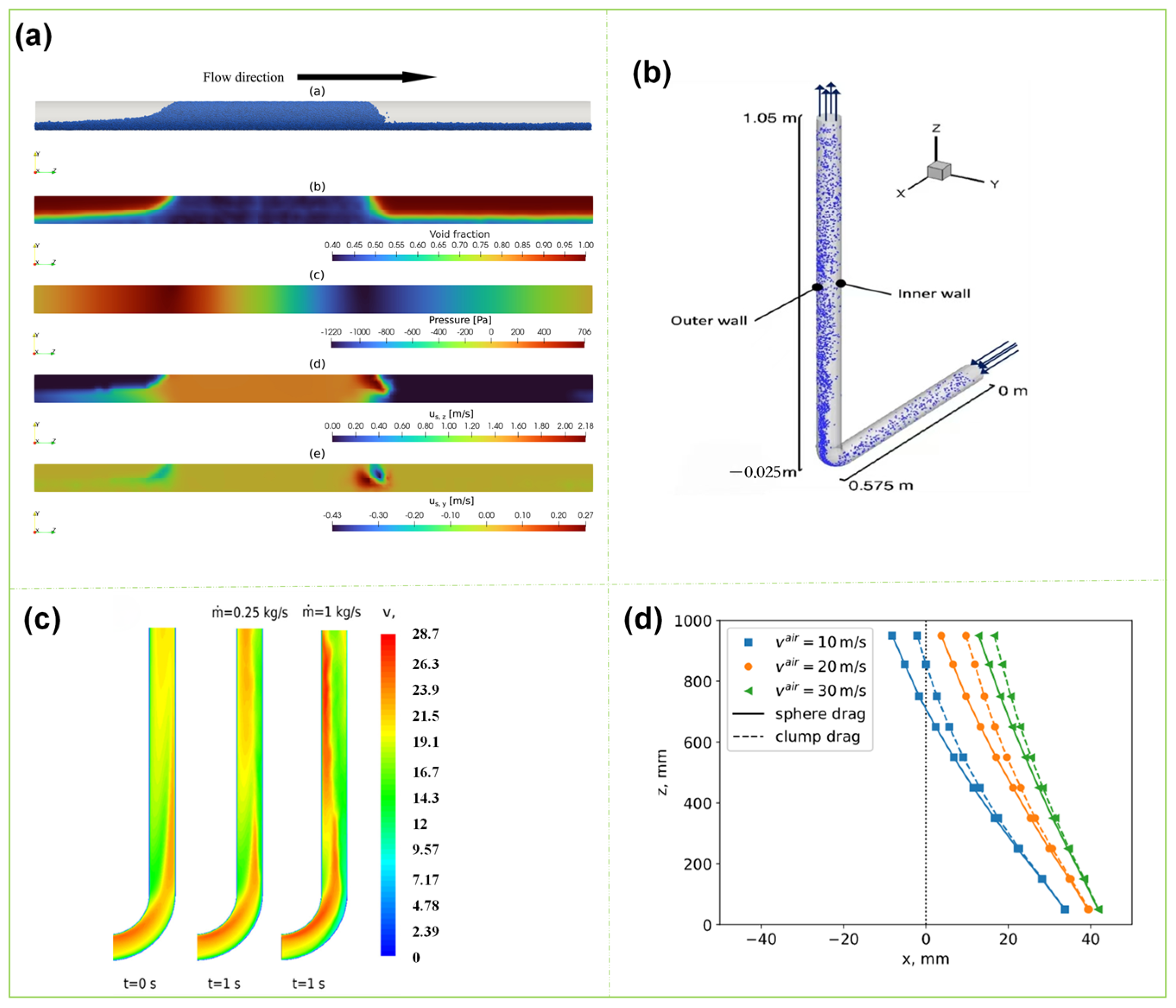
Kruggel-Emden [44] and Markauskas [45] investigated the flow of non-spherical particles in curved pipes using CFD–DEM coupling. Kruggel-Emden et al. analyzed flexible biomass particles (Figure 10b), demonstrating that reduced stiffness decreased pressure drop but resulted in uneven dispersion. Markauskas et al. compared five regularly shaped particles, documenting the mass flow rate (Figure 10c) and airflow velocity (Figure 10d). Both studies observed rope formation along the outer bend, followed by dispersion in the vertical section. The shape of the particles influenced flow velocity and the location of rope formation. Compared to spherical particles, non-spherical ones exhibited higher energy dissipation, lower outlet velocity, greater pressure drop, and slower dispersion.
Figure 10.
(a) spatial distribution contours of void fraction, pressure, and velocity components during pneumatic conveying of oblate spheroidal particles [42]; (b) schematic diagram of the simulation setup of non-spherical particles during pneumatic conveying in a pipe bend; Reprinted with permission from Ref. [44]. Copyright © 2014 Elsevier B.V. (c) air velocity contours as a function of particle mass flow rate in pneumatic conveying through a pipe bend; (d) effect of the air inflow velocity on horizontally averaged particle positions in vertical pipe. Reprinted with permission from Ref. [45]. Copyright © 2022 Elsevier B.V.
During powder conveying, particle-particle interactions and particle-wall collisions occur, leading to particle wear and degradation in quality. To quantify particle wear during conveying, Brosh et al. [46] integrated a breakage model into a 3D CFD-DEM framework to simulate particle collision and wear in dilute-phase pneumatic conveying. The model successfully captured the proportional relationship between breakage rate and conveying velocity, aligning with experimental trends and validating the approach for wear prediction.
To reduce computational cost and improve efficiency, Uzi et al. [47] extracted the collision probability and velocity distribution of particles from the DEM-CFD simulation and coupled the one-dimensional two-phase flow model with the fragmentation function to calculate the particle size distribution in the pipeline. This research also considered particle collisions at bends, where the collision probability was found to be 2–3 times higher than in straight pipes.
Similarly, to further reduce computation time, Du et al. [48] proposed a simplified model that disregards the influence of porosity and conducted simulations of pneumatic conveying with bends. The results indicate that under dilute phase conditions with a low particle volume fraction, neglecting porosity has minimal impact on the outcomes, yet computational efficiency and stability are markedly enhanced.
4.2. Screw Conveying
Screw conveyors have been widely used in material transportation due to their simple structure and ease of control. However, the flow behavior of particles within a screw conveyor is complex and influenced by various factors, including screw speed. Consequently, DEM has become a valuable tool for studying flow characteristics. Kretz et al. [49] utilized the low-cost DEM simulation tool Blender to simulate the conveying process of a screw conveyor. The research findings indicated that the simulated flow characteristics were in good agreement with the experimental flow characteristics, and the parameter deviation was minimal.
To investigate the factors that affect screw conveying efficiency, Wang et al. [50] utilized the DEM to simulate particle transport at various screw rotation speeds and particle filling ratios. The relationship curves depicting mass flow rate versus screw speed and filling ratio are presented in Figure 11a,b. The findings suggest that the particle mass flow rate increases with both screw speed and filling ratio, with screw speed exerting a more significant impact on conveying efficiency.
Previous research on screw conveying has primarily focused on conveying efficiency and performance, often overlooking wear, which can significantly reduce the service life of equipment. To minimize wear in powder screw conveying, Motaln et al. [51] developed a mathematical model that links operational parameters with wear. Their findings indicated that decreasing screw clearance and increasing rotational speed both exacerbate wear, with the most severe wear occurring at the blade edges. However, excessive clearance and overly low rotational speed markedly reduce conveying efficiency. The research identified optimal operating parameters: a screw clearance of 8.6 mm and a rotational speed of 167 rpm, which provided a suitable balance between mass flow rate and wear.
Figure 11.
(a) particle mass flow rate as a function of screw rotational speed in a screw conveyor; (b) particle mass flow rate as a function of filling level in a screw conveyor; Reprinted with permission from Ref. [50]. Copyright © 2018 Elsevier B.V. (c) comparison of the angular velocity with various particle types in simulated screw conveyor; (d) energy dissipation rate versus collision energy consumption in par-ticle-particle collision. Reprinted with permission from Ref. [52]. Copyright © 2018 Elsevier B.V.
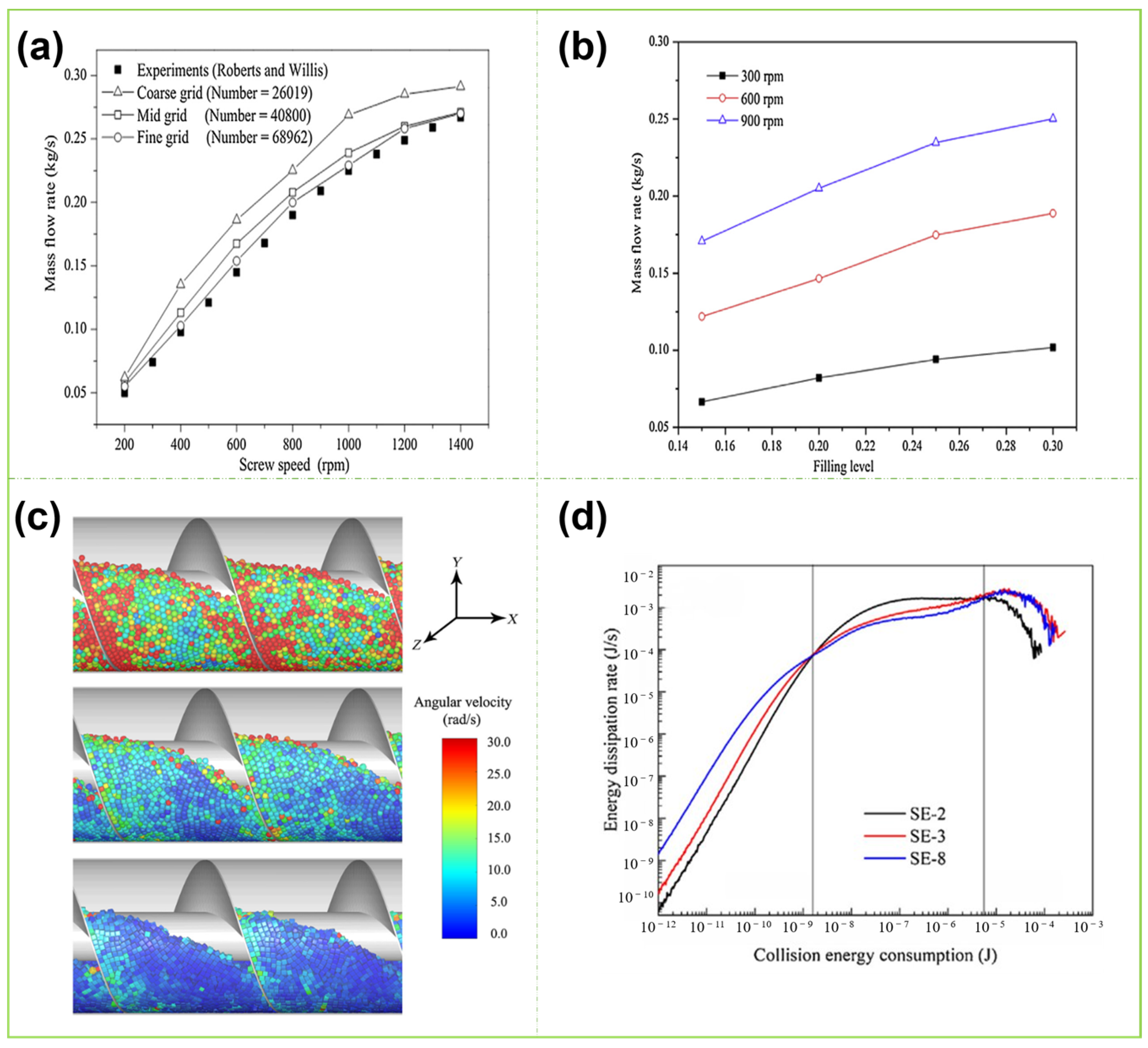
Since particle shape can influence conveying behavior in practical screw conveying processes, Sun et al. [52] utilized DEM in conjunction with a particle wear model to study the conveying of non-spherical particles. The angular velocity contour plots and energy consumption curves for various particle shapes are depicted in Figure 11c,d, respectively. The findings indicate that the fluidity and mass flow rate of non-spherical particles are significantly diminished, rendering them more susceptible to wear.
As the coupled process of heat transfer and particle motion in industrial-scale screw conveyors remains insufficiently studied, Ge et al. [53] integrated the heat transfer model into the DEM simulation of particle flow within the screw conveyor. They also employed a coarsening method to reduce calculation time. The results indicate that the upper section of the screw conveyor is the primary heating zone, whereas the lower section maintains heat through low-speed operation. An uneven particle size distribution facilitates wall contact and enhances heat transfer.
In conveying processes, stable and homogeneous flow represents an ideal flow symmetry. This symmetry is systematically broken by particle characteristics and operating conditions. Specifically, the shape asymmetry of non-spherical particles fundamentally disrupts flow mechanics, promoting rope formation in bends or destabilizing plug flow. Such morphology-induced symmetry-breaking elevates energy dissipation and complicates flow prediction. Consequently, accurate simulation must explicitly account for particle shape to reliably capture these complex flow regimes.
5. Mixing Procedure of Energetic Material Powders
The powder of each component conveyed to the mixing equipment must achieve uniform dispersion at the microscopic scale, which is fundamental to ensuring the consistency and safety of energetic material performance. However, inherent differences among particles in terms of density, shape, and size represent intrinsic sources of symmetry breaking. When interacting with the mixing flow field such as shear, convection, and diffusion, these factors collectively determine the final mixing uniformity and potential for particle segregation. Mixing energetic powders involves the uniform dispersion of two or more components, either in a dry state or a molten state, through physical or chemical methods [54]. This process can be categorized into dry mixing and melt mixing, and it is a crucial step in the processing of energetic materials. By optimizing the structural arrangement of the components, mixing enhances both energy release efficiency and safety performance [55].
5.1. Solid Powder Mixing
Dry mixing uniformly disperses powder components through mechanical forces. The characteristics of particle motion and energy transfer mechanisms during the mixing process are highly complex, and investigating these behaviors is crucial for enhancing mixing efficiency [56]. Wang et al. [57] established a paddle-free gravity mixing model using EDEM (Figure 12a) to simulate the mixing behavior of HMX/Al energetic powders in a rotating drum. By comparing mixing performance under different process parameters, they obtained particle mixing uniformity and force diagrams, as depicted in Figure 12b,c. The results indicated that mixing efficiency was positively correlated with the drum’s axial rotation speed but negatively correlated with the radial inclination angle. Furthermore, analysis of particle load forces revealed that the forces acting on particles increased with both the radial inclination angle and axial speed.
Figure 12.
DEM simulation of HMX/Al particle mixing in a paddle-free gravity mixer: (a) geometric modeling of paddle-free gravity mixer; (b) evolution of the mixing uniformity index under different process conditions; (c) variation in force exerted on HMX and Al particles under three mixing conditions: (i). 70 °C, 40 r/min; (ii). 70 °C, 60 r/min; (iii). 90 °C, 40 r/min [57]. Reprinted with permission from Ref. [57]. Copyright © 2025 Chinese Journal of Explosives & Propellants.
To further investigate energy transfer and flow mechanisms during the acoustic resonance mixing of energetic powders, Lu et al. [58] utilized EDEM to simulate the mixing of KNO3 and boron particles under high-acceleration vibration. The findings indicated that larger particle sizes resulted in greater forces and higher energy per particle. Moreover, material filling ratios between 10% and 80% achieved sufficient mixing. Additionally, the forces applied to the particles remained below safety thresholds, ensuring the process safety.
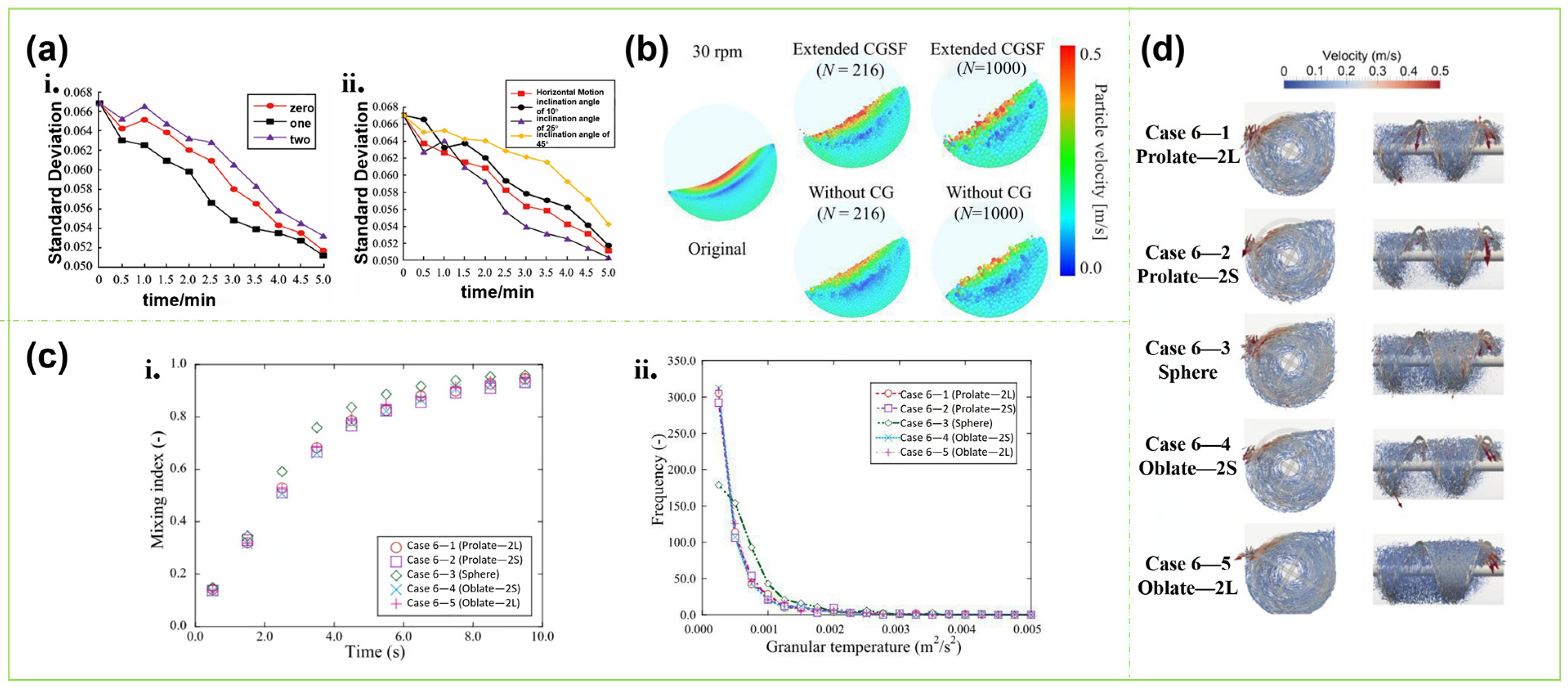
Mixing media also plays a critical role in the mixing of powder. Chen et al. [59] employed agate balls as mixing medium and used EDEM to simulate the vibration mixing of mineral materials and powdered catalysts. The influence of medium mass and crucible inclination angle on the uniformity of mixing was researched, and the relevant curves are shown in Figure 13a. The results indicate that while introducing mixing media improved mixing uniformity, excessive or oversized media hindered particle motion. Additionally, appropriate crucible inclination angles accelerated the homogenization process and improved mixing efficiency.
Zuo et al. [60] examined the influence of operational parameters and also highlighted the effect of density differences on particle trajectories and mixing performance. Their results showed that increasing density ratios caused high-density particles to accumulate at the bottom, impairing mixing efficiency, whereas higher impeller and vessel rotational speeds improved mixing performance.
Since traditional DEM simulations of industrial-scale mixers are computationally expensive, Kishida et al. [61] developed a coarse-grained model for simulating particle mixing in vertical high-shear mixers. Validation against the original particle model demonstrated strong agreement in velocity distribution and mixing behavior at high rotational speeds. The model supported coarse-graining ratios up to 10, demonstrating its potential for industrial-scale simulations of monodisperse systems. To address the limitation of uniform particle sizes, the authors subsequently proposed a Dynamic Component Changing (DCC) method [62], extending the framework to binary particle systems. As shown in Figure 13b, the DCC model accurately reproduced the velocity distribution and mixing index of larger particles, showing close agreement with the original particle model in simulating binary mixing and segregation.
Industrial particles are predominantly non-spherical. To simulate the mixing process of non-spherical particles, reduce computational costs, and improve efficiency, Mori et al. [63] used an ellipsoidal model to describe particle shape and examined the impact of aspect ratio on mixing efficiency in a ribbon mixer. The findings (Figure 13c,d) indicated that the mixing index of spherical particles was slightly higher than that of ellipsoidal particles, although the difference was minimal, suggesting that particle shape has only a limited effect on mixing efficiency in ribbon mixers.
Figure 13.
(a) mixing uniformity as a function of agate ball number and face dip angle during vibration mixing of mineral powder: (i) agate bulb number; (ii) face dip angle [59]; (b) velocity distribution contour of binary particles in a rotating drum mixer; Reprinted with permission from Ref. [62]. Copyright © 2025 Elsevier BV and The Society of Powder Technology Japan. (c) effect of particle shape on the mixing index in an industrial mixer; (d) the particle velocity distribution in the left side view and front side view [63].
The development of coarse-grained methods addresses computational scale-up; however, a critical and persistent gap remains in experimental scale-up and validation. Parameters calibrated in lab-scale mixers often fail to translate reliably to industrial geometries, where factors such as fill level, shear rate distribution, and wall effects differ substantially. This scale-up gap means that while simulations can qualitatively describe mixing mechanisms, their quantitative predictive power for full-scale plant design remains largely unproven, leaving practical engineering still reliant on costly empirical trials.
5.2. Melting and Mixing of Slurry and Powder
Melt mixing involves the uniform blending of various components in a molten state through physical motion. Commonly used equipment includes single-screw and twin-screw extruders, with the type of mixing element significantly affecting mixing efficiency [64].
Dong et al. [65,66] utilized a mesh-free SPH method to simulate the mixing of highly viscous multiphase fluids within co-rotating twin-screw extruders, concentrating on the impacts of viscosity ratio and filling degree on mixing performance. The particle distribution is depicted in Figure 14. Their findings suggested that viscosity differences disrupted the symmetry of the flow field, impeding mixing, whereas enhancing the filling ratio forced particles into the screw gaps, thus improving efficiency.
Figure 14.
SPH simulation of two-phase flow in a fully filled co-rotating twin-screw extruder conveying element: (a) two-phase fluids in the full-filled twin screw element; (b) the distributions of particles in a half-filled conveying element; (c) the velocity profile along channel compared with analytical solution [66].
Huo et al. [67] utilized Polyflow 14.0 to simulate the mixing flow fields of highly filled aluminum powder under various screw element configurations. The findings indicated that incorporating reverse-thread elements and kneading blocks increased shear effects, thereby enhancing mixing performance. Additionally, screws with larger leads generated stronger shear forces compared to those with smaller leads; however, the reduced residence time of materials diminished overall efficiency.
To further enhance the safety design of twin-screw equipment, Ji et al. [68] utilized Autodyn 19.0 to simulate the explosive impact of energetic materials during processing in twin-screw extruders, comparing the venting performance of various barrel structures. The findings indicated that the horizontally split barrel substantially reduced the initial pressure peak and eliminated secondary pressure peaks compared to conventional split and vented barrels, while also mitigating barrel deformation.
The aforementioned studies employ a variety of numerical methods including the DEM, SPH, and CFD to systematically elucidate the mixing mechanisms of powders, ranging from dry blending to melt mixing. These studies have clarified the correlation between process parameters and mixing efficiency, offering a crucial theoretical foundation for optimizing process parameters and safety design.
6. Packaging Procedure of Energetic Material Powders
Packaging of energetic powders represents the final stage of the processing chain. In addition to ensuring physical filling, the packaging process must guarantee the long-term stability and safety of the product [69]. The coupling between the gas phase and particle phase during packaging is highly complex, and simulation methods have been widely applied to explore the microscopic mechanisms of powder filling.
Vibration plays a crucial role in enhancing the packing density of powders during the packaging process. Hao et al. [70] developed a contact and collision model for particles and containers using DEM to investigate how vibration parameters affect the performance of fillers. Their findings indicated that particle velocity fluctuations rise with increased vibration amplitude and frequency, with frequency having a more pronounced impact. Nevertheless, excessively high amplitude and frequency can cause powder dispersion and result in greater energy consumption. The study pinpointed optimal vibration parameters of 0.4 mm amplitude and 16 Hz frequency. Liu et al. [71] simulated the powder filling process and generated a velocity contour map (Figure 15a) and vibration parameter response curves (Figure 15b). Their results corroborated those of the previous study, demonstrating that excessive amplitude and frequency can induce strong particle convection, which in turn decreases packing density. The optimal parameters established in this research were 2.5 mm amplitude and 40 Hz frequency. Beyond vibration conditions, Liu et al. also explored the effect of particle properties on packing efficiency, with a particular focus on particle size and restitution coefficient. The outcomes revealed that filling density has a negative correlation with both particle size and restitution coefficient.
Figure 15.
Vibration-assisted powder filling process: (a) velocity size and direction distribution of particles; (b) effect of the vibration frequency and amplitude on the packing density. Reprinted with permission from Ref. [71]. Copyright © 2024 Elsevier B.V.
Traditional DEM simulations of powder packaging are often computationally expensive due to the large number of particles involved. To address this issue, Widartiningsih et al. [72] established the model shown in Figure 16a and conducted industrial-scale powder filling simulations using DEM-CFD coupling. In their approach, original particles were aggregated into coarse-grained particles to reduce computational demand. Comparisons were made with both the original particle system and large-particle system. The particle filling contour map is presented in Figure 16b. The results indicated that the coarse-grained system preserved the flow characteristics of the original fine-particle system, whereas the large-particle system failed to capture particle splashing and exhibited significant deviations in flow behavior. Similarly, Zheleznyakova et al. [73] focused on reducing computational costs and developed a molecular dynamics-based powder filling model, in which a point-charge repulsive force model replaced the conventional contact force model. The accuracy of the model was assessed using repose angle and discharge rate. The simulated particle filling contour map is shown in Figure 16c, and a comparison between simulation and experimental results is presented in Figure 16d. The results demonstrated excellent agreement between simulation data and experimental measurements, offering a novel tool for industrial-scale simulations.
Figure 16.
(a) geometry of the die filling system including two types of die and the measurement cells; (b) comparison of particle flow patterns across different granular systems, where Case 1-1 is the original particle system, Case 1-2 is coarse grain ratio 2.0, Case 1-3 is coarse grain ratio 3.0, and Case 1-4 is the simply large particle system; Reprinted with permission from Ref. [72]. Copyright © 2020 Elsevier B.V. (c) interactive simulation of the process of filling the wavy container with polydisperse glass beads; (d) comparison with numerical methods and experimental measurements. Reprinted with permission from Ref. [73]. Copyright © 2020 Elsevier B.V.
The aforementioned studies systematically investigate the optimization of powder packing processes through vibration and novel simulation methodologies. To address the challenge of high computational cost in industrial-scale simulations with vast particle numbers, studies have introduced and validated a DEM-CFD coupled coarse-graining approach, demonstrating its feasibility in maintaining accuracy regarding particle flow characteristics while significantly improving computational efficiency. Collectively, these studies provide a solid theoretical foundation and advanced simulation frameworks for the precise design, parameter optimization, and industrial application of powder packing processes.
In recent years, additive manufacturing technology has advanced rapidly in the field of energetic materials, offering innovative solutions for structural design and material fabrication. For example, Xin et al. [74] successfully developed an energetic charge featuring a “shell-core” composite structure by integrating binder jetting 3D printing with direct ink writing techniques. Through systematic optimization of powder flowability, binder formulation, and printing parameters, this study achieved precise fabrication of a B/KNO3 shell and an Al/AP core. The proposed structural design significantly improved combustion performance and energy output efficiency. Although this approach emphasizes integrated manufacturing rather than conventional packaging methods, its advancements in powder flow control, binder selection, and dimensional accuracy provide valuable insights for high-precision filling and structured packaging of energetic materials. Furthermore, it offers a foundation for the future customization of packaging processes.
7. Safety Assessment of Electrostatic Discharge in Energetic Material Powders Procedures
During the processing of energetic powders, electrostatic charge accumulation occurs in all unit operations. Once the accumulated charge reaches a critical level, it may trigger combustion or explosion [75], thereby posing significant safety hazards to the processing workflow. Simulation methods can be employed to model the charge accumulation process, enabling the investigation of electrostatic characteristics and accumulation patterns, which in turn provide a theoretical basis for developing safe and effective mitigation measures.
During powder conveying, repeated collisions and friction between particles and pipeline walls readily generate electrostatic charges. This not only promotes particle agglomeration and adhesion, reducing conveying efficiency, but also increases the risk of deflagration when charge accumulation exceeds critical levels. Therefore, it is essential to investigate the mechanisms of electrostatic generation during particle conveying. Huang et al. [76] employed CFD-DEM coupling to research particle motion and charge accumulation in pneumatic conveying. The particle flow contour map is shown in Figure 17a. Their results demonstrated that reducing solid particle concentration and gas velocity helped mitigate charge buildup.
Figure 17.
(a) time evolution of particle flow at Vf = 20 m/s and SC = 0.15. The last row shows the stratified flow regime obtained without electric charging at t = 20 s [76]; (b) charge-to-mass ratio of explosive particles as a function of particle size during chute flow [77]; Reprinted with per-mission from Ref. [77]. Copyright © 2024 JOURNAL OF NORTH UNIVERSITY OF CHINA(NATURAL SCIENCE EDITION). (c) charge-to-mass ratio as a function of particle size during screw conveying [78]; Reprinted with per-mission from Ref. [78]. Copyright © 2022 PACKAGING ENGINEERING. (d) schematic diagram of the powder loading model silo; (e) simulation model of the electrostatic field strength distribution inside the silo with a protrusion; Reprinted with permission from Ref. [79]. Copyright © 2022 Elsevier B.V. (f) the ESD types are obtained by recon-structing the electric field strength cloud map on the particle heap surface. Reprinted with per-mission from Ref. [80]. Copyright © 2025 Elsevier Ltd.
Static electricity accumulation can also be mitigated through optimization of the structural design. Xie et al. [77] utilized EDEM to simulate the charge accumulation of explosive particles during chute transport. By altering chute inclination, chute length, chute width, and particle size, and analyzing the results via variance analysis, they derived the influence curves for each parameter, as depicted in Figure 17b. The findings indicate that the charge accumulation is inversely proportional to the chute’s inclination angle and particle size, and directly proportional to the chute’s length and width. Similarly, Wang et al. [78] utilized EDEM to examine electrostatic accumulation during screw conveying. The influence curves for particle size and screw rotational speed are depicted in Figure 17c. The findings indicated that the quantity of charge generated was directly proportional to particle size and inversely proportional to screw speed.
Electrostatic charges can also be readily generated during powder packaging, affecting packing efficiency and often leading to powder splashing. Consequently, researchers have investigated the electrostatic characteristics of powder packaging processes to provide theoretical guidance for electrostatic mitigation. Choi et al. [79] established the model depicted in Figure 17d and used COMSOL 5.4 to examine the electrostatic field distribution in two regions: powder free fall and powder accumulation during loading. The resulting electrostatic field contour map is presented in Figure 17e. The results revealed that the electrostatic intensity in the powder accumulation zone was significantly higher than in the free-fall zone. Moreover, contact regions between the powder heap and the silo wall with metallic protrusions exhibited the highest electrostatic intensity, which increased proportionally with the loading amount. Shen et al. [80] integrated MATLAB R2023b and COMSOL 6.1 to develop a dynamic model predicting charge transfer during powder accumulation in silos. The electrostatic field distribution of the particle heap is shown in Figure 17f. Their results indicated that as the powder bed height increased, surface discharges progressively propagated toward the center, forming linear discharges. Once the bed height exceeded approximately 1.7 m, the electrostatic field strength surged sharply, and the peak intensity was positively correlated with the particle charge-to-mass ratio.
In industrial practice, powders often display non-uniform particle sizes and considerable charge heterogeneity, factors not accounted for in the aforementioned models. Zhou et al. [81] integrated experimental and simulation approaches to investigate the impact of particle segregation and bipolar charging on electrostatic distribution within silos. They discovered that the strengthening or reduction in the electric field is contingent upon the relative charge density between coarse and fine particles, with fine particles carrying high charges substantially intensifying the electric field strength. Although this study provided essential insights for antistatic design, it did not consider charge dissipation and presumed complete particle segregation.
Five years later, Wang et al. [82] revisited this issue. They utilized COMSOL to simulate dynamic powder discharge, considering that charge dissipation could more accurately reflect industrial reality. Their findings indicated that charge heterogeneity and particle size variation collectively enhance discharge probability and field intensity. Industrial data further underscored the significance of stabilizing the charge-to-mass ratio and enhancing mixing uniformity to mitigate electrostatic risk.
Although Wang’s conclusions seemed inconsistent with Zhou’s earlier work, the divergence originated from different model assumptions: Zhou observed field weakening only in rare instances involving strongly positive large particles and weakly negative fines. By incorporating dissipation, poly disperse sizes, and charge fluctuations, Wang’s model offered a more industrially relevant depiction of electrostatic behavior.
Beyond the assessment of electrostatic hazards, dust explosibility constitutes a significant and parallel safety concern in the handling of energetic powders. While traditional severity metrics, such as the deflagration index (Kst), are typically determined through experimentally intensive and costly 20L sphere tests, numerical approaches present a more efficient alternative. Copelli et al. [83] developed a predictive model that establishes a correlation between thermogravimetric (TG) data and Kst values. By integrating pyrolysis kinetics with thermal energy balance, their methodology enables the estimation of explosion severity based on a single TG experiment, thereby serving as a valuable tool for preliminary risk screening.
The numerical simulation of energetic powder processing involves a range of software platforms, each offering distinct advantages and suitability for specific application domains. The selection of an appropriate tool necessitates a careful evaluation of factors such as the targeted physical phenomena, computational efficiency, and the ability to resolve processes at particular particle scales. Table 3 presents a comparative overview of representative software packages referenced in this article, summarizing their core methodologies, typical applications, and key software characteristics.
Table 3.
Comparison of Representative Numerical Simulation Software.
8. Conclusions
Multi-scale modeling and simulation have become indispensable tools in the study of energetic powder processing, effectively elucidating and quantifying the intrinsic relationships among process parameters, equipment geometry, and macroscopic performance. Through detailed numerical investigations spanning post-synthesis, drying, conveying, mixing, packaging, and safety evaluation, and by constructing a discussion framework from a unified perspective of symmetry and symmetry breaking, this work goes beyond descriptive summaries and provides a fundamental analysis of the underlying physics that control these processes. Ideal states such as uniform size distribution, uniform mixture, stable flow and neutral charge all represent the symmetrical form of the system that processing aims to achieve or maintain. However, simulations at various scales consistently indicate that the actual process results are determined by universal symmetry-breaking mechanisms: geometric asymmetry of particles, asymmetry in force fields generated by cohesive forces or electrostatic forces. However, in future research, the following issues should still be addressed:
- (1)
- Future research should prioritize the development and implementation of advanced particle models and computational techniques to overcome the long-standing trade-off between simulation accuracy and computational cost. This includes the broader adoption of high-fidelity, non-spherical particle models to more accurately capture the flow, fracture, and compaction behaviors of real powders. Concurrently, coarse-graining methodologies and particle-aggregation algorithms must be further refined and rigorously validated across a wider range of energetic materials and processing scenarios. Strategic integration of these approaches will be essential to enable high-accuracy simulations that remain computationally feasible for industrial applications.
- (2)
- Future efforts should focus on developing adaptive multi-scale models that intelligently switch resolution based on local symmetry-breaking intensity, embedding AI-driven surrogate models for rapid exploration, and establishing simulation-based digital twins for real time process control and safety assurance. By deepening the synthesis between computational mechanics and the fundamental principles of symmetry, future research will not only enhance predictive accuracy but also enable the intelligent and inherently safer design of next-generation energetic material processes.
- (3)
- Given the inherent hazards associated with energetic materials, a proactive and systematic approach to safety must be integrated into the simulation workflow. Future efforts should focus on developing comprehensive multi-physics frameworks capable of predicting key safety indicators, such as localized heating, impact sensitivity, and electrostatic discharge risks directly from process simulations. This necessitates coupling discrete element methods with models of heat transfer, tribo-charging, and shock initiation. By establishing safety assessment as a core output of simulation, these tools can inform the design of inherently safer processes and equipment from the earliest stages of development.
Author Contributions
Conceptualization, L.X. and Z.Y.; investigation, S.W.; resources, W.J.; data curation, L.M.; writing—original draft preparation, Z.Y. and D.Z.; writing—review and editing, L.X. and G.H.; supervision, L.M.; funding acquisition, D.Z. and L.M. All authors have read and agreed to the published version of the manuscript.
Funding
Supported by Open Foundation of Key Laboratory of Laser Devices and Technology of China North Industries Group Co., Ltd. (NO:KLLDT202415).
Data Availability Statement
As a comprehensive review article, this manuscript does not present any original primary data. All content discussed and analyzed herein is based on previously published studies, with appropriate citations included in the reference list. No new data were created or analyzed in this study. Data sharing is not applicable to this review.
Conflicts of Interest
The authors declare that this study received funding from by Open Foundation of Key Laboratory of Laser Devices and Technology of China North Industries Group Co., Ltd. (NO:KLLDT202415). The funder was not involved in the study design, collection, analysis, interpretation of data, the writing of this article or the decision to submit it for publication.
References
- Zhang, T.; Gao, X.; Li, J.; Xiao, L.; Gao, H.; Zhao, F.; Ma, H. Progress on the application of graphene-based composites toward energetic materials: A review. Def. Technol. 2024, 31, 95–116. [Google Scholar] [CrossRef] [Scilit]
- Wang, S.; Xiao, L.; Hu, Y.; Zhang, G.; Gao, H.; Zhao, F.; Hao, G.; Jiang, W. A Review on the Preparation and Application of Nano-energetic Materials. Chin. J. Explos. Propellants 2021, 44, 705–734. [Google Scholar]
- Li, H.; Bai, Z.; Liu, F.; Liu, Q. Influencing Factors and Theoretical Prediction of Friction Sensitivity of Energetic Materials. Chin. J. Explos. Propellants 2023, 46, 855–865. [Google Scholar]
- Liu, W.; Liu, Q.; Zhong, M.; Gan, Y.; Liu, F.; Li, X.; Tang, B. Predicting impact sensitivity of energetic materials: Insights from energy transfer of carriers. Acta Mater. 2022, 236, 118–137. [Google Scholar] [CrossRef] [Scilit]
- Feng, G.; Hu, B.; Wei, Y.; Hu, T.; Li, Z.; He, P.; Wang, Y.; Deng, D.; Yang, X. Nanostructured Al/Ni energetic composites: Processing, reaction properties and activation energy. J. Mater. Res. Technol. 2022, 19, 3994–4002. [Google Scholar] [CrossRef] [Scilit]
- Chaudry, M.A.; Wriggers, P. On the computational aspects of comminution in discrete element method. Comput. Part. Mech. 2018, 5, 175–189. [Google Scholar] [CrossRef] [Scilit]
- Bußmann, S.; Kruggel-Emden, H.; Reichert, M. Realizing fragment spawning and fragment growth in the parallelized Discrete Element Method (DEM) during modelling of comminution. Adv. Powder Technol. 2021, 32, 2171–2191. [Google Scholar] [CrossRef] [Scilit]
- Changsong, Z.; Bailiang, Z.; Xiaoyang, G. Simulation and experimental study on deformation during micro-aluminum powder ball milling process. Mater. Sci. Technol. 2024, 32, 58–66. [Google Scholar]
- Wang, M.H.; Yang, R.Y.; Yu, A.B. DEM investigation of energy distribution and particle breakage in tumbling ball mills. Powder Technol. 2012, 223, 83–91. [Google Scholar] [CrossRef] [Scilit]
- Metzger, M.J.; Glasser, B.J. Simulation of the breakage of bonded agglomerates in a ball mill. Powder Technol. 2013, 237, 286–302. [Google Scholar] [CrossRef] [Scilit]
- Cleary, P.W.; Sinnott, M.D. Simulation of particle flows and breakage in crushers using DEM: Part 1—Compression crushers. Miner. Eng. 2015, 74, 178–197. [Google Scholar] [CrossRef] [Scilit]
- Sinnott, M.D.; Cleary, P.W. Simulation of particle flows and breakage in crushers using DEM: Part 2—Impact crushers. Miner. Eng. 2015, 74, 163–177. [Google Scholar] [CrossRef] [Scilit]
- Chen, F.; Yuan, H.; Liu, Z.; Zhou, L.; Gao, C.; Zhong, G.; Zhang, D.; Zhao, Y. DEM simulation of an impact crusher using the fast-cutting breakage model. Powder Technol. 2025, 450, 120442. [Google Scholar] [CrossRef] [Scilit]
- Chen, F.; Yuan, H.; Liu, Z.; Zhou, L.; Zhao, Y. A High-Efficiency Dem Breakage Simulation of an Impact Crusher with a Polyhedron-to-Sphere Conversion Method. Miner. Eng. 2025, 228, 109361. [Google Scholar] [CrossRef] [Scilit]
- Dwivedi, A.P.; Iranmanesh, E.; Sofokleous, K.; Drakonakis, V.; Mashhadzadeh, A.H.; Dehaghani, M.Z.; Golman, B.; Spitas, C.; Doumanidis, C.C. Predictive stochastic modeling of mechanically alloyed particle size and shape. RSC Adv. 2025, 15, 20682–20694. [Google Scholar] [CrossRef] [Scilit]
- Wei, S.; Chen, Y.; Fang, Z.; Zhou, H.; Xie, Y.; Yang, L. Research on the Particle Breakage Mechanism in High-Speed Shear Wet Granulation. Processes 2023, 11, 989. [Google Scholar] [CrossRef] [Scilit]
- Wei, Y.; Tao, C.; Zheng, L.; Huang, M. Design of Vibrating Screen Separation Equipment for Powder Materials. J. Phys. Conf. Ser. 2022, 2235, 012028. [Google Scholar] [CrossRef] [Scilit]
- Jafari, A.; Saljooghi Nezhad, V. Employing DEM to study the impact of different parameters on the screening efficiency and mesh wear. Powder Technol. 2016, 297, 126–143. [Google Scholar] [CrossRef] [Scilit]
- Li, H.; Li, Y.; Tang, Z.; Xu, L.; Zhao, Z. Numerical simulation and analysis of vibration screening based on EDEM. Trans. CSAE 2011, 27, 117–121. [Google Scholar]
- Avrampos, P.; Vosniakos, G.-C. A Simulation Study on Sieving as a Powder Deposition Method in Powder Bed Fusion Processes. Materials 2024, 17, 3382. [Google Scholar] [CrossRef] [Scilit]
- Delaney, G.W.; Cleary, P.W.; Hilden, M.; Morrison, R. Testing the validity of the spherical DEM model in simulating real granular screening processes. Chem. Eng. Sci. 2012, 68, 215–226. [Google Scholar] [CrossRef] [Scilit]
- Chen, W.; Donohue, T.; Katterfeld, A.; Williams, K. Comparative discrete element modelling of a vibratory sieving process with spherical and rounded polyhedron particles. Granul. Matter 2017, 19, 81. [Google Scholar] [CrossRef] [Scilit]
- Chai, F.; Li, W.; Shi, X.; Zhang, Y. Artificial Neural Network Simulation of Average Particle Size for Preparing Energetic Materials in Spray Drying. Initiat. Pyrotech. 2022, 6, 60–64. [Google Scholar]
- Huang, B.; Qiao, Z.; Nie, F.; Cao, M.; Su, J.; Huang, H.; Hu, C. Fabrication of FOX-7 quasi-three-dimensional grids of one-dimensional nanostructures via a spray freeze-drying technique and size-dependence of thermal properties. J. Hazard. Mater. 2010, 184, 561–566. [Google Scholar] [CrossRef] [Scilit]
- Bareschino, P.; Marzocchella, A.; Salatino, P. Fluidised bed drying of powdered materials: Effects of operating conditions. Powder Technol. 2017, 308, 158–164. [Google Scholar] [CrossRef] [Scilit]
- Liu, Y.; Wang, X.; Zhou, D.; Liu, Z.; Deng, Z.; He, J.; Rasheed, H.; Guo, Z.; Wang, F.; Qiu, Y.; et al. Preparation of spherical NiO-8YSZ composite powder through spray drying. Ceram. Int. 2024, 50, 46347–46355. [Google Scholar] [CrossRef] [Scilit]
- Huang, B.; Cao, M.; Nie, F.; Huang, H.; Hu, C. Construction and Properties of Structure- and Size-controlled Micro/nano-Energetic Materials. Def. Technol. 2013, 9, 59–79. [Google Scholar] [CrossRef] [Scilit]
- Song, X.; Gong, W.; Wang, J. Progress of drying methods of nanoparticles. Chem. Ind. Eng. Prog. 2006, 25, 20–24. [Google Scholar]
- El-Maghlany, W.M.; Bedir, A.E.-R.; Elhelw, M.; Attia, A. Freeze-drying modeling via multi-phase porous media transport model. Int. J. Therm. Sci. 2019, 135, 509–522. [Google Scholar] [CrossRef] [Scilit]
- Chen, B.; Li, C.; Yan, W. Numerical and experimental study of heat and mass transfer for vacuum freeze-drying of pineapple. Int. Commun. Heat Mass Transf. 2025, 165, 109112. [Google Scholar] [CrossRef] [Scilit]
- Chen, B.; Jang, J.; Amani, M.; Yan, W. Numerical and experimental study on the heat and mass transfer of kiwifruit during vacuum freeze-drying process. Alex. Eng. J. 2023, 73, 427–442. [Google Scholar] [CrossRef] [Scilit]
- Vicente, J.; Pinto, J.; Menezes, J.; Gaspar, F. Fundamental analysis of particle formation in spray drying. Powder Technol. 2013, 247, 1–7. [Google Scholar] [CrossRef] [Scilit]
- Song, C.; Li, X.; Yang, Y.; Liu, H.; Tan, Y.; Wang, J. Formation and characterization of core-shell CL-20/TNT composite prepared by spray-drying technique. Def. Technol. 2021, 17, 1936–1943. [Google Scholar] [CrossRef] [Scilit]
- Ramírez-Rivera, M.J.; Díaz-Ovalle, C.O.; Ramos-Ojeda, E.; Flores-Gomez, C.A. An CFD approach to reduce the risk of wall deposition in the milk powder process. Food Bioprod. Process. 2025, 152, 178–190. [Google Scholar] [CrossRef] [Scilit]
- Julklang, W.; Golman, B. Numerical simulation of spray drying of hydroxyapatite nanoparticles. Clean Technol. Environ. Policy 2015, 17, 1217–1226. [Google Scholar] [CrossRef] [Scilit]
- Wang, H.G.; Dyakowski, T.; Senior, P.; Raghavan, R.S.; Yang, W. Modelling of batch fluidised bed drying of pharmaceutical granules. Chem. Eng. Sci. 2007, 62, 1524–1535. [Google Scholar] [CrossRef] [Scilit]
- Jang, J.; Arastoopour, H. CFD simulation of a pharmaceutical bubbling bed drying process at three different scales. Powder Technol. 2014, 263, 14–25. [Google Scholar] [CrossRef] [Scilit]
- Tu, Q.; Ma, Z.; Wang, H. Investigation of wet particle drying process in a fluidized bed dryer by CFD simulation and experimental measurement. Chem. Eng. J. 2023, 452, 139200. [Google Scholar] [CrossRef] [Scilit]
- Behera, N.; Agarwal, V.K.; Jones, M.G.; Williams, K.C. CFD modeling and analysis of dense phase pneumatic conveying of fine particles including particle size distribution. Powder Technol. 2013, 244, 30–37. [Google Scholar] [CrossRef] [Scilit]
- Sung, W.C.; Kim, J.Y.; Chung, S.W.; Lee, D.H. Effect of particle size distribution on hydrodynamics of pneumatic conveying system based on CPFD simulation. Adv. Powder Technol. 2021, 32, 2336–2344. [Google Scholar] [CrossRef] [Scilit]
- Hilton, J.E.; Cleary, P.W. The influence of particle shape on flow modes in pneumatic conveying. Chem. Eng. Sci. 2011, 66, 231–240. [Google Scholar] [CrossRef] [Scilit]
- Erken, O.; Ooi, J.Y.; Gupta, P.; Capozzi, L.; Hanley, K.J. Parameters affecting plug characteristics in dense phase pneumatic conveying of ellipsoidal particles. Powder Technol. 2024, 437, 119561. [Google Scholar] [CrossRef] [Scilit]
- Miao, Z.; Kuang, S.; Zughbi, H.; Yu, A. CFD simulation of dilute-phase pneumatic conveying of powders. Powder Technol. 2019, 349, 70–83. [Google Scholar] [CrossRef] [Scilit]
- Kruggel-Emden, H.; Oschmann, T. Numerical study of rope formation and dispersion of non-spherical particles during pneumatic conveying in a pipe bend. Powder Technol. 2014, 268, 219–236. [Google Scholar] [CrossRef] [Scilit]
- Markauskas, D.; Platzk, S.; Kruggel-Emden, H. Comparative numerical study of pneumatic conveying of flexible elongated particles through a pipe bend by DEM-CFD. Powder Technol. 2022, 399, 117170. [Google Scholar] [CrossRef] [Scilit]
- Brosh, T.; Kalman, H.; Levy, A. DEM simulation of particle attrition in dilute-phase pneumatic conveying. Granul. Matter 2011, 13, 175–181. [Google Scholar] [CrossRef] [Scilit]
- Uzi, A.; Kalman, H.; Levy, A. A novel particle attrition model for conveying systems. Powder Technol. 2016, 298, 30–41. [Google Scholar] [CrossRef] [Scilit]
- Du, J.; Hu, G.; Fang, Z.; Wang, J. Comparison of two different CFD-DEM models for simulation of dilute-phase pneumatic conveying. J. Nav. Univ. Eng. 2015, 27, 57–60. [Google Scholar]
- Kretz, D.; Callau-Monje, S.; Hitschler, M.; Raedle, M.; Hesser, J. Discrete element method (DEM) simulation and validation of a screw feeder system. Powder Technol. 2016, 287, 131–138. [Google Scholar] [CrossRef] [Scilit]
- Wang, S.; Li, H.; Tian, R.; Wang, R.; Wang, X.; Sun, Q.; Fan, J. Numerical simulation of particle flow behavior in a screw conveyor using the discrete element method. Particuology 2019, 43, 137–148. [Google Scholar] [CrossRef] [Scilit]
- Motaln, M.; Lerher, T. Innovative Approaches to Wear Reduction in Horizontal Powder Screw Conveyors: A Design of Experiments-Guided Numerical Study. Appl. Sci. 2024, 14, 3064. [Google Scholar] [CrossRef] [Scilit]
- Sun, H.; Ma, H.; Zhao, Y. DEM investigation on conveying of non-spherical particles in a screw conveyor. Particuology 2022, 65, 17–31. [Google Scholar] [CrossRef] [Scilit]
- Ge, Y.; Yu, J.; Lin, J.; Wang, S.; Luo, K.; Fan, J. DEM simulation of granular flow and heat transfer in an industrial-scale screw conveyor. Powder Technol. 2025, 452, 120537. [Google Scholar] [CrossRef] [Scilit]
- Ouyang, H.; Liu, Y.; Chen, H.; He, S.; Zhou, K. Experimental and Numerical Studies of Process of Powder Mixing. Mater. Rev. 2003, 17, 5–7. [Google Scholar]
- Zhang, S.; Zhan, L.; Zhang, Y.; Hou, J.; Li, B. Continuous flow resonance acoustic mixing technology: A novel and efficient strategy for preparation of nano energetic materials. FirePhysChem 2023, 3, 29–36. [Google Scholar] [CrossRef] [Scilit]
- Xuan, Y.; Liu, X.; Zhou, C.; Liu, W.; Liu, H.; Gu, Y.; Peng, T. A discrete element method (DEM) simulation and experimental research on powder mixing process and stirring power. Chem. Ind. Eng. Prog. 2021, 40, 3598–3607. [Google Scholar]
- Wang, S.; Wang, C.; Zong, H.; Xiao, L.; Hao, G.; Guo, H.; Chen, K.; Jiang, W. Sprinkle Mixing Behavior of HMX/Al Particles During Gravity Rolling Process. Chin. J. Explos. Propellants 2025, 48, 583–590. [Google Scholar]
- Lu, Z.; Hu, Q.; Li, H.; Guo, X. Process and mechanism of energetic powders by resonant acoustic mixing. J. Solid Rocket Technol. 2024, 47, 405–410. [Google Scholar]
- Chen, S.; Lv, Y.; Tang, X.; Wu, Z. Effect of vibrating mixing medium on uniformity of micro-powder mixing. China Powder Sci. Technol. 2019, 25, 58–63. [Google Scholar]
- Zuo, Z.; Gong, S.; Xie, G.; Zhang, J. DEM simulation of binary mixing particles with different density in an intensive mixer. Powder Technol. 2021, 383, 454–470. [Google Scholar] [CrossRef] [Scilit]
- Kishida, N.; Nakamura, H.; Takimoto, H.; Ohsaki, S.; Watano, S. Coarse-grained discrete element simulation of particle flow and mixing in a vertical high-shear mixer. Powder Technol. 2021, 390, 1–10. [Google Scholar] [CrossRef] [Scilit]
- Kishida, N.; Nakamura, H.; Ohsaki, S.; Watano, S. Coarse-grained DEM simulation for mixing and segregation of binary-sized particles. Adv. Powder Technol. 2025, 36, 104875. [Google Scholar] [CrossRef] [Scilit]
- Mori, Y.; Sakai, M. Advanced DEM simulation on powder mixing for ellipsoidal particles in an industrial mixer. Chem. Eng. J. 2022, 429, 132415. [Google Scholar] [CrossRef] [Scilit]
- Lawal, A.; Kalyon, D.M. Mechanisms of mixing in single and co-rotating twin screw extruders. Polym. Eng. Sci. 1995, 35, 1325–1338. [Google Scholar] [CrossRef] [Scilit]
- Dong, T.; Jiang, S.; Wu, J.; Liu, H.; He, Y. Simulation of flow and mixing for highly viscous fluid in a twin screw extruder with a conveying element using parallelized smoothed particle hydrodynamics. Chem. Eng. Sci. 2020, 212, 115311. [Google Scholar] [CrossRef] [Scilit]
- Dong, T.; Wu, J.; Ruan, Y.; Huang, J.; Jiang, S. Simulation of Multiphase Flow and Mixing in a Conveying Element of a Co-Rotating Twin-Screw Extruder by Using SPH. Int. J. Chem. Eng. 2023, 2023, 383763. [Google Scholar] [CrossRef] [Scilit]
- Huo, C.; Ren, D.; Huang, Y.; Wang, X. Numerical Simulation and Experimental Analysis of Mixed Flow of Materials with High Content of Aluminum Powder. China Plast. 2015, 29, 75–81. [Google Scholar]
- Ji, D.; Xiao, Y.; Huang, Q.; Shi, H. Safety design and numerical simulation of twin screw extruder for energetic materials. J. Phys. Conf. Ser. 2020, 1507, 022027. [Google Scholar] [CrossRef] [Scilit]
- Cui, W.; Wang, K. Packaging Technology of Energy-containing Materials. Plast. Packag. 2021, 31, 58–62. [Google Scholar]
- Hao, Y.; Tang, Z. Numerical Simulation and Processing Analysis of the Vibrating Compaction of Powder in Package. Packag. Food Mach. 2017, 35, 43–46. [Google Scholar]
- Liu, R.; Qiu, J.; Zhang, Q.; Wu, Z.; Li, X.; Che, L.; Ju, D. Mechanical vibration-assisted metal powder filling process and mechanism based on the discrete element method. Particuology 2024, 94, 84–95. [Google Scholar] [CrossRef] [Scilit]
- Widartiningsih, P.M.; Mori, Y.; Takabatake, K.; Wu, C.; Yokoi, K.; Yamaguchi, A.; Sakai, M. Coarse graining DEM simulations of a powder die-filling system. Powder Technol. 2020, 371, 83–95. [Google Scholar] [CrossRef] [Scilit]
- Zheleznyakova, A.L. A versatile 3D computational model based on molecular dynamics for real-time simulation of the automatic powder filling processes. Powder Technol. 2021, 381, 141–163. [Google Scholar] [CrossRef] [Scilit]
- Xin, H.; Chen, Y.; Wu, X.; Deng, Y.; Ren, H. 3D printing complex structure of energetic charges with binder jetting & direct ink writing jointly for flexible combustion. Int. Commun. Heat Mass Transf. 2026, 170, 109996. [Google Scholar]
- Cao, H.; Wang, G. Static Electricity Safety and Defence in Manufacture and Transportation of Energetic Materials. Eng. Blasting 2007, 64, 75–77. [Google Scholar]
- Huang, F.; Kuang, S.; Zou, R.; Chaudhuri, B.; Yu, A. Modeling and analysis of particle triboelectrification in pneumatic conveying. Powder Technol. 2023, 429, 118970. [Google Scholar] [CrossRef] [Scilit]
- Xie, T.; Zhang, H.; Tao, Y.; Li, C.; Niu, X.; Wang, Y. Simulation of Electrostatic Accumulation of Explosive Particles Based on EDEM. J. North Univ. China (Nat. Sci. Ed.) 2024, 45, 764–771. [Google Scholar]
- Wang, Y.; Li, Y.; Xu, X. Numerical Simulation of Screw Conveying Charge Characteristics of Food Powder. Packag. Eng. 2022, 43, 167–172. [Google Scholar]
- Choi, H.; Osada, Y.; Suzuki, T.; Choi, K. Electrostatic field strength distribution inside metal silo during polypropylene powder loading by computer simulation. Powder Technol. 2022, 400, 117223. [Google Scholar] [CrossRef] [Scilit]
- Shen, X.-F.; Feng, Y.; Yang, Z. Dynamic investigation of electrostatic discharge and the electric field during charged particle accumulation in silos. Chem. Eng. Res. Des. 2025, 220, 86–95. [Google Scholar] [CrossRef] [Scilit]
- Zhou, Q.; Liang, C.; Lu, D.; Hu, J.; Chen, X.; Liu, D.; Ma, J. Study on electric field distribution in cylindrical metal silo considering particle segregation. Adv. Powder Technol. 2020, 31, 241–251. [Google Scholar] [CrossRef] [Scilit]
- Wang, Q.; Zhang, G.; Du, X.; Liang, C.; Chen, X.; Ma, J. Investigation on the electrostatic characteristics and discharge dynamics of non-uniformly charged powder in silos. Chem. Eng. Res. Des. 2025, 214, 327–338. [Google Scholar] [CrossRef] [Scilit]
- Copelli, S.; Barozzi, M.; Scotton, M.S.; Fumagalli, A.; Derudi, M.; Rota, R. A predictive model for the estimation of the deflagration index of organic dusts. Process Saf. Environ. Prot. 2019, 126, 329–338. [Google Scholar] [CrossRef] [Scilit]
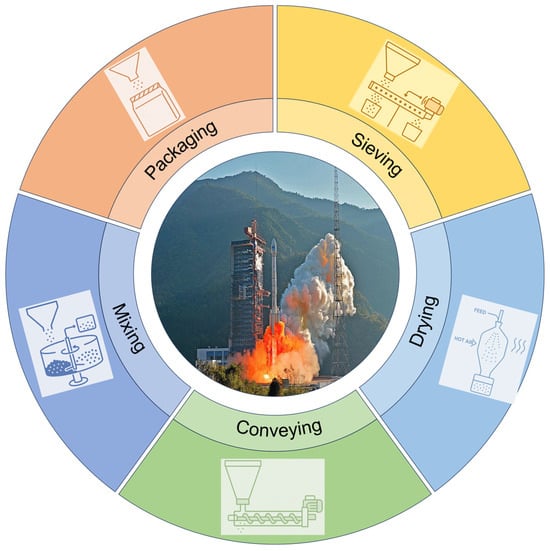
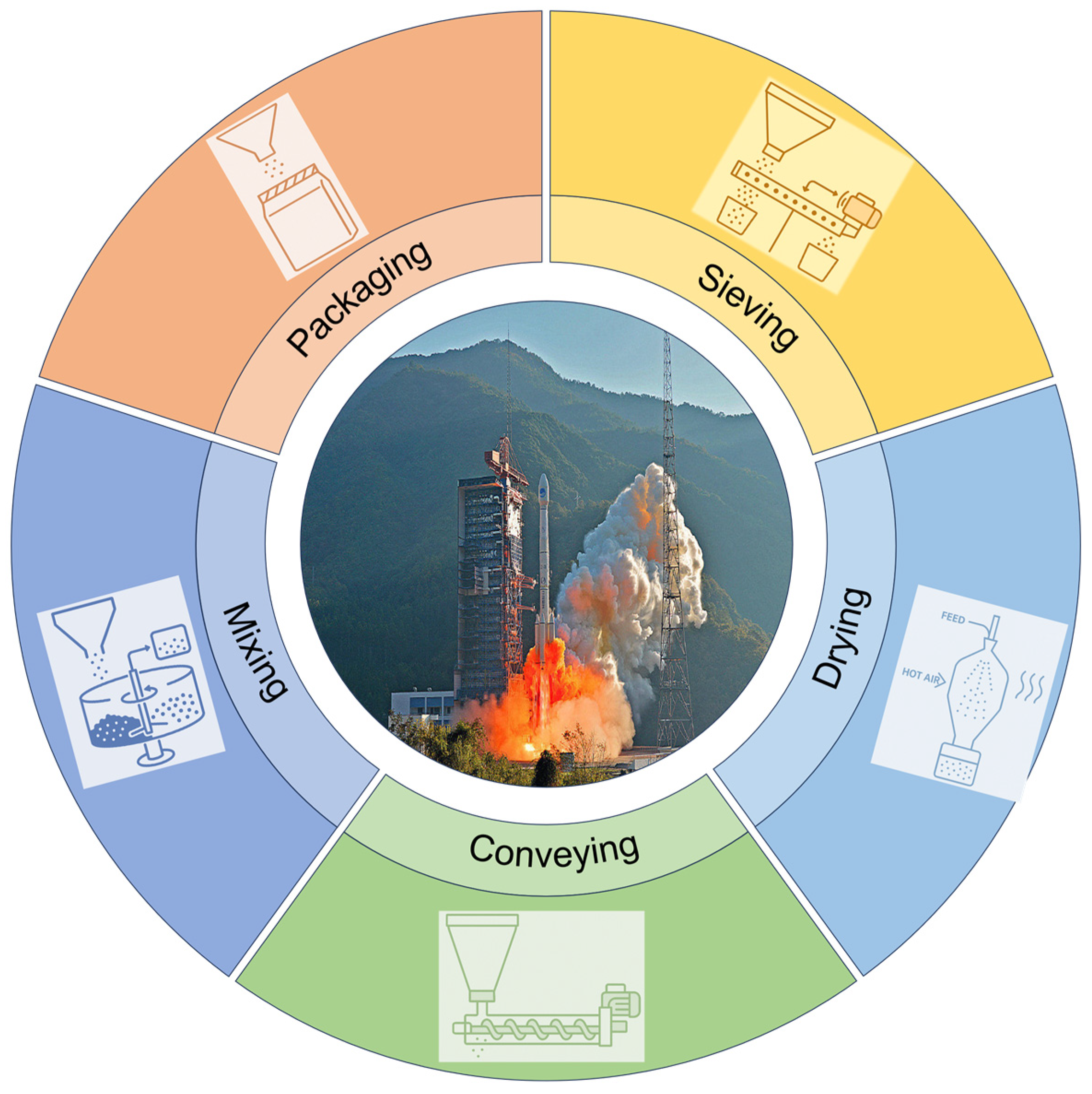
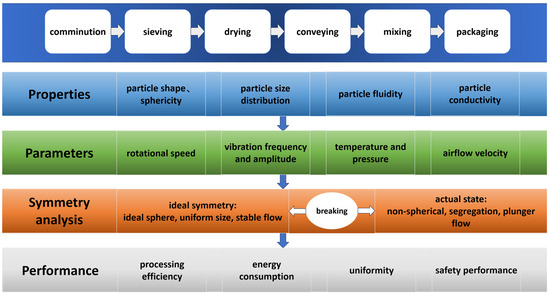
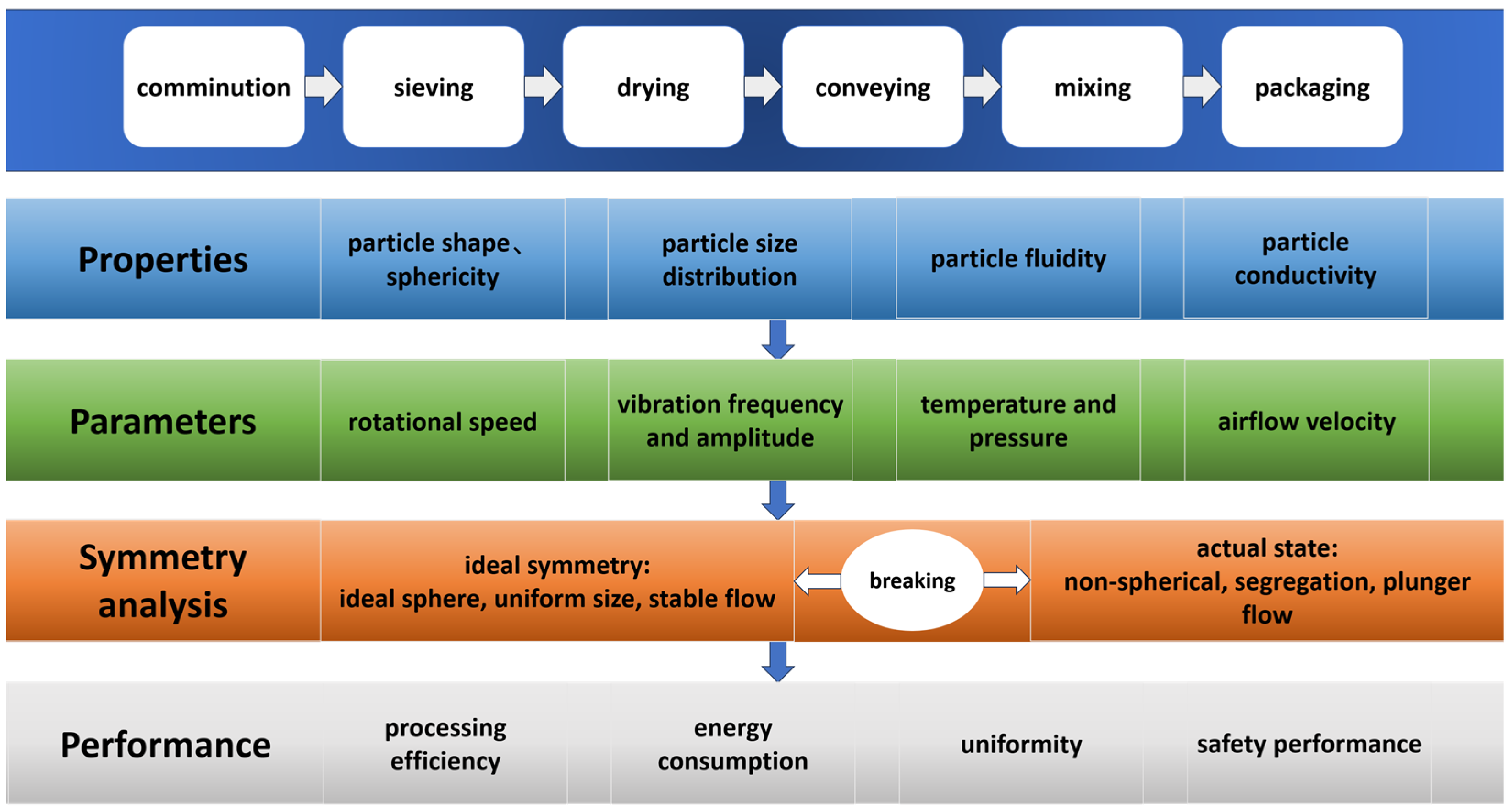
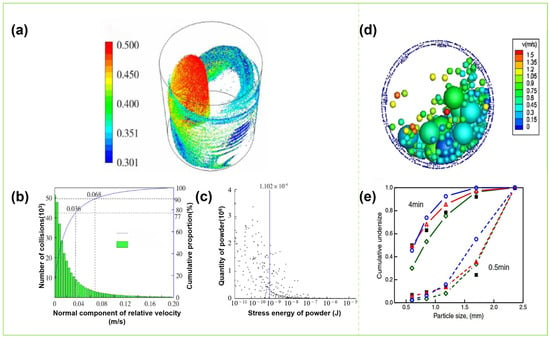
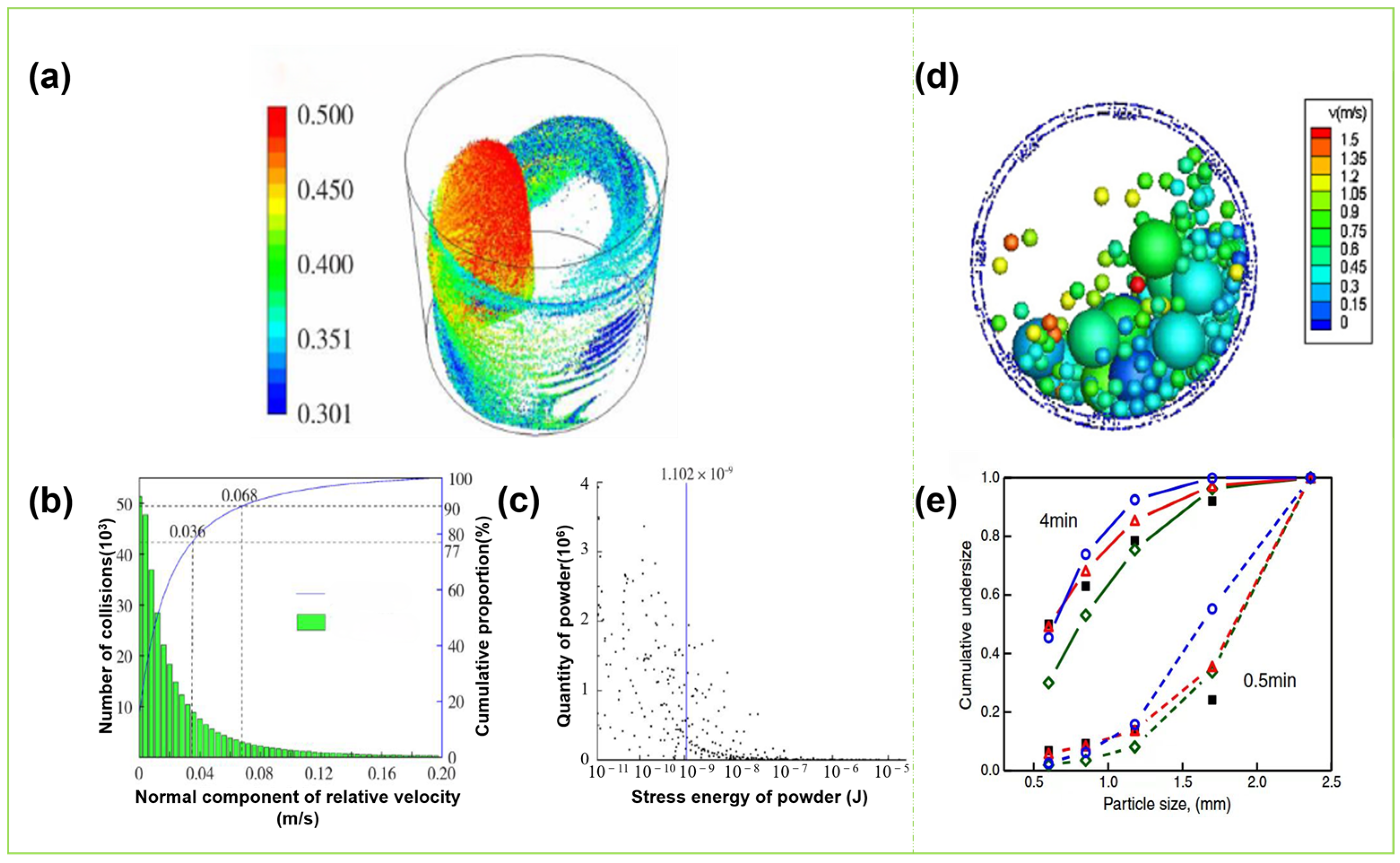
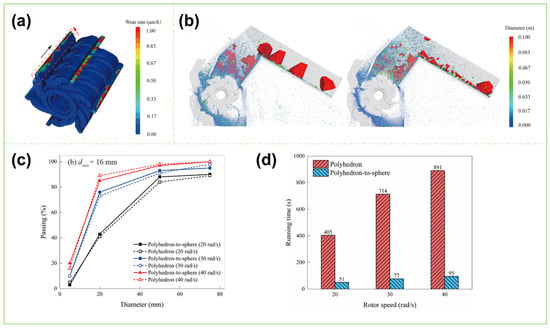
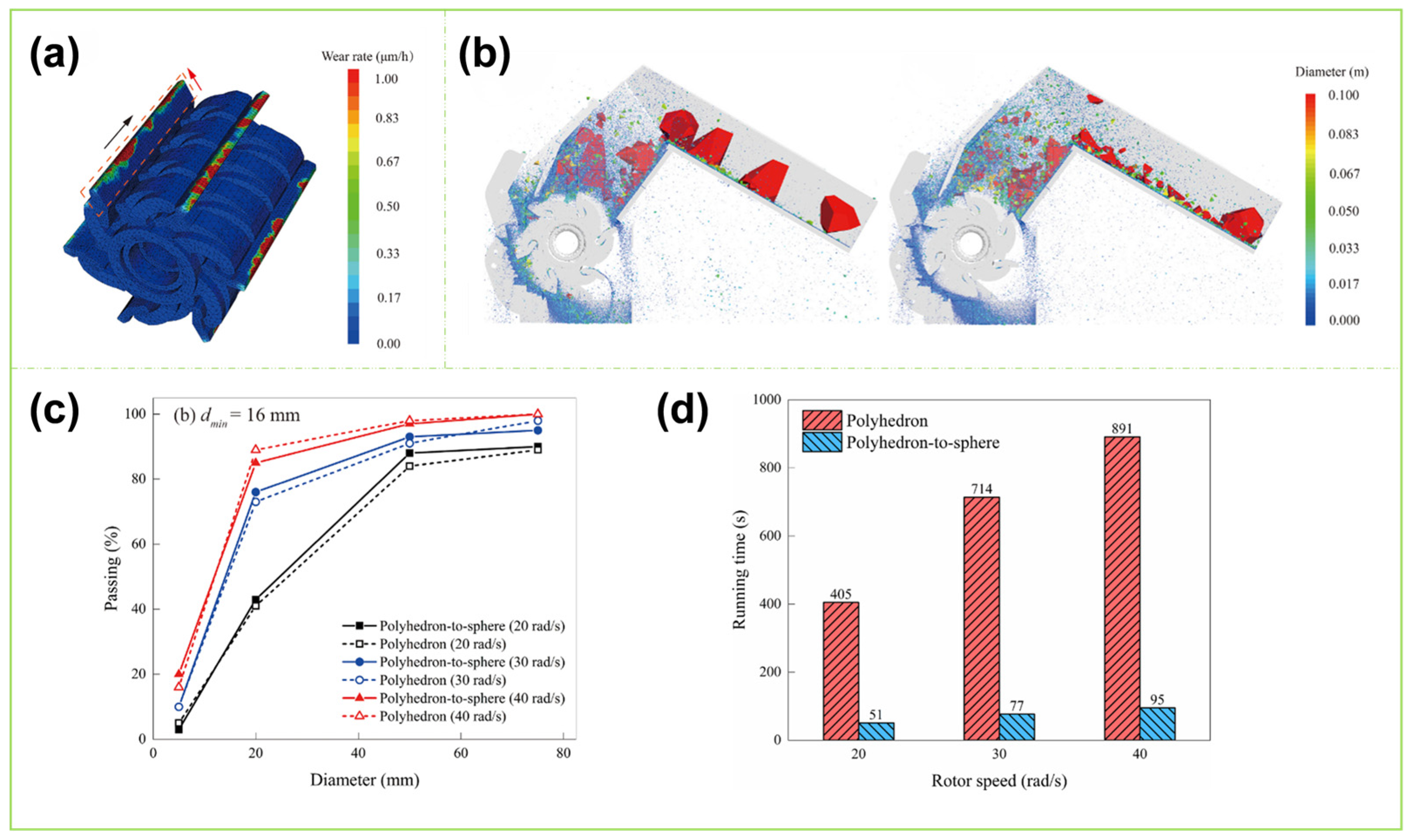
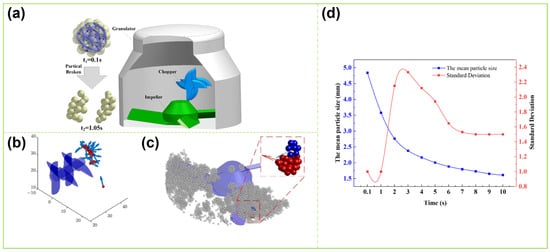
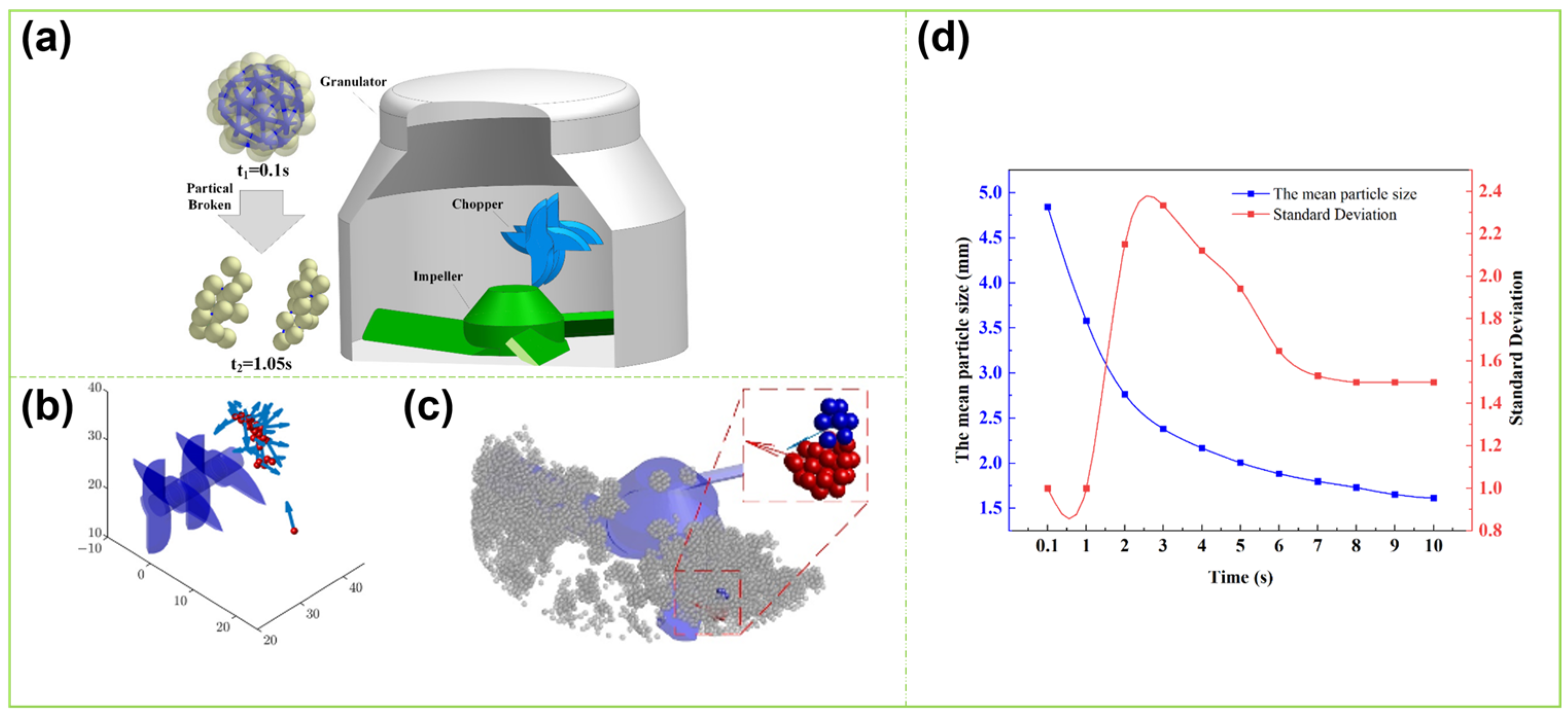
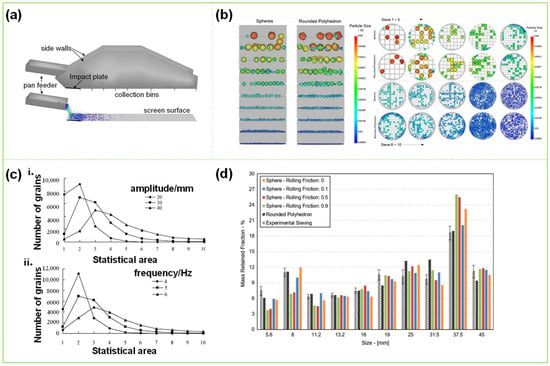
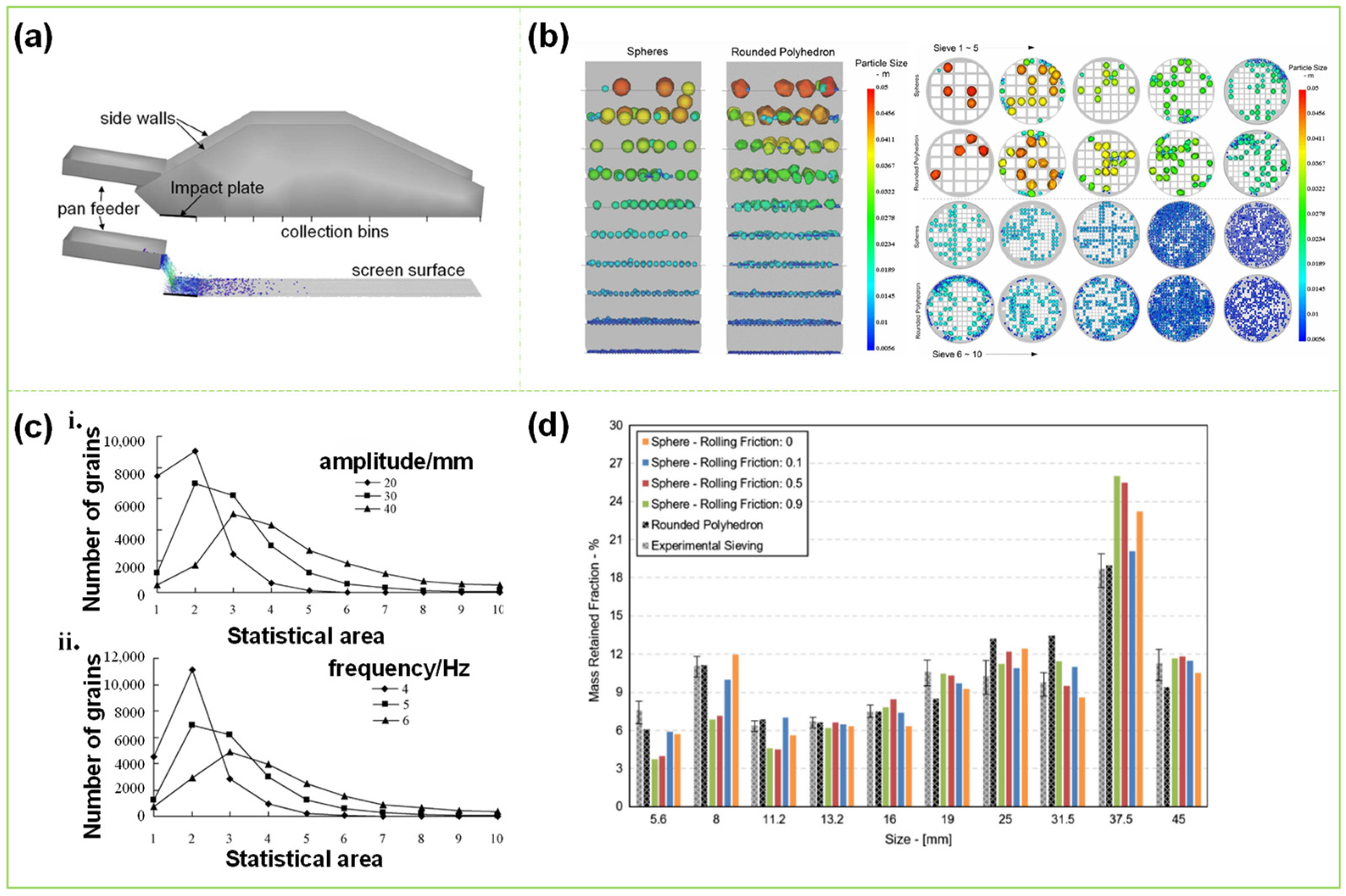
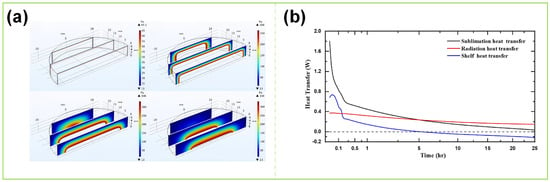
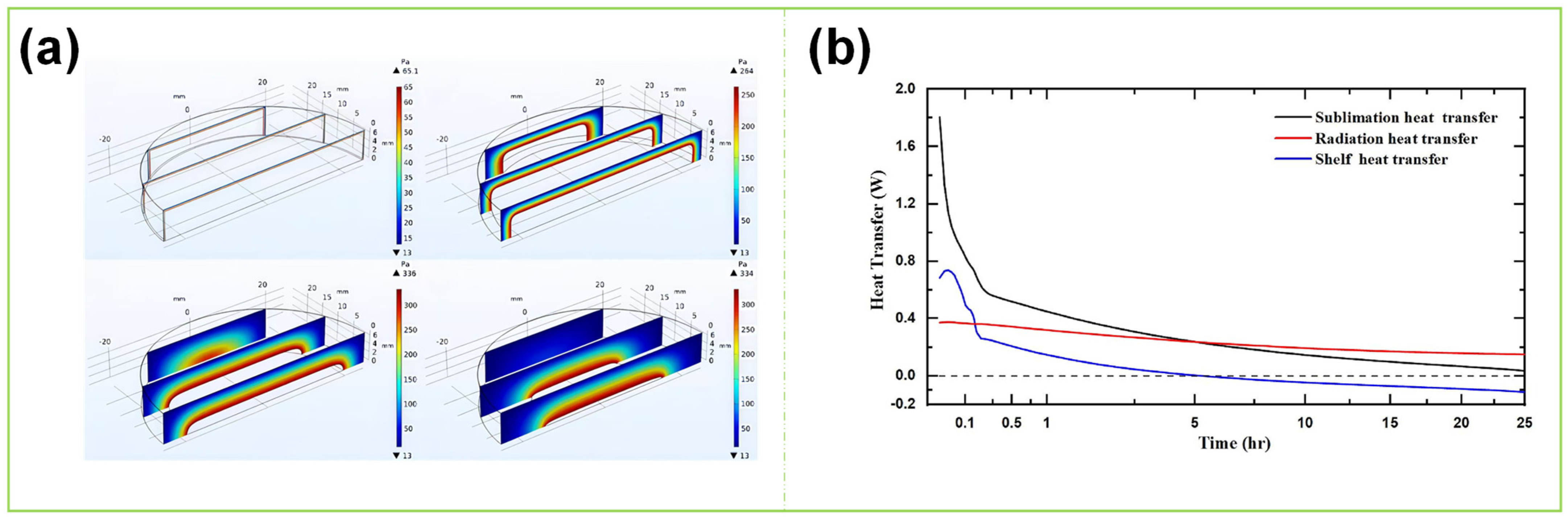
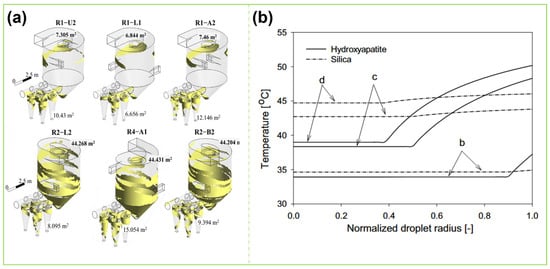
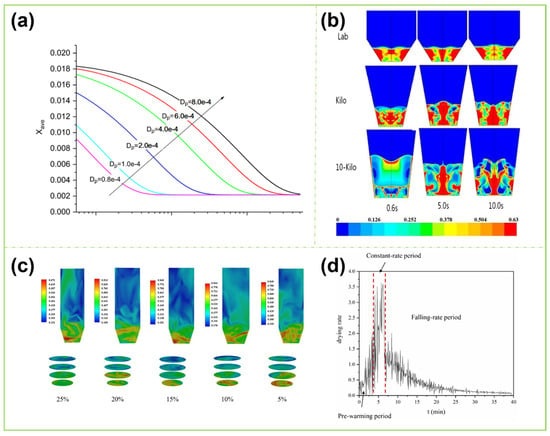
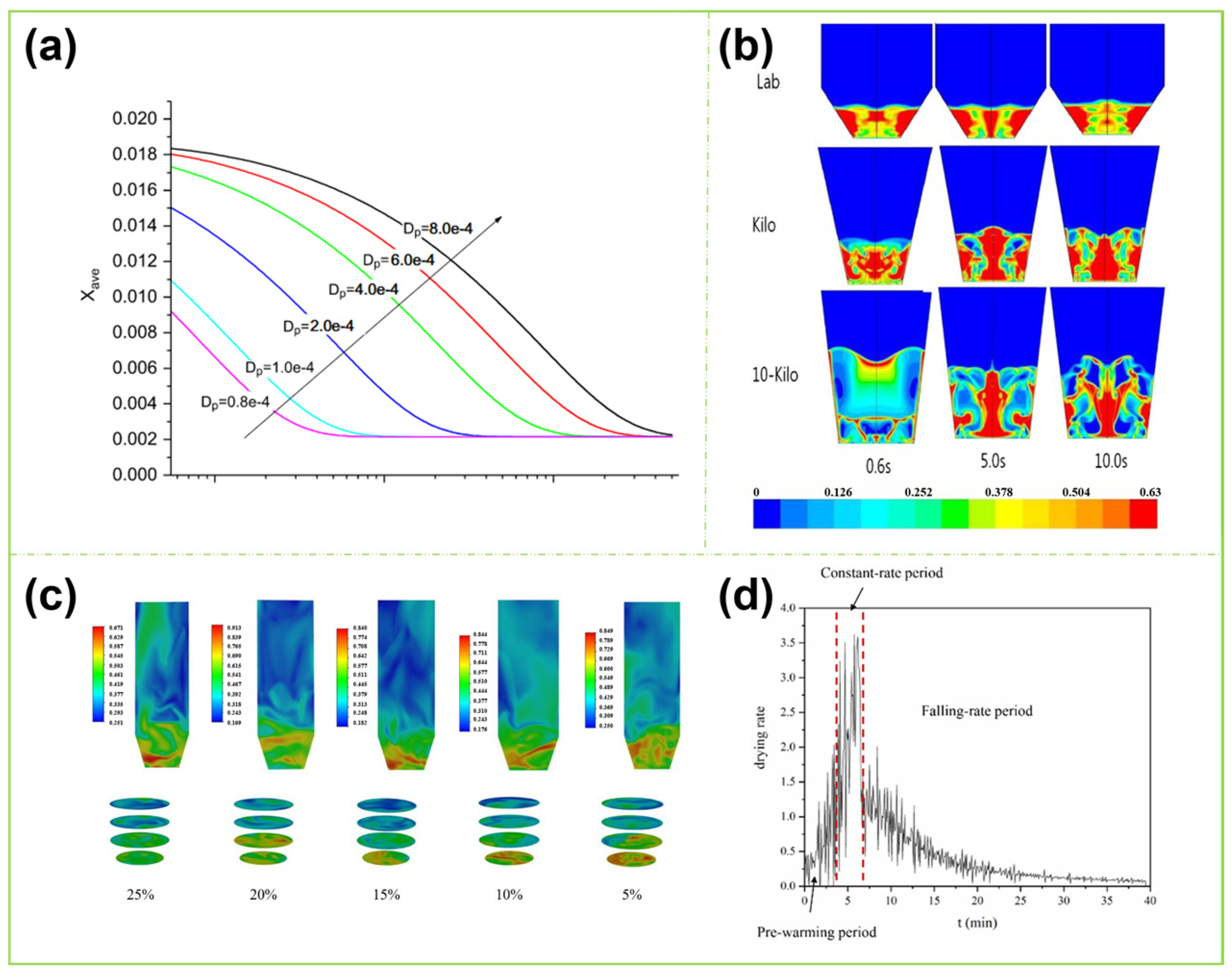
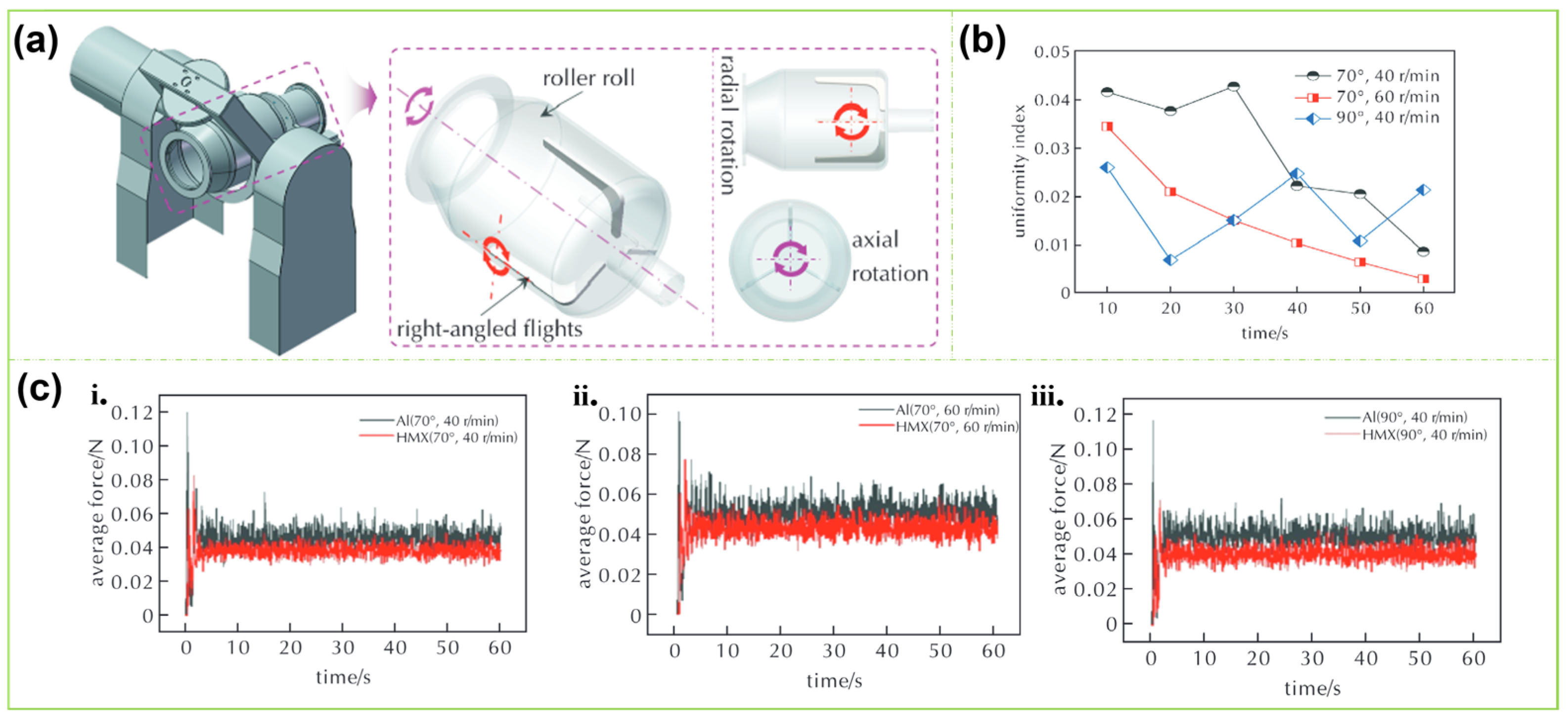
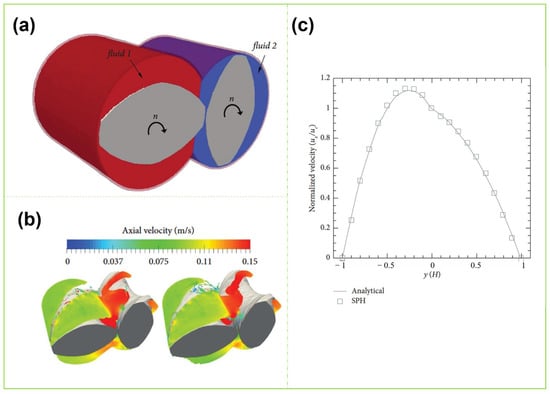
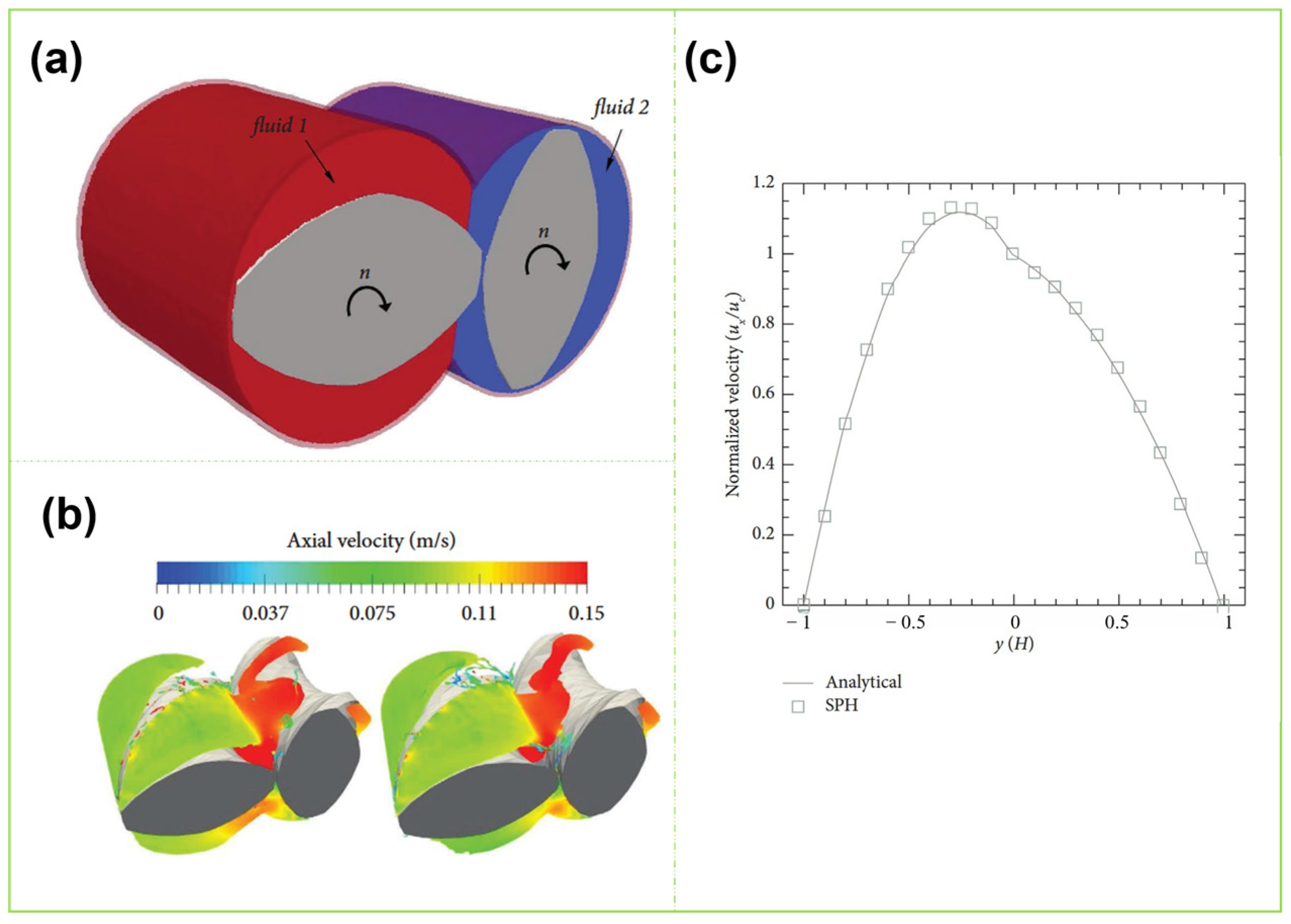
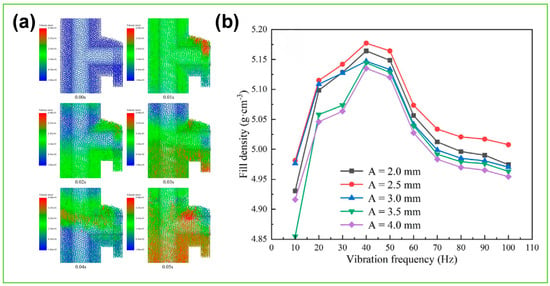
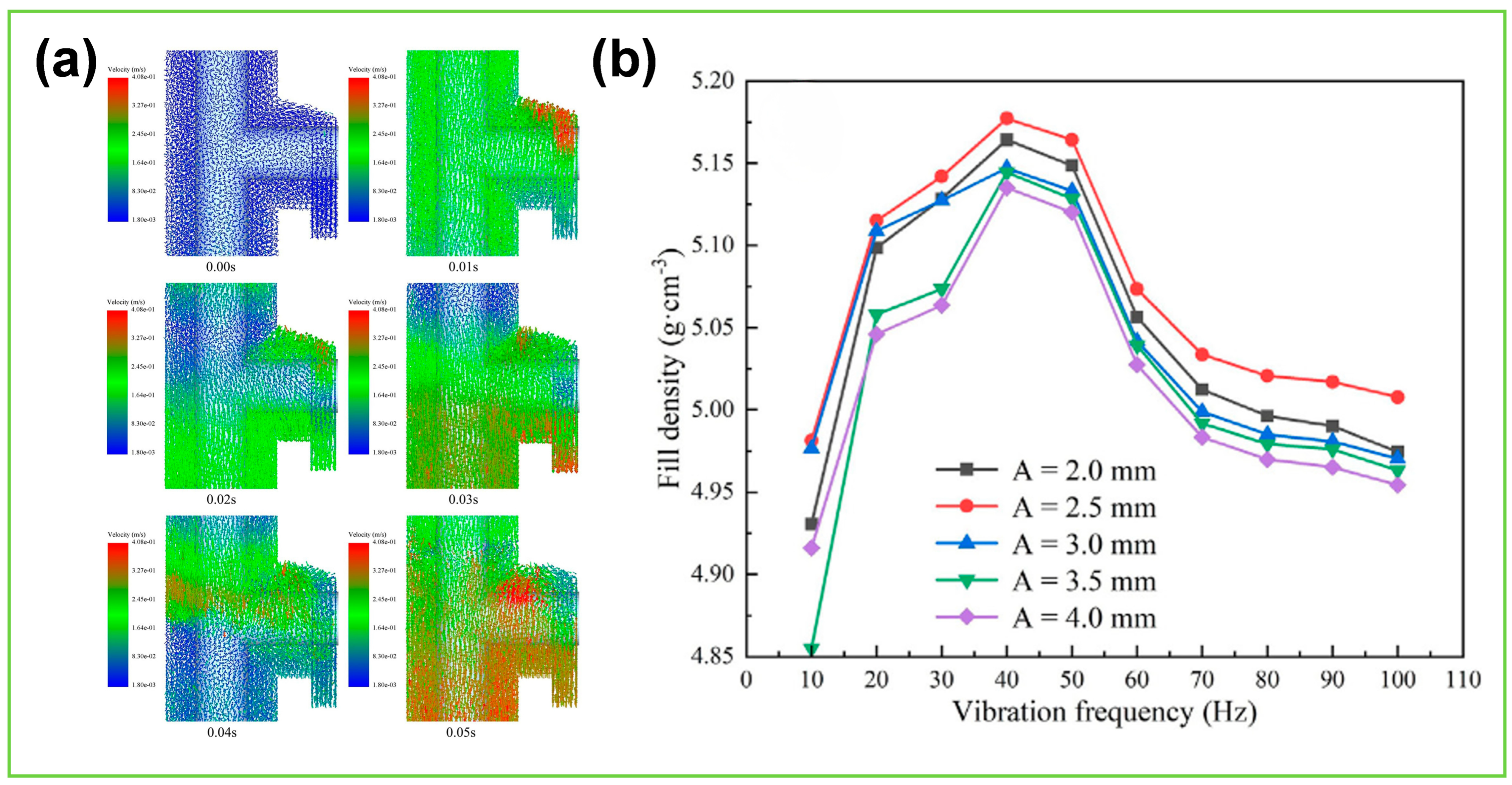
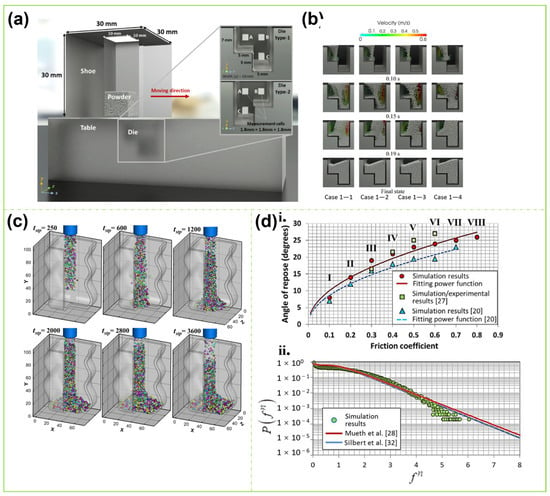
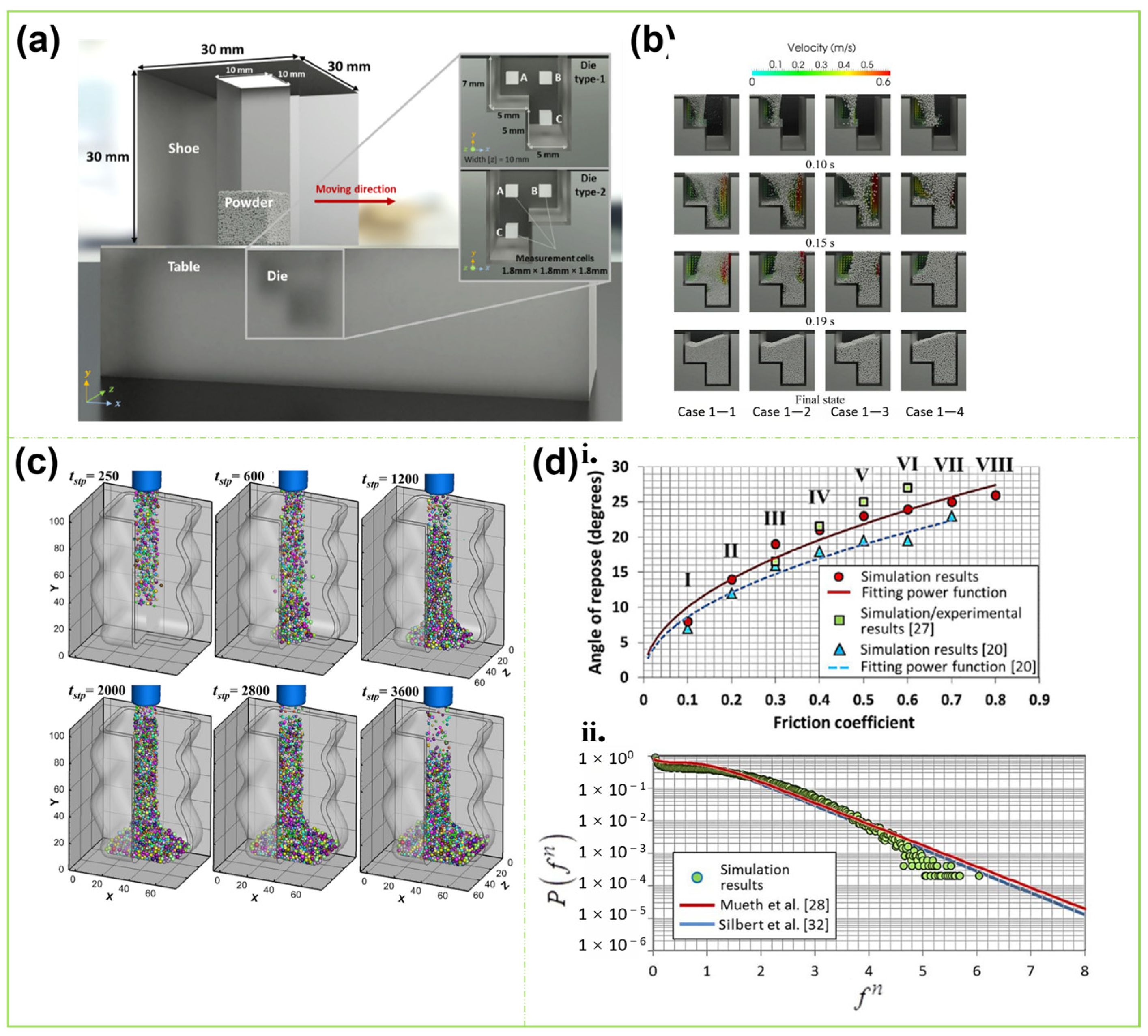
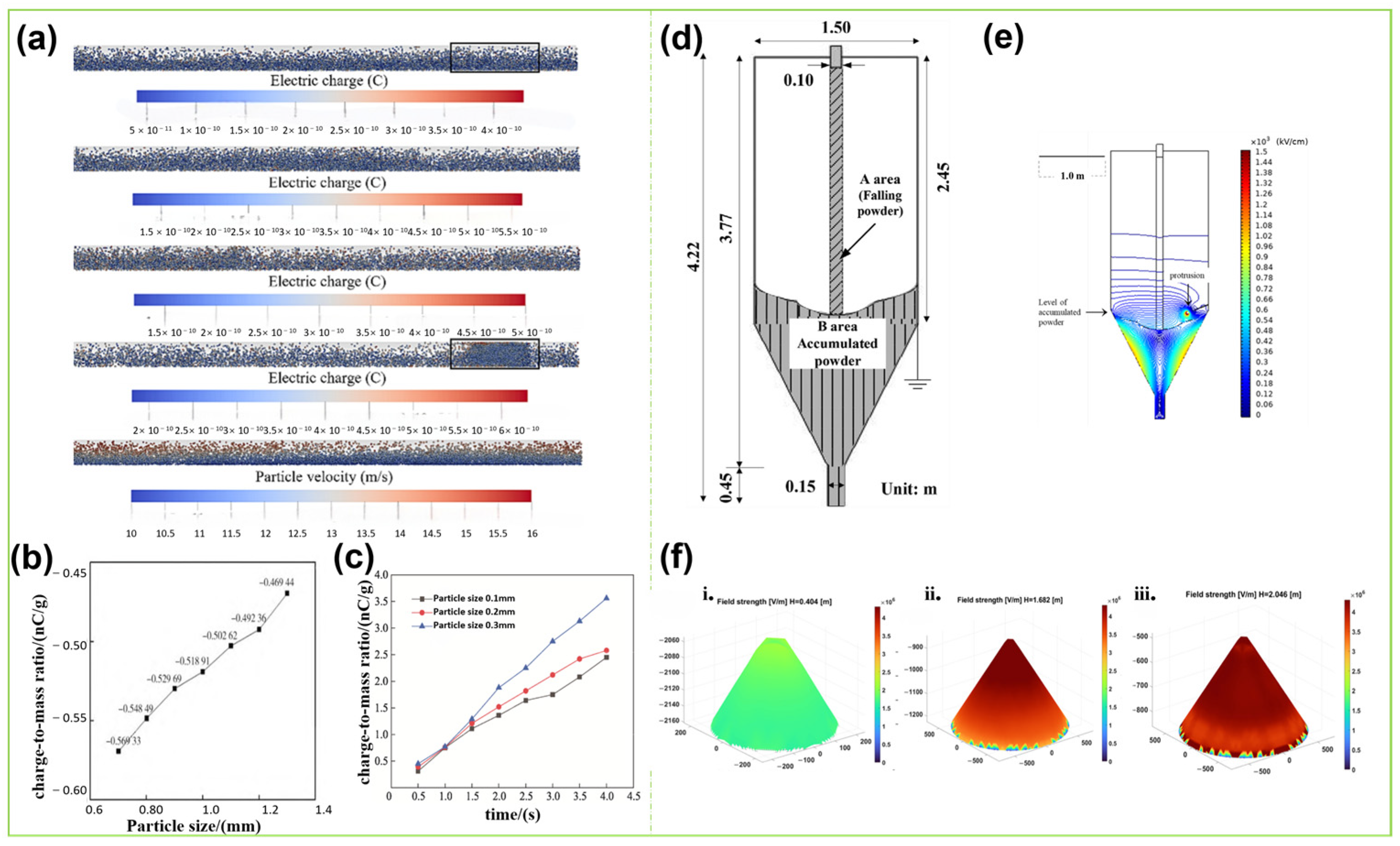

Disclaimer/Publisher’s Note: The statements, opinions and data contained in all publications are solely those of the individual author(s) and contributor(s) and not of MDPI and/or the editor(s). MDPI and/or the editor(s) disclaim responsibility for any injury to people or property resulting from any ideas, methods, instructions or products referred to in the content. |
© 2026 by the authors. Licensee MDPI, Basel, Switzerland. This article is an open access article distributed under the terms and conditions of the Creative Commons Attribution (CC BY) license.