


Abstract
Soil salinization has become a major constraint on sustainable agricultural development and the improvement of crop productivity. However, the effects of biochar combined with different organic amendments on the microbial ecology of saline–alkaline soils and crop performance remain insufficiently understood. This study evaluated the effects of different amendment strategies, including sole applications of fulvic acid (FA), organic fertilizer (OF), and biochar (BC), as well as their combinations. Soil bacterial community composition, richness, and diversity, oat agronomic traits, hay yield, and forage quality indicators were assessed. Spearman correlation analysis and the Mantel test were employed to examine the relationships among soil physicochemical properties, microbial communities, and crop performance. Combined applications exerted stronger effects on modulating soil bacterial community composition than sole applications, while FA, BC, or their combinations significantly enhanced bacterial richness and diversity. Crop responses exhibited distinct functional differentiation among combined treatments. The biochar combined with fulvic acid (BC + FA) treatment showed the greatest potential for promoting oat growth and increasing yield, with plant height and stem diameter reaching 99.20 cm and 3.99 mm, respectively, and hay yield increasing by 48.5% compared with the control treatment. In contrast, the biochar combined with organic fertilizer (BC + OF) treatment significantly increased crude protein content (CP) and reduced acid detergent fiber (ADF) and neutral detergent fiber (NDF) contents, indicating improved forage quality. Although the crude fat content was numerically higher under BC + OF, no significant differences were observed among treatments. Correlation analyses further revealed that changes in soil physicochemical properties were associated with variations in several dominant bacterial genera, which were correlated with oat agronomic traits and forage quality indicators. Overall, the combined application of biochar with fulvic acid or organic fertilizer improved saline-alkaline soil microbial characteristics and showed potential for enhancing forage oat yield and quality, with BC + FA primarily improving yield production and BC + OF mainly enhancing forage quality.
1. Introduction
Soil salinization is a major ecological constraint on global agricultural production, particularly in arid and semi-arid regions, where it severely limits land resource utilization and crop productivity [1,2,3]. This process of ecological degradation not only causes deterioration of soil structure, nutrient imbalance, and losses of organic carbon [4], but also reduces the productivity of cultivated land and exacerbates the vulnerability of agricultural ecosystems [5,6]. Therefore, exploring efficient strategies for the remediation of saline–alkaline soils is crucial for ensuring sustainable land use and improved crop production. As key drivers of ecosystem functions, soil microorganisms play an irreplaceable role in critical processes such as regulating nutrient cycling, organic matter decomposition, and promoting plant growth [7]. Under saline–alkaline conditions, high salinity and elevated pH disrupt microbial osmotic balance, leading to cellular dehydration and loss of viability [8]. Concurrently, saline–alkaline stress alters soil aggregate structure [9] and reduces porosity, thereby restricting root growth and extension [10]. These changes further modify microbial community structure and diversity, ultimately affecting nutrient acquisition and utilization by plants [11]. Accordingly, elucidating the mechanisms of saline–alkaline soil improvement from the perspective of soil microbial communities is essential for understanding the restoration of soil ecological functions.
In recent years, organic amendments such as biochar, fulvic acid, and organic fertilizer have demonstrated considerable potential for the remediation of saline–alkaline soils [12]. Previous studies have indicated that soil amendments can modify microbial community structure and diversity by regulating carbon inputs and soil microenvironmental conditions [13], thereby accelerating organic matter decomposition and nutrient cycling processes [14] and creating favorable conditions for plant growth [12]. Biochar, characterized by its highly loose and porous structure, abundant surface functional groups [15], high cation exchange capacity and alkaline properties [16], provides habitats for microorganisms and promotes the enrichment of specific functional taxa [17], while simultaneously ameliorating soil pH and nutrient availability to modulate microbial diversity [18]. Fulvic acid, an active component of humic substances, can improve soil physicochemical properties and enhance water infiltration and water-holding capacity [19], thereby stimulating microbial growth, reproduction, and metabolic activity and ultimately improving soil ecological functions [20]. Meanwhile, organic fertilizer application introduces abundant organic substrates and beneficial microorganisms [21], activates sparingly soluble nutrients in soil, and interacts with indigenous microbiota to improve microbial community structure and enhance soil fertility [22].
Although the regulatory effects of individual amendments on soil microbial diversity and physicochemical properties have been widely documented [13], the mechanisms underlying the responses to combined amendment applications in saline–alkaline soil remediation remain insufficiently understood. Numerous studies have shown that the combined application of biochar and fulvic acid can produce enhanced effects on soil improvement compared with individual amendments. This combination effectively reduces soil Na+/Cl− and SO42− concentrations, increases total organic carbon (TOC) and total phosphorus (TP), and simultaneously boosts grain yield [19]. Furthermore, it enhances the activity of enzymes involved in carbon and nitrogen cycling, and improves soil multifunctionality [20], while also significantly promoting plant height and biomass accumulation in crops such as maize and rice. Likewise, the co-application of biochar and organic fertilizer has been recognized as an efficient strategy for saline–alkaline soil improvement. When applied at a ratio of 1:2, this combination significantly increases soil available phosphorus (AP) and organic carbon (SOC) contents, optimizes the structure of the rhizosphere bacterial community, and increases the abundance of dominant bacterial groups such as Proteobacteria and Actinobacteria [23]. Notably, bacterial diversity exhibits a significant positive correlation with soil nutrient status and may indirectly promote crop yield formation through enhancement of soil microbial diversity [24].
The advent of high-throughput sequencing technologies has provided powerful tools for elucidating the responses of microbial communities in saline–alkaline soils to exogenous amendment practices [25]. However, systematic field-based comparisons of how different biochar co-application regimes alter soil bacterial communities and affect crop performance remain limited. Specifically, in saline–alkaline soils of cold and arid regions, it remains unclear whether biochar combined with fulvic acid or organic fertilizer modulates soil bacterial communities and influences oat growth, yield, and quality through different microbial responses. To address this knowledge issue, the present study was conducted under field conditions and integrated 16S rRNA gene amplicon sequencing with agronomic measurements to systematically investigate the responses of soil bacterial community composition, richness, and diversity, as well as oat agronomic traits, yield, and forage quality, to different amendment treatments. We proposed the following hypotheses: (a) Co-application of biochar with different organic amendments would induce greater changes in soil bacterial community composition and diversity than single applications; (b) Different co-application strategies (BC + FA vs. BC + OF) would selectively enrich distinct bacterial taxa associated with soil properties and subsequently result in different effects on oat yield and forage quality; and (c) Soil physicochemical properties and key bacterial taxa would be associated with variations in crop performance and could serve as potential microbial indicators of amendment effects.
2. Materials and Methods
2.1. Site Description
The experimental site was located in Xuji Township, Delingha City, Haixi Mongolian and Tibetan Autonomous Prefecture, Qinghai Province, China (37°22′42″ N, 97°43′59″ E; Figure 1). The region is characterized by a plateau continental arid climate, with a mean annual temperature of 4.5 °C, annual precipitation of approximately 169 mm, and an annual accumulated temperature ≥ 10 °C of 2015.8 °C recorded in 2025. Before sowing, soil samples were collected from the 0–20 cm plow layer for determination of baseline physicochemical properties. Soil pH and electrical conductivity (EC) were determined in a soil–water suspension (1:5, w/v) [26,27]. Soil organic carbon (SOC) was determined using the dichromate oxidation method with external heating. Soil ammonium nitrogen (NH4+-N), nitrate nitrogen (NO3−-N), available phosphorus (AP), and available potassium (AK) were determined according to standard analytical procedures [28]. The available phosphorus contents of soil samples collected before and after the experiment were determined using the same analytical method (Olsen extraction method), ensuring the comparability of initial and post-harvest soil measurements. The results showed that soil organic carbon (SOC) content was 3.19 g/kg, NH4+-N was 1.04 mg/kg, NO3−-N was 11.08 mg/kg, AP was 7.42 mg/kg, and AK was 273.00 mg/kg. The soil exhibited an EC of 3.27 mS/cm and a pH of 8.44. Overall, the experimental soil was characterized by low organic matter content, high pH, and moderate salinity stress, representing a typical saline–alkaline soil.
Figure 1.
Location of the experimental site.
2.2. Experimental Design and Amendment Characterization
The field experiment was conducted using a single-factor randomized complete block design with six treatments: control (CK), fulvic acid (FA), commercial organic fertilizer (OF), biochar (BC), biochar combined with fulvic acid (BC + FA), and biochar combined with commercial organic fertilizer (BC + OF). Each treatment was replicated three times and randomly assigned within three blocks, resulting in a total of 18 plots of uniform size (30 m2, 5 × 6 m per plot). Prior to sowing, the amendments were uniformly broadcast onto the soil surface according to the treatment design and thoroughly incorporated by tillage. Urea and diammonium phosphate were applied as basal fertilizers simultaneously with the amendments before sowing. The forage oat (Avena sativa L. cv. Qingtian No. 1), provided by the Qinghai Academy of Animal and Veterinary Sciences, was used in this study. This cultivar is a mid-to-late maturing forage oat characterized by relatively tall plants, strong tillering capacity, abundant leaf biomass, and good lodging resistance, making it suitable for green fodder, silage, and hay production in the Qinghai region. The field trial was conducted from May to October 2025. Detailed treatment combinations and fertilizer application rates are presented in Table 1. Based on amendment application rates and material compositions, the estimated inputs of nitrogen (N), phosphorus (P), potassium (K), and carbon (C) differed substantially among treatments (Table S1). These differences were considered when interpreting treatment effects on soil properties, microbial communities, and oat performance. During the experiment, irrigation, weed control, and pest and disease management were uniformly implemented according to local conventional agronomic practices.
Table 1.
Test treatments and fertilizer dosage.
The crop was managed using a sprinkler irrigation system according to growth stages. During the early growth stage (from emergence to jointing), irrigation was applied approximately once every 15 days, whereas during the mid-to-late growth stage (from heading to maturity), irrigation frequency increased to approximately once every 10 days. Each irrigation event supplied approximately 300 m3/ha of water (equivalent to approximately 30 mm water depth). The reported 96 h (4 days and 4 nights) referred to the complete irrigation cycle for the experimental field, including sprinkler relocation and rotation among plots, rather than the continuous irrigation duration of an individual plot.
The soil amendments employed in this study included maize straw biochar, commercial fulvic acid, and commercial organic fertilizer. The biochar was directly applied without additional chemical or physical pretreatment for pH or salinity adjustment before the field experiment. The biochar was produced via pyrolysis of maize straw using a continuous pyrolysis furnace under oxygen-limited conditions. The pyrolysis process was conducted at 700 °C with a heating rate of 7.8 °C/min, and the residence time was 2 h. After cooling, the biochar was ground and passed through a 200-mesh sieve before application. The physicochemical properties of the biochar were analyzed according to the Chinese agricultural industry standard NY/T 3672-2020 [29]. The biochar pH was determined using a biochar-to-distilled water ratio of 1:20 (w/v) after shaking for 1 h and equilibration, following the standard procedure. The measured pH value was 7.5. No washing, acidification, or other chemical pretreatment was performed before biochar application. Commercial fulvic acid was purchased from Pingxiang Honghudi Humic Acid Co., Ltd. (Pingxiang, China) and was manufactured according to the enterprise standard Q/HTD 003-2016 [30]. The organic fertilizer was obtained from Bayannur Deyuan Fertilizer Co., Ltd. (Bayannur, China) and complied with the standard NY/T 525-2021 [31]. The main properties of these amendments are summarized in Table 2. In general, the biochar was characterized by a high specific surface area and well-developed pore structure; the fulvic acid demonstrates excellent water solubility and high biological activity; and the organic fertilizer was rich in organic matter and essential nutrients. Collectively, these characteristics render all three materials highly suitable as amendments for saline–alkaline soil remediation.
Table 2.
Basic properties of modifiers.
2.3. Sample Collection and Processing
Soil samples (0–20 cm depth) were collected at the oat maturity stage in October 2025. In each plot, samples were obtained using a 10-point composite sampling method, thoroughly homogenized, and carefully cleared of plant roots, stones, and debris. The composite soil samples were immediately stored at −80 °C for subsequent 16S rRNA gene amplicon sequencing of the soil bacterial community. For plant sample collection, 30 plants were randomly selected from each plot to determine plant height, spike length, leaf length, and stem diameter, and the mean values were used as agronomic indicators for that plot. Additionally, another 30 intact plants were randomly excavated, and root length and fresh weight were measured after washing the roots.
Harvested plant materials were first heated at 105 °C for 30 min to deactivate endogenous enzymes and then oven-dried at 65 °C to constant weight, ground, and sieved (<1 mm) for chemical analysis. Total nitrogen (TN) was quantified via H2SO4-H2O2 wet digestion using an AA3 continuous flow analyzer [32], and crude protein (CP) content was calculated as CP = TN × 6.25. Crude fat (CF) was determined by acid hydrolysis followed by ether extraction and gravimetric analysis. Neutral detergent fiber (NDF) and acid detergent fiber (ADF) were analyzed according to the sequential Van Soest [33] detergent fiber procedure.
2.4. Soil DNA Extraction and PCR Amplification
Bacterial genomic DNA was extracted from soil samples using the MagPure Soil DNA LQ Kit (Magen, Guangzhou, China) following the manufacturer’s instructions. DNA concentration and integrity were assessed with a NanoDrop 2000 spectrophotometer (Thermo Fisher Scientific, Waltham, MA, USA) and 1% agarose gel electrophoresis. The extracted genomic DNA was used as the template for PCR amplification of the bacterial 16S rRNA gene V3-V4 region [34] using barcode-indexed specific primers and Takara Ex Taq high-fidelity polymerase (Takara Bio, Shiga, Japan). The primer pair used was 343F (5′-TACGGRAGGCAGCAG-3′) and 798R (5′-AGGGTATCTAATCCT-3′). Each 30 μL reaction contained 15 μL of 2× Gflex PCR Buffer, 1 μL each of forward and reverse primers (5 pmol/μL), ≥50 ng of template DNA, 0.6 μL of Tks Gflex DNA Polymerase (1.25 U/μL; Takara Bio, Shiga, Japan), and nuclease-free water. Thermal cycling was performed on a Bio-Rad thermal cycler with the following conditions: initial denaturation at 94 °C for 5 min; 26 cycles of 94 °C for 30 s, 56 °C for 30 s, and 72 °C for 20 s; final extension at 72 °C for 5 min; and held at 4 °C. The resulting amplicons were purified using Agencourt AMPure XP magnetic beads (Beckman Coulter, Brea, CA, USA) at a bead-to-sample ratio of 0.8:1. The purified products (50 ng) served as templates for the second-round index PCR, which incorporated Illumina P5 and P7 adapters with dual indices using the same polymerase and buffer system under identical cycling conditions but for 7 cycles. Final libraries were purified again with AMPure XP beads, verified by 2% agarose gel electrophoresis for target band specificity, and quantified using a Qubit dsDNA Assay Kit (Thermo Fisher Scientific). Libraries were normalized, pooled in equimolar ratios, and subjected to paired-end sequencing (2 × 250 bp) on an Illumina NovaSeq 6000 platform by OE Biotech Co., Ltd. (Shanghai, China). No-template controls (NTCs) were included in both PCR rounds to monitor reagent-derived contamination.
2.5. Bioinformatics and Statistical Analysis
Raw sequencing reads were first processed using Cutadapt to trim primer sequences. Subsequently, quality filtering, denoising, paired-end merging, and chimera removal were performed using the DADA2 algorithm [35] within the QIIME 2 platform (version 2020.11) [36] with default parameters, yielding high-quality amplicon sequence variants (ASVs) and a corresponding ASV abundance table. ASVs with an abundance ≥ 5 reads were retained for downstream analyses, whereas low-abundance ASVs (<5 reads) potentially resulting from sequencing errors were removed. Taxonomic assignment of representative ASV sequences was conducted against the SILVA database (version 138) using the q2-feature-classifier plugin with default parameters, and community composition was summarized at the kingdom, phylum, class, order, family, genus, and species levels. Sequences that could not be assigned to bacterial taxa were excluded from downstream taxonomic analyses to ensure the accuracy of bacterial community profiling. Functional potential of the microbial communities was predicted using PICRUSt2 (version 2.3.0b0) [37] based on 16S rRNA marker gene sequences, and functional profiles were compared across samples and treatment groups.
The ASV abundance table was rarefied to an equal sequencing depth before diversity analyses to minimize the influence of sequencing depth differences among samples. Sequencing depth adequacy was evaluated using rarefaction curves. Alpha diversity indices, including Chao1 [38], Ace, and Shannon [39], were calculated to assess within-sample diversity. Beta diversity was visualized using principal coordinate analysis (PCoA) based on the Bray–Curtis dissimilarity matrix. Heatmaps were generated in R using the pheatmap package (version 1.0.13) based on the bacterial community distance matrix. Hierarchical clustering of samples was performed using Euclidean distance with the complete linkage method. Differences in bacterial community composition among treatments were evaluated using permutational multivariate analysis of variance (PERMANOVA) based on Bray–Curtis distances. PERMANOVA was performed using the adonis2 function in the vegan package (version 2.6.10) in R, with treatment considered as the explanatory factor and block identity included as a permutation constraint. Statistical significance was assessed using 999 permutations. In addition, the homogeneity of multivariate dispersion among treatment groups was evaluated using the betadisper function with 999 permutations to determine whether observed PERMANOVA differences were influenced by within-group dispersion variation. Differences in the relative abundance of individual taxa among treatment groups were assessed using the Kruskal–Wallis test, followed by Dunn’s test with Benjamini–Hochberg FDR correction for pairwise comparisons. Linear discriminant analysis effect size (LEfSe) [40] was employed to identify differentially abundant taxa across treatments, with a significance threshold of p < 0.05 and an LDA score > 2.0. Additionally, a random forest model was applied to pinpoint key indicator genera.
Statistical analyses of oat growth, yield, and quality parameters were conducted using SPSS Statistics 27.0 software. Considering that the field experiment followed a single-factor randomized complete block design, data were analyzed using a general linear model including both treatment and block effects. Treatment was considered as the fixed factor, while block effects were included to account for spatial variability among experimental plots. Differences among treatment means were compared using Duncan’s multiple range test. Statistical significance was defined as * p < 0.05, ** p < 0.01. In addition, Mantel tests were conducted to evaluate the coupling relationships among soil physicochemical properties, bacterial community structure, and plant growth, yield, and quality traits. Community analyses, correlation analyses, and visualization were performed using R software (version 4.5.0).
3. Results
3.1. Sequencing Analysis Statistics
Sequencing of the 18 soil samples yielded a total of high-quality valid sequences ranging from 40,517 to 62,174 per sample after quality filtering, denoising, paired-end merging, and chimera removal. This processing generated 313–1801 amplicon sequence variants (ASVs) per sample (Supplementary Table S2). Rarefaction curves plateaued across all samples (Supplementary Figure S1), indicating that the sequencing depth was sufficient to capture the majority of microbial diversity and that additional sequencing would likely yield limited increases in observed ASV richness.
3.2. Effects of Different Treatments on Soil Bacterial Community Abundance
Phylum-level bacterial community analysis (Figure 2a) revealed that soil bacterial communities across all amendment treatments were predominantly composed of Proteobacteria (40.80–48.14%), Bacteroidota (16.54–51.69%), and Gemmatimonadota (2.15–15.51%). Compared with single-amendment treatments, combined applications resulted in more pronounced shifts in bacterial community composition. Specifically, BC and BC + FA treatments increased the relative abundance of Proteobacteria to 44.68% and 48.14% (corresponding to increases of 46.01% and 57.30% relative to CK, respectively), whereas they decreased Bacteroidota abundance by 28.08% and 45.43% compared to CK (yielding 21.81% and 16.54%, respectively). Conversely, the BC + OF treatment markedly enriched Bacteroidota (51.69%, a 70.61% increase over the CK value of 30.31%) and Proteobacteria (40.80%, a 33.35% increase over CK). Overall, BC + FA primarily promoted Proteobacteria enrichment, whereas OF and BC + OF substantially elevated the proportion of Bacteroidota. Although amendment treatments changed the relative abundance patterns of dominant phyla, comparisons between each amendment treatment and CK showed no significant differences in the relative abundances of the top four dominant phyla and genera (p > 0.05; Figure 2b,d). This suggests that these dominant taxa did not differ significantly from CK under the tested amendment conditions.
Figure 2.
Relative abundance and differential analysis of dominant bacterial taxa in saline–alkaline soil under different amendment treatments. (a) Relative abundance of the top 15 bacterial phyla. (b) Differences in dominant bacterial phyla among treatments. (c) Relative abundance of the top 15 bacterial genera. (d) Differences in dominant bacterial genera among treatments. Taxa with low relative abundance were grouped into “Others”. Different colors represent different taxa, and the proportion of each color indicates the relative abundance of the corresponding taxon. Significance was assessed using the Kruskal–Wallis test; ns indicates no significant difference.
At the genus level (Figure 2c), Galbibacter, Lysobacter, Sphingomonas, and Marinobacter emerged as the predominant genera. Nevertheless, although their individual abundances did not always differ significantly from CK, their relative abundances differed among amendment treatments, indicating that specific bacterial taxa exhibited distinct responses to different amendment strategies.
3.3. Diversity Analysis
Alpha diversity analysis revealed that Coverage indices across all samples were close to 1 (≥0.99875), indicating that the sequencing depth was sufficient to represent the majority of bacterial diversity (Figure 3a). Richness estimators (Ace, Chao1, and Observed species) showed that the FA, BC, and BC + FA treatments exhibited significantly higher species richness compared to CK (p < 0.001), with the BC + FA treatment showing the highest richness values among all treatments (Figure 3b–d). Diversity and evenness indices (Shannon and Simpson) further demonstrated that soil amendments substantially affected bacterial community diversity (Figure 3e,f). Notably, the FA and BC + FA treatments showed higher diversity levels, and Shannon diversity differed significantly between amendment treatments and CK (p < 0.001). Collectively, these results suggest that the BC + FA treatment was associated with increased bacterial richness and diversity in saline–alkaline soils.
Figure 3.
Alpha diversity and beta diversity indices of soil bacterial communities under different amendment treatments. (a) Coverage; (b) Chao1; (c) Ace; (d) Observed species; (e) Shannon; (f) Simpson. Values are presented as mean ± SD (n = 3). (g) Principal coordinate analysis of soil bacterial communities based on Bray–Curtis distances under different amendment treatments. Each point represents one replicate sample. Different triangles represent samples from different treatments. PERMANOVA showed that bacterial community structure differed significantly among treatments. (h) Hierarchical clustering heatmap illustrating pairwise bacterial community distances among samples. The clustering was performed using Euclidean distance with the complete linkage method. Blue tones indicate lower distances and greater similarity among samples, whereas red tones indicate higher distances and greater dissimilarity.
Beta diversity analysis based on Bray–Curtis dissimilarity (PCoA) revealed that PC1 and PC2 explained 29.3% and 18.0% of the total community variation, respectively (Figure 3g). Samples from different treatments showed clear spatial separation along the principal coordinates, while replicates within each treatment clustered relatively closely, indicating differences in bacterial community composition among treatments and relatively consistent community patterns among replicates. PERMANOVA based on Bray–Curtis distances revealed that amendment treatments significantly altered bacterial community composition (F = 7.665, p < 0.001, R2 = 0.762), indicating that treatment differences accounted for 76.2% of the variation in community composition. The PERMDISP analysis showed no significant differences in multivariate dispersion among treatments (p > 0.05), suggesting that the observed PERMANOVA patterns were primarily associated with differences in bacterial community composition rather than variation in within-group dispersion. These results were further supported by hierarchical clustering analysis, where the heatmap showed patterns consistent with the PCoA ordination (Figure 3h), revealing distinct bacterial community differentiation between combined and single-amendment treatments.
3.4. LEfSe and Random Forest Analysis
LEfSe analysis was performed to identify bacterial taxa associated with different amendment treatments (Figure 4a). At the phylum level, the BC treatment showed higher relative abundances of Actinobacteriota and Firmicutes (p < 0.05), whereas the BC + FA and BC + OF treatments were characterized by increased relative abundances of Proteobacteria and Bacteroidota, respectively. At the genus level, Sphingomonas and Lysobacter were significantly enriched under BC + FA, while Pseudomonas showed higher abundance under BC + OF (p < 0.05), indicating that different amendment combinations were associated with distinct bacterial community responses.
Figure 4.
LEfSe and random forest analyses of soil bacterial communities under different treatments. (a) LEfSe cladogram showing differentially abundant bacterial taxa among treatments. The inner-to-outer circles represent different taxonomic levels, and colored nodes indicate taxa significantly enriched in the corresponding treatments. Yellow nodes represent taxa without significant differences among treatments. (b) Key differential genera identified by random forest analysis. The left panel shows the standardized importance value of each genus, and the right panel shows its relative abundance. Different colors represent different genera.
To further identify taxa contributing to the differentiation among amendment treatments, a Random Forest classification model was constructed to evaluate feature importance (Figure 4b). The model identified the top 30 discriminative taxa, among which Massilia, Luteimonas, Haliangium, Algoriphagus, and Gracilibacter exhibited the highest standardized importance values, suggesting their potential contribution to treatment classification. Additional taxa, including Arenibacter, BD2.11_terrestrial_group, Kangiella, S0134_terrestrial_group, and Hydrogenophaga, also contributed to model classification (importance values: 0.35–0.48). Notably, while LEfSe identified Lysobacter, Sphingomonas, and Pseudomonas as taxa associated with specific amendment treatments, their importance values in the Random Forest model were moderate (0.20–0.30), suggesting that differences among treatments were associated with multiple bacterial taxa rather than a single dominant genus. Overall, the distinct importance profiles indicate that different amendment treatments were associated with differential responses of bacterial taxa.
3.5. Functional Enrichment Analysis of Soil Bacterial Communities
Based on PICRUSt2 functional prediction and KEGG annotation, it was revealed that the predicted functional profiles of soil bacterial communities were generally similar across all amendment treatments. At KEGG Level 1, the predicted pathways were classified into six major functional categories, among which Metabolism (77.45%) and Genetic Information Processing (6.29%) accounted for the highest proportions. The relative abundances of the other four categories were each below 5% (Figure 5a). At Level 2, a total of 47 predicted pathways were identified. The functional profiles were mainly associated with Global and overview maps (42.64%), Carbohydrate metabolism (7.83%), and Amino acid metabolism (7.35%), whereas the remaining pathways each contributed less than 5% of the total relative abundance (Figure 5b). Statistical comparisons showed that neither KEGG Level 1 functional categories nor the six most abundant Level 2 pathways differed significantly between amendment treatments and CK (p > 0.05; Figure 5c,d). These results suggest that the predicted functional composition of soil bacterial communities showed limited variation among amendment treatments under the present experimental conditions, although further functional measurements are required to verify these predicted patterns.
Figure 5.
Predicted functional profiles of soil bacterial communities under different amendment treatments based on PICRUSt2 and KEGG annotation. (a) Relative abundance of KEGG level 1 functional categories across treatments. (b) Relative abundance of major KEGG level 2 functional categories across treatments. (c) Comparison of KEGG level 1 functional categories among treatments. (d) Comparison of the top six KEGG level 2 functional categories among treatments. Values are presented as mean ± SD (n = 3). Different amendment treatments did not significantly alter the relative abundance of the major predicted functional pathways (ns, p > 0.05).
3.6. Soil Physicochemical Responses to Amendment Treatments
Amendment treatments significantly altered several soil physicochemical properties compared with the control treatment (Table 3). Soil pH showed relatively limited variation among treatments, ranging from 8.49 to 8.77, with the lowest value observed under the BC + OF treatment. In contrast, EC was markedly reduced by combined amendment applications, particularly under BC + FA and BC + OF treatments, which decreased EC by 63.8% and 57.1%, respectively, compared with CK. SOC differed significantly among treatments (p < 0.05), with the highest content observed in BC + OF (9.36 g/kg), followed by BC (7.01 g/kg), while FA and OF treatments showed intermediate increases compared with CK. Total nitrogen was also increased by amendment applications, reaching the highest level under BC + OF treatment (0.51 g/kg). Among available nutrients, BC + FA significantly increased NO3−-N and AP, reaching 17.53 and 4.54 mg/kg, respectively. AK also differed significantly among treatments (p < 0.05), with the highest content observed under BC + OF treatment (288.33 mg/kg), followed by OF (279.00 mg/kg), whereas CK exhibited the lowest AK content (247.33 mg/kg). Although NH4+-N showed increasing trends under amendment treatments, no significant differences were detected among treatments (p > 0.05).
Table 3.
Effects of different amendments on soil physicochemical properties.
3.7. Effects of Different Treatments on Crop Quality and Yield
Soil amendments exerted distinct effects on forage oat quality parameters (Table 4). The BC + OF treatment yielded the most favorable nutritional profile, with CP and CF contents reaching 12.70% and 1.58%, respectively. The CP content under BC + OF was significantly higher than that under CK (p < 0.05), whereas no significant differences in CF content were observed among treatments. Concurrently, ADF and NDF concentrations were minimized under BC + OF, representing significant reductions of 13.9% and 28.0% relative to CK, respectively. In contrast, the sole BC application exhibited limited efficacy in modulating fiber fractions, as its ADF content remained statistically comparable to that of the CK (p > 0.05).
Table 4.
Effects of different amendments on oat quality.
Different amendment treatments showed variable effects on oat agronomic traits and yield-related parameters (Table 5). Among the tested treatments, BC + FA generally exhibited a stronger positive effect on vegetative growth and biomass accumulation. Under this treatment, plant height, spike length, fresh forage yield, and hay yield showed relatively higher values compared with other treatments. The fresh yield and dry yield reached 28.09 and 17.43 t/ha, respectively, representing increases of 29.09% and 48.47% compared with CK. The OF treatment showed a relatively stronger effect on root length and leaf length. Overall, the effects of amendments on oat growth and productivity were treatment-dependent, with BC + FA showing greater potential for promoting biomass production, whereas BC + OF exhibited stronger effects on improving nutritional quality.
Table 5.
Effects of different amendments on growth indicators and yield of oats.
3.8. Associations Among Soil Bacterial Communities, Physicochemical Properties, and Oat Traits
Spearman correlation analysis revealed that the alpha diversity indices of the soil bacterial community were significantly associated with several oat growth and quality indicators (Figure 6a). Specifically, Chao1, Shannon, Simpson, Species richness, and Ace indices showed significant positive correlations with plant height (p < 0.01), whereas these indices exhibited significant negative correlations with crude protein content (p < 0.01). Although these indices showed positive correlations with fresh forage yield and hay yield, none of these correlations reached statistical significance. In addition, the Simpson index was significantly positively correlated with ADF content (p < 0.05).
Figure 6.
Spearman correlation heatmaps showing the relationships between soil bacterial community characteristics and oat traits. (a) Correlations between alpha diversity indices and oat growth, yield and quality traits. (b) Correlations between key bacterial genera and oat growth, yield and quality traits. Red and blue colors indicate positive and negative correlations, respectively. Asterisks indicate significance levels (* p < 0.05, ** p < 0.01).
Significant differences were observed in the relationships between key bacterial genera and oat traits (Figure 6b). Regarding growth-related traits, the genera Sphingomonas, Pseudomonas, as well as the family Muribaculaceae showed significant positive correlations with plant height (p < 0.01 and p < 0.05, respectively), whereas Halomonas exhibited a significant negative correlation with plant height (p < 0.01). In contrast, with respect to root length, Halomonas showed a significant positive correlation, while Sphingomonas and Pseudomonas showed significant negative correlations (p < 0.05). Among quality indicators, Lysobacter and Halomonas were significantly positively correlated with crude fat content, whereas Pseudomonas was significantly negatively correlated with crude fat content (p < 0.05). Furthermore, Sphingomonas and the family Muribaculaceae showed significant negative correlations with crude protein content (p < 0.01), with Muribaculaceae exhibiting the strongest association. Notably, the family Muribaculaceae was also significantly positively correlated with both ADF and NDF contents (p < 0.01).
To further examine the associations among soil physicochemical properties, bacterial community composition, and oat agronomic traits, Mantel tests were conducted in this study (Figure 7). Soil physicochemical properties, particularly EC and SOC, showed significant associations with bacterial community composition (Mantel r = 0.47–0.50, p < 0.01), indicating close relationships between variations in soil conditions and bacterial community patterns under different amendment treatments. Notably, forage quality traits exhibited stronger associations with soil nutrient-related properties, specifically SOC and NO3−-N (Mantel r = 0.58–0.59, p < 0.01), suggesting that variations in soil carbon and nitrogen availability were related to differences in oat nutritional quality. In contrast, plant growth and yield traits showed weaker associations with most soil physicochemical properties, with significant correlations observed only with EC for growth traits (r = 0.27, p = 0.006) and AK (r = 0.28, p = 0.019). These results indicate that soil physicochemical properties and bacterial community characteristics exhibited different association patterns with oat performance, although the underlying mechanisms require further investigation.
Figure 7.
Integrated Mantel test and Spearman correlation analysis showing the coupling among soil physicochemical properties, bacterial community structure and oat performance. Colored squares represent Spearman correlation coefficients among soil physicochemical variables, with larger squares indicating stronger correlations. Lines indicate Mantel correlations between soil properties and bacterial community, plant growth, yield and quality. Line color represents significance level, and line width represents Mantel’s r value. ** p < 0.01.
4. Discussion
In this study, the application of exogenous amendments significantly altered soil bacterial community composition, with combined amendment treatments showing more pronounced differences compared with single amendments. Saline–alkaline conditions can constrain microbial activity through osmotic stress, ion toxicity, and limited nutrient availability [41]. Previous studies have shown that biochar and organic amendments can modify soil physicochemical properties [42], increase carbon inputs, and improve soil habitat conditions in saline–alkaline soils. These changes may contribute to variations in microbial community composition, which is consistent with previous observations in saline–alkaline and degraded agroecosystems [43,44]. Notably, BC + FA was associated with increased relative abundances of Proteobacteria, particularly Sphingomonas and Lysobacter, whereas BC + OF showed higher relative abundance of Bacteroidota and increased abundance of Pseudomonas. These differences indicate that different amendment strategies were associated with distinct bacterial community responses [45,46]. Proteobacteria are often considered copiotroph taxa that respond rapidly to changes in carbon availability and nutrient conditions [47]. Therefore, the increased abundance of Proteobacteria under the BC + FA may reflect improved resource conditions following amendment application. Sphingomonas has been frequently detected in soil and plant-associated environments and has been reported to participate in organic matter transformation and environmental stress adaptation [48,49]. However, its specific ecological roles under the present experimental conditions require further investigation. Lysobacter has been reported to produce extracellular enzymes and antagonistic metabolites [50,51]. Therefore, its increased abundance may indicate changes in bacterial groups potentially related to soil biological processes. In contrast, Bacteroidota are commonly associated with the degradation of organic matter and are frequently enriched in environments with greater availability of labile carbon sources [52,53]. The increased relative abundance of Bacteroidota under BC + OF may reflect differences in soil carbon availability and organic substrate conditions among amendment treatments. These bacterial community changes were associated with variations in oat growth and forage quality traits, although the underlying mechanisms require further investigation.
Concurrently, our results showed that the effects of amendment treatments on oat growth and productivity varied among treatments and measured traits. Among the tested treatments, BC + FA exhibited relatively stronger effects on plant growth and biomass production, particularly for several growth and yield-related parameters. This response may be associated with the properties of fulvic acid, which contains abundant active functional groups, including carboxyl and phenolic hydroxyl groups [54]. These functional groups have been reported to participate in ion exchange and metal complexation processes [55,56], potentially contributing to reduced salt stress under saline–alkaline conditions [57,58]. Consequently, soil physicochemical properties are optimized, nutrient availability is enhanced, and root vitality is stimulated, ultimately improving plant water and nutrient uptake [59,60]. Simultaneously, biochar improves soil pore structure [15,61], enhances water and nutrient retention capacity, and increases buffering potential [16,62], creating a more stable microenvironment for root development and microbial activity [62,63,64]. The interaction between biochar and fulvic acid in mitigating salinity–alkalinity stress and modulating the soil microbial environment ultimately maximizes aboveground biomass and forage yield [65]. Consistent with the observed reduction in soil EC and enhancement of SOC and nutrient availability in this study, biochar-based amendments may regulate saline–alkaline soil environments by modifying key physicochemical properties. These findings are consistent with previous long-term field studies showing that the combined application of biochar and fulvic acid can alleviate salt stress and enhance crop yield in coastal saline soils [19]. Although all treatments received diammonium phosphate as basal fertilizer, soil available phosphorus contents after harvest were lower than the initial soil value. This decrease likely reflects the dynamic transformation of phosphorus during the growing season rather than insufficient phosphorus input [66,67]. In saline–alkaline soils, phosphorus availability is often constrained by adsorption and precipitation reactions with calcium-containing minerals under alkaline conditions [68,69]. Moreover, phosphorus uptake by oat plants and microbial immobilization may further reduce the extractable AP pool after harvest [70,71]. Therefore, the observed variation in AP represents the combined effects of phosphorus input, soil fixation processes, plant acquisition, and microbial nutrient cycling [67,70].
In contrast, the BC + OF treatment improved forage oat nutritional quality. This response was likely associated with the substantial nutrient input from organic fertilizer, particularly nitrogen, together with the potential role of biochar in improving nutrient retention and soil conditions. Organic fertilizer provides a continuous supply of nitrogen and soluble organic carbon through gradual mineralization [72], thereby supplying essential nutrients and carbon substrates that may promote plant nitrogen assimilation and protein accumulation [73,74]. The incorporation of biochar further reduces nutrient leaching via porous adsorption and ion exchange [75], enhances nitrogen retention and slow-release efficiency [76,77], and thereby maintains long-term stability of root-zone nutrient availability [78,79]. Under this stabilized nutritional regime, a physiological shift in photosynthate allocation occurs, with more assimilates directed toward nitrogen and energy metabolism-related components rather than structural fiber synthesis. This metabolic adjustment may contribute to increased crude protein content [80] and reduced acid detergent fiber (ADF) and neutral detergent fiber (NDF) levels [81]. Although crude fat content showed a numerical increase under BC + OF treatment, no significant differences were observed among treatments. These changes collectively indicate improved forage quality under the combined amendment treatment. The decreased EC under BC + FA and BC + OF treatments suggests improved salt stress conditions, whereas the increased SOC and TN contents indicate enhanced nutrient retention and organic matter accumulation. Furthermore, this treatment significantly enriched Pseudomonas, a genus known to play pivotal roles in nutrient mineralization, phytohormone secretion, and stress physiology regulation [82,83,84]. The proliferation of Pseudomonas likely enhances root uptake efficiency for nitrogen and other mineral nutrients, with plant–microbe interactions driving the observed improvements in forage quality [85,86]. These physicochemical modifications may provide more favorable conditions for microbial colonization and plant nutrient acquisition, thereby contributing to the observed changes in bacterial community structure and oat performance.
Beyond the observed improvements in soil microbial characteristics and forage oat performance, the application of biochar-based amendments may have broader implications for sustainable agricultural development in saline–alkaline regions [87,88]. In this study, the observed associations among soil physicochemical properties, bacterial community characteristics, and crop responses suggest that amendment effects may involve multiple interconnected processes rather than a single regulatory pathway [89,90]. Such interactions highlight the importance of considering soil environment, microbial ecology, and plant performance as an integrated system when evaluating soil amendment strategies. Furthermore, biochar application represents a potential approach for increasing soil carbon retention due to the relatively stable nature of biochar-derived carbon [91], while simultaneously supporting more efficient nutrient management and soil quality improvement [92]. These potential benefits may contribute to enhancing the resilience of agricultural systems facing salinity stress and resource limitations [93,94]. However, the actual impacts of biochar-based amendments on carbon sequestration, greenhouse gas emissions, and long-term ecosystem sustainability depend on amendment characteristics, environmental conditions [95,96], and management practices, and therefore require further validation through long-term field studies.
Despite significant differences in soil bacterial community composition and dominant taxa among amendment treatments, PICRUSt2-based functional prediction revealed no significant variations in the major KEGG pathways. The lack of significant differences between taxonomic changes and predicted functional profiles may be partly related to potential functional redundancy within soil microbial communities [97,98,99]. For essential microbial processes, such as carbon and nitrogen metabolism and genetic information processing, different bacterial taxa may possess overlapping functional potentials, resulting in relatively similar predicted functional profiles despite changes in community composition [100,101,102]. Consequently, variations in bacterial taxonomic composition do not necessarily correspond to detectable differences in PICRUSt2-predicted functional categories. Furthermore, it is essential to acknowledge the inherent constraints of PICRUSt2 as a phylogeny-driven inference tool. Its predictive accuracy is limited by reference genome database coverage and the assumption of evolutionary conservation, meaning it cannot capture in situ gene expression or actual metabolic fluxes [103]. Under the single-season field conditions of this study, amendment treatments likely prioritized rapid taxonomic reassembly and shifts in relative abundance, while their impacts on actual enzymatic activities, transcriptomic responses, or metabolic pathway regulation may require validation through metagenomics, meta-transcriptomics or direct enzyme assays [104,105]. Collectively, the coexistence of bacterial community variation and relatively similar predicted functional profiles suggests that amendment effects were more evident at the taxonomic level than at the level of PICRUSt2-predicted functions under the current experimental conditions [106].
It should be acknowledged that this study has several limitations that need to be stated. First, this investigation focused exclusively on the bacterial community, potentially overlooking the contributions of soil fungi, which have been reported to participate in saline–alkaline stress adaptation through processes such as hyphal network formation, organic matter decomposition, and nutrient mobilization. Future studies incorporating fungal community analyses would provide a more comprehensive understanding of microbial responses to soil amendments. Second, PICRUSt2-based functional inference relies on 16S rRNA gene amplicon data and thus captures only the potential metabolic capacity of the microbiome, rather than actual gene expression or enzymatic activity. Therefore, future studies integrating metagenomic, meta-transcriptomic, or enzyme activity analyses are needed to further characterize the functional pathways and microbial processes associated with different amendment strategies. Third, the field experiment was conducted over a single growing season. The long-term effects of these amendments on soil properties, microbial community dynamics, and crop performance require validation through multi-year field monitoring. Subsequent studies should integrate soil microbial communities, soil nutrient and ion dynamics, and plant nutrient acquisition processes to better understand the long-term implications of combined amendment applications under field conditions. Finally, another limitation of this study is that the amendment treatments were not designed to provide equivalent nutrient inputs. Therefore, the responses observed in soil properties, microbial communities, and oat performance may result from both the intrinsic characteristics of the amendments and differences in introduced nutrient and carbon quantities. Future studies using nutrient-balanced treatments are needed to further distinguish material-specific effects from nutrient-driven responses.
5. Conclusions
Our study demonstrates that organic amendments and their combined applications affected soil properties, bacterial community composition, and oat performance under the specific saline–alkaline field conditions investigated. Different amendment strategies exhibited distinct effects on bacterial community characteristics and oat performance and quality traits. Among the tested treatments, BC + FA showed relatively stronger effects on biomass production and hay yield, whereas BC + OF was more closely associated with improved forage nutritional quality, as indicated by increased crude protein content and reduced ADF and NDF contents. Amendment treatments also altered bacterial community composition and diversity, although PICRUSt2-based functional prediction revealed limited differences in predicted functional profiles among treatments. Correlation analyses indicated that variations in soil properties and bacterial community characteristics were associated with differences in oat performance; however, further studies are required to clarify the underlying mechanisms. Given that this study was conducted at a single site during one growing season, multi-site and long-term field investigations are required to evaluate the persistence and broader applicability of these amendment strategies.
Supplementary Materials
The following supporting information can be downloaded at https://www.mdpi.com/article/10.3390/land15081474/s1. Figure S1. Species richness rarefaction curve; Table S1. Estimated nutrient and carbon inputs associated with different amendment treatments; Table S2. Summary of sample sequencing tag distribution.
Author Contributions
Conceptualization and Methodology, T.W. and J.W.; Investigation, T.W., Z.L., S.S. and Y.S.; Formal analysis, Data curation, Software, and Visualization, T.W.; Writing—original draft preparation, T.W. and J.W.; Writing—review and editing, T.W., Z.L., S.S., Y.S. and J.W.; Supervision, Project administration, and Funding acquisition, J.W. All authors have read and agreed to the published version of the manuscript.
Funding
This research was funded by the Major Science and Technology Project of Qinghai Province (Grant No. 2023-NK-A3).
Data Availability Statement
The raw sequence data given in this study may be obtained from the corresponding author (13897256001@163.com) on reasonable request.
Conflicts of Interest
The authors declare no conflicts of interest.
Abbreviations
The following abbreviations are used in this manuscript:
| FA | Fulvic acid |
| OF | Organic fertilizer |
| BC | Biochar |
| TOC | Total organic carbon |
| SOC | Soil organic carbon |
| SOM | Soil organic matter |
| TP | Total phosphorus |
| AP | Available phosphorus |
| AK | Available potassium |
| NO3−-N | Nitrate nitrogen |
| NH4+-N | Ammonium nitrogen |
| ADF | Acid detergent fiber |
| NDF | Neutral detergent fiber |
| ASV | Amplicon sequence variant |
| NTC | No-template control |
References
- Rengasamy, P. World salinization with emphasis on Australia. J. Exp. Bot. 2006, 57, 1017–1023. [Google Scholar] [CrossRef] [Scilit] [PubMed]
- Ashraf, M.Y.; Ashraf, M.; Mahmood, K.; Akhter, J.; Hussain, F.; Arshad, M. Phytoremediation of Saline Soils for Sustainable Agricultural Productivity. In Plant Adaptation and Phytoremediation; Ashraf, M., Ozturk, M., Ahmad, M.S.A., Eds.; Springer: Dordrecht, The Netherlands, 2010; pp. 335–355. [Google Scholar]
- Amini, S.; Ghadiri, H.; Chen, C.; Marschner, P. Salt-affected soils, reclamation, carbon dynamics, and biochar: A review. J. Soils Sediments 2016, 16, 939–953. [Google Scholar] [CrossRef] [Scilit]
- Wong, V.N.L.; Greene, R.S.B.; Dalal, R.C.; Murphy, B. Soil carbon dynamics in saline and sodic soils: A review. Soil Use Manag. 2010, 26, 2–11. [Google Scholar] [CrossRef] [Scilit]
- Tilman, D.; Fargione, J.; Wolff, B.; D’Antonio, C.; Dobson, A.; Howarth, R.; Schindler, D.; Schlesinger, W.H.; Simberloff, D.; Swackhamer, D. Forecasting Agriculturally Driven Global Environmental Change. Science 2001, 292, 281–284. [Google Scholar] [CrossRef] [Scilit] [PubMed]
- Qadir, M.; Ghafoor, A.; Murtaza, G. Amelioration strategies for saline soils: A review. Land Degrad. Dev. 2000, 11, 501–521. [Google Scholar] [CrossRef] [Scilit]
- Bardgett, R.D.; van der Putten, W.H. Belowground biodiversity and ecosystem functioning. Nature 2014, 515, 505–511. [Google Scholar] [CrossRef] [Scilit] [PubMed]
- Kempf, B.; Bremer, E. Uptake and synthesis of compatible solutes as microbial stress responses to high-osmolality environments. Arch. Microbiol. 1998, 170, 319–330. [Google Scholar] [CrossRef] [Scilit] [PubMed]
- Singh, A.; Panda, S.N. Effect of saline irrigation water on mustard (Brassica juncea) crop yield and soil salinity in a semi-arid area of North India. Exp. Agric. 2012, 48, 99–110. [Google Scholar] [CrossRef] [Scilit]
- Sofy, M.; Mohamed, H.; Dawood, M.; Abu-Elsaoud, A.; Soliman, M. Integrated usage of Trichoderma harzianum and biochar to ameliorate salt stress on spinach plants. Arch. Agron. Soil Sci. 2022, 68, 2005–2026. [Google Scholar] [CrossRef] [Scilit]
- Liu, D.; Gao, P.; Niu, J.; Qu, Z.; Guo, S.; Ding, C.; Lou, Y.; Yang, Q.; Wang, H.; Yang, Z.; et al. Assessment of microbial diversity in various saline soils driven by salt content. Pedobiologia 2024, 107, 150997. [Google Scholar] [CrossRef] [Scilit]
- Yu, D.; Miao, Q.; Shi, H.; Feng, Z.; Feng, W. Effects of Combined Application of Organic and Inorganic Fertilizers on Physical and Chemical Properties in Saline-Alkali Soil. Agronomy 2024, 14, 2236. [Google Scholar] [CrossRef] [Scilit]
- Farooqi, Z.U.R.; Qadir, A.A.; Alserae, H.; Raza, A.; Mohy-Ud-Din, W. Organic amendment–mediated reclamation and build-up of soil microbial diversity in salt-affected soils: Fostering soil biota for shaping rhizosphere to enhance soil health and crop productivity. Environ. Sci. Pollut. Res. 2023, 30, 109889–109920. [Google Scholar] [CrossRef] [Scilit] [PubMed]
- Palansooriya, K.N.; Wong, J.T.F.; Hashimoto, Y.; Huang, L.; Rinklebe, J.; Chang, S.X.; Bolan, N.; Wang, H.; Ok, Y.S. Response of microbial communities to biochar-amended soils: A critical review. Biochar 2019, 1, 3–22. [Google Scholar] [CrossRef] [Scilit]
- Tang, H.; Wang, S.; Liu, Y.; Umair Hassan, M.; Song, Y.; Huang, G.; Hashem, M.; Alamri, S.; Mostafa, Y.S. Biochar: A promising soil amendment to mitigate heavy metals toxicity in plants. Not. Bot. Horti Agrobot. 2022, 50, 12778. [Google Scholar] [CrossRef] [Scilit]
- Lashari, M.S.; Liu, Y.; Li, L.; Pan, W.; Fu, J.; Pan, G.; Zheng, J.; Zheng, J.; Zhang, X.; Yu, X. Effects of amendment of biochar-manure compost in conjunction with pyroligneous solution on soil quality and wheat yield of a salt-stressed cropland from Central China Great Plain. Field Crops Res. 2013, 144, 113–118. [Google Scholar] [CrossRef] [Scilit]
- Zhang, Y.; Miao, S.; Song, Y.; Wang, X.; Jin, F. Biochar Application Reduces Saline-Alkali Stress by Improving Soil Functions and Regulating the Diversity and Abundance of Soil Bacterial Community in Highly Saline-Alkali Paddy Field. Sustainability 2024, 16, 1001. [Google Scholar] [CrossRef] [Scilit]
- Zhu, S.; Liang, P.; Yang, L.; Wei, B.; Han, S.; Wu, M.; He, X.; Zeng, W.; He, Z.; Xiao, J.; et al. Effects of Biochar-Based Fertilizers on Fenlong-Ridging Soil Physical Properties, Nutrient Activation, Enzyme Activity, Bacterial Diversity, and Sugarcane Yield. Agronomy 2025, 15, 1594. [Google Scholar] [CrossRef] [Scilit]
- Sun, Y.P.; Yang, J.S.; Yao, R.J.; Chen, X.B.; Wang, X.P. Biochar and fulvic acid amendments mitigate negative effects of coastal saline soil and improve crop yields in a three-year field trial. Sci. Rep. 2020, 10, 8946. [Google Scholar] [CrossRef] [Scilit] [PubMed]
- Jin, F.; Piao, J.; Miao, S.; Che, W.; Li, X.; Li, X.; Shiraiwa, T.; Tanaka, T.; Taniyoshi, K.; Hua, S.; et al. Long-term effects of biochar one-off application on soil physicochemical properties, salt concentration, nutrient availability, enzyme activity, and rice yield of highly saline-alkali paddy soils: Based on a 6-year field experiment. Biochar 2024, 6, 40. [Google Scholar] [CrossRef] [Scilit]
- Tian, L.; Wang, Y.; Jin, D.; Zhou, Y.; Mukhamed, B.; Liu, D.; Feng, B. The application of biochar and organic fertilizer substitution regulates the diversities of habitat specialist bacterial communities within soil aggregates in proso millet farmland. Biochar 2025, 7, 6. [Google Scholar] [CrossRef] [Scilit]
- Li, L.; Hu, Z.; Tan, G.; Fan, J.; Chen, Y.; Xiao, Y.; Wu, S.; Zhi, Q.; Liu, T.; Yin, H.; et al. Enhancing plant growth in biofertilizer-amended soil through nitrogen-transforming microbial communities. Front. Plant Sci. 2023, 14, 1259853. [Google Scholar] [CrossRef] [Scilit] [PubMed]
- Hou, J.; Xing, C.; Zhang, J.; Wang, Z.; Liu, M.; Duan, Y.; Zhao, H. Increase in potato yield by the combined application of biochar and organic fertilizer: Key role of rhizosphere microbial diversity. Front. Plant Sci. 2024, 15, 1389864. [Google Scholar] [CrossRef] [Scilit] [PubMed]
- Liu, H.; Dou, W.; Zhang, W.; Shi, G.; Li, Y.; Wang, L. Coapplication of biochar and nitrogen fertilizer affects soybean yield by regulating the microbiome and metabolite profile of rhizosphere soil. Rhizosphere 2025, 33, 101019. [Google Scholar] [CrossRef] [Scilit]
- Zhou, J.; He, Z.; Yang, Y.; Deng, Y.; Tringe, S.G.; Alvarez-Cohen, L. High-throughput metagenomic technologies for complex microbial community analysis: Open and closed formats. mBio 2015, 6, 17. [Google Scholar] [CrossRef] [Scilit] [PubMed]
- Walkley, A.; Black, I.A. An Examination of the Degtjareff Method for Determining Soil Organic Matter, and a Proposed Modification of the Chromic Acid Titration Method. Soil Sci. 1934, 37, 29–38. [Google Scholar] [CrossRef] [Scilit]
- Rhoades, J.D. Salinity: Electrical Conductivity and Total Dissolved Solids. In Methods of Soil Analysis, 3rd ed.; Sparks, D.L., Page, A.L., Helmke, P.A., Loeppert, R.H., Soltanpour, P.N., Tabatabai, M.A., Johnston, C.T., Sumner, M.E., Eds.; Soil Science Society of America: Madison, WI, USA, 1996; pp. 417–435. [Google Scholar] [CrossRef] [Scilit]
- Lu, R.K. Analytical Methods of Soil and Agricultural Chemistry; China Agricultural Science and Technology Press: Beijing, China, 2000. [Google Scholar]
- NY/T 3672-2020; General Rule for Test Methods of Biochar. Ministry of Agriculture and Rural Affairs: Beijing, China, 2020.
- Q/HTD 003-2016; Fulvic Acid. Pingxiang Red Land Humic Acid Co., Ltd.: Pingxiang, China, 2016.
- NY/T 525-2021; Organic Fertilizer. Ministry of Agriculture and Rural Affairs: Beijing, China, 2021.
- Soulaimani, A.; Gharous, M.E.; Mejahed, K.E.; Oulfakir, R.; Fathallah, S.; Gmouh, S. Validation of continuous flow analysis for determining total nitrogen in plants compared to the Kjeldahl method. Discov. Plants 2025, 2, 339. [Google Scholar] [CrossRef] [Scilit]
- Van Soest, P.J.; Robertson, J.B.; Lewis, B.A. Methods for Dietary Fiber, Neutral Detergent Fiber, and Nonstarch Polysaccharides in Relation to Animal Nutrition. J. Dairy Sci. 1991, 74, 3583–3597. [Google Scholar] [CrossRef] [Scilit] [PubMed]
- Nossa, C.W.; Oberdorf, W.E.; Yang, L.; Aas, J.A.; Paster, B.J.; DeSantis, T.Z.; Brodie, E.L.; Malamud, D.; Poles, M.A.; Pei, Z. Design of 16S rRNA gene primers for 454 pyrosequencing of the human foregut microbiome. World J. Gastroenterol. 2010, 16, 4135–4144. [Google Scholar] [CrossRef] [Scilit] [PubMed]
- Callahan, B.J.; McMurdie, P.J.; Rosen, M.J.; Han, A.W.; Johnson, A.J.A.; Holmes, S.P. DADA2: High-resolution sample inference from Illumina amplicon data. Nat. Methods 2016, 13, 581–583. [Google Scholar] [CrossRef] [Scilit] [PubMed]
- Bolyen, E.; Rideout, J.R.; Dillon, M.R.; Bokulich, N.A.; Abnet, C.C.; Al-Ghalith, G.A.; Alexander, H.; Alm, E.J.; Arumugam, M.; Asnicar, F.; et al. Reproducible, interactive, scalable and extensible microbiome data science using QIIME 2. Nat. Biotechnol. 2019, 37, 852–857. [Google Scholar] [CrossRef] [Scilit] [PubMed]
- Douglas, G.M.; Maffei, V.J.; Zaneveld, J.R.; Yurgel, S.N.; Brown, J.R.; Taylor, C.M.; Huttenhower, C.; Langille, M.G.I. PICRUSt2 for prediction of metagenome functions. Nat. Biotechnol. 2020, 38, 685–688. [Google Scholar] [CrossRef] [Scilit] [PubMed]
- Chao, A.; Bunge, J. Estimating the Number of Species in a Stochastic Abundance Model. Biometrics 2002, 58, 531–539. [Google Scholar] [CrossRef] [Scilit] [PubMed]
- Hill, T.C.J.; Walsh, K.A.; Harris, J.A.; Moffett, B.F. Using Ecological Diversity Measures with Bacterial Communities. FEMS Microbiol. Ecol. 2003, 43, 1–11. [Google Scholar] [CrossRef] [Scilit]
- Segata, N.; Izard, J.; Waldron, L.; Gevers, D.; Miropolsky, L.; Garrett, W.S.; Huttenhower, C. Metagenomic Biomarker Discovery and Explanation. Genome Biol. 2011, 12, R60. [Google Scholar] [CrossRef] [Scilit] [PubMed]
- Yan, N.; Marschner, P.; Cao, W.; Zuo, C.; Qin, W. Influence of Salinity and Water Content on Soil Microorganisms. Int. Soil Water Conserv. Res. 2015, 3, 316–323. [Google Scholar] [CrossRef] [Scilit]
- Rath, K.M.; Rousk, J. Salt Effects on the Soil Microbial Decomposer Community and Their Role in Organic Carbon Cycling: A Review. Soil Biol. Biochem. 2015, 81, 108–123. [Google Scholar] [CrossRef] [Scilit]
- Yang, C.; Hamel, C.; Gan, Y.; Vujanovic, V. Tag-Encoded Pyrosequencing Analysis of the Effects of Fungicide Application and Plant Genotype on Rhizobacterial Communities. Appl. Soil Ecol. 2012, 60, 92–97. [Google Scholar] [CrossRef] [Scilit]
- Li, S.; Li, Z.; Feng, X.; Zhou, F.; Wang, J.; Li, Y. Effects of Biochar Additions on the Soil Chemical Properties, Bacterial Community Structure and Rape Growth in an Acid Purple Soil. Plant Soil Environ. 2021, 67, 121–129. [Google Scholar] [CrossRef] [Scilit]
- Yu, T.; Yang, R.; Jie, X.; Lian, T.; Zang, H.; Zeng, Z.; Yang, Y. Organic Management Improved the Multifunctionality in Recolonization Soil by Increasing Microbial Diversity and Function. Funct. Ecol. 2024, 38, 2207–2219. [Google Scholar] [CrossRef] [Scilit]
- Shu, X.; He, J.; Zhou, Z.; Xia, L.; Hu, Y.; Zhang, Y.; Zhang, Y.; Luo, Y.; Chu, H.; Liu, W.; et al. Organic Amendments Enhance Soil Microbial Diversity, Microbial Functionality and Crop Yields: A Meta-Analysis. Sci. Total Environ. 2022, 829, 154627. [Google Scholar] [CrossRef] [Scilit] [PubMed]
- Ramirez, K.S.; Craine, J.M.; Fierer, N. Consistent Effects of Nitrogen Amendments on Soil Microbial Communities and Processes across Biomes. Glob. Change Biol. 2012, 18, 1918–1927. [Google Scholar] [CrossRef] [Scilit]
- Innerebner, G.; Knief, C.; Vorholt, J.A. Protection of Arabidopsis thaliana against Leaf-Pathogenic Pseudomonas syringae by Sphingomonas Strains in a Controlled Model System. Appl. Environ. Microbiol. 2011, 77, 3202–3210. [Google Scholar] [CrossRef] [Scilit] [PubMed]
- Kyselková, M.; Kopecký, J.; Frapolli, M.; Défago, G.; Ságová-Marečková, M.; Grundmann, G.L.; Moënne-Loccoz, Y. Comparison of Rhizobacterial Community Composition in Soil Suppressive or Conducive to Tobacco Black Root Rot Disease. ISME J. 2009, 3, 1127–1138. [Google Scholar] [CrossRef] [Scilit] [PubMed]
- Xie, Y.; Wright, S.; Shen, Y.; Du, L. Bioactive Natural Products from Lysobacter. Nat. Prod. Rep. 2012, 29, 1277–1287. [Google Scholar] [CrossRef] [Scilit] [PubMed]
- Puopolo, G.; Tomada, S.; Pertot, I. The Impact of the Omics Era on the Knowledge and Use of Lysobacter Species to Control Phytopathogenic Micro-Organisms. J. Appl. Microbiol. 2018, 124, 15–27. [Google Scholar] [CrossRef] [Scilit] [PubMed]
- Goldfarb, K.C.; Karaoz, U.; Hanson, C.A.; Santee, C.A.; Bradford, M.A.; Treseder, K.K.; Wallenstein, M.D.; Brodie, E.L. Differential Growth Responses of Soil Bacterial Taxa to Carbon Substrates of Varying Chemical Recalcitrance. Front. Microbiol. 2011, 2, 94. [Google Scholar] [CrossRef] [Scilit] [PubMed]
- Trivedi, P.; Delgado-Baquerizo, M.; Trivedi, C.; Hamonts, K.; Anderson, I.C.; Singh, B.K. Keystone Microbial Taxa Regulate the Invasion of a Fungal Pathogen in Agro-Ecosystems. Soil Biol. Biochem. 2017, 111, 10–14. [Google Scholar] [CrossRef] [Scilit]
- Wang, S.; Gao, P.; Zhang, Q.; Shi, Y.; Guo, X.; Lv, Q.; Wu, W.; Zhang, X.; Li, M.; Meng, Q. Biochar Improves Soil Quality and Wheat Yield in Saline-Alkali Soils beyond Organic Fertilizer in a 3-Year Field Trial. Environ. Sci. Pollut. Res. 2023, 30, 19097–19110. [Google Scholar] [CrossRef] [Scilit] [PubMed]
- Nardi, S.; Pizzeghello, D.; Muscolo, A.; Vianello, A. Physiological Effects of Humic Substances on Higher Plants. Soil Biol. Biochem. 2002, 34, 1527–1536. [Google Scholar] [CrossRef] [Scilit]
- Rose, M.T.; Patti, A.F.; Little, K.R.; Brown, A.L.; Jackson, W.R.; Cavagnaro, T.R. A Meta-Analysis and Review of Plant-Growth Response to Humic Substances: Practical Implications for Agriculture. In Advances in Agronomy; Sparks, D.L., Ed.; Academic Press: San Diego, CA, USA, 2014; Volume 124, pp. 37–89. [Google Scholar]
- Canellas, L.P.; Olivares, F.L.; Aguiar, N.O.; Jones, D.L.; Nebbioso, A.; Mazzei, P.; Piccolo, A. Humic and Fulvic Acids as Biostimulants in Horticulture. Sci. Hortic. 2015, 196, 15–27. [Google Scholar] [CrossRef] [Scilit]
- Canellas, L.P.; Olivares, F.L. Physiological Responses to Humic Substances as Plant Growth Promoter. Chem. Biol. Technol. Agric. 2014, 1, 3. [Google Scholar] [CrossRef] [Scilit]
- Jindo, K.; Olivares, F.L.; Malcher, D.J.P.; Sánchez-Monedero, M.A.; Kempenaar, C.; Canellas, L.P. From Lab to Field: Role of Humic Substances under Open-Field and Greenhouse Conditions as Biostimulant and Biocontrol Agent. Front. Plant Sci. 2020, 11, 426. [Google Scholar] [CrossRef] [Scilit] [PubMed]
- De Hita, D.; Fuentes, M.; Fernández, V.; Zamarreño, A.M.; Olaetxea, M.; García-Mina, J.M. Discriminating the Short-Term Action of Root and Foliar Application of Humic Acids on Plant Growth: Emerging Role of Jasmonic Acid. Front. Plant Sci. 2020, 11, 493. [Google Scholar] [CrossRef] [Scilit] [PubMed]
- Jeffery, S.; Verheijen, F.G.A.; van der Velde, M.; Bastos, A.C. A Quantitative Review of the Effects of Biochar Application to Soils on Crop Productivity Using Meta-Analysis. Agric. Ecosyst. Environ. 2011, 144, 175–187. [Google Scholar] [CrossRef] [Scilit]
- Mukherjee, A.; Lal, R. Biochar Impacts on Soil Physical Properties and Greenhouse Gas Emissions. Agronomy 2013, 3, 313–339. [Google Scholar] [CrossRef] [Scilit]
- Yang, L.; Li, S.; Ahmed, W.; Jiang, T.; Mei, F.; Hu, X.; Liu, W.; Abbas, F.M.; Xue, R.; Peng, X.; et al. Exploring the Relationship Between Biochar Pore Structure and Microbial Community Composition in Promoting Tobacco Growth. Plants 2024, 13, 2952. [Google Scholar] [CrossRef] [Scilit] [PubMed]
- Qiu, Y.; Wang, Y.; Zhang, Y.; Zhou, L.; Xie, Z.; Zhao, X. Effects of Adding Different Types and Amounts of Biochar to Saline Alkali Soil on Its Salt Ions and MicrobiaKl Community in Northwest China. iScience 2025, 28, 112285. [Google Scholar] [CrossRef] [Scilit] [PubMed]
- Kerner, P.; Struhs, E.; Mirkouei, A.; Aho, K.; Lohse, K.A.; Dungan, R.S.; You, Y. Microbial Responses to Biochar Soil Amendment and Influential Factors: A Three-Level Meta-Analysis. Environ. Sci. Technol. 2023, 57, 19838–19848. [Google Scholar] [CrossRef] [Scilit] [PubMed]
- Shen, J.; Yuan, L.; Zhang, J.; Li, H.; Bai, Z.; Chen, X.; Zhang, W.; Zhang, F. Phosphorus dynamics: From soil to plant. Plant Physiol. 2011, 156, 997–1005. [Google Scholar] [CrossRef] [Scilit] [PubMed]
- Penn, C.J.; Camberato, J.J. A Critical Review on Soil Chemical Processes that Control How Soil pH Affects Phosphorus Availability to Plants. Agriculture 2019, 9, 120. [Google Scholar] [CrossRef] [Scilit]
- Lindsay, W.L. Chemical Equilibria in Soils; Wiley-Interscience: New York, NY, USA, 1979. [Google Scholar]
- Ringeval, B.; Demay, J.; Goll, D.S.; He, X.; Wang, Y.-P.; Hou, E.; Matej, S.; Erb, K.-H.; Wang, R.; Augusto, L.; et al. A Global Dataset on Phosphorus in Agricultural Soils. Sci. Data 2024, 11, 17. [Google Scholar] [CrossRef] [Scilit] [PubMed]
- Richardson, A.E.; Simpson, R.J. Soil microorganisms mediating phosphorus availability update on microbial phosphorus. Plant Physiol. 2011, 156, 989–996. [Google Scholar] [CrossRef] [Scilit] [PubMed]
- Peñuelas, J.; Zheng, B.; Tariq, A.; Sardans, J. Microbial Phosphorus Cycling in Terrestrial Ecosystems. Nat. Rev. Microbiol. 2026, 24, 478–495. [Google Scholar] [CrossRef] [Scilit] [PubMed]
- Edmeades, D.C. The Long-Term Effects of Manures and Fertilisers on Soil Productivity and Quality: A Review. Nutr. Cycl. Agroecosyst. 2003, 66, 165–180. [Google Scholar] [CrossRef] [Scilit]
- Diacono, M.; Montemurro, F. Long-Term Effects of Organic Amendments on Soil Fertility: A Review. Agron. Sustain. Dev. 2010, 30, 401–422. [Google Scholar] [CrossRef] [Scilit]
- Lazcano, C.; Gómez-Brandón, M.; Revilla, P.; Domínguez, J. Short-Term Effects of Organic and Inorganic Fertilizers on Soil Microbial Community Structure and Function. Biol. Fertil. Soils 2013, 49, 723–733. [Google Scholar] [CrossRef] [Scilit]
- Clough, T.J.; Condron, L.M. Biochar and the Nitrogen Cycle: Introduction. J. Environ. Qual. 2010, 39, 1218–1223. [Google Scholar] [CrossRef] [Scilit] [PubMed]
- Lehmann, J.; Rillig, M.C.; Thies, J.; Masiello, C.A.; Hockaday, W.C.; Crowley, D. Biochar Effects on Soil Biota—A Review. Soil Biol. Biochem. 2011, 43, 1812–1836. [Google Scholar] [CrossRef] [Scilit]
- Steiner, C.; Glaser, B.; Geraldes Teixeira, W.; Lehmann, J.; Blum, W.E.H.; Zech, W. Nitrogen Retention and Plant Uptake on a Highly Weathered Central Amazonian Ferralsol Amended with Compost and Charcoal. J. Plant Nutr. Soil Sci. 2008, 171, 893–899. [Google Scholar] [CrossRef] [Scilit]
- Agegnehu, G.; Bass, A.M.; Nelson, P.N.; Bird, M.I. Benefits of Biochar, Compost and Biochar–Compost for Soil Quality, Maize Yield and Greenhouse Gas Emissions in a Tropical Agricultural Soil. Sci. Total Environ. 2016, 543, 295–306. [Google Scholar] [CrossRef] [Scilit] [PubMed]
- Laird, D.; Fleming, P.; Wang, B.; Horton, R.; Karlen, D. Biochar Impact on Nutrient Leaching from a Midwestern Agricultural Soil. Geoderma 2010, 158, 436–442. [Google Scholar] [CrossRef] [Scilit]
- Cherney, D.J.R.; Cherney, J.H.; Pell, A.N. Inorganic Nitrogen Supply Effects on Alfalfa Forage Quality. J. Dairy Sci. 1994, 77, 230–236. [Google Scholar] [CrossRef] [Scilit]
- Buxton, D.R. Quality-Related Characteristics of Forages as Influenced by Plant Environment and Agronomic Factors. Anim. Feed Sci. Technol. 1996, 59, 37–49. [Google Scholar] [CrossRef] [Scilit]
- Weller, D.M. Pseudomonas Biocontrol Agents of Soilborne Pathogens: Looking Back over 30 Years. Phytopathology 2007, 97, 250–256. [Google Scholar] [CrossRef] [Scilit] [PubMed]
- Backer, R.; Rokem, J.S.; Ilangumaran, G.; Lamont, J.; Praslickova, D.; Ricci, E.; Subramanian, S.; Smith, D.L. Plant Growth-Promoting Rhizobacteria: Context, Mechanisms of Action, and Roadmap to Commercialization of Biostimulants for Sustainable Agriculture. Front. Plant Sci. 2018, 9, 1473. [Google Scholar] [CrossRef] [Scilit] [PubMed]
- Lugtenberg, B.; Kamilova, F. Plant-Growth-Promoting Rhizobacteria. Annu. Rev. Microbiol. 2009, 63, 541–556. [Google Scholar] [CrossRef] [Scilit] [PubMed]
- Richardson, A.E.; Barea, J.M.; McNeill, A.M.; Prigent-Combaret, C. Acquisition of Phosphorus and Nitrogen in the Rhizosphere and Plant Growth Promotion by Microorganisms. Plant Soil 2009, 321, 305–339. [Google Scholar] [CrossRef] [Scilit]
- Vacheron, J.; Desbrosses, G.; Bouffaud, M.-L.; Touraine, B.; Moënne-Loccoz, Y.; Muller, D.; Legendre, L.; Wisniewski-Dyé, F.; Prigent-Combaret, C. Plant Growth-Promoting Rhizobacteria and Root System Functioning. Front. Plant Sci. 2013, 4, 356. [Google Scholar] [CrossRef] [Scilit] [PubMed]
- Zhang, X.; Wang, H.; He, L.; Lu, K.; Sarmah, A.; Li, J.; Bolan, N.S.; Pei, J.; Huang, H. Using Biochar for Remediation of Soils Contaminated with Heavy Metals and Organic Pollutants. Environ. Sci. Pollut. Res. 2013, 20, 8472–8483. [Google Scholar] [CrossRef] [Scilit] [PubMed]
- Azooz, M.M.; Abdel Latef, A.A.H.; Abdelmajeed, W.G.; Zaki, H. Biochar Ameliorates Salt Stress in Maize by Modulating Physiological Responses and Expression of SOS1 and NHX2 Genes. J. Soil Sci. Plant Nutr. 2026, 26, 4518–4535. [Google Scholar] [CrossRef] [Scilit]
- Liang, B.; Lehmann, J.; Solomon, D.; Kinyangi, J.; Grossman, J.; O’Neill, B.; Skjemstad, J.O.; Thies, J.; Luizão, F.J.; Petersen, J.; et al. Black Carbon Increases Cation Exchange Capacity in Soils. Soil Sci. Soc. Am. J. 2006, 70, 1719–1730. [Google Scholar] [CrossRef] [Scilit]
- Li, J.; Peduruhewa, J.H.; Brown, R.W.; Chadwick, D.R.; Griffiths, R.I.; Fu, H.; Bian, H.; Sheng, L.; Ma, Q.; Jones, D.L. Biochar Reshapes Soil Bacterial Community Composition and Survival Strategies: A Meta-Analysis Revealing Trade-Offs between Microbial Stability and Functional Complexity. Biol. Fertil. Soils 2026, 62, 251–266. [Google Scholar] [CrossRef] [Scilit] [PubMed]
- Kammann, C.; Ippolito, J.; Hagemann, N.; Borchard, N.; Cayuela, M.L.; Estavillo, J.M.; Fuertes-Mendizabal, T.; Jeffery, S.; Kern, J.; Novak, J.; et al. Biochar as a Tool to Reduce the Agricultural Greenhouse-Gas Burden—Knowns, Unknowns and Future Research Needs. J. Environ. Eng. Landsc. Manag. 2017, 25, 114–139. [Google Scholar] [CrossRef] [Scilit]
- Wang, J.; Xiong, Z.; Kuzyakov, Y. Biochar Stability in Soil: Meta-Analysis of Decomposition and Priming Effects. GCB Bioenergy 2016, 8, 512–523. [Google Scholar] [CrossRef] [Scilit]
- Akhtar, S.S.; Andersen, M.N.; Liu, F. Biochar Mitigates Salinity Stress in Potato. J. Agron. Crop Sci. 2015, 201, 368–378. [Google Scholar] [CrossRef] [Scilit]
- Zhao, W.; Cao, X.; Pan, H.; Lou, Y.; Wang, H.; Yang, Q.; Zhuge, Y. Effects of Biochar on Cadmium Availability, Nitrification and Microbial Communities in Soils with Varied pH Levels. Microorganisms 2025, 13, 839. [Google Scholar] [CrossRef] [Scilit] [PubMed]
- Hagemann, N.; Spokas, K.; Schmidt, H.-P.; Kägi, R.; Böhler, M.A.; Bucheli, T.D. Activated Carbon, Biochar and Charcoal: Linkages and Synergies across Pyrogenic Carbon’s ABCs. Water 2018, 10, 182. [Google Scholar] [CrossRef] [Scilit]
- Schmidt, H.-P.; Kammann, C.; Hagemann, N.; Leifeld, J.; Bucheli, T.D.; Sánchez Monedero, M.A.; Cayuela, M.L. Biochar in Agriculture—A Systematic Review of 26 Global Meta-Analyses. GCB Bioenergy 2021, 13, 1708–1730. [Google Scholar] [CrossRef] [Scilit]
- Allison, S.D.; Martiny, J.B.H. Resistance, Resilience, and Redundancy in Microbial Communities. Proc. Natl. Acad. Sci. USA 2008, 105, 11512–11519. [Google Scholar] [CrossRef] [Scilit] [PubMed]
- Louca, S.; Polz, M.F.; Mazel, F.; Albright, M.B.N.; Huber, J.A.; O’Connor, M.I.; Ackermann, M.; Hahn, A.S.; Srivastava, D.S.; Crowe, S.A.; et al. Function and Functional Redundancy in Microbial Systems. Nat. Ecol. Evol. 2018, 2, 936–943. [Google Scholar] [CrossRef] [Scilit] [PubMed]
- Girvan, M.S.; Campbell, C.D.; Killham, K.; Prosser, J.I.; Glover, L.A. Bacterial Diversity Promotes Community Stability and Functional Resilience after Perturbation. Environ. Microbiol. 2005, 7, 301–313. [Google Scholar] [CrossRef] [Scilit] [PubMed]
- Burke, C.; Steinberg, P.; Rusch, D.; Kjelleberg, S.; Thomas, T. Bacterial Community Assembly Based on Functional Genes Rather than Species. Proc. Natl. Acad. Sci. USA 2011, 108, 14288–14293. [Google Scholar] [CrossRef] [Scilit] [PubMed]
- Louca, S.; Jacques, S.M.S.; Pires, A.P.F.; Leal, J.S.; Srivastava, D.S.; Parfrey, L.W.; Farjalla, V.F.; Doebeli, M. High Taxonomic Variability Despite Stable Functional Structure across Microbial Communities. Nat. Ecol. Evol. 2016, 1, 15. [Google Scholar] [CrossRef] [Scilit] [PubMed]
- Fierer, N.; Leff, J.W.; Adams, B.J.; Nielsen, U.N.; Bates, S.T.; Lauber, C.L.; Owens, S.; Gilbert, J.A.; Wall, D.H.; Caporaso, J.G. Cross-Biome Metagenomic Analyses of Soil Microbial Communities and Their Functional Attributes. Proc. Natl. Acad. Sci. USA 2012, 109, 21390–21395. [Google Scholar] [CrossRef] [Scilit] [PubMed]
- Delgado-Baquerizo, M.; Maestre, F.T.; Reich, P.B.; Jeffries, T.C.; Gaitan, J.J.; Encinar, D.; Berdugo, M.; Campbell, C.D.; Singh, B.K. Microbial Diversity Drives Multifunctionality in Terrestrial Ecosystems. Nat. Commun. 2016, 7, 10541. [Google Scholar] [CrossRef] [Scilit] [PubMed]
- Hall, E.K.; Bernhardt, E.S.; Bier, R.L.; Bradford, M.A.; Boot, C.M.; Cotner, J.B.; del Giorgio, P.A.; Evans, S.E.; Graham, E.B.; Jones, S.E.; et al. Understanding How Microbiomes Influence the Systems They Inhabit. Nat. Microbiol. 2018, 3, 977–982. [Google Scholar] [CrossRef] [Scilit] [PubMed]
- Rocca, J.D.; Hall, E.K.; Lennon, J.T.; Evans, S.E.; Waldrop, M.P.; Cotner, J.B.; Nemergut, D.R.; Graham, E.B.; Wallenstein, M.D. Relationships Between Protein-Encoding Gene Abundance and Corresponding Process Are Commonly Assumed Yet Rarely Observed. ISME J. 2015, 9, 1693–1699. [Google Scholar] [CrossRef] [Scilit] [PubMed]
- Griffiths, B.S.; Philippot, L. Insights into the Resistance and Resilience of the Soil Microbial Community. FEMS Microbiol. Rev. 2013, 37, 112–129. [Google Scholar] [CrossRef] [Scilit] [PubMed]
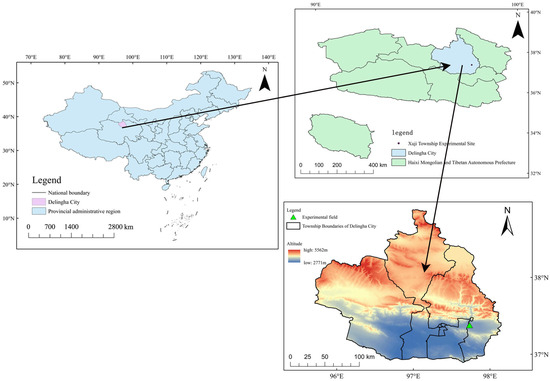
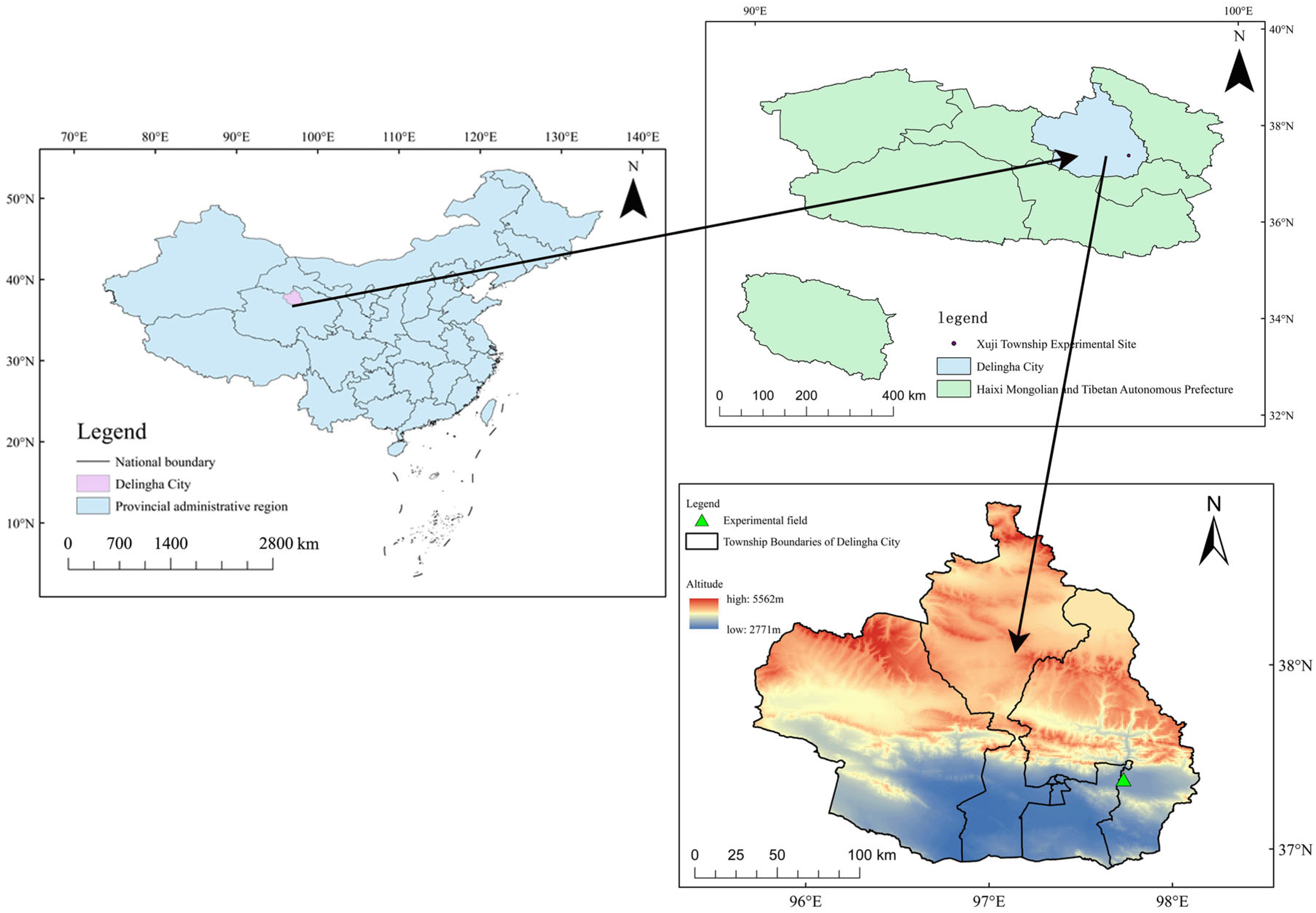
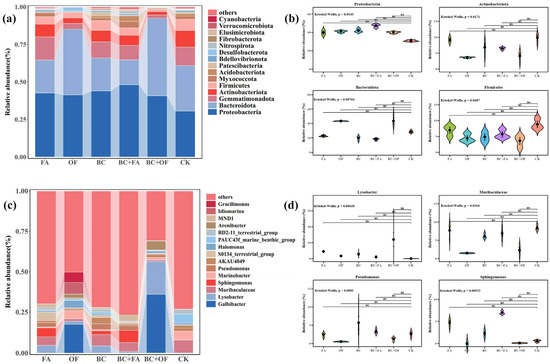
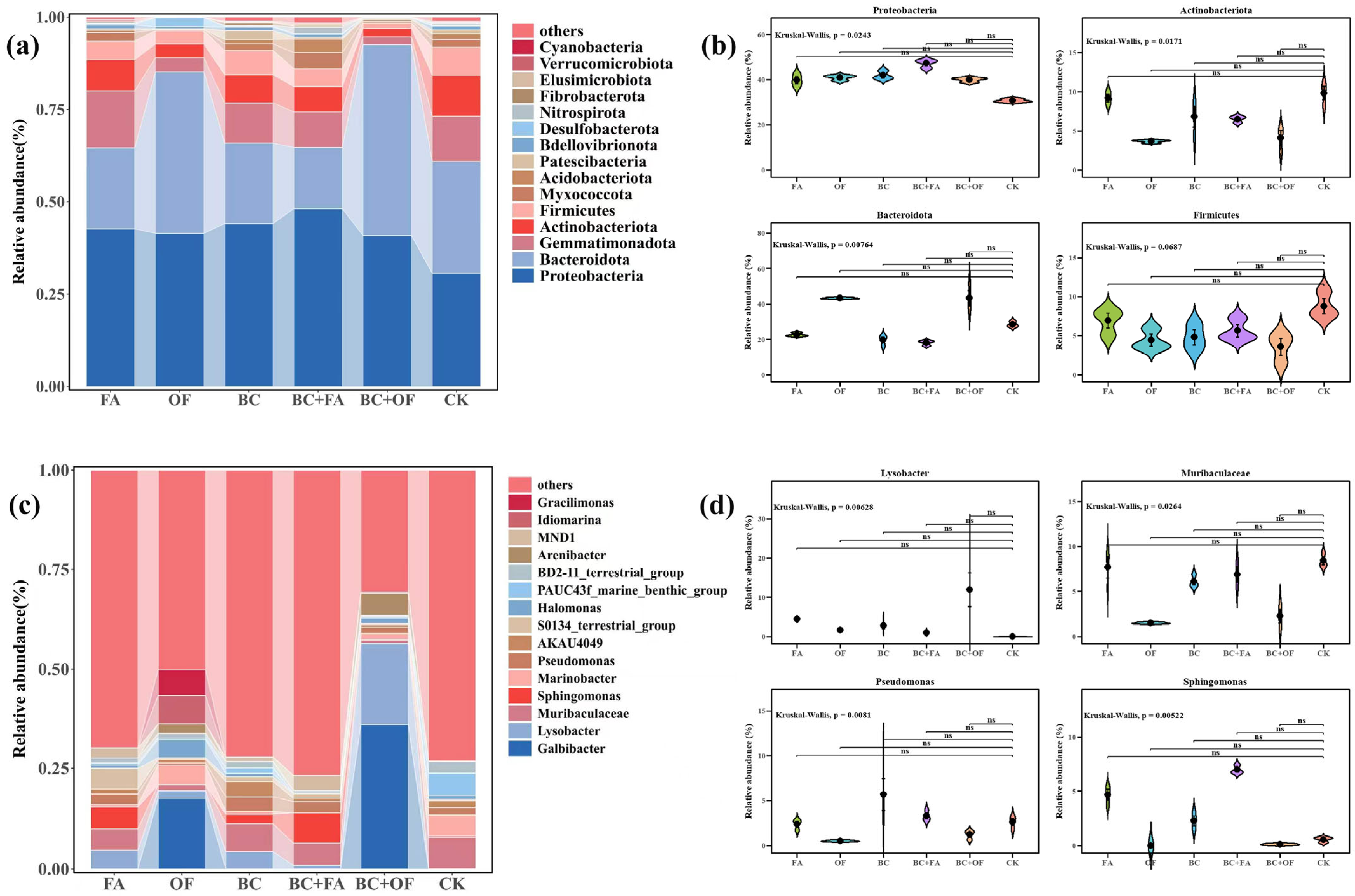
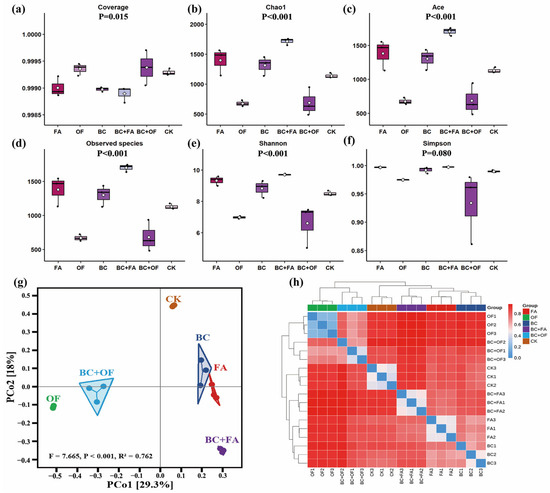
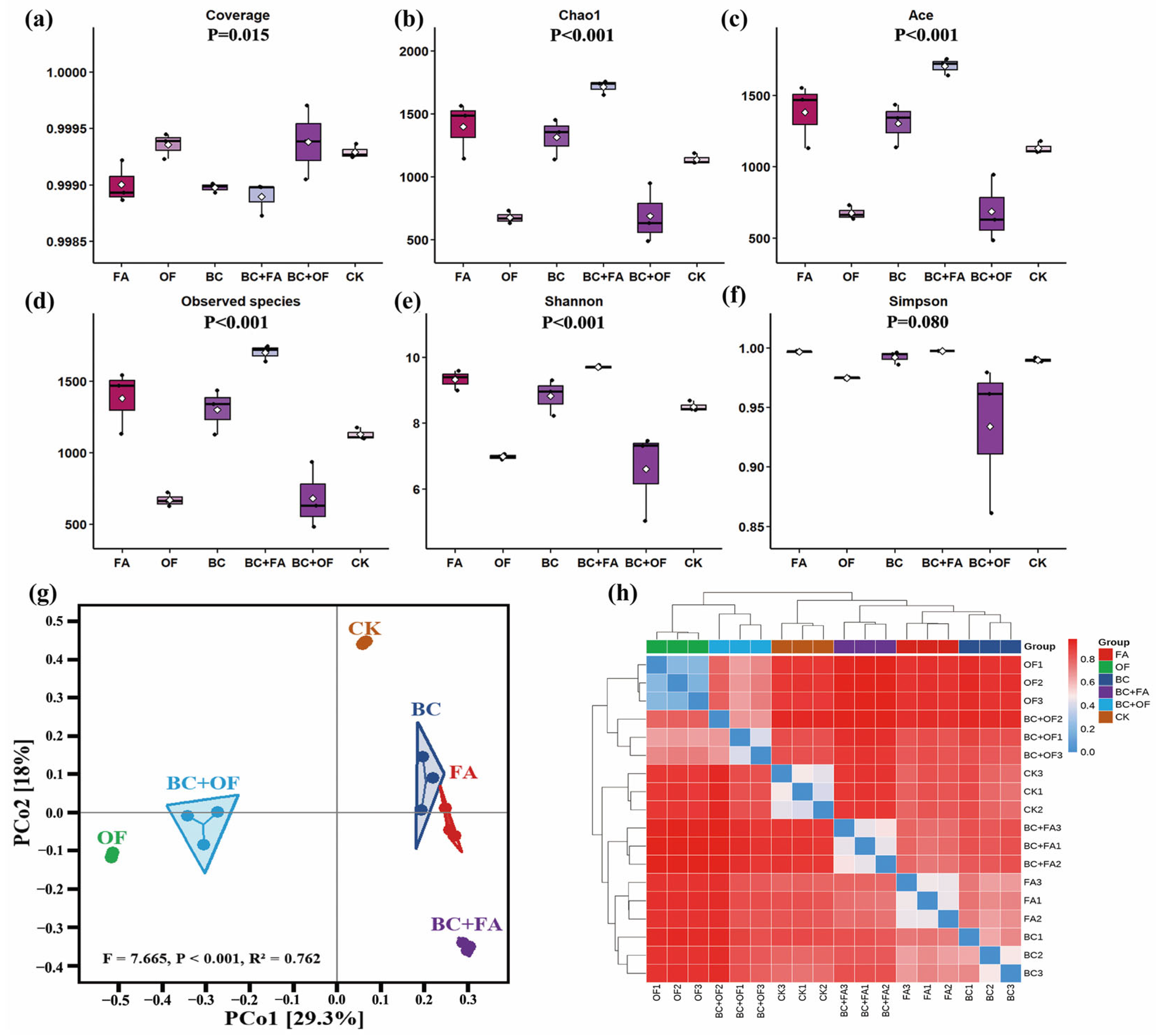
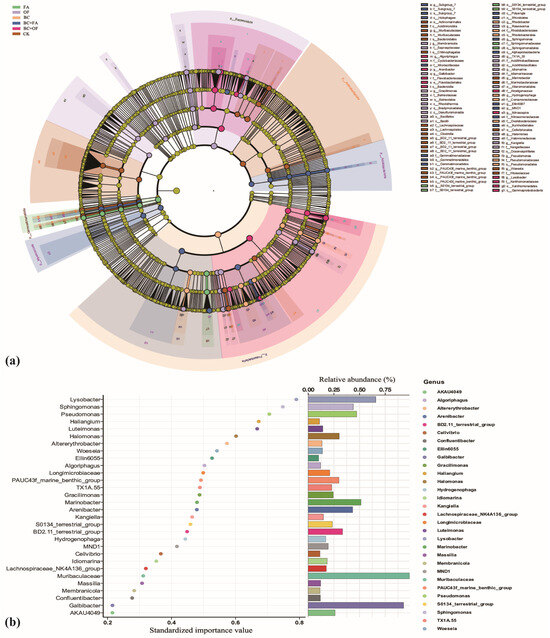
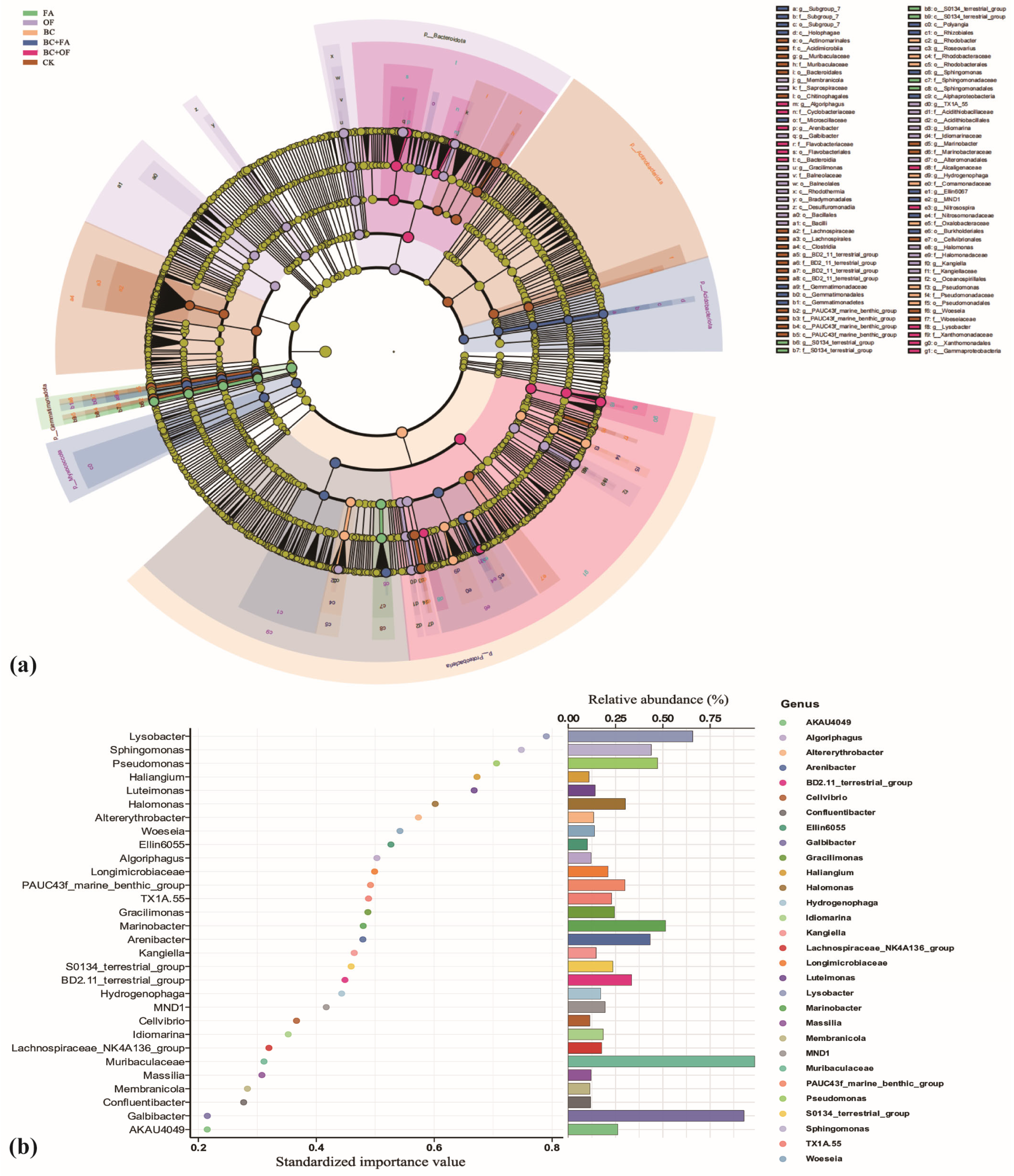
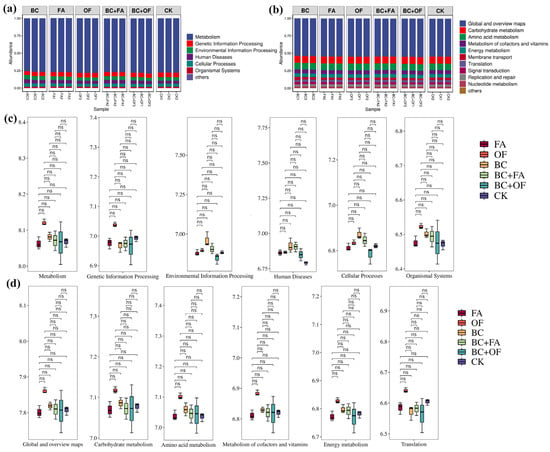
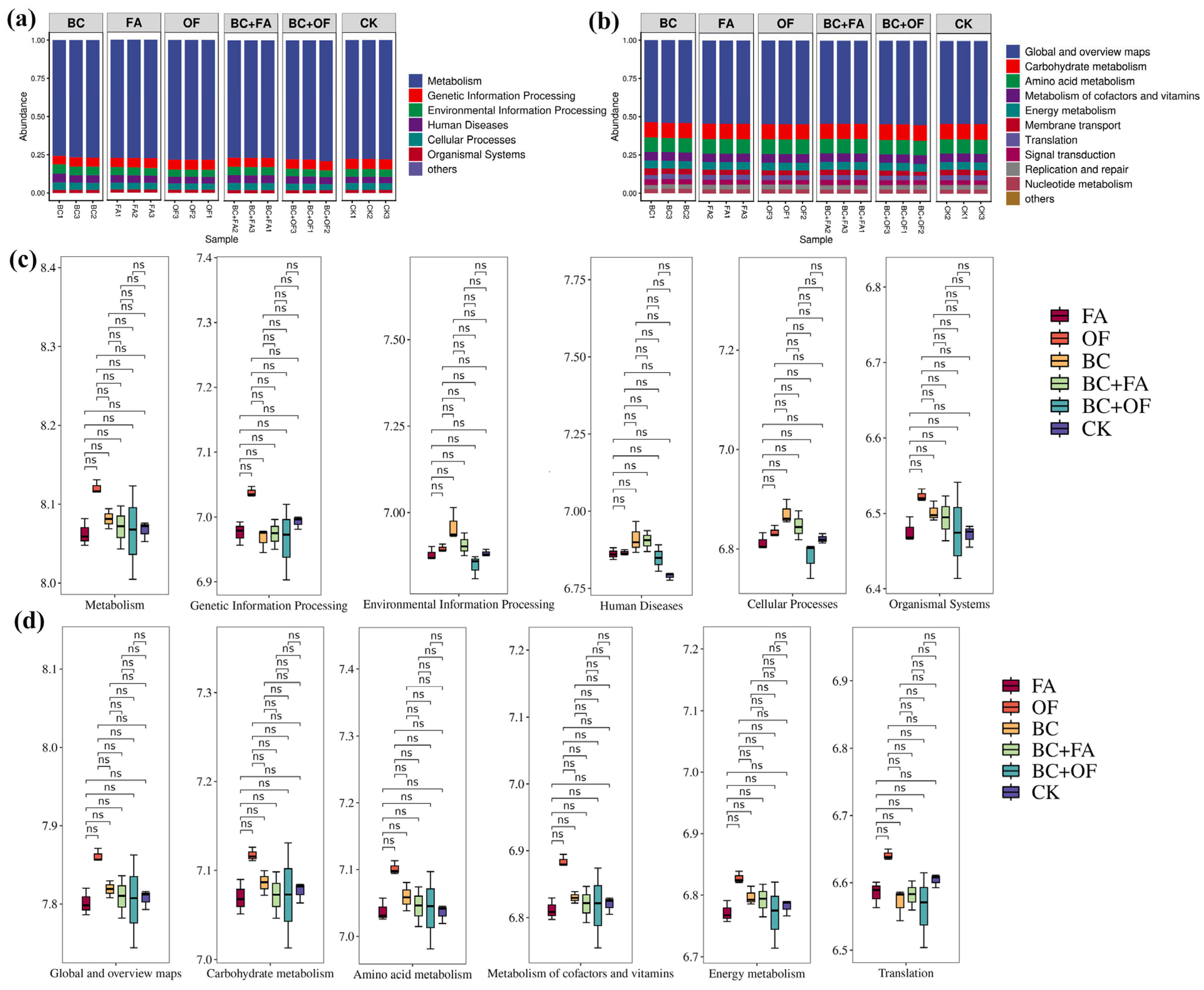
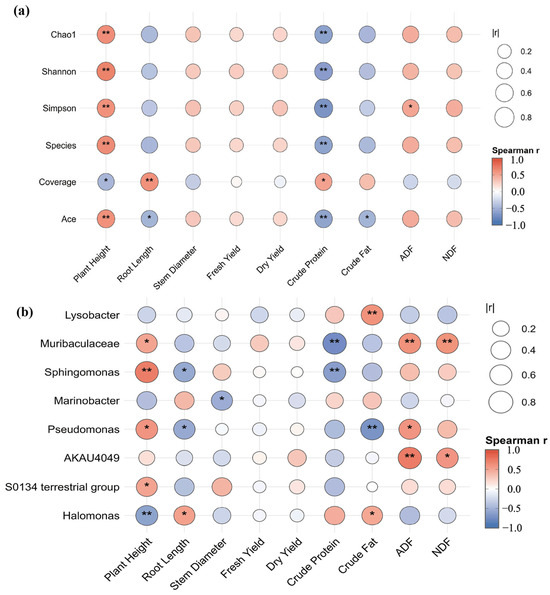
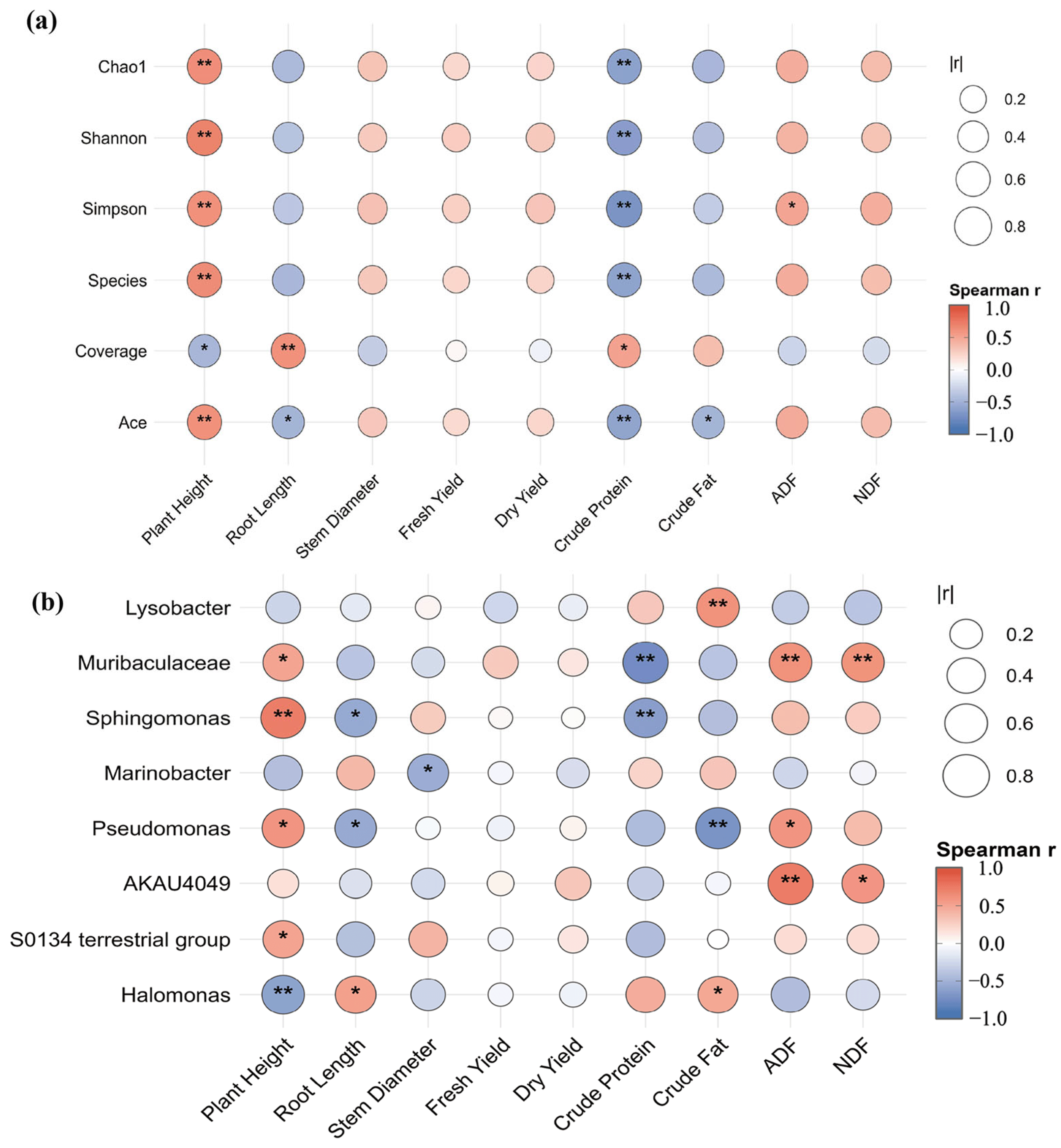
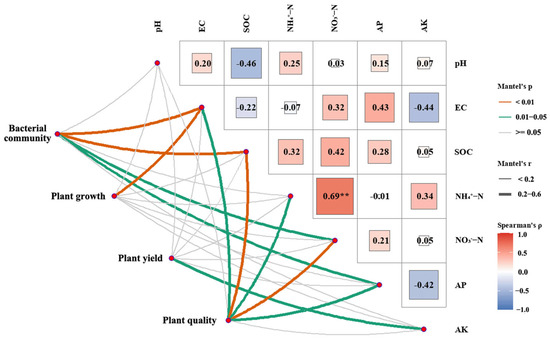
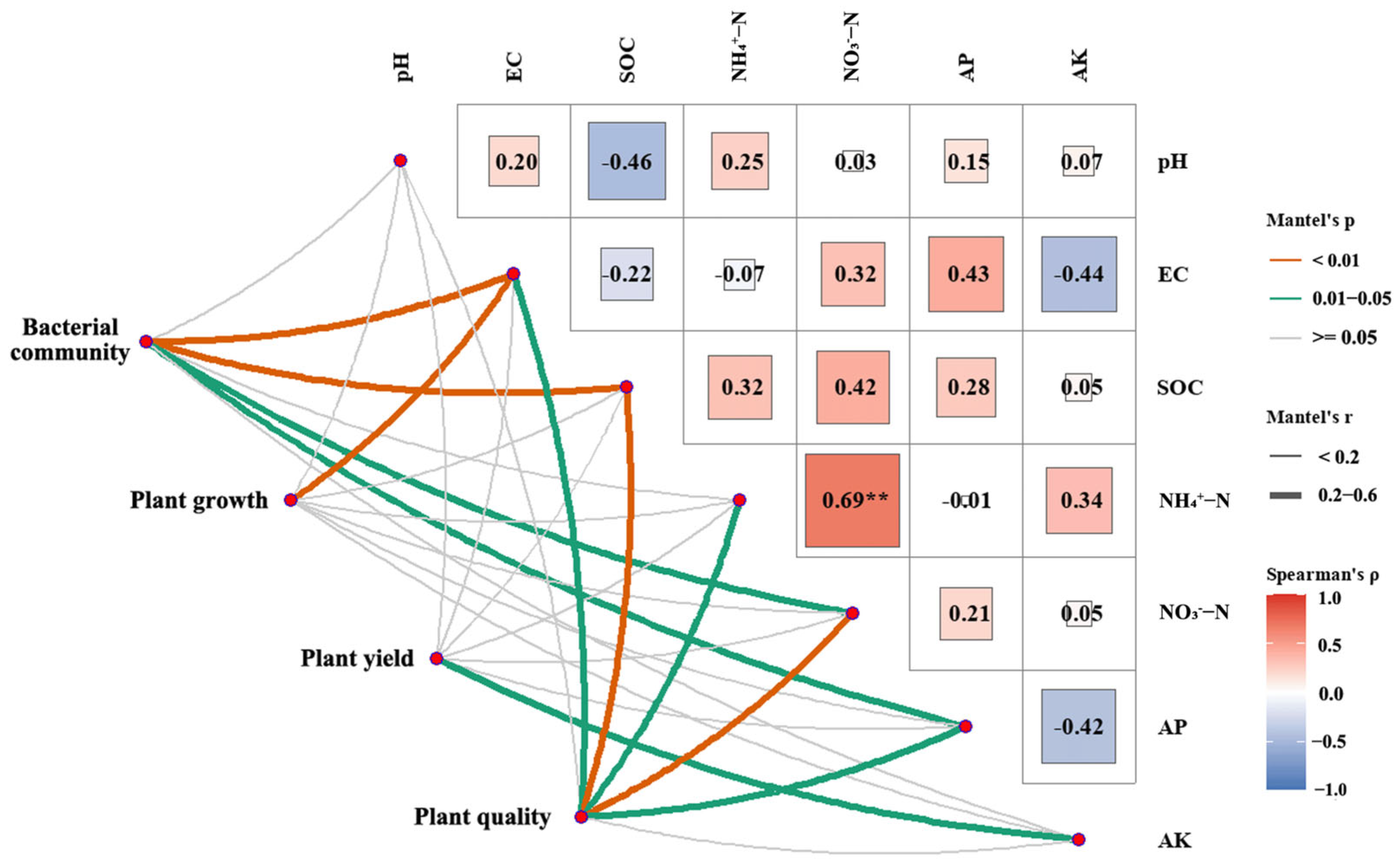

Disclaimer/Publisher’s Note: The statements, opinions and data contained in all publications are solely those of the individual author(s) and contributor(s) and not of MDPI and/or the editor(s). MDPI and/or the editor(s) disclaim responsibility for any injury to people or property resulting from any ideas, methods, instructions or products referred to in the content. |
© 2026 by the authors. Licensee MDPI, Basel, Switzerland. This article is an open access article distributed under the terms and conditions of the Creative Commons Attribution (CC BY) license.