


Abstract
Global rural population mobility and structural transition are profoundly reshaping agricultural land use patterns. Amid large-scale rural population out-migration in China, the regulatory mechanisms of traditional acquaintance-based social capital on farmers’ cultivated land use behavior are being reconstituted. Using survey data from 1086 farmers in the Huang-Huai-Hai Plain, this study employs structural equation modeling and multi-group analysis to examine how social capital (social trust, social networks, and social norms) influences farmers’ green cultivated land use transition under population mobility. The results show that all three dimensions significantly promote green transition behavior, with social norms exhibiting the strongest direct effect (β = 0.267), followed by social networks (β = 0.182) and social trust (β = 0.154). Mediation analyses indicate that social networks operate primarily through information acquisition, whereas social trust and social norms function mainly through technology cognition. Multi-group analyses reveal that short-term out-migration significantly strengthens the information transmission function of social networks, while long-term out-migration weakens the binding force of social norms. These findings provide a theoretical basis for understanding the relationship between population mobility and rural land governance, and they offer empirical evidence for formulating differentiated agricultural environmental policies adapted to the characteristics of population mobility.
1. Introduction
Globally, rural population mobility and structural transformation are profoundly reshaping agricultural land use patterns [1]. From Latin America to South Asia and from sub-Saharan Africa to East Asia, large-scale population mobility has become one of the most conspicuous forces affecting rural human–land relationships [2]. Understanding how population mobility differentially affects agricultural land use has become a frontier issue in global land science and sustainable agricultural development research. Existing research has demonstrated that the impact of rural–urban migration on agricultural land use is highly complex: On the one hand, labor outflows may lead to farmland abandonment and agricultural extensification; on the other hand, remittances and external information brought by migration may also promote the adoption of agricultural technologies and the transformation of production methods [3]. As the world’s largest developing country, China’s rural population mobility offers unique research value. Since the reform and opening up, hundreds of millions of rural laborers have shifted from the agricultural sector to non-agricultural sectors and from rural to urban areas, a process that has profoundly reshaped rural demographic structures, social relations, and resource allocation patterns [4]. According to data from the National Bureau of Statistics, the total number of migrant workers in China reached 301 million in 2025, among which 121 million were local migrant workers and 180 million were out-migrant workers, with the latter accounting for nearly 60 percent of the total. Large-scale population outflows have led to a continuous decline in the rural permanent population, making village hollowing, population aging, and farmer part-time employment common phenomena [5]. This trend has not only altered the accumulation of social capital and the human–land relationship in rural areas but has also exerted a profound impact on the way cultivated land is used. The traditional cultivated land use characterized by intensive family farming is constrained by labor shortages; farmers tend to reduce labor input and increase the use of chemical inputs to maintain output, which, to some extent, exacerbates ecological and environmental problems, such as agricultural non-point source pollution and soil degradation [6]. Therefore, against the macrobackground of population mobility and structural transition, promoting the transformation of cultivated land use from an extensive, high-input, high-output model to an environmentally friendly, resource-conserving green model is not only an urgent necessity for addressing ecological and environmental pressures but also an inevitable choice for adapting to the transition in rural population structure and achieving sustainable agricultural development. However, the green transition faces many obstacles in practice. Despite the continuous introduction of policy measures such as green production technology promotion, agricultural subsidy adjustments, and environmental protection regulations, the adoption rate of green transition behaviors in cultivated land use among farmers remains low, and policy intervention effects exhibit significant individual and regional variations. In particular, in areas with high population outflows, the left-behind farmers are predominantly middle-aged and elderly, with relatively limited information acquisition capacity, willingness to adopt new technologies, and risk-bearing ability. This phenomenon suggests that relying solely on external policy incentives and constraints cannot fully explain the complexity of farmers’ behavioral changes; it is necessary to delve into the social structures and social relationship networks in which farmers are embedded to explore the deeper factors influencing their behavioral decisions.
Social capital, as a collection of resources embedded in social relationship networks, plays an irreplaceable role in farmers’ behavioral decision-making [7]. Rural Chinese society is characterized by typical acquaintance society features. Farmers’ production and operation decisions are influenced not only by explicit factors such as market prices and policy guidance but also profoundly by implicit social mechanisms such as neighborhood interaction, community trust, and village rules [8]. In the complex decision-making process of green transition in cultivated land use, which involves both economic rationality and environmental ethics, farmers’ judgments of new technology risks, their perceptions of long-term ecological benefits, and their adherence to community rules are all closely related to their social capital endowments. However, large-scale population mobility is profoundly reshaping this traditional social capital structure. The massive outflow of young and middle-aged labor has reduced the frequency of social interactions within communities, leading to the loosening of dense networks traditionally tied by blood and geography and consequently weakening the binding force of community norms. At the same time, population mobility has created new forms of social connection: Remote communication between migrant workers and left-behind family members, external information and ideas brought back by returning migrants, and economic and cultural links between villages and the outside world constitute new forms and functions of social capital in the context of mobility. In this context, the mechanisms through which social capital affects farmers’ green transition behavior in cultivated land use may undergo important changes. The effects of certain dimensions of social capital may be weakened by population outflows, while other dimensions may play compensatory roles through new channels; it is even possible that the restructuring of social capital due to population mobility could alter farmers’ behavioral decision-making patterns. Therefore, incorporating population mobility as an important contextual factor into the analytical framework of social capital and farmers’ green transition behavior is of great theoretical value and practical significance for understanding the micro-mechanisms of the transition and designing policy interventions that adapt to transitioning population structures. This study aims to investigate how social capital—deconstructed into social trust, social networks, and social norms—influences farmers’ green transition behavior with respect to cultivated land use under population mobility and to examine how different migration characteristics moderate these relationships.
In recent years, scholars have conducted extensive research on social capital, population mobility, and the green transition of cultivated land use.
Social Capital and Farmers’ Green Transition Behavior in Cultivated Land Use: Farmers’ green transition behavior in cultivated land use encompasses production practices aimed at reducing negative ecological externalities and improving resource efficiency and ecosystem services [9]. Scholars generally categorize this behavior into green technology adoption (soil testing, green pest control, and water-saving irrigation), agricultural waste utilization (straw returning and film recycling), conservation tillage, and input reduction [10,11,12,13,14]. These behaviors feature technological complexity, lagged benefits, and positive externalities, creating uncertainty that makes farmers’ decisions heavily dependent on social interaction and information sharing [15]. Measurement approaches include binary indicators for specific technologies and comprehensive indices covering multiple behaviors [16,17,18,19]. Existing studies have noted the influence of social capital on farmers’ green transition behavior in cultivated land use and have conducted useful explorations from the dimensions of social trust, social network, and social norms. In terms of risk sharing, social trust and reciprocity norms constitute an implicit insurance mechanism for farmers to cope with technology adoption risks. When farmers believe that other members will also adopt similar behaviors, their perception of uncertainty is significantly reduced [20]. In terms of information transmission, social networks are regarded as important channels for farmers to obtain information on green production technologies. Experience sharing among relatives, friends, and neighbors can reduce the cost of searching for technological information and alleviate information asymmetry [21,22]. In terms of collective action, social norms have a constraining and guiding effect on farmers’ cultivated land use behavior. The community-level environmental consensus can be internalized into individual behavioral norms, prompting farmers to consciously adopt environmentally friendly production methods [23]. However, existing research also presents disagreements and shortcomings. Some studies have found that the influence of social capital has non-linear characteristics, and an overly dense social network may lead to information homogeneity lock-in, which in turn hinders the diffusion of new technologies [24]. Other studies point out that different dimensions of social capital have different directions and intensities of influence on farmers’ behavior [25], but most studies have failed to incorporate all three dimensions simultaneously for comparative analyses. More importantly, existing research implicitly assumes that rural social structures are relatively stable and fails to fully consider the profound impact of population mobility, a structural change, on the stock and functioning of social capital.
The relationship between population mobility and farmers’ cultivated land use behavior is an important topic in agricultural economics and rural sociology. Existing research mainly examines the impact of changes in labor factors on the intensity of cultivated land use, cropping structure, land transfer, and agricultural inputs [26]. From the perspective of labor constraints, the outflow of young and middle-aged rural labor leads to a decrease in both the quantity and quality of the agricultural labor force, leaving behind mainly middle-aged and elderly workers. This prompts farmers to make adaptive adjustments in cultivated land use. Studies have found that labor outflow significantly reduces farmers’ adoption of intensive farming technologies, increases the risk of cultivated land abandonment, and encourages farmers to shift to extensive management models requiring less labor input [27]. From the perspective of income effects, the increase in non-agricultural income brought by migrant work alleviates farmers’ liquidity constraints, enabling them to purchase modern inputs, such as chemical fertilizers and pesticides, to substitute for labor. However, this substitution effect may exacerbate agricultural non-point source pollution [28]. From the perspective of land transfer, population mobility promotes the development of the rural land management rights transfer market. Out-migrant farmers are more inclined to transfer their land to other farmers or operators, and land transfer further influences the production decisions and green technology adoption behavior of the transferees [29]. Nevertheless, most existing studies treat population mobility as an exogenous labor transfer variable and pay insufficient attention to the intrinsic mechanisms through which it reshapes rural social structures and thereby affects farmers’ behavior. Population mobility not only changes labor allocation but also profoundly alters rural social interaction patterns, information transmission channels, and collective action capabilities. These changes, precisely through the transformation of social capital, have an indirect but profound impact on farmers’ cultivated land use behavior.
Through a systematic review of the relevant literature, we find that existing studies have noted the influence of social capital on farmers’ green transition behavior with respect to cultivated land use and have conducted useful explorations from the dimensions of social trust, social network, and social norms. At the same time, some studies have also focused on the relationship between population mobility and farmers’ green transition behavior. However, few studies have systematically integrated population mobility, social capital, and farmers’ green transition behavior in cultivated land use into a unified analytical framework. Therefore, this study constructs an analytical framework for farmers’ green transition behavior in cultivated land use from a multi-dimensional perspective of social capital in the context of population mobility. Using field survey data from a major grain-producing area of the Huang-Huai-Hai Plain and employing structural equation modeling, this study empirically examines the effects of social trust, social networks, and social norms on farmers’ green transition behavior with respect to cultivated land use and investigates how different population mobility characteristics moderate these relationships. This research provides a theoretical basis for understanding the intrinsic relationship between rural social structural change and farmers’ behavioral transformation during the transition period, and it offers empirical evidence for formulating agricultural green transition policies that adapt to the characteristics of population mobility. It is worth noting that rural population transition encompasses multiple dimensions, including aging, feminization, and part-time farming. However, rural labor out-migration serves as the core driving force behind these changes and represents the most prominent feature of contemporary rural demographic transformation in China. Given its direct and profound impact on agricultural land use decisions, this study adopts labor out-migration as the core control variable for analyzing the effects of population mobility.
2. Materials and Methods
2.1. Theoretical Framework and Research Hypotheses
2.1.1. Theoretical Framework
The French sociologist Pierre Bourdieu was the first to conduct a systematic theoretical analysis of social capital in the 1980s, defining it as the aggregate of actual or potential resources embedded in durable network relationships [30]. The American sociologist James Coleman further elaborated the concept from a social structural perspective, emphasizing that social capital is a resource embedded in social structures that facilitates the achievement of specific goals by actors [31]. The political scientist Robert Putnam extended the concept to the domains of collective action and institutional performance, characterizing it as the features of social organization, including trust, norms, and networks, that improve societal efficiency by facilitating coordinated action [32]. Regarding the dimensional structure of social capital, scholars have proposed various classifications from different perspectives, including the two-dimensional framework of cognitive and structural types; the three-dimensional framework comprising networks, trust, and norms; and the four-dimensional framework incorporating trust, networks, norms, and participation [33,34]. Farmers’ behavioral decision-making theory points out that farmers are not isolated economic actors but are embedded in specific social structures as decision-making subjects, and their decision-making logic is simultaneously constrained by both economic rationality and social rationality [35,36]. Among these, social capital is considered a resource that farmers can mobilize from their social networks, exerting significant influence on information acquisition, risk sharing, and collective action. Lugo-Morin et al., in their research on Latin American rural contexts, demonstrated that social capital plays an important mediating role between peasant economic rationality and market integration, with social networks not only affecting information acquisition but also shaping farmers’ perceptions of and responses to economic opportunities [37]. This offers a valuable comparative reference for understanding the functional mechanisms of social capital in the context of population mobility in China.
Based on the above theoretical foundations and considering the actual characteristics of rural Chinese society, this study adopts a three-dimensional social capital framework comprising social trust, social networks, and social norms to construct an analytical framework for the influence of social capital on farmers’ green transition behavior in cultivated land use under population mobility. Social trust refers to farmers’ confidence in other community members, organizations, and institutions. Social networks refer to the social connections that farmers establish with the outside world and the resources embedded within them. Social norms refer to the informal rules and behavioral guidelines commonly observed within a community.
In the context of large-scale population mobility in China, the prevailing social structure of rural areas is being profoundly restructured. Labor out-migration has resulted in a decline in the frequency of community interactions, the loosening of traditional social networks, and the weakening of the binding force of community norms while simultaneously giving rise to new forms of social capital, such as remote information transmission and the influx of external ideas. Under these circumstances, the three dimensions of social capital not only directly affect farmers’ green transition behavior but also indirectly influence it through mediating variables, such as information acquisition, risk perception, and technology cognition. Moreover, these pathways may manifest differentiated patterns depending on the characteristics of population mobility. Accordingly, this study proposes research hypotheses in the following subsections (Figure 1).
Figure 1.
The path relationship between social capital, population mobility, mediating variables, and transformation behavior; Arrows denote direct effects (H1, H2, H3), mediation pathways (H4), and moderating effects (H5).
2.1.2. Research Hypotheses
Social Trust and Farmers’ Green Transition Behavior in Cultivated Land Use: Social trust is the basis of farmers’ expectations about others’ behavior. In the decision-making process of green transition behavior in cultivated land use, trust can reduce farmers’ risk concerns about adopting new technologies. When farmers have a high degree of trust in neighbors, agricultural extension personnel, and village organizations, they are more inclined to believe that the information provided by others is authentic and that the cooperation promised by others is credible, thereby reducing their subjective perception of uncertainty about green technologies and increasing their willingness to adopt green transition behaviors. In the context of population mobility, the large-scale outflow of young and middle-aged labor has led to a decrease in the permanent population of villages, and traditional trust relationships based on long-term stable face-to-face interaction have been weakened to some extent. The reduced frequency of interaction among left-behind farmers may affect the accumulation and transmission of trust. However, continuous contact between migrant workers and their hometowns, the return of migrants, and the still-existing blood and geographical ties within villages mean that the foundation of social trust has not completely collapsed. In regions where population mobility is common, social trust remains an important resource for maintaining community cooperation and facilitating information sharing. Therefore, although population mobility has affected the environment in which social trust is generated, the positive promoting effect of social trust on farmers’ green transition behavior still exists. Thus, research hypothesis H1 is proposed: social trust has a significant positive effect on farmers’ green transition behavior in cultivated land use.
Social Network and Farmers’ Green Transition Behavior in Cultivated Land Use: Social network is an important channel for farmers to obtain information, resources, and support. In the process of green transition, farmers need to understand the operation methods, input costs, and expected benefits of new technologies, and such information is often difficult to obtain fully through formal channels. The information transmission and experience sharing embedded in social networks can help farmers reduce information search costs and improve their cognition of green technologies. In the context of population mobility, the traditional village-based network centered on blood and geography and characterized by high-frequency face-to-face interaction has become sparse to a certain extent due to the outmigration of members, and daily communication among left-behind farmers has decreased, which may weaken the information transmission efficiency of the network. At the same time, however, population mobility has also given rise to new forms of social networks: Remote communication between migrant workers and left-behind family members, heterogeneous information and external market concepts brought back by returning migrants, and economic and cultural links between villages and the outside world constitute an expanded social network. Therefore, in rural areas where population mobility is widespread, the function of social networks is sustained or even strengthened through the dual role of traditional and new networks. Thus, research hypothesis H2 is proposed: social networks have a significant positive effect on farmers’ green transition behavior in cultivated land use.
Social Norms and Farmers’ Green Transition Behavior in Cultivated Land Use: Social norms are the behavioral rules commonly observed by community members and have the function of constraining and guiding individual behavior. In traditional rural communities, informal institutions such as village rules and public opinion evaluation play an even stronger regulatory role with respect to farmers’ behavior than formal institutions. When green production and environmental protection become the mainstream norms of the community, behaviors that violate the norms will face public pressure and social exclusion, prompting farmers to consciously adopt behaviors that conform to norms. In the context of population mobility, the permanent population of villages is predominantly middle-aged and elderly, the frequency of daily interaction and monitoring has declined, and the informal enforcement mechanism of traditional norms has been weakened. Reduced mutual monitoring among left-behind farmers may lower the binding force of norms on deviant behavior. Nevertheless, codified norms such as village rules still exist, and the long-established behavioral routines among left-behind farmers continue. Meanwhile, migrant workers bring back urban environmental awareness and green consumption concepts, which may promote the renewal and upgrading of community norms, giving green production norms new connotations and stronger moral persuasion. Although population mobility has impacted the norm enforcement mechanism, social norms, as the long-accumulated behavioral guidelines of the community, still play a fundamental role in guiding and constraining farmers’ behavior. Thus, research hypothesis H3 is proposed: social norms have a significant positive effect on farmers’ green transition behavior in cultivated land use.
Mediation Hypotheses: Each dimension of social capital not only directly affects farmers’ green transition behavior in cultivated land use but may also indirectly influence it through mediating variables such as farmers’ information acquisition capacity, technology cognition level, and risk perception. Social networks provide channels for information flow, social trust enhances the credibility of information, and social norms shape the criteria for information screening. These mechanisms jointly affect farmers’ cognitive evaluation of green technologies, thereby influencing behavioral decisions. In the context of population mobility, information transmission between migrant workers and left-behind farmers becomes an important supplementary channel for information acquisition, and external information brought back by migrants may change left-behind farmers’ cognition and risk judgment regarding green technologies. At the same time, although the frequency of communication among left-behind farmers has decreased, the content of their communication may become more focused on farming experience, and the information quality remains relatively high. Therefore, the mediating mechanism of information acquisition, technology cognition, and risk perception between social capital and green transition behavior still holds in the population mobility environment, and it may present new characteristics. Thus, research hypothesis H4 is proposed: information acquisition, technology cognition, and risk perception play mediating roles in the influence of social capital on farmers’ green transition behavior in cultivated land use.
Heterogeneity Hypothesis: The effects of social capital may vary with respect to differences in farmer characteristics and external environment. There are significant differences between households with migrant workers and those without migrant workers in terms of information channels, frequency of social interaction, risk-bearing capacity, and willingness to accept new technologies. Migrant workers, through remote communication or the heterogeneous information and external market concepts they bring back when returning home, may change the composition and mode of action of farmers’ social capital, resulting in different pathways of social capital influence for the two types of households. Farmers of different operational scales also differ significantly in information channels, risk-bearing capacity, and patterns of social interaction. Population mobility, by changing the scale of household social networks and the capacity to access external information, has a differentiated impact on the social capital structure of farmers with different operational scales; thus, the pathways of social capital influence may differ between large-scale operators and smallholders. In regions with different levels of marketization, accompanied by differences in the intensity of population mobility, the intensity of traditional social capital may also vary. In areas with a higher degree of marketization and closer proximity to county towns, two-way population mobility is more frequent, information channels are more diverse, and formal institutions and market mechanisms are relatively well-developed, which may partially substitute for the functions of social capital. In contrast, in areas with lower marketization and relative remoteness, the scale of population outflow is larger, but external connections are weaker, the characteristics of traditional acquaintance society are more pronounced, and the binding force of social norms and the information transmission function of social networks still dominate. Thus, research hypothesis H5 is proposed: the influence of social capital on farmers’ green transition behavior of cultivated land use exhibits heterogeneity with respect to population mobility, as well as interactive heterogeneity between farm operation scale and population mobility, and between regional marketization degree and population mobility.
2.2. Variable Measurement
For the independent variables, the measurement of each dimension of social capital was based on a five-point Likert scale, with responses ranging from strongly disagree to strongly agree assigned values from 1 to 5, respectively. Social trust was measured via three items: the degree of trust in fellow villagers, the degree of trust in village cadres, and the degree of trust in agricultural extension personnel. Social networks were measured from three dimensions—network size, network interaction, and network heterogeneity—with specific items including the number of relatives and friends with whom the farmer frequently communicates, the frequency of exchanging production experience with other villagers, and the diversity of information sources accessed. Social norms were measured with a focus on the strength and internalization of community-level environmental norms, with items covering whether fellow villagers generally believe that the cultivated land environment should be protected, whether village rules and regulations have clear provisions on environmental protection, and whether violation of environmental protection would result in negative evaluations from fellow villagers.
For the dependent variables, farmers’ green transition behavior with respect to cultivated land use was measured by referring to existing studies [9,10,11,12,13,14], selecting five binary adoption behaviors: soil testing and formulated fertilization, green pest and disease control, straw returning, water-saving irrigation technology, and organic fertilizer application.
For the mediating variables, a five-point Likert scale was employed, with responses ranging from strongly disagree to strongly agree assigned values from 1 to 5, respectively. Information acquisition was measured by the number of channels through which farmers obtain information on green production technologies and the adequacy of that information. Technology cognition included farmers’ cognition of the ecological benefits, economic benefits, and operational convenience of green technologies. Risk perception measured farmers’ concerns about the risks of adopting green technologies, including technical risk, market risk, and yield risk.
Control variables were measured according to farmers’ actual circumstances, including individual characteristics (age, gender, education level, and migration status), household characteristics (cultivated land area and share of agricultural income), and external environment characteristics (access to government subsidies and village geographical location).
2.3. Data Source and Sampling Procedure
The data used in this paper come from a farmer household survey conducted by the research team from July to October 2025 in a major grain-producing area of the Huang-Huai-Hai Plain (The questionnaire and variable coding scheme are available in the Supplementary Materials). The Huang-Huai-Hai Plain is an important grain production base in China and a key area for agricultural non-point source pollution control. At the same time, rural population mobility is common in this region, with a high proportion of young and middle-aged labor migrating out for work and notable village hollowing and population aging. The sample was drawn from this regional context and is intended to reflect the actual patterns of farmers’ green transition behavior in cultivated land use in the Huang-Huai-Hai Plain, providing empirical evidence for understanding the mechanisms of social capital under population mobility in this specific region. The findings are primarily applicable to this particular area and require further validation before being generalized to other agricultural regions.
A stratified random sampling method was adopted. First, three counties were selected from each of the provinces of Shandong, Henan, and Hebei. From each county, four townships were selected, and from each township, three administrative villages were selected. From each administrative village, 20–30 farmer households were randomly selected for one-on-one household interviews. All participants provided informed consent prior to the interview and were assured of the confidentiality of their responses. In total, approximately 20 to 30 households were surveyed per village, with the actual number varying slightly depending on village size and local conditions. A total of 1200 questionnaires were distributed, and 1086 valid questionnaires were returned, yielding an effective response rate of 90.5%. For households that declined to participate or could not be reached, they were replaced by other households with similar characteristics (e.g., landholding size and demographic composition) within the same village, with a maximum of two replacement attempts. For questionnaires with missing data, multiple imputation using chained equations was applied with 20 imputed datasets, a method that accounts for the uncertainty in imputation and yields more reliable standard errors than single imputation or listwise deletion.
The household survey was administered to the primary decision-maker in agricultural production, defined as the household member who has the most comprehensive knowledge of and makes the key decisions regarding cultivated land management. In 89.6% of the surveyed households, this individual was either the household head or the spouse. Migration status was defined at the household level: A household was classified as having a migrant worker if at least one member had worked outside the village for more than one month during the past year. The duration of migration was measured as the cumulative months away from the village within the past 12 months for the household member with the longest migration duration among migrant households.
Given that most variables were collected from the same respondents at a single time point, common-source bias cannot be ruled out. Following Podsakoff et al., we performed Harman’s single-factor test, which indicated that no single factor accounted for the majority of the variance, suggesting that common-method bias is unlikely to be a serious threat to our conclusions.
2.4. Analytical Methods
To test the theoretical hypotheses proposed in this study, the data analysis proceeded in the following sequential steps.
First, reliability and validity tests were conducted. Internal consistency reliability was assessed using Cronbach’s α coefficients and composite reliability. For validity, confirmatory factor analyses were employed to examine the structural validity, convergent validity, and discriminant validity of the measurement scales. Since the five indicators of green transition behavior are binary variables, the WLSMV (weighted least squares mean and variance adjusted) estimator, which is appropriate for categorical variables, was used for parameter estimation in the confirmatory factor analysis.
Second, descriptive statistical analyses were performed. Means, standard deviations, minimums, and maximums of all variables were calculated, and the distributional characteristics of the core variables were reported to provide an overview of the data prior to inferential analyses.
Third, structural equation modeling path analyses were conducted. Structural equation modeling was employed to examine the direct effects of social trust, social networks, and social norms on farmers’ green transition behavior in cultivated land use, in addition to the mediating effects of information acquisition, technology cognition, and risk perception. In the structural equation modeling stage, rather than directly incorporating the five binary variables of green transition behavior into the model, this study adopts the composite index of green transition behavior as the dependent variable to more comprehensively reflect the overall farmers’ green transition behavior level. The construction of this composite index involves two steps. First, the five binary adoption behaviors are used as observed indicators to extract factor scores through confirmatory factor analysis (WLSMV estimator). Second, the factor scores are transformed to a 0–1 range using the min–max normalization method to facilitate result interpretation and cross-sample comparisons. Following this procedure, a higher index value indicates a higher overall level of farmers’ green transition behavior with respect to cultivated land use.
Fourth, mediation effect tests were performed. The bias-corrected percentile bootstrap method was employed to test the significance of mediation effects, with 2000 resampling iterations to calculate point estimates and 95% confidence intervals for each indirect effect.
Fifth, multi-group analysis was conducted. To examine the heterogeneity of population mobility characteristics, the interaction between farm operation scale and population mobility, and the interaction between regional marketization degree and population mobility, multi-group structural equation modeling was employed for comparative analysis. Prior to group comparisons, the χ2 difference between the constrained model (all paths constrained equal across groups) and the unconstrained model (paths freely estimated) was tested. For paths with significant cross-group differences, pairwise group comparisons were further conducted to identify the specific sources of differences.
Sixth, robustness checks were performed from multiple angles to ensure the reliability of the findings: (1) The dependent variable was re-measured using the entropy method to recalculate the composite index of green transition behavior; (2) the instrumental variable method (two-stage least squares) was employed to address potential endogeneity, with diagnostic results including the first-stage F-statistic, weak instrument tests (Cragg–Donald Wald F and Kleibergen–Paap rk Wald F), the under-identification test (Kleibergen-Paap rk LM), and the over-identification test (Sargan-Hansen J) reported; (3) the model was re-estimated after excluding outliers; (4) an ordered Probit model was employed as an alternative estimation method for cross-validation; (5) logistic regression models were estimated using each of the five individual green practices as the dependent variable to examine the robustness of the composite index construction; (6) given the nested structure of farmers within villages, cluster-robust standard errors were applied to account for potential within-village correlations, and multilevel linear modeling was employed for cross-validation, with the intra-class correlation coefficient estimated to assess the severity of clustering effects.
The above analyses were conducted using Stata 18 and Mplus 8.11 software. Robust standard errors were applied to all models, and the statistical significance level was set at p < 0.05 (two-tailed tests).
3. Results
3.1. Reliability and Validity Tests
Before conducting hypothesis testing, the reliability and validity of the measurement scales were first examined. Reliability was assessed using Cronbach’s α coefficient as the indicator of internal consistency. The results are shown in Table 1. The Cronbach’s α coefficients for social trust, social network, social norms, information acquisition, technology cognition, risk perception, and green transition behavior were 0.842, 0.813, 0.856, 0.791, 0.823, 0.804, and 0.835, respectively, all exceeding the acceptable threshold of 0.7. Among them, the social norms scale had the highest reliability, while the information acquisition scale had a relatively lower but still good level of reliability. The composite reliability values of all scales ranged from 0.792 to 0.861, all above the recommended value of 0.7. These results indicate that the measurement scales have good internal consistency reliability.
Table 1.
Reliability and validity test results.
For validity, confirmatory factor analysis was employed to test the structural validity of the scales. Since the five indicators of green transition behavior are binary variables, the WLSMV (weighted least squares mean and variance adjusted) estimator, which is appropriate for categorical variables, was employed for parameter estimation. The model fit indices were χ2/df = 2.31, CFI = 0.952, TLI = 0.944, RMSEA = 0.038, and SRMR = 0.041, all reaching excellent standards and indicating a good fit between the measurement model and the data. The standardized factor loadings of all items were above 0.65 and significant at the 0.01 level, demonstrating good convergent validity. The average variance extracted (AVE) for each latent variable ranged from 0.512 to 0.589, all above the threshold of 0.5, and the composite reliability values were all greater than 0.7, further supporting convergent validity. Discriminant validity was tested by comparing the square roots of AVEs with the correlations between latent variables, as shown in Table 2. The diagonal elements (square roots of AVEs) were all greater than the absolute values of the correlations between the respective variable and other latent variables, indicating good discriminant validity among the latent variables. Based on these results, the measurement scales have high reliability and validity, making them suitable for subsequent structural equation modeling analyses.
Table 2.
Discriminant validity test results.
3.2. Descriptive Statistical Analysis
The basic characteristics of the sample farmers are as follows (Table 3). Female respondents accounted for 68.5% of the sample, highlighting the feminization of the agricultural workforce. The average age of respondents was 54.7 years, indicating a substantial aging problem among agricultural practitioners. The proportion of farmers with an education level of junior high school or below (years of schooling ≤ 9) was 76.8%, suggesting a generally low level of education. Farmers with migrant workers in their household accounted for 72.7% of the sample, indicating that the majority of households exhibit population mobility. The average cultivated land area per household is 0.573 hectares, indicating a generally small farm operation scale. The average share of agricultural income in total household income was 42.3%, indicating widespread part-time farming. The proportion of farmers who had received government subsidies for green production in the past three years was 46.2%, suggesting that policy coverage needs to be further expanded. The average distance from the village to the county town was 12.6 km, with a standard deviation of 8.4 km, a minimum of 1 km, and a maximum of 45 km.
Table 3.
Basic characteristics of the sample.
The descriptive statistics of farmers’ green transition behavior in cultivated land use and its dimensions are presented in Table 4. The mean value of the comprehensive green transition behavior index was 0.542, with a standard deviation of 0.187, indicating a medium level and suggesting considerable room for improvement, as well as notable differences among farmers. Among the specific behaviors, straw returning had the highest adoption rate at 78.6%, mainly due to the continuous implementation of straw burning bans and the mature promotion of straw-returning technology. The adoption rates were 43.2% for soil testing and formulated fertilization, 37.5% for green pest and disease control, and 35.6% for organic fertilizer application, and the lowest was water-saving irrigation technology at 28.9%. This ordering reflects differences in the difficulty of promoting various green technologies and farmers’ willingness to adopt them. Straw returning has become a routine practice for farmers, whereas water-saving irrigation technology suffers from high infrastructure investment costs and relatively complex operation, leading to a persistently low adoption rate.
Table 4.
Descriptive statistics of main variables.
The measurement results for the dimensions of social capital show that social norms had the highest mean (3.94), indicating that farmers have a high degree of recognition of community-level environmental norms and that village rules and neighborhood public opinion strongly constrain farmers’ behavior. Farmers’ social trust had a mean of 3.82 at an above-average level, with the highest trust placed in fellow villagers, followed by village cadres, while their trust in agricultural extension personnel was relatively lower. Social network had the lowest mean (3.65), reflecting that farmers’ social interaction in terms of production experience exchange and information sharing still needs improvement.
The descriptive statistics for the mediating variables show that technology cognition had the highest mean (3.71), indicating that farmers generally hold a positive evaluation of the ecological benefits, economic benefits, and operational convenience of green production technologies, although there is still considerable room for improvement. Information acquisition had a mean of 3.58 at an above-average level, suggesting that farmers’ channels for obtaining green production technology information are not yet fully adequate, and information availability and quality need improvement. Risk perception had the lowest mean (3.45) and a relatively large standard deviation (0.845), indicating substantial variation in farmers’ concerns about the risks of adopting green technologies, with some farmers having substantial concerns about technical risk, market risk, and yield risk.
3.3. Structural Equation Model Estimation Results
The structural equation model was estimated using the maximum likelihood method, and the overall model fit was good. Table 5 presents the path coefficient estimation results. The model fit indices were χ2/df = 2.18, CFI = 0.946, TLI = 0.938, RMSEA = 0.042, and SRMR = 0.039, all meeting or exceeding the recommended standards, indicating that the theoretical model fits the sample data well. All control variables were entered as covariates predicting both the dependent variable and the mediating variables in the structural model. Table 5 only reports the structural equation estimates for the core variables. Full estimation results for all control variables are provided in Appendix A.
Table 5.
Path coefficient estimates of the structural equation model.
The path coefficient estimates show that the direct effect of social trust on farmers’ green transition behavior was 0.154 (p < 0.01), supporting Hypothesis H1 (social trust has a significant positive effect on farmers’ green transition behavior in cultivated land use). This result indicates that for each one-unit increase in farmers’ trust in community members, village cadres, and agricultural extension personnel, their green transition behavior index increases by approximately 0.154 standard deviations. The mechanism of social trust lies in reducing farmers’ risk concerns about adopting green technologies when they believe that information provided by others is authentic and that others’ cooperation is reliable, thereby making them more willing to try new technologies. It is worth noting that the effect of social trust was relatively weaker than the other two dimensions, possibly because trust’s role is more indirectly realized through cognitive and risk perception pathways, with the direct effect being only part of its total effect. In villages where population mobility is common, the frequency of interactions among left-behind farmers has decreased, but the foundation of trust remains, and its promoting effect on green transition behavior has not disappeared.
The direct effect of social network on farmers’ green transition behavior was 0.182 (p < 0.001), supporting Hypothesis H2 (social networks have a significant positive effect on farmers’ green transition behavior in cultivated land use). The influence of social networks was stronger than that of social trust, reflecting that social networks play a direct and important channel role in the dissemination of green technology information. Through daily exchanges with neighbors, relatives, and friends, observation and learning, and experience sharing, farmers can obtain information about the operation methods, input–output effects, and potential risks of green technologies. The availability and accuracy of this information directly affect farmers’ technology adoption decisions. Farmers with richer social networks are exposed to more diverse information and are more likely to overcome their own knowledge and experience limitations to adopt new green production technologies. In the context of population mobility, remote communication between migrant workers and left-behind farmers, as well as the demonstration effects of returning migrants, injects new informational vitality into traditional social networks, thereby maintaining the influence of social networks.
The direct effect of social norms on farmers’ green transition behavior was 0.267 (p < 0.001), supporting Hypothesis H3 (social norms have a significant positive effect on farmers’ green transition behavior in cultivated land use) and being the strongest among the three dimensions. This finding confirms the important constraining and guiding role of informal institutions in rural Chinese society. When a community forms a consensus on protecting the cultivated land environment and promoting green production, these norms become internalized into farmers’ behavioral guidelines through mechanisms such as neighborhood evaluation, public opinion pressure, and village rules. Farmers who violate norms may face community exclusion or reputation loss, while those who comply gain social approval. This mechanism of social reward and punishment can even be stronger than formal economic incentives and administrative constraints in regulating farmers’ behavior. Moreover, the internalization process of social norms gradually changes farmers’ value perceptions, shifting them from passive compliance to active identification, thereby forming long-term stable green production habits. Even in villages with large population outflows, the left-behind population maintains basic normative identification, and the guiding role of social norms on behavior remains significant.
The direct effect of information acquisition on farmers’ green transition behavior was 0.112 (p < 0.01), reaching a significant level. Information acquisition is a prerequisite for farmers to understand green technologies, learn operation methods, and evaluate input-output effects. In agricultural production practice, green production technologies are often knowledge-intensive. Soil testing and formulated fertilization require knowledge of soil nutrient status and fertilizer ratios; green pest and disease control requires mastery of biological and physical control methods; water-saving irrigation requires familiarity with equipment operation and irrigation schedules. The acquisition of such knowledge depends heavily on unimpeded information channels. Farmers with stronger information acquisition capabilities can more fully understand the ecological and economic benefits of green technologies, reduce technical cognitive biases caused by incomplete information, and thus are more likely to adopt green production technologies. Population mobility has broadened farmers’ information sources, with external information brought back by migrant workers becoming an important supplementary channel for information acquisition, which helps enhance the positive effect of information acquisition.
The direct effect of technology cognition on farmers’ green transition behavior was 0.147 (p < 0.001), the strongest among the three mediating variables. Technology cognition refers to farmers’ subjective evaluation of the ecological benefits, economic benefits, and operational convenience of green production technologies. According to the theory of planned behavior, attitudes toward the behavior are an important determinant of behavioral intention, and attitudes are influenced by individual cognitive evaluations of behavioral outcomes. When farmers recognize that green technologies can improve soil quality, reduce pesticide residues, enhance product quality, and generate long-term returns, their attitudes toward green transition become more positive, and their adoption intentions become stronger. Technology cognition’s strong effect suggests that enhancing farmers’ positive perceptions of green technologies is a key lever for promoting green transition. In villages with large population outflows, market information and consumption concepts brought back by migrant workers may potentially improve left-behind farmers’ positive cognition of green technologies.
Risk perception had a direct effect of −0.106 (p < 0.01) on farmers’ green transition behavior, showing a significant negative influence. Green production technologies typically feature outcome uncertainty. For example, replacing chemical fertilizers with organic manure may affect yields in the short term, the effectiveness of green pest and disease control may be influenced by weather conditions, and the payback period for water-saving irrigation equipment investment may be long. These uncertainties constitute the technical, market, and yield risks perceived by farmers. Farmers with higher risk perception tend to maintain traditional production methods to avoid losses from technology adoption failure. For households with migrant workers, non-agricultural income increases risk-bearing capacity, which, to some extent, buffers the negative effect of risk perception. The negative effect of risk perception suggests that policymakers should reduce farmers’ concerns about the risks of green technologies as an important prerequisite for promoting technology adoption, and measures such as risk-sharing mechanisms, technology insurance, and demonstration and observation activities can help alleviate farmers’ risk aversion.
3.4. Mediation Effect Test Results
To test the indirect pathways through which each dimension of social capital influences farmers’ green transition behavior in cultivated land use via information acquisition, technology cognition, and risk perception, the bias-corrected percentile bootstrap method was employed for mediation effect testing. Resampling was performed 2000 times to calculate point estimates and 95% confidence intervals for each indirect effect. A mediation effect was considered significant if the confidence interval did not contain zero. The results are shown in Table 6.
Table 6.
Total direct and indirect effects of social capital dimensions on green transition behavior.
The total effect of social trust on farmers’ green transition behavior was 0.241, of which the direct effect was 0.154 (63.9% of the total effect) and the indirect effect was 0.087 (36.1% of the total effect). Among the indirect effects, the mediation effect via technology cognition was 0.043 (significant), that via risk perception was 0.035 (significant), and that via information acquisition was 0.009 (non-significant). Thus, the indirect influence of social trust appears to operate mainly through technology cognition and risk perception rather than through information acquisition. Higher trust is associated with more positive perceptions of green technologies and lower concerns about technical risks, which may, in turn, promote adoption. In the mobility context, new information brought by migrant workers may be filtered through trust in its sources, highlighting the cognitive-shaping function of trust.
The total effect of social networks on farmers’ green transition behavior was 0.258, of which the direct effect was 0.182 (70.5% of the total) and the indirect effect was 0.076 (29.5% of the total). Among the indirect effects, the mediation effect via information acquisition was 0.058 (significant), that via technology cognition was 0.018 (non-significant), and that via risk perception was 0.000 (non-significant). Thus, information acquisition appears to be the primary channel through which social networks influence behavior, consistent with the view that networks facilitate access to diverse information about green technologies. The non-significant technology cognition and risk perception pathway suggests that network-provided information does not necessarily enhance technology cognition and reduce risk concerns directly; it likely involves additional cognitive processing. In the mobility context, migrant workers may extend village networks outward, and their remote communication could broaden information channels for left-behind families.
The total effect of social norms on farmers’ green transition behavior was 0.336, the highest among the three dimensions. The direct effect was 0.267 (79.5% of the total), and the indirect effect was 0.069 (20.5% of the total). Among the indirect effects, the mediation effect via technology cognition was 0.045 (significant), that via information acquisition was 0.019 (non-significant), and that via risk perception was 0.005 (non-significant). These results suggest that the indirect influence of social norms operates mainly through shaping farmers’ value cognition of green technologies. Community environmental consensus may strengthen farmers’ identification with the ecological and long-term benefits of green technologies. In the mobility context, left-behind populations remain important carriers of community norms, while migrant workers, though physically absent, may still transmit normative influences through remote communication and holiday return interactions. Both groups may contribute to the persistence of normative influence, which may help explain the relatively strong total effect of social norms.
Overall, the mediation test results partially support Hypothesis H4 (information acquisition, technology cognition, and risk perception play mediating roles in the influence of social capital on farmers’ green transition behavior in cultivated land use): Social network functions mainly through information acquisition, whereas social trust and social norms operate primarily through technology cognition. These patterns reveal differentiated pathways through which different dimensions of social capital influence farmers’ behavior. In the mobility context, information transmission between migrant workers and left-behind farmers complements the cognitive-shaping roles of trust and norms, jointly contributing to the overall influence of social capital on green transition behavior.
3.5. Heterogeneity Analysis Test Results
The influence of social capital on farmers’ green transition behavior in cultivated land use may vary with differences in farmer characteristics and external environments. Previous studies have confirmed the heterogeneous effects of factors, such as gender, age, education level, and subsidy policies, on farmers’ cultivated land use behavior [18,19,38,39]. This study conducts heterogeneity analyses from three dimensions—population mobility characteristics, the interaction between farm operation scale and population mobility, and the interaction between regional marketization degree and population mobility—using multi-group structural equation modeling to test Hypothesis H5. The multi-group analysis showed good model fit for each group and passed the measurement invariance test.
3.5.1. Heterogeneity Analysis Test Results of Population Mobility Characteristics
This study employs the out-migration duration of household members to capture rural population mobility characteristics. Based on the annual duration of out-migration of household members with the longest migration duration, the sample was divided into three groups: no migrant group (296 households), short-term migrant group (less than 6 months per year, 305 households), and long-term migrant group (more than 6 months per year, 485 households). The results are shown in Table 7.
Table 7.
Multi-group analysis results for different population mobility characteristics.
Before conducting group comparisons, the difference between the constrained model (all paths constrained equal across groups) and the unconstrained model (paths freely estimated) was first tested. The χ2 difference test results indicated that the constrained model fit significantly worse than the unconstrained model (Δχ2 = 18.56, Δdf = 6, p < 0.01), suggesting that the effects of social capital dimensions on green transition behavior differ significantly across the three migration groups, justifying further group-wise path comparisons.
To precisely identify which paths differ significantly across groups, χ2 difference tests for cross-group equality were conducted for each of the three paths. The results showed that the effect of social trust on green transition behavior did not differ significantly across the three groups (Δχ2 = 3.21, Δdf = 2, p > 0.05). However, the effect of social network differed significantly across the three groups (Δχ2 = 7.86, Δdf = 2, p < 0.05), indicating that the duration of out-migration exerts a significant moderating effect on the information transmission function of social networks. The effect of social norms also differed significantly across the three groups (Δχ2 = 12.83, Δdf = 2, p < 0.01), indicating that the duration of out-migration exerts a significant moderating effect on the binding force of social norms. To further identify the sources of differences, pairwise group comparisons were conducted. The results showed that the effect of social network differed significantly between the no-migrant and short-term migrant groups (Δχ2 = 5.78, Δdf = 1, p < 0.05), between the no-migrant and long-term migrant groups (Δχ2 = 5.12, Δdf = 1, p < 0.05), and also between the short-term and long-term migrant groups (Δχ2 = 4.56, Δdf = 1, p < 0.05), indicating that out-migration itself significantly strengthens the information transmission function of social networks, with the strongest strengthening effect observed in the short-term migrant group. In contrast, this effect diminishes to some extent as out-migration extends to the long-term duration. The effect of social norms did not differ significantly between the no-migrant and short-term migrant groups (Δχ2 = 2.15, Δdf = 1, p > 0.05) but differed significantly between the no-migrant and long-term migrant groups (Δχ2 = 10.68, Δdf = 1, p < 0.01) and also between the short-term and long-term migrant groups (Δχ2 = 6.34, Δdf = 1, p < 0.05), indicating that the significant decline in social norm effects mainly occurs during the transition from short-term to long-term out-migration.
For the no migrant worker group, social norms had the strongest effect (β = 0.312, p < 0.001), followed by social network (β = 0.168, p < 0.01), and social trust had a relatively weaker influence (β = 0.121, p < 0.05). Households without migrant workers have members living in the village long-term, with social interactions mainly confined to the community, and the characteristics of the traditional acquaintance society are most intact. Therefore, community norms have the strongest binding force on behavior, and the information transmission function of neighborhood networks is also effective. Although social trust played a role, its influence was relatively limited due to the lack of external information sources.
For the short-term migrant group, social network had the strongest effect (β = 0.271, p < 0.001), followed by social norms (β = 0.218, p < 0.01), and social trust also had a significant effect (β = 0.156, p < 0.05). Short-term migrant workers usually return to participate in agricultural production during busy seasons, and the information and experience they accumulate during their time away can be brought back to the village in a timely manner. This back-and-forth mobility enhances the information transmission function of social networks, making social networks the most important channel for this group to obtain green technology information. At the same time, because the out-migration duration is short, returnees are still deeply embedded in community relationships, and the effects of social norms and social trust remain relatively strong.
For the long-term migrant group, social network had the strongest effect (β = 0.254, p < 0.01), and social trust also had a significant effect (β = 0.231, p < 0.05), but social norms did not have a significant effect (β = 0.104, p > 0.05). Long-term migrant workers have relatively sparse connections with the village. Although their left-behind family members still live in the community, the migrants themselves have reduced compliance with community norms and lower participation in monitoring. At the same time, long-term migrants bring back more diverse external information and ideas, and their influence on left-behind family members’ decision-making is mainly realized through network and trust pathways rather than through the constraint of community norms. The non-significance of social norms suggests that households with long-term migrants have, to some extent, moved beyond traditional community norm constraints, and their behavior is influenced more by external information brought by migrants and remote guidance based on kinship trust.
Comparing the path coefficients across the three groups alongside the group difference test results, the effect of social network differs significantly between households with and without migrant workers, indicating that out-migration itself significantly strengthens the information transmission function of social networks, with the strongest strengthening effect observed in the short-term migrant group, while this effect diminishes to some extent as out-migration extends to the long-term duration. The effect of social norms exhibits a monotonic decreasing trend with the extension of out-migration duration (from 0.312 to 0.218 to 0.104), with no significant difference between the no-migrant and short-term groups, but a significant difference was observed between the short-term and long-term groups, indicating that the significant weakening of norms occurs during the transition from short-term to long-term out-migration. Although the effect of social trust varies across groups, it does not reach statistical significance. These findings indicate that population mobility exerts a structural impact on the functioning of social capital: Short-term out-migration produces the most prominent strengthening effect on the information function of social networks, while long-term out-migration significantly weakens the binding force of community norms. These results support the expectation of Hypothesis H5 (the influence of social capital on farmers’ green transition behavior of cultivated land use exhibits heterogeneity with respect to population mobility, as well as interactive heterogeneity between farm operation scale and population mobility, and between regional marketization degree and population mobility) regarding heterogeneity in population mobility characteristics.
3.5.2. Cross-Heterogeneity Analysis Test Results of Farm Operation Scale and Population Mobility
To further examine whether the moderating effect of population mobility on social capital varies by operation scale, the sample was first divided into three groups by cultivated land area: small-scale farmers (below 0.667 hectares, 775 households), medium-scale farmers (0.667–3.333 hectares, 236 households), and large-scale farmers (above 3.333 hectares, 75 households). Within each scale group, farmers were further subdivided into three subgroups by population mobility characteristics (no migrant, short-term migrant, and long-term migrant). It should be noted that, due to the small sample sizes in some subgroups after cross-grouping, the results are for reference only. The sample distribution and multi-group analysis results are presented in Table 8.
Table 8.
Cross-group analysis results for different operation scales and population mobility characteristics.
From the sample distribution, the proportion of small-scale farmers with no migrant workers is relatively low (18.1% of the small-scale group), and the combined proportion of short-term and long-term migrants reaches 81.9%, consistent with their small landholdings, abundant leisure time, and high part-time farming prevalence. In the medium-scale group, population mobility distribution is relatively balanced, with no-migrant, short-term, and long-term subgroups accounting for 30.5%, 39.8%, and 29.7%, respectively. The large-scale group has the highest proportion of no-migrant households (56.0% of the large-scale group), short-term migrants account for 34.7%, and long-term migrants account for the lowest (only 9.3%). This is because large-scale operations require substantial time and effort in farm management, the opportunity cost of out-migration is high, and long-term out-migration is particularly rare. This distribution is consistent with economic rationality.
The path coefficient estimates show that, in the small-scale group, regardless of whether there are migrant members, social norms have a significant effect and are the strongest among all paths. Specifically, the social norm effect for small-scale farmers with no migrant was 0.318 (p < 0.001); for short-term migrants, it was 0.296 (p < 0.001); for long-term migrants, it was 0.241 (p < 0.01), showing a decreasing trend. The effect of social network was also significant, with values of 0.162, 0.188, and 0.175 (p < 0.01) for the no-migrant, short-term, and long-term subgroups, respectively. The network effect was slightly higher in migrant households than in non-migrant households, possibly because external information brought by migrants supplements the shortcomings of the village’s internal network. The effect of social trust was relatively weak in the small-scale group, reaching significance only in the long-term migrant subgroup (0.134, p < 0.05) and suggesting that trust’s effect requires external information brought by migrants or long-term accumulated credibility to be effective.
In the medium-scale group, the effect of social network was generally higher than in the small-scale group and even more prominent in migrant households. The social network effect for short-term migrant medium-scale farmers was 0.301 (p < 0.001), and for long-term migrants, it was 0.288 (p < 0.01), both higher than the no-migrant group’s 0.237 (p < 0.01). The effect of social norms was still significant in the medium-scale group but weaker than in the small-scale group, with values of 0.223, 0.194, and 0.179 (showing a decreasing trend). Social trust was relatively weak, significant in the short-term (0.174, p < 0.05) and long-term (0.163, p < 0.05) subgroups but not in the no-migrant group (0.151, p > 0.05). This indicates that medium-scale farmers have a higher degree of dependence on external information, and population mobility strengthens the role of social networks by broadening information channels while simultaneously weakening the binding force of traditional norms, with trust playing a supplementary role in migrant households.
In the large-scale group, due to the small sample size (75 households) and after cross-grouping, the long-term migrant subgroup had only seven households, and statistical power is very limited. Therefore, the relevant results should be interpreted with caution and should not be treated as definitive conclusions. From the available results, social network and social trust appear to be the main potential influencing pathways, while social norms are not significant in any subgroup. Specifically, for large-scale farmers without migrants, the social network effect was 0.271 (p < 0.05), and the social trust effect was 0.218 (p < 0.05); for the short-term migrant subgroup, the social network effect was 0.283 (p < 0.05), and the social trust effect was 0.241 (p < 0.05); for the long-term migrant subgroup (N = 7), coefficients were relatively high but not statistically significant (social network 0.325; social trust 0.258). Social norms were not significant in any subgroup, with coefficients between 0.08 and 0.12. The overall trend tentatively suggests that large-scale farmers may rely more on trust-based and market-information-based decision-making, while the role of traditional community norms appears to be relatively limited. This pattern is consistent with their higher degree of marketization in production decisions and more frequent interactions with external actors, though this conclusion warrants further validation given the sample size constraints.
Overall, population mobility exhibits scale-differentiated patterns in its effects on social capital: Small-scale farmers rely more on social norms, and out-migration weakens the binding force of norms but enhances network functions, with trust playing a limited role; medium-scale farmers’ social network function is strengthened by population mobility, while the roles of norms and trust are relatively weaker; the available evidence for large-scale farmers tentatively suggests that they rely more on social networks and trust, with norms playing a weaker role, although this conclusion should be interpreted with caution due to the limited sample size.
3.5.3. Cross-Heterogeneity Analysis Test Results of Regional Marketization Degree and Population Mobility
Using the distance from the village to the county town as a proxy for regional marketization degree, the sample was divided into two groups: suburban villages (within 10 km of the county town, 468 households) and remote villages (more than 10 km from the county town, 618 households). Within each marketization group, farmers were further subdivided by population mobility characteristics (no migrant, short-term migrant, and long-term migrant). A shorter distance to the county town generally implies a higher degree of marketization, easier information access, and closer links with external markets. The results are shown in Table 9.
Table 9.
Cross-group analysis results for different marketization degrees and population mobility characteristics.
From the sample distribution, the proportion of suburban villagers with no migrant workers is relatively low (21.8% of the suburban group), and the proportion of short-term and long-term migrants is relatively high (78.2% of the suburban group). This is consistent with their geographic advantage of being close to a county town with abundant employment opportunities; farmers prefer local or out-migration to increase non-agricultural income. In remote villages, the proportion of no-migrant households is relatively higher (33.7% of the remote group); however, 66.3% still choose to migrate, and among them, the share of long-term migrants (34.1%) is slightly higher than short-term migrants (32.2%), reflecting the persistent nature of labor outflow from remote villages.
In the suburban village group, the effect of social networks is generally strong and even more prominent in households with migrant members. The social network effect for short-term migrant suburban farmers was 0.289 (p < 0.001), and for long-term migrants, it was 0.275 (p < 0.01), both higher than the no-migrant group’s 0.221 (p < 0.01). Suburban villages are close to the county town; thus, information channels are already relatively diverse, and external information brought back by migrant workers further strengthens the information transmission function of social networks. The effect of social norms in the suburban group is significant but relatively weak, with values of 0.184, 0.146, and 0.102 for the no-migrant, short-term, and long-term subgroups, respectively, and the long-term subgroup becomes insignificant. This indicates that traditional normative constraints are already weak in areas with higher marketization, and population mobility further weakens them. The effect of social trust increases with out-migration duration in suburban villages, with values of 0.152, 0.176, and 0.198—the latter two significant (p < 0.05)—suggesting that external information brought by migrants raises the marginal utility of trust.
In the remote village group, the effect of social norms is the strongest and remains at a high level even in migrant households. The social norm effect for no-migrant remote farmers was 0.352 (p < 0.001); for short-term migrants, it was 0.284 (p < 0.001); for long-term migrants, it was 0.198 (p < 0.01). Although decreasing, the overall intensity is higher than in the corresponding subgroups of suburban villages. Remote villages are far from the county town, with more pronounced characteristics of traditional acquaintance society, and community norms dominate behavioral constraints. The effect of social networks in the remote group is significant but lower than in the suburban group, with values of 0.146, 0.172, and 0.189 (p < 0.05 or p < 0.01), indicating that social networks in remote villages have higher homogeneity and a more limited capacity to access external information. Social trust in the remote group is significant only in the long-term migrant subgroup (0.159, p < 0.05) and not significant in the no-migrant and short-term subgroups (0.105 and 0.131, respectively), implying that trust’s role in remote villages requires information accumulation from long-term out-migration to become effective.
Comparing the suburban and remote village groups, marketization degree and population mobility jointly moderate the functioning of social capital. In suburban villages, social networks dominate, trust increases with out-migration, and norms weaken. In remote villages, social norms dominate, while networks and trust play relatively limited roles, but long-term out-migration weakens norms and strengthens trust. This finding supports the expectation of Hypothesis H5 regarding the interactive heterogeneity of regional marketization degree and population mobility.
3.6. Robustness Test Results
To ensure the reliability of the findings, multiple robustness checks were conducted from different angles. The results are summarized in Table 10.
Table 10.
Summary of robustness test results.
Alternative Measure of the Dependent Variable: In the original analysis, the comprehensive index of green transition behavior was calculated using factor analyses. For robustness, the entropy method was used to recalculate the index. The entropy method determines weights based on the variability of indicators, avoiding subjective weighting bias. As shown in Table 10, after re-estimation using the entropy method, the direction and significance of the core independent variables did not change substantially. The standardized coefficients for social trust, social network, and social norms were 0.148, 0.175, and 0.259, respectively, very close to the original results (0.154, 0.182, and 0.267), indicating that the measurement method of the dependent variable does not affect the conclusions.
Addressing Endogeneity: There may be a two-way causal relationship between social capital and farmers’ green transition behavior in cultivated land use; that is, farmers’ green transition behavior may, in turn, affect their accumulation of social capital in the community. To mitigate endogeneity bias, the instrumental variable method (two-stage least squares) was employed. Village-level mean social capital was chosen as the instrument for social trust and social norms, and village-level kinship network density was chosen as the instrument for social networks. The exclusion restriction requires that the instruments affect the outcome only through the endogenous variables and not through other channels. Village-level mean social capital reflects the overall level of trust and norms within the community; it primarily influences individual farmers’ behavior by shaping their social capital endowments rather than directly affecting green technology adoption decisions. Similarly, village-level kinship network density mainly affects farmers’ information acquisition channels, with no direct link to green technology adoption decisions. Thus, the exclusion restriction is theoretically justified. The first-stage regression results confirmed the relevance of the instruments. The coefficients of village-level mean social capital on individual social trust and social norms were both positive and statistically significant (p < 0.01), and the coefficient of village-level kinship network density on individual social network was also positive and significant (p < 0.01). The F-statistic for the excluded instruments in the first stage was 24.67, well above the conventional threshold of 10, indicating that the instruments are not weak. The weak identification test further confirmed this conclusion: The Cragg–Donald Wald F statistic was 23.51, and the Kleibergen–Paap rk Wald F statistic was 21.84, both exceeding the Stock–Yogo critical value of 16.38 for 10% maximal IV size. The under-identification test (Kleibergen–Paap rk LM statistic) yielded a value of 18.42 (p < 0.001), rejecting the null hypothesis that the equation is under-identified. For the over-identified model, the Sargan–Hansen J test was employed to examine the validity of the overidentifying restrictions. The test statistic was 2.47 (p = 0.116), failing to reject the null hypothesis that the instruments are exogenous and thereby supporting the validity of the instruments. As shown in Table 10, the IV estimates yielded coefficients of 0.201, 0.238, and 0.341 for social trust, social network, and social norms, respectively. These are larger than the original estimates but still within a reasonable range, and the significance levels remained unchanged. This suggests that while the original model may suffer from some attenuation bias, the direction and significance of the core conclusions are not fundamentally affected. Nevertheless, the IV results should be interpreted as indicative of causal tendencies rather than definitive causal evidence given the inherent assumptions underlying instrumental variable estimation.
Excluding Outliers: Outliers in each variable were identified using the boxplot method. Observations beyond 3 times the interquartile range below the first quartile or above the third quartile were removed. A total of 41 outliers were excluded, leaving 1045 samples. The structural equation model was re-estimated, and the results are shown in Table 10. After excluding outliers, the coefficients for social trust, social network, and social norms were 0.149, 0.179, and 0.263, respectively, highly consistent with the original results.
Alternative Estimation Method: As a further robustness check, an ordered Probit model was used to estimate the ordered index of green transition behavior and to examine the influence of the choice of estimation method. The marginal effects from the ordered Probit model showed that social trust, social network, and social norms all had significant positive effects on the probability of moving to a higher level of green transition behavior, with marginal effects of 0.042, 0.051, and 0.073, respectively, consistent with the findings from the structural equation model.
Individual Practice Robustness Checks: To examine the robustness of the composite index construction, this study further conducted separate analyses using each of the five individual green practices (soil testing and formulated fertilization, green pest and disease control, straw returning, water-saving irrigation, and organic fertilizer application) as dependent variables in logistic regression models with identical sets of predictors. The results showed that the directions of influence of social capital dimensions on most individual practices were broadly consistent with those based on the composite index, although some variations were observed across practices, reflecting their differing cost structures, policy support levels, and ecological functions. Overall, the robustness of the composite index was supported by the individual practice analysis.
Clustering Effect and Multilevel Model Cross-Validation: Given the nested structure of farmers within villages, we first estimated the intra-class correlation coefficient for the key dependent variable (the green transition behavior index), which was found to be relatively low (ICC = 0.089), suggesting that the village-level clustering effect is not severe. Nevertheless, we applied cluster-robust standard errors in all model estimations to account for potential within-village correlations. To further validate this approach, we also employed multilevel linear modeling as cross-validation, simultaneously incorporating farmer-level (Level 1) and village-level (Level 2) factors into the model. The results showed that social trust (γ = 0.132, p < 0.01), social network (γ = 0.165, p < 0.001), and social norms (γ = 0.238, p < 0.001) all maintained their directions and significance levels consistent with the structural equation model findings. The village-level random effects did not alter the core conclusions, further confirming the robustness of the results.
In summary, the robustness checks confirm that the core conclusions of this study are robust. The positive effects of the three dimensions of social capital on farmers’ green transition behavior, as well as the relative strength differences among them, are supported by multiple lines of evidence.
4. Discussion
Based on 1086 household survey responses from the Huang-Huai-Hai Plain, this study empirically examines the mechanisms through which social trust, social networks, and social norms influence farmers’ green transition behavior in cultivated land use in the context of population mobility. The findings provide new empirical evidence for understanding the intrinsic relationship between rural social structural change and farmers’ behavioral transformation during the transition period and offer references for the optimization of related policies. The following discussion is organized along two dimensions: theoretical findings and practical implications.
Differentiated Effects of Multi-Dimensional Social Capital: This study finds that social norms have the strongest direct effect on farmers’ green transition behavior with respect to cultivated land use (0.267), followed by social networks (0.182), with social trust having the weakest direct effect (0.154). This finding has important implications for the design of current rural environmental governance policies. For a long time, agricultural green transition policies have relied primarily on formal institutional instruments such as technology promotion, fiscal subsidies, and regulatory constraints, while paying insufficient attention to the role of informal institutions, such as village rules, neighborhood public opinion, and community evaluation. The findings suggest that while improving formal institutions, attention should also be paid to activating informal governance resources at the community level. In particular, in the current context of increasingly prevalent rural population mobility and the out-migration of young and middle-aged labor, formal institutions face high implementation costs and significant monitoring difficulties. Social norms, as a low-cost implicit constraint mechanism, can play a supplementary role in areas where policies cannot reach or are poorly enforced. For example, village rules and regulations could be revised to incorporate green production requirements into community conventions, positive incentives could be strengthened through activities such as selecting environmental protection model households, and neighborhood constraints could be formed by establishing community environmental supervision groups. These measures would help transform green production from a policy requirement into a community consensus, reducing reliance on external regulation.
Mediating Pathways of Social Capital: This study finds that social networks function primarily through information acquisition, while social trust and social norms function primarily through technology cognition. This finding provides specific pathways for optimizing green technology promotion policies. The current agricultural technology extension system relies mainly on formal channels such as agricultural extension stations, technical lectures, and promotional materials, but these channels have limitations in terms of the accuracy of information transmission and the level of trust they engender. This study suggests that the bridging role of social networks in the dissemination of technical information should be emphasized. In particular, in the context of population mobility, information transmission between migrant workers and left-behind farmers has become an important supplementary channel for left-behind farmers to access external information. Policy design could consider establishing information liaison mechanisms for out-migrant populations, such as inviting migrant workers to share advanced green production experiences from other regions through village We-Chat groups, organizing returning migrant workers to conduct on-site demonstrations during busy farming seasons, and training returning entrepreneurs to become backbone promoters of green technology within villages. At the same time, efforts should be made to enhance farmers’ cognitive level of green technologies through trust mechanisms and to reduce farmers’ risk perception through the demonstration of real effects from model households. These measures would help form a dual-drive promotion model combining policy incentives and social network effects, thereby increasing the adoption rate and sustainability of green technologies.
Moderating Effects of Population Mobility on Social Capital Mechanisms: This study finds that short-term out-migration significantly strengthens the information transmission function of social networks (the social network effect increases from 0.168 to 0.271), while long-term out-migration weakens the binding force of social norms (the social norm effect decreases from 0.312 to 0.104). This finding has important implications for understanding the relationship between population mobility and rural governance. Traditional views tend to regard population mobility as a one-sided weakening of rural social capital, but the findings of this study suggest that the impact of population mobility on social capital is complex, with different durations of migration producing different intensities of effects. Short-term migrant workers travel back and forth between urban and rural areas, maintaining close ties with the village by returning during busy seasons and holidays to sustain high-frequency community interaction and participation in daily affairs while also transmitting technical knowledge, market information, and external ideas accumulated in cities back to the village in a timely manner, creating an information backflow effect. They thus serve as bridges between traditional social networks and external information sources. Long-term migrant workers, by contrast, reside in cities for extended periods, with both physical and social distance from the village widening considerably; the sharp decline in interaction frequency significantly suppresses the vitality of social networks and the efficiency of information exchange. At the same time, their prolonged absence from the community’s daily monitoring environment leads to reduced compliance with and participation in monitoring community norms, and the migrants themselves are no longer directly subject to community public opinion. Moreover, long-term migrants transfer decision-making authority over agricultural production almost entirely to left-behind members (typically spouses or elderly parents), and this shift in decision-making subjects transforms the pathway of social capital from the two-way migrant–community interaction to the one-way left-behind–community embeddedness, further attenuating the binding force of norms. The above findings suggest that policy design should distinguish the needs and characteristics of farmers with different migration durations. For villages with a high proportion of short-term migrants, the information-bridging role of migrants should be fully utilized through mechanisms such as establishing liaison systems for out-migrant populations and organizing return-based technical training, thereby transforming external information into public knowledge within the village. For villages with a high proportion of long-term migrants, attention should be paid to the risk of weakened social norms among the left-behind population, and measures such as strengthening the organization of left-behind farmers and establishing community mutual aid mechanisms should be adopted to compensate for the governance vacuum caused by declining normative constraints.
Interactive Effects of Operation Scale and Population Mobility: This study finds that the pathways through which social capital influences green transition behavior differ significantly across farmers of different operation scales. Small-scale farmers rely most heavily on social norms for constraining and guiding their green transition behavior, followed by social networks, while the role of social trust is relatively limited. Medium-scale farmers rely most on the information transmission function of social networks, followed by social norms, with social trust again playing a relatively limited role. Large-scale farmers rely most on social networks and social trust, while the role of social norms is largely absent. It should be noted, however, that due to the limited sample size of large-scale farmers (75 households), with only seven households in the long-term migrant subgroup, the statistical power of the relevant findings is constrained and thus warrants cautious interpretation. This finding offers valuable insights for understanding the behavioral logic of farmers of different scales in the context of population mobility. Policy design should therefore be tailored accordingly. For small-scale farmers, who constitute the majority of the sample, policies should emphasize the informal constraining and guiding role of community norms—through measures such as revising village rules and regulations and organizing environmental protection model household selections—to internalize green production requirements as community consensus, complemented by the information transmission function of social networks to compensate for their limited information access. For medium-scale farmers, policy should focus on strengthening the information-bridging function of social networks by establishing technology information sharing platforms and cultivating village-level model adopters to reduce their information search costs. For large-scale farmers, policy should prioritize building trust-based external cooperation networks to broaden their technology access channels and incorporate them into the demonstration system for green technology promotion, leveraging their driving effect on surrounding farmers.
Interactive Effects of Regional Marketization Degree and Population Mobility: This study finds that the social network effect is more prominent in suburban villages, while the social norm effect is stronger in remote villages. This finding provides a basis for designing context-specific policy interventions. Suburban villages are closer to county towns, with more employment opportunities, higher out-migration rates, and more diverse information channels. Policy design should place greater emphasis on the information transmission function of social networks and cultivate the capacity to access external information. Specifically, efforts could focus on establishing village-level information service stations, promoting agricultural information service applications, and organizing information exchange meetings for migrant workers in suburban villages. Remote villages, being geographically distant, have more pronounced characteristics of traditional acquaintance society, and community norms exert stronger constraints on farmers’ behavior. Policy design should fully leverage the role of informal institutions such as village rules and neighborhood monitoring. At the same time, it should be noted that long-term out-migration significantly weakens the normative effect in remote villages. Therefore, in remote villages, attention should be paid to the left-behind members of long-term migrant households, and measures such as strengthening community organization and establishing mutual aid mechanisms for left-behind farmers should be adopted to maintain the binding force of norms. This finding suggests that the formulation of agricultural green transition policies should fully consider villages’ geographical location and population mobility characteristics, avoiding one-size-fits-all policy designs.
On the Construction of Endogenous Agricultural Environmental Governance Systems: This study confirms the important role of social capital in driving farmers’ green transition behavior with respect to cultivated land use, providing theoretical support for the construction of endogenous agricultural environmental governance systems. Current agricultural environmental governance relies mainly on administrative orders and fiscal incentives, and this exogenous governance model faces problems such as high implementation costs and difficulties in sustaining policy effects. The findings of this study suggest that social capital, as an informal resource embedded in rural social structures, can continue to function at relatively low cost. Policy design should shift from purely administrative directives and fiscal incentives toward the cultivation and activation of social capital. By promoting the accumulation of community trust, strengthening social network connections, and shaping environmental protection norms, an endogenous motivational mechanism for farmers’ agricultural green transition can be formed. This endogenous governance model not only helps reduce governance costs but also facilitates the formation of long-term behavioral habits of green production, promoting the transformation of agricultural environmental governance from passive compliance to active transition. In the current context of the comprehensive advancement of the rural revitalization strategy, incorporating social capital cultivation into the rural governance system is of great practical significance for achieving the coordinated advancement of agricultural green development and effective rural governance.
Although this study has systematically examined the influence of social capital on farmers’ green transition behavior with respect to cultivated land use in the context of population mobility, several limitations warrant further research.
First, this study employs cross-sectional data, which makes it difficult to capture the dynamic evolutionary relationship between social capital and farmers’ green transition behavior. Future research could use panel data or tracking survey methods, combined with time-series analysis techniques, to examine the dynamic evolutionary patterns between the two.
Second, this study measures farmers’ green transition behavior primarily through technology adoption, which captures whether farmers adopt specific green technologies but cannot adequately reflect the persistence of adoption, exit rates, or the synergistic effects of technology combinations. Future research could introduce indicators such as technology adoption intensity, technology exit rates, and technology portfolio optimization to further refine the measurement dimensions.
Third, this study focuses on three mediating pathways—information acquisition, technology cognition, and risk perception—but the mechanisms through which social capital influences farmers’ behavior may be more diverse. Future research could introduce additional mediating variables, such as environmental awareness, innovation spirit, and collective action capacity. In addition, due to data availability constraints, this study was unable to incorporate potential confounding factors such as off-farm income, land transfer, cooperative participation, and extension services into the analysis. These factors may simultaneously influence farmers’ social capital accumulation and green transition behavior. The omission of these factors may have some influence on the estimated results.
Fourth, this study characterizes population mobility primarily through two indicators—whether a household has migrant workers and the out-migration duration. However, the actual patterns of population mobility are more complex. Other dimensions, such as the distance of out-migration, the number of migrant workers per household, and the frequency of return, may also affect farmers’ social capital accumulation and behavioral decisions. A more refined characterization of population mobility could help reveal the deeper mechanisms through which population transition influences farmers’ green transition behavior. Future research could collect richer information on population mobility to deepen the understanding of this relationship.
Fifth, this study focuses on a major grain-producing area of the Huang-Huai-Hai Plain in China, and the applicability of the findings to other agricultural regions requires further examination. Future research could conduct cross-national or cross-regional comparative analyses to explore the contextual dependency of social capital effects.
5. Conclusions
Based on social capital theory, this study constructs an analytical framework for the influence of three social capital dimensions—social trust, social networks, and social norms—on farmers’ green transition behavior with respect to cultivated land use in the context of population mobility. Using survey data from 1086 farmers in a major grain-producing area of the Huang-Huai-Hai Plain, this study employs structural equation modeling and multi-group analysis for empirical testing. The main conclusions are as follows.
First, all three dimensions of social capital have significant positive effects on farmers’ green transition behavior with respect to cultivated land use, with varying magnitudes. Social norms exhibit the strongest direct effect (β = 0.267), followed by social networks (β = 0.182), and social trust (β = 0.154). These findings support Hypotheses H1, H2, and H3, confirming the important constraining and guiding role of informal institutions in rural Chinese society.
Second, social capital indirectly influences farmers’ green transition behavior with respect to cultivated land use through mediating pathways, including information acquisition, technology cognition, and risk perception, with different dimensions operating through distinct pathways. Social networks function primarily through information acquisition (indirect effect: 0.058), while social trust and social norms function primarily through technology cognition (indirect effects: 0.043 and 0.045, respectively). These findings partially support Hypothesis H4, revealing the differentiated pathways through which different dimensions of social capital drive farmers’ behavioral transformation.
Third, population mobility exerts a structural moderating effect on the functioning of social capital. Short-term out-migration significantly strengthens the information transmission function of social networks (the social network effect increases from 0.168 to 0.271), while long-term out-migration weakens the binding force of social norms (the social norm effect decreases from 0.312 to 0.104). The duration of out-migration is an important variable moderating the effects of social capital, supporting Hypothesis H5 regarding heterogeneity in population mobility characteristics.
Fourth, the influence of social capital exhibits interactive heterogeneity between operation scale and population mobility. Small-scale farmers rely most heavily on social norms; the effect of social norms on their behavior tends to decrease with longer out-migration duration (from 0.318 to 0.241), while their social networks remain vibrant through external information supplementation. Medium-scale farmers rely most on the information transmission function of social networks, and the social network effect is more prominent in migrant households. For large-scale farmers, the available evidence tentatively suggests that they rely more on social networks and trust; however, given the limited sample size of large-scale farmers (75 households), particularly the long-term migrant subgroup (N = 7), these findings should be interpreted with caution.
Fifth, the influence of social capital also exhibits interactive heterogeneity between the regional marketization degree and population mobility. Suburban villages, due to their proximity to county towns and convenient out-migration opportunities, show a more prominent social network effect (reaching 0.289 in the short-term migrant subgroup), while the social norm effect is weaker and tends to decrease with out-migration. Remote villages exhibit a stronger social norm effect (reaching 0.352 in the no-migrant subgroup), but long-term out-migration appears to significantly weaken this effect. These findings support the heterogeneity expectations of Hypothesis H5 regarding the interaction between regional marketization and population mobility.
In summary, this study reveals the intrinsic mechanisms through which social capital drives farmers’ green transition behavior with respect to cultivated land use in the context of population mobility, providing a theoretical basis for understanding the intrinsic relationship between rural social structural change and farmers’ behavioral transformation during the transition period. The findings offer empirical evidence for constructing differentiated agricultural environmental governance policies that account for heterogeneous migration patterns, farm scales, and marketization contexts. They also have a reference value for promoting agricultural green development and improving rural governance systems. Future research could further examine these mechanisms using longitudinal data and across broader geographical contexts to enhance the generalizability of the findings.
Supplementary Materials
The following supporting information can be downloaded at: https://www.mdpi.com/article/10.3390/land15081444/s1.
Author Contributions
Conceptualization, N.W. and R.L.; methodology, N.W. and R.L.; validation, Y.L.; investigation, R.L. and Y.L.; resources, Y.L. and Z.T.; data curation, N.W. and Z.T.; writing—original draft preparation, N.W. and R.L.; writing—review and editing, N.W.; funding acquisition, N.W. All authors have read and agreed to the published version of the manuscript.
Funding
This research was funded by the Qingdao Agricultural University Doctoral Start-Up Fund, grant number 1123702, and the Shandong Province Social Science Planning Research Project, grant number 23CSHJ07.
Data Availability Statement
The data presented in this study are available on request from the corresponding author since the specific data involve the privacy of the participants in the interview.
Acknowledgments
The authors thank the anonymous reviewers and editors for their thorough reviews and critical insights.
Conflicts of Interest
The authors declare no conflicts of interest.
Appendix A
Table A1.
Complete path coefficient estimates of the structural equation model.
References
- Tosam, H.N.; Banseka, J.Y.; Suiven, J.P.T.; Harry, W.M.; Constantine, N.A.; Jude, N.K. Migration and agricultural development in the Santchou Landscape of Cameroon. Discov. Sustain. 2025, 6, 165. [Google Scholar] [CrossRef] [Scilit]
- Evan, P.; Van, B.; Matthew, D.P. Assessing land use change trajectories following food insecurity shocks in 25 low- and middle-income countries. Glob. Environ. Change 2025, 93, 102333. [Google Scholar]
- Xu, C.; Li, X.F.; Cai, A.K.; Zhu, J. Can rural-urban migration benefit sustainable agriculture with large-scale farming? Humanit. Soc. Sci. Commun. 2026, 13, 551. [Google Scholar] [CrossRef] [Scilit]
- Leng, X.M.; Wu, D.K. The logical structure and sound development paths of China’s grassroots democratic institutional system. CASS J. Political Sci. 2025, 41, 32–45+213. [Google Scholar]
- Zhou, Q.L.; Zhang, S.Y.; Wei, D.; Wang, Y.; Zhang, H. Demographic shifts and agricultural production efficiency in the context of urban-rural transformation: Complex networks and geographic differences. Glob. Food Secur. 2025, 45, 100867. [Google Scholar] [CrossRef] [Scilit]
- Ma, A.H.; Tang, M.N.; Zhao, W.M. Research on spatiotemporal differentiation and multiple configuration pathways of provincial green transition of cultivated land. China Land Sci. 2025, 39, 97–108. [Google Scholar]
- Wang, Y.X.; Qu, W.J.; Zheng, L.; Yao, M. Multi-Dimensional social capital and farmer’s willingness to participate in environmental governance. Trop. Conserv. Sci. 2022, 15, 19400829221084562. [Google Scholar] [CrossRef] [Scilit]
- Yan, Y.Q.; Chen, M.Q.; Zhang, J.; Li, X.Y.; Liu, Y.Y. Farmers’ willingness and behavior response to environmental friendly cultivated land protection technology: The empirical evidence from application of soil testing and formula fertilization technology based on 1092 farmers in Jiangxi province. China Land Sci. 2021, 35, 85–93. [Google Scholar]
- Liu, J.; Xu, W.Y.; Jin, X.B.; Ying, S.C.; Wang, S.L. Cultivated land use transition for sustainable intensification: Theoretical logic and regulatory approach. Geogr. Res. 2025, 44, 1861–1876. [Google Scholar]
- Deng, H.Y.; Song, Y.L.; Chen, T.; Zhang, L.H. Effects of farming household’s differentiation and ecological perceptions on cotton growers’adoption of soil testing and formulated fertilization technology: A Triple-Hurdle model-based analysis. J. Arid Land Resour. Environ. 2025, 39, 116–128. [Google Scholar]
- Gao, Y.; Zhao, D.Y.; Yu, L.L. Family farms’ policy preferences and willingness to accept compensation on green pest control techniques. Resour. Sci. 2019, 41, 1837–1848. [Google Scholar] [CrossRef] [Scilit]
- Wang, J.H.; Tou, L.L.; Ma, L. Analysis of the driving mechanism for farmers integration into agricultural green production transformation: A case study of agricultural waste resource utilization. J. Nanjing Agric. Univ. (Soc. Sci. Ed.) 2023, 23, 165–177. [Google Scholar]
- Ghanem, A.M.K.; Alrwis, K.N.; Nashwan, O.S.A.; Kamara, S.A.; Ghanem, H.A.M.; Ahamada, S.A. Study the implications of the potential expansion of organic agriculture on self-sufficiency and production inputs (chemical fertilizers and pesticides). Indian J. Agric. Res. 2024, 58, 895–903. [Google Scholar]
- Nie, Y.; Zhao, M.S.; Cui, Z.D. How dose technical training affect farmers’ adoption of conservation tillage technology. Agric. Econ. Manag. 2025, 53–64. [Google Scholar]
- Yu, L.L.; Lin, N. Impacts and mechanisms of digital literacy on farmers′ green utilization behavior of cultivated land: Empirical evidence from China Rural Revitalization Comprehensive Survey. Res. Soil Water Conserv. 2026, 33, 295–304. [Google Scholar]
- Deng, Y.Y.; Zhu, J.F. Grain farmers’ conservation tillage technology adoption behavior: In fluencing factors and its heterogeneity characteristics. J. China Agric. Univ. 2023, 28, 248–261. [Google Scholar]
- Tan, S.; Yang, L.S. The influence of internet use on Farmers’ clean energy adoption behavior. Oper. Res. Fuzziology 2023, 13, 5326–5335. [Google Scholar] [CrossRef]
- Xu, Y.; Liu, L.Y.; Pu, L.J.; Liu, Y.M.; Xu, F.; Yu, C. Analysis on farmers’ behavioral intension of cropland use and its influencing factors in the coastal areas of Northern Jiangsu province. J. Nat. Resour. 2022, 37, 1643–1653. [Google Scholar] [CrossRef] [Scilit]
- Phung, Q.A.; Dao, N. Farmers’ perceptions of sustainable agriculture in the Red River Delta, Vietnam. Heliyon 2024, 10, e28576. [Google Scholar] [CrossRef] [Scilit] [PubMed]
- Feng, M.L.; Luo, X.F.; Yan, A.Q.; Dai, M.T. The effect of social support on farmers’ cultivated land quality protection behavior: Based on a survey in Hubei Province. Chin. J. Eco-Agric. 2026, 34, 691–705. [Google Scholar]
- Liu, J.; Huang, S.W.; Wang, Y.J. Study of farmers’ willingness to participate in environmental governance based on recycling, reduction and resourcing. Sustainability 2023, 15, 10850. [Google Scholar] [CrossRef] [Scilit]
- Wang, Z.Z.; Wang, Y.L. Research on risk perception, social Networks, and farmers’ adoption behavior of green production technologies: Based on survey data from the Jianghan plain. Rural Econ. Sci.-Technol. 2025, 36, 1–5. [Google Scholar]
- Fei, H.M.; Chang, X.Y.; Jiang, H.M. Government regulation, social norms, and farmers’ behavior in protecting farmland quality: Based on survey data from the black soil area of Jilin province. Rural Econ. 2021, 53–61. [Google Scholar]
- Li, Z.Y.; Luo, X.F.; Huang, Y.Z.; Tang, L. Does social capital stimulate or constrain the willingness of farmers to participate in ecological governance in rural areas. J. China Agric. Univ. 2020, 25, 184–198. [Google Scholar]
- Wang, Y.Q.; Zhang, J.N.; Wang, H.Y. The impact of social capital and knowledge stock on the adoption of fertilizer and drug reductions by grain growers configuration path research. Chin. J. Agric. Resour. Reg. Plan. 2024, 45, 71–80. [Google Scholar]
- Liao, L.W.; Long, H.L.; Ma, E.P. Rural labor change and farmland use transition. Econ. Geogr. 2021, 41, 148–155. [Google Scholar]
- Cheng, M.W.; Liu, Y.J.; Huang, T.T. The effects of outflow of rural labor force in the main grain producing areas on food supply security. Commer. Res. 2015, 57, 162–167. [Google Scholar]
- Kuang, F.Y.; Chen, M.Q.; Lu, Y.F.; Li, Z.P. Study on decision-making of farmers’ environmental behavior based on boosted regression trees. Ecol. Econ. 2018, 34, 130–133. [Google Scholar]
- Xu, J.L.; Lu, X.H.; Teng, M.L. Decision-making logic of land transfer for rural migrants in the western of China—Based on a push-pull theory perspective. Chin. J. Agric. Resour. Reg. Plan. 2022, 43, 228–238. [Google Scholar]
- Bourdieu, P. “The Forms of Capital” in Handbook of Theory and Research for the Sociology of Education; Greenwood Press: New York, NY, USA, 1986; pp. 241–258. [Google Scholar]
- Coleman, J.S. Social capital in the creation of human capital. Am. J. Sociol. 1988, 94, 95–120. [Google Scholar] [CrossRef] [Scilit] [PubMed]
- Putnam, R.D. Bowling Alone: The Collapse and Revival of American Community; Simon and Schuster: New York, NY, USA, 2000; p. 541. [Google Scholar]
- Huang, X.D. Social Capital and Government Governance; Social Sciences Academic Press: Beijing, China, 2011; p. 164. [Google Scholar]
- Goren, H. Social capital in farmers’ climate adaptation: Bonding, bridging and linking ties. J. Rural Stud. 2026, 121, 103884. [Google Scholar] [CrossRef] [Scilit]
- Granovetter, M. Economic action and social structure: The problem of Embeddedness. Am. J. Sociol. 1985, 91, 481–510. [Google Scholar] [CrossRef] [Scilit]
- Zhou, L.; Fang, P. Multiple rationality: The practice of two systems in one family among farmers under the household system tradition. J. Cent. China Norm. Univ. (Humanit. Soc. Sci.) 2024, 63, 14–28. [Google Scholar]
- Lugo-Morin, D.R. Sociology of Rural Territory: Dynamics of Agricultural Systems in Mexican Horticulture; Peter Lang Group AG: New York, NY, USA, 2024. [Google Scholar]
- Tong, R.; He, L.J.; Wang, Y.Q. Subsidy policy, effect cognition of environment-friendly pest control and adoption of environment-friendly pest Control: Based on investigation of main apple growing areas in Shaanxi province. Sci. Technol. Manag. Res. 2020, 40, 124–129. [Google Scholar]
- Javansalehi, M.; Shourian, M. Exploring farmers’ intention and behavior towards water conservation at watershed scale: Utilizing the value-Belief-norm theory. Environ. Manag. 2026, 76, 91. [Google Scholar] [CrossRef] [Scilit] [PubMed]
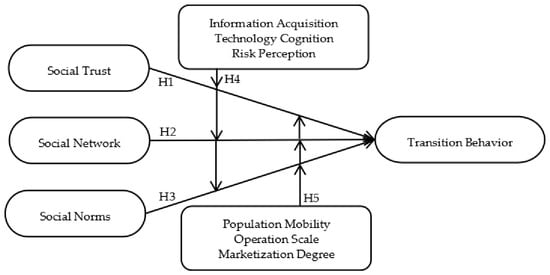
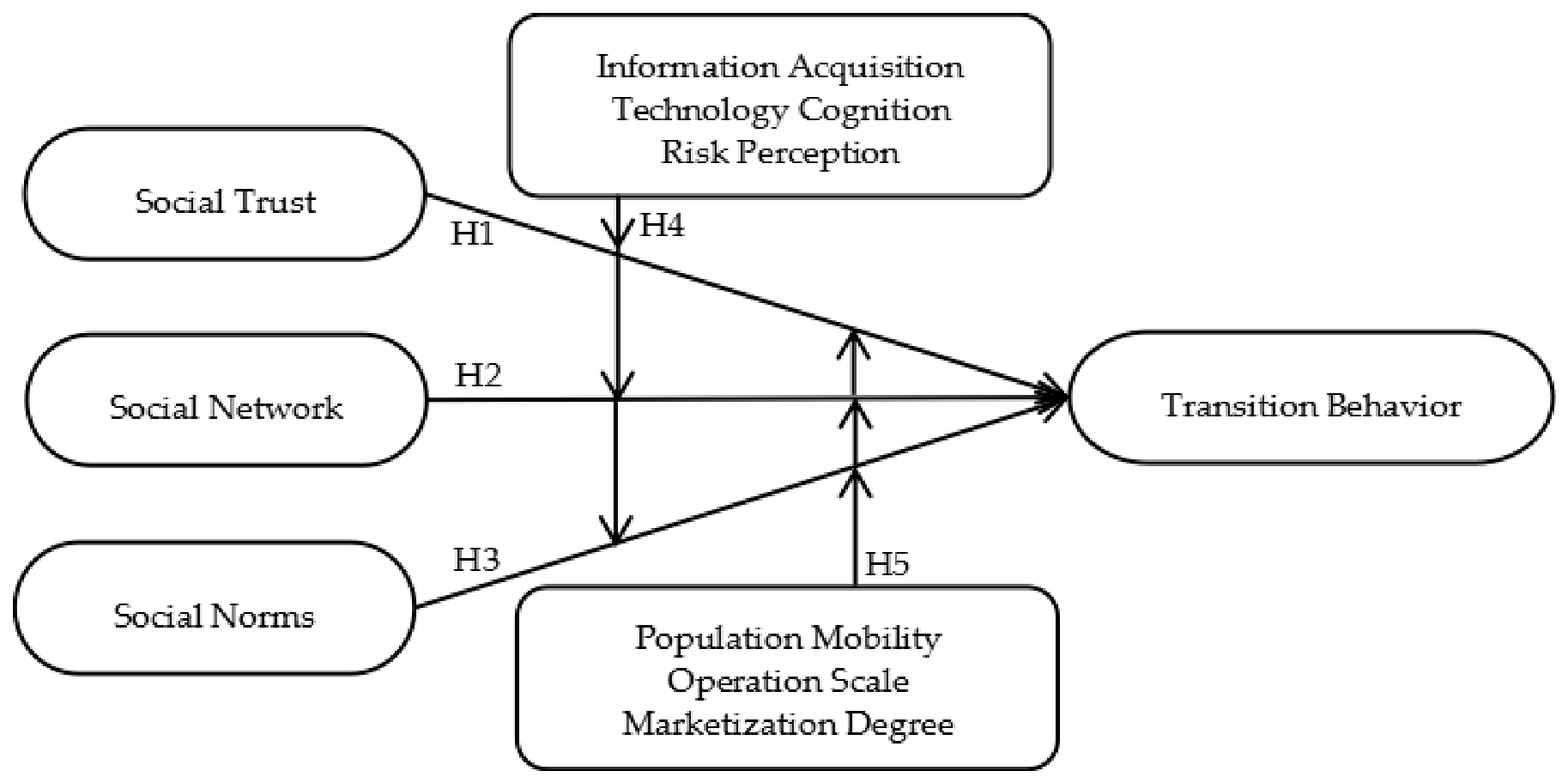

Disclaimer/Publisher’s Note: The statements, opinions and data contained in all publications are solely those of the individual author(s) and contributor(s) and not of MDPI and/or the editor(s). MDPI and/or the editor(s) disclaim responsibility for any injury to people or property resulting from any ideas, methods, instructions or products referred to in the content. |
© 2026 by the authors. Licensee MDPI, Basel, Switzerland. This article is an open access article distributed under the terms and conditions of the Creative Commons Attribution (CC BY) license.