


Abstract
Chinese poetry is rich in cultural landscapes, and the cultural spirit in poetry imbues these landscapes with profound meaning and value. Exploring and integrating the cultural landscape resources in poetry offers a novel approach for the planning and development of national cultural parks (NCPs). In this study, the Yangtze River NCP in Hubei Province is chosen as the case study area, owing to its deep historical heritage in poetic literature and its wealth of poetic works. The temporal–spatial evolution and formation mechanisms of cultural landscapes in poetry (CLP) from the Pre-Qin period to the Republic of China period are examined by using the landscape index, ArcGIS spatial analysis methods, Geodetector, and cultural ecology theory. This study contributes to research on CLP in two key ways: (1) The landscape index is used to evaluate the cultural value of CLP and is subsequently incorporated as a weighting factor in spatial analysis. It enables more precise identification of the spatial patterns of CLP and highlight the most iconic and culturally significant landscapes. This supports the optimization and integration of Chinese poetic cultural resources. (2) Drawing on cultural ecology theory, Geodetector is applied to examine the influencing factors and underlying mechanisms shaping the temporal–spatial evolution of CLP. It offers theoretical insights into the formation mechanisms of spatial distribution in other forms of cultural heritage. Overall, this study broadens the perspective on cultural landscapes in Chinese poetry and provides practical guidance for the planning and construction of the Yangtze River NCP in Hubei Province.
1. Introduction
The national cultural parks (NCPs) initiative, launched by the Chinese government, seeks to advance the conservation of cultural heritage. It combines the governance model of the U.S. National Park system with the cultural identity embodied in European Cultural Routes, and also reflects the inherent characteristics of the sustained development of Chinese civilization [1]. NCPs serve as public cultural carriers that integrate significant cultural relics and operate in a park-like management framework. They fulfill essential roles, including the preservation of cultural heritage, provision of educational services, and support for public welfare [2,3]. To date, the Chinese government has officially approved plans to establish five NCPs: the Great Wall, the Grand Canal, the Long March, the Yellow River, and the Yangtze River. As a crucial component of global river civilizations, the Yangtze River civilization has made profound contributions to human progress. The cultural heritage along its course stands as an enduring symbol of Chinese civilization. The Yangtze River NCP initiative thus functions both as a key project for the revitalization of Chinese culture and as a significant endeavor to preserve humanity’s cultural legacy. Therefore, the integration of cultural resources along the Yangtze River Basin, as well as their spatial interpretation and analysis, constitutes a significant research theme. This endeavor is essential to advancing the high-quality development of the Yangtze River NCP and ensuring the systematic conservation and transmission of cultural heritage.
The international academic community has produced a substantial body of scholarly work in the fields of cultural landscape spatial analysis and text-based heritage mapping. Research on cultural landscapes has progressively moved beyond mere descriptions of morphological characteristics to focus on them as a form of cultural process [4,5,6]. This shift entails an in-depth exploration of their spatial representations and the social construction. Methodologically, the application of GIS spatial analysis techniques has become increasingly sophisticated. The field has evolved from early-stage analyses such as landscape metrics, kernel density estimation, and hotspot analysis [7,8,9,10] to spatial modeling that incorporates multi-dimensional attribute data [11,12,13,14]. This progression aims to reveal the spatial distribution patterns, correlations, and formation mechanisms of cultural landscapes. With the rise of the digital humanities field, scholars have increasingly focused on the spatial information and geographical dimensions contained in literary texts. This has promoted a notable shift in the research direction of text-based heritage toward a spatial analysis perspective. Using techniques such as text mining, natural language processing (NLP), and geocoding, scholars extract geographical entities, spatial relationships, and emotional imagery from historical documents and literary works [15,16,17]. The resulting data can be used for spatial analysis and visual mapping. This integrative approach has given rise to emerging interdisciplinary domains such as literary cartography and literary geography. For instance, in certain studies, perceptual patterns of historical urban spaces were reconstructed through the analysis of novel texts [18,19], while the temporal–spatial evolution of landscape imagery based on poetic texts was explored [20,21,22]. Concurrently, significant progress has also been made in fields such as the reconstruction of historical geographic information from local gazetteers [23,24]. These research efforts have provided new research perspectives for revealing traditional cultural spatial patterns.
Notably, in the field of international cultural heritage management research, certain progress has been made in practices that regard literature, particularly poetry, as a core cultural resource and employ it for regional revitalization. This provides important theoretical guidance and practical references for the systematic integration of poetic literary heritage into the construction of NCPs in this study. First, literature is widely recognized as a key medium for shaping local identity and emotional attachment [25]. For instance, in the UK’s Lake District National Park, the works of Romantic poets such as Wordsworth not only serve as a core identifier of cultural identity, but the landscapes and emotions in their writings are also used in the design of visitor experiences and the development of interpretive systems [26,27]. Secondly, poetry has been systematically applied to the exploration of cultural narrative resources and spatial identification. In Italy, researchers have created literary maps by analyzing geographical references in classic literary works such as Dante’s “Divine Comedy” [28], thereby identifying and evaluating regions with rich accumulations of cultural narratives. Such research provides a basis for the scientific delineation of cultural heritage protection areas and also influences the planning and design of cultural tourism routes. Thirdly, the integration of literature into regional development has become a significant pathway for promoting local cultural revitalization. In the case of Yeats Country in Ireland, a themed cultural route has been created by anchoring the poet’s footprints and the imagery from his works to physical spaces [29,30]. This approach effectively preserves and interprets the literary landscape. These practices collectively demonstrate that literary works such as poetry are not merely historical records but also serve as significant, active elements that participate in shaping local cultural ecosystems and revitalizing contemporary cultural value.
However, there remains a relatively limited body of research that integrates these advanced methodologies and practical experiences with the specific strategic context of NCPs. Existing research on NCPs has mainly focused on macro-policy interpretation, spatial distribution of tourism resources, or heritage evaluation based on conventional census data [31,32,33,34]. Insufficient attention has been paid to literary texts as “informal” yet culturally and emotionally rich heritage carriers. In particular, there is a lack of an integrated framework for systematically using literary resources in cultural value assessment, spatial planning, and cultural revitalization. Specifically, current research exhibits three main limitations: (1) Regarding data sources, current research mainly relies on administrative statistical lists, failing to fully explore and integrate the cultural landscape information contained in literary works (particularly poetry), which hold high cultural identity and emotional value. (2) In terms of methodological application, spatial analysis of landscapes often remains limited to point density analysis and clustering description. There is a lack of drawing on international experience to construct a quantitative evaluation system for the cultural value of literary landscapes, as well as a comprehensive analytical model that integrates such evaluation with their spatial characteristics. (3) On the theoretical front, there has been insufficient integration of theories such as cultural ecology and cultural geography. Consequently, research has yet to systematically elucidate the natural, social, and cultural driving mechanisms behind the formation and evolution of literary landscape spatial patterns.
In response to the aforementioned research gaps, this study focused on Chinese poetry as a core text-based heritage and aimed to construct an integrated research framework incorporating text mining, cultural value assessment, spatial analysis, and cultural ecology theory. This research made several significant contributions. First, the quantitative method for assessing the value of cultural landscapes in poetry (CLP) and the mapping method integrating cultural influence indicators with spatial statistics were proposed. This method enables the precise transformation and hierarchical identification of textual imagery into evaluable, plannable spatial cultural resources. Second, based on cultural ecology theory, an analytical framework centered on the “internal and external environments” of the cultural ecosystem was constructed. This framework was applied to examine the mechanisms underlying the temporal–spatial evolution of CLP and to explore their pathways for revitalization within the contemporary context of NCPs. Third, the results of spatial mapping and cultural value assessment on poetic literary heritage were aligned with practical requirements in the planning and development of NCPs. This alignment includes spatial planning, route design, policy coordination, and community engagement, thereby exploring a practical pathway for leveraging literary heritage to promote cultural revitalization and strengthen cultural identity within NCPs.
Therefore, in this study, the Yangtze River NCP in Hubei Province was selected as the case study area, and Chinese poetry works were utilized as the textual corpus. The cultural landscape heritage embedded in poetic texts was systematically excavated and classified, and its temporal–spatial evolution characteristics and formation mechanisms were investigated. The main research objectives were as follows:
- (1)
- The data on CLP were explored and organized from poetic texts in Hubei Province, including the frequency of cultural landscapes depicted in poetry, the number of poets depicting such landscapes, and the geographic coordinates associated with each landscape.
- (2)
- A landscape index model was constructed based on the frequency of landscapes to assess the cultural value of CLP, and the computed index values were incorporated as key weighting parameters in spatial analysis to reveal the temporal–spatial evolution patterns of these landscapes.
- (3)
- Cultural ecology theory and the Geodetector were applied to examine the influencing factors and mechanisms underlying the temporal–spatial evolution of CLP.
- (4)
- Based on the spatial pattern characteristics and formation mechanisms of CLP, practical recommendations were proposed for the planning and development of the Yangtze River NCP in Hubei Province.
2. Cultural Landscapes in Chinese Poetry and Their Cultural Value
2.1. Cultural Landscapes in Chinese Poetry
The concept of CLP originated from discussions on “literary landscape” in the fields of literary geography and cultural geography. A literary landscape refers to the process by which a specific place evolves into a culturally significant landmark through the writing and dissemination of literary texts [35]. Its formation follows a construction cycle of “place–text–landscape.” First, the place is the source and foundation for literary composition. The real geographical environment, historical events, and socio-cultural atmosphere provide creative inspiration and materials for writers [36,37]. Second, literary texts, in turn, actively reshape the local socio-cultural context. Through artistic expression, writers transform concrete geographical locations into literary places imbued with affective resonance and symbolic significance [38]. As noted by Mike Crang, literary writing, as a discursive practice, essentially transforms a place into a “cultural text” that can be interpreted, critically analyzed, and broadly disseminated [35]. Eventually, the imagery precipitates into the landscape. The images inscribed in classic works become linked to actual referents and gradually coalesce into cultural landscapes through practices of recitation, pilgrimage, and commemoration across successive generations [39,40]. Therefore, in this study, the term CLP refers specifically to natural sites, cultural relics, or spiritual symbols that have been endowed with rich cultural connotations, aesthetic value, and emotional significance through their composition, depiction, and dissemination in poetry. These elements have been perpetuated and reinforced over time.
Literary works can play a significant role in the formation of landscapes [41]. Literary texts serve as a medium through which people understand and perceive different places [42]. Through personal perception and imagination, authors imbue locations with emotional, cultural, and historical significance, transforming them from mere geographical sites into meaningful spaces [43]. This process is exemplified by Montgomery’s depiction of Prince Edward Island in “Anne of Green Gables” [44], and by the Concord woodland’s renown, which stems from Thoreau’s work “Walden” [45]. Similarly, numerous cultural landscapes in China have gained prominence through their portrayal in literary works, particularly in Chinese poetry. A notable example is the Yellow Crane Tower, which achieved global recognition through Cui Hao’s poem “Yellow Crane Tower.” Over successive dynasties, renowned poets such as Li Bai, Jia Dao, Lu You, Yang Shen, and Yuan Mei visited the site and composed poems about it. Visitors are drawn primarily not to the architectural structure itself, but to its intangible cultural heritage; the countless immortal poems associated with it confer enduring cultural significance [46]. Chinese poetry shapes cultural landscapes in three principal ways.
First, Chinese poetry imbues cultural landscapes with rich cultural connotations through its distinctive artistic expressiveness and literary techniques. Rather than portraying humans and nature as opposing forces, poets often advocate a philosophy of harmony between humanity and the natural world [43]. Their works vividly depict an ideal state of integration between humans and their environment, endowing landscapes with unique aesthetic value through non-natural language [20]. Poets also skillfully employ literary techniques such as “expressing emotions by scenery” (借景抒情), “conveying ideals through objects” (托物言志), and “blending emotions with scenes” (情景交融) [47]. In their compositions, landscapes serve as vital media through which poets articulate personal emotions and philosophical reflections.
Second, the philosophical ideas and cultural spirit conveyed through poetry imbue cultural landscapes with profound cultural significance, forming an essential foundation for shaping these landscapes. In ancient China, Confucian culture occupied a central role in both academic and political spheres. When composing poetry, literati did not merely depict landscapes, comment on social conditions, or reflect on historical events; rather, they sought to explore fundamental truths about human existence [46]. This aligns with a core principle of classical literary theory that “writings serve to convey truth” (文以载道) [48]. Such truths may encompass moral guidance for individuals, critiques of societal realities, and the poet’s own self-reflection [48]. The wisdom embedded in Chinese poetry extends beyond simple knowledge transmission, actively shaping moral values. This cultural essence has long been ingrained in the spiritual fabric of the Chinese people. It explains why visiting landscapes associated with poetry is essentially a pilgrimage to the cultural spirit embedded within these landscapes.
Third, over time, landscapes associated with poetry continue to accumulate rich cultural connotations. Cultural landscapes celebrated in the works of distinguished poets attract enduring attention, drawing successive generations of literati to visit and compose poetry. Through this process, the cultural significance of these landscapes is continually reinforced and tends to stabilize [20,40]. Consequently, CLP can be regarded as repositories of human thought, where the more historically prominent and renowned a landscape is, the deeper and richer its cultural connotations become.
2.2. Cultural Value of CLP
As previously noted, Chinese poetry shapes numerous cultural landscapes. Influenced by poetry, these landscapes have long served as destinations for both recreational visitation and spiritual pilgrimage, in both ancient and modern times. Engagement with these landscapes allows visitors to gain deeper insights into the poetic heritage, and the literary significance of the landscapes may inspire profound reflections on nature, social reality, historical consciousness, and the meaning of life [46]. In contemporary commercial society, cultural landscapes associated with poetry can also generate substantial economic benefits due to high levels of tourist visitation. These two dimensions reflect the social and economic value created by cultural landscapes, both of which originate from the cultural significance that poetry imparts to these landscapes [49]. The role of literary works in shaping cultural landscapes has long been recognized in China. Teng Zijing, an official of the Northern Song Dynasty, explicitly stated in his invitation to Fan Zhongyan to compose a literary inscription for the newly restored Yueyang Tower: “A landscape that embodies natural beauty, humanistic significance, and literary essence represents the highest form of landscape” [49]. This statement underscores the elevated value that literary works confer upon landscapes.
It is evident that Chinese poetry, with its distinctive artistic expressions and profound cultural significance, has shaped numerous cultural landscapes across time and regions. These landscapes have attained enduring recognition through the influence of poetry and constitute invaluable cultural heritage in China. The development of NCPs requires both the effective utilization of existing cultural resources to create authentic cultural spaces and the exploration of the cultural value embedded in heritage resources to engage the public. Through such immersive cultural experiences, individuals can gain a deeper understanding and appreciation of China’s outstanding traditional culture. This provides the fundamental rationale for examining the construction of NCPs from the perspective of Chinese poetry in this study.
3. Materials and Methods
3.1. Research Area
Hubei Province is located in the middle reaches of the Yangtze River Basin, where Jing-Chu culture and Chinese agricultural traditions flourish. The province is rich in cultural resources associated with the Yangtze River. Hubei has also been a prolific center for Chinese literary production, particularly poetry. According to data from the Poetry Database Website (https://www.sou-yun.cn) (accessed on 15 July–31 August 2022), approximately 30,000 poems were composed in Hubei Province from the Pre-Qin period to the Republic of China period. In 2022, Hubei Province was designated as one of the key areas for the development of the Yangtze River NCP. These factors provide a strong rationale for selecting the Yangtze River NCP in Hubei Province (hereafter referred to as Hubei Province) as the case study area for this research (Figure 1).
Figure 1.
The Study Area.
3.2. Data
3.2.1. Data Sources
In this study, cultural landscape information was primarily extracted from Chinese poetry. The poetic corpora used in the research mainly came from two sources: (1) authoritative publications, including “The Songs of Chu” and “The Anthology of Chinese Poetry in the Dynasties” series (covering volumes on Pre-Qin poetry, Han–Wei–Northern and Southern Dynasties poetry, Tang poetry, Song ci, and Ming and Qing poetry); and (2) the digital poetry database, Souyun (https://www.sou-yun.cn). Given the relatively limited availability of poetry texts in conventional publications, Souyun was employed as a crucial supplementary corpus source. This database is one of the most comprehensive digital repositories of Chinese poetry with the longest chronological span, covering the period from the Pre-Qin (prior to 221 BC) to the Republic of China (1912–1949 AD). It serves as a crucial data source for academic research on poetic literature [50,51], maintaining considerable scholarly authority.
Additionally, DEM elevation data and river system data were obtained from the Geospatial Data Cloud (https://www.gscloud.cn/) and the Resource and Environmental Science Data Platform of the Chinese Academy of Sciences (https://www.resdc.cn/). Historical urban and population data were sourced from “The General History of Chinese Administrative Divisions” and “The Population History in China.”
3.2.2. Data Processing
The data collection and processing procedures for CLP were conducted as follows:
- (1)
- Obtaining the initial catalog of CLP: (a) From the poetic texts in the aforementioned authoritative publications, some cultural landscapes explicitly documented within the geographical boundaries of Hubei Province were manually extracted. (b) Using the “Poetry Map” function of Souyun, the cultural landscapes marked within Hubei Province on this platform were collected. (c) The landscape catalogs obtained from the above two sources were consolidated to form the initial catalog of CLP.
- (2)
- Screening and refining the initial catalog of CLP: (a) Landscape items falling into the following three categories, which fail to satisfy the research inclusion criteria, were excluded. First, landscapes constructed in the modern and contemporary era (since 1949, the founding of the People’s Republic of China), regardless of whether they originate from classical poetry or appear in contemporary poetry. Second, landscapes described in modern and contemporary poetry but lacking clear historical provenance. Third, landscapes that are geographically too broad to be assigned a specific spatial location (such as Jianghan). (b) Duplicate items of cultural landscapes within the catalog were merged or removed. In cases where a single landscape is associated with multiple variant names, these were unified into one standardized item, selecting the most representative name as the official designation. For example, “Xianshan Stele”, “Stele of Lord Yang”, and “Dropping Tears Stele” were uniformly recorded as “Stele of Lord Yang”. A total of 428 cultural landscapes were confirmed.
- (3)
- Retrieving and counting the frequency of CLP and the number of poets. (a) For the cultural landscapes obtained through the “Poetry Map” function of Souyun, the poetic texts collected on the platform were systematically analyzed to calculate the frequency of each landscape and the number of poets associated with these landscapes across different historical periods. (b) For landscapes extracted from publications, which contain limited associated poetic texts, the “Poetry Database” search tool on the Souyun website is employed. By entering the landscape name as a query, corresponding frequency and poet count data are obtained. It should be noted that for landscapes with multiple alternate names, each related name was individually queried in Souyun database. The frequency and poet counts obtained from all names were then aggregated to form the overall statistical results for that landscape.
- (4)
- Acquiring the geographic coordinate information of CLP. Latitude and longitude coordinates for each landscape were obtained using the Baidu coordinate picker. In the specific operation, the following two aspects need to be noted: (a) First, there are discrepancies in the geographical locations of some landscapes between historical and contemporary periods (for example, the ancient city of Wuchang was accurately mapped to present-day Ezhou). These discrepancies must be verified and corrected by referring to historical geographical data. (b) For some landscapes that have been destroyed or lack readily available coordinates, their approximate geographical locations were inferred by consulting local gazetteers and relevant historical documents, and the corresponding latitude and longitude coordinates were then determined.
According to the statistics, the 428 cultural landscapes in Hubei Province were collectively described 31,033 times in poetry across historical periods, with a total of 20,002 poets contributing to these descriptions. The overall technical route of this study is shown as follows (Figure 2).
Figure 2.
The framework of the study.
3.3. Methods
We employed mathematical statistics and spatial analysis methods using ArcGIS 10.7 software to examine the temporal–spatial evolution of the 428 collected CLP resources and their associated information. Subsequently, Geodetector was used to analyze the underlying mechanisms driving the temporal–spatial evolution of CLP. The specific research methods are detailed as follows:
3.3.1. Landscape Index
The landscape index was employed to assess the cultural value of CLP. As previously noted, repeated depictions in Chinese poetry allow cultural landscapes to accumulate rich cultural connotations, thereby enhancing their cultural significance [20]. Accordingly, the frequency with which a landscape is portrayed in poetry can serve as a quantitative indicator of its cultural value. In Xu’s study [52], the landscape index was introduced to quantify cultural accumulation by calculating the frequency of landscape depictions in poetry. In this study, the landscape index was applied to evaluate the cultural value of CLP across different historical periods. The formula is presented as follows:
where is the frequency of the -th landscape during a specific historical period, denotes the starting year of the period, and indicates the ending year of the period.
The above formula essentially measures the average frequency of a specific cultural landscape per unit of time (year). This approach partially eliminates, at the fundamental level, the influence caused by differing temporal spans across historical periods. Thus, it ensures comparability between landscape indices in different periods. Although the total number of extant poems from different historical periods may vary, the core objective of this study is to analyze the intensity with which specific landscapes are repeatedly eulogized—namely, the degree of cultural accumulation. This average annual frequency intuitively and accurately reflects the cultural accumulation of landscapes over time. A higher average annual frequency directly corresponds to more intensive cultural activities and a more profound accumulation of cultural connotations.
3.3.2. Hotspot Analysis
Hotspot analysis, also known as Getis–Ord statistical analysis, is a method applied to evaluate the degree of spatial clustering of geographic features [53]. Before applying the Getis–Ord Gi* function, the relevant event data for the spatial statistics tool must be collected; in this study, this refers specifically to a field representing the sum of landscape indices for CLP within a defined geographic area. The Getis–Ord Gi* statistic is then calculated to identify clusters of high values (hot spots) and low values (cold spots) of the landscape index. This approach reflects the spatial correlation of landscape indices for CLP, thereby facilitating the assessment of their cultural value across different regions. The formula for the Getis–Ord General G statistic is expressed as follows:
where is the total number of CLP, is the landscape index of CLP in the -th region, is the spatial weight within distance .
In order to improve the testing form of , a transformed testing form has been developed, termed the standardized statistic [54]. The formula is as follows:
where is the expectation value, and is the variance coefficient.
If the Z-score is positive and statistically significant, it indicates that the region and its neighboring areas exhibit a relatively high landscape index, identifying them as hot-spot areas. This suggests that these regions hold substantial cultural value in terms of CLP and may correspond to a relatively dense distribution of cultural landscapes. Conversely, a negative and significant Z-score denotes cold-spot areas. To further classify the spatial patterns, the Jenks Natural Breaks Method is used to divide Z-scores from high to low into five categories: hot-spot areas, minor hot-spot areas, minor cold-spot areas, cold-spot areas, and areas that are not statistically significant.
3.3.3. Weighted Kernel Density Estimation
The conventional kernel density estimation primarily reflects the spatial distribution patterns of point data by analyzing their spatial density [55]. In this study, the landscape index was used to evaluate the cultural value of CLP and was subsequently incorporated as a weighting factor in the kernel density analysis. This enhanced approach not only characterizes the spatial differentiation of CLP more accurately and scientifically, but also effectively identifies the most iconic and culturally significant landscapes within the study area. The formula is presented as follows:
where is the kernel density value of CLP. is the weighting factor, represented by the landscape index. represents the kernel function, and denotes the number of CLP. denotes the distance from the landscape to . refers to the bandwidth, which influences the smoothness of the kernel density value.
3.3.4. Geodetector
Geodetector is a spatial statistical tool used to analyze spatial differentiation and its driving factors for geographical elements [56]. The two most commonly applied functions of this method are factor detection and interaction detection. Factor detection evaluates whether an independent variable X can explain the dependent variable Y and quantifies the extent of its influence on Y. Interaction detection examines how independent variables interact to affect the dependent variable. The formula is presented as follows:
where is the detection value of the independent variable X on the dependent variable Y. The q-value is within [0, 1], and if it is closer to 1, it indicates a stronger influence of the independent variable on the dependent variable. represents the stratification of Y or X. and respectively represent the number of samples in layer and in the whole region. and represent the variances in layer and in the whole area, respectively.
4. Results
4.1. Classification of CLP
Cultural landscapes are composite products formed by human interaction with the natural environment during the process of adapting to and transforming it [57]. Based on the varying degrees to which the natural environment is modified by human activities, cultural landscapes are regarded as a continuous system that gradually transitions from nature-dominated to culture-dominated [58]. Its constituent elements are diverse and complex, covering not only natural elements such as landforms, climate, hydrology, and vegetation, but also tangible and intangible cultural elements created by humans in the process of adapting to and transforming nature. Tangible elements consist of physical entities, including buildings, historical sites, and engineering facilities, whereas intangible elements relate to cultural aspects such as ideologies, lifestyles, customs, religious beliefs, and value systems [59]. CLP is a distinct category of cultural landscapes. Its particularity lies in the fact that it is not merely the physical entity but the landscape image perceived, defined, and disseminated through poetic depiction, interpretation, and emotional expression [49]. Therefore, such landscapes integrate three dimensions: the natural foundation, cultural imprints, and literary expression.
This multi-attribute nature gives rise to a rich variety of landscape types. Drawing on the characteristics of cultural landscapes and referencing existing studies on the classification of cultural landscapes linked to poetry or other literary works [20,21,22,49], a comprehensive classification framework was proposed in this study. According to the dominant differences in natural and cultural attributes, CLP can be divided into landscapes prioritizing natural attributes and those prioritizing cultural attributes. Natural-dominant types include terrestrial landscapes (such as mountains, caves, gorges, rockscapes, and river islands) and hydrological landscapes (such as rivers, lakes, and streams). Cultural-dominant types encompass architectural landscapes (such as temples, towers, pavilions, bridges, and former residences of notable figures), historical relic landscapes (such as ancient cities, ancient towns or villages, stone tablets, memorial shrines of celebrities, and ferry crossings), and spiritual–cultural landscapes (such as historical figures, legends, allusions, music, and cuisine). Ultimately, a classification system for CLP was established in this study, comprising five major categories and seventeen subcategories (Table 1). In terms of quantity and proportion (Table 1), architectural landscapes form the largest category at 34.35%, followed by terrestrial landscapes at 21.96%, historical relic landscapes at 19.39%, hydrological landscapes at 12.38%, and spiritual–cultural landscapes as the smallest category at 11.92%.
Table 1.
The classification and quantity of cultural landscapes in poetry.
4.2. Temporal Evolution of CLP
A significant growth trend of CLP was observed in Hubei Province from the Pre-Qin period to the Republic of China period. This evolutionary process can be divided into five distinct developmental phases, taking into account variations in both the quantity and frequency of landscapes (Table 2, Figure 3) as well as the historical progression of Chinese poetic literature.
Table 2.
The quantity of cultural landscapes in poetry in Hubei Province during historical periods.
Figure 3.
The frequency of cultural landscapes in poetry in Hubei Province during historical periods.
- (1)
- The embryonic stage (Pre-Qin to Wei, Jin, Northern and Southern Dynasties: prior to 221 BC, 221 BC-581 AD)
The period from the Pre-Qin to the Wei, Jin, Northern, and Southern Dynasties represented the initial development stage of CLP in Hubei Province. From the Pre-Qin period to the Han Dynasty, Chinese poetic literature was still in its early stages, constrained by relatively low levels of social productivity. During this time, the total number of landscapes amounted to only 16 sites, with a descriptive frequency of 25, primarily consisting of spiritual–cultural landscapes. The Wei, Jin, Northern, and Southern Dynasties marked a crucial phase of innovation in Chinese poetic history, characterized by progressive transformations in artistic forms, literary genres, and thematic content. The evolution of CLP corresponded with these literary developments, reflected in an increase to 54 landscapes with a frequency of 208. Notably, historical relic landscapes and spiritual–cultural landscapes were particularly favored by poets during this period.
- (2)
- The gradual development stage (Sui, Tang, Five Dynasties, and Ten Kingdoms Period: 581–960 AD)
The Sui, Tang, Five Dynasties, and Ten Kingdoms Period represented a gradual development phase for CLP in Hubei Province. The Tang Dynasty, widely regarded as the golden age of Tang poetry, was marked by flourishing literary creativity. This period of prosperity can be attributed to political stability and the institutionalization of Chinese imperial examinations, which together fostered a rapid increase in documented landscapes. During this time, a total of 172 landscapes were recorded 2147 times in poetry works. Among these, hydrological landscapes, historical relic landscapes, and spiritual–cultural landscapes emerged as the three predominant categories. Although terrestrial and architectural landscapes were numerous, their frequency of depiction was comparatively lower.
- (3)
- The vigorous expansion stage (Song and Yuan Dynasties: 960–1368 AD)
Representing a period of vigorous expansion, the Song and Yuan Dynasties witnessed unprecedented growth of CLP in Hubei Province, with 304 landscapes recorded 10,228 times. This surge was partly attributable to the development and maturation of new poetic forms, including Song ci and Yuan Qu. Hydrological landscapes, historical relic landscapes, and spiritual–cultural landscapes continued to dominate as the principal landscape categories during this period.
- (4)
- The stabilization stage (Ming and Qing Dynasties: 1368–1912 AD)
The Ming and Qing Dynasties marked a significant peak in the development of CLP in Hubei Province. During this period, cultural landscapes reached their zenith, appearing 16,712 times across 377 sites in poetry. This expansion was closely linked to the refinement of Chinese imperial examinations and the widespread popularity of classical-style poetry among the general populace. While historical relic landscapes remained predominant, overall landscape diversity increased notably, with significant growth observed in both terrestrial and architectural landscapes.
- (5)
- The declining stage (Republic of China period: 1912–1949 AD)
During the Republic of China period, the development of CLP in Hubei Province entered a declining stage, with 148 landscapes recorded 1713 times. This decline can be attributed to the rising popularity of modern Chinese literature, driven by the vernacular movement, which simultaneously constrained the production and influence of classical literary works. Despite this overall regression, historical relic landscapes remained the dominant landscape category during this period.
4.3. Spatial Evolution of CLP
The results on the temporal evolution of CLP indicated that landscapes only reached substantial scale beginning in the Wei, Jin, Northern, and Southern Dynasties. Accordingly, five historical periods were selected to examine the spatial distribution evolution of CLP in Hubei Province using hotspot analysis and weighted kernel density estimation. These periods are: the Wei, Jin, Northern, and Southern Dynasties; the Sui, Tang, Five Dynasties, and Ten Kingdoms Period; the Song and Yuan Dynasties; the Ming and Qing Dynasties; and the Republic of China Period.
4.3.1. Spatial Evolution of Hot-Spot Areas and Cold-Spot Areas
Based on the Getis–Ord Gi* hotspot analysis in GIS, the evolutionary characteristics of the spatial pattern of CLP in Hubei Province were revealed through significance testing of Z-scores. The analysis demonstrated that the hot-spot areas of CLP initially followed a northwestern to central-southern orientation in Hubei Province (Figure 4). Over subsequent historical periods, these hot-spot areas gradually shifted toward the northern, northwestern, and eastern regions. A comprehensive analysis across all periods showed that cities such as Xiangyang, Jingzhou, Shiyan, Wuhan, Ezhou, and Huanggang exhibited significantly high Z-scores during most historical periods, establishing them as the primary hot-spot distribution areas for CLP. This pattern indicated that cultural landscapes were densely distributed and possessed relatively high cultural value in these urban centers.
Figure 4.
Hotspot analysis of cultural landscapes in poetry, (a) Wei, Jin, Northern, and Southern Dynasties, (b) Sui, Tang, Five Dynasties, and Ten Kingdoms Period, (c) Song and Yuan Dynasties, (d) Ming and Qing Dynasties, and (e) Republic of China Period.
- (1)
- Hot-spot areas and minor hot-spot areas
During the Wei, Jin, Northern, and Southern Dynasties, hot-spot areas (Z-scores > 1.782) and minor hot-spot areas (Z-scores: 0.787–1.782) were primarily located in northern, northwestern, and central-southern Hubei, extending spatially from the northwest toward the central-southern region. Among these areas, cities such as Shiyan, Xiangyang, and Jingzhou generally had Z-scores exceeding 0.787, indicating that CLP exhibited the highest density and cultural value in these locations. In the Sui, Tang, Five Dynasties, and Ten Kingdoms Period, both hot-spot areas and minor hot-spot areas showed a contracting trend. In the northwestern region of Hubei, the Z-scores transitioned from positive to lower values, evolving from minor hot-spot areas (Z-scores: 0.787–1.782) to statistically non-significant areas (Z-scores: −0.164 to 0.687), although CLP remained densely distributed and culturally valuable in key cities such as Xiangyang and Jingzhou. By the Song and Yuan Dynasties, minor hot-spot areas in central-southern Hubei degenerated into non-significant areas due to a decline in Z-scores, while new minor hot-spot areas (Z-scores: 0.636–1.854) emerged in eastern Hubei. This indicated a shift in the spatial distribution pattern of high-value CLP clustering toward the east. During the Ming and Qing Dynasties, spatial patterns largely mirrored those of the Song and Yuan Dynasties, though minor hot-spot areas (Z-scores: 0.723–1.980) expanded further in eastern Hubei. It indicated the continued accumulation of cultural landscapes in this region. In the Republic of China period, hot-spot areas (Z-scores > 1.261) and minor hot-spot areas (Z-scores: 0.527–1.261) became concentrated in the northern, northwestern, and eastern regions, with core cities including Xiangyang, Shiyan, Wuhan, Ezhou, and Huanggang, which continued to display dense spatial distributions and high cultural value for CLP.
- (2)
- Cold-spot areas and minor cold-spot areas
Examining the evolution of cold-spot areas, the low-value clustering regions also underwent significant spatial changes. From the Wei, Jin, Northern, and Southern Dynasties to the Sui, Tang, Five Dynasties, and Ten Kingdoms Period, cold-spot areas and minor cold-spot areas of CLP were contiguously distributed in the central, eastern, southwestern, and northwestern fringe regions of Hubei. As Chinese poetic literature progressed, these landscapes gradually accumulated rich cultural connotations. During the Song and Yuan Dynasties and subsequent historical periods, the Z-score thresholds for low-value clustering areas narrowed (during the Republic of China period, the lower limit of cold-spot areas contracted to −1.143), and cold-spot areas exhibited a contracting trend. This spatial transformation was especially pronounced in eastern Hubei, where regions progressively transitioned from cold-spot areas to non-significant areas, then to minor hot-spot areas, and ultimately to hot-spot areas. The continuous increase in Z-scores strongly corroborates the evolutionary process of this region from the periphery to the core of high-value CLP clustering areas.
4.3.2. Evolution of Spatial Density
The CLP consistently exhibited significant spatial clustering characteristics in Hubei Province across different historical periods, as demonstrated by weighted kernel density estimation (Figure 5). From the Wei, Jin, Northern, and Southern Dynasties to the Ming and Qing Dynasties, three landscape clusters formed, with spatial clustering progressively intensifying. By the Republic of China period, however, this clustering weakened considerably, resulting in the emergence of five distinct landscape clusters. Considering both the spatial patterns (Figure 5) and landscape indices (Table 3) across the five periods, twelve typical landscapes were identified in Hubei Province. Among these, Canglang River, Xiangyang Ancient City, Jingzhou Ancient City, Wuchang Ancient City, and Yellow Crane Tower ranked highest according to their landscape index values, representing the most iconic and culturally significant landscapes in the region.
Figure 5.
Weighted kernel distance analysis of cultural landscapes in poetry, (a) Wei, Jin, Northern, and Southern Dynasties, (b) Sui, Tang, Five Dynasties, and Ten Kingdoms Period, (c) Song and Yuan Dynasties, (d) Ming and Qing Dynasties, and (e) Republic of China Period.
Table 3.
The typical landscapes and their landscape index in historical periods.
- (1)
- Wei, Jin, Northern and Southern Dynasties
During the Wei, Jin, Northern, and Southern Dynasties, China experienced prolonged political fragmentation, with more than thirty rival states emerging in succession. Hubei Province, located in the middle reaches of the Yangtze River, served as a critical transportation hub connecting northern and southern China. Consequently, the region held substantial geopolitical importance and became a strategically contested area among the dominant powers of the time. Continuous warfare was prevalent throughout Hubei, with cities such as Jingzhou, Xiangyang, and Wuchang serving as key military strongholds. These historical events, along with the associated political and military sites, later inspired literary works by poets in subsequent dynasties.
As a result, the CLP began to exhibit spatial clustering patterns within Hubei Province. Five high-density centers emerged in the western, northern, and central-southern regions, which were sequentially connected to form an inverted “V”-shaped belt—the largest landscape cluster in the region. The northern and central-southern high-density centers displayed particularly strong clustering effects. Xiangyang Ancient City and Jingzhou Ancient City were typical landscapes of the two centers, respectively. The second-largest landscape cluster was located in eastern Hubei, and Wuchang Ancient City was its typical landscape. In contrast, northwestern Hubei contained the smallest landscape cluster, which featured relatively simple landscape types, primarily hydrological landscapes. This was attributed to the geographical remoteness, underdeveloped transportation infrastructure, and comparatively limited cultural accumulation in the region. Consequently, only the Canglang River, with recluse-related connotations, has been incorporated into historical narratives.
- (2)
- Sui, Tang, Five Dynasties, and Ten Kingdoms Period
During this period, both the quantity and frequency of CLP in Hubei Province increased rapidly, accompanied by a pronounced trend of spatial clustering. The original inverted “V”-shaped belt-like landscape cluster gradually evolved into a “triangular” belt-like form, driven by the intensified clustering of the three major high-density centers within the landscape cluster. As reflected in Table 4, in the high-density centers of northern, central-southern, and western Hubei, both the quantity and landscape indices increased significantly. Historical relic landscapes, including Xiangyang Ancient City and Jingzhou Ancient City, as well as historical figures, such as Qu Yuan and Wang Zhaojun, exhibited relatively high landscape indices and were regarded as typical landscapes of the three centers, respectively. The eastern landscape cluster extended eastward and its typical landscapes included Hanyang Ancient City and Wuchang Ancient City. Political stability and the vigorous expansion of the Chinese imperial examinations during the Tang Dynasty collectively fostered a flourishing of social culture, prominently reflected in the unprecedented zenith of Tang poetry. The Hubei region was situated at a strategic crossroads between northern and southern China and was blessed with remarkable natural scenery featuring mountains and rivers. As a result, it served as a significant source for poetry composition. Cultural meanings have been continuously accumulated in these landscapes, perpetuated, and enriched over time. The Tang Dynasty represented a pivotal era for the flourishing of religious culture in China, during which Wudang Mountains emerged as an important center for Taoist activities. This rich religious and cultural milieu contributed to both the increase in quantity and the diversification of landscape types within the northwestern landscape cluster. Specifically, this diversification was reflected in the introduction of two new landscape categories: terrestrial landscapes (mountains) and architectural landscapes (temples).
Table 4.
The quantity and landscape index of cultural landscapes in poetry in different landscape clusters.
- (3)
- Song and Yuan Dynasties
During the Song and Yuan Dynasties, the spatial clustering of CLP intensified further, with the “triangular” belt-like landscape cluster largely maintaining its original form. The northern high-density center exhibited the strongest clustering, with its landscape index rising to 6.7304 (Table 4), markedly higher than those of the central-southern and western high-density centers. During this period, two new typical landscapes—Lumen Mountain and Zhongxuan Tower—were added to the cluster. This indicates that the literary community persistently selects and reinforces particular regional cultural symbols, thereby transforming historical memories into a sense of place-based identity through sustained literary practice. Meanwhile, the eastern landscape cluster evolved into a “dual-core cluster,” encompassing a total of 107 landscapes and witnessing an increase in its landscape index to 7.2206 (Table 4). This is largely attributed to the increased frequency of literati activities such as travel, official postings, and exile since the Song Dynasty. Located in the central area of China, the Hubei region was a critical transportation hub and strategic area connecting the north and south and linking the east and west. Consequently, it became the destination for many literati who passed through or resided there temporarily. Their personal experiences and literary works enhanced the cultural influence of landmarks such as the Red Cliff of Dongpo. Furthermore, the Yellow Crane Tower, having undergone multiple reconstructions and continuously enriched with cultural significance, experienced a notable rise in its landscape index. It surpassed Hanyang Ancient City to become a typical landscape of the eastern cluster alongside Wuchang Ancient City and the Red Cliff of Dongpo. The northwestern landscape cluster also exhibited a strengthened clustering effect during the Song and Yuan Dynasties. The ruling elites actively promoted and sanctified the Taoist culture of the Wudang Mountains, elevating them to the status of a sacred Taoist site. This official endorsement further stimulated the creation of poetry celebrating the Wudang Mountains and their temple architecture, contributing to the cluster’s cultural and literary significance.
- (4)
- Ming and Qing Dynasties
During the Ming and Qing Dynasties, Hubei accumulated a rich cultural heritage shaped by millennia of historical development. Overall, the original spatial configurations of the three major clusters formed during the Song and Yuan dynasties were largely preserved. During this period, the improvement of the Grand Canal and the courier road system further solidified the transportation status of northern Hubei, promoting the continuous concentration of cultural and economic activities in urban nodes of the northern region, such as Xiangyang. Consequently, within the “triangular” belt-like landscape cluster, the northern high-density center emerged as the dominant area, while the clustering intensity of the central-southern and western high-density centers declined. With the rapid development of commerce and industry in the middle and lower reaches of the Yangtze River, Wuchang (located in present-day Ezhou of Hubei Province) increasingly emerged as a regional administrative and commercial center. This dynamic socio-economic context contributed to the sustained vitality of the eastern landscape cluster. During the Ming dynasty, in the northwestern landscape cluster, Wudang Mountains were officially designated as an imperial ancestral temple. This significantly reinforced their status as a center of Taoist practice and stimulated literary representations of the surrounding landscapes. Meanwhile, Canglang River, as a canonical literary image carrying connotations of eremitic culture, remained a persistent subject for literati to express emotion and ideals.
- (5)
- Republic of China period
The era of continuous warfare during the Republic of China period redirected societal attention to realistic issues and revolutionary narratives, marginalizing classical poetry. This resulted in a general decline in the quantity of CLP in Hubei province, accompanied by a corresponding weakening of spatial clustering. It was manifested as the differentiation of the original “triangular” belt-like landscape cluster formed since the Song and Yuan dynasties, gradually evolving into a “tripartite balance” spatial pattern among the northern, central-southern, and western landscape clusters. Despite the overall decline in poetry production, cities like Xiangyang and Jingzhou, owing to their profound historical legacy, retained considerable influence in literary works of historical reflection, thus ensuring the persistence of the northern and southern clusters. Located away from major cultural and transportation corridors, the northwestern landscape cluster thus experienced a gradual decline in cultural influence and spatial clustering efficacy. The eastern landscape cluster emerged as the dominant cluster due to the extensive integration of revolutionary culture into local historical narratives. This has endowed traditional landscapes such as the Yellow Crane Tower and Wuchang Ancient City with new political connotations. As a result, more literary works with revolutionary themes were produced in the region.
4.4. Formation Mechanism on Temporal–Spatial Evolution of CLP
4.4.1. Variable Selection and Description
In 1955, American anthropologist Julian Steward identified significant correlations between regional cultural differences and their corresponding geographical environments. Building on this observation, he proposed the theory of cultural ecology, which primarily explores the principles governing the emergence and evolution of cultural phenomena under the interaction of multiple factors, including natural and social environments [60]. As scholarly interest in the role of social environments in shaping cultural forms grew, the theoretical framework of cultural ecology was continually refined and expanded [61,62]. Subsequent studies examined the extent to which various factors influence the cultural ecosystem and their mechanisms of action [63,64]. These investigations led to the development of a conceptual framework distinguishing internal and external environments in cultural ecology. The external environment encompasses exogenous factors such as the natural environment, socio-economic conditions, and political context, while the internal environment reflects the cultural atmosphere formed through ongoing interaction and integration among diverse cultural elements within a specific region [64]. These theoretical contributions provide valuable insights for analyzing the factors and underlying mechanisms driving the evolution of cultural heritage.
To explore the mechanisms influencing the temporal–spatial evolution of CLP, this study referenced both cultural ecology theory and relevant literature on cultural heritage research [65,66,67,68], while considering the actual cultural development context of the study area. Seven indicators were ultimately selected as potential influencing factors (Table 5). Following the internal-external environmental framework in cultural ecology, these indicators were grouped into four key categories: natural environment, socio-economic environment, political environment, and cultural environment. The first three represent external environmental factors, whereas the cultural environment primarily reflects internal factors, namely the level of cultural development. For natural environmental factors, the selected indicators were altitude (X1), slope (X2), and river system (X3). Socio-economic factors were measured through urban density (X4) and population density (X5). Due to historical data limitations, the political environment (X6) was assessed qualitatively. The cultural environment was evaluated based on poets’ attention to landscapes (X7), as the prosperity of poetic literature directly influences CLP development. Considering the central role of poets in composing poetry, the number of poets depicting cultural landscapes was used as a quantitative proxy for regional cultural development. This indicator (X7) effectively captures: (1) literati recognition of specific cultural landscapes; (2) dissemination of poetic culture via these landscapes; and (3) the vitality of regional cultural development. The dependent variable Y refers to the spatial distribution density of CLP weighted by landscape index during different historical periods.
Table 5.
Influencing factors and indicator description.
Methodologically, the political factor (X6) was analyzed qualitatively, the river system (X3) through buffer analysis, and the remaining indicators (X1, X2, X4, X5, and X7) using the Geodetector. To ensure the reliability of the results from the Geodetector analysis, the continuous independent variables (X1, X2, X4, X5, and X7) were discretized using the Jenks natural breaks method and uniformly categorized into five classes (as shown in Table 5). This classification scheme ensures adequate sample sizes within each category while preserving the original distributional characteristics of the data to the greatest extent possible. The statistical significance of the factor detection results was assessed using p-values, with a significance threshold of 0.05.
Considering that poets’ attention to landscapes (X7) and the dependent variable Y (weighted landscape distribution density) were both derived from the poetic texts as their data source, there may be potential endogeneity between them. To verify the reliability of the findings, the Geodetector model was re-run after excluding indicator X7. The results indicated that the explanatory power of the other factors (X1, X2, X4, X5) and their interactions did not show any significant change. This suggests that the influence mechanisms of these factors on the spatial pattern of CLP remain robust, and the potential endogeneity impact of X7 is limited.
4.4.2. Analysis of Influencing Factors
The results of factor detection using Geodetector (Table 6) indicated that the p-values of all influencing factors were less than 0.001, rendering them statistically significant at the 99.9% confidence level. This demonstrates their substantial impact on the spatial distribution of CLP in Hubei Province during the historical period. The q-values reflected the relative strength of each factor’s influence, ranked from highest to lowest as follows: poets’ attention to landscapes (X7), urban density (X4), population density (X5), altitude (X1), and slope (X2).
Table 6.
The results of factor detector.
- (1)
- Natural environment
Among all influencing factors, the q values of altitude (X1) and slope (X2) were all within the range of 0.0876–0.1754 in each period, with an explanatory power of approximately 8.76–17.54%. The relatively low q-values of X1 and X2 suggested that the natural environment exerted a comparatively minor influence on the temporal–spatial evolution of CLP. However, they remained significant (p < 0.001), indicating that their role as an environmental baseline cannot be ignored. Meanwhile, several studies have demonstrated that the spatial distribution of cultural heritage remains closely linked to local natural conditions [69,70,71].
Approximately 83.41% of CLP were distributed in the central and eastern plain regions of Hubei (Figure 6), where low-altitude areas provided abundant water resources, fertile agricultural land, and convenient water-land transportation. Historically, the frequent social, economic, and cultural activities in these regions facilitated the development of poetic literature and fostered the accumulation of cultural resources.
Figure 6.
(a) Distribution of cultural landscapes in poetry in different attitudes, (b) Distribution of cultural landscapes in poetry in river buffer zone.
Although the complex natural conditions of mountainous areas limit human activities, their distinctive landform features have been essential in shaping CLP. For example, in Chinese shanshui (literally “mountain and water”) poetry, poets often depict both natural scenery and humanistic sites or historical events associated with these natural landscapes [72]. Guided by Confucian ethics, poets emphasize the harmony and unity between humans and nature [73]. This pattern is reflected in our study. Approximately 16.59% of CLP were located in the western and northeastern mountainous regions of Hubei, primarily comprising natural formations such as mountains, caves, and gorges, alongside architectural structures like temples and pavilions constructed in alignment with the prominent mountains.
The analysis of the river system buffer zone (X3) indicated that 77.57% of CLP were situated within a 2-km radius of the buffer zone (Figure 6). The river network in Hubei Province is dominated by the Yangtze River, the Han River, their tributaries, and numerous lakes, forming a complex and interconnected hydrological system. Water is essential for human survival and economic activity, and sites near rivers tend to facilitate population concentration and cultural exchange. Consequently, literary activities are more likely to occur in these areas.
In conclusion, the natural environment shapes the spatial distribution of CLP in two ways. First, geographical conditions influence regional economic development and social structures, thereby indirectly promoting literary activities and nurturing the humanistic resources necessary for poetry creation. Second, natural resources directly affect the spatial distribution of CLP, as terrestrial and hydrological landscapes often serve as important sources of inspiration and thematic material for literati.
- (2)
- Socio-economic environment
Among socio-economic factors, the q-values of urban density (X4) and population density (X5) showed a strong influence in each period. The explanatory power of urban density reached 44.09% during the Wei, Jin, Northern and Southern Dynasties (q = 0.4409, p < 0.001). Although there were fluctuations thereafter, it remained within the range of 20.15–35.08%. The explanatory power of population density reached a peak of 31.92% during the Sui, Tang, Five Dynasties, and Ten Kingdoms Period (q = 0.3192, p < 0.001), and was mostly around 20% in other periods. The q-values of these two factors ranked second and third, respectively, indicating that urban density and population density exerted great influence on the distribution of CLP.
During the Pre-Qin period, national social productivity was generally low, and agricultural development in the Yangtze River Basin lagged significantly behind that of the Yellow River Basin. Cultural activities in the Hubei region were therefore limited, which in turn hindered the development of poetic literature during this period.
In contrast, during the Wei, Jin, Northern and Southern Dynasties, the northern, central-southern, and eastern regions of Hubei served as key military strongholds. Owing to their strategic geographical positions, these regions exhibited relatively dense populations and higher socio-economic levels. This demographic and economic prosperity provided a solid social foundation and a supportive cultural environment for poetry composition. As a result, cultural landscapes during this period were primarily concentrated in northern, central-southern, and eastern Hubei.
From the Sui-Tang to the Ming-Qing periods, the spatial distribution of CLP was strongly influenced by population migration and the gradual advancement of regional economic development. During the late Tang Dynasty, large-scale migration from northern to southern China brought human resources and cultural capital to the middle and lower reaches of the Yangtze River. In the Song Dynasty, the core economic regions of China also gradually shifted to this area. By the Ming and Qing Dynasties, industry and commerce in the middle and lower Yangtze region experienced steady growth, elevating the socio-economic level in Hubei. This economic prosperity fostered increased cultural activities, attracting scholars and resulting in the composition of more literary works, which in turn contributed to a gradual intensification of CLP spatial agglomeration during this period.
During the Republic of China period, key cities along the Yangtze River, such as Wuhan and Jingzhou, were opened as treaty ports. These treaty ports stimulated the development of modern industry and commerce, driving structural adjustments in the regional economy and reshaping the spatial pattern of CLP. Specifically, they facilitated greater population mobility and cultural integration, leading to a notable expansion of landscape clusters in eastern Hubei. These observations highlight how socio-economic factors indirectly drive the temporal–spatial evolution of CLP by influencing cultural development.
- (3)
- Political environment
The political environment (X6) influenced the trajectory of socio-cultural development through factors such as governance effectiveness and prevailing social ideologies. Since culture is an intrinsic attribute of literature, a review of the evolution of Chinese poetic literature reveals a close relationship with the political ecology of different historical periods.
During the Pre-Qin period, Chinese history was marked by political fragmentation, whereas the Qin and Han Dynasties initiated political unification. Nonetheless, recurring military conflicts and shifts in ideology constrained socio-economic and cultural progress. Poetry in this era was primarily narrative and lyrical, with relatively limited literary focus on landscape depiction. In contrast, during the Wei, Jin, Northern and Southern Dynasties, the politically turbulent environment stimulated the self-consciousness of literati, liberating literature from its subordination to politics. Poetry composition underwent a distinct aesthetic transformation, characterized by the integration of landscape depiction and lyrical expression, thereby significantly enhancing its role in shaping cultural landscapes. Cities such as Xiangyang, Jingzhou, and Wuchang (located in present-day Ezhou of Hubei Province) emerged as key geographical centers for poetry composition due to their political-military importance and rich historical heritage during this period.
By the Sui and Tang Dynasties, the prolonged political fragmentation of previous eras had ended. In particular, during the early Tang period (Zhenguan to Kaiyuan eras: 627–741 AD), sustained political unification and social stability created a favorable environment for cultural accumulation, transmission, and literary production in the Hubei region. During this period, the Chinese imperial examinations gradually became the principal means of selecting government officials. As poetry and prose composition were integral components of these examinations, many literary figures from Hubei, including Meng Haoran, Pi Rixiu, and Du Shenyan, entered the central bureaucracy through this system. Their achievements subsequently stimulated the development of local poetic literary traditions, further enriching the cultural landscape of the region.
From the Song to the Qing Dynasties, the meritocratic principle of the Chinese imperial examinations selecting officials based on talent rather than pedigree was firmly institutionalized. This system expanded opportunities for lower-class scholars, raised overall educational standards, and contributed to a significant increase in poetry production during this period. Simultaneously, a stable administrative division system was gradually established in the Hubei region, with the political center shifting eastward from Xiangyang and Jingzhou to Wuhan. This shift enhanced political and economic significance in eastern Hubei and facilitated cultural development by concentrating resources in the region. As a result, the core area of spatial clustering for CLP progressively moved toward eastern Hubei during the Song-Yuan and Ming-Qing periods.
During the Republic of China period, the eastern regions of Hubei, particularly Wuhan, became the center of vigorous democratic revolutionary movements, amid ongoing foreign political interference, military incursions, and cultural infiltration. The rise of revolutionary ideologies and modern consciousness stimulated the development of modern literature in Hubei, while traditional literary forms, especially classical poetry, experienced a marked decline, as reflected in the decreasing number of works composed in classical styles. Despite this downturn, representatives of the Late Tang poetry school, notably Fan Zengxiang and Yi Shunding, played a crucial role in preserving traditional literary practices in the region. Ultimately, influenced by the revolutionary movement, eastern Hubei emerged as the primary clustering area for CLP.
- (4)
- Cultural environment
Among all factors, poets’ attention to landscapes (X7) exhibited the highest q-value, ranging from 0.8605 to 0.9689 across all periods; its explanatory power was as high as 86.05–96.89% (p < 0.001). It indicates that the cultural environment had the most significant influence on the spatial distribution of CLP. Moreover, indicator X7 satisfied the endogeneity test criteria, suggesting that its strong explanatory power is not solely attributable to data homogeneity but reflects the substantive influence of the cultural environmental factor on landscape spatial patterns. The influence of the cultural environment is primarily manifested in the following two aspects.
On the one hand, statistical analysis of this indicator reflected the development level of poetic literature across historical periods. The Pre-Qin period was the origin and foundational stage of Chinese literature, with the earliest anthologies, “The Book of Songs” and “The Songs of Chu,” both emerging during this era. By the Han Dynasty, new poetic forms, including Yuefu poetry and five-character poetry, had appeared. Poetry in these periods was primarily narrative and lyrical, with relatively limited literary depictions of specific places and landscapes. From the Pre-Qin to the Han Dynasty, only 24 poets recorded cultural landscapes in their works across the Hubei region.
The Wei, Jin, Northern and Southern Dynasties period marked a transitional phase from ancient-style poetry to regulated verse, witnessing significant innovation in poetic literature. During this time, the number of poets depicting cultural landscapes increased to 171, initiating the first signs of spatial clustering in CLP.
The Sui-Tang and Song-Yuan periods were pivotal for the flourishing of Chinese poetic literature, with Tang poetry, Song ci, and Yuan Qu emerging as the most representative and influential literary forms of their respective eras. During this period, the socio-cultural level in southern China gradually improved, and the national cultural core areas clearly shifted southward, ultimately stabilizing in the middle and lower reaches of the Yangtze River. By the Ming and Qing Dynasties, the development of the commodity economy further diversified poetic themes, increasingly connecting them to folk life, while both the quantity and variety of poetry expanded substantially. Overall, the indicator of poets’ attention to landscapes showed a stepwise increase: the number of poets rose from 1433 during the Sui, Tang, Five Dynasties, and Ten Kingdoms period to 6638 in the Song and Yuan Dynasties, and further climbed to 10,596 in the Ming and Qing Dynasties. This trend reflected an intensifying spatial agglomeration of CLP from the Sui-Tang to the Ming-Qing periods.
During the Republic of China period, the development of poetry was constrained by a turbulent social environment and the rising prominence of modern literature. As a result, the number of poets depicting cultural landscapes declined markedly to 1140, accompanied by a significant weakening in the spatial agglomeration of these literary landscapes.
From the perspective of cultural inheritance, however, poets’ attention to landscapes continues to illustrate how cultural connotations are progressively accumulated within cultural landscapes. This indicator consistently exerts a substantial influence on the spatial distribution of CLP across historical periods (q > 0.86, p < 0.001), underscoring the leading role of cultural connotation [20].
For example, the landscape of the Canglang River first appeared in “The Fisherman,” selected from “The Songs of Chu.” The poem conveys a cultural spirit through lines such as: “If the Cang Lang’s water is clear, I’ll wash my hat string; if the Cang Lang’s water is muddy, I’ll just wash my feet.” This reflects the Taoist philosophy of “Tao follows nature” (道法自然), emphasizing the need to understand the ways of the world, adapt with flexibility, and cultivate a harmonious relationship between personal development and the broader environment. In later literary works, poets not only inherited this cultural essence but also creatively reinterpreted it through their individual life experiences, resulting in both diachronic transmission and synchronic innovation of the cultural spirit. The cumulative effect of these cultural connotations is captured by the landscape index in this study, which progressively shaped the spatial distribution patterns of CLP.
In summary, our analysis of how cultural connotation drives the evolution of spatial distribution in CLP is as follows: the interpretation of classical texts preserves the stability of cultural “genes,” while innovation by literati facilitates cultural propagation. These dual processes collectively constitute the endogenous driving force behind the evolution of CLP’s spatial distribution. This finding aligns with the theoretical perspective of internal and external environments in cultural ecosystems, which posits that the cultural environment serves as an intrinsic factor shaping the formation and development of cultural elements.
4.4.3. Analysis of Formation Mechanism
Based on the aforementioned analysis of influencing factors and the interaction detection results from Geodetector (Table 7), the formation mechanism underlying the temporal–spatial evolution of CLP was further elucidated in our study (Figure 7). The interaction detection results indicate that the interaction q-value of any two factors was greater than the individual q-value of each factor, exhibiting an interaction enhancement effect. This suggests that the temporal–spatial evolution of CLP is driven by synergistic interplay of multiple factors.
Table 7.
The interaction results of influencing factors.
Figure 7.
Formation mechanism on temporal–spatial evolution of cultural landscapes in poetry.
Although natural environmental factors (X1, X2) possessed relatively limited individual effects, they exhibited highly significant interaction effects when combined with humanistic factors. Taking the Song and Yuan dynasties as an example, the interactive q-value of X1 and X7 reached 0.9635, which was approximately six times higher than that of the single factor X1 (0.1601) and represented a slight enhancement compared to the single factor X7 (0.9601). This statistical result reflects the dual role of the natural environment in shaping the spatial patterns of CLP. First, natural environmental factors play a fundamental supporting role as a “geographical container.” Approximately 83.41% of CLP were concentrated in the central-eastern plains of Hubei Province, which aligns with the First Law of Geography regarding “livability.” The flat terrain, abundant water sources, fertile soil, and well-developed transportation infrastructure collectively constitute the “fundamental niche” for population aggregation and socio-economic activities, providing a stable spatial carrier and material basis for cultural practices. Second, the natural environment also serves as a source for the construction of cultural meaning. While mountainous areas are unsuitable for large-scale human settlement, their distinctive geomorphological features, influenced by Confucian and Daoist philosophical traditions, have gradually been imbued with aesthetic value and spiritual significance. Consequently, mountains have become an enduring source of inspiration for Chinese shanshui poetry. Thus, the natural environment serves as the geographical and ecological foundation of landscape patterns. It not only provides the fundamental conditions for human activities but is also imbued with cultural significance and transformed into cultural symbols.
The interaction effects between socio-economic factors (X4, X5) and both the natural environmental factors (X1, X2) and cultural environmental factor (X7) significantly exceed their individual impacts. During the Sui and Tang dynasties, the interactive q-value of X4 and X7 was 0.9371, which was approximately 2.7 times higher than that of the single factor X4 (0.3452); the interactive q-value of X5 and X7 was 0.9398, which was approximately 2.9 times higher than that of the single factor X5 (0.3192). This suggests their systematic role as a critical mediator between the natural foundation and cultural production. Firstly, the concentration of population and economic activity can translate geographical advantages into potent cultural productivity and resources. Specifically, the agglomeration of people and industries not only generates substantial cultural demand and a consumer market but also attracts a large number of creators. This provides the essential social foundation for the flourishing of cultural forms such as poetry. Secondly, socio-economic factors foster a conducive environment for cultural production, thereby driving poetry writing and propelling the spatial evolution of CLP, characterized by an agglomeration-diffusion pattern. This dynamic manifests in literary traditions (X7), carried along with the southward shift of the economic core and major population movements, and spreads across regions. Their integration with local cultures then continuously reconfigures the spatial distribution of CLP. Thirdly, socio-economic factors respond to the regulation of cultural resources by political institutions while also addressing the demands of grassroots cultural development through capital concentration and mobility. A case in point is the rise of modern treaty ports, which reconfigured cultural networks and subsequently shifted the geographical center of poetry production.
As a superstructure, the political environment (X6) influences the formation and evolutionary trajectory of the CLP through two mechanisms: institutional rule-setting and ideological guidance. On the one hand, institutional frameworks (the imperial examinations) incorporated poetic composition into the talent selection process. This motivated the literati to engage in literary practice, channeling their works into the national cultural memory system through state institutions. Consequently, it politically authenticated and reinforced the cultural landscapes of specific regions. On the other hand, national unification or fragmentation directly affects social stability and the continuity of cultural accumulation. Simultaneously, shifts in political centers lead to the reallocation of administrative resources, thereby channeling cultural resources and talent toward the new political hubs. This dynamic drives a corresponding shift in the geographical distribution and concentration of cultural landscapes. Moreover, dominant political ideologies, often manifested through social movements, exert substantial influence on both the thematic content and the geographical distribution of literary production. The revolutionary movements during the Republic of China period led to a shift from classical poetry to revolutionary literature, relocating the center of cultural activity from traditional literati circles to emerging revolutionary bases. This exemplifies the significant guiding role of political discourse in determining the direction of cultural production.
The cultural environmental factor (X7) demonstrated the strongest individual explanatory power and exhibited the most significant interaction effects with other factors across all periods. Specifically, the interaction q-values for X1 ∩ X7, X2 ∩ X7, X4 ∩ X7, and X5 ∩ X7 ranged from 0.8636 to 0.9697, presenting a strong synergistic effect. The factor serves as the inherent driving force for the formation and spatial evolution of the CLP. Primarily operating through mechanisms of cultural accumulation and innovation, it continuously imbues landscapes with profound cultural significance, enabling them to transcend their physical forms and acquire enduring vitality and local identity. Firstly, cultural accumulation is manifested in the repeated description and cumulative layering of meaning associated with the same geographical imagery across successive generations. From the “The Book of Songs” and “The Songs of Chu,” to Tang poetry and Song ci, Chinese poets have continuously enriched the cultural connotations of landscape, establishing a meaningful network with enduring appeal. Secondly, cultural innovation is reflected in the enhancement of literary creativity and the reconstruction of cultural space. The significant increase in the number of poets reflects improved regional literary productivity. This promotes the systematic “cultural coding” of geographical space and transforms it into a cultural space carrying emotion and memory. In conclusion, the cultural environment transforms natural and human elements into symbolic cultural symbols through literary practice. The cumulative effect of cultural connotations constitutes the intrinsic foundation for the landscape to maintain its lasting vitality and identity.
5. Discussion
This study examined the temporal–spatial evolution of CLP, its influencing factors, and the underlying formation mechanisms in Hubei Province across historical periods. Our findings indicate that CLP embodies profound cultural value and represents invaluable cultural heritage resources. The research carries significant implications for the planning and development of the Yangtze River NCP.
5.1. Comparison with Existing Research
In this study, a spatial analysis approach was adopted, integrating GIS spatial analysis techniques with the concept of digital humanities. This method transforms the ambiguous and abstract information contained in literary texts and cultural elements into clearly visualized map files, intuitively revealing their spatial patterns and distribution characteristics [21]. Such an approach is advantageous for systematically extracting and organizing landscape information from Chinese poetic texts. Unlike previous studies that primarily relied on point density analysis and quantitative statistics [74,75,76], this study achieved a modest methodological breakthrough. The main contributions of this study are as follows:
- (1)
- A landscape index model was employed to assess the cultural value of CLP, and the computed index values were incorporated as key weighting parameters in spatial analysis. This approach enables a more precise examination of the spatial distribution of CLP and identification of the most iconic and culturally significant landscapes within the study area. It provides a novel methodological framework for investigating the spatial distribution patterns of cultural heritage.
- (2)
- Drawing on cultural ecology theory, a systematic theoretical framework was constructed to explore the influencing factors and their interaction mechanisms in the temporal–spatial evolution of CLP. This framework not only addresses gaps in earlier studies but also offers new insights for future research on the formation mechanisms underlying the spatial distribution of other forms of cultural heritage.
- (3)
- The study not only confirms the general pattern that the distribution of cultural heritage is predominantly influenced by human activities [77,78,79] but also further reveals the evolutionary dynamics of CLP, characterized by large-scale agglomeration, multiple cores, and belt-like expansion during the historical period. Additionally, it elaborates that the core cultural genes of cultural landscapes are stably transmitted through interpretation of classical texts and innovation by literati, and in this process, the cultural significance and intrinsic value of landscapes are continuously enriched.
5.2. Theoretical Expansion on the Spatial Pattern of CLP
- (1)
- The spatial clustering of CLP exhibits distinct “place attachment” and “corridor effect.”
The study reveals that hot-spot areas and landscape clusters of CLP have been stably distributed in specific urban nodes, such as Xiangyang, Jingzhou, Wuhan, Ezhou, Yichang, Shiyan, and Huanggang. This pattern has resulted in the formation of cultural corridors along major water systems like the Yangtze and Han Rivers, as well as key land routes. These nodal cities typically function as regional political, economic, or transportation centers. For instance, Xiangyang and Jingzhou historically served as long-standing political and military strongholds, while Wuhan emerged as a significant treaty port during the Republican era. Due to their high place centrality, these locations attracted a large number of literati to gather, exchange ideas, and engage in writing activities, thereby forming crucial spatial anchors for cultural power. Additionally, transportation corridors serve as channels for cultural diffusion. As major routes and hubs for population movement, material transport, information exchange, and cultural interaction, they facilitate the spread, integration, and continuous enrichment of poetic imagery and cultural connotations along these corridors. This process ultimately gives rise to the belt-like landscape clusters observed in the study. For example, the historically formed belt-like landscape clusters, with inverted “V”-shaped and triangular configurations, embody cultural interaction and integration. This phenomenon is facilitated by the interconnection of the three cultural nodes—Xiangyang, Jingzhou, and Yichang—through integrated land-and-water transportation networks.
- (2)
- The temporal–spatial evolution of CLP reflects the spatial projection of cultural power.
The temporal–spatial evolution of landscapes also mirrors the southward shift of the nation’s cultural center and the fluctuations in the prosperity and decline of local cultures. For example, after the Song and Yuan dynasties, the core area of spatial clustering for CLP gradually shifted to eastern Hubei (Wuhan, Ezhou, and Huanggang). This shift was closely linked to the eastward movement of political and economic centers, the flourishing of imperial examination culture, and the subsequent rise of the eastern region in the modern era. This phenomenon reflects the dynamic spatial coordination and structural reconfiguration among political authority, economic capital, and cultural capital. The cultural environment has been identified as the core driving force. This finding appropriately validates the concept of cultural agency, defined as the literati’s capacity for intentional choice, creative production, and active transmission of cultural meaning, which plays a key role in shaping the geographical pattern of cultural landscapes.
- (3)
- As a form of literary place, CLP reflects a dual construction relationship between physical environments and literary imagination.
The concept of literary place reveals the potential discrepancies between the imagery depicted in poetry and the corresponding landscape entity. Some landscapes recorded in poetry may have changed or even disappeared in reality, but they have been preserved and perpetuated in cultural memory through texts. This reflects the dual nature of CLP: they are both historically objective physical entities and meaningful spaces constructed through literary writing and transmitted by texts. Such literary representation not only enhances regional cultural capital but also ensures that landscapes whose physical forms have vanished endure within cultural memory and local identity through texts. This suggests that in contemporary landscape conservation and planning, we should balance the preservation of physical space with the restoration of meaningful space, and promote the transition from entity-based preservation to comprehensive revitalization.
5.3. Practical Implications
The study offers significant guidance for the planning and construction of the Yangtze River NCP in Hubei Province.
- (1)
- Construct a framework for the protection and development of CLP resources by integrating “core areas, corridors, and networks.”
- a.
- In the planning and implementation of the Yangtze River NCP, it is recommended to designate nodal cities rich in CLP, such as Xiangyang, Jingzhou, and Wuhan, as primary cultural core areas. In the construction of these cultural core areas, efforts should focus on fostering an overall historical atmosphere and restoring the cultural context, rather than being confined to the localized preservation of individual landscapes. For example, in the Xiangyang region, the cultural landscapes—such as the Xiangyang Ancient City, Lumen Mountain, and Xian Mountain—that frequently appear in poetry can be leveraged to establish a holistic, immersive cultural experience zone centered on poetic themes.
- b.
- To enhance the integrity and continuity of regional cultural space, it is essential to strengthen cultural connectivity along the Yangtze River, the Han River, and major historical land routes. This can be achieved by developing land-based scenic routes and waterborne tourism routes that connect the CLP resources distributed along these corridors. Through such measures, linear heritage corridors for poetic culture can be established. The corridor design should prioritize interpretation of the interactive relationship between poetic texts and the geographical environment. By integrating facilities such as viewing platforms, inscribed steles, and interpretive signage, it aims to create an immersive cultural experience scenario embodying the poetic essence of “traveling by boat on the river, with poetry embedded in the scenery.”
- c.
- In the context of the multi-center, differentiated pattern that emerged after the Republic of China era, it is advisable to promote the development of regionally differentiated and functionally complementary cultural networks for distinctive landscape clusters in areas such as western and northern Hubei—including the Canglang–Wudang cultural sphere and the celebrity culture associated with Qu Yuan and Wang Zhaojun. Through network-based regional collaboration, homogenized competition can be effectively avoided. This approach will collectively build and support a diverse, multi-dimensional poetic culture ecosystem within the Yangtze River NCP in Hubei Province.
- (2)
- Implement strategies for digitally reconstructing “vanished landscapes” and restoring cultural places.In response to landscapes that have suffered physical damage or even disappeared, the strategy of digitally reconstructing poetic scenes is proposed in this study. This serves as a crucial measure for protecting and presenting CLP in the construction of the Yangtze River NCP.
- a.
- For landscapes where the sites still exist but are significantly damaged (ancient docks and city wall ruins), augmented reality (AR) technology can be employed for digital annotation. Specifically, mobile AR applications enable the overlay of virtual historical scenes, aligned with the poetic content, onto the physical site. This allows visitors to experience a cohesive cultural atmosphere that bridges the real and the virtual, thereby integrating historical understanding with spatial presence.
- b.
- For cultural landscapes that have completely vanished in reality but are described in detail in historical documents, 3D modeling and game engines can be used to reconstruct them as high-fidelity digital scenes. These reconstructions can be featured in the online digital museum of the Yangtze River NCP or as dynamic, interactive exhibits in immersive offline visitor centers.
- c.
- The immersive narrative experience of cultural landscapes should be enhanced. Virtual reality (VR) technology is leveraged to transform poetic cultural narratives into immersive historical scenes for visitors. By virtually “entering” the scenes described in the poems, tourists gain firsthand experience of the cultural essence embedded within, transitioning from passive observation to active participation and achieving a deeper, more profound understanding of the culture.
- (3)
- Establish a systematic support framework for “collaborative driving factors.”
- a.
- The ecological shorelines and landscape patterns within a two-kilometer radius of the Yangtze River, the Han River, and their major tributaries shall be strictly protected, with clearly delineated ecological conservation redlines. For mountains (such as Wudang Mountain and Lumen Mountain) and water systems (such as Canglang River) frequently depicted in classical poetry, ecological restoration measures should be prioritized to maintain their natural environment as a foundational source of cultural inspiration.
- b.
- The digital cultural and creative industries, study tours, and eco-cultural tourism should be encouraged in areas with clusters of poetic cultural resources, transforming these cultural assets into creative economic capital. Meanwhile, through policy guidance, social capital is attracted to participate in the protection of CLP and the reconstruction of digital scenes.
- c.
- It is recommended that relevant departments in Hubei Province jointly formulate the Special Plan for the Protection and Utilization of Cultural Landscapes in Poetry in the Yangtze River National Cultural Park of Hubei Province. This measure clarifies protection levels, restoration standards, and utilization boundaries for various landscape types. In addition, a CLP protection fund should be established to support digital reconstruction of CLP, academic research, and community engagement.
5.4. Limitations and Future Works
5.4.1. Limitations
This study has several limitations:
- (1)
- While this study innovatively employs a landscape index to assess CLP, it remains susceptible to bias stemming from the literary canonization process. Although the potential bias arising from literature preservation can be partially mitigated by constructing a comprehensive poetry corpus, the selection mechanisms inherent in the formation of literary canons may still introduce systemic limitations. Specifically, literary canons tend to reflect the culture and perspectives of elite groups and may not accurately represent the historical vitality of specific landscapes. The personal preferences of literary figures often lead to an overrepresentation of certain themes, while local or marginal landscapes are frequently overlooked. Furthermore, even highly influential works by renowned authors may fail to capture the broader significance of a landscape. Therefore, while the landscape index effectively identifies landscapes that frequently appear in poetry, it struggles to fully uncover those local landscapes with profound cultural connotations that remain underrepresented in the classical canon. Future research should apply contextually informed interpretation to frequency-based statistical findings by integrating detailed textual analysis with systematic cross-referencing of diverse historical sources. This facilitates a more comprehensive and rigorous analysis of the authentic influence and substantive significance of cultural landscapes.
- (2)
- In analyzing the influencing factors of the temporal–spatial evolution of CLP, the data on indicator X7 (poets’ attention to landscapes) and the dependent variable Y (distribution density of cultural landscapes) are both extracted from the same corpus of poetic texts. This data homogeneity may introduce endogeneity, potentially leading to a partial overestimation of the influence of the cultural environmental factor. The results of the robustness test indicate that the explanatory power of natural environmental and socio-economic factors on landscape patterns remained stable, which suggests that the main findings are relatively reliable. However, endogeneity remains a limitation of this study. Future research could consider introducing external indicators independent of poetic texts, such as the distribution of academies or the number of imperial examination scholars, to more accurately and objectively identify the influencing mechanism of cultural factors on the spatial patterns of cultural landscapes.
5.4.2. Future Works
Based on the findings and limitations of this study, future research could pursue the following directions:
- (1)
- Multi-scale and cross-regional comparative studies: The scope of this research could be extended to encompass the entire Yangtze River Basin or even a national scale. A systematic comparative analysis will examine the spatial distribution patterns, formation mechanisms, and evolutionary trajectories of CLP across distinct natural geographical units and cultural regions.
- (2)
- Research on connecting CLP perception to contemporary value: The research perspective can be extended from historical geography to contemporary social perception and value recognition. By integrating methods such as questionnaire surveys and large-scale social media data analysis, this study will gain deeper insights into the public’s cognitive traits and emotional connections to CLP, as well as the mechanisms driving their appeal in cultural tourism.
6. Conclusions
In this study, the landscape index and ArcGIS spatial analysis methods were employed to examine the temporal–spatial evolution of CLP in Hubei Province. Drawing on cultural ecology theory, the Geodetector model was applied to analyze the influencing factors and underlying mechanisms driving this evolution. The main conclusions are as follows:
- (1)
- The temporal evolution of CLP in Hubei Province underwent five distinct phases: the embryonic stage, gradual development stage, vigorous expansion stage, stabilization stage, and declining stage. A significant growth trend was observed from the Pre-Qin period to the Republic of China period, with cultural value progressively accumulating throughout the evolutionary process.
- (2)
- The hot-spot areas of CLP initially extended from the northwestern to the central-southern regions of Hubei Province. Over subsequent historical periods, these areas gradually shifted toward the northern, northwestern, and eastern regions. Hot-spots were primarily concentrated in cities such as Xiangyang, Jingzhou, Shiyan, Wuhan, Ezhou, and Huanggang, indicating dense landscape distribution and relatively high cultural value in these locations.
- (3)
- CLP resources exhibited significant spatial clustering. From the Wei, Jin, Northern and Southern Dynasties to the Ming and Qing Dynasties, spatial clustering progressively intensified, forming three primary landscape clusters. By the Republic of China period, spatial clustering weakened and eventually differentiated into five major landscape clusters: the eastern landscape cluster, the northern landscape cluster, the central-southern landscape cluster, the western landscape cluster, and the northwestern landscape cluster. Canglang River, Xiangyang Ancient City, Jingzhou Ancient City, Wuchang Ancient City, and Yellow Crane Tower were the most iconic and culturally significant landscapes in the region.
- (4)
- The temporal–spatial evolution of CLP was influenced by the natural, socio-economic, political, and cultural environments. Among these, the cultural environment was the core endogenous factor driving evolution. The natural environment provided essential material conditions and spatial carriers, the socio-economic environment offered a critical social foundation, and the political environment contributed policy support and institutional guarantees.
Author Contributions
Conceptualization, methodology, software, formal analysis, data curation, and writing—original draft, H.T.; Writing—review & editing, supervision, and funding acquisition, X.L.; Writing—review and editing, X.Q. All authors have read and agreed to the published version of the manuscript.
Funding
This research was funded by the National Social Science Fund of China (Grant Nos. 22BJY156) and the Excellence Award Program Special Fund of China Tourism Academy (Postgraduate) (chaired by Huili Tan).
Data Availability Statement
The data presented in this study are available upon request from the corresponding author. The data are not publicly available due to the fact that they contain data that are subject to further research.
Acknowledgments
The authors would like to express their gratitude to the reviewers for their meticulous, impartial, and valuable feedback, which has helped to improve and refine this manuscript. The authors would like to express their special thanks to Chenqi Tang for proofreading the grammar of this paper.
Conflicts of Interest
The authors declare no conflicts of interest.
Abbreviations
The following abbreviations are used in this manuscript:
| NCP | National Cultural Park |
| CLP | Cultural Landscapes in Poetry |
References
- Mao, L.; Hou, H.; Xia, Z.; Zhang, X. Soundscape preferences and cultural ecosystem services in the Grand Canal National Cultural Park: A case study of Tongzhou forest park. Buildings 2025, 15, 2360. [Google Scholar] [CrossRef] [Scilit]
- Huang, W.; Lu, S.; Guo, Y. Measuring the Perceived Heterogeneity of Cultural Ecosystem Services in National Cultural Parks: Evidence from China. Sustainability 2023, 15, 9428. [Google Scholar] [CrossRef] [Scilit]
- Zou, T.; Qiu, Z.; Huang, X. The origin and vision of National Cultural Park management policy in China. J. Resour. Ecol. 2022, 13, 720–733. [Google Scholar] [CrossRef] [Scilit]
- Di Campli, A. Otherness and closeness: Residential tourism and rural gentrification processes. Archnet-IJAR Int. J. Archit. Res. 2019, 13, 736–755. [Google Scholar] [CrossRef] [Scilit]
- Graciotti, A.; McEachern, M.G. Rural space and the local food landscape: Consumers’ construction of food localness through the politics of belonging. J. Place Manag. Dev. 2024, 17, 1–20. [Google Scholar] [CrossRef] [Scilit]
- Ren, K.; Xu, J. Formation process and spatial representation of tourist destination personality from the perspective of cultural heritage: Application in traditional villages in ancient huizhou, China. Land 2024, 13, 423. [Google Scholar] [CrossRef] [Scilit]
- Zhu, X.; Pfueller, S.; Whitelaw, P.; Winter, C. Spatial Differentiation of Landscape Values in the Murray River Region of Victoria, Australia. Environ. Manag. 2010, 45, 896–911. [Google Scholar] [CrossRef] [Scilit]
- Grove, M.A. Spatio-temporal kernel method for mapping changes in prehistoric land-use patterns. Archaeometry 2011, 53, 1012–1030. [Google Scholar] [CrossRef] [Scilit]
- Sprague, D.S. Land-use configuration under traditional agriculture in the Kanto Plain, Japan: A historical GIS analysis. Int. J. Geogr. Inf. Sci. 2013, 27, 68–91. [Google Scholar] [CrossRef] [Scilit]
- Gizzi, F.T.; Sileo, M.; Biscione, M.; Danese, M.; De Buergo, M.A. The conservation state of the Sassi of Matera site (Southern Italy) and its correlation with the environmental conditions analysed through spatial analysis techniques. J. Cult. Herit. 2016, 17, 61–74. [Google Scholar] [CrossRef] [Scilit]
- Guedes, A.S.; Jiménez, M.I.M. Spatial patterns of cultural tourism in Portugal. Tour. Manag. Perspect. 2015, 16, 107–115. [Google Scholar] [CrossRef] [Scilit]
- Bekele Dessie, D.; Shuke Kitawa, Y.; Gashaw Asfaw, Z. Gender inequality in asset ownership in Ethiopia: A multivariate spatial analysis. Cogent Soc. Sci. 2026, 12, 2622116. [Google Scholar] [CrossRef] [Scilit]
- Biferale, L.; Brandano, M.G.; Crociata, A.; Melo, H.P.M. The spatial dimensions of cultural consumption: How distance influences consumption levels in a spatial setting. J. Cult. Econ. 2024, 48, 499–525. [Google Scholar] [CrossRef] [Scilit]
- Zhang, Y.; Dimitrijevic, B. Decoding Socio-Cultural Spatial Patterns in Historic Chinese Neighborhoods: A Pattern Language Approach from Chengdu. Land 2025, 14, 1803. [Google Scholar] [CrossRef] [Scilit]
- Ehrmann, M.; Hamdi, A.; Pontes, E.L.; Romanello, M.; Doucet, A. Named entity recognition and classification in historical documents: A survey. ACM Comput. Surv. 2023, 56, 1–47. [Google Scholar] [CrossRef] [Scilit]
- Joo, S.; Ingram, E.; Cahill, M. Exploring topics and genres in Storytime books: A text mining approach. Evid. Based Libr. Inf. Pract. 2021, 16, 41–62. [Google Scholar] [CrossRef] [Scilit]
- Targa, L.; Villuendas, E.; Portalés, C.; Sebastián, J. Visualising Spatial Dispersion in Cultural Heritage Data. ISPRS Int. J. Geo-Inf. 2025, 14, 267. [Google Scholar] [CrossRef] [Scilit]
- Alves, D.; Queiroz, A.I. Studying urban space and literary representations using GIS: Lisbon, Portugal, 1852–2009. Soc. Sci. Hist. 2013, 37, 457–481. [Google Scholar] [CrossRef] [Scilit]
- Włodarczyk, B.; Duda, M. The role of the novel in shaping a city’s imageand its choice as a tourist destination: The case of Łódź. Morav. Geogr. Rep. 2019, 27, 41–53. [Google Scholar] [CrossRef] [Scilit]
- Xu, Y.; Tao, Z.M.; Rong, H.F. A study on the space-time characteristics of typical landscapes and tourism aesthetics in poetry about the Lushan Mountain. Tour. Trib. 2022, 37, 57–68. (In Chinese) [Google Scholar] [CrossRef]
- Xi, X.; An, X.; Zhang, G.; Liang, S. Spatial patterns, causes and characteristics of the cultural landscape of the Road of Tang Poetry based on text mining: Take the Road of Tang Poetry in Eastern Zhejiang as an example. Herit. Sci. 2022, 10, 129. [Google Scholar] [CrossRef] [Scilit]
- Li, J.; Xu, T.; Gu, X.; Lin, J.; Li, M.; Tao, P.; Dong, X.; Yao, P.; Shao, M. Scene clusters, causes, spatial patterns and strategies in the cultural landscape heritage of Tang Poetry Road in Eastern Zhejiang based on text mining. Herit. Sci. 2023, 11, 212. [Google Scholar] [CrossRef] [Scilit]
- Min, T.; Zhang, T. Constructing Local Religious Landscapes: Spatiotemporal Evolution of Tibetan Buddhist Temples in the Tibetan–Yi Corridor. Religions 2024, 15, 1477. [Google Scholar] [CrossRef] [Scilit]
- Ursini, F.A.; Samo, G. Extracting toponyms from OpenStreetMap and other gazetteers: Comparing representational accuracy in multilingual contexts. Humanit. Soc. Sci. Commun. 2025, 12, 798. [Google Scholar] [CrossRef] [Scilit]
- Anderson, J.; Smith, K. Attuning to the affective in literary tourism: Emotional states in Aberystwyth, Mon Amour. Tour. Geogr. 2022, 24, 435–456. [Google Scholar] [CrossRef] [Scilit]
- Fulford, T. The Materialization of the Lyric and the Romantic Construction of Place: Bards and Beasts on Dartmoor. Romanticism 2016, 22, 15–32. [Google Scholar] [CrossRef] [Scilit]
- Fraser, H.; Fraser, R. Making Sense of Here: Revealing multiple narratives of place through artistic process and integrating art and artists into transdisciplinary research. Landsc. Res. 2024, 1–17. [Google Scholar] [CrossRef] [Scilit]
- Zavettieri, G. Cartografia Letteraria: Mappatura Dell’italia Nella Divina Commedia. Doc. Geogr. 2023, 1, 195–210. [Google Scholar] [CrossRef]
- Wallace, C. Yeats’s country and “Yeats Country”: Conceptualizing literary spaces. J. Tour. Cult. Change 2009, 7, 48–60. [Google Scholar] [CrossRef] [Scilit]
- Travis, C. Heritage GIS: Deep Mapping, Preserving, and Sustaining the Intangibility of Cultures and the Palimpsests of Landscape in the West of Ireland. Sustainability 2025, 17, 6870. [Google Scholar] [CrossRef] [Scilit]
- Li, F.; Zou, T. National Culture Park: Logic, origins and implications. Tour. Trib. 2021, 36, 14–26. (In Chinese) [Google Scholar] [CrossRef]
- Zou, T.; Han, Q.; Chang, D. A comparative study on the administrative systems of national parks and national cultural parks in China. J. Nat. Resour. 2023, 38, 2283–2295. (In Chinese) [Google Scholar] [CrossRef] [Scilit]
- Wang, Z. Research on the influencing factors of high-quality development of classic red tourism scenic spots along the Long March National Cultural Park. J. Henan Univ. 2022, 62, 35–42. (In Chinese) [Google Scholar] [CrossRef]
- Yuan, D.; Wu, R.; Li, D.; Zhu, L.; Pan, Y. Spatial patterns characteristics and influencing factors of cultural resources in the Yellow River National Cultural Park, China. Sustainability 2023, 15, 6563. [Google Scholar] [CrossRef] [Scilit]
- Crang, M. Cultural Geography; Routledge: London, UK, 1998. [Google Scholar]
- Saunders, A. Literary geography: Reforging the connections. Prog. Hum. Geogr. 2010, 34, 436–452. [Google Scholar] [CrossRef] [Scilit]
- Gabellieri, N. Place matters: Geographical context, place belonging and the production of locality in Mediterranean Noirs. GeoJournal 2022, 87, 3895–3913. [Google Scholar] [CrossRef] [Scilit]
- Jiang, L.; Xu, H. Reading, tourism, and geography consumption in literary places. Tour. Geogr. 2016, 18, 483–502. [Google Scholar] [CrossRef] [Scilit]
- Johnson, N.C. Fictional journeys: Paper landscapes, tourist trails and Dublin’s literary texts. Soc. Cult. Geogr. 2004, 5, 91–107. [Google Scholar] [CrossRef] [Scilit]
- Hudson, B.J. Arnold Bennett, geography and architecture: A literary synthesis. Geoforum 2021, 119, 94–101. [Google Scholar] [CrossRef] [Scilit]
- Herbert, D. Literary places, tourism and the heritage experience. Ann. Tour. Res. 2001, 28, 312–333. [Google Scholar] [CrossRef] [Scilit]
- Hussain, M.A.; Mohd Yunos, M.Y.; Ismail, N.A.; Ariffin, N.F.M.; Ismail, S. A Review of the Elements of Nature and the Malay Cultural Landscape through Malay Literature. Sustainability 2020, 12, 2154. [Google Scholar] [CrossRef] [Scilit]
- Lin, M.; Gao, C.; Lin, Y.; Wang, M. Place-branding of tourist destinations: The construction of the “third space” tourism experience and place imagination from tang poetry. Tour. Trib. 2020, 35, 98–107. (In Chinese) [Google Scholar] [CrossRef]
- Squire, S.J. Literary tourism and sustainable tourism: Promoting “Anne of Green Gables” in Prince Edward Island. J. Sustain. Tour. 1996, 4, 119–134. [Google Scholar] [CrossRef] [Scilit]
- Hess, S. Walden Pond as Thoreau’s Landscape of Genius. Ninet. Century Lit. 2019, 74, 224–250. [Google Scholar] [CrossRef] [Scilit]
- Yu, X.; Xu, H. Ancient poetry in contemporary Chinese tourism. Tour. Manag. 2016, 54, 393–403. [Google Scholar] [CrossRef] [Scilit]
- Liu, Z.; Wan, G.; Zuo, X.; Liu, Y. Sentiment analysis of Chinese ancient poetry based on multidimensional knowledge attention. Digit. Scholarsh. Hum. 2025, 40, 214–226. [Google Scholar] [CrossRef] [Scilit]
- Yu, X.; Xu, H. Moral gaze at literary places: Experiencing “being the first to worry and the last to enjoy” at Yueyang Tower in China. Tour. Manag. 2018, 65, 292–302. [Google Scholar] [CrossRef] [Scilit]
- Zeng, D.X. Research on Literary Geography; The Commercial Press: Beijing, China, 2012; pp. 118–121; discussion 127–128. (In Chinese) [Google Scholar]
- Liu, P.; Wang, H.; Zheng, D.; Liu, F. Multi-source heterogeneous cultural big data integration platforms design. J. Huazhong Univ. Sci. Tech Nat. Sci. Ed. 2021, 49, 95–101. (In Chinese) [Google Scholar] [CrossRef]
- Zhang, S.; Song, G.; Jia, F.; Chen, L. Character life-track information model and information extraction method. Geomat. Inf. Sci. Wuhan Univ. 2022, 47, 700–706. (In Chinese) [Google Scholar] [CrossRef]
- Xu, Y.; Tao, Z.M.; Li, T.; Zhang, W.Y. Space-time evolution and influencing factors of landscape in Chinese poetry during Weijin to Qing Dynasty. Areal. Res. Dev. 2022, 41, 165–169, 176. (In Chinese) [Google Scholar] [CrossRef]
- Zevgolis, Y.G.; Kouris, A.D.; Christopoulos, A.; Leros, M.; Loupou, M.; Rammou, D.-L.; Youlatos, D.; Troumbis, A.Y. Where to Protect? Spatial Ecology and Conservation Prioritization of the Persian Squirrel at the Westernmost Edge of Its Distribution. Land 2025, 14, 876. [Google Scholar] [CrossRef] [Scilit]
- Hazaymeh, K.; Almagbile, A.; Alomari, A.H. Spatiotemporal analysis of traffic accidents Hotspots based on geospatial techniques. ISPRS Int. J. Geo Inf. 2022, 11, 260. [Google Scholar] [CrossRef] [Scilit]
- Wang, H.; Chang, S.K.J.; Backer, H.D.; Lauwers, D.; Maeyer, P.D. Integrating spatial and temporal approaches for explaining bicycle crashes in high-risk areas in Antwerp (Belgium). Sustainability 2019, 11, 3746. [Google Scholar] [CrossRef] [Scilit]
- Polykretis, C.; Grillakis, M.G.; Argyriou, A.V.; Papadopoulos, N.; Alexakis, D.D. Integrating Multivariate (GeoDetector) and Bivariate (IV) Statistics for Hybrid Landslide Susceptibility Modeling: A Case of the Vicinity of Pinios Artificial Lake, Ilia, Greece. Land 2021, 10, 973. [Google Scholar] [CrossRef] [Scilit]
- Jones, M. The concept of cultural landscape: Discourse and narratives. In Landscape Interfaces; Palang, H., Fry, G., Eds.; Springer: Dordrecht, The Netherlands, 2003; pp. 21–51. [Google Scholar]
- Wood, J.; Walton, J.K. The Making of a Cultural Landscape: The English Lake District as Tourist Destination; Routledge: New York, NY, USA, 2016. [Google Scholar]
- Tang, M.L.; Jin, Q.M. The history and current trends of study on cultural landscape. Hum. Geogr. 1998, 13, 41–45. (In Chinese) [Google Scholar] [CrossRef]
- Steward, J.H. Theory of Culture Change: The Methodology of Multilinear Evolution; University of Illinois Press: Champaign, IL, USA, 1972. [Google Scholar]
- Rappaport, R.A. Pigs for the Ancestors: Ritual in the Ecology of a New Guinea People; Waveland Press: Long Grove, IL, USA, 2000. [Google Scholar]
- Harris, M. The Rise of Anthropological Theory: A History of Theories of Culture; Bloomsbury Publishing PLC: London, UK, 2001. [Google Scholar]
- Jiang, J.B. Discussion on the theory framework of cultural ecology. Hum. Geogr. 2005, 4, 119–124. (In Chinese) [Google Scholar] [CrossRef]
- Hou, T.; Wang, Y. The effects of cultural ecological factors on the spatial distribution of intangible cultural heritage in county areas of China—A research based on Social-Ecological System (SES) framework. J. Cent. China Norm. Univ. (Humanit. Soc. Sci.) 2022, 61, 75–85. (In Chinese) [Google Scholar] [CrossRef]
- Gkaifyllia, A.; Tzoraki, O.; Monioudi, I.; Hasiotis, T. Assessing the Evolution of Research on Mediterranean Coastal Cultural Heritage Under Climate Extremes and Crisis: A Systematic Literature Review (2000–2024). Heritage 2025, 8, 491. [Google Scholar] [CrossRef] [Scilit]
- Li, Q.; Sun, Y.; Liu, Z.; Ning, B.; Wu, Z. Spatial Distribution, Influencing Factors and Sustainable Development of Fishery Cultural Resources in the Yangtze River Basin. Land 2024, 13, 1205. [Google Scholar] [CrossRef] [Scilit]
- Wang, X.; Zhang, T.; Duan, L.; Liritzis, I.; Li, J. Spatial distribution characteristics and influencing factors of intangible cultural heritage in the Yellow River Basin. J. Cult. Herit. 2024, 66, 254–264. [Google Scholar] [CrossRef] [Scilit]
- Maniei, H.; Askarizad, R.; Pourzakarya, M.; Gruehn, D. The Influence of Urban Design Performance on Walkability in Cultural Heritage Sites of Isfahan, Iran. Land 2024, 13, 1523. [Google Scholar] [CrossRef] [Scilit]
- Koutsi, D.; Lagarias, A.; Stratigea, A. Evidence-Based Exploration as the Ground for Heritage-Led Pathways in Insular Territories: Case Study Greek Islands. Heritage 2022, 5, 2746–2772. [Google Scholar] [CrossRef] [Scilit]
- Fu, J.; Mao, H. Study on the spatiotemporal distribution patterns and influencing factors of cultural heritage: A case study of Fujian Province. Herit. Sci. 2024, 12, 324. [Google Scholar] [CrossRef] [Scilit]
- Zhengchen, R.; Liu, J.; Ren, J.; Zhang, S.; Liu, B. Spatio-Temporal Distribution Evolution Characteristics and Geographical Influencing Factors of Cultural Heritage Sites in Xinjiang, China. Land 2025, 14, 974. [Google Scholar] [CrossRef] [Scilit]
- Yan, L.B.; McKercher, B. Travel culture in Eastern Jin China (317-420 AD): The emergence of a travel culture of landscape appreciation. Ann. Tour. Res. 2013, 43, 20–36. [Google Scholar] [CrossRef] [Scilit]
- Sofield, T.; Li, S. Tourism governance and sustainable national development in China: A macro-level synthesis. J. Sustain. Tour. 2011, 19, 501–534. [Google Scholar] [CrossRef] [Scilit]
- Zhou, L.; Yin, Y.; Liu, X.; Xiao, X.; He, P. Spatiotemporal Evolution and Influencing Factors of A-Level Garden-Type Scenic Areas in Jiangsu Province, China. Land 2025, 14, 1915. [Google Scholar] [CrossRef] [Scilit]
- Swift, T.P.; Kennedy, L.M. Inventory and Assessment of Wisconsin’s Baraboo Hills Country (USA) as an Aspiring UNESCO Global Geopark. Geoheritage 2025, 17, 128. [Google Scholar] [CrossRef] [Scilit]
- Ablanedo Rosas, J.H.; Cortez, Y.M.; Arslan, F. Measuring Efficiency in the Movie Theater Industry: A Bootstrap Data Envelopment Analysis Approach. J. Qual. Assur. Hosp. Tour. 2024, 25, 119–152. [Google Scholar] [CrossRef] [Scilit]
- Yuan, X.; Li, Y.; Song, Y.; Lu, H.; Wang, Y.; Ge, B.; Wang, J. Spatial Distribution Characteristics and Driving Factors of 777 Traditional Villages in Yunnan Province: A Study Based on GWR Model and Geodetector. Land 2024, 13. [Google Scholar] [CrossRef] [Scilit]
- Ding, C.; Zhao, Y. Spatial patterns, factor identification, and ethnic differences: A study of traditional villages in the Yuan River Basin based on geographical detectors. Humanit. Soc. Sci. Commun. 2025, 12, 939. [Google Scholar] [CrossRef] [Scilit]
- Shen, W.; Chen, Y.; Cao, W.; Yu, R.; Rong, P.; Cheng, J. Spatial pattern and its influencing factors of national-level cultural heritage in China. Herit. Sci. 2024, 12, 384. [Google Scholar] [CrossRef] [Scilit]
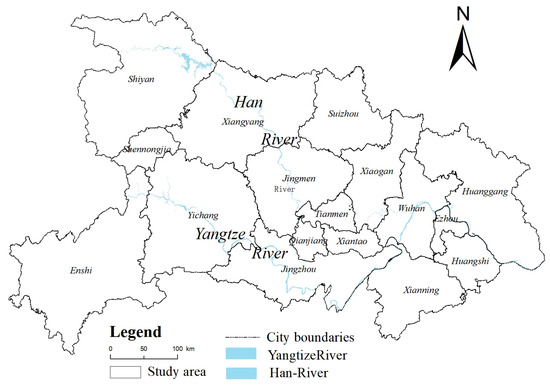
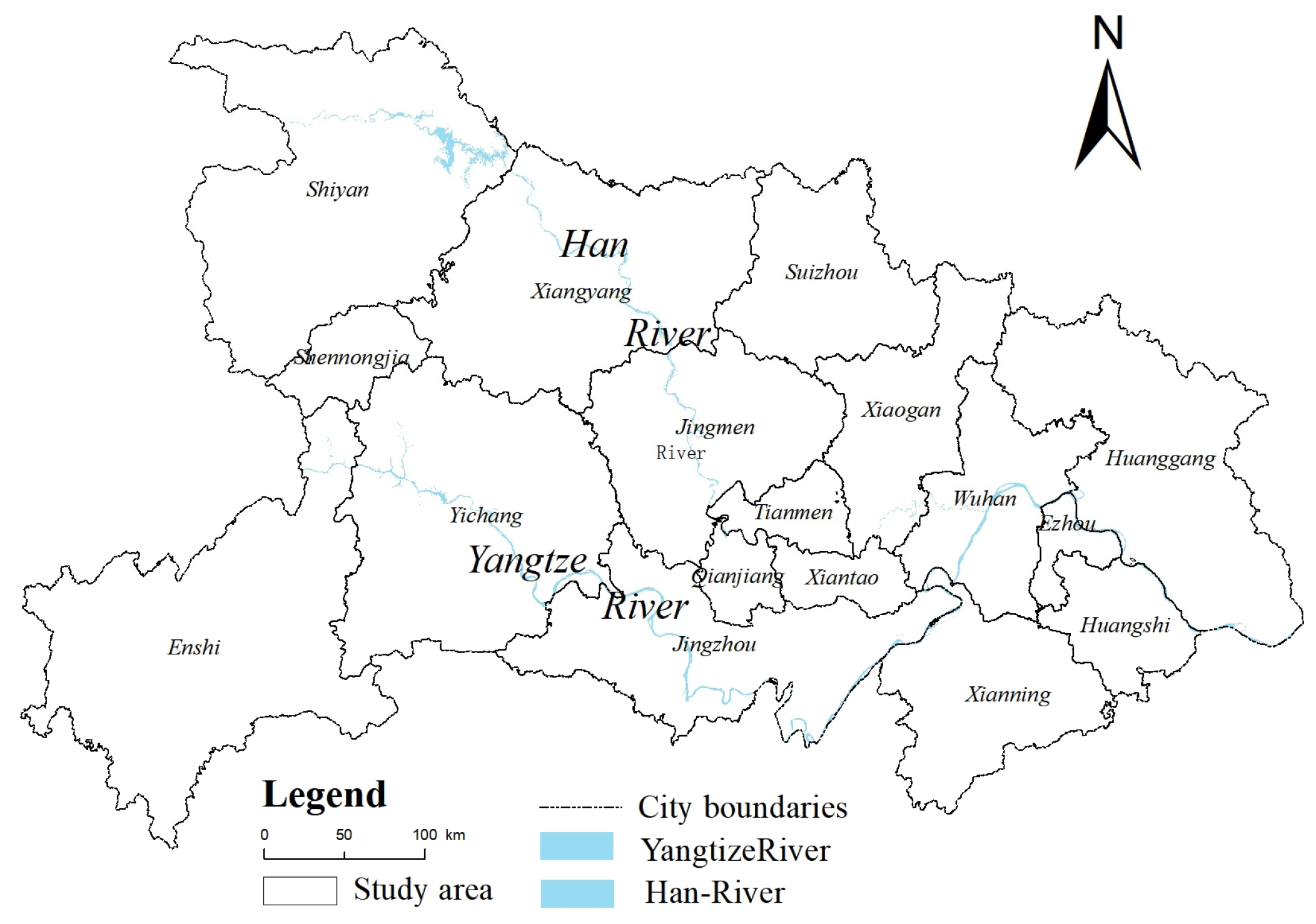
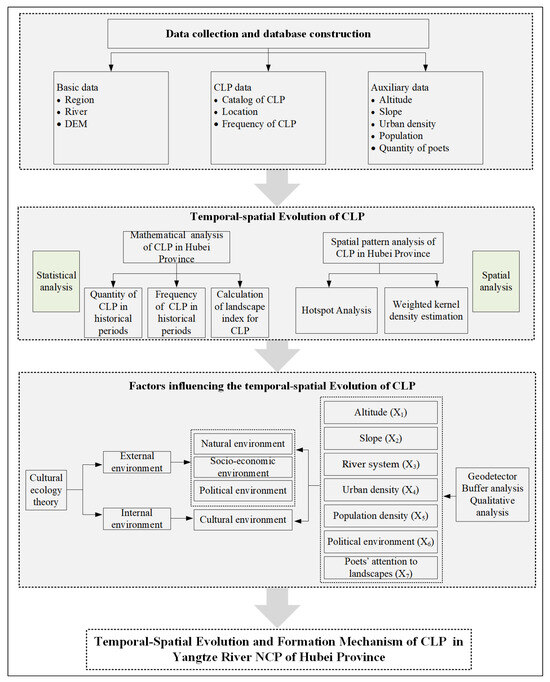
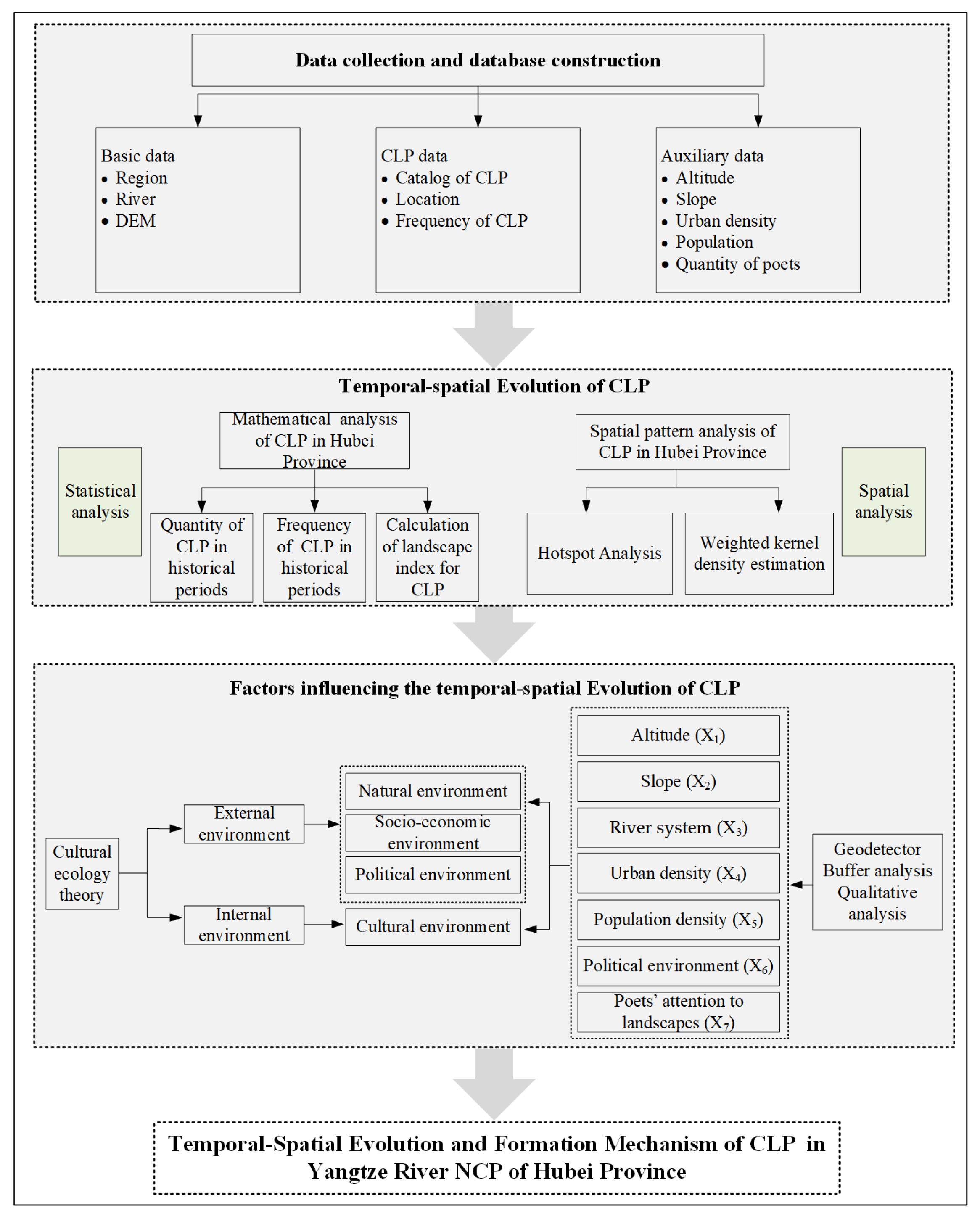
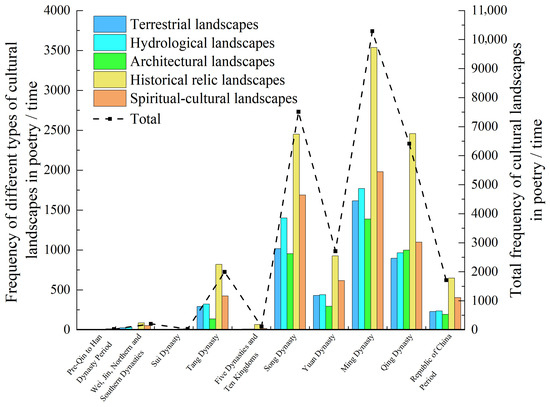
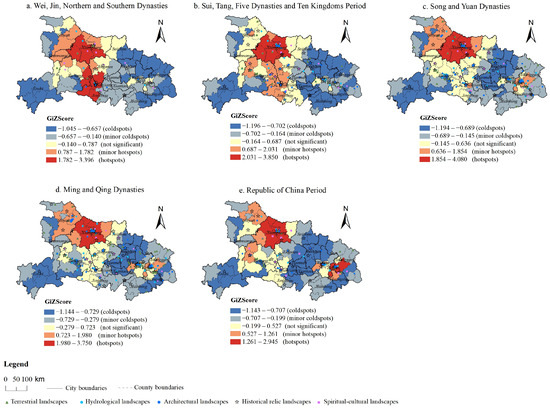
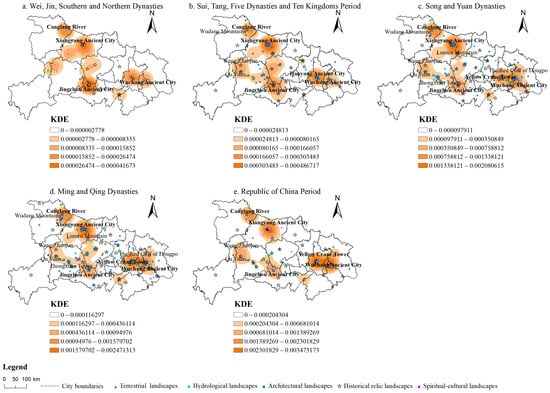
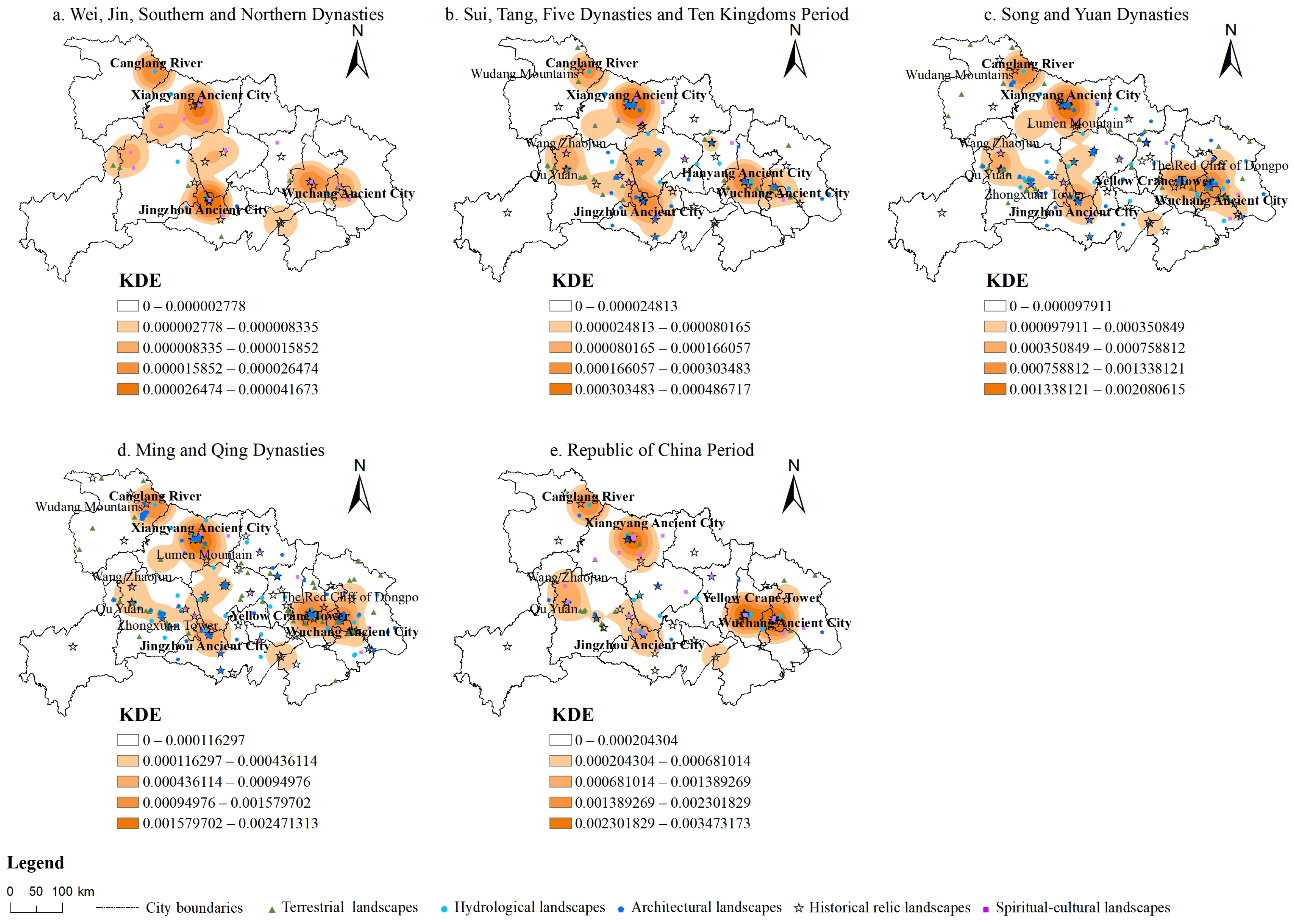
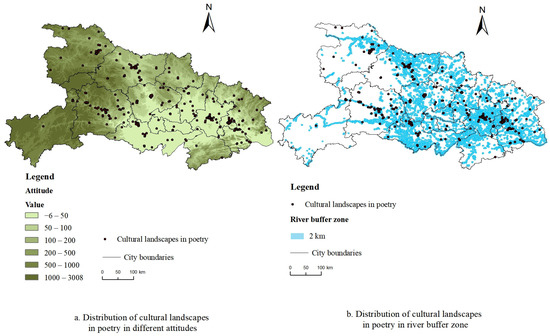
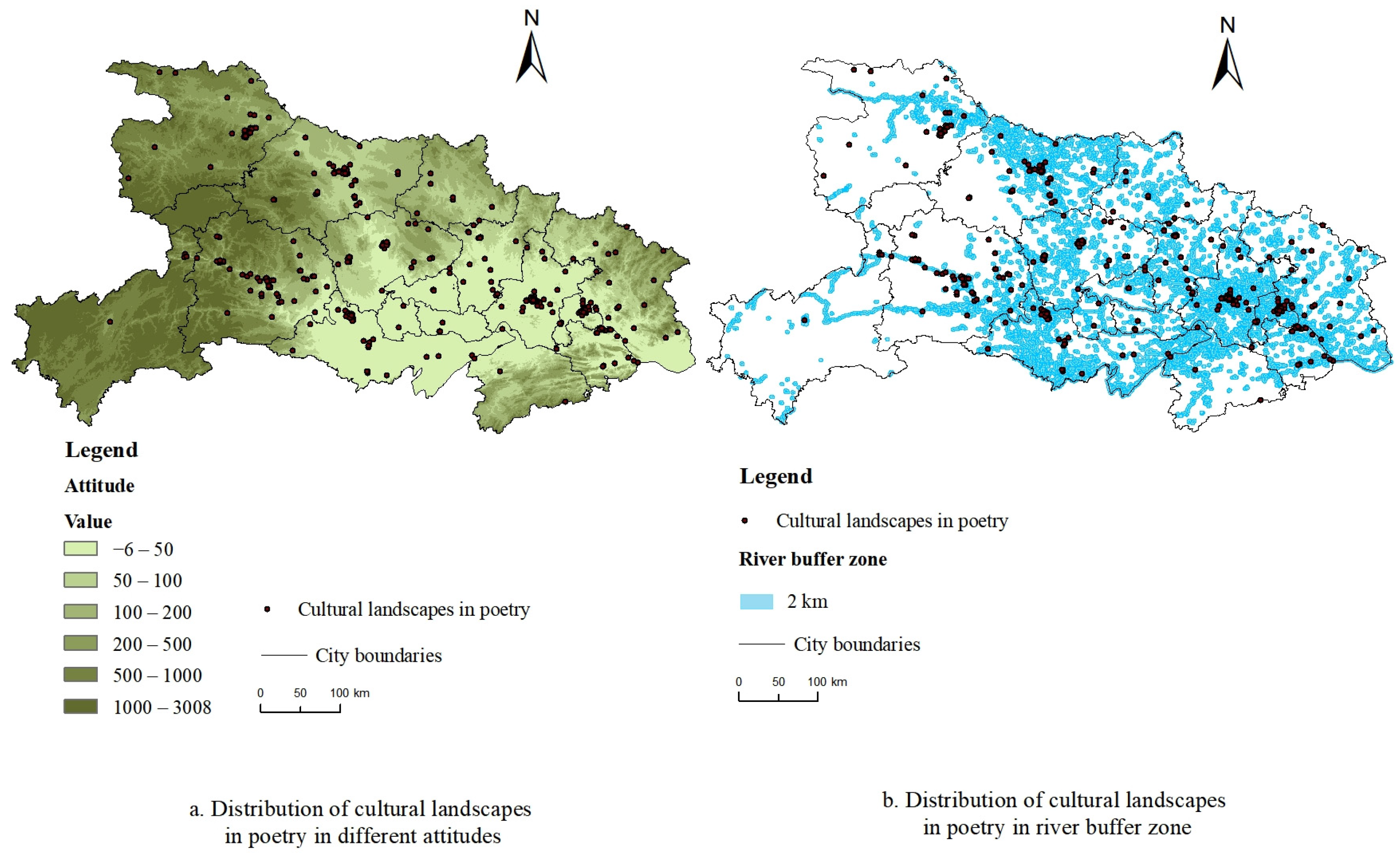
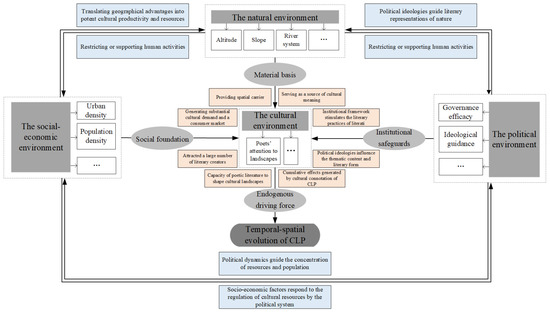
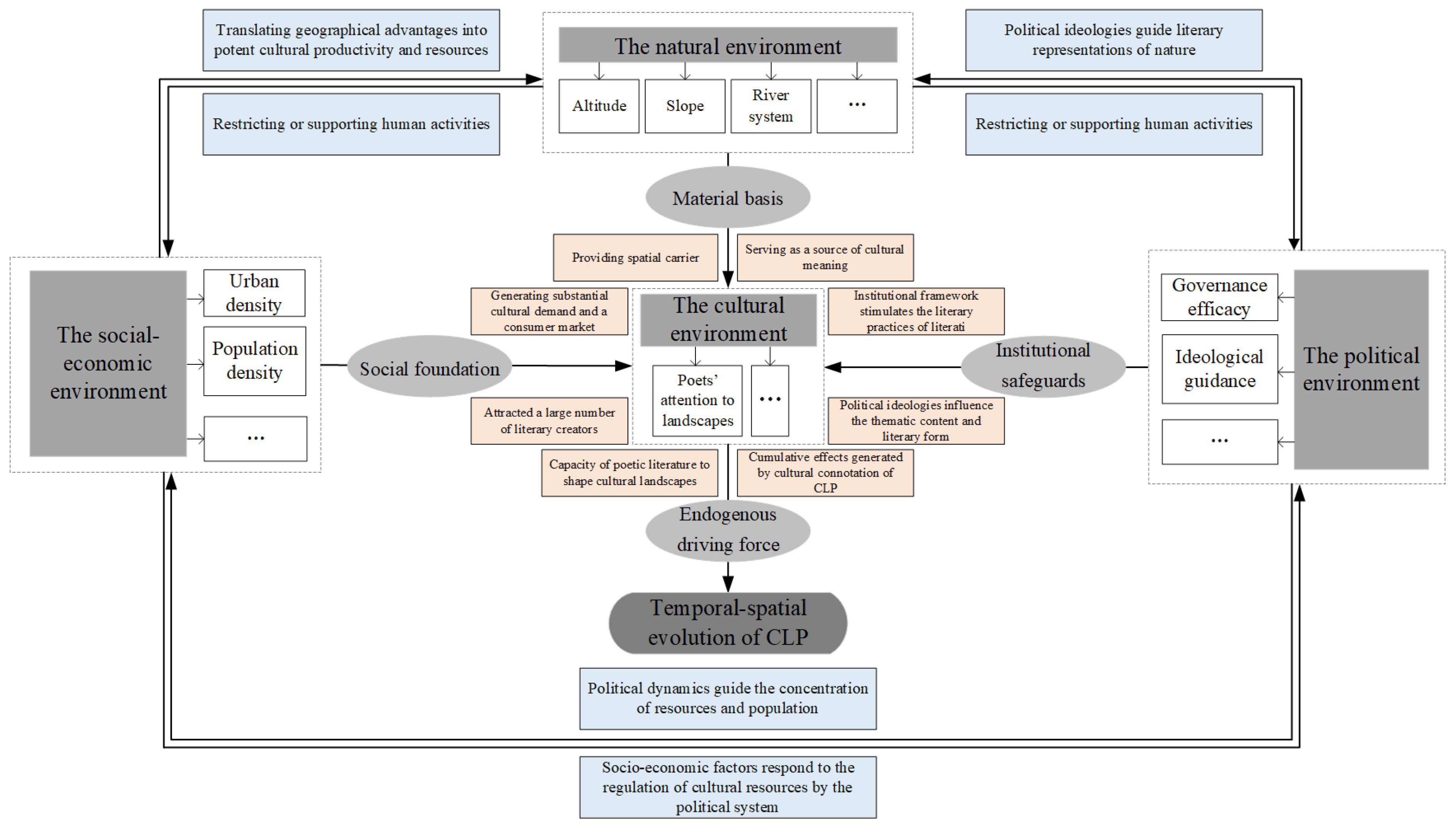

Disclaimer/Publisher’s Note: The statements, opinions and data contained in all publications are solely those of the individual author(s) and contributor(s) and not of MDPI and/or the editor(s). MDPI and/or the editor(s) disclaim responsibility for any injury to people or property resulting from any ideas, methods, instructions or products referred to in the content. |
© 2026 by the authors. Licensee MDPI, Basel, Switzerland. This article is an open access article distributed under the terms and conditions of the Creative Commons Attribution (CC BY) license.