Article

The Data-Driven System Dynamics Study on Sustainable Development of Urban Ecosystems: Causal Discovery and Simulation Analysis in Yangtze River Delta


Management Department, University of Science and Technology of China, Hefei 230026, China
Land 2026, 15(3), 482; https://doi.org/10.3390/land15030482
Submission received: 24 February 2026 / Revised: 14 March 2026 / Accepted: 15 March 2026 / Published: 17 March 2026

Abstract

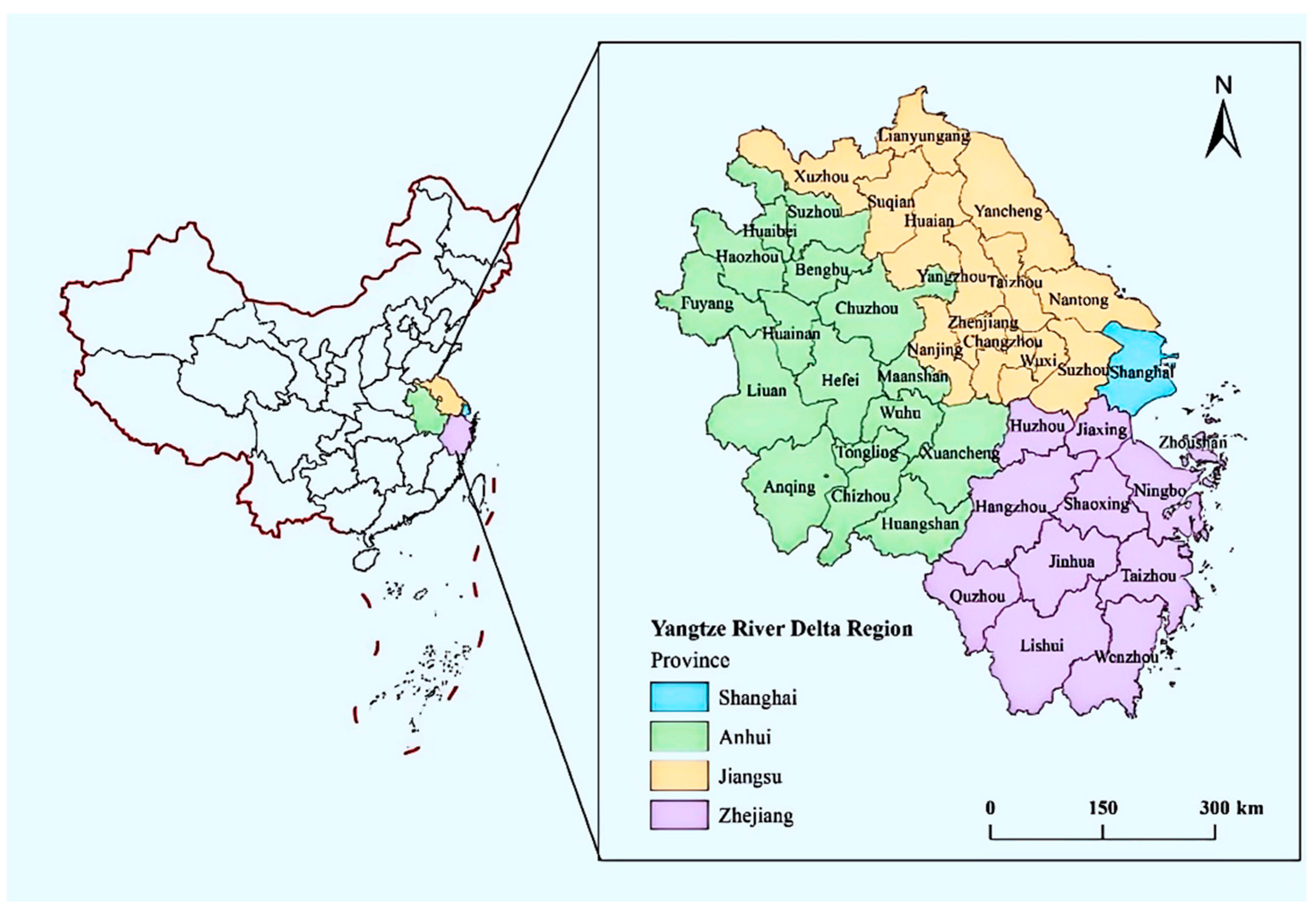
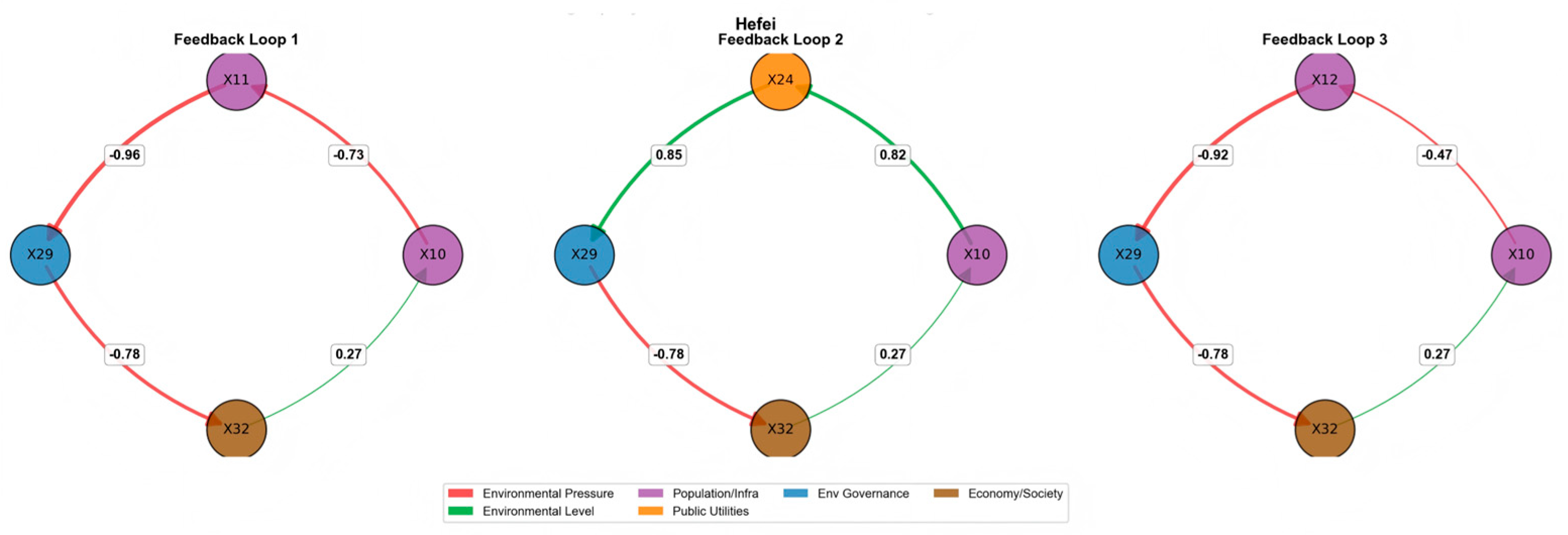
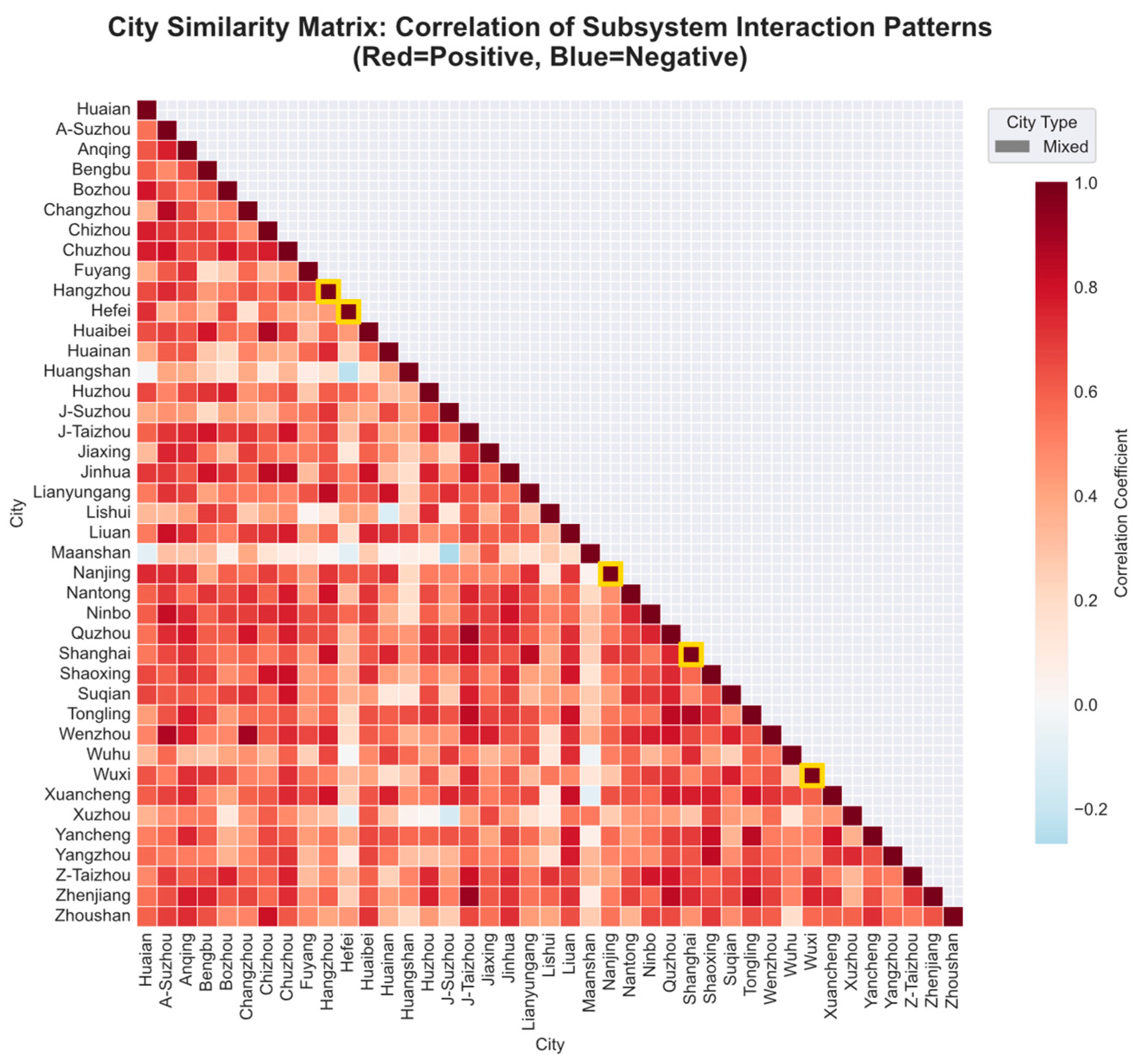
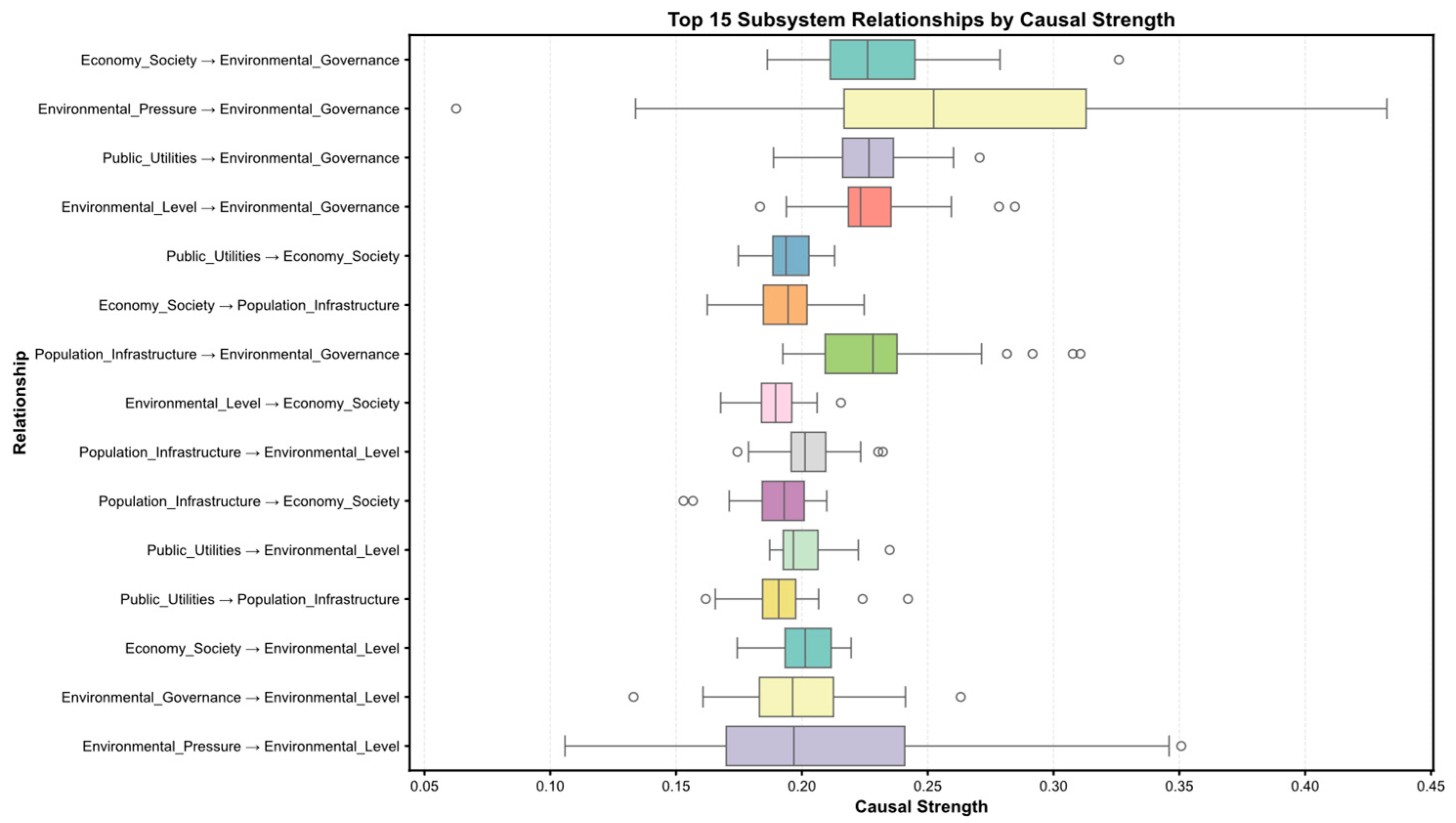
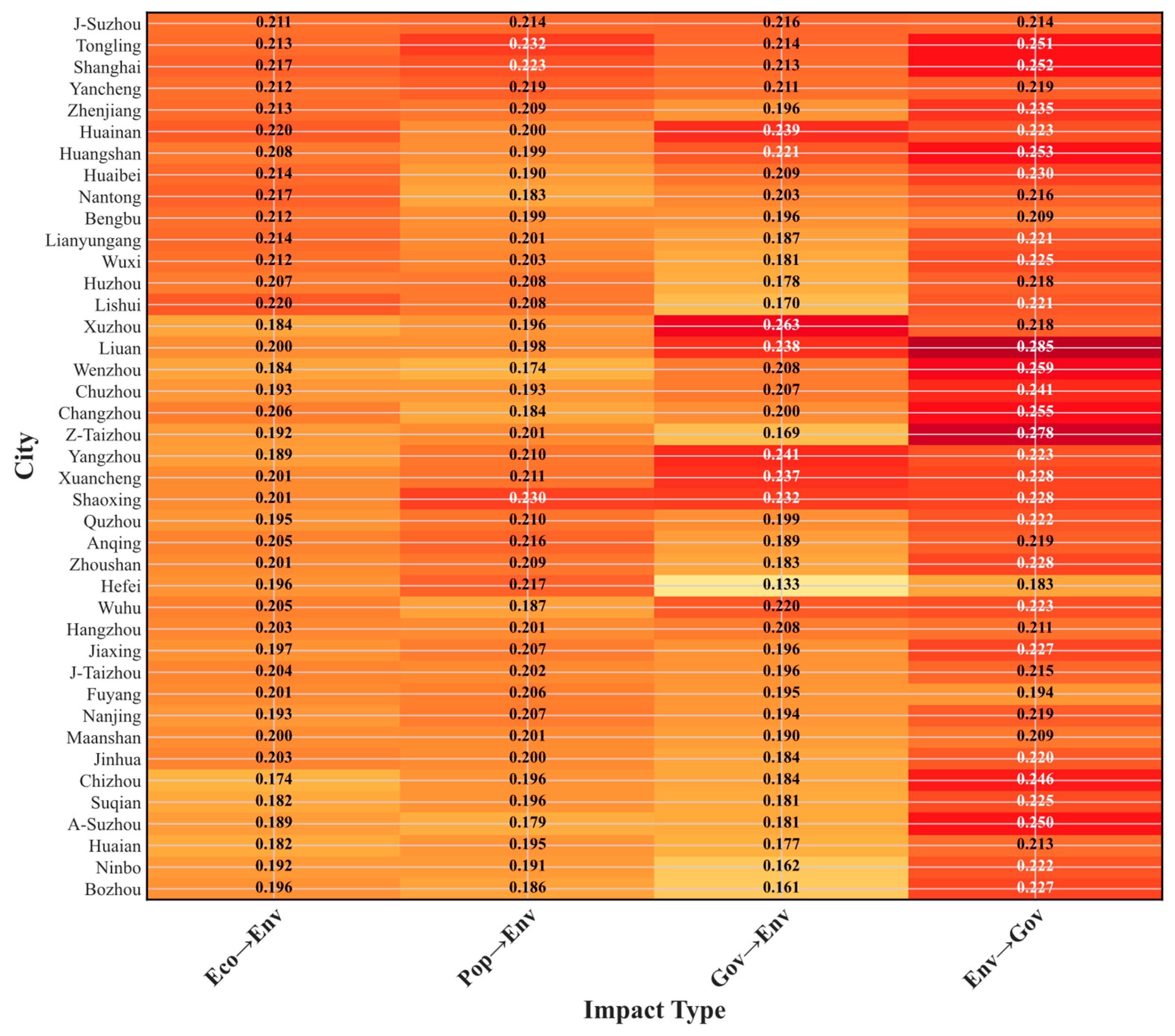
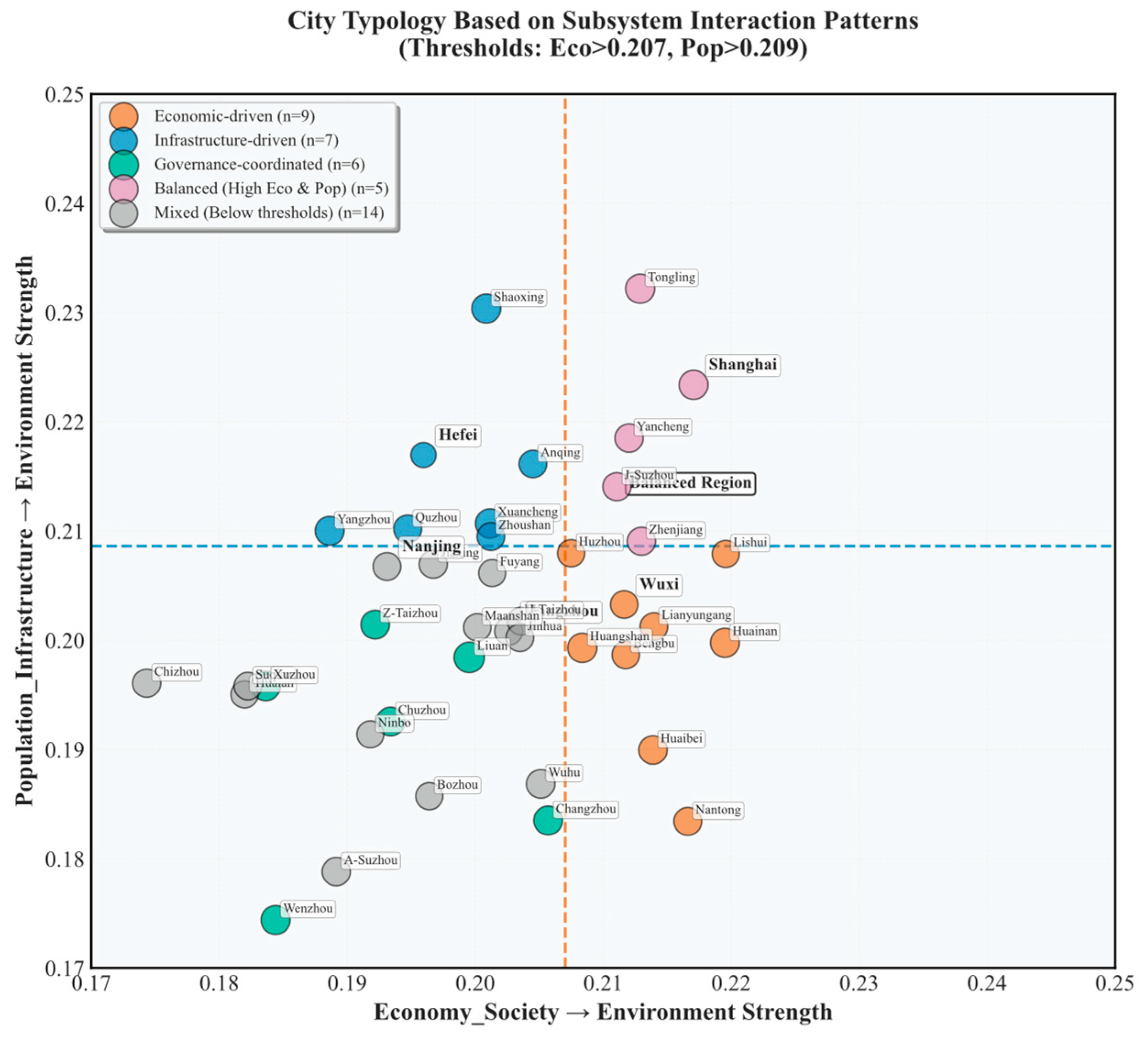
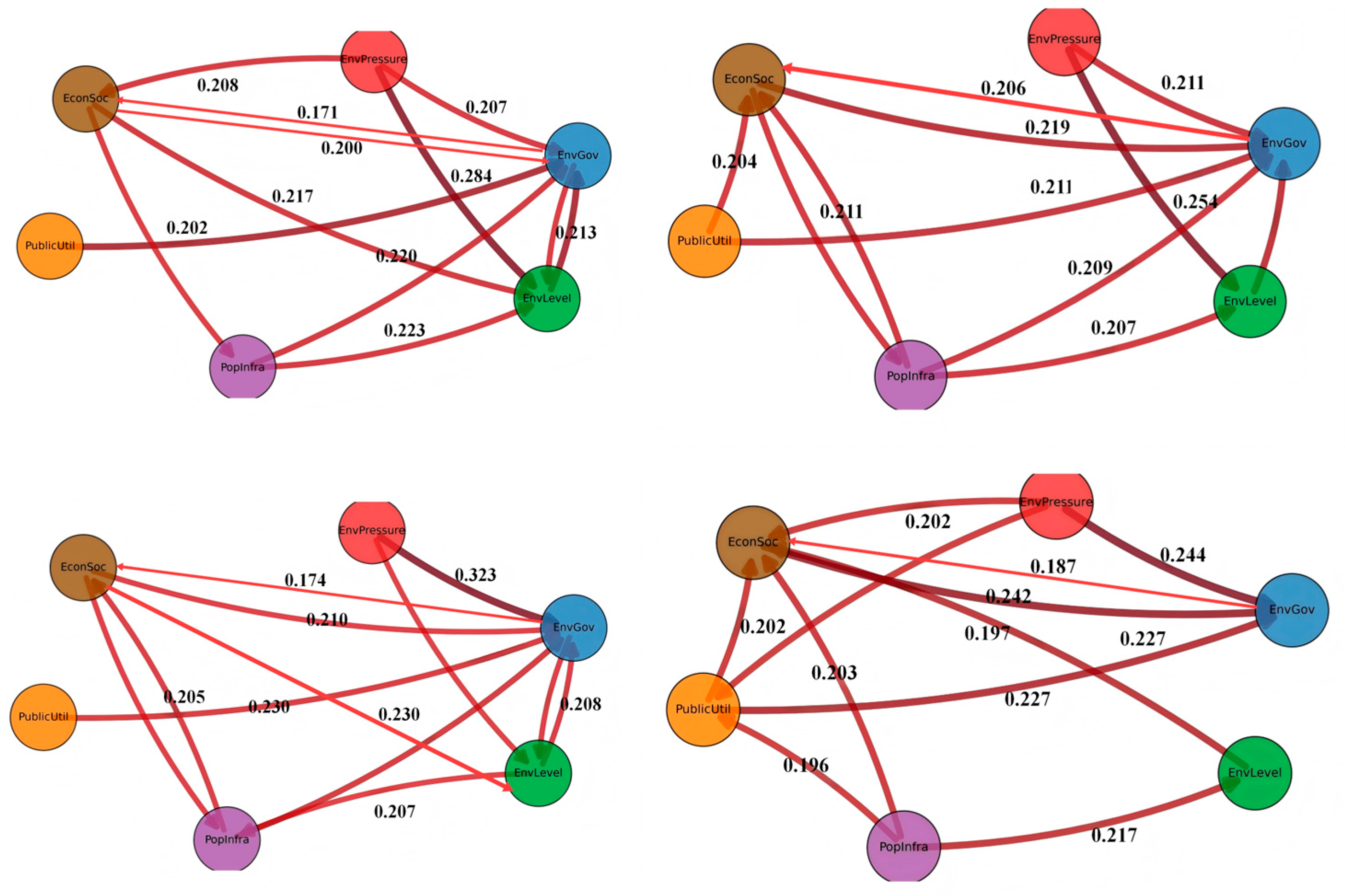
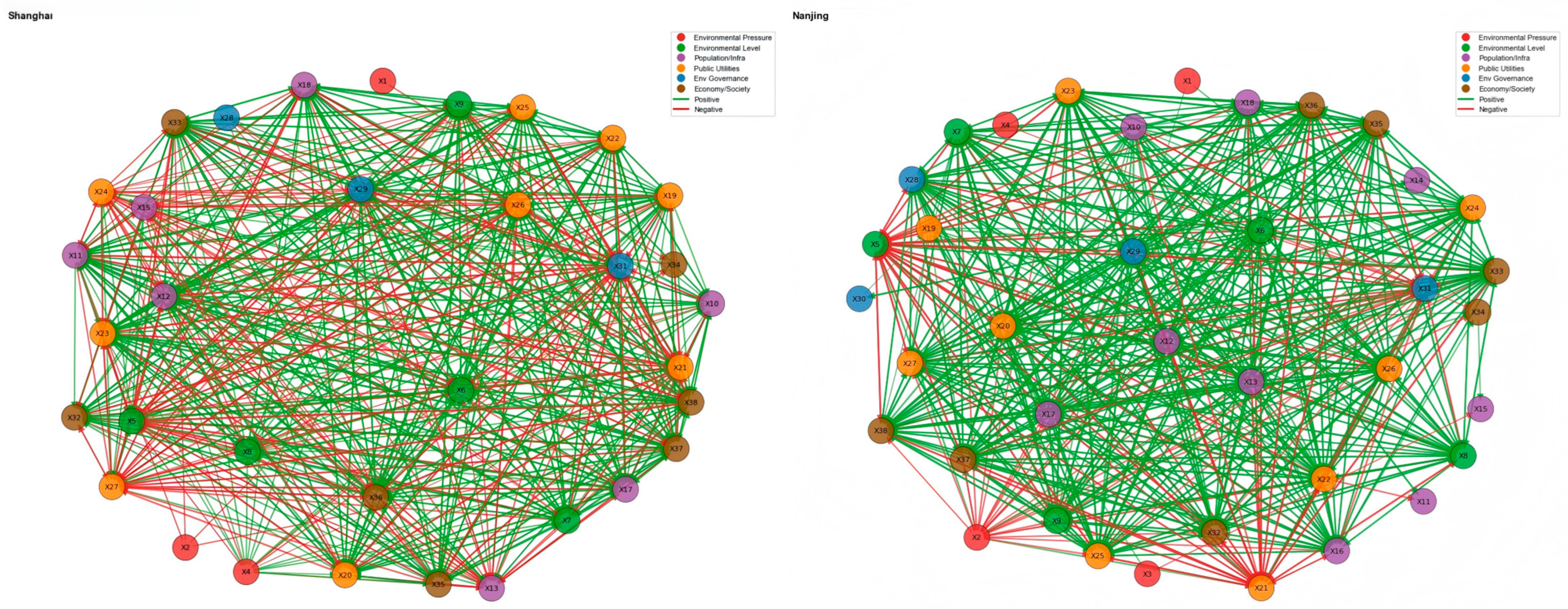
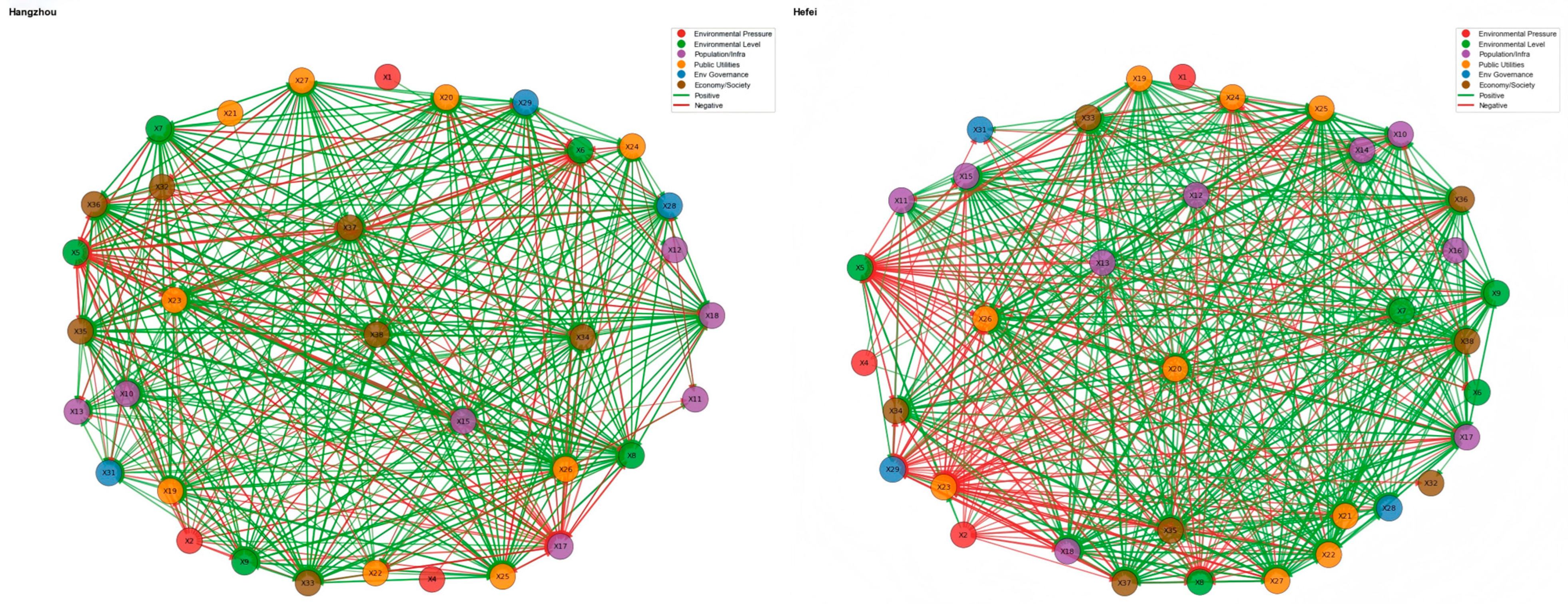
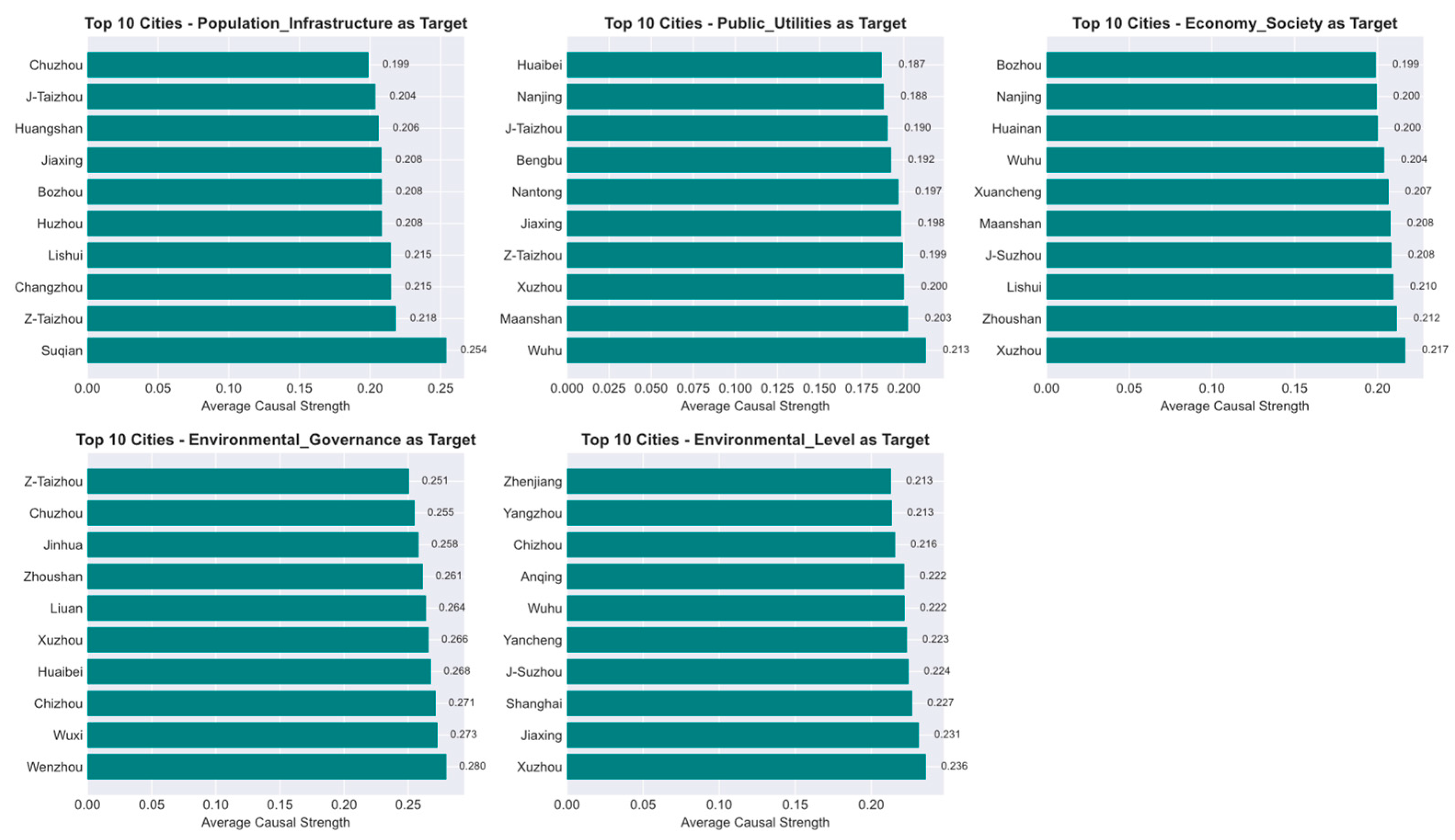
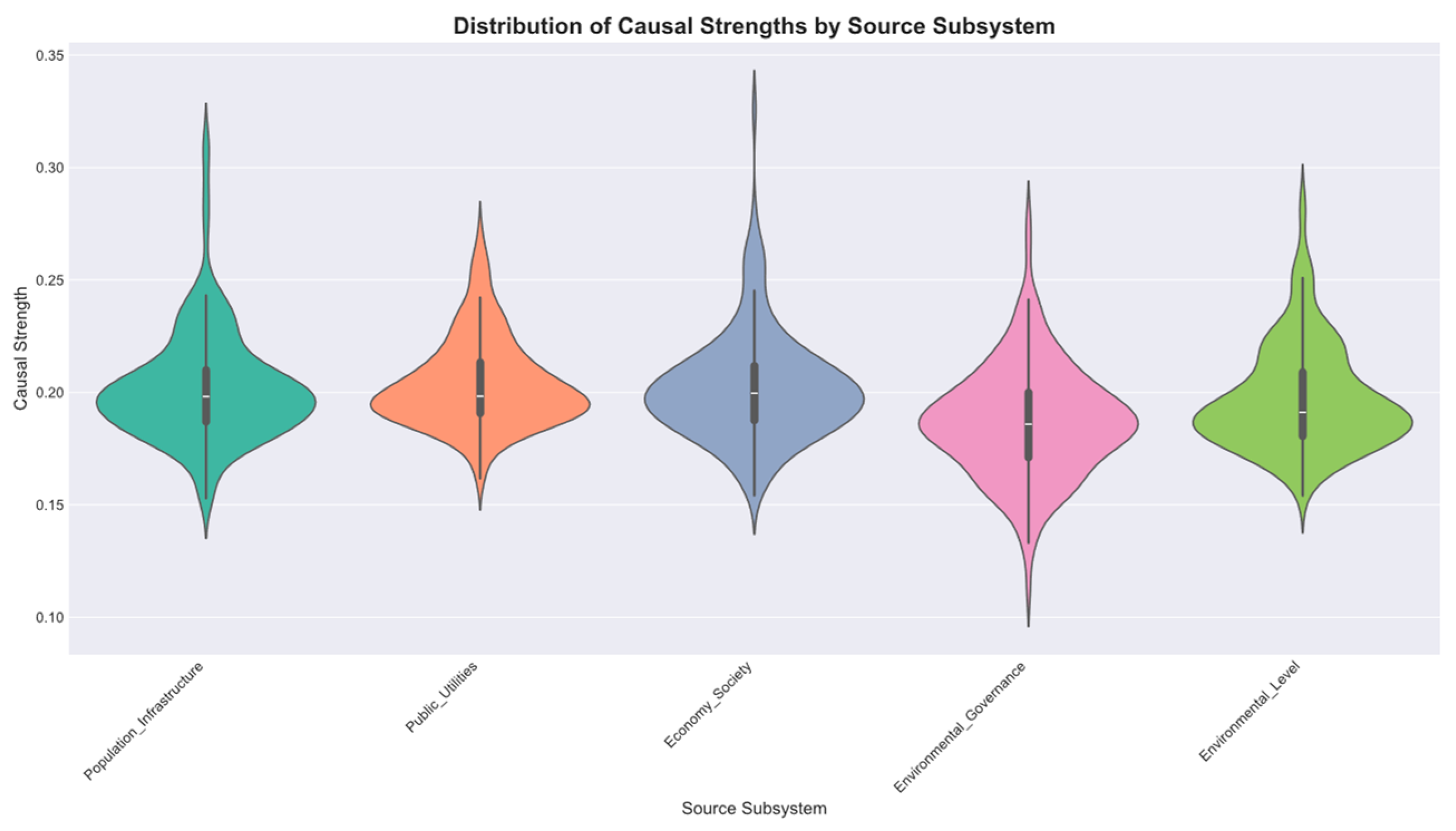
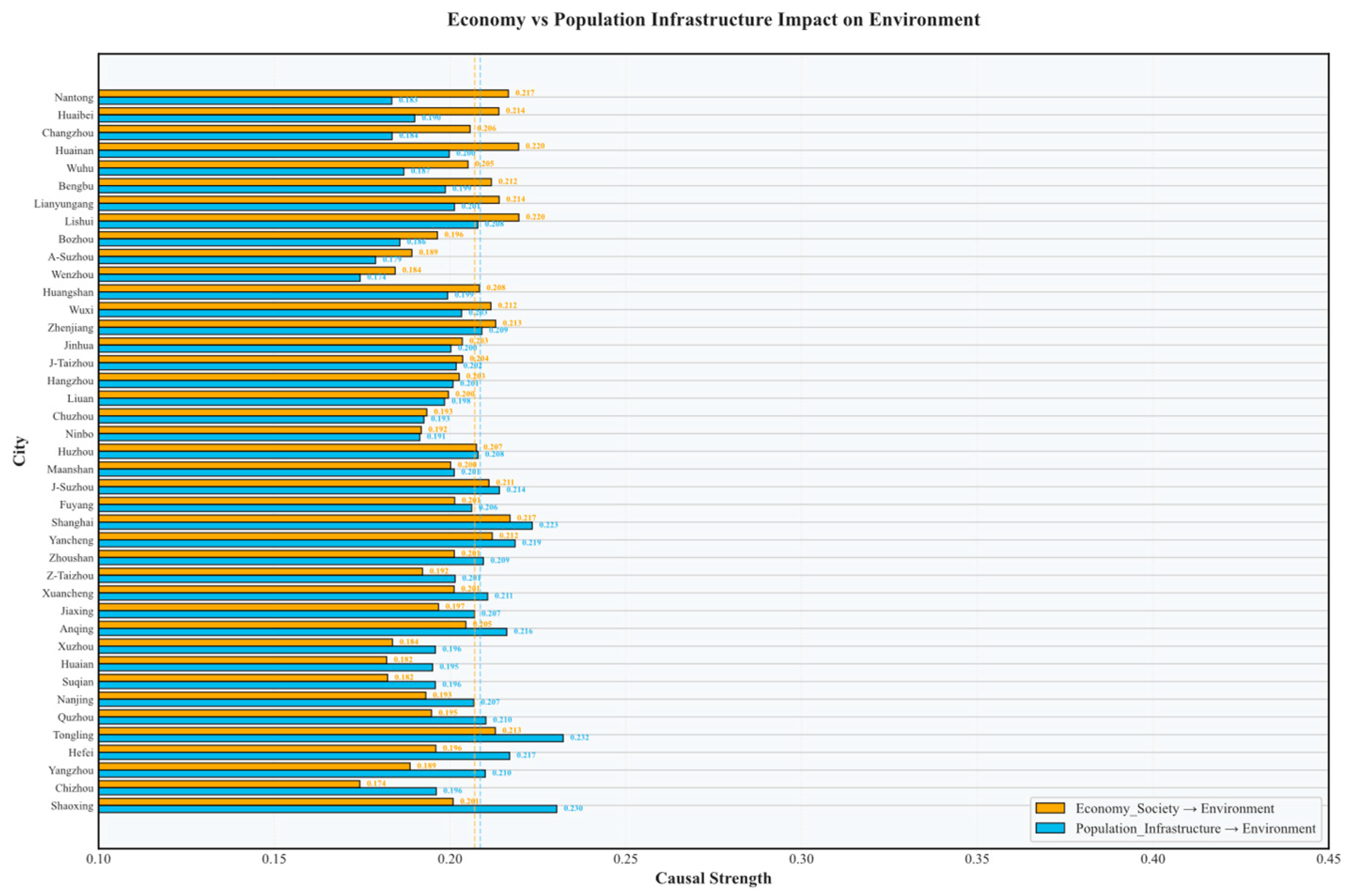
The urban ecosystem constitutes a complex adaptive system comprising interdependent subsystems—environment, population, infrastructure, public services, environmental governance, and socio-economic factors. Conventional system dynamics (SD) modeling relies on expert-derived causal assumptions, which have limitations in objectivity, transferability, and adaptability. To solve these, this study develops a data-driven SD modeling framework that infers causal structures from time-series data of 38 sustainability indicators. The framework integrates multiple causal inference techniques to identify causal relationships among variables, then systematically identifies stock variables and constructs an SD simulation model. Applying it to panel data from 41 cities in China’s Yangtze River Delta (2013–2022), the study characterizes the causal network topology, interaction patterns between subsystems, dominant feedback loops, and temporal evolution trajectories of key stock variables. Results show: (1) There is significant cross-city variation in causal network structure due to differences in urban development and institutional configurations; (2) Environmental conditions are the most frequently affected terminal node with an average normalized causal strength of 0.277, higher than other subsystems; (3) Several cross-subsystem positive and negative feedback loops are identified, highlighting potential path dependencies and intervention-sensitive nodes for sustainable urban transitions. This study provides a replicable, comparable, and scalable framework for urban sustainable development analysis, offering data-driven support for smart city management and policy formulation.
Keywords: urban sustainable development; urban ecosystems; systems dynamics; causal discovery; data-driven modeling; multi-city comparison urban sustainable development; urban ecosystems; systems dynamics; causal discovery; data-driven modeling; multi-city comparison