


Abstract
This study comparatively assesses the Municipal Emission Reduction Plans (MERPs) of Spetses, Platanias, and Souli, examining their role as analytical and strategic tools for local climate planning, with particular emphasis on water-related infrastructure. A descriptive comparative analysis was conducted using secondary data extracted from officially approved MERPs, covering sectoral and total greenhouse gas emissions for 2019 and 2023, as well as reported mitigation actions and 2030 targets. The results reveal significant inter-municipal variations in emission patterns, driven by geomorphological characteristics, infrastructure configuration, and energy consumption, but also by governance structures and system boundaries. Water supply and irrigation systems are identified as highly energy-intensive sectors, particularly in municipalities with extensive, pumping-dependent networks. At the same time, the analysis shows that the inclusion or exclusion of outsourced services—such as water supply and wastewater management—substantially affects the representation of emissions and the prioritization of mitigation actions. The study concludes that MERPs can support climate planning at the municipal level, but their effectiveness is conditioned by data completeness, system boundaries, and governance models. These findings highlight the need to move beyond purely accounting-based approaches toward integrated planning frameworks that capture the full operational scope of municipal systems, enabling more accurate emission assessment and more effective, context-specific mitigation strategies within the water–energy–nexus.
1. Introduction
One of the most important challenges that modern societies must face is the climate crisis; both the European Union and its Member States are committed to ambitious greenhouse gas emission reduction targets over the coming decades. The European goal of achieving climate neutrality by 2050 defines a holistic framework for action with interim goals for reducing net anthropogenic greenhouse gas emissions in comparison to the 1990 levels. At the national level, having incorporated the European goal, Greece through the National Climate Law, attempts to fulfill the interim targets of reducing greenhouse gas emissions by 55% by 2030 and by 80% by 2040 [1,2].
The National Climate Law (L. 4936/2022) aims to establish a coherent framework to improve adaptive capacity and climate resilience in Greece and ensure a gradual transition to a climate-neutral society by 2050, in an environmentally sustainable, socially equitable, and economically efficient manner. The mitigation and adaptation strategies developed in L. 4936/2022 address all levels of governance and economic sectors. Notably, Article 16 introduces the Municipal Emission Reduction Plans (hereafter MERPs). The article requires each municipality in Greece to develop an MERP and prepare yearly technical progress reports on the implementation progress of the plan. This obligation is reinforced by the strategic role assigned to municipalities through the National Energy and Climate Plan (NECP), as well as by the participation of many municipalities in the European Covenant of Mayors for Climate and Energy. Local Climate and Energy Plans aim to develop integrated strategies for mitigating greenhouse gas emissions, enhancing energy efficiency, and transitioning toward resilient and sustainable urban and regional systems. Under this framework, MERPs are being drawn up, through which each municipality submits reports and monitors greenhouse gas emissions on an annual basis, planning and anticipating minimum reduction goals of 10% by 2025 and 30% by 2030, taking 2019 as the base year [1,2].
In this context, municipalities manage critical infrastructure and services that directly shape their carbon footprint. These include municipal buildings, lighting, transport, solid waste and wastewater management, as well as water supply and irrigation systems [3,4,5,6]. While existing climate planning often prioritizes buildings and transport as dominant emission sectors, attention is being given in this study to water-related infrastructure, recognizing that water supply, irrigation, and wastewater systems can be highly energy-intensive due to pumping requirements, treatment processes, pressure regulation, and network losses [7,8,9,10]. The energy demand of such systems is strongly influenced by geomorphology, altitude differences, the spatial dispersion of settlements, and the technical organization of services, resulting in significant variability between municipalities [10,11]. However, despite these advancements, limited attention has been given to how such water-related infrastructures are represented within institutional climate planning tools, particularly in standardized frameworks such as MERPs.
At the same time, recent studies on the Greek MERP framework have primarily focused on policy design, implementation processes, and general emission patterns at the national level, without examining in detail how these plans operate in practice across different municipal contexts. In particular, there remains a gap in understanding how governance structures, system boundaries, and the allocation of service responsibilities (e.g., outsourced versus municipally managed services) influence both the representation of emissions and the formulation of mitigation strategies.
In this context, the present study does not approach MERPs merely as datasets for emission quantification, but as analytical and strategic planning tools. The objective is to examine whether—and under what conditions—MERPs can effectively capture emission patterns and support climate mitigation at the municipal level, with a particular focus on water-related infrastructure. Emphasis is placed on understanding how local characteristics—such as geomorphology, infrastructure configuration, and governance models—shape both emission profiles and the design of mitigation actions.
To achieve this, the study adopts a comparative analytical framework based on secondary data extracted from the officially approved MERPs of three Greek municipalities: Spetses, Platanias, and Souli. The analysis examines sectoral and total emissions for the base year 2019 and the reference year 2023, as well as emission reduction actions and targets for 2030, as reported in the respective plans. Rather than aiming for strict comparability of emission magnitudes, the study adopts a contextualized approach, preserving structural differences between municipalities in order to explore how MERPs function under diverse operational and institutional conditions. Emphasis is also placed on examining the contribution of water infrastructure to total municipal emissions and on evaluating how local structural characteristics influence the energy intensity of water-related services.
The findings demonstrate that emission patterns are not determined solely by technical factors, but are strongly influenced by governance structures, system boundaries, and the organization of municipal services. In particular, the analysis highlights that the inclusion or exclusion of outsourced activities—such as water supply or wastewater management—significantly affects both emission inventories and the scope of proposed mitigation actions. This reveals an inherent limitation of the MERP framework, which may lead to partial representation of emissions and constrain the effectiveness of climate planning.
At the same time, the diversity of proposed actions among municipalities emphasizes the need to approach climate neutrality through spatially adapted and evidence-based measures. The results indicate that water supply and irrigation systems—often underrepresented in local climate planning discourse when outsourced—can constitute significant emission sources, particularly in municipalities with pumping-dependent networks. Consequently, integrating water infrastructure into municipal climate planning emerges as a critical prerequisite for achieving climate neutrality, strengthening local resilience, and ensuring coherence between environmental, energy, and spatial policies [2,3,5,6].
A key contribution of this study lies in advancing the understanding of the water–energy–carbon nexus within the context of municipal climate governance. By explicitly linking emission patterns not only to infrastructure characteristics but also to governance models and institutional boundaries, the study provides a more comprehensive and practice-oriented perspective on how MERPs function in real-world conditions. In doing so, it moves beyond purely technical assessments and contributes to bridging the gap between emission accounting, infrastructure systems, and the institutional realities that shape climate policy implementation at the municipal level.
2. Materials and Methods
2.1. Methodological and Regulatory Framework of MERPs in Greece
At the national level, Greece has incorporated the European objective of climate neutrality into its legal framework through the National Climate Law (Law 4936/2022), which establishes binding interim greenhouse gas (GHG) emission reduction targets of 55% by 2030 and 80% by 2040 compared to 1990 levels, with the long-term objective of achieving climate neutrality by 2050. The law provides an integrated policy framework for climate change mitigation and adaptation across all governance levels and sectors, aiming to enhance resilience and support a transition that is environmentally sustainable, socially equitable, and economically efficient. Within this legislative framework, Article 16 introduces MERPs as a mandatory instrument of local climate governance [1,2].
According to Article 16, each first-level Local Government Organization (municipality) is required to prepare a Municipal Emission Reduction Plan and to submit annual technical progress reports documenting the implementation of the plan and the evolution of GHG emissions. MERPs must include a quantified emissions inventory using 2019 as the base year and define minimum emission reduction targets of 10% by 2025 and 30% by 2030 [1,2].
The preparation, implementation, and monitoring of MERPs are functionally linked to the National Energy and Climate Plan (NECP) and are consistent with commitments undertaken by municipalities participating in the European Covenant of Mayors for Climate and Energy. In addition, MERPs must take into consideration the municipal Building Energy Renovation Plan (BERP) as introduced in Article 7 of L. 4342/2015 [1,2,12]. The institutional framework prescribes standardized sectoral categorization, a uniform reporting structure, and fixed temporal reference points, ensuring methodological consistency and comparability of municipal emission inventories across the national territory.
2.2. Emission Accounting Framework Applied in the MERPs in Greece
The carbon footprint of First-Level Local Government Organizations, within the framework of the preparation of Municipal Emissions Reduction Plans (MERPs), was calculated in accordance with the provisions of Article 16 of the National Climate Law (Law 4936/2022, Government Gazette 105A) [2].
Within the framework of MERPs, emission accounting is limited to Scope 1 (direct emissions from activities owned or controlled by the municipality) and Scope 2 (indirect emissions from the generation of electricity, heat, steam, or cooling purchased and consumed by municipal operations). Scope 3 emissions, which include indirect emissions from upstream and downstream activities not directly controlled by the municipality, are not calculated within the MERP framework.
As a result, sectoral analyses presented in this study reflect only Scope 1 and Scope 2 emissions. In certain sectors, such as water supply and irrigation, emissions are primarily associated with electricity consumption (Scope 2), while Scope 1 emissions may be absent if no fuel-based systems are in operation during the reference period.
The methodology designed for the quantification of greenhouse gas (GHG) emissions and for the preparation of the Municipal Emissions Reduction Plans was based on the following standards:
- ISO 14064-1:2018 Greenhouse gases—Part 1: Specification with guidance at the organization level for quantification and reporting of greenhouse gas emissions and removals [13].
- Greenhouse Gas Protocol, WRI: Global Protocol for Community-Scale Greenhouse Gas Inventories (GPC): An Accounting and Reporting Standard for Cities, Version 1.1.
- Guidelines of the Intergovernmental Panel on Climate Change (IPCC) for National Greenhouse Gas Inventories.
ISO 14064-1:2018 is a standard developed by the International Organization for Standardization (ISO) and provides guidelines for the quantification, monitoring, and reporting of greenhouse gas emissions. The standard establishes a framework for measuring the carbon footprint and tracking the temporal evolution of emissions [13]. The GHG Protocol is a set of internationally recognized standards and guidelines for the calculation and reporting of greenhouse gas (GHG) emissions. The guidelines of the Intergovernmental Panel on Climate Change (IPCC) constitute a set of internationally recognized methodologies for estimating greenhouse gas (GHG) emissions and removals, as well as for compiling emission inventories from various sectors and sources. The IPCC guidelines provide a standardized and transparent approach for countries to report greenhouse gas emissions and removals and to monitor progress toward climate change mitigation targets. These guidelines are regularly updated to reflect advances in scientific knowledge, changes in national circumstances, and evolving policy needs [2].
To enable comparability among different greenhouse gases, emissions are expressed as carbon dioxide equivalent (CO2eq). For this purpose, specific coefficients—Global Warming Potentials (GWPs)—are used to convert other greenhouse gases into CO2eq, reflecting the amount of heat each gas can absorb relative to CO2 [2].
For the calculation of the municipalities’ carbon footprint, the computational tool developed by the Ministry of Environment and Energy (YPEN) was used, and total carbon dioxide equivalent emissions (CO2eq) were calculated for the years 2019 (base year) and 2023 [2]. The calculations were performed using Microsoft Excel 365 (Microsoft Corporation, Redmond, WA, USA).
2.3. Case Selection Strategy
The selection of the case studies was based on a purposive sampling strategy, designed to support the analytical objectives of the study. In particular, a maximum variation approach was adopted in order to capture a wide range of municipal conditions within the Greek MERP framework and to examine how these conditions influence the representation of emissions and the formulation of mitigation strategies.
The case selection was guided by a set of predefined criteria reflecting key dimensions of municipal structure and operation, as summarized in Table 1 below. These criteria include territorial extent, geomorphological characteristics, economic structure, climatic conditions, demographic characteristics, infrastructural organization, and governance conditions. Together, these dimensions capture both the physical and institutional factors that shape municipal emission profiles and determine how emissions are recorded within the MERP framework.
Table 1.
Case selection criteria applied in the study.
Based on these criteria, the three municipalities were selected in order to represent distinct combinations of spatial, economic, infrastructural, and governance characteristics. This variation allows the study to explore how MERPs operate under different local conditions, rather than under a uniform or standardized context.
The purpose of this selection strategy is not to achieve statistical representativeness, but to enable analytical generalization by examining how variations in territorial context, infrastructure configuration, and governance arrangements influence both emission accounting and the scope of mitigation planning. In particular, the inclusion of cases with different degrees of municipal control over infrastructure systems—including the presence of outsourced services—allows for a more comprehensive assessment of how system boundaries are defined and how they affect the completeness and interpretation of emission inventories.
This approach is consistent with the objective of the study, which is to investigate whether—and under what conditions—MERPs can function as effective analytical and strategic tools for municipal climate planning, with particular emphasis on water-related infrastructure.
2.4. Description of the Analytical Dataset
The present study is based exclusively on secondary data extracted from the officially approved MERPs of three Greek municipalities: Spetses, Platanias, and Souli.
From each MERP, both descriptive and quantitative data were collected. The dataset includes descriptive territorial and socio-economic variables for each municipality in order to support the comparative assessment. These comprise territorial extent (km2), geomorphological characteristics (lowland, semi-mountainous, mountainous areas; altitude ranges), climatic classification, and economic profile (primary, secondary, and tertiary sector dominance). Demographic data were also extracted, including permanent population figures from the 2011 and 2021 Hellenic Statistical Authority (ELSTAT) censuses and the corresponding percentage change in population. Information regarding infrastructure organization was included, such as the structure of water supply systems (boreholes, pumping stations, reservoirs, tanker supply where applicable), wastewater treatment facilities, landfill arrangements, and the size and fuel type of municipal vehicle fleets.
In addition to the above contextual variables, the quantitative dataset includes total municipal greenhouse gas emissions expressed in CO2 equivalent (CO2eq) for the base year 2019 and the reference year 2023, as well as sectoral emissions corresponding to: municipal buildings and lighting, municipal transport and fleet, solid waste and wastewater management, and water supply and irrigation systems.
Furthermore, the emission reduction actions and the projected percentage reduction targets for 2030, as documented in the respective MERPs, were presented as reported in the official plans. No recalculation, adjustment, or independent evaluation of the proposed measures was performed. A summary of the variables used in the analysis is presented in Table 2.
Table 2.
Summary of variables included in the analytical dataset.
All variables were directly derived from the MERPs and related official statistical sources referenced therein. No additional external datasets were incorporated for the purposes of this study. Although the present study is based on secondary data, the datasets extracted from the MERPs had undergone prior validation during their preparation, including data consistency checks, cross-referencing with official sources, and methodological alignment with national and international greenhouse gas accounting frameworks. It is noted that the approved Municipal Emission Reduction MERPs were prepared, validated, and internally reviewed within an applied professional context, including contributions from members of the research team affiliated with WEST Consulting. However, it should be acknowledged that, despite these validation procedures, potential uncertainties related to data quality and consistency cannot be fully excluded. In addition, no independent recalibration or external verification of the original datasets was performed within the scope of this study.
2.5. Comparative Analytical Framework
The analytical approach adopted in this study is structured around a comparative analytical framework designed to systematically examine how MERPs operate under different municipal conditions and to assess their effectiveness as analytical and strategic tools for local climate planning, with particular emphasis on water-related infrastructure. Rather than treating municipalities as directly comparable units in terms of emission magnitudes, the analysis focuses on understanding how differences in institutional and infrastructural configurations shape both the representation of emissions and the formulation of mitigation strategies.
The empirical analysis is based on secondary data extracted from the officially approved MERPs of the three municipalities under study. Specifically, the dataset includes demographic variables, sectoral and total greenhouse gas emissions for the base year 2019 and the reference year 2023, as well as the reported mitigation actions and projected emission reduction targets for 2030. Population change between the 2011 and 2021 census years was calculated in order to capture demographic variation, while percentage changes in sectoral emissions (expressed in tn CO2eq) were estimated for all sectors defined within the MERP framework, including municipal buildings and lighting, municipal transport and fleet, solid waste and wastewater management, and water supply and irrigation systems. Total municipal carbon footprint variation was also calculated based on the overall change in emissions between 2019 and 2023 for each municipality. In addition, the reported mitigation actions and the projected emission reduction targets for 2030 were analyzed as documented in the respective plans.
All calculations were performed using Microsoft Excel 365 and were based exclusively on officially reported values, and no modification of the original emission accounting methodology was undertaken. However, the analytical objective of the study is not limited to the presentation of emission changes across sectors and municipalities. Instead, the analysis is organized through a standardized comparative framework that allows the cases to be examined systematically according to common analytical dimensions.
More specifically, the comparative analytical framework is structured around four interrelated dimensions. The first dimension concerns emission accounting boundaries, which are defined by the methodological constraints of the MERP framework itself. In particular, the exclusion of Scope 3 emissions results in the omission of emissions associated with outsourced services, thereby limiting the extent to which municipal activities are fully captured. In addition, the availability of operational data further influences the completeness of the emission inventory. It should be noted, however, that in certain cases, the absence of recorded emissions does not constitute a data limitation but reflects the actual physical and operational characteristics of the municipality. Consequently, differences in reported emissions are interpreted not only as methodological constraints, but also as expressions of underlying geographical and operational conditions.
The second dimension examines the governance model, focusing on how the organization and allocation of municipal services influence emission accounting and sectoral representation within the MERPs. Attention is given to the role of outsourcing arrangements, as these directly affect whether emissions are included within the defined system boundaries.
The third dimension addresses the degree of municipal control over water infrastructure, with emphasis on how variations in ownership, operation, and responsibility for water supply and wastewater systems affect both the recording of emissions and the capacity of municipalities to implement targeted mitigation measures. This dimension is particularly relevant for assessing the water–energy nexus within the context of local climate planning.
The fourth dimension concerns the coverage of mitigation strategies, examining the extent to which proposed actions correspond to the dominant emission sources identified in each municipality and whether all relevant sectors are adequately addressed. Special emphasis is placed on identifying potential gaps, particularly in sectors that fall outside the defined emission boundaries due to outsourcing.
Through these four dimensions, the three municipalities are examined as distinct institutional and operational configurations rather than as directly comparable units in terms of emission magnitude alone. In this way, the framework enables a more systematic cross-case interpretation of how inventory boundaries, local conditions, governance arrangements and infrastructure control shape both the representation of emissions and the formulation of mitigation responses.
Accordingly, the study does not seek to establish statistically generalizable relationships or causal effects, but to provide a structured and context-sensitive assessment of the functioning of MERPs across different municipal environments. The framework is therefore used to support the interpretation of the results and to identify the conditions under which MERPs can more effectively contribute to municipal climate planning, especially in sectors related to the water–energy nexus.
Finally, it is acknowledged that external factors, such as the COVID-19 pandemic and the European energy crisis, may have influenced the emission trends observed between 2019 and 2023. Since such factors are not explicitly isolated or controlled within the scope of this study, the findings should not be interpreted as direct causal effects of municipal interventions, but as part of a broader set of emission dynamics reflected in the officially reported MERP data.
3. Results
3.1. Contextual Characteristics of the Case-Study Municipalities
This subsection provides a comparative presentation of the characteristics of the municipalities under study in terms of their extent, their geomorphological, economic, climatic and population characteristics. The differences between municipalities are explained by the overall assessment of gas emissions, which, as this study shows, vary significantly. Factors that also influence greenhouse gas emissions include the morphology of the urban fabric, altitude, the size of the road network and the presence or absence of areas and tools that consume significant amounts of energy, but these are taken into account in the carbon footprint calculation process [2,4,5,6]. Figure 1 presents the geographical location of the case-study municipalities on the map of Greece.
Figure 1.
The locations of the Municipalities under study.
The Municipality of Spetses covers an area of 22.5 square kilometers and is characterized by predominantly flat to gently hilly terrain, with limited altitudinal variation (maximum elevation 245 m). These geomorphological conditions influence settlement patterns, transport, and energy consumption. The local economy is strongly oriented toward the tertiary sector, particularly tourism, complemented by maritime activities, fishing, and small-scale commerce. The climate of the Municipality of Spetses is classified as Mediterranean, with mild, wet winters and hot, dry summers. According to the 2011 census by ELSTAT, the permanent population of the Municipality of Spetses was 4027, while in the 2021 census, the permanent population decreased to 3748 [14,15]. This decline resulted in a negative change of 6.93%.
The Municipality of Platanias in Crete covers a much larger area than the Municipality of Spetses, reaching 495.43 square kilometers, and exhibits pronounced geomorphological diversity, including lowland, semi-mountainous, and mountainous zones, as well as an extensive coastal front. Its economy is mixed, combining agriculture, trade, and tourism, with strong seasonal pressure in coastal areas. The climate is Mediterranean, with local variations due to elevation, leading to lower temperatures and increased precipitation in mountainous zones. According to the 2011 ELSTAT census, the permanent population was 16,874, while in 2021 it was 15,299 [14,15], meaning that the population decreased by 9.3%.
Τhe Municipality of Souli, located in the Region of Epirus, covers 502.8 square kilometers and is characterized by complex and rugged terrain, with a clear distinction between lowland, semi-mountainous, and mountainous areas. The presence of mountain ranges and enclosed basins shapes both hydrological conditions and land use. The local economy is dominated by the primary sector, particularly agriculture and livestock farming, with limited tourism development. The climate is Mediterranean with continental influences, resulting in significant spatial variability in temperature and precipitation. The total population of permanent residents in the municipality in 2011 was 10,063, while the 2021 census recorded a total of 8759 permanent residents [14,15], i.e., a population decline of approximately 13.04%. The demographic changes across all municipalities are summarized in Table 3 below and further illustrated in Figure 2.
Table 3.
Alteration in population in the Municipalities between 2011 and 2021.
Figure 2.
Comparative presentation of the alteration in the population between 2011 and 2021 of the municipalities under study.
3.2. Sectoral Carbon Footprint Analysis
3.2.1. Municipal Buildings and Lighting
According to the European Environment Agency, municipal lighting and buildings largely determine the overall carbon footprint of urban centers [4,12,16,17,18,19]. Therefore, the energy consumption of municipal buildings and lighting is one of the most critical sources of direct and indirect emissions at the local level, as municipalities manage many infrastructure with significant thermal and electrical requirements. The number, spatial distribution, and size of buildings all have an impact on the overall assessment of greenhouse gas emissions. More specifically, in order to achieve a significant reduction in energy consumption and, consequently, greenhouse gas emissions, as well as to provide the best possible experience for consumers, calculating the carbon footprint of municipal buildings and lighting is a cornerstone for achieving climate neutrality goals [4,5,12,16,18]. This subsection provides a comparative presentation of the analysis of data relating to municipal buildings and lighting in the Municipalities of Spetses, Platanias and Souli, respectively, as well as the total greenhouse gas emissions produced during the base year 2019 and the reference year 2023, in tons of carbon dioxide equivalent (tn CO2eq).
In the Municipality of Spetses, the heating of municipal buildings, and municipal lighting was carried out exclusively using electricity, for the years 2019 and 2023. Total emissions for the base year 2019 were estimated at 138.13 tons of CO2eq, while for 2023 the total amount increased to 160.26 tons of CO2eq. Consequently, there was a 16.02% increase in total greenhouse gas emissions due to an increase in the use of electricity for municipal heating and lighting.
In the Municipality of Platanias, the heating of municipal buildings for the years 2019 and 2023 was carried out using electricity and liquid diesel fuel, while municipal lighting was carried out using electricity. Total emissions for the base year 2019 were estimated at 3414.12 tons of CO2eq, while for 2023 the total amount increased to 3214.00 tons of CO2eq. Consequently, there was a 5.86% reduction in total greenhouse gas emissions due to a decrease in the use of liquid diesel fuel for heating municipal buildings and lighting in the Municipality of Platanias.
In the Municipality of Souli, the heating of municipal buildings for the years 2019 and 2023 was carried out using both electricity and liquid diesel fuel, while municipal lighting was carried out using electricity. Total emissions for the base year 2019 were estimated at 1304.9 tons of CO2eq, while for 2023, the total amount decreased to 955.18 tons of CO2eq. Consequently, there was a 26.80% reduction in total greenhouse gas emissions due to a decrease in the use of liquid diesel fuel and electricity for heating municipal buildings and lighting in the Municipality of Souli. The changes in total CO2eq emissions from municipal buildings and lighting across all municipalities are summarized in Table 4.
Table 4.
Presentation of the change in total CO2eq emissions from municipal buildings and lighting in the municipalities under study between 2019 and 2023.
3.2.2. Municipal Transport/Municipal Fleet
Another activity that contributes to greenhouse gas emissions is the transport fleet of each municipality, including passenger vehicles, commercial vehicles, and construction machinery. More specifically, the type of fuel used to power vehicles causes corresponding gas emissions, as the combustion of diesel and gasoline produces significant amounts of carbon dioxide, methane, and nitrogen oxides [4,5,20]. Taking into account the data in on vehicle fleet available to each of the three municipalities, in combination with the type of fuel used, the total equivalent greenhouse gas emissions can be calculated. This subsection provides a comparative presentation of the analysis of the data on municipal vehicles in the Μunicipalities of Spetses, Platanias and Souli, respectively, as well as the total greenhouse gas emissions produced during the base year 2019 and the reference year 2023, in tons of carbon dioxide equivalent (tn CO2eq).
The Municipality of Spetses, due to its small, picturesque and extremely narrow road network, which is mainly pedestrianized within the settlement, has very few vehicles in circulation. As a result, the Municipality of Spetses has only 6 vehicles that are used exclusively for waste collection. Since all of them are waste collection vehicles, it was considered appropriate in the context of this study to present them in the next section, which deals exclusively with solid waste and wastewater management.
The Municipality of Platanias has 47 municipal vehicles that run on diesel, gasoline, and LPG. Total emissions for the base year 2019 were estimated at 449.05 tons of CO2eq, while for 2023 the total amount decreased to 269.95 tons of CO2eq. Consequently, there was a 39.88% reduction in total greenhouse gas emissions due to the use of liquid fuels by the municipal vehicles of the Municipality of Platanias.
The Municipality of Souli has 23 municipal vehicles that use diesel and gasoline. Total emissions for the base year 2019 were estimated at 117.36 tons of CO2eq, while for 2023 the total amount increased slightly to 149.60 tons of CO2eq. Consequently, there is a 27.5% increase in total greenhouse gas emissions due to the use of liquid fuels by the municipal vehicles of the Municipality of Souli. The changes in total CO2eq emissions from the municipal fleet across all municipalities are summarized in Table 5.
Table 5.
Presentation of the change in total CO2eq emissions from the municipal fleet in the municipalities under study between 2019 and 2023.
3.2.3. Solid Waste and Wastewater Management
Solid waste and wastewater management is a distinct and critical area in calculating the total carbon footprint of a municipality, as it is linked to greenhouse gas emissions from both the treatment and disposal processes, but also from the supporting collection and transport functions. In particular, the disposal of biodegradable waste under anaerobic conditions (e.g., in sanitary landfills sites) leads to the production and emission of methane (CH4), a gas with a high climate impact, while wastewater treatment and disposal can cause emissions of both CH4, under certain conditions, and nitrous oxide (N2O), mainly through nitrogen-related processes. This subsection reflects the total emissions in terms of CO2eq from wastewater treatment and management, as well as from the use of the fuel by the fleet of refuse collection vehicles that support waste collection and transport [4,5,21,22,23,24,25].
The Municipality of Spetses does not have an organized sanitary landfill site; therefore, waste is transferred from collection vehicles to larger vehicles equipped with press containers and transported for disposal to the Integrated Waste Management Facility (IWMF) in Western Attica. The Municipality of Spetses has 6 waste collection vehicles that run on diesel fuel. Total emissions for the base year 2019 were estimated at 133.30 tons of CO2eq, while for 2023 the total amount increased slightly to 154.89 tons of CO2eq. Consequently, there was a 16.2% increase in total greenhouse gas emissions due to the use of liquid fuels by the waste collection vehicles of the Municipality of Spetses.
The Municipality of Platanias has a wastewater treatment plant and 9 waste collection vehicles, which use diesel and gasoline. Total emissions for the base year 2019 were estimated at 1209.94 tons of CO2eq, while for 2023, the total decreased to 812.73 tons of CO2eq. In further detail, CO2eq emissions from diesel fuel increased from 150.87 tn to 176.07 tn, while emissions from gasoline rose from 13.60 tn to 15.99 tn. In contrast, emissions from the treatment facility decreased significantly, from 1045.47 tn CO2eq to 620.66 tn CO2eq. Consequently, there was a 32.8% reduction in total greenhouse gas emissions related to wastewater treatment in the Municipality of Platanias.
The Municipality of Souli has a waste collection network that covers most villages. More specifically, it has 3 waste collection vehicles that run on diesel. In the Municipality of Souli, there is a sanitary landfill site in the area of Karvounari. However, it is managed by a private company and, therefore, the emissions resulting from the disposal of waste in it are not included in this study. There is also a biological treatment plant in the municipality, which began operating in June 2024, so no data are currently available. Total emissions for the base year 2019 were estimated at 86.11 tons of CO2eq, while for 2023, the total amount increased slightly to 90.32 tons of CO2eq. Consequently, there was a 4.9% increase in total greenhouse gas emissions due to the use of liquid fuels by the Municipality of Souli’s waste collection vehicles. The changes in total CO2eq emissions from solid waste and wastewater management across all municipalities are summarized in Table 6.
Table 6.
Presentation of the change in total CO2eq emissions from solid waste and wastewater management in the municipalities under study between 2019 and 2023.
3.2.4. Water Supply and Irrigation
Water supply and irrigation are basic municipal services that contribute directly and indirectly to the overall carbon footprint of municipalities, as their operation is inextricably linked to significant energy requirements. In particular, the pumping, transport, storage, and distribution of water—both for domestic use and for irrigation purposes—require the continuous operation of pumping stations and electrical and mechanical equipment, which consume electricity and therefore lead to indirect greenhouse gas emissions. The level of emissions is influenced by factors such as the geomorphology of the area, altitude differences, the length and age of the networks, as well as pressure and supply requirements, which vary significantly between urban, rural and mountainous municipalities [9,10,26,27,28,29]. In the context of this study, this subsection reflects the total consumption at the water supply and irrigation pumping stations of the Municipalities of Spetses, Platanias, and Souli for the base year 2019 and reference year 2023. Water supply and irrigation activities are supported by springs, boreholes and pumping stations, which require electricity to operate, while tanks and chlorinators are used for water storage and treatment [4,5].
The water supply network of the Municipality of Spetses is not supplied by boreholes, but by water transported by a water tanker. The water is pumped from the tanker through a DN250 pipe, to a tank at an altitude of approximately 60 m. From the tank, a pumping unit transfers part of the water to another tank located at an altitude of 93 m. The two tanks supply water to two independent zones that have been designated by the municipality as the Upper and Lower zones, respectively. Due to the current situation, the electricity used does not fall under the jurisdiction of the Municipality of Spetses; therefore, no data on greenhouse gas emissions are available.
In the case of the Municipality of Platanias, the Municipal Water Supply and Sewerage Company of Northern Chania (DEYABA) owns the water maintenance, operation, administration and management. Water is pumped and transported from the boreholes and pumping stations, which consume only electricity. Water is stored and treated in tanks and chlorinators. Total emissions for the base year 2019 were estimated at 1852.01 tons of CO2eq, while for 2023 the total amount increased slightly to 1880.86 tons of CO2eq. Consequently, there was a slight increase of 1.6% in total greenhouse gas emissions due to the use of electricity for water supply and irrigation in the Municipality of Platanias.
The Municipality of Souli owns the water supply networks and is responsible for their design, construction, maintenance, exploitation, administration and operation. More specifically, the Municipality is responsible for the operation of seventy-five pumping stations, reservoirs and boreholes. There are ten boreholes. Eighteen of the reservoirs have a pumping station and forty-seven do not. Total emissions for the base year 2019 were estimated at 1112.01 tons of CO2eq. Consequently, there is a slight decrease of 6.9% in total greenhouse gas emissions due to the use of electricity for water supply and irrigation in the Municipality of Souli. The changes in total CO2eq emissions from water supply and irrigation across all municipalities are summarized in Table 7.
Table 7.
Presentation of the change in total CO2eq emissions from water supply and irrigation in the municipalities under study between 2019 and 2023.
3.3. Total Municipal Emissions
The summary of the carbon footprint at the municipal level is a critical stage of this analysis. While the individual analysis per sector of activity highlights specific sources of emissions and differences between operations, the aggregate footprint in terms of CO2eq provides an understanding of each sector’s relative contribution to the overall footprint and the total energy and environmental impact of each municipality. This overall picture is essential for the hierarchical identification of priority sectors, the evaluation of the effectiveness of existing practices and the targeted formulation of proposed emission reduction actions tailored to the specific characteristics and actual needs of each municipality. In this context, this subsection collects and presents the total CO2eq emissions of the Municipalities of Spetses, Platanias and Souli for the base year 2019 and the reference year 2023.
The carbon footprint of the Municipality of Spetses for the base year 2019 was 271.43 tons of CO2eq, while for the reference year 2023, it increased to 315.15 tons of CO2eq. Consequently, total CO2eq emissions increased by 16.1%. In the case of the Municipality of Platanias, the carbon footprint for the base year 2019 was 6925.55 tons of CO2eq, while for the reference year 2023 it decreased to 6177.54 tons of CO2eq. Consequently, total CO2eq emissions decreased by 10.8%. Finally, the carbon footprint of the Municipality of Souli for the base year 2019 was 2620.38 tons of CO2eq, while for the reference year 2023 it decreased to 2230.32 tons of CO2eq. Consequently, total CO2eq emissions decreased by 14.9%. The changes in total CO2eq emissions across all municipalities between 2019 and 2023 are illustrated in Figure 3.
Figure 3.
Total CO2eq emissions of the municipalities under study between 2019 and 2023.
3.4. Reported Mitigation Actions and 2030 Targets
Within the framework of MERPs, documented actions are identified and selected with the aim of reducing greenhouse gas emissions and increasing absorption at the local level by 2030. The selection of actions, which are presented in Table 8, is based both on the results of the emissions inventory and on the specific operational, geographical and socioeconomic characteristics of each municipality. The aim is to formulate realistic and feasible interventions that can contribute to achieving a reduction in emissions of at least 10% by 2025 and 30% by 2030, compared to the base year 2019, in line with the national and European framework for climate neutrality. At the same time, this study seeks to highlight the role of targeted adaptation of actions to the needs and capabilities of each municipality, avoiding the adoption of uniform approaches that do not consider local particularities [1,2].
Table 8.
* Presentation of proposed actions per municipality with estimated emission reduction by 2030.
4. Discussion
A brief overview of the case-study municipalities shows that the three cases differ substantially in their spatial, geomorphological, economic, and climatic characteristics, and that these differences form the broader context within which their emission profiles should be understood. Spetses is a small island municipality with limited altitudinal variation and a strong dependence on the tertiary sector. In contrast, Platanias and Souli are larger and more geographically complex, with Platanias characterized by a mixed economic model that depends on the primary and tertiary sector, and Souli dominated by the primary sector. Geomorphological diversity is more pronounced in Platanias and especially in Souli, where mountainous terrain and altitude variations contribute to differentiated climatic conditions. While all three municipalities are classified as Mediterranean, local climatic variations are evident, particularly in Platanias and Souli, due to elevation and terrain complexity. Despite these structural differences, all municipalities show similar demographic trends, with population decline ranging from approximately 7% to 13% between 2011 and 2021.
At the sectoral level, the results show differentiated emission patterns across municipalities and sectors. In municipal buildings and lighting, emissions increased in Spetses but decreased in Platanias and Souli. The Municipality of Spetses, as expected, has the lowest CO2eq emissions, while the Municipality of Platanias has the highest CO2eq emissions among the three municipalities in both the base year and the reference year. In municipal transport, the available data show a reduction in Platanias and an increase in Souli, with no transport-related emissions recorded for Spetses. In solid waste and wastewater management, Platanias presents the highest reported emissions but also the greatest reduction between 2019 and 2023, whereas Spetses and Souli show lower but slightly increasing values. In water supply and irrigation, no emissions are recorded for Spetses, while Platanias presents the highest reported values and Souli a slight decrease. At the aggregate level, total municipal emissions increased in Spetses and decreased in Platanias and Souli. Finally, the reported mitigation actions and 2030 targets indicate that all three MERPs include sector-specific measures aligned with local priorities, although the type, scope, and expected contribution of these actions differ substantially among the municipalities.
The sectoral results indicate that the three municipalities differ substantially not only in absolute emission levels, but also in the factors shaping these levels across sectors. In municipal buildings and lighting, the final total sectoral emissions between the three municipalities differ significantly, which can be partly explained by differences in building stock size, population, geographical characteristics, and energy use patterns. In the Municipality of Spetses, heating and lighting are provided exclusively by electricity, while in the Municipalities of Platanias and Souli, both electricity and liquid diesel fuel are used. In the Municipality of Spetses, the increase in electricity consumption led to an increase in total sectoral CO2eq emissions, whereas in the cases of the Municipalities of Platanias and Souli, where the use of electricity and liquid diesel fuel decreased significantly, there was also a decrease in total sectoral CO2eq emissions in the reference year 2023.
In the municipal transport sector, the results demonstrate significant differences in the size, composition, and functionality of the vehicle fleet available to each municipality. There is an increased amount of total sectoral greenhouse gas emissions in the Municipality of Platanias compared to the Municipality of Souli, partly due to the larger fleet available to the Municipality of Platanias. However, the increase in the use of LPG by municipal vehicles in the Municipality of Platanias contributes to a 39.9% reduction in total sectoral CO2eq emissions, while the increase in the use of diesel and petrol in the Municipality of Souli leads to a 27.5% increase in total sectoral CO2eq emissions in the reference year 2023. In the case of the Municipality of Spetses, the absence of recorded emissions in the transport sector reflects the actual conditions of the area.
In solid waste and wastewater management, the significant differences between the three municipalities are directly related to the way in which solid waste and wastewater management are organized and, above all, to the scope of activities included in the inventory, namely emissions from wastewater treatment facilities and from waste collection and transport through refuse collection vehicles. The Municipality of Platanias presents the highest total sectoral CO2eq emissions, which is attributed to the inclusion of emissions from an operational wastewater treatment plant, in addition to emissions from waste collection vehicles. In contrast, in the municipalities of Spetses and Souli, the inventory primarily includes emissions from waste collection and transport, as either there is no organized disposal facility within the boundaries of the Municipality of Spetses, or disposal emissions are not included in the study due to private management of the sanitary landfill and the absence of available data, as in the case of the Municipality of Souli. Consequently, the total sectoral emissions in these two municipalities appear to be significantly lower, while showing small increases, which are attributed to the increased use of liquid fuels by the garbage truck fleet.
In the water supply and irrigation sector, the results show that it can be one of the most energy-intensive municipal activities and, as a result, contribute significantly to the overall carbon footprint, especially in municipalities with extensive networks, significant altitude differences, and increased pumping needs. In the case of the Municipality of Spetses, no emissions are recorded in this sector, as water supply is based on transported water and electricity consumption for pumping does not fall under the jurisdiction of the Municipality. The Municipality of Platanias has the highest total CO2eq emissions in this sector, which is linked to the extensive use of boreholes and pumping stations and the size of the network served, but shows a marginal change between 2019 and 2023, indicating relatively stable energy consumption. Similarly, in the Municipality of Souli, despite the large number of pumping stations, reservoirs, boreholes, and the rugged terrain of the area, there is a slight decrease in emissions, indicating a slight improvement in the operation or energy management of water infrastructure.
At the aggregate level, the rates of change in the total carbon footprint observed in the reference year 2023 for the three municipalities under study are the result of the combined effect of individual changes in key areas of municipal activity. In the case of the Municipality of Spetses, the 16.1% increase in total CO2eq emissions is mainly attributable to increased electricity consumption in municipal buildings and lighting, but also to the increased use of liquid fuels for the movement of waste collection vehicles. In contrast, the Municipality of Platanias has seen an overall reduction in CO2eq emissions of 10.8%, which is linked, on the one hand, to the significant 39.88% reduction in emissions from the municipal fleet and solid waste and wastewater management, and, on the other hand, to the relative stability of emissions in the sectors of municipal buildings, lighting, water supply and irrigation. In the Municipality of Souli, the 14.9% reduction in the total carbon footprint is mainly due to the significant 26.80% reduction in emissions from municipal buildings and lighting, as well as improvements in the water supply and irrigation sector, despite the increase in emissions from the municipal fleet and solid waste management. The increase in emissions in an island municipality such as Spetses is related to the intense seasonality of tourism and its operational peculiarities [30,31,32], while the absence of organized local treatment facilities and the dependence on the transport of mixed waste to regional facilities is another significant reason for the deterioration of emissions [5,31]. Overall, the results show that variations in the total carbon footprint are not attributable to a single sector, but to the combined influence of sectoral dynamics, local conditions, and, critically, the operational and administrative structure of each municipality.
With regard to the reported mitigation actions and 2030 targets, the comparative assessment of the proposed actions shows that the effectiveness of emission reduction interventions depends to a large extent on the specific characteristics of each municipality. Factors such as geographical location, extent, climatic and economic characteristics, population size and spatial distribution, level of urbanization, the nature of municipal infrastructure and the relative contribution of individual sectors of activity to total emissions, shape different needs, priorities and possibilities for intervention. All three municipalities seek to reduce their carbon footprint through renewable energy sources, sustainable interventions in solid waste and wastewater management, and new plantings. However, there are differences in the way the interventions are implemented [33]. In the case of the Municipality of Spetses, intense tourist activity and the island’s characteristics make it crucial to upgrade public spaces with the aim of reducing electricity consumption and enhancing carbon sequestration in public spaces, achieving energy autonomy through RES, and optimizing solid waste management, which are sectors that contribute disproportionately to the overall carbon footprint. In contrast, in the Municipality of Platanias, the significant contribution of water supply infrastructure and building energy consumption to total emissions makes targeted energy upgrades of buildings and improvements in the energy efficiency of water supply and irrigation systems particularly relevant, combined with moderate interventions in the transport fleet and the enhancement of natural absorption. However, it is notable that, despite the high contribution of the solid waste and wastewater management sector to total emissions, no targeted interventions are proposed for wastewater treatment processes beyond sustainable transport for waste collection. This is particularly important given that a significant share of emissions in this sector is associated with the operation of wastewater pumping and treatment facilities, indicating a potential gap between identified emission sources and proposed mitigation measures. In the Municipality of Souli, where the highest emissions are recorded in municipal buildings, lighting, and the water supply and irrigation sector, the proposed actions focus on reducing electricity consumption through energy upgrades in school buildings, upgrading the street lighting system, optimizing the operation of water infrastructure, and integrating renewable energy sources across multiple sectors, while also including complementary interventions in other areas of activity [8,9,33].
From the perspective of emission accounting boundaries, the results confirm that the scope of recorded emissions is strongly shaped by both methodological constraints and local operational conditions. In particular, the exclusion of Scope 3 emissions leads to the omission of activities associated with outsourced services. In the case of the Municipality of Spetses, the absence of recorded emissions in the transport sector is not primarily a methodological limitation but rather reflects the actual operational conditions of the area. As a small island with a highly constrained and predominantly pedestrianized urban fabric, Spetses has extremely limited vehicular circulation, with mobility largely relying on walking, small privately owned vehicles (e.g., motorcycles), and traditional means of transport. As a result, the municipality operates only a minimal fleet, exclusively dedicated to waste collection, which is accounted for under the solid waste and wastewater management sector in accordance with the MERP framework. Therefore, the lack of transport-related emissions does not indicate incomplete reporting, but rather the spatial and functional characteristics of the municipality itself. At the same time, in the Municipality of Spetses and in the Municipality of Souli, lower reported emissions in solid waste and wastewater management do not necessarily reflect improved environmental performance, but may instead indicate partial system coverage. These differences underline a fundamental limitation of the MERP-based analysis, as the scope of recorded emissions is strongly dependent on the organizational and operational model of each municipality.
The governance model further explains the observed variation in emission coverage and sectoral representation. The Municipality of Spetses relies extensively on outsourcing arrangements, resulting in limited direct inclusion of key emission-generating activities within its MERP inventory. In contrast, the Municipality of Platanias presents a more integrated governance structure, where municipal services, including water infrastructure through the Municipal Water Supply and Sewerage Company (DEYABA), are publicly managed, allowing for a more comprehensive representation of emissions. The Municipality of Souli follows an intermediate model, maintaining direct control over most services while outsourcing specific functions, such as landfill management. These differences demonstrate that the degree of outsourcing directly influences both the completeness of emission accounting and the ability to represent sectoral activities within the MERP framework.
In terms of control over water infrastructure, only the Municipalities of Platanias and Souli exercise direct operational control over water supply and irrigation systems. In contrast, the Municipality of Spetses does not have direct control over water infrastructure, as water supply is externally managed. As a result, emissions associated with water-related activities are either fully captured or fall outside the accounting boundaries, directly affecting both emission inventories and the capacity for targeted intervention within the water–energy nexus.
Finally, the coverage of mitigation strategies reflects the interaction between emission profiles, governance structures, and system boundaries. Overall, the analysis of the proposed actions indicates that, with the exception of specific gaps such as those identified in the Municipality of Platanias, municipalities generally adopt mitigation measures that are tailored to their dominant emission sectors and local operational conditions. However, a common limitation across all cases relates to the treatment of outsourced services. In sectors where key activities fall outside direct municipal control, no targeted emission reduction actions are proposed, as these activities are not fully captured within the MERP framework. At the same time, the case of the Municipality of Spetses highlights an important differentiation: although wastewater management is outsourced, the municipality still proposes actions such as the development of a modern waste management network, aiming to improve local system efficiency and reduce indirect pressures on external infrastructure. This indicates that municipalities may attempt to influence emission outcomes even in sectors where direct operational control is limited. Nevertheless, this limitation of MERPs in addressing outsourced services may lead to a distorted perception of emission reduction potential. Municipalities may appear to achieve reductions within the boundaries of their inventories, while significant emission sources remain outside their accounting and planning scope. As a result, the absence of integrated consideration of all emission-related activities may hinder the design of fully targeted and effective mitigation strategies, particularly in sectors strongly linked to the water–energy nexus.
The results underline that the effectiveness of MERPs as climate planning instruments is not determined solely by the magnitude of reported emissions, but by the institutional and operational context within which these emissions are generated and managed. Greek tourist municipalities face overloaded waste management systems and difficulties in implementing integrated treatment infrastructure [23,24,25,31,32,34]. At the same time, the absence of organized local treatment facilities and the dependence on the transport of mixed waste to regional facilities are significant drivers for the deterioration of emissions, as waste management is limited to collection and sanitary landfill due to inadequate infrastructure [5,31]. Within this context, the findings demonstrate that the contribution of each sector to the total carbon footprint is strongly shaped by how services are organized, managed, and reported, reinforcing that MERPs primarily reflect governance structures rather than purely environmental performance. Consequently, MERPs can function as valuable strategic tools for identifying priority sectors and guiding targeted interventions—particularly within the water–energy nexus—but their effectiveness is inherently influenced by system boundaries, data availability, and the extent of municipal responsibility. These conditions highlight a critical implication: without integrated consideration of all emission-related activities, especially those linked to outsourced or externally managed services, there is a risk of underestimating actual emission sources and misaligning mitigation priorities. At the same time, this limitation provides an important insight, as it reveals the conditions under which MERPs can more effectively support the transition towards climate neutrality by aligning emission accounting, governance structures, and intervention capacity.
The study is subject to several limitations that should be taken into account when interpreting the results. First, the analysis is based on a small sample of three municipalities, which limits the generalizability of the findings. Although the present study is based on secondary data, the datasets extracted from the MERPs had undergone prior validation during their preparation, including data consistency checks, cross-referencing with official sources, and methodological alignment with national and international greenhouse gas accounting frameworks. However, it should be acknowledged that, despite these validation procedures, potential uncertainties related to data quality and consistency cannot be fully excluded. In addition, no independent recalibration or external verification of the original datasets was performed within the scope of this study. In addition, the analysis is confined to Scope 1 and Scope 2 emissions, as defined within the MERP framework, excluding Scope 3 emissions and therefore omitting activities related to outsourced services. This restriction narrows the analytical scope and may lead to the partial representation of municipal emission profiles, particularly in sectors where key activities fall outside direct municipal control. Furthermore, differences in system boundaries across municipalities introduce structural inconsistencies in emission inventories, which affect the comparability of results and limit their interpretation as directly comparable performance indicators. Finally, the study does not attempt to establish causal relationships between observed emission changes and specific municipal actions, as the analysis is based on reported data and does not isolate the effects of external influencing factors.
5. Conclusions
This study highlights the decisive role of local government in the transition toward climate neutrality, while critically examining the extent to which Municipal Emission Reduction Plans (MERPs) can function as effective analytical and strategic planning tools at the municipal scale. The assessment of each municipality’s carbon footprint, both at sectoral and aggregate levels, demonstrates that greenhouse gas emissions are strongly shaped by local geographical and operational characteristics, confirming the need for tailored mitigation strategies rather than uniform approaches. Within this context, MERPs emerge as important instruments for structuring local climate policy; however, their effectiveness depends on their ability to adequately reflect real operational conditions and system boundaries.
The comparative analysis between the base year 2019 and the reference year 2023 revealed differentiated emission trends across municipalities. The Municipality of Spetses, despite its low absolute emissions, exhibited an increase in its total carbon footprint, primarily driven by increased electricity consumption in municipal buildings and lighting. These findings highlight that even small, island-based, and tourism-oriented municipalities require targeted energy planning, particularly when electricity constitutes the dominant energy source. At the same time, the analysis confirms that the absence of emissions in specific sectors—such as transport—is not a methodological limitation of the MERP framework but reflects the actual geographical and functional characteristics of the municipality, including its small-scale and predominantly pedestrianized urban structure, which inherently limits the size and operation of the municipal fleet. However, in other sectors, such as water supply and wastewater treatment, services are outsourced and fall outside direct municipal control.
In contrast, the municipalities of Platanias and Souli showed an overall reduction in total CO2eq emissions, associated with decreased use of liquid fuels, improvements in energy efficiency, and, in some cases, stabilization or reduction in electricity consumption. In the Municipality of Platanias, significant reductions were observed in the municipal fleet and the solid waste and wastewater management sector, although the analysis also revealed that key emission sources—such as wastewater pumping and treatment processes—are not fully addressed through targeted mitigation actions. In the Municipality of Souli, reductions in emissions from municipal buildings and lighting played a dominant role in the overall decrease, despite increases in emissions from transport and waste-related activities. It should be noted that wastewater treatment services in Souli are outsourced, and therefore the associated emissions are not fully included in the municipal inventory.
At the same time, the analysis underscores a fundamental limitation of MERPs related to system boundaries and the treatment of outsourced services. The outsourcing of public activities to private individuals—as observed in the Municipalities of Spetses and Souli—results in the partial exclusion of emissions from the inventory. More importantly, the findings show that municipalities tend not to propose targeted mitigation measures for these externally managed sectors, as they are not formally included within the scope of MERPs. As a result, the planning process may overlook significant emission sources that are operationally relevant but institutionally external.
This limitation becomes particularly evident when examining the relationship between emission inventories and proposed mitigation actions. While most municipalities adopt measures that are broadly aligned with their dominant emission sectors, the absence of integrated consideration of outsourced services creates a structural gap between recorded emissions and planned interventions. In some cases, such as the Municipality of Spetses, efforts are made to indirectly address these limitations through system-level improvements, indicating an attempt to influence emission outcomes beyond formal jurisdictional boundaries. Nevertheless, the lack of comprehensive system integration may lead to a distorted perception of emission reduction potential, where improvements within the defined inventory boundaries do not necessarily correspond to actual reductions at the system level.
A central contribution of this study is the identification of water-related infrastructure as a critical, yet often underrepresented, component of municipal carbon footprints. The results demonstrate that water supply and irrigation systems can constitute highly energy-intensive sectors, particularly in municipalities characterized by extensive networks, significant altitude differences, and pumping-dependent systems. The comparative analysis further shows that the structure of water supply systems, the allocation of responsibilities, and the governance model of infrastructure operation significantly influence both the magnitude and distribution of emissions. In this sense, the study advances existing literature by integrating the water–energy nexus within the institutional and spatial context of municipalities, highlighting that technical factors alone are insufficient to explain emission patterns.
Overall, the findings demonstrate that the comparison of MERPs cannot be reduced to a simple quantitative assessment of emissions, but requires a contextualized interpretation that considers governance structures, data availability, and the operational organization of municipal services. Differences in reported emissions do not solely reflect environmental performance, but also institutional maturity, administrative capacity, and methodological constraints inherent in the structure of MERPs. In this sense, system boundaries should not be viewed exclusively as methodological inconsistencies, but as an intrinsic characteristic of how municipal systems are organized and operate.
The analysis further confirms that there is no universally applicable set of mitigation actions for all municipalities. Instead, effective climate strategies require the design and implementation of spatially adapted interventions that reflect local geomorphological conditions, infrastructure characteristics, and operational realities. The case of the Municipality of Souli illustrates how a comprehensive and multi-sectoral approach, targeting both high-emission sectors and complementary areas, can lead to substantial projected emission reductions. This highlights the importance of integrated planning and the avoidance of fragmented interventions.
Finally, this study demonstrates that MERPs can function not only as tools for monitoring progress toward climate neutrality, but also as analytical frameworks that reveal the interaction between infrastructure, governance, and emission patterns at the municipal level. By explicitly incorporating water-related infrastructure into the analysis and linking emission patterns to institutional and spatial conditions, the study contributes to a more comprehensive understanding of the water–energy–carbon nexus. Achieving climate neutrality at the local level therefore requires not only technical interventions, but also improvements in data integration, system boundary definition, and governance coordination, ensuring that climate planning reflects the full complexity of municipal systems.
Author Contributions
Conceptualization, A.C.; methodology, A.C. and P.M.; formal analysis, M.B., T.M. and P.M.; investigation, A.C., P.M., M.B. and T.M.; resources, A.C.; data curation, P.M., M.B. and T.M.; writing—original draft preparation, A.C., P.M. and A.P.; writing—review and editing, A.C., P.M. and P.T.N.; visualization, A.P.; supervision, P.T.N. All authors have read and agreed to the published version of the manuscript.
Funding
The APC was funded by WEST Consulting.
Data Availability Statement
The data presented in this study are openly available in the official sites of the Municipalities of Souli, Spetses and Platania. Furthermore, the data are openly provided in the platform of Climate Action & Sustainability of Natural Environment and Climate Change Agency (N.E.C.C.A.) of Greece, https://climaregistry.necca.gov.gr/ (accessed on 26 March 2026).
Conflicts of Interest
Authors Angelos Chasiotis, Panagiota Mathiou, Maria Bousdeki, Antonia Pappa and Theofanis Manthos were employed by the company WEST CONSULTING P.C. The remaining authors declare that the research was conducted in the absence of any commercial or financial relationships that could be construed as potential conflicts of interest. The authors declare that this study received funding from WEST CONSULTING P.C. The funder was not involved in the study design, collection, analysis, interpretation of data, the writing of this article or the decision to submit it for publication.
References
- Bakirtzis, D.; Tziritas, D.; Stavrakakis, G.M.; Zervas, P.L.; Papadakis, N.C.; Katsaprakakis, D.A.; Yfanti, S. Overview of the Municipal Emission Reduction Plan Landscape in Greece in Terms of Policy Framework and Procurement Patterns. Atmosphere 2026, 17, 65. [Google Scholar] [CrossRef] [Scilit]
- Implementation of the National Climate Law. Available online: https://ypen.gov.gr/perivallon/klimatiki-allagi/ethnikos-klimatikos-nomos/efarmogi-ethnikou-klimatikou-nomou/ (accessed on 18 February 2026).
- Bulkeley, H.; Betsill, M.M. Rethinking Sustainable Cities: Multilevel Governance and the “urban” Politics of Climate Change. Env. Polit. 2010, 14, 42–63. [Google Scholar] [CrossRef] [Scilit]
- Larsen, H.N.; Hertwich, E.G. Identifying Important Characteristics of Municipal Carbon Footprints. Ecol. Econ. 2010, 70, 60–66. [Google Scholar] [CrossRef] [Scilit]
- Laine, J.; Ottelin, J.; Heinonen, J.; Junnila, S. Consequential Implications of Municipal Energy System on City Carbon Footprints. Sustainability 2017, 9, 1801. [Google Scholar] [CrossRef] [Scilit]
- Lymperopoulos, K.A.; Botsaris, P.N.; Angelakoglou, K.; Gaidajis, G. Sustainable Energy Action Plans of Medium-Sized Municipalities in North Greece. Adv. in Energy Res. 2025, 3, 11–30. [Google Scholar] [CrossRef] [Scilit]
- Chasiotis, A.; Piromalis, D.; Papageorgas, P.; Chasiotis, S.; Bousdeki, M.; Nastos, P.T.; Feloni, E. A Smart Integrated Platform for Leakage Detection in the Water Supply Network of Aigio, Greece. Environ. Sci. Proc. 2023, 26, 184. [Google Scholar]
- Chasiotis, A.; Tsitsifli, S.; Panytsidis, K.; Nilsen, V.; Mantas, N.; Theodorou, D.; Kyriakidis, T.; Chasiotis, S.; Bousdeki, M.; Feloni, E.; et al. Building a Smart Green System to Control Water Leakage and Monitor Drinking Water Quality in the Water Supply System of Paramythia City, Greece: The Case of SMASH Project 2023. In Proceedings of the EGU General Assembly 2023, Vienna, Austria, 23–28 April 2023. [Google Scholar]
- Chasiotis, A.; Kosiori, M.; Feloni, E.; Gialama, S.; Mathiou, P.; Nastos, P. Efficient Leakage Monitoring through Remote Sensing of Water Parameters in Water Distribution Network of Nestos Area, Greece. In Proceedings of the Eleventh International Conference on Remote Sensing and Geoinformation of the Environment (RSCy2025); Gitas, I., Anayiotos, A., Ambrosia, V., Kyriakides, N., Papadavid, G., Themistocleous, K., Michaelides, S.C., Hadjimitsis, D.G., Christofi, A., Danezis, C., et al., Eds.; SPIE: Bellingham, WA, USA, 2025; p. 65. [Google Scholar]
- Ferdowsi, A.; Piadeh, F.; Behzadian, K.; Mousavi, S.-F.; Ehteram, M. Urban Water Infrastructure: A Critical Review on Climate Change Impacts and Adaptation Strategies. Urban Clim. 2024, 58, 102132. [Google Scholar] [CrossRef] [Scilit]
- Kang, N.; Kim, S.; Kim, Y.; Noh, H.; Hong, S.J.; Kim, H.S. Urban Drainage System Improvement for Climate Change Adaptation. Water 2016, 8, 268. [Google Scholar] [CrossRef] [Scilit]
- Stavrakakis, G.M.; Bakirtzis, D.; Drakaki, K.K.; Yfanti, S.; Katsaprakakis, D.A.; Braimakis, K.; Langouranis, P.; Terzis, K.; Zervas, P.L. Application of the Typology Approach for Energy Renovation Planning of Public Buildings’ Stocks at the Local Level: A Case Study in Greece. Energies 2024, 17, 689. [Google Scholar] [CrossRef] [Scilit]
- ISO 14064-1:2018; Greenhouse Gases—Part 1: Specification with Guidance at the Organization Level for Quantification and Reporting of Greenhouse Gas Emissions and Removals. International Organization for Standardization (ISO): Geneva, Switzerland, 2018.
- ELSTAT. Results from the 2011 Census of ELSTAT. Available online: https://www.statistics.gr/ (accessed on 13 January 2026).
- ELSTAT. Results from the 2021 Census of ELSTAT. Available online: https://www.statistics.gr/ (accessed on 13 January 2026).
- Fiaschi, D.; Bandinelli, R.; Conti, S. A Case Study for Energy Issues of Public Buildings and Utilities in a Small Municipality: Investigation of Possible Improvements and Integration with Renewables. Appl. Energy 2012, 97, 101–114. [Google Scholar] [CrossRef] [Scilit]
- EEA. Environmental Statement 2023; EEA: Copenhagen, Denmark, 2024. [Google Scholar]
- Katsaprakakis, D.A.; Stavrakakis, G.M.; Savvakis, N.; Dakanali, E.; Yiannakoudakis, Y.; Zidianakis, G.; Tsekouras, A.; Giannopoulou, E.; Yfanti, S. Energy Performance Upgrade of Municipal and Public Buildings and Facilities. Energies 2025, 18, 5798. [Google Scholar] [CrossRef] [Scilit]
- Organisation for Economic Co-Operation and Development. Decarbonising Buildings in Cities and Regions. Available online: https://www.oecd.org/en/about/programmes/decarbonising-buildings-in-cities-and-regions.html (accessed on 13 January 2026).
- Konieczna, A.; Roman, K.; Rzodkiewicz, W. Fuel Consumption, Emissions of Air Pollutants and Opportunities for Reducing CO2 Emissions from Linear Sources in the Model Rural Municipality. Energies 2023, 16, 5553. [Google Scholar] [CrossRef] [Scilit]
- Bartram, D.; Short, M.D.; Ebie, Y.; Farkaš, J.; Gueguen, C.; Peters, G.M.; Zanzottera, N.M.; Karthik, M. Wastewater treatment and discharge. In Refinement to the 2006 IPCC Guidelines for National Greenhouse Gas Inventories; Intergovernmental Panel on Climate Change: Geneva, Switzerland, 2019; Volume 5. [Google Scholar]
- Li, H.; You, L.; Du, H.; Yu, B.; Lu, L.; Zheng, B.; Zhang, Q.; He, K.; Ren, N. Methane and Nitrous Oxide Emissions from Municipal Wastewater Treatment Plants in China: A Plant-Level and Technology-Specific Study. Environ. Sci. Ecotechnol. 2024, 20, 100345. [Google Scholar] [CrossRef] [Scilit]
- Singh, S.; Tiwari, S. Climate Change, Water and Wastewater Treatment: Interrelationship and Consequences. In Water Conservation, Recycling and Reuse: Issues and Challenges; Springer: Singapore, 2019; pp. 203–214. [Google Scholar]
- Zouboulis, A.; Tolkou, A. Effect of Climate Change in Wastewater Treatment Plants: Reviewing the Problems and Solutions. In Managing Water Resources Under Climate Uncertainty; Springer Water; Springer Nature: Cham, Switzerland, 2015; pp. 197–220. [Google Scholar]
- Langeveld, J.G.; Schilperoort, R.P.S.; Weijers, S.R. Climate Change and Urban Wastewater Infrastructure: There Is More to Explore. J. Hydrol. 2013, 476, 112–119. [Google Scholar] [CrossRef] [Scilit]
- International Energy Agency. Water-Energy Nexus; International Energy Agency: Paris, France, 2016. [Google Scholar]
- Rosińska, W.; Jurasz, J.; Przestrzelska, K.; Wartalska, K.; Kaźmierczak, B. Climate Change’s Ripple Effect on Water Supply Systems and the Water-Energy Nexus – A Review. Water Resour. Ind. 2024, 32, 100266. [Google Scholar] [CrossRef] [Scilit]
- Żywiec, J.; Szpak, D.; Wartalska, K.; Grzegorzek, M. The Impact of Climate Change on the Failure of Water Supply Infrastructure: A Bibliometric Analysis of the Current State of Knowledge. Water 2024, 16, 1043. [Google Scholar] [CrossRef] [Scilit]
- Bondank, E.N.; Chester, M.V.; Michne, A.; Ahmad, N.; Ruddell, B.L.; Johnson, N.G. Anticipating Water Distribution Service Outages from Increasing Temperatures. Environ. Res. Infrastruct. Sustain. 2022, 2, 045002. [Google Scholar] [CrossRef] [Scilit]
- Scott, D.; Hall, C.M.; Stefan, G. Tourism and Climate Change; Routledge: London, UK, 2012. [Google Scholar]
- Noll, D.; Wiedenhofer, D.; Miatto, A.; Singh, S.J. The Expansion of the Built Environment, Waste Generation and EU Recycling Targets on Samothraki, Greece: An Island’s Dilemma. Resour. Conserv. Recycl. 2019, 150, 104405. [Google Scholar] [CrossRef] [Scilit]
- Ruggieri, G.; Platania, M. Islands’ Tourism Seasonality: A Data Analysis of Mediterranean Islands’ Tourism Comparing Seasonality Indicators (2008–2018). Sustainability 2024, 16, 3674. [Google Scholar] [CrossRef] [Scilit]
- Creutzig, F.; Roy, J.; Lamb, W.F.; Azevedo, I.M.L.; Bruine de Bruin, W.; Dalkmann, H.; Edelenbosch, O.Y.; Geels, F.W.; Grubler, A.; Hepburn, C.; et al. Towards Demand-Side Solutions for Mitigating Climate Change. Nat. Clim. Chang. 2018, 8, 260–263. [Google Scholar] [CrossRef] [Scilit]
- Barbir, J.; Lingos, A.; Foschi, E.; Stasiskiene, Z.; Skanavis, C.; Fletcher, C.; Leal Filho, W. Assessing the Readiness of Greek Municipalities to Manage Bioplastics in Municipal Waste Management Streams. Discov. Sustain. 2024, 5, 222. [Google Scholar] [CrossRef] [Scilit]
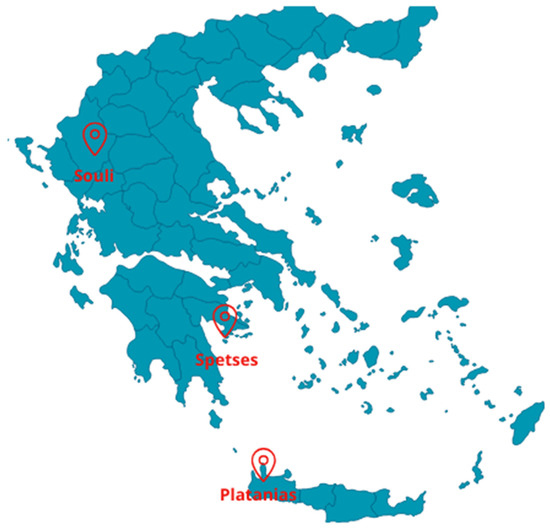
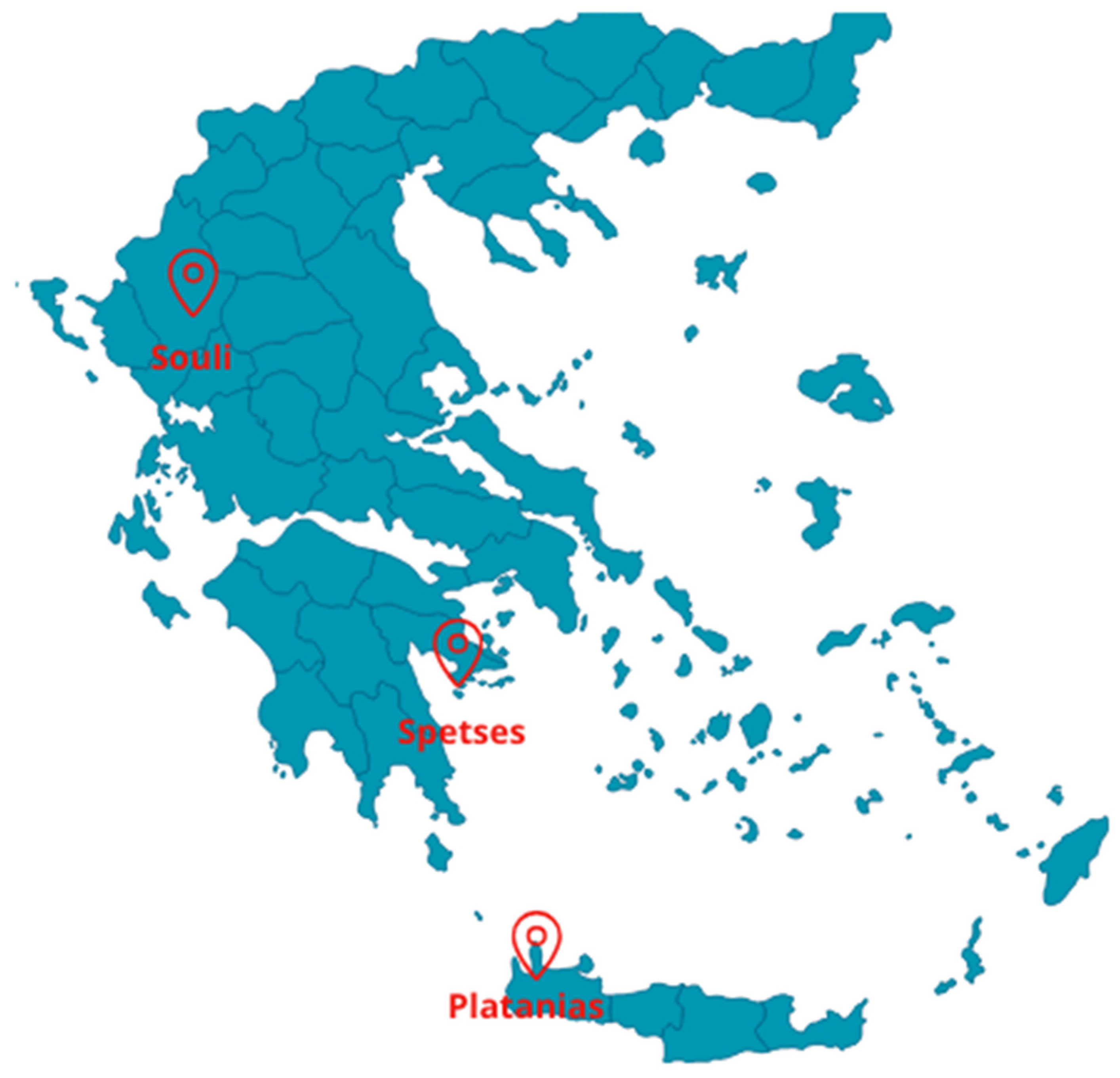
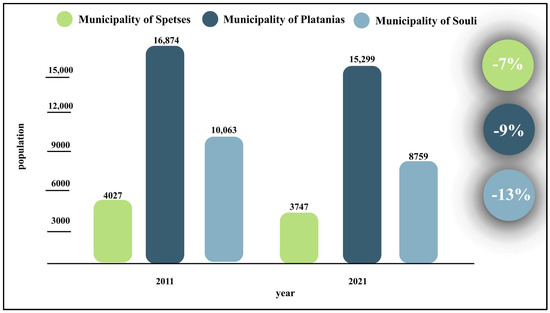
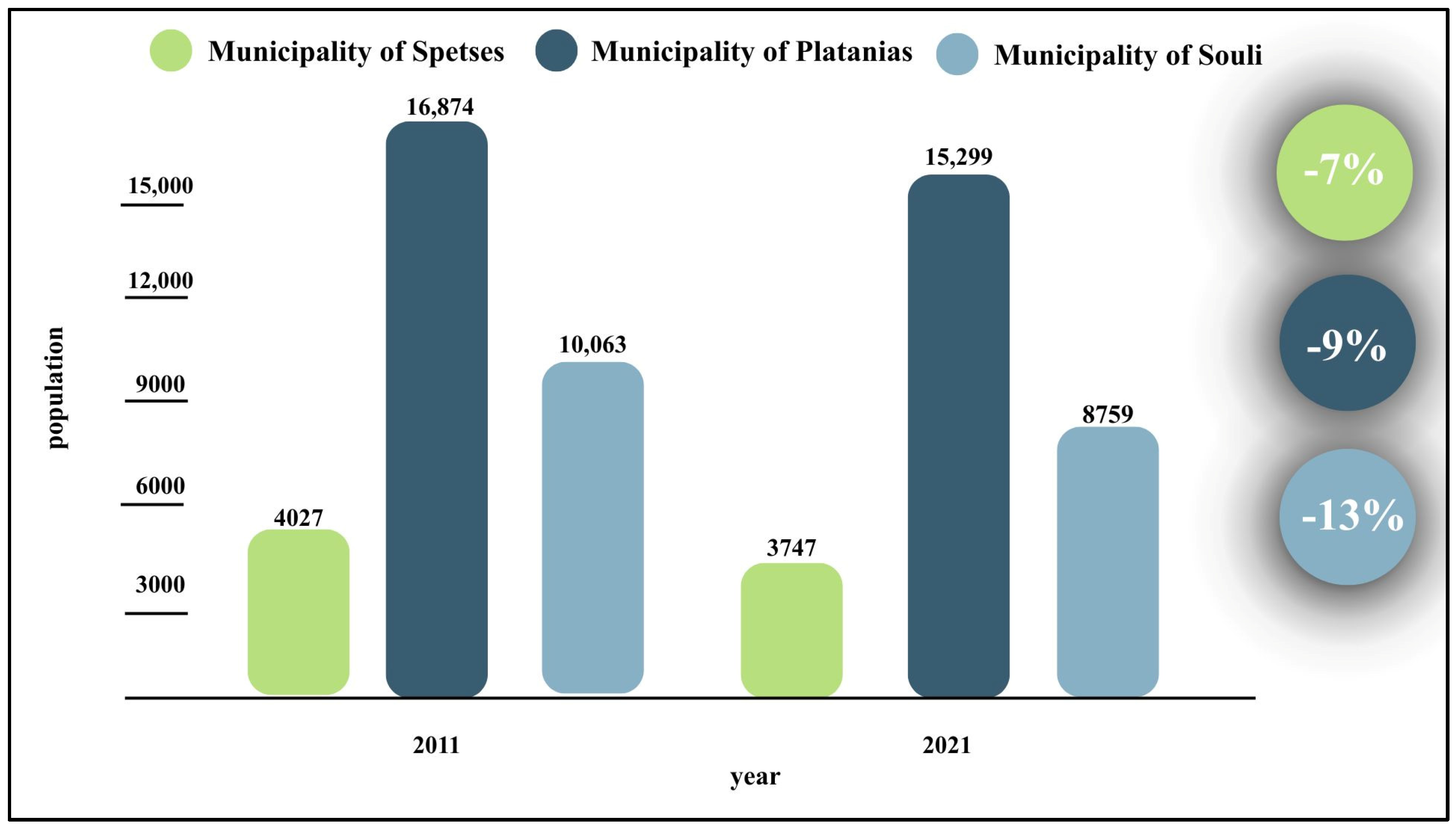
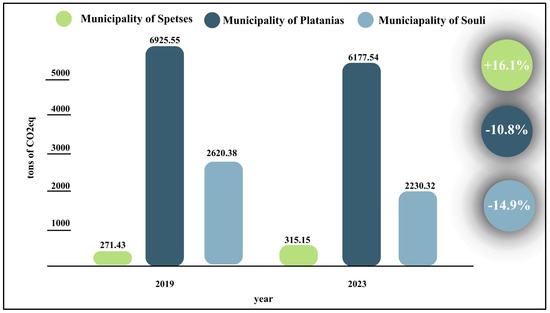
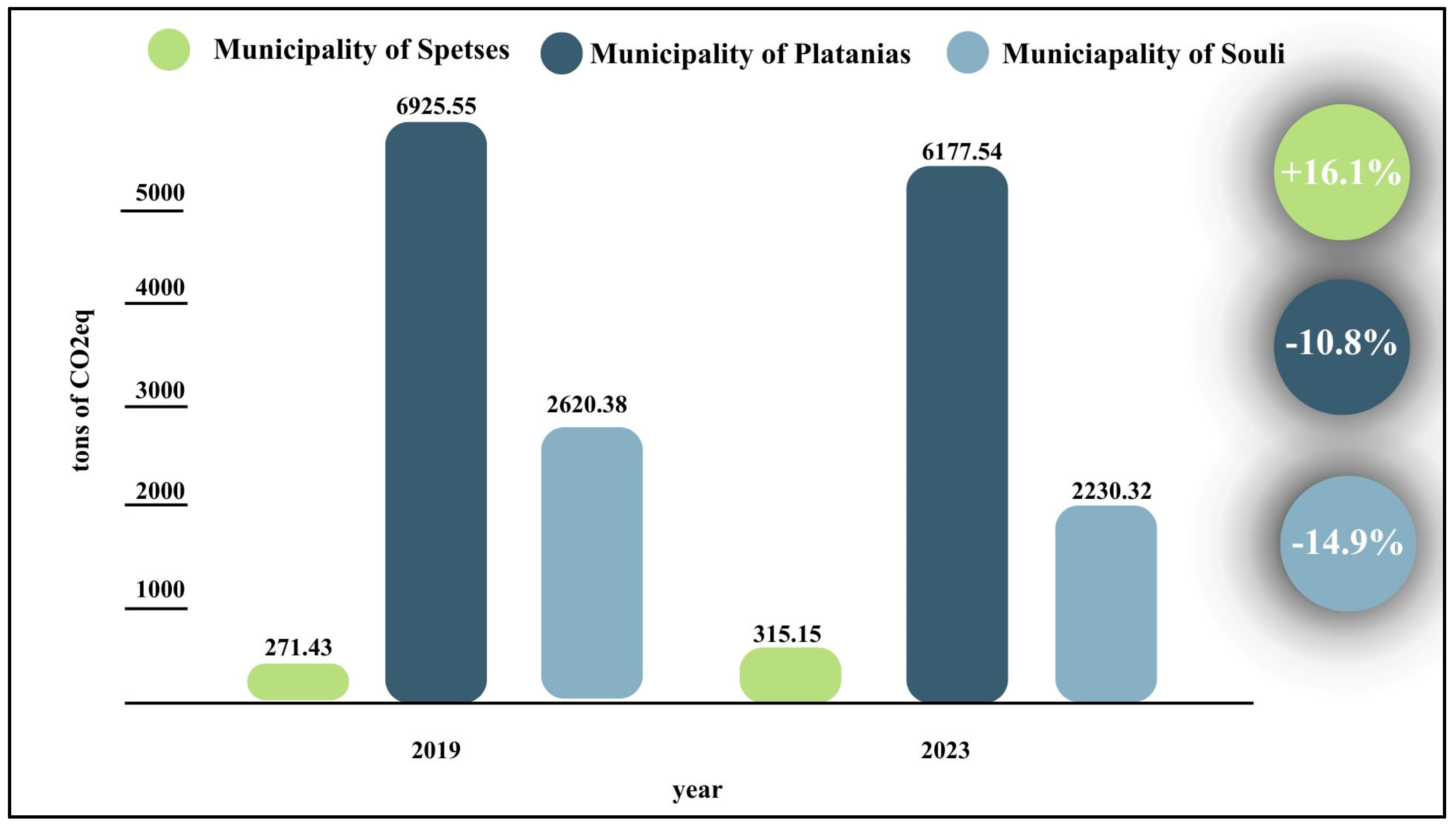

Disclaimer/Publisher’s Note: The statements, opinions and data contained in all publications are solely those of the individual author(s) and contributor(s) and not of MDPI and/or the editor(s). MDPI and/or the editor(s) disclaim responsibility for any injury to people or property resulting from any ideas, methods, instructions or products referred to in the content. |
© 2026 by the authors. Licensee MDPI, Basel, Switzerland. This article is an open access article distributed under the terms and conditions of the Creative Commons Attribution (CC BY) license.