


Abstract
Mangroves are crucial for biodiversity conservation, coastal protection, and supporting local livelihoods. Mangroves may also protect coasts from storms and rising sea levels and can play a major role in climate mitigation. Threats to their health include activities such as infrastructural development, urban encroachment, aquaculture and crop farming, and oil and gas exploration. We review the threats and opportunities for the restoration of mangrove ecosystems on the coasts of Africa, which are highly impacted by oil spills. The most important challenge for mangrove restoration identified in this review is the restoration of appropriate hydrologic and salinity regimes prior to natural recruitment or the active planting of propagules.
1. Introduction
Mangrove ecosystems are unique forests dominating a substantial part of the world’s coastal areas within the intertidal zone, occurring in 123 tropical and subtropical countries, covering about 152,000 km2, and occupying about 15% of the world’s coastline [1]. Mangroves comprise about 1% of world’s tropical forest, where over 100 million people reside within 10 km of the coast [1,2]. Natural and anthropogenic disturbance, particularly habitat modifications from coastal infrastructural development, oil and gas exploration has especially affected mangrove ecosystems. Sand filling and reclamation, sand mining dredging, fish pond, and urban encroachment are major sources of impact. Linear features, especially roads, dredged canals, seismic exploration line, pipeline, and transmission line right of ways have fragmented mangrove ecosystems [3]. Poor waste management, especially from municipal solid wastes, drilling wastes, production effluents, produced formation water, ballast water from oil tankers, oil spills, and gas flaring, are threatening the mangroves of the Niger Delta [3]. During the period from 2012 to 2022, when 52 oil spill events occurred in mangrove forests between the San Bartolomeo and Imo Rivers in the lower Niger Delta, 21,914 barrels of oil were released with just 38% recovered. During the same period, healthy mangrove cover reduced by 10.5%, degraded mangroves increased by 354.5%, while water bodies expanded by 5.6%. These impacts were linked to oil spills, sea-level rise, coastal erosion, and dredging [4]. Mangrove ecosystems of the Niger Delta are under threat [5].
The restoration of these forests can provide ecosystem services for local populations [6,7] with an economic value of USD 200,000 to USD 900,000 per km2 y−1 [8]. Subsistence harvesters rely on mangroves as nurseries for coastal and marine fishes and other species [6,7,9]. Despite these dependencies, global exploitation of resources in mangrove areas has led to extensive degradation of the ecosystem. This review builds on existing knowledge about mangroves including their importance, threats, and possible restoration [3,10,11,12,13]. In addition, it highlights the consequence of mangrove decline on biodiversity and contributions of mangrove ecosystems to global development agenda and climate change resilience.
2. Notable Mangrove Ecosystem Characteristics
2.1. Mangrove Diversity
Mangrove ecosystems are biodiversity hotspots because they support a diversity of species of flora, fauna, and microbes [14]. Worldwide, there are about 50 to 70 species of mangroves [2], with about 3–6 species dominating each locality, of which four genera (Rhizophora, Avicennia, Xylocarpus, and Bruguiera) are the most widespread [15]. Sudhir et al. [16] listed 71 species belonging to 19 families that are considered as true mangrove species, whereas other authors often listed over 80 mangrove species dominating tropical and subtropical coastlines [17,18]. Mangrove vegetation comprise a unique group of shrubs and trees belonging to unrelated families, but they share several physiological and morphological adaptations that are characteristic of shallow intertidal wetlands [18,19].
2.2. How Mangroves Help Ecosystems to Be More Resilient to Climate Change
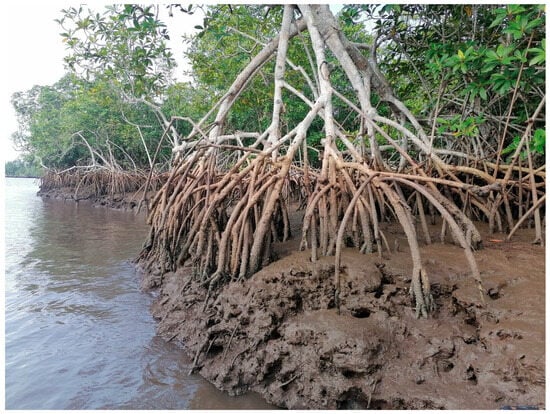
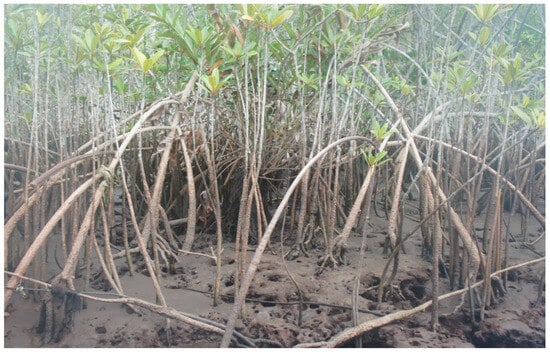
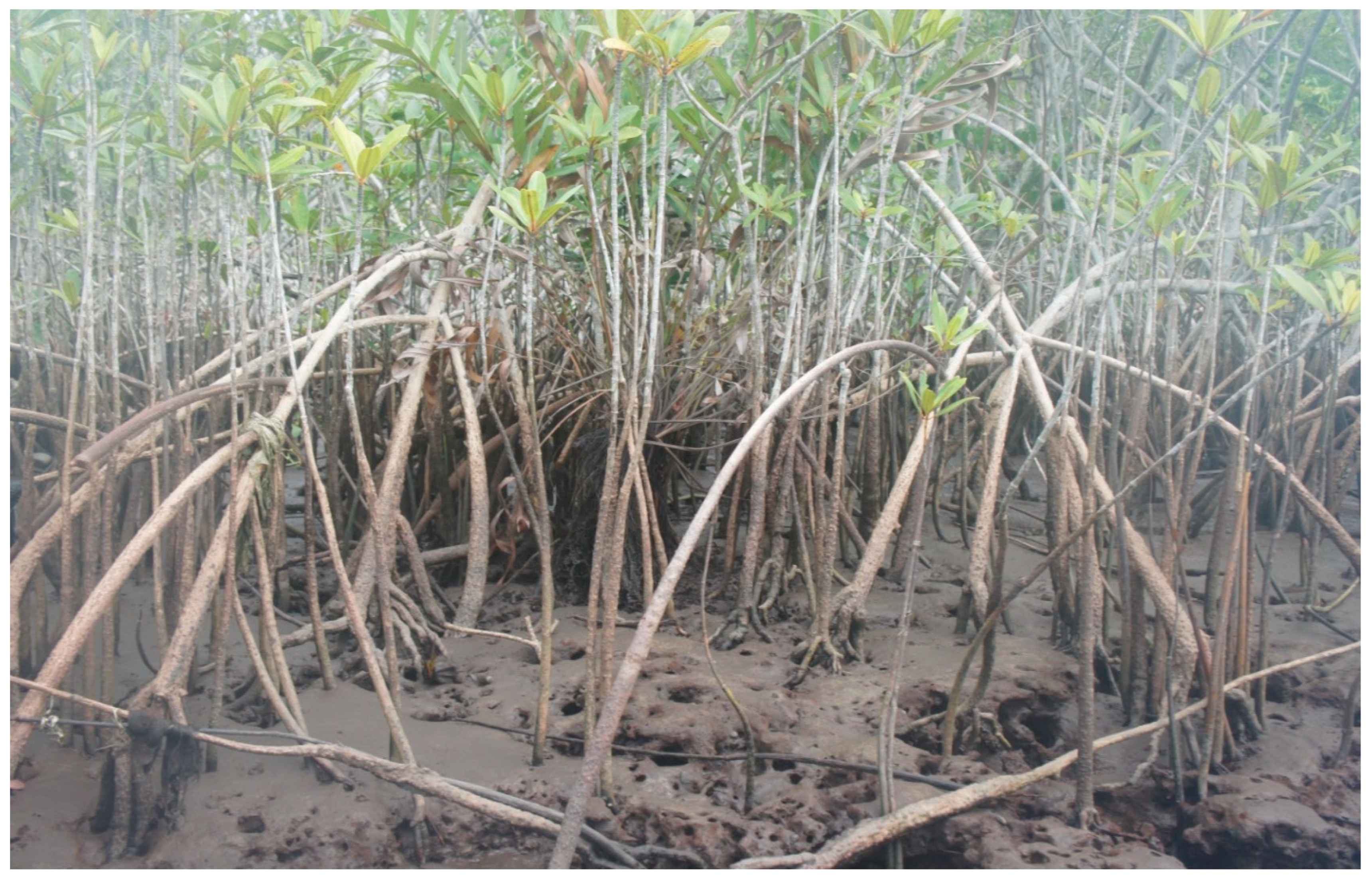
Mangroves play an important role in climate change adaptation, mitigation, and resilience of coastal ecosystems. These wetlands are the main source of primary productivity in tropical coastal waters, utilizing carbon dioxide and sequestering carbon in soil or aboveground biomass [20]. Mangrove ecosystems are reputed to store from 6.23 billion [2] to 11 billion tons [21] of carbon in their biomass and soils, and they are among the richest carbon-storing ecosystems in the world. They store and improve water quality within watersheds as it travels toward the sea [9]. Mangroves act as buffers against natural disasters including coastal erosion, storms, and flooding, which stabilizes and protects shorelines in coastal areas [22]. Mangrove trees anchor in soft and unstable muds and provide physical resistance to coastal storms and erosion (Figure 1). However, the United Nations Environment Programme (UNEP) estimated that climate change could cause the loss of 10–15% of global mangroves by 2100 [1]. Estimates of carbon stocks in the Dominican Republic range from 706 to 1131 Mg ha−1 in intact mangroves. Disturbed mangroves store less carbon (~95 Mg/ha), which is about 11% of the intact mangroves and potentially related to emission rates of 2244 to 3799 Mg CO2 ha−1 [20]. Therefore, mangrove restoration can contribute significantly to carbon sequestration [8].
Figure 1.
Mangrove vegetation, Rhizophora racemosa prop roots, which may help the species withstand rising sea levels (Photo taken by Elijah Ohimain from the Niger Delta, May 2025).
2.3. Mangrove Vegetative Adaptations to a Changing Climate
Due to the dynamic nature of coastal ecosystems, the physicochemical characteristics of mangroves can vary widely with respect to freshwater input and tidal inundation. Mangrove ecosystems are constantly inundated by seawater and often experience permanent flooding with high salinity and sulphate, and soils with low dissolved oxygen and redox potential. Water salinities are typically high in mangrove ecosystems at high tides and lower at low tides [23]. Hogarth [18] described conditions in the hot climate of the Indus Delta, Pakistan, where evaporation contributed to salinity levels, which were higher in mangrove stands than in adjacent open water. Under such inhospitable environments, only mangrove vegetation grows and proliferates [18]. Mangrove species zonation occurs in gradients of salinity, topographic position, and hydrology [16].
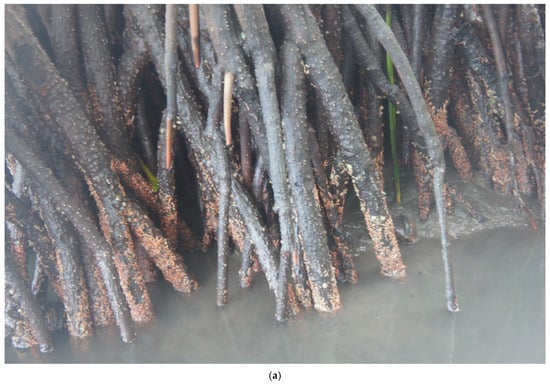
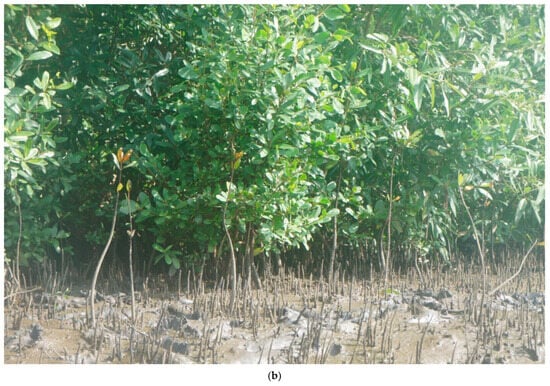
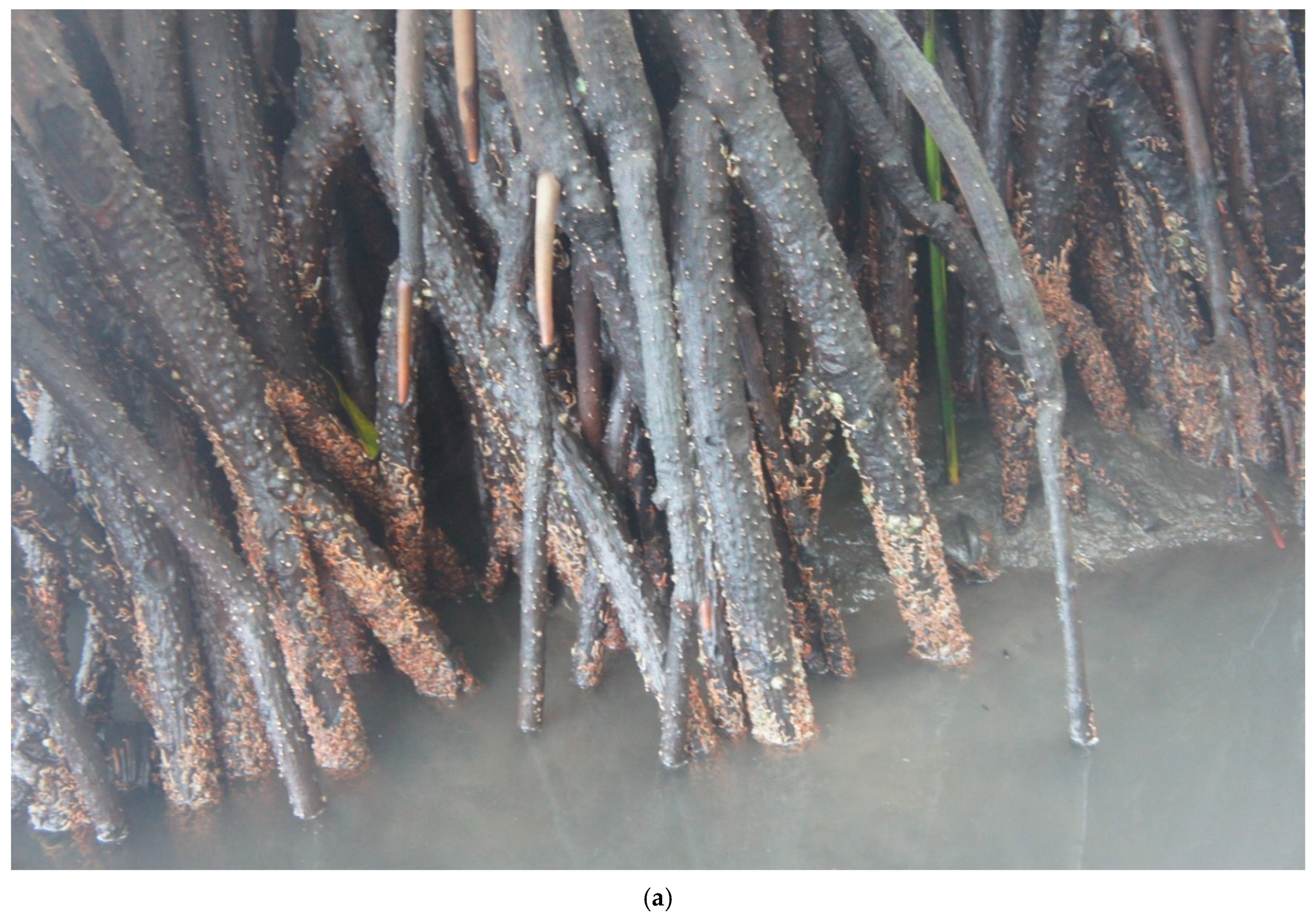
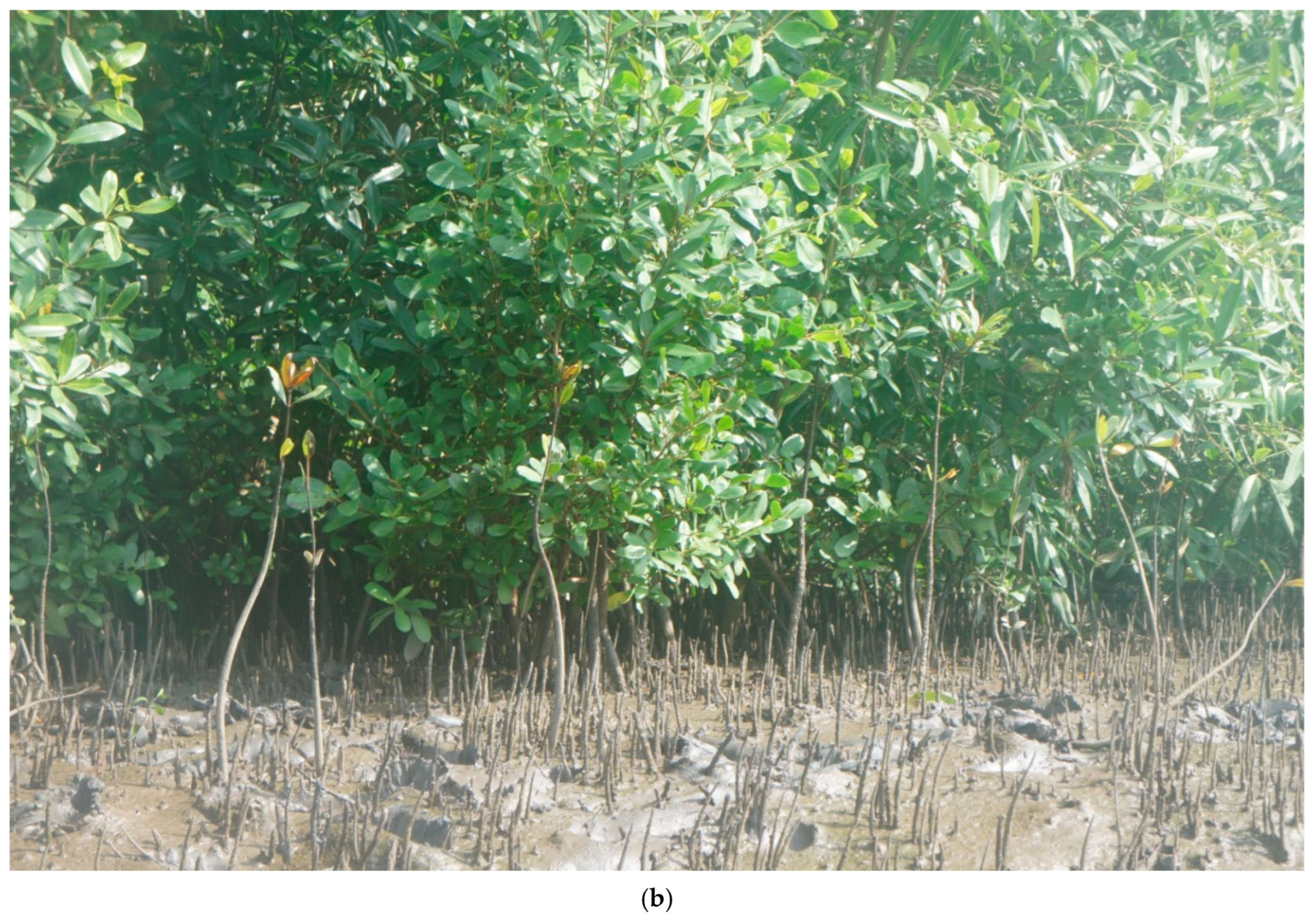
Mangroves have evolved various morphological and physiological adaptations, allowing them to cope with harsh and variable coastal ecosystems [16]. Mangroves, for example, possess robust, complex, and specialized root systems such as aerial roots, including pneumatophores that grow upward from the muddy soil, and prop/stilt roots that grow downward from the trunk/branches. Pneumatophores support an extensive network of cable/lateral/shallow roots that spread out horizontally. These roots provide stability in the soft mud and help mangrove trees to withstand adverse weather conditions such as strong tidal currents, waves, and storm surges [19]. Srikanth et al. [24] listed diverse root systems associated with mangrove plants, their adaptations and ecological relevance including stilt roots, cable roots, pneumatophores, buttress roots, flying buttresses, prop roots, knee roots, surface roots, spreading roots, cone roots, and pencil roots (Figure 2). Mangrove plants have unique adaptations for salt tolerance via exclusion, absorption, or excretion of salt such as salt secretion, ion sequestration, and ultra-filtration [19]. The leaves of some mangrove plants have specialized salt glands that excrete excess salt, thus preventing salt from damaging their tissues [24]. Mangroves possess features such as thick, succulent, and waxy leaves that enable the plants to conserve water and maintain a higher concentration of salt in the cells of their leaves and help balance osmotic potential in the saline ecosystem [16,19]. Adaptations that convey tolerance for salt stress support mangrove species and their functions [19]. Mangrove vegetation retains nutrients and grows rapidly, which are features that enable them to survive in nutrient-deficient environments [25].
Figure 2.
Prop roots of Rhizophora racemosa (a) and pneumatophores of Avicennia africana (b). (Photo taken by Elijah Ohimain from the Niger Delta, May 2025).
Mangrove plants have adaptations to thrive in low-oxygen environments due to their root architecture, such as pneumatophores and prop roots, and the presence of specialized tissues in the roots called aerenchyma and lenticels that facilitate gas exchange [24]. The combination of diverse specialized root structures, aerenchyma, and lenticels confer tolerance to low-oxygen environments, which allow mangroves to survive in oxygen-deficient mud. Certain anatomical mangrove features enable them to overcome various levels of abiotic stresses [26], including aerenchyma that facilitates oxygen transport, and Casparian strips and suberin lamellae that regulate nutrient and water uptake in mangrove roots. Leaf tissues regulate the variations in the size and structure of salt excretory glands and protective activities of the cuticle.
Microbes form beneficial associations with mangrove vegetation that facilitate their adaptation, survival, resilience, and health by enhancing nutrient absorption and utilization, plant growth hormones, water uptake, salt tolerance, and modification of plant structure and function [27,28].
3. The Extent of Mangrove Ecosystems
3.1. Areal Extent
The extent of mangrove ecosystems varies spatially and temporally, depending on both ecological processes and anthropogenic influences. Estimates of the total area covered by mangrove in the world vary depending on the methodology used for data acquisition and the year the study was conducted. One estimate of the global extent of mangrove area is about 17 million ha [18]. More recently, the Food and Agricultural Organization (FAO) estimated that the global mangrove areas were 14.8 million ha worldwide in 2020 with 44% in Asia, 27% in the Americas, 19% in Africa, and 10% in Oceania [1,2]. The western and central Africa regions have a total mangrove area of 22,802 sq. km, which accounted for 15.5% of world’s mangroves [29]. It is estimated that 20–25% of mangroves have been lost worldwide in the last 40 years, principally due to both anthropogenic impacts and natural shrinkage across the range [1,2] (Table 1). UNEP-WCMC [30] estimated a loss of the extent of mangrove distribution of 5245 km2 from 1996 to 2020 globally, which is about 3.4% of global mangrove distribution during that time. About 25% of mangroves in western African were lost between 1980 and 2006, which is a moderate level of decline compared to other regions of the world [8]. Leal and Spalding [29] listed the major drivers of global mangrove distribution decline between 2000 and 2020 to be rice farming, oil palm plantation, and aquaculture, which account for 43% of losses, with the largest losses occurring in Asia [2]. Whereas, in the Niger Delta, mangrove loses are mostly caused by oil exploration [13].
Table 1.
Mangrove area loss estimates across regions.
3.2. Mangrove Distributional Losses and Gains
Mangrove ecosystems are dynamic, naturally experiencing both distributional losses and gains over time. Between 2000 and 2020, about 677,000 ha of mangroves were lost, while about 393,000 ha of mangrove forests emerged in new areas between 2010 and 2020. This resulted in an annual loss rate declining from 0.12% in 2000–2020 to 0.07% in 2010–2020 [2]. The report estimated that 82% of the mangrove area gained during the period resulted from natural range expansion, while 18% was attributed to restoration efforts including self-recruitment [2]. Mangrove area has experienced a steady global decline from 1999 to 2019 [33]. Global warming and seaward expansion from 1980 to 2021 may have contributed to a net global increase in mangrove area, albeit characterized by smaller tree sizes [34].
3.3. Consequences of Declining Area
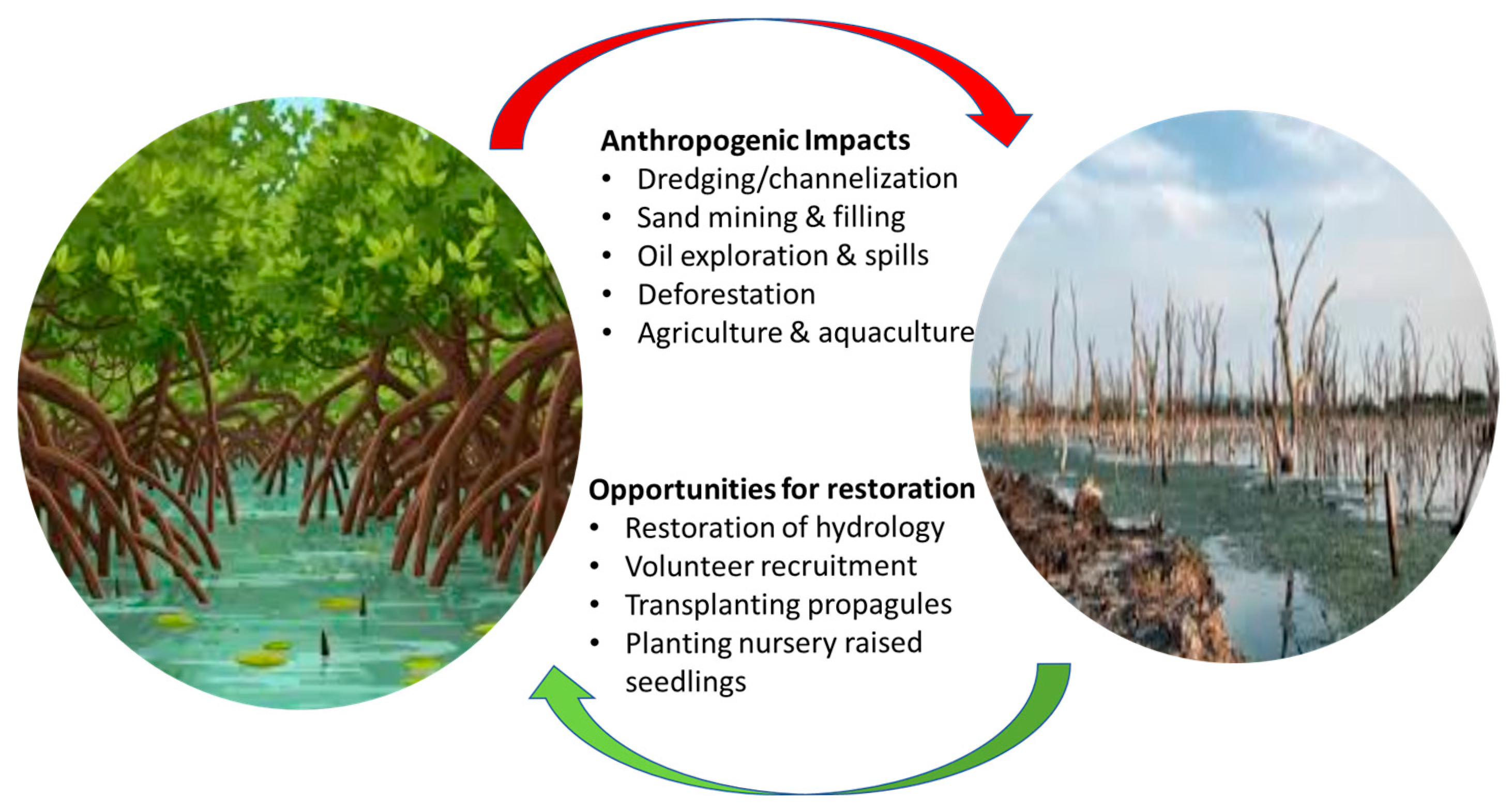
Mangrove losses can be devastating to marginalized coastal communities, especially in developing countries where over 90% of mangroves occur globally [1]. Degradation of mangrove habitats (Figure 3) has consequences for species that inhabit the ecosystem. The world wildlife database from the International Union for Conservation of Nature (IUCN) shows that there are 1533 species associated with mangrove ecosystems, of which 41% are mangrove-associated mammals, 22% fish, 16% plants, 13% amphibians, and 8% birds and reptiles, many of which are threatened with extinction [30]. UNEP [1] listed various fauna that forage in mangroves, many of which are ranked as threatened, including Critically Endangered, Endangered, and Vulnerable species (Table 2). Restoring and protecting mangrove ecosystems can help safeguard species and prevent further decline in biodiversity [30].
Figure 3.
Conceptual diagram of mangroves impacted by developmental activities and the opportunities for restoration.
Table 2.
Conservation status of fauna foraging in mangroves ecosystems.
4. Threats to Mangroves
Despite their importance, natural and anthropogenic activities are persistent threats to mangrove ecosystems worldwide by development and other economic activities (Figure 3). The UNEP-WCMC [30] estimated that mangroves are being destroyed 3–5 times faster than other forest types and ranked mangrove ecosystems among the most threatened ecosystems on Earth. Mangrove loss denies tropical coastal communities critical ecosystem services valued at USD 33–57,000 per ha y−1 and economic activities ranging from USD 642 billion y−1 needed for their survival. Approximately 50% of the world’s mangrove ecosystems are classified under the IUCN threat categories: Critically Endangered (CR), Endangered (EN), or Vulnerable (VU) [21]. The IUCN [21] considered sea-level rise as the chief threat to mangrove ecosystems worldwide. Modeling suggests that under the current business as usual scenario, about 25% of the world’s mangrove area is forecasted to be submerged within the next 50 years, with the potential of landward migration of mangroves as sea levels rise [21]. The continuation of mangrove losses could have devastating consequences on coastal biodiversity, food security, and socio-economic activities of coastal communities [21].
Anthropogenic impacts intensify flooding and drying cycles to reduce the resilience of mangrove ecosystems and lead to further losses [35]. Rising sea levels and increasing frequency and intensity of storms threaten coastal communities worldwide. Human activities are placing pressures on mangrove ecosystems including oil exploration, urban encroachment, logging, crop cultivation, shrimp and fish farming, and sand mining. Pollutants that can damage human ecosystems include plastics and other solid waste, industrial effluents, oil spills, untreated sewage, agricultural runoff, and the use of harmful chemicals in fishing. Regionally, oil and gas exploration in western Africa and aquaculture in Asia are putting pressure on mangrove ecosystems [1,2,8,13]. Coastal infrastructural development can disturb mangrove soils and sediments including road construction, canal dredging, and installation of oil and gas facilities including pipelines, flowlines, jetties, terminals, and oil wells. These disturbances promote microbial and physicochemical oxidation of pyrites and other sulfur minerals, leading to soil acidification and heavy metal contamination. Pyrite oxidation results in the collapse of mangrove ecosystems, loss of fisheries, and corrosion of metal infrastructure [36,37].
5. Mangroves in Global Development Initiatives
Mangroves play prominent roles in the global development agenda and are recognized as agents of sustainable development in coastal areas [2,3]. Their restoration could advance several UN Sustainable Development Goals (SDG), including ending poverty (SDG 1) and hunger (SDG 2); preventing waste dumping into coastal waters (SDG 6, 14, and 15); improving resilience of vulnerable coastal communities against climate change (SDG 13); reducing risks from natural disasters as well as supporting health and well-being (SDG 3 and 11) [38]. These goals also support responsible production and consumption (SDG 12), reduce inequality (SDG 10), enhance gender equality (SDG 5), and optimize natural resource use efficiency (SDG 11) for energy and biomass production (SDG 7). Achieving coastal ecosystem conservation (SDG14) is supported by quality education (SDG 4), technological innovations (SDG 9), collaborative partnerships (SDG 17) to foster employment and economic growth (SDG 8), and sustainable communities (SDG 11). Global initiatives such as the Global Mangrove Alliance (GMA), Mangrove Microbiome Initiative (MMI), and other global, regional, and local initiatives are building collaborative research partnerships to advance mangrove conservation and restoration. By 2030, the GMA aims to halve losses and restore an area equivalent to the area of mangrove already impacted, which will double the size of mangroves under protection status [29]. Collaboration between tropical coastal communities, researchers, governments, and other stakeholders can support effective mangrove protection, conservation, and restoration [30].
6. Mangrove Restoration Techniques
The restoration of mangroves can be facilitated through an understanding of the reproductive dynamics of these species in the ecosystem [39]. Most mangrove species flower seasonally, followed by wind and/or insect pollination leading to the formation of seeds. Mangroves exhibit a reproductive adaptation known as viviparity, in which seeds germinate while still being attached to the parent tree and develop into propagules. A detached propagule floats in an upright position until it reaches a suitable substrate, typically shallow or silted water, where its roots can anchor into the soil [19]. This process gives seedlings a head start, facilitating successful colonization [40]. Many methods of mangrove restoration take advantage of these properties of mangrove propagules including natural volunteer recruitment, direct propagule transplantation, and the use of nursery-grown seedlings (Figure 3). In addition to planting, selecting an appropriate site, restoring hydrology, and engaging the community can support successful restoration. Neglecting these considerations when planting frequently results in failure. Field [41] considers volunteer recruitment as natural restoration while considering the planting of seeds, propagules, and nursery-raised seedlings as artificial restoration.
6.1. Volunteer Recruitment
Volunteer recruitment, also known as natural restoration, is a nature-based solution through which mangroves naturally regenerate, establish, and expand their population [39] (Figure 4). Practitioners regard volunteer recruitment as the primary approach of mangrove restoration, and only when natural regeneration fails should alternative restoration methods be considered [42]. Natural restoration offers several advantages, including minimal cost and labor requirements. When suitable hydrological conditions are present, this approach can lead to the establishment of new mangrove stands [42]. However, natural restoration has limitations such as its reliance on nearby donor mangrove stands to supply propagules. Propagules may fail to establish due to factors such as extreme wave action, invertebrate predation, poor species-site compatibility, or excessively high stocking density [43]. Natural restoration may fail due to unsuitable topography or soil and water quality issues, including pollutants such as oil spills and heavy metals [44]. Debris or accumulated dead plants can obstruct propagules from reaching suitable site for establishment [6,42,45,46]. Restoration is unlikely to succeed until the issues underlying the causes of mangrove mortality are resolved [42]. For example, if mangroves were impacted by dredging activities or alterations to hydrology, restoration is dependent on reinstating hydrology [47]. Restoring the site’s natural hydrology is a critical success factor for volunteer recruitment and other mangrove restoration methods [23]. The Mangrove Action Project (MAP) [43] identifies restoring normal wetland hydrology, particularly the depth, duration, and frequency of tidal flooding of a site as the single most important factor for successful mangrove restoration.
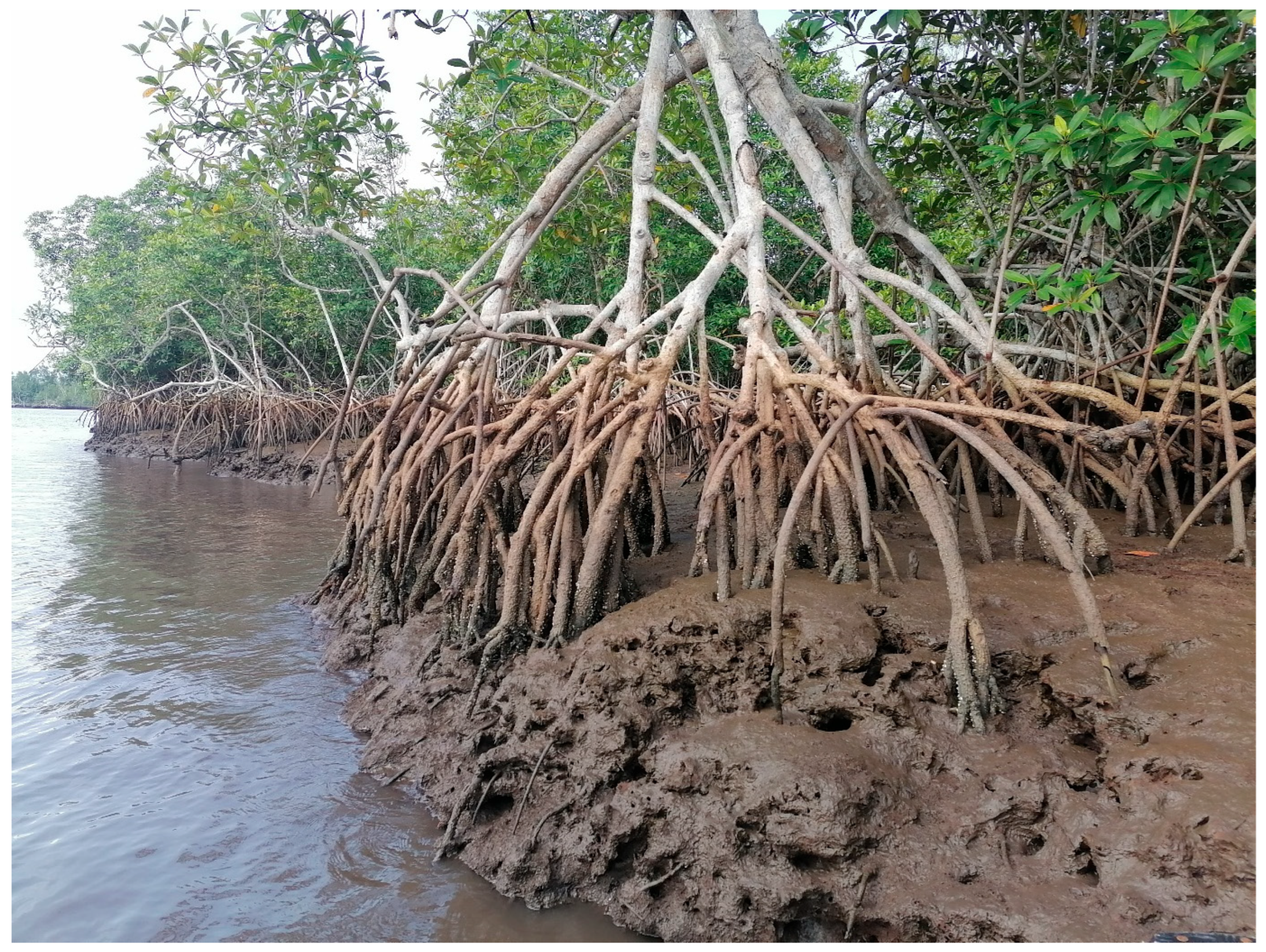
Figure 4.
Volunteer recruitment of Rhizophora racemosa in the Niger Delta. (Photo taken by Elijah Ohimain from the Niger Delta, May 2025).
Species such as Rhizophora, Avicennia, Laguncularia, and Nypa can rapidly establish when hydrological conditions are restored. For example, in Rhizophora stylosa, aerial roots can develop into young trees that can detach, float, and establish in a new location [19]. In the Niger Delta, Nigeria, natural seedling recruitment successfully regenerated Avicennia germinans, Rhizophora racemosa, Laguncularia racemosa, and Nypa fruticans on a deforested sand-filled site [45]. Akpovwovwo and Ekanade [48] evaluated natural mangrove regeneration in Nigeria and reported a high potential for Rhizophora spp. regeneration, primarily influenced by sediment physicochemical properties including salinity, electrical conductivity, magnesium, calcium, effective cation exchange capacity, organic carbon, bulk density, sand and clay content, and total acidity.
6.2. Planting Seeds and Propagules and Transplanting Saplings
While natural regeneration is often the preferred approach, active planting of seeds, propagules, and saplings is sometimes necessary when natural restoration fails or site conditions require intervention. However, practitioners note that collecting and planting propagules after natural restoration efforts has generally been unsuccessful [42]. Mature seeds and propagules are typically harvested directly from the parent tree or collected from the ground at their base. These are then carefully transported to the restoration site or planted directly in a nursery before transplantation. Propagules are considered seedlings, with some species exhibiting primordia roots and leaves [19]. Planting can be performed manually or by broadcasting propagules across suitable areas. In addition to propagules, young trees or saplings of many mangrove species, including Avicennia, Rhizophora, and Laguncularia, can be transplanted successfully from nearby mangrove forests provided that the site selection is appropriate [37]. Survival of planted seeds, propagules, and saplings depends heavily on the hydrology, as well as soil and water quality [36,37]. For instance, Wodehouse and Rayment [47] reported a poor success rate of only 20% when planting propagules in thirteen villages in the Philippines and Thailand, largely due to poor site selection that mismatched species with topography and hydrology. In contrast, natural mangrove regeneration achieved higher success rates in the same area [47].
6.3. Planting Nursery-Raised Seedlings
Achieving success with nursery-raised mangrove propagules is a costly restoration method primarily due to high maintenance requirements [42]. Propagules of Avicennia, Laguncularia, and Rhizophora can be cultivated as potted plants and transplanted to restoration sites within 6–12 months. Ultimately, their success in the field depends on the site’s hydrology and environmental quality. Toledo et al. [49] collected propagules of Avicennia germinans grown in a nursery for 3 months and transplanted them in a destroyed coastal lagoon in Mexico. In this coastal lagoon, natural regeneration was low, with only 48 plants established over 350 m2 over 6 years, despite survival rates of 96% in the first month and 74% after two years [49].
6.4. Other Methods
Advanced propagation techniques are increasingly being explored to enhance mangrove restoration success. Micro-propagation through tissue culture has been employed to produce nursery–raised seedlings of Avicennia officinalis, A. marina, Excoecaria agallocha, Acanthus ilicifolius, and Sesuvium portulacastrum [17]. To improve transplantation survival, seedlings are often acclimatized by increasing saline water concentrations over a two-week period prior to planting [42]. Additionally, inoculating mangrove seedlings with beneficial microbes further enhances their growth and survival rates [50].
7. Mangrove Conservation
The Ramsar Convention on Wetlands (1971) and Convention on Biological Diversity (1992) are international treaties emphasizing the conservation and sustainable use of wetlands and biodiversity, respectively. These treaties have guided the usage of coastal resources for decades. Given the increasing frequency and severity of natural disasters in recent years, significant attention is now being placed on mangrove restoration as a strategy to mitigate these threats. The United Nations declared 2021–2030 as the UN Decade on Ecosystem Restoration, aiming to prevent, halt, and reverse ecosystem degradation worldwide. This global initiative is founded on evidence that restoration efforts can alleviate poverty, mitigate climate change, and prevent species extinction [2]. Since 2015, the UN Educational, Scientific, and Cultural Organization (UNESCO) has designated 26 July as the International Day for the Conservation of Mangrove Ecosystem, commonly known as World Mangrove Day. Mangrove restoration has become an integral component of global carbon offset strategies such as Reducing Emissions from Deforestation and Forest Degradation (REDD+) [51], aimed at enhancing carbon sequestration and promoting sustainable development in coastal communities. REDD+ provides financial incentives and opportunities for developing countries to reduce emissions by protecting, sustainably managing, and restoring ecosystems including mangrove forests [52]. However, implementation challenges remain for governance, funding, and monitoring.
8. Conclusions
Mangroves are vital coastal forests found in tropical and subtropical regions, which provide essential ecosystem services to human populations that often rely on them for survival. However, unsustainable exploitation for freshwater, crop cultivation, aquaculture, and timber has placed immense pressure on these ecosystems, compromising their functions and services. Habitat alterations from coastal infrastructural development and oil and gas exploration have further reduced their resilience to both natural and human-induced disturbances. Over the past two decades, despite restoration efforts, rising sea levels, intensified storms, and freshwater extraction have shifted hydrological regimes and salinity patterns, challenging mangrove stability. To counter these losses, restoration strategies employing both micro- and macro-propagation techniques, such as volunteer recruitment, direct planting of seeds and propagules, and transplanting nursery-raised seedlings, have proven effective when implemented under suitable hydrological conditions.
Author Contributions
Conceptualization, E.I.O. and R.E.T.; literature review, E.I.O., R.E.T. and B.A.M.; writing—original draft preparation, E.I.O.; writing—review and editing, E.I.O., R.E.T. and B.A.M.; visualization, E.I.O.; funding acquisition, R.E.T. All authors have read and agreed to the published version of the manuscript.
Funding
R.E.T. was supported by National Science Award Number (FAIN) 2103843: Large-scale CoPe Hub: Rising Voices, Changing Coasts; The National Indigenous and Earth Sciences Convergence Hub. The APC was funded by this grant.
Data Availability Statement
No new data were created or analyzed in this study. Data sharing is not applicable to this article.
Acknowledgments
We acknowledge Erin Koen of the U.S. Geological Survey and anonymous reviewers for their comments on earlier versions of the manuscript.
Conflicts of Interest
The authors declare no conflicts of interest. Any use of trade, firm, or product names is for descriptive purposes only and does not imply endorsement by the U.S. Government.
References
- UNEP. The Importance of Mangroves to People: A Call to Action; van Bochove, J., Sullivan, E., Nakamura, T., Eds.; United Nations Environment Programme World Conservation Monitoring Centre: Cambridge, UK, 2014; 128p. [Google Scholar]
- FAO. The World’s Mangroves 2000–2020; Food and Agriculture Organization of the United Nations (FAO): Rome, Italy, 2023. [Google Scholar] [CrossRef] [Scilit]
- Ohimain, E. Mangroves of the Niger Delta: Their importance, threats, and possible restoration. Wetl. Sci. Pract. 2016, 33, 110–121. [Google Scholar] [CrossRef] [Scilit]
- Jonathan, E.L.; Imoni, O.; Chukwuemeka, P.; Eteh, D.R. Impact of oil spills on mangrove ecosystem degradation in the Niger Delta using remote sensing and machine learning. J. Geogr. Cartogr. 2025, 8, 11707. [Google Scholar] [CrossRef] [Scilit]
- Onyena, A.P.; Sam, K. A review of the threat of oil exploitation to mangrove ecosystem: Insights from Niger Delta, Nigeria. Glob. Ecol. Conserv. 2020, 22, e00961. [Google Scholar] [CrossRef] [Scilit]
- Numbere, A.O. Mangrove Restoration under Different Disturbances Regime in the Niger Delta, Nigeria. In Mangrove Ecosystem Restoration; Sharma, S., Ed.; IntechOpen: London, UK, 2021; pp. 51–58. [Google Scholar] [CrossRef] [Scilit]
- Ogbeibu, A.E.; Oribhabor, B.J. The Niger Delta Mangrove Ecosystem and Its Conservation Challenges. In Mangrove Biology, Ecosystem, and Conservation; Yllano, O.B., Ed.; IntechOpen: London, UK, 2023; pp. 1–24. [Google Scholar] [CrossRef] [Scilit]
- Corcoran, E.; Ravilious, C.; Skuja, L. Mangroves of Western and Central Africa; Regional See Programme; UNEP World Conservation Monitoring Centre: Cambridge, UK, 2007. [Google Scholar]
- IUCN. Oil and Gas Exploration and Production in Mangrove Areas; World Conservation Union (IUCN): Gland, Switzerland; Cambridge, UK; E&P Forum: London, UK, 1993. [Google Scholar]
- Friess, D.A.; Rogers, K.; Lovelock, C.E.; Krauss, K.W.; Hamilton, S.E.; Lee, S.Y.; Lucas, R.; Primavera, J.; Rajkaran, A.; Shi, S. The state of the world’s mangrove forests: Past, present, and future. Annu. Rev. Environ. Resour. 2019, 44, 89–115. [Google Scholar] [CrossRef] [Scilit]
- Kumar, A.; Anju, T.; Archa, V.; Warrier, V.P.; Kumar, S.; Goud, G.S.; Kashyap, A.K.; Singh, S.; Komal Singh, P.; Kumar, R. Mangrove forests: Distribution, species diversity, roles, threats and conservation strategies. In Wetlands Conservation: Current Challenges and Future Strategies; Wiley-Blackwell: Hoboken, NJ, USA, 2021; pp. 229–271. [Google Scholar]
- Akram, H.; Hussain, S.; Mazumdar, P.; Chua, K.O.; Butt, T.E.; Harikrishna, J.A. Mangrove health: A review of functions, threats, and challenges associated with mangrove management practices. Forests 2023, 14, 1698. [Google Scholar] [CrossRef] [Scilit]
- Wang, D.; Dai, Z.; Long, C.; Liang, X.; Xiong, Y.; Cheng, J. The serious loss of mangrove forest over the largest delta of Africa, Niger Delta: Causes and reasons. Mar. Environ. Res. 2025, 210, 107350. [Google Scholar] [CrossRef] [Scilit]
- Singh, Y.D.; Singh, M.C.; Panda, M.K. Biotechnological aspects of mangrove microorganisms. In Biotechnological Utilization of Mangrove Resources; Academic Press: Cambridge, MA, USA, 2020; pp. 381–398. [Google Scholar] [CrossRef] [Scilit]
- Mantiquilla, J.A.; Shiao, M.-S.; Shih, H.-C.; Chen, W.-H.; Chiang, Y.-C. A review on the genetic structure of ecologically and economically important mangrove species in the Indo-West Pacific. Ecol. Genet. Genom. 2021, 18, 100078. [Google Scholar] [CrossRef] [Scilit]
- Sudhir, S.; Arunprasath, A.; Vel, V.S. A critical review on adaptations, and biological activities of the mangroves. J. Nat. Pestic. Res. 2022, 1, 100006. [Google Scholar] [CrossRef] [Scilit]
- Al-Bahrany, A.M.; Al-Khayri, J.M. Micropropagation of grey mangrove Avicennia marina. Plant Cell Tissue Organ Cult. 2003, 72, 87–93. [Google Scholar] [CrossRef] [Scilit]
- Hogarth, P.J. Mangrove Ecosystems. In Encyclopedia of Biodiversity, 2nd ed.; Elsevier: Amsterdam, The Netherlands, 2013; pp. 10–22. [Google Scholar] [CrossRef] [Scilit]
- Hamalton, T.; Sahana, K.S. An overview of the adaptive variations in mangroves. Int. J. Agric. Environ. Biotechnol. 2022, 15, 851–860. [Google Scholar] [CrossRef] [Scilit]
- Kauffman, J.B.; Heider, C.; Norfolk, J.; Payton, F. Carbon stocks of intact mangroves and carbon emissions arising from their conversion in the Dominican Republic. Ecol. Appl. 2014, 24, 518–527. [Google Scholar] [CrossRef] [Scilit]
- IUCN (International Union of the Conservation of Nature). Red List of Mangrove Ecosystems; IUCN: Gland, Switzerland, 2024; Available online: https://iucn.org/story/202405/first-ever-global-assessment-iucn-red-list-ecosystems-reveals-more-half-worlds (accessed on 29 November 2025).
- van Hespen, R.; Hu, Z.; Borsje, B.; De Dominicis, M.; Friess, D.A.; Jevrejeva, S.; Kleinhans, M.G.; Maza, M.; van Bijsterveldt, C.E.; Van der Stocken, T.; et al. Mangrove forests as a nature-based solution for coastal flood protection: Biophysical and ecological considerations. Water Sci. Eng. 2023, 16, 1–13. [Google Scholar] [CrossRef] [Scilit]
- Turner, R.E.; Lewis, R.R., III. Hydrologic restoration of coastal wetlands. Wetl. Ecol. Manag. 1996, 4, 65–72. [Google Scholar] [CrossRef] [Scilit]
- Srikanth, S.; Lum, S.K.Y.; Chen, Z. Mangrove root: Adaptations and ecological importance. Trees 2016, 30, 451–465. [Google Scholar] [CrossRef] [Scilit]
- Reef, R.; Feller, I.C.; Lovelock, C.E. Nutrition of mangroves. Tree Physiol. 2010, 30, 1148–1160. [Google Scholar] [CrossRef] [Scilit]
- Madhavan, C.; Meera, S.P.; Kumar, A. Anatomical adaptations of mangroves to the intertidal environment and their dynamic responses to various stresses. Biol. Rev. 2025, 100, 1019–1046. [Google Scholar] [CrossRef] [Scilit]
- Andreote, F.D.; Jiménez, D.J.; Chaves, D.; Dias, A.C.F.; Luvizotto, D.M.; Dini-Andreote, F.; Fasanella, C.C.; Lopez, M.V.; Baena, S.; Taketani, R.G.; et al. The microbiome of Brazilian mangrove sediments as revealed by metagenomics. PLoS ONE 2012, 7, e38600. [Google Scholar] [CrossRef] [Scilit]
- Haldar, S.; Nazareth, S.W. Taxonomic diversity of bacteria from mangrove sediments of Goa: Metagenomic and functional analysis. 3 Biotech 2018, 8, 436. [Google Scholar] [CrossRef] [Scilit] [PubMed]
- Leal, M.; Spalding, M.D. (Eds.) The State of the World’s Mangroves 2024; Global Mangrove Alliance. 2024. Available online: https://repository.si.edu/items/47e82cde-7fad-406a-afe6-be9586a258f0 (accessed on 16 June 2025).
- UNEP-WCMC. Understanding How Mangrove Loss Threatens Biodiversity. 2023. Available online: https://www.unep-wcmc.org/en/news/understanding-how-mangrove-loss-threatens-biodiversity (accessed on 16 June 2025).
- Ju, C.; Fu, D.; Lyne, V.; Xiao, H.; Su, F.; Yu, H. Global declines in mangrove area and carbon-stock from 1985 to 2020. Geophys. Res. Lett. 2025, 52, e2025GL115303. [Google Scholar] [CrossRef] [Scilit]
- FAO. The World’s Mangroves 1980–2005/FAO Forestry Paper 153; FAO: Rome, Italy, 2007. [Google Scholar]
- Murray, N.J.; Worthington, T.A.; Bunting, P.; Duce, S.; Hagger, V.; Lovelock, C.E.; Lucas, R.; Saunders, M.I.; Sheaves, M.; Spalding, M.; et al. High-resolution mapping of losses and gains of Earth’s tidal wetlands. Science 2022, 376, 744–749. [Google Scholar] [CrossRef] [Scilit]
- Zhang, Z.; Murray, N.; Song, X.P.; Bunting, P.; Worthington, T.; Fatoyinbo, L.; Mao, D.; Jia, M.; Arifanti, V.B.; Aung, T.; et al. Unexpected canopy gain in Earth’s mangrove forests linked to natural expansion and regrowth. EarthArXiv 2025. [Google Scholar] [CrossRef] [Scilit]
- Turner, R.E.; Ohimain, E.I. Dredged canals, wetland loss, and legacy. Estuar. Coasts 2024, 47, 2147–2159. [Google Scholar] [CrossRef] [Scilit]
- Ohimain, E.I. Environmental Impacts of oil mining activities in the Niger Delta mangrove ecosystem. In Proceedings of the International Mine Water Association (IMWA) Conference Held in Johannesburg, South Africa (October 2003); Mine Water and the Environment; Armstrong, D., de Villiers, A.B., Kleinmann, R.L.P., McCarthy, T.S., Norton, P.J., Eds.; International Mine Water Association (IMWA): Sandton, South Africa, 2003; pp. 503–517. [Google Scholar]
- Ohimain, E.I. Environmental impacts of dredging in the Niger Delta. Terra Aqua 2004, 97, 9–19. [Google Scholar]
- United Nations. Transforming Our World: The 2030 Agenda for Sustainable Development; Resolution Adopted by the General Assembly on 25 September 2015. A/RES/70/1. 2015. Available online: https://sdgs.un.org/2030agenda (accessed on 16 June 2025).
- Middleton, B.A. Wetland Restoration, Flood Pulsing and Disturbance Dynamics; John Wiley and Sons: New York, NY, USA, 1999. [Google Scholar]
- Zhou, X.; Weng, Y.; Su, W.; Ye, C.; Qu, H.; Li, Q.Q. Uninterrupted embryonic growth leading to viviparous propagule formation in woody mangrove. Front. Plant Sci. 2023, 13, 1061747. [Google Scholar] [CrossRef] [Scilit]
- Field, C. Rehabilitation of mangrove ecosystems: An overview. Mar. Pollut. Bull. 1999, 37, 383–392. [Google Scholar] [CrossRef] [Scilit]
- Lewis, R.R.; Streever, B. Restoration of Mangrove Habitat; WRP Technical Notes Collection (No. ERDCTNWRPVNRS32); U.S. Army Engineer Research and Development Centre: Vicksburg, MS, USA, 2000; Available online: www.wes.army.mil/el/wrp (accessed on 16 June 2025).
- MAP. Five Steps to Successful Ecological Restoration of Mangroves; Lewis, R.R., Quarto, A., Enright, J., Corets, E., Primavera, J., Ravishankar, T., Stanley, O.D., Djamaluddin, R., Eds.; Mangrove Action Project (MAP): Yogyakarta, Indonesia, 2006; Available online: https://mangroveactionproject.org/wp-content/uploads/2019/02/5_steps_Part_1_Intro.pdf (accessed on 16 January 2026).
- Ohimain, E.I.; Bamidele, J.F.; Omisore, O.O. The impacts of micro-topographic changes on mangroves of the Benin River, Niger Delta. Environ. Res. J. 2010, 4, 167–172. [Google Scholar] [CrossRef] [Scilit]
- Numbere, A.O. Natural seedling recruitment and regeneration in deforested and sand-filled Mangrove forest at Eagle Island, Niger Delta, Nigeria. Ecol. Evol. 2021, 11, 3148–3158. [Google Scholar] [CrossRef] [Scilit]
- Uche, I. Mangroves of the Niger Delta. In Mangrove Biology, Ecosystem, and Conservation; Yllano, O.B., Ed.; IntechOpen: London, UK, 2023; pp. 1–18. [Google Scholar] [CrossRef] [Scilit]
- Wodehouse, D.C.; Rayment, M.B. Mangrove area and propagule number planting targets produce sub-optimal rehabilitation and afforestation outcomes. Estuar. Coast. Shelf Sci. 2019, 222, 91–102. [Google Scholar] [CrossRef] [Scilit]
- Akpovwovwo, U.; Ekanade, T. Status of Natural Regeneration of Mangroves in Southern Nigeria. J. Resour. Environ. Manag. 2025, 15, 425–434. [Google Scholar] [CrossRef] [Scilit]
- Toledo, G.; Rojas, A.; Bashan, Y. Monitoring of black mangrove restoration with nursery-reared seedlings on an arid coastal lagoon. Hydrobiologia 2001, 444, 101–109. [Google Scholar] [CrossRef] [Scilit]
- Ravikumar, S.; Kathiresan, K.; Alikhan, S.L.; Williams, G.P.; Gracelin, N.A. Growth of Avicennia marina and Ceriops decandra seedlings inoculated with halophilic azotobacters. J. Environ. Biol. 2007, 28, 601–603. [Google Scholar] [PubMed]
- Agrawal, A.; Nepstad, D.; Chhatre, A. Reducing emissions from deforestation and forest degradation. Annu. Rev. Environ. Resour. 2011, 36, 373–396. [Google Scholar] [CrossRef] [Scilit]
- FAO. The UN-REDD Programme Puts Mangroves at the Heart of REDD+ Action in Myanmar. Online Document. 2020. Available online: https://www.fao.org/redd/news/detail/en/c/1310888/#:~:text=Reducing%20emissions%20from%20deforestation%20and%20forest%20degradation%20(REDD+)%20is,enhancement%20of%20forest%20carbon%20stocks.&text=Mangroves%20form%20the%20foundation%20of,and%20security%20of%20coastal%20communities (accessed on 28 June 2025).

Disclaimer/Publisher’s Note: The statements, opinions and data contained in all publications are solely those of the individual author(s) and contributor(s) and not of MDPI and/or the editor(s). MDPI and/or the editor(s) disclaim responsibility for any injury to people or property resulting from any ideas, methods, instructions or products referred to in the content. |
© 2026 by the authors. Licensee MDPI, Basel, Switzerland. This article is an open access article distributed under the terms and conditions of the Creative Commons Attribution (CC BY) license.