


Abstract
The Sub-middle São Francisco River (Northeast Brazil), a key water resource for regional socioeconomic development, is increasingly threatened by urban, industrial, and intensive irrigated agricultural activities. This study aimed to assess physicochemical parameters, nutrient and trace metal concentrations, and the phytotoxic, cytotoxic, and genotoxic effects of water and sediment samples collected from areas receiving urban–agricultural (A1, Juazeiro) and urban–industrial (A2, Petrolina) effluents during the dry and rainy seasons. Phosphorus and ammonia exceeded the limits established by CONAMA Resolution No. 357/2005 in Area 1 (A1). In water samples, Ni, Pb, Cu, and Fe exceeded regulatory limits in both areas, whereas Cr exceeded the sediment quality guideline only in A1 during the rainy season. Contamination levels were generally higher at effluent discharge points and varied seasonally. The Allium cepa bioassay revealed phytotoxic, cytotoxic, and genotoxic effects in both water and sediment samples, with genotoxicity representing the most sensitive biological endpoint. Correlation analyses showed no consistent associations between individual contaminants and biological endpoints after correction for multiple comparisons, suggesting that the observed biological effects were more likely related to the combined influence of multiple environmental stressors. These findings highlight the importance of integrating cytogenetic bioassays with physicochemical analyses to improve environmental quality assessment.
1. Introduction
Intensive exploitation of natural resources, combined with population growth and industrial expansion, has substantially degraded water quality worldwide, making aquatic pollution one of the major environmental challenges affecting both developed and developing countries [1,2,3]. Although natural processes, such as rock weathering, soil erosion, and atmospheric deposition, contribute to changes in water chemistry, anthropogenic activities are currently the main drivers of aquatic ecosystem degradation, particularly through the discharge of untreated or inadequately treated effluent into rivers, lakes, and reservoirs [4,5].
The composition of these effluents varies according to the anthropogenic activity involved and may include nutrients, pesticides, pharmaceuticals, emerging contaminants, sewage, heavy metals, plastics and microplastics, and petroleum derivatives, among other contaminants. Once introduced into aquatic environments, these pollutants can alter ecosystem functioning, reduce biodiversity, and pose risks to human health [6,7,8]. Excess nutrient inputs may stimulate eutrophication and oxygen depletion, while heavy metals are of particular concern because of their persistence, bioaccumulation potential, and toxicity, even at low concentrations [7,9]. Furthermore, many contaminants can undergo biotransformation, generating by-products with enhanced toxicity and genotoxic potential [3].
Among Brazilian watersheds, the São Francisco River is one of the most important freshwater systems, draining approximately 639,219 km2 and extending over 2863 km across six federal units. Known as the “River of National Integration”, it supports water supply, hydroelectric generation, navigation, industrial activities, and agricultural production, which accounts for nearly 70% of total water consumption of the basin [10,11,12]. However, increasing water demand, prolonged droughts, riparian vegetation loss, sedimentation, and contamination by urban, agricultural, and industrial effluents have accelerated environmental degradation throughout the basin [13,14,15].
Particularly relevant is the Sub-middle São Francisco region, which extends between the Sobradinho and Paulo Afonso reservoirs and encompasses approximately 110,446 km2 [16,17]. This semiarid region hosts the Petrolina–Juazeiro Economic Development Pole, one of the largest irrigated fruit-producing areas in Brazil [18]. The consolidation of intensive agriculture in this region has been accompanied by the extensive use of fertilizers and pesticides [19], while industrial expansion, including food and chemical/pharmaceutical industries, particularly in Petrolina, has increased the production and potential release of chemical pollutants into the environment [20,21]. Simultaneously, population growth [22] and urbanization have intensified the generation of domestic and industrial wastewater, thereby placing additional pressure on local water resources [20,21].
As a consequence, Petrolina and Juazeiro have been identified as major contributors to pollutant loads entering the Sub-middle São Francisco River, accounting for approximately 42% of the potential anthropogenic pollution in this sector of the basin [23]. The continuous discharge of untreated or insufficiently treated effluents raises concerns regarding the accumulation of contaminants in water and sediments, their bioavailability, and their effects on aquatic organisms [24]. Beyond ecological impacts, exposure to these contaminants may induce DNA damage and cellular dysfunction, affecting survival, reproduction, and population persistence, with implications for both environmental and human health [3,25,26].
Despite the environmental relevance of the São Francisco River, relatively few studies have investigated contamination patterns and biological effects in the Sub-middle and Lower sections of the basin [8,27]. Previous studies reported elevated phosphorus concentrations between Petrolina and Juazeiro, suggesting eutrophication processes [20], as well as increased high pH and lead concentrations [21], associated with urban, industrial, and agricultural inputs [20,21]. In addition, high concentrations of heavy metals, particularly iron and cadmium, have been detected in the Sobradinho Reservoir during the rainy season [28]. However, information integrating physicochemical characterization with biological responses remains scarce.
To address this limitation, environmental monitoring programs increasingly integrate physicochemical analyses with biological assays, providing a more comprehensive assessment of contaminant effects [4,29]. Among these approaches, genotoxicity assays are widely recognized as sensitive and reliable biomarkers for environmental monitoring, allowing the detection of contaminant-induced genetic damage in water, sediments, and aquatic biota, enabling the early detection of environmental degradation [3,30].
The Allium cepa L. bioassay is one of the most widely used plant-based test systems for evaluating phytotoxic, cytotoxic, and genotoxic effects of environmental samples [31,32,33]. Recognized by international regulatory agencies and monitoring programs [34,35,36,37,38], it offers several advantages, including low-cost operational simplicity, high sensitivity to mutagenic agents, and strong correlation with mammalian genotoxicity and carcinogenicity assays [39,40,41,42,43,44]. In addition, its use aligns with the principles of the 3Rs (Replacement, Reduction, Refinement), contributing to the reduction in animal experimentation [45].
In this context, the present study evaluated the phytotoxic, cytotoxic, and genotoxic effects of contaminants present in water and sediment samples collected from two sectors of the São Francisco River within the Petrolina–Juazeiro metropolitan region. To achieve this, the A. cepa bioassay was integrated with physicochemical characterization and trace metal analyses during the dry and rainy seasons, thereby providing a comprehensive assessment of environmental quality and the impacts of contamination in the Sub-middle São Francisco River.
2. Materials and Methods
2.1. Study Area and Sampling Design
Two study areas were selected based on the in situ identification of effluent discharge points. Area 1 (A1) (S 09° 25.211′; W 040°27.993′) receives urban and agricultural effluents, whereas Area 2 (A2) (S 09° 24.339′; W 040°28.059′) is influenced by urban and industrial effluents originating from a tannery. These areas are located in the municipalities of Juazeiro (Bahia) and Petrolina (Pernambuco), respectively (Figure 1), which are separated by the São Francisco River.
Figure 1.
Geographic location of the study areas in Juazeiro [Area 1 (urban and agricultural effluents)] and Petrolina [Area 2 (urban and industrial effluents)], Brazil, showing the three sampling sites established along the São Francisco River: upstream (U), effluent discharge zone (E), and downstream (D), arranged from left to right, respectively. Source: Adapted from Google Earth (2013).
Water and sediment samples were collected during the dry season (August 2015) and the rainy season (March 2016). Average precipitation during the periods June–August 2015 and January–March 2016 was 1.6 mm and 84.4 mm in Juazeiro [46], and 1.26 mm and 110.6 mm in Petrolina [47], respectively.
In each area, three sampling points were established approximately 100 m apart from one another: upstream of the effluent (U), at the discharge point (E), and downstream of the discharge (D) (Figure 2a). Surface water samples were collected according to the Environmental Company of the State of São Paulo (CETESB) [48], while sediment samples were obtained using a Van Veen grab sampler following the Brazilian Association of Technical Standards (ABNT) NBR 10007:2004 for composite solid waste sampling [49].
Figure 2.
Sampling design in two areas located in Juazeiro (Area 1) and Petrolina (Area 2), Brazil. (a) Schematic representation of the three sampling sites established in each area: upstream of the effluent discharge point (U), at the effluent discharge point (E), and downstream of the discharge point (D). (b) Schematic representation of the composite sampling procedure performed at each sampling site. The dashed lines indicate the distances between the sampling points. The conceptual design and scientific content of the figure were developed by the authors, whereas ChatGPT (OpenAI, GPT-5 series) was used exclusively to assist with the graphical layout.
At each sampling point, water and sediment were collected in triplicate. Each replicate consisted of composite samples from three locations distributed across the river width and spaced approximately 10 m apart (Figure 2b). Approximately 1 L of water and 1.5 kg of sediment were collected and stored in previously cleaned plastic containers and glass jars, respectively. Samples were transported to the laboratory under refrigeration (4 ± 2 °C) and subsequently stored at 4 °C until analysis.
Figure 2 was graphically redesigned using ChatGPT (OpenAI, GPT-5 series) exclusively to improve its visual presentation and readability. The AI-assisted process was based on the authors’ original schematic illustration, which served as the sole scientific source. The AI was instructed to generated a publication-quality figure while preserving the original sampling design, including (i) the three sampling points (upstream, effluent, and downstream), (ii) the 100 m distances between collection points, (iii) the composite sampling scheme consisting of nine subsamples arranged in a 3 × 3 grid with 50 m horizontal and 10 m vertical spacing, (iv) the flow direction, and (v) all labels and spatial relationships. The AI generated a revised graphical layout with improved organization, typography, color coding, and visual clarity. The authors critically reviewed the generated figure, verified that all scientific information accurately matched the original study design, and made the necessary revisions before approving the final version. No experimental data, measurements, analyses, or scientific interpretations were generated or modified by the AI.
2.2. Determination of the Physicochemical Profile of Water Samples
Water temperature (°C), electrical conductivity (EC, µS cm−1), total dissolved solids (TDS, mg L−1), dissolved oxygen (DO, mg L−1), and pH were measured in situ using a previously calibrated HANNA Instruments multiparameter probe (Hanna Instruments Inc., Woonsocket, RI, USA). Orthophosphate concentration was determined following the recommendations of Standard Methods for the Examination of Water and Wastewater (APHA) [50], while nitrite and nitrate concentrations were measured according to previously described protocols [51,52]. Ammoniacal nitrogen was quantified using a HACH® colorimetric kit (Hach Company, Loveland, CO, USA).
The results were compared with the limits established by the National Environmental Council (CONAMA) Resolution No. 357/2005 [53], for Class 2 freshwater bodies, under which the São Francisco River is classified.
2.3. Determination of the Metal Profile in Water and Sediment Samples
Concentrations of nickel (Ni), lead (Pb), iron (Fe), zinc (Zn), copper (Cu), manganese (Mn), and chromium (Cr) were determined in water and sediment samples. Water samples were digested with nitric acid according to Method 3030E of the Standard Methods for the Examination of Water and Wastewater (APHA) [54], whereas sediment samples were processed following United States Environmental Protection Agency (USEPA) Method 3050B [55,56]. Water samples were analyzed without prior filtration to determine total metal concentrations. Sediment samples were air-dried, homogenized, sieved through a 2 mm mesh, and digested prior to elemental analysis.
All analyses were performed in triplicate, and metal concentrations were quantified by flame atomic absorption spectrometry (FAAS). Method performance was evaluated by determining the limits of detection (LOD) and limits of quantification (LOQ) for each element, with the corresponding values presented in Table S1. Method accuracy was assessed through spike recovery experiments, which yielded recoveries of approximately 90% for all analyzed elements. Although Certified Reference Materials (CRMs) for water and sediment were unavailable during the study, the satisfactory recovery rates supported the reliability of the analytical procedure. Metal concentrations were compared with the limits established by the National Environmental Council (CONAMA) Resolution No. 454/2012 [57].
2.4. Bioassay with Allium cepa L.
Water and sediment samples collected from different sampling points were evaluated using seeds of onion (A. cepa cv. Vale-Ouro IPA 11), supplied by the Brazilian Agricultural Research Corporation (EMBRAPA Semiárido, Petrolina, Brazil). For water samples, 50 seeds were placed in Petri dishes lined with filter paper moistened with 15 mL of samples. For sediment samples, 50 seeds were distributed in Petri dishes containing approximately 27 g of sediment covered with voile fabric. Three replicates were prepared for each treatment. Ultrapure water was used as a negative control (NC), whereas Trifluralin (0.84 ppm active ingredient) and methyl methanesulfonate [MMS; 4 × 10⁻⁴ M (129925, Merck, Darmstadt, Germany), compounds with aneugenic and clastogenic activity, respectively] were used as positive controls (PC) for genotoxicity.
For each season, the experimental design included two sampling areas (A1 and A2), three collection points (upstream of the effluent discharge, at the discharge point, and downstream of the discharge), and two environmental matrices (water and sediment), resulting in 12 treatments (2 × 3 × 2), in addition to the control treatments (ultrapure water, trifluralin, and MMS), totaling 15 treatments.
Petri dishes were maintained at 25 °C for 72 h. After exposure, the number of germinated seeds was recorded to determine absolute germination (AG72h), and 20 randomly selected roots per treatment were measured to obtain average root length (ARL), both used as phytotoxicity endpoints. The AG(72h) was calculated as the percentage of germinated seeds relative to the total number of exposed seeds.
Following measurement, roots were fixed in Carnoy’s solution (absolute ethyl alcohol: acetic acid, 3:1 v/v) for 6–8 h at room temperature and stored at −20 °C until slide preparation. The slides were prepared according to the procedure described [39,42]. Roots were washed three times in distilled water (5 min each), hydrolyzed in 1 N HCl at 60 °C for 10 min, and washed again in distilled water. Subsequently, the material was stained with Schiff reagent (1.090033, Sigma-Aldrich, St. Louis, MO, USA) for 2 h in the dark, washed again in distilled water, and placed on a slide, with one root per slide. The meristematic tissue was isolated, stained with a drop of 2% acetic carmine, and gently squashed under a coverslip to disperse the cells while preserving cellular integrity. Slides were briefly flame-fixed and permanently mounted with Entellan (107960, Merck, Darmstadt, Germany).
Microscopic analyses were performed under a light microscope. Five slides were prepared from each replicate, resulting in 15 slides per treatment. A total of 500 cells were scored per slide, yielding 7500 analyzed cells per treatment. Cytotoxicity was assessed through the mitotic index (MI), calculated as the percentage of dividing cells relative to the total number of evaluated cells. Genotoxicity was assessed using the chromosomal alteration index (CAI) in the root meristematic region, calculated as the percentage of cells with chromosomal abnormalities (C-metaphases, chromosomal adhesions, multipolar anaphases, chromosomal bridges, polyploidy, chromosomal breaks and losses, and micronuclei) relative to the total number of evaluated cells.
Images of chromosomal abnormalities were captured using a Leica LAS X system (version: 2.00.14332.2, Leica Microsystems, Wetzlar, Germany) and processed in Adobe Photoshop CS4 [58] for brightness and contrast adjustment.
2.5. Statistical Analysis
For each sampling season, data were analyzed using a completely randomized design arranged in a 2 × 3 × 2 multifactorial scheme (two sampling areas × three collection points × two environmental matrices), in addition to negative and positive controls, totaling 15 treatments.
For the phytotoxicity assay, three replicates were considered, corresponding to the three field sampling replicates, with each Petri dish containing 50 seeds representing one experimental unit. For cytotoxicity and genotoxicity analyses, 15 replicates were used, with each slide (500 scored cells) considered an experimental unit, totaling five slides per sampling replicate.
Percentage data were converted to frequency values and transformed using the arcsine square root (%) prior to statistical analysis using STATISTICA software (version 8.0, StatSoft Inc., Tulsa, OK, USA) [59]. Data normality and homogeneity of variances were assessed using the Shapiro–Wilk and Levene tests, respectively. Normally distributed data were analyzed using one-way ANOVA, followed by Tukey’s post hoc test. Non-normally distributed data were analyzed using the Kruskal–Wallis test followed by the Multiple Comparisons of Mean Ranks post hoc test implemented in STATISTICA software. Differences were considered significant at p < 0.05. Graphs were created using Origin software (version 9.0, OriginLab Corporation, Northampton, MA, USA) [60].
The relationships between physicochemical parameters and biological endpoints were evaluated using Spearman’s rank correlation coefficient (ρ) in R (version 4.5.2, R Core Team, Vienna, Austria) [61]. The analyses were performed separately for the dry and rainy seasons, considering physicochemical parameters in water samples, as well as metal concentrations in both water and sediment samples. To account for multiple comparisons, p-values were adjusted using the Benjamini–Hochberg false discovery rate (FDR) procedure. Adjusted p-values < 0.05 were considered statistically significant.
3. Results
3.1. Physicochemical Parameters and Nutrient Concentrations in Water Samples
The physicochemical characteristics of the São Francisco River were evaluated in two areas influenced by urban–agricultural (A1) and urban–industrial (A2) effluents. In each area, samples were collected at three locations: upstream of the effluent discharge (U), at the discharge point (E), and downstream of the discharge (D). The results were compared with the water quality standards established by CONAMA Resolution No. 357/2005 for Class 2 freshwater bodies, the classification assigned to the São Francisco River (Table 1).
Table 1.
Physical and chemical parameters and nutrient concentrations of water samples measured in situ at Area 1 (A1; urban and agricultural effluents) and Area 2 (A2; urban and industrial effluents), where effluents are discharged into the São Francisco River in Juazeiro and Petrolina, Brazil, respectively, during the dry (August 2015) and rainy (March 2016) seasons, compared with the limits established by CONAMA Resolution No. 357/2005.
Overall, most physicochemical parameters remained within the limits established by the resolution during both the dry season (DS) and the rainy season (RS). Exceptions were observed for phosphorus and ammonia concentrations in A1, which exceeded the regulatory thresholds at specific sampling points and seasons (Table 1).
In A1, electrical conductivity (EC), total dissolved solids (TDS), and turbidity were higher at the effluent discharge point than at the upstream and downstream sites in both seasons. A clear seasonal pattern was also observed, with lower EC and TDS values and higher turbidity during the rainy season (Table 1).
Regarding nutrient concentrations, nitrate levels at A1 were generally higher during the rainy season, particularly at the upstream and effluent discharge points, whereas in the dry season nitrate was detected only downstream of the discharge (Table 1). Nitrite was not detected at any sampling point during the rainy season (Table 1).
Phosphorus concentrations exceeded the limit established by CONAMA Resolution No. 357/2005 (0.05 mg L−1) at the effluent discharge point (E; 1.01 mg L−1) and downstream site (D; 0.11 mg L−1) during the dry season, as well as at the E (0.09 mg L−1) point during the rainy season (Table 1). Similarly, ammonia concentrations exceeded the regulatory thresholds (2.0 mg L−1 N for 7.5 < pH ≤ 8.0; 1.0 mg L−1 N for 8.0 < pH ≤ 8.5) at E (8.8 mg L−1; pH 8.1) and D (1.8 mg L−1; pH 8.2) during the dry season (8.8 mg L−1), and at E (2.64 mg L−1; pH 7.7) during the rainy season. On the other hand, ammonia concentrations at the remaining sampling points remained within the regulatory limits (Table 1).
In A2, all nutrient concentrations remained below the regulatory limits throughout the study period. However, the rainy season was characterized by increased turbidity throughout the study area (U, E, and D), accompanied by higher nitrate and ammonia concentrations compared with those recorded during the dry season (Table 1).
3.2. Analysis of Trace Metals in Water and Sediment Samples
The concentrations of trace metals in water and sediment samples collected upstream (U), at the effluent discharge point (E), and downstream (D) of the São Francisco River are presented in Table 2 and Figure S1. These values were compared with the threshold limits established by CONAMA Resolution No. 357/2005 for water and CONAMA Resolution No. 454/2012 for sediments, both applicable to Class 2 surface waters.
Table 2.
Quantification of trace metals in water (W) and sediment (S) samples collected from two study areas along the São Francisco River [A1 (urban and agricultural effluents) and A2 (urban and industrial effluents)] located in Juazeiro and Petrolina, Brazil, respectively, during the dry season (August 2015) and rainy (March 2016) seasons, compared with the limits established by CONAMA Resolutions No. 357/2005 (water) and No. 454/2012 (sediment).
3.2.1. Water Samples
For water samples, only zinc (Zn) and manganese (Mn) remained within the regulatory limits (≤0.18 mg L−1 and ≤0.1 mg L−1, respectively) across all sampling points (A1 and A2) and during both seasonal periods (Table 2).
At A1, nickel (Ni) and copper (Cu) concentrations exceeded the permissible limits (>0.025 and >0.009 mg L−1, respectively) at all sampling points and in both seasons, except for Ni in the downstream sample (0.01 mg L−1) during the rainy season (RS) (Table 2). Lead (Pb) concentrations exceeding the regulatory threshold (>0.01 mg L−1) were observed at the upstream site during the rainy season (0.02 mg L−1) and at the discharge point in both the dry (0.02 mg L−1) and rainy (0.03 mg L−1) seasons (Table 2; Figure S1a,b). Iron (Fe) concentrations remained below the regulatory threshold (>0.03 mg L−1) during the dry season. However, elevated levels were recorded at all sampling points during the rainy season, reaching 1.54 mg L−1, 1.50 mg L−1, and 1.34 mg L−1 at U, E, and D, respectively. Chromium (Cr) concentrations were within the established limit (≤0.05 mg L−1) during the dry season and were not detected during the rainy season (Table 2; Figure S1a,b).
A similar pattern was observed in A2. Nickel (Ni) and Cu concentrations exceeded the regulatory limits at all sampling points, with the exception of Ni in the downstream sample during the rainy season (0.02 mg L−1). Lead (Pb) concentrations exceeded the recommended threshold at the upstream (0.02 mg L−1) and discharge point (0.03 mg L−1) sites during the rainy season. Iron (Fe) concentrations exceeded the regulatory limit (0.3 mg L−1) at all sampling points in the same period. Chromium (Cr) concentrations were elevated in samples collected upstream (0.06 mg L−1) and downstream of the effluent (0.07 mg L−1) during the dry season. However, Cr was not detected during the rainy season (Table 2; Figure S1a,b).
3.2.2. Sediment Samples
The concentrations of trace metals in the sediment samples were within the limits established by CONAMA Resolution No. 454/2012 during both seasons (Table 2; Figure S1c,d), except for Cr in A1 during the rainy season. In this area, concentrations of 154.0 mg Kg−1, 131.0 mg Kg−1, and 43.0 mg Kg−1 were detected in samples collected at U, E, and D, respectively, exceeding the limit of 37.3 mg Kg−1 established by the adopted resolution.
3.3. Allium cepa Test System
3.3.1. Phytotoxicity Assessment of Water and Sediment Samples
The phytotoxic effect of water and sediment samples collected in Areas 1 (A1) and 2 (A2) of the São Francisco River, during the dry and rainy seasons, was assessed using Absolute Germination (AG72h) and Average Root Length (ARL) (Figure 3 and Figure 4).
Figure 3.
Phytotoxicity of water samples collected from Areas 1 (A1; urban–agricultural effluent) and 2 (A2; urban–industrial effluents) along the São Francisco River, located in Juazeiro and Petrolina, Brazil, respectively, during the dry (DS; August/2015) and rainy (RS; March/2016) seasons, assessed using the Allium cepa test system. (a) Absolute germination of seeds exposed to water samples collected upstream of the effluent (U), at the effluent discharge point (E), and downstream of the discharge (D) in A1. (b) Average root length of A. cepa seedlings exposed to water samples collected at U, E, and D in A1. (c) Absolute germination of seeds exposed to water samples collected at U, E, and D in A2. (d) Average length of root of A. cepa seedlings exposed to water samples collected at U, E, and D in A2. Asterisks indicate statistically significant differences compared with the negative control (NC) (p ≤ 0.05).
Figure 4.
Phytotoxicity of sediment samples collected from Areas 1 (A1; urban–agricultural effluent) and 2 (A2; urban–industrial effluents) along the São Francisco River, located in Juazeiro and Petrolina, Brazil, respectively, during the dry (DS; August/2015) and rainy (RS; March/2016) seasons, assessed using the Allium cepa test system. (a) Absolute germination of seeds exposed to sediment samples collected upstream of the effluent (U), at the effluent discharge point (E), and downstream of the discharge (D) in A1. (b) Average root length of seedlings exposed to sediment samples collected at U, E, and D in A1. (c) Absolute germination of seeds exposed to sediment samples collected at U, E, and D in A2. (d) Average root length of seedlings exposed to sediment samples collected at U, E, and D in A2. Asterisks indicate statistically significant differences compared with the negative control (NC) (p ≤ 0.05).
Water Samples
In A1, only the upstream water sample (U) collected during the dry season significantly reduced AG (64.7%) relative to the negative control (NC; ultrapure water; 89.7%), indicating phytotoxicity (Figure 3a). For the remaining samples, AG(72h) ranged from 77.3 to 83.3% in the dry season and from 70.7 to 72.7% in the rainy season, with no significant phytotoxic effects detected (Figure 3a).
Average root length (ARL) proved to be a more sensitive endpoint, revealing root growth inhibition in most samples when compared with the NC (0.71 cm in the dry season and 0.38 cm in the rainy season). An exception occurred during the rainy season for the U (0.45 cm) and E (0.40 cm) samples, which promoted root growth, although statistical significance was detected only for U (Figure 3b). Accordingly, phytotoxic effects were observed for U (0.59 cm), E (0.61 cm), and D (0.63 cm) during the dry season, and for U (0.45 cm) and D (0.29 cm) during the rainy season (Figure 3b).
In A2, AG(72h) indicated phytotoxicity in the water samples collected at the E (61.3%) and D (60.7%) during the dry season relative to the NC (89.7%) (Figure 3c). Although AG(72h) was also reduced in the U sample (68.0%), the difference was not statistically significant (Figure 3c). Consistent with AG(72h), ARL showed root growth inhibition only in the E sample during the dry season (0.53 cm) compared with the NC (0.71 cm), confirming its phytotoxic potential (Figure 3d).
On the other hand, no phytotoxicity was detected in A2 water samples collected during the rainy season. AG(72h) values (72.7–78.7%) were similar to the NC (75.3%), while ARL ranged from 0.41 to 0.44 cm, with no statistically significant differences relative to the NC (0.38 cm) (Figure 3d).
Sediment Samples
In A1, AG(72h) values indicated no evidence of phytotoxicity in sediment samples collected during either the dry season (72.0–84.0%) or the rainy season (73.3–80.7%) relative to the NC (89.7% and 75.3%, respectively) (Figure 4a). However, ARL revealed phytotoxic effects in E (0.55 cm) and D (0.65 cm) during the dry season compared with the NC (0.71 cm). During the rainy season, root growth stimulation was observed in the U sample (0.50 cm) relative to the NC (0.38 cm) (Figure 4b).
In A2, AG(72h) was significantly reduced in U (68.0%) and D (56.7%) sediment samples collected during the dry season compared with the NC (89.7%), indicating phytotoxicity (Figure 4c). This finding was supported by ARL results, which showed root growth inhibition in the D sample (0.42 cm) relative to the NC (0.71 cm) (Figure 4d). During the rainy season, AG(72h) was unaffected by A2 sediments (76.7–80.0%) compared with the NC (75.3%) (Figure 4c). However, ARL revealed significant root growth stimulation in E (0.50 cm) and D (0.51 cm) relative to the NC (i.e., 0.38 cm) (Figure 4d).
3.3.2. Assessment of Cytotoxicity and Genotoxicity in Water and Sediment Samples
The cytotoxic and genotoxic effects of water and sediment samples collected in Areas 1 (A1) and 2 (A2) of the São Francisco River during the dry and rainy seasons were evaluated using the Mitotic Index (MI) and the Chromosomal Abnormalities Index, respectively (Table 3).
Table 3.
Cytotoxic and genotoxic effects in meristematic cells of Allium cepa L. following exposure to water and sediment samples from Areas 1 (A1; urban and agricultural effluents) and Area 2 (A2; urban and industrial effluents) along the São Francisco River, Brazil. Samples were collected in Juazeiro and Petrolina, respectively, during the dry (August 2015) and rainy (March 2016) seasons.
Cytotoxicity Analysis
Regarding cytotoxicity assessment in A1, none of the water or sediment treatments differed significantly from the negative control (NC; ultrapure water) in either the dry or rainy season (Table 3).
In A2, for water samples, a reduction in MI (9.83%) was observed only in the sample collected downstream of the effluent discharge point (D) during the rainy season when compared with the NC (13.23%), indicating a cytotoxic effect (Table 3). For sediment samples, the D sample showed a significantly lower MI (7.70%) than the NC (16.02%) during the dry season. On the other hand, during the rainy season, this sample showed a significantly higher MI (18.03%), indicating cytotoxic effects in both sampling periods (Table 3). A similar significant stimulation of MI was observed in the sediment sample collected at the effluent discharge point (E) during the rainy season (Table 3).
Genotoxicity Analysis
For water samples collected in A1, the CAI values were significantly higher in the E samples during both seasons and in the D sample during the dry season compared with the NC, indicating genotoxicity (Table 3). In A2, this genotoxic effect was detected only for the water sample collected downstream of the effluent during the dry season. In the rainy season, none of the samples showed statistically significant differences compared to the NC (Table 3).
Regarding sediment samples, all samples collected in A1 during the dry season exhibited significantly higher CAI values than the NC (Table 3), indicating pronounced genotoxicity. This effect was not observed in the corresponding samples collected during the rainy season. In A2, during the dry season, only the upstream sediment sample showed a significantly higher CAI than the NC (Table 3). However, during the rainy season, all sediment treatments exhibited significantly higher CAI than the NC, suggesting widespread genotoxic effects in the area (Table 3).
Figure 5 illustrates representative nuclear and chromosomal abnormalities observed in water and sediment samples evaluated in the present study, including micronuclei (MN), nuclear buds (NB), chromosomal bridges (CBri), chromosome breaks (CB), chromosome losses (CL), binucleated cells, and C-metaphases. Analysis of individual chromosomal abnormalities revealed statistically significant differences in micronucleus frequency between some water and sediment samples and their respective negative controls (Tables S2–S5).
Figure 5.
Chromosomal alterations observed in meristematic cells of Allium cepa L. after exposure to water and sediment samples collected from the São Francisco River. (a) Nuclear bud (water sample, Area 1). (b) Micronuclei (water sample, Area 1). (c) Metaphase exhibiting chromosome loss (sediment sample, Area 1). (d) Anaphase with chromosome breaks and losses (water sample, Area 1). (e) Late anaphase with chromosome breaks and losses (sediment sample, Area 1). (f) Telophase with chromosome bridges and chromosome breaks (sediment sample, Area 2). Arrows indicate chromosomal alterations described in each image.
In A1, higher micronucleus frequencies were observed in water samples collected at the effluent discharge point (E) and downstream of the effluent (D) (Table S2), as well as in the upstream sediment sample (U) (Table S3), during the dry season. In A2, higher micronucleus frequencies were observed in the upstream water sample during the dry season (Table S4) and in all sediment samples collected during the rainy season (Table S5).
3.3.3. Spearman’s Correlation Between the Physicochemical Parameters and Biological Endpoints in Allium cepa
The results revealed positive and negative correlation trends between several pairs of variables (Figures S2–S4). However, after adjustment for multiple comparisons, the only significant correlation was observed between the chromosomal alteration index (CAI) in A. cepa and Cr concentration in sediment samples collected during the rainy season (ρ = −0.94; adjusted p ≤ 0.05) (Figure S4h).
4. Discussion
Anthropogenic activities have increasingly compromised the quality of aquatic ecosystems, particularly in semi-arid regions, where water resources are essential for human consumption, agriculture, and economic development. This scenario highlights the importance of studies assessing environmental contamination and its associated toxic effects [21,26,62,63]. In this context, the present study integrated physicochemical, chemical, phytotoxic, cytotoxic, and genotoxic approaches to evaluate water and sediment in two areas of the Sub-middle São Francisco River influenced by urban–agricultural (A1) and urban–industrial (A2) effluents.
Seasonal variations strongly influenced environmental quality in both study areas. The A. cepa bioassay revealed phytotoxic, cytotoxic, and genotoxic effects associated with contaminants present in water and sediment samples, demonstrating the value of biological endpoints for detecting impacts that may not be fully captured by conventional chemical analyses. These effects are likely associated with the presence of multiple contaminants, acting simultaneously, although the contribution of individual contaminants cannot be established from the present data [64,65,66,67].
4.1. Ecotoxicological Parameters of Water and Sediment Samples
Water samples from A1 (urban–agricultural area) exhibited greater physicochemical alteration than those from A2 (urban–industrial area), particularly at the effluent discharge point, where elevated electrical conductivity (EC), total dissolved solids (TDS), phosphorus, ammonia, and trace metal concentrations were recorded. These findings suggest the combined influence of untreated domestic sewage, agricultural runoff, and other anthropogenic sources commonly associated with irrigated agricultural regions [20,68,69].
Elevated phosphorus and ammonia concentrations have frequently been associated with urban and industrial wastewater discharges and agricultural activities [70]. In the present study, the nutrient enrichment observed at the effluent discharge points and downstream sites may be related to the composition of the discharged effluents [71], which receive untreated domestic sewage [69] and agricultural residues from irrigated areas surrounding Juazeiro and Petrolina. Such inputs directly affect EC, TDS, and turbidity, parameters widely recognized as indicators of anthropogenic impacts and environmental degradation in aquatic ecosystems [62,72].
Although most physicochemical water parameters remained within the limits established by CONAMA Resolution No. 357/2005, elevated EC and TDS values were observed at the A1 effluent discharge point, particularly during the dry season. Reduced rainfall during this period may have decreased the river’s dilution capacity, favoring contaminant accumulation and water quality deterioration [73]. Similar patterns have also been reported in other semi-arid aquatic systems, where reduced flow conditions increase pollutant concentrations and intensify the effects of anthropogenic contamination [62,73].
Conversely, rainfall events may enhance runoff, erosion, and sediment resuspension, thereby increasing the transfer of contaminants from soils and sediments to the water column [74]. This mechanism may explain the seasonal increases observed for several metals in water samples during the rainy season in both study areas, a pattern that has also been reported in other sectors of the São Francisco River basin [28,75].
Trace metals were among the most relevant contaminants identified in both study areas. Concentrations of Ni, Cu, Pb, and Fe exceeded the limits established by Brazilian legislation in both areas, whereas elevated Cr concentrations were detected only in A2 during the dry season. Although part of the metal load may originate from natural weathering processes [76,77], the occurrence of elevated concentrations at upstream, effluent discharge, and downstream sites suggests substantial contributions from diffuse anthropogenic sources, including agricultural runoff, domestic sewage, and industrial activities [26,78,79].
Among the detected metals, Fe exhibited the highest concentrations, particularly during the rainy season. Previous studies conducted in the Sub-middle São Francisco region have likewise reported elevated Fe levels, which may result from both natural geological characteristics and intensified runoff during rainfall events [28]. Similar patterns have also been reported in other aquatic ecosystems worldwide, highlighting the influence of local geology and hydrological processes on Fe mobilization [26,80,81]. Nevertheless, anthropogenic contributions associated with agricultural inputs and wastewater discharge cannot be disregarded.
The occurrence of Ni, Cu, Pb, and Cr is also consistent with the land-use practices surrounding the study areas. Agricultural activities, one of the main economic sectors of the São Francisco Valley, rely heavily on fertilizers and pesticides that may contain trace metal contaminants [19,82,83]. In addition, urban wastewater and industrial discharges are recognized sources of these elements in aquatic environments.
Sediments function as long-term sinks for trace metals and therefore represent important indicators of environmental contamination [80,84,85]. Although metal concentrations generally remained below the limits established by CONAMA Resolution No. 454/2012, except for Cr concentrations detected in A1 sediments during the rainy season, clear seasonal differences in metal accumulation were observed. These findings highlight the influence of hydrological dynamics on contaminant transport, deposition, and bioavailability [24].
The observed temporal variability reflects the combined effects of rainfall, erosion, runoff, and sediment transport, which regulate metal distribution in aquatic systems [86,87]. Furthermore, the degradation of riparian vegetation in the study areas may intensify these processes by reducing the natural retention of sediments and contaminants derived from urban and agricultural activities, thereby increasing pollutant transport to watercourses [69,88,89].
Elevated concentrations of Fe and Mn were particularly evident in sediment samples from both areas during both seasons. These elements play an important role in geochemical processes because Fe–Mn oxides act as reactive mineral phases capable of adsorbing, transporting, and releasing contaminants under changing environmental conditions. Consequently, they may influence the mobility and bioavailability of other pollutants within the aquatic ecosystem [26,90,91].
On the other hand, Cr concentrations exhibited a more pronounced seasonal pattern in A1 (urban–agricultural area), with higher concentrations during the rainy season. This variation may be associated with seasonal agricultural practices, as Cr may accumulate in soils receiving fertilizers and agrochemical inputs, the application of which varies according to crop management requirements throughout the year [86,92]. Additionally, increased rainfall may enhance surface runoff and soil erosion, facilitating the transport of Cr accumulated in agricultural soils to adjacent aquatic environments and promoting its accumulation in river sediments during the rainy season [28,86].
Overall, the physicochemical and chemical results indicate that both study areas are affected by multiple sources of contamination and that seasonal hydrological dynamics strongly influence contaminant distribution. These findings reinforce the importance of integrated monitoring programs combining chemical analyses with biological assessments to provide a more comprehensive evaluation of environmental quality.
4.2. Phytotoxic, Cytotoxic, and Genotoxic Effects of Water and Sediment
The phytotoxic, cytotoxic, and genotoxic responses detected in the A. cepa bioassay demonstrate that contaminants present in water and sediment samples from both study areas are biologically active and capable of affecting fundamental cellular processes. These findings highlight the importance of integrating chemical and biological assessments, as adverse biological effects may occur even when contaminant concentrations comply with regulatory limits [93,94].
To further integrate the chemical and biological datasets, Spearman’s correlation analysis was performed to evaluate the relationships between physicochemical parameters or trace metal concentrations and the biological endpoints. Although several moderate to strong positive and negative correlations were identified, most associations were not statistically significant after correction for multiple comparisons. These findings suggest that the observed biological responses cannot be attributed to isolated physicochemical variables or individual trace metals but rather reflect the combined influence of multiple environmental factors and contaminant interactions [95,96].
Most water and sediment samples from A1 (urban–agricultural area) induced phytotoxic effects, mainly reflected by changes in root growth in both sampling seasons. In A2 (urban–industrial area), phytotoxicity was more pronounced during the dry season, particularly through reduced germination rates in both water and sediment samples, whereas during the rainy season, phytotoxicity effects were restricted to root growth in sediment samples. Seed germination is widely recognized as an indicator of acute toxicity, whereas root growth is considered a more sensitive endpoint for detecting alterations in cell division, elongation, and differentiation [32,97].
These seasonal variations in phytotoxicity may be related not only to differences in contaminant concentrations but also to changes in environmental conditions that influence contaminant mobility and bioavailability. Seasonal differences in pH may have contributed to these responses. During the rainy season, pH values were closer to neutrality in both areas, a condition that generally reduces the bioavailability of trace metals [96], promoting their adsorption onto suspended particles and sediments and the formation of less soluble hydroxide and carbonate species [98,99]. However, metal bioavailability is also influenced by other physicochemical factors, including TDS, redox potential, and metal speciation, which together determine metal mobility and biological uptake [96,99]. Therefore, seasonal changes in these parameters may have influenced contaminant exposure conditions, potentially contributing to the differences in biological responses observed between sampling periods.
The observed phytotoxicity effects are also consistent with the chemical composition of the samples, which contained elevated concentrations of trace metals and nutrients. Although several of these elements are essential micronutrients, they may become toxic at elevated concentrations or when present as components of complex contaminant mixtures. Their phytotoxic effects have been associated with reduced seed germination and root growth through mechanisms involving oxidative stress, enzymatic disruption, altered nutrient uptake, loss of membrane integrity, and damage to genetic and epigenetic processes [100,101,102,103]. The stronger phytotoxic responses observed in A1 may also reflect the combined influence of elevated phosphorus and ammonia concentrations together with trace metals, suggesting that nutrient enrichment contributed to the greater biological effects detected in this area [66,100].
Cytotoxic effects were less pronounced than the phytotoxic and genotoxic responses but were evident in specific samples, particularly in water and sediment samples collected from A2. Alterations in the mitotic index indicate disturbances in cell-cycle regulation and may reflect either the inhibition or stimulation of cell proliferation. Such responses are commonly associated with contaminants capable of interfering with DNA replication, chromosome segregation, spindle assembly, and cell-cycle checkpoint regulation [43,104].
Trace metals such as Pb, Cr, Ni, and Cu have been reported to impair mitotic activity by inducing oxidative stress, altering epigenetic processes and microtubule organization, and inhibiting DNA synthesis [105,106,107]. For example, inhibition of DNA synthesis can arrest cells at the G1/S or S-phase checkpoints, thereby preventing progression to the G2 phase of the cell cycle [108]. The cytotoxic effects observed in the present study are consistent with the chemical profile of the analyzed samples.
Genotoxicity was the most consistent biological response observed throughout the study. Significant increases in chromosomal abnormalities were observed in both water and sediment samples. The strongest genotoxic effects were primarily observed in water and sediment samples from A1 (urban–agricultural area) during the dry season and in sediment samples from A2 (urban–industrial area) during the rainy season. These findings indicate that contaminants present in the evaluated environments can interact directly or indirectly with genetic material, thereby promoting chromosomal instability.
Among the chromosomal abnormalities observed, micronuclei were the most frequently detected. Micronuclei are widely recognized biomarkers of genotoxicity because they result from chromosome breakage or chromosome loss during cell division, reflecting both clastogenic and aneugenic mechanisms [43,109]. The predominance of this alteration suggests that the contaminants in the study areas affect chromosome integrity and segregation processes.
The genotoxic effects observed are consistent with the well-established mechanisms of action of trace metals, including their aneugenic and clastogenic potential [110]. These mechanisms promote chromosome breaks, chromosomal bridges, chromosomal losses, micronuclei, nuclear buds, and other chromosomal abnormalities, contributing to the elevated chromosomal alteration indices (CAI) detected in A. cepa cells exposed to contaminated samples [29,103]. Nickel may induce DNA–protein crosslinks and inhibit DNA repair pathways [111,112], whereas Cr has been strongly associated with oxidative DNA damage [113,114]. In addition, Pb [115,116,117], Cu [118] and Cr [119] can interfere with spindle organization, increasing the frequency of aneugenic chromosomal abnormalities, such as micronuclei and chromosome loss [120,121,122], as observed in the present study.
Following correction for multiple comparisons, only one statistically significant correlation remained: a strong negative correlation between sediment Cr concentration and the CAI during the rainy season. This isolated association suggests that chromium alone may not have been the main driver of the genotoxic effects observed in A. cepa. One possible explanation is the limited bioavailability of chromium in sediments, where it may be strongly associated with organic matter and iron and manganese oxides, thereby reducing its mobility and biological uptake [99,123]. In addition, chromium may predominantly occur as trivalent chromium [Cr(III)], which is less mobile and considerably less toxic than hexavalent chromium [Cr(VI)] [124]. Thus, the apparent inverse relationship between trace metal concentrations and genotoxicity likely reflects differences in metal bioavailability and chemical speciation rather than a direct concentration-response relationship. Nevertheless, the contribution of contaminants not evaluated in the present study, such as agricultural chemicals or complex pollutant mixtures, cannot be excluded.
More broadly, contaminant concentrations measured in environmental matrices do not necessarily reflect the biologically available fraction. Metals strongly adsorbed to sediments or present in less reactive chemical forms may contribute less to toxicity than lower concentrations occurring in more bioavailable forms. Consequently, contaminant bioavailability rather than total concentration is often a better predictor of biological effects in aquatic ecosystems [95,123].
For sediment samples, genotoxic effects were detected in all samples from A1 during the dry season, in all samples from A2 during the rainy season, and in the upstream sample from A2 during the dry season. These responses occurred even though trace metal concentrations generally remained within the limits established by CONAMA Resolution No. 454/2012, except for Cr in A1 during the rainy season. Notably, the highest chromosomal alteration indices were recorded in A1 during the dry season and in A2 during the rainy season, despite the limited exceedance of regulatory thresholds. These findings underscore the limitations of relying solely on chemical guideline values for environmental risk assessment and reinforce the importance of considering contaminant bioavailability, chemical form, environmental conditions, and mixture effects.
Metal toxicity is not determined exclusively by contaminant concentration but also by factors influencing contaminant bioavailability, including chemical speciation, redox conditions, interactions among contaminants, environmental conditions, and organismal susceptibility [93,101]. These factors help explain why biological responses in complex environmental matrices cannot be adequately interpreted based solely on individual physicochemical parameters or trace metal concentrations, reinforcing the importance of integrating chemical and biological approaches in environmental risk assessment [66,125].
Seasonal differences in phytotoxicity and genotoxicity further suggest that hydrological dynamics influence contaminant mobility, bioavailability, and biological effects. Rainfall, runoff, sediment resuspension, and changes in water chemistry may alter exposure conditions, leading to distinct biological responses between seasons.
Overall, the combined physicochemical and biological evidence demonstrates that contaminant mixtures and seasonal environmental dynamics play a central role in determining phytotoxic, cytotoxic, and genotoxic effects in the studied aquatic systems. The integration of physicochemical analyses with the A. cepa bioassay provided robust evidence that urban–agricultural and urban–industrial effluents contribute to the degradation of environmental quality in the Sub-middle São Francisco River and may pose ecological risks to aquatic biota.
It is important to note that the samples analyzed in this study were collected during 2015–2016. Therefore, the results reflect the environmental conditions of the investigated areas during that period and should be interpreted as a baseline ecotoxicological assessment. Considering the continued environmental degradation reported for the São Francisco River over the past decade [126], these findings provide a valuable reference for future temporal comparisons and long-term environmental monitoring. Moreover, they support the integration of environmental and water resource management aimed at the protection, conservation, and restoration of the São Francisco River.
5. Conclusions
This study integrated physicochemical, chemical, and toxicological approaches to assess water and sediment quality in the Sub-middle São Francisco River (Brazil) under the influence of urban–agricultural (A1) and urban–industrial (A2) effluents. The results demonstrated anthropogenic contamination associated with urban–agricultural and urban–industrial activities in both study areas, with more pronounced environmental degradation in A1, as evidenced by elevated electrical conductivity, total dissolved solids, phosphorus, ammonia, and trace metal concentrations (Ni, Pb, Fe, and Cu) detected in water samples. In sediments, metal concentrations generally complied with the regulatory standards, except for Cr in A1 during the rainy season.
Despite the generally low exceedance of regulatory thresholds, water and sediment samples from both areas induced phytotoxic, cytotoxic, and genotoxic effects in the A. cepa bioassay, indicating the presence of biologically relevant contamination. The detection of genotoxic effects even in samples with contaminant concentrations within regulatory limits highlights the importance of complementing conventional chemical monitoring with biological assays capable of detecting contaminant bioavailability and sublethal biological effects. In this regard, the A. cepa bioassay proved to be a valuable tool for assessing environmental quality and identifying ecological risks in aquatic ecosystems.
Correlation analyses further demonstrated that the biological responses were generally not associated with individual physicochemical parameters or metal concentrations after adjustment for multiple comparisons, supporting the hypothesis that contaminant mixtures and other environmental factors play a major role in determining the observed ecological effects.
Overall, the findings indicate that urban–agricultural and urban–industrial effluents, together with diffuse pollution sources, contribute to the degradation of environmental quality in the Sub-middle São Francisco River. These findings reinforce the need for continuous environmental monitoring, riparian vegetation conservation, improved wastewater management, environmental education initiatives, stakeholder engagement, and integrated public policies aimed at balancing regional development with the long-term sustainability of water resources.
Supplementary Materials
The following supporting information can be downloaded at https://www.mdpi.com/article/10.3390/w18151909/s1: Figure S1. Essential trace metal [Fe (iron), Zn (zinc), Cu (copper), and Mn (manganese)] and non-essential metal [Ni (nickel), Pb (lead), and Cr (chromium)] concentrations in water (W) and sediment (S) samples collected from two study areas along the São Francisco River [Area 1 (urban and agricultural effluents) and Area 2 (urban and industrial effluents)] located in Juazeiro and Petrolina, Brazil, respectively, during the dry (August 2015) and rainy (March 2016) seasons. Individual metal concentrations are shown for water samples from (a) Area 1 and (b) Area 2, and for sediment samples from (c) Area 1 and (d) Area 2. Figure S2. Spearman’s rank correlation coefficients (ρ) between water physicochemical parameters and the biological endpoints of Allium cepa during the dry and rainy seasons. Physicochemical parameters included pH, dissolved oxygen (DO), total dissolved solids (TDS), turbidity, nitrate, nitrite, phosphorus, and ammonia. Biological endpoints included absolute germination (AG), average root length (ARL), mitotic index (MI), and chromosomal alteration index (CAI). Correlations are shown for AG (a,b), ARL (c,d), MI (e,f), and CAI (g,h) with the dry-season data (a,c,e,g) and the rainy-season data (b,d,f,h). Figure S3. Spearman’s rank correlation coefficients (ρ) between trace metal concentrations in water samples and the biological endpoints of Allium cepa during the dry and rainy seasons. Trace metals included Ni (nickel), Pb (lead), Fe (iron), Zn (zinc), Cu (copper), Mn (manganese), and Cr (chromium). Biological endpoints included absolute germination (AG), average root length (ARL), mitotic index (MI), and chromosomal alteration index (CAI). Correlations are shown for AG (a,b), ARL (c,d), MI (e,f), and CAI (g,h), with dry-season data (a,c,e,g) and the rainy-season data (b,d,f,h). Figure S4. Spearman’s rank correlation coefficients (ρ) between trace metal concentrations in sediment samples and the biological endpoints of Allium cepa during the dry and rainy seasons. Metals included Ni (nickel), Pb (lead), Fe (iron), Zn (zinc), Cu (copper), Mn (manganese), and Cr (chromium). Biological endpoints included absolute germination (AG), average root length (ARL), mitotic index (MI), and chromosomal alteration index (CAI). Correlations are shown for AG (a,b), ARL (c,d), MI (e,f), and CAI (g,h), with dry-season data (a,c,e,g) and the rainy-season data (b,d,f,h). Asterisks indicate statistically significant association after adjustment for multiple comparisons (adjusted p ≤ 0.05). Table S1. Limits of detection (LOD) and limits of quantification (LOQ) for the metals determined by flame atomic absorption spectrometry (FAAS). Table S2. Chromosomal alterations observed in meristematic cells of Allium cepa L. after exposure to water samples collected from Area 1 (A1; urban and agricultural effluents) of the São Francisco River during the dry (August 2015) and the rainy (March 2016) seasons. Table S3. Chromosomal alterations observed in meristematic cells of Allium cepa L. after exposure to sediment samples collected from Area 1 (A1; urban and agricultural effluents) of the São Francisco River during the dry (August 2015) and the rainy (March 2016) seasons. Table S4. Chromosomal alterations observed in meristematic cells of Allium cepa L. after exposure to water samples collected from Area 2 (A2; urban and industrial effluents) of the São Francisco River during the dry (August 2015) and the rainy (March 2016) seasons. Table S5. Chromosomal alterations observed in meristematic cells of Allium cepa L. after exposure to sediment samples collected from Area 2 (A2; urban and industrial effluents) of the São Francisco River during the dry (August 2015) and the rainy (March 2016) seasons.
Author Contributions
Conceptualization, I.F.M.P., M.A.M.-M., A.C.B.-V., and, K.C.d.A.B.; methodology, I.F.M.P., L.d.S.M., C.S.d.S.V., A.L.d.S., A.M.W., D.C.S., P.T.d.S.S., M.A.M.-M., A.C.B.-V., and K.C.d.A.B.; formal analysis, I.F.M.P., L.d.S.M., C.S.d.S.V., A.L.d.S., A.M.W., D.C.S., P.T.d.S.S., M.A.M.-M., A.C.B.-V., and K.C.d.A.B.; investigation, I.F.M.P., L.d.S.M., C.S.d.S.V., A.L.d.S., A.M.W., D.C.S., P.T.d.S.S., M.A.M.-M., A.C.B.-V., and K.C.d.A.B.; resources, A.C.B.-V. and K.C.d.A.B.; data curation, A.C.B.-V. and K.C.d.A.B.; writing—original draft preparation, I.F.M.P., A.M.W., D.C.S., P.T.d.S.S., M.A.M.-M., A.C.B.-V., and K.C.d.A.B.; writing—review and editing, I.F.M.P., A.M.W., D.C.S., P.T.d.S.S., M.A.M.-M., A.C.B.-V., and K.C.d.A.B.; visualization, I.F.M.P., A.M.W., D.C.S., P.T.d.S.S., M.A.M.-M., A.C.B.-V., and K.C.d.A.B.; supervision, A.C.B.-V. and K.C.d.A.B.; project administration, A.C.B.-V. and K.C.d.A.B.; funding acquisition, A.C.B.-V. and K.C.d.A.B. All authors have read and agreed to the published version of the manuscript.
Funding
This research was funded by Fundação de Amparo à Ciência e Tecnologia de Pernambuco (FACEPE), Public Call 18/2024, Process No. IBPG-0764-2.02/14.
Data Availability Statement
The original contributions presented in this study are included in the article/Supplementary Materials. Further inquiries can be directed to the corresponding authors.
Acknowledgments
The authors would like to thank the Waters and Biochemistry Laboratories (Center for Conservation and Management of Caatinga Fauna—CEMAFAUNA) at Universidade Federal do Vale do São Francisco (UNIVASF), the Semiarid Embrapa, and the Plant Genetics and Biotechnology Laboratory at Universidade Federal de Pernambuco (UFPE) for providing the necessary infrastructure for conducting the experiments. In addition, the authors would like to thank CEMAFAUNA/Caatinga, on behalf of Patricia Avello Nicola Pereira, for providing land and water transportation, as well as a specialized technical team for the collection of samples from the São Francisco River. The authors acknowledge the use of ChatGPT (OpenAI, GPT-5 series) for generating the initial version of Figure 2. The prompts were designed by the authors, and the resulting image was reviewed, modified, and approved by the authors.
Conflicts of Interest
The authors declare no conflicts of interest.
Abbreviations
The following abbreviations are used in this manuscript:
| 3Rs | Replacement, Reduction, Refinement |
| A1 | Area 1 |
| A2 | Area 2 |
| U | Upstream of the Effluent |
| E | Discharge Point of the Effluent |
| D | Downstream of the Effluent’s Discharge |
| CETESB | Company of the State of São Paulo, Brazil |
| ABNT | Brazilian Association of Technical Standards |
| MMA | Ministério do Meio Ambiente, Brazil |
| ANA | Agência Nacional de Águas, Brazil |
| CBHSF | Comitê da Bacia Hidrográfica do Rio São Francisco, Brazil |
| MIDR | Ministério da Integração e do Desenvolvimento Regional, Brazil |
| DINC | Distrito de Irrigação Nilo Coelho, Brazil |
| IBGE | Instituto Brasileiro de Geografia e Estatística |
| WHO | World Health Organization |
| USEPA | United States Environmental Protection Agency |
| OECD | Organisation for Economic Co-operation and Development |
| EC | Electrical Conductivity |
| TDS | Total Dissolved Solids |
| DO | Dissolved Oxygen |
| APHA | American Public Health Association |
| CONAMA | National Environmental Council, Brazil |
| Cd | Cadmium |
| Pb | Lead |
| Cr | Chromium |
| Cr (III) | Trivalent Chromium |
| Cr (VI) | Hexavalent Chromium |
| Ni | Nickel |
| Zn | Zinc |
| Cu | Copper |
| Fe | Iron |
| Mn | Manganese |
| FAAS | Flame Atomic Absorption Spectrometry |
| LOD | Limits of Detection |
| LOQ | Limits of Quantification |
| CRMs | Certified Reference Materials |
| Cv. | Cultivar |
| EMBRAPA | Brazilian Agricultural Research Corporation |
| NC | Negative Control |
| MMS | Methyl Methanesulfonate |
| PC | Positive Control |
| AG | Absolute Germination |
| ARL | Average Root Length |
| MI | Mitotic Index |
| CAI | Chromosomal Alteration Index |
| - | Not Applicable |
| ANOVA | One-way Analysis of Variance |
| ρ | Spearman’s Rank Correlation Coefficient |
| FDR | Benjamini–Hochberg False Discovery Rate |
| DS | Dry Season |
| RS | Rainy Season |
| T | Temperature |
| pH | Hydrogen Ion Concentration |
| ND | Not Detected |
| W | Water |
| S | Sediment |
| TRI | Trifluralin Herbicide |
| MN | Micronuclei |
| NB | Nuclear Buds |
| CBri | Chromosomal Bridges |
| CB | Chromosome Breaks |
| CL | Chromosome Losses |
| ROS | Reactive Oxygen Species |
| Mg | Magnesium |
| Ca | Calcium |
| DNA | Deoxyribonucleic Acid |
| FACEPE | Fundação de Amparo à Ciência e Tecnologia de Pernambuco, Brazil |
| CEMAFAUNA—Caatinga | Center for Conservation and Management of Caatinga Fauna, Pernambuco, Brazil |
| UNIVASF | Universidade Federal do Vale do São Francisco, Pernambuco, Brazil |
| UFPE | Universidade Federal de Pernambuco, Pernambuco, Brazil |
References
- Mateo-Sagasta, J.; Zadeh, S.M.; Turral, H.; Burke, J. Water Pollution from Agriculture: A Global Review. Executive Summary; Food and Agriculture Organization of the United Nations: Rome, Italy; IWMI: Colombo, Sri Lanka, 2017. [Google Scholar]
- Nogueira, L.R.; Cassânego, M.B.B.; Droste, A. Temporal analysis of genotoxicity and environmental factors related to water quality of a watershed in South Brazil. Ciênc. Nat. 2022, 44, e40. [Google Scholar] [CrossRef] [Scilit]
- Soldi, K.C.; Londero, J.E.L.; Schavinski, C.R.; Schuch, A.P. Genotoxicity of surface waters in Brazil. Mutat. Res.-Genet. Toxicol. Environ. Mutagen. 2023, 888, 503638. [Google Scholar] [CrossRef] [Scilit] [PubMed]
- Calado, S.L.M.; Andrade, M.C.; Garrido, F.; Pelanda, A.; Lirola, J.R.; Salgado, L.D.; Cestari, M.M.; Assis, H.C. Biochemical and genotoxicity assessment of a polluted urban river using the native fish Astyanax altiparanae Garutti & Britski (Teleostei, Characidae). Ecotoxicol. Environ. Contam. 2019, 14, 73–77. [Google Scholar] [CrossRef] [Scilit]
- Goud, E.A.; Vaijnath, A.; Ayushi, P.; Chhaba, B.; Inwati, P.; Swami, R. Impact of aquatic pollution on embryonic and larval development in fish: A comprehensive review. J. Sci. Res. Rep. 2025, 31, 113–129. [Google Scholar] [CrossRef] [Scilit]
- Bhateria, R.; Jain, D. Water quality assessment of lake water: A review. Sustain. Water Resour. Manag. 2016, 2, 161–173. [Google Scholar] [CrossRef] [Scilit]
- Bashir, I.; Lone, F.A.; Bhat, R.A.; Mir, S.A.; Dar, Z.A.; Dar, S.A. Concerns and Threats of Contamination on Aquatic Ecosystems. Bioremediat. Biotechnol. 2020, 27, 1–26. [Google Scholar] [CrossRef] [Scilit]
- Riba, I.; Bonnail, E.; Salamanca, M.J.; Conradi, M.; Costa, M.H. Avaliação Integrativa da Qualidade dos Sedimentos no Rio São Francisco (Mina Gerais, Brasil). Appl. Sci. 2023, 13, 3465. [Google Scholar] [CrossRef] [Scilit]
- Aldavood, S.J.; Abbott, L.C.; Evans, Z.R.; Griffin, D.J.; Lee, M.D.; Quintero-Arevalo, N.M.; Villalobos, A.R. Effect of cadmium and nickel exposure on early development in zebrafish (Danio rerio) embryos. Water 2020, 12, 3005. [Google Scholar] [CrossRef] [Scilit]
- Ministério do Meio Ambiente—MMA. Caderno da Região Hidrográfica do São Francisco; MMA: Brasília, Brazil, 2006; p. 148. [Google Scholar]
- Agência Nacional de Águas—ANA. Agência Nacional de Águas. Crise Hídrica. Conjunt. Recur. Hídricos Bras. 2015, 1, 31. [Google Scholar] [CrossRef] [Scilit]
- Comitê da Bacia Hidrográfica do Rio São Francisco—CBHSF 2026. Available online: http://cbhsaofrancisco.org.br/a-bacia/ (accessed on 15 March 2026).
- Zellhuber, A.; Siqueira, R. Rio São Francisco em descaminho: Degradação e revitalização. Cad. Seas. 2007, 227, 7–34. [Google Scholar] [PubMed]
- Buzelli, G.M.; Cunha-Santino, M.B. Análise e diagnóstico da qualidade da água e estado trófico do reservatório de Barra Bonita. Rev. Ambient. Água 2013, 8, 186–205. [Google Scholar]
- Siqueira-Filho, J.A. Flora das Caatingas do Rio São Francisco. In Flora das Caatingas do Rio São Francisco: História Natural e Conservação, 1st ed.; Andrea Jakobsson Estúdio Editorial: Rio de Janeiro, Brazil, 2013; Volume 1, pp. 446–542. [Google Scholar]
- Comitê da Bacia Hidrográfica do Rio São Francisco—CBHSF 2013. O Submédio São Francisco. Available online: https://cbhsaofrancisco.org.br/noticias/cbhsf_blog/o-submedio-sao-francisco/ (accessed on 18 April 2025).
- Ministério da Integração e do Desenvolvimento Regional—MIDR. Projetos de Irrigação, 2024. Available online: https://www.gov.br/mdr/pt-br/assuntos/irrigacao/projetos-de-irrigacao (accessed on 21 April 2025).
- BRASIL. Decreto no 10.296, de 30 de março de 2020. Dispõe sobre a Região Administrativa Integrada de Desenvolvimento do Polo Petrolina e Juazeiro e institui o seu Conselho Administrativo. Available online: https://www.planalto.gov.br/ccivil_03/_ato2019-2022/2020/decreto/D10296.htm (accessed on 21 April 2025).
- Distrito de Irrigação Nilo Coelho—DINC. Available online: https://www.dinc.org.br (accessed on 5 June 2025).
- França, C.L.E.; Anjos, F.S.C.; Anjos, D.S.C.; Souza, L.S.S.; Souza, R.S.; Finazzi, G.A.; Silva, A.M.C. Caracterização físico-química das águas superficiais do Rio São Francisco nos municípios de Juazeiro/BA e Petrolina/PE. Rev. Ibero-Am. Ciênc. Ambient. 2019, 10, 218–230. [Google Scholar] [CrossRef] [Scilit]
- Coelho, P.B.; Souza, P.L.; Maia, A.J.A.B.; Santos, G.L.M.C.; Pacheco, C.S.G.R.; Lima, J.R.F. Qualidade da água do Rio São Francisco na cidade de Petrolina: Uma análise no perímetro urbano. In Desenvolvimento do Semiárido: Organizações, Gestão, Inovação & Empreendedorismo; De Souza, M.M.A., Diniz, L.F.A.C., Silva, J.C.S., Clementino, V.D.R., Figueiredo Neto, A., Eds.; Poisson: Belo Horizonte, Brazil, 2021; Volume 8, pp. 99–106. [Google Scholar]
- Instituto Brasileiro de Geografia e Estatística—IBGE. Censo Demográfico 2022; IBGE: Rio de Janeiro, Brazil, 2022. Available online: https://www.ibge.gov.br/estatisticas/sociais/saude/22827-censo-demografico-2022.html (accessed on 13 March 2026).
- Rodrigues, G.S.; Silva, A.S.; Buschinelli, C.C.A.; Rosso, C.R.S.; Carbinatto, M.; Souza, T.; Moriconi, W.; Paiva, W.F. Diagnóstico Ambiental das Fontes Pontuais de Poluição das Águas nas Bacias Hidrográficas do Norte de Minas e do Submédio São Francisco; Embrapa Meio Ambiente: Jaguariúna, Brazil, 2004; Volume 42. [Google Scholar]
- Oliveira, L.M.L.; Almeida Souza, R.C.A. Impactos socioambientais da irrigação no Submédio São Francisco, municípios de Juazeiro e Petrolina. In XIII Seminário Estudantil de Produção Acadêmica (SEPA); Universidade Salvador (UNIFACS): Salvador, Brazil, 2014; pp. 219–236. [Google Scholar]
- Ali, M.M.; Rahman, S.; Islam, M.S.; Rakib, M.R.J.; Hossen, S.; Rahman, M.Z.; Phoungthong, K. Distribution of heavy metals in water and sediment of an urban river in a developing country: A probabilistic risk assessment. Int. J. Sediment Res. 2022, 37, 173–187. [Google Scholar] [CrossRef] [Scilit]
- González-Díaz, R.L.; de Anda, J.; Shear, H.; Padilla-Tovar, L.E.; Lugo-Melchor, O.Y.; Olvera-Vargas, L.A. Assessment of Heavy Metals in Surface Waters of the Santiago–Guadalajara River Basin, Mexico. Hydrology 2025, 12, 37. [Google Scholar] [CrossRef] [Scilit]
- Medeiros, P.R.P.; Cavalcante, G.H.; Brandini, N.; Knoppers, B.A. Inter-annual variability on the water quality in the Lower São Francisco River (NE-Brazil). Acta Limnol. Bras. 2016, 28, e5. [Google Scholar] [CrossRef] [Scilit]
- Menezes, F.D.S.; Silva Neta, C.R.; Silva, A.P.; Silva, P.D.S.; Mendes, A.; Menezes, F.J.S.; Mendes, A.M.S. Avaliação da concentração dos metais pesados na água do Lago de Sobradinho-BA. In Proceedings of the 27° Congresso Brasileiro de Engenharia Sanitária e Ambiental, Goiânia, Brazil; Associação Brasileira de Engenharia Sanitária e Ambiental: Rio de Janeiro, Brazil, 2013. [Google Scholar]
- Marques, H.G.; Soares, L.B.; de Andrade, F.P.; de Campos, J.M.S.; Palmieri, M.J.; Brasileiro-Vidal, A.C.; Bustamante, F.O. Biomonitoring of the Paraopeba river: Cytotoxic, genotoxic and metal concentration analysis three years after the Brumadinho dam rupture—Minas Gerais, Brazil. Sci. Total Environ. 2025, 964, 178618. [Google Scholar] [CrossRef] [Scilit] [PubMed]
- Marin-Morales, M.A.; Hoshina, M.M.; Hara, R.Q.; Sommaggio, L.R.D. Eco-Genotoxicity in Aquatic Systems. In Aquatic Toxicology; Polonini, H., Brayner, R., Eds.; OMICS Group eBooks: Foster City, CA, USA, 2016; Volume 1, pp. 122–130. [Google Scholar]
- Souza, R.B.; de Souza, C.P.; Guimarães, J.R. Environmentally realistic concentrations of eprinomectin induce phytotoxic and genotoxic effects in Allium cepa. Environ. Sci. Pollut. Res. 2022, 29, 80983–80993. [Google Scholar] [CrossRef] [Scilit] [PubMed]
- Miranda, L.A.; de Souza, V.V.; Campos, R.A. Phytotoxicity and cytogenotoxicity of pesticide mixtures: Analysis of the effects of environmentally relevant concentrations on the aquatic environment. Environ. Sci. Pollut. Res. 2023, 30, 112117–112131. [Google Scholar] [CrossRef] [Scilit] [PubMed]
- Vieira, C.S.S.; Nicola, P.A.; Bortoleti, K.C.D.A. Determination of phytotoxicity and cytogenotoxicity due to exposure to particles originating from sugarcane burning using test systems Lactuca sativa L. and Allium cepa L. J. Toxicol. Environ. Health Part A 2022, 85, 561–572. [Google Scholar] [CrossRef] [Scilit] [PubMed]
- World Health Organization—WHO. Environmental Health Criteria 5: Guide to Short-Term Tests for Detecting Mutagenic and Carcinogenic Chemicals; World Health Organization: Geneva, Switzerland, 1985.
- Grant, W.F. The present status of higher plant bioassays for the detection of environmental mutagens. Mutat. Res. Fundam. Mol. Mech. Mutagen. 1994, 310, 175–185. [Google Scholar] [CrossRef] [Scilit] [PubMed]
- Grant, W.F. Higher plant assays for the detection of chromosomal aberrations and gene mutations—A brief historical background on their use for screening and monitoring environmental chemicals. Mutat. Res. 1999, 426, 107–112. [Google Scholar] [CrossRef] [Scilit] [PubMed]
- USEPA. Ecological Effects Test Guidelines (OPPTS 850.4200): Seed Germination/Root Elongation Toxicity Test; Office of Prevention, Pesticides and Toxic Substances, U.S. Environmental Protection Agency: Washington, DC, USA, 1996.
- Organisation for Economic Co-operation and Development—OECD. Terrestrial Plant Test: Seedling Emergence and Seedling Growth Test; OECD Publishing: Paris, France, 2006; Volume 208, p. 6. [Google Scholar]
- Fiskesjo, G. The Allium test as a standard in environmental monitoring. Hereditas 1985, 102, 99–112. [Google Scholar] [PubMed]
- Fiskesjo, G. The Allium test—An alternative in environmental studies: The relative toxicity of metal ions. Mutat. Res. 1988, 197, 243–260. [Google Scholar] [CrossRef] [Scilit] [PubMed]
- Rank, J.; Nielsen, M.H. Evaluation of the Allium anaphase-telo phase test in relation to genotoxicity screening of industrial wastewater. Mutat. Res. Environ. Mutagen. 1994, 312, 17–24. [Google Scholar] [CrossRef] [Scilit] [PubMed]
- Fernandes, T.C.C.; Mazzeo, D.E.C.; Marin-Morales, M.A. Mechanism of micronuclei formation in polyploidizated cells of Allium cepa exposed to trifuralin herbicide. Pest. Biochem. Physiol. 2007, 88, 252–259. [Google Scholar] [CrossRef] [Scilit]
- Leme, D.M.; Marin-Morales, M.A. Allium cepa test in environmental monitoring: A review on its application. Mutat. Res. 2009, 682, 71–81. [Google Scholar] [CrossRef] [Scilit] [PubMed]
- Nefic, H.; Musanovic, J.; Metovic, A.; Kurteshi, K. Chromosomal Nuclear Alterations in Root Tip Cells of Allium cepa L. Med. Arh. 2013, 67, 388–392. [Google Scholar] [CrossRef] [Scilit] [PubMed]
- Camilo-Cotrim, C.F.; Bailao, E.F.L.C.; Ondei, L.S.; Carneiro, F.M.; Almeida, L.M. What can the Allium cepa test say about pesticide safety? A review. Environ. Sci. Pollut. Res. Int. 2022, 29, 48088–48104. [Google Scholar] [CrossRef] [Scilit] [PubMed]
- Instituto Agronômico de Pernambuco—IPA 2016. Available online: http://www.ipa.br/indice_pluv.php (accessed on 15 September 2016).
- Instituto do Meio Ambiente e Recursos Hídricos—INEMA 2016. Consulta de Dados Pluviométricos e Fluviométricos. Available online: http://monitoramento.inema.ba.gov.br/planilhas/plu/ (accessed on 15 September 2016).
- Companhia Ambiental do Estado de São Paulo—CETESB. Guia de Coleta e Preservação de Amostras de Água; CETESB: São Paulo, Brazil, 1987.
- ABNT NBR—10007; Procedimento para Amostragem de Resíduos Sólidos. Associação Brasileira de Normas Técnicas: Rio de Janeiro, Brazil, 2004; Volume 21.
- American Public Health Association—APHA. Standard Methods for the Examination of Water and Wastewater, 20th ed.; Port City Press: Washington, DC, USA, 2001; Volume 1, pp. 34–38. [Google Scholar]
- Bendschneider, K.; Robinson, R.J. A new spectrophotometric method for the determination of nitrite in sea water. J. Mar. Res. 1952, 11, 87–96. [Google Scholar]
- American Public Health Association—APHA. Standard Methods for the Examination of Water and Wastewater, 21st ed.; American Public Health Association: Washington, DC, USA, 2005. [Google Scholar]
- BRASIL. Conselho Nacional do Meio Ambiente—CONAMA. Resolution No. 357, of 17 March 2005: Provides for the Classification of Water Bodies and Environmental Guidelines for Their Framework, as well as Establishes Conditions and Standards for Effluent Discharge; Diário Oficial da União: Brasília, Brazil, 2005.
- American Public Health Association—APHA. Standard Methods for the Examination of Water and Wastewater, 22nd ed.; American Water Works Association (AWWA): Washington, DC, USA, 2012; p. 1496. [Google Scholar]
- USEPA. Method 3050B: Acid Digestion of Sediments, Sludges, and Soils, Revision 2; U.S. Environmental Protection Agency: Washington, DC, USA, 1996.
- Campos, M.L.; Silva, F.N.; Neto, A.E.F.; Guilherme, L.R.G.; Marques, J.J.; Antunes, A.S. Determinação de cádmio, cobre, cromo, níquel, chumbo e zinco em fosfatos de rocha. Pesq. Agropec Bras. 2005, 40, 361–367. [Google Scholar] [CrossRef] [Scilit]
- BRASIL. Conselho Nacional do Meio Ambiente—CONAMA. Resolution No. 454, of 1 November 2012: Establishes General Guidelines and Reference Procedures for the Management of Dredged Material in Waters under National Jurisdiction and Its Final Disposal; Diário Oficial da União: Brasília, Brazil, 2012.
- Adobe Systems Incorporated. Adobe Photoshop CS4, Version 11.0; Adobe Systems Incorporated: San Jose, CA, USA, 2008. [Google Scholar]
- StatSoft, Inc. STATISTICA, Version 8.0; StatSoft, Inc.: Tulsa, OK, USA, 2007. [Google Scholar]
- Originlab Corporation. Origin, Version 9.0.; OriginLab Corporation: Northampton, MA, USA, 2012. [Google Scholar]
- R Core Team. R: A Language and Environment for Statistical Computing, version 4.5.2; R Foundation for Statistical Computing: Vienna, Austria, 2025. [Google Scholar]
- Arenas-Sánchez, A.; Rico, A.; Vighi, M. Effects of water scarcity and chemical pollution in aquatic ecosystems: State of the art. Sci. Total Environ. 2016, 572, 390–403. [Google Scholar] [CrossRef] [Scilit] [PubMed]
- Vieira, C.E.D.; Costa, P.G.; Cabrera, L.C.; Primel, E.G.; Fillmann, G.; Bianchini, A.; Bueno Dos Reis Martinez, C. A comparative approach using biomarkers in feral and caged Neotropical fish: Implications for biomonitoring freshwater ecosystems in agricultural areas. Sci. Total Environ. 2017, 586, 598–609. [Google Scholar] [CrossRef] [Scilit] [PubMed]
- Patra, M.; Bhowmik, N.; Bandopadhyay, B.; Sharma, A. Comparison of mercury, lead and arsenic with respect to genotoxic effects on plant systems and the development of genetic tolerance. Environ. Exp. Bot. 2004, 52, 199–223. [Google Scholar] [CrossRef] [Scilit]
- Shanker, A.K.; Cervantes, C.; Loza-Tavera, H.; Avudainayagam, S. Chromium toxicity in plants. Environ. Int. 2005, 31, 739–753. [Google Scholar] [CrossRef] [Scilit] [PubMed]
- Ping, K.Y.; Darah, I.; Yusuf, U.K.; Yeng, C.; Sasidharan, S. Genotoxicity of Euphorbia hirta: An Allium cepa Assay. Molecules 2012, 17, 7782–7791. [Google Scholar] [CrossRef] [Scilit] [PubMed]
- Sharma, A.; Dhiman, A. Nickel and Cadmium toxicity in plants. J. Pharm. Sci. 2013, 2, 20–24. [Google Scholar] [CrossRef] [Scilit]
- Sousa, D.N.R.; Mozeto, A.A.; Carneiro, R.L.; Fadini, P.S. Electrical conductivity and emerging contaminant as markers of surface freshwater contamination by wastewater. Sci. Total Environ. 2014, 484, 19–26. [Google Scholar] [CrossRef] [Scilit] [PubMed]
- Oliveira, U.R.; Souza, T.J.; Oliveira, L.C.; Amorim, M.C.C. Caracterização e georreferenciamento das interconexões de esgoto no sistema de drenagem de águas pluviais na área urbana em Juazeiro-BA. In Proceedings of the Congresso Brasileiro de Educação Ambiental Interdisciplinar, Juazeiro, Brazil, 15–17 October 2015. [Google Scholar]
- Fortunato, T.C.D.S.; Reis, J.A.T.D.; Mendonça, A.S.; Silva, F.D.G.B.D. Behavior simulation of nitrogen compounds in rivers with uncertainty analysis. Rev. Ambient. Água 2020, 15, e2449. [Google Scholar] [CrossRef] [Scilit]
- CETESB 2014. Companhia Ambiental do Estado de São Paulo. Águas Superficiais—Variáveis de Qualidade das Águas. Cia. Ambient. DO Estado DE. São Paulo 2014. Available online: http://www.cetesb.sp.gov.br/agua/Águas-Superficiais/34-Variáveis-de-Qualidade-das-Águas (accessed on 10 February 2016).
- Barbosa, J.S.; Cabral, T.M.; Ferreira, D.N.; Agnez-Lima, L.F.; Batistuzzo de Medeiros, S.R. Genotoxicity assessment in aquatic environment impacted by the presence of heavy metals. Ecotoxicol. Environ. Saf. 2010, 73, 320–325. [Google Scholar] [CrossRef] [Scilit] [PubMed]
- Osório, V.; Proia, L.; Ricart, M.; Pérez, S.; Ginebreda, A.; Cortina, J.L.; Sabater, S.; Barceló, D. Hydrological variation modulates pharmaceutical levels and biofilm responses in a Mediterranean river. Sci. Total Environ. 2014, 472, 1052–1061. [Google Scholar] [CrossRef] [Scilit] [PubMed]
- Arnott, S.E.; Yan, N.; Keller, W.; Nicholls, K. The influence of drought-induced acidification on the recovery of plankton in Swan Lake (Canada). Ecol. Appl. 2001, 11, 747–763. [Google Scholar] [CrossRef]
- Oliveira, N.R.; Pinheiro, F.C.; Almeida, M.R.; Pujoni, D.G.; Pereira, G.; Cardozo, F.; Bezerra-Neto, J.; Costa, L.M. The Temporal Response of Trace and Toxic Elements to Landscape Indices of Doce River Basin, Brazil after the Fundão Dam Collapse. J. Braz. Chem. Soc. 2025, 36, e-20250128. [Google Scholar] [CrossRef] [Scilit]
- Förstner, U. Metal speciation in solid wastes-factors affecting mobility. In Speciation of Metals in Water, Sediment and Soil Systems; Springer: Berlin, Germany, 1987; pp. 11–41. [Google Scholar]
- Rashid, A.; Bhat, R.A.; Qadri, H.; Mehmood, M.A. Environmental and socioeconomic factors induced blood lead in children: An investigation from Kashmir, India. Environ. Monit. Assess. 2019, 191, 76. [Google Scholar] [CrossRef] [Scilit] [PubMed]
- Salomons, W.; Brils, J. Contaminated Sediments in European River Basins. European Sediment Research Network (SedNet). 2004. Available online: https://sednet.org/download/Sednet_booklet_final.pdf (accessed on 30 July 2026).
- Hoang, H.G.; Chiang, C.F.; Lin, C.; Wu, C.Y.; Lee, C.W.; Cheruiyot, N.K.; Tran, H.T.; Bui, X.T. Health risk simulation and assessment of heavy metal contamination in a river affected by industrial activities. Environ. Pollut. 2021, 285, 117414. [Google Scholar] [CrossRef] [Scilit] [PubMed]
- Asaolu, S.S.; Adefemi, O.S.; Borode, O. Concentration of heavy metals in water and sediment samples from ERO river in Southwestern, Nigeria. Curr. World Environ. 2009, 4, 33–38. [Google Scholar] [CrossRef] [Scilit]
- Schiller, P.A.; Schwantes, D.; Gonçalves, A.C., Jr.; Manfrin, J.; Klais, B.T.; Parrales, A.F.; Kuhn, A. Teores De Metais Em Cursos Hã Dricos De Toledo-PR. Ver. Ciênc. Ambient. 2017, 11, 53–70. [Google Scholar]
- Osibanjo, O.; Daso, A.P.; Gbadebo, A.M. The impact of industries on surface water quality of River Ona and River Alaro in Oluyole Industrial Estate, Ibadan, Nigeria. Afr. J. Biotechnol. 2011, 10, 696–702. [Google Scholar]
- Hoang-Giang, H.; Lin, C.; Chiang, C.F. The Individual and Synergistic Indexes for Assessments of Heavy Metal Contamination in Global Rivers and Risk: A Review. Curr. Pollut. Rep. 2021, 7, 247–262. [Google Scholar] [CrossRef] [Scilit]
- Harguinteguy, C.A.; Cirelli, A.F.; Pignata, M.L. Heavy metal accumulation in leaves of aquatic plant Stuckenia filiformis and its relationship with sediment and water in the Suquía river (Argentina). Microchem. J. 2014, 114, 111–118. [Google Scholar] [CrossRef] [Scilit]
- Fadlillah, L.N.; Utami, S.; Rachmawati, A.A.; Jayanto, G.D.; Widyastuti, M. Ecological risk and source identifications of heavy metals contamination in the water and surface sediments from anthropogenic impacts of urban river, Indonesia. Heliyon 2023, 9, e15485. [Google Scholar] [CrossRef] [Scilit] [PubMed]
- Thakkar, D.; Valand, M.; Vachhrajani, K. Assessment of seasonal variations in soil heavy metal concentrations and potential health risks in Gujarat, India. Environ. Geochem. Health 2024, 46, 391. [Google Scholar] [CrossRef] [Scilit] [PubMed]
- Qiao, P.; Wang, S.; Li, J.; Zhao, Q.; Wei, Y.; Lei, M.; Yang, J.; Zhang, Z. Process, influencing factors, and simulation of the lateral transport of heavy metals in surface runoff in a mining area driven by rainfall: A review. Sci. Total Environ. 2023, 857, 159119. [Google Scholar] [CrossRef] [Scilit] [PubMed]
- Nascimento, C.E.S. A Importância das Matas Ciliares do Rio São Francisco; Embrapa Semi-Árido: Petrolina, Brazil, 2001; p. 29. [Google Scholar]
- Sousa, M.E.; da Silva Santos Filho, N.E.; Pereira, L.A.; de Barros Lyra, L.H. Monitoramento E Caracterização Do Assoreamento No Rio São Francisco Nas Orlas Urbanas De Petrolina-PE E Juazeiro-Ba (Monitoring and characterization of river sedimentation in São Francisco in urban edges of Petrolina-PE and Juazeiro-BA). Rev. Casa Geogr. Sobral (RCGS) 2013, 15, 6. [Google Scholar]
- Ghaisas, N.A.; Maiti, K.; Roy, A. Iron-Mediated Organic Matter Preservation in the Mississippi River-Influenced Shelf Sediments. J. Geophys. Res. Biogeosci. 2021, 126, e2020JG006089. [Google Scholar] [CrossRef] [Scilit]
- Rodríguez-Hernández, A.; Lázaro, I.; Razo, I.; Briones-Gallardo, R. Geochemical and mineralogical characterization of stream sediments impacted by mine wastes containing arsenic, cadmium and lead in North-Central Mexico. J. Geochem. Explor. 2021, 221, 106707. [Google Scholar] [CrossRef] [Scilit]
- Budianta, D.; Napoleão, A.; Bolan, N. Metais pesados em solos de arroz da Indonésia. In Metais Pesados—Avanços Recentes; IntechOpen: London, UK, 2022. [Google Scholar]
- Connon, R.E.; Geist, J.; Werner, I. Effect-Based Tools for Monitoring and Predicting the Ecotoxicological Effects of Chemicals in the Aquatic Environment. Sensors 2012, 12, 12741–12771. [Google Scholar] [CrossRef] [Scilit] [PubMed]
- Cantanhede, S.M.; Medeiros, A.M.; Ferreira, F.S.; Ferreira, J.R.C.; Ferreira, L.M.C.; Alves, L.M.C.; Cutrim, M.V.J.; Santos, D.M.S. Uso de bioindicador histopatológico em brânquias de Centropomus undecimalis (Bloch 1972) na avaliação da qualidade da água do Parque Ecológico Laguna Jansen, São Luis-MA. Arq. Bras. Med. Vet. Zootec. 2014, 66, 593–601. [Google Scholar] [CrossRef] [Scilit]
- Chapman, P.M. Determining when contamination is pollution—Weight of evidence determinations for sediments and effluents. Environ. Int. 2007, 33, 492–501. [Google Scholar] [CrossRef] [Scilit] [PubMed]
- Adams, W.; Blust, R.; Dwyer, R.; Mount, D.; Nordheim, E.; Rodriguez, P.H.; Spry, D. Bioavailability Assessment of Metals in Freshwater Environments: A Historical Review. Environ. Toxicol. Chem. 2020, 39, 48–59. [Google Scholar] [CrossRef] [Scilit] [PubMed]
- Fioresi, V.S.; Vieira, B.C.R.; Campos, J.M.S.; Souza, T.S. Cytogenotoxic activity of the pesticides imidacloprid and iprodione on Allium cepa root meristem. Environ. Sci. Pollut. Res. 2020, 27, 28066–28076. [Google Scholar] [CrossRef] [Scilit] [PubMed]
- Fortin, C. Metal bioavailability in aquatic systems—Beyond complexation and competition. Front. Environ. Chem. 2024, 5, 1345484. [Google Scholar] [CrossRef] [Scilit]
- Hikon, B.N.; Yebpella, G.G. Bioavailability of Metals in the Biosphere. Trends Ecol. Indoor Environ. Eng. 2024, 2, 41–49. [Google Scholar] [CrossRef] [Scilit]
- Cobbina, S.J.; Chen, Y.; Zhou, Z.; Wu, X.; Zhao, T.; Zhang, Z.; Feng, W.; Wang, W.; Li, Q.; Wu, X.; et al. Toxicity assessment due to sub-chronic exposure to individual and mixtures of four toxic heavy metals. J. Hazard. Mater. 2015, 294, 109–120. [Google Scholar] [CrossRef] [Scilit] [PubMed]
- Balali-Mood, M.; Naseri, K.; Tahergorabi, Z.; Khazdair, M.R.; Sadeghi, M. Toxic Mechanisms of Five Heavy Metals: Mercury, Lead, Chromium, Cadmium, and Arsenic. Front. Pharmacol. 2021, 12, 643972. [Google Scholar] [CrossRef] [Scilit] [PubMed]
- Jayawardena, U.A.; Wickramasinghe, D.D.; Udagama, P.V. Cytogenotoxicity evaluation of a heavy metal mixture, detected in a polluted urban wetland: Micronucleus and comet induction in the Indian green frog (Euphlyctis hexadactylus) erythrocytes and the Allium cepa bioassay. Chemosphere 2021, 277, 130278. [Google Scholar] [CrossRef] [Scilit] [PubMed]
- Da Cunha Neto, A.R.; da Silva, I.G.; Calvelli, J.V.B. Toxicity of Heavy Metals that Affect Germination, Development and Cell Cycle of Allium cepa L. Bull. Environ. Contam. Toxicol. 2023, 111, 22. [Google Scholar] [CrossRef] [Scilit] [PubMed]
- Christofoletti, C.A.; Pedro-Escher, J.; Fontanetti, C.S. Assessment of the genotoxicity of two agricultural residues after processing by diplopods using the Allium cepa assay. Water Air Soil. Poll. 2013, 4, 1. [Google Scholar] [CrossRef] [Scilit]
- Tchounwou, P.B.; Yedjou, G.C.; Patlolla, A.K.; Sutton, D.J. Heavy Metals Toxicity and the Environment. Mol. Clin. Environ. Toxicol. 2012, 101, 133–164. [Google Scholar] [CrossRef] [Scilit] [PubMed]
- Koedrith, P.; Kim, H.; Weon, J.I.; Seo, Y.R. Toxicogenomic approaches for understanding molecular mechanisms of heavy metal mutagenicity and carcinogenicity. Int. J. Hydrogen Environ. Health 2013, 216, 587–598. [Google Scholar] [CrossRef] [Scilit] [PubMed]
- Li, L.; Chen, F. Oxidative stress, epigenetics, and cancer stem cells in arsenic carcinogenesis and prevention. Curr. Pharmacol. Rep. 2016, 2, 57–63. [Google Scholar] [CrossRef] [Scilit] [PubMed]
- Turkoğlu, S. Determination of genotoxic effects of chlorfenvinphos and fenbuconazole in Allium cepa root cells by mitotic activity, chromosome aberration, DNA content, and comet assay. Pestic. Biochem. Physiol. 2012, 103, 224–230. [Google Scholar] [CrossRef] [Scilit]
- Fenech, M.; Knasmueller, S.; Bolognesi, C.; Holland, N.; Bonassi, S.; Kirsch-Volders, M. Micronuclei as biomarkers of DNA damage, aneuploidy, inducers of chromosomal hypermutation and as sources of pro-inflammatory DNA in humans. Mutat. Res./Ver. Mutat. Res. 2020, 786, 108342. [Google Scholar] [CrossRef] [Scilit] [PubMed]
- Yildiz, M.; Cigerci, I.H.; Konuk, M.; Fidan, F.A.; Terzi, H. Determination of genotoxic effects of copper sulphate and cobalt chloride in Allium cepa root cells by chromosome aberration and comet assays. Chemosphere 2009, 75, 934–938. [Google Scholar] [CrossRef] [Scilit] [PubMed]
- Costa, M.; Salnikow, K.; Cosentino, S.; Klein, C.B.; Huang, X.; Zhuang, Z. Molecular Mechanisms of Nickel Carcinogenesis. Environ. Health Persp 1994, 112, 127–130. [Google Scholar] [CrossRef] [Scilit] [PubMed]
- Hou, L.; Zhang, X.; Wang, D.; Baccarelli, A. Environmental chemical exposures and human epigenetics. Int. J. Epidemiol. 2012, 41, 79–105. [Google Scholar] [CrossRef] [Scilit] [PubMed]
- Deng, Y.; Wang, M.; Tian, T.; Lin, S.; Xu, P.; Zhou, L.; Dai, C.; Hao, Q.; Wu, Y.; Zhai, Z.; et al. The effect of hexavalent chromium on the incidence and mortality of human cancers: A meta-analysis based on published epidemiological cohort studies. Front. Oncol. 2019, 9, 24. [Google Scholar] [CrossRef] [Scilit] [PubMed]
- Pavesi, T.; Moreira, J.C. Mechanisms and individuality in chromium toxicity in humans. J. Appl. Toxicol. 2020, 40, 1183–1197. [Google Scholar] [CrossRef] [Scilit] [PubMed]
- Chao, S.; Suzuki, Y.; Zysk, J.R.; Cheung, W.Y. Activation of Calmodulin by Various Metal Cations as a Function of Ionic Radius. Mol. Pharmacol. 1984, 26, 75–82. [Google Scholar] [CrossRef] [Scilit]
- Jiang, Z.; Zhang, H.; Qin, R.; Zou, J.; Wang, J.; Shi, Q.; Jiang, W.; Liu, D. Effects of Lead on the Morphology and Structure of the Nucleolus in the Root Tip Meristematic Cells of Allium cepa L. Int. J. Mol. Sci. 2014, 15, 13406–13423. [Google Scholar] [CrossRef] [Scilit] [PubMed]
- Kursula, P.; Majava, V. A structural insight into lead neurotoxicity and calmodulin activation by heavy metals. Acta Cryst. 2007, 63, 653–656. [Google Scholar] [CrossRef] [Scilit] [PubMed]
- Qin, R.; Wang, C.; Chen, D.; Bjorn, L.O.; Li, S. Copper-induced root growth inhibition of Allium cepa var. Agrogarum L. involves disturbances in cell division and DNA damage. Environ. Toxicol. Chem. 2015, 34, 1045–1055. [Google Scholar] [CrossRef] [Scilit] [PubMed]
- Eleftheriou, E.P.; Adamakis, I.D.S.; Melissa, P. Effects of hexavalent chromium on microtubule organization, ER distribution and callose deposition in root tip cells of Allium cepa L. Protoplasma 2012, 249, 401–416. [Google Scholar] [CrossRef] [Scilit] [PubMed]
- Matsumoto, S.T.; Marin-Morales, M.A. Mutagenic potential evaluation of the water of a river that receives tannery effluent using the Allium cepa test system. Cytologia 2004, 69, 399–408. [Google Scholar] [CrossRef] [Scilit]
- Matsumoto, S.T.; Mantovani, M.S.; Malaguttii, M.I.A.; Dias, A.L.; Marin-Morales, M.A. Genotoxicity and mutagenicity of water contaminated with tannery effluents, as evaluated by the micronucleus test and comet assay using the fish Oreochromis niloticus and chromosome aberrations in onion root-tips. Genet. Mol. Biol. 2006, 29, 148–158. [Google Scholar] [CrossRef] [Scilit]
- Castro e Sousa, J.M.; Peron, A.P.; Silva e Sousa, L.; Holanda, M.M.; Vieira Lima, A.M.; Oliveira, V.A.; Silva, F.C.C.; Lima, L.H.G.M.; Matos, L.A.; Dantas, S.M.M.M.; et al. Cytotoxicity and genotoxicity of Guaribas river water (Piauí, Brazil), influenced by anthropogenic action. Environ. Monit. Assess. 2017, 189, 301. [Google Scholar] [CrossRef] [Scilit] [PubMed]
- Simpson, S.L.; Batley, G.E. Sediment Quality Assessment: A Practical Guide, 2nd ed.; CSIRO Publishing: Clayton South, Australia, 2016. [Google Scholar]
- Rasool, A.; Pertile, E.; Brožová, K.; Halfar, J.; Čabanová, K.; Malíková, P.; Chromíková, J.; Motyka, O.; Drabinová, S.; Heviánková, S. Mechanistic insights and environmental ramifications of Cr(III) oxidation to Cr(VI) in soil and groundwater systems: Bridging geochemical mechanisms and emerging remediation strategies. Environ. Geochem. Health 2026, 48, 12. [Google Scholar] [CrossRef] [Scilit] [PubMed]
- Finkler, M.; Rodrigues, G.Z.P.; Kayser, J.M.; Ziulkoski, A.L.; Gehlen, G. Cytotoxic and genotoxic effects induced by associated comercial glyphosate and 2,4-D formulations using the Allium cepa bioassay. J. Environ. Sci. Health Part B 2022, 57, 133–141. [Google Scholar]
- Magalhães, A.R.; Martins, E.S.P.R. The São Francisco River Basin. In Sustainability of Engineered Rivers in Arid Lands; Schmandt, J., Kibaroglu, A., Eds.; Cambridge University Press: Cambridge, MA, USA, 2021; pp. 132–151. [Google Scholar]
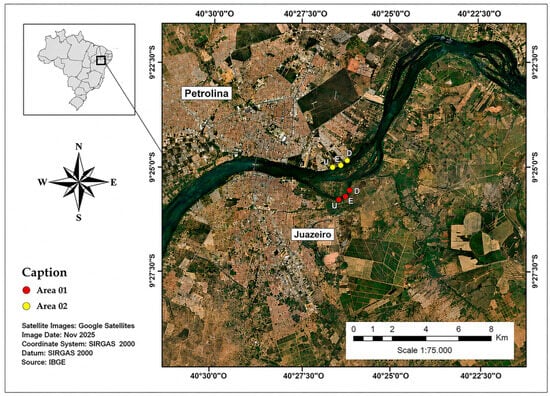
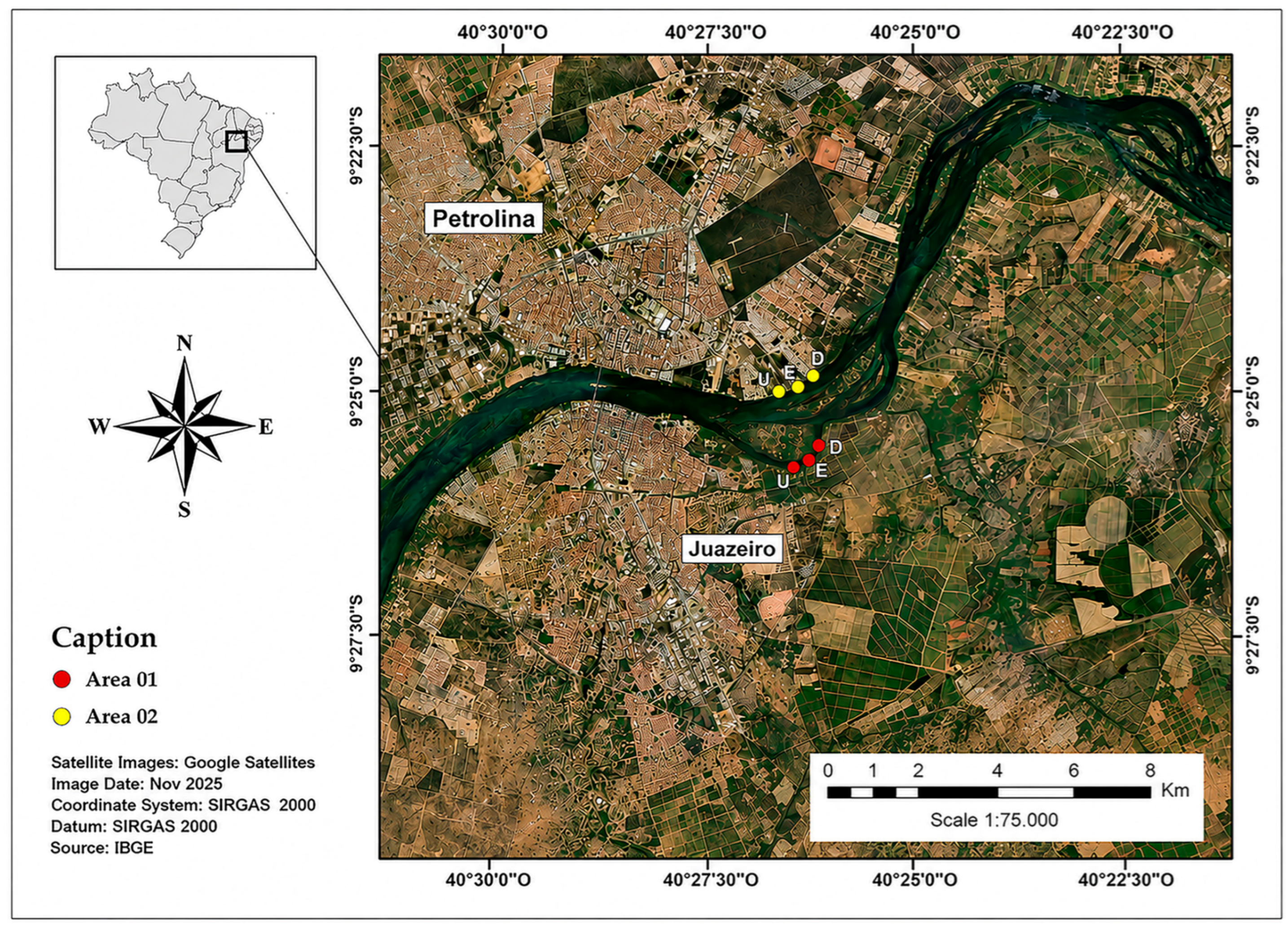
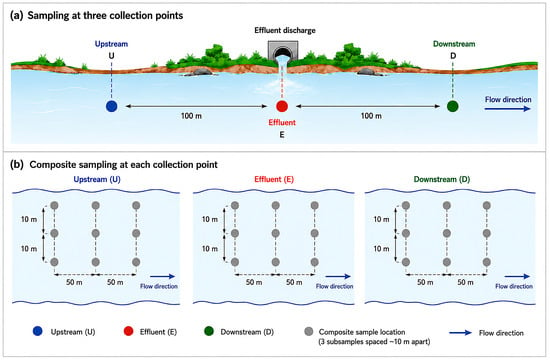
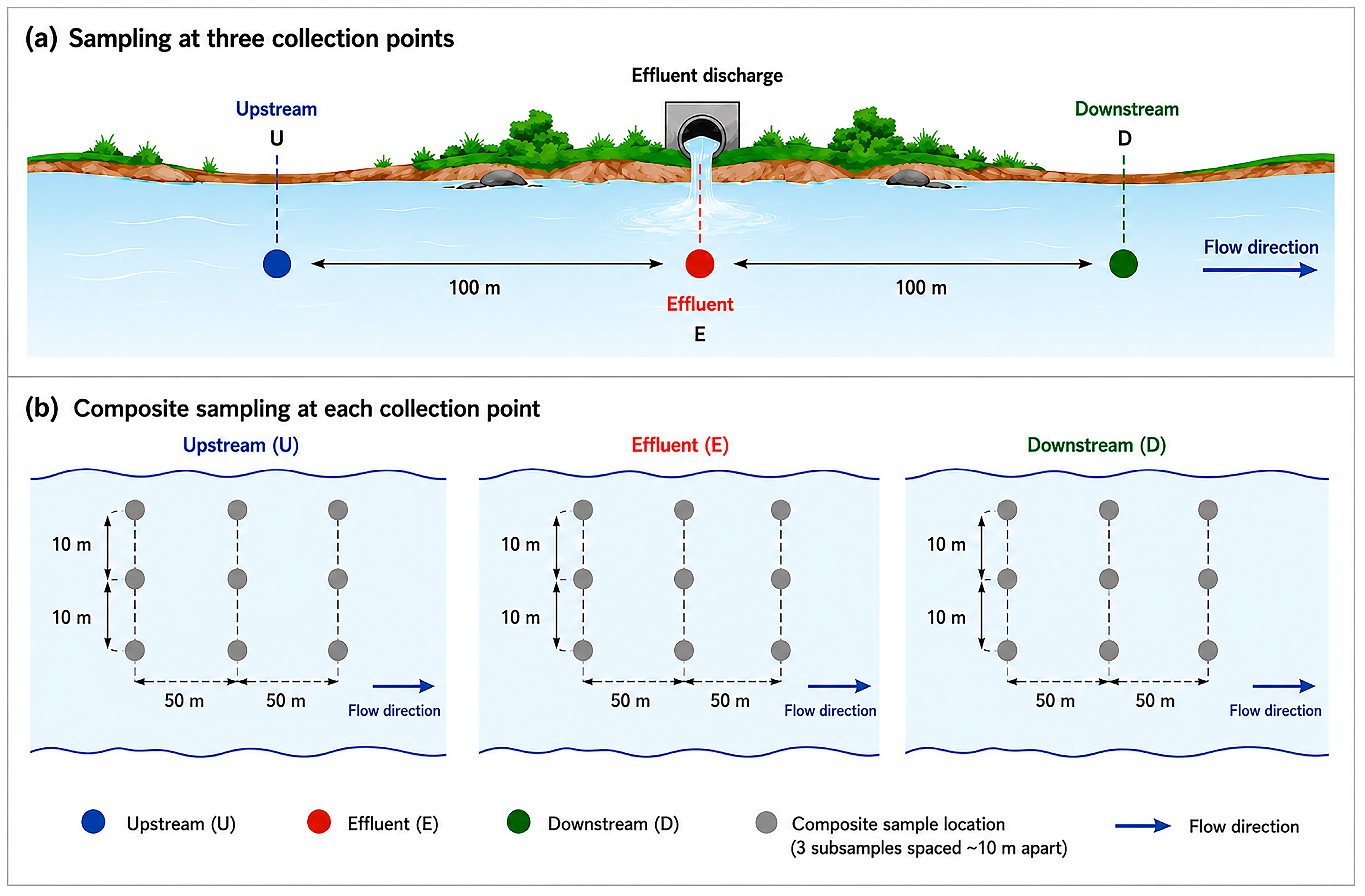
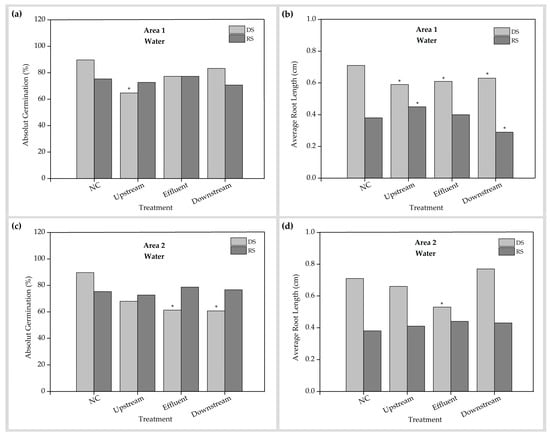
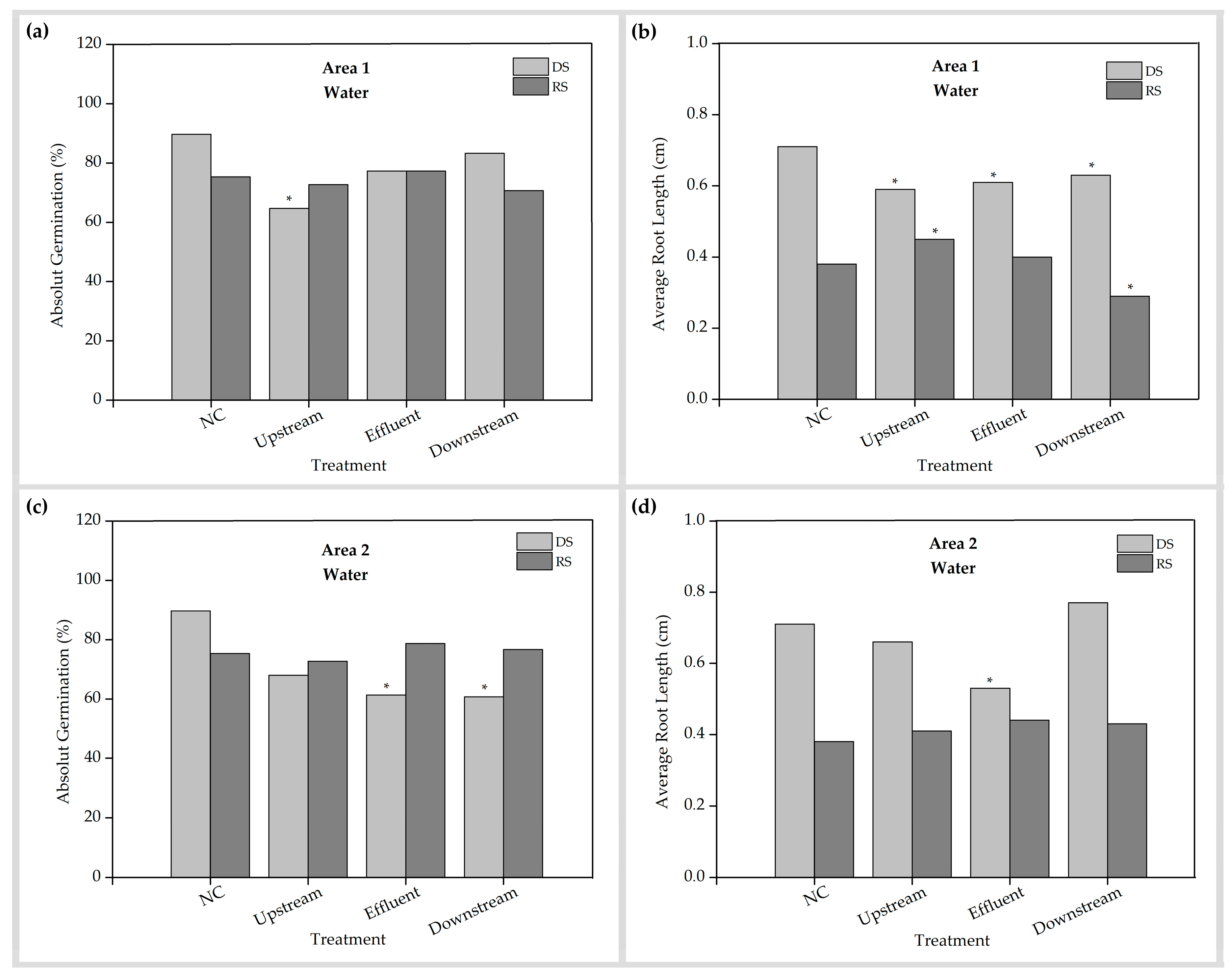
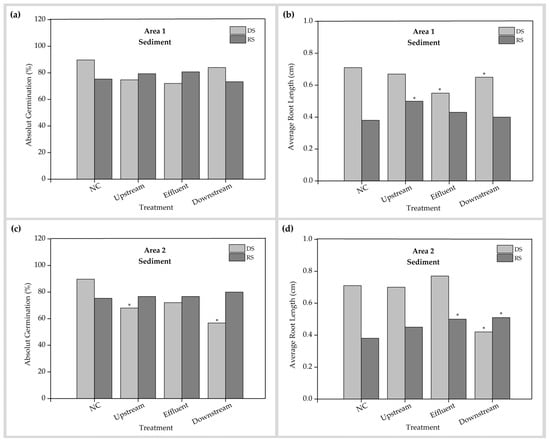
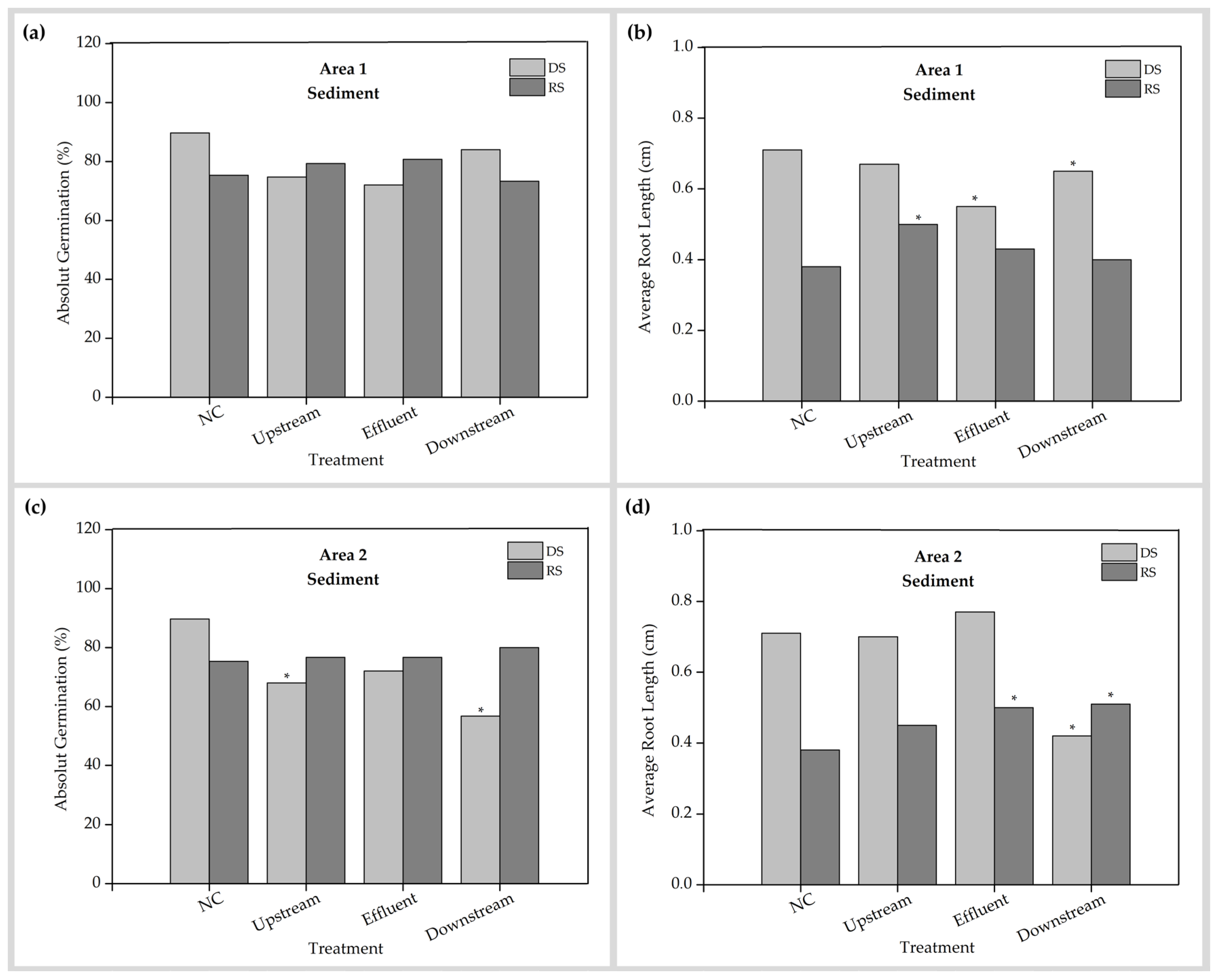
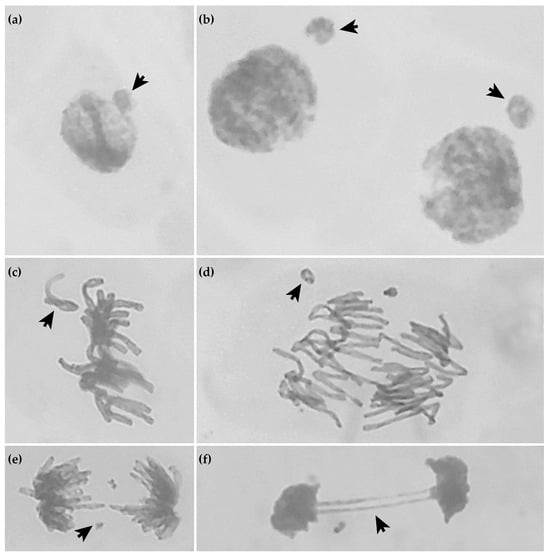
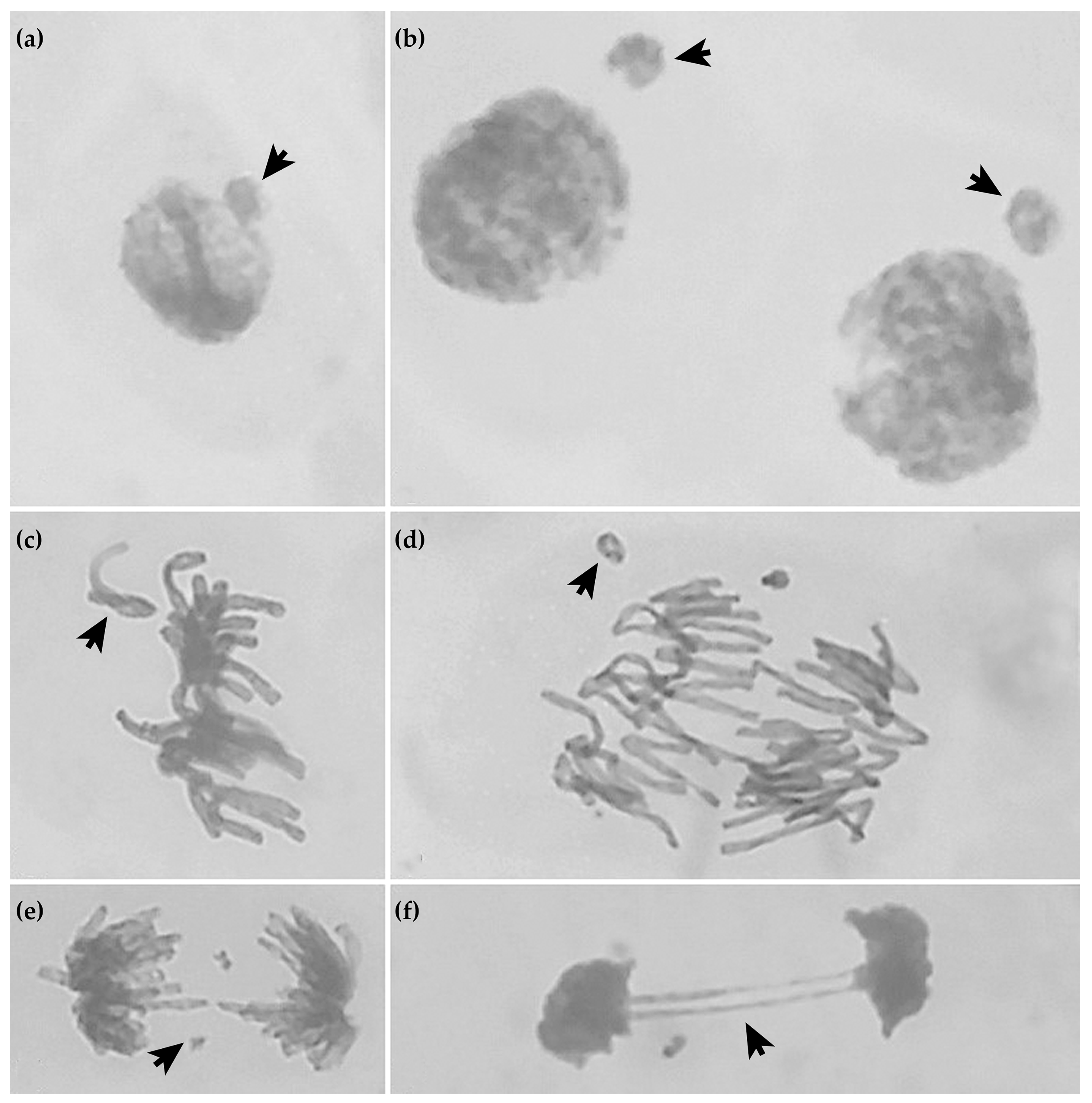

Disclaimer/Publisher’s Note: The statements, opinions and data contained in all publications are solely those of the individual author(s) and contributor(s) and not of MDPI and/or the editor(s). MDPI and/or the editor(s) disclaim responsibility for any injury to people or property resulting from any ideas, methods, instructions or products referred to in the content. |
© 2026 by the authors. Licensee MDPI, Basel, Switzerland. This article is an open access article distributed under the terms and conditions of the Creative Commons Attribution (CC BY) license.