


Abstract
Water scarcity, aggravated by growing demands, represents a significant challenge for humanity. Promoting household sustainable water-consumption behaviors has become vital. The Community-Based Social Marketing (CBSM) framework stands out among many strategies to promote water conservation. However, many interventions in this domain often neglect significant theoretical insights, leading to gaps in addressing key social and contextual drivers of behavior. This study conducts a systematic and bibliometric literature review aimed at identifying determinants underlying household water-conservation behaviors. This review encompasses 155 papers published from 1984 to early 2023. Our findings show that this is a highly multidisciplinary field of study with a marked increase in research attention discerned post-2010, particularly from water-stressed regions. Furthermore, our findings also reveal an often-overlooked integration of guiding theories and an over-reliance on self-reported measures in prior research. Factors such as attitude, perceived efficacy, emotions, and habits emerge as pivotal in understanding water conservation. However, while attitudes have been extensively analyzed in previous research, the other factors deserve greater attention from researchers. Inconsistencies in demographic predictors further hint at potential moderating roles. This paper offers valuable insights for designing effective household water-conservation interventions through a social marketing lens.
1. Introduction
Climate change intensifies water scarcity and associated hazards such as floods, rising sea levels, and droughts. Rising temperatures disrupt the water cycle, posing threats to sustainable development, biodiversity, and access to water [1]. Water scarcity, driven by escalating demand, is a critical global challenge [2]. Fostering sustainable water use requires urging individuals to adopt conservation behaviors. The Community-Based Social Marketing (CBSM) framework [3] is recognized as a highly effective tool for this purpose [4]. The CBSM emphasizes the need to address barriers and enhance motivating factors for effective behavioral change. However, social marketing often neglects theoretical insights and overlooks social and contextual factors affecting the target audience [5,6,7]. Additionally, interventions often overlook the distinction between internal and external factors influencing individuals [4]. A thorough analysis of these issues is vital to ensure the efficacy of water-conservation programs.
To assess barriers and motivators, social marketing employs two approaches: formative research and theory [4]. Formative research, also called consumer or audience research, employs methods such as interviews and focus groups to explore consumer insights and the factors that either encourage or hinder their behaviors [8]. However, criticism arises due to heavy reliance on self-reported methods and the use of a single research method, potentially limiting a complete understanding of the behavior [8,9]. In contrast, theory, such as a literature review, serves as a valuable research tool, bridging the theory-practice gap by summarizing empirical evidence and offering insights from various disciplinary perspectives [10].
Based on the above, this research aims to conduct a literature review to identify the determinants (barriers and motivators) previously used to explain water-conservation behavior at home. To do this, a systematic and bibliometric literature review to date is performed. By understanding these determinants, policymakers and social marketers can design tailored interventions and broaden the field of knowledge. Additionally, this study also examines prevalent theories, seeks to understand the evolution of the field of knowledge, and identifies potential future research directions.
This study has several contributions to the body of knowledge concerning household water conservation. Primarily, it pioneers an integrated approach by conducting both a bibliometric (quantitative) and systematic (qualitative) literature review to find the determinants of household water conservation. This synthesis fills a notable gap in the existing literature, as most prior studies (e.g., [11,12,13,14]) undertook either bibliometric or systematic reviews in isolation. Our approach not only minimizes potential researcher bias through a quantitative review but also offers a critical evaluation of the relevance of these determinants via qualitative analysis. Further, adopting a comprehensive lens, this research delineates both the internal factors (encompassing psychosocial and socio-demographic dimensions) and external (contextual) variables that explain water conservation and consumption patterns. This review also involves a great diversity of geographical, cultural, and social contexts, contributing to a comprehensive and empirically grounded understanding of the subject matter. Lastly, our in-depth analysis, coupled with a discerning discussion and ensuing conclusions, yields valuable managerial implications. These insights hold significant merit for social marketing professionals, offering them pragmatic strategies on how behavioral determinants can be effectively leveraged to craft campaigns that foster water-conservation behaviors.
2. Methodological Approach
The literature review in this research is based on two complementary methodologies: a bibliometric analysis and a systematic analysis. The bibliometric analysis offers a quantitative perspective, providing an objective assessment of the field’s status through an exhaustive evaluation of published research, thus enhancing rigor and minimizing potential researcher bias [15]. This approach enables extracting and visualizing insights from a substantial volume of literature, providing objective references. Nonetheless, it is worth noting that the bibliometric approach, while highly valuable, cannot replace the manual systematic review undertaken by researchers, which extends the analysis with a critical perspective [16].
To complement the above quantitative approach, a secondary qualitative analysis has been performed. This qualitative review aims to identify existing related studies, meticulously selecting contributions and critically evaluating their relevance [17]. It is key to emphasize that this systematic review diverges from the conventional literature review in terms of its heightened objectivity, meticulous systematization, transparency, and replicability. This rigor is made possible by following a standardized and well-defined protocol [18]. The analysis conducted in this study adhered to the methodology outlined in the PRISMA review protocol (Preferred Reporting Items for Systematic Reviews and Meta-Analysis) [19]. This systematic approach encompasses six distinct stages: (1) formulation of the research question(s), selection of relevant databases, and identification of key search terms (keywords); (2) specification of inclusion and exclusion criteria for articles; (3) preliminary search and initial selection of relevant materials; (4) scrutiny of search results against predefined selection criteria; (5) comprehensive critical assessment of the literature; and (6) synthesis of the obtained results. Figure 1 summarizes the main steps involving the systematic, bibliometric, and thematic research.
Figure 1.
Stages in this bibliometric and systematic review. Source: Own elaboration, adapted from [16].
Step 1: Formulation of Research Questions, Database Selection, and Keyword Establishment
The primary focus of this research is to understand both internal factors (encompassing psychosocial and socio-demographic dimensions) and external (contextual) variables influencing household water-conservation behavior. Additionally, we aim to identify barriers hindering behavior change or adoption, along with its motivators. In light of this objective, the following research questions are stated:
- What specific behavior is examined in the studies? (e.g., intention, behavior-reported or observed-, past behaviors, current behaviors).
- Which theories or conceptual frameworks are used in these studies?
- What are the main factors employed to explain the behavior, and what is their importance?
- Which environmental psychology theories or factors have not been thoroughly explored in this context?
- What are the main findings yielded by previous research?
- What future research directions have been identified by scholars in this field?
To systematically search for research studies, two globally renowned databases, Web of Science (WOS) and Scopus, were selected for their respected peer review process, coverage of major international scientific publishers, and comprehensive inclusion of relevant works [16,17]. The substantial overlap between these databases ensures the inclusion of virtually all relevant articles, with Scopus, especially, offering comprehensive coverage across various research domains, crucial for the interdisciplinary nature of this study encompassing psychology, environmental psychology, marketing, economics, and communication [15,20].
The selection of search terms involved a comparative analysis of 23 literature review articles on water consumption and conservation from high-impact journals (see the list in Appendix A, Table A1), leading to the identification of keywords and thematic categories related to determinants of water behavior (Table A2). The search terms underwent refinement stages for precision, culminating in the compilation of terms in Table A3. Scopus and Web of Science (WOS) databases were used, employing Boolean operators “AND” and “OR”. Keywords were entered hierarchically and grouped into blocks (context, behavior, water, motivators, barriers, behavioral determinants, theories), enhancing search efficiency. The search structure is detailed in Table A3.
Step 2: Defining the inclusion and exclusion criteria.
This literature review focuses on peer-reviewed journal articles aligned with the research goals of understanding motivating factors and barriers in household water consumption/conservation [12,18]. Inclusion criteria follow recommendations, considering only empirical research articles in English, excluding theoretical works, literature reviews, and non-journal sources [16,21,22]. The scope emphasizes studies investigating water-consumption or saving behavior in households and urban environments [11], excluding those in other domains such as water management, supply-related perspectives, or aggregate water demand [23].
Step 3: Search and preliminary selection of articles
The final article search in the WOS and Scopus databases was on 8 March 2023, encompassing all relevant research up to that date without setting any publication date restrictions. Out of the initial 9707 articles retrieved, 3018 duplicates were automatically detected and removed using the Mendeley management platform. A manual review, considering titles, authors, publication years, and DOIs, eliminated an additional 156 potential duplicates. The remaining 6533 articles underwent a detailed scrutiny of titles and abstracts, resulting in the exclusion of 5875 articles that did not meet inclusion criteria. [24]. Further refinement involved a meticulous examination of the methodology and conclusion sections, leading to the exclusion of an additional 503 records. The systematic process, detailed in Figure 2, culminated in a final sample of 155 articles.
Figure 2.
PRISMA diagram of the publication search and selection process. Source: own elaboration following PRISMA recommendations [19].
Step 4: Evaluation of the results related to the selection criteria.
To systematically organize and condense pertinent information, a working table was constructed. This table facilitated the thorough examination of key sections in each article, including the introduction, conceptual framework, methodology, results, discussions, and conclusions.
Step 5: Critical evaluation of the literature.
The article assessment involved a two-stage analysis [25]. The first stage included a bibliometric analysis of the 155 selected articles, following the model by Ricart et al. [23]. This initial stage focused on sample descriptive statistics. The second stage aimed to identify current and emerging research themes, patterns, and future directions. This involved keyword frequency analysis, thematic mapping, and co-occurrence networks. Similar methodologies have been applied in pro-environmental behavior studies, covering areas such as climate change [26], environmental communication [27], and general pro-environmental behaviors, along with specific domains such as recycling behaviors [15] and solar panel adoption [28]. Several tools are available for conducting bibliometric analyses. For this research, R version 4.2.2 was used. The analysis was performed using the Bibliometrix library, accessed through the Biblioshiny package, which simplifies data usage and analysis. Moreover, it can import data from a wide range of databases such as WOS, Scopus, and PubMed [29]. It has been extensively employed for conducting bibliometric studies in fields such as marketing and sustainability [30,31], pro-environmental behaviors [32], and, specifically, water-conservation behavior [23,33].
The second stage entailed a qualitative examination of article content through thematic analysis, a flexible and accessible method that identifies recurring patterns within data [34]. Adopting a theoretical thematic analysis approach, closely aligned with the researcher’s theoretical or analytical interest [25,34], facilitated a comprehensive exploration of data facets [35,36]. This analysis focused on barriers and determinants influencing household water-consumption/conservation behavior, with data coded according to initial research objectives. Data were compiled in Microsoft Excel and included relevant variables such as, e.g., authorship, research objectives, models or theories employed, and research methodology. Subsequently, a content analysis was conducted, employing inductive reasoning to process the information while also considering insights derived from the bibliometric analysis [25,37]. Section 3 (Results) provides comprehensive insights into this critical evaluation and synthesis process.
Step 6: Synthesis of results.
The section labeled “Discussion and Conclusions” offers a condensed summary of the findings derived from the literature review.
3. Results
3.1. Bibliometric Analysis
3.1.1. Main Characteristics of Contributions
A summary of the studies included in the sample is depicted in Figure 3. These 155 articles were published spanning the years 1982 to 2023 and appeared in 80 different academic journals. On average, each article garnered approximately 36 citations. The research in this field is published across a broad spectrum of academic journals, encompassing both Social Sciences and Science disciplines. As indicated in Table A4 (Appendix A), some of the most prominent academic journals in this domain include the Journal of Environmental Management (11 times, 7.1%), Water (9, 5.8%), Journal of Environmental Psychology (8, 5.2%), Sustainability (7, 4.5%), Journal of Applied Social Psychology (5, 3.2%), and Water Policy (5, 3.2%), among others. This extensive array of publication outlets reflects the interdisciplinary nature of the field, with journals spanning disciplines such as Management, Environmental Psychology, Social Psychology, Economics, Sustainability, Public Policy, and the Natural Sciences.
Figure 3.
Overview of the analyzed articles. Source: Result from Biblioshiny.
One interesting aspect to evaluate is the significance and contemporary relevance of the topic under study. As illustrated in Figure 4, it becomes readily apparent that the scientific community’s interest in investigating behaviors related to water consumption, saving, or conservation has witnessed exponential growth since 2010, ultimately reaching a peak of 21 annual publications in 2021. When examining relative figures, a substantial 132% increase is observed between the periods of 1982–2010 and 2011–2023.
Figure 4.
Annual scientific production. Source: Result from Biblioshiny. Note: By not fully including all months of 2023 in the analysis (see Step 3), the graph shows a very steep drop in the number of articles registered after 2022.
When assessing the global contributions to a particular area of knowledge, it is essential to consider their geographical distribution (Figure 5). In alignment with trends in sustainability research, the predominant regions were North America (USA, 93 articles, 60%, and Mexico, 13 articles, 8.3%). Additionally, Oceania, represented primarily by Australia (57 articles, 37%), has made significant contributions. Europe has also been a notable contributor, with Spain (34 articles, 22%), the United Kingdom (14 articles, 9%), and the Netherlands (11 articles, 7%) actively participating. Furthermore, though to a lesser extent, Asia has shown involvement, with China (17 articles, 11%) and Iran (7 articles, 4.5%) making contributions. Finally, Africa, primarily represented by South Africa (8 articles, 5.1%), and South America, where Chile (5 articles, 3.2%) is prominent, have also played roles in this research domain.
Figure 5.
Scientific production by country researcher home institution. Source: Result from Biblioshiny.
Examining the dispersion of research among authors and groups, Table A5 (Appendix A) outlines the frequency of author appearances in the sample. Prominent figures include Warner (5 articles, 1%), Corral-Verdugo (4 articles, 0.8%), Fielding (4 articles, 0.8%), and others, with 352 authors appearing only once. Assessing the impact of these publications, Table A6 presents citations and annual averages. Works by Willis et al. [38] (JEP, 22.9 citations/year), Schultz et al. [39] (E&B, 17.4 citations/year), and Fielding et al. [40] (JEM, 17.1 citations/year) stand out. Collaboration analysis in research is key to understanding the underlying structure of a particular knowledge domain. Results show that 9.03% of articles were single-authored, averaging 3.8 authors per study. International co-authorship is around 20% (Figure 6). Notably, the United States of America and Australia emerged as leaders in international research collaborations, closely followed by China, Spain, the Netherlands, and the United Kingdom. In contrast, research collaborations involving countries from Latin Northern Asia, South America, or Africa appear to be relatively scarce.
Figure 6.
Author’s collaboration network by country researcher home institution. Source: Result from Biblioshiny. Note: The strength of the blue means the intensity of publication by country, grey areas are countries without contributions in the sample. Pink lines indicate international collaborations.
To enhance the understanding of research dynamics, a collaborative network among authors was generated and is illustrated in Figure 7. This network visualizes the interactions among authors within the specified field of study, providing insights into the formation of author groups, influential figures, or author communities, as suggested by Aria and Cuccurullo [29]. Upon close examination of the figure, it becomes evident that research groups tend to be relatively small, with most consisting of two to three collaborators. Notably, there are a few cases with up to four collaborations. Judging by the size of the node and the number of collaborations, it can be inferred that Professor Kelly Fielding holds a prominent role as an influential author and a reference within the subject of study.
Figure 7.
Collaboration networks between authors. Source: Result from Biblioshiny.
The joint analysis of the collaborating countries and the working groups of researchers reveals some interesting patterns. In comparison to other fields of knowledge, research teams tend to be relatively small, and international networks exhibit limited scope. Generally, authors tend to publish alongside co-authors from their own country or individuals with whom they have had prior academic interactions, such as sharing the same educational institution or originating from the same country. Moreover, it seems that cross-country collaborations are typically concentrated. For instance, the United States displays 16 international collaborations, followed by Australia with 6, Spain with 4, and both the Netherlands, China, and the United Kingdom with 3 each (The full Table A7 is available in Appendix A).
3.1.2. Conceptual Structure of Contributions
To conduct the conceptual analysis, several bibliometric instruments were used, including keyword frequency assessments, thematic mapping, and co-occurrence networks. These tools are instrumental in identifying present and emerging research themes and forecasting future areas of exploration [41]. The outcomes of this analysis provide insights into the conceptual frameworks and attributes associated with the topic under study [25,42].
This study involved a preliminary data cleansing aimed at removing synonyms and terms found in articles that are unrelated to the research objective [43]. Specifically, highly frequent words that were initially part of the article search criteria were excluded. For instance, following previous literature reviews (e.g., [43,44,45]) terms such as “water” or words related to research methodologies such as “survey” were removed (List of words deleted for these analyses in Biblioshiny: household survey, questionnaire, questionnaire survey, housing, surveys, surveys, water, water management, water supply, water conservation, water demand, water demand management, demand-side management, human, female, man, middle-aged, adult, controlled study, article, water, water resource, water use, water consumption, humans, aged, male, water resources, household, household water, priority journal, rural area, urban area, environmental issues, sampling, human behavior, local participation, conceptual framework, conservation of water resources, internal consistency, policymakers, resident population, environmental issue, theory).
A word cloud, shown in Figure 8, generated from “Authors’ keywords” (The word cloud generated using the “keywords plus” approach was also examined, and its findings closely resembled those of the previous word cloud. Therefore, comparing both word clouds was deemed unnecessary), after data filtering, visually emphasizes prevalent terms [44,46]. “Social norms” stands out as an extensively studied variable in household water-conservation behavior, along with related terms such as “descriptive norms” and “injunctive norms”. Other frequently mentioned words include “attitude”, “habits”, “feedback”, “intention”, “communication”, “environmental knowledge”, “credibility”, and “environmental concern”, identifying potential factors influencing water use/conservation. Terms such as “conservation behavior”, “behavioral intention”, “domestic water consumption”, and “water saving” likely denote outcome variables in the studies. Notably, “theory of planned behavior” suggests Ajzen’s theory [47] as a predominant conceptual framework.
Figure 8.
Word cloud based on “authors’ keywords”. Source: Result from Biblioshiny.
An analysis of the past decade’s trends, with a focus on frequently occurring words, was performed using the “keyword plus” criterion generated by the Biblioshiny algorithm. These keywords, extracted from article titles in bibliographic references, may differ from the authors’ original keywords or the article title (Refs. [48,49] used a similar approach). Notable trends since 2020 encompass terms such as “water insecurity”, “perception”, “motivation”, “efficient water use”, and “behaviors and psychology”. Figure 9 underscores that key internal factors affecting water consumption/conservation are “perception”, “attitude”, and “motivation”, while external factors beyond individual control encompass “water quality” and climatic variables such as “drought”.
Figure 9.
Trends “Keywords Plus”, 2010–2023. Source: Result from Biblioshiny.
A thematic map, employing density (theme development) on the vertical axis and centrality (topic relevance) on the horizontal axis, defines key themes in four quadrants: (1) niche themes, highly developed or isolated; (2) motor themes, the most relevant and central; (3) emerging or declining themes; and (4) basic themes. This approach aligns with prior bibliometric studies [31,44]. Figure 10 displays the thematic map in this study using author keywords. In the “niche topics” quadrant, notable proximity is observed between “water tariffs” and “behavior change”, reflecting interest in the relationship between water pricing and consumption. Keywords such as “attitude”, “efficient water-saving behavior”, and “attitude towards the environment” are present, suggesting a connection to efficient behavior, possibly involving devices such as “dishwashers” for conservation. Moving to the “motor themes” quadrant, terms such as “social norms”, “habits”, “environmental knowledge”, “communication”, and “feedback” are prominent. While “smart water meters” remains relevant, its development seems to decline. In the lower quadrants, the significance of studying the “theory of planned behavior” and “water use in the home” is evident, with a diminishing relevance.
Figure 10.
Thematic map based on authors’ keywords. Source: Result from Biblioshiny.
Expanding on insights from the thematic map, the determinants impacting water use/conservation behavior fall into two groups: internal (individual factors) and external (outside the individual). Internal factors encompass “attitude”, “intention”, “perception”, “habits”, “social norms”, and “knowledge”, while external factors include “water tariffs”, “water-saving devices”, “water-consumption measurement systems”, and the “feedback effect of that information”. Using the same thematic mapping tool, temporal evolution was examined across two periods: (i) 1982 to 2017 and (ii) 2018 to 2023. Figure A1 in Appendix A provides a comparative analysis of these thematic maps.
The comparison between both periods reveals interesting results. First, it is clear that certain fundamental themes such as “perception”, “motivation”, “behavior change”, and “attitude” remain relevant. Second, during 2017–2023, there was an emergence of pivotal themes, including “communication”, “irrigation and landscaping systems”, “social behavior”, “intention”, “environmental psychology”, and “efficient water utilization”. Third, interestingly the concept of “water efficiency” transitions from being an emerging theme to consolidating its place among the core themes. Fourth, the 2017–2023 period introduces new basic themes such as “environmental values and household structure” (encompassing factors such as household size and age), “household income”, and the interrelation between “social norms and environmental determinants”. Finally, the scrutiny of “feedback” (related to water consumption on an individual or household basis) is gradually becoming a focal research area, whereas the prominence of “incentives” seems to be diminishing.
This temporal review delves into the progression of water use and conservation behavior research. Rooted in environmental psychology, elements such as “attitude”, “motivation”, and “perception” engage scholars consistently. Intrinsic factors such as “values”, “knowledge”, “intention”, and “social norms” remain significant. External determinants, including socio-demographics, household attributes, climate change, and economic incentives, are explored. Research methods exhibit shifts, with “regression” studies initially in the core themes but descending in later periods. “Structural equations”, absent initially, emerge as a core theme, while “experimental studies” transition from niche to declining.
The co-occurrence network is the primary tool for understanding the conceptual structure of contributions, offering a comprehensive view of potential subjects in papers’ content [25]. Graphical representations in the co-occurrence map capture synergies within bibliographic metadata [29]. By linking pivotal terms provided by authors, a matrix reveals how often term pairs co-appear, resulting in labeled circles (graphs) of varying sizes and colors, smoothly connected [43]. Graph size indicates occurrence frequency, reflecting a term’s prevalence in articles [29]. Color signifies the assigned group or cluster. This analysis implicitly explores authors’ established relationships between keywords [50], exemplified by “motivation” and “water saving”.
In Figure 11, the co-occurrence network from 155 contributions reveals three distinct clusters with varying nodes. Prominent nodes include “perception” (blue cluster), “environmental protection” (red cluster), and “Australia” (green cluster). The blue cluster centers on perception, attitude, social behavior, water insecurity, knowledge, and water consumption, intertwining with terms such as marketing, conservation programs, water efficiency, and strategic planning. The red cluster, emphasizing environmental protection, includes themes such as motivation, attitude, education, public opinion, and conservation. The green cluster, labeled “Australia”, predominantly addresses climate change, drought, Australian context, and demographic variables.
Figure 11.
Co-occurrence of key terms. Source: Result from Biblioshiny.
3.2. Thematic Analysis (Qualitative–Exploratory)
In this section, a qualitative analysis of the 155 publications was conducted following the previous bibliometric analysis. In essence, this section summarizes the constructs, methodologies, theories, and variables applied in the examination of water-conservation/consumption behavior at home.
3.2.1. Research Methodologies Used in the Literature
The first aspect to be analyzed is the methodological characteristics of the empirical studies comprised by this literature review. More precisely, we focus on delineating the study type and the estimation procedure employed in each instance. Within this framework, studies can be categorized into four research domains: (i) qualitative and exploratory studies, (ii) quantitative and correlational studies, (iii) experimental and longitudinal studies, and (iv) simulation studies. See Table 1 for a comprehensive overview.
Table 1.
Analysis of contributions by research approach and methodologies.
Firstly, it is important to note that several studies employed multiple research methods. Consequently, the sample size comprises 155 articles, with a total of 165 research methods utilized. Globally, the majority of studies (72.1%) rely on cross-sectional data with a quantitative and correlational approach. Common methodologies within this category include structural equation models (CB 18.8%, PLS 1.2%), multiple regression models (15.2%), and discrete choice models (12.1%). The next category involves studies based on experimental or longitudinal data (17%), followed by more qualitative or exploratory studies (9.7%), with fewer focusing on data simulation applications (1.2%). Quantitative studies dominate, with only 5.5% using a mixed methodology [51]. Notably, a limited 1.8% adopt a time series and longitudinal approach, despite calls for long-term monitoring [52,53,54,55,56]. Moreover, these studies are scarce, even considering high water-consumption seasonality [57,58].
3.2.2. Theoretical and Conceptual Approaches
In examining studies, a critical aspect requiring in-depth analysis is the conceptual framework and theoretical underpinnings. Notably, 54% of the analyzed studies lack explicit reference to the theoretical framework used for studying the barriers or motivators of the behavior (see Table A8 in the Appendix A). The majority present concepts and theoretical precedents without a direct linkage to a specific theory. Among the 46% that do reference theoretical foundations, the Theory of Planned Behavior (TPB, [58] (10%), (NAM, [59] (3%), and New Environmental Paradigm [60] (3%) are noted. However, this list is non-exhaustive, reflecting the interdisciplinary nature of research in psychology, behavioral economics, health, communication, persuasion, and environmental psychology. Furthermore, 8.4% explicitly draw on more than one theory or model, such as Construal Level Theory and TPB [61], TRA and NEP [62], TPB and Social Cognitive Theory [63], or TRA and ELM [64]. Combining theories is justified for enhancing predictive capacity and deepening understanding of the intention–behavior gap in water conservation.
3.2.3. Behaviors Analyzed: Dependent Variable
Another key consideration when comparing studies focused on pro-environmental behavior change is the specific dependent variables being examined. In our particular case, the primary dependent variables under investigation include (1) water-conservation or saving behavior and (2) water use or consumption (for specific measurements, see Appendix A Table A9), both at the household level. Thus, within the types of environmentally significant behavior most frequently used in the literature, we focus on private-sphere environmentalism [65]. Water consumption can be classified into two categories: efficiency and curtailment behaviors. Efficiency behavior requires the purchase of water-efficiency equipment to be able to save water, while water curtailment behaviors are highly dependent on consumers’ awareness and understanding of how to save water [66]. However, in this review, only five articles (3%) explicitly categorized behaviors as efficient or curtailment (e.g., [63,67,68]).
The predominant method of measuring the dependent variable in the analyzed studies is self-reported measures (57%) (e.g., [68,69]), followed by behavioral intention to conserve or save water (27%) (e.g., [70,71]). To a lesser degree, actual water consumption has been used as a metric, encompassing variations such as “per-capita consumption” or “consumption per household” (7%). These data often come from water supply companies and/or smart water metering systems (e.g., [53,72]). It is noteworthy that only 3% of the studies employ a combination of different methods to measure water consumption or saving. For instance, Haeffner et al. [73] investigate water-conservation behavior by scrutinizing consumption bills (reflecting actual target consumption) and assessing behavioral intentions.
3.2.4. Determinants of Behavior: Independent Variables
In exploring the determinants of household water-conservation behavior, this review categorizes the factors based on the criteria established by Stern [65]. Initially, our analysis focuses on personal-sphere variables, which include both psychosocial and socio-demographic aspects. This is followed by an examination of contextual factors as outlined by Stern [65]. Personal-sphere variables reflect the internal attributes of an individual, whereas contextual factors denote external elements beyond an individual’s control that affect behavior [74]. This review reveals that prior research has analyzed personal-sphere variables such as attitudes, knowledge, environmental awareness, moral obligation, social norms (descriptive and injunctive norms), perceived effectiveness and perceived response efficacy, adscription of responsibility, time distance or future orientation, emotions, and habits. The main socio-demographic variables analyzed are age, gender, income level, education, and homeownership status. In contrast, the contextual variable exploration has highlighted external factors, including household features (number of people), physical characteristics (size, age, presence of gardens and pools), financial costs, and incentives, along with broader economic, political, and social factors. Facilitating elements, including the availability of water-saving devices and climatic conditions, must also be considered as external factors.
Personal-Sphere (Internal) Factors Related to Water-Conservation Behavior
These antecedents are systematically detailed in Table A10 (included in Appendix A). An in-depth examination of the most salient ones follows below.
Attitudes
A substantial body of research has centered on analyzing attitudes. Although there is widespread agreement on evaluating attitudes toward water conservation and use, research has delved into other types of attitudes as well. These include attitudes toward “responsible consumption” [75], “water pricing and water restrictions” [76], “routine (curtailment) and non-routine (efficiency) behaviors” [67], “water-saving devices” [77], and so forth. While attitudes significantly influence intentions for water-saving behaviors, a persistent gap exists between positive attitudes and actual choices. Individuals predisposed to saving water (positive attitude) may not always translate this attitude into specific conservation efforts [53,78]. This incongruence underscores the complex relationships influencing water-related decisions. Attitudinal variables, while crucial, account for only a modest portion of behavioral variance [79]. Understanding water conservation requires considering contextual and structural household factors, highlighting the need for a comprehensive understanding of multifaceted influences on water-related behaviors [77,79,80,81].
Knowledge
Numerous studies, such as [33,82], emphasize the role of knowledge in water conservation. Madias et al. [83] argue that water-related knowledge directly influences the intention to adopt water-saving devices and indirectly impacts overall water-conservation intention. Lack of knowledge hinders understanding the environmental impact and may lead to a lack of responsibility and intent to save water. High environmental knowledge correlates with the positive attitudes, behaviors, and habits supporting efficient water use [82]. Addo et al. [84] emphasize the significance of water-saving knowledge, environmental education gaps, and inadequate information about personal water consumption as substantial psychological barriers to adopting water-saving behaviors. Studies such as [85,86] explore the impact of information provision on water consumption, revealing positive effects and behavioral changes in water use, especially under conditions of scarcity.
Environmental awareness
Environmental awareness is defined as individuals’ understanding of the impact of human activities on the environment [87]. Several studies in the field of water-conservation behavior have examined this construct (e.g., [52,88]). Overall, this literature indicates that while awareness does play a role in shaping behavioral intentions, it alone is insufficient to drive behavioral changes [89,90]. Environmental awareness is frequently investigated together with environmental concerns. Environmental concern relates to individuals’ awareness of environmental issues and their disposition to address those issues [91]. Within the scope of this thematic review, studies have documented a positive correlation between participants’ degree of environmental concern and their self-reported behaviors [92]. Nevertheless, certain studies suggest that this correlation is relatively weak (e.g., [93,94]) or that they are unrelated constructs (e.g., [95,96]).
Moral obligation
Individuals, motivated by a sense of moral obligation, engage in influencing water-conservation attitudes and intentions [97,98,99]. However, conflicting findings arise as some express a moral duty to conserve water without aligning actual consumption with beliefs [100]. While Marzouk et al. [101] argue that moral obligation, combined with other factors, explains water conservation, Lowe et al. [102] find no association. The lack of consensus highlights the need for additional research to unravel the complexities surrounding moral obligation and water-conservation behavior.
Social norms
Social norms have received extensive attention in the domain of water-conservation research. They are usually defined as the informal guidelines that govern and shape social behaviors, determining whether a specific behavior is deemed acceptable within a given society or group [103]. They reflect whether significant others endorse or discourage a certain behavior [64]. Despite their positive impact on water conservation [73], Landon et al. [79] suggest social norms explain only a small portion of variance in water use. Some studies explore the combined impacts of social norms and water-consumption feedback, revealing contributions to reducing consumption, though this effect diminishes over time [40,104]. Furthermore, social norms are often categorized into two distinct types: descriptive norms, referring to the perceptions of how most people commonly behave, and injunctive norms, which pertain to the societal perceptions of behaviors that are generally deemed acceptable or unacceptable. Seventy-one percent of studies make no norm distinction, 24% distinguish both descriptive and injunctive norms, and 5% analyze only descriptive norms. While descriptive norms influence conservation (e.g., [67,105]), injunctive norms, especially considering neighbors’ behaviors, often exert a more profound impact on water-saving actions. Messages with explicit social judgments amplify this effect, with individuals seeking approval from neighbors more than other significant figures [106]. Studies linked to descriptive norms and consumption information suggest a bias in self-consumption perception, where individuals tend to either underestimate or overestimate their consumption compared to others [73,107]. Associating social norms with social identity enhances normative messages’ efficacy, emphasizing the norm’s association with the referent group [108].
Perceived efficacy
This variable has been denoted by different terms within the literature, even when not always referencing the same concept. This can generate confusion and misinterpretation. Specifically, perceived efficacy is also referred to as (1) perceived effectiveness, (2) outcome expectations, or (3) personal response efficacy. These three terms share a common definition, including the extent to which individuals believe their actions can contribute to solving an environmental problem. Notably, it is crucial to distinguish between the concept of perceived efficacy and self-efficacy. Self-efficacy relates to individuals’ beliefs regarding their capability to perform specific actions or whether they perceive proposed behaviors as easy or challenging to execute [68]. This construct bears similarity to perceived behavioral control, as proposed in Ajzen’s TPB [47].
Adscription of responsibility
Adscription of responsibility involves the sense of accountability for adverse consequences resulting from environmentally unfriendly consumption behaviors [109]. This sense also includes opinions on who should be held responsible for such conduct [65]. Limited research within this thematic review explores the connection between adscription of responsibility and water-conservation behavior [110,111,112]. Antecedents of responsibility adscription include knowledge of environmental problems, awareness of consequences, and awareness of water care [83,113]. For responsibility to be triggered, individuals must possess knowledge about environmental problems and/or the impacts of their consumption behaviors. Studies diverge on the role of adscription of responsibility, with some linking it to social norms and intention to save water [83,113], while others find no connection to pro-environmental behavior intention and actual behavior [112]. The literature also explores attributions of responsibility to different actors, such as local or national governments, companies, individuals, social groups, or society as a whole [114].
Emotions
A scarce number of studies explore emotional variables in water consumption/conservation. Andrade et al. [70] examine moral emotions related to irresponsible water use, finding a modest relationship with water objective knowledge. Díaz et al. [69] show that perceived happiness predicts current behavior, while stress predicts both present and future behavior. “Subjective wellness or well-being” is tied to positive emotions; however, there is a lack of consensus regarding its relationship with water consumption [115]. Some authors argue that well-being consistently predicts conservation behavior (e.g., [69]), while others find limited evidence (e.g., [95]). Finally, Manríquez-Betanzos et al. [116] explore gratitude and eudaimonia’s effects on water-saving practices, revealing that eudaimonia promotes water saving and is negatively affected by water scarcity, suggesting a need for further research on eudaimonia due to limited evidence [116].
Habits
A habit is an automatic, unconscious behavior, resistant to change [64,117]. While some studies aim to explore habits, most of them operationalize the concept as past behavior (e.g., [40,56,81,82,118]). Past water-conservation behavior predicts intentions [40,56,81,118,119], indicating a link between self-efficacy and adopting new conservation behaviors. Individuals who reported performing simple (easy) water-conservation behaviors had greater intentions to adopt new, more complex water-conservation behaviors. However, Jorgensen et al. [120] find evidence of a negative association between past and future saving behavior. Participants who reported more savings in the past were likely to show less water-saving behavior in the future [120].
Socio-demographic variables
Researchers have scrutinized socio-demographic variables such as age, gender, education, income, and homeownership to understand their impact on water-saving behavior. Despite some consensus, differences in findings persist. Gender’s role remains mixed; while some studies suggest that females tend to exhibit higher levels of water-saving behavior (e.g., [52,121]), others support the opposite [122]. Older individuals tend to consume more water than younger counterparts (e.g., [53,123]). Education’s impact on water-saving behavior varies, with some studies finding no significant link (e.g., [52,90]), while others observe differences based on educational attainment (e.g., [124]). Higher-income households with advanced education tend to have lower water consumption [125], attributed to greater resources for water-saving devices [121].
Contextual (External) Factors Related to Water-Conservation Behavior
An additional aim of this review is to identify the external factors that impact water-conservation/saving behaviors. These antecedents are thoroughly presented in Table A11 (Appendix A) and are further elaborated upon in this.
Climatic and seasonal factors
The literature strongly supports the impact of external factors such as climate and season on household water consumption. Geographical location [78], exposure to drought or restrictions [125], seasonal variations [72], and temperature and rainfall patterns [126] significantly influence both intention and behavior in conserving water. Regions facing water stress exhibit lower consumption [49]. Water scarcity affects individual variables such as environmental concern and trust in conservation information [127]. Seasonality also influences perception, with individuals underestimating water consumption in summer and aligning more closely with actual use in winter [72].
Household composition
Previous research explores factors such as family size (e.g., [126,128]) and the presence of children or adolescents in relation to water consumption [129] but yields inconclusive results. Some studies suggest larger households exhibit lower per-capita water consumption (e.g., [121]), while others report a positive relationship [130]. The presence of children and adolescents consistently correlates with increased water consumption, with the number of adolescents having a substantial impact, especially in shower water usage [129,131].
Characteristics of the property
Property attributes affecting water consumption include house size and building age, correlating with indoor water use. Conversely, factors such as swimming pools, gardens, park presence, landscaping irrigation systems, and vegetation type impact outdoor water use. Larger homes, gardens, and pools drive higher water consumption, influencing consumption variations [52,132]. The literature indicates larger homes consume more water for cleaning, irrigation, and appliances, while mortgaged or rented households show water-consumption mitigation. The existing literature states that (i) larger homes tend to consume more water for activities such as cleaning, irrigation, and various water-consuming appliances [133]; (ii) households with mortgages or rentals tend to exhibit water-consumption mitigation [131]; and (iii) garden irrigation accounts for the highest proportion of external water consumption, primarily in outdoor settings [134].
4. Discussion and Conclusions
Bibliometric Analysis (Quantitative)
Analyzing household water-conservation/consumption behavior is a complex task due to the multifaceted relationship of diverse social, individual, and contextual factors influencing consumer decisions [12]. Consequently, our findings show that this is a highly multidisciplinary research field, drawing contributions from disciplines such as environmental psychology, social psychology, economics, management, marketing, engineering, and ecology, among others. Notably, since 2010, there has been a significant increase in interest within the scientific community regarding this topic. This heightened attention likely reflects the growing global concerns surrounding water scarcity in numerous regions and the imperative of addressing the United Nations’ Sustainable Development Goals. A closer examination of the scientific production by country reveals that an extensive number of studies originate in regions struggling with water crises, including Australia, certain areas in the United States, Spain, South Africa, and Chile, among others. However, it might also be of interest to conduct water-conservation studies in regions where water scarcity issues are not present to determine if the results can be extrapolated to other hydrological contexts. Likewise, it would be worthwhile to carry out studies comparing both hydrological situations (e.g., [135]). Additionally, it is necessary to conduct studies in countries where this topic has not been previously investigated (e.g., in Russia and countries in Northern Africa). Conceptual analysis has also been used to identify key variables, current study trends, and important insights to design future lines of research. This valuable information, in turn, has facilitated a comprehensive response to the research inquiries articulated in the subsequent phase of the systematic literature review (qualitative thematic analysis). During this subsequent stage, a more profound examination of the observed statistical outcomes has been feasible, enabling the formulation of recommendations for future research directions. The main findings will be discussed further below.
Thematic analysis (qualitative)
Despite the growing number of studies regarding the determinants of household water conservation/consumption, it is surprising that the vast majority do not integrate guiding theories or frameworks into their investigations. This finding diverges from the foundational principles of CBSM programs. As emphasized by the CBSM, the formulation and execution of effective social marketing strategies require a foundational understanding of the perceived benefits and barriers (whether internal or external) that individuals associate with that specific activity [3]. This prior knowledge is key because it will be used to design a social marketing strategy that overcomes the barriers and increases the perceived benefits of the behavior targeted to generate long-term voluntary behavioral changes [136]. Nevertheless, it is notable that a substantial number of environmental CBSM-based interventions do not incorporate theories or models into their environmental social marketing strategies. For instance, Anibaldi et al. [137] found in their literature review on environmentally sustainable farming practices that most studies do not explicitly detail how theories were selected and how they were applied in the design of the intervention.
Among those studies that do explicitly mention their grounding in particular theories, three predominant frameworks stand out: The Theory of Planned Behavior (TPB, [59]), the Norm Activation model (NAM, [60]), and the New Environmental Paradigm [61]. A subset of studies has opted for a combination of theories and models that, while not entirely novel, increase their explanatory capacity. For example, Shahangian et al. [63] combine TPB and Social Cognitive Theory, Maduku [64] extend TRA with ELM and habits, and Deng et al. [61] study Construal level theory and TPB. However, other theories can also play an essential role in bridging the gap between intention and behavior, but they have been underexplored in the domain of household water behavior [91]. One of them is the Construal Level Theory [138]. This framework suggests that individuals perceive people, objects, or events as psychologically proximate or distant. This perceived distance—whether social, spatial, or temporal—subsequently shapes attitudes, emotions, and actions [139]. For example, water-saving actions are typically perceived as tangible and near, resulting in a low structural level [62]. In contrast, concepts such as climate change assume a more abstract form, rendering them psychologically distant with a high construal level. Future research into the role of perceived psychological distances in water conservation is essential [62]. Thus, Zhuang et al. [140] suggest a better understanding of the role of culture (social distance) as a moderating variable that influences attitude and behavior. Likewise, this review shows that the Value-Belief-Norm model (VBN, [65]) has received scant attention in examining household water-conservation behaviors. Furthermore, Rodriguez-Sanchez et al. [4] have recently suggested the Goal Framing Theory [60] as a potential avenue. This theory supplements existing models such as the NAM, the TPB, and the VBN by focusing on goal attainment spanning hedonic, gain-based, and normative objectives. Owing to its comprehensive approach to addressing goal conflicts, situational variables, and both conscious and unconscious processes, the Goal Framing Theory presents a promising foundation for instigating pro-environmental behaviors such as water-conservation behavior [141].
Regarding the dependent variables used in previous research, most studies rely on self-reported measures to assess household water conservation or consumption. However, self-reported measures often exhibit perceptual biases, suggesting that individuals may either underestimate or overestimate their actual water consumption [73]. This cognitive distortion acts as a barrier to water conservation [142]. The need to observe real water-consumption behaviors is highlighted. Furthermore, there is a tangible interest in understanding the duration for which a behavior change persists over time; however, longitudinal measurements have been infrequently conducted [52,53,143]. Moreover, given the influence of climatic and seasonal elements on water consumption, it becomes imperative to perform measurements at different times of the year [57,58]. In addition, Rusell and Knoeri [56] call for a longitudinal approach to understand why the installation of water-efficiency technology does not result in a reduction in water use. Lastly, the academic landscape shows a scarce amount (15%) of causal research, especially experimental designs that could shed light on the impact of specific factors on individuals’ real-time behaviors [73]. Furthermore, only five studies have explicitly distinguished between curtailment behavior and efficiency behavior, while in the rest of the sample the behavior (water saving or water use) is analyzed generically without specifying the type of behavior, and to a lesser extent both behaviors are mixed. Previous studies have shown that the determinants of curtailment and efficiency behavior are different [143] and call to explore the differences between these two types of behaviors [144]. For example, Pérez Urdiales and García Valinas [145] demonstrate that the type of water device (e.g., electric or non-electric) influences the water-conservation habit and intention, which shows that a future line of research could understand the barriers or motivators to water-efficiency intention or behavior depending on the type of device.
Focusing on the determinants of water-conservation/consumption behavior, several key factors emerge in this review. Regarding personal-sphere (internal) factors, attitude is the most frequently examined variable. However, while attitude undeniably serves as an antecedent to intention, it offers a limited explanation for actual behavior, suggesting a myriad of other variables at play. Thus, it is essential for studies to look beyond attitudinal variables, and if they employ them, to do so in conjunction with other more explanatory variables. Likewise, social norms have also been examined by a significant number of studies. This is further corroborated by the bibliometric analysis (word cloud). Regarding descriptive and injunctive norms, this review shows that the majority of studies use the concept of social norms, without distinguishing between descriptive and injunctive norms, even though both constructs are different [146]. In addition, however, researchers usually analyzed both constructs together. Warner [106] proposes an independent exploration of each to reveal their individual impacts on behavior. The revised literature exhibits gaps concerning how descriptive and injunctive social norms affect actual water-use behaviors [101,147]. For instance, descriptive norms may not be effective for individuals with a high level of involvement in water conservation [40]. Future research could analyze the influence of descriptive and injunctive norms moderated by personal involvement, considering that involvement influences conservation behavior [148]. Still, the implications of injunctive norms, when contrasted in different populations or within varied contexts, remain ambiguous [106]. For example, for some individuals, it is more significant to obtain approval for conservation practices from their neighbors (closer) rather than from those whom they consider important (more distant) [106]. In this context, the notion of spatial psychological distance [139], together with social comparison theory, offers a promising avenue for forthcoming investigations.
On the contrary, the factors that have been less examined in household water-conservation studies, and which should be analyzed in greater depth due to their potential explanatory value, are perceived efficacy, emotions, and habits. The evidence indicated that perceived efficacy is directly and positively linked to intention, and indirectly to actual behavior [144,149]. It is quite an important construct because it helps people to recognize the tangible consequences of their behavior [148]. On the contrary, it is becoming a barrier to behavior if individuals perceive their actions will not be effective in resolving water problems [148]. Additionally, future research should analyze personal and collective response efficacy. In the domain of communication and social marketing, Rodriguez-Sanchez et al. [4] state that personal response efficacy can offer a suitable framework for fostering changes in individual pro-environmental behaviors. This approach centers on the individual, avoiding the diffusion of responsibility within society or to “others”. This phenomenon is based on the idea that “when people perceive that their actions contribute to solving a specific environmental problem, they are more likely to perform such behaviors” ([148], p. 195).
Concerning emotions, while there is a general agreement that they influence behavioral intentions, a more in-depth examination is essential to identify the specific emotions triggered by water-consumption patterns [69,150]. In past research, the primary focus has been on positive emotions, such as happiness, eudaimonia, gratitude, mood, and well-being. Positive emotions are positively linked to engagement with climate change, but positive emotions do not always motivate more pro-environmental engagement [150], so it could be interesting to analyze future research on the relationship between positive emotions and engagement in water-conservation behavior. However, only two negative emotions have been extensively studied: stress and emotions linked to irresponsible water use. In addition, further research is needed to understand the moderation effect that positive and negative emotions cause in cognitive determinants of water-conservation behavior [69]. Past research states that including emotion in cognitive models enhances their model explanatory capacity regarding pro-environmental behavior [70]. Finally, concerning habits, our findings show that most research predominantly focuses on the link between past behavior and water consumption. A very limited number of studies have thoroughly analyzed and operationalized the habit construct (habit strength). Consequently, future research should delve deeper into the correlation between habit construct and water consumption. This emphasis is critical, given that habits are an important barrier to water behavior change [151]. The challenge of promoting changes in these habits remains largely unaddressed [64]. Some scholars propose the application of communication or persuasion frameworks to encourage habit change [64], for instance, by appealing to self-efficacy by showing an audience that habit change is easy to achieve or by simply describing water-saving tips [119].
The predictability of socio-demographic variables for water conservation actions remains inconsistent [152]. Demographics might be examined as potential moderators that might be found to influence the relationship between conservation behaviors and other internal variables such as attitudes, values, and moral norms [153]. For example, Kang et al. [92] suggest the need to explore the differences in water beliefs and perceptions according to gender and age.
Regarding the external determinants of household water use, scholars advocate for deeper inquiries into contemporary urban lifestyles and more understanding of how shifts in family structures might affect water-consumption levels [132]. It is crucial to integrate family characteristics and seasonal variations into research models since both factors are key in shaping water-consumption habits [154]. Prior experiences in water-scarce environments shape attitudes toward water conservation and seasonal consumption patterns [15,40,72]. Households with children, especially adolescents, tend to consume more water [129,131], while single-occupancy households show higher per-capita consumption compared to larger households [128]. Future research should analyze how external factors influence individual-level variables, for example, by exploring the influences of water-conservation messages in different climatic regions [155], or how water scarcity affects the credibility of water-conservation information [127] or the influence of seasonality on bias perception of consumption [72].
In conclusion, our review underscores the need for future research in the domain of household water conservation, presenting three overarching areas worthy of exploration. Firstly, expanding the geographical scope beyond regions with known water scarcity issues would allow us to assess the generalizability of findings to diverse hydrological contexts. Additionally, comparative studies involving regions with different hydrological situations could offer valuable insights. Secondly, despite the increasing number of studies on household water behavior, a noteworthy gap persists as most fail to integrate guiding theories or frameworks. Aligning with the principles of Community-Based Social Marketing (CBSM), effective social marketing strategies require a foundational understanding of perceived benefits and barriers. Incorporating relevant theories and underexplored theories such as Construal Level Theory and Goal Framing Theory could bridge existing gaps. Importantly, relying on self-reported measures to assess water behavior introduces perceptual biases, emphasizing the imperative for real-time observations. Longitudinal measurements, especially considering climatic and seasonal influences, are warranted to deepen our understanding of behavior persistence. Furthermore, distinguishing between curtailment and efficiency behaviors, examining the influence of psychological distances, and exploring the moderating effects of emotions on cognitive determinants are areas requiring more comprehensive exploration. Thirdly, future research should prioritize less-explored internal factors such as perceived efficacy, emotions, and habits, along with key external factors. Finally, investigating the inconsistent predictability of socio-demographic variables and their potential moderation effects on conservation behaviors is crucial for a comprehensive understanding of the factors influencing water-saving actions.
4.1. Managerial Implications
Our research provides insights into how to develop effective interventions following a social marketing approach. Firstly, household water-conservation programs must clearly define the behavior they aim to promote, distinguishing between curtailment and efficiency behaviors due to their distinct internal and external determinants. Even further specification is recommended, such as differentiating curtailment behaviors (e.g., indoor vs. outdoor) or efficiency types (e.g., electric vs. non-electric water devices). Secondly, audience segmentation is crucial, encompassing socio-demographic factors, family composition (e.g., households with children, teenagers, or singles), and homeownership status. Additionally, climatic and seasonal variables, as well as neighborhood housing features (e.g., the presence of swimming pools, gardens, or the age of the residences), should be considered. Once the target audience has been segmented, the next step is to research and understand the determinants that act as barriers or motivators associated with the behavior, and finally design an intervention that targets these key determinants [146].
According to our findings, there are several determinants that should be triggered by interventions (The recommendations outlined below are primarily based on the work conducted by van Valkengoed et al. [147], recently published in the journal Nature Human Behavior) either because they play a significant role in explaining water-conservation intention or behavior, or because they have been underutilized in the past. Further research is needed on the subjects of attitudes, social norms, outcome efficacy, emotions, and habits.
Attitudes towards water conservation could be influenced by the following three strategies. First, providing information about the environmental consequences associated with specific water-related actions, such as excessive lawn watering or extended shower durations. In this sense, individuals are anticipated to view these behaviors less favorably, thus encouraging more sustainable water use. Second, providing information about the (non-environmental) co-benefits and costs associated with behavior. Highlighting, for instance, the financial savings from reduced water bills or the long-term property benefits of maintaining a drought-resistant garden can further motivate households to embrace water conservation. Third, introducing direct incentives, such as rebates for installing rainwater harvesting systems or discounts for using water-efficient appliances. By highlighting these additional benefits, people may be more likely to perceive a behavior positively and engage in it.
Furthermore, the following managerial strategies leveraging social norms can also be performed. First, providing people with descriptive norm information. This intervention reveals what the majority of people are doing concerning water-saving behaviors. For instance, if individuals learn that most households in their neighborhood are collecting rainwater for gardening, they might be more inclined to adopt the same. Second, provide dynamic norm information. This intervention involves providing people with information that indicates that an increasing number of people are changing their behavior. Such information may signal to people what behavior may be normative in the near future, to which people may already want to conform. Finally, providing information about injunctive norms. This intervention involves providing people with information about whether a behavior is commonly approved or disapproved of by people or groups that are important to them. For example, knowing that the local community values households that have drought-resistant gardens can spur others to consider such practices.
One possible intervention that could enhance outcome efficacy is providing households with detailed instructions on how to execute water-conservation measures, such as rainwater harvesting or fixing leaky faucets. This can bolster individuals’ confidence in their capability to implement the behavior appropriately and realize the anticipated benefits. Furthermore, offering feedback on the outcomes of their actions, such as quantifying the amount of water saved by shortening shower durations, can allow individuals to recognize the positive impact of their endeavors and amplify their assurance in achieving the intended water-saving results.
Regarding emotions, several interventions can be effective by eliciting specific emotions. Firstly, providing feedback on behavioral outcomes can heighten a sense of achievement. For instance, informing households of the liters of water saved by fixing leaks or using efficient fixtures can foster a sense of pride in their proactive choices. Secondly, employing prompts and reminders can serve as continual nudges toward sustainable actions. A sticker near the sink reminding occupants to turn off the tap when brushing their teeth, for example, can stimulate a sense of responsibility and motivation to conserve. Lastly, the strategy of social comparison capitalizes on the power of peer influence. When households receive data illustrating their water usage in comparison to their neighbors, emotions such as pride, for those excelling, or guilt, for those lagging behind, can be triggered. Such emotional responses can be strong catalysts driving households toward more judicious water use.
Finally, the following interventions can be effective for triggering automatic decision-making (habits). Predominantly, choice architecture interventions or “nudges” have been employed to subtly direct individuals toward pro-environmental behaviors without constricting their choices or altering perceived costs and benefits. For instance, setting water-saving behaviors as default options, such as a washing machine automatically starting on an eco-friendly setting, simplifies pro-environmental choices, making them more instinctual. Additionally, integrating visual cues, such as installing water meters in visible areas, makes water consumption more apparent, nudging individuals towards conservation. Lastly, placing reminders, such as stickers near showers prompting shorter water usage, serves as cues, seamlessly guiding individuals towards water-saving behaviors without overtly dictating their actions.
4.2. Limitations of the Study
This study presents a series of limitations that it is important to highlight. First, the exhaustive review process spanned several months. As a result, there is potential that the most recent publications from the latter stages of this period may not have been incorporated into this analysis. Second, the keyword selection plays a crucial role in a systematic review. Despite meticulous efforts to curate a comprehensive set of keywords and Boolean operators to include all relevant literature (see Table A1, Table A2 and Table A3), there remains a possibility that some significant publications could have been missed. Third, this systematic research is based on bibliographic databases such as Scopus and Web of Science (WoS), which predominantly includes studies published in English. As a result, potentially significant research from non-traditional sources or those embedded within grey literature might have been overlooked. This could also introduce a geographical bias, potentially constraining the applicability of findings to regions that are underrepresented. Fourth, the bibliometric review carries its own set of limitations. Outcomes rely on citations and bibliometric metrics (e.g., h-index, impact factor, etc.) that might not necessarily reflect the quality or influence of a given publication. Inherent biases in this approach include issues such as self-citations and the temporal gap between the publication date and the bibliometric review. To mitigate this latter limitation, the average annual citation count is computed to gauge the significance and relevance of the research articles.
Author Contributions
Conceptualization, C.S., C.R.-S. and F.S.-E.; methodology, C.S. and F.S.-E.; software, C.S.; validation, C.S., C.R.-S. and F.S.-E.; formal analysis, C.S. and F.S.-E.; investigation, C.S., C.R.-S. and F.S.-E. data curation, C.S.; writing—original draft preparation, C.S., C.R.-S. and F.S.-E.; writing—review and editing, C.S., C.R.-S. and F.S.-E.; visualization, C.S., C.R.-S. and F.S.-E.; supervision, C.R.-S. and F.S.-E.; project administration, C.R.-S. and F.S.-E.; funding acquisition, C.S., C.R.-S. and F.S.-E. All authors have read and agreed to the published version of the manuscript.
Funding
This research was funded by Generalitat Valenciana (Emerging Project GV2022 number: CIGE/2022/051), Consejo Nacional de Investigaciones Científicas y Técnicas (CONICET) doctoral research scholarship, and Universidad Católica de Córdoba (Argentina).
Data Availability Statement
Data are available upon request.
Conflicts of Interest
The authors declare no conflict of interest.
Appendix A
Table A1.
Literature reviews used to select the keywords for this review.
Table A2.
Thematic categories and keywords initially identified.
Table A3.
Final key search terms and Boolean operators used in Scopus and WoS.
Table A4.
Academic journals where included contributions were published.
Table A5.
Number of articles by author in the sample.
Table A6.
Contributions included in the review by number of citations.
Table A7.
International collaboration between countries.
Figure A1.
Thematic maps: temporal comparisons 1982–2017 and 2018–2023. (a) Thematic map based on authors’ keywords: 1982–2017. (b) Thematic map based on authors’ keywords: 2018–2023. Source: Result from Biblioshiny.
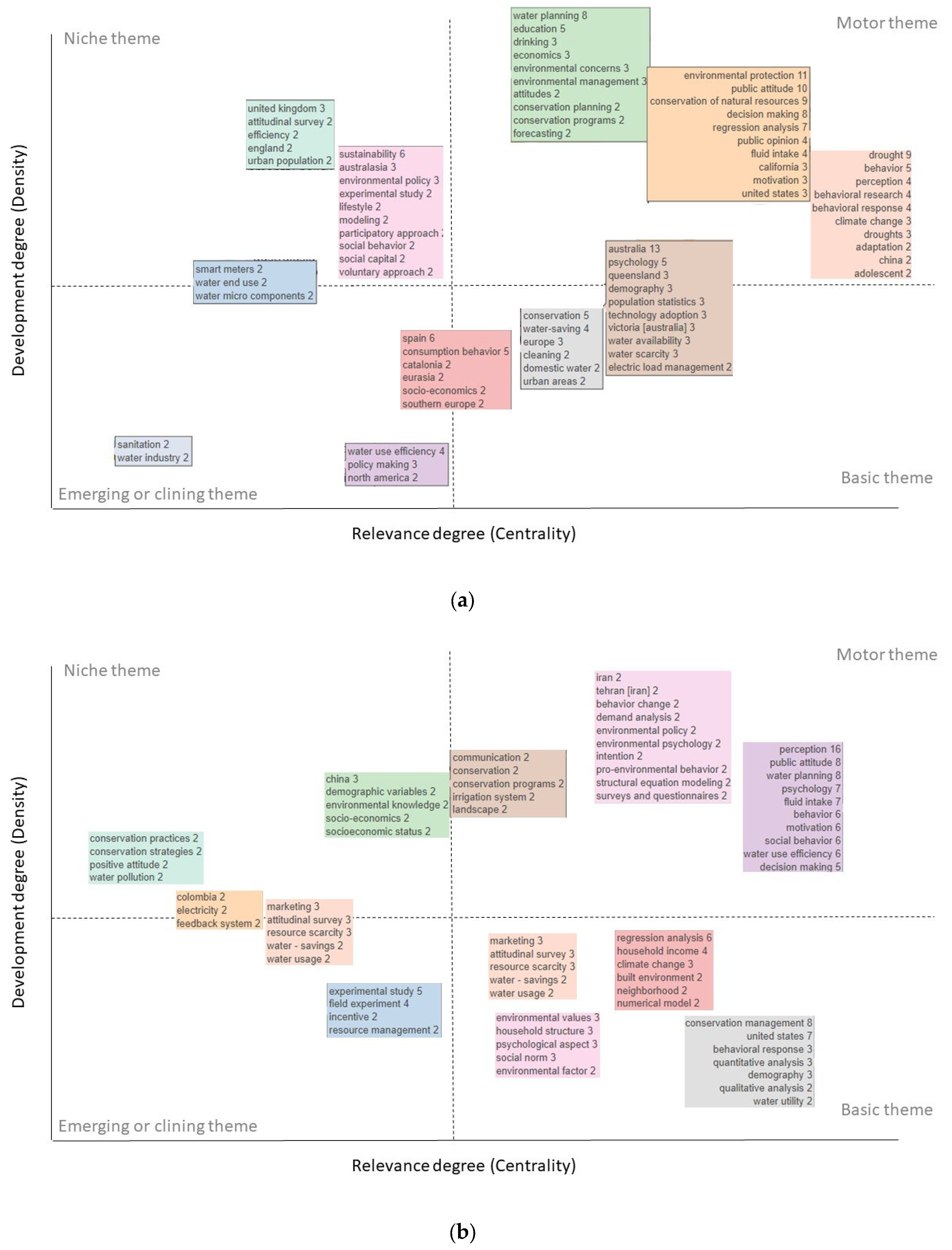
Table A8.
Main theories and theoretical frameworks.
Table A9.
Dependent variables used in the contributions.
Table A10.
Internal factors to the individual related to water-conservation behavior and/or consumption.
Table A11.
External factors to the individual related to water-conservation behavior and/or consumption].
References
- United Nations (Ed.) Water and Climate Change; United Nations: New York, NY, USA, 2023; Available online: https://www.unwater.org/water-facts/water-and-climate-change (accessed on 11 August 2023).
- IPCC Water. Contribution of Working Group II to the Sixth Assessment Report of the Intergovernmental Panel on Climate. In Climate Change 2022: Impacts, Adaptation and Vulnerability; Cambridge University Press: Cambridge, UK; New York, NY, USA, 2022; pp. 551–712. Available online: https://www.ipcc.ch/report/ar6/wg2/ (accessed on 10 July 2023).
- Mckenzie-Mohr, D. New ways to promote proenvironmental behavior: Promoting sustainable behavior: An introduction to community-based social marketing. J. Soc. Issues 2000, 56, 543–554. [Google Scholar] [CrossRef] [Scilit]
- Rodriguez-Sanchez, C.; Sancho Esper, F.M.; Campayo-Sánchez, F. A Systematic Review of Social Marketing Interventions to Promote Pro-Environmental Behavior Using CBSM Benchmark Criteria. Res. Innov. Sustain. Mark. 2023, 1, 32–34. [Google Scholar] [CrossRef] [Scilit]
- Buyucek, N.; Kubacki, K.; Rundle-Thiele, S.; Pang, B. A systematic review of stakeholder involvement in social marketing interventions. Australas. Mark. J. 2016, 24, 8–19. [Google Scholar] [CrossRef] [Scilit]
- Pang, B.; Kubacki, K.; Rundle-Thiele, S. Promoting active travel to school: A systematic review (2010–2016). BMC Public Health 2017, 17, 1–15. [Google Scholar] [CrossRef] [Scilit]
- Rundle-Thiele, S.; David, P.; Willmott, T.; Pang, B.; Eagle, L.; Hay, R. Social marketing theory development goals: An agenda to drive change. J. Mark. Manag. 2019, 35, 160–181. [Google Scholar] [CrossRef] [Scilit]
- Carins, J.E.; Rundle-Thiele, S.R.; Fidock, J.J. Seeing through a glass onion: Broadening and deepening formative research in social marketing through a mixed methods approach. J. Mark. Manag. 2016, 32, 1083–1102. [Google Scholar] [CrossRef] [Scilit]
- Rundle-Thiele, S.; Pang, B.; Knox, K.; David, P.; Parkinson, J.; Hussenoeder, F. Generating new directions for reducing dog and koala interactions: A social marketing formative research study. Australas. J. Environ. Manag. 2019, 26, 173–187. [Google Scholar] [CrossRef] [Scilit]
- Spotswood, F.; French, J.; Tapp, A.; Stead, M. Some reasonable but uncomfortable questions about social marketing. J. Soc. Mark. 2012, 2, 163–175. [Google Scholar] [CrossRef] [Scilit]
- Ehret, P.J.; Hodges, H.E.; Kuehl, C.; Brick, C.; Mueller, S.; Anderson, S.E. Systematic Review of Household Water Conservation Interventions Using the Information–Motivation–Behavioral Skills Model. Environ. Behav. 2021, 53, 485–519. [Google Scholar] [CrossRef] [Scilit]
- Koop, S.H.A.; Clevers, S.H.P.; Blokker, E.J.M.; Brouwer, S. Public attitudes towards digital water meters for households. Sustainability 2021, 13, 6440. [Google Scholar] [CrossRef] [Scilit]
- Moglia, M.; Cook, S.; Tapsuwan, S. Promoting water conservation: Where to from here? Water 2018, 10, 1510. [Google Scholar] [CrossRef] [Scilit]
- Zhang, L.; Wang, M.H.; Hu, J.; Ho, Y.S. A review of published wetland research, 1991–2008: Ecological engineering and ecosystem restoration. Ecol. Eng. 2010, 36, 973–980. [Google Scholar] [CrossRef] [Scilit]
- Phulwani, P.R.; Kumar, D.; Goyal, P. A Systematic Literature Review and Bibliometric Analysis of Recycling Behavior. J. Glob. Mark. 2020, 33, 354–376. [Google Scholar] [CrossRef] [Scilit]
- Si, H.; Shi, J.G.; Tang, D.; Wen, S.; Miao, W.; Duan, K. Application of the theory of planned behavior in environmental science: A comprehensive bibliometric analysis. Int. J. Environ. Res. Public Health 2019, 16, 2788. [Google Scholar] [CrossRef] [Scilit]
- Fleith de Medeiros, J.; Bisognin Garlet, T.; Duarte Ribeiro, J.L.; Nogueira Cortimiglia, M. Success factors for environmentally sustainable product innovation: An updated review. J. Clean. Prod. 2022, 345, 131039. [Google Scholar] [CrossRef] [Scilit]
- Esfandiar, K.; Pearce, J.; Dowling, R.; Goh, E. Pro-environmental behaviors in protected areas: A systematic literature review and future research directions. Tour. Manag. Perspect. 2022, 41, 100943. [Google Scholar] [CrossRef] [Scilit]
- Page, M.J.; McKenzie, J.E.; Bossuyt, P.M.; Boutron, I.; Hoffmann, T.C.; Mulrow, C.D.; Moher, D. The PRISMA 2020 statement: An updated guideline for reporting systematic reviews. Int. J. Surg. 2021, 88, 105906. [Google Scholar] [CrossRef]
- Vieira, L.C.; Amaral, F.G. Barriers and strategies applying Cleaner Production: A systematic review. J. Clean. Prod. 2016, 113, 5–16. [Google Scholar] [CrossRef] [Scilit]
- Butler, G.; Ross, K.; Beaman, J.; Hoepner, C.; Baring, R.; Burke da Silva, K. Utilising tourist-generated citizen science data in response to environmental challenges: A systematic literature review. J. Environ. Manag. 2023, 339, 117889. [Google Scholar] [CrossRef] [Scilit]
- Mishra, A.N.; Raj, A.; Pani, A.K. Construal Level Research in Decision Making: Analysis and Pushing Forward the Debate Using Bibliometric Review and Thematic Analysis. Am. Bus. Rev. 2020, 23, 106–135. [Google Scholar] [CrossRef] [Scilit]
- Ricart, S.; Villar-Navascués, R.; Reyes, M.; Rico-Amorós, A.M.; Hernández-Hernández, M.; Toth, E.; Bragalli, C.; Neri, M.; Amelung, B. Water–tourism nexus research in the Mediterranean in the past two decades: A systematic literature review. Int. J. Water Resour. Dev. 2023. In press. [Google Scholar] [CrossRef] [Scilit]
- Andor, M.A.; Fels, K.M. Behavioral Economics and Energy Conservation—A Systematic Review of Non-price Interventions and Their Causal Effects. Ecol. Econ. 2018, 148, 178–210. [Google Scholar] [CrossRef] [Scilit]
- Souza-Neto, V.; Marques, O.; Mayer, V.F.; Lohmann, G. Lowering the harm of tourist activities: A systematic literature review on nudges. J. Sustain. Tour. 2022, 31, 2173–2194. [Google Scholar] [CrossRef] [Scilit]
- Díaz Tautiva, J.A.; Huaman, J.; Ponce Oliva, R.D. Trends in research on climate change and organizations: A bibliometric analysis (1999–2021). Manag. Rev. Q. 2022. [Google Scholar] [CrossRef] [Scilit]
- Wu, M.; Long, R.; Bai, Y.; Chen, H. Knowledge mapping analysis of international research on environmental communication using bibliometrics. J. Environ. Manag. 2021, 298, 113475. [Google Scholar] [CrossRef] [Scilit]
- Fauzi, M.A.; Abidin, N.H.Z.; Suki, N.M.; Budiea, A.M.A. Residential rooftop solar panel adoption behavior: Bibliometric analysis of the past and future trends. Renew. Energy Focus 2023, 45, 1–9. [Google Scholar] [CrossRef] [Scilit]
- Aria, M.; Cuccurullo, C. Bibliometrix: An R-tool for comprehensive science mapping analysis. J. Informetr. 2017, 11, 959–975. [Google Scholar] [CrossRef] [Scilit]
- Kar, S.K.; Harichandan, S. Green marketing innovation and sustainable consumption: A bibliometric analysis. J. Clean. Prod. 2022, 361, 132290. [Google Scholar] [CrossRef] [Scilit]
- Rita, P.; Ramos, R.F. Global research trends in consumer behavior and sustainability in E-Commerce: A bibliometric analysis of the knowledge structure. Sustainability 2022, 14, 9455. [Google Scholar] [CrossRef] [Scilit]
- Zaidi, H.; Azmi, F.T. Workplace pro-environmental behavior: A review and bibliometric analysis. Int. J. Product. Perform. Manag. 2022. In press. [Google Scholar] [CrossRef] [Scilit]
- Madias, K.; Szymkowiak, A. Residential Sustainable Water Usage and Water Management: Systematic Review and Future Research. Water 2022, 14, 1027. [Google Scholar] [CrossRef] [Scilit]
- Braun, V.; Clarke, V. Using thematic analysis in psychology. Qual. Res. Psychol. 2006, 3, 77–101. [Google Scholar] [CrossRef] [Scilit]
- Byrne, D. A worked example of Braun and Clarke’s approach to reflexive thematic analysis. Qual. Quant. 2022, 56, 1391–1412. [Google Scholar] [CrossRef] [Scilit]
- Willig, C. Interpretation and Analysis. In The Oxford Handbook of Qualitative Research; Leavy, P., Ed.; Oxford University Press: Oxford, UK, 2013; pp. 259–277. [Google Scholar]
- Yang, E.C.L.; Khoo-Lattimore, C.; Arcodia, C. A systematic literature review of risk and gender research in tourism. Tour. Manag. 2017, 58, 89–100. [Google Scholar] [CrossRef] [Scilit]
- Willis, R.M.; Stewart, R.A.; Panuwatwanich, K.; Williams, P.R.; Hollingsworth, A.L. Quantifying the influence of environmental and water conservation attitudes on household end use water consumption. J. Environ. Manag. 2011, 92, 1996–2009. [Google Scholar] [CrossRef] [Scilit]
- Schultz, P.W.; Messina, A.; Tronu, G.; Limas, E.F.; Gupta, R.; Estrada, M. Personalized Normative Feedback and the Moderating Role of Personal Norms: A Field Experiment to Reduce Residential Water Consumption. Environ. Behav. 2016, 48, 686–710. [Google Scholar] [CrossRef] [Scilit]
- Fielding, K.S.; Spinks, A.; Russell, S.; McCrea, R.; Stewart, R.; Gardner, J. An experimental test of voluntary strategies to promote urban water demand management. J. Environ. Manag. 2013, 114, 343–351. [Google Scholar] [CrossRef] [Scilit]
- Aparicio, G.; Iturralde, T.; Maseda, A. Conceptual structure and perspectives on entrepreneurship education research: A bibliometric review. Eur. Res. Manag. Bus. Econ. 2019, 25, 105–113. [Google Scholar] [CrossRef] [Scilit]
- Rejeb, A.; Rejeb, K.; Abdollahi, A.; Treiblmaier, H. The big picture on Instagram research: Insights from a bibliometric analysis. Telemat. Inform. 2022, 73, 101876. [Google Scholar] [CrossRef] [Scilit]
- Siccardi, S.; Villa, V. Trends in Adopting BIM, IoT and DT for Facility Management: A Scientometric Analysis and Keyword Co-Occurrence Network Review. Buildings 2023, 13, 15. [Google Scholar] [CrossRef] [Scilit]
- Casado-Aranda, L.A.; Sánchez-Fernández, J.; Bigne, E.; Smidts, A. The application of neuromarketing tools in communication research: A comprehensive review of trends. Psychol. Mark. 2023, 40, 1737–1756. [Google Scholar] [CrossRef] [Scilit]
- Wang, M.H.; Yu, T.C.; Ho, Y.S. A bibliometric analysis of the performance of Water Research. Scientometrics 2010, 84, 813–820. [Google Scholar] [CrossRef] [Scilit]
- Kalia, P.; Mladenović, D.; Acevedo-Duque, Á. Decoding the Trends and the Emerging Research Directions of Digital Tourism in the Last Three Decades: A Bibliometric Analysis. SAGE Open 2022, 1–23. [Google Scholar] [CrossRef] [Scilit]
- Ajzen, I. The theory of planned behavior. Organ. Behav. Hum. Decis. Process. 1991, 50, 179–211. [Google Scholar] [CrossRef] [Scilit]
- Bhatnagar, S.; Sharma, D. Evolution of green finance and its enablers: A bibliometric analysis. Renewable and Sustainable. Energy Rev. 2022, 162, 112405. [Google Scholar] [CrossRef] [Scilit]
- Della Corte, V.; Del Gaudio, G.; Sepe, F.; Sciarelli, F. Sustainable tourism in the open innovation realm: A bibliometric analysis. Sustainability 2019, 11, 6114. [Google Scholar] [CrossRef] [Scilit]
- Mariani, M.M.; Perez-Vega, R.; Wirtz, J. AI in marketing, consumer research and psychology: A systematic literature review and research agenda. Psychol. Mark. 2022, 39, 755–776. [Google Scholar] [CrossRef] [Scilit]
- Sarabia Sánchez, F.J.; Rodríguez Sánchez, C. Attitudes towards saving water, household structural characteristics and water consumption. Psyecology 2013, 4, 115–137. [Google Scholar] [CrossRef] [Scilit]
- Alvarado Espejo, J.M.A.; Ontaneda, W.I.T.; Padilla, N.I.A.; Ochoa-Moreno, W.S. Water saving practices conditioned by socioeconomic factors: A case study of Ecuadorian households. J. Environ. Manag. 2021, 293, 112818. [Google Scholar] [CrossRef] [Scilit]
- Barnett, M.J.; Jackson-Smith, D.; Endter-Wada, J.; Haeffner, M. A multilevel analysis of the drivers of household water consumption in a semi-arid region. Sci. Total Environ. 2020, 712, 136489. [Google Scholar] [CrossRef] [Scilit]
- Gómez-Llanos, E.; Durán-Barroso, P.; Robina-Ramírez, R. Analysis of consumer awareness of sustainable water consumption by the water footprint concept. Sci. Total Environ. 2020, 721, 137743. [Google Scholar] [CrossRef] [Scilit] [PubMed]
- Otaki, Y.; Maeda, A. Water-Saving Tips with a Visualized Indicator Related to the Environment. Front. Water 2022, 4, 914665. [Google Scholar] [CrossRef] [Scilit]
- Russell, S.V.; Knoeri, C. Exploring the psychosocial and behavioral determinants of household water conservation and intention. Int. J. Water Resour. Dev. 2020, 36, 940–955. [Google Scholar] [CrossRef] [Scilit]
- Seyranian, V.; Sinatra, G.M.; Polikoff, M.S. Comparing communication strategies for reducing residential water consumption. J. Environ. Psychol. 2015, 41, 81–90. [Google Scholar] [CrossRef] [Scilit]
- Ajzen, I.; Fishbein, M. Theory of Reasoned Action-Theory of Planned Behavior 1988; University of South Florida: Tampa, FL, USA, 2007; pp. 67–98. [Google Scholar]
- Schwartz, S.H.; Howard, J.A. Internalized values as motivators of altruism. In Development and Maintenance of Prosocial Behavior; Springer: Boston, MA, USA, 1984; pp. 229–255. [Google Scholar] [CrossRef] [Scilit]
- Dunlap, R. The new environmental paradigm scale: From marginality to worldwide use. J. Environ. Educ. 2008, 40, 3–18. [Google Scholar] [CrossRef] [Scilit]
- Deng, Y.; Wang, M.; Yousefpour, R. How do people’s perceptions and climatic disaster experiences influence their daily behaviors regarding adaptation to climate change?—A case study among young generations. Sci. Total Environ. 2017, 581–582, 840–847. [Google Scholar] [CrossRef] [Scilit]
- Wolters, E.A. Attitude-behavior consistency in household water consumption. Soc. Sci. J. 2014, 51, 455–463. [Google Scholar] [CrossRef] [Scilit]
- Shahangian, S.A.; Tabesh, M.; Yazdanpanah, M. How can socio-psychological factors be related to water-efficiency intention and behaviors among Iranian residential water consumers? J. Environ. Manag. 2021, 288, 112466. [Google Scholar] [CrossRef] [Scilit]
- Maduku, D.K. Water conservation campaigns in an emerging economy: How effective are they? Int. J. Advert. 2021, 40, 452–472. [Google Scholar] [CrossRef] [Scilit]
- Stern, P.C. Toward a coherent theory of environmentally significant behavior. J. Soc. Issues 2000, 56, 407–424. [Google Scholar] [CrossRef] [Scilit]
- Savari, M.; Mombeni, A.S.; Izadi, H. Socio-psychological determinants of Iranian rural households’ adoption of water consumption curtailment behaviors. Sci. Rep. 2022, 12, 13077. [Google Scholar] [CrossRef] [Scilit] [PubMed]
- Fielding, K.S.; Thompson, A.; Louis, W.R.; Warren, C. Environmental sustainability: Understanding the attitudes and behavior of Australian households. AHURI Final Rep. 2010, 152, 1–132. [Google Scholar]
- Shahangian, S.A.; Tabesh, M.; Yazdanpanah, M.; Zobeidi, T.; Raoof, M.A. Promoting the adoption of residential water conservation behaviors as a preventive policy to sustainable urban water management. J. Environ. Manag. 2022, 313, 115005. [Google Scholar] [CrossRef] [Scilit]
- Díaz, J.; Odera, E.; Warner, L. Delving deeper: Exploring the influence of psycho-social wellness on water conservation behavior. J. Environ. Manag. 2020, 264, 110404. [Google Scholar] [CrossRef] [Scilit] [PubMed]
- Andrade, E.; Seoane, G.; Vila-Tojo, S.; Gómez-Román, C.; Sabucedo, J.-M. Psychological and situational variables associated with objective knowledge on water-related issues in a northern Spanish city. Int. J. Environ. Res. Public Health 2021, 18, 3213. [Google Scholar] [CrossRef] [Scilit] [PubMed]
- Buday, A.; Zollinger, B.; Hammersmith, A.; Heine, K. Thirsting for Sustainability: Water Conservation in a Great Plains City. Great Plains Res. 2021, 31, 1–16. [Google Scholar] [CrossRef] [Scilit]
- Araya, F.; Osman, K.; Faust, K.M. Perceptions versus reality: Assessing residential water conservation efforts in the household. Resour. Conserv. Recycl. 2020, 162, 105020. [Google Scholar] [CrossRef] [Scilit]
- Haeffner, M.; Jackson-Smith, D.; Barnett, M.J. Categorizing relative water use perception bias using household surveys and monthly water bills. J. Environ. Manag. 2023, 334, 117443. [Google Scholar] [CrossRef] [Scilit]
- Russell, S.; Fielding, K. Water demand management research: A psychological perspective. Water Resour. Res. 2010, 46, W05302. [Google Scholar] [CrossRef] [Scilit]
- Caspers, C.G.W. Role of Trust in Adopting Consumer Social Responsible Behavior in the Context of Water Use in Domestic Households. South East Eur. J. Econ. Bus. 2020, 15, 1–13. [Google Scholar] [CrossRef] [Scilit]
- Jorgensen, B.S.; Martin, J.F.; Pearce, M.W.; Willis, E.M. Predicting Household Water Consumption with Individual-Level Variables. Environ. Behav. 2014, 46, 872–897. [Google Scholar] [CrossRef] [Scilit]
- Dolnicar, S.; Hurlimann, A. Australians’ water conservation behaviors and attitudes. Aust. J. Water Resour. 2010, 14, 43–53. [Google Scholar] [CrossRef] [Scilit]
- Arbués, F.; Bolsa, M.Á.; Villanúa, I. Which factors determine water saving behavior? evidence from Spanish households. Urban Water J. 2016, 13, 511–520. [Google Scholar] [CrossRef] [Scilit]
- Landon, A.C.; Kyle, G.T.; Kaiser, R.A. Predicting compliance with an information-based residential outdoor water conservation program. J. Hydrol. 2016, 536, 26–36. [Google Scholar] [CrossRef] [Scilit]
- Timm, S.N.; Deal, B.M. Understanding the behavioral influences behind Singapore’s water management strategies. J. Environ. Plan. Manag. 2018, 61, 1654–1673. [Google Scholar] [CrossRef] [Scilit]
- Gregory, G.D.; Di Leo, M. Repeated Behavior and Environmental Psychology: The Role of Personal Involvement and Habit Formation in Explaining Water Consumption. J. Appl. Soc. Psychol. 2003, 33, 1261–1296. [Google Scholar] [CrossRef] [Scilit]
- Sarpong, K.A.; Amankwaa, G. Household behavioral intention, environmental habit and attitude related to efficient water management: An empirical analysis on pro-environmental behavior among urban residents. H2Open J. 2022, 5, 438–455. [Google Scholar] [CrossRef] [Scilit]
- Madias, K.; Borusiak, B.; Szymkowiak, A. The role of knowledge about water consumption in the context of intentions to use IoT water metrics. Front. Environ. Sci. 2022, 10, 934965. [Google Scholar] [CrossRef] [Scilit]
- Addo, I.B.; Thoms, M.C.; Parsons, M. The influence of water-conservation messages on reducing household water use. Appl. Water Sci. 2019, 9, 126. [Google Scholar] [CrossRef] [Scilit]
- Céspedes Restrepo, J.D.; Morales-Pinzón, T. Effects of feedback information on the household consumption of water and electricity: A case study in Colombia. J. Environ. Manag. 2020, 262, 110315. [Google Scholar] [CrossRef] [Scilit] [PubMed]
- Otaki, Y.; Ueda, K.; Sakura, O. Effects of feedback about community water consumption on residential water conservation. J. Clean. Prod. 2017, 143, 719–730. [Google Scholar] [CrossRef] [Scilit]
- Kollmuss, A.; Agyeman, J. Mind the Gap: Why do people act environmentally and what are the barriers to pro-environmental behavior? Environ. Educ. Res. 2002, 8, 239–260. [Google Scholar] [CrossRef] [Scilit]
- Akpinar, M.G.; Gul, M.; Ceylan, R.F.; Gulcan, S. Evaluation of the factors affecting water-saving attitudes of urban life on the verge of the next century: A case study of the Mediterranean region of Turkey. J. Water Sanit. Hyg. Dev. 2018, 8, 340–348. [Google Scholar] [CrossRef] [Scilit]
- Keramitsoglou, K.M.; Tsagarakis, K.P. Raising effective awareness for domestic water saving: Evidence from an environmental educational programme in Greece. Water Policy 2011, 13, 828–844. [Google Scholar] [CrossRef] [Scilit]
- Ramsey, E.; Berglund, E.Z.; Goyal, R. The impact of demographic factors, beliefs, and social influences on residential water consumption and implications for non-price policies in urban India. Water 2017, 9, 844. [Google Scholar] [CrossRef] [Scilit]
- Li, Y.; Wang, B.; Cui, M. Environmental Concern, Environmental Knowledge, and Residents’ Water Conservation Behavior: Evidence from China. Water 2022, 14, 2087. [Google Scholar] [CrossRef] [Scilit]
- Kang, J.; Grable, K.; Hustvedt, G.; Ahn, M. Sustainable water consumption: The perspective of Hispanic consumers. J. Environ. Psychol. 2017, 50, 94–103. [Google Scholar] [CrossRef] [Scilit]
- Clark, W.A.; Finley, J.C. Determinants of water conservation intention in Blagoevgrad, Bulgaria. Soc. Nat. Resour. 2007, 20, 613–627. [Google Scholar] [CrossRef] [Scilit]
- Lavelle, M.J.; Fahy, F. What’s consuming Ireland? Exploring expressed attitudes and reported behaviors towards the environment and consumption across three case study locations on the island of Ireland. Ir. Geogr. 2016, 49, 29–54. [Google Scholar] [CrossRef] [Scilit]
- Chenoweth, J.; López-Avilés, A.; Morse, S.; Druckman, A. Water consumption and subjective wellbeing: An analysis of British households. Ecol. Econ. 2016, 130, 186–194. [Google Scholar] [CrossRef] [Scilit]
- Grafton, R.Q.; Ward, M.B.; To, H.; Kompas, T. Determinants of residential water consumption: Evidence and analysis from a 10-country household survey. Water Resour. Res. 2011, 47, W08537. [Google Scholar] [CrossRef] [Scilit]
- Dolnicar, S.; Hurlimann, A.; Grun, B. Water conservation behavior in Australia. J. Environ. Manag. 2012, 105, 44–52. [Google Scholar] [CrossRef] [Scilit] [PubMed]
- Reddy, R.A.; Sengupta, R.; Jackson, B.M.; Lewis, C. Development of a new measure to check attitude towards water conservation. MethodsX 2023, 10, 101992. [Google Scholar] [CrossRef] [Scilit]
- Untaru, E.-N.; Ispas, A.; Han, H. Exploring the synergy between customer home-based and hotel-based water consumption and conservation behaviors: An empirical approach. J. Consum. Behav. 2020, 19, 542–555. [Google Scholar] [CrossRef] [Scilit]
- Kalifa, A.; Al-Maadid, A.; Koutiva, I.; Makropoulos, C. Individual water consumption behavior in relation to urban residential dynamics: The Case of Qatar. Urban Water J. 2021, 18, 806–816. [Google Scholar] [CrossRef] [Scilit]
- Marzouk, O.A.; Mahrous, A.A. Sustainable Consumption Behavior of Energy and Water-Efficient Products in a Resource-Constrained Environment. J. Glob. Mark. 2020, 33, 335–353. [Google Scholar] [CrossRef] [Scilit]
- Lowe, B.; Lynch, D.; Lowe, J. Reducing household water consumption: A social marketing approach. J. Mark. Manag. 2015, 31, 378–408. [Google Scholar] [CrossRef] [Scilit]
- Graf, C.; Suanet, B.; Wiepking, P.; Merz, E.M. Social norms offer explanation for inconsistent effects of incentives on prosocial behavior. J. Econ. Behav. Organ. 2023, 211, 429–441. [Google Scholar] [CrossRef] [Scilit]
- Ramli, U. Social Norms Based Eco-Feedback for Household Water Consumption. Sustainability 2021, 13, 2796. [Google Scholar] [CrossRef] [Scilit]
- Dean, A.J.; Kneebone, S.; Tull, F.; Lauren, N.; Smith, L.D.G. ‘Stickiness’ of water-saving behaviors: What factors influence whether behaviors are maintained or given up? Resour. Conserv. Recycl. 2021, 169, 105531. [Google Scholar] [CrossRef] [Scilit]
- Warner, L.A. Who conserves and who approves? Predicting water conservation intentions in urban landscapes with referent groups beyond the traditional ‘important others’. Urban For. Urban Green. 2021, 60, 127070. [Google Scholar] [CrossRef] [Scilit]
- Al-Maadid, A.; Akesson, J.; Bernstein, D.H.; Chakravarti, J.; Khalifa, A. Understanding Water Consumption in Qatar: Evidence from a Nationally Representative Survey. Urban Water J. 2022. In press. [Google Scholar] [CrossRef] [Scilit]
- Lede, E.; Meleady, R.; Seger, C.R. Optimizing the influence of social norms interventions: Applying social identity insights to motivate residential water conservation. J. Environ. Psychol. 2019, 62, 105–114. [Google Scholar] [CrossRef] [Scilit]
- De Groot, J.I.; Steg, L. Mean or green? Values, morality and environmental significant behavior. Conserv. Lett. 2009, 2, 61–66. [Google Scholar] [CrossRef] [Scilit]
- Ananga, E.O.; Becerra, T.A.; Peaden, C.; Pappas, C. Examining water conservation behaviors and attitudes: Evidence from the city of Ada, Oklahoma, USA. Sustain. Water Resour. Manag. 2019, 5, 1651–1663. [Google Scholar] [CrossRef] [Scilit]
- Bronfman, N.C.; Cisternas, P.C.; López-Vázquez, E.; la Maza, C.; Oyanedel, J.C. Understanding attitudes and pro-environmental behaviors in a Chilean community. Sustainability 2015, 7, 14133–14152. [Google Scholar] [CrossRef] [Scilit]
- Miller, E.; Buys, L. The impact of social capital on residential water-affecting behaviors in a drought-prone Australian community. Soc. Nat. Resour. 2008, 21, 244–257. [Google Scholar] [CrossRef] [Scilit]
- Wahid, N.A.; Fadzil, S.F.S.; Ariffin, S.K. Influences of Problem Awareness, Awareness of Consequences and Ascription of Responsibility on Consumer’s Personal Norm to Prevent Water Wastage Behavior. Environ. Ecol. Res. 2022, 10, 275–283. [Google Scholar] [CrossRef] [Scilit]
- Chen, L.; Dong, C.; Zhang, Y. An Online Experiment Evaluating the Effects of Social Endorsement Cues, Message Source, and Responsibility Attribution on Young Adults’ COVID-19 Vaccination Intentions. SAGE Open 2022, 12, 1–12. [Google Scholar] [CrossRef] [Scilit]
- Diener, E. Subjective Well-Being. Psychol. Bull. 1984, 95, 542–575. [Google Scholar] [CrossRef]
- Manríquez-Betanzos, J.C.; Corral-Verdugo, V.; Vanegas-Rico, M.C.; Fraijo-Sing, B.S.; Tapia-Fonllem, C.O. Positive (gratitude, eudaimonia) and negative (scarcity, costs) determinants of water conservation behaviour. Psyecology 2016, 7, 178–200. [Google Scholar] [CrossRef] [Scilit]
- MacInnes, S.; Grün, B.; Dolnicar, S. Habit drives sustainable tourist behavior. Ann. Tour. Res. 2022, 92, 103329. [Google Scholar] [CrossRef] [Scilit]
- Straus, J.; Chang, H.; Hong, C.Y. An exploratory path analysis of attitudes, behaviors and summer water consumption in the Portland Metropolitan Area. Sustain. Cities Soc. 2016, 23, 68–77. [Google Scholar] [CrossRef] [Scilit]
- Lauren, N.; Fielding, K.S.; Smith, L.; Louis, W.R. You did, so you can and you will: Self-efficacy as a mediator of spillover from easy to more difficult pro-environmental behavior. J. Environ. Psychol. 2016, 48, 191–199. [Google Scholar] [CrossRef] [Scilit]
- Jorgensen, B.S.; Martin, J.F.; Pearce, M.W.; Willis, E.M. Aligning theory and measurement in behavioral models of water conservation. Water Policy 2015, 17, 762–776. [Google Scholar] [CrossRef] [Scilit]
- Rondinel Oviedo, D.R.; Sarmiento Pastor, J.M. Water: Consumption, usage patterns, and residential infrastructure. A comparative analysis of three regions in the Lima metropolitan area. Water Int. 2020, 45, 824–846. [Google Scholar] [CrossRef] [Scilit]
- Corral-Verdugo, V.; Bechtel, R.B.; Fraijo-Sing, B. Environmental beliefs and water conservation: An empirical study. J. Environ. Psychol. 2003, 23, 247–257. [Google Scholar] [CrossRef] [Scilit]
- Corral-Verdugo, V.; Frías-Armenta, M.; Pérez-Urias, F.; Orduña-Cabrera, V.; Espinoza-Gallego, N. Residential water consumption, motivation for conserving water and the continuing tragedy of the commons. Environ. Manag. 2002, 30, 527–535. [Google Scholar] [CrossRef] [Scilit]
- Khodadad, M.; Sanei, M.; Narvaez-Montoya, C.; Aguilar-Barajas, I. Climatic Hazards and the Associated Impacts on Households’ Willingness to Adopt Water-Saving Measures: Evidence from Mexico. Sustainability 2022, 14, 5817. [Google Scholar] [CrossRef] [Scilit]
- Njoku, P.O.; Durowoju, O.S.; Uhunamure, S.E.; Makungo, R. Investigating the Attitude of Domestic Water Use in Urban and Rural Households in South Africa. Water 2022, 14, 210. [Google Scholar] [CrossRef] [Scilit]
- Bruvold, W.H.; Smith, B.R. Developing and assessing a model of residential water conservation. Jawara J. Am. Water Resour. Assoc. 1988, 24, 661–669. [Google Scholar] [CrossRef] [Scilit]
- Holland, D.; Janet, K.; Landrum, A. Experience is Key: Examining the Relative Importance of Factors Influencing Individuals’ Water Conservation. Water 2019, 11, 1870. [Google Scholar] [CrossRef] [Scilit]
- Long, H.; Shi, S.; Tang, Z.; Zhang, S. Does living alone increase the consumption of social resources? Environ. Sci. Pollut. Res. 2022, 29, 71911–71922. [Google Scholar] [CrossRef] [Scilit] [PubMed]
- Makki, A.A.; Stewart, R.A.; Panuwatwanich, K.; Beal, C. Revealing the determinants of shower water end use consumption: Enabling better targeted urban water conservation strategies. J. Clean. Prod. 2013, 60, 129–146. [Google Scholar] [CrossRef] [Scilit]
- Maas, A.; Goemans, C.; Manning, D.; Kroll, S.; Arabi, M.; Rodriguez-McGoffina, M. Evaluating the effect of conservation motivations on residential water demand. J. Environ. Manag. 2017, 196, 394–401. [Google Scholar] [CrossRef] [Scilit] [PubMed]
- Grespan, A.; Garcia, J.; Brikalski, M.P.; Henning, E.; Kalbusch, A. Assessment of water consumption in households using statistical analysis and regression trees. Sustain. Cities Soc. 2022, 87, 104186. [Google Scholar] [CrossRef] [Scilit]
- Domene, E.; Saurí, D. Urbanisation and water consumption: Influencing factors in the metropolitan region of Barcelona. Urban Stud. 2006, 43, 1605–1623. [Google Scholar] [CrossRef] [Scilit]
- Fan, L.; Liu, G.; Wang, F.; Geissen, V.; Ritsema, C.J.; Tong, Y. Water use patterns and conservation in households of Wei River Basin, China. Resour. Conserv. Recycl. 2013, 74, 45–53. [Google Scholar] [CrossRef] [Scilit]
- Syme, G.J.; Shao, Q.; Po, M.; Campbell, E. Predicting and understanding home garden water use. Landsc. Urban Plan. 2004, 68, 121–128. [Google Scholar] [CrossRef] [Scilit]
- Rodriguez-Sanchez, C.; Sarabia-Sanchez, F.J. Does water context matter in water conservation decision behaviour? Sustainability 2020, 12, 3026. [Google Scholar] [CrossRef] [Scilit]
- McKenzie-Mohr, D.; Schultz, P.W. Choosing effective behavior change tools. Soc. Mark. Q. 2014, 20, 35–46. [Google Scholar] [CrossRef] [Scilit]
- Anibaldi, R.; Rundle-Thiele, S.; David, P.; Roemer, C. Theoretical underpinnings in research investigating barriers for implementing environmentally sustainable farming practices: Insights from a systematic literature review. Land 2021, 10, 386. [Google Scholar] [CrossRef] [Scilit]
- Liberman, N.; Trope, Y. The role of feasibility and desirability considerations in near and distant future decisions: A test of temporal construal theory. J. Personal. Soc. Psychol. 1998, 75, 5. [Google Scholar] [CrossRef]
- Wang, J.; Chermak, J.M. Is less always more? Conservation, efficiency and water education programs. Ecol. Econ. 2021, 184, 106994. [Google Scholar] [CrossRef] [Scilit]
- Zhuang, J.; Lapinski, M.K.; Peng, W. Crafting messages to promote water conservation: Using time-framed messages to boost conservation actions in the United States and China. J. Appl. Psychol. 2018, 48, 248–256. [Google Scholar] [CrossRef] [Scilit]
- do Canto, N.R.; Grunert, K.G.; Dutra de Barcellos, M. Goal-framing theory in environmental behaviors: Review, future research agenda and possible applications in behavioral change. J. Soc. Mark. 2023, 13, 20–40. [Google Scholar] [CrossRef] [Scilit]
- Vazquez-Casaubon, E.C.; Cauberghe, V.; Van de Sompel, D. I conserve more water than others, do I? An exploratory study examining self-assessment misperceptions of water conservation. Environ. Dev. Sustain. 2023. [Google Scholar] [CrossRef] [Scilit]
- Balnave, J.; Adeyeye, K. A comparative study of attitudes and preferences for water efficiency in homes. J. Water Supply Res. Technol. AQUA 2013, 62, 515–524. [Google Scholar] [CrossRef] [Scilit]
- Casaló, L.V.; Escario, J.J.; Rodriguez-Sanchez, C. Analyzing differences between different types of pro-environmental behaviors: Do attitude intensity and type of knowledge matter? Resour. Conserv. Recycl. 2019, 149, 56–64. [Google Scholar] [CrossRef] [Scilit]
- Pérez Urdiales, M.; García Valiñas, M.T. Efficient water-using technologies and habits: A disaggregated analysis in the water sector. Ecol. Econ. 2016, 128, 117–129. [Google Scholar] [CrossRef] [Scilit]
- Delistavrou, A. Water and energy conservation in Greece: The impact of values and attitudes. Int. J. Sustain. Energy 2021, 40, 602–615. [Google Scholar] [CrossRef] [Scilit]
- van Valkengoed, A.M.; Abrahamse, W.; Steg, L. To select effective interventions for pro-environmental behaviour change, we need to consider determinants of behaviour. Nat. Hum. Behav. 2022, 6, 1482–1492. [Google Scholar] [CrossRef] [Scilit]
- Jaeger, C.M.; Schultz, P.W. Coupling social norms and commitments: Testing the underdetected nature of social influence. J. Environ. Psychol. 2017, 51, 199–208. [Google Scholar] [CrossRef] [Scilit]
- Sarabia Sánchez, F.J.; Rodríguez Sánchez, C.; Hyder, A. The role of personal involvement, credibility and efficacy of conduct in reported water conservation behaviour. J. Environ. Psychol. 2014, 38, 206–216. [Google Scholar] [CrossRef] [Scilit]
- Dascher, E.D.; Kang, J.; Hustvedt, G. Water sustainability: Environmental attitude, drought attitude and motivation. Int. J. Consum. Stud. 2014, 38, 467–474. [Google Scholar] [CrossRef] [Scilit]
- Schneider, C.R.; Zaval, L.; Markowitz, E.M. Positive emotions and climate change. Curr. Opin. Behav. Sci. 2021, 42, 114–120. [Google Scholar] [CrossRef] [Scilit]
- Gkargkavouzi, A.; Halkos, G.; Matsiori, S. Environmental behavior in a private-sphere context: Integrating theories of planned behavior and value belief norm, self-identity and habit. Resour. Conserv. Recycl. 2019, 148, 145–156. [Google Scholar] [CrossRef] [Scilit]
- Shahangian, S.A.; Tabesh, M.; Yazdanpanah, M. Psychosocial determinants of household adoption of water-efficiency behaviors in Tehran capital, Iran: Application of the social cognitive theory. Urban Clim. 2021, 39, 100935. [Google Scholar] [CrossRef] [Scilit]
- Walter, N.; Demetriades, S.Z.; Murphy, S.T. Involved, United, and Efficacious: Could Self-Affirmation Be the Solution to California’s Drought? Health Commun. 2017, 32, 1161–1170. [Google Scholar] [CrossRef] [Scilit] [PubMed]
- Liu, H.; Zhao, Y.; Li, H.; Wang, L.; Wang, Q. Individual water-saving response based on complex adaptive system theory: Case study of Beijing City, China. Water 2020, 12, 1478. [Google Scholar] [CrossRef] [Scilit]
- Abu-Bakar, H.; Williams, L.; Hallett, S.H. A review of household water demand management and consumption measurement. J. Clean. Prod. 2021, 292, 125872. [Google Scholar] [CrossRef] [Scilit]
- Asprilla Echeverría, J.M. Cross-country evidence for social dimensions of urban water consumption during droughts. J. Clean. Prod. 2020, 260, 120895. [Google Scholar] [CrossRef] [Scilit]
- Benzoni, N.; Telenko, C. A review of intervention studies aimed at domestic water conservation. In Lecture Notes in Computer Science (Including Subseries Lecture Notes in Artificial Intelligence and Lecture Notes in Bioinformatics); Springer: Cham, Switzerland, 2016; Volume 9747, pp. 427–438. [Google Scholar] [CrossRef] [Scilit]
- Carvalho, I.D.C.; Calijuri, M.L.; Assemany, P.P.; Silva, M.D.F.M.E.; Moreira Neto, R.F.; Santiago, A.D.F.; De Souza, M.H.B. Sustainable airport environments: A review of water conservation practices in airports. Resour. Conserv. Recycl. 2013, 74, 27–36. [Google Scholar] [CrossRef] [Scilit]
- Grilli, G.; Curtis, J. Encouraging pro-environmental behaviours: A review of methods and approaches. Renew. Sustain. Energy Rev. 2021, 135, 110039. [Google Scholar] [CrossRef] [Scilit]
- Hall, C.M.; Dayal, N.; Majstorović, D.; Mills, H.; Paul-Andrews, L.; Wallace, C.; Truong, V.D. Accommodation consumers and providers’ attitudes, behaviours and practices for sustainability: A systematic review. Sustainability 2016, 8, 625. [Google Scholar] [CrossRef] [Scilit]
- Hurlimann, A.; Dolnicar, S.; Meyer, P. Understanding behaviour to inform water supply management in developed nations—A review of literature. conceptual model and research agenda. J. Environ. Manag. 2009, 91, 47–56. [Google Scholar] [CrossRef] [Scilit] [PubMed]
- Inman, D.; Jeffrey, P. A review of residential water conservation tool performance and influences on implementation effectiveness. Urban Water J. 2006, 3, 127–143. [Google Scholar] [CrossRef] [Scilit]
- Jorgensen, B.; Graymore, M.; O’Toole, K. Household water use behavior: An integrated model. J. Environ. Manag. 2009, 91, 227–236. [Google Scholar] [CrossRef] [Scilit]
- Koop, S.H.A.; Van Dorssen, A.J.; Brouwer, S. Enhancing domestic water conservation behaviour: A review of empirical studies on influencing tactics. J. Environ. Manag. 2019, 247, 867–876. [Google Scholar] [CrossRef] [Scilit]
- Liu, A.; Mukheibir, P. Digital metering feedback and changes in water consumption—A review. Resour. Conserv. Recycl. 2018, 134, 136–148. [Google Scholar] [CrossRef] [Scilit]
- Moore, H.E.; Boldero, J. Designing interventions that last: A classification of environmental behaviors in relation to the activities, costs, and effort involved for adoption and maintenance. Front. Psychol. 2017, 8, 1874. [Google Scholar] [CrossRef] [Scilit] [PubMed]
- Ricart, S.; Villar-Navascués, R.A.; Hernández-Hernández, M.; Rico-Amorós, A.M.; Olcina-Cantos, J.; Moltó-Mantero, E. Extending natural limits to address water scarcity? The role of non-conventional water fluxes in climate change adaptation capacity: A review. Sustainability 2021, 13, 2473. [Google Scholar] [CrossRef] [Scilit]
- Sanguinetti, A.; Dombrovski, K.; Sikand, S. Information, timing, and display: A design-behavior framework for improving the effectiveness of eco-feedback. Energy Res. Soc. Sci. 2018, 39, 55–68. [Google Scholar] [CrossRef] [Scilit]
- Stankuniene, G.; Streimikiene, D.; Kyriakopoulos, G.L. Systematic literature review on behavioral barriers of climate change mitigation in households. Sustainability 2020, 12, 7369. [Google Scholar] [CrossRef] [Scilit]
- Syme, G.J.; Nancarrow, B.E.; Seligman, C. The evaluation of information campaigns to promote voluntary household water conservation. Eval. Rev. 2000, 24, 539–578. [Google Scholar] [CrossRef] [Scilit]
- Warren, C.; Becken, S. Saving energy and water in tourist accommodation: A systematic literature review (1987–2015). Int. J. Tour. Res. 2017, 19, 289–303. [Google Scholar] [CrossRef] [Scilit]
- Weis, D.S. Systematic Literature Review on Impacts and Indicators for Measuring Costs and Benefits of Water Sector Related Interventions. SSRN Electron. J. 2019, 18–20. [Google Scholar] [CrossRef] [Scilit]
- Voskamp, I.M.; Sutton, N.B.; Stremke, S.; Rijnaarts, H.H.M. A systematic review of factors influencing spatiotemporal variability in urban water and energy consumption. J. Clean. Prod. 2020, 256, 120310. [Google Scholar] [CrossRef] [Scilit]
- Gilg, A.; Barr, S. Behavioural attitudes towards water saving? Evidence from a study of environmental actions. Ecol. Econ. 2006, 57, 400–414. [Google Scholar] [CrossRef] [Scilit]
- Lam, S.P. Predicting intention to save water: Theory of planned behavior, response efficacy, vulnerability, and perceived efficiency of alternative solutions. J. Appl. Soc. Psychol. 2006, 36, 2803–2824. [Google Scholar] [CrossRef] [Scilit]
- Randolph, B.; Troy, P. Attitudes to conservation and water consumption. Environ. Sci. Policy 2008, 11, 441–455. [Google Scholar] [CrossRef] [Scilit]
- Harlan, S.L.; Yabiku, S.T.; Larsen, L.; Brazel, A.J. Household water consumption in an arid city: Affluence, affordance, and attitudes. Soc. Nat. Resour. 2009, 22, 691–709. [Google Scholar] [CrossRef] [Scilit]
- Attari, S.Z. Perceptions of water use. Proc. Natl. Acad. Sci. USA 2014, 111, 5129–5134. [Google Scholar] [CrossRef] [Scilit] [PubMed]
- Kurz, T.; Donaghue, N.; Walker, I. Utilizing a social-ecological framework to promote water and energy conservation: A field experiment. J. Appl. Soc. Psychol. 2005, 35, 1281–1300. [Google Scholar] [CrossRef] [Scilit]
- Gilbertson, M.; Hurlimann, A.; Dolnicar, S. Does water context influence behaviour and attitudes to water conservation? Australas. J. Environ. Manag. 2011, 18, 47–60. [Google Scholar] [CrossRef] [Scilit]
- Aprile, M.C.; Fiorillo, D. Water conservation behavior and environmental concerns: Evidence from a representative sample of Italian individuals. J. Clean. Prod. 2017, 159, 119–129. [Google Scholar] [CrossRef] [Scilit]
- Kantola, S.J.; Syme, G.J.; Campbell, N.A. The Role of Individual Differences and External Variables in a Test of the Sufficiency of Fishbein’s Model to Explain Behavioral Intentions to Conserve Water. J. Appl. Soc. Psychol. 1982, 12, 70–83. [Google Scholar] [CrossRef] [Scilit]
- Stewart, R.A.; Willis, R.M.; Panuwatwanich, K.; Sahin, O. Showering behavioural response to alarming visual display monitors: Longitudinal mixed method study. Behav. Inf. Technol. 2013, 32, 695–711. [Google Scholar] [CrossRef] [Scilit]
- Suárez Varela, M.; Guardiola, J.; González Gómez, F. Do Pro-environmental Behaviors and Awareness Contribute to Improve Subjective Well-being? Appl. Res. Qual. Life 2016, 11, 429–444. [Google Scholar] [CrossRef] [Scilit]
- Mondéjar Jiménez, J.A.; Cordente Rodríguez, M.; Meseguer Santamaría, M.L.; Gázquez Abad, J.C. Environmental Behavior and Water Saving in Spanish Housing. Int. J. Environ. Res. 2011, 5, 1–10. [Google Scholar]
- Hamilton, L.C. Saving water: A Causal Model of Household Conservation. Sociol. Perspect. 1983, 26, 355–374. [Google Scholar] [CrossRef] [Scilit]
- Moore, S.; Murphy, M.; Watson, R. A longitudinal study of domestic water conservation behavior. Popul. Environ. 1994, 16, 175–189. [Google Scholar] [CrossRef] [Scilit]
- Torres, M.M.J.; Carlsson, F. Direct and spillover effects of a social information campaign on residential water-savings. J. Environ. Econ. Manag. 2018, 92, 222–243. [Google Scholar] [CrossRef] [Scilit]
- Richter, C.P. Usage of dishwashers: Observation of consumer habits in the domestic environment. Int. J. Consum. Stud. 2011, 35, 180–186. [Google Scholar] [CrossRef] [Scilit]
- Rajapaksa, D.; Gifford, R.; Torgler, B.; Garcia-Valiñas, M.; Athukorala, W.; Managi, S.; Wilson, C. Do monetary and non-monetary incentives influence environmental attitudes and behavior? Evidence from an experimental analysis. Resour. Conserv. Recycl. 2019, 149, 168–176. [Google Scholar] [CrossRef] [Scilit]
- Martínez Espiñeira, R.; García Valiñas, M.Á. Adopting versus adapting: Adoption of water-saving technology versus water conservation habits in Spain. Int. J. Water Resour. Dev. 2013, 29, 400–414. [Google Scholar] [CrossRef] [Scilit]
- Segev, S. Modelling household conservation behaviour among ethnic consumers: The path from values to behaviours. Int. J. Consum. Stud. 2015, 39, 193–202. [Google Scholar] [CrossRef] [Scilit]
- Richter, C.P.; Stamminger, R. Water Consumption in the Kitchen—A Case Study in Four European Countries. Water Resour. Manag. 2012, 26, 1639–1649. [Google Scholar] [CrossRef] [Scilit]
- Garcia, X.; Ribas, A.; Llausàs, A.; Saurí, D. Socio-demographic profiles in suburban developments: Implications for water-related attitudes and behaviors along the Mediterranean coast. Appl. Geogr. 2013, 41, 46–54. [Google Scholar] [CrossRef] [Scilit]
- Chang, G. Factors influencing water conservation behavior among urban residents in China’s arid areas. Water Policy 2013, 15, 691–704. [Google Scholar] [CrossRef] [Scilit]
- Bhanot, S.P. Isolating the effect of injunctive norms on conservation behavior: New evidence from a field experiment in California. Organ. Behav. Hum. Decis. Process. 2021, 163, 30–42. [Google Scholar] [CrossRef] [Scilit]
- Liobikiene, G.; Minelgaite, A. Energy and resource-saving behaviours in European Union countries: The Campbell paradigm and goal framing theory approaches. Sci. Total Environ. 2021, 750, 141745. [Google Scholar] [CrossRef] [Scilit]
- Gu, D.; Jiang, J.; Zhang, Y.; Sun, Y.; Jiang, W.; Du, X.P. Concern for the future and saving the earth: When does ecological resource scarcity promote pro-environmental behavior? J. Environ. Psychol. 2020, 72, 101501. [Google Scholar] [CrossRef] [Scilit]
- Bhanot, S.P. Rank and response: A field experiment on peer information and water use behavior. J. Econ. Psychol. 2017, 62, 155–172. [Google Scholar] [CrossRef] [Scilit]
- Schultz, W.; Javey, S.; Sorokina, A. Social Comparison as a Tool to Promote Residential Water Conservation. Front. Water 2019, 1. [Google Scholar] [CrossRef] [Scilit]
- Matikinca, P.; Ziervogel, G.; Enqvist, J.P. Drought response impacts on household water use practices in Cape Town. South Africa. Water Policy 2020, 22, 483–500. [Google Scholar] [CrossRef] [Scilit]
- Goette, L.; Leong, C.; Qian, N. Motivating household water conservation: A field experiment in Singapore. PLoS ONE 2019, 14, e0211891. [Google Scholar] [CrossRef] [Scilit]
- Lindsay, J.; Supski, S. Changing household water consumption practices after drought in three Australian cities. Geoforum 2017, 84, 51–58. [Google Scholar] [CrossRef] [Scilit]
- Rogers, Z.; Bragg, E. The power of connection: Sustainable lifestyles and sense of place. Ecopsychology 2012, 4, 307–318. [Google Scholar] [CrossRef] [Scilit]
- Tom, G.; Tauchus, G.; Williams, J.; Tong, S. The role of communicative feedback in successful water conservation programs. Appl. Environ. Educ. Commun. 2011, 10, 80–90. [Google Scholar] [CrossRef] [Scilit]
- Wang, C.H.; Dong, H. Responding to the drought: A spatial statistical approach to investigating residential water consumption in Fresno. California. Sustainability 2017, 9, 240. [Google Scholar] [CrossRef] [Scilit]
- Garcia, X.; Muro, M.; Ribas, A.; Llausàs, A.; Jeffrey, P.; Saurí, D. Attitudes and behaviours towards water conservation on the Mediterranean coast: The role of socio-demographic and place-attachment factors. Water Int. 2013, 38, 283–296. [Google Scholar] [CrossRef] [Scilit]
- Tijs, M.S.; Karremans, J.C.; Veling, H.; de Lange, M.A.; van Meegeren, P.; Lion, R. Saving water to save the environment: Contrasting the effectiveness of environmental and monetary appeals in a residential water saving intervention. Soc. Influ. 2017, 12, 69–79. [Google Scholar] [CrossRef] [Scilit]
- Sadalla, E.; Berlin, A.; Neel, R.; Ledlow, S. Priorities in Residential Water Use: A Trade-Off Analysis. Environ. Behav. 2014, 46, 303–328. [Google Scholar] [CrossRef] [Scilit]
- Wang, Y.H.; Chang, M.C.; Liou, J.R. Effects of water-saving education in Taiwan on public water knowledge, attitude, and behavior intention change. Water Policy 2019, 21, 964–979. [Google Scholar] [CrossRef] [Scilit]
- Katz, D.; Kronrod, A.; Grinstein, A.; Nisan, U. Still Waters Run Deep: Comparing Assertive and Suggestive Language in Water Conservation Campaigns. Water 2018, 10, 275. [Google Scholar] [CrossRef] [Scilit]
- Chaudhary, A.K.; Warner, L.A.; Ali, A.D. Using perceived benefits to segment residential landscape irrigation users. Urban For. Urban Green. 2019, 38, 318–329. [Google Scholar] [CrossRef] [Scilit]
- Hasan, H.H.; Razali, S.F.M.; Razali, N.H.M. Does the household save water? Evidence from behavioral analysis. Sustainability 2021, 13, 641. [Google Scholar] [CrossRef] [Scilit]
- Aisa, R.; Larramona, G. Household water saving: Evidence from Spain. Water Resour. Res. 2012, 48. [Google Scholar] [CrossRef] [Scilit]
- Lamm, A.J.; Warner, L.A.; Lundy, L.K.; Bommidi, J.S.; Beattie, P.N. Informing water-saving communication in the United States using the situational theory of problem solving. Landsc. Urban Plan. 2018, 180, 217–222. [Google Scholar] [CrossRef] [Scilit]
- Cahn, A.; Katz, D.; Ghermandi, A. Analyzing Water Customer Preferences for Online Feedback Technologies in Israel: A Prototype Study. J. Water Resour. Plan. Manag. 2020, 146, 06020002. [Google Scholar] [CrossRef] [Scilit]
- Daniel, D.; Pande, S.; Rietveld, L. Endogeneity in water use behaviour across case studies of household water treatment adoption in developing countries. World Dev. Perspect. 2022, 25, 100385. [Google Scholar] [CrossRef] [Scilit]
- Warner, L.A.; Diaz, J.M.; Díaz, J.M.; Diaz, J.M. Amplifying the Theory of Planned behavior with connectedness to water to inform impactful water conservation program planning and evaluation. J. Agric. Educ. Ext. 2021, 27, 229–253. [Google Scholar] [CrossRef] [Scilit]
- Graymore, M.L.M.; Wallis, A.; O’Toole, K. Understanding drivers and barriers: The key to water use behaviour change. Water Sci. Technol. Water Supply 2010, 10, 679–688. [Google Scholar] [CrossRef] [Scilit]
- Ibáñez-Rueda, N.; Guardiola, J.; González-Gómez, F.; Ibanez-Rueda, N.; Guardiola, J.; Gonzalez-Gomez, F.; Ibáñez-Rueda, N.; Guardiola, J.; González-Gómez, F. The role of nature contact and connectedness to nature as determinants of household water use: A case study from Spain. Water Environ. J. 2022, 36, 282–291. [Google Scholar] [CrossRef] [Scilit]
- Martinez, D.M.; Maia, A.G.; Martínez, D.M.; Maia, A.G. The Effect of Social Behavior on Residential Water Consumption. Water 2021, 13, 1184. [Google Scholar] [CrossRef] [Scilit]
- Hodges, H.; Kuehl, C.; Anderson, S.E.; Ehret, P.J.; Brick, C. How Managers Can Reduce Household Water Use Through Communication: A Field Experiment. J. Policy Anal. Manag. 2020, 39, 1076–1099. [Google Scholar] [CrossRef] [Scilit]
- Barberán, R.; López-Laborda, J.; Rodrigo, F.; Barberan, R.; Lopez-Laborda, J.; Rodrigo, F. The Perception of Residential Water Tariff, Consumption, and Cost: Evidence of its Determinants Using Survey Data. Water Resour. Manag. 2022, 36, 2933–2952. [Google Scholar] [CrossRef] [Scilit]
- Jessoe, K.; Lade, G.E.; Loge, F.; Spang, E. Residential water conservation during drought: Experimental evidence from three behavioral interventions. J. Environ. Econ. Manag. 2021, 110, 102519. [Google Scholar] [CrossRef] [Scilit]
- Gázquez-Abad, J.C.; Mondéjar-Jiménez, J.-A.; Vargas-Vargas, M. Factors influencing water saving behaviour for Spanish households. Environ. Eng. Manag. J. 2011, 10, 1873–1881. [Google Scholar] [CrossRef] [Scilit]
- Vivek, V.; Malghan, D.; Mukherjee, K. Toward achieving persistent behavior change in household water conservation. Proc. Natl. Acad. Sci. USA 2021, 118, e2023014118. [Google Scholar] [CrossRef] [Scilit] [PubMed]
- Bermejo-Martín, G.; Rodríguez-Monroy, C.; Núñez-Guerrero, Y.M. Water consumption range prediction in Huelva’s households using classification and regression trees. Water 2021, 13, 506. [Google Scholar] [CrossRef] [Scilit]
- Warner, L.A.; Turner, S.; Lundy, L. Comparing Linkages Between Descriptive Norms and Current and Intended Outdoor Water Conservation. J. Ext. 2020, 58, 1–9. [Google Scholar] [CrossRef] [Scilit]
- Lyach, R.; Remr, J. Motivations of Households towards Conserving Water and Using Purified Water in Czechia. Sustainability 2023, 15, 2202. [Google Scholar] [CrossRef] [Scilit]
- Thakur, R.; Onwubu, S.C.; Harris, G.; Thakur, S. Examining the factors influencing water conservation intentions amongst peri-urban communities of ethekwini municipality. South Africa. Water Conserv. Manag. 2022, 6, 81–88. [Google Scholar] [CrossRef] [Scilit]
- Oğur Aydın, D.; Doğan, Ç. Exploring water-consuming personal care and hygiene practices in the bathroom environment and user intentions for improving effective water consumption. Des. J. 2022, 25, 828–848. [Google Scholar] [CrossRef] [Scilit]
- Lameck, E.; Sesabo, J.; Mkuna, E. Household behaviour towards water conservation activities in Mvomero District in Tanzania: A convergent parallel mixed approach. Sustain. Water Resour. Manag. 2021, 7, 45. [Google Scholar] [CrossRef] [Scilit]
- Sengupta, J. The Effect of Non-pecuniary-based Incentive Mechanisms to Reduce Water Usage at the Household Level and to Achieve Positive Environmental Outcomes. Glob. Bus. Rev. 2020, 21, 1232–1248. [Google Scholar] [CrossRef] [Scilit]
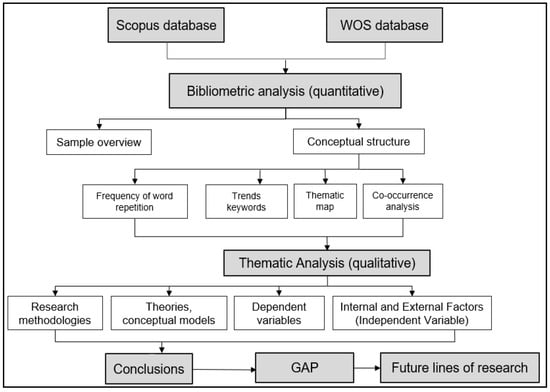
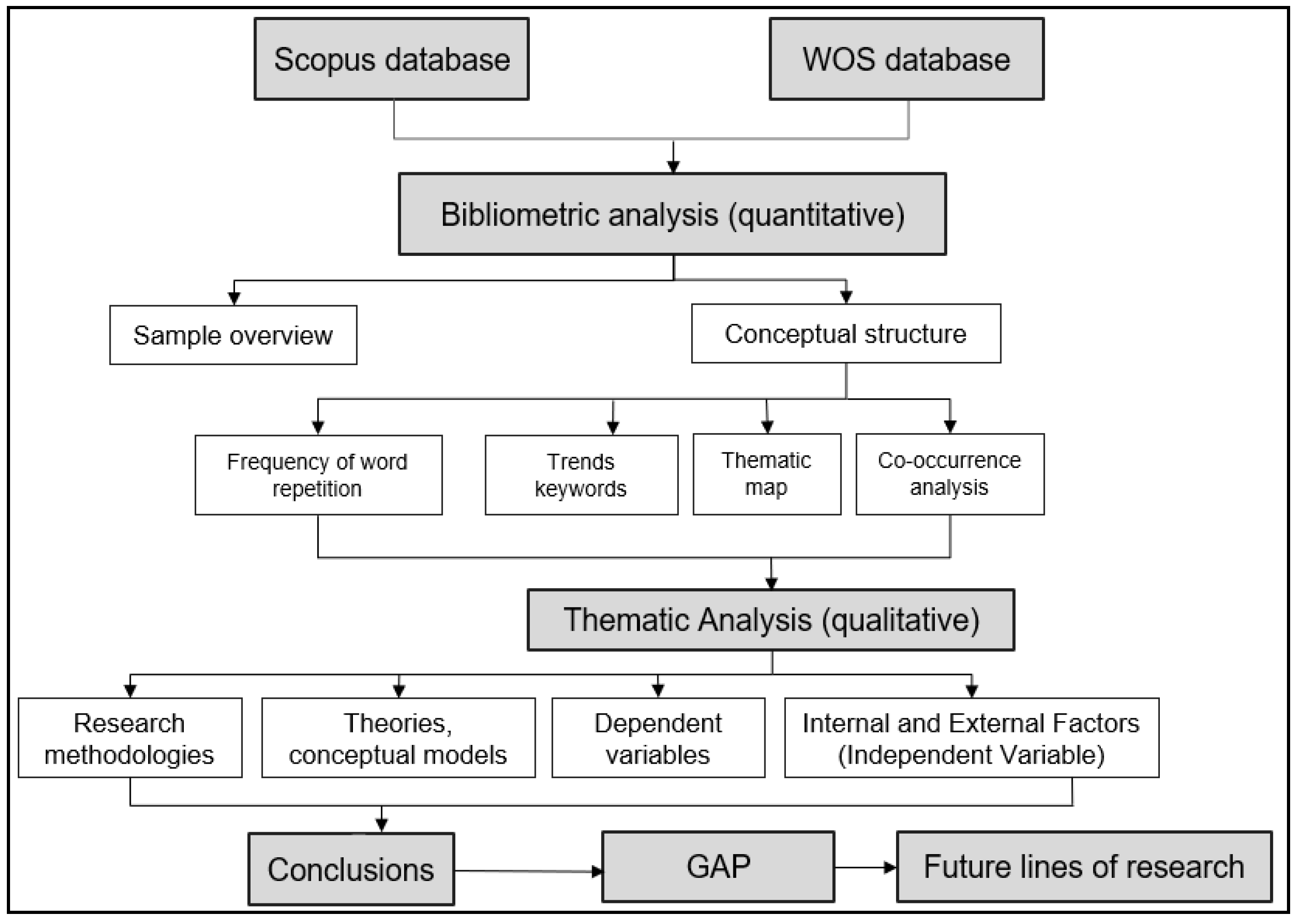
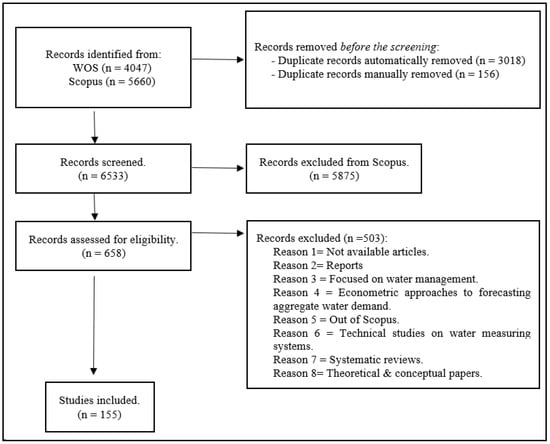
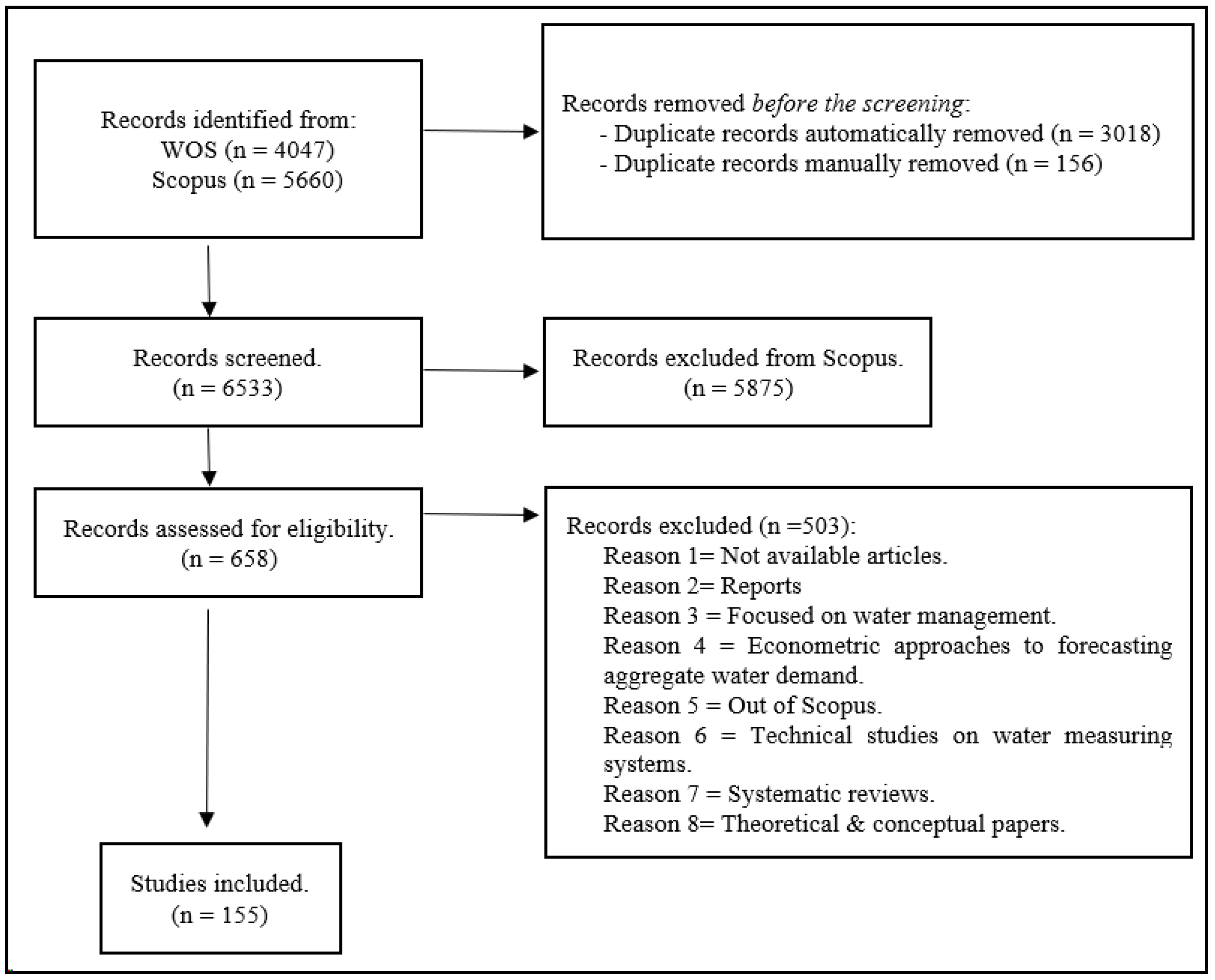
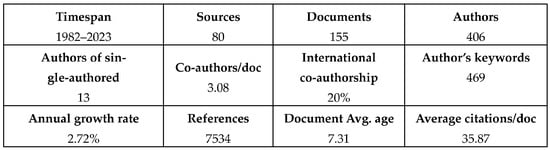
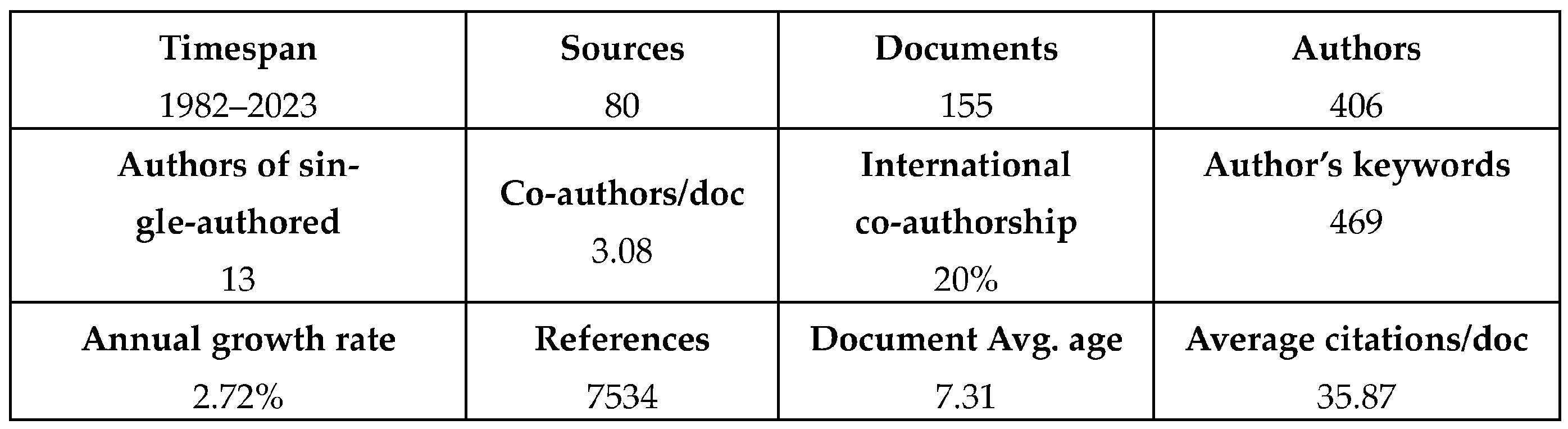
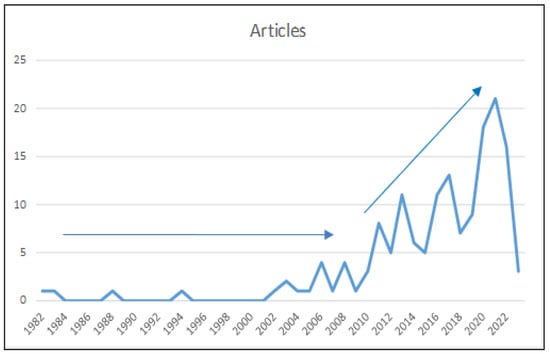
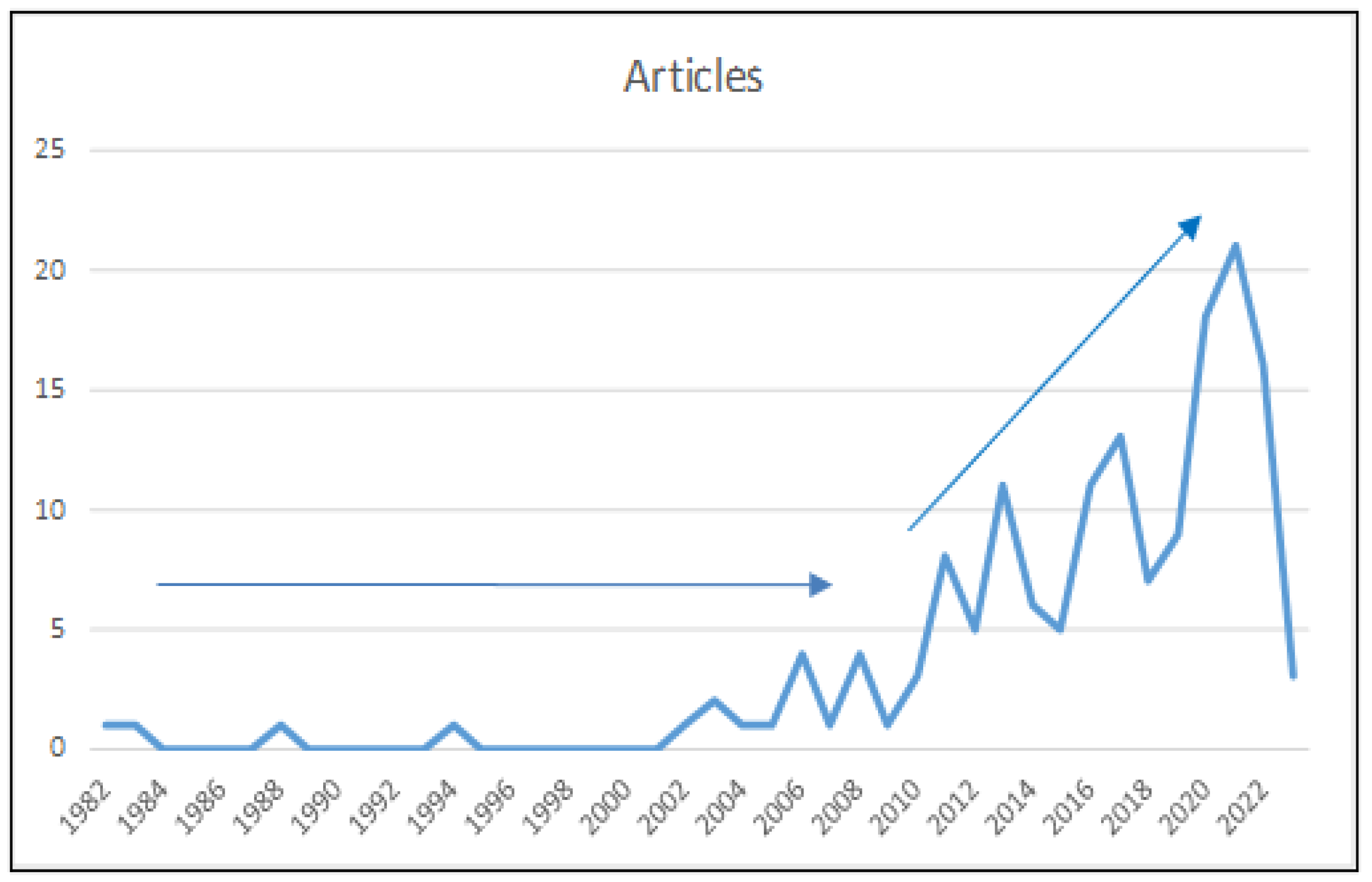
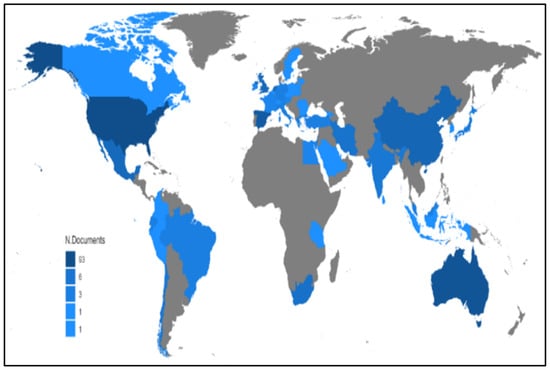
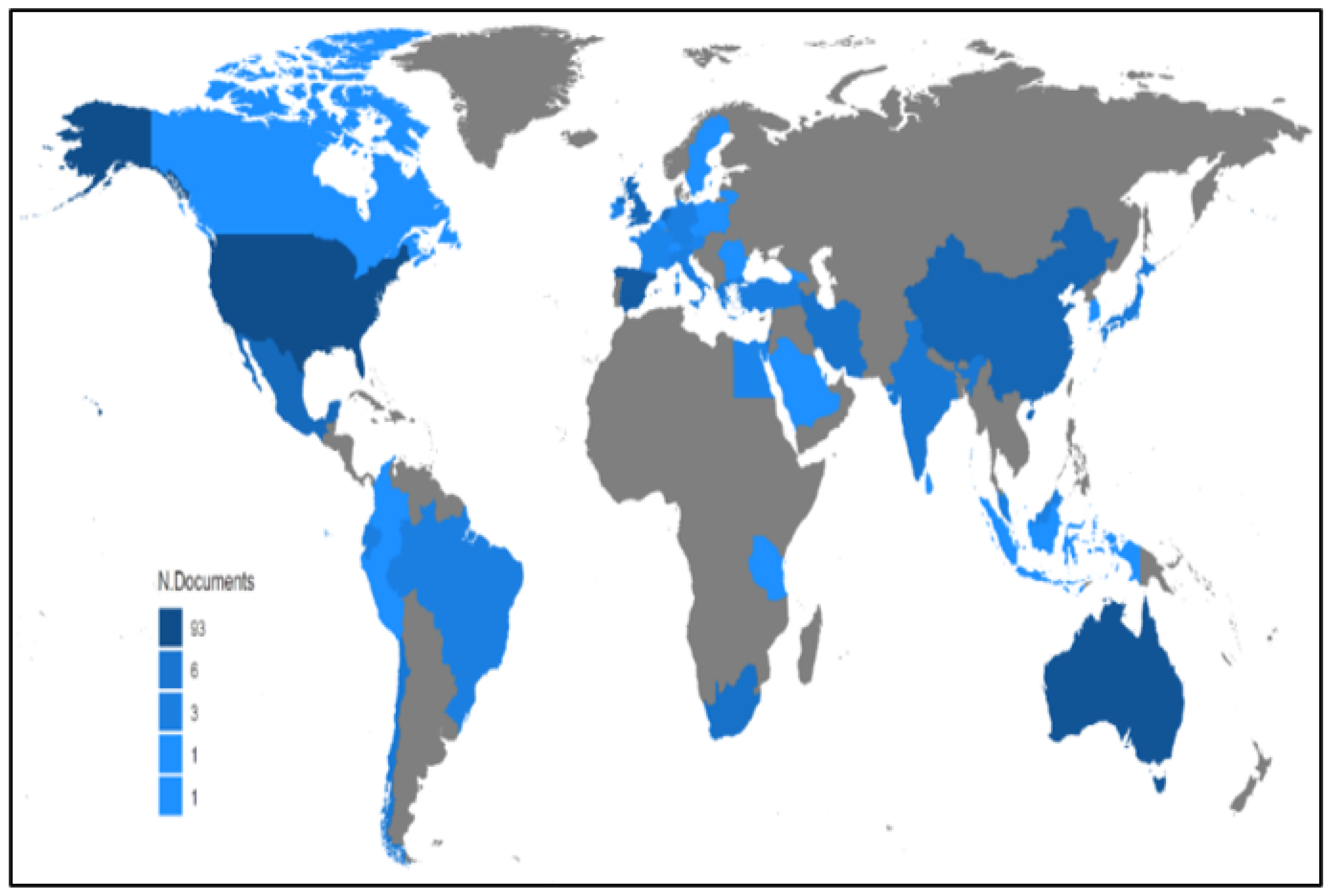
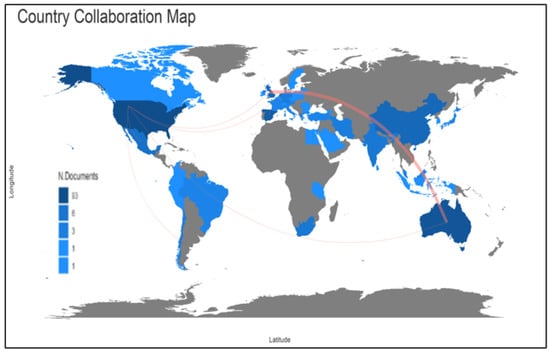
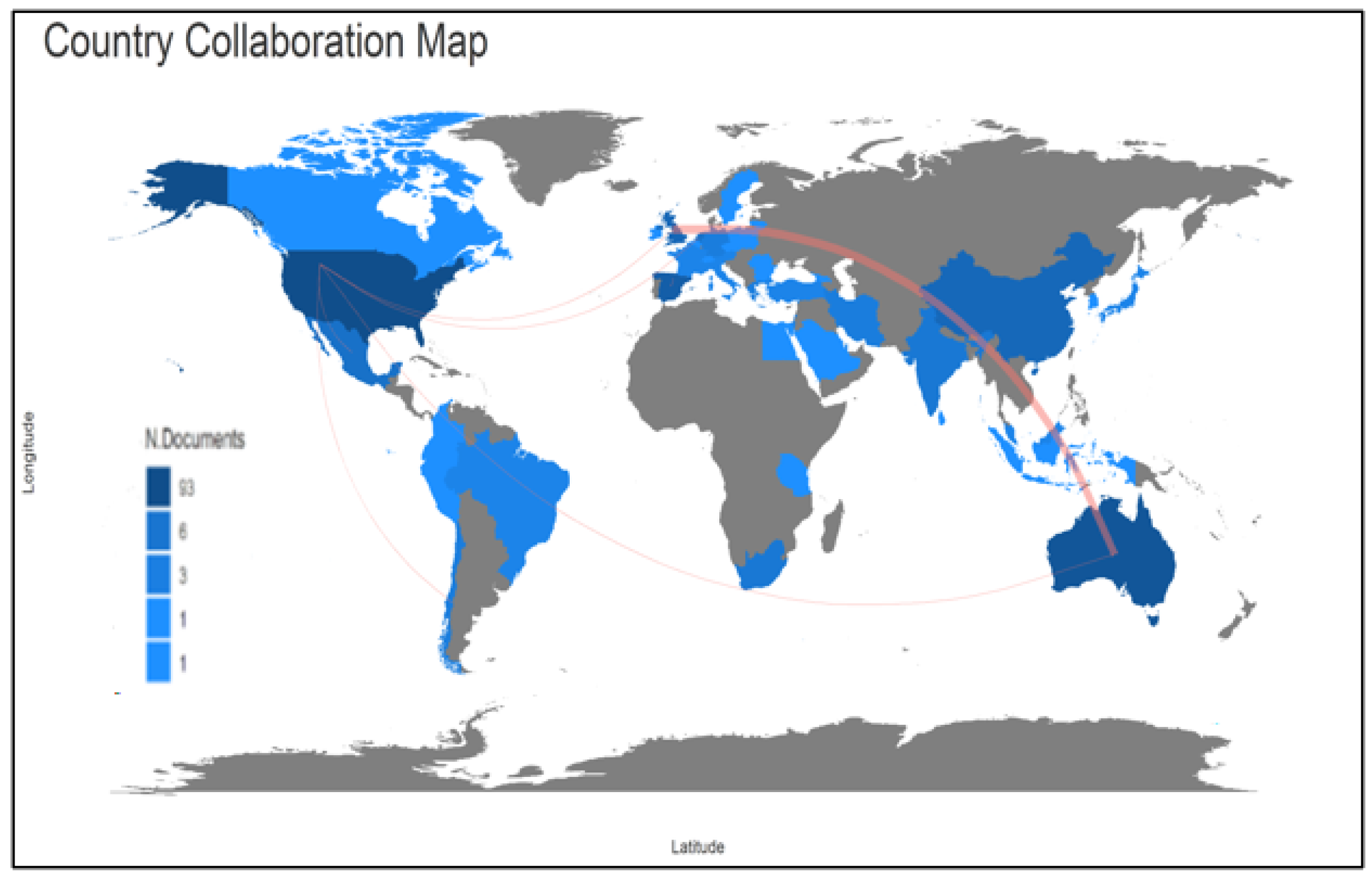
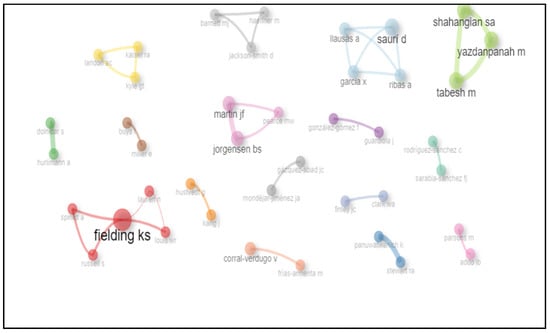
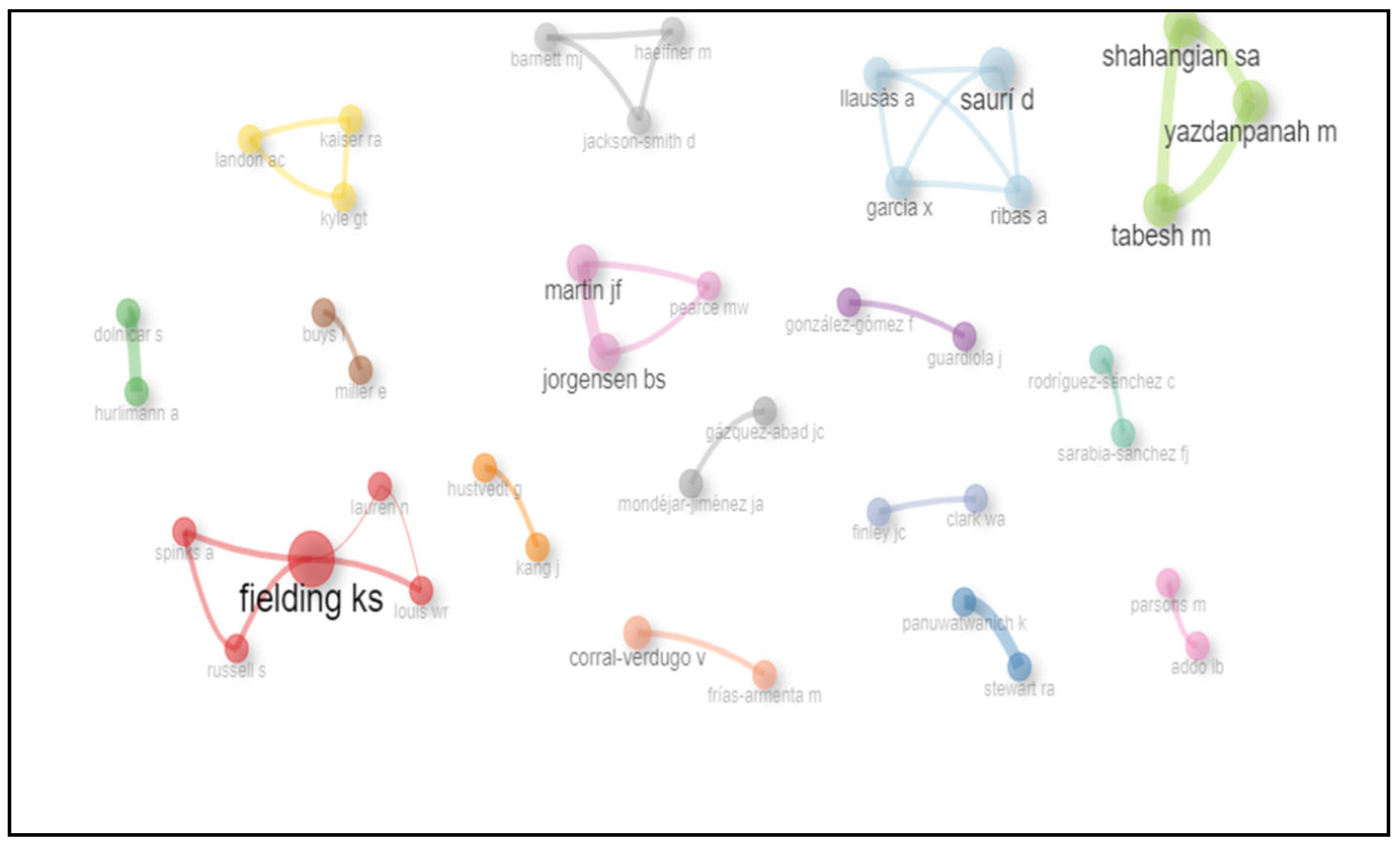
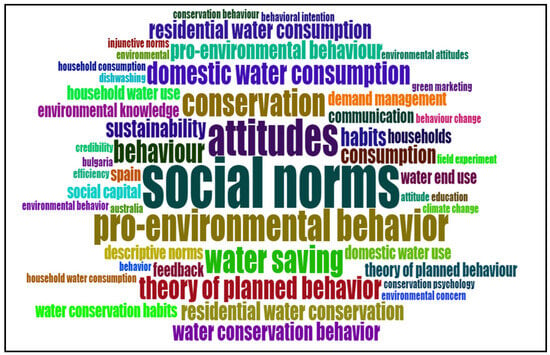
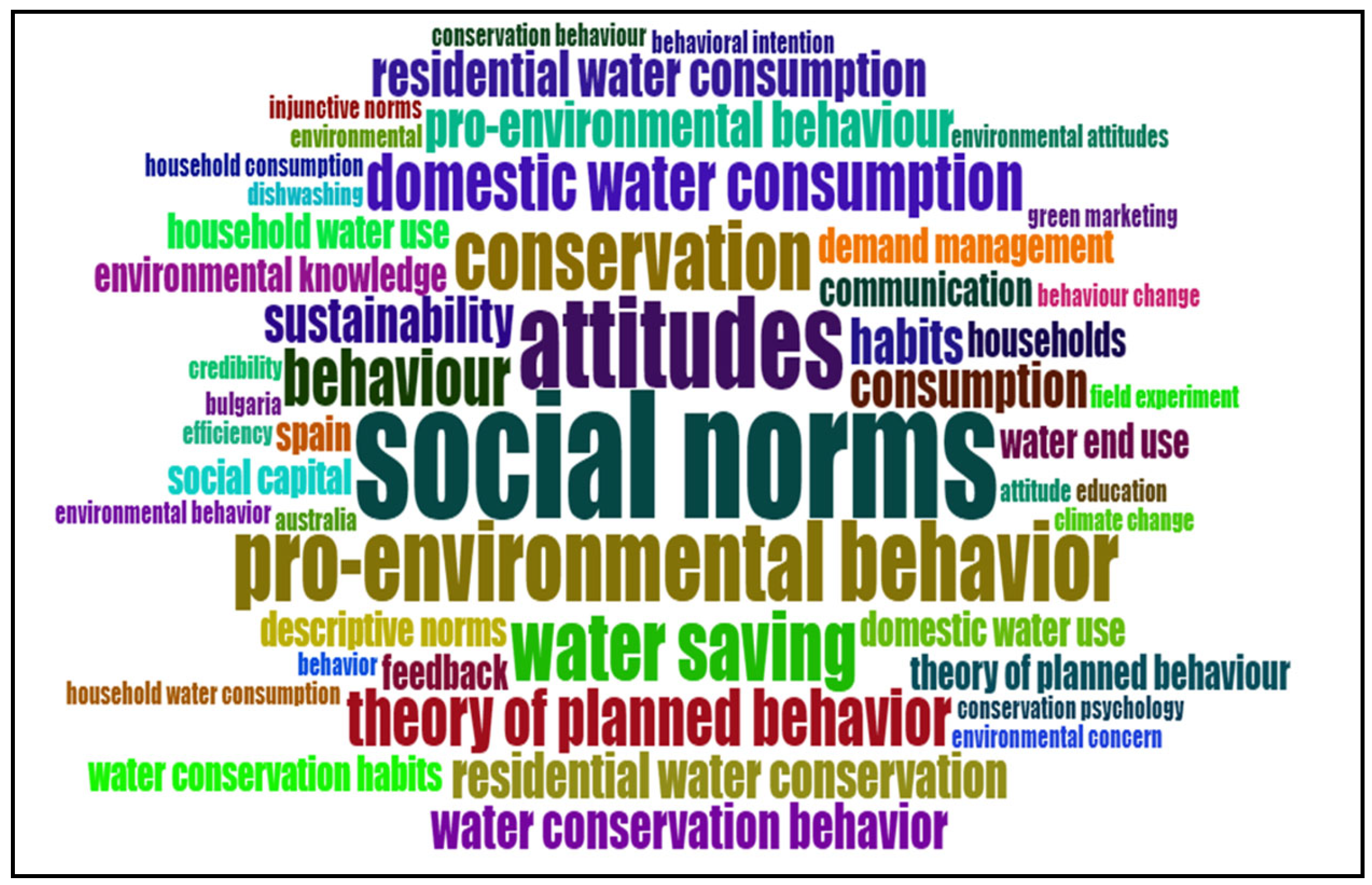
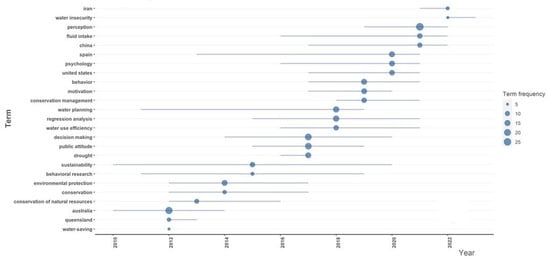
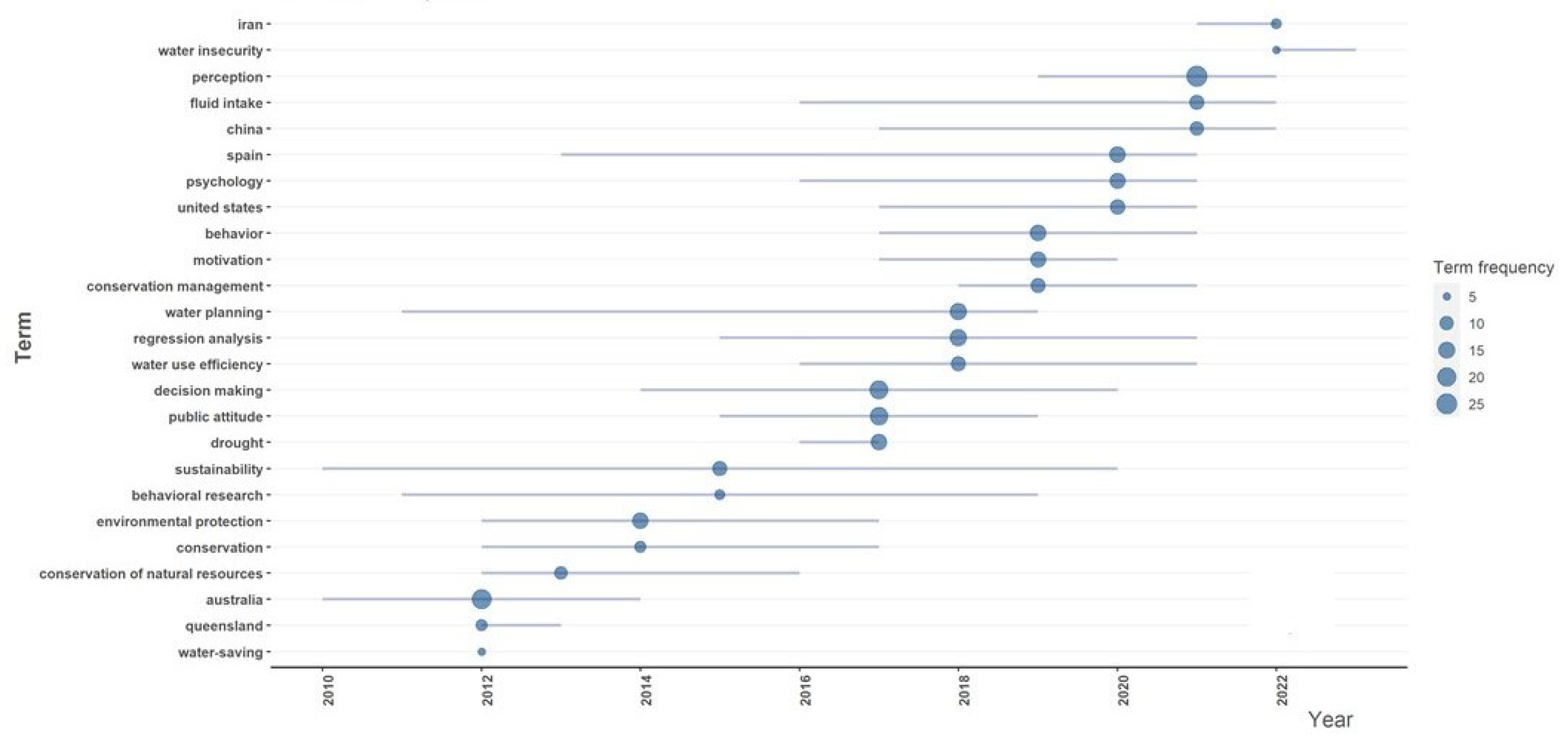
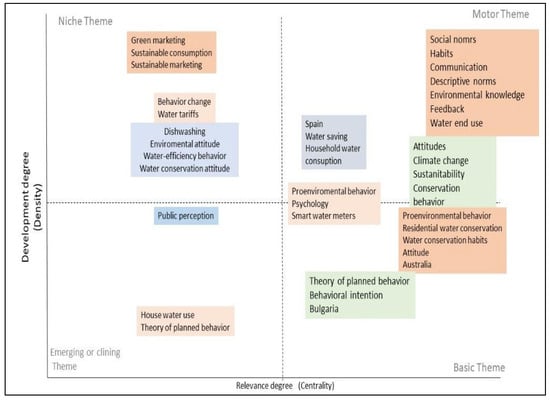
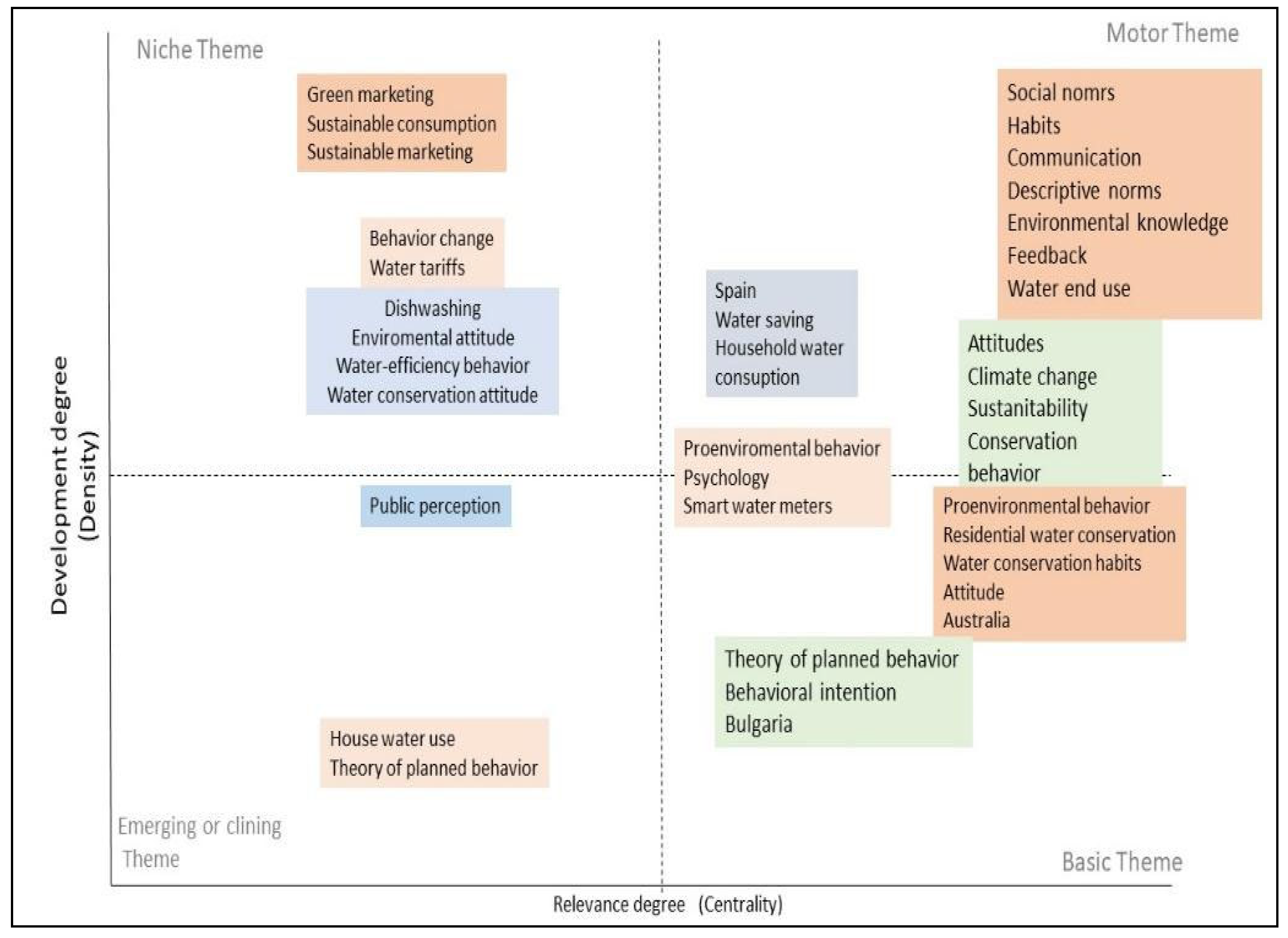
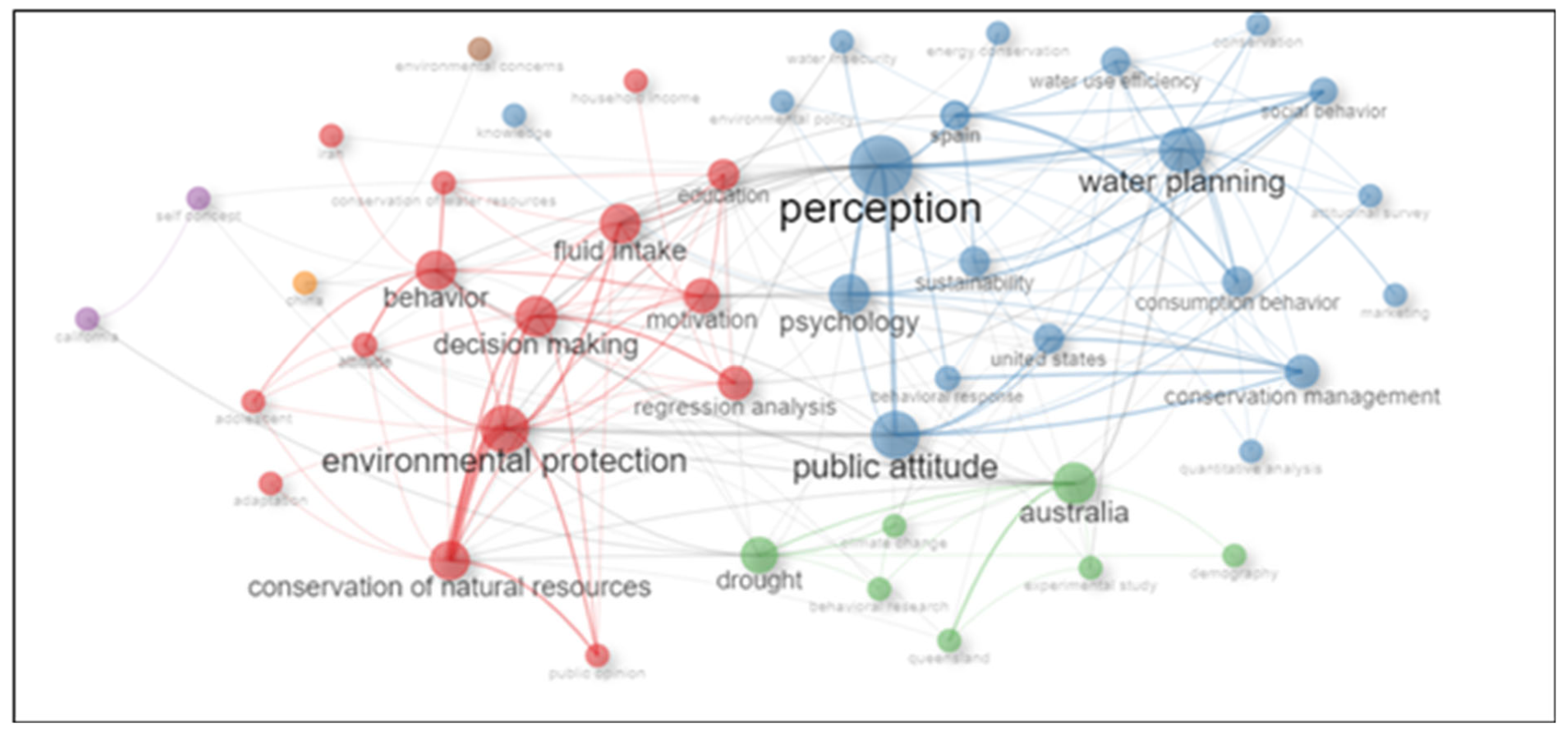

Disclaimer/Publisher’s Note: The statements, opinions and data contained in all publications are solely those of the individual author(s) and contributor(s) and not of MDPI and/or the editor(s). MDPI and/or the editor(s) disclaim responsibility for any injury to people or property resulting from any ideas, methods, instructions or products referred to in the content. |
© 2023 by the authors. Licensee MDPI, Basel, Switzerland. This article is an open access article distributed under the terms and conditions of the Creative Commons Attribution (CC BY) license (https://creativecommons.org/licenses/by/4.0/).