
Article

Application of AIRS Soundings to Afternoon Convection Forecasting and Nowcasting at Airports
1
Department of Military Meteorology, Air Force Institute of Technology, Kaohsiung 82047, Taiwan
2
Department of Aviation & Communication Electronics, Air Force Institute of Technology, Kaohsiung 82047, Taiwan
3
Naval Meteorological and Oceanographic Office, Kaohsiung 81300, Taiwan
4
Research Center for Environmental Changes, Academia Sinica, Taipei 11529, Taiwan
*
Author to whom correspondence should be addressed.
Atmosphere 2022, 13(1), 61; https://doi.org/10.3390/atmos13010061
Submission received: 19 November 2021 / Revised: 25 December 2021 / Accepted: 28 December 2021 / Published: 30 December 2021

Abstract

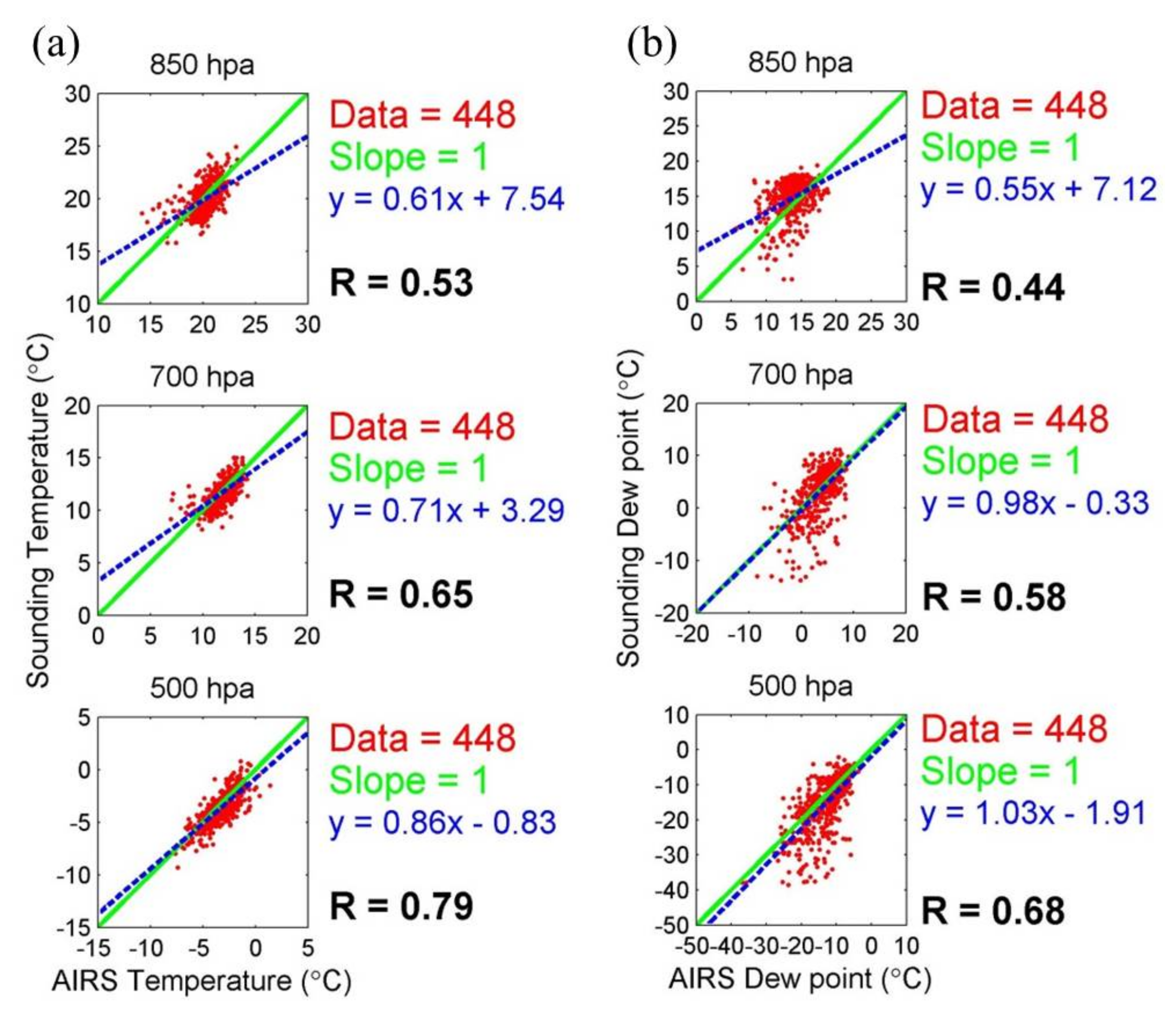
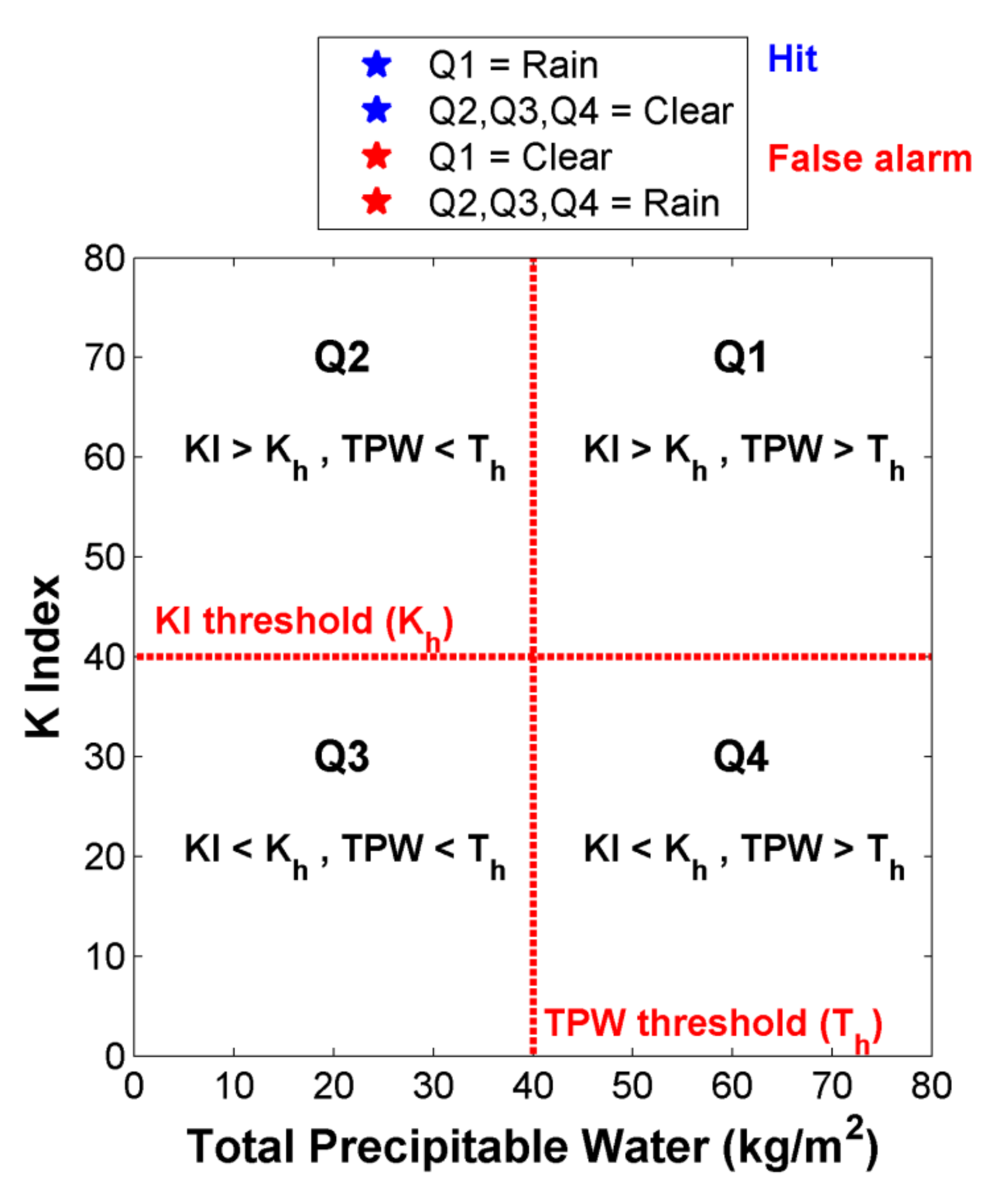
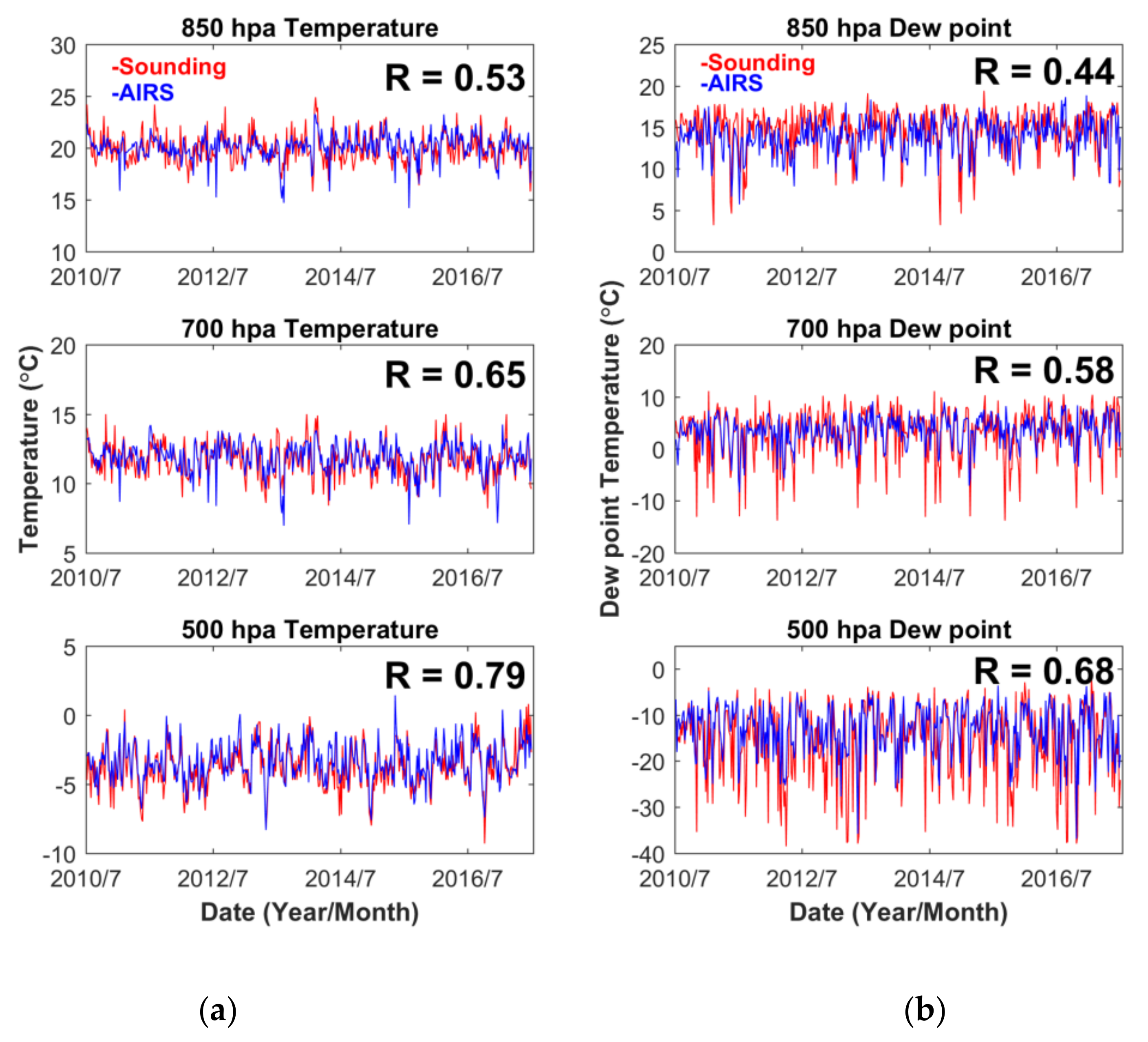
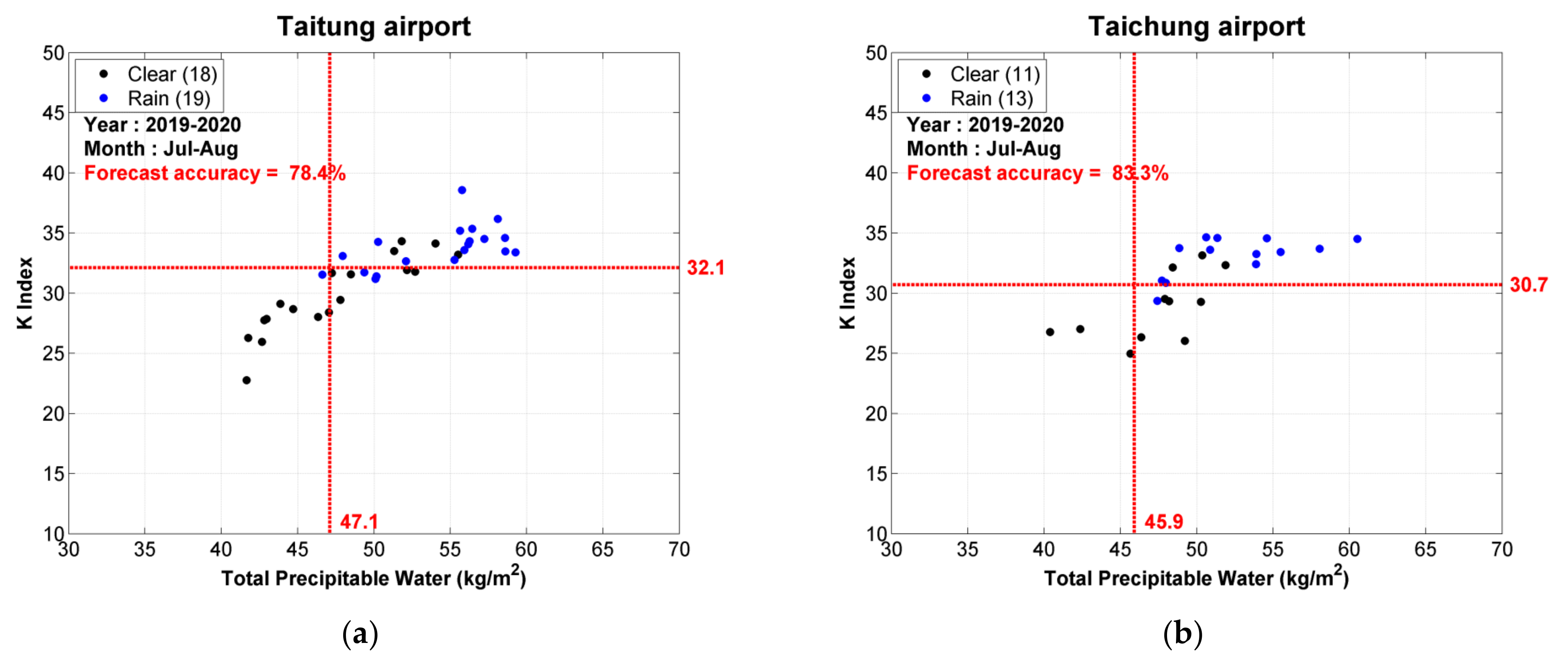
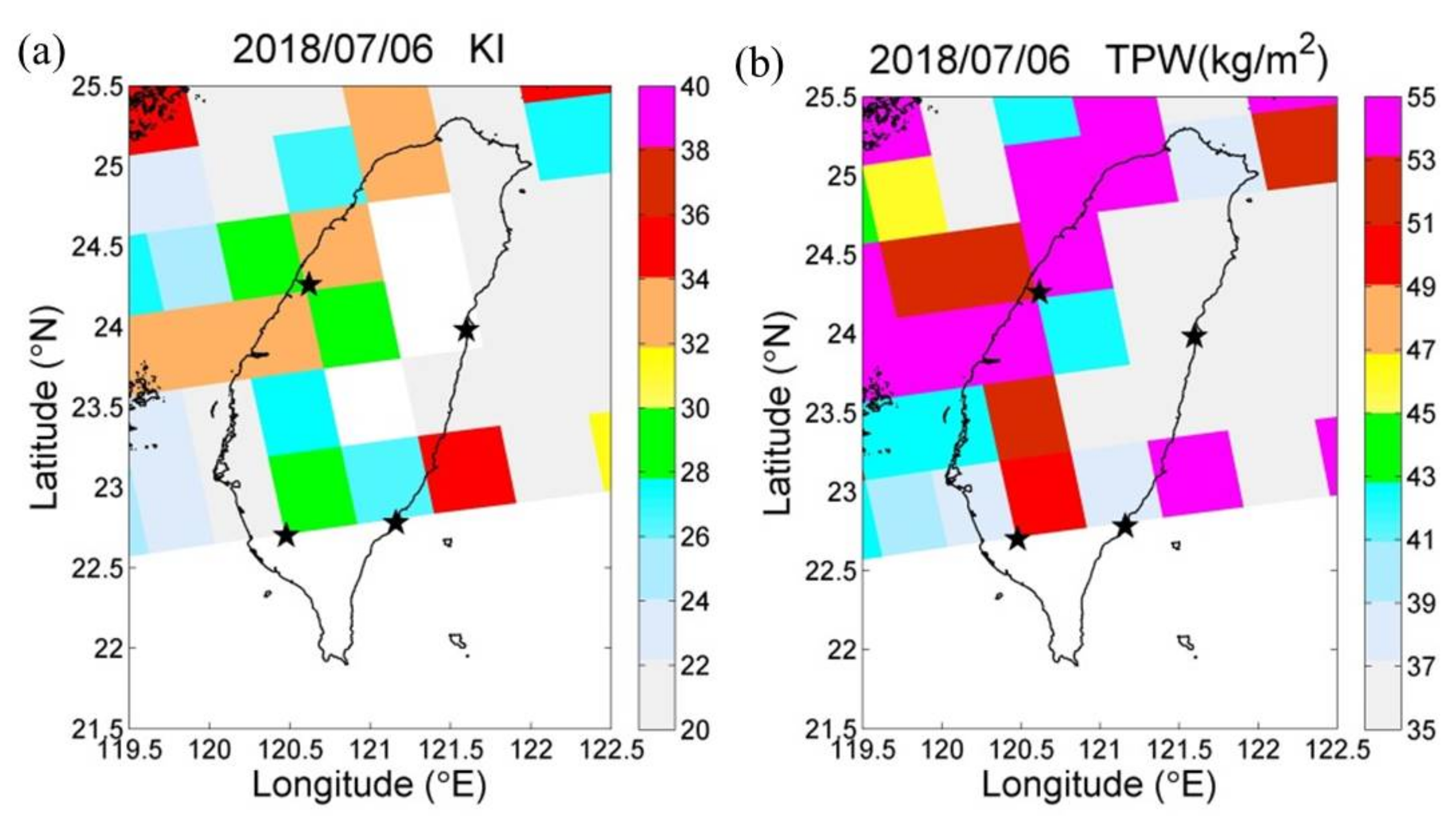
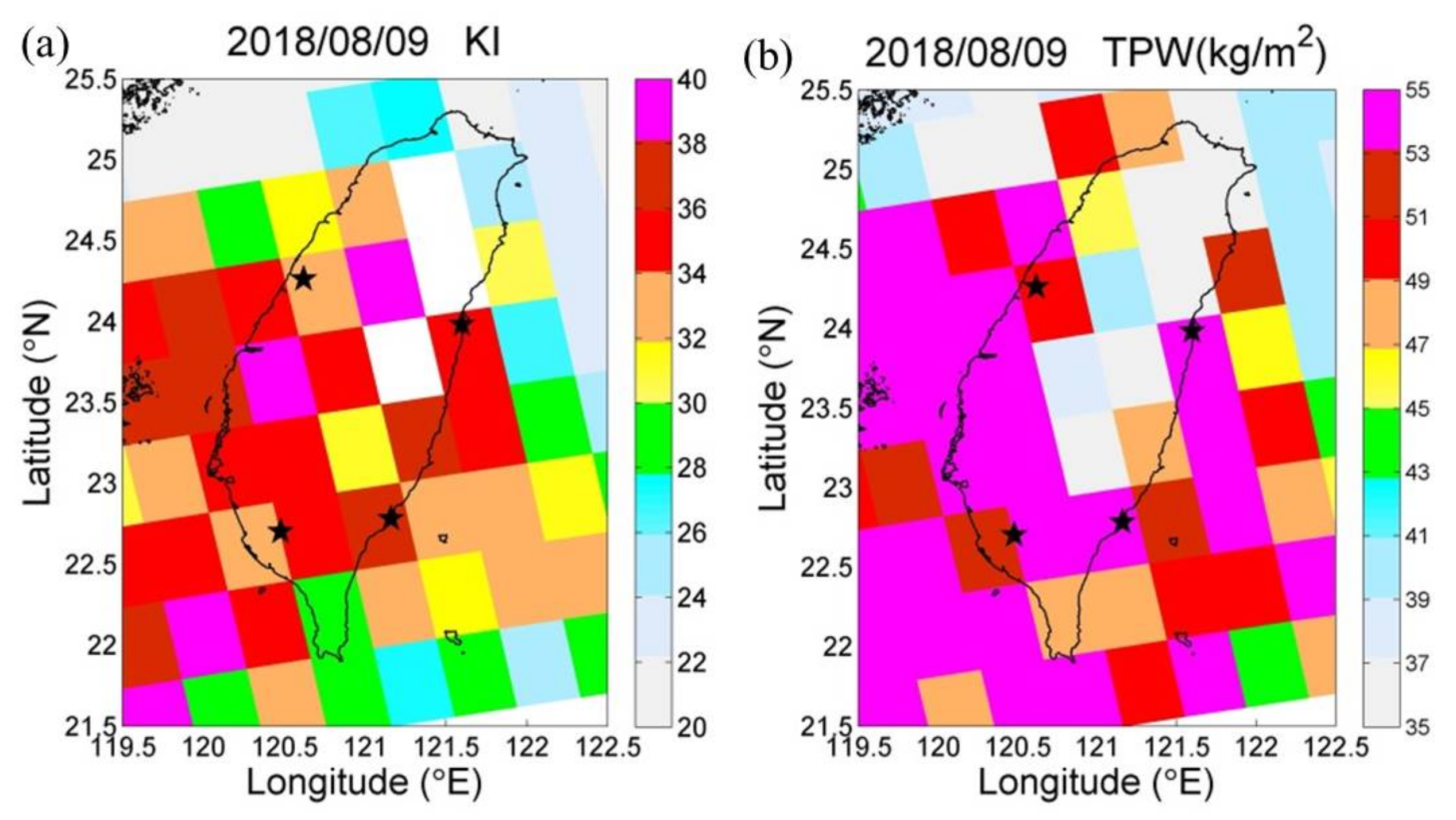
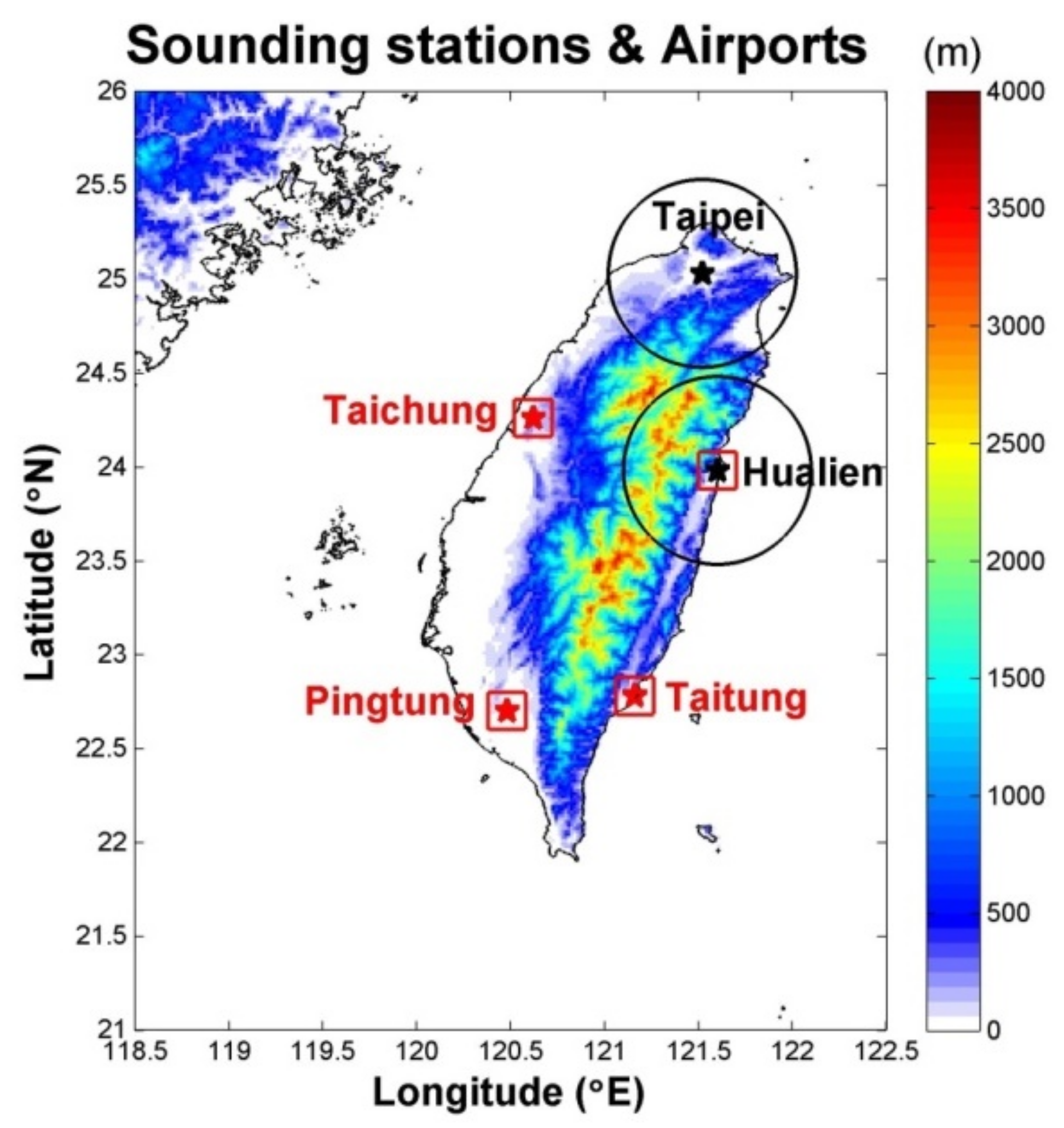
In Taiwan, the frequency of afternoon convection increases in summer (July and August), and the peak hour of afternoon convection occurs at 1500–1600 local solar time (LST). Afternoon convection events are forecasted based on the atmospheric stability index, as computed from the 0800 LST radiosonde data. However, the temporal and spatial resolution and forecast precision are not satisfactory. This study used the observation data of Aqua satellite overpass near Taiwan around 1–3 h before the occurrence of afternoon convection. Its advantages are that it improves the prediction accuracy and increases the data coverage area, which means that more airports can use results of this research, especially those without radiosondes. In order to determine the availability of Atmospheric Infrared Sounder (AIRS) in Taiwan, 2010–2016 AIRS and radiosonde-sounding data were used to determine the accuracy of AIRS. This study also used 2017–2018 AIRS data to establish K index (KI) and total precipitable water (TPW) thresholds for the occurrence of afternoon convection of four airports in Taiwan. Finally, the KI and TPW were calculated using the independent AIRS atmospheric sounding (2019–2020) to forecast the occurrence of afternoon convection at each airport. The average predictive accuracy rate of the four airports is 84%. Case studies at Hualien Airport show the average predictive accuracy rate of this study is 81.8%, which is 9.1% higher than that of the traditional sounding forecast (72.7%) during the same period. Research results show that using AIRS data to predict afternoon convection in this study could not only increase data coverage area but also improve the accuracy of the prediction effectively.
Keywords: afternoon convection; atmospheric stability index; radiosonde; AIRS; K index; total precipitable water afternoon convection; atmospheric stability index; radiosonde; AIRS; K index; total precipitable water