Article

Potential Role of Intracranial Mast Cells in Neuroinflammation and Neuropathology Associated with Food Allergy

by
Danielle L. Germundson
1 and
Kumi Nagamoto-Combs
2,*
1
Clinical and Translational Sciences Graduate Program, University of North Dakota School of Medicine & Health Sciences, Grand Forks, ND 58202-9037, USA
2
Department of Biomedical Sciences, University of North Dakota School of Medicine & Health Sciences, Grand Forks, ND 58202-9037, USA
*
Author to whom correspondence should be addressed.
Cells 2022, 11(4), 738; https://doi.org/10.3390/cells11040738
Submission received: 31 December 2021 / Revised: 15 February 2022 / Accepted: 16 February 2022 / Published: 20 February 2022
(This article belongs to the Collection Mast Cells in Health and Diseases)

Abstract

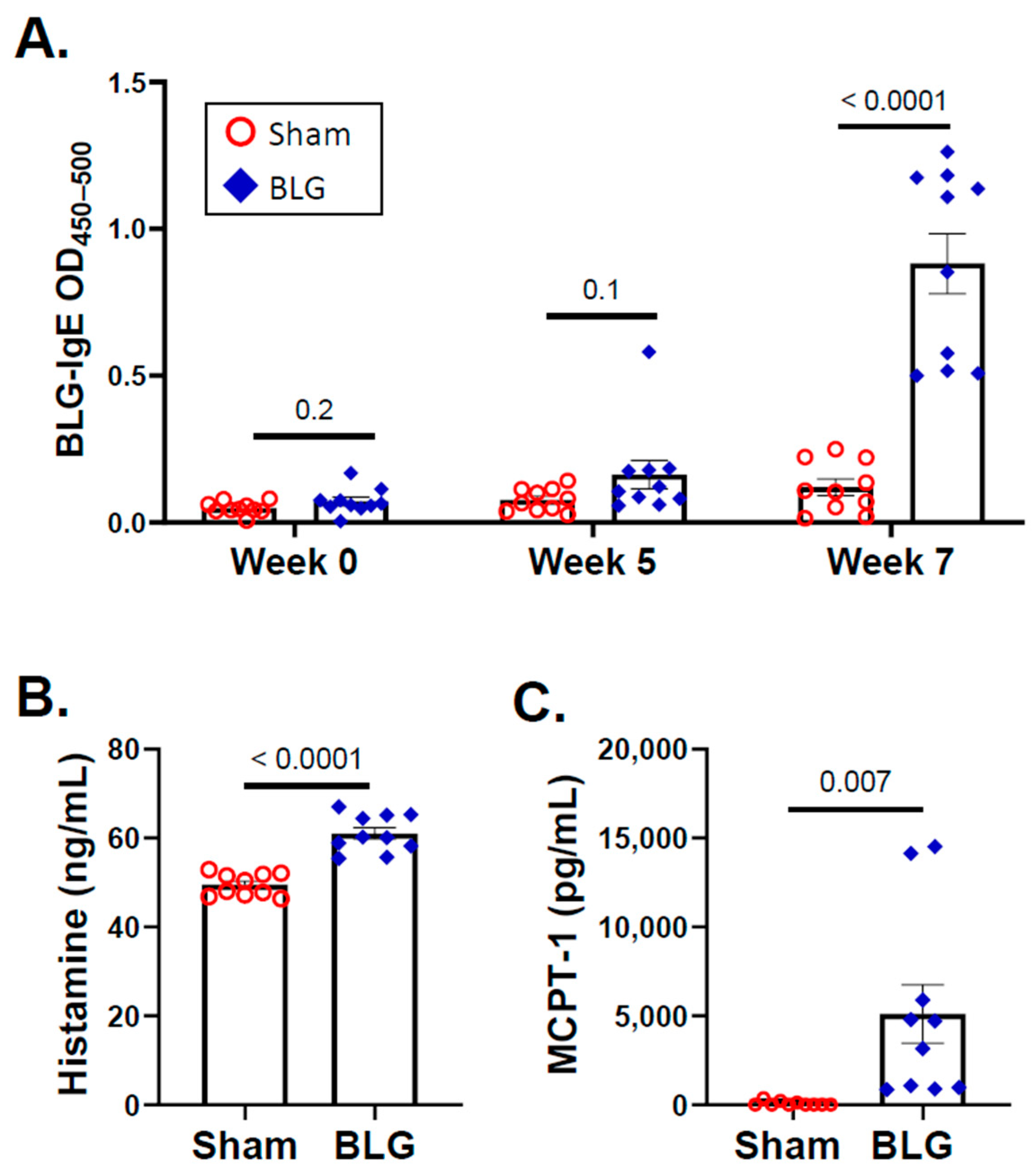
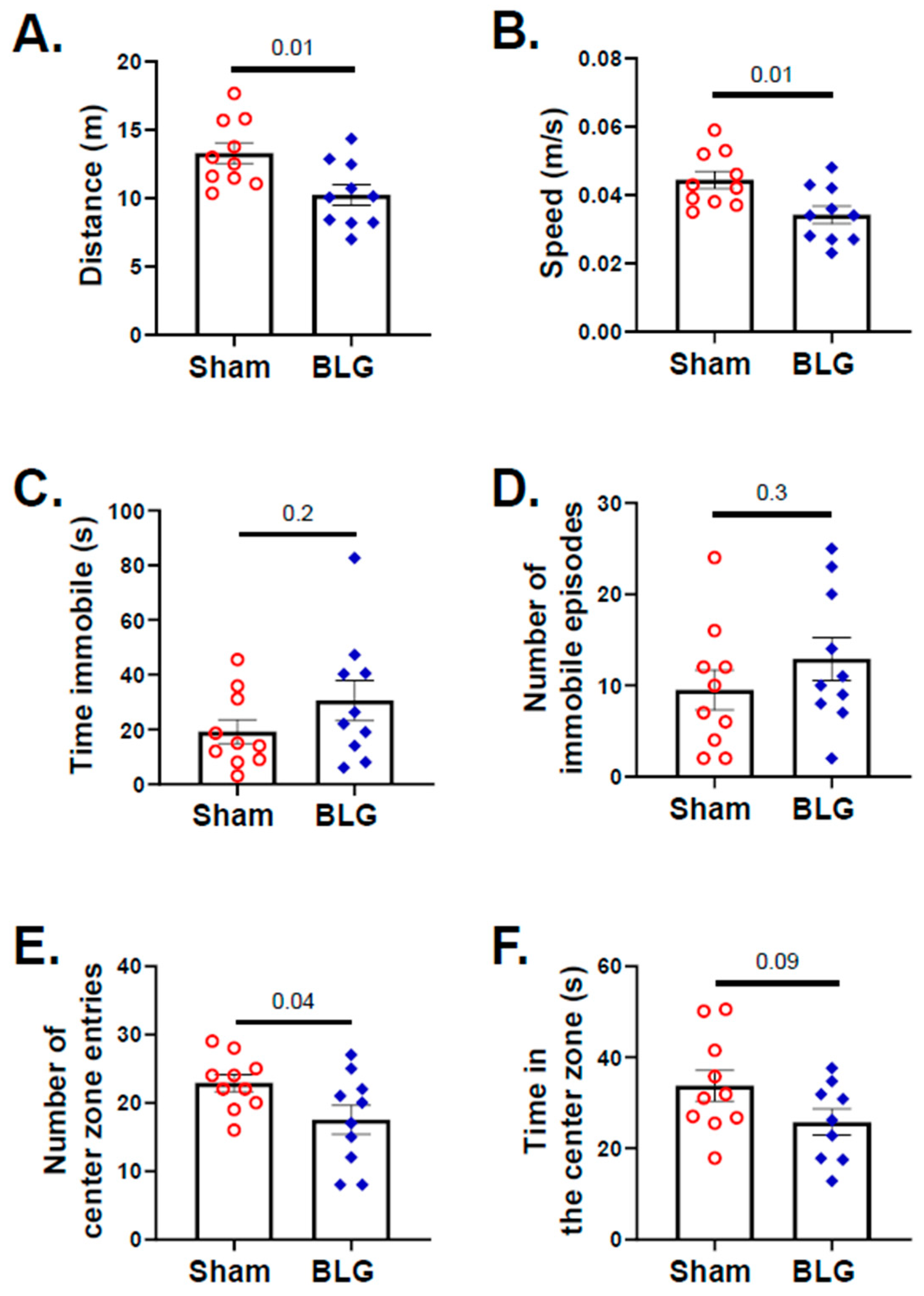
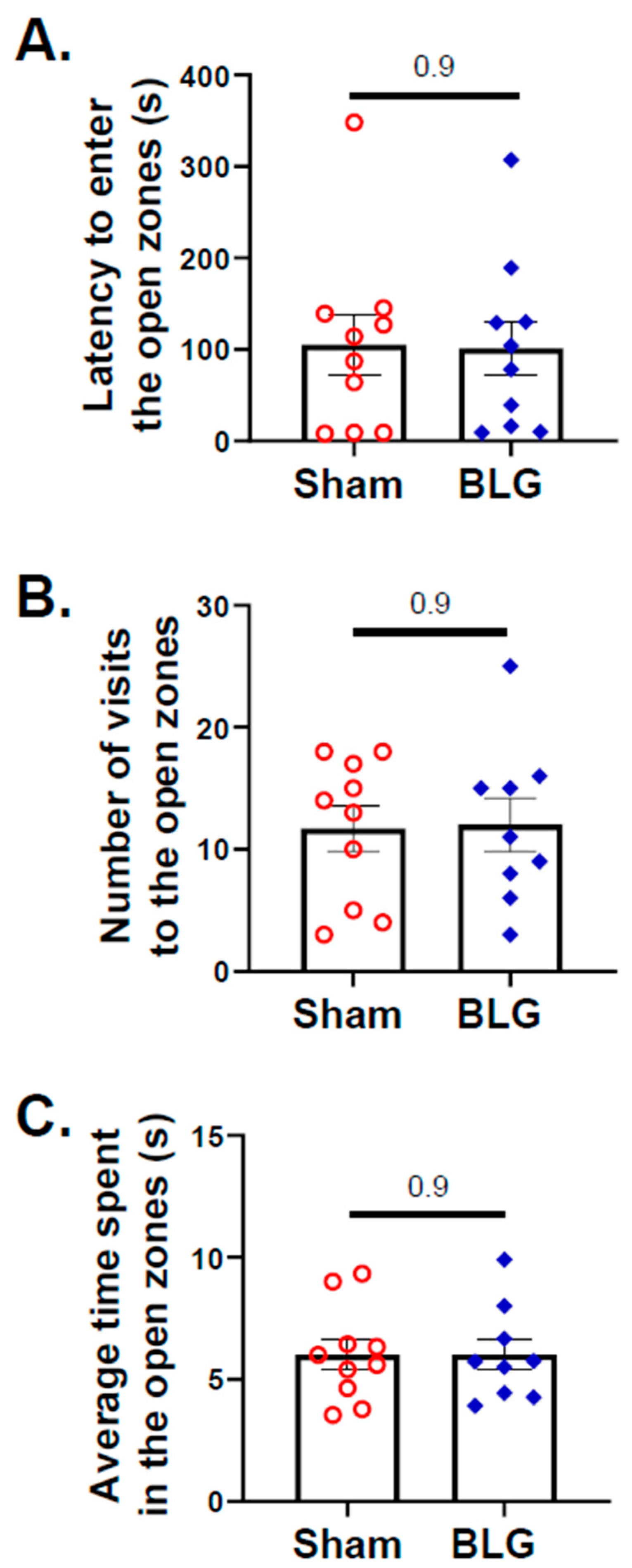
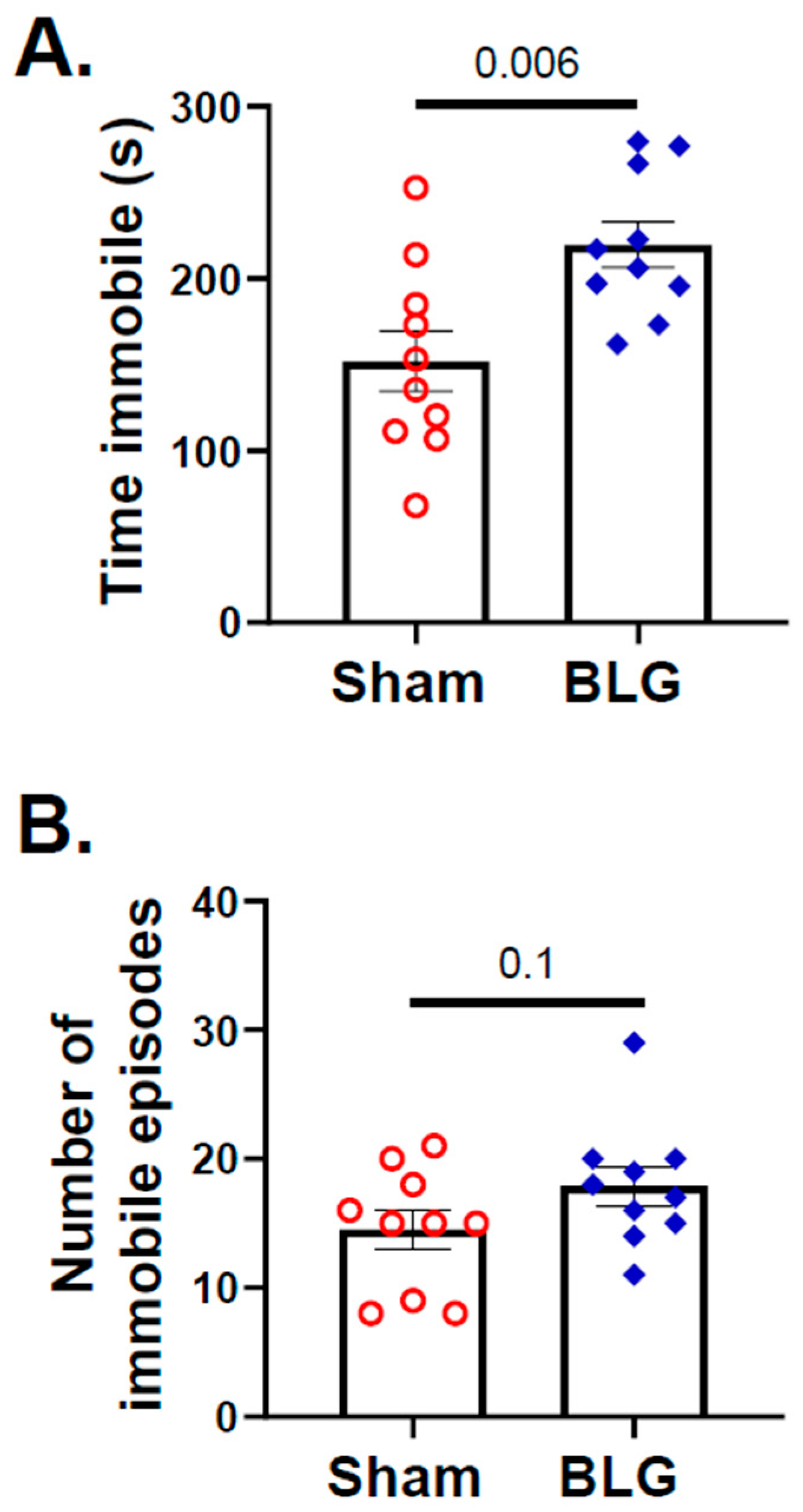
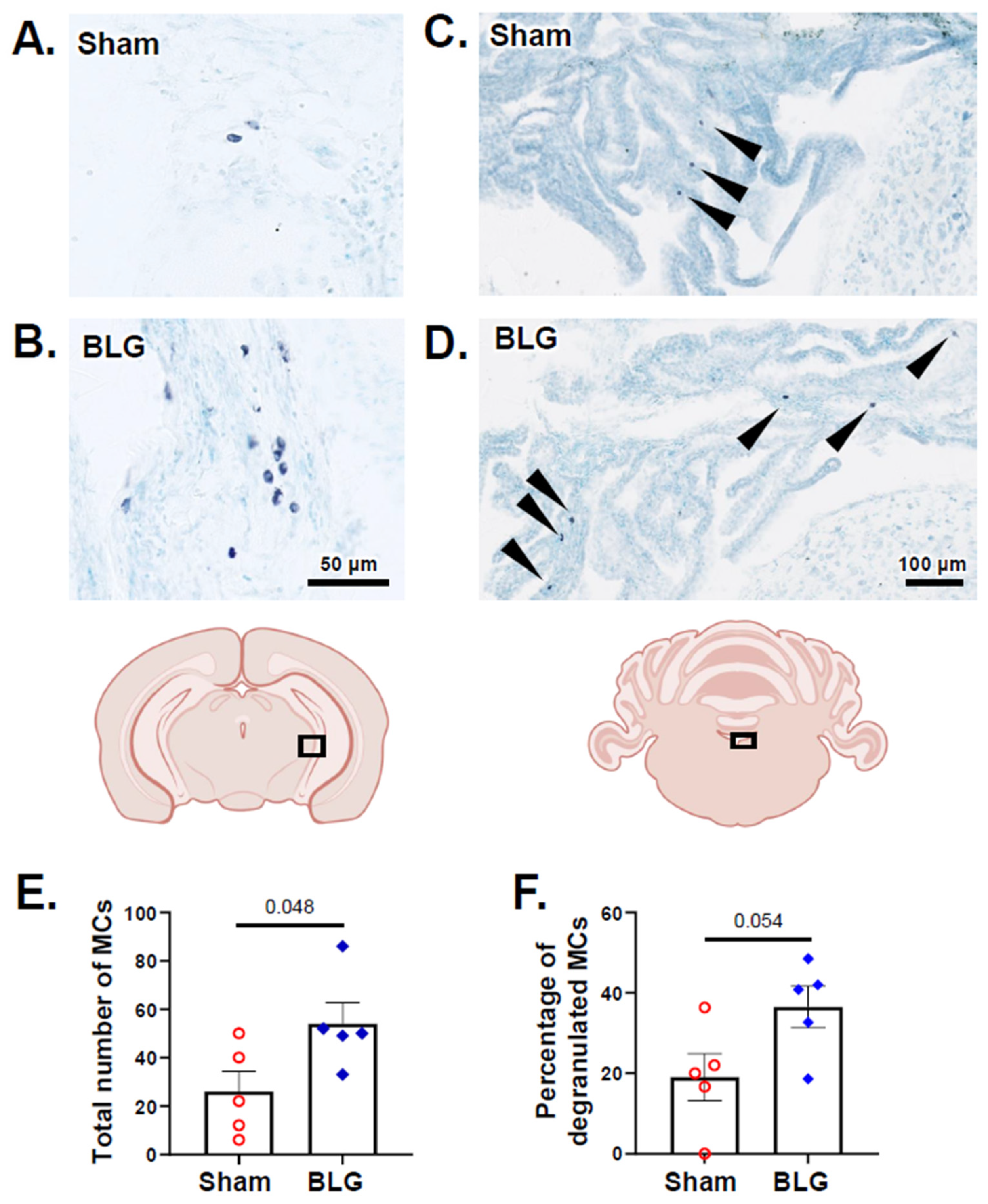
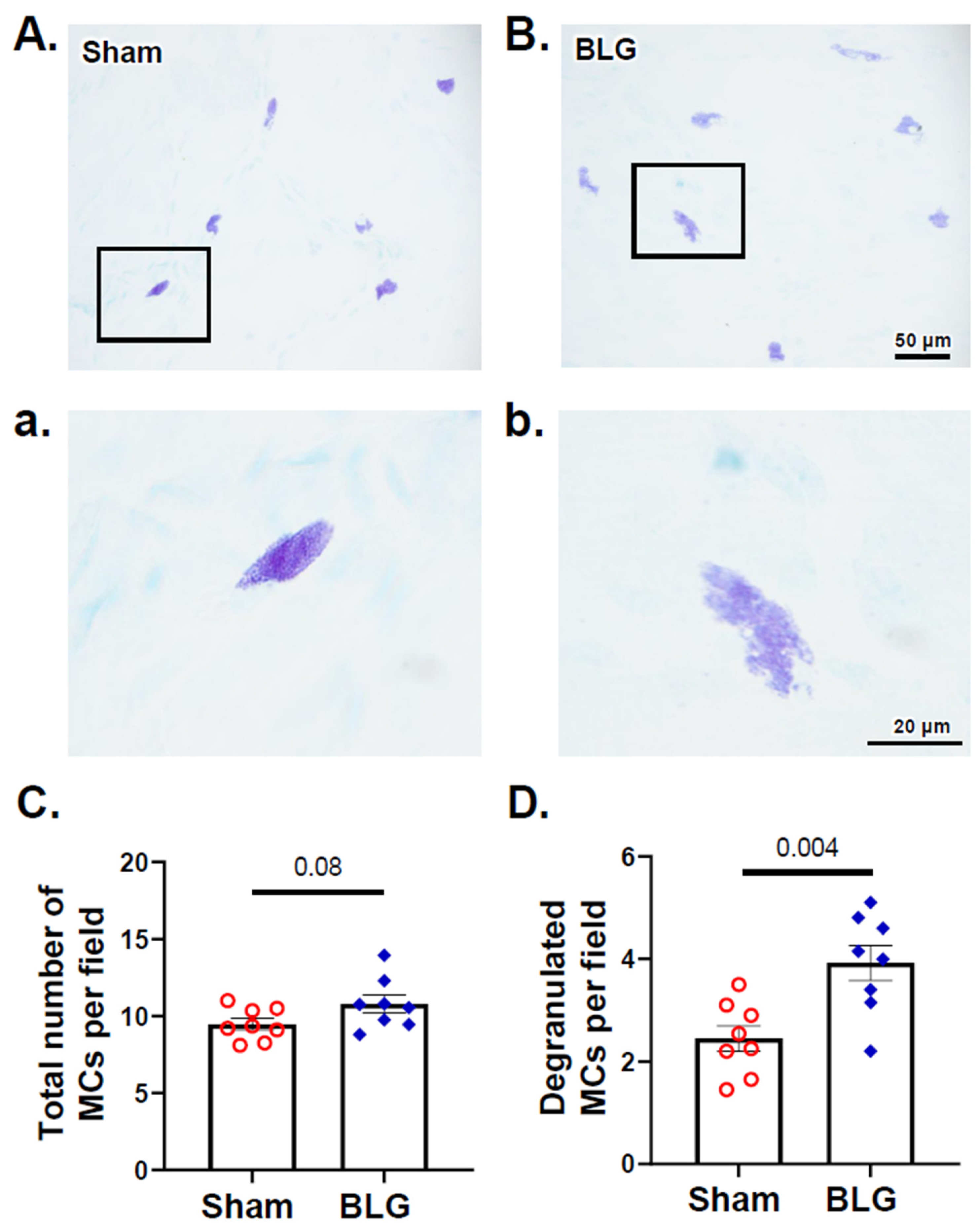
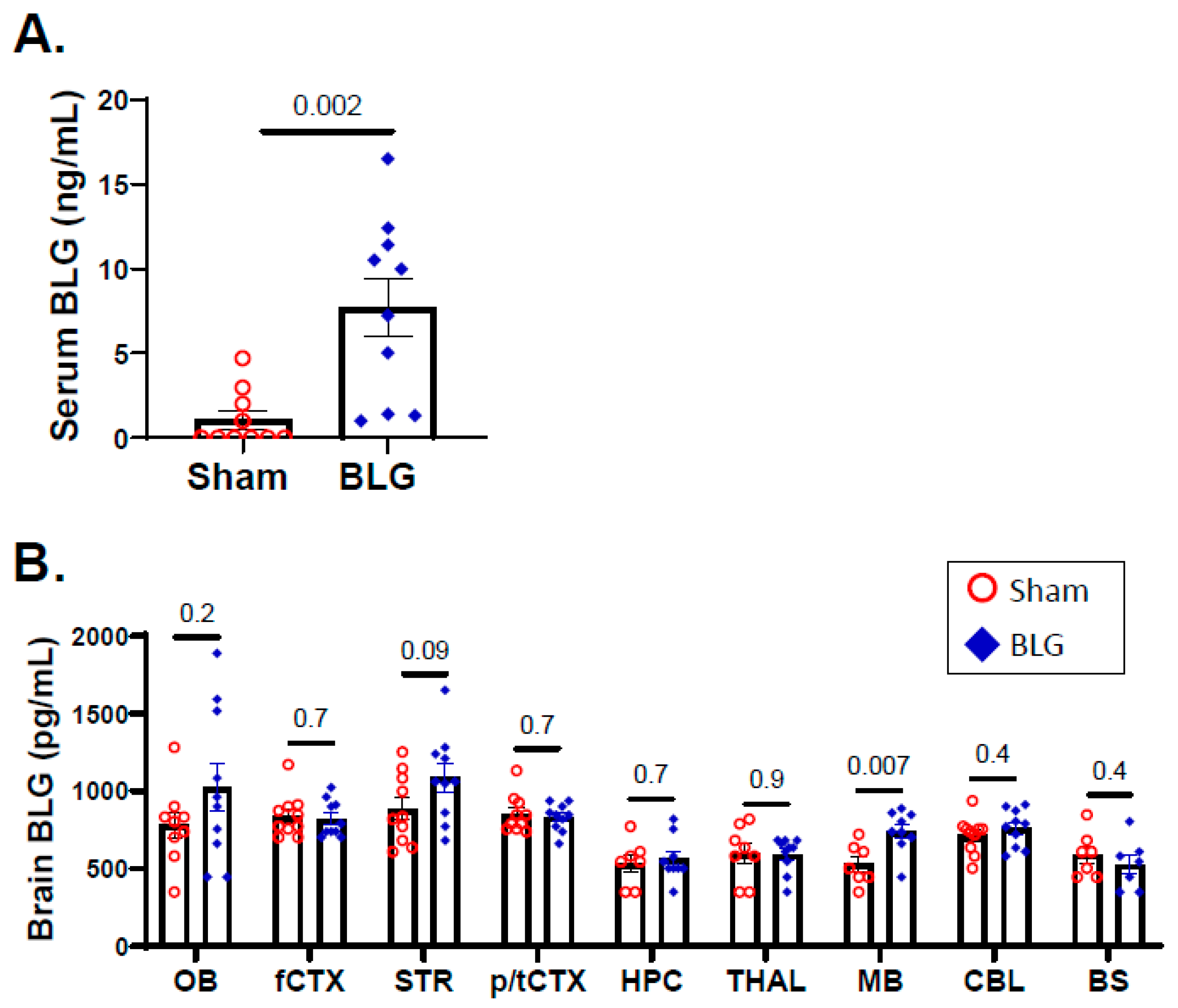
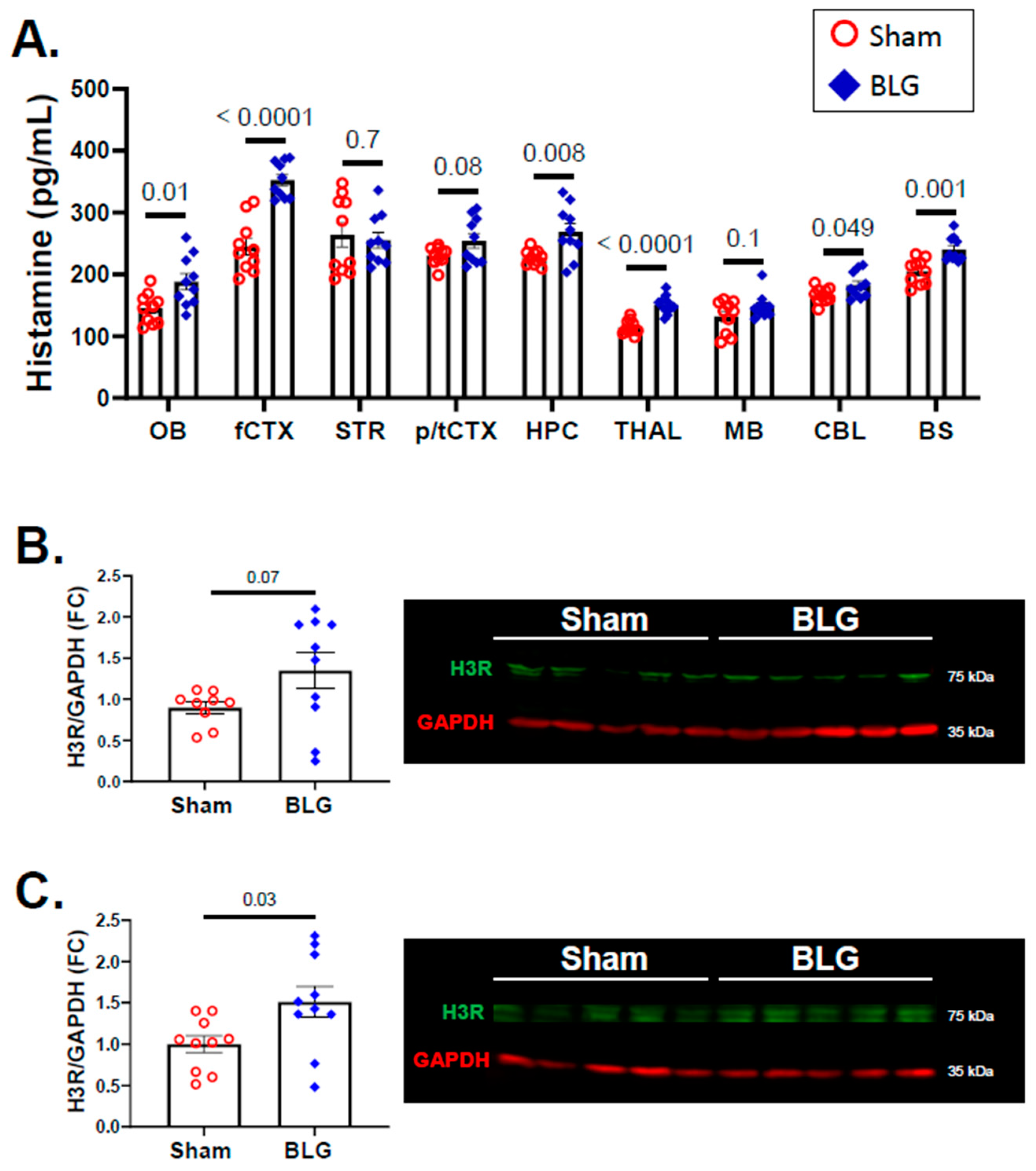
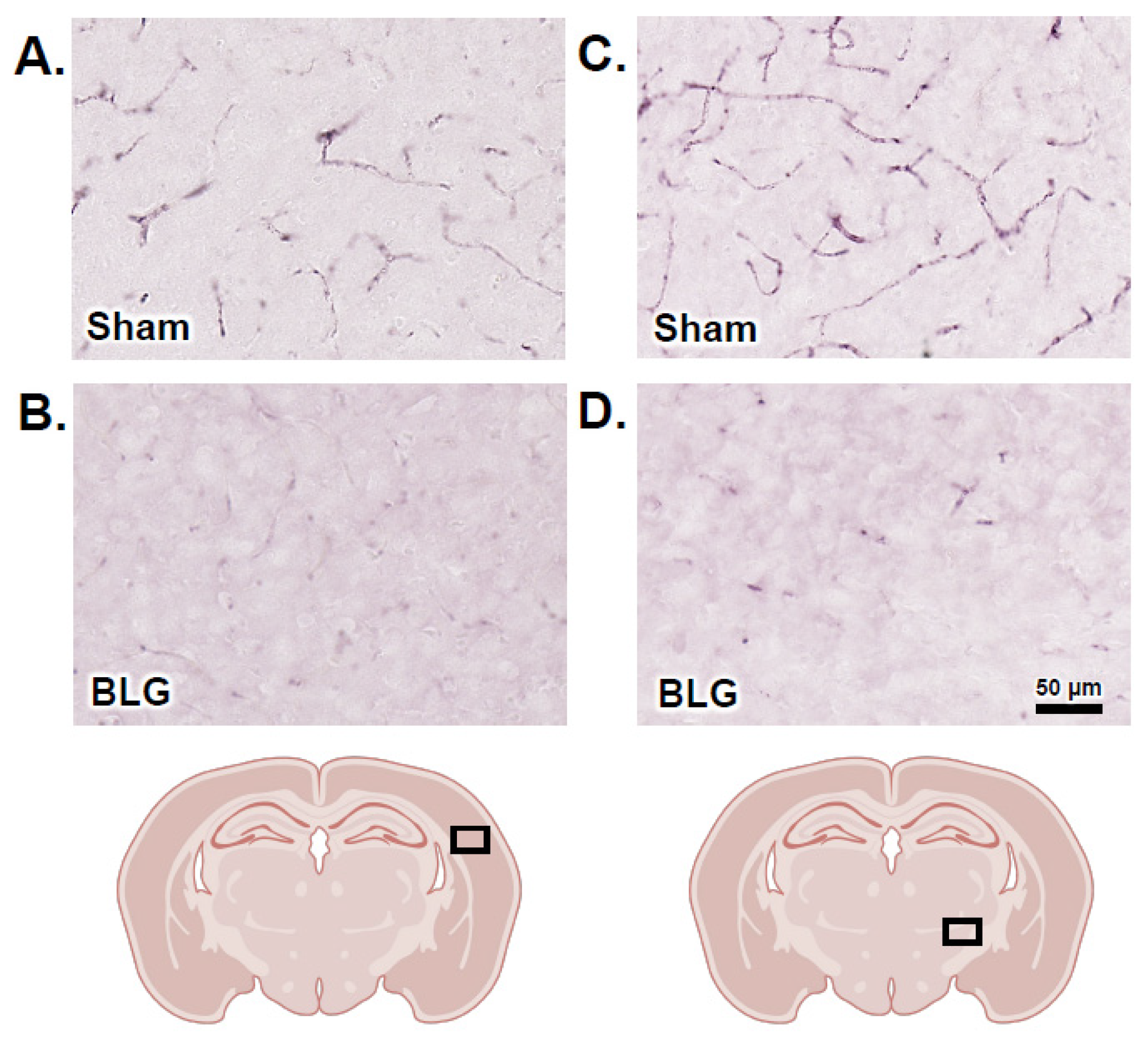
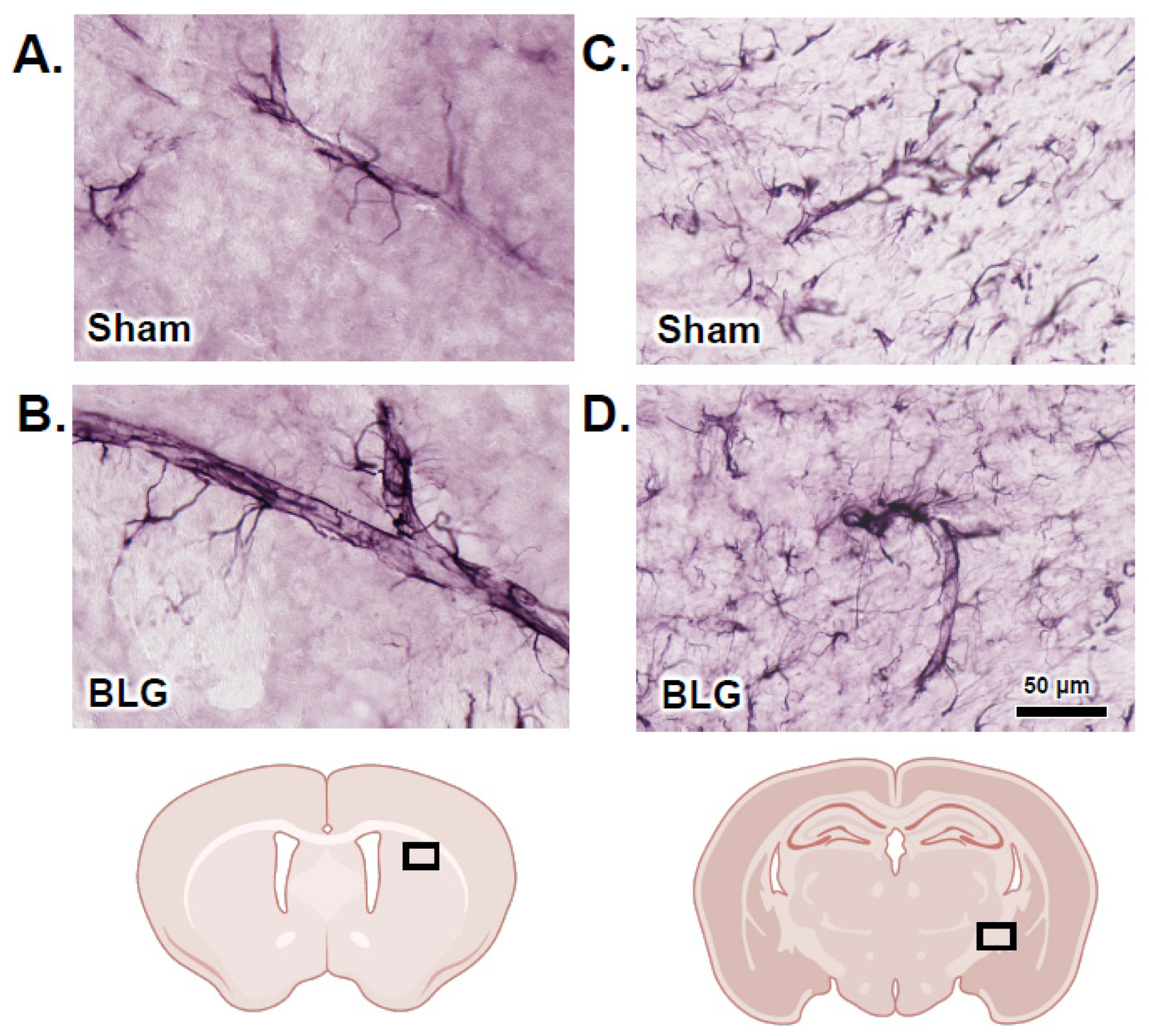
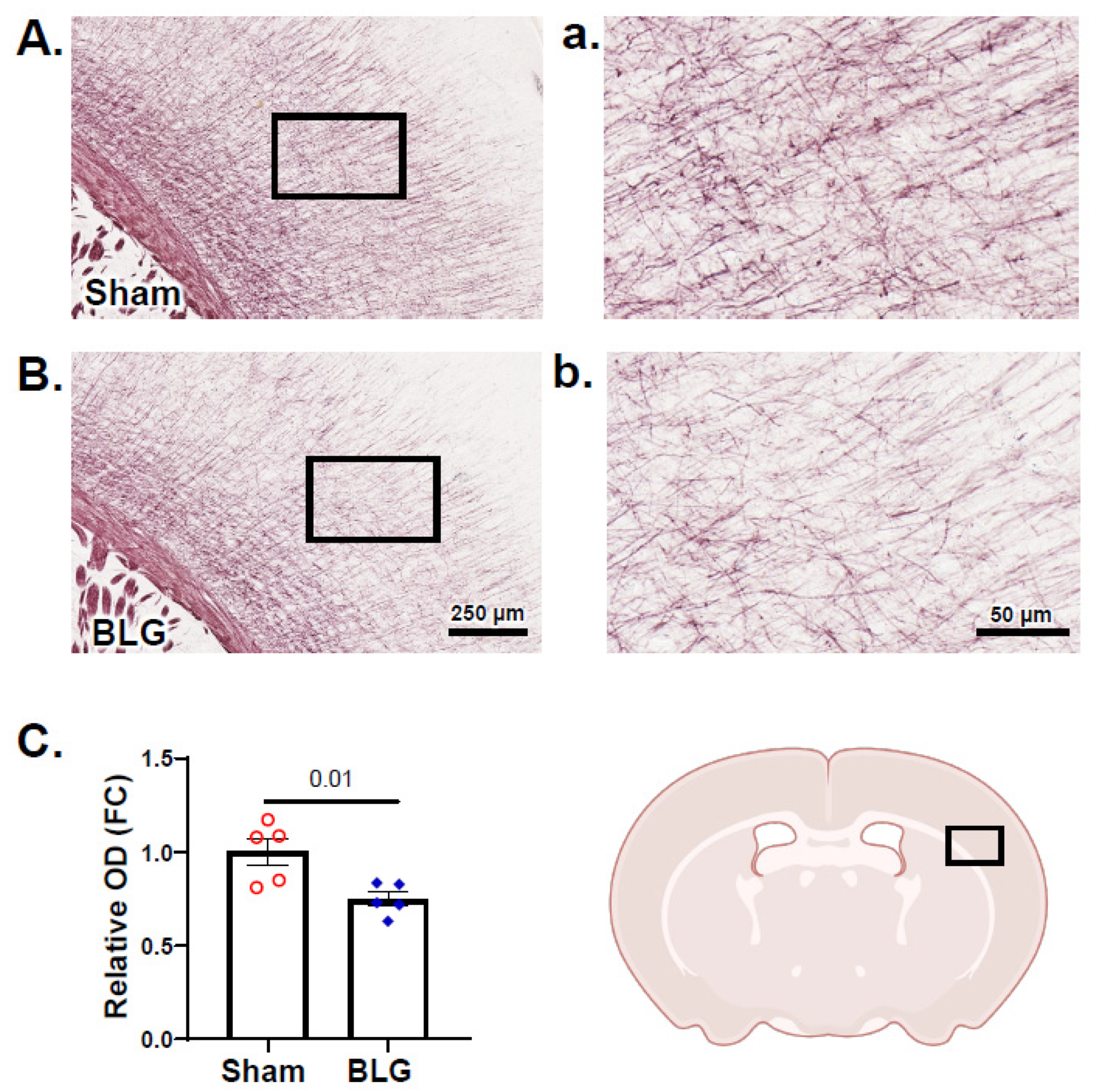
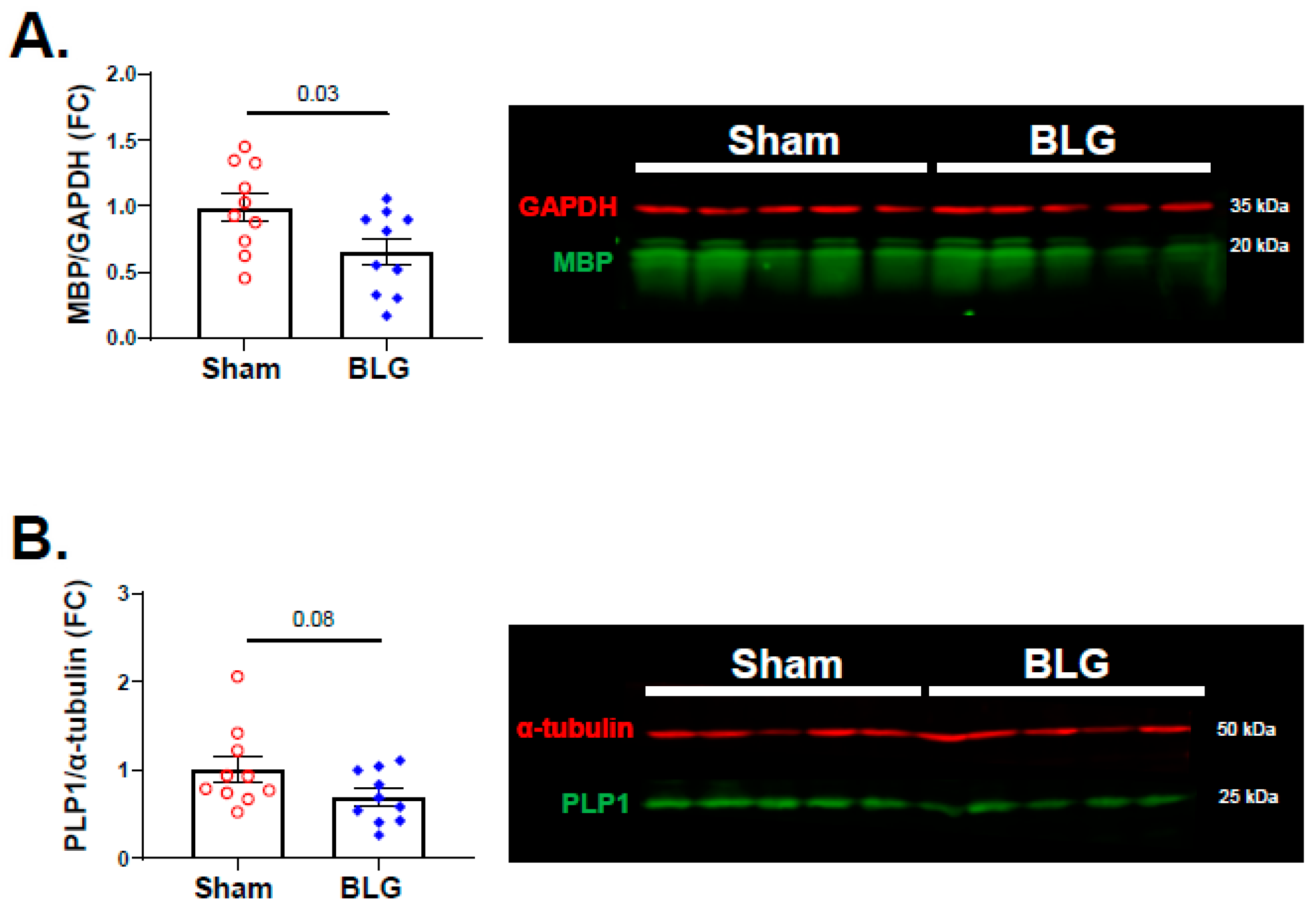
Mast cells (MCs) are the major effector cells of allergic responses and reside throughout the body, including in the brain and meninges. Previously, we showed in a mouse model of subclinical cow’s milk allergy that brain MC numbers were elevated in sensitized mice. However, the neurophysiological consequences of intracranial MC accumulation and activation are unclear. We hypothesized that centrally recruited MCs in sensitized mice could be activated by the allergen via the IgE/FcεRI mechanism and increase the blood–brain barrier (BBB) permeability to promote neuroinflammation. Furthermore, we suspected that repeated allergen exposure could sustain MC activation. To investigate our hypothesis, we sensitized C57BL6/J mice to a bovine whey allergen, β-lactoglobulin (BLG), and subsequently placed them on a whey-containing diet for two weeks. MC activity and associated changes in the brain were examined. BLG-sensitized mice showed mobility changes and depression-like behavior with significantly increased MC numbers and histamine levels in select brain regions. IgG extravasation and perivascular astrogliosis were also evident. Importantly, myelin staining revealed cortical demyelination in the BLG-sensitized mice, suggesting a potential neural substrate for their behavioral changes. Our findings support the ability of brain MCs to release histamine and other mediators to increase BBB permeability and facilitate neuroinflammatory responses in the brain.
Keywords: beta-lactoglobulin; blood–brain barrier; cow’s milk allergy; demyelination; histamine; IgE; IgG; neuroinflammation; proteases; astrocyte beta-lactoglobulin; blood–brain barrier; cow’s milk allergy; demyelination; histamine; IgE; IgG; neuroinflammation; proteases; astrocyte