


Abstract
Precision agriculture employs state-of-the-art technologies to improve the economic viability, sustainability, and efficiency of agricultural practices. This paper offers a thorough review of precision agriculture, with an emphasis on real-time systems as a foundation for understanding the integration and impact of major technologies. We examine technologies such as digital twins, mobile applications, autonomous systems, location-aware technologies, edge computing, and Wireless Sensor Networks (WSN) that are revolutionizing agricultural processes. We also discuss the potential of other sensing techniques to enhance precision farming, including image analysis, sensory and chemical analysis, and physical state detection. Additionally, the roles that data transmission protocols, artificial intelligence (AI), and machine learning play in maximizing real-time data processing and decision-making are examined. We emphasize the main challenges and limitations in precision agriculture, such as data interoperability, scalability, and system integration. With a focus on market trends and local issues, we examine how AI, real-time systems, sensor technologies, and financial constraints impact the growth of precision agriculture. These advancements have an impact on precise monitoring, post-harvest management, and human health. Lastly, we provide suggestions for successful integration and future developments in precision agriculture, emphasizing design, engineering, and creative approaches to assist the field’s ongoing development.
1. Introduction
Agriculture provides food and other necessities for human civilization. However, industrial farming has raised emissions of greenhouse gases, contaminated water, and deteriorated soil [1,2]. In addition, it has resulted in food that has been associated with food-borne diseases, obesity, and malnutrition. The current goal of emerging technology is to reverse these effects. Smarter, more sustainable farming is made possible by computing systems’ ability to identify, analyze, and react to dynamic behaviors [3]. Precision agriculture is increasingly being used to increase agricultural productivity, lower costs, and promote environmental resilience [4]. Weather forecasting, plant and soil monitoring, irrigation and fertilizer management, insect detection, harvest optimization, automation, supply chain analytics, and sustainable energy usage are some of the uses of precision agriculture. By detecting nutritional deficiencies, forecasting illnesses, and maximizing harvests, these technologies improve output and sustainability. However, difficulties still exist. Plant variability, efficient data processing, and ethical issues such as data privacy and potential plant damage must all be addressed by systems [5].
1.1. Precision Agriculture
Climate change and environmental degradation are two major effects of unsustainable agriculture practices. It accounts for 20–25% of global greenhouse gas emissions, while deforestation and water resource extraction further endanger biodiversity and ecosystem health [6]. Sustainable methods that combine production with environmental and human health are increasingly necessary to meet the world’s food demands. By providing farmers with cutting-edge tools to make data-driven selections for crops, animals, and land management, precision agriculture provides a workable solution [7,8]. Industrial farming, on the other hand, is time-consuming, is highly dependent on physical labor, and frequently damages soil quality, lowering yields and nutritional value [9]. The overuse of pesticides and fertilizers contaminates the water and soil and poses major health problems [10]. Precision agriculture makes it possible to monitor crop and soil conditions in real time to increase yields, decrease waste, and improve sustainability by combining sensors, Unmanned Aerial Vehicles (UAVs), motion detection, real-time tracking, and Global Positioning Systems (GPS) [4,11]. But despite its potential, high technology prices and poor farmer knowledge remain barriers to precision agricultural implementation.
Precision farming practices strengthen the sustainability of food systems that directly affect human health by lowering exposure to dangerous chemicals and infections [12,13,14,15,16]. Water pollution, chemical residues in food and packaging, and unhealthy diets are examples of this crucial relationship. Food waste also represents the loss of resources, including soil, water, and energy, used in production. Furthermore, by building up neurotoxic compounds in the body, eating food tainted with chemicals and pollution can raise the chance of Parkinson’s disease [17]. Long-term exposure, especially to compounds that damage dopamine-producing neurons, may raise the chance of Parkinson’s disease [18]. Toxins that can disrupt nervous system function include heavy metals and herbicides. Chemicals that replicate the metabolic mechanisms that cause dopamine neuron degeneration, a characteristic of Parkinson’s disease, such as paraquat [19] and rotenone, have been connected to neuronal damage. Neural deterioration may be accelerated by diets high in processed foods or deficient in antioxidants, which can worsen oxidative stress. Therefore, food-borne toxins and agricultural chemicals play a significant role in the development and progression of Parkinson’s disease, with pesticides exhibiting the strongest environmental correlation [20]. Because food quality has such significant effects on human health and well-being, precision agriculture must prioritize it.
Using precision agricultural methods helps reduce the risk of exposure to harmful chemicals and pathogens [12,13,14]. Furthermore, the sustainability of the food system has a direct impact on human health [15,16]. Water pollution, exposure to chemical residues in food and packaging, and unhealthy diets are only a few instances of this significant relationship. All resources utilized to create food, such as energy, water, and soil, are included in the category of food waste. Food intake, especially the absorption of certain chemicals and pollutants, might contribute to the development of Parkinson’s disease by accumulating neurotoxic substances in the body [17]. Heavy metals, insecticides, and other hazardous chemicals commonly found in food can accumulate over time and potentially interfere with the nervous system. Long-term exposure to various drugs, particularly those that impact the brain’s dopamine-producing neurons, may raise the risk of Parkinson’s disease, according to studies [18]. In particular, chemicals such as paraquat [19] and rotenone [21], which are used in agriculture, have been linked to neuronal damage and are known to mimic the biochemical processes that lead to the degeneration of dopamine-producing neurons, a hallmark of Parkinson’s disease.
Precision agriculture allows early identification of pests and crop diseases. It enables farmers to take preventive measures and control the spreading of diseases to other crops. This approach reduces the health risks associated with exposure by minimizing the use of hazardous chemicals and pesticides [14,22]. Farmers can improve health outcomes, especially for those with nutritional deficiencies, by monitoring crop nutrition and optimizing growing conditions to produce more nutrient-rich food [10,23,24,25,26]. Precision approaches reduce the adverse environmental consequences of agriculture by reducing greenhouse gas emissions, conserving resources, and promoting sustainability. Farmers can attain high yields with little to no chemical input by using precision irrigation [27], precision fertilization [7,28], and precision pest management [7,8,29]. This improves soil health, crop quality, and food safety [14,22,30]. By using sensor-based algorithms to determine appropriate application levels, early plant disease diagnosis and precision pesticide systems [8] further minimize pesticide consumption while increasing sustainability and production. Farmers can improve their management tactics and better understand crop-environment interactions by analyzing sensor data. Furthermore, animal welfare [31], a crucial component of livestock production and health, is supported by precision agriculture. Farmers can receive targeted treatment and lessen their dependency on antibiotics and other medications by using technologies that monitor livestock status and notify them of discomfort or disease [32].
Precision agriculture technologies have a significant impact on agricultural advancements when they are successfully integrated into the core of agriculture. They eventually improve the nutritional value of food consumed by humans, reduce the risk of exposure to hazardous chemicals and pathogens, and promote sustainable farming practices that improve both human health and the environment [25]. This research aims to investigate the application of precision agricultural technology in agriculture. It also clarifies the obstacles and constraints that must be overcome for this program to be implemented successfully. From this perspective, the authors aim to guide future advancements in the field and contribute to the growing body of knowledge on the application of technology in agriculture. The goal of this study is to thoroughly examine the key precision agriculture technologies and their impact on farming methods. It focuses on models that form the basis of precision agricultural analysis, including image analysis, sensory analysis, chemical analysis, and machine learning. The study also examines the role of precision agriculture in horticulture, emphasizing its direct impact on human health. The primary contribution of this study to the field is its unique perspective, which evaluates precision agriculture via the prism of real-time systems. By addressing limitations, highlighting possible study topics, and offering insights into design and integration from an engineering perspective, this work seeks to be a useful resource for researchers in the field.
1.2. Research Contributions
The main contributions of this paper are as follows:
- Comprehensive Survey—This paper provides an extensive review of more than 100 research articles covering key technologies in precision agriculture, including real-time systems, sensing methods, and AI applications.
- Unique Perspective—The paper evaluates precision agriculture through the lens of real-time systems, emphasizing their role in improving agricultural efficiency and decision-making.
- Sensing and Analysis Insights—It explores various sensing techniques such as image analysis, sensory, and chemical analysis and their applications in precision farming.
- AI and Data Communication—The study highlights the contributions of AI and data communication protocols in optimizing real-time data processing and decision-making.
- Design and Engineering Recommendations–The paper offers practical recommendations for the design and integration of precision agriculture technologies from both design and engineering perspectives.
- Identification of Limitations and Future Directions: It identifies key limitations in current approaches and outlines promising future directions for research and development in precision agriculture.
2. Method
2.1. Review Method
The main technologies and trends in precision agriculture are examined in this paper using a narrative review methodology. The strategy aims to provide a thorough grasp of the present status of the topic by synthesizing a wide range of studies and research findings. The narrative review approach was selected because of its adaptability in covering wide subjects and its capacity to give a summary of many viewpoints and ideas found across the literature [33,34]. This methodology allows for a qualitative study of various sources, which facilitates a deeper understanding of emerging trends and research gaps, in contrast to systematic reviews, which adhere to rigorous selection criteria. The following research questions are attempted to be addressed by the review:
- What are the key technologies advancing precision agriculture?
- How do sensing, analysis, and real-time monitoring improve agricultural practices?
- What is the role of AI and data communications (e.g., 5G/6G) in precision agriculture?
- What are the challenges, limitations, and future directions in the field?
2.2. Search Method
The review synthesizes both current and foundational research on precision agriculture. In particular, the review focuses on real-time systems, smart farming technologies, and environmental and health implications.
2.3. Keywords Searched
To find relevant material, we searched the Scopus, Web of Science, ScienceDirect, IEEE Xplore, SpringerLink, Wiley Online Library, MDPI, and PubMed databases. Credible institutional and industry sources were also used to supplement the search. Keywords searched included “precision agriculture”, “smart agriculture”, “digital farming”, “agriculture 4.0”, “artificial intelligence in agriculture”, “machine learning”, “IoT", ”UAVs", “wireless sensor networks”, “fertilizer management”, “pesticide application”, “soil quality monitoring”, “greenhouse gas emissions”, “climate change”, “environmental sustainability”, “food safety”, “occupational health”, and “neurodegenerative diseases”, adapted to database-specific indexing.
2.4. Coverage
The time frame includes papers from 2017 to 2026. Both crucial fundamental research and contemporary technology advancements were covered in these papers. Book chapters, conference proceedings, peer-reviewed articles, review papers, and a few technical reports were included in the collection if they directly addressed the main topic. Any non-English publications, editorials, and non-relevant studies were excluded.
3. Results
The study’s findings on the major fields in which precision agriculture technologies are being used are presented in the sections that follow, together with a discussion of the possible advantages and difficulties of these applications.
3.1. Precision Agriculture–Technology
Smart farming raises agricultural output and quality by integrating sensor technologies and Internet of Things frameworks to build “intelligent farms”. Precision irrigation, fertilization, and crop management are made possible by IoT, which makes it easier to collect and analyze data on crop yield, soil mapping, fertilizer use, and climate. For instance, IoT helps with crop management in peanut farming by gathering data for efficient decision-making. Sensing subsystems help make decisions in real time to enhance crop nutrition and soil health by detecting humidity and wind patterns. Research suggests that natural language mobile applications may be used by IoT-based agricultural monitoring systems to deliver fertilizer recommendations and irrigation schedules [35]. Similar technologies optimize groundnut farming practices [36]. Figure 1 illustrates the technologies that enable support for precision agriculture and smart farming practices, and Table 1 provides a summary of the technologies explored in the literature.
Figure 1.
Technologies enabling precision agriculture and smart farming.
3.2. Real Time Systems in Precision Agriculture
Precision agriculture primarily relies on real-time systems (RTSs) since they allow for quick reactions to dynamic elements like crop health and soil moisture. These technologies optimize operations like pest management and irrigation, handle massive amounts of sensor data, and conduct real-time analysis as illustrated in Figure 2. RTS must also consider power and energy constraints, especially in distributed networks with widely scattered sensors and actuators. While maintaining agricultural responsiveness, efficient scheduling and real-time work management enable efficient resource utilization [37]. Time-sensitive processes are given priority by scheduling algorithms such as Earliest Deadline First (EDF) and Rate-Monotonic Scheduling (RMS) to ensure resource efficiency [38]. Figure 3 shows how scheduling separates jobs into three categories: firm, soft, and hard deadlines. Important tasks that must be completed within a specific time frame in order to prevent system failure include turning on irrigation systems and applying pesticides before environmental conditions deteriorate.
Figure 2.
Real time systems driving various sub-domains in precision agriculture.
Figure 3.
A typical real-time systems architecture for use in precision agriculture.
Soft deadline jobs, such as gathering non-urgent sensor data for long-term research or adjusting soil nutrient levels, may tolerate minor delays without negatively impacting overall performance. A firm deadline task, on the other hand, lies between hard and soft deadlines. Missing it might have a major effect on system performance, even if it is not as strict as a hard deadline. A work may not be processed or may be deleted if a strict deadline is missed; however, this does not result in a complete system failure.
Table 1.
Summary of technologies for precision agriculture: applications, range, and coverage.
3.3. Precision Agriculture Key Technologies
3.3.1. Wireless Sensor Networks (WSNs)
Wireless Sensor Networks (WSNs), which provide real-time monitoring of soil and ambient parameters, improve precision agriculture. Horizontal, vertical, and hybrid sensor topologies optimize network efficiency; horizontal and hybrid designs are more cost-effective and provide greater coverage than vertical ones. Precise nutrient management is made possible by integrated sensors like pH and NPK sensors, which increase crop yields and sustainability. LoRaWAN and Zigbee technologies are used by WSNs to send data to base stations for decision-making (Table 2). These technologies improve insect control, fertilizer management, and irrigation while lowering waste and environmental effect. WSNs increase agricultural productivity despite obstacles such as power consumption and network congestion (Table 3). Because disease outbreaks have the potential to wipe out crops, WSNs must set strict timelines (hard deadlines) to guarantee data communication, timely activation of control, and spraying events. Similarly, collecting pest information often provides an adjustable timeframe (soft deadlines) that may be adjusted as needed. Even while brief irrigation delays would not hurt crops, they are nonetheless permissible (firm deadlines) as long as work schedules adhere to strict deadlines and irrigation is finished on time.
Table 2.
Wireless sensor network data transmission technologies [47]. Note: L (Low 1–100 mW), M (Moderate 100–500 mW), and H (High > 500 mW).
Table 3.
Real-time communication technologies in agricultural systems.
3.3.2. Location-Aware Systems
Location awareness is necessary for Precision Farming (PF) tasks that have significant spatiotemporal, environmental, public health, and food safety consequences [48]. Utilizing technologies like GPS, GIS, and remote sensing, location-aware systems are essential for improving agricultural practices because they enable accurate data collection and analysis in specific geographic regions. These technologies make it easier to optimize several farming procedures, such as crop monitoring, pesticide application, and irrigation management, which improves sustainability and efficiency [40,49,50]. GPS is widely used to map agricultural fields, track farm equipment, and assist Variable Rate Technology (VRT) systems that guarantee precise fertilizer and seed delivery [39,51]. By producing comprehensive maps of farms and offering spatial analysis of soil, crop yields, and pest distribution, GIS systems provide a substantial contribution to better informed farm management choices [40]. In other scenarios, such as GPS-guided routes or VART that can tolerate low data communication latencies, unmanned ground vehicles present strict deadlines; however, hotspots in agriculture, such as drought land or low- or high-temperature zones localized by GPS, GIS, or remote sensing systems, must be served immediately because they necessitate meeting strict deadlines. The impact on agricultural operations is negligible despite these minor delays. On the other hand, changes to GIS maps, cropping schedules, or satellite imaging trends for the upcoming collection of spatial data offer flexible tasks with only loose deadlines.
Core Technologies
In order to make well-informed farm management decisions, precision agriculture makes extensive use of remote sensing technologies, such as satellite imagery, UAVs, and proximity sensors, which offer real-time data on crop health, soil moisture, and environmental conditions [41,42,52]. Because radio-frequency identification (RFID) enables the precise tracking of assets and livestock, it enhances agricultural output. High-resolution three-dimensional maps of agricultural landscapes are produced using Light Detection and Ranging (LIDAR), enabling a thorough evaluation of crop development and environmental factors [44,45,53]. By providing non-destructive plant health monitoring, identifying water stress, nutritional shortages, and pest infestations, and enabling prompt actions to maximize agricultural production, terahertz (THz) technology enhances precision agriculture [46,54,55,56]. Table 4 shows the frequency range and its effects on the method of wireless power transfer, with LF and HF utilizing inductive coupling (for shorter ranges) and UHF using electromagnetic waves (for longer ranges).
Table 4.
Frequency spectrum allocation for RFID devices [44].
Farming is anticipated to be greatly improved by extended reality (XR) for virtual field inspections, artificial intelligence (AI) for autonomous job execution, blockchain for improved data administration and security, 6G for real-time data transfer, and Agriculture 5.0. These technologies are expected to improve farming sustainability and efficiency, guarantee regulatory compliance, and encourage equitable technology adoption [5,57].
In situations where harvesting or intervention must be started immediately, such as fruit maturity monitoring or sudden crop stress, instantaneous THz signal processing is required. Periodic real-time analysis that addresses tight deadlines, like mapping soil nutrients, allows corrective fertilization to be done within an ideal timeframe. Soft deadlines, such as seasonal quality assessment or long-term trend monitoring, rely on continuous data logging without exact scheduling. By ensuring that critical tasks are finished on schedule while non-urgent activities have flexibility, this integration optimizes crop productivity and operational efficiency.
3.3.3. Mobile Software Apps
Mobile applications are critical to precision agriculture because of their real-time data collection and analysis capabilities. These apps provide data to cloud platforms for analysis after collecting data from sensors such as GPS, temperature, and soil moisture. They use machine learning and strong data analytics to help farmers make smart crop management decisions. Remote monitoring is made possible by the apps, which offer insightful information about agricultural output and livestock health. They also communicate with other technologies, such as UAVs and IoT sensors, to provide full farm management assistance. Because of the user-friendly design, farmers can easily understand data to optimize resource allocation and boost crop yields.
Real-time systems for use in mobile apps enable deadline-driven sensing, inference, and actuation. Such characteristics are essential, as agronomic decisions are tightly coupled to temporal environmental dynamics. Real-time monitoring pipelines guarantee bounded latency for ingesting soil moisture, microclimate, and imagery data. Real-time monitoring allows controlled irrigation scheduling or frost mitigation, triggering within agronomically valid time windows rather than after batch-processing delays. Algorithms for real-time control can adjust parameters like picture resolution, inference time, workload, or sensor samples in response to operating environment-imposed battery limitations, CPU or GPU demands, or even thermal throttling. As such, real-time systems’ deadline-aware scheduling guarantees that camera-based crop stress or disease inference procedures run as planned and without interrupting user interface or sensor acquisition threads. With a predefined end-to-end delay, network-aware real-time algorithms prioritize and transmit essential alerts—like sudden changes in evapotranspiration or abnormalities in sensors—under sporadic rural connectivity. With real-time anomaly detection on streaming data, defects or the spread of stress may also be identified by observing unexpected shifts in soil or plant health parameters early enough. Agricultural mobile applications implementing real-time methods apparently become closed-loop, deterministic cyber-physical systems that improve responsiveness, energy efficiency, and the reliability of decisions made in dynamic field environments.
3.3.4. Autonomous Systems
Robotic systems, including Unmanned Aerial Vehicles (UAVs) and AI-driven devices, enhance agricultural efficiency by automating processes such as planting, harvesting, and crop monitoring (see Table 5). AI is used for activities, such as planting and plowing by autonomous tractors like CNH Industrial’s model [58]. Computer vision is used by robots, as the AI-powered weed-scanning machine [59], to recognize and eliminate weeds. Autonomous UAVs are becoming increasingly popular for crop health monitoring, as sensors detect stress and nutrient deficiencies. Likewise, cooperative robots (cobots) offer support for repetitive, physically demanding, potentially hazardous, and labor-intensive jobs, while human intelligence guides the critical thinking of customized logic. Cobots [60] have been deemed essential to Agriculture 5.0 and as an effective tool for raising productivity while encouraging prospective farmers to opt for careers in agriculture in lieu of unprofitable or oversaturated sectors. The UAVs provide real-time data for targeted resource application, improving farming practices and reducing pesticide usage [61]. UAVs can gather information about crops and agriculture, including aerial photos, as shown in Figure 4. This information is utilized to identify possible issues like insect infestations or nutritional deficiencies and to enhance farming practices. In precision agriculture, drones have become indispensable because they give farmers high-resolution photos of their crops. The types of UAVs used in precision agriculture are summarized in Table 6. While sensors and cameras gather information on physiological parameters like leaf area index, chlorophyll content, and biomass, UAVs assist in real-time monitoring of plant health and growth trends. Trends and patterns in data are next found with machine learning techniques. UAVs using thermal and multispectral sensors can identify plant stress before it manifests itself, averting output losses.
Case Study: Crop Monitoring Using UAVs in Indian Rice Farms–The Indian Agricultural Research Institute (IARI) investigated the use of UAVs with multispectral sensors to track nitrogen levels in rice fields in a pilot project [62]. Crop output increased by 15% and nitrogen usage efficiency improved by 25% as a result of the research. Additionally, it decreased reliance on physical labor at crucial stages of crop growth. The potential of UAV-enabled precision agriculture to improve nutrient management and encourage sustainable practices on smallholder farms is demonstrated in this case study.
Table 5.
Examples of agricultural robots: purpose, features, and impact.
Figure 4.
Aerial drone types in precision agriculture [69,70,71,72,73,74].
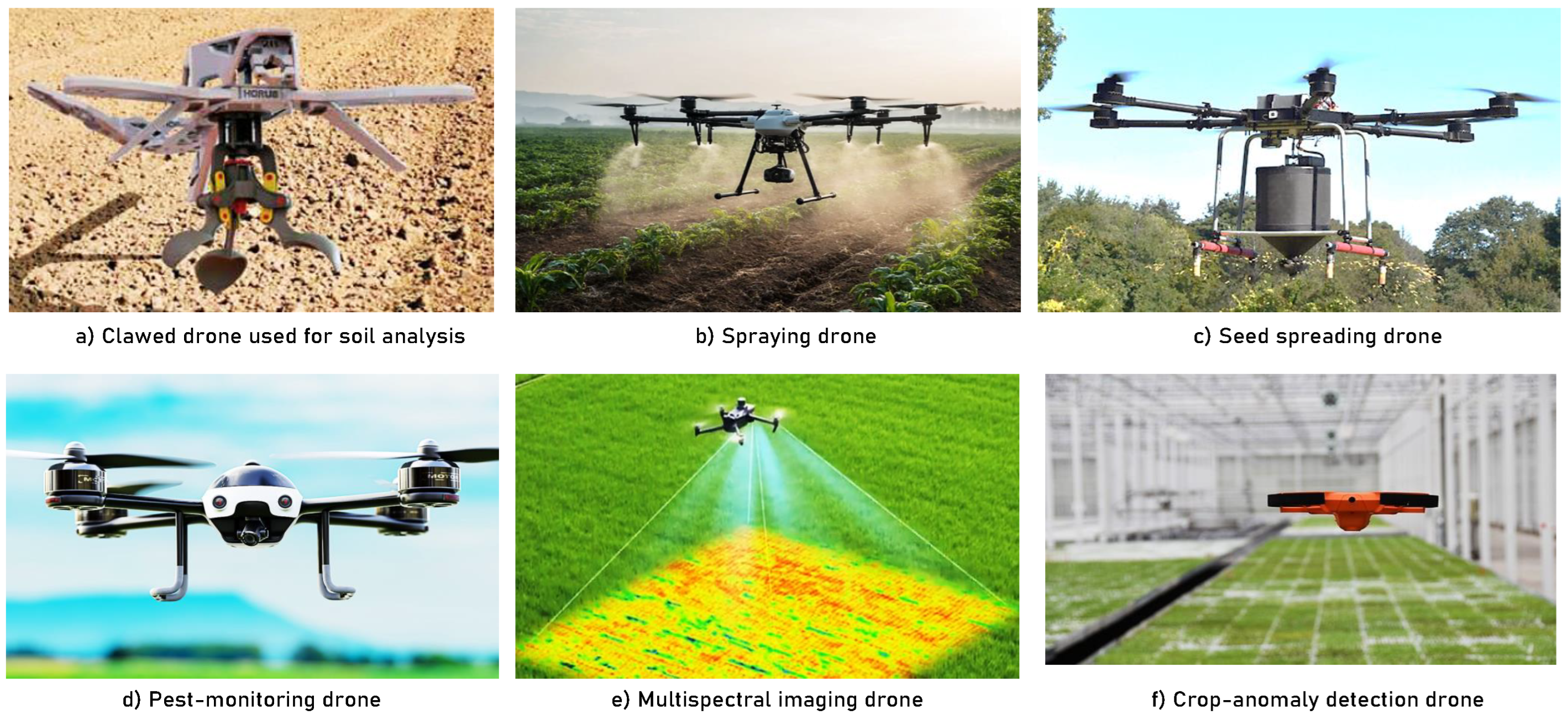
Table 6.
Different types of drone technologies for use in agriculture.
3.3.5. Edge Computing
Precision agriculture is changing due to edge computing, which processes data close to its source, lowers latency, and boosts productivity. Edge computing, which has its roots in content delivery networks [75,76], tackles issues with IoT and big datasets by providing advantages like decreased latency and cheaper bandwidth costs. It helps farmers make timely decisions by enabling real-time analysis of environmental, livestock, and crop data. By lowering reliance on centralized clouds and enabling offline capability in remote locations, this technology also reduces bandwidth constraints, making it essential to contemporary agricultural operations [77]. Use cases span retail, smart cities, manufacturing, and healthcare. With GPUs, BlueField Data Processing Units, and management tools like NVIDIA Fleet Command, NVIDIA is essential. Global edge expenditure is expected to reach 378 billion in 2028 [78]. The development of AI, IoT, and 5G will further propel the adoption of edge computing, extending use cases beyond visual AI to include robotics, natural language processing, and recommender systems.
3.3.6. Digital Twins
A virtual representation of an actual item that is updated in real time by sensors and analytics is called a digital twin [79]. Using technologies like wireless sensor networks (WSNs), the Internet of Things (IoT), and machine learning, digital twins in agriculture monitor and improve processes including soil conditions, crop growth, machinery performance, and animal health (see Figure 5). To enhance sustainability, productivity, and decision-making, these technologies offer real-time data, predictive analytics, and simulations. By improving irrigation, soil management, machinery maintenance, and pest control, they tackle the difficulties of contemporary farming, such as erratic weather and resource limitations. This results in reduced waste, improved productivity, and better resource utilization, enhancing resilience and environmental sustainability.
Figure 5.
Example use cases—digital twin in precision agriculture [80].
A spatial digital twin (SDT) focuses on geospatial data for better spatial context [42]. It incorporates precise location and dimensional data, with the SDT market projected to reach $25 billion due to advancements in spatial technologies, AI, and ML. The SDT development involves a five-layer approach: (1) data acquisition and processing, (2) data integration and metadata management, (3) data modeling and big data analytics, (4) GIS software, maps, and APIs, and (5) key components for visualization, querying, simulation, and prediction. AI/ML, blockchain, and cloud computing enhance SDTs, but computing platforms are fundamental to ensuring the accuracy and precision of data and results.
3.4. Tasks and Scheduled Completion
Hard deadline tasks–Crop loss or operational failure persists if hard deadlines are not met. Real-time systems assign high priority to tasks or events that demand it to ensure their timely completion. 5G or 6G networks support ultra-low latency data communications, in particular live streaming of data and information exchanges. Tasks like routinely watering areas or using UAVs or UGVs to spray pesticides are prioritized by edge computing. WSNs continuously monitor and identify disease outbreaks, while THz technology evaluates the maturity of produce. Real-time decision-making is made possible by the virtualization of physical processes through smartphone apps and digital twins. GPS/GIS-enabled autonomous systems require high-speed task scheduling and management to ensure highly accurate localization and hotspot identification at high speeds, and UAVs/UGVs require precision sensing and detection algorithms that demand high-performance computing and multi-processing with hard deadlines. To safeguard crop output and operational efficiency, real-time solutions prevent delays and ensure that critical irrigation, pest control, or harvesting operations occur precisely on schedule.
Firm deadline tasks–Some tasks are time-sensitive; however, minor delays are permitted. Real-time approaches employ dynamic scheduling, where jobs with medium importance are given a fair amount of time to complete without taking precedence over those with strict deadlines. THz soil nutrient mapping, GPS-guided UAV aerial surveys, and regular irrigation utilizing WSN-guided scheduled fertilizing can all tolerate short delays; however, these can still achieve operational efficiency targets. While edge computing makes sure that local processing lowers latency, AI recommendations, XR-assisted field activities, and VRT apps are scheduled according to resource availability and time criticality. Multiple firm-deadline jobs can run simultaneously without interfering with hard-deadline processes thanks to real-time monitoring, which guarantees that bandwidth requirements are satisfied.
Soft deadline tasks–Soft deadlines include tasks such as planning, data analysis, and non-urgent monitoring tasks. Real-time systems lower the priority of certain tasks to ensure high-priority tasks are completed first. Task prioritization ensures that critical procedures are never delayed or interrupted. AI-based long-term yield forecasts, digital twin simulations, RFID inventory monitoring, UAV field surveys, seasonal crop quality evaluation using THz, GIS map updates, and soil quality assessments are a few examples of soft deadline tasks. These kinds of tasks leverage available bandwidth and compute power; however, they do so without interrupting with high priority tasks or events. Soft deadline tasks such as adaptive task priority assignment, predictive scheduling, and continued data logging based on real-time scheduling methods responsive to higher-priority agricultural operations while supporting strategic planning.
3.5. Sensing and Analysis
3.5.1. Physical State Recognition
Precision agriculture can leverage different models to assess and interpret the health status of fruits and vegetables. These models give vital insights into the quality, freshness, and nutritional worth of agricultural products by analyzing sensory inputs, including vision and sound. Developments in machine learning and data analytics drive them. Image Analysis-based Models–AI models virtually sense spoilage signs, such as discoloration, decay, or mold growth by analyzing images of fruits and vegetables. Similarly, Sensory Analysis-based Models–can monitor variables, such as temperature, humidity, and pressure to detect deterioration and spoilage. Models based on biochemical analysis are used to identify indicators of spoilage; they measure variations in pH, sugar concentration, and volatile organic compounds. A more thorough understanding of the physical condition of horticultural crops can be attained by combining these methods.
3.5.2. Image Analysis
In the context of intelligent external trait detection, image-based analysis typically follows a structured workflow consisting of (i) image acquisition (e.g., RGB or hyperspectral imaging), (ii) preprocessing and normalization, (iii) segmentation to isolate plant organs or canopy components, (iv) feature extraction based on color distribution, texture metrics, spectral signatures, and morphological descriptors, and (v) classification using convolutional neural network (CNN)-based deep learning models [81,82,83]. These approaches enable the detection and classification of visually and spectrally observable plant traits, including disease symptoms, nutrient deficiencies, water-related stress indicators, morphological variation, and phenological stages. Figure 6 shows a typical process of semantic segmentation applied on video frames capturing crop products or livestock. Image analysis supports the categorization of spoilage, pests, and diseases by providing non-invasive monitoring of crop characteristics such as size, texture, and color [81,82].
Figure 6.
Live stream processing with AI automation based on semantic segmentation for use in precision agriculture.
Deep learning and segmentation are two methods that improve detection accuracy. Biological signals and interior structures can be acquired with advanced modalities that include hyperspectral imaging, Raman, near-infrared (NIR), X-ray, magnetic resonance imaging (MRI), UV fluorescence, and time-domain imaging. As shown in Figure 7, the process occurs in three levels: low-level processing (image acquisition and preprocessing), intermediate processing (image segmentation, feature extraction), and high-level processing (recognition, interpretation, and classification) [83,84,85]. Emerging approaches, including generative adversarial networks (GANs) and anomaly detection, address data scarcity; however, approaches are expensive with low portability and high computational demand, thereby imposing limits on large-scale adoption of these technologies [27].
Figure 7.
Overall view of AI-based imaged processing pipeline for classification and object detection in precision agriculture.
3.5.3. Sensory Analysis
Sensors can capture real-time environmental and physiological parameters in agriculture. In horticulture, attributes such as appearance, aroma, and flavor are central to quality assessment. Electronic and optical sensors (gas sensors, biosensors, and electronic noses) are adopted to monitor these attributes by detecting VOCs linked to early spoilage in commodities like apples and bananas (Figure 8). Likewise, UAVs or vehicle-mounted optical sensors can estimate soil texture, moisture, and plant vigor through reflectance measurements when deployed in managing post-harvest practices [86]. Electrochemical sensors, including ion-selective electrodes, allow precise quantification of pH and nutrient availability [87]. Collectively, these tools enable early stress detection, optimize storage, and reduce food loss.
Figure 8.
Micro-organisms cause fruit spoilage and produce gas emissions.
3.5.4. Biochemical Analysis
The identification of external traits is improved by biochemical sensing, which links reflectance-based signals to the physiological mechanisms that cause visible plant responses. Metrics such as pH, soluble sugars, or nutritional balance are often measured internally; however, these are often linked to externally noticeable characteristics, such as color shifts. Stress-induced color shifts, canopy reflectance changes, and morphological changes are examples of externally visible traits that are often linked to internal measurements like pH, soluble sugars, or nutritional balance.
These days, electrochemical and nano-enabled biosensors [88,89], can be employed to calibrate or validate indications acquired from pictures, allowing real-time tracking of metabolites and nutrient flows. On the other hand, spectroscopic techniques such as Raman and NIR are not only used to quantify composition; they also enable the non-destructive assessment of stress before obvious visual signs appear by using changes in spectral fingerprints to infer metabolic state.
Instead of working alone, biochemical analysis strengthens external trait detection frameworks by improving model interpretation and reliability. These techniques are being utilized more and more as a validation layer in integrated real-time precision systems, despite the fact that they still have practical limitations, particularly with regard to field deployment, cost, and calibration.
3.5.5. Case Study: Remote Sensing in Maize–PGC Intercropping Systems
Conventional maize (Zea mays L.) production in the U.S. Corn Belt is linked to water pollution, erosion, and nutrient losses [90,91]. Researchers in Iowa are experimenting with intercropping maize with cool-season perennial ground covers (PGCs), which offer several agronomic advantages and year-round live cover, to increase system resilience [92]. UAV-based hyperspectral sensing was adopted to evaluate the performance of this system, providing high-resolution monitoring of canopy physiology and plant–plant interactions.
Certain PGCs develop dense, shallow fibrous root systems and thrive in cool, moist environments [93]. When combined with robust winter survival, they create a living mulch that holds onto water and absorbs nutrients like N, P, and K that would otherwise be lost in traditional systems [94]. Subsequent seasons may see an increase in maize output as these nutrients are progressively mineralized and returned to the soil [91]. PGCs’ role in water retention and nutrient cycling was validated by UAV-based vegetation index research, which revealed that they maintained higher Normalized Difference Water Index (NDWI) [95] values during colder, wetter circumstances. The Normalized Difference Water Index was calculated by Equation (1):
where and represent the spectral reflectance measured at wavelengths centered at 560 nm (green band) and 840 nm (near-infrared band), respectively. Higher NDWI values indicate greater vegetation water content and improved canopy moisture status. PGC integration reduced soil organic carbon (10.1%) and N losses (6.5%) while increasing soil potential mineralizable N by 8.5% when compared with standard maize systems [94]. The resolution required to spatially map these impacts throughout the field was made possible by remote sensing techniques, underscoring the accuracy benefit of UAV-based surveillance.
To separate PGC pixels from maize, NDWI was used as a spectral mask. A further key methodological step is to apply extra vegetative indices that are typically used for maize to the PGC after it has been isolated. In comparison to traditional maize systems, erosion was decreased by 90% and runoff by 60%, demonstrating conservation advantages [96]. The accuracy of system evaluation was improved by the spatially precise maps of these impacts supplied by UAV-based chlorophyll and water-related indicators (CI, CIRE, NDWI, and NDRE). The mathematical formulations of CI, CIRE, and NDRE follow standard spectral reflectance-based definitions reported in the literature [97,98,99].
Importantly, the intercropped system also affects maize performance through light competition. The presence of PGC modifies the red/far-red light environment, triggering the shade avoidance response (SAR) in maize during early growth stages [91]. The red to far-red ratio (R/FR) was calculated by Equation (2):
where and represent the spectral reflectance measured at wavelengths centered at 670 nm (red band) and 730 nm (far-red band), respectively. The R/FR ratio is commonly used to assess canopy light quality and phytochrome-mediated plant responses, particularly under competitive or shaded conditions. Localized SAR hotspots were identified by UAV-based red/far-red ratio mapping (Figure 9), where maize changed carbon allocation to stem elongation at the expense of root development, eventually penalizing production. This application shows how hyperspectral sensors can record indirect stress responses in maize in addition to evaluating PGC health. UAV-based hyperspectral imaging provides an unparalleled view into the dynamics of intercropped systems by using NDWI to isolate PGC pixels and then applying maize-adapted vegetation indices to both components. The composite Figure 10, which displays the orthomosaic RGB of the intercropped field and exhibits NDWI-based differentiation and PGC discrimination, summarizes preliminary findings. Our findings together show how precise regulation of maize–PGC intercropped systems using sophisticated remote sensing might improve water and nutrient use efficiency while preserving long-term sustainability.
Figure 9.
UAV-based hyperspectral analysis of the red/far-red (R/FR) vegetation index in the maize–PGC intercropping system: (left image) orthomosaic RGB image of the experimental field; (center image) R/FR ratio applied to detect shade avoidance responses (SAR) in maize during early growth; and (right image) field-installed far-red (730 nm) lighting used to artificially induce SAR, isolating light-quality effects and enabling assessment of carbon allocation impacts on total biomass and grain yield.
Figure 10.
UAV-based hyperspectral analysis of the Normalized Difference Water Index (NDWI) in the maize–PGC intercropping system: (left image) orthomosaic RGB image of the experimental field; (center image) NDWI applied to the canopy, highlighting spatial variation in water content; and (right image) NDWI used as a spectral mask to discriminate PGC pixels from maize, enabling subsequent calculation of vegetation indexes specifically for PGC.
UAV-based hyperspectral imaging allows for the spatial categorization and quantification of observable canopy characteristics in maize–PGC intercropping systems from the standpoint of external trait detection. Integrating image-based trait extraction and precision monitoring is proven by high spatial resolution mapping and detection of water-status indicators (NDWI), light-quality responses linked to shade avoidance (R/FR), and canopy-level morphological differentiation between perennial ground cover components and maize components.
3.6. AI and Data Communications
3.6.1. Artificial Intelligence
Machine learning can boost agricultural productivity by optimizing planting, resource management, and crop growth. Autonomous farming helps reduce labor costs and improve operational efficiency [75]. Convolutional Neural Networks (CNNs) are used to detect diseases and estimate yields, whereas transformer models predict weather patterns and analyze soil health [81,100]. Recurrent Neural Networks (RNNs) with time-series decision-making ability enable forecasts of irrigation requirements, while Decision Trees can handle yield and pest predictions. Generative Adversarial Networks (GANs) enable augmenting datasets in scenarios where datasets pose a significant challenge due to deep AI models requiring large datasets for training to improve generalization. GAN AI models can integrate with Decision Support Systems (DSS) to provide actionable recommendations for agricultural practices. Simulated dataset-based models enable researchers and farmers to test and develop strategies without incurring the costs associated with field trials. High-performance computing (HPC) systems manage large datasets and model complexity, while energy-efficient edge devices enable real-time monitoring. Enabling support for AI models, distributed AI systems can combine edge processing for low-latency tasks with cloud computing for large-scale analysis, ensuring scalability, efficiency, and sustainability in modern agriculture.
Table 7 and Table 8 highlight machine vision systems that detect pests, nutrient deficits, and diseases from crop photos. These AI models can analyze data collected with sensors monitoring soil moisture, temperature, or humidity to improve farming techniques and increase productivity. The expansion of the machine-learning market indicates a promising future for AI in the agricultural sector. AI’s major role in agriculture is envisioned in (a) Yield Prediction, wherein AI models will forecast crop yields based on weather, soil, and irrigation; (b) Disease Detection, wherein an early crop disease detection can lower losses incurred in medication and fertilization; (c) Soil Analysis, wherein AI will evaluate soil data for fertilizer and treatment recommendations; (d) Autonomous Farming, wherein UAVs and robots will perform planting and harvesting tasks independently, reducing labor expenses; and (e) Optimized Resource Management, whereby AI can predict soil and weather conditions, and allow budget estimations that maximize nutrient utilization and lower waste outcomes.
Table 7.
State-of-the-art work demonstrating the use of AI for image processing in precision agriculture.
Table 8.
Weed detection approaches based on machine learning and artificial intelligence.
Agriculture systems with hard, firm, or soft deadlines as outlined by biological attributes, conveyor flow, and other machinery operational speeds during pre- and post-harvesting processes can severely impact latency bounds that guide the selection of AI models for driving precision agriculture systems. As a constrained optimization problem, real-time systems can guarantee to maximize the accuracy of the external trait detection system or devices while guaranteeing their worst-case execution time to be lower than the set deadlines. As such, AI models, for example, CNNs or lightweight YOLO models, can analyze the RGB, multispectral, or thermal images to identify and localize leaf lesions, canopy stress, or even fruit surface defects during pre- or post-harvest operations. Likewise, robotic sprayers, autonomous irrigation systems, UAV-based crop health monitoring, or early disease intervention and prevention systems all require high precision and must satisfy the latency constraints; therefore, they can be envisioned if such deadlines are met precisely. Manual farming practices can cause pest outbreaks, crop dehydration, or excessive use of agrochemicals and therefore may fail to be safety regulations as well as agricultural production necessities.
3.6.2. Explainable AI (XAI)
While AI models allow decision-making in agriculture, their complexity often impedes their adoption by end-users, especially by farmers, for interpreting and trusting the AI-based recommendations [112]. Explainable AI (XAI) provides human-understandable explanations for AI-generated decisions. The SHAP (Shapley Additive Explanations) and LIME (Local Interpretable Model-agnostic Explanations) explain models’ decision-making outcomes via visualizations of the model learning process and how the models’ output relates to predictions, disease detection, or irrigation timing. Incorporating XAI into AI-powered platforms ensures transparency, fosters trust among users, and enhances the adoption of AI tools in farming communities. This trustworthiness is highly desirable, especially when uncovering models’ prediction processes since the predictions by the AI models can have a direct impact on human health. As such, the consumption of food and other edible items recommended by AI models to humans needs to be monitored in the future. Essentially, techniques that uncover model learning processes and how models respond to specific inputs hold a high significance when employing AI in precision agriculture. The predictions made by models using input data sensed by WSN also rely on how the employed model learns and responds to such input data. An XAI-based system can explain why an AI model recommends limiting pesticide application on certain crops based on sensor data showing minimal pest activity. Apparently, techniques that reveal how models learn from and respond to sensor input data—such as those gathered via Wireless Sensor Networks (WSNs)—play a critical role in improving both the reliability and ethical use of AI in precision agriculture. This would ensure safer food output and better environmental outcomes. Latency in the explainability of predicted outcomes by models can reduce the level of trust, usability, and safety of AI-based precision agriculture systems. It is necessary to temporally synchronize the development of interpretable model explanations with the AI’s decision outputs in order to maintain human-in-the-loop control fidelity, eliminate latency-induced ambiguity, and guarantee deterministic accuracy. Rate Monotonic Scheduling, Earliest Deadline First, Deadline Monotonic Scheduling, Least Laxity First, and Time-Triggered Architecture as deterministic scheduling techniques ensure that periodic, aperiodic, and irregular agricultural activities will meet their worst-case execution deadlines [113,114,115]. Explainable AI (XAI) supported by high-precision real-time systems can allow human-in-the-loop communication, impose fine latency control, and generate interpretable outputs required by automated processes or human–machine interaction purposes. XAI not only allows inspection of model behaviors but also helps in understanding how the learned models can impact the stakeholders, such as farmers, producers, and consumers. Hybrid and value-based scheduling strategies can be implemented in XAI methods to process tasks generating highly valuable outcomes in precision farming.
3.6.3. Data Communications
Precision agriculture’s sustainability heavily relies on the improved connectivity and bandwidth enabled by the 5G and 6G networks since these technologies enable real-time data transmission and analysis, critical for monitoring animal health, farm worker emotions, and crop management [116]. These networks allow remote monitoring, including access to data collected by the sensors and cameras mounted across the farm. In fact, these systems enable support for monitoring farms even in the absence of farm workers, thereby helping farmers to optimize crop yields, water usage, and fertilizer application.
Role of 5G and 6G Networks
5G and 6G networks drive data-driven agriculture by enabling faster and more reliable data transmission that enhances decision-making, resource conservation, and farming efficiency [117]. Wireless communication technologies—such as WiFi, Bluetooth, and cellular networks—track farm equipment and resources in real time. 5G and 6G deliver superior connectivity, higher bandwidth, and remote monitoring capabilities essential for modern precision agriculture. These networks enable improved connectivity, allowing rapid and efficient data transmission for timely decisions on planting, harvesting, and irrigation. They provide increased bandwidth to support high-resolution imaging and real-time video analysis. Through remote monitoring, farmers can oversee soil moisture, crop growth, and equipment performance from anywhere, identifying issues quickly [52]. 5G and 6G also strengthen precision agriculture by supporting real-time decision-making that optimizes yield, reduces waste, and conserves resources [52]. Furthermore, they empower autonomous vehicles, such as self-driving tractors and UAVs, to operate efficiently and minimize labor costs [116].
3.6.4. Communication Protocols
Local Area Network (LAN) technologies, such as Ethernet and Wi-Fi, offer short-range communication at speeds ranging from 10 Mbps to 10 Gbps and allow short data communication. Metropolitan area networks (MANs) technologies, such as FDDI and ATM, enable networking between cities with data communication speeds ranging from 100 Mbps to 10 Gbps, thus allowing data centers located across cities to communicate agricultural data for analysis. Wide Area Network (WAN) protocols like SD-WAN and MPLS enable global communication at speeds ranging from 1 Mbps to 100 Gbps. WANs allow sharing of data in large platforms, such as research universities or data collection centers, for reporting and analysis at a global level. Essential to the implementation of real-time systems in precision agriculture remains the Controller Area Network (CAN) bus protocol, which is primarily used in real-time and industrial settings, as it is crucial for networking sensors and actuators with minimal configuration [118]. With CANs, electronic control units (ECUs) can exchange data in real-time based on precision agriculture systems, with data transfers of up to 1 Mbps. CAN bus generates differential signaling between the paired and lines. Deterministic communication is crucial for real-time, safety-critical applications such as automotive control systems, industrial process management, and agricultural automation. High-speed data connections that are resistant to noise and other signal impairments are made possible by the paired lines. CAN’s collision avoidance prioritizes communications by ensuring the integrity of the system and transmitting any critical data first.
3.7. Primary Challenges
Data management, infrastructural costs, and privacy and security issues are the main obstacles facing precision agriculture. Future research must concentrate on data standardization to ensure accuracy and dependability across farms and regions in order to fully exploit the promise of precision agriculture. Furthermore, further investigation is needed to determine how precision farming may reduce the health risks associated with agricultural pesticides. In order to make data-driven decisions to maximize planting and watering, future research should concentrate on creating instruments and algorithms for evaluating complex data from weather sensors, soil sensors, and satellite imaging. Researchers should also investigate greenhouse gas emissions and eco-friendly practices, such as reducing water and energy use. Advanced precision agriculture technologies and machine learning models are essential to improving forecasts of crop yields, weather patterns, and other agricultural elements. The economic and social effects of precision agriculture, particularly how it might support equitable and sustainable development in rural areas, require more investigation. Precision agriculture has the potential to transform agriculture, enhance healthcare, and promote sustainable development in rural areas by tackling the shortcomings of existing technologies.
Post-flight data processing continues to be a major hindrance to UAV-based site-specific management systems. This restricts the effectiveness of operations and prompt intervention. Inconsistencies in reflectance and motion blur are caused by variations in factors including sun angle, flight altitude, and platform stability, which frequently call for intensive offline correction. The enormous amount of high-resolution images makes analysis even more difficult, and the spectral similarities between crops and ragweed make proper categorization more difficult. Furthermore, operational restrictions including limited flying time, financial limits, and regulatory complexity all hinder response in changing field circumstances.The absence of fully integrated real-time systems that can detect, correct, and make decisions instantly during UAV operations is the main gap that is highlighted by these problems taken together.
UAV-based control and agricultural sensing encounter a number of significant obstacles. With age, sensors become erratic, resulting in inaccurate calibrations in various soil types. Severe weather conditions seriously impair dependability. Large and noisy datasets make AI analysis difficult since rapid interventions are delayed by the low energy efficiency and poor network connectivity of cellular networks. Additional issues with UAV images that lower data quality include unstable flying circumstances, fluctuating lighting, and motion blur. Moreover, maintaining synchronized, precise, and low-latency data from several sensors and geographical sources may be challenging, particularly for digital twin applications. Large-scale AI/ML analytics also have high computation and scalability needs. Significant operational obstacles are also produced by infrastructure expenses, system responsiveness, and model dependability in dynamic agricultural environments.
Making sure that heterogeneous real-time data from sensors, IoT devices, and geospatial sources is accurate, dependable, and low-latency is one of the problems in developing digital twins and spatial digital twins in agriculture. The quality of the digital twin is greatly impacted by sensor noise, inconsistent data, and synchronization problems, while large-scale geographical data and analytics powered by AI/ML provide significant computing and scaling challenges. The necessity for resilient computer systems retaining accuracy, offering responsiveness, and model dependability under dynamic and unpredictable agricultural situations, infrastructure expenses, and real-time decision needs all contribute to these difficulties.
3.8. Key Limitations
Though there are still many obstacles to overcome, precision agriculture has a lot of potential. Reliable implementation requires thorough, high-quality data, which is frequently lacking for some crops or geographical areas. The requirement for technical know-how restricts accessibility, and high costs discourage uptake, particularly by small farms in low-income nations. Integration problems with traditional systems and ethical concerns like data privacy and animal welfare add to the complexity. Because technologies that work well on small farms might not be suitable for larger businesses or other geographic locations, scalability is still unclear. Effectiveness is also influenced by crop variety, and the lack of uniformity makes system evaluation and implementation more challenging. In order to properly utilize precision agriculture’s full potential, several problems must be resolved.
4. Discussion
Despite a number of obstacles, precision agriculture has enormous potential for production and sustainability. Farmers frequently lack the technical know-how and awareness, and governments don’t give them enough assistance. To expand the understanding of farmers and policymakers, educational programs are required. The gap between large and small producers may grow as a result of expensive infrastructure costs and specialized solutions, particularly for small-scale farmers who might not be able to afford high-tech solutions. Farmers are discouraged from disclosing sensitive information due to data privacy and security concerns, necessitating precise rules and secure data management. Adoption is complicated by regional disparities and economic obstacles because small farmers find it difficult to make purchases. In order to encourage greater access, precision agriculture must be incorporated into regional development initiatives that prioritize investments in small-scale farming.
4.1. AI and Machine Learning
There are many obstacles to overcome when implementing machine learning in precision agriculture, such as the requirement for powerful computers, qualified personnel, and safe data storage to guarantee accuracy. Large dataset collection for training is challenging; however, solutions like data augmentation and synthetic data synthesis may result in inconsistent data. The process is made more difficult by real-time needs, which require rapid predictions in order to meet hard or soft deadlines. Inaccurate predictions may have an adverse effect on crop productivity. In precision agriculture, automation continuity requires backup and recovery plans. Applications require real-time evaluations, yet most existing AI-based solutions presume non-real-time systems. Therefore, knowledge gaps, infrastructure constraints, data privacy issues, and financial limitations are significant obstacles to precision agriculture. Stakeholders, technological specialists, and legislators must work together to solve the sector’s demands in order to overcome these obstacles. Research on real-time AI systems can increase the productivity and sustainability of precision farming.
4.2. Necessity of Real-Time Systems
In Section 3.3.6, the five technological layer model revolves around real-time embedded systems. They support the digital twin (DT) and spatial digital twin (SDT) frameworks, as do networks, policies, and scheduling. While networks guarantee real-time transmission, embedded devices offer rapid sensor data gathering. Data security and integrity are governed by policies, and model updates and data processing are given priority in scheduling. For accurate simulations and forecasts, these systems are essential for real-time updates in GIS, data integration, and big data analytics. Real-time systems and significant processing capacity are needed for each of the five main technologies: data collection, integration, modeling, GIS, and functional components for visualization and prediction. In order to provide correct representations and update models, real-time systems guarantee the prompt integration and processing of input. For effective digital and spatial digital twin functioning in dynamic, data-driven scenarios, sophisticated computers and real-time technologies are required. Real-time systems and sophisticated computers are essential for efficient digital and spatial digital twin operation in dynamic, data-driven environments.
4.3. Market Growth
IoT and machine learning-driven precision agriculture improves farming efficiency, yield, and productivity. Healthier crops and safer food are the result of these technologies’ improvements in crop management, insect detection, irrigation, and supply chain optimization. In these developments, real-time monitoring is essential. By 2032, the precision agriculture market is expected to grow to 55.36 billion dollars [119]. AI is revolutionizing pest control and supply chain management, with the AI market expected to grow from $1.2 billion in 2022 to $10.2 billion by 2032, reflecting a 24.5% compound annual growth rate (CAGR) [120]. While AI improves decision-making through massive datasets, machine learning helps with yield prediction, scheduling optimization, and irrigation management. Agriculture is using predictive analytics at a 15% CAGR [121]. Notwithstanding these developments, real-time evaluations are necessary for other breakthroughs, such as shortening machine learning model inference times, streamlining real-time scheduling and processes, and efficiently allocating resources—all of which are vital for the industry’s future.
4.4. Comparison of 4G, 5G, and 6G
The primary areas where 4G, 5G, and 6G diverge in precision agriculture are data handling and real-time UAV or autonomous vehicle operations. 4G supports basic tasks like crop mapping and soil moisture monitoring, but its low bandwidth (100 Mbps downlink, 50 Mbps uplink) and higher latency prevent high-resolution imaging and real-time autonomous operations, limiting its usage to small farms. With lower latency (1 ms) and higher throughput (up to 10 Gbps), 5G improves 4G and makes applications like autonomous UAV fleets, precision irrigation, and high-definition photography possible. It is perfect for large-scale farming because of its increased bandwidth and support for dense device connections, which allow precise fertilization decisions and real-time crop management. By allowing fully autonomous UAV fleets that make real-time changes, 6G further enhances precision agriculture with a latency of less than a millisecond and speeds of up to 100 Gbps. This rapid speed is revolutionizing large-scale, high-tech farming by enabling operations like in-field robots, automated pest identification, and harvest monitoring. Smooth communication between different devices is ensured via massive connections.
4.5. Sensor Systems Market Trends
Due to the growing need for food and grains as well as the growing use of digital and smart agricultural technology, the market for agriculture sensors is anticipated to expand considerably. The need for these technologies is growing as more farmers and producers seek to improve food safety and quality. The agricultural sensor market was estimated to be worth $3599.5 million in 2022 and is expected to rise at a CAGR of 16.12% to reach $7598.6 million by 2027, according to [122]. Furthermore, as illustrated in Figure 11, the global market for remote sensing technology is anticipated to grow at a CAGR of 11.59% from 2025 to 2035, driven by factors such as precision farming, automation in agriculture, and the need for food safety [119]. The market is envisioned to show an increase from $28.36 billion in 2026 to approximately $75.97 billion by 2035.
Figure 11.
Remote sensing technology market size from 2025 to 2035 (in USD billion) [119].
4.6. Chemical Analysis Trends
Due to significant market expansion leading to rising need for precision agriculture, automation, and food safety technology, the food safety, quality assurance, and sustainability are all significantly impacted by these technologies, and the precision agricultural tech computing industry is predicted to grow, opening up new business prospects. According to [123], the growing demand for fertilizers and crop protection products is expected to propel the worldwide agrochemicals market, which was valued at €227.9 billion in 2022 and is projected to rise at a CAGR of 3.0% from 2023 to 2030. However, there are a number of obstacles to implementing artificial intelligence (AI) in agriculture. Large upfront expenditures impede its adoption and aversion to new technology. Lack of practical experience and poor infrastructure, especially in developing nations, poses a serious concern. AI integration is made more difficult by the lack of rules, privacy issues, and the need for high-quality data for precise models. To overcome these difficulties, funding, training, gradual adoption, and ongoing research are all required.
4.7. Economic Feasibility and Regional Constraints
Regional variations in economic, legislative, and cultural aspects impact the viability of precision agricultural technology. Even if there are obstacles, innovation and education may aid in removing them and encouraging adoption. Costs play a big role since small farmers in underdeveloped countries could find it difficult to purchase this technology, but huge agribusinesses in rich countries can. Infrastructure is important; in comparison to Africa and Southeast Asia, areas like North America and Europe have more advanced internet and data technologies. Although many emerging regions lack sufficient training opportunities, a trained workforce is required. Adoption may be constrained by privacy laws and conventional farming methods, among other cultural and regulatory differences. Furthermore, the precision and efficacy of precision agricultural systems might be impacted by local climate and environmental factors.
4.8. Implications
Precision farming improves healthcare outcomes and post-harvest procedures. Food security and sustainability are improved by addressing issues including transportation, storage, and processing after harvest in order to preserve food quality and nutritional content. In horticulture, precision farming can lower wastes by tracing and monitoring rotting during storage and transportation using quality detection algorithms. It also forecasts the best periods to harvest, which increases marketability. These technologies improve results and save medical expenses in the healthcare industry by providing individualized dietary recommendations through consumer applications based on health data. They also maximize stock management, guaranteeing resource availability and avoiding delays. Precision agriculture contributes to sustainability by improving food safety, quality assurance, individualized nutrition, and resource management.
4.8.1. Precision Monitoring and Real-Time Systems
Agriculture is greatly advanced by real-time monitoring systems and the Internet of Things, which allow for behavior tracking and plant health analysis. While IoT devices monitor plant health and provide critical data for early disease identification and treatment, automated vehicles, such as ground sprayers, improve pesticide use and fertilizer administration. To ensure prompt treatments, sensor networks must monitor variables, such as soil moisture, temperature, pH, humidity and various other health parameters, with high precision. Hard real-time systems play a critical role in the collection and examination of environmental data in real time. Real-time systems supporting sensor and sensed data simulation are essentially a prerequisite for simulating such real-time sensor behaviors. UAVs and AATVs, as examples of automated equipment driven by AI technologies, help improve productivity, cut down on labor, and lower environmental effects; however, these underscore their significance in sustainable and precision agriculture only if the underlying hard real-time systems can meet the requirements of high precision and accountability prior to deploying them for data collection or to carry out any defined automated agricultural operation. Apparently, the development of real-time systems with extreme high precision is a major challenge currently and in the near future as well since data collection and communication at high speeds (5G or 6G) necessitate high-precision real-time systems to effectively deliver and disseminate both data and information in agricultural systems. Currently, agricultural settings reveal labor shortages because technologies such as satellites or aerial imagery pose technical challenges beyond human capabilities. Unmanned Ground Vehicles (UGVs) and other automated machines primarily intended for ground operation do not reflect such limitations. In fact, these technologies certainly eliminate costs primarily incurred in the design and development of precision agriculture setups. Nonetheless, UGVs also have high-precision and real-time monitoring requirements, thus necessitating highly efficient real-time algorithms that enable control in real-time applications used in precision agriculture.
4.8.2. Post Harvesting
Precision agriculture technologies can revolutionize post-harvest practices by enhancing crop quality, reducing waste, and improving public health. Sensors in storage facilities and shipping containers monitor conditions like temperature and humidity, ensuring optimal environments for maintaining nutritional value. Data analysis from these sensors enables algorithms to recommend actions that minimize losses and ensure food safety. Additionally, precision agriculture can advance post-harvest processing by identifying optimal methods based on crops’ chemical composition. Improved supply chain management through real-time data facilitates efficient logistics, timely communication, and reduced waste, optimizing the food system for better health outcomes and sustainability.
4.8.3. Human Health
Precision agriculture improves food quality, safety, and nutrition by using technology such as Internet of Things (IoT) sensors, UAVs, satellite photos, and machine learning (ML). These technologies provide real-time crop health monitoring by reducing pesticide use and ensuring safer food production. GIS and Variable Rate Technology (VRT) enhance nutrient management, leading to better soil and healthier crops. AI and data analysis boost yield and offer tailored nutrition advice. Furthermore, precision agriculture monitors farm workers’ health, improving remote communities’ access to healthcare. However, putting these technologies into practice requires technical expertise in data collecting, sensor calibration, and networking protocols.
5. Conclusions
5.1. Key Insights
Precision agriculture has the ability to totally change the agricultural sector by providing comprehensive insights into crop and livestock management. It can improve food safety, environmental sustainability, and human health by raising agricultural yields, enhancing nutritional value, and reducing waste. Big data, machine intelligence, and IoT integration improve animal well-being and lessen their negative effects on the environment. However, additional study is needed in the fields of automation, machine learning, data collection, and greater collaboration between the agriculture and technology sectors.
5.2. Recommendations
5.2.1. Design and Integration Perspective
Adoption of precision agriculture should be encouraged through business and government cooperation, providing incentives and support to increase agricultural yields and sustainability. Advanced software that can handle big datasets is needed to integrate data from several sources (such as soil sensors, weather forecasts, and satellite photography). To guarantee accessibility, especially for farmers with little technological knowledge, user-friendly tools must be created. Adopting precision agriculture successfully requires education, training, and assessment of the economic and environmental effects.
5.2.2. Engineering Perspective
Open-source software may promote innovation by facilitating data sharing amongst farming companies. Real-time monitoring is made possible by IoT connectivity with cloud computing, while cloud platforms provide analytics and storage. UAVs, sensors, and smartphone apps are examples of inexpensive, user-friendly technology that should be given priority. Standardization encourages cooperation by guaranteeing security, privacy, and interoperability. Agriculture will become more productive and sustainable as a result of the integration of edge computing, machine learning, and artificial intelligence.
5.3. Transformation Ahead
Using cutting-edge sensors and technology like GPS tracking, Internet of Things sensors, and smart cameras, precision agriculture revolutionizes farming. Predictive maintenance is made possible by these technologies, which also improve agricultural conditions and save labor costs. But issues like data consistency and moral dilemmas need to be resolved. Ongoing research will improve adoption and solve problems, opening up new job possibilities and stimulating the farm sector’s economy. Precision farming has the potential to address important agricultural issues and enhance social well-being.
5.4. Future Directions
In order to improve crop and livestock monitoring and enable early issue diagnosis, future research will concentrate on increasing sensor accuracy and dependability. Health and sustainability will be improved via integration with automation and other cutting-edge technology. Data integration, security, and the intricacies of real-time computing are major obstacles. While ethical standards for data security and animal welfare will guarantee responsible usage, further developments in data analysis and machine learning will allow for more individualized treatment. Agriculture will continue to change as a result of these advancements.
Future studies will concentrate on creating 5G/6G technology’s ultra-low latency and high bandwidth capabilities. To enable simultaneous sensor data collection, actuator control, UAV and UGV imagery, monitoring and control, and transmission of live streaming data over long distances while guaranteeing low latency constraints, sensor networks would require highly effective dynamic task scheduling algorithms. Motion-blur compensation, multi-sensor data fusion from hyperspectral, multispectral, and soil sensors, and edge-based computing to enable data processing locally and reduce dependence on cloud servers are examples of how to manage such jobs in the field. However, one major concern underlying the significance of these technologies is the timing and efficiency of scheduling mechanisms and optimization, which primarily relies on the implementation of real-time algorithms and optimization methods for disseminating available resources. Real-time systems, hence, serve as a backbone to precision agriculture and emphasize highly concentrated research compared to any other sub-domain of precision agriculture.
Precision Agriculture for Climate Resilience
Precision agriculture could be the backbone supporting technology enabling the boosting of farming systems’ resilience in light of the climate’s growing unpredictability. Proactive agricultural methods can benefit from technologies like weather-linked crop modeling, early warning systems for drought, and predictive analytics for insect outbreaks. Farmers in semi-arid regions can improve irrigation planning by combining satellite-based rainfall forecasts with real-time soil moisture data. Similarly, AI-enabled systems may recommend strong agricultural varieties that match regional weather trends. These techniques safeguard crops while encouraging sustainable adaptability to shifting climatic circumstances.
Author Contributions
Conceptualization, M.H.B., R.F.d.S., S.B., A.S., and K.J.M.; methodology, M.H.B., R.F.d.S., S.B., A.S., and K.J.M.; Validation, M.H.B., R.F.d.S., S.B., A.S., and K.J.M.; formal analysis, M.H.B., R.F.d.S., S.B., A.S., and K.J.M.; investigation, M.H.B., R.F.d.S., S.B., A.S., and K.J.M.; data curation, M.H.B., R.F.d.S., S.B., A.S., and K.J.M.; writing—original draft preparation, M.H.B., R.F.d.S., S.B., and A.S.; writing—review and editing, M.H.B., R.F.d.S., S.B., and A.S.; visualization, M.H.B., R.F.d.S., S.B., and A.S.; supervision, K.J.M. All authors have read and agreed to the published version of the manuscript.
Funding
This research received no external funding.
Data Availability Statement
No new data were created or analyzed in this study. Data sharing is not applicable to this article.
Conflicts of Interest
The authors declare no conflicts of interest.
References
- Wang, J.; Azam, W. Natural resource scarcity, fossil fuel energy consumption, and total greenhouse gas emissions in top emitting countries. Geosci. Front. 2024, 15, 101757. [Google Scholar] [CrossRef] [Scilit]
- Xing, Y.; Wang, X. Impact of Agricultural Activities on Climate Change: A Review of Greenhouse Gas Emission Patterns in Field Crop Systems. Plants 2024, 13, 2285. [Google Scholar] [CrossRef] [Scilit] [PubMed]
- S.S., V.C.; S., A.H.; Albaaji, G.F. Precision farming for sustainability: An agricultural intelligence model. Comput. Electron. Agric. 2024, 226, 109386. [Google Scholar] [CrossRef] [Scilit]
- Avola, G.; Distefano, M.; Torrisi, A.; Riggi, E. Precision agriculture and patented innovation: State of the art and current trends. World Pat. Inf. 2024, 76, 102262. [Google Scholar] [CrossRef] [Scilit]
- Bhattacharya, S.; Pandey, M. Deploying an energy efficient, secure and high-speed sidechain-based TinyML model for soil quality monitoring and management in agriculture. Expert Syst. Appl. 2024, 242, 122735. [Google Scholar] [CrossRef] [Scilit]
- Fuglie, K.; Ray, S.; Baldos, U.L.C.; Hertel, T.W. The R & D cost of climate mitigation in agriculture. Appl. Econ. Perspect. Policy 2022, 44, 1955–1974. [Google Scholar] [CrossRef] [Scilit]
- Lu, Y.; Liu, M.; Li, C.; Liu, X.; Cao, C.; Li, X.; Kan, Z. Precision Fertilization and Irrigation: Progress and Applications. AgriEngineering 2022, 4, 626–655. [Google Scholar] [CrossRef] [Scilit]
- Meshram, A.T.; Vanalkar, A.V.; Kalambe, K.B.; Badar, A.M. Pesticide spraying robot for precision agriculture: A categorical literature review and future trends. J. Field Robot. 2022, 39, 153–171. [Google Scholar] [CrossRef] [Scilit]
- Economou, F.; Papamichael, I.; Rodríguez-Espinosa, T.; Voukkali, I.; Pérez-Gimeno, A.; Zorpas, A.A.; Navarro-Pedreño, J. The Impact of Food Overproduction on Soil: Perspectives and Future Trends. In Planet Earth: Scientific Proposals to Solve Urgent Issues; Núñez-Delgado, A., Ed.; Springer International Publishing: Cham, Switzerland, 2024; pp. 263–292. [Google Scholar] [CrossRef] [Scilit]
- Sangaraju, R.; K., R.K.; Huynh, T.; Sinha, S.N. Pesticide Effects on Human Health and Pest Management. In Insecticides in Pest Control; Kumar, S., Ed.; IntechOpen: London, UK, 2024; Chapter 7; p. 35. [Google Scholar] [CrossRef] [Scilit]
- Akhter, R.; Sofi, S.A. Precision agriculture using IoT data analytics and machine learning. J. King Saud Univ.-Comput. Inf. Sci. 2022, 34, 5602–5618. [Google Scholar] [CrossRef] [Scilit]
- Awuchi, C.G. HACCP, quality, and food safety management in food and agricultural systems. Cogent Food Agric. 2023, 9, 2176280. [Google Scholar] [CrossRef] [Scilit]
- Javaid, M.; Haleem, A.; Khan, I.H.; Suman, R. Understanding the potential applications of Artificial Intelligence in Agriculture Sector. Adv. Agrochem 2023, 2, 15–30. [Google Scholar] [CrossRef] [Scilit]
- Ji, X.; Xu, J.; Zhang, H. Environmental effects of rural e-commerce: A case study of chemical fertilizer reduction in China. J. Environ. Manag. 2023, 326, 116713. [Google Scholar] [CrossRef] [Scilit]
- Agency, E.E. Agriculture and Food System. 2026. Available online: https://www.eea.europa.eu/en/topics/in-depth/agriculture-and-food (accessed on 8 February 2026).
- Patel, V.; Chesmore, A.; Legner, C.M.; Pandey, S. Trends in Workplace Wearable Technologies and Connected-Worker Solutions for Next-Generation Occupational Safety, Health, and Productivity. Adv. Intell. Syst. 2022, 4, 2100099. [Google Scholar] [CrossRef] [Scilit]
- Lefevre-Arbogast, S.; Chaker, J.; Mercier, F.; Barouki, R.; Coumoul, X.; Miller, G.; David, A.; Samieri, C. Assessing the contribution of the chemical exposome to neurodegenerative disease. Nat. Neurosci. 2024, 27, 812–821. [Google Scholar] [CrossRef] [Scilit]
- Polaka, S.; Raji, S.; Singh, A.; Katare, P.; Tekade, R.K. Chapter 26—Connecting link between pesticides and Parkinson’s disease. In Public Health and Toxicology Issues in Drug Research; Tekade, R.K., Ed.; Advances Pharmaceutical Product Development and Research; Academic Press: Cambridge, MA, USA, 2024; pp. 735–754. [Google Scholar] [CrossRef] [Scilit]
- Sharma, P.; Mittal, P. Paraquat (herbicide) as a cause of Parkinson’s Disease. Park. Relat. Disord. 2024, 119, 105932. [Google Scholar] [CrossRef] [Scilit]
- Dorsey, E.R.; Bloem, B.R. Parkinson’s Disease Is Predominantly an Environmental Disease. J. Park. Dis. 2024, 14, 451–465. [Google Scholar] [CrossRef] [Scilit] [PubMed]
- Riad, M.R.; Abdelghany, A.H.; Salah, N.M. Assessment of neurotoxicity of rotenone and the possible protective effect of alpha lipoic acid in adult male albino rats. Alex. J. Med. 2025, 61, 67–79. [Google Scholar] [CrossRef] [Scilit]
- Ren, J.; Chen, X.; Gao, T.; Chen, H.; Shi, L.; Shi, M. New Digital Infrastructure’s Impact on Agricultural Eco-Efficiency Improvement: Influence Mechanism and Empirical Test—Evidence from China. Int. J. Environ. Res. Public Health 2023, 20, 3552. [Google Scholar] [CrossRef] [Scilit]
- Akaka, J.; García-Gallego, A.; Georgantzis, N.; Rahn, C.; Tisserand, J.C. Development and Adoption of Model-Based Practices in Precision Agriculture. In Precision Agriculture: Modelling; Cammarano, D., van Evert, F.K., Kempenaar, C., Eds.; Springer International Publishing: Cham, Switzerland, 2023; pp. 75–102. [Google Scholar] [CrossRef] [Scilit]
- Liang, X.; Zhao, H.; He, Y.; Zhu, L.; Zou, Y.; Ye, C. Spatiotemporal characteristics of agricultural nitrogen and phosphorus emissions to water and its source identification: A case in Bamen Bay China. J. Contam. Hydrol. 2022, 245, 103936. [Google Scholar] [CrossRef] [Scilit]
- Sharma, I.; Birman, S. Biodiversity Loss, Ecosystem Services, and Their Role in Promoting Sustainable Health. In The Climate-Health-Sustainability Nexus: Understanding the Interconnected Impact on Populations and the Environment; Springer: Cham, Switzerland, 2024; pp. 163–188. [Google Scholar] [CrossRef] [Scilit]
- Usman, M.; Sanaullah, M.; Ullah, A.; Li, S.; Farooq, M. Nitrogen Pollution Originating from Wastewater and Agriculture: Advances in Treatment and Management. Rev. Environ. Contam. Toxicol. 2022, 260, 9. [Google Scholar] [CrossRef] [Scilit]
- Dammak, A.; Mtawa, Y.A. Enhancing Reliability in Smart Agriculture: Detecting Failures and Anomalies in Irrigation System. In Proceedings of the 2024 International Wireless Communications and Mobile Computing (IWCMC), Ayia Napa, Cyprus, 27–31 May 2024; IEEE: New York, NY, USA, 2024; pp. 1149–1154. [Google Scholar] [CrossRef] [Scilit]
- Miguez, F.E.; Poffenbarger, H. How can we estimate optimum fertilizer rates with accuracy and precision? Agric. Environ. Lett. 2022, 7, e20075. [Google Scholar] [CrossRef] [Scilit]
- Hanif, M.K.; Khan, S.Z.; Bibi, M. Applications of Artificial Intelligence in Pest Management. In Artificial Intelligence and Smart Agriculture Applications, 1st ed.; Auerbach Publications: New York, NY, USA, 2022; p. 24. [Google Scholar]
- Dinh, K.C.; Nguyen-Viet, B.; Vo, H.N.P. Toward Sustainable Development and Consumption: The Role of the Green Promotion Mix in Driving Green Brand Equity and Green Purchase Intention. J. Promot. Manag. 2023, 29, 824–848. [Google Scholar] [CrossRef] [Scilit]
- Neethirajan, S. Affective State Recognition in Livestock & Artificial Intelligence Approaches. Animals 2022, 12, 759. [Google Scholar] [CrossRef] [Scilit]
- Broomè, S.; Feighelstein, M.; Zamansky, A.; Carreira Lencioni, G.; Haubro Andersen, P.; Pessanha, F.; Mahmoud, M.; Kjellstr’om, H.; Salah, A.A. Going Deeper than Tracking: A Survey of Computer-Vision Based Recognition of Animal Pain and Emotions. Int. J. Comput. Vis. 2023, 131, 572–590. [Google Scholar] [CrossRef] [Scilit]
- Diotaiuti, P.; Corrado, S.; Tosti, B.; Spica, G.; Di Libero, T.; D’Oliveira, A.; Zanon, A.; Rodio, A.; Andrade, A.; Mancone, S. Evaluating the effectiveness of neurofeedback in chronic pain management: A narrative review. Front. Psychol. 2024, 15, 1369487. [Google Scholar] [CrossRef] [Scilit]
- Vasquez, A.; Sherwood, N.E.; Larson, N.; Story, M. Community-Supported Agriculture as a Dietary and Health Improvement Strategy: A Narrative Review. J. Acad. Nutr. Diet. 2017, 117, 83–94. [Google Scholar] [CrossRef] [Scilit]
- Bhuyan, B.P.; Tomar, R.; Cherif, A.R. A Systematic Review of Knowledge Representation Techniques in Smart Agriculture (Urban). Sustainability 2022, 14, 15249. [Google Scholar] [CrossRef] [Scilit]
- Rekha, P.; Rangan, V.P.; Ramesh, M.V.; Nibi, K.V. High yield groundnut agronomy: An IoT based precision farming framework. In Proceedings of the 2017 IEEE Global Humanitarian Technology Conference (GHTC), San Jose, CA, USA, 19–22 October 2017; IEEE: New York, NY, USA, 2017; pp. 1–5. [Google Scholar] [CrossRef] [Scilit]
- Deng, X.; Sifat, A.H.; Huang, S.Y.; Wang, S.; Huang, J.B.; Jung, C.; Williams, R.; Zeng, H. Partitioned scheduling with safety-performance trade-offs in stochastic conditional DAG models. J. Syst. Archit. 2024, 153, 103189. [Google Scholar] [CrossRef] [Scilit]
- Jadon, S.; Kannan, P.K.; Kalaria, U.; Varsha, K.R.; Gupta, K.; Honnavalli, P.B. A Comprehensive Study of Load Balancing Approaches in Real-Time Multi-Core Systems for Mixed Real-Time Tasks. IEEE Access 2024, 12, 53373–53395. [Google Scholar] [CrossRef] [Scilit]
- Jiménez, A.F.; Ortiz, B.V.; Lena, B.P. Real-time mapping of crop canopy temperature using a wireless network of infrared thermometers on a central pivot. Measurement 2024, 230, 114570. [Google Scholar] [CrossRef] [Scilit]
- Patel, R.; Patel, A. Evaluating the impact of climate change on drought risk in semi-arid region using GIS technique. Results Eng. 2024, 21, 101957. [Google Scholar] [CrossRef] [Scilit]
- Wang, J.; Wang, Y.; Li, G.; Qi, Z. Integration of Remote Sensing and Machine Learning for Precision Agriculture: A Comprehensive Perspective on Applications. Agronomy 2024, 14, 1975. [Google Scholar] [CrossRef] [Scilit]
- Ali, M.E.; Cheema, M.A.; Hashem, T.; Ulhaq, A.; Babar, M.A. Enabling spatial digital twins: Technologies, challenges, and future research directions. PFG–J. Photogramm. Remote Sens. Geoinf. Sci. 2024, 92, 761–778. [Google Scholar] [CrossRef] [Scilit]
- Melnychenko, O.; Scislo, L.; Savenko, O.; Sachenko, A.; Radiuk, P. Intelligent Integrated System for Fruit Detection Using Multi-UAV Imaging and Deep Learning. Sensors 2024, 24, 1913. [Google Scholar] [CrossRef] [Scilit]
- Pereira, E.; Araujo, I.; Silva, L.F.V.; Batista, M.; Junior, S.; Barboza, E.; Santos, E.; Gomes, F.; Fraga, I.T.; Davanso, R.; et al. RFID Technology for Animal Tracking: A Survey. IEEE J. Radio Freq. Identif. 2023, 7, 609–620. [Google Scholar] [CrossRef] [Scilit]
- Luo, S.; Wen, S.; Zhang, L.; Lan, Y.; Chen, X. Extraction of crop canopy features and decision-making for variable spraying based on unmanned aerial vehicle LiDAR data. Comput. Electron. Agric. 2024, 224, 109197. [Google Scholar] [CrossRef] [Scilit]
- Singh, K.; Bajaj, N.; Kashyap, M.; Bandyopadhyay, A.; Sengupta, A. Applications of multi-parameter sensing in pharmaceutical, agriculture and mineral industries using THz spectroscopy and Low-Wavenumber Raman spectroscopy. Opt. Laser Technol. 2024, 177, 111020. [Google Scholar] [CrossRef] [Scilit]
- Musa, P.; Sugeru, H.; Wibowo, E.P. Wireless sensor networks for precision agriculture: A review of NPK sensor implementations. Sensors 2024, 24, 51. [Google Scholar] [CrossRef] [Scilit]
- Sharma, K.; Shivandu, S.K. Integrating artificial intelligence and Internet of Things (IoT) for enhanced crop monitoring and management in precision agriculture. Sensors Int. 2024, 5, 100292. [Google Scholar] [CrossRef] [Scilit]
- Balampekou, E.I.; Koutsos, T.M.; Menexes, G.C.; Koveos, D.S.; Kouloussis, N.A. Pest Management Pathways: Control Strategies for the Olive Fruit Fly (Bactrocera oleae)—A Systematic Map. Agronomy 2024, 14, 2929. [Google Scholar] [CrossRef] [Scilit]
- Stavrianakis, G.; Sentas, E.; Zafeirelli, S.; Tscheulin, T.; Kizos, T. Utilizing Olive Fly Ecology Towards Sustainable Pest Management. Biology 2025, 14, 125. [Google Scholar] [CrossRef] [Scilit]
- Getahun, S.; Kefale, H.; Gelaye, Y. Application of Precision Agriculture Technologies for Sustainable Crop Production and Environmental Sustainability: A Systematic Review. Sci. World J. 2024, 2024, 2126734. [Google Scholar] [CrossRef] [Scilit]
- Sishodia, R.P.; Ray, R.L.; Singh, S.K. Applications of Remote Sensing in Precision Agriculture: A Review. Remote Sens. 2020, 12, 3136. [Google Scholar] [CrossRef] [Scilit]
- Mehedi, I.M.; Hanif, M.S.; Bilal, M.; Vellingiri, M.T.; Palaniswamy, T. Remote Sensing and Decision Support System Applications in Precision Agriculture: Challenges and Possibilities. IEEE Access 2024, 12, 44786–44798. [Google Scholar] [CrossRef] [Scilit]
- Chen, F.; Shen, Y.; Li, G.; Ai, M.; Wang, L.; Ma, H.; He, W. Classification of wheat grain varieties using terahertz spectroscopy and convolutional neural network. J. Food Compos. Anal. 2024, 129, 106060. [Google Scholar] [CrossRef] [Scilit]
- Li, B.; Sun, Z.x.; Yang, A.k.; Liu, Y.d. Study on detection of the internal quality of pumpkin seeds based on terahertz imaging technology. J. Food Meas. Charact. 2023, 17, 1576–1585. [Google Scholar] [CrossRef] [Scilit]
- Zhang, X.; Wang, Y.; Zhou, Z.; Zhang, Y.; Wang, X. Detection Method for Tomato Leaf Mildew Based on Hyperspectral Fusion Terahertz Technology. Foods 2023, 12, 535. [Google Scholar] [CrossRef] [Scilit]
- Fountas, S.; Espejo-García, B.; Kasimati, A.; Gemtou, M.; Panoutsopoulos, H.; Anastasiou, E. Agriculture 5.0: Cutting-Edge Technologies, Trends, and Challenges. IT Prof. 2024, 26, 40–47. [Google Scholar] [CrossRef] [Scilit]
- Panfilov, I.; Mann, D.D. The Importance of Real-Time Visual Information for the Remote Supervision of an Autonomous Agricultural Machine. Can. Biosyst. Eng. J. 2018, 60, 8. [Google Scholar] [CrossRef] [Scilit]
- Bajraktari, A.; Toylan, H. Autonomous Agricultural Robot Using YOLOv8 and ByteTrack for Weed Detection and Destruction. Machines 2025, 13, 219. [Google Scholar] [CrossRef] [Scilit]
- Maddikunta, P.K.R.; Pham, Q.V.; Deepa, N.; Dev, K.; Gadekallu, T.R.; Ruby, R.; Liyanage, M. Industry 5.0: A survey on enabling technologies and potential applications. J. Ind. Inf. Integr. 2022, 26, 100257. [Google Scholar] [CrossRef] [Scilit]
- Singh, C.; Mishra, R.; Gupta, H.P.; Kumari, P. The Internet of Drones in Precision Agriculture: Challenges, Solutions, and Research Opportunities. IEEE Internet Things Mag. 2022, 5, 180–184. [Google Scholar] [CrossRef] [Scilit]
- Gakhar, S.; Sahoo, R.N.; Rejith, R.; Kondraju, T.T.; Ranjan, R. UAV Sensing of Rice for Precision Nitrogen Monitoring. In Proceedings of the 6th International Rice Congress, Los Baños, Philippines, 16 October 2023; Available online: https://hdl.handle.net/10568/138601 (accessed on 24 January 2026).
- Gupta, N.; Gupta, P.K. Robotics and Artificial Intelligence (AI) in Agriculture with Major Emphasis on Food Crops. In Digital Agriculture: A Solution for Sustainable Food and Nutritional Security; Priyadarshan, P.M., Jain, S.M., Penna, S., Al-Khayri, J.M., Eds.; Springer International Publishing: Cham, Switzerland, 2024; pp. 577–605. [Google Scholar] [CrossRef] [Scilit]
- FarmDroid, A. FarmDroid FD20. 2025. Available online: https://farmdroid.com/products/farmdroid-fd20/ (accessed on 8 February 2026).
- See & Spray Technology. 2026. Available online: https://www.bluerivertechnology.com/our-products/ (accessed on 10 February 2026).
- ARA 620 UHP Sprayer. Ecorobotix–ARA. 2026. Available online: https://ecorobotix.com/en/ara/ (accessed on 10 February 2026).
- OZ Robot. Naïo–Oz. 2025. Available online: https://www.naio-technologies.com/en/oz/ (accessed on 10 February 2026).
- Clearpath’s OutdoorNav Autonomy Software. Husky Observer, HO. 2025. Available online: https://clearpathrobotics.com/husky-observer/ (accessed on 10 February 2026).
- Unpaprom, Y.; Dussadeeb, N.; Ramaraj, R. Modern Agriculture Drones The Development of Smart Farmers 2018. 2018. Available online: https://www.researchgate.net/publication/326622288_Modern_Agriculture_Drones_The_Development_of_Smart_Farmers_2018 (accessed on 10 February 2026).
- Tan, S. How Drones Are Used in Agriculture? 2025. Available online: https://boomset.com/how-drones-are-used-in-agriculture/ (accessed on 22 February 2026).
- O’Connor, A. This Isn’t Your Granddaddy’s Seed Spreader: Drones Bring Ancient Practice to Today’s Farms. 2023. Available online: https://concordbridge.org/index.php/2023/10/22/this-isnt-your-granddaddys-seed-spreader-drones-bring-ancient-practice-to-todays-farms/ (accessed on 22 February 2026).
- Alves, P. Pest Control Drones: Should Your Business Be Using Them? 2025. Available online: https://www.pestpac.com/blog/drones-for-pest-control-enhancing-modern-pest-management (accessed on 21 February 2026).
- Mugo, M. Top 6 Drones with Multispectral Cameras. 2025. Available online: https://abjacademy.global/drone-blog/top-6-drones-with-multispectral-cameras-for-agriculture-and-environmental-monitoring/ (accessed on 21 February 2026).
- Corvus Drones. 2024. Available online: https://www.corvusdrones.com/en/germination-count/ (accessed on 22 February 2026).
- O’Grady, M.; Langton, D.; O’Hare, G. Edge computing: A tractable model for smart agriculture? Artif. Intell. Agric. 2019, 3, 42–51. [Google Scholar] [CrossRef] [Scilit]
- Sakthi, U.; Thangaraj, K.; Anuradha, M.; Kirubakaran, M.K. Blockchain-Enabled Precision Agricultural System Using IoT and Edge Computing. In Proceedings of the Smart Trends in Computing and Communications; Senjyu, T., So-In, C., Joshi, A., Eds.; Springer: Singapore, 2023; pp. 397–405. [Google Scholar] [CrossRef] [Scilit]
- Yeung, T. What Is Edge Computing? 2026. Available online: https://blogs.nvidia.com/blog/what-is-edge-computing/ (accessed on 10 February 2026).
- IDC. Worldwide Spending on Edge Computing Forecast to Reach $378 Billion in 2028, Driven by Demand on Real-Time Analytics, Automation, and Enhanced Customer Experiences. 2024. Available online: https://www.idc.com/getdoc.jsp?containerId=prUS52587424 (accessed on 8 February 2026).
- Attaran, M.; Attaran, S.; Celik, B.G. Revolutionizing Agriculture Through Digital Twins. In Encyclopedia of Information Science and Technology, 6th ed.; IGI Global: Hershey, PA, USA, 2025; pp. 1–14. [Google Scholar] [CrossRef] [Scilit]
- Smith, M. 10 Things About Digital Twins in Agriculture. 2020. Available online: https://web.archive.org/web/20240409035633/https://www.agrimetrics.co.uk/news/10-things-about-digital-twins-in-agriculture (accessed on 10 February 2026).
- Lanjewar, M.G.; Parab, J.S. CNN and transfer learning methods with augmentation for citrus leaf diseases detection using PaaS cloud on mobile. Multimed. Tools Appl. 2024, 83, 31733–31758. [Google Scholar] [CrossRef] [Scilit]
- Sirenjeevi, P.; Karthick, J.M.; Agalya, K.; Srikanth, R.; Elangovan, T.; Nareshkumar, R. Leaf Disease Identification using ResNet. In Proceedings of the 2023 International Conference on Artificial Intelligence and Knowledge Discovery in Concurrent Engineering (ICECONF), Chennai, India, 5–7 January 2023; IEEE: New York, NY, USA, 2023; pp. 1–5. [Google Scholar] [CrossRef] [Scilit]
- Zhang, B.; Huang, W.; Li, J.; Zhao, C.; Fan, S.; Wu, J.; Liu, C. Principles, developments and applications of computer vision for external quality inspection of fruits and vegetables: A review. Food Res. Int. 2014, 62, 326–343. [Google Scholar] [CrossRef] [Scilit]
- Chen, Q.; Lin, H.; Zhao, J. Advanced Nondestructive Detection Technologies in Food, 1st ed.; Springer Nature: Singapore, 2021; pp. XIV, 333. [Google Scholar] [CrossRef] [Scilit]
- Qi, Y.; Hu, D.; Jiang, Y.; Wu, Z.; Zheng, M.; Chen, E.X.; Liang, Y.; Sadi, M.A.; Zhang, K.; Chen, Y.P. Recent Progresses in Machine Learning Assisted Raman Spectroscopy. Adv. Opt. Mater. 2023, 11, 2203104. [Google Scholar] [CrossRef] [Scilit]
- Ferguson, R.; Rundquist, D. Remote Sensing for Site-Specific Crop Management; John Wiley & Sons, Ltd.: Hoboken, NJ, USA, 2018; Chapter 8; pp. 103–117. [Google Scholar] [CrossRef] [Scilit]
- Pawar, S.; Samaga, B.L.R.; Pandith, K.; Nayak, V.; Geetha, V.; Thinakaran, R. Precision Agriculture Using IoT Technology with a Case Study of Coffee Beans Production. In Proceedings of the Machine Vision and Augmented Intelligence; Kumar Singh, K., Singh, S., Srivastava, S., Bajpai, M.K., Eds.; Springer: Singapore, 2025; pp. 255–263. [Google Scholar] [CrossRef] [Scilit]
- Bharti, A.; Jain, U.; Chauhan, N. From lab to field: Nano-biosensors for real-time plant nutrient tracking. Plant Nano Biol. 2024, 9, 100079. [Google Scholar] [CrossRef] [Scilit]
- Kim, M.Y.; Lee, K.H. Electrochemical sensors for sustainable precision agriculture—A review. Front. Chem. 2022, 10, 848320. [Google Scholar] [CrossRef] [Scilit]
- Cassman, K.G.; Dobermann, A.; Walters, D.T. Agroecosystems, Nitrogen-use Efficiency, and Nitrogen Management. AMBIO A J. Hum. Environ. 2002, 31, 132–140. [Google Scholar] [CrossRef]
- Moore, K.J.; Anex, R.P.; Elobeid, A.E.; Fei, S.; Flora, C.B.; Goggi, A.S.; Jacobs, K.L.; Jha, P.; Kaleita, A.L.; Karlen, D.L.; et al. Regenerating Agricultural Landscapes with Perennial Groundcover for Intensive Crop Production. Agronomy 2019, 9, 458. [Google Scholar] [CrossRef] [Scilit]
- Chen, A.; Fei, S.z.; Lenssen, A.W.; Moore, K.J. Evaluating cool-season grass species as potential perennial groundcover for maize production. Agron. J. 2022, 114, 2415–2429. [Google Scholar] [CrossRef] [Scilit]
- Beard, J.B. Turfgrass: Science and Culture; Prentice Hall: Englewood Cliffs, NJ, USA, 1972. [Google Scholar]
- Banik, C.; Bartel, C.A.; Laird, D.A.; Moore, K.J.; Lenssen, A.W. Perennial cover crop influences on soil C and N and maize productivity. Nutr. Cycl. Agroecosystems 2020, 116, 135–150. [Google Scholar] [CrossRef] [Scilit]
- cai Gao, B. NDWI—A normalized difference water index for remote sensing of vegetation liquid water from space. Remote Sens. Environ. 1996, 58, 257–266. [Google Scholar] [CrossRef] [Scilit]
- Olowoyeye, O.S. Ecohydrological Modeling of the Novel Perennial Ground Cover (PGC) System. Ph.D. Thesis, Iowa State University, Ames, IA, USA, 2025. [Google Scholar]
- Gitelson, A.A.; Gritz, Y.; Merzlyak, M.N. Relationships between leaf chlorophyll content and spectral reflectance and algorithms for non-destructive chlorophyll assessment in higher plant leaves. J. Plant Physiol. 2003, 160, 271–282. [Google Scholar] [CrossRef] [Scilit]
- Gitelson, A.; Viña, A.; Ciganda, V.; Rundquist, D.; Arkebauer, T. Remote estimation of canopy chlorophyll in crops. Geophys. Res. Lett. 2005, 32, L08403. [Google Scholar] [CrossRef] [Scilit]
- Barnes, E.M.; Clarke, T.R.; Richards, S.E.; Colaizzi, P.D.; Haberland, J.; Kostrzewski, M.; Waller, P.; Choi, C.; Riley, E.; Thompson, T.; et al. Coincident Detection of Crop Water Stress, Nitrogen Status and Canopy Density Using Ground-Based Multispectral Data; American Society of Agronomy: Madison, WI, USA, 2000; pp. 1–15. [Google Scholar]
- Knoll, F.J.; Czymmek, V.; Poczihoski, S.; Holtorf, T.; Hussmann, S. Improving efficiency of organic farming by using a deep learning classification approach. Comput. Electron. Agric. 2018, 153, 347–356. [Google Scholar] [CrossRef] [Scilit]
- Lawal, O.M. Study on strawberry fruit detection using lightweight algorithm. Multimed. Tools Appl. 2024, 83, 8281–8293. [Google Scholar] [CrossRef] [Scilit]
- Xiao, B.; Nguyen, M.; Yan, W.Q. Fruit ripeness identification using YOLOv8 model. Multimed. Tools Appl. 2024, 83, 28039–28056. [Google Scholar] [CrossRef] [Scilit]
- Chang, C.; Parthiban, R.; Kalavally, V.; Hung, Y.M.; Wang, X. Unharvested palm fruit bunch ripeness detection with hybrid color correction. Smart Agric. Technol. 2024, 9, 100643. [Google Scholar] [CrossRef] [Scilit]
- Olisah, C.C.; Trewhella, B.; Li, B.; Smith, M.L.; Winstone, B.; Whitfield, E.C.; Fernández, F.F.; Duncalfe, H. Convolutional neural network ensemble learning for hyperspectral imaging-based blackberry fruit ripeness detection in uncontrolled farm environment. Eng. Appl. Artif. Intell. 2024, 132, 107945. [Google Scholar] [CrossRef] [Scilit]
- Rehman, M.U.; Eesaar, H.; Abbas, Z.; Seneviratne, L.; Hussain, I.; Chong, K.T. Advanced drone-based weed detection using feature-enriched deep learning approach. Knowl.-Based Syst. 2024, 305, 112655. [Google Scholar] [CrossRef] [Scilit]
- Hu, R.; Su, W.H.; Li, J.L.; Peng, Y. Real-time lettuce-weed localization and weed severity classification based on lightweight YOLO convolutional neural networks for intelligent intra-row weed control. Comput. Electron. Agric. 2024, 226, 109404. [Google Scholar] [CrossRef] [Scilit]
- Guzel, M.; Turan, B.; Kadioglu, I.; Basturk, A.; Sin, B.; Sadeghpour, A. Deep learning for image-based detection of weeds from emergence to maturity in wheat fields. Smart Agric. Technol. 2024, 9, 100552. [Google Scholar] [CrossRef] [Scilit]
- Sun, H.; Liu, T.; Wang, J.; Zhai, D.; Yu, J. Evaluation of two deep learning-based approaches for detecting weeds growing in cabbage. Pest Manag. Sci. 2024, 80, 2817–2826. [Google Scholar] [CrossRef] [Scilit] [PubMed]
- Reddy Muvva, V.B.; Kumpati, R.; Skarka, W. Efficient Weed Detection Using CNN with an Autonomous Robot. In Proceedings of the 2024 2nd International Conference on Unmanned Vehicle Systems-Oman (UVS), Muscat, Oman, 12–14 February 2024; IEEE: New York, NY, USA, 2024; pp. 1–7. [Google Scholar] [CrossRef] [Scilit]
- Makarian, H.; Saedi, S.I. Automated classification of saffron and broadleaf weeds of Flixweed and Hoary Cress using deep learning and color images. Crop Prot. 2024, 183, 106750. [Google Scholar] [CrossRef] [Scilit]
- Kavitha, S.; Gangambika, G.; Padmini, K.; Supriya, H.S.; Rallapalli, S.; Sowmya, K. Automatic Weed Detection using CCOA based YOLO Network in Soybean Field. In Proceedings of the 2024 Second International Conference on Data Science and Information System (ICDSIS), Hassan, India, 17–18 May 2024; IEEE: New York, NY, USA, 2024; pp. 1–8. [Google Scholar] [CrossRef] [Scilit]
- Sava, D. Cracking the Code of AI Decision Making: Harnessing the Power of SHAP Values. 2023. Available online: https://www.crowdstrike.com/en-us/blog/ai-decision-making-with-shap/ (accessed on 11 February 2026).
- Anuradha, S.; Unnikrishnan, K.; Reshma, S.; Bhaskaru, O.; Sharma, R. CLOUD SMART: A Dynamic Scheduling Framework for Minimizing Response Time in Cloud Environments. Concurr. Comput. Pract. Exp. 2026, 38, e70561. [Google Scholar] [CrossRef] [Scilit]
- Chou, Y.L.; Yang, J.M.; Wu, C.H. An energy-aware scheduling algorithm under maximum power consumption constraints. J. Manuf. Syst. 2020, 57, 182–197. [Google Scholar] [CrossRef] [Scilit]
- Bhat, S.A.; Dar, M.A.; Bhat, M.H. L1 Cache Performance Impact of Task Scaling in the Earliest Deadline First Algorithm. In Proceedings of the 2025 IEEE 17th International Conference on Computational Intelligence and Communication Networks (CICN), Goa, India, 20–21 December 2025; IEEE: New York, NY, USA, 2025; pp. 1195–1199. [Google Scholar] [CrossRef] [Scilit]
- Etezadi, H.; Eshkabilov, S. A Comprehensive Overview of Control Algorithms, Sensors, Actuators, and Communication Tools of Autonomous All-Terrain Vehicles in Agriculture. Agriculture 2024, 14, 163. [Google Scholar] [CrossRef] [Scilit]
- Muhammed, D.; Ahvar, E.; Ahvar, S.; Trocan, M.; Montpetit, M.J.; Ehsani, R. Artificial Intelligence of Things (AIoT) for smart agriculture: A review of architectures, technologies and solutions. J. Netw. Comput. Appl. 2024, 228, 103905. [Google Scholar] [CrossRef] [Scilit]
- Bettucci, F.; Sozzi, M.; Benetti, M.; Sartori, L. A data-driven approach to agricultural machinery working states analysis during ploughing operations. Smart Agric. Technol. 2024, 8, 100511. [Google Scholar] [CrossRef] [Scilit]
- Research, P. Remote Sensing Technology Market. 2026. Available online: https://www.precedenceresearch.com/remote-sensing-technology-market (accessed on 10 February 2026).
- Market.Us. 24.5% CAGR of Artificial Intelligence (AI) in Agriculture Market to Cross to USD 10.2 Billion in Revenues by 2032. 2023. Available online: https://www.globenewswire.com/en/news-release/2023/04/06/2642319/0/en/24-5-CAGR-of-Artificial-Intelligence-AI-in-Agriculture-Market-to-Cross-to-USD-10-2-billion-in-Revenues-by-2032.html",urldate="2023-04-12 (accessed on 11 February 2026).
- Kamezawa, H. Sensing Business. 2023. Available online: https://www.konicaminolta.com/shared/changeable/investors/include/event/other_events/pdf/211006-04_note.pdf (accessed on 11 February 2026).
- Global Agriculture Sensors Market Report 2023: A $7.5+ Billion Industry by 2027-Increased Emphasis on Climate-Smart Agriculture Bodes well for the Sector-ResearchAndMarkets.com. 2023. Available online: https://www.businesswire.com/news/home/20230505005171/en/Global-Agriculture-Sensors-Market-Report-2023-A-7.5-Billion-Industry-by-2027---Increased-Emphasis-on-Climate-Smart-Agriculture-Bodes-well-for-the-Sector---ResearchAndMarkets.com (accessed on 10 February 2026).
- Grand View Research. Agrochemicals Market Size, Share & Trends Analysis Report By Product (Fertilizers, Crop Protection Chemicals), By Application (Cereal & Grains, Oilseeds & Pulses, Fruits & Vegetables), By Region, and Segment Forecasts. 2026. Available online: https://www.grandviewresearch.com/industry-analysis/agrochemicals-market (accessed on 10 February 2026).
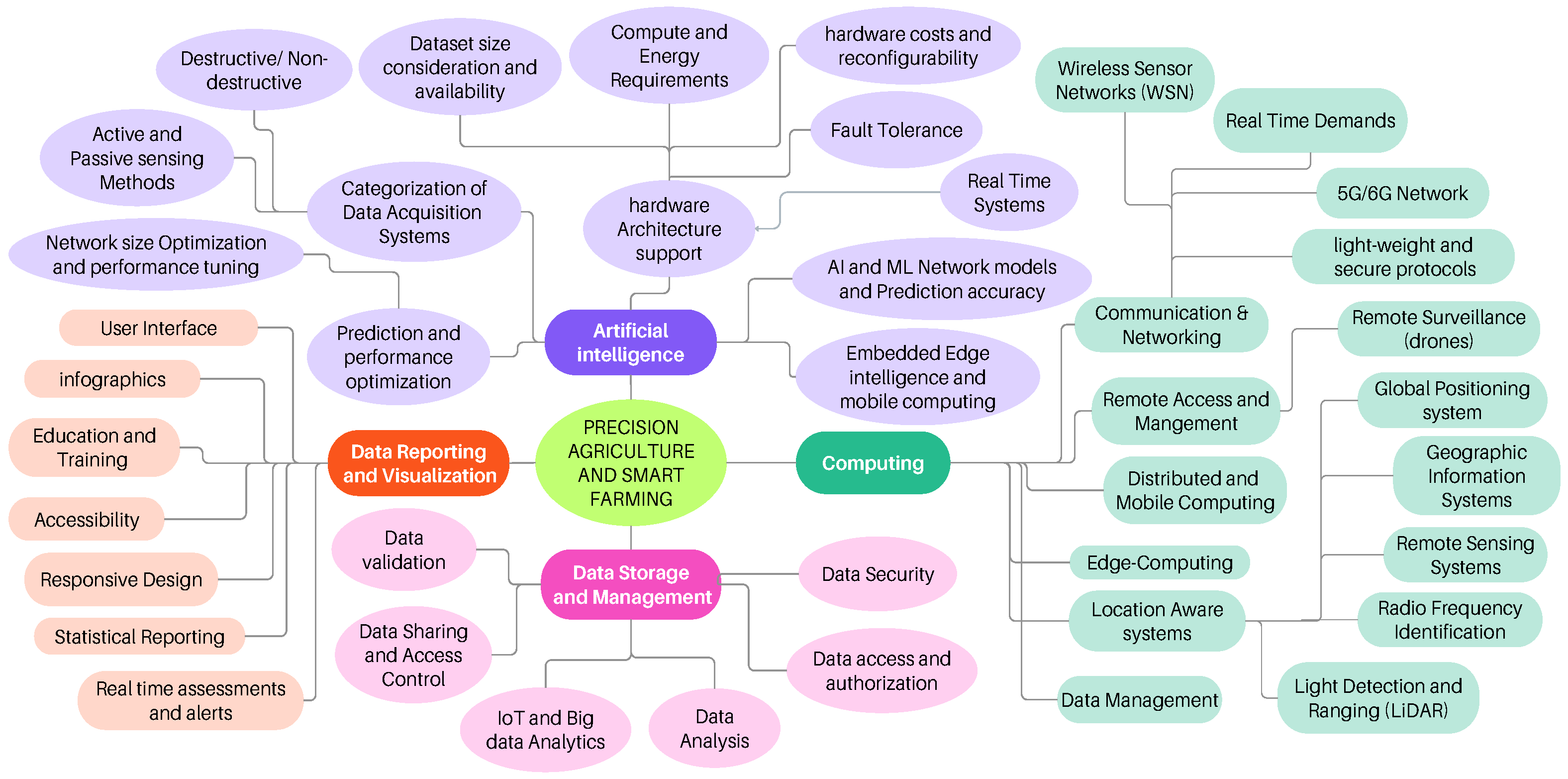
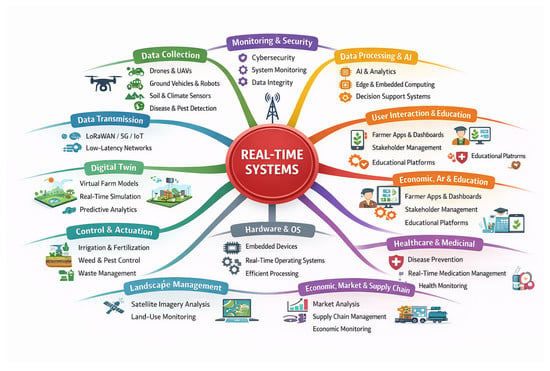
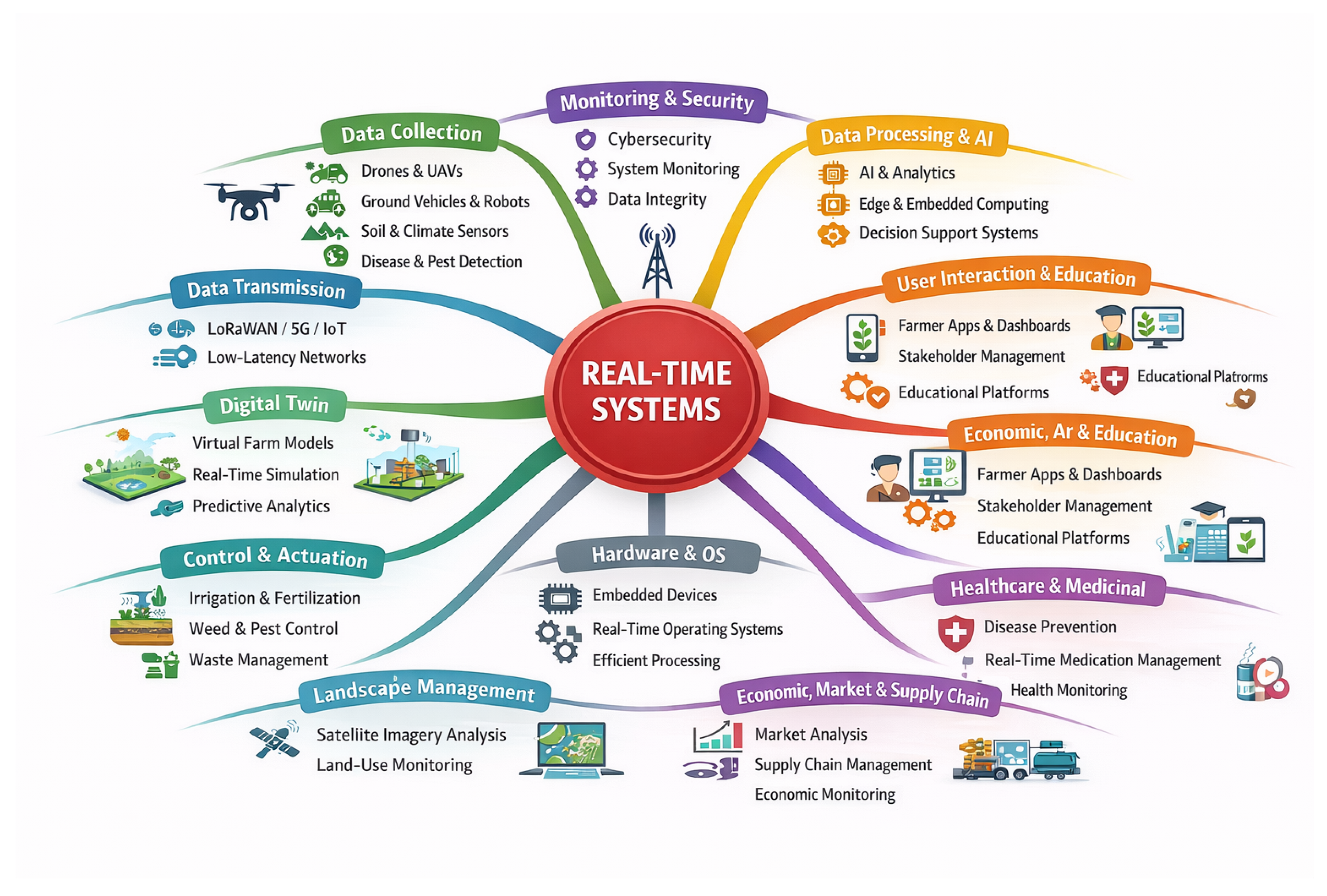
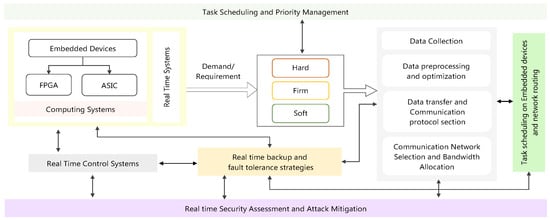
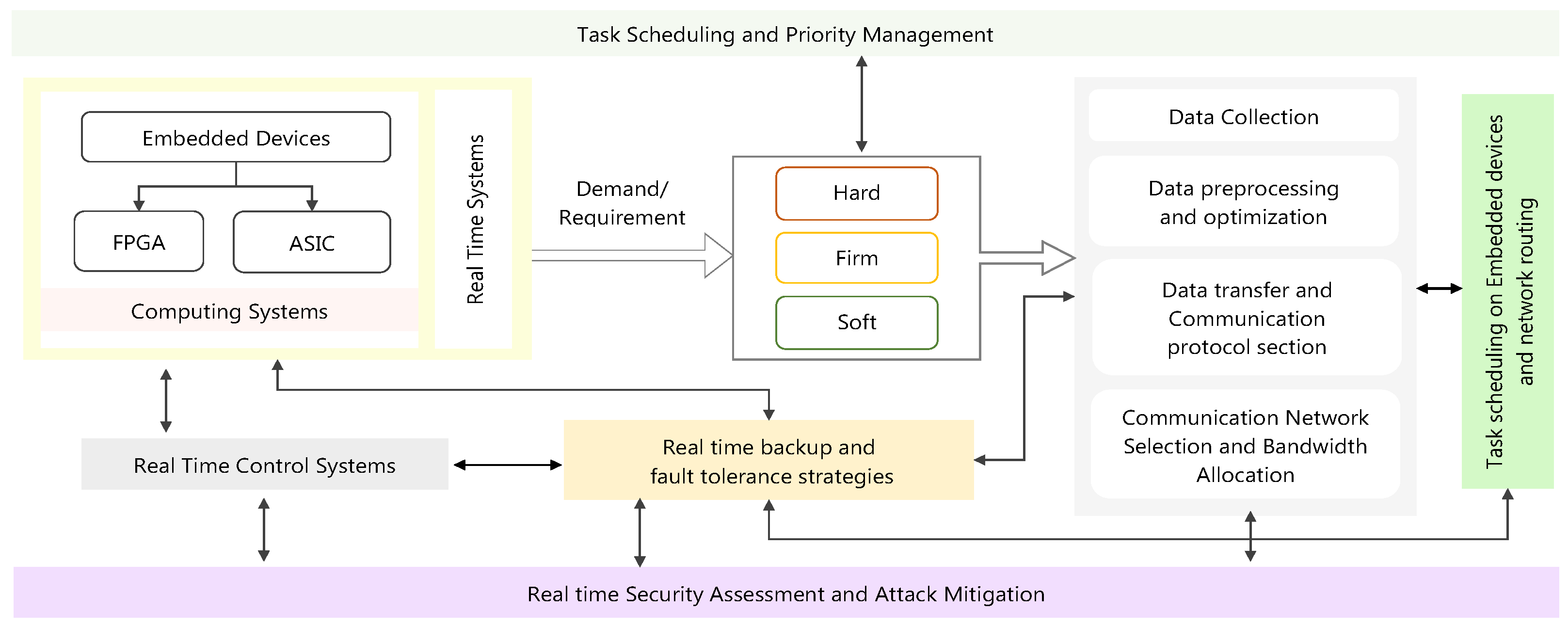
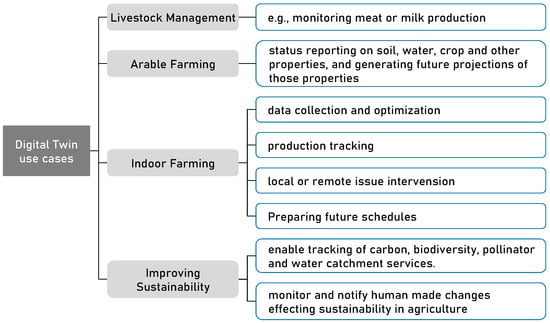
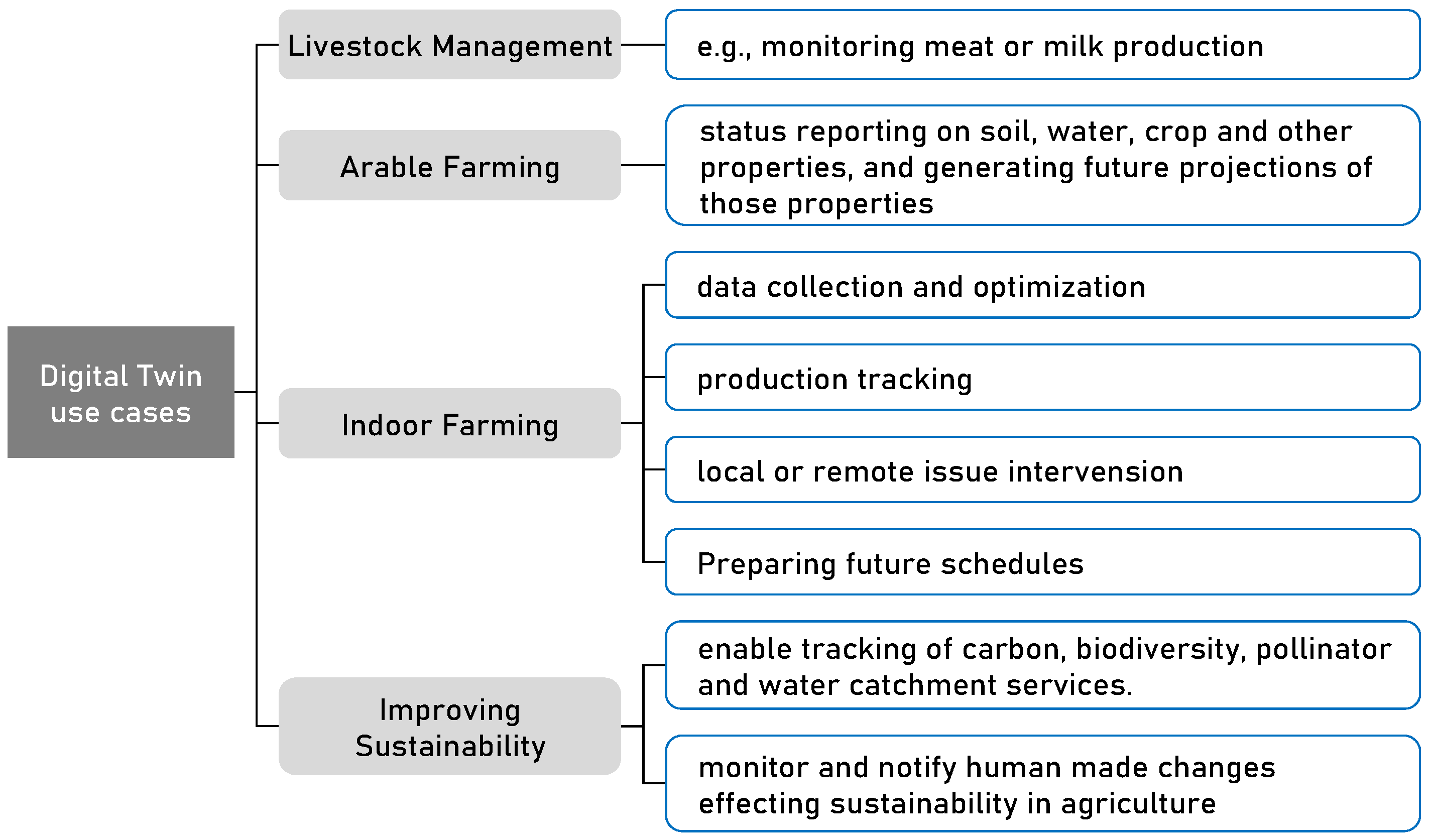
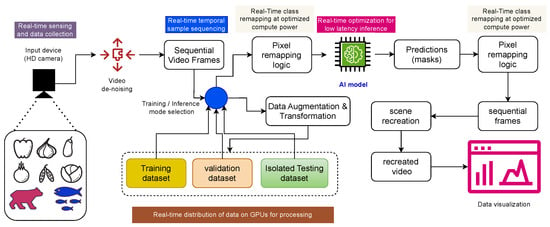
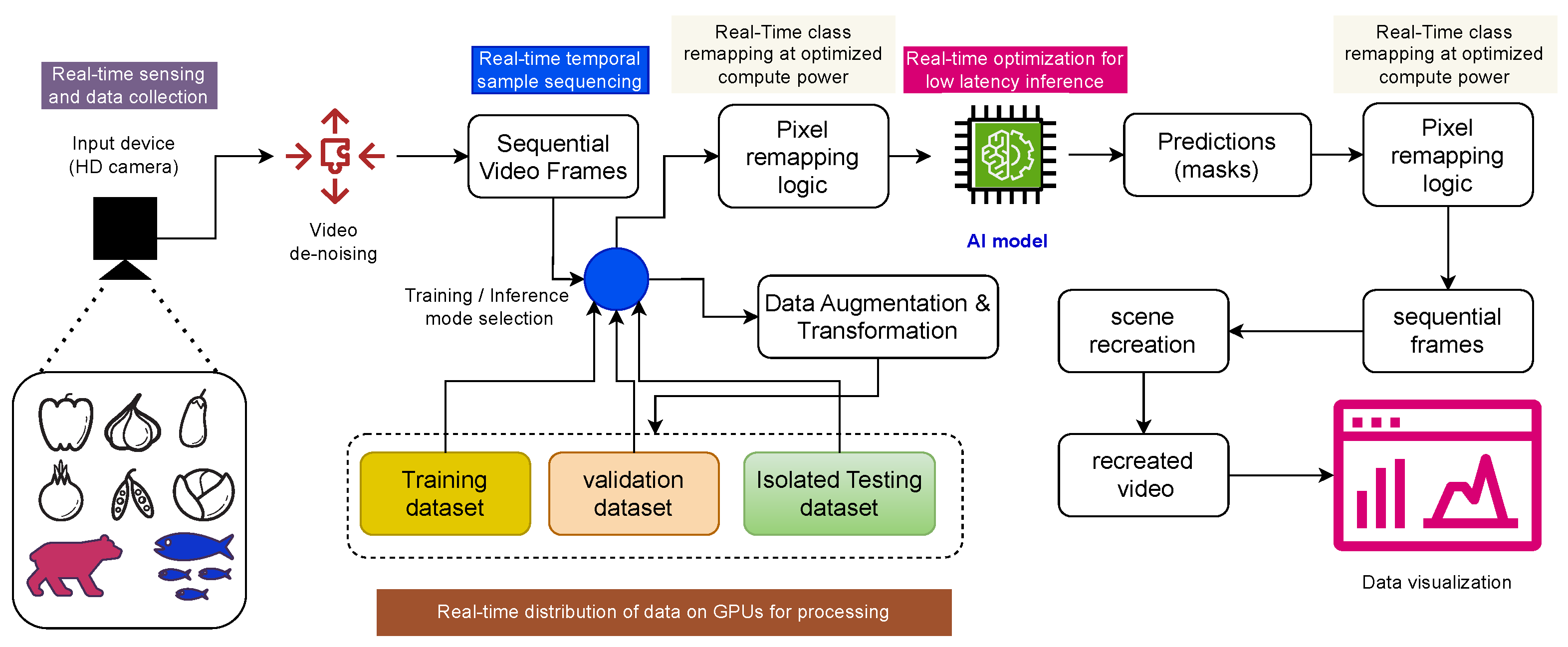
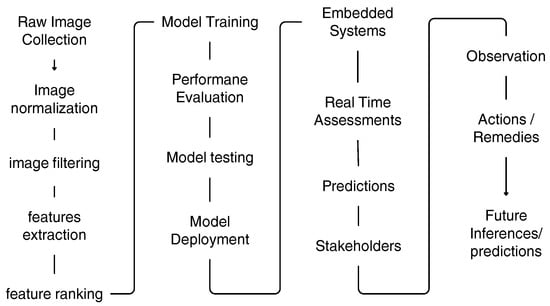
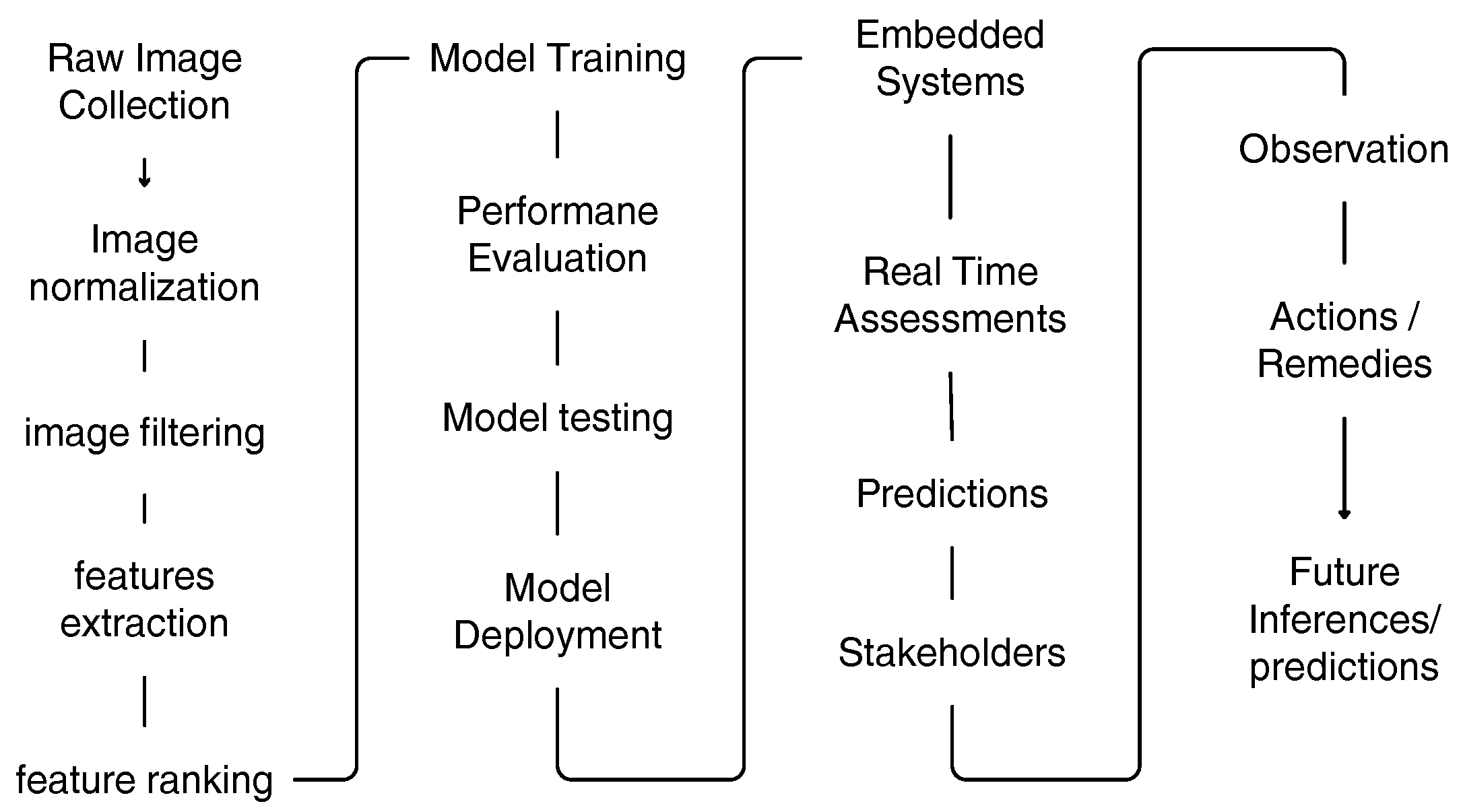
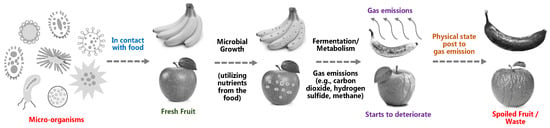
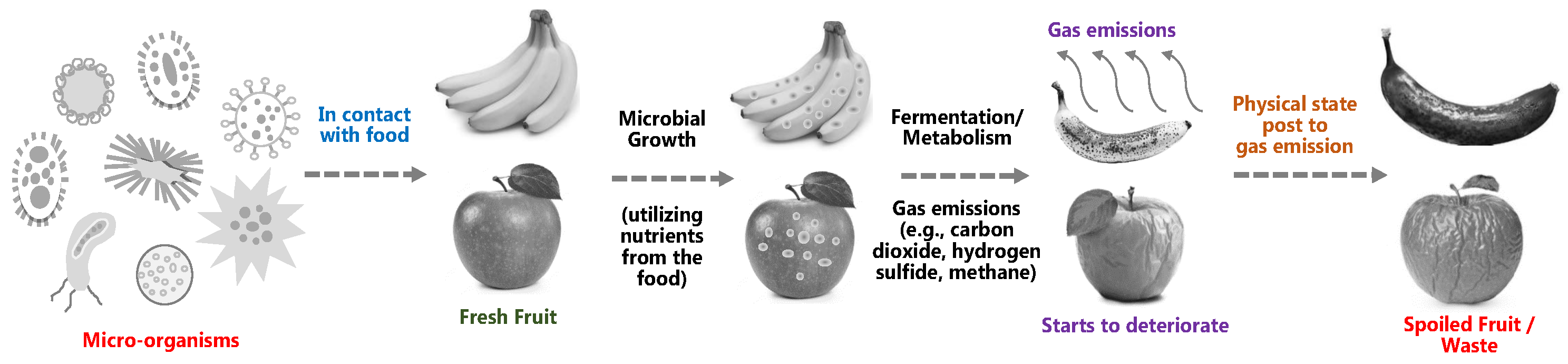
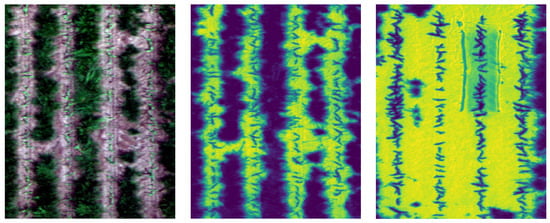
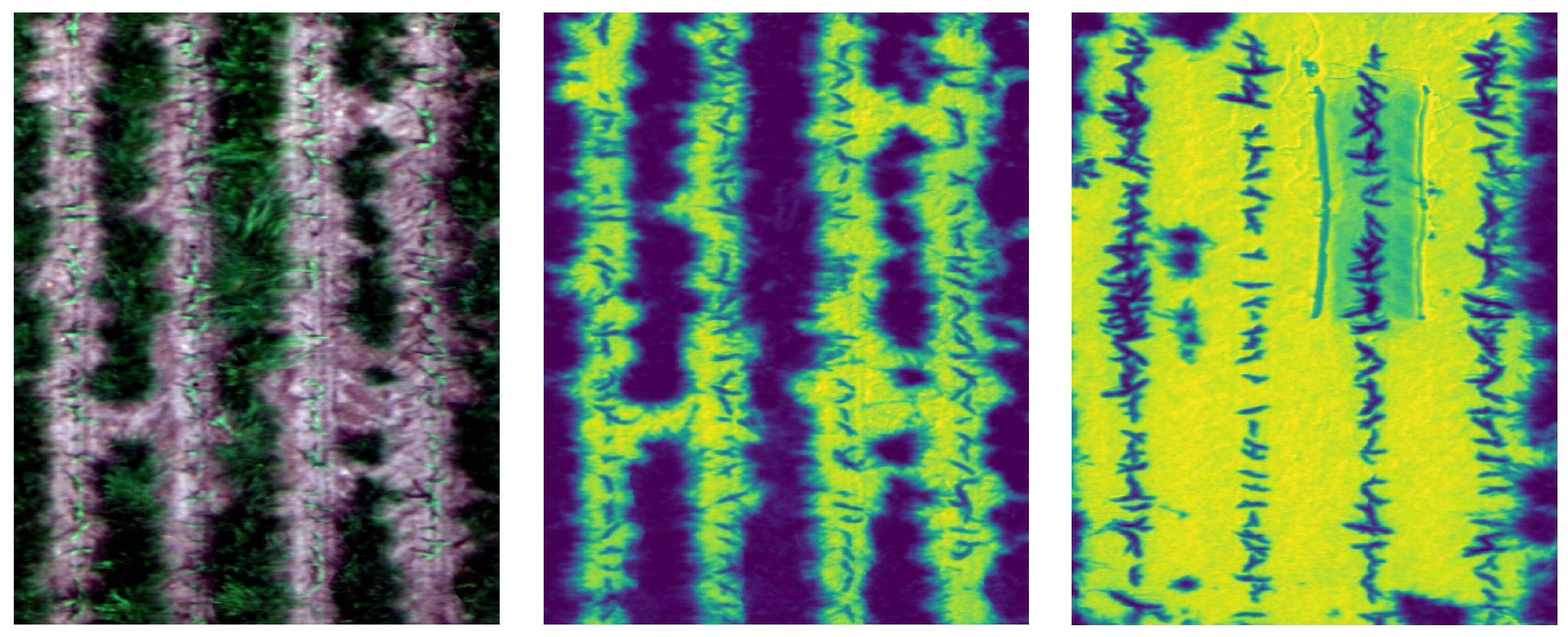
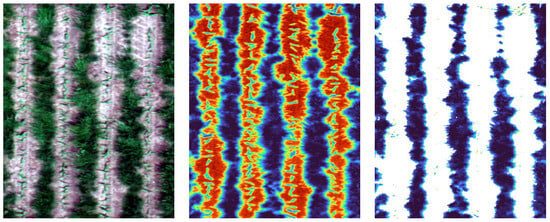
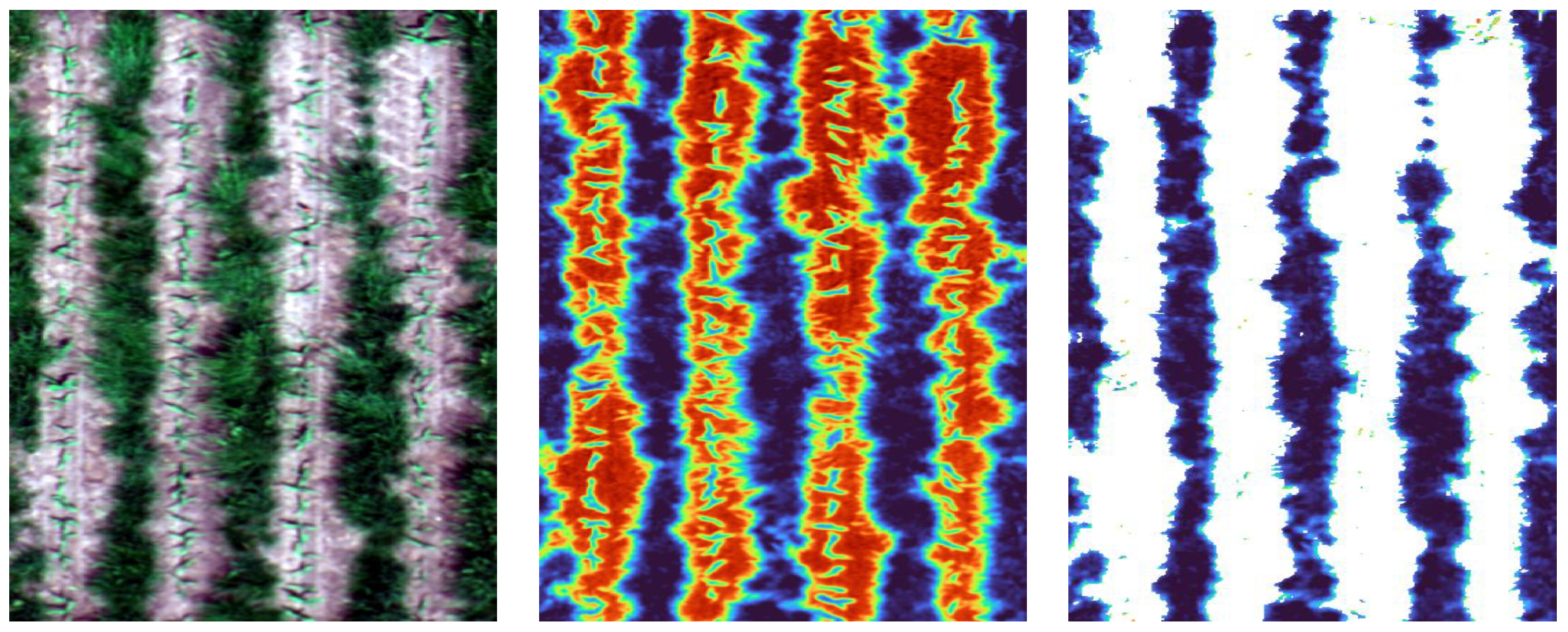
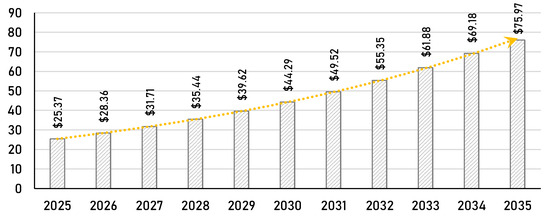
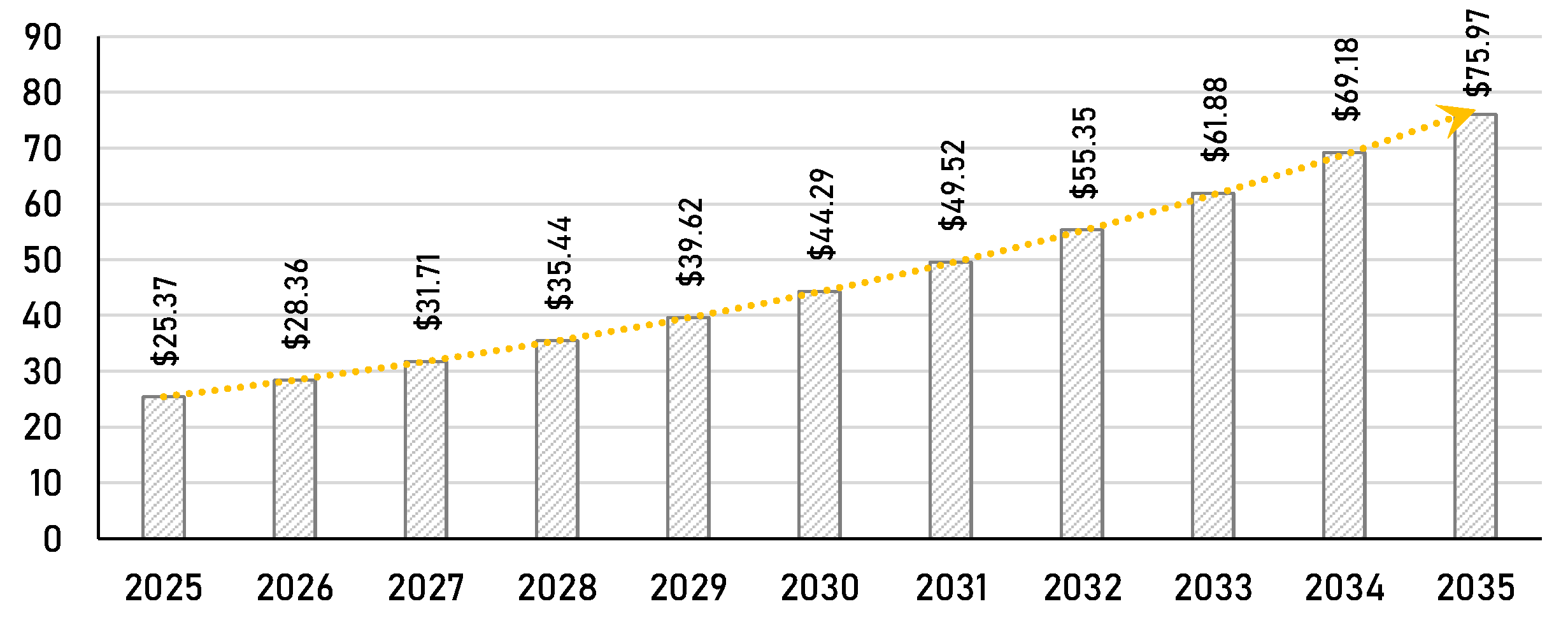

Disclaimer/Publisher’s Note: The statements, opinions and data contained in all publications are solely those of the individual author(s) and contributor(s) and not of MDPI and/or the editor(s). MDPI and/or the editor(s) disclaim responsibility for any injury to people or property resulting from any ideas, methods, instructions or products referred to in the content. |
© 2026 by the authors. Licensee MDPI, Basel, Switzerland. This article is an open access article distributed under the terms and conditions of the Creative Commons Attribution (CC BY) license.