


Abstract
Walnut (Juglans regia L.) performance and sustainability are closely linked to soil–plant–microbe interactions; nowadays, the combined influence of edaphic context, plantation development and rootstock genotype on walnut-associated microbiomes remains insufficiently resolved. Here, we integrated soil physicochemical characterization, community-level physiological profiling and 16S rRNA gene amplicon sequencing across walnut plantations in four Spanish regions. The design included 14-year clonal stands (Galicia, Gerona, Toledo), an age gradient in Galicia (4, 9 and 14 years), and four rootstocks (MJ209, Vlach, own-rooted ‘Chandler’ and J. regia seedling) in the Córdoba plantation. At the community-level, rhizospheres exhibited higher overall metabolic activity, displaying substrate-specific functional fingerprints across regions. Regarding stand ages, a functional peak was observed at middle age, with a decline in richness and diversity with age. Moreover, rootstock genotype further modulated rhizosphere metabolic function. Sequencing supported compositional differences among regions, ages and rootstocks, identifying a bacterial core of Juglans spp. rhizosphere and detecting 36 putative Plant Growth-Promoting Rhizobacteria (PGPR) genera, suggesting a potential reservoir and possible uses in plant biotechnology. Overall, walnut-associated microbiomes are jointly structured by soil gradients, plantation development and rootstock genotype, supporting site and genotype-tailored microbiome management.
1. Introduction
Walnut trees are economically and ecologically significant, serving both as nut producers and key species in agroforestry systems. They are widely used in European agroforestry landscapes and represent an important component of multifunctional production systems [1,2,3]. Beyond nut production, several walnut species are valued for high-quality timber production. In this sense, the most recognized species are the Persian walnut, Juglans regia, and the American black walnut species (J. nigra, J. major, J. cinerea and J. hindsii), as well as hybrids more intended for timber production like Mj-209xRa and Ng-23xRa [4].
Numerous studies have highlighted the importance of identifying and characterizing the microbial communities associated with woody species of ecological and economic relevance, such as the poplar (Populus alba) or cherry (Prunus avium) [5,6], as well as J. regia orchards [7]. In plant–microorganism interaction, the plant modules rhizospheric and endophytic microbial communities through root phenology and exudation process, determining a specific microbial consortium, being this modulation strongly conditioned by plant genotypic traits and edaphoclimatic conditions [8,9,10,11,12,13].
On the other hand, there is a primary interest in identifying beneficial microorganisms associated with the rhizosphere of agroforestry species for biotechnological purposes, a currently emerging trend [14].
A key determinant of a successful walnut plantation is the genetic origin of planting material, particularly when it has been selected or propagated to match the specific edaphoclimatic conditions of a given site. Locally adapted genotypes tend to exhibit improved establishment, increased resource-use efficiency, and enhanced resilience to both biotic and abiotic stressors [15]. In this context, the use of well-adapted rootstocks is crucial due to their influence not only on their genotype but also on the structure and functionality of the soil microbiome, which is a key driver of plantation sustainability, mainly under variable or suboptimal environmental conditions [16,17]. Therefore, the choice of rootstock is particularly relevant, as the host genotype can influence the microbial assembly of the rhizosphere and the functional potential of soil microbial communities. This is one of the reasons why the use of beneficial microorganisms is proposed as a complementary strategy to support plant development and performance [18,19,20].
Walnut clones are typically selected based on their adaptation to edaphoclimatic conditions, wood quality traits (esthetic and physical), as well as the suitability for micropropagation [21]. However, this technique increases vulnerability to environmental challenges, such as disease and climate change, due to the limited genetic diversity. In this context, the associated microbiome plays a fundamental role in adaptation and survival [22].
Furthermore, it is essential to consider the inherent limitations for in vitro propagation of this species, which are considered recalcitrant, often presenting challenges during the in vitro culture and acclimatization stages [23]. Consequently, identifying microbiome patterns potentially associated with plant establishment and stress tolerance is particularly relevant for clonal walnut systems.
To address these challenges, it has been proposed to explore interactions among species of clonal woody trees; however, studies specifically targeting the microbiome of clonal walnut plantations and its links to Plant Growth-Promoting Microorganism (PGPM) traits remain limited [24]. PGPMs are capable of synthesizing bioactive compounds and modulating the rhizosphere conditions, thereby enhancing plant resilience and adaptation to specific local environmental conditions [25,26]. This strategy aligns with global and European efforts to reduce synthetic agrochemical use and promote sustainable practices, such as the use of biofertilizers and organic amendments, in accordance with EU Regulations [27].
To achieve a comprehensive characterization of soil microbiota, high-throughput sequencing approaches (e.g., metabarcoding and/or shotgun metagenomics) are used, as they enable the detection of unculturable taxa and the reconstruction of microbial community diversity and structure in situ, providing an ecological resolution that cannot be attained through culture-dependent methods alone. Metagenomic approaches enable a comprehensive characterization of the genetic and metabolic potential of microbial communities, enabling in-depth study of those with PGPR traits, providing a robust basis to infer their functional capacity and their contribution to key processes such as plant nutrition, pathogen suppression, and stress tolerance. In this context, COG (Clusters of Orthologous Groups) and KEEG (Kyoto Encyclopedia of Genes and Genomes) functional annotations can establish a comparative framework by clustering orthologous proteins and summarizing functional profiles, thereby enabling the identification of differences across conditions (e.g., environments, host genotypes or stress regimes) [28,29].
Additionally, when these kinds of analyses are based on 16S rRNA gene amplicon sequencing, it provides valuable insights into the composition and diversity of soil bacterial communities [30,31]. Metataxonomic approaches provide a robust comparison of community composition across plantation conditions; however, taxonomic shifts do not necessarily imply proportional functional changes, underscoring the need for a complementary functional profile to correlate microbial profiles with plant physiological traits and growth performance. Across a wide range of agricultural and forest species (including walnut), rhizosphere-associated microbial communities are shaped by multiple factors, including soil pH, altitude, and plant host genotype [32,33].
Beyond taxonomic profiling, assessing soil microbial functional diversity provides essential information on soil health and ecological function [30,31,34,35]. The Biolog EcoPlate™ system is commonly employed for this purpose, offering a rapid and standardized method for evaluating microbial metabolic potential. Ecoplate™ profiles represent community-level substrate utilization potential under standardized incubation conditions, rather than in situ process rates, but they provide comparable functional “fingerprints” across samples. This technique relies on the differential utilization of 31 carbon substrates, generating metabolic fingerprints that enable meaningful comparisons between soils under different environmental or management conditions [36]. Functional analyses are considered important to integrate into soil microbiota studies because they provide a complementary dimension to taxonomic characterization, allowing an approximation of the processes carried out by the microbial community under specific conditions and enabling estimation of its potential metabolic capacity and resource-use patterns [37]. Variations in community composition and microbial abundance do not necessarily translate into equivalent changes in activity or functional performance; therefore, this approach is useful for formulating mechanistic hypotheses linked to each community and for completing the biological interpretation.
In this study, we aimed to characterize the bacterial communities associated with the rhizosphere in walnut plantations, identifying genera that could potentially be used to improve walnut management. Specifically, we employed a combined approach based on 16S rRNA metataxonomic analysis and functional profiling using the Biolog EcoPlate™ system to assess both the taxonomic composition and metabolic potential of rhizosphere-associated bacterial communities.
We hypothesize that (i) “site effects” related to geographic location (which reflect edaphoclimatic and management context) represent a strong background factor that can modulate genotype-associated patterns, (ii) plantation age is associated with changes in community structure and functional footprints, potentially reflecting nonlinear development of the rhizosphere over the age of the stand, and (iii) different walnut genotypes show consistent differences in rhizosphere microbial community composition and community-level metabolic potential. A key objective was to identify microbial groups with traits associated with Plant Growth Promotion and to evaluate their potential associations with specific plantation conditions. This integrative approach aims to provide insight into the microbial determinants of walnut productivity and resilience and to begin to outline strategies for developing biologically based management tools in agroforestry systems.
2. Materials and Methods
2.1. Sample Collection
Sample collection was carried out in different clonal walnut plantations of Juglans × intermedia × MJ209, referred to as NAT-7-BN, located in the provinces of Gerona, Toledo, and A Coruña, and owned by the company Bosques Naturales S.A. [38]. The genetic material of these plantations is cataloged in the Spanish National Catalogue of Base Material (CNMB) as “CL-Q-751 Eurowalnut B-07” and recommended by CNMB for the production of Qualified Forest Reproductive Material (MFR) [39]. For the geographical comparison, all sampled trees were from the same clonal material and the same plantation age (14 years), ensuring that the “region” contrast reflects site-associated variation rather than differences in plant genetic identity or developmental stage. Likewise, soil and rhizosphere samples were collected in Córdoba from a walnut orchard established for nut production, where the cultivar “Chandler” was grafted onto different rootstocks.
Sampling was conducted in walnut plantations located in four Spanish provinces: Arzúa and Boimorto (A Coruña, Galicia), El Carpio de Tajo (Toledo), Pontós and Navata (Gerona) and Cortijo Calonge (Córdoba), during the second half of June and the first half of July and avoiding precipitation or irrigation for the seven days before sampling to minimize environmental variability [40]. Because geographic location integrates multiple co-varying factors (soil properties, climate, and local management), differences between regions were interpreted as ‘site effects’ associated with location rather than purely spatial/geographic effects. In clonal plantations established for timber production, differences among geographical locations and plantation ages were assessed. Additionally, various rootstocks grafted with the same cultivar were analyzed in a fruit production system (Table S1).
Since these are productive plots in agricultural environments, management practices are routinely carried out across all plots, removing herbaceous vegetation in the immediate vicinity of the trees. Microbiological field behavior, especially in the most superficial soil layers, may be variable, partly due to the influence of organic matter and adjacent vegetation, which can have heterogeneous effects and promote microbial exchange with surrounding vegetation [41].
Considering the management practices, rhizosphere samples were collected 1 m from the base of the tree, as the planting layout was 5 × 6 m [42,43]. Briefly, the top 5 cm were removed to reduce the influence of areas with greater decomposition of organic matter and herbaceous plant species. Samples were taken using a manual spiral auger at a depth of 20–30 cm [44,45], understanding that “rhizosphere” is used as an operational definition referring to the soil influenced by the roots, collected at a standardized distance and depth within the tree’s rooting zone. Random soil samples taken from the corners of the studied plot were used as non-rhizospheric control samples. The material collected at each sampling point was placed in a zip-lock bag, labeled, and immediately transported to the laboratory for further analysis. Samples used in metataxonomic analyses were kept at −80 °C until DNA extraction.
Consistent evidence indicates that root-associated microbial communities are primarily linked to plant–microbiota interactions and are therefore of greater biological relevance, differing from those in surrounding soils [46]. Based on this condition, for each province, bulk soil was obtained as a single homogenized composite prepared from three soil subsamples taken away from the rhizosphere; therefore, the bulk soil controls were not biologically replicated and were used as contextual references rather than for formal inferences in contrasts that require replication.
The selection of Galicia as the sole site to assess age effects is due to the fact that it is the only plot of Bosques Naturales S.A. established in different years using the same genetic material, enabling the design of an age-related analysis with reduced variability. Additionally, the plot in Córdoba, owned by Nueces de Calonge, featured an experimental design comparing different rootstocks of the same nut-producing cultivar. Consequently, the comparative study of rootstock effects was conducted exclusively at this location.
In total, 31 samples were collected, comprising 27 rhizosphere and 4 bulk soil samples (one soil control per region, always from 14-year-old plots). Rhizosphere samples were stratified according to three experimental contexts: (i) plantations of the same walnut variety and age (14 years) located in three regions (Galicia, Gerona and Toledo); (ii) a plantation in Galicia including trees of three ages (juvenile = 4 years, middle = 9 years and adult = 14 years); and (iii) a plantation in Córdoba (14 years) grafted onto different rootstocks (Chandler (clonal Juglans regia) [CH], MJ209 (J. major var. 209 × J. regia) [MJ], Vlach (J. hindsii × J. regia) [VL] and J. regia [JREG]). Each rhizosphere condition was represented by three biological replicates (n = 3), corresponding to independent trees, whereas each region included one composite bulk soil (three subsamples pooled) collected away from the rhizosphere. The final sampling scheme included Galicia (9 samples: 4-year-old, n = 3; 9-year-old, n = 3; 14-year-old, n = 3), Gerona (14-years-old, n = 3), Toledo (14-yearsr-old, n = 3), and Córdoba (14-years old, n = 12, distributed equally across the four rootstocks). Notably, the 14-year-old Galicia rhizosphere samples were shared between the regional site-effect contrast and the age contrast.
2.2. Soil Physicochemical Analysis
In each geographic area, three independent samples were collected, which were then homogenized and analyzed in triplicate. The physicochemical characteristics of the soil samples were analyzed (Table S1). Soil pH and electrical conductivity were measured potentiometrically and conductimetrically, respectively, in a soil-to-water suspension at a 1:2.5 (w/v) ratio. The textural fractions (sand, silt and clay) were quantified using the Bouyoucos method [47] based on sedimentation densitometry, and soil texture was classified according to the system established by the International Society of Soil Science (ISSS). Soil moisture was determined gravimetrically after drying at 105 °C, in accordance with ISO 11465:199 [48].
Oxidizable organic matter was determined by wet oxidation with potassium dichromate (redox titration), while total carbonates and active lime were quantified using the Bernard method [49]. Available phosphorus was extracted using the Olsen method. Exchangeable potassium and available sodium were measured by atomic emission spectrometry, whereas exchangeable calcium and magnesium were quantified by atomic absorption spectrometry. Furthermore, total nitrogen was determined using the modified Kjeldahl method [50].
2.3. Community-Level Physiological Profiling (CLPP) of Soil Microbial Communities
The functional metabolic profiles of soil and rhizosphere microbial communities were assessed using the Biolog EcoPlate™ (Biolog, Inc., Hayward, CA, USA), which contains 31 carbon sources, in triplicate, and a control well with redox-sensitive tetrazolium dye, without substrate [51]. These resources are (1) carbohydrates, (2) carboxylic acids, (3) amino acids, (4) polymers, (5) miscellaneous compounds and (6) amines/amides [52].
For each geographical zone, three independent soil samples were collected and treated as true biological replicates. Each sample was processed through three independent analytical readings and inoculated in triplicate onto plates, yielding three technical readings and three technical plate replicates per zone. Statistical inference was conducted exclusively on the three biological replicates per zone (n = 3), while technical replicates were averaged within each sample to avoid pseudoreplication and to ensure experimental independence.
The microbial suspension of soil extract used for the analysis was prepared with 1 g of fresh soil in 99 mL of NaCl 0.85%, which was incubated at 150 rpm at 25 °C for 30 min, followed by 30 min of decantation [53]. Later, the supernatant was filtered through a 100 µm mesh. Each plate was inoculated with 120 µL of microbial suspension, and absorbance was measured at 590 nm every 24 h for 120 h using a microplate reader UV-VIS spectrophotometer (BioTek Elx 800, Winnoski, VT, USA) [54].
2.4. DNA Extraction and Sequencing
Rhizosphere samples were collected in triplicate and processed as biological replicates. Bulk (non-rhizosphere) soil samples were also evaluated to estimate the rhizosphere effect; three subsamples were collected per plot and homogenized into a single composite soil sample.
Samples were sent to Biome Maker Inc. (West Sacramento, CA, USA) for bacterial community analysis based on the V3–V4 region of the 16S rRNA gene using the WineSeq® custom primers, which are protected under Patent WO2017096385 [55]. After quality control by gel electrophoresis, each library was pooled in equimolar amounts and subsequently sequenced on an Illumina MiSeq V2 instrument (Illumina, San Diego, CA, USA) using 2 × 300 paired-end reads.
2.5. Bioinformatic Analysis
Illumina adapters and chimeras were removed, and reads were quality-trimmed. Soil sequencing data were processed following the DADA2 pipeline [56]. Parameters’ values were as follows: filtering and trimming (maxN = 0, maxEE = 2, truncQ = 2, minLen = 50, rm.phix = TRUE, compress = TRUE), learning error rates (nbases = 1 × 10⁸, nreads = NULL, errorEstimationFunction = loessErrfun, MAX_CONSIST = 10, OMEGA_C = 0), merging paired reads (errorEstimationFunction = loessErrfun, selfConsist = FALSE, pool = FALSE) and removing chimeras (method = “consensus”). In order to obtain amplicon sequence variants (ASVs), no clustering based on similarity percentages was applied. Taxonomy assignment and abundance estimation were performed by comparing ASVs against the SILVA database version 138.1 [57]. Rarefaction curves were used to evaluate the relationship between sequencing depth and the number of ASVs.
16S sequencing libraries were generated for 31 DNA samples comprising two sample types (rhizosphere and soil) from four sites; rhizosphere samples were obtained from three spatially separated trees per site and treated as independent biological replicates. Total reads per DNA sample ranged from 58,151 to 265,322. After filtering, ASV inference, merging, and chimera removal, the read count per sample ranged from 16,294 to 96,209 (Table S2). Asymptotic behavior of rarefaction curves indicated that sufficient sequencing depth was achieved for all samples.
Functional prediction of the bacterial community was performed with PICRUSt2 [58]. Briefly, ASVs were filtered in order to retain only those whose genus matched 36 bacterial genera potentially associated with PGPR function. Functional information was summarized in order to highlight the most abundant predicted function as follows: Firstly, the 40 top COG profiles, selected by total predicted abundance, were annotated using the NCBI COG definition and visualized as log1p-transformed heatmaps grouped according to the type of sample (rhizosphere or soil) and the location where the samples were taken. Secondly, another analysis was performed targeting only the KEEG Orthology (KO) panel associated with PGPR-relevant traits (e.g., biofertilization, phytohormone/plant stress modulation, and siderophore/iron-related functions) and visualized as mentioned above.
Finally, raw sequence reads are available at GenBank under BioProject PRJNA1405725.
2.6. Statistical Analysis
2.6.1. Soil Physicochemical Properties
Soil physicochemical variables were analyzed as continuous parameters and standardized (mean = 0, variance = 1) to improve the comparability between magnitudes. Missing values, when present, were imputed using PCA-based imputation (missMDA). Multivariate structure was explored using Principal Component Analysis (PCA) to identify descriptive multivariate spatial patterns, without performing statistical contrasts. Envfit was applied to identify which variables contributed most consistently to the multivariate structure in PCA, examining vector magnitude, direction and consistency. The association of soil variables with the ordinations was assessed by environmental vector fitting (envfit, 999 permutations), with Benjamini–Hochberg FDR applied to permutation p-values to control the false discovery rate, but they were interpreted only as indicators of vector stability, not as confirmatory inference, due to the sample size (n = 4).
2.6.2. Microbial Functional Diversity
Based on the Ecoplate™ readings (OD590) obtained at the selected incubation time, Average Well Color Development (AWCD), functional richness (S′, number of substrates with OD590 ≥ 0.25), Shannon–Wiener index (H′), Simpson index in its inverse form (1/D) and Pielou’s Evenness (J′) were calculated [52,59]. Absorbance values were corrected against blank controls and truncated at zero (functional indices computed after truncating negative absorbance values to 0 and applying a richness threshold of 0.25, standard EcoPlate™ criterion). Substrate utilization patterns were represented using heatmaps based on mean absorbance per substrate and zone or experimental groups [60,61].
Functional multivariate structure was assessed using PCA, performed on substrate absorbance data to reduce the influence of differences in overall metabolic activity among samples [58]. Group separation was visualized using 95% confidence interval (CI) ellipses for groups (n ≥ 3). The relative influence of individual substrates on the multivariate structure was evaluated using their loadings and contributions to the first two principal components (PC1 and PC2), thereby identifying the substrates most strongly associated with the main gradients of functional variation [62].
Before group comparisons, normality (Shapiro–Wilk test) and homoscedasticity (Levene’s test, α = 0.05) were verified. When assumptions were met, one-way ANOVA with Tukey’s HSD was applied (p ≤ 0.05); otherwise, the Kruskal–Wallis (KW) with Dunn’s post hoc tests and Benjamini–Hochberg (BH) correction were used [63]. To test two-group contrasts (e.g., soil vs. rhizosphere) within each classification, Student’s t-test was used under the assumption of normality and homoscedasticity; otherwise, the Wilcoxon/Mann–Whitney test was used.
Beta diversity was assessed using Bray–Curtis distances computed from the corrected absorbance. Group differences were evaluated using PERMANOVA (adonis2, 999 permutations) [64].
2.6.3. Microbial Composition Based on Abundance
Bacterial abundance matrices were normalized to relative abundances per sample. To reduce the influence of dominant taxa while preserving abundance gradients, relative abundances were square root transformed before multivariate analyses. Alpha diversity was estimated as taxon richness, the Shannon diversity index, and the inverse Simpson index, with group differences assessed using the KW test and Wilcoxon post hoc comparisons adjusted for multiple comparisons using the BH procedure. Beta diversity was evaluated using Bray–Curtis dissimilarities calculated with square root-transformed data and visualized by PCoA. Group differences were tested with PERMANOVA (adonis2, 999 permutations), and homogeneity of multivariate dispersions was verified with betadisper and permutest [65].
Associations with categorical factors (region, age and rootstock) were assessed using envfit, and indicator taxa were identified with the Indicator Value method [66] as implemented in the R function IndVal.g (999 permutations, FDR correction) [67,68].
Taxa with a maximum relative abundance below 1.1% were excluded exclusively for visualization purposes and were not removed from any inferential statistical analyses. All analyses were conducted on relative abundance data; results describe changes in the compositional structure of the bacterial community rather than absolute population sizes.
All analyses were carried out in R (version 4.5.0) with the packages rstatix (v.0.7.2), vegan (v2.7.1) [69],effectsize (1.0.1) [70], missMDA (2.1.8.1) [71], car (3.1.3) [72], cluster (2.1.8.1) [71], indicspecies (1.8.0) [73].
3. Results
3.1. Soil Physicochemical Analysis
Descriptive edaphic differences among the four geographical zones (Galicia, Gerona, Toledo and Córdoba) were evident (Table S1 and Figure S1). Galicia soils were acidic, with low Mg2+ and Ca2+ contents, and elevated organic matter and N, resulting in elevated C/N ratios. In contrast, Córdoba had high K+ and Mg2+, and Gerona had low P, being both alkaline and calcareous with high levels of Ca2+. Toledo was distinguished by low N content, elevated Na+ and electrical conductivity, indicating a saline influence. Texturally, Galicia presented sandy loam, whereas Córdoba and Toledo were clay-rich, and Gerona showed intermediate texture.
The exploratory analysis of physicochemical data explained 80.33% of the total variance (PC1 = 57.36%, PC2 = 22.97%), clearly separating Galicia from Córdoba and Gerona, while Toledo was differentiated mainly by salinity (Na+ and electrical conductivity) (Figure 1).
Figure 1.
PCA biplot of soil physicochemical variables. Arrows indicate the direction and strength of variable loadings, dotted lines non-significant vectors. Samples are colored by geographical area (Córdoba, Galicia, Gerona, Toledo).
3.2. Community-Level Physiological Profiling (CLPP) Soil Microbial Communities
To characterize metabolic activity at the microbial community level, understood as potential activity, Average Well Color Development (AWCD) was monitored in Biolog EcoPlate™ assays at 24 h intervals up to 120 h. Sampling encompassed clonal plantations across three geographic regions (Galicia, Gerona and Toledo), different age classes in Galicia and distinct rootstocks in Córdoba. The optimal reading time was defined at 120 h based on stabilization of AWCD at a threshold of 0.75, indicative of highly active communities [74]; and the entry into a quasi-stationary phase, when AWCD increased by <10% between consecutive measurements. This choice was consistent with previous studies reporting plateaus between 96 and 120 h [75,76] (Table S3).
3.2.1. CLPP Analysis Across Geographic Areas
At 120 h, AWCD, functional richness, and diversity differed between rhizosphere and bulk soil samples across the three geographic zones, with values significantly higher in rhizospheres (p < 0.05; Table S4), supporting the rhizosphere as an enriched niche for functional diversity. When analyzing these differences among the geographic regions (Figure 2), significant differences between the rhizospheres of Galicia and the other locations were determined (p < 0.05). Additionally, the Evenness index remained constant, indicating a uniform distribution of substrate utilization across all zones.
Figure 2.
Alpha diversity indices in clonal zones (14-year-old plantations) at 120 h. (a) AWCD; (b) Richness index (N′); (c) Shannon index (H′); (d) Inverse of Simpson index for rhizosphere and soil samples from Galicia, Gerona and Toledo. Where ns = no significance; * p < 0.05; ** p < 0.01; *** p < 0.0001, after multiple comparisons between areas (Dunn’s test with BH correction).
Regarding the compounds utilization patterns, Galicia showed high utilization of D-mannitol, γ-aminobutyric acid (GABA) and N-acetyl-D-glucosamine; whereas Gerona was characterized by higher utilization of disaccharides (D-lactose, D-cellobiose) and D-xylose while Toledo displayed greater utilization of D-galacturonic acid, L-Asparagine, β-Methyl-D-Glucoside and disaccharides. In contrast, a reduced substrate utilization was determined in bulk soil samples, with D-mannitol being consistently predominant across the three regions, together with Tween 80 and L-asparagine in Galicia, D-xylose/D-cellobiose in Gerona and L-asparagine/D-galacturonic acid in Toledo (Figure 3a,b). PCA confirmed the clustering by geographic region and consistent separation between rhizosphere and soil, both individually and in combination (Figure 3c).
Figure 3.
Heatmaps of substrate and PCA utilization profiles at 120 h for walnut clonal zones. Absorbance values are shown for 31 EcoPlate™ substrates in rhizosphere (a) and soil (b) samples from Galicia, Gerona and Toledo; (c) PCA of functional profiles at 120 h in clonal zones composed of rhizosphere and soil samples from Galicia, Gerona and Toledo are shown with 95% confidence ellipses. Note: The color scale represents the mean absorbance intensity.
Significant effects of the regions, sample type and their interactions were detected using the global PERMANOVA model (Table S5), which explained 60.78% of the functional variation among samples (F = 11.88, R2 = 0.61, p = 0.001), indicating apparent differences in functional composition.
3.2.2. CLPP Analysis Across Plantation Ages
As in the comparison across geographic areas, the differences between the soil and rhizosphere of clonal plantations of different ages (4, 9 and 14 years) were significant, being greater in rhizospheres, except for Richness and Shannon index at nine years (p > 0.05), and Evenness at 14 years (p = 0.724, Table S6). In both the rhizosphere and the soil, the highest AWCD values were found at the intermediate age (AWCD = 1.43 ± 0.04, AWCD = 1.16 ± 0.04, respectively), as well as the diversity values in soils, in contrast to the diversity associated with the rhizosphere, which showed the highest values at juvenile ages, losing richness with age.
The analyses showed age-related differences explaining 53.14% of the total system variability, indicating structured patterns in microbial functionality associated with the age of the plantation. Significant differences were observed in all rhizosphere comparisons, except for AWCD between 4 and 14 years (p = 0.18), whereas in the soil, significance was observed when comparing the younger ages (4 and 9 years) with 14 years (Figure S2). Evenness showed significant differences only in rhizosphere samples between 9 and 14 years (p = 0.007).
Regarding metabolic activity and substrate utilization in rhizospheres, at 9 years numerous peaks were reached, which continued to decrease at 14 years, with exceptions that decrease over time: polymers such as glycogen, amino acids such as L-phenylalanine, or acids such as 2-hydroxybenzoic acid (1.34 ± 0.11 decreasing to 0.01 ± 0.01), or that increase, such as putrescine (from 0.97 ± 0.14 to 1.19 ± 0.11). Among the main substrates used by age, at 4 years the most used have been Tween 40 (1.38 ± 0.20), D-Cellobiose (1.35 ± 0.25), and 2-Hydroxy Benzoic Acid (1.34 ± 0.11); at 9 years, Tween 40 (2.09 ± 0.02), L-Asparagine (2.05 ± 0.15), and L-Serine (2.00 ± 0.15); and at 14 years, Pyruvic Acid Methyl Ester (1.50 ± 0.14), N-Acetyl-D-Glucosamine (1.51 ± 0.01), and γ-Amino Butyric Acid (1.59 ± 0.04). Tween 80 and D-Mannitol also show high values and are common across all three ages (Figure 4). In the multivariate analysis (Table S7), significant differences were confirmed (PERMANOVA, F = 20.73, R2 = 0.68, p = 0.001).
Figure 4.
Functional diversity in Galicia across walnut plantation ages (4, 9 and 14 years) at 120 h. (a) AWCD, (b) Richness (S′), (c) Shannon index (H′), (d) Evenness (E′) and (e) Inverse Simpson index (1/D) in rhizosphere and soil samples (mean ± SD). (f) Heatmap of substrate utilization profiles for rhizospheres and (g) for soil, both across by different ages. (h) Principal Component Analysis (PCA, Euclidean distance) of rhizosphere and soil communities with 95% confidence ellipses.
3.2.3. CLPP Analysis Across Rootstocks
In Córdoba, the rhizosphere communities associated with the four rootstocks (J. regia [JREG], Chandler [CH], Vlach [VL], and MJ209 [MJ]) (Figure 5 and Table S8) exhibited significant functional differences across activity and metabolic diversity indices derived from EcoPlateTM assays, explained 63.10% of the variance. AWCD showed significant differences (Figure S3), where VL (1.20 ± 0.04) displayed the highest metabolic activity, differing significantly from CH (p = 0.002) and, more markedly, from MJ (p = 1.80 × 10⁻⁶). Likewise, JREG (1.14 ± 0.04) exhibited higher activity than MJ (p = 2.47 × 10⁻⁴), which showed the lowest value (0.88 ± 0.03). No differences were detected between VL and JREG (p = 0.24), CH and MJ (p = 0.08), or CH and JREG (p = 0.05).
Figure 5.
Functional diversity and community structure across rootstocks at 120 h. (a) AWCD, (b) Richness (S′), (c) Shannon index (H′), (d) Evenness (E′) and (e) Inverse Simpson index (1/D) in rhizosphere and soil samples (mean ± SD). (f) Heatmap of substrate utilization profiles for rootstocks and soil. (g) Principal Component Analysis (PCA, Euclidean distance) of rhizosphere communities with 95% confidence ellipses.
Regarding functional richness, MJ (25.67 ± 0.50) showed a significantly lower value than the remaining rootstocks (p = 9.70 × 10⁻⁵), with no differences among VL, JREG and CH. Metabolic diversity (Shannon) also differed, with CH (3.31 ± 0.001) exhibiting lower values than VL (3.35 ± 0.02, p = 0.0133) and JREG (p = 0.0096), while VL and JREG exceeded MJ (p = 2.83 × 10⁻⁵ and p = 2.18 × 10⁻⁵, respectively). No significant differences were observed between VL and JREG or between CH and MJ. The Inverse Simpson mirrored Shannon, with VL displaying the highest effective diversity (27.50 ± 0.35), higher than MJ (p = 2.18 × 10⁻⁵) and CH (p = 0.001), and JREG higher values than CH (p = 0.01) and MJ (p = 2.83 × 10⁻⁵). MJ exhibiting the lowest effective diversity (23.83 ± 0.90). Evenness exhibited a distinctive pattern in which CH (0.98 ± 0.01) had lower values than VL, MJ and JREG (all p ≤ 0.002), while no significant differences were found among VL, MJ and JREG (1.00 ± 0.01).
The functional substrate utilization profile in the rhizosphere showed apparent differences among rootstocks, with VL and JREG exhibiting the highest absorbance values, CH displaying intermediate levels, and MJ presenting the lowest metabolic capacity across most substrates evaluated. The use of substrates was different for each rootstock, with all of them sharing α-D-Lactose, D-Mannitol, and L-Asparagine, while differing in others such as Tween 40 (1.41 ± 0.01) and D-Cellobiose (1.54 ± 0.13) in CH, γ-Amino Butyric Acid (1.56 ± 0.05) and Phenylethylamine (1.51 ± 0.09) in VL, Tween 40 (1.30 ± 0.17) and γ-Amino Butyric Acid (1.21 ± 0.14) in MJ, and Tween 80 (1.51 ± 0.01) and D-Cellobiose (1.54 ± 0.06) in JREG.
Significant differences between rootstocks were corroborated (PERMANOVA, F = 36.66, R2 = 0.77, p = 0.001, Table S9).
3.3. Bacterial Metataxonomy and Diversity Analysis
Bacterial communities from rhizosphere and control soil samples of walnut plantations were characterized through a metataxonomic analysis targeting the V3–V4 region from the 16S rRNA gene in order to identify bacterial taxa potentially associated with plant growth-promoting traits and exploit those microbial reservoirs in further biotechnological studies devoted to improving walnut establishment and production.
After filtering out unassigned taxa, 168 families comprising 377 genera were identified across the 31 samples (27 rhizosphere and 4 control soil samples). For compositional analyses, only taxa contributing more than 1% per group were retained, analyzing their presence and relative abundance (Figure S4).
For alpha diversity (Table S10), significant differences were observed only in microbial richness among the 14-year regions (p = 0.03), both in families and in genera, where the richness of Toledo presented much higher values than the rest of the regions (100.33 ± 8.74 and 152.33 ± 18.80 respectively), with 7 unique genera found in Gerona compared to 68 and 73 in Galicia and Toledo (Table S11). At the same time, Shannon and Inverse Simpson indices did not vary. No significant differences were found among age groups in Galicia or among rootstocks in Córdoba (Figure S5).
Ordination analysis (PCoA, Bray–Curtis) explained 57.4% of the variance at the family level (PCoA1 = 41.4%, PCoA2 = 16.0%) and 59.6% at the genus level (PCoA1 = 45.3%, PCoA2 = 14.3%) (Figure S6), revealing clear separation by region. The observed ordination by geographic zone was strongly associated with the presence of five particular bacterial genera (R2 > 0.95, p < 0.05, Figure S7a,b). When analyzing by plantation ages, no genera was statistically significant in association with the differences among 4, 9 and 14 years (Figure S8a); and, when analyzing by differences in rootstocks, four bacterial genera were associated with the observed differences: Cupriavidus, Reyrenella, Pseudogulbenkiania and Pseudomonas (Figure S9a).
PERMANOVA analysis revealed significant differences in microbial community composition among the 14-year regions (F = 10.64, R2 = 0.78, p = 0.003) and between rootstocks (F = 1.63, R2 = 0.38, p = 0.001), but not between ages (F = 1.73, R2 = 0.37, p = 0.06, Table S12). The test for homogeneity of multivariate dispersion (betadisper) confirmed that differences in within-group variability did not drive these patterns, as no significant differences in dispersion were observed for regions (p = 0.89), ages (p = 0.71), or rootstocks (p = 0.13). Using Venn diagrams, the taxa common to all analyzed areas were identified, revealing 46 genera common to the genus Juglans, whether belonging to clonal material or different genotypes (Table S11, Figure S10).
In addition, bacterial genera identified at each sampled plot were further classified according to their potential as Plant Growth-Promoting Rhizobacteria (PGPR) based on published reports [77,78,79,80,81,82,83,84,85,86,87,88,89,90,91,92]. In total, mainly 36 potential PGPR genera were detected in rhizospheres across the different geographical regions, representing relative abundances of 28.40% in Gerona, 16.30% in Toledo, 19.35% in Córdoba and 9.05% in Galicia (Figure 6, Table S13), with 9 of them (Allorhizobium-Neorhizobium-Pararhizobium-Rhizobium group, Paenibacillus, Streptomyces, Pseudarthrobacter, Bradyrhizobium, Bacillus, Flavobacterium, Aminobacter and Sphingomonas) being common throughout all the regions.
Figure 6.
Relative abundance of bacterial genera with Plant Growth-Promoting Rhizobacteria (PGPR) potential in rhizosphere microbial communities from comparisons between (a) geographic areas, (b) ages, and (c) rootstocks. In each experiment, the 25 most abundant genera were identified. Note: Each column represents the mean relative abundance value of three samples per condition.
Regarding PGPR richness, 29 genera were recorded in Toledo, 23 in Córdoba, 22 in Galicia, and 16 in Gerona. Although Gerona showed the highest relative abundance, this pattern was primarily dominated by a single genus, Bacillus (with 52.29% of the abundance of the PGPR in this region). Regarding plantation age, the highest number of PGPR genera was detected in the youngest rhizospheres (19 genera, with Dyella and Devosia as unique genera), followed by intermediate-aged stands (18 genera, with Aminobacter as a unique genus) and the oldest rhizospheres clonal walnut trees (18 genera, with Allorhizobium-Neorhizobium-Pararhizobium-Rhizobium group such as gena unique). Regarding the use of different rootstocks in Córdoba, the distribution of PGPR genera was 19 in the JREG rootstock (with Flavobacterium and Allorhizobium-Neorhizobium-Pararhizobium-Rhizobium), 16 and 15 in the CH and MJ rootstock genera (with Skermanella and Acinetobacter as genera proposed by CH), and 17 genera in VL rootstocks (which is the only rootstock that has Massilia).
When restricting the PCoA ordination analyses to PGPR genera and comparing the bacterial community between rhizosphere and soil, regional discrimination in soil was driven more strongly by Pseudomonas, Agromyces, Bradyrhizobium and Aminobacter. In contrast, in the rhizosphere, the signal was more evenly distributed across several PGPR genera (being statistically significant Agromyces, Microvirga, Lysobacter or Bradyrhizobium). Specifically, Galicia was primarily associated with Bradyrhizobium and Burkholderia-Caballeronia-Paraburkholderia; Gerona was associated with Lysobacter, Microvirga and Agromyces; and Toledo was associated with PGPR taxa such as Sphingomonas or Ensifer (Figure S7c,d).
Regarding the age-based analyses, the PCoA based on the full-genus dataset showed a greater contribution from non-PGPR genera than the PGPR-restricted ordination, particularly when contrasting younger versus older stands (Figure S8a), and revealed greater richness of unique genera at 4 years (Figure S10). When focusing on PGPR genera, stands of 9 and 14 years were more similar to each other than younger stands, with this difference driven by specific genera such as Arthrobacter, Dyella, Cupriavidus, Mucilaginibacter and Sphingomonas (Figure S8b). In addition, when analyzing differences based on rootstocks (Figure S9b), CH and JREG were differentiated in the multivariate space from samples of VL and MJ rootstocks, with genera Pseudomonas, Ensifer and Cupriavidus, more closely aligned with JREG.
No indicator genera with statistical significance were identified (p ≤ 0.05) for any of the three contrasts (geography, age or rootstock), either when considering the complete set of genera or when restricting analyses to PGPR (IndVal), suggesting that, although dominance patterns exist, no robust statistically significant indicator taxa were identified after accounting for multiple comparisons (Figure 7, Table S14).
Figure 7.
Principal Coordinates Analysis (PCoA, Bray–Curtis distance) ordination based on PGPR genus composition in rhizosphere samples, comparing (a) geographic areas, (b) stand ages and (c) rootstocks.
Finally, a functional prediction of the ASVs associated with the 36 PGPR genera mentioned above was carried out to determine the most abundant metabolic pathways in the analyzed samples (ranked by total predicted abundance). In this case, a final set of 94 potential PGPR ASVs was analyzed with PICRUSt2 v.2.5.2. Across COG profiles, the top 40 COGs were dominated by broadly conserved functions related to core metabolism and cellular processes (e.g., dehydrogenases, transporters, signal transduction, and cell-envelope-associated enzymes). In rhizosphere samples, Toledo consistently showed higher predicted abundances for many of the top 40 COGs compared with the other locations (Figure S11).
When focusing only on PGPR-relevant KOs, phosphate-related functions were present across the dataset, with ppx (K01524), ppk (K00937), phoA (K01077), phoD (K01113), pqqC (K06137), and gcd (K00117) showing 100% prevalence across samples. Nitrogen fixation potential was also widespread amongst the samples, with nifD, nifH and nifK (K02586, K02588 and K02591, respectively), with a 96.7% of prevalence. Plant stress and phytohormone-associated potential were supported by acdS (K01505; 100% prevalence), whereas ipdC (K04103; 40% prevalence) was restricted to a subset of samples. Siderophore-related potential (aerobactin) was observed in a minority of samples, with iucA (K03894) and iucC (K03895) each present in 30% of samples, while fur (K03711; related to iron homeostasis regulation) was ubiquitous. When comparing by location, rhizosphere samples from Toledo showed the highest mean predicted abundances for all panel KOs, including nitrogen fixation (nif), phosphorus mobilization (pqq/gcd; pho and the genes of polyphosphate metabolism), and the stress-modulating acdS marker, highlighting a location-associated shift in predicted functional potential among rhizosphere communities (Figure S12).
4. Discussion
In this work, we characterize the taxonomic composition and metabolic potential of rhizosphere-associated bacterial communities in walnut plantations, contrasting the geographical location, plantation age and rootstock genotype. The aim was to identify microbial groups with potential plant growth-promoting activity and to describe community-level metabolic patterns relevant to walnut productivity and resilience, thereby providing a basis for biologically informed strategies to improve walnut agricultural and agroforestry systems.
In order to describe the soil environment associated with the bacterial communities, the physicochemical properties of the walnut plantations were assessed. An exploratory analysis of these characteristics across the four study regions showed strongly contrasting edaphic traits. Eight of fifteen edaphic variables differed among regions (pH, Ca, Mg, K, Na, electrical conductivity, clay and N), indicating that the geographical variation is best interpreted as a set of co-varying abiotic constraints rather than a single driver. Such gradients could act as abiotic filters, structuring microbial community composition and functionality, consistent with previous studies that highlight soil physicochemical conditions as significant determinants of soil bacterial communities and their activity [93]. For example, Toledo soils combine alkaline pH, high salinity (elevated Na), and clayey texture. These conditions can impose osmotic stress and diffusion constraints, potentially favoring halotolerant microorganisms, such as Streptomyces or Acinetobacter [94], or Micromonospora or Brevibacillus [95,96], genera that have been found exclusively in these geographical areas. On the other hand, these conditions can also suppress certain microbial activities and hamper carbon cycling under reduced aeration [97]. While Toledo showed greater taxonomic richness, Gerona, characterized by its alkaline pH and calcareous soils low in P, exhibited a higher abundance of the PGPR genus Bacillus.
Conversely, in Galicia, high C and N in soil suggest substantial inputs of organic residues, which could enhance microbial carbon use efficiency and broaden the community trophic niche. However, this geographic area exhibited low metabolic activity and functional diversity in EcoplateTM essays, and did not stand out in terms of microbial diversity (in both rhizosphere and bulk soil), showing a lower relative abundance of PGPRs genera. One plausible explanation is that an excess of C and N is not necessarily associated with higher diversity or activity when other essential nutrients are limiting or when stoichiometric imbalance constrains microbial resource use. In this context, a relatively low K concentration could constrain substrate utilization despite abundant C and N [98,99]. Overall, these results reinforce the need to consider edaphic context when interpreting both taxonomic and functional patterns in the microbiome.
In addition, functional profiling highlights a strong rhizosphere effect. Rhizosphere samples exhibited higher functional richness and diversity than their paired bulk soils across regions. In addition, the overall functional composition differed by age and rootstock genotype [100,101]. This is consistent with the notion that the rhizosphere functions as a hotspot of microbial activity and metabolic versatility driven by root-derived carbon inputs (exudates, mucilage) and intensified microbial interactions near roots. Nevertheless, CLPP, assessed with EcoPlateTM systems, reflects potential catabolic activity under standardized laboratory conditions and is influenced by inoculum density, growth of fast-responding copiotrophs and incubation time [102]. Therefore, CLPP outcomes should be interpreted as comparative indicators of community-level metabolic potential rather than direct measurements of in situ process rates, and should not claim the ability to assign functional activity to a small group of taxa or to a single taxon.
When analyzing CLPP within each walnut plantation, rhizosphere replicates tended to be less variable than bulk soil replicates, suggesting that the root-influenced compartment can provide a comparatively constrained and repeatable functional niche relative to the more heterogeneous bulk soil matrix [103]. This pattern aligns with evidence that rhizospheres can accelerate local biogeochemical cycling and increase pools of available C and nutrients compared with adjacent bulk soil, thereby elevating microbial activity and multifunctional potential [104,105].
Comparison of bulk soil and rhizosphere samples from clonal walnut plantations aged 4, 9 and 14 years indicates that plantation age significantly modulates microbial functional performance in a nonlinear manner. In the rhizosphere, communities at all ages exhibited higher functional richness and diversity than bulk soil replicates, reaffirming a persistent rhizosphere effect along plantation development [106,107]. However, age-related differences emerged, with the youngest stands showing the highest functional diversity and microbial richness, indicating a significant biological difference at early stages, although no statistical significance was observed across age groups. The middle-aged stands exhibited the highest overall catabolic activity, with a decrease in taxonomic richness; whereas both diversity and average activity declined in the 14 year stands relative to the observed 9-year peak, despite an increase in microbial richness and diversity [61,108].
This suggests that the plantation development modulates the quantity and quality of plant inputs and the structure of microbial habitats, influencing both soil evolution and root development and plant exudates [109,110,111]. In young and middle-aged stands, vigorous plant growth associated with a high exudation of organic compounds may support fast-growing copiotrophic taxa, maximizing the catabolic activity at the community level [112]. In later stages, reduced carbon inputs from the plants to the rhizosphere could create a stronger micro-niche differentiation, promoting microbial functional specialization while lowering the average activity and increasing the variability among samples. Consistent with this ecological observation, older walnut plantations showed greater β-dispersion, which may reflect a complex mosaic of microhabitats (e.g., root senescence zones, decomposing organic patches, and steeper moisture gradients) in more mature stands [111].
Substrate utilization analysis also supports the observed functional shifts, showing utilization peaks at nine years for multiple substrate groups (e.g., carbohydrates, polymers, surfactants and nitrogenous compounds); followed by a decline at 14 years encompassed with a decrease in the utilization of carboxylic acids (e.g., 2-hydroxybenzoic acid and salicylic acid). In bulk soil samples, these trends were not notable, but were consistent with the idea that root contact could influence and amplify the functional shifts observed during plantation development. In contrast, changes in those zones outside the rhizosphere occur more gradually. The previous result is consistent with recent studies on planted forests. For instance, in Populus plantations [97], stand age effects on soil communities are nonlinear and stage-dependent, with pronounced shifts at specific successional intervals. In Larix forests [113], microbial composition and activity have been reported to diversify and stabilize progressively from young to mature stands, and the microbial carbon-use strategies shift with age, showing better degradation of labile C. In contrast, fully mature soils have a greater capacity to degrade recalcitrant C.
Finally, we evaluated the influence of rootstock genotype on functional activity and the rhizosphere microbiome in a 14-year-old walnut orchard, where four rootstocks were compared (MJ209, Vlach, Chandler and J. regia seedling). The use of a constant scion (Chandler) and site conditions isolates the effect of rootstock genetics on microbial function. In general, rootstock genotype significantly influenced the functional profiles observed in the rhizosphere samples analyzed, altering their resource utilization profile [114]. According to our results, Vlach and J. regia rootstocks exhibited higher functional values across multiple indices, with the latter showing the greatest diversity of unique genera (26) and the highest number of PGPRs (19). MJ209 showed consistently lower values, and the Chandler was intermediate. Differences were also evident in substrate utilization breadth and intensity, with Vlach and J. regia rhizospheres metabolizing a wider range of substrates than MJ209.
These contrasts are consistent with the broader concept that rootstock genotype can shape rhizosphere assembly and function through genotype-specific root traits and differences in carbon allocation and exudation patterns, which alter resource landscapes and selection pressures on microbial guilds [107]. Although exudates were not directly quantified here, the observed functional divergence across rootstocks supports the hypothesis that roots actively modulate their microbiome, and that different genotypes employ distinct “chemical recruitment” strategies to shape microbial assemblages [115], as well as the idea that different root exudates from different genotypes generate microbial preferences, thus creating patterns in the assembly of microbial communities in specific rhizospheres [116].
These differences exist not only in composition but also in abundance relationships [117]. Our results, in addition to supporting these concepts, show that the observed trends (greater catabolic capacity for aromatics/polymers under VL and JREG, versus a narrow metabolic breadth under MJ) are consistent with each rootstock creating a particular exudation signature that selects a unique microbiome. Thus, the rootstock not only influences the scion physiology but also the rhizosphere microbial ecology, with potential implications for overall plantation vigor and resilience. The previous observation is consistent with earlier studies on orchard systems affected by replant disease, in which specific apple rootstocks are known to recruit beneficial soil microbes more effectively, thereby conferring better protection against pathogens [118,119].
Overall, after linking the results and their interpretation (Table S15), this study could have implications for management and microbiome-informed interventions in walnut plantations. Our findings suggest that soil gradients, plantation development, and rootstock genotype jointly structure walnut-associated microbiomes and their functional potential. From a management perspective, three implications are noteworthy. First, interventions should take physicochemical characteristics into account; the selection of microbial inoculants for soil and the use of organic amendments are likely to perform best when matched to constraints such as pH, salinity, texture, and nutrient imbalances. Secondly, plantation development may consider the temporal scale; the mid-age stands (nine years) showed a peak in catabolic activity, which may be an opportune window for biostimulation or biofertilization strategies aimed at sustaining high biological functionality. The greater heterogeneity observed in older stands, particularly in bulk soil, suggests that monitoring and experimental designs may require increased spatial replication or composite sampling to capture microsite variability reliably [68]. Finally, selecting a suitable genotype not only has to be done based on its adaptation to soil and climate conditions, but also to the rhizosphere microbiota level, due to the microbial recruitment driven by the genotype, which would contribute to crop adaptation and improved soil nutrient utilization.
Although this study focuses on rhizosphere bacteria, evidence in Juglans suggests that the fungal component is another key functional determinant of the root–soil system. In particular, arbuscular mycorrhizae (AMF) have been extensively reviewed in walnut, with consistent effects on plant nutrition and quality/establishment, positioning them as a first-order modulator of rhizosphere functioning [120]. Of particular relevance to Juglans, mycorrhizal hyphae have been shown to facilitate nutrient transport and to modify the spatial availability of allelopathic metabolites, thereby reshaping microbial niches (including bacteria) in the rhizosphere [121]. Consistently, recent evidence indicates that symbiosis with Rhizophagus irregularis alters the walnut root transcriptome, supporting the notion that AMF can reprogram root processes with potential consequences for signals and resources released into the soil [122]. In parallel, walnut hosts fungal endophytes showing in vitro antagonism against Ophiognomonia leptostyla, which supports the plausibility of bioprotective functions (competition/antibiosis/priming) that should be evaluated in vivo [123]. Finally, soil–root complex pathogens such as Armillaria mellea and Phytophthora spp. illustrate that genotype–microbiome interactions also operate under disease pressure and that resistance may vary among individuals, reinforcing the need to integrate the fungal dimension into the interpretation and management of the walnut microbiome.
Future work should link the EcoPlateTM-derived functional potential tested in our study to complementary functional assays (e.g., extracellular enzyme activities, nutrient-cycling measurements, metabolomics or metagenomics) and directly test candidate consortia in controlled inoculation trials. This integration would strengthen causal inference and accelerate translation into microbiome-informed strategies for walnut agroforestry systems. Similarly, it would be worthwhile to characterize the fungal microbiome, as well as to conduct controlled inoculation experiments with both bacteria and fungi to understand their functional patterns and interactions.
Although no bacterial genus remained statistically associated with a particular condition, several genera could be considered as potential exploratory candidates for targeted validation (e.g., Agromyces, Pseudomonas, Bradyrhizobium, Microvirga, Lysobacter, and Cupriavidus). These patterns should be interpreted with caution, as they may present ecological but not statistical evidence. Similarly, increasing the sample size of the analyses would improve the likelihood of detecting stronger biological patterns.
Finally, to expand the results of this work, it would be valuable to conduct a similar study in walnut plantations under different environmental conditions (i.e., other soil characteristics, ages and/or rootstocks) to determine whether the observed patterns are site-specific or can be generally applied to walnut management strategies.
5. Conclusions
Exploratory analysis of physicochemical gradients provides the primary environmental framework for interpreting patterns in the microbiome. Community-level physiological profiling consistently indicated that rhizosphere samples had higher functional diversity indices than bulk soils, and overall functional composition differed significantly across regions, ages and rootstock genotypes. In addition, metataxonomic analysis revealed a microbial core of Juglans and 36 putative PGPR genera across rhizospheres, with the greatest richness in Toledo and the highest relative abundance in Gerona, driven mainly by Bacillus; however, no indicator genera remained significant for geography, age, or rootstock contrasts in either the complete genus set or PGPR-restricted analyses. Taken together, these findings show that soil gradients jointly structure walnut-associated microbiomes, plantation development, and rootstock genotype, where both microbial abundance and diversity generate bacterial patterns associated with different regions.
Regional edaphic differences, particularly pH and carbon availability, act as environmental filters that select microbial assemblages with functions consistent with these niches, favoring in acidic, carbon-rich soils acidophilic taxa and C/N transformers (e.g., Candidatus Nitrosotalea, [124]; Granulicella [125]; Methylocapsa [126] and, in alkaline soils, neutrophilic soil AOA (Candidatus Nitrososphaera [127]) together with ubiquitous nitrifiers (Nitrospira [128]), consistent with evidence that pH is a dominant driver of soil microbial community structure and niche partitioning among ammonia oxidizers [129,130].
From an applied perspective, these interactive factors should be considered in the design of rhizosphere engineering strategies aimed at improving the field quality and resilience of walnut trees, such as optimizing microbiome management and/or bioinoculation.
The integration of soil gradients, microbial structure and functional profiles constitutes an operational framework in the development of biotechnological tools that reduce input dependence and contribute to more sustainable walnut production systems.
Supplementary Materials
The following supporting information can be downloaded at: https://www.mdpi.com/article/10.3390/agronomy16050513/s1, Figure S1. Soil physicochemical and textural parameters across geographical areas (Córdoba, Galicia, Gerona and Toledo); Figure S2. Functional indices in rhizosphere samples at 120 h (AWCD, functional richness, Shannon, evenness and inverse Simpson) across ages; Figure S3. Functional indices in rhizosphere samples at 120 h (AWCD, functional richness, Shannon, evenness and inverse Simpson) across rootstocks; Figure S4. Relative abundance of dominant bacterial families and genera in rhizosphere samples grouped by geographical area, tree age and rootstock; Figure S5. Alpha diversity of bacterial genera (richness, Shannon and inverse Simpson; Bray–Curtis) by geographical area, tree age and rootstock; Figure S6. PCoA of bacterial genus composition (Bray–Curtis) comparing rhizosphere and soil samples across geographical areas; Figure S7. PCoA biplots of genus-level composition and PGPR genus subset by geographical area in rhizosphere and soil samples; Figure S8. PCoA biplots of genus-level composition and PGPR genus subset across tree ages (Galicia rhizosphere); Figure S9. PCoA biplots of genus-level composition and PGPR genus subset across rootstocks (rhizosphere); Figure S10. Venn Diagram about the microorganisms core of Juglans spp.; Figure S11. Heatmap of the 40 most abundant COG functions; Figure S12. Heatmap of functional abundance of PGPR-related KOs. Table S1. Sampling locations and site description (geographical area, sample type and associated metadata); Table S2. Read counts per sample before (input) and after quality control; Table S3. Descriptive statistics of EcoPlate™ AWCD values across samples; Table S4. Descriptive statistics of EcoPlate™ functional indices by geographical area; Table S5. PERMANOVA results for EcoPlate™ functional profiles by geographical area; Table S6. Descriptive statistics of EcoPlate™ functional indices by tree age; Table S7. PERMANOVA results for EcoPlate™ functional profiles by age; Table S8. Rootstock description for the analyzed samples; Table S9. PERMANOVA results for EcoPlate™ functional profiles by rootstock; Table S10. Descriptive statistics of taxonomic composition (family/genus level) across grouping factors; Table S11. Genus richness and taxonomic composition of each sampling group based on Venn diagram analysis; Table S12. PERMANOVA results for genus-level community composition across factors; Table S13. Absolute abundances of PGPR genera in rhizosphere samples, categorized by geographic area (Galicia, Gerona and Toledo), orchard age (4, 9 and 14 years) and rootstock (JREG, MJ, CH and VL) with individual replicate measurements (M1-M3); Table S14. Indicator Value (Indval) analysis of bacteria genera; Table S15. Evidence-based mapping of the main results to their interpretation.
Author Contributions
Conceptualization, S.G.-G.; methodology, S.G.-G.; validation, S.G.-G., S.D.-H., J.J.D. and J.G.-C.; formal analysis, S.G.-G., S.D.-H. and J.G.-C.; investigation, S.G.-G.; data curation, S.D.-H. and J.G.-C.; writing—original draft preparation, S.G.-G. and J.G.-C.; writing—review and editing, S.G.-G., J.G.-C. and J.J.D.; visualization, S.G.-G. All authors have read and agreed to the published version of the manuscript.
Funding
Proyecto cofinanciado por el Instituto Tecnológico Agrario de Castilla y León a través de la Convocatoria de ayudas 2023, atracción de talento. Proyecto BIOPRODUCTO EXP 5/2023-ATI. NOS IMPULSA, JUNTA DE CASTILLA Y LEÓN, awarded to INNEA Alternativas Biotecnológicas S.L, and by the research project VA178P23, funded by the Regional Government of Castile and León and co-funded by the European Regional Development Fund (ERDF). The APC was funded by INNEA Alternativas Biotecnológicas S.L.
Data Availability Statement
Most raw data are available in the Supplementary Materials. Additional data are available from the corresponding author upon request.
Acknowledgments
To the researchers and technicians from INNEA, ITACyL and University of Valladolid. We would especially like to acknowledge Elena Hidalgo Rodríguez and Ricardo Julián Licea Moreno for their support and collaboration throughout this research, as well as Bosques Naturales S.A. and Nueces de Calonge for facilitating data collection. Both the Agricultural Technological Institute of Castilla y León, and INNEA Alternativas Biotecnológicas S.L. have supported the work of Silvia García, to whom we express our sincere gratitude.
Conflicts of Interest
Author Silvia García-García was employed by the company INNEA Alternativas Biotecnólogicas. The remaining authors declare that the research was conduced in the absence of any commercial or final relationships that could be construed as a potential conflict of interest.
References
- Heim, L.; Brancheriau, L.; Marchal, R.; Boutahar, N.; Lotte, S.; Denaud, L.; Badel, E.; Meghar, K.; Candelier, K. Variation analyses of extractive contents by NIR-spectroscopy bring out the differences between agroforestry and forestry walnut (Juglans regia × nigra) trees. Holzforschung 2022, 76, 781–790. [Google Scholar] [CrossRef] [Scilit]
- Schindler, Z.; Morhart, C.; Sheppard, J.P.; Frey, J.; Seifert, T. In a nutshell: Exploring single tree parameters and above-ground carbon sequestration potential of common walnut (Juglans regia L.) in agroforestry systems. Agrofor. Syst. 2023, 97, 1007–1024. [Google Scholar] [CrossRef] [Scilit]
- Heim, L.; Candelier, K.; Badel, E.; Denaud, L.; Dufour, L.; Marchal, R. Comparison of hybrid walnut trees growth in an agroforestry system and under forestry condition. Res. Sq. 2023. preprint. [Google Scholar] [CrossRef] [Scilit]
- Coello, J.; Becquer, J.; Ortisset, J.-P.; Desombre, V.; Baiges, T.; Piqué, M. Frondosas Productoras de Madera de Calidad: Ecología y Selvicultura de Especies Para el Ámbito Pirenaico y Regiones Limítrofes; Centre de la Propietat Forestal: Santa Perpètua de Mogoda, Spain, 2013. [Google Scholar]
- Popchenko, M.I.; Karpov, D.S.; Gladysh, N.S.; Kovalev, M.A.; Volodin, V.V.; Krasnov, G.S.; Bogdanova, A.S.; Bolsheva, N.L.; Fedorova, M.S.; Kudryavtseva, A.V. Composition, Seasonal Dynamics and Metabolic Potential of the Rhizosphere Microbiome Associated with Wild White Poplar. BioTech 2024, 13, 52. [Google Scholar] [CrossRef] [Scilit]
- Qin, S.; Zhang, P.; Zhou, W.; Lyu, D. Assessment of species richness and diversity of Prunus avium rhizosphere and bulk soil bacterial communities. In VIII International Cherry Symposium; International Society for Horticultural Science: Leuven, Belgium, 2019; Volume 1235, pp. 327–336. [Google Scholar]
- Lotfi, N.; Soleimani, A.; Çakmakçı, R.; Vahdati, K.; Mohammadi, P. Characterization of plant growth-promoting rhizobacteria (PGPR) in Persian walnut associated with drought stress tolerance. Sci. Rep. 2022, 12, 12725. [Google Scholar] [CrossRef] [Scilit]
- Qu, Q.; Zhang, Z.; Peijnenburg, W.J.G.M.; Liu, W.; Lu, T.; Hu, B.; Chen, J.; Chen, J.; Lin, Z.; Qian, H. Rhizosphere Microbiome Assembly and Its Impact on Plant Growth. J. Agric. Food Chem. 2020, 68, 5024–5038. [Google Scholar] [CrossRef] [Scilit]
- Duret, M.; Wallner, A.; Buée, M.; Aziz, A. Rhizosphere microbiome assembly, drivers and functions in perennial ligneous plant health. Microbiol. Res. 2024, 287, 127860. [Google Scholar] [CrossRef] [Scilit] [PubMed]
- Luan, H.; Zhang, X.; Liu, Y.; Huang, S.; Chen, J.; Guo, T.; Liu, Y.; Gou, S.; Qi, G. The microbial-driven C dynamics within soil aggregates in walnut orchards of different ages based on microbial biomarkers analysis. Catena 2022, 211, 105999. [Google Scholar] [CrossRef] [Scilit]
- Gao, P.; Zheng, X.; Wang, L.; Liu, B.; Zhang, S. Changes in the Soil Bacterial Community in a Chronosequence of Temperate Walnut-Based Intercropping Systems. Forests 2019, 10, 299. [Google Scholar] [CrossRef] [Scilit]
- Ren, W.; Zhang, L.; Tondre, B.; Wang, X.; Xu, T. The rootstock genotype shapes the diversity of pecan (Carya illinoinensis) rhizosphere microbial community. Front. Microbiol. 2024, 15, 1461685. [Google Scholar] [CrossRef] [Scilit]
- Lailheugue, V.; Darriaut, R.; Tran, J.; Morel, M.; Marguerit, E.; Lauvergeat, V. Both the scion and rootstock of grafted grapevines influence the rhizosphere and root endophyte microbiomes, but rootstocks have a greater impact. Environ. Microbiome 2024, 19, 24. [Google Scholar] [CrossRef] [Scilit]
- Wang, C.; Song, W.; Li, C.; Cao, Y.; Li, X.; Zhao, J.; Yu, H.; Liang, Q.; Yang, K.Q.; Liu, J.N.; et al. Metagenomic analysis reveals Bacillus cereus OTU8977 as a potential probiotic in promoting walnut growth. BMC Plant Biol. 2025, 25, 839. [Google Scholar] [CrossRef] [Scilit]
- Vahdati, K.; Sarikhani, S.; Arab, M.M.; Leslie, C.A.; Dandekar, A.M.; Aletà, N.; Bielsa, B.; Graadziel, T.; Montesinos, A.; Rubio-Cabetas, M.; et al. Advances in Rootstock Breeding of Nut Trees: Objectives and Strategies. Plants 2021, 10, 2234. [Google Scholar] [CrossRef] [Scilit]
- Wang, X.; Kubenka, K.; Chatwin, W.; Hilton, A.; Tondre, B.; Xu, T.; Zhang, L. Rootstock impacts on ‘USDA-ARS-Pawnee’ pecan growth, physiological traits, and soil microbial communities. Front. Hortic. 2025, 4, 1603031. [Google Scholar] [CrossRef] [Scilit]
- Wang, Z.; Xu, L.; Lu, X.; Wang, R.; Han, J.; Yan, A. The endophytic microbiome response patterns of Juglans regia to two pathogenic fungi. Front. Microbiol. 2024, 15, 1378273. [Google Scholar] [CrossRef] [Scilit] [PubMed]
- Feng, X.; Xu, R.; Zhao, N.; Wang, D.; Cun, M.; Yang, B. Isolation, Identification, and Characterization of Endophytic Bacillus from Walnut (Juglans sigillata) Root and Its Biocontrol Effects on Walnut Anthracnose. Agriculture 2022, 12, 2102. [Google Scholar] [CrossRef] [Scilit]
- Liu, F.; Ma, H.; Liu, B.; Du, Z.; Ma, B.; Jing, D. Effects of Plant Growth-Promoting Rhizobacteria on the Physioecological Characteristics and Growth of Walnut Seedlings under Drought Stress. Agronomy 2023, 13, 290. [Google Scholar] [CrossRef] [Scilit]
- Acarsoy Bingin, N.; Yagmur, B.; Misirli, A. Preliminary Study on Investigation of the Use of Effective Microorganism Applications in Walnut. Int. J. Agric. Environ. Food Sci. 2021, 5, 329–334. [Google Scholar] [CrossRef] [Scilit]
- Licea-Moreno, R.J. Biotecnología Forestal Aplicada a la Producción de Madera de Nogal. Ph.D. Thesis, Universidad Politécnica de Madrid, Madrid, Spain, 2016. [Google Scholar] [CrossRef] [Scilit]
- Li, Y.; Qu, N.; Li, S.; Zhou, H.; Yue, M. Ecological mechanisms of microbial assembly in clonal plant Glechoma longituba: From soil to endosphere. Appl. Environ. Microbiol. 2025, 91, e00336-25. [Google Scholar] [CrossRef] [Scilit] [PubMed]
- Kanani, P.; Modi, A.; Kumar, A. Biotization of endophytes in micropropagation: A helpful enemy. In Microbial Endophytes: Prospects for Sustainable Agriculture; Singh, V.K., Kumar, A., Eds.; Woodhead Publishing, Elsevier: Amsterdam, The Netherlands, 2020; pp. 357–379. [Google Scholar]
- Beckers, B.; Op De Beeck, M.; Weyens, N.; Boerjan, W.; Vangronsveld, J. Structural variability and niche differentiation in the rhizosphere and endosphere bacterial microbiome of field-grown poplar trees. Microbiome 2017, 5, 25. [Google Scholar] [CrossRef] [Scilit]
- Mau, S.; Vega, K.; Araya, M. Aislamiento de bacterias del suelo y su potencial utilización en sistemas de tratamiento de aguas residuales. Rev. Cienc. Ambient. 2011, 42, 45–52. [Google Scholar] [CrossRef] [Scilit]
- Lawson, C.E.; Harcombe, W.R.; Hatzenpichler, R.; Lindemann, S.R.; Löffler, F.E.; O’Malley, M.A.; García-Martín, H.; Pflleger, B.; Raskin, L.; Venturelli, O.; et al. Common principles and best practices for engineering microbiomes. Nat. Rev. Microbiol. 2019, 17, 725–741. [Google Scholar] [CrossRef] [Scilit] [PubMed]
- European Parliament; Council of the European Union. Regulation (EU) 2019/1009 of the European Parliament and of the Council of 5 June 2019 laying down rules on the making available on the market of EU fertilising products and amending Regulations (EC) No 1069/2009 and (EC) No 1107/2009 and repealing Regulation (EC) No 2003/2003. Off. J. Eur. Union 2019, L170, 1–114. Available online: https://eur-lex.europa.eu/legal-content/EN/TXT/?uri=CELEX:32019R1009 (accessed on 5 January 2026).
- Galperin, M.Y.; Vera Alvarez, R.; Karamycheva, S.; Makarova, K.S.; Wolf, Y.I.; Landsman, D.; Koonin, E.V. COG database update 2024. Nucleic Acids Res. 2025, 53, D356–D363. [Google Scholar] [CrossRef] [Scilit]
- Tatusov, R.L.; Galperin, M.Y.; Natale, D.A.; Koonin, E.V. The COG database: A tool for genome-scale analysis of protein functions and evolution. Nucleic Acids Res. 2000, 28, 33–36. [Google Scholar] [CrossRef] [Scilit]
- Frene, J.P.; Lawson, S.S.; Lue Sue, N.D.; Crawford, R.H.; Gardner, T.G. Effects of tree species identity on soil microbial communities in Juglans nigra and Quercus rubra plantations. Front. Microbiol. 2024, 15, 1442026. [Google Scholar] [CrossRef] [Scilit] [PubMed]
- Nwachukwu, B.C.; Babalola, O.O. Metagenomics: A Tool for Exploring Key Microbiome With the Potentials for Improving Sustainable Agriculture. Front. Sustain. Food Syst. 2022, 6, 886987. [Google Scholar] [CrossRef] [Scilit]
- Ma, Q.; Bu, D.; Zhang, J.; Wu, Y.; Pei, D. The Transcriptome Landscape of Walnut Interspecies Hybrid (Juglans hindsii × Juglans regia) and Regulation of Cambial Activity in Relation to Grafting. Front. Genet. 2019, 10, 577. [Google Scholar] [CrossRef] [Scilit]
- Yan, R.; Zhao, X.; Li, P.; Si, Z.; Gao, Y.; Li, J. Composition and Diversity of Soil Microbial Communities in Walnut Orchards at Different Altitudes in Southeastern Tibet. Land 2023, 12, 1419. [Google Scholar] [CrossRef] [Scilit]
- Nannipieri, P.; Ascher-Jenull, J.; Ceccherini, M.T.; Landi, L.; Pietramellara, G.; Renella, G. Microbial diversity and soil functions. Eur. J. Soil. Sci. 2017, 68, 12–26. [Google Scholar] [CrossRef] [Scilit]
- Maron, P.-A.; Mougel, C.; Ranjard, L. Soil microbial diversity: Methodological strategy, spatial overview and functional interest. C. R. Biol. 2011, 334, 403–411. [Google Scholar] [CrossRef] [Scilit]
- Lukhele, T.; Msagati, T.A.M. Assessment of functional diversity of heterotrophic microbial communities in polluted environments through community level physiological profiles. Biologia 2024, 79, 1027–1039. [Google Scholar] [CrossRef] [Scilit]
- Louca, S.; Polz, M.F.; Mazel, F.; Albright, M.B.N.; Huber, J.A.; O’Connor, M.I.; Ackermann, M.; Hahn, A.S.; Srivastava, D.S.; Crowe, S.A.; et al. Function and functional redundancy in microbial systems. Nat. Ecol. Evol. 2018, 2, 936–943. [Google Scholar] [CrossRef] [Scilit]
- Fernández-Moya, J.; Licea-Moreno, R.J.; Santacruz, D.; Urbán-Martínez, I. NAT 7 BN: Bosques plantados clonales de nogal híbrido (Juglans x intermedia MJ 209) para la producción sostenible de maderas nobles. Cuad. Soc. Esp. Cienc. For. 2019, 45, 37–48. [Google Scholar] [CrossRef] [Scilit]
- Ministerio para la Transición Ecológica y el Reto Demográfico (MITECO). Catálogo Nacional de Materiales de Base para la Producción de MFR Cualificado: Híbridos Artificiales de Juglans spp. (Clones). Materiales Registrados. 2021. Available online: https://www.miteco.gob.es/content/dam/miteco/es/biodiversidad/temas/recursos-geneticos/juglanssp_clones_tcm30-139313.pdf (accessed on 4 January 2026).
- Dar, G.H.; Sofi, S.; Padder, S.A.; Kabli, A. Molecular characterization of rhizobacteria isolated from walnut (Juglans regia) rhizosphere in Western Himalayas and assessment of their plant growth promoting activities. Biodiversitas 2018, 19, 632–639. [Google Scholar] [CrossRef] [Scilit]
- Haskett, T.L.; Tkacz, A.; Poole, P.S. Engineering rhizobacteria for sustainable agriculture. ISME J. 2021, 15, 949–964. [Google Scholar] [CrossRef] [Scilit]
- Fernández-Moya, J.; Urbán-Martinez, I.; Licea-Moreno, R.J.; Santacruz, D.; Gutiérrez-Tejón, E.; Homar-Sánchez, C. Silvicultural Guide to Managing Walnut Plantations for Timber Production; WOODNAT/Bosques Naturales S.A: Madrid, Spain, 2016; p. 76. [Google Scholar]
- Fernández-Moya, J.; Urbán-Martínez, I. Estimation of crown competition factor for hybrid walnut (Juglans x intermedia) Mj209xRa planted forests in Spain. Ann. Silvic. Res. 2020, 44, 24–29. [Google Scholar] [CrossRef] [Scilit]
- VandenBygaart, A.J.; Bremer, E.; McConkey, B.G.; Ellert, B.H.; Janzen, H.H.; Angers, D.A.; Carter, M.; Drury, C.; Lanfond, G.; McKenzie, R. Impact of Sampling Depth on Differences in Soil Carbon Stocks in Long-Term Agroecosystem Experiments. Soil Sci. Soc. Am. J. 2011, 75, 226–234. [Google Scholar] [CrossRef] [Scilit]
- Kabala, C.; Galka, B.; Yurkouski, S. New Topsoil Sampler for the Assessment and Monitoring of Forest Soil Contamination. Forests 2021, 12, 79. [Google Scholar] [CrossRef] [Scilit]
- Lundberg, D.S.; Lebeis, S.L.; Paredes, S.H.; Yourstone, S.; Gehring, J.; Malfatti, S.; Tremblay, J.; Engelbrektson, A.; Kunin, V.; Glavina del Rio, T.; et al. Defining the core Arabidopsis thaliana root microbiome. Nature 2009, 457, 480–484. [Google Scholar] [CrossRef] [Scilit]
- Bouyoucos, G.J. Hydrometer Method Improved for Making Particle Size Analyses of Soils 1. Agron. J. 1962, 54, 464–465. [Google Scholar] [CrossRef] [Scilit]
- ISO 11465:1993; Soil Quality—Determination of Dry Matter and Water Content on a Mass Basis—Gravimetric Method. International Organization for Standardization (ISO): Geneva, Switzerland, 1993.
- Kargas, G.; Londra, P.; Sotirakoglou, K. The Effect of Soil Texture on the Conversion Factor of 1:5 Soil/Water Extract Electrical Conductivity (EC1:5) to Soil Saturated Paste Extract Electrical Conductivity (ECe). Water 2022, 14, 642. [Google Scholar] [CrossRef] [Scilit]
- Jiménez-Ballesta, R.; Bravo, S.; Amorós, J.A.; Pérez-de-los-Reyes, C.; García-Pradas, J.; Sanchez, M.; García-Navarro, F.J. A morphological approach to evaluating the nature of vineyard soils in semiarid Mediterranean environment. Eur. J. Soil Sci. 2022, 73, 78–91. [Google Scholar] [CrossRef] [Scilit]
- Németh, I.; Molnár, S.; Vaszita, E.; Molnár, M. The Biolog EcoPlateTM Technique for Assessing the Effect of Metal Oxide Nanoparticles on Freshwater Microbial Communities. Nanomaterials 2021, 11, 1777. [Google Scholar] [CrossRef] [Scilit]
- Chinthalapudi, D.P.M.; Pokhrel, S.; Kingery, W.L.; Shankle, M.W.; Ganapathi Shanmugam, S. Exploring the Synergistic Impacts of Cover Crops and Fertilization on Soil Microbial Metabolic Diversity in Dryland Soybean Production Systems Using Biolog EcoPlates. Appl. Biosci. 2023, 2, 328–346. [Google Scholar] [CrossRef] [Scilit]
- Grządziel, J.; Furtak, K.; Galazka, A. Community-level physiological profiles of microorganisms from different types of soil that are characteristic to Poland—A long-term microplot experiment. Sustainability 2019, 11, 56. [Google Scholar] [CrossRef] [Scilit]
- Huang, Z.; Qin, Y.; He, X.; Zhang, M.; Ren, X.; Yu, W.; Ji, K. Analysis on metabolic functions of rhizosphere microbial communities of Pinus massoniana provenances with different carbon storage by Biolog Eco microplates. Front. Microbiol. 2024, 15, 1365111. [Google Scholar] [CrossRef] [Scilit]
- Becares, A.A.; Fernández, A.F. Microbiome Based Identification, Monitoring and Enhancement of Fermentation Processes and Products. WO 2017/096385 A1, 8 June 2017. [Google Scholar]
- Callahan, B.J.; Sankaran, K.; Fukuyama, J.A.; McMurdie, P.J.; Holmes, S.P. Bioconductor Workflow for Microbiome Data Analysis: From raw reads to community analyses. F1000Research 2016, 5, 1492. [Google Scholar] [CrossRef] [Scilit]
- Yilmaz, P.; Parfrey, L.W.; Yarza, P.; Gerken, J.; Pruesse, E.; Quast, C.; Quast, C.; Schweer, T.; Peplies, J.; Ludwig, W.; et al. The SILVA and “All-species Living Tree Project (LTP)” taxonomic frameworks. Nucleic Acids Res. 2014, 42, D643–D648. [Google Scholar] [CrossRef] [Scilit]
- Douglas, G.M.; Maffei, V.J.; Zaneveld, J.R.; Yurgel, S.N.; Brown, J.R.; Taylor, C.M. PICRUSt2 for prediction of metagenome functions. Nat. Biotechnol. 2020, 39, 685–688. [Google Scholar] [CrossRef] [Scilit]
- Dell’Olmo, E.; Semenzato, G.; Raio, A.; Zaccardelli, M.; Serratore, G.; Cuccurullo, A.; Sigillo, L. Microbial Metabolic Profile of Two Compost Teas and Their Biostimulant and Bioprotectant Effects on Chickpea and Pea Plants. Agronomy 2025, 15, 1378. [Google Scholar] [CrossRef] [Scilit]
- Barros, D.J.; Carvalho, G.A.; de Chaves, M.G.; Vanzela, L.S.; Kozusny-Andreani, D.I.; Guarda, E.A.; Neu, V.; de Morais, P.; Tsai, S.; Navarrete, S. Microbial metabolic activity in Amazon floodplain forest and agricultural soils. Front. Microbiol. 2023, 14, 1144062. [Google Scholar] [CrossRef] [Scilit] [PubMed]
- Lan, X.; Du, H.; Peng, W.; Liu, Y.; Fang, Z.; Song, T. Functional Diversity of the Soil Culturable Microbial Community in Eucalyptus Plantations of Different Ages in Guangxi, South China. Forests 2019, 10, 1083. [Google Scholar] [CrossRef] [Scilit]
- Picariello, E.; De Nicola, F. Recover of Soil Microbial Community Functions in Beech and Turkey Oak Forests After Coppicing Interventions. Microb. Ecol. 2024, 87, 86. [Google Scholar] [CrossRef] [Scilit]
- Yang, Q.; Tan, S.; Niu, A.; Liu, J.; Zhou, G. Nutrient-Driven Metabolic Activation and Microbial Restructuring Induced by Endophytic Bacillus in Blight-Affected Forest Soils. Microorganisms 2025, 13, 1454. [Google Scholar] [CrossRef] [Scilit]
- Macan, G.P.F.; León-Ropero, G.; Navas-Cortés, J.A.; Landa, B.B. Comparison of Isothermal Microcalorimetry Versus Respirometry Assays to Evaluate Short- and Long-term Impact of Microplastics on Soil Microbial Activity. Water Air Soil Pollut. 2025, 236, 891. [Google Scholar] [CrossRef] [Scilit]
- Schultz, J.; Altalhi, S.; Zwan, F.; Augustin, N.; Rosado, A.S. Diving into the deep: Fungal diversity in the newly discovered hydrothermal vents of Hatiba Mons, Red Sea. Front. Mar. Sci. 2025, 12, 1649339. [Google Scholar] [CrossRef] [Scilit]
- De Cáceres, M.; Legendre, P.; Moretti, M. Improving indicator species analysis by combining groups of sites. Oikos 2010, 119, 1674–1684. [Google Scholar] [CrossRef] [Scilit]
- Dufrene, M.; Legendre, P. Species Assemblages and Indicator Species: The Need for a Flexible Asymmetrical Approach. Ecol. Monogr. 1997, 6, 345. [Google Scholar] [CrossRef] [Scilit] [PubMed]
- Erdenetsetseg, B.; Arakawa, K.; Galipon, J.; Undrakhbold, S.; Fukuda, S.; Boldgiv, B. Rhizospheric microbiomes differ between dormant and active Potaninia mongolica in the Gobi desert of Mongolia. Sci. Rep. 2025, 15, 38858. [Google Scholar] [CrossRef] [Scilit]
- Oksanen, J.; Simpson, G.L.; Blanchet, F.G.; Kindt, R.; Legendre, P.; Minchin, P.R.; O´Hara, R.; Solymos, P.; Stevens, M.; Szoecs, E.; et al. Vegan: Community Ecology Package. CRAN: Contributed Packages. 2001. Available online: https://CRAN.R-project.org/package=vegan (accessed on 22 February 2026).
- Ben-Shachar, M.; Lüdecke, D.; Makowski, D. Effectsize: Estimation of Effect Size Indices and Standardized Parameters. J. Open Source Softw. 2020, 5, 2815. [Google Scholar] [CrossRef] [Scilit]
- Josse, J.; Husson, F. missMDA: A Package for Handling Missing Values in Multivariate Data Analysis. J. Stat. Softw. 2016, 70, 1–31. [Google Scholar] [CrossRef] [Scilit]
- Maechler, M.; Rousseuw, P.; Struyf, A.; Hubert, M.; Hornik, K. Cluster: Cluster Analysis Basics and Extensions. R Package Version 2.1.8.2. Available online: https://CRAN.R-project.org/package=cluster (accessed on 23 February 2026).
- Cáceres, M.D.; Legendre, P. Associations between species and groups of sites: Indices and statistical inference. Ecology 2009, 90, 3566–3574. [Google Scholar] [CrossRef] [Scilit]
- Garland, J.L.; Mills, A.L. Classification and Characterization of Heterotrophic Microbial Communities on the Basis of Patterns of Community-Level Sole-Carbon-Source Utilization. Appl. Environ. Microbiol. 1991, 57, 2351–2359. [Google Scholar]
- Li, K.; Han, Y.; Chen, M.; Yu, G.; Abulaizi, M.; Hu, Y.; Wang, B.; Yang, Z.; Zhiu, X.; Jia, H. Impact of Different Land-Use Types on Soil Microbial Carbon Metabolism Function in Arid Region of Alpine Grassland. Plants 2024, 13, 3531. [Google Scholar] [CrossRef] [Scilit] [PubMed]
- Ding, C.; Lv, C.; Chen, H.; Zhou, J.; Ren, H. Evaluation of Soil Total Nitrogen as an Indicator of Soil Bacterial Community Response to Biochar and Plant Growth-Promoting Rhizobacteria Applications. Agronomy 2024, 14, 428. [Google Scholar] [CrossRef] [Scilit]
- Gontia-Mishra, I.; Sapre, S.; Sikdar, S.; Tiwari, S. Belowground dialogue between plant roots and beneficial microbes. In Microbiome Stimulants for Crops; White, J., Kumar, A., Droby, S., Eds.; Elsevier, Woodhead Publishing: Cambridge, UK, 2021; pp. 141–158. [Google Scholar]
- Modi, A.; Kumar, A. Microbes as biostimulants: Tissue culture prospective. In Microbiome Stimulants for Crops; White, J., Kumar, A., Droby, S., Eds.; Woodhead Publishing Elsevier: Cambridge, UK, 2021; pp. 239–251. [Google Scholar]
- Pan, L.; Cai, B. Phosphate-Solubilizing Bacteria: Advances in Their Physiology, Molecular Mechanisms and Microbial Community Effects. Microorganisms 2023, 11, 2904. [Google Scholar] [CrossRef] [Scilit] [PubMed]
- Shah, A.; Nazari, M.; Antar, M.; Msimbira, L.A.; Naamala, J.; Lyu, D.; Rabileh, M.; Zajonic, J.; Smith, D. PGPR in Agriculture: A Sustainable Approach to Increasing Climate Change Resilience. Front. Sustain. Food Syst. 2021, 5, 667546. [Google Scholar] [CrossRef] [Scilit]
- Hirsch, A.M.; Humm, E.; Rubbi, L.; Del Vecchio, G.; Ha, S.M.; Pellegrini, M.; Gunsalus, R.P. Complete genomes of Mucilaginibacter sabulilitoris SNA2 and Mucilaginibacter sp. cycad4: Microbes with the potential for plant growth promotion. Microbiol. Resour. Announc. 2025, 14, e00626-24. [Google Scholar] [CrossRef] [Scilit]
- Nishioka, T.; Morinaga, K.; Tamaki, H. Complete Genome Sequence of Dyella sp. Strain GSA-30, a Predominant Endophytic Bacterium of Dendrobium Plants. Microbiol. Resour. Announc. 2023, 12, e01338-22. [Google Scholar] [CrossRef] [Scilit]
- Raths, R.; Peta, V.; Bücking, H. Duganella callida sp. nov., a novel addition to the Duganella genus, isolated from the soil of a cultivated maize field. Int. J. Syst. Evol. Microbiol. 2021, 71, 004599. [Google Scholar] [CrossRef] [Scilit]
- Song, C.; Schmidt, R.; de Jager, V.; Krzyzanowska, D.; Jongedijk, E.; Cankar, K.; Beekwilder, J.; van Veen, A.; de Boer, W.; van Veen, J.A.; et al. Exploring the genomic traits of fungus-feeding bacterial genus Collimonas. BMC Genom. 2015, 16, 1103. [Google Scholar] [CrossRef] [Scilit]
- Zhao, Y.; Liu, T.; Wu, S.; Zhang, D.; Xiao, Z.; Ren, Z.; Li, S.; Xiao, Y.; Tang, Q. Insight into the soil bacterial community succession of Nicotiana benthamiana in response to Tobacco mosaic virus. Front. Microbiol. 2024, 15, 1341296. [Google Scholar] [CrossRef] [Scilit]
- Okazaki, K.; Tsurumaru, H.; Hashimoto, M.; Takahashi, H.; Okubo, T.; Ohwada, T.; Minamisawa, K.; Ikeda, S. Community Analysis-based Screening of Plant Growth-promoting Bacteria for Sugar Beet. Microbes Environ. 2021, 36, ME20137. [Google Scholar] [CrossRef] [Scilit]
- Pantoja-Guerra, M.; Burkett-Cadena, M.; Cadena, J.; Dunlap, C.A.; Ramírez, C.A. Lysinibacillus spp.: An IAA-producing endospore forming-bacteria that promotes plant growth. Antonie Van Leeuwenhoek 2023, 116, 615–630. [Google Scholar] [CrossRef] [Scilit]
- Correa, S.S.; Pacheco, R.S.; Viana, G.C.; Vidal, M.S.; Xavier, G.R.; de Araújo, J.L.S. Ability of nitrogen-fixing bacteria to alleviate drought stress in cowpea varies depending on the origin of the inoculated strain. Plant Soil 2024, 498, 391–408. [Google Scholar] [CrossRef] [Scilit]
- Amirhosseini, K.; Alizadeh, M.; Azarbad, H. Harnessing the Ecological and Genomic Adaptability of the Bacterial Genus Massilia for Environmental and Industrial Applications. Microb. Biotechnol. 2025, 18, e70156. [Google Scholar] [CrossRef] [Scilit] [PubMed]
- Simpson, A.C.; Eedara, V.V.R.; Singh, N.K.; Damle, N.; Parker, C.W.; Karouia, F.; Mason, C.E.; Venkateswaran, K. Comparative genomic analysis of Cohnella hashimotonis sp. nov. isolated from the International Space Station. Front. Microbiol. 2023, 14, 1166013. [Google Scholar] [CrossRef] [Scilit] [PubMed]
- Kruasuwan, W.; Hoskisson, P.A.; Thamchaipenet, A. Draft Genome Sequence of Root-Associated Sugarcane Growth-Promoting Microbispora sp. Strain GKU 823. Genome Announc. 2017, 5, e00647-17. [Google Scholar] [CrossRef] [Scilit]
- Mesa, V.; Navazas, A.; González-Gil, R.; González, A.; Weyens, N.; Lauga, B.; Gallego, J.L.R.; Sánchez, J.; Peláez, A.I. Use of Endophytic and Rhizosphere Bacteria To Improve Phytoremediation of Arsenic-Contaminated Industrial Soils by Autochthonous Betula celtiberica. Appl. Environ. Microbiol. 2017, 83, e03411-16. [Google Scholar] [CrossRef] [Scilit]
- Anderson, M.J. Distance-Based Tests for Homogeneity of Multivariate Dispersions. Biometrics 2006, 62, 245–253. [Google Scholar] [CrossRef] [Scilit] [PubMed]
- Dahal, R.H.; Chaudhary, D.K.; Kim, J. Acinetobacter halotolerans sp. nov., a novel halotolerant, alkalitolerant, and hydrocarbon degrading bacterium, isolated from soil. Arch. Microbiol. 2017, 199, 701–710. [Google Scholar] [CrossRef] [Scilit] [PubMed]
- Carro, L.; Pukall, R.; Spröer, C.; Kroppenstedt, R.M.; Trujillo, M.E. Micromonospora halotolerans sp. nov., isolated from the rhizosphere of a Pisum sativum plant. Antonie Van Leeuwenhoek 2013, 103, 1245–1254. [Google Scholar] [CrossRef] [Scilit]
- Song, J.; Wang, Y.; Song, Y.; Zhao, B.; Wang, H.; Zhou, S.; Kong, D.; Guo, X.; Li, Y.; He, M.; et al. Brevibacillus halotolerans sp. nov., isolated from saline soil of a paddy field. Int. J. Syst. Evol. Microbiol. 2017, 67, 772–777. [Google Scholar] [CrossRef] [Scilit]
- Liu, X.; Hou, L.; Ding, C.; Su, X.; Zhang, W.; Pang, Z.; Zhang, Y.; Sun, Q. Effects of stand age and soil microbial communities on soil respiration throughout the growth cycle of poplar plantations in northeastern China. Front. Microbiol. 2024, 15, 1477571. [Google Scholar] [CrossRef] [Scilit]
- Garland, J.L.; Campbell, C.D.; Mills, A.L. Physiological Profiling of Microbial Communities. In Manual of Environmental Microbiology; Wiley: Hoboken, NJ, USA, 2007; pp. 126–138. [Google Scholar]
- Mendes, L.W.; Kuramae, E.E.; Navarrete, A.A.; van Veen, J.A.; Tsai, S.M. Taxonomical and functional microbial community selection in soybean rhizosphere. ISME J. 2014, 8, 1577–1587. [Google Scholar] [CrossRef] [Scilit]
- Yan, Y.; Kuramae, E.E.; de Hollander, M.; Klinkhamer, P.G.L.; van Veen, J.A. Functional traits dominate the diversity-related selection of bacterial communities in the rhizosphere. ISME J. 2017, 11, 56–66. [Google Scholar] [CrossRef] [Scilit]
- Lopes, L.D.; de Cássia Pereira e Silva, M.; Andreote, F.D. Bacterial Abilities and Adaptation Toward the Rhizosphere Colonization. Front. Microbiol. 2016, 7, 1341. [Google Scholar] [CrossRef] [Scilit]
- Lladó, S.; Baldrian, P. Community-level physiological profiling analyses show potential to identify the copiotrophic bacteria present in soil environments. PLoS ONE 2017, 12, e0171638. [Google Scholar] [CrossRef] [Scilit] [PubMed]
- Nuccio, E.E.; Anderson-Furgeson, J.; Estera, K.Y.; Pett-Ridge, J.; de Valpine, P.; Brodie, E.; Firestone, M. Climate and edaphic controllers influence rhizosphere community assembly for a wild annual grass. Ecology 2016, 97, 1307–1318. [Google Scholar] [CrossRef] [Scilit]
- Lv, C.; Wang, C.; Cai, A.; Zhou, Z. Global magnitude of rhizosphere effects on soil microbial communities and carbon cycling in natural terrestrial ecosystems. Sci. Total Environ. 2023, 856, 158961. [Google Scholar] [CrossRef] [Scilit]
- Liu, S.; He, F.; Kuzyakov, Y.; Xiao, H.; Hoang, D.T.T.; Pu, S.; Razavi, B.S. Nutrients in the rhizosphere: A meta-analysis of content, availability, and influencing factors. Sci. Total Environ. 2022, 826, 153908. [Google Scholar] [CrossRef] [Scilit] [PubMed]
- Wang, Y.; Jiao, P.; Guo, W.; Du, D.; Hu, Y.; Tan, X.; Liu, X. Changes in Bulk and Rhizosphere Soil Microbial Diversity and Composition Along an Age Gradient of Chinese Fir (Cunninghamia lanceolate) Plantations in Subtropical China. Front. Microbiol. 2022, 12, 777862. [Google Scholar] [CrossRef] [Scilit]
- Wu, N.; Li, Z.; Meng, S.; Wu, F. Soil properties and microbial community in the rhizosphere of Populus alba var. pyramidalis along a chronosequence. Microbiol. Res. 2021, 250, 126812. [Google Scholar] [CrossRef] [Scilit] [PubMed]
- Chen, F.; Zheng, H.; Zhang, K.; Ouyang, Z.; Wu, Y.; Shi, Q.; Li, H. Non-linear impacts of Eucalyptus plantation stand age on soil microbial metabolic diversity. J. Soils Sediments 2013, 13, 887–894. [Google Scholar] [CrossRef] [Scilit]
- Ren, A.; Wang, M.L.; Gao, H.M.; Wang, X.K.; Zhu, Y.; Tian, J.Y.; Liu, S.K.; Yuan, L.L.; Xiong, Y.C. Ancient Walnut Trees in Periurban Areas Reduce Soil Microbial Network Complexity, Function, and Multifunctionality. Land Degrad. Dev. 2025, in press. [Google Scholar] [CrossRef] [Scilit]
- Liu, G.; Deng, D.; Yang, M.; Sun, Y. Root Traits and Soil Bacterial Composition Explain the Rhizosphere Effects along a Chronosequence of Rubber Plantations. Forests 2023, 14, 2209. [Google Scholar] [CrossRef] [Scilit]
- Luan, H.; Liu, Y.; Huang, S.; Qiao, W.; Chen, J.; Guo, T.; Zhang, X.; Guo, S.; Zhang, X.; Qi, G. Successive walnut plantations alter soil carbon quantity and quality by modifying microbial communities and enzyme activities. Front. Microbiol. 2022, 13, 953552. [Google Scholar] [CrossRef] [Scilit]
- Zhao, M.; Zhao, J.; Yuan, J.; Hale, L.; Wen, T.; Huang, Q.; Vivanco, J.; Zhou, J.; Kowalchuk, G.; Shen, Q. Root exudates drive soil-microbe-nutrient feedbacks in response to plant growth. Plant Cell Environ. 2021, 44, 613–628. [Google Scholar] [CrossRef] [Scilit]
- Ma, F.; Liu, Y.; Qi, Y.; Deng, N.; Xiang, H.; Qi, C.; Peng, P.; Jia, L.; Zhang, X. Tree age affects carbon sequestration potential via altering soil bacterial community composition and function. Front. Microbiol. 2024, 15, 1379409. [Google Scholar] [CrossRef] [Scilit]
- Chai, X.; Wang, X.; Li, H.; Xu, X.; Wu, T.; Zhang, X.; Wang, Y.; Han, Z. Apple scion cultivars regulate the rhizosphere microbiota of scion/rootstock combinations. Appl. Soil Ecol. 2022, 170, 104305. [Google Scholar] [CrossRef] [Scilit]
- Uribe-Acosta, M.; Pascale, A.; Zhou, J.; Stringlis, I.A.; Pieterse, C.M.J. Roots: Metabolic architects of beneficial microbiome assembly. Plant Physiol. 2025, 199, kiaf349. [Google Scholar] [CrossRef] [Scilit]
- Zhalnina, K.; Louie, K.B.; Hao, Z.; Mansoori, N.; da Rocha, U.N.; Shi, S.; Cho, H.; Karaoz, U.; Loqué, D.; Bowen, B.P.; et al. Dynamic root exudate chemistry and microbial substrate preferences drive patterns in rhizosphere microbial community assembly. Nat. Microbiol. 2018, 3, 470–480. [Google Scholar] [CrossRef] [Scilit] [PubMed]
- Marasco, R.; Alturkey, H.; Fusi, M.; Brandi, M.; Ghiglieno, I.; Valenti, L.; Daffonchio, D. Rootstock–scion combination contributes to shape diversity and composition of microbial communities associated with grapevine root system. Environ. Microbiol. 2022, 24, 3791–3808. [Google Scholar] [CrossRef] [Scilit]
- Yurgel, S.N.; Ajeethan, N.; Ali, S. Rootstock microbiome as a target for manipulation to combat apple replant disease. Sci. Rep. 2025, 15, 23498. [Google Scholar] [CrossRef] [Scilit] [PubMed]
- Cook, C.; Magan, N.; Xu, X. Inter-row cropping and rootstock genotype selection in a UK cider orchard to combat apple replant disease. Phytopath. Res. 2023, 5, 28. [Google Scholar] [CrossRef] [Scilit] [PubMed]
- Mortier, E.; Lamotte, O.; Martin-Laurent, F.; Recorbet, G. Forty years of study on interactions between walnut tree and arbuscular mycorrhizal fungi. A review. Agron. Sustain. Dev. 2020, 40, 43. [Google Scholar] [CrossRef] [Scilit]
- Achatz, M.; Rillig, M.C. Arbuscular mycorrhizal fungal hyphae enhance transport of the allelochemical juglone in the field. Soil Biol. Biochem. 2014, 78, 76–82. [Google Scholar] [CrossRef] [Scilit]
- Durney, C.; Boussageon, R.; El-Mjiyad, N.; Wipf, D.; Courty, P.-E. Arbuscular mycorrhizal symbiosis with Rhizophagus irregularis DAOM197198 modifies the root transcriptome of walnut trees. Mycorrhiza 2024, 34, 341–350. [Google Scholar] [CrossRef] [Scilit]
- Yabaneri, C.; Sevim, A. Endophytic fungi from the common walnut and their in vitro antagonistic activity against Ophiognomonia leptostyla. Biologia 2022, 78, 361–371. [Google Scholar] [CrossRef] [Scilit]
- Lehtovirta-Morley, L.E.; Stoecker, K.; Vilcinskas, A.; Prosser, J.I.; Nicol, G.W. Cultivation of an obligate acidophilic ammonia oxidizer from a nitrifying acid soil. Proc. Natl. Acad. Sci. USA 2011, 108, 158920–158927. [Google Scholar] [CrossRef] [Scilit]
- Pankratov, T.A.; Dedysh, S.N. Granulicella paludicola gen. nov., sp. nov., Granulicella pectinivorans sp. nov., Granulicella aggregans sp. nov. and Granulicella rosea sp. nov., acidophilic, polymer-degrading acidobacteria from Sphagnum peat bogs. Int. J. Syst. Evol. Microbiol. 2010, 60, 2951–2959. [Google Scholar] [CrossRef] [Scilit]
- Dedysh, S.N.; Khmelenina, V.N.; Suzina, N.E.; Trotsenko, Y.A.; Semrau, J.D.; Liesack, W.; Tiedje, J.M. Methylocapsa acidiphila gen. nov., sp. nov., a novel methane-oxidizing and dinitrogen-fixing acidophilic bacterium from Sphagnum bog. Int. J. Syst. Evol. Microbiol. 2002, 52, 251–261. [Google Scholar] [CrossRef] [Scilit] [PubMed]
- Stieglmeier, M.; Klingl, A.; Alves, R.J.E.; Rittmann, S.K.-M.R.; Melcher, M.; Leisch, N.; Scheleper, C. Nitrososphaera viennensis gen. nov., sp. nov., an aerobic and mesophilic, ammonia-oxidizing archaeon from soil and a member of the archaeal phylum Thaumarchaeota. Int. J. Syst. Evol. Microbiol. 2014, 64, 2738–2752. [Google Scholar] [CrossRef] [Scilit] [PubMed]
- Koch, H.; Lücker, S.; Albertsen, M.; Kitzinger, K.; Herbold, C.; Spieck, E.; Nielsen, P.H.; Wagner, M.; Daims, H. Expanded metabolic versatility of ubiquitous nitrite-oxidizing bacteria from the genus Nitrospira. Proc. Nat. Acad. Sci. USA 2015, 112, 11371–11376. [Google Scholar] [CrossRef] [Scilit]
- Prosser, J.I.; Nicol, G.W. Archaeal and bacterial ammonia-oxidisers in soil: The quest for niche specialisation and differentiation. Trends Microbiol. 2012, 20, 523–531. [Google Scholar] [CrossRef] [Scilit] [PubMed]
- Fierer, N.; Jackson, R.B. The diversity and biogeography of soil bacterial communities. Proc. Nat. Acad. Sci. USA 2006, 103, 626–631. [Google Scholar] [CrossRef] [Scilit]
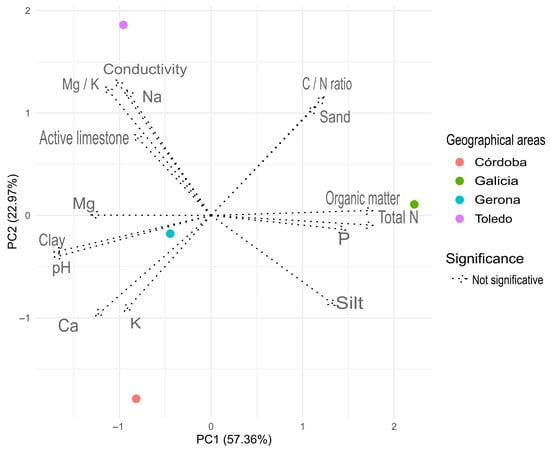
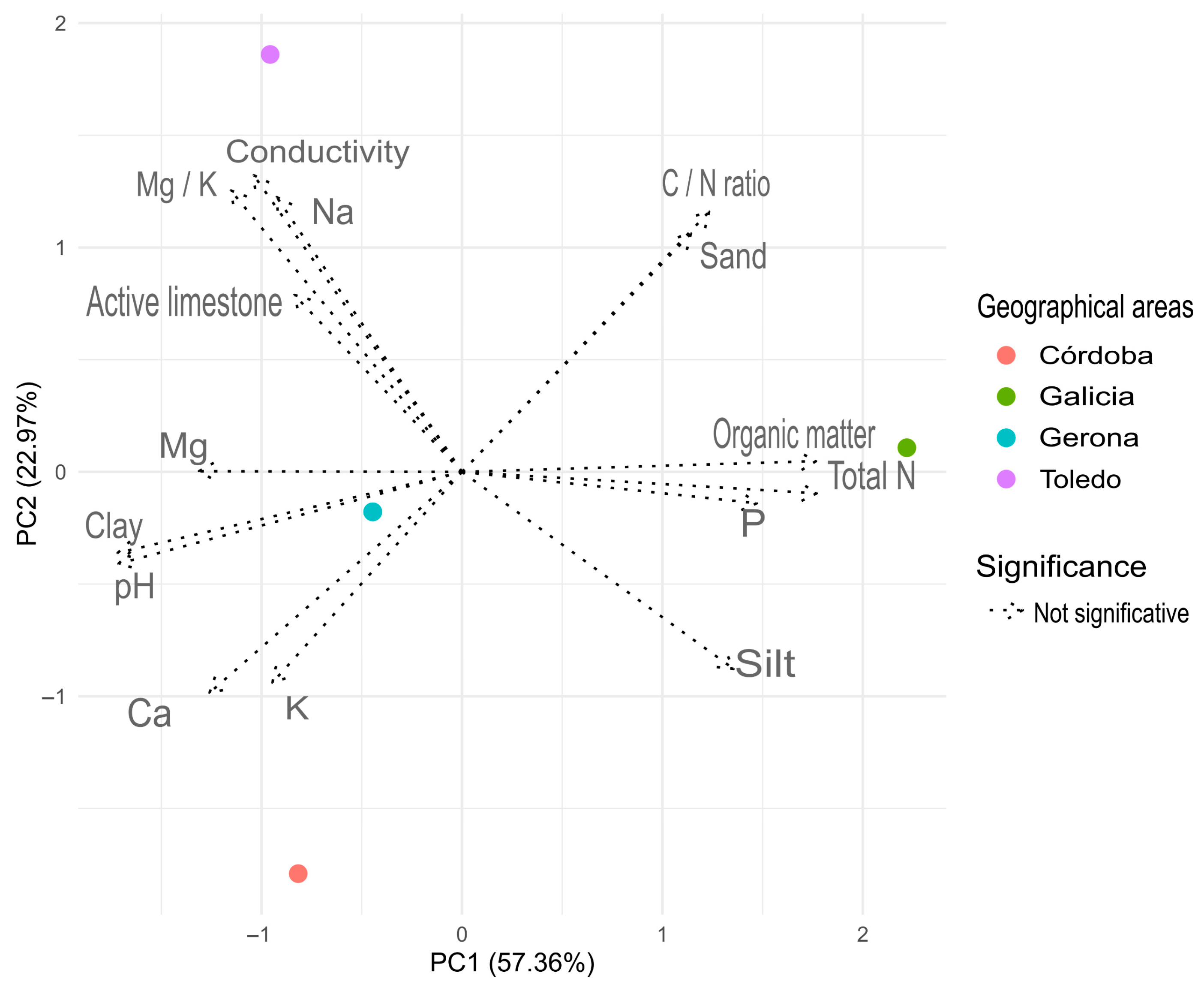
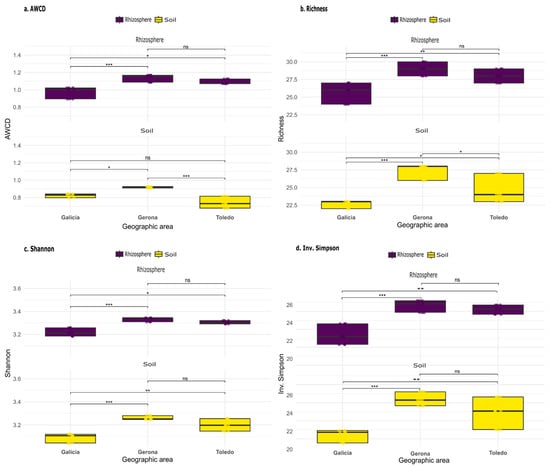
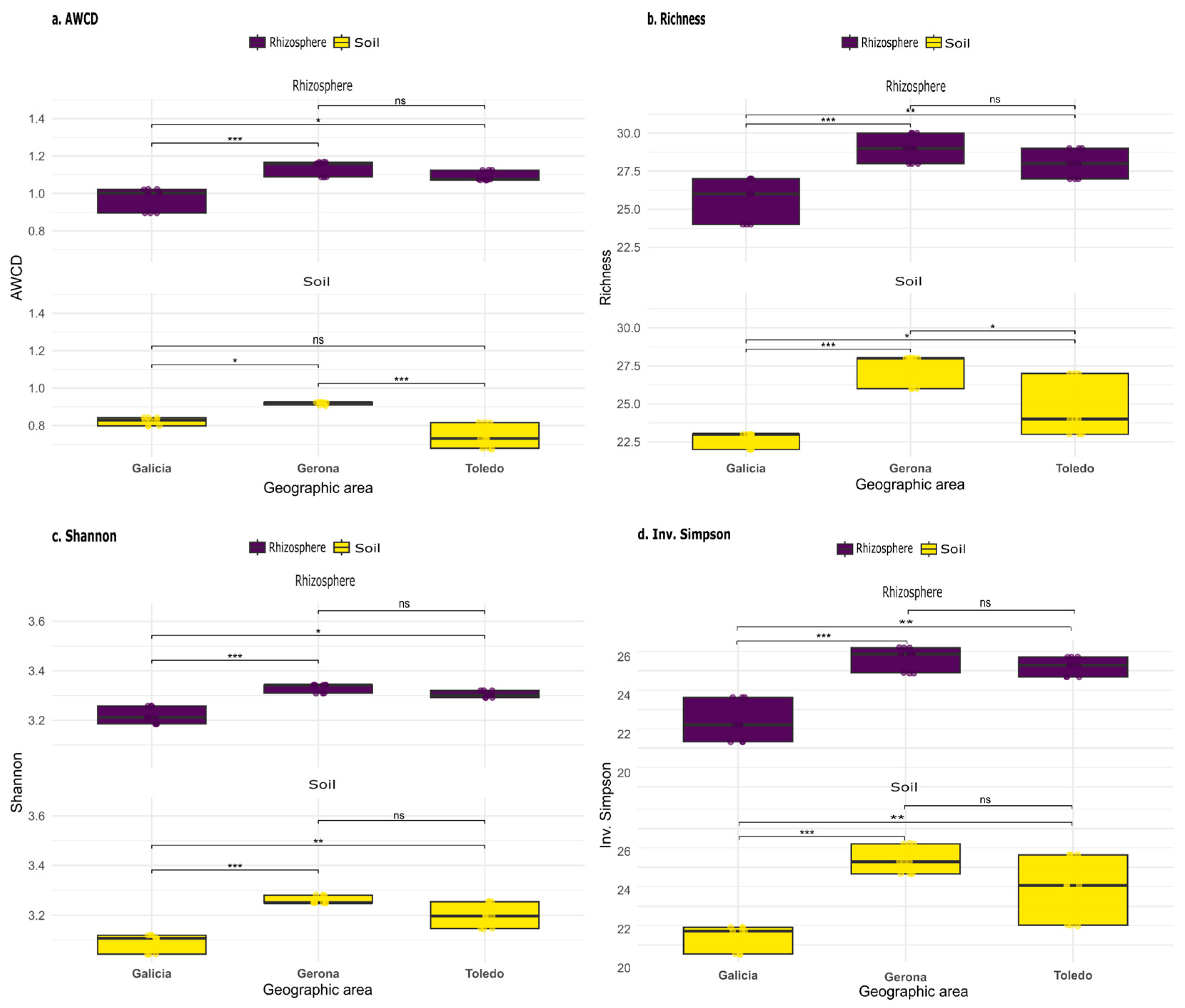
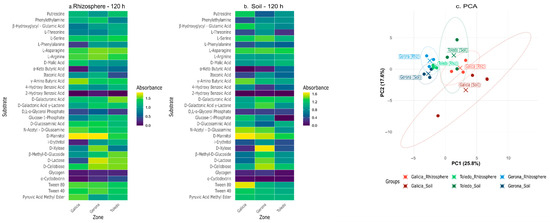
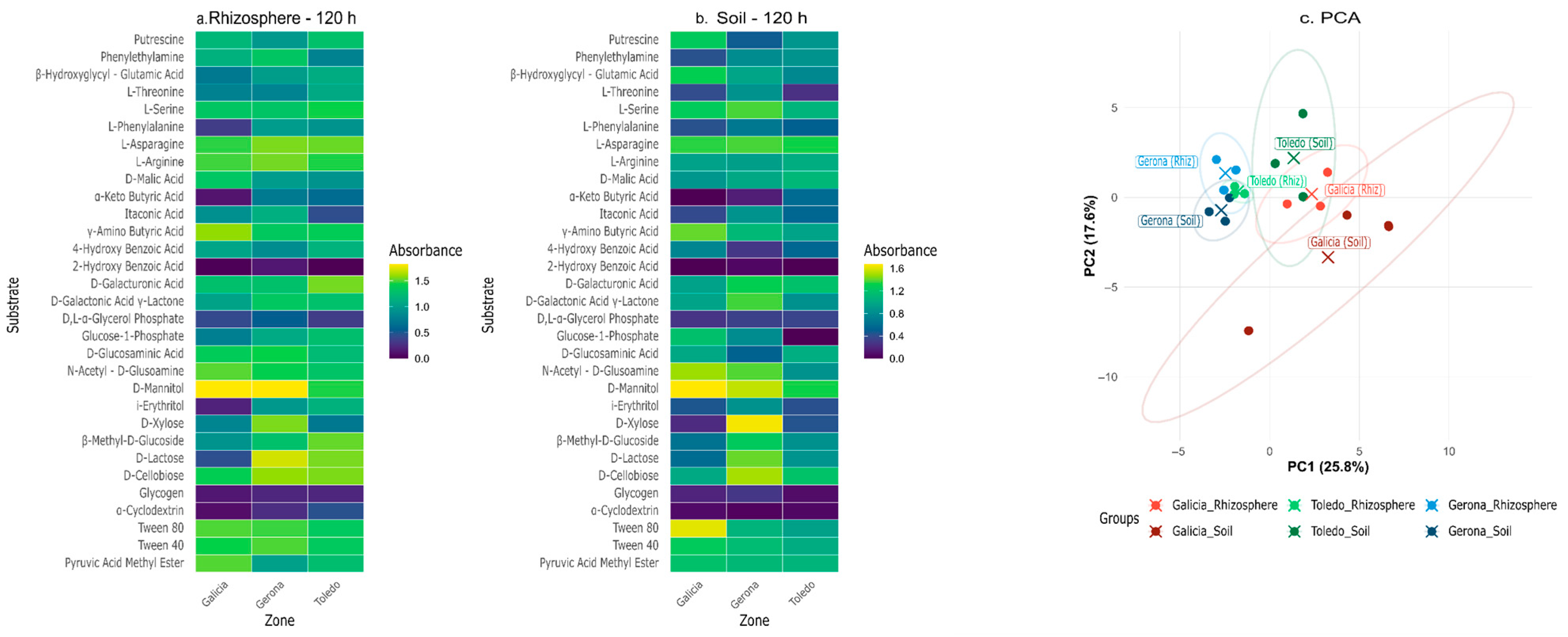
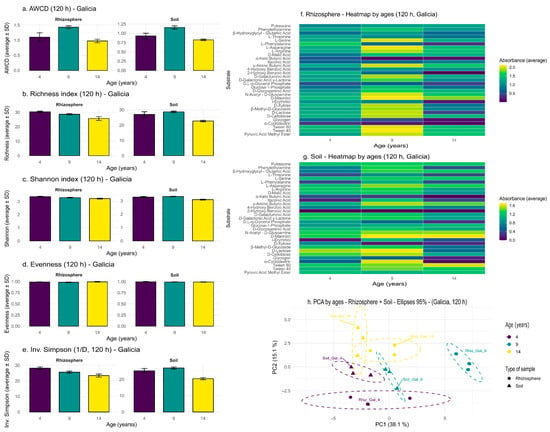
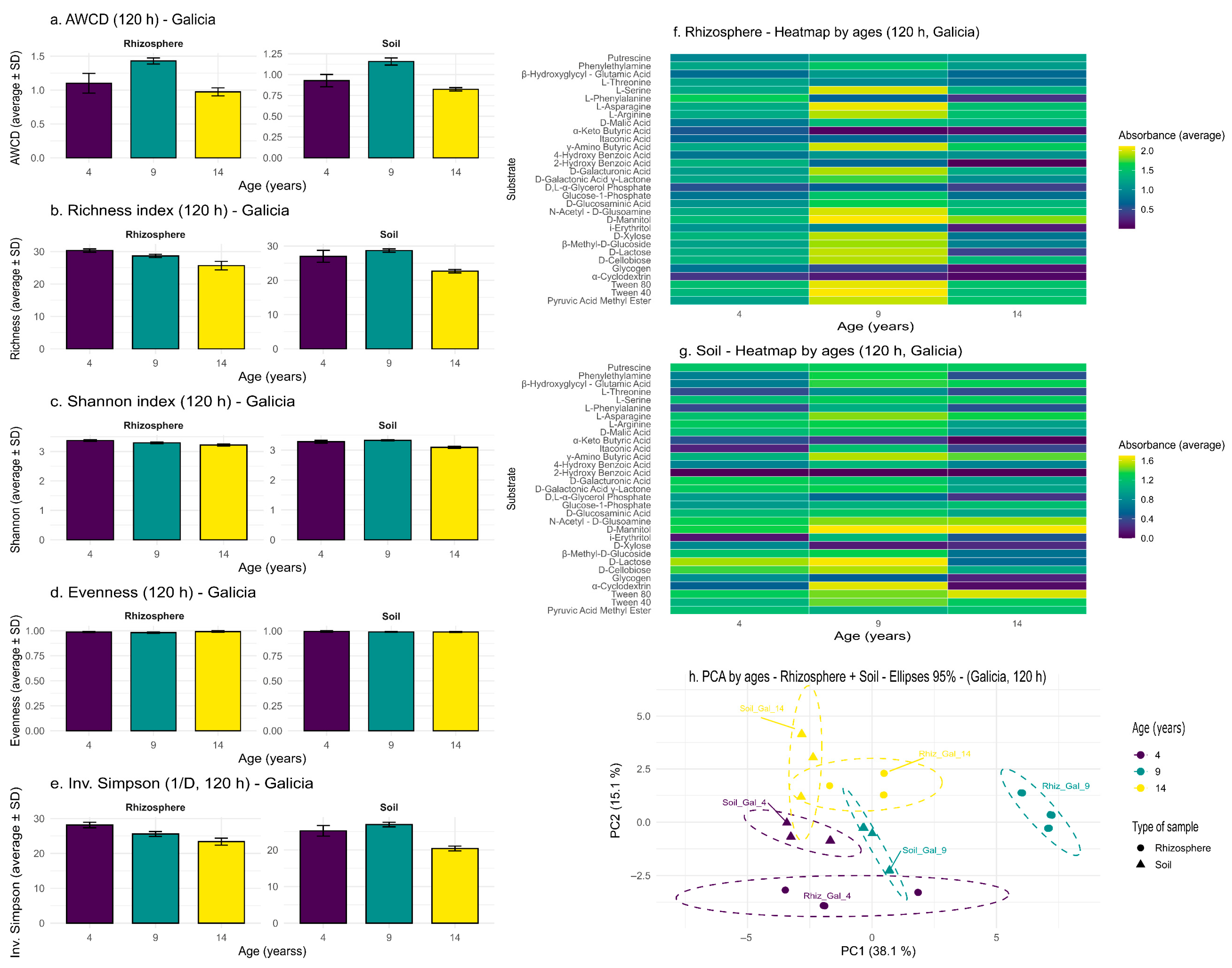
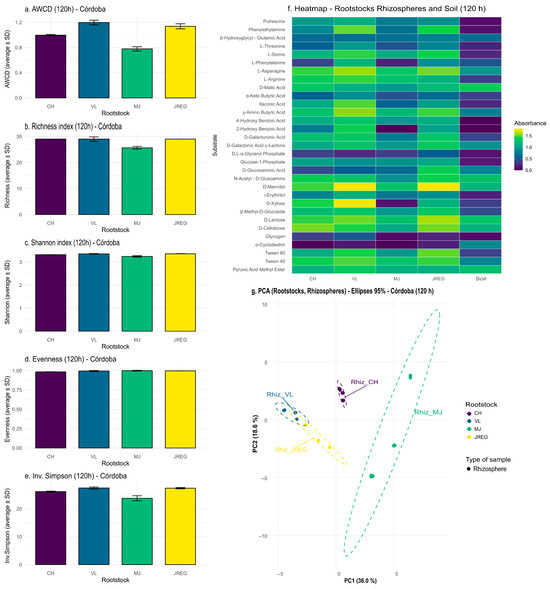
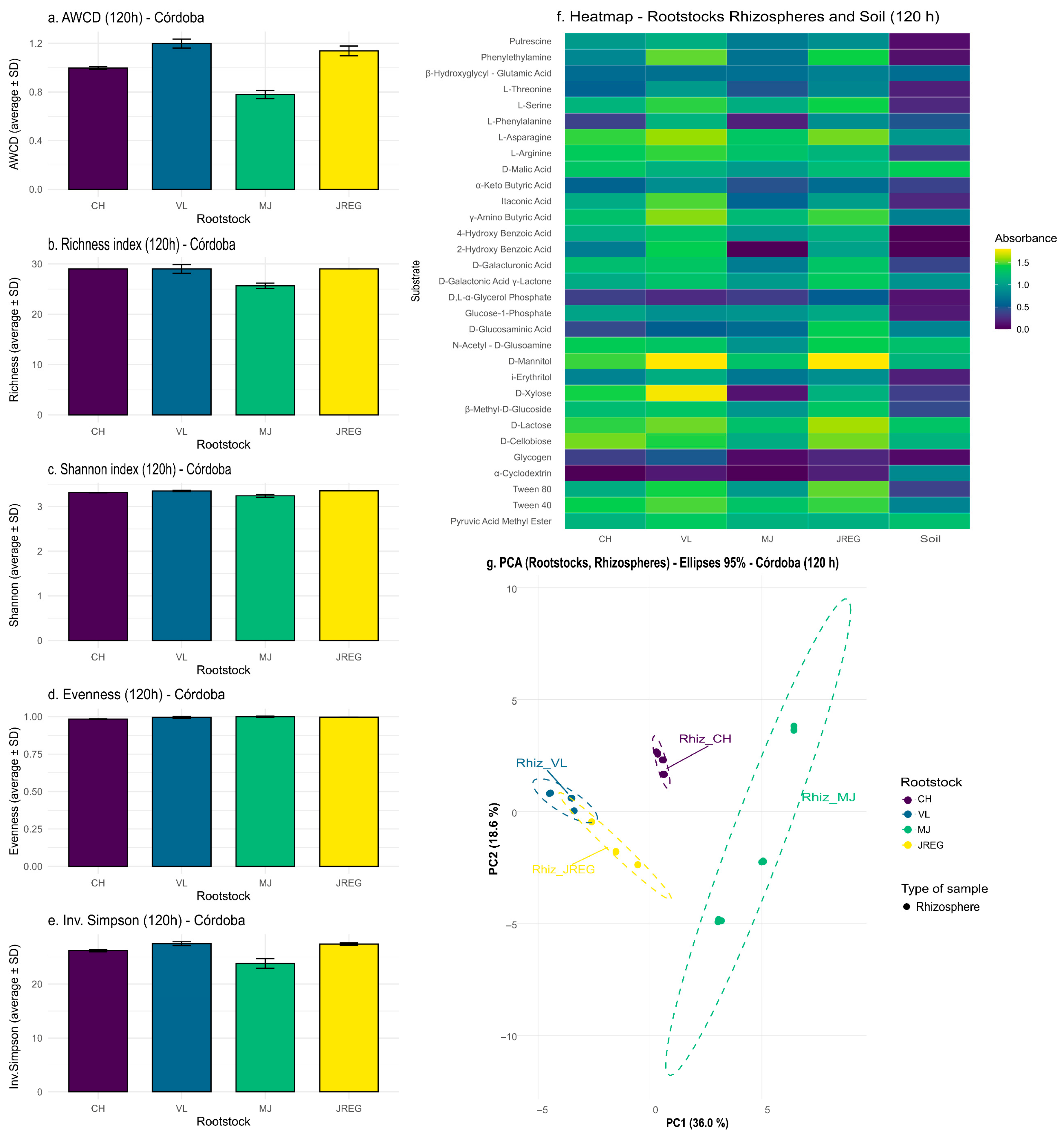
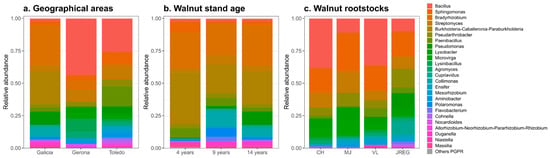
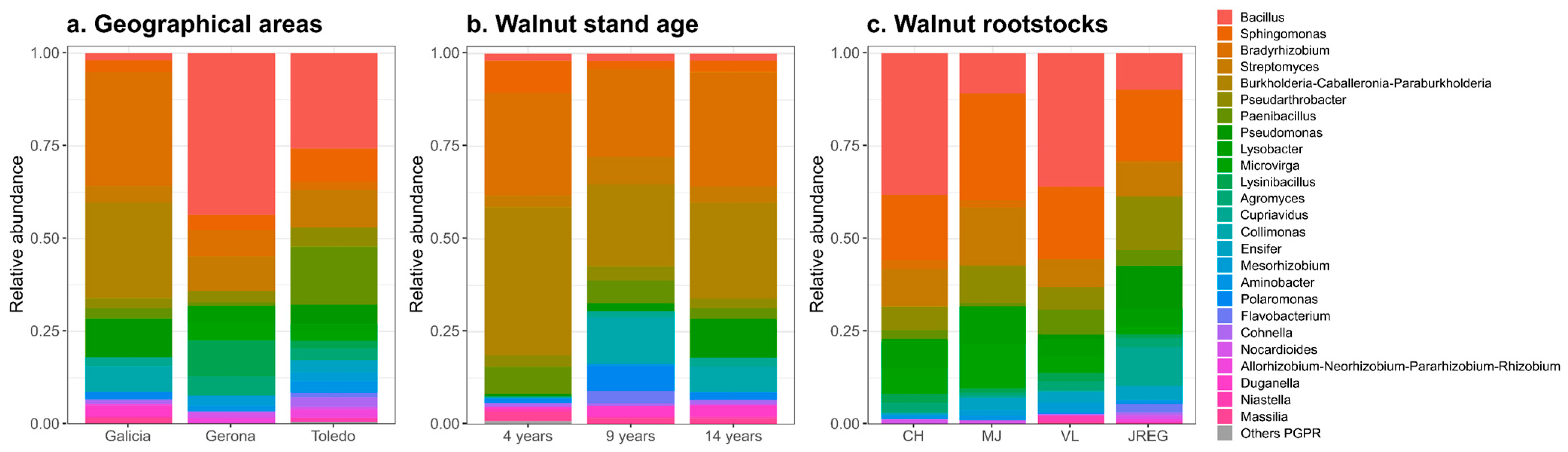
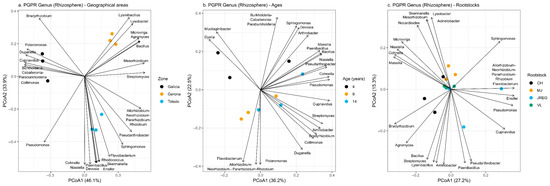
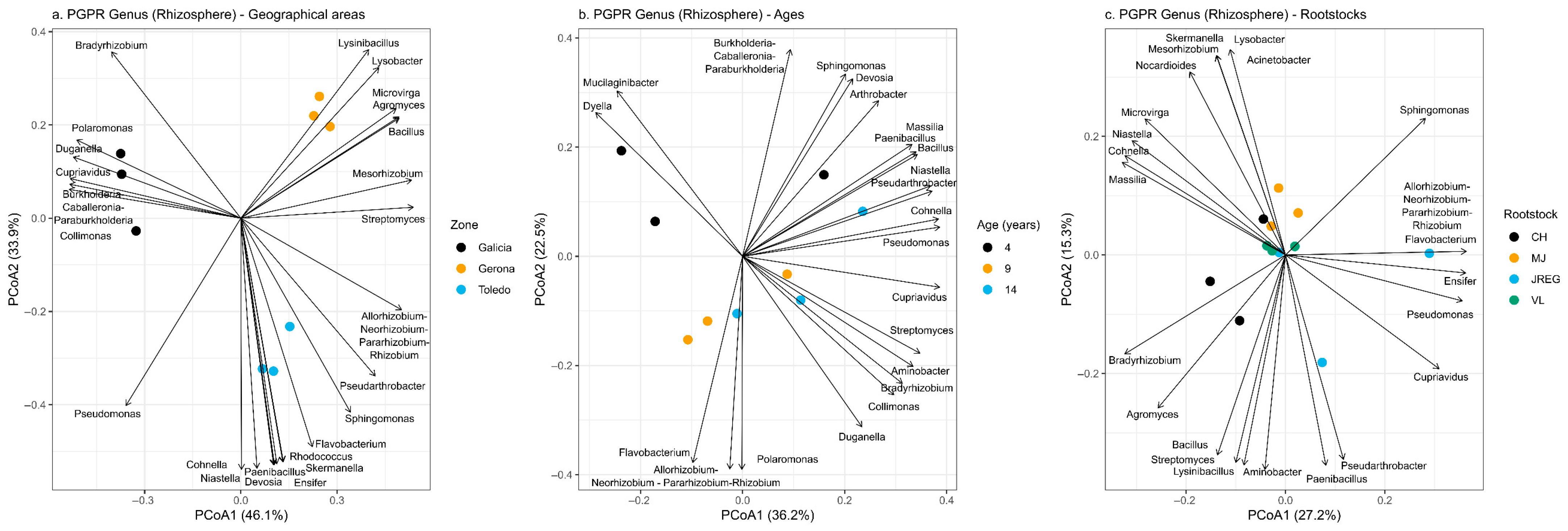
Disclaimer/Publisher’s Note: The statements, opinions and data contained in all publications are solely those of the individual author(s) and contributor(s) and not of MDPI and/or the editor(s). MDPI and/or the editor(s) disclaim responsibility for any injury to people or property resulting from any ideas, methods, instructions or products referred to in the content. |
© 2026 by the authors. Licensee MDPI, Basel, Switzerland. This article is an open access article distributed under the terms and conditions of the Creative Commons Attribution (CC BY) license.