


Abstract
Reclaimed mine soils in northern China suffer from extreme nutrient deficiency, low organic matter content, and impaired microbial activity, which severely challenge ecological restoration. Leguminous green manures inoculated with high-efficiency rhizobia offer a promising bioremediation strategy. However, long-term field evidence and understandings of microbial mechanisms remain insufficient. A 4-year consecutive field experiment was conducted with three legumes (Vicia villosa Roth, Vicia sativa L. and Glycine max (L.) Merr.) inoculated with host-specific rhizobia. Plant traits, soil properties, enzyme activities, and microbial communities were analysed using redundancy analysis (RDA), co-occurrence network analysis, and structural equation modelling (SEM). Compared with the corresponding non-inoculated green manure controls, rhizobium inoculation increased dry matter yield by 96.61–185.40% and improved soil nutrient contents and enzyme activities (p < 0.05) across legume species. The rhizobium–legume green manure treatments markedly reshaped the soil bacterial and fungal community structure relative to the bare-soil control, enriching putatively beneficial genera and suppressing a pathogenic genus (p < 0.05); because the non-inoculated green manure plots were not sequenced, these shifts cannot be attributed to inoculation alone. RDA identified soil organic matter and invertases as core drivers of bacterial communities, whereas total nitrogen dominated fungal community structuring. Co-occurrence networks of inoculated treatments displayed markedly higher complexity and tighter connectivity, with soil organic matter, bacterial Shannon diversity, and urease identified as core regulatory hubs. SEM revealed a robust positive cascading pathway, whereby rhizobium inoculation promoted green manure growth, enhancing soil fertility, which in turn stimulated soil enzyme activities. The standardised effect of inoculation on green manure growth was 0.885, and its indirect effects transmitted through growth reached 0.614 on soil fertility and 0.276 on soil enzyme activity. Planting green manure per se also exerted a strong effect on soil fertility (β = 0.470, p < 0.001), with an indirect effect of 0.208 on soil enzyme activity, indicating that crop establishment accounted for a substantial part of the observed improvement. Rhizobium inoculation enhanced remediation efficiency mainly by amplifying this plant-growth-mediated cascade rather than by directly altering soil biochemical properties. The Vicia villosa Roth + Rhizobium leguminosarum M16 system was optimal, improving soil fertility via a microbial enzyme-mediated positive cascade. This study provides a promising model for mine soil restoration.
1. Introduction
Mining activities severely damage the soil structure and ecological functions, leading to widespread restrictions on mine soil reclamation in northern China, including extreme nutrient deficiencies, a low organic matter content, weak microbial activity, and impaired nutrient cycling ability [1,2,3]. Ecological restoration and fertility improvement of reclaimed mine soil have become critical requirements for regional environmental protection and sustainable agricultural development in the major coal-producing areas of China. At present, traditional remediation strategies that rely on physical and chemical improvements are widely used; however, they are limited by high costs, potential secondary pollution, and poor long-term effectiveness [4,5]. Therefore, there is an urgent need to develop an eco-friendly and economically efficient bioremediation approach to achieve sustainable reclamation of mine soils.
Leguminous green manure is widely recognized as an ideal pioneer species for improving degraded soils because of its strong adaptability to infertile conditions, high dry matter yield, and rich nutritional content [6,7,8]. Planting and incorporating green manure can effectively improve soil structure, increase organic carbon input, and enhance soil fertility in mining areas. Legumes fix atmospheric nitrogen (N2) through symbiosis with root nodule bacteria (rhizobia), contributing substantial amounts of organic matter and biologically fixed nitrogen to the soil upon incorporation [9]. This practice not only replenishes soil organic carbon and nutrient pools but also serves as a primary driver for revitalizing edaphic biological activity. However, in the early colonization stage of reclaimed mine soils with extreme nutrient deficiencies, green manure crops commonly exhibit low dry matter yield accumulation and limited remediation efficiency, which cannot meet the demand for rapid improvement in soil fertility and usually requires chemical fertilizer application [10,11]. Overuse of chemical fertilizers, in turn, can easily lead to soil nutrient imbalance and physical degradation, which contradicts the current goals of green and sustainable agricultural development [12,13]. Consequently, intentionally inoculating host-specific and efficient strains of rhizobia is a promising intervention to overcome this biological barrier and maximize the multifunctional benefits of legume green manures [14,15].
Soil microorganisms are the architects of the soil biogeochemical processes that mediate nutrient cycling, organic matter decomposition, and soil structure formation [16]. The composition, diversity, and symbiotic network complexity of soil microbial communities are sensitive indicators of soil health and ecosystem stability [17]. Previous studies have confirmed that inoculation with superior rhizobia strains can significantly improve the nodulation rate and nitrogen fixation efficiency of leguminous green manure, increase crop dry matter yield and nutrient accumulation, and supplement soil organic carbon and nutrient pools by returning green manure to the field [18,19]. Additionally, leguminous green manure effectively regulates the soil microbial community structure, enriches beneficial functional microorganisms, stimulates the activity of enzymes involved in nutrient cycling, and enhances soil ecosystem stability [20,21].
Despite these advances, current understanding of the rhizobium–green manure system in mine soil reclamation remains insufficient in three key aspects. First, most studies have been limited to short-term pot experiments or 1-year field experiments, leaving the long-term dynamic effects of continuous inoculation with rhizobia on green manure productivity and soil quality evolution largely unclear. Second, existing research has mainly focused on conventional farmlands, whereas the adaptability, remediation efficacy, and optimal matching patterns of diverse legume green manure–rhizobium combinations in extremely infertile reclaimed mine soils have not been comprehensively elucidated. Third, to the best of our knowledge, the microbially mediated regulatory mechanisms underlying soil fertility improvement, particularly the interactions between soil environmental factors and microbial communities, as well as the core pathways of soil quality enhancement, have not been systematically deciphered.
To address these knowledge gaps, a 4-year consecutive fixed-site field experiment was conducted in reclaimed mine soil of Shanxi Province, northern China. Three locally adapted leguminous green manure crops (Vicia villosa, Vicia sativa, and Glycine max) were used as the core remediation materials, each paired with its corresponding high-efficiency rhizobial symbiont (Rhizobium leguminosarum strain M16, Rhizobium leguminosarum strain J6, and Bradyrhizobium japonicum strain D8, respectively). Non-inoculated counterparts and a bare-soil control were also set up for comparative analysis. The objectives of this study were to: (1) evaluate the 4-year continuous dynamic effects of rhizobium inoculation on growth and nutrient accumulation of different leguminous green manures in reclaimed mine soil; (2) reveal the cumulative improvement effects of the rhizobium–green manure system on soil physicochemical properties and enzyme activities; (3) clarify the responses of soil bacterial and fungal communities to rhizobium inoculation and identify key environmental drivers of microbial assembly; and (4) decipher the microbial–enzymatic mediated pathway of soil fertility improvement and screen the optimal remediation mode for reclaimed mine soil. This study provides multi-year field evidence and a theoretical basis for applying rhizobium-inoculated leguminous green manure for ecological restoration and sustainable utilization of reclaimed mine lands.
2. Materials and Methods
2.1. Experimental Materials
Three locally adapted leguminous green manure species that are widely used and highly adaptable in the mining reclamation regions of Shanxi Province were used in this study. Vicia villosa Roth (Turkestan vetch) seeds were provided by the Gansu Academy of Agricultural Sciences; Vicia sativa L. (Shanxi spring vetch) was purchased from a commercial seed market (Beijing Dingxin Jiahe Ecological Engineering Technology Co., Ltd., Beijing, China); and Glycine max (L.) Merr. (Shanyin Niuyandou soybean) is a local farming variety that was collected and propagated by our research group. Preliminary field trials confirmed that all three varieties performed well in low-fertility calcareous soils on the Loess Plateau.
In addition, three host-specific, high-efficiency rhizobial strains were used, which were previously isolated, purified, and screened by our research group based on their superior nitrogen-fixing and growth-promoting performances. These included Rhizobium leguminosarum M16 (isolated from root nodules of Vicia villosa; GenBank accession number is PZ742414), Rhizobium leguminosarum J6 (isolated from root nodules of Vicia sativa; GenBank accession number is PZ949539), and Bradyrhizobium japonicum D8 (isolated from root nodules of Glycine max; GenBank accession number is PZ949540). A matching inoculation strategy was adopted because of the high host specificity between rhizobia and legume hosts. Each strain was screened from the corresponding host plants in different regions of Shanxi Province and showed optimal compatibility with the host plant.
2.2. Experimental Region
The 4-year consecutive field experiment (2021–2024) was conducted at the coal gangue reclamation site of Hougou Village, Wujinshan Town, Yuci District, Jinzhong City, Shanxi Province, China (112°48′21.58″ E, 37°50′19.97″ N), which belongs to the mining area of Yuci Guanyao Yong’an Coal Industry Co., Ltd. (Shanxi, China).
The region has a temperate continental monsoon climate with a mean annual temperature of 9–10 °C, annual precipitation of 462 mm, and a 175-day frost-free period. Land reclamation was completed in September 2019 by covering coal gangue piles with 1-m-thick natural mountain soil and leveling via mixed pushing. The initial topsoil (0–20 cm) was low-fertility calcareous cinnamon soil. Baseline soil properties, namely soil organic matter (SOM), total nitrogen (TN), available phosphorus (AP), available potassium (AK), and pH, were determined before sowing in 2021 using standard agrochemical methods [22], as detailed in Section 2.5. The values were as follows: SOM 3.20 g·kg−1, TN 0.21 g·kg−1, AP 1.48 mg·kg−1, AK 79.00 mg·kg−1, and pH 8.34 (soil: water = 1:2.5).
2.3. Experimental Design and Management
A randomized complete block design with three biological replicates was adopted, totaling seven treatments, including Vicia villosa Roth + Rhizobium leguminosarum M16 (M16), Vicia sativa L. + Rhizobium leguminosarum J6 (J6), Glycine max (L.) Merr. + Bradyrhizobium japonicum D8 (D8), Vicia villosa Roth without rhizobium inoculation (M + XFJ), Vicia sativa L. without rhizobium inoculation (J + XFJ), Glycine max (L.) Merr.without rhizobium inoculation (D + XFJ), and a blank control (CK; no green manure planting, no rhizobium inoculation, only sterile peat adsorbent applied). Each plot was 4 m2 (2 m × 2 m) with 0.5-m buffer zones between plots. The rhizobial inoculants were prepared by thoroughly mixing the rhizobial suspension with sterile peat as a carrier. A solid inoculant was applied at 0.5 kg per plot. The viable cell concentration of the peat-based inoculant was approximately 1 × 10⁸ CFU·g−1, as determined by plate counting before each annual application. CK plots received the same amount of sterile adsorbent without rhizobia.
The experiment was conducted annually from 2021 to 2024. Sowing was performed at an appropriate time in May based on local climatic conditions, and plant sampling and harvesting were carried out at the full-bloom stage in August. After sampling each plot, leguminous green manure plants were cut into fragments approximately 2 cm in length and incorporated into the surface soil. Compound fertilizer (N-P2O5-K2O = 28-12-5) was applied at 600 kg·hm−2 before sowing each year. Drill seeding was subsequently performed. Briefly, furrows were opened, the solid inoculant was spread evenly, and uniformly plump seeds were sown directly onto the inoculant. Seeding rates were 37.5 kg·hm−2 for vetches (Vicia villosa Roth and Vicia sativa L.) and 23.5 kg·hm−2 for soybean (Glycine max (L.) Merr.). After seedling emergence, roots were irrigated with a rhizobial suspension. Once the seedlings were established, they were thinned to a uniform plant spacing of 10 cm.
2.4. Sample Collection
Plant and soil samples were collected each year synchronously at the full-bloom stage. For plant samples, 10 uniform plants per plot were selected for growth trait measurements, and plants in a fixed 20 × 20-cm quadrat were harvested for dry matter yield and nutrient analyses. For soil samples, topsoil samples (0–20 cm) were collected via a five-point sampling method, mixed thoroughly into one composite sample per plot, and divided into two subsamples: one sample was air-dried for physicochemical and enzyme analysis, and the other was snap-frozen in liquid nitrogen and stored at −80 °C for high-throughput sequencing. In total, 84 composite topsoil samples and 72 green manure plant samples were collected over the four years (21 plots × 4 years); of these, 12 soil samples (four treatments × three plot replicates, 2024 only) were subjected to high-throughput sequencing, each yielding one 16S rRNA and one ITS library.
2.5. Plant and Soil Physicochemical Analysis
Plant dry matter yield was recorded as the dry weight per unit area. Plant TN, TP, and TK were determined using the Kjeldahl method, molybdenum–antimony colorimetry, and flame photometry after H2SO4–H2O2 digestion, respectively [23].
Soil pH was measured potentiometrically in a 1:2.5 soil–water suspension. SOM was determined by the potassium dichromate oxidation–external heating method, soil TN by the Kjeldahl method, TP by molybdenum–antimony colorimetry after H2SO4–HClO4 digestion, and TK by flame photometry after NaOH fusion. Alkaline hydrolyzable nitrogen was determined by the alkaline hydrolysis diffusion method, AP by the Olsen method (extraction with 0.5 mol·L−1 NaHCO3 followed by molybdenum–antimony colorimetry), and AK by flame photometry after extraction with 1 mol·L−1 NH4OAc, following standard agrochemical methods [22]. Soil urease activity was determined by the indophenol blue colorimetric method, sucrase (invertase) activity by the 3,5-dinitrosalicylic acid colorimetric method, alkaline phosphatase activity by the disodium phenyl phosphate colorimetric method, and catalase activity by the KMnO4 titration method, following classical colorimetric and titration procedures [24]; the four activities were expressed as mg·g−1·h−1, mg·g−1·24 h−1, mg·g−1·h−1, and mg·g−1·20 min−1, respectively.
2.6. High-Throughput Sequencing of Soil Microbial Community
Only four treatments (CK, M16, J6, and D8) from the 2024 samples were used for microbial sequencing at Biomarker Technologies (Beijing, China), considering research cost constraints and the core focus on comparing remediation effects among different inoculated green manure systems relative to the bare-soil control. The non-inoculated green manure treatments (M + XFJ, J + XFJ, and D + XFJ) were not sequenced.
Briefly, total soil microbial DNA was extracted using a FastDNA Spin Kit (MP Biomedicals, Irvine, CA, USA) following the manufacturer’s protocols, and then qualified and quantified using an ultraviolet spectrophotometer and 0.8% agarose gel electrophoresis. Subsequently, one part of the DNA sample was amplified with primers for the V3–V4 region of the 16S rRNA gene (341F/806R), and the other part of the DNA sample was amplified with primers for the V1 region of ITS (ITS1F/ITS2R) [25]. Polymerase chain reaction-amplified products were purified, quantified, and paired-end sequenced (2 × 250 bp) using an Illumina HiSeq 2500 platform(Illumina Inc., San Diego, CA, USA). All three biological replicates (independent field plots) per treatment were processed independently, with separate DNA extraction, library construction and sequencing, ensuring the reported alpha diversity variation reflects genuine biological variability among field replicates.
Microbial sequencing data were analysed using the BMK Cloud Platform (https://international.biocloud.net, accessed on 29 March 2026). Briefly, raw sequencing data were quality-filtered, denoised, merged, and chimera-removed using the DADA2 method, and high-quality sequences were clustered into operational taxonomic units (OTUs) at 97% similarity. Taxonomic annotation was performed against the SILVA 138 (bacteria) and UNITE 8.0 (fungi) databases [26]. Alpha diversity analysis and principal coordinate analysis (PCoA) based on the Bray–Curtis distance were used to visualize community differentiation. Redundancy analysis (RDA) identified the key environmental drivers shaping the microbial communities. Microbial co-occurrence networks were constructed based on Pearson’s correlation (|r| > 0.6, p < 0.01), with the keystone taxa screened via topological analysis.
2.7. Statistical Analysis
The plant- and soil-related physicochemical indices are presented as mean values ± standard deviation (n = 3). All statistical analyses were performed using SPSS 26.0, R 4.2.2, and Origin 2023. To evaluate significant differences among treatments, one-way analysis of variance followed by Duncan’s multiple range test was used, with p < 0.05 considered statistically significant. In addition, structural equation modelling (SEM) was performed in R 4.2.2 to quantify the regulatory pathway of soil fertility improvement. Two models were fitted, one to the 72 plot–year observations of the planted plots and one to all 84 plot–year observations including the fallow control; no data augmentation, simulation or imputation was performed at any stage. Details of composite variable construction, model specification, statistical inference and software are given in Section 2.8.
2.8. Structural Equation Modelling
Two path models are reported: one for the planted plots (n = 72) and one including the fallow control (n = 84). Both use the three unit-weighted composites. Their shared procedures are described first, then each model separately.
Indicators within each block were strongly inter-correlated (pairwise r = 0.87–0.99 among the four enzymes; Tables S1 and S2), so unit-weighted composites were built by averaging the standardised scores of the constituent indicators. Each composite was standardised within its own model’s sample; Cronbach’s α is given for each model below.
Both models were recursive, with no latent variables and hence no loading fixed at unity for identification. Parameters were estimated by maximum likelihood with cluster-robust standard errors (plots as clusters, to account for repeated measurement) and tested by cluster bootstrap resampling, plots intact, using lavaan (version 0.7.3) [27] in R 4.2.2. Fit was assessed with χ2, CFI, TLI, RMSEA and SRMR.
Inoculation cascade model (n = 72). Fitted to the 72 plot–year observations from the 18 green manure plots (2021–2024), excluding the fallow control, for which growth is undefined. α = 0.78 (growth), 0.96 (fertility), 0.99 (enzyme activity). Growth was regressed on inoculation, two orthogonal crop contrasts and centred year; fertility on growth, the crop contrasts and centred year; and enzyme activity on fertility, centred year and centred year squared, the quadratic term reflecting the non-linear accumulation of enzyme activity over the four years. Contrast codes: inoculation, +0.5 inoculated vs. −0.5 uninoculated; crop linear, Vicia villosa +1.0 vs. Vicia sativa and Glycine max −0.5; crop quadratic, Vicia sativa +0.5 vs. Glycine max −0.5, Vicia villosa 0. Clustering was performed on the 18 plots, and the bootstrap used B = 2000. Three pre-specified alternatives were compared by AIC (Table S5); full results are given in Table S4 and the originally submitted model in Table S3.
Planting-effect model (n = 84, ). Because the model above cannot separate inoculation from green manure planting per se, a second model used all 84 plot–year observations from the 21 plots, including the 12 fallow-control observations. α = 0.96 (fertility), 0.99 (enzyme activity); growth was omitted, being undefined in the fallow control. Fertility was regressed on a planting contrast (planted = 1, fallow = 0) and centred year, and enzyme activity on fertility, centred year and centred year squared. Clustering was on the 21 plots and the bootstrap used B = 20,000. Results are given in Table S6.
3. Results
3.1. Growth and Nutrient Accumulation of Rhizobium–Legume Green Manure Systems
For plant biomass and all nutrient contents, the main effects of remediation treatment and year, as well as the treatment × year interaction, were all extremely significant (all p < 0.001, Table 1). Over the 4-year field experiment, rhizobium inoculation significantly enhanced the dry matter yield (Figure 1A), leaf SPAD value (relative chlorophyll content; Figure 1B), and total carbon, TN, TP, and TK accumulation (Figure 1C–F) in all three leguminous green manure species (Rhizobium leguminosarum M16, Rhizobium leguminosarum J6, and Bradyrhizobium japonicum D8) (p < 0.05). All growth- and nutrient-related indices exhibited a consistent increasing trend with the experimental duration, and the promoting effects of inoculation were consistently stronger than those of the non-inoculated treatments (Figure 1). The original year-by-year bar charts are provided in Figure S1.
Table 1.
Two-way ANOVA results of plant growth and nutrient indicators.
Figure 1.
Four-year dynamic effects of rhizobium inoculation on growth traits and nutrient accumulation of leguminous green manures. (A) Dry biomass; (B) leaf SPAD value (relative chlorophyll content); (C) plant total carbon content; (D) plant total nitrogen content; (E) plant total phosphorus content; (F) plant total potassium content. Data are presented as the mean ± standard deviation of three biological replicates. Different lowercase letters indicate significant differences among treatments at p < 0.05, according to one-way ANOVA followed by Duncan’s multiple range test.
Compared to the corresponding non-inoculated controls, inoculation significantly increased the dry matter yield by 96.61–117.85% for M16, 163.77–181.33% for J6, and 158.62–185.40% for D8. Among the treatments, M16 achieved the highest dry matter yield, ranging from 524.71–631.67 g·m−2 (Figure 1A).
Rhizobium inoculation significantly enhanced TN, TP, and TK uptake in all the green manure crops, with progressive increases observed each year. M16 exhibited the greatest nutrient accumulation over the 4-year study period, increasing the N content by 89.23–121.56%, the phosphorus content by 65.32–98.74%, and the potassium content by 58.17–87.29% relative to those of non-inoculated plants, followed by J6 and D8 (Figure 1D–F). The temporal nutrient accumulation patterns were highly consistent with those of dry matter yield, indicating a strong positive correlation between dry matter yield production and nutrient uptake after rhizobium inoculation. By 2024, the growth performance and nutrient accumulation of the inoculated treatments ranked in the order of M16 > J6 > D8 (p < 0.05; Figure 1A–F).
3.2. Improvement of Soil Physicochemical Properties and Enzyme Activities by Rhizobium–Legume Green Manure
For all soil nutrient and enzyme activity indicators, the main effects of treatment and year, as well as their interaction, all reached extremely significant levels (p < 0.01, most p < 0.001; Table 2). Rhizobium-inoculated green manure significantly improved the physicochemical properties and enzyme activities of reclaimed mine soil (Figure 2). The original year-by-year bar charts are provided in Figure S2. Soil nutrient concentrations increased cumulatively over time, whereas soil pH remained stable: the treatment × year interaction was not significant (p = 1.000), so pH is reported as the treatment main effect (Figure 2A). All inoculated treatments significantly increased the contents of SOM (Figure 2B), TN (Figure 2C), TP (Figure 2D), total potassium (TK; Figure 2E), alkaline hydrolyzable nitrogen (AN; Figure 2F), AP (Figure 2G), and AK (Figure 2H) compared to those in the non-inoculated treatments and CK group. The overall improvement followed the order of M16 > J6 > D8. In the M16 treatment, SOM increased by 24.95–64.56% relative to that in the non-inoculated control, and by 53.76–89.07% relative to that in the CK group. In 2024, M16 showed the highest SOM (5.39–8.42 g·kg−1) and TN (0.38–0.59 g·kg−1) among all treatments.
Table 2.
Two-way ANOVA results of soil nutrient and enzyme activity indicators.
Figure 2.
Effects of rhizobium inoculation on soil physicochemical properties and enzyme activities in reclaimed mine soil during the four-year consecutive field experiment. (A) Soil pH; (B) soil organic matter (SOM); (C) soil total nitrogen (TN); (D) soil total phosphorus (TP); (E) soil total potassium (TK); (F) soil alkaline hydrolyzable nitrogen (AN); (G) soil available phosphorus (AP); (H) soil available potassium (AK); (I) soil sucrase (invertase) activity; (J) soil alkaline phosphatase activity; (K) soil urease activity; (L) soil catalase activity. Data are presented as the mean ± standard deviation of three biological replicates. Different lowercase letters indicate significant differences among treatments at p < 0.05, according to one-way ANOVA followed by Duncan’s multiple range test.
In addition, rhizobium inoculation significantly enhanced the activities of four soil enzymes closely associated with nutrient cycling (invertase, alkaline phosphatase, catalase, and urease) (Figure 2I–L). All enzyme activities increased continuously over the 4-year study period. The M16 treatment showed the strongest stimulatory effects, with increases of 9.50–57.99% for invertase, 18.06–140.70% for alkaline phosphatase, 1.80–64.71% for catalase, and 14.81–43.85% for urease, compared to those in the non-inoculated treatments. In 2024, soil enzyme activities in all the inoculated treatments ranked from M16 > J6 > D8, which was consistent with the observed trends in soil nutrient concentrations and green manure nutrient accumulation.
3.3. Cascade Regulation Pathway of Soil Fertility Enhancement Revealed by SEM
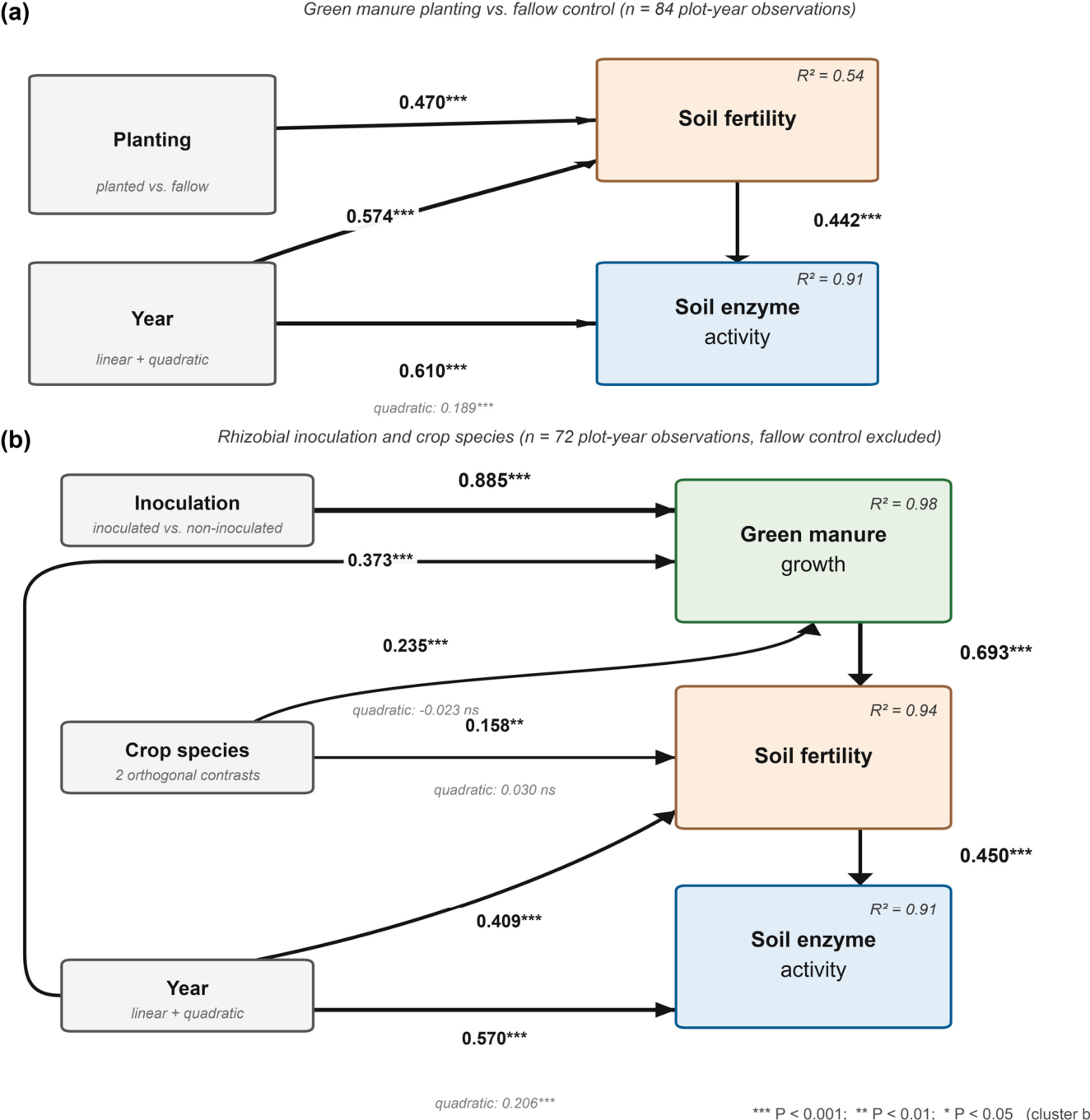
Inoculation strongly promoted green manure growth (β = 0.885, p < 0.001), and its effects on soil fertility (β = 0.614) and enzyme activity (β = 0.276) were entirely indirect, i.e., mediated through growth (Figure 3b). Crop identity affected soil fertility independently of biomass (β = 0.158, p < 0.01); the total effect of the crop linear contrast on soil fertility was 0.321. Soil enzyme activity was driven more strongly by year (β = 0.570 linear, 0.206 quadratic) than by current-year soil fertility (β = 0.450), indicating accumulating effects of repeated green manure incorporation. Relative to the fallow control, green manure planting per se also increased soil fertility (β = 0.470, p < 0.001; Figure 3a) and indirectly enhanced enzyme activity (standardised indirect effect = 0.208, 95% CI 0.118–0.285), whereas its residual direct effect on enzyme activity was negligible (β = −0.06, ΔR2 = 0.001), indicating that the planting effect on enzyme activity was transmitted through the improvement of soil fertility.
Figure 3.
Structural equation models describing (a) the effect of green manure planting per se (n = 84 plot-year observations from 21 plots, including the fallow control) and (b) the effects of rhizobial inoculation and green manure species (n = 72 plot-year observations from 18 plots, fallow control excluded) on green manure growth, soil fertility and soil enzyme activity. Rectangles are composite variables: Green manure growth = mean of standardised aboveground dry biomass and SPAD; Soil fertility = mean of standardised soil organic matter, total N, total P, total K, available N, available P and available K; Soil enzyme activity = mean of standardised invertase, alkaline phosphatase, urease and catalase activities. In (a), the composites were standardised within the 84-observation sample and planting was coded as planted = 1 vs. fallow = 0; in (b), they were standardised within the 72 planted plot-year observations. Values adjacent to arrows are standardised path coefficients, and arrow width is proportional to the absolute coefficient. R2 values are given in the upper-right corner of each endogenous variable. In (b), crop species was entered as two orthogonal contrasts (linear, Vicia villosa vs. Vicia sativa + Glycine max; quadratic, Vicia sativa vs. Glycine max); the quadratic contrast was not significant for either path, and its coefficient is reported in italics below the corresponding linear coefficient. Year was included as a centred linear covariate in all equations, and its quadratic term was additionally included in the soil enzyme activity equations; both year terms are shown for soil enzyme activity. Significance levels: *** p < 0.001, ** p < 0.01, based on cluster-bootstrap confidence intervals (B = 20,000 in (a) and B = 2000 in (b), resampling plots as intact clusters). Model fit: (a) χ2 = 2.386, df = 2, p = 0.303; CFI = 0.999; TLI = 0.995; RMSEA = 0.048 (90% CI 0.000–0.228); SRMR = 0.011; (b) χ2 = 17.122, df = 7, p = 0.017; CFI = 0.984; TLI = 0.960; RMSEA = 0.142 (90% CI 0.056–0.228); SRMR = 0.009.
3.4. Responses of Soil Microbial Community Structure to Rhizobium–Legume Green Manure Remediation
Relative to the bare-soil control, all green manure treatments substantially altered the community structures of soil bacteria and fungi; because the non-inoculated green manure plots were not sequenced (Section 2.6), this contrast reflects the combined effect of green manure establishment and rhizobial inoculation rather than the effect of inoculation alone. Regarding the OTU composition, 471 bacterial and 56 fungal OTUs were shared across all treatments (Figure 4A). The number of unique bacterial OTUs followed the order M16 (3458) > J6 (2698) > D8 (2523), whereas unique fungal OTUs were ranked as J6 (548) > M16 (478) > D8 (254), indicating that M16 was the most strongly enriched unique bacterial taxon, whereas J6 was the most strongly enriched unique fungal taxon (Figure 4A).
Figure 4.
Changes in the overall structure of soil bacterial and fungal communities under different rhizobium–legume green manure treatments. (A) Venn diagrams illustrating the distribution of operational taxonomic units (OTUs/features) of soil bacteria (left) and fungi (right) under different rhizobium-legume green manure treatments. Each coloured ellipse represents one treatment, as labelled above each diagram. Numbers in the overlapping areas are OTUs shared by the corresponding treatments, and numbers in the non-overlapping areas are treatment-specific OTUs. Ellipse areas are not proportional to OTU numbers. (B) Principal coordinate analysis (PCoA) of soil bacterial (left) and fungal (right) communities based on Bray–Curtis distance. Each filled circle represents one sample and is coloured by treatment (colour coding is given in the legend of each panel); the dashed horizontal and vertical lines indicate zero on the PC2 and PC1 axes, respectively; and solid ellipses denote the 95% confidence interval of each treatment and are drawn only for groups for which the interval could be estimated, where the replicates are nearly collinear the confidence interval appears as a straight coloured segment instead of an ellipse.The percentages on the axes indicate the proportion of total variation explained by each principal coordinate. (C) UPGMA cluster analysis of soil bacterial (left) and fungal (right) communities based on Bray–Curtis distance. Solid branches depict the clustering hierarchy, dotted lines are guide lines connecting each branch tip to its sample label, and the scale bar indicates Bray–Curtis dissimilarity; shorter branch lengths indicate higher community similarity.
Regarding α diversity, soil bacterial and fungal communities responded differently to Rhizobium–legume green manure treatments. For bacteria, the M16 treatment exhibited the highest Shannon–Wiener index, and M16 and J6 exhibited the highest Simpson indices (p < 0.05; Table 3), whereas the CK group had the highest Chao1 and ACE richness indices. The reduced bacterial richness in inoculated treatments suggested that the Rhizobium–legume green manure system optimised community structure rather than merely increasing species abundance. Mechanistically, Chao1 and ACE are richness estimators that are highly sensitive to rare taxa, whereas the Shannon index additionally weights evenness. The bare-soil control harboured more rare, low-abundance bacterial taxa, which inflated richness estimates but contributed little to community functioning; in contrast, the rhizobium–legume green manure system enriched beneficial copiotrophic taxa and increased community evenness, yielding the highest Shannon diversity despite lower richness. For fungi, the J6 treatment possessed the highest Chao1 and ACE richness indices (p < 0.05; Table 3). The M16 treatment had significantly higher Shannon–Wiener and Simpson indices than the CK group (p < 0.05), while the D8 treatment showed lower fungal diversity and richness than the control. The PCoA results showed clear clustering of soil bacterial and fungal communities among the CK, M16, J6, and D8 groups (Figure 4B), indicating that the four treatments harboured distinct community compositions. Furthermore, the UPGMA cluster analysis separated all green manure treatments from the bare-soil control (Figure 4C), indicating that the establishment of the rhizobium–legume green manure system, rather than inoculant addition per se, was associated with the differentiation of the microbial communities, as inoculation could not be isolated in this sequencing design. The first two principal components (PC1 and PC2) explained 69.03% of the total variation for bacterial communities and 49.46% of that for fungal communities. Samples from the inoculated treatments were clearly separated from those from the CK group, with slight divergence among the different inoculated treatments. These patterns were consistent with variations in soil nutrient levels and enzyme activities.
Table 3.
Alpha-diversity indices of soil bacterial and fungal communities under different rhizobium–legume green manure treatments.
3.5. Variations in Soil Microbial Taxonomic Composition and Functional Groups
After analyzing the overall structure of the soil bacterial and fungal communities in different groups, we further investigated the shifts in the microbial composition of specific soil bacterial and fungal communities at different taxonomic levels. At the phylum level, the dominant bacterial phyla across all the treatments were Actinobacteriota, Proteobacteria, Chloroflexi, and Acidobacteriota, collectively accounting for approximately 80% of the total sequences (Figure 5A). The rhizobium–legume green manure treatments differed from the bare-soil control, and from one another, in the relative abundances of these phyla: M16 elevated the relative abundance of Bacteroidota; J6 increased the abundances of Proteobacteria and Bacteroidota; and D8 promoted the abundances of Proteobacteria and Acidobacteriota (Figure 5A). At the bacterial genus level, all the rhizobium–legume green manure treatments exhibited significantly higher relative abundances than the bare-soil control for putatively beneficial genera associated with nutrient cycling, including Nocardioides, Streptomyces, and Sphingomonas (Figure 5B).
Figure 5.
The relative abundance of soil bacterial and fungal communities at phylum, genus and species levels under different rhizobium–legume green manure treatments. (A) Relative abundances of soil bacterial community composition at phylum level in different treatments. (B) Relative abundances of soil bacterial community composition at genus level in different treatments. (C) Relative abundances of soil fungal community composition at phylum level in different treatments. (D) Relative abundances of soil fungal community composition at genus level in different treatments. (E) Relative abundances of soil fungal community composition at the species level in different treatments.In each panel, each colour denotes one taxon at the taxonomic rank stated for that panel, as identified in the legend of that panel; colours are defined independently for each panel, so the same colour may represent different taxa in different panels. “Others” is the summed relative abundance of all taxa not individually listed in the legend, and "Unclassified" denotes sequences that could not be assigned to a named taxon at the corresponding rank. Bars show relative abundances (%) in the CK, M16, J6 and D8 treatments and sum to 100%.
For fungi, the dominant phyla were Ascomycota, Mortierellomycota, and Basidiomycota, comprising > 90% of the total sequences (Figure 5C). The M16 and J6 treatments both increased the relative abundance of Basidiomycota. Moreover, relative to the bare-soil control, all rhizobium–legume green manure treatments exhibited significantly lower relative abundance of the pathogenic genus Fusarium and higher abundances of putatively beneficial genera such as Albifimbria and Botryotrichum (Figure 5D). At the fungal species level, the rhizobium–legume green manure treatments were enriched in saprotrophic species commonly recovered from soil and decaying plant material (e.g., Albifimbria lateralis) and depleted in pathogenic species (e.g., Fusarium equiseti) relative to the bare-soil control (Figure 5E).
3.6. Environmental Drivers of Soil Microbial Community Assembly
Redundancy analysis (RDA) was performed to identify the key environmental factors shaping the bacterial and fungal community structures in the four treatments (CK, M16, J6, and D8). A clear separation was observed between the inoculated treatments and the CK group for both the bacterial and fungal communities (Figure 6A). For bacteria, the first RDA axis explained 18.6% of the total variation, with SOM, TK, and invertase identified as the core driving factors (R2 > 0.9, p = 0.001), all of which showed strong positive correlations with this axis. TN, AK, urease, alkaline phosphatase, and catalase also significantly regulated the bacterial community structure (p < 0.05), whereas TP had a marginally significant effect (p = 0.054) (Table 4).
Figure 6.
Redundancy analysis (RDA) and co-occurrence networks of soil microbial communities under different treatments. (A) RDA ordination plots showing the relationships between soil environmental factors and bacterial/fungal community structure. Arrows represent soil environmental factors, and arrow length indicates the relative influence of each factor on microbial community structure. Percentages in parentheses represent the variance explained by each RDA axis. (B) Co-occurrence networks of soil properties and microbial diversity indices based on Spearman correlations with |r| > 0.6 and p < 0.01. Red nodes represent microbial diversity indices, and green nodes represent soil factors. Gray edges indicate positive correlations, and green edges indicate negative correlations. Network layout was generated using the Fruchterman–Reingold algorithm with a fixed seed (123) for reproducibility.
Table 4.
RDA ordination scores on the first two axes, explanatory rate (R2) and significance (p-value) of soil environmental factors driving soil bacterial and fungal community assembly.
For fungi, the first RDA axis explained 25.19% of the total variation, with a distinct separation between the inoculated treatments and the CK group. All measured environmental factors exerted extremely significant effects on the fungal community variation (p < 0.01; Table 4). TN was the dominant driver (R2 = 0.991, p = 0.001), followed by TP, AP, catalase, and urease (R2 > 0.9, p < 0.003; Table 4). The second RDA axis, which served as the primary axis driving fungal community differentiation, was strongly negatively correlated with all the tested factors (Table 4).
Overall, soil enzyme activities (urease, catalase, alkaline phosphatase, and invertase) and potassium nutrients (TK and AK) were significant drivers for both microbial communities. Bacterial communities were more sensitive to SOM and potassium-related indicators, whereas fungal community assemblies were predominantly regulated by soil nitrogen and phosphorus nutrients.
3.7. Soil–Microbe Co-Occurrence Networks Under Rhizobium–Legume Green Manure
Co-occurrence networks were constructed to reveal interactions between soil variables and microbial diversity indices (Figure 6B), and were built based on Spearman’s correlations (|r| > 0.6, p < 0.01). The CK group showed the simplest network structure with the fewest edges, indicating weak interactions between the soil microbes and environmental factors in the absence of green manure and rhizobium inoculation. In contrast, the inoculated treatments (M16, J6, and D8) displayed markedly higher network complexity, with more connections and tighter node associations, suggesting that rhizobium–legume synergy strengthened the interactions and stability within the soil–microbe system.
Among the inoculated treatments, M16 possessed the highest number of edges and the greatest proportion of positive correlations, indicating that this green manure variety exerted the strongest regulatory effect on the soil–microbe system by promoting predominantly synergistic interactions between microbial communities and soil factors (Figure 6B). The J6 group displayed a slightly lower network complexity, accompanied by a small number of negative correlations, suggesting the presence of minor competitive interactions between microbes and soil factors under this treatment (Figure 6B). The D8 group exhibited moderate network complexity, characterized by clearly defined core hub nodes, reflecting a stable regulatory pattern associated with this green manure variety (Figure 6B).
In addition, the key hub nodes identified across all networks were SOM, bacterial Shannon index, and urease, which exhibited the highest connectivity and were crucial regulatory factors in the green manure–soil–microbe system. These results demonstrated that establishing the rhizobium–legume green manure treatments enhanced synergistic interactions between soil microbes and soil factors, with the nature and strength of this regulation varying among green manure varieties.
4. Discussion
Soil degradation caused by mining poses a considerable threat to ecosystem stability and agricultural sustainability in northern China. The typical characteristics of reclaimed mine soil include an extreme lack of nutrients, organic carbon depletion, impaired microbial activity, and weak functional recovery, all of which severely limit ecological reconstruction and production utilization [28]. The use of green legume manure and symbiotic rhizobia for bioremediation has become an eco-friendly and cost-effective strategy for remediating degraded soils [29]. However, long-term field evidence is lacking and the microbially mediated mechanisms underlying rhizobium-legume synergy in reclaimed mine soils remain largely unexplored. Therefore, in this 4-year field experiment, we systematically evaluated the effects of rhizobia inoculation on the growth of three legume green manure crops and on soil physicochemical and biochemical properties using the non-inoculated counterparts as controls, and characterized soil bacterial and fungal community assembly under the inoculated green manure treatments relative to the bare-soil control. Our results demonstrated that matched rhizobium inoculation significantly enhanced the growth and nutrient accumulation of the three leguminous green manures, improved soil physicochemical properties and nutrient-cycling enzyme activity, reshaped soil bacterial and fungal community structures, strengthened soil microbial network stability, and ultimately promoted soil fertility and ecosystem function. Notably, Vicia villosa Roth inoculated with its corresponding symbiotic Rhizobium leguminosarum M16 strain showed the optimal overall performance and may serve as a promising medium-term model for ecological restoration of reclaimed mine soils in northern China, although its long-term effectiveness and sustainability still require validation. These findings provide new insights into the mechanisms of long-term bioremediation and offer an optimised technical model for ecological restoration of reclaimed mine areas.
A key finding of this study was that rhizobium inoculation achieved a continuous and significant promotional effect on the growth and nutrient accumulation of all three leguminous green manure crops over the 4-year experiment, consistent with previous reports [10,30]. In the present study, we found that over a 4-year experiment, inoculated treatments increased the dry matter yield by 96.61–185.40% and substantially increased nitrogen, phosphorus, and potassium accumulation relative to that in the non-inoculated controls, with Rhizobium leguminosarum M16 showing the strongest response. This beneficial effect was primarily attributed to enhanced nodulation and symbiotic nitrogen fixation, which alleviated nitrogen limitation in severely infertile mine soils [31]. In addition, rhizobium–legume symbiosis can improve root development, nutrient uptake capacity, and physiological activity (e.g., chlorophyll content), thereby boosting photosynthetic carbon assimilation and dry matter yield production [32,33].Notably, the promoting effects strengthened over time, indicating progressive adaptation between rhizobium strains and host plants, as well as gradual improvement of the rhizosphere microenvironment. Among the three species, Rhizobium leguminosarum M16 exhibited superior adaptability, dry matter yield production, and nutrient accumulation, likely owing to its strong stress tolerance, extensive root system, and high compatibility with the homologous rhizobium strain M16 [34].These results indicated that rhizobium inoculation could enhance legume growth and nutrient accumulation by improving symbiotic efficiency, and highlighted the importance of host–strain matching in maximizing remediation efficiency, which is critical for screening optimal green manure rhizobium combinations in degraded mine soils [35].
Mine soil reclamation is generally characterized by organic matter deficiency, low nutrient availability, and weak biological activity, which are core bottlenecks that restrict vegetation restoration and soil health improvement [36]. In the present study, we observed that the continuous application of legume green manure inoculated with rhizobia significantly increased the SOM, TN, AN, TP, AP, TK, and AK contents, with cumulative effects observed over the 4-year experimental period. These improvements can be attributed to two key mechanisms. First, symbiotic nitrogen fixation by rhizobia enhances the nitrogen input of the green manure system, and the decomposition of green manure residues directly releases large amounts of organic carbon and nutrients into the soil, thereby expanding the soil nutrient pool [37,38]. Second, root exudates and green manure residues provide abundant carbon sources for soil microorganisms, promoting microbial metabolic activity and nutrient mineralization [39]. Importantly, the soil pH remained stable throughout the experiment, indicating that this bioremediation strategy does not lead to soil acidification and is suitable for long-term application in alkaline mine soils. Additionally, soil enzyme activity is a sensitive indicator of soil biochemical processes and nutrient cycling intensity [40]. In the present study, rhizobia inoculation significantly increased the activities of urease, invertase, alkaline phosphatase, and catalase, thereby promoting nitrogen mineralization, carbon metabolism, phosphorus mobilization, and antioxidant activity. Enzyme activity enhancement was closely related to increases in SOM, microbial activity, and root exudates. Consistent with the trends in plant and soil nutrients, M16 displayed the strongest enzyme stimulation, further supporting its superiority as a remediation material. A previous investigation also found that legume–green manure rotation significantly enhanced soil enzyme activity and nutrient cycling potential [41]. Based on these findings, we speculate that the synergistic effects of rhizobia and leguminous plants enhance soil function by stimulating biological processes related to nutrient cycling.
The structural equation model revealed a clear cascading regulation pathway driven by the Rhizobium–legume green manure system, which provides a mechanistic explanation for the improvement of soil biochemical properties in reclaimed mine soils. Biologically, legume green manure establishment directly increases plant biomass and nutrient accumulation, and the subsequent return of plant residues inputs abundant organic carbon and nitrogen into the soil, which is the primary driver of soil fertility enhancement. This bottom-up cascade pattern is consistent with previous findings in reclaimed mine soils [42]. Elevated soil nutrient availability further provides sufficient substrates and energy for soil enzyme synthesis and secretion, thus stimulating the activities of nutrient-cycling enzymes such as urease and invertase, and forming a positive feedback loop that promotes nutrient cycling and organic carbon sequestration [43]. Rhizobial inoculation acts as a synergistic enhancer in this cascade: by improving symbiotic nitrogen fixation efficiency and promoting green manure growth, it amplifies the driving effect from plant growth to soil biochemical properties, rather than directly altering soil enzyme activities. This synergistic effect is in line with the consensus of legume–rhizobium symbiosis studies: matching efficient rhizobia can increase the nutrient return of legume green manure, and then indirectly enhance soil fertility and enzyme activities through residue decomposition [44]. For reclaimed mine soils with poor initial fertility, this growth-mediated cascade is more practically valuable than direct application of chemical amendments, as it can establish a sustainable nutrient cycle pathway. Notably, this study provides four-year field mechanistic evidence for the bioremediation efficiency of the Rhizobium–legume green manure system in mining areas.
Soil microbial communities are at the core of the ecological restoration of degraded soil, and their diversity, composition, and functional characteristics directly determine soil health and ecosystem stability [45,46]. Our PCoA and UPGMA clustering analyses revealed that the rhizobium–legume green manure system was a key factor driving the differentiation of soil bacterial and fungal community structures, with significant differences between the rhizobium–legume green manure treatments and the bare-soil control (CK). This implied that the rhizobium–green manure system can effectively reshape the microbial community structure in reclaimed mine soil, mainly by regulating soil nutrient conditions and the root microenvironment. In terms of α diversity, the M16 treatment had the highest bacterial Shannon–Wiener index, and M16 and J6 had the highest Simpson indices, while the CK group showed the highest bacterial species richness (Chao1 and ACE). For fungi, the J6 treatment exhibited the highest Chao1 and ACE richness indices, which is closely related to the differences in root exudates and residue input effects of different leguminous plants [47]. The M16 treatment had significantly higher fungal diversity than the CK group (p < 0.05), while J6 showed no significant difference in the Shannon–Wiener index from CK; notably, the D8 treatment had significantly lower fungal diversity and richness than all other treatments. The lower fungal diversity in the D8 soybean green manure system may be attributed to the strong host specificity of Bradyrhizobium japonicum, which selectively enriches specific functional fungal groups related to nutrient cycling, resulting in a more functionally targeted rather than species-rich community [48]. This specialized community structure may be more conducive to targeted improvement of soil nutrient cycling efficiency in reclaimed mine soils [43]. At the phylum level, the rhizobium–legume green manure system increased the relative abundance of copiotrophic taxa, such as Proteobacteria and Bacteroidota, which are associated with high nutrient turnover and organic substrate utilization [48]. At the genus level, the system enriched beneficial taxa including Nocardioides, Streptomyces, and Sphingomonas. These taxonomic groups contribute to nitrogen fixation, phosphorus solubilization, organic matter decomposition, and the inhibition of soil-borne pathogens, and their enrichment directly enhances nutrient cycling and disease suppression capabilities in reclaimed soils [49]. In fungal communities, the system reduced the abundance of the pathogenic genus Fusarium and increased the abundance of Albifimbria and Botryotrichum. Fusarium species include many well-known soil-borne pathogens that cause root rot and vascular wilt in various crops [50]. Their inhibition under green manure inoculation treatments may be attributed to multiple mechanisms, including resource competition, antibacterial effects of beneficial microorganisms, and changes in soil abiotic conditions [51,52]. The promotion of A. lateralis, a saprotrophic member of the genus Albifimbria (Stachybotryaceae) that is commonly recovered from soil and decaying plant debris [53], coincided with the concurrent increases in soil organic matter and nutrient availability documented above (Figure 2), suggesting that a shift toward saprotrophic taxa was associated with enhanced organic matter turnover and nutrient accumulation in the soil microbial community. The observed shifts in microbial communities were closely related to changes in root exudates, organic matter input, and soil nutrient availability induced by the legume–rhizobium system. Overall, the results suggested that restructuring the microbial community may be beneficial for nutrient cycling, organic carbon accumulation, and ecosystem stability, all of which are essential for mine soil restoration.
Clarifying the environmental factors driving microbial community assembly is crucial for deciphering the regulatory mechanisms of the rhizobium–legume green manure system in degraded soils [54]. The RDA results indicated that SOM, TK, and invertase were the core driving factors of bacterial community assembly, whereas fungal community variation was predominantly regulated by TN, TP, and AP. These divergent responses reflected the different nutritional strategies of bacteria and fungi [55], whereby bacteria are more sensitive to the availability of unstable carbon and potassium, whereas fungi are strongly shaped by nitrogen and phosphorus resources. This differentiation has ecological significance for the functional complementarity of microbial communities in barren mine soils. Co-occurrence network analysis is a powerful tool for revealing the interactions between soil microorganisms and environmental factors, and network complexity is positively correlated with the stability and anti-interference ability of soil ecosystems [56]. Co-occurrence network analysis further demonstrated that the rhizobium–legume green manure treatments significantly increased the network complexity, connectivity, and positive interactions, particularly in the M16 treatment group. More stable and complex networks indicate stronger functional resilience and resistance to environmental stresses [56]. Furthermore, hub nodes, including SOM, bacterial Shannon index, and urease, were identified as core factors regulating the network structure, highlighting the close coupling between soil nutrients, microbial diversity, and enzymatic function. From these results, it can be inferred that the legume–rhizobium synergy within the green manure system may enhance soil multifunctionality by strengthening cooperative interactions within the soil microbial system.
Redundancy analysis showed that soil fertility indicators (SOM, TN) and enzyme activities were the core environmental factors shaping soil bacterial and fungal community structures, with high and significant interpretation rates, which is consistent with the general pattern observed in most degraded soil remediation studies [28]. This result is highly consistent with the cascading pathway revealed by the SEM, and jointly confirms a complete regulatory chain of Rhizobium–legume green manure → green manure growth → soil fertility enhancement → enzyme activity stimulation → microbial community reshaping. In this chain, soil enzyme activities serve as a key link connecting soil abiotic properties and microbial communities: on the one hand, they are directly regulated by soil fertility level; on the other hand, they reflect the functional potential of microbial communities and in turn drive the succession of community structure. Such a positive feedback loop driven by plant–soil–microbe interactions is the internal mechanism by which the Rhizobium–legume green manure system continuously improves the quality of reclaimed mine soil.
This study has important practical implications for ecological restoration of mining areas. First, matched rhizobium–legume combinations, particularly Vicia villosa Roth and its matched strain M16, represent a highly efficient, eco-friendly and promising medium-term option for mine soil improvement, whose long-term effectiveness and sustainability still require validation. Secondly, continuous application is critical for achieving cumulative restoration benefits. Third, the microbial community structure and network stability can serve as biological indicators for evaluating the effectiveness of remediation.
Nevertheless, this study had several limitations that should be addressed in future research. A major deficiency of the current submission is the lack of direct profiling of soil microbial functional genes. We only used 16S rRNA and ITS amplicon sequencing to analyze microbial community taxonomy, which cannot provide intuitive and accurate genetic evidence for nutrient cycling pathways regulated by rhizobium inoculation. Direct metagenomic detection of functional genes related to carbon, nitrogen and phosphorus transformation would significantly enrich the mechanistic understanding of soil fertility improvement, yet we could not implement this analysis in the present experiment due to limited research funding and the massive sample size of the four-year field trial. This gap is not merely a direction for future research, but a clear limitation of this study. In addition, due to cost constraints, high-throughput sequencing was performed only for the inoculated green manure treatments and the bare-soil control, and the uninoculated legume treatments were not sequenced; therefore, the relative contributions of the rhizobial inoculants and the legume hosts to the observed shifts in microbial community structure cannot be fully disentangled, and the corresponding results have been interpreted with this constraint in mind. Additionally, the experimental period was 4 years, and long-term monitoring (> 10 years) is required to evaluate sustainability on a 10-year scale. Moreover, the economic benefits and large-scale applicability should be evaluated under field production conditions. Despite these limitations, this study provides robust scientific support and practical guidance for restoring degraded mine soils using rhizobium–legume green manure systems.
5. Conclusions
This 4-year field study revealed that continuous four-year inoculation with compatible rhizobium significantly promoted the growth and nutrient accumulation of three leguminous green manures and effectively improved soil physicochemical properties and nutrient-cycling enzyme activities relative to the non-inoculated controls, and that the rhizobium–legume green manure treatments reshaped soil bacterial and fungal community structures, enriched putatively beneficial microbial genera, reduced pathogenic fungi, and enhanced the complexity and stability of soil–microbe co-occurrence networks relative to the bare-soil control. SEM verified a clear positive cascade pathway, whereby the rhizobium–legume green manure system boosted legume growth, thereby improving soil fertility and stimulating soil enzyme activity. Among the treatments, Vicia villosa Roth inoculated with its corresponding symbiotic Rhizobium leguminosarum M16 strain exhibited the optimal performance and was identified as a promising medium-term ecological restoration strategy for reclaimed mine soils in northern China. Its long-term effectiveness and sustainability still require further validation through longer-term monitoring (>10 years). These findings provide a reliable theoretical basis and practical technical support for the green remediation of degraded mine lands in the arid and semi-arid areas of northern China. From a practical application perspective, the large-scale promotion of this rhizobium–legume green manure remediation technology still faces several operational and economic challenges. First, the production cost of peat-based bacterial inoculants and the transportation cost for extensive coal gangue reclamation areas are key factors restricting large-scale deployment. Second, maintaining rhizobial viability during field application and under harsh mine soil conditions is critical for ensuring stable remediation efficiency. Targeted optimization strategies can be adopted in future scaling-up practices: for example, using low-cost local organic materials as inoculant carriers to reduce production and transportation costs, and adopting seed coating or furrow application to improve bacterial colonization efficiency. Addressing these practical bottlenecks will further expand the application potential of this technology in large-area mine ecological restoration projects.
Supplementary Materials
The following supporting information can be downloaded at: https://www.mdpi.com/article/10.3390/agronomy16212214/s1, Figure S1: original full bar-chart version of Figure 1; Figure S2: original full bar-chart version of Figure 2; Table S1: Pearson correlation matrix among the 18 original indicators; Table S2: variance inflation factors; Table S3: comparison of SEM fit indices for the original and augmented datasets; Table S4: fit indices and standardised path coefficients of the revised SEM; Table S5: comparison of the pre-specified alternative model specifications; Table S6: path coefficients of the planting-effect model.
Author Contributions
Conceptualization: C.S. and J.H.; Methodology: W.C., C.S. and Y.M.; Formal analysis and investigation: C.S., W.C., Y.M., H.Z. and P.Z.; Writing—original draft preparation: C.S.; Writing—review and editing: W.C., Y.M., H.Z., Y.C., H.J. and R.L.; Funding acquisition: Y.C., R.Z. and J.H.; Resources: C.S., Y.C., R.L., R.Z. and J.H.; Supervision: P.Z., Y.C. and J.H. All authors have read and agreed to the published version of the manuscript.
Funding
This study was funded by the Shanxi Agricultural University Science and Technology Innovation Promotion Project (CXGC2026097); the CARS-Apple (CARS-25); and the Research Program Sponsored by State Key Laboratory of Sustainable Dryland Agriculture (in preparation), Shanxi Agricultural University (202105D121008).
Data Availability Statement
The reference sequences of the test strains are available in the GenBank database under accession numbers PZ742414, PZ949539 and PZ949540. The raw sequence data reported in this paper have been deposited in the Genome Sequence Archive [57] (Genomics, Proteomics & Bioinformatics 2025) in National Genomics Data Center [58] (Nucleic Acids Res 2025), China National Center for Bioinformation/Beijing Institute of Genomics, Chinese Academy of Sciences (GSA: CRA051038) The dataset is currently set to private status to safeguard the academic priority of this unpublished work, and will be made fully and publicly accessible immediately upon the official publication of this manuscript, with no post-publication embargo period. The repository can be accessed at https://ngdc.cncb.ac.cn/gsa(accessed on 15 September 2026). Additionally, other data used and/or analysed during the current study are available from the corresponding author on reasonable request.
Acknowledgments
The authors would like to thank the anonymous reviewers for their critical comments and suggestions for improving this manuscript.
Conflicts of Interest
The authors declare no conflicts of interest.
References
- Cao, Y.; Ai, Z.; Dang, X.; Hou, M.; Liu, H.; Li, Q.; Yao, Y.; Deng, Y.; Zhu, S.; Xiao, L. Effects of different reclamation measures on soil quality restoration in open-pit mines: A meta-analysis based on the Chinese Loess Plateau. Ecol. Eng. 2024, 203, 107257. [Google Scholar] [CrossRef] [Scilit]
- Li, P.; Zhang, X.; Hao, M.; Cui, Y.; Zhu, S.; Zhang, Y. Effects of vegetation restoration on soil bacterial communities, enzyme activities, and nutrients of reconstructed soil in a mining area on the Loess Plateau, China. Sustainability 2019, 11, 2295. [Google Scholar] [CrossRef] [Scilit]
- Ren, Q.; Qiang, F.; Liu, G.; Liu, C.; Ai, N. Response of soil quality to ecosystems after revegetation in a coal mine reclamation area. Catena 2025, 257, 109038. [Google Scholar] [CrossRef] [Scilit]
- Bi, Y.; Wang, X.; Cai, Y.; Christie, P. Arbuscular mycorrhizal colonization increases plant above-belowground feedback in a northwest Chinese coal mining-degraded soil by increasing photosynthetic carbon assimilation and allocation to maize. Environ. Sci. Pollut. Res. 2022, 29, 72612–72627. [Google Scholar] [CrossRef] [Scilit] [PubMed]
- Mao, Z.; Harris, J.; Zhang, Z. Responses of natural microorganisms to land reclamation and applications of functional microorganisms in biorestoration of coal mining area. Diversity 2024, 16, 86. [Google Scholar] [CrossRef] [Scilit]
- Dangi, S.R.; Allen, B.L.; Jabro, J.D.; Rand, T.A.; Campbell, J.W.; Calderon, R.B. The effect of alternative dryland crops on soil microbial communities. Soil Syst. 2024, 8, 4. [Google Scholar] [CrossRef] [Scilit]
- Farooqi, Z.U.R.; Sabir, M.; Zeeshan, N.; Hussian, M.M.; Naveed, K. Enhancing carbon sequestration using organic amendments and agricultural practices. In Carbon Capture, Utilization and Sequestration; Agarwal, R., Ed.; IntechOpen: London, UK, 2018. [Google Scholar] [CrossRef] [Scilit]
- Zhu, Y.; Wang, L.; Ma, J.; Hua, Z.; Yang, Y.; Chen, F. Assessment of carbon sequestration potential of mining areas under ecological restoration in China. Sci. Total Environ. 2024, 921, 171179. [Google Scholar] [CrossRef] [Scilit] [PubMed]
- Kebede, E. Contribution, utilization, and improvement of legumes-driven biological nitrogen fixation in agricultural systems. Front. Sustain. Food Syst. 2021, 5, 767998. [Google Scholar] [CrossRef] [Scilit]
- Becker, J.N.; Grozinger, J.; Sarkar, A.; Reinhold-Hurek, B.; Eschenbach, A. Effects of cowpea (Vigna unguiculata) inoculation on nodule development and rhizosphere carbon and nitrogen content under simulated drought. Plant Soil 2024, 500, 33–51. [Google Scholar] [CrossRef] [Scilit]
- Osman, A.I.; Zhang, Y.; Lai, Z.Y.; Rashwan, A.K.; Farghali, M.; Ahmed, A.A.; Liu, Y.; Fang, B.; Chen, Z.; Al-Fatesh, A.; et al. Machine learning and computational chemistry to improve biochar fertilizers: A review. Environ. Chem. Lett. 2023, 21, 3159–3244. [Google Scholar] [CrossRef] [Scilit]
- Saeed, Q.; Xiukang, W.; Haider, F.U.; Kučerik, J.; Mumtaz, M.Z.; Holatko, J.; Naseem, M.; Kintl, A.; Ejaz, M.; Naveed, M.; et al. Rhizosphere bacteria in plant growth promotion, biocontrol, and bioremediation of contaminated sites: A comprehensive review of effects and mechanisms. Int. J. Mol. Sci. 2021, 22, 10529. [Google Scholar] [CrossRef] [Scilit] [PubMed]
- Xing, Y.; Xie, Y.; Wang, X. Enhancing soil health through balanced fertilization: A pathway to sustainable agriculture and food security. Front. Microbiol. 2025, 16, 1536524. [Google Scholar] [CrossRef] [Scilit] [PubMed]
- Abdullahi, A.A.; Abubakar, F.J. Sustainable way of improving grain legumes productivity against failure of introduced rhizobia inoculant. The Biosci. 2022, 10, 167–180. [Google Scholar]
- Irisarri, P.; Cardozo, G.; Tartaglia, C.; Reyno, R.; Gutiérrez, P.; Lattanzi, F.A.; Rebuffo, M.; Monza, J. Selection of competitive and efficient rhizobia strains for white clover. Front. Microbiol. 2019, 10, 768. [Google Scholar] [CrossRef] [Scilit] [PubMed]
- Van Der Heijden, M.G.A.; Bardgett, R.D.; Van Straalen, N.M. The unseen majority: Soil microbes as drivers of plant diversity and productivity in terrestrial ecosystems. Ecol. Lett. 2008, 11, 296–310. [Google Scholar] [CrossRef] [Scilit] [PubMed]
- Zong, D.; Zhou, Y.; Zhou, J.; Zhao, Y.; Hu, X.; Wang, T. Soil microbial community composition by crop type under rotation diversification. BMC Microbiol. 2024, 24, 435. [Google Scholar] [CrossRef] [Scilit] [PubMed]
- Xue, D.Y.; Chen, W.F.; Yang, G.P.; Li, Y.G.; Zhang, J.J. Screening and application of highly efficient rhizobia for leguminous green manure Astragalus sinicus in lyophilized inoculants and seed coating. Plants 2025, 14, 2431. [Google Scholar] [CrossRef] [Scilit] [PubMed]
- López-Román, M.I.; Castaño-Herrero, C.; De la Rosa, L.; Ramírez-Parra, E. Optimizing nitrogen fixation in Vicia sativa: The role of host genetic diversity. Agronomy 2025, 15, 1479. [Google Scholar] [CrossRef] [Scilit]
- Li, J.; Shen, X.; Chen, B.; He, Z.; Yan, L.; Yang, L.; Ding, B.; Chai, Z. Effects of biofertilizer and green manure on soil bacterial community in Korla fragrant pear orchard. Microorganisms 2025, 13, 2252. [Google Scholar] [CrossRef] [Scilit] [PubMed]
- Kracmarova, M.; Uhlik, O.; Strejcek, M.; Szakova, J.; Cerny, J.; Balik, J.; Tlustos, P.; Kohout, P.; Demnerova, K.; Stiborova, H. Soil microbial communities following 20 years of fertilization and crop rotation practices in the Czech Republic. Environ. Microbiome 2022, 17, 13. [Google Scholar] [CrossRef] [Scilit] [PubMed]
- Bao, S.-D. Soil and Agricultural Chemistry Analysis, 3rd ed.; China Agriculture Press: Beijing, China, 2000. [Google Scholar]
- Zhang, Q.; Li, J.; Ma, Y.; Wang, X.; Wang, X.; Zhang, X. Substrate type modulates tomato yield and fruit quality under brackish water irrigation: Insights from multivariate and structural equation modeling. Sci. Hortic. 2025, 354, 114426. [Google Scholar] [CrossRef] [Scilit]
- Lu, H.; Xu, D.; Kong, T.; Wang, D. Characteristics of enzyme activities during phytoremediation of Cd-contaminated soil. Sustainability 2022, 14, 9350. [Google Scholar] [CrossRef] [Scilit]
- de Bruyn, C.; Scott, K.; Panter, H.; Bezombes, F.; Ralebitso-Senior, K. Advancing time-since-interval estimation for clandestine graves: A forensic ecogenomics perspective into burial and translocation timelines using massively parallel sequencing. Front. Microbiol. 2025, 16, 1684366. [Google Scholar] [CrossRef] [Scilit] [PubMed]
- Edgar, R.C. UPARSE: Highly accurate OTU sequences from microbial amplicon reads. Nat. Methods 2013, 10, 996–998. [Google Scholar] [CrossRef] [Scilit] [PubMed]
- Rosseel, Y. lavaan: An R package for structural equation modeling. J. Stat. Softw. 2012, 48, 1–36. [Google Scholar] [CrossRef] [Scilit]
- Li, J.; Li, Z.; Sun, Y.; Lu, J.; Zhang, Q.; He, X.; Xu, M. Succession characteristics and assembly process of soil microbiome at reclaimed farmlands in coal mining area. Front. Microbiol. 2025, 16, 1633687. [Google Scholar] [CrossRef] [Scilit] [PubMed]
- Teng, Y.; Wang, X.; Li, L.; Li, Z.; Luo, Y. Rhizobia and their bio-partners as novel drivers for functional remediation in contaminated soils. Front. Plant Sci. 2015, 6, 32. [Google Scholar] [CrossRef] [Scilit] [PubMed]
- Flores-Duarte, N.J.; Navarro-Torre, S.; Mateos-Naranjo, E.; Redondo-Gómez, S.; Pajuelo, E.; Rodríguez-Llorente, I.D. Nodule synthetic bacterial community as legume biofertilizer under abiotic stress in estuarine soils. Plants 2023, 12, 2083. [Google Scholar] [CrossRef] [Scilit] [PubMed]
- Zahran, H.H. Rhizobium-legume symbiosis and nitrogen fixation under severe conditions and in an arid climate. Microbiol. Mol. Biol. Rev. 1999, 63, 968–989. [Google Scholar] [CrossRef] [Scilit] [PubMed]
- Yeremko, L.; Czopek, K.; Staniak, M.; Marenych, M.; Hanhur, V. Role of environmental factors in legume-rhizobium symbiosis: A review. Biomolecules 2025, 15, 118. [Google Scholar] [CrossRef] [Scilit] [PubMed]
- Concha, C.; Doerner, P. The impact of the rhizobia-legume symbiosis on host root system architecture. J. Exp. Bot. 2020, 71, 3902–3921. [Google Scholar] [CrossRef] [Scilit] [PubMed]
- Allito, B.B.; Ewusi-Mensah, N.; Logah, V.; Hunegnaw, D.K. Legume-rhizobium specificity effect on nodulation, biomass production and partitioning of faba bean (Vicia faba L.). Sci. Rep. 2021, 11, 3678. [Google Scholar] [CrossRef] [Scilit] [PubMed]
- Martins, J.T.; Bloch, N.F.; Enggrob, K.L.; Liang, Z.; Harbo, L.S.; Rasmussen, J.; Peixoto, L. Cover crop mixtures enhance belowground carbon input and suppression of spontaneous flora under Danish conditions. Geoderma Reg. 2024, 39, e00879. [Google Scholar] [CrossRef] [Scilit]
- Hu, Y.; Yu, Z.; Fang, X.; Zhang, W.; Liu, J.; Zhao, F. Influence of mining and vegetation restoration on soil properties in the eastern margin of the Qinghai-Tibet Plateau. Int. J. Environ. Res. Public Health 2020, 17, 4288. [Google Scholar] [CrossRef] [Scilit] [PubMed]
- Lepetit, M.; Brouquisse, R. Control of the rhizobium-legume symbiosis by the plant nitrogen demand is tightly integrated at the whole plant level and requires inter-organ systemic signaling. Front. Plant Sci. 2023, 14, 1114840. [Google Scholar] [CrossRef] [Scilit] [PubMed]
- Xue, S.; Li, X.; Huang, D.; Zhang, D.; Gao, Y.; Wang, X. Green manure enhances soil organic carbon sequestration while increasing the risk of soil inorganic carbon loss in calcareous soils. Geoderma 2025, 461, 117467. [Google Scholar] [CrossRef] [Scilit]
- Yang, Z.; Niu, J.; Wu, T.; Li, J.; Zhang, L.; Chen, X.; Berndtsson, R. Impact of root exudates on soil reconstruction and bacterial community resumption in open-pit coal mines. Front. Microbiol. 2025, 16, 1466452. [Google Scholar] [CrossRef] [Scilit] [PubMed]
- Zaman, W.; Ayaz, A.; Puppe, D. Biogeochemical cycles in plant-soil systems: Significance for agriculture, interconnections, and anthropogenic disruptions. Biology 2025, 14, 433. [Google Scholar] [CrossRef] [Scilit] [PubMed]
- Liu, R.; Yang, L.; Zhang, J.; Zhou, G.; Chang, D.; Chai, Q.; Cao, W. Maize and legume intercropping enhanced crop growth and soil carbon and nutrient cycling through regulating soil enzyme activities. Eur. J. Agron. 2024, 159, 127237. [Google Scholar] [CrossRef] [Scilit]
- Zhang, P.; Zhang, Y.; Jia, J.; Cui, Y.; Wang, X.; Zhang, X.; Wang, Y. Revegetation pattern affecting accumulation of organic carbon and total nitrogen in reclaimed mine soils. PeerJ 2020, 8, e8563. [Google Scholar] [CrossRef] [Scilit] [PubMed]
- Daunoras, J.; Kačergius, A.; Gudiukaitė, R. Role of soil microbiota enzymes in soil health and activity changes depending on climate change and the type of soil ecosystem. Biology 2024, 13, 85. [Google Scholar] [CrossRef] [Scilit] [PubMed]
- Liu, M.; Chen, Y.; Chen, Q.; Peng, D.; Yu, X.; Yang, J.; Xu, K. Effects of a Vicia villosa green-manure crop inoculated rhizobium during winter fallow, on soil fertility factors and fertilizer needs of a summer tobacco crop. Acta Pratacult. Sin. 2019, 28, 162–169. [Google Scholar] [CrossRef]
- Shu, X.; Liu, W.; Hu, Y.; Xia, L.; Fan, K.; Zhang, Y.; Zhang, Y.; Zhou, W. Ecosystem multifunctionality and soil microbial communities in response to ecological restoration in an alpine degraded grassland. Front. Plant Sci. 2023, 14, 1173962. [Google Scholar] [CrossRef] [Scilit] [PubMed]
- Fatima, H.; Abdul Qadeer, M.A.B.; Khan, M.U.R.; Kharal, M.A.; Sajad, M.; Tayyab, M.; Aizaz, M.; Hussain, F.; Shahzad, F. Microbial biotechnology for soil health and plant nutrition: Mechanisms and future prospects. Appl. Agric. Sci. 2025, 3, 3110307. [Google Scholar] [CrossRef] [Scilit]
- Steinauer, K.; Chatzinotas, A.; Eisenhauer, N. Root exudate cocktails: The link between plant diversity and soil microorganisms? Ecol. Evol. 2016, 6, 7387–7396. [Google Scholar] [CrossRef] [Scilit] [PubMed]
- Zhang, J.; Wang, N.; Li, S.; Wang, J.; Feng, Y.; Wang, E.; Li, Y.; Yang, T.; Chen, W. The effect of different rhizobial symbionts on the composition and diversity of rhizosphere microorganisms of chickpea in different soils. Plants 2023, 12, 3421. [Google Scholar] [CrossRef] [Scilit] [PubMed]
- Gao, C.; Kong, W.; Zhao, F.; Ju, F.; Liu, P.; Li, Z.; Liu, K.; Zhao, H. Enhancing soil phosphorus availability in intercropping systems: Roles of plant growth regulators. Agronomy 2025, 15, 1748. [Google Scholar] [CrossRef] [Scilit]
- Ekwomadu, T.I.; Mwanza, M. Fusarium fungi pathogens, identification, adverse effects, disease management, and global food security: A review of the latest research. Agriculture 2023, 13, 1810. [Google Scholar] [CrossRef] [Scilit]
- Amutuhaire, H.; Faigenboim-Doron, A.; Kraut-Cohen, J.; Friedman, J.; Cytryn, E. Identifying rhizosphere bacteria and potential mechanisms linked to compost suppressiveness towards Fusarium oxysporum. Environ. Microbiome 2025, 20, 52. [Google Scholar] [CrossRef] [Scilit] [PubMed]
- Todorović, I.; Moënne-Loccoz, Y.; Raičević, V.; Jovičić-Petrović, J.; Muller, D. Microbial diversity in soils suppressive to Fusarium diseases. Front. Plant Sci. 2023, 14, 1228749. [Google Scholar] [CrossRef] [Scilit] [PubMed]
- Lombard, L.; Houbraken, J.; Decock, C.; Samson, R.A.; Meijer, M.; Réblová, M.; Groenewald, J.Z.; Crous, P.W. Generic hyper-diversity in Stachybotriaceae. Persoonia 2016, 36, 156–246. [Google Scholar] [CrossRef] [Scilit] [PubMed]
- Pérez-Fernández, M.A.; De Lara-Del Rey, I.A.; Magadlela, A. Environmental drivers of legume-rhizobium symbiosis across the five Mediterranean-type regions of the world. Earth 2026, 7, 66. [Google Scholar] [CrossRef] [Scilit]
- Wan, Q.; Li, L.; Liu, B.; Zhang, Z.; Liu, Y.; Xie, M. Different and unified responses of soil bacterial and fungal community composition and predicted functional potential to 3 years’ drought stress in a semiarid alpine grassland. Front. Microbiol. 2023, 14, 1104944. [Google Scholar] [CrossRef] [Scilit] [PubMed]
- Gao, C.; Xu, L.; Montoya, L.; Madera, M.; Hollingsworth, J.; Chen, L.; Purdom, E.; Singan, V.; Vogel, J.; Hutmacher, R.B.; et al. Co-occurrence networks reveal more complexity than community composition in resistance and resilience of microbial communities. Nat. Commun. 2022, 13, 3867. [Google Scholar] [CrossRef] [Scilit] [PubMed]
- Zhang, S.; Chen, X.; Jin, E.; Wang, A.; Chen, T.; Zhang, X.; Zhu, J.; Dong, L.; Sun, Y.; Yu, C.; et al. The GSA family in 2025: A broadened sharing platform for multi-omics and multimodal data. Genom. Proteom. Bioinform. 2025, 23, qzaf072. [Google Scholar] [CrossRef] [Scilit] [PubMed]
- Bao, Y.; Zhang, Z.; Zhao, W.; Xiao, J.; Song, S.; He, S.; Zhang, G.; Li, Y.; Zhao, G.; Chen, R.; et al. Database resources of the National Genomics Data Center, China National Center for Bioinformation in 2026. Nucleic Acids Res. 2026, 54, D28–D47. [Google Scholar] [CrossRef] [Scilit] [PubMed]
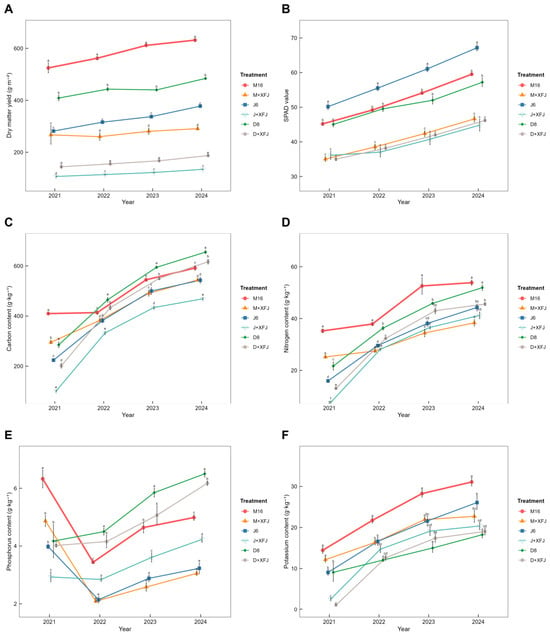
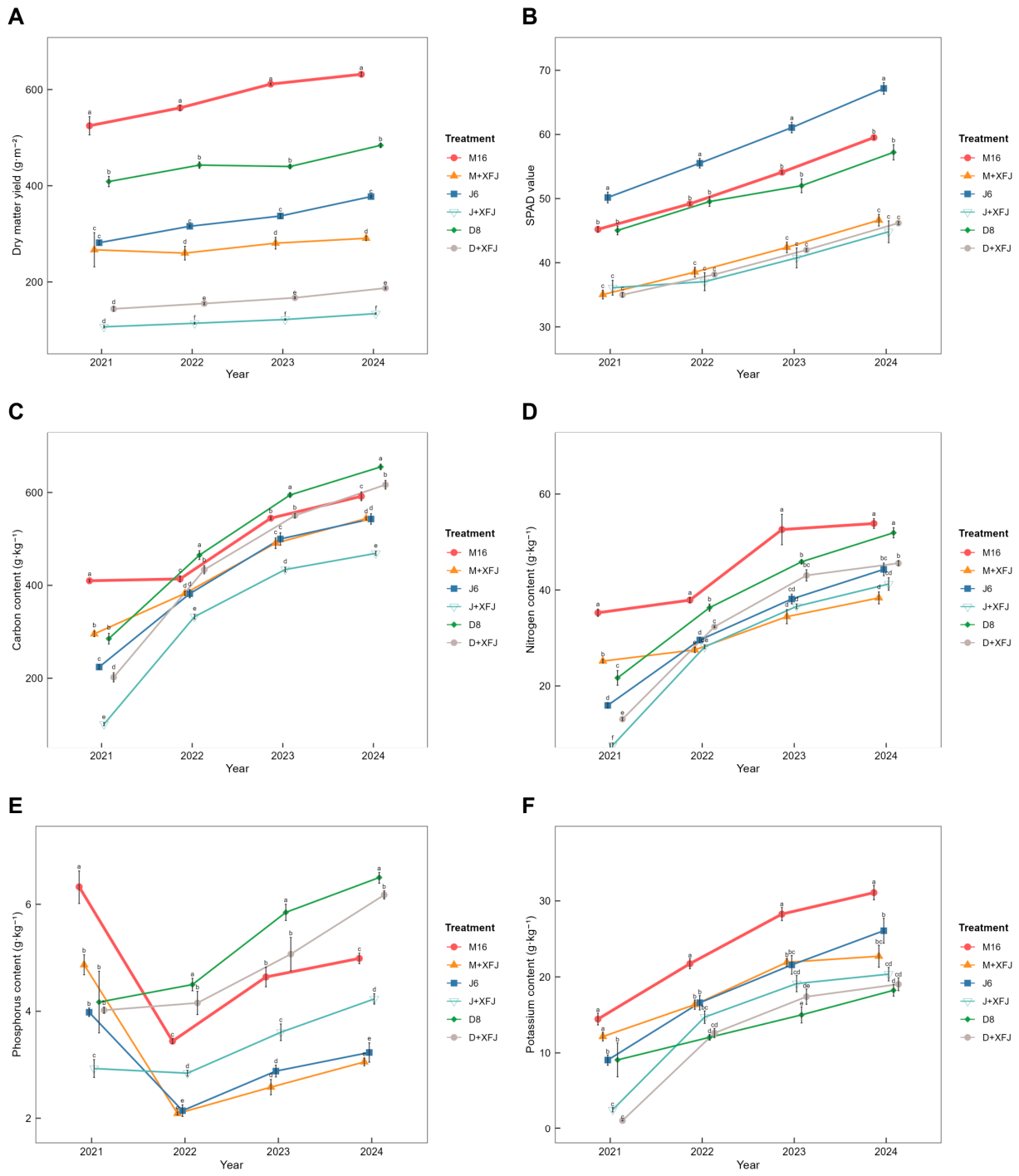
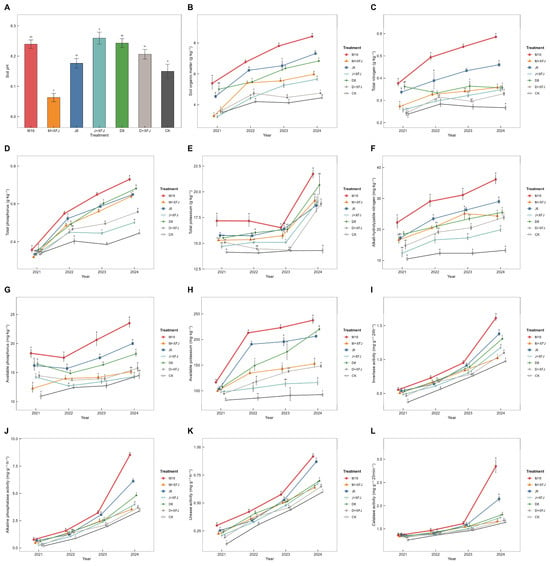
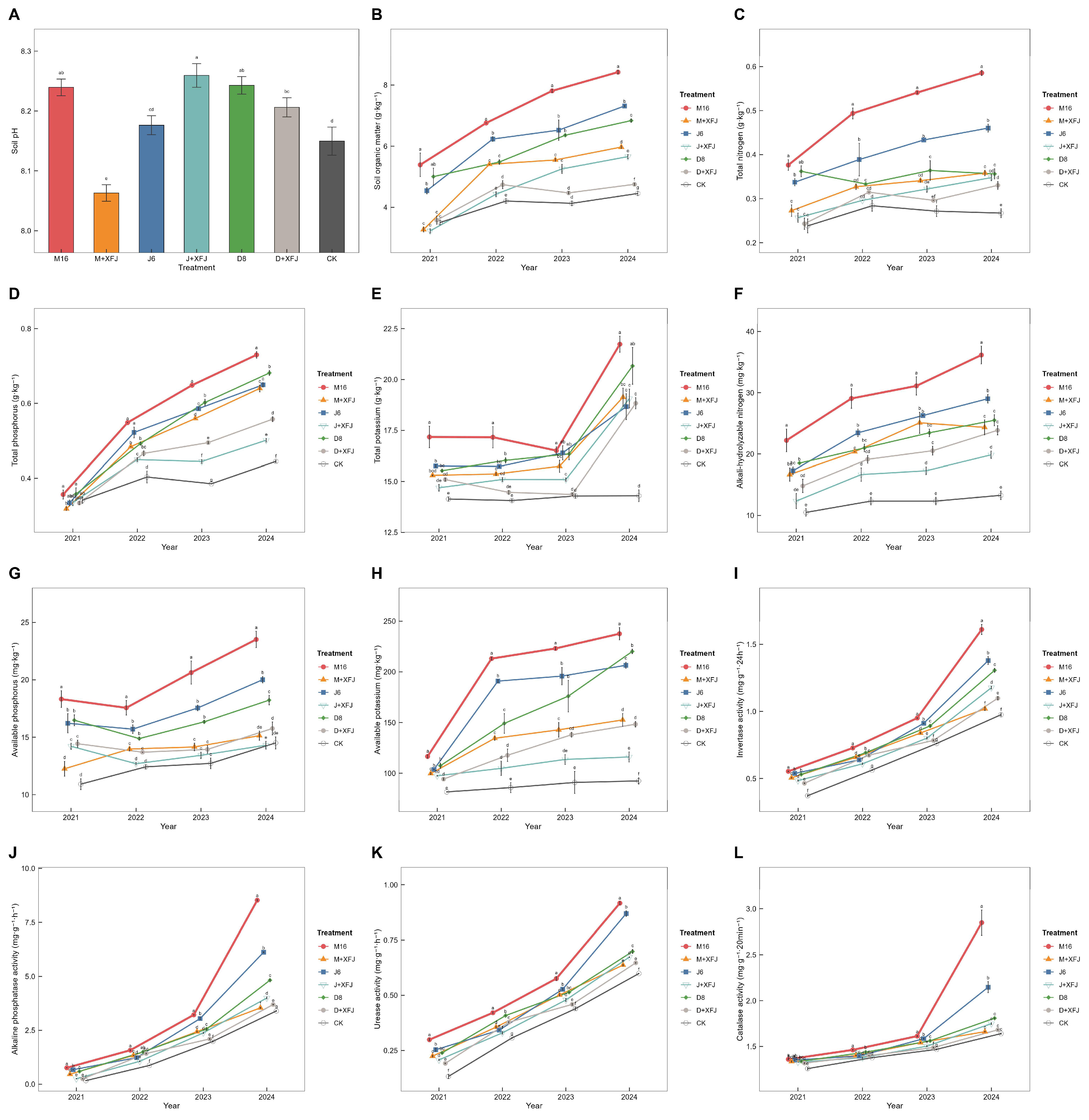
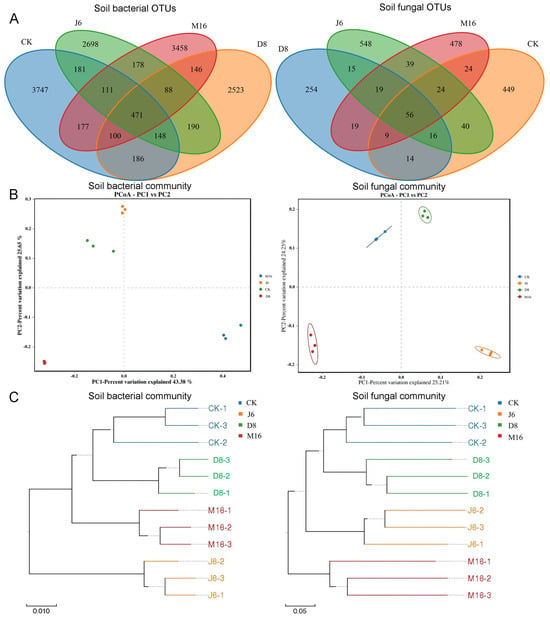
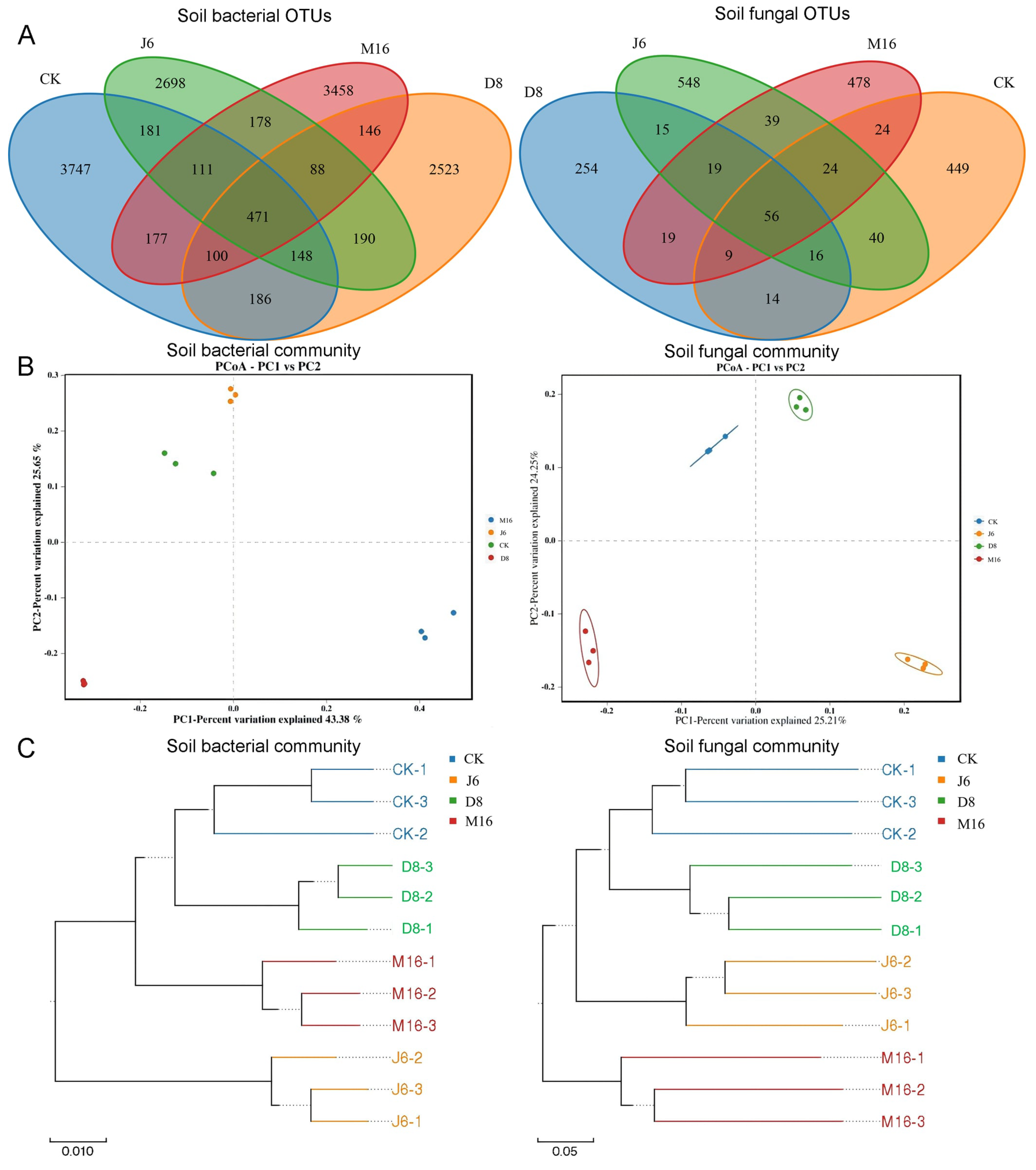
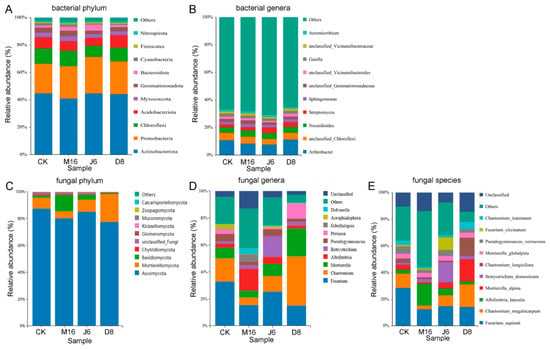
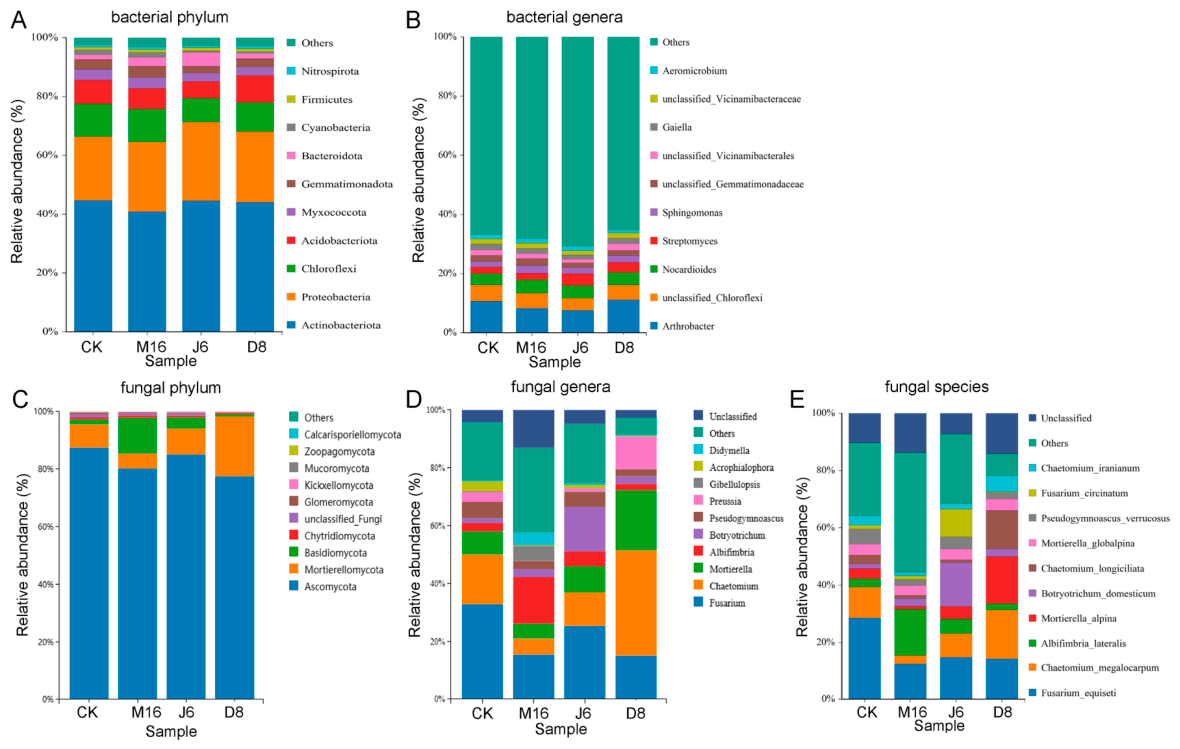
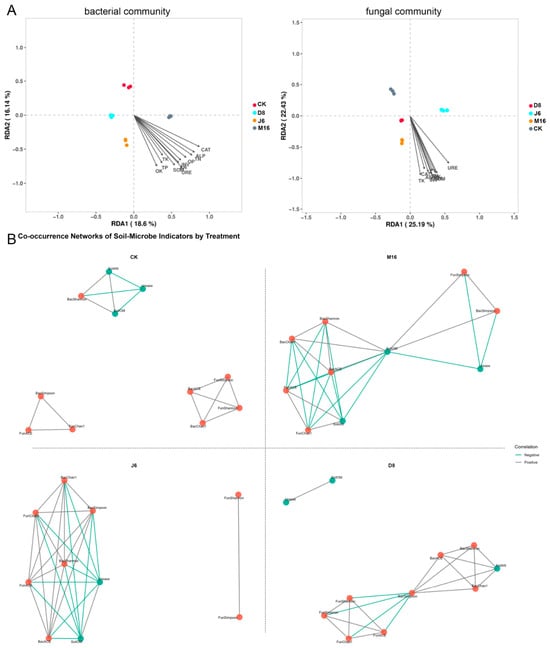

Disclaimer/Publisher’s Note: The statements, opinions and data contained in all publications are solely those of the individual author(s) and contributor(s) and not of MDPI and/or the editor(s). MDPI and/or the editor(s) disclaim responsibility for any injury to people or property resulting from any ideas, methods, instructions or products referred to in the content. |
© 2026 by the authors. Licensee MDPI, Basel, Switzerland. This article is an open access article distributed under the terms and conditions of the Creative Commons Attribution (CC BY) license.