


Abstract
Sensor-based environmental monitoring provides the real-time measurements required to support quality-oriented management in greenhouse tomato production. Although sensing does not directly alter fruit physiology, sensor-derived information can guide targeted interventions in temperature, light, relative humidity, irrigation, and nutrient management, thereby maintaining or imposing environmental conditions that influence fruit quality. This review examines the effects of these environmental conditions on tomato bioactive compounds and other quality traits and evaluates how sensor networks, AI-assisted analytics, decision-support tools, and automated control systems can support nutritional and functional quality-oriented greenhouse management. Particular emphasis is placed on functional quality traits, including lycopene and other carotenoids, phenolic compounds, vitamin C, and antioxidant capacity, alongside conventional physical and sensory attributes. The effects of key microclimate factors, including temperature, light intensity and spectral composition, relative humidity, and irrigation, are critically discussed, together with the role of sensing and control systems in maintaining conditions associated with desirable quality responses. The review also highlights advances in integrated sensing systems, data analytics, and decision-support tools that enable quality-oriented and functionality-driven greenhouse management. Remaining challenges, including variability in functional responses and limited integration of consumer-relevant health metrics, are identified. Overall, the integration of sensor-derived information with targeted management and control actions may facilitate greenhouse production strategies that explicitly prioritize nutritional, functional, physical, and sensory quality.
1. Introduction
Tomato (Solanum lycopersicum L.) is a major vegetable crop of the family Solanaceae, with substantial global economic importance, particularly in temperate regions. In Mediterranean countries such as Greece, tomato production represents a cornerstone of both open-field and greenhouse horticulture, contributing significantly to agri-food value chains and year-round market supply [1,2]. Beyond its economic importance, tomato plays a central role in human nutrition, serving as a major dietary source of bioactive compounds with well-documented health benefits [3,4]. Regular tomato consumption has been associated with reduced risk of chronic diseases, largely attributed to its content of lycopene, carotenoids (e.g., β-carotene), phenolic compounds, vitamins A, C and E, and other antioxidants [5,6]. Consequently, tomatoes are increasingly recognized not only as staple horticultural commodities, but also as functional foods with significant nutritional and health-promoting potential [4,7,8].
Greenhouse cultivation provides a unique opportunity to modulate these functional quality traits as well as organoleptic attributes through precise control of environmental conditions during plant growth and fruit development [9,10,11]. Temperature, light quantity and spectral composition, humidity, and irrigation regimes are known to directly influence metabolic pathways involved in the biosynthesis and accumulation of bioactive compounds. Recent advances in sensor-based environmental monitoring enable continuous, real-time assessment of these parameters, allowing targeted adjustments that go beyond yield optimization and directly support the enhancement of nutritional and functional quality [9]. As a result, greenhouse tomatoes are increasingly viewed not only as fresh produce, but also as vehicles for delivering health-promoting compounds to consumers. Under climate change and increasing resource limitations, greenhouse systems are challenged to improve water, nutrient, and energy use efficiency while maintaining high tomato quality. In this context, IoT-enabled sensor networks, AI-assisted analytics, and smart greenhouse technologies are emerging as valuable tools for real-time environmental optimization and quality-oriented crop management [9,11]. These data-driven approaches enable the identification of environmental conditions that promote bioactive compound accumulation and functional quality traits, supporting more precise and sustainable greenhouse tomato production [9]. Within this evolving framework, greenhouse tomato production serves as a model system for data-enabled, quality-oriented agri-food innovation. The convergence of sensor technologies, advanced analytics, and value-chain integration aligns with broader European priorities on sustainable, resilient, and health-conscious food systems, as reflected in emerging agri-data initiatives.
Although numerous studies have examined individual environmental factors or specific sensing technologies, an integrated synthesis linking greenhouse monitoring and management interventions with physical, nutritional, functional, and sensory tomato quality remains limited [9,12,13,14]. This review addresses this gap by evaluating how temperature, light intensity and spectral composition, relative humidity, irrigation, nutrient supply, and atmospheric conditions influence tomato quality and how sensor networks, AI-assisted data interpretation, decision-support tools, and automated control systems can guide targeted regulation of these factors. For this purpose, three databases (Scopus, PubMed, and Web of Science) were searched using suitable search terms, and relevant studies were selected based on their relevance to the scope and objectives of the review. By integrating agronomy, food science, and data-enabled greenhouse management, the review provides a framework for quality-oriented tomato production under controlled environments. Throughout the review, sensing is considered the measurement layer, whereas physiological and compositional responses are attributed to the environmental or cultivation interventions implemented using sensor-derived information.
2. Nutritional and Bioactive Components and Antioxidant Capacity
Tomato (Solanum lycopersicum L.) quality is a complex and dynamic trait encompassing physicochemical, nutritional, and physical characteristics that collectively determine consumer acceptance, processing performance, and nutritional value. In contemporary food science, tomato quality is increasingly recognized as a multidimensional and integrative concept in which biochemical composition, structural integrity, and sensory attributes are closely interconnected [3,15]. Moreover, tomato quality is highly responsive to environmental and cultivation conditions, particularly water availability during fruit development and ripening. Controlled water deficit strategies may improve fruit quality by reducing solute dilution and enhancing the preferential allocation of photosynthetically derived assimilates to fruit tissues [16].
Quality formation is strongly influenced by genotype, environmental conditions, cultivation practices, fruit maturity stage, and postharvest handling. Recent advances in metabolomics, foodomics, and chemometric analyses have further demonstrated that tomato quality results from complex interactions among metabolic pathways associated with sugars, organic acids, carotenoids, phenolic compounds, volatile constituents, and antioxidant-related metabolites [3,17,18,19,20]. These interacting biochemical networks collectively shape the sensory, nutritional, and functional profile of tomato fruits. For organizational clarity, tomato quality attributes are classified in this review into three categories: physicochemical characteristics, encompassing chemical and compositional measurements; physical and visual characteristics, encompassing appearance and structural properties; and nutritional and bioactive components and antioxidant capacity.
2.1. Physicochemical Quality
Physicochemical attributes describe the chemical and compositional properties that determine tomato flavor, processing suitability, and microbial stability. The parameters considered in this category include total soluble solids (TSS), titratable acidity, pH, moisture content, and ash or mineral content. Although color and firmness can be measured instrumentally, they are classified in this review as visual and structural quality attributes, respectively, and are therefore discussed exclusively in Section 2.2. Physicochemical characteristics are influenced by genotype, ripening stage, cultivation conditions, and postharvest handling.
2.1.1. Total Soluble Solids (°Brix)
Total soluble solids (TSS) represent the concentration of sugars, primarily glucose and fructose, together with organic acids, minerals, and other water-soluble constituents. They are commonly expressed as °Brix and are widely used as an indicator of sweetness, consumer acceptability, and processing yield [16]. Furthermore, total soluble solids also reflect broader physiological processes, including carbohydrate metabolism, solute accumulation, and osmotic regulation during fruit development and ripening [21].
2.1.2. Titratable Acidity
Titratable acidity (TA) represents the total concentration of dissociable organic acids in tomato fruit, primarily citric and malic acids. It contributes substantially to sourness, flavor intensity, and processing quality. The ratio of total soluble solids to titratable acidity is frequently used as an integrated indicator of sweetness and acidity balance and may provide a more representative measure of flavor perception than either parameter considered independently [13].
2.1.3. pH
Tomato pH is an important physicochemical parameter affecting microbial stability, enzyme activity, pigment stability, and processing requirements. Tomato fruit generally exhibits pH values ranging from approximately 4.0 to 4.5, although the precise value depends on cultivar, maturity stage, and cultivation conditions. Even relatively small variations in pH may influence enzymatic reactions, microbial growth, and the stability of quality related compounds during processing and storage [13].
2.1.4. Ash Content
Ash content represents the inorganic residue remaining after the complete combustion of organic matter and provides an estimate of the total mineral content of tomato fruit. The mineral fraction consists predominantly of potassium, together with calcium, magnesium, phosphorus, and other macroelements and trace elements. Although ash determination does not provide information about individual mineral concentrations, it is a useful general indicator of mineral composition, nutritional value, and compositional variation among tomato samples.
Physicochemical attributes may also be affected by postharvest handling. Tissue damage caused by mechanical harvesting, transportation, and storage can alter acidity, soluble solids distribution, and overall processing quality [13] whereas the associated effects on firmness and fruit integrity are discussed in Section 2.2.
2.2. Physical & Visual Quality
Physical and visual attributes describe the appearance and structural characteristics that determine tomato marketability, handling resistance, and consumer perception. These attributes include fruit size, shape, color, uniformity, firmness, and integrity. In this classification, color is treated as a visual indicator of ripening and pigment development, whereas firmness is considered a structural and textural property associated with shelf life and resistance to mechanical damage.
2.2.1. Color
Color is one of the most important quality indicators, reflecting both ripeness and biochemical composition. The transition from green to red during ripening is associated with chlorophyll degradation and lycopene accumulation [12]. Instrumental color parameters (L*, a*, b*) are widely used as objective indicators of quality.
2.2.2. Firmness
Firmness is a key indicator of texture and shelf life. It is primarily determined by cell wall structure and pectin composition, which undergo enzymatic degradation during ripening [13]. Loss of firmness increases susceptibility to mechanical damage and reduces storage stability.
2.2.3. Fruit Integrity
Fruit integrity refers to the absence of defects such as cracking, bruising, and decay. It is influenced by preharvest factors (e.g., calcium nutrition) and postharvest handling conditions. Mechanical stress during harvesting and transport can significantly compromise fruit integrity and marketability [13].
2.3. Nutritional & Bioactive Compounds
Tomatoes are widely recognized as an important dietary source of bioactive compounds exhibiting strong antioxidant and health-promoting properties [22,23]. Their nutritional composition includes carotenoids, phenolic compounds, flavonoids, vitamins, organic acids, and other antioxidant metabolites that contribute to both physiological functionality and sensory quality [23]. Among these compounds, lycopene, β-carotene, vitamin C, lutein, and diverse phenolic constituents have attracted considerable scientific interest due to their potential role in reducing oxidative stress and lowering the risk of chronic diseases, including cardiovascular disorders, certain cancers, and neurodegenerative conditions. The concentrations of these compounds vary according to genotype, ripening stage, and growing conditions [21,24]. This section defines the principal nutritional and bioactive attributes of tomato fruits, whereas their responses to specific environmental drivers are evaluated in Section 4. Overall, the functional and bioactive profile of tomato fruits may be enhanced through the application of biological and chemical agents that stimulate metabolic pathways involved in the biosynthesis of antioxidants and other health-promoting compounds [25]. In parallel, precision agriculture technologies and sensor-assisted greenhouse management systems provide the real-time environmental information required to support adaptive cultivation control. As conceptually summarized in Figure 1, sensor-derived measurements of key greenhouse parameters can be integrated with data analysis and decision-support tools to guide targeted management interventions in climate, lighting, irrigation, and fertigation. These interventions, rather than the monitoring process itself, influence plant physiological and metabolic responses and may consequently affect the accumulation of bioactive compounds and other tomato quality attributes under controlled-environment conditions.
Figure 1.
Integrated framework linking greenhouse environmental conditions, sensor-based monitoring and decision support, plant physiological and metabolic responses, and tomato quality outcomes.
2.3.1. Carotenoids
Carotenoids represent a large and diverse class of naturally occurring compounds, with more than 700 derivatives identified across various species. Structurally, they are lipid-soluble C40 tetraterpenoids synthesized from phytoene and produced mainly in chloroplasts, where they play a crucial role in antioxidant defense mechanisms [4]. In plants, carotenoids contribute to the distinctive pigmentation of fruits, vegetables, and flowers. Among them, oxygenated carotenoids such as lutein and zeaxanthin serve as accessory pigments in light-harvesting complexes, accumulating extensively in photosynthetic tissues and playing essential roles in photosystem organization and photoprotection. Tomatoes contain β-carotene, lutein, phytoene, and phytofluene [24]. These compounds contribute to provitamin A activity and oxidative stress protection. Their levels vary depending on cultivar and growing conditions [3,6,24].
Lycopene
Lycopene is the predominant carotenoid responsible for the characteristic red coloration of ripe tomato fruits and is recognized as one of the most important bioactive compounds in tomatoes. Owing to its strong antioxidant activity, lycopene has been extensively associated with protective effects against oxidative stress, cardiovascular diseases, inflammation, and certain types of cancer [6,7]. Lycopene biosynthesis is closely associated with fruit ripening [22,26], while its responses to temperature, light, irrigation, and nutrient availability are examined in detail in Section 4. In greenhouse cultivation systems, temperature, light, irrigation, and nutrient management can significantly modulate lycopene accumulation. Sensor-based monitoring can support the precise regulation of these factors by providing the information required for timely management or automated control interventions. Excessively high temperatures may inhibit lycopene biosynthesis and alter carotenoid metabolism, whereas optimized light and irrigation strategies can promote pigment accumulation and improve fruit nutritional value [26].
Other Carotenoids: β-Carotene, Lutein, and Related Compounds
Beyond lycopene, tomato fruits contain several other carotenoids, including β-carotene, lutein, zeaxanthin, phytoene, and phytofluene [24]. β-Carotene contributes to provitamin A activity, whereas lutein and zeaxanthin participate in antioxidant defense and photoprotection. The concentrations of these carotenoids vary according to genotype, ripening stage, and growing conditions [3,6,24,27].
Among these compounds, lutein and zeaxanthin are of particular importance due to their biological activity and potential health benefits. These xanthophyll carotenoids selectively accumulate in the retina, where they provide protection against photooxidative damage and oxidative stress, thereby supporting visual health and retinal function [4,24]. They have also been associated with antioxidant, anti-inflammatory, neuroprotective, and cardioprotective activities [3,6,7,19].
The characteristic red color of ripening tomato fruits results from the coordinated degradation of chlorophyll and the concomitant accumulation of carotenoids, particularly lycopene and β-carotene [24]. During ripening, the expression of genes encoding lycopene epsilon-cyclase and lycopene beta-cyclase, SlLCYE and SlLCYB, respectively, is strongly downregulated around the breaker stage. This regulation limits the conversion of lycopene into downstream carotenoids and contributes to the relatively low accumulation of lutein and zeaxanthin in fully ripe tomato fruits [28].
In addition to genotype and ripening stage, carotenoid accumulation is influenced by light intensity and spectral composition, temperature, irrigation, nutrient availability, and relative humidity [17,24,29]. The reported effects of these environmental factors are synthesized in Section 4. In greenhouse cultivation, continuous monitoring can provide the information required to guide control actions intended to maintain conditions favorable for carotenoid accumulation; however, the resulting compositional responses arise from the environmental interventions implemented rather than from monitoring itself [9].
2.3.2. Phenolic Compounds
Phenolic compounds, including flavonoids and phenolic acids, play a crucial role in antioxidant defense, plant metabolism, and tomato functional quality. In tomatoes, the major phenolic constituents include quercetin, rutin, naringenin, chlorogenic acid, caffeic acid, and ferulic acid, which contribute significantly to antioxidant capacity and oxidative stress protection. These compounds are unevenly distributed within the fruit, with higher concentrations typically detected in the peel and seeds compared to the pulp. Phenolic compounds are associated with several health-promoting properties, including anti-inflammatory, antimicrobial, cardioprotective, and anticancer activities, making tomatoes an important dietary source of natural antioxidants [15,23].
Phenolic accumulation varies according to genotype, maturity stage, and growing conditions [13]. Factors such as light intensity, UV radiation, temperature, irrigation regime, salinity, and nutrient availability can significantly modulate phenolic metabolism and biosynthetic pathways. In greenhouse cultivation systems, sensor-guided environmental management can facilitate the controlled application of lighting, irrigation, salinity, and nutrient treatments that influence phenolic accumulation and the nutritional and functional value of tomatoes [9,21].
2.3.3. Vitamin C
Vitamin C is one of the principal water-soluble antioxidants in tomato fruit and occurs mainly as ascorbic acid and its oxidized form, dehydroascorbic acid. It contributes to cellular redox homeostasis, reactive oxygen species scavenging, and the regeneration of other antioxidant molecules, while also participating as a cofactor in several enzymatic reactions [22]. In human nutrition, vitamin C supports collagen synthesis, iron absorption, and normal immune function. Because humans cannot synthesize vitamin C endogenously, its dietary intake is essential, and tomatoes represent an important source because of their widespread and regular consumption. Tomato vitamin C content varies according to genotype, fruit maturity, cultivation conditions, and postharvest handling [8,30]. Analytical assessment should consider both ascorbic acid and dehydroascorbic acid when total vitamin C content is reported.
2.3.4. Antioxidant Capacity
Antioxidant capacity reflects the combined contribution of bioactive compounds such as lycopene, phenolic compounds, flavonoids, vitamin C, and other antioxidant metabolites present in tomato fruit [8,22]. It is commonly assessed using complementary analytical methods, including DPPH and ABTS radical-scavenging assays and the ferric reducing antioxidant power assay, and is frequently associated with total phenolic and carotenoid content [21]. However, these assays are based on different reaction mechanisms and may differ in their sensitivity to hydrophilic and lipophilic antioxidants. Consequently, the antioxidant capacity reported for tomato fruit may be influenced by the extraction procedure, solvent composition, assay conditions, ripening stage, and the relative abundance of individual bioactive compounds. The use of multiple complementary assays, together with the determination of specific antioxidants, therefore provides a more comprehensive assessment of tomato functional quality. Antioxidant activity is not simply the sum of individual compound concentrations but may also reflect synergistic or antagonistic interactions among carotenoids, phenolics, ascorbic acid, and other metabolites [31]. Nevertheless, values obtained from in vitro antioxidant assays should be interpreted as analytical indicators of antioxidant potential rather than as direct evidence of bioavailability or physiological effects in humans.
3. Environmental Drivers of Tomato Quality in Greenhouse Systems
Environmental parameters, including temperature, relative humidity, light, water availability, salinity, nutrient supply, and atmospheric conditions, particularly CO2 concentration, directly influence tomato development and quality [11,12]. Continuous monitoring provides the measurements required to identify environmental deviations and guide targeted regulation of these factors. The resulting management interventions, rather than the measurements themselves, can modify bioactive compound accumulation, flavor attributes, and overall nutritional quality [9,11,32]. This section focuses specifically on the technologies used to measure these parameters and support greenhouse control actions, whereas their experimentally reported effects on tomato metabolites and quality traits are synthesized in Section 4.
3.1. Temperature
Temperature is one of the most critical environmental parameters influencing tomato growth, fruit development, ripening, and overall quality in greenhouse cultivation systems. In controlled-environment agriculture, temperature directly affects physiological processes such as photosynthesis, respiration, enzyme activity, carbohydrate metabolism, and pigment biosynthesis, thereby modulating both productivity and fruit quality attributes [33]. Optimal thermal conditions favor the accumulation of bioactive compounds, including lycopene, carotenoids, vitamin C, and phenolic compounds, whereas poorly regulated greenhouse temperatures may impair pigment formation, alter sugar–acid balance, reduce firmness, and negatively affect sensory quality [34]. Temperature dynamics also influence volatile organic compound formation and flavor development, highlighting the importance of precise thermal regulation during fruit ripening [13].
In modern greenhouse systems, sensor-based technologies play a central role in continuous temperature monitoring and climate optimization [35,36]. Wireless temperature sensors, infrared thermal sensors, and IoT-enabled monitoring platforms allow real-time acquisition of microclimate data at both greenhouse and canopy levels [37]. These systems can detect spatial and temporal temperature variations, enabling rapid adjustment of ventilation, heating, cooling, shading, and air circulation systems according to crop physiological requirements. The integration of temperature measurements with predictive models can support the timing and intensity of heating, cooling, ventilation, and shading. Sensors therefore enable more precise thermal management, while the temperature conditions achieved through these interventions determine the resulting quality response [32,36]. Consequently, sensor-assisted thermal management contributes not only to improved productivity and resource-use efficiency, but also to the production of greenhouse tomatoes with enhanced nutritional, functional, and sensory attributes.
3.2. Relative Humidity
Relative humidity is a key environmental factor influencing tomato physiology, transpiration, nutrient transport, fruit development, and overall fruit quality in greenhouse cultivation systems [38]. Humidity levels directly affect stomatal conductance, plant water relations, and calcium distribution within fruit tissues, thereby influencing firmness, fruit integrity, and susceptibility to physiological disorders such as blossom-end rot [39,40]. Excessively high relative humidity may reduce transpiration rates and impair calcium uptake, increasing the risk of fungal diseases, poor fruit set, and reduced postharvest quality [38]. Conversely, excessively low humidity can induce excessive transpiration, tissue dehydration, water stress, and fruit cracking, negatively affecting both yield and sensory quality attributes [41]. Therefore, precise humidity regulation is essential for maintaining balanced physiological activity, stable fruit development, and high-quality tomato production under controlled-environment conditions. In parallel, irrigation management strategies closely interact with humidity conditions and significantly influence tomato nutritional and sensory quality [42]. Recent evidence indicates that moderate water-deficit irrigation can enhance carotenoid accumulation, stimulate the expression of flavor-related metabolic genes, and promote the biosynthesis of volatile organic compounds associated with improved fruit appearance, flavor complexity, and consumer acceptability [43,44,45]. These findings highlight the importance of integrated environmental regulation strategies combining humidity and irrigation management for optimizing greenhouse tomato functional quality.
Recent advances in greenhouse humidity management have shifted environmental control from conventional threshold-based regulation toward more dynamic, resource-efficient, and sustainability-oriented microclimate optimization strategies [46,47]. High-resolution relative humidity sensors combined with IoT infrastructures, wireless sensor networks, and cloud-based data acquisition systems now enable continuous spatiotemporal monitoring of humidity gradients within greenhouse compartments and plant canopies [9,48]. Such approaches are particularly important because localized humidity fluctuations strongly influence transpiration dynamics, stomatal behavior, calcium transport, and condensation formation, all of which directly affect tomato fruit quality and disease susceptibility.
Emerging evidence indicates that integrated temperature-humidity optimization strategies, rather than relative humidity regulation alone, provide a more effective framework for precision greenhouse tomato management [49]. Advanced climate-control approaches combining vapor pressure deficit, disease risk assessment, crop physiological responses, and energy-consumption modeling enable dynamic optimization of greenhouse microclimate conditions through predictive and multi-objective control systems. Such strategies support the simultaneous regulation of crop growth, disease suppression, photosynthetic efficiency, and operational energy costs, thereby improving greenhouse environmental management and tomato production sustainability [38,48].
Measurements of relative humidity, temperature, CO2, and leaf-surface conditions can be integrated to guide ventilation, heating, fogging, and dehumidification [33,50,51]. AI- and machine-learning-based models may improve the prediction of microclimate deviations and disease risks; however, any fruit-quality response results from the subsequent environmental intervention rather than from monitoring alone [14,52,53].
3.3. Light Intensity and Spectral Composition
Light intensity and spectral composition are among the most influential environmental factors regulating tomato growth, photosynthetic performance, fruit ripening, and bioactive compound accumulation in greenhouse cultivation systems [31,54,55]. Beyond its fundamental role in carbon assimilation, light also acts as a key signaling factor regulating gene expression, secondary metabolism, pigment biosynthesis, and volatile organic compound formation through complex photoreceptor-mediated pathways [11]. In particular, cryptochromes and UVR8 receptors mediate blue and UV-B light signaling, respectively, activating metabolic pathways associated with phenylpropanoid metabolism, ascorbic acid biosynthesis, and antioxidant defense mechanisms [11]. Variations in light quantity and spectral composition therefore directly influence the accumulation of carotenoids, hydroxycinnamic acids, flavonoids, vitamin C, and antioxidant metabolites, while simultaneously modulating sensory attributes such as color, sweetness, aroma, firmness, and flavor complexity [11,31].
Recent evidence demonstrates that supplemental blue and UV-B radiation can significantly enhance fruit firmness, antioxidant activity, ascorbic acid accumulation, and the biosynthesis of desirable volatile organic compounds associated with fruity, floral, green, and tomato-vine sensory characteristics [31]. Moreover, synergistic effects between blue and UV-B light exposure have been associated with improved plant defense responses and increased accumulation of health-promoting bioactive compounds without compromising fruit yield [31]. These findings highlight the potential of pre-harvest spectral manipulation strategies for producing nutrient-dense greenhouse tomatoes with improved oxidative stability, enhanced functional properties, and superior postharvest quality. Consequently, precision light management through sensor-based spectral monitoring and adaptive LED technologies is increasingly recognized as an important approach for optimizing both fresh-market and processed greenhouse tomato production systems [55].
Quantum sensors, spectroradiometers, and other spectral monitoring systems provide information on PAR, spectral distribution, canopy light interception, and photoperiod. These measurements can guide adjustments in LED intensity and spectrum, supplemental lighting, shading, and photoperiod. The resulting quality response depends on the light treatment applied rather than on the measurement itself [11,56].
3.4. Water Deficit and Salinity Effects
Water availability and salinity significantly influence tomato physiology, fruit development, and quality formation in greenhouse cultivation systems [40,43,44,57]. Moderate water-deficit strategies have been associated with increased total soluble solids, sugar concentration, carotenoid accumulation, volatile-compound formation, and antioxidant activity, although these responses depend on the severity and timing of the deficit [40,43,44]. Similarly, controlled salinity levels may increase soluble solids, sugars, organic acids, and certain bioactive compounds [57,58,59]. However, excessive water deficit or high salinity can reduce fruit size, plant growth, and yield, highlighting the importance of balanced environmental regulation [40,44,57,60].
In modern greenhouse systems, sensor-based irrigation and salinity-monitoring technologies provide the measurements required to support precise management of water and nutrient dynamics throughout the cultivation cycle [18,52,53,61]. Soil moisture sensors, electrical conductivity (EC) probes, and IoT-enabled irrigation platforms provide real-time information regarding substrate water status and salinity levels, supporting adaptive irrigation and fertigation management strategies [14,38,39,61,62].
3.5. CO2 Concentration and Monitoring
Carbon dioxide concentration is an important atmospheric parameter in greenhouse tomato production because CO2 availability directly affects photosynthetic carbon assimilation and consequently influences crop growth, biomass accumulation, water-use efficiency, and productivity [63]. In protected cultivation systems, greenhouse CO2 concentration may fluctuate considerably according to solar radiation, crop photosynthetic demand, ventilation rate, air exchange, and crop developmental stage. Therefore, CO2 should be considered together with temperature, relative humidity, light, and water availability within integrated greenhouse environmental management rather than as an isolated environmental factor. He et al. (2026) demonstrated that responses of cherry tomato to elevated CO2 are closely linked with temperature and irrigation management, emphasizing the need to optimize these environmental parameters jointly rather than independently [49].
Continuous monitoring of CO2 concentration provides the information required to assess temporal variations in the greenhouse atmosphere and supports data-driven environmental management. Recent approaches increasingly emphasize the integration of sensor-derived measurements with digital data acquisition, analysis, and reporting frameworks, allowing CO2 concentrations to be quantified and interpreted together with other environmental parameters. Such monitoring is also relevant to broader measurement, reporting, and verification frameworks, in which reliable environmental data are required to assess carbon-related processes and management outcomes in agricultural production systems [64]. In greenhouse cultivation, CO2 measurements can therefore contribute to the environmental information used to guide management decisions. Nevertheless, CO2 sensing itself represents the measurement layer, whereas physiological and fruit-quality responses arise from the environmental conditions subsequently established through greenhouse management.
The integration of CO2 management with greenhouse energy and climate-control systems has also attracted increasing attention. Ham et al. (2024) [65] developed a solid oxide fuel cell-based combined cooling, heating, and power system in which CO2-containing exhaust gas was supplied to a tomato greenhouse for photosynthetic utilization. Greenhouse heating and cooling loads were modeled according to target temperature, meteorological conditions, and tomato evapotranspiration. Compared with the reference system, the proposed configuration reduced total power consumption by up to 12% during the heating season, although power consumption increased by up to 6.2% during the cooling season. Overall, the proposed system achieved approximately 9% annual power savings. These findings illustrate how CO2 supply can be integrated with greenhouse thermal and energy management while simultaneously providing CO2 for tomato production.
Collectively, these findings indicate that CO2 monitoring should form part of integrated greenhouse decision-support systems in which atmospheric CO2 data are evaluated together with temperature, relative humidity, light, irrigation, and energy requirements. Such integration may improve the coordination of ventilation, CO2 supply, and climate-control actions while reducing unnecessary CO2 losses associated with ventilation. However, the benefits demonstrated for integrated CO2-management systems should be distinguished from direct effects on tomato nutritional or functional quality, for which further targeted experimental evidence is required.
Taken together, the environmental factors discussed above interact to determine tomato growth, physiological performance, and fruit quality under greenhouse conditions. Table 1 summarizes the principal environmental drivers considered in this review, the specific experimental conditions or treatments reported in the literature, the corresponding effects on tomato quality traits and bioactive compounds, and the monitoring approaches relevant to each factor. The table also distinguishes between environmental or cultivation treatments that directly influence plant and fruit responses and the sensor-based measurements used to support their monitoring and management. In this way, Table 1 provides an integrated overview linking greenhouse environmental regulation with tomato quality outcomes and the sensing technologies used to support precision management.
Table 1.
Environmental drivers, experimental conditions, quantitative tomato-quality responses, and corresponding monitoring approaches in greenhouse cultivation systems. Reported values are specific to the experimental conditions and cultivars examined in the cited studies.
4. Effects of Environmental Factors on Greenhouse Tomato Quality
Antioxidants and phytochemicals accumulate in plant tissues according to organ, genotype, and developmental stage, while their concentrations in tomato fruit are further influenced by environmental conditions and cultivation practices. Temperature, relative humidity, light intensity and spectral composition, water availability, nutrient supply, and salinity can regulate physiological and metabolic processes associated with sugar accumulation, organic acid metabolism, carotenoid biosynthesis, phenolic compound formation, and antioxidant activity [30,73,74,75]. These responses are not uniform, as their direction and magnitude depend on the intensity and duration of environmental exposure, fruit ripening stage, cultivar, and interactions among multiple growing conditions. Preharvest management and postharvest handling may further modify the final nutritional, physicochemical, and sensory characteristics of the fruit. The following subsections therefore examine the reported effects of temperature, relative humidity, light, nutrient and fertilizer supply, and salinity on greenhouse tomato quality.
4.1. Temperature
Temperature has a large impact on tomato fruit quality traits, including color, sweetness, and the accumulation of bioactive compounds such as lycopene and ascorbic acid [76,77]. Lycopene synthesis occurs between 12 and 32 °C, with ideal day/night temperatures being 20–24 °C and 18 °C, respectively, while both low (<12 °C) and high (>30 °C) temperatures inhibit the process of its synthesis [66]. For instance, when tomato plants are exposed to temperatures above 30 °C, lycopene production declines, causing fruits to develop yellow or orange shades rather than the typical red color [74,78,79,80]. Nevertheless, the effect of relatively high temperature can contribute to the high total ascorbic acid content in greenhouse-grown tomatoes. According to Raffo et al. (2006), high temperatures can partially contribute to the comparatively high total ascorbic acid concentration in greenhouse-grown tomatoes [78]. Botella et al. (2021) also reported that excessive temperatures elevate vitamin C content but may reduce certain phenolic compounds and carotenoids concentrations, such as hydroxycinnamic acids, flavanones, phytofluene, phytoene, and violaxanthin [58]. In addition, temperature also affects fruit size and color, as well as sweetness, carbohydrate distribution, and TSS content [81]. According to Ruiz-Nieves et al. (2021), temperature impacts tomato fruit quality by reducing fruit dimensions and accelerating ripening at higher temperatures. [33] It also changes the biochemical profile by raising ascorbate and carotenoid concentrations, such as lycopene and β-carotene, while phenolics concentrations remain constant. These findings highlight temperature’s fundamental role in determining tomato fruit quality and emphasize the necessity for carefully planned environmental management to maximize tomato quality parameters.
4.2. Relative Humidity
Relative humidity influences tomato water relations and Ca distribution. Very low relative humidity increases the leaf-to-air vapor-pressure deficit and leaf transpiration, which may preferentially direct xylem-transported Ca toward the leaves. Blossom-end rot (BER) is a localized Ca-related physiological disorder that develops in distal fruit tissues, where Ca concentrations are lower than in proximal tissues; it does not itself cause peel cracking or pest infestation [67,82]. Conversely, high relative humidity lowers the vapor-pressure deficit and modifies Ca partitioning, reducing Ca import into leaves while increasing Ca allocation to the fruit [67]. High relative humidity may also increase stomatal conductance; however, this does not necessarily result in higher transpiration because water loss depends on both stomatal conductance and the leaf-to-air vapor-pressure gradient [83]. Any increased fungal disease risk under prolonged high-humidity conditions should therefore be considered independently of BER. According to Buschermohle and Grandle (2002), the optimal humidity level for tomato plants is 65–75% at night and 80–90% during the day [51]. However, optimal humidity conditions differ at each stage of development [81]. Jones Jr. (2007) found that 75 to 88% is preferred at the germination stage, 71 to 80% in the seedling stage, and 60 to 80% from the vegetative to termination stages [84]. Zheng et al. (2022) reported that exposing tomato plants to high temperatures and relative humidity during the flowering stage reduced the sugar-to-acid ratio and vitamin C and total soluble sugar levels, while raising organic acid content and titratable acidity [39]. Nevertheless, maintaining relative humidity at approximately 70% alleviated some of the impacts of heat stress and elevated fruit quality. In controlled environments, growers operate heat and ventilation to control humidity, whereas evaporative cooling is utilized to manage humidity in dry climates.
4.3. Light Environment
Light is also important for the growth and quality of tomato plants, resulting in seasonal differences in fruit characteristics. Tomatoes grown in winter have lower TSS than those cultivated in summer, and those grown indoors have lower TSS due to inadequate light quality compared to outdoor production [62]. UV light (290–400 nm) increases the accumulation of total polyphenols in tomato fruits, with levels of caffeic acid, ferulic acid, and p-coumaric acid being approximately 20% higher than in plants under UV restriction (<380 nm) [85]. Bhattarai et al. (2025) observed that pre-harvest supplemental UV-B and blue light, especially when used in combination, improved the nutritional and sensory properties of greenhouse-grown tomatoes by increasing the Volatile Organic Compounds (VOCs), which are associated with fruit quality and consumer preference [11]. The authors concluded that these effects were linked to increased availability of carotenoid precursors, especially lycopene, as well as increased carotenoid turnover. Seasonal variations in solar radiation also impact soluble sugar levels and antioxidant compounds in greenhouse-grown tomatoes, as greenhouse fruits are exposed to less UV radiation than field-grown [30]. Tomatoes cultivated and harvested in winter, early spring, and late autumn have lower total solids content and consequently inferior quality, as a result of increased xylem contribution and decreased photosynthesis due to low light intensity [86]. Light exposure, especially under low water levels, enhances ascorbic acid accumulation, with studies showing a 60% increase in ripe fruit when plants are transitioned from shade to full sunlight during the mature green stage [30]. Low light intensity decreases pigment synthesis, resulting in uneven fruit coloration, with shaded fruits generally having lower carotenoid levels, even though carotenoid formation in mature fruits does not require light induction [87]. Abnormalities in fruit pigmentation, such as shoulder or side discoloration, are more evident in sun-exposed fruits, most likely due to infrared and short-wave radiation. Carotenoid content varies with cultivation conditions; β-carotene levels are equal or lower in glass or plastic tunnels than in open fields. Lycopene content from glass and plastic tunnels rises to the open field, suggesting that light interception and high-temperature interactions in protected environments affect carotenoid accumulation. Lycopene accumulation is suppressed in tissues exposed to high irradiation (650 W m−2 from incandescent lights), causing visible tissue damage [88]. Overall, excessive solar radiation significantly inhibits lycopene synthesis, with radiation-induced fruit damage attributed to overheating effects on irradiated tissues [88].
4.4. Nutrient and Fertilizer Supply
The nutritional demands of the tomato plant are high, with nitrogen, phosphorus, and potassium being the major macronutrients needed for optimal growth and quality. Nitrogen supply has been found to change TSS in tomatoes; however, results are inconsistent. For instance, reducing nitrate from 12 mM to 4 mM raised TSS (mainly sucrose, fructose, and glucose) and decreased acidity without affecting yield. On the contrary, studies conducted on cherry tomatoes revealed a positive correlation between nitrate addition (0–36 mM) and TSS levels, but concentrations above 9 mM negatively affected yield [62,81]. Potassium availability is positively associated with TSS, even though high potassium levels can enhance electrical conductivity (EC), due to interactions with soil water composition and salinity levels [62,81]. Similarly, carotenoid accumulation, particularly lycopene, is generally positively correlated with potassium availability to the plant [81,89]. Nutrient deficiencies in the soil, such as potassium and calcium, result in uneven color development during fruit ripening, impaired photosynthesis, and changes in stem diameter [81,90]. The nutrient type, namely liquid or solid fertilizer, determines how efficiently nutrients are absorbed. Numerous studies have evaluated the performance of organic and conventional production systems to assess their effects on tomato quality attributes. Nevertheless, there are no clear findings regarding their impact on TSS. Further research is therefore required to clarify how different production systems affect nutrient composition and overall fruit quality [50,62,81,83].
4.5. Salinity
Magán et al. (2008) reported that increasing nutrient-solution salinity reduced tomato fruit size while improving certain visual attributes and soluble solids content [57]. Van Meulebroek et al. (2016) subsequently demonstrated that salinity-induced changes in carotenoid metabolism were strongly dependent on fruit developmental stage and that modifying salinity had only limited potential to enhance carotenoid accumulation in the cultivar examined [59]. These findings indicate that salinity effects on tomato quality depend on the targeted metabolic pathway, fruit developmental stage, cultivar, and intensity and duration of the treatment. Controlled salinity may improve specific compositional or sensory attributes, but these potential benefits must be balanced against reductions in fruit size and productivity. More broadly, the evidence reviewed in Section 4 demonstrates that quality responses result from environmental and cultivation interventions, whereas sensor measurements provide the information required for their precise implementation and control.
5. Integrated Greenhouse Monitoring and Decision-Support Systems
Integrated greenhouse monitoring systems have demonstrated their value in improving the precision of environmental regulation and resource management. Their effect on fruit quality depends on whether the acquired information is translated into appropriate irrigation, fertigation, lighting, ventilation, or climate-control interventions [9]. Recent research combining wireless sensor networks, IoT platforms, and AI-assisted decision-support systems have shown that continuous monitoring of environmental parameters, including temperature, relative humidity, light intensity, CO2 concentration, soil moisture, and nutrient availability, enables more precise and adaptive greenhouse management. Such systems facilitate real-time adjustments in irrigation, fertigation, ventilation, supplemental lighting, and climate-control strategies according to crop physiological requirements and developmental stages. Compared with conventional greenhouse management practices, integrated monitoring approaches have been associated with improved yield stability, enhanced fruit uniformity, reduced resource consumption, and better environmental control accuracy [36,91]. Beyond productivity improvements, integrated greenhouse monitoring systems may support improvements in tomato nutritional and sensory quality by guiding environmental interventions associated with bioactive-compound and flavor-related metabolite accumulation.
Integration of Smart Monitoring Platforms in Greenhouse Tomato Production
The implementation of smart monitoring platforms is increasingly transforming greenhouse tomato production from conventional environmental management toward data-driven and quality-oriented cultivation systems. Modern digital agriculture platforms integrate Internet of Things (IoT) technologies, wireless sensor networks, cloud computing, and artificial intelligence (AI) to enable continuous monitoring and optimization of greenhouse microclimate conditions. These systems collect real-time data related to temperature, relative humidity, light intensity, CO2 concentration, soil moisture, electrical conductivity, and irrigation dynamics, thereby supporting precision control of environmental parameters directly associated with tomato growth, ripening, and fruit quality formation [92].
AI- and machine-learning-assisted platforms can combine environmental monitoring with image-based disease recognition to support the early identification of fungal disease risks, transpiration imbalances, and physiological disorders such as blossom-end rot [61,82,93]. Multimodal sensing approaches integrating relative humidity, temperature, CO2, and leaf-surface measurements can also support the adaptive regulation of ventilation, heating, fogging, and dehumidification. In this context, AI improves data interpretation and control decisions, whereas the resulting crop and quality responses depend on the environmental interventions implemented [9,49,94].
Digital platforms used for greenhouse and precision-crop monitoring facilitate the real-time acquisition, transmission, visualization, and analysis of agronomic and environmental data through interconnected sensor infrastructures and cloud-based interfaces [95,96]. These systems can integrate measurements of air and substrate temperature, relative humidity, light intensity, CO2 concentration, soil or substrate moisture, electrical conductivity, and nutrient availability within a unified monitoring environment. Continuous data collection allows growers to identify deviations from predefined cultivation thresholds, assess temporal trends, and receive alerts or predictive recommendations before unfavorable conditions become prolonged. When connected to decision-support or automated feedback mechanisms, the information generated by these platforms can guide the adjustment of irrigation, fertigation, ventilation, heating, cooling, and other climate-control strategies according to crop developmental stage and physiological requirements [97,98]. Their agronomic value therefore arises from translating sensor-derived information into appropriate management interventions, rather than from environmental monitoring alone.
Examples of commercial platforms and research-oriented systems include SynField, a commercial platform developed by Synelixis Solutions S.A. [99]; the IoT- and WSN-based greenhouse platform described by Benyezza et al. (2023) [96]; and the IoT-based tomato monitoring and data-analysis system evaluated by Galaverni et al. (2025) [61]. Although these examples differ in architecture and application scope, they illustrate how digital monitoring and decision-support technologies can inform irrigation and environmental-control decisions. SynField is included solely as an illustrative commercial example, and no claim of comparative superiority or endorsement is intended.
As illustrated in Figure 2, intelligent monitoring platforms integrate environmental measurements with data analysis and decision-support functions to guide greenhouse management. AI-assisted interpretation of sensor-derived datasets can identify conditions associated with desirable quality outcomes and support targeted adjustments in irrigation, fertigation, ventilation, lighting, and climate control [92]. Their contribution to functional quality is therefore indirect, as changes in tomato composition arise from the environmental interventions implemented rather than from monitoring alone.
Figure 2.
Integration.
6. Discussion/Challenges and Future Perspectives
The development of smart greenhouse systems and precision environmental management strategies offers substantial opportunities for improving tomato quality, resource-use efficiency, and production sustainability. Optimized water-nutrient management practices can reduce irrigation and fertilization costs while simultaneously enhancing economic returns and maintaining high fruit quality. Importantly, precision environmental regulation enables a balance between individual fruit quality and overall crop productivity, while alleviating pressure on water and nutrient resources. The integration of sensor technologies, IoT infrastructures, AI-assisted analytics, and adaptive decision-support systems supports the translation of environmental measurements into timely management and control actions. These interventions may maintain or impose environmental regimes associated with carotenoid accumulation, antioxidant activity, sensory attributes, and other functional quality traits. In parallel, advances in spectral light management and environmental modulation strategies have demonstrated strong potential for selectively enhancing desirable volatile organic compounds associated with fruity, floral, green, and tomato-vine sensory characteristics, while suppressing undesirable off-flavor compounds. These findings highlight the growing importance of genotype-specific environmental optimization in future greenhouse tomato production systems.
Future advances in digital agriculture, metabolomics-guided cultivation, volatilomics, and predictive greenhouse modeling are expected to further strengthen the transition toward sustainable, quality-oriented, and health-driven tomato production systems under controlled environments. The integration of metabolic biomarkers, sensory evaluation, genetic mapping, and AI-driven environmental prediction tools may enable the co-optimization of cultivar selection, lighting spectra, irrigation practices, and climate-control strategies for enhanced nutritional and sensory quality. Nevertheless, several challenges remain, including limited availability of standardized large-scale datasets, site-specific greenhouse variability, computational constraints for real-time deployment, and interoperability limitations among intelligent greenhouse systems. Addressing these limitations through improved data fusion approaches, scalable validation studies, and next-generation smart sensing infrastructures will be essential for advancing greenhouse tomato production toward more resilient, resource-efficient, and consumer-oriented horticultural systems.
Author Contributions
Conceptualization, A.T., O.S.A. and T.Z.; investigation and literature review, A.T., N.A., O.S.A. and G.A.; writing—original draft preparation, A.T. and O.S.A.; writing—review and editing, A.T. and O.S.A.; visualization, A.T., O.S.A., G.A. and N.A.; supervision, T.Z.; project administration, T.Z.; funding acquisition, T.Z. All authors have read and agreed to the published version of the manuscript.
Funding
This work has been funded by the European Commission through the HORIZON-RIA action under the Call HORIZON-CL6-2022-GOVERNANCE-01 and is running under the Grant Agreement no. 101086461 with project acronym: AgriDataValue, and project name: Smart Farm and Agri-environmental Big Data Value.
Data Availability Statement
No new data were created or analyzed in this study. Data sharing is not applicable to this article.
Acknowledgments
The authors also acknowledge the contribution of the project toward advancing research and innovation in data-driven and sustainable agricultural systems.
Conflicts of Interest
G.A. and T.Z. are affiliated with Synelixis Solutions S.A., the developer of the SynField platform mentioned in this review. SynField is presented solely as an illustrative example alongside comparable systems, and no claim of comparative superiority is made. The remaining authors declare no conflicts of interest.
References
- Mehak, A.; Akram, A.; Ali, A.; Raja, N.I.; Mukhtar, T.; Seelan, J.S.S.; Shahbaz, M. Nano-TiO2 as a Sustainable Strategy to Control Root-Knot Nematodes (RKNs) in Tomato (Solanum lycopersicum L.). Physiol. Mol. Plant Pathol. 2026, 143, 103122. [Google Scholar] [CrossRef] [Scilit]
- Terzopoulos, P.J.; Bebeli, P.J. DNA and morphological diversity of selected Greek tomato (Solanum lycopersicum L.) landraces. Sci. Hortic. 2008, 116, 354–361. [Google Scholar] [CrossRef] [Scilit]
- Canene-Adams, K.; Campbell, J.K.; Zaripheh, S.; Jeffery, E.H.; Erdman, J.W., Jr. The Tomato As a Functional Food. J. Nutr. 2005, 135, 1226–1230. [Google Scholar] [CrossRef] [Scilit]
- Jurić, S.; Vlahoviček-Kahlina, K.; Uher, S.F.; Vinceković, M. Amplifying synthesis of health-promoting metabolites in tomatoes via stimulation with encapsulated biological and chemical agents in hydroponic and soil cultivation. Food Biosci. 2024, 61, 104717. [Google Scholar] [CrossRef] [Scilit]
- De Rose, S.; Giovannini, L.; Zampieri, E.; Del Boccio, P.; Sillo, F.; Pagliarani, C.; Chitarra, W.; Balestrini, R.; Marqués-Gálvez, J.E. Microbial-mediated resilience in tomato (Solanum lycopersicum L.): Ecophysiological and molecular signals controlling mycorrhizal and microbiota interactions. J. Exp. Hortic. 2026, 1, 100001. [Google Scholar] [CrossRef] [Scilit]
- Agarwal, S.; Rao, A.V. Tomato lycopene and its role in human health and chronic diseases. Can. Med. Assoc. J. 2000, 163, 739–744. [Google Scholar]
- Kris-Etherton, P.M.; Hecker, K.D.; Bonanome, A.; Coval, S.M.; Binkoski, A.E.; Hilpert, K.F.; Griel, A.E.; Etherton, T.D. Bioactive compounds in foods: Their role in the prevention of cardiovascular disease and cancer. Am. J. Med. 2002, 113, 71–88. [Google Scholar] [CrossRef] [Scilit]
- Del Giudice, R.; Raiola, A.; Tenore, G.C.; Frusciante, L.; Barone, A.; Monti, D.M.; Rigano, M.M. Antioxidant bioactive compounds in tomato fruits at different ripening stages and their effects on normal and cancer cells. J. Funct. Foods 2015, 18, 83–94. [Google Scholar] [CrossRef] [Scilit]
- Guo, J.; Zhang, B.; Zhou, P.; Xu, Y.; Luo, S.; Ji, J.; Zhuo, Y.; Xu, X.; Lin, L. A digital framework for smart greenhouse tomato cultivation. Smart Agric. Technol. 2026, 13, 101879. [Google Scholar] [CrossRef] [Scilit]
- Li, X.; Zheng, L.; Ma, J. Improving the yield of greenhouse tomato by adjusting the coupling coordination degree of soil–water–root system using a biochar. Agric. Water Manag. 2026, 329, 110354. [Google Scholar] [CrossRef] [Scilit]
- Bhattarai, S.; Jha, D.K.; Balyan, S.; Zhen, S.; Patil, B.S. Blue and UV-B light supplementation enhances desirable volatile organic compounds: Implications for improving flavor in greenhouse-grown tomatoes. Food Chem. 2026, 501, 147590. [Google Scholar] [CrossRef] [Scilit]
- Beyuo, J.; Sackey, L.N.A.; Aduku, L.N.E.; Apprey, C.; Lutterodt, H.E.; Annan, R.A. Influence of soil health on tomato sensory quality: A PRISMA-based systematic review. Discov. Agric. 2026, 4, 45. [Google Scholar] [CrossRef] [Scilit]
- Duret, S.; Aubert, C.; Annibal, S.; Derens-Bertheau, E.; Cottet, V.; Jost, M.; Chalot, G.; Flick, D.; Moureh, J.; Laguerre, O.; et al. Impact of harvest maturity and storage conditions on tomato quality: A comprehensive experimental and modeling study. Postharvest Biol. Technol. 2025, 219, 113286. [Google Scholar] [CrossRef] [Scilit]
- Wang, Z.; Liu, Z.; Yuan, M.; Yin, W.; Zhang, C.; Zhang, Z.; Hu, X. A machine learning-based irrigation prediction model for cherry tomatoes in greenhouses: Leveraging optimal growth data for precision irrigation. Comput. Electron. Agric. 2025, 237, 110558. [Google Scholar] [CrossRef] [Scilit]
- García-Alonso, F.-J.; García-Valverde, V.; Navarro-González, I.; Martín-Pozuelo, G.; González-Barrio, R.; Periago, M.J. Chapter 15—Tomato. In Nutritional Composition and Antioxidant Properties of Fruits and Vegetables; Jaiswal, A.K., Ed.; Academic Press: Cambridge, MA, USA, 2020; pp. 255–271. [Google Scholar]
- Feng, H.; Abdelghany, A.E.; Hemat, M.; Li, Z.; Fan, J. Multi-objective water-nitrogen regime optimization to enhance yield, quality and productivity of drip-fertigated greenhouse tomato in northwest China. Agric. Water Manag. 2026, 326, 110221. [Google Scholar] [CrossRef] [Scilit]
- Dannehl, D.; Huber, C.; Rocksch, T.; Huyskens-Keil, S.; Schmidt, U. Interactions between changing climate conditions in a semi-closed greenhouse and plant development, fruit yield, and health-promoting plant compounds of tomatoes. Sci. Hortic. 2012, 138, 235–243. [Google Scholar] [CrossRef] [Scilit]
- Wang, Y.; Yang, T.; Song, Y.; Yang, Q.; Su, X.; Li, H.; Li, Y.; Zhou, M.; Lin, T. TomOmics: An integrative multi-omics platform for comparative and functional research in tomato. Mol. Plant 2026, 19, 1311–1324. [Google Scholar] [CrossRef] [Scilit]
- Krumbein, A.; Schwarz, D. Grafting: A possibility to enhance health-promoting and flavour compounds in tomato fruits of shaded plants? Sci. Hortic. 2013, 149, 97–107. [Google Scholar] [CrossRef] [Scilit]
- Cai, W.-q.; Jiang, P.-f.; Liu, Y.; Miao, X.-q.; Liu, A.-d. Distinct changes of taste quality and metabolite profile in different tomato varieties revealed by LC-MS metabolomics. Food Chem. 2024, 442, 138456. [Google Scholar] [CrossRef] [Scilit]
- Emmanuel Umeohia, U.; Adekunle Olapade, A. Quality Attributes, Physiology, and Postharvest Technologies of Tomatoes (Lycopersicum esculentum)—A Review. Food Sci. Technol. 2024, 12, 42–64. [Google Scholar] [CrossRef] [Scilit]
- Chaudhary, P.; Sharma, A.; Singh, B.; Nagpal, A.K. Bioactivities of phytochemicals present in tomato. J. Food Sci. Technol. 2018, 55, 2833–2849. [Google Scholar] [CrossRef] [Scilit]
- Salehi, B.; Sharifi-Rad, R.; Sharopov, F.; Namiesnik, J.; Roointan, A.; Kamle, M.; Kumar, P.; Martins, N.; Sharifi-Rad, J. Beneficial effects and potential risks of tomato consumption for human health: An overview. Nutrition 2019, 62, 201–208. [Google Scholar] [CrossRef] [Scilit]
- Meng, F.; Li, Y.; Li, S.; Chen, H.; Shao, Z.; Jian, Y.; Mao, Y.; Liu, L.; Wang, Q. Carotenoid biofortification in tomato products along whole agro-food chain from field to fork. Trends Food Sci. Technol. 2022, 124, 296–308. [Google Scholar] [CrossRef] [Scilit]
- Jurić, S.; Vlahoviček-Kahlina, K.; Jurić, O.; Uher, S.F.; Jalšenjak, N.; Vinceković, M. Increasing the lycopene content and bioactive potential of tomato fruits by application of encapsulated biological and chemical agents. Food Chem. 2022, 393, 133341. [Google Scholar] [CrossRef] [Scilit]
- Tilahun, S.; Park, D.S.; Seo, M.H.; Hwang, I.G.; Kim, S.H.; Choi, H.R.; Jeong, C.S. Prediction of lycopene and β-carotene in tomatoes by portable chroma-meter and VIS/NIR spectra. Postharvest Biol. Technol. 2018, 136, 50–56. [Google Scholar] [CrossRef] [Scilit]
- He, F.J.; Campbell, N.R.C.; MacGregor, G.A. Reducing salt intake to prevent hypertension and cardiovascular disease. Rev. Panam. Salud Pública 2012, 32, 293–300. [Google Scholar] [CrossRef] [Scilit]
- Sandmann, G.; Römer, S.; Fraser, P.D. Understanding carotenoid metabolism as a necessity for genetic engineering of crop plants. Metab. Eng. 2006, 8, 291–302. [Google Scholar] [CrossRef] [Scilit]
- Li, Z.; Chen, S.; Huang, F.; Li, Y.; Shah, F.; Shi, Z.; Xiong, L.; Wu, W. Organic fertilizer enhances cherry tomato yield by promoting soil multi-kingdom microbial interaction and improving nutrient availability. Eur. J. Agron. 2026, 179, 128182. [Google Scholar] [CrossRef] [Scilit]
- Tilahun, S.; Park, D.S.; Seo, M.H.; Jeong, C.S. Review on factors affecting the quality and antioxidant properties of tomatoes. Afr. J. Biotechnol. 2017, 16, 1678–1687. [Google Scholar] [CrossRef] [Scilit]
- Bhattarai, S.; Jha, D.K.; Balyan, S.; Zhen, S.; Pillai, S.S.; Patil, B.S. UV-B and blue light supplementation improves tomato quality and antioxidant dynamics: A novel approach for sustainable greenhouse production. J. Agric. Food Res. 2025, 22, 102054. [Google Scholar] [CrossRef] [Scilit]
- Kochhar, A.; Kumar, N. Wireless sensor networks for greenhouses: An end-to-end review. Comput. Electron. Agric. 2019, 163, 104877. [Google Scholar] [CrossRef] [Scilit]
- Ruiz-Nieves, J.M.; Ayala-Garay, O.J.; Serra, V.; Dumont, D.; Vercambre, G.; Génard, M.; Gautier, H. The effects of diurnal temperature rise on tomato fruit quality. Can the management of the greenhouse climate mitigate such effects? Sci. Hortic. 2021, 278, 109836. [Google Scholar] [CrossRef] [Scilit]
- Jeong, J.Y.; Choi, H.G. Development and multiple cultivation seasons evaluation of a temperature-driven process-based model for tomato growth and yield in greenhouse conditions. Comput. Electron. Agric. 2026, 251, 111919. [Google Scholar] [CrossRef] [Scilit]
- Duan, J.; Wang, S.; He, S. Study on the heat transfer characteristics and multi-objective evaluation of the stratified soil temperature control and heat storage system for greenhouses in Northeast China. Int. Commun. Heat Mass Transf. 2026, 172, 110673. [Google Scholar] [CrossRef] [Scilit]
- Al-Najadi, R.; Al-Mulla, Y.; Goher, K. Advances in intelligent and autonomous greenhouse systems: A comprehensive review of internet of things, artificial intelligence, and robotics integration. Smart Agric. Technol. 2026, 13, 101670. [Google Scholar] [CrossRef] [Scilit]
- Yu, J.; Sun, C.; Zhao, J.; Ma, L.; Zheng, W.; Xie, Q.; Wei, X. Prediction and control of greenhouse temperature: Methods, applications, and future directions. Comput. Electron. Agric. 2025, 237, 110603. [Google Scholar] [CrossRef] [Scilit]
- Wang, H.; Laktionov, I.; Rodríguez Díaz, F.; Sánchez-Molina, J.A.; Li, M. An optimized approach to hourly temperature and humidity setpoint generation for reducing tomato disease and saving power cost in greenhouses. Comput. Electron. Agric. 2024, 226, 109413. [Google Scholar] [CrossRef] [Scilit]
- Zheng, Y.; Yang, Z.; Wei, T.; Zhao, H. Response of Tomato Sugar and Acid Metabolism and Fruit Quality under Different High Temperature and Relative Humidity Conditions. Phyton-Int. J. Exp. Bot. 2022, 91, 2033–2054. [Google Scholar] [CrossRef] [Scilit]
- Sun, N.; Sun, Y.; Liao, S.; Ding, J.; Li, C.; Zhou, M.; Li, H. Root restriction and water deficit irrigation enhance tomato fruit quality via altered root morphology and nutrient allocation. Sci. Hortic. 2025, 353, 114491. [Google Scholar] [CrossRef] [Scilit]
- Yang, Q.; Xu, Z.; Wang, Y.; Yan, C.; Wang, X. Microbial fertilizer enhanced root-rot resistance and improved yield and processing-related fruit quality of tomato under deficit irrigation. Ind. Crops Prod. 2026, 245, 123264. [Google Scholar] [CrossRef] [Scilit]
- Ma, J.; Chen, R.; Wen, Y.; Zhang, J.; Yin, F.; Javed, T.; Zheng, J.; Wang, Z. Processing tomato (Lycopersicon esculentum Miller) yield and quality in arid regions through micro-nano aerated drip irrigation coupled with humic acid application. Agric. Water Manag. 2025, 308, 109317. [Google Scholar] [CrossRef] [Scilit]
- Jin, N.; Xie, Y.; Meng, X.; Li, Z.; Jin, L.; Zhang, D.; Wang, S.; Huang, S.; Lyu, J.; Yu, J. Moderate water deficit improves tomato fruit quality via carotenoid and volatile enhancement. Sci. Hortic. 2026, 358, 114708. [Google Scholar] [CrossRef] [Scilit]
- Xu, J.; Li, X.; Wan, W.; Zhu, X.; Li, C.; Zhao, X.; Zhao, Y.; Pang, S.; Diao, M. Impact of regulated deficit irrigation on the dynamics of quality changes in processing tomato fruits during ripening. Agric. Water Manag. 2024, 304, 109068. [Google Scholar] [CrossRef] [Scilit]
- Li, Y.; Wang, J.; Du, Y.; Chen, Q. Optimization of an aerated fertilizer irrigation application scheme for tomato photosynthesis, yield and quality in Xi’an, China. Sci. Hortic. 2024, 338, 113743. [Google Scholar] [CrossRef] [Scilit]
- Mao, J.; Yang, B.; Ji, X.; Nie, J.; Ma, Y.; Hao, B. Investigation on greenhouse humidity reduction and water recovery based on moisture absorption utilizing carbon-based composite adsorbents. Appl. Therm. Eng. 2026, 292, 130401. [Google Scholar] [CrossRef] [Scilit]
- Bai, Q.; Cui, W.; Qi, Z.; Zhou, W. Enabling closed-loop water recycling in greenhouses: An alginate composite gel and TEC-driven atmospheric water harvester for continuous humidity regulation and water reuse. Chem. Eng. J. 2026, 527, 171703. [Google Scholar] [CrossRef] [Scilit]
- Liu, K.; Ji, T.; Li, M.; Yang, X.; Sun, J.; Liu, H.; Liu, R. Prediction of greenhouse temperature and humidity across growing seasons: Hybridization of process-based model and deep neural networks. Inf. Process. Agric. 2026, 13, 238–252. [Google Scholar] [CrossRef] [Scilit]
- He, D.; Wang, T.; Zhang, Z.; Jiang, M.; Li, R.; Zhen, A.; Zhang, Z. Optimizing irrigation for cherry tomato under elevated temperature and CO2: Integrating physiology, economic benefits and water-use efficiency. Agric. Water Manag. 2026, 331, 110441. [Google Scholar] [CrossRef] [Scilit]
- Arnold, E.; Puta, H. Optimal Control of Greenhouse Climate for Tomato Production. IFAC Proc. Vol. 1989, 22, 517–520. [Google Scholar] [CrossRef] [Scilit]
- Buschermohle, M.J.; Grandle, G.F. Controlling the Environment in Greenhouses Used for Tomato Production. Agricultural Extension Service, The University of Tennessee. 2002. Available online: https://trace.tennessee.edu/server/api/core/bitstreams/c99b9e8d-0f7d-4dd9-8c57-1617cb6d6141/content (accessed on 8 October 2026).
- Yang, T.; Xu, S.; Wang, R.; Wang, J.; Jiang, Y.; He, D.; Li, R.; Zhang, Z. A dynamic optimization model for precision irrigation of cherry tomato under mechanized cultivation using CatBoost. Inf. Process. Agric. 2026, in press. [Google Scholar] [CrossRef] [Scilit]
- Kasera, R.K.; Acharjee, T. A Comprehensive IoT edge based smart irrigation system for tomato cultivation. Internet Things 2024, 28, 101356. [Google Scholar] [CrossRef] [Scilit]
- Wu, C.; Men, C.; Yan, L.; Zhang, J.; Wang, Y.; Chen, M.; Liu, C.; Zheng, L. The ERF transcription factor SlERF7 promotes UV-C-induced biosynthesis of phenolic compounds in tomato. Sci. Hortic. 2024, 338, 113643. [Google Scholar] [CrossRef] [Scilit]
- Wong, G.R.; Khor, J.H.; Arshad, N.M.; Harikrishna, J.A.; Ramakrishnan, N.; Mazumdar, P. Pre-flowering UV-C treatment influences yield, bioactive compounds and sensory attributes by altering phenylpropanoid biosynthesis gene expression in tomato. Sci. Hortic. 2024, 329, 113030. [Google Scholar] [CrossRef] [Scilit]
- Xu, D.; Zhang, X.; Henke, M.; Wang, L.; Zhu, J.; Ji, F.; Ma, Y. Exploring the application mode of artificial light sources in solar greenhouses based on functional-structural plant model. Comput. Electron. Agric. 2026, 244, 111486. [Google Scholar] [CrossRef] [Scilit]
- Magán, J.J.; Gallardo, M.; Thompson, R.B.; Lorenzo, P. Effects of salinity on fruit yield and quality of tomato grown in soil-less culture in greenhouses in Mediterranean climatic conditions. Agric. Water Manag. 2008, 95, 1041–1055. [Google Scholar] [CrossRef] [Scilit]
- Botella, M.Á.; Hernández, V.; Mestre, T.; Hellín, P.; García-Legaz, M.F.; Rivero, R.M.; Martínez, V.; Fenoll, J.; Flores, P. Bioactive Compounds of Tomato Fruit in Response to Salinity, Heat and Their Combination. Agriculture 2021, 11, 534. [Google Scholar] [CrossRef] [Scilit]
- Van Meulebroek, L.; Hanssens, J.; Steppe, K.; Vanhaecke, L. Metabolic Fingerprinting to Assess the Impact of Salinity on Carotenoid Content in Developing Tomato Fruits. Int. J. Mol. Sci. 2016, 17, 821. [Google Scholar] [CrossRef] [Scilit]
- Zhang, X.; Wang, Y.; Qiang, X.; Liu, H.; Du, T. Quantitative response and underlying mechanisms of tomato yield to irrigation lower limit and soil salinity. Agric. Water Manag. 2026, 333, 110617. [Google Scholar] [CrossRef] [Scilit]
- Galaverni, M.; Oddi, G.; Preite, L.; Belli, L.; Davoli, L.; Marchioni, I.; Rodolfi, M.; Solari, F.; Beghè, D.; Ganino, T.; et al. An IoT-based data analysis system: A case study on tomato cultivation under different irrigation regimes. Comput. Electron. Agric. 2025, 229, 109660. [Google Scholar] [CrossRef] [Scilit]
- Beckles, D.M. Factors affecting the postharvest soluble solids and sugar content of tomato (Solanum lycopersicum L.) fruit. Postharvest Biol. Technol. 2012, 63, 129–140. [Google Scholar] [CrossRef] [Scilit]
- Akhlaq, M.; Chuan, Z.; Haofang, Y.; Shaowei, L.; Ni, Y.; Zhou, J.; Xue, R.; Li, J.; Hussain, Z.; Iqbal, S. Exploring adequate CO2 elevation for optimum tomato growth and yield under protected cultivation. J. Plant Physiol. 2023, 289, 154093. [Google Scholar] [CrossRef] [Scilit]
- Arastou, K.; Jamshidi, S. Chapter 20—Greenhouse gas and carbon equivalent emissions: Calculation and quantification. In Carbon Incentives, Plans, and Policies in Agriculture; Meena, R.S., Jhariya, M.K., Banerjee, A., Kumar, S., Eds.; Academic Press: Cambridge, MA, USA, 2026; pp. 331–355. [Google Scholar]
- Ham, J.; Kim, S.; Hong, J.-E.; Kang, S. Novel solid oxide fuel cell system integrating adsorption cooling, heating, and carbon dioxide fertilization for greenhouse tomato production. Appl. Therm. Eng. 2024, 253, 123806. [Google Scholar] [CrossRef] [Scilit]
- Dumas, Y.; Dadomo, M.; Di Lucca, G.; Grolier, P. Effects of environmental factors and agricultural techniques on antioxidantcontent of tomatoes. J. Sci. Food Agric. 2003, 83, 369–382. [Google Scholar] [CrossRef] [Scilit]
- Adams, P.; Ho, L.C. Effects of environment on the uptake and distribution of calcium in tomato and on the incidence of blossom-end rot. Plant Soil 1993, 154, 127–132. [Google Scholar] [CrossRef] [Scilit]
- Riga, P.; Anza, M.; Garbisu, C. Tomato quality is more dependent on temperature than on photosynthetically active radiation. J. Sci. Food Agric. 2008, 88, 158–166. [Google Scholar] [CrossRef] [Scilit]
- Gent, M.P.N. Effect of Degree and Duration of Shade on Quality of Greenhouse Tomato. HortScience 2007, 42, 514–520. [Google Scholar] [CrossRef] [Scilit]
- de Oliveira, H.F.E.; de Moura Campos, H.; Mesquita, M.; Machado, R.L.; Vale, L.S.R.; Siqueira, A.P.S.; Ferrarezi, R.S. Horticultural Performance of Greenhouse Cherry Tomatoes Irrigated Automatically Based on Soil Moisture Sensor Readings. Water 2021, 13, 2662. [Google Scholar] [CrossRef] [Scilit]
- Bénard, C.; Gautier, H.l.n.; Bourgaud, F.d.r.; Grasselly, D.; Navez, B.; Caris-Veyrat, C.; Weiss, M.; Génard, M. Effects of Low Nitrogen Supply on Tomato (Solanum lycopersicum) Fruit Yield and Quality with Special Emphasis on Sugars, Acids, Ascorbate, Carotenoids, and Phenolic Compounds. J. Agric. Food Chem. 2009, 57, 4112–4123. [Google Scholar] [CrossRef] [Scilit]
- Zhang, Z.; Liu, L.; Zhang, M.; Zhang, Y.; Wang, Q. Effect of carbon dioxide enrichment on health-promoting compounds and organoleptic properties of tomato fruits grown in greenhouse. Food Chem. 2014, 153, 157–163. [Google Scholar] [CrossRef] [Scilit]
- Gruda, N. Impact of Environmental Factors on Product Quality of Greenhouse Vegetables for Fresh Consumption. Crit. Rev. Plant Sci. 2005, 24, 227–247. [Google Scholar] [CrossRef] [Scilit]
- Toor, R.K.; Savage, G.P.; Lister, C.E. Seasonal variations in the antioxidant composition of greenhouse grown tomatoes. J. Food Compos. Anal. 2006, 19, 1–10. [Google Scholar] [CrossRef] [Scilit]
- Gautier, H.; Diakou-Verdin, V.; Bénard, C.; Reich, M.; Buret, M.; Bourgaud, F.; Poëssel, J.L.; Caris-Veyrat, C.; Génard, M. How does tomato quality (sugar, acid, and nutritional quality) vary with ripening stage, temperature, and irradiance? J. Agric. Food Chem. 2008, 56, 1241–1250. [Google Scholar] [CrossRef] [Scilit]
- Dasgan, H.Y.; Dere, S.; Akhoundnejad, Y.; Arpaci, B.B. Effects of High-Temperature Stress during Plant Cultivation on Tomato (Solanum lycopersicum L.) Fruit Nutrient Content. J. Food Qual. 2021, 2021, 7994417. [Google Scholar] [CrossRef] [Scilit]
- Chen, J.; He, C.; Luo, Q.; Zhong, Y.; Xu, Y.; Luo, J.; Li, H.; Zhang, X. Temperature Dominates Light in Regulating Lycopene During a Critical Period in Postharvest Tomato Fruit. Int. J. Mol. Sci. 2026, 27, 4690. [Google Scholar] [CrossRef] [Scilit]
- Raffo, A.; Malfa, G.L.; Fogliano, V.; Maiani, G.; Quaglia, G. Seasonal variations in antioxidant components of cherry tomatoes (Lycopersicon esculentum cv. Naomi F1). J. Food Compos. Anal. 2006, 19, 11–19. [Google Scholar] [CrossRef] [Scilit]
- Brandt, S.; Pék, Z.; Barna, É.; Lugasi, A.; Helyes, L. Lycopene content and colour of ripening tomatoes as affected by environmental conditions. J. Sci. Food Agric. 2006, 86, 568–572. [Google Scholar] [CrossRef] [Scilit]
- Rosales, M.A.; Cervilla, L.M.; Sánchez-Rodríguez, E.; Rubio-Wilhelmi Mdel, M.; Blasco, B.; Ríos, J.J.; Soriano, T.; Castilla, N.; Romero, L.; Ruiz, J.M. The effect of environmental conditions on nutritional quality of cherry tomato fruits: Evaluation of two experimental Mediterranean greenhouses. J. Sci. Food Agric. 2011, 91, 152–162. [Google Scholar] [CrossRef] [Scilit]
- Gutiérrez, V.M.O.; Evelyn, E. An Overview of Recent Studies of Tomato (Solanum lycopersicum spp) from a Social, Biochemical and Genetic Perspective on Quality Parameters; Swedish University of Agricultural Sciences: Uppsala, Sweden, 2018. [Google Scholar]
- Uozumi, A.; Ikeda, H.; Hiraga, M.; Kanno, H.; Nanzyo, M.; Nishiyama, M.; Kanahama, K.; Kanayama, Y. Tolerance to salt stress and blossom-end rot in an introgression line, IL8-3, of tomato. Sci. Hortic. 2012, 138, 1–6. [Google Scholar] [CrossRef] [Scilit]
- Suzuki, M.; Umeda, H.; Matsuo, S.; Kawasaki, Y.; Ahn, D.; Hamamoto, H.; Iwasaki, Y. Effects of relative humidity and nutrient supply on growth and nutrient uptake in greenhouse tomato production. Sci. Hortic. 2015, 187, 44–49. [Google Scholar] [CrossRef] [Scilit]
- Jones, R.B. Effects of postharvest handling conditions and cooking on anthocyanin, lycopene, and glucosinolate content and bioavailability in fruits and vegetables. N. Z. J. Crop Hortic. Sci. 2007, 35, 219–227. [Google Scholar] [CrossRef] [Scilit]
- Luthria, D.L.; Mukhopadhyay, S.; Krizek, D.T. Content of total phenolics and phenolic acids in tomato (Lycopersicon esculentum Mill.) fruits as influenced by cultivar and solar UV radiation. J. Food Compos. Anal. 2006, 19, 771–777. [Google Scholar] [CrossRef] [Scilit]
- Hanssens, J.; De Swaef, T.O.M.; Steppe, K. High light decreases xylem contribution to fruit growth in tomato. Plant Cell Environ. 2015, 38, 487–498. [Google Scholar] [CrossRef] [Scilit]
- Dorais, M.; Papadopoulos, A.P.; Gosselin, A. Greenhouse Tomato Fruit Quality. In Horticultural Reviews; John Wiley & Sons, Inc.: Hoboken, NJ, USA, 2000; pp. 239–319. [Google Scholar]
- Dumas, Y.; Dadomo, M.; Di Lucca, G.; Grolier, P. Review of the Influence of Major Environmental and Agronomic Factors on the Lycopene Content of Tomato Fruit. ISHS Acta Hortic. 2002, 579, 595–601. [Google Scholar] [CrossRef] [Scilit]
- Mikkelsen, R. Tomato Flavor and Plant Nutrition: A Brief Review. Better Crops 2005, 89, 14–15. [Google Scholar]
- Kanai, S.; Moghaieb, R.E.; El-Shemy, H.A.; Panigrahi, R.; Mohapatra, P.K.; Ito, J.; Nguyen, N.T.; Saneoka, H.; Fujita, K. Potassium deficiency affects water status and photosynthetic rate of the vegetative sink in green house tomato prior to its effects on source activity. Plant Sci. 2011, 180, 368–374. [Google Scholar] [CrossRef] [Scilit]
- FAO. Pathways Towards Lower Emissions: A Global Assessment of the Greenhouse Gas Emissions and Mitigation Options from Livestock Agrifood Systems; FAO: Rome, Italy, 2023. [Google Scholar]
- El Ouaham, W.; Sadik, M.; Ennajih, A.; Mouzouna, Y.; Orchi, H.; Elouaham, S. Smart Greenhouses in the Era of IoT and AI: A Comprehensive Review of AI Applications, Spectral Sensing, Multimodal Data Fusion, and Intelligent Systems. Agriculture 2026, 16, 761. [Google Scholar] [CrossRef] [Scilit]
- Ma, G.; Zuo, C.; Liu, X.; Javidan, S.M.; Zhang, Z.; Ampatzidis, Y.; Vakilian, K.A.; Banakar, A.; Rahnama, K. A tomato leaf fungal disease image dataset and a metaheuristic-based framework for optimizing machine learning classification. Smart Agric. Technol. 2025, 12, 101568. [Google Scholar] [CrossRef] [Scilit]
- Zhang, P.a.; Li, M.; Fu, Q.; Singh, V.P.; Du, C.; Liu, D.; Li, T.; Yang, A. Dynamic regulation of the irrigation–nitrogen–biochar nexus for the synergy of yield, quality, carbon emission and resource use efficiency in tomato. J. Integr. Agric. 2024, 23, 680–697. [Google Scholar] [CrossRef] [Scilit]
- Ambrus, B.; Teschner, G.; Kovács, A.J.; Neményi, M.; Boros, N.; Nyéki, A. Design and Greenhouse Sensing-Layer Validation of a Low-Cost Modular Agricultural Robot for Environmental Sensing, Telemetry and Remote Supervision in Precision Agriculture. Agronomy 2026, 16, 1139. [Google Scholar] [CrossRef] [Scilit]
- Benyezza, H.; Bouhedda, M.; Kara, R.; Rebouh, S. Smart platform based on IoT and WSN for monitoring and control of a greenhouse in the context of precision agriculture. Internet Things 2023, 23, 100830. [Google Scholar] [CrossRef] [Scilit]
- Rodríguez-Yparraguirre, C.D.; Rodríguez-Yparraguirre, A.J.; Moreno-Rojo, C.; Castañeda-Rodríguez, W.A.; Saavedra-Vera, J.V.; Lopez-Carranza, A.R.; Olivares-Espino, I.M.; Epifania-Huerta, A.D.; Guarniz-Vásquez, E.; Maco-Vasquez, W.A. Advances in Emerging Digital Technologies for Sustainable Agriculture: Applications and Future Perspectives. Earth 2026, 7, 63. [Google Scholar] [CrossRef] [Scilit]
- Zeping, L.; Abdullah, N.; Ishak, M.K. Smart greenhouse climate control with real-time fault detection and energy-aware automation. Smart Agric. Technol. 2026, 13, 101707. [Google Scholar] [CrossRef] [Scilit]
- SynField. SynField: Smart Agriculture and Smart Irrigation Platform. Available online: https://www.synfield.gr/el/ (accessed on 15 July 2026).
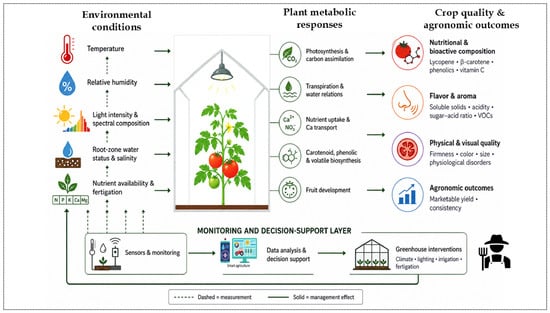
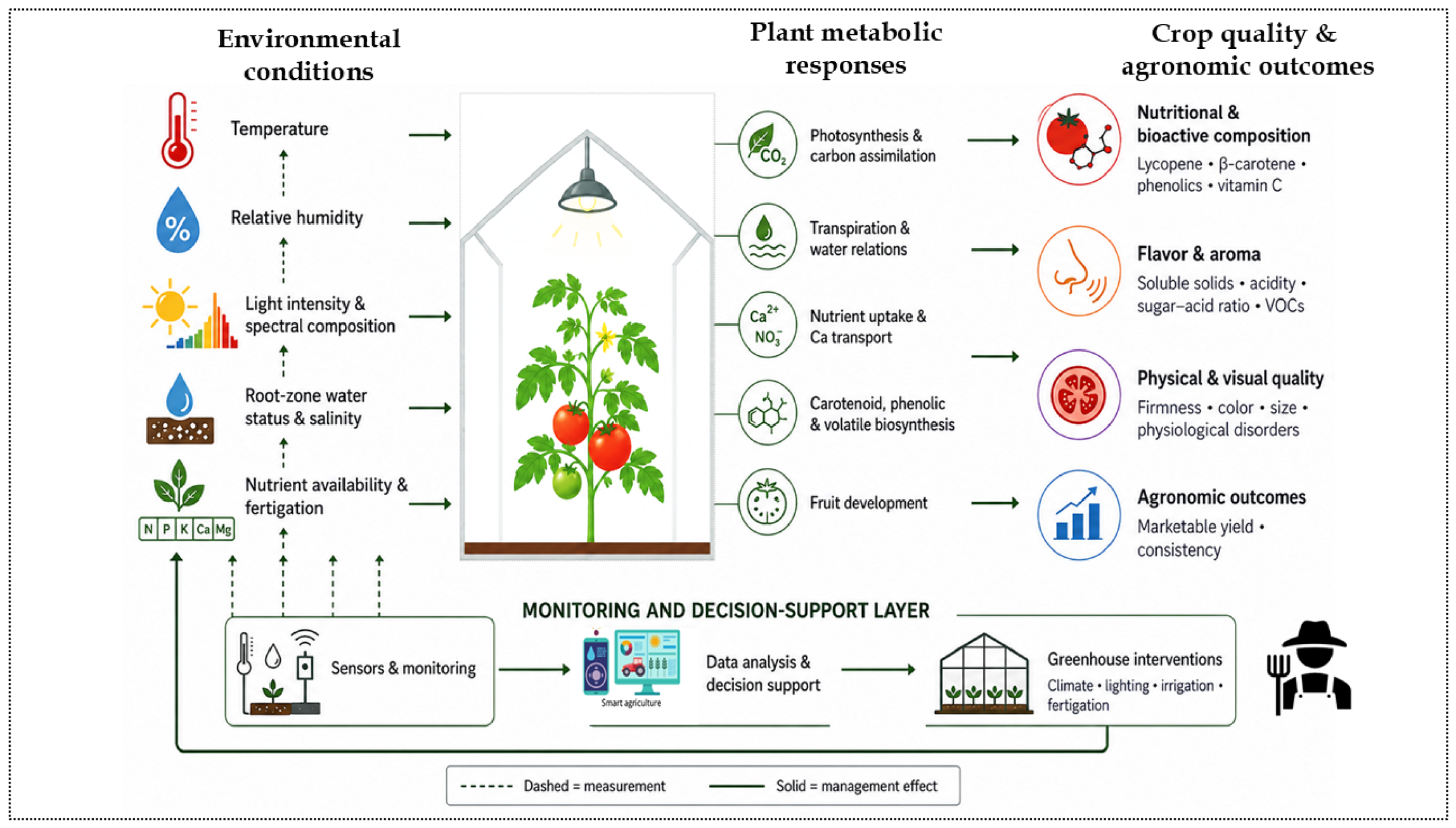
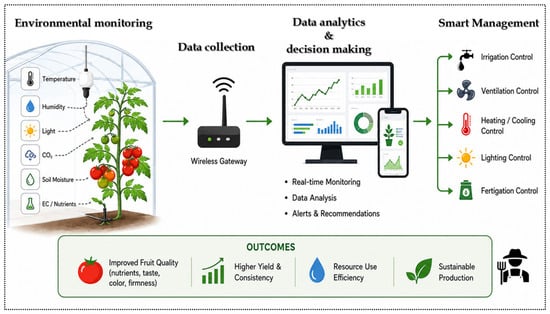
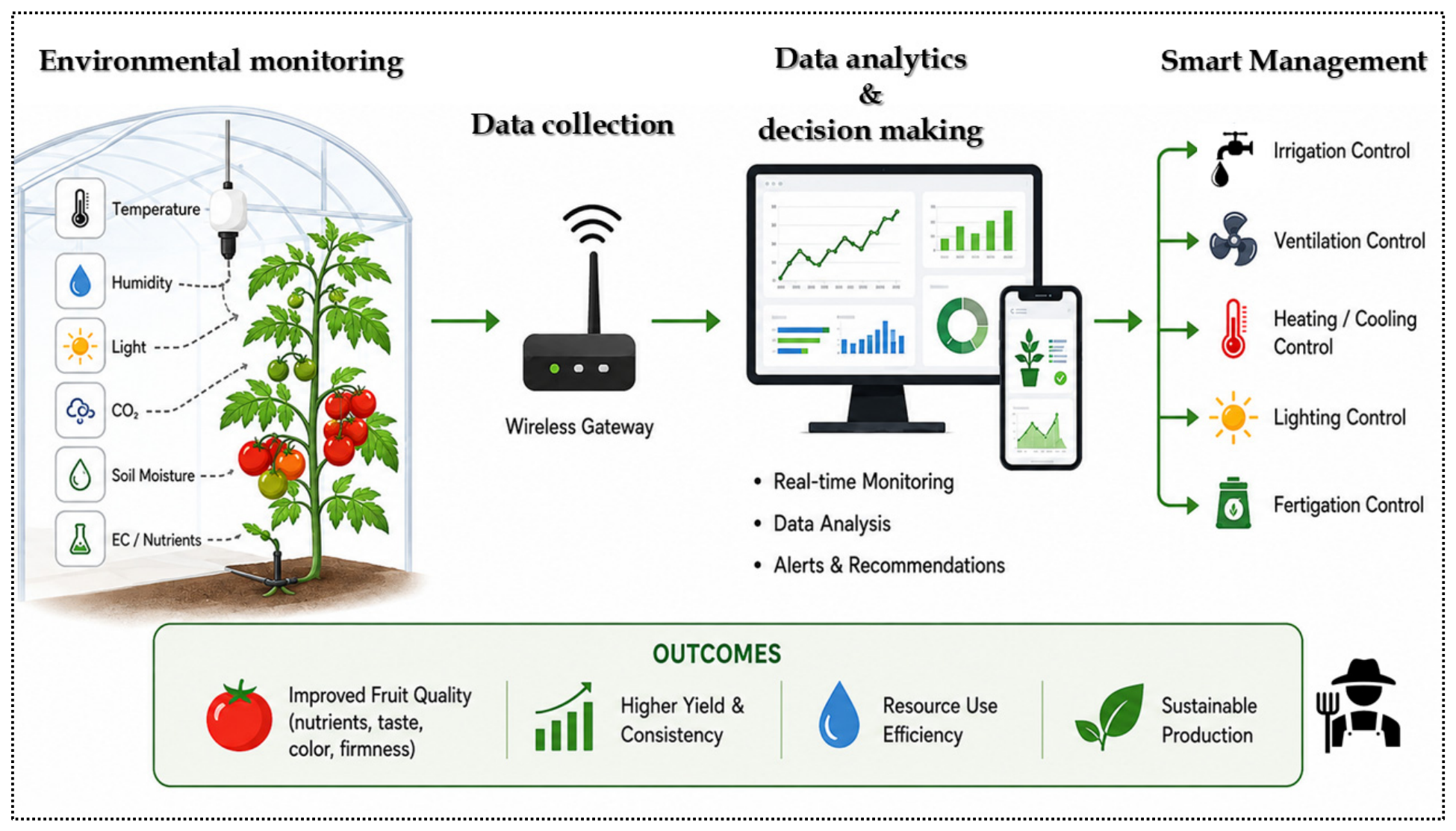

Disclaimer/Publisher’s Note: The statements, opinions and data contained in all publications are solely those of the individual author(s) and contributor(s) and not of MDPI and/or the editor(s). MDPI and/or the editor(s) disclaim responsibility for any injury to people or property resulting from any ideas, methods, instructions or products referred to in the content. |
© 2026 by the authors. Licensee MDPI, Basel, Switzerland. This article is an open access article distributed under the terms and conditions of the Creative Commons Attribution (CC BY) license.