


Abstract
Sesame (Sesamum indicum L.) is increasingly recognised as a drought-tolerant oilseed crop, particularly important for water-limited agriculture. However, evidence supporting its drought resilience is scattered across various studies in physiology, agronomy, genetics, and environmental science. This review aims to synthesise current understanding of sesame’s water use, responses to drought, irrigation management, water-use efficiency, interactions with nutrients, disease dynamics, breeding strategies, and adaptation to climate change. Sesame has several mechanisms to adapt to water deficits, such as deep rooting, stomatal regulation, osmotic adjustment, efficient carbon allocation, and the ability to recover after rewatering. However, these traits offer only partial protection against drought. Research shows that flowering and early capsule development are particularly sensitive to drought, with water shortages during these stages leading to significant yield losses. Strategic application of moderate deficit or supplemental irrigation can enhance water productivity, although the effectiveness varies among different genotypes and environmental conditions. The review points out major knowledge gaps, including inconsistent metrics for water-use efficiency, a lack of studies examining genotype x irrigation interactions, limited understanding of drought–disease relationships, and an over-reliance on pot experiments and short-term studies. Evidence from field-scale research, especially in emerging production regions like Australia, is still lacking. In summary, sesame should be viewed as drought-resilient rather than drought-proof. Future advancements will rely on integrating drought-resilient breeding, precision irrigation, root phenotyping, remote sensing, crop modelling, and improved management of water and nutrients within a genotype x environment x management framework, thereby strengthening the role of sesame in climate-resilient and sustainable farming systems under increasing water scarcity.
1. Introduction
Sesame (Sesamum indicum L., 2n = 2x = 26) is one of the world’s oldest oilseed crops and is cultivated widely across tropical and subtropical regions [1,2]. Its seeds contain 40–60% oil and are valued for their nutritional quality, industrial applications, and contribution to rural livelihoods in many sesame-producing countries [3,4]. Although traditionally grown in Asia and Africa, sesame production is expanding into new regions where water scarcity and climate variability are increasing pressure on existing farming systems [5,6,7,8].
Sesame is often regarded as a drought-tolerant crop because it can survive periods of limited soil moisture and produce acceptable yields under rainfed conditions [5,6]. This reputation is largely attributed to a range of adaptive traits, including deep rooting, stomatal regulation, osmotic adjustment, and the ability to recover following moderate drought stress [5,9,10,11]. However, survival under drought does not necessarily translate into stable productivity. Numerous studies have shown that seed yield can decline substantially when moisture deficits occur during flowering, capsule development, or seed filling [11,12]. This suggests that the drought resilience of sesame is more nuanced than commonly assumed.
The response of sesame to water limitation is influenced by several interacting factors. Drought intensity, stress duration, growth stage, genotype, soil conditions, and agronomic management all contribute to final crop performance [5,6,9]. In many production regions, water deficits are also accompanied by other constraints such as heat stress, nutrient limitations, disease pressure, salinity, or waterlogging, creating complex environmental conditions that are rarely captured in controlled experiments [13,14,15,16]. As a result, findings from individual studies are often difficult to compare or apply broadly across production environments.
Research on sesame and drought has increased considerably over the past decade, with advances in plant physiology, irrigation management, breeding, genomics, and climate adaptation studies [17,18]. However, much of this work has been conducted within disciplinary boundaries. Physiological studies frequently focus on stress-response mechanisms and agronomic studies emphasise irrigation and management, while breeding programs concentrate on cultivar improvement. In particular, the relationships among physiological drought responses, actual crop water use, evapotranspiration, water-use efficiency, critical growth-stage sensitivity, nutrient and disease interactions, and genetic improvement have not been comprehensively synthesized across contrasting production environments. Moreover, differences between rainfed and irrigated systems and the roles of genotype, environment, and management in determining drought resilience remain insufficiently connected [15,16,18]. Relatively few studies have attempted to integrate these perspectives to explain why some production systems maintain yield under water-limited conditions while others do not.
This review brings together evidence from physiology, agronomy, irrigation, nutrient management, disease ecology, breeding, and climate adaptation to provide a more integrated understanding of sesame performance under water-limited environments. Attention is given to areas where current evidence is inconsistent, incomplete, or poorly connected across disciplines. The review also identifies research priorities needed to support the development of productive and climate-resilient sesame production systems.
A recurring theme throughout this review is that sesame performance under drought cannot be explained by any single trait or management practice. Rather, crop responses emerge from interactions among genotype, environment, and management factors. Understanding these interactions will be essential for improving water productivity, maintaining yield stability, and strengthening the role of sesame in future climate-resilient farming systems.
2. Review Methodology
This study was conducted as a narrative literature review, with the literature search strategy and selection criteria summarized in Table 1. In addition, “EdrawMax AI (version 16.0.0) was used solely to generate the conceptual schematic shown in Table 1. The authors reviewed, edited, and verified all content before publication.
Table 1.
Summary of literature search and selection parameters used in the narrative review.
3. Global Production Environments and Water-Limitation Context
3.1. Global Production Trends
Sesame is grown throughout the tropics and subtropics and remains one of the most widely cultivated oilseed crops in Africa and Asia [19] (Table 2). According to FAOSTAT, global production reached approximately 6.68 Mt in 2024, increasing from about 4.5 Mt in 2010. This increase was accompanied by expansion of the harvested area, which increased from approximately 8.30 to 11.72 million ha globally [20]. Africa now accounts for more than half of global production alongside an increase in harvested area from 3.43 to 6.49 million ha, while Asia remains the second-largest producing region [20,21].
Table 2.
Global and regional trends in sesame production and harvested area from 2010 to 2024.
The world’s major producers include India, Sudan, Nigeria, Ethiopia, China, Myanmar, Pakistan, and Tanzania [20]. Production systems vary widely among these countries. In many African regions, sesame is grown as a low-input rainfed crop by smallholder farmers, whereas Asian production systems often make greater use of improved cultivars, irrigation, and other agronomic inputs [22,23,24,25,26]. Differences in management practices, access to technology, and environmental conditions contribute substantially to variation in productivity among regions [19,27].
Expansion of sesame cultivation into dry environments is often cited as evidence of drought tolerance. However, increases in production have largely resulted from expansion of cultivated area rather than major gains in yield. As a result, production statistics alone provide limited insight into crop performance under water-limited conditions. Yield stability, rather than total production, is a more meaningful indicator when evaluating drought resilience.
3.2. Emerging Production Regions
Although sesame has traditionally been concentrated in Asia and Africa, interest in the crop is increasing in several emerging production regions [26,28,29,30,31,32]. In Australia, sesame is being evaluated as a potential summer broadacre crop for northern production systems, where its modest water requirement and adaptability may support diversification under increasing climate variability [28,29]. Commercial production has also expanded in the southern United States following the development of non-shattering cultivars and improved harvesting technologies [30,31]. The growing interest in sesame reflects broader efforts to identify crops capable of maintaining productivity under increasing pressure on water resources [33,34,35]. Traits such as deep rooting, moderate drought adaptation, and the ability to produce economically useful yields under rainfed conditions have contributed to the perception of sesame as a climate-smart crop [36,37]. However, its performance remains strongly dependent on genotype, environmental conditions, and management practices.
Consequently, sesame should not be regarded as inherently drought-proof or universally climate resilient. Yield reductions remain common when water deficits occur during flowering and capsule development, and successful production depends on the integration of suitable cultivars, irrigation practices, nutrient management, and disease management within specific production environments [9,38,39,40].
3.3. Sesame as a Climate-Smart Crop
Sesame is frequently described as a drought-tolerant or climate-smart crop because it can be grown successfully under low water inputs compared with many conventional summer crops [37,38]. Traits such as deep rooting, moderate water-use efficiency, and the ability to recover following periods of moisture stress contribute to this reputation [5,9,38]. At the same time, the available evidence shows that sesame performance remains highly dependent on when and how drought occurs. Yield reductions are commonly reported when water deficits coincide with flowering or capsule development [9,11,40]. For this reason, drought tolerance should not be viewed as an inherent guarantee of stable productivity. The growing interest in sesame reflects a broader search for crops that can remain profitable under increasing pressure on water resources. Whether sesame fulfils this role will depend not only on its physiological characteristics but also on cultivar selection, irrigation management, disease management, and adaptation to local production environments [9,36].
3.4. Environmental and Water-Limitation Context of Sesame Production
Sesame is mainly cultivated in warm tropical and subtropical environments, with substantial variation in rainfall, temperature, soil-water availability, and irrigation. African production is largely rainfed, whereas several Asian systems have greater access to irrigation and improved management [7,9,21]. Rainfall timing and distribution are important because dry periods can deplete soil moisture, while high temperature and evaporative demand can intensify water stress [13,16].
Seasonal sesame water requirements are generally about 350–650 mm but vary with climate, soil, genotype, crop duration, and irrigation method [41,42]. Water demand increases with canopy development and is mainly important during flowering and capsule development, making reproductive-stage deficits especially damaging to yield [37,42,43]. Irrigation studies from Ethiopia, India, Turkey, and other semi-arid environments show that supplemental or deficit irrigation can improve performance, although responses vary with genotype, soil, climate, and irrigation timing [7,9,42,44].
Thus, sesame productivity and drought resilience reflect genotype × environment × management (G × E × M) interactions rather than water availability alone. These environmental differences provide an important basis for understanding sesame physiology, irrigation, evapotranspiration, water-use efficiency, nutrient management, disease interactions, and genetic improvement for climate resilience.
4. Water Requirements of Sesame
4.1. Crop Water Use of Sesame
Sesame is widely regarded as a relatively low-input crop but reported water requirements vary among environments. Seasonal crop water use ranges from 350 to 650 mm, although lower and higher values have been reported depending on climate, soil type, genotype, crop duration, and irrigation method [41,43,45]. Water demand is low during establishment and early vegetative growth, increases during canopy expansion, and reaches its maximum during flowering and capsule development before declining towards maturity [45,46]. The reproductive phase is consistently identified as the period most sensitive to water deficit. Water shortage during flowering, capsule development, or seed filling reduces photosynthesis, assimilate supply, and reproductive success, resulting in lower capsule numbers, fewer seeds per capsule, and reduced seed weight [9,47,48,49]. By contrast, mild water stress during vegetative growth is often less damaging because plants can partially compensate if favourable moisture conditions return before flowering [5,9]. Moderate water demand alone should not be interpreted as evidence of drought tolerance. A crop may require little water yet still suffer substantial yield losses when water deficits occur during critical growth stages. This distinction is especially relevant for sesame, where survival under drought is often much less affected than seed production.
4.2. Water Productivity of Sesame
Water productivity in sesame varies widely among environments and management systems. Published values are influenced by irrigation regime, climate, soil conditions, genotype, and the method used to estimate crop water use [7,42,44,45]. Moderate deficit irrigation frequently improves water productivity because reductions in water use are proportionally greater than reductions in yield [7,42]. However, these benefits decline when water deficits become severe, particularly during reproductive development. Reported differences in water productivity should be interpreted cautiously. Studies use different measures of water use, including evapotranspiration, irrigation water applied, soil-water balance, and effective rainfall, making direct comparisons difficult [50,51]. Consequently, differences among studies often reflect methodology as much as biological variation.
Despite these limitations, the available evidence indicates that sesame can produce acceptable yields with lower water inputs than many conventional summer crops. Whether this advantage translates into greater profitability depends on local conditions, yield potential, and the value of water within the production system.
4.3. Comparison with Major Summer Crops
Compared with major summer crops, sesame requires less water than cotton, maize, and soybeans and has water requirements broadly like sorghum and sunflower Table 3 [52,53,54,55,56,57,58]. However, comparisons based solely on seasonal water use can be misleading because drought adaptation arises from different biological mechanisms. Sorghum, for example, maintains productivity through exceptional physiological tolerance and efficient water use under stress Table 3 [56,59,60]. Sesame often survives comparable drought conditions but may experience larger reductions in reproductive output when moisture deficits coincide with flowering or capsule development [9,42]. Cotton and soybeans typically require more water but achieve higher potential yields under favourable conditions Table 3 [53,55]. These comparisons suggest that the value of sesame lies less in absolute drought tolerance and more in its ability to produce economically useful yields under moderate water limitation. For this reason, sesame is best viewed as a drought-resilient crop rather than an inherently water-efficient crop.
Table 3.
Comparative seasonal water requirements of major summer crops.
5. Physiological Responses to Water Deficit
5.1. Root System Architecture
Root traits are widely regarded as an important component of drought adaptation because they influence the plant’s ability to access water from deeper soil layers as surface soil dries [62]. Sesame generally responds to declining soil moisture by increasing root growth relative to shoot growth, thereby improving water acquisition under drought conditions [63,64,65]. Substantial variation has been reported among genotypes for root length, root biomass, root volume, and root length density, suggesting that root architecture may contribute to differences in drought performance [63,64].
Interest in root traits has increased because they offer a potential target for breeding programs. However, much of the available evidence comes from pot, rhizobox, or controlled-environment studies where root development is physically constrained [63,64]. Whether these measurements accurately predict field performance remains uncertain. Deep rooting is often assumed to improve drought tolerance, but relatively few studies have demonstrated a direct relationship between root traits and yield stability under field drought conditions.
At the molecular level, several drought-responsive genes have been associated with root development and water acquisition, including SiMYB75 and other regulators linked to abscisic acid signalling pathways [65]. While these findings improve understanding of drought responses, their practical value for cultivar development remains largely untested.
5.2. Stomatal Regulation
Stomatal regulation plays a vital role in drought adaptation because it determines the balance between carbon gain and water loss [66,67]. As soil moisture declines, sesame reduces stomatal conductance, limiting transpiration and helping maintain leaf water status [68,69]. This response improves survival under water stress but also restricts carbon assimilation and growth. Differences among genotypes suggest that drought adaptation is associated not simply with stomatal closure but with the ability to maintain photosynthesis while limiting excessive water loss [65,68]. Several transcription factors involved in ABA-mediated signalling have been linked to these responses, including members of the MYB, NAC, WRKY, and DREB gene families [65,70].
Despite considerable interest in stomatal behaviour, its value as a breeding target remains uncertain. Most studies have been conducted under controlled conditions, and little evidence links stomatal traits directly with yield performance across diverse field environments. As a result, improved physiological understanding has not yet translated into routine selection criteria for drought tolerance.
5.3. Photosynthesis and Transpiration
Reduced photosynthesis is one of the most consistently reported effects of drought in sesame [17,71,72]. During mild stress, declines in photosynthetic activity are largely associated with stomatal closure and reduced carbon dioxide uptake. Under more severe water deficits, additional limitations arise from chlorophyll degradation, disruption of electron transport, reduced enzyme activity, and oxidative damage to the photosynthetic apparatus [72,73]. Several studies have reported declines in photosynthetic rate, stomatal conductance, transpiration, and leaf water status under drought stress, particularly during flowering and capsule development [17,49,74]. These responses are frequently accompanied by reductions in reproductive growth and yield.
Transpiration presents a similar trade-off. Reduced water loss conserves soil moisture, yet excessive suppression of transpiration may restrict canopy cooling and increase susceptibility to heat stress [75]. Evidence from field studies suggests that maintaining a balance between water conservation and continued carbon assimilation is more important than minimizing water use alone [9]. This balance may partly explain why some genotypes achieve greater productivity under drought despite comparable reductions in soil moisture.
5.4. Osmotic Adjustment
Osmotic adjustment helps maintain cell hydration and physiological activity when soil water availability declines [76]. In sesame, drought stress stimulates the accumulation of compatible solutes such as proline, soluble sugars, proteins, and potassium ions, allowing cells to retain water and continue metabolic processes under stress [5,40,69]. Among these compounds, proline has received the greatest attention because of its role in osmotic regulation, membrane stabilisation, and protection against oxidative damage [77]. Increased accumulation of proline and soluble sugars has been reported consistently in drought-stressed plants and is often used as an indicator of stress tolerance [5,69].
Nevertheless, the significance of osmotic adjustment remains debated. Many studies demonstrate improved physiological performance under stress but do not establish whether greater osmolyte accumulation results in higher seed yield under field conditions. Consequently, osmotic adjustment may contribute to stress survival without necessarily improving economic productivity.
5.5. Carbon Partitioning
Drought affects not only carbon assimilation but also the way assimilates are distributed within the plant [78,79]. Under favourable conditions, photosynthates are allocated to vegetative and reproductive organs in proportions that support growth and seed development. Water limitation disrupts this balance by reducing carbon supply and altering sink demand. One of the earliest responses to drought is a shift in carbon allocation towards root growth, increasing the root-to-shoot ratio and improving access to soil moisture [62]. While this response may enhance survival, prolonged drought often reduces assimilate allocation to flowers, capsules, and developing seeds [12,80,81]. The result is lower capsule production, reduced seed filling, and diminished harvest index. A recurring finding across drought studies is that genotypes capable of maintaining carbon allocation to reproductive structures tend to show greater yield stability under stress [9,12]. However, direct studies of carbon transport and source–sink dynamics in sesame remain relatively limited, and many conclusions are inferred from biomass measurements rather than direct physiological evidence.
5.6. Recovery After Drought
Recovery after drought is particularly important in rainfed environments where dry periods are often followed by rainfall events [82,83]. Rewatering restores plant water status, promotes stomatal reopening, and allows photosynthesis to resume. However, the extent of recovery varies according to genotype and the timing and severity of the preceding drought [5]. Studies have shown that some sesame genotypes recover rapidly following rewatering, whereas others exhibit sustained physiological impairment [5,84]. Recovery tends to be more successful when drought occurs during vegetative growth than when stress affects flowering or capsule development, stages at which damage is often irreversible.
Despite its importance, recovery physiology remains poorly understood. Most studies have been conducted using single drought–rewatering cycles under controlled conditions, which do not reflect the repeated stress events commonly experienced in production environments. Consequently, whether rapid physiological recovery translates into improved yield under field conditions remains unresolved.
5.7. Critical Synthesis
Despite major advances in understanding drought responses in sesame, much of the available evidence is derived from controlled-environment experiments conducted on seedlings or young plants. Root architecture, stomatal regulation, osmotic adjustment, and recovery responses have frequently been assessed in pots, rhizoboxes, or growth chambers where soil volume, water availability, and environmental conditions differ substantially from field environments [5,63,64,69,85]. As a result, the extent to which these traits predict performance under commercial production conditions remains uncertain.
This limitation is particularly evident for root traits. Deep rooting and increased root length density are commonly proposed as indicators of drought tolerance, yet relatively few studies have confirmed their relationship with yield stability under field drought [63,64,86]. Similar concerns apply to stomatal regulation and photosynthetic responses, which are generally measured under controlled conditions and rarely validated across multiple environments or growing seasons [9,17,74]. Accumulation of proline, soluble sugars, and other osmolytes is widely interpreted as evidence of stress tolerance, but most studies focus on physiological responses rather than yield outcomes [5,69,87]. Likewise, carbon partitioning and post-drought recovery are increasingly recognised as important determinants of productivity, yet direct evidence relating these processes to yield maintenance remains limited [5,84,88].
A recurring assumption in the literature is that improved stress survival equates to improved productivity. However, traits that enable plants to remain alive during drought do not necessarily maintain seed yield. This distinction is particularly relevant in sesame, where plants often survive prolonged water deficits but experience substantial reductions in capsule production and seed yield [9,12].
6. Growth Stage Sensitivity to Water Stress
The impact of drought on sesame depends not only on stress severity but also on the timing of its occurrence. Although sesame is widely regarded as drought-tolerant, susceptibility varies markedly throughout the crop cycle. Water deficits during reproductive development generally cause greater and often irreversible yield losses than stress occurring during vegetative growth because reproductive processes depend on a continuous supply of water, assimilates, and nutrients [5,9,10].
6.1. Vegetative Stage
During early growth, water stress reduces plant height, leaf area development, branching, and biomass accumulation [9,11]. However, sesame often shows a degree of plasticity during this stage. Mild to moderate drought may promote greater root development relative to shoot growth, improving access to deeper soil moisture and partially compensating for reduced aboveground growth [12,89]. If favourable moisture conditions return before flowering, plants can recover a substantial proportion of their yield potential [9].
6.2. Flowering and Capsule Initiation
Most studies identify flowering as the most drought-sensitive stage of sesame development [9,74,90]. Water deficit during this period reduces pollen viability, flower retention, capsule formation, and seed set, often resulting in irreversible yield losses. Capsule number is consistently reported as the yield component most affected by drought, reflecting the strong dependence of reproductive development on adequate water supply [9,12].
Early capsule development is similarly vulnerable. Drought during capsule initiation restricts photosynthesis and assimilate transport, leading to capsule abortion and fewer seeds per capsule [5,91]. Because sesame produces capsules sequentially, stress during early reproductive development can also affect the formation of later capsules, amplifying yield losses.
6.3. Seed Filling and Maturity
Water deficit during seed filling reduces the duration and rate of seed growth, resulting in smaller seeds and lower yield [92]. In general, however, seed filling appears less sensitive than flowering and capsule initiation because developing seeds can draw upon stored assimilates accumulated earlier in the season [12,92].
As plants approach physiological maturity, water demand declines rapidly and mild moisture stress has relatively negligible effect on yield [93]. Nevertheless, severe late-season drought combined with high temperatures may accelerate senescence and reduce seed quality, particularly if physiological maturity has not been reached [10,94].
6.4. Critical Synthesis
Across diverse environments and experimental approaches, a consistent pattern emerges: flowering and early capsule development represent the periods of greatest vulnerability to drought, whereas vegetative growth and late maturity are comparatively less sensitive [9,74,90] (Figure 1). The practical implication is that maintaining adequate moisture during reproductive development is likely to provide a greater return than attempting to maximise water availability throughout the entire season.
Figure 1.
Relative drought sensitivity of major sesame growth stages and associated physiological responses. Flowering and early capsule development are consistently identified as the most drought-sensitive periods across published studies. Source: Generated using EdrawMax AI and edited by the authors based on the synthesis of published literature; no figure or graphical element was reproduced from any single source [9,12,62,74,90,91,93,94].
A limitation of the current literature is that growth-stage sensitivity is often evaluated using a small number of genotypes under controlled or single-location conditions. Consequently, the extent to which these responses vary among cultivars and production environments remains incompletely understood.
7. Yield Responses to Deficit Irrigation
7.1. Full Irrigation Versus Deficit Irrigation
Irrigation management in sesame involves balancing seed yield against water use. Full irrigation maximises crop growth and yield by minimising water limitations throughout the growing season [42,95]. However, in many water-limited regions, applying sufficient water to meet full crop demand is neither practical nor economically desirable.
Deficit irrigation has therefore received considerable attention as a strategy for improving water productivity. Under moderate water deficits, sesame is often able to maintain a considerable proportion of its yield while using less water [7,42,44]. Studies from Ethiopia, Egypt, Turkey, and other semi-arid environments consistently show that applying 70–80% of crop water requirements frequently achieves near-maximum yields while improving water productivity [7,42,45,96] (Table 4). For example, Mekonnen and Sintayehu [7] reported higher crop water productivity under a 75% water-application treatment than under optimal irrigation, whereas the 50% treatment resulted in substantially lower productivity. Yield losses become much more pronounced when water deficits coincide with flowering or capsule development, highlighting the importance of irrigation timing rather than total water application alone [42,47].
Table 4.
Water-use efficiency and crop water productivity of sesame under different irrigation regimes.
These findings suggest that sesame possesses a degree of flexibility in water use. Nevertheless, responses differ among environments, irrigation systems, and cultivars, making it difficult to identify a universally optimal irrigation strategy.
7.2. Regulated Deficit Irrigation (RDI)
Regulated deficit irrigation (RDI) attempts to exploit differences in drought sensitivity across growth stages by reducing irrigation during less sensitive periods while maintaining adequate moisture during reproductive development [98]. The approach recognises that the crop does not require the same level of water throughout the season. Results from several studies indicate that water savings can be achieved with relatively small yield penalties when deficits are imposed during vegetative growth and irrigation is maintained through flowering and early capsule development [42,98,99]. In contrast, water restrictions during reproductive stages rarely provide comparable benefits because yield reductions generally outweigh any gains in water productivity [9,47].
Although RDI is often promoted as an efficient irrigation strategy, most supporting evidence comes from short-term experiments conducted in specific environments. More information is needed on its performance across different climates, soil types, and production systems before broad recommendations can be made.
7.3. Productivity, Water Savings and Economic Considerations
The value of an irrigation strategy cannot be assessed on yield alone. In many production regions, water availability, pumping costs, infrastructure requirements, and seasonal market conditions influence profitability as much as biological performance [100,101]. Moderate deficit irrigation often improves water productivity because relatively small yield reductions are accompanied by larger reductions in water use [9,42]. However, improvements in water productivity do not automatically translate into greater profitability. Economic outcomes depend on factors such as water pricing, irrigation costs, seed value, and production risk [100,101]. A notable limitation of the current literature is that many irrigation studies focus primarily on yield and water-use metrics while giving little attention to profitability, disease risk, nutrient dynamics, or long-term sustainability. As a result, irrigation recommendations are often based on biological performance alone. Future research would benefit from a broader systems perspective that evaluates irrigation management within the context of productivity, profitability, and resilience.
7.4. Critical Synthesis
Across most environments, full irrigation maximises yield, whereas moderate water deficits often maximise water productivity. The challenge is identifying where the balance between these two objectives lies. A consistent finding across the literature is that water applied during flowering and early capsule development has the greatest influence on yield, whereas some reduction in irrigation during vegetative growth can often be tolerated with limited consequences [9,42,47].
Despite the large number of irrigation studies available, relatively few have examined genotype × irrigation interactions, long-term economic performance, or responses under the highly variable conditions typically encountered by commercial growers. The main unresolved issue is how irrigation strategies perform across genotypes, environments, and production systems when economic outcomes are considered alongside yield and water use.
8. Water Use Efficiency of Sesame
8.1. Defining Water Use Efficiency
Water-use efficiency (WUE) is frequently used to evaluate crop performance under water-limited conditions, yet the term is often applied inconsistently [102,103]. In sesame research, WUE may refer to seed yield per unit evapotranspiration, irrigation water applied, total water use, or physiological measures based on carbon assimilation and transpiration. Because these metrics describe different processes, direct comparisons among studies are often problematic [51,104]. Standardized reporting of water-productivity denominators is therefore important for meaningful comparison across environments and management systems [103].
More importantly, WUE should not be regarded as a fixed property of sesame, but as an outcome emerging from interactions among genotype, environment, and management (G × E × M). Genotypic differences in rooting depth, phenology, canopy development, stomatal regulation, and reproductive sensitivity to water stress can influence water uptake and yield, while environmental conditions and management practices determine the amount and timing of water available to the crop. Thus, reported WUE values should be interpreted within their specific genotype, climatic, soil, and irrigation context rather than as universal cultivar or crop characteristics [102,103].
Evapotranspiration-based WUE is expressed as:
where Y is seed yield and ET is evapotranspiration as defined in the individual study [45,51].
WUE = Y/ET
For water productivity based on actual crop evapotranspiration:
where ETa is actual crop evapotranspiration. ETa represents the actual water consumed by the crop under field conditions [103,104].
CWP = Y/Eta
Estimated crop evapotranspiration-based WUE is expressed as:
where Y is seed yield and ETc is crop evapotranspiration [45,103], calculated as:
with Kc representing the crop coefficient and ET0 the reference evapotranspiration [45,103].
WUE = Y/ETc
ETc = Kc × ET0
Other studies use irrigation water-use efficiency (IWUE),
where I is the amount of irrigation water applied, which relates yield to irrigation water supplied rather than total crop water use [50,104]. Although both metrics are useful, they should not be considered interchangeable.
IWUE = Y/I
For this reason, reported WUE values should be interpreted within the context of how water use was measured and the conditions under which the study was conducted.
8.2. Variability in WUE Across Environments
Published WUE values for sesame vary widely across environments [41,44,45,105]. Differences in rainfall, evaporative demand, soil properties, irrigation management, cultivar, and growing season all influence the relationship between yield and water use [106,107,108]. Consequently, WUE should be regarded as an environmentally responsive trait rather than a fixed crop characteristic. Moderate water deficits often improve WUE because reductions in water use exceed reductions in yield [41,105]. However, this relationship is not indefinite. As water stress becomes more severe, both yield and WUE decline, particularly when drought occurs during flowering and capsule development [9,42].
Genotypic variation in WUE has also been reported, although environmental and management effects typically account for a large proportion of the variation observed among studies [9,108,109]. This suggests that improvements in water productivity are likely to come from a combination of cultivar selection and improved management rather than genetic improvement alone.
8.3. How Does Sesame Compare with Other Crops?
Sesame is often promoted as a water-efficient crop, but the available evidence provides a more nuanced picture. Comparisons among crops are complicated by differences in climate, management practices, and the way WUE is calculated [51,103]. When evaluated using comparable measures, sesame achieves WUE values similar to several other broadacre crops grown under water-limited conditions [103,110,111] (Table 5). Crops such as sorghum, maize, soybean, and sunflower frequently achieve comparable or higher water productivity depending on environment and management [103,110,111,112]. This suggests that sesame cannot be considered uniquely efficient in terms of water use alone. Its advantage lies elsewhere. Sesame combines moderate water requirements with the ability to produce acceptable yields in environments where irrigation is limited or rainfall is unreliable [41,42,52]. This characteristic may be more important than absolute WUE when assessing suitability for dryland and supplemental irrigation systems.
Table 5.
Comparative agronomic water use efficiency (WUE) of sesame and other broadacre crops under irrigated conditions in comparable environments.
8.4. Challenges in Measuring and Comparing WUE
One of the recurring problems in the sesame literature is inconsistent reporting of water-use metrics [51,121]. Water use may be based on evapotranspiration, irrigation applied, rainfall received, soil-water depletion, or combinations of these variables. Studies also express WUE using different units, making comparisons difficult and sometimes misleading [51,104]. As a result, apparent differences among cultivars or irrigation treatments may reflect methodology as much as biological performance. This issue becomes particularly important when attempting to compare findings across regions or synthesise results from multiple studies.
Future research would benefit from more consistent reporting of water balance components, including evapotranspiration, irrigation applied, effective rainfall, soil-water storage, and the equations used to calculate WUE [51,121]. Greater standardisation would improve the comparability of studies and strengthen evidence-based recommendations.
8.5. Critical Synthesis
Much of the literature treats WUE as a direct indicator of drought tolerance. However, high WUE does not necessarily imply high productivity, and crops with lower WUE may still provide superior economic returns under certain conditions [50,103]. The most water-efficient treatment is therefore not always the most profitable or agronomically desirable option. Future research should place less emphasis on maximising WUE alone and more emphasis on understanding how water productivity contributes to yield stability, profitability, and resilience within commercial production systems.
9. Interaction Between Water Stress and Nutrient Management
Water and nutrient availability are closely linked in crop production. Drought reduces nutrient acquisition by restricting root growth, mass flow, diffusion, and transpiration, while nutrient deficiencies can limit many of the physiological processes required for drought adaptation, including photosynthesis, osmotic regulation, and reproductive development [10,69,121,122]. As a result, crop performance under water-limited conditions often reflects the combined effects of water and nutrient availability rather than either factor alone.
Although nutrient management is frequently discussed as a tool for improving drought resilience, the available evidence is uneven. Most studies have focused on individual nutrients under specific environmental conditions, making it difficult to separate true drought adaptation from the correction of underlying nutrient limitations.
9.1. Nitrogen (N)
Nitrogen plays a fundamental role in canopy development, photosynthesis, and biomass production. Adequate nitrogen supply generally improves crop growth and yield, but its benefits become less predictable under drought conditions [122,123]. Excessive nitrogen can stimulate vegetative growth and increase crop water demand, potentially intensifying moisture stress during reproductive development. Several studies have reported positive interactions between nitrogen fertilisation and water availability, although responses vary considerably among environments and irrigation regimes [106,123,124]. This variability suggests that fixed nitrogen recommendations may be poorly suited to water-limited systems. Matching nitrogen supply to expected moisture availability is likely to be more effective than maximising fertiliser inputs [125].
9.2. Phosphorus (P)
Phosphorus is often associated with drought adaptation because of its role in root development, energy transfer, and reproductive growth [126,127]. Improved phosphorus nutrition can promote root exploration and potentially increase access to soil moisture, particularly in nutrient-deficient soils. However, surprisingly little research has directly examined phosphorus × drought interactions in sesame. Most studies report yield responses to phosphorus fertilisation under either irrigated or rainfed conditions without investigating the physiological basis for these responses [128,129]. Consequently, the contribution of phosphorus to drought resilience remains less clearly defined than for some other nutrients.
9.3. Potassium (K)
Among the major nutrients, potassium has the strongest and most consistent association with drought adaptation [40,124]. Its functions in stomatal regulation, osmotic adjustment, enzyme activation, and maintenance of cellular water balance provide several mechanisms through which it may help plants cope with water deficits. Experimental studies have shown that improved potassium nutrition can reduce oxidative damage, maintain chlorophyll content, and improve plant water status under drought conditions [40,69,130]. Compared with nitrogen and phosphorus, the physiological role of potassium under moisture stress is better established, although most evidence still originates from relatively short-term experiments. Current evidence suggests that potassium management may offer one of the more reliable opportunities to improve sesame performance under water-limited conditions, particularly where soil potassium availability is low.
9.4. Micronutrients
Several micronutrients, including zinc, boron, iron, and manganese, have been linked to drought responses through their roles in photosynthesis, enzyme activity, antioxidant defence, and reproductive development [131,132,133,134,135,136,137]. Zinc has received the most attention in sesame, with foliar applications often improving physiological performance and yield under water stress [133].
Despite these findings, the evidence base remains relatively limited. Most studies examine individual micronutrients in isolation and frequently involve a small number of environments or growing seasons [131,134,135,136]. The importance of micronutrient management therefore remains less certain than that of macronutrient nutrition.
9.5. Biological Interactions: AMF and PGPR
Biological approaches such as arbuscular mycorrhizal fungi (AMF) and plant growth-promoting rhizobacteria (PGPR) have attracted increasing interest as tools for improving nutrient acquisition and drought adaptation simultaneously [137,138,139,140]. By altering root–soil interactions, these organisms may improve access to nutrients and water while enhancing physiological responses to stress. Field studies have shown that AMF inoculation can improve nutrient uptake, water productivity, and yield under drought conditions [82,139]. However, responses are not always consistent. Benefits depend on environmental conditions, soil fertility, native microbial communities, and the compatibility of plant and microbial partners [138,140]. Similar variability has been reported for PGPR-based approaches. These findings indicate that biological solutions have potential, but they remain less predictable than conventional fertiliser management.
9.6. Critical Synthesis
The literature clearly demonstrates that water and nutrient management cannot be considered independently in sesame production systems. Nutrient availability influences many of the physiological mechanisms commonly associated with drought adaptation, while drought simultaneously affects nutrient uptake and utilisation [69,122,123]. A notable weakness in the current evidence base is that irrigation, fertilisation, and biological amendments are usually studied in isolation. As a result, it remains difficult to determine whether observed improvements in drought performance reflect genuine increases in drought tolerance or simply improved crop nutrition. The resulting evidence gap is the limited understanding of how combined water and nutrient management affects crop performance across soil fertility conditions and production environments.
10. Water Stress and Sesame Diseases
Water availability is a critical determinant of disease expression in sesame because drought influences host physiology, pathogen activity, soil microbial communities, and plant defence responses simultaneously [141,142,143]. While drought is commonly examined as an abiotic stress and disease as a biotic stress, these factors frequently occur together under field conditions. Consequently, disease development should be viewed as the outcome of interacting host, pathogen, and environmental processes rather than as an isolated biological phenomenon [143]. Distinguishing drought-induced stress symptoms from pathogen-induced disease is particularly challenging because wilting, chlorosis, and reduced growth may result from either factor or their interaction [5,143].
10.1. Soilborne Diseases in Sesame Under Water Stress
Water availability strongly influences disease development in sesame because it affects the host, pathogen, and soil environment simultaneously [141,142,143]. In practice, drought and disease rarely occur as separate stresses. Water limitation can alter plant defence responses, root growth, nutrient uptake, and microbial activity, while disease can further restrict water acquisition and plant function [5,143]. Despite these interactions, drought and disease are still commonly studied in isolation.
10.1.1. Charcoal Rot/Dry Root Rot
Charcoal rot, caused by Macrophomina phaseolina, is one of the diseases most closely associated with drought conditions in sesame [142,144]. The pathogen is favoured by high temperatures and low soil moisture, and disease severity frequently increases when plants are exposed to prolonged water stress [142,144,145]. Symptoms such as wilting, premature senescence, and reduced yield often resemble drought stress itself, making diagnosis difficult under field conditions.
Research has shown substantial variation in host resistance and pathogen aggressiveness, suggesting that disease outcomes are influenced by both host and pathogen genetics [146,147,148]. However, relatively little is known about how drought intensity alters these interactions under commercial production conditions.
10.1.2. Fusarium Wilt
Fusarium oxysporum f. sp. sesami causes vascular wilt by disrupting water movement within the plant [149,150,151]. Although the pathogen is not as strongly associated with drought as M. phaseolina, water stress may intensify disease impacts by reducing plant vigour and limiting recovery following infection [5,150]. Considerable variation in disease severity has been reported among sesame genotypes and pathogen populations [151,152]. This suggests that host resistance remains an important management option, particularly where water stress and disease occur simultaneously.
10.1.3. Rhizoctonia and Pythium
The relationship between water stress and other soil-borne pathogens is less straightforward. Rhizoctonia solani may become more damaging when drought reduces seedling vigour and delays establishment [153,154,155,156]. In contrast, Pythium species are typically favoured by wet soils, waterlogging, and poor drainage rather than drought [157,158]. These contrasting responses highlight an important point: disease risk cannot be predicted from drought intensity alone. Different pathogens respond very differently to changes in soil moisture [155].
10.2. Foliar Diseases
Foliar diseases such as Alternaria leaf blight, Cercospora leaf spot, and powdery mildew reduce photosynthetically active leaf area and can limit crop productivity during reproductive development [159,160,161,162,163,164]. Unlike charcoal rot, these diseases are generally favoured by humid conditions, extended leaf wetness, or dense crop canopies [160,161,162,163,164,165]. The interaction between drought and foliar diseases is therefore more complex than for soil-borne pathogens. Dry conditions may suppress disease development by reducing canopy humidity, yet drought-stressed plants often have a reduced capacity to compensate for disease-related losses in photosynthetic area [5,159]. As a result, the combined effects of drought and foliar disease may sometimes exceed the impact of either stress acting alone. Most disease-management studies have evaluated pathogens under relatively favourable moisture conditions [162,166]. Far less attention has been given to understanding how drought alters disease development, crop physiology, and yield loss relationships.
10.3. Critical Synthesis
The relationship between drought and disease remains one of the least understood aspects of sesame production. Most studies continue to examine abiotic and biotic stresses independently despite the likelihood that crops experience both simultaneously under field conditions [5,142,143]. A major limitation of the current literature is the absence of factorial studies combining water stress and pathogen pressure. Consequently, it is often unclear whether observed yield losses result primarily from drought, disease, or their interaction. This uncertainty is particularly important for soil-borne pathogens such as M. phaseolina and F. oxysporum, where both stresses may affect the same physiological processes associated with water uptake and transport [142,150].
Climate variability can shift sesame disease dynamics by favoring pathogens under different environmental conditions. Drought and high soil temperatures may promote Macrophomina phaseolina infection, whereas excessive soil moisture favors Pythium spp. and other damping-off pathogens [142,157]. The development of Fusarium, Rhizoctonia, and foliar diseases also depends on temperature, moisture, and host susceptibility [149,156]. Thus, climate variability may alter pathogen communities and disease prevalence rather than uniformly increase disease pressure, highlighting the importance of integrated disease management and climate-resilient cultivars.
Future research should move beyond single-stress experiments and evaluate drought × pathogen interactions under realistic field conditions. Such studies would improve understanding of disease risk under climate variability and support the development of integrated management strategies that address water limitation and disease simultaneously.
11. Breeding and Genetic Improvement for Drought Tolerance
11.1. Conventional and Trait-Based Breeding
Breeding for drought adaptation in sesame has traditionally relied on selection under rainfed environments and the use of landraces originating from drought-prone regions [167,168,169]. Several physiological characteristics have been proposed as useful selection criteria, including root system architecture, maintenance of relative water content, canopy temperature, harvest index, and reproductive stability under stress [9,68,170,171,172]. Among these, traits associated with the maintenance of capsule production and seed set appear to have the strongest relationship with yield under drought [9,12]. Factorial field studies combining water-deficit treatments with pathogen pressure are needed to distinguish individual and interactive effects on disease severity and seed yield.
11.2. Molecular Breeding Genomic Approaches
Advances in genomics have improved understanding of the genetic basis of drought responses in sesame. Genome-wide association studies, quantitative trait locus (QTL) mapping, transcriptomics, and candidate-gene analyses have identified numerous loci associated with drought-related traits [65,173,174,175,176,177]. One of the most influential studies evaluated a diverse panel of sesame accessions and identified multiple genomic regions associated with drought adaptation, together with candidate genes involved in hormone signalling, osmotic adjustment, and oxidative stress responses [65]. These findings confirmed that substantial genetic variation for drought adaptation exists within the crop.
QTL and GWAS approaches have expanded the list of candidate genes and drought-associated genomic regions [173,176,177]. Nevertheless, most discoveries remain at the validation stage. Few markers have been incorporated into applied breeding programs, and even fewer have contributed directly to cultivar release. A recurring challenge is that many reported marker–trait associations are derived from specific environments or experimental conditions and may not remain stable across diverse production systems [65,176,177]. Given the strong influence of genotype × environment interactions on drought responses, validation across multiple environments remains essential before markers can be used confidently for selection.
11.3. Phenomics, High-Throughput Phenotyping and Artificial Intelligence
Recent advances in phenomics provide new opportunities to accelerate breeding for drought adaptation. Remote sensing, UAV platforms, multispectral imaging, thermal sensors, and machine-learning approaches allow large breeding populations to be assessed more rapidly and consistently than conventional field phenotyping [178,179,180]. Traits such as canopy temperature, vegetation indices, canopy architecture, biomass accumulation, and chlorophyll dynamics can now be monitored throughout the growing season using non-destructive methods [178,179]. These technologies may help bridge the gap between physiological research and practical breeding by enabling large-scale evaluation of drought responses under field conditions. Machine-learning approaches have also shown potential for improving yield prediction and genotype selection by integrating genomic, phenotypic, and environmental data [180,181]. However, most applications remain at the research stage, and the practical benefits for commercial sesame breeding have yet to be fully demonstrated.
11.4. Critical Synthesis
Considerable progress has been made in identifying physiological traits, genomic regions, and candidate genes associated with drought adaptation in sesame [65,173,174,175,176,177]. A central challenge is that drought tolerance is not a single trait. Crop performance under water limitation reflects interactions among water acquisition, water use, reproductive resilience, and environmental adaptation [9,65]. Consequently, traits that improve plant survival do not necessarily improve yield, while traits associated with high productivity under moderate stress may provide little advantage under severe drought. A key priority is validating useful markers and phenotypic traits across environments and linking them to stable seed yield under water limitation.
12. Sesame Under Climate Change
Climate change is expected to alter many of the environmental conditions under which sesame is grown, including temperature, rainfall patterns, drought frequency, and the occurrence of extreme weather events [22,182]. The effects of these changes are unlikely to be driven by drought alone. Instead, crop performance will depend on how sesame responds to combinations of water stress, heat, disease pressure, and management interventions operating simultaneously. Table 6 summarises the principal responses and current strength of evidence for major climate-related stresses affecting sesame.
Table 6.
Major Climate-Related Stresses and Their Effects on Sesame.
12.1. Heat Stress
Sesame is considered more heat-tolerant than many temperate crops because it evolved under warm growing conditions [182,183]. However, tolerance to warm environments should not be confused with tolerance to extreme heat. High temperatures during flowering and seed development can shorten crop duration, reduce pollen viability, impair seed set, and reduce yield [182,183,184]. The effects of heat stress are often amplified when high temperatures coincide with limited water availability. In these situations, reduced transpiration limits canopy cooling and increase the risk of reproductive failure [81,185,186]. As a result, future breeding efforts will likely need to address combined heat and drought stress rather than either factor individually.
12.2. Elevated Carbon Dioxide
As a C3 species, sesame may benefit from increasing atmospheric carbon dioxide concentrations through improved photosynthetic efficiency and reduced stomatal conductance [187,188,189,190]. Experimental and modelling studies suggest that elevated CO2 could increase biomass production and improve intrinsic water-use efficiency under some conditions [187,188,189].
However, potential benefits should be interpreted cautiously. Positive responses to elevated CO2 may be limited by nutrient availability, heat stress, disease pressure, and severe water deficits [189,190]. Moreover, little empirical evidence is available for sesame compared with major crops such as wheat, maize, and soybean. The extent to which elevated CO2 will offset future climatic constraints therefore remains uncertain.
12.3. Increasing Climate Variability
Changes in rainfall patterns may be as important as changes in average rainfall amounts [191,192]. Many sesame-growing regions already experience irregular rainfall, and future climates are expected to increase the frequency of prolonged dry periods, intense rainfall events, and rapid shifts between wet and dry conditions [22,191,192]. Such variability creates several challenges. Dry periods can increase the likelihood of drought-associated diseases and reproductive failure, whereas intense rainfall events may promote waterlogging, foliar diseases, and harvesting difficulties [13,142,157]. Consequently, climate resilience depends not only on tolerance to individual stresses but also on the ability to withstand fluctuating environmental conditions throughout the season.
12.4. Critical Synthesis
Sesame is frequently described as a climate-resilient crop because of its ability to produce under low water inputs. While there is some justification for this view, the available evidence suggests that resilience is conditional rather than intrinsic. Water deficits during flowering and capsule development remain major constraints, and crop performance is strongly influenced by environment, genotype, and management [9,81,186]. A notable limitation of current research is that most studies continue to examine single stress factors in isolation. Drought, heat, elevated CO2, disease pressure, and nutrient limitations are commonly investigated independently, despite the likelihood that future production systems will experience several of these stresses simultaneously [183,185,190]. As a result, current understanding may underestimate the complexity of crop responses under commercial conditions. The principal uncertainty is how these interacting climatic factors influence reproductive development and yield under realistic production conditions.
13. Lessons from Major Sesame-Producing Regions
The agronomic challenges facing sesame producers vary considerably among regions. Differences in climate, production systems, access to irrigation, market structure, mechanisation, and technology adoption all influence how the crop is managed and the traits that determine success. As a result, lessons from one region are not always directly transferable to another. Nevertheless, experiences from major production regions provide useful insights into the opportunities and limitations of sesame under water-limited conditions.
13.1. Africa: Production Under Rainfall Uncertainty
Much of Africa’s sesame production occurs in low-input, rainfed systems where seasonal rainfall remains the dominant factor influencing yield [21,193,194]. Countries such as Sudan, Ethiopia, and Tanzania have expanded sesame production substantially over recent decades, largely because the crop can generate income under conditions where more water-demanding crops are difficult to grow [21,195,196].
A common lesson emerging from these regions is that drought tolerance alone is insufficient to ensure productivity. Yield is often constrained by poor soil fertility, limited access to improved cultivars, inadequate pest and disease management, and restricted access to mechanisation and markets [197,198,199]. In many areas, productivity remains low despite the widespread cultivation of sesame.
The African experience highlights an important point often overlooked in drought studies: adaptation is not solely a physiological issue. Crop performance depends as much on farm resources, management practices, and access to technology as it does on genetic tolerance to water stress.
13.2. Asia: Intensification and Genetic Improvement
Asia remains the historical centre of sesame production and breeding, with countries such as India, China, Myanmar, and Vietnam contributing substantially to both production and research [22,23,200,201]. Compared with many African systems, production is generally more intensive and benefits from greater investment in cultivar development, irrigation, mechanisation, and agronomic research [16,23].
Much of the progress in understanding drought responses, irrigation management, breeding, genomics, and disease resistance has originated from Asian research programs [9,65,173,174,175,176,177]. These efforts have contributed to the development of improved cultivars and management practices capable of increasing productivity under variable environmental conditions.
At the same time, challenges remain. Yield gaps continue to exist across production regions, and increasing climate variability is creating new pressures on water resources and production stability [30,202]. The Asian experience demonstrates that improved genetics can contribute significantly to productivity, but genetic improvement alone rarely overcomes environmental and management limitations.
13.3. Australia: Building a New Industry
Australia represents a different stage of development. Rather than improving an established sesame industry, current efforts are focused on determining whether sesame can become a profitable component of modern broadacre farming systems [28,203,204].
Research has concentrated on questions that differ somewhat from those addressed in traditional production regions. Issues such as mechanisation, rotational fit, disease management, irrigation efficiency, and adaptation to northern Australian environments are central to industry development [28,29,203]. In this context, drought resilience is important, but it is only one part of a broader system that must also be economically viable and compatible with existing farming practices. The Australian experience illustrates how the role of sesame is evolving. Rather than being viewed simply as a drought-tolerant crop, sesame is increasingly being evaluated as a component of climate-adaptive farming systems designed to diversify production and reduce exposure to water-related risk.
13.4. Comparative Synthesis
The experiences of major sesame-producing regions suggest that there is no single pathway to successful production. In Africa, productivity is strongly influenced by rainfall variability and access to agricultural inputs. In Asia, investment in breeding, irrigation, and production intensification has played a greater role in improving performance. Australia presents a third model, where the focus is on integrating sesame into mechanised broadacre systems under increasing climate uncertainty [28,198,203,204].
These differences highlight the limitations of searching for a universal drought-resilient sesame ideotype. Traits that improve performance in one environment may provide little advantage elsewhere because production objectives and constraints differ among regions [9,170]. The future of sesame production is therefore likely to depend on local adaptation rather than universal solutions. Across all regions, one lesson emerges consistently: the resilience of sesame is determined not by drought tolerance alone but by interactions among genetics, management, environment, and socio-economic factors. Understanding these interactions remains one of the key challenges for future research and industry development.
14. Knowledge Gaps and Research Priorities
Despite substantial progress in understanding drought responses in sesame, important gaps remain. Much of the current knowledge has been generated through studies focused on individual traits, management practices, or stress factors. As a result, our understanding of how these components interact under commercial production conditions remains limited.
14.1. Limited Field Validation
A large proportion of sesame drought research has been conducted in controlled environments, short-duration field trials, or individual locations [5,29,63,69]. These studies have improved understanding of physiological responses, but they provide only limited insight into crop performance under the highly variable conditions experienced by growers.
Traits such as root architecture, osmotic adjustment, canopy temperature, and physiological recovery are frequently proposed as indicators of drought adaptation. However, relatively few studies have evaluated whether these traits consistently improve yield stability across seasons, environments, and production systems [9,63,85]. Greater emphasis on long-term and multi-environment field experiments is needed to determine which traits have practical value for crop improvement and management.
14.2. Genotype × Environment × Management Interactions
Many studies continue to evaluate cultivars, irrigation treatments, nutrient management, or breeding traits independently. Yet crop performance under drought is rarely determined by any single factor [9,65,205]. The same genotype may respond differently under contrasting irrigation regimes, soil conditions, or climatic environments, while management practices that improve productivity in one location may have little benefit elsewhere. Understanding these interactions remains one of the major challenges for sesame research. Future studies should move beyond single-factor experiments and evaluate crop responses within integrated genotype × environment × management frameworks that more closely reflect commercial production systems [65,205,206].
14.3. Compound Stress Environments
Drought rarely occurs in isolation. Heat stress, nutrient limitations, disease pressure, salinity, and waterlogging frequently occur alongside water deficits, particularly under increasingly variable climatic conditions [5,142,183]. However, most studies continue to investigate these stresses separately.
One notable example is the lack of information on drought × disease interactions. Although both stresses affect water relations, plant health, and yield, surprisingly few studies have quantified their combined impact in sesame [5,142,143]. Similar gaps exist for drought × heat and drought × nutrient interactions. Improved understanding of compound stresses is likely to become increasingly important as climate variability intensifies.
14.4. Emerging Production Regions and Systems-Level Research
Much of the existing knowledge on sesame has been generated in traditional production regions such as India, China, Sudan, and Ethiopia [28,29]. Far less information is available for emerging industries, including Australia, where environmental conditions, farming systems, and production objectives differ considerably from those of established growing regions [28,203,207]. At the same time, relatively few studies have adopted a systems perspective that integrates productivity, water use, disease management, profitability, and climate resilience within the same framework [205,206]. Consequently, important trade-offs among these factors remain poorly understood.
Future research should place greater emphasis on integrated field-based studies that evaluate both biological and economic outcomes. Such approaches are likely to provide more useful information for growers than studies focused on individual traits or management practices alone.
14.5. Research Priority
Future sesame research should also evaluate the combined effects of water availability, heat, disease, nutrition, and irrigation rather than examining these factors independently. Integrating these components with modern phenotyping and breeding approaches can help identify genotypes and management practices that perform consistently across contrasting environments [36,65,143,206]. Linking these responses with yield, water productivity, and economic performance will further support practical and climate-resilient sesame production systems.
15. Future Directions
Future progress in sesame production will depend less on identifying additional drought-response mechanisms and more on translating existing knowledge into practical management and breeding outcomes. Considerable advances have been made in physiology, irrigation management, genetics, and climate adaptation research, yet relatively few of these advances have been integrated into commercial production systems [65,173,174,175,176,177,178,179,180,181,205]. Bridging this gap remains one of the major challenges for both researchers and industry.
Improving crop performance under water-limited conditions will require a stronger focus on yield stability rather than drought survival alone. From a production perspective, the ability to maintain reproductive development and economic returns under variable water availability is likely to be more important than the expression of individual drought-response traits [9,12,81]. Future breeding programs should therefore prioritise traits linked to stable yield performance across diverse environments, including root system architecture, reproductive resilience, and recovery following intermittent drought [62,108,172,208].
Advances in digital agriculture also offer new opportunities for sesame research and crop management. Remote sensing unmanned aerial vehicles (UAVs), crop simulation models, machine learning, and decision-support tools have the potential to improve drought monitoring, irrigation scheduling, and field-based phenotyping [178,179,180,181,209,210]. However, the value of these technologies will ultimately depend on their ability to improve productivity and profitability under commercial farming conditions rather than simply increasing data collection capacity.
A further priority is the transition towards more integrated research frameworks. Future production systems are likely to be shaped by multiple interacting stresses, including drought, heat, disease pressure, and nutrient limitations [9,142,183]. Understanding how these factors influence one another will be more informative than studying individual stresses separately. Integrated genotype × environment × management approaches are therefore likely to provide a more realistic basis for future crop improvement and management recommendations [65,205,206].
Australia–Vietnam Collaborative Opportunities
Australia and Vietnam provide an opportunity to evaluate sesame across contrasting production environments. Australia brings expertise in broadacre farming, mechanisation, crop modelling, and water management, while Vietnam offers experience in sesame production under tropical conditions [204,211]. Multi-environment trials and collaborative research programs could improve understanding of genotype adaptation, irrigation responses, disease risks, and management strategies across a broader range of production systems.
Ultimately, the future role of sesame will depend on more than drought tolerance alone. Its long-term value is likely to come from its contribution to diversified, resource-efficient, and climate-resilient farming systems. Achieving this goal will require closer integration of breeding, agronomy, water management, disease management, and climate adaptation research than has occurred in the past [36,205,206].
16. Conclusions
Sesame possesses several characteristics that favour production in water-limited environments, including moderate water requirements, deep rooting ability, physiological plasticity, and the capacity to recover from periods of drought stress [5,40,62]. These traits have contributed to its expansion in many dryland production regions and have strengthened interest in the crop as agriculture adapts to increasing climate variability [7,8,28].
At the same time, the evidence reviewed here shows that sesame is not drought-proof. Crop performance remains highly dependent on the timing, severity, and duration of water deficits, with flowering and early capsule development consistently emerging as the most vulnerable stages [9,74,90]. Yield responses are also strongly influenced by genotype, soil conditions, irrigation management, nutrition, disease pressure, and climatic environment [42,143,205].
A recurring finding across the literature is that drought adaptation cannot be explained by any single trait or technology. Progress has been made in understanding physiological responses, improving irrigation strategies, identifying drought-associated genes, and developing modern breeding tools [65,173,174,175,176,177,178,179,180,181]. However, relatively few of these advances have been translated into consistent gains under commercial production conditions. Much of the current evidence remains fragmented across disciplines, making it difficult to understand how individual components contribute to productivity in the field [9,205,206].
Future progress will depend on greater integration of physiology, agronomy, breeding, pathology, and climate adaptation research. In particular, more attention should be given to understanding how genotype, environment, and management interact to influence yield stability under variable conditions [65,205,206]. Approaches that combine field validation, modern phenotyping, improved water management, and resilient cultivars are likely to provide greater benefits than reliance on any single drought-adaptation strategy.
Ultimately, the value of sesame lies not in exceptional drought tolerance alone, but in its potential to contribute to diversified and resilient farming systems where water availability is increasingly uncertain. Its future role will depend on how effectively existing knowledge is translated into practical production systems capable of maintaining productivity under changing environmental conditions.
Author Contributions
Conceptualisation, B.M. and D.L.A.; literature investigation, B.M., D.L.A. and N.R.; writing—original draft preparation, B.M. and D.L.A.; writing—review and editing, B.M., D.L.A. and N.R., visualisation, D.L.A. and N.R.; supervision, D.L.A. and N.R. All authors have read and agreed to the published version of the manuscript.
Funding
This research received no external funding.
Data Availability Statement
No new data were generated or analysed in this review article. All information discussed in this manuscript was obtained from previously published studies and other publicly available sources, which are cited in the article.
Acknowledgments
The authors sincerely acknowledge the academic and institutional support received during the preparation of this review. We also appreciate the researchers and scientists whose published work provided the scientific foundation for this manuscript, particularly in the areas of sesame physiology, agronomy, drought tolerance, breeding, irrigation management, and climate resilience. The authors further thank colleagues and peers for their constructive discussions and intellectual contributions during the development and revision of the manuscript. In addition, Edrawmax AI (EdrawMax; version v16.0.0) was used to generate a figure included in this manuscript. The authors have reviewed the generated figure and take full responsibility for its accuracy, integrity, and compliance with the journal’s publication ethics policies.
Conflicts of Interest
The authors have no conflicts of interest to disclose.
Abbreviations
| ET | Evapotranspiration |
| RSA | Root System Architecture |
| RLD | Root Length Density |
| RWC | Relative Water Content |
| ABA | Abscisic Acid |
| ROS | Reactive Oxygen Species |
| PGPR | Plant Growth Promoting Rhizobacteria |
| AMF | Arbuscular Mycorrhizal Fungi |
| RDI | Regulated Deficit Irrigation |
| WUE | Water Use Efficiency |
| IWUE | Irrigation Water Use Efficiency |
| QTLs | Quantitative Trait Loci |
| GWAS | Genome-Wide Association Study |
| UAV | Unmanned Aerial Vehicle |
| AI | Artificial Intelligence |
References
- Ashri, A. Sesame Breeding. In Plant Breeding Reviews; Wiley: Hoboken, NJ, USA, 1998; pp. 179–228. [Google Scholar] [CrossRef] [Scilit]
- Bedigian, D.; Harlan, J.R. Evidence for cultivation of sesame in the ancient world. Econ. Bot. 1986, 40, 137–154. [Google Scholar] [CrossRef] [Scilit]
- Were, B.A.; Onkware, A.O.; Gudu, S.; Welander, M.; Carlsson, A.S. Seed oil content and fatty acid composition in East African sesame (Sesamum indicum L.) accessions evaluated over 3 years. Field Crops Res. 2006, 97, 254–260. [Google Scholar] [CrossRef] [Scilit]
- Sanni, G.B.T.A.; Ezin, V.; Odjo, T.; Ahanchede, A. Unlocking the promise of sesame (Sesamum indicum L.) industry in Africa: Economics, opportunities, obstacles, and future horizons. Agric. Biosci. 2026, 7–0022. [Google Scholar] [CrossRef] [Scilit]
- Baghery, M.A.; Kazemitabar, S.K.; Dehestani, A.; Mehrabanjoubani, P. Sesame (Sesamum indicum L.) response to drought stress: Susceptible and tolerant genotypes exhibit different physiological, biochemical, and molecular response patterns. Physiol. Mol. Biol. Plants 2023, 29, 1353–1369. [Google Scholar] [CrossRef] [Scilit] [PubMed]
- Yemata, G.; Bekele, T. Evaluation of sesame (Sesamum indicum L.) varieties for drought tolerance using agromorphological traits and drought tolerance indices. PeerJ 2024, 12, e16840. [Google Scholar] [CrossRef] [Scilit] [PubMed]
- Ambachew Mekonnen, S.; Sintayehu, A. Performance Evaluation of Sesame under Regulated Deficit Irrigation Application in the Low Land of Western Gondar, Ethiopia. Int. J. Agron. 2020, 2020, 3760349. [Google Scholar] [CrossRef] [Scilit]
- Gholamhoseini, M. Evaluation of sesame genotypes for agronomic traits and stress indices grown under different irrigation treatments. Agron. J. 2020, 112, 1794–1804. [Google Scholar] [CrossRef] [Scilit]
- Pandey, B.B.; Ratnakumar, P.; Usha Kiran, B.; Dudhe, M.Y.; Lakshmi, G.S.; Ramesh, K.; Guhey, A. Identifying Traits Associated with Terminal Drought Tolerance in Sesame (Sesamum indicum L.) Genotypes. Front. Plant Sci. 2021, 12, 739896. [Google Scholar] [CrossRef] [Scilit] [PubMed]
- Mourad, K.H.A.; Othman, Y.I.M.; Kandeel, D.M.; Abdelghany, M. Assessing the drought tolerance of some sesame genotypes using agro-morphological, physiological, and drought tolerance indices. BMC Plant Biol. 2025, 25, 352. [Google Scholar] [CrossRef] [Scilit] [PubMed]
- Golestani, M.; Pakniyat, H. Evaluation of Traits Related to Drought Stress in Sesame (Sesamum indicum L.) Genotypes. J. Asian Sci. Res. 2015, 5, 465–472. [Google Scholar] [CrossRef] [Scilit]
- Karnan, G.; Pasala, R.; Pandey, B.B.; ChLn, M.; Kt, R.; Al, R.; Guhey, A. Source and sink traits and their relationship under deficit soil moisture stress conditions in an indeterminate crop: Sesame (Sesamum indicum L.). Plant Prod. Sci. 2023, 26, 153–163. [Google Scholar] [CrossRef] [Scilit]
- Wang, L.; Li, D.; Zhang, Y.; Gao, Y.; Yu, J.; Wei, X.; Zhang, X. Tolerant and susceptible sesame genotypes reveal waterlogging stress response patterns. PLoS ONE 2016, 11, e0149912. [Google Scholar] [CrossRef] [Scilit] [PubMed]
- Najar, M.A.; Dey, S.; Banerjee, S. Unlocking the Stress Responses of Sesame: An Oilseed Crop Through Omics Approaches Against Abiotic Stress. Physiol. Plant. 2026, 178, e70869. [Google Scholar] [CrossRef] [Scilit] [PubMed]
- Zhang, Y.; Li, D.; Zhou, R.; Wang, X.; Dossa, K.; Wang, L.; Zhang, Y.; Yu, J.; Gong, H.; Zhang, X.; et al. Transcriptome and metabolome analyses of two contrasting sesame genotypes reveal the crucial biological pathways involved in rapid adaptive response to salt stress. BMC Plant Biol. 2019, 19, 66. [Google Scholar] [CrossRef] [Scilit] [PubMed]
- Sayed, L.M.; Khaled, K.A.M.; Samaha, G.M.; Saber, A.A. Integrating phenotypic, molecular, and bioinformatics approaches for developing drought-tolerant sesame. Sci. Rep. 2025, 15, 21897. [Google Scholar] [CrossRef] [Scilit] [PubMed]
- Desoky, E.S.M.; Alharbi, K.; Rady, M.M.; Elnahal, A.S.M.; Selem, E.; Arnaout, S.M.A.I.; Mansour, E. Physiological, Biochemical, Anatomical, and Agronomic Responses of Sesame to Exogenously Applied Polyamines under Different Irrigation Regimes. Agronomy 2023, 13, 875. [Google Scholar] [CrossRef] [Scilit]
- Kouighat, M.; Kettani, R.; El Fechtali, M.; Nabloussi, R. Exploring Mechanisms of Drought-Tolerance and Adaptation of Selected Sesame Mutant Lines. J. Agric. Food Res 2024, 15, 100911. [Google Scholar] [CrossRef] [Scilit]
- Muthoni, J.; Shimelis, H. Production of minor tropical oil crops in Africa: Case of sesame (Sesamum indicum L.). Aust. J. Crop Sci. 2025, 19, 816–829. [Google Scholar] [CrossRef] [Scilit]
- FAOSTAT. 2024. Available online: https://www.fao.org/faostat/en/#data/QCL (accessed on 1 August 2026).
- Mustapha, A.L. Profitability of Sesame Production in Some Selected Local Government Areas of Katsina State, Nigeria. Arid zone. J. Basic. Appl. Res. 2022, 1, 158–163. [Google Scholar] [CrossRef] [Scilit]
- Myint, D.; Gilani, S.A.; Kawase, M.; Watanabe, K.N. Sustainable sesame (Sesamum indicum L.) production through improved technology: An overview of production, challenges, and opportunities in Myanmar. Sustainability 2020, 12, 3515. [Google Scholar] [CrossRef] [Scilit]
- Yan, X.; He, X.; Zhao, Y.; Gao, J.; Wang, X. Progress and Perspective on Chinese State Field Trials for Sesame New Varieties in the Past 40 Years. Mol. Plant Breed. 2021, 12, 1–10. [Google Scholar] [CrossRef] [Scilit]
- Alemaw, G.; Gurmu, F. Towards edible oil self-sufficiency in Ethiopia: Lessons and prospects. Cogent Food Agric. 2023, 9, 2198742. [Google Scholar] [CrossRef] [Scilit]
- Aslam, M.; Nasrullah, H.; Akhtar, M.; Ali, B.; Akram, M.; Nawaz, H.; Javeed, H. Role of different planting techniques in improving the water logging tolerance and productivity of sesame (Sesamum indicum L.). Bangladesh J. Sci. Ind. Res. 2015, 50, 193–198. [Google Scholar] [CrossRef] [Scilit]
- Teklu, D.H.; Shimelis, H.; Tesfaye, A.; Abady, S. Appraisal of the sesame production opportunities and constraints, and farmer-preferred varieties and traits, in Eastern and Southwestern Ethiopia. Sustainability 2021, 13, 11202. [Google Scholar] [CrossRef] [Scilit]
- Pandey, B.B.; Pasala, R.; Kulasekaran, R.; Qureshi, A.A.; Gandi, S.L.; Guhey, A. Leaf potassium status for drought tolerance: The hunt for promising sesame (Sesamum indicum L.) accessions. J. Plant Nutr. 2022, 45, 2774–2786. [Google Scholar] [CrossRef] [Scilit]
- Rahman, Z.; Alom, K.; Bhattarai, S.; Trotter, T.; Rixon, C.; Akbar, D. Factors affecting consumer willingness to pay for locally grown sesame in Australia. Discov. Food 2026, 6, 299. [Google Scholar] [CrossRef] [Scilit]
- Hoyos, B.E.; Johnson, J.B.; Mani, J.S.; Batley, R.J.; Trotter, T.; Bhattarai, S.P.; Naiker, M. The Effect of Water Stress on Bioactive Compounds in Australian-Grown Black Sesame. Plants 2024, 13, 793. [Google Scholar] [CrossRef] [Scilit] [PubMed]
- Sinquin, B.; Loas, G.; Bouhier, S.; Frein, L.; Vallet, M.; Alouini, M.; Romanelli, M. Non-dehiscent sesame (Sesamum indicum L.): Its unique production potential and expansion into the southeastern USA. J. Crop Improv. 2017, 31, 101–172. [Google Scholar] [CrossRef]
- Nilahyane, A.; Ghimire, R.; Sharma Acharya, B.; Schipanski, M.E.; West, C.P.; Obour, A.K. Overcoming agricultural sustainability challenges in water-limited environments through soil health and water conservation: Insights from the Ogallala Aquifer Region, USA. Int. J. Agric. Sustain. 2023, 21, 2211484. [Google Scholar] [CrossRef] [Scilit]
- González, J.M.; Franceschi, F.; Ojeda-Delgado, K.; Sánchez-Tuirán, E. Exploring biochemical, extraction, and catalytic processes for sustainable sesame crop valorization in biorefinery applications. Front. Sustain. Food Syst. 2025, 9, 1569522. [Google Scholar] [CrossRef] [Scilit]
- Bedigian, D. African origins of sesame cultivation in the Americas. In African Ethnobotany in the Americas; Springer: New York, NY, USA, 2013; pp. 67–120. [Google Scholar] [CrossRef] [Scilit]
- Christo, B.F.; Lorenzoni, R.M.; Marques Junior, E.; Nóia Júnior, R.D.S.; Pagotto, L.O. Sesame: A viable economic alternative for off-season double cropping systems in Mato Grosso, Brazil. Agrometeoros 2024, 32, e027707. [Google Scholar] [CrossRef] [Scilit]
- Hufnagel, J.; Reckling, M.; Ewert, F. Diverse approaches to crop diversification in agricultural research. A review. Agron. Sustain. Dev. 2020, 40, 14. [Google Scholar] [CrossRef] [Scilit]
- Anjana, C.; Sabitha, N.; Bharathi, D.; Murthy, B.R. Breeding innovations for nutritional enhancement and climate adaptation in sesame: Current advances and future directions. Pharma Innov. 2026, 15, 47–52. [Google Scholar] [CrossRef] [Scilit]
- Kadkhodaie, A.; Razmjoo, J.; Zahedi, M.; Pessarakli, M. Selecting sesame genotypes for drought tolerance based on some physiochemical traits. Agron. J. 2014, 106, 111–118. [Google Scholar] [CrossRef] [Scilit]
- Kumari, V.V.; Gopinath, K.A.; Chandran, S.M.A.; Shankar, A.K.; Suvana, S.; Kumar, M.; Raju, B.M.K.; Jyothilakshmi, N.; Santosh, S.; Venkatesh, G.; et al. Diversified legume-oilseed cropping system for synergistic enhancement of yield and water use efficiency in rainfed areas of semi-arid tropics. PLoS ONE 2025, 20, e0317373. [Google Scholar] [CrossRef] [Scilit] [PubMed]
- Dossa, K.F.; Enete, A.A.; Miassi, Y.E.; Omotayo, A.O. Economic analysis of sesame (Sesamum indicum L.) production in Northern Benin. Front. Sustain. Food Syst. 2023, 6, 1015122. [Google Scholar] [CrossRef] [Scilit]
- Fang, S.; Yang, H.; Wei, G.; Shen, T.; Wan, Z.; Wang, M.; Wang, X.; Wu, Z. Potassium application enhances drought tolerance in sesame by mitigating oxidative damage and regulating osmotic adjustment. Front. Plant Sci. 2022, 13, 1096606. [Google Scholar] [CrossRef] [Scilit] [PubMed]
- Pabuayon, I.L.B.; Singh, S.; Lewisa, K.L.; Ritchie, G.L. Water extraction and productivity of cotton, sorghum, and sesame under deficit irrigation. Crop Sci. 2019, 59, 1692–1700. [Google Scholar] [CrossRef] [Scilit]
- Hailu, E.K.; Urga, Y.D.; Sori, N.A.; Borona, F.R.; Tufa, K.N. Sesame Yield Response to Deficit Irrigation and Water Application Techniques in Irrigated Agriculture, Ethiopia. Int. J. Agron. 2018, 2018, 5084056. [Google Scholar] [CrossRef] [Scilit]
- Silva, J.C.; Nascimento Araújo Júnior, G.; Rocha, A.E.Q.; Silva, T.G.F.; Oliveira Teodoro, I.P.; Santos, J.W.S.; dos Santos, M.A.L.; Lyra, G.B.; de Almeida, C.D.G.C.; Almeida, A.C.d.S. Water Requirement and Single and Dual Crop Coefficients of Sesame Cultivated in the Coastal Tablelands of Brazil. Irrig. Drain. 2025, 74, 216–236. [Google Scholar] [CrossRef] [Scilit]
- Uçan, K.; Killi, F.; Gençoǧlan, C.; Merdun, H. Effect of irrigation frequency and amount on water use efficiency and yield of sesame (Sesamum indicum L.) under field conditions. Field Crops Res. 2007, 101, 249–258. [Google Scholar] [CrossRef] [Scilit]
- Rao, A.S. Estimation of Evapotranspiration and Water-use Efficiency of Sesame Crop (Sesamum indicum L.). Ann. Arid Zone 2012, 51, 21–24. [Google Scholar] [CrossRef] [Scilit]
- Kumraltekin, E.D.; Candoğan, B.N. The Effect of Deficit Irrigation on Yield and Quality of Second Crop Sesame (Sesamum indicum L.). ÇOMÜ Ziraat Fak. Derg. 2022, 10, 119–129. [Google Scholar] [CrossRef] [Scilit]
- Neeshma, P.; Devi, K.B.S.; Rathod, B.S.; Chaitanya, A.K. Effect of Deficit and Optimum Irrigation at Various Growth Stages on Yield Attributes, Yield and Economics of Summer Sesame. Int. J. Environ. Clim. Change 2021, 11, 195–206. [Google Scholar] [CrossRef] [Scilit]
- Naghneh, E.S.; Yarami, N.; Azizian, A.; Ranjbar, G. Investigation of drought and salinity stresses on leaf area index, some physiological traits, and water productivity of sesame in hot and arid region of Yazd province. Environ. Stress. Crop Sci. 2025, 18, 51–70. [Google Scholar] [CrossRef]
- Najafabadi, M.Y.; Ehsanzadeh, P. Salicylic Acid Effects on Osmoregulation and Seed Yield in Drought-Stressed Sesame. Agron. J 2017, 109, 1450–1460. [Google Scholar] [CrossRef] [Scilit]
- Geerts, S.; Raes, D. Deficit irrigation as an on-farm strategy to maximize crop water productivity in dry areas. Agric. Water Manag. 2009, 96, 1275–1284. [Google Scholar] [CrossRef] [Scilit]
- Pereira, L.S.; Cordery, I.; Iacovides, I. Improved indicators of water use performance and productivity for sustainable water conservation and saving. Agric. Water Manag. 2012, 108, 39–51. [Google Scholar] [CrossRef] [Scilit]
- Abedinpour, M.; Razzaghi, M.H. Evaluation of Different Irrigation Methods and Planting Arrangements on Sesame Yield and Water Productivity. J. Water Res. Agric. 2024, 38, 105–116. [Google Scholar] [CrossRef]
- Koudahe, K.; Sheshukov, A.Y.; Aguilar, J.; Djaman, K. Irrigation-water management and productivity of cotton: A review. Sustainability 2021, 13, 10070. [Google Scholar] [CrossRef] [Scilit]
- Parmar, S.H.; Patel, G.R.; Tiwari, M.K. Assessment of crop water requirement of maize using remote sensing and GIS. Smart Agric. Technol. 2023, 4, 100186. [Google Scholar] [CrossRef] [Scilit]
- Souza, G.M.; Catuchi, T.A.; Bertolli, S.C.; Soratto, R.P.; Souza, G.M.; Catuchi, T.A.; Bertolli, S.C.; Soratto, R.P. Soybean Under Water Deficit: Physiological and Yield Responses. In A Comprehensive Survey of International Soybean Research—Genetics, Physiology, Agronomy and Nitrogen Relationships; IntechOpen: London, UK, 2013. [Google Scholar] [CrossRef] [Scilit] [PubMed]
- Assefa, Y.; Staggenborg, S.A.; Prasad, V.P. Grain Sorghum Water Requirement and Responses to Drought Stress: A Review. Crop Manag. 2010, 9, 1–11. [Google Scholar] [CrossRef] [Scilit]
- Trout, T.J.; DeJonge, K.C.; Zhang, H. Crop water use and crop coefficients of sunflower in the U.S. Central Great Plains. Agric. Water Manag. 2025, 316, 109583. [Google Scholar] [CrossRef] [Scilit]
- Kirasak, K.; Pakdeethai, C.; Chansrakoo, W. Water Requirement and Crop Coefficient of Medium Seed Size Peanut. Thai Agric. Res. J. 2018, 36, 186–198. [Google Scholar] [CrossRef]
- Fontanet-Manzaneque, J.B.; Hernández, D.M.; Giordano, A.; Caño-Delgado, A.I. Sorghum as a monocot model for drought research. Front. Plant Sci. 2025, 16, 1665967. [Google Scholar] [CrossRef] [Scilit] [PubMed]
- Ortiz, D.; Salas-Fernandez, M.G. Dissecting the Genetic Control of Natural Variation in Sorghum Photosynthetic Response to Drought Stress. J. Exp. Bot. 2022, 73, 3251–3267. [Google Scholar] [CrossRef] [Scilit] [PubMed]
- Rachaputi, R.C.N.; Sands, D.; McKenzie, K.; Lehane, J.; Agius, P.; Seyoum, S.; Peak, A. Water extraction patterns of mungbean (Vigna radiata) in diverse subtropical environments. Agric. Water Manag. 2019, 219, 109–116. [Google Scholar] [CrossRef] [Scilit]
- Kou, X.; Han, W.; Kang, J. Responses of root system architecture to water stress at multiple levels: A meta-analysis of trials under controlled conditions. Front. Plant Sci. 2022, 13, 1085409. [Google Scholar] [CrossRef] [Scilit] [PubMed]
- Gloaguen, R.M.; Brym, Z.T.; Peeples, J.; Xu, W.; Chun, H.-C.; Rowland, D.L. The Plasticity of Early Root Development in Sesamum indicum L. as Influenced by Genotype, Water, and Nutrient Availability. Rhizosphere 2022, 21, 100457. [Google Scholar] [CrossRef] [Scilit]
- Chun, H.C.; Margaux, A.; Gloaguen, R.M.; Tseng, Y.C.; Lee, S.; Jung, K.Y.; Choi, Y.; Rowland, D. Morphological and Fractal Characteristics of Sesame (Sesamum indicum L.) Roots from Various Soil Moisture Contents. Korean J. Soil Sci. Fertil. 2018, 51, 274–288. [Google Scholar] [CrossRef] [Scilit]
- Dossa, K.; Li, D.; Zhou, R.; Yu, J.; Wang, L.; Zhang, Y.; You, J.; Liu, A.; Mmadi, M.A.; Fonceka, D.; et al. The genetic basis of drought tolerance in the high oil crop Sesamum indicum. Plant Biotechnol. J. 2019, 17, 1788–1803. [Google Scholar] [CrossRef] [Scilit] [PubMed]
- Vialet-Chabrand, S.R.M.; Matthews, J.S.A.; McAusland, L.; Blatt, M.R.; Griffiths, H.; Lawson, T. Temporal Dynamics of Stomatal Behavior: Modeling and Implications for Photosynthesis and Water Use. Plant Physiol. 2017, 174, 603–613. [Google Scholar] [CrossRef] [Scilit] [PubMed]
- Zhou, F.; Yang, Y.; Zhou, T.; Liu, H. Unveiling the Unique Phenotypic, Photosynthetic, and Biochemical Traits of the JQA Wrinkled Leaf Mutant in Sesame (Sesamum indicum L.). J. Plant Growth Regul. 2024, 43, 2667–2681. [Google Scholar] [CrossRef] [Scilit]
- Seyyedan Jasbi, M.; Ehsanzadeh, P. Evaluation of Physiological Characteristics Related to Water Deficit in Some Genotypes of Sesame (Sesamum indicum L.). Iran. J. Field Crop Sci. 2013, 44, 575–583. [Google Scholar] [CrossRef] [Scilit]
- Fang, S.; Yang, H.; Duan, L.; Shi, J.; Guo, L. Potassium fertilizer improves drought stress alleviation potential in sesame by enhancing photosynthesis and hormonal regulation. Plant Physiol. Biochem. 2023, 200, 107744. [Google Scholar] [CrossRef] [Scilit] [PubMed]
- Joshi, R.; Wani, S.H.; Singh, B.; Bohra, A.; Dar, Z.A.; Lone, A.A.; Pareek, A.; Singla-Pareek, S.L. Transcription factors and plants response to drought stress: Current understanding and future directions. Front. Plant Sci. 2016, 7, 204078. [Google Scholar] [CrossRef] [Scilit] [PubMed]
- Birhanu, M.L.; Molla, A.E.; Kassa, G.M. Effect of salinity on agronomic, physiological and yield performance of Ethiopian sesame (Sesamum indicum L.) cultivars. Discov Appl Sci 2026, 8, 805. [Google Scholar] [CrossRef] [Scilit]
- Qiao, M.; Hong, C.; Jiao, Y.; Hou, S.; Gao, H. Impacts of Drought on Photosynthesis in Major Food Crops and the Related Mechanisms of Plant Responses to Drought. Plants 2024, 13, 1808. [Google Scholar] [CrossRef] [Scilit] [PubMed]
- Yousefzadeh Najafabadi, M.; Ehsanzadeh, P. Photosynthetic and Antioxidative Upregulation in Drought-Stressed Sesame (Sesamum indicum L.) Subjected to Foliar-Applied Salicylic Acid. Photosynthetica 2017, 55, 611–622. [Google Scholar] [CrossRef] [Scilit]
- Wang, X.; Wang, M.; Yan, G.; Yang, H.; Wei, G.; Shen, T.; Wan, Z.; Zheng, W.; Fang, S.; Wu, Z. Comparative analysis of drought stress-induced physiological and transcriptional changes of two black sesame cultivars during anthesis. Front. Plant Sci. 2023, 14, 1117507. [Google Scholar] [CrossRef] [Scilit] [PubMed]
- Ranawana, S.R.W.M.C.J.K.; Bramley, H.; Palta, J.A.; Siddique, K.H.M. Role of transpiration in regulating leaf temperature and its application in physiological breeding. In Translating Physiological Tools to Augment Crop Breeding; Springer: Singapore, 2023; pp. 91–119. [Google Scholar] [CrossRef] [Scilit]
- Farooq, M.; Wahid, A.; Kobayashi, N.; Fujita, D.; Basra, S.M.A. Plant drought stress: Effects, mechanisms and management. Agron. Sustain. Dev. 2009, 29, 185–212. [Google Scholar] [CrossRef] [Scilit]
- Ashraf, M.; Foolad, M.R. Roles of glycine betaine and proline in improving plant abiotic stress resistance. Environ. Exp. Bot. 2007, 59, 206–216. [Google Scholar] [CrossRef] [Scilit]
- Couch, A.; Jani, A.; Mulvaney, M.; Hochmuth, G.; Bennett, J.; Gloaguen, R.; Langham, R.; Rowland, D. Nitrogen accumulation, partitioning, and remobilization by diverse sesame cultivars in the humid southeastern USA. Field Crops Res. 2017, 203, 55–64. [Google Scholar] [CrossRef] [Scilit]
- Rodrigues, J.; Inzé, D.; Nelissen, H.; Saibo, N.J.M. Source-Sink Regulation in Crops under Water Deficit. Trends Plant Sci. 2019, 24, 652–663. [Google Scholar] [CrossRef] [Scilit] [PubMed]
- Kouighat, M.; Nabloussi, A.; Kettani, R.; Fakhour, S.; El Fechtali, M.; Hamdani, A. Drought-Tolerant Sesame Mutant Lines Assessed by Physiological Traits and Stress Indices under Water Deficit Conditions. J. Agric. Food Res. 2023, 14, 100842. [Google Scholar] [CrossRef] [Scilit]
- Jeyaraj, S.; Beevy, S.S. Insights into the Drought Stress Tolerance Mechanisms of Sesame: The Queen of Oilseeds. J. Plant Growth Regul. 2024, 43, 3370–3391. [Google Scholar] [CrossRef] [Scilit]
- Hamedani, N.G.; Gholamhoseini, M.; Bazrafshan, F.; Habibzadeh, F.; Amiri, B. Yield, irrigation water productivity and nutrient uptake of arbuscular mycorrhiza inoculated sesame under drought stress conditions. Agric. Water Manag. 2022, 266, 107569. [Google Scholar] [CrossRef] [Scilit]
- Yan, W.; Zheng, S.; Zhong, Y.; Shangguan, Z. Contrasting dynamics of leaf potential and gas exchange during progressive drought cycles and recovery in Amorpha fruticosa and Robinia pseudoacacia. Sci. Rep. 2017, 7, 4470. [Google Scholar] [CrossRef] [Scilit] [PubMed]
- Dossa, K.; Li, D.; Wang, L.; Zheng, X.; Yu, J.; Wei, X.; Fonceka, D.; Diouf, D.; Liao, B.; Cisse, N.; et al. Dynamic transcriptome landscape of sesame (Sesamum indicum L.) under progressive drought and after rewatering. Genom. Data 2017, 11, 122–124. [Google Scholar] [CrossRef] [Scilit] [PubMed]
- Papastylianou, P.; Bilalis, D.; Travlos, I. Effect of Limited Drip Irrigation Regime on Yield and Yield Components of Sesame under Mediterranean Conditions. Bulletin of University of Agricultural Sciences and Veterinary Medicine Cluj-Napoca. Horticulture 2017, 74, 71. [Google Scholar] [CrossRef] [Scilit] [PubMed]
- Dossa, K.; Mmadi, M.A.; Zhou, R.; Zhang, T.; Su, R.; Zhang, Y.; Wang, L.; You, J.; Zhang, X. Depicting the core transcriptome modulating multiple abiotic stresses responses in sesame (Sesamum indicum L.). Int. J. Mol. Sci. 2019, 20, 3930. [Google Scholar] [CrossRef] [Scilit] [PubMed]
- Ahmed, M.; Kheir, A.M.S.; Mehmood, M.Z.; Ahmad, S.; Hasanuzzaman, M. Changes in Germination and Seedling Traits of Sesame under Simulated Drought. Phyton-Int. J. Exp. Bot. 2021, 91, 713–726. [Google Scholar] [CrossRef] [Scilit]
- Stanfield, R.C.; Bartlett, M.K. Coordination Between Phloem Loading and Structure Maintains Carbon Transport Under Drought. Front. Plant Sci. 2022, 13, 787837. [Google Scholar] [CrossRef] [Scilit] [PubMed]
- El-Katony, T.M.; Hassan, N.M.; Abo-Ismael, S.H.; Abdelfatah, S.N. Salinity Stress and Drought Stress Differentially Affect Biomass Allocation, Leaf Orientation and Performance of Two Sesame (Sesamum indicum L.) Cultivars. BMC Plant Biol. 2026, 26, 1336. [Google Scholar] [CrossRef] [Scilit] [PubMed]
- Boureima, S.; Eyletters, M.; Diouf, M.; Diop, T.A.; Damme, P. Sensitivity of Seed Germination and Seedling Radicle Growth to Drought Stress in Sesame (Sesamum indicum L.). Res. J. Environ. Sci. 2011, 5, 557–564. [Google Scholar] [CrossRef] [Scilit]
- Kim, K.S.; Park, S.H.; Jenks, M.A. Changes in leaf cuticular waxes of sesame (Sesamum indicum L.) plants exposed to water deficit. J. Plant Physiol. 2007, 164, 1134–1143. [Google Scholar] [CrossRef] [Scilit] [PubMed]
- Kalantari, E.; Armin, M.; Marvi, H. Effects of irrigation cut-off in different stages on yield and yield components of sesame cultivars. Crop Sci. Res. Arid. Reg. 2021, 3, 151–162. [Google Scholar] [CrossRef] [Scilit]
- Lima, M.S.R.; Rocha, M.S.; Melo, A.S.; Dutra, W.F. Physiological, Biochemical and Productive Changes in Sesame Genotypes Subjected to Different Rates of Water Replenishment. Rev. Bras. Eng. Agríc. Ambient. 2018, 22, 176–182. [Google Scholar] [CrossRef] [Scilit]
- Ekom, D.C.T.; Guidjinga, K.N.A.; Memena, O.; Nome, A.T. Performance of Sesame Seeds Produced from Plants Subjected to Water Stress for Early Selection of Tolerant Genotypes. Int. J. Plant Soil Sci. 2019, 28, 1–10. [Google Scholar] [CrossRef] [Scilit]
- Hamedan, N.G.; Gholamhoseini, M.; Bazrafshan, F.; Amiri, B.; Habibzadeh, F. Variability of Root Traits in Sesame Genotypes under Different Irrigation Regimes. Rhizosphere 2020, 13, 100190. [Google Scholar] [CrossRef] [Scilit]
- Hamoda, A.; Dabbour, M.; Hussein, N. Deficit drip irrigation and nitrogen fertigation synergistically modulate sesame performance: Morpho-physiological, agronomic, and quality traits. BMC Plant Biol. 2026, 26, 1238. [Google Scholar] [CrossRef] [Scilit] [PubMed]
- Berhane, A.; Worku, W.; Abrha, B.; Hadgu, G. Determining crop coefficient, yield response factor to water stress and water productivity of sesame in the lowland areas of Humera, Tigray. Vegetos 2023, 37, 1319–1328. [Google Scholar] [CrossRef] [Scilit]
- Chai, Q.; Gan, Y.; Zhao, C.; Xu, H.L.; Waskom, R.M.; Niu, Y.; Siddique, K.H.M. Regulated deficit irrigation for crop production under drought stress. A review. Agron. Sustain. Dev. 2015, 36, 3. [Google Scholar] [CrossRef] [Scilit]
- Abdelsatar, M.A.; Emam, M.A.; Elareny, I.M.; Hassona, M.M.; El-Demardash, I.S. Combined effects of deficit irrigation and biochar application on seed yield and its components in three different sesame varieties grown in sandy soil conditions. Acta Agric. Slov. 2024, 120, 1–12. [Google Scholar] [CrossRef] [Scilit]
- Gholamhoseini, M.; Asadi, H.; Davoodi, M.H. Determining the physical and economic efficiency of water and nitrogen in sesame production. Iran. J. Irrig. Drain. 2022, 16, 841–851. [Google Scholar]
- Tewelde, A.G. Evaluating the Economic Water Productivity underfull and deficit irrigation; the case of sesamecrop (Sesumum indicum L.) in woreda Kafta-Humera, Tigrai-Ethiopia. Water Sci. 2019, 33, 75–83. [Google Scholar] [CrossRef] [Scilit]
- Eskandari, H.; Zehtab Salmasi, S.; Ghasemi-Golezani, K. Evaluation of Water Use Efficiency and Grain Yield of Sesame Cultivars as a Second Crop Under Different Irrigation Regimes. J. Agric. Sci. Sustain. Prod. 2010, 20, 39–51. [Google Scholar]
- Mbava, N.; Mutema, M.; Zengeni, R.; Shimelis, H.; Chaplot, V. Factors Affecting Crop Water Use Efficiency: A Worldwide Meta-Analysis. Agric. Water Manag. 2020, 228, 105878. [Google Scholar] [CrossRef] [Scilit]
- Yu, L.; Gao, X.; Zhao, X. Global Synthesis of the Impact of Droughts on Crops’ Water-Use Efficiency (WUE): Towards Both High WUE and Productivity. Agric. Syst. 2020, 177, 102723. [Google Scholar] [CrossRef] [Scilit]
- Pereira, J.R.; Guerra, H.O.C.; Zonta, J.H.; Bezerra, J.R.C.; Almeida, E.S.A.B.; Araujo, W.P. Behavior and water needs of sesame under different irrigation regimes: III. Production and hydric efficiency. Afr. J. Agric. Res. 2017, 12, 1158–1163. [Google Scholar] [CrossRef] [Scilit]
- Saboury, A.; Gholamhoseini, M.; Bazrafshan, F.; Habibzadeh, F.; Amiri, B. Interaction of irrigation and nitrogen fertilization on yield and input use efficiency of sesame cultivars. Agron. J. 2021, 113, 5133–5142. [Google Scholar] [CrossRef] [Scilit]
- Bastug, R.; Karaca, C.; Buyuktas, D.; Aydinsakir, K.; Dinc, N. The effects of deficit irrigation practices on evapotranspiration, yield and quality characteristics of two sesame varieties (Sesamum indicum L.) grown in lysimeters under the Mediterranean climate conditions. Irrig. Sci. 2021, 39, 587–606. [Google Scholar] [CrossRef] [Scilit]
- Pasala, R.; Pandey, B.B.; Gandi, S.L.; Kulasekaran, R.; Guhey, A.; Vishnuvardhan Reddy, A. An insight into the mechanisms of intermittent drought adaptation in sesame (Sesamum indicum L.): Linking transpiration efficiency and root architecture to seed yield. Acta Physiol. Plant. 2021, 43, 148. [Google Scholar] [CrossRef] [Scilit]
- Boureima, S. Screening for sources of tolerance to drought in sesame induced mutants: Assessment of indirect selection criteria for seed yield. Int. J. Pure Appl. Biosci. 2016, 4, 45–60. [Google Scholar] [CrossRef] [Scilit]
- Gajić, B.; Kresović, B.; Tapanarova, A.; Životić, L.; Todorović, M. Effect of irrigation regime on yield, harvest index and water productivity of soybean grown under different precipitation conditions in a temperate environment. Agric. Water Manag. 2018, 210, 224–231. [Google Scholar] [CrossRef] [Scilit]
- Wakchaure, G.C.; Minhas, P.S.; Ratnakumar, P.; Choudhary, R.L. Effect of plant bioregulators on growth, yield and water production functions of sorghum. Agric. Water Manag. 2016, 177, 138–145. [Google Scholar] [CrossRef] [Scilit]
- Kang, S.; Shi, W.; Zhang, J. An improved water-use efficiency for maize grown under regulated deficit irrigation. Field Crops Res. 2000, 67, 207–214. [Google Scholar] [CrossRef] [Scilit]
- Darini, S.; Naser Alavi, S.M.; Ghanbari, J. The Effect of Abscisic Acid Application on Improving Yield, Yield Components, and Water Use Efficiency of Sesame (Sesamum indicum L.) under Water-Limited Conditions. Crop Sci. Res. Arid. Reg. 2024, 6, 229–244. [Google Scholar] [CrossRef]
- El-Lattief, E.A.A. Impact of irrigation intervals on productivity of sesame under southern egypt conditions. Int. J. Adv. Res. Eng. Appl. Sci. 2015, 4, 1–9. [Google Scholar]
- Akin, F.; Cemek, B. The effects of different water deficit levels on yield and water use productivity of sesame irrigated by subsurface drip irrigation. Irrig. Sci. 2025, 43, 995–1013. [Google Scholar] [CrossRef] [Scilit]
- Sivarasan, S.; Vijayalakshmi, R.; Kumar, V.; Surendran, U. Development of Deficit Irrigation Program for Improving the Water Use Efficiency, Growth, and Yield of Groundnut in the Semiarid Tropical Region of India. J. Soil Water Conserv 2022, 77, 30–44. [Google Scholar] [CrossRef] [Scilit]
- Ranjitha, P.S.; Ramulu, V.; Jayasree, G.; Reddy, S.N. Growth, Yield and Water Use Efficiency of Groundnut under Drip and Surface Furrow Irrigation. Int. J. Curr. Microbiol. App. Sci. 2018, 7, 1371–1376. [Google Scholar] [CrossRef] [Scilit]
- Roth, G.; Harris, G.; Gillies, M.; Montgomery, J.; Wigginton, D. Water-use efficiency and productivity trends in Australian irrigated cotton: A review. Crop Pasture Sci. 2013, 64, 1033–1048. [Google Scholar] [CrossRef] [Scilit]
- El-Nakhlawy, F.S.; Ismail, S.M.; Basahi, J.M. Optimizing Mungbean Productivity and Irrigation Water Use Efficiency through the Use of Low Water-Consumption during Plant Growth Stages. Legume Res. 2018, 41, 108. [Google Scholar] [CrossRef] [Scilit]
- Ram, H.; Singh, G.; Aggarwal, N. Effect of irrigation, straw mulching and weed control on growth, water use efficiency and productivity of summer mungbean. Legume Res.—Int. J. 2016, 39, 284–288. [Google Scholar] [CrossRef] [Scilit]
- Molden, D.; Oweis, T.; Steduto, P.; Bindraban, P.; Hanjra, M.A.; Kijne, J. Improving agricultural water productivity: Between optimism and caution. Agric. Water Manag. 2010, 97, 528–535. [Google Scholar] [CrossRef] [Scilit]
- Chauhan, S.; Rao, V.P.; Reddy, A.P.K.; Jayasree, G.; Reddy, S.N. Response of sesame (Sesamum indicum L.) to irrigation scheduling based on climatological approach and N fertigation levels. J. Oilseeds Res. 2016, 33, 38–44. [Google Scholar] [CrossRef] [Scilit]
- Sehgal, A.; Smith, C.A.; Walne, C.H.; Chastain, D.; Shankle, M.; Reddy, K.R. Developing functional relationships between sesame growth, development, and nitrogen nutrition during early season. Agrosystems Geosci. Environ. 2021, 4, e20198. [Google Scholar] [CrossRef] [Scilit]
- Wang, M.; Zheng, Q.; Shen, Q.; Guo, S. The Critical Role of Potassium in Plant Stress Response. Int. J. Mol. Sci. 2013, 14, 7370. [Google Scholar] [CrossRef] [Scilit] [PubMed]
- Lv, R.; Shang, Q.; Lv, F.; Wang, R.; He, J.; Wei, L. Optimizing nitrogen application rate through critical nitrogen concentration dilution curves for sesame under different water conditions. Agric. Water Manag. 2025, 316, 109565. [Google Scholar] [CrossRef] [Scilit]
- Nasr Esfahani, M.; Sonnewald, U. Unlocking dynamic root phenotypes for simultaneous enhancement of water and phosphorus uptake. Plant Physiol. Biochem. 2024, 207, 108386. [Google Scholar] [CrossRef] [Scilit] [PubMed]
- Niu, Y.F.; Chai, R.S.; Jin, G.L.; Wang, H.; Tang, C.X.; Zhang, Y.S. Responses of root architecture development to low phosphorus availability: A review. Ann. Bot. 2012, 112, 391. [Google Scholar] [CrossRef] [Scilit] [PubMed]
- Thuc, L.V.; Thu, L.T.M.; Huu, T.N.; Nghi, P.H.; Quang, L.T.; Xuan, D.T. Effects of Phosphorus Fertilizers and Phosphorus-Solubilizing Rhizosphere Bacteria on Soil Fertility, Phosphorus Uptake, Growth, and Yield of Sesame (Sesamum indicum L.) Cultivated on Alluvial Soil in Dike. Geomicrobiol. J 2023, 40, 527–537. [Google Scholar] [CrossRef] [Scilit]
- Vora, V.D.; Hirpara, D.S.; Vekaria, P.D.; Sutaria, G.S.; Vala, F.G. Effect of phosphorus management on yield, nutrient uptake by sesame and post-harvest soil fertility under rainfed condition. J. Pharmacogn. Phytochem. 2018, 7, 65–69. [Google Scholar]
- Fang, S.; Yang, H.; Tao, Y.; Shi, J.; Wang, M. Sesame (Sesamum indicum L.) growth properties and yield attributes are associated with potassium level in response to drought stress. J. Plant Nutr. 2024, 47, 1364–1377. [Google Scholar] [CrossRef] [Scilit]
- Saudy, H.S.; El–Samad, G.A.A.; El–Temsah, M.E.; El–Gabry, Y.A.E. Effect of Iron, Zinc, and Manganese Nano-Form Mixture on the Micronutrient Recovery Efficiency and Seed Yield Response Index of Sesame Genotypes. J. Soil. Sci. Plant Nutr. 2021, 22, 732–742. [Google Scholar] [CrossRef] [Scilit]
- Dehnavi, M.M.; Misagh, M.; Yadavi, A.; Merajipoor, M. Physiological responses of sesame (Sesamum indicum L.) to foliar application of boron and zinc under drought stress conditions. J. Plant Process Funct. 2017, 6, 27–36. [Google Scholar]
- Hasani, M.; Faryabi, S.; Ehsanzadeh, P.; Vaghar, M. Foliar-applied zinc enhances sesame physiological and yield attributes under different irrigation regimes. S. Afr. J. Bot. 2023, 162, 451–460. [Google Scholar] [CrossRef] [Scilit]
- Heidari, M.; Galavi, M.; Hassani, M. Effect of sulfur and iron fertilizers on yield, yield components and nutrient uptake in sesame (Sesamum indicum L.) under water stress. Afr. J. Biotechnol. 2011, 10, 8816–8822. [Google Scholar] [CrossRef] [Scilit]
- Parsaie, S.; Movahhedi Dehnavi, M.; Balouchi, H.R.; Attarzadeh, M. Improving sesame (Sesamum indicum L.) seed characteristics and vigor under drought stress by seed zinc and boron enrichment. Iran. J. Seed Sci. Technol. 2020, 8, 113–126. [Google Scholar] [CrossRef] [Scilit]
- Schmidt, S.B.; Husted, S. The Biochemical Properties of Manganese in Plants. Plants 2019, 8, 381. [Google Scholar] [CrossRef] [Scilit] [PubMed]
- Yadav, A.; Saini, I.; Kaushik, P.; Ahmad Ansari, M.; Rashid Khan, M.; Haq, N. Effects of arbuscular mycorrhizal fungi and P-solubilizing Pseudomonas fluorescence (ATCC-17400) on morphological traits and mineral content of sesame. Saudi J. Biol. Sci. 2021, 28, 2649. [Google Scholar] [CrossRef] [Scilit] [PubMed]
- Ghasemi, M.; Zahedi, M.; Gheysari, M.; Sabzalian, M.R. Effects of inoculation with four mycorrhizal species on seed phenolic and fatty acids of sesame plants grown under different irrigation regimes. Sci. Rep. 2023, 13, 16482. [Google Scholar] [CrossRef] [Scilit] [PubMed]
- Nourzadeh, N.; Rahimi, A.; Dadrasi, A. Comparative evaluation of bio-fertilizer replacement with chemical fertilizer in sesame (Sesamum indicum L) production under drought stress and normal irrigation condition. Heliyon 2025, 11, e42743. [Google Scholar] [CrossRef] [Scilit] [PubMed]
- Alzate Zuluaga, M.Y.; Fattorini, R.; Cesco, S.; Pii, Y. Plant-microbe interactions in the rhizosphere for smarter and more sustainable crop fertilization: The case of PGPR-based biofertilizers. Front. Microbiol. 2024, 15, 1440978. [Google Scholar] [CrossRef] [Scilit] [PubMed]
- Avashthi, H.; Angadi, U.B.; Chauhan, D.; Kumar, A.; Mishra, D.C.; Rangan, P.; Yadav, R.; Kumar, D. Sesame Genomic Web Resource (SesameGWR): A Well-Annotated Data Resource for Transcriptomic Signatures of Abiotic and Biotic Stress Responses in Sesame (Sesamum indicum L.). Brief. Funct. Genom. 2024, 23, 828–842. [Google Scholar] [CrossRef] [Scilit] [PubMed]
- Farag, P.F.; Alkhalifah, D.H.M.; Ali, S.K.; Tagyan, A.I.; Hozzein, W.N. Impact of climate change on the potential global prevalence of Macrophomina phaseolina (Tassi) Goid. under several climatological scenarios. Front. Plant Sci. 2025, 16, 1512294. [Google Scholar] [CrossRef] [Scilit] [PubMed]
- Chen, W.; Modi, D.; Picot, A. Soil and Phytomicrobiome for Plant Disease Suppression and Management under Climate Change: A Review. Plants 2023, 12, 2736. [Google Scholar] [CrossRef] [Scilit] [PubMed]
- Marquez, N.; Giachero, M.L.; Declerck, S.; Ducasse, D.A. Macrophomina phaseolina: General Characteristics of Pathogenicity and Methods of Control. Front. Plant Sci. 2021, 12, 634397. [Google Scholar] [CrossRef] [Scilit] [PubMed]
- Akhtar, K.P.; Sarwar, G.; Arshad, H.M.I. Temperature response, pathogenicity, seed infection and mutant evaluation against Macrophomina phaseolina causing charcoal rot disease of sesame. Arch. Phytopathol. Plant Prot. 2011, 44, 320–330. [Google Scholar] [CrossRef] [Scilit]
- Ali, A.; Nadeem, M.A.; Ölmez, F.; Kurt, C.; Baloch, F.S. Charcoal rot in sesame: Infection biology, host resistance mechanism, and genomic-enabled strategies for durable resistance breeding. Theor. Appl. Genet. 2026, 139, 134. [Google Scholar] [CrossRef] [Scilit] [PubMed]
- Yan, W.; Ni, Y.; Liu, X.; Zhao, H.; Chen, Y.; Jia, M.; Liu, M.; Liu, H.; Tian, B. The mechanism of sesame resistance against Macrophomina phaseolina was revealed via a comparison of transcriptomes of resistant and susceptible sesame genotypes. BMC Plant Biol. 2021, 21, 159. [Google Scholar] [CrossRef] [Scilit] [PubMed]
- Gomes, J.M.; Rios, E.F.B.; Silva, M.R.; Marques, E.; da Cunha, M.G. Genetic variability of Macrophomina phaseolina associated with charcoal rot of sesame in expanding agricultural areas of Central-West Brazil. Biologia 2026, 81, 175. [Google Scholar] [CrossRef] [Scilit]
- Ara, A.; Akram, A.; Ajmal, M.; Akhund, S.; Nayyar, B.G.; Seerat, W.; Chaudhry, S.M. Histopathological studies of sesame (Sesamum indicum) seedlings infected with Fusarium oxysporum. Plant Pathol. Quar. 2017, 7, 82–90. [Google Scholar] [CrossRef] [Scilit]
- Adorada, D.L.; Jones, L.C.; Liu, J.; Gurr, G.M. Sesame Diseases and Pests: Assessment of Threats to the Establishment of an Australian Industry. Crops 2025, 5, 44. [Google Scholar] [CrossRef] [Scilit]
- Duan, Y.; Qu, W.; Chang, S.; Li, C.; Xu, F.; Ju, M.; Zhao, R.; Wang, H.; Zhang, H.; Miao, H. Identification of Pathogenicity Groups and Pathogenic Molecular Characterization of Fusarium oxysporum f. sp. sesami in China. Phytopathology 2020, 110, 1093–1104. [Google Scholar] [CrossRef] [Scilit] [PubMed]
- Ngamba, Z.S.; Tusiime, G.; Gibson, P.; Edema, R.; Biruma, M.; Anyanga, W.O.; Masawe, P.A.L.; Kafiriti, E. Screening of sesame genotypes for resistance against Fusarium wilt pathogen. Afr. J. Agric. Res. 2020, 15, 102–112. [Google Scholar] [CrossRef] [Scilit]
- Cochran, K.A.; Tolbert, A.C.; Spurlock, T.N. First Report of Rhizoctonia solani AG4 Causing Stem Necrosis in Sesame in Southwest Texas. Plant Dis. 2018, 102, 2039. [Google Scholar] [CrossRef] [Scilit]
- Farhaoui, A.; Kouighat, M.; Taoussi, M.; Lahlali, R. Soil-borne fungal pathogens of sesame: Insights into pathogenesis and control. Physiol. Mol. Plant Pathol. 2025, 138, 102726. [Google Scholar] [CrossRef] [Scilit]
- Gupta, K.N.; Naik, K.; Bisen, R. Status of sesame diseases and their integrated management using indigenous practices. Int. J. Chem. Stud. 2018, 6, 1945–1952. [Google Scholar]
- Hailu, A.A.; Kassa, B.C.; Desta, E.A.; Adugna, F.B.; Salau, A.O. Ensemble-Based Sesame Disease Detection and Classification Using Deep Convolutional Neural Networks (CNN). Sci. Rep. 2025, 15, 28757. [Google Scholar] [CrossRef] [Scilit] [PubMed]
- Zhang, P.; Li, F.; Wang, D.; Tian, Y.; Rong, Y.; Wu, Y.; Zheng, F.; Qin, H.; Teng, Z.; Gao, T.; et al. Soil bacteria and fungi diversity analysis reveals effects of sesame (Sesamum indicum L.) under waterlogging stress. BMC Microbiol. 2025, 25, 620. [Google Scholar] [CrossRef] [Scilit] [PubMed]
- Rajput, N.A.; Atiq, M.; Lodhi, A.M.; Syed, R.N.; Iqbal, O.; Ali, M.U.; Wahab, M.; Ahmad, H. First report of Pythium aphanidermatum causing stem and root rot disease on sesame (Sesamum indicum L.) in Punjab, Pakistan. J. Plant Pathol. 2024, 107, 757–758. [Google Scholar] [CrossRef] [Scilit]
- Singh, V.B.; Singh, A.K.; Srivastava, J.N.; Singh, S.K. Important Diseases of Sesamum (Sesamum indicum L.) and Their Management. In Diseases of Field Crops: Diagnosis and Management; Apple Academic Press: Palm Bay, FL, USA, 2020; pp. 259–285. [Google Scholar] [CrossRef] [Scilit]
- Nayyar, B.G.; Woodward, S.; Mur, L.A.J.; Akram, A.; Arshad, M.; Saqlan Naqvi, S.M.; Akhund, S. The Incidence of Alternaria Species Associated with Infected Sesamum indicum L. Seeds from Fields of the Punjab, Pakistan. Plant Pathol. J. 2017, 33, 543. [Google Scholar] [CrossRef] [Scilit] [PubMed]
- Choi, Y.P.; Paul, N.C.; Lee, H.B.; Yu, S.H. First Record of Alternaria simsimi Causing Leaf Spot on Sesame (Sesamum indicum L.) in Korea. Mycobiology 2014, 42, 405. [Google Scholar] [CrossRef] [Scilit] [PubMed]
- Geat, N.; Kumawat, R.; Pandey, S.; Kumhar, S.R. Implementation of Integrated Strategy for Effective Management of Sesame Diseases. Ann. Arid. Zone 2023, 62, 291–295. [Google Scholar] [CrossRef] [Scilit]
- Rao, P.V.R.; Anuradha, G.; Prasuna, K.; Shankar, V.G.; Siddiq, E.A. Inheritance of Powdery Mildew Resistance in Sesame (Sesamum indicum L.)—A Review. Int. J. Bio-Resour. Stress. Manag. 2013, 4, 614–619. [Google Scholar]
- Rao, P.V.R.; Anuradha, G.; Prada, M.J.; Shankar, V.G.; Reddy, K.R.; Reddy, N.P.E.; Siddiq, E.A. Inheritance of powdery mildew tolerance in sesame. Arch. Phytopathol. Plant Prot. 2012, 45, 404–412. [Google Scholar] [CrossRef] [Scilit]
- Murugan, D.; Dhakshinamoorthy, J.; Rangasamy, K. Molecular Characterisation of Candidatus Phytoplasma Causing Phyllody in Sesame and Its Management through Biotic Inducers. J. Phytopathol. 2025, 173, e70175. [Google Scholar] [CrossRef] [Scilit]
- Adhikary, N.K.; Begum, T.; Mallick, R. Integrated management of foliar diseases of sesame (Sesamum indicum L.). J. Oilseeds Res. 2020, 7, 417–419. [Google Scholar] [CrossRef] [Scilit]
- Rauf, S.; Basharat, T.; Gebeyehu, A.; Elsafy, M.; Rahmatov, M.; Ortiz, R.; Kaya, Y. Sesame, an Underutilized Oil Seed Crop: Breeding Achievements and Future Challenges. Plants 2024, 13, 2662. [Google Scholar] [CrossRef] [Scilit] [PubMed]
- Lawali, S.; Boureima, S.; Idi, S. A gender-responsive breeding approach to the intensification of sesame (Sesamum indicum L.) production in the Maradi region of Niger. Front. Sociol. 2024, 9, 1254094. [Google Scholar] [CrossRef] [Scilit] [PubMed]
- Yol, E.; Uzun, B. Geographical patterns of sesame accessions grown under mediterranean environmental conditions, and establishment of a core collection. Crop Sci. 2012, 52, 2206–2214. [Google Scholar] [CrossRef] [Scilit]
- Azon, C.F.; Fassinou Hotegni, V.N.; Sogbohossou, D.E.O.; Gnanglè, L.S.; Bodjrenou, G.; Adjé, C.O.; Dossa, K.; Agbangla, C.; Quenum, F.J.B.; Achigan-Dako, E.G. Genotype × environment interaction and stability analysis for seed yield and yield components in sesame (Sesamum indicum L.) in Benin Republic using AMMI, GGE biplot and MTSI. Heliyon 2023, 9, e21656. [Google Scholar] [CrossRef] [Scilit] [PubMed]
- Liang, J.; Deng, Y.; Yan, X.; Wang, Z.; Zeng, P.; Le, M.; Zhou, H.; Sun, J. Fine Mapping of the QTL qRLP12 That Controls Root Length Under Polyethylene glycol-Induced Drought Stress During the Early Seedling Stage of Sesame. Int. J. Mol. Sci. 2025, 26, 2886. [Google Scholar] [CrossRef] [Scilit] [PubMed]
- Shoaib, M.; Banerjee, B.P.; Hayden, M.; Kant, S. Roots’ Drought Adaptive Traits in Crop Improvement. Plants 2022, 11, 2256. [Google Scholar] [CrossRef] [Scilit] [PubMed]
- Li, D.; Dossa, K.; Zhang, Y.; Wei, X.; Wang, L.; Zhang, Y.; Liu, A.; Zhou, R.; Zhang, X. GWAS Uncovers Differential Genetic Bases for Drought and Salt Tolerances in Sesame at the Germination Stage. Genes 2018, 9, 87. [Google Scholar] [CrossRef] [Scilit] [PubMed]
- Singh, M.; Chahar, S.; Avtar, R.; Singh, A.; Kumar, N. Advances in classical and molecular breeding in sesame (Sesamum indicum L.). In Accelerated Plant Breeding; Springer: Cham, Switzerland, 2022; pp. 491–529. [Google Scholar] [CrossRef] [Scilit]
- Baghery, M.A.; Kazemitabar, S.K.; Dehestani, A.; Mehrabanjoubani, P.; Naghizadeh, M.M.; Masoudi-Nejad, A. Insight into gene regulatory networks involved in sesame (Sesamum indicum L.) drought response. Biologia 2022, 77, 1181–1196. [Google Scholar] [CrossRef] [Scilit]
- Teklu, D.H.; Abbas, A.A.; You, J.; Wang, L. Genes and QTLs discovery for sesame (Sesamum indicum L.) breeding traits: A review. Oil Crop Sci. 2025, 10, 240–258. [Google Scholar] [CrossRef] [Scilit]
- Weldemichael, M.Y.; Gebremedhn, H.M. QTL mapping in sesame (Sesamum indicum L.): A review. J. Biotechnol. 2023, 376, 11–23. [Google Scholar] [CrossRef] [Scilit] [PubMed]
- Tanaka, T.S.T.; Wang, S.; Jørgensen, J.R.; Gentili, M.; Vidal, A.Z.; Mortensen, A.K.; Acharya, B.S.; Beck, B.D.; Gislum, R. Review of Crop Phenotyping in Field Plot Experiments Using UAV-Mounted Sensors and Algorithms. Drones 2024, 8, 212. [Google Scholar] [CrossRef] [Scilit]
- Petsoulas, C.; Evangelou, E.; Tsitouras, A.; Aschonitis, V.; Kargiotidou, A.; Khah, E.; Pavli, O.I.; Vlachostergios, D.N. Spectral Reflectance Indices as a High Throughput Selection Tool in a Sesame Breeding Scheme. Remote Sens. 2022, 14, 2629. [Google Scholar] [CrossRef] [Scilit]
- Sahoo, M.M.; Tarshish, R.; Sabag, I.; Gadri, Y.; Morota, G.; Peleg, Z.; Alchanatis, V.; Herrmann, I. Sesame Yield Prediction Using UAV-Borne Hyperspectral Imagery, Crop Traits and Genotype Category. In Precis. Agric. 2025, 25, 546–552. [Google Scholar] [CrossRef] [Scilit] [PubMed]
- Sabag, I.; Bi, Y.; Sahoo, M.M.; Herrmann, I.; Morota, G.; Peleg, Z. Leveraging Genomics and Temporal High-Throughput Phenotyping to Enhance Association Mapping and Yield Prediction in Sesame. Plant Genome 2024, 17, e20481. [Google Scholar] [CrossRef] [Scilit] [PubMed]
- Rong, Y.; Li, F.; Zhang, P. Evaluation of High Temperature Tolerance and Selection of Sesame (Sesamum indicum L.) Cultivars at Full Flowering Stage Based on Principal Components-Cluster Analysis. Sci. Agric. Sin. 2024, 57, 3957–3973. [Google Scholar] [CrossRef]
- Pirnazarov, E. Physiological Screening of Drought Tolerance in Sesamum indicum L. Based on Leaf Water-Holding Capacity across Phenological Stages. Asian Res. J. Agric. 2025, 18, 242–251. [Google Scholar] [CrossRef] [Scilit]
- Su, X.; Gao, T.; Zhang, P.; Li, F.; Wang, D.; Tian, Y.; Lu, H.; Zhang, H.; Wei, S. Comparative physiological and transcriptomic analysis of sesame cultivars with different tolerance responses to heat stress. Physiol. Mol. Biol. Plants 2022, 28, 1131–1146. [Google Scholar] [CrossRef] [Scilit] [PubMed]
- Jumrani, K.; Bhatia, V.S. Impact of combined stress of high temperature and water deficit on growth and seed yield of soybean. Physiol. Mol. Biol. Plants 2017, 24, 37. [Google Scholar] [CrossRef] [Scilit] [PubMed]
- Weldemichae, M.Y.; Gebremedhn, H.M.; Runo, S. Molecular Breeding for Stress Tolerance in Sesame. Mol. Genet. Genomics 2025, 300, 69. [Google Scholar] [CrossRef] [Scilit]
- Ebrahimian,, H.; Fujimaki, H.; Toderich, K. Parameterization of the Response Function of Sesame to Drought and Salinity Stresses. Agriculture 2023, 13, 1516. [Google Scholar] [CrossRef] [Scilit]
- Vetri, S.S.; Geethalakshmi, V.; Dheebakaran, G.; Senthil, A.; Kalaiyarasi, R.; Thirukumaran, K.; Kulanthaivel, B.; Kandasany, S. Physiological and Biochemical Adaptations of Sesame (Sesamum indicum L.) to Climate Stress: A Comprehensive Review. Plant Sci. Today 2025, 12, 1–10. [Google Scholar] [CrossRef] [Scilit]
- Pham, Q.; Le, P.H.; Nguyen, X.T.T.; Duong, N. Field-Based Evaluation of a SIMPLE Crop Model for Sesame (Sesamum indicum L.): Growth Simulation and Yield Prediction. Adv. Agric. 2025, 2025, 1379453. [Google Scholar] [CrossRef] [Scilit]
- Rahimi, A.; Ekhlaspour, M.; Maddah Hoseini, S.; Taj Abadipour, A. Physiological parameters of sesame plant under the influence of salinity stress and increase of carbon dioxide concentration. J. Plant Prod. Res. 2019, 26, 115–126. [Google Scholar] [CrossRef] [Scilit]
- Abebe, D.M.; Mengistie, D.T.; Mekonen, A.A. The influence of climate change on the sesame yield in North Gondar, North Ethiopia: Application Autoregressive Distributed Lag (ARDL) time series model. BMC Plant Biol. 2024, 24, 506. [Google Scholar] [CrossRef] [Scilit] [PubMed]
- Nwalem, M.P.; Asogwa, B.C.; Aye, G.C. Analysis of Climate Change Manifestations among Sesame Farmers in Benue State, Nigeria. J. Sci. Res. Rep. 2019, 22, 1–7. [Google Scholar] [CrossRef] [Scilit] [PubMed]
- Dossa, K.; Konteye, M.; Niang, M.; Doumbia, Y.; Cissé, N. Enhancing sesame production in West Africa’s Sahel: A comprehensive insight into the cultivation of this untapped crop in Senegal and Mali. Agric. Food Secur. 2017, 6, 68. [Google Scholar] [CrossRef] [Scilit]
- Gemede, K.K.; Jobir, M.D. Determinants of Adoption and Intensity of Sesame Production among Smallholder Farmers in the South Ethiopia Region: A Double Hurdle Model Approach. Discov. Agric. 2025, 3, 269. [Google Scholar] [CrossRef] [Scilit]
- Raikwar, R.S. Stability for Grain Yield and Its Contributing Traits in Sesame (Sesamum indicum L.). Electron. J. Plant Breed. 2016, 7, 1033–1039. [Google Scholar] [CrossRef] [Scilit]
- Lukurugu, G.A.; Nzunda, J.; Kidunda, B.R.; Chilala, R.; Ngamba, Z.S.; Minja, A.; Kapinga, F.A. Sesame production constraints, variety traits preference in the Southeastern Tanzania: Implication for genetic improvement. J. Agric. Food Res. 2023, 14, 100665. [Google Scholar] [CrossRef] [Scilit]
- Baraki, F.; Berhe, M. Evaluating Performance of Sesame (Sesamum indicum L.) Genotypes in Different Growing Seasons in Northern Ethiopia. Int. J. Agron. 2019, 2019, 7804621. [Google Scholar] [CrossRef] [Scilit]
- Teklu, D.H.; Shimelis, H.; Abady, S. Genetic Improvement in Sesame (Sesamum indicum L.): Progress and Outlook: A Review. Agronomy 2022, 12, 2144. [Google Scholar] [CrossRef] [Scilit]
- Baraki, F.; Hadgu, F.; Berhe, G. Soil fertility management on sesame (Sesamum indicum L.) production in Northern Ethiopia: A review. Heliyon 2025, 11, e41618. [Google Scholar] [CrossRef] [Scilit] [PubMed]
- Ratna Kumar, P.; Reddy, S.N.; Yadav, P.; Shankar, V.G.; Kumar, R.; Ravitej, K.N.; Reddy, N.; Padmaja, D. Physiological and biochemical traits of sesame (Sesamum indicum L.) varieties under rainfed conditions. Int. J. Chem. Stud. 2020, 8, 2277–2281. [Google Scholar] [CrossRef] [Scilit]
- Yadav, R.; Kalia, S.; Rangan, P.; Pradheep, K.; Rao, G.P.; Kaur, V.; Pandey, R.; Rai, V.; Vasimalla, C.C.; Langyan, S.; et al. Current Research Trends and Prospects for Yield and Quality Improvement in Sesame, an Important Oilseed Crop. Front. Plant Sci. 2022, 13, 863521. [Google Scholar] [CrossRef] [Scilit] [PubMed]
- Jahan, M.; Nassiri-Mahallati, M. Modeling the response of sesame (Sesamum indicum L.) growth and development to climate change under deficit irrigation in a semi-arid region. PLoS Clim. 2022, 1, e0000003. [Google Scholar] [CrossRef] [Scilit]
- AgriFutures Australia. Fact Sheet: Growing Sesame in Australia—Planting, Nourishing and Harvesting. 2026. Available online: https://agrifutures.com.au/product/growing-sesame-in-australia-planting-nourishing-and-harvesting/ (accessed on 10 August 2026).
- Weiss, S.; Smith, D. Open Sesame: Shedding Light on an Emerging Global Allergen. Ann. Allergy Asthma Immunol. 2023, 130, 40–45. [Google Scholar] [CrossRef] [Scilit] [PubMed]
- Mahdavi Khorami, A.; Masoud Sinaki, J.; Amini Dehaghi, M.; Rezvan, S.; Damavandi, A. Sesame (Sesame indicum L.) biochemical and physiological responses as affected by applying chemical, biological, and nano fertilizers in field water stress conditions. J. Plant Nutr. 2020, 43, 456–475. [Google Scholar] [CrossRef] [Scilit]
- Borsato, E.; Rosa, L.; Marinello, F.; Tarolli, P.; D’Odorico, P. Weak and Strong Sustainability of Irrigation: A Framework for Irrigation Practices Under Limited Water Availability. Front. Sustain. Food Syst. 2020, 4, 514751. [Google Scholar] [CrossRef] [Scilit]
- Raveendran, G.; Narayanan, R.; Sul, J.-H.; Trotter, T. A Comprehensive Systematic Review of Precision Planting Mechanisation for Sesame: Agronomic Challenges, Technological Advances, and Integration of Simulation-Based Optimisation. AgriEngineering 2025, 7, 309. [Google Scholar] [CrossRef] [Scilit]
- Kaur, V.; Yadav, S.K.; Yadav, B.; Madaan, S.; Kheralia, M.; Chinnusamy, V. Root system architecture and drought adaptation: Emerging tools and genetic insights. Front. Plant Sci. 2026, 17, 1753086. [Google Scholar] [CrossRef] [Scilit] [PubMed]
- Guo, D.; Wang, Q.J.; Ryu, D.; Yang, Q.; Moller, P.; Western, A.W. An analysis framework to evaluate irrigation decisions using short-term ensemble weather forecasts. Irrig. Sci. 2022, 41, 155–171. [Google Scholar] [CrossRef] [Scilit]
- Nouri, H.; Glenn, E.P.; Beecham, S.; Boroujeni, S.C.; Sutton, P.; Alaghmand, S.; Noori, B.; Nagler, P. Comparing Three Approaches of Evapotranspiration Estimation in Mixed Urban Vegetation: Field-Based, Remote Sensing-Based and Observational-Based Methods. Remote Sens. 2016, 8, 492. [Google Scholar] [CrossRef] [Scilit]
- Tho, L.C.B. Agricultural Restructuring in Vietnamese Mekong Delta: Economic Analysis of Rotational Sesame Production on Rice Field among Small-scale Farmers. Int. J. Environ. Agric. Biotechnol. 2018, 3, 1348–1352. [Google Scholar] [CrossRef] [Scilit]
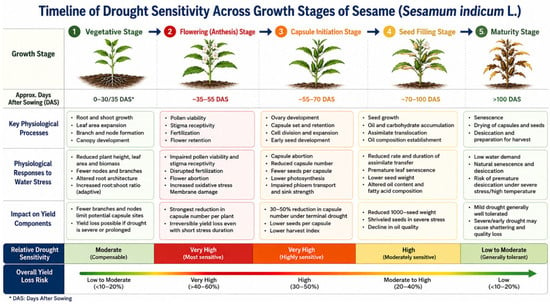
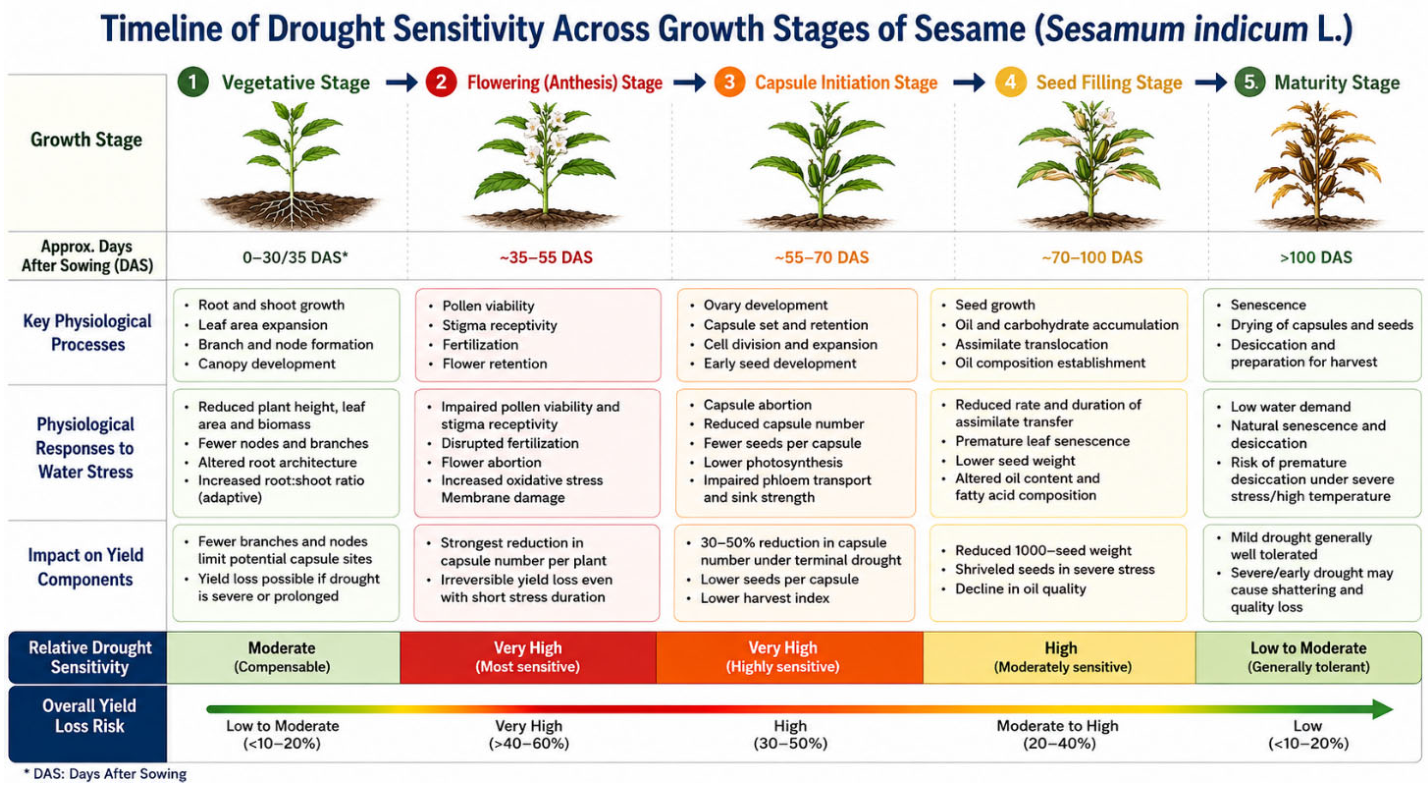

Disclaimer/Publisher’s Note: The statements, opinions and data contained in all publications are solely those of the individual author(s) and contributor(s) and not of MDPI and/or the editor(s). MDPI and/or the editor(s) disclaim responsibility for any injury to people or property resulting from any ideas, methods, instructions or products referred to in the content. |
© 2026 by the authors. Licensee MDPI, Basel, Switzerland. This article is an open access article distributed under the terms and conditions of the Creative Commons Attribution (CC BY) license.