


Abstract
Phosphorus (P) is an essential nutrient in plant development, but its availability in the soil is often limited due to chemical fixation and poor solubility. This study presents the development, characterization and evaluation of a novel granular bioinoculant formulated with Aspergillus tubingensis (P-solubilizing) and Trichoderma virens (P-mineralizing) using clinoptilolite (CZ) as a carrier to improve P bioavailability. The formulation process included the evaluation of the proposed components, the standardization of conidia production in different media cultures and conditions, the elaboration and characterization of the bioinoculant and its evaluation in plants. In this study, in vitro analysis demonstrated the synergistic effect of the components, showing that in all treatments with dual inoculation and CZ, the amount of soluble phosphorus (SP) was higher than in their counterparts (from 27.8 to 36.8 mg·L−1). A concentration greater than 1 × 10⁹ CFU·mL−1 was obtained by standardizing the production of conidia in different media (PDA, V8-Agar and Molasses Agar), which were then used to produce granular batches containing at least 2 × 10⁷ CFU·g−1. Furthermore, the size (88% of the granules measured <4.5 mm), purity (<2 CFU·g−1 in 10−4 dilution), and moisture content of the prototype granules (3.3–3.8%) were confirmed to be within established international quality parameters. Plant evaluations in chili and tomato demonstrated the formulation efficacy, showing an increase in both soluble and foliar P content (with at least 30% more than controls), alongside improvements in all parameters evaluated that are related to plant growth promotion (with at least 15% more growth than controls). The development of this formulation prototype represents a focused effort toward process standardization and optimization required to validate developed formulations, thus promoting the advancement of applied biotechnology.
1. Introduction
The accelerated growth of the world population has caused an increase in the demand for agricultural production; this has affected the nutritional quality of soils, thus affecting the optimal yields of crops due to overexploitation [1]. P is an essential macronutrient for the physiological, biochemical, and molecular activities of plants, so its limitation affects the development in all plant-growth stages [2]. P is found in abundance in the soil both as organic (Po) and inorganic (Pi) forms; however, the bioavailability is dictated by its reactivity, which leads to fixation. Soil pH governs the fixation of different metals (mainly Ca2+, Al2+, and Fe2+). Furthermore, the cation exchange capacity (CEC) modulates these interactions while soil organic matter acts as a long-term reservoir through mineralization that occupies adsorption sites, reducing P-sorption [3,4]. It is estimated that 5.7 billion hectares of agricultural soils have P deficiencies; therefore, fertilization is necessary to maintain the productivity of agricultural systems; however, as mentioned above, the success of the P application is largely governed by soil properties and the nature of P-fertilizers, current agricultural practices and the limited availability of global P reserves [5], causing an increase in fertilization costs that barely have an efficiency percentage of 15–30% [1,4]. Due to this scenario, various alternatives with ecological approaches have been described to satisfy the demand for P, increasing its availability in the soil for agricultural production of both P retained in the soil and that can be added with fertilization. An interesting alternative is the use of P-solubilizing and P-mineralizing fungi (PSMF).
PSMF can make P available to plants mostly by two different mechanisms: solubilization (obtaining P from inorganic compounds mainly through the production of metabolites such as organic acids) and mineralization (obtaining P from organic compounds, such as phytate, through extracellular enzymatic activity) [6]. PSMFs are usually more efficient than bacteria under the same environmental conditions to increase P bioavailability, because their structures, such as conidia, are more resistant to environmental factors when applied to agricultural systems, and their filamentous mycelia allow them to colonize larger areas in soil [7,8,9]. The effectiveness of dissolving P has been reported in fungal genera such as Aspergillus, Cladosporium, Penicillium, and Trichoderma [10,11,12]. The application of PSMF can release the accumulated P left by fertilization in soils, and avoid secondary damage such as soil hardening, salinization, water eutrophication, etc. [13]. However, among the main disadvantages of PSMF applications are the complexity of the P release process, since in vitro studies can be misleading when confronted with real agricultural conditions due mainly to the susceptibility of PSMF to environmental changes, agronomic management practices, and the physicochemical characteristics of the soil [14,15].
The application of microbial bioinoculants has become an innovative and environmentally friendly technology to improve soil fertility, crop yield, and, in some cases, biological control and bioremediation [16]. Bioinoculants are formulations composed of live or dormant cells of beneficial microorganisms, of one or more strains, including PSMF, which, when applied to soil, seeds, or seedlings, can enhance nutrient availability, particularly P, stimulating absorption, improving plant growth, and increasing yields and productivity of agricultural units [17]. However, PSMF, like most microorganisms used in bioinoculants, can undergo alterations from production to application across different agricultural systems, such as reduced viability and efficacy, which directly impacts the quality and commercial perception of bioinoculants, so, the challenge lies not only in the survival of the inoculum, but also in the rapid re-fixation of P, a process that conventional solutions fail to mitigate [18]. Despite the successful development of several bioinoculants, a major bottleneck for their consistent performance in the field is the lack of standardized protocols for formulation design and a limited understanding of the factors governing their correct application; therefore, the development of adequate formulation in an optimal carrier results in a process that must be carried out to avoid or decrease the decline in the bioinoculant and ensure its acceptance [19,20]. In this context, CZ emerges as a strategic material; due to its microporous structure and high CEC, CZ can function as a moisture reservoir for fungi and simultaneously, as a cation ‘sequestering agent’ that would normally immobilize newly solubilized P [21]. For this reason, this work suggests the design, formulation, characterization and evaluation of the prototype of a bioinoculant containing a highly efficient solubilizing fungus, Aspergillus tubingensis (At), and a highly efficient mineralizing fungus Trichoderma virens (Tv), formulated in CZ, as an integrating consortium where their metabolic pathways complement each other by targeting both Pi trough acidification and Po via enzymatic mineralization, while CZ acts as an active material framework that not only preserves fungal viability, but also utilizes its ion-exchange properties to prevent re-fixation creating a synergistic system design to maximize P bioavailability under complex soil conditions as an alternative to the problem of availability of this essential element.
2. Materials and Methods
2.1. Microorganisms
A. tubingensis (BMH-0060) and T. virens (BMH-0059) were isolated from rhizosphere soils of two types, alfisol from corn (Zea mays) and andisol from beans (Phaseolus vulgaris), respectively, by Zúñiga-Silgado et al. [22]. In vitro P solubilization tests were performed on both isolates, assessing plant growth and germination promotion in chili [23]. The strains were selected because both possess two mechanisms for increasing P availability: solubilization and mineralization.
2.2. Clinoptilolite Zeolite (CZ)
CZ was provided by Minerales Tritón S.A. de C.V. It is characterized as a white zeolite with the chemical name Sodium, Potassium, Calcium, and Magnesium Tectoaluminosilicate Hydrate. It has a majority composition of 67% CZ with the chemical formula (Na0.52 K2.44 Ca1.48) (Al6.59 Si29.41 O72) (H2O)28.64. It has cavities ranging from 3 to 13 nm and a moisture content of 1–3%.
2.3. In Vitro Evaluation of Formulation Components
Before formulation, P solubilization tests were carried out on components in a liquid medium, evaluating different treatments. The treatments were prepared in 50 mL Falcon tubes, containing 25 mL of MOH medium [24]: 1 g of NaCl, 0.2 g of CaCl2-2H2O, 0.4 g MgSO4-7H2O, 1 g of NH4NO3, and 10 g of glucose per liter. Phosphate rock (PR) (from Minerales Tritón S.A. de C.V. with a 24.59% of P2O5), alkaline soil (AS) (a sample was taken from agricultural soil associated with intensive agricultural production with a pH of 9.0), or CZ were added at a final amount of 3.5 g·L−1, depending on the treatment, and then sterilized. Conidial suspensions were prepared for each fungal strain at 1 × 10⁶ conidia·mL−1. One mL of each suspension was inoculated per tube. Treatments without fungi were inoculated with one mL of 0.01 M CaCl2-2H2O. The tubes were incubated at 25 ± 1 °C in a LabTech shaking incubator (model LSI-3016A), at 100 rpm for 6 days. Subsequently, the contents of each tube were shaken, and one mL was extracted and centrifuged at 4000 rpm for 10 min. The SP concentration of the supernatant was measured by the molybdate blue method at 890 nm [25]. Each treatment had 3 replicates and was performed in duplicate. We used a heat map to show the amount of SP obtained in each combination/treatment (Figure 1).
Figure 1.
Determination of P solubilization in vitro from the components of the bioinoculant prototype and their interaction with/without phosphate rock (PR/WPR), with/without alkaline soil (AS/WAS), with/without CZ (CZ/WCZ). BF: Both fungi; AT: Granules with Aspergillus tubingensis; TV: Granules with Trichoderma virens; WF: Without Fungi. The scale in blue to the right represents the mean amount of SP in mg·L−1.
2.4. Standardization of Conidia Obtention Process and Germination Tests
Once the positive and synergistic interaction between the formulation components was confirmed, the first step to develop the bioinoculant prototype was to standardize conidia production. These experiments were divided into three stages. In the first, different culture media were tested: molasses agar (MA) (30 g·L−1 molasses, 5 g·L−1 yeast extract, 2% agar); V8 agar (V8A) (200 mL·L−1 V8 juice, 2 g·L−1 CaCO3, 2% agar); a homemade potato infusion agar (PIA) [200 g·L−1 potato infusion (200 g potatoes boiled in 700 mL of distilled water for 15 min), 12 g·L−1 dextrose, 2% agar]; potato dextrose agar (PDA) (39 g·L−1 PDA SOLBIOSA®). The pH was measured with a HORIBA Scientific potentiometer (model LAQUA F-71G), obtaining the following values: V8A: 6.67 ± 0.008; MA: 6.40 ± 0.076; PIA: 6.38 ± 0.028; PDA: 5.91 ± 0.056. The media were sterilized in a Felisa autoclave (model FE-399) for 20 min at 121 °C and 15 lb of pressure. A Petri dish with 7-day-old mycelia of A. tubingensis or T. virens was used as an inoculum, placing 5 mm cylinders of each fungus in the center of Petri dishes with the different media and incubating for 4, 7, 10, and 14 days at 28 ± 1 °C with a photoperiod of 10 h light:14 h darkness. The inoculation was carried out in triplicate, and two independent experiments were performed. After the different incubation times, conidia were obtained by adding 15 mL per plate of sterile CaCl2-2H2O 0.01 M [22,23] plus 0.5% Tween80, dragging with the help of a Drigalski spatula. The conidial solution was filtered using sterile gauze to obtain a stock solution from which dilutions were made to 10−1 or 10−2, as necessary, to perform the count in a Neubauer chamber (hemocytometer) in an optical microscope at 20X. Countings were performed in duplicate, and an average from each pair of countings was made; this was performed for each of the replicates in each of the two experiments. The results of the conidial count were analyzed using Equation (1).
Number of conidia = #counted conidia/counted squares × squares from the chamber (25) × conc. (10,000) × dilution
In the second stage of the standardization process, tests were performed on the previously mentioned media evaluated by adjusting their pH to 5.0, the pH suggested for optimal growth of most filamentous fungi [26,27,28]. The evaluation of this modification was carried out in the same way as the first experiment, selecting only the incubation time of 10 days after inoculation (DAI).
Finally, the germination optimization of conidia yield was evaluated. This was carried out on three culture media selected for their high production rates: V8A, PIA, and PDA. These media were evaluated again by adjusting the pH to 5.0 for A. tubingensis growth and pH 6.0 for T. virens, due to the previous results in stage 2. The number of replicates per treatment was increased to 5 in each replicate. This evaluation was carried out as described previously, determined only at 7 and 10 DAI. After conidia collection was completed, viability tests were performed by evaluating conidia germination in Petri dishes. At least fifty conidia were inoculated per dish, sealed, and incubated at 28 °C ± 1 °C. CFUs were counted at 40 h after the inoculation. The germination percentage was determined by the ratio of inoculated to germinated conidia at the times described (Equation (2)).
Germination percentage (%) = germinated conidia (CFU)/inoculated conidia × 100
2.5. Granule Elaboration
After producing the conidia, the granules in CZ were prepared. The granules were made in a granulator disk with a sterilized surface using ethanol. The rotating force of the equipment promotes granule formation, as the conidial solutions are sprayed onto the plate while being fed with the previously sterilized and pulverized CZ. Two batches of approximately 1.5 kg of granules were prepared for each strain. Once the granulation process was complete, the batches were dried at room temperature, maintaining maximum asepsis possible. For the initial and proposed design of the bioinoculant prototype (1:1 strain ratio), 250 g of granules per batch were taken from each of the fungi and mixed evenly to obtain samples of 0.5 kg of bioinoculant per batch; these were placed in separate containers and used as the 1:1 bioinoculant treatment.
2.6. Quantitative Characterization of Conidia Content in Bioinoculant Granules
To determine the number of conidia included in CZ, conidia were extracted by resuspending aseptically 1 g of individual fungal granules in 9 mL of 0.01 M CaCl2-2H2O plus 0.5% Tween20, previously sterilized. Using serial dilutions, 100 µL aliquots were prepared with at least 50 conidia. These were inoculated into Petri dishes with PDA, spreading with a Drigalski spatula and incubated at 28 °C ± 1 °C, performing this in quintuplicate, per batch, per fungus. Germinated conidia were counted 40 h after inoculation, and the germination percentage was determined by calculating the ratio of inoculated conidia to germinated conidia (CFU) (Equation (2)).
2.7. Physicochemical Characterization of the Granules
2.7.1. Granular Size Analysis
To analyze the granule size per batch, triplicate samples of 5% of the total amount of granules produced were taken randomly per batch, and granule diameters were measured with a vernier.
2.7.2. Determination of the Percentage of Moisture
To determine the moisture content, triplicate samples of 1 g of granules were dried in a FELISA oven (model FE-294A) at 90 °C for 48 h. The moisture content was estimated by weight difference according to Equation (3):
Moisture content % = granules weight before drying − granules weight after drying/granules weight before drying × 100
2.7.3. Determining the Purity Level
An aseptic extraction was performed from 1 g of granules from the different treatments (A. tubingensis granules, T. virens granules, 1:1 bioinoculant granules) using the previously described method. Serial dilutions were made from the resuspensions in Petri dishes with PDA, and 50 µL of the 10−4 and 10−5 dilutions were inoculated to quantify the CFU of microorganisms other than those in the granules. The Petri dishes were incubated at 32 ± 1 °C for 96 h, with counts performed daily towards the end of the experiment. This procedure was carried out in triplicate.
2.8. In Vivo Evaluation of Bioinoculant Granules Performance
To determine the P-solubilizing and plant growth-promoting activity of the bioinoculant granules prototype, evaluations were carried out on chili (Capsicum annum) and tomato (Solanum lycopersicum) plants using peat moss as a substrate. Seedlings from the fruits of previous experiments were produced from previously disinfected seeds (immersion in 70% ethanol for 5 min, then rinsing in sterile distilled water for 2 min, then washing in 10% sodium hypochlorite, followed by another rinsing in distilled water for 2 min, and finally washing in sterile distilled water for 5 min). The seeds were placed in germination trays with previously sterilized peat moss as substrate, watering them every three days. Thirty-five-day-old seedlings were transplanted into 9 cm3 pots with approximately 35 g of previously sterilized peat moss. Four (chili) and five (tomato) plants were placed per treatment in duplicate. The bioinoculant application was performed as follows by adding 1 g of granules before and after transplanting. Plants were fertilized weekly with 1.5 mL of a nutrient solution according to Hoagland & Arnon [29], with modifications suggested by Urrea-López et al. [30], replacing P sources with the same amount of Ca3PO4, K2PO4, and Phytate (0.15 g·L−1) according to the treatment and evaluated two times. The evaluation of different forms of P depends on the modes of action of the fungal strains and their performance in the bioinoculant. Treatments were evaluated for 45 days, then the plants were removed by washing the root area with sufficient water to remove substrate traces. Plant height was measured from the base to the apical area, the number of leaves was counted, and the fresh and dry weight of leaves and roots was measured by drying the samples at 85 °C for 48 h. On 28 and 45 DAI, foliar P content was also monitored. For this, a 5 mm diameter leaf disk was dissected from the youngest leaf of each plant. The disks were put through a drying process at 90 °C for 72 h. Subsequently, 100 µL of HCl was added for 20 min to each sample, then 900 µL of distilled water plus 250 µL of Murphy and Riley’s developer solution were added. The foliar P concentration was read using the molybdate blue method [25] at 880 nm in a BioTek Epoch microplate spectrophotometer. For the quantification of soluble P, 10 mg of substrate (oven dry weight, sieved at 2 mm) and 500 µL of 1 M NH4Cl were added to a 1.5 mL Eppendorf tube shaking at 100 rpm for 30 min to extract soluble and weakly bound P, then the samples were centrifuged at 7000 rpm for 15 min, separating 250 µL of the supernatant and bringing it to 500 µL with distilled water. P concentrations were determined using the phosphomolybdate method [25], with a volume of 250 µL of sample and 500 µL of the colorimetric solution at 880 nm.
2.9. Statistical Analysis
Statistical analysis was performed for the in vitro assays of formulation components, standardization of conidia, germination tests, and quantitative characterization of granules using a one-way ANOVA and a Tukey test for the comparison of means analysis were performed with a significance level of 0.05. For the evaluation of effectiveness in plants, a Tukey test with a significance level of 0.05 was performed on the soluble P results, while for the plant-growth variables, non-parametric tests were performed. A general factorial design was first performed to determine the effect of treatment, time of application, and type of fertilization on the response variables. Of the factors that had a significant effect on the response, an ANOVA-Welch was performed per response variable, and a comparison of means using the Games–Howell method with a significance level of 0.05. All the statistical analyses were performed in MINITAB® 20.0.
3. Results
3.1. In Vitro Effect of Formulation Components
For the development of the bioinoculant, the first step was to evaluate the interaction of the formulation components in the presence of AS and PR, which is used as the main source of P to produce fertilizers. With a total of twenty-two treatments, considering all the possible combinations (Figure 1), the following can be concluded: In all treatments with CZ, the amount of SP was higher than in their counterparts without it. Soil plays an important role in the solubilizing performance of microorganisms; the physicochemical characteristics of the soil used in these evaluations were of significant importance since all the treatments that contain it were those in which the lowest amount of SP was registered, for example, the combination of PR and Both Fungi (BF) resulted in 27.662 ± 1.43 mg·L−1 of SP, while in the presence of AS, the amount of SP decreased to 0.996 ± 0.008 mg·L−1.
3.2. Optimization of Conidia Production
The results of conidia production for A. tubingensis and T. virens in different culture media are shown in Table 1. For A. tubingensis, the highest number of conidia was obtained in PIA at 14 DAI (1.30 × 10⁹) and the lowest in MA at 4 DAI (1.03 × 10⁸), with a difference of 13 times. In MA and PIA, production increased over time up to 14 DAI, while in V8A and PDA, the highest production was at 10 DAI, with a decrease at 14 DAI (6 and 19%, respectively). The maximum conidia production for T. virens was 1.04 × 10⁹ on PDA at 10 DAI, while the lowest was 5.03 × 10⁵ on MA at 14 DAI. On V8A and PIA, production increased over time to 14 DAI, when the highest values were obtained, while on MA and PDA, the highest production was at 10 DAI, similar to A. tubingensis. The values are shown on a scale of 107 conidia. Two statistical analyses of comparison were performed with these data per row for differences between culture media (capital letters) and per column for differences between days of incubation (lowercase letters).
Table 1.
Production of conidia by P-solubilizing and mineralizing fungi in different culture media.
However, this first batch of conidia was produced in media without adjusting the pH, in contrast with the second batch, where the pH was adjusted (Table 2). Conidia production on V8A for A. tubingensis and T. virens increased by 21 and 23%, respectively, while on MA, there was a decrease of almost 20% in the production of A. tubingensis, while for T. virens, there was no significant difference. On PIA, there was a production increase of 16 and 14.5% for A. tubingensis and T. virens, respectively, while on PDA, the increase was not significant for A. tubingensis, while in T. virens, there was a decrease of almost 33%. In this second group of experiments, the highest number of A. tubingensis and T. virens conidia were obtained again, on PIA (1.23 × 10⁹) and on PDA (6.97 × 10⁸); however, compared to the first evaluation, the results indicate that conidia production of T. virens is more sensitive to more acidic pHs, since there was a significant decrease.
Table 2.
Comparison of conidia production in different culture media with pH adjusted to 5.0.
For the last stage of optimization of conidia production, we discarded the MA medium due to the low production of conidia for both fungi, carrying out the last evaluations of production with V8A, PIA, and PDA with adjusted pH. These were also evaluated according to the germination percentages. The results obtained in this section were important to select the culture media in which the conidia would be produced for their inclusion in the CZ for the bioinoculant prototype. The highest production of A. tubingensis conidia was obtained in PIA at 10 DAI (2.312 × 10⁹) and the lowest in PDA at 7 DAI (6.657 × 10⁸), also in all culture media there was greater production at 10 DAI over 7 DAI; while the highest number of conidia production in T. virens was 2.520 × 10⁹ on PDA and the lowest was 4.112 × 10⁸ on V8A (Table 3).
Table 3.
Production of conidia on selected media for comparison to choose the optimal medium.
With the results obtained from conidia production, PIA was the medium\ selected to grow A. tubingensis, and PDA for T. virens; moreover, viability tests were performed for each treatment, using the conidia obtained in the experiment reported in Table 3. A known number of conidia were inoculated in Petri dishes to determine the germination percentage. The results of conidia viability are shown in Table 4.
Table 4.
Conidia viability and relation to the yield in different culture media of P-solubilizing and mineralizing fungi, in vitro evaluation.
Overall, low germination rates were obtained. The highest germination rate was found in conidia produced at 10 DAI for the different culture media in both fungi (except for T. virens on V8A). For A. tubingensis, the highest and lowest germination rate was 49.47% and 14.35% from conidia obtained on V8A at 10 DAI and PIA at 7 DAI, respectively. While for T. virens, conidia with the highest and lowest viability were 56.14% and 19.70% from conidia obtained on PDA and PIA, respectively, at 7 DAI. Although in PIA production was higher for A. tubingensis, in this and previous evaluations, conidia germination was higher when conidia were produced in V8A. While for T. virens, the highest production and germination percentage was on PDA. The adjustment of the pH of the medium represented a significant change since a greater number of conidia was obtained and did affect the expected germination rate.
3.3. Granule Analysis
Two batches of concentrated conidial solutions of each fungus were produced according to the results presented in the previous section. A. tubingensis and T. virens conidial production were slightly different between batch one and two for the former and the same for the latter. This difference can be attributed mainly to the conidial recovery per batch and the maturation time of the fungus when the conidia were recovered, since the environmental conditions to produce the batches were the same. The quantities of CZ that were used in preparation for each batch are shown in Table 5. The estimated concentration of bioinoculant (conidia·g−1) was determined by calculating the mean concentration for the total volume of conidial solutions per batch to the amount of CZ used to prepare the granules per batch. These data represent estimates based on the quantitative analysis prior to granule formulation and are shown in Table 5.
Table 5.
Estimated quantitative analysis for the design and formulation of the bioinoculant.
3.4. Quantitative Characterization of Bioinoculant Granules
After conidia inclusion in CZ, quantitative characterization was performed by the plate counting method (Figure 2). All batches of the individual and combined fungal bioinoculant had a concentration in the order of ×107. However, all the batches of At, Tv, and combined fungal granules were statistically different. The highest concentration obtained was in batches one and two for Tv and At, respectively. On average, and with respect to the estimated concentration and germination percentage ratio of the solutions before inclusion (Table 5), A. tubingensis granules had a 53.09% decrease in viability, while T. virens granules had a 19.02%.
Figure 2.
Quantitative content of CFU·g−1 from bioinoculant prototype batches. B: batch; ATG: Aspergillus tubingensis granules; TVG: Trichoderma virens; BG: Bioinoculant granules. Means with the same letter are statistically equal (Tukey, p ≤ 0.05).
3.5. Physicochemical Characterization of the Bioinoculant Granules
3.5.1. Size
Batches of A. tubingensis granules ranged from at least 88% of granules with a diameter of <4.5 mm, and at least 94% <6.5 mm (included ones <4.5 mm, see Figure 3). T. virens granules presented a percentage of 93 to 97% of granules <4.5 mm. Both batches had the highest percentage of granules <2.5 mm, with 61 (1) and 66% (2) (within the above-mentioned percentages, see Figure 3), respectively, which is a more desirable size. The granulator disk, where they were made, can be adjusted to obtain a smaller size once the evaluation has been carried out. When the granulation process finishes, a sieve step can be added for the separation of granules.
Figure 3.
Size analysis of bioinoculant granules. (a) Aspergillus tubingensis granules; (b) Trichoderma virens granules; (c) Bioinoculant granules;  B1;
B1;  B2; (d) Representative sample from Aspergillus tubingensis granules; (e) Representative sample from Trichoderma virens granules; (f) Representative sample from bioinoculant 1:1 granules.
B1; B2; (d) Representative sample from Aspergillus tubingensis granules; (e) Representative sample from Trichoderma virens granules; (f) Representative sample from bioinoculant 1:1 granules.
3.5.2. Percentage of Moisture
Both granule batches presented moisture percentages ranging from 3.370 to 3.820% (Figure 4). Moisture content is an important parameter that impacts the viability of microbial bioinoculants. In this context, conidia can withstand low moisture levels without affecting their viability, since survival is, in fact, one of their main characteristics.
Figure 4.
Moisture content in bioinoculant granules. B: batch; ATG: Aspergillus tubingensis granules; TVG: Trichoderma virens granules; BG: Bioinoculant granules; GWI: Granules without inoculum.
3.5.3. Purity Level
To test that the bioinoculants are free from other strains, samples of the single bioinoculant granules were taken, diluted (10−4 and 10−5), and inoculated in PDA plates. No contaminants were found in any of the plates inoculated with the 10−5 dilution (Table 6). Only in the inoculation of the 10−4 dilution, bacterial contamination was found in batch two (2 and 1 CFU·mL−1 in bioinoculant and A. tubingensis granules, respectively) after 48 h of incubation. These results indicate that the level of contamination of the granular formulations supports the reliability of the subsequent biological evaluations.
Table 6.
Determination of contaminants in granules (CFU·g−1).
3.6. Evaluation of Bioinoculant Granules Performance
To evaluate the effect of the bioinoculant, chili and tomato plants, growth-promotion parameters were analyzed in MINITAB 20®. An ANOVA analysis with variable transformation was performed using the p-value as an indicator to determine the effect of the three evaluated factors: treatment (T), application moment (AM), and fertilization type (FT), individually, and their interactions. Also, this analysis permitted us to verify the quality of the model fit. Each analysis was carried out per batch, per crop. For chili, significant effects were identified for all response variables related to promoting vegetal growth in both batches for the treatments. The SP response in batch one was also influenced by AM and the interactions of the three factors, indicating that the amount of SP responds consistently and is dependent on the interaction of the three evaluated factors. In batch two, the interaction between T and FT had a significant effect on FP. None of the other factors evaluated, nor their double or triple interactions, showed significant effects. This suggests that the observed responses were primarily determined by the differences between the treatments. For tomato, the response variables were significantly influenced by some of the interactions. For example, the FFW and FRW showed a significant response to the triple interaction, indicating that their behavior depended on the simultaneous combination of the three factors evaluated. Regarding individual factors, T had a significant effect on all variables in both plots except for NL in batch 1. FT influenced H in both batches, and AM showed a significant influence on FFW and FRW (Table 7).
Table 7.
ANOVA results for the effect of treatment, application moment, and fertilization type on growth promotion variables of plants.
3.6.1. Phosphorus Quantification in the Substrate
Once the plants were collected, the SP remaining in the substrate was measured. The highest amount of SP was found in substrate amended with the bioinoculant (0.8 mg·kg−1), where chili plants were planted. It was followed by A. tubingensis and T. virens granules. The same behavior was observed in tomatoes. CZ granules without inoculum were able to increase the content of P through exchange, although there may have also been an acquisition of other elements such as N or K, since there was an increase in the results of plant growth promotion (Section 3.6.3)). The greatest solubilization of P was observed in chili rather than in tomato, which may be related to crop interaction and the effect it has, for example, on exudate production and how these may affect the overall interaction of all components of the system. Regarding the controls (Figure 5, Figure 6 and Figure 7), the SP quantified in the substrate with the application of granules of the bioinoculant had an increase of 73, 38, and 62% (T5: Control − (No added P); T6: Control − (Fertilization); T7: Control + (Soluble P), respectively). Individually, A. tubingensis granules were more efficient than T. virens granules in solubilizing P, inoculation with A. tubingensis granules was greater than that with T. virens, and when combined, there was an increase of 16% and 18% in chili and tomato, respectively. There were no significant differences between batches, so the statistical analysis was performed between treatments (Tukey, p ≤ 0.05).
Figure 5.
The higher solubilization of phosphorous was when the plants were treated with granules containing both strains. Quantification of soluble phosphorus (SP) in substrate with plants of chili (Capsicum annum) (a) and tomato (Solanum lycopersicum) (b), batch (B) 1 and 2. Treatments: 1: Aspergillus tubingensis granules; 2: Trichoderma virens granules; 3: Bioinoculant granules. 4: CZ granules; 5: Control − (No added P); 6: Control − (Fertilization); 7: Control + (Soluble P). Means with the same letter are statistically equal (Tukey, p ≤ 0.05).
Figure 6.
Quantification of foliar phosphorus (FP) from leaves of chili ((a,b) n = 40) and tomato ((c,d) n = 32) 28 and 45 days after application (daa). Treatments: 1: Aspergillus tubingensis granules; 2: Trichoderma virens granules; 3: Bioinoculant granules. 4: CZ granules; 5: Control − (No added P); 6 = Control + (Soluble P). Results are shown in media for each treatment, and a comparison was made between the two days of monitoring, (*) indicates significant differences (Tukey, p ≤ 0.05). ns: not significant.
and 45 days after application (daa). Treatments: 1: Aspergillus tubingensis granules; 2: Trichoderma virens granules; 3: Bioinoculant granules. 4: CZ granules; 5: Control − (No added P); 6 = Control + (Soluble P). Results are shown in media for each treatment, and a comparison was made between the two days of monitoring, (*) indicates significant differences (Tukey, p ≤ 0.05). ns: not significant.
Figure 7.
Effect of inoculation with granules in plant growth promotion of Capsicum annum plants. (1a–6a) from batch 1, and (1b–6b) from batch 2. NL: number of leaves; H: plant height; FFW: fresh foliar weight; FRW: fresh roots weight; DFW: dry foliar weight; DRW: dry roots weight. Treatments: 1: Aspergillus tubingensis granules; 2: Trichoderma virens granules; 3 = Bioinoculant granules. 4: CZ granules; 5: Control − (No added P); 6: Control − (Fertilization); 7: Control + (Soluble P). Means that do not share a letter are significantly different, Games–Howell; α = 0.05. n = 40.
3.6.2. Foliar Phosphorus (FP)
In chili, 28 days after application (daa), the highest FP values were obtained with the application of A. tubingensis granules, followed by the bioinoculant and T. virens granules, respectively. However, at 45 daa, the amount of FP decreased significantly (which was more significant in T. virens granules), while the application with bioinoculant granules showed a slight increase. Compared to the controls, the best treatment was A. tubingensis granules; however, the only ones that showed an increase at 45 daa were the bioinoculant granules and the positive control with high SP in the leaves.
In tomato plants, individual granules (At; Tv) showed low values in the 28 daa quantification, compared to those of the combined bioinoculant, but at 45 daa the quantification increased for A. tubingensis granules and decreased for the bioinoculant and T. virens granules. These data are more evident in the treatment that included CZ without inoculum (Figure 6c,d, T4) or SP (Figure 6c,d, T5), since the decrease in FP content was quite significant. In combination, the results of FP quantification reproduced the experiments of Zuñiga-Silgado et al. [23], and although the results of SP and FP would indicate that the greatest activity was given by A. tubingensis granules, in the following section on plant growth promotion, the importance of the presence of the T. virens strain in the formulation is notable.
3.6.3. Plant Growth Promotion
All response variables were influenced by the seven different treatments (p ≤ 0.05) except in batch one for the number of leaves (NL, p = 0.390) and plant height (H, p = 0.052) of tomato plants.
According to the results obtained from the evaluation of granules in plants, all granule treatments had values above the controls. In the evaluation of batch one of granules in chili (Figure 7(1a–6a)), inoculation with the 1:1 bioinoculant had the highest values in all the response variables evaluated, followed by T. virens granules and then A. tubingensis. Granules of CZ without inoculum showed good performance in all the response variables evaluated, which can be attributed to the exchange capacity of the CZ, which, as proposed for the analysis of soluble and FP obtained, may have increased the content of other essential elements that promoted plant growth. In batch two (Figure 7(1b–6b)), the inoculation of the bioinoculant also presented the highest values in NL and FFW, while the T. virens granules had the best response in the other variables. This shows the importance of inoculation with T. virens, whose plant growth-promoting mechanisms have been widely documented.
Figure 8 shows the effect of granule inoculation on tomato plants. All granule treatments had higher values compared to the controls. In batch 1 (Figure 8(1a–4a)), the bioinoculant granules had the best response for FFW and FRW, while for DFW and DRW. T. virens granules seemed to have better results, although significantly equal values (Games–Howell Test p ≤ 0.05). In batch two (Figure 8(1b–6b)), all granule treatments had greater effects on all variables compared to the controls; however, the four treatments that include CZ were significantly equal. A trend in the effect of granule treatments on plant growth promotion in tomato is observed.
Figure 8.
Effect of inoculation with granules in plant growth promotion of Solanum lycopersicum plants. (1a–4a) from batch 1, and (1b–6b) from batch 2. NL: number of leaves; H: plant height; FFW: fresh foliar weight; FRW: fresh roots weight; DFW: dry foliar weight; DRW: dry roots weight. Treatments: 1: Aspergillus tubingensis granules; 2: Trichoderma virens granules; 3 = Bioinoculant granules. 4: CZ granules; 5: Control − (No added P); 6: Control − (Fertilization); 7: Control + (Soluble P). Means that do not share a letter are significantly different, Games–Howell; α = 0.05. n = 32.
4. Discussion
The development of fungal bioinoculants presents a priority line of research due to their potential to increase the availability of nutrients such as P, reducing dependence on chemical and synthetic fertilizers, and improving soil health, making it essential to understand the factors that determine their stability and efficacy and the effect on their biological performance.
Since the solubilization and mineralization of P were the main objectives of developing this formulation, the selection of strains should include those exhibiting the best performance. The strains isolated and characterized by Zúñiga-Silgado et al. [23] showed a better effect when used in dual inoculation (A. tubingensis and T. virens). In this study, the initial evaluation of the microbial components confirmed their compatibility and synergy in solubilizing P, which is a fundamental prerequisite before moving towards a joint formulation. However, we found that AS had a strong influence on the fungi’s performance, since in this kind of soil, P can be rapidly converted to insoluble forms [31]; mineralogy, pH, and organic matter content are the main factors that affect P-sorption. This shows the novel concept that, in AS, the presence of fungi will revert the chemical fixation of P. Individually, A. tubingensis (At) tested in vitro solubilized P better from inorganic P sources, such as PR, as described by Zúñiga-Silgado et al. [23], than when only CZ was added. Even in the presence of AS, this strain increased the P solubilization in vitro three times. The potential of both fungal genera has been extensively described [10,11,32]. Similar results for Aspergillus strains were reported by Achal et al. [33] and in Reddy et al. [34], where the authors reported 28 mg·L−1 and 26 to 100 mg·L−1 of solubilized P, respectively. T. virens (Tv) isolates are usually evaluated as a biological control agent; however, our T. virens strain produced a higher amount of P (18.156 mg·L−1) compared with other reports that obtained 0.82 to 4.69 mg·L−1 [35] and 9 mg·L−1 [36].
Choosing a suitable carrier is an important component in preparing bioinoculants, as it acts as a transport, protection, and effective release agent for the desired microorganisms in the field. These can significantly influence the quality characteristics related to the bioinoculant’s performance [18]. CZ increases the SP content due to its capacity for cation exchange. The effect of applying natural [37] and modified zeolites [38] on increasing the availability of nutrients, such as P, through dissolution from RP in all types of soils [39], has been described. There is no formulation that contains both fungal strains in the CZ matrix, acting together to increase the efficiency of P solubilization, so the novelty of the research lies in the combined use of the three agents. It is important to note that CZ does not act as a fertilizer; it is an exchanger that increases the efficiency of P dissolution due to its structure and properties [21].
Optimizing strain growth in selected media is the next step in developing the formulation. It has been described that Trichoderma species growth occurs in a pH range from 2.0 to 8.0 [27,40,41,42]. However, there are significant differences in biomass production at pH values from 6.0 to 7.0, usually having higher production of aerial mycelium [26,43] and, therefore, higher conidiation. Hadi et al. [44] showed that A. tubingensis conidiation in an organic medium based on rice had a maximum production of 4.63 × 10⁴ conidia·mL−1 at pH 6, but at higher pH values, the production decreased to 50%, highlighting the importance of the pH. However, pH is not the only important factor in the production of conidia; some others, such as temperature and light, in addition to the composition of the medium, are related to the efficiency of conidiation. In general, we obtained better results on conidia production in this work than in the cited literature, except for MA, where we can hypothesize that the high sugar content, although promoting mycelial growth, may have affected the differentiation in conidium production [45,46]. Regarding germination, T. atroviride conidia had 68% on PDA with a production of 1.25 × 10⁸ [47], which are similar result to ours. In addition, conidia produced after 20 days by different Trichoderma species have been described as usually less vigorous or immature. In this research, the medium composition had a direct effect on the germination percentage, since the ability of fungal conidia to germinate in the environments to which they are applied depends greatly on the quality of the medium, influencing conidiation. Conidiation generally occurs in response to external variables that threaten the survival of fungi. One of the most important factors that affects conidiation in fungal species is the composition of the culture media [18], time of incubation [48], and an optimal germination pH value between 5 and 7 [49]. This was confirmed in this work, since the production of A. tubingensis conidia increased when the medium pH was adjusted to 5.0. These findings state that medium composition and the age of the culture affect the physiology and vigor of the fungus; the latter may be related to nutrient depletion and competition [47,50]. Importantly, in this work, we achieved a larger production and germination rate than in other reports. Although the process was evaluated in vitro, the growth, production, and germination response of the conidia strains to the different media and conditions tested provided information for optimization at a future pilot level. Solid-state or liquid fermentation processes are commonly used, representing an opportunity for utilizing waste, primarily from the agro-industrial sector [51]. The commercial success of many bioinoculants can be attributed to the rapid and efficient reproduction of large numbers of propagules, including conidia, on numerous low-cost substrates [21]. Large-scale conidia production relies on the manipulation of inputs and substrates that promote conidiation and on optimal growth conditions for diverse species such as Aspergillus and Trichoderma. These factors affect the shelf life of biological products based on bioactive fungi, calling into question their performance or efficacy. However, managing as many parameters as possible in the bioinoculant production process results in a more standardized process.
The quantification of viable conidia acquired a central role, not only because it constitutes the primary indicator of biological quality, but also because it is an essential requirement in regulatory frameworks and in the standardization of commercial products. Importantly, we obtained an order of magnitude of conidia, above the recommended 1 × 10⁶ CFU·g−1 for most of the available international regulations. The CFU·g−1 count must not be less than 104 [18]. Most international regulations state that a good formulation should contain at least 1 × 10⁷ CFU·g−1, although others state that at least 1 × 10⁶ is enough. The inoculum concentration must be sufficient to ensure that, when applied to the target system, microorganisms can survive, remain viable, and have a longer shelf life. The effectiveness of formulations with fungi with values greater than 1 × 10⁶ has been described [43,52], while in others, a decrease in efficacy and performance has been described when they were below this value [53,54]. The performance will also depend on the formulation and the characteristics of the system to which they are applied. Globally, there is no consensus on the amount of conidia present in agricultural inputs, but a minimum of 1 × 10⁶ to 1 × 10⁷ CFU·g−1 [23,55,56,57,58] has generally been reported. Currently, India has the most standardized and functional legal framework related to bionoculants. The specifications for P-solubilizing fungal formulations required at least 1 × 10⁶ CFU·g−1 for granular bioinoculants [59], while in Canada, granular formulations required at least 1 × 10⁷ and 1 × 10⁶ CFU·g−1 after 6 months of storage [60]. In the case of Mexico, although regulations are not standardized, the bibliographic review indicates that there must be at least 1 × 10⁶ CFU·g−1 for fungal bioinoculants [61]. Some of the registered products based on P-solubilizing fungi declare different contents; for example, JUMPSTART® granular based on Penicillium bilaiae contains 1.3 × 10⁶ CFU·g−1 and CAÑA-COMPLEX Bio® declares 1 × 10⁶ CFU·g−1 of Trichoderma sp. [62]. Our proposal offers a novel dual-action approach. While conventional products typically focus on a single P availability pathway, the combination of A. tubingensis and T. virens allows for the simultaneous utilization of both Pi and Po fractions. Furthermore, the use of the CZ provides a structural advantage in terms of inoculum stability compared to the conventional carriers of current biofertilizer products.
With this, it was possible to advance towards the development of a granular bioinoculant, where purity, humidity, and granulometry become determining factors to ensure a stable and functional formulation. The ideal formulation should not have contaminants; however, Mishra & Barolia [63] describe that in granular formulations, bacterial contamination must be less than 20 CFU·g−1 in the 10−4 dilution, while in Australia, up to 0.1% of contaminants of the total population declared of the main strain(s) is allowed. Microbiological contamination in bioinoculants impacts their quality and performance because contaminants can compete for space and nutrients. They can also produce toxic compounds that reduce the growth of other cells or be pathogenic to plants, humans, or the environment. The production conditions of formulation can vary, causing contamination at all stages of production, even with exposure of the product to the environment [Schoebitz]. In a study carried out by Herrmann et al. [64], it was described that of 65 bioinoculants analyzed, only 37% had the parameters to be considered “pure”; of the remaining 63%, 40% did not contain any of the declared strains. In this work, the purity of the granules satisfies international standards. The choice of vehicle and the type of formulation also influence the purity of the bioinoculant, mainly due to the water content, whose suggested levels range between 2 and 5%, which will keep the cells inactive but viable without entering a dehydration phase and therefore the decline in the bioinoculant [65]. Again, the granules formed in this work comply with this criterion.
Moisture content is an important parameter that affects the viability of microbial bioinoculants. The ideal moisture percentage should be low enough to prevent biological growth or chemical and metabolic reactions of microorganisms (typically between 1 and 6% moisture content) [66,67] so they can remain viable for longer periods. It has also been described that the residual water content should be sufficient to prevent a decrease in viability due to dehydration. The effects of dryness will depend on the type of inoculum used. In this context, conidia can withstand low moisture levels without affecting their viability, since survival in harsh conditions is, in fact, one of their main objectives. The composition of the vehicle also influences the moisture content of the bioinoculant. It is recommended to use materials with low C:N content and a pH close to 7 [68,69]. CZ lacks both elements in its composition, and the technical data sheet for the powdered product indicates a moisture level of 1–3%. Dry and lightweight formulations also reduce transportation costs and avoid the need for low storage temperatures [63,70,71,72,73]. The granules generated here comply with a good moisture level that should result in efficient long-life storage levels (depending also on the fungal strain).
The size of granules can have a significant impact on the efficiency and effectiveness of bioinoculants. Small granules (1–5 mm) have a greater contact surface area, which improves dispersion and therefore colonization, unlike large granules (more than 5 mm), whose size causes an even distribution. Up to 88% of our granules were smaller than 4.5 mm. Secondly, the greater the variation in granule size, the greater the risk of uneven distribution and/or segregation of the microorganisms it contains, so it is recommended that at least 80% of the granules be within the 1–5 mm range. Screening techniques adjusted to the manufacturing process can achieve batches with more standardized compositions where variations in size decrease. The size of granules can have a significant impact on the efficiency of the bioinoculants. For example, biochar particles (a bioinoculant vehicle) inoculated with Rhizobium with a smaller size than 2 mm showed the maximum increase in bale weight, straw yield, lentil grains, and increased soil P [74], while particles larger than 5 mm obtained the lowest results. Our results were like those obtained by Tao et al. [75], who used biochar particles inoculated with Bacillus subtillis, where at least 90% of the total granules were smaller than 4.5 mm. The water retention effect of zeolites is also directly related to their size; it has been reported that the smaller the particle size where CZ is used, the greater the water retention capacity [76]; variations in soil electrical conductivity are also related to the particle size of CZ [77]. Eberle et al. [78] reported that smaller CZ granules (less than 8 mm) favored NH4+ sorption in soil, because of their larger surface area. A total of 16–32 mm granules were not as efficient, concluding that the granule size could slow the release process. Trinchera et al. [79] observed a higher mucilage production in corn roots with granules smaller than 3 mm, proposing that different CZ particle sizes could interact differently with the root surface of plants, thus changing the interactions related to the production of exudates that influence promoting plant growth. The shape of the granules also influences the performance of granular bioinoculants. Round particles tend to bounce more when dosed, while irregular particles are more prone to segregation. Formulations with different forms tend to increase the potential for segregation; however, differences in particle size have a much greater impact on segregation than particle shape. Most of our granules meet the spherical shape resulting from the granulation process, but there may be improvements in the manufacturing process to standardize the size range from each batch.
Evaluations in chili and tomato plants showed that crop response depends not only on the bioinoculant itself, but also on its interaction with factors such as soil type [77], fertilization, native microbiota, environmental conditions and agronomic practices [80,81], and although the results were statistically moderate their biological relevance lies in the establishment of early vigor, which in agriculture systems might represent an initial advantage over the critical stages of development [82]. These factors described can modulate or even limit the product’s performance, making it essential to consider them when interpreting results and designing application strategies [83]. There are few studies that evaluate the genus Aspergillus as a plant growth promoter, but many on the solubilization of P, which in turn would promote nutrient absorption and be reflected in plant growth. In this sense, there are several works that support our results [35,84,85]. The inoculation effect with Trichoderma has also promoted the induction and length of lateral roots in various crops [86,87]. Regarding the co-inoculation of fungal strains, Yadav et al. [88] demonstrated that, under laboratory conditions, co-inoculation of T. harzianum and A. niger showed a significant increase in growth parameters of chickpea, including shoot length, root length, and shoot and root dry weight. Favaro et al. [65] developed a granular formulation with T. asperelloides and A. niger, showing a 150% increase in SP compared to granules without inoculum under in vitro conditions.
Overall, this work highlights the importance of generating applied science that connects microbiological and formulation research with real-world agricultural production conditions, enabling progress toward robust, reproducible, and effective bioinoculants in commercial settings.
5. Limitations, Practical Implications, and Future Recommendations
Although the current formulation meets international regulatory standards and demonstrates significant efficacy in in vitro trials, its scalability and field performance define the immediate perspectives of this research. Currently, the study focuses on standardizing manufacturing processes through comprehensive shelf-life monitoring and identifying critical control points to mitigate factors of biological instability. Simultaneously, validation protocols are being implemented under greenhouse conditions to quantify the actual impact on agronomic yield, considering the complexity of interactions with the native microbiota and the bioinoculant’s ability to establish itself in the rhizosphere in the face of interspecific competition.
6. Conclusions
This study focused on the development, characterization, and evaluation of a granular fungal bioinoculant formulated with A. tubingensis and T. virens, included in CZ. The synergistic effect between the formulation components was evaluated and confirmed. Conidia production highlighted the importance of managing factors involved in conidiation and germination. Two prototype batches of the proposed formulation were produced, whose physicochemical characteristics meet the international parameters related to the development of PSMF bioinoculants. Microbiological purity was within international limits, and the moisture content was optimal to ensure prolonged conidia viability by preventing biological and chemical reactions. Regarding size, most granules fell within the desirable range, a factor that is crucial for maximizing surface area, dispersion, and effective soil colonization. Performance evaluation of the bioinoculant demonstrated the agronomic potential of the formulation in chili and tomato. P solubilization was increased by the bioinoculant, outperforming the controls by 62% to 73% in chili. Individually, the A. tubingensis formulations showed greater efficiency in solubilizing P in the substrate. Regarding plant growth promotion, all granular treatments outperformed the controls. The bioinoculant and T. virens granules consistently showed the best results in parameters related to plant growth promotion in both crops. These results not only validate the efficacy of the granular formulation but also highlight the synergistic effect among its components, confirming that the combined formulation is a viable and efficient alternative for improving P uptake and productivity in agriculture.
Author Contributions
Conceptualization, J.T.T.-A., J.L.F.-M. and B.F.-S.; methodology, J.T.T.-A.; software, J.T.T.-A.; validation, J.L.F.-M., B.F.-S. and M.d.R.S.-C.; formal analysis, J.T.T.-A. and M.d.R.S.-C.; investigation, J.T.T.-A.; resources, J.L.F.-M. and B.F.-S.; data curation, J.T.T.-A.; writing—original draft preparation, J.T.T.-A. and J.L.F.-M.; writing—review and editing, J.T.T.-A., M.d.R.S.-C. and B.F.-S.; visualization, J.T.T.-A., B.F.-S., J.L.F.-M. and M.d.R.S.-C.; supervision, J.L.F.-M., B.F.-S.; project administration, J.L.F.-M. and B.F.-S.; funding acquisition, J.L.F.-M. and B.F.-S. All authors have read and agreed to the published version of the manuscript.
Funding
This work was in part funded by the Secretaria de Ciencia, Humanidades, Tecnología e Innovación (SECIHTI) (https://secihti.mx/) from the Mexican government with a scholarship for JTT-A with number 844918. The authors sincerely thank the Centro de Tecnología y Desarrollo MEZFER for its financial and facility support.
Data Availability Statement
The original contributions presented in this study are included in the article. Further inquiries can be directed to the corresponding author.
Acknowledgments
The authors acknowledge and thank the team at the Centro de Tecnología y Desarrollo MEZFER and all members of the fungal molecular biology laboratory for their support. No AI tools were used in any part of this study, including the writing of the manuscript.
Conflicts of Interest
The authors declare no conflicts of interest. Author Beatriz Flores-Samaniego was employed by the company Centro de Tecnología y Desarrollo MEZFER S.C. The remainingauthors declare that the research was conducted in the absence of any commercial or financial relationships that could be construed as a potential conflict of interest.
Abbreviations
The following abbreviations are used in this manuscript:
| P | Phosphorus |
| CZ | Clinoptilolite |
| SP | Soluble Phosphorus |
| FP | Foliar Phosphorus |
| Po | Organic Phosphorus |
| Pi | Inorganic Phosphorus |
| CEC | Cationic Exchange Capacity |
| PSMF | Phosphorus Solubilizing and Mineralizing Fungi |
| At | Aspergillus tubingensis |
| Tv | Trichoderma virens |
| PR | Phosphate Rock |
| AS | Alkaline Soil |
| DAI | Days After Incubation |
| CFU | Colony-Forming Units |
| daa | days after application |
References
- Vera-Morales, M.; López Medina, S.E.; Naranjo-Morán, J.; Quevedo, A.; Ratti, M.F. Nematophagous Fungi: A Review of Their Phosphorus Solubilization Potential. Microorganisms 2023, 11, 137. [Google Scholar] [CrossRef] [Scilit]
- Kayoumu, M.; Iqbal, A.; Muhammad, N.; Li, X.; Li, L.; Wang, X.; Gui, H.; Qi, Q.; Ruan, S.; Guo, R.; et al. Phosphorus Availability Affects the Photosynthesis and Antioxidant System of Contrasting Low-P-Tolerant Cotton Genotypes. Antioxidants 2023, 12, 466. [Google Scholar] [CrossRef] [Scilit]
- Varga, T.; Hixson, K.K.; Ahkami, A.H.; Sher, A.W.; Barnes, M.E.; Chu, R.K.; Battu, A.K.; Nicora, C.D.; Winkler, T.E.; Reno, L.R.; et al. Endophyte-Promoted Phosphorus Solubilization in Populus. Front. Plant Sci. 2020, 11, 567918. [Google Scholar] [CrossRef] [Scilit]
- Wang, Z.; Zhang, H.; Liu, L.; Li, S.; Xie, J.; Xue, X.; Jiang, Y. Screening of phosphate-solubilizing bacteria and their abilities of phosphorus solubilization and wheat growth promotion. BMC Microbiol. 2022, 22, 296. [Google Scholar] [CrossRef] [Scilit] [PubMed]
- Ros, M.B.; Koopmans, G.F.; van Groenigen, K.J.; Abalos, D.; Oenema, O.; Vos, H.M.; van Groenigen, J.W. Towards optimal use of phosphorus fertiliser. Sci. Rep. 2020, 10, 17804. [Google Scholar] [CrossRef] [Scilit] [PubMed]
- Kalayu, G. Phosphate solubilizing microorganisms: Promising approach as biofertilizers. Int. J. Agron. 2019, 2019, 4917256. [Google Scholar] [CrossRef] [Scilit]
- Vassileva, M.; Mendes, G.O.; Deriu, M.A.; Benedetto, G.D.; Flor-Peregrin, E.; Mocali, S.; Martos, V.; Vassilev, N. Fungi, P-Solubilization, and Plant Nutrition. Microorganisms 2022, 10, 1716. [Google Scholar] [CrossRef] [Scilit]
- Sun, X.R.; Li, P.S.; Qiao, H.; Kong, W.L.; Wang, Y.H.; Wu, X.Q. Systematic Investigation of Phosphate Decomposition and Soil Fertility Modulation by the Filamentous Fungus Talaromyces nanjingensis. Microorganisms 2025, 13, 1574. [Google Scholar] [CrossRef] [Scilit]
- Nirbhavane, H.M.; Kale, A.P. Efficiency study of phosphate solubilizing bacterial and fungal species and effects on moth gram seed germination. Indian J. Microbiol. Res. 2020, 7, 335–341. [Google Scholar] [CrossRef] [Scilit]
- Divjot, K.O.U.R.; Rana, K.L.; Tanvir, K.A.U.R.; Yadav, N.; Yadav, A.N.; Kumar, M.; Kumar, V.; Dhaliwal, H.S.; Saxena, A.K. Biodiversity, current developments and potential biotechnological applications of phosphorus-solubilizing and-mobilizing microbes: A review. Pedosphere 2021, 31, 43–75. [Google Scholar] [CrossRef] [Scilit]
- Timofeeva, A.; Galyamova, M.; Sedykh, S. Prospects for Using Phosphate-Solubilizing Microorganisms as Natural Fertilizers in Agriculture. Plants 2022, 11, 2119. [Google Scholar] [CrossRef] [Scilit]
- Mercl, F.; García-Sánchez, M.; Kulhánek, M.; Košnář, Z.; Száková, J.; Tlustoš, P. Improved phosphorus fertilisation efficiency of wood ash by fungal strains Penicillium sp. PK112 and Trichoderma harzianum OMG08 on acidic soil. Appl. Soil Ecol. 2020, 147, 103360. [Google Scholar] [CrossRef] [Scilit]
- Doilom, M.; Guo, J.-W.; Phookamsak, R.; Mortimer, P.E.; Karunarathna, S.C.; Dong, W.; Liao, C.-F.; Yan, K.; Pem, D.; Suwannarach, N.; et al. Screening of Phosphate-Solubilizing Fungi From Air and Soil in Yunnan, China: Four Novel Species in Aspergillus, Gongronella, Penicillium, and Talaromyces. Front. Microbiol. 2020, 11, 585215. [Google Scholar] [CrossRef] [Scilit] [PubMed]
- Etesami, H.; Adl, S.M. Plant Growth-Promoting Rhizobacteria (PGPR) and Their Action Mechanisms in Availability of Nutrients to Plants. In Environmental and Microbial Biotechnology; Phyto-Microbiome in Stress Regulation; Kumar, M., Kumar, V., Prasad, R., Eds.; Springer: Singapore, 2020. [Google Scholar] [CrossRef] [Scilit]
- Bolo, P.; Kihara, J.; Mucheru-Muna, M.; Njeru, E.M.; Kinyua, M.; Sommer, R. Application of residue, inorganic fertilizer and lime affect phosphorus solubilizing microorganisms and microbial biomass under different tillage and cropping systems in a Ferralsol. Geoderma 2021, 390, 114962. [Google Scholar] [CrossRef] [Scilit]
- Teng, Z.; Zhu, J.; Shao, W.; Zhang, K.; Li, M.; Whelan, M.J. Increasing plant availability of legacy phosphorus in calcareous soils using some phosphorus activators. J. Environ. Manag. 2020, 256, 109952. [Google Scholar] [CrossRef] [Scilit]
- Daniel, A.I.; Fadaka, A.O.; Gokul, A.; Bakare, O.O.; Aina, O.; Fisher, S.; Burt, A.F.; Mavumengwana, V.; Keyster, M.; Klein, A. Biofertilizer: The Future of Food Security and Food Safety. Microorganisms 2022, 10, 1220. [Google Scholar] [CrossRef] [Scilit] [PubMed]
- Khan, A.; Singh, A.V.; Gautam, S.S.; Agarwal, A.; Punetha, A.; Upadhayay, V.K.; Kukreti, B.; Bundela, V.; Jugran, A.K.; Goel, R. Microbial bioformulation: A microbial assisted biostimulating fertilization technique for sustainable agriculture. Front. Plant Sci. 2023, 14, 1270039. [Google Scholar] [CrossRef] [Scilit]
- Fadiji, A.E.; Xiong, C.; Egidi, E.; Singh, B.K. Formulation challenges associated with microbial biofertilizers in sustainable agriculture and paths forward. J. Sustain. Agric. Environ. 2024, 3, e70006. [Google Scholar] [CrossRef] [Scilit]
- Seenivasagan, R.; Babalola, O.O. Utilization of Microbial Consortia as Biofertilizers and Biopesticides for the Production of Feasible Agricultural Product. Biology 2021, 10, 1111. [Google Scholar] [CrossRef] [Scilit]
- Nur Aainaa, H.; Haruna Ahmed, O.; Ab Majid, N.M. Effects of clinoptilolite zeolite on phosphorus dynamics and yield of Zea Mays L. cultivated on an acid soil. PLoS ONE 2018, 13, e0134172. [Google Scholar] [CrossRef] [Scilit]
- Zúñiga-Silgado, D.; Rivera-Leyva, J.C.; Coleman, J.J.; Sánchez-Reyez, A.; Valencia-Díaz, S.; Serrano, M.; de-Bashan, L.E.; Folch-Mallol, J.L. Soil Type Affects Organic Acid Production and Phosphorus Solubilization Efficiency Mediated by Several Native Fungal Strains from Mexico. Microorganisms 2020, 8, 1337. [Google Scholar] [CrossRef] [Scilit]
- Zúñiga-Silgado, D.; Sánchez-Reyes, A.; Ortiz-Hernández, M.L.; Otero, M.; Balcázar-López, E.; Valencia-Díaz, S.; Serrano, M.; Coleman, J.J.; Sarmiento-López, L.; De-Bashan, L.E.; et al. Soil Type Influences Novel “Milpa” Isolates of Trichoderma virens and Aspergillus tubingensis That Promote Solubilization, Mineralization, and Phytoabsorption of Phosphorus in Capsicum annuum L. J. Fungi 2022, 8, 1178. [Google Scholar] [CrossRef] [Scilit]
- Osorio, N.W.; Habte, M. Soil Phosphate Desorption Induced by a Phosphate-Solubilizing Fungus. Commun. Soil Sci. Plant Anal. 2014, 45, 451–460. [Google Scholar] [CrossRef] [Scilit]
- Murphy, J.; Riley, J.P. A Modified Single Solution Method for the Determination of Phosphate in Natural Waters. Anal. Chim. Acta 1962, 27, 31–36. [Google Scholar] [CrossRef] [Scilit]
- Zehra, A.; Dubey, M.K.; Meena, M.; Upadhyay, R.S. Effect of different environmental conditions on growth and sporulation of some Trichoderma species. J. Environ. Biol. 2017, 38, 197. [Google Scholar] [CrossRef] [Scilit]
- Singh, A.; Shahid, M.; Srivastava, M.; Pandey, S.; Sharma, A.; Kumar, V. Optimal Physical Parameters for Growth of Trichoderma Species at Varying pH, Temperature and Agitation. Virol. Mycol. 2014, 3, 127. [Google Scholar] [CrossRef]
- Divya, V.; Malarkodi, K.; Mathiyazhagan, S.; Manonmani, V.; Anand, T.; Velayutham, A. Effect of PH on the Mycelial Growth of Aspergillus Niger and Aspergillus Flavus. Int. J. Environ. Clim. Chang. 2023, 13, 1104–1109. [Google Scholar] [CrossRef] [Scilit]
- Hoagland, D.R.; Arnon, D.I. The Water Culture Method for Growing Plants Without Soil; California Agricultural Experiment Station, University of California: Berkeley, CA, USA, 1938; Volume 150, 32p. [Google Scholar]
- Urrea-López, R.; Díaz de la Garza, R.I.; Valiente-Banuet, J.I. Effects of Substrate Salinity and Nutrient Levels on Physiological Response, Yield, and Fruit Quality of Habanero Pepper. HortScience 2014, 49, 812–818. [Google Scholar] [CrossRef] [Scilit]
- Yousefi, A.A.; Khavazi, K.; Moezi, A.A.; Rejali, F.; Nadian, H.A. Phosphate solubilizing bacteria and arbuscular mycorrhizal fungi impacts on inorganic phosphorus fractions and wheat growth. World Appl. Sci. J. 2011, 15, 1310–1318. [Google Scholar]
- Rawat, P.; Das, S.; Shankhdhar, D.; Shankhdhar, S.C. Phosphate-solubilizing microorganisms: Mechanism and their role in phosphate solubilization and uptake. J. Soil Sci. Plant Nutr. 2021, 21, 49–68. [Google Scholar] [CrossRef] [Scilit]
- Achal, V.; Savant, V.V.; Reddy, M.S. Phosphate solubilization by a wild type strain and UV-induced mutants of Aspergillus tubingensis. Soil Biol. Biochem. 2007, 39, 695–699. [Google Scholar] [CrossRef] [Scilit]
- Reddy, M.S.; Kumar, S.; Babita, K.; Reddy, M.S. Biosolubilization of poorly soluble rock phosphates by Aspergillus tubingensis and Aspergillus niger. Bioresour. Technol. 2002, 84, 187–189. [Google Scholar] [CrossRef] [Scilit]
- Inayati, A.; Setyowati, L.; Aini, L.Q.; Yusnawan, E. Plant growth promoter produced by Trichoderma virens and its effect on mungbean (Vigna radiata (L.) Wilczek) seedling. Earth Environ. Sci. 2021, 803, 012013. [Google Scholar] [CrossRef] [Scilit]
- Rudresh, D.L.; Shivaprakash, M.K.; Prasad, R.D. Tricalcium phosphate solubilizing abilities of Trichoderma spp. in relation to P uptake and growth and yield parameters of chickpea (Cicer arietinum L.). Can. J. Microbiol. 2005, 51, 217–222. [Google Scholar] [CrossRef] [Scilit] [PubMed]
- Abdi, G.; Khosh-Khui, M.; Eshghi, S. Effects of Natural Zeolite on Growth and Flowering of Strawberry (F ragariaxrmanassa Duch.). Int. J. Agric. Res. 2006, 1, 384–389. [Google Scholar] [CrossRef] [Scilit]
- Hua, Q.X.; Zhou, J.M.; Wang, H.Y.; Du, C.W.; Chen, X.Q.; Li, J.Y. Effects of modified clinoptilolite on phosphorus mobilization and potassium or ammonium release in Ferrosols. Soil Res. 2006, 44, 285–290. [Google Scholar] [CrossRef] [Scilit]
- Mihajlović, M.; Perišić, N.; Pezo, L.; Stojanović, M.; Milojković, J.; Petrović, M.; Petrović, J. Optimization of process parameters to obtain NH4-clinoptilolite as a supplement to ecological fertilizer. Clay Miner. 2014, 49, 735–745. [Google Scholar] [CrossRef] [Scilit]
- Aanuoluwa, E.E.; Kehinde, A.; Esther, B.B.; Juliet, A.B.; Clement, A.F. Optimizing culture conditions for the antagonistic activities of Trichoderma viride against Sclerotium rolfsii causative agent of southern blight disease of tomato. Malays. J. Microbiol. 2015, 11, 240–245. [Google Scholar] [CrossRef] [Scilit]
- Ali, H.Z.; Aboud, H.M.; Dheyab, N.S.; Musa, N.K.; Gasam, F.H. Effects of pH and ECW on Growth and Sporulation of Indigenous Trichoderma spp. Int. J. Phytopathol. 2015, 4, 15–20. [Google Scholar] [CrossRef] [Scilit]
- Ghildiyal, A.; Pandey, A. Isolation of cold tolerant antifungal strains of Trichoderma sp. from glacial sites of Indian Himalayan region. Res. J. Microbiol. 2008, 3, 559–564. [Google Scholar] [CrossRef] [Scilit]
- Sutthisa, W.; Popranom, A.; Taddeetrakool, A.; Khankhum, S. Development of Trichoderma Formulation and Application to Control Durian Anthracnose Disease. Trends Sci. 2023, 21, 7276. [Google Scholar] [CrossRef] [Scilit]
- Hadi, S. Effects of pH on Inoculum Production of Aspergillus tubingensis on the Acid Rice Media. Int. J. Sci. Eng. Appl. Sci. 2017, 3. Available online: https://ijseas.com/volume3/v3i7/ijseas20170709.pdf (accessed on 5 January 2026).
- Steyaert, J.M.; Weld, R.J.; Mendoza-Mendoza, A.; Stewart, A. Reproduction without sex: Conidiation in the filamentous fungus Trichoderma. Microbiology 2010, 156, 2887–2900. [Google Scholar] [CrossRef] [Scilit] [PubMed]
- Vitale, S.; Salzano, F.; Staropoli, A.; Marra, R.; Turrà, D.; Lorito, M.; Vinale, F. Nitrogen source orchestrates pH modulation and secondary metabolism in Trichoderma harzianum. Chem. Biol. Technol. Agric. 2025, 12, 1–15. [Google Scholar] [CrossRef] [Scilit]
- Daryaei, A.; Jones, E.E.; Glare, T.R.; Falloon, R.E. Nutrient amendments affect Trichoderma atroviride conidium production, germination and bioactivity. Biol. Control 2016, 93, 8–14. [Google Scholar] [CrossRef] [Scilit]
- Khalil, A.M.A.; Hashem, A.H. Morphological changes of conidiogenesis in two Aspergillus species. J. Pure Appl. Microbiol. 2018, 12, 2041–2048. [Google Scholar] [CrossRef] [Scilit]
- Novodvorska, M.; Stratford, M.; Blythe, M.J.; Wilson, R.; Beniston, R.G.; Archer, D.B. Metabolic activity in dormant conidia of Aspergillus niger and developmental changes during conidial outgrowth. Fungal Genet. Biol. 2016, 94, 23–31. [Google Scholar] [CrossRef] [Scilit]
- Hallsworth, J.E.; Magan, N. Culture Age, Temperature, and pH Affect the Polyol and Trehalose Contents of Fungal Propagules. Appl. Environ. Microbiol. 1996, 62, 2435–2442. [Google Scholar] [CrossRef] [Scilit]
- Vassilev, N.; Vassileva, M.; Lopez, A.; Martos, V.; Reyes, A.; Maksimovic, I.; Eichler-Löbermann, B.; Malusà, E. Potencial no explotado de algunas técnicas biotecnológicas para la producción y formulación de biofertilizantes. Appl. Microbiol. Biotechnol. 2015, 99, 4983–4996. [Google Scholar] [CrossRef] [Scilit]
- Locatelli, G.O.; dos Santos, G.F.; Botelho, P.S.; Finkler, C.L.L.; Bueno, L.A. Development of Trichoderma sp. formulations in encapsulated granules (CG) and evaluation of conidia shelf-life. Biol. Control 2018, 117, 21–29. [Google Scholar] [CrossRef] [Scilit]
- Hohmann, P.; Jones, E.E.; Hill, R.A.; Stewart, A. Ecological studies of the bio-inoculant Trichoderma hamatum LU592 in the root system of Pinus radiata. FEMS Microbiol. Ecol. 2012, 80, 709–721. [Google Scholar] [CrossRef] [Scilit]
- Tut, G.; Magan, N.; Brain, P.; Xu, X. Critical evaluation of two commercial biocontrol agents for their efficacy against B. cinerea under in vitro and in vivo conditions in relation to different abiotic factors. Agronomy 2021, 11, 1868. [Google Scholar] [CrossRef] [Scilit]
- Jambhulkar, P.P.; Sharma, P. Development of bioformulation and delivery system of Pseudomonas fluorescens against bacterial leaf blight of rice (Xanthomonas oryzae pv. oryzae). J. Environ. Biol. 2014, 35, 843–849. [Google Scholar]
- Samavat, S.; Heydari, A.; Rezaee, S.; Zamanizadeh, H.R.; Aliabadi, A.A. Application of new bioformulations of Pseudomonas aureofaciens for biocontrol of cotton seedling damping-off. J. Plant Prot. Res. 2014, 54, 334–339. [Google Scholar] [CrossRef] [Scilit]
- Malusá, E.; Vassilev, N. A contribution to set a legal framework for biofertilisers. Appl. Microbiol. Biotechnol. 2014, 98, 6599–6607. [Google Scholar] [CrossRef] [Scilit]
- Kumar, D.; Kumar, R.; Sakshi, D.; Kumar, A. Commercialization and Market Perspectives of Biofertilizers Through Advanced Approaches. In Metabolomics, Proteomics and Gene Editing Approaches in Biofertilizer Industry: Volume II; Springer Nature: Singapore, 2024; pp. 339–357. [Google Scholar]
- dos Reis, G.A.; Martínez-Burgos, W.J.; Pozzan, R.; Pastrana Puche, Y.; Ocán-Torres, D.; de Queiroz Fonseca Mota, P.; Rodrigues, C.; Lima Serra, J.; Scapini, T.; Karp, S.G.; et al. Comprehensive Review of Microbial Inoculants: Agricultural Applications, Technology Trends in Patents, and Regulatory Frameworks. Sustainability 2024, 16, 8720. [Google Scholar] [CrossRef] [Scilit]
- Agarwal, S.; Kumari, S.; Khan, S. Quality control of biofertilizers. In Biofertilizers: Study and Impact; John Wiley & Sons: Hoboken, NJ, USA; Scrivener Publishing: Beverly, MA, USA, 2021; pp. 413–428. [Google Scholar] [CrossRef] [Scilit]
- Soumare, A.; Boubekri, K.; Lyamlouli, K.; Hafidi, M.; Ouhdouch, Y.; Kouisni, L. From Isolation of Phosphate Solubilizing Microbes to Their Formulation and Use as Biofertilizers: Status and Needs. Front. Bioeng. Biotechnol. 2020, 7, 425. [Google Scholar] [CrossRef] [Scilit]
- Billah, M.; Khan, M.; Bano, A.; Hassan, T.U.; Munir, A.; Gurmani, A.R. Phosphorus and phosphate solubilizing bacteria: Keys for sustainable agriculture. Geomicrobiol. J. 2019, 36, 904–916. [Google Scholar] [CrossRef] [Scilit]
- Mishra, B.K.; Barolia, S.K. Quality assessment of microbial inoculants as biofertilizer. Int. J. Curr. Microbiol. Appl. Sci. 2020, 9, 3715–3729. [Google Scholar] [CrossRef] [Scilit]
- Herrmann, L.; Lesueur, D. Challenges of formulation and quality of biofertilizers for successful inoculation. Appl. Microbiol. Biotechnol. 2013, 97, 8859–8873. [Google Scholar] [CrossRef] [Scilit]
- Favaro, C.P.; Klaic, R.; Bettiol, W.; Ribeiro, C.; Farinas, C.S. Bio-based composite granules with simultaneous biocontrol and phosphorus fertilization roles: Outcomes from a lab-scale in vitro assessment. Biotechnol. Prog. 2022, 38, e3242. [Google Scholar] [CrossRef] [Scilit]
- Morgan, C.; Vesey, G. Freeze-Drying of Microorganisms. Biomed. Sci. 2009, 1, 162–173. [Google Scholar] [CrossRef] [Scilit]
- Michaelsen, A.; Pinzari, F.; Barbabietola, N.; Piñar, G. Monitoring the effects of different conservation treatments on paper-infecting fungi. Int. Biodeterior. Biodegrad. 2013, 84, 333–341. [Google Scholar] [CrossRef] [Scilit] [PubMed]
- Arora, N.K.; Tiwari, S.; Singh, R. Comparative study of different carriers inoculated with nodule forming and free living plant growth promoting bacteria suitable for sustainable agriculture. J. Plant Pathol. Microbiol. 2014, 5, 1–3. [Google Scholar] [CrossRef]
- Sohaib, M.; Zahir, Z.A.; Khan, M.Y.; Ans, M.; Asghar, H.N.; Yasin, S.; Al-Barakah, F.N.I. Comparative evaluation of different carrier-based multi-strain bacterial formulations to mitigate the salt stress in wheat. Saudi J. Biol. Sci. 2020, 27, 777–787. [Google Scholar] [CrossRef] [Scilit]
- Martinez, Y.; Ribera, J.; Schwarze, F.W.M.R.; De France, K. Biotechnological development of Trichoderma-based formulations for biological control. Appl. Microbiol. Biotechnol. 2023, 107, 5595–5612. [Google Scholar] [CrossRef] [Scilit]
- Pedreschi, F.; Aguilera, J. Viability of dry Trichoderma harzianum spores under storage. Bioprocess Eng. 1997, 17, 177–183. [Google Scholar] [CrossRef] [Scilit]
- Lopes, R.B.; Faria, M. Influence of two formulation types and moisture levels on the storage stability and insecticidal activity of Beauveria bassiana. Biocontrol Sci. Technol. 2019, 29, 437–450. [Google Scholar] [CrossRef] [Scilit]
- Moore, D.; Douro-Kpindou, O.K.; Jenkins, N.E.; Lomer, C.J. Effects of moisture content and temperature on storage of Metarhizium flavoviride conidia. Biocontrol Sci. Technol. 1996, 6, 51–62. [Google Scholar] [CrossRef] [Scilit]
- Ahmad, W.; Nepal, J.; Zou, Z.; Munsif, F.; Khan, A.; Ahmad, I.; Zaheer, S.; Khan, M.S.; Jadoon, S.A.; Tang, D. Biochar particle size coupled with biofertilizer enhances soil carbon-nitrogen microbial pools and CO2 sequestration in lentil. Front. Environ. Sci. 2023, 11, 1114728. [Google Scholar] [CrossRef] [Scilit]
- Tao, S.; Wu, Z.; He, X.; Ye, B.C.; Li, C. Characterization of biochar prepared from cotton stalks as efficient inoculum carriers for Bacillus subtilis SL-13. Bioresources 2018, 13, 1773–1786. [Google Scholar] [CrossRef] [Scilit]
- Ibrahim, H.M.; Alghamdi, A.G. Effect of the particle size of clinoptilolite zeolite on water content and soil water storage in a loamy sand soil. Water 2021, 13, 607. [Google Scholar] [CrossRef] [Scilit]
- Huang, Z.T.; Petrovic, A.M. Physical Properties of Sand as Affected by Clinoptilolite Zeolite Particle Size and Quantity. J. Turfgrass Manag. 1994, 1, 1–15. [Google Scholar] [CrossRef] [Scilit]
- Eberle, S.; Börnick, H.; Stolte, S. Granular natural zeolites: Cost-effective adsorbents for the removal of ammonium from drinking water. Water 2022, 14, 939. [Google Scholar] [CrossRef] [Scilit]
- Trinchera, A.; Rivera, C.M.; Rinaldi, S.; Salerno, A.; Rea, E.; Sequi, P. Granular size effect of clinoptilolite on maize seedlings growth. Open Agric. J. 2010, 4, 23–30. [Google Scholar] [CrossRef] [Scilit]
- Sánchez-Cruz, R.; Mehta, R.; Atriztán-Hernández, K.; Martínez-Villamil, O.; Sánchez-Carbente, M.d.R.; Sánchez-Reyes, A.; Lira-Ruan, V.; González-Chávez, C.A.; Tabche-Barrera, M.L.; Bárcenas-Rodríguez, R.C.; et al. Effects on Capsicum annuum Plants Colonized with Trichoderma atroviride P. Karst Strains Genetically Modified in Taswo1, a Gene Coding for a Protein with Expansin-like Activity. Plants 2021, 10, 1919. [Google Scholar] [CrossRef] [Scilit] [PubMed]
- Leyva-Morales, R.; Vega-Arreguín, J.; Amezcua-Romero, J.C.; González-Rodríguez, A.; Alarcón, A.; Diaz, T.; Jensen, B.; Larsen, J. Soil fungal communities associated with chili pepper respond to mineral and organic fertilization and application of the biocontrol fungus Trichoderma harzianum. Appl. Soil Ecol. 2024, 201, 105523. [Google Scholar] [CrossRef] [Scilit]
- Finch-Savage, W.E.; Bassel, G.W. Seed vigour and crop establishment: Extending performance beyond adaptation. J. Exp. Bot. 2016, 67, 567–591. [Google Scholar] [CrossRef] [Scilit] [PubMed]
- Bandara, A.Y.; Kang, S. Trichoderma application methods differentially affect the tomato growth, rhizomicrobiome, and rhizosphere soil suppressiveness against Fusarium oxysporum. Front. Microbiol. 2024, 15, 1366690. [Google Scholar] [CrossRef] [Scilit]
- Jain, R.; Saxena, J.; Sharma, V. The evaluation of free and encapsulated Aspergillus awamori for phosphate solubilization in fermentation and soil–plant system. Appl. Soil Ecol. 2010, 46, 90–94. [Google Scholar] [CrossRef] [Scilit]
- López, J.E.; Gallego, J.L.; Vargas-Ruiz, A.; Peña-Mosquera, A.L.; Zapata-Zapata, A.D.; López-Sánchez, I.J.; Botero-Botero, L.R. Aspergillus tubingensis and Talaromyces islandicus solubilize rock phosphate under saline and fungicide stress and improve Zea mays growth and phosphorus nutrition. J. Soil Sci. Plant Nutr. 2020, 20, 2490–2501. [Google Scholar] [CrossRef] [Scilit]
- Priyadarshani, T.D.C.; Karunarathna, D.D.N.; Wijesundara, W.W.M.T.C.K.; Egodawatta, W.C.P.; De Costa, D.M.; Herath, H.M.A.M.; Tarafder, E.; Elgorban, A.M.; Karunarathna, S.C. Evaluating the growth-promoting potential of Trichoderma virens on rice plants (Oryza sativa L.) under in-vitro and semi in-vivo conditions. N. Z. J. Bot. 2025, 63, 2090–2105. [Google Scholar] [CrossRef] [Scilit]
- Contreras-Cornejo, H.A.; Macías-Rodríguez, L.; Cortés-Penagos, C.; López-Bucio, J. Trichoderma virens, a plant beneficial fungus, enhances biomass production and promotes lateral root growth through an auxin-dependent mechanism in Arabidopsis. Plant Physiol. 2009, 149, 1579–1592. [Google Scholar] [CrossRef] [Scilit] [PubMed]
- Yadav, L.S.; Kushwaha, V.; Jain, A. Isolation and screening of phosphate solubilizing fungi from okra rhizosphere soil and their effect on the growth of okra plant (Abelmoschous esculentus L.). Trop. Plant Res. 2020, 7, 277–284. [Google Scholar] [CrossRef] [Scilit]
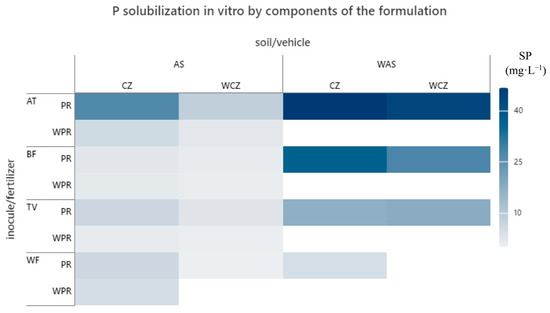
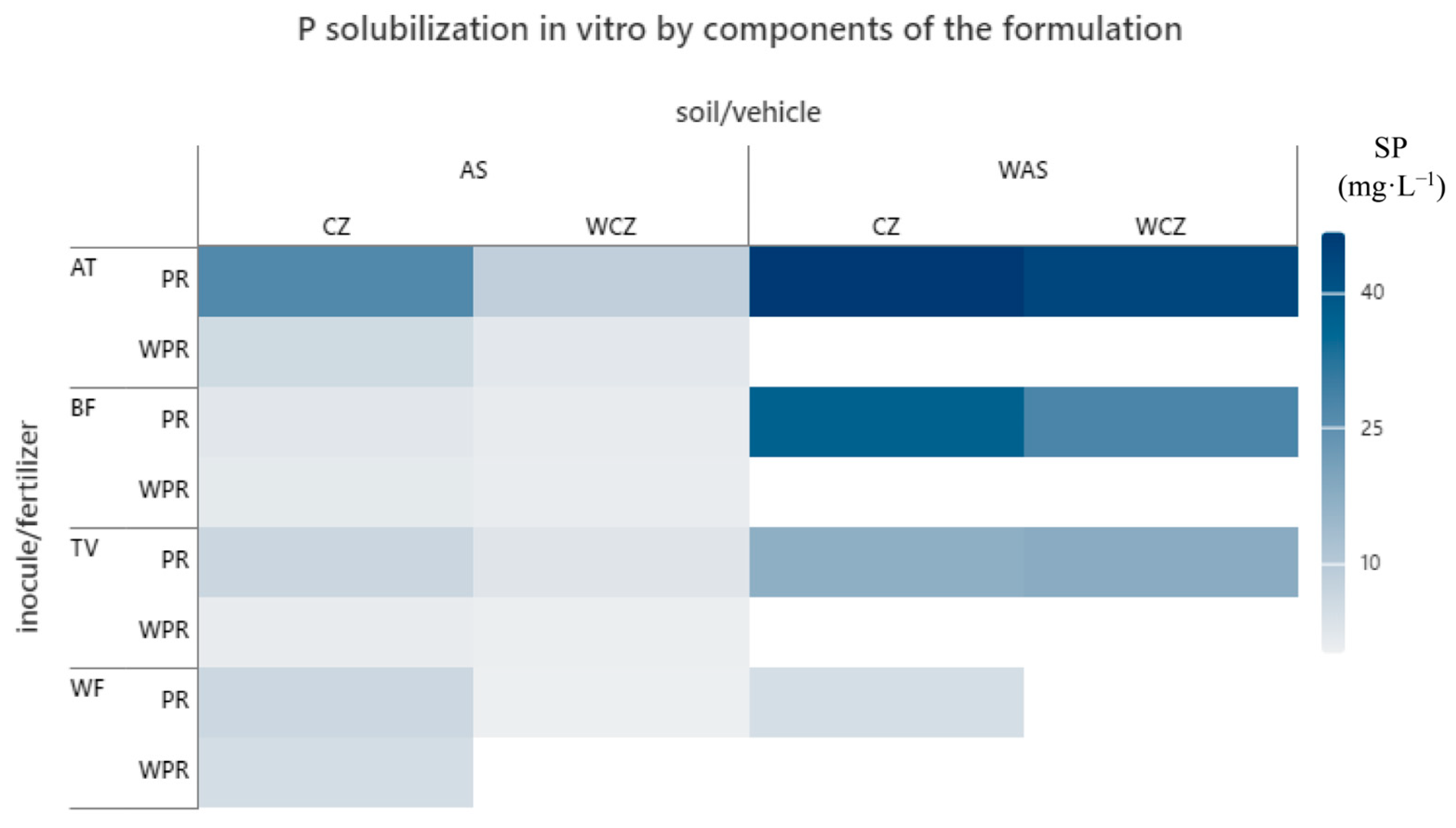
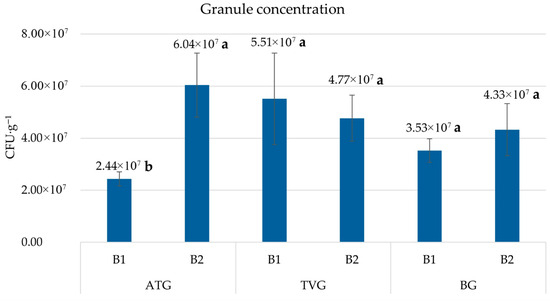
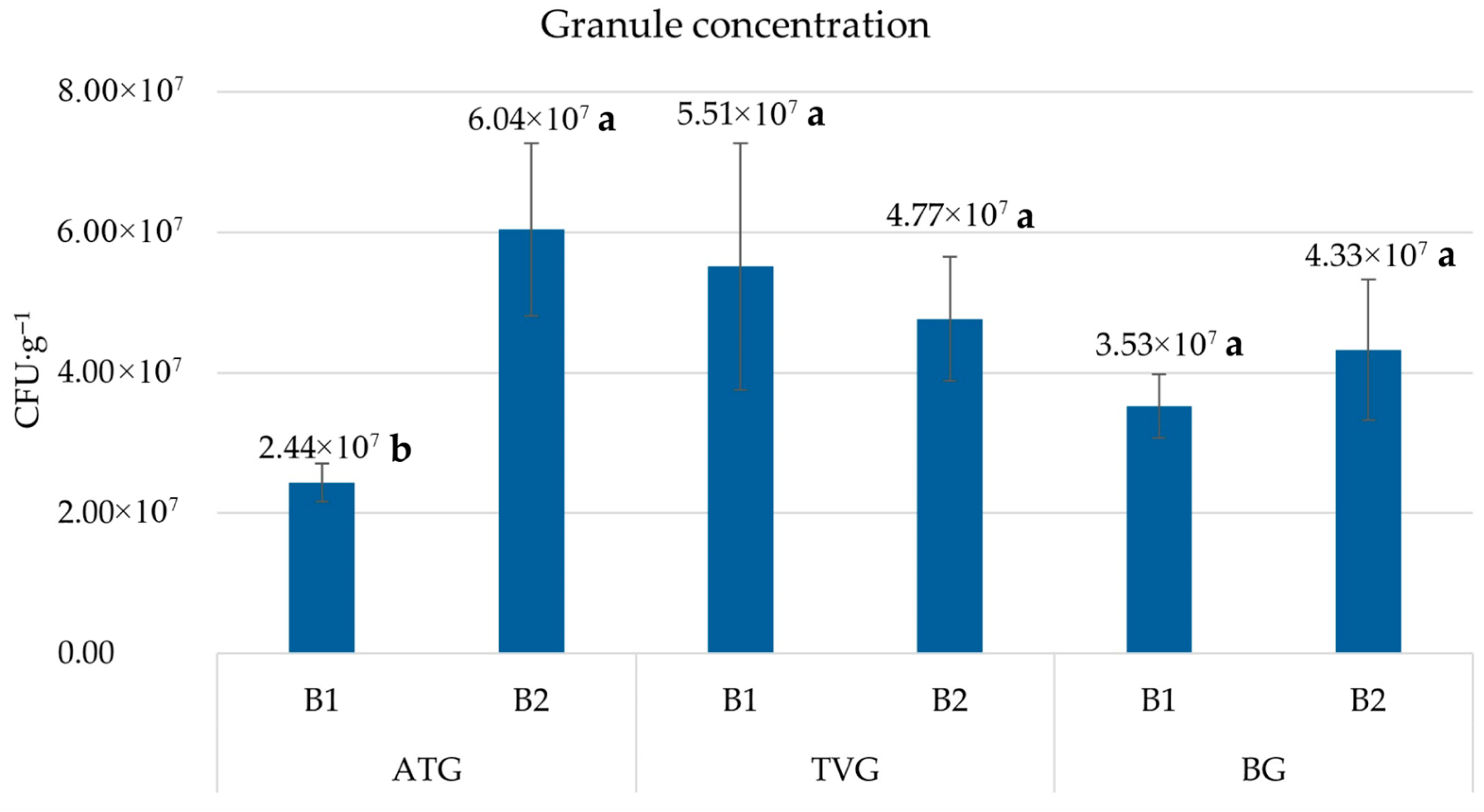
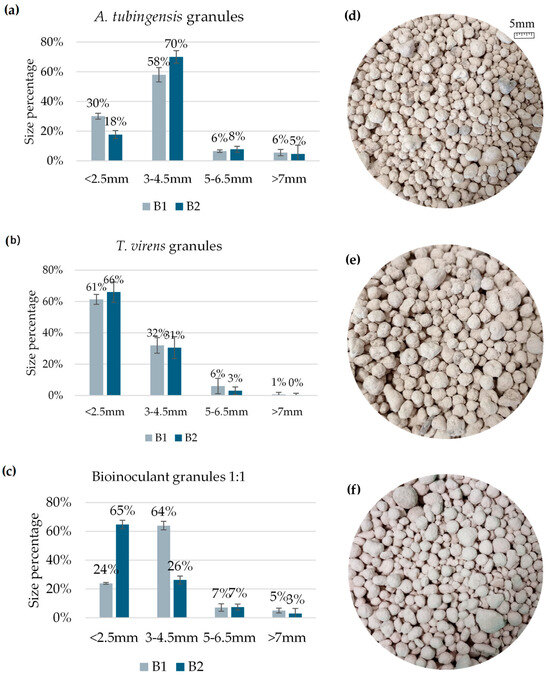
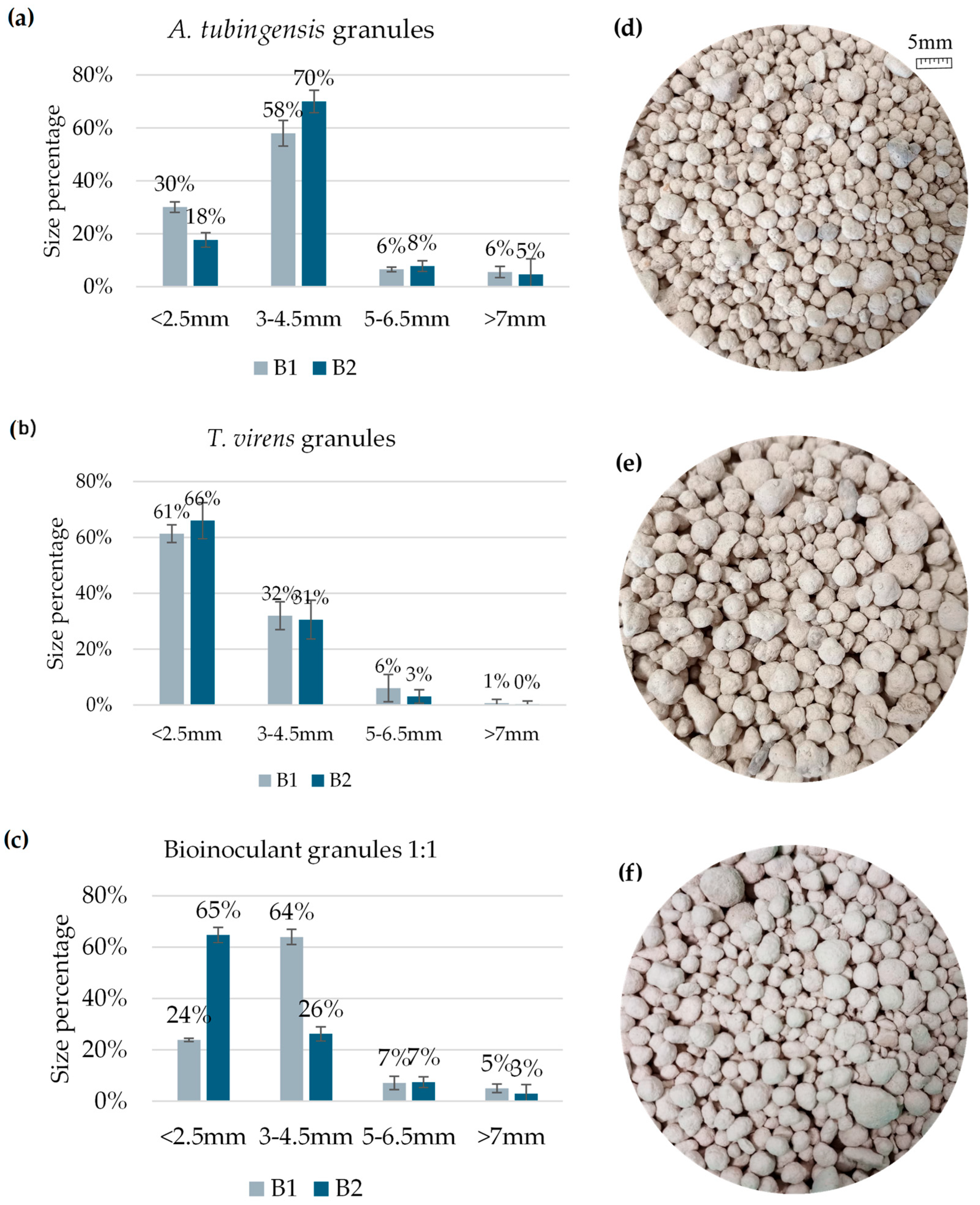
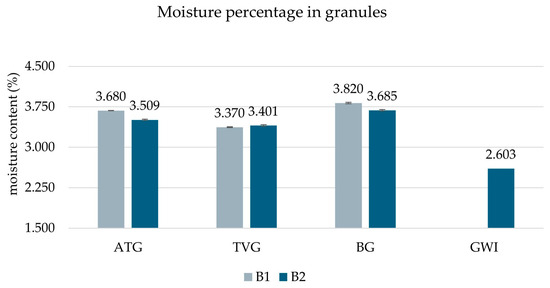
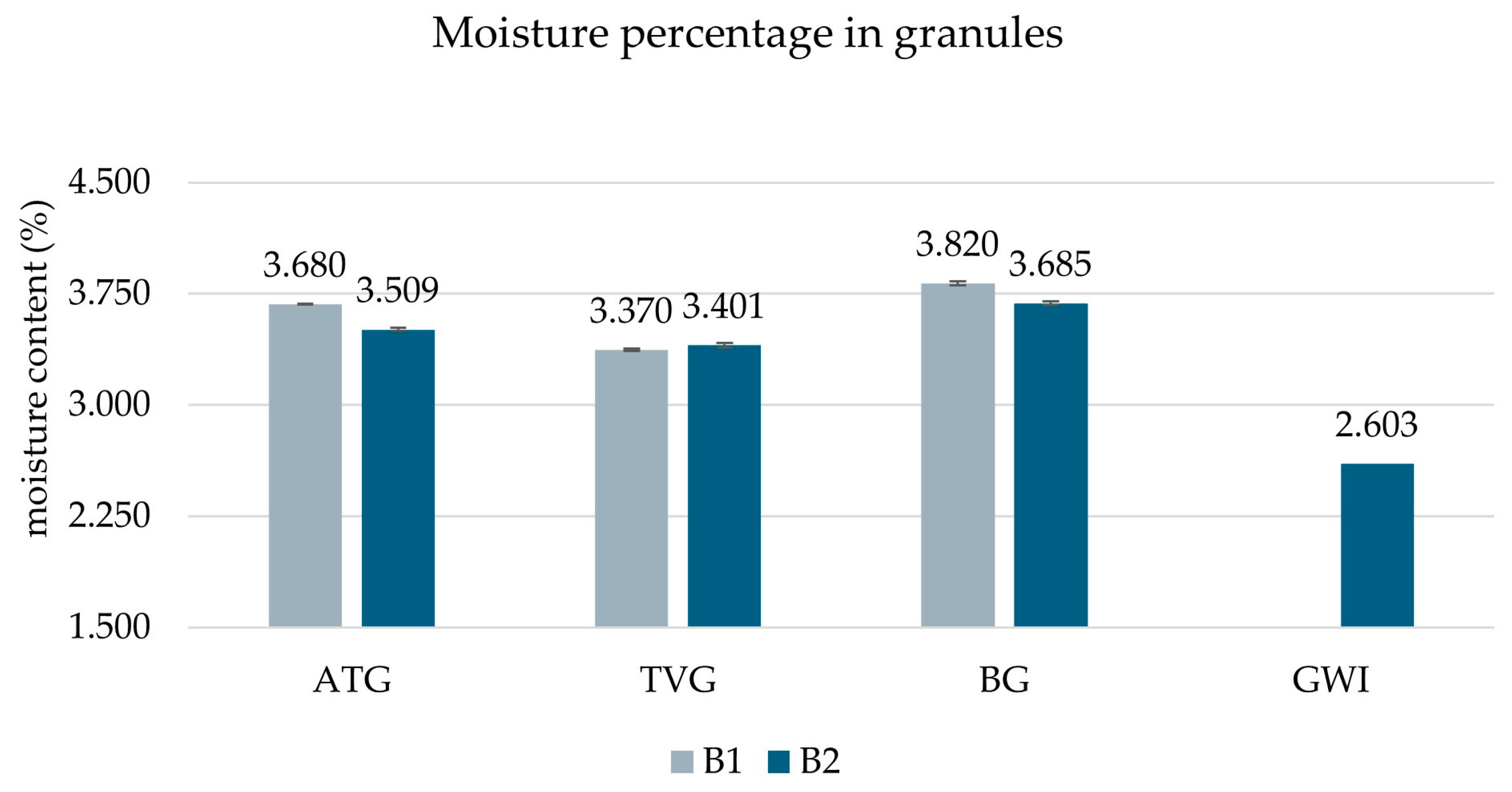
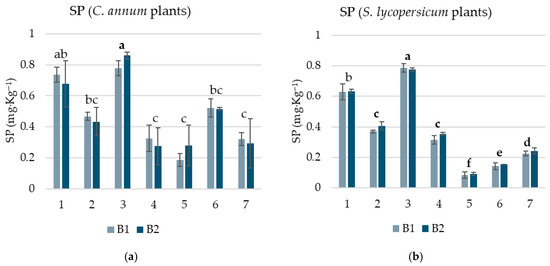
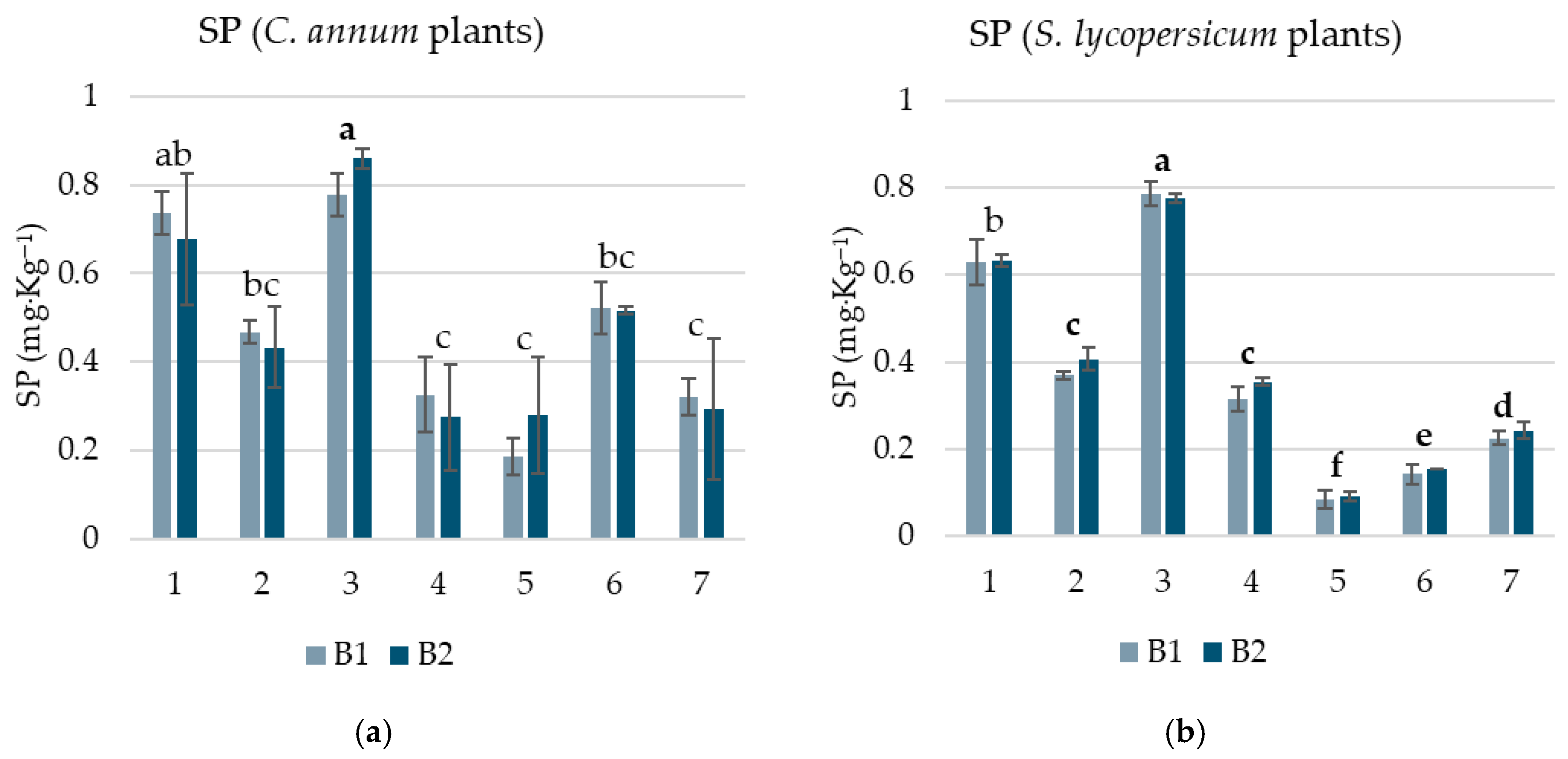
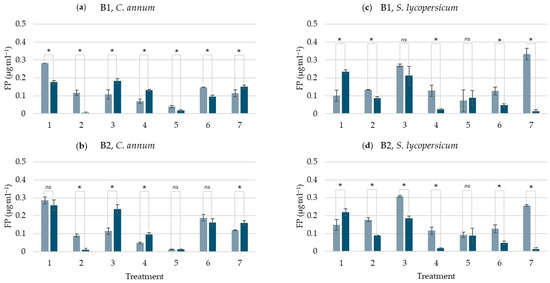
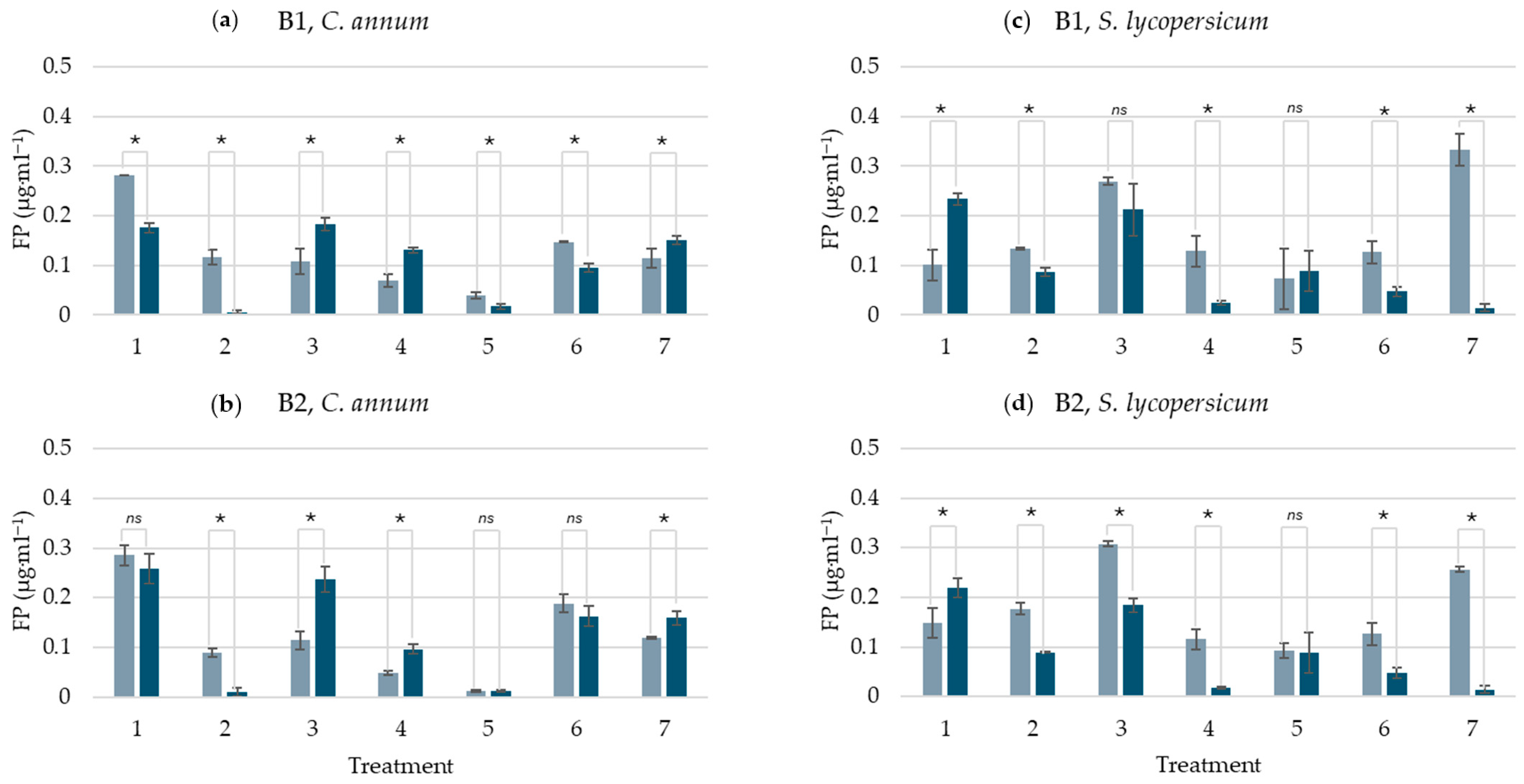
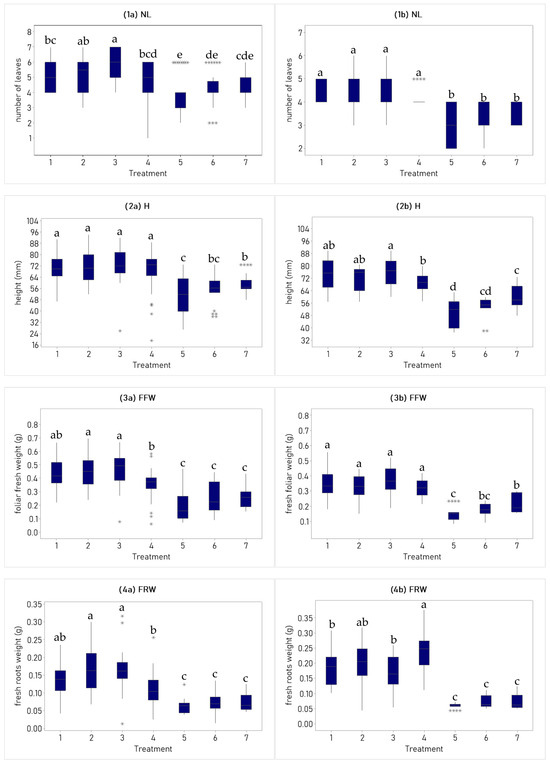
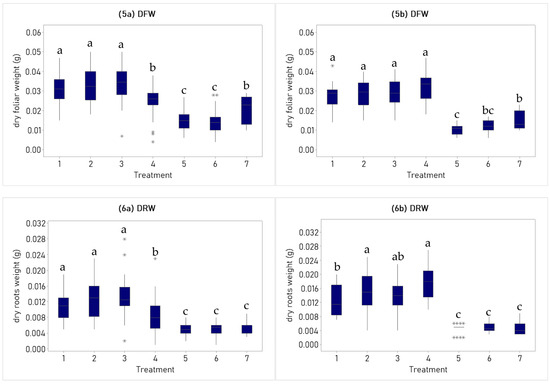
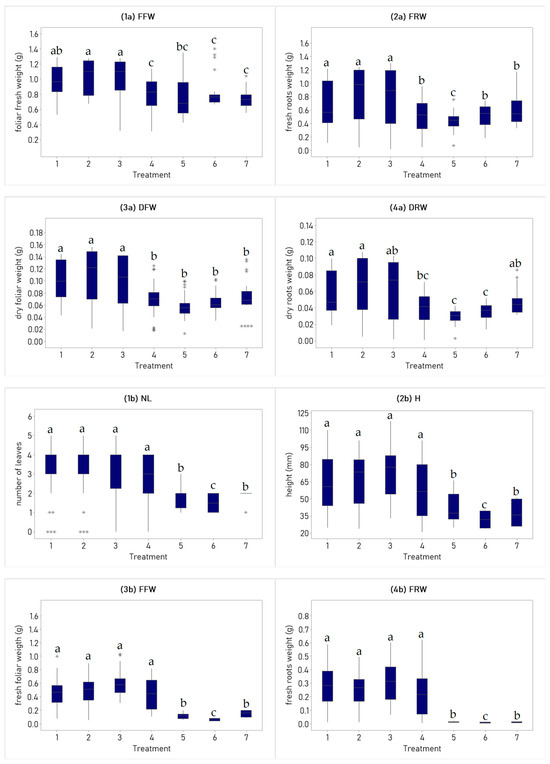
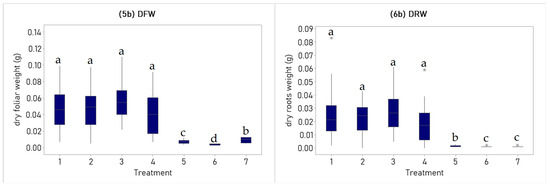
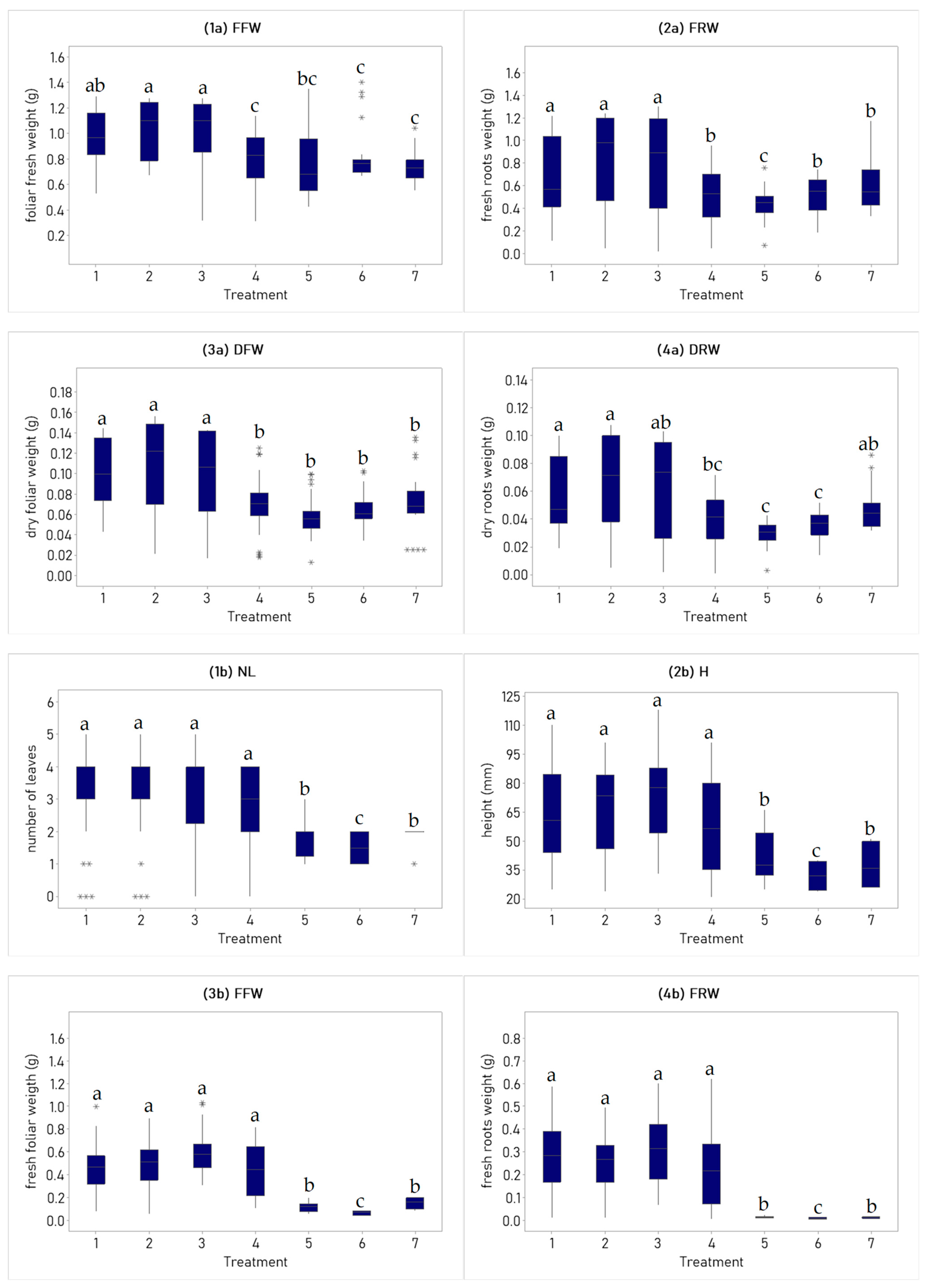
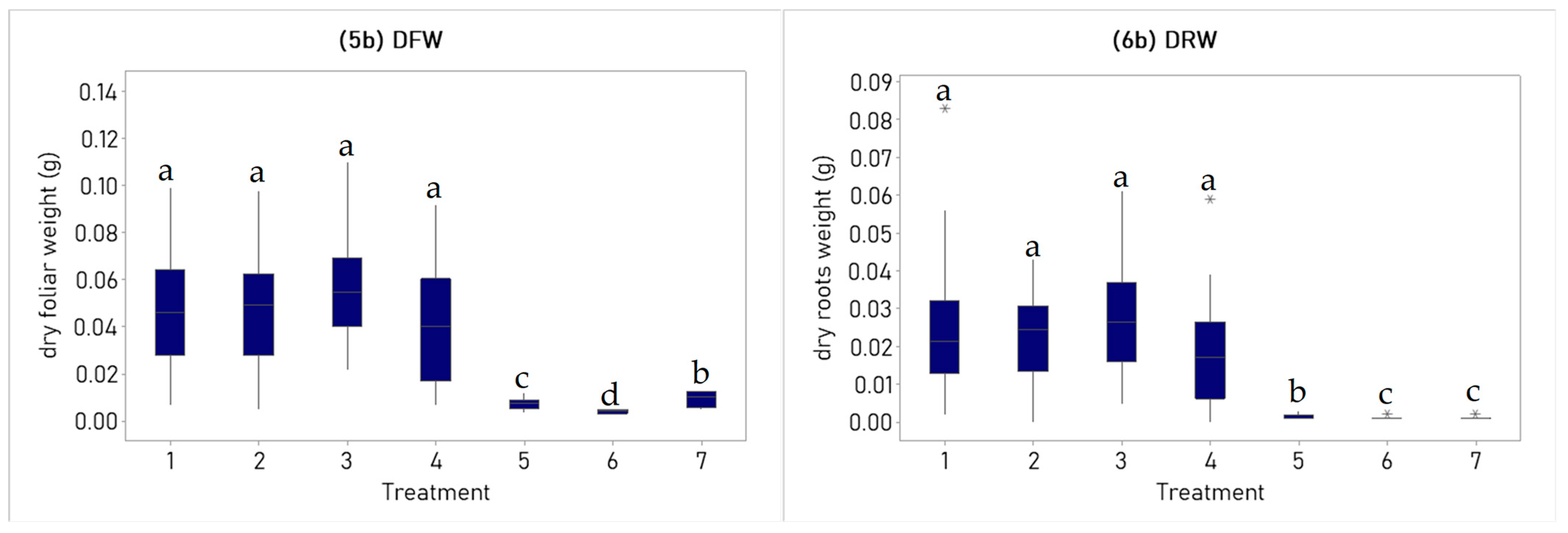

Disclaimer/Publisher’s Note: The statements, opinions and data contained in all publications are solely those of the individual author(s) and contributor(s) and not of MDPI and/or the editor(s). MDPI and/or the editor(s) disclaim responsibility for any injury to people or property resulting from any ideas, methods, instructions or products referred to in the content. |
© 2026 by the authors. Licensee MDPI, Basel, Switzerland. This article is an open access article distributed under the terms and conditions of the Creative Commons Attribution (CC BY) license.