


Abstract
Drought is one of the most complex and impactful natural hazards under global climate change, exerting profound effects on water resources, agricultural productivity, ecosystem stability, and socio-economic systems. Despite extensive research, current drought studies remain fragmented due to inconsistent definitions, index-specific monitoring approaches, and limited understanding of cross-variable and cross-scale interactions. The objective of this review is to synthesize recent advances in drought monitoring and to establish an integrated understanding of drought as a coupled, multiscale process. We revisit traditional drought typologies, including meteorological, agricultural, hydrological, groundwater drought, and socio-economic drought, and critically evaluate their commonly used monitoring indices and data sources. We highlight that no single indicator can adequately capture the full dynamics of drought evolution, emphasizing the need for multi-index integration and process-based monitoring frameworks. Moreover, we examine the mechanisms of drought propagation, demonstrating that drought evolves through nonlinear and scale-dependent pathways linking atmospheric conditions, soil moisture, hydrological processes, and human water use. In particular, the emergence of flash drought reveals a shift from conventional water-deficit-driven processes to multi-process coupled dynamics, posing new challenges for early warning and prediction. Furthermore, we discuss how climate change and human activities jointly reshape drought characteristics by altering hydrological cycles, land–atmosphere interactions, and water resource management systems. The review reveals three major findings. First, drought monitoring is progressively shifting from single-index assessments toward integrated, multi-source monitoring frameworks. Second, drought propagation is inherently nonlinear and scale-dependent, involving complex interactions among climatic, hydrological, ecological, and human systems. Third, flash drought and groundwater drought have emerged as critical research frontiers due to their rapid evolution, monitoring challenges, and increasing impacts under climate change. Finally, we identify key challenges in drought research, including methodological uncertainties, data limitations, and the lack of a unified theoretical framework. These findings support a paradigm shift from traditional drought classification toward an integrated process-based perspective and provide guidance for the development of next-generation drought monitoring and early-warning systems.
1. Background
In the context of global climate change, frequent occurrences of extreme weather events such as droughts, floods, and others have led to serious negative impacts including water scarcity, crop failure, degradation of ecosystems, and socio-economic challenges [1]. Among them, drought is one of the longest-lasting, most destructive, and least easily monitored events [2]. According to the World Meteorological Organization (WMO), drought is defined as a prolonged period of abnormally dry conditions caused by a deficiency in precipitation and water availability relative to normal conditions, resulting in adverse impacts on ecosystems, agriculture, water resources, and society. The Intergovernmental Panel on Climate Change (IPCC) further emphasizes that drought is a multifaceted phenomenon that cannot be adequately described by a single variable or a universal definition due to its complex interactions across climate, hydrology, and socio-economic systems [3].
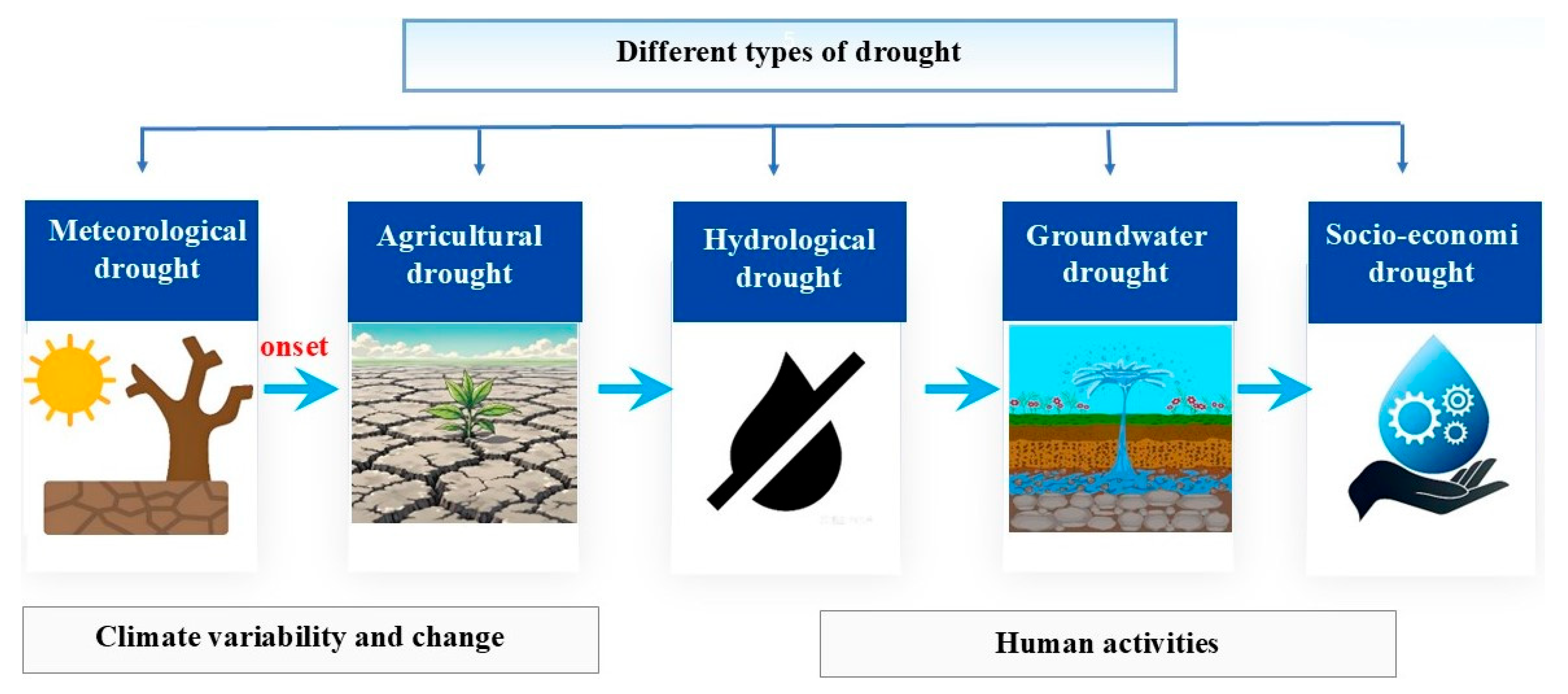
Traditionally, drought can be classified into five types: meteorological, hydrological, agricultural, groundwater, and socio-economic [4,5,6]. Long-term precipitation deficits will trigger meteorological drought. Further reduction in soil moisture is induced by insufficient precipitation, high vapor pressure deficit, and high evaporative demand, which therefore leads to agricultural drought. The decrease in soil moisture further results in reduced runoff and baseflow, thus causing hydrological drought. These droughts cause water shortages for human and societal use, thereby affecting socio-economic activities such as production and consumption, which is called ‘socio-economic drought’ [7,8]. In addition, groundwater drought is often regarded as a component of hydrological drought because both are associated with water deficits within the hydrological cycle. However, due to its distinct storage characteristics, delayed response to climate variability, and unique monitoring approaches, groundwater drought is treated as a separate drought category in this review. It occurs when the groundwater system experiences prolonged declines in groundwater levels due to drought or human activities, typically ranging from several months to years [5]. Different types of droughts are interconnected and can propagate and transform between each other (Figure 1). Therefore, it is urgent to clarify the current definition and monitoring methods of different types of drought.
Figure 1.
The impact of climate change and human activities on different types of drought.
In addition to the traditional ones, flash drought, a new type of drought, has been proposed in recent years [9]. It is characterized by rapid onset, extensive impacts, and challenging predictability. It has serious implications for agriculture, ecosystems, and socio-economic systems, and addresses the urgency and complexity of the drought issue [10]. However, the challenges facing current flash drought research and how the monitoring methods of sudden drought still need to be further improved.
Despite substantial progress in drought research, several critical gaps remain. First, most drought monitoring approaches rely on single indices, which are insufficient to fully represent the complexity of drought evolution. Second, the mechanisms governing drought propagation across different environmental and socio-economic systems remain poorly understood. Third, emerging phenomena such as flash drought and groundwater drought are not yet fully integrated into unified monitoring frameworks. Finally, the increasing influence of climate change and human activities introduces additional uncertainty that is not adequately addressed in existing studies. In this review, we synthesize recent advances in drought research and propose a unified perspective that conceptualizes drought as a multidimensional propagation system across climate, hydrological, ecological, and human subsystems. Specifically, we (i) revisit the definitions and monitoring methods of different drought types, (ii) analyze their propagation mechanisms and interactions across scales, and (iii) identify key challenges and future directions toward integrated drought monitoring and prediction frameworks.
2. Materials and Methods
2.1. Study Design and Registration
This review was guided by the PRISMA (Preferred Reporting Items for Systematic Reviews and Meta-Analyses) 2020 framework to improve transparency in literature identification and screening [11]. PRISMA 2020 is an internationally recognized reporting guideline designed to improve the transparency, completeness, and reproducibility of literature reviews by providing standardized procedures for study identification, screening, eligibility assessment, and reporting (Table S1). In this review, PRISMA 2020 principles were used to guide the literature search and screening workflow and to document the study selection process through a flow diagram and checklist. The review was retrospectively registered in the Open Science Framework (OSF) on 15 May 2026 (registration link: https://osf.io/7bwkd/), including the PRISMA statement, flow diagram, and checklist to ensure transparency and rigor of the review process.
2.2. Search Strategy
Relevant literature was retrieved from four databases: Web of Science Core Collection, Scopus, CNKI (China National Knowledge Infrastructure), and Google Scholar. The search covered peer-reviewed articles, preprints, and high-quality conference papers published in English or Chinese up to 30 April 2026. The search keywords included combinations of: drought monitoring, drought type, meteorological drought, agricultural drought, hydrological drought, groundwater drought, flash drought, drought propagation, drought index, remote sensing, GRACE satellite, soil moisture. The search strategy was designed to capture studies addressing drought classification, monitoring indicators, drought propagation mechanisms, remote-sensing applications, groundwater drought assessment, and emerging drought phenomena such as flash drought.
2.3. Literature Screening and Selection
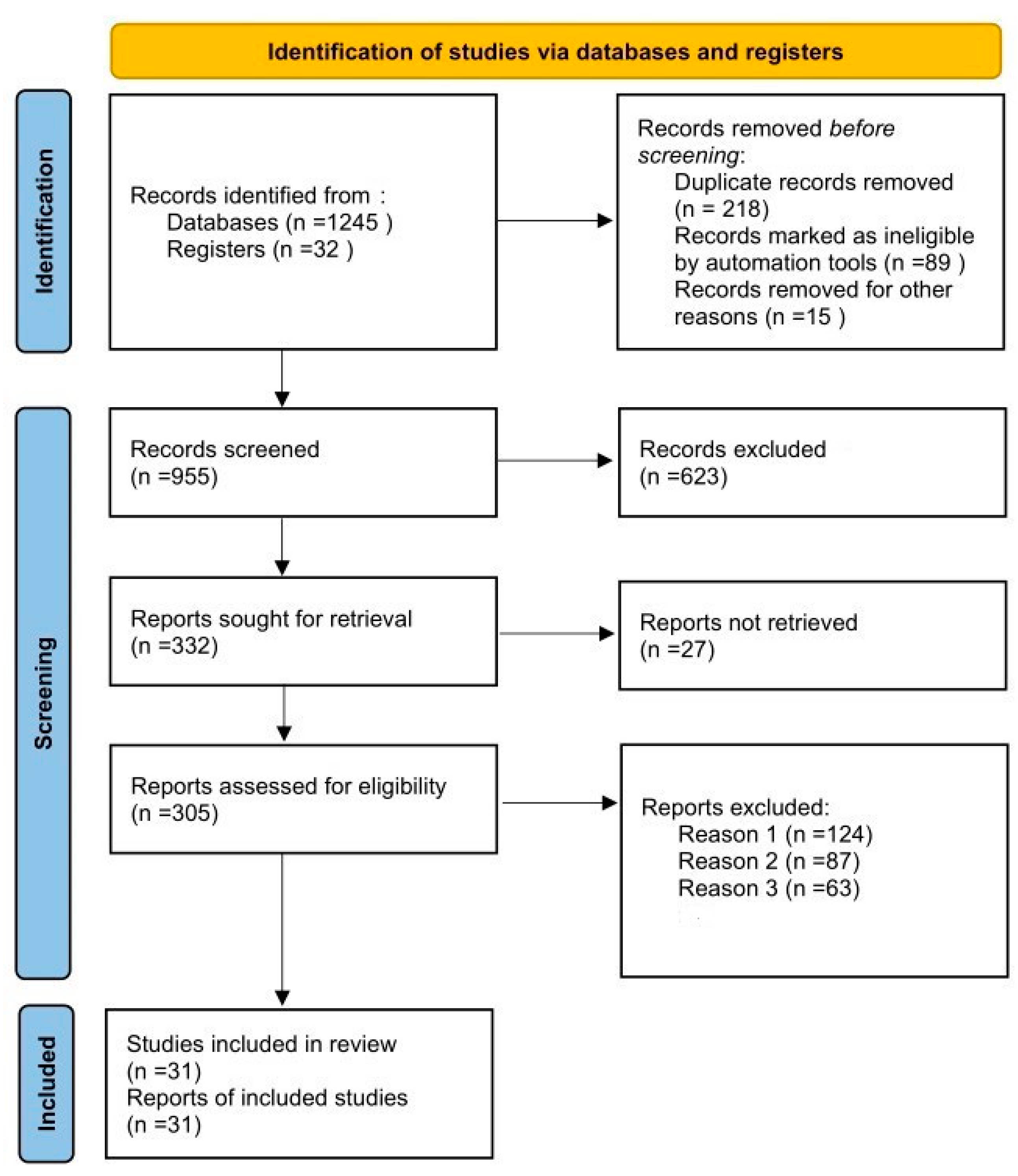
The literature screening and selection process followed the PRISMA 2020 guidelines. After removing duplicate records, titles and abstracts were screened to exclude irrelevant studies. Subsequently, full-text articles were assessed for eligibility based on relevance to drought monitoring, propagation mechanisms, and integrated drought assessment. Studies were included when they (1) focused on drought monitoring, drought propagation, drought classification, or integrated drought assessment; (2) provided methodological advances, conceptual frameworks, or representative case studies; and (3) were published in peer-reviewed journals or other high-quality scientific sources. Studies were excluded when they lacked sufficient methodological information, focused on unrelated environmental hazards, or duplicated findings already represented in the selected literature. The detailed screening procedure is presented in Figure 2. The 31 studies identified through the PRISMA process constituted the core evidence base used for structured synthesis. Additional references were cited to provide conceptual background, methodological context, and supporting information on drought monitoring and propagation processes. The review protocol was retrospectively registered in OSF after completion of the literature search.
Figure 2.
PRISMA 2020 flow diagram of literature identification and screening.
3. Conceptualizing and Monitoring Drought: From Traditional Typologies to Integrated Metrics
3.1. The Definitions of Traditional Drought Types
In this section, we review the main traditional drought types, including the meteorological, hydrological, agricultural, and groundwater droughts. Among them, meteorological drought is caused by a lack of rainfall compared to its long-term average and typically marks the onset of other types of droughts [12]. Therefore, it is more easily detectable and predictable compared to other types. Research on it both at home and abroad is often based on observed precipitation data, allowing for quantifiable assessments of drought conditions through creating relevant indices.
Hydrological drought typically refers to a situation where surface water and groundwater are insufficient over a period of time. Given that surface water and groundwater resources are directly used for urban, industrial, and agricultural purposes, hydrological drought holds particular significance. Recently, both frequency and severity of it have been on the rise, which requires swift identification and response [13].
Against the backdrop of global climate change, agricultural drought has significant impacts on crop yields and food security [14,15]. While agricultural management measures such as irrigation and crop improvement have led to increased food production in recent years, agricultural drought remains a potential threat to food security. Therefore, there is an urgent need to accurately monitor agricultural drought and analyze its spatiotemporal characteristics to provide a basis for formulating effective measures to prevent potential disasters [16]. The primary direct cause of agricultural drought is soil moisture deficiency, so previous researchers considered soil moisture monitoring as a key factor in detecting agricultural drought. Based on this, some indices have been developed.
Groundwater drought, as a newly proposed type of drought, has attracted significant attention from scholars. Given the lack of direct observations of groundwater in space and time, quantitative methods for assessing the complexity of groundwater drought have seldom been found. Traditional methods for monitoring groundwater drought involve collecting observational data from wells.
3.2. The Identification and Monitoring of Traditional Drought Types
Many related studies have been conducted on how different types of drought are identified and monitored [17]. Here, we present a detailed review of the main traditional monitoring indicators of the four drought events, as shown in Table 1. Numerous scholars have proposed various meteorological drought indices, such as the Standardized Precipitation Index (SPI), Composite Index (CI), Regional Drought Assessment based on the Reconnaissance Drought Index (RDI), and Palmer Drought Severity Index (PDSI) [17,18]. Such indices have been developed after considering the different factors and their respective varying applicability to different regions. For example, Santos et al. [19] analyzed the drought characteristics of mainland Portugal using SPI and found that three different spatial regions had different drought evolution patterns. Jincy and N.R [20] suggested that traditional univariate analyses might have overestimated or underestimated the severity of drought risks. Thus, they utilized bivariate copula functions to analyze the correlations between different drought indices and evaluate the evolution patterns of drought characteristics. Overall, the monitoring of meteorological drought has shifted from solely considering single variables such as precipitation to considering multiple variables (e.g., precipitation and potential evapotranspiration). Obviously, multiple variables will better reflect the actual drought conditions of a region, enabling the capture and identification of other major factors that may influence meteorological drought. However, the implementation of such indices still presents certain challenges in regions with relatively limited data.
Table 1.
Monitoring indicators for different drought types.
As hydrological drought mainly manifests as shortages in runoff and streamflow, most of its indices have been developed based on anomalies in surface runoff and streamflow. The Standardized Streamflow Index (SSI) mirrors the approach of SPI except that it replaces precipitation with streamflow. However, unlike the SPI, streamflow characteristics vary among different rivers, and hence produce various distribution models. Other researchers have also developed innovative hydrological drought indices. For example, Fleig et al. [21] combined hydrological drought with weather types and proposed the Regional Drought Area Index (RDAI) based on daily streamflow, which has been effectively applied. Byun and Wilhite [22] developed the Effective Drought Index (EDI), which quantifies drought severity and duration using daily precipitation data and has been widely applied in drought monitoring studies. Li et al. [23] utilized the Soil and Water Assessment Tool (SWAT) model to simulate historical and future hydrological processes in the Lancang-Mekong River Basin through atmosphere–land coupling. This model was used to estimate and analyze the spatial-temporal trends of meteorological-hydrological droughts with the Standardized Runoff Index (SRI). Although having fewer indices than meteorological drought, hydrological drought is significantly influenced by human activities. Therefore, quantifying and analyzing the impact of human activities on hydrological drought have long been the research focus of scholars.
Regarding agricultural drought, some indices have been developed based on the soil moisture. Palmer [24] developed the Crop Moisture Index (CMI) based on the PDSI. Carrão et al. [25] originated the Empirical Standardized Soil Moisture Index (ESSMI) with different distribution functions in 2016 to detect soil moisture shortages relative to the same historical period and quantitatively assess agricultural drought conditions. Moreover, among the agricultural drought indices, it has always been difficult to obtain the soil moisture. Traditionally, soil moisture was obtained mainly based on monitoring data from observation stations. However, this approach has significant limitations in terms of monitoring range, monitoring frequency, high monitoring costs, and difficulty in reflecting large-scale implementation [26]. Since the 1970s, with the launch of ground observation satellites and meteorological satellites, new methods for data acquisition have been proposed [27]. It is worth noting that despite the abundance of data brought by remote sensing technology, there is still significant room for improvement in accurately monitoring soil moisture. For example, microwave remote sensing technology can only detect surface soil moisture, but cannot accurately retrieve soil moisture at the vegetation root zone or deeper soil layers. In addition, the Normalized Difference Drought Index (NDDI) enables agricultural drought monitoring based on Landsat satellite imagery. It can effectively characterize drought intensity and evolutionary features and facilitate dynamic drought monitoring through remote sensing techniques [28,29]. Currently, NDDI has been implemented in multiple countries and regions including Mexico, Pakistan, and Indonesia, and is widely adopted for the construction and performance evaluation of drought monitoring systems.
As for groundwater drought, Ai et al. [30] standardized observed groundwater level data and constructed the Groundwater Index (SGI) to monitor the spatial-temporal characteristics of groundwater drought in the middle reaches of the Heihe River. Shahid and Hazarika [31] employed the cumulative deficit of critical groundwater levels to calculate the severity of groundwater drought. However, the high cost and limited coverage of monitoring wells have greatly restricted the monitoring of groundwater dynamics at a large scale [32]. Since its launch in 2002, the GRACE gravity satellite has been capable of monitoring anomalies in vertical land components such as ice, soil moisture, surface water, and groundwater [33]. Therefore, it provides a new approach for monitoring and identifying regional groundwater drought events [34]. For example, Zhao et al. [35] proposed the Total Water Storage Anomaly-based Drought Severity Index (TWSA-DSI) based on water storage data obtained by GRACE and validated it at a global scale. In summary, the data monitored by GRACE has brought convenience to many fields, especially presenting tremendous potential in drought research and applications. Therefore, utilizing GRACE for drought monitoring and combining it with traditional drought indices will not only provide critical insights into the impact of drought on hydrological systems, but also become one of the hotspots in the field of drought research.
Although a wide range of indices has been developed for different drought types, no single indicator can comprehensively capture the full dynamics of drought evolution due to differences in driving variables, temporal scales, and data availability. Meteorological indices are sensitive to precipitation variability, while agricultural indices emphasize soil moisture and vegetation responses, and hydrological indices reflect integrated watershed processes. This inconsistency highlights a fundamental limitation of traditional drought monitoring approaches, which are largely index-specific and lack cross-variable integration. Therefore, future research should move toward multi-index fusion frameworks and process-based monitoring systems that can better represent the coupled nature of drought.
3.3. Advances in Recent Flash Drought
In recent years, a rapidly occurring short-term drought phenomenon, known as flash drought, has gradually become a research hotspot [36]. It refers to a rapid transition from normal conditions to drought conditions, caused by both low precipitation and high evapotranspiration demand [37,38,39]. Flash drought has attracted widespread attention due to its more severe impacts on agricultural production and ecosystems than traditional ones [40]. Scholars at home and abroad have conducted extensive research on the definition, identification methods, and trends of flash drought. Mo and Lettenmaier [41] classified flash drought into heatwave flash drought and precipitation deficit flash drought, extending drought research from the traditional large-time scale to the shorter-time scale. Otkin et al. [9] comprehensively reviewed the emerging concept of flash drought and emphasized an intensification-based definition that characterizes flash drought by its rapid onset and development. Building upon earlier SESR-based studies, the review summarized existing monitoring methods and highlighted key challenges for flash drought prediction and early warning. Yuan et al. [10] studied the development patterns and trends of flash drought in China based on root zone soil moisture, revealing significant spatial distribution differences in the statistical characteristics of flash drought. Despite recent advances, the triggering thresholds, propagation pathways, and predictability of flash drought remain poorly understood, highlighting the need for improved monitoring frameworks and high-frequency observations.
4. Multiscale Drought Propagation Mechanisms Pathways and Feedback Processes
4.1. Influence of Meteorological Drought on Agricultural Drought
Agricultural drought is often triggered by meteorological drought, but its development is strongly influenced by soil properties, vegetation characteristics, crop types, and management practices. Recent studies have shown that high temperature heatwaves, vapor pressure deficit (VPD), and soil moisture (SM) are key meteorological drivers of agricultural drought [42,43,44]. High temperatures not only increase evaporation, but also reduce the photosynthetic efficiency of crops, thereby decreasing water-use efficiency. Meanwhile, soil moisture deficiency directly inhibits root growth and nutrient uptake.
The spatiotemporal coupling characteristics between agricultural drought and meteorological drought exhibit significant nonlinearity and seasonal dependence. For example, in the North China Plain, the propagation time varies significantly across crop growth stages and climatic conditions, with faster responses during active growing periods and slower responses during non-growing periods [45]. In spatial terms, spatial propagation characteristics also differ across regions, which are primarily controlled by hydroclimatic conditions and ecosystem properties [46]. In addition, large-scale climate anomalies such as ENSO, NAO, and PDO can regulate precipitation and temperature patterns, thereby triggering regional agricultural drought [47].
Current studies also indicate that the propagation of agricultural drought exhibits multi-scale characteristics. At the microscale, soil–crop water responses determine the formation and dissipation of local drought. At the regional scale, atmospheric circulation anomalies regulate precipitation and temperature patterns, guiding the spatial expansion of drought. At the global scale, long-term anomalies in the climate system may lead to systematic changes in the frequency and intensity of drought [48,49]. Therefore, the prediction of agricultural drought must simultaneously consider local meteorological conditions, crop types, and large-scale climate backgrounds.
4.2. Influence of Hydrological Drought on Agricultural Drought
Hydrological drought affects agricultural drought by reducing surface runoff and reservoir storage, thereby influencing irrigation water availability and soil moisture supply. Its propagation process is regulated by watershed hydrological characteristics, land use types, and water resource management strategies. Studies have shown that when hydrological drought occurs, irrigation is restricted, and soil moisture declines rapidly, thereby accelerating the formation of agricultural drought [50,51]. Taking the Yangtze River, Yellow River, and Mekong River Basins as examples, hydrological model-based studies have shown that when runoff decreases by 20%, the probability of agricultural drought increases by 3–5 times [52,53]. In addition, reservoir regulation and irrigation systems can significantly mitigate agricultural drought, but this buffering effect may fail during extreme drought years.
In addition, groundwater, as an important source of irrigation water, has a significant lag effect on agricultural drought due to its storage changes. Studies have shown that changes in groundwater storage in agricultural regions lag behind meteorological drought by 3–6 months, and the correlation coefficient with crop yield can reach 0.72 [54]. High-intensity groundwater extraction can temporarily alleviate agricultural drought, but it may also lead to long-term groundwater depletion and weaken the buffering capacity of the system. In semi-arid regions of northwestern India, large-scale groundwater extraction has led to irreversible groundwater decline, posing a threat to the sustainability of agricultural production [55]. By combining GRACE satellite observations with groundwater indices (SGIs), large-scale monitoring of groundwater drought and its response to agricultural drought can be achieved [33,34,56]. Future studies need to further quantify the differences in groundwater response, agricultural yield reduction, and drought buffering mechanisms between arid and humid regions.
4.3. Propagation of Flash Drought
Flash drought has attracted widespread attention due to its sudden onset and high intensity. Its propagation mechanism involves the combined effects of short-term precipitation deficits and high evaporative demand. Studies have shown that flash drought can rapidly evolve from meteorological drought to agricultural drought within a few days to weeks, particularly affecting critical crop growth periods [9]. In parts of the United States and China, the frequency and intensity of flash drought have shown an increasing trend against the background of global warming [40]. However, there are still technical bottlenecks in predicting flash drought, especially due to uncertainties in its triggering conditions and propagation pathways, which pose challenges for early warning and agricultural management.
Therefore, different types of drought interact with each other in both time and space, forming cumulative effects. For example, meteorological drought leads to soil moisture depletion, which subsequently causes hydrological drought, while groundwater depletion can prolong the duration of agricultural drought. In addition, drought events are often accompanied by high temperatures, dry winds, and increased fire risk, further exacerbating stress on ecosystems and agricultural systems. This multi-level and multi-scale propagation mechanism indicates that coupled models and multi-source data are required for systematic analysis.
5. Key Challenges and Driving Forces of Drought Evolution
5.1. Methodological and Theoretical Challenges in Drought Research
In recent decades, the global risk of drought has continued to intensify, with both its frequency and impacts showing a significant upward trend [57]. This escalation is not only reflected in the increasing occurrence of extreme drought events, but also in their cascading effects on water resources, agricultural productivity, ecosystem stability, and socio-economic systems. As a result, understanding, monitoring, and mitigating drought have become critical scientific challenges under the context of global climate change.
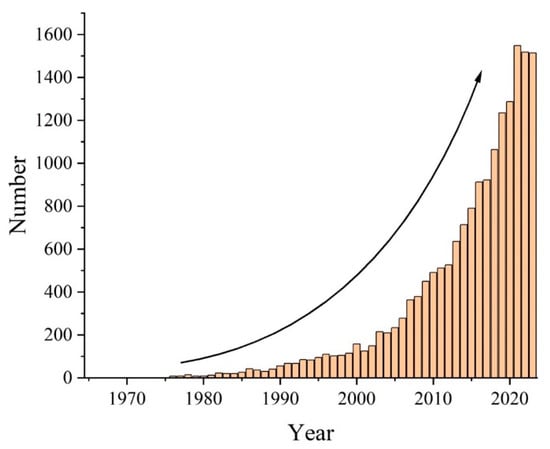
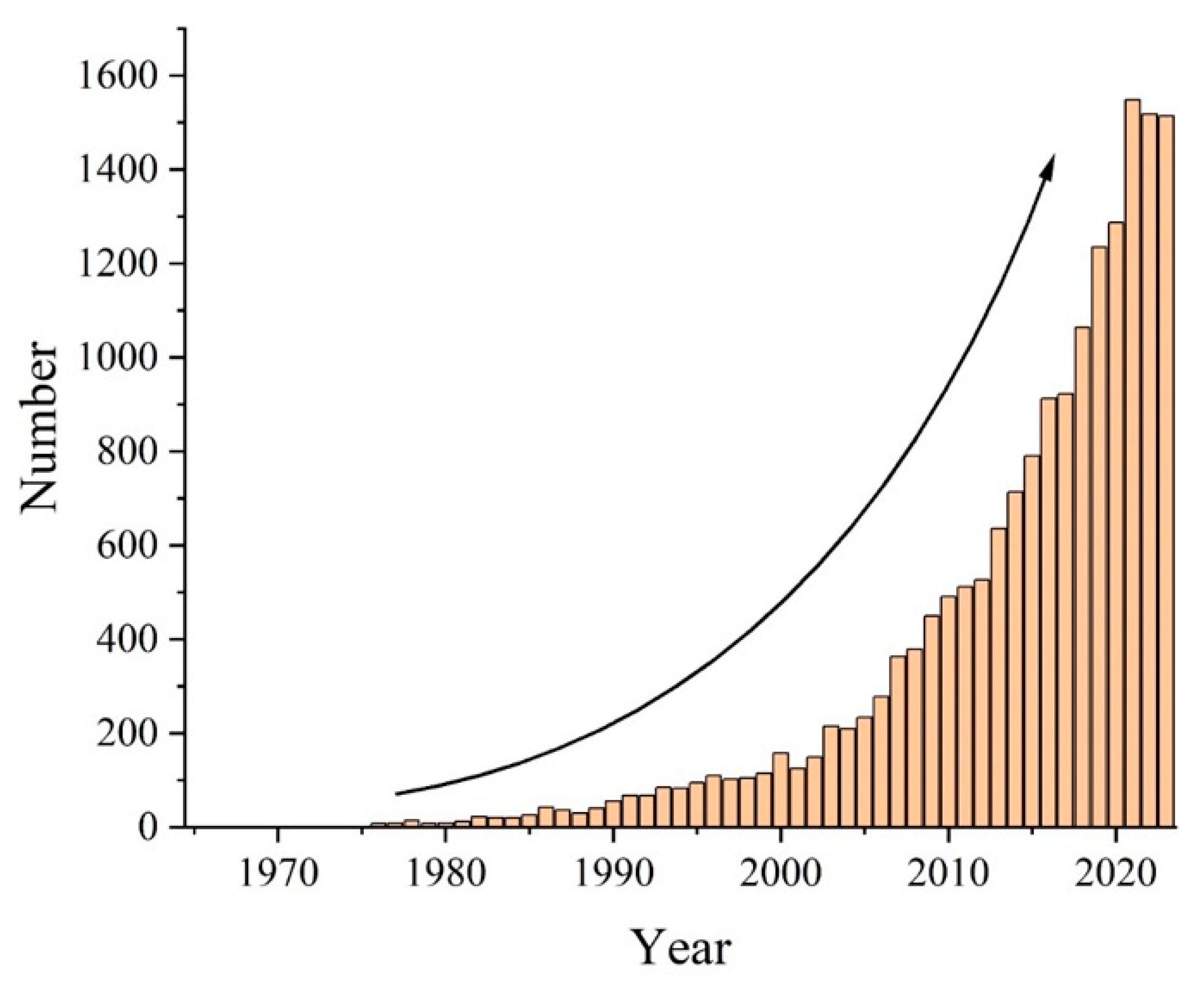
Since the 1960s, substantial efforts have been devoted to developing methods and models for drought monitoring. Early studies primarily relied on single-variable indicators, particularly precipitation-based indices, to characterize drought conditions. However, with the advancement of observational technologies and modeling approaches, drought monitoring has gradually evolved toward multi-variable and process-based frameworks that incorporate precipitation, temperature, evapotranspiration, soil moisture, and hydrological variables. This transition reflects a growing recognition of drought as a complex, multi-dimensional phenomenon involving interactions among the atmosphere, land surface, and human systems. In the past two decades, the field of drought monitoring has experienced rapid expansion. A literature survey based on the Web of Science database using ‘drought monitoring’ as the primary keyword revealed an exponential increase in the number of related publications (Figure 3). This growth not only indicates the rising academic attention to drought issues, but also highlights the diversification of research perspectives, including the integration of remote sensing data, land surface modeling, data assimilation techniques, and multi-source information fusion.
Figure 3.
The change in the number of publications in recent years.
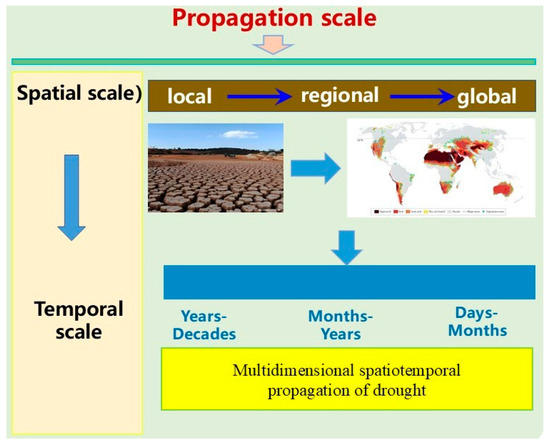
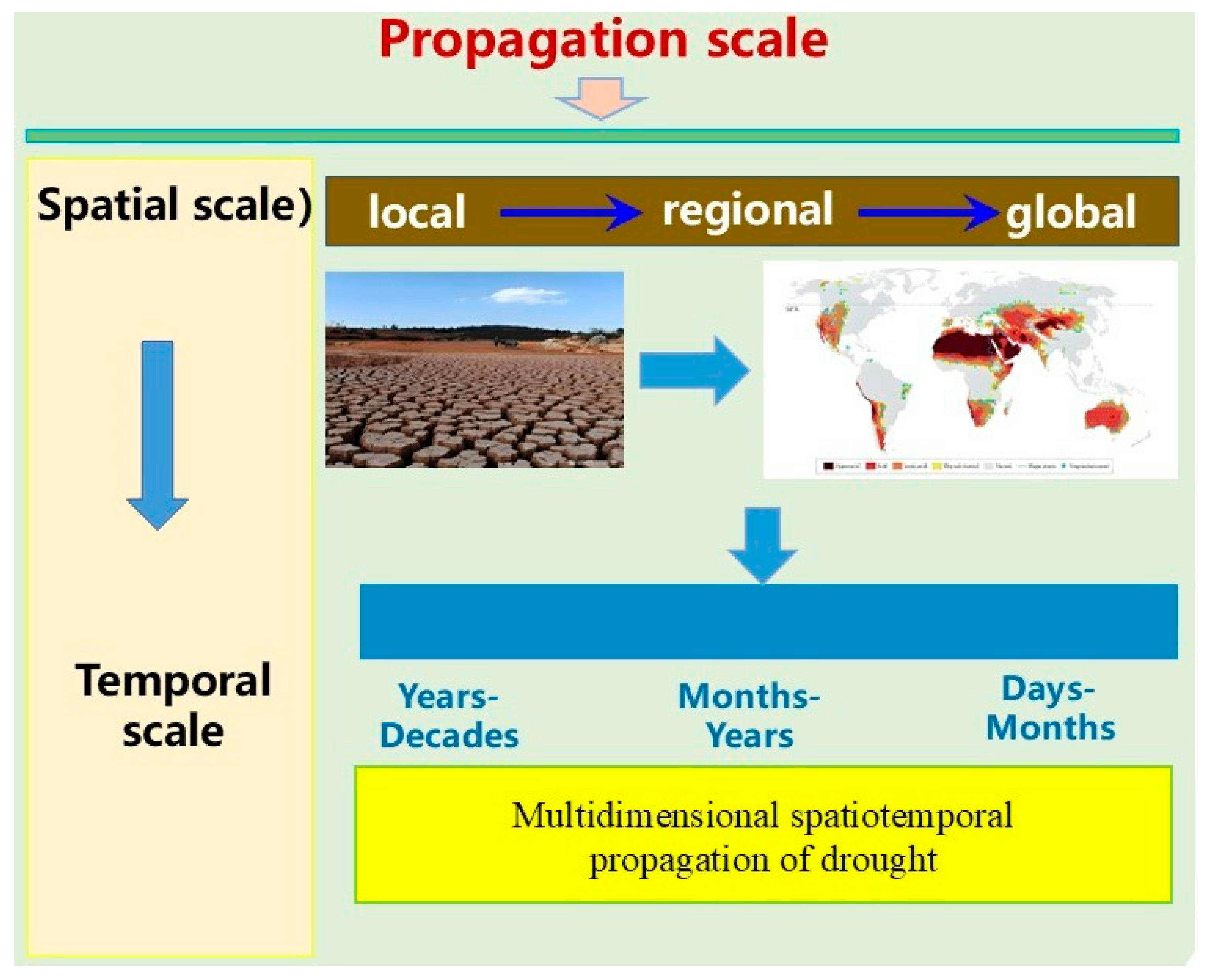
However, a review of existing research reveals that the academic community has not yet formed a systematic and comprehensive understanding of the field of drought monitoring, with the main focus being on the following aspects. (1) Single drought monitoring indicators have difficulty in elucidating the mechanisms of drought processes and issue warnings [58]. In recent years, the rapid development of technologies such as ground observation, remote sensing, and field detection has brought new opportunities for comprehensive drought monitoring. The overall trend in drought monitoring at present is to integrate multiple sources of information including remote sensing, meteorological stations, field measurements, and statistics [59]. (2) The multidimensional propagation processes of drought still require further investigation. Much of the existing drought research has mainly reduced drought events from three dimensions (time-space) to two dimensions (space) or one dimension (time) to study the temporal characteristics (such as frequency, duration, and trend) and spatial characteristics (such as area, intensity, and severity) of drought, thereby neglecting the spatiotemporal continuity of drought [60]. Therefore, analyzing multidimensional propagation across different spatiotemporal scales will be a key focus of future drought monitoring (Figure 4).
Figure 4.
Multidimensional spatiotemporal propagation of drought.
5.2. Climate Change as a Key Driver of Drought Intensification
Against the background of global change, the occurrence and evolution of drought are no longer dominated solely by the natural climate system, but are the result of the combined effects of climate change and human activities. The two interact and couple with each other through multiple physical and socio-economic processes across different temporal and spatial scales, profoundly altering the frequency, intensity, duration, and propagation pathways of drought [61,62]. First, climate change directly affects the formation mechanisms of drought by altering key components of the hydrological cycle. From the perspective of precipitation, under global warming, atmospheric moisture content increases. However, precipitation exhibits significant spatial and temporal heterogeneity, characterized by the pattern of ‘wet gets wetter, and dry gets drier’ [63]. In arid and semi-arid regions, reduced precipitation or enhanced interannual variability significantly increases the probability of meteorological drought. At the same time, rising temperature leads to increased evaporative demand, and the vapor pressure deficit (VPD) continues to increase. Even when precipitation does not change significantly, soil moisture deficit can be aggravated, thereby amplifying the risk of agricultural drought. In addition, climate warming alters snowmelt timing and glacier recharge processes, which further affects the seasonal distribution of runoff and increases the uncertainty of hydrological drought [64]. Second, climate change significantly enhances the compound characteristics of extreme events, thereby amplifying drought impacts. For example, the concurrence of high temperature heatwaves and precipitation deficit can significantly increase the evapotranspiration rates and accelerate soil moisture depletion, which is one of the key driving mechanisms of flash drought. Such ‘heat–drought’ compound events not only occur more frequently but also last longer, causing more severe impacts during critical crop growth periods. Meanwhile, anomalies of large-scale climate modes (e.g., ENSO and PDO) exhibit stronger non-stationarity against the background of climate change [65]. Their regulation of regional precipitation and temperature patterns further increases the complexity and unpredictability of drought occurrence.
5.3. Human Activities as a Regulator of Drought Processes
In terms of human activities, their impacts on drought are mainly reflected in the strong intervention in land surface hydrological processes. Land use and land cover change (such as deforestation, grassland degradation, and urbanization expansion) can alter surface albedo, roughness, and soil infiltration capacity, thereby affecting the surface water balance [66]. For example, large-scale cropland expansion can reduce soil organic matter content and water-holding capacity, making agricultural systems more sensitive to meteorological drought. In addition, the increase in impervious surfaces during urbanization reduces soil moisture recharge and alters local hydrological processes. Water resource development and utilization constitute another key pathway through which human activities affect drought. Large-scale reservoir construction and river regulation can alleviate hydrological drought to a certain extent in the short-term. However, they may also alter natural runoff processes and reduce the adaptability of downstream ecosystems to drought [67]. Moreover, large-scale groundwater extraction can temporarily relieve agricultural drought, but in the long-term it leads to continuous groundwater level decline, weakens the buffering capacity of regional water resource systems, and may even induce ‘human-amplified’ drought [68]. In some irrigation-dependent agricultural regions, this type of ‘anthropogenic hydrological drought’ has become an important threat to food security.
Furthermore, human activities can indirectly regulate drought occurrence by altering land–atmosphere interactions. For example, irrigation can increase evapotranspiration and reduce surface temperature, thereby alleviating local drought to some extent. However, it may also modify regional atmospheric circulation and precipitation patterns, generating remote feedback effects [69]. Similarly, vegetation changes not only affect the soil moisture dynamics, but also regulate regional climate through carbon–water coupling processes. It should be noted that the relationship between climate change and human activities is not a simple superposition, but involves significant nonlinear coupling effects [70]. In some regions, human activities may amplify the impacts of climate change on drought (e.g., excessive groundwater extraction combined with precipitation deficit), while in other regions, human management measures (such as efficient irrigation and water resource regulation) may partially mitigate the negative impacts of climate change [71]. Therefore, distinguishing the relative contributions of climate-driven and human-driven factors has become one of the core issues in drought attribution research.
Although numerous studies have attempted to quantify the contributions of climate change and human activities to drought using numerical simulations, attribution analysis, and multi-source data integration, substantial uncertainties still remain. For example, inconsistencies among different data sources, uncertainties in model parameterization schemes, and the lack and inaccuracy of human activity data all affect the reliability of research results. In addition, differences in climate background, underlying surface conditions, and socio-economic development levels across regions lead to significant regional heterogeneity in drought driving mechanisms. Overall, the interactions among different drought types demonstrate that drought propagation is not a simple linear cascade. Instead, it is a nonlinear, multi-directional, and scale-dependent process involving complex feedbacks among the atmosphere, soil, hydrology, and human systems. These findings suggest that understanding drought requires moving beyond single-type analysis toward an integrated framework that explicitly accounts for cross-variable coupling and multiscale feedback mechanisms.
5.4. New Research Areas for Drought
Recent advances in artificial intelligence (AI) and machine learning (ML) have significantly improved the capability of drought monitoring and prediction. Methods such as random forest, long short-term memory (LSTM), and transformer-based models have demonstrated strong performance in capturing nonlinear drought dynamics. However, challenges remain in model interpretability and transferability across regions. In addition, future drought research should focus on integrating multi-source datasets, including satellite observations (e.g., MODIS, SMAP), gravity measurements (GRACE), and reanalysis products. Although these datasets provide complementary information, inconsistencies in spatial resolution and uncertainty structures remain major challenges.
6. Conclusions
Drought is a complex and multifaceted phenomenon that exerts significant impacts on natural and human systems. This review highlights that drought should not be viewed as isolated events, but rather as a coupled, multi-scale propagation process across the climate–hydrology–ecosystem–human system. Three key insights emerge from this study. First, different drought types represent interconnected stages of a unified drought system rather than independent categories. Second, drought propagation is inherently nonlinear and involves strong interactions and feedbacks across multiple variables and spatial–temporal scales. Third, human activities have become an increasingly important driver, capable of both amplifying and mitigating drought impacts.
Future research should focus on developing multidimensional drought monitoring and prediction systems, enhancing the integration of multi-source data, and improving the understanding of drought propagation mechanisms. In particular, greater efforts are needed to integrate meteorological, agricultural, hydrological, and groundwater drought information into unified monitoring frameworks that can better capture the dynamic evolution of drought across different environmental compartments. The increasing availability of remote sensing products, GRACE observations, machine learning techniques, and high-resolution climate datasets provides new opportunities for improving drought early warning and risk assessment. Such efforts will be essential for advancing early warning capabilities and supporting sustainable water and agricultural management under a changing climate.
Supplementary Materials
The following supporting information can be downloaded at: https://www.mdpi.com/article/10.3390/agronomy16131248/s1, Table S1: PRISMA 2020 Checklist.
Author Contributions
H.Y.: Conceptualization, Writing– original draft. S.L. (Sien Li): Writing—review & editing. Y.Z.: Writing—review & editing, Funding acquisition. J.Z.: Data curation, Formal analysis. J.D. and S.L. (Shengwen Liu): Methodology, Visualization. All authors have read and agreed to the published version of the manuscript.
Funding
This research was funded by the Talent Introduction Program of Northeast Agricultural University (No. 54962112), the Outstanding Master’s and Doctoral Dissertations of Longjiang in the New Era (No. 59009410), and the Open Research Fund of State Key Laboratory of Efficient Utilization of Agricultural Water Resources (No. SKLAWR-KF-2026-13).
Data Availability Statement
The raw data supporting the conclusions of this study are available from the corresponding author upon reasonable request.
Conflicts of Interest
The authors declare no conflicts of interest.
References
- Vogel, E.; Donat, M.G.; Alexander, L.V.; Meinshausen, M.; Ray, D.K.; Karoly, D.; Meinshausen, N.; Frieler, K. The effects of climate extremes on global agricultural yields. Environ. Res. Lett. 2019, 14, 054010. [Google Scholar] [CrossRef] [Scilit]
- Dai, A. Increasing drought under global warming in observations and models. Nat. Clim. Change 2013, 3, 52–58. [Google Scholar] [CrossRef] [Scilit]
- Intergovernmental Panel on Climate Change (IPCC). Summary for Policymakers. In Climate Change 2021: The Physical Science Basis. Contribution of Working Group I to the Sixth Assessment Report of the Intergovernmental Panel on Climate Change; Masson-Delmotte, V., Zhai, P., Pirani, A., Connors, S.L., Péan, C., Berger, S., Caud, N., Chen, Y., Goldfarb, L.M.I., Huang, M., et al., Eds.; Cambridge University Press: Cambridge, UK, 2021. [Google Scholar]
- Van Loon, A.F.; Van Huijgevoort, M.H.J.; Van Lanen, H.A.J. Evaluation of drought propagation in an ensemble mean of large-scale hydrological models. Hydrol. Earth Syst. Sci. 2012, 16, 4057–4078. [Google Scholar] [CrossRef] [Scilit]
- Van Lanen, H.A.J.; Peters, E. Definition, effects and assessment of groundwater droughts. In Advances in Natural and Technological Hazards Research; Springer: Dordrecht, The Netherlands, 2020; pp. 49–61. [Google Scholar]
- Yang, Y.; McVicar, T.R.; Donohue, R.J.; Zhang, Y.Q.; Roderick, M.L.; Chiew, F.H.S.; Zhang, L.; Zhang, J.L. Lags in hydrologic recovery following an extreme drought: Assessing the roles of climate and catchment characteristics. Water Resour. Res. 2017, 53, 4821–4837. [Google Scholar] [CrossRef] [Scilit]
- Afshar, M.H.; Bulut, B.; Duzenli, E.; Amjad, M.; Yilmaz, M.T. Global spatiotemporal consistency between meteorological and soil moisture drought indices. Agric. For. Meteorol. 2022, 316, 108848. [Google Scholar] [CrossRef] [Scilit]
- Ding, Y.B.; Gong, X.L.; Xing, Z.X.; Cai, H.J.; Zhou, Z.Q.; Zhang, D.D.; Sun, P.; Shi, H.Y. Attribution of meteorological, hydrological and agricultural drought propagation in different climatic regions of China. Agric. Water Manag. 2021, 255, 106996. [Google Scholar] [CrossRef] [Scilit]
- Otkin, J.A.; Svoboda, M.; Hunt, E.D.; Ford, T.W.; Andersoson, M.C.; Hain, C.; Basara, J.B. Flash droughts: A review and assessment of the challenges imposed by rapid-onset droughts in the United States. Bull. Am. Meteorol. Soc. 2018, 99, 911–919. [Google Scholar] [CrossRef] [Scilit]
- Yuan, X.; Wang, L.; Wu, P.; Ji, P.; Sheffield, J.; Zhang, M. Anthropogenic shift towards higher risk of flash drought over China. Nat. Commun. 2019, 10, 4661. [Google Scholar] [CrossRef] [Scilit] [PubMed]
- Page, M.J.; McKenzie, J.E.; Bossuyt, P.M.; Boutron, I.; Hoffmann, T.C.; Mulrow, C.D.; Shamseer, L.; Tetzlaff, J.M.; Akl, E.A.; Brennan, S.E.; et al. The PRISMA 2020 statement: An updated guideline for reporting systematic reviews. BMJ 2021, 372, n71. [Google Scholar] [CrossRef] [Scilit] [PubMed]
- Madhukar, A.; Dashora, K.; Kumar, V. Climate trends in temperature and water variables during wheat growing season and impact on yield. Environ. Process 2021, 8, 1047–1072. [Google Scholar] [CrossRef] [Scilit]
- Nazarenko, S.; Kriaučiūnienė, J.; Šarauskienė, D.; Povilaitis, A. The development of a hydrological drought index for Lithuania. Water 2023, 15, 1512. [Google Scholar] [CrossRef] [Scilit]
- Powell, J.P.; Reinhard, S. Measuring the effects of extreme weather events on yields. Weather Clim. Extrem. 2016, 12, 69–79. [Google Scholar] [CrossRef] [Scilit]
- Trenberth, K.E.; Fasullo, J.T.; Shepherd, T.G. Attribution of climate extreme events. Nat. Clim. Chang. 2021, 5, 725–730. [Google Scholar]
- Zhao, H.; Xu, Z.; Zhao, J.; Huang, W. A drought rarity and evapotranspiration-based index as a suitable agricultural drought indicator. Ecol. Indic. 2017, 82, 530–538. [Google Scholar] [CrossRef] [Scilit]
- Tayfur, G. Discrepancy precipitation index for monitoring meteorological drought. J. Hydrol. 2021, 597, 126174. [Google Scholar] [CrossRef] [Scilit]
- Zarei, A.R.; Mokarram, M.; Mahmoudi, M.R. Comparison of the capability of the meteorological and remote sensing drought indices. Water Resour. Manag. 2023, 37, 769–796. [Google Scholar]
- Santos, J.F.; Pulido-Calvo, I.; Portela, M.M. Spatial and temporal variability of droughts in Portugal. Water Resour. Res. 2010, 46, W03503. [Google Scholar] [CrossRef] [Scilit]
- Jincy, R.M.A.; Chithra, N.R. Application of copulas in hydrometeorological drought risk analysis under climate change scenarios- a case study. Water Resour. Manag. 2023, 37, 5399–5429. [Google Scholar] [CrossRef] [Scilit]
- Fleig, A.K.; Tallaksen, L.M.; Hisdal, H.; Hannah, D.M. Regional hydrological drought in north-western Europe: Linking a new Regional Drought Area Index with weather types. Hydrol. Process. 2011, 25, 1163–1179. [Google Scholar]
- Byun, H.R.; Wilhite, D.A. Objective quantification of drought severity and duration. J. Clim. 1999, 12, 2747–2756. [Google Scholar] [CrossRef] [Scilit]
- Li, Y.; Xi, J.; Zhang, C.; Wang, G.Q.; Huang, Q.; Guan, T.S.; Lu, J.; Zhou, H.C. Impact of climate change on the spatio-temporal characteristics of meteorological and hydrological drought over the Lancang-Mekong River basin. Adv. Water Sci. 2021, 32, 508–519. [Google Scholar]
- Palmer, W.C. Keeping track of crop moisture conditions, Nationwide: The New Crop Moisture Index. Weatherwise 1968, 21, 156–161. [Google Scholar] [CrossRef] [Scilit]
- Carrão, H.; Russo, S.; Sepulcre-Canto, G.; Barbosa, P. An empirical standardized soil moisture index for agricultural drought assessment from remotely sensed data. Int. J. Appl. Earth Obs. Geoinf. 2016, 48, 74–84. [Google Scholar] [CrossRef] [Scilit]
- Dorjsuren, M.; Liou, Y.A.; Cheng, C.H. Time series MODIS and in situ data analysis for Mongolia drought. Remote Sens. 2016, 8, 509. [Google Scholar] [CrossRef] [Scilit]
- Wu, Q.; Liu, H.; Wang, L.; Deng, C. Evaluation of AMSR2 soil moisture products over the contiguous United States using in situ data from the International Soil Moisture Network. Int. J. Appl. Earth Obs. Geoinf. 2016, 45, 187–199. [Google Scholar] [CrossRef] [Scilit]
- Dzakiyah, I.F.; Saraswati, R.; Pamungkas, F.D. The potential of agricultural land drought using normalized difference drought index in ciampel subdistrict karawang regency. Int. J. Adv. Sci. Eng. Inf. Technol. 2022, 12, 908–914. [Google Scholar] [CrossRef] [Scilit]
- Salas-Martínez, F.; Valdés-Rodríguez, O.A.; Palacios-Wassenaar, O.M.; Márquez-Grajales, A.; Rodríguez-Hernández, L.D. Methodological estimation to quantify drought intensity based on the NDDI index with Landsat 8 multispectral images in the central zone of the Gulf of Mexico. Front. Earth Sci. 2023, 11, 1027483. [Google Scholar] [CrossRef] [Scilit]
- Ai, Q.; Su, X.; Zhang, G.; Niu, J. Constructing standardized groundwater index to analyze temporal-spatial evolution of groundwater in middle reaches of Heihe river. Trans. Chin. Soc. Agric. Eng. 2019, 35, 69–74. [Google Scholar]
- Shahid, S.; Hazarika, M.K. Groundwater drought in the northwestern districts of Bangladesh. Water Resour. Manag. 2010, 24, 1989–2006. [Google Scholar]
- Silva, R.C.G.; Reinecke, R.; Copty, N.K.; Barry, D.A.; Heggy, E.; Labat, D.; Roggero, P.P.; Borchardt, D.; Rode, M.; Gómez-Hernández, J.J.; et al. Multi-decadal groundwater observations reveal surprisingly stable levels in southwestern Europe. Commun. Earth Environ. 2024, 5, 387. [Google Scholar] [CrossRef] [Scilit]
- Hasan, E.; Tarhule, A.; Hong, Y.; Moore, B. Assessment of physical water scarcity in Africa using GRACE and TRMM satellite data. Remote Sens. 2019, 11, 904. [Google Scholar] [CrossRef] [Scilit]
- Sun, Z.L.; Zhu, X.F.; Pan, Y.Z.; Zhang, J.S.; Liu, X.F. Drought evaluation using the GRACE terrestrial water storage deficit over the Yangtze River Basin, China. Sci. Total Environ. 2018, 634, 727–738. [Google Scholar] [CrossRef] [Scilit] [PubMed]
- Zhao, M.; Geruo, A.; Velicogna, I.; Kimball, J.S. A global gridded dataset of GRACE drought severity index for 2002-14: Comparison with PDSI and SPEI and a case study of the Australia millennium drought. J. Hydrometeorol. 2017, 18, 2117–2129. [Google Scholar]
- Black, E. Global change in agricultural flash drought over the 21st century. Adv. Atmos. Sci. 2024, 41, 209–220. [Google Scholar]
- Koster, R.D.; Schubert, S.D.; Wang, H.; Mahanama, S.P.; DeAngelis, A.M. Flash drought as captured by reanalysis data: Disentangling the contributions of precipitation deficit and excess evapotranspiration. J. Hydrometeorol. 2019, 20, 1241–1258. [Google Scholar] [CrossRef] [Scilit]
- Lesinger, K.; Tian, D. Trends, variability, and drivers of flash droughts in the contiguous united states. Water Resour. Res. 2022, 58, e2022WR032186. [Google Scholar] [CrossRef] [Scilit]
- Osman, M.; Zaitchik, B.F.; Badr, H.S.; Christian, J.; Tadesse, T.; Otkon, J.A.; Anderson, M.C. Flash drought onset over the contiguous United States: Sensitivity of inventories and trends to quantitative definitions. Hydrol. Earth Syst. Sci. 2022, 25, 565–581. [Google Scholar]
- Li, J.; Wang, Z.; Wu, X.; Chen, J.; Guo, S.; Zhang, Z. A new framework for tracking flash drought events in space and time. Catena 2020, 194, 104763. [Google Scholar] [CrossRef] [Scilit]
- Mo, K.C.; Lettenmaier, D.P. Heat wave flash droughts in decline. Geophys. Res. Lett. 2015, 42, 2823–2829. [Google Scholar] [CrossRef] [Scilit]
- Rashid, M.A.; Anderson, M.N.; Wollenweber, B.; Korup, K.; Zhang, X.; Olesen, J.E. Impact of heat-wave at high and low VPD on photosynthetic components of wheat and their recovery. Environ. Exp. Bot. 2018, 147, 138–146. [Google Scholar] [CrossRef] [Scilit]
- Zhou, S.; Yu, B.F.; Zhang, Y. Global concurrent climate extremes exacerbated by anthropogenic climate change. Sci. Adv. 2023, 9, eabo1638. [Google Scholar] [CrossRef] [Scilit] [PubMed]
- Liu, L.; Gudmundsson, L.; Hauser, M.; Qin, D.; Li, S.; Seneviratne, S.I. Soil moisture dominates dryness stress on ecosystem production globally. Nat. Commun. 2020, 11, 4892. [Google Scholar] [CrossRef] [Scilit] [PubMed]
- Apurv, T.; Sivapalan, M.; Cai, X.M. Understanding the role of climate characteristics in drought propagation. Water Resour. Res. 2017, 53, 9304–9329. [Google Scholar] [CrossRef] [Scilit]
- Li, J.Z.; Guo, Y.G.; Wang, Y.X.; Lu, S.L.; Chen, X. Drought propagation patterns under naturalized condition using daily hydrometeorological data. Adv. Meteorol. 2018, 1, 2469156. [Google Scholar]
- Mishra, A.K.; Singh, V.P. A review of drought concepts. J. Hydrol. 2010, 391, 202–216. [Google Scholar] [CrossRef] [Scilit]
- Chiang, F.; Mazdiyasni, O.; AghaKouchak, A. Evidence of anthropogenic impacts on global drought frequency, duration, and intensity. Nat. Commun. 2021, 12, 2754. [Google Scholar] [CrossRef] [Scilit] [PubMed]
- Huang, S.Z.; Li, P.; Huang, Q.; Leng, G.Y.; Hou, B.B.; Ma, L. The propagation from meteorological to hydrological drought and its potential influence factors. J. Hydrol. 2017, 547, 184–195. [Google Scholar] [CrossRef] [Scilit]
- Russo, T.A.; Lall, U. Depletion and response of deep groundwater to climate-induced pumping variability. Nat. Geosci. 2017, 10, 105–108. [Google Scholar] [CrossRef] [Scilit]
- Wada, Y.; Van Beek, L.P.H.; Van Kempen, C.M.; Reckman, J.W.T.M.; Vasak, S.; Bierkens, M.F.P. Global depletion of groundwater resources. Geophys. Res. Lett. 2010, 37, L20402. [Google Scholar] [CrossRef] [Scilit]
- Gharun, M.; Shekhar, A.; Xiao, J.F.; Li, X.; Buchmann, N. Effect of the 2022 summer drought across forest types in Europe. Biogeosciences 2024, 21, 5481–5494. [Google Scholar] [CrossRef] [Scilit]
- Yu, M.X.; He, Q.S.; Jin, R.; Miao, S.Q.; Wang, R.; Ke, L.L. Monitoring of extreme drought in the Yangtze River Basin in 2022 based on multi-source remote sensing data. Water 2024, 16, 1502. [Google Scholar] [CrossRef] [Scilit]
- Liu, Q.; Zhang, X.; Xu, Y.; Liu, C.; Zhang, X.; Wang, X. Characteristics of groundwater drought and its correlation with meteorological and agricultural drought over the North China Plain based on GRACE. Ecol. Indic. 2024, 161, 111925. [Google Scholar] [CrossRef] [Scilit]
- Kaur, L.; Rishi, M.S.; Chaudhary, B.S. Assessment of meteorological and agricultural droughts using remote sensing and their impact on groundwater in an agriculturally productive part of Northwest India. Agric. Water Manag. 2022, 274, 107956. [Google Scholar] [CrossRef] [Scilit]
- Zhao, A.Z.; Xiang, K.Z.; Zhang, A.B.; Zhang, X.R. Spatial-temporal evolution of meteorological and groundwater droughts and their relationship in the North China Plain. J. Hydrol. 2022, 610, 127903. [Google Scholar] [CrossRef] [Scilit]
- Rusca, M.; Savelli, E.; Di Baldassarre, G.; Biza, A. Unprecedented droughts are expected to exacerbate urban inequalities in Southern Africa. Nat. Clim. Change 2023, 13, 98–105. [Google Scholar]
- Prajapati, V.K.; Khanna, M.; Singh, M.; Kaur, R.; Sahoo, R.N.; Singh, D.K. PCA-based composite drought index for drought assessment in Marathwada region of Maharashtra state, India. Theor. Appl. Climatol. 2022, 149, 207–220. [Google Scholar]
- Yue, H.; Yu, X.; Liu, Y.; Wang, X. The construction and migration of a multi-source Integrated drought index based on different machine learning. Water Resour. Manag. 2023, 37, 5989–6004. [Google Scholar] [CrossRef] [Scilit]
- Yang, G.B.; Chang, J.X.; Wang, Y.M.; Guo, A.J.; Zhang, L.; Zhou, K.; Wang, Z.W. Understanding drought propagation through coupling spatiotemporal features using vine copulas: A compound drought perspective. Sci. Total Environ. 2024, 921, 171080. [Google Scholar] [CrossRef] [Scilit] [PubMed]
- Jehanzaiba, M.; Shaha, S.A.; Yoob, J.; Kim, T.W. Investigating the impacts of climate change and human activities on hydrological drought using non-stationary approaches. J. Hydrol. 2020, 588, 125052. [Google Scholar] [CrossRef] [Scilit]
- Zheng, J.L.; Zhou, Z.H.; Liu, J.J.; Yan, Z.Q.; Xu, C.Y.; Jiang, Y.Z.; Jia, Y.W.; Wang, H. A novel framework for investigating the mechanisms of climate change and anthropogenic activities on the evolution of hydrological drought. Sci. Total Environ. 2023, 900, 165685. [Google Scholar] [CrossRef] [Scilit] [PubMed]
- Xiong, J.H.; Guo, S.L.; Chen, J.; Yin, J. Global evaluation of the “dry gets drier, and wet gets wetter” paradigm from a terrestrial water storage change perspective. Hydrol. Earth Syst. Sci. 2022, 26, 6457–6476. [Google Scholar] [CrossRef] [Scilit]
- Makokha, G.O.; Wang, L.; Zhou, J.; Li, X.P.; Wang, A.H.; Wang, G.P.; Kuria, D. Quantitative drought monitoring in a typical cold river basin over Tibetan Plateau: An integration of meteorological, agricultural and hydrological droughts. J. Hydrol. 2016, 543, 782–795. [Google Scholar] [CrossRef] [Scilit]
- Singh, J.; Ashfaq, M.; Skinner, C.B.; Anderson, W.B.; Mishra, V.; Singh, D. Enhanced risk of concurrent regional droughts with increased ENSO variability and warming. Nat. Clim. Change 2022, 12, 163–170. [Google Scholar] [CrossRef] [Scilit]
- Ullah, H.; Wang, X.; Ali, S.; Kong, D.L.; Wang, X.P.; Yang, S.S.; Zhang, J.H. Significant spatiotemporal shifts of land cover over the Mongolian Plateau through the past three decades. Sci. Total Environ. 2025, 999, 180364. [Google Scholar] [CrossRef] [Scilit] [PubMed]
- Wu, J.F.; Yuan, X.; Yao, H.X.; Chen, X.H.; Wang, G.X. Reservoirs regulate the relationship between hydrological drought recovery water and drought characteristics. J. Hydrol. 2021, 603, 127127. [Google Scholar] [CrossRef] [Scilit]
- Li, F.W.; Zhang, M.J.; Yong, Z.; Jiang, R.G. Influence of irrigation and groundwater on the propagation of meteorological drought to agricultural drought. Agric. Water Manag. 2023, 277, 108099. [Google Scholar]
- Deb, P.; Moradkhani, H.; Han, X.L.; Abbaszadeh, P.; Xu, L. Assessing irrigation mitigating drought impacts on crop yields with an integrated modeling framework. J. Hydrol. 2022, 609, 127760. [Google Scholar] [CrossRef] [Scilit]
- Zhu, S.; Xu, Z.Y.; Luo, X.G.; Wang, C.; Zhang, H.R. Quantifying the contributions of climate change and human activities to drought extremes, Using an improved evaluation framework. Water Resour. Manag. 2019, 33, 5051–5065. [Google Scholar] [CrossRef] [Scilit]
- Li, W.H.; Kang, S.Z.; Du, T.S.; Ding, R.S.; Zou, M.Z. Optimal groundwater depth and irrigation amount can mitigate secondary salinization in water-saving irrigated areas in arid regions. Agric. Water Manag. 2024, 302, 109007. [Google Scholar] [CrossRef] [Scilit]

Disclaimer/Publisher’s Note: The statements, opinions and data contained in all publications are solely those of the individual author(s) and contributor(s) and not of MDPI and/or the editor(s). MDPI and/or the editor(s) disclaim responsibility for any injury to people or property resulting from any ideas, methods, instructions or products referred to in the content. |
© 2026 by the authors. Licensee MDPI, Basel, Switzerland. This article is an open access article distributed under the terms and conditions of the Creative Commons Attribution (CC BY) license.