


Abstract
Onions (Allium cepa L.) are widely cultivated and consumed vegetable crops around the world. Weed interference is the main limitation to onion production. Onions grow slowly, are short-statured, and are non-branching, which makes them difficult to compete with weeds. The aim of this study was to summarise the literature published between 2020 and 2025 that evaluated the effectiveness of different weed control methods used in onion cultivation using a systematic review following the PRISMA guidelines. Based on the results, pendimethalin and oxyfluorfen were the most used and most effective herbicides. Combining pre- and post-emergence treatments and spraying herbicide mixtures improved weed control efficiency compared with single treatments. Acetolactate synthase (ALS) inhibitors can adversely affect onions and reduce yield, making them unsuitable for use in onion production. Integrated weed management practises, such as combining herbicides with manual weeding and using plant-based extracts, offer a sustainable approach that can reduce reliance on chemicals. Mechanical weed management is not widely adopted in onion production because its application poses numerous challenges. The future direction of weed management should focus on technological advances in mechanical weed control and the development of bioherbicides to reduce reliance on synthetic herbicides.
1. Introduction
Onions (Allium cepa L.) are a biennial crop that belongs to the Amaryllidaceae family and the genus Allium, one of the most important vegetable bulb crops grown worldwide and the second most widely grown vegetable crop after tomatoes. Over the past decades, global onion production has increased remarkably. Production was 32 million tons in 1990 and increased to 111 million tons by 2023. The leading producers are India (30.2 million tons), China (24.9 million tons), Egypt (3.8 million tons), the United States of America (3.3 million tons) and Turkey (2.6 million tons). Global onion consumption reached 12.38 kg per capita in 2022 [1].
Onions are primarily cultivated as annuals and harvested in the first year for their bulbs. Bulbs are modified underground shoots specialised for nutrient storage, composed of stems and leaves. The bulb plays an important role in the human diet valued for its high concentration of essential nutrients, including vitamins, minerals, and flavonoids [2]. Onions are an important raw material in the food industry and are also consumed in fresh, cooked and processed forms in households [3]. In the global market, the most common varieties have white, yellow, and red skin colours and include spicy, mild, and sweet flavours. It is often called ”the king of the kitchen” because of its versatility and crucial role as a flavour foundation in almost every cuisine globally. A pungent taste and a distinctive smell characterise onions. The main compounds responsible for onion pungency are the lachrymatory factor and thiopropanal S-oxide; many other sulfur-containing volatile compounds also contribute to onion pungency [4]. Furthermore, its popularity can be attributed to its high adaptability to diverse climatic conditions, enabling cultivation across a wide range of climatic zones [5].
The major challenge in onion production is weed infestation, which limits yield [6]. Onion is a slow-emerging, shallow-rooted crop with narrow, upright leaves and a non-branched growth habit, which limits its ability to suppress weeds effectively, thereby reducing its competitiveness with weeds [7]. Additionally, its slow and vertical growth fails to shade out weeds [8]. Weeds compete with onions for light, nutrients, water, and space, and they host many insects and pathogens that can harm the plants. Therefore, proper weed management is essential for achieving high yields in onion production.
The critical period for weed competition is the interval in the crop development cycle during which weed management is crucial to prevent significant yield losses. Understanding this period is essential for timing weed control measures and optimising herbicide application. Vegetables are especially vulnerable to weed competition, so it’s essential to remove weeds during this important period. Keeping the area free of weeds throughout this key timeframe usually results in no yield reduction. Conversely, weeds emerging after this period are less likely to impact crop yield; however, implementing control strategies post-critical period can enhance harvest efficiency, decrease the weed seed bank, and mitigate future weed problems [9].
The critical period for weed competition varies among studies (Figure 1). Priya et al. [10] found that 30 to 40 days after transplanting was critical, whereas Bhasker et al. [11] reported that 20 to 60 days after transplanting (DAT) was a critical period. Shuaib [12] found that the first 50 DAT is crucial to avoid yield loss. Bhullar et al. [13] reported that the entire growing season can be critical, and that weeds can affect growth and yield.
Figure 1.
Critical period for weed competition in onion [10,11,12,13]
If weed infestation is not properly managed throughout the growing season, it can cause substantial yield losses and result in significant economic losses. Weed infestation in onion production caused a 40–80% [14], 49–86% [15], and 50–80% [16] decrease in yield in untreated plots compared to the best herbicidal treatments.
Chemical weed control is the most widely adopted weed management practice because of its rapid action and high efficiency. Much research has demonstrated that herbicides can be effectively and selectively control weeds in onion cultivation [17,18]. Manual weeding is also a widely used method for controlling weeds, and integrating herbicides with manual weeding has been shown to improve weed control efficiency and yield [17,19,20].
On the other hand, manual weed control is time-consuming, labour-intensive, and therefore costly [21]. Among herbicides, pre-emergence application targets early-season broad-leaved weeds during the initial stages of crop-weed competition. However, later stages of crop growth often require post-emergence herbicide application because pre-emergent herbicides may not provide long-term control [22]. Mulching is also a common agricultural practice in onion production, which involves covering the soil with synthetic or natural materials. One of the biggest benefits of mulch is that it reduces evaporation and inhibits weed seed germination [23,24].
The selection of an appropriate weed control method depends on its effectiveness and economic feasibility. Each method has its advantages and limitations, given the diversity of weed species, their growth habits, and life cycles.
In recent years, only Priya et al. [10] and Dhananivetha et al. [22] have provided brief reviews on weed management in onion cultivation. Given the global importance of onions and the critical challenge posed by weed infestations in onion production, a systematic review from a practical perspective is initiated.
This review followed the Preferred Reporting Items for Systematic reviews and Meta-Analyses (PRISMA) 2020 guidelines. This review synthesises recent research on weed management strategies, including chemical, non-chemical, and integrated approaches, with an emphasis on their effectiveness. This work aims to provide a comprehensive, science-based framework primarily for farmers to guide and optimise their weed management strategies effectively, and secondly for the researchers to open new innovative topics in the field of weed management in onion production by:
- •
- Summarising research results published from 2020 to 2025 on the effectiveness of various weed control methods in onion cultivation;
- •
- Comparing the efficacy of different herbicide groups and their formulations (where specified) based on weed control data;
- •
- Highlighting the advantages of integrated weed management (IWM) approaches that combine chemical and non-chemical methods such as manual weeding and plant-derived extracts;
- •
- Collecting the different mulching materials used in onion production, discussing the advantages and disadvantages of soil cover, and evaluating their effectiveness in weed suppression;
- •
- Explore the applicability and the drawbacks of using machinery for weed control in onion farming and consider future opportunities;
- •
- Identifying future research directions focusing on non-chemical methods.
2. Materials and Methods
This study conducted a systematic literature review following the 2020 PRISMA guidelines to ensure transparency, reproducibility, and methodological rigour in the study selection process. The PRISMA framework facilitated a systematic approach to identifying, screening, and evaluating relevant publications [25,26].
- •
- Eligibility Criteria
This review used specific criteria to decide which studies to include or exclude. These criteria specify the types of scientific papers that were considered eligible for inclusion in this review.
Inclusion criteria
The following criteria were set for a study to be included in this review:
- ➢
- The articles had to be original peer-reviewed articles published from 2020 onwards.
- ➢
- The studies must be published in English: Due to translation errors which can lead to misinterpretation of data.
- ➢
- Inclusion of review articles, meta-analyses, systematic reviews, conference paper, thesis papers was allowed in the case crucial data or study size was too low.
- ➢
- Studies eligible for inclusion had to focus on weed management in onion (Allium cepa L.).
- ➢
- The studies had to present results demonstrating the effectiveness of weed control methods either in terms of, Weed control Efficiencies (WCE), weed density, or weed biomass.
- ➢
- Studies conducted under experimental conditions including field, pot, greenhouses or controlled environments were allowed for inclusion.
- ➢
- All weeding management practices i.e. Chemical control, Mechanical weeding; Only in the exception of single manual hand weeding (this was only in the cases where authors did not combine it with other methods of weed control).
- ➢
- Studies involving manual hand weeding were included only when combined with other weed management strategies.
- ➢
- No restriction was applied on cultivation method (direct seeding or transplanting).
Exclusion criteria.
The following criteria were set for exclusion of studies:
- ➢
- Studies unrelated to onion (Allium cepa) were excluded.
- ➢
- Short-term communication papers, abstracts and web-page articles were excluded.
- ➢
- Publications that did not report primary research results for instance; quantitative efficacy data, weed control efficacy (WCE),
- ➢
- Studies lacking clear details on the methodological soundings were excluded; these included studies that didn’t report on the type of weed management strategies applied. In the case of chemical control studies omitting details on the type of herbicide used were excluded.
- ➢
- Studies that relied exclusively on manual hand weeding, without incorporating additional weed management approaches, were excluded because this technique is not replicable within large-scale conventional agricultural systems.
- •
- Information Source
The primary database for the literature review was Google Scholar. The search lasted from August 2025 to October 2025. The articles searched were published between 2020 and 2025.
- •
- Search strategy
The search strategy was formulated using the Population Exposure Outcome (PEO) framework. With the use of the framework, the keywords are categorised into three categories:
- ➢
- Population: Describes the plant itself, leading to the selection of keywords such as “Onion”, “Allium cepa L.”
- ➢
- Exposure/Intervention: Referred to the weed management practices and technologies. Keywords such as “Weed management”, “Weed control”, “Integrated weed management”, “Mechanical weeding”, “Chemical weed management”, “Herbicide”, “Mulch”, “Aqueous extracts” were included.
- ➢
- Outcome: Describes the expected results of weed management practices in terms of weed control efficiency. Keywords such as ”Weed control efficiency”, ”Weed density”, ”Weed biomass“, and ”Herbicide efficiency” were chosen.
These keywords were used in the Google Scholar literature search. Boolean operators such as “AND” and “OR” were applied. This resulted in the development of search strings such as the following:
- ➢
- “Onion” AND “weed control” AND “herbicide”
- ➢
- “Allium cepa” AND “weed management” AND “weed control efficacy”
- ➢
- “Onion” AND “Integrated weed management”
- ➢
- “Onion” AND “Mechanical weeding”
- ➢
- “Onion” AND “Aqueous extracts”
- ➢
- “Onion” AND “Mulch”
Furthermore, key sentences without Boolean operators were also used. These included phrases such as “Weed management in onion”, “Chemical weed management in onion”, “Mechanical weed control in onion”, “Integrated weed management in onion”, “Biological weed control in onion”.
- •
- Selection process
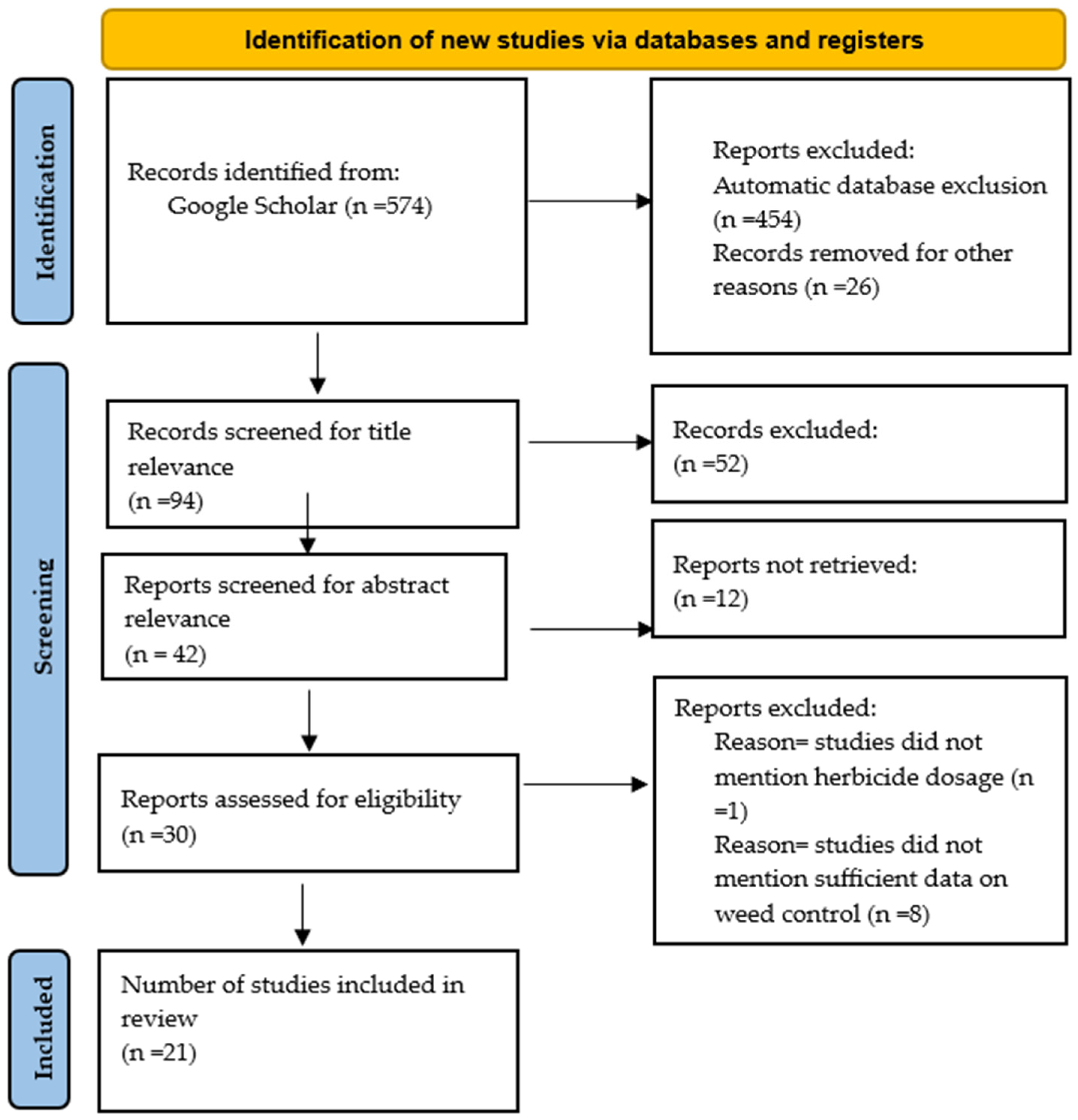
The selection process initially identified 574 studies on Google Scholar (Figure 2). After applying predefined filters (Publication year), the number of studies was reduced to 94. These studies were then manually screened for title relevance, yielding 42 potentially relevant studies. For each key search query, the first 50 results sorted by relevance were evaluated during each search round on Google Scholar. The abstracts of the selected studies were further assessed according to the predefined inclusion criteria, and eligible studies were recorded in a shared Google Sheet. This process resulted in a final total of 21 studies included in the analysis. Study selection was performed independently by three reviewers. Disagreements regarding study eligibility were resolved through discussion and consensus. A formal certainty assessment of the evidence was not conducted.
Figure 2.
PRISMA flow diagram representing the summary of study collection.
- •
- Data collection
The primary outcomes collected from the studies included weed control efficiency (WCE), weed density, and weed biomass. Additional variables collected included herbicide dose, application timing, application method, formulation type, study location, and year of publication.
The selected studies were organised into the following groups:
- ➢
- Microtubule synthesis inhibitors (Pendimethalin).
- ➢
- Protoporphyrinogen oxidase inhibitors (Oxyfluorfen, Oxadiargyl, Oxadiazon, Flumioxazin).
- ➢
- Inhibitors of acetyl-CoA carboxylase (ACCase) (Quizalofop ethyl, Propaquizafop, Fluazifop-p-butyl, Clethodim).
- ➢
- Very long-chain fatty acid (VLCFA) synthesis inhibitors (Alachlor, acetochlor, butachlor).
- ➢
- Combination of herbicides
- ➢
- Integrated weed management
- ➢
- Mulching
- ➢
- Mechanical weeding
- •
- Study risk of bias assessment
The data collection was conducted independently by three reviewers using a shared Excel file and a Google Sheet to promote transparency among reviewers. Reviewers periodically checked for duplicate studies in both documents and flagged them for exclusion. The records also included information about the journal and authors, allowing identification of similar research published under varying titles. In cases of duplicates, the more detailed or original version was retained for inclusion. These duplicated studies were classified as high risk. To ensure data transparency across the included studies, reviewers passively examined the relevant sections. Studies that did not include numerical results or contained unsupported claims in the discussion or conclusion—without supporting data in the results—were excluded and marked as high risk. Preference was given to studies that clearly reported results (e.g., weed control efficacy, weed density, dry weight). Potential reporting bias was minimised by excluding studies that lacked numerical data or clear methodological descriptions
- •
- Synthesis Method
The studies identified through the literature search were synthesised and classified according to the type of weed management strategy used in onion (Allium cepa L.) production. The categories included chemical weed management using herbicides with different modes of action, herbicide combinations, integrated weed management, mulching, and mechanical weed control. Following classification, data such as dosage, application mode, weed control efficacy, timing of weed checks, weed density (no./m2), dry weight of weeds (g/m), location, and year of the study were collected into tables in each group (except mechanical weeding because of lack of data). To discuss and clarify each section, we also used other articles alongside the collected articles. Studies with missing or unclear quantitative data were excluded from the synthesis However, the primary data used for the articles published between 2020 and 2025 are organised into tables, The only exception was Section 3.5 (Mechanical Weeding), where the findings were not presented in a table because only one [27] eligible study met the inclusion criteria for this category. Therefore, the results of this study were summarised and discussed narratively within the text.
- •
- Registration and protocol
This systematic review was not registered. No formal review protocol was prepared prior to conducting the review, and no amendments to the review methods were made during the review process.
3. Results
3.1. Herbicides
In onion production, the primary weed management strategy is herbicide use (Table 1). This approach has produced good results against weeds, significantly reducing weed biomass and the number of weeds in many studies [11,28,29].
Table 1.
Herbicides used in different studies and their mode of action [30].
3.1.1. Microtubule Synthesis Inhibitors
Pendimethalin
Pendimethalin [N-(1-ethylpropyl)-3,4-dimethyl 2,6-dinitrobenzenamine] is a widely used selective herbicide in onion farming. It effectively suppresses early-season weeds during the early stages of plant growth, reducing competition with onion crops [11]. Pendimethalin is a dinitroaniline chemical taken up by plants via roots and leaves, where it interferes with mitosis and cell division. Pendimethalin is commonly utilised as a pre-emergence herbicide to control the initial flush of annual weeds emerging from seed. The effectiveness of the herbicide for weed control ranged from 4.69% to 88.29% in certain studies, depending on the dosage and the timing of assessing weed response (Table 2).
Table 2.
Application of pendimethalin in different studies and its effectiveness.
Pre-plant incorporation of pendimethalin involves applying the herbicide to the soil surface and subsequently mixing it mechanically into the topsoil prior to planting. Angmo and Chopra [31] compared the pre-emergence and pre-plant incorporation methods at a dose of 1000 g ha−1. The pre-plant application achieved only 27.65% weed control, whereas the pre-emergence application achieved a significantly higher efficacy of 38.55%. These findings indicate that the pre-emergence method was more effective in the conditions examined.
In a study by Chaudhari et al. [18], different dosages and formulations of pendimethalin were evaluated in transplanted and seed-sown onions. A dose of 580.5 g ha−1 of the 38.7% pendimethalin capsule suspension (CS) formulation applied to transplanted onions in the pre-plant incorporation mode resulted in excellent weed control efficacy of 91.3%. In seed-sown onions, lower dosages and different application methods showed a more moderate effect: the 200 g ha−1 dose in pre-plant incorporation provided 69.8% weed control efficacy, while the 300 g ha−1 dose provided 77.4% weed control efficacy 45 days after sowing. In pre-emergence application, the 200 g ha−1 emulsifiable concentrate (EC) formulation achieved 79.5% efficacy, while the 300 g ha−1 dose achieved 87.9% efficacy. Based on the results, the herbicidal effect of pendimethalin is dose-dependent and influenced by formulation and application method. In sown onions, the pre-emergence application provided better weed control than pre-plant incorporation. The treatment’s efficacy improved with increasing dosages. Application of pendimethalin, either pre-plant incorporated or pre-emergence, at 300 g ha−1, resulted in higher weed control efficiency for dicot weeds (71.9 to 91.0%) than for monocot weeds (57.5 to 70.9%). In contrast, other studies [28,32,35] found lower effectiveness, with pendimethalin showing WCE of 4.69%, 32.05%, and 47.87% when applied alone as a pre-emergence herbicide.
Overall, the reviewed studies demonstrated substantial variability in the efficacy of pendimethalin, with weed control efficiency ranging from very low to excellent levels. These inconsistencies likely resulted from differences in weed flora composition, environmental conditions, soil characteristics, application timing, and production systems. In several studies, pendimethalin applied alone as a pre-emergence herbicide provided insufficient season-long weed suppression, particularly against later-emerging weed populations. This indicates that reliance on a single pre-emergence application may not provide stable weed control under all field conditions, and that additional measures, such as post-emergence treatments or manual weeding, may be necessary to control weeds that emerge later in the growing season.
3.1.2. Protoporphyrinogen Oxidase Inhibitors
Oxyfluorfen
For decades, oxyfluorfen [2-chloro-1-(3-ethoxy-4-nitro-phenoxy)-4-(trifluoromethyl) benzene] has been the main herbicide used for post-emergence broadleaf weed control in onion cultivation [39]. It is recommended for use on onions with at least two true leaves [40]. Oxyfluorfen, a diphenyl ether, inhibits protoporphyrinogen oxidase, an enzyme essential for chlorophyll synthesis. This inhibition leads to the accumulation of toxic intermediates, such as protoporphyrin IX, which generate reactive oxygen species (ROS) upon light exposure. These ROS damage cell walls and membranes, causing rapid cell death [41]. Oxyfluorfen mainly acts through contact but also retains some residual activity on soil surfaces, where it prevents germination and early growth of annual dicot weeds. According to Shaner [42], oxyfluorfen strongly adsorbs to soil particles and remains stable within the soil profile. When applied post-emergence, it causes leaf necrosis within two days [43]. Various studies report WCE from 63.47% to 85.32% following post-emergent herbicide applications (Table 3).
Table 3.
Application of oxyfluorfen in different studies and its effectiveness.
Pre-emergence and pre-plant incorporation techniques are also employed in field studies. Angmo and Chopra [31] observed a 25.51% WCE, whereas pre-emergence application achieved 39.79%. Chaudhari et al. [18] pointed out that oxyfluorfen’s effectiveness largely depends on the application method and dosage. A post-emergence treatment at 150 g ha−1 resulted in 87.8% WCE in planted onions. Conversely, pre-emergence treatments achieved 66.8% WCE at 80 g ha−1 and 74.2% WCE at 120 g ha−1. Early post-emergence application proved more effective, with 86.5%. Overall, oxyfluorfen was most effective for seed-sown onions when applied early post-emergence, with pre-emergence treatments being less effective.
Gupta et al. [28] evaluated different dosages and formulations of oxyfluorfen in post-emergence applications. Based on the results, the WCE increased with dose, from 69.61% at 500 g ha−1 to 85.32% at 3000 g ha−1. In terms of formulation, the 23.5% EC formulation at 850 mL ha−1 achieved 74.99% WCE, which was lower than that of the DF formulations at 750 g ha−1 (77.63%). The results indicate that weed control efficiency is determined by both the dosage and the formulation. El-Waakel [44] found that oxyfluorfen is more specific against broadleaf weeds than against grassy weeds. Chaudhari et al. [18] found that pre-emergence application of oxyfluorfen at 80 and 120 g ha−1 provided high weed control efficiency (WCE) against annual monocot weeds, reaching 92.8% and 94.6%, respectively, while the corresponding dicot WCE values were lower at 62.0% and 70.4%. In contrast, early post-emergence application of oxyfluorfen at 80 g ha−1 resulted in lower monocot WCE (53.9%) but higher dicot WCE (92.5%). These differences may indicate that, under the conditions of the experiment, oxyfluorfen performed better against monocot weeds through soil activity following pre-emergence application, whereas post-emergence application provided more effective foliar control of already emerged dicot weeds. However, its activity against already emerged monocot weeds such as Eleusine indica, Digitaria sanguinalis, and Setaria glauca appeared to be weaker.
Overall, the reviewed studies demonstrated that oxyfluorfen can provide effective weed suppression in onion production systems, particularly when applied in post-emergence or early post-emergence treatments. However, substantial variability in weed control efficacy was observed among studies, indicating that treatment success strongly depends on application timing, formulation, weed flora composition, and environmental conditions. The consistently higher efficacy of post-emergence applications compared with pre-emergence or pre-plant incorporation treatments suggests that direct foliar contact with emerged weeds plays a major role in oxyfluorfen activity. In contrast, pre-emergence applications may show reduced and less stable efficacy because herbicide persistence and availability on the soil surface can be influenced by soil adsorption, degradation processes, rainfall, and weed emergence dynamics. Studies further indicated that oxyfluorfen is generally more effective against broadleaf weeds than monocot species, highlighting limitations in broad-spectrum weed suppression when the herbicide is used alone.
In addition, although increasing herbicide doses frequently improved weed control efficacy, greater dependence on high herbicide inputs may increase environmental concerns and selection pressure for herbicide resistance development. Therefore, oxyfluorfen should preferably be integrated with complementary weed management strategies, including mechanical weed control, manual weeding, or additional herbicide modes of action, to achieve more stable and sustainable weed management in onion production systems.
Oxadiargyl
Oxadiargyl (5-tert-butyl-3-(2,4-dichloro-5-propargyloxyphenyl)-1,3,4-oxadiazol-2-(3H)-one) is a herbicide that inhibits the enzyme protoporphyrinogen IX oxidase and is part of the N-phenyl oxadiazolones chemical family. It primarily controls annual broad-leaved weeds and grasses [45]. An experiment by Chaudhari et al. [18] on transplanted onion reported 88.30% WCE following a post-emergence application of oxadiargyl at 90 g ha−1. For sown onion, pre-emergence doses of 42 and 60 g ha−1 resulted in WCEs of 69.30% and 77.10%, respectively (Table 4). Both pre- and post-emergence applications were more effective against dicot weeds, such as Chenopodium album, Melilotus indicus, and Chenopodium murale, than against monocot weeds. Slight, transient phytotoxic symptoms, including leaf injury and wilting, were observed in some cases after application; however, onion plants recovered within 14 days under field conditions.
Table 4.
Other herbicides applied in different studies.
Oxadiazon
Oxadiazon [5-terbutyl-3-(2,4-dichloro-5-isopropoxyphenyl)-1,3,4-oxadiazol-2-one] compound classified within the N-phenyl-oxadiazolones group. According to a study by Islam et al. [19], three different dosages of oxadiazon were applied pre-emergence at rates of 1000, 1500, and 2000 mL ha−1. These applications achieved weed control efficiency of 72.33%, 73.59%, and 76.59%, respectively (Table 4). Notably, oxadiazon demonstrated superior efficacy compared to pendimethalin, which was also applied pre-emergence in the study. The higher efficacy of oxadiazon may be associated with its stronger suppression of the dominant weed flora present in onion fields, including Cyperus rotundus, Chenopodium album, Amaranthus viridis, and Echinochloa crus-galli.
Flumioxazin
Flumioxazin N-[7-fluoro-3,4-dihydro-3-oxo-4-(prop-2-ynyl)-2H-1,4-benzoxazin-6-yl]cyclohex-1-ene-1,2-dicarboximide belongs to the N-phenyl-imides chemical family, and its soil-applied herbicide is recommended for annual broadleaf weed control [46]. López-Urquídez et al. [35] investigated it as a pre-emergence herbicide at 153 g ha−1, achieving 42.27% weed control (Table 4). Despite performing well against weeds across treatments, it yielded the lowest bulb weight. This is likely because they applied it as a pre-emergence herbicide, although the product should be applied 3 days after transplanting. Furthermore, the University of California Integrated Management Program [8] notes that the herbicide Flumioxazin is recommended only for garlic, not for onions.
3.1.3. Inhibitors of Acetyl-CoA Carboxylase (ACCase)
Quizalofop Ethyl, Propaquizafop, Fluazifop-p-Butyl, Clethodim
Quizalofop-p-ethyl (ethyl(R)-2-[4-(6-chloroquinoxalin-2yloxy) phenoxy] propionate} a post-emergent herbicide commonly used for the control of grass weeds. It is classified within the aryloxyphenoxy propionate (FOPs) group [47]. High water solubility, volatility and broad-spectrum herbicidal activity make it widely employed for the selective control of annual and perennial grasses in various broad-leaved crops. It’s commonly known as grass-selective herbicide (GSH). Quizalofop-p-ethyl is absorbed through foliar pathways, allowing systemic translocation within the plant. Its mechanism of action inhibits acetyl-CoA carboxylase, an enzyme essential for fatty acid biosynthesis [48].
Hazra et al. [49] achieved 81.75% WCE with the post-application of 50 ha−1 quizalofop ethyl, which improved to 89.35% WCE with a doubling of the dose (100 g ha−1). At the higher dosage, they observed high efficacy against broad-leaved weeds including Boerhavia diffusa, Parthenium hysterophorus, and Digera arvensis (Digera muricata). In contrast, Panghate [38] reported lower effectiveness of quizalofop-ethyl at 50 g ha−1, with a 63.15% WCE (Table 4), and also found that quizalofop-ethyl was ineffective against dicot weeds and some monocot weeds like Cynodon dactylon and sedges such as Cyperus rotundus.
Propaquizalofop 2-isopropylideneaminooxyethy (R)-2-[4(6-chloroquinoxlin-2-yloxy) phenoxy] propionate is used as a post-emergence herbicide for control of annual and perennial grasses within the FOPs herbicide group. In the study by Maske et al. [32], 100 g ha−1 of propaquizafop was applied, resulting in a WCE of 54.65%. The reason for the low weed control efficiency was that the weed flora mainly consisted of dicot weed species such as Medicago polymorpha, Cichorium intybus, Melilotus indicus, and Chenopodium album, against which ACCase-inhibiting herbicides are generally ineffective. Gupta et al. [28] reported a lower WCE of 36.75% at an application dose of 625 mL ha−1. The weed flora also included dicot weeds such as Chenopodium album and Amaranthus viridis, and the active ingredient was ineffective against them. On the other hand, Panghate [38] reported a weed control efficiency of 78.62% at 62.5 g ha−1, effectively suppressing prominent monocot weeds such as Cynodon dactylon and sedges such as Cyperus rotundus.
Fluazifop-p-butyl (2R)-2-(4-([5-(trifluoromethyl)pyridin-2-yl]oxy)phenoxy)propanoic acid also belongs to the FOPs group. Garba [36] used a dose of 2000 g ha−1, achieving a weed control efficiency of 80.83% (Table 4). However, a severe crop injury score was observed, likely due to the phytotoxic effect of fluazifop-p-butyl following its post-emergence application to the crop.
Clethodim 2-[(E)-N-[(E)-3-chloroprop-2-enoxy]-C-ethylcarbonimidoyl]-5-(2-ethylsulfanylpropyl)-3-hydroxycyclohex-2-en-1-one is a post-emergent herbicide belonging to the chemical family of cyclohexanediones (DIMs). Panghate [38] investigated clethodim doses ranging from 84 g ha−1 to 240 g ha−1 and observed an increase in weed control efficiency from 52.14% to 77.19% with increasing dosage (Table 4). However, neither the high dosage nor the low dosage was effective in controlling dicotyledonous weeds, which explained by the fact that ACCase-inhibiting herbicides primarily target monocotyledonous weed species.
The reviewed studies demonstrated that the efficacy of ACCase-inhibiting herbicides in onion production systems is strongly dependent on weed flora composition. Since these herbicides primarily target grass weeds, their performance was generally reduced in fields dominated by dicotyledonous species or sedges. This explains the substantial variability in weed control efficiency reported among studies and highlights the limitations of relying solely on ACCase inhibitors for broad-spectrum weed management in onion cultivation. The reviewed literature also indicates that increasing herbicide dose frequently improved weed suppression; however, higher application rates may increase the risk of crop injury and reduce crop safety, as observed with fluazifop-p-butyl. In addition, several studies demonstrated that some perennial weeds and sedge species remained insufficiently controlled, suggesting that ACCase inhibitors alone may not provide stable season-long weed suppression under diverse field conditions. These findings emphasize the importance of proper weed identification and weed flora assessment before herbicide selection.
3.1.4. Very Long-Chain Fatty Acid (VLCFA) Synthesis Inhibitors
Alachlor, Acetochlor, Butachlor
Chloroacetanilide herbicides are frequently used as pre-emergence agents for controlling annual grasses and broadleaf weeds in various crops, including corn, soybeans, rice, and other vegetables. The most commonly utilised compounds within this class include alachlor (2-chloro-N-(2,6-diethylphenyl)-N-(methoxymethyl)acetamide), acetochlor 2-Chloro-N-(ethoxymethyl)-N-(2-ethyl-6-methylphenyl)acetamide and butachlor (2-chloro-N-(2,6-diethylphenyl)-N-(butoxymethyl) acetamide) [50]. Angmo and Chopra [31] examined pre-emergence application of alachlor and butachlor at rates of 1500 g ha−1 and 1000 g ha−1, respectively. The results showed weak WCE of 19.64% and 18.36%. Garba [36] examined the pre-emergence application of butachlor, which achieved a weed control efficiency of 79.18%, in a chicken weed (Portulaca quadrifida) infested field. López-Urquidez et al. [35] applied 1500 g ha−1 of acetochlor, as a pre-emergence application, resulting in a weed control efficiency of 45.77% (Table 4).
Chloroacetanilide agents inhibit the biosynthesis of very long-chain fatty acids (VLCFAs), primarily disrupting early seedling development. VLCFAs are essential components of cell membranes and cuticles. Their inhibition interferes with membrane formation and cell division in weeds, leading to slowed root and shoot growth, deformities, and ultimately plant death. These active ingredients are mainly used as pre-emergence herbicides. The success of VLCFA-inhibiting herbicides depends on various factors, including weed species, the targeted plant organ, and plant lipid and wax metabolism [51].
The available literature indicated substantial variability in the efficacy of VLCFA-inhibiting herbicides in onion production systems. In several cases, pre-emergence applications of alachlor, butachlor, and acetochlor resulted in relatively low weed control efficacy, whereas higher efficacy was occasionally observed under different environmental conditions or application strategies. These inconsistencies likely reflect differences in weed flora composition, soil properties, herbicide persistence and weed emergence dynamics. The generally lower efficacy observed in many pre-emergence treatments suggests that the residual activity of chloroacetanilide herbicides may not always coincide with prolonged or multiple weed emergence periods commonly occurring in onion cultivation. In addition, the selectivity and effectiveness of these herbicides appear to be highly species-dependent, particularly under mixed weed infestations containing both monocotyledonous and dicotyledonous weeds.
The reviewed literature further indicates that VLCFA inhibitors alone may not provide sufficiently stable season-long weed suppression in onion production systems. Consequently, these herbicides may be more effective when integrated with complementary weed management approaches.
3.2. Combination of Herbicides
Farmers often use multiple herbicide treatments during the growing season to improve weed control. To broaden the weed-management spectrum and reduce herbicide resistance, they frequently apply tank mixes of two or more herbicides. Additionally, herbicide rotation strategies are employed, involving switching between different modes of action across seasons. Tank mixes combine herbicides with different modes of action to target a wider range of weeds and reduce the risk of resistance developing to a single mode of action (MOA) [52]. On the other hand, herbicide rotation reduces selection pressure on weed populations caused by the continuous use of the same herbicide group, helping preserve the long-term effectiveness of herbicidal chemistries [53].
The application of pre-emergent herbicides may effectively suppress early-season weeds; however, their effectiveness may diminish over time and during subsequent crop growth stages. Application of post-emergent herbicides may be required to manage the later-emerged weed population [54].
Angmo and Chopra [31] examined numerous pre- and post-emergence herbicide combinations, and the highest weed control efficiency was observed with pendimethalin at 1000 g ha−1 combined with quizalofop-ethyl at 50 g ha−1, achieving 58.91% WCE (Table 5). The improved efficacy of this combination was likely related to the complementary weed-control spectrum of the two herbicides, where pendimethalin mainly suppressed early-emerging annual weeds, while quizalofop-ethyl effectively controlled later-emerging grassy weeds under field conditions.
Table 5.
Combination of herbicides and their effectiveness.
Getahun et al. [17] conducted a similar study. They observed that the combination of pre-emergence pendimethalin at 3000 mL ha−1 and post-emergence oxyfluorfen at 1000 mL ha−1 resulted in a weed control efficiency of 66.30% (Table 6). The treatment was particularly effective under mixed weed infestations containing both grassy and broad-leaved species, including Cyperus rotundus, Echinochloa colona, Boerhavia erecta, and Chenopodium ambrosioides.
Table 6.
Combination of herbicides and their effectiveness (continued).
Garba [36] evaluated the efficacy of different herbicide application modes and combinations for weed control. The study examined two different treatments. The first involved the pre-emergence application of pendimethalin at 1500 g ha−1, followed by the post-emergence application of fluazifop-p-butyl at 2000 g ha−1; the second involved the pre-emergence application of butachlor at 2800 g ha−1, followed by the post-emergence application of oxyfluorfen at 1000 g ha−1. Results indicated that both treatments were effective, with the first treatment achieving 88.26% weed control efficiency and the second achieving 86.92% WCE, demonstrating comparable weed suppression (Table 5).
In a study conducted by López-Urquídez et al. [35], the efficacy of various herbicide combinations was evaluated in preemergence applications. During the experiment, five active ingredients—pendimethalin, oxyfluorfen, oxadiazon, flumioxazin, and acetochlor—were applied in pairs at various dosages. Based on the results, the most effective combination was the combined application of pendimethalin (1365 g ha−1) and acetochlor (1500 g ha−1), which showed 81.20% efficacy. This was followed by the combination of oxyfluorfen (360 g ha−1) and flumioxazin (153 g ha−1), which showed 76.29% efficacy, and the combination of oxyfluorfen (360 g ha−1) and oxadiazon (250 g ha−1) resulted 64.54% efficacy. In contrast, the combination of pendimethalin and oxyfluorfen showed the lowest efficacy (17,86%), while the combinations of pendimethalin and oxadiazon (22.31%) and oxyfluorfen and acetochlor (24,95%) also showed low efficacy. In summary, the study highlighted that selecting the right combination of herbicides is key to maximising the effectiveness of preemergence weed control. The use of pendimethalin and acetochlor, as well as combinations of oxyfluorfen and flumioxazin, may be a promising solution for weed control. (Table 6).
Chaudhari et al. [18] conducted a two-year study on various herbicide combinations and application methods, including pre-plant incorporation, pre-emergence, post-emergence, and early post-emergence. The herbicides tested were pendimethalin, oxyfluorfen, oxadiargyl, clodinafop, and propaquizafop, applied at different rates and methods. The most successful treatment was pre-plant incorporation of pendimethalin (580.5 g ha−1) combined with post-emergence oxyfluorfen (120 g ha−1), resulting in 98% weed control efficiency. The combination of pendimethalin + oxadiargyl (75 g ha−1) gave very similar results with the same treatment strategy, with 97.9% WCE. These results strengthen that pre-plant treatment supplemented with post-emergence treatment is an effective strategy in weed management. The pre-emergence and post-emergence combination also yielded good results. Pre-emergence application of oxadiargyl (75 g ha−1), supplemented with post-emergence treatments of clodinafop (122.5 g ha−1) and oxyfluorfen (147 g ha−1), achieved 97.2% WCE. The pre-emergence application of oxyfluorfen (120 g ha−1) combined with a post-emergence treatment with clodinafop (122.5 g ha−1) was also similarly effective and showed 95.1% WCE. The combination of oxyfluorfen (120 g ha−1) pre-emergence + propaquizafop (43.75 g ha−1) post-emergence also performed well, with 95.6% efficacy. However, slightly weaker weed control efficacy was observed in the case of post-emergence treatments alone. Combinations such as oxyfluorfen (147 g ha−1) + clodinafop (122.5 g ha−1) and oxyfluorfen (105 g ha−1) + propaquizafop (43.75 g ha−1) achieved 91.5% and 93.5% efficacy, respectively. Although these values remain acceptable, they fall short of the results obtained with methods that combine pre-plant or pre-emergence treatments. Early control is therefore key to increasing efficacy. In summary, the most effective treatments always included early intervention (pre-plant or pre-emergent) and were supplemented by a post-emergent active ingredient. The effectiveness of combinations applied exclusively post-emergence was slightly lower than that of the combined method, so the combined application method is recommended for optimal weed control (Table 5).
ALS inhibitors have been the most widely used weed control chemicals since their introduction in the early 1980s. These herbicides target the ALS enzyme, which is crucial for plants to produce branched-chain amino acids, leucine, valine, and isoleucine. Without these amino acids, plants cannot synthesise DNA or proteins, resulting in stunted growth and eventual death [55]. Recently, Kaur et al. [34] were the first to study ALS inhibitors, specifically ethoxysulfuron and imazethapyr. They tested combinations of pendimethalin with either ethoxysulfuron or imazethapyr. They found that these treatments caused the largest yield losses in onion crops—78.6% and 83.4%, respectively—compared with the weed check plot. In contrast, the application of pendimethalin alone resulted in a 21.6 % yield loss. This suggests that the higher losses are attributable to the adverse effects of imazethapyr and ethoxysulfuron, indicating that ALS inhibitors may not be suitable for use in onion cultivation. Liman et al. [56] similarly found that imazethapyr herbicide exhibits cytotoxic activity and induces DNA damage in a dose-dependent manner in Allium cepa root meristematic cells.
Combining pre- and post-emergence applications helps maintain a weed-free environment throughout the season [57]. This strategy not only increases crop security by reducing initial weed competition but also contributes to the depletion of weed seed banks, which reduces weed pressure in the long term. An additional advantage is that combining different modes of action can slow the development of resistance [58]. Still, it is also important to consider the compatibility of mixtures and the associated environmental risks [59].
The reviewed studies clearly demonstrate that herbicide combinations generally provide higher and more stable weed control efficacy than single active ingredient applications in onion production systems. In particular, combinations of PPO-inhibiting herbicides and ACCase inhibitors may represent especially effective weed management strategies because of their complementary weed control spectrum. PPO inhibitors, such as oxyfluorfen and oxadiargyl, generally provide stronger control of broadleaf (dicotyledonous) weeds, whereas ACCase inhibitors, including quizalofop-p-ethyl, propaquizafop, and fluazifop-p-butyl, are primarily effective against grass (monocotyledonous) weeds. Consequently, combining these herbicide groups may improve broad-spectrum weed suppression under mixed weed infestations commonly occurring in onion fields.
However, the efficacy of other herbicide mixtures varied considerably among studies, indicating that successful combinations depend strongly on weed flora composition.
Furthermore, the reviewed literature highlights important practical and environmental considerations associated with herbicide mixtures. Although combining multiple herbicide modes of action may reduce selection pressure for resistance development against individual herbicides, repeated dependence on chemical mixtures may still contribute to the evolution of herbicide resistance and increase environmental concerns. Therefore, herbicide mixtures should preferably be integrated with cultural practices, mechanical weed control, mulching, and crop rotation to improve long-term weed suppression stability and support sustainable onion production systems.
3.3. Integrated Weed Management
Successful weed control is crucial for crop production. Various strategies are available, ranging from simple methods to comprehensive integrated weed management (IWM). The best approach depends on the crop type, the weed species present, the crop and weed growth stages, labour availability, and economics [60]. Relying solely on herbicides is not recommended due to environmental risks and the development of herbicide resistance. Repeated use of the same herbicide may lead to the development of resistant weed populations [61,62].
IWM has emerged as a sustainable approach that combines multiple control methods to keep weed populations below economic thresholds, thereby reducing weed-crop competition and minimising chemical use and environmental impact [63,64]. IWM includes chemical, biological, cultural, mechanical and biotechnological practices. Hand weeding is a widely used manual practice often employed in gardens and by small-scale onion farmers. But this method is considered a time-consuming, labour-intensive and therefore costly solution [6]. For example, in the Netherlands, the mean input for manual weeding exceeds 175 person-days per hectare for direct-sown onion under field conditions [65]. As a result, combining hand weeding with herbicide application has become a more popular alternative because it is more efficient and requires less time than manual weeding throughout the growing season.
Angmo and Cohpra [31] reported that applying 150 g ha−1 of pre-emergence oxyfluorfen, along with hand weeding at DAT 40–60, resulted in a weed control efficiency of 58.29% (Table 7). This method was more effective than using oxyfluorfen alone, which achieved only 25.51%.
Table 7.
Integrated weed management practices and their effectiveness.
Bhasker et al. [11] compared three treatments and concluded that oxyflurofen 23.5% EC at 1.5 ml/l applied pre-transplant, along with one hand weeding at 30 DAT and quizalofop ethyl 5% EC applied post-application at 60 DAT, recorded the highest benefit-cost ratio, with an 88.40% WCE. This was followed by a 30% EC application of pendimethalin before planting, combined with one hand-weeding at 30 days after transplanting, and a post-application of 5% EC quizalofop-ethyl at 60 days after transplanting, resulting in an 89.66% WCE. They suggested that these treatments are cost-effective and affordable for farmers as part of an integrated weed management strategy (Table 7).
Garba [36] observed that pre-emergence applications of pendimethalin (1000 g ha−1) and butachlor (2000 g ha−1), each followed by hoe weeding at six weeks after transplanting, provided effective weed suppression, with WCEs of 86.90% and 82.11%, respectively (Table 7). Getahun et al. [17] also reported that herbicide application, completed with hand weeding, significantly reduced weed density and biomass. The most effective strategy combined pre-emergent pendimethalin, post-emergent herbicide (oxyfluorfen 24 EC), and manual hoeing at 70 days after transplanting. This approach yielded the highest weed-control efficacy (78.80%) and bulb production, with favourable cost-benefit ratios supporting economic sustainability. The above findings support the view that applying pre- and post-emergence herbicides, combined with manual weeding, can be effective weed-control method that reduces weed numbers and biomass and increases onion yield. (Table 7).
Gyani et al. [19] found that oxyfluorfen had greater weed-control efficiency than pendimethalin, and the effectiveness of both herbicides was enhanced by a single hand-weeding conducted 40 days after transplanting (DAT). Both pre-emergence herbicides effectively controlled weeds during the initial growth stages, and hand-weeding at 40 DAT further reduced weed density, resulting in an optimal weed-free environment (Table 8).
Table 8.
Integrated weed management practices and their effectiveness (continued).
Islam et al. [20] studied various dosages of oxadiazon and pendimethalin as pre-emergent herbicides, followed by manual weeding 45 days after treatment. The oxadiazon application at 1000 and 1500 mL ha−1 resulted in 76.54–78.47% WCE, and the 2000 mL ha−1 treatment showed 87.69% efficacy. For pendimethalin, the effect of 1000 and 1500 mL ha−1 of pendimethalin is relatively moderate, with WCE of 75.66–77.75%. Overall, combining herbicides with manual weeding is more effective than using herbicides alone.
The application of herbicides is an effective way to control weeds, but it poses human and environmental risks and is restricted in organic farming. As a result, interest in natural weed management agents, including plant extracts, is growing. These extracts can inhibit weed growth and germination, an effect attributed to their phenolic content. These phenolic compounds exhibit allelopathy—the ability of one plant to influence another’s growth [66,67].
Various secondary metabolites, including phenolics, flavonoids, alkaloids, coumarins, quinones, terpenes, and benzoxazinoids, exhibit allelopathic effects [68]. Phenolic compounds are produced by diverse plant species and mostly include phenols, flavonoids, hydroxycinnamic and benzoic acids, phenylpropanoids, coumarins, and tannins [69]. The inhibitory effects of compounds such as trans-ferulic acid, hesperetin, and rosmarinic acid have been well documented, and they can effectively suppress weed germination and growth [70].
Phenolic-containing aqueous extracts have been proven to be effective in controlling weeds in laboratory and pot studies. But their field effectiveness is limited. To overcome the above limitations, the combination of allelopathic extracts and reduced quantities of synthetic herbicides has been suggested to control weeds and reduce environmental exposure [71,72].
Shehata et al. [67] investigated various plant by-product extracts (orange peel processing waste, 20%; mango leaf waste, 30%; olive oil processing waste, 30%) individually and in combination with half the dose of oxyfluorfen (938 mL ha−1) as a post-emergence treatment in the experiment. The aim was to enhance herbicide efficacy and to investigate the potential to reduce the dose. Controlling weeds with individual aqueous extracts was ineffective under field conditions. However, applying the extracts at half the rate of oxyfluorfen was more effective in controlling weeds. Among these treatments, the best results were achieved with the combination of orange peel extract and a half dose of oxyflurofen, achieving 89% efficacy. The aqueous extract of orange peel, when mixed with half the herbicide oxyfluorfen dosage, was generally the most effective treatment (Table 8).
In their study, Adhikary and Shil [73] compared weed control strategies, with particular emphasis on chemical and natural treatments. The study measured the effectiveness of two primary treatment methods: one was a combination of propaquizafop (50 g ha−1) and oxyfluorfen (250 g ha−1) applied pre-emergence in tank mix, supplemented with mechanical weed control at 40 DAT; the other was 10% of aqueous cucumber extract (Cucumis sativus L.) application (2500 mL ha−1) post-emergence, also combined with mechanical weeding 40 DAT. The results showed that chemical treatment combined with mechanical weed control achieved 60.98% weed control efficiency, whereas treatment with natural cucumber extract achieved 51.96%. In summary, both treatments reduced the weed population; however, chemical treatment was slightly more effective in the experiment (Table 7).
The findings indicate that integrated weed management practices can improve weed suppression and reduce weed biomass more effectively than single control methods alone. Combining herbicides with hand weeding or mechanical weed control frequently resulted in improved weed management and higher onion yield, particularly when early-season weed control was maintained. Since onion has weak competitive ability during its initial growth stages, reducing early weed competition appears to be especially important for successful crop establishment and yield formation. The reviewed literature also highlights that integrating different weed management approaches may reduce the need for repeated herbicide applications and contribute to more sustainable production systems. Nevertheless, the wider implementation of manual weed control may be limited by labour demand, increasing production costs, and reduced operational efficiency in large-scale farming systems. Natural plant extracts and allelopathic substances showed promising weed suppressive effects in several studies, especially when combined with reduced herbicide doses.
However, their weed control efficacy under field conditions was generally lower and more variable than conventional herbicide-based treatments. Therefore, although these approaches may support future reductions in synthetic herbicide use, additional research is still needed to improve their reliability and field applicability.
Taken together, the reviewed studies suggest that combining chemical, mechanical, and biological approaches may provide more balanced and sustainable weed management strategies in onion production systems than relying exclusively on herbicides.
3.4. Mulching
Mulch is a layer of organic or synthetic material applied to the soil surface around plants. Organic mulches include a variety of natural materials, such as wood chips, straw, sawdust, bark, newspaper, and composted matter. In contrast, inorganic or synthetic mulches are primarily made from plastic, with polyvinyl chloride (PVC) and polyethene films being the most commonly used forms [73].
Mulch provides soil cover, preventing solar radiation from reaching the soil surface. This reduces evaporation, thereby increasing soil moisture [74]. This reduces the need for irrigation and increases root growth and plant development [75].
Mulching helps prevent soil erosion caused by rain and reduces the immediate infiltration of rainwater into the soil, resulting in more even water distribution [76]. Also, soil surface coverage protects the soil from wind erosion [77].
Coverage creates a physical barrier that helps minimise evaporation and preserve soil moisture. However, the moisture-retention capacity varies among different cover materials. For example, plastic mulch is more efficient than straw mulch at conserving soil water [78].
Organic mulch also helps regulate soil temperature. During the day, it minimises soil heating by blocking sunlight and reducing heat absorption, thereby reducing temperature variations at the surface. At night, mulch acts as an insulator, reducing heat loss from the soil and protecting it from frost and freezing conditions [79].
Kaur et al. [34] emphasise that using mulch is crucial for maintaining optimal soil temperature. This method enhances winter onion yield and quality while also suppressing weed growth. Santos et al. [80] observed that organic mulch considerably lowers soil temperature, with an average of 36.13 °C in mulched areas versus 48.09 °C in unmulched zones. Prem et al. [23] reported that mulch coverage helps regulate soil temperature and reduce evaporation in onion cultivation systems. However, it is important to note that different mulch materials regulate soil temperature in different ways. Organic mulches promote soil cooling during the day, while synthetic mulches, especially black ones, raise soil temperature. Overall, the temperature-regulating ability of mulch depends on its physical and thermal properties, which interact with external conditions [81].
As mulch retains soil moisture in the root zone, it helps reduce stress on onions. Furthermore, soil moisture can encourage biological activity, support nutrient uptake, and improve soil structure [82].
Bekele and Firissa [83] applied plastic mulch and wheat straw and observed increases of 11.8% and 13.9% in bulb yield, respectively, compared with the unmulched treatment. In addition to yield growth, water-use efficiency improved.
The use of mulch can also improve soil health. As it decomposes, organic mulch releases nutrients into the soil, such as nitrogen, phosphorus, and potassium. This decomposition process adds valuable organic matter to the soil, which improves soil fertility and structure, enhances water management, and supports microbial activity [73].
Prem et al. [23] found that organic mulches such as straw, grass clippings and wood bark undergo microbial decomposition over time. This decomposition process releases organic matter into the soil and improves soil aggregation, porosity and aeration. Good soil conditions facilitate more vigorous root development, which enhances nutrient uptake and overall plant growth.
Koudahe et al. [84] reported increased microbial activity in soils covered with organic matter. However, the type of mulching material can influence microbial diversity, necessitating careful selection to maximise soil health [85].
Covering the soil is also a possible weed control method in onion cultivation. By covering the soil, mulching can inhibit the germination of weed seeds from the soil seed bank [86].
Numerous studies have reported that mulching significantly reduces weed density and weed biomass in onion cultivation [11,67]. However, the fact that organic mulches may need periodic replacement to maintain effectiveness and can harbour pests and diseases can create significant obstacles for producers [23].
El-Wakeel et al. [43] used soybean and flaxseed meals as mulch materials. These agricultural products make them an attractive alternative for onion farmers because of their relatively low cost and their ability to reduce the use of synthetic chemicals. Additionally, using these products promotes environmental stewardship and enhances the overall sustainability of onion production systems.
On the other hand, using mulches has several disadvantages. For example, some organic materials, such as straw and grass, can release acids into the soil, which may inhibit plant growth and development [87]. But evidence from previous studies does not strongly support this hypothesis. Pickering and Shepherd [88] investigated the effects of six types of organic landscape mulches—namely cocoa shells, coarse conifer bark chips, wood chips, garden compost, horse manure, and finely ground conifer bark—and found that after 12 months, these mulches did not induce significant changes in soil pH when compared to unamended soil. Similarly, Greenly and Rakow [89] examined the use of chipped pine and shredded hardwood as mulch treatments and found no substantial differences in soil pH compared with control plots. The concept of mulch acidification can be linked to a stage of mulch decomposition, during which organic acids (e.g.; phenolic acids) are released. These acids can cause a localised decrease in pH within the mulch layer. However, research indicates that these acidification effects rarely affect pH in deeper soil layers [90].
Organic mulches can also exhibit allelopathic effects. Allelopathy involves the release of chemical compounds that inhibit plant growth. Kazemi and Jozay [91] investigated the allelopathic effects of extracts from various organic mulches and found that pine-leaf extracts significantly reduced lettuce seed germination.
Another drawback is that soil coverage makes it hard to apply top-dressed fertilisers [24], and a mulch layer could impede gas exchange and reduce oxygen availability to roots [92].
It is also important to consider that plastic mulches pose significant environmental concerns, including waste generation, slow decomposition, and the potential for soil and water contamination [93]. Furthermore, spreading organic mulch is a time-consuming and labour-intensive task. While automated organic mulch spreading methods have proven more efficient than traditional techniques, the use of mulch spreaders is more widely accepted in developed countries than in developing countries. However, the application of plastic mulching has begun to be mechanised using specialised machines, primarily in medium- and large-scale fields [94].
Shehata et al. [67] compared the weed control efficiency of different organic mulches. Among the treatments, orange peel mulch was the most effective, achieving 88.0% WCE. Other materials also achieved high WCE values, with mango leaves at 80.7%, olive oil waste at 77.9%, and rice straw at 78.8%. These results strengthen the case that agricultural and food industry by-products can be effectively utilised as mulching materials for weed management, highlighting their potential for sustainable agricultural practices (Table 9).
Table 9.
Application of mulch and its effectiveness.
According to a study conducted by Barla and Upsani [7], black plastic mulch achieved 86.94% weed control efficiency. As for organic mulch, weeds and straw had the highest WCE of 89.67% and 88.49%, respectively. This implies that both inorganic (plastic) and organic mulches have good weed control (Table 9). However, a study by Hembrom et al. [33] reported poorer results for black plastic mulch (62.89%), while mulch made of weeds and straw had a weaker effect below 20% WCE. This result indicates that the weed control efficiency of different mulches depends on the material type and, most likely, on the extent of coverage (Table 9). Bhasker et al. [11] reported a 98.06% weed-control performance with black-silver plastic mulch. The results of this experiment showed that soybean straw mulch performed even better, with an 86.66% WCE. El-Wakeel et al. [] used soybean meal- and flaxseed meal-based mulches, which showed weed control efficiency of 93.2% and 92.32%, respectively (Table 9). These results suggest that agricultural waste products can serve as a safe alternative to chemical herbicides for weed control, particularly in onion production.
Mulching practices have shown considerable potential for reducing weed pressure in onion production systems while simultaneously improving several soil-related properties important for crop growth. Both organic and synthetic mulches were frequently associated with lower weed density and reduced weed biomass, although the level of weed suppression differed substantially among studies. Such variability was likely influenced by differences in mulch material, soil coverage, decomposition rate, climatic conditions, and the composition of the weed community.
Synthetic mulches, particularly plastic films, generally achieved stronger and more consistent weed suppression because they form an effective physical barrier that restricts weed emergence and light penetration to the soil surface. Organic mulches, on the other hand, may provide additional agronomic benefits by improving soil structure, supporting microbial activity, and contributing organic matter during decomposition. However, their effectiveness may decline over time due to decomposition and incomplete soil coverage, often requiring repeated application and greater labour input.
Several studies highlighted the promising role of agricultural by-products and food industry residues as alternative mulching materials. Soybean meal, flaxseed meal, rice straw, and orange peel waste demonstrated relatively high weed suppression while also supporting more sustainable waste utilisation practices. Nevertheless, practical limitations related to labour requirements, mechanisation, material availability, and environmental concerns associated with plastic waste remain important considerations for the wider adoption of mulching systems. The available findings indicate that mulching may serve as an effective supportive tool within integrated weed management systems.
3.5. Mechanical Weeding
Mechanical weed control methods are gaining popularity due to the rise in organic farming practices, which leave no chemical residues in plant crops [95]. Mechanical weed control using machines can be easily performed through inter-row treatments, but intra-row applications are challenging due to varying effectiveness against weeds and crop selectivity [96].
In recent years, only Pannacci et al. [27] investigated different mechanical weed control methods in onion seed production. They found that combining intra- and inter-row methods, such as hoeing, ridging, or split-hoeing plus finger-weeding, yields high weed control and good crop selectivity, reducing weed-crop competition and ensuring good onion seed production.
The reason mechanical weeding is not widely adopted is that mechanical weed control practices, such as in-row cultivation, are challenging to implement due to onions’ shallow root systems [40], and after bulb formation, mechanical weed control can damage the bulb [22].
Mechanical weed control methods, such as weed harrowing, brush weeding, torsion weeding, and finger weeding, have been examined for intra-row weed management in both direct-sown and transplanted Allium species [97]. Because these methods lack guidance from intelligent systems, they are non-discriminatory and affect both weeds and the crop as they pass through the intra-row zone. Moreover, their effectiveness diminishes as the weed growth stage advances at the time of treatment. Protecting crops from injury depends on operator skill and suitable conditions for selective application, which occurs when crop plants are considerably more resistant to soil disturbance than weeds [98]. Furthermore, incorrect tool settings and poor timing can lead to failures in weed control and severe crop damage [98,99]. Typically, working rates are low due to slow speeds and narrow implement widths.
These limitations have led researchers and industry to update physical weed control methods by integrating tools with intelligent systems for automated operation [100]. It is also inevitable that intelligent mechanical weeding will become a mainstream method in the future [65].
4. Conclusions
This systematic review demonstrated that weed management in onion production remains highly reliant on chemical herbicides; however, the effectiveness of individual weed control strategies varies considerably across production systems. Although pendimethalin- and oxyfluorfen-based treatments consistently provided high weed control efficacy in many studies, the reviewed literature revealed substantial variability even among experiments evaluating identical active ingredients. These inconsistencies were primarily associated with differences in weed flora composition and application timing indicating that herbicide performance in onion cultivation is strongly context- dependent rather than universally predictable.
Across the reviewed studies, one of the most consistent patterns was that single herbicide applications frequently failed to provide stable season-long weed suppression. Pre-emergence treatments often effectively controlled early weed flushes but showed reduced efficacy against later-emerging weed populations, whereas post-emergence applications alone were generally insufficient under high weed pressure or mixed infestations. In contrast, combinations integrating pre-emergence and post-emergence herbicides repeatedly achieved more reliable and broader-spectrum weed suppression. Particularly effective results were observed when PPO inhibitors were combined with ACCase inhibitors, likely because of their complementary activity against dicotyledonous and monocotyledonous weeds.
The review further demonstrated that integrated weed management approaches generally improved weed suppression stability while reducing dependence on repeated herbicide use. Combining herbicides with manual weeding, mulching, or mechanical interventions frequently resulted in lower weed biomass and improved crop performance compared with single-method approaches. Nevertheless, the literature also revealed important limitations associated with these systems, including high labour demand, economic constraints, and the limited availability of selective mechanical technologies suitable for onion cultivation.
A major concern identified across the reviewed studies is the long-term sustainability of current onion weed management systems. Heavy reliance on herbicides may increase selection pressure for herbicide-resistant weed populations while also intensifying environmental and regulatory concerns associated with synthetic pesticide use. Despite the widespread investigation of herbicide efficacy, relatively limited attention has been given to resistance management, ecological impacts, and the long-term sustainability of integrated systems. In addition, several promising alternatives, including machine vision-guided mechanical weeding, autonomous robotic systems, precision spraying technologies, and plant-derived bioherbicides, remain insufficiently studied under practical field conditions in onion production.
Overall, the reviewed literature suggests that future onion weed management strategies should move beyond maximising short-term weed control efficacy alone. Greater emphasis should be placed on developing adaptive, integrated, and site-specific weed management systems capable of maintaining stable weed suppression while simultaneously reducing environmental impact, herbicide dependence, and resistance risks. In this context, precision agriculture technologies, intelligent mechanical weed control, and biologically based weed management approaches may become increasingly important components of sustainable onion production systems.
Lastly, the findings of the review, also connect in the context of the European Union Farm to Fork strategy, a central pillar of the European Green deal, which goal to reduce the use and risk of chemical pesticides by 50% by 2030 [101]. IWM approaches, such as including the combinations of herbicides with mulching, mechanical weed control and plant based extracts could contribute to reducing dependence on synthetic herbicides and still maintaining good weed control. Chemical herbicides remain among the most effective weed management tools in onion production; however, their intensive use raises environmental concerns and may conflict with future sustainability targets. Therefore, future onion weed management strategies should increasingly focus on integrating non-chemical approaches and developing innovative technologies that support sustainable crop production while aligning with EU sustainability policies.
5. Limitations
This review has several limitations that should be considered when interpreting the results. First, only studies published in English between 2020 and 2025 were included, which may have excluded relevant studies published in other languages or before this period. Second, the primary literature source used for study identification was Google Scholar, which, although comprehensive, may not provide the same level of indexing accuracy and reproducibility as specialised scientific databases such as Web of Science or Scopus. In addition, substantial heterogeneity was observed among the included studies regarding environmental conditions, weed flora composition, onion cultivation methods, herbicide formulations, application timings, and evaluation methods, which limited direct comparison among studies. The review also relied mainly on published quantitative results such as weed control efficiency, weed density, and weed biomass, while economic analyses, long-term environmental impacts, and herbicide resistance development were less frequently reported. Furthermore, a formal meta-analysis and certainty assessment of the evidence were not conducted because of the variability in study designs and reported outcomes. Finally, publication bias cannot be excluded, as studies reporting unsuccessful or insignificant weed control results may be underrepresented in the available literature.
Author Contributions
Conceptualization, G.H. and I.M.K.; methodology, G.H., J.A.A. and L.A.P.; software, G.H.; D.S.; validation, G.H., K.P.T. and Z.Z.; formal analysis, G.H. and S.Z.; investigation, B.G.; resources, L.B.; M.A. and H.A.; data curation, G.H.; Á.L. and B.H.; writing—original draft preparation, G.H.; writing—review and editing, G.H.; visualization, M.M.V.; B.J.K.; supervision, I.M.K. and G.K.; project administration, G.H.; R.K.; J.M.-K. and L.B.; funding acquisition, I.M.K. All authors have read and agreed to the published version of the manuscript.
Funding
This work was supported by funding instruments regulated under the Hungarian Ministry of Agriculture Decree No. 50/2023 (IX. 5.), which implements measures of the Common Agricultural Policy (CAP), co-financed by the European Union and the Hungarian national budget. The NRDI Office, through the 2024-1.1.1-KKV_FÓKUSZ-2024-0007 project (Development of a micro-granular starter fertiliser containing an inoculant for mycorrhizal fungi (AMF) to promote sustainable nutrient replenishment practices) contributed to testing this knowledge in a practical environment.
Data Availability Statement
The data presented in this study are available upon request from the corresponding author.
Acknowledgments
The authors would like to thank the colleagues of the Agriculture and Food Research Centre and the Department of Plant Sciences at the Albert Kázmér Faculty of Agricultural and Food Sciences in Mosonmagyaróvár for their support of this project. During the preparation of this manuscript, the author(s) used GenAI solely for writing assistance, including checking grammar, improving sentence structure, and refining clarity and coherence of the text. The authors have reviewed and edited the output and take full responsibility for the content of this publication.
Conflicts of Interest
The authors declare no conflict of interest.
Abbreviations
The following abbreviations are used in this manuscript:
| PRE | Pre-emergence |
| POST | Post-emergence |
| EPoE | Early-post emergence |
| PPI | Pre-plant incorporation |
| DAT | Day after transplanting |
| DAS | Day after sowing |
| EC | Emulsifiable concentrate |
| ES | Emulsion suspension |
| DF | Dispersible granule |
| CS | Capsule suspension |
| VLCFA | Very long-chain fatty acid |
| ACCase | Acetyl-CoA carboxylase |
| ALS | Acetolactate Synthase |
| WCE | Weed control efficiency |
| PRISMA | Preferred Reporting Items for Systematic Reviews and Meta Analyses |
References
- FAOSTAT. Onion Production, Area, Productivity, Consumption. 2024. Available online: http://www.fao.org/faostat/en/#data/QC (accessed on 3 September 2025).
- Mahmood, N.; Muazzam, M.A.; Ahmad, M.; Hussain, S.; Javed, W. Phytochemistry of Allium cepa L. (Onion): An Overview of Its Nutritional and Pharmacological Importance. Sci. Inq. Rev. 2021, 5, 41–59. [Google Scholar] [CrossRef] [Scilit]
- Arshad, M.S.; Sohaib, M.; Nadeem, M.; Saeed, F.; Imran, A.; Javed, A.; Amjad, Z.; Batool, S.M. Status and Trends of Nutraceuticals from Onion and Onion By-Products: A Critical Review. Cogent Food Agric. 2017, 3, 1280254. [Google Scholar] [CrossRef] [Scilit]
- Lancaster, J.E.; Boland, M.J. Flavor Biochemistry. In Onions and Allied Crops; Rabinowitch, H.D., Brewster, J.L., Eds.; CRC Press: Boca Raton, FL, USA, 1990; pp. 33–72. [Google Scholar]
- Ochar, K.; Kim, S.-H. Conservation and Global Distribution of Onion (Allium cepa L.) Germplasm for Agricultural Sustainability. Plants 2023, 12, 3294. [Google Scholar] [CrossRef] [Scilit]
- Khan, H.; Khan, B.; Gul, B.; Saljoqi, A.-U.-R.; Uslu, Ö.S.; Shinwari, L. Evaluation of Various Weed Control Techniques in Transplanted Onions Under Agro-Climatic Conditions of Peshawar—Pakistan. Gesunde Pflanz. 2023, 75, 1561–1567. [Google Scholar] [CrossRef] [Scilit]
- Barla, S.; Upasani, R.R. Study on Different Methods of Weed Management in Onion (Allium cepa L.). Curr. J. Appl. Sci. Technol. 2019, 33, 1–7. [Google Scholar] [CrossRef] [Scilit]
- Smith, R.; Fennimore, S.A.; Orloff, S.; Poole, G.J. IPM Pest Management Guidelines: Onion and Garlic; Publication No. 3453; University of California, Agriculture and Natural Resources: Oakland, CA, USA, 2008. [Google Scholar]
- Chacko, S.R.; Raj, S.K.; Rk, R. Integrated Weed Management in Vegetables: A Review. J. Pharmacogn. Phytochem. 2021, 10, 2694–2700. [Google Scholar] [CrossRef] [Scilit]
- Sathya Priya, R.; Chinnusamy, C.; Murali Arthanari, P.; Hariharasudhan, V. A Review on Weed Management in Onion under Indian Tropical Condition. Chem. Sci. Rev. Lett. 2017, 6, 923–932. [Google Scholar]
- Bhasker, P.; Gupta, P.K.; Singh, S.; Tiwari, C. Evaluation of Chemical and Non-Chemical Weed Control Methods in Onion: An Integrated Weed Management Approach. Veg. Sci. 2024, 51, 228–235. [Google Scholar] [CrossRef] [Scilit]
- Shuaib, O.S.B. Critical Period for Weed Competition in Onion (Allium cepa L.). Univ. Aden J. Nat. Appl. Sci. 2001, 5, 355–360. [Google Scholar]
- Bhullar, M.S.; Kaur, T.; Kaur, S.; Yadav, R. Weed Management in Vegetable and Flower Crop-Based Systems. Indian J. Weed Sci. 2015, 47, 277–287. [Google Scholar]
- Channappagoudar, B.B.; Biradar, N.R. Physiological Studies on Weed Control Efficiency in Direct Sown Onion. Karnataka J. Agric. Sci. 2007, 20, 375–376. [Google Scholar]
- Loken, J.R.; Hatterman-Valenti, H.M. Multiple Applications of Reduced-Rate Herbicides for Weed Control in Onion. Weed Technol. 2010, 24, 153–159. [Google Scholar] [CrossRef] [Scilit]
- Kumari, S.; Kumar, R.; Das, S.N.; Kavita. Performance of Different Herbicides on Weed Control in Onion (Allium cepa L.) and Its Effect on Economics. Curr. J. Appl. Sci. Technol. 2019, 33, 1–5. [Google Scholar] [CrossRef] [Scilit]
- Getahun, S.; Alemu, Z.; Seid, N. Enhancing Onion Yield Through Integrated Weed Management Tactics in the Middle Awash Valley, Ethiopia. Peruv. J. Agron. 2024, 8, 167–174. [Google Scholar] [CrossRef] [Scilit]
- Chaudhari, D.D.; Patel, V.J.; Patel, H.K.; Patel, B.D. Complex Weed Flora Management through Herbicides in Nursery and Transplanted Onion. Indian J. Weed Sci. 2024, 56, 52–58. [Google Scholar] [CrossRef] [Scilit]
- Gyani, L.G.; Khan, N.; Ansari, M.H.; Siddqui, M.Z.; Naz, H.; Moied, A.; Kumar, A. Planting Pattern and Weed Management Practices on the Productivity of Onion (Allium cepa L.). J. Pharmacogn. Phytochem. 2020, 9, 2140–2144. [Google Scholar]
- Islam, M.; Moniruzzaman, M.; Obaidullah, A.; Fahim, A. Impact of Integrated Weed Management on Bulb Yield of Onion. Bangladesh Agron. J. 2020, 23, 83–89. [Google Scholar] [CrossRef] [Scilit]
- Woyessa, D. Weed Control Methods Used in Agriculture. Am. J. Life Sci. Innov. 2022, 1, 19–26. [Google Scholar] [CrossRef] [Scilit]
- Dhananivetha, M.; Amnullah, M.M.; Arthanari, P.M.; Mariappan, S. Weed Management in Onion: A Review. Agric. Rev. 2017, 38, 76–80. [Google Scholar] [CrossRef] [Scilit]
- Prem, M.; Ranjan, P.; Seth, N.; Patle, G.T. Mulching Techniques to Conserve the Soil Water and Advance the Crop Production—A Review. Curr. World Environ. 2020, 15, 10–30. [Google Scholar] [CrossRef] [Scilit]
- Ghouse, P. Mulching: Materials, Advantages and Crop Production. In Protected Cultivation and Smart Agriculture; New Delhi Publishers: Delhi, India, 2020; pp. 55–66. ISBN 978-81-948993-2-7. [Google Scholar]
- Moola, S.; Munn, Z.; Sears, K.; Sfetcu, R.; Currie, M.; Lisy, K.; Tufanaru, C.; Qureshi, R.; Mattis, P.; Mu, P. Conducting Systematic Reviews of Association (Etiology): The Joanna Briggs Institute’s Approach. Int. J. Evid.-Based Healthc. 2015, 13, 163–169. [Google Scholar] [CrossRef] [Scilit]
- Page, M.J.; McKenzie, J.E.; Bossuyt, P.M.; Boutron, I.; Hoffmann, T.C.; Mulrow, C.D.; Shamseer, L.; Tetzlaff, J.M.; Akl, E.A.; Brennan, S.E.; et al. The PRISMA 2020 Statement: An Updated Guideline for Reporting Systematic Reviews. J. Clin. Epidemiol. 2021, 134, 178–189. [Google Scholar] [CrossRef] [Scilit]
- Pannacci, E.; Farneselli, M.; Guiducci, M.; Tei, F. Mechanical Weed Control in Onion Seed Production. Crop Prot. 2020, 135, 105221. [Google Scholar] [CrossRef] [Scilit]
- Gupta, R.K.; Bharti, R.; Shah, M.H.; Pramanik, K. Weed Management in Transplanted Onion (Allium cepa L.) through Early Post-Emergence Herbicides. Plant Arch. 2020, 20, 6919–6924. [Google Scholar]
- Ibrahim, H.H.; Abdalla, A.A.; Salem, W.S. Efficacy of Irrigation Intervals and Chemical Weed Control on Optimizing Bulb Yield and Quality of Onion (Allium cepa L.). Bragantia 2022, 81, e1722. [Google Scholar] [CrossRef] [Scilit]
- Weed Science Society of America (WSSA). WSSA Herbicide Site of Action (SOA) Classification List. 2024. Available online: http://wssa.net/wssa/weed/herbicides (accessed on 3 September 2025).
- Angmo, D.; Chopra, S. Comparative Efficacy of Herbicides and Hand Weeding to Control Weeds in Onion. Indian J. Weed Sci. 2020, 52, 53. [Google Scholar] [CrossRef] [Scilit]
- Maske, G.; Pandey, B.R.; Kewat, M.L.; Sahu, A. Effects of Various Weed Management Practices on Growth, Yield and Economics of Rabi Onion (Allium cepa L.) cv. Bhima Shakti. Pharma Innov. J. 2022, 11, 611–615. [Google Scholar]
- Hembrom, P.; Horo, P.; Barla, S.; Hembrom, R. Effect of Weed Control Methods on Weeds, Onion Growth and Yield. Indian J. Weed Sci. 2023, 55, 111–114. [Google Scholar] [CrossRef] [Scilit]
- Kaur, R.; Bana, R.S.; Singh, T.; Meena, S.L.; Raj, R.; Dass, A.; Govindasamy, P.; Gill, J.S.; Kumar, S.; Sen, S.; et al. Sequential Herbicide Application Coupled with Mulch Enhances the Productivity and Quality of Winter Onion (Allium cepa L.) While Effectively Controlling the Mixed Weed Flora. Front. Sustain. Food Syst. 2024, 7, 1271340. [Google Scholar] [CrossRef] [Scilit]
- López-Urquídez, G.A.; Murillo-Mendoza, C.A.; Martínez-López, J.A.; Ayala-Tafoya, F.; Yañez-Juárez, M.G.; López-Orona, C.A. Effect of Pre-Emergent Herbicides on Weed Control and Onion Development under Fertigation Conditions. Rev. Mex. Cienc. Agrícolas 2020, 11, 1149–1161. [Google Scholar] [CrossRef] [Scilit]
- Garba, Y. Response of Onion (Allium cepa L.) to Plant Population and Weed Control Methods in a Chicken Weed (Portulaca quadrifida L.) Infested Field in Sudan Savanna, Nigeria. Glob. J. Agric. Sci. 2021, 20, 19–27. [Google Scholar] [CrossRef] [Scilit]
- Kumar, R.; Gupta, P.K.; Singh, S. Efficacy of Chemical Herbicides on Weed Management in Onion (Allium cepa L.). J. Krishi Vigyan 2022, 10, 112–116. [Google Scholar] [CrossRef] [Scilit]
- Panghate, P.D. Efficacy of Different Post Emergence Herbicides on Onion (Allium cepa L.). Master’s Thesis, Dr. Panjabrao Deshmukh Krishi Vidyapeeth, Akola, India, 2020. [Google Scholar]
- Herrmann, C.M.; Goll, M.A.; Phillippo, C.J.; Zandstra, B.H. Postemergence Weed Control in Onion with Bentazon, Flumioxazin, and Oxyfluorfen. Weed Technol. 2017, 31, 279–290. [Google Scholar] [CrossRef] [Scilit]
- Grey, T.L.; Couch, A.D.; Swartz, B.M.; Coolong, T. Herbicide Tolerance and Weed Control for Transplanted Short-Day Onion Established with PlantTape®. Technol. Hortic. 2023, 3, 28. [Google Scholar] [CrossRef] [Scilit]
- Pritchard, M.K.; Warren, G.F.; Dilley, R.A. Site of Action of Oxyfluorfen. Weed Sci. 1980, 28, 640–645. [Google Scholar] [CrossRef] [Scilit]
- Shaner, D.L. Herbicide Handbook, 10th ed.; Weed Science Society of America: Lawrence, KS, USA, 2014. [Google Scholar]
- Sahoo, S.K.; Chakravorty, S.; Soren, L.; Mishra, C.; Sahoo, B.B. Effect of Weed Management on Growth and Yield of Onion (Allium cepa L.). J. Crop Weed 2017, 13, 208–211. [Google Scholar]
- El-Wakeel, M.A.; El-Metwally, I.M.; Ahmed, S.A.A.; Akl, E.M. Exploiting Soybean and Flaxseed Meal Byproducts as Safe Weed Management Approaches in Onion Field. J. Soil Sci. Plant Nutr. 2024, 24, 5898–5914. [Google Scholar] [CrossRef] [Scilit]
- Tracchi, G.; Loubiere, P.; Montagnon, M. Oxadiargyl: A Novel Herbicide for Sunflower and Vegetables. In Proceedings of the Brighton Crop Protection Conference—Weeds, Brighton, UK, 7–20 November 1997; pp. 885–889. [Google Scholar]
- Alister, C.; Rojas, S.; Gómez, P.; Kogan, M. Dissipation and Movement of Flumioxazin in Soil at Four Field Sites in Chile. Pest Manag. Sci. 2008, 64, 579–583. [Google Scholar] [CrossRef] [Scilit]
- Li, X.; Wang, J.; Wu, W.; Jia, Y.; Fan, S.; Hlaing, T.S.; Khokhar, I.; Yan, Y. Co-Metabolic Biodegradation of Quizalofop-p-Ethyl by Methylobacterium populi YC-XJ1 and Identification of QPEH1 Esterase. Electron. J. Biotechnol. 2020, 46, 38–49. [Google Scholar] [CrossRef] [Scilit]
- Rosculete, C.A.; Bonciu, E.; Rosculete, E.; Olaru, L.A. Determination of the Environmental Pollution Potential of Some Herbicides by the Assessment of Cytotoxic and Genotoxic Effects on Allium cepa. Int. J. Environ. Res. Public Health 2019, 16, 75. [Google Scholar] [CrossRef] [Scilit]
- Hazra, D.K.; Mondal, P.; Purkait, A.; Mandal, S.; Bhattacharyya, S.; Karmakar, R.; Roy, S.; Banerjee, T.; Banerjee, H. Determination of Quizalofop-p-Ethyl in Onion: Residual Dissipation Pattern, Weed Control Efficiency, and Food Safety Assessment under Field Conditions. Environ. Monit. Assess. 2023, 195, 1067. [Google Scholar] [CrossRef] [Scilit] [PubMed]
- Tatarková, V.; Hiller, E.; Halko, R. Retention Characteristics of Acetochlor in Soils Collected from Different Depths in Relation to Soil Properties (Žitný Ostrov Area, SW Slovakia). Soil Water Res. 2014, 9, 58–65. [Google Scholar] [CrossRef] [Scilit]
- Jhala, A.J.; Singh, M.; Shergill, L.; Singh, R.; Jugulam, M.; Riechers, D.E.; Ganie, Z.A.; Selby, T.P.; Werle, R.; Norsworthy, J.K. Very Long Chain Fatty Acid–Inhibiting Herbicides: Current Uses, Site of Action, Herbicide-Resistant Weeds, and Future. Weed Technol. 2024, 38, e1. [Google Scholar] [CrossRef] [Scilit]
- Norsworthy, J.K.; Ward, S.M.; Shaw, D.R.; Llewellyn, R.S.; Nichols, R.L.; Webster, T.M.; Bradley, K.W.; Frisvold, G.; Powles, S.B.; Burgos, N.R.; et al. Reducing the Risks of Herbicide Resistance: Best Management Practices and Recommendations. Weed Sci. 2012, 60, 31–62. [Google Scholar] [CrossRef] [Scilit]
- Evans, J.A.; Tranel, P.J.; Hager, A.G.; Schutte, B.; Wu, C.; Chatham, L.A.; Davis, A.S. Managing the Evolution of Herbicide Resistance. Pest Manag. Sci. 2015, 72, 74–80. [Google Scholar] [CrossRef] [Scilit]
- Panse, R.; Gupta, A.; Jain, P.K.; Sasode, D.S.; Sharma, S. Efficacy of Different Herbicides against Weed Flora in Onion (Allium cepa L.). J. Crop Weed 2014, 10, 163–166. [Google Scholar]
- Zhou, Q.; Liu, W.; Zhang, Y.; Liu, K. Action Mechanisms of Acetolactate Synthase-Inhibiting Herbicides. Pestic. Biochem. Physiol. 2007, 89, 89–96. [Google Scholar] [CrossRef] [Scilit]
- Liman, R.; Ciğerci, İ.H.; Öztürk, N.S. Determination of Genotoxic Effects of Imazethapyr Herbicide in Allium cepa Root Cells by Mitotic Activity, Chromosome Aberration, and Comet Assay. Pestic. Biochem. Physiol. 2015, 118, 38–42. [Google Scholar] [CrossRef] [Scilit]
- Mitra, B.; Patra, K.; Bhattacharya, P.M.; Ghosh, A.; Chowdhury, A.K.; Dhar, T.; Islam, S.; Laing, A.M.; Gathala, M.K. Efficacy of Pre- and Post-Emergence Herbicide Combinations on Weed Control in No-Till Mechanically Transplanted Rice. Cogent Food Agric. 2022, 8, 2139794. [Google Scholar] [CrossRef] [Scilit]
- Comont, D.; Lowe, C.; Hull, R.; Crook, L.; Hicks, H.L.; Onkokesung, N.; Beffa, R.; Childs, D.Z.; Edwards, R.; Freckleton, R.P.; et al. Evolution of Generalist Resistance to Herbicide Mixtures Reveals a Trade-Off in Resistance Management. Nat. Commun. 2020, 11, 3086, Correction in Nat. Commun. 2020, 11, 4441. https://doi.org/10.1038/s41467-020-16896-0. [Google Scholar] [CrossRef] [Scilit]
- Drakvik, E.; Altenburger, R.; Aoki, Y.; Backhaus, T.; Bahadori, T.; Barouki, R.; Brack, W.; Cronin, M.T.D.; Demeneix, B.; Hougaard Bennekou, S.; et al. Statement on Advancing the Assessment of Chemical Mixtures and Their Risks for Human Health and the Environment. Environ. Int. 2020, 134, 105267. [Google Scholar] [CrossRef] [Scilit]
- Bell, C.E.; Boutwell, B.E. Combining Bensulide and Pendimethalin Controls Weeds in Onions. Calif. Agric. 2001, 55, 35–38. [Google Scholar] [CrossRef] [Scilit]
- Vencill, W.; Nichols, R.; Webster, T.; Soteres, J.; Mallory-Smith, C.; Burgos, N.; Johnson, W.; McClelland, M. Herbicide Resistance: Toward an Understanding of Resistance Development and the Impact of Herbicide-Resistant Crops. Weed Sci. 2012, 60, 2–30. [Google Scholar] [CrossRef] [Scilit]
- Ofosu, R.; Agyemang, E.; Márton, A.; Pásztor, G.; Taller, J.; Kazinczi, G. Herbicide Resistance: Managing Weeds in a Changing World. Agronomy 2023, 13, 1595. [Google Scholar] [CrossRef] [Scilit]
- Shweta; Singh, V.K. Integrated Weed Management in Urdbean during Kharif Season. Indian J. Weed Sci. 2005, 37, 121–122. [Google Scholar]
- Pooniya, V.; Shivay, Y.S.; Rana, A.; Nain, L.; Prasanna, R. Enhancing Soil Nutrient Dynamics and Productivity of Basmati Rice through Residue Incorporation and Zinc Fertilization. Eur. J. Agron. 2012, 41, 28–37. [Google Scholar] [CrossRef] [Scilit]
- Xiang, M.; Qu, M.; Wang, G.; Ma, Z.; Chen, X.; Zhou, Z.; Qiang, J.; Gao, X.; Li, H.; Jia, H. Crop Detection Technologies, Mechanical Weeding Executive Parts and Working Performance of Intelligent Mechanical Weeding: A Review. Front. Plant Sci. 2024, 15, 1361002. [Google Scholar] [CrossRef] [Scilit]
- Thiébaut, G.; Tarayre, M.; Rodríguez-Pérez, H. Allelopathic Effects of Native versus Invasive Plants on One Major Invader. Front. Plant Sci. 2019, 10, 854. [Google Scholar] [CrossRef] [Scilit]
- Shehata, S.A.; El-Metwally, I.M.; Abdelgawad, K.F.; Elkhawaga, F.A. Efficacy of Agro-Industrial Wastes on Weed Control, Nutrient Uptake, Growth, and Yield of Onion Crop (Allium cepa L.). J. Soil Sci. Plant Nutr. 2022, 22, 2707–2718. [Google Scholar] [CrossRef] [Scilit]
- Macías, F.A.; Mejías, F.J.; Molinillo, J.M. Recent Advances in Allelopathy for Weed Control: From Knowledge to Applications. Pest Manag. Sci. 2019, 75, 2413–2436. [Google Scholar] [CrossRef] [Scilit]
- Perveen, S.; Yousaf, M.; Mushtaq, M.; Sarwar, N.; Khan, Y.; Nadeem, S. Bioherbicidal Potential of Some Allelopathic Agroforestry and Fruit Plant Species against Lepidium sativum. Soil Environ. 2019, 38, 119–126. [Google Scholar] [CrossRef] [Scilit]
- Mousavi, S.S.; Karami, A.; Haghighi, T.; Alizadeh, S.; Maggi, F. Phytotoxic Potential and Phenolic Profile of Extracts from Scrophularia striata. Plants 2021, 10, 135. [Google Scholar] [CrossRef] [Scilit]
- Fadhel, L.Z.; Al-Behadili, A.A.J. Integration of Sunflower and Sorghum Water Extracts Applied Alone or in Combination with Reduced Doses of Chevalier for Weed Control in Wheat. Iraqi J. Sci. 2023, 64, 7. [Google Scholar] [CrossRef] [Scilit]
- Tawfeeq, D. Integrated Weed Management in Wheat Fields Using Reduced Herbicide Doses Combined with Allelopathic Extracts from Wild Barley (Hordeum spontaneum Koch.). Passer. J. Basic Appl. Sci. 2024, 6, 1664. [Google Scholar] [CrossRef] [Scilit]
- Adhikary, P.; Shil, S. Integrated Weed Management in Onion. Indian J. Weed Sci. 2024, 56, 186–190. [Google Scholar] [CrossRef] [Scilit]
- Mahajan, G.; Sharda, R.; Kumar, A.; Singh, K. Effect of Plastic Mulch on Economizing Irrigation Water and Weed Control in Baby Corn Sown by Different Methods. Afr. J. Agric. Res. 2007, 2, 19–26. [Google Scholar]
- Vavrina, C.S.; Roka, F.M. Comparison of Plastic Mulch and Bare-Ground Production and Economics for Short-Day Onions in a Semitropical Environment. HortTechnology 2000, 10, 326–330. [Google Scholar] [CrossRef] [Scilit]
- Montenegro, A.A.A.; Abrantes, J.R.C.B.; De Lima, J.L.M.P.; Singh, V.P.; Santos, T.E.M. Impact of Mulching on Soil and Water Dynamics under Intermittent Simulated Rainfall. Catena 2013, 109, 139–149. [Google Scholar] [CrossRef] [Scilit]
- Weeraratna, S. Factors Causing Land Degradation. In Understanding Land Degradation; SpringerBriefs in Geography; Springer: Cham, Switzerland, 2022; pp. 5–22. [Google Scholar] [CrossRef] [Scilit]
- Li, S.X.; Wang, Z.H.; Li, S.Q.; Gao, Y.J.; Tian, X.H. Effect of Plastic Sheet Mulch, Wheat Straw Mulch, and Maize Growth on Water Loss by Evaporation in Dryland Areas of China. Agric. Water Manag. 2013, 116, 39–49. [Google Scholar] [CrossRef] [Scilit]
- Liao, C.; Tang, M.; Zhang, C.; Deng, M.; Li, Y.; Feng, S. Impacts of Various Straw Mulching Strategies on Soil Water, Nutrients, Thermal Regimes, and Yield in Wheat–Soybean Rotation Systems. Plants 2025, 14, 2233. [Google Scholar] [CrossRef] [Scilit]
- Santos, Y.N.; Silva, C.M.D.; Viana, J.D.S.; Silva, W.A.D. Influence of Organic Mulching on Soil Thermoregulation in the Tocantina Region of Maranhão. Rev. Gestão Soc. Ambient. 2025, 19, e010693. [Google Scholar] [CrossRef] [Scilit]
- Pramanik, P.; Bandyopadhyay, K.K.; Bhaduri, D.; Bhattacharyya, R.; Aggarwal, P. Effect of Mulch on Soil Thermal Regimes—A Review. Int. J. Agric. Environ. Biotechnol. 2015, 8, 645. [Google Scholar] [CrossRef] [Scilit]
- Usharani, K.V.; Roopashree, K.M.; Naik, D. Role of Soil Physical, Chemical and Biological Properties for Soil Health Improvement and Sustainable Agriculture. J. Pharmacogn. Phytochem. 2019, 8, 1256–1267. [Google Scholar]
- Bekele, S.; Firissa, O. Effect of Deficit Irrigation and Mulch Application on Onion (Allium cepa L.) Bulb Yield and Water Productivity under Drip Irrigation at Ambo, West Shoa, Ethiopia. Int. J. Appl. Agric. Sci. 2024, 10, 297–309. [Google Scholar] [CrossRef] [Scilit]
- Koudahe, K.; Allen, S.C.; Djaman, K. Critical Review of the Impact of Cover Crops on Soil Properties. Int. Soil Water Conserv. Res. 2022, 10, 343–354, Correction in Int. Soil Water Conserv. Res. 2023, 11, 224. https://doi.org/10.1016/j.iswcr.2022.03.003. [Google Scholar] [CrossRef] [Scilit]
- Al-Shammary, A.A.G.; Al-Shihmani, L.S.S.; Fernández-Gálvez, J.; Caballero-Calvo, A. Optimizing Sustainable Agriculture: A Comprehensive Review of Agronomic Practices and Their Impacts on Soil Attributes. J. Environ. Manag. 2024, 364, 121487. [Google Scholar] [CrossRef] [Scilit]
- Choudhary, V.K. Weed Suppression, Weed Seed Bank and Crop Productivity Influenced under Tillage and Mulches in Maize–Rapeseed Cropping System. Crop Prot. 2023, 172, 106333. [Google Scholar] [CrossRef] [Scilit]
- Shirish, P.; Patil, K.; Kelkar, S.B. Mulching: A Soil and Water Conservation Practice. Res. J. Agric. For. Sci. 2013, 1, 1–8. [Google Scholar]
- Pickering, J.S.; Shepherd, A. Evaluation of Organic Landscape Mulches: Composition and Nutrient Release Characteristics. Arboric. J. 2000, 24, 175–187. [Google Scholar] [CrossRef] [Scilit]
- Greenly, K.M.; Rakow, D.A. The Effect of Wood Mulch Type and Depth on Weed and Tree Growth and Certain Soil Parameters. J. Arboric. 1995, 21, 225. [Google Scholar] [CrossRef] [Scilit]
- Chalker-Scott, L. Impact of Mulches on Landscape Plants and the Environment—A Review. J. Environ. Hortic. 2007, 25, 239–249. [Google Scholar] [CrossRef] [Scilit]
- Kazemi, F.; Jozay, M. Allelopathic Effects of Some Organic Mulch Extracts on Seed Germination and Early Growth of Some Ornamental Plants. J. Ornam. Plants 2020, 10, 99–108. [Google Scholar]
- Juhos, K.; Papdi, E.; Kovács, F.; Vasileiadis, V.P.; Veres, A. The Effect of Wool Mulch on Plant Development in the Context of the Physical and Biological Conditions in Soil. Plants 2023, 12, 684. [Google Scholar] [CrossRef] [Scilit]
- Gliessman, S.R. Agroecologia: Processos Ecológicos em Agricultura Sustentável, 2nd ed.; Editora da UFRGS: Porto Alegre, Brazil, 2001. [Google Scholar]
- Mohamed, T. A Mulching Machine for Strawberry Raised Beds Sterilization. J. Soil Sci. Agric. Eng. 2017, 8, 723–731. [Google Scholar] [CrossRef] [Scilit]
- Golijan-Pantović, J.; Sečanski, M. Biopesticides in Organic Agriculture. Contemp. Agric. 2022, 71, 141–154. [Google Scholar] [CrossRef] [Scilit]
- Melander, B.; Holst, N.; Rasmussen, I.A.; Hansen, P.K. Direct Control of Perennial Weeds between Crops—Implications for Organic Farming. Crop Prot. 2012, 40, 36–42. [Google Scholar] [CrossRef] [Scilit]
- Melander, B.; Lattanzi, B.; Pannacci, E. Intelligent versus Non-Intelligent Mechanical Intra-Row Weed Control in Transplanted Onion and Cabbage. Crop Prot. 2015, 72, 1–8. [Google Scholar] [CrossRef] [Scilit]
- Melander, B.; Rasmussen, I.A.; Bàrberi, P. Integrating Physical and Cultural Methods of Weed Control— Examples from European Research. Weed Sci. 2005, 53, 369–381. [Google Scholar] [CrossRef] [Scilit]
- Van Der Weide, R.Y.; Bleeker, P.O.; Achten, V.T.J.M.; Lotz, L.A.P.; Fogelberg, F.; Melander, B. Innovation in Mechanical Weed Control in Crop Rows. Weed Res. 2008, 48, 215–224. [Google Scholar] [CrossRef] [Scilit]
- Slaughter, D.C.; Giles, D.K.; Downey, D. Autonomous Robotic Weed Control Systems: A Review. Comput. Electron. Agric. 2008, 61, 63–78. [Google Scholar] [CrossRef] [Scilit]
- European Commission. Farm to Fork Strategy: For a Fair, Healthy and Environmentally-Friendly Food System; European Commission: Brussels, Belgium, 2020; Available online: https://eur-lex.europa.eu/legal-content/EN/TXT/?uri=CELEX:52020DC0381 (accessed on 15 may 2026).
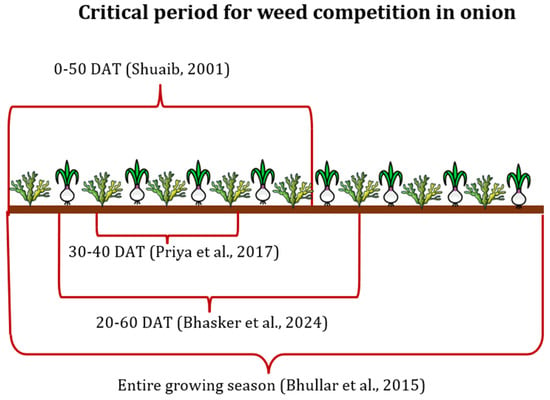
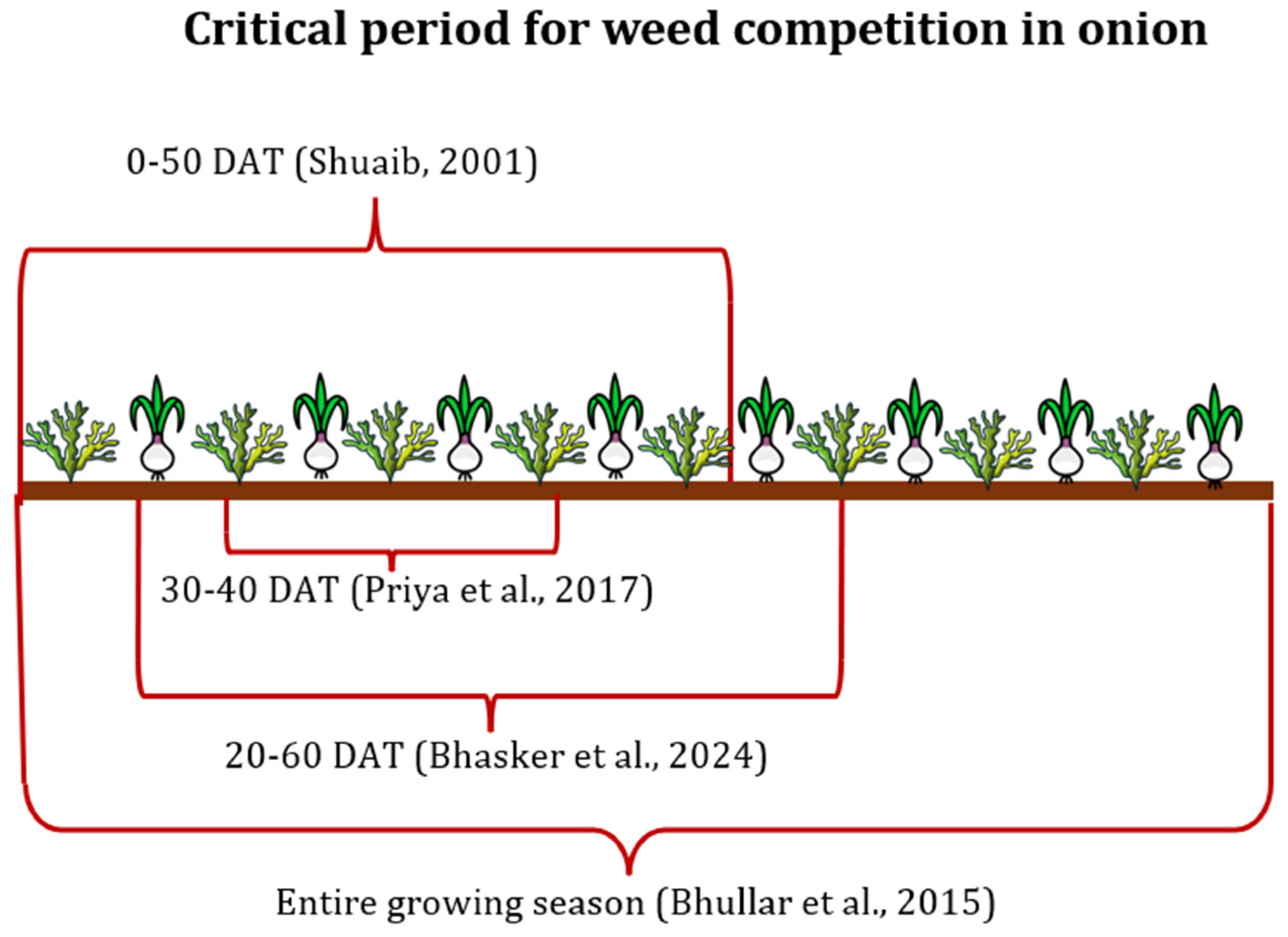

Disclaimer/Publisher’s Note: The statements, opinions and data contained in all publications are solely those of the individual author(s) and contributor(s) and not of MDPI and/or the editor(s). MDPI and/or the editor(s) disclaim responsibility for any injury to people or property resulting from any ideas, methods, instructions or products referred to in the content. |
© 2026 by the authors. Licensee MDPI, Basel, Switzerland. This article is an open access article distributed under the terms and conditions of the Creative Commons Attribution (CC BY) license.