


Abstract
Cadmium (Cd) accumulation in agricultural soils from prolonged phosphate fertilizer application threatens food safety in Southeast Asia, yet the combined performance of vermicompost (VC), biochar (BC), and Azolla microphylla for Cd immobilization remains poorly characterized. We evaluated their individual and combined effects in a Cd-spiked Korat soil (100 mg kg−1 Cd as Cd(NO3)2) under controlled laboratory conditions. A completely randomized pot experiment with eight treatment combinations (four amendment regimes × two Azolla levels, n = 3) was incubated for five weeks; total and exchangeable Cd, selected soil properties, and Eisenia fetida growth were assessed before and after treatment. The combined of soil, cadmium vermicompost and biochar (SCVB) + Azolla treatment reduced total Cd by 41.13% and exchangeable Cd by 81.02%, significantly outperforming single amendments, while raising organic matter to 6.31% and nitrogen (N), phosphorus (P), and potassium (K) availability. Principal component analysis (PCA) explained >98% of the variance and separated SCVB clearly from the unamended control along soil-quality and Cd axes. Strong negative correlations between Cd and fertility indicators (r = −0.86 to −0.96) indicated coupled immobilization and fertility recovery. A 5-day acute earthworm bioassay confirmed reduced soil toxicity under SCVB + Azolla, with growth inhibition reduced from 55.9% to 23.6%, mortality reduced from 26.7% to 10%, and tissue Cd accumulation reduced from 44.08 to 25.17 mg kg−1 (42.9% reduction). The integrated VC + BC + Azolla system offers a cost-effective amendment-assisted Cd immobilization strategy for tropical soils, pending field validation.
1. Introduction
Heavy metal contamination of agricultural soils has emerged as a critical environmental and public health concern worldwide, particularly in regions where intensive agricultural practices predominate [1]. Among the various heavy metals found in agricultural ecosystems, cadmium (Cd) ranks seventh on the Agency for Toxic Substances and Disease Registry (ATSDR) priority list of hazardous substances due to its persistence, bioaccumulation potential, and severe toxicity [2]. Cadmium exhibits toxicity to plants at concentrations 2–20 times lower than other heavy metals and is considered the fourth most toxic metal affecting vascular plants [3].
The primary anthropogenic source of cadmium in agricultural soils is phosphate fertilizer, derived from phosphate rock containing elevated Cd concentrations. Sedimentary phosphate deposits contain an average of 21 mg Cd/kg, with concentrations ranging from less than 1 to 150 mg/kg—approximately 69 times higher than non-phosphate rock sources [4]. Prolonged application of phosphate fertilizers has resulted in progressive Cd accumulation in agricultural soils, with documented contamination in water (0.02–0.06 mg/L) and sediment (0.31–0.42 mg/L) exceeding standard environmental limits [5]. Human health impacts are equally concerning, with studies reporting elevated urinary Cd excretion (>0.5 µg/g creatinine) in exposed populations and identifying female adolescents (ages 19–21) as a high-risk group for Cd-related kidney dysfunction [6]. Long-term phosphate fertilizer use additionally enriches agricultural soils with co-contaminant heavy metals such as As, Pb, and Cu, compounding the soil-quality and food-safety risks [7].
Various remediation technologies have been explored to address heavy metal contamination, including physical, chemical, and biological approaches. Among these, in situ immobilization using organic amendments has gained considerable attention due to its cost-effectiveness and environmental sustainability. Recent research has focused on integrating plants with microbial, physicochemical, or biological treatments to enhance remediation efficiency [8]. Organic soil amendments, including biochar and vermicompost, have shown promise in immobilizing heavy metals through adsorption, complexation, and pH modification mechanisms. Similarly, aquatic plants such as Azolla species have demonstrated phytoremediation potential through metal accumulation and soil fertility enhancement. Applied externally to degraded or contaminated soils, these materials collectively function as exogenous organic matter inputs as a strategy that simultaneously improves soil health, restores fertility, and reduces heavy metal bioavailability. However, research specifically examining Azolla’s role in cadmium immobilization within soil systems remains limited. Most existing studies on Azolla have focused on its application in water and wastewater treatment or as a nitrogen-fixing green manure, with comparatively little attention given to its capacity to reduce Cd bioavailability in contaminated agricultural soils or to its potential synergistic interactions with solid organic amendments such as biochar and vermicompost in a combined remediation system.
Despite individual studies on biochar, vermicompost, and Azolla as soil amendments, significant knowledge gaps remain regarding their combined application for heavy metal remediation. First, most existing research has evaluated these amendments in isolation, overlooking potential synergistic effects when applied together. Second, studies examining the relationship between Cd immobilization and simultaneous soil fertility enhancement are limited, particularly in tropical agricultural systems. Third, the exchangeable fraction of Cd, the most environmentally concerning form due to its mobility and bioavailability, has received insufficient attention in integrated amendment studies. Fourth, biological indicators of remediation success, such as earthworm bioassays, are rarely incorporated to validate reduced soil toxicity. These gaps are particularly critical for developing countries in Southeast Asia, where intensive fertilizer use has led to widespread Cd contamination requiring practical, low-cost remediation solutions. Fifth, the specific contribution of Azolla microphylla to Cd immobilization when applied as a supplement to solid organic amendments has not been systematically quantified, leaving its additive or synergistic remediation value uncharacterized in integrated treatment systems.
This study addresses these research gaps by investigating the synergistic effects of vermicompost, biochar, and Azolla microphylla as combined soil amendments for Cd immobilization. The specific objectives were to: (1) evaluate the effectiveness of individual and combined amendments in reducing total and exchangeable Cd concentrations; (2) assess the impact of treatments on soil fertility parameters including pH, electrical conductivity, and nutrient content; (3) examine correlations between Cd immobilization and soil property changes; and (4) validate remediation effectiveness using earthworm (Eisenia fetida) bioassays as biological indicators of reduced soil toxicity. The findings provide practical insights for the sustainable management of Cd-contaminated agricultural soils using locally available organic materials.
2. Materials and Methods
2.1. Research Location and Materials
This research was conducted for five weeks, from the beginning of January 2025, under controlled laboratory conditions at Khon Kaen University in the northeastern region of Thailand. Material preparation, pot experiments, physicochemical monitoring, and earthworm bioassays were conducted in the Vermitech Laboratory (16°28′39.3″ N and 102°48′44.9″ E). Soil property and chemical analyses were performed in the laboratory of the Department of Soil Science and Environment, Faculty of Agriculture, Khon Kaen University, Thailand (16°28′39.9″ N and 102°48′43.7″ E). The materials used in this experiment include Korat soil, representing the typical soil type found in Northeast Thailand [9]. Additionally, a commercially bamboo-derived biochar was used in this research, vermicompost, which was produced using tiger worms (Eisenia fetida) for the composting process, and Azolla microphylla, an aquatic plant cultivated in the Vermitech Laboratory (Table 1). All materials are characterized using selected physicochemical parameters relevant to soil amendment performance prior to application (Table 2). These materials were selected for their demonstrated capacity to enhance soil fertility and support the heavy metal immobilization process.
2.2. Experimental Setup
Prior to the Cd experiment, a two-stage preliminary phase was conducted. The first stage involved quality assessment of soil properties, physicochemical parameters, and background Cd content to confirm that nutrient composition met the required standards and that all tested materials were free of Cd contamination. The second stage involved the preparation of Cd-contaminated soil. The contaminant, Cd(NO3)2·4H2O (cadmium nitrate tetrahydrate) in deionized water [2,4,10], was applied to the soil with a concentration of 100 mg/kg, purchased from a chemical store. The experiment utilized a total of 24 pots, each with dimensions of 30 cm in height and 15 cm in diameter, and a protective layer underneath to prevent leaching [11]. Four amendment treatments with and without Azolla application were established under Cd-contaminated soil conditions. Detailed treatment compositions are presented in the table below.
Table 1.
Composition of soil amendment treatments under Cd-contaminated conditions.
Each treatment was supplemented with a sub-treatment group receiving 200 g of Azolla microphylla for each pot and was conducted in triplicate. Each treatment contains 3 kg of soil. All soils were spiked with 100 mg Cd kg−1. The experimental design used a completely randomized design and was conducted under proper laboratory room conditions at a temperature range of 25–30 °C. The experiment was conducted for five weeks to allow sufficient time for soil amendments to interact with soil properties, influence Cd mobility, and produce measurable changes in nutrient availability and cadmium speciation (Figure 1).
Figure 1.
Schematic of the 2 × 4 factorial pot experiment (n = 3 per cell) used to evaluate combined and individual effects of vermicompost (VC), biochar (BC), and Azolla microphylla on Cd-spiked Korat soil over a five-week incubation. Step 1: Characterization of Cd-free input materials (Korat soil, bamboo-derived biochar, vermicompost produced with Eisenia fetida, and laboratory-cultivated A. microphylla). Step 2: Spiking of 3 kg soil per pot with 100 mg Cd kg−1 as Cd(NO3)2·4H2O. Step 3: Assignment of pots to eight treatment combinations (four amendment regimes ± Azolla): T1 = SC (Cd-soil only); T2 = SCB (+10% biochar); T3 = SCV (+10% vermicompost); T4 = SCVB (+10% biochar + 10% vermicompost), each crossed with WA (without Azolla) or AA (with 200 g A. microphylla per pot). Step 4: Five-week incubation at 25–30 °C under a completely randomized design, with weekly monitoring of pH, EC, soil temperature and moisture, watering with 200 mL distilled water every two days, and a 0–120 h Eisenia fetida bioassay during the final week. Step 5: Pre- and post-treatment measurement of soil physicochemistry (pH, EC, OM, total N, available P, and exchangeable K), cadmium speciation (total Cd by USEPA 3050B; exchangeable Cd by 0.05 M Na2EDTA), both quantified by AAS, and the biological endpoint (earthworm growth, with 10 worms per pot).
2.3. Analysis of Soil Properties on Soil Amendment
The major properties were measured, including soil pH and electrical conductivity (EC), measured using a Mettler Toledo LE438 pH meter instrument and an Ohaus Aquasearcher AB33EC EC meter instrument with a ratio of 1:20 for before and after treatment. The soil pH, EC, and temperature were monitored using a HACH HQ4200 Portable instrument for weekly monitoring. Furthermore, parameters of total nitrogen (TN) using the Kjeldahl method [12], available phosphorus (AP) using the Olsen method [13], and exchangeable potassium (EK) using digestion with mixed acid (2:1 HNO3:HClO4) by atomic absorption spectroscopy (AAS) [14]. Other soil parameters, such as organic matter (OM) and organic carbon (OC), were determined using the Walkley and Black method [15].
2.4. Analysis of Cadmium Concentration on Soil Amendment
Cadmium concentration was determined in both total and exchangeable forms [2]. Cadmium total (TCd) on soil following the USEPA method for heavy metals analysis [14]. The reagents were concentrated nitric acid (HNO3) (70%), 30% hydrogen peroxide (H2O2), and concentrated hydrochloric acid (HCl). A 0.25 g soil sample was subjected to initial digestion with HNO3, added twice to ensure complete breakdown of solid material such as soil or sediment. This was followed by the addition of 30% H2O2 before introducing concentrated HCl, which binds heavy metals. Once the extract had cooled, it was filtered using Whatman No. 2 filter paper, transferred, and diluted to 50 mL with a volumetric flask. The filtrate was then placed into sample bottles for further analysis [14]. The exchangeable cadmium (ECd) is described as the main form of heavy metals that are easily absorbed and utilized by soil and crops. To determine ECd, the extraction solution was prepared from the reagent-grade disodium ethylenediaminetetraacetate (Na2EDTA) method [16]. The EDTA concentration was 0.05 M, and the pH value was 4.5, making exchangeable forms easy to bind. The experiments were performed at room temperature (22–24 °C). One gram of soil sample was used with a 20:1 liquid/solid ratio employed for extraction experiments. One gram of soil sample and 20 mL of EDTA solution were added to a polyethylene centrifuge tube. The tube was sealed with a lid, and the sample was shaken at room temperature for 1 h using an orbital shaker [17]. The suspensions were centrifuged at 6000 rpm for 15 min. After centrifugation, an aliquot was withdrawn from the supernatant, diluted, and analyzed for the exchangeable form of Cd.
2.5. Sample Collection
Soil samples for the experiment were collected from the uncontaminated topsoil (0–15 cm depth) at Khon Kaen University, air-dried, and sieved [2,14]. Samples were collected pre- and post-treatment (after 5 weeks) from each pot and experiment unit, and kept for further checking. Physicochemical analysis (pH, EC, temperature, and soil moisture) was monitored weekly, and the pot was watered every other day using 200 mL of distilled water to maintain soil moisture.
2.6. Earthworm Bioassay for Soil Toxicity Assessment
Soil toxicity assessments were conducted for each treatment to evaluate cadmium toxicity effects on earthworms (Eisenia fetida). Three biological endpoints were measured before and after treatment: (i) earthworm growth rate, calculated from individual body-weight change over the 120 h exposure; (ii) mortality rate, recorded at 48, 72, 96, and 120 h; and (iii) cadmium accumulation in earthworm tissue, quantified at the end of exposure to assess bioaccumulation.
The growth rate (GR) formula [18] shows
GR = (Weight gain (gr))/(initial body weight (gr)) × 100%,
Mortality rate (MR) was calculated at each observation time (48, 72, 96, and 120 h) as the percentage of dead earthworms relative to the initial number per replicate (10 individuals), following Equation (2). Earthworms showing no response to gentle mechanical stimulation were classified as dead.
MR (%) = (number of dead earthworms/10) × 100%,
The purpose was to determine whether the addition of treatment could effectively reduce Cd toxicity in contaminated soil. After being counted and weighed, earthworms were transported into Petri dishes using filter paper. A few drops of distilled water were applied to keep the earthworms moist. They were kept at 25 °C for 48 h, and filter papers were changed daily to allow a complete evacuation of their gut contents [19].
Heavy metal content in earthworms was determined using 0.2 g of dried and crushed earthworm samples. The sample was mixed with 8 mL of concentrated nitric acid (HNO3) and 2 mL of concentrated perchloric acid (HClO4) for 12 h and digested at 250 °C for 2 h. After cooling, the solution was made up to 50 mL using distilled water. Metal contents in earthworms were determined by AAS [18,20].
2.7. Data Analysis
Data from all experiments were entered and analyzed using Microsoft Excel for Microsoft 365 (Microsoft Corporation, Redmond, WA, USA) and Statistical Package for the Social Sciences (SPSS version 25 by IBM Corp., Armonk, NY, USA). Two-way analysis of variance (ANOVA) was conducted to determine the statistical analysis of mean concentration at a significance level of 95% confidence interval (p < 0.05) [21,22,23]. Tukey’s post hoc test was carried out to determine the pairwise comparisons of mean concentration. Pearson’s correlation coefficient and principal component analysis (PCA) [23] were performed and analyzed using the R software program version V.4.4.1 (R Foundation for Statistical Computing, Vienna, Austria). Microsoft Copilot (Microsoft Corporation, Redmond, WA, USA) was used to generate and refine R scripts for Pearson correlation heatmaps and principal component analysis (PCA) visualization. The input data consisted of numerical datasets derived from soil physicochemical parameters and cadmium measurements obtained in this study. AI-assisted prompts included technical scripting requests such as installing and loading R visualization libraries (e.g., corrplot); generating correlation heatmaps using specific visualization methods (e.g., method = “circle”, “color”, or “number”); adjusting plot symbols and graphical parameters; and refining PCA biplot visualization using the FactoMineR and factoextra packages. The authors carefully reviewed, verified, and edited all AI-generated outputs, and take full responsibility for the content of this publication.
3. Results
3.1. The Physicochemical Properties of Raw Materials
The physicochemical properties of raw materials are presented in Table 2. All materials were confirmed free of Cd contamination. Azolla exhibited the highest total nitrogen (0.535%), organic matter (3.40%), and exchangeable potassium (2.054%) contents, while vermicompost showed the highest EC (1167.33 µS/cm). Biochar had the highest pH (7.91), which contributed to its alkalizing effect on soil.
Table 2.
Raw material results.
3.2. Weekly Monitoring of Soil Physicochemical
Figure 2 presents the weekly monitoring of pH, temperature, EC, and soil moisture during the five-week incubation in Cd-contaminated soils treated with vermicompost (VC), biochar (BC), and their combination (VC + BC), under conditions without Azolla (WA) and with Azolla application (AA).
Figure 2.
Weekly monitoring of soil physicochemical parameters during the five-week incubation of Cd-contaminated Korat soil (initial spike: 100 mg Cd kg−1) amended with vermicompost (VC), biochar (BC), or their combination (VC + BC). Panels: (A) pH, (B) temperature (°C), (C) electrical conductivity (EC, µS cm−1), (D) volumetric soil moisture (%). Treatment codes: SC = Cd-contaminated soil only; SCB = SC + 10% biochar; SCV = SC + 10% vermicompost; SCVB = SC + 10% biochar + 10% vermicompost. Each treatment was applied with (AA) or without (WA) Azolla microphylla application (200 g per pot). Soil physicochemical parameters were monitored weekly across the five-week incubation. Each treatment was replicated three times (n = 3); shaded bands or error bars where shown represent ±1 SD.
Soil pH progressively increased across all treatments over the incubation period. The unamended Cd soil remained acidic (pH 5.6–6.2), while biochar amendment raised pH substantially (7.0–8.2) due to its liming effect. The combined VC + BC treatment yielded intermediate pH values (7.2–7.8). Soil temperature ranged from 20 °C to 27 °C with a gradual upward trend, with vermicompost-amended treatments showing slightly elevated temperatures.
EC exhibited the most pronounced treatment differences. Vermicompost-amended treatments (Soil Cd VC and Soil Cd VC BC) reached the highest EC values (1500–2000 µS/cm), reflecting the release of soluble salts and nutrients, while unamended soil remained low (200–400 µS/cm). AA-extracted samples consistently showed higher EC than WA samples. Soil moisture ranged from 56% to 78%, with vermicompost treatments exhibiting the highest moisture retention (75–78%) due to the water-holding capacity of organic matter.
Overall, biochar was most effective in raising soil pH, while vermicompost contributed most to increasing EC and moisture retention. The combined VC + BC amendment provided complementary benefits, and progressive changes over five weeks suggest that longer incubation times enhance the ameliorative effects of these organic amendments.
3.3. Result of Physicochemical Analysis Before and After Treatment
The physicochemical properties of Cd-contaminated soil were evaluated before and after treatment under WA and AA conditions (Table 3). Treatment effects (TRTs) and before–after treatment effects (BATs) were assessed using two-way ANOVA.
Table 3.
The treatment results of physicochemical items before and after.
Biochar-containing treatments (SCB and SCVB) maintained near-neutral to slightly alkaline pH (7.17–7.27), significantly higher than SC and SCV (group “a” vs. “b”; TRT: p ≤ 0.01, ***; BAT: p < 0.05, **). EC increased substantially in all treatments, with SCVB exhibiting the highest values (2813.33 µS/cm under AA), significantly different from SC (TRT: p < 0.05, **; BAT: p ≤ 0.01, ***).
OM content increased across all treatments, with SCVB reaching the highest level (6.31% under AA, % TE = 137.22%). Total N was greatest in SCVB (0.068% under AA; TRT: p ≤ 0.01, ***). Available P increased dramatically from baseline levels of 0.18–0.98 mg/kg to 7.61–18.16 mg/kg under AA, with SCVB consistently achieving the highest values. Exchangeable K showed similar trends, with SCVB under AA yielding the highest K content (0.177%, % TE = 90.3%).
In summary, the SCVB treatment consistently produced the most favorable soil conditions across all parameters, and Azolla application further augmented these improvements, demonstrating a synergistic effect between organic amendments and Azolla for simultaneous soil fertility improvement and Cd remediation.
3.4. Result of Cadmium Concentration Before and After Treatment
The treatment results of total and exchangeable cadmium (Cd) concentrations before and after remediation are presented in Table 4. All treatments were initially spiked with 100 mg/kg Cd. Two-way ANOVA was employed to assess the effects of treatment (TRT) and before–after treatment (BAT) on Cd reduction.
Table 4.
The treatment results of the cadmium concentration before and after.
For total Cd, the SCVB treatment achieved the highest cadmium reduction (CR) after incubation (20.13%), which further increased to 36.73% under WA and 41.13% under AA. In contrast, the SC treatment showed minimal reduction (5.33% after incubation; 8.69% under AA). Both TRT (p < 0.05, **) and BAT (p < 0.05, **) were significant, with SCVB significantly different from SC (group “a” vs. “b”).
Exchangeable Cd showed substantially greater reductions than total Cd. The SCVB treatment achieved the highest CR of 81.02% under AA (18.98 ± 0.003 mg/kg), compared to only 70.88% for SC. The BAT effect was highly significant (p ≤ 0.01, ***), confirming the effectiveness of treatment over time. The amendments were particularly effective at immobilizing the bioavailable Cd fraction, with Azolla consistently enhancing remediation across all treatments.
3.5. Correlation Between the Physicochemical Properties of Each Treatment
Pearson’s correlation analysis revealed pronounced antagonistic relationships between soil cadmium concentrations and soil fertility parameters across all treatments (Figure 3). Total cadmium (TCd) and exchangeable cadmium (ECd) exhibited very strong negative correlations with electrical conductivity (EC and TCd: r = −0.92; EC and ECd: r = −0.89), total nitrogen (N and TCd: r = −0.90; N and ECd: r = −0.94), exchangeable potassium (K and TCd: r = −0.92; K and ECd: r = −0.93), and organic matter (OM and TCd: r = −0.96; OM and ECd: r = −0.86), indicating that as soil fertility improved through amendment application, cadmium availability declined correspondingly. A moderate negative correlation was observed between pH and TCd (r = −0.47), suggesting that the alkalizing effect of amendments, particularly biochar, contributed to cadmium immobilization through precipitation and adsorption mechanisms. Conversely, strong to very strong positive correlations were found among soil fertility indicators: EC and OM (r = 0.91), N and K (r = 0.96), K and OM (r = 0.94), and EC and N (r = 0.88), reflecting the synergistic improvement of multiple soil properties under combined amendment treatments. The strong positive correlation between TCd and ECd (r = 0.87) confirms that total cadmium concentration reliably predicts the bioavailable fraction across treatment conditions.
Figure 3.
Pearson correlation matrix of all measured soil physicochemical and cadmium parameters across treatments and timepoints (n = 24 per parameter). Variables: pH; EC, electrical conductivity; OM, organic matter; TN, total nitrogen; AP, available phosphorus; EK, exchangeable potassium; TCd, total cadmium; and ECd, exchangeable cadmium. Cell color intensity reflects the magnitude of the correlation coefficient (r), with positive correlations in blue and negative correlations in red; numerical r values are displayed within each cell. Correlation strength was classified as: very weak (|r| 0.10–0.19), weak (0.20–0.39), moderate (0.40–0.59), strong (0.60–0.79), and very strong (0.80–0.99). The matrix was generated in R v4.4.1.
3.6. The Principal Analysis Compound Between Soil Physicochemical and Cadmium Concentration
Principal component analysis (PCA) effectively summarized treatment-related differences in soil physicochemical properties and cadmium dynamics (Figure 4). The first principal component (PC1) accounted for 95.4% of the total variance, while the second component (PC2) explained 2.8%, yielding a cumulative explained variance of 98.2%. This high proportion indicates that the PCA biplot provides a reliable representation of treatment separation based on the measured parameters. Soil fertility variables (EC, TN, AP, EK, and OM) loaded strongly and positively on PC1, while TCd and ECd loaded strongly and negatively on the same axis. SCVB treatment groups were positioned at the positive end of PC1, closely associated with fertility-enhancing variables, whereas SC and SCB treatment groups clustered near the origin or the negative end, indicating inferior soil quality and higher residual cadmium. The SCV treatment group occupied an intermediate position. Azolla application (AA) consistently shifted treatment groups toward higher PC1 scores, confirming the additive contribution of Azolla to soil fertility improvement and cadmium immobilization. The clear separation of SCVB (AA) from the unamended control (SC) on the biplot provides multivariate evidence for the synergistic remediation performance of the combined amendment system.
Figure 4.
Principal component analysis (PCA) biplot of soil physicochemical and cadmium parameters across the eight treatment combinations (n = 24 observations; 4 amendment regimes × 2 Azolla levels × 3 replicates). Variable loadings (blue arrows): pH; EC, electrical conductivity; OM, organic matter; TN, total nitrogen; AP, available phosphorus; EK, exchangeable potassium; TCd, total cadmium; and ECd, exchangeable cadmium. Treatment groups are color-coded by amendment (SC, SCB, SCV, and SCVB) and Azolla level (filled = AA; open = WA). PC1 explains 95.4% of variance; PC2 explains 2.8%; and cumulative explained variance = 98.2%. The biplot was generated in R v4.4.1 using the FactoMineR and factoextra packages.
3.7. The Earthworm Assessment for Remediation Treatment
The effect of cadmium (Cd)-contaminated soil amendments on earthworm (EW) growth rate was evaluated by comparing body weight before and after a 120 h exposure period under different treatment conditions (Table 5). Prior to treatment, earthworms had an initial mean body weight of 1.27 ± 0.005 g. Two bioassay conditions were assessed: without Azolla (WA) and with Azolla application (AA).
Table 5.
The effect of Cd-contaminated soil in different amendments on the EW growth rate.
Results from the two-way ANOVA revealed that treatment (TRT), time, and before–after treatment (BAT) all had significant effects on earthworm growth. The treatment factor was significant at the medium level (p = 0.032, **), while both the time factor and BAT factor were highly significant (p = 0.000, ***).
In the soil control (SC) treatment, earthworm body weight decreased substantially, with a 55.9% reduction under WA (0.56 ± 0.003 g) and a 55.12% reduction under AA (0.57 ± 0.002 g), indicating severe growth inhibition in unamended Cd-contaminated soil (Table 5). In contrast, the amended treatments significantly mitigated the adverse effects of Cd contamination on earthworm growth. The soil with biochar (SCB) treatment reduced the percentage decrease in growth to 31.50% (WA) and 30.70% (AA). The soil with vermicompost (SCV) treatment further improved earthworm survival, with growth reductions of only 29.92% (WA) and 26.78% (AA). The most effective treatment was the combined soil with vermicompost and biochar (SCVB), which exhibited the lowest percentage decrease in growth at 29.13% (WA) and 23.62% (AA). Mean separation analysis confirmed that all amended treatments (SCB, SCV, and SCVB) were significantly different from the unamended control (SC), as indicated by the letter groupings (a vs. b) at p ≤ 0.05.
Notably, the application of Azolla consistently enhanced the protective effect of amendments. Under AA conditions, earthworm body weights were slightly higher across all amended treatments compared to WA, with the SCVB treatment under AA yielding the highest post-exposure body weight (0.97 ± 0.002 g) and the lowest growth reduction (23.62%).
These findings suggest that the combination of vermicompost and biochar, particularly when supplemented with Azolla, provides the most effective remediation strategy for reducing Cd bioavailability and mitigating its toxic effects on earthworm growth in contaminated soils.
Mortality of E. fetida in Cd-spiked soil progressively increased over the 120 h exposure in the unamended Cd-only control (Table 6), rising from 20% at 48 h to 26.7% at 120 h. In contrast, all amendment-treated soils stabilized mortality at 10% across every time point (48, 72, 96, and 120 h), regardless of Azolla application, representing a 50–62% reduction in mortality relative to the unamended control. The sole exception was T1 (Cd-soil only after Azolla addition), which retained a 20% mortality, indicating that Azolla alone, without solid amendments, was insufficient to ameliorate Cd toxicity. Two-way ANOVA returned highly significant effects for treatment (TRT: p < 0.001, ***), time (p < 0.001, ***), and before–after treatment (BAT: p < 0.001, ***), confirming that all three factors contributed meaningfully to mortality outcomes. The plateau at 10% mortality from 48 h onwards in the amendment-treated soils suggests that the surviving population reached a stable acclimated state once Cd bioavailability had been reduced.
Table 6.
Mortality rate (%) of Eisenia fetida in Cd-contaminated soils amended with biochar, vermicompost, and Azolla microphylla, recorded at 48, 72, 96, and 120 h of exposure (n = 3 replicates of 10 worms per treatment).
Beyond growth and survival, cadmium accumulation in earthworm tissue was directly measured to evaluate whether amendments translated into reduced internal exposure. Earthworms exposed to Cd-contaminated soil prior to treatment accumulated 44.08 mg Cd kg−1 dry weight in their tissues, ~105-fold higher than the unexposed baseline of 0.42 mg Cd kg−1, confirming that 100 mg Cd kg−1 spike conditions produce substantial bioaccumulation despite the relatively short 120 h exposure (Table 7). Across all amendment treatments, post-treatment tissue Cd was reduced compared with the unamended Cd-only condition. Without Azolla, T2 (SCB), T3 (SCV), and T4 (SCVB) reduced tissue Cd to 33.75, 31.00, and 30.08 mg kg−1 respectively, corresponding to 23–32% reductions; with Azolla, the corresponding values fell further to 30.75, 29.67, and 25.17 mg kg−1, with the SCVB + AA combination producing the lowest tissue Cd and a 42.9% reduction relative to the Cd-only baseline. Two-way ANOVA showed that the before–after treatment factor was highly significant (BAT: p = 0.002, **), confirming that amendment application together with Azolla significantly reduced earthworm Cd uptake; the treatment factor alone was not significant (TRT: p = 0.235, NS), reflecting the gradual rather than stepwise differences among amendment regimes and the conservative variance estimate at n = 3. Tukey’s post hoc grouping placed T3 and T4 in a homogeneous subset (label “a”) that was statistically distinguishable from T1 (label “b”), supporting the conclusion that vermicompost-containing treatments meaningfully limited Cd bioaccumulation in earthworm tissue.
Table 7.
Cadmium concentration (mg kg−1 dry weight) in Eisenia fetida tissue before and after treatment with biochar, vermicompost, and Azolla microphylla in Cd-contaminated soil. Initial baseline (unexposed) tissue Cd = 0.42 ± 0.001 mg kg−1.
4. Discussion
4.1. Weekly Monitoring of Soil Physicochemical Properties
The research used a weekly monitoring approach to understand dynamic changes in soil parameters during the remediation process. This approach was conducted to evaluate dynamic changes in soil physicochemical properties during the remediation process.
Cd contamination influenced soil chemical properties and affected fluctuations in soil pH during the incubation period [10]. The BC served as the main agent responsible for the pH increase [24]. On the other hand, VC typically has a neutral pH, ranging from 6 to 7 [25]. T4 provided the most stable pH values, ranging from 7.2 to 7.8. This condition may support nutrient availability and Cd immobilization processes [26]. The treatments with Azolla showed relatively stable values compared to those without Azolla.
The temperature result showed a range of values that did not differ significantly across treatments. Ranging between 22 and 26 °C related to the surrounding environment [27]. The EC results demonstrated significant differences between treatments. The EC values tended to increase more dramatically in WA treatment, especially involving biochar and vermicompost [28]. However, the increase in EC in AA was more stable, likely due to the gradual decomposition of Azolla, which steadily released nutrients into the soil solution.
The result of soil moisture values ranged from 60% to 70%. This consistency highlights the importance of maintaining adequate soil moisture, as it directly affects the efficiency of the remediation process and nutrient dynamics [29]. T4 showed the greatest increases in EC and nutrient availability, likely due to the combined effects of biochar, vermicompost, and Azolla addition that enhanced nutrient retention and soil fertility improvement [20,30]. Conversely, T1 showed the least improvement in soil properties throughout the monitoring period.
4.2. The Result of the Physicochemical Analysis Before and After Treatment
Across all treatments, biochar-containing amendments were the most effective at raising soil pH, primarily because biochar’s high carbonate and ash content introduces alkaline compounds that neutralize soil acidity and promote the formation of calcium and magnesium hydroxides [31,32]. The SCB treatment produced the most rapid pH increase (10.82%), reflecting biochar’s inherent alkalinity. Meanwhile, the moderate pH increase in SCVB (final pH 7.15) likely resulted from buffering interactions between biochar and organic acids released during vermicompost decomposition, producing a more stable near-neutral pH condition [33]. The relatively neutral starting pH (7.01) may also have limited the magnitude of pH increase, consistent with previous findings regarding pH-dependent biochar effectiveness [28]. Another contributing factor to the minimal increase in pH is the timing of sample measurement. The BAT data were collected before the 30-day observation period. At this point, the effect of BC had not yet reached its full potential. This condition is further supported by the weekly pH monitoring graph, which shows that the pH at the first weekly measurement (before treatment) was approximately 7.4. Furthermore, the incorporation of vermicompost and Azolla microphylla likely enhanced soil buffering capacity through increased organic matter inputs [25].
The pronounced increase in EC across all amended treatments reflects the release of soluble ions from decomposing organic materials into the soil solution. Treatment of SCVB had the greatest impact on increasing soil EC, followed by SCB and SCV, which fell into the same subset with moderate effects. The increase in EC under Azolla-amended treatments may be associated with nutrient release during decomposition, particularly nitrogen, potassium, and phosphorus [29]. SCB is offering a simpler option with similar risks; EC rose from 457 to 1347 µS/cm (WA) and 1972.67 (AA). The porous nature of BC likely enhanced ion retention and nutrient release, which was further amplified by the decomposition process. BC enhances nutrient retention and cation exchange capacity, thus improving soil conductivity [31]. While the VC treatments provides soluble nutrient cycling and organic compounds for contributing EC improvement [25,26], Although EC increased across amended treatments, the observed values remained below the commonly reported salinity threshold for agricultural soils, suggesting that nutrient release from organic amendments occurred without excessive salinity stress [34,35], which is the values of EC in the normal level are below 4 dS/m or 4000 µS/cm [36].
The substantial increase in soil organic matter (OM) under the SCVB treatment (from 2.66% to 6.31%) reflects the combined inputs of vermicompost’s stabilized humic substances and Azolla decomposition products. Vermicompost contributes a heterogeneous mixture of humic acids, fulvic acids, and microbial biomass, which not only directly raise OM content but also stimulate indigenous microbial communities that further mineralize and transform organic residues [25]. Biochar, although relatively recalcitrant, contributes to OM retention indirectly by adsorbing dissolved organic carbon onto its porous surface and by reducing microbial oxidation of labile organic fractions [28]. In addition, Azolla decomposition contributes labile organic compounds that may support organic matter turnover and nutrient release. The increase in OM is mechanistically significant because it enhances cation exchange capacity, improves water retention, and provides additional binding sites for Cd immobilization [26,37].
The significant increase in total nitrogen (TN) under SCVB with Azolla application is attributable to multiple complementary pathways. Vermicompost supplies stabilized organic nitrogen that undergoes slow mineralization, providing a sustained supply of plant-available nitrogen [36]. Azolla, through its symbiotic association with the nitrogen-fixing cyanobacterium Anabaena azollae, introduces biologically fixed nitrogen directly into the soil system, making it one of the few organic amendments capable of net nitrogen addition rather than mere redistribution [38]. In addition, decomposition of organic amendments possibly contributed to gradual nitrogen release throughout the incubation period [39].
The dramatic increase in available phosphorus (AP) under SCVB treatment from 0.18 mg/kg to 6.85 mg/kg reflects the combined influence of pH shift and organic matter enrichment on phosphorus solubility and bioavailability. AP in soil is strongly influenced by pH, with levels increasing significantly as the pH moves towards neutrality. At lower pH values, phosphorus is likely bound in complexes with other metals (such as iron or aluminum), rendering it less available. However, when the pH rises towards neutrality, these complexes begin to dissolve, releasing phosphorus into the soil solution [24,29,40]. Phosphate also plays a critical role in retarding cadmium transport in natural soils through several mechanisms. The mechanism is through electrostatic interaction, which helps immobilize cadmium in the soil [41]. When phosphate is added to soil with cadmium contamination, it can lead to the formation of cadmium-phosphate precipitates like Cd3(PO4)2, which are much less soluble than other cadmium forms.
The improvement in exchangeable potassium (EK) under combined treatments, most prominently in SCVB (treatment effect 90.32%), can be explained by several interconnected mechanisms. Vermicompost and Azolla both supply organic potassium that becomes plant-available upon decomposition, while biochar enhances potassium retention through its high CEC and porous structure that reduces leaching losses. The shift toward near-neutral pH across amended treatments is additionally important because potassium availability at cation exchange sites increases as hydrogen ion competition declines [42]. Furthermore, Cd contamination itself may contribute to potassium release from soil mineral matrices through ion exchange, whereby Cd2+ displaces K+ from clay mineral interlayers, temporarily increasing exchangeable potassium pools as observed in similar studies [41,43]. The shift in soil pH toward neutral-to-slightly alkaline conditions could have contributed to this process, as potassium tends to be more available under near-neutral pH conditions [44]. Furthermore, cadmium might have disrupted soil minerals, potentially releasing potassium that was previously bound within the mineral matrix [35,37,39].
4.3. The Cadmium Concentration Effect After Treatment
Cadmium concentration in the study was evaluated as two distinct fractions: total cadmium (TCd), representing all forms of Cd regardless of binding state, and exchangeable cadmium (ECd), representing the mobile and bioavailable fraction most relevant to environmental and toxicological risk. The SCVB treatment consistently produced the greatest reductions in both fractions, confirming that the combination of amendments operates through multiple complementary immobilization mechanisms. In contrast, the untreated soil showed only limited Cd reduction, decreasing from 94.67 to 92.80 mg/kg (WA) and 91.31 mg/kg (AA). This limited reduction is attributable to the absence of amendments capable of elevating pH or supplying organic binding sites, with only minor physicochemical interactions between Cd ions and the unmodified soil matrix. The addition of BC (SCB) reduced Cd concentration from 87.73 to 85.53 mg/kg (WA) and 79.33 mg/kg (AA). The high surface area and cation exchange capacity of biochar can possibly immobilize Cd through surface adsorption and complexation mechanisms [38]. The SCV treatment reduced Cd levels from 86.88 to 80.20 mg/kg for WA and to 77.33 mg/kg (AA). Previous studies have reported that VC is known as an indicator that caused the increased of microbial activity and organic matter turnover [45,46,47], which may contribute to Cd immobilization through surface complexation and the formation of stable organic complexes [48,49]. Although the microbial activity was not directly assessed in the present study, the addition of Azolla microphylla further enhanced Cd reduction across treatments, possibly through the release of dissolved organic matter and organic ligands [50] during decomposition, which may affect the interactions between Cd and soil organic constituents and thereby support Cd immobilization [44,51,52,53]. Combination treatment resulted in a significant reduction in Cd concentration, from 79.87 to 63.27 mg/kg (WA) and to 58.87 mg/kg (AA). This enhanced reduction likely reflects complementary immobilization mechanisms provided by biochar, vermicompost, and Azolla. Biochar contributes through adsorption and cation exchange processes, while vermicompost and decomposed Azolla supply organic matter and dissolved organic compounds that may support Cd stabilization and retention in soil [24,54].
The exchangeable Cd fraction is the most environmentally and toxicologically relevant form because it is directly bioavailable for plant uptake and soil organism exposure. The substantially greater reductions in ECd compared to TCd across all treatments highlight the particular effectiveness of these amendments in targeting the mobile fraction rather than merely diluting total Cd. Treatment SCVB with Azolla application showed the lowest ECd concentration among all treatments, reaching 18.98 mg/kg and achieving a more than 81% reduction. The superior performance of SCVB in immobilizing ECd reflects the complementary roles of biochar, vermicompost, and Azolla in Cd immobilization biochar provides charged surface sites for Cd adsorption via inner-sphere complexation while vermicompost contributes humic and fulvic acids that form stable organometallic complexes; in addition Azolla decomposition dissolved organic matter and labile organic ligands capable of forming Cd–organic complexes, thereby reducing the proportion of mobile and bioavailable Cd species in soil [48]. The ECd typically represents around 20–40% of the total Cd concentration in contaminated soils [33], depending on soil type, pH, organic matter content, and the presence of amendments [26]. In this study, the ECd values fall within this range, indicating that the treatments successfully reduced the bioavailable cadmium fractions.
A complementary mechanistic dimension of these results is the role of dissolved organic matter (DOM) released from the amendments. Vermicompost decomposition and biochar surface leaching produced DOM rich in carboxyl (–COOH) and phenolic hydroxyl (–OH) functional groups; these act as σ-ligands, donating lone-pair electrons to Cd2+ orbitals to form Cd–DOM complexes whose stability depends on pH, ionic strength, and DOM molecular weight distribution [55]. Two opposing pathways are possible. High-molecular-weight humic-like DOM tends to form insoluble Cd–humate complexes that immobilize Cd, whereas low-molecular-weight fulvic and protein-like fractions can form soluble Cd–DOM species that may transiently increase Cd mobility before being re-adsorbed onto biochar surfaces or co-precipitated at higher pH. In our system, the simultaneous increase in pH (7.01 → 7.15 in SCVB), increase in OM (2.66% → 6.31%), and reduction in exchangeable Cd (~81%) are consistent with a net immobilizing role for the DOM produced: the rise in pH suppresses Cd2+ activity in solution while DOM functional groups bind residual Cd onto solid-phase surfaces, producing a coupled pH–DOM stabilization pathway rather than DOM-mediated mobilization. This interpretation is consistent with recent work showing that DOM addition reduces Cd mobility once the system equilibrates beyond an initial labile phase [56].
Beyond the abiotic immobilization pathways discussed above, both vermicompost and Azolla microphylla introduce documented biological communities into the amended soil system, providing an inherent—though not separately quantified—microbial dimension to the observed Cd reduction. Vermicompost is widely characterized as a biologically active amendment that delivers a defined consortium of plant growth-promoting rhizobacteria, including Bacillus, Pseudomonas, Streptomyces, Azotobacter, and Azospirillum spp., concentrated through the earthworm gut during vermicomposting [57]. These genera are recognized as effective heavy metal immobilizers through multiple mechanisms: extracellular polysaccharide (EPS) production with metal-binding carboxyl, hydroxyl, and phosphoryl functional groups; siderophore secretion that forms stable complexes with Cd, Cu, Zn, and Pb; and bio-mineralisation that promotes Cd sequestration into less mobile mineral phases [58]. Vermicompost application has been shown to counteract the suppressive effect of Cd on indigenous soil bacterial communities and to enrich beneficial bacterial groups, with the recent study of Huang et al. [59] reporting a 55.94% increase in Cd2+ adsorption capacity following vermicomposting of organic waste, attributed jointly to amplified surface functional groups and to assembly of a more diverse, Cd-tolerant microbial community in the amended soil. In parallel, the Azolla microphylla component contributes the cyanobacterial endosymbiont Anabaena azollae, which constitutes 36–54% of the Azolla core microbiome and remains dominant under Cd exposure [53]; cyanobacteria of the Anabaena genus are well-documented Cd biosorbents through EPS-mediated complexation [60]. Liu et al. [61] directly demonstrated that Azolla incorporation into Cd-contaminated soil reduced soluble Cd by 37%, mediated by Azolla-driven shifts in soil redox potential and enrichment of methanotrophic and nitrifying bacteria (notably Methylobacter and Nitrospira) that elevated dissolved organic carbon and lowered Cd bioavailability. Although the present study did not directly characterize the soil microbiome under each treatment, the convergent literature indicates that vermicompost and Azolla together import phylogenetically distinct but functionally complementary microbial communities into the soil, both with established Cd-binding and Cd-detoxifying capacities. This biological component, combined with the physicochemical mechanisms (pH elevation, surface adsorption on biochar, and DOM–Cd complexation), provides a coherent multi-pathway explanation for the superior performance of the SCVB + AA treatment.
4.4. Correlation Between the Physicochemical Properties of Each Treatment
Correlation analysis was conducted to identify the relationships between each soil parameter within each treatment. The Pearson correlation coefficient (r) ranges from −1 to +1, where values approaching +1 indicate a perfect positive (synergistic) relationship and values approaching −1 indicate a perfect negative (antagonistic) relationship. Correlations were classified as: very weak (r = 0.10–0.19), weak (0.20–0.39), moderate (0.40–0.59), strong (0.60–0.79), very strong (0.80–0.99), or perfect (1.00). A negative correlation value implies an antagonistic interaction [62,63], where an increase in one parameter leads to a decrease in the other, and otherwise.
Weak correlation is represented by the relationship between pH and ECd (r =−0.33) and the relationship between pH and Total N (r = 0.39). This negative correlation indicates that as pH increases, the level of ECd decreases. The negative correlation observed between soil properties as a whole and cadmium concentration in the soil is theoretically reasonable. Cd is expected to create antagonistic interactions with nutrients and other materials in the soil. As pH increases (toward neutral or alkaline conditions), Cd becomes less soluble and is more likely to bind to soil particles or precipitate as cadmium hydroxide (Cd(OH)2) [64]. The low correlation value reflects the fact that while pH does influence ECd, other factors such as soil texture, organic matter content, and cation exchange capacity (CEC) also play significant roles [47]. These factors can dilute the direct impact of pH on cadmium availability, making the relationship weaker than expected.
Moderate correlations are observed in pH and K (r = 0.44). Each nutrient has an optimal pH range where its availability is maximized. For example, N in nitrate form (NO3−) is most available in soils with a pH between 6.0 and 7.5. The activity of microbes involved in N transformation, such as nitrification, can be inhibited under extreme pH conditions. Nitrogen availability is often influenced by other factors, such as organic matter content, which may play a more dominant role than pH [39,65]. In contrast, phosphorus availability is highest in soils with a pH range of 6.0 to 7.0, while K remains relatively available across a wider pH range (5.5 to 8.0). Similarly, potassium availability is not directly affected by changes in pH but is more influenced by the soil’s CEC. Additionally, other factors like soil texture and organic matter content may have a greater impact on potassium availability than pH [39,66]. These interactions suggest minor influences between these parameters, possibly due to limited chemical or biological interdependence at varying pH levels. Another moderate correlation is represented by positive relationships between pH and EC (r2 = 0.408), pH and K (r = 0.408), and pH and OM (r =0.450). The relationship between pH and EC can be attributed to the theory that slightly higher pH levels, particularly near neutral or slightly alkaline conditions, promote the solubility of certain nutrients and minerals, increasing the concentration of ions in the soil solution and thus improving EC [67]. The availability of K tends to rise at optimal pH ranges because reduced hydrogen ion competition at higher pH levels allows potassium to remain more accessible at cation exchange sites [65]. Meanwhile, the correlation between pH and OM reflects the perfect conditions that near-neutral pH provides, facilitating the decomposition and stabilization of organic matter. However, these correlations are moderate rather than strong, indicating that factors beyond pH, such as soil texture, moisture, and other metal types like zinc and magnesium, might influence such results. The negative moderate correlation is observed between pH and TCd (r2 = −0.471). The results are likely strongly influenced by ion competition in the soil for Cd binding. Cd exhibits a significant relationship with soil pH [47], as varying pH ranges under different conditions can directly impact the solubility and availability of Cd. The lower pH levels affect Cd to remain in its soluble form, increasing its mobility and bioavailability. As pH increases toward neutral or alkaline conditions, cadmium becomes less soluble, making adsorption onto soil particles or precipitate into stable compounds [64].
Strong positive correlations are observed in the relationships between EC and P (r = 0.71), N and P (r = 0.64), and P and K (r = 0.71). EC measures the concentration of soluble ions in the soil, including nutrients like phosphorus. Phosphorus availability in soil is highly dependent on its solubility, which increases under favorable pH and ion activity conditions [48]. Same condition with relationship for Total N also K. This synergy is particularly evident in soils with optimized nutrient management or amendments, the addition of BC or VC, even Azolla, which enhances both EC and phosphorus availability.
These correlations highlight synergistic interactions between nutrients, likely driven by complementary roles in soil chemistry and nutrient cycling. Strong negative correlations are represented by the relationship between P and TCd (r = −0.74) and P and ECd (r = −0.67). This situation was similar to positive correlations (with the same range of values), but the interaction observed here is antagonistic. A previous study by Ming et al. highlighted that ion competition within the soil often necessitates the occurrence of negative interactions [68]. This suggests that as one parameter’s availability increases, another parameter’s presence is diminished, due to competing dynamics at ion exchange sites or the chemical interactions driving nutrient and pollutant behavior in the soil.
Very strong positive correlations are observed in the relationships between EC and N (r = 0.88), EC and K (r = 0.89), and EC and OM (r = 0.91). Similarly, N and K (r = 0.96), N and OM (r = 0.87), P and OM (r = 0.85), K and OM (r = 0.94), and TCd and ECd (r = 0.874). The data reveal very strong positive correlations among several key soil properties. When EC increases, there is an enhancement in nutrient availability and OM content [42], likely due to higher ionic activity in the soil that facilitates nutrient solubility and organic matter decomposition. Other results highlight the interconnected nature of soil nutrients and properties, where improvements in one factor often coincide with enhancements in others [67]. These findings highlight the importance of nutrient retention and cycling processes, as well as the consistency in Cd dynamics at various soil conditions.
Furthermore, the very strong negative correlations between most of the soil properties, which are: EC and TCd (r = −0.92), EC and ECd (r = −0.89), N and TCd (r = −0.9), N and ECd (r = −0.94), K and TCd (r = −0.92), K and ECd (r = −0.93), OM and TCd (r = −0.96), and finally OM and ECd (r = −0.86). This significant antagonistic correlation highlights how the presence of Cd in the soil disrupts the availability and dynamics of essential nutrients and soil properties.
Cd has a strong influence on soil pH and its interactions with other components. When Cd concentrations increase, nutrients like N, K, and OM become less available due to competitive ion interactions or Cd’s ability to alter soil chemistry [69]. For example, Cd can reduce CEC or bind to critical sites in the soil [70], preventing essential nutrients from maintaining their usual functions. This antagonistic effect is further amplified by the solubility dynamics of Cd, which are sensitive to soil pH and other environmental conditions [64,66,67]. These findings suggest a systematic disruption caused by Cd, where its increased presence correlates with the diminished availability of vital soil components.
4.5. The Principal Analysis Compound Between Soil Physicochemical and Cadmium Concentration
The PCA figure illustrates the multivariate relationships among the soil chemical properties under four different treatment groups (SC, SCB, SCV, and SCVB). The first principal component (Dim1) shows 95.4% of the total variance, while the second component (Dim2) accounts for 2.8%, together capturing 98.2% of the total variation in the dataset. This high cumulative variance indicates that the PCA effectively summarizes the differences among treatments based on the measured soil parameters.
The blue arrows represent the soil chemical properties, including TCd, ECd, EK, OM, AP, soil pH, EC, and TN. The length and direction of each arrow reflect the strength and influence of each variable on the PCA dimensions. Notably, TCd and ECd point strongly in the negative direction of Dim1, indicating their association with treatment groups showing higher residual cadmium and lower soil fertility, particularly the unamended SC group. This pattern confirms that treatments lacking combined amendment inputs were less effective at reducing cadmium availability.
Conversely, variables such as OM, pH, EC, P, and N show strong positive loadings on Dim1, clustering around the SCVB treatment group, which demonstrates the effectiveness of the combined treatment of BC and VC in improving soil fertility parameters while simultaneously reducing Cd mobility. Treatment groups for SC and SCB were positioned closer to the biplot origin, suggesting moderate soil quality conditions, with SCB showing slight improvement over SC due to biochar addition. The clear positioning of SCVB samples near fertility-related variable vectors, and their spatial separation from Cd-related vectors, provides multivariate evidence of the synergistic effect of combined BC and VC application on soil quality.
This analysis highlights the potential of organic amendments, particularly in combination, to remediate Cd-contaminated soil by improving nutrient availability and reducing heavy metal bioavailability. This result is consistent with previous studies reporting the benefits of BC and VC in soil remediation [18,71]. The PCA biplot provides a clear and concise visualization of the effectiveness of each treatment, supporting the combined use of biochar, vermicompost, and Azolla microphylla as a sustainable strategy for managing Cd-contaminated agricultural soils.
4.6. The Earthworm Assessment for Remediation Treatment
An acute soil-toxicity screening assay was conducted using earthworms (Eisenia fetida). A total of 10 carefully selected earthworms were placed into containers with each soil-amendment treatment, broadly following the OECD Earthworm test framework [19]. We note that the 120 h exposure used here is shorter than the 14 d specified in OECD Guideline 207 (acute) and the 28 + 28 d duration of OECD 222 (reproduction); the abbreviated duration was chosen to enable within-replicate comparison across the eight treatment combinations within the 5-week incubation window, and the assay should therefore be interpreted as an acute screening of soil toxicity rather than as a standardized chronic toxicity test.
Eisenia fetida is the most widely used species in ecotoxicological investigations and may be used as a valuable bio-indicator for monitoring soil contamination [72]. The toxicity assessment was performed across all treatments to evaluate the adverse effects of VC, BC, and Azolla on Cd-contaminated soil. It measured earthworm (EW) growth parameters at pre- and post-treatment intervals. The reduction in cadmium toxicity through EW bioassays, with the assumption that successful remediation would result in decreased adverse effects on EW survival and growth compared to baseline conditions.
The result of this data is portrayed by the table that contains the value of earthworm body weight at some specific hour, as well as the treatment effect. Statistically measured by two-way ANOVA at a 95% confidence level (p-value: 0.005) using three factors, which are: treatment (SC, SCB, SCV, and SCVB), time (48–120 h), and BAT.
The EW activity was monitored every 24 h for up to 120 h (5 days). Changes were observed hourly, and comparisons were made between the initial growth rate and the biomass at 120 h. Additionally, the percentage reduction in biomass was calculated for each treatment. The total observed biomass was 12.69 g, with an average weight per worm of 1.27 g.
The findings show the impact of research treatments on the biomass rates of Eisenia fetida, utilized as bioindicators due to their well-established capacity to bioaccumulate pollutants. Before the treatment, earthworms were placed in a Cd-contaminated soil box (SC) for initial testing. Comparisons were then made with other treatment groups. After 120 h, results showed that EW in treatments with and without Azolla experienced the most significant weight loss, reaching 50%, confirming the negative impact of heavy metals on earthworm physiology. EW serve as effective bioindicators, demonstrating resilience to cadmium contamination. However, as seen in previous tables, earthworms in T1 experienced a significant biomass reduction. This study suggests that testing with EW provides evidence that Cd increases the long-term mortality risk for certain organisms [73] when no organic agents, such as VC or BC, are applied. In contrast, in the short term, Cd plays a key role in the biomass degradation of exposed organisms. These findings align with previous studies [67,74] demonstrating the detrimental effects, such as assessing impacts on mortality, weight loss, cocoon production, and viability [30].
When Cd enters the earthworm’s body, it leads to the formation of reactive oxygen species (ROS), including hydroxyl radical (OH) and perhydroxyl radical (HO2). These ROS disrupt metabolic functions by binding to sulfhydryl groups, causing glutathione (GSH) depletion, oxidative stress, and the inactivation of essential cellular macromolecules [72]. The significant consequence is the impairment of cellulase enzyme activity in EW. Cellulase is crucial for breaking down cellulose into simple sugars, which serve as an energy source for the earthworm. [14,68] When cellulase production is inhibited, the earthworm’s ability to process food efficiently declines, leading to reduced nutrient absorption and progressive weight loss over time.
The SCB treatment showed less severe biomass reduction compared to the contaminated soil only. Apart from Cd concentration, another key influencing factor was the lack of additional nutrients in certain treatments. Each amendment had a different impact on EW biomass. SCB exhibited the second-highest biomass reduction, with 31.50% (WA) and 30.70% (AA). Biochar was found to serve as a nutrient source, contributing to better crop yield [44,75]. This condition ensures that nutrient availability for EW remains stable, allowing them to maintain metabolic functions and minimize the adverse effects of Cd exposure, which helps moderate the rate of biomass decline compared to T1.
Another factor influencing the EW response was the interaction between Cd and BC. The negative ions in biochar provided binding sites for Cd [38], reducing its direct toxicity to earthworms. As a result, tissue damage was minimized, explaining the less severe weight reduction in treatments incorporating biochar.
SCV and SCVB treatment, which included VC and a combination of all amendments, resulted in the smallest reduction in EW biomass. In addition to adequate nutrient intake from VC, BC, and Azolla, another key factor was the ability of these materials to interact with heavy metals within the earthworm’s body.
Azolla has an association with soil biota such as Anabaena azollae and other soil microbes, which enhances heavy metal binding capacity while also converting toxic metal forms into less soluble and less harmful states [5,38,76]. The presence of Azolla supports the soil microbial community, particularly those found in vermicompost, which serves both as a nutrient source and a facilitator of microbial-driven soil remediation. The combined effect of Azolla and VC creates strong physicochemical reactions [18,51,72], leading to a synergistic response that limits biomass reduction to around 20%.
The biomass reduction across treatments showed moderate variation, particularly between groups with and without Azolla. Statistical analysis (p-value < 0.05) indicated that the treatment factor was significantly different, suggesting that environmental conditions such as water availability, temperature, and other external variables may have influenced the outcomes [77]. The monitoring duration also played a role, as short-term earthworm studies, especially with Eisenia fetida, are typically recommended for 14–28 days [78]. Additionally, the initial physiological condition of Eisenia fetida during selection as a test organism could have affected the results. EW exposed to Cd-contaminated soil experienced a significant decline in biomass over time, reflecting the toxic effects of Cd exposure, which disrupts metabolic functions, reduces growth rates, and increases physiological strain [79]. Most of these investigations were short-term [78] and conducted in artificial or metal-contaminated soils [71], highlighting the need for longer-term assessments in natural environments to better understand the cumulative effects of heavy metal contamination. Overall, the data affirm the hypothesis that Cd-contaminated soil significantly impairs EW health and biomass [16,46,62].
The integrated application of BC, VC, and Azolla has been proven to improve multiple soil parameters: BC enhances porosity, cation exchange capacity, and metal adsorption [80]; VC contributes essential nutrients and stimulates microbial activity [24,81]; while Azolla, a nitrogen-fixing aquatic fern, offers sustainable organic inputs [53,82]. The primary effect of this combination is the stabilization of soil pH, particularly in acidic soils, thereby enhancing nutrient availability and supporting optimal plant uptake. Enhanced physical structure fosters a more favorable habitat for soil microbial communities, promoting increased biological activity and nutrient cycling. Collectively, these improvements contribute to greater soil fertility and may facilitate the immobilization of Cd by reducing its bioavailable forms, thus mitigating its environmental mobility and toxicity. The materials employed in this study offer significant advantages in terms of cost-effectiveness. Both BC and VC can be produced at relatively low cost. BC can be synthesized from agricultural waste such as rice husks [83], making it an environmentally and economically sustainable option. VC also requires minimal maintenance, particularly during its production and handling stages, further reducing operational expenses. Meanwhile, Azolla, a widely distributed aquatic fern, is readily available and generally inexpensive in most agricultural regions. This integrated strategy contributes to sustainable land management by simultaneously improving soil health and mitigating environmental contaminants, making it a promising solution for degraded and contaminated farmlands.
4.7. Limitations and Future Research Directions
Several limitations of this study should be acknowledged when interpreting the findings. First, the experiment was conducted under controlled indoor pot conditions using artificially spiked soil (100 mg Cd/kg), which may not fully replicate the heterogeneous distribution and speciation of cadmium found in naturally contaminated field soils. Cadmium added as Cd(NO3)2 in solution tends to be more labile and uniformly distributed than Cd that has undergone long-term aging and sorption to soil minerals and organic matter, potentially overestimating treatment efficiency relative to field scenarios. Second, the study was confined to a five-week incubation period, which is sufficient to observe short-term immobilization effects but insufficient to evaluate whether Cd remains stably immobilized over agricultural timescales or whether remobilization may occur as amendment organic matter decomposes and pH stabilizes. Third, biological endpoints in the present study covered three complementary measures (growth rate, mortality, and tissue Cd bioaccumulation), but did not include cocoon production, reproductive output, behavioral endpoints (avoidance, burrowing), or biochemical biomarkers (e.g., metallothionein induction and antioxidant enzyme activity), which would provide a more comprehensive picture of sub-lethal effects and ecosystem recovery. Fourth, the experimental design did not include crop plants, so the extent to which immobilized Cd is actually excluded from plant uptake under field cropping conditions remains untested. Fifth, all three amendments were applied at fixed proportions; optimization of amendment ratios and application rates under different soil and contamination conditions warrants further investigation. Sixth, although the amendments used in this study are documented carriers of well-characterized microbial communities (vermicompost delivers a defined consortium of Bacillus, Pseudomonas, Streptomyces, Azotobacter, and Azospirillum spp.) [57], and Azolla microphylla harbors the Cd-tolerant cyanobacterium Anabaena azollae [53]. The present study did not directly measure microbial biomass, community composition, or enzyme activity (e.g., dehydrogenase, urease) in the amended soils. Site-specific verification that these biological communities establish and remain functional under our experimental conditions is therefore based on the cited literature rather than on data from this experiment, and future work should incorporate enzyme assays and 16S/ITS amplicon sequencing to confirm the amendment-driven microbial response. Seventh, the 100 mg Cd kg−1 spike used here is at least one order of magnitude higher than the Cd concentrations typically encountered in Northeast Thailand agricultural soils, and Cd added as a soluble Cd(NO3)2 salt remains substantially more bioavailable during a 5-week incubation than Cd that has aged in field soil for years. Consequently, the absolute reduction percentages reported (41% total Cd, 81% exchangeable Cd) should be interpreted as upper-bound treatment effects under acute, freshly spiked conditions; field-aged Cd, with a higher proportion of residual and oxide-bound forms, will likely respond less strongly to the same amendment system. Eighth, the 120 h earthworm bioassay represents a short-term acute screening of soil toxicity rather than a standardized OECD chronic test (OECD 207, 14 days; OECD 222, 28 + 28 days); although the present study did quantify growth, mortality, and tissue Cd accumulation as complementary endpoints, the abbreviated duration does not capture cocoon production, reproductive endpoints, behavioral changes, or biomarker (enzymatic) responses, and longer-term ecotoxicological assays (≥28 days) following OECD 222 should be prioritized in follow-up work.
Future research should prioritize field-scale validation of the SCVB + Azolla amendment system in representative Cd-contaminated agricultural soils in Northeast Thailand, particularly in areas with historical phosphate fertilizer overuse. Long-term monitoring studies (one to three growing seasons) are needed to assess the durability of Cd immobilization, the effect of amendment aging on soil fertility, and the response of sensitive crops such as jasmine rice (KDML 105) and leafy vegetables to treatment. Additionally, building on the findings of this study, further investigation of optimized Azolla application methods including fresh biomass versus dried-and-incorporated biomass would help establish practical agronomic protocols for smallholder farmers in the region.
5. Conclusions
This study demonstrated that the combined application of vermicompost (VC), biochar (BC), and Azolla microphylla constitutes an effective integrated strategy for the remediation of cadmium (Cd)-contaminated soils. The SCVB treatment with Azolla application achieved the greatest reductions in total Cd (41.13%) and exchangeable Cd (81.02%) compared with the unamended control, confirming that the combination of amendments surpasses any single amendment in immobilizing both total and bioavailable Cd fractions. Concomitantly, significant improvements in soil physicochemical properties were recorded, including elevated pH (7.15), increased EC (2813.33 µS/cm), and enhanced organic matter content (6.31%), alongside substantial gains in total nitrogen, available phosphorus, and exchangeable potassium. Earthworm (Eisenia fetida) bioassays corroborated these chemical findings, with the SCVB + Azolla treatment reducing growth inhibition to only 23.62%, compared with 55.12% in untreated Cd-contaminated soil.
These outcomes are attributable to complementary mechanistic pathways operating simultaneously. Biochar raised soil pH and provided high-surface-area adsorption sites that immobilized Cd through electrostatic binding and precipitation as cadmium hydroxide. Vermicompost contributed humic and fulvic substances that form stable Cd–organic complexes, while its decomposition released dissolved organic matter (DOM) bearing carboxyl and phenolic-hydroxyl functional groups that act as σ-ligands for Cd. Azolla microphylla contributed fresh organic matter through decomposition, supplying additional ligands for metal chelation and complementing the organic-matter pool established by vermicompost. The strong negative correlations (r = −0.86 to −0.96) confirmed by Pearson’s correlation and PCA between cadmium concentrations and soil fertility parameters (EC, N, K, and OM) provide multivariate evidence that soil quality enhancement and Cd immobilization are tightly coupled processes, not independent outcomes.
From a practical standpoint, all three amendments are locally available and inexpensive in Southeast Asian agricultural settings: biochar can be produced from agricultural residues such as rice husks, vermicompost requires minimal infrastructure to produce, and Azolla is widely distributed in lowland rice-growing regions. This cost-effectiveness, combined with the dual benefit of cadmium immobilization and soil fertility enhancement, positions the SCVB + Azolla system as a promising candidate for the remediation of phosphate fertilizer-contaminated soils prevalent in Northeast Thailand and comparable tropical agricultural environments.
It should be noted, however, that this study was conducted under controlled pot conditions using artificially spiked soil over five weeks. The transferability of these results to field-scale, long-term remediation scenarios requires further validation. Future research should investigate the performance of this amendment system in actual Cd-contaminated paddy or vegetable soils, assess Cd uptake by crop plants rather than earthworm growth alone, and examine the stability of Cd immobilization under varying seasonal conditions and irrigation regimes. Longer incubation periods and field trials will be essential to determine whether the immobilization effects are durable or whether Cd remobilization may occur as amendment quality diminishes over time.
Author Contributions
Y.J.N.D.P.: Writing—original draft, Visualization, Methodology, Investigation, Formal analysis. C.B.I.: Writing—review and editing, Visualization, Validation, Supervision, Resources, Methodology, Investigation, Funding acquisition, Data curation, Conceptualization. All authors have read and agreed to the published version of the manuscript.
Funding
This study was funded by the Fundamental Fund (FF), Khon Kaen University, for the fiscal year 2026 from the National Science, Research and Innovation Fund or NSRF, Thailand andsupported by the Integrated Land and Water Resources Management Research and Development Centre in Northeast Thailand, Khon Kaen University, Thailand, and ASEAN and GMS Countries’ Personnel Scholarship from Khon Kaen University, Thailand.
Institutional Review Board Statement
The earthworm (Eisenia fetida) bioassay was conducted in accordance with OECD Guideline No. 222 (2004). Although earthworms are not classified as animals subject to mandatory ethical review under Thai regulations, this study was voluntarily submitted to and approved by the Institutional Animal Care and Use Committee (IACUC) of Khon Kaen University, based on the Ethic of Animal Experimentation of the National Research Council of Thailand (Record No. IACUC-KKU-124/67; approved 24 October 2024).
Data Availability Statement
The raw data supporting the conclusions of this article will be made available by the corresponding author upon reasonable request.
Acknowledgments
This research was supported by the Integrated Land and Water Resources Management Research and Development Centre in Northeast Thailand and the Research Development and Learning Centre on Earthworm for Agriculture and Environment, Khon Kaen University, Thailand, for the support and facilities provided. The author received the ASEAN and GMS Countries Scholarship from Khon Kaen University, Thailand. During the preparation of this work, the authors used Grammarly (Grammarly Inc., San Francisco, CA, USA; accessed [June/2025]) and Claude (Anthropic, San Francisco, CA, USA; Claude Sonnet 4.5 to improve the English language of the text, and Microsoft Copilot (Microsoft Corporation, Redmond, WA, USA; accessed [November/2025]) to assist with writing R code for statistical analysis and visualization (Figure 2 and Figure 3). After using these tools/services, the authors reviewed and edited the content as needed and take full responsibility for the content of the publication.
Conflicts of Interest
The authors declare no conflicts of interest.
Abbreviations
The following abbreviations are used in this manuscript:
| AA | Azolla application |
| AAS | Atomic absorption spectroscopy |
| ANOVA | Analysis of variance |
| AP | Available phosphorus |
| ATSDR | Agency for Toxic Substances and Disease Registry |
| BAT | Before–after treatment |
| BC | Biochar |
| Cd | Cadmium |
| EC | Electrical conductivity |
| ECd | Exchangeable cadmium |
| EDTA | Ethylenediaminetetraacetic acid |
| EK | Exchangeable potassium |
| EW | Earthworm |
| GR | Growth rate |
| OC | Organic carbon |
| OM | Organic matter |
| PCA | Principal component analysis |
| SC | Soil cadmium |
| SCB | Soil cadmium biochar |
| SCV | Soil cadmium vermicompost |
| SCVB | Soil cadmium vermicompost biochar |
| TCd | Total cadmium |
| TN | Total nitrogen |
| TRT | Treatment |
| VC | Vermicompost |
| WA | Without Azolla |
References
- Tokhum, N.; Pamonpol, K. Heavy metal contamination at highland agricultural soil at Dan Sai District, Loei Province, Thailand. Public Health Dev. 2019, 17, 13–23. [Google Scholar]
- Chen, X.; He, H.Z.; Chen, G.K.; Li, H.S. Effects of biochar and crop straws on the bioavailability of cadmium in contaminated soil. Sci. Rep. 2020, 10, 9528. [Google Scholar] [CrossRef] [Scilit]
- Zulfiqar, U.; Jiang, W.; Xiukang, W.; Hussain, S.; Ahmad, M.; Maqsood, M.F.; Ali, N.; Ishfaq, M.; Kaleem, M.; Haider, F.U.; et al. Cadmium Phytotoxicity, Tolerance, and Advanced Remediation Approaches in Agricultural Soils; A Comprehensive Review. Front. Plant Sci. 2022, 13, 773815. [Google Scholar] [CrossRef] [Scilit]
- Robertsa, T.L. Cadmium and phosphorous fertilizers: The issues and the science. Procedia Eng. 2014, 83, 52–59. [Google Scholar] [CrossRef] [Scilit]
- Suciu, N.A.; De Vivo, R.; Rizzati, N.; Capri, E. Cd content in phosphate fertilizer: Which potential risk for the environment and human health? Curr. Opin. Environ. Sci. Health 2022, 30, 100392. [Google Scholar] [CrossRef] [Scilit]
- Somporn, R.; Chaiwong, N.; Hasan, M.M.; Chaiwong, S. Cadmium Exposure and Renal Function Biomarkers: A 10-Year Follow-Up of Thailand’s Tak Province Population. Sustainability 2023, 15, 11291. [Google Scholar] [CrossRef] [Scilit]
- Poa, Y.J.N.D.; Kleawklaharn, N.; Prasopsuk, J.; Iwai, C.B. Heavy Metal Contamination in Agricultural Soils and Its Impact on Centella asiatica Plants. Environ. Asia 2025, 18, 15–26. [Google Scholar] [CrossRef]
- Liu, X.; Qi, W.; Cui, S.; Lv, L.; Jiang, J.; Jiang, J.; Zhu, Z. A Comparison of Different Remediation Technologies of Contaminated Agricultural Soils. E3S Web Conf. 2023, 406, 03018. [Google Scholar] [CrossRef] [Scilit]
- Montrakun, S. Soils Survey of The Kingdom of Thailand. Bangkok, 1961. Available online: https://kukr.lib.ku.ac.th/kukr_es/kukr/search_detail/dowload_digital_file/192049/19804#:~:text=TheKoratsoilsaregenerally,annually (accessed on 23 June 2025).
- Hanpattanakit, P.; Taechanitinun, P. Distribution of Heavy Metals and Relationship of Heavy Metals from Land Used in Bangkok, Thailand. Chem. Eng. Trans. 2023, 106, 577–582. [Google Scholar] [CrossRef]
- Wang, Y.; Xu, Y.; Li, D.; Tang, B.; Man, S.; Jia, Y.; Xu, H. Vermicompost and biochar as bio-conditioners to immobilize heavy metal and improve soil fertility on cadmium contaminated soil under acid rain stress. Sci. Total Environ. 2018, 621, 1057–1065. [Google Scholar] [CrossRef] [Scilit]
- Kjeldahl, J. A New Method for the Determination of Nitrogen in Organic Matter. Z. Für Anal. Chem. 1883, 22, 366–382. [Google Scholar] [CrossRef] [Scilit]
- Olsen, S.R.; Cole, C.V.; Watanabe, F.S.; Dean, L.A. Estimation of Available Phosphorus in Soils by Extraction with Sodium Bicarbonate; U.S. Department of Agriculture: Washington, DC, USA, 1954.
- U.S. Environmental Protection Agency. Acid Digestion of Sediments, Sludges and Soil; U.S. Environmental Protection Agency: Washington, DC, USA, 1996. Available online: https://www.epa.gov/sites/default/files/2015-06/documents/epa-3050b.pdf (accessed on 19 October 2024).
- Walkley, A.; Black, I.A. An examination of the degtjareff method for determining soil organic matter, and a proposed modification of the chromic acid titration method. Soil Sci. 1934, 37, 29–38. [Google Scholar] [CrossRef] [Scilit]
- Lo, I.M.C.; Yang, X.Y. EDTA extraction of heavy metals from different soil fractions and synthetic soils. Water. Air. Soil Pollut. 1999, 109, 219–236. [Google Scholar] [CrossRef] [Scilit]
- Tessier, A.; Campbell, P.G.C.; Bison, M. Sequential Extraction Procedure for the Speciation of Particulate Trace Metals. Anal. Chem. 1979, 51, 844–851. [Google Scholar] [CrossRef] [Scilit]
- Patil, S.R.; Ganiger, K.S.; Biradar, P.M. Studies on Growth and Reproduction of the Epigeic Earthworm, Perionyx Excavatus in Different Organic Waste Foods. J. Appl. Zool. Res. 2019, 30, 23–32. [Google Scholar]
- OECD. OECD Guidelines for the Testing of Chemicals (222/2016) Earthworms reproduction test (Eisenia fetida/Eisenia andrei). Organ. Econ. Co-Oper. Dev. 2016. [Google Scholar] [CrossRef] [Scilit]
- Dai, J.; Becquer, T.; Rouiller, J.H.; Reversat, G.; Bernhard-Reversat, F.; Nahmani, J.; Lavelle, P. Heavy metal accumulation by two earthworm species and its relationship to total and DTPA-extractable metals in soils. Soil Biol. Biochem. 2004, 36, 91–98. [Google Scholar] [CrossRef] [Scilit]
- Zar, J.H. Biostatistical Analysis, 5th ed.; Pearson Education: Upper Saddle River, NJ, USA, 2010. [Google Scholar]
- Montgomery, D.C. Design and Analysis of Experiments, 10th ed.; John Wiley & Sons: Hobokan, NJ, USA, 2019. [Google Scholar]
- Field, A. Discovering Statistics Using IBM SPSS Statistics, 5th ed.; Sage Publication: London, UK, 2018. [Google Scholar]
- Rehman, S.u.; De Castro, F.; Marini, P.; Aprile, A.; Benedetti, M.; Fanizzi, F.P. Vermibiochar: A Novel Approach for Reducing the Environmental Impact of Heavy Metals Contamination in Agricultural Land. Sustainability 2023, 15, 9380. [Google Scholar] [CrossRef] [Scilit]
- Samal, K.; Raj Mohan, A.; Chaudhary, N.; Moulick, S. Application of vermitechnology in waste management: A review on mechanism and performance. J. Environ. Chem. Eng. 2019, 7, 103392. [Google Scholar] [CrossRef] [Scilit]
- Rizwan, M.; Ali, S.; Adrees, M.; Rizvi, H.; Zia-ur-Rehman, M.; Hannan, F.; Qayyum, M.F.; Hafeez, F.; Ok, Y.S. Cadmium stress in rice: Toxic effects, tolerance mechanisms, and management: A critical review. Environ. Sci. Pollut. Res. 2016, 23, 17859–17879. [Google Scholar] [CrossRef] [Scilit] [PubMed]
- Dominguez, J.; Aira, M.; Gomez-Brandon, M. Vermicomposting: Earthworms Enhance the Work of Microbes. In Microbes at Work: From Wastes to Resources; CRC Press: Boca Raton, FL, USA, 2010; pp. 1–329. [Google Scholar] [CrossRef] [Scilit]
- Lehmann, J.; Joseph, S. Biochar for Environmental Management, 2nd ed.; Routledge Taylor and Francis Group: London, UK; New York, NY, USA, 2015. [Google Scholar]
- Wagner, G.M. Azolla: A Review of Its Biology and Utilization. Bot. Rev. 1997, 63, 1–26. [Google Scholar] [CrossRef] [Scilit]
- Li, L.; Xu, Z.; Wu, J.; Tian, G. Bioaccumulation of heavy metals in the earthworm Eisenia fetida in relation to bioavailable metal concentrations in pig manure. Bioresour. Technol. 2010, 101, 3430–3436. [Google Scholar] [CrossRef] [Scilit]
- Joseph, S.; Cowie, A.L.; Van Zwieten, L.; Bolan, N.; Budai, A.; Buss, W.; Cayuela, M.L.; Graber, E.R.; Ippolito, J.A.; Kuzyakov, Y.; et al. How biochar works, and when it doesn’t: A review of mechanisms controlling soil and plant responses to biochar. GCB Bioenergy 2021, 13, 1731–1764. [Google Scholar] [CrossRef] [Scilit]
- Jin, J.; Kang, M.; Sun, K.; Pan, Z.; Wu, F.; Xing, B. Properties of biochar-amended soils and their sorption of imidacloprid, isoproturon, and atrazine. Sci. Total Environ. 2016, 550, 504–513. [Google Scholar] [CrossRef] [Scilit] [PubMed]
- Gong, L.; Wang, J.; Abbas, T.; Zhang, Q.; Cai, M.; Tahir, M.; Wu, D.; Di, H. Immobilization of exchangeable Cd in soil using mixed amendment and its effect on soil microbial communities under paddy upland rotation system. Chemosphere 2021, 262, 127828. [Google Scholar] [CrossRef] [Scilit] [PubMed]
- Appiah-Brempong, M.; Essandoh, H.M.K.; Asiedu, N.Y.; Dadzie, S.K.; Momade, F.W.Y. Artisanal tannery wastewater: Quantity and characteristics. Heliyon 2022, 8, e08680. [Google Scholar] [CrossRef] [Scilit]
- Moral, F.J.; Rebollo, F.J. Characterization of soil fertility using the Rasch model. J. Soil Sci. Plant Nutr. 2017, 17, 486–498. [Google Scholar] [CrossRef] [Scilit]
- United States Department of Agriculture. Inherent Factors Affecting Soil Phosphorus; United States Department of Agriculture: Washington, DC, USA, 1994.
- Chiriac, O.P.; Pittarello, M.; Moretti, B.; Zavattaro, L. Factors influencing nitrogen derived from soil organic matter mineralisation: Results from a long-term experiment. Agric. Ecosyst. Environ. 2025, 381, 109444. [Google Scholar] [CrossRef] [Scilit]
- Rahim, H.U.; Akbar, W.A.; Alatalo, J.M. A Comprehensive Literature Review on Cadmium (Cd) Status in the Soil Environment and Its Immobilization by Biochar-Based Materials. Agronomy 2022, 12, 877. [Google Scholar] [CrossRef] [Scilit]
- Hanif, M.N. Factors Affecting Nitrogen Use Efficiency (NUE): Meta Analysis. Türkiye Tarımsal Araştırmalar Derg. 2023, 10, 231–242. [Google Scholar] [CrossRef] [Scilit]
- Murray, J.; Keith, A.; Singh, B. The stability of low- and high-ash biochars in acidic soils of contrasting mineralogy. Soil Biol. Biochem. 2015, 89, 217–225. [Google Scholar] [CrossRef] [Scilit]
- Lee, H.H.; Owens, V.N.; Park, S.; Kim, J.; Hong, C.O. Adsorption and precipitation of cadmium affected by chemical form and addition rate of phosphate in soils having different levels of cadmium. Chemosphere 2018, 206, 369–375. [Google Scholar] [CrossRef] [Scilit]
- da Silva Cerozi, B.; Fitzsimmons, K. The effect of pH on phosphorus availability and speciation in an aquaponics nutrient solution. Bioresour. Technol. 2016, 219, 778–781. [Google Scholar] [CrossRef] [Scilit]
- Chen, S.; Sun, L.; Sun, T.; Chao, L.; Guo, G. Interaction between cadmium, lead and potassium fertilizer (K2SO4) in a soil-plant system. Environ. Geochem. Health 2007, 29, 435–446. [Google Scholar] [CrossRef] [Scilit]
- Liu, K.L.; Han, T.F.; Huang, J.; Asad, S.; Li, D.M.; Yu, X.C.; Huang, Q.H.; Ye, H.C.; Hu, H.W.; Hu, Z.H.; et al. Links between potassium of soil aggregates and pH levels in acidic soils under long-term fertilization regimes. Soil Tillage Res. 2020, 197, 104480. [Google Scholar] [CrossRef] [Scilit]
- Guo, Z.; Ma, L.; Dai, Q.; Liu, Y.; Zhang, D.; Ao, R. Behavior of heavy metals in municipal sludge during dewatering: The role of conditioners and extracellular polymeric substances. J. Environ. Manag. 2023, 342, 118287. [Google Scholar] [CrossRef] [Scilit]
- Ravindran, B.; Lee, S.R.; Chang, S.W.; Nguyen, D.D.; Chung, W.J.; Balasubramanian, B.; Mupambwa, H.A.; Arasu, M.V.; Al-Dhabi, N.A.; Sekaran, G. Positive effects of compost and vermicompost produced from tannery waste-animal fleshing on the growth and yield of commercial crop-tomato (Lycopersicon esculentum L.) plant. J. Environ. Manag. 2019, 234, 154–158. [Google Scholar] [CrossRef] [Scilit]
- Pradhan, A.K.; Beura, K.; Das, I.; De, N. Cadmium sorption by vermicompost produced from recycled organic wastes. Ecol. Environ. Conserv. 2014, 20, 271–276. [Google Scholar]
- Taghilou, S.; Peyda, M.; Mehrasbi, M. A review on the significance of Azolla for water and wastewater treatment. Desalination Water Treat. 2023, 293, 138–149. [Google Scholar] [CrossRef] [Scilit]
- Tu, C.; Zheng, C.R.; Chen, H.M. Effect of applying chemical fertilizers on forms of lead and cadmium in red soil. Chemosphere 2000, 41, 133–138. [Google Scholar] [CrossRef] [Scilit]
- Halim, M.A.; Rahman, M.M.; Megharaj, M.; Naidu, R. Cadmium Immobilization in the Rhizosphere and Plant Cellular Detoxification: Role of Plant-Growth-Promoting Rhizobacteria as a Sustainable Solution. J. Agric. Food Chem. 2020, 68, 13497–13529. [Google Scholar] [CrossRef] [Scilit]
- Najafi-Ghiri, M.; Boostani, H.R.; Farrokhnejad, E.; Cheraghleh, A. Soil Potassium Fractionations, Release and Fixation in a Cadmium Contaminated Soil Treated with Plant Residue and Biochar. Eurasian Soil Sci. 2024, 57, 220–232. [Google Scholar] [CrossRef] [Scilit]
- Wang, K.; Fu, G.; Yu, Y.; Wan, Y.; Liu, Z.; Wang, Q.; Zhang, J.; Li, H. Effects of different potassium fertilizers on cadmium uptake by three crops. Environ. Sci. Pollut. Res. 2019, 26, 27014–27022. [Google Scholar] [CrossRef] [Scilit]
- Banach, A.M.; Kuźniar, A.; Grządziel, J.; Wolińska, A. Azolla filiculoides L. as a source of metal-tolerant microorganisms. PLoS ONE 2020, 15, e0232699. [Google Scholar] [CrossRef] [Scilit]
- Nyein, N.; Iwai, C.B. Using Azolla microphylla in investigating different agro-wastewaters treatment and its biomass growth for carbon sequestration. Results Eng. 2025, 25, 103865. [Google Scholar] [CrossRef] [Scilit]
- Li, L.; Dong, M.; He, L.; Chen, H.; Yu, M.; Gustave, W.; Li, B.; Zhang, X.; He, F. Interactions between lake dissolved organic matter and heavy metals: Implications for ecological risk assessment. Environ. Rev. 2026, 34, 1–17. [Google Scholar] [CrossRef] [Scilit]
- Tao, M.; Ke, X.; Ma, J.; Liu, L.; Qiu, Y.; Hu, Z.; Liu, F. Dissolved organic matter (DOM)-driven variations of cadmium mobility and bioavailability in waterlogged paddy soil. J. Hazard. Mater. 2025, 492, 138065. [Google Scholar] [CrossRef] [Scilit]
- Pathma, J.; Sakthivel, N. Microbial diversity of vermicompost bacteria that exhibit useful agricultural traits and waste management potential. Springerplus 2012, 1, 26. [Google Scholar] [CrossRef] [Scilit]
- Tang, H.; Xiang, G.; Xiao, W.; Yang, Z.; Zhao, B. Microbial mediated remediation of heavy metals toxicity: Mechanisms and future prospects. Front. Plant Sci. 2024, 15, 1420408. [Google Scholar] [CrossRef] [Scilit]
- Huang, L.; Meng, Y.; Pan, B.; Pan, B.; Wei, J.; Ding, J.; Deng, Y.; Su, X.; Yuan, Z.; Zhang, M. Multidimensional effects of green waste vermicomposting on cadmium contaminated soil ecosystems: From physicochemical properties to microbial communities. J. Hazard. Mater. 2024, 480, 136429. [Google Scholar] [CrossRef] [Scilit]
- Lourembam, J.; Haobam, B.; Singh, K.B.; Verma, S.; Rajan, J.P. The molecular insights of cyanobacterial bioremediations of heavy metals: The current and the future challenges. Front. Microbiol. 2024, 15, 1450992. [Google Scholar] [CrossRef] [Scilit]
- Liu, C.; Guo, B.; Li, H.; Fu, Q.; Li, N.; Lin, Y.; Xu, G. Azolla incorporation under flooding reduces grain cadmium accumulation by decreasing soil redox potential. Sci. Rep. 2021, 11, 6325. [Google Scholar] [CrossRef] [Scilit]
- Akoglu, H. Turkish Journal of Emergency Medicine User’s guide to correlation coefficients. Turk. J. Emerg. Med. 2018, 18, 91–93. [Google Scholar] [CrossRef] [Scilit]
- Schober, P.; Schwarte, L.A. Correlation coefficients: Appropriate use and interpretation. Anesth. Analg. 2018, 126, 1763–1768. [Google Scholar] [CrossRef] [Scilit]
- Gu, J.; Zou, G.; Su, S.; Li, S.; Liu, W.; Zhao, H.; Liu, L.; Jin, L.; Tian, Y.; Zhang, X.; et al. Effects of pH on Available Cadmium in Calcareous Soils and Culture Substrates. Eurasian Soil Sci. 2022, 55, 1714–1719. [Google Scholar] [CrossRef] [Scilit]
- Siebielec, S.; Siebielec, G.; Klimkowicz-Pawlas, A.; Gałazka, A.; Grzadziel, J.; Stuczynski, T. Impact of water stress on microbial community and activity in sandy and loamy soils. Agronomy 2020, 10, 1429. [Google Scholar] [CrossRef] [Scilit]
- Kennedy, S.O. Soil pH and its impact on nutrient availability and crop growth. Int. J. Geogr. Geol. Environ. 2022, 4, 236–238. [Google Scholar]
- Yan, Z.; Ding, W.; Xie, G.; Yan, M.; Han, Y.; Xiong, X. Quantitative relationship between soil pH and electrical conductivity values and cadmium phytoavailability for Chinese cabbage under simulated conditions. Ecotoxicol. Environ. Saf. 2023, 266, 115566. [Google Scholar] [CrossRef] [Scilit]
- Ming, H.; Naidu, R.; Sarkar, B.; Lamb, D.T.; Liu, Y.; Megharaj, M.; Sparks, D. Competitive sorption of cadmium and zinc in contrasting soils. Geoderma 2016, 268, 60–68. [Google Scholar] [CrossRef] [Scilit]
- Yuvaraj, A.; Govarthanan, M.; Karmegam, N.; Biruntha, M.; Kumar, D.S.; Arthanari, M.; Govindarajan, R.K.; Tripathi, S.; Ghosh, S.; Kumar, P.; et al. Metallothionein dependent-detoxification of heavy metals in the agricultural field soil of industrial area: Earthworm as field experimental model system. Chemosphere 2021, 267, 129240. [Google Scholar] [CrossRef] [Scilit]
- Zhao, M.; Zeng, S.; Liu, S.; Li, Z.; Jing, L. Metal accumulation by plants growing in China: Capacity, synergy, and moderator effects. Ecol. Eng. 2020, 148, 105790. [Google Scholar] [CrossRef] [Scilit]
- Nahmani, J.; Hodson, M.E.; Black, S. Effects of metals on life cycle parameters of the earthworm Eisenia fetida exposed to field-contaminated, metal-polluted soils. Environ. Pollut. 2007, 149, 44–58. [Google Scholar] [CrossRef] [Scilit] [PubMed]
- Yadav, R.; Kumar, R.; Gupta, R.K.; Kaur, T.; Kiran; Kour, A.; Kaur, S.; Rajput, A. Heavy metal toxicity in earthworms and its environmental implications: A review. Environ. Adv. 2023, 12, 100374. [Google Scholar] [CrossRef] [Scilit]
- Zhen, Z.; Liang, Y.; Li, J.; Zhong, L.; Zhao, L.; Li, Y.; Ren, L.; Zhang, D. Changes in atrazine speciation and the degradation pathway in red soil during the vermiremediation process. J. Hazard. Mater. Adv. 2018, 364, 710–719. [Google Scholar] [CrossRef] [Scilit]
- Food and Agriculture Organization. Standard Operating Procedure for Soil Available Phosphorus; Food and Agriculture Organization of the United Nations: Rome, Italy, 2021. [Google Scholar]
- Alengebawy, A.; Abdelkhalek, S.T.; Qureshi, S.R.; Wang, M.-Q. Plants: Ecological Risks and Human Health Implications. Toxics 2021, 9, 42. [Google Scholar] [CrossRef] [Scilit]
- Zarcinas, B.A.; Pongsakul, P.; McLaughlin, M.J.; Cozens, G. Heavy metals in soils and crops in Southeast Asia. 2. Thailand. Environ. Geochem. Health 2004, 26, 359–371. [Google Scholar] [CrossRef] [Scilit] [PubMed]
- Tian, X. Influence of nitrogen forms, pH, and water levels on cadmium speciation and characteristics of cadmium uptake by rapeseed. Environ. Sci. Pollut. Res. Int. 2022, 29, 13612–13623. [Google Scholar] [CrossRef] [Scilit]
- Lemtiri, A.; Liénard, A.; Alabi, T.; Brostaux, Y.; Cluzeau, D.; Francis, F.; Colinet, G. Earthworms Eisenia fetida affect the uptake of heavy metals by plants Vicia faba and Zea mays in metal-contaminated soils. Appl. Soil Ecol. 2016, 104, 67–78. [Google Scholar] [CrossRef] [Scilit]
- Lock, K.; Janssen, C. Ecotoxicity of mercury to Eisenia fetida, Enchytraeus albidus and Folsomia candida. Biol. Fertil. Soils 2001, 34, 219–221. [Google Scholar] [CrossRef] [Scilit]
- Turunen, M.; Hyväluoma, J.; Keskinen, R.; Kaseva, J.; Nikama, J.; Reunamo, A.; Rasa, K. Pore structure of wastewater sludge chars and their water retention impacts in different soils. Biosyst. Eng. 2021, 206, 6–18. [Google Scholar] [CrossRef] [Scilit]
- Jouquet, P.; Blanchart, E.; Capowiez, Y. Utilization of earthworms and termites for the restoration of ecosystem functioning. Appl. Soil Ecol. 2014, 73, 34–40. [Google Scholar] [CrossRef] [Scilit]
- Thepsilvisut, O.; Srikan, N.; Chutimanukul, P.; Marubodee, R.; Ehara, H. Developing Guidelines for Azolla microphylla Production as Compost for Sustainable Agriculture. Resources 2024, 13, 158. [Google Scholar] [CrossRef] [Scilit]
- Khawkomol, S.; Neamchan, R.; Thongsamer, T.; Vinitnantharat, S.; Panpradit, B.; Sohsalam, P.; Werner, D.; Mrozik, W. Potential of biochar derived from agricultural residues for sustainable management. Sustainability 2021, 13, 8147. [Google Scholar] [CrossRef] [Scilit]
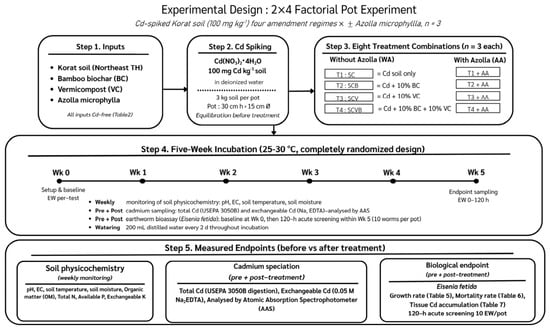
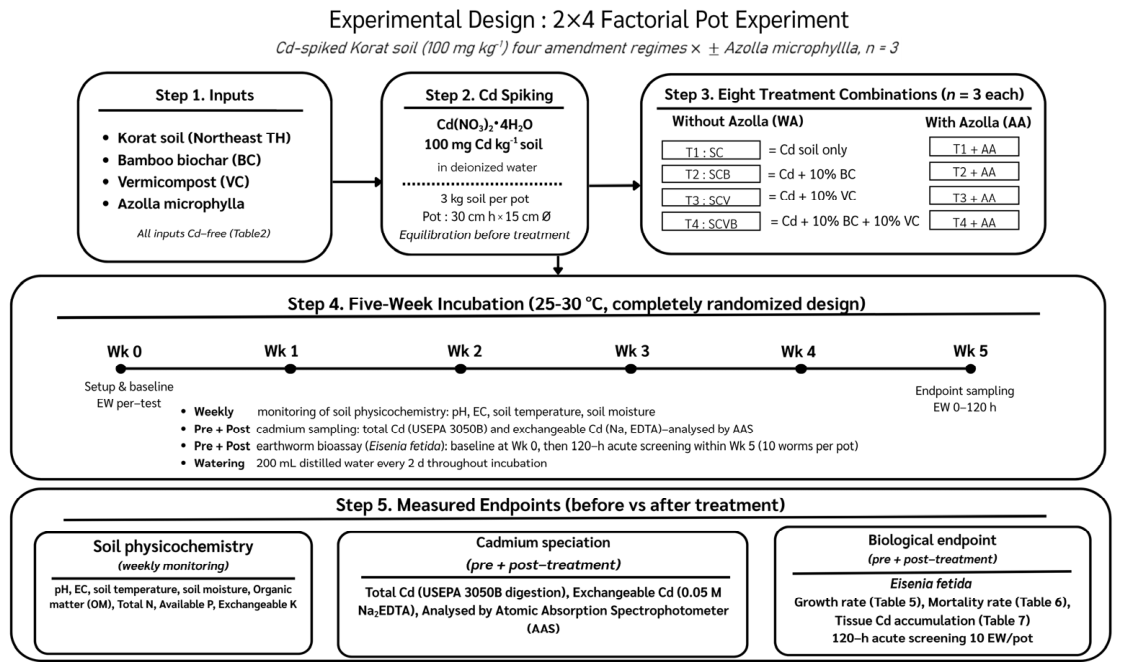
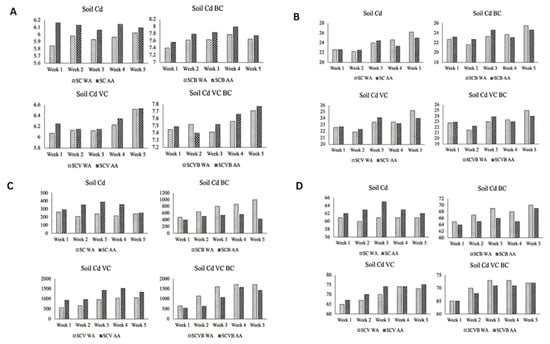
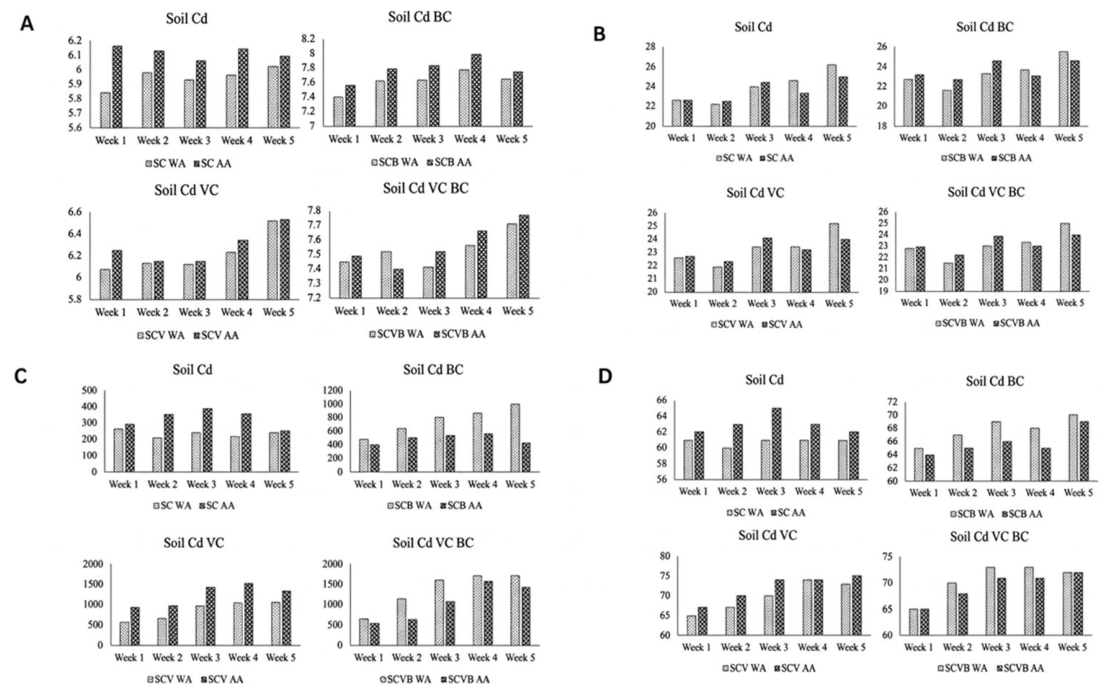
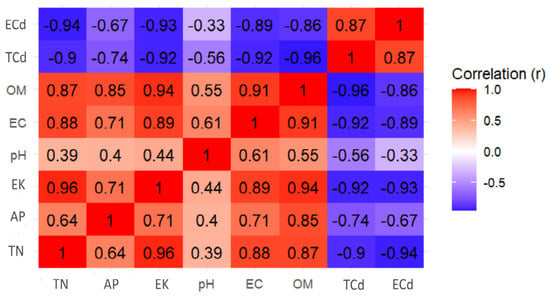
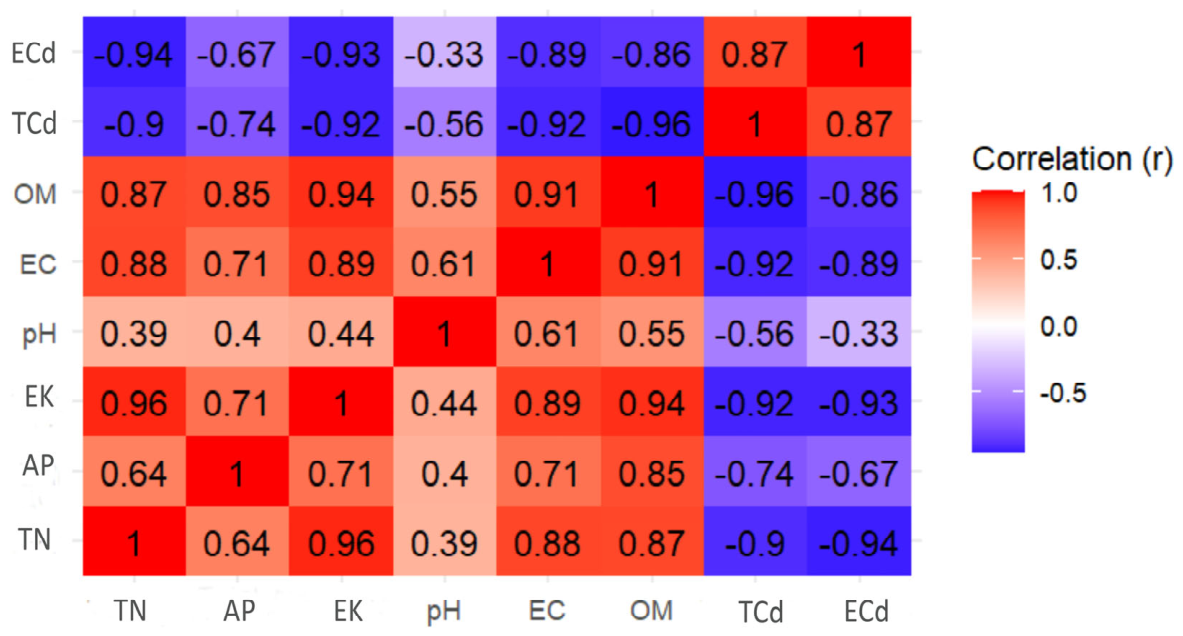
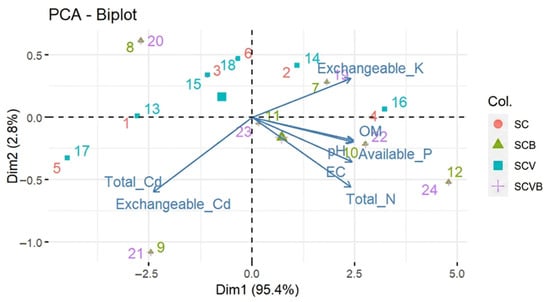
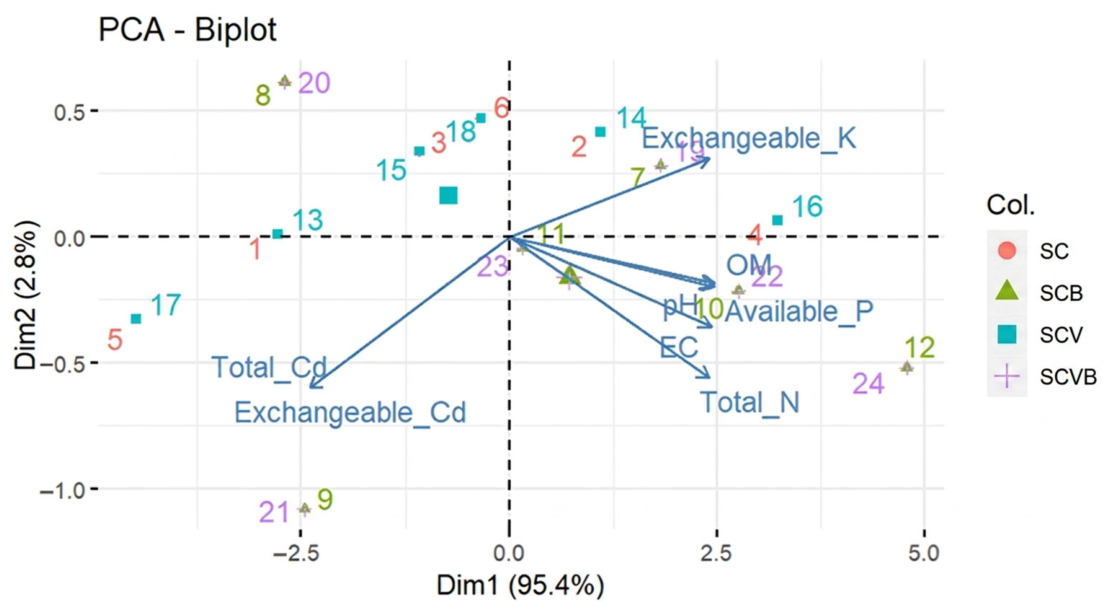

Disclaimer/Publisher’s Note: The statements, opinions and data contained in all publications are solely those of the individual author(s) and contributor(s) and not of MDPI and/or the editor(s). MDPI and/or the editor(s) disclaim responsibility for any injury to people or property resulting from any ideas, methods, instructions or products referred to in the content. |
© 2026 by the authors. Licensee MDPI, Basel, Switzerland. This article is an open access article distributed under the terms and conditions of the Creative Commons Attribution (CC BY) license.