


Abstract
Modern food packaging is evolving under the concurrent pressures of tightening safety standards, plastic reduction targets, the need to preserve product quality, and the elimination of per- and polyfluoroalkyl substances (PFASs) from grease-resistant paper-based materials. This review systematizes current insights into the interrelationships between biopolymer matrices, silicon dioxide (SiO2) nanoparticles, and oleophobic, PFAS-free food packaging coatings. The physicochemical mechanisms underlying oleophobicity and barrier performance are described, and promising avenues for future research are identified. Although biopolymers offer an environmentally sustainable foundation, they are inherently sensitive to moisture. In this context, SiO2 nanoparticles serve as reinforcing fillers, diffusion-pathway modifiers, sol–gel network formers, surface-energy regulators, and mesoporous carriers for active agents. Epoxy- and epoxysilane-modified matrices are also discussed as a means to enhance the adhesion and mechanical durability of SiO2-based coatings. Furthermore, the physical principles of fluorine-free oleophobicity based on re-entrant surface geometry, demonstrated primarily on model substrates, are reviewed. Multilayer and hybrid systems, whose grease and water resistance has been validated directly on paper, appear to be the most promising: a hydrophilic base layer seals the pores and provides grease resistance, a hydrophobic top layer reduces water absorption, and SiO2 nanoparticles can serve barrier, mechanical, and active functions. Key unresolved challenges include the migration of nanoparticles and non-intentionally added substances (NIASs), the scalability of aqueous application technologies, stability in humid environments, and recyclability.
1. Introduction
The transition to sustainable food packaging involves more than simply replacing petrochemical polymers with biopolymers. The material must simultaneously provide a barrier function; maintain mechanical integrity; exhibit high processability when applied to paper, cardboard, or flexible films; preserve the organoleptic properties of the food product; and meet food-contact requirements. Therefore, recent years have seen a particular focus on coatings in which natural polymers are combined with nanofillers and surface-active modifiers. In such systems, the biopolymer matrix provides film-forming capability and potential biodegradability, whereas inorganic nanoparticles, primarily SiO2, allow for the tuning of mechanical, barrier, and interfacial properties [1,2,3,4,5].
This issue is of particular relevance to paper and cellulose packaging. Paper is perceived as a more environmentally friendly alternative to plastic; however, its porous structure and high hydrophilicity make this material vulnerable to water, grease, oxygen, and the migration of low-molecular-weight substances. Historically, the grease resistance of paper packaging materials was achieved using fluorinated agents, but growing evidence regarding PFASs’ persistence, migration, and toxicological impact has driven the search for PFAS-free (polydimethylsiloxane) alternatives [6,7,8,9]. Consequently, several applied research directions have emerged, including polysaccharide and protein coatings, layer-by-layer systems, wax and alkyl ketene dimer modifications, PDMS-containing materials and other non-fluorinated grease-resistant coatings [10,11,12,13,14,15,16,17,18,19], as well as micro- and nanostructured surfaces with re-entrant geometry [20,21,22,23,24,25]. In the European Union (EU), Regulation (EU) 2025/40 establishes concentration limits for PFASs in food-contact packaging effective 12 August 2026 [26], while in the United States, the Food and Drug Administration (FDA) has revoked Food Contact Notifications (FCNs) for PFAS-based grease-proofing agents [27].
In this field, SiO2 nanoparticles occupy an intermediate position between conventional mineral fillers and functional nanoplatforms. They are capable of enhancing strength, reducing permeability, participating in the sol–gel formation of thin barrier layers, and serving as carriers of antioxidants or antimicrobial agents. Specifically, biopolymer film systems such as polyvinyl alcohol (PVA)/chitosan/SiO2, starch/carboxymethyl cellulose/SiO2, chitosan/plant gum/SiO2, pullulan–SiO2, and related hybrids have been widely documented [2,28,29,30,31,32,33,34,35]. However, the technological appeal of nanosilica must be evaluated alongside particle migration, the release of non-intentionally added substances (NIASs), and the regulatory assessment of food-contact materials. Current data indicate that the migration behavior of SiO2-containing systems is determined not only by the nature of the particles, but also by the polymer matrix, food simulant, filler concentration, and contact conditions [36,37,38,39].
Despite a wealth of isolated publications on biopolymer films, nanosilica, and fluorine-free grease-resistant coatings, these three areas are rarely integrated as interconnected elements of a unified engineering system. Furthermore, applied studies often lack the fundamental physics of wetting, which is essential for understanding how oleophobicity is governed precisely by surface architecture. This review bridges this gap by integrating fundamental wetting principles, the properties of the biopolymer matrix, SiO2 functions, and the architecture of PFAS-free coatings into a comprehensive design framework for next-generation packaging materials. In contrast to reviews [7,8,9], which focus primarily on the classification of fluorine-free grease-proofing agents [7], the problem of PFASs and their alternatives in paper packaging [8], and the formulations of biopolymer water- and grease-resistant coatings [9], the present work: (1) distinguishes between two physical mechanisms of grease resistance, namely surface non-wetting and pore sealing; (2) examines the functions of SiO2 separately, taking into account the level of their experimental validation; (3) aligns the choice of coating architecture with the requirements for migration, processability, and recyclability.
This review aims to systematize current insights into the relationships between the biopolymer matrix, SiO2 nanoparticles, and oleophobic PFAS-free coatings for food packaging, to consider the physicochemical mechanisms of oleophobicity and barrier property formation, and to identify the most promising areas for further research. To address these objectives, the review considers: (1) the physicochemical principles and methods for developing oleophobic coatings; (2) the functions and limitations of the biopolymer matrix; (3) the mechanisms of barrier formation, as well as mechanical and functional properties; (4) strategies for achieving PFAS-free oleophobicity; and (5) critical issues of safety, migration, and polymer processability.
Relevant publications for this review were sourced from international scientific databases and publisher platforms, including Scopus, Web of Science, ScienceDirect, MDPI, and ACS Publications. Priority was given to peer-reviewed studies published between 2016 and 2026; however, earlier fundamental works were included to address the theoretical foundations of wetting and barrier coating formation. The literature was analyzed with a specific focus on chemical composition, coating structure, interfacial interactions, and barrier, mechanical, and surface properties, as well as the safety of food-contact materials. The search was conducted using combinations of keywords related to fluorine-free grease-resistant coatings (“PFAS-free”, “fluorine-free”, “grease resistance”, “oleophobic”), biopolymer matrices and SiO2 (“chitosan”, “starch”, “cellulose nanofibrils”, “silica nanoparticles”), wetting physics (“re-entrant”, “superoleophobic”) and safety (“migration”, “NIAS”, “food contact”). When analyzing experimental studies, priority was given to publications containing quantitative data on at least one of the following parameters: oil contact angle, grease resistance according to the Kit test (TAPPI T 559; a rating from 1 to 12 corresponding to the most aggressive test solution that does not penetrate the substrate) [40], Cobb water absorptiveness (Cobb60, ISO 535; mass of water absorbed over 60 s, g/m2) [41], oxygen transmission rate (OTR) and water vapor transmission rate (WVTR), and migration.
2. Physicochemical Principles of Wetting and Oleophobicity
A comprehensive understanding of PFAS-free oleophobic coatings requires addressing the fundamental principles governing the wetting of solid surfaces by liquids. Oleophobicity is the resistance of a surface to wetting by oils and other low-energy (low-surface-tension) organic liquids. Its fundamental difference from hydrophobicity is that the surface tension of oils and greases (typically 20–35 mJ/m2) is significantly lower than that of water (≈72 mJ/m2). This makes achieving high oil contact angles considerably more challenging, explaining why PFAS-free strategies must rely on a combination of surface chemistry and topography [42,43,44,45,46,47,48]. The fundamental laws of wetting statics and dynamics, including droplet behavior on rough surfaces, were systematically established by de Gennes et al. [49,50]. Furthermore, the design rules for hydrophobic materials and coatings based on surface chemistry and morphology have been comprehensively reviewed by Boinovich and Emelyanenko [51].
2.1. Young’s Equation and the Role of Surface Energy
The equilibrium contact angle θY of a liquid droplet on a perfectly smooth, chemically homogeneous and rigid surface is described by Young’s equation (Young, 1805):
where γSV, γSL, and γLV are the interfacial energies (surface tensions) at the solid–vapor, solid–liquid, and liquid–vapor interfaces, respectively [42].
This equation implies that poor wetting (large θY) is achieved when the solid has a low surface energy and the liquid has a high surface tension. For water, it is relatively easy to achieve θY > 90° on low-energy surfaces. However, for oils, whose γLV is low, even the lowest-energy known solid surfaces provide only moderate θY values, typically below 90°. Such surfaces include layers terminated with closely packed –CF3 groups exhibiting surface energies of about 6–7 mJ/m2, which have historically been obtained using fluorinated coatings. This is a fundamental limitation: on a smooth surface, oleophobicity is in principle through chemistry alone, which explains the historical dominance of PFASs in grease-resistant materials [45,46,47].
2.2. Roughness: Wenzel and Cassie–Baxter Models
Real surfaces are not perfectly smooth, and roughness dramatically alters the observed (apparent) contact angle θ*. Two limiting regimes are typically described. In the Wenzel regime (Wenzel, 1936), the liquid completely fills the surface asperities (homogeneous wetting):
where r ≥ 1 is the roughness factor (the ratio of the actual surface areas to the projected area) [43].
The Wenzel regime intensifies the intrinsic wetting behavior: it makes a hydrophobic surface even more hydrophobic, whereas a hydrophilic (and especially oleophilic) surface becomes even more wettable. Therefore, for liquids that intrinsically wet the material (θY < 90°, which is typical for oils), an increase in Wenzel roughness exacerbates wetting.
In the Cassie–Baxter regime (Cassie & Baxter, 1944), the liquid does not penetrate the grooves of the roughness, but rests on a composite surface of solid protrusions and air pockets trapped within them (heterogeneous wetting):
where fs is the area fraction of the solid–liquid contact [44].
The smaller fs is, the higher the apparent contact angle and the weaker the droplet adhesion. It is the Cassie–Baxter regime, in which oil is suspended on the texture peaks above air pockets, that underlies practical oleophobicity and easy droplet roll-off. It should be emphasized that the static apparent contact angle θ* alone is insufficient to characterize oil repellency: it should be supplemented with advancing and receding contact angles, contact angle hysteresis and the roll-off angle [49,50], and for porous materials, with grease penetration tests (e.g., the Kit test). In this review, θ* is used as the most frequently cited parameter in the literature; however, conclusions regarding the grease resistance of paper are based on grease penetration data (see Section 7).
2.3. Stability of the Composite State and the Role of Re-Entrant Geometry
The key difficulty is that for low-energy liquids, the composite (Cassie–Baxter) state is thermodynamically metastable. For θY < 90°, a simple convex or columnar texture does not create an energy barrier capable of pinning the liquid at its apices. As a result, the droplet spontaneously transitions into the Wenzel regime and wets the surface. A fundamental solution was proposed in the work of Tuteja et al. (2007): in addition to the chemical composition and roughness, a third factor is required—re-entrant (overhanging, “mushroom-shaped,” or T-shaped) surface geometry [45]. Overhanging elements create regions where the local surface slope is directed against the advancing liquid. On such a profile, the three-phase contact line is pinned, forming a local energy barrier that stabilizes the composite state even when the intrinsic Young’s angle is less than 90°. Thus, the re-entrant architecture enables the achievement of apparent oleophobicity and even superoleophobicity (θ* > 150°) on materials that are intrinsically wetted by oil on a smooth surface. The authors formalized this concept through dimensionless robustness parameters of the composite interface, linking the texture geometry to the properties of the liquid [45,46]. The wetting regimes are schematically compared in Figure 1.
Figure 1.
Wetting regimes on a solid surface: (a) equilibrium Young’s contact angle on a smooth surface (Equation (1)); (b) Wenzel regime (Equation (2)); (c) Cassie–Baxter regime (Equation (3)); (d) re-entrant geometry stabilizing the composite state for liquids with θY < 90° (based on [42,43,44,45]).
2.4. Double Re-Entrant Geometry and the Limiting Case
Further development of this concept showed that increasing structural complexity to a doubly re-entrant geometry enables the repellency of even completely wetting liquids with extremely low surface tension. In the work of Liu & Kim (2014), the initial material was intrinsically wettable silicon dioxide (SiO2). Through micro- and nanostructuring with overhanging elements, without any fluorinated coating, a superomniphobic surface was obtained that repels even perfluorinated solvents [47]. This result has twofold significance for the present review. First, it proves that oleophobicity can be achieved purely through surface geometry, without low-energy (including fluorinated) chemistry. Second, it directly links the physics of wetting with silicon dioxide as a structure-forming material, thereby bridging the fundamental framework of the review with the sections on SiO2 and PFAS-free coatings.
2.5. Implications for the Design of PFAS-Free Coatings
An important conclusion emerges from the presented physical picture: PFAS-free oleophobicity is achieved not by selecting a single “oil-repellent” agent, but by coordinating three factors. These are the lowest possible surface energy (achievable without fluorine), optimal roughness, and, critical for oils, a re-entrant or hierarchical micro-/nanostructure that stabilizes the composite state [45,46,47]. For real food packaging, it is necessary to distinguish between model superoleophobicity (high θ* for oil on the test substrate) and the practical grease resistance of porous paper. For the latter, in addition to surface wetting, capillary penetration of oil through pores and the mechanical durability of the surface structure are critical. Therefore, in applied PFAS-free systems, the geometric principles of re-entrant surfaces are combined with pore filling using biopolymers and the formation of barrier layers, as discussed below. Rigorous thermodynamic derivations of the Young, Wenzel and Cassie–Baxter equations, as well as the conditions for the transition between wetting regimes, are analyzed in [48].
Thus, for packaging applications, two distinct mechanisms of grease resistance must be differentiated. The first is non-wetting: oil is suspended on the surface in a Cassie–Baxter composite state, the stability of which is ensured by the re-entrant geometry. The second is the barrier mechanism of pore sealing: a dense, defect-free polymer layer may be wetted by oil (θY < 90°), but because it lacks continuous pores, the oil does not penetrate the fibrous substrate. Re-entrant geometry is essential for the first mechanism, but is not a prerequisite for the second, which underpins most practical grease-resistant paper coatings.
3. Low-Surface-Energy Materials as a Chemical Basis for Oleophobicity
The physics of wetting discussed above shows that the surface energy of a solid (γSV) is a chemically controlled parameter that determines the lower limit of wettability. According to the Young equation, the lower the γSV value, the larger the equilibrium contact angle θY and the less efficiently the liquid spreads over the surface [42]. Therefore, the design of PFAS-free oleophobic coatings begins with the selection of materials that provide the lowest achievable surface energy while maintaining food safety and processability. Since direct measurement of γSV is difficult, practical surrogates are used; these include Zisman’s critical surface tension and the partitioning of surface energy into dispersive and polar components [52,53].
Zisman (1964) introduced the concept of critical surface tension γc as the highest liquid surface tension at which complete wetting is still achieved (θ = 0). Liquids with γLV below γc spread over the surface, whereas those with higher γLV form a finite contact angle [52]. The value of γc, obtained by extrapolating the dependence of cos θ on γLV (a Zisman plot), serves as a convenient empirical measure of the low-energy character of a solid. From this definition, it follows that when γc is below the surface tension of oils (20–35 mJ/m2), the oil does not spread completely over the surface. However, this condition does not guarantee non-wetting (θ > 90°). For instance, on polytetrafluoroethylene (PTFE, γc ≈ 18 mJ/m2), n-hexadecane (γLV = 27.6 mJ/m2 at 20 °C) forms an advancing contact angle of 46° [54]. This leads to a key consequence for packaging: for a surface to repel oils and greases with a surface tension of 20–35 mJ/m2, its critical surface tension must lie below this range. The fluorocarbon surfaces investigated in the classic works of Fox and Zisman on PTFE were the first to provide such low γc values (on the order of 18 mJ/m2), which drove the historical dominance of fluorinated chemistry in grease-resistant materials [54]. It is important to note that γLV, γSV, and γc are quantities of different physical natures and are not interchangeable measures of oleophobicity: γLV is a directly measured property of a liquid, γSV is a thermodynamic characteristic of a solid whose estimation from contact angles depends on the chosen model, and γc is an empirical parameter determined from a Zisman plot for a specific series of test liquids [52,53].
Surface energy is governed by the chemical nature of the functional groups exposed on the surface and decreases in the order –CH2– → –CH3 → –CF2– → –CF3, reaching a minimum with the close packing of –CF3 groups. Nishino et al. (1999) measured the surface free energy of a close-packed hexagonal –CF3 layer (on an epitaxial film of n-perfluoroeicosane) and obtained a record-low value of ≈6.7 mJ/m2, which is widely regarded as the limit for solids [55]. Crucially, even on this extremely low-energy smooth surface, the water contact angle was only about 119°. Many low-energy organic liquids exhibit strong wetting or low equilibrium contact angles on it, meaning such a smooth surface does not provide practical oleophobicity. This quantitatively confirms the conclusion of the previous section: on a smooth surface, oleophobicity is unattainable through chemistry alone, and low surface energy must be combined with roughness and re-entrant geometry to stabilize the composite state [45,46,47].
For the biopolymer matrices discussed below, their high wettability is primarily governed by the polar component of their surface energy. The Owens–Wendt method partitions the energy into dispersive and polar components based on the contact angles of two test liquids. This approach reveals that polysaccharides and proteins carry numerous polar groups capable of forming hydrogen bonds (–OH, –NH, –COOH), which renders them hydrophilic. Wetting by oils is determined primarily by the dispersive component inherent in all organic surfaces; thus, high polarity in itself does not make biopolymers “more oleophilic” [53]. On the contrary, a dense hydrogen-bonding network reduces oil sorption by the matrix, which determines the barrier grease resistance of biopolymer layers. Reducing the surface energy of such materials is achieved by shielding the polar groups with nonpolar fragments—such as alkyl chains, waxes, and siloxane components—which forms the basis of the hydrophobic modification discussed below.
In the absence of fluorine, silicones (primarily PDMS) provide the lowest surface energy among practically applicable materials, as their flexible methyl-substituted siloxane backbones and high chain mobility make them the leading fluorine-free, low-energy candidates. However, a smooth PDMS surface is only hydrophobic, not oleophobic. Hegner et al. (2023) combined silica nanoparticles, which create a bilayer (including re-entrant) texture, with surface-grafted PDMS chains. Liquid droplets with surface tensions down to 31 mJ/m2 roll off the resulting superomniphobic surface, without any fluorine and using scalable methods [56]. This work directly links three key elements of the present review: low-energy chemistry, SiO2-based nanostructuring, and PFAS-free oleophobicity. Low-energy components that are chemically distinct yet more commonly used for food contact include hydrocarbon waxes (carnauba, paraffin), alkyl ketene dimer (AKD), and long-chain alkyl silanes. They provide surface energies of approximately 20–30 mJ/m2 and are already employed in paper packaging as a hydrophobic phase [12,17,57,58,59]. The relationship between the surface energy of the materials considered is illustrated in Figure 2. This diagram serves as a conceptual overview, as quantities of different physical natures (γLV of liquids, alongside γc and γSV of solids) are plotted on the common scale for comparison. The value of 6.7 mJ/m2 refers to a specifically to an ordered –CF3-terminated surface [55], rather than a universal limit for all solids. The shaded region illustrates low values of surface energy and critical surface tension, without defining a strict threshold for oleophobicity. The condition γc < γLV indicates the absence of complete spreading within Zisman’s empirical framework, but does not guarantee θ > 90°. Vegetable oils have γLV ≈ 30–35 mJ/m2, mineral oils ≈ 28–31 mJ/m2, and Kit test solutions span ≈ 22–34.5 mJ/m2 [40]. For fluorine-free materials (waxes, AKD, and alkylsilanes), the re-entrant structuring represents one strategy for enhancing oil repellency, whereas the grease resistance of paper can alternatively be ensured by sealing the pores.
Figure 2.
Comparison of liquid surface tensions and solid surface energies governing oleophobicity (data compiled from [12,17,54,55,57,58,59]). The shaded region represents γc < 20 mJ/m2, lying below the surface tension range of typical oils. See the text for details.
Thus, selecting a material with low surface energy establishes a chemical “ceiling” for oleophobicity, but does not independently guarantee it: for oils, low surface energy must be complemented by surface geometry. This explains why the most promising PFAS-free strategies integrate readily available, food-grade, low-energy chemistries (silicones, waxes, and alkyl modifiers) with hierarchical or re-entrant architectures, which are frequently constructed using SiO2 nanoparticles. For the same reason, evaluating such systems for food-contact applications must account not only wettability but also for particle migration and polymer processability.
4. Biopolymers as a Matrix and Functional Barrier
Biopolymer coatings are attractive because they can be formed from renewable raw materials and applied in thin layers to paper, cardboard, or film substrates. Key classes of materials include polysaccharides (starch, alginate, pectin, chitosan, and cellulose derivatives), proteins (zein, soy protein), lipid-wax components, and their composites. Early and review studies show that biopolymers can improve the grease resistance, oxygen barrier, and mechanical properties of paper; however, they often remain sensitive to moisture and require plasticization, crosslinking, hydrophobic modification, or a layered architecture [14,60,61,62,63].
Chitosan occupies a special place due to its film-forming ability, cationic nature, antimicrobial potential, and good compatibility with cellulose fibers. In coatings for paper and fibrous substrates, it can fill pores, reduce permeability, and serve as a base binder layer onto which more hydrophobic components are applied. Experimental studies on alginate and chitosan demonstrate their role as functional barriers for paper packaging and as a means of limiting contaminant migration from recycled fibers [14,64,65]. In more recent systems, chitosan is combined with cellulose nanofibrils, zein, ethyl cellulose, genipin, and other modifiers, enabling more balanced water, oxygen, and grease barrier properties [11,16,66,67,68,69].
Cellulose nanofibrils (CNFs) and microfibrillated cellulose (MFC) are used as reinforcing and barrier components. Their high aspect ratio and ability to form a dense network hinder the diffusion of gases and liquids, although their hydrophilicity requires additional modification. Therefore, in several studies, CNFs are combined with PVA, chitosan, waxes, AKD, or protein layers [12,59,70,71,72,73]. An important technological conclusion is the need to consider not only the chemical composition but also the CNF grade, solid content, drying method, number of layers, and compatibility with industrial application [64,70,73].
Starch, pectin, alginate, and other polysaccharides form an oxygen and grease barrier due to a dense network of hydrogen bonds, but their moisture sensitivity is usually higher than that of synthetic polyolefin coatings. Therefore, they perform more effectively in multilayer architectures, where a hydrophilic base layer seals the paper pores to impart grease resistance, while a hydrophobic top layer minimizes water absorption [15,34,59,74]. Protein components, particularly zein and soy protein, enhance grease resistance and can serve as the hydrophobic phase in bilayer bio-based coatings [15,16,62,74,75]. Additionally, the chemical toolkit has been expanded by strategies leveraging vegetable oils and heterogeneous graft polymerization, which enable the fabrication of environmentally sustainable, high-barrier paper materials [76,77].
However, differences in barrier properties are only partially determined by the nature of the polymer: coating weight and thickness, substrate porosity, crosslinking density, and relative humidity during testing are no less important. For example, at the same coating weight of a PVA/CNF coating (2.0 g/m2), increasing the CNF content from 0 to 3% improved grease resistance from Kit 7 to Kit 9 [71]. Therefore, it is necessary to distinguish between the intrinsic properties of a free-standing film and those of the coating-paper system, in which part of the polymer penetrates the pores. An illustrative example of the composition–structure–property relationship is provided by fully bio-based quasi-mixed-matrix membranes based on chitosan, in which the binding the organic filler to the matrix reduced oxygen and water vapor permeability [78]; however, these data were obtained for free-standing films and fruit coatings and do not constitute direct evidence of the grease resistance of paper. Accordingly, Table 1 reflects typical material functions rather than their ranking by barrier efficiency.
Table 1.
Functions of biopolymers in food packaging coatings.
Table 1 summarizes the functions of the aforementioned biopolymers in food-packaging coatings.
5. SiO2 Nanoparticles in Biopolymer and Hybrid Packaging Systems
The functionality of SiO2 in packaging materials is determined by a combination of surface chemistry, particle size, dispersion state, porosity, and the incorporation method. In the simplest case, nanoparticles act as a reinforcing filler, creating a tortuous diffusion path for gases and vapors. More advanced approaches encompass the in situ formation of SiO2 within a polymer matrix, the sol–gel synthesis of hybrid layers, surface functionalization, the use of mesoporous particles as carriers for active agents, and the engineering of hierarchical roughness to control wettability [1,28,29,30,31,32,35,80,81].
For biopolymer films, the incorporation of SiO2 into a PVA/chitosan matrix is illustrative. In situ synthesis of nanosilica in a PVA/chitosan solution enabled film strengthening and improved suitability for food packaging. A 45% increase in tensile strength and a threefold extension of product shelf life were observed at 0.6 wt % SiO2 [28]. Another research avenue involves using SiO2 as a carrier of active agents. In a chitosan film, mesoporous SBA-15 loaded with curcumin provided controlled release and improved functional properties [2]. In a starch/sodium carboxymethyl cellulose (Na-CMC) film, SiO2 nanoparticles functionalized with caffeic acid combined antioxidant activity with enhanced strength and an improved oxygen barrier [29].
In active packaging systems, not only the presence of SiO2 but also the mass-transfer kinetics play critical roles. Functionalized nanoparticles in polylactide (PLA) films obtained by supercritical impregnation were considered as a tool for controlling active agent release and oxygen permeability [30]. Modified mesoporous SiO2 in low-density polyethylene (LDPE) films was also used for controlled release of an antioxidant [31]. Although LDPE is not a biopolymer, this example is important for understanding the role of mesoporous architecture and SiO2 surface chemistry in active packaging.
Hybrid SiO2 coatings, obtained via the sol–gel method, represent another promising direction. On flexible polymer films, sol–gel-derived silica layers increased the oxygen barrier and have been proposed as a potential alternative to more expensive vacuum deposition technologies [80]. Self-assembled hybrid pullulan–SiO2 coatings demonstrated the feasibility of creating an organic–inorganic network with a high oxygen barrier for food packaging [35]. Fluorinated silica hybrid layers on films are informative not as a targeted PFAS-free strategy, but as a reference system illustrating the performance previously achieved through low-surface-energy fluorinated chemistry [81].
SiO2 coatings for food-contact metals deserve special mention. Hydrophobic silica layers on brass, galvanized steel, Q235 steel, and aluminum alloy provided protection against corrosion and bacterial adhesion [82]. However, the safety of metal food containers cannot be reduced to corrosion resistance alone. Studies of internal epoxy and organosol coatings for metal cans reveal a complex profile of potential migrants, including non-intentionally added substances (NIASs) and reaction products [83]. Therefore, for promising SiO2/epoxy systems on metals, an independent assessment of the coating’s migration profile is necessary in addition to evaluating its adhesion and protective properties.
The level of experimental validation of these SiO2 functions varies. Mechanical reinforcement and permeability reduction have been shown for specific films compared with an unfilled control [28,29]. However, this effect is generally non-monotonic; above the agglomeration threshold, particles form aggregates and defects that degrade both strength and barrier performance. The carrier function has been verified through release kinetics [2,29,31], whereas the role of SiO2 in generating re-entrant morphology has been demonstrated primarily on model substrates rather than actual packaging surfaces [20,21,22,23,24,25,47]. To verify that SiO2 provides a measurable advantage, comparisons with an unfilled coating at identical thickness and humidity are required, alongside reporting particle content, size, surface modification, and dispersion state. The validation status of each function is summarized in Table 2.
Table 2.
Main functions of SiO2 in packaging coatings.
6. Epoxy and Epoxysilane-Modified Matrices in SiO2-Containing Coatings
Epoxy resins are not biopolymers; however, in the context of hybrid packaging coatings, they are of interest as a highly adhesive and mechanically strong binder matrix for the inorganic phase. Unlike biopolymer layers, the primary function of the epoxy component is not to impart bio-based properties, but to anchor functional nanoparticles, improve coating integrity, and form a stable organic–inorganic network. Sol–gel approaches to producing silica/epoxy nanocomposites demonstrate the feasibility of both introducing preformed particles and forming SiO2 in situ within the epoxy system [84].
The reactive fixation of nanosilica is particularly important. In the study of Zhi et al., reactive SiO2 particles capable of reacting with epoxy resin ensured stable immobilization of the nanoparticles within the cured matrix while preserving nanoscale surface roughness [85]. For packaging coatings, this principle is of interest primarily from the standpoint of mechanical durability: a chemically bonded filler is potentially less prone to chipping and loss of surface texture than particles retained solely by physical interactions.
The compatibility of SiO2 with the epoxy phase is determined not only by the degree of dispersion but also by the surface chemistry of the particles. Modeling of the SiO2/epoxy interfacial interaction indicates a significant role of moisture: the wettability of the silica surface changes the nature of adhesion at the interface. Therefore, silanization or other controlled surface functionalization of particles should be considered an independent formulation parameter [86]. For food packaging, the potential of epoxy chemistry is illustrated by a fully bio-based paper coating in which epoxidized soybean oil was chemically grafted onto chitosan via epoxy ring-opening. The resulting network yielded water- and grease-resistant paper material [87]. While this study confirms the applicability of epoxy ring-opening reactions in food-contact paper packaging, it does not establish the performance of the SiO2/epoxy nanocomposite.
Silane and siloxane components make it possible to simultaneously address interfacial bonding and surface-control turning. Fluorine-free coatings incorporating epoxysilane coupling agents demonstrate enhanced adhesion of the structured layer to the substrate [88,89]. In SiO2/PDMS/epoxy nanocomposites, the epoxy resin acts as a strong binder, PDMS reduces surface energy and enhances elasticity, and SiO2 nanoparticles form a micro-/nanoscale topography; high mechanical and chemical stability has been demonstrated for such coatings [90]. Bio-based aqueous epoxy systems containing SiO2 and a glycidoxysilane component likewise confirm the feasibility of combining an epoxy matrix, silane chemistry, and a dual-scale inorganic structure [91].
Crucially, the aforementioned non-fluorinated epoxy and epoxysilane-modified systems were, in most cases, characterized primarily with respect to water wetting, self-cleaning, anti-icing, or anticorrosion properties. Therefore, high water contact angle values cannot be automatically interpreted as proof of oleophobicity. To validate the suitability of such coatings for fatty food products, separate contact angle and hysteresis measurements are required using oils, alongside grease penetration tests for porous substrates.
The practical applicability of epoxy matrix to food packaging is supported by studies of functional epoxy nanocomposite coatings for tinplate, where epoxy resin served as the base of a protective coating with enhanced mechanical, anticorrosive, and antimicrobial properties [92]. At the same time, analysis of epoxy and organosol coatings for metal food cans demonstrates the need to monitor potential migrants and NIASs [83]. When SiO2 is incorporated into an epoxy system, it is also necessary to evaluate the stability and potential migration of the inorganic phase in relevant food simulants and representative contact conditions [36,37,38,39].
The safety of epoxy and epoxysilane systems for food contact requires special consideration, since most of the cited works [85,88,89,90,91] focus on superhydrophobicity, corrosion resistance, or adhesion on non-food substrates, which demonstrates neither grease resistance nor suitability for direct food contact. Under EU regulatory frameworks for coatings, there is no single list of permitted substances; instead, the general requirements of Regulation (EC) No. 1935/2004 [93] apply, while Regulation (EC) No. 1895/2005 restricts the use and migration of bisphenol A diglycidyl ether (BADGE) and its derivatives [94], and Regulation (EU) 2024/3190 prohibits the use of bisphenol A and other hazardous bisphenols in varnishes and coatings [95]. In the USA, food-contact epoxy coatings are regulated under 21 CFR 175.300 [96]. Incomplete curing leaves unreacted epoxy groups, residual monomers, and curing-agent amines, as well as silane hydrolysis products in epoxysilane systems, which, together with NIAS, constitute the coating’s migration profile [83]. Therefore, the degree of cure should be monitored (e.g., via differential scanning calorimetry (DSC) or infrared (IR) spectroscopy) and correlated with migration testing in fatty food simulants [97]. Risk mitigation can be achieved through thermal post-curing at elevated temperatures and the incorporation of a functional barrier layer separating the epoxy matrix from the food [97].
Thus, it is appropriate to consider epoxy and epoxysilane-modified matrices in this review as an additional design platform for SiO2-containing coatings, particularly when enhanced adhesion and durability of the nanostructured layer are required. However, the epoxy matrix alone does not overcome the fundamental limitation of oil wetting. Achieving PFAS-free oleophobicity still requires a combining reduced surface energy with hierarchical or re-entrant geometry, which logically connects this approach with the following section [85,89,90].
7. PFAS-Free Oleophobic Coatings: From Chemical Barrier to Surface Architecture
Oleophobicity in food packaging encompasses not only a high oil contact angle but also resistance to grease penetration through a porous substrate. As established in the section on wetting physics, this is particularly important for paper packaging: even with a hydrophobic top layer, oil can migrate through pores, interfiber channels, and coating defects. Therefore, effective PFAS-free strategies are typically designed by combining a pore-filling layer, a hydrophobic layer, and/or a structured surface [6,7,8,9,10,12,13,45,46,47].
The most technologically mature approach for food packaging appears to involve polysaccharide–protein bilayer systems. Starch/zein coatings have been shown to effectively replace PFASs, silicone oil, and plastic coatings on kraft paper, achieving a Cobb60 value of approximately 4.81 g/m2 and a maximum grease resistance of Kit 12/12 [15]. A chitosan–zein bilayer system has also been described as a food-safe coating with a Cobb60 value of approximately 4.88 g/m2, a rating of Kit 12/12, and verified repulpability [16]. In these examples, the lower hydrophilic/cationic layer seals the pores and provides adhesion, while the top protein layer enhances water and grease resistance.
A similar logic underpins systems based on PVA, CNF, AKD, waxes, and ethyl cellulose. CNF/PVA blends increase the hydrophobicity and oleophobicity of paper without fluorine-containing components [71], and the PVA/CNF/MBP(micro–nano bamboo powder)/AKD composite combines a biopolymer framework with a hydrophobic agent [12]. Cationic starch with emulsified carnauba wax and chitosan enables the formation of high-barrier food-grade paperboard [59]. In bilayer systems combining chitosan/CNC and ethyl cellulose, the top hydrophobic layer reduces water absorption, whereas the lower barrier layer imparts grease resistance. For such a system, a rating of Kit 12/12 and reduced water absorption have been confirmed, alongside migration and biodegradation testing [68]. Ethyl cellulose is also effective as a hydrophobic layer in multilayer chitosan/alginate/ethyl cellulose films incorporating L-ascorbic acid [69]. The generalized architecture of such multilayer coatings is schematically shown in Figure 3.
Figure 3.
Schematic of a multilayer PFAS-free coating on a paper substrate: the bottom hydrophilic layer seals the pores and imparts grease resistance, the intermediate barrier layer containing SiO2 nanoparticles increases the tortuosity of the diffusion pathways, and the top hydrophobic layer reduces water absorption (compiled from [15,16,34,59,68,69]). The schematic is conceptual from a research perspective and integrates the layer functionalities reported across different studies: bilayer architectures were experimentally demonstrated on paper and paperboard [15,16,68,98], whereas SiO2 incorporation into the hydrophobic top layer was reported in [34].
Additional direct examples from the field of food packaging confirm the effectiveness of non-fluorinated barrier approaches without resorting to model superamphiphobic architectures. A chitosan–montmorillonite-based coating for food-safe greaseproof paper provided grease resistance up to Kit 9/12 with a relatively low coating weight [18]. For molded PFAS-free cellulose containers, a coating based on cellulose nanofibrils and carboxymethyl cellulose with a chitosan intermediate layer significantly increased grease resistance according to TAPPI T 559. The applicability of this design was further validated during the storage of real food products [19]. These studies should be regarded as evidence of the practical grease resistance of food-grade cellulose materials, rather than as confirmation of re-entrant morphology.
Organosilicon and PDMS-modified coatings occupy an intermediate position between biopolymers and classical surface chemistry. Chitosan–graft-PDMS/zein coatings, as well as starch and chitosan–graft-PDMS on paper, demonstrate a route to water and grease resistance without fluorine [17,58]. Studies on alkyltrichlorosilanes on cellulose paper show that alkyl chain length and silane chemistry significantly affect surface wetting, consistent with Young’s equation and the principle of surface energy reduction [57]. However, for food packaging, such approaches require particularly careful assessment of migration, processing compatibility, and the feasibility of industrial aqueous application.
Another mechanism of oleophobicity relies on creating re-entrant geometry, i.e., overhanging or “mushroom-shaped” microstructures that prevent the penetration of low-surface-tension liquids into the surface texture, thereby implementing the composite state stabilization mechanism described above. Modeling studies by Brown and Bhushan show that polymer–nanoparticle composites with SiO2, layer-by-layer coatings, and polypropylene surfaces can achieve durable superoleophobicity through a combination of hierarchical roughness and low-surface-energy treatment [20,21,22,23]. Transparent superamphiphobic surfaces featuring mushroom-shaped micropillars and SiO2 at the tips reveal the physical mechanism of re-entrant architecture [24], and the limiting case—the repulsion of fully wetting liquids on structured SiO2—is demonstrated in [47]. For paper materials, the structural principle of roll-off superamphiphobicity transfer and fluorine-free superamphiphobic architecture was reported in [25].
It is necessary to distinguish between the practical grease resistance of the packaging and the demonstrative superoleophobicity of the model substrates. Packaging paper must withstand folding, printing, contact with wet and greasy products, heat sealing or gluing, and recyclability. Therefore, in food packaging, re-entrant and superamphiphobic structures are promising primarily as a source of design principles. A more realistic industrial trajectory remains aqueous or dispersion-based multilayer coatings built from biopolymers, cellulose nanomaterials, waxes, PVA, AKD, ethyl cellulose and judiciously selected organosilicon modifiers [9,12,15,16,18,19,34,59,68,69].
Table 3 summarizes PFAS-free strategies for achieving grease resistance and oleophobicity, outlining their mechanisms and representative examples. Table 4 presents quantitative performance metrics for representative PFAS-free paper coatings.
Table 3.
PFAS-free strategies for achieving grease resistance and oleophobicity.
Table 4.
Summary of quantitative performance metrics of representative PFAS-free paper coatings.
8. Barrier Properties: Oxygen, Water Vapor, Grease and Migration
The barrier properties of packaging coatings cannot be evaluated using a single parameter. For dry foods, moisture protection is critical; for fatty foods, resistance to oil and grease is paramount; for oxidation-sensitive products, an oxygen barrier is required; and for recycled paperboard and nanocomposites, migration control is essential. Biopolymers often exhibit an excellent oxygen barrier in the dry state, but at elevated humidity, their network swells, resulting in a loss of barrier efficiency. This behavior drives the active development of multilayer architectures, where the hydrophilic oxygen/grease barrier layer is shielded by a hydrophobic top layer [14,34,65,68,69,73,75].
Dense polysaccharide and protein layers, PVA/zein systems, and hybrid SiO2 coatings are promising for oxygen barriers. Bilayer paper coated with PVA and zein was investigated specifically with respect to oxygen and water vapor barriers [75]. Sol–gel SiO2 layers on polymer films and pullulan–SiO2 hybrids show that an organic–inorganic network can reduce oxygen permeability without a complete transition to metallized or vacuum-deposited coatings [35,80].
When comparing quantitative barrier properties, it is necessary to distinguish between the oxygen and water vapor transmission rate (OTR, cm3 m−2 day−1; WVTR, g m−2 day−1), which refer to a specific sample, and the permeability coefficient, which is normalized to the coating thickness and the partial pressure differential, thereby characterizing the intrinsic material. For hydrophilic biopolymers, the transmission rates are strongly dependent on the relative humidity (RH); consequently, the temperature, RH, and coating weight (or thickness) must be specified. For example, a bilayer MFC/latex coating nanoclay reduced the WVTR of paperboard by 56% [98], while an alginate/hydroxypropyl methylcellulose (HPMC)/polyvinyl butyral (PVB)/nano-SiO2 coating achieved a WVTR of approximately 100 g m−2 day−1 [34]. Without identical test conditions, ranking such systems is scientifically invalid.
Grease resistance in paper materials is often achieved by sealing pores and reducing the capillary penetration of oil. Therefore, coatings based on chitosan, alginate, starch, zein, CNF, and their combinations act not only as chemically oleophobic surfaces but also as a physical barrier within the porous structure of paper [6,10,14,15,16,68]. In systems with incorporating PVB and hydrophobic nano-SiO2, the top layer also reduces water wetting, while the alginate/HPMC layer is responsible for grease resistance [34].
The issue of migration is particularly important for nanocomposites and packaging made from recycled fibers. A recent review of inorganic nanoparticles in food packaging shows that nanoparticle release is governed by a combination of particle properties, matrix structure, surrounding environment and contact conditions [36]. In a study evaluated by the European Food Safety Authority (EFSA), migration of silanized SiO2 from LDPE into food simulants was not detected within the method’s detection limits [37]. Migration testing was performed on silanized SiO2 (as aggregates > 100 nm) incorporated at 3 wt.% into a 60 µm thick LDPE film; tests were carried out in 95% ethanol, 3% acetic acid, and isooctane simulants, and particles were quantified via asymmetric flow field-flow fractionation coupled with multi-angle light scattering (AF4-MALS) with a detection limit of 0.3–0.6 µg/kg simulant. Testing was conducted across various time and temperature combinations, the exact values of which were not disclosed in the published report [37]. EFSA regarded LDPE as a representative—and in many respects the worst-case—polymer matrix for this assessment [37]. In contrast, in SiO2/PHBH nanocomposites, the magnitude of overall and specific migration depended on both the SiO2 content and the type of food simulant [38]. In LDPE nanocomposites containing nano-SiO2, differences in silicon migration were also observed among aqueous, acidic and high-ethanol simulants [39]. Therefore, the absence of migration in one matrix or under one test regime cannot be automatically extrapolated to another formulation. In particular, certain biopolymer matrices can swell in humid environments or partially dissolve depending on pH, and in thin coatings, nanoparticles may reside close to the food-contact interface. Therefore, the EFSA conclusion does not automatically extend to other forms and surface treatments of SiO2 or to biopolymer coatings. For biopolymer and multilayer coatings, evaluating migration, organoleptic safety, particle stability, and end-of-life behavior is necessary alongside grease resistance and mechanical strength [38,65,68].
When assessing migration from SiO2-containing coatings, it is necessary to distinguish between particulate release, the leaching of dissolved silicon species formed via partial dissolution of amorphous SiO2, and the migration of organic coating components—residual as residual silanes, monomers, plasticizers, and NIASs. Determination of total silicon by inductively coupled plasma optical emission spectrometry (ICP-OES) and inductively coupled plasma mass spectrometry (ICP-MS) does not distinguish between chemical and physical forms; therefore, size- and particle-specific methods (e.g., single-particle ICP-MS, spICP-MS) are required for nanoparticle analysis, while gas chromatography–mass spectrometry (GC-MS) is required for organic migrants. A recent study of polyether ether ketone (PEEK)-based materials found that the spectrum of potential migrants in the finished material is significantly broader than the subset of substances actually detected in simulants, and NIAS formed during processing contribute significantly to the risk profile [99]. For coatings, this implies that migration screening should be performed on the finished article, with risk significance governed by substance identity, exposure level, and the intended conditions of use.
9. Active and Intelligent Packaging Based on SiO2 and Biopolymers
SiO2 in a coating formulation often performs several functions simultaneously: the same nanoparticles and mesoporous particles that serve as carriers of active agents also affect layer roughness and continuity and, consequently, oil wetting. When designing multifunctional coatings, these roles must be reconciled: the release of active substances can plasticize the matrix and compromise barrier properties, while the internal mesoporosity of the particles alone does not generate a re-entrant surface geometry.
The development of active packaging is redefining the role of the coating: it not only isolates the product from the external environment but also actively regulates the internal microenvironment. Biopolymer matrices are well suited for incorporating natural antioxidants, antimicrobial compounds, and indicator components; however, without appropriate carriers, active agents can migrate prematurely, disrupt the film structure, or lose effectiveness. Mesoporous SiO2 addresses this problem by encapsulating the active agents within its pores and gradually releasing them [2,29,31].
Notable examples include curcumin-loaded SBA-15 in a chitosan film [2], caffeic acid encapsulated in SiO2 within cassava starch/Na-CMC film for meat packaging [29], and modified mesoporous SiO2 in antioxidant LDPE films [31]. In chitosan/Moringa oleifera gum films, nano-SiO2 was conferred antimicrobial and antifungal activity alongside reduced water solubility [32]. Recent reviews on chitosan-based active and intelligent coatings also highlight the role of nanomaterials, including modified SiO2, in enhancing toughness, reducing water vapor permeability, and enabling product quality monitoring [33].
For food packaging, active functionality must be precisely controlled. Excessively rapid release of the active agent can induce organoleptic changes in the product or exceed specific migration limits, whereas overly slow release fails to achieve the desired technological effect. Therefore, promising systems are those in which the release kinetics are governed by the interplay of SiO2 porosity, particle–biopolymer interfacial compatibility, coating thickness, and relative humidity or moisture content of the food environment [2,29,30,31].
Unlike active packaging, which directly impacts the product or its headspace, intelligent packaging monitors and communicates the product’s condition (e.g., pH-sensitive anthocyanin-based freshness indicators) [33]. Accordingly, validation requirements differ: for active packaging, release kinetics and compliance with migration limits are paramount, whereas for intelligent packaging, selectivity, sensitivity, response time, and the absence of indicator migration are critical. Data on integrating indicator layers with fluorine-free, grease-resistant coatings on paper are virtually absent in the reviewed literature, representing a distinct research gap.
10. Processability, Scalability and Recyclability
When transitioning from laboratory film to industrial packaging, the sample properties and the technological feasibility of the formulation are critical. The most promising candidates are aqueous dispersions and solutions compatible with existing coating technologies on paper and paperboard, such as curtain coating, size press, blade coating, spraying, or layer-by-layer application. From this perspective, studies examining the number of layers, drying method, solid content, repulpability, and the feasibility of using industrially produced chitosan are particularly valuable [16,64,73].
Scalability is governed primarily by the solids content, rheology, and colloidal stability of the dispersion. At a dry coating weight of 5 g/m2 and a solids content of 5% for CNF/MFC suspensions, approximately 95 g/m2 of water must be removed, whereas at a solids content of 40% for latexes, only approximately 7.5 g/m2 must be evaporated, which directly determines the thermal load on the drying section of the paper machine. During blade coating, dispersion rheology at high shear rates is critical, and when mixing oppositely charged components (e.g., chitosan and anionic polysaccharides), preventing flocculation is essential. A promising example is the single-stage vacuum-assisted application of CNF onto paper [100], although this result has so far been obtained only under laboratory conditions.
A separate issue is the balance between barrier performance and recyclability. Plastic lamination often improves water and grease resistance but impairs the recyclability of paper packaging. Biopolymer and aqueous coatings are generally more compatible with recycling; however, incorporating hydrophobic waxes, PDMS, PVB, ethyl cellulose, or SiO2 requires evaluating dispersibility, repulping behavior, and impact on recycled fibers [8,15,16,34,58,68].
Published studies on the recycling of coated paper remain limited to individual formulations. For a bilayer chitosan–zein coating, repulpability has been demonstrated [16]; in a bilayer MFC/latex coating containing nanoclay, the MFC base layer prevented the latex from intermixing with the fibrous substrate and improved fiber yield during repulping [98], indicating that coating architecture, alongside composition, governs recyclability. However, such laboratory results do not confirm the industrial recyclability of the entire class of materials, and data on the behavior of PFAS-free coatings in commercial recovered-paper streams remain scarce. As a baseline protocol, repulping and screening with determination of fiber yield and reject fraction according to the laboratory method of the Confederation of European Paper Industries (Cepi) can be recommended [101]. Additionally, the turbidity and chemical oxygen demand (COD) of the process filtrate, as well as the mechanical properties of recycled handsheets, should be evaluated. For printed packaging, deinkability assessment is recommended using method 11 of the International Association of the Deinking Industry (INGEDE) [102]. For SiO2-containing systems, this protocol can be supplemented by determining the silicon mass balance across the recovered fiber, rejects, and filtrate.
Mechanical durability also remains a key bottleneck. Although superoleophobic re-entrant structures exhibit outstanding contact angles, they are inherently sensitive to abrasion, compression, creasing, and contamination—a vulnerability stemming directly from the metastability of the composite wetting state discussed in the section on the physics of wetting. The main factors limiting the long-term durability of hydrophobic and superhydrophobic coatings, including mechanical wear, chemical degradation, ultraviolet exposure, environmental stressors, and interfacial delamination, have been comprehensively systematized in a recent review [103]. In packaging applications, however, resistance to folding, friction, contact with wet products, and storage stability are paramount. Therefore, laboratory metrics such as oil contact angle must be supplemented by Kit ratings, Cobb60 values, oxygen and water vapor permeability, creasing/folding tests, adhesion, particle migration, and recyclability assessments [10,15,16,20,21,22,23,24,25,68].
11. Research Gaps and Future Perspectives
An analysis of the reviewed literature shows that the scientific field addressed in this review has already accumulated compelling laboratory evidence demonstrating the effectiveness of biopolymer and SiO2-containing coatings; however, a substantial gap remains between proof-of-concept properties and industrial food packaging. Future research should address several critical issues. Since one of the aims of this review was to identify knowledge gaps, this section builds on the limitations discussed in Section 5, Section 6, Section 7, Section 8, Section 9 and Section 10 by formulating them as specific research priorities.
First, standardized evaluation of coatings under comparable conditions is necessary. Various studies report contact angles, Kit ratings, Cobb60 values, oxygen and water vapor permeability, mechanical strength, antimicrobial activity, and migration data, yet the set of evaluated parameters often differs. To enable meaningful comparisons across formulations, it is essential to establish a minimum material data sheet encompassing coating thickness, coating weight, drying method, substrate type, test relative humidity, grease resistance, water absorption, OTR and WVTR, mechanical properties, migration, and recyclability [9,16,64,68,73].
Second, a deeper understanding of the interfacial interactions between SiO2 and biopolymers is required. The effect of SiO2 depends on dispersion state, agglomeration, surface functionalization, and compatibility with the matrix. Some systems employ SiO2 as a reinforcing filler, while others use it as a carrier for active agents or a building block for re-entrant surface topographies. Therefore, there is no universally optimal SiO2 content: it must be selected based on the intended mechanism of action and the specific polymer matrix [20,21,22,23,28,29,30,31,32,34,35].
Third, the development of completely fluorine-free oleophobic coatings with verified safety remains a priority. Fundamental results on geometric oleophobicity, including those on fluorine-free structured SiO2 [45,46,47], demonstrate the theoretical achievability of such a goal; the challenge is translating these principles into technologically scalable aqueous coatings for paper. Comparative studies involving fluorinated systems [20,21,22,81] remain valuable for elucidating the physics of wetting. However, the target research trajectory should shift toward PFAS-free systems: biopolymer bilayer coatings, wax and AKD systems, ethyl cellulose top layers, hydrophobic fluorine-free SiO2, and controlled surface architectures [6,7,8,9,10,11,12,13,15,16,34,59,68,69].
A distinct unsolved problem is the generation of re-entrant geometry in aqueous coating processes used for paper (roll and blade coating, spraying). Fundamental results [20,21,22,23,24,25,47] have been achieved using lithography, layer-by-layer assembly, solvent-induced phase separation, or spraying of dispersions in organic media. In aqueous systems, several mechanisms for the spontaneous formation of re-entrant elements are potentially feasible, including controlled aggregation of hydrophobized SiO2 particles, aqueous phase separation, and capillary assembly of particles on cellulose fibers during drying. However, the studies reviewed herein did not reveal documented examples of an aqueous, fluorine-free process that reproducibly forms a re-entrant structure and ensures practical oil repellency. This represents a critical technological gap in the field.
Fourth, migration and safety issues should be considered from the outset of formulation development. For nanocomposites, demonstrating the absence of visible particle leaching is insufficient: testing is required under relevant food simulants, temperature, contact time, mechanical stress, and storage conditions. Available data on SiO2-containing materials show that migration is not an intrinsic property of the particle and can vary significantly depending on the matrix, filler content, simulant, and contact conditions [36,37,38,39].
Fifth, multifunctional coatings in which each phase performs a clearly defined role are promising. The bottom biopolymer layer seals pores and binds to cellulose, the intermediate layer provides an oxygen and lipid barrier, and the top layer reduces water absorption. SiO2 regulates mechanical strength, active release, or surface microstructure. It is precisely these rationally designed multilayer systems that can bring biopolymer packaging closer to real-world commercial requirements [5,12,15,16,34,59,68,69].
Finally, computational modeling represents a powerful complementary tool, encompassing molecular dynamics simulations of the SiO2–polymer interface [86], tortuosity models for predicting the permeability of filled coatings, thermodynamic calculation of composite-state stability on re-entrant structures [45,46], and diffusion models for migration. Integrating modeling with experimental validation will enable a transition from empirical formulation screening to the rational prediction of coating properties.
12. Conclusions
Biopolymers, SiO2 nanoparticles, and PFAS-free oleophobic coatings represent an interconnected research framework for developing safe and sustainable food packaging. Biopolymers offer good film-forming capacity, bio-based properties, and compatibility with paper substrates, but require modification due to their moisture sensitivity and limited mechanical durability. SiO2 enhances the overall performance of such systems through mechanical reinforcement, improved barrier properties, sol–gel network formation, surface modification, and the controlled release of active agents.
An analysis of fundamental studies shows that oleophobicity is inherently difficult to achieve through surface chemistry alone: due to the low surface tension of oils, even the lowest possible surface energy fails to ensure non-wetting on a smooth surface. Therefore, PFAS-free oleophobicity is most successfully achieved not by a single universal agent, but by coordinating surface energy, roughness, and a re-entrant architecture that stabilizes the composite (Cassie–Baxter) state, in combination with pore sealing, multilayer structuring, and a biopolymer grease barrier.
Aqueous multilayer coatings based on chitosan, starch, zein, alginate, cellulose nanofibrils, ethyl cellulose, waxes, and AKD appear to be the most promising candidates for food-contact paper packaging. SiO2-containing systems are particularly promising for active packaging, oxygen barriers, hydrophobic protective layers, and combined coatings that require strength, low permeability, and controlled release. Epoxy and epoxysilane-modified matrices can complement these solutions where substrate adhesion and mechanical fixation of nanoparticles are a priority, but their oleophobicity and food safety must be validated through dedicated testing. To ensure industrial relevance, future research must include evaluation of migration, recyclability, and stability in humid and greasy environments, as well as testing of properties on real substrates, not just laboratory cast films.
The current evidence base for the individual elements of this concept varies: multilayer biopolymer coatings have been validated on paper (achieving up to Kit 12/12 and Cobb60 values of around 5 g/m2) [15,16,34,68], the functional role of SiO2 has been shown primarily in free-standing cast films and individual hydrophobic top layers [28,29,34], and re-entrant structures have been realized mainly on model substrates [45,46,47]. Integrating these approaches into a unified system remains one of the most promising directions for further research.
Thus, a promising paradigm for the development of this field can be formulated as a transition from “nanoparticle addition” to multilayer surface engineering based on an understanding of the physics of wetting. It is a combination of chemical compatibility, controlled morphology, safe composition, and high coating processability that will determine whether SiO2-based biopolymer and PFAS-free oleophobic coatings can become a practical alternative to conventional plastic and fluorinated barrier materials.
Author Contributions
Conceptualization, K.V.S. and A.V.S.; Methodology, K.V.S., V.Y.S. and A.V.S.; Data curation, K.V.S., V.Y.S., U.V.N. and A.V.S.; Formal analysis, K.V.S., V.Y.S., U.V.N. and A.V.S.; Visualization, K.V.S.; Writing—review and editing, K.V.S., V.Y.S., U.V.N. and A.V.S.; Supervision, A.V.S.; Validation, A.V.S.; Project administration, A.V.S. All authors have read and agreed to the published version of the manuscript.
Funding
This research was funded by the Ministry of Science and Higher Education of the Russian Federation.
Institutional Review Board Statement
Not applicable.
Data Availability Statement
Data are available upon request to the authors.
Conflicts of Interest
The authors declare no conflicts of interest.
Abbreviations
The following abbreviations are used in this manuscript:
| SiO2 | silicon dioxide; silica |
| PFASs | per- and polyfluoroalkyl substances |
| PFAS-free/fluorine-free | without the use of fluorinated oil-repellent substances |
| FCM | food contact materials |
| PDMS | polydimethylsiloxane |
| PVA | polyvinyl alcohol |
| NIAS | non-intentionally added substances |
| Cobb60 | water absorption rate of paper in 60 s, g/m2 |
| Kit test | paper grease resistance test on a standard scale (12/12—maximum) |
| OTR | oxygen transmission rate |
| WVTR | water vapor transmission rate |
| PTFE | polytetrafluoroethylene |
| AKD | alkyl ketene dimer |
| CNF | cellulose nanofibrils |
| MFC | microfibrillated cellulose |
| CNC | cellulose nanocrystals |
| Na-CMC | sodium carboxymethyl cellulose |
| PLA | polylactide |
| LDPE | low-density polyethylene |
| BADGE | bisphenol A diglycidyl ether |
| MBP | micro–nano bamboo powder |
| MMT | montmorillonite |
| CMC | carboxymethyl cellulose |
| HPMC | hydroxypropyl methylcellulose |
| PVB | polyvinyl butyral |
| M-MBP | mechanically prepared micro–nano bamboo powder |
| SBR | styrene–butadiene rubber |
| RH | relative humidity |
| PHBH | poly(3-hydroxybutyrate-co-3-hydroxyhexanoate) |
| PEEK | polyether ether ketone |
| ICP-OES/ICP-MS | inductively coupled plasma optical emission/mass spectrometry |
| , | equilibrium (according to Young) and apparent contact angles |
| , , | interfacial energies of solid–vapor, solid–liquid, and liquid–vapor boundaries |
References
- Sarfraz, J.; Gulin-Sarfraz, T.; Nilsen-Nygaard, J.; Pettersen, M.K. Nanocomposites for food packaging applications: An overview. Nanomaterials 2021, 11, 10. [Google Scholar] [CrossRef] [Scilit] [PubMed]
- Wu, C.; Zhu, Y.; Wu, T.; Wang, L.; Yuan, Y.; Chen, J.; Hu, Y.; Pang, J. Enhanced functional properties of biopolymer film incorporated with curcumin-loaded mesoporous silica nanoparticles for food packaging. Food Chem. 2019, 288, 139–145. [Google Scholar] [CrossRef] [Scilit] [PubMed]
- Naskar, A.; Sanyal, I.; Nahar, N.; Ghosh, D.D.; Chakraborty, S. Bionanocomposites films applied as active and smart food packaging: A review. Polym. Eng. Sci. 2023, 63, 2675–2699. [Google Scholar] [CrossRef] [Scilit]
- González-López, M.E.; Calva-Estrada, S.d.J.; Gradilla-Hernández, M.S.; Barajas-Álvarez, P. Current trends in biopolymers for food packaging: A review. Front. Sustain. Food Syst. 2023, 7, 1225371. [Google Scholar] [CrossRef] [Scilit]
- Wang, W.; Gu, F.; Deng, Z.; Zhu, Y.; Zhu, J.; Guo, T.; Song, J.; Xiao, H. Multilayer surface construction for enhancing barrier properties of cellulose-based packaging. Carbohydr. Polym. 2021, 255, 117431. [Google Scholar] [CrossRef] [Scilit] [PubMed]
- Xie, J.; Xu, J.; Cheng, Z.; Chen, J.; Zhang, Z.; Chen, T.; Yang, R.; Sheng, J. Facile synthesis of fluorine-free cellulosic paper with excellent oil and grease resistance. Cellulose 2020, 27, 7009–7022. [Google Scholar] [CrossRef] [Scilit]
- Neng, J.; Yang, Y.; Yu, J.; Guo, Q.; Yang, K. Research progress of food contactable fluorine-free oil-proofing agent: Classification, application and prospect. Food Packag. Shelf Life 2025, 49, 101509. [Google Scholar] [CrossRef] [Scilit]
- Glenn, G.; Shogren, R.; Jin, X.; Orts, W.; Hart-Cooper, W.; Olson, L. Per- and polyfluoroalkyl substances and their alternatives in paper food packaging. Compr. Rev. Food Sci. Food Saf. 2021, 20, 2596–2625. [Google Scholar] [CrossRef] [Scilit] [PubMed]
- Perumal, T.; de Souza, C.K.; Nihues, T.C.; Jain, P.; Gaikwad, K.K.; Roy, S. A review on biopolymer-based oil and water-resistant functional paper coating for food packaging. Food Biosci. 2025, 63, 105656. [Google Scholar] [CrossRef] [Scilit]
- Du, P.; Ding, Q.; Zhao, C.; Jiang, Y.; Han, W.; Li, X. The fluorine-free coating has excellent hydrophobic and oleophobic properties for porous cellulose-based materials. Cellulose 2021, 28, 6133–6146. [Google Scholar] [CrossRef] [Scilit]
- Shi, B.; Xie, S.; Huang, D.; Wang, Y. Fully bio-based grease resistant composite coating: Chitosan-genipin-microfibrillated cellulose for sustainable paper food packaging. Int. J. Biol. Macromol. 2025, 311, 143660. [Google Scholar] [CrossRef] [Scilit] [PubMed]
- Huang, S.; Wang, X.; Zhang, Y.; Meng, Y.; Hua, F.; Xia, X. Water and oil-grease barrier properties of PVA/CNF/MBP/AKD composite coating on paper. Sci. Rep. 2023, 13, 12292. [Google Scholar] [CrossRef] [Scilit] [PubMed]
- Li, Z.; Rabnawaz, M. Oil- and water-resistant coatings for porous cellulosic substrates. ACS Appl. Polym. Mater. 2019, 1, 103–111. [Google Scholar] [CrossRef] [Scilit]
- Kopacic, S.; Walzl, A.; Zankel, A.; Leitner, E.; Bauer, W. Alginate and chitosan as a functional barrier for paper-based packaging materials. Coatings 2018, 8, 235. [Google Scholar] [CrossRef] [Scilit]
- Kansal, D.; Hamdani, S.S.; Ping, R.; Rabnawaz, M. Starch and zein biopolymers as a sustainable replacement for PFAS, silicone oil, and plastic-coated paper. Ind. Eng. Chem. Res. 2020, 59, 12075–12084. [Google Scholar] [CrossRef] [Scilit]
- Kansal, D.; Hamdani, S.S.; Ping, R.; Sirinakbumrung, N.; Rabnawaz, M. Food-safe chitosan–zein dual-layer coating for water- and oil-repellent paper substrates. ACS Sustain. Chem. Eng. 2020, 8, 6887–6897. [Google Scholar] [CrossRef] [Scilit]
- Hamdani, S.S.; Li, Z.; Rabnawaz, M.; Kamdem, D.P.; Khan, B.A. Chitosan–graft–poly(dimethylsiloxane)/zein coatings for the fabrication of environmentally friendly oil- and water-resistant paper. ACS Sustain. Chem. Eng. 2020, 8, 5147–5155. [Google Scholar] [CrossRef] [Scilit]
- Wang, K.; Zhao, L.; He, B. Chitosan/montmorillonite coatings for the fabrication of food-safe greaseproof paper. Polymers 2021, 13, 1607. [Google Scholar] [CrossRef] [Scilit] [PubMed]
- Zhang, J.; Youngblood, J.P. Cellulose nanofibril (CNF)-coated PFAS-free, grease-resistant all-bio-based molded pulp containers for food packaging. ACS Appl. Polym. Mater. 2023, 5, 5696–5706. [Google Scholar] [CrossRef] [Scilit]
- Brown, P.S.; Bhushan, B. Durable, superoleophobic polymer–nanoparticle composite surfaces with re-entrant geometry via solvent-induced phase transformation. Sci. Rep. 2016, 6, 21048. [Google Scholar] [CrossRef] [Scilit] [PubMed]
- Moitra, S.; Megaridis, C.M. Sprayable superoleophobic coatings for pumpless handling of low-surface-tension liquids. Adv. Mater. Interfaces 2024, 11, 2300924. [Google Scholar] [CrossRef] [Scilit]
- Brown, P.S.; Bhushan, B. Mechanically durable, superoleophobic coatings prepared by layer-by-layer technique for anti-smudge and oil-water separation. Sci. Rep. 2015, 5, 8701. [Google Scholar] [CrossRef] [Scilit] [PubMed]
- Brown, P.S.; Bhushan, B. Durable superoleophobic polypropylene surfaces. Philos. Trans. R. Soc. A 2016, 374, 20160193. [Google Scholar] [CrossRef] [Scilit] [PubMed]
- Lee, S.Y.; Rahmawan, Y.; Yang, S. Transparent and superamphiphobic surfaces from mushroom-like micropillar arrays. ACS Appl. Mater. Interfaces 2015, 7, 24197–24203. [Google Scholar] [CrossRef] [Scilit] [PubMed]
- Jiang, L.; Tang, Z.; Clinton, R.M.; Breedveld, V.; Hess, D.W. Two-step process to create “roll-off” superamphiphobic paper surfaces. ACS Appl. Mater. Interfaces 2017, 9, 9195–9203. [Google Scholar] [CrossRef] [Scilit] [PubMed]
- European Union. Regulation (EU) 2025/40 of the European Parliament and of the Council of 19 December 2024 on packaging and packaging waste, amending Regulation (EU) 2019/1020 and Directive (EU) 2019/904, and repealing Directive 94/62/EC. Off. J. Eur. Union 2025, L 2025/40. [Google Scholar]
- U.S. Food and Drug Administration. FDA Determines Authorization for 35 Food Contact Notifications Related to PFAS Are No Longer Effective; Constituent Update. 2025. Available online: https://www.fda.gov/food/hfp-constituent-updates/fda-determines-authorization-35-food-contact-notifications-related-pfas-are-no-longer-effective (accessed on 8 November 2026).
- Yu, Z.; Li, B.; Chu, J.; Zhang, P. Silica in situ enhanced PVA/chitosan biodegradable films for food packages. Carbohydr. Polym. 2018, 184, 214–220. [Google Scholar] [CrossRef] [Scilit] [PubMed]
- Lin, L.; Peng, S.; Chen, X.; Li, C.; Cui, H. Silica nanoparticles loaded with caffeic acid to optimize the performance of cassava starch/sodium carboxymethyl cellulose film for meat packaging. Int. J. Biol. Macromol. 2023, 241, 124591. [Google Scholar] [CrossRef] [Scilit] [PubMed]
- Sepulveda, J.; Villegas, C.; Torres, A.; Vargas, E.; Rodriguez, F.; Baltazar, S.; Prada, A.; Rojas, A.; Romero, J.; Faba, S.; et al. Effect of functionalized silica nanoparticles on the mass transfer process in active PLA nanocomposite films obtained by supercritical impregnation for sustainable food packaging. J. Supercrit. Fluids 2020, 161, 104844. [Google Scholar] [CrossRef] [Scilit]
- Sun, L.-N.; Lu, L.-X.; Pan, L.; Lu, L.-J.; Qiu, X.-L. Development of active low-density polyethylene (LDPE) antioxidant packaging films: Controlled release effect of modified mesoporous silicas. Food Packag. Shelf Life 2021, 27, 100616. [Google Scholar] [CrossRef] [Scilit]
- Thomas, R.; Prabha, V.C.; Sanuja, S.; Umapathy, M.J. Formation and characterization of novel antimicrobial chitosan/Moringa oleifera gum/nano silicon dioxide nanocomposite film for active food packaging. J. Mater. Res. 2023, 38, 3372–3382. [Google Scholar] [CrossRef] [Scilit]
- Gupta, R.K.; Rajasekaran, B.; Pipliya, S.; Gill, A.K.; Singh, S.K.; Singh, D.; Pan, M.-H.; Srivastav, P.P. Chitosan-based films and coatings for active and intelligent food packaging: Formulation strategies, sensing mechanisms, and quality monitoring. Front. Sustain. Food Syst. 2026, 10, 1849828. [Google Scholar] [CrossRef] [Scilit]
- Zhu, R.; Fu, X.; Jin, S.; Ma, R.; He, Z.; Zhang, D.; Long, Z. Water and oil-resistant paper materials based on sodium alginate/hydroxypropyl methylcellulose/polyvinyl butyral/nano-silica with biodegradable and high barrier properties. Int. J. Biol. Macromol. 2023, 225, 162–171. [Google Scholar] [CrossRef] [Scilit] [PubMed]
- Farris, S.; Introzzi, L.; Fuentes-Alventosa, J.M.; Santo, N.; Rocca, R.; Piergiovanni, L. Self-assembled pullulan–silica oxygen barrier hybrid coatings for food packaging applications. J. Agric. Food Chem. 2012, 60, 782–790. [Google Scholar] [CrossRef] [Scilit] [PubMed]
- Wang, J.; Liang, X.; Hou, H.; Deng, J.; Lin, Q.; Li, W.; Bai, J. A review on migration behavior and safety regulation of inorganic nanoparticles in food packaging: Multi-scale mechanisms, risk assessment, and innovative strategies. Food Control 2025, 178, 111490. [Google Scholar] [CrossRef] [Scilit]
- EFSA Panel on Food Contact Materials, Enzymes, Flavourings and Processing Aids (CEF). Statement on the safety assessment of the substance silicon dioxide, silanated, FCM Substance No 87 for use in food contact materials. EFSA J. 2014, 12, 3712. [Google Scholar] [CrossRef] [Scilit]
- Qiu, Y.; Fu, J.; Sun, B.; Ma, X. Sustainable nanocomposite films based on SiO2 and biodegradable poly(3-hydroxybutyrate-co-3-hydroxyhexanoate) (PHBH) for food packaging. e-Polymers 2021, 21, 72–81. [Google Scholar] [CrossRef] [Scilit]
- Hafttananian, N.; Zabihzadeh Khajavi, M.; Farhoodi, M.; Jahanbin, K.; Ebrahimi Pure, A. Migration of nano-clay and nano-silica from low-density polyethylene nanocomposites into different food simulants. J. Food Meas. Charact. 2021, 15, 3893–3900. [Google Scholar] [CrossRef] [Scilit]
- TAPPI T 559 cm-22; Grease Resistance Test for Paper and Paperboard. TAPPI: Peachtree Corners, GA, USA, 2022.
- ISO 535:2023; Paper and Board—Determination of Water Absorptiveness—Cobb Method. International Organization for Standardization: Geneva, Switzerland, 2023.
- Young, T. An essay on the cohesion of fluids. Philos. Trans. R. Soc. Lond. 1805, 95, 65–87. [Google Scholar] [CrossRef] [Scilit]
- Wenzel, R.N. Resistance of solid surfaces to wetting by water. Ind. Eng. Chem. 1936, 28, 988–994. [Google Scholar] [CrossRef] [Scilit]
- Cassie, A.B.D.; Baxter, S. Wettability of porous surfaces. Trans. Faraday Soc. 1944, 40, 546–551. [Google Scholar] [CrossRef] [Scilit]
- Tuteja, A.; Choi, W.; Ma, M.; Mabry, J.M.; Mazzella, S.A.; Rutledge, G.C.; McKinley, G.H.; Cohen, R.E. Designing superoleophobic surfaces. Science 2007, 318, 1618–1622. [Google Scholar] [CrossRef] [Scilit] [PubMed]
- Tuteja, A.; Choi, W.; Mabry, J.M.; McKinley, G.H.; Cohen, R.E. Robust omniphobic surfaces. Proc. Natl. Acad. Sci. USA 2008, 105, 18200–18205. [Google Scholar] [CrossRef] [Scilit] [PubMed]
- Liu, T.; Kim, C.-J. Turning a surface superrepellent even to completely wetting liquids. Science 2014, 346, 1096–1100. [Google Scholar] [CrossRef] [Scilit] [PubMed]
- Whyman, G.; Bormashenko, E.; Stein, T. The rigorous derivation of Young, Cassie–Baxter and Wenzel equations and the analysis of the contact angle hysteresis phenomenon. Chem. Phys. Lett. 2008, 450, 355–359. [Google Scholar] [CrossRef] [Scilit]
- de Gennes, P.G. Wetting: Statics and dynamics. Rev. Mod. Phys. 1985, 57, 827–863. [Google Scholar] [CrossRef] [Scilit]
- de Gennes, P.G.; Brochard-Wyart, F.; Quéré, D. Capillarity and Wetting Phenomena: Drops, Bubbles, Pearls, Waves; Springer: New York, NY, USA, 2004. [Google Scholar] [CrossRef] [Scilit]
- Boinovich, L.B.; Emelyanenko, A.M. Hydrophobic materials and coatings: Principles of design, properties and applications. Russ. Chem. Rev. 2008, 77, 583–600. [Google Scholar] [CrossRef] [Scilit]
- Zisman, W.A. Relation of the equilibrium contact angle to liquid and solid constitution. In Contact Angle, Wettability, and Adhesion; Advances in Chemistry; American Chemical Society: Washington, DC, USA, 1964; Volume 43, pp. 1–51. [Google Scholar] [CrossRef] [Scilit]
- Owens, D.K.; Wendt, R.C. Estimation of the surface free energy of polymers. J. Appl. Polym. Sci. 1969, 13, 1741–1747. [Google Scholar] [CrossRef] [Scilit]
- Fox, H.W.; Zisman, W.A. The spreading of liquids on low energy surfaces. I. Polytetrafluoroethylene. J. Colloid Sci. 1950, 5, 514–531. [Google Scholar] [CrossRef] [Scilit]
- Nishino, T.; Meguro, M.; Nakamae, K.; Matsushita, M.; Ueda, Y. The lowest surface free energy based on –CF3 alignment. Langmuir 1999, 15, 4321–4323. [Google Scholar] [CrossRef] [Scilit]
- Hegner, K.I.; Hinduja, C.; Butt, H.-J.; Vollmer, D. Fluorine-free super-liquid-repellent surfaces: Pushing the limits of PDMS. Nano Lett. 2023, 23, 3116–3121. [Google Scholar] [CrossRef] [Scilit] [PubMed]
- Tang, Z.; Li, H.; Hess, D.W.; Breedveld, V. Effect of chain length on the wetting properties of alkyltrichlorosilane coated cellulose-based paper. Cellulose 2016, 23, 1401–1413. [Google Scholar] [CrossRef] [Scilit]
- Nair, A.; Kansal, D.; Khan, A.; Rabnawaz, M. New alternatives to single-use plastics: Starch and chitosan-graft-polydimethylsiloxane-coated paper for water- and oil-resistant applications. Nano Sel. 2022, 3, 459–470. [Google Scholar] [CrossRef] [Scilit]
- Zhao, H.; Zhang, F.; Xiong, F.; Yang, J.; Fu, B.; Sha, L.; Yuan, T.; Guo, D.; Li, J. Fabrication of eco-friendly high barrier food packaging paperboard by cationic starch emulsified carnauba wax and chitosan coatings. Cellulose 2025, 32, 6775–6791. [Google Scholar] [CrossRef] [Scilit]
- Espitia, P.J.P.; Du, W.-X.; Avena-Bustillos, R.; Soares, N.d.F.F.; McHugh, T.H. Edible films from pectin: Physical-mechanical and antimicrobial properties—A review. Food Hydrocoll. 2014, 35, 287–296. [Google Scholar] [CrossRef] [Scilit]
- Khwaldia, K.; Arab-Tehrany, E.; Desobry, S. Biopolymer coatings on paper packaging materials. Compr. Rev. Food Sci. Food Saf. 2010, 9, 82–91. [Google Scholar] [CrossRef] [Scilit] [PubMed]
- Park, H.J.; Kim, S.H.; Lim, S.T.; Shin, D.H.; Choi, S.Y.; Hwang, K.T. Grease resistance and mechanical properties of isolated soy protein-coated paper. J. Am. Oil Chem. Soc. 2000, 77, 269–273. [Google Scholar] [CrossRef] [Scilit]
- Khan, B.; Niazi, M.B.K.; Samin, G.; Jahan, Z. Thermoplastic starch: A possible biodegradable food packaging material—A review. J. Food Process Eng. 2017, 40, e12447. [Google Scholar] [CrossRef] [Scilit]
- Kopacic, S.; Walzl, A.; Hirn, U.; Zankel, A.; Kniely, R.; Leitner, E.; Bauer, W. Application of industrially produced chitosan in the surface treatment of fibre-based material: Effect of drying method and number of coating layers on mechanical and barrier properties. Polymers 2018, 10, 1232. [Google Scholar] [CrossRef] [Scilit] [PubMed]
- Walzl, A.; Kopacic, S.; Bauer, W.; Leitner, E. Characterization of natural polymers as functional barriers for cellulose-based packaging materials. Food Addit. Contam. Part A 2019, 36, 976–988. [Google Scholar] [CrossRef] [Scilit] [PubMed]
- Hassan, E.A.; Hassan, M.L.; Abou-Zeid, R.E.; El-Wakil, N.A. Novel nanofibrillated cellulose/chitosan nanoparticles nanocomposites films and their use for paper coating. Ind. Crops Prod. 2016, 93, 219–226. [Google Scholar] [CrossRef] [Scilit]
- Zou, Z.; Ismail, B.B.; Zhang, X.; Yang, Z.; Liu, D.; Guo, M. Improving barrier and antibacterial properties of chitosan composite films by incorporating lignin nanoparticles and acylated soy protein isolate nanogel. Food Hydrocoll. 2023, 134, 108091. [Google Scholar] [CrossRef] [Scilit]
- Liu, B.; Sun, F.; Zhu, P.; Wang, K.; Peng, L.; Zhuang, Y.; Li, H. Preparation of multi-barrier and multi-functional paper-based materials by chitosan, ethyl cellulose and green walnut husk biorefinery products for sustainable food packaging. Int. J. Biol. Macromol. 2024, 278, 134557. [Google Scholar] [CrossRef] [Scilit] [PubMed]
- Shah, Y.A.; Bhatia, S.; Al-Harrasi, A.; Khan, T.S. Chitosan/sodium alginate/ethyl cellulose-based multilayer film incorporated with L-ascorbic acid for improved barrier and antioxidant properties. Int. J. Biol. Macromol. 2025, 284, 138169. [Google Scholar] [CrossRef] [Scilit] [PubMed]
- Yook, S.; Park, H.; Park, H.; Lee, S.-Y.; Kwon, J.; Youn, H.J. Barrier coatings with various types of cellulose nanofibrils and their barrier properties. Cellulose 2020, 27, 4509–4523. [Google Scholar] [CrossRef] [Scilit]
- Huang, S.; Wang, X.; Zhang, Y.; Meng, Y.; Hua, F.; Xia, X. Cellulose nanofibers/polyvinyl alcohol blends as an efficient coating to improve the hydrophobic and oleophobic properties of paper. Sci. Rep. 2022, 12, 16148. [Google Scholar] [CrossRef] [Scilit] [PubMed]
- Fadel, S.M.M.; Abou-Elseoud, W.S.; Hassan, E.A.; Ibrahim, S.; Hassan, M.L. Use of sugar beet cellulose nanofibers for paper coating. Ind. Crops Prod. 2022, 180, 114787. [Google Scholar] [CrossRef] [Scilit]
- Mayrhofer, A.; Kopacic, S.; Bauer, W. Extensive characterization of alginate, chitosan and microfibrillated cellulose cast films to assess their suitability as barrier coating for paper and board. Polymers 2023, 15, 3336. [Google Scholar] [CrossRef] [Scilit] [PubMed]
- Hamdani, S.S.; Li, Z.; Rolland, E.; Mohiuddin, M.; Rabnawaz, M. Barrier and mechanical properties of biodegradable paper bilayer-coated with plasticized starch and zein. J. Appl. Polym. Sci. 2023, 140, e53440. [Google Scholar] [CrossRef] [Scilit]
- Hamdani, S.S.; Li, Z.; Ping, R.; Rolland, E.; Rabnawaz, M. Oxygen and water vapor barrier properties of polyvinyl alcohol and zein bilayer-coated paper. J. Appl. Polym. Sci. 2022, 139, 51707. [Google Scholar] [CrossRef] [Scilit]
- Kumar, V.; Khan, A.; Rabnawaz, M. A plant oil-based eco-friendly approach for paper coatings and their packaging applications. Prog. Org. Coat. 2023, 176, 107386. [Google Scholar] [CrossRef] [Scilit]
- Wang, N.; Xu, B.; Wang, X.; Yang, J.; Zhang, H. Preparation and characterization of paper-based high barrier material based on heterogeneous graft polymerization. Cellulose 2023, 30, 1811–1822. [Google Scholar] [CrossRef] [Scilit]
- Zhao, Y.; Xu, S.; Liu, C.; Wang, W.; Dong, H.; Liao, W.; He, Z.; Yang, X.; He, Q. Enhanced postharvest protection of cherry tomatoes by a fully bio-based quasi-mixed matrix membrane (quasi-MMM) with dual-mechanism integration of organic filler. Food Chem. X 2026, 37, 104143. [Google Scholar] [CrossRef] [Scilit] [PubMed]
- Lin, W.-S.; Chi, K.; Catchmark, J.M. Eco-friendly food packaging barrier coatings comprised of ball-milled polysaccharide polyelectrolyte complexes. Packag. Technol. Sci. 2024, 37, 1145–1156. [Google Scholar] [CrossRef] [Scilit]
- Startek, K.; Marczak, J.; Lukowiak, A. Oxygen barrier enhancement of polymeric foil by sol-gel-derived hybrid silica layers. Polymer 2020, 195, 122437. [Google Scholar] [CrossRef] [Scilit]
- Startek, K.; Szczurek, A.; Tran, T.N.L.; Krzak, J.; Bachmatiuk, A.; Lukowiak, A. Structural and functional properties of fluorinated silica hybrid barrier layers on flexible polymeric foil. Coatings 2021, 11, 573. [Google Scholar] [CrossRef] [Scilit]
- Hong, W.; Wang, Z.; Wang, M.; Jia, L.; Li, Q. Hydrophobic silica coating for anticorrosion and antibacterial protection of food contact metals. ChemistrySelect 2025, 10, e03663. [Google Scholar] [CrossRef] [Scilit]
- Vázquez Loureiro, P.; Lestido-Cardama, A.; Sendón, R.; Bustos, J.; Paseiro Losada, P.; Rodríguez Bernaldo de Quirós, A. Identification of potential migrants from epoxy and organosol coatings used in metal food cans. Food Addit. Contam. Part A 2023, 40, 597–611. [Google Scholar] [CrossRef] [Scilit] [PubMed]
- Branda, F.; Grappa, R.; Costantini, A.; Luciani, G. Sol–gel approach for fabricating silica/epoxy nanocomposites. Polymers 2023, 15, 2987. [Google Scholar] [CrossRef] [Scilit] [PubMed]
- Zhi, D.; Wang, H.; Jiang, D.; Parkin, I.P.; Zhang, X. Reactive silica nanoparticles turn epoxy coating from hydrophilic to super-robust superhydrophobic. RSC Adv. 2019, 9, 12547–12554. [Google Scholar] [CrossRef] [Scilit] [PubMed]
- Li, W.; Zhang, L.; Zhang, M.; Dou, W.; Zhang, X.; Chen, S. The effects of interfacial water and SiO2 surface wettability on the adhesion properties of SiO2 in epoxy nanocomposites. Appl. Surf. Sci. 2020, 502, 144151. [Google Scholar] [CrossRef] [Scilit]
- Wang, X.; Wang, J.; Han, Y.; Zhang, C.; Shao, C.; Chen, T. Fully bio-based coating for water/oil-resistant food packaging paper: Direct ring-opening grafting of epoxy soybean oil onto chitosan. Int. J. Biol. Macromol. 2026, 349, 150999. [Google Scholar] [CrossRef] [Scilit] [PubMed]
- Xiao, T.; Wang, Y.; Lang, X.; Chen, S.; Jiang, L.; Tao, F.; Xiao, Y.; Li, X.; Tan, X. Fluorine-free and transparent superhydrophobic coating with enhanced anti-icing and anti-frosting performance by using D26 and KH560 as coupling agents. Processes 2024, 12, 654. [Google Scholar] [CrossRef] [Scilit]
- Chen, F.; Kalmoni, J.J.; Li, S.; Carmalt, C.J. Robust, fluorine-free superhydrophobic films on glass via epoxysilane pretreatment. Langmuir 2025, 41, 1556–1567. [Google Scholar] [CrossRef] [Scilit] [PubMed]
- Guo, X.-J.; Zhang, D.; Xue, C.-H.; Liu, B.-Y.; Huang, M.-C.; Wang, H.-D.; Wang, X.; Deng, F.-Q.; Pu, Y.-P.; An, Q.-F. Scalable and mechanically durable superhydrophobic coating of SiO2/polydimethylsiloxane/epoxy nanocomposite. ACS Appl. Mater. Interfaces 2023, 15, 4612–4622. [Google Scholar] [CrossRef] [Scilit] [PubMed]
- Zheng, S.; Bellido-Aguilar, D.A.; Wu, X.; Zhan, X.; Huang, Y.; Zeng, X.; Zhang, Q.; Chen, Z. Durable waterborne hydrophobic bio-epoxy coating with improved anti-icing and self-cleaning performance. ACS Sustain. Chem. Eng. 2019, 7, 641–649. [Google Scholar] [CrossRef] [Scilit]
- Xavier, J.R.; Vinodhini, S.P.; Priyadharshini, A. Multifunctional epoxy-based nanocomposite coating for tinplate: Enhancing food packaging with superior mechanical, anticorrosion, and antimicrobial properties. Int. J. Biol. Macromol. 2025, 309, 142671. [Google Scholar] [CrossRef] [Scilit] [PubMed]
- European Union. Regulation (EC) No 1935/2004 of the European Parliament and of the Council of 27 October 2004 on materials and articles intended to come into contact with food and repealing Directives 80/590/EEC and 89/109/EEC. Off. J. Eur. Union 2004, L 338, 4–17. [Google Scholar]
- European Union. Commission Regulation (EC) No 1895/2005 of 18 November 2005 on the restriction of use of certain epoxy derivatives in materials and articles intended to come into contact with food. Off. J. Eur. Union 2005, L 302, 28–32. [Google Scholar]
- European Union. Commission Regulation (EU) 2024/3190 of 19 December 2024 on the use of bisphenol A (BPA) and other bisphenols and bisphenol derivatives with harmonised classification for specific hazardous properties in certain materials and articles intended to come into contact with food, amending Regulation (EU) No 10/2011 and repealing Regulation (EU) 2018/213. Off. J. Eur. Union 2024, L 2024/3190. [Google Scholar]
- U.S. Code of Federal Regulations. Title 21, Part 175—Indirect Food Additives: Adhesives and Components of Coatings, Sec. 175.300 Resinous and Polymeric Coatings.
- European Union. Commission Regulation (EU) No 10/2011 of 14 January 2011 on plastic materials and articles intended to come into contact with food. Off. J. Eur. Union 2011, L 12, 1–89. [Google Scholar]
- Upadhyay, A.; Lucia, L.; Pal, L. Functional barrier and recyclable packaging materials through microfibrillated cellulose bilayer composite coatings. Carbohydr. Polym. 2025, 359, 123592. [Google Scholar] [CrossRef] [Scilit] [PubMed]
- Liang, S.; Zhang, Y.; Zhang, Y.; Liao, W.; He, Q. Occurrence and migration of non-intentionally added substances in raw and finished PEEK-based food contact materials via suspect screening and risk prioritization. J. Hazard. Mater. 2026, 515, 142982. [Google Scholar] [CrossRef] [Scilit] [PubMed]
- Zier, S.; Hoeft, Z.; Quinn, J.P.W.; Kordijazi, A.; Howell, C.; Bousfield, D. Single-step coating of cellulose nanofibrils on paper for sustainable food packaging. Cellulose 2025, 32, 10831–10849. [Google Scholar] [CrossRef] [Scilit]
- Confederation of European Paper Industries (Cepi). Paper and Board—Recyclability Laboratory Test Method—Part I: Recycling Mill with Conventional Process; Version 3; Cepi: Brussels, Belgium, 2025. [Google Scholar]
- INGEDE. Method 11: Assessment of Print Product Recyclability—Deinkability Test; INGEDE: Bietigheim-Bissingen, Germany, 2018. [Google Scholar]
- Shapagina, N.A.; Dushik, V.V. Hydrophobic and superhydrophobic coatings: Materials, fabrication strategies, and durability challenges. Int. J. Mol. Sci. 2026, 27, 7323. [Google Scholar] [CrossRef] [Scilit] [PubMed]
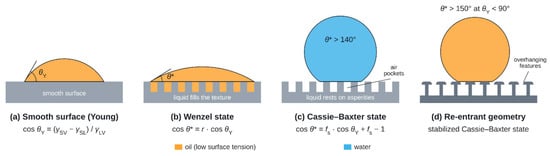
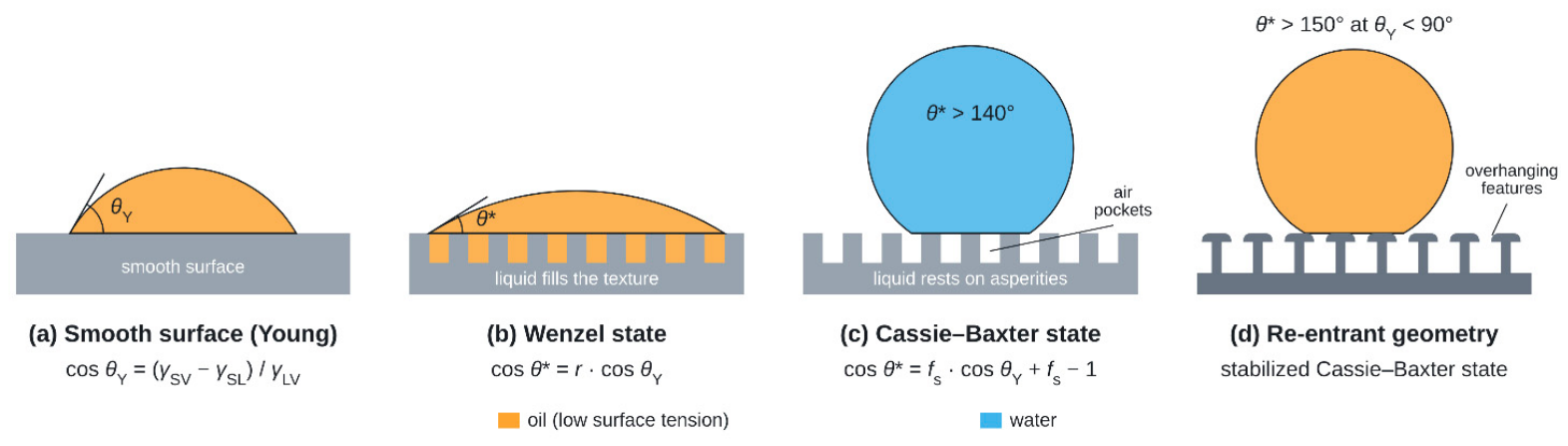
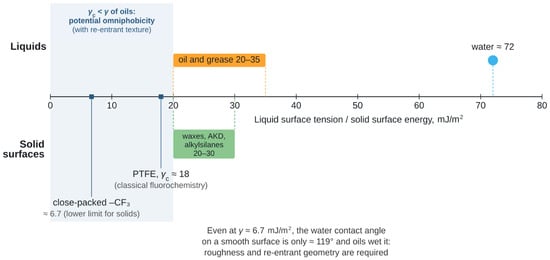
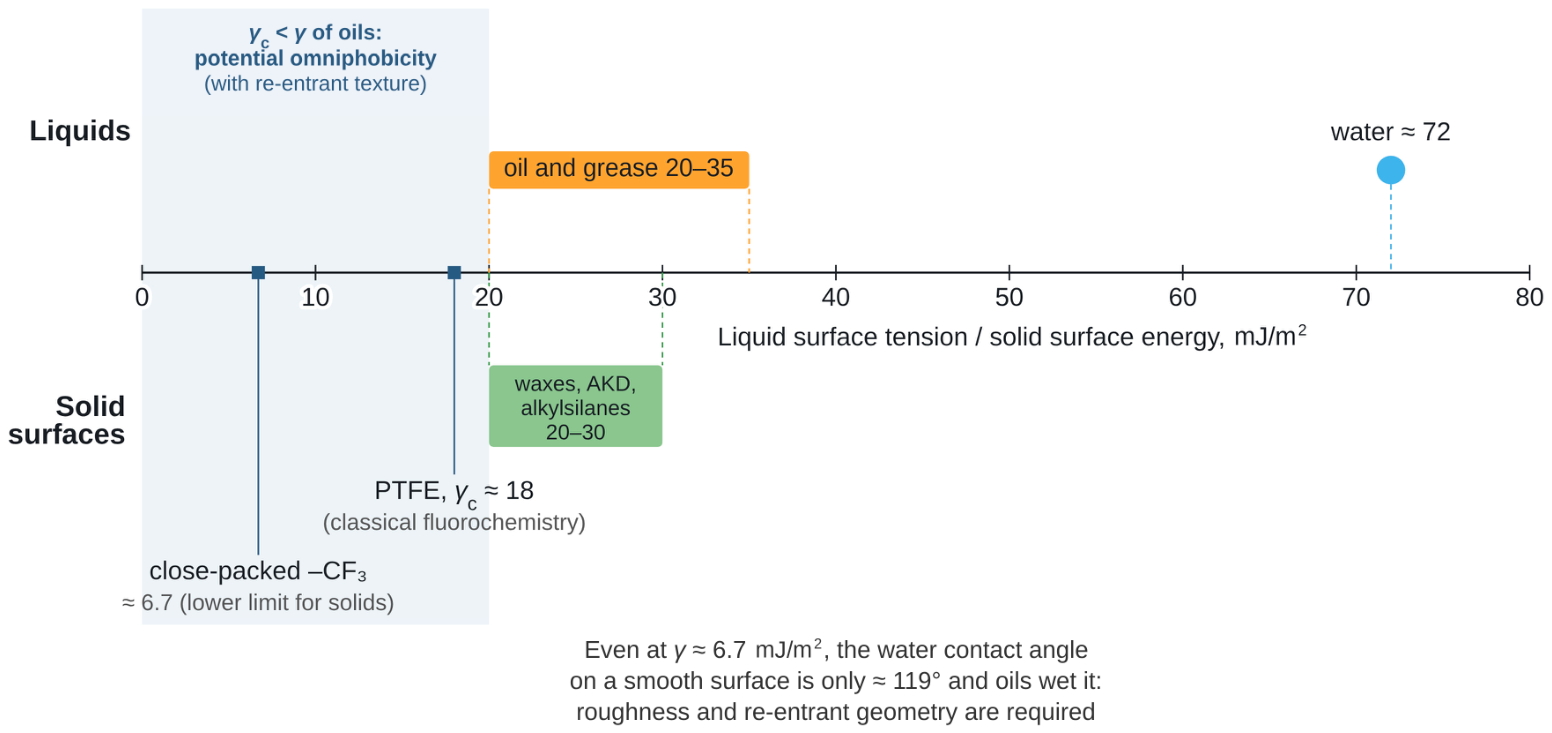
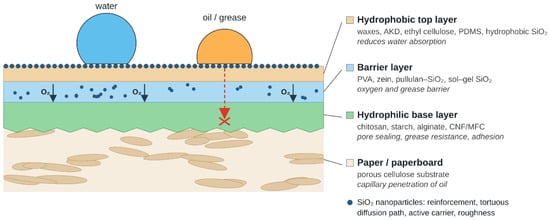
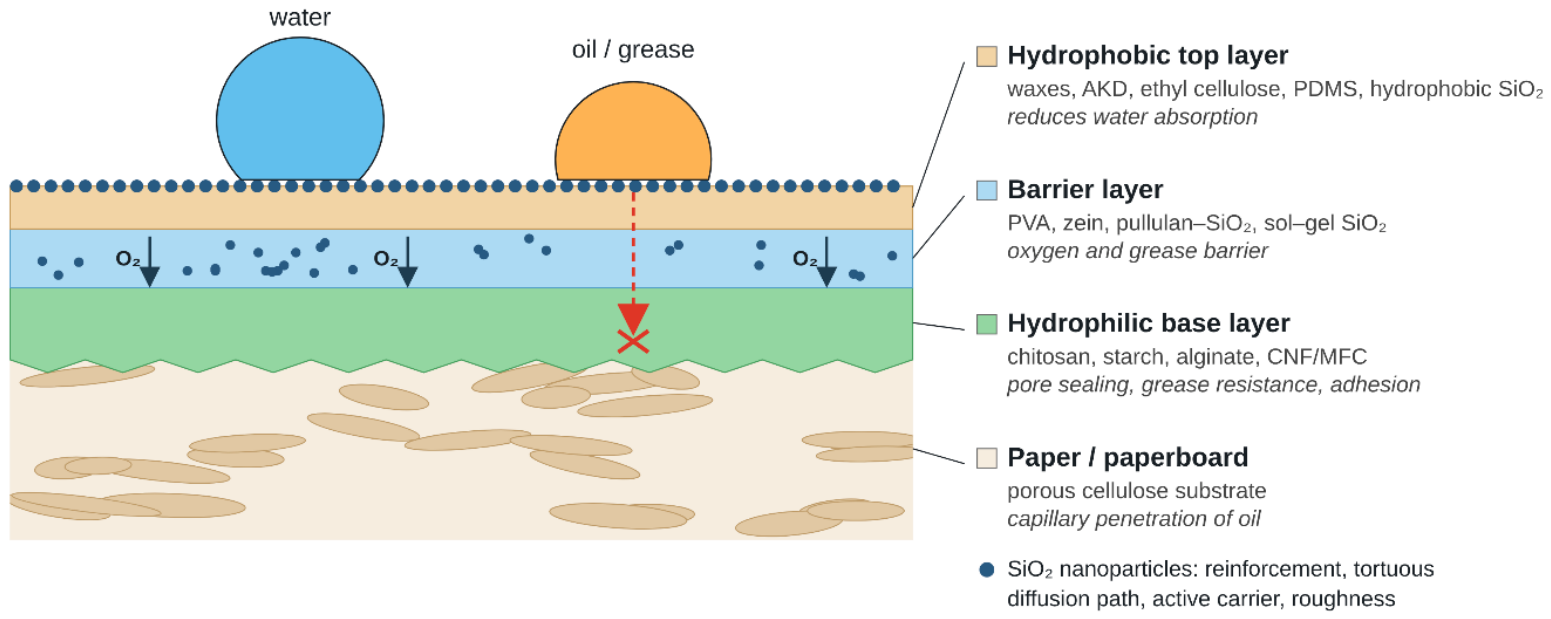

Disclaimer/Publisher’s Note: The statements, opinions and data contained in all publications are solely those of the individual author(s) and contributor(s) and not of MDPI and/or the editor(s). MDPI and/or the editor(s) disclaim responsibility for any injury to people or property resulting from any ideas, methods, instructions or products referred to in the content. |
© 2026 by the authors. Licensee MDPI, Basel, Switzerland. This article is an open access article distributed under the terms and conditions of the Creative Commons Attribution (CC BY) license.