Article

Is Black Titania a Promising Photocatalyst?

1
Institute of Chemical Technology and Engineering, Faculty of Chemical Technology, Poznan University of Technology, Berdychowo 4, 60-965 Poznan, Poland
2
Institute for Catalysis, Hokkaido University, N21 W20, Sapporo 001-0021, Japan
3
Hubei Provincial Key Laboratory of Green Materials for Light Industry, Hubei University of Technology, Wuhan 430068, China
4
Department of Chemical and Process Engineering, West Pomeranian University of Technology in Szczecin, 71-165 Szczecin, Poland
*
Authors to whom correspondence should be addressed.
Catalysts 2022, 12(11), 1320; https://doi.org/10.3390/catal12111320
Submission received: 15 September 2022 / Revised: 21 October 2022 / Accepted: 24 October 2022 / Published: 27 October 2022
(This article belongs to the Special Issue Role of Defects and Disorder in Catalysis)

Abstract

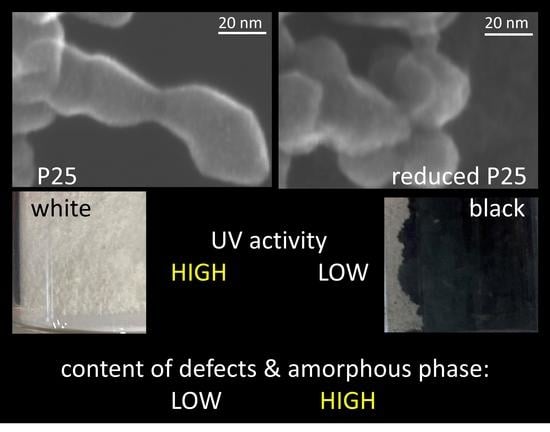
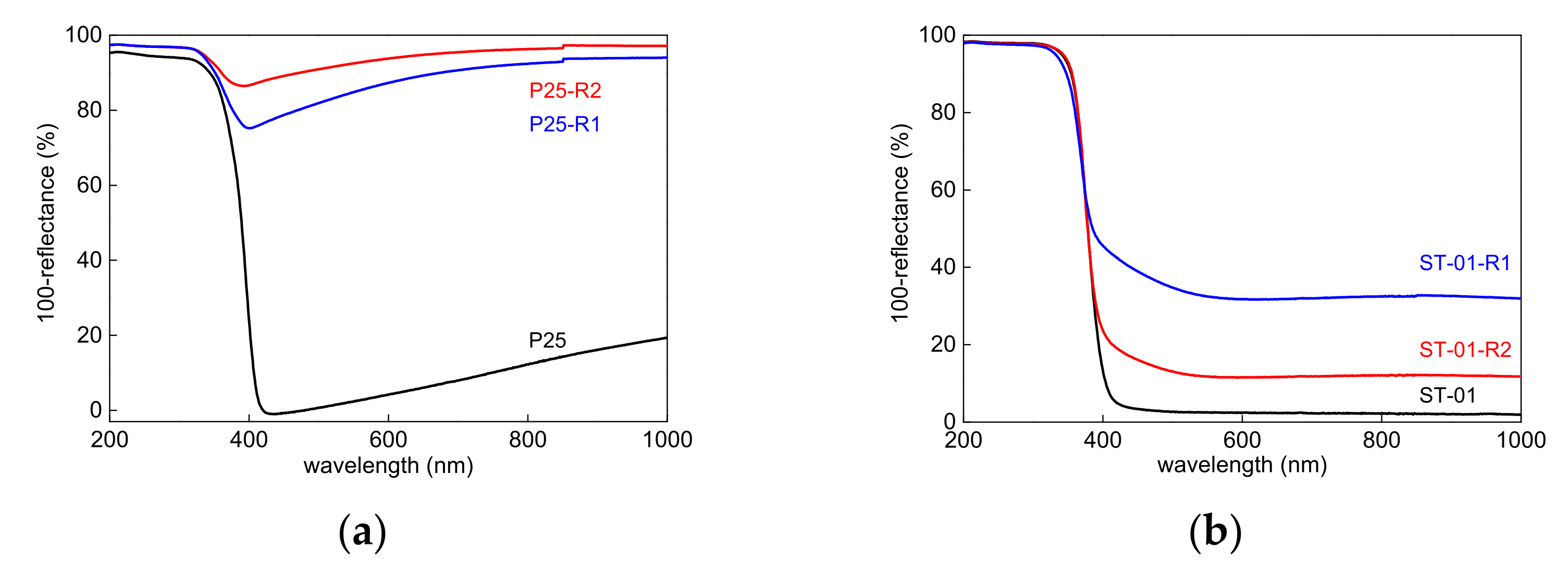
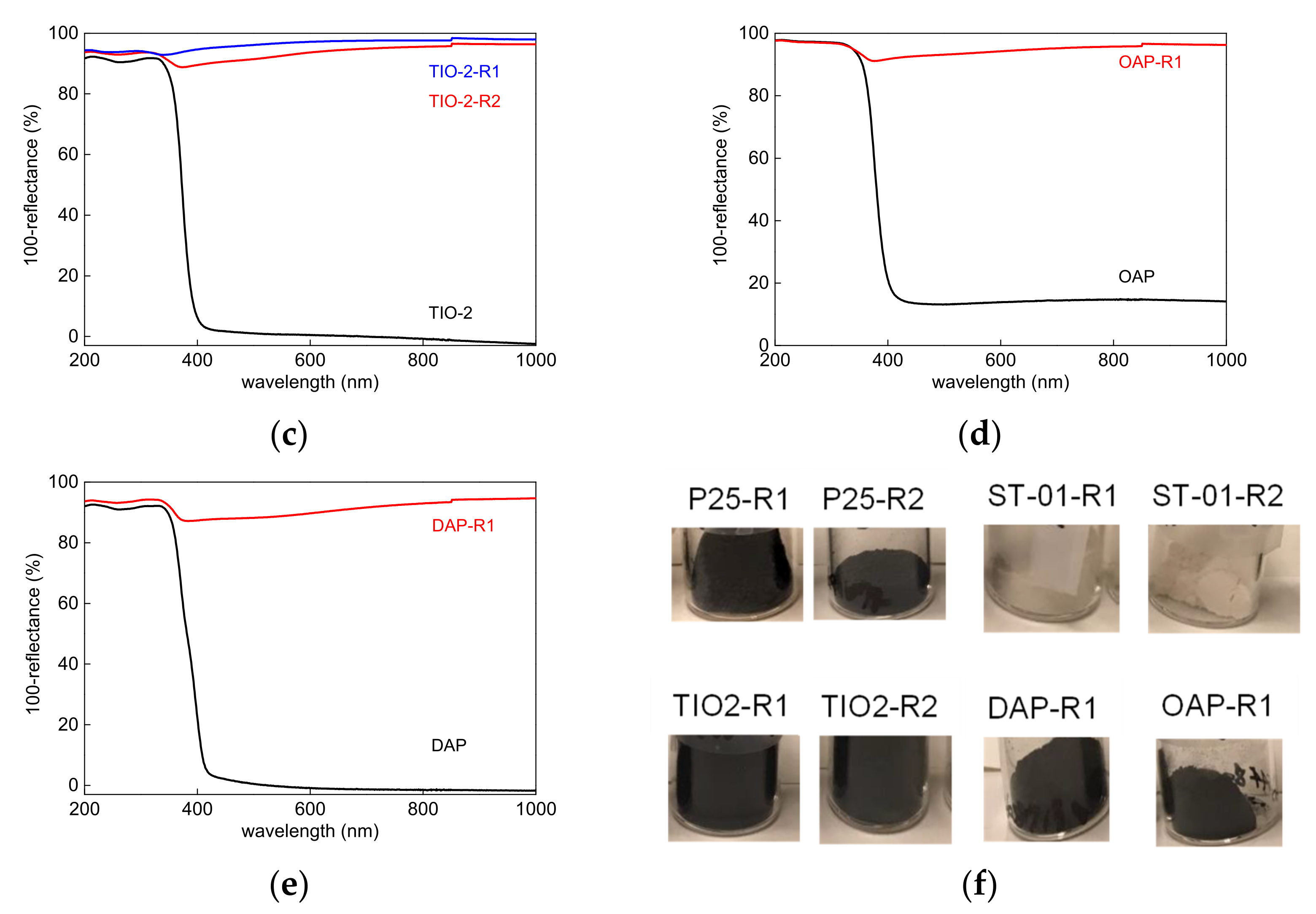
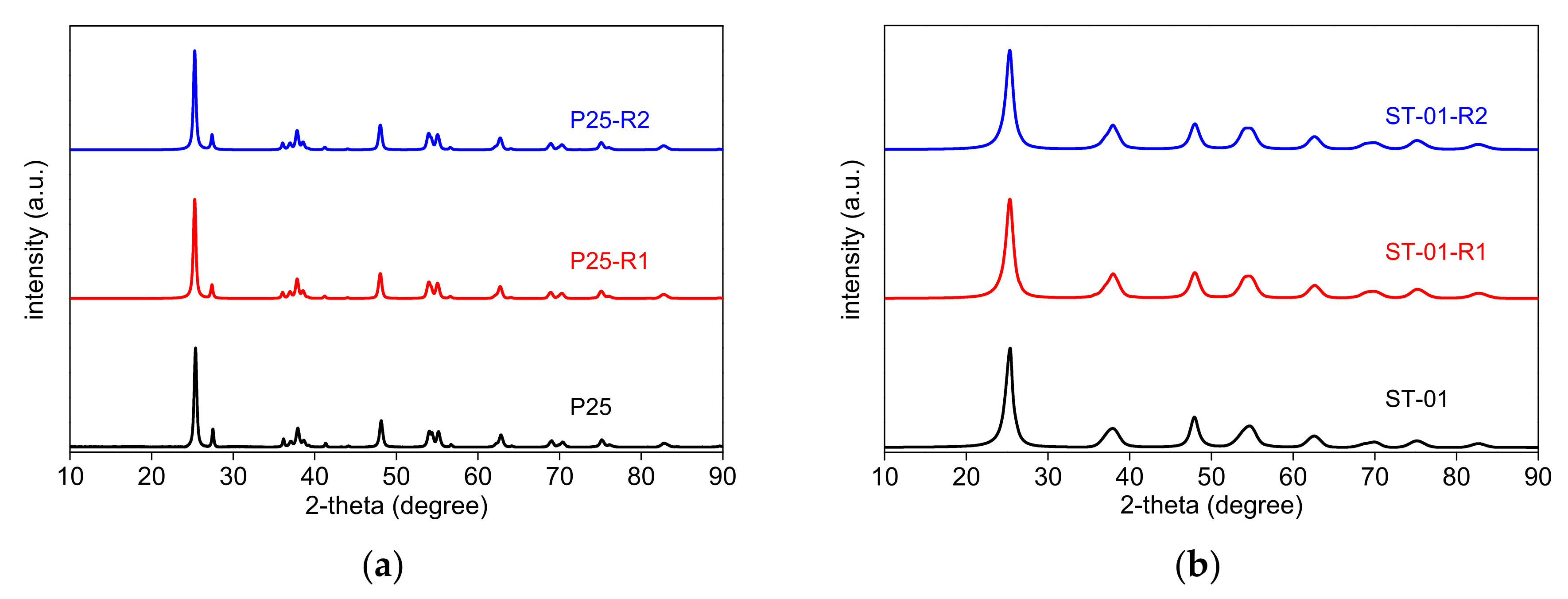
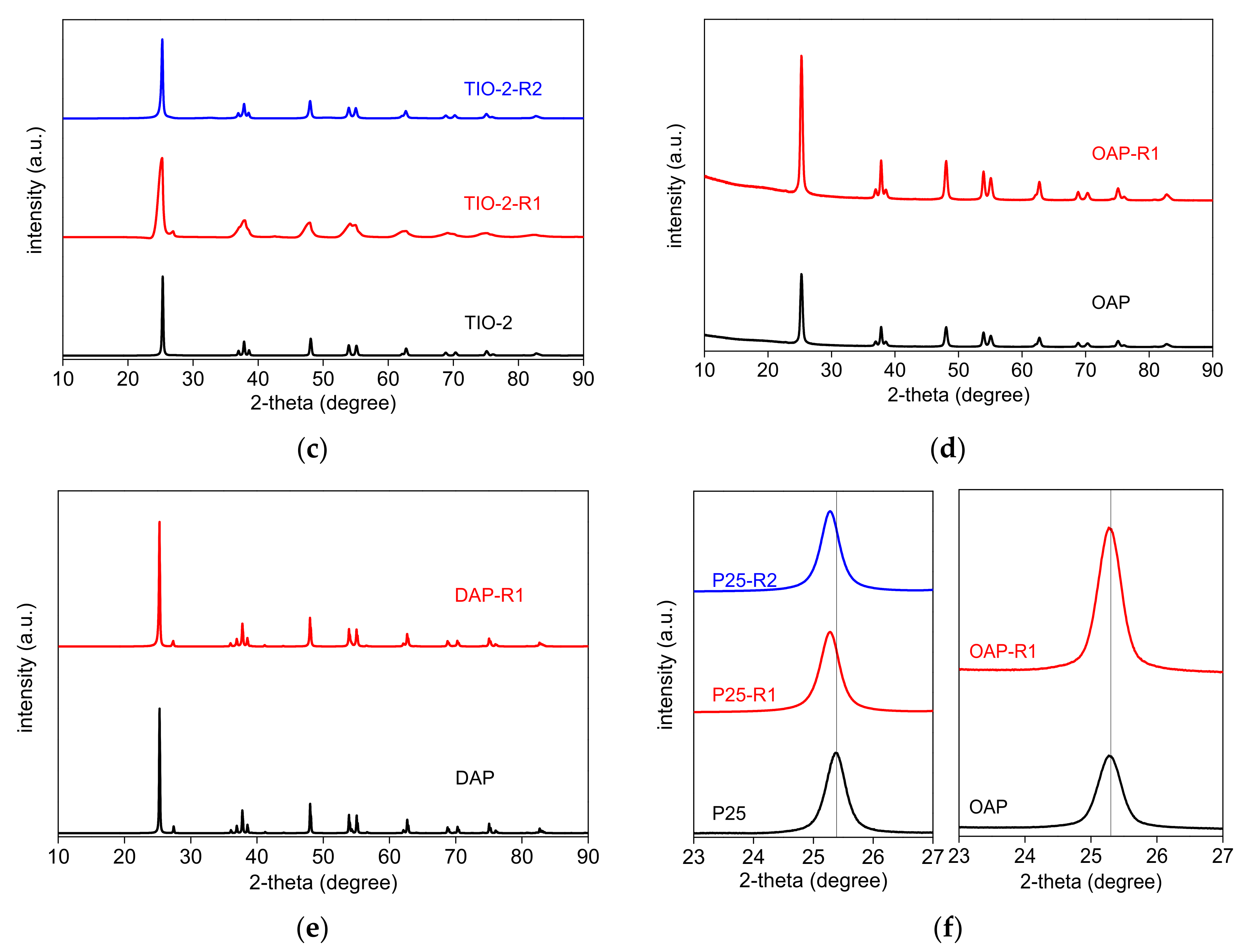
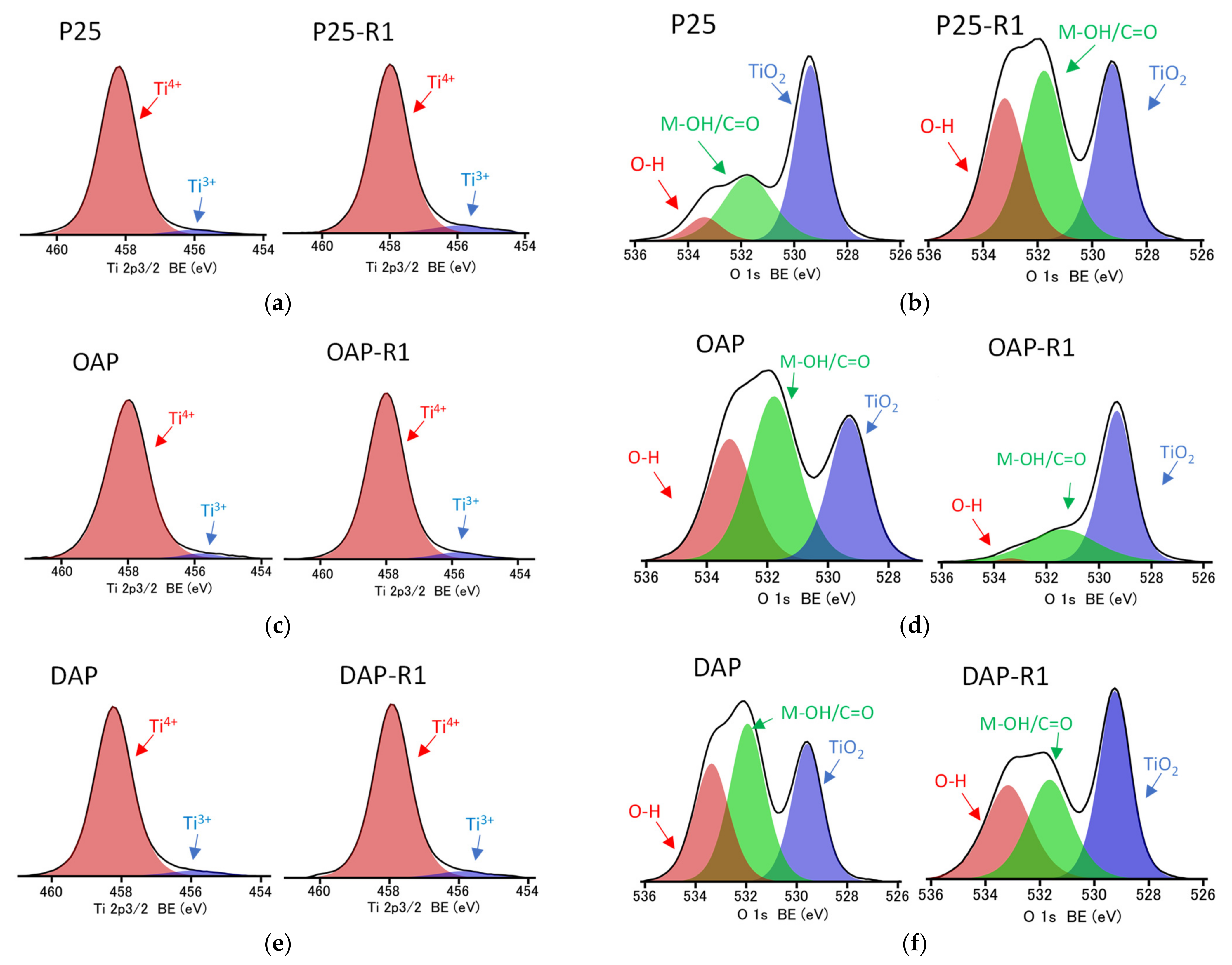
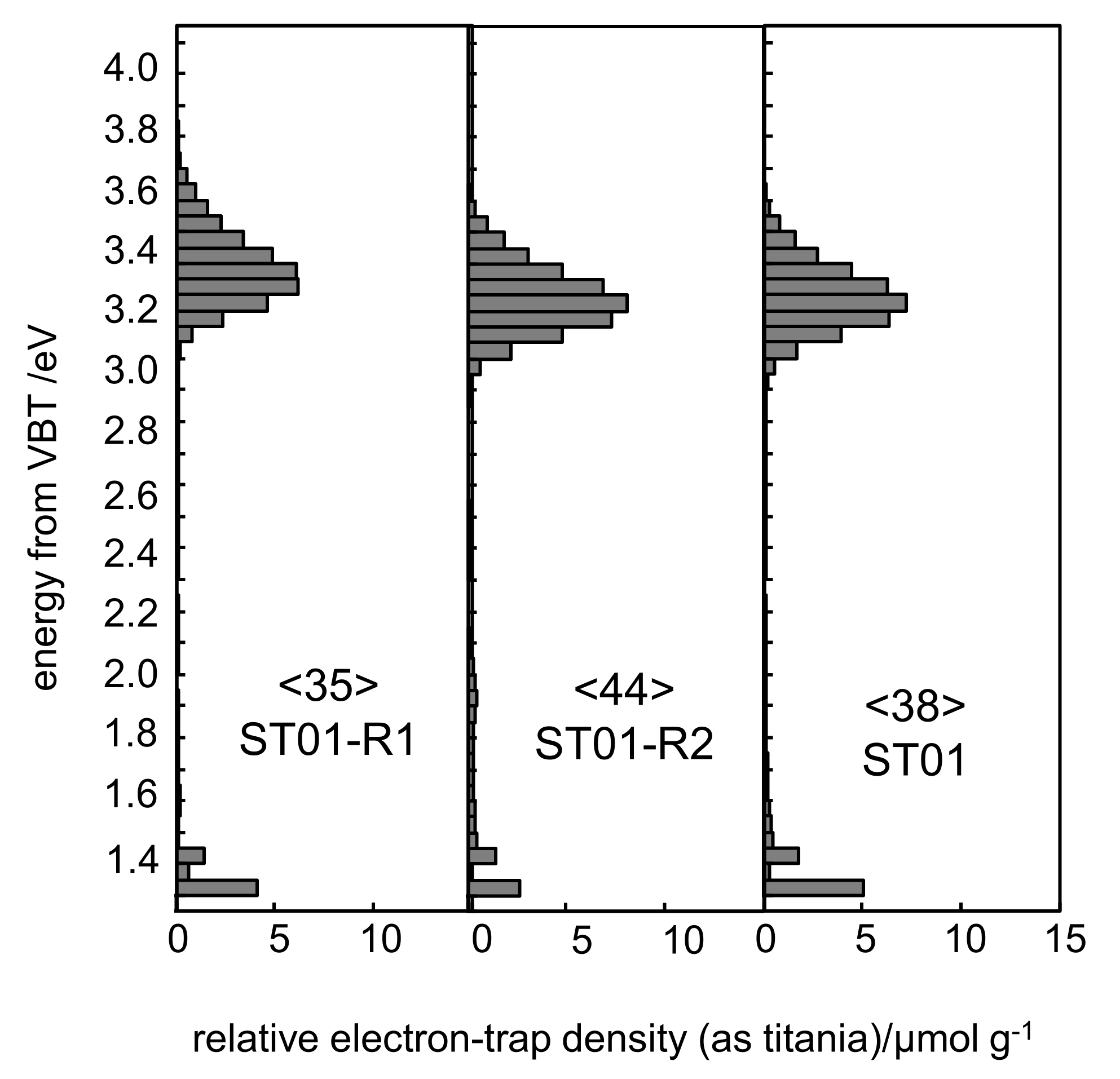
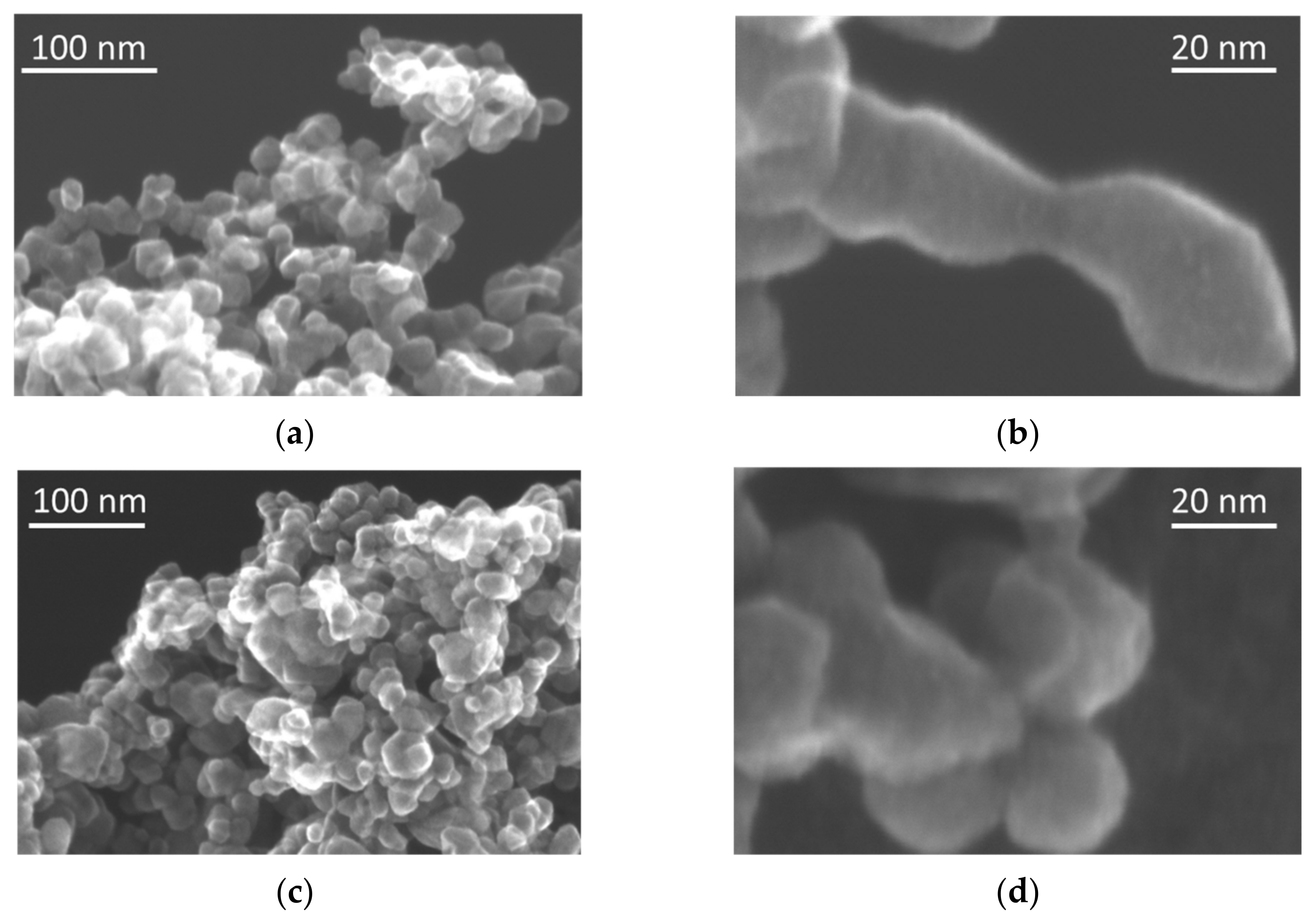
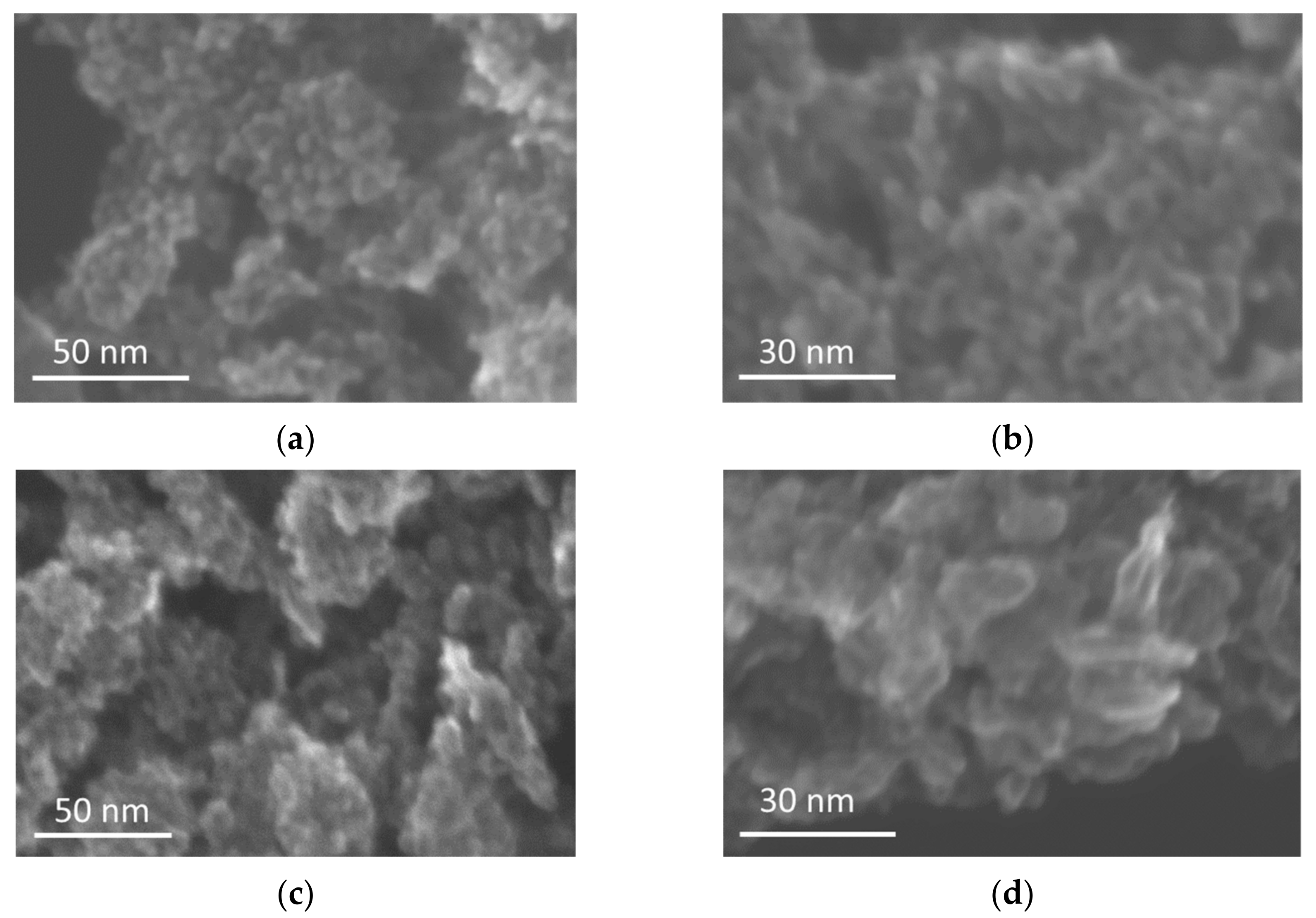
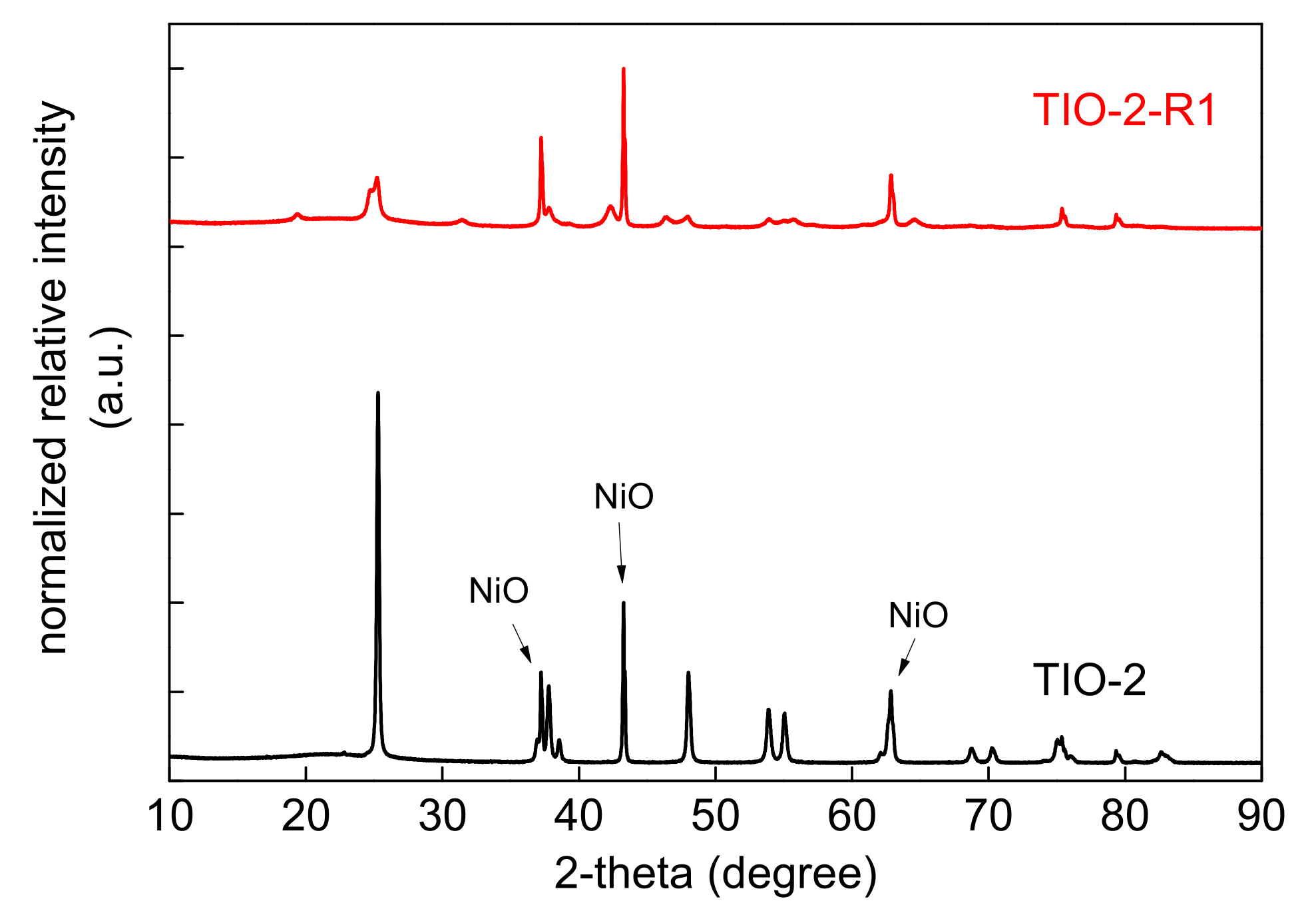
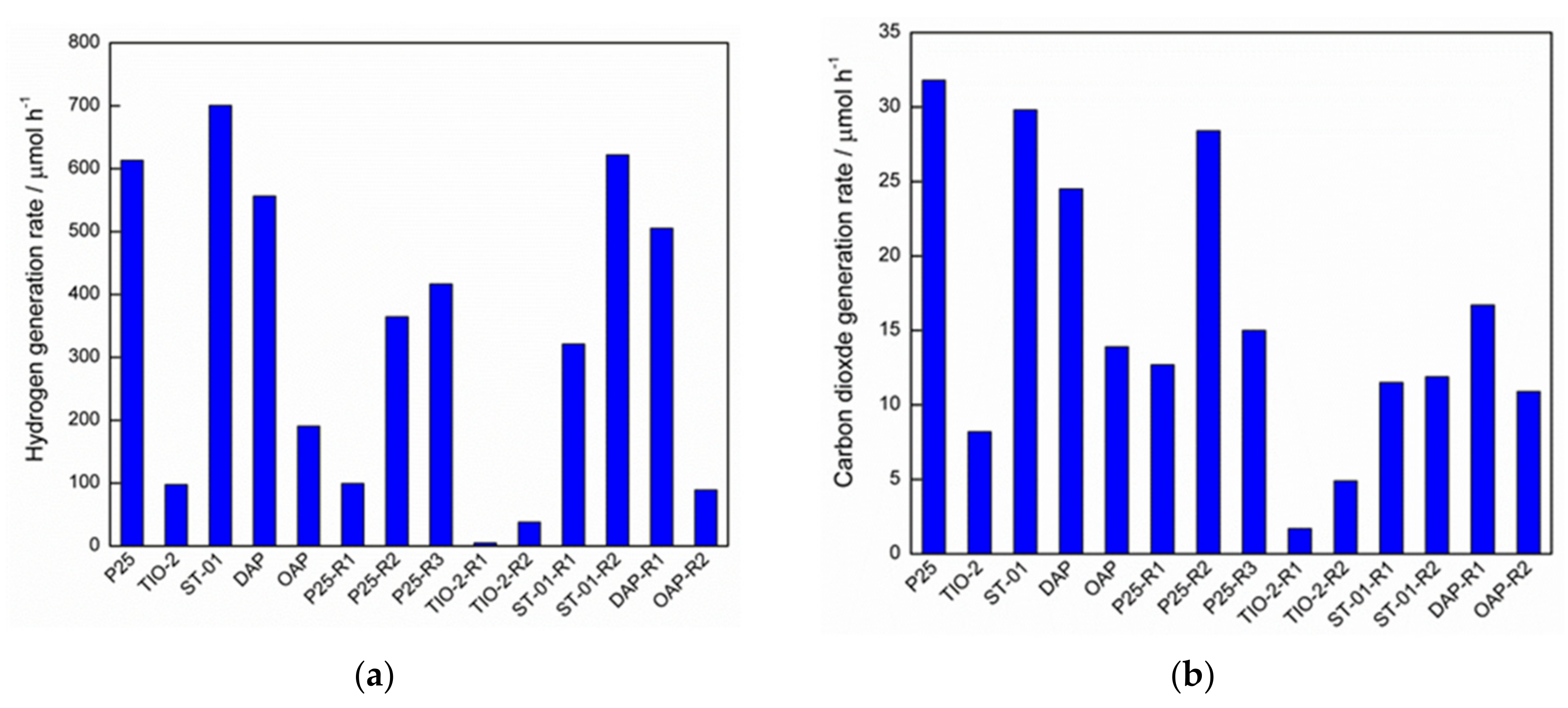
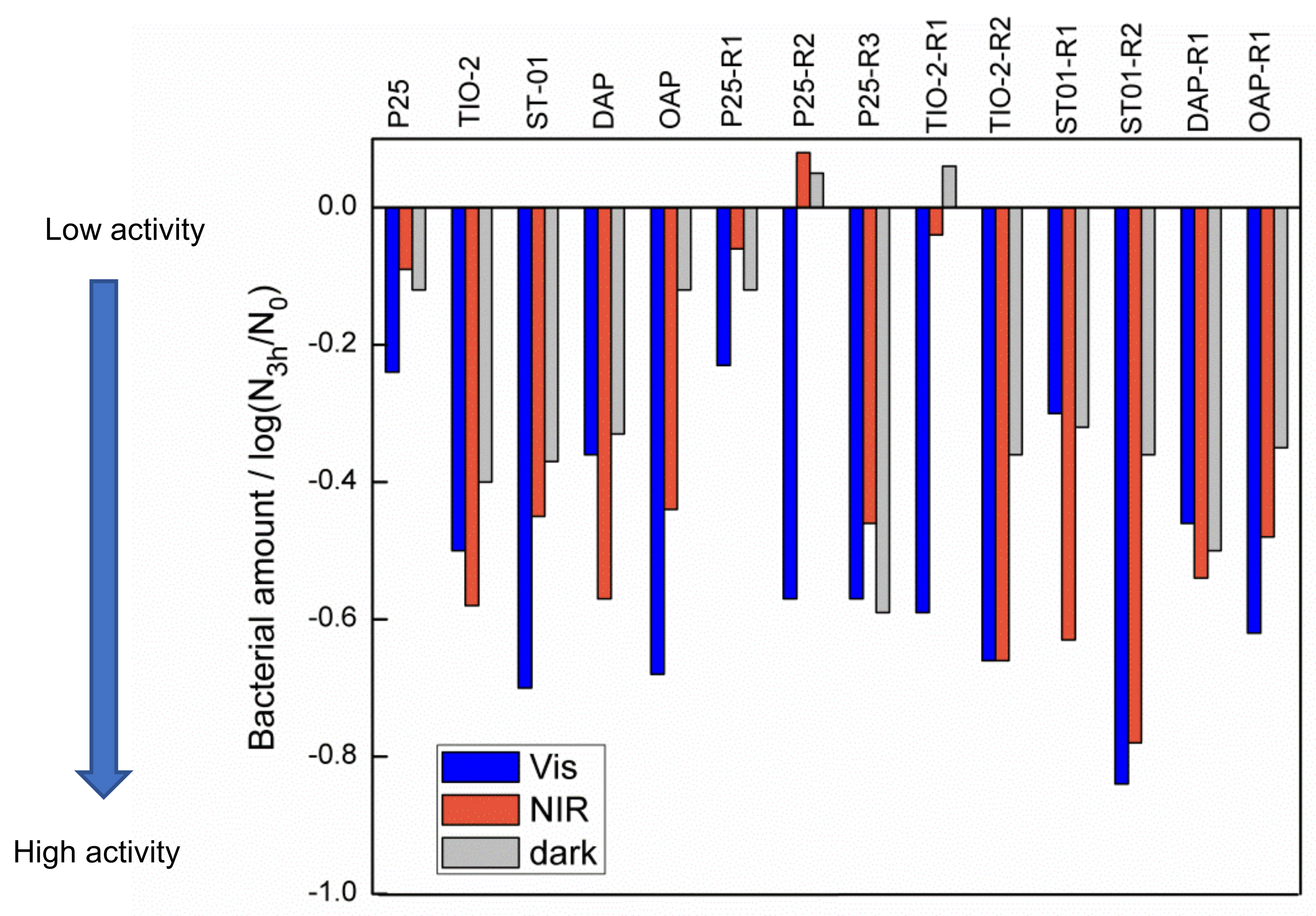
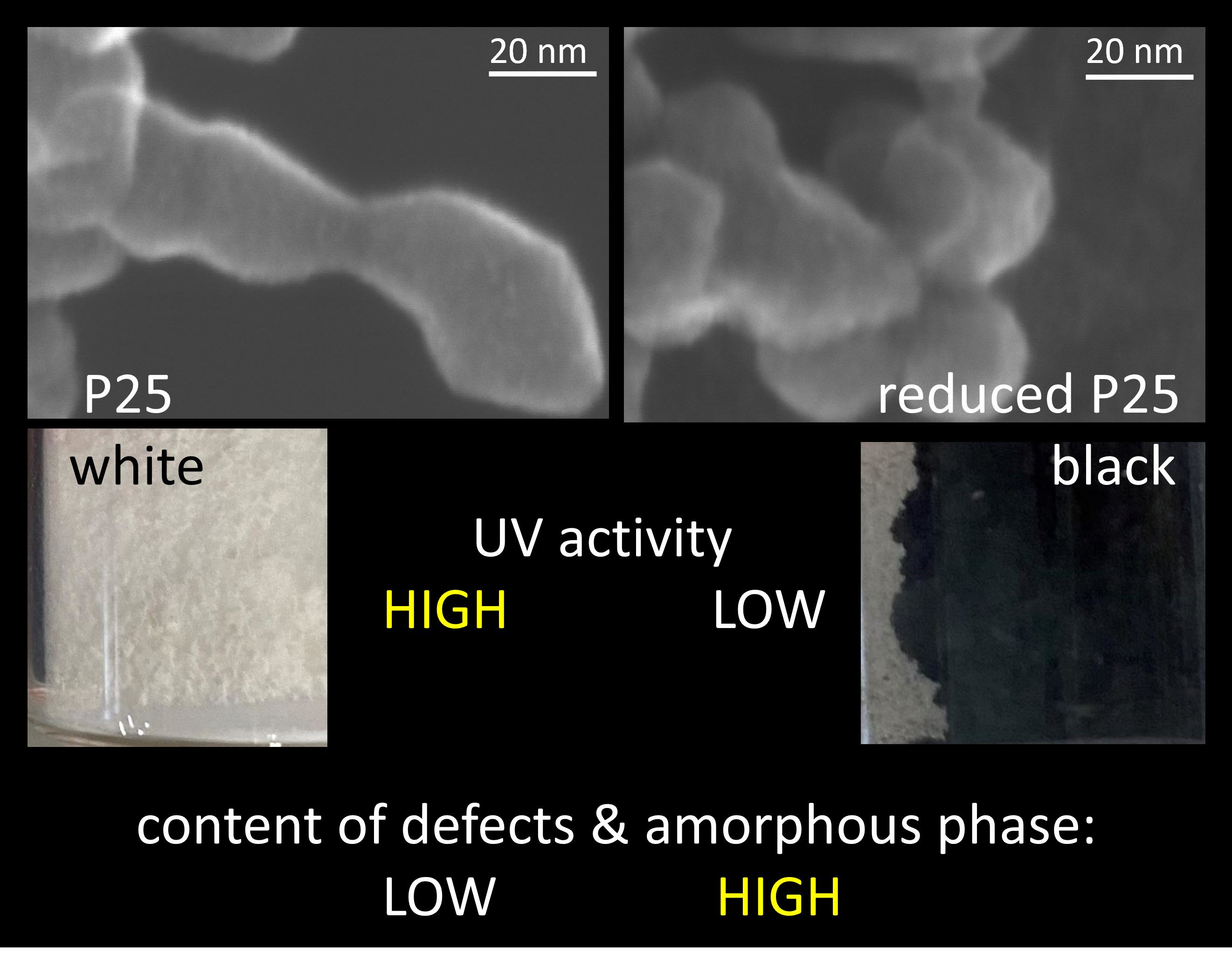
Five different (commercial and self-synthesized) titania samples were mixed with NaBH4 and then heated to obtain black titania samples. The change in synthesis conditions resulted in the preparation of nine different photocatalysts, most of which were black in color. The photocatalysts were characterized by various methods, including X-ray diffraction (XRD), diffuse reflectance spectroscopy (DRS), X-ray photoelectron spectroscopy (XPS), scanning transmission electron microscopy (STEM), photoacoustic and reverse-double beam photoacoustic spectroscopy (PAS/RDB-PAS). The photocatalytic activity was tested for oxidative decomposition of acetic acid, methanol dehydrogenation, phenol degradation and bacteria inactivation (Escherichia coli) under different conditions, i.e., irradiation with UV, vis, and NIR, and in the dark. It was found that the properties of the obtained samples depended on the features of the original titania materials. A shift in XRD peaks was observed only in the case of the commercial titania samples, indicating self-doping, whereas faceted anatase samples (self-synthesized) showed high resistance towards bulk modification. Independent of the type and degree of modification, all modified samples exhibited much worse activity under UV irradiation than original titania photocatalysts both under aerobic and anaerobic conditions. It is proposed that the strong reduction conditions during the samples’ preparation resulted in the partial destruction of the titania surface, as evidenced by both microscopic observation and crystallographic data (an increase in amorphous content), and thus the formation of deep electron traps (bulk defects as oxygen vacancies) increasing the charge carriers’ recombination. Under vis irradiation, a slight increase in photocatalytic performance (phenol degradation) was obtained for only four samples, while two samples also exhibited slight activity under NIR. In the case of bacteria inactivation, some modified samples exhibited higher activity under both vis and NIR than respective pristine titania, which could be useful for disinfection, cancer treatment and other purposes. However, considering the overall performance of the black titania samples in this study, it is difficult to recommend them for broad environmental applications.
Keywords: black titania; hydrogenated titania; NIR activity; vis response; self-doping; oxygen vacancies black titania; hydrogenated titania; NIR activity; vis response; self-doping; oxygen vacancies
Graphical Abstract