


Abstract
The increasing complexity of healthcare data ecosystems demands educational technologies capable of supporting data-intensive learning through advanced analytics, immersive interfaces, and learning analytics. This paper presents a cloud-based reference architecture and a prospective evaluation protocol for integrating Business Intelligence (BI), Extended Reality (XR), and learning analytics in health data science education. The proposed architecture is informed by a systematic literature review conducted according to the PRISMA 2020 guidelines, which screened 613 records retrieved from four databases and retained 56 studies for qualitative synthesis. The review indicates that, although BI and XR technologies have independently been associated with educational benefits, empirical evidence supporting integrated educational architectures combining BI, XR, and learning analytics remains limited, particularly in health data science education. Based on these findings, the paper specifies a layered reference architecture comprising a cloud analytics engine, an immersive visualization engine, an interoperability layer, and a learning analytics pipeline designed to support adaptive and AI-assisted educational services during subsequent implementation phases. The reference architecture is partially instantiated within the curricular unit Health Data Analysis and Visualization of the Digital Health programme at the Polytechnic University of Porto, where the BI and XR components are currently deployed and used within the course, while the interoperability middleware, learning analytics infrastructure, and AI-assisted services remain under development or are specified as architectural capabilities. To support future empirical validation, the paper also defines a comprehensive prospective evaluation protocol comprising predefined outcomes, established instruments with published psychometric properties, together with an expert-developed health data literacy assessment undergoing content validation, research hypotheses, power analysis, a statistical analysis plan, and ethical and data-governance provisions. The manuscript makes four principal research contributions: (i) a cloud-based reference architecture for BI–XR integration, (ii) a computational learning analytics pipeline specification, (iii) an interoperable system design for health data science education, and (iv) a prospective evaluation protocol to guide the future validation of the proposed reference architecture.
1. Introduction
The ongoing digital transformation of healthcare systems has prompted an unprecedented increase in the volume, complexity, and heterogeneity of health-related data [1]. Electronic health records, epidemiological surveillance streams, patient-generated data, and administrative datasets now coexist in ecosystems whose exploitation requires competencies that extend well beyond classical biostatistics [2]. This evolution has significantly altered the profile expected of health professionals, particularly with respect to data science, predictive analytics, and data-informed decision-making [2]. Consequently, higher education institutions face the challenge of redesigning curricula to prepare graduates to operate effectively within data-intensive clinical and public health environments.
In health informatics education, traditional teaching approaches often rely on static, two-dimensional data representations and predominantly passive methodologies. Such approaches can hinder students’ understanding of intrinsically dynamic and multidimensional phenomena, disease propagation, resource allocation, and system-level interactions, whose behavior unfolds simultaneously across space and time [3]. The gap between the representational demands of these phenomena and the affordances of conventional instructional media constitutes a persistent pedagogical problem.
In response, there is growing interest in integrating immersive and data-driven technologies into educational settings [4]. Business Intelligence (BI) platforms provide robust tooling for ingesting, transforming, and analyzing large datasets and for generating actionable insights through interactive dashboards [5]. Extended Reality (XR) technologies, encompassing Virtual Reality (VR), Augmented Reality (AR), and Mixed Reality (MR), enable users to perceive and manipulate data in spatial, embodied, and immersive settings [4,6]. The convergence of these two technological families, formalized in the research field of immersive analytics [7], creates new opportunities for experiential learning, allowing students to explore complex datasets intuitively while retaining the analytical rigor of BI workflows, and, when instrumented with learning analytics, provide an architectural foundation for future adaptive educational environments.
Against this background, this paper presents a cloud-based reference architecture and a prospective evaluation protocol for integrating Business Intelligence, Extended Reality, and learning analytics in health data science education. The proposed reference architecture is informed by the findings of a systematic literature review and is partially instantiated within the curricular unit Health Data Analysis and Visualization of the Digital Health programme at the Polytechnic of Porto, Portugal [8].
The paper makes four principal research contributions. First, it presents a systematic literature review, conducted according to the PRISMA 2020 guidelines [9], on the educational use of Business Intelligence platforms and XR technologies in health-related higher education. Second, it specifies a cloud-based reference architecture that integrates a cloud analytics engine, an immersive visualization engine, interoperable data services and middleware, and a learning analytics pipeline. The adaptive and AI-assisted services are presented as architectural capabilities to support future implementation phases. Third, the paper reports the partial instantiation of the proposed reference architecture within an operational curricular unit, providing a reproducible deployment blueprint while explicitly documenting the implementation status of each major architectural component. Fourth, it defines a prospective evaluation protocol comprising established instruments with published psychometric properties, together with an ex-pert-developed health data literacy assessment undergoing content validation, research hypotheses, and a statistical analysis plan to support the future empirical evaluation of the proposed reference architecture.
This manuscript should be understood as a reference architecture and system-design contribution rather than as a report of a fully implemented and empirically validated intelligent educational system. At the time of writing, the Business Intelligence and XR components are deployed and used within the course, whereas the interoperability middleware, learning analytics infrastructure, and adaptive services remain under development or are specified as architectural capabilities. Likewise, the educational effectiveness and adaptive capabilities of the proposed reference architecture have not yet been empirically evaluated. The prospective evaluation protocol presented in Section 6 defines the methodology through which future empirical validation will be conducted.
By explicitly distinguishing implemented components from architectural capabilities and by providing a prospective protocol for empirical validation, the manuscript aims to support the reproducible design, development and future evaluation of intelligent educational technologies rather than to report completed educational outcomes.
The remainder of the paper is organized as follows. Section 2 reviews the background and theoretical foundations. Section 3 describes the methodology of systematic review and the design of the proposed reference architecture. Section 4 presents the results of the review. Section 5 presents the proposed reference architecture, its implemented components, its specified architectural capabilities, and its curricular instantiation. Section 6 details the prospective evaluation protocol. Section 7 discusses implications, Section 8 acknowledges limitations, and Section 9 concludes.
2. Background and Theoretical Foundations
This section reviews the theoretical and technological foundations that inform the design of the proposed reference architecture.
2.1. Business Intelligence in Health Education
BI has been defined as the set of concepts, methods, and systems used to transform raw data into meaningful information for analysis and decision support [5]. Beyond its managerial origins, BI has been increasingly recognized as an epistemic instrument: interacting with BI systems shapes how members of an organization come to know their domain [10]. Transposed to education, this perspective suggests that students who build and interrogate BI artefacts are not merely acquiring technical proficiency but also developing domain-specific analytical reasoning.
The literature on BI in health education emphasizes experiential engagement with real-world datasets. Working with authentic health data enables students to practice descriptive and predictive analyses, strengthening professional readiness [11]. Reported outcomes include improved data literacy, the ability to read, interpret, and argue with data, and stronger problem-solving capabilities [10]. Studies of SAC specifically remain scarce and are concentrated in practitioner-oriented venues [6,11], which motivates the broader categorical analysis adopted in the present review. Accordingly, SAC is treated throughout this work as the reference implementation of the BI layer rather than as the object of evaluation.
2.2. Extended Reality in Health Education
XR technologies have accumulated a substantial evidence base in health professions education. A landmark systematic review and meta-analysis by the Digital Health Education Collaboration found that VR improves post-intervention knowledge and skills relative to traditional or other digital education [12]. Radianti et al. mapped immersive VR applications in higher education, identifying design elements and persistent gaps between technological capability and pedagogical integration [13]. More recent syntheses confirm and extend these findings: Sakr and Abdullah reviewed 150 studies on VR/AR and learning analytics, reporting predominantly positive effects on engagement, motivation, and achievement across educational systems [14], while Lampropoulos et al. provide an overview of VR across medical, healthcare, and nursing education from 2010 to 2025, documenting improvements in performance, clinical skill development, and critical thinking [15]. In parallel, learning analytics research has begun to instrument immersive environments themselves, moving from outcome measurement towards behavioral, self-regulatory, and affective analytics within virtual learning environments [16].
Mechanistically, the Cognitive Affective Model of Immersive Learning (CAMIL) proposes that immersive technology influences learning through two mediating affordances, presence and agency, which in turn affect interest, motivation, self-efficacy, embodiment, cognitive load, and self-regulation [17]. Importantly, immersion is not unconditionally beneficial: Makransky, Terkildsen and Mayer demonstrated that adding immersive VR to a science simulation increased presence but decreased learning when the medium overloaded learners [18]. These results align with cognitive load theory [19] and with multimedia learning principles [20], and they impose a design constraint on any BI–XR integration: immersive representations must reduce, not inflate, extraneous processing.
Although these findings provide strong evidence for the educational potential of XR technologies, they should not be interpreted as direct evidence for integrated BI-XR educational architectures, whose empirical evaluation remains limited.
2.3. Immersive Analytics
Immersive analytics investigates how immersive and embodied display and interaction technologies can support analytical reasoning and decision-making [7]. The field’s premise is that stereoscopic, room-scale, and embodied interfaces allow engagement with multidimensional data that is unattainable through two-dimensional interfaces [21]. In health contexts, immersive analytics have been applied to disease modelling, resource planning, and healthcare system simulation; early work with mixed-reality interfaces for health data identified both potential benefits and open questions concerning usability and integration [22]. Persistent challenges include interaction ergonomics, integration with established analytics pipelines, and, most relevant here, the absence of robust educational architectures and implementation approaches specifying how immersive analytics can be systematically integrated into higher education curricula [4,21].
2.4. Learning-Theoretical Foundations
The proposed reference architecture is grounded in established learning theories. Constructivism posits that learners actively construct knowledge by integrating new information with existing cognitive structures [23], a process that is socially mediated [24]. Experiential learning theory conceptualizes learning as a cycle of concrete experience, reflective observation, abstract conceptualization, and active experimentation [25]. BI dashboarding activities operationalize abstract conceptualization and reflective observation, whereas XR sessions supply concrete, embodied experience and a safe arena for active experimentation; the interaction between these complementary educational layers supports the complete experiential learning cycle. CAMIL [17] and cognitive load theory [19] complement these macro-theories with medium-specific design guidance.
2.5. Gaps in the Literature
Despite the promising potential of both technological families, there is a noticeable gap concerning their combination in health data science education. Few studies explicitly propose or describe reference architectures or educational designs that systematically integrate BI, XR, and learning analytics; those that address immersive analytics rarely specify curricular structures, assessment strategies, or evaluation protocols. Furthermore, evidence on specific contemporary platforms (SAC, Meta Quest 3) is minimal, and existing XR research in health education focuses overwhelmingly on clinical skills rather than on data science competencies [12,15]. The present study addresses these gaps by proposing a cloud-based reference architecture informed by educational theory and a systematic literature review, documenting its partial instantiation within an operational curricular unit, and defining a prospective protocol for its future empirical evaluation.
These identified gaps motivate the design of the reference architecture presented in this work and justify the need for a structured protocol capable of supporting its systematic future empirical validation.
Accordingly, the following section describes the systematic review methodology adopted to identify the technological, educational, and architectural evidence informing the proposed reference architecture.
3. Materials and Methods
The study adopted a two-stage design: (i) a systematic literature review, conducted according to the PRISMA 2020 guidelines [9], to inform the design of the proposed reference architecture, and (ii) an iterative reference architecture design process to derive the proposed reference architecture and its prospective evaluation protocol.
3.1. Systematic Literature Review
Search strategy. Searches were performed in Scopus, Web of Science, IEEE Xplore, and PubMed, covering publications up to July 2026. The review protocol was developed before study selection, defining the research question, search strategy, eligibility criteria, data extraction procedure, and thematic synthesis approach. The search combined free-text terms in four blocks: (1) health/healthcare/medical/nursing/clinical; (2) education, teaching, curriculum, student; (3) business intelligence, analytics, dashboards, data visualization, data literacy, data science; and (4) virtual, augmented, mixed, or extended reality, and immersive analytics. Blocks were combined as (1) AND (2) AND ((3) OR ((4) AND data-related terms)); the reality block was anchored to data/analytics terms because the review targets health data science education rather than clinical simulation in general. The full query strings for each database are provided in the Supplementary Materials.
Eligibility criteria. Studies were included if they (i) addressed a higher-education or professional-training context in a health-related domain, (ii) involved a BI/analytics/data-visualization platform or an XR technology, and (iii) focused on teaching, learning, or competency development. Studies exclusively focusing on clinical simulation without a health data analysis or educational component were excluded. Editorials, abstracts, non-peer-reviewed reports, and studies outside health education were excluded. Only English-language records were considered. The full set of inclusion and exclusion criteria is summarized in Table 1.
Table 1.
Inclusion and exclusion criteria of the systematic review.
Selection process. The search yielded 613 records (Scopus 247, IEEE Xplore 208, Web of Science 107, PubMed 51). After removing 165 duplicates, 448 records were screened by title and abstract, of which 368 were excluded. Of the 80 reports sought for retrieval, 11 could not be obtained, and the remaining 69 underwent full-text assessment; 13 were excluded (eight clinical or technical contributions without an educational study, two reviews not focused on education, two educational studies without a BI/XR technology, and one ineligible publication type). This left 56 studies for qualitative synthesis. Screening and full-text eligibility assessment were independently performed by two members of the research team following the predefined eligibility criteria. Decisions were documented together with the corresponding reasons for exclusion in an auditable screening log. Any uncertainties regarding eligibility were resolved through discussion among the research team until consensus was reached. The study selection process followed the PRISMA 2020 reporting recommendations [9] and is summarized in Figure 1.
Figure 1.
PRISMA 2020 flow diagram of the study selection process.
Themes were derived inductively through iterative comparison and thematic grouping of the extracted data and subsequently organized into four analytical dimensions: technology category, educational context, study design, and reported educational outcomes; no meta-analysis was attempted given the heterogeneity of designs and outcome measures because of the substantial methodological, technological, and outcome heterogeneity across the included studies. Data extracted from each included study is summarized in Table 2 (Section 4.1).
3.2. Evidence Synthesis Strategy
The objective of the evidence synthesis was not to estimate the effectiveness of individual educational interventions, but rather to identify recurring technological capabilities, educational design principles, implementation strategies, and research gaps used to inform the specification of the proposed reference architecture. Accordingly, a structured thematic synthesis was adopted, as this approach was considered more appropriate than quantitative aggregation given the methodological and conceptual heterogeneity of the included studies.
To preserve analytical consistency, the included studies were grouped according to four complementary analytical dimensions: (i) technology category (Business Intelligence, Extended Reality, immersive analytics, and learning analytics), (ii) educational context, (iii) study design, and (iv) reported educational outcomes. Through iterative comparison across studies, recurrent themes were identified and subsequently synthesized into architectural requirements and design principles that informed the development of the proposed reference architecture.
Primary empirical studies and secondary evidence were analyzed separately during the evidence synthesis. Primary studies were used to identify implementation characteristics, educational applications, and reported outcomes, whereas review articles were used primarily to contextualize broader trends, identify consistent findings across the literature, and support the interpretation of the evidence. To minimize potential double-counting of evidence, findings reported in review articles were not considered as independent evidence when the corresponding primary studies were already represented within the dataset. Instead, review articles were used to corroborate overarching trends and identify gaps in the existing literature.
Rather than directly deriving architectural decisions from individual studies, the synthesis followed an evidence-informed design approach in which recurring findings across the literature were translated into functional requirements and architectural design principles. Consequently, the proposed reference architecture should be understood as being informed by the collective body of evidence identified through the review, rather than representing an empirical synthesis of intervention effectiveness.
3.3. Quality Considerations
Given the methodological heterogeneity of the included studies, encompassing primary empirical studies, system design papers, conference contributions, and review articles, no formal risk-of-bias instrument was applied. This decision reflects the objective of the review, which was to inform the specification of the proposed reference architecture through evidence mapping and thematic synthesis rather than to estimate intervention effects or conduct quantitative evidence synthesis.
Instead, evidence quality was considered qualitatively throughout the synthesis process by examining the methodological characteristics of each study, including study design, educational context, technology category, outcome measures, reporting transparency, and relevance to the research objectives. Attention was given to the consistency of findings across multiple studies rather than to isolated results.
To preserve the integrity of the evidence base, primary studies and secondary evidence were considered separately during the synthesis. Review articles were used to identify overarching trends, areas of consensus, and research gaps, whereas primary studies informed the identification of implementation characteristics, educational applications, and reported outcomes. Consequently, findings reported in review articles were not treated as independent evidence when the corresponding primary studies were already represented within the dataset, thereby reducing the risk of unintentionally over-representing the same body of evidence.
The resulting synthesis should therefore be interpreted as an evidence-informed foundation for the design of the proposed reference architecture rather than as a quantitative assessment of intervention effectiveness. Consequently, the review should be interpreted as a systematic literature review aimed at informing reference architecture design rather than at estimating intervention effectiveness through evidence synthesis.
3.4. Reference Architecture Design Process
The proposed reference architecture was developed through an evidence-informed and iterative design process that integrated the findings of the systematic literature review (Section 4) with the educational theories presented in Section 2.4. Rather than deriving architectural components directly from individual studies, the design process translated recurring evidence from the thematic synthesis into functional requirements, which were subsequently refined through established educational principles and successive design iterations. The correspondence between evidence, educational theories, functional requirements, and architectural decisions is summarized in Figure 2.
Figure 2.
Reference architecture design process. The proposed reference architecture was derived through an iterative seven-stage process that integrates evidence synthesized from the systematic literature review with educational theories to define functional requirements, architectural components, curricular instantiation, and a prospective evaluation protocol. Dashed arrows indicate iterative refinement throughout the design process.
The design process comprised a sequence of iterative stages. First, the thematic synthesis identified recurrent technological capabilities, educational needs, implementation constraints, and research gaps across the reviewed literature. Second, these findings were interpreted considering constructivist learning theory, experiential learning theory, the Cognitive Affective Model of Immersive Learning (CAMIL), and cognitive load theory to establish pedagogical design principles. Third, these principles were translated into functional and technical requirements that defined the major architectural layers, interoperability mechanisms, learning analytics pipeline, and adaptive educational capabilities. Subsequently, the resulting architecture was progressively refined through successive design iterations involving the teaching team of the Digital Health programme, who evaluated its pedagogical coherence, technical feasibility, and curricular alignment. The resulting reference architecture was then partially instantiated within the curricular unit Health Data Analysis and Visualization, while a prospective evaluation protocol was specified to guide its future empirical validation.
Three design iterations were conducted between the completion of the thematic synthesis and the specification of the reference architecture reported here. The participating teaching team comprised four members of the Digital Health programme: the coordinator of the curricular unit Health Data Analysis and Visualization, one lecturer responsible for the Business Intelligence and data-analytics component, one lecturer responsible for the Extended Reality component, and one researcher with expertise in learning analytics and educational technology. Each iteration consisted of a structured review meeting in which the current version of the architecture was appraised against three criteria, pedagogical coherence, technical feasibility, and curricular alignment, followed by a revision cycle. The first iteration consolidated the mapping between functional requirements and architectural layers; the second refined the interoperability mechanisms and the learning analytics event model; and the third delimited the boundary between implemented components and prospectively specified capabilities and aligned the architecture with the three-phase structure of the curricular unit. Requested changes, the decisions taken, and their rationale were recorded in a design log, together with the corresponding version of the architectural diagrams; divergences were resolved by discussion until consensus was reached among all four members.
The iterative design process resulted in three complementary outputs: (i) a cloud-based reference architecture for integrating Business Intelligence, Extended Reality, and learning analytics (Section 5); (ii) its partial instantiation within a 15-week undergraduate curricular unit (Section 5.5); and (iii) a prospective evaluation protocol defining the methodology through which the proposed reference architecture will be empirically evaluated (Section 6).
4. Results of the Systematic Review
4.1. Overview of the Included Studies
The 56 included studies span 2010–2026, with 45 (80%) published from 2021 onward, confirming the recency and rapid growth of the field. Regarding the technologies investigated, 43 studies employed XR (VR, AR, or MR), 10 employed BI/analytics or data-visualization platforms, and 3 explicitly addressed immersive analytics. Health domains were dominated by anatomy and surgical or procedural training, nursing education, and emergency/critical-care training, with a smaller cluster addressing health informatics and health-administration curricula. Study designs ranged from system-development and validation papers to quasi-experimental and randomized controlled evaluations and narrative or systematic reviews. Table 2 summarizes the characteristics of a representative subset; the complete extraction table is provided in the Supplementary Materials.
Table 2.
Representative characteristics of the included studies (full table in Supplementary Materials).
The qualitative synthesis was organized into four themes, which informed the subsequent design of the proposed reference architecture.
4.2. BI Platforms Foster Data Literacy Through Authentic Analytical Work
Studies involving BI, analytics, and data-visualization platforms consistently report gains in data literacy and analytical competence when students work end-to-end, from raw data to communicated insight, on authentic health datasets [27,28,31,34,35,37,39,41,42,45]. Reported implementations span dedicated health-informatics curricula that introduce BI concepts and tools [10], BI dashboards for radiological-technology and health-administration training, learning analytics systems that model student engagement or attrition, and repeated-measures trials of BI systems for nursing students. Across the included studies, educational benefits were consistently associated with authentic engagement in the complete analytical workflow rather than with any specific BI platform. The reviewed studies suggest that BI platforms primarily function as pedagogical scaffolding, supporting reasoning about data quality, aggregation strategies, data interpretation, and dashboard design [5,10]. Explicit coverage of SAC in peer-reviewed educational research nonetheless remains limited to a small number of studies and training reports [6,11], confirming the gap that motivates this work.
4.3. XR Improves Engagement and Supports Knowledge and Skill Acquisition in Health Education
The reviewed XR studies, which constitute the largest group in the review [26,29,30,32,40,43,44,46,47,48,49,50,51,52,53,54,55,56,57,58,59,60,61,62,63,64,65,66,67,68,69,70,71,72,73,74,75,76,77,78,79,80,81], consistently report associations between immersive interventions and increased engagement, motivation, knowledge acquisition, and procedural skill development relative to conventional instruction, echoing the broader meta-analytic evidence [12,13,14,15]. Anatomy and surgical or procedural training are the most frequent applications: immersive environments for trunk, ear, and craniofacial anatomy, VR platforms for trauma, neurosurgery, endodontics, and knee surgery, and simulation-based nursing and emergency-response training. Across the reviewed studies, visualizing complex anatomical structures, physiological processes, and disease progression emerges as the educational context in which immersive technologies appear to provide the greatest representational value [3,15]. Notably, these XR studies overwhelmingly target clinical and procedural competencies rather than data-analytic competencies, underscoring the specific gap that motivates the proposed reference architecture.
4.4. Immersive Analytics Remains Technologically Driven and Pedagogically Underspecified
Work at the intersection of immersion and data analysis remains scarce and is dominated by systems and usability contributions [33,36,38]. The included immersive-analytics studies, an in-VR debriefing tool for endoscopy training, a broader medical training debriefing system, and a data-science-driven nutrition education study using a VR component demonstrate the technical feasibility of immersive analytics approaches but seldom articulate learning objectives, assessment, or theoretical grounding, consistent with the broader field [7,21,22]. Recent learning analytics research inside immersive environments signals growing methodological maturity [16], but the prescriptive question, how to teach immersive data analysis, remains open.
4.5. Moderating Factors: Cognitive Load, Usability, and Infrastructure
A recurring cautionary finding is that immersion can backfire when environments are perceptually rich but pedagogically unstructured [18]. Several included studies explicitly monitor cognitive load, gaze, or usability as determinants of learning, and reviews within the corpus flag cybersickness and infrastructural constraints (device fleets, physical space, technical support) as moderators that threaten scalability [13,21]. Any proposed reference architecture should therefore incorporate cognitive load management and explicit usability monitoring rather than treating immersion as intrinsically beneficial.
To synthesize these findings and make their implications explicit, Table 3 summarizes the principal themes identified in the literature and how they informed the design of the proposed reference architecture.
Table 3.
Summary of thematic findings and their implications for the proposed reference architecture.
Collectively, these thematic findings provide the empirical and theoretical basis that informed the design and specification of the proposed reference architecture presented in Section 5.
5. Proposed Cloud-Based Reference Architecture
Based on the insights derived from the systematic literature review, this study specifies a cloud-based reference architecture integrating Business Intelligence (BI), Extended Reality (XR), and learning analytics to support health data science education.
Before describing the individual architectural components, Table 4 summarizes the implementation status of each major component, distinguishing between currently deployed components, components under development, and architectural capabilities specified for future implementation.
Table 4.
Current implementation status of the proposed reference architecture.
This distinction is intended to clearly differentiate components that are currently operational within the curricular unit from architectural elements that are specified as part of the proposed reference architecture and will be implemented and empirically evaluated in subsequent development phases.
The proposed reference architecture (Figure 3) comprises two functional engines (cloud analytics and immersive visualization) and two cross-cutting supporting layers (interoperability middleware and learning analytics/adaptive capabilities), preserving the learning-theoretical grounding presented in Section 2.4.
Figure 3.
Conceptual view of the proposed cloud-based reference architecture: the two functional engines (cloud analytics and immersive visualization), the interoperability middleware, and the cross-cutting learning analytics and adaptive capabilities layer.
5.1. Cloud Analytics Engine (Layer 1—Data Processing and Analysis)
In its current implementation, the cloud analytics layer is operational within the curricular unit and constitutes the first implemented component of the proposed reference architecture.
The foundational layer employs SAP Analytics Cloud for data handling. Students engage with healthcare datasets, electronic health records extracts, epidemiological series, and resource utilization statistics, undertaking four families of activities:
- Data acquisition and cleaning. Students identify and rectify inconsistencies, missing values, and coding artefacts, developing an operational sense of data quality and its consequences for downstream inference.
- Exploratory analysis and aggregation. By synthesizing data from multiple sources, students construct healthcare metrics and key performance indicators (KPIs) and examine patterns and correlations.
- Predictive modelling. Students apply the platform’s statistical and automated forecasting capabilities to problems such as hospital admission volumes and outbreak trajectories, confronting issues of validation and uncertainty.
- Dashboard development. Students design interactive dashboards that communicate findings to non-technical stakeholders, exercising the rhetorical dimension of data visualization [5,11].
5.2. Immersive Visualisation Engine (Layer 2—Immersive Exploration)
Curated datasets and model outputs from Layer 1 feed the immersive layer, delivered through standalone XR headsets (Meta Quest 3). Activities include:
- 3D spatial data exploration. Students navigate spatio-temporal representations of health data, e.g., the geographic diffusion of an outbreak, in room-scale VR, exploiting embodied perspective-taking that flat media cannot offer [7,21].
- Scenario simulation. Students manipulate variables within healthcare scenarios (vaccination coverage, bed capacity, intervention timing) and observe consequences, in line with experiential learning’s active experimentation phase [25].
- Collaborative immersive analysis. Small groups share immersive sessions, negotiate interpretations, and take decisions jointly, operationalizing socially mediated knowledge construction [24].
Consistent with the moderating evidence (Section 4.4), immersive sessions are deliberately short (15–25 min), preceded by explicit task briefings, and designed for representational parsimony to contain extraneous cognitive load [18,19,20].
This layer is currently implemented for classroom use, while its future integration with the learning analytics infrastructure is specified in Section 5.4.
5.3. System Architecture, Data Flows, and Interoperability
Figure 3 presents the computational view of the proposed reference architecture. Curated educational datasets (electronic health record extracts, epidemiological series, educational cases, and resource utilization data) are ingested into SAP Analytics Cloud, where data models, predictive scenarios, and dashboards reside as managed cloud artefacts. Model outputs and curated result sets are exposed through the platform’s REST/OData interfaces and packaged by a lightweight interoperability middleware into exchange formats (JSON/CSV) consumed by the immersive application. The XR client, developed in a game engine and deployed on standalone Meta Quest 3 headsets, renders these datasets as spatio-temporal scenes and simulation scenarios; because the headsets are untethered, classroom deployment requires no dedicated workstations.
In the reverse direction, the XR client emits interaction telemetry, position and gaze traces, object manipulations, scenario decisions, and session timing, which the middleware persists in an analytics store alongside dashboard-usage logs from the BI plane. All student-facing data are pseudonymized at ingestion. Beyond serialization and pseudonymization, the middleware also provides authentication and authorization and an event broker that decouples producers and consumers of learner events. It constitutes the single point of exchange between planes, giving the architecture a well-defined API surface and making each engine replaceable (e.g., an alternative cloud BI platform or headset generation) without structural change; the same API surface is what enables the intelligence plane described next. Figure 4 presents the corresponding computational system view: components, interfaces, exchange formats, and the direction of every data flow, including the adaptation loops that close the system. At the presentation level, students interact with the system through immersive learning experience, while instructors access the analytics dashboard and monitoring views.
Figure 4.
Computational system architecture: educational health datasets, cloud analytics layer (SAP Analytics Cloud), interoperability and data-exchange middleware, XR rendering engine (Meta Quest 3), learning analytics database and engine, adaptive AI services layer, and user interfaces. Solid arrows denote data flows, dashed arrows telemetry and logs, and dotted arrows the adaptive feedback loops.
Table 5 summarizes the principal interoperability interfaces specified in the proposed reference architecture and distinguishes currently implemented interfaces from those that remain under development or are specified for future implementation.
Table 5.
Interoperability interfaces and current implementation status.
5.4. Learning Analytics Pipeline and AI-Assisted Services
The proposed learning analytics layer is specified to define a learning analytics pipeline that aggregates four learner-data streams: dashboard construction and usage events from the BI engine; XR interaction telemetry; performance data from rubric-scored tasks and formative assessments; and self-reported engagement measures collected through the evaluation protocol (Section 6). These data streams are designed to feed a learning analytics engine that computes learner indicators, progress towards learning objectives, behavioral engagement, and difficulty signals such as repeated failed analytical steps or disorientation patterns during immersive sessions [16]. Computationally, the pipeline is specified as a seven-stage process (Figure 3): raw event capture; feature extraction into session- and learner-level features (time-on-task, interaction diversity, error and retry patterns, navigation efficiency in immersive scenes); computation of learning indicators aligned with the course learning objectives; prediction; recommendation; adaptation; and reporting through a teacher dashboard intended to support instructors’ pedagogical decision-making.
To improve the technical reproducibility of the proposed reference architecture, Table 6 presents the conceptual event schema specified for learner-interaction records generated throughout the learning analytics pipeline. The schema defines the minimum set of event attributes required to integrate data originating from both the BI and XR components while preserving technology independence and supporting future adaptive educational services.
Table 6.
Conceptual event schema for the proposed learning analytics pipeline.
The proposed schema constitutes a common representation for learner-interaction events independently of their originating technology. This representation facilitates the replacement of individual technological components without affecting downstream learning analytics processes, thereby preserving interoperability across alternative implementations. While several event attributes are already available through the implemented BI and XR components, the complete event model will become operational only after deployment of the interoperability middleware and learning analytics infrastructure described in Section 5.3.
Building upon these learner indicators, the proposed reference architecture is designed to support adaptive and AI-assisted educational services. These include predictive learner models for identifying students at risk, recommendation of targeted dashboards or datasets when learning difficulties are detected, adaptive selection and difficulty scaling of XR scenarios, and generative AI-assisted feedback and tutoring. The feasibility of these capabilities is supported by recent studies on learning analytics and AI-assisted educational systems in health education [34,41,44], whereas their implementation and empirical evaluation are addressed through the prospective evaluation protocol described in Section 6.
Algorithmically, the intelligence layer is specified to host four families of models, selected for interpretability and suitability to small cohorts. Learner modelling will rely on Bayesian Knowledge Tracing and its logistic variants, estimating the mastery of each analytical competency from task sequences [83]. Risk prediction will use regularized logistic regression and gradient-boosted trees over the extracted features, following the predictive approaches identified in the review [41]. Recommendation of dashboards, datasets, and XR scenarios will combine content-based and collaborative filtering, constrained by the curricular sequence. Generative tutoring will employ large language models with retrieval-augmented generation grounded in the course materials and dataset documentation, so that feedback remains anchored in validated content [84]. Within the proposed reference architecture, model outputs are intended to be surfaced with explainability safeguards, feature attributions and confidence bands, in the teacher dashboard, consistent with the prospective evaluation strategy defined for the proposed reference architecture: no adaptive capability is intended for deployment without the corresponding empirical evaluation defined in the prospective evaluation protocol (Section 6).
5.5. Curricular Instantiation
The implemented components of the proposed reference architecture are instantiated in the curricular unit “Health Data Analysis and Visualization” of the Digital Health programme at the Polytechnic University of Porto [8]. The 15-week course is organized in three phases mapped onto the architecture’s two engines (Figure 5).
Figure 5.
Instantiation of the architecture in the 15-week curricular unit: the three phases with their tools and technologies, and the continuous assessment strand.
Phase 1—Data acquisition and preprocessing (weeks 1–5). Students are introduced to healthcare datasets and use SAC to import data from diverse sources, conduct exploratory data analysis, and clean and preprocess data.
Phase 2—Predictive modelling and dashboard development (weeks 6–10). Students develop forecasting models on historical health data and build interactive dashboards that communicate key insights to stakeholders.
Phase 3—Immersive visualization and exploration (weeks 11–15). Students transition to XR: they explore health data spatially (e.g., the impact of a disease outbreak across regions) and run simulations testing public health interventions.
Assessment is continuous and authentic: formative quizzes, peer evaluation of dashboards, project presentations, and a final integrative project in which teams carry one health problem across all three phases, mirroring case-based and collaborative learning strategies identified in the review. This design directly addresses real-world challenges such as designing public health campaign interventions or optimizing hospital resource allocation.
6. Prospective Evaluation Protocol and Data Governance
The evaluation protocol has been designed to assess both the educational effectiveness of the implemented components and the future deployment of the architectural capabilities specified in Section 5.
A distinguishing contribution of this work is the prospective specification of the evaluation protocol through which the proposed reference architecture will be empirically evaluated. Publishing the protocol before data collection enhances methodological transparency, mitigates hypothesizing after the results are known (HARKing), and facilitates the reproducibility of future empirical studies. The first evaluation cycle is intended to assess the feasibility, usability, acceptability, and preliminary educational outcomes of the implemented components, while providing the evidence required to support the future activation and validation of the adaptive capabilities specified in the reference architecture.
6.1. Design and Participants
A one-group pre-test/post-test design, complemented by within-semester repeated measures, will be used in the first evaluation cycle, with the cohort of undergraduate students enrolled in the curricular unit (expected n ≈ 30–40 per academic year). An a priori power analysis (G*Power, version 3.1.9.7 [85]) indicates that n = 34 achieves 80% power to detect a medium within-subject effect (dz = 0.5) with a paired two-tailed test at α = 0.05; medium effects are plausible given meta-analytic estimates for VR interventions in health education [12,15]. Future evaluation cycles are planned to introduce a comparison cohort (BI-only instruction) to support quasi-experimental contrasts.
Given the absence of a comparison group during the first evaluation cycle, this design is not intended to establish causal relationships between the intervention and educational outcomes. Rather, it aims to provide preliminary evidence regarding feasibility, usability, and potential educational benefits, thereby informing subsequent quasi-experimental evaluation cycles incorporating comparison cohorts.
6.2. Outcome Measures
The primary outcome is the improvement in health data literacy and analytical reasoning, assessed through the pre-test/post-test knowledge assessment aligned with the curricular learning objectives. Secondary outcomes comprise intrinsic motivation, student engagement, perceived presence, usability, technology acceptance, practical performance, and learning experience. Exploratory outcomes include cognitive load, simulator sickness, XR interaction telemetry, learning analytics indicators, and the performance of future adaptive and AI-assisted services once these architectural capabilities become operational.
The primary outcome will be analyzed through confirmatory statistical analyses, whereas the secondary and exploratory outcomes are intended to inform the iterative refinement and future empirical validation of the proposed reference architecture.
6.3. Instruments and Data Collection
Table 7 lists the constructs, instruments, and administration points. With the exception of the health data literacy assessment, all instruments are established scales with published psychometric properties. The health data literacy assessment is an ad hoc instrument developed from the curricular learning objectives, as no validated instrument exists for health data literacy at this educational level; it is undergoing expert content validation prior to implementation and its psychometric properties are therefore not yet established. This status is indicated in Table 7 and is consistent with the description of instrument scoring provided in Section 6.5.
Table 7.
Constructs, instruments, and administration schedule of the evaluation protocol.
6.4. Hypotheses
H1.
Health data literacy and analytical reasoning scores will improve significantly from pre-test to post-test following participation in the curricular unit.
H2.
Perceived presence (IPQ) will be positively associated with student engagement (UES-SF), intrinsic motivation (IMI), and performance in XR-based analytical tasks, consistent with the Cognitive Affective Model of Immersive Learning (CAMIL) [17].
H3.
Higher levels of student engagement (UES-SF) and intrinsic motivation (IMI) will be positively associated with learning performance and health data literacy outcomes.
6.5. Statistical Analysis
Statistical analysis has been designed to distinguish confirmatory analyses addressing the primary outcome from exploratory analyses intended to inform future refinement and validation of the proposed reference architecture.
Confirmatory analyses. The primary outcome is the improvement in health data literacy and analytical reasoning between pre-test and post-test. Pre/post comparisons will be conducted using paired t-tests when the assumption of normality is satisfied (Shapiro–Wilk test) and Wilcoxon signed-rank tests otherwise. Effect sizes (Cohen’s d or matched rank-biserial correlation), together with 95% confidence intervals, will be reported throughout [95].
Exploratory analyses. Exploratory analyses will examine associations between student engagement, intrinsic motivation, perceived presence, usability, technology acceptance, learning performance, and learning analytics indicators. Several secondary and exploratory measures are administered repeatedly across curricular phases or XR sessions (Table 7), so that successive observations from the same participant are not statistically independent. These repeated observations will not be entered as independent cases in the association analyses. Given the expected cohort size (n ≈ 30–40), which does not support the reliable estimation of repeated-measures or multilevel models, repeated observations will instead be aggregated at participant level before analysis, using the participant mean across administration points for measures collected under comparable conditions (e.g., IMI, UES-SF, IPQ, NASA-TLX, SSQ) and the score obtained at a pre-specified administration point where the phases are not comparable (e.g., SUS, administered separately for the BI and XR components). Within-participant variation across phases or sessions will be reported descriptively rather than tested inferentially. Should subsequent evaluation cycles accrue a sample sufficient for such modelling, linear mixed-effects models with a random intercept per participant will be considered, and this will be stated explicitly as a departure from the present protocol. Correlation analyses (Pearson or Spearman, as appropriate) will be performed. Exploratory multiple regression analyses will only be conducted if the available sample size satisfies the assumptions required for reliable model estimation. Otherwise, analyses will be limited to descriptive statistics and correlation analyses.
Reliability and instrument scoring. Internal consistency of the multi-item questionnaires will be assessed using Cronbach’s alpha and, where appropriate, McDonald’s omega. Instrument scores will be computed according to the scoring procedures recommended by the developers of each established instrument. The ad hoc health data literacy assessment will be developed from the curricular learning objectives and reviewed by subject-matter experts prior to implementation.
Missing data and attrition. Missing data patterns will be examined before statistical analysis to determine their extent and underlying mechanism. Where the proportion of missing responses is minimal, analyses will be conducted using available cases. Higher levels of missingness will be investigated and reported, while participant attrition and the reasons for withdrawal will be documented throughout the study. Where appropriate, sensitivity analyses will be considered to evaluate the potential impact of missing data on the study findings.
Multiple testing. Where multiple hypothesis tests are performed, the Holm–Bonferroni procedure will be applied to control the family-wise error rate. Statistical significance will be established at α = 0.05.
Qualitative analysis. Qualitative data obtained from focus groups and student reflections will undergo reflexive thematic analysis [96]. The resulting themes will be triangulated with the quantitative findings to provide a comprehensive interpretation of learners’ experiences and to inform the future refinement of the proposed reference architecture.
6.6. Ethical and Data Governance Considerations
The evaluation protocol will be submitted for approval to the institutional Ethics Committee of the Polytechnic University of Porto before participant recruitment and data collection. Participation in the research component of the study will be voluntary and based on informed consent, remaining entirely independent of course enrolment, academic assessment, and grading. Participants may withdraw from the research at any time without academic consequences, and all research data will be pseudonymized prior to analysis.
The Polytechnic University of Porto will act as the data controller for the research data collected within the study. All personal data processing will comply with the General Data Protection Regulation (EU) 2016/679 (GDPR) and applicable national legislation. Access to identifiable information will be restricted to authorized members of the research team, while analytical datasets will contain only pseudonymized records. Research data will be stored on secure institutional servers with access restricted to authorized members of the research team, in accordance with institutional information security policies and applicable data protection legislation. Research data will be retained only for the period required by the approved research protocol and applicable institutional data-management policies and will subsequently be securely deleted or irreversibly anonymized.
Educational data generated through the normal operation of the curricular unit (e.g., learning activities, assessment records, and system interaction logs) will remain clearly separated from research data collected under informed consent. Learning analytics and telemetry used for research purposes will therefore be processed exclusively from the pseudonymized research dataset and will not influence academic grading or educational decision-making. The processing of educational data required for the operation of the curricular unit is performed under the institution’s educational responsibilities and is therefore independent of participation in the research study. Only educational data explicitly included in the research protocol will be transferred to the research dataset following participants’ informed consent.
The learning analytics pipeline specified in the proposed reference architecture is intended to support future adaptive educational services. Until these capabilities are implemented and empirically validated, all adaptive and AI-assisted functions remain architectural capabilities and will not influence educational decisions. Should these capabilities be implemented in future development phases, any AI-assisted recommendations will operate exclusively as decision-support mechanisms under continuous human oversight. Teaching staff will retain full responsibility for pedagogical decisions, while AI-generated outputs will remain reviewable, contestable, and subject to verification before any educational action is taken. Mechanisms for monitoring system performance, identifying potential algorithmic bias, handling model errors, and preventing unsupported generative feedback will form part of future implementation and evaluation phases.
VR activities will follow established safety recommendations, including monitoring of simulator sickness using the Simulator Sickness Questionnaire (SSQ) [94]. Sessions will be interrupted immediately whenever participants report discomfort or adverse symptoms. The prospective evaluation protocol is therefore intended not only to assess educational outcomes but also to establish the empirical evidence required before any adaptive capability specified in the proposed reference architecture is deployed within the educational environment.
7. Discussion
The proposed reference architecture illustrates one possible approach to integrating Business Intelligence and Extended Reality technologies for health data science education. By combining analytical tooling with immersive environments, the proposed reference architecture addresses several limitations of traditional educational approaches identified in the literature review. In particular, the possibility of interacting with health data within a spatial and immersive context offers new opportunities for representing complex phenomena such as disease propagation, healthcare resource flows, and system dynamics, whose understanding is often constrained by conventional two-dimensional representations [3,7]. Furthermore, the proposed learning analytics and adaptive capabilities layer establishes the architectural foundation for future data-informed monitoring and continuous improvement of the learning process, rather than assuming that these capabilities are already operational.
Relative to existing work, the novelty of the proposed reference architecture lies less in the individual technologies than in their coherent integration through an interoperable BI–XR architecture supported by a learning analytics pipeline and accompanied by a prospectively specified evaluation protocol. Immersive analytics research has primarily focused on technical systems with limited pedagogical grounding [21,22]; XR research in health education has accumulated substantial evidence but remains predominantly oriented towards clinical and procedural competencies [12,15]; and BI research in education has rarely extended beyond conventional desktop analytical environments [10,11]. The proposed reference architecture occupies this intersection by providing a theoretically informed educational design in which the cloud analytics engine develops analytical reasoning and statistical fluency, while immersive XR activities complement these competencies through embodied and situated exploration. The specified learning analytics and adaptive capabilities layer is designed to support future continuous monitoring of learner progress, personalized feedback, and adaptive educational services, while explicitly incorporating cognitive load management as a core architectural principle rather than assuming immersion to be inherently beneficial [17,18].
The proposed reference architecture also aligns with broader trends in digital health education, including data-driven decision-making and the progressive adoption of immersive technologies across clinical and educational environments [1,15]. However, the complete implementation of the architecture extends beyond technological integration alone. Institutional readiness, technological infrastructure, user experience design, instructor training, and the financial implications of deploying XR equipment remain important factors influencing successful adoption. Although the use of consumer-grade standalone headsets and cloud-based BI platforms with academic licensing reduces implementation costs, these barriers are not eliminated. Accordingly, the proposed evaluation protocol incorporates usability (SUS) and technology acceptance (UTAUT) measures to generate implementation-relevant evidence alongside educational outcomes.
From the perspective of transferability, the proposed reference architecture has been intentionally specified at the level of technology categories rather than vendor-specific implementations. Although SAP Analytics Cloud and Meta Quest 3 are adopted as reference implementations, institutions employing alternative BI platforms (e.g., Microsoft Power BI or Tableau) or different standalone XR devices can instantiate the same architectural layers, interoperability mechanisms, learning analytics pipeline, and prospective evaluation protocol without requiring structural modifications. This abstraction enhances the potential applicability of the proposed reference architecture across diverse higher education settings while preserving its underlying pedagogical principles.
Finally, an important contribution of this work lies in the explicit distinction between implemented components, components under development, and architectural capabilities specified for future implementation. By presenting both the reference architecture and its prospective evaluation protocol prior to empirical validation, the study promotes methodological transparency, facilitates reproducibility, and establishes a structured pathway for the incremental development and rigorous evaluation of intelligent educational technologies in health data science education.
8. Limitations
This study has several limitations. First, it presents a reference architecture specification supported by a systematic literature review and a prospective evaluation protocol rather than the empirical evaluation of a fully implemented intelligent educational system. Although the Business Intelligence and Extended Reality components are currently deployed within the curricular unit, the interoperability middleware, learning analytics infrastructure, and adaptive AI-assisted services remain under development or are specified as architectural capabilities. Consequently, the educational effectiveness of the complete reference architecture remains to be established through the prospective evaluation protocol presented in Section 6.
Second, although the systematic literature review followed the PRISMA 2020 guidelines [9], the review protocol was not prospectively registered, and the methodological heterogeneity of the included studies precluded quantitative meta-analysis. Furthermore, the review was restricted to English-language publications indexed in four bibliographic databases, which may have excluded relevant studies published elsewhere. As discussed in Section 4, evidence concerning the specific reference technologies adopted in this work (SAP Analytics Cloud and Meta Quest 3) remains limited, requiring the architecture to be informed primarily by evidence derived from broader categories of Business Intelligence, Extended Reality, immersive analytics, and learning analytics technologies.
Third, although the proposed reference architecture has been intentionally specified at the level of technology categories to facilitate transferability, its current implementation relies on commercial platforms and hardware that may not be readily available in all higher education institutions. Future implementations using alternative Business Intelligence platforms, immersive devices, or learning analytics infrastructures should therefore be evaluated to assess the generalizability of the proposed architectural model.
Finally, the prospective evaluation protocol initially adopts a single-cohort pre-test/post-test design with repeated measures, which limit causal inference regarding educational effectiveness. Future evaluation cycles are planned to incorporate comparison cohorts and quasi-experimental designs to strengthen the evidence supporting both the implemented components and the adaptive capabilities specified within the proposed reference architecture. The proposed architecture has been specified for a single institutional context and therefore requires replication across different educational settings before broader generalization can be claimed.
9. Conclusions and Future Work
This study presented a cloud-based reference architecture for integrating Business Intelligence, Extended Reality, and learning analytics in health data science education, together with a prospective evaluation protocol to support its future empirical validation. The proposed architecture is informed by a PRISMA-guided systematic literature review of 56 studies and grounded in established educational theories. It integrates a cloud analytics engine, an immersive visualization engine, an interoperability layer, and a learning analytics pipeline specified to support future adaptive and AI-assisted educational services. The architecture is partially instantiated within a 15-week curricular unit at the Polytechnic of Porto, where the BI and XR components are currently operational, while the remaining architectural capabilities are specified for future implementation and evaluation. The accompanying prospective evaluation protocol, comprising established instruments with published psychometric properties, together with an expert-developed health data literacy assessment undergoing content validation, explicit hypotheses, power analysis, and a statistical analysis plan, provides a rigorous methodological foundation for the future empirical validation of the proposed reference architecture.
Beyond the architectural contribution, the systematic literature review provides an independent contribution by demonstrating that, although XR technologies are now widely adopted in health professions education, their application remains predominantly focused on clinical and procedural competencies. In contrast, the integration of Business Intelligence, immersive analytics, and learning analytics for health data science education remains comparatively limited and pedagogically underdeveloped. The proposed reference architecture was designed to address this gap by integrating these complementary technological domains within a coherent educational model supported by an explicit evaluation strategy.
The proposed reference architecture also establishes a research agenda that will proceed along five complementary directions: (i) implementation of the prospective evaluation protocol and publication of the resulting empirical evidence; (ii) expansion of the evaluation through comparison cohorts and multi-institutional studies to assess the generalizability, scalability, and transferability of the proposed reference architecture; (iii) progressive implementation and empirical validation of the specified learning analytics and AI-assisted adaptive capabilities, including learner analytics collected within immersive environments [16]; (iv) development of standardized evaluation metrics for immersive analytics and intelligent educational technologies to facilitate cumulative and reproducible research in this emerging field; and (v) investigation of interoperability with emerging European Health Data Space infrastructures, aligning the proposed reference architecture with forthcoming European standards for the secondary use of health data.
Supplementary Materials
The following supporting information can be downloaded at https://www.mdpi.com/article/10.3390/computers15080538/s1, Supplementary Materials S1: Full search strings; Supplementary Materials S2: Screening log; Supplementary Materials S3: Characteristics of the Included Studies (n = 56).
Author Contributions
Conceptualization: V.J.S., P.V.G., J.D., R.B. and A.M.; methodology: V.J.S., P.V.G. and J.D.; software: V.J.S. and P.V.G.; validation: V.J.S., P.V.G., J.D., R.B. and A.M.; formal analysis: V.J.S. and P.V.G.; investigation: V.J.S., P.V.G., J.D. and R.B.; resources: V.J.S. and P.V.G.; data curation: V.J.S. and P.V.G.; writing—original draft preparation: V.J.S., P.V.G. and J.D.; writing—review and editing: V.J.S., P.V.G., J.D., R.B. and A.M.; visualization: V.J.S.; supervision: V.J.S. and A.M.; project administration: V.J.S.; funding acquisition: R.B. and A.M. All authors have read and agreed to the published version of the manuscript.
Funding
This work has been supported by Fundação para a Ciência e a Tecnologia (FCT) through R&D Units funding (UID/05210/2025, UID/00319/2025, UID/04057/2025 and UID/05422/2025). https://doi.org/10.54499/UID/05210/2025; https://doi.org/10.54499/UID/00319/2025; https://doi.org/10.54499/UID/04057/2025; https://doi.org/10.54499/UID/05422/2025.
Data Availability Statement
All the data analyzed in this review are included in the present article.
Acknowledgments
The authors thank their host institutions and research units for the institutional support provided to this work: the Psychosocial Rehabilitation Laboratory/Center for Rehabilitation Research (LabRP/CIR) of the School of Health (ESS), the Research Institute for Design, Media and Culture (ID+) of the School of Media Arts and Design (ESMAD), and the Centre for Organizational and Social Studies (CEOS.PP) of the School of Accounting and Administration (ISCAP), of the Polytechnic University of Porto; and the Centro ALGORITMI/LASI of the University of Minho. The authors also thank the SAP University Alliances initiative, through an institutional protocol with the Polytechnic University of Porto, for the possibility of using SAP.
Conflicts of Interest
The authors declare no conflicts of interest. SAP Analytics Cloud and Meta Quest are trademarks of their respective owners; neither SAP nor Meta had any role in the design of the study or in the writing of the manuscript.
Abbreviations
The following abbreviations are used in this manuscript:
| 3S | Simple, Smart, and Speed systems |
| AI | Artificial Intelligence |
| API | Application Programming Interface |
| ANOVA | Analysis Of Variance |
| AR | Augmented Reality |
| AUN-QA | ASEAN University Network-Quality Assurance |
| BI | Business Intelligence |
| CAMIL | Cognitive Affective Model of Immersive Learning |
| CSV | Comma-Separated Values |
| DIVA | Data Integration and Visualization in Augmented and Virtual Environments |
| EDA | Exploratory Data Analysis |
| EHR | Electronic Health Record |
| HMAA | Human Muscular Arm Avatar |
| IMI | Intrinsic Motivation Inventory |
| IPQ | Igroup Presence Questionnaire |
| JSON | JavaScript Object Notation |
| KDD | Knowledge Discovery in Databases |
| KPI | Key Performance Indicator |
| MR | Mixed Reality |
| NDB | Nutanix Database Service |
| PRISMA | Preferred Reporting Items for Systematic Reviews and Meta-Analyses |
| RCT | Randomized Controlled Trial |
| REST | Representational State Transfer |
| SAC | SAP Analytics Cloud |
| SSQ | Simulator Sickness Questionnaire |
| SUS | System Usability Scale |
| TLX | Task Load Index |
| UES-SF | User Engagement Scale—Short Form |
| UTAUT | Unified Theory of Acceptance and Use of Technology |
| VR | Virtual Reality |
| XR | Extended Reality |
References
- Dash, S.; Shakyawar, S.K.; Sharma, M.; Kaushik, S. Big data in healthcare: Management, analysis and future prospects. J. Big Data 2019, 6, 54. [Google Scholar] [CrossRef] [Scilit]
- Haux, R. Health informatics: Past, present, future. Int. J. Med. Inform. 2010, 79, 599–610. [Google Scholar] [CrossRef] [Scilit] [PubMed]
- Pottle, J. Virtual reality and the transformation of medical education. Future Healthc. J. 2019, 6, 181–185. [Google Scholar] [CrossRef] [Scilit] [PubMed]
- Rajasagi, D.P. Immersive Health Data Visualization in Virtual Reality. In Proceedings of the 2023 IEEE Conference on Virtual Reality and 3D User Interfaces Abstracts and Workshops (VRW), Shanghai, China, 25–29 March 2023; pp. 119–120. [Google Scholar] [CrossRef] [Scilit]
- Negash, S. Business Intelligence. Commun. Assoc. Inf. Syst. 2004, 13, 177–195. [Google Scholar]
- Sinduningrum, E.; Hasan, F.N.; Dzikrillah, A.R.; Rossianiz, A.B.; Febriawan, D. Peningkatan kemampuan data analytic melalui pelatihan Asean Data Science Explorers menggunakan SAP Analytics Cloud. Selaparang 2022, 6, 2235–2241. [Google Scholar] [CrossRef] [Scilit]
- Dwyer, T.; Marriott, K.; Isenberg, T.; Klein, K.; Riche, N.; Schreiber, F.; Stuerzlinger, W. Immersive Analytics: An Introduction. In Immersive Analytics; Marriott, K., Schreiber, F., Dwyer, T., Klein, K., Riche, N.H., Itoh, T., Stuerzlinger, W., Thomas, B.H., Eds.; Springer: Cham, Switzerland, 2018; pp. 1–64. [Google Scholar] [CrossRef] [Scilit]
- Costa, P.D.; Almeida, J.; Araujo, S.M.; Alves, P.; Cruz-Correia, R.; Saranto, K.; Mantas, J. Biomedical and health informatics teaching in Portugal: Current status. Heliyon 2023, 9, e14163. [Google Scholar] [CrossRef] [Scilit] [PubMed]
- Page, M.J.; McKenzie, J.E.; Bossuyt, P.M.; Boutron, I.; Hoffmann, T.C.; Mulrow, C.D.; Shamseer, L.; Tetzlaff, J.M.; Akl, E.A.; Brennan, S.E.; et al. The PRISMA 2020 statement: An updated guideline for reporting systematic reviews. BMJ 2021, 372, n71. [Google Scholar] [CrossRef] [Scilit] [PubMed]
- Shollo, A.; Galliers, R.D. Towards an understanding of the role of Business Intelligence systems in organisational knowing. Inf. Syst. J. 2016, 26, 339–367. [Google Scholar] [CrossRef] [Scilit]
- Rapolu, U.K. Using SAP Analytics Cloud to Drive Data-Driven Decision-Making in Real-Time. Int. J. Innov. Res. Eng. Multidiscip. Phys. Sci. 2023, 11, 1–6. [Google Scholar] [CrossRef] [Scilit]
- Kyaw, B.M.; Saxena, N.; Posadzki, P.; Vseteckova, J.; Nikolaou, C.K.; George, P.P.; Divakar, U.; Masiello, I.; Kononowicz, A.A.; Zary, N.; et al. Virtual Reality for Health Professions Education: Systematic Review and Meta-Analysis by the Digital Health Education Collaboration. J. Med. Internet Res. 2019, 21, e12959. [Google Scholar] [CrossRef] [Scilit] [PubMed]
- Radianti, J.; Majchrzak, T.A.; Fromm, J.; Wohlgenannt, I. A systematic review of immersive virtual reality applications for higher education: Design elements, lessons learned, and research agenda. Comput. Educ. 2020, 147, 103778. [Google Scholar] [CrossRef] [Scilit]
- Sakr, A.; Abdullah, T. Virtual, augmented reality and learning analytics impact on learners, and educators: A systematic review. Educ. Inf. Technol. 2024, 29, 19913–19962. [Google Scholar] [CrossRef] [Scilit]
- Lampropoulos, G.; del Bosque, A.; Fernández-Arias, P.; Vergara, D. Virtual Reality in Medical Education, Healthcare Education, and Nursing Education: An Overview. Multimodal Technol. Interact. 2025, 9, 75. [Google Scholar] [CrossRef] [Scilit]
- Tao, L.; Cukurova, M.; Song, Y. Learning analytics in immersive virtual learning environments: A systematic literature review. Smart Learn. Environ. 2025, 12, 43. [Google Scholar] [CrossRef] [Scilit]
- Makransky, G.; Petersen, G.B. The Cognitive Affective Model of Immersive Learning (CAMIL): A Theoretical Research-Based Model of Learning in Immersive Virtual Reality. Educ. Psychol. Rev. 2021, 33, 937–958. [Google Scholar] [CrossRef] [Scilit]
- Makransky, G.; Terkildsen, T.S.; Mayer, R.E. Adding immersive virtual reality to a science lab simulation causes more presence but less learning. Learn. Instr. 2019, 60, 225–236. [Google Scholar] [CrossRef] [Scilit]
- Sweller, J. Cognitive load during problem solving: Effects on learning. Cogn. Sci. 1988, 12, 257–285. [Google Scholar] [CrossRef] [PubMed]
- Mayer, R.E. Multimedia Learning, 2nd ed.; Cambridge University Press: Cambridge, UK, 2009. [Google Scholar]
- Ens, B.; Bach, B.; Cordeil, M.; Engelke, U.; Serrano, M.; Willett, W.; Prouzeau, A.; Anthes, C.; Büschel, W.; Dunne, C.; et al. Grand Challenges in Immersive Analytics. In Proceedings of the 2021 CHI Conference on Human Factors in Computing Systems (CHI ‘21), Yokohama, Japan, 8–13 May 2021; Article 459. pp. 1–17. [Google Scholar] [CrossRef] [Scilit]
- Müller, J.; Butscher, S.; Reiterer, H. Immersive Analysis of Health-Related Data with Mixed Reality Interfaces: Potentials and Open Questions. In Proceedings of the 2016 ACM International Conference on Interactive Surfaces and Spaces, Niagara Falls, ON, Canada, 6–9 November 2016; pp. 483–488. [Google Scholar] [CrossRef] [Scilit]
- Piaget, J. The Construction of Reality in the Child; Basic Books: New York, NY, USA, 1954. [Google Scholar]
- Vygotsky, L.S. Mind in Society: The Development of Higher Psychological Processes; Harvard University Press: Cambridge, MA, USA, 1978. [Google Scholar]
- Kolb, D.A. Experiential Learning: Experience as the Source of Learning and Development; Prentice-Hall: Englewood Cliffs, NJ, USA, 1984. [Google Scholar]
- Lamounier, E., Jr.; Bucioli, A.; Cardoso, A.; Andrade, A.; Soares, A. On the use of Augmented Reality techniques in learning and interpretation of cardiologic data. In Proceedings of the 2010 Annual International Conference of the IEEE Engineering in Medicine and Biology Society, EMBC’10, Buenos Aires, Argentina, 31 August–4 September 2010. [Google Scholar] [CrossRef] [Scilit] [PubMed]
- Zheng, G.; Zhang, C.; Li, L. Bringing business intelligence to healthcare informatics curriculum: A preliminary investigation. In Proceedings of the SIGCSE 2014—Proceedings of the 45th ACM Technical Symposium on Computer Science Education, Atlanta, GA, USA, 5–8 March 2014. [Google Scholar] [CrossRef] [Scilit]
- Piri, Z.; Samad-Soltani, T.; Elahi, S.M.H.; Khezri, H. Information visualization to support the decision-making process in the context of academic management. Webology 2020, 17, 216–226. [Google Scholar] [CrossRef] [Scilit]
- Cakmak, Y.O.; Daniel, B.K.; Hammer, N.; Yilmaz, O.; Irmak, E.C.; Khwaounjoo, P. The Human Muscular Arm Avatar as an Interactive Visualization Tool in Learning Anatomy: Medical Students’ Perspectives. IEEE Trans. Learn. Technol. 2020, 13, 593–603. [Google Scholar] [CrossRef] [Scilit]
- Bouaoud, J.; El Beheiry, M.; Jablon, E.; Schouman, T.; Bertolus, C.; Picard, A. DIVA, a 3D virtual reality platform, improves undergraduate craniofacial trauma education. J. Stomatol. Oral Maxillofac. Surg. 2021, 122, 367–371. [Google Scholar] [CrossRef] [Scilit] [PubMed]
- Alismail, A.; Tabisula, B.M.; López, D. Designing a clinical education tracking system: An innovative approach. Adv. Med. Educ. Pract. 2021, 12, 539–546. [Google Scholar] [CrossRef] [Scilit] [PubMed]
- Lee, E.B.; Podsednik, A.; Khoo, K.; Cheema, A.; Cabrejo, R.; Shen, C. The virtual peripheral nerve academy: Education for the identification and treatment of peripheral nerve disorders. Plast. Aesthetic Res. 2022, 9, 46. [Google Scholar] [CrossRef] [Scilit]
- Monticelli, J.; Wagner, J.; Maciel, A.; Torchelsen, R.; Freitas, C.M.D.S.; Nedel, L. Immersive Visualization Interface for Endoscopy Analytics and Debriefing. In ACM International Conference Proceeding Series; ACM: New York, NY, USA, 2023. [Google Scholar] [CrossRef] [Scilit]
- Belmar, F.; Gaete, M.I.; Escalona, G.; Carnier, M.; Durán, V.; Villagrán, I. Artificial intelligence in laparoscopic simulation: A promising future for large-scale automated evaluations. Surg. Endosc. 2023, 37, 4942–4946. [Google Scholar] [CrossRef] [Scilit] [PubMed]
- Lazar, J.F.; Brown, K.; Yousaf, S.; Jarc, A.; Metchik, A.; Henderson, H. Objective performance indicators of cardiothoracic residents are associated with vascular injury during robotic-assisted lobectomy on porcine models. J. Robot. Surg. 2023, 17, 669–676. [Google Scholar] [CrossRef] [Scilit] [PubMed]
- Gallardo, K.; Díaz-Méndez, R.E.; González, J.A.; Mejía-Almada, P.G.; Ceballos, H.G. Tailor-Made Nutrition Education for University Students through Data Science. In Proceedings of the 2023 Future of Educational Innovation-Workshop Series Data in Action, Hosseini, Samira, 16–18 January 2023. [Google Scholar] [CrossRef] [Scilit]
- Lim, J.Y.; Kim, S.; Kim, J.; Kim, S. Effects of 3S business intelligence systems for nursing students: A repeated-measures randomized control trial. BMC Nurs. 2024, 23, 1–12. [Google Scholar] [CrossRef] [Scilit] [PubMed]
- Guths, L.S.; Negrao, M.D.; Freitas, C.M.D.S.; Maciel, A.; Torchelsen, R.; Nedel, L. Debriefing Tool for Immersive Analytics in Medical Training Simulations. In Proceedings of the 27th Symposium on Virtual and Augmented Reality, SVR 2025, Salvador, Brazil, 30 September–3 October 2025. [Google Scholar] [CrossRef] [Scilit]
- Miyahara, T. Developing Data Analysis Skills for Local Medical Administration Personnel Using the National Database and Business Intelligence System (Tableau). In Medinfo 2025—Healthcare Smart × Medicine Deep: Proceedings of the 20th World Congress on Medical and Health Informatics; SAGE: Thousand Oaks, CA, USA, 2025. [Google Scholar] [CrossRef] [Scilit] [PubMed]
- Bashirynejad, M.; Soleymani, F.; Nikfar, S.; Zackery, A.; Kebriaeezadeh, A.; Majdzadeh, R. Trends analysis and future study of medical and pharmacy education: A scoping review. BMC Med. Educ. 2025, 25, 1527. [Google Scholar] [CrossRef] [Scilit] [PubMed]
- Crisp, E.; Cook, R.; Jones, S. A model for predicting student nurse attrition during pre-registration training: A retrospective observations study using routinely collected administrative data. Nurse Educ. Pract. 2025, 85, 104377. [Google Scholar] [CrossRef] [Scilit] [PubMed]
- Manoi, S.; Chujai, L.; Leelasantitham, A. A Business Intelligence Dashboard for Radiological Technology Education in the AUN-QA 4.0 Framework. In Proceedings of the 6th Technology Innovation Management and Engineering Science International Conference, TIMES-iCON 2025, Bangkok, Thailand, 10–12 December 2025. [Google Scholar] [CrossRef] [Scilit]
- Kumar, N.; Muthupandi, G.; Pavithra, S. The Impact of Immersive Virtual and Augmented Reality on Medical Field: A Review of Cognitive Load, Learning Efficiency, and Practical Applications. In Proceedings of the 2025 International Conference on Data Science, Agents & Artificial Intelligence (ICDSAAI), Chennai, India, 28–29 March 2025. [Google Scholar] [CrossRef] [Scilit]
- Hesse, J.L.; Johnson, A.M.; Dunsmore, S.; Streff, C. Evaluation of artificial intelligence generated immersive virtual reality Simulation on skill mastery. J. Prof. Nurs. 2026, 65, 93–99. [Google Scholar] [CrossRef] [Scilit] [PubMed]
- Miulli, M.; Wong, C.; Gonzalez, J.; Rao, S.C.; Tashjian, V.; Wang, A. Organizing and Improving Outcomes for Changing Teaching in Neurological Surgery Residency Using Innovation. Cureus 2026, 18, e108447. [Google Scholar] [CrossRef] [Scilit] [PubMed]
- Weiner, E.; McNew, R.; Trangenstein, P.; Gordon, J. Using the virtual reality world of second life to teach nursing faculty simulation management. In Studies in Health Technology and Informatics; IOS Press: Amsterdam, The Netherlands, 2010. [Google Scholar] [CrossRef] [Scilit]
- Liu, Y. Virtual neurosurgical education for image-guided deep brain stimulation neurosurgery. In Proceedings of the ICALIP 2014—2014 International Conference on Audio, Language and Image Processing, Shanghai, China, 7–9 July 2014. [Google Scholar] [CrossRef] [Scilit]
- Locuson, M.D.; Lecakes, G.D.; Aita, A.; Goldman, H.W.; Mandayam, S.; Lalovic-Hand, M. A virtual scalpel for visualizing patients in a three-dimensional, immersive, navigable and interactive virtual reality environment. In Proceedings of the 2015 IEEE Sensors Applications Symposium (SAS), Zadar, Croatia, 13–15 April 2015. [Google Scholar] [CrossRef] [Scilit]
- Li, R.; Lou, Y. Research and development of the regulation training system of minimally invasive knee surgery based on VR technology. In Proceedings of the 14th International Conference on Computer Science and Education, ICCSE 2019, Toronto, ON, Canada, 19–21 August 2019. [Google Scholar] [CrossRef] [Scilit]
- Adams, H.; Noble, J.; Morrel, W.G.; Rivas, A.; Shinn, J.R.; Labadie, R. Play it by ear: An immersive ear anatomy tutorial. In Proceedings of the 26th IEEE Conference on Virtual Reality and 3D User Interfaces, VR 2019—Proceedings, Osaka, Japan, 23–27 March 2019. [Google Scholar] [CrossRef] [Scilit]
- Marcos-Pablos, S.; Juanes Méndez, J.A.; Walters, M.L. State-of-the-art technologies at the service of medical training and practice to foster Digital Health Ecosystems. In ACM International Conference Proceeding Series; ACM: New York, NY, USA, 2020. [Google Scholar] [CrossRef] [Scilit]
- Cecotti, H.; Richard, Q.; Gravellier, J.; Callaghan, M. Magnetic Resonance Imaging Visualization in Fully Immersive Virtual Reality. In Proceedings of the 2020 6th International Conference of the Immersive Learning Research Network (iLRN), Virtual, 21–25 June 2020. [Google Scholar] [CrossRef] [Scilit]
- Hood, R.J.; Maltby, S.; Keynes, A.; Kluge, M.G.; Nalivaiko, E.; Ryan, A. Development and Pilot Implementation of TACTICS VR: A Virtual Reality-Based Stroke Management Workflow Training Application and Training Framework. Front. Neurol. 2021, 12, 665808. [Google Scholar] [CrossRef] [Scilit] [PubMed]
- Li, Y.; Ye, H.; Ye, F.; Liu, Y.; Lv, L.; Zhang, P. The current situation and future prospects of simulators in dental education. J. Med. Internet Res. 2021, 23, e23635. [Google Scholar] [CrossRef] [Scilit] [PubMed]
- Cecotti, H.; Callaghan, M.; Foucher, B.; Joslain, S. Serious Game for Medical Imaging in Fully Immersive Virtual Reality. In Proceedings of the TALE 2021—IEEE International Conference on Engineering, Technology and Education, Proceedings, Wuhan, China, 5–8 December 2021. [Google Scholar] [CrossRef] [Scilit]
- Narmeen, N.A.H.; Shaidah, S.J. Healthcare training application: 3D first aid virtual reality. In ACM International Conference Proceeding Series; ACM: New York, NY, USA, 2021. [Google Scholar] [CrossRef] [Scilit]
- Menon, S.S.; Wischgoll, T.; Farra, S.; Holland, C. Using augmented reality to enhance nursing education. Electron. Imaging 2021, 33, art00002. [Google Scholar] [CrossRef] [Scilit]
- Zeng, F.; He, Z. Application of Virtual Reality Technology in Mental Health Education. In Proceedings of the 2021 3rd International Conference on Machine Learning, Big Data and Business Intelligence (MLBDBI), Taiyuan, China, 3–5 December 2021. [Google Scholar] [CrossRef] [Scilit]
- Mikami, B.S.; Hynd, T.E.; Lee, U.Y.; DeMeo, J.; Thompson, J.D.; Sokiranski, R. Extended reality visualization of medical museum specimens: Online presentation of conjoined twins curated by Dr. Jacob Henle between 1844–1852. Transl. Res. Anat. 2022, 27, 100171. [Google Scholar] [CrossRef] [Scilit] [PubMed]
- Kröplin, J.; Huber, T.; Geis, C.; Braun, B.; Fritz, T. eSurgery—Digital transformation in surgery, surgical education and training: Survey analysis of the status quo in Germany. Eur. Surg. 2022, 54, 249–258. [Google Scholar] [CrossRef] [Scilit]
- Sadeghi, A.H.; Mathari, S.E.; Abjigitova, D.; Maat, A.P.W.M.; Taverne, Y.J.H.J.; Bogers, A.J.J.C. Current and Future Applications of Virtual, Augmented, and Mixed Reality in Cardiothoracic Surgery. Ann. Thorac. Surg. 2022, 113, 681–691. [Google Scholar] [CrossRef] [Scilit] [PubMed]
- Rabotin, A.; Glick, Y.; Gelman, R.; Ketko, I.; Taran, B.; Fink, N. Practicing Emergency Medicine in the Metaverse: A Novel Mixed Reality Casualty Care Training Platform. Surg. Innov. 2023, 30, 586–594. [Google Scholar] [CrossRef] [Scilit] [PubMed]
- Traister, T.A.A. Virtual Reality Simulation’s Influence on Nursing Students’ Anxiety and Communication Skills with Anxious Patients: A Pilot Study. Clin. Simul. Nurs. 2023, 82, 101433. [Google Scholar] [CrossRef] [Scilit]
- Choi, H.; Nam, S. The Effect of the Gaze Visualization Interface on the Learning Performance of Virtual Reality Medical Education. In Proceedings of the 2023 8th International Conference on Business and Industrial Research (ICBIR), Bangkok, Thailand, 18–19 May 2023. [Google Scholar] [CrossRef] [Scilit]
- Williams-Bhatti, A.; Carruthers, D.; Wilson, A.S. SEPSIS COLLAB: A Virtual Reality Training Simulation For Sepsis Treatment. In Proceedings of the 2023 IEEE Conference on Virtual Reality and 3D User Interfaces Abstracts and Workshops (VRW), Shanghai, China, 25–29 March 2023. [Google Scholar] [CrossRef] [Scilit]
- Zhang, N.; Wang, H.; Huang, T.; Zhang, X.; Liao, H. A VR Environment for Human Anatomical Variation Education: Modeling, Visualization and Interaction. IEEE Trans. Learn. Technol. 2024, 17, 391–403. [Google Scholar] [CrossRef] [Scilit]
- Ge, L.; Feng, T.; Cao, S.; Yin, H.; Zhang, Y.; Pan, J. Enhancing Student Comprehension of Glucose Metabolism Visualization Through Virtual Simulation Platform: An Educational Approach. Pharmacol. Res. Perspect. 2024, 12, e70042. [Google Scholar] [CrossRef] [Scilit] [PubMed]
- Zechner, O.; Schrom-Feiertag, H.; Wespi, R.; Pretolesi, D.; Nguyen, Q.; Tscheligi, M. Enhancing Mixed Reality Simulation Training Technology with Real-Time Performance Visualization: Mixed Methods Study with Medical First Responders. JMIR XR Spat. Comput. 2024, 1, e57655. [Google Scholar] [CrossRef] [Scilit] [PubMed]
- Ogundiya, O.; Rahman, T.J.; Valnarov-Boulter, I.; Young, T.M. Looking Back on Digital Medical Education over the Last 25 Years and Looking to the Future: Narrative Review. J. Med. Internet Res. 2024, 26, e60312. [Google Scholar] [CrossRef] [Scilit] [PubMed]
- Li, B.; Wu, G.; Shi, L.; Wang, F.; Yang, Z. Innovative strategies for reconstructing medical education through technology: A literature review. Front. Psychol. 2025, 16, 1609589. [Google Scholar] [CrossRef] [Scilit] [PubMed]
- Collins, J.W.; Francis, N.; Haddad, F.; Coleman, M.; Stamenkovic, S.; Arora, A. Digital transformation of robotic surgery train the trainer ‘TTT’ courses: Training the trainer in technique and technology (the 4Ts course). J. Robot. Surg. 2025, 19, 1–14. [Google Scholar] [CrossRef] [Scilit] [PubMed]
- Nikiema, S.L.W.; Barro, S.G.; Kantagba, Y.M.K.; Kouraogo, B.A.J.; Staccini, P. Design and Development of a Virtual Reality Tool for Adult Basic Life Support Training. In Envisioning the Future of Health Informatics and Digital Health; SAGE: Thousand Oaks, CA, USA, 2025. [Google Scholar] [CrossRef] [Scilit] [PubMed]
- Bradley, C.S.; Loomis, A.; DiClemente, L.; Flaten, C.; Rahman, S.; Muehlbauer, M.K. Enhancing nursing competence and knowledge: Evaluating the impact of immersive virtual reality in nursing education. J. Nurs. Regul. 2025, 16, 2–9. [Google Scholar] [CrossRef] [Scilit]
- Botelho, F.; Ashkar, S.; Kundu, S.; Matthews, T.; Guadgano, E.; Poenaru, D. Virtual Reality for Pediatric Trauma Education—A Preliminary Face and Content Validation Study. J. Pediatr. Surg. 2025, 60, 161951. [Google Scholar] [CrossRef] [Scilit] [PubMed]
- Fleet, A.; Kaustov, L.; Belfiore, E.B.; Kapralos, B.; Matava, C.; Wiegelmann, J. Current Clinical and Educational Uses of Immersive Reality in Anesthesia: Narrative Review. J. Med. Internet Res. 2025, 27, e62785. [Google Scholar] [CrossRef] [Scilit] [PubMed]
- Mhsnhasan, M.; Sahu, D.K.; Venkatasubramanian, R.; Kumari, V.S.; Nallakumar, R.; Nuritdinovich, M.A. Real-Time XR Simulation for Emergency Medical Response Training. In Proceedings of the 2025 International Conference on Innovations and Emerging Technologies in AI & Communication Systems (IETACS), Mohali, India, 6–8 November 2025. [Google Scholar] [CrossRef] [Scilit]
- Cascarano, P.; Loretti, A.; Di Pasquale, A.; Hajahmadi, S.; Vallasciani, G.; Zanuttini, L. Diegetic User Interfaces in Extended Reality for 3D Medical Visualization. In Proceedings of the 2025 IEEE International Conference on Artificial Intelligence and eXtended and Virtual Reality (AIxVR), Lisbon, Portugal, 27–29 January 2025. [Google Scholar] [CrossRef] [Scilit]
- Vasan, D.K.; Bhanu, S.; Laxman, A.; Bhargavi, P. Immersive Real-Time VR Training Platform for Emergency Responders. In Proceedings of the 2025 International Conference on Innovations and Emerging Technologies in AI & Communication Systems (IETACS), Mohali, India, 6–8 November 2025. [Google Scholar] [CrossRef] [Scilit]
- Usta, S.N.; Silva, E.J.N.L.; Tekkanat, H.; Keskin, C. Virtual Reality Haptic Simulators and Mobile Applications—Potential AI-enhanced Tools for Improving Clinical Endodontic Training: A Randomized Controlled Trial. J. Endod. 2026, 52, 337–344. [Google Scholar] [CrossRef] [Scilit] [PubMed]
- Benslama, N.; Hennocq, Q.; Foy, J.P.; Philippon, A.L.; Leroy, J.; Schouman, T. Virtual reality delivers comparable insights to traditional techniques in maxillofacial trauma education. J. Stomatol. Oral Maxillofac. Surg. 2026, 127, 102772. [Google Scholar] [CrossRef] [Scilit] [PubMed]
- He, X.; Jiang, Z.; Wang, J.; Zhou, L. Extended Reality for Needle-Based Anesthesia Training: A Meta-Analysis of Randomized Controlled Trials. In Proceedings of the 2026 IEEE Conference on Virtual Reality and 3D User Interfaces Abstracts and Workshops (VRW), Daegu, Republic of Korea, 21–25 March 2026. [Google Scholar] [CrossRef] [Scilit]
- ISO 8601-1:2019; Date and Time—Representations for Information Interchange—Part 1: Basic Rules. International Organization for Standardization: Geneva, Switzerland, 2019.
- Corbett, A.T.; Anderson, J.R. Knowledge tracing: Modeling the acquisition of procedural knowledge. User Model. User-Adapt. Interact. 1995, 4, 253–278. [Google Scholar] [CrossRef] [Scilit]
- Lewis, P.; Perez, E.; Piktus, A.; Petroni, F.; Karpukhin, V.; Goyal, N.; Küttler, H.; Lewis, M.; Yih, W.-T.; Rocktäschel, T.; et al. Retrieval-augmented generation for knowledge-intensive NLP tasks. Adv. Neural Inf. Process. Syst. 2020, 33, 9459–9474. [Google Scholar]
- Faul, F.; Erdfelder, E.; Lang, A.-G.; Buchner, A. G*Power 3: A flexible statistical power analysis program for the social, behavioral, and biomedical sciences. Behav. Res. Methods 2007, 39, 175–191. [Google Scholar] [CrossRef] [Scilit] [PubMed]
- Ryan, R.M. Control and information in the intrapersonal sphere: An extension of cognitive evaluation theory. J. Pers. Soc. Psychol. 1982, 43, 450–461. [Google Scholar] [CrossRef] [Scilit]
- O’Brien, H.L.; Cairns, P.; Hall, M. A practical approach to measuring user engagement with the refined user engagement scale (UES) and new UES short form. Int. J. Hum.-Comput. Stud. 2018, 112, 28–39. [Google Scholar] [CrossRef] [Scilit]
- Schubert, T.; Friedmann, F.; Regenbrecht, H. The experience of presence: Factor analytic insights. Presence Teleoperators Virtual Environ. 2001, 10, 266–281. [Google Scholar] [CrossRef] [Scilit]
- Hart, S.G.; Staveland, L.E. Development of NASA-TLX (Task Load Index): Results of empirical and theoretical research. Adv. Psychol. 1988, 52, 139–183. [Google Scholar] [CrossRef] [Scilit]
- Paas, F.G.W.C. Training strategies for attaining transfer of problem-solving skill in statistics: A cognitive-load approach. J. Educ. Psychol. 1992, 84, 429–434. [Google Scholar] [CrossRef] [Scilit]
- Brooke, J. SUS: A ‘quick and dirty’ usability scale. In Usability Evaluation in Industry; Jordan, P.W., Thomas, B., Weerdmeester, B.A., McClelland, I.L., Eds.; Taylor & Francis: London, UK, 1996; pp. 189–194. [Google Scholar]
- Venkatesh, V.; Morris, M.G.; Davis, G.B.; Davis, F.D. User acceptance of information technology: Toward a unified view. MIS Q. 2003, 27, 425–478. [Google Scholar] [CrossRef] [Scilit]
- Davis, F.D. Perceived usefulness, perceived ease of use, and user acceptance of information technology. MIS Q. 1989, 13, 319–340. [Google Scholar] [CrossRef] [Scilit] [PubMed]
- Kennedy, R.S.; Lane, N.E.; Berbaum, K.S.; Lilienthal, M.G. Simulator Sickness Questionnaire: An enhanced method for quantifying simulator sickness. Int. J. Aviat. Psychol. 1993, 3, 203–220. [Google Scholar] [CrossRef] [Scilit] [PubMed]
- Cohen, J. Statistical Power Analysis for the Behavioral Sciences, 2nd ed.; Lawrence Erlbaum: Hillsdale, NJ, USA, 1988. [Google Scholar]
- Braun, V.; Clarke, V. Using thematic analysis in psychology. Qual. Res. Psychol. 2006, 3, 77–101. [Google Scholar] [CrossRef] [Scilit]
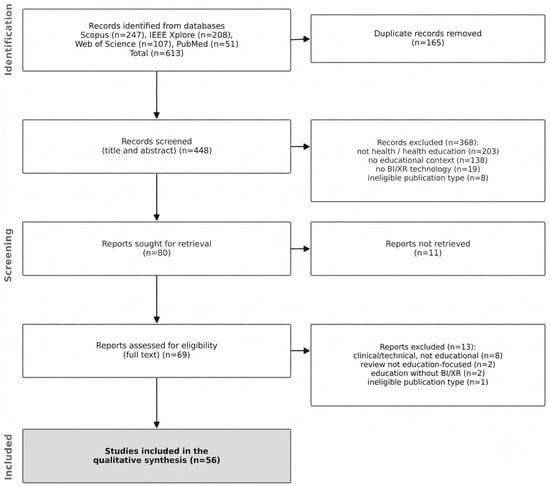
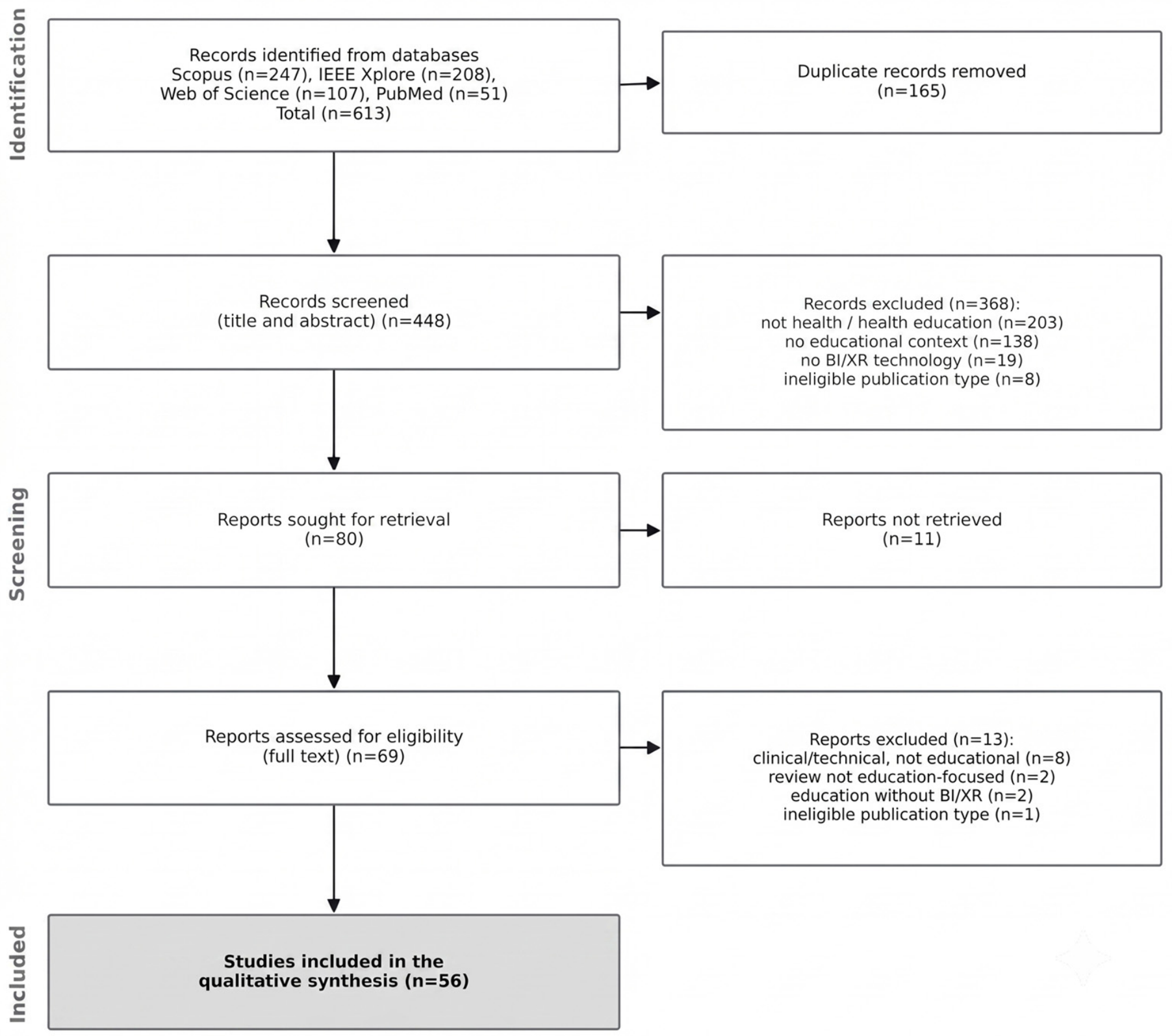
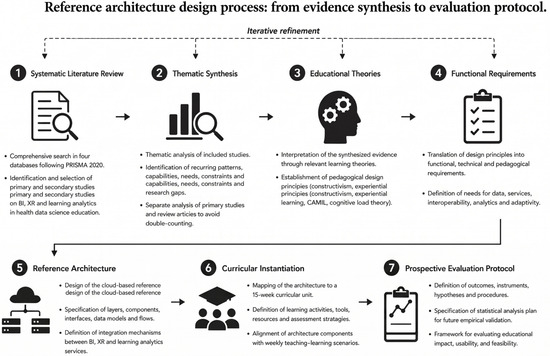
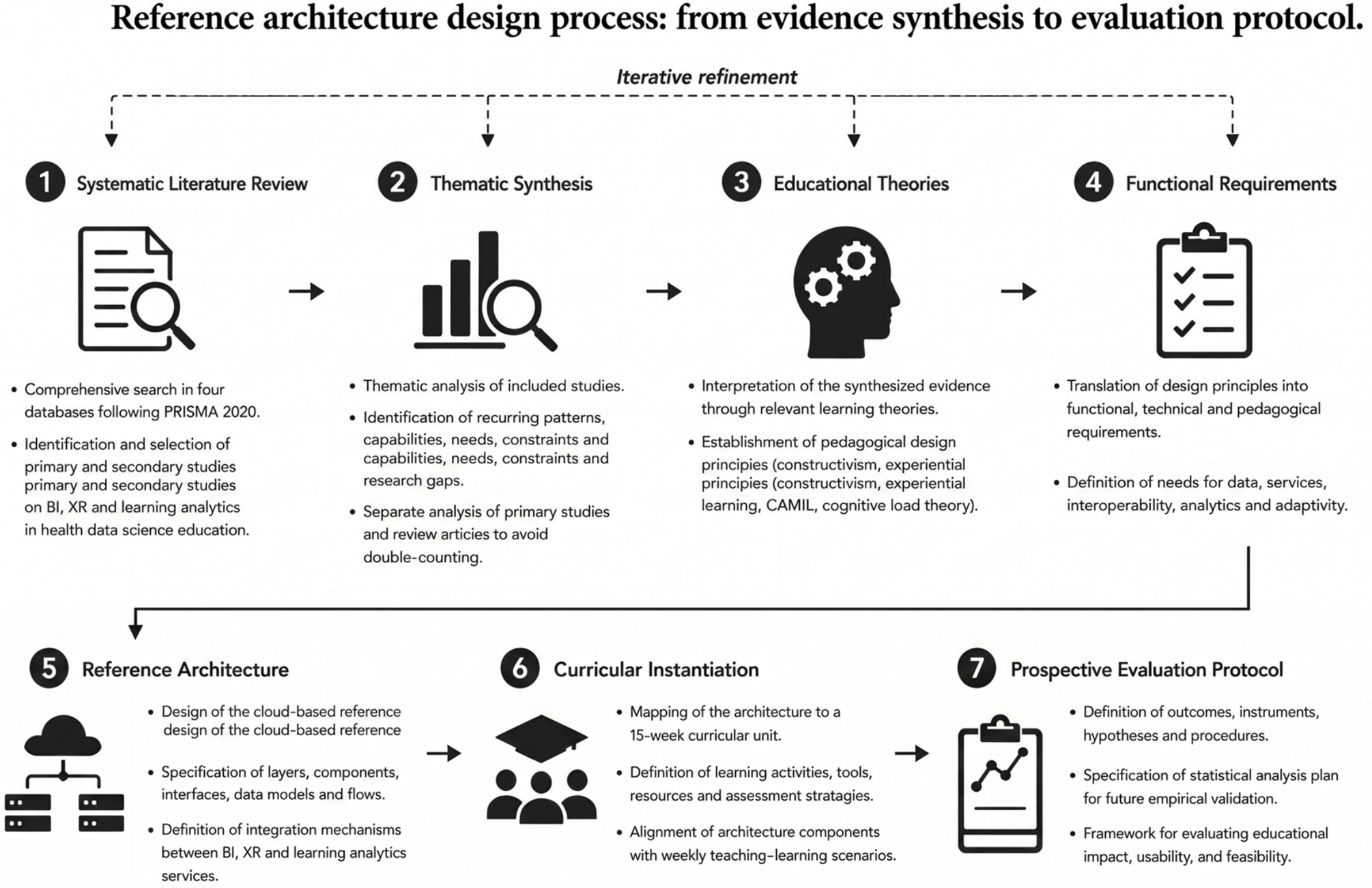
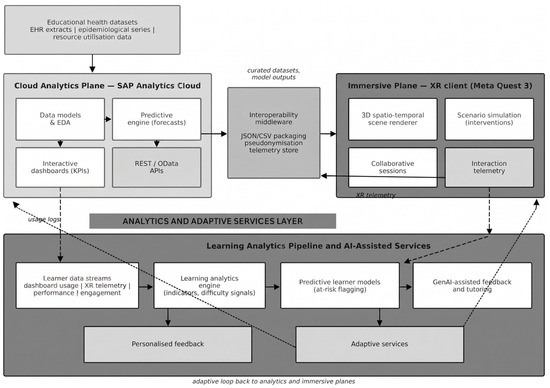
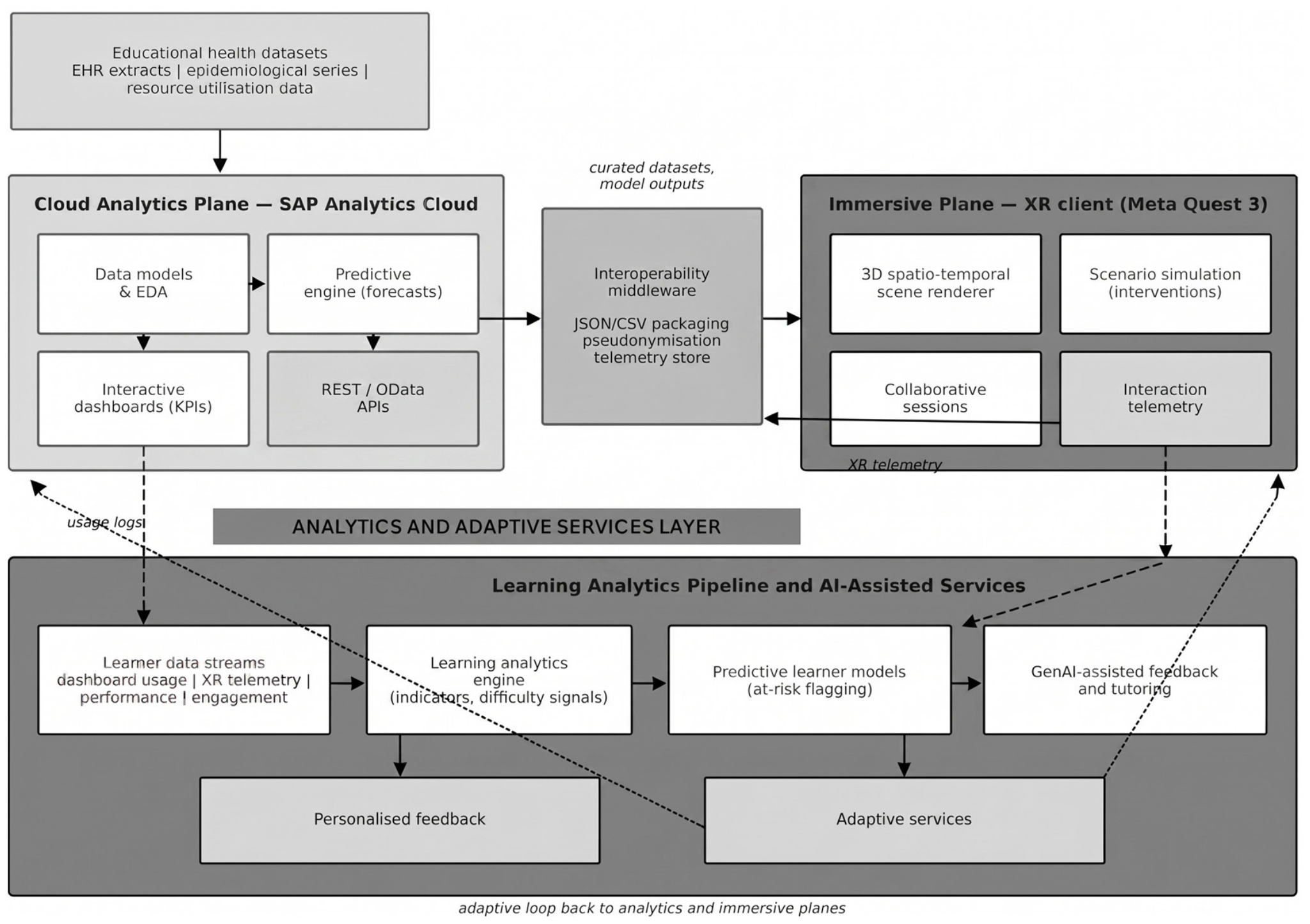
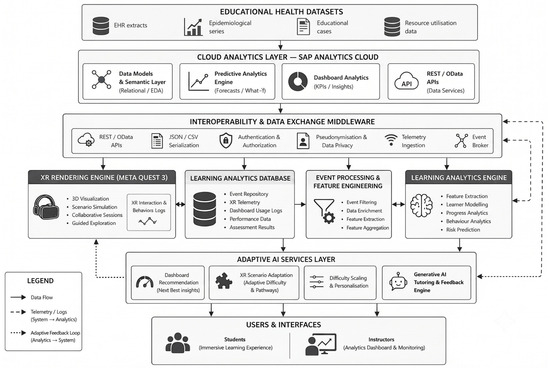
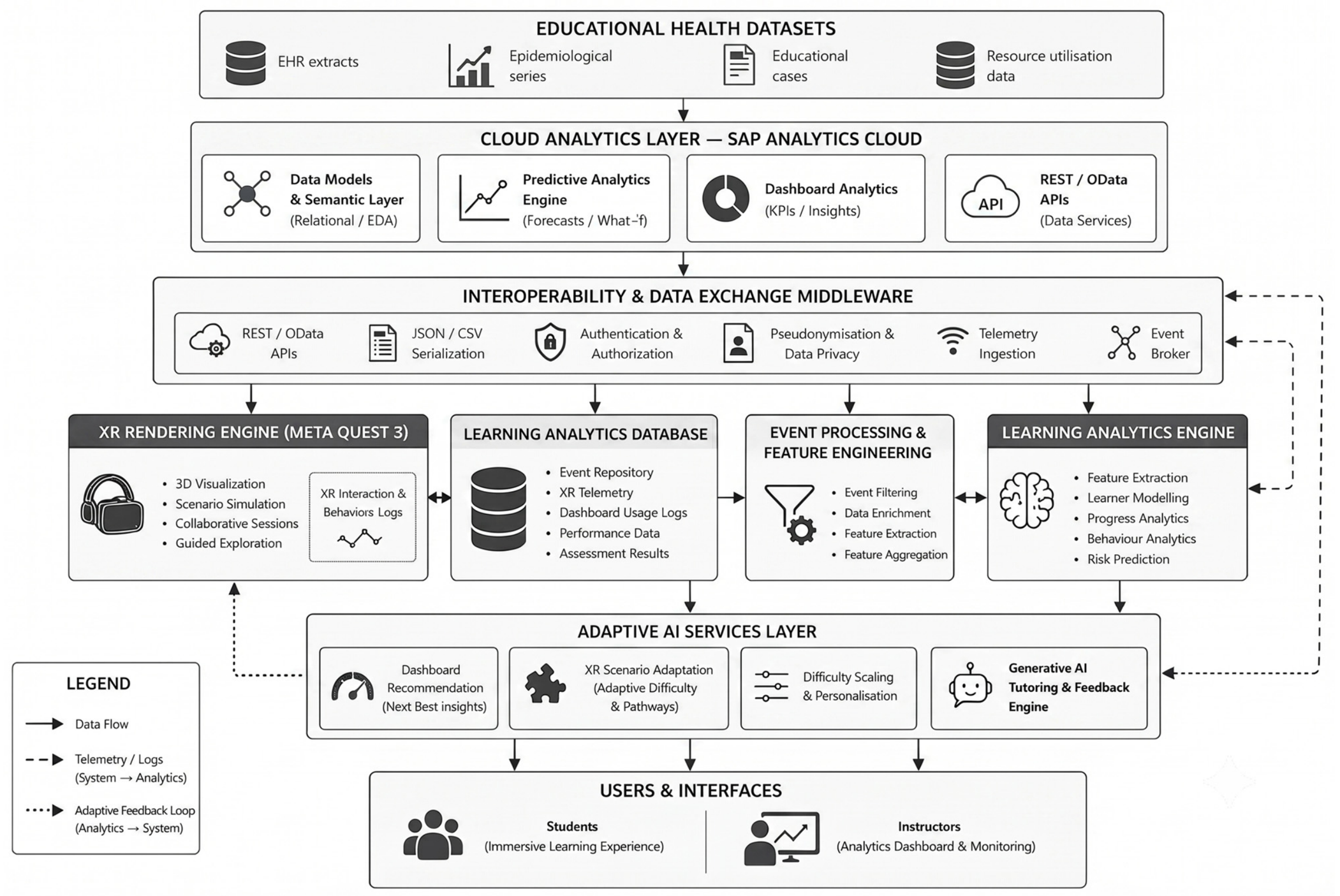
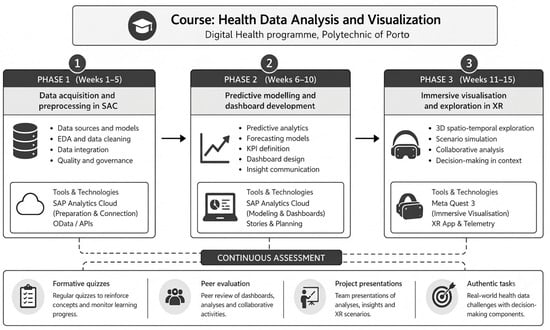
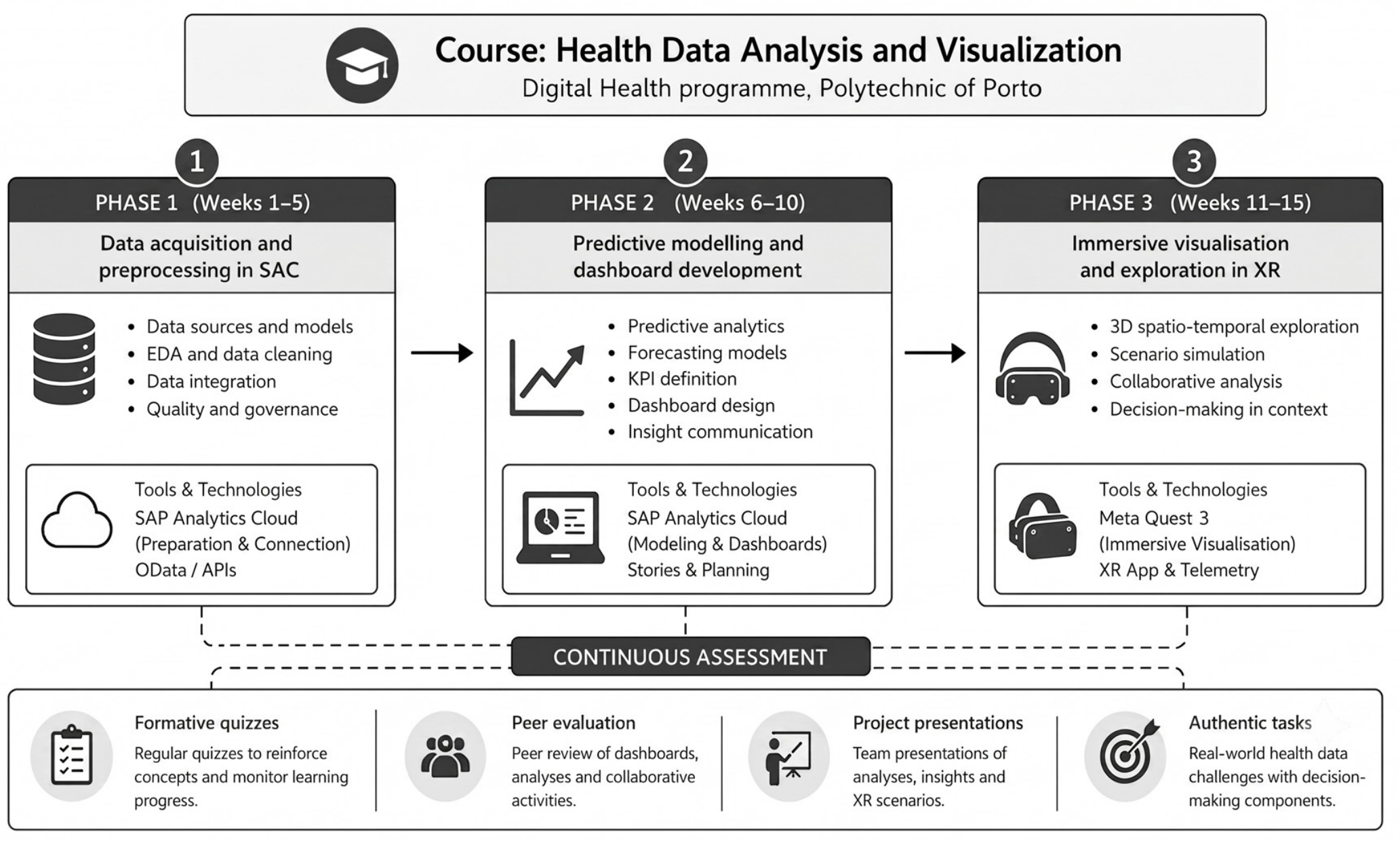

Disclaimer/Publisher’s Note: The statements, opinions and data contained in all publications are solely those of the individual author(s) and contributor(s) and not of MDPI and/or the editor(s). MDPI and/or the editor(s) disclaim responsibility for any injury to people or property resulting from any ideas, methods, instructions or products referred to in the content. |
© 2026 by the authors. Licensee MDPI, Basel, Switzerland. This article is an open access article distributed under the terms and conditions of the Creative Commons Attribution (CC BY) license.