


Abstract
Background/Objectives: Aging is closely associated with sarcopenia, which has a significant impact on muscle mass and its function. Protein supplementation (PS) brings benefits such as lean mass and strength gains during exercise training. This paper determined the optimal regimen among the composites of variate protein sources and training modalities for older individuals. Methods: We comprehensively searched the electronic databases, namely MEDLINE Complete, PEDro, the Cochrane Library, Google Scholar, EMBASE, and the China National Knowledge Infrastructure, from its inception until December 2025. We included randomized controlled trials (RCTs) that examined the effectiveness of any type of PS combined with one of three exercise types—resistance, aerobic, or multicomponent training—in untrained older adults. The main outcomes used to identify sarcopenia were assessed, including lean mass, handgrip and leg strength, and physical mobility measures. Network meta-analysis (NMA) was performed by a frequentist method using random-effects models. The estimated treatment effect was expressed as the standard mean difference (SMD) with a 95% confidence interval (CI). Any potential factor moderating the treatment effect was determined by the meta-regression analyses, including participant characteristics and methodological factors. Certainty of evidence (CoE) was assessed by the GRADE framework. Results: In total, we included 235 RCTs (20,980 participants) for analyses. A total of 10 protein sources (whey, soy, casein, milk, and the others) were identified, corresponding to 24 monotherapy and combined regimens of PS and exercise. Among the treatment arms, whey plus resistance training was ranked as the most effective treatment for muscle mass (large SMD, 1.29; CoE, moderate) and leg strength (large SMD, 1.16; CoE, moderate); additionally, whey plus multicomponent exercise training achieved the most promising effects on such sarcopenia-related physical indicators such as chair rise (large effect, SMD = 1.09; CoE: high), timed up and go (medium SMD, 0.70; CoE, high), and global mobility score (large SMD, 1.02; CoE, high). Conclusions: The treatment efficacy appears to be moderated by the participant’s conditions, PS resource, and PS dose, particularly the outcome of muscle mass and strength. The present NMA results indicate that whey protein incorporated with resistance training is the optimal program to help combat sarcopenia in older adults.
1. Introduction
Sarcopenia has been recognized as a skeletal muscle disease commonly derived from aging-induced muscle degeneration, including the loss of muscle mass and morphological changes [1,2]. Such muscle attenuations can further contribute to strength deterioration and physical mobility decline, which in turn result in high risks of frailty and disability in the elderly [3,4,5]. Based on the rapidly growing rate of the aging population worldwide, sarcopenia is becoming prevalent among older people, especially those with chronic or acute conditions [6]. Sarcopenia has an estimated prevalence of 8% to 13% in healthy community-dwelling older adults across the world, dependent on the measured methods of muscle mass [7,8], and it increases to 31–51% among institutionalized elder residents. Since sarcopenia comes with numerous adverse effects that place a significant burden on the healthcare system [9,10,11], there is an urgent need to explore effective approaches aimed at preserving or restoring muscle mass in elderly people.
The main factor behind the development and progression of sarcopenia is thought to be a reduced muscle protein synthesis response (i.e., myogenesis) and a negative muscle balance in older adults [12,13]. In addition, sarcopenia is commonly recognized as a disease with multiple causes, stemming from various physical, psychological, and social factors. Among these, malnutrition and physical inactivity are major contributors that greatly impact muscle protein turnover in older adults [14]. As a result, numerous authors have emphasized the need for a comprehensive tool that could assist with the diagnosis or the assessment of sarcopenia risk factors [15,16,17]. The main goals for the management of sarcopenia is to optimize muscle health by enhancing myoprotein catabolism and increasing muscle function. Accordingly, an effective approach to managing sarcopenia involves a composite of strategies with proper nutrition and regular physical activity being the most commonly recommended [18,19,20].
The exercise therapy commonly employed for enhancing physical activity includes resistance-based exercise training (RET), aerobic exercise training (AET), and its composite regimen (i.e., multi-composited exercise training, MET), which enable elder individuals to counteract sarcopenia [21]. Among the variety of training modalities, resistance exercise with moderate to high intensity exerts promising increases in lean mass and muscular strength [22,23], despite the low compliance for most older individuals, especially the frail elderly. Therefore, other non-resistance exercise with low-load training may be used as alternatives to enhance physical performance in elderly [24].
Aside from regular physical activity, targeted nutritional strategies like specific diets and nutrient supplements aim to help prevent and delay the onset of sarcopenia-related conditions in older adults [25,26,27]. A protein-rich diet or targeted protein supplements are believed to provide additional benefits that could enhance the results of exercise training for healthy older adults [28,29,30,31], as well as for those at higher risk of sarcopenia [26,29,30,31,32,33,34,35,36,37]. Sufficient protein intake plays a key role in triggering the maximum rate of muscle protein synthesis, which promotes anabolism and the build-up of new muscle proteins during RET [38,39]. Over time, this accumulation of muscle protein leads to gains in muscle mass and noticeable hypertrophy. As sarcopenia becomes increasingly common in older adults, it is crucial to figure out the optimal approach for older individuals who are at high risk of muscle atrophy and physical decline.
Muscle turnover depends on the rate of protein synthesis after ingestion, which is likely influenced by both the intake amount of protein and the type of protein source [40]. Plenty of protein nutrients are available from animal-based sources like milk (whey, casein) or meat (beef, chicken, fish, etc.) and plant-based sources like soy, oat, or rice, most of which effectively facilitate post-exercise myofibrillar protein synthesis [41,42,43,44]. Since different protein supplements vary in leucine content and digestion rate, the muscle protein synthesis rates after consuming such protein supplements can differ following exercise training. Previous research has indicated that whey supplements boost post-meal muscle protein synthesis rates more than soy [45] and casein [45,46], especially in older individuals [47,48]. In addition, soy intake after RET stimulates muscle protein synthesis more than casein [45], while milk consumption has a greater effect compared to beef protein [49] and soy supplements [50], respectively. It is reasonable to expect that these short-term benefits from the protein supplementation could lead to positive long-term adaptations in skeletal muscle from training. However, it remains unclear whether the different protein supplements produce distinct long-term effects on muscle health after exercise intervention. Comparing relative effective among different protein supplements can help clinicians make better decisions and set timely intervention strategies.
A number of systematic reviews and network meta-analysis (NMA) studies have investigated the comparative effects between protein sources for young and older people [30,48,51,52,53,54,55,56], and results generally show comparable effectiveness for lean mass or strength gains while comparing whey with soy [51,52,53,56], milk [30,56], and beef [54,56] during an exercise intervention; similar results are observed when comparing soy with blended proteins [51,56]. However, some other protein supplies have not yet been fully compared with former protein supplements in an NMA study, such as collagen, rice, and oat as well as high-protein meals enriched with blended animal and plant protein in daily diets. Therefore, the purpose of this NMA study was to (1) investigate the comparative treatment effectiveness across all combined regimens composed of different types of protein supply and training modality (i.e., RET, AET, and MET); (2) compare the substantial moderators that influence effectiveness; and (3) determine the optimal treatment regimen by ranking the probability of all cross-combined treatments for older adults.
2. Materials and Methods
2.1. Study Protocol and Registration
This study followed the PRISMA Extension Statement for Network Meta-Analyses, making adjustments as necessary [57]. The protocol of this systematic review has been submitted to the PROSPERO registry (registration number: CRD42023472942).
2.2. Literature Search Strategy
An elaborate search for eligible articles was carried out using a variety of online databases—namely MEDLINE Complete, Physiotherapy Evidence Database (the PEDro), the Cochrane Library, Google Scholar, EMBASE, and the China National Knowledge Infrastructure—from its inception until December 2025. Manual searches were also carried out in relevant systematic reviews to identify eligible references. To reduce publication and language biases, there were no restrictions on publication year or language.
The inclusion criteria, based on the PICOS (Participants, Interventions, Comparisons, Outcomes, and Study Design) framework, were outlined in Table 1. The study population was specified using the keywords as follows: (“older adult” OR “elder individual” OR “middle aged adult”) AND (“untrained” OR “sedentary” OR “frailty” OR “sarcopenia”). The protein supplementation and exercise intervention were specified using the keywords as follows: (“resistance exercise training” OR “strengthening exercise”) AND (“protein supplementation” OR “high-protein diet”). The detailed search formulas for each database are presented in Supplementary Table S1.
Table 1.
PICOS criteria for study selection.
We used an online platform (the Covidence electronic workflow platform [58]) to screen and assess the identified studies. Eligibility was assessed independently by four reviewers (CDL, HCC, SWH, and CLL) with disagreements resolved by consensus. Initially, titles and abstracts were evaluated in accordance with the PICOS eligibility. The full texts of all eligible articles were retrieved and further examined independently by all reviewers to ensure their inclusion in the study.
2.3. Study Selection Criteria
Trials were included if they met the following criteria (Table 1): (1) the trial design was a randomized control or crossover trial (RCTs); (2) participants were community-dwelled, institutionalized or hospitalized older adults who were untrained, suffered acute onsets, or had chronic conditions; (3) at least one study group received protein supplementation plus exercise which was employed as the primary treatment; (4) the comparator group only received protein supply or exercise (with placebo supplementation or not); (5) the control group, receiving placebo supplementation alone or regular care (RC) not related to any protein supply or exercise, was defined as the reference arm in this NMA; and (5) the trial reported at least one of the main outcome measures refer to sarcopenia indices (defined in Section 2.4).
2.4. Main Outcomes Refer to Treatment
The main treatment outcomes in relation to protein supplementation and exercise interventions were measurements of muscle mass, strength, and physical mobility (Table 1); all were recognized as indicators of sarcopenia by the Asian [1] and the European [2] recommendations for managing sarcopenia in elder individuals. The primary measures referring to muscle mass were as follows: fat-free mass, whole body lean mass, appendicular lean mass, muscle cross-sectional area, muscle volume, and muscle thickness. For muscle strength of arm, handgrip strength was prioritized for assessment [2]. The leg strength results were gathered as follows: peak torque or power followed by maximum voluntary isometric contraction of the leg muscles. Physical mobility was assessed by gait speed, chair stand, timed up-and-go task (TUG), as well as the Short Physical Performance Battery (SPPB) score. All of the negative scores that indicated improved changes were transformed to positive scores (i.e., a higher changed score was considered more favorable).
2.5. Data Extraction
The fields captured from each included trial were as follows: (1) the author’s last name, publication year, country, study arm, study sample, participants’ mean age, body mass index (BMI), and sex distribution; (2) intervention protocol of the exercise and PS; (3) follow-up time frames; and (4) measures of the treatment outcomes. Two reviewers (CDL and CLL) independently extracted details from the included trials, which were confirmed by the third reviewer (SWH). Any disagreements were resolved through the consensus procedure.
If the trial reported different intensities or involved a bilateral side related to the hands or legs, the treatment effects of both sides were combined into a single overall effect as recommended by the Cochrane Handbook [59]. The follow-up time frame was categorized as short term (≤3 months), medium term (>3 months and ≤6 months), or long term (>6 months) for subgroup analysis. If multiple time points fell within the same category, the longest one was used for analysis. For example, if muscle strength was measured at 6, 9, and 12 months, the 12-month data were considered the long-term result. Treatment feasibility and safety were evaluated by examining compliance and any adverse events reported in the included studies.
2.6. Quality and Risk of Bias Assessment of Included Studies
Quality assessment was conducted by four reviewers (CDL, HCC, SWH, and CLL) who independently evaluated risk of bias within the included studies by applying the Cochrane Risk of Bias 2 (RoB2) tool [60]. Any disagreements among reviewers’ assessments were discussed at a consensus meeting until an agreement was reached.
The RoB2 tool assesses the risk of bias according to the following six domains alongside seven judgement items related to biased estimates of intervention effects [60]: (1) selection bias (random sequence generation, allocation concealment); (2) performance bias (blinding of participants and personnel); (3) detection bias (blinding of outcome assessors); (4) attrition bias (incomplete outcome data); (5) reporting bias (selective reporting); and (6) other bias referring to other sources of potential bias such as funding or agenda bias [61]. Each item was judged as low risk, unclear risk (i.e., some concerns) or high risk according to criteria specified by Cochrane.
Based on the rated scores across all six domains, the overall bias of each trial was determined to be low (all seven items were rated as low risk), moderate (any one high-risk item with or without unclear-risk judged items), or high risk (two or more high-risk items) [60]. In addition, the individual bias score of each trial was incorporated into the analyses by computing the weighted bias score for each direct estimate in this NMA [62], which was further used for the bias account of a network estimate (described in Section 2.8). Review Manager (RevMan) version 5.4.1 software was used to summarize the results of the risk-of-bias assessment.
Publication bias was assessed using funnel plots and the Begg–Mazumdar rank correlation test [63].
2.7. Data Synthesis and Analysis
Due to differences in the tools used to measure treatment outcomes across the trials, standard mean differences (SMDs) with 95% confidence intervals (CIs) were calculated to assess the treatment effect sizes for all outcome measures.
The SMD is essentially an overall estimate of the average difference between the change scores of two study groups. Mean change scores between the post-test and pretest, along with their standard deviations (SD), were recorded directly. If the variance of the paired difference could not be determined, a conservative estimate was made using a within-participant correlation of 0.9 for muscle mass and 0.7 for strength and mobility, as suggested by Rosenthal [64], based on baseline and posttest data. When SD was not reported, it was calculated from p-values or 95% CIs. For data given as the median and interquartile range, the mean was estimated from the median, and the SD was obtained by dividing the interquartile range by 1.35 [65]. The magnitude of the SMD was classified using Cohen’s criteria [66]: small (d < 0.5), medium (0.50 ≤ d < 0.80), and large (d ≥ 0.80).
Direct and indirect estimates among treatment regimens were computed by running a random-effects NMA model within a frequentist framework. Network heterogeneity and inconsistency were assessed using the I2 and Q statistics alongside τ2 values to estimate the variance across the studies. The consistency between direct and indirect comparisons was assessed using the node-splitting method [67]. Additionally, a full design-by-treatment interaction random-effects model was established to test global inconsistency across all treatment arms [68]. Ranking probabilities of effect estimation among treatments per outcome were expressed using the surface under the cumulative ranking (SUCRA) score [69].
Network meta-regression (NMR) analyses were performed to determine any relevant moderators that might create heterogeneity across the studies. For each outcome, the NMR model was adjusted by including an individual moderator as a covariate [70]. Potential moderators were identified on the basis of (1) participant characteristics, namely age range, BMI, sex (i.e., proportion of women in the sample), population area, and health status (i.e., relatively healthy versus subhealth); (2) the study methodology, comprising study quality, and follow-up period; and (3) the intervention design, including protein source (i.e., animal, plant, and mixed), training type (i.e., RET, AET, MET), and treatment time period. The NMR results were expressed as β alongside 95% credible interval (CrI).
Furthermore, compliance and adverse effects were measured in terms of the occurrence rate of all-cause withdrawal and adverse events, respectively. The results of the analyses were expressed as odds ratios (ORs) alongside 95% CIs.
NMA was conducted using R statistical software (version 4.2.3, R Foundation for Statistical Computing, Vienna, Austria) [70,71]. p values < 0.05 were statistically significant.
2.8. Certainty of Evidence
The Grading of Recommendation Assessment, Development, and Evaluation (GRADE) framework was used to determine the quality of evidence contributing to network estimates per main outcome [72]. The GRADE profile allows the reviewers to rate the evidence as high, moderate, low, or very low quality. The assessment procedures were carried out independently by the reviewers (CDL, HCC, THL, CLL, SWH).
Additionally, we assessed the weighted contribution of direct comparisons to the NMA estimates for each outcome using the contributions matrix [62,73,74]. Firstly, the risk-of-bias assessment for each direct pairwise comparison was performed by the weighted computation of the individual bias score of each included trials [73]. In the following, the contributions matrix was used to calculate the percentage contribution of all direct comparisons to the NMA estimates, indicating the contribution of direct evidence to the entire network [62,73,74]. Finally, the downgrading level for the study limitation was based on the amounts of contribution of each direct estimate and its corresponding risk-of-bias score to the NMA estimates [74].
3. Results
3.1. Trial Selection Flowchart
Figure 1 shows a flowchart of the trial selection process. Initially, a total of 2954 articles were identified through an online and manual literature search. Once duplicates were removed, we reviewed the titles and abstracts of 746 articles to assess their eligibility; in the following, 409 were further assessed by full-text review (Figure 1). Finally, we included 235 registered clinical RCTs, corresponding with 262 articles published between 1994 and 2023.
Figure 1.
Preferred Reporting Items for Systematic Reviews and Meta-analysis flow diagram for literature search and study screening.
3.2. Study Characteristics
Table 2 summarizes the participant demographic data and study characteristics of the included RCTs. The detailed information are presented in the Supplementary Table S2. A total of 20,980 participants were enrolled in all of the included RCTs. In overall, the sample had a mean age of 73.2 (range: 50.0–89.2) years and a mean BMI of 25.6 (range: 16.5–34.9) kg/m2. Among the 235 included RCTs (Table S2), 161 enrolled both men with an average proportion of female participants being 57.9% (range: 10.0–95.7%) and the others had a sex-specific study design that only enrolled men (37 trials) or women (37 trials).
Table 2.
Study summary.
With respective to participants’ physical conditions, 52 out of 235 RCTs enrolled older adults who were physically independent, whereas others recruited individuals who were identified as frail (54 trials), experiencing sarcopenia (76 trials), experiencing dynapenia (15 trials), and sedentary or inactive (38 trials). Additionally, the majority of the participants (74.9% in 176 RCTs) were medically stable, whereas other trials enrolled older people who suffered acute or chronic conditions.
Moreover, most of the study population (71.9%) was enrolled in Asia (89 trials) and Europe (80 trials) followed by the America (52 trials) and Oceania areas (14 trials; Table 2 and Table S2).
Summarizing the intervention designs across the included trials (Table 2), a total of 12,224 participants received PS with exercise (50.2%, 235 RCTs) or without (8.0%, 55 RCTs), whereas 21.3% of the participants (4462 in 148 RCTs) received exercise alone, and the other 20.5% (4294 in 95 RCTs) received RC without any PS or exercise interventions. In addition, nearly 95% of the trials employed an intervention period of 1–36 weeks, and 14 RCTs conducted a long-term intervention of 12–36 months. Regarding the follow-up duration for outcome assessment, 169 out of the 235 included RCTs conducted a short-term follow-up duration of ≤12 weeks, 89 RCTs had a medium-term follow-up duration of 13–36 weeks, and 19 RCTs investigated a long-term outcome over a period of 12–36 months (Table S2).
3.3. Protein Supplementation Characteristics
The prescriptions for the PS of each trials are presented in Supplementary Table S2. In the current NMA, a total of 10 types of protein-based supplement or diet were employed by the trials (Table 1), namely whey protein (WP, 111 RCTs); milk protein (MP, 56 RCTs); soy protein (SP, 28 RCTs); collagen (6 RCTs); casein (10 RCTs); meat (9 RCTs); rice protein (4 RCTs); insect protein (1 RCT); oat (1 RCT); and protein-enriched meals (50 RCTs). There was a variety of PS protocol employed among trials; in summary, 43% (101 RCTs) of the included trials prescribed supplementation before or following exercise on the training days by a mean dosage of 25 g (range 10–60 g); and the other RCTs prescribed daily supplementation by a mean ingestion amount of 28.5 g (range 10–85 g) as well as protein-enriched meals (0.8-1.8 g per body weight in kg) during an exercise intervention.
The detailed information indicating dosage for each protein source is presented in Table S2. In summary, PS was prescribed by an average amount of 25.8 g (range 4–75 g) for whey protein, 22 g (range 4–43 g) for milk protein; 23 g (range 7–40 g) for soy protein, 19 g (range 9–40 g) for collagen; 20 g (range 10–40 g) for casein; 31 g (range 5–45 g) for meat, and 13 g (range 3–40 g) for rice protein.
3.4. Exercise Training Protocol
The summarized protocol of exercise in each RCT is presented in Table S2. Among the included trials, 130 (55.3%) employed RET, another 21 (8.9%) conducted AET, and the others (84 RCTs, 35.8%) used a combined regimen (i.e., multicomponent exercise training, MET) comprising two or more of the following exercise modalities: RET, AET, balance, or function mobility training.
The detailed information indicating dosage for each exercise is presented in Table S2. In summary, the majority of the included trials (155 RCTs) employed RET by a moderate to high training load (≥70%), one-repetition maximum (range 70–85%) or a perceived exertion of 6–9 out of a 10-point rating. In addition, 43 RCTs employed AET by a moderate to high intensity ≥ 70% (70–90%) maximal heart rate or peak oxygen intake, as well as a perceived exertion of 6–8 out of a 10-point rating. A total of 90 RCTs prescribed low intensity for RET, AET, or MET. Regarding the training duration, overall, 149 out of 235 RCTs conducted a short-term or medium-term training period ≤ 12 weeks (range 2–12 weeks) with a total of 6–84 training sessions (frequency, 2–7 sessions per week); the other 86 RCTs had an intervention period longer than 3 months (range 4–24 months) with a total of 25–1008 training sessions (frequency, 3–14 sessions per week).
3.5. Assessment of Transitivity Across Treatment Arms
In this paper, a total of 36 treatment options derived from 10 protein sources and 3 exercise types were identified for our NMA. Each of the identified treatment regimens and its abbreviation is listed in Table 3.
Table 3.
Identified treatment options among the included studies.
The assessment of transitivity indicated that the distribution of relevant variables of baseline clinical condition (healthy versus relatively healthy individuals), setting (community-dwelling versus institutionalized), and main intervention characteristics were generally balanced across treatment comparisons (Table 4). The baseline clinical conditions were comparably distributed, with relatively healthy older adults in approximately 75–85% of the trials across all major treatment arms. Regarding the clinical settings, community-dwelling populations accounted for approximately 80% of the trials across treatment arms.
Table 4.
Distribution of relevant variables and intervention characteristics across treatment arms.
Intervention characteristics, including protein dosage, exercise intensity, and intervention duration showed no systematic variation that would preclude cross-treatment comparisons (Table 4). These findings suggest that the transitivity assumption was likely satisfied, allowing for valid indirect comparisons within the network.
3.6. Risk of Bias in Included Trials
Figure 2 presents a summary of ranking score for each risk-of-bias item and an overall rank crossing the included RCTs. The details of all ranked risk-of-bias items within each trial are presented in the Supplementary Figure S1. Using the Cochrane risk-of-bias tool, 70 out of 235 (29.8%) trials were ranked as having an overall high risk of bias, whereas it determined 39 RCTs (16.6%) had low risk of bias. Over half of the included trials (126 RCTs) with an overall moderate risk of bias were susceptible to some bias but probably not sufficient to invalidate the results.
Figure 2.
Risk of bias graph crossing trials.
Several biases commonly contributed to an overall high risk of bias ranked across all RCTs, which included at least one of the following: performance, detection, attrition and other (i.e., agenda or sponsor) biases (Figure 2). In brief, 115 (48.9%) and 32 (13.6%) out of 235 RCTs were judged having a high risk of performance and detection biases, respectively, due to the unmasked participants or assessors. Additionally, 102 RCTs (43.4%) which did not perform intention-to-treat analyses were scored as having a high risk of attrition bias.
Regarding the domain of other bias, we assumed that the use of supplement products which are supported by any grants or provided by financial sponsors may indicate a potential funding bias; accordingly, the information related to financial resources as well as declarations of conflicts of interest were assessed. There was a potentially high risk of funding bias in 29 RCTs (12.3%) which reported financial sources without any conflict-of-interest disclosures, and 30 RCTs (12.8%) that had neither information of any funding source nor interest disclosure were considered as having an unclear risk of financial bias (Figure S1).
3.7. Effectiveness of Treatment for Muscle Mass
All of the outcome measures across trials are presented in Supplementary Table S3. The muscle mass was mostly measured by dual-energy X-ray absorptiometry (153 RCTs) or bioelectrical impedance analysis (33 RCTs), which were expressed as absolute whole-body lean mass, appendicular lean mass, or fat-free mass as well as its indices. In addition, muscle volume was expressed as cross-sectional area measured by magnetic resonance imaging (30 RCTs), muscle thickness measured by ultrasonography (19 RCTs), and the muscle girth (14 RCTs) of arms or legs. When the trial reported multiple measures, priority for analysis was given to the following: lean body mass, fat-free mass, appendicular lean mass, cross-sectional area, muscle thickness, and girth. In total, muscle mass measures were employed by 211 RCTs along with 34 treatment arms and 494 pairwise comparisons in our NMA. The eligible comparisons among all treatment options are presented in the network geometry shown in Figure 3.
Figure 3.
Network evidence geometry for muscle mass outcome. The numbers along the lines indicate the total direct comparisons, displaying only those with three or more. The width of each line indicates the weighted edge proportional to the number of studies. The size of each dot indicates the sample size proportional to the number of the participants. AET, aerobic exercise training; DP, dietary protein; Insect-PS, insect protein supplement; MET, multicomponent exercise training; MP, milk protein; RET, resistance exercise training; SP, soy protein; WP, whey protein; RC, regular care.
3.7.1. Pairwise Meta-Analysis for Muscle Mass
Direct compar isons of pairwise meta-analyses indicated that PS plus RET achieved favorable effects on increasing muscle mass compared with RC, particularly WP, MP, SP, Collagen, and DP (SMD = 0.89–2.08, all p < 0.05; Supplementary Table S4). Similar results were observed in WP+MET (SMD = 0.85, 95% CI: 0.48–1.26), SP+MET (SMD = 0.65, 95% CI: 0.03–1.26), and MP+AET (SMD = 1.26, 95% CI: 0.33–2.19). In addition, the combined treatments WP+RET (SMD = 0.67) as well as MP+RET (SMD = 0.60) and SP+RET (SMD = 0.54) exhibited greater effects on muscle mass gain than the monotherapy of RET did (all p < 0.05).
3.7.2. Global Effects in NMA for Muscle Mass
Counting together by the direct and indirect estimates in our NMA, using RC as the common reference, PS combined with RET (SMD = 0.88–1.29) generally achieved superior efficacy on muscle mass gain compared with the combined treatment of MET (SMD = 0.38–0.70) or AET (SMD = 0.31–0.83; Figure 4) regardless of follow-up duration.
Figure 4.
Network effects for muscle mass gain during an overall follow-up duration. The size of each square represents the weight of the effect size proportional to the number of analyzed studies and participants. AET, aerobic exercise training; DP, dietary protein; Insect-PS, insect protein supplement; MET, multicomponent exercise training; MP, milk protein; RET, resistance exercise training; SP, soy protein; WP, whey protein; RC, regular care.
Pooling all treatment effects in the NMA, WP+RET was ranked as the most effective (SUCRA = 0.93) by a large effect (SMD = 1.29) among all treatment arms for muscle mass gain followed by regular Collagen+RET (SUCRA = 0.88; SMD = 1.23) and Meat+RET (SUCRA = 0.87; SMD = 1.16; Figure 4). The global heterogeneity of the NMA model for muscle mass was significant across treatment arms (τ2 = 0.39, I2 = 78.6%, p < 0.0001). Q statistic results assessing the total consistency between designs in the NMA were shown to be significant under the assumption of a full design-by-treatment random-effects model (τ2 = 0.27, p < 0.001). The node-splitting results showed significant inconsistencies in the treatment arms of WP+AET and MP+AET, compared with RC, by differences between the direct and indirect estimates of −3.60 (p < 0.0001) and 1.59 (p < 0.05), respectively (Supplementary Figure S2).
3.7.3. Subgroup Analysis of Follow-Up Duration for Muscle Mass
The combined treatment WP+RET was ranked as the optimal treatment for muscle mass over the short-term (SMD = 1.24, SUCRA = 0.91), medium-term (SMD = 1.26, SUCRA = 0.91) and long-term (SMD = 0.81, SUCRA = 0.85) follow-up durations (Supplementary Figure S3).
3.8. Effectiveness of Treatment for Muscle Strength
Muscle strength outcomes were assessed in terms of handgrip strength and leg strength. Handgrip strength as well as leg strength was mostly measured by a handled dynamometer and expressed as maximal voluntary isometric contraction; other leg-strength measures included leg press (1, 5, 10 repetition maximum) and isokinetic knee extension (Table S3). A total of 133 RCTs reported treatment outcome of handgrip strength along with 30 treatment options and 308 pairwise comparisons in the NMA (Figure 5A). The treatment effects on leg strength were investigated by 129 RCTs along with 31 treatment options and 351 pairwise comparisons in the NMA (Figure 5B).
Figure 5.
Network evidence geometry for (A) handgrip strength and (B) leg strength. The numbers along the lines indicate the total direct comparisons, displaying only those with three or more. The width of each line indicates the weighted edge proportional to the number of studies. The size of each dot indicates the sample size proportional to the number of the participants. AET, aerobic exercise training; DP, dietary protein; Insect-PS, insect protein supplement; MET, multicomponent exercise training; MP, milk protein; RET, resistance exercise training; SP, soy protein; WP, whey protein; RC, regular care.
3.8.1. Pairwise Meta-Analysis for Muscle Strength
Direct comparisons of pairwise meta-analyses indicated that PS plus RET achieved favorable effects on handgrip strength gain compared with RC (Supplementary Table S5), particularly WP, SP, and DP (SMD = 0.62–1.07, all p < 0.05); similar results were observed in WP+MET (SMD = 0.62, 95% CI: 0.25–0.99) as well as DP+AET (SMD = 1.37, 95% CI: 0.22–2.51). In addition, the combined treatment SP+RET yielded greater changes in handgrip strength compared with the monotherapy of SP alone (SMD = 1.43, 95% CI: 0.59–2.28) or RET alone (SMD = 0.51, 95% CI: 0.01–1.01); similar results were observed for the comparison between WP+RET and WP alone (SMD = 0.73, 95% CI: 0.38–1.08; Table S5).
In leg strength gain, PS plus RET achieved favorable effects compared with RC (Supplementary Table S6), particularly WP, MP, SP, and DP (SMD = 0.76–1.54, all p < 0.05). Additionally, the combined treatments WP plus RET as well as MET yielded greater strength gains than the monotherapy of WP (SMD = 1.18 and 1.53, respectively) or exercise (SMD = 0.44 and 0.63, respectively); similar results were observed in SP+RET when it was compared with SP alone (SMD = 1.58, 95% CI: 0.96–2.19; Table S6).
3.8.2. Global Effects of NMA for Muscle Strength
The NMA results for handgrip strength showed that PS plus RET as well as MET exerted significant effects on strength gain relative to RC during the overall follow-up duration (Figure 6A)—particularly the protein sources derived from whey, soy, and milk (SMD = 0.57–0.94, p < 0.05). Among all treatment options, SP+RET was ranked the most effective (SUCRA = 0.86) for muscle strength—followed by WP+RET (SUCRA = 0.85) and DP+RET (SUCRA = 0.76)—during the overall follow-up duration (Figure 6A). The global heterogeneity of the NMA model for handgrip strength was significant (τ2 = 0.25, I2 = 76.8%, p < 0.0001). When assuming a full design-by-treatment random-effects model, the overall between-design inconsistency was shown to be significant (τ2 = 0.15, p < 0.0001). The node-splitting results showed significant inconsistencies in the treatment arms of DP+AET and MET, compared with RC, by differences between the direct and indirect estimates of 2.18 (p < 0.0001) and 0.49 (p < 0.05), respectively (Supplementary Figure S4).
Figure 6.
Network effects of treatment regimens on (A) handgrip strength and (B) leg strength. The size of each square represents the weight of the effect size proportional to the number of analyzed studies and participants. AET, aerobic exercise training; DP, dietary protein; Insect-PS, insect protein supplement; MET, multicomponent exercise training; MP, milk protein; RET, resistance exercise training; SP, soy protein; WP, whey protein; RC, regular care.
Regarding strength gain in the lower extremity (Figure 6B), the NMA results showed that most of the PS treatments combined with RET as well as MET obtained favorable effects relative to RC, including protein sources of WP, SP, MP, casein, meat, collagen, and DP (SMD = 0.64–1.23) during an overall follow-up duration. In addition, WP+RET as well as WP+MET was ranked the most effective (both SUCRA = 0.86) for leg strength gain followed by SP+RET (SUCRA = 0.85; Figure 6B). The global heterogeneity of the NMA model for leg strength was significant (τ2 = 0.33, I2 = 70.1%, p < 0.0001). Under the assumption of a full design-by-treatment interaction random-effects model, there was significant inconsistency between designs in our NMA (τ2 = 0.16, p < 0.0001). The node-splitting results showed significant inconsistencies in the composite SP+RET, compared with RC, by a difference between the direct and indirect estimates of 0.79 (p < 0.05; Supplementary Figure S5).
3.8.3. Subgroup Analysis of Follow-Up Duration for Muscle Strength
In handgrip strength, SP as well as MP in combination with RET achieved the highest treatment efficacy over a short-term (SMD = 1.29, SUCRA = 0.92) and medium-term (SMD = 0.35, SUCRA = 0.89) follow-up period, respectively (Supplementary Figure S6). Within the long-term time frame, WP+MET exhibited the most effective among whole treatment regimens in our NMA (SMD = 0.97, SUCRA = 0.95).
For leg strength gain, the combined regimen SP+RET was ranked as the optimal treatment option during the short-term (SMD = 1.17, SUCRA = 0.85) as well as the long-term (SMD = 1.34, SUCRA = 0.93) follow-up period, whereas MP+RT was ranked the most effective among whole treatment regimens during the medium-term (SMD = 1.09, SUCRA = 0.83) follow-up time frames (Supplementary Figure S7).
3.9. Effectiveness of Treatment for Physical Mobility
Treatment efficacy on physical mobility was assessed by walking speed (126 RCTs), chair rise (68 RCTs), TUG (47 RCTs), and global function in terms of SPPB score (49 RCTs; Table S3). In walking speed, a total of 31 treatment options were identified along with 312 pairwise comparisons in the NMA (Figure 7A). In chair rise (Figure 7B), a total of 26 treatment options (157 pairwise comparisons) were identified in the NMA. In TUG (Figure 7C), a total of 20 treatment options (96 pairwise comparisons) were identified in the NMA. For SPPB, 20 treatment options were identified along with 74 pairwise comparisons in the NMA (Figure 7D).
Figure 7.
Network evidence geometry for (A) walking speed, (B) chair rise, (C) timed up and go, and (D) Short Physical Performance Battery scores. The numbers along the lines indicate the total direct comparisons, displaying only those with three or more. The width of each line indicates the weighted edge proportional to the number of studies. The size of each dot indicates the sample size proportional to the number of the participants. AET, aerobic exercise training; DP, dietary protein; MET, multicomponent exercise training; MP, milk protein; RET, resistance exercise training; SP, soy protein; SPPB, Short Physical Performance Battery; WP, whey protein; RC, regular care.
3.9.1. Pairwise Meta-Analysis for Physical Mobility
Direct comparisons of pairwise meta-analyses indicated that PS plus RET as well as MET generally achieved favorable effects on walking speed (SMD = 0.44–1.23; Supplementary Table S7), chair rise (SMD = 0.54–1.09; Supplementary Table S8), TUG (SMD = 0.81; Supplementary Table S9), and SPPB score (SMD = 0.77–1.04; Supplementary Table S10) compared to RC, particularly the protein sources derived from WP, MP, SP, and DP. Additionally, the protein sources of WP, SP, and DP plus RET achieved greater effects on chair rise (SMD = 1.03), walking speed (SMD = 0.77), and SPPB (SMD = 1.36), respectively, than PS monotherapy (all p < 0.05). Furthermore, the combined treatment WP+MET exhibited greater effects on walking speed (SMD = 0.41) and chair rise (SMD = 0.98) than MET monotherapy; similar results were observed in MP+MET for CR (SMD = 0.50).
3.9.2. Global Effects of NMA for Physical Mobility
Figure 8 summarizes the network comparative results among treatment options (using RC as reference) during an overall follow-up duration for all mobility outcomes; and the details are presented in Supplementary Figures S8–S11. Overall, PS in combination with MET as well as RET achieved superior effects on mobility outcomes compared with its composite of AET, especially the protein derived from whey (in chair rise and SPPB), casein (in walking speed), milk (in all mobility measures), soy (in walking speed), and DP (in walking speed and SPPB).
Figure 8.
Network effects of treatment regimens on changes in (A) walking speed; (B) chair rise; (C) TUG; and (D) SPPB scores. The size of each square represents the weight of the effect size proportional to the number of analyzed studies and participants. The blue-colored point estimate indicates the highest rank of probability. AET, aerobic exercise training; Std., standardized; 95% CI, 95% confidence interval; DP, dietary protein; MET, multicomponent exercise training; MP, milk protein; PS, protein supplementation; RET, resistance exercise training; SP, soy protein; SPPB, Short Physical Performance Battery; TUG, timed up and go; WP, whey protein; RC, regular care.
Among all treatment options, WP+RET was ranked the most effective treatment to increase walking speed (SMD = 1.08; SUCRA = 0.85; Figure S8). In addition, WP+MET yielded the highest probability of treatment efficacy on chair rise (SMD = 1.09; SUCRA = 0.87; Figure S9), TUG (SMD = 0.70; SUCRA = 0.90; Figure S10), and SPPB (SMD = 1.02; SUCRA = 0.86; Figure S11).
The global heterogeneity of the NMA model was significant in walking speed (τ2 = 0.28, I2 = 75.7%, p < 0.0001), chair rise (τ2 = 0.23, I2 = 72.9%, p < 0.0001), TUG (τ2 = 0.14, I2 = 67.9%, p < 0.0001), and SPPB (τ2 = 0.26, I2 = 80.9%, p < 0.001). Using a full design-by-treatment random-effects model, we found an overall between-design inconsistency in the NMA for walking speed (τ2 = 0.17, p < 0.01), but this was not statistically significant for the other mobility outcomes (all p > 0.05). For all mobility measures, the node-splitting results for NMA inconsistency showed no inconsistencies between direct and indirect evidence (Supplementary Figures S12–S15).
3.9.3. Subgroup Analysis of Follow-Up Duration for Physical Mobility
During the short-term follow-up duration, WP+RET was ranked as the most effective treatment option to increase walking speed (SMD = 1.16, SUCRA = 0.80; Figure S8), while WP+MET was the most effective for saving time during the chair-rise (SMD = 1.52, SUCRA = 0.97; Figure S9) and TUG (SMD = 0.83, SUCRA = 0.90; Figure S10) tasks, as well as increasing the global SPPB score (SMD = 0.64, SUCRA = 0.74; Figure S11). Regarding the medium-term and long-term outcome, PS plus MET as well as RET was mostly ranked as the optimal treatment for mobility, especially WP, MP, SP, and DP (Figures S8–S11).
3.10. Network Meta-Regression Results for Moderators of Treatment Efficacy
The results of network meta-regression analyses are shown in Supplementary Table S11. In muscle mass, there was a potential gender effect on relative treatment efficacy. Older age (ꞵ = –0.39; 95% CrI: −0.69, −0.09) as well as female sex (ꞵ = −0.33; 95% CrI: −0.60, −0.05) predicted minor effects on muscle mass gain; in addition, those with acute or chronic conditions were more likely to achieve lean mass gain than their healthy peers (ꞵ = 0.28; 95% CrI: 0.02, 0.55); furthermore, animal-derived protein was associated with greater muscle mass gain (ꞵ = 0.27; 95% CrI: 0.03, 0.50); finally, a greater amount of PS dose may correspond with greater lean mass gains (ꞵ = 0.28; 95% CrI: 0.001, 0.57). In muscle strength, BMI (ꞵ = −0.26; 95% CrI: −0.52, −0.001) and age (ꞵ = −0.42; 95% CrI: −0.76, −0.06) may exert negative effects on relative treatment efficacy for handgrip and leg strength, respectively. In addition, a higher dosage of PS (ꞵ = 0.36; 95% CrI: 0.09, 0.64) as well as a longer period of treatment (ꞵ = 0.24; 95% CrI: 0.02, 0.45) and follow-up duration (ꞵ = 0.22; 95% CrI: 0.01, 0.45) may achieve greater changes in handgrip strength. For function outcome, younger age (ꞵ = 0.28; 95% CrI: 0.04, 0.52) and female sex (ꞵ = 0.61; 95% CrI: 0.23, 1.18) may have effects on increasing walking speed and chair rise, respectively. No moderator was identified to have an influence on the treatment efficacy regarding mobility tasks of walking speed, chair rise, and timed up-and-go.
3.11. Attrition and Side Effects
In overall, a mean attrition rate of 12.5% (range 0–78.6%) was reported during follow-up on the basis of the analyzed RCTs, among which 2.1% (range 0–45.2%) of participants withdrew because of treatment noncompliance (Table S12). A total of 40 RCTs reported withdrawal of participants due to the noncompliance of PS by an attrition rate of 1.6–39.5%. The noncompliance of exercise training was reported by 50 RCTs with an attrition rate of 1.0–31.3%. The NMA results revealed no difference in treatment-related attrition rate across all the treatment regimens with reference to RC (Figure 9A). Comparing to the common reference of RC, the treatment options WP+RET, Meat+RET, WP+MET, WP, and RET are likely to have higher withdrawal rates (OR: 1.86–2.92).
Figure 9.
Compliance and adverse effects of treatment regimens. Data are presented as (A) all-cause drop-out rate and (B) treatment-related adverse events. Each point estimate, shown as a square, represents the combined effect (OR), with the horizontal line indicating the 95% CI. OR, odds ratio; CI, confidence interval; AET, aerobic exercise training; DP, dietary protein; Insect-PS, insect protein supplement; MET, multicomponent exercise training; MP, milk protein; RET, resistance exercise training; SP, soy protein; WP, whey protein; RC, regular care.
In total, 32 and 23 out of the 235 analyzed RCTs reported mild adverse events in response to PS and exercise training, respectively (Table S12). There was no serious adverse event reported in relation to PS plus exercise or its monotherapy. Among the reported adverse events, the most common were training-induced joint pain and muscle soreness of short duration during training sessions and gastrointestinal symptoms such as diarrhea, bloating, and constipation after the consumption of PS. Compared with RC, WP+RET, WP+MET, MP+RET, and MET yielded significant risks of adverse effects (OR: 1.73–2.44; Figure 9B).
3.12. Publication Bias
The funnel plots indicating publication bias for all outcome domains are presented in Supplementary Figure S16. Based on Begg–Mazumdar test results, there was significant reporting bias for muscle mass (p < 0.01; Figure S16A) and leg muscle strength (p < 0.01; Figure S16C).
3.13. Certainty of the Evidence
Table 5 summarizes the GRADE certainty rating for all main outcomes and the details of judgments in each domain of the GRADE framework are presented in Supplementary Tables S13–S19. Overall, the combined composites MP+RET, WP+RET, and WP+MET obtain high certainty of the evidence for strength and mobility outcomes, particularly handgrip strength, walking speed, and chair rise. (Table 5). In muscle mass, the certainty of the evidence ranged from low to moderate among combined treatment regimen. The most common reasons for downgrading the certainty of evidence were related to major concerns about the study limitations, imprecision, and publication bias.
Table 5.
GRADE certainty rating of treatment options in all main outcomes.
4. Discussion
This paper aimed to identify the comparative efficacy of different protein sources in combination with exercise modalities on sarcopenia-related outcomes in middle-aged and older adults. The main NMA results are presented as follows: (1) the combined composite PS plus RET as well as MET exerted favorable effects on all primary outcomes relative to RC; (2) based on the SUCRA ranking results, WP combined with RET yielded the highest probability in muscle mass and leg strength gain, whereas WP plus MET was determined as the optimal strategy for physical recovery; (3) a number of potential moderators of relative treatment efficacy were identified by a series of NMR analyses, including age, BMI, gender, races, intervention period, and follow-up time; (4) in addition, WP, MP, RET, MET and its combined regimens may exhibit lower compliance and significant minor adverse effects compared to RC despite no serious events occurring in relation to treatments.
This NMA was a meticulous evaluation of the transitivity assumption across a large pool of 235 trials. Although our inclusion criteria were intentionally broad to capture a comprehensive evidence base, our analysis confirmed that the distribution of key effect modifiers was consistent across treatment nodes. Notably, the vast majority of included trials were conducted among community-dwelling individuals, which minimizes potential confounding related to the care setting (e.g., institutionalization vs. independent living). Furthermore, the baseline age and clinical condition of participants was well-balanced across all comparison groups, ensuring that the observed differences in treatment effects are likely attributable to the interventions themselves rather than discrepancies in participant demographics. By demonstrating that clinical characteristics such as setting and age are comparable across nodes, we have addressed the risk of intransitivity, thereby strengthening the validity of our indirect comparisons.
A number of pairwise comparisons for efficacy between two PS types have been performed in young or older people during exercise training [30,48,51,52,53,54,55], and there were no significant differences between any two of the protein sources, including whey, milk, soy or other mixed sources such as protein-rich meals. In two previous NMA [56,75], full comparisons among numerous protein sources were further investigated in individuals who were undergoing RET. Liao et al. indicated that whey protein augmented training efficacy the most in elderly with high sarcopenia risk [56]. In healthy individuals, Drummond et al. indicated that collagen and whey are the optimal supplements to enhance muscle mass and strength gains during RET interventions [75]. The above previous systematic reviews only focused on PS plus RET, despite other training modalities also being employed for older individuals, such as MET, which is composed of AET, balance training, function training or physical activity. In the current NMA, we made full comparisons across 10 types of PS, three exercise modalities (i.e., RET, AET, MET), and its combinations; the overall results showed that whey as well as collagen in combination with RET exhibited superior effects than other PS did on muscle mass and strength. In addition, our NMA further investigated treatment effects for physical indicators of sarcopenia; WP+RET as well as WP+MET was identified as the most optimal option to enhance performances in walking speed, chair rise, TUG, and SPPB.
In this paper, all types of PS combined with RET generally exhibited superior effects to other exercise, especially in muscle mass and strength. Such findings were in agreement with previous studies indicating more benefits derived from RET for skeletal lean mass and strength in older people [76,77,78]. Among the diverse exercise training modalities, RET was deemed to have the most promising effects on increments in muscle mass or volume since it significantly elucidates myofibril proliferation [79,80], muscle protein synthesis [81,82], and the ultimate hypertrophy [83,84]. Based on the current and previous results, RET is likely to play an important role among exercise regimens, and such findings are parallel with the recommendations that RET ought to be the first-line treatment to improve sarcopenia features [85], especially muscle mass and strength gains [86,87]. Additionally, it was noted that WP+MET yielded optimal effects on most physical indicators (i.e., CR, TUG, SPPB) despite WP+RET being the most effective regimen for walking speed (Figure 8); these results were supported by the previous studies exploring the optimal exercise intervention subtype for older individuals [87,88]. Our findings imply that rather than strength training alone, incorporating RET with other exercise modes such as aerobic training, balance training, and task-oriented function training may further promote performances in physical mobility which are more dependent on cardiopulmonary fitness, balance control, and motor coordination.
Supplementary protein supply is generally believed to enhance training efficacy for individuals undergoing exercise interventions. The comparative efficiency among various protein sources has been widely investigated; however, conflicting results remain regarding which protein type is more efficient among the animal and plant-derived sources [48,89]. Accordingly, these inconsistent results bring challenges in clinical decision making to set up an optimal treatment strategy, especially for older individuals with high sarcopenia risk. Some researchers reported that animal-based protein (mostly the whey supplements) achieves superior treatment efficacy to plant sources such as soya [45,53,90], whereas other authors have drawn conflicting conclusions [48,51,91,92]. In our NMA, varieties of animal and plant proteins were pooled together and fully compared. The analyzed results indicated that whey mostly achieved superior treatment efficacy to either other animal proteins or plant sources. Based on the current results, whey can be effectively employed prior to other supplements with or without exercise training.
In our NMA, whey supplements were found to be the most effective supplement to augment RET-induced muscle mass gain followed by collagen, meat, milk, and soy (Figure 4); additionally, these findings were in line with the present meta-regression analyses results indicating that animal protein is associated with greater effects on lean mass gain (Table S11). Accordingly, our NMA results revealed that animal-derived protein is likely to be more beneficial for lean mass than plant-based protein. These findings were supported by previous studies [51,53,89,93]; some possible reasons for this difference are further addressed below. First, animal protein, especially whey [94], is generally thought to have a higher leucine content compared with plant-based protein for increasing muscle mass [48,95,96,97]. Accordingly, whey intake leads to higher postprandial muscle protein synthesis rates than soy in older individuals [47,48]. Additionally, numerous previous results indicate that whey is generally superior to collagen [98], casein [46,99], milk [100], and soy [101] in the activation of myofibrillar protein synthesis after RET. Secondly, the superior effects of WP on myogenesis are attributed to its high leucine content and rapid digestion kinetics (i.e., aminoacidemia) [102], which becomes more evident while combining with RET [48,103]. Notably, such whey-induced acute increases in muscle protein synthesis rate may subsequently enhances skeletal muscle adaptations (i.e., muscle hypertrophy) in response to prolonged training [104]. Accounting for these previous results and our findings together, it appears that supplementation by animal protein may hold more promise in the prevention of sarcopenia than plant protein, especially whey intake. Finally, due to the heterogeneity across studies in this NMA, the present findings should be cautiously interpreted. The current NMA results showed that the superior efficacy of whey in lean mass was cosigned with strength gain and physical recovery. These findings are consistent with earlier meta-analyses showing that PS accelerate increases in muscle mass, strength gains, and the recovery of physical mobility in older adults participating in exercise training [105,106,107,108]. Considering that lean mass gains from PS play a key role in recovering strength and walking ability during exercise training [88], and that greater leg strength is linked to faster walking speeds after PS plus RET [109] in older adults with sarcopenia and frailty risks, the greater impact of whey supplements on muscle mass could work synergistically to enhance their benefits for strength and mobility compared to other protein sources in this NMA. With respect to the nutritional supplementation during rehabilitation, optimizing certain nutrients like L-carnitine may enhance functional recovery and physical performance in older adults [110]. In such a manner, incorporating PS into exercise training could offer a more comprehensive nutritional approach for sarcopenia management.
This NMA identified several substantial factors that significantly influenced the relative effectiveness among treatment regimens. First, greater gains in muscle mass were more likely observed in those who were male and aged younger than 65, as well as those with acute conditions (such as hospitalization) or chronic comorbidities (such as obesity, sarcopenia, frailty, or limited mobility), compared to the relatively healthy individuals who were female and aged older than ≥85 (Table S11). These findings are consistent with earlier reviews showing that people with sarcopenia or at risk of frailty often experience greater lean mass increases from PS plus exercise training than the healthier peers [111,112]. Some reasons can be addressed to explain our findings as follows: (1) the elder adults who suffered frailty, sarcopenia, or other chronic comorbidities have experienced a minor habitual intake of protein and lower physical activity level [113,114,115,116], which impacts myofibrillar protein synthetic rates after PS and exercise training [38,39,116]. Interestingly, those who suffered from sarcopenia and were older than 80 experienced higher post-prandial myofibrillar synthesis rates after whey ingestion compared with the healthy and younger (<70 years old) control [117]; (2) sex-specific differences in the effectiveness of PS combined with exercise have been observed among older adults, especially in relation to muscle strength [118,119,120] and chair stand performance [118]. Synthesizing these previous results together, older male adults with age-related conditions are more likely to have lean mass gains from PS during exercise training compared to their relatively younger, healthier female counterparts. Secondly, the protein source has a significant effect on lean mass gain following PS plus exercise training. Animal protein appears to achieve greater changes in muscle mass than plant protein, which may be due to the different leucine content between the two protein sources, since myogenesis is associated with leucine quality [43]. Thirdly, we observed that a greater amount of PS corresponds with greater changes in lean mass and muscle strength. Several previous studies have shown that post-exercise increases in myofibrillar fractional synthesis rates in response to PS stimuli are greatly elevated by higher protein intake in both trained young and older adults [121,122,123]. Accordingly, these short-term, dose-dependent effects on muscle growth can eventually result in lasting neuromuscular adaptations after consistent exercise training. Finally, the current NMR results revealed a negative relationship between BMI and handgrip strength gain, suggesting that a higher BMI was associated with smaller improvements in strength. Conversely, greater changes in handgrip strength may be observed over a longer intervention or follow-up length up to 12 months. These findings suggest that physical recovery is more noticeable at a 6-month follow-up or beyond compared to less than 3 months, particularly in normal-weight older adults. This suggests that regaining physical mobility through PS and exercise depends on time, particularly for individuals with lower BMIs.
The practical implications of PS plus exercise, including adherence and feasibility, are needed to be considered in older populations. Participant compliance with PS was similarly consistent across protocols with different protein sources and exercise types in the current NMA. The findings showed that older individuals tolerated all protein products from various sources well despite higher withdrawal rates for WP and its combination with RET. Additionally, a relatively higher occurrence of minor adverse events was observed with WP (OR = 2.18) and WP plus RET (OR = 1.73). After consuming whey supplements, most reported adverse events involved gastrointestinal issues such as nausea, diarrhea, bloating, or gastroesophageal reflux. Based on the results (Table S12), we believe that most adverse events linked to WP are not serious and can be effectively managed despite their higher frequency.
Some limitations in the following are needed to be counted while interpreting the findings of this paper. First, this NMA is limited by the varying methodological quality of the studies with only 39 out of 235 RCTs (16.6%) rated as having a low risk of bias. This weakens the strength of the results and could lead to overestimating the relative effects of different treatment regimens. Secondly, because of the wide variation in PS (protein source, dosage, intake time) and exercise protocols (training type, duration, and volume) across the included RCTs, we were not able to draw a definite conclusion about the treatment effectiveness of any specific protocol within the regimens. Thirdly, notable publication biases in treatment effects were observed for muscle mass and leg strength, reducing the certainty of the evidence. As a result, the conclusions for these outcomes should be cautiously interpreted. Furthermore, the transitivity assumption as well as heterogeneity of NMA is concerned based on the broad inclusion criteria. However, the assessment of transitivity showed that factors like setting and age were consistent across treatment arms; thus, the risk of intransitivity may be reduced, and the indirect comparisons were likely more reliable. Finally, some of the included RCTs used placebo supplementation either with exercise or without. The placebo effects were not excluded when assessing the treatment effects of training alone or RC groups. As a result, the relative effects of all treatment options might be underestimated when using the RC groups as a common reference.
5. Conclusions
This NMA determined the superiority of treatment efficacy among different regimens composed of varying sources of PS and exercise modality for older individuals. Overall, the synergistic use of WP with RET was likely the optimal approach for muscle mass and strength gains, with a moderate to high certainty of evidence, despite its relatively high risk of minor side effects. While combining with MET, the WP seems to have more favorable effects on recovering physical mobility.
The effectiveness of the treatment may depend on substantial factors including age, health status (whether acute or chronic conditions), sex, body weight, and protein source. It is also likely influenced by the PS dose and follow-up timing, especially when it comes to lean mass gains and regaining strength.
Given the substantial heterogeneity, the significant inconsistency reported in some comparisons, and the overall quality limitations of the evidence in this NMA, the findings in this paper are based on uncertain results and should be cautiously interpreted.
Supplementary Materials
The following supporting information can be downloaded at https://www.mdpi.com/article/10.3390/nu18091409/s1, Table S1. Database search formulas; Table S2. Summary of included study characteristics [38,109,118,119,120,124,125,126,127,128,129,130,131,132,133,134,135,136,137,138,139,140,141,142,143,144,145,146,147,148,149,150,151,152,153,154,155,156,157,158,159,160,161,162,163,164,165,166,167,168,169,170,171,172,173,174,175,176,177,178,179,180,181,182,183,184,185,186,187,188,189,190,191,192,193,194,195,196,197,198,199,200,201,202,203,204,205,206,207,208,209,210,211,212,213,214,215,216,217,218,219,220,221,222,223,224,225,226,227,228,229,230,231,232,233,234,235,236,237,238,239,240,241,242,243,244,245,246,247,248,249,250,251,252,253,254,255,256,257,258,259,260,261,262,263,264,265,266,267,268,269,270,271,272,273,274,275,276,277,278,279,280,281,282,283,284,285,286,287,288,289,290,291,292,293,294,295,296,297,298,299,300,301,302,303,304,305,306,307,308,309,310,311,312,313,314,315,316,317,318,319,320,321,322,323,324,325,326,327,328,329,330,331,332,333,334,335,336,337,338,339,340,341,342,343,344,345,346,347,348,349,350,351,352,353,354,355,356,357,358,359,360,361,362,363,364,365,366,367,368,369,370,371,372,373,374,375,376,377,378,379,380]; Table S3. Outcome measures identified among the included trials; Table S4. Direct and network estimates for muscle mass; Table S5. Direct and network estimates for handgrip strength; Table S6. Direct and network estimates for leg strength; Table S7. Direct and network estimates for walking speed; Table S8. Direct and network estimates for chair stand; Table S9. Direct and network estimates for timed up-and-go performance; Table S10. Direct and network estimates for global physical mobility (SPPB); Table S11. Summary for meta-regression results; Table S12. Assessment for treatment safety; Table S13. GRADE certainty rating of treatment efficacy for muscle mass gain; Table S14. GRADE certainty rating of treatment efficacy for handgrip strength outcome; Table S15. GRADE certainty rating of treatment efficacy for leg strength outcome; Table S16. GRADE certainty rating of treatment efficacy for walking speed outcome; Table S17. GRADE certainty rating of treatment efficacy for chair rise outcome; Table S18. GRADE certainty rating of treatment efficacy for timed up-and-go outcome; Table S19. GRADE certainty rating of treatment efficacy for global mobility (SPPB) outcome; Figure S1. Judgements of risk-of-bias items within each trial; Figure S2. Inconsistency assessment results for muscle mass; Figure S3. Treatment effects for muscle mass gain within time frames; Figure S4. Inconsistency assessment results for handgrip strength; Figure S5. Inconsistency assessment results for leg strength; Figure S6. Treatment effects for handgrip strength within time frames; Figure S7. Treatment effects for leg strength within time frames; Figure S8. Treatment effects for walking speed within time frames; Figure S9. Treatment effects for chair stand within time frames; Figure S10. Treatment effects for timed up-and-go performance within time frames; Figure S11. Treatment effects for global mobility (SPPB) within time frames; Figure S12. Inconsistency assessment results for walking speed; Figure S13. Inconsistency assessment results for chair rise; Figure S14. Inconsistency assessment results for timed up-and-go performance; Figure S15. Inconsistency assessment results for global mobility (SPPB); Figure S16. Funnel plots for treatment outcomes.
Author Contributions
Conceptualization, C.-L.L., S.-W.H. and C.-D.L.; searched for and selected relevant studies, C.-L.L., S.-W.H. and C.-D.L.; data extraction, C.-L.L., S.-W.H. and C.-D.L.; validation, C.-L.L. and T.-H.L.; formal analysis, C.-D.L. and H.-C.C.; data curation, S.-W.H. and C.-D.L.; writing—original draft preparation, C.-L.L. and C.-D.L.; writing—review and editing, S.-W.H., H.-C.C. and M.-H.H.; visualization and supervision, T.-H.L. and S.-W.H. All authors have read and agreed to the published version of the manuscript.
Funding
This paper was funded by grants from Taipei Medical University-Shuang Ho Hospital, Ministry of Health and Welfare, Taiwan (grant no. 113TMU-SHH-33).
Institutional Review Board Statement
Not applicable.
Informed Consent Statement
Not applicable.
Data Availability Statement
Data are presented within the Supplementary Materials.
Acknowledgments
The authors would like to thank the staff members of the library at Taipei Medical University-Shuang Ho Hospital for their assistance with resources acquisition. We are also grateful to the editors who provide English language editing services.
Conflicts of Interest
The authors declare no conflicts of interest.
References
- Chen, L.K.; Woo, J.; Assantachai, P.; Auyeung, T.W.; Chou, M.Y.; Iijima, K.; Jang, H.C.; Kang, L.; Kim, M.; Kim, S.; et al. Asian Working Group for Sarcopenia: 2019 Consensus Update on Sarcopenia Diagnosis and Treatment. J. Am. Med. Dir. Assoc. 2020, 21, 300–307.e302. [Google Scholar] [CrossRef] [Scilit]
- Cruz-Jentoft, A.J.; Bahat, G.; Bauer, J.; Boirie, Y.; Bruyere, O.; Cederholm, T.; Cooper, C.; Landi, F.; Rolland, Y.; Sayer, A.A.; et al. Sarcopenia: Revised European consensus on definition and diagnosis. Age Ageing 2019, 48, 16–31. [Google Scholar] [CrossRef] [Scilit] [PubMed]
- Jung, H.; Tanaka, S.; Kataoka, S.; Tanaka, R. Association of sarcopenia, pre-sarcopenia, and dynapenia with the onset and progression of locomotive syndrome in Japanese older adults: A cross-sectional study. J. Physiol. Anthropol. 2023, 42, 16. [Google Scholar] [CrossRef] [Scilit]
- Longobucco, Y.; Krumpoch, S.; Lauretani, F.; Angileri, V.; Sieber, C.; Marzetti, E.; Calvani, R.; Cherubini, A.; Landi, F.; Bernabei, R.; et al. Gait characteristics in community-dwelling older persons with low skeletal muscle mass and low physical performance. Aging Clin. Exp. Res. 2022, 34, 1563–1571. [Google Scholar] [CrossRef] [Scilit] [PubMed]
- Cawthon, P.M.; Orwoll, E.S.; Peters, K.E.; Ensrud, K.E.; Cauley, J.A.; Kado, D.M.; Stefanick, M.L.; Shikany, J.M.; Strotmeyer, E.S.; Glynn, N.W.; et al. Strong Relation between Muscle Mass Determined by D3-creatine Dilution, Physical Performance and Incidence of Falls and Mobility Limitations in a Prospective Cohort of Older Men. J. Gerontol. A Biol. Sci. Med. Sci. 2019, 74, 844–852. [Google Scholar] [CrossRef] [Scilit]
- Dodds, R.M.; Granic, A.; Robinson, S.M.; Sayer, A.A. Sarcopenia, long-term conditions, and multimorbidity: Findings from UK Biobank participants. J. Cachexia Sarcopenia Muscle 2020, 11, 62–68. [Google Scholar] [CrossRef] [Scilit] [PubMed]
- Shafiee, G.; Keshtkar, A.; Soltani, A.; Ahadi, Z.; Larijani, B.; Heshmat, R. Prevalence of sarcopenia in the world: A systematic review and meta- analysis of general population studies. J. Diabetes Metab. Disord. 2017, 16, 21. [Google Scholar] [CrossRef] [Scilit]
- Makizako, H.; Nakai, Y.; Tomioka, K.; Taniguchi, Y. Prevalence of sarcopenia defined using the Asia Working Group for Sarcopenia criteria in Japanese community-dwelling older adults: A systematic review and meta-analysis. Phys. Ther. Res. 2019, 22, 53–57. [Google Scholar] [CrossRef] [Scilit]
- Pinedo-Villanueva, R.; Westbury, L.D.; Syddall, H.E.; Sanchez-Santos, M.T.; Dennison, E.M.; Robinson, S.M.; Cooper, C. Health Care Costs Associated With Muscle Weakness: A UK Population-Based Estimate. Calcif. Tissue Int. 2019, 104, 137–144. [Google Scholar] [CrossRef] [Scilit]
- Goates, S.; Du, K.; Arensberg, M.B.; Gaillard, T.; Guralnik, J.; Pereira, S.L. Economic Impact of Hospitalizations in US Adults with Sarcopenia. J. Frailty Aging 2019, 8, 93–99. [Google Scholar] [CrossRef] [Scilit]
- Zhan, Z.; Zhang, Y.; Wu, J.; Lin, J.; Yan, S. Predictive efficacy of different diagnostic criteria for sarcopenia in osteoporosis and fractures. Sci. Rep. 2025, 15, 9473. [Google Scholar] [CrossRef] [Scilit]
- Tan, K.T.; Ang, S.J.; Tsai, S.Y. Sarcopenia: Tilting the Balance of Protein Homeostasis. Proteomics 2020, 20, e1800411. [Google Scholar] [CrossRef] [Scilit]
- Wiedmer, P.; Jung, T.; Castro, J.P.; Pomatto, L.C.D.; Sun, P.Y.; Davies, K.J.A.; Grune, T. Sarcopenia—Molecular mechanisms and open questions. Ageing Res. Rev. 2021, 65, 101200. [Google Scholar] [CrossRef] [Scilit] [PubMed]
- Zhang, Y.; Zhang, P.; Wang, F.; Xing, F. Influencing factors of sarcopenia in older adults based on the Newman system model: A case-control study. Eur. Geriatr. Med. 2023, 14, 1049–1057. [Google Scholar] [CrossRef] [Scilit] [PubMed]
- Kalra, S.; Shaikh, I.; Shende, S.; Kapoor, N.; Unnikrishnan, A.; Sharma, O.; Tiwaskar, M.; Vora, A.; Verma, S.; Kantroo, V.; et al. An Indian Consensus on Sarcopenia: Epidemiology, Etiology, Clinical Impact, Screening, and Therapeutic Approaches. Int. J. Gen. Med. 2025, 18, 1731–1745. [Google Scholar] [CrossRef] [Scilit]
- Zanker, J.; Sim, M.; Anderson, K.; Balogun, S.; Brennan-Olsen, S.L.; Dent, E.; Duque, G.; Girgis, C.M.; Grossmann, M.; Hayes, A.; et al. Consensus guidelines for sarcopenia prevention, diagnosis and management in Australia and New Zealand. J. Cachexia Sarcopenia Muscle 2022, 14, 142–156. [Google Scholar] [CrossRef] [Scilit]
- Sayer, A.A.; Cruz-Jentoft, A. Sarcopenia definition, diagnosis and treatment: Consensus is growing. Age Ageing 2022, 51, afac220. [Google Scholar] [CrossRef] [Scilit] [PubMed]
- Lo, J.H.; U, K.P.; Yiu, T.; Ong, M.T.; Lee, W.Y. Sarcopenia: Current treatments and new regenerative therapeutic approaches. J. Orthop. Transl. 2020, 23, 38–52. [Google Scholar] [CrossRef] [Scilit]
- Landi, F.; Calvani, R.; Cesari, M.; Tosato, M.; Martone, A.M.; Ortolani, E.; Savera, G.; Salini, S.; Sisto, A.; Picca, A.; et al. Sarcopenia: An Overview on Current Definitions, Diagnosis and Treatment. Curr. Protein Pept. Sci. 2018, 19, 633–638. [Google Scholar] [CrossRef] [Scilit]
- Deutz, N.E.; Bauer, J.M.; Barazzoni, R.; Biolo, G.; Boirie, Y.; Bosy-Westphal, A.; Cederholm, T.; Cruz-Jentoft, A.; Krznaric, Z.; Nair, K.S.; et al. Protein intake and exercise for optimal muscle function with aging: Recommendations from the ESPEN Expert Group. Clin. Nutr. 2014, 33, 929–936. [Google Scholar] [CrossRef] [Scilit]
- Izquierdo, M.; de Souto Barreto, P.; Arai, H.; Bischoff-Ferrari, H.A.; Cadore, E.L.; Cesari, M.; Chen, L.K.; Coen, P.M.; Courneya, K.S.; Duque, G.; et al. Global consensus on optimal exercise recommendations for enhancing healthy longevity in older adults (ICFSR). J. Nutr. Health Aging 2024, 29, 100401. [Google Scholar] [CrossRef] [Scilit]
- Radaelli, R.; Rech, A.; Molinari, T.; Markarian, A.M.; Petropoulou, M.; Granacher, U.; Hortobagyi, T.; Lopez, P. Effects of Resistance Training Volume on Physical Function, Lean Body Mass and Lower-Body Muscle Hypertrophy and Strength in Older Adults: A Systematic Review and Network Meta-analysis of 151 Randomised Trials. Sports Med. 2024, 55, 167–192. [Google Scholar] [CrossRef] [Scilit] [PubMed]
- Hurst, C.; Robinson, S.M.; Witham, M.D.; Dodds, R.M.; Granic, A.; Buckland, C.; De Biase, S.; Finnegan, S.; Rochester, L.; Skelton, D.A.; et al. Resistance exercise as a treatment for sarcopenia: Prescription and delivery. Age Ageing 2022, 51, afac003. [Google Scholar] [CrossRef] [Scilit]
- Zeng, D.; Ling, X.Y.; Fang, Z.L.; Lu, Y.F. Optimal exercise to improve physical ability and performance in older adults with sarcopenia: A systematic review and network meta-analysis. Geriatr. Nurs. 2023, 52, 199–207. [Google Scholar] [CrossRef] [Scilit] [PubMed]
- Tessier, A.J.; Chevalier, S. An Update on Protein, Leucine, Omega-3 Fatty Acids, and Vitamin D in the Prevention and Treatment of Sarcopenia and Functional Decline. Nutrients 2018, 10, 1099. [Google Scholar] [CrossRef] [Scilit]
- Song, Z.; Pan, T.; Tong, X.; Yang, Y.; Zhang, Z. The effects of nutritional supplementation on older sarcopenic individuals who engage in resistance training: A meta-analysis. Front. Nutr. 2023, 10, 1109789. [Google Scholar] [CrossRef] [Scilit]
- Liu, S.M.; Zhang, L.; Li, S.Q. Advances in nutritional supplementation for sarcopenia management. Front. Nutr. 2023, 10, 1189522. [Google Scholar] [CrossRef] [Scilit]
- Kuo, Y.Y.; Chang, H.Y.; Huang, Y.C.; Liu, C.W. Effect of Whey Protein Supplementation in Postmenopausal Women: A Systematic Review and Meta-Analysis. Nutrients 2022, 14, 4210. [Google Scholar] [CrossRef] [Scilit] [PubMed]
- Kirwan, R.P.; Mazidi, M.; Rodríguez García, C.; Lane, K.E.; Jafari, A.; Butler, T.; Perez de Heredia, F.; Davies, I.G. Protein interventions augment the effect of resistance exercise on appendicular lean mass and handgrip strength in older adults: A systematic review and meta-analysis of randomized controlled trials. Am. J. Clin. Nutr. 2022, 115, 897–913. [Google Scholar] [CrossRef] [Scilit]
- Huang, L.P.; Condello, G.; Kuo, C.H. Effects of Milk Protein in Resistance Training-Induced Lean Mass Gains for Older Adults Aged ≥ 60 y: A Systematic Review and Meta-Analysis. Nutrients 2021, 13, 2815. [Google Scholar] [CrossRef] [Scilit]
- Vieira, A.F.; Santos, J.S.; Costa, R.R.; Cadore, E.L.; Macedo, R.C.O. Effects of Protein Supplementation Associated with Resistance Training on Body Composition and Muscle Strength in Older Adults: A Systematic Review of Systematic Reviews with Meta-analyses. Sports Med. 2022, 52, 2511–2522. [Google Scholar] [CrossRef] [Scilit] [PubMed]
- Park, S.H.; Roh, Y. Which intervention is more effective in improving sarcopenia in older adults? A systematic review with meta-analysis of randomized controlled trials. Mech. Ageing Dev. 2023, 210, 111773. [Google Scholar] [CrossRef] [Scilit] [PubMed]
- Carcelén-Fraile, M.D.C.; Lorenzo-Nocino, M.F.; Afanador-Restrepo, D.F.; Rodríguez-López, C.; Aibar-Almazán, A.; Hita-Contreras, F.; Achalandabaso-Ochoa, A.; Castellote-Caballero, Y. Effects of different intervention combined with resistance training on musculoskeletal health in older male adults with sarcopenia: A systematic review. Front. Public Health 2023, 10, 1037464. [Google Scholar] [CrossRef] [Scilit]
- Negm, A.M.; Lee, J.; Hamidian, R.; Jones, C.A.; Khadaroo, R.G. Management of Sarcopenia: A Network Meta-Analysis of Randomized Controlled Trials. J. Am. Med. Dir. Assoc. 2022, 23, 707–714. [Google Scholar] [CrossRef] [Scilit]
- Liao, C.D.; Wu, Y.T.; Tsauo, J.Y.; Chen, P.R.; Tu, Y.K.; Chen, H.C.; Liou, T.H. Effects of Protein Supplementation Combined with Exercise Training on Muscle Mass and Function in Older Adults with Lower-Extremity Osteoarthritis: A Systematic Review and Meta-Analysis of Randomized Trials. Nutrients 2020, 12, 2422. [Google Scholar] [CrossRef] [Scilit] [PubMed]
- Cuyul-Vásquez, I.; Pezo-Navarrete, J.; Vargas-Arriagada, C.; Ortega-Díaz, C.; Sepúlveda-Loyola, W.; Hirabara, S.M.; Marzuca-Nassr, G.N. Effectiveness of Whey Protein Supplementation during Resistance Exercise Training on Skeletal Muscle Mass and Strength in Older People with Sarcopenia: A Systematic Review and Meta-Analysis. Nutrients 2023, 15, 3424. [Google Scholar] [CrossRef] [Scilit]
- Liao, C.D.; Tsauo, J.Y.; Wu, Y.T.; Cheng, C.P.; Chen, H.C.; Huang, Y.C.; Chen, H.C.; Liou, T.H. Effects of protein supplementation combined with resistance exercise on body composition and physical function in older adults: A systematic review and meta-analysis. Am. J. Clin. Nutr. 2017, 106, 1078–1091. [Google Scholar] [CrossRef] [Scilit]
- Murphy, C.H.; Saddler, N.I.; Devries, M.C.; McGlory, C.; Baker, S.K.; Phillips, S.M. Leucine supplementation enhances integrative myofibrillar protein synthesis in free-living older men consuming lower- and higher-protein diets: A parallel-group crossover study. Am. J. Clin. Nutr. 2016, 104, 1594–1606. [Google Scholar] [CrossRef] [Scilit]
- Trommelen, J.; Betz, M.W.; van Loon, L.J.C. The Muscle Protein Synthetic Response to Meal Ingestion Following Resistance-Type Exercise. Sports Med. 2019, 49, 185–197. [Google Scholar] [CrossRef] [Scilit]
- Landi, F.; Calvani, R.; Tosato, M.; Martone, A.M.; Ortolani, E.; Savera, G.; D’Angelo, E.; Sisto, A.; Marzetti, E. Protein Intake and Muscle Health in Old Age: From Biological Plausibility to Clinical Evidence. Nutrients 2016, 8, 295. [Google Scholar] [CrossRef] [Scilit]
- Reitelseder, S.; Dideriksen, K.; Agergaard, J.; Malmgaard-Clausen, N.M.; Bechshoeft, R.L.; Petersen, R.K.; Serena, A.; Mikkelsen, U.R.; Holm, L. Even effect of milk protein and carbohydrate intake but no further effect of heavy resistance exercise on myofibrillar protein synthesis in older men. Eur. J. Nutr. 2019, 58, 583–595. [Google Scholar] [CrossRef] [Scilit]
- Pinckaers, P.J.M.; Kouw, I.W.K.; Gorissen, S.H.M.; Houben, L.H.P.; Senden, J.M.; Wodzig, W.; de Groot, L.; Verdijk, L.B.; Snijders, T.; van Loon, L.J.C. The Muscle Protein Synthetic Response to the Ingestion of a Plant-Derived Protein Blend Does Not Differ from an Equivalent Amount of Milk Protein in Healthy Young Males. J. Nutr. 2023, 152, 2734–2743. [Google Scholar] [CrossRef] [Scilit]
- Lanng, S.K.; Oxfeldt, M.; Pedersen, S.S.; Johansen, F.T.; Risikesan, J.; Lejel, T.; Bertram, H.C.; Hansen, M. Influence of protein source (cricket, pea, whey) on amino acid bioavailability and activation of the mTORC1 signaling pathway after resistance exercise in healthy young males. Eur. J. Nutr. 2023, 62, 1295–1308. [Google Scholar] [CrossRef] [Scilit]
- Colonetti, T.; Grande, A.J.; Milton, K.; Foster, C.; Alexandre, M.C.; Uggioni, M.L.; Rosa, M.I. Effects of whey protein supplement in the elderly submitted to resistance training: Systematic review and meta-analysis. Int. J. Food Sci. Nutr. 2017, 68, 257–264. [Google Scholar] [CrossRef] [Scilit] [PubMed]
- Tang, J.E.; Moore, D.R.; Kujbida, G.W.; Tarnopolsky, M.A.; Phillips, S.M. Ingestion of whey hydrolysate, casein, or soy protein isolate: Effects on mixed muscle protein synthesis at rest and following resistance exercise in young men. J. Appl. Physiol. 2009, 107, 987–992. [Google Scholar] [CrossRef] [Scilit]
- Burd, N.A.; Yang, Y.; Moore, D.R.; Tang, J.E.; Tarnopolsky, M.A.; Phillips, S.M. Greater stimulation of myofibrillar protein synthesis with ingestion of whey protein isolate v. micellar casein at rest and after resistance exercise in elderly men. Br. J. Nutr. 2012, 108, 958–962. [Google Scholar] [CrossRef] [Scilit] [PubMed]
- Gorissen, S.H.M.; Trommelen, J.; Kouw, I.W.K.; Holwerda, A.M.; Pennings, B.; Groen, B.B.L.; Wall, B.T.; Churchward-Venne, T.A.; Horstman, A.M.H.; Koopman, R.; et al. Protein Type, Protein Dose, and Age Modulate Dietary Protein Digestion and Phenylalanine Absorption Kinetics and Plasma Phenylalanine Availability in Humans. J. Nutr. 2020, 150, 2041–2050. [Google Scholar] [CrossRef] [Scilit]
- Morgan, P.T.; Harris, D.O.; Marshall, R.N.; Quinlan, J.I.; Edwards, S.J.; Allen, S.L.; Breen, L. Protein Source and Quality for Skeletal Muscle Anabolism in Young and Older Adults: A Systematic Review and Meta-Analysis. J. Nutr. 2021, 151, 1901–1920. [Google Scholar] [CrossRef] [Scilit]
- Burd, N.A.; Gorissen, S.H.; van Vliet, S.; Snijders, T.; van Loon, L.J. Differences in postprandial protein handling after beef compared with milk ingestion during postexercise recovery: A randomized controlled trial. Am. J. Clin. Nutr. 2015, 102, 828–836. [Google Scholar] [CrossRef] [Scilit] [PubMed]
- Wilkinson, S.B.; Tarnopolsky, M.A.; Macdonald, M.J.; Macdonald, J.R.; Armstrong, D.; Phillips, S.M. Consumption of fluid skim milk promotes greater muscle protein accretion after resistance exercise than does consumption of an isonitrogenous and isoenergetic soy-protein beverage. Am. J. Clin. Nutr. 2007, 85, 1031–1040. [Google Scholar] [CrossRef] [Scilit]
- Messina, M.; Lynch, H.; Dickinson, J.M.; Reed, K.E. No Difference Between the Effects of Supplementing with Soy Protein Versus Animal Protein on Gains in Muscle Mass and Strength in Response to Resistance Exercise. Int. J. Sport. Nutr. Exerc. Metab. 2018, 28, 674–685. [Google Scholar] [CrossRef] [Scilit]
- Miller, P.E.; Alexander, D.D.; Perez, V. Effects of Whey Protein and Resistance Exercise on Body Composition: A Meta-Analysis of Randomized Controlled Trials. J. Am. Coll. Nutr. 2014, 33, 163–175. [Google Scholar] [CrossRef] [Scilit] [PubMed]
- Piri Damaghi, M.; Mirzababaei, A.; Moradi, S.; Daneshzad, E.; Tavakoli, A.; Clark, C.C.T.; Mirzaei, K. Comparison of the effect of soya protein and whey protein on body composition: A meta-analysis of randomised clinical trials. Br. J. Nutr. 2022, 127, 885–895. [Google Scholar] [CrossRef] [Scilit] [PubMed]
- Valenzuela, P.L.; Mata, F.; Morales, J.S.; Castillo-García, A.; Lucia, A. Does Beef Protein Supplementation Improve Body Composition and Exercise Performance? A Systematic Review and Meta-Analysis of Randomized Controlled Trials. Nutrients 2019, 11, 1429. [Google Scholar] [CrossRef] [Scilit]
- Zanini, B.; Simonetto, A.; Zubani, M.; Castellano, M.; Gilioli, G. The Effects of Cow-Milk Protein Supplementation in Elderly Population: Systematic Review and Narrative Synthesis. Nutrients 2020, 12, 2548. [Google Scholar] [CrossRef] [Scilit]
- Liao, C.D.; Huang, S.W.; Chen, H.C.; Huang, M.H.; Liou, T.H.; Lin, C.L. Comparative Efficacy of Different Protein Supplements on Muscle Mass, Strength, and Physical Indices of Sarcopenia among Community-Dwelling, Hospitalized or Institutionalized Older Adults Undergoing Resistance Training: A Network Meta-Analysis of Randomized Controlled Trials. Nutrients 2024, 16, 941. [Google Scholar] [CrossRef] [Scilit]
- Page, M.J.; Moher, D.; Bossuyt, P.M.; Boutron, I.; Hoffmann, T.C.; Mulrow, C.D.; Shamseer, L.; Tetzlaff, J.M.; Akl, E.A.; Brennan, S.E.; et al. PRISMA 2020 explanation and elaboration: Updated guidance and exemplars for reporting systematic reviews. BMJ 2021, 372, n160. [Google Scholar] [CrossRef]
- Veritas Health Innovation. Covidence Systematic Review Software, version 2.0; Veritas Health Innovation: Melbourne, Australia, 2023. Available online: www.covidence.org (accessed on 23 April 2026).
- Higgins, J.P.T.; Li, T.; Deeks, J.J. Cochrane Handbook for Systematic Reviews of Interventions. In Cochrane Handbook for Systematic Reviews of Interventions, version 6.5; Higgins, J.P.T., Thomas, J., Chandler, J., Cumpston, M., Li, T., Page, M.J., Welch, V.A., Eds.; The Cochrane Collaboration: London, UK, 2024. [Google Scholar]
- Higgins, J.P.; Altman, D.G.; Gøtzsche, P.C.; Jüni, P.; Moher, D.; Oxman, A.D.; Savovic, J.; Schulz, K.F.; Weeks, L.; Sterne, J.A. The Cochrane Collaboration’s tool for assessing risk of bias in randomised trials. BMJ 2011, 343, d5928. [Google Scholar] [CrossRef] [Scilit]
- Graham, S.S.; Grundy, Q.; Sharma, N.; Edward, J.S.; Barbour, J.B.; Rousseau, J.F.; Majdik, Z.P.; Bero, L. Research on policy mechanisms to address funding bias and conflicts of interest in biomedical research: A scoping review. Res. Integr. Peer Rev. 2025, 10, 6. [Google Scholar] [CrossRef] [Scilit] [PubMed]
- Papakonstantinou, T.; Nikolakopoulou, A.; Rücker, G.; Chaimani, A.; Schwarzer, G.; Egger, M.; Salanti, G. Estimating the contribution of studies in network meta-analysis: Paths, flows and streams. F1000Res 2018, 7, 610. [Google Scholar] [CrossRef] [Scilit]
- Begg, C.B.; Mazumdar, M. Operating characteristics of a rank correlation test for publication bias. Biometrics 1994, 50, 1088–1101. [Google Scholar] [CrossRef] [Scilit]
- Rosenthal, R. Meta-Analytic Procedures for Social Research; Sage Publications: Newbury Park, CA, USA, 1993. [Google Scholar]
- Higgins, J.P.T.; Li, T.; Deeks, J.J. Choosing effect measures and computing estimates of effect. In Cochrane Handbook for Systematic Reviews of Interventions, version 6.5; Higgins, J.P.T., Thomas, J., Chandler, J., Cumpston, M., Li, T., Page, M.J., Welch, V.A., Eds.; Cochrane: London, UK, 2024. [Google Scholar]
- Cohen, J. Statistical Power Analysis for the Behavioral Sciences, 2nd ed.; Lawrence Erlbaum Associates: Hillsdale, NJ, USA, 1988. [Google Scholar]
- Chaimani, A.; Caldwell, D.M.; Li, T.; Higgins, J.P.; Salanti, G. Chapter 11: Undertaking network meta-analyses. In Cochrane Handbook for Systematic Reviews of Interventions, version 6.5; Higgins, J.P.T., Thomas, J., Chandler, J., Cumpston, M., Li, T., Page, M.J., Welch, V.A., Eds.; Cochrane: London, UK, 2024. [Google Scholar]
- Jackson, D.; Boddington, P.; White, I.R. The design-by-treatment interaction model: A unifying framework for modelling loop inconsistency in network meta-analysis. Res. Synth. Methods 2016, 7, 329–332. [Google Scholar] [CrossRef] [Scilit]
- Salanti, G.; Ades, A.E.; Ioannidis, J.P. Graphical methods and numerical summaries for presenting results from multiple-treatment meta-analysis: An overview and tutorial. J. Clin. Epidemiol. 2011, 64, 163–171. [Google Scholar] [CrossRef] [Scilit] [PubMed]
- Harrer, M.; Cuijpers, P.; Furukawa, T.A.; Ebert, D.D. Chapter 12: Network Meta-Analysis. In Doing Meta-Analysis with R: A Hands-On Guide; Harrer, M., Cuijpers, P., Furukawa, T.A., Ebert, D.D., Eds.; Chapman & Hall/CRC Press: Boca Raton, FL, USA; London, UK, 2021. [Google Scholar]
- Shim, S.R.; Kim, S.-J.; Lee, J.; Rücker, G. Network meta-analysis: Application and practice using R software. Epidemiol. Health 2019, 41, e2019010–e2019013. [Google Scholar] [CrossRef] [Scilit]
- Brignardello-Petersen, R.; Bonner, A.; Alexander, P.E.; Siemieniuk, R.A.; Furukawa, T.A.; Rochwerg, B.; Hazlewood, G.S.; Alhazzani, W.; Mustafa, R.A.; Murad, M.H.; et al. Advances in the GRADE approach to rate the certainty in estimates from a network meta-analysis. J. Clin. Epidemiol. 2018, 93, 36–44. [Google Scholar] [CrossRef] [Scilit] [PubMed]
- Furukawa, T.A.; Miura, T.; Chaimani, A.; Leucht, S.; Cipriani, A.; Noma, H.; Mitsuyasu, H.; Kanba, S.; Salanti, G. Using the contribution matrix to evaluate complex study limitations in a network meta-analysis: A case study of bipolar maintenance pharmacotherapy review. BMC Res. Notes 2016, 9, 218. [Google Scholar] [CrossRef] [Scilit] [PubMed]
- Salanti, G.; Del Giovane, C.; Chaimani, A.; Caldwell, D.M.; Higgins, J.P. Evaluating the quality of evidence from a network meta-analysis. PLoS ONE 2014, 9, e99682. [Google Scholar] [CrossRef] [Scilit]
- Drummond, M.D.M.; Silva, R.A.D.; Junior, N.C.; Melo, M.S.; Ferreira, M.H.L. Which Protein-Based Dietary Supplements Most Effectively Enhance Fat-Free Mass and Strength Gains in Healthy Adults Undergoing Resistance Training? A Network Meta-Analysis. Transl. Sports Med. 2026, 2026, 5557511. [Google Scholar] [CrossRef] [Scilit]
- Ferreira, L.F.; Scariot, E.L.; da Rosa, L.H.T. The effect of different exercise programs on sarcopenia criteria in older people: A systematic review of systematic reviews with meta-analysis. Arch. Gerontol. Geriatr. 2023, 105, 104868. [Google Scholar] [CrossRef] [Scilit]
- Qiu, H.; Zheng, W.X.; Zhou, X.; Liu, Q.R.; Zhao, X.H. Training modalities for elder sarcopenic obesity: A systematic review and network meta-analysis. Front. Nutr. 2025, 12, 1537291. [Google Scholar] [CrossRef] [Scilit]
- Timmons, J.F.; Minnock, D.; Hone, M.; Cogan, K.E.; Murphy, J.C.; Egan, B. Comparison of time-matched aerobic, resistance, or concurrent exercise training in older adults. Scand. J. Med. Sci. Sports 2018, 28, 2272–2283. [Google Scholar] [CrossRef] [Scilit]
- Lecce, E.; Amoruso, P.; Felici, F.; Bazzucchi, I. Resistance training-induced adaptations in the neuromuscular system: Physiological mechanisms and implications for human performance. J. Physiol. 2026, 604, 81–115. [Google Scholar] [CrossRef] [Scilit]
- Van Every, D.W.; Lees, M.J.; Wilson, B.; Nippard, J.; Phillips, S.M. Load-induced human skeletal muscle hypertrophy: Mechanisms, myths, and misconceptions. J. Sport. Health Sci. 2025, 15, 101104. [Google Scholar] [CrossRef] [Scilit]
- Ji, F.; Lee, H.S.; Kim, J.H. Resistance exercise and skeletal muscle: Protein synthesis, degradation, and controversies. Eur. J. Appl. Physiol. 2025, 125, 2353–2382. [Google Scholar] [CrossRef] [Scilit] [PubMed]
- Hajj-Boutros, G.; Karelis, A.D.; Cefis, M.; Morais, J.A.; Casgrain, J.; Gouspillou, G.; Sonjak, V. Potential mechanisms involved in regulating muscle protein turnover after acute exercise: A brief review. Front. Physiol. 2023, 13, 1106425. [Google Scholar] [CrossRef] [Scilit]
- Lim, C.; Nunes, E.A.; Currier, B.S.; McLeod, J.C.; Thomas, A.C.Q.; Phillips, S.M. An Evidence-Based Narrative Review of Mechanisms of Resistance Exercise-Induced Human Skeletal Muscle Hypertrophy. Med. Sci. Sports Exerc. 2022, 54, 1546–1559. [Google Scholar] [CrossRef] [Scilit]
- Lopez, P.; Radaelli, R.; Taaffe, D.R.; Newton, R.U.; Galvão, D.A.; Trajano, G.S.; Teodoro, J.L.; Kraemer, W.J.; Häkkinen, K.; Pinto, R.S. Resistance Training Load Effects on Muscle Hypertrophy and Strength Gain: Systematic Review and Network Meta-analysis. Med. Sci. Sports Exerc. 2021, 53, 1206–1216. [Google Scholar] [CrossRef] [Scilit]
- Bae, S.; Kong, S.; Kim, C.H.; Kim, J.S.; Koh, J.H.; Lee, S.K.; Min, S.K.; Lee, S.; Yoo, J.I.; Kim, D.Y.; et al. Position statement: Evidence-Based Exercise Guidelines for Sarcopenia in Older Adults: Insights from the Korean Working Group on Sarcopenia. Ann. Geriatr. Med. Res. 2025, 29, 278–294. [Google Scholar] [CrossRef] [Scilit]
- Tan, Z.; Jiang, Y.; Candow, D.G.; Castagna, C.; Wang, X.; Zheng, H. Optimizing prescription of resistance training for body composition, muscle strength, and physical performance in older adults with sarcopenia: A systematic review and meta-analysis. Eur. Rev. Aging Phys. Act. 2026, 23, 8. [Google Scholar] [CrossRef] [Scilit] [PubMed]
- Wei, M.; He, S.; Zhang, X.; Meng, D.; Yang, G.; Wang, Z. Explore the optimal exercise intervention subtype for sarcopenia: A systematic review and Bayesian network meta-analysis. BMC Geriatr. 2025, 25, 862. [Google Scholar] [CrossRef] [Scilit] [PubMed]
- Liao, C.D.; Chen, H.C.; Huang, S.W.; Liou, T.H. The Role of Muscle Mass Gain Following Protein Supplementation Plus Exercise Therapy in Older Adults with Sarcopenia and Frailty Risks: A Systematic Review and Meta-Regression Analysis of Randomized Trials. Nutrients 2019, 11, 1713. [Google Scholar] [CrossRef] [Scilit]
- Lim, M.T.; Pan, B.J.; Toh, D.W.K.; Sutanto, C.N.; Kim, J.E. Animal Protein versus Plant Protein in Supporting Lean Mass and Muscle Strength: A Systematic Review and Meta-Analysis of Randomized Controlled Trials. Nutrients 2021, 13, 661. [Google Scholar] [CrossRef] [Scilit] [PubMed]
- Volek, J.S.; Volk, B.M.; Gomez, A.L.; Kunces, L.J.; Kupchak, B.R.; Freidenreich, D.J.; Aristizabal, J.C.; Saenz, C.; Dunn-Lewis, C.; Ballard, K.D.; et al. Whey protein supplementation during resistance training augments lean body mass. J. Am. Coll. Nutr. 2013, 32, 122–135. [Google Scholar] [CrossRef] [Scilit]
- Li, C.; Meng, H.; Wu, S.; Fang, A.; Liao, G.; Tan, X.; Chen, P.; Wang, X.; Chen, S.; Zhu, H. Daily Supplementation with Whey, Soy, or Whey-Soy Blended Protein for 6 Months Maintained Lean Muscle Mass and Physical Performance in Older Adults with Low Lean Mass. J. Acad. Nutr. Diet. 2021, 121, 1035–1048.e1036. [Google Scholar] [CrossRef] [Scilit] [PubMed]
- Reidy, P.T.; Fry, C.S.; Igbinigie, S.; Deer, R.R.; Jennings, K.; Cope, M.B.; Mukherjea, R.; Volpi, E.; Rasmussen, B.B. Protein Supplementation Does Not Affect Myogenic Adaptations to Resistance Training. Med. Sci. Sports Exerc. 2017, 49, 1197–1208. [Google Scholar] [CrossRef] [Scilit]
- Kanda, A.; Nakayama, K.; Sanbongi, C.; Nagata, M.; Ikegami, S.; Itoh, H. Effects of Whey, Caseinate, or Milk Protein Ingestion on Muscle Protein Synthesis after Exercise. Nutrients 2016, 8, 339. [Google Scholar] [CrossRef] [Scilit]
- McKendry, J.; Lowisz, C.V.; Nanthakumar, A.; MacDonald, M.; Lim, C.; Currier, B.S.; Phillips, S.M. The effects of whey, pea, and collagen protein supplementation beyond the recommended dietary allowance on integrated myofibrillar protein synthetic rates in older males: A randomized controlled trial. Am. J. Clin. Nutr. 2024, 120, 34–46. [Google Scholar] [CrossRef] [Scilit] [PubMed]
- Berrazaga, I.; Micard, V.; Gueugneau, M.; Walrand, S. The Role of the Anabolic Properties of Plant- versus Animal-Based Protein Sources in Supporting Muscle Mass Maintenance: A Critical Review. Nutrients 2019, 11, 1825. [Google Scholar] [CrossRef] [Scilit]
- Gorissen, S.H.M.; Witard, O.C. Characterising the muscle anabolic potential of dairy, meat and plant-based protein sources in older adults. Proc. Nutr. Soc. 2018, 77, 20–31. [Google Scholar] [CrossRef] [Scilit]
- van Vliet, S.; Burd, N.A.; van Loon, L.J. The Skeletal Muscle Anabolic Response to Plant-versus Animal-Based Protein Consumption. J. Nutr. 2015, 145, 1981–1991. [Google Scholar] [CrossRef] [Scilit]
- Oikawa, S.Y.; Kamal, M.J.; Webb, E.K.; McGlory, C.; Baker, S.K.; Phillips, S.M. Whey protein but not collagen peptides stimulate acute and longer-term muscle protein synthesis with and without resistance exercise in healthy older women: A randomized controlled trial. Am. J. Clin. Nutr. 2020, 111, 708–718. [Google Scholar] [CrossRef] [Scilit] [PubMed]
- Dideriksen, K.J.; Reitelseder, S.; Petersen, S.G.; Hjort, M.; Helmark, I.C.; Kjaer, M.; Holm, L. Stimulation of muscle protein synthesis by whey and caseinate ingestion after resistance exercise in elderly individuals. Scand. J. Med. Sci. Sports 2011, 21, e372–e383. [Google Scholar] [CrossRef] [Scilit]
- Luiking, Y.C.; Deutz, N.E.; Memelink, R.G.; Verlaan, S.; Wolfe, R.R. Postprandial muscle protein synthesis is higher after a high whey protein, leucine-enriched supplement than after a dairy-like product in healthy older people: A randomized controlled trial. Nutr. J. 2014, 13, 9. [Google Scholar] [CrossRef] [Scilit]
- Nieman, D.C.; Zwetsloot, K.A.; Simonson, A.J.; Hoyle, A.T.; Wang, X.; Nelson, H.K.; Lefranc-Millot, C.; Guérin-Deremaux, L. Effects of Whey and Pea Protein Supplementation on Post-Eccentric Exercise Muscle Damage: A Randomized Trial. Nutrients 2020, 12, 2382. [Google Scholar] [CrossRef] [Scilit]
- West, D.W.; Burd, N.A.; Coffey, V.G.; Baker, S.K.; Burke, L.M.; Hawley, J.A.; Moore, D.R.; Stellingwerff, T.; Phillips, S.M. Rapid aminoacidemia enhances myofibrillar protein synthesis and anabolic intramuscular signaling responses after resistance exercise. Am. J. Clin. Nutr. 2011, 94, 795–803. [Google Scholar] [CrossRef] [Scilit]
- Yang, Y.; Breen, L.; Burd, N.A.; Hector, A.J.; Churchward-Venne, T.A.; Josse, A.R.; Tarnopolsky, M.A.; Phillips, S.M. Resistance exercise enhances myofibrillar protein synthesis with graded intakes of whey protein in older men. Br. J. Nutr. 2012, 108, 1780–1788. [Google Scholar] [CrossRef] [Scilit] [PubMed]
- Damas, F.; Libardi, C.A.; Ugrinowitsch, C. The development of skeletal muscle hypertrophy through resistance training: The role of muscle damage and muscle protein synthesis. Eur. J. Appl. Physiol. 2018, 118, 485–500. [Google Scholar] [CrossRef] [Scilit] [PubMed]
- Cheng, H.; Kong, J.; Underwood, C.; Petocz, P.; Hirani, V.; Dawson, B.; O’Leary, F. Systematic review and meta-analysis of the effect of protein and amino acid supplements in older adults with acute or chronic conditions. Br. J. Nutr. 2018, 119, 527–542. [Google Scholar] [CrossRef] [Scilit]
- Liao, C.D.; Lee, P.H.; Hsiao, D.J.; Huang, S.W.; Tsauo, J.Y.; Chen, H.C.; Liou, T.H. Effects of Protein Supplementation Combined with Exercise Intervention on Frailty Indices, Body Composition, and Physical Function in Frail Older Adults. Nutrients 2018, 10, 1916. [Google Scholar] [CrossRef] [Scilit]
- Luo, D.; Lin, Z.; Li, S.; Liu, S.-J. Effect of nutritional supplement combined with exercise intervention on sarcopenia in the elderly: A meta-analysis. Int. J. Nurs. Sci. 2017, 4, 389–401. [Google Scholar] [CrossRef] [Scilit]
- Naclerio, F.; Larumbe-Zabala, E. Effects of Whey Protein Alone or as Part of a Multi-ingredient Formulation on Strength, Fat-Free Mass, or Lean Body Mass in Resistance-Trained Individuals: A Meta-analysis. Sports Med. 2016, 46, 125–137. [Google Scholar] [CrossRef] [Scilit]
- Aas, S.N.; Seynnes, O.; Benestad, H.B.; Raastad, T. Strength training and protein supplementation improve muscle mass, strength, and function in mobility-limited older adults: A randomized controlled trial. Aging Clin. Exp. Res. 2020, 32, 605–616. [Google Scholar] [CrossRef] [Scilit]
- Vecchio, M.; Chiaramonte, R.; Testa, G.; Pavone, V. Clinical Effects of L-Carnitine Supplementation on Physical Performance in Healthy Subjects, the Key to Success in Rehabilitation: A Systematic Review and Meta-Analysis from the Rehabilitation Point of View. J. Funct. Morphol. Kinesiol. 2021, 6, 93. [Google Scholar] [CrossRef] [Scilit]
- Gade, J.; Pedersen, R.J.; Beck, A.M. Effect of Protein or Essential Amino Acid Supplementation During Prolonged Resistance Exercise Training in Older Adults on Body Composition, Muscle Strength, and Physical Performance Parameters: A Systematic Review. Rehabil. Process Outcome 2018, 7, 1179572718765760. [Google Scholar] [CrossRef] [Scilit]
- Hidayat, K.; Chen, G.-C.; Wang, Y.; Zhang, Z.; Dai, X.; Szeto, I.M.Y.; Qin, L.-Q. Effects of milk proteins supplementation in older adults undergoing resistance training: A meta-analysis of randomized control trials. J. Nutr. Health Aging 2018, 22, 237–245. [Google Scholar] [CrossRef] [Scilit] [PubMed]
- Kim, J.; Jeong, K.; Lim, S.; Lee, S.; Baek, Y. Association of Dietary Protein Sources and Their Adequacy, Body Composition and Risk of Sarcopenic Obesity in South Korean Populations: A Cross-Sectional Study. Metabolites 2024, 14, 130. [Google Scholar] [CrossRef] [Scilit] [PubMed]
- Kim, J.; Baek, Y.; Jeong, K.; Lee, S. Association of Dietary Factors with Grip Strength, Body Fat, and Prevalence of Sarcopenic Obesity in Rural Korean Elderly with Cardiometabolic Multimorbidity. Front. Nutr. 2022, 9, 910481. [Google Scholar] [CrossRef] [Scilit]
- Li, S.Y.; Lu, Z.H.; Leung, J.C.S.; Kwok, T.C.Y. Association of dietary protein intake, inflammation with muscle mass, physical performance and incident sarcopenia in Chinese community-dwelling older adults. J. Nutr. Health Aging 2024, 28, 100163. [Google Scholar] [CrossRef] [Scilit]
- Smeuninx, B.; McKendry, J.; Wilson, D.; Martin, U.; Breen, L. Age-Related Anabolic Resistance of Myofibrillar Protein Synthesis Is Exacerbated in Obese Inactive Individuals. J. Clin. Endocrinol. Metab. 2017, 102, 3535–3545. [Google Scholar] [CrossRef] [Scilit]
- Kramer, I.F.; Verdijk, L.B.; Hamer, H.M.; Verlaan, S.; Luiking, Y.C.; Kouw, I.W.K.; Senden, J.M.; van Kranenburg, J.; Gijsen, A.P.; Bierau, J.; et al. Both basal and post-prandial muscle protein synthesis rates, following the ingestion of a leucine-enriched whey protein supplement, are not impaired in sarcopenic older males. Clin. Nutr. 2017, 36, 1440–1449. [Google Scholar] [CrossRef] [Scilit] [PubMed]
- Haß, U.; Kochlik, B.; Herpich, C.; Rudloff, S.; Norman, K. Effects of an Omega-3 Supplemented, High-Protein Diet in Combination with Vibration and Resistance Exercise on Muscle Power and Inflammation in Old Adults: A Pilot Randomized Controlled Trial. Nutrients 2022, 14, 4274. [Google Scholar] [CrossRef] [Scilit]
- Herda, A.A.; McKay, B.D.; Herda, T.J.; Costa, P.B.; Stout, J.R.; Cramer, J.T. Changes in Strength, Mobility, and Body Composition Following Self-Selected Exercise in Older Adults. J. Aging Phys. Act. 2021, 29, 17–26. [Google Scholar] [CrossRef] [Scilit]
- Roschel, H.; Hayashi, A.P.; Fernandes, A.L.; Jambassi-Filho, J.C.; Hevia-Larraín, V.; de Capitani, M.; Santana, D.A.; Gonçalves, L.S.; de Sá-Pinto, A.L.; Lima, F.R.; et al. Supplement-based nutritional strategies to tackle frailty: A multifactorial, double-blind, randomized placebo-controlled trial. Clin. Nutr. 2021, 40, 4849–4858. [Google Scholar] [CrossRef] [Scilit]
- Mallinson, J.E.; Wardle, S.L.; O’Leary, T.J.; Greeves, J.P.; Cegielski, J.; Bass, J.; Brook, M.S.; Wilkinson, D.J.; Smith, K.; Atherton, P.J.; et al. Protein dose requirements to maximize skeletal muscle protein synthesis after repeated bouts of resistance exercise in young trained women. Scand. J. Med. Sci. Sports 2023, 33, 2470–2481. [Google Scholar] [CrossRef] [Scilit]
- Churchward-Venne, T.A.; Pinckaers, P.J.M.; Smeets, J.S.J.; Betz, M.W.; Senden, J.M.; Goessens, J.P.B.; Gijsen, A.P.; Rollo, I.; Verdijk, L.B.; van Loon, L.J.C. Dose-response effects of dietary protein on muscle protein synthesis during recovery from endurance exercise in young men: A double-blind randomized trial. Am. J. Clin. Nutr. 2020, 112, 303–317. [Google Scholar] [CrossRef] [Scilit]
- Holwerda, A.M.; Paulussen, K.J.M.; Overkamp, M.; Goessens, J.P.B.; Kramer, I.F.; Wodzig, W.; Verdijk, L.B.; van Loon, L.J.C. Dose-Dependent Increases in Whole-Body Net Protein Balance and Dietary Protein-Derived Amino Acid Incorporation into Myofibrillar Protein During Recovery from Resistance Exercise in Older Men. J. Nutr. 2019, 149, 221–230. [Google Scholar] [CrossRef] [Scilit] [PubMed]
- Amasene, M.; Cadenas-Sanchez, C.; Echeverria, I.; Sanz, B.; Alonso, C.; Tobalina, I.; Irazusta, J.; Labayen, I.; Besga, A. Effects of Resistance Training Intervention along with Leucine-Enriched Whey Protein Supplementation on Sarcopenia and Frailty in Post-Hospitalized Older Adults: Preliminary Findings of a Randomized Controlled Trial. J. Clin. Med. 2021, 11, 97. [Google Scholar] [CrossRef] [Scilit] [PubMed]
- Arciero, P.J.; Baur, D.; Connelly, S.; Ormsbee, M.J. Timed-daily ingestion of whey protein and exercise training reduces visceral adipose tissue mass and improves insulin resistance: The PRISE study. J. Appl. Physiol. (1985) 2014, 117, 1–10. [Google Scholar] [CrossRef] [Scilit] [PubMed]
- Arentson-Lantz, E.J.; Fiebig, K.N.; Anderson-Catania, K.J.; Deer, R.R.; Wacher, A.; Fry, C.S.; Lamon, S.; Paddon-Jones, D. Countering disuse atrophy in older adults with low-volume leucine supplementation. J. Appl. Physiol. (1985) 2020, 128, 967–977. [Google Scholar] [CrossRef] [Scilit]
- Arentson-Lantz, E.J.; Galvan, E.; Ellison, J.; Wacher, A.; Paddon-Jones, D. Improving Dietary Protein Quality Reduces the Negative Effects of Physical Inactivity on Body Composition and Muscle Function. J. Gerontol. A Biol. Sci. Med. Sci. 2019, 74, 1605–1611. [Google Scholar] [CrossRef] [Scilit]
- Arnarson, A.; Gudny Geirsdottir, O.; Ramel, A.; Briem, K.; Jonsson, P.V.; Thorsdottir, I. Effects of whey proteins and carbohydrates on the efficacy of resistance training in elderly people: Double blind, randomised controlled trial. Eur. J. Clin. Nutr. 2013, 67, 821–826. [Google Scholar] [CrossRef] [Scilit]
- Assantachai, P.; Jirapinyo, P.; Densupsoontorn, N.; Intalapaporn, S.; Chatthanawaree, W.; Muangpaisan, W.; Chalermsri, C.; Suraarunsumrit, P.; Wongviriyawong, T.; Pengsorn, N.; et al. The benefits of a novel chicken-based oral nutritional supplement for older adults: A double-blind randomized controlled trial. Asia Pac. J. Clin. Nutr. 2020, 29, 743–750. [Google Scholar] [CrossRef] [Scilit]
- Atherton, C.; McNaughton, L.R.; Close, G.L.; Sparks, A. Post-exercise provision of 40 g of protein during whole body resistance training further augments strength adaptations in elderly males. Res. Sports Med. 2020, 28, 469–483. [Google Scholar] [CrossRef] [Scilit]
- Bagheri, R.; Hooshmand Moghadam, B.; Candow, D.G.; Elliott, B.T.; Wong, A.; Ashtary-Larky, D.; Forbes, S.C.; Rashidlamir, A. Effects of Icelandic yogurt consumption and resistance training in healthy untrained older males. Br. J. Nutr. 2022, 127, 1334–1342. [Google Scholar] [CrossRef] [Scilit]
- Bauer, S.; Reiter, L.; Weijs, P.J.M.; Schoufour, J.D.; Boirie, Y.; Topinková, E.; Memelink, R.G.; Verreijen, A.M.; Borenich, A.; Eglseer, D. Adherence to resistance training and hypocaloric diet among persons near retirement age—A secondary data analysis of three randomized controlled trials. J. Nutr. Health Aging 2024, 28, 100344. [Google Scholar] [CrossRef] [Scilit] [PubMed]
- Beck, A.M.; Christensen, A.G.; Hansen, B.S.; Damsbo-Svendsen, S.; Moller, T.K. Multidisciplinary nutritional support for undernutrition in nursing home and home-care: A cluster randomized controlled trial. Nutrition 2016, 32, 199–205. [Google Scholar] [CrossRef] [Scilit] [PubMed]
- Bell, K.E.; Snijders, T.; Zulyniak, M.; Kumbhare, D.; Parise, G.; Chabowski, A.; Phillips, S.M. A whey protein-based multi-ingredient nutritional supplement stimulates gains in lean body mass and strength in healthy older men: A randomized controlled trial. PLoS ONE 2017, 12, e0181387. [Google Scholar] [CrossRef] [Scilit] [PubMed]
- Bemben, M.G.; Witten, M.S.; Carter, J.M.; Eliot, K.A.; Knehans, A.W.; Bemben, D.A. The effects of supplementation with creatine and protein on muscle strength following a traditional resistance training program in middle-aged and older men. J. Nutr. Health Aging 2010, 14, 155–159. [Google Scholar] [CrossRef] [Scilit]
- Bernabei, R.; Landi, F.; Calvani, R.; Cesari, M.; Del Signore, S.; Anker, S.D.; Bejuit, R.; Bordes, P.; Cherubini, A.; Cruz-Jentoft, A.J.; et al. Multicomponent intervention to prevent mobility disability in frail older adults: Randomised controlled trial (SPRINTT project). BMJ 2022, 377, e068788. [Google Scholar] [CrossRef] [Scilit]
- Biesek, S.; Vojciechowski, A.S.; Filho, J.M.; Menezes Ferreira, A.C.R.; Borba, V.Z.C.; Rabito, E.I.; Gomes, A.R.S. Effects of Exergames and Protein Supplementation on Body Composition and Musculoskeletal Function of Prefrail Community-Dwelling Older Women: A Randomized, Controlled Clinical Trial. Int. J. Environ. Res. Public Health 2021, 18, 9324. [Google Scholar] [CrossRef] [Scilit]
- Bijeh, N.; Mohammadnia-Ahmadi, M.; Hooshamnd-Moghadam, B.; Eskandari, M.; Golestani, F. Effects of Soy Milk in Conjunction With Resistance Training on Physical Performance and Skeletal Muscle Regulatory Markers in Older Men. Biol. Res. Nurs. 2022, 24, 294–307. [Google Scholar] [CrossRef] [Scilit]
- Bjorkman, M.P.; Finne-Soveri, H.; Tilvis, R.S. Whey protein supplementation in nursing home residents. A randomized controlled trial. Eur. Geriatr. Med. 2012, 3, 161–166. [Google Scholar] [CrossRef] [Scilit]
- Bjorkman, M.P.; Pilvi, T.K.; Kekkonen, R.A.; Korpela, R.; Tilvis, R.S. Similar effects of leucine rich and regular dairy products on muscle mass and functions of older polymyalgia rheumatica patients: A randomized crossover trial. J. Nutr. Health Aging 2011, 15, 462–467. [Google Scholar] [CrossRef] [Scilit]
- Bjorkman, M.P.; Suominen, M.H.; Kautiainen, H.; Jyvakorpi, S.K.; Finne-Soveri, H.U.; Strandberg, T.E.; Pitkala, K.H.; Tilvis, R.S. Effect of Protein Supplementation on Physical Performance in Older People With Sarcopenia-A Randomized Controlled Trial. J. Am. Med. Dir. Assoc. 2020, 21, 226–232. [Google Scholar] [CrossRef] [Scilit] [PubMed]
- Blanc-Bisson, C.; Dechamps, A.; Gouspillou, G.; Dehail, P.; Bourdel-Marchasson, I. A randomized controlled trial on early physiotherapy intervention versus usual care in acute car unit for elderly: Potential benefits in light of dietary intakes. J. Nutr. Health Aging 2008, 12, 395–399. [Google Scholar] [CrossRef] [Scilit] [PubMed]
- Bonnefoy, M.; Boutitie, F.; Mercier, C.; Gueyffier, F.; Carre, C.; Guetemme, G.; Ravis, B.; Laville, M.; Cornu, C. Efficacy of a home-based intervention programme on the physical activity level and functional ability of older people using domestic services: A randomised study. J. Nutr. Health Aging 2012, 16, 370–377. [Google Scholar] [CrossRef] [Scilit]
- Bonnefoy, M.; Cornu, C.; Normand, S.; Boutitie, F.; Bugnard, F.; Rahmani, A.; Lacour, J.R.; Laville, M. The effects of exercise and protein-energy supplements on body composition and muscle function in frail elderly individuals: A long-term controlled randomised study. Br. J. Nutr. 2003, 89, 731–739. [Google Scholar] [CrossRef] [Scilit]
- Botella-Carretero, J.I.; Iglesias, B.; Balsa, J.A.; Zamarrón, I.; Arrieta, F.; Vázquez, C. Effects of oral nutritional supplements in normally nourished or mildly undernourished geriatric patients after surgery for hip fracture: A randomized clinical trial. JPEN J. Parenter. Enter. Nutr. 2008, 32, 120–128. [Google Scholar] [CrossRef] [Scilit]
- Boutry-Regard, C.; Vinyes-Parés, G.; Breuillé, D.; Moritani, T. Supplementation with Whey Protein, Omega-3 Fatty Acids and Polyphenols Combined with Electrical Muscle Stimulation Increases Muscle Strength in Elderly Adults with Limited Mobility: A Randomized Controlled Trial. Nutrients 2020, 12, 1866. [Google Scholar] [CrossRef] [Scilit] [PubMed]
- Buhl, S.F.; Andersen, A.L.; Andersen, J.R.; Andersen, O.; Jensen, J.E.; Rasmussen, A.M.; Pedersen, M.M.; Damkjaer, L.; Gilkes, H.; Petersen, J. The effect of protein intake and resistance training on muscle mass in acutely ill old medical patients—A randomized controlled trial. Clin. Nutr. 2016, 35, 59–66. [Google Scholar] [CrossRef] [Scilit]
- Bunout, D.; Barrera, G.; de la Maza, P.; Avendano, M.; Gattas, V.; Petermann, M.; Hirsh, S. Effects of nutritional supplementation and resistance training on muscle strength in free living elders. Results of one year follow. J. Nutr. Health Aging 2004, 8, 68–75. [Google Scholar]
- Candow, D.G.; Chilibeck, P.D.; Facci, M.; Abeysekara, S.; Zello, G.A. Protein supplementation before and after resistance training in older men. Eur. J. Appl. Physiol. 2006, 97, 548–556. [Google Scholar] [CrossRef] [Scilit]
- Candow, D.G.; Little, J.P.; Chilibeck, P.D.; Abeysekara, S.; Zello, G.A.; Kazachkov, M.; Cornish, S.M.; Yu, P.H. Low-dose creatine combined with protein during resistance training in older men. Med. Sci. Sports Exerc. 2008, 40, 1645–1652. [Google Scholar] [CrossRef] [Scilit] [PubMed]
- Cao, Z.B.; Maeda, A.; Shima, N.; Kurata, H.; Nishizono, H. Effects of Exercise and Nutritional Intervention to Improve Physical Factors Associated with Fracture Risk in Middle-aged and Older Women. Int. J. Sport. Health Sci. 2007, 5, 147–156. [Google Scholar] [CrossRef] [Scilit]
- Carlsson, M.; Littbrand, H.; Gustafson, Y.; Lundin-Olsson, L.; Lindelof, N.; Rosendahl, E.; Haglin, L. Effects of high-intensity exercise and protein supplement on muscle mass in ADL dependent older people with and without malnutrition: A randomized controlled trial. J. Nutr. Health Aging 2011, 15, 554–560. [Google Scholar] [CrossRef] [Scilit]
- Carroll, C.C.; Campbell, N.W.C.; Lewis, R.L.; Preston, S.E.; Garrett, C.M.; Winstone, H.M.; Barker, A.C.; Vanos, J.M.; Stouder, L.S.; Reyes, C.; et al. Greater protein intake emphasizing lean beef does not affect resistance training-induced adaptations to skeletal muscle and tendon in older women: A randomized controlled feeding trial. J. Nutr. 2024. [Google Scholar] [CrossRef] [Scilit]
- Centner, C.; Zdzieblik, D.; Roberts, L.; Gollhofer, A.; König, D. Effects of Blood Flow Restriction Training with Protein Supplementation on Muscle Mass And Strength in Older Men. J. Sports Sci. Med. 2019, 18, 471–478. [Google Scholar]
- Chale, A.; Cloutier, G.J.; Hau, C.; Phillips, E.M.; Dallal, G.E.; Fielding, R.A. Efficacy of whey protein supplementation on resistance exercise-induced changes in lean mass, muscle strength, and physical function in mobility-limited older adults. J. Gerontol. A Biol. Sci. Med. Sci. 2013, 68, 682–690. [Google Scholar] [CrossRef] [Scilit] [PubMed]
- Chang, Y.M. Effects of resistance training combined with nutritional intervention on alleviating sarcopenia in the elderly. Electron. J. Pract. Clin. Nurs. Sci. 2019, 4, 48–50. [Google Scholar]
- Chatterjee, P.; Kumar, P.; Kandel, R.; Madan, R.; Tyagi, M.; Kumar, D.A.; Khan, M.A.; Desai, G.; Chaudhary, P.; Gupta, S.; et al. Nordic walking training and nutritional supplementation in pre-frail older Indians: An open-labelled experimental pre-test and post-test pilot study to develop intervention model. BMC Geriatr. 2018, 18, 212. [Google Scholar] [CrossRef] [Scilit]
- Chen, B.; Zhao, H.; Li, M.; Zhao, T.; Liao, R.; Lu, J.; Zou, Y.; Tu, J.; Teng, X.; Huang, Y.; et al. Effect of multicomponent intervention on malnutrition in older adults: A multicenter randomized clinical trial. Clin. Nutr. ESPEN 2024, 60, 31–40. [Google Scholar] [CrossRef] [Scilit] [PubMed]
- Chen, C.N.; Hsu, K.J.; Chien, K.Y.; Chen, J.J. Effects of Combined High-Protein Diet and Exercise Intervention on Cardiometabolic Health in Middle-Aged Obese Adults: A Randomized Controlled Trial. Front. Cardiovasc. Med. 2021, 8, 705282. [Google Scholar] [CrossRef] [Scilit]
- Chen, S.; Sheng, Y.L.; Qi, T.; Sheng, X.M.; Jin, X.W. Effects of fortified nutrition combining with resistance exercise on physical function and activity of daily living for elderly patients with sarcopenia. J. Nurs. Sci. 2017, 32, 8–10. [Google Scholar] [CrossRef]
- Chin A Paw, M.J.M.; de Jong, N.; Schouten, E.G.; Hiddink, G.J.; Kok, F.J. Physical exercise and/or enriched foods for functional improvement in frail, independently living elderly: A randomized controlled trial. Arch. Phys. Med. Rehabil. 2001, 82, 811–817. [Google Scholar] [CrossRef] [Scilit]
- Colonetti, T.; Grande, A.J.; da Rocha, F.R.; Ronconi Dondossola, E.; Tuon, L.; Gomes Batista Teles, H.; Minotto Bom, B.; Colonetti, L.; da Rosa, M.I. Whey protein and vitamin D supplementation in institutionalized older adults: A randomized trial. Nutr. Health 2023, 29, 129–138. [Google Scholar] [CrossRef] [Scilit]
- Corcoran, M.P.; Nelson, M.E.; Sacheck, J.M.; Reid, K.F.; Kirn, D.; Fielding, R.A.; Chui, K.K.H.; Folta, S.C. Efficacy of an Exercise and Nutritional Supplement Program on Physical Performance and Nutritional Status in Older Adults With Mobility Limitations Residing at Senior Living Facilities. J. Aging Phys. Act. 2017, 25, 453–463. [Google Scholar] [CrossRef] [Scilit] [PubMed]
- Dalla Via, J.; Owen, P.J.; Daly, R.M.; Mundell, N.L.; Livingston, P.M.; Rantalainen, T.; Foulkes, S.J.; Millar, J.L.; Murphy, D.G.; Fraser, S.F. Musculoskeletal Responses to Exercise Plus Nutrition in Men with Prostate Cancer on Androgen Deprivation: A 12-Month RCT. Med. Sci. Sports Exerc. 2021, 53, 2054–2065. [Google Scholar] [CrossRef] [Scilit]
- Daly, R.M.; Gianoudis, J.; De Ross, B.; O’Connell, S.L.; Kruger, M.; Schollum, L.; Gunn, C. Effects of a multinutrient-fortified milk drink combined with exercise on functional performance, muscle strength, body composition, inflammation, and oxidative stress in middle-aged women: A 4-month, double-blind, placebo-controlled, randomized trial. Am. J. Clin. Nutr. 2020, 112, 427–446. [Google Scholar] [CrossRef] [Scilit]
- Daly, R.M.; O’Connell, S.L.; Mundell, N.L.; Grimes, C.A.; Dunstan, D.W.; Nowson, C.A. Protein-enriched diet, with the use of lean red meat, combined with progressive resistance training enhances lean tissue mass and muscle strength and reduces circulating IL-6 concentrations in elderly women: A cluster randomized controlled trial. Am. J. Clin. Nutr. 2014, 99, 899–910. [Google Scholar] [CrossRef] [Scilit] [PubMed]
- de Azevedo Bach, S.; Radaelli, R.; Beck Schemes, M.; Neske, R.; Garbelotto, C.; Roschel, H.; Silveira Pinto, R.; Dornelles Schneider, C. Can supplemental protein to low-protein containing meals superimpose on resistance-training muscle adaptations in older adults? A randomized clinical trial. Exp. Gerontol. 2022, 162, 111760. [Google Scholar] [CrossRef] [Scilit]
- de Carvalho Bastone, A.; Nobre, L.N.; de Souza Moreira, B.; Rosa, I.F.; Ferreira, G.B.; Santos, D.D.L.; Monteiro, N.; Alves, M.D.; Gandra, R.A.; de Lira, E.M. Independent and combined effect of home-based progressive resistance training and nutritional supplementation on muscle strength, muscle mass and physical function in dynapenic older adults with low protein intake: A randomized controlled trial. Arch. Gerontol. Geriatr. 2020, 89, 104098. [Google Scholar] [CrossRef] [Scilit]
- de Jong, N.; Chin, A.P.M.J.; de Groot, L.C.; Hiddink, G.J.; van Staveren, W.A. Dietary supplements and physical exercise affecting bone and body composition in frail elderly persons. Am. J. Public Health 2000, 90, 947–954. [Google Scholar] [CrossRef] [Scilit]
- Deer, R.R.; Dickinson, J.M.; Baillargeon, J.; Fisher, S.R.; Raji, M.; Volpi, E. A Phase I Randomized Clinical Trial of Evidence-Based, Pragmatic Interventions to Improve Functional Recovery After Hospitalization in Geriatric Patients. J. Gerontol. A Biol. Sci. Med. Sci. 2019, 74, 1628–1636. [Google Scholar] [CrossRef] [Scilit]
- Deibert, P.; Solleder, F.; König, D.; Vitolins, M.Z.; Dickhuth, H.H.; Gollhofer, A.; Berg, A. Soy protein based supplementation supports metabolic effects of resistance training in previously untrained middle aged males. Aging Male 2011, 14, 273–279. [Google Scholar] [CrossRef] [Scilit] [PubMed]
- Dirks, M.L.; Tieland, M.; Verdijk, L.B.; Losen, M.; Nilwik, R.; Mensink, M.; de Groot, L.C.P.G.M.; van Loon, L.J.C. Protein Supplementation Augments Muscle Fiber Hypertrophy but Does Not Modulate Satellite Cell Content During Prolonged Resistance-Type Exercise Training in Frail Elderly. J. Am. Med. Dir. Assoc. 2017, 18, 608–615. [Google Scholar] [CrossRef] [Scilit]
- Duff, W.R.; Chilibeck, P.D.; Rooke, J.J.; Kaviani, M.; Krentz, J.R.; Haines, D.M. The effect of bovine colostrum supplementation in older adults during resistance training. Int. J. Sport. Nutr. Exerc. Metab. 2014, 24, 276–285. [Google Scholar] [CrossRef] [Scilit]
- Dulac, M.C.; Pion, C.H.; Lemieux, F.C.; Pinheiro Carvalho, L.; El Hajj Boutros, G.; Bélanger, M.; Gaudreau, P.; Chevalier, S.; Morais, J.A.; Noirez, P.; et al. Effects of slow- v. fast-digested protein supplementation combined with mixed power training on muscle function and functional capacities in older men. Br. J. Nutr. 2021, 125, 1017–1033. [Google Scholar] [CrossRef] [Scilit]
- Edholm, P.; Strandberg, E.; Kadi, F. Lower limb explosive strength capacity in elderly women: Effects of resistance training and healthy diet. J. Appl. Physiol. (1985) 2017, 123, 190–196. [Google Scholar] [CrossRef] [Scilit]
- Eliot, K.A.; Knehans, A.W.; Bemben, D.A.; Witten, M.S.; Carter, J.; Bemben, M.G. The effects of creatine and whey protein supplementation on body composition in men aged 48 to 72 years during resistance training. J. Nutr. Health Aging 2008, 12, 208–212. [Google Scholar] [CrossRef] [Scilit] [PubMed]
- Englund, D.A.; Kirn, D.R.; Koochek, A.; Zhu, H.; Travison, T.G.; Reid, K.F.; von Berens, A.; Melin, M.; Cederholm, T.; Gustafsson, T.; et al. Nutritional Supplementation With Physical Activity Improves Muscle Composition in Mobility-Limited Older Adults, The VIVE2 Study: A Randomized, Double-Blind, Placebo-Controlled Trial. J. Gerontol. A Biol. Sci. Med. Sci. 2017, 73, 95–101. [Google Scholar] [CrossRef] [Scilit] [PubMed]
- Evans, E.M.; Racette, S.B.; Van Pelt, R.E.; Peterson, L.R.; Villareal, D.T. Effects of soy protein isolate and moderate exercise on bone turnover and bone mineral density in postmenopausal women. Menopause 2007, 14, 481–488. [Google Scholar] [CrossRef] [Scilit]
- Fernandes, R.R.; Nabuco, H.C.G.; Sugihara Junior, P.; Cavalcante, E.F.; Fabro, P.M.C.; Tomeleri, C.M.; Ribeiro, A.S.; Barbosa, D.S.; Venturini, D.; Schoenfeld, B.J.; et al. Effect of protein intake beyond habitual intakes following resistance training on cardiometabolic risk disease parameters in pre-conditioned older women. Exp. Gerontol. 2018, 110, 9–14. [Google Scholar] [CrossRef] [Scilit] [PubMed]
- Fiatarone, M.A.; O’Neill, E.F.; Ryan, N.D.; Clements, K.M.; Solares, G.R.; Nelson, M.E.; Roberts, S.B.; Kehayias, J.J.; Lipsitz, L.A.; Evans, W.J. Exercise Training and Nutritional Supplementation for Physical Frailty in Very Elderly People. N. Eng. J. Med. 1994, 330, 1769–1775. [Google Scholar] [CrossRef] [Scilit] [PubMed]
- Fielding, R.A.; Travison, T.G.; Kirn, D.R.; Koochek, A.; Reid, K.F.; von Berens, A.; Zhu, H.; Folta, S.C.; Sacheck, J.M.; Nelson, M.E.; et al. Effect of Structured Physical Activity and Nutritional Supplementation on Physical Function in Mobility-Limited Older Adults: Results from the VIVE2 Randomized Trial. J. Nutr. Health Aging 2017, 21, 936–942. [Google Scholar] [CrossRef] [Scilit]
- Filho, J.M.; Biesek, S.; Vojciechowski, A.S.; Tormes, G.A.; Gomes, A.R.S. Effects of multidomain interventions on skeletal muscle architecture and function in pre-frail older women: The WiiProtein study. Geriatr. Nurs. 2022, 48, 237–246. [Google Scholar] [CrossRef] [Scilit]
- Flodin, L.; Cederholm, T.; Saaf, M.; Samnegard, E.; Ekstrom, W.; Al-Ani, A.N.; Hedstrom, M. Effects of protein-rich nutritional supplementation and bisphosphonates on body composition, handgrip strength and health-related quality of life after hip fracture: A 12-month randomized controlled study. BMC Geriatr. 2015, 15, 149. [Google Scholar] [CrossRef] [Scilit] [PubMed]
- Formica, M.B.; Gianoudis, J.; Nowson, C.A.; O’Connell, S.L.; Milte, C.; Ellis, K.A.; Daly, R.M. Effect of lean red meat combined with a multicomponent exercise program on muscle and cognitive function in older adults: A 6-month randomized controlled trial. Am. J. Clin. Nutr. 2020, 112, 113–128. [Google Scholar] [CrossRef] [Scilit]
- Francis, P.; Mc Cormack, W.; Toomey, C.; Norton, C.; Saunders, J.; Kerin, E.; Lyons, M.; Jakeman, P. Twelve weeks’ progressive resistance training combined with protein supplementation beyond habitual intakes increases upper leg lean tissue mass, muscle strength and extended gait speed in healthy older women. Biogerontology 2017, 18, 881–891. [Google Scholar] [CrossRef] [Scilit]
- Franzke, B.; Halper, B.; Hofmann, M.; Oesen, S.; Jandrasits, W.; Baierl, A.; Tosevska, A.; Strasser, E.M.; Wessner, B.; Wagner, K.H. The impact of six months strength training, nutritional supplementation or cognitive training on DNA damage in institutionalised elderly. Mutagenesis 2015, 30, 147–153. [Google Scholar] [CrossRef] [Scilit]
- Franzke, B.; Halper, B.; Hofmann, M.; Oesen, S.; Pierson, B.; Cremer, A.; Bacher, E.; Fuchs, B.; Baierl, A.; Tosevska, A.; et al. The effect of six months of elastic band resistance training, nutritional supplementation or cognitive training on chromosomal damage in institutionalized elderly. Exp. Gerontol. 2015, 65, 16–22. [Google Scholar] [CrossRef] [Scilit]
- Fujie, S.; Horii, N.; Kajimoto, H.; Yamazaki, H.; Inoue, K.; Iemitsu, K.; Uchida, M.; Arimitsu, T.; Shinohara, Y.; Sanada, K.; et al. Impact of resistance training and chicken intake on vascular and muscle health in elderly women. J. Cachexia Sarcopenia Muscle 2025, 16. [Google Scholar] [CrossRef] [Scilit]
- Furtado, C.C.; Jamar, G.; Barbosa, A.C.B.; Dourado, V.Z.; Nascimento, J.R.D.; Oliveira, G.; Hi, E.M.B.; Souza, T.A.; Parada, M.J.G.; Souza, F.G.; et al. Whey Protein Supplementation in Older Adults With Type 2 Diabetes Undergoing a Resistance Training Program: A Double-Blind Randomized Controlled Trial. J. Aging Phys. Act. 2024, 33, 101–113. [Google Scholar] [CrossRef] [Scilit]
- Gade, J.; Beck, A.M.; Andersen, H.E.; Christensen, B.; Rønholt, F.; Klausen, T.W.; Vinther, A.; Astrup, A. Protein supplementation combined with low-intensity resistance training in geriatric medical patients during and after hospitalisation: A randomised, double-blind, multicentre trial. Br. J. Nutr. 2019, 122, 1006–1020. [Google Scholar] [CrossRef] [Scilit]
- Gaffney, K.A.; Lucero, A.; Stoner, L.; Faulkner, J.; Whitfield, P.; Krebs, J.; Rowlands, D.S. Nil Whey Protein Effect on Glycemic Control after Intense Mixed-Mode Training in Type 2 Diabetes. Med. Sci. Sports Exerc. 2018, 50, 11–17. [Google Scholar] [CrossRef] [Scilit]
- Galbreath, M.; Campbell, B.; LaBounty, P.; Bunn, J.; Dove, J.; Harvey, T.; Hudson, G.; Gutierrez, J.L.; Levers, K.; Galvan, E.; et al. Effects of Adherence to a Higher Protein Diet on Weight Loss, Markers of Health, and Functional Capacity in Older Women Participating in a Resistance-Based Exercise Program. Nutrients 2018, 10, 1070. [Google Scholar] [CrossRef] [Scilit] [PubMed]
- Gao, A.J.; Liu, X.J.; Lv, J.; Zhang, Y.; Guo, L.W.; He, J.N.; Wang, X.J. Effect Evaluation of Diet and Exercises Mode Adjustment in Elderly Patients with Sarcopenia. Chin. Med. Rec. 2019, 20, 107–109. [Google Scholar] [CrossRef]
- George, M.; Azhar, G.; Pangle, A.; Peeler, E.; Dawson, A.; Coker, R.; Coleman, K.S.; Schrader, A.; Wei, J. Feasibility of Conducting a 6-month long Home-based Exercise Program with Protein Supplementation in Elderly Community-dwelling Individuals with Heart Failure. J. Physiother. Phys. Rehabil. 2017, 2, 1–6. [Google Scholar] [CrossRef] [PubMed]
- Grabovac, I.; Haider, S.; Winzer, E.; Kapan, A.; Schindler, K.E.; Lackinger, C.; Dorner, T.E. Changes in health parameters in older lay volunteers who delivered a lifestyle-based program to frail older people at home. Wien. Klin. Wochenschr. 2018, 130, 637–644. [Google Scholar] [CrossRef] [Scilit]
- Granic, A.; Hurst, C.; Dismore, L.; Stevenson, E.; Sayer, A.A.; Aspray, T. Feasibility and acceptability of a milk and resistance exercise intervention to improve muscle function in community-dwelling older adults (MIlkMAN): Pilot study. PLoS ONE 2020, 15, e0235952. [Google Scholar] [CrossRef] [Scilit]
- Griffen, C.; Duncan, M.; Hattersley, J.; Weickert, M.O.; Dallaway, A.; Renshaw, D. Effects of resistance exercise and whey protein supplementation on skeletal muscle strength, mass, physical function, and hormonal and inflammatory biomarkers in healthy active older men: A randomised, double-blind, placebo-controlled trial. Exp. Gerontol. 2022, 158, 111651. [Google Scholar] [CrossRef] [Scilit]
- Gronstedt, H.; Vikstrom, S.; Cederholm, T.; Franzen, E.; Luiking, Y.C.; Seiger, A.; Wimo, A.; Faxen-Irving, G.; Bostrom, A.M. Effect of Sit-to-Stand Exercises Combined With Protein-Rich Oral Supplementation in Older Persons: The Older Person’s Exercise and Nutrition Study. J. Am. Med. Dir. Assoc. 2020, 21, 1229–1237. [Google Scholar] [CrossRef] [Scilit]
- Gryson, C.; Ratel, S.; Rance, M.; Penando, S.; Bonhomme, C.; Le Ruyet, P.; Duclos, M.; Boirie, Y.; Walrand, S. Four-month course of soluble milk proteins interacts with exercise to improve muscle strength and delay fatigue in elderly participants. J. Am. Med. Dir. Assoc. 2014, 15, 958.e1–958.e9. [Google Scholar] [CrossRef] [Scilit] [PubMed]
- Gusdon, A.M.; Savarraj, J.P.J.; Feng, D.; Starkman, A.; Li, G.; Bodanapally, U.; Zimmerman, W.; Ryan, A.S.; Choi, H.A.; Badjatia, N. Identification of metabolites associated with preserved muscle volume after aneurysmal subarachnoid hemorrhage due to high protein supplementation and neuromuscular electrical stimulation. Sci. Rep. 2024, 14, 15071. [Google Scholar] [CrossRef] [Scilit]
- Haider, S.; Dorner, T.E.; Luger, E.; Kapan, A.; Titze, S.; Lackinger, C.; Schindler, K.E. Impact of a Home-Based Physical and Nutritional Intervention Program Conducted by Lay-Volunteers on Handgrip Strength in Prefrail and Frail Older Adults: A Randomized Control Trial. PLoS ONE 2017, 12, e0169613. [Google Scholar] [CrossRef] [Scilit] [PubMed]
- Hamarsland, H.; Johansen, M.K.; Seeberg, F.; Brochmann, M.; Garthe, I.; Benestad, H.B.; Raastad, T. Native Whey Induces Similar Adaptation to Strength Training as Milk, despite Higher Levels of Leucine, in Elderly Individuals. Nutrients 2019, 11, 2094. [Google Scholar] [CrossRef] [Scilit]
- Han, C.Y.; Crotty, M.; Thomas, S.; Cameron, I.D.; Whitehead, C.; Kurrle, S.; Mackintosh, S.; Miller, M. Effect of Individual Nutrition Therapy and Exercise Regime on Gait Speed, Physical Function, Strength and Balance, Body Composition, Energy and Protein, in Injured, Vulnerable Elderly: A Multisite Randomized Controlled Trial (INTERACTIVE). Nutrients 2021, 13, 3182. [Google Scholar] [CrossRef] [Scilit] [PubMed]
- Han, L.L.; Lu, C.F.; Miao, X.J.; Li, D.H. The Impact of Intensive Nutrition Combined with Resistance Exercise Training on Muscle Function and Inflammatory Factors in Elderly Patients with Sarcopenia. Med. Innov. Chin. 2024, 21, 116–120. [Google Scholar] [CrossRef]
- Hankey, C.R.; Summerbell, J.; Wynne, H.A. The effect of dietary supplementation in continuing-care elderly people: Nutritional, anthropometric and biochemical parameters. J. Hum. Nutr. Diet. 1993, 6, 317–322. [Google Scholar] [CrossRef] [Scilit]
- Haub, M.D.; Wells, A.M.; Campbell, W.W. Beef and soy-based food supplements differentially affect serum lipoprotein-lipid profiles because of changes in carbohydrate intake and novel nutrient intake ratios in older men who resistive-train. Metabolism 2005, 54, 769–774. [Google Scholar] [CrossRef] [Scilit]
- Haub, M.D.; Wells, A.M.; Tarnopolsky, M.A.; Campbell, W.W. Effect of protein source on resistive-training-induced changes in body composition and muscle size in older men. Am. J. Clin. Nutr. 2002, 76, 511–517. [Google Scholar] [CrossRef] [Scilit]
- He, L.N.; Li, D.M. Observation on the Clinical Effect of Dietary Nutrition Intervention Combined with Anti-resistance Training in Elderly Male Patients with Sarcopenia. Smart Healthc. 2022, 8, 44–47. [Google Scholar] [CrossRef]
- Hegerova, P.; Dědkova, Z.; Sobotka, L. Early nutritional support and physiotherapy improved long-term self-sufficiency in acutely ill older patients. Nutrition 2015, 31, 166–170. [Google Scholar] [CrossRef] [Scilit]
- Hofmann, M.; Schober-Halper, B.; Oesen, S.; Franzke, B.; Tschan, H.; Bachl, N.; Strasser, E.M.; Quittan, M.; Wagner, K.H.; Wessner, B. Effects of elastic band resistance training and nutritional supplementation on muscle quality and circulating muscle growth and degradation factors of institutionalized elderly women: The Vienna Active Ageing Study (VAAS). Eur. J. Appl. Physiol. 2016, 116, 885–897. [Google Scholar] [CrossRef] [Scilit] [PubMed]
- Holm, L.; Olesen, J.L.; Matsumoto, K.; Doi, T.; Mizuno, M.; Alsted, T.J.; Mackey, A.L.; Schwarz, P.; Kjaer, M. Protein-containing nutrient supplementation following strength training enhances the effect on muscle mass, strength, and bone formation in postmenopausal women. J. Appl. Physiol. (1985) 2008, 105, 274–281. [Google Scholar] [CrossRef] [Scilit]
- Holwerda, A.M.; Overkamp, M.; Paulussen, K.J.M.; Smeets, J.S.J.; van Kranenburg, J.; Backx, E.M.P.; Gijsen, A.P.; Goessens, J.P.B.; Verdijk, L.B.; van Loon, L.J.C. Protein Supplementation after Exercise and before Sleep Does Not Further Augment Muscle Mass and Strength Gains during Resistance Exercise Training in Active Older Men. J. Nutr. 2018, 148, 1723–1732. [Google Scholar] [CrossRef] [Scilit]
- Hotta, K.; Taniguchi, R.; Nakayama, H.; Yamaguchi, F.; Sato, Y. The Effects of an Oral Nutritional Supplement with Whey Peptides and Branched-Chain Amino Acids for Cardiac Rehabilitation of Patients with Chronic Heart Failure. Int. Heart J. 2021, 62, 1342–1347. [Google Scholar] [CrossRef] [Scilit] [PubMed]
- Hsieh, T.J.; Su, S.C.; Chen, C.W.; Kang, Y.W.; Hu, M.H.; Hsu, L.L.; Wu, S.Y.; Chen, L.; Chang, H.Y.; Chuang, S.Y.; et al. Individualized home-based exercise and nutrition interventions improve frailty in older adults: A randomized controlled trial. Int. J. Behav. Nutr. Phys. Act. 2019, 16, 119. [Google Scholar] [CrossRef] [Scilit]
- Hsu, K.J.; Chien, K.Y.; Tsai, S.C.; Tsai, Y.S.; Liao, Y.H.; Chen, J.J.; Chen, Y.R.; Chen, C.N. Effects of Exercise Alone or in Combination with High-Protein Diet on Muscle Function, Aerobic Capacity, and Physical Function in Middle-Aged Obese Adults: A Randomized Controlled Trial. J. Nutr. Health Aging 2021, 25, 727–734. [Google Scholar] [CrossRef] [Scilit]
- Imaoka, M.; Higuchi, Y.; Todo, E.; Kitagwa, T.; Ueda, T. Low-frequency Exercise and Vitamin D Supplementation Reduce Falls Among Institutionalized Frail Elderly. Int. J. Gerontol. 2016, 10, 202–206. [Google Scholar] [CrossRef] [Scilit]
- Imaoka, M.; Nakao, H.; Nakamura, M.; Tazaki, F.; Maebuchi, M.; Ibuki, M.; Takeda, M. Effect of Multicomponent Exercise and Nutrition Support on the Cognitive Function of Older Adults: A Randomized Controlled Trial. Clin. Interv. Aging 2019, 14, 2145–2153. [Google Scholar] [CrossRef] [Scilit]
- Jadczak, A.D.; Visvanathan, R.; Barnard, R.; Luscombe-Marsh, N. A Randomized Controlled Pilot Exercise and Protein Effectiveness Supplementation Study (EXPRESS) on Reducing Frailty Risk in Community-Dwelling Older People. J. Nutr. Gerontol. Geriatr. 2021, 40, 26–45. [Google Scholar] [CrossRef] [Scilit]
- Ji, S.; Baek, J.Y.; Go, J.; Lee, C.K.; Yu, S.S.; Jung, H.W.; Lee, E.; Jang, I.Y. Effect of a combined exercise and nutrition program on sarcopenia in older adults: A randomised controlled trial in primary care. Aust. J. Prim. Health 2025, 31, PY24197. [Google Scholar] [CrossRef] [Scilit] [PubMed]
- Ji, S.W.; Ji, Y.B.; Go, J.; Lee, C.K.; Yu, S.S.; Lee, E.J.; Jung, H.W.; Jang, I.Y. Effect of Exercise and Nutrition Intervention for Older Adults with Impaired Physical Function with Preserved Muscle Mass (Functional Sarcopenia): A Randomized Controlled Trial. Clin. Interv. Aging 2025, 161–170. [Google Scholar] [CrossRef] [Scilit]
- Jiang, H.H.; Chen, D.; Shen, H.Q.; Li, S.Z.; Chen, Y.F.; Zhang, Y.L.; Li, X. Effectiveness evaluation ofnutrition sports treatment for sarcopenia in elderly. Mod. Prev. Med. 2023, 50, 3383–3388. [Google Scholar] [CrossRef]
- Jin, X.; Ma, X.Y.; Zhang, J.; Lu, C.H. Effect of comprehensive intervention on quality of life and prognosis of patients with sarcopenia. Chin. J. Mod. Med. 2016, 26, 99–103. [Google Scholar] [CrossRef]
- Jyvakorpi, S.K.; Niskanen, R.T.; Markkanen, M.; Salminen, K.; Sibakov, T.; Lehtonen, K.M.; Kunvik, S.; Pitkala, K.H.; Turpeinen, A.M.; Suominen, M.H. Effect of Milk Fat Globule Membrane- and Protein-Containing Snack Product on Physical Performance of Older Women-A Randomized Controlled Trial. Nutrients 2023, 15, 2922. [Google Scholar] [CrossRef] [Scilit]
- Kang, L.; Gao, Y.; Liu, X.; Liang, Y.; Chen, Y.; Liang, Y.; Zhang, L.; Chen, W.; Pang, H.; Peng, L.N. Effects of whey protein nutritional supplement on muscle function among community-dwelling frail older people: A multicenter study in China. Arch. Gerontol. Geriatr. 2019, 83, 7–12. [Google Scholar] [CrossRef] [Scilit] [PubMed]
- Kang, Y.; Kim, N.; Choi, Y.J.; Lee, Y.; Yun, J.; Park, S.J.; Park, H.S.; Chung, Y.S.; Park, Y.K. Leucine-Enriched Protein Supplementation Increases Lean Body Mass in Healthy Korean Adults Aged 50 Years and Older: A Randomized, Double-Blind, Placebo-Controlled Trial. Nutrients 2020, 12, 1816. [Google Scholar] [CrossRef] [Scilit]
- Kapan, A.; Luger, E.; Haider, S.; Titze, S.; Schindler, K.; Lackinger, C.; Dorner, T.E. Fear of falling reduced by a lay led home-based program in frail community-dwelling older adults: A randomised controlled trial. Arch. Gerontol. Geriatr. 2017, 68, 25–32. [Google Scholar] [CrossRef] [Scilit]
- Karelis, A.D.; Messier, V.; Suppere, C.; Briand, P.; Rabasa-Lhoret, R. Effect of cysteine-rich whey protein (immunocal(R)) supplementation in combination with resistance training on muscle strength and lean body mass in non-frail elderly subjects: A randomized, double-blind controlled study. J. Nutr. Health Aging 2015, 19, 531–536. [Google Scholar] [CrossRef] [Scilit]
- Kemmler, W.; Kohl, M.; Fröhlich, M.; Jakob, F.; Engelke, K.; von Stengel, S.; Schoene, D. Effects of High-Intensity Resistance Training on Osteopenia and Sarcopenia Parameters in Older Men with Osteosarcopenia-One-Year Results of the Randomized Controlled Franconian Osteopenia and Sarcopenia Trial (FrOST). J. Bone Miner. Res. 2020, 35, 1634–1644. [Google Scholar] [CrossRef] [Scilit]
- Kemmler, W.; Kohl, M.; Jakob, F.; Engelke, K.; von Stengel, S. Effects of High Intensity Dynamic Resistance Exercise and Whey Protein Supplements on Osteosarcopenia in Older Men with Low Bone and Muscle Mass. Final Results of the Randomized Controlled FrOST Study. Nutrients 2020, 12, 2341. [Google Scholar] [CrossRef] [Scilit]
- Kemmler, W.; Teschler, M.; Weissenfels, A.; Bebenek, M.; von Stengel, S.; Kohl, M.; Freiberger, E.; Goisser, S.; Jakob, F.; Sieber, C.; et al. Whole-body electromyostimulation to fight sarcopenic obesity in community-dwelling older women at risk. Resultsof the randomized controlled FORMOsA-sarcopenic obesity study. Osteoporos. Int. 2016, 27, 3261–3270. [Google Scholar] [CrossRef] [Scilit]
- Kemmler, W.; Weissenfels, A.; Teschler, M.; Willert, S.; Bebenek, M.; Shojaa, M.; Kohl, M.; Freiberger, E.; Sieber, C.; von Stengel, S. Whole-body electromyostimulation and protein supplementation favorably affect sarcopenic obesity in community-dwelling older men at risk: The randomized controlled FranSO study. Clin. Interv. Aging 2017, 12, 1503–1513. [Google Scholar] [CrossRef] [Scilit] [PubMed]
- Kim, H.K.; Suzuki, T.; Kim, M.; Kojima, N.; Ota, N.; Shimotoyodome, A.; Hase, T.; Hosoi, E.; Yoshida, H. Effects of exercise and milk fat globule membrane (MFGM) supplementation on body composition, physical function, and hematological parameters in community-dwelling frail Japanese women: A randomized double blind, placebo-controlled, follow-up trial. PLoS ONE 2015, 10, e0116256. [Google Scholar] [CrossRef] [Scilit] [PubMed]
- Kirk, B.; Mooney, K.; Amirabdollahian, F.; Khaiyat, O. Exercise and Dietary-Protein as a Countermeasure to Skeletal Muscle Weakness: Liverpool Hope University—Sarcopenia Aging Trial (LHU-SAT). Front. Physiol. 2019, 10, 445. [Google Scholar] [CrossRef] [Scilit]
- Kirk, B.; Mooney, K.; Cousins, R.; Angell, P.; Jackson, M.; Pugh, J.N.; Coyles, G.; Amirabdollahian, F.; Khaiyat, O. Effects of exercise and whey protein on muscle mass, fat mass, myoelectrical muscle fatigue and health-related quality of life in older adults: A secondary analysis of the Liverpool Hope University-Sarcopenia Ageing Trial (LHU-SAT). Eur. J. Appl. Physiol. 2020, 120, 493–503. [Google Scholar] [CrossRef] [Scilit] [PubMed]
- Koopmans, L.; Spoelder, M.; Bongers, C.; Eijsvogels, T.M.H.; Hopman, M.T.E. The effect of lesser mealworm protein on exercise-induced muscle damage in active older adults: A randomized controlled trial. J. Nutr. Health Aging 2024, 28, 100204. [Google Scholar] [CrossRef] [Scilit]
- Koopmans, L.; Spoelder, M.; Bongers, C.; Eijsvogels, T.M.H.; Hopman, M.T.E. Daily supplementation of lesser mealworm protein for 11-weeks increases skeletal muscle mass in physically active older adults. J. Nutr. Health Aging 2024, 28, 100364. [Google Scholar] [CrossRef] [Scilit]
- Korzepa, M.; Quinlan, J.I.; Marshall, R.N.; Rogers, L.M.; Belfield, A.E.; Elhassan, Y.S.; Lawson, A.; Ayre, C.; Senden, J.M.; Goessens, J.P.; et al. Resistance training increases myofibrillar protein synthesis in middle-to-older aged adults consuming a typical diet with no influence of protein source: A randomized controlled trial. Am. J. Clin. Nutr. 2025. [Google Scholar] [CrossRef] [Scilit]
- Krause, M.; Crognale, D.; Cogan, K.E.; Contarelli, S.; Egan, B.; Newsholme, P.; De Vito, G. The effects of a combined bodyweight-based and elastic bands resistance training, with or without protein supplementation, on muscle mass, signaling and heat shock response in healthy older people. Exp. Gerontol. 2019, 115, 104–113. [Google Scholar] [CrossRef] [Scilit]
- Kukuljan, S.; Nowson, C.A.; Bass, S.L.; Sanders, K.; Nicholson, G.C.; Seibel, M.J.; Salmon, J.; Daly, R.M. Effects of a multi-component exercise program and calcium-vitamin-D3-fortified milk on bone mineral density in older men: A randomised controlled trial. Osteoporos. Int. 2009, 20, 1241–1251. [Google Scholar] [CrossRef] [Scilit]
- Kukuljan, S.; Nowson, C.A.; Sanders, K.; Daly, R.M. Effects of resistance exercise and fortified milk on skeletal muscle mass, muscle size, and functional performance in middle-aged and older men: An 18-mo randomized controlled trial. J. Appl. Physiol. (1985) 2009, 107, 1864–1873. [Google Scholar] [CrossRef] [Scilit]
- Kuwaba, K.; Kusubata, M.; Taga, Y.; Igarashi, H.; Nakazato, K.; Mizuno, K. Dietary collagen peptides alleviate exercise-induced muscle soreness in healthy middle-aged males: A randomized double-blinded crossover clinical trial. J. Int. Soc. Sports Nutr. 2023, 20, 2206392. [Google Scholar] [CrossRef] [Scilit]
- Kwon, J.; Yoshida, Y.; Yoshida, H.; Kim, H.; Suzuki, T.; Lee, Y. Effects of a combined physical training and nutrition intervention on physical performance and health-related quality of life in prefrail older women living in the community: A randomized controlled trial. J. Am. Med. Dir. Assoc. 2015, 16, 263.e1–263.e8. [Google Scholar] [CrossRef] [Scilit] [PubMed]
- Lamb, D.A.; Moore, J.H.; Smith, M.A.; Vann, C.G.; Osburn, S.C.; Ruple, B.A.; Fox, C.D.; Smith, K.S.; Altonji, O.M.; Power, Z.M.; et al. The effects of resistance training with or without peanut protein supplementation on skeletal muscle and strength adaptations in older individuals. J. Int. Soc. Sports Nutr. 2020, 17, 66. [Google Scholar] [CrossRef] [Scilit]
- Laviolette, L.; Lands, L.C.; Dauletbaev, N.; Saey, D.; Milot, J.; Provencher, S.; LeBlanc, P.; Maltais, F. Combined effect of dietary supplementation with pressurized whey and exercise training in chronic obstructive pulmonary disease: A randomized, controlled, double-blind pilot study. J. Med. Food 2010, 13, 589–598. [Google Scholar] [CrossRef] [Scilit] [PubMed]
- Leenders, M.; Verdijk, L.B.; Van der Hoeven, L.; Van Kranenburg, J.; Nilwik, R.; Wodzig, W.K.; Senden, J.M.; Keizer, H.A.; Van Loon, L.J. Protein supplementation during resistance-type exercise training in the elderly. Med. Sci. Sports Exerc. 2013, 45, 542–552. [Google Scholar] [CrossRef] [Scilit] [PubMed]
- Li, D.T.; Wang, X.W. Effects of Intensive Nutrition Combined with Resistance Exercise for Elderly Patients with Sarcopenia. Ph.D. Thesis, Nanjing Medical University, Nanjing, China, 2021. [Google Scholar]
- Li, G.; Kawakami-Shinoda, Y.; Alima; Takiwaki, M.; Abe, K.; Hosaka, T.; Goda, T.; Arai, H. A combined health promotion program of exercise with protein and vitamin D-enriched menu enhances skeletal muscle mass and strength in Japanese elderly men. J. Med. Investig. 2025, 72, 76–84. [Google Scholar] [CrossRef] [Scilit]
- Li, W.L.; Li, Z.; Li, C.W.; Cui, M.; Yu, K.; Xi, Y.D. Impact of nutrition intervention and physical exercise on muscle mass and body fat among community elderly with sarcopenia: A randomized controlled study. Chin. J. Clin. Nutr. 2022, 30, 1–8. [Google Scholar] [CrossRef]
- Li, Y. Clinical Significance of Diet Combined with Exercise Intervention on Myasthenia Gravis in the Elderly. Guid. China Med. 2022, 20, 53–56. [Google Scholar]
- Li, Z.; Cui, M.; Yu, K.; Zhang, X.W.; Li, C.W.; Nie, X.D.; Wang, F. Effects of nutrition supplementation and physical exercise on muscle mass, muscle strength and fat mass among sarcopenic elderly: A randomized controlled trial. Appl. Physiol. Nutr. Metab. 2021, 46, 494–500. [Google Scholar] [CrossRef] [Scilit]
- Liang, B.J.; Li, H.; Dai, L.L.; Li, R.; Ma, J.J.; Su, J.P. Effect of nutrition intervention combined with anti-resistance exercise on patients with secondary sarcopenia caused by stroke. Chin. J. Conval. Med. 2024, 33, 38–41. [Google Scholar] [CrossRef]
- Liang, B.J.; Li, H.; Wang, Z.M.; Gu, J.; Yang, L.; Su, J.P. Effect of Nutritional Intervention Combined with Resistance Exercise on Senile Sarcopenia. J. Kunming Med. Univ. 2023, 44, 92–96. [Google Scholar]
- Liao, C.D.; Liao, Y.H.; Liou, T.H.; Hsieh, C.Y.; Kuo, Y.C.; Chen, H.C. Effects of Protein-Rich Nutritional Composition Supplementation on Sarcopenia Indices and Physical Activity during Resistance Exercise Training in Older Women with Knee Osteoarthritis. Nutrients 2021, 13, 2487. [Google Scholar] [CrossRef] [Scilit]
- Liao, G.G. Clinical Efficacy of Dietary Nutritional Intervention Combined with Resistance Training in Elderly Male Patients with Sarcopenia. Smart Healthc. 2022, 8, 50–52. [Google Scholar] [CrossRef]
- Liao, Y.H.; Chen, C.N.; Hu, C.Y.; Tsai, S.C.; Kuo, Y.C. Soymilk ingestion immediately after therapeutic exercise enhances rehabilitation outcomes in chronic stroke patients: A randomized controlled trial. NeuroRehabilitation 2019, 44, 217–229. [Google Scholar] [CrossRef] [Scilit]
- Liu, W.; Yu, Y.; Zhang, Z.; Li, Z.; Wu, Y.; Xie, L.; Xu, Z.; Chang, C. Nutrition supplementation combined with exercise versus exercise alone in treating knee osteoarthritis: A double-blinded, randomised, placebo-controlled trial. Age Ageing 2025, 54, afaf010. [Google Scholar] [CrossRef] [Scilit] [PubMed]
- Llaneza, P.; González, C.; Fernandez-Iñarrea, J.; Alonso, A.; Diaz, F.; Arnott, I.; Ferrer-Barriendos, J. Soy isoflavones, diet and physical exercise modify serum cytokines in healthy obese postmenopausal women. Phytomedicine 2011, 18, 245–250. [Google Scholar] [CrossRef] [Scilit]
- Long, N.N.; Wu, Y.Q.; Xu, J.; Han, C.; Cao, J. Efficacy of comprehensive intervention for senile sarcopenia under the guidance of comprehensive geriatric assessment. Chin. J. Geriatr. Res. 2021, 8, 5–9. [Google Scholar] [CrossRef]
- Ma, H.H.; Wei, W.; Wang, J.; Ga, Y.H. ffect of Progressive Resistance Training Combined with Dietary Guidance in Elderly Patients with T2DM and Sarcopenia. J. Qilu Nurs. 2023, 29, 18–23. [Google Scholar] [CrossRef]
- Macpherson, H.; Brownell, S.; Harris, E.; Duckham, R.L.; O’Connell, S.; Meyer, B.J.; Mirzaee, S.; Daly, R.M. Effects of a 6-Month Multifaceted Diet and Exercise Intervention on Cognition in Older Adults at Risk of Cognitive Decline: The PONDER Double-Blind, Placebo-Controlled Randomized Trial. J. Alzheimers Dis. 2022, 89, 247–263. [Google Scholar] [CrossRef] [Scilit]
- Maesta, N.; Nahas, E.A.; Nahas-Neto, J.; Orsatti, F.L.; Fernandes, C.E.; Traiman, P.; Burini, R.C. Effects of soy protein and resistance exercise on body composition and blood lipids in postmenopausal women. Maturitas 2007, 56, 350–358. [Google Scholar] [CrossRef] [Scilit]
- Magrans-Courtney, T.; Wilborn, C.; Rasmussen, C.; Ferreira, M.; Greenwood, L.; Campbell, B.; Kerksick, C.M.; Nassar, E.; Li, R.; Iosia, M.; et al. Effects of diet type and supplementation of glucosamine, chondroitin, and MSM on body composition, functional status, and markers of health in women with knee osteoarthritis initiating a resistance-based exercise and weight loss program. J. Int. Soc. Sports Nutr. 2011, 8, 8. [Google Scholar] [CrossRef] [Scilit]
- Malafarina, V.; Uriz-Otano, F.; Malafarina, C.; Martinez, J.A.; Zulet, M.A. Effectiveness of nutritional supplementation on sarcopenia and recovery in hip fracture patients. A multi-centre randomized trial. Maturitas 2017, 101, 42–50. [Google Scholar] [CrossRef] [Scilit] [PubMed]
- Maltais, M.L.; Ladouceur, J.P.; Dionne, I.J. The Effect of Resistance Training and Different Sources of Postexercise Protein Supplementation on Muscle Mass and Physical Capacity in Sarcopenic Elderly Men. J. Strength Cond. Res. 2016, 30, 1680–1687. [Google Scholar] [CrossRef] [Scilit] [PubMed]
- Matsuda, T.; Suzuki, H.; Sugano, Y.; Suzuki, Y.; Yamanaka, D.; Araki, R.; Yahagi, N.; Sekiya, M.; Kawakami, Y.; Osaki, Y.; et al. Effects of Branched-Chain Amino Acids on Skeletal Muscle, Glycemic Control, and Neuropsychological Performance in Elderly Persons with Type 2 Diabetes Mellitus: An Exploratory Randomized Controlled Trial. Nutrients 2022, 14, 3917. [Google Scholar] [CrossRef] [Scilit]
- McKenna, C.F.; Salvador, A.F.; Hughes, R.L.; Scaroni, S.E.; Alamilla, R.A.; Askow, A.T.; Paluska, S.A.; Dilger, A.C.; Holscher, H.D.; De Lisio, M. Higher protein intake during resistance training does not potentiate strength, but modulates gut microbiota, in middle-aged adults: A randomized control trial. Am. J. Physiol.-Endocrinol. Metab. 2021, 320, E900–E913. [Google Scholar] [CrossRef] [Scilit]
- Memelink, R.G.; Pasman, W.J.; Bongers, A.; Tump, A.; van Ginkel, A.; Tromp, W.; Wopereis, S.; Verlaan, S.; de Vogel-van den Bosch, J.; Weijs, P.J.M. Effect of an Enriched Protein Drink on Muscle Mass and Glycemic Control during Combined Lifestyle Intervention in Older Adults with Obesity and Type 2 Diabetes: A Double-Blind RCT. Nutrients 2021, 13, 64. [Google Scholar] [CrossRef] [Scilit]
- Meredith, C.N.; Frontera, W.R.; O’Reilly, K.P.; Evans, W.J. Body composition in elderly men: Effect of dietary modification during strength training. J. Am. Geriatr. Soc. 1992, 40, 155–162. [Google Scholar] [CrossRef] [Scilit]
- Mertz, K.H.; Reitelseder, S.; Bechshoeft, R.; Bulow, J.; Hojfeldt, G.; Jensen, M.; Schacht, S.R.; Lind, M.V.; Rasmussen, M.A.; Mikkelsen, U.R.; et al. The effect of daily protein supplementation, with or without resistance training for 1 year, on muscle size, strength, and function in healthy older adults: A randomized controlled trial. Am. J. Clin. Nutr. 2021, 113, 790–800. [Google Scholar] [CrossRef] [Scilit]
- Midttun, M.; Overgaard, K.; Zerahn, B.; Pedersen, M.; Rashid, A.; Østergren, P.B.; Paulin, T.K.; Pødenphanth, T.W.; Karlsson, L.K.; Rosendahl, E.; et al. Beneficial effects of exercise, testosterone, vitamin D, calcium and protein in older men—A randomized clinical trial. J. Cachexia Sarcopenia Muscle 2024, 15, 1451–1462. [Google Scholar] [CrossRef] [Scilit]
- Miller, E.G.; Nowson, C.A.; Dunstan, D.W.; Kerr, D.A.; Menzies, D.; Daly, R.M. Effects of whey protein plus vitamin D supplementation combined with progressive resistance training on glycaemic control, body composition, muscle function and cardiometabolic risk factors in middle-aged and older overweight/obese adults with type 2 diabetes: A 24-week randomized controlled trial. Diabetes Obes. Metab. 2021, 23, 938–949. [Google Scholar] [CrossRef] [Scilit] [PubMed]
- Miller, G.D.; Jenks, M.Z.; Vendela, M.; Norris, J.L.; Muday, G.K. Influence of weight loss, body composition, and lifestyle behaviors on plasma adipokines: A randomized weight loss trial in older men and women with symptomatic knee osteoarthritis. J. Obes. 2012, 2012, 708505. [Google Scholar] [CrossRef] [Scilit]
- Miller, G.D.; Nicklas, B.J.; Davis, C.; Loeser, R.F.; Lenchik, L.; Messier, S.P. Intensive weight loss program improves physical function in older obese adults with knee osteoarthritis. Obesity 2006, 14, 1219–1230. [Google Scholar] [CrossRef] [Scilit]
- Miller, M.D.; Crotty, M.; Whitehead, C.; Bannerman, E.; Daniels, L.A. Nutritional supplementation and resistance training in nutritionally at risk older adults following lower limb fracture: A randomized controlled trial. Clin. Rehabil. 2006, 20, 311–323. [Google Scholar] [CrossRef] [Scilit]
- Miller, M.D.; Daniels, L.A.; Bannerman, E.; Crotty, M. Adherence to nutrition supplements among patients with a fall-related lower limb fracture. Nutr. Clin. Pract. 2005, 20, 569–578. [Google Scholar] [CrossRef] [Scilit]
- Mitchell, C.J.; D’Souza, R.F.; Mitchell, S.M.; Figueiredo, V.C.; Miller, B.F.; Hamilton, K.L.; Peelor, F.F., 3rd; Coronet, M.; Pileggi, C.A.; Durainayagam, B.; et al. Impact of dairy protein during limb immobilization and recovery on muscle size and protein synthesis; a randomized controlled trial. J. Appl. Physiol. (1985) 2018, 124, 717–728. [Google Scholar] [CrossRef] [Scilit]
- Mogelberg, N.; Tobberup, R.; Moller, G.; Godtfredsen, N.S.; Norgaard, A.; Andersen, J.R. High-protein diet during pulmonary rehabilitation in patients with chronic obstructive pulmonary disease. Dan. Med. J. 2022, 69, A03220185. [Google Scholar] [PubMed]
- Mojtahedi, M.C.; Thorpe, M.P.; Karampinos, D.C.; Johnson, C.L.; Layman, D.K.; Georgiadis, J.G.; Evans, E.M. The effects of a higher protein intake during energy restriction on changes in body composition and physical function in older women. J. Gerontol. A Biol. Sci. Med. Sci. 2011, 66, 1218–1225. [Google Scholar] [CrossRef] [Scilit] [PubMed]
- Molnar, A.; Jonasne Sztruhar, I.; Csontos, A.A.; Ferencz, C.; Varbiro, S.; Szekacs, B. Special nutrition intervention is required for muscle protective efficacy of physical exercise in elderly people at highest risk of sarcopenia. Physiol. Int. 2016, 103, 368–376. [Google Scholar] [CrossRef] [Scilit] [PubMed]
- Mori, H.; Matsuhisa, M.; Hirao, C.; Morimoto, K.; Tokuda, Y. Effect of Timing of Whey Protein Supplementation After Resistance Exercise onThe Treatment of Sarcopenia Among Elderly: A Randomized Controlled Trial. Descente Sport. Sci. 2020, 41, 33–44. [Google Scholar] [CrossRef]
- Mori, H.; Niwa, M. Effect of Nutritional Care and Whey Protein Supplementation on the Body Composition and Physical Function in Older Adults after Combined Resistance and Aerobic Exercise. Jap J. Nutr. Diet. 2014, 72, 12–20. [Google Scholar] [CrossRef] [Scilit]
- Mori, H.; Tokuda, Y. Effect of whey protein supplementation after resistance exercise on the muscle mass and physical function of healthy older women: A randomized controlled trial. Geriatr. Gerontol. Int. 2018, 18, 1398–1404. [Google Scholar] [CrossRef] [Scilit]
- Mori, H.; Tokuda, Y. Effect of whey protein supplementation after resistance exercise on the treatment of sarcopenia and quality of life among older women with sarcopenia: A randomized controlled trial. Jpn. J. Phys. Fit. Sport. Med. 2021, 70, 207–218. [Google Scholar] [CrossRef] [Scilit]
- Mori, H.; Tokuda, Y. De-Training Effects Following Leucine-Enriched Whey Protein Supplementation and Resistance Training in Older Adults with Sarcopenia: A Randomized Controlled Trial with 24 Weeks of Follow-Up. J. Nutr. Health Aging 2022, 26, 994–1002. [Google Scholar] [CrossRef] [Scilit] [PubMed]
- Morikawa, M.; Nakano, S.; Mitsui, N.; Murasawa, H.; Masuki, S.; Nose, H. Effects of dried tofu supplementation during interval walking training on the methylation of the NFKB2 gene in the whole blood of older women. J. Physiol. Sci. 2018, 68, 749–757. [Google Scholar] [CrossRef] [Scilit]
- Moyama, S.; Yamada, Y.; Makabe, N.; Fujita, H.; Araki, A.; Suzuki, A.; Seino, Y.; Shide, K.; Kimura, K.; Murotani, K.; et al. Efficacy and Safety of 6-Month High Dietary Protein Intake in Hospitalized Adults Aged 75 or Older at Nutritional Risk: An Exploratory, Randomized, Controlled Study. Nutrients 2023, 15, 2024. [Google Scholar] [CrossRef] [Scilit]
- Munk, T.; Svendsen, J.A.; Knudsen, A.W.; Østergaard, T.B.; Thomsen, T.; Olesen, S.S.; Rasmussen, H.H.; Beck, A.M. A multimodal nutritional intervention after discharge improves quality of life and physical function in older patients—A randomized controlled trial. Clin. Nutr. 2021, 40, 5500–5510. [Google Scholar] [CrossRef] [Scilit]
- Myint, M.W.; Wu, J.; Wong, E.; Chan, S.P.; To, T.S.; Chau, M.W.; Ting, K.H.; Fung, P.M.; Au, K.S. Clinical benefits of oral nutritional supplementation for elderly hip fracture patients: A single blind randomised controlled trial. Age Ageing 2013, 42, 39–45. [Google Scholar] [CrossRef] [Scilit]
- Nabuco, H.C.G.; Tomeleri, C.M.; Fernandes, R.R.; Sugihara Junior, P.; Cavalcante, E.F.; Cunha, P.M.; Antunes, M.; Nunes, J.P.; Venturini, D.; Barbosa, D.S.; et al. Effect of whey protein supplementation combined with resistance training on body composition, muscular strength, functional capacity, and plasma-metabolism biomarkers in older women with sarcopenic obesity: A randomized, double-blind, placebo-controlled trial. Clin. Nutr. ESPEN 2019, 32, 88–95. [Google Scholar] [CrossRef] [Scilit]
- Nabuco, H.C.G.; Tomeleri, C.M.; Fernandes, R.R.; Sugihara Junior, P.; Cavalcante, E.F.; Venturini, D.; Barbosa, D.S.; Silva, A.M.; Sardinha, L.B.; Cyrino, E.S. Effects of Protein Intake Beyond Habitual Intakes Associated With Resistance Training on Metabolic Syndrome-Related Parameters, Isokinetic Strength, and Body Composition in Older Women. J. Aging Phys. Act. 2019, 27, 545–552. [Google Scholar] [CrossRef] [Scilit]
- Nabuco, H.C.G.; Tomeleri, C.M.; Sugihara Junior, P.; Fernandes, R.R.; Cavalcante, E.F.; Antunes, M.; Ribeiro, A.S.; Teixeira, D.C.; Silva, A.M.; Sardinha, L.B.; et al. Effects of Whey Protein Supplementation Pre- or Post-Resistance Training on Muscle Mass, Muscular Strength, and Functional Capacity in Pre-Conditioned Older Women: A Randomized Clinical Trial. Nutrients 2018, 10, 563. [Google Scholar] [CrossRef] [Scilit]
- Nabuco, H.C.G.; Tomeleri, C.M.; Sugihara Junior, P.; Fernandes, R.R.; Cavalcante, E.F.; Venturini, D.; Barbosa, D.S.; Silva, A.M.; Sardinha, L.B.; Cyrino, E.S. Effects of pre- or post-exercise whey protein supplementation on body fat and metabolic and inflammatory profile in pre-conditioned older women: A randomized, double-blind, placebo-controlled trial. Nutr. Metab. Cardiovasc. Dis. 2019, 29, 290–300. [Google Scholar] [CrossRef] [Scilit] [PubMed]
- Nakagawa, N.; Koyama, S.; Maruyama, K.; Maruyama, J.I.; Hasebe, N. Effects of Nutritional Support with a Leucine-Enriched Essential Amino Acid Supplement on Body Composition, Muscle Strength, and Physical Function in Stroke Patients Undergoing Rehabilitation. Nutrients 2024, 16, 4264. [Google Scholar] [CrossRef] [Scilit] [PubMed]
- Nakayama, K.; Saito, Y.; Sanbongi, C.; Murata, K.; Urashima, T. Effects of low-dose milk protein supplementation following low-to-moderate intensity exercise training on muscle mass in healthy older adults: A randomized placebo-controlled trial. Eur. J. Nutr. 2021, 60, 917–928. [Google Scholar] [CrossRef] [Scilit]
- Nambi, G.; Alghadier, M.; Mohamed, S.; Mohamed, S.H.P.; Vellaiyan, A.; Ebrahim, E.E.; Sobeh, D.E.; Aldhafian, O.R.; Sirajudeen, M.S.; Muthusamy, H.; et al. Comparative effects of integrated physical training with a high protein diet versus a regular protein diet in post-COVID-19 older men with sarcopenia symptoms. BMJ Nutr. Prev. Health 2025, 8, 1–11. [Google Scholar] [CrossRef] [Scilit]
- Ng, T.P.; Feng, L.; Nyunt, M.S.Z.; Feng, L.; Niti, M.; Tan, B.Y.; Chan, G.; Khoo, S.A.; Chan, S.M.; Yap, P.; et al. Nutritional, Physical, Cognitive, and Combination Interventions and Frailty Reversal Among Older Adults: A Randomized Controlled Trial. Am. J. Med. 2015, 128, 1225–1236. [Google Scholar] [CrossRef] [Scilit]
- Ni, J.; Ge, Z.X. Observation on the effect of exercise intervention for frailty in elderly patients with pre-frailty. J. Nurs. 2019, 26, 65–69. [Google Scholar] [CrossRef]
- Niccoli, S.; Kolobov, A.; Bon, T.; Rafilovich, S.; Munro, H.; Tanner, K.; Pearson, T.; Lees, S.J. Whey Protein Supplementation Improves Rehabilitation Outcomes in Hospitalized Geriatric Patients: A Double Blinded, Randomized Controlled Trial. J. Nutr. Gerontol. Geriatr. 2017, 36, 149–165. [Google Scholar] [CrossRef] [Scilit]
- Niitsu, M.; Ichinose, D.; Hirooka, T.; Mitsutomi, K.; Morimoto, Y.; Sarukawa, J.; Nishikino, S.; Yamauchi, K.; Yamazaki, K. Effects of combination of whey protein intake and rehabilitation on muscle strength and daily movements in patients with hip fracture in the early postoperative period. Clin. Nutr. 2016, 35, 943–949. [Google Scholar] [CrossRef] [Scilit] [PubMed]
- Nilsson, M.I.; Mikhail, A.; Lan, L.; Di Carlo, A.; Hamilton, B.; Barnard, K.; Hettinga, B.P.; Hatcher, E.; Tarnopolsky, M.G.; Nederveen, J.P.; et al. A Five-Ingredient Nutritional Supplement and Home-Based Resistance Exercise Improve Lean Mass and Strength in Free-Living Elderly. Nutrients 2020, 12, 2391. [Google Scholar] [CrossRef] [Scilit]
- Ninomiya, K.; Takahira, N.; Ikeda, T.; Suzuki, K.; Sato, R.; Mihara, M. Effects of perioperative exercise therapy combined with nutritional supplementation on functional recovery after fast-track total hip arthroplasty. J. Orthop. Sci. 2023, 28, 1291–1297. [Google Scholar] [CrossRef] [Scilit]
- Oesen, S.; Halper, B.; Hofmann, M.; Jandrasits, W.; Franzke, B.; Strasser, E.M.; Graf, A.; Tschan, H.; Bachl, N.; Quittan, M.; et al. Effects of elastic band resistance training and nutritional supplementation on physical performance of institutionalised elderly—A randomized controlled trial. Exp. Gerontol. 2015, 72, 99–108. [Google Scholar] [CrossRef] [Scilit]
- Oh, G.S.; Lee, J.H.; Byun, K.; Kim, D.I.; Park, K.D. Effect of Intake of Leucine-Rich Protein Supplement in Parallel with Resistance Exercise on the Body Composition and Function of Healthy Adults. Nutrients 2022, 14, 501. [Google Scholar] [CrossRef] [Scilit]
- Oikawa, S.Y.; McGlory, C.; D’Souza, L.K.; Morgan, A.K.; Saddler, N.I.; Baker, S.K.; Parise, G.; Phillips, S.M. A randomized controlled trial of the impact of protein supplementation on leg lean mass and integrated muscle protein synthesis during inactivity and energy restriction in older persons. Am. J. Clin. Nutr. 2018, 108, 1060–1068. [Google Scholar] [CrossRef] [Scilit]
- Orsatti, F.L.; Maestá, N.; de Oliveira, E.P.; Nahas Neto, J.; Burini, R.C.; Nunes, P.R.P.; Souza, A.P.; Martins, F.M.; Nahas, E.P. Adding Soy Protein to Milk Enhances the Effect of Resistance Training on Muscle Strength in Postmenopausal Women. J. Diet. Suppl. 2018, 15, 140–152. [Google Scholar] [CrossRef] [Scilit]
- Osuka, Y.; Fujita, S.; Kitano, N.; Kosaki, K.; Seol, J.; Sawano, Y.; Shi, H.; Fujii, Y.; Maeda, S.; Okura, T.; et al. Effects of Aerobic and Resistance Training Combined with Fortified Milk on Muscle Mass, Muscle Strength, and Physical Performance in Older Adults: A Randomized Controlled Trial. J. Nutr. Health Aging 2017, 21, 1349–1357. [Google Scholar] [CrossRef] [Scilit]
- Pan, W.M.; Huang, G.; Wang, B.; Han, Y.B.; He, C.M.; Li, A.P. Effects of integrated intervention on muscle mass and physical functions in the elderly individuals with possible sarcopenia in a community hospital. Chin. J. Mult. Organ. Dis. Elder. 2022, 21, 95–99. [Google Scholar] [CrossRef]
- Park, W.; Lee, J.; Hong, K.; Park, H.Y.; Park, S.; Kim, N.; Park, J. Protein-Added Healthy Lunch-Boxes Combined with Exercise for Improving Physical Fitness and Vascular Function in Pre-Frail Older Women: A Community-Based Randomized Controlled Trial. Clin. Interv. Aging 2023, 18, 13–27. [Google Scholar] [CrossRef] [Scilit] [PubMed]
- Pedersen, L.R.; Olsen, R.H.; Anholm, C.; Astrup, A.; Eugen-Olsen, J.; Fenger, M.; Simonsen, L.; Walzem, R.L.; Haugaard, S.B.; Prescott, E. Effects of 1 year of exercise training versus combined exercise training and weight loss on body composition, low-grade inflammation and lipids in overweight patients with coronary artery disease: A randomized trial. Cardiovasc. Diabetol. 2019, 18, 127. [Google Scholar] [CrossRef] [Scilit]
- Pedersen, M.M.; Petersen, J.; Beyer, N.; Larsen, H.G.; Jensen, P.S.; Andersen, O.; Bandholm, T. A randomized controlled trial of the effect of supervised progressive cross-continuum strength training and protein supplementation in older medical patients: The STAND-Cph trial. Trials 2019, 20, 655. [Google Scholar] [CrossRef] [Scilit]
- Peng, L.N.; Lin, M.H.; Tseng, S.H.; Yen, K.H.; Lee, H.F.; Hsiao, F.Y.; Chen, L.K. Protein-enriched soup and weekly exercise improve muscle health: A randomized trial in mid-to-old age with inadequate protein intake. J. Cachexia Sarcopenia Muscle 2024, 15, 1348–1357. [Google Scholar] [CrossRef] [Scilit]
- Puente-Fernandez, J.; Larumbe-Zabala, E.; Roberts, J.; Naclerio, F. Effect of a Multi-Ingredient Post-Workout Dietary Supplement on Body Composition and Muscle Strength—A Randomized Controlled Trial. J. Diet. Suppl. 2025, 1–18. [Google Scholar] [CrossRef] [Scilit]
- Rabadi, M.H.; Coar, P.L.; Lukin, M.; Lesser, M.; Blass, J.P. Intensive nutritional supplements can improve outcomes in stroke rehabilitation. Neurology 2008, 71, 1856–1861. [Google Scholar] [CrossRef] [Scilit]
- Reidy, P.T.; Edvalson, L.T.; McKenzie, A.I.; Petrocelli, J.J.; Mahmassani, Z.S.; Drummond, M.J. Neuromuscular electrical stimulation and protein during bed rest increases CD11b(+) skeletal muscle macrophages but does not correspond to muscle size or insulin sensitivity. Appl. Physiol. Nutr. Metab. 2020, 45, 1261–1269. [Google Scholar] [CrossRef] [Scilit] [PubMed]
- Reidy, P.T.; McKenzie, A.I.; Brunker, P.; Nelson, D.S.; Barrows, K.M.; Supiano, M.; LaStayo, P.C.; Drummond, M.J. Neuromuscular Electrical Stimulation Combined with Protein Ingestion Preserves Thigh Muscle Mass But Not Muscle Function in Healthy Older Adults During 5 Days of Bed Rest. Rejuvenation Res. 2017, 20, 449–461. [Google Scholar] [CrossRef] [Scilit]
- Romera-Liebana, L.; Orfila, F.; Segura, J.M.; Real, J.; Fabra, M.L.; Möller, M.; Lancho, S.; Ramirez, A.; Marti, N.; Cullell, M.; et al. Effects of a Primary Care-Based Multifactorial Intervention on Physical and Cognitive Function in Frail, Elderly Individuals: A Randomized Controlled Trial. J. Gerontol. A Biol. Sci. Med. Sci. 2018, 73, 1668–1674. [Google Scholar] [CrossRef] [Scilit] [PubMed]
- Rondanelli, M.; Cereda, E.; Klersy, C.; Faliva, M.A.; Peroni, G.; Nichetti, M.; Gasparri, C.; Iannello, G.; Spadaccini, D.; Infantino, V.; et al. Improving rehabilitation in sarcopenia: A randomized-controlled trial utilizing a muscle-targeted food for special medical purposes. J. Cachexia Sarcopenia Muscle 2020, 11, 1535–1547. [Google Scholar] [CrossRef] [Scilit] [PubMed]
- Rondanelli, M.; Klersy, C.; Terracol, G.; Talluri, J.; Maugeri, R.; Guido, D.; Faliva, M.A.; Solerte, B.S.; Fioravanti, M.; Lukaski, H.; et al. Whey protein, amino acids, and vitamin D supplementation with physical activity increases fat-free mass and strength, functionality, and quality of life and decreases inflammation in sarcopenic elderly. Am. J. Clin. Nutr. 2016, 103, 830–840. [Google Scholar] [CrossRef] [Scilit]
- Rosendahl, E.; Lindelof, N.; Littbrand, H.; Yifter-Lindgren, E.; Lundin-Olsson, L.; Haglin, L.; Gustafson, Y.; Nyberg, L. High-intensity functional exercise program and protein-enriched energy supplement for older persons dependent in activities of daily living: A randomised controlled trial. Aust. J. Physiother. 2006, 52, 105–113. [Google Scholar] [CrossRef] [Scilit] [PubMed]
- Rydwik, E.; Lammes, E.; Frandin, K.; Akner, G. Effects of a physical and nutritional intervention program for frail elderly people over age 75. A randomized controlled pilot treatment trial. Aging Clin. Exp. Res. 2008, 20, 159–170. [Google Scholar] [CrossRef] [Scilit]
- Sato, C.; Kamijo, Y.I.; Sakurai, Y.; Araki, S.; Sakata, Y.; Ishigame, A.; Murai, K.; Yoshioka, I.; Tajima, F. Three-week exercise and protein intake immediately after exercise increases the 6-min walking distance with simultaneously improved plasma volume in patients with chronic cerebrovascular disease: A preliminary prospective study. BMC Sports Sci. Med. Rehabil. 2022, 14, 38. [Google Scholar] [CrossRef] [Scilit]
- Seino, S.; Nishi, M.; Murayama, H.; Narita, M.; Yokoyama, Y.; Nofuji, Y.; Taniguchi, Y.; Amano, H.; Kitamura, A.; Shinkai, S. Effects of a multifactorial intervention comprising resistance exercise, nutritional and psychosocial programs on frailty and functional health in community-dwelling older adults: A randomized, controlled, cross-over trial. Geriatr. Gerontol. Int. 2017, 17, 2034–2045. [Google Scholar] [CrossRef] [Scilit]
- Seino, S.; Sumi, K.; Narita, M.; Yokoyama, Y.; Ashida, K.; Kitamura, A.; Shinkai, S. Effects of Low-Dose Dairy Protein Plus Micronutrient Supplementation during Resistance Exercise on Muscle Mass and Physical Performance in Older Adults: A Randomized, Controlled Trial. J. Nutr. Health Aging 2018, 22, 59–67. [Google Scholar] [CrossRef] [Scilit] [PubMed]
- Serra-Prat, M.; Sist, X.; Domenich, R.; Jurado, L.; Saiz, A.; Roces, A.; Palomera, E.; Tarradelles, M.; Papiol, M. Effectiveness of an intervention to prevent frailty in pre-frail community-dwelling older people consulting in primary care: A randomised controlled trial. Age Ageing 2017, 46, 401–407. [Google Scholar] [CrossRef] [Scilit]
- Shahar, S.; Kamaruddin, N.S.; Badrasawi, M.; Sakian, N.I.; Abd Manaf, Z.; Yassin, Z.; Joseph, L. Effectiveness of exercise and protein supplementation intervention on body composition, functional fitness, and oxidative stress among elderly Malays with sarcopenia. Clin. Interv. Aging 2013, 8, 1365–1375. [Google Scholar] [CrossRef] [Scilit]
- Shenoy, S.; Bedi, R.; Sandhu, J.S. Effect of soy isolate protein and resistance exercises on muscle performance and bone health of osteopenic/osteoporotic post-menopausal women. J. Women Aging 2013, 25, 183–198. [Google Scholar] [CrossRef] [Scilit]
- Soares, A.L.S.; Machado-Lima, A.; Brech, G.C.; Greve, J.M.D.; Dos Santos, J.R.; Inojossa, T.R.; Rogero, M.M.; Salles, J.E.N.; Santarem-Sobrinho, J.M.; Davis, C.L.; et al. The Influence of Whey Protein on Muscle Strength, Glycemic Control and Functional Tasks in Older Adults with Type 2 Diabetes Mellitus in a Resistance Exercise Program: Randomized and Triple Blind Clinical Trial. Int. J. Environ. Res. Public Health 2023, 20, 5891. [Google Scholar] [CrossRef] [Scilit] [PubMed]
- Spoelder, M.; Koopmans, L.; Hartman, Y.A.W.; Bongers, C.; Schoofs, M.C.A.; Eijsvogels, T.M.H.; Hopman, M.T.E. Supplementation with Whey Protein, but Not Pea Protein, Reduces Muscle Damage Following Long-Distance Walking in Older Adults. Nutrients 2023, 15, 342. [Google Scholar] [CrossRef] [Scilit]
- Strandberg, E.; Edholm, P.; Ponsot, E.; Wåhlin-Larsson, B.; Hellmén, E.; Nilsson, A.; Engfeldt, P.; Cederholm, T.; Risérus, U.; Kadi, F. Influence of combined resistance training and healthy diet on muscle mass in healthy elderly women: A randomized controlled trial. J. Appl. Physiol. (1985) 2015, 119, 918–925. [Google Scholar] [CrossRef] [Scilit]
- Strasser, E.M.; Franzke, B.; Hofmann, M.; Schober-Halper, B.; Oesen, S.; Jandrasits, W.; Graf, A.; Ploder, M.; Bachl, N.; Quittan, M.; et al. Resistance training with or without nutritional supplementation showed no influence on muscle thickness in old-institutionalized adults: A secondary analysis of the Vienna Active Ageing Study. Eur. J. Phys. Rehabil. Med. 2022, 58, 646–654. [Google Scholar] [CrossRef] [Scilit]
- Sugawara, K.; Takahashi, H.; Kasai, C.; Kiyokawa, N.; Watanabe, T.; Fujii, S.; Kashiwagura, T.; Honma, M.; Satake, M.; Shioya, T. Effects of nutritional supplementation combined with low-intensity exercise in malnourished patients with COPD. Respir. Med. 2010, 104, 1883–1889. [Google Scholar] [CrossRef] [Scilit] [PubMed]
- Sugawara, K.; Takahashi, H.; Kashiwagura, T.; Yamada, K.; Yanagida, S.; Homma, M.; Dairiki, K.; Sasaki, H.; Kawagoshi, A.; Satake, M.; et al. Effect of anti-inflammatory supplementation with whey peptide and exercise therapy in patients with COPD. Respir. Med. 2012, 106, 1526–1534. [Google Scholar] [CrossRef] [Scilit] [PubMed]
- Sugihara Junior, P.; Ribeiro, A.S.; Nabuco, H.C.G.; Fernandes, R.R.; Tomeleri, C.M.; Cunha, P.M.; Venturini, D.; Barbosa, D.S.; Schoenfeld, B.J.; Cyrino, E.S. Effects of Whey Protein Supplementation Associated With Resistance Training on Muscular Strength, Hypertrophy, and Muscle Quality in Preconditioned Older Women. Int. J. Sport. Nutr. Exerc. Metab. 2018, 28, 528–535. [Google Scholar] [CrossRef] [Scilit]
- Swanenburg, J.; de Bruin, E.D.; Stauffacher, M.; Mulder, T.; Uebelhart, D. Effects of exercise and nutrition on postural balance and risk of falling in elderly people with decreased bone mineral density: Randomized controlled trial pilot study. Clin. Rehabil. 2007, 21, 523–534. [Google Scholar] [CrossRef] [Scilit]
- Tang, W.; Yan, X.; Fan, P.; Xu, D.; Li, Y. Analysis of the Clincal Effect ofDietary Nutrition Intervention Combined with Resistance Training on the Cognitive Function of Elderly Male Patients with Sarcopenia. Progr. Mod. Biomed. 2020, 20, 2698–2701. [Google Scholar] [CrossRef]
- Tarazona-Santabalbina, F.J.; Gómez-Cabrera, M.C.; Pérez-Ros, P.; Martínez-Arnau, F.M.; Cabo, H.; Tsaparas, K.; Salvador-Pascual, A.; Rodriguez-Mañas, L.; Viña, J. A Multicomponent Exercise Intervention that Reverses Frailty and Improves Cognition, Emotion, and Social Networking in the Community-Dwelling Frail Elderly: A Randomized Clinical Trial. J. Am. Med. Dir. Assoc. 2016, 17, 426–433. [Google Scholar] [CrossRef] [Scilit]
- Ten Haaf, D.S.M.; Eijsvogels, T.M.H.; Bongers, C.; Horstman, A.M.H.; Timmers, S.; de Groot, L.; Hopman, M.T.E. Protein supplementation improves lean body mass in physically active older adults: A randomized placebo-controlled trial. J. Cachexia Sarcopenia Muscle 2019, 10, 298–310. [Google Scholar] [CrossRef] [Scilit]
- Thomson, R.L.; Brinkworth, G.D.; Noakes, M.; Buckley, J.D. Muscle strength gains during resistance exercise training are attenuated with soy compared with dairy or usual protein intake in older adults: A randomized controlled trial. Clin. Nutr. 2016, 35, 27–33. [Google Scholar] [CrossRef] [Scilit]
- Tieland, M.; Dirks, M.L.; van der Zwaluw, N.; Verdijk, L.B.; van de Rest, O.; de Groot, L.C.; van Loon, L.J. Protein supplementation increases muscle mass gain during prolonged resistance-type exercise training in frail elderly people: A randomized, double-blind, placebo-controlled trial. J. Am. Med. Dir. Assoc. 2012, 13, 713–719. [Google Scholar] [CrossRef] [Scilit]
- Travers, J.; Romero-Ortuno, R.; Langan, J.; MacNamara, F.; McCormack, D.; McDermott, C.; McEntire, J.; McKiernan, J.; Lacey, S.; Doran, P.; et al. Building resilience and reversing frailty: A randomised controlled trial of a primary care intervention for older adults. Age Ageing 2023, 52, afad012. [Google Scholar] [CrossRef] [Scilit] [PubMed]
- Trevisan, M.C.; Souza, J.M.; Marucci Mde, F. Influence of soy protein intake and weight training on the resting energy expenditure of postmenopausal women. Rev. Assoc. Med. Bras. (1992) 2010, 56, 572–578. [Google Scholar] [CrossRef] [Scilit]
- Tsurumi, T.; Tamura, Y.; Nakatani, Y.; Furuya, T.; Tamiya, H.; Terashima, M.; Tomoe, T.; Ueno, A.; Shimoyama, M.; Yasu, T. Neuromuscular Electrical Stimulation during Hemodialysis Suppresses Postprandial Hyperglycemia in Patients with End-Stage Diabetic Kidney Disease: A Crossover Controlled Trial. J. Clin. Med. 2022, 11, 6239. [Google Scholar] [CrossRef] [Scilit]
- Uchida, M.; Park, J.; Fujie, S.; Hosomi, K.; Horii, N.; Watanabe, K.; Sanada, K.; Shinohara, Y.; Mizuguchi, K.; Kunisawa, J.; et al. Effect of resistance training and chicken meat on muscle strength and mass and the gut microbiome of older women: A randomized controlled trial. Physiol. Rep. 2024, 12, e16100. [Google Scholar] [CrossRef] [Scilit]
- Unterberger, S.; Aschauer, R.; Zöhrer, P.A.; Draxler, A.; Franzke, B.; Strasser, E.M.; Wagner, K.H.; Wessner, B. Effects of an increased habitual dietary protein intake followed by resistance training on fitness, muscle quality and body composition of seniors: A randomised controlled trial. Clin. Nutr. 2022, 41, 1034–1045. [Google Scholar] [CrossRef] [Scilit]
- van de Bool, C.; Rutten, E.P.A.; van Helvoort, A.; Franssen, F.M.E.; Wouters, E.F.M.; Schols, A. A randomized clinical trial investigating the efficacy of targeted nutrition as adjunct to exercise training in COPD. J. Cachexia Sarcopenia Muscle 2017, 8, 748–758. [Google Scholar] [CrossRef] [Scilit] [PubMed]
- van den Helder, J.; Mehra, S.; van Dronkelaar, C.; Ter Riet, G.; Tieland, M.; Visser, B.; Kröse, B.J.A.; Engelbert, R.H.H.; Weijs, P.J.M. Blended home-based exercise and dietary protein in community-dwelling older adults: A cluster randomized controlled trial. J. Cachexia Sarcopenia Muscle 2020, 11, 1590–1602. [Google Scholar] [CrossRef] [Scilit]
- van Dongen, E.J.I.; Haveman-Nies, A.; Doets, E.L.; Dorhout, B.G.; de Groot, L. Effectiveness of a Diet and Resistance Exercise Intervention on Muscle Health in Older Adults: ProMuscle in Practice. J. Am. Med. Dir. Assoc. 2020, 21, 1065–1072.e3. [Google Scholar] [CrossRef] [Scilit]
- Verceles, A.C.; Serra, M.; Davis, D.; Alon, G.; Wells, C.L.; Parker, E.; Sorkin, J.; Bhatti, W.; Terrin, M.L. Combining exercise, protein supplementation and electric stimulation to mitigate muscle wasting and improve outcomes for survivors of critical illness-The ExPrES study. Heart Lung 2023, 58, 229–235. [Google Scholar] [CrossRef] [Scilit] [PubMed]
- Verdijk, L.B.; Jonkers, R.A.; Gleeson, B.G.; Beelen, M.; Meijer, K.; Savelberg, H.H.; Wodzig, W.K.; Dendale, P.; van Loon, L.J. Protein supplementation before and after exercise does not further augment skeletal muscle hypertrophy after resistance training in elderly men. Am. J. Clin. Nutr. 2009, 89, 608–616. [Google Scholar] [CrossRef] [Scilit]
- Verreijen, A.M.; Engberink, M.F.; Memelink, R.G.; van der Plas, S.E.; Visser, M.; Weijs, P.J. Effect of a high protein diet and/or resistance exercise on the preservation of fat free mass during weight loss in overweight and obese older adults: A randomized controlled trial. Nutr. J. 2017, 16, 10. [Google Scholar] [CrossRef] [Scilit]
- Verreijen, A.M.; Verlaan, S.; Engberink, M.F.; Swinkels, S.; de Vogel-van den Bosch, J.; Weijs, P.J. A high whey protein-, leucine-, and vitamin D-enriched supplement preserves muscle mass during intentional weight loss in obese older adults: A double-blind randomized controlled trial. Am. J. Clin. Nutr. 2015, 101, 279–286. [Google Scholar] [CrossRef] [Scilit] [PubMed]
- Vijayakumaran, R.K.; Daly, R.M.; Tan, V.P.S. “We Want More”-Perspectives of Sarcopenic Older Women on the Feasibility of High-Intensity Progressive Resistance Exercises and a Whey-Protein Nutrition Intervention. Front. Nutr. 2023, 10, 1176523. [Google Scholar] [CrossRef] [Scilit]
- Vikberg, S.; Sorlen, N.; Branden, L.; Johansson, J.; Nordstrom, A.; Hult, A.; Nordstrom, P. Effects of Resistance Training on Functional Strength and Muscle Mass in 70-Year-Old Individuals With Pre-sarcopenia: A Randomized Controlled Trial. J. Am. Med. Dir. Assoc. 2019, 20, 28–34. [Google Scholar] [CrossRef] [Scilit] [PubMed]
- Villanueva, M.G.; He, J.; Schroeder, E.T. Periodized resistance training with and without supplementation improve body composition and performance in older men. Eur. J. Appl. Physiol. 2014, 114, 891–905. [Google Scholar] [CrossRef] [Scilit]
- Vorup, J.; Pedersen, M.T.; Brahe, L.K.; Melcher, P.S.; Alstrøm, J.M.; Bangsbo, J. Effect of small-sided team sport training and protein intake on muscle mass, physical function and markers of health in older untrained adults: A randomized trial. PLoS ONE 2017, 12, e0186202. [Google Scholar] [CrossRef] [Scilit]
- Wang, X.J.; Li, C.C.; Li, X.J. Effects of Vitamin D Supplementation Lactoalbumin Supplementation and Resistance Exercise on Nutritional Status and Health Level in Elderly Patients with Sarcopenia Syndrome: Level in Elderly Patients with Sarcopenia Syndrome. Hebei Med. 2023, 29, 467–472. [Google Scholar] [CrossRef]
- Wang, Z.Y.; Xu, X.; Gao, S.X.; Wu, C.X.; Song, Q.; Shi, Z.H.; Su, J.; Zang, J.J. Effects of Internet-Based Nutrition and Exercise Interventions on the Prevention and Treatment of Sarcopenia in the Elderly. Nutrients 2022, 14, 2458. [Google Scholar] [CrossRef] [Scilit]
- Weinheimer, E.M.; Conley, T.B.; Kobza, V.M.; Sands, L.P.; Lim, E.; Janle, E.M.; Campbell, W.W. Whey protein supplementation does not affect exercise training-induced changes in body composition and indices of metabolic syndrome in middle-aged overweight and obese adults. J. Nutr. 2012, 142, 1532–1539. [Google Scholar] [CrossRef] [Scilit] [PubMed]
- Weisgarber, K.D.; Candow, D.G.; Farthing, J.P. Whey protein and high-volume resistance training in postmenopausal women. J. Nutr. Health Aging 2015, 19, 511–517. [Google Scholar] [CrossRef] [Scilit]
- Wu, S.Y.; Hsu, L.L.; Hsu, C.C.; Hsieh, T.J.; Su, S.C.; Peng, Y.W.; Guo, T.M.; Kang, Y.W.; Pan, W.H. Dietary education with customised dishware and food supplements can reduce frailty and improve mental well-being in elderly people: A single-blind randomized controlled study. Asia Pac. J. Clin. Nutr. 2018, 27, 1018–1030. [Google Scholar] [CrossRef] [Scilit]
- Wu, X.; Fang, Y. Effects of intensive nutrition combined with resistance exercise on elderly patients with sarcopenia. J. Clin. Med. Lit. 2019, 6, 107–108. [Google Scholar] [CrossRef]
- Xie, Q.; Yin, J.; He, Q.S.; Qiu, Y.Z. Effect of comprehensive nursing intervention on geriatric patients with sarcopenia: A clinical study. Chin. J. Geriatr. Care 2021, 19, 142–144. [Google Scholar] [CrossRef]
- Xing, J.W.; Wu, Y.Y.; Chai, Y.; Jin, B.L.; Cao, Y.; Wu, X.J.; Cui, W.; Niu, X.C. Effect of FOCUS-PDCA model on quality of life and activity of daily living for elder patients with sarcopenia. Chin. Med. Her. 2018, 15, 160–163. [Google Scholar]
- Xu, L.; Deng, X.L.; Zhang, J.W.; Wang, X. Application effect of precision nursing based on evidence-based concept in senile sarcopenia patients. Chin. Med. Her. 2021, 18, 165–168. [Google Scholar]
- Xue, X.H.; Wang, X.Q.; Tao, Y.Y.; Li, N.; Dong, J.; Xue, Z.J.; Cai, F.Y.; Xing, F.M. Effect of nutrition combined with exercise on stroke patients with sarcopenia. Chin. J. Rehabil. Theory Pract. 2023, 29, 595–600. [Google Scholar] [CrossRef]
- Yamada, M.; Kimura, Y.; Ishiyama, D.; Nishio, N.; Otobe, Y.; Tanaka, T.; Ohji, S.; Koyama, S.; Sato, A.; Suzuki, M.; et al. Synergistic effect of bodyweight resistance exercise and protein supplementation on skeletal muscle in sarcopenic or dynapenic older adults. Geriatr. Gerontol. Int. 2019, 19, 429–437. [Google Scholar] [CrossRef] [Scilit]
- Yamada, M.; Nishiguchi, S.; Fukutani, N.; Aoyama, T.; Arai, H. Mail-Based Intervention for Sarcopenia Prevention Increased Anabolic Hormone and Skeletal Muscle Mass in Community-Dwelling Japanese Older Adults: The INE (Intervention by Nutrition and Exercise) Study. J. Am. Med. Dir. Assoc. 2015, 16, 654–660. [Google Scholar] [CrossRef] [Scilit]
- Yin, Q.; He, Y.L.; Wu, X.H.; Wu, R.H.; Li, J.F.; Kang, Y.H. Application of comprehensive evaluation mode combined with individualized diagnosis and treatment scheme in elderly patients with sarcopenia. Chin. Med. 2019, 14, 1878–1882. [Google Scholar] [CrossRef]
- Yoshimura, Y.; Uchida, K.; Jeong, S.; Yamaga, M. Effects of Nutritional Supplements on Muscle Mass and Activities of Daily Living in Elderly Rehabilitation Patients with Decreased Muscle Mass: A Randomized Controlled Trial. J. Nutr. Health Aging 2016, 20, 185–191. [Google Scholar] [CrossRef] [Scilit]
- Zak, M.; Swine, C.; Grodzicki, T. Combined effects of functionally-oriented exercise regimens and nutritional supplementation on both the institutionalised and free-living frail elderly (double-blind, randomised clinical trial). BMC Public Health 2009, 9, 39. [Google Scholar] [CrossRef] [Scilit]
- Zdzieblik, D.; Jendricke, P.; Oesser, S.; Gollhofer, A.; König, D. The Influence of Specific Bioactive Collagen Peptides on Body Composition and Muscle Strength in Middle-Aged, Untrained Men: A Randomized Controlled Trial. Int. J. Environ. Res. Public Health 2021, 18, 4837. [Google Scholar] [CrossRef] [Scilit]
- Zdzieblik, D.; Oesser, S.; Baumstark, M.W.; Gollhofer, A.; König, D. Collagen peptide supplementation in combination with resistance training improves body composition and increases muscle strength in elderly sarcopenic men: A randomised controlled trial. Br. J. Nutr. 2015, 114, 1237–1245. [Google Scholar] [CrossRef] [Scilit]
- Zhang, L.Y.; Mei, Q.C.; Zhang, W.Q.; Hu, Y.L. Application of resistance training combined with high milk protein nutrition in elderly patients with type 2 diabetes mellitus and sarcopenia. Pract. Geriatr. 2023, 37, 995–999. [Google Scholar] [CrossRef]
- Zhang, L.Y.; Mei, Q.C.; Zhang, W.Q.; Liu, J. Effects of Resistance Training Combined with High Milk Protein Nutrition on Muscle Tension and Quality of Life in Older Patients with Sarcopenia. Int. J. Geriatr. 2023, 44, 196–199. [Google Scholar] [CrossRef]
- Zhao, T.; Gao, H.L.; Guo, N.Z.; Chea, Z.M.; Wu, X.Y.; He, D.L.; Wei, L.Q.; Shen, X.C.; Lv, W.Y. Effect of health education and whey protein supplementation combined with resistance exercise on the intervention of middle-aged and elderly people with sarcopenia. J. Clin. Exp. Med. 2022, 12, 90–94. [Google Scholar] [CrossRef]
- Zhao, Y.F.; Wang, L.; Zhang, T.F.; Wang, D.M.; Chen, Z.B. Effects of cognitive-motor dual task training on cognitive and limb functions in elderly patients with sarcopenia. Chin. J. Rehabil. Med. 2021, 36, 1118–1122. [Google Scholar] [CrossRef]
- Zhao, Y.Y.; Li, X. Effect of evidence-based nursing combined with resistance training on appendicular skeletal muscle mass index and psychological status in elderly patients with sarcopenia. Nurs. Integr. Tradit. Chin. West. Med. 2021, 7, 122–124. [Google Scholar]
- Zhou, Y.Y.; Zhou, X.L.; Zhang, S.Y.; Xia, S.; Zhang, J.H.; Liang, F. Effect of resistance movement combined with nutrition intervention on senile patients with sarcopenia. Chin. Med. Her. 2023, 20, 100–103. [Google Scholar] [CrossRef]
- Zhu, L.Y.; Chan, R.; Kwok, T.; Cheng, K.C.; Ha, A.; Woo, J. Effects of exercise and nutrition supplementation in community-dwelling older Chinese people with sarcopenia: A randomized controlled trial. Age Ageing 2019, 48, 220–228. [Google Scholar] [CrossRef] [Scilit] [PubMed]
- Zong, M.; Shen, H.; Ren, L.; Han, T.; Chen, J.; Chen, Y.; Lu, J.; Zhang, Y.; Li, S.; Sun, J. Effects of whey protein complex combined with low-intensity exercise in elderly inpatients with COPD at a stable stage. Asia Pac. J. Clin. Nutr. 2023, 32, 375–382. [Google Scholar] [CrossRef] [Scilit] [PubMed]
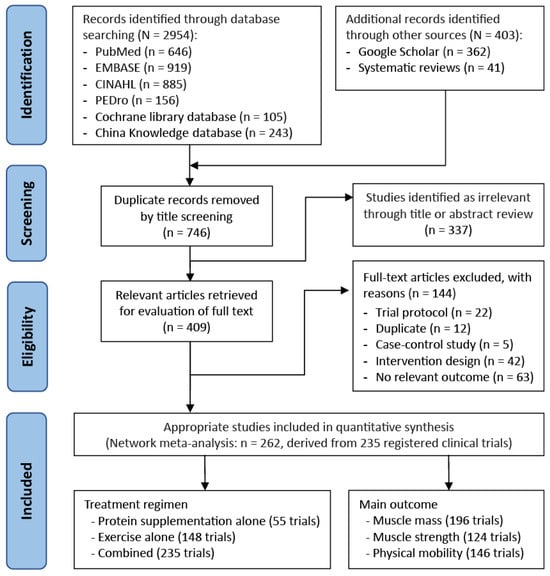
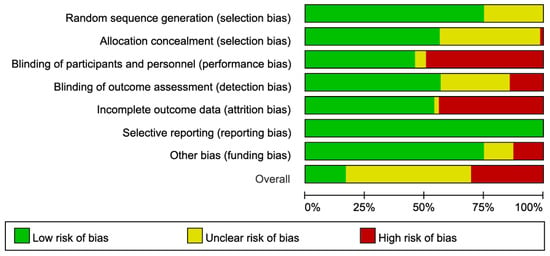
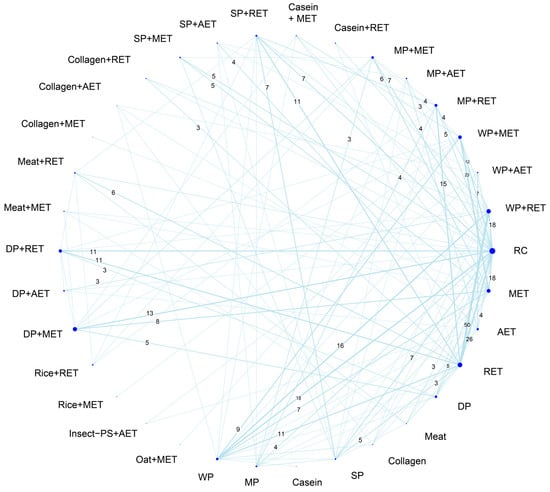
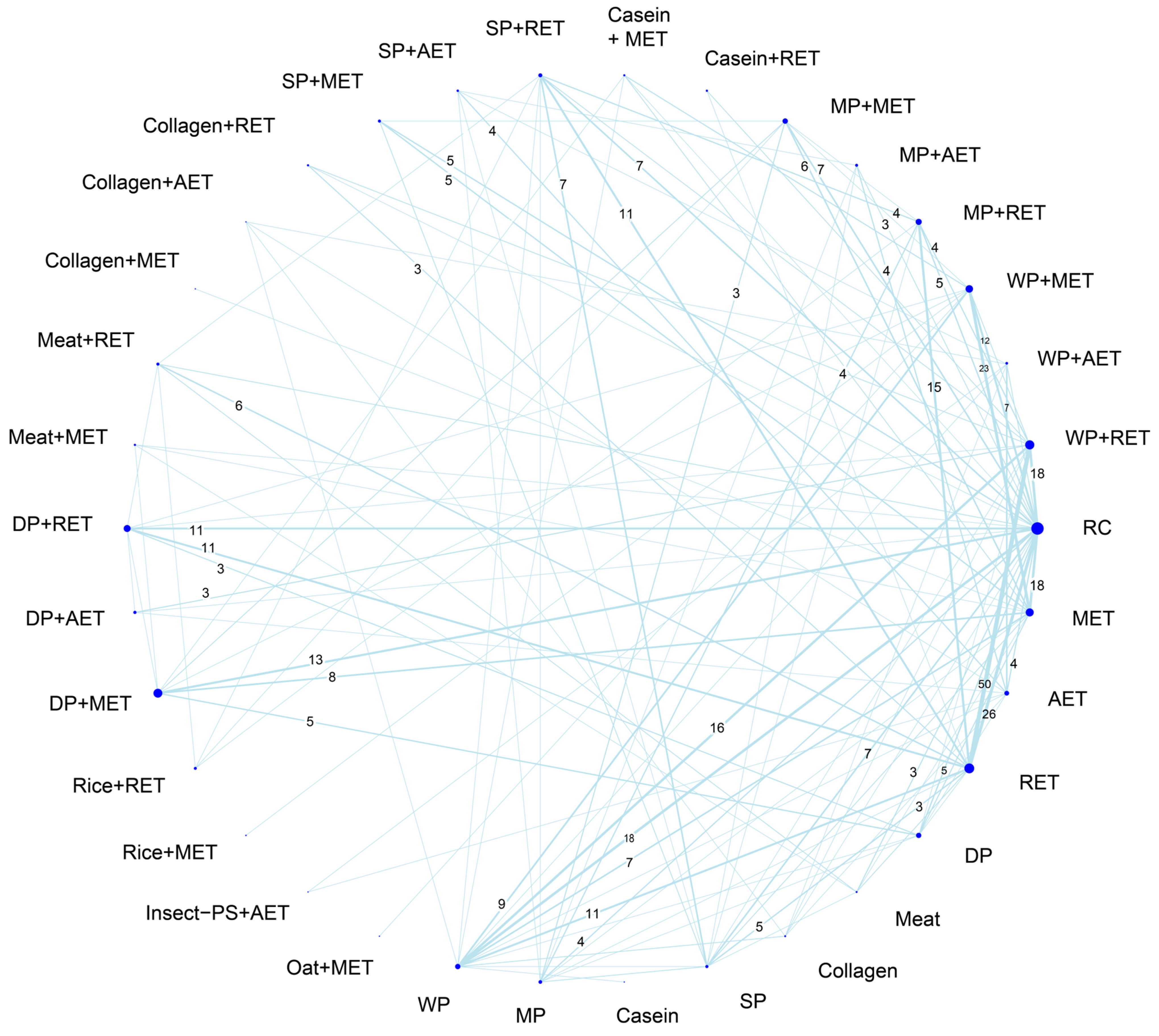
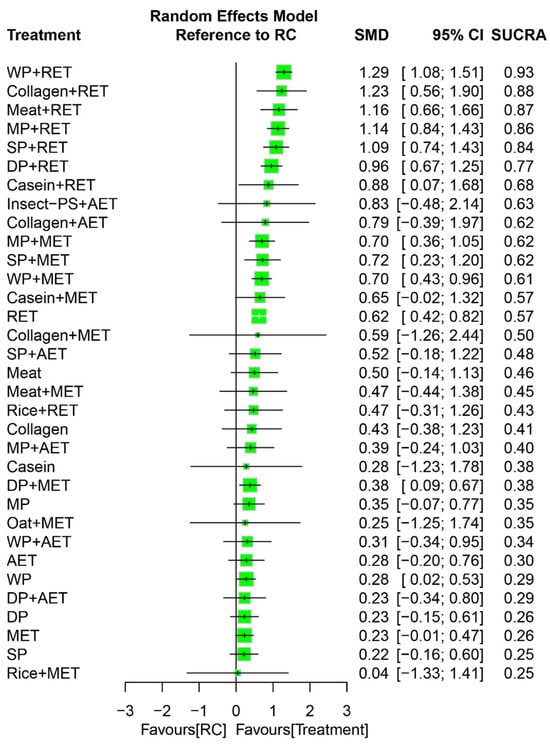
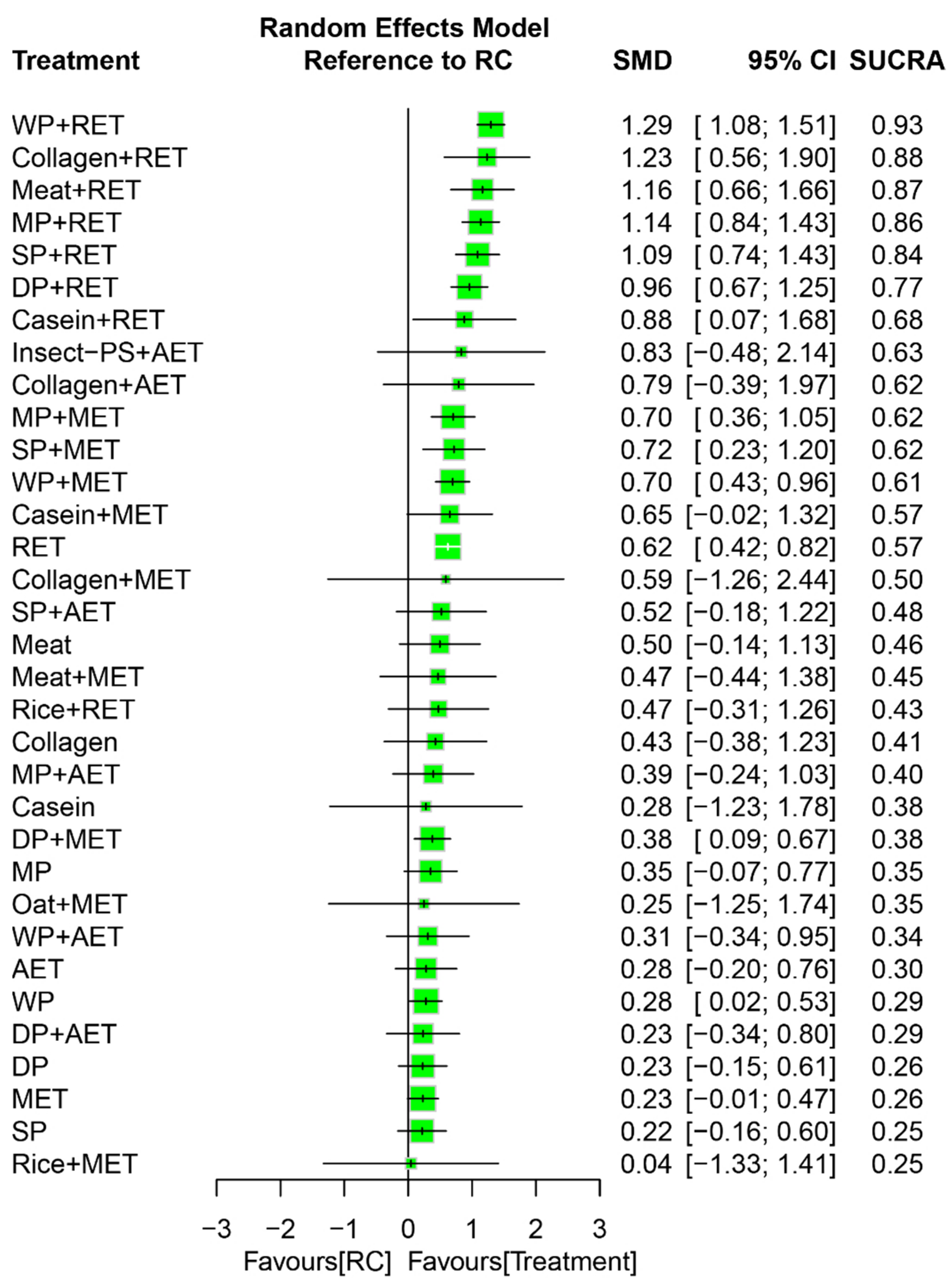
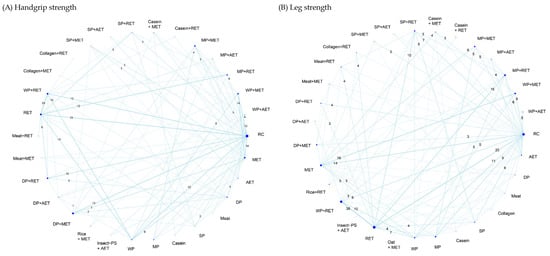
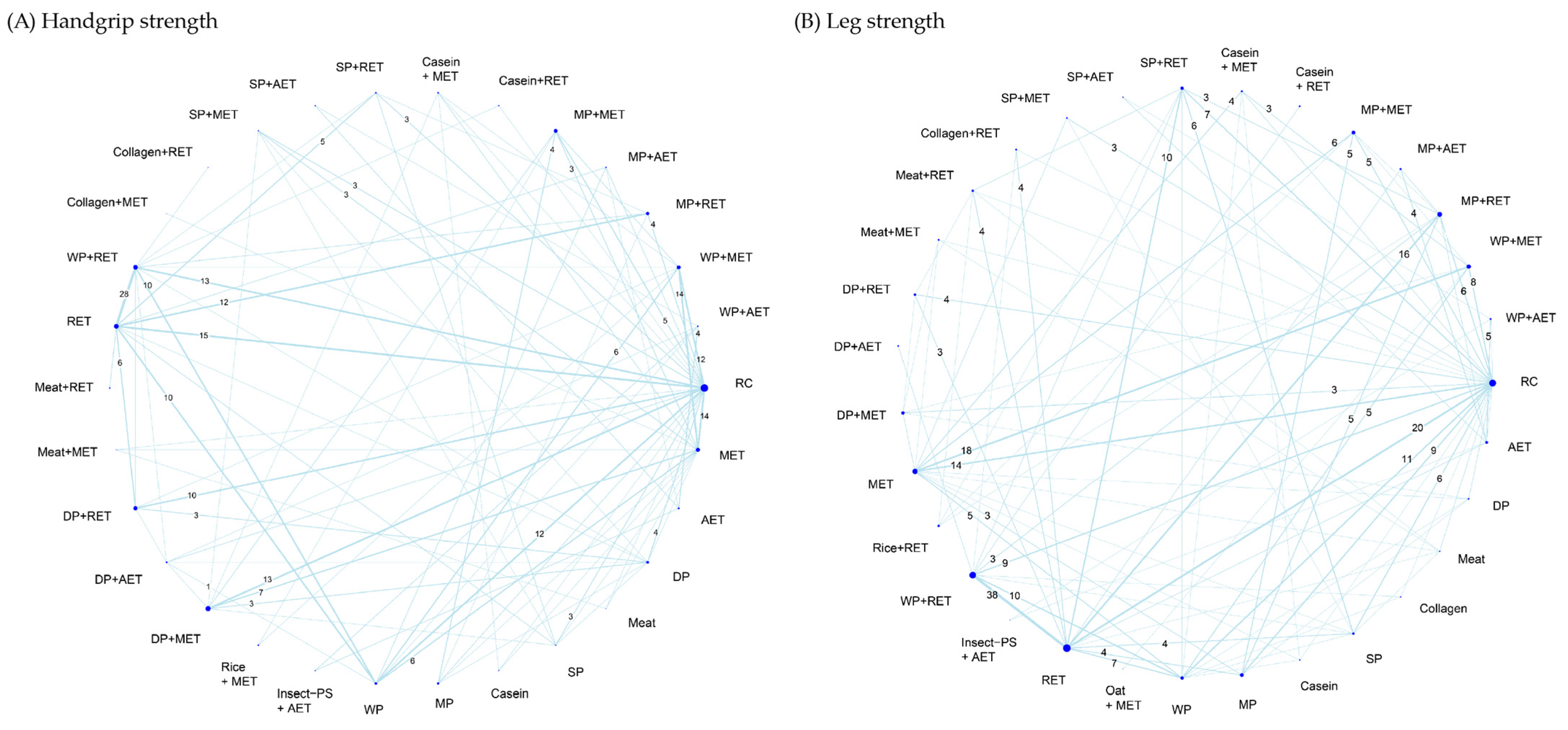
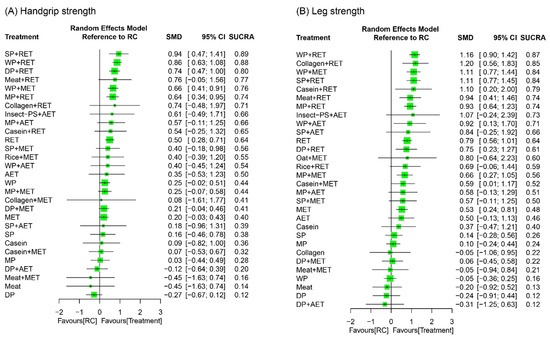
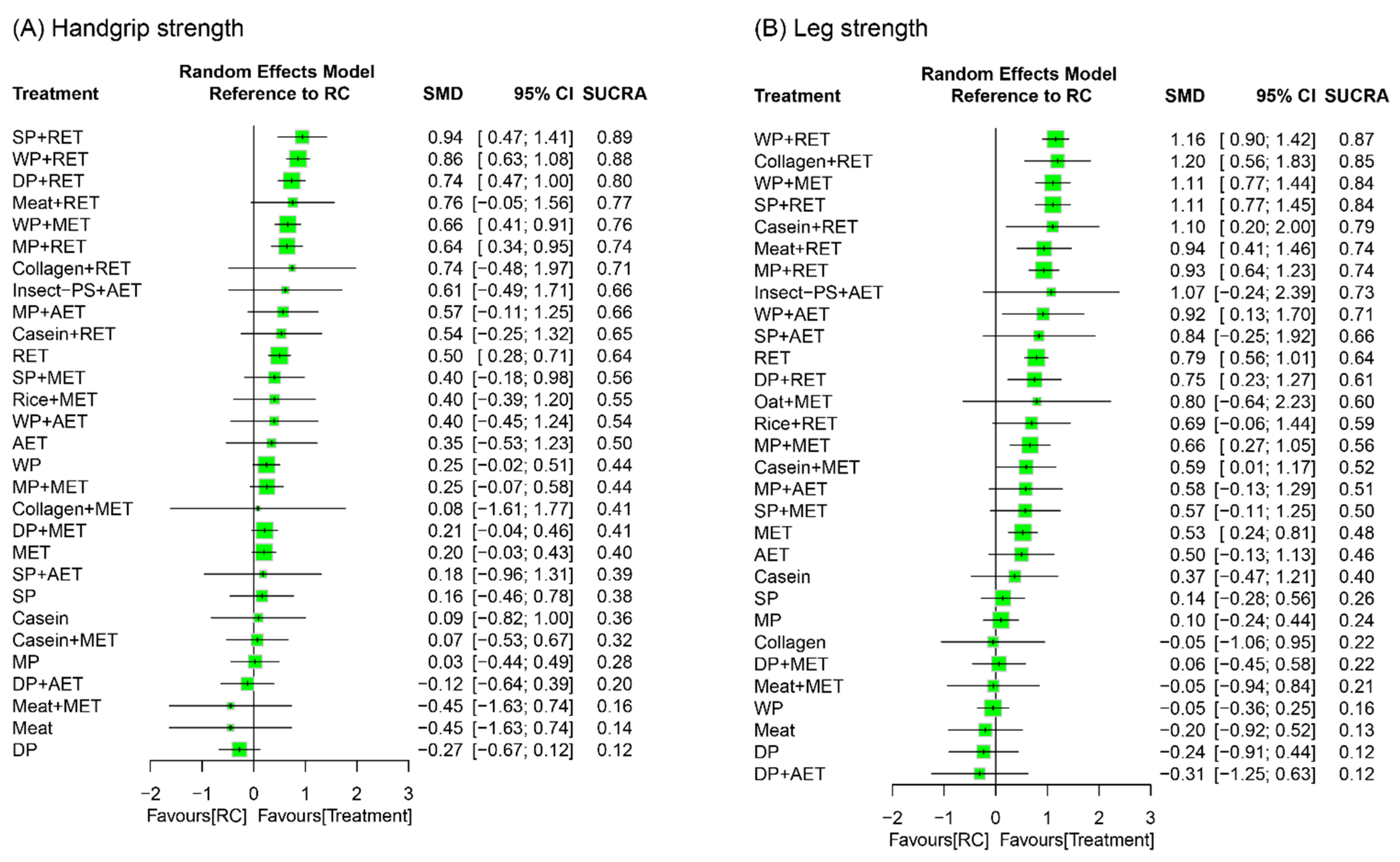
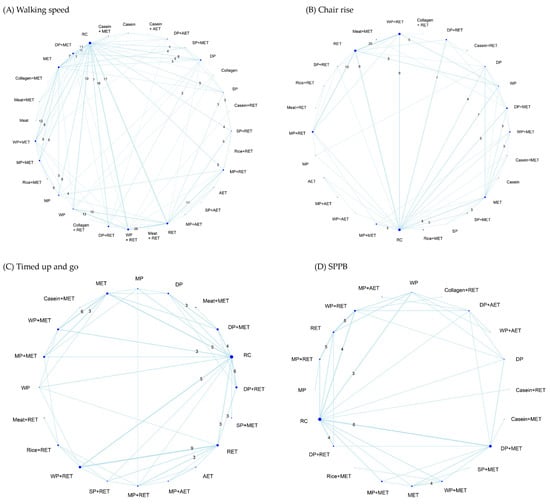
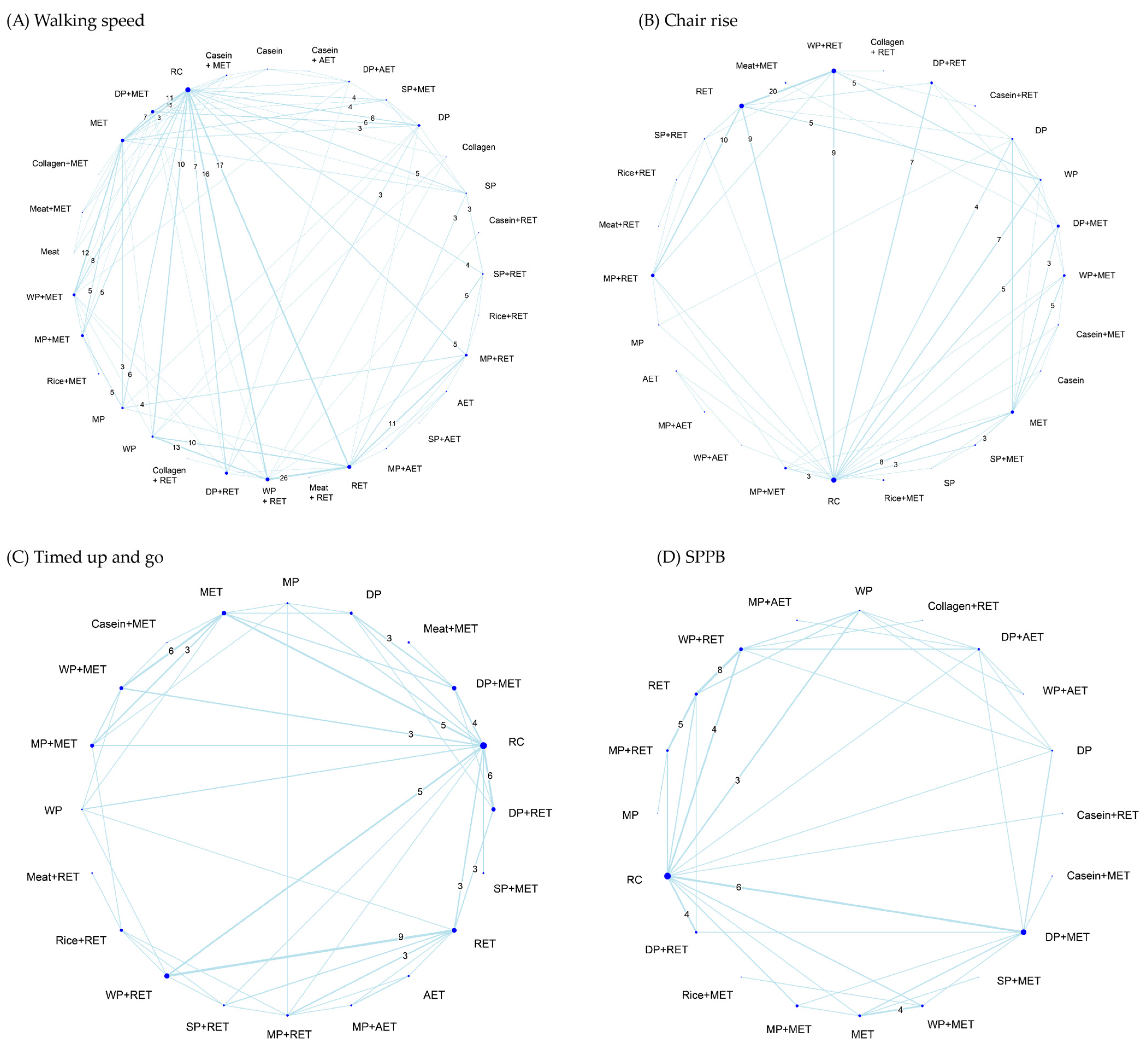
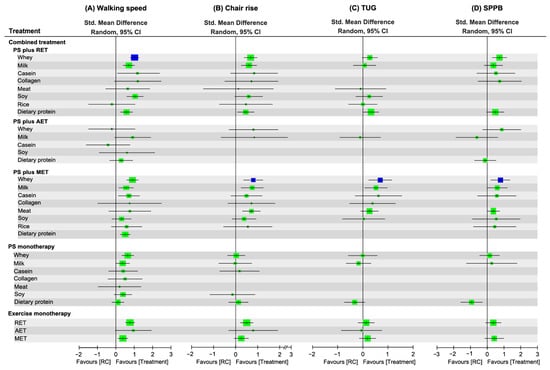
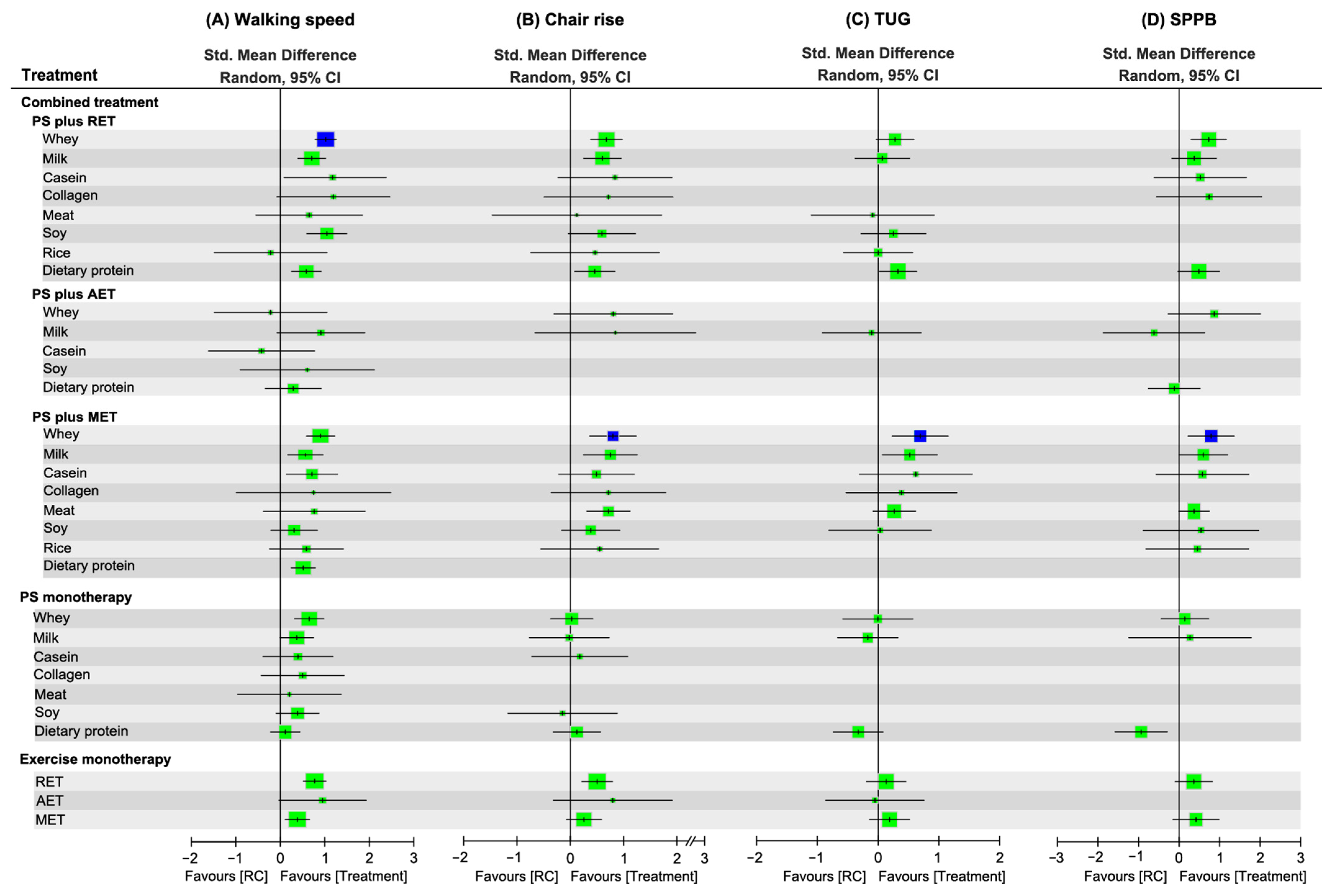
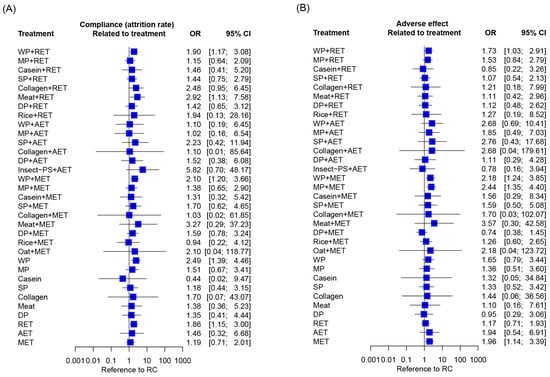
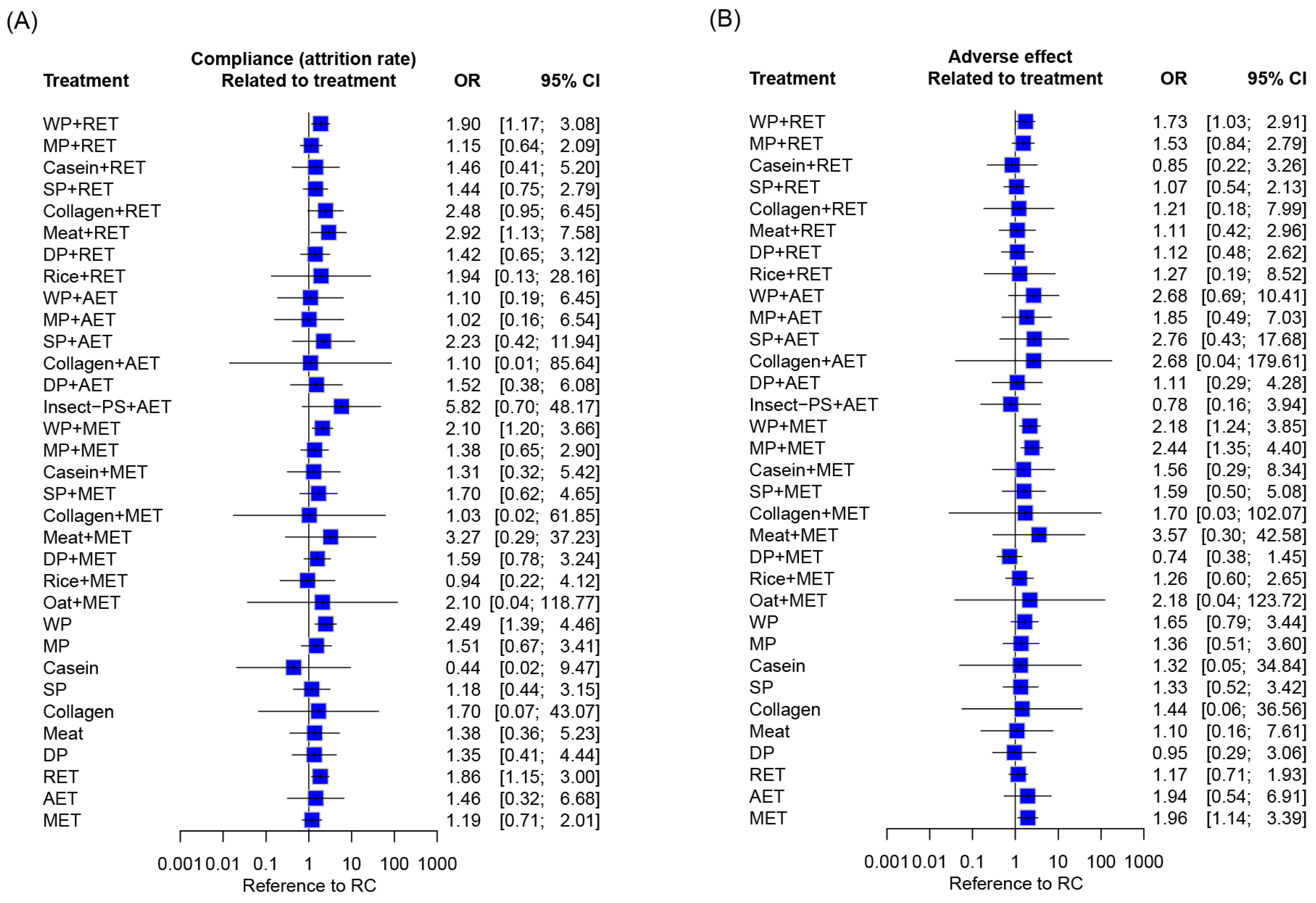

Disclaimer/Publisher’s Note: The statements, opinions and data contained in all publications are solely those of the individual author(s) and contributor(s) and not of MDPI and/or the editor(s). MDPI and/or the editor(s) disclaim responsibility for any injury to people or property resulting from any ideas, methods, instructions or products referred to in the content. |
© 2026 by the authors. Licensee MDPI, Basel, Switzerland. This article is an open access article distributed under the terms and conditions of the Creative Commons Attribution (CC BY) license.