


Abstract
Dietary polyunsaturated fatty acids (PUFAs) provide substrates for oxylipins that regulate inflammation, metabolism, and tissue homeostasis. Foods may also contain preformed oxidized lipids arising during processing and storage. The biological effects of these lipid mediators are often interpreted according to precursor fatty acid class, while stereochemistry remains underexamined because many studies do not resolve enantiomers. This narrative review examines the context-dependent actions of the (S)- and (R)-enantiomers of linoleic acid-derived 13-hydroxyoctadecadienoic acid (13-HODE), with comparisons to other chiral monohydroxy oxylipins. We discuss biosynthesis, receptor recognition, inflammation, nociception, platelet function, vascular disease, metabolism, and cancer. Comparative studies reveal differences in PPARγ-associated activity and colorectal cancer signaling, but neither enantiomer is uniformly protective or pathogenic. Activity depends on exposure, esterification, metabolism, target expression, and disease context. Human dietary interventions demonstrate changes in measured HODE concentrations, although effects on enantiomer-specific tissue pools have not been established. Digestion, transport, and the disposition of ingested R/S forms remain incompletely characterized. We distinguish preformed dietary oxylipins from metabolites synthesized after PUFA intake and emphasize the need for enantiomer-resolved lipidomics to connect nutritional exposures with stereoselective signaling and disease outcomes.
1. Introduction: Nutritional Significance of Oxylipin Stereochemistry
The oxylipin family comprises an extensive array of oxidized products generated from cellular polyunsaturated fatty acids (PUFAs) [1]. As key signaling agents, oxylipins mediate biological effects of dietary fatty acids and regulate nutritional status, inflammation, immune responses, energy metabolism, apoptosis, angiogenesis, and vascular tone through hormone-like, autocrine, and paracrine actions [2,3,4,5]. Classification by omega-6 or omega-3 precursor provides a starting point, but individual metabolites from either class can exert pro-inflammatory, anti-inflammatory, or pro-resolving effects depending on structure, concentration, cellular source, and disease context [6,7,8,9,10,11].
Dietary fats are relevant both as sources of PUFA precursors and as potential carriers of preformed oxidized lipids. Figure 1 illustrates representative dietary PUFA sources and the chiral centers of their monohydroxy products [11,12,13,14]. Lipidomic analysis has detected oxidized LA- and ALA-derived species in commercial plant and algal oils [13], and their concentrations may be influenced by oxidation during handling, heating, or storage. Laboratory studies of vegetable oils found different 9-/13-HpODE positional-isomer distributions after storage versus heating but did not measure 13-HODE R/S ratios [15]. However, food detection alone does not establish the dose ingested, bioavailability, or R/S composition of tissue pools. Preformed dietary oxylipins must be distinguished from those generated after consumption through host enzymes, nonenzymatic oxidation, and microbial transformations. At present, specific food-processing conditions cannot reliably be used to predict the 13(S):13(R)-HODE ratio in humans.
Figure 1.
Dietary PUFA sources and representative chiral monohydroxy oxylipins. Foods and their PUFA sources. Red circles designate hydroxyl-bearing stereogenic carbons. R/S descriptors are omitted for visual clarity. Structures with stereochemical bonds depict representative ‘S’ configurations; the configuration of 18-HEPE is unspecified. Solid and hashed wedges indicate chemical bonds directed toward and away from the viewer, respectively. HODE, hydroxyoctadecadienoic acid; HOTrE, hydroxyoctadecatrienoic acid; HETE, hydroxyeicosatetraenoic acid; HEPE, hydroxyeicosapentaenoic acid; HDHA, hydroxydocosahexaenoic acid; PUFA, polyunsaturated fatty acid.
This premise has provided a useful conceptual basis for understanding the nutritional relevance of oxylipins. However, a growing body of literature indicates that there exists a greater level of complexity than initially thought regarding the regulation of oxylipin function, which is related to, but not determined by, the precursor fatty acid from which they derive [8,9,11]. Much of this complexity arises due to the role of stereochemistry, which refers to the specific spatial arrangement of atoms within each molecule. The stereochemical configuration of an oxylipin dictates how it will be recognized by specific molecular targets and the corresponding cellular outcomes [16,17,18]. Many oxylipins exist as stereoisomers, including enantiomeric pairs of non-superimposable mirror-image molecules that differ in the three-dimensional arrangement of atoms around one or more chiral centers [19]. While pure enantiomers possess identical physicochemical properties in achiral environments, apart from the direction of optical rotation, the two molecules can have very different pharmacological activity because cellular receptors also are chiral and thus can differentiate between enantiomers [20,21].
We focus on common monohydroxy oxylipins with a single stereogenic center, using linoleic acid-derived 13-HODE to illustrate how configuration, biosynthetic origin, and exposure influence molecular recognition and biological effects. The review distinguishes direct enantiomer-comparative experiments from studies of racemic or unresolved metabolites, and critically appraises nutrition-related measurements without assuming that dietary PUFA intake predicts tissue enantiomer ratios. As a narrative review, relevant publications were identified primarily through PubMed/MEDLINE searches, supplemented by reference tracking. Emphasis was placed on original mechanistic, analytical, dietary, and clinical studies, particularly those distinguishing individual enantiomers. This review was not designed as a systematic review or meta-analysis.
2. Why Stereochemistry Matters: Principles of Chiral Recognition
Chirality describes molecular forms that are nonsuperimposable mirror images. Because enzymes, receptors, and transporters have three-dimensional binding environments, they can distinguish R and S configurations even when the compounds have identical formulas and closely similar physicochemical behavior [16,17,18,19,20,21,22,23,24]. Throughout, R/S denotes absolute configuration rather than direction of optical rotation.
The clinical importance of chiral recognition is well established in pharmacology [20,21,25,26,27], but the more pertinent issue here is whether specific oxylipin enantiomers differ in formation, target engagement, metabolism, or action. A purported enantiomer-specific effect requires chemically characterized preparations and, ideally, direct comparison in the same assay.
These principles also apply to oxylipins in four main contexts. First, many biosynthetic enzymes preferentially generate a defined enantiomer, whereas autoxidation generally produces broader mixtures that approach racemic composition [28]. Second, enantiomers may bind different receptors or bind the same target with different affinities or efficacies [29]. Third, enantiomers can undergo different rates or routes of metabolism [30]. Finally, pharmacological responses may diverge or even oppose one another, depending on concentration and cellular context [9,31,32]. A biological system may therefore detect ‘13-HODE’ as two pharmacologically distinct molecules, 13(S)-HODE and 13(R)-HODE. Their fit within chiral receptor or enzyme-binding sites can influence affinity and efficacy [33]. Stereochemistry is thus one important molecular determinant of oxylipin signaling rather than an isolated beneficial-versus-harmful switch.
3. Chemical and Stereochemical Landscape of Monohydroxy Oxylipins
3.1. Hydroxyoctadecadienoic Acids (HODEs)
HODEs are oxidative derivatives of LA and include two major regioisomers, 9-HODE and 13-HODE (Figure 1). Each has the identical molecular formula C18H32O3 and an 18-carbon fatty-acid backbone with the hydroxyl group at carbon 9 or 13, respectively [18,34]. 13-HODE, also known as coriolic acid, is commonly represented in the literature as (9Z,11E)-13-hydroxyoctadeca-9,11-dienoic acid. A stereogenic center at carbon 13 gives rise to 13(S)-HODE and 13(R)-HODE, while additional E/Z geometry produces related geometric isomers [18,33].
Although 13(S)- and 13(R)-HODE share the same molecular formula and double-bond geometry, the opposite configuration of the hydroxy group at carbon 13 can alter recognition by chiral proteins in tissues and thereby influence target engagement, potency, metabolism, and downstream signaling. Enantiomer-resolved exposure and target-engagement data, or a lack thereof, are critically important considerations when assigning pharmacological mechanisms.
3.2. Hydroxyeicosatetraenoic Acids (HETEs)
Hydroxyeicosatetraenoic acids (HETEs) are monohydroxylated oxylipins generated by enzymatic or nonenzymatic oxidation of arachidonic acid (AA), an omega-6 PUFA [16,35]. Among the best-characterized HETEs are 5-HETE, 12-HETE, and 15-HETE. Each contains a stereogenic center at the hydroxylated carbon and can therefore exist as R and S enantiomers [17,36]. Nomenclature can be confusing, particularly for 12-HETE, because distinct enzymatic pathways can generate 12(S)-HETE versus 12(R)-HETE [11,37,38,39].
3.3. Omega-3-Derived Oxylipins
12-Hydroxyeicosapentaenoic acid (12-HEPE) is a monohydroxylated metabolite of eicosapentaenoic acid (EPA) with the molecular formula C20H30O3 and a stereogenic center at carbon 12; its enantiomers are 12(S)-HEPE and 12(R)-HEPE [11,16]. Similarly, 17-hydroxydocosahexaenoic acid (17-HDHA) arises from docosahexaenoic acid (DHA), has the molecular formula C22H32O3, and contains a stereogenic center at carbon 17 that generates 17(S)-HDHA and 17(R)-HDHA [16,40]. Related 22-carbon PUFAs, such as n-6 docosapentaenoic acid (DPAn-6; 22:5n-6), can also be converted by 15-lipoxygenase to 17(S)-hydroxy-DPAn-6 [41]. Table 1 summarizes representative monohydroxy PUFA-derived oxylipins.
Table 1.
Stereochemical outcomes and suitable chiral assays for representative monohydroxy oxylipins. The listed configurations are typical rather than exclusive, depend on enzyme source and species, and require authentic standards for enantiomer assignment. Supercritical fluid chromatography (SFC); reversed-phase liquid chromatography–electrospray ionization–tandem mass spectrometry (RP-LC-ESI-MS/MS) [16,28,42].
4. Biosynthesis and Metabolic Fate
4.1. Biosynthesis of 13-HODE Enantiomers
The stereochemical composition of the 13-HODE pool in cells and tissues is not randomly distributed but reflects specific metabolic pathways that generate 13-HODE endogenously [18,44]. Figure 2 summarizes LOX, COX, CYP, and nonenzymatic formation routes and their stereochemical products derived from LA. There are highly regulated, stereospecific enzymatic pathways and stereorandom nonenzymatic pathways characteristic of oxidative stress [18,34,45,46]. Because of the chirality of the active site, each enzyme in a stereospecific pathway produces a defined enantiomer of the corresponding oxylipin.
Figure 2.
Formation routes and stereochemical composition of linoleic acid-derived HODEs. LOX, COX, CYP, and nonenzymatic oxidation generate distinct S-enriched, R-enriched, or mixed products; COX yields mainly 13(S)- and 9(R)-HODE in selected systems. Ratios depend on enzyme source and species, while geometric isomer patterns can help distinguish oxidation routes [42,47,48,49]. LA, linoleic acid; ALOX15, 15-lipoxygenase-1; CYP, cytochrome P450; COX, cyclooxygenase; HpODE, hydroperoxyoctadecadienoic acid.
The primary stereospecific enzymatic pathway for 13(S)-HODE involves lipoxygenase (LOX) [50]. The enzyme that is most critical in synthesizing 13(S)-HODE is 15-lipoxygenase-1 (ALOX15), which in humans oxygenates AA predominantly at C-15. The positional specificity varies across species, and human ALOX15 also efficiently oxygenates LA [51,52]. This enzyme inserts molecular oxygen stereospecifically to produce 13(S)-hydroperoxy-9Z,11E-octadecadienoic acid [13(S)-HpODE], which is unstable and is immediately reduced by ubiquitous cellular peroxidases, such as glutathione peroxidases, to the more stable hydroxyl product 13(S)-HODE [51,52,53,54]. In addition to ALOX15, a second isoform, 15-lipoxygenase-2 (ALOX15B), can contribute to the formation of 13(S)-HODE, but less efficiently [52,55].
Cyclooxygenases (COX-1 and COX-2) also oxygenate LA, producing predominantly 13(S)- and 9(R)-hydroperoxides that can be reduced to 13(S)-HODE and 9(R)-HODE. The relative proportions vary with enzyme source and species; chiral analyses of purified prostaglandin H synthases provide direct evidence for these typical configurations [47,49].
Finally, the cytochrome P450 (CYP) pathway represents a third key enzymatic route for HODE synthesis. Microsomal CYP monooxygenases differ from LOX and COX enzymes in both mechanism and stereoselectivity [11,44,56]. CYP enzymes metabolize LA into mixtures of 9- and 13-HODEs that can be strongly enriched in the R-enantiomer rather than racemic [44,48]. Studies using human liver microsomes demonstrated that 9- and 13-HODEs were synthesized at an approximately 80:20 R:S ratio [44,48]. Thus, CYP enzymes may contribute to endogenous 13(R)-HODE production under physiological and pathophysiological conditions.
13-HODE can also arise through nonenzymatic oxidation of LA. Free-radical reactions and singlet-oxygen addition generate overlapping but distinguishable regio- and geometric isomer patterns, with R/S mixtures that may approach 1:1 under some conditions [16,57,58,59,60]. Such products may be elevated under oxidative stress; however, detecting 13(R)-HODE or a mixed pool alone cannot assign a nonenzymatic origin because CYP metabolism can also contribute. Published links with chronic disease should be interpreted according to the analyte and disease context rather than attributed to these pathways as a group [61,62,63,64,65,66,67,68].
4.2. Biosynthesis of Other Monohydroxy Oxylipins
Examples of other monohydroxy oxylipins include 9-HODE from linoleic acid (LA), 9- and 13-HOTrE from α-linolenic acid (ALA), 5-, 12-, and 15-HETE from arachidonic acid (AA), 12-HEPE from eicosapentaenoic acid (EPA), and 17-HDHA from docosahexaenoic acid (DHA). Figure 3 summarizes representative enzymatic oxygenation reactions that form hydroperoxide intermediates, followed by peroxidase-mediated reduction to the corresponding monohydroxy products. The routes are illustrative, rather than exhaustive. Table 1 compares stereochemical outcomes and chiral analytical options.
Figure 3.
Enzymatic biotransformation of selected monohydroxy oxylipins. Representative pathways from linoleic acid (LA), α-linolenic acid (ALA), arachidonic acid (AA), eicosapentaenoic acid (EPA), and docosahexaenoic acid (DHA) illustrate enzyme-mediated oxygenation to hydroperoxide intermediates (red arrows), followed by peroxidase-mediated reduction to monohydroxy products (blue arrows). Pathways are representative rather than exclusive, and enzyme specificity and stereochemical outcomes depend on the biological system. LOX, lipoxygenase; ALOX, arachidonate lipoxygenase; COX, cyclooxygenase; Ac-COX-2, aspirin-acetylated COX-2.
Enzymatic 9-HODE formation is pathway dependent: some lipoxygenases generate 9(S)-HODE, whereas COX-mediated LA oxygenation can yield 9(R)-HODE. In addition, the S- and R-enantiomers can also be produced by nonenzymatic free-radical autoxidation of LA in roughly equivalent amounts [44,53,57,69].
α-Linolenic acid (ALA; 18:3 n-3), an essential omega-3 PUFA distinct from linoleic acid, also undergoes lipoxygenase-mediated oxygenation. Regioselective LOX reactions produce 9(S)- and 13(S)-hydroperoxyoctadecatrienoic acids [9(S)-HpOTrE and 13(S)-HpOTrE], which can be reduced by cellular peroxidases to 9(S)-HOTrE and 13(S)-HOTrE, respectively [43]. The relative products depend on enzyme isoform and biological system.
HETEs are produced from AA, an omega-6 fatty acid. The biosynthesis of 5(S)-HETE occurs through stereoselective enzymatic oxidation of AA by 5-lipoxygenase (ALOX5), resulting in production of 5(S)-hydroperoxy-6E,8Z,11Z,14Z-eicosatetraenoic acid [5(S)-HpETE] as a hydroperoxide intermediate, which is quickly reduced to 5(S)-HETE by cellular peroxidases. Thus, the ALOX5 pathway is stereoselective for the S-enantiomer. However, when AA undergoes autoxidation as a result of oxidative stress, nonenzymatic processes generate both 5(S)- and 5(R)-HETE, illustrating the lack of stereochemical control of free-radical lipid peroxidation [17,37,57].
12(S)-HETE is synthesized enzymatically by arachidonate 12-lipoxygenase (ALOX12; platelet-type 12-LOX) or ALOX15 through 12(S)-HpETE. In contrast, 12(R)-HETE is generated by arachidonate 12(R)-lipoxygenase (ALOX12B) in epidermal tissues and can also arise through CYP metabolism. ALOX12B is distinct from epidermal lipoxygenase-3 (ALOXE3), which functions predominantly as a hydroperoxide isomerase downstream of ALOX12B. Both enantiomers can also be formed nonenzymatically during oxidative stress [17,57]. The 15(S)-HETE enantiomer is generated mainly by ALOX15, while ALOX15B contributes in epithelial cells [52,70].
Interestingly, the 15(R)-HETE enantiomer can be produced by aspirin-acetylated COX-2, in which acetylation of the Ser530 residue changes enzyme stereospecificity, favoring production of 15(R)-HpETE over prostaglandins [71,72]. Similar to 12-HETE, both enantiomers can be generated nonenzymatically during oxidative stress [17,57]. ALOX12 metabolizes EPA to 12(S)-hydroperoxy-5Z,8Z,10E,14Z,17Z-eicosapentaenoic acid [12(S)-HpEPE], which is subsequently reduced to 12(S)-HEPE [68,73]. Racemic 12-HEPE can occur nonenzymatically through autoxidation of EPA [74].
Finally, biosynthesis of the 17(S)-HDHA enantiomer involves the enzymatic metabolism of DHA by ALOX15 to the 17(S)-hydroperoxy-4Z,7Z,10Z,13Z,15E,19Z-docosahexaenoic acid [17(S)-HpDHA] intermediate, which is then reduced to 17(S)-HDHA. The 17(R)-HDHA enantiomer also is produced by aspirin-acetylated COX-2 in a pathway analogous to formation of 15(R)-HETE from AA [75].
4.3. Metabolic Fate and Esterification
Oxylipin signaling depends on synthesis as well as transport, esterification, hydrolysis, and further metabolism. In cell culture experiments, more than 97% of supplemented 15-lipoxygenase products became esterified, with 13(S)-HODE preferentially incorporated into phosphatidylcholine species [76]. An isotope-tracer study in the rat showed that orally administered labeled 13-HODE was absorbed and entered circulating esterified lipid pools before incorporation into peripheral tissues [77]. The administered tracer was 13(S)-HODE, which appeared in plasma within 20 min of gavage and increasingly entered esterified pools over 90 min; 13(R)-HODE and individual intestinal processing steps were not examined [77]. These results emphasize that free, esterified, and total measured 13-HODE concentrations are not interchangeable. Digestion, micellar solubilization, enterocyte uptake, re-esterification, lipoprotein transport, and local hydrolysis could each influence the exposure of downstream tissues to ingested oxylipins, but quantitative enantiomer-specific data for those steps are limited. Both food-derived and endogenously generated oxylipins must therefore be distinguished from the freely available signaling pool.
5. Molecular Targets and Context-Dependent Biological Actions
The outcomes of 13-HODE exposure depend on both stereoselective target engagement and tissue context. Figure 4 summarizes selected findings, but evidence should be distinguished as direct molecular interaction, functional pharmacology, or downstream association. Section 5.1, Section 5.2, Section 5.3, Section 5.4, Section 5.5, Section 5.6 and Section 5.7 organize these actions by mechanism and physiological setting; most proposed R/S differences have not been tested head-to-head under identical conditions.
Figure 4.
Context-dependent actions of 13-HODE enantiomers. Representative molecular targets, biological effects, and pathophysiological context. BLT1/BLT2, leukotriene B4 receptors; CRC, colorectal cancer; CREB, cAMP response element-binding protein; ERK, extracellular signal-regulated kinase; mTOR, mechanistic target of rapamycin; PGE2, prostaglandin E2; PPAR, peroxisome proliferator-activated receptor; TRPV1, transient receptor potential vanilloid 1.
5.1. Nuclear Receptors and Molecular Recognition
PPARγ is a lipid-responsive nuclear receptor involved in metabolic and inflammatory transcriptional programs, while PPARδ has distinct regulatory roles [78,79,80,81]. Comparative assays indicate that both 13-HODE enantiomers can activate PPARγ, with greater reporter activity from 13(S)-HODE [18]. In the PPARγ crystal structure, a well-ordered 13-HODE molecule occupies a site between helix 3 and the β-sheet: its carboxylate forms a salt bridge with Arg288, and its hydroxyl makes a relatively long hydrogen bond with the backbone amide of Ser342 [82]. Arg288 changes orientation to accommodate the ligand, illustrating the flexibility of this binding pocket. Because matched structures with purified 13(S)- and 13(R)-HODE were not reported, these interactions do not explain the difference in their biological activities. In CRC cell models, 13(S)-HODE has shown stronger PPARγ-associated growth inhibition, whereas 13(R)-HODE has engaged BLT1/BLT2-linked signaling [45].
Ligand-induced PPARγ activation can regulate inflammatory and lipid-handling genes. Some effects of 13(S)-HODE in colon cancer cells were attenuated by a PPARγ antagonist [45], whereas its metabolite 13-oxoODE also acts as a PPARγ ligand [44,83]. These findings are context dependent and do not establish that PPARγ accounts for all actions of 13-HODE. A cryo-EM structure of GPR132 bound to the related oxylipin 9(S)-HODE provides another example of lipid recognition within a defined receptor pocket [84]. It does not establish how either 13-HODE enantiomer binds GPR132.
5.2. Nociception and TRPV1
TRPV1 integrates thermal, chemical, and inflammatory stimuli in sensory neurons [85,86,87,88,89]. Oxidized LA metabolites have been implicated in TRPV1-associated nociception, but most relevant 13-HODE preparations were not enantiomer-resolved.
Increased 9- and 13-HODE concentrations have been reported in inflammatory pain states [90,91]. Stereochemically unresolved 13-HODE activated TRPV1 in one rodent study [92], whereas a second study reported little activity for racemic 13-HODE in recombinant TRPV1 assays [93]. Thus, the direct roles of 13(S)- and 13(R)-HODE in TRPV1 activation remain unsettled and depend on assay system and compound characterization.
5.3. mTOR Signaling and Ferroptosis
mTOR integrates growth-factor, energy, and nutrient-derived signals [94,95,96,97,98]. Affinity-based experiments identified direct binding of 13(S)-HODE to the mTOR catalytic ATP-binding region, with ATP-competitive inhibition of kinase activity and reduced proliferative signaling in experimental models [99]. Equivalent mechanistic analyses with purified 13(R)-HODE have not been reported, so the result should not be interpreted as an established enantiomer-specific binding-pocket preference. PPARγ-associated signaling may also influence mTOR indirectly [18,82,100]; this is distinct from direct mTOR inhibition. Other oxylipins, including 15(S)-HETE, may exert opposing effects in particular cellular contexts [101].
Ferroptosis depends on iron-linked lipid peroxidation and GPX4-regulated antioxidant defense [102,103]. Adipocyte-derived 9(S)-HODE has been linked to ferroptotic responses in one breast cancer model [104], but these data do not establish a general ferroptosis mechanism for either 13-HODE enantiomer or for colorectal cancer.
5.4. Inflammation and Macrophage Signaling
13-HODE metabolites can modulate inflammation through several pathways, but stereochemical assignment is often incomplete. In some models, 13(S)-HODE and 13-oxoODE exert PPARγ-associated effects [18,34,44,45,83,105]. An ALOX15-derived 13-HODE preparation suppressed macrophage NF-κB, p38, and ERK signaling, although its enantiomeric configuration was not resolved [106]. Conversely, exogenous 13(S)-HODE contributed to bronchial epithelial injury in another setting [107]. These apparently divergent findings argue against labeling either enantiomer uniformly anti- or pro-inflammatory.
5.5. Platelet Responses
The platelet response depends on the agonist and experimental preparation. Reported inhibitory effects of 13-HODE on aggregation have varied across collagen- and thromboxane-mimetic stimulation assays, with stereochemical resolution differing among studies [108,109,110,111]. These results should not be generalized to antithrombotic effects in humans without direct clinical evidence.
5.6. Atherosclerosis and Vascular Effects
Atherosclerosis demonstrates a similarly complex relationship between the pathophysiological roles of 13-HODE enantiomers. As atherosclerosis develops, the stereochemical composition of 13-HODE can change with lesion stage. Early lesions are often enriched in 13(S)-HODE, consistent with ALOX15 activity, whereas advanced plaques contain mixed S/R pools, indicating increased contributions from nonenzymatic oxidation and possibly CYP metabolism [46,109]. ALOX15/PPARγ signaling may facilitate lipid handling and clearance in some settings, but it can also enhance oxidized-lipid uptake and foam-cell formation; an S-enriched pool is therefore not automatically protective [109,110,111,112,113,114]. In advanced plaques, oxidative stress and lipid peroxidation may contribute to chronic inflammation, macrophage apoptosis, and plaque instability. However, the presence of 13(R)-HODE or a mixed S/R pool alone does not establish nonenzymatic oxidation or advanced disease. Recent work further showed that enzymatically generated 13(S)-HODE selectively inhibited collagen-mediated platelet aggregation, extending its potential vascular actions while leaving the responsible lipid mediator signaling mechanism(s) unresolved [115]. In separate experiments, 13(R)-HODE inhibited aggregation induced by the thromboxane mimetic U-46619 [116]. Thus, both enantiomers have shown antiplatelet activity in vitro, but the different agonists and experimental conditions preclude assuming equal potency or a uniform vascular effect (Figure 4).
5.7. Cancer and Cellular Fate
The divergent lipid mediator roles of 13-HODE enantiomers are also exemplified in cancer biology, where they can influence cellular fate through different mechanisms. Specifically, 13(S)-HODE has been associated with tumor-suppressive effects in several experimental models, including inhibition of cancer-cell proliferation. As previously discussed, 13(S)-HODE acts through PPARγ- and PPARδ-linked pathways [45,50,117,118,119]; additionally, recent findings indicate that 13(S)-HODE can directly inhibit mTOR kinase by binding competitively to its ATP-binding site [99]. Through these mechanisms, 13(S)-HODE has been associated with mTOR-signaling suppression, cell-cycle arrest, and apoptosis. However, lipid mediator effects differ by tumor type, concentration, exposure, and experimental system; 13(S)-HODE should therefore not be considered as a universal tumor suppressor. In CRC, reduced cellular ALOX15 expression and 13(S)-HODE abundance have nevertheless been repeatedly associated with tumorigenesis [120,121].
Conversely, there is little documented evidence regarding the oncogenic or antitumor potential of 13(R)-HODE. Cabral et al. demonstrated that 13(R)-HODE activates leukotriene B4 receptor-linked ERK and CREB signaling and increases prostaglandin E2 production in human colon cancer cells [45]. Whether this corresponds to an oncogenic response in vivo, and whether tumors become selectively enriched in 13(R)-HODE, remain unresolved. Most previous cancer-related studies did not distinguish between 13(S)-HODE and 13(R)-HODE enantiomers, and the in vivo relevance of 13(R)-HODE enrichment in tumor microenvironments has not been well defined. This represents an important gap in the lipid mediator literature that confounds mechanistic interpretation and potential clinical translation. The 13(S)-HODE:13(R)-HODE ratio should therefore be viewed as a candidate mechanistic indicator rather than a validated cancer biomarker. Table 2 summarizes mechanistic targets alongside experimental context and key limitations of the enantiomer-specific evidence.
Table 2.
Evidence and limitations for biological actions of 13-HODE enantiomers. BLT, leukotriene B4 receptor; CRC, colorectal cancer; mTOR, mechanistic target of rapamycin; PPAR, peroxisome proliferator-activated receptor; TRPV1, transient receptor potential vanilloid 1.
6. Comparisons with Other Chiral Monohydroxy Oxylipins
Comparative examples from 9-HODE, HETEs, HEPEs, and HDHAs reinforce that both hydroxyl position and absolute configuration can influence pathway selection. However, evidence for an individual compound should not automatically be extrapolated to another regioisomer or precursor fatty acid [16,18,42,45].
Among arachidonic acid-derived metabolites, ALOX5 produces mainly 5(S)-HETE, while 5(R)-HETE is less efficiently converted through related pathways. Platelet-type 12-LOX preferentially generates 12(S)-HETE, whereas ALOX12B generates 12(R)-HETE in epidermal tissues; these distinctions have implications for physiological context [37,38,39,124,125,126,127,128].
ALOX15 forms predominantly 15(S)-HETE, a precursor to lipoxin pathways, while aspirin-acetylated COX-2 can generate 15(R)-HETE [71,72,129,130,131,132]. These reactions illustrate stereochemical control without implying that all downstream bioactivities have been compared using isolated enantiomers.
For omega-3 fatty acids, LOX-associated DHA oxygenation yields predominantly 17(S)-HDHA, while aspirin-triggered pathways may generate R-configured products [75,133,134,135,136,137]. Stereochemistry and metabolic context should be documented before assigning pro-resolving actions to measured total concentrations.
7. Nutritional Exposure, Analytical Challenges, and Clinical Translation
Translation requires distinguishing preformed oxylipins ingested in food from metabolites generated endogenously after dietary PUFA exposure. Most human studies measure total HODE signals rather than individual 13(S)- and 13(R)-HODE pools, limiting mechanistic assignment.
7.1. Enantiomer-Resolved Analysis and Sampling Artifacts
Routine reversed-phase LC–MS/MS is useful for total oxylipin quantification but cannot, by itself, establish enantiomeric configuration. Chiral LC–MS/MS or SFC–MS/MS with validated stationary phases and enantiomer-specific standards is required for R/S assignment [42]. For example, a Trefoil AMY1 column containing an amylose-derived chiral stationary phase has been used for SFC–MS/MS profiling of octadecanoids; enantiomer resolution depends on column conditioning and mobile-phase composition [42]. For AA-, EPA-, and DHA-derived hydroxy metabolites, a complementary chiral LC–ESI–MS/MS method used Lux-Amylose-1 with upstream achiral C8 separation to reduce regioisomer interference [28]. Multiple heart-cutting achiral–chiral 2D-LC–MS/MS enables selection of a specific portion of a chromatographic peak, and facilitates targeted enantiomer separation of hydroxy-fatty acids, including HOTrEs [16]. Sampling and extraction require particular care because oxygen exposure, prolonged processing, temperature, light, and lipid hydrolysis can alter apparent HODE pools or produce ex vivo oxidation artifacts [42,138,139,140,141]. Spike recovery, appropriate isotope-labeled standards, stability checks, separation of geometric/regioisomers, and clear reporting of free versus hydrolyzed/total pools are essential. Hydrolysis releases esterified species, so values obtained after hydrolysis should not be equated with concentrations of unesterified signaling lipids. These analytical limitations are especially important when interpreting low-abundance R-enantiomers or proposing clinical R/S thresholds.
7.2. Dietary Sources, Absorption, and Human Exposure
Human dietary evidence supports an effect of dietary fat composition on measured circulating and tissue HODE concentrations, but not a defined dietary control of the enantiomer ratio. In a 12-week intervention involving 55 adults with chronic headache, lowering dietary LA reduced plasma 13-HODE by approximately 9.5%, without R/S resolution [142]. A randomized crossover trial of 14 healthy adults found that HDL-associated 13-HODE was 102% higher after 14 days of a high-fat/high-cholesterol diet than after an isocaloric low-fat/low-cholesterol diet (p = 0.049) [143]. In a single-arm study of adolescents with fatty liver disease, a 12-week low omega-6:omega-3 PUFA-ratio diet significantly reduced plasma 9-HODE and 13-HODE (p = 0.011 and p = 0.007, respectively; 17 participants completed) [144]. By contrast, 91 days of DHA supplementation in men with hypertriglyceridemia (n = 17/group) did not significantly change mean plasma or erythrocyte HODE concentrations, although post-supplement erythrocyte DHA was inversely associated with several erythrocyte HODE measurements [145]. After 10 weeks of EPA supplementation, epidermal 13-HODE was lower 24 h after UV exposure (p = 0.015) [146]. In an exploratory analysis of a randomized supplementation trial, corn-oil intake was associated with a 1.41-fold rise in measured 13-HODE after 12 weeks, again without enantiomeric separation [147]. Table 3 summarizes these direct human measurements, which differed in tissue compartment, analyte pool, and study design. Separately, a rat tracer study demonstrated absorption of administered 13-HODE and incorporation into esterified lipid pools and peripheral tissues [77]. Whether the same processes differ for the two enantiomers after usual human food consumption remains unknown. The seAFOod trial illustrates the value of chiral analysis for other lipid mediators but does not establish a dietary 13-HODE R/S response [148].
Table 3.
Representative human dietary interventions with measured HODE outcomes. Studies differed in design, biological compartment, and measured analyte (13-HODE, 9-HODE, or combined HODE species). None established dietary changes in the 13(S):13(R)-HODE enantiomer ratio.
Intervention strategies can also target oxylipin-generating enzymes or downstream signaling. COX inhibitors influence prostanoid synthesis but carry context-dependent risks [149]. Aspirin-acetylated COX-2 can redirect oxygenation toward 15(R)-HETE and 17(R)-configured products [71,72,75,132,150]; this does not establish a direct benefit from 13-HODE supplementation. Stable analogues of pro-resolving mediators remain investigational [10,140,141]. Human dietary studies should specify food-fat composition, oxidation status, and exposure duration rather than assume that increased precursor intake causes predictable chiral oxylipin effects.
7.3. Candidate Biomarkers and Disease Relevance
Enantiomer-specific oxylipin analysis is becoming an increasingly important research tool for investigating disease-associated pathways. Studies have shown that circulating oxylipin profiles are associated with cardiovascular outcomes and inflammatory disease activity [151,152,153,154], while signaling lipids have been implicated more broadly in cancer etiology [155]. However, most clinical studies used achiral methods and therefore cannot unambiguously establish the diagnostic or prognostic value of individual enantiomers. In CRC, decreased ALOX15 expression and reduced 13(S)-HODE abundance are biologically plausible biomarkers of pathway disruption [122,123,156,157], but the 13(S)-HODE:13(R)-HODE ratio has not been validated for diagnosis, prognosis, or treatment selection. Similarly, elevated 12(S)-HETE has been associated with pro-migratory behavior, but its use as a biomarker to identify patients likely to benefit from 12-LOX inhibition remains investigational at the current time [126,158,159].
7.4. Diet, Microbiota, and Integrated Approaches
Diet and microbiota can influence available lipid substrates and their metabolic transformations [160,161]. The reported spinach interventions in Apc-mutant rodents are relevant to dietary LA metabolism and host–microbial signaling [162,163], but did not establish causal stereoselective conversion of 13-HODE. Additional studies of other foods and model systems similarly support microbiota–lipid interactions without proving changes in human R/S ratios [164,165]. Figure 5 summarizes examples where specific microbial enzymes or ex vivo communities affect LA-derived metabolites.
Figure 5.
Gut microbial LA metabolism and 13-HODE abundance. Two bacterial strains illustrate potential LA transformation to bioactive fatty acid metabolites. Lactiplantibacillus plantarum (AKU 1009a) produces hydroxy, oxo, and conjugated fatty acids, whereas Lactobacillus acidophilus (NTV001) produces (9Z)-13(R)-HOME via FA-HY1. Carrot-derived RG-I reduced 13-HODE and 12,13-DiHOME abundance during ex vivo fermentation with human fecal communities. Solid arrows show characterized transformations; the dashed branch indicates community-level changes with unresolved enzymes, stereochemistry, and metabolic flux. LA, linoleic acid; CLA, conjugated linoleic acid; DiHOME, dihydroxyoctadecenoic acid; HOME, hydroxyoctadecenoic acid; FA-HY1, fatty acid hydratase 1; FAD, flavin adenine dinucleotide; HYA, 10-hydroxy-cis-12-octadecenoic acid; HYB, 10-hydroxyoctadecanoic acid; KetoA, 10-oxo-cis-12-octadecenoic acid; RG-I, rhamnogalacturonan-I.
Direct bacterial LA metabolism provides a complementary lipid mediator approach. Lactiplantibacillus plantarum AKU 1009a generates the hydroxy, oxo, and conjugated fatty acids shown in Figure 5 through characterized hydratase, dehydrogenase, isomerase, and enone-reductase reactions [166]. Lactobacillus acidophilus NTV001 expresses fatty acid hydratase 1 (FA-HY1), which hydrates LA to (9Z)-13(R)-HOME [167]. Hydration removes one double bond from LA; this mono-unsaturated product is chemically distinct from canonical conjugated-diene 13(R)-HODE. A recent study synthesized microbial octadecanoid standards and combined PUFA supplementation of Enterococcus faecalis U150 and Lactobacillus acidophilus CCUG 5917 cultures with chiral SFC-MS/MS analysis [168]. Such approaches distinguish hydroxyl position, double-bond geometry, and absolute configuration, and provide proof-of-principle for future work on chiral lipid mediators.
At the community level, carrot-derived rhamnogalacturonan-I reduced 13-HODE and 12,13-DiHOME abundance after 48 h of fermentation ex vivo with fecal communities from 24 adults [169]. The study did not resolve R/S configuration, identify the responsible enzymes or strains, or measure LA-to-13-HODE flux. These findings establish diet-responsive changes in oxylipin abundance, rather than a defined stereoselective HODE pathway or a demonstrated health benefit from lower HODE levels. In a separate simulated human intestinal microbial ecosystem, fish oil supported formation of 17-HDHA, 15-HEPE, and 18-HEPE, with responses depending on the seasonal origin of the inoculum [170]. This in vitro evidence extends microbial transformation beyond LA to dietary EPA and DHA but does not establish enantiomer-specific systemic exposure or possible clinical benefit in humans.
Genetic polymorphisms in LOX, COX, and related metabolic pathways may further complicate interpretation in the clinical setting [8,171,172,173,174]. Integrating pharmacogenomics with enantiomer-resolved oxylipin profiling may help identify patient-specific differences in dietary exposure and response. However, clinical utility will require standardized sampling methodologies, validated reference ranges, and prospective outcome studies.
New technologies such as imaging mass spectrometry, single-cell lipidomics, and ion-mobility spectrometry are improving spatial and chemical resolution [175,176,177,178]. Integration of stereospecific lipidomics with epigenomics, transcriptomics, and proteomics could provide a systems-level understanding of how different oxylipin enantiomers affect the resolution of inflammation and alter disease progression. However, most current platforms do not yet combine subcellular imaging of oxylipins with routine enantiomeric resolution. Further development and refinement of these analytical approaches will likely support next-generation precision diagnostics and targeted therapies for chronic inflammation, cardiovascular disease, and cancer.
8. Conclusions
Chiral oxylipins are lipid mediators with biological actions that depend on chemical configuration, source, local exposure, and target context. Dietary PUFAs provide precursor pools, but foods may also deliver preformed oxidized lipids that undergo digestion, absorption, esterification, and host or microbial metabolism. Evidence for 13-HODE illustrates why biochemical potency or disease association should not be interpreted as a universal beneficial-versus-harmful distinction between R and S forms. Current data are strongest for specific enzymatic routes and selected cell-based molecular targets; comprehensive enantiomer-specific dietary exposure measurements in humans are still lacking.
Most clinical and nutrition studies measure total oxylipins and cannot resolve the contributions of individual 13-HODE enantiomers. Carefully designed feeding studies that measure oxidized lipids in foods, circulating free and esterified species, tissue concentrations, and R/S ratios would be valuable, alongside validated chiral LC-MS/MS or SFC-MS/MS assays. The clearest near-term contribution of enantiomer-resolved lipidomics is improved mechanistic interpretation; biomarker or therapeutic applications require direct validation. Future research should connect diet-derived exposure and endogenous oxylipin formation to physiologically relevant outcomes rather than infer stereoselective effects from precursor intake alone.
Author Contributions
Writing—original draft preparation, A.M.; visualization and reference management, S.N.; writing—review and editing, W.-M.D., R.D. and P.R. All authors have read and agreed to the published version of the manuscript.
Funding
This work was supported by the National Cancer Institute (CA122959 and CA257559), the John S. Dunn Foundation, an Alkek Fellowship Award from Texas A&M University, and the Gulf Coast Consortium’s Cancer Therapeutics Training Program (CPRIT grant RP210043).
Institutional Review Board Statement
Not applicable.
Informed Consent Statement
Not applicable.
Data Availability Statement
No new data were created or analyzed in this narrative review. Data sharing is not applicable to this article.
Acknowledgments
The authors thank lab members for helpful discussions.
Conflicts of Interest
The authors declare no conflicts of interest. The funders had no role in the preparation of this review or the decision to publish.
Abbreviations
| AA | arachidonic acid |
| ALA | α-linolenic acid |
| ALOX | arachidonate lipoxygenase |
| BLT1/BLT2 | leukotriene B4 receptors 1 and 2 |
| COX | cyclooxygenase |
| CREB | cAMP response element-binding protein |
| CRC | colorectal cancer |
| CYP | cytochrome P450 |
| DHA | docosahexaenoic acid |
| EPA | eicosapentaenoic acid |
| ERK | extracellular signal-regulated kinase |
| GPR132 | G protein-coupled receptor 132 |
| GPX4 | glutathione peroxidase 4 |
| 5-HEDH | 5-hydroxyeicosanoid dehydrogenase |
| HDHA | hydroxydocosahexaenoic acid |
| HEPE | hydroxyeicosapentaenoic acid |
| HETE | hydroxyeicosatetraenoic acid |
| HODE | hydroxyoctadecadienoic acid |
| HOME | hydroxyoctadecenoic acid |
| HOTrE | hydroxyoctadecatrienoic acid |
| HpDHA | hydroperoxydocosahexaenoic acid |
| HpEPE | hydroperoxyeicosapentaenoic acid |
| HpETE | hydroperoxyeicosatetraenoic acid |
| HpODE | hydroperoxyoctadecadienoic acid |
| LA | linoleic acid |
| LC-MS/MS | liquid chromatography–tandem mass spectrometry |
| LOX | lipoxygenase |
| LXA4 | lipoxin A4 |
| mTOR | mechanistic target of rapamycin |
| NF-κB | nuclear factor kappa B |
| PC | phosphatidylcholine |
| PGE2 | prostaglandin E2 |
| PKCε | protein kinase C epsilon |
| PLC | phospholipase C |
| PPAR | peroxisome proliferator-activated receptor |
| PUFA | polyunsaturated fatty acid |
| ROS | reactive oxygen species |
| RvD | D-series resolvin |
| SFC-MS | supercritical fluid chromatography-mass spectrometry |
| TRPV1 | transient receptor potential vanilloid 1 |
References
- Cayer, L.G.J.; Karakach, T.; Aukema, H.M. Oxylipin profile data analysis: Current methodologies, challenges, and future directions. Prog. Lipid Res. 2026, 101, 101381. [Google Scholar] [CrossRef] [Scilit] [PubMed]
- Parchem, K.; Letsiou, S.; Petan, T.; Oskolkova, O.; Medina, I.; Kuda, O.; O’Donnell, V.B.; Nicolaou, A.; Fedorova, M.; Bochkov, V.; et al. Oxylipin profiling for clinical research: Current status and future perspectives. Prog. Lipid Res. 2024, 95, 101276. [Google Scholar] [CrossRef] [Scilit] [PubMed]
- Patrignani, P.; Schebb, N.H.; Werz, O.; Steinhilber, D. Editorial: Lipidomics of oxylipins in biological systems. Front. Pharmacol. 2023, 14, 1342596. [Google Scholar] [CrossRef] [Scilit] [PubMed]
- Misheva, M.; Kotzamanis, K.; Davies, L.C.; Tyrrell, V.J.; Rodrigues, P.R.S.; Benavides, G.A.; Hinz, C.; Murphy, R.C.; Kennedy, P.; Taylor, P.R.; et al. Oxylipin metabolism is controlled by mitochondrial β-oxidation during bacterial inflammation. Nat. Commun. 2022, 13, 139. [Google Scholar] [CrossRef] [Scilit] [PubMed]
- Signini, É.F.; Nieman, D.C.; Silva, C.D.; Sakaguchi, C.A.; Catai, A.M. Oxylipin response to acute and chronic exercise: A systematic review. Metabolites 2020, 10, 264. [Google Scholar] [CrossRef] [Scilit] [PubMed]
- Jurado-Fasoli, L.; Di, X.; Kohler, I.; Osuna-Prieto, F.J.; Hankemeier, T.; Krekels, E.; Harms, A.C.; Yang, W.; Garcia-Lario, J.V.; Fernández-Veledo, S.; et al. Omega-6 and omega-3 oxylipins as potential markers of cardiometabolic risk in young adults. Obesity 2022, 30, 50–61. [Google Scholar] [CrossRef] [Scilit] [PubMed]
- Ağagündüz, D.; Yeşildemir, Ö.; Koçyiğit, E.; Koçak, T.; Özen Ünaldı, B.; Ayakdaş, G.; Budán, F. Oxylipins Derived from PUFAs in Cardiometabolic Diseases: Mechanism of actions and possible nutritional interactions. Nutrients 2024, 16, 3812. [Google Scholar] [CrossRef] [Scilit] [PubMed]
- Bermingham, K.M.; Brennan, L.; Segurado, R.; Gray, I.J.; Barron, R.E.; Gibney, E.R.; Ryan, M.F.; Gibney, M.J.; Newman, J.W.; O’Sullivan, D.A.M. Genetic and environmental influences on serum oxylipins, endocannabinoids, bile acids and steroids. Prostaglandins Leukot. Essent. Fat. Acids 2021, 173, 102338. [Google Scholar] [CrossRef] [Scilit] [PubMed]
- Diniz, L.R.; Santos, R.S.; Oreliana, H.; Zucão, A.C.A.; Yukuyama, M.N.; Resende, G.R.S.; Iijima, T.S.; Viviani, L.G.; Miyamoto, S. Mapping oxylipin signatures in human diseases using LC-MS/MS. Redox Biochem. Chem. 2025, 14, 100063. [Google Scholar] [CrossRef] [Scilit]
- Serhan, C.N.; Petasis, N.A. Resolvins and protectins in inflammation resolution. Chem. Rev. 2011, 111, 5922–5943. [Google Scholar] [CrossRef] [Scilit] [PubMed]
- Gabbs, M.; Leng, S.; Devassy, J.G.; Monirujjaman, M.; Aukema, H.M. Advances in our understanding of oxylipins derived from dietary PUFAs. Adv. Nutr. 2015, 6, 513–540. [Google Scholar] [CrossRef] [Scilit] [PubMed]
- Whelan, J.; Fritsche, K. Linoleic acid. Adv. Nutr. 2013, 4, 311–312. [Google Scholar] [CrossRef] [Scilit] [PubMed]
- Richardson, C.E.; Hennebelle, M.; Otoki, Y.; Zamora, D.; Yang, J.; Hammock, B.D.; Taha, A.Y. Lipidomic analysis of oxidized fatty acids in plant and algae oils. J. Agric. Food Chem. 2017, 65, 1941–1951. [Google Scholar] [CrossRef] [Scilit] [PubMed]
- Plitzko, K.; Löwen, A.; Koch, E.; Schebb, N.H. Total synthesis of densipolic acid and trans-densipolic acid enables quantification in vegetable oils. Food Chem. 2025, 493, 146091. [Google Scholar] [CrossRef] [Scilit] [PubMed]
- Pignitter, M.; Zaunschirm, M.; Lach, J.; Unterberger, L.; Kopic, A.; Keßler, C.; Kienesberger, J.; Pischetsrieder, M.; Eggersdorfer, M.; Riegger, C.; et al. Regioisomeric distribution of 9- and 13-hydroperoxy linoleic acid in vegetable oils during storage and heating. J. Sci. Food Agric. 2018, 98, 1240–1247. [Google Scholar] [CrossRef] [Scilit] [PubMed]
- Kampschulte, N.; Kirchhoff, R.; Löwen, A.; Schebb, N.H. Deducing formation routes of oxylipins by quantitative multiple heart-cutting achiral-chiral 2D-LC-MS. J. Lipid Res. 2024, 65, 100694. [Google Scholar] [CrossRef] [Scilit] [PubMed]
- Powell, W.S.; Rokach, J. Biosynthesis, biological effects, and receptors of hydroxyeicosatetraenoic acids (HETEs) and oxoeicosatetraenoic acids (oxo-ETEs) derived from arachidonic acid. Biochim. Biophys. Acta Mol. Cell Biol. Lipids 2015, 1851, 340–355. [Google Scholar] [CrossRef] [Scilit] [PubMed]
- Umeno, A.; Sakashita, M.; Sugino, S.; Murotomi, K.; Okuzawa, T.; Morita, N.; Tomii, K.; Tsuchiya, Y.; Yamasaki, K.; Horie, M.; et al. Comprehensive analysis of PPARγ agonist activities of stereo-, regio-, and enantio-isomers of hydroxyoctadecadienoic acids. Biosci. Rep. 2020, 40, BSR20193767. [Google Scholar] [CrossRef] [Scilit] [PubMed]
- Burke, D.; Henderson, D.J. Chirality: A blueprint for the future. Br. J. Anaesth. 2002, 88, 563–576. [Google Scholar] [CrossRef] [Scilit] [PubMed]
- Brooks, W.H.; Guida, W.C.; Daniel, K.G. The significance of chirality in drug design and development. Curr. Top. Med. Chem. 2011, 11, 760–770. [Google Scholar] [CrossRef] [Scilit] [PubMed]
- Tsuchiya, H.; Mizogami, M. Discrimination of stereoisomers by their enantioselective interactions with chiral cholesterol-containing membranes. Molecules 2017, 23, 49. [Google Scholar] [CrossRef] [Scilit] [PubMed]
- Nanda, V.; Andrianarijaona, A.; Narayanan, C. The role of protein homochirality in shaping the energy landscape of folding. Protein Sci. 2007, 16, 1667–1675. [Google Scholar] [CrossRef] [Scilit] [PubMed]
- Newcombe, E.A.; Due, A.D.; Sottini, A.; Elkjær, S.; Theisen, F.F.; Fernandes, C.B.; Staby, L.; Delaforge, E.; Bartling, C.R.O.; Brakti, I.; et al. Stereochemistry in the disorder-order continuum of protein interactions. Nature 2024, 636, 762–768. [Google Scholar] [CrossRef] [Scilit] [PubMed]
- Scott, K.A.; Ropek, N.; Melillo, B.; Schreiber, S.L.; Cravatt, B.F.; Vinogradova, E.V. Stereochemical diversity as a source of discovery in chemical biology. Curr. Res. Chem. Biol. 2022, 2, 100028. [Google Scholar] [CrossRef] [Scilit]
- Nguyen, L.A.; He, H.; Pham-Huy, C. Chiral drugs: An overview. Int. J. Biomed. Sci. 2006, 2, 85–100. [Google Scholar] [CrossRef] [Scilit]
- Eriksson, T.; Björkman, S.; Höglund, P. Clinical pharmacology of thalidomide. Eur. J. Clin. Pharmacol. 2001, 57, 365–376. [Google Scholar] [CrossRef] [Scilit] [PubMed]
- Tokunaga, E.; Yamamoto, T.; Ito, E.; Shibata, N. Understanding the thalidomide chirality in biological processes by the self-disproportionation of enantiomers. Sci. Rep. 2018, 8, 17131. [Google Scholar] [CrossRef] [Scilit] [PubMed]
- Blum, M.; Dogan, I.; Karber, M.; Rothe, M.; Schunck, W.H. Chiral lipidomics of monoepoxy and monohydroxy metabolites derived from long-chain polyunsaturated fatty acids. J. Lipid Res. 2019, 60, 135–148. [Google Scholar] [CrossRef] [Scilit] [PubMed]
- McConathy, J.; Owens, M.J. Stereochemistry in drug action. Prim. Care Companion J. Clin. Psychiatry 2003, 5, 70–73. [Google Scholar] [CrossRef] [Scilit] [PubMed]
- Coelho, M.M.; Fernandes, C.; Remião, F.; Tiritan, M.E. Enantioselectivity in drug pharmacokinetics and toxicity: Pharmacological relevance and analytical methods. Molecules 2021, 26, 3113. [Google Scholar] [CrossRef] [Scilit] [PubMed]
- O’Donnell, V.B. Recent updates in mammalian oxylipin biochemistry. J. Biol. Chem. 2025, 301, 110629. [Google Scholar] [CrossRef] [Scilit] [PubMed]
- Misheva, M.; Johnson, J.; McCullagh, J. Role of oxylipins in the inflammatory-related diseases NAFLD, obesity, and Type 2 diabetes. Metabolites 2022, 12, 1238. [Google Scholar] [CrossRef] [Scilit] [PubMed]
- Kuhn, H.; Banthiya, S.; van Leyen, K. Mammalian lipoxygenases and their biological relevance. Biochim. Biophys. Acta Mol. Cell Biol. Lipids 2015, 1851, 308–330. [Google Scholar] [CrossRef] [Scilit] [PubMed]
- Vangaveti, V.; Baune, B.T.; Kennedy, R.L. Hydroxyoctadecadienoic acids: Novel regulators of macrophage differentiation and atherogenesis. Ther. Adv. Endocrinol. Metab. 2010, 1, 51–60. [Google Scholar] [CrossRef] [Scilit] [PubMed]
- Buczynski, M.W.; Dumlao, D.S.; Dennis, E.A. Thematic review series: Proteomics. an integrated omics analysis of eicosanoid biology. J. Lipid Res. 2009, 50, 1015–1038. [Google Scholar] [CrossRef] [Scilit] [PubMed]
- Baer, A.N.; Costello, P.B.; Green, F.A. Stereospecificity of the hydroxyeicosatetraenoic and hydroxyoctadecadienoic acids produced by cultured bovine endothelial cells. Biochim. Biophys. Acta Mol. Cell Biol. Lipids 1991, 1085, 45–52. [Google Scholar] [CrossRef] [Scilit] [PubMed]
- Tallima, H. Clarification of arachidonic acid metabolic pathway intricacies. ACS Omega 2021, 6, 15559–15563. [Google Scholar] [CrossRef] [Scilit] [PubMed]
- Chemin, D.; Gueugnot, S.; Linstrumelle, G. An efficient stereocontrolled synthesis of 12(R)-HETE and 12(S)-HETE. Tetrahedron 1992, 48, 4369–4378. [Google Scholar] [CrossRef] [Scilit]
- Han, X.; Corey, E.J. A short catalytic enantioselective synthesis of the proinflammatory eicosanoid 12(R)-hydroxy-5(Z),8(Z),10(E),14(Z)-eicosatetraenoic acid (12(R)-HETE). Org. Lett. 2000, 2, 2543–2544. [Google Scholar] [CrossRef] [Scilit] [PubMed]
- Yi, J.J.; Heo, S.Y.; Ju, J.H.; Oh, B.R.; Son, W.S.; Seo, J.W. Synthesis of two new lipid mediators from docosahexaenoic acid by combinatorial catalysis involving enzymatic and chemical reaction. Sci. Rep. 2020, 10, 18849. [Google Scholar] [CrossRef] [Scilit] [PubMed]
- Dangi, B.; Obeng, M.; Nauroth, J.M.; Teymourlouei, M.; Needham, M.; Raman, K.; Arterburn, L.M. Biogenic synthesis, purification, and chemical characterization of anti-inflammatory resolvins derived from docosapentaenoic acid (DPAn-6). J. Biol. Chem. 2009, 284, 14744–14759. [Google Scholar] [CrossRef] [Scilit] [PubMed]
- Quaranta, A.; Zöhrer, B.; Revol-Cavalier, J.; Benkestock, K.; Balas, L.; Oger, C.; Keyes, G.S.; Wheelock, Å.M.; Durand, T.; Galano, J.M.; et al. Development of a chiral supercritical fluid chromatography-tandem mass spectrometry and reversed-phase liquid chromatography-tandem mass spectrometry platform for the quantitative metabolic profiling of octadecanoid oxylipins. Anal. Chem. 2022, 94, 14618–14626. [Google Scholar] [CrossRef] [Scilit] [PubMed]
- Cambiaggi, L.; Chakravarty, A.; Noureddine, N.; Hersberger, M. The Role of α-Linolenic Acid and Its Oxylipins in Human Cardiovascular Diseases. Int. J. Mol. Sci. 2023, 24, 6110. [Google Scholar] [CrossRef] [Scilit] [PubMed]
- Quaranta, A.; Revol-Cavalier, J.; Wheelock, C.E. The octadecanoids: An emerging class of lipid mediators. Biochem. Soc. Trans. 2022, 50, 1569–1582. [Google Scholar] [CrossRef] [Scilit] [PubMed]
- Cabral, M.; Martín-Venegas, R.; Moreno, J.J. Differential cell growth/apoptosis behavior of 13-hydroxyoctadecadienoic acid enantiomers in a colorectal cancer cell line. Am. J. Physiol. Gastrointest. Liver Physiol. 2014, 307, G664–G671. [Google Scholar] [CrossRef] [Scilit] [PubMed]
- Shibata, N.; Toi, S.; Shibata, T.; Uchida, K.; Itabe, H.; Sawada, T.; Kawamata, T.; Okada, Y.; Uchiyama, S.; Kobayashi, M. Immunohistochemical detection of 13(R)-hydroxyoctadecadienoic acid in atherosclerotic plaques of human carotid arteries using a novel specific antibody. Acta Histochem. Cytochem. 2009, 42, 197–203. [Google Scholar] [CrossRef] [Scilit] [PubMed]
- Fujimoto, Y.; Yonemura, T.; Sakuma, S. Role of linoleic Acid hydroperoxide preformed by cyclooxygenase-1 or -2 on the regulation of prostaglandin formation from arachidonic Acid by the respective enzyme. J. Clin. Biochem. Nutr. 2008, 43, 65–68. [Google Scholar] [CrossRef] [Scilit] [PubMed]
- Oliw, E.H. bis-Allylic hydroxylation of linoleic acid and arachidonic acid by human hepatic monooxygenases. Biochim. Biophys. Acta Mol. Cell Biol. Lipids 1993, 1166, 258–263. [Google Scholar] [CrossRef] [Scilit] [PubMed]
- Hamberg, M. Stereochemistry of oxygenation of linoleic acid catalyzed by prostaglandin-endoperoxide H synthase-2. Arch. Biochem. Biophys. 1998, 349, 376–380. [Google Scholar] [CrossRef] [Scilit] [PubMed]
- Shureiqi, I.; Jiang, W.; Zuo, X.; Wu, Y.; Stimmel, J.B.; Leesnitzer, L.M.; Morris, J.S.; Fan, H.Z.; Fischer, S.M.; Lippman, S.M. The 15-lipoxygenase-1 product 13-S-hydroxyoctadecadienoic acid down-regulates PPAR-delta to induce apoptosis in colorectal cancer cells. Proc. Natl. Acad. Sci. USA 2003, 100, 9968–9973. [Google Scholar] [CrossRef] [Scilit] [PubMed]
- Ivanov, I.; Kuhn, H.; Heydeck, D. Structural and functional biology of arachidonic acid 15-lipoxygenase-1 (ALOX15). Gene 2015, 573, 1–32. [Google Scholar] [CrossRef] [Scilit] [PubMed]
- Snodgrass, R.G.; Brüne, B. Regulation and functions of 15-lipoxygenases in human macrophages. Front. Pharmacol. 2019, 10, 719. [Google Scholar] [CrossRef] [Scilit] [PubMed]
- Singh, N.K.; Rao, G.N. Emerging role of 12/15-Lipoxygenase (ALOX15) in human pathologies. Prog. Lipid Res. 2019, 73, 28–45. [Google Scholar] [CrossRef] [Scilit] [PubMed]
- Seeley, S.K.; Poposki, J.A.; Maksimchuk, J.; Tebbe, J.; Gaudreau, J.; Mannervik, B.; Bull, A.W. Metabolism of oxidized linoleic acid by glutathione transferases: Peroxidase activity toward 13-hydroperoxyoctadecadienoic acid. Biochim. Biophys. Acta Gen. Subj. 2006, 1760, 1064–1070. [Google Scholar] [CrossRef] [Scilit] [PubMed]
- Benatzy, Y.; Palmer, M.A.; Brüne, B. Arachidonate 15-lipoxygenase type B: Regulation, function, and its role in pathophysiology. Front. Pharmacol. 2022, 13, 1042420. [Google Scholar] [CrossRef] [Scilit] [PubMed]
- Ruparel, S.; Green, D.; Chen, P.; Hargreaves, K.M. The cytochrome P450 inhibitor, ketoconazole, inhibits oxidized linoleic acid metabolite-mediated peripheral inflammatory pain. Mol. Pain 2012, 8, 73. [Google Scholar] [CrossRef] [Scilit] [PubMed]
- Yin, H.; Xu, L.; Porter, N.A. Free radical lipid peroxidation: Mechanisms and analysis. Chem. Rev. 2011, 111, 5944–5972. [Google Scholar] [CrossRef] [Scilit] [PubMed]
- Zheng, Y.; Sun, J.; Luo, Z.; Li, Y.; Huang, Y. Emerging mechanisms of lipid peroxidation in regulated cell death and its physiological implications. Cell Death Dis. 2024, 15, 859. [Google Scholar] [CrossRef] [Scilit] [PubMed]
- Feldstein, A.E.; Lopez, R.; Tamimi, T.A.; Yerian, L.; Chung, Y.M.; Berk, M.; Zhang, R.; McIntyre, T.M.; Hazen, S.L. Mass spectrometric profiling of oxidized lipid products in human nonalcoholic fatty liver disease and nonalcoholic steatohepatitis. J. Lipid Res. 2010, 51, 3046–3054. [Google Scholar] [CrossRef] [Scilit] [PubMed]
- Gniwotta, C.; Morrow, J.D.; Roberts, L.J., II; Kühn, H. Prostaglandin F2-like compounds, F2-isoprostanes, are present in increased amounts in human atherosclerotic lesions. Arterioscler. Thromb. Vasc. Biol. 1997, 17, 3236–3241. [Google Scholar] [CrossRef] [Scilit] [PubMed]
- Yoshida, Y.; Niki, E. Biomarkers of lipid peroxidation in vivo: Hydroxyoctadecadienoic acid and hydroxycholesterol. BioFactors 2006, 27, 195–202. [Google Scholar] [CrossRef] [Scilit] [PubMed]
- Hennebelle, M.; Zhang, Z.; Metherel, A.H.; Kitson, A.P.; Otoki, Y.; Richardson, C.E.; Yang, J.; Lee, K.S.S.; Hammock, B.D.; Zhang, L.; et al. Linoleic acid participates in the response to ischemic brain injury through oxidized metabolites that regulate neurotransmission. Sci. Rep. 2017, 7, 4342. [Google Scholar] [CrossRef] [Scilit] [PubMed]
- Muro, P.; Zhang, L.; Li, S.; Zhao, Z.; Jin, T.; Mao, F.; Mao, Z. The emerging role of oxidative stress in inflammatory bowel disease. Front. Endocrinol. 2024, 15, 1390351. [Google Scholar] [CrossRef] [Scilit] [PubMed]
- Reddy, V.P. Oxidative Stress in Health and Disease. Biomedicines 2023, 11, 2925. [Google Scholar] [CrossRef] [Scilit] [PubMed]
- Luci, C.; Bourinet, M.; Leclère, P.S.; Anty, R.; Gual, P. Chronic inflammation in non-alcoholic steatohepatitis: Molecular mechanisms and therapeutic strategies. Front. Endocrinol. 2020, 11, 597648. [Google Scholar] [CrossRef] [Scilit] [PubMed]
- Li, K.; Deng, Z.; Lei, C.; Ding, X.; Li, J.; Wang, C. The role of oxidative stress in tumorigenesis and progression. Cells 2024, 13, 441. [Google Scholar] [CrossRef] [Scilit] [PubMed]
- Franco, C.; Sciatti, E.; Favero, G.; Bonomini, F.; Vizzardi, E.; Rezzani, R. Essential hypertension and oxidative stress: Novel future perspectives. Int. J. Mol. Sci. 2022, 23, 14489. [Google Scholar] [CrossRef] [Scilit] [PubMed]
- Saika, A.; Nagatake, T.; Hirata, S.I.; Sawane, K.; Adachi, J.; Abe, Y.; Isoyama, J.; Morimoto, S.; Node, E.; Tiwari, P.; et al. ω3 fatty acid metabolite, 12-hydroxyeicosapentaenoic acid, alleviates contact hypersensitivity by downregulation of CXCL1 and CXCL2 gene expression in keratinocytes via retinoid X receptor α. FASEB J. 2021, 35, e21354. [Google Scholar] [CrossRef] [Scilit] [PubMed]
- Revol-Cavalier, J.; Quaranta, A.; Newman, J.W.; Brash, A.R.; Hamberg, M.; Wheelock, C.E. The octadecanoids: Synthesis and bioactivity of 18-carbon oxygenated fatty acids in mammals, bacteria, and fungi. Chem. Rev. 2025, 125, 1–90. [Google Scholar] [CrossRef] [Scilit] [PubMed]
- Xu, X.; Li, J.; Zhang, Y.; Zhang, L. Arachidonic acid 15-lipoxygenase: Effects of its expression, metabolites, and genetic and epigenetic variations on airway inflammation. Allergy Asthma Immunol. Res. 2021, 13, 684–696. [Google Scholar] [CrossRef] [Scilit] [PubMed]
- Mulugeta, S.; Suzuki, T.; Hernandez, N.T.; Griesser, M.; Boeglin, W.E.; Schneider, C. Identification and absolute configuration of dihydroxy-arachidonic acids formed by oxygenation of 5S-HETE by native and aspirin-acetylated COX-2. J. Lipid Res. 2010, 51, 575–585. [Google Scholar] [CrossRef] [Scilit] [PubMed]
- Lucido, M.J.; Orlando, B.J.; Vecchio, A.J.; Malkowski, M.G. Crystal structure of aspirin-acetylated human cyclooxygenase-2: Insight into the formation of products with reversed stereochemistry. Biochemistry 2016, 55, 1226–1238. [Google Scholar] [CrossRef] [Scilit] [PubMed]
- Goerger, K.; Stanger, L.; Rickenberg, A.; Nguyễn, A.; Lee, T.; Holman, T.R.; Holinstat, M. The EPA oxylipin, 12-HEPE, directly regulates human platelet activity. J. Lipid Res. 2025, 66, 100807. [Google Scholar] [CrossRef] [Scilit] [PubMed]
- Jordan, K.D.; Upmacis, R.K. Mass spectrometric analysis of oxidized eicosapentaenoic Acid sodium salt. Lipid Insights 2013, 6, 21–35. [Google Scholar] [CrossRef] [Scilit] [PubMed]
- Vara-Messler, M.; Trevisi, L.; Zulato, E.; Ramaschi, G.E.; Risé, P.; Pinna, C.; Indraccolo, S.; Sala, A.; Bolego, C. Aspirin-triggered DHA metabolites inhibit angiogenesis. Front. Pharmacol. 2025, 16, 1524980. [Google Scholar] [CrossRef] [Scilit] [PubMed]
- Carpanedo, L.; Wende, L.M.; Goebel, B.; Häfner, A.K.; Chromik, M.A.; Kampschulte, N.; Steinhilber, D.; Schebb, N.H. Substrate-dependent incorporation of 15-lipoxygenase products in glycerophospholipids: 15-HETE and 15-HEPE in PI, 17-HDHA in plasmalogen PE, and 13-HODE in PC. J. Lipid Res. 2025, 66, 100841. [Google Scholar] [CrossRef] [Scilit] [PubMed]
- Zhang, Z.; Emami, S.; Hennebelle, M.; Morgan, R.K.; Lerno, L.A.; Slupsky, C.M.; Lein, P.J.; Taha, A.Y. Linoleic acid-derived 13-hydroxyoctadecadienoic acid is absorbed and incorporated into rat tissues. Biochim. Biophys. Acta Mol. Cell Biol. Lipids 2021, 1866, 158870. [Google Scholar] [CrossRef] [Scilit] [PubMed]
- Hernandez-Quiles, M.; Broekema, M.F.; Kalkhoven, E. PPARgamma in metabolism, immunity, and cancer: Unified and diverse mechanisms of action. Front. Endocrinol. 2021, 12, 624112. [Google Scholar] [CrossRef] [Scilit] [PubMed]
- Yang, X.F.; Shang, D.J. The role of peroxisome proliferator-activated receptor γ in lipid metabolism and inflammation in atherosclerosis. Cell Biol. Int. 2023, 47, 1469–1487. [Google Scholar] [CrossRef] [Scilit] [PubMed]
- Liu, Y.; Colby, J.K.; Zuo, X.; Jaoude, J.; Wei, D.; Shureiqi, I. The role of PPAR-δ in metabolism, inflammation, and cancer: Many characters of a critical transcription factor. Int. J. Mol. Sci. 2018, 19, 3339. [Google Scholar] [CrossRef] [Scilit] [PubMed]
- Li, Z.; Luo, L.; Yu, W.; Li, P.; Ou, D.; Liu, J.; Ma, H.; Sun, Q.; Liang, A.; Huang, C.; et al. PPARγ phase separates with RXRα at PPREs to regulate target gene expression. Cell Discov. 2022, 8, 37. [Google Scholar] [CrossRef] [Scilit] [PubMed]
- Itoh, T.; Fairall, L.; Amin, K.; Inaba, Y.; Szanto, A.; Balint, B.L.; Nagy, L.; Yamamoto, K.; Schwabe, J.W. Structural basis for the activation of PPARgamma by oxidized fatty acids. Nat. Struct. Mol. Biol. 2008, 15, 924–931. [Google Scholar] [CrossRef] [Scilit] [PubMed]
- Altmann, R.; Hausmann, M.; Spöttl, T.; Gruber, M.; Bull, A.W.; Menzel, K.; Vogl, D.; Herfarth, H.; Schölmerich, J.; Falk, W.; et al. 13-Oxo-ODE is an endogenous ligand for PPARgamma in human colonic epithelial cells. Biochem. Pharmacol. 2007, 74, 612–622. [Google Scholar] [CrossRef] [Scilit] [PubMed]
- Wang, J.-L.; Dou, X.-D.; Cheng, J.; Gao, M.-X.; Xu, G.-F.; Ding, W.; Ding, J.-H.; Li, Y.; Wang, S.-H.; Ji, Z.-W.; et al. Functional screening and rational design of compounds targeting GPR132 to treat diabetes. Nat. Metab. 2023, 5, 1726–1746. [Google Scholar] [CrossRef] [Scilit] [PubMed]
- Cui, M.; Gosu, V.; Basith, S.; Hong, S.; Choi, S. Polymodal transient receptor potential Vanilloid Type 1 Nocisensor: Structure, modulators, and therapeutic applications. Adv. Protein Chem. Struct. Biol. 2016, 104, 81–125. [Google Scholar] [CrossRef] [Scilit] [PubMed]
- Takahashi, K.; Araki, K.; Miyamoto, H.; Shirakawa, R.; Yoshida, T.; Wakamori, M. Capsaicin and proton differently modulate activation kinetics of mouse transient receptor potential Vanilloid-1 channel induced by depolarization. Front. Pharmacol. 2021, 12, 672157. [Google Scholar] [CrossRef] [Scilit] [PubMed]
- Hou, N.; He, X.; Yang, Y.; Fu, J.; Zhang, W.; Guo, Z.; Hu, Y.; Liang, L.; Xie, W.; Xiong, H.; et al. TRPV1 Induced apoptosis of colorectal cancer cells by activating calcineurin-NFAT2-p53 signaling pathway. Biomed. Res. Int. 2019, 2019, 6712536. [Google Scholar] [CrossRef] [Scilit] [PubMed]
- Chinreddy, S.R.; Mashozhera, N.T.; Rashrash, B.; Flores-Iga, G.; Nimmakayala, P.; Hankins, G.R.; Harris, R.T.; Reddy, U.K. Unraveling TRPV1’s role in cancer: Expression, modulation, and therapeutic opportunities with capsaicin. Molecules 2024, 29, 4729. [Google Scholar] [CrossRef] [Scilit] [PubMed]
- Bujak, J.K.; Kosmala, D.; Szopa, I.M.; Majchrzak, K.; Bednarczyk, P. Inflammation, cancer and immunity-implication of TRPV1 channel. Front. Oncol. 2019, 9, 1087. [Google Scholar] [CrossRef] [Scilit] [PubMed]
- Wedel, S.; Osthues, T.; Zimmer, B.; Angioni, C.; Geisslinger, G.; Sisignano, M. Oxidized linoleic acid metabolites maintain mechanical and thermal hypersensitivity during sub-chronic inflammatory pain. Biochem. Pharmacol. 2022, 198, 114953. [Google Scholar] [CrossRef] [Scilit] [PubMed]
- Ruparel, S.; Hargreaves, K.M.; Eskander, M.; Rowan, S.; de Almeida, J.F.A.; Roman, L.; Henry, M.A. Oxidized linoleic acid metabolite-cytochrome P450 system (OLAM-CYP) is active in biopsy samples from patients with inflammatory dental pain. Pain 2013, 154, 2363–2371. [Google Scholar] [CrossRef] [Scilit] [PubMed]
- Patwardhan, A.M.; Akopian, A.N.; Ruparel, N.B.; Diogenes, A.; Weintraub, S.T.; Uhlson, C.; Murphy, R.C.; Hargreaves, K.M. Heat generates oxidized linoleic acid metabolites that activate TRPV1 and produce pain in rodents. J. Clin. Investig. 2010, 120, 1617–1626. [Google Scholar] [CrossRef] [Scilit] [PubMed]
- De Petrocellis, L.; Schiano Moriello, A.; Imperatore, R.; Cristino, L.; Starowicz, K.; Di Marzo, V. A re-evaluation of 9-HODE activity at TRPV1 channels in comparison with anandamide: Enantioselectivity and effects at other TRP channels and in sensory neurons. Br. J. Pharmacol. 2012, 167, 1643–1651. [Google Scholar] [CrossRef] [Scilit] [PubMed]
- Panwar, V.; Singh, A.; Bhatt, M.; Tonk, R.K.; Azizov, S.; Raza, A.S.; Sengupta, S.; Kumar, D.; Garg, M. Multifaceted role of mTOR (mammalian target of rapamycin) signaling pathway in human health and disease. Signal Transduct. Target. Ther. 2023, 8, 375. [Google Scholar] [CrossRef] [Scilit] [PubMed]
- Condon, K.J.; Sabatini, D.M. Nutrient regulation of mTORC1 at a glance. J. Cell Sci. 2019, 132, jcs222570. [Google Scholar] [CrossRef] [Scilit] [PubMed]
- Lu, T.; Sun, L.; Wang, Z.; Zhang, Y.; He, Z.; Xu, C. Fatty acid synthase enhances colorectal cancer cell proliferation and metastasis via regulating AMPK/mTOR pathway. OncoTargets Ther. 2019, 12, 3339–3347. [Google Scholar] [CrossRef] [Scilit] [PubMed]
- Li, Q.; Geng, S.; Luo, H.; Wang, W.; Mo, Y.Q.; Luo, Q.; Wang, L.; Song, G.B.; Sheng, J.P.; Xu, B. Signaling pathways involved in colorectal cancer: Pathogenesis and targeted therapy. Signal Transduct. Target. Ther. 2024, 9, 266. [Google Scholar] [CrossRef] [Scilit] [PubMed]
- Solanki, S.; Sanchez, K.; Ponnusamy, V.; Kota, V.; Bell, H.N.; Cho, C.S.; Kowalsky, A.H.; Green, M.; Lee, J.H.; Shah, Y.M. Dysregulated amino acid sensing drives colorectal cancer growth and metabolic reprogramming leading to chemoresistance. Gastroenterology 2023, 164, 376–391.e13. [Google Scholar] [CrossRef] [Scilit] [PubMed]
- Park, S.J.; Kim, S.; Kwon, H.; Choi, J.; Kim, J.K.; Jung, I.; Lim, S.W.; Kim, Y.R.; Yang, A.Y.; Lee, B.; et al. Mechanism by which a linoleic acid metabolite suppresses cancer cell growth by inhibiting mTOR. Cell Chem. Biol. 2026, 33, 637–648.e10. [Google Scholar] [CrossRef] [Scilit] [PubMed]
- San, Y.Z.; Liu, Y.; Zhang, Y.; Shi, P.P.; Zhu, Y.L. Peroxisome proliferator-activated receptor-γ agonist inhibits the mammalian target of rapamycin signaling pathway and has a protective effect in a rat model of status epilepticus. Mol. Med. Rep. 2015, 12, 1877–1883. [Google Scholar] [CrossRef] [Scilit] [PubMed]
- Soumya, S.J.; Binu, S.; Helen, A.; Reddanna, P.; Sudhakaran, P.R. 15(S)-HETE-induced angiogenesis in adipose tissue is mediated through activation of PI3K/Akt/mTOR signaling pathway. Biochem. Cell Biol. 2013, 91, 498–505. [Google Scholar] [CrossRef] [Scilit] [PubMed]
- Tang, D.; Chen, X.; Kang, R.; Kroemer, G. Ferroptosis: Molecular mechanisms and health implications. Cell Res. 2021, 31, 107–125. [Google Scholar] [CrossRef] [Scilit] [PubMed]
- Shah, R.; Shchepinov, M.S.; Pratt, D.A. Resolving the role of lipoxygenases in the initiation and execution of ferroptosis. ACS Cent. Sci. 2018, 4, 387–396. [Google Scholar] [CrossRef] [Scilit] [PubMed]
- Curtin, M.C.; Jackson, A.E.; Lee, M.D.; Brown, E.A.; Maschek, J.A.; Lum, D.H.; Cox, J.E.; Welm, A.L.; Hilgendorf, K.I. Lean adipocyte oxylipin signaling restrains breast cancer through ferroptosis. Science 2026, 393, eaea4287. [Google Scholar] [CrossRef] [Scilit] [PubMed]
- Ban, K.; Sprunt, J.M.; Martin, S.; Yang, P.; Kozar, R.A. Glutamine activates peroxisome proliferator-activated receptor-γ in intestinal epithelial cells via 15-S-HETE and 13-OXO-ODE: A novel mechanism. Am. J. Physiol. Gastrointest. Liver Physiol. 2011, 301, G547–G554. [Google Scholar] [CrossRef] [Scilit] [PubMed]
- Hilman, A.; Ishii, Y.; Wijatniko, B.D.; Rini, D.M.; Suzuki, T. ALOX15-derived oxylipins attenuate macrophage inflammatory signaling via a Gα(q)-PLC-PKC pathway. FASEB J. 2026, 40, e71696. [Google Scholar] [CrossRef] [Scilit] [PubMed]
- Mabalirajan, U.; Rehman, R.; Ahmad, T.; Kumar, S.; Singh, S.; Leishangthem, G.D.; Aich, J.; Kumar, M.; Khanna, K.; Singh, V.P.; et al. Linoleic acid metabolite drives severe asthma by causing airway epithelial injury. Sci. Rep. 2013, 3, 1349. [Google Scholar] [CrossRef] [Scilit] [PubMed]
- Osthues, T.; Sisignano, M. Oxidized lipids in persistent pain states. Front. Pharmacol. 2019, 10, 1147. [Google Scholar] [CrossRef] [Scilit] [PubMed]
- Kühn, H.; Heydeck, D.; Hugou, I.; Gniwotta, C. In vivo action of 15-lipoxygenase in early stages of human atherogenesis. J. Clin. Investig. 1997, 99, 888–893. [Google Scholar] [CrossRef] [Scilit] [PubMed]
- Kämmerer, I.; Ringseis, R.; Biemann, R.; Wen, G.; Eder, K. 13-hydroxy linoleic acid increases expression of the cholesterol transporters ABCA1, ABCG1 and SR-BI and stimulates apoA-I-dependent cholesterol efflux in RAW264.7 macrophages. Lipids Health Dis. 2011, 10, 222. [Google Scholar] [CrossRef] [Scilit] [PubMed]
- Nagy, L.; Tontonoz, P.; Alvarez, J.G.; Chen, H.; Evans, R.M. Oxidized LDL regulates macrophage gene expression through ligand activation of PPARgamma. Cell 1998, 93, 229–240. [Google Scholar] [CrossRef] [Scilit] [PubMed]
- Barlic, J.; Zhang, Y.; Foley, J.F.; Murphy, P.M. Oxidized lipid-driven chemokine receptor switch, CCR2 to CX3CR1, mediates adhesion of human macrophages to coronary artery smooth muscle cells through a peroxisome proliferator-activated receptor gamma-dependent pathway. Circulation 2006, 114, 807–819. [Google Scholar] [CrossRef] [Scilit] [PubMed]
- Garbin, U.; Baggio, E.; Stranieri, C.; Pasini, A.; Manfro, S.; Mozzini, C.; Vallerio, P.; Lipari, G.; Merigo, F.; Guidi, G.; et al. Expansion of necrotic core and shedding of Mertk receptor in human carotid plaques: A role for oxidized polyunsaturated fatty acids? Cardiovasc. Res. 2013, 97, 125–133. [Google Scholar] [CrossRef] [Scilit] [PubMed]
- Tabas, I. Macrophage apoptosis in atherosclerosis: Consequences on plaque progression and the role of endoplasmic reticulum stress. Antioxid. Redox Signal. 2009, 11, 2333–2339. [Google Scholar] [CrossRef] [Scilit] [PubMed]
- Simpson, D.; Botta, E.; Yalavarthi, P.; Ji, Y.; Goerger, K.; Houston, P.; Kareht, S.; Desai, D.; Bolaños, D.; Holman, T.R.; et al. 13-HODE and 13-HOTrE, present in the traditional Chinese medicine herbal extract di gu pi, selectively inhibit platelet function. Pharmaceuticals 2026, 19, 263. [Google Scholar] [CrossRef] [Scilit] [PubMed]
- Lagarde, M.; Boutillon, M.M.; Guichardant, M.; Lellouche, J.P.; Beaucourt, J.P.; Vanhove, A.; Grée, R. Further studies on the anti-thromboxane A2 activity of monohydroxylated fatty acids. Biochem. Pharmacol. 1989, 38, 1863–1864. [Google Scholar] [CrossRef] [Scilit] [PubMed]
- Tavakoli Yaraki, M.; Karami Tehrani, F. Apoptosis induced by 13-S-hydroxyoctadecadienoic acid in the breast cancer cell lines, MCF-7 and MDA-MB-231. Iran. J. Basic Med. Sci. 2013, 16, 653–659. [Google Scholar] [PubMed]
- Salimi, V.; Shabani, M.; Nourbakhsh, M.; Tavakoli-Yaraki, M. Involvement of 15-lipoxygenase-1 in the regulation of breast cancer cell death induced by sodium butyrate. Cytotechnology 2016, 68, 2519–2528. [Google Scholar] [CrossRef] [Scilit] [PubMed]
- Li, M.Y.; Yuan, H.L.; Ko, F.W.; Wu, B.; Long, X.; Du, J.; Wu, J.; Ng, C.S.; Wan, I.Y.; Mok, T.S.; et al. Antineoplastic effects of 15(S)-hydroxyeicosatetraenoic acid and 13-S-hydroxyoctadecadienoic acid in non-small cell lung cancer. Cancer 2015, 121, 3130–3145. [Google Scholar] [CrossRef] [Scilit] [PubMed]
- Lee, S.I.; Zuo, X.; Shureiqi, I. 15-Lipoxygenase-1 as a tumor suppressor gene in colon cancer: Is the verdict in? Cancer Metastasis Rev. 2011, 30, 481–491. [Google Scholar] [CrossRef] [Scilit] [PubMed]
- Zuo, X.; Kiyasu, Y.; Liu, Y.; Deguchi, Y.; Liu, F.; Moussalli, M.; Tan, L.; Wei, B.; Wei, D.; Yang, P.; et al. Colorectal 15-lipoxygenase-1 as a host factor determining the effects of eicosapentaenoic acid and docosahexaenoic acid on colorectal tumorigenesis in mice. Cell Mol. Gastroenterol. Hepatol. 2025, 19, 101607. [Google Scholar] [CrossRef] [Scilit] [PubMed]
- Shureiqi, I.; Wu, Y.; Chen, D.; Yang, X.L.; Guan, B.; Morris, J.S.; Yang, P.; Newman, R.A.; Broaddus, R.; Hamilton, S.R.; et al. The critical role of 15-lipoxygenase-1 in colorectal epithelial cell terminal differentiation and tumorigenesis. Cancer Res. 2005, 65, 11486–11492. [Google Scholar] [CrossRef] [Scilit] [PubMed]
- Shureiqi, I.; Wojno, K.J.; Poore, J.A.; Reddy, R.G.; Moussalli, M.J.; Spindler, S.A.; Greenson, J.K.; Normolle, D.; Hasan, A.A.; Lawrence, T.S.; et al. Decreased 13-S-hydroxyoctadecadienoic acid levels and 15-lipoxygenase-1 expression in human colon cancers. Carcinogenesis 1999, 20, 1985–1995. [Google Scholar] [CrossRef] [Scilit] [PubMed]
- Erlemann, K.R.; Cossette, C.; Grant, G.E.; Lee, G.J.; Patel, P.; Rokach, J.; Powell, W.S. Regulation of 5-hydroxyeicosanoid dehydrogenase activity in monocytic cells. Biochem. J. 2007, 403, 157–165. [Google Scholar] [CrossRef] [Scilit] [PubMed]
- Grant, G.E.; Rokach, J.; Powell, W.S. 5-Oxo-ETE and the OXE receptor. Prostaglandins Other Lipid Mediat. 2009, 89, 98–104. [Google Scholar] [CrossRef] [Scilit] [PubMed]
- Honn, K.V.; Tang, D.G.; Gao, X.; Butovich, I.A.; Liu, B.; Timar, J.; Hagmann, W. 12-lipoxygenases and 12(S)-HETE: Role in cancer metastasis. Cancer Metastasis Rev. 1994, 13, 365–396. [Google Scholar] [CrossRef] [Scilit] [PubMed]
- Contursi, A.; Schiavone, S.; Dovizio, M.; Hinz, C.; Fullone, R.; Tacconelli, S.; Tyrrell, V.J.; Grande, R.; Lanuti, P.; Marchisio, M.; et al. Platelets induce free and phospholipid-esterified 12-hydroxyeicosatetraenoic acid generation in colon cancer cells by delivering 12-lipoxygenase. J. Lipid Res. 2021, 62, 100109. [Google Scholar] [CrossRef] [Scilit] [PubMed]
- Epp, N.; Fürstenberger, G.; Müller, K.; de Juanes, S.; Leitges, M.; Hausser, I.; Thieme, F.; Liebisch, G.; Schmitz, G.; Krieg, P. 12R-lipoxygenase deficiency disrupts epidermal barrier function. J. Cell Biol. 2007, 177, 173–182. [Google Scholar] [CrossRef] [Scilit] [PubMed]
- Perry, S.C.; Horn, T.; Tourdot, B.E.; Yamaguchi, A.; Kalyanaraman, C.; Conrad, W.S.; Akinkugbe, O.; Holinstat, M.; Jacobson, M.P.; Holman, T.R. Role of human 15-lipoxygenase-2 in the biosynthesis of the lipoxin intermediate, 5S,15S-diHpETE, implicated with the altered positional specificity of human 15-Lipoxygenase-1. Biochemistry 2020, 59, 4118–4130. [Google Scholar] [CrossRef] [Scilit] [PubMed]
- Soumya, S.J.; Binu, S.; Helen, A.; Anil Kumar, K.; Reddanna, P.; Sudhakaran, P.R. Effect of 15-lipoxygenase metabolites on angiogenesis: 15(S)-HPETE is angiostatic and 15(S)-HETE is angiogenic. Inflamm. Res. 2012, 61, 707–718. [Google Scholar] [CrossRef] [Scilit] [PubMed]
- Clària, J.; Serhan, C.N. Aspirin triggers previously undescribed bioactive eicosanoids by human endothelial cell-leukocyte interactions. Proc. Natl. Acad. Sci. USA 1995, 92, 9475–9479. [Google Scholar] [CrossRef] [Scilit] [PubMed]
- Serhan, C.N. Lipoxins and aspirin-triggered 15-epi-lipoxins are the first lipid mediators of endogenous anti-inflammation and resolution. Prostaglandins Leukot. Essent. Fat. Acids 2005, 73, 141–162. [Google Scholar] [CrossRef] [Scilit] [PubMed]
- von Schacky, C.; Marcus, A.J.; Safier, L.B.; Ullman, H.L.; Islam, N.; Broekman, M.J.; Fischer, S. Platelet-neutrophil interactions. 12S,20- and 5S,12S-dihydroxyeicosapentaenoic acids: Two novel neutrophil metabolites from platelet-derived 12S-hydroxyeicosapentaenoic acid. J. Lipid Res. 1990, 31, 801–810. [Google Scholar] [CrossRef] [Scilit]
- Nagatake, T.; Shibata, Y.; Morimoto, S.; Node, E.; Sawane, K.; Hirata, S.I.; Adachi, J.; Abe, Y.; Isoyama, J.; Saika, A.; et al. 12-Hydroxyeicosapentaenoic acid inhibits foam cell formation and ameliorates high-fat diet-induced pathology of atherosclerosis in mice. Sci. Rep. 2021, 11, 10426. [Google Scholar] [CrossRef] [Scilit] [PubMed]
- Hong, S.; Tjonahen, E.; Morgan, E.L.; Lu, Y.; Serhan, C.N.; Rowley, A.F. Rainbow trout (Oncorhynchus mykiss) brain cells biosynthesize novel docosahexaenoic acid-derived resolvins and protectins-Mediator lipidomic analysis. Prostaglandins Other Lipid Mediat. 2005, 78, 107–116. [Google Scholar] [CrossRef] [Scilit] [PubMed]
- Chatterjee, A.; Komshian, S.; Sansbury, B.E.; Wu, B.; Mottola, G.; Chen, M.; Spite, M.; Conte, M.S. Biosynthesis of proresolving lipid mediators by vascular cells and tissues. FASEB J. 2017, 31, 3393–3402. [Google Scholar] [CrossRef] [Scilit] [PubMed]
- Li, X.; Hong, S.; Li, P.L.; Zhang, Y. Docosahexanoic acid-induced coronary arterial dilation: Actions of 17S-hydroxy docosahexanoic acid on K+ channel activity. J. Pharmacol. Exp. Ther. 2011, 336, 891–899. [Google Scholar] [CrossRef] [Scilit] [PubMed]
- Yuan, Z.X.; Rapoport, S.I.; Soldin, S.J.; Remaley, A.T.; Taha, A.Y.; Kellom, M.; Gu, J.; Sampson, M.; Ramsden, C.E. Identification and profiling of targeted oxidized linoleic acid metabolites in rat plasma by quadrupole time-of-flight mass spectrometry. Biomed. Chromatogr. 2013, 27, 422–432. [Google Scholar] [CrossRef] [Scilit] [PubMed]
- Fu, X.; Knappe, C.; Rohlfing, A.K.; Gawaz, M.P.; Lämmerhofer, M. Non-enantioselective, enantioselective, and two-dimensional liquid chromatography coupled with tandem mass spectrometry for the study of stereochemical disposition of oxylipins in cGMP-regulated hemin-treated platelets. J. Pharm. Biomed. Anal. 2024, 248, 116328. [Google Scholar] [CrossRef] [Scilit] [PubMed]
- Arita, M.; Oh, S.F.; Chonan, T.; Hong, S.; Elangovan, S.; Sun, Y.P.; Uddin, J.; Petasis, N.A.; Serhan, C.N. Metabolic inactivation of resolvin E1 and stabilization of its anti-inflammatory actions. J. Biol. Chem. 2006, 281, 22847–22854. [Google Scholar] [CrossRef] [Scilit] [PubMed]
- Orr, S.K.; Colas, R.A.; Dalli, J.; Chiang, N.; Serhan, C.N. Proresolving actions of a new resolvin D1 analog mimetic qualifies as an immunoresolvent. Am. J. Physiol. Lung Cell Mol. Physiol. 2015, 308, L904–L911. [Google Scholar] [CrossRef] [Scilit] [PubMed]
- Ramsden, C.E.; Ringel, A.; Feldstein, A.E.; Taha, A.Y.; MacIntosh, B.A.; Hibbeln, J.R.; Majchrzak-Hong, S.F.; Faurot, K.R.; Rapoport, S.I.; Cheon, Y.; et al. Lowering dietary linoleic acid reduces bioactive oxidized linoleic acid metabolites in humans. Prostaglandins Leukot. Essent. Fat. Acids 2012, 87, 135–141. [Google Scholar] [CrossRef] [Scilit] [PubMed]
- Morgantini, C.; Trifirò, S.; Tricò, D.; Meriwether, D.; Baldi, S.; Mengozzi, A.; Reddy, S.T.; Natali, A. A short-term increase in dietary cholesterol and fat intake affects high-density lipoprotein composition in healthy subjects. Nutr. Metab. Cardiovasc. Dis. 2018, 28, 575–581. [Google Scholar] [CrossRef] [Scilit] [PubMed]
- Van Name, M.A.; Savoye, M.; Chick, J.M.; Galuppo, B.T.; Feldstein, A.E.; Pierpont, B.; Johnson, C.; Shabanova, V.; Ekong, U.; Valentino, P.L.; et al. A Low ω-6 to ω-3 PUFA Ratio (n-6:n-3 PUFA) Diet to Treat Fatty Liver Disease in Obese Youth. J. Nutr. 2020, 150, 2314–2321. [Google Scholar] [CrossRef] [Scilit] [PubMed]
- Shichiri, M.; Adkins, Y.; Ishida, N.; Umeno, A.; Shigeri, Y.; Yoshida, Y.; Fedor, D.M.; Mackey, B.E.; Kelley, D.S. DHA concentration of red blood cells is inversely associated with markers of lipid peroxidation in men taking DHA supplement. J. Clin. Biochem. Nutr. 2014, 55, 196–202. [Google Scholar] [CrossRef] [Scilit] [PubMed]
- Kendall, A.C.; Pilkington, S.M.; Murphy, S.A.; Del Carratore, F.; Sunarwidhi, A.L.; Kiezel-Tsugunova, M.; Urquhart, P.; Watson, R.E.B.; Breitling, R.; Rhodes, L.E.; et al. Dynamics of the human skin mediator lipidome in response to dietary ω-3 fatty acid supplementation. FASEB J. 2019, 33, 13014–13027. [Google Scholar] [CrossRef] [Scilit] [PubMed]
- Balakrishnan, N.; Shaikh, S.R.; Childs, C.E.; Miles, E.A.; Noakes, P.S.; Paras-Chavez, C.; Armstrong, M.; Reisdorph, N.; Calder, P.C.; Fisk, H.L. Effects of EPA+DHA and Corn Oil Supplementation on PUFA Concentrations across Plasma Lipid Pools and on Downstream Oxylipins: Exploratory Results from a Randomized Controlled Trial in Healthy Humans. J. Nutr. 2026, 156, 101274. [Google Scholar] [CrossRef] [Scilit] [PubMed]
- Fuller, H.; Race, A.D.; Fenton, H.; Burke, L.; Downing, A.; Williams, E.A.; Rees, C.J.; Brown, L.C.; Loadman, P.M.; Hull, M.A. Plasma and rectal mucosal oxylipin levels during aspirin and eicosapentaenoic acid treatment in the seAFOod polyp prevention trial. Prostaglandins Leukot. Essent. Fat. Acids 2023, 192, 102570. [Google Scholar] [CrossRef] [Scilit] [PubMed]
- Patrignani, P.; Patrono, C. Cyclooxygenase inhibitors: From pharmacology to clinical read-outs. Biochim. Biophys. Acta Mol. Cell Biol. Lipids 2015, 1851, 422–432. [Google Scholar] [CrossRef] [Scilit] [PubMed]
- Serhan, C.N.; Hong, S.; Gronert, K.; Colgan, S.P.; Devchand, P.R.; Mirick, G.; Moussignac, R.L. Resolvins: A family of bioactive products of omega-3 fatty acid transformation circuits initiated by aspirin treatment that counter proinflammation signals. J. Exp. Med. 2002, 196, 1025–1037. [Google Scholar] [CrossRef] [Scilit] [PubMed]
- Wang, C.; Lu, J.; Sun, W.; Merriman, T.R.; Dalbeth, N.; Wang, Z.; Wang, X.; Han, L.; Cui, L.; Li, X.; et al. Profiling of serum oxylipins identifies distinct spectrums and potential biomarkers in young people with very early onset gout. Rheumatology 2023, 62, 1972–1979. [Google Scholar] [CrossRef] [Scilit] [PubMed]
- Aradhyula, V.; Manandhar, S.; Sherafati, A.; Kloster, A.; Fares, A.; Dube, P.; Brewster, P.S.; Moukarbel, G.V.; Maddipati, K.R.; Haller, S.T.; et al. Circulating oxylipins predict mortality in heart failure with preserved ejection fraction. ESC Heart Fail. 2025, 12, 4255–4265. [Google Scholar] [CrossRef] [Scilit] [PubMed]
- Le, D.E.; García-Jaramillo, M.; Bobe, G.; Alcazar Magana, A.; Vaswani, A.; Minnier, J.; Jump, D.B.; Rinkevich, D.; Alkayed, N.J.; Maier, C.S.; et al. Plasma oxylipins: A potential risk assessment tool in atherosclerotic coronary artery disease. Front. Cardiovasc. Med. 2021, 8, 645786. [Google Scholar] [CrossRef] [Scilit] [PubMed]
- Rodríguez-Carrio, J.; Coras, R.; Alperi-López, M.; López, P.; Ulloa, C.; Ballina-García, F.J.; Armando, A.M.; Quehenberger, O.; Guma, M.; Suárez, A. Profiling of serum oxylipins during the earliest stages of rheumatoid arthritis. Arthritis Rheumatol. 2021, 73, 401–413. [Google Scholar] [CrossRef] [Scilit] [PubMed]
- Luo, X.; Zhao, X.; Cheng, C.; Li, N.; Liu, Y.; Cao, Y. The implications of signaling lipids in cancer metastasis. Exp. Mol. Med. 2018, 50, 127. [Google Scholar] [CrossRef] [Scilit] [PubMed]
- Shureiqi, I.; Chen, D.; Day, R.S.; Zuo, X.; Hochman, F.L.; Ross, W.A.; Cole, R.A.; Moy, O.; Morris, J.S.; Xiao, L.; et al. Profiling lipoxygenase metabolism in specific steps of colorectal tumorigenesis. Cancer Prev. Res. 2010, 3, 829–838. [Google Scholar] [CrossRef] [Scilit] [PubMed]
- Zuo, X.; Shen, L.; Issa, J.P.; Moy, O.; Morris, J.S.; Lippman, S.M.; Shureiqi, I. 15-Lipoxygenase-1 transcriptional silencing by DNA methyltransferase-1 independently of DNA methylation. FASEB J. 2008, 22, 1981–1992. [Google Scholar] [CrossRef] [Scilit] [PubMed]
- Chang, J.; Jiang, L.; Wang, Y.; Yao, B.; Yang, S.; Zhang, B.; Zhang, M.Z. 12/15 Lipoxygenase regulation of colorectal tumorigenesis is determined by the relative tumor levels of its metabolite 12-HETE and 13-HODE in animal models. Oncotarget 2015, 6, 2879–2888. [Google Scholar] [CrossRef] [Scilit] [PubMed]
- Klampfl, T.; Bogner, E.; Bednar, W.; Mager, L.; Massudom, D.; Kalny, I.; Heinzle, C.; Berger, W.; Stättner, S.; Karner, J.; et al. Up-regulation of 12(S)-lipoxygenase induces a migratory phenotype in colorectal cancer cells. Exp. Cell Res. 2012, 318, 768–778. [Google Scholar] [CrossRef] [Scilit] [PubMed]
- Ávila-Román, J.; Arreaza-Gil, V.; Cortés-Espinar, A.J.; Soliz-Rueda, J.R.; Mulero, M.; Muguerza, B.; Arola-Arnal, A.; Arola, L.; Torres-Fuentes, C. Impact of gut microbiota on plasma oxylipins profile under healthy and obesogenic conditions. Clin. Nutr. 2021, 40, 1475–1486. [Google Scholar] [CrossRef] [Scilit] [PubMed]
- Deol, P.; Ruegger, P.; Logan, G.D.; Shawki, A.; Li, J.; Mitchell, J.D.; Yu, J.; Piamthai, V.; Radi, S.H.; Hasnain, S.; et al. Diet high in linoleic acid dysregulates the intestinal endocannabinoid system and increases susceptibility to colitis in Mice. Gut Microbes 2023, 15, 2229945. [Google Scholar] [CrossRef] [Scilit] [PubMed]
- Chen, Y.S.; Li, J.; Neja, S.; Kapoor, S.; Tovar Perez, J.E.; Tripathi, C.; Menon, R.; Jayaraman, A.; Lee, K.; Dashwood, W.M.; et al. Metabolomics of acute vs. chronic spinach intake in an Apc-mutant genetic background: Linoleate and butanoate metabolites targeting HDAC activity and IFN-γ signaling. Cells 2022, 11, 573. [Google Scholar] [CrossRef] [Scilit] [PubMed]
- Chen, Y.S.; Li, J.; Menon, R.; Jayaraman, A.; Lee, K.; Huang, Y.; Dashwood, W.M.; Zhang, K.; Sun, D.; Dashwood, R.H. Dietary spinach reshapes the gut microbiome in an Apc-mutant genetic background: Mechanistic insights from integrated multi-omics. Gut Microbes 2021, 13, 1972756. [Google Scholar] [CrossRef] [Scilit] [PubMed]
- Ghosh, S.; DeCoffe, D.; Brown, K.; Rajendiran, E.; Estaki, M.; Dai, C.; Yip, A.; Gibson, D.L. Fish oil attenuates omega-6 polyunsaturated fatty acid-induced dysbiosis and infectious colitis but impairs LPS dephosphorylation activity causing sepsis. PLoS ONE 2013, 8, e55468. [Google Scholar] [CrossRef] [Scilit] [PubMed]
- Molaaghaee-Rouzbahani, S.; Asri, N.; Sapone, A.; Baghaei, K.; Yadegar, A.; Amani, D.; Rostami-Nejad, M. Akkermansia muciniphila exerts immunomodulatory and anti-inflammatory effects on gliadin-stimulated THP-1 derived macrophages. Sci. Rep. 2023, 13, 3237. [Google Scholar] [CrossRef] [Scilit] [PubMed]
- Kishino, S.; Takeuchi, M.; Park, S.B.; Hirata, A.; Kitamura, N.; Kunisawa, J.; Kiyono, H.; Iwamoto, R.; Isobe, Y.; Arita, M.; et al. Polyunsaturated fatty acid saturation by gut lactic acid bacteria affecting host lipid composition. Proc. Natl. Acad. Sci. USA 2013, 110, 17808–17813. [Google Scholar] [CrossRef] [Scilit] [PubMed]
- Hirata, A.; Kishino, S.; Park, S.B.; Takeuchi, M.; Kitamura, N.; Ogawa, J. A novel unsaturated fatty acid hydratase toward C16 to C22 fatty acids from Lactobacillus acidophilus. J. Lipid Res. 2015, 56, 1340–1350. [Google Scholar] [CrossRef] [Scilit] [PubMed]
- Revol-Cavalier, J.; Bankóová, K.; Salamin, O.; Quaranta, A.; Du, J.; Hamberg, M.; Wheelock, C.E. Synthesis of microbial-derived octadecanoids. Lipids 2026. advance online publication. [Google Scholar] [CrossRef] [Scilit] [PubMed]
- Mercenier, A.; Vu, L.D.; Poppe, J.; Albers, R.; McKay, S.; Van den Abbeele, P. Carrot-derived rhamnogalacturonan-I consistently increases the microbial production of health-promoting indole-3-propionic acid ex vivo. Metabolites 2024, 14, 722. [Google Scholar] [CrossRef] [Scilit] [PubMed]
- Roussel, C.; Lessard-Lord, J.; Nallabelli, N.; Muller, C.; Flamand, N.; Silvestri, C.; Di Marzo, V. Human gut microbes produce EPA- and DHA-derived oxylipins, but not N-acyl-ethanolamines, from fish oil. FASEB J. 2025, 39, e70713. [Google Scholar] [CrossRef] [Scilit] [PubMed]
- Nejatian, N.; Häfner, A.K.; Shoghi, F.; Badenhoop, K.; Penna-Martinez, M. 5-Lipoxygenase (ALOX5): Genetic susceptibility to type 2 diabetes and vitamin D effects on monocytes. J. Steroid Biochem. Mol. Biol. 2019, 187, 52–57. [Google Scholar] [CrossRef] [Scilit] [PubMed]
- Burdon, K.P.; Rudock, M.E.; Lehtinen, A.B.; Langefeld, C.D.; Bowden, D.W.; Register, T.C.; Liu, Y.; Freedman, B.I.; Carr, J.J.; Hedrick, C.C.; et al. Human lipoxygenase pathway gene variation and association with markers of subclinical atherosclerosis in the diabetes heart study. Mediat. Inflamm. 2010, 2010, 170153. [Google Scholar] [CrossRef] [Scilit] [PubMed]
- Buckner, T.; Johnson, R.K.; Vanderlinden, L.A.; Carry, P.M.; Romero, A.; Onengut-Gumuscu, S.; Chen, W.M.; Kim, S.; Fiehn, O.; Frohnert, B.I.; et al. Genome-wide analysis of oxylipins and oxylipin profiles in a pediatric population. Front. Nutr. 2023, 10, 1040993. [Google Scholar] [CrossRef] [Scilit] [PubMed]
- Shah, R.R. Pharmacogenetics and precision medicine: Is inflammation a covert threat to effective genotype-based therapy? Ther. Adv. Drug Saf. 2017, 8, 267–272. [Google Scholar] [CrossRef] [Scilit] [PubMed]
- Otsuka, Y.; Kabayama, K.; Miura, A.; Takahashi, M.; Hata, K.; Izumi, Y.; Bamba, T.; Fukase, K.; Toyoda, M. Single-cell mass spectrometry imaging of lipids in HeLa cells via tapping-mode scanning probe electrospray ionization. Commun. Chem. 2025, 8, 147. [Google Scholar] [CrossRef] [Scilit] [PubMed]
- Hellhake, S.; Meckelmann, S.W.; Empl, M.T.; Rentmeister, K.; Wißdorf, W.; Steinberg, P.; Schmitz, O.J.; Benter, T.; Schebb, N.H. Non-targeted and targeted analysis of oxylipins in combination with charge-switch derivatization by ion mobility high-resolution mass spectrometry. Anal. Bioanal. Chem. 2020, 412, 5743–5757. [Google Scholar] [CrossRef] [Scilit] [PubMed]
- Vandenbosch, M.; Mutuku, S.M.; Mantas, M.J.Q.; Patterson, N.H.; Hallmark, T.; Claesen, M.; Heeren, R.M.A.; Hatcher, N.G.; Verbeeck, N.; Ekroos, K.; et al. Toward omics-scale quantitative mass spectrometry imaging of lipids in brain tissue using a multiclass internal standard mixture. Anal. Chem. 2023, 95, 18719–18730. [Google Scholar] [CrossRef] [Scilit] [PubMed]
- Körber, A.; Anthony, I.G.M.; Heeren, R.M.A. Mass spectrometry imaging. Anal. Chem. 2025, 97, 15517–15549. [Google Scholar] [CrossRef] [Scilit] [PubMed]
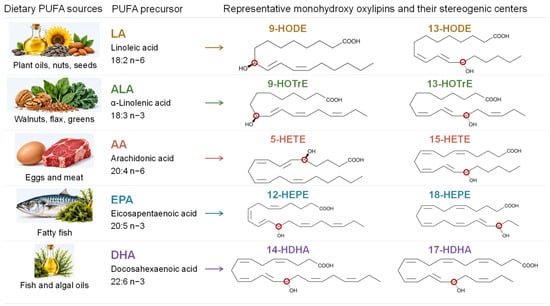
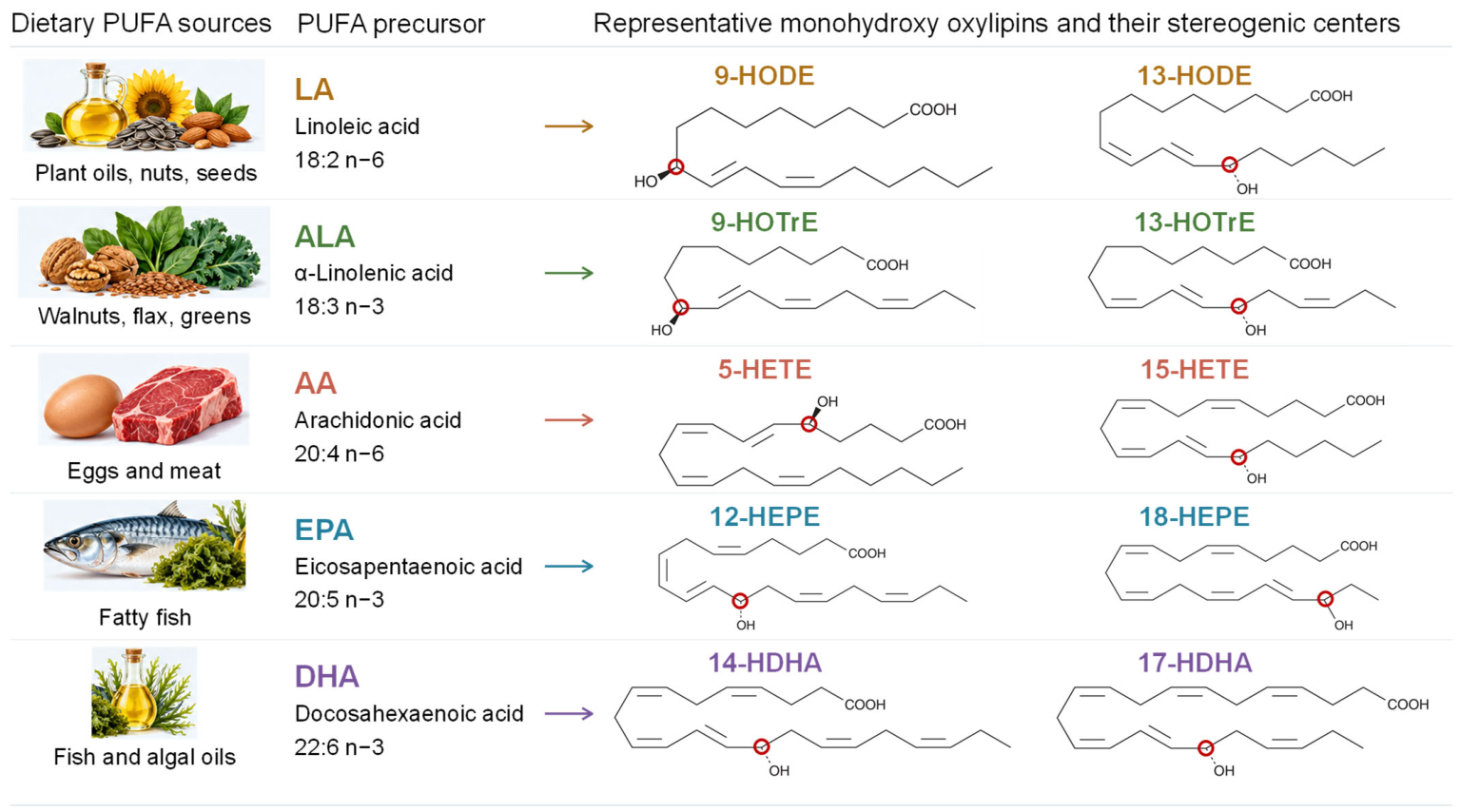
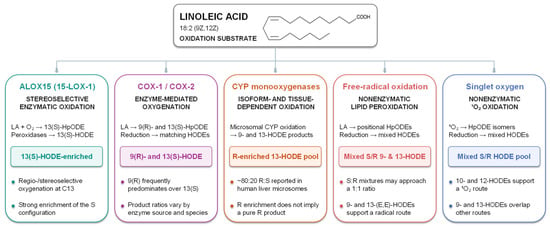
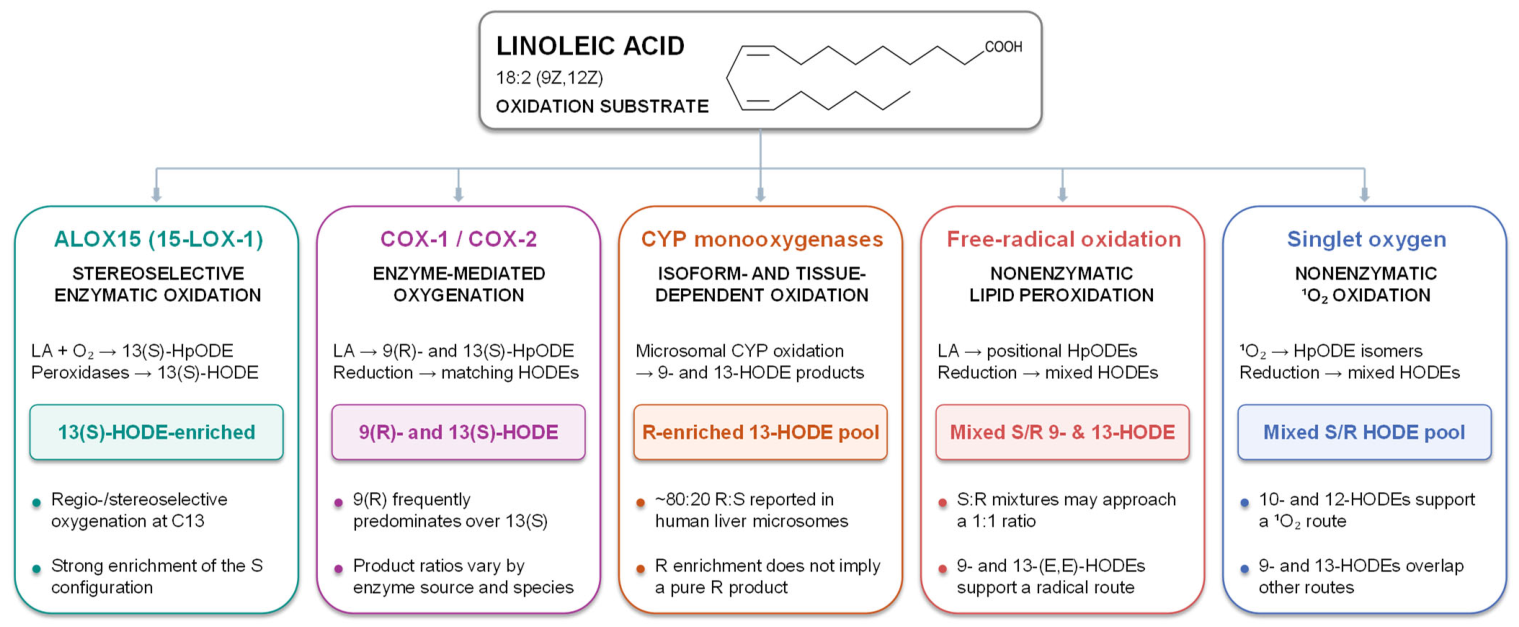
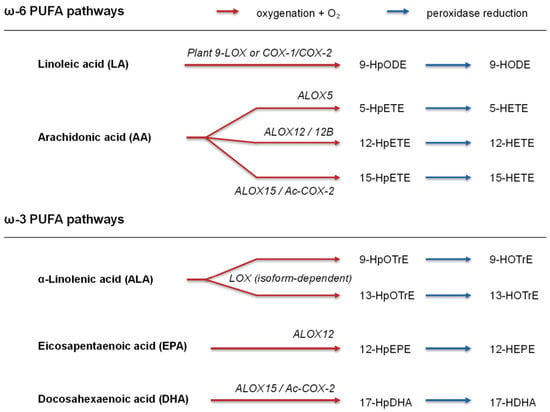
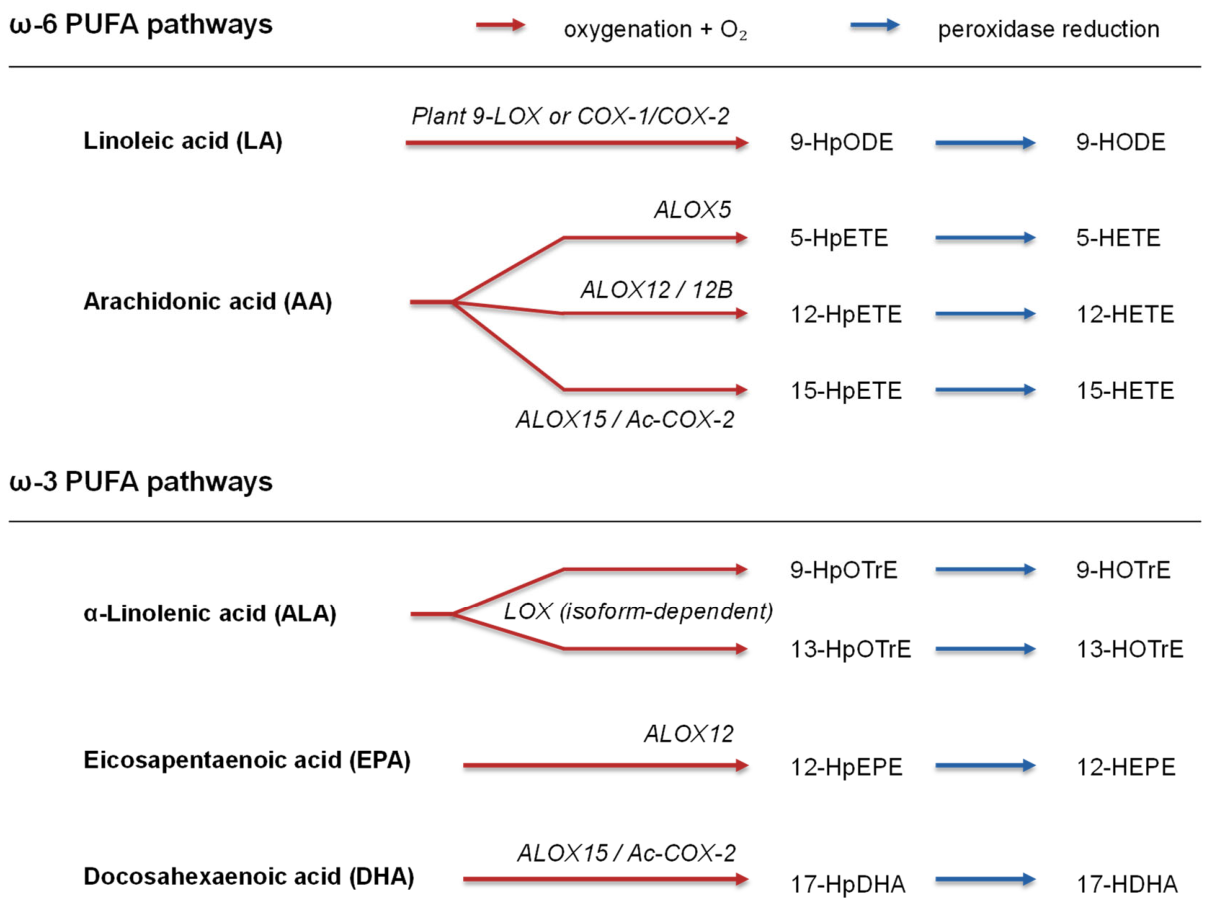
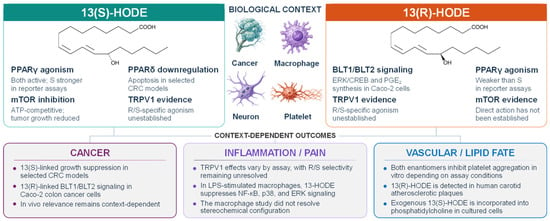
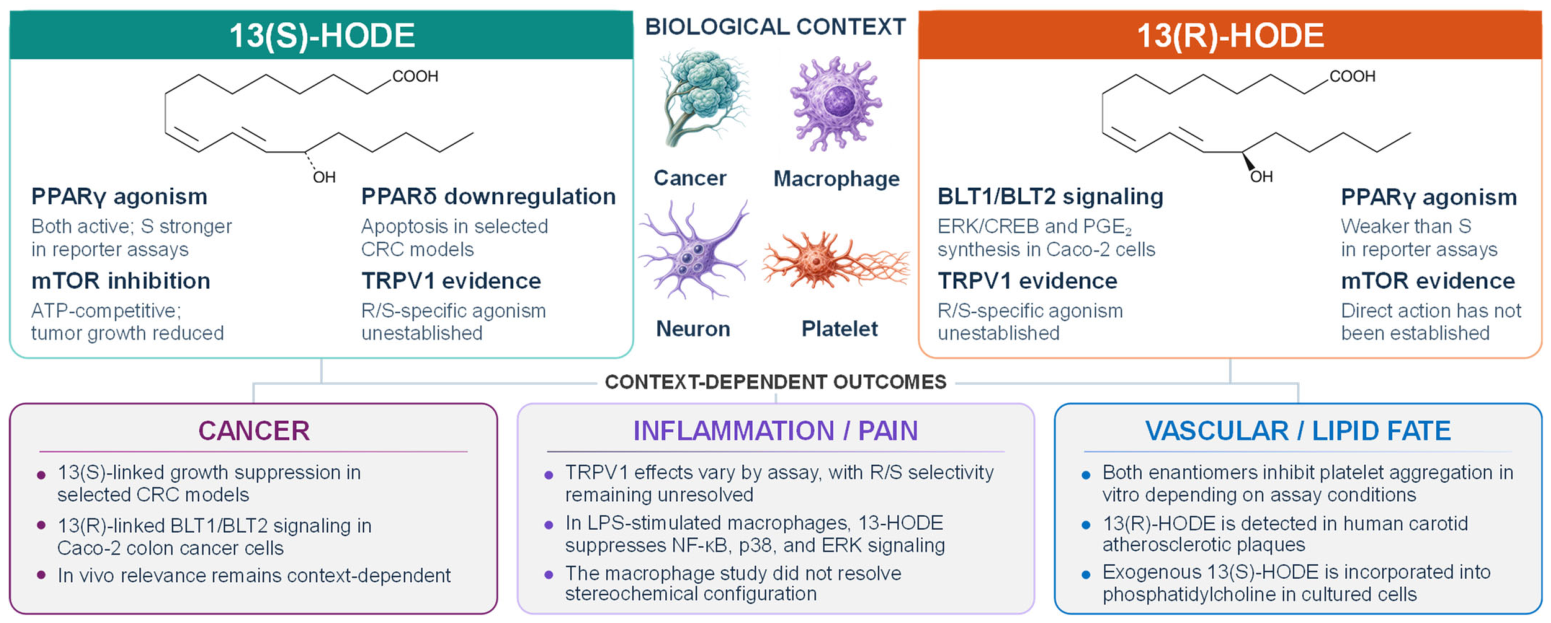
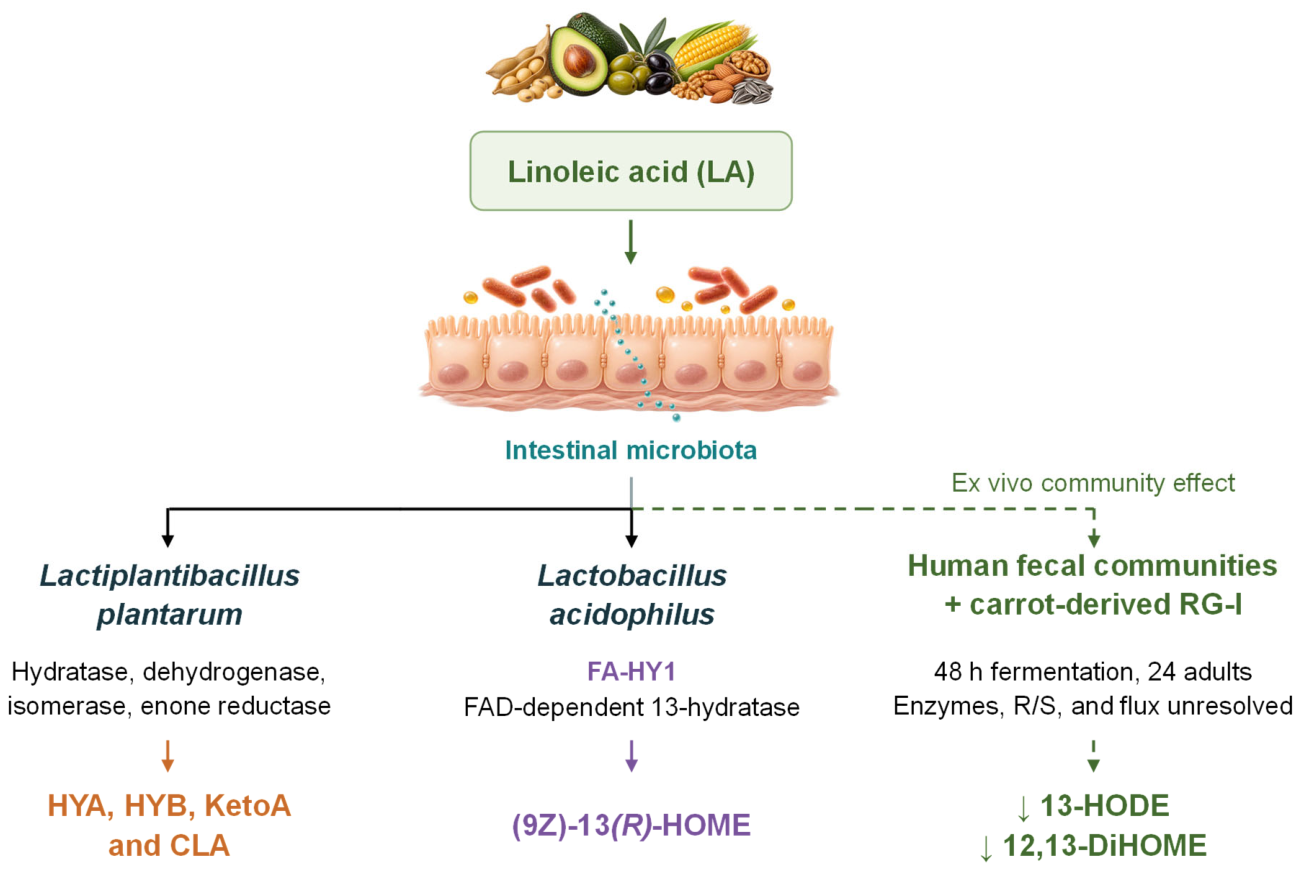

Disclaimer/Publisher’s Note: The statements, opinions and data contained in all publications are solely those of the individual author(s) and contributor(s) and not of MDPI and/or the editor(s). MDPI and/or the editor(s) disclaim responsibility for any injury to people or property resulting from any ideas, methods, instructions or products referred to in the content. |
© 2026 by the authors. Licensee MDPI, Basel, Switzerland. This article is an open access article distributed under the terms and conditions of the Creative Commons Attribution (CC BY) license.