


Abstract
Background/Objectives: Diet and physical activity after gestational diabetes mellitus (GDM) reduce type 2 diabetes mellitus (T2DM) risk, and glucose screening enables early detection of T2DM, but engagement remains low and may be shaped by individual beliefs and values. This review aimed to summarise beliefs and values relating to diet, physical activity and T2DM screening among Chinese, South Asian, and European women who had GDM. Methods: Six databases were searched up to February 2026 for qualitative studies of women with current or previous GDM (PROSPERO CRD42024538498). Data were coded inductively and thematic analysis was conducted. Study quality and confidence in each finding were assessed using the Joanna Briggs Institute checklist and GRADE-CERQual. Results: Forty-eight articles (963 participants, including some outside the three ethnic/cultural groups of interest) were included. Across groups, women took the absence of symptoms, a healthy baby, or normal postpartum glucose as signs that GDM had resolved, perceived little urgency about T2DM screening and risk reduction, and put childcare and family before their own health (high or moderate confidence). Among Chinese and South Asian women, confinement practices, shared family meals, and deference to elders’ advice competed with clinical dietary and activity guidance (moderate confidence). Findings for women living in South Asian countries relied on studies in which ethnicity was inferred from the study setting. Motivators were perceived high diabetes risk, weight loss, family wellbeing including role-modelling for children, and preparing for future pregnancies (moderate confidence). Conclusions: Beliefs about diabetes risk, food and family shape postpartum health behaviour. Behaviour change interventions may be more acceptable if built on culturally integrated foods and practices, involve family where appropriate, and are co-designed with communities to reflect their beliefs and values.
1. Introduction
Gestational diabetes mellitus (GDM) is a condition defined by hyperglycaemia first identified during pregnancy [1,2]. GDM accounts for the majority of hyperglycaemia in pregnancy, which affects approximately one out of five live births globally [3]. Women with a prior history of GDM have a higher risk of recurrence of GDM in subsequent pregnancies [4]. In addition, GDM is a risk factor for type 2 diabetes mellitus (T2DM) [5,6,7,8,9], with previous GDM presenting a nearly 10-fold greater relative risk of developing T2DM than no history of GDM [9]. The offspring of pregnancies affected by GDM also have increased susceptibility to impaired glucose and lipid metabolism [10]. Ethnicity is one of the known risk factors for GDM [11,12]. Compared with White or Caucasian women, women of Chinese and South Asian ethnicities are at higher risk of developing GDM [11,13,14,15]. In particular, Chinese and South Asian women with a history of GDM appear to have a higher risk of subsequently developing T2DM than White women [16,17].
Increasing physical activity, improving diet, and maintaining a healthy weight can reduce the risk of developing GDM or delay the progression from GDM to T2DM by approximately one-quarter [18]. However, sustained engagement with these recommended health behaviours remains challenging [19,20,21,22,23,24,25]. The postpartum period can present particular challenges for maintaining a healthy diet and engaging in physical activity, as infant care, breastfeeding, disrupted sleep, and household food preparation reshape eating patterns and the time available for physical activity [26,27]. Food choices are also embedded within family and cultural practices, including postpartum dietary traditions, meaning that dietary advice may be interpreted through beliefs about which foods are nourishing, appropriate, or expected [28,29]. Many diabetes associations, such as the American Diabetes Association and Australian Diabetes in Pregnancy Society, recommend that women with prior GDM undergo regular glucose screening for early detection of prediabetes or T2DM every 1 to 3 years, enabling timely hyperglycaemic management [30,31]. Despite these guideline recommendations, fewer than half of these women undergo the recommended testing at the population level [32]. Participation is particularly low among high-risk groups, including younger women, those with multiple children, and women of lower socioeconomic status [32,33,34]. In addition to economic and structural barriers to engaging in postpartum T2DM risk reduction behaviours, such as limited access to healthy food, healthcare services, and financial resources, women’s responses may also reflect beliefs about GDM and future T2DM risk, including perceptions of GDM as temporary and fatalistic views about T2DM. These beliefs may themselves be shaped by broader family and sociocultural contexts, including family responsibilities, sociocultural identity, and peer influence among Chinese and South Asian women [20,28,33,35,36].
Beliefs and assumptions about health and illness play a significant role in shaping health behaviour, including self-care and engagement with healthcare services [37]. Health beliefs are acquired through early-life socialisation within families, peer groups, and institutional settings such as schools and healthcare systems [37]. Functioning at both conscious and unconscious levels, beliefs and assumptions are deeply embedded in broader cultural systems that shape, and are shaped by, historical, religious, economic, and political contexts [38]. Beliefs in this sense extend beyond the proximal cognitions described in individual behavioural models such as the Health Belief Model, in which beliefs are conceptualised primarily as individual-level determinants of health-related behaviour rather than as meanings embedded within broader social and cultural contexts [39]. Philosophical accounts, such as Taylor’s concepts of horizons of significance and social imaginaries, situate beliefs within shared and often taken-for-granted understandings of what matters, what is meaningful, and what is expected, which are sustained and reproduced through social relationships and collective life [40,41]. In this context, culture provides an implicit and explicit structure that informs individuals’ perceptions of health and illness, emotional responses, and behavioural norms [21,42].
The existing literature has identified individual-level factors, such as fear of diagnosis and fatalism, and cultural factors, such as family role obligations and postpartum confinement practices; however, evidence on women’s beliefs about T2DM risk, diet, physical activity and screening following GDM remains fragmented, and a coherent synthesis of how these beliefs vary across ethnic/cultural groups is lacking. Several qualitative syntheses have examined barriers to and enablers of postpartum T2DM screening and behaviour changes following GDM [20,26,33]. This review extends this literature by focusing specifically on the beliefs and values underlying these behaviours and by directly comparing Chinese, South Asian, and European women across different migration contexts. It examines beliefs and values related to postpartum diet, physical activity, and T2DM screening following GDM, with the aim of informing culturally responsive T2DM risk reduction and follow-up care.
2. Materials and Methods
2.1. Protocol and Registration
This systematic review was reported in accordance with the Preferred Reporting Items for Systematic Reviews and Meta-Analyses (PRISMA) guidelines (Table S1) and the Enhancing Transparency in Reporting the Synthesis of Qualitative Research (ENTREQ) statement (Table S2) [43]. A protocol for this review was registered with the International Prospective Register of Systematic Reviews PROSPERO (Registered ID: CRD42024538498).
2.2. Eligibility Criteria
The selection criteria are outlined using the Population, Intervention, Comparison, Outcome and Study design (PICOS) framework (Table S3). Eligible studies included women aged 18 years and older with a current or previous diagnosis of GDM during the postpartum period. Only findings relating to participants’ experiences and beliefs after childbirth were included in the synthesis. For studies reporting both antenatal and postpartum data, only findings that could be attributed to the postpartum period were extracted. The participants were limited to women of European, Chinese, and South Asian ethnicities.
The European ethnicity was defined using a combination of United Nations geographic classifications and study-reported ethnicity [44]. Studies conducted in countries classified under Europe according to the Geographic Regions were considered to represent European populations. For studies conducted in non-European countries (e.g., the United States, Canada, Australia, and New Zealand), participants were classified as European if they were self-identified as “White”, “Caucasian”, “European”, or were categorised as such by the original study authors. Chinese and South Asian groups were defined based on participants’ self-identified ethnicity or classifications reported by the original study authors. Where ethnicity was not explicitly reported, studies conducted in China or South Asian countries were assumed to represent Chinese or South Asian populations, respectively. South Asian countries included India, Nepal, Pakistan, Bangladesh, Bhutan, and Sri Lanka [45]. Chinese women were further categorised into those residing in East or Southeast Asia or outside this region (in the included studies, Australia and New Zealand). South Asian women were further categorised into those residing within or outside South Asian countries. Throughout this review, “ethnic/cultural group” refers to these five groups, which combine ethnicity with region of residence; “ethnicity” refers to self-identified or study-reported ethnic background, whereas “country of birth”, “country of residence” and “migration” refer to geographic attributes. In this review, we regard ethnicity as a social construct and, where possible, prioritise self-identified or explicitly reported ethnic categories rather than inferring ethnicity from geographic location alone [46]. We understand ethnicity as a self-identified sense of belonging to a group that shares cultural heritage, such as language, religion, traditions, and a sense of common origin [47,48]. We therefore distinguish it conceptually from race, which has historically been ascribed on the basis of perceived physical characteristics; from genetic ancestry; and from nationality, country of birth, country of residence, and migration status, which describe legal or geographic attributes rather than cultural identity, although these constructs were not always clearly differentiated in the source studies [49].
In studies conducted in multicultural settings, only those that explicitly reported participants’ ethnicity or country of birth or origin were included; studies without clear reporting of participants’ ethnic background or country of birth were excluded. In studies conducted in relatively homogeneous countries, a classification approach based on predefined assumptions was applied. Countries were considered ethnically homogeneous when a single ethnic group accounted for ≥80% of the national population. In such cases, participants were assumed to represent the predominant ethnic background unless otherwise specified. For example, studies conducted in China without explicit reporting of ethnicity were classified as representing predominantly Chinese populations.
For each included study, we recorded the basis for ethnic/cultural group classification: ethnicity reported in the original study (either self-identified by participants or classified by the study authors), country of birth or origin only, or inference from the study setting (Section 3). Because the latter two approaches may misclassify ethnicity, we conducted a sensitivity analysis according to the basis of ethnic/cultural classification, in which each theme and group-specific finding was re-examined using only studies that explicitly reported participants’ ethnicity. Findings that remained supported by at least one such study were considered to remain supported after restriction to studies that explicitly reported ethnicity, whereas those supported only by studies with inferred ethnicity were considered classification-dependent. This assessment informed the relevance component of the GRADE-CERQual evaluation (Section 2.9). A second sensitivity analysis examined the postpartum perspective, in which each finding was re-examined after excluding articles that contributed only anticipated postpartum accounts given during pregnancy. Articles contributing both experienced and anticipated accounts were retained, because their findings included women’s experiences after birth.
Studies were included if they reported beliefs, perceptions or experiences related to GDM in ways relevant to future T2DM risk or risk reduction following GDM. This may include beliefs or perceptions of illness (GDM-related/T2DM), general health and wellbeing, self-care, and healthcare-seeking behaviours. Studies in which interviews were conducted during pregnancy were also eligible if participants explicitly discussed anticipated postpartum beliefs, experiences, or behaviours; findings specific to pregnancy were excluded from the synthesis. Only qualitative and mixed-methods studies were eligible. Studies were excluded if participants had pre-existing type 1 diabetes or T2DM. Studies reporting women’s perspectives indirectly through third parties, such as healthcare professionals (HCPs), were also excluded. Additionally, editorials, narrative reviews, systematic reviews, meta-analyses, conference abstracts, study protocols, letters, and commentaries were excluded.
2.3. Information Sources and Search Strategy
A comprehensive search was conducted across multiple databases: Embase Classic + Embase (Ovid), PubMed, Medline (Ovid), the Cochrane Library, APA PsycInfo, and CINAHL PLUS (EBSCOhost). Additionally, an internet search using Google and established sources of grey literature, dissertations and theses (ProQuest Dissertations & Theses Global, OpenGrey, PsycEXTRA) was carried out. Hand searches of relevant references from identified studies and systematic reviews were performed to ensure literature saturation. No language or date restrictions were applied; the search was completed on 11 February 2026. A sample search strategy can be found in Table S4.
2.4. Study Selection
Study selection, quality appraisal, and data extraction were conducted by four reviewers (Y.D., K.C., B.H., and S.L.). EndNote (version 21; Clarivate, Philadelphia, PA, USA) and Covidence (Veritas Health Innovation, Melbourne, Australia) were used to manage the search results and to remove duplicates. Reviewers (Y.D., K.C., B.H.) independently assessed the titles and abstracts of each article based on the selection criteria. Full-text screening was conducted independently by Y.D. for all articles, with K.C. and B.H. each independently screening approximately half of the full-text articles to determine eligibility for inclusion in the systematic review. Discrepancies were resolved through discussion among the same three reviewers (Y.D., K.C., B.H.) with arbitration by a fourth reviewer (S.L.) when necessary.
2.5. Quality Appraisal
The methodological quality of the included studies (Table S5) was assessed via the Joanna Briggs Institute (JBI) tool [50]. The JBI includes ten criteria that assess congruity between research philosophy, methodology, data collection, analysis, and interpretation, along with the representation of participants, researcher influence, ethical standards, and the alignment of conclusions with the data analysis and interpretation. The tool uses a selection scale of ‘Yes,’ ‘No,’ ‘Unclear,’ or ‘Not applicable’ to assess each criterion. Item-level appraisal results informed the methodological limitations component of the GRADE-CERQual assessment. All studies were appraised independently by Y.D., and K.C. and B.H. each independently appraised a random 10% sample of included studies for comparison with Y.D.’s appraisal. Any disagreements were resolved through discussion led by Y.D., with a fourth reviewer (S.L.) adjudicating if consensus could not be reached.
2.6. Data Extraction
A data extraction template was developed for this study to collect information on study characteristics, including author and year of publication, study location, study aims, study design and data collection methods, participant characteristics, sample size, participants’ pregnancy or postpartum stage at the time of data collection (e.g., weeks of gestation or months postpartum), whether the extracted data reflected experienced or anticipated postpartum perspectives, the basis for classifying participants’ ethnicity, and the theoretical framework guiding the study (Section 3). Because only findings relevant to the postpartum period were extracted, we also recorded the postpartum perspective each study contributed: experienced (women’s experiences after birth, including recollections of the postpartum period reported during a subsequent pregnancy), anticipated (postpartum beliefs or plans anticipated during pregnancy), or both (women interviewed at both stages). Y.D. extracted data from all included studies, and K.C. and B.H. each independently extracted data from a random 10% sample of included studies for comparison with Y.D.’s extraction. An agreement score of at least 80% was set a priori as the minimum acceptable level of agreement between reviewers. Missing data were obtained from the authors where possible, and any disagreements were settled through discussion until a consensus was reached.
2.7. Researcher Reflexivity
The authorship team comprises mostly females (Y.D., J.A.B., E.H.-T., B.H., K.C., H.N., S.L.) residing in Australia. The team represents diverse ethnic backgrounds, including J.A.B., E.H.-T., and C.W. with European backgrounds, Y.D., H.N. and S.L. with Chinese backgrounds and B.H. with a South Asian background. The team includes lived experience of GDM (E.H.-T.), which contributed to ongoing reflexive dialogue and critical consideration of interpretation throughout the study.
2.8. Data Synthesis
Thematic analysis was conducted according to Thomas and Harden [51] by three reviewers (Y.D., H.N., and S.L.). Y.D. is trained in nursing, social medicine and health education, with research expertise in maternal and infant health. H.N. and S.L. are dietitians with experience in developing and implementing behaviour change programmes for culturally and linguistically diverse populations. Themes were first developed inductively for each ethnic/cultural group. Themes of overlap and divergence across Chinese women residing within or outside East or Southeast Asia, South Asian women residing within or outside South Asian countries, and European ethnicities were presented in a summary table. In the first step, relevant data, such as abstracts, diagrams, tables, findings, conclusions, and supplementary files, were imported into NVivo 15 (version 15.6; Lumivero, Denver, CO, USA) for line-by-line coding to extract the meaning and content of the text. Both participant quotations and the interpretations presented by the study authors in their findings sections were coded; these text segments, rather than whole studies, formed the unit of analysis, and only segments that could be attributed to women from an eligible ethnic/cultural group were coded. Coding proceeded in two rounds: an initial round covering all GDM-related content, followed by a second round focused specifically on the postpartum period, with codes developed separately for each of the five ethnic/cultural groups before any cross-group comparison. In the second step, similar codes were grouped to form descriptive subthemes. In the third step, these subthemes were compared across ethnic/cultural groups to identify patterns of similarity and difference, forming overarching analytical themes that captured shared and culturally distinctive beliefs and experiences. Y.D. conducted the initial coding in NVivo and subsequently printed all codes for further review. Y.D. and S.L. then collaboratively reviewed and reorganised the codes into potential subthemes, discussing and refining the groupings to develop a revised set of analytical themes. The analysis team (Y.D., S.L. and H.N.) then met to discuss how the codes and themes could be further refined. Disagreements were resolved by consensus, which included a review of the code descriptions, cross-checking with other codes for potential duplication, and re-examination of the original study texts to confirm the contextual meaning of the extracted quotes. All authors reviewed the identified themes and exemplary quotes. To present how the findings related to one another, the review findings and the additional experiences in Section 3 were then mapped onto three levels adapted from the socioecological model [27]: individual beliefs and experiences, family and cultural norms, and structural and health system factors.
No a priori theoretical framework was used to structure data extraction or coding; themes were developed inductively from the included studies’ findings.
2.9. Assessment of Confidence in the Review Findings
Confidence in each of the findings was assessed using the GRADE-CERQual (Confidence in the Evidence from Reviews of Qualitative research) approach [52]. Judgements were made for four components: methodological limitations, based on the JBI appraisal, with inadequate representation of participants’ voices weighted more heavily than unreported researcher reflexivity; coherence between the finding and the underlying data; adequacy of data, considering the number of contributing studies and the richness of their data relative to the claim; and relevance, considering whether participants’ ethnicity was study-reported or inferred from the study setting or country of birth, and whether postpartum views were experienced or anticipated during pregnancy. Concerns for each component were rated as no or very minor, minor, moderate or serious. Each finding started at high confidence and was rated down to moderate, low or very low confidence through a holistic judgement across the four components, without numerical scoring and without downgrading twice for the same concern. Judgements were made by Y.D. and checked by S.L. Overall assessments and their explanations are summarised in a Summary of Qualitative Findings table, and the component judgements are presented in a GRADE-CERQual Evidence Profile (Table S6).
3. Results
As outlined in the PRISMA flow diagram (Figure 1), 3516 independent titles and abstracts were screened. Of these, 372 full-text articles were assessed for eligibility. In total, 48 articles reporting 45 unique studies were included. Three pairs of articles were based on the same participant samples, with each pair reporting different analyses of one sample [53,54,55,56,57,58]. Participants were counted only once within each pair, giving a total study sample of 963 participants. This figure is the total sample of the included reports and, in several studies, includes participants outside the three ethnic/cultural groups of interest. By ethnic/cultural group (with some articles contributing to more than one group), eight articles focused on Chinese populations in East or Southeast Asia (mainland China, Hong Kong, and Singapore), five on Chinese populations residing in Australia and New Zealand, four on South Asian populations in South Asia (Bangladesh, India, Pakistan, and Sri Lanka), eleven on South Asian populations residing outside South Asia (Australia, the UK, Norway, Singapore, New Zealand, and Canada), and thirty on women of European ethnicities (Ireland, the UK, Norway, Sweden, Denmark, France, Australia, New Zealand, and the USA). As some studies included participants from more than one cultural/ethnic and residency group, these totals exceed the 48 included articles. All studies collected qualitative data, primarily through semi-structured or in-depth interviews, with some also using focus groups. Sample sizes ranged from 6 to 72 participants in interview and focus group studies; one survey analysed open-text responses from 72 of 231 respondents. Participants were women with current or previous gestational diabetes. Regarding the timing of data collection, 28 studies collected data only after birth, 8 only during pregnancy, 11 included both pregnant and postpartum participants, and 1 survey did not report participants’ stage. Among the included studies, 30 contributed postpartum accounts only, 7 contributed antenatal accounts of anticipated postpartum beliefs or plans only, and 11 contributed both. Studies involving antenatal interviews were included only where women explicitly discussed anticipated postpartum beliefs, experiences, or behaviours relevant to T2DM screening or risk reduction. Although several studies applied theoretical frameworks such as the Health Belief Model, the Capability, Opportunity, Motivation–Behaviour (COM-B) model, and the Theoretical Domains Framework, most did not report an explicit guiding theory. Characteristics of the included studies are presented in Table 1.
Figure 1.
PRISMA 2020 flow diagram of study selection.
Table 1.
Characteristics of included studies.
The results of the quality assessment are presented in Table S5. Critical appraisal was used to identify methodological strengths and limitations rather than as a criterion for study exclusion. Accordingly, no study meeting the eligibility criteria was excluded on the basis of its appraisal results, and individual checklist items were considered separately rather than combined into an overall numerical quality score or threshold. Most studies demonstrated congruity between research methodology, data collection, analysis, and interpretation. However, reporting of researcher’s positionality and reflexivity was often limited. Despite these limitations, participants’ perspectives were generally well represented, ethical approval was commonly reported, and study conclusions were supported by the data.
Beliefs and experiences which were identified as negatively and positively influencing T2DM risk reduction and glucose screening behaviours among women with prior GDM are described below. In this study, we specifically explored women’s beliefs and culturally related experiences. Table 2 and Table 3 present summary tables outlining key themes and their descriptions across ethnic/cultural groups, on beliefs and experiences, respectively. Comparisons are made across ethnic/cultural groups. Figure 2 summarises the review findings as barriers or enablers across three socioecological levels of influence, indicating the ethnic/cultural groups in which they were identified. All findings for South Asian women in South Asian countries and 9 of 15 findings for Chinese women in East or Southeast Asia relied solely on studies with inferred ethnicity (Table S7). These findings should therefore be interpreted cautiously. Findings not identified in a group should not be assumed to be absent.
Table 2.
Summary of beliefs influencing postpartum T2DM screening and risk reduction behaviours following GDM across ethnicity and country of residence.
Table 3.
Summary of experiences influencing postpartum T2DM screening and risk reduction behaviours following GDM across ethnicity and country of residence.
Figure 2.
Review findings (Table 2 and Table 3), together with the additional experiences presented descriptively in Table 3 (†), arranged by three levels adapted from the socioecological model (individual beliefs and experiences, family and cultural norms, and structural and health system factors). Each item is marked as a barrier (−) or an enabler (+) to postpartum T2DM screening and risk reduction behaviours; barriers are listed on the left and enablers on the right. Brackets give the section number and GRADE-CERQual confidence of each review finding (H, high; M, moderate; L, low; Table 4); experiences marked † were not assessed with GRADE-CERQual. Labels on the right of each item give the ethnic/cultural groups in which it was identified: E, European; C, Chinese residing in East or Southeast Asia; CO, Chinese residing outside East or Southeast Asia (Australia or New Zealand); SA, South Asian residing in South Asian countries; SAO, South Asian residing outside South Asian countries; All, all five groups. An item not identified in a group may reflect the focus and reporting of the included studies rather than true absence; no item was identified only in the included European studies. All findings for South Asian women residing in South Asian countries, and nine of the 15 findings for Chinese women residing in East or Southeast Asia, were supported only by studies in which ethnicity was inferred (Table S7). GDM, gestational diabetes mellitus; OGTT, oral glucose tolerance test; T2DM, type 2 diabetes mellitus.
Table 4.
Summary of qualitative findings and GRADE-CERQual assessment of confidence in each review finding.
3.1. Diabetes-Related Beliefs That Lead to Avoidance of Health Behaviour
3.1.1. The Diabetes Will Go Away After the Baby Is Born
Across all groups, women commonly believed that the threat of GDM resolved after delivery, often assuming the absence of symptoms or normal oral glucose tolerance test (OGTT) results as reassurance. Specifically, among Chinese mothers, GDM was perceived as a temporary condition limited to pregnancy, with many believing that it posed no ongoing risk to the baby if the child appeared healthy or if postpartum OGTT results were normal [69,70,76,77], and that GDM was of little concern when additional blood glucose tests during pregnancy were normal [90]. South Asian women described the belief that once the baby was born and their blood glucose levels returned to normal, GDM was no longer harmful to either themselves or their baby [61,79,89,95,97]. European women perceived their risk of future diabetes as low [64,93], believing that GDM ends after delivery [58,73,74,86]. Some also perceived that GDM no longer posed any risk to their baby after birth [57,71]. As a result, postpartum GDM follow-up appointments were considered unnecessary or unimportant, and interest in attending these appointments was low [66].
“After birth, I quickly resumed my old lifestyle habits, especially with respect to eating fried foods, which I like very much (laugh). This was because I thought that this disease only happened during pregnancy, uh… and my baby was born very healthy; he was not macrosomic. It (GDM) had no effects on him. The doctor just wanted to scare me.” (Chinese residing in East or Southeast Asia) [77]
“It was always painted to me like the gestational diabetes will go away when the baby is born. So then, if I pull through it … then it’s all going to be fine…” (Chinese residing in Australia or New Zealand) [28]
“I have no interest to do it. What is the use of changing my diet? After the baby is born, why should I spend time thinking about my food? Although I have been advised to modify my diet, I am not interested and do not care about it.” (South Asian residing in South Asian countries) [89]
“I was told that the diabetes will go away after the baby is born… They said that I have high chances of developing diabetes later when I am old, but I may not… So when my blood sugar was normal after—was born I thought it is gone now…so I went back to normal”. (South Asian residing outside South Asian countries) [97]
“When you do it, you do it with your baby in mind. It’s fine, but actually it was harder to stick to…when I wasn’t pregnant with him, because I didn’t need to do it.” (European woman) [57]
3.1.2. Low T2DM Risk Perception and No Urgency to Act
Across all groups, the absence of overt symptoms led women to underestimate the urgency of postpartum diabetes risk reduction efforts. However, this belief is nuanced across cultures. Specifically, among Chinese mothers, high blood glucose was often perceived as a condition of low perceived urgency, as elevated levels typically did not generate immediate symptoms or were not perceived as “real” diabetes [70,90]. Among Chinese women residing in Australia or New Zealand, GDM was perceived as a common condition, which reduced the perceived urgency to address the condition [28]. Among South Asian women residing in South Asian countries, women believed that they were unlikely to develop T2DM at this young age, deferring this concern to older age [78]. The absence of symptoms reinforced this perception, leading to the view that postpartum glucose monitoring was unnecessary [78]. South Asians residing outside South Asian countries felt reassured when their postpartum OGTT results were normal, which reduced their concern about future diabetes risk [95]. European women reported no perceived need for follow-up care after childbirth. This perception was accompanied by a sense of disconnection from healthcare providers [82,86] and was linked to several beliefs, including viewing themselves as healthy and not overweight [66,93], considering themselves healthy [86,93], perceiving their risk of future diabetes as low [64,93], or interpreting normal postpartum blood glucose results or the absence of symptoms as evidence that the condition had resolved or was not a matter of urgency [64,86].
“I haven’t felt any discomfort myself, so I think there shouldn’t be any major issues” (Chinese residing in East or Southeast Asia) [70]
“I think you know like you asked me the question about do I know the science behind. I don’t know. That’s why I don’t have this motivation, if you’re telling me you’re gonna die tomorrow, do this, I probably will do it no matter what” (Chinese residing in Australia or New Zealand) [28]
“After my delivery, I didn’t have any symptoms. I thought my blood sugar values would have returned to normal after delivery.” (South Asian residing in South Asian countries) [78]
“After delivery, I got mine checked and it came back all normal so there was no tension.” (South Asian residing outside South Asian countries) [95]
“No, I’m not concerned about type two diabetes. I don’t believe I should be at the minute. Like, I don’t have any symptomatic problems with my health at the minute. So it’s not a concern at the minute” (European woman) [64]
3.1.3. Diabetes Is Inevitable
A sense of inevitability about diabetes was reported only in studies involving South Asian women residing outside South Asian countries, and was not identified in the included Chinese or European studies. Specifically, South Asian mothers residing outside South Asian countries expressed a sense of resignation and certainty about developing T2DM in the future, perceiving diabetes as unavoidable and therefore feeling less inclined to manage their health at a younger age [61,88].
“in terms of my health, I really think that I will be type 2 diabetes when I’m older” (South Asian residing outside South Asian countries) [88]
3.1.4. I Would Rather Not Know if I Have Diabetes
Paradoxically, while many women perceived their diabetes risk as low, fear of a formal T2DM diagnosis still emerged as a barrier in four of the five ethnic/cultural groups. This apparent contradiction reflects a pattern in which women simultaneously minimise risk and avoid confirmatory testing, possibly a coping mechanism that reinforces non-engagement with screening. Chinese women in East or Southeast Asia also expressed reluctance to undergo OGTT, driven by concerns that abnormal results would lead to a diagnosis of diabetes and necessitate strict dietary control and behaviour change [70]. This reluctance extended to T2DM screening more broadly, as some women feared that a positive diagnosis might result in a label that poses social disadvantages, such as affecting their and their child’s insurance premiums in Singapore [90]. Fear of being diagnosed with T2DM was described by South Asian women residing in South Asian countries, contributing to reluctance to undergo blood glucose testing despite awareness of the opportunity for early treatment of T2DM and reduced risk of potential complications [78]. Some South Asian mothers residing outside South Asian countries expressed additional concerns about the implications of receiving a diagnosis at a young age, particularly the burden of long-term self-care requirements [60,61]. Others show reluctance to adopt dietary changes while they still feel young, preferring to enjoy life and postponing concerns about diabetes and dietary control until they are older [60,61]. This belief appears to be derived from a negative, restrictive GDM pregnancy experience, resulting in a desire to shun such restrictions going forward. At the same time, reluctance to find out whether they had developed T2DM was also described among European women [87].
“this sickness will follow you throughout your life…people will always ask, like even the doctor or like the insurer, they ask you this kind of question, do you ever have like diabetes or anything” (Chinese residing in East or Southeast Asia) [90]
“I was a little hesitant to check my blood sugar levels after delivery, and I am afraid that my blood sugar levels may continue to be at higher levels and facing such a situation again.” (South Asian residing in South Asian countries) [78]
“I will continue to live my life the way I always did. I did not enjoy my pregnancy experience as it was very restrictive. I do not want to know the test result. I do not want to live my life worrying about what to eat, how much to eat… I am quite young to stop doing what I enjoy most—food. I will think about this after I am 35 years” (South Asian residing outside South Asian countries) [61]
“I didn’t really want to know whether I had diabetes […]. Moreover, when you don’t want to identify yourself with it, it is easy to think that maybe I am done with it” (European woman) [87]
3.1.5. I Eat Carefully, So I Do Not Need Testing
Some Chinese women expressed strong confidence in their ability to manage their blood glucose through diet, which reduced their perceived need to attend postpartum screening [70].
“The reason I haven’t gone for testing is because I am very careful about what I eat now; I don’t eat randomly… I have always been cautious about my diet. I avoid foods that can cause an increase in blood glucose levels, such as fried foods or other items that are generally not good for health” (Chinese residing in East or Southeast Asia) [70]
3.1.6. Concerns and Misconceptions About the OGTT
Chinese mothers residing in East or Southeast Asia expressed scepticism about the accuracy of the OGTT results [70,90]. They also expressed concerns about the safety of the glucose drink for their breastfed baby, alongside worries about potential harm to their own health, including perceived damage to the pancreas and excessive blood sampling [70].
“If the glucose solution is too sweet, could it be particularly harmful to my baby? I’m worried about this… After all, having had diabetes (GDM) before, if I drink a bowl of sweetened water, I fear it might not be good for the baby, as I’ve heard that it could be harmful to the baby… If it’s delivered through breast milk, it might not be good for the baby” (Chinese residing in East or Southeast Asia) [70]
“It’s a bit uh…long. And the water [glucose syrup] is very sweet. It’s like not, not very fair, because we drink the water, it’s so sweet and they don’t let us drink water or walk around. It’s unfair. Because we don’t do that in our daily life. We will move around and we drink water. So… I think the test might not be so accurate on that part.” (Chinese residing in East or Southeast Asia) [90]
3.2. Non-Diabetes-Related Beliefs That Compete with Health Priorities
3.2.1. Children Are More Important than Their Own Health
Women from all ethnic/cultural groups expressed challenges in prioritising self-care over infant and family demands. European women [23,59,63,66,68,82,91], Chinese women residing in East or Southeast Asia [22,69,70,76,77], and South Asian women residing outside South Asian countries [28,95] were more likely to emphasise childcare as a key barrier, whereas South Asian women residing in South Asian countries also mentioned pressures from meeting the demands of other family members in addition to childcare, including challenges stemming from traditional gender roles and differing food preferences, as many were expected to cook according to their family’s tastes even when it conflicted with their own health needs [89,92]. In two studies, Chinese women also described difficulty finding, or reluctance to rely on, an alternative caregiver to look after their children [28,90].
“I made some changes after I had him [baby] those first couple months, but it just goes by the wayside after a while you know. You get busy, you forget about it. It just doesn’t become a priority, unfortunately.” (European woman) [59]
“My husband also expects me to fulfil some of his duties. Nobody helps me. Hence, I have no time to prepare special food for me. Whole day I work like a machine. Twenty-four hours is not enough for me. I am so tired.” (South Asian residing in South Asian countries) [89]
“forgot about all [her] problems as [her] baby got sick.” (South Asian residing outside South Asian countries) [95]
“Yeah but it does pose a challenge, you know, right after that one month, where we are still… very new with the baby. You need a lot of attention and we are not sure what to do when you are away from the baby, whether another person will be able to manage. So yeah there’s this concern. Maybe this is the challenge for other women.” (Chinese residing in East or Southeast Asia) [90]
3.2.2. Traditional Cultural Beliefs and Practices Are More Important
European women described festive traditions centred around abundant food and sweets, particularly during celebrations such as Christmas, where social expectations to participate in eating created pressure despite efforts to maintain usual dietary habits [68]. Chinese women residing in East or Southeast Asia, for example, faced barriers due to traditional practices such as ‘zuo yuezi’ (postpartum confinement), which include taboos about certain foods and activities that purportedly affect breastfeeding [22,69,76,77]. All four studies were conducted in mainland China, with ethnicity inferred from the study setting. Dietary restrictions that prefer culturally prescribed ‘warming’ foods may worsen glycaemic control, while taboos against physical activity during confinement may conflict with exercise recommendations for postpartum diabetes risk reduction. Postpartum beliefs described in studies involving South Asian women similarly presented challenges, as they diverged in some respects from conventional nutritional advice. Practices such as the consumption of ghee or not going outside during the confinement period were commonly reported [92,97]. Importantly, the influence of these practices on dietary behaviours often extended beyond the confinement period, with some participants describing continued adherence to family-based dietary norms, such as shared meals within extended family households [92]. In addition to traditional postpartum practices, the eating habits of South Asian mothers residing outside South Asian countries are strongly shaped by cultural and generational influences on other occasions [87]. They felt obligated to follow traditional food practices, such as eating unhealthy desserts at social gatherings, consuming the same foods as their families, or showing respect for the advice from elders [61,87].
“Now at Christmas time, there’s a lot of talk about food and sweet things and all that. There are so many temptations on offer, but I just try to stick to what I usually eat. It’s a bit boring, and I feel I’m a bit boring too. […] There’s some pressure, you know: ‘What-you don’t eat this, and you don’t eat that?’” (European woman) [68]
“Hot fruits will be steamed for extra meals. I cannot eat cold, but when out of ‘confinement’ (approximately 30 days), I can eat at room temperature fruits.” (Chinese residing in East or Southeast Asia) [69]
“My mother, mother-in-law, and grandmother asked me to drink thambunhodi every day because it gives lot of energy as it is prepared using garlic, karapincha (curry leaves), and pepper.” (South Asian residing in South Asian countries) [89]
“also my Mum’s still here and she’s cooking, and she says that I should eat more to regain strength….! I know she means well… and I feel bad telling her that I cannot eat what she is cooking….” (South Asian residing outside South Asian countries) [61]
3.3. Beliefs That Enable Health Behaviours
3.3.1. High Perceived Diabetes Risk for Self and Child
Across groups, a high perceived risk of developing T2DM functioned as an enabling belief, but the sources of this risk awareness differed. Specifically, European mothers expressed concerns about their children’s future health, including the increased risk of T2DM and obesity [58]. They also reported worries about their own elevated risk of developing T2DM or cardiovascular disease due to prior GDM [54,57,67,68,74,83,91] or family history [64,86]. The desire to avoid medication also served as a motivation for strict dietary and glucose management [57]. Chinese women in East or Southeast Asia perceived diabetes as a serious condition with potential long-term health consequences, sometimes influenced by family experiences and concerns about progression to future diabetes [22,70,75,76,77]. Awareness of future diabetes risk, as well as the need and rationale for T2DM screening, were enablers in Chinese women in Australia or New Zealand [28]. One South Asian woman residing in a South Asian country reported restricting her sugar intake postpartum after observing a relative’s progression from GDM to T2DM [79]. In contrast, most of the other participants expressed surprise when asked about continuing dietary restrictions after delivery [79]. Perceived diabetes risks among South Asian women residing outside South Asian countries were derived from the observation of a strong family history of T2DM [61,90], which was also described in a study from Canada [95]. Their belief in the severity of diabetes was shaped by their own experience of managing GDM during pregnancy, particularly the burden of dietary control and the prospect of having to sustain such management long term [28].
“I was upset then [being diagnosed with GDM], and even now [five years after GDM] I keep on thinking, do I now have to struggle with that the rest of my life?” (European woman) [83]
“After giving birth, I attached great importance to my lifestyle. You know, I didn’t even dare to eat porridge anymore- I was really strict- because my doctor told me that I was susceptible to T2DM after this (GDM).” (Chinese residing in East or Southeast Asia) [77]
“I think that is a possibility as well, that maybe I do have family, genetics or makes me prone to diabetes…Asians, tend to have a higher incidence of incidences of diabetes” (Chinese residing in Australia or New Zealand) [28]
“You know, my family has a very strong diabetic history. Both my like my maternal and father side, both have diabetes. Yeah, so I know at one stage, I know we are going to be diabetic… Because my father, my grandfather were diabetic. I am planning to do the yearly tests too so that I can know when I get diabetes. I know I am bound to have it…. It like runs in our family” (South Asian residing outside South Asian countries) [61]
3.3.2. Weight Loss Can Reduce My Risk of Developing Diabetes
Weight control was expressed as a desirable goal by European women, Chinese women residing in East or Southeast Asia and South Asian women residing outside South Asian countries. Among European women, being overweight was perceived as a major contributor to the development of GDM, and weight loss was viewed as essential to achieving physically active and healthy lives for both themselves and their families [86,91,93]. In contrast, Chinese women residing in East or Southeast Asia expressed the desire for the appearance of leaner figures [77]. They expressed concerns about weight changes, body image anxiety, pressure and frustration in recovering their pre-pregnancy weight [69]. Both studies were conducted in mainland China, with ethnicity inferred from the study setting. Among South Asian mothers residing outside South Asian countries, weight loss is considered a key indicator of metabolic health, such as a reduction in the risks associated with diabetes and dyslipidaemia [95].
“So the plan is to try and live healthy, get rid of the extra pregnancy kilos and return to my normal weight again, and then to be physically active.” (European woman) [91]
“In order to lose weight and look beautiful, I insisted on taking a brisk walk for an hour every day, unless it was rainy, and I also went swimming once a week at that time. Besides, I subconsciously balanced my diet, by controlling my sugar intake, eating more vegetables, and reducing the amount of high starchy food I consumed… I lost 20 pounds in 5 months! (loudly).” (Chinese residing in East or Southeast Asia) [77]
“that your weight shouldn’t increase as your weight goes up then later on … diabetes can happen for sure with that so weight has to be controlled.” (South Asian residing outside South Asian countries) [95]
3.3.3. Family-Centred Motivations for Health Behaviour Change
Family-centred motivation was shared across four of the five ethnic/cultural groups, but its expression differed. European women emphasised role-modelling healthy behaviour for their children [57,63,68,83,85,86,93] and maintaining health for future pregnancies [57,64]. Chinese women, both inside and outside East or Southeast Asia, were motivated by plans for a subsequent pregnancy [28,77]. South Asian women residing outside South Asian countries were motivated by the desire to remain healthy enough to work and to witness their children grow up [95] as well as by plans for further pregnancies [28].
“I think I owe my family and especially my son to try to prevent diabetes. It’s important for me to be a good example. My major motivation is these children.” (European woman) [83]
“After giving birth to my first baby, I planned to have a second one. I thought it was necessary to control my staple food intake and reduce my sugar intake. Therefore, coarse grains, taro, and sweet potatoes were my first choices for every meal.” (Chinese residing in East or Southeast Asia) [77]
“My children, my family, you know, responsibility is another big motivation because I want to be here for them, you know, for as long as I can” (Chinese residing in Australia or New Zealand) [28]
“Its very easy if you making your mind … ya then its very easy but if you don’t want to do, its not that easy … first you want to be fit you know … second that if you are not fit you know you are not able to work or anything … I want to see my kids growing up.” (South Asian residing outside South Asian countries) [95]
3.3.4. I Must Take Responsibility for My Own Health
Personal responsibility for health was expressed in four of the five ethnic/cultural groups, but the framing differed. In studies involving European women, participants more often described a self-directed approach, actively managing their health through regular glycated haemoglobin (HbA1c) testing [68,93] and deriving motivation from improvement in these and other health metrics [68]. In studies conducted in East or Southeast Asia and in South Asian countries, women more often described needing a physical warning sign, such as a symptom of hyperglycaemia, or a health decline, before feeling motivated to take personal responsibility for their health [77,78]. South Asian women residing outside South Asian countries expressed strong internal motivation to stay healthy despite competing demands [28,61,95]. The contrast with the studies conducted in China and India, both of which inferred ethnicity from the study setting, was assessed as low confidence (Table 4).
“I guess I’m interested in being healthy and I think it’s an individual’s responsibility to keep themselves healthy and I want my children to be healthy.” (European woman) [86]
“…motivation to be healthy, I would say” (South Asian residing outside South Asian countries) [28]
“Six months after the birth, I went for a routine physical examination. The doctor said that I had gained too much weight, almost 25 pounds. Then I was diagnosed with…uh…fat infiltration into my liver, which made me pay more attention to my diet and exercise… I did yoga for about 20 min each evening and I lost a lot of weight.” (Chinese residing in East or Southeast Asia) [77]
“I have giddiness on and off one month after delivery. So, I went to a nearby hospital for a checkup.” (South Asian residing in South Asian countries) [78]
3.4. Experiences That Inhibit Health Behaviours
Culturally distinctive experiences, defined in this review as practical, social, and environmental circumstances shaped by cultural context that either facilitated or constrained postpartum T2DM screening and diet and exercise engagement, are presented in Section 3.4.1, Section 3.4.2, Section 3.4.3, Section 3.4.4 and Section 3.4.5. The remaining experiences (marked † in Table 3) were identified across ethnic/cultural groups, including European women, and related mainly to health service provision, emotional wellbeing or social support; as they have been described in previous reviews [20,26,33,36,98,99], they are presented descriptively in Table 3 only, are not treated as formal review findings on beliefs and values, and were not assessed with GRADE-CERQual. All experiences are listed in Table 3.
3.4.1. Recommended Healthy Foods Do Not Fit Cultural Diets
Distaste for recommended healthy foods was reported in studies involving Chinese and South Asian participants, and was not identified in the included studies involving European participants. Chinese women in East or Southeast Asia found wholegrains (recommended for glycaemic control) unpalatable [77]. South Asians residing outside South Asian countries found host-country dietary advice (based on foods such as steak and meat pies) culturally irrelevant to their diet [61,97]. The absence of this finding in the European studies may reflect that these women largely lived in settings where mainstream dietary recommendations reflected familiar foods, but may also reflect differences in the focus of the included studies.
“After giving birth, I didn’t deliberately maintain the eating habits recommended by the doctors during pregnancy, especially with respect to coarse grains: I couldn’t stand the taste of them. Really, they are terrible; don’t you think so?” (Chinese residing in East or Southeast Asia) [77]
“Even if I go to the Internet… it’s all like according to Australian things like steak, meat pie and that sort of thing but then we don’t eat those things.” (South Asian residing outside South Asian countries) [97]
3.4.2. High Financial Cost of Healthy Living and Preventive Care
Financial cost as a barrier was raised across groups, but for different reasons. European women highlighted the cost of healthy living (e.g., high cost of healthy food or fitness courses) and preventive services (e.g., lack of health insurance) [63,91]. South Asian women in South Asia described unaffordability within communal family food budgets [89]. Cost concerns among Chinese women were largely specific to fee-for-service contexts without universal postpartum healthcare, as reported in one study from mainland China [70]. South Asian women residing outside South Asian countries expressed the financial pressure in terms of needing a double income in the family while juggling childcare, leaving little time for postpartum testing, diet or exercise [61]. These cost barriers appear to reflect mainly economic and health system conditions, such as fee-for-service care and household income, although in the study from Sri Lanka cost was also tied to the expectation that women put family needs before their own.
“Well, in terms of finances… It isn’t cheap to live healthy, I would say. Not when you have to buy vegetables and keyhole-labelled products [Danish label showing that a product is healthy] and so on. These are not the cheap items; they’re a kind of more in the pricy end. It could be a bit irritating to prioritise your money in that way […] I wish that it was cheaper to live healthy. I’d also wish that there were some free activities for women, who have given birth—in terms of exercise or some kind of activity. Most activities are really pricy. If you have a tight economy then it can be difficult, because it is about prioritizing one thing and then leaving other things aside—and that can be extremely difficult.” (European woman) [91]
“It is not easy to spend additional money for special food. I prepare common food for all family members. Some foods are very expensive. One hand to earn and many mouths to eat! How can I be selfish to prepare special food for me? It is not practical.” (South Asian residing in South Asian countries) [89]
“I run a catering business from home you know for the income… one income is not enough to survive here……, yeah, so, I am tired of doing all this and then I have to look after my 2 children……” (South Asian residing outside South Asian countries) [61]
“Some people don’t have medical insurance, and a casual visit to the hospital can cost a few hundred yuan. If all the test results are normal during the time of childbirth, why waste this money? You have to consider the practical aspects like money, time, and willingness. If it’s free, maybe around 60% of people would be willing. However, if they have to pay, some people, after giving birth, may not even go for the postpartum check- up after 42 days”. (Chinese residing in East or Southeast Asia) [70]
3.4.3. Lack of Conducive Environments for a Healthy Diet and Physical Activity
Physical and social environmental barriers were described in studies involving Chinese and South Asian participants but were not identified in the included studies involving European participants. While these barriers took different forms, they share a common thread: the local environment, whether in terms of food availability, physical safety, or social norms, was not designed with their health needs in mind. Specifically, South Asians residing in South Asian countries encounter barriers to walking outside due to factors such as adverse weather conditions and safety concerns, including fears of kidnapping [92]. South Asians residing outside South Asian countries faced challenges such as traditional gender norms that discouraged exercising in front of men at fitness centres, cold weather that limited outdoor walking, and concerns about neighbourhood safety [61,63,87]. Chinese women in East or Southeast Asia, on the other hand, commented on the challenge of eating out due to the lack of diabetic-friendly options [77]. Weather and neighbourhood safety are structural rather than cultural barriers, whereas norms about exercising in front of men reflect gendered cultural expectations; the included studies did not allow these influences to be fully separated.
“I think the outside environment is not friendly to diabetic people. When eating out, it’s difficult for me to get specific meals.” (Chinese residing in East or Southeast Asia) [77]
“…Some do not open the gate of their house till 7am and it may be problematic. The main problem is kidnapping in the city.” (South Asian residing in South Asian countries) [92]
“I believe many find it difficult to exercise with all the people at gyms […]. Moreover, in my family, there is a shared opinion about exercising in front of boys […]. “ (South Asian residing outside South Asian countries) [87]
3.4.4. Conflicting Advice Between Elders or Family and Medical Recommendations on Diet, Physical Activity and Follow-Up
In studies involving Chinese and South Asian participants, women reported conflicting advice from their social circles. Chinese women residing in East or Southeast Asia faced conflicting health advice from elders in terms of food choices and activities, which makes it difficult for mothers to engage in healthy diet and exercise [69,77]; both studies were conducted in mainland China, with ethnicity inferred from the study setting. Chinese women in Australia or New Zealand mentioned this as a barrier as well, describing family obligation and deference to the wishes of parents and in-laws, which in practice often meant following elders’ dietary and health advice even when it conflicted with medical recommendations [28]. South Asian mothers, whether residing in or outside South Asian countries, also described family members and friends who disregarded the risks of GDM follow-up [61,78,87,92,95]. This is compounded by communal food practices, such as shared meal preparation within extended family households [92]. Familial influence over dietary practices often persisted, manifesting during social gatherings or through transnational guidance from relatives in their home countries [61,87,95]. The need to conform to family food norms, combined with strong beliefs about certain foods, often made adherence to medically advised diets difficult and, at times, a source of household tension [92].
“I worry about my future diabetes, but I do not think I can control it. My mother-in-law does not care about anything. She cooks something you do not like and does not know what food will raise your blood sugar quickly” (Chinese residing in East or Southeast Asia) [69]
“they [Australian women] have the choice to be away from them [family]. But… in a Chinese family, you don’t have a choice.… She’s in her almost 70s… The Chinese understanding is very different to the Western model” (Chinese residing in Australia or New Zealand) [28]
“My family didn’t allow me to go outside because I had a fever and had to take care of the baby. Only after I got symptoms like giddiness and tiredness, I compelled them to take me to the hospital after four months, when tested I got my blood sugar levels in the 400s.” (South Asian residing in South Asian countries) [78]
“My mother used to say just eat what you like […], we’ll die one day anyway, and we would not die from eating this.” (South Asian residing outside South Asian countries) [87]
3.4.5. None of My Friends Did So
In one study conducted in Sri Lanka, women reported that their perceptions of personal risk and decisions about postpartum diabetes risk reduction were shaped by peer behaviours and community beliefs. When others appear healthy despite not following medical advice, women may internalise these social cues, reinforcing a belief that formal risk reduction measures are unnecessary [89]. This finding rests on a single study in which ethnicity was inferred from the study setting and was assessed as low confidence.
“After my first pregnancy, nobody asked me to restrict carbohydrates and none of my friends did so. They did not develop any illness. So why should I do it?” (South Asian residing in South Asian countries) [89]
3.5. Sensitivity Analysis
Ethnicity was explicitly reported in 28 of the 48 included articles and inferred in 20, based on study setting (n = 13) or country of birth or origin (n = 7) (Table 1). Restricting the analysis to articles with explicitly reported ethnicity did not alter any findings for European women or Chinese women residing in Australia or New Zealand. The four most widely shared findings ‘the diabetes will go away after the baby is born’ (Section 3.1.1), ‘low T2DM risk perception and no urgency to act’ (Section 3.1.2), ‘children are more important than their own health’ (Section 3.2.1), and ‘high perceived diabetes risk for self and child’ (Section 3.3.1) also remained supported across all ethnic/cultural groups except South Asian women residing in South Asian countries.
By contrast, all findings for South Asian women residing in South Asian countries, 9 of 15 findings for Chinese women residing in East or Southeast Asia, and 4 of 14 findings for South Asian women residing outside South Asian countries were supported only by studies in which ethnicity had been inferred (Table S7). These results informed the relevance judgements in the GRADE-CERQual assessment described in Section 3.6.
In the second sensitivity analysis, excluding the seven articles that contributed only anticipated postpartum accounts did not remove support for any of the 17 review findings in any ethnic/cultural group in which it had been identified. Only two findings drew on these articles: ‘the diabetes will go away after the baby is born’ (Section 3.1.1), to which one of the 20 contributing articles was anticipatory [73], and ‘diabetes is inevitable’ (Section 3.1.3), which after exclusion [88] rested on a single study of South Asian women residing outside South Asian countries [61]. The 11 articles contributing both experienced and anticipated accounts were retained in this analysis. The major findings therefore did not depend on anticipated postpartum accounts.
3.6. Confidence in the Review Findings
Of the 17 review findings (Section 3.1.1, Section 3.1.2, Section 3.1.3, Section 3.1.4 and Section 3.1.5), 2 were assessed as high confidence: ‘the diabetes will go away after the baby is born’ (Section 3.1.1) and ‘children are more important than their own health’ (Section 3.2.1); 11 as moderate confidence, and 4 as low confidence: ‘diabetes is inevitable’ (Section 3.1.3), ‘I eat carefully, so I do not need testing’ (Section 3.1.5), ‘I must take responsibility for my own health’ (Section 3.3.4), and ‘none of my friends did so’ (Section 3.4.5). No finding was rated as very low confidence (Table 4 and Table S6).
Confidence was most commonly downgraded because of concerns about relevance, particularly where group-specific evidence relied on inferred ethnicity, and adequacy, where findings were supported by only one or two studies.
4. Discussion
This study explores the diversity of beliefs and experiences faced by women from Chinese, South Asian, and European cultural backgrounds regarding GDM, the long-term risks of T2DM and behaviours related to T2DM prevention and early detection, including diet, exercise and T2DM screening. In our study, avoidance of engaging in T2DM screening and risk reduction behaviours was driven by fear and anxiety about a T2DM diagnosis, perceptions that the threat of diabetes was either not a major concern or had resolved after childbirth, beliefs that diabetes was inevitable (low confidence), and confidence that careful eating made screening unnecessary (low confidence). Competing beliefs, such as prioritising family needs and adhering to cultural postpartum norms, further hindered engagement in health-promoting behaviours. In contrast, health-enabling beliefs include perceived high risk of developing diabetes, motivation to achieve long-term health for themselves and their families, desire to manage weight in ways perceived as beneficial to wellbeing, and a sense of responsibility for their own health (low confidence). However, positive intentions were challenged by practical cultural barriers, such as cultural mismatch in food options and unsupportive physical environments. Among the included studies, ethnicity was inferred from study setting and country of birth when not explicitly reported. These studies were also guided by a variety of research questions that may not originally relate to beliefs and values.
Across ethnic/cultural groups, several beliefs and experiences were consistently identified, including perceptions of GDM as temporary, low perceived future T2DM risk, competing family responsibilities, fear of diagnosis, and limited postpartum support (Table 2 and Table 3). At the same time, important differences emerged across cultural contexts. Traditional postpartum practices influencing diet and activity were particularly evident among Chinese and South Asian women, and concerns about the safety or accuracy of the OGTT were reported only in two studies of Chinese women residing in East or Southeast Asia. Fatalistic beliefs were reported in two studies involving women classified as South Asian by country of birth (low confidence). Among South Asian women residing outside South Asian countries, culturally misaligned dietary guidance, family conflict around food practices, and environmental barriers to healthy behaviours were also described in a greater number of the included studies, although this partly reflects the larger number of studies in this group.
Given the focus of this review on cultural differences, the discussion below emphasises beliefs, values, and experiences that appeared distinctive across ethnic/cultural groups rather than those shared broadly across populations. These common beliefs, values, and experiences remain important for understanding postpartum care but have been extensively addressed in previous reviews [20,26,33,36,98,99].
4.1. Diabetes-Related Beliefs That Lead to Avoidance of Health Behaviour
Among women with a history of GDM, the risk of progression to T2DM increases substantially after delivery, with cumulative incidence rising most steeply within the first five years postpartum [9,100]. Despite this elevated risk, risk perception across ethnic/cultural groups remained consistently low, with many women viewing GDM as a transient condition confined to pregnancy and assuming that normal postpartum glucose levels indicated that the risk had resolved [77]. This gap between clinical and perceived risk may partly reflect the limited communication about long-term diabetes risk and the importance of postpartum screening from healthcare professionals [101].
Cultural interpretations of diabetes risk also differed across groups. In one study conducted in India, in which ethnicity was inferred from the study setting, T2DM was perceived as a condition associated with older age, leading some to assume that younger women were unlikely to develop the disease [78]. However, epidemiological evidence indicates that South Asian women with prior GDM face some of the highest absolute risks of T2DM, with cumulative incidence reaching approximately 17% within five years postpartum and around one-third after 7–10 years [12,102]. This misperception may be attributed to the lack of comprehensive educational information provided [103,104]. In contrast, European women often recognised the importance of postpartum health management but tended to downplay the urgency when blood glucose levels returned to normal and no symptoms were present [66,83].
While risk perception is an important motivator, it is not sufficient on its own to sustain healthful behaviours among postpartum women with prior GDM. Without a strong sense of self-efficacy, heightened risk awareness may instead lead to avoidance, emotional distress and inaction [94,105]. This framework may help explain the formation of fatalistic beliefs about T2DM reported by some South Asian women, although this finding rested on two studies and was assessed as low confidence: when diabetes is perceived as inevitable regardless of behavioural changes, high risk awareness paradoxically reduces rather than increases motivation for risk reduction action. On the other hand, when risk perception is paired with high self-efficacy, i.e., a belief that one could make a difference in the outcome, healthy behaviours are more likely [106]. For example, some South Asian mothers believed that T2DM is inevitable and that dietary changes would not alter that outcome [61,107,108]. Furthermore, when T2DM was perceived as a common or normal familial condition, particularly in families with a history of diabetes, the illness may become normalised in the population, leading to lower motivation for follow-up care and self-management after delivery [35,56]. In contrast, current evidence suggests that behavioural interventions reduce T2DM risk across all ethnic groups studied [109]. Thus, T2DM risk messaging after GDM should not only provide culturally relevant data but also strengthen women’s belief in their capacity to take risk reduction action (self-efficacy) on diet and physical activity to reduce T2DM risk. An example to achieve this may include the generation and dissemination of ethnic-specific research evidence in T2DM risk reduction through diet and physical activity. Such a population-specific evidence base has been highlighted by a global consensus as a priority for T2DM risk reduction after GDM [110].
Research on social networks suggests that personal networks shape health and illness management by influencing access to information, emotional support, and health-related behaviours [111]. Social networks shaped health management in several groups and were most prominent in the studies involving South Asian participants; in one Sri Lankan study (low confidence), guidance and example from peers were regarded as more credible and culturally congruent than professional recommendations, which appeared to reduce the perceived need for additional external support [89]. This may reflect cultural expectations about whose health knowledge is regarded as trustworthy, with experiential knowledge from family and peers valued alongside, or above, professional advice [112,113,114]. These expectations also intersect with household structure, the availability of continuous postpartum care, language concordance and prior experiences of health services [112,113,114,115]. In addition, the influence of peer advice and experience, even when it contradicts medical guidance, can be explained by its cultural familiarity, moral grounding, and narrative form, which make it more relatable and trustworthy than abstract professional recommendations [116]. Conflicts between family advice and medical recommendations were identified only in studies involving Chinese and South Asian women. Although their absence from the European studies may reflect differences in study focus, this pattern may indicate that health beliefs in these groups are formed and negotiated collectively within families and communities, rather than held by individual women alone [117]. Building collective or community health literacy, rather than targeting women individually, may therefore be a useful approach for these groups [118]. Where family members play a substantial role in postpartum decision-making, interventions that engage them, particularly elders and spouses, as active participants in diabetes education may be warranted [119].
4.2. Non-Diabetes-Related Beliefs That Compete with Health Priorities
Across all ethnic/cultural groups, the transition to motherhood often results in significant changes in women’s daily routines and priorities, leading to multiple-role conflicts that hinder healthcare engagement during the postpartum period [77]. The burden of intensive infant care, household responsibilities, and limited support, often compounded by the need to return to work, creates fatigue and competing demands on their time, reducing women’s capacity to prioritise their own health [22,69,72]. This reflects different sets of priorities at play, competing for limited resources such as time, money and energy of women. This phenomenon is well documented across all cultural contexts, but took additional forms in studies involving South Asian women, where participants described additional caregiving duties linked to expectations around gender roles, family structure and community obligations [89,92,97,107,116], and in studies involving Chinese mothers, where some participants were reluctant to share childcare, which has been linked in the wider literature to concerns about the safety and reliability of others’ care and, more tentatively, to Confucian values around parental responsibility [90,120,121,122]. These expectations may create additional burden and responsibilities that further reduce women’s capacity to prioritise their own health, further limiting engagement in postpartum diabetes screening and other T2DM risk reduction behaviours in these groups.
Food plays a vital role in social and cultural contexts in all cultures [92,123,124]. In studies involving South Asian women, many participants described negative views of some foods and activities recommended by conventional medical guidance, believing instead that consuming traditional foods is essential for maintaining good health and protecting them from adverse health conditions [89,97,125,126]. Similar tensions were described in studies involving Chinese women, where the traditional one-month postpartum confinement period (zuo yuezi) practices view women as lacking vital energy, immunity, and blood after childbirth, and they are expected to follow various dietary and physical activity restrictions on the basis of longstanding cultural beliefs [69,127,128]. In the included studies from China, co-residing with elders was described as a source of inter-generational conflict, particularly regarding control over food choices, daily routines, and household arrangements [69,77]. Confinement practices may contribute to postpartum depression by restricting women’s mobility, undermining autonomy, and reducing self-efficacy among Chinese and South Asian women [126,129]. In addition, breaking away from shared eating norms may be challenging in some family and community settings. For example, the wider literature suggests that refusing food in communal settings may signal a break from group norms, potentially perceived as being disrespectful with the intention to be different, which could lead to feelings of social exclusion [124,130,131]. These experiences could be heightened in the postpartum period, which is often accompanied by extended visits and caregiving from the woman’s parents and parents-in-law [69,92,132]. Although such culturally specific practices are typically limited to the first few months after childbirth, their influence may extend beyond this period. Dietary patterns during the confinement month have been associated with weight retention at six months postpartum [133], and family-based dietary norms can persist in extended family households after confinement ends [92]. Negative emotional experiences during confinement [128,129] may also shape later attitudes towards dietary advice, as restrictive dietary experiences during a GDM pregnancy did for some women in this review (Section 3.1.4). Beyond weight retention, the longer-term effect of these culturally significant short-term practices on women’s relationship with health behaviours has not been investigated. While European mothers also described festive food traditions and social pressure to participate in celebratory eating, they generally reported being able to maintain their commitment to healthy behaviours despite these pressures [68]. Family conflict over food was seldom described in the included studies involving European participants. This may reflect differences in household composition and postpartum caregiving arrangements, including co-residence with parents or parents-in-law, migration context, or the focus of the original studies. Cross-cultural research has described differing emphases on autonomy and family obligation across cultural contexts [134,135,136], but these represent broad tendencies rather than fixed group traits, with substantial within-group variation by factors such as education, socioeconomic position, and generation since migration [135,136]. The included studies did not provide sufficient information on family structure, migration history, or socioeconomic position to distinguish between these explanations, and patterns described in individual studies may therefore not apply to all women from these backgrounds [86,92,137].
4.3. Beliefs That Enable Health Behaviours
In most ethnic/cultural groups, women expressed a desire to lose weight during the postpartum period; however, the underlying motivations differed by ethnicity. For both European and South Asian women, postpartum weight management was commonly linked to T2DM risk reduction, as they perceived overweight to be a major risk factor for metabolic conditions [86,93,95]. In the included studies conducted in China, the motivation to lose weight described by women was largely aesthetic, with the desire to look slim serving as a strong impetus to follow a healthy diet and engage in physical activity [77]. The included studies did not examine why this motivation was largely aesthetic. The wider literature describes an increasingly prevalent idealisation of thinness in China [138], within a sociocultural environment characterised by low tolerance for deviations from this ideal [139]. It has also been proposed that an emphasis on conformity with group expectations in some collectivist cultural contexts may heighten sensitivity to socially shared body-image ideals [140]. Where such pressures exist, they may intensify the psychological pressure associated with not meeting body image norms, thereby exacerbating the mental health impacts of weight stigma and increasing the risk of disordered eating behaviours [139]. It is essential to shift the clinical focus from weight to holistic well-being through inclusive, culturally sensitive approaches, such as communicating individualised health and well-being goals, involving family members in mental health support, and fostering supportive environments that promote health above body weight [139,141,142].
Planning for future pregnancy was an important factor motivating both European women and Chinese women to engage in postpartum health management, including glucose screening [64,77]. This motivation could be leveraged for interconception care, which coincides with the postpartum period. Evidence indicates that women with a previous diagnosis of GDM experience significantly higher risks in subsequent pregnancies, with recurrence rates of approximately 48% overall, higher in non-White than in non-Hispanic White women (56% vs. 39%) [4]. Recurrent GDM has been associated with higher rates of caesarean delivery, large-for-gestational-age infants and neonatal intensive care admission in the subsequent pregnancy, and with a substantially higher risk of T2DM than a single episode of GDM [143,144]. Targeted interconception care, delivered between pregnancies, has been proposed as a strategy to reduce recurrent GDM and thereby lower the risk of associated adverse maternal and neonatal outcomes [145].
4.4. Experiences That Inhibit Health Behaviours
The unpalatable taste of some recommended healthy foods such as wholegrains, was cited as a reason why Chinese women were reluctant to continue with healthy eating postpartum [77]. For South Asian women residing outside South Asian countries, these challenges were further compounded by the cultural misalignment of dietary advice and resources provided in host countries. This misalignment was not identified in the included studies involving women with European backgrounds. The wider literature has noted that much of the evidence underpinning dietary and physical activity guidance has historically been generated in populations of European descent [146,147,148].
Not all differences between groups are cultural. Cost barriers were linked to fee-for-service postpartum care in mainland China and to household income and the need for two incomes among South Asian women abroad, and environmental barriers included weather and neighbourhood safety (Section 3.4.2 and Section 3.4.3). These reflect health system and socioeconomic conditions, which can co-occur with, but are distinct from, culturally shaped beliefs about food, family and postpartum recovery. Distinguishing the two matters for intervention design. Structural barriers may be better addressed by changes to service delivery, such as free or bundled screening, whereas belief-based barriers may call for culturally adapted communication and family engagement.
4.5. Implications for Practice and Research
The findings led to candidate targets for cultural adaptations of postpartum diabetes risk reduction after GDM (Table 5). Three implications stand out. First, dietary advice is received within food practices that are shared, culturally meaningful, and often shaped by others in the household; guidance that builds on familiar foods and, where women wish, involves those who shop and cook may therefore be more sustainable than advice centred on unfamiliar substitutions [110]; for example, adjusting the rice, oil or sugar content of confinement dishes rather than advising against them, or inviting the family members who prepare meals to dietary sessions. Second, screening and follow-up compete with infant and family care, suggesting that services should be organised around these demands, for example by linking screening to existing maternal or infant visits, offering flexible appointment times, or providing childcare during the test. Third, communication that strengthens confidence in the possibility of risk reduction and emphasises metabolic health and family wellbeing rather than weight alone may be more acceptable to some women [139,141,142]. Because these implications are derived from qualitative accounts and broad ethnic/cultural groupings, they should be co-designed with women, family members, and the professionals who deliver care, and evaluated for acceptability, feasibility, and effectiveness rather than inferred from cultural group membership alone. Targets based on low-confidence findings, such as addressing fatalistic beliefs, warrant particular caution.
Table 5.
Candidate targets for culturally adapting postpartum diabetes risk reduction programs after GDM.
4.6. Strengths and Limitations
This review found that most of the included studies examining beliefs in the context of GDM primarily focused on behaviours and past experiences, with few explicitly exploring the underlying values or meanings that shape women’s perceptions and actions. As a result, these underlying beliefs were not always directly articulated in the original studies and our synthesis therefore relied in part on interpretation of participants’ accounts and study authors’ findings. Strengths of this review include the direct comparison of three ethnic/cultural groups across residential contexts and a sensitivity analysis examining whether findings depended on how ethnicity was classified.
A limitation of this review is the classification of ethnicity. There is no consensus definition of ethnicity. It is a complex social construct that may encompass shared ancestry, language, religion, cultural traditions, country of birth, parents’ country of birth, and self-identification, and the dimensions captured vary across studies and countries [46,47,48]. Where ethnicity was not explicitly reported, participants were assumed to represent the predominant ethnic group (≥80% of the national population). Although this approach was applied to ensure consistency across studies, it may have introduced some degree of misclassification, particularly in contexts where within-country ethnic diversity was not fully captured. The sensitivity analysis indicated that the main cross-group themes remained supported after restriction to studies that explicitly reported ethnicity, but all findings for women residing in South Asian countries, and most findings for Chinese women residing in East or Southeast Asia, relied on studies with inferred ethnicity. In addition, the included studies varied in methodological quality and study characteristics, reflecting differences in research settings, participant populations, and qualitative approaches. While these studies provide valuable insights into women’s experiences following GDM, relatively limited attention has been paid to underlying belief systems, highlighting an important direction for future research. Furthermore, the broad ethnic/cultural groupings used may obscure substantial heterogeneity within and across populations. Future studies should therefore adopt more detailed and stratified reporting, not only by ethnicity or country of birth, but also by contextual factors such as migration history, parental background, language spoken at home, and ethnicity of partners. Considerable heterogeneity existed within the European, Chinese, and South Asian populations represented in the included studies, including in migration history, generational status, socioeconomic position, family structure, healthcare access, and language. This within-group heterogeneity limits the extent to which observed patterns can be attributed to ethnicity or cultural background alone. Some apparent between-group differences also varied by migration and settlement context, suggesting that these contexts may shape beliefs and experiences alongside cultural background. However, because the included studies were not designed to systematically compare migrant and non-migrant populations, these patterns should be interpreted cautiously. Participants were also interviewed at different stages, ranging from pregnancy to several years postpartum, and some accounts of the postpartum period were anticipatory or retrospective (Table 1), which may have influenced what women reported. However, excluding articles that contributed only anticipated accounts did not change the findings (Section 3.5). In addition, participants in many of the included studies, particularly those involving Chinese and South Asian women, were likely to have been interviewed in languages other than English, and the quotations available to this review had been translated by the original study authors. Translation may have altered the nuance of culturally specific concepts, such as postpartum confinement practices or the Chinese concept of ‘warming’ and ‘cooling’ foods, and translation procedures were not always reported. All included articles were published in English, so no further translation was undertaken in this review, but our interpretation of quotations relied on the original authors’ translations. In addition, the included studies rarely provided sufficient information to disentangle structural constraints, such as cost, caregiving load, and neighbourhood safety, from shortcomings in health service provision, such as limited postpartum follow-up, or from culturally shaped beliefs. The available data were also insufficient to examine heterogeneity within the Chinese and South Asian groups beyond country of residence.
Several between-group comparisons in this review also require caution. A belief or experience that was not identified in a group may reflect differences in study focus and reporting rather than true absence. More broadly, some apparent differences between ethnic/cultural groups may reflect differences in the included studies’ research questions, sampling strategies, healthcare settings and reporting practices, rather than genuine cultural differences. For example, conflicting advice, and dietary advice perceived as culturally misaligned, were not identified in the included studies involving European women, but this does not show that they do not occur. How often a finding was reported in the included studies may also not reflect how common it is in these populations. Several group-specific findings, including fatalistic beliefs among South Asian women, rested on few studies or on studies in which ethnicity was inferred, and should be interpreted with lower confidence. Finally, none of the included studies examined how dietary guidance was developed or for whom it was designed, so this review could not determine why some Chinese and South Asian women perceived dietary advice as culturally misaligned.
5. Conclusions
While Chinese, South Asian, and European women with prior GDM share common beliefs regarding postpartum T2DM risk reduction behaviours, some differences were apparent across groups. Women’s engagement with recommended practices was shaped by a complex interplay of beliefs and contextual factors, ranging from diabetes-related beliefs leading to avoidance (e.g., viewing GDM as temporary, not a major issue or inevitable, fear of diagnosis) and competing with health priorities (e.g., prioritising family needs over self-care, cultural postpartum practices). While some health-enabling beliefs (e.g., recognition of long-term risks, self-responsibility, family motivation, and weight loss) supported engagement, practical challenges, including limited professional support, cultural misalignment of health advice, high financial costs of healthy behaviours, and unsupportive physical and social environments, also hindered engagement. Findings shared across groups were supported with greater confidence than group-specific findings, several of which rested on few studies or on studies in which ethnicity was inferred. Understanding women’s beliefs is essential for interpreting postpartum health behaviours after GDM. Since these beliefs appeared to be shaped both by cultural background and by circumstances such as country of residence, migration and family context, recognising the influence of these factors on beliefs and values is vital for designing inclusive and culturally relevant interventions for women who have had GDM. For clinical practice, these findings suggest, as hypotheses to be co-designed and evaluated, dietary and physical activity guidance that builds on culturally familiar foods, engages the family members who shape household food, and accommodates postpartum traditions rather than opposing them.
Supplementary Materials
The following supporting information can be downloaded at: https://www.mdpi.com/article/10.3390/nu18233940/s1, Table S1: PRISMA 2020 checklist; Table S2: ENTREQ checklist; Table S3: Selection criteria (PICOS); Table S4: MEDLINE (Ovid) search strategy; Table S5: Quality appraisal using the Joanna Briggs Institute Critical Appraisal Checklist for Qualitative Research; Table S6: GRADE-CERQual Evidence Profile for the findings (Section 3.1, Section 3.2, Section 3.3 and Section 3.4); Table S7: Sensitivity analysis of support for review findings according to the basis of ethnic/cultural classification. References [22,23,28,43,50,52,53,54,55,56,57,58,59,60,61,62,63,64,65,66,67,68,69,70,71,72,73,74,75,76,77,78,79,80,81,82,83,84,85,86,87,88,89,90,91,92,93,94,95,96,97,149] are cited in the Supplementary Materials.
Author Contributions
Conceptualization, S.L., J.A.B. and Y.D.; methodology, S.L., J.A.B., Y.D., E.H.-T. and C.W.; investigation, Y.D., B.H. and K.C.; formal analysis, Y.D., H.N. and S.L.; writing—original draft preparation, Y.D. and S.L.; writing—review and editing, Y.D., J.A.B., E.H.-T., C.W., B.H., K.C., H.N. and S.L.; supervision, S.L. and J.A.B.; project administration, S.L., J.A.B. and Y.D. All authors have read and agreed to the published version of the manuscript.
Funding
This research received no external funding.
Institutional Review Board Statement
Not applicable.
Informed Consent Statement
Not applicable.
Data Availability Statement
No new primary data were generated. Data extracted from the included studies are summarised in the article and Supplementary Materials.
Acknowledgments
Yuqi Dou is funded by the Monash University-China Scholarship Council (CSC) Joint Scholarship.
Conflicts of Interest
The authors declare no conflicts of interest.
References
- Saravanan, P.; Diabetes in Pregnancy Working Group; Maternal Medicine Clinical Study Group; Royal College of Obstetricians and Gynaecologists, UK. Gestational diabetes: Opportunities for improving maternal and child health. Lancet Diabetes Endocrinol. 2020, 8, 793–800. [Google Scholar] [CrossRef] [Scilit]
- American Diabetes Association. 2. Classification and diagnosis of diabetes: Standards of medical care in diabetes—2020. Diabetes Care 2020, 43, S14–S31. [Google Scholar] [CrossRef] [Scilit]
- International Diabetes Federation. IDF Diabetes Atlas, 11th ed. Available online: https://diabetesatlas.org/ (accessed on 2 October 2026).
- Schwartz, N.; Nachum, Z.; Green, M.S. The prevalence of gestational diabetes mellitus recurrence—Effect of ethnicity and parity: A metaanalysis. Am. J. Obstet. Gynecol. 2015, 213, 310–317. [Google Scholar] [CrossRef] [Scilit]
- Bellamy, L.; Casas, J.P.; Hingorani, A.D.; Williams, D. Type 2 diabetes mellitus after gestational diabetes: A systematic review and meta-analysis. Lancet 2009, 373, 1773–1779. [Google Scholar] [CrossRef] [Scilit]
- Semnani-Azad, Z.; Gaillard, R.; Hughes, A.E.; Boyle, K.E.; Tobias, D.K.; ADA/EASD PMDI; Perng, W. Precision stratification of prognostic risk factors associated with outcomes in gestational diabetes mellitus: A systematic review. Commun. Med. 2024, 4, 9. [Google Scholar] [CrossRef] [Scilit]
- Dennison, R.A.; Chen, E.S.; Green, M.E.; Legard, C.; Kotecha, D.; Farmer, G.; Sharp, S.J.; Ward, R.J.; Usher-Smith, J.A.; Griffin, S.J. The absolute and relative risk of type 2 diabetes after gestational diabetes: A systematic review and meta-analysis of 129 studies. Diabetes Res. Clin. Pract. 2021, 171, 108625. [Google Scholar] [CrossRef] [Scilit]
- Li, Z.; Cheng, Y.; Wang, D.; Chen, H.; Chen, H.; Ming, W.K.; Wang, Z. Incidence Rate of Type 2 Diabetes Mellitus after Gestational Diabetes Mellitus: A Systematic Review and Meta-Analysis of 170,139 Women. J. Diabetes Res. 2020, 2020, 3076463. [Google Scholar] [CrossRef] [Scilit]
- Vounzoulaki, E.; Khunti, K.; Abner, S.C.; Tan, B.K.; Davies, M.J.; Gillies, C.L. Progression to type 2 diabetes in women with a known history of gestational diabetes: Systematic review and meta-analysis. BMJ 2020, 369, m1361. [Google Scholar] [CrossRef] [Scilit]
- Mierzynski, R.; Poniedzialek-Czajkowska, E.; Sotowski, M.; Szydelko-Gorzkowicz, M. Nutrition as Prevention Factor of Gestational Diabetes Mellitus: A Narrative Review. Nutrients 2021, 13, 3787. [Google Scholar] [CrossRef] [Scilit]
- Hedderson, M.M.; Darbinian, J.A.; Ferrara, A. Disparities in the risk of gestational diabetes by race-ethnicity and country of birth. Paediatr. Perinat. Epidemiol. 2010, 24, 441–448. [Google Scholar] [CrossRef] [Scilit]
- Mukerji, G.; Chiu, M.; Shah, B.R. Impact of gestational diabetes on the risk of diabetes following pregnancy among Chinese and South Asian women. Diabetologia 2012, 55, 2148–2153. [Google Scholar] [CrossRef] [Scilit]
- Wan, C.S.; Abell, S.; Aroni, R.; Nankervis, A.; Boyle, J.; Teede, H. Ethnic differences in prevalence, risk factors, and perinatal outcomes of gestational diabetes mellitus: A comparison between immigrant ethnic Chinese women and Australian-born Caucasian women in Australia. J. Diabetes 2019, 11, 809–817. [Google Scholar] [CrossRef] [Scilit]
- Kanaya, A.M.; Herrington, D.; Vittinghoff, E.; Ewing, S.K.; Liu, K.; Blaha, M.J.; Dave, S.S.; Qureshi, F.; Kandula, N.R. Understanding the high prevalence of diabetes in U.S. south Asians compared with four racial/ethnic groups: The MASALA and MESA studies. Diabetes Care 2014, 37, 1621–1628. [Google Scholar] [CrossRef] [Scilit]
- Yuen, L.; Wong, V.W. Gestational diabetes mellitus: Challenges for different ethnic groups. World J. Diabetes 2015, 6, 1024–1032. [Google Scholar] [CrossRef] [Scilit]
- Shen, Y.; Hou, L.; Liu, H.; Wang, L.; Leng, J.; Li, W.; Hu, G. Racial differences of incident diabetes postpartum in women with a history of gestational diabetes. J. Diabetes Complicat. 2019, 33, 107472. [Google Scholar] [CrossRef] [Scilit]
- Vounzoulaki, E.; Miksza, J.K.; Zaccardi, F.; Tan, B.K.; Davies, M.J.; Khunti, K.; Gillies, C.L. Association of ethnicity and socioeconomic status with health outcomes in women with gestational diabetes: Clinical practice research datalink cohort study. Diabetes Metab. Syndr. 2024, 18, 103010. [Google Scholar] [CrossRef] [Scilit]
- Retnakaran, M.; Viana, L.V.; Kramer, C.K. Lifestyle intervention for the prevention of type 2 diabetes in women with prior gestational diabetes: A systematic review and meta-analysis. Diabetes Obes. Metab. 2023, 25, 1196–1202. [Google Scholar] [CrossRef] [Scilit]
- Lie, M.L.; Hayes, L.; Lewis-Barned, N.J.; May, C.; White, M.; Bell, R. Preventing type 2 diabetes after gestational diabetes: Women’s experiences and implications for diabetes prevention interventions. Diabet. Med. 2013, 30, 986–993. [Google Scholar] [CrossRef] [Scilit]
- Neven, A.C.H.; Lake, A.J.; Williams, A.; O’Reilly, S.L.; Hendrieckx, C.; Morrison, M.; Dunbar, J.A.; Speight, J.; Teede, H.; Boyle, J.A. Barriers to and enablers of postpartum health behaviours among women from diverse cultural backgrounds with prior gestational diabetes: A systematic review and qualitative synthesis applying the theoretical domains framework. Diabet. Med. 2022, 39, e14945. [Google Scholar] [CrossRef] [Scilit]
- Razee, H.; van der Ploeg, H.P.; Blignault, I.; Smith, B.J.; Bauman, A.E.; McLean, M.; Wah Cheung, N. Beliefs, barriers, social support, and environmental influences related to diabetes risk behaviours among women with a history of gestational diabetes. Health Promot. J. Austr. 2010, 21, 130–137. [Google Scholar] [CrossRef] [Scilit]
- Shang, J.; Henry, A.; Zhang, P.; Chen, H.; Thompson, K.; Wang, X.; Liu, N.; Zhang, J.; Liu, Y.; Jin, J.; et al. Chinese women’s attitudes towards postpartum interventions to prevent type 2 diabetes after gestational diabetes: A semi-structured qualitative study. Reprod. Health 2021, 18, 133. [Google Scholar] [CrossRef] [Scilit]
- Tang, J.W.; Foster, K.E.; Pumarino, J.; Ackermann, R.T.; Peaceman, A.M.; Cameron, K.A. Perspectives on prevention of type 2 diabetes after gestational diabetes: A qualitative study of Hispanic, African-American and White women. Matern. Child Health J. 2015, 19, 1526–1534. [Google Scholar] [CrossRef] [Scilit]
- Cheung, N.W.; Smith, B.J.; Henriksen, H.; Tapsell, L.C.; McLean, M.; Bauman, A. A group-based healthy lifestyle program for women with previous gestational diabetes. Diabetes Res. Clin. Pract. 2007, 77, 333–334. [Google Scholar] [CrossRef] [Scilit]
- Koudstaal, K.; Verdonk, P.; Bartels, E. “At this age, a Moroccan woman’s life’s work is over”-older Moroccan-Dutch migrant women’s perceptions of health and lifestyle, with a focus on Ramadan experiences: Qualitative research integrating education and consultation. Int. J. Equity Health 2020, 19, 34. [Google Scholar] [CrossRef] [Scilit]
- Dennison, R.A.; Ward, R.J.; Griffin, S.J.; Usher-Smith, J.A. Women’s views on lifestyle changes to reduce the risk of developing Type 2 diabetes after gestational diabetes: A systematic review, qualitative synthesis and recommendations for practice. Diabet. Med. 2019, 36, 702–717. [Google Scholar] [CrossRef] [Scilit]
- Ioannou, E.; Humphreys, H.; Homer, C.; Purvis, A. Preventing Type 2 Diabetes after Gestational Diabetes: A Systematic Review Mapping Physical Activity Components using the Socio-Ecological Model. Matern. Child Health J. 2024, 28, 1354–1379. [Google Scholar] [CrossRef] [Scilit]
- Neven, A.C.H.; Lake, A.J.; Williams, A.; Licqurish, S.; Lim, S.; O’Reilly, S.L.; Hendrieckx, C.; Morrison, M.; Dunbar, J.A.; Speight, J.; et al. Barriers to and enablers of type 2 diabetes screening among Indian and Chinese women with prior gestational diabetes: A qualitative study applying the Theoretical Domains Framework. Midwifery 2025, 145, 104370. [Google Scholar] [CrossRef] [Scilit]
- Dennis, C.L.; Fung, K.; Grigoriadis, S.; Robinson, G.E.; Romans, S.; Ross, L. Traditional postpartum practices and rituals: A qualitative systematic review. Womens Health 2007, 3, 487–502. [Google Scholar] [CrossRef] [Scilit]
- Baddock, S.; Petersons, C.; Nolan, C.J. Gestational diabetes: Update on screening, diagnosis and maternal management. Aust. Prescr. 2025, 48, 167–172. [Google Scholar] [CrossRef] [Scilit]
- American Diabetes Association Professional Practice Committee for Diabetes. 15. Management of Diabetes in Pregnancy: Standards of Care in Diabetes—2026. Diabetes Care 2026, 49, S321–S338. [Google Scholar] [CrossRef] [Scilit]
- Tovar, A.; Chasan-Taber, L.; Eggleston, E.; Oken, E. Postpartum screening for diabetes among women with a history of gestational diabetes mellitus. Prev. Chronic Dis. 2011, 8, A124. [Google Scholar]
- Dennison, R.A.; Fox, R.A.; Ward, R.J.; Griffin, S.J.; Usher-Smith, J.A. Women’s views on screening for Type 2 diabetes after gestational diabetes: A systematic review, qualitative synthesis and recommendations for increasing uptake. Diabet. Med. 2020, 37, 29–43. [Google Scholar] [CrossRef] [Scilit]
- Lithgow, G.E.; Rossi, J.; Griffin, S.J.; Usher-Smith, J.A.; Dennison, R.A. Barriers to postpartum diabetes screening: A qualitative synthesis of clinicians’ views. Br. J. Gen. Pract. 2021, 71, e473–e482. [Google Scholar] [CrossRef] [Scilit]
- Van Ryswyk, E.; Middleton, P.; Shute, E.; Hague, W.; Crowther, C. Women’s views and knowledge regarding healthcare seeking for gestational diabetes in the postpartum period: A systematic review of qualitative/survey studies. Diabetes Res. Clin. Pract. 2015, 110, 109–122. [Google Scholar] [CrossRef] [Scilit]
- Lake, A.J.; Neven, A.C.H.; Williams, A.; O’Reilly, S.L.; Hendrieckx, C.; Morrison, M.; Dunbar, J.; Teede, H.; Boyle, J.A.; Speight, J.; et al. Barriers to and enablers of type 2 diabetes screening among women with prior gestational diabetes: A systematic review update and qualitative synthesis applying the Theoretical Domains Framework. Diabet. Med. 2022, 39, e14772. [Google Scholar] [CrossRef] [Scilit]
- Hjelm, K.; Apelqvist, J. Influence of beliefs about health and illness on self-care and care-seeking in foreign-born people with diabetic foot ulcers: Dissimilarities related to origin. J. Wound Care 2016, 25, 602–616. [Google Scholar] [CrossRef] [Scilit]
- Hjelm, K.; Bard, K.; Nyberg, P.; Apelqvist, J. Religious and cultural distance in beliefs about health and illness in women with diabetes mellitus of different origin living in Sweden. Int. J. Nurs. Stud. 2003, 40, 627–643. [Google Scholar] [CrossRef] [Scilit]
- Rosenstock, I.M.; Strecher, V.J.; Becker, M.H. Social learning theory and the Health Belief Model. Health Educ. Q. 1988, 15, 175–183. [Google Scholar] [CrossRef] [Scilit]
- Taylor, C. The Ethics of Authenticity; Harvard University Press: Cambridge, MA, USA, 1992. [Google Scholar]
- Taylor, C. Modern Social Imaginaries; Duke University Press: Durham, NC, USA, 2004. [Google Scholar]
- Gelfand, M.J.; Raver, J.L.; Nishii, L.; Leslie, L.M.; Lun, J.; Lim, B.C.; Duan, L.; Almaliach, A.; Ang, S.; Arnadottir, J.; et al. Differences between tight and loose cultures: A 33-nation study. Science 2011, 332, 1100–1104. [Google Scholar] [CrossRef] [Scilit]
- Tong, A.; Flemming, K.; McInnes, E.; Oliver, S.; Craig, J. Enhancing transparency in reporting the synthesis of qualitative research: ENTREQ. BMC Med. Res. Methodol. 2012, 12, 181. [Google Scholar] [CrossRef] [Scilit]
- United Nations Statistics Division. Standard Country or Area Codes for Statistical Use (M49). Available online: https://unstats.un.org/unsd/methodology/m49/ (accessed on 2 October 2026).
- Australian Bureau of Statistics. Australian Standard Classification of Cultural and Ethnic Groups (ASCCEG). 2025. Available online: https://www.abs.gov.au/statistics/classifications/australian-standard-classification-cultural-and-ethnic-groups-ascceg (accessed on 2 October 2026).
- Flanagin, A.; Frey, T.; Christiansen, S.L.; AMA Manual of Style Committee. Updated Guidance on the Reporting of Race and Ethnicity in Medical and Science Journals. JAMA 2021, 326, 621–627. [Google Scholar] [CrossRef] [Scilit]
- Senior, P.A.; Bhopal, R. Ethnicity as a variable in epidemiological research. BMJ 1994, 309, 327–330. [Google Scholar] [CrossRef] [Scilit]
- Bhopal, R. Glossary of terms relating to ethnicity and race: For reflection and debate. J. Epidemiol. Community Health 2004, 58, 441–445. [Google Scholar] [CrossRef] [Scilit]
- Lu, C.; Ahmed, R.; Lamri, A.; Anand, S.S. Use of race, ethnicity, and ancestry data in health research. PLoS Glob. Public Health 2022, 2, e0001060. [Google Scholar] [CrossRef] [Scilit]
- Hannes, K.; Lockwood, C.; Pearson, A. A comparative analysis of three online appraisal instruments’ ability to assess validity in qualitative research. Qual. Health Res. 2010, 20, 1736–1743. [Google Scholar] [CrossRef] [Scilit]
- Thomas, J.; Harden, A. Methods for the thematic synthesis of qualitative research in systematic reviews. BMC Med. Res. Methodol. 2008, 8, 45. [Google Scholar] [CrossRef] [Scilit]
- Lewin, S.; Booth, A.; Glenton, C.; Munthe-Kaas, H.; Rashidian, A.; Wainwright, M.; Bohren, M.A.; Tuncalp, O.; Colvin, C.J.; Garside, R.; et al. Applying GRADE-CERQual to qualitative evidence synthesis findings: Introduction to the series. Implement. Sci. 2018, 13, 2. [Google Scholar] [CrossRef] [Scilit]
- Hjelm, K.; Bard, K.; Nyberg, P.; Apelqvist, J. Management of gestational diabetes from the patient’s perspective—A comparison of Swedish and Middle-Eastern born women. J. Clin. Nurs. 2007, 16, 168–178. [Google Scholar] [CrossRef] [Scilit]
- Hjelm, K.; Bard, K.; Berntorp, K.; Apelqvist, J. Beliefs about health and illness postpartum in women born in Sweden and the Middle East. Midwifery 2009, 25, 564–575. [Google Scholar] [CrossRef] [Scilit]
- Parsons, J.; Sparrow, K.; Ismail, K.; Hunt, K.; Rogers, H.; Forbes, A. Experiences of gestational diabetes and gestational diabetes care: A focus group and interview study. BMC Pregnancy Childbirth 2018, 18, 25. [Google Scholar] [CrossRef] [Scilit]
- Parsons, J.; Sparrow, K.; Ismail, K.; Hunt, K.; Rogers, H.; Forbes, A. A qualitative study exploring women’s health behaviours after a pregnancy with gestational diabetes to inform the development of a diabetes prevention strategy. Diabet. Med. 2019, 36, 203–213. [Google Scholar] [CrossRef] [Scilit]
- Benton, M.; Silverio, S.A.; Ismail, K. “It feels like medically promoted disordered eating”: The psychosocial impact of gestational diabetes mellitus in the perinatal period. PLoS ONE 2023, 18, e0288395. [Google Scholar] [CrossRef] [Scilit]
- Benton, M.; Bird, J.; Pawlby, S.; Ismail, K. The impact of gestational diabetes mellitus on perceived mother-infant bonding: A qualitative study. J. Reprod. Infant Psychol. 2025, 43, 487–500. [Google Scholar] [CrossRef] [Scilit]
- Abraham, K.; Wilk, N. Living with gestational diabetes in a rural community. MCN Am. J. Matern. Child Nurs. 2014, 39, 239–245. [Google Scholar] [CrossRef] [Scilit]
- Bandyopadhyay, M.; Small, R.; Davey, M.A.; Oats, J.J.; Forster, D.A.; Aylward, A. Lived experience of gestational diabetes mellitus among immigrant South Asian women in Australia. Aust. N. Z. J. Obstet. Gynaecol. 2011, 51, 360–364. [Google Scholar] [CrossRef] [Scilit]
- Bandyopadhyay, M.; Small, R.; Davey, M.A. Attendance for Postpartum Glucose Tolerance Testing Following Gestational Diabetes among South Asian Women in Australia: A Qualitative Study. J. Womens Health Issues Care 2015, 4, 1–8. [Google Scholar] [CrossRef]
- Carolan, M. Women’s experiences of gestational diabetes self-management: A qualitative study. Midwifery 2013, 29, 637–645. [Google Scholar] [CrossRef] [Scilit]
- Chen, M.; Makama, M.; Skouteris, H.; Moran, L.J.; Harrison, C.L.; Lim, S. Ethnic Differences in Facilitators and Barriers to Lifestyle Management After Childbirth: A Multi-Methods Study Using the TDF and COM-B Model. Nutrients 2025, 17, 286. [Google Scholar] [CrossRef] [Scilit]
- Cronin, A.; Noctor, E.; O’Doherty, D.; Bowers, S.; Byrne, E.; Cremona, A. Facilitators and barriers to attending postpartum screening in women with a recent pregnancy complicated by gestational diabetes mellitus: A qualitative study. Public Health 2023, 220, 99–107. [Google Scholar] [CrossRef] [Scilit]
- Dunne, P.; O’Mahony, L.; Culliney, L.; Byrne, M.; Murphy, A.W.; O’Reilly, S. Exploring the lived experience of women with gestational diabetes: A cross-sectional Irish national survey. Diabet. Med. 2025, 42, e15489. [Google Scholar] [CrossRef] [Scilit]
- Eades, C.E.; France, E.F.; Evans, J.M.M. Postnatal experiences, knowledge and perceptions of women with gestational diabetes. Diabet. Med. 2018, 35, 519–529. [Google Scholar] [CrossRef] [Scilit]
- Elton, L. Knowledge, community and care: Digital biocitizenship in gestational diabetes. Sociol. Health Illn. 2022, 44, 1408–1426. [Google Scholar] [CrossRef] [Scilit]
- Gustavsen, S.R.; Wensbakk, A.V.; Sandsæter, H.L.; Horn, J. Experiences of Postpartum Follow-Up and Participation in a Lifestyle Intervention after Gestational Diabetes: A Qualitative Study. Nutrients 2024, 16, 3487. [Google Scholar] [CrossRef] [Scilit]
- He, J.; Hu, K.; Xing, C.; Wang, B.; Zeng, T.; Wang, H. Puerperium experience and lifestyle in women with gestational diabetes mellitus and overweight/obesity in China: A qualitative study. Front. Psychol. 2023, 14, 1043319. [Google Scholar] [CrossRef] [Scilit]
- Huang, J.; Forde, R.; Forbes, A.; Parsons, J. Barriers and facilitators to attending postpartum diabetes screening among women with previous gestational diabetes in China: A qualitative analysis. Diabet. Med. 2025, 42, e70043. [Google Scholar] [CrossRef] [Scilit]
- Kilgour, C.; Bogossian, F.E.; Callaway, L.; Gallois, C. Postnatal gestational diabetes mellitus follow-up: Australian women’s experiences. Women Birth 2015, 28, 285–292. [Google Scholar] [CrossRef] [Scilit]
- Krompa, K.; Sebbah, S.; Baudry, C.; Cosson, E.; Bihan, H. Postpartum lifestyle modifications for women with gestational diabetes: A qualitative study. Eur. J. Obstet. Gynecol. Reprod. Biol. 2020, 252, 105–111. [Google Scholar] [CrossRef] [Scilit]
- Lawrence, R.L.; Ward, K.; Wall, C.R.; Bloomfield, F.H. New Zealand women’s experiences of managing gestational diabetes through diet: A qualitative study. BMC Pregnancy Childbirth 2021, 21, 819. [Google Scholar] [CrossRef] [Scilit]
- Lindmark, A.; Smide, B.; Leksell, J. Perception of healthy lifestyle information in women with gestational diabetes: A pilot study before and after delivery. Eur. Diabetes Nurs. 2010, 7, 16–20. [Google Scholar]
- Luk, B.H.K.; Ma, P.H.; Lam, W.W.K.; Lai, A.Y.K.; Chung, R.W.M. Understanding gestational diabetes in Hong Kong: Women’s needs, self-management challenges, and the potential of digital health solutions in culturally sensitive care. BMC Pregnancy Childbirth 2025, 25, 1187. [Google Scholar] [CrossRef] [Scilit]
- Lv, Y.; Li, Q.; Wu, J.; Zhang, X.; Gu, R.; Pan, Y.; Li, Y.; Wei, L. Mapping the health management journey of women with gestational diabetes mellitus: A qualitative study. BMC Pregnancy Childbirth 2025, 25, 1239. [Google Scholar] [CrossRef] [Scilit]
- Ma, X.; Yang, Y.; Qian, S.; Ding, Y.; Lin, Q.; Wang, N. Perceptions of Chinese women with a history of gestational diabetes regarding health behaviors and related factors: A directed qualitative content analysis. BMC Public Health 2024, 24, 1237. [Google Scholar] [CrossRef] [Scilit]
- Manoharan, N.; Jayaseelan, V.; Kar, S.; Jha, N. Barriers and facilitating factors of postnatal blood glucose monitoring after structured intervention among mothers with gestational diabetes mellitus receiving care from a tertiary health centre, Puducherry-A qualitative study. J. Educ. Health Promot. 2023, 12, 131. [Google Scholar] [CrossRef] [Scilit]
- Mansoor, J.; Alvi, S.; Iqbal, R.; Rizvi, N.; Naz, S. Assessment of the quality of care provided to women with gestational diabetes mellitus by different hospitals in Karachi, Pakistan. BMJ Open Qual. 2025, 14, e003362. [Google Scholar] [CrossRef] [Scilit]
- McParlin, C.; Hodson, K.; Barnes, A.C.; Taylor, R.; Robson, S.C.; Araujo-Soares, V. Views, experience and adherence among pregnant women with gestational diabetes participating in a weight loss study (WELLBABE). Diabet. Med. 2019, 36, 195–202. [Google Scholar] [CrossRef] [Scilit]
- Morton-Jones, J.; Brenton-Peters, J.; Blake, L.; Sinclair, S.; Faletau, J.; Takinui, E.; Lewis-Hills, E.; Oyston, C. ‘It’s so heavy on my mind’: The lived experience of diabetes in pregnancy and postpartum mother and infant lifestyle. BMC Pregnancy Childbirth 2024, 24, 594. [Google Scholar] [CrossRef] [Scilit]
- Nielsen, J.H.; Olesen, C.R.; Kristiansen, T.M.; Bak, C.K.; Overgaard, C. Reasons for women’s non-participation in follow-up screening after gestational diabetes. Women Birth 2015, 28, e157–e163. [Google Scholar] [CrossRef] [Scilit]
- Ørtenblad, L.; Hotoft, D.; Krogh, R.H.; Lynggaard, V.; Juel Christiansen, J.; Vinther Nielsen, C.; Hedeager Momsen, A.M. Women’s perspectives on motivational factors for lifestyle changes after gestational diabetes and implications for diabetes prevention interventions. Endocrinol. Diabetes Metab. 2021, 4, e00248. [Google Scholar] [CrossRef] [Scilit]
- Qian, P.; Duan, L.; Lin, R.; Du, X.; Wang, D.; Liu, C.; Zeng, T. How breastfeeding behavior develops in women with gestational diabetes mellitus: A qualitative study based on health belief model in China. Front. Endocrinol. 2022, 13, 955484. [Google Scholar] [CrossRef] [Scilit]
- Sandsæter, H.L.; Horn, J.; Rich-Edwards, J.W.; Haugdahl, H.S. Preeclampsia, gestational diabetes and later risk of cardiovascular disease: Women’s experiences and motivation for lifestyle changes explored in focus group interviews. BMC Pregnancy Childbirth 2019, 19, 448. [Google Scholar] [CrossRef] [Scilit]
- Sharma, M.; Purewal, T.S.; Fallows, S.; Kennedy, L. The low-risk perception of developing type 2 diabetes among women with a previous history of gestational diabetes: A qualitative study. Pract. Diabetes 2019, 36, 15–19b. [Google Scholar] [CrossRef] [Scilit]
- Sharma, A.; Birkeland, K.I.; Nermoen, I.; Qvigstad, E.; Tran, A.T.; Gulseth, H.L.; Sollid, S.T.; Wium, C.; Varsi, C. Understanding mechanisms behind unwanted health behaviours in Nordic and South Asian women and how they affect their gestational diabetes follow-ups: A qualitative study. Diabet. Med. 2021, 38, e14651. [Google Scholar] [CrossRef] [Scilit]
- Spratt, A. Developing an Understanding of the Experiences of South Asian Women with Gestational Diabetes Mellitus Living in the UK. Doctoral Thesis, University of Hull, Hull, UK, 2013. [Google Scholar]
- Sundarapperuma, T.D.; Wijesinghe, C.J.; Hettiarachchi, P.; Wasalathanthri, S. Perceptions on Diet and Dietary Modifications during Postpartum Period Aiming at Attenuating Progression of GDM to DM: A Qualitative Study of Mothers and Health Care Workers. J. Diabetes Res. 2018, 2018, 6459364. [Google Scholar] [CrossRef] [Scilit]
- Sunny, S.H.; Malhotra, R.; Ang, S.B.; Lim, C.S.D.; Tan, Y.S.A.; Soh, Y.M.B.; Ho, X.Y.C.; Gostelow, M.; Tsang, L.P.M.; Lock, S.H.S.; et al. Facilitators and Barriers to Post-partum Diabetes Screening Among Mothers With a History of Gestational Diabetes Mellitus-A Qualitative Study From Singapore. Front. Endocrinol. 2020, 11, 602. [Google Scholar] [CrossRef] [Scilit]
- Svensson, L.; Nielsen, K.K.; Maindal, H.T. What is the postpartum experience of Danish women following gestational diabetes? A qualitative exploration. Scand. J. Caring Sci. 2018, 32, 756–764. [Google Scholar] [CrossRef] [Scilit]
- Tewari, A.; Praveen, D.; Madhira, P.; Josyula, L.K.; Joshi, R.; Kokku, S.B.; Garg, V.; Rawal, I.; Chopra, K.; Chakma, N.; et al. Feasibility of a Lifestyle Intervention Program for Prevention of Diabetes Among Women With Prior Gestational Diabetes Mellitus (LIVING Study) in South Asia: A Formative Research Study. Front. Glob. Womens Health 2020, 1, 587607. [Google Scholar] [CrossRef] [Scilit]
- Toft, J.H.; Okland, I.; Risa, C.F. Gestational diabetes mellitus follow-up in Norwegian primary health care: A qualitative study. BJGP Open 2022, 6, BJGPO.2021.0104. [Google Scholar] [CrossRef]
- Toxvig, L.; Hyldgard Nielsen, J.; Jepsen, I. Women’s experiences with managing advice on gestational diabetes—A qualitative interview study. Sex. Reprod. Healthc. 2022, 34, 100780. [Google Scholar] [CrossRef] [Scilit]
- Uppal, R.K. How Do South Asian Women with Gestational Diabetes Mellitus Make Decisions About Diabetes Follow up After the Birth of Their Babies? Master’s Thesis, University of Calgary, Calgary, AB, Canada, 2008. [Google Scholar] [CrossRef]
- Wan, C.S.; Nankervis, A.; Teede, H.; Aroni, R. Priorities to improve woman-centred gestational diabetes mellitus care: A qualitative study to compare views between clinical and consumer end-users. J. Hum. Nutr. Diet. 2023, 36, 1636–1648. [Google Scholar] [CrossRef] [Scilit]
- Zulfiqar, T.; Lithander, F.E.; Banwell, C.; Young, R.; Boisseau, L.; Ingle, M.; Nolan, C.J. Barriers to a healthy lifestyle post gestational-diabetes: An Australian qualitative study. Women Birth 2017, 30, 319–324. [Google Scholar] [CrossRef] [Scilit]
- Kragelund Nielsen, K.; Groth Grunnet, L.; Terkildsen Maindal, H.; Danish Diabetes Academy Workshop and Workshop Speakers. Prevention of Type 2 diabetes after gestational diabetes directed at the family context: A narrative review from the Danish Diabetes Academy symposium. Diabet. Med. 2018, 35, 714–720. [Google Scholar] [CrossRef] [Scilit]
- Werbrouck, A.; Schmidt, M.; Putman, K.; Benhalima, K.; Verhaeghe, N.; Annemans, L.; Simoens, S. A systematic review on costs and cost-effectiveness of screening and prevention of type 2 diabetes in women with prior gestational diabetes: Exploring uncharted territory. Diabetes Res. Clin. Pract. 2019, 147, 138–148. [Google Scholar] [CrossRef] [Scilit]
- Kim, C.; Newton, K.M.; Knopp, R.H. Gestational diabetes and the incidence of type 2 diabetes: A systematic review. Diabetes Care 2002, 25, 1862–1868. [Google Scholar] [CrossRef] [Scilit]
- Caba, M.; Northern, A.; Virdee, A.; Khunti, K.; Davies, M.J.; Hadjiconstantinou, M. Type 2 diabetes risk communication following a diagnosis of gestational diabetes mellitus: A qualitative study. Diabet. Med. 2025, 42, e70105. [Google Scholar] [CrossRef] [Scilit]
- Gadve, S.S.; Chavanda, S.; Mukherjee, A.D.; Aziz, S.; Joshi, A.; Patwardhan, M. Risk of Developing Type 2 Diabetes Mellitus in South Asian Women with History of Gestational Diabetes Mellitus: A Systematic Review and Meta-Analysis. Indian J. Endocrinol. Metab. 2021, 25, 176–181. [Google Scholar] [CrossRef] [Scilit]
- He, J.; Chen, X.; Wang, Y.; Liu, Y.; Bai, J. The experiences of pregnant women with gestational diabetes mellitus: A systematic review of qualitative evidence. Rev. Endocr. Metab. Disord. 2021, 22, 777–787. [Google Scholar] [CrossRef] [Scilit]
- Timm, A.; Nielsen, K.K.; Christensen, U.; Maindal, H.T. Healthcare Professionals’ Perspectives on the Cross-Sectoral Treatment Pathway for Women with Gestational Diabetes during and after Pregnancy-A Qualitative Study. J. Clin. Med. 2021, 10, 843. [Google Scholar] [CrossRef] [Scilit]
- Kordi, M.; Heravan, M.B. Prediction of Self-efficacy and Self-care Behaviors among Diabetic Women based on their Attitude towards Gestational Diabetes. J. Midwifery Reprod. Health 2020, 8, 2486–2493. [Google Scholar] [CrossRef] [Scilit]
- Xu, S.; Wang, J.; Wang, Y.; Wang, D.; Zhang, M. Decision-making behavior of blood glucose management and its influencing factors in pregnant women with gestational diabetes mellitus. BMC Pregnancy Childbirth 2025, 25, 83. [Google Scholar] [CrossRef] [Scilit]
- Patel, N.R.; Chew-Graham, C.; Bundy, C.; Kennedy, A.; Blickem, C.; Reeves, D. Illness beliefs and the sociocultural context of diabetes self-management in British South Asians: A mixed methods study. BMC Fam. Pract. 2015, 16, 58. [Google Scholar] [CrossRef] [Scilit]
- Chandarana, P.; Pellizzari, J.R. Health psychology: South Asian perspectives. In Handbook of Cultural Health Psychology; Kazarian, S.S., Evans, D.R., Eds.; Academic Press: San Diego, CA, USA, 2001; pp. 411–444. [Google Scholar]
- Chen, M.; Ukke, G.G.; Moran, L.J.; Sood, S.; Bennett, C.J.; Bahri Khomami, M.; Absetz, P.; Teede, H.; Harrison, C.L.; Lim, S. The Effect of Lifestyle Intervention on Diabetes Prevention by Ethnicity: A Systematic Review of Intervention Characteristics Using the TIDieR Framework. Nutrients 2021, 13, 4118. [Google Scholar] [CrossRef] [Scilit]
- Lim, S.; Makama, M.; Ioannou, E.; Skouteris, H.; Montanaro, C.; Taye, M.; Kodapally, B.; Moran, L.J.; Chirp; Reja, A.; et al. Values, principles and research priorities for the implementation of type 2 diabetes prevention after gestational diabetes: A global consensus from Asia, Africa, Americas, Europe and Oceania. Diabet. Med. 2025, 42, e70017. [Google Scholar] [CrossRef] [Scilit]
- Patel, N.R.; Kennedy, A.; Blickem, C.; Reeves, D.; Chew-Graham, C. “I’m Managing My Diabetes between Two Worlds”: Beliefs and Experiences of Diabetes Management in British South Asians on Holiday in the East-A Qualitative Study. J. Diabetes Res. 2016, 2016, 5436174. [Google Scholar] [CrossRef] [Scilit]
- Lucas, A.; Murray, E.; Kinra, S. Health beliefs of UK South Asians related to lifestyle diseases: A review of qualitative literature. J. Obes. 2013, 2013, 827674. [Google Scholar] [CrossRef] [Scilit]
- Olajide, B.R.; van der Pligt, P.; McKay, F.H. Cultural food practices and sources of nutrition information among pregnant and postpartum migrant women from low- and middle-income countries residing in high income countries: A systematic review. PLoS ONE 2024, 19, e0303185. [Google Scholar] [CrossRef] [Scilit]
- Greenhalgh, T.; Helman, C.; Chowdhury, A.M. Health beliefs and folk models of diabetes in British Bangladeshis: A qualitative study. In Health Psychology; Routledge: London, UK, 2016; pp. 362–371. [Google Scholar]
- Choudhury, S.M.; Brophy, S.; Williams, R. Understanding and beliefs of diabetes in the UK Bangladeshi population. Diabet. Med. 2009, 26, 636–640. [Google Scholar] [CrossRef] [Scilit]
- Greenhalgh, T.; Clinch, M.; Afsar, N.; Choudhury, Y.; Sudra, R.; Campbell-Richards, D.; Claydon, A.; Hitman, G.A.; Hanson, P.; Finer, S. Socio-cultural influences on the behaviour of South Asian women with diabetes in pregnancy: Qualitative study using a multi-level theoretical approach. BMC Med. 2015, 13, 120. [Google Scholar] [CrossRef] [Scilit]
- Edwards, M.; Wood, F.; Davies, M.; Edwards, A. ‘Distributed health literacy’: Longitudinal qualitative analysis of the roles of health literacy mediators and social networks of people living with a long-term health condition. Health Expect. 2015, 18, 1180–1193. [Google Scholar] [CrossRef] [Scilit]
- Nutbeam, D.; Muscat, D.M. Health Promotion Glossary 2021. Health Promot. Int. 2021, 36, 1578–1598, Correction in Health Promot. Int. 2021, 36, 1811. [Google Scholar] [CrossRef] [Scilit]
- Ali, S.H.; Bhattacharya, S.; Chanda, A.; Dhar, B. South Asia’s diabetes crisis needs families: How can we advance from informal care to integrated engagement? Lancet Reg. Health Southeast Asia 2025, 38, 100607. [Google Scholar] [CrossRef] [Scilit]
- Fok, D.; Aris, I.M.; Ho, J.; Lim, S.B.; Chua, M.C.; Pang, W.W.; Saw, S.M.; Kwek, K.; Godfrey, K.M.; Kramer, M.S.; et al. A Comparison of Practices During the Confinement Period among Chinese, Malay, and Indian Mothers in Singapore. Birth 2016, 43, 247–254. [Google Scholar] [CrossRef] [Scilit]
- Luo, R.F.; Tamis-LeMonda, C.S.; Song, L.L. Chinese parents’ goals and practices in early childhood. Early Child. Res. Q. 2013, 28, 843–857. [Google Scholar] [CrossRef] [Scilit]
- Talmon, A.; Ditzer, J.; Talmon, A.; Tsur, N. Maltreatment in Daycare Settings: A Review of Empirical Studies in the Field. Trauma Violence Abus. 2024, 25, 512–525. [Google Scholar] [CrossRef] [Scilit]
- Bandyopadhyay, M. Gestational diabetes mellitus: A qualitative study of lived experiences of South Asian immigrant women and perspectives of their health care providers in Melbourne, Australia. BMC Pregnancy Childbirth 2021, 21, 500. [Google Scholar] [CrossRef] [Scilit]
- Su, M.C.; Chang, M.Y.; Sun, J.C. Self-management experience of first-time diagnosed gestational diabetes mellitus: A focus group interview. Nurs. Open 2023, 10, 1744–1754. [Google Scholar] [CrossRef] [Scilit]
- Bandyopadhyay, M. Impact of ritual pollution on lactation and breastfeeding practices in rural West Bengal, India. Int. Breastfeed. J. 2009, 4, 2. [Google Scholar] [CrossRef] [Scilit]
- Jain, A.; Levy, D. Conflicting cultural perspectives: Meanings and experiences of postnatal depression among women in Indian communities. Health Care Women Int. 2013, 34, 966–979. [Google Scholar] [CrossRef] [Scilit]
- Liu, Y.Q.; Petrini, M.; Maloni, J.A. “Doing the month”: Postpartum practices in Chinese women. Nurs. Health Sci. 2015, 17, 5–14. [Google Scholar] [CrossRef] [Scilit]
- Xin, J.K.Y.; Shian, G.Y.; Han, T.T.; San, W.T.W. Experiences of postpartum Chinese women undergoing confinement practices: A qualitative meta-synthesis. Int. J. Nurs. Pract. 2024, 30, e13251. [Google Scholar] [CrossRef] [Scilit]
- Wong, J.; Fisher, J. The role of traditional confinement practices in determining postpartum depression in women in Chinese cultures: A systematic review of the English language evidence. J. Affect. Disord. 2009, 116, 161–169. [Google Scholar] [CrossRef] [Scilit]
- Hsu, M.T.; Hsu, H.C.; Hsu, H.Y.; Wang, R.H. [Disorder in life and the world: The illness experiences of women with diabetes in Taiwan]. Hu Li Za Zhi 2015, 62, 34–44. (In Chinese) [Google Scholar] [CrossRef] [Scilit]
- Lawton, J.; Ahmad, N.; Hanna, L.; Douglas, M.; Bains, H.; Hallowell, N. ‘We should change ourselves, but we can’t’: Accounts of food and eating practices amongst British Pakistanis and Indians with type 2 diabetes. Ethn. Health 2008, 13, 305–319. [Google Scholar] [CrossRef] [Scilit]
- Zheng, X.J.; Watts, K.; Morrell, J. Chinese primiparous women’s experience of the traditional postnatal practice of “Doing the month”: A descriptive method study. Jpn. J. Nurs. Sci. 2019, 16, 253–262. [Google Scholar] [CrossRef] [Scilit]
- Li, N.; Su, X.; Liu, T.; Sun, J.; Zhu, Y.; Dai, Z.; Zhang, Y.; Pan, L.; Jiang, W.; Zhu, W. Dietary patterns of Chinese puerperal women and their association with postpartum weight retention: Results from the mother-infant cohort study. Matern. Child Nutr. 2021, 17, e13061. [Google Scholar] [CrossRef] [Scilit]
- Triandis, H.C.; Bontempo, R.; Villareal, M.J.; Asai, M.; Lucca, N. Individualism and collectivism: Cross-cultural perspectives on self-ingroup relationships. J. Pers. Soc. Psychol. 1988, 54, 323–338. [Google Scholar] [CrossRef]
- Breiner, K.; Lansford, J.E.; Skinner, A.T.; Steinberg, L.; Bornstein, M.H.; Deater-Deckard, K.; Dodge, K.A.; Rothenberg, W.A. Cultural values, parenting, and child adjustment in the United States. Int. J. Psychol. 2024, 59, 588–597. [Google Scholar] [CrossRef] [Scilit]
- Trubisky, P.; Ting-Toomey, S.; Lin, S.L. The influence of individualism-collectivism and self-monitoring on conflict styles. Int. J. Intercult. Relat. 1991, 15, 65–84. [Google Scholar] [CrossRef] [Scilit]
- Williamson, H.C.; Chen, P.H. Current Theories and Epistemologies of Couple Communication Center White American Modes of Interaction. Soc. Personal. Psychol. Compass 2025, 19, e70040. [Google Scholar] [CrossRef] [Scilit]
- Stojcic, I.; Dong, X.; Ren, X. Body Image and Sociocultural Predictors of Body Image Dissatisfaction in Croatian and Chinese Women. Front. Psychol. 2020, 11, 731. [Google Scholar] [CrossRef] [Scilit]
- Peng, J.; Tan, X.; Ning, N.; Wiley, J.; Hua, N.; Zeng, Y.; Sun, M. Perceived weight stigma and disordered eating behaviors among postpartum women: The mediating role of weight bias internalization and postpartum depression. Int. J. Nurs. Stud. Adv. 2025, 8, 100306. [Google Scholar] [CrossRef] [Scilit]
- Jackson, T.; Chen, H. Risk factors for disordered eating during early and middle adolescence: Prospective evidence from mainland Chinese boys and girls. J. Abnorm. Psychol. 2011, 120, 454–464. [Google Scholar] [CrossRef] [Scilit]
- Huang, J.; Wu, Y.; Li, H.; Cui, H.; Zhang, Q.; Long, T.; Zhang, Y.; Li, M. Weight Management during Pregnancy and the Postpartum Period in Women with Gestational Diabetes Mellitus: A Systematic Review and Summary of Current Evidence and Recommendations. Nutrients 2023, 15, 5022. [Google Scholar] [CrossRef] [Scilit]
- Tylka, T.L.; Annunziato, R.A.; Burgard, D.; Danielsdottir, S.; Shuman, E.; Davis, C.; Calogero, R.M. The weight-inclusive versus weight-normative approach to health: Evaluating the evidence for prioritizing well-being over weight loss. J. Obes. 2014, 2014, 983495. [Google Scholar] [CrossRef] [Scilit]
- Guo, Y.; Xu, X.; Xu, W.; Liao, T.; Liang, J.; Yan, J. Subsequent perinatal outcomes of pregnancy with two consecutive pregnancies with gestational diabetes mellitus: A population-based cohort study. J. Diabetes 2022, 14, 282–290. [Google Scholar] [CrossRef] [Scilit]
- Mussa, J.; Rahme, E.; Dahhou, M.; Nakhla, M.; Dasgupta, K. Incident diabetes in women with patterns of gestational diabetes occurrences across 2 pregnancies. JAMA Netw. Open 2024, 7, e2410279. [Google Scholar] [CrossRef] [Scilit]
- Tieu, J.; Shepherd, E.; Middleton, P.; Crowther, C.A. Interconception care for women with a history of gestational diabetes for improving maternal and infant outcomes. Cochrane Database Syst. Rev. 2017, 8, CD010211. [Google Scholar] [CrossRef] [Scilit]
- Amster, E.J. The past, present and future of race and colonialism in medicine. CMAJ 2022, 194, E708–E710. [Google Scholar] [CrossRef] [Scilit]
- Bynum, W.F. The Western Medical Tradition: 1800–2000; Cambridge University Press: Cambridge, UK, 2006. [Google Scholar]
- Benn-John, J. Decolonizing western medicine and systems of care: Implications for education. In Decolonizing the Spirit in Education and Beyond: Resistance and Solidarity; Wane, N.N., Todd, K.L., Eds.; Palgrave Macmillan: Cham, Switzerland, 2019; pp. 81–93. [Google Scholar] [CrossRef] [Scilit]
- Page, M.J.; McKenzie, J.E.; Bossuyt, P.M.; Boutron, I.; Hoffmann, T.C.; Mulrow, C.D.; Shamseer, L.; Tetzlaff, J.M.; Akl, E.A.; Brennan, S.E.; et al. The PRISMA 2020 statement: An updated guideline for reporting systematic reviews. BMJ 2021, 372, n71. [Google Scholar] [CrossRef] [Scilit]
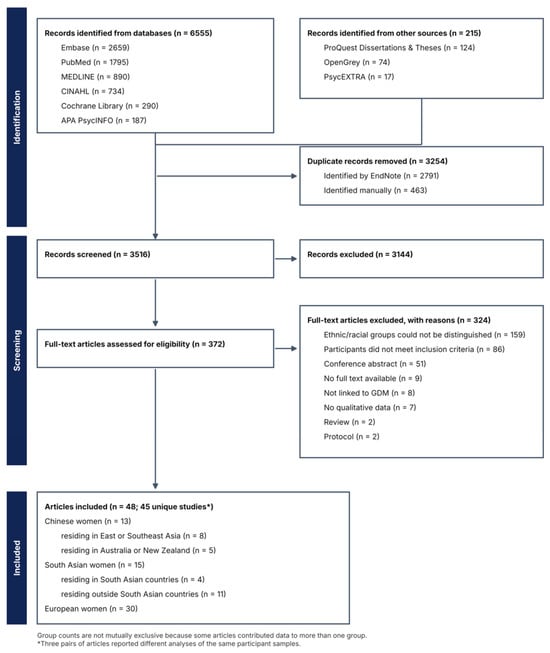
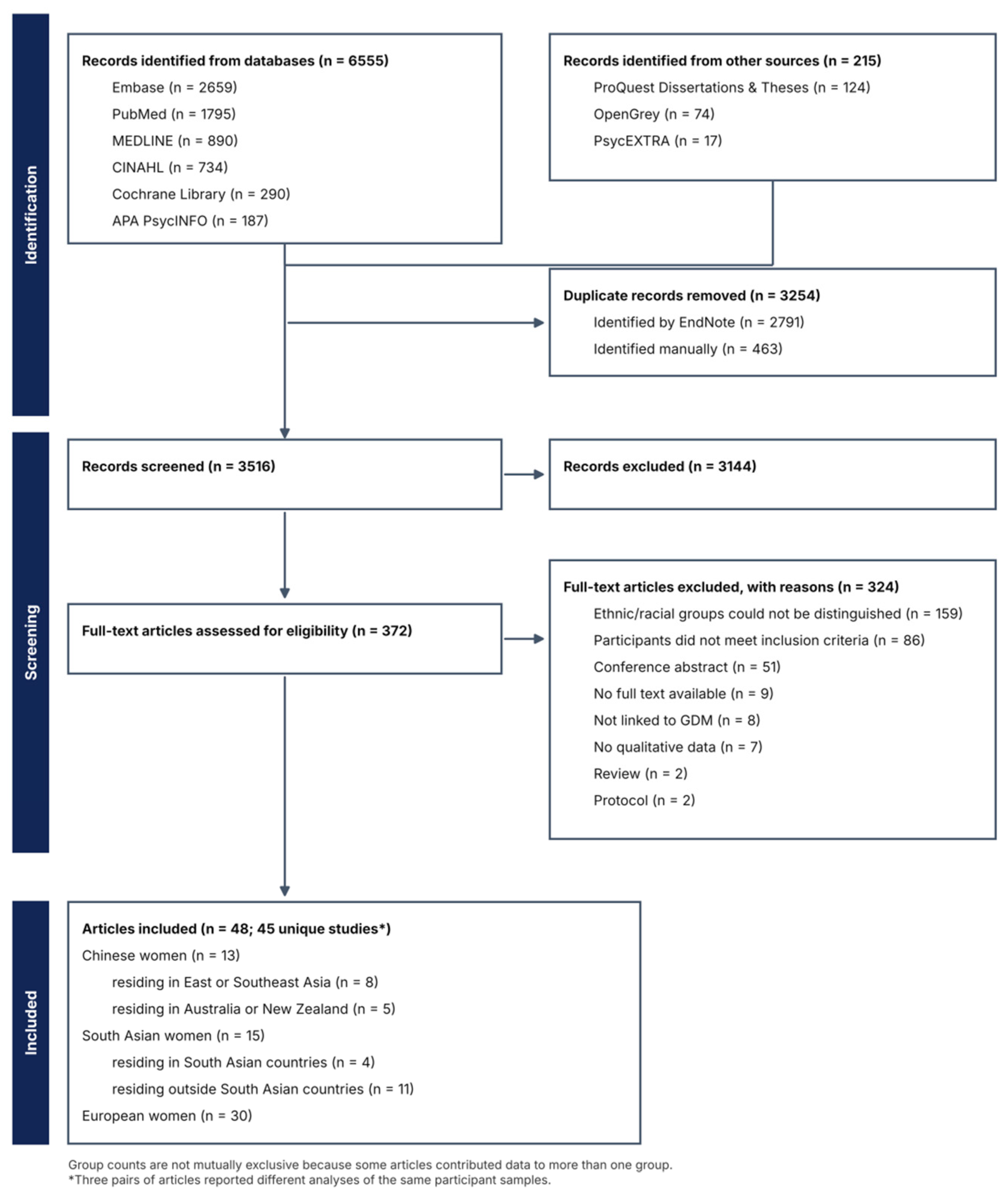
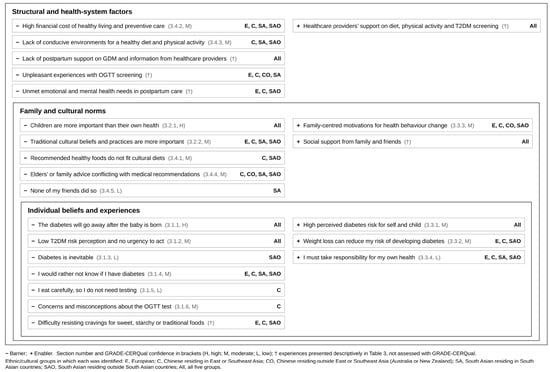
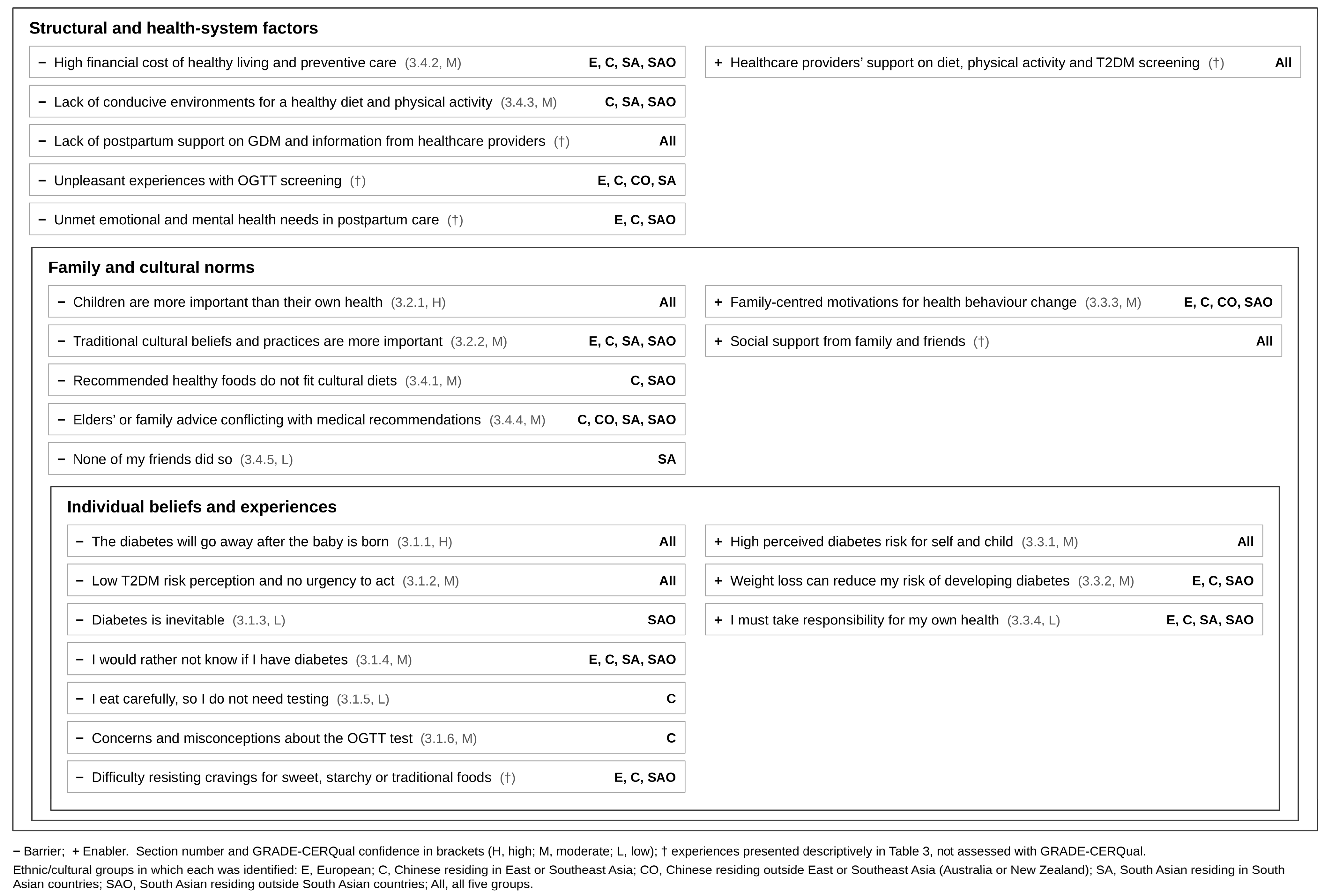

Disclaimer/Publisher’s Note: The statements, opinions and data contained in all publications are solely those of the individual author(s) and contributor(s) and not of MDPI and/or the editor(s). MDPI and/or the editor(s) disclaim responsibility for any injury to people or property resulting from any ideas, methods, instructions or products referred to in the content. |
© 2026 by the authors. Licensee MDPI, Basel, Switzerland. This article is an open access article distributed under the terms and conditions of the Creative Commons Attribution (CC BY) license.