


Abstract
Background: Night eating syndrome (NES), which manifests as evening hyperphagia and/or conscious nocturnal food ingestion, is a clinical phenomenon associated with distress, various degrees of impairment, low quality of life, and risk for somatic complications. However, its operational definition remains inconsistent, and the syndrome has not yet been recognized in either the DSM-5-TR or ICD-11 as a distinct nosological entity. Objective: To establish an interpretative framework that distinguishes diagnostic identification from dimensional formulation, based on the hypothesis that a stated NES case definition should confirm clinical status, whereas assessments of eating pathology and circadian/sleep disturbance should describe associated features. Methods: A critical narrative synthesis of selected literature available through 31 August 2026 examined diagnostic definitions, eating psychopathology, sleep and circadian features, and treatment evidence. This conceptual analysis informed a proposed framework that separates NES case identification from dimensional characterization and specifies priorities for empirical validation. Results: The framework has two sequential steps: (1) case identification, which applies a stated NES case definition, includes a differential assessment of awareness, clinical significance, and contextual explanations, and establishes clinical status; (2) dimensional characterization, referring to associated features along two conceptually distinct dimensions, i.e., eating pathology and circadian/sleep disturbance, without changing the diagnosis. Evidence supports examining both dimensions, although chronotype and neuroendocrine findings are far from homogeneous, and delayed food intake with largely preserved sleep timing points to an eating–sleep dissociation, not a primary circadian sleep–wake disorder. The resulting sleep/circadian-dominant, eating-pathology-dominant, combined, and limited-associated-feature profiles are descriptive formulations, not established subtypes or diagnostic thresholds, and both dimensions require further validation. Conclusions: The value of the new framework for interpreting NES would lie, provided it is confirmed, in improving clinical decisions beyond existing diagnoses and symptom scores. This perspective proposes a testable research model that emphasizes diagnostic caution and individualized care of NES cases.
1. Introduction: Seventy Years of Recognition Without Diagnostic Closure
Night eating syndrome (NES) was first described in 1955 by Stunkard et al. in a sample of 25 individuals (mostly females, only two males included) seeking treatment for obesity and weight gain, 20 of whom presented at least two features of the clinical triad of evening hyperphagia, morning anorexia, and insomnia [1]. Notably, a substantial proportion of the patients included in this study presented various comorbid conditions, such as neurasthenia, depression, psychotic depression, and anxiety disorders [1]. Subsequent accounts emphasized delayed food intake relative to sleep, distinguishing NES from binge eating by the generally smaller amount consumed during nocturnal episodes, and from sleep-related eating disorder (SRED) by preserved awareness and recall [2]. The American Psychiatric Association’s Diagnostic and Statistical Manual of Mental Disorders, fifth edition, and fifth edition, text revision (DSM-5 and DSM-5-TR) describe NES as falling under other specified feeding or eating disorders (OSFED), emphasizing recurrent night eating, awareness, clinical significance, and the requirement that the behavior is not better explained by another mental disorder, a medical condition, medication effects, or external influences such as changes in the sleep–wake cycle or local social norms [3,4]. Likewise, NES is not recognized as an independent diagnostic entity in either the World Health Organization’s International Classification of Diseases, tenth and eleventh editions (ICD-10, originally published in 1992, and ICD-11, which came into effect in 2022). This absence signals a remarkable stagnation in nosological progress in this field. Still, residual categories exist in ICD-10, where clinically significant presentations may be classified under “other eating disorders” (F50.8), whereas ICD-11 permits their placement under “other specified feeding or eating disorders” (6B8Y) [5,6]. Thus, despite the broader and more clinically detailed classification of feeding and eating disorders in the ICD-11, NES retains a marginal rather than a standalone diagnostic status, which is congruent with the ongoing uncertainty about its diagnostic definition [7,8]. Nevertheless, NES has also been proposed as one of the few OSFED presentations that may eventually merit a distinct diagnostic category [7]. Recognition of NES within the OSFED category should not be confused with either the absence of a clinical syndrome or agreement on a universally applied research definition, as such an approach reflects only the field’s emerging research status. For example, a rapid search in the Web of Science/Clarivate database for “night eating syndrome” yielded more than 800 results until August 31, 2026. These results include several meta-analyses published in the last five years that examined NES or night eating among other outcomes [9,10,11,12], highlighting ongoing interest among researchers and clinicians in this topic. However, none of these syntheses pooled diagnostic accuracy or treatment data.
The persistence of this marginal status for a long-explored entity like NES is easier to understand when the path from clinical description to an official set of diagnostic criteria is considered. Proposals for a new diagnostic category are usually judged against explicit validators, which in the tradition of Robins and Guze (1970) include clinical description, laboratory studies, delimitation from other disorders, follow-up studies, and family studies [13], and against clinical utility, i.e., the information that a diagnosis conveys about outcome and treatment response [14]. For DSM-IV, Blashfield et al. (1990) suggested guidelines that required, among other conditions, an ample empirical literature, clearly articulated criteria, and evidence that the syndrome can be distinguished from related categories [15]. For DSM-5, expert work groups examined the literature and analyzed existing data, a Scientific Review Committee rated the empirical support of each proposed change against predefined rules of evidence, and separate field trials tested the reliability of selected criteria sets [3,16,17]. The ICD-11 followed a comparable international process, with clinical utility and global applicability as its organizing principles [18]. Expert agreement is therefore reached through structured consensus that is repeatedly checked against evidence, thus avoiding placing unreasonable weight on opinion alone when a new category is introduced.
Binge-eating disorder (BED) offers an instructive example from the same nosological class. This clinical entity was included in DSM-IV as a provisional diagnosis requiring further study, then accumulated evidence of validity and clinical utility over almost two decades, and finally became an official diagnosis in DSM-5 with a change limited to the frequency and duration threshold [19,20]. More recently, prolonged grief disorder entered DSM-5-TR, and its new criteria were tested in three independent cohorts [4,21]. By comparison with BED, NES has completed the first of these steps but not the later ones, which are still pending favorable results. An international working group reached consensus on provisional research criteria in 2008 [22], and the syndrome has been assessed against the DSM-IV inclusion guidelines [8,23], with one assessment concluding that all five conditions were met [23]. However, the review prepared for DSM-5 identified inconsistent definitions and convenience samples as obstacles to establishing its validity and clinical utility [24]. The present perspective starts from this point and asks what kind of evidence would allow the case definition to be consolidated and its associated features to be validated.
The current literature on NES is heterogeneous in several respects. Studies have linked this pathology with depressive symptoms and low self-esteem [25,26]. Descriptions of non-obese individuals and younger populations, in turn, caution against defining the syndrome based on body weight [27,28]. General-population surveys and studies of serious mental illness also yield different estimates of night eating [29,30,31]. Bariatric studies [32,33,34] have shown that prevalence estimates and clinical interpretation depend on case definition and sampling, while some NES symptoms decrease after surgery [32]. These postoperative changes do not, by themselves, establish or exclude a circadian contribution to NES. Moreover, reviews of the overlap of NES with eating disorders (EDs) and with physical health describe associations that do not resolve the causal direction. It is still unclear whether NES contributes to these conditions, develops as a consequence of them, or reflects a shared vulnerability [35,36]. Taken together, these observations suggest that careful case ascertainment is more important than a single prevalence estimate. They also illustrate the clinical complexity of the NES concept, which extends across mood, body weight, and medical or surgical contexts.
The Night Eating Questionnaire (NEQ) and Night Eating Diagnostic Questionnaire (NEDQ) have gradually improved assessments since the first descriptions of the syndrome [37,38]. However, a recent call for consensus (2024) still found substantial diagnostic heterogeneity across the 73 articles reviewed (e.g., 35 studies used a diagnostic criteria set, only eight of which applied DSM-5 criteria, and 34 relied on symptom score thresholds) [39]. Clinical and systematic treatment reviews have identified substantial unresolved questions, e.g., vague diagnostic boundaries, lack of demonstrated pathogenic mechanisms, limited evidence on treatment efficacy (small samples, heterogeneous interventions, short follow-up periods), and heterogeneity of assessment methods [40,41,42]. Drawing on the foundational literature and developments available as of August 31, 2026, this perspective advances a specific proposition with potentially relevant clinical implications, which is that NES case identification should be separated from dimensional formulations. The key terms used in this proposition are defined in Table 1. A stated case definition should establish the clinical status of the syndrome, while eating pathology and circadian/sleep profiles serve as descriptors of associated features and generate testable management hypotheses. The value of these descriptors has to be demonstrated empirically, beyond existing diagnoses and symptom scores, and it should not be assumed merely because the framework can be displayed as a two-axis diagram (Figure 1) or as a stepwise assessment pathway (Figure 2). By distinguishing clinically significant night eating from contextual late intake and separately characterizing eating pathology and sleep-related features, this perspective seeks to clarify the clinical interpretation of sleep–diet interactions.
Table 1.
Working definitions of the key terms used in this perspective.
Figure 1.
A two-axis framework for phenotyping nocturnal eating: diagnostic status and dimensional formulation are distinct. The framework separates a stated NES diagnosis from four descriptive profiles based on relative prominence of eating-pathology and circadian/sleep features; axis independence, composite scoring, and quadrant boundaries are unvalidated. Any profile is compatible with an NES diagnosis; profiles are interpreted clinically only after NES status has been recorded, although both dimensions may be measured in comparison groups for research purposes. Awareness, distress/impairment, and contextual explanations are assessed outside the grid. Abbreviations: NES, night eating syndrome; SRED, sleep-related eating disorder. Created in BioRender. Vasiliu, O. (2026). https://BioRender.com/9gs8pc6.
Figure 2.
A clinical assessment pathway for nocturnal eating: case identification, dimensional formulation and reassessment. This is an unvalidated decision aid that distinguishes assessing awareness and context from applying a stated NES case definition, and dimensional formulation from diagnostic status. Uncertain awareness prompts clarification rather than automatic SRED diagnosis. The presence of contextual factors does not automatically exclude NES; however, episodes adequately explained by these factors should not be attributed to NES, while separately unexplained episodes require further assessment. Treatment choice must distinguish NES-specific evidence from care of comorbidity or context. Abbreviations: NES, night eating syndrome; SRED, sleep-related eating disorder. Created in BioRender. Vasiliu, O. (2026). https://BioRender.com/j2yjy5o.
2. Methodological Approach
This conceptual analysis uses a critical narrative synthesis of selected foundational and contemporary literature available through 31 August 2026, in PubMed/MEDLINE, Web of Science/Clarivate, and Google Scholar, without restrictions on language or type of publication. Its purpose was to examine the nosological status of NES and to develop a testable framework for its clinical interpretation. Reference-list searching was used to identify supplementary data on NES. The search included “night eating syndrome”, “NES”, “night eating” combined with “prevalence”, “pathogenesis”, “treatment”, “diagnosis”, and “assessment”. Because the aim was conceptual, sources were selected purposively and not through exhaustive screening, with sources being retained when they informed one of the five themes listed below. Within each theme, priority was given, in descending order, to (1) official classifications and proposed diagnostic criteria, (2) systematic reviews, scoping reviews, and meta-analyses, (3) instrument-validation studies, (4) primary studies that stated their NES case definition, with controlled designs preferred over uncontrolled ones and larger or more recent samples preferred when several studies addressed the same point, and (5) foundational studies that are repeatedly cited as the origin of a concept. All randomized trials of NES treatments identified by the most recent systematic review were examined [41]. Sources were generally not retained when they described late or nocturnal eating without any operational definition of night eating, when they duplicated data covered by a more complete or more recent report, when they dealt exclusively with SRED or other parasomnias without informing the differential diagnosis, or when the available report was insufficient to evaluate the methods. One conference abstract was retained as an exception because it reported the only randomized comparison relevant to treatment matching [43]. A small number of sources outside the NES literature were added to describe how diagnostic criteria are developed, to reference assessment instruments, and to provide clinical context. The discussion is focused on diagnostic classifications, proposed research criteria, instrument-validation studies, observational and intervention studies, and data derived from existing reviews. Evidence was organized around diagnostic heterogeneity, differential diagnosis, eating-related psychopathology, sleep and circadian features, and treatment implications, in a manner able to support a coherent framework. Interpretation took into account differences in case definitions, measurement overlap, study design, and the distinction between association and causation, separating controlled NES-specific treatment evidence from uncontrolled findings and extrapolation from related conditions.
This synthesis informed a proposed interpretative model that separates diagnostic identification from dimensional characterization, together with a clinical assessment pathway and list of research priorities. The approach was conceptual, without quantitative pooling or formal risk-of-bias assessment. Therefore, this perspective is not to be considered a scoping or systematic review. A systematic or scoping review was not undertaken for three reasons. First, the question is nosological and conceptual, since it concerns how case identification and associated features should be related to each other, and it does not correspond to a single population, exposure, and outcome that a protocol-driven review could address. Second, recent systematic reviews, scoping reviews, and meta-analyses already cover diagnostic practices, the overlap with BED, physical health correlates, treatment, and chronotype [10,11,12,35,36,39,40,41], and they were used here as sources of aggregated evidence instead of being duplicated. Third, the heterogeneity of case definitions documented in those reviews limits what an additional pooled estimate could add at present. It is acknowledged that a systematic review can include a narrative synthesis without quantitative pooling, and a protocol-based review organized around the two proposed dimensions would be a logical next step once comparable case definitions are reported. The proposed dimensions and profiles represent, at this stage, hypotheses requiring empirical validation, so that further research is invited to confirm or refute their accuracy.
The evidence base retained for this perspective consists of 64 sources on NES, night eating, and related conditions, published between 1955 and 2026. It includes 10 systematic reviews, scoping reviews, or meta-analyses, 20 observational studies, six laboratory studies, 12 intervention studies, and 16 narrative reviews, conceptual papers, proposed criteria, and instrument studies. The remaining 25 references are classification manuals, sources on the development of diagnostic criteria, general assessment instruments, and contextual literature, which were added outside the NES search. The 12 intervention studies consist of six randomized comparisons (five in NES and one in SRED) and six uncontrolled, retrospective, or case-based reports. Most primary studies were cross-sectional and relied on self-report; sample sizes ranged from single case reports to population surveys of several thousand participants, and case definitions varied between diagnostic criteria sets and questionnaire thresholds. Because selection was purposive, the numbers of records retrieved and excluded at each step were not recorded, and a flow diagram is therefore not presented.
3. NES Is Clinically Meaningful, but Its Definition Is Not Yet Established
In a previously mentioned review, Weissman et al. examined 73 adult research articles published between 2013 and August 2024 and found a mix of assessment methods that impede progress in clarifying the NES nosological status [39]. The handling of co-occurring EDs across studies also varies, as reflected by the results of an earlier assessment of 47 empirical studies, which identified inconsistent definitions and convenience samples as limitations of diagnostic validity and clinical utility [24]. Consequently, apparently different prevalence estimates or treatment responses may partly reflect differences in case populations, based on various assessment methods and diagnostic criteria used, and not disagreements about the existence of the same syndrome. Nevertheless, a recent meta-analysis concluded that NES, together with atypical anorexia nervosa and purging disorder, represents a clinically significant ED with a severity comparable to that of threshold EDs [10].
Allison et al. (2010) proposed research criteria that provide an operational reference. The core criterion is consuming at least 25% of daily energy intake after an evening meal and/or at least two nocturnal ingestions per week. Awareness and recall, significant distress or impairment, and persistence for at least three months are also required. In addition, at least three of the following five associated features must be present: reduced morning appetite and/or breakfast omission on four or more mornings per week, a strong evening or nocturnal eating urge, sleep-onset or sleep-maintenance insomnia on four or more nights weekly, the belief that eating is necessary to initiate or resume sleep, and frequently depressed mood and/or evening mood worsening [22]. The differential criterion specifies that this pattern should not be considered secondary to substance use, medication, other medical conditions, or other psychiatric disorder [22]. These research criteria should be distinguished from the less quantitatively operationalized DSM-5/DSM-5-TR description, which specifies recurrent eating after awakening from sleep or excessive food consumption after the evening meal, with preserved awareness and recall and significant distress and/or functional impairment. The pattern must not be better explained by external influences, such as changes in the sleep–wake cycle or local social norms, or by BED or another mental disorder, including substance use, and must not be attributable to a medical condition or medication effects [3,4].
Earlier work by Birketvedt et al. (1999), in a behavioral study of 10 night eaters and 10 controls, documented more eating episodes over 24 h among night eaters than controls (mean [SD], 9.3 [0.6] vs. 4.2 [0.2]), a greater proportion of daily energy intake consumed at night (56% vs. 15%), and more nocturnal awakenings (mean [SD], 3.6 [0.9] vs. 0.3 [0.3]). All three differences were statistically significant (p < 0.001). In a separate neuroendocrine sample (12 night eaters and 21 controls), the same study reported an attenuated nocturnal rise in plasma melatonin and leptin and higher plasma cortisol levels in night eaters than controls [44]. A recent review conducted by Bargagna & Casu (2024) also identified unresolved questions regarding etiology (e.g., circadian rhythms, hormonal changes, psychological distress, personality traits), assessment (i.e., the need for more reliable tools), and treatment (e.g., cognitive-behavioral therapy [CBT], pharmacotherapy) of NES [42]. As a conclusion to these repeatedly identified gaps in knowledge, investigators should explicitly state the definition they use and retain its components separately (i.e., core criteria and associated features). The screening score, symptom cluster, and clinician-assessed diagnosis are related outputs and not interchangeable labels. If they are treated as equivalent, the imprecision surrounding the concept of NES will be perpetuated.
4. The Clinical Challenges in Distinguishing NES from Other Nocturnal Eating Conditions
The closest entity clinically related to NES that requires a differential diagnosis is SRED. Whereas DSM-5-TR recognizes sleep-related eating as a specifier of the sleepwalking type of non–rapid eye movement sleep arousal disorders, ICD-11 lists sleep-related eating disorder as a distinct diagnostic entry within disorders of arousal from non-REM sleep [4,6]. The main dimensions to assess when determining which of the two conditions is present are awareness and recall, which are important initial distinctions that can guide the interview and subsequent diagnostic procedures. NES involves remembered eating episodes, whereas SRED commonly involves partial or absent awareness during sleep-related arousal and may include hazardous preparation or ingestion [2,22,45]. Nevertheless, polysomnographic and psychological studies describe heterogeneity among nocturnal eaters and differences between evening hyperphagia and nocturnal-ingestion presentations [46,47]. Therefore, uncertain recall is a reason for further sleep and medication assessment, not certain proof of parasomnia. When the anamnesis suggests both conscious and poorly recalled episodes, each episode type should be characterized, and one pathway should not automatically exclude the other. A clinician should be aware of the potentially dangerous consequences of night eating and ensure that safety assessments are prioritized when unconscious nocturnal behavior poses an immediate risk.
The comparison of NES with the far more validated BED is a major differential diagnosis, because night eating symptoms and binge eating psychopathology can significantly overlap [35]. NES subtype research (i.e., evening hyperphagia with nocturnal ingestions [EHNI], evening hyperphagia-only [EHO], and nocturnal ingestions-only [NIO]) has also found differences in binge eating and food-addiction symptoms (i.e., EHNI reported more severe binge eating and food addiction symptoms, while the other two subtypes did not differ by these parameters) [48]. Neither the presence of night eating in BED nor the absence of large binges in NES determines by itself whether a second diagnosis is justified. The recommendation proposed here follows from the structure of the current classification. In DSM-5-TR, NES is an example of OSFED, a category that applies only when the criteria for a specific feeding or eating disorder are not met, and the night eating must not be better explained by BED [4]. When nocturnal episodes involve objectively large amounts of food with loss of control and the full BED criteria are met, BED should therefore be the recorded diagnosis, and night eating should be documented as a clinical feature with its own frequency and timing. An NES designation alongside BED is defensible, mainly for research purposes and with the stated research criteria [22], only when a pattern of evening hyperphagia or nocturnal ingestion persists that is distinct from the binge episodes and meets the core criteria, distress, and duration requirements of NES in its own right. In both situations, binge episodes and night eating episodes should be counted separately, and studies should report how they handled co-occurrence.
The empirical question behind this recommendation is whether a distinct, clinically significant nighttime eating pattern persists after accounting for the established disorder. A 2025 study of 153 patients with BED illustrated why these components should be disentangled [49]. Initial insomnia, nocturnal awakening, and evening hyperphagia were associated with depression, whereas nocturnal ingestion was not. However, after accounting for global eating disorder pathology, initial insomnia and awakening, but not evening hyperphagia, remained contributors to the statistical model of depression [49]. These cross-sectional results supported separate assessments of sleep and eating symptoms, namely evening hyperphagia and nocturnal ingestion, while they are not able to establish causal mediation or diagnostic independence.
There is a considerable degree of overlap between NES and depression-related appetite disturbance, as depressive symptoms tend to appear recurrently in the NES literature, including early clinical comparisons and population studies [26,50]. However, the timing of eating, the belief that eating is necessary to initiate or resume sleep, and persistence of the pattern require assessment beyond general mood-related changes in appetite [22]. Interpersonal research links night eating symptoms with lower social support, attachment insecurity, and negative affect, but its mediation analyses are cross-sectional, and the reported effects are small [51]. Therefore, affective and interpersonal factors may be considered potential modifiers of both proposed dimensions, rather than a single cause or an automatically sufficient explanation of NES.
NES also requires differentiation from contextual and secondary late eating, as night eating is not to be considered synonymous with NES. Population data show variations in age and day type (for example, most common during weekends and among young adults, and least common among individuals aged ≥ 65 years) and do not consistently link nocturnal intake to body mass index (BMI) or obesity [31]. Studies of nurses, medical students, and pregnant women make contextual interpretation particularly important [52,53,54,55]. For example, NES among Chinese nurses was significantly associated with departmental exposure, studies in medical students linked NES symptoms to various psychiatric clinical entities, and pregnant women who conceived via assisted reproductive techniques presented lower NEQ scores than those who conceived naturally. Work schedules, cultural meal timings, medication exposure, and physiological changes may explain late intake, yet their presence alone does not automatically rule out coexisting NES. A thorough assessment should ask whether there are factors which adequately explain the eating pattern, whether symptoms persist outside of the exposure, and whether a separate disorder remains plausible. Contextual late eating can coexist with substantial sleep disruption without meeting NES or SRED criteria, and, conversely, clinically important sleep or medical problems may require attention, even when eating behavior does not meet the criteria for a distinctive psychiatric disorder. Occupational conditions may further complicate interpretation, as irregular work schedules can disrupt sleep patterns and dietary habits, particularly among operational or shift-working populations [56].
5. The Circadian and Sleep Dimensions of NES: Between Converging and Conflicting Evidence
A delayed relationship between eating and sleep can be traced back to the early stages of NES exploration and formulation of conceptual models [2]. After a previously mentioned study reported an attenuated nocturnal increase in melatonin and leptin levels and increased cortisol levels, a subsequent study of 15 NES participants and 14 controls found no group differences in cortisol, melatonin, leptin, prolactin, and a non-significant trend toward higher thyroid-stimulating hormone levels [44,57]. In that study, differences in insulin and ghrelin levels, and a non-significant nocturnal rise in glucose, were closely associated with nocturnal intake [57]. A circadian analysis of the same sample further showed that food intake and several appetite- and stress-related hormonal rhythms were phase-shifted relative to controls, whereas the timing of sleep itself was preserved [58]. Experimental nocturnal schedules in healthy adults also alter endocrine rhythms, with impairments of insulin response to glucose and leptin levels in those with nocturnal vs. diurnal lifestyles being reported [59]. A definitive interpretation of these data is currently missing. It is possible that these findings are consequences or correlates of nocturnal behavior rather than evidence of a uniform primary hormonal defect. Phase relationships between eating, sleep, and endocrine rhythms therefore appear more informative than absolute hormone levels.
This pattern also bears on the nosological question raised in the title. Because food intake is delayed while the timing of sleep remains largely preserved [58], NES is better described as a dissociation between eating and sleep rhythms than as a circadian rhythm sleep–wake disorder, a category that current sleep medicine nosology defines by alterations of the sleep–wake rhythm itself [60]. The biobehavioral model of NES, in which a genetic predisposition combined with stress is proposed to enhance serotonin reuptake, thereby disrupting the circadian rhythm of food intake and reducing satiety, integrates the eating-related and circadian perspectives and provides a rationale for serotonergic treatments [61]. However, its central mechanism rests on a single preliminary neuroimaging study and on indirect pharmacological evidence.
A comparative analysis of available data shows that chronotypic results were not uniform across the retrieved studies. In a cross-sectional study with 533 Greek adults, probable NES (NEQ ≥ 30) was positively associated with morningness vs. eveningness, and each point increment in the depression score was associated with 6% higher odds of NES (NEQ ≥ 25) [62]. The authors cautioned, however, that the morningness finding might reflect the low internal consistency of the chronotype measure used [62]. By contrast, a recent meta-analysis of 51 observational studies found a modest positive association between later chronotype and night eating (r = 0.21), with substantial heterogeneity (I2 ≈ 76%) [12]. Related studies further illustrate the overlap between night eating, sleep difficulties, and depressive symptoms. For example, poorer sleep quality, greater depressive symptom severity, and employment in intensive care units were reported in nurses, and poorer sleep quality and depressive symptoms in medical students [52,53]. This contrast is informative, showing that timing preference, insomnia, disrupted sleep continuity, and physiological circadian misalignment should not be treated synonymously. Eveningness may therefore characterize a subgroup of individuals with NES, but it has not been proven to be a marker of this syndrome or evidence of circadian misalignment.
In a recent study of 325 Turkish adults, higher NEQ scores were associated with poorer sleep quality, whereas greater morningness was associated with better sleep quality. These associations were obtained in a multiple regression model adjusted for age, sex, BMI, waist circumference, smoking status, alcohol consumption, and the presence of chronic disease, in which neither total nor evening dietary melatonin intake was independently associated with sleep quality [63]. A study performed in medical students reported a statistically indirect association involving sleep quality, with no such pathway through depressive symptoms or impulsivity in the relationship between nighttime eating symptoms and BMI [54]. Because these data are cross-sectional, predominantly self-reported, and not based on direct biological phase assessments, they support the measurement of sleep-related features without proving a circadian mechanism.
Several sources of heterogeneity may explain why these findings do not converge. The first, and arguably most important, is the study population, meaning that laboratory studies enrolled small samples (10 to 15 participants with NES per study), which consisted predominantly or exclusively of women, many of them with overweight or obesity [44,57,58], whereas the chronotype and sleep-quality studies recruited community adults, nurses, and students in different countries, where habitual meal and sleep schedules may also differ [52,53,54,62,63]. The second source is represented by the diagnostic definition. Earlier studies relied on the original triad or on thresholds such as half of the daily intake after 6 p.m. [1,64]; later studies applied the research criteria [22], and one recent survey classified probable NES by NEQ cut-offs of 25 or 30 [62], so that groups labeled as NES differ in severity and in the relative weight of evening hyperphagia and nocturnal ingestion. The third source of heterogeneity is the assessment method. Hormones were sampled during a single 24 h hospital stay in one study [44] and over 25 h of a three-night laboratory stay with meals and free access to snacks at night in another [57,58], and the two protocols may not be directly comparable. Chronotype was measured with different self-report questionnaires, one of which showed low internal consistency [62], and sleep was assessed by polysomnography in a few studies [46,47] but by questionnaires in most of the others. The fourth source is the limited control of confounders, since depressive symptoms, body weight, medication use, and work schedules are related to both night eating and sleep, and nearly all of these studies are cross-sectional. The substantial statistical heterogeneity reported in the meta-analysis of chronotype and night eating (I2 ≈ 76%) is consistent with these differences [12]. Future studies would be easier to compare if they reported the case definition, the type of night eating, the feeding conditions during sampling, and the timing measures separately.
Interpretation of these data is further complicated by overlapping questionnaire content, as measures of night eating, sleep disturbance, and depressive symptoms may capture some of the same experiences, partly accounting for the associations observed between them. The original NEQ validation identified four factors: nocturnal ingestion, evening hyperphagia, morning anorexia, and mood/sleep [37]. Accordingly, correlations between the total score and sleep or depression questionnaire scores may illustrate shared item content or common self-report methods. The interpersonal study cited in Section 4 also acknowledged a conceptual overlap between NEQ mood items and their negative affect measures [51]. It can therefore be inferred that two distinct dimensions could not be validated simply by correlating scales that ask overlapping questions. Thus, any attempt to validate an instrument should retain standard scores for comparability, use separately defined indicators, include pre-specified sensitivity analyses for overlapping items, and incorporate prospective meal and sleep records. In the same line of thought, modified item sets should be treated as research tools, not as already validated replacement scales.
6. The Eating-Disorder Consideration Remains Equally Important
Sleep-oriented formulations should not eliminate EDs from the conceptual analysis of NES. Systematic and subtype studies report a substantial overlap between NES, BED, and other dysfunctional eating patterns [35,39,48], while polysomnographic and personality data identify psychological features that are not reducible to sleep timing [46]. Bariatric studies have shown that estimates and associated depressive symptoms depend strongly on case definition [33,34]. A study in the Australian community also linked night eating and probable NES with dysfunctional eating behaviors, mental health burden, and impaired quality of life [65]. These findings justify the evaluation of eating-related distress, restraint, and loss of control, without making every associated feature mandatory for diagnosis.
Evening hyperphagia and nocturnal ingestion should be recorded separately because they have different demographic and clinical correlates. In a web-based survey of 8348 Japanese residents aged 16–79 years, evening hyperphagia was independently associated with higher BMI, shorter sleep duration, and a later sleep–wake schedule, whereas nocturnal ingestion was associated with younger age, smoking, living alone, and an earlier sleep–wake schedule, and both behaviors were associated with higher anxiety and insomnia scores [50]. Studies that kept the two behaviors apart have also shown that binge eating and food addiction symptoms were more severe when both were present than when either occurred alone [48], and that evening hyperphagia, but not nocturnal ingestion, was associated with depression in patients with BED in unadjusted analyses [49]. These differences would have remained hidden if only a total night eating score had been analyzed. Similarly, a clinically significant NES does not require objective large binges or a marked loss of control [22]. The proposed eating-pathology dimension, therefore, describes the accompanying severity and maintenance processes, not an additional requirement that a person must meet to qualify as an NES case. Keeping the dimension separate from the case definition has a practical consequence: a person who meets a stated NES definition remains an NES case even when eating pathology is minimal, so the dimensional model cannot inadvertently narrow existing case definitions.
7. The Treatment Paradox: Limited Intervention-Specific Evidence for Clinical Symptoms
The paradox is that NES has been clinically recognized for seven decades, yet the evidence supporting any specific intervention remains limited. Uncontrolled observations provide useful insights but offer limited inference about the efficacy of specific psychopharmacological agents or psychotherapeutic interventions. The 12-week open-label sertraline study enrolled 17 patients and reported improvements in nocturnal awakening, ingestion, and post-dinner intake, with five participants achieving full remission of symptoms and losing a significant amount of weight [66]. A later case report (a man in his 60 s) described a favorable long-term course after treatment with the same antidepressant at a low dose, although a relapse occurred and was controlled with a higher sertraline dose [67]. A retrospective ramelteon study (N = 49 participants) combining SRED and NES presentations reported a subsequent reduction in benzodiazepine or Z-drug exposure and a reduced mean frequency of eating behavior per week (21 individuals were considered responders), with responders more often taking these hypnotics at baseline and more often presenting coexisting delayed sleep–wake phase disorder [68]. In addition, a four-patient case series comprising two patients with NES and two with SRED using topiramate after multiple failed trials of pharmacotherapy and psychotherapy showed that this anticonvulsant may reduce nocturnal eating, improve nocturnal sleep, and produce weight loss. These effects were maintained for a mean period of 8.5 months [69]. A subsequent placebo-controlled trial of topiramate was conducted in SRED rather than NES [70]. However, these designs cannot distinguish specific NES effects from expectancy, spontaneous variations, medication changes, or effects of different nocturnal eating conditions, in addition to the fact that the population was heterogeneous due to the combination of NES and SRED.
Controlled evidence is naturally more informative but remains small to date. In an eight-week randomized trial, 12 of 17 participants receiving sertraline and 3 of 17 receiving placebo met the Clinical Global Impression (CGI) response criterion; several night eating outcomes (frequency of nocturnal ingestions, nocturnal awakenings, and caloric intake after the evening meal) also improved [71]. In contrast, a 12-week randomized trial of 40 participants found no statistically significant advantage for escitalopram on its primary NEQ change outcome (mean changes of −13.0 versus −10.6 points, p = 0.124). No significant between-group differences were detected in weight change or mood ratings, although the overall tolerability was acceptable [72]. Notably, the placebo response was substantial, as 60% of placebo recipients no longer met NES criteria at the end of the trial [41,72]. These trials support intervention-specific, not class-wide, conclusions regarding selective serotonin reuptake inhibitors (SSRIs), although their small samples and differences in agent, duration, and design cannot distinguish agent-specific effects from chance. Neither trial established long-term benefits or phenotype-specific responses.
On the other hand, behavioral evidence has emerged from a range of studies [73], from randomized trials of brief relaxation and education-based approaches [64,74] to uncontrolled CBT pilot studies [75]. In one of these trials, a one-week relaxation intervention was compared with quiet sitting in 20 participants, using an earlier definition of NES based on consumption of at least 50% of daily intake after 6 p.m. [64]. In the other, education, education + progressive muscle relaxation, and education + relaxation + exercise were compared across three active arms in 44 participants, all of which improved without significant between-group differences in NEQ scores [74]. A 2025 systematic review identified five randomized trials, but a meta-analysis could not be performed due to their heterogeneity, and evidence was considered of low certainty when assessed within the Grading of Recommendations Assessment, Development, and Evaluation (GRADE) framework [41]. The authors showed that weight loss outcomes were variable across the reviewed studies, and progressive muscle relaxation and education showed some benefits in reducing evening food intake and improving morning hunger [41]. The pharmacological findings were mixed across sertraline, escitalopram, and agomelatine, with sertraline showing the most consistent improvements and agomelatine being supported by a conference-reported randomized comparison and an uncontrolled case series [41,43,71,72,76]. In that conference-reported randomized study (reported N = 96), patients who ate mainly before bedtime and those who awakened to eat were each randomized to sertraline or agomelatine [43]. Sertraline appeared more effective in the former and agomelatine in the latter, which is a preliminary signal relevant to the matching hypothesis discussed in Section 11. However, methodological reporting was limited, with the tabulated group sizes summing to 94 (as the table’s treatment arms show) instead of the originally stated 96, and the systematic review judged the risk of bias to be high in this case [41,43]. The uncontrolled case series (N = 5 patients with NES and comorbid depression) reported reductions in night eating symptoms, depressive symptoms, and body weight during 12 weeks of agomelatine treatment, although the small sample and absence of a control group limit conclusions about efficacy [76]. Regarding these pharmacological data, the insufficient sample size, varied interventions, and short follow-up periods prevented the establishment of a reliable and effective standard treatment package for NES [41].
Broader nutritional–psychiatry models may help identify dietary quality, metabolic status, and nutrient-related factors that warrant assessment alongside psychiatric symptoms [40,77,78,79]. CBT, in association with healthy nutrition, sleep hygiene practices, exercises, and relaxation strategies, was associated with positive outcomes in a pilot study (N = 25 patients with NES) [75]. However, the broader clinical relevance of nutritional interventions per se should not be interpreted as evidence that dietary or nutrient-based interventions specifically treat NES because intervention-specific efficacy remains insufficiently established.
Therefore, treatment evidence falls into four categories: controlled NES studies, uncontrolled NES studies, mixed NES/SRED studies, and studies of treatments extrapolated from comorbid conditions. Interpersonal psychotherapy, mindfulness, insomnia-focused care, and chronotherapeutic approaches (e.g., bright light therapy, proposed on the basis of circadian findings [58]) may be considered in a broader formulation, yet their inclusion does not imply equivalent NES-specific efficacy [40,42,51]. Selecting an intervention because it plausibly targets a prominent mechanism is the clinical rationale, and there is no evidence that matching the treatment to the proposed profile improves outcomes. Therefore, the proposed clinical pathway separates intervention-specific evidence from individualized care based on comorbidities and contexts.
8. A Two-Axis Model: From Clinical Status to Dimensional Formulation
Building on prior reviews describing sleep/circadian and eating-related features of NES [40,42], the present framework explicitly separates case identification from dimensional characterization: a stated NES case definition first establishes clinical status, after which associated eating pathology and sleep/circadian features are assessed separately.
First, the clinical status should be established by using the stated NES definition and an adequate differential assessment (Table 2), considering SRED, depressive and anxiety disorders, validated EDs (especially BED), neurological and other organic conditions, and physiological variations in eating behaviors. Once the presence of NES is determined, establishing the type could prove useful for clinical and therapeutic purposes (i.e., evening hyperphagia, nocturnal ingestion, or both). After that, the proposed framework allows for assessment of two conceptually distinguishable dimensions whose empirical relationships remain to be tested: (1) the eating pathology dimension captures accompanying loss of control, restraint, binge eating symptoms, and eating-related beliefs, and (2) the circadian/sleep dimension captures sleep continuity, insomnia, meal-sleep timing, schedule regularity, and timing preference. Table 3 lists candidate indicators, example clinical questions, and assessment approaches for each dimension, so that the framework can be applied in clinical interviews and in research protocols. Because several of these indicators (e.g., insomnia, meal-sleep timing, and the belief that eating is needed to sleep) also appear among the core criteria or associated features of the research definition, dimension scores should preferably be derived from indicators not used for case identification, or the overlap should be addressed in pre-specified sensitivity analyses. Otherwise, profile distributions will partly reflect the case definition applied (e.g., every case meeting the research criteria has at least three associated features) [22]. The biological misalignment between timing of sleep or eating and the individual’s internal circadian phase should be described only when actually assessed, using specific methods such as measurement of dim-light melatonin onset in relation to recorded sleep or eating times, because self-reported eveningness or late eating alone may be insufficient for this purpose. Regarding the first dimension, increasing the awareness of EDs requires attention to behavioral and psychological presentations that may not conform to stereotypical assumptions about body weight or appearance [80,81,82]. Accordingly, routine psychiatric assessments should consider clinically significant nocturnal eating even in patients without obesity or previously recognized eating disorders. Within the latter dimension, timing and sleep continuity indicators should remain separate, as they may not constitute a single factor.
Table 2.
Differential assessment of nocturnal eating presentations, with key clinical questions, representative assessment tools, and supporting sources.
Table 3.
Candidate indicators and assessment approaches for the two proposed dimensions.
Neither axis is currently a validated composite score, and no numerical boundary or equal weighting has been proposed. For research purposes, both dimensions may be measured in all individuals with nocturnal eating, including comparison groups, but profiles should be interpreted clinically only after NES status has been established. In this sense, the two dimensions are intended as transdiagnostic descriptors instead of more limited NES-specific constructs, since night eating and its associated eating and sleep features recur across diagnostic groups and settings, including BED, depression, serious mental illness, bariatric surgery candidates, nurses, and medical students [26,30,32,33,34,35,49,52,53,54].
The same person may then have a sleep/circadian-dominant, eating-pathology-dominant, combined, or limited-associated-feature profile. These proposed labels summarize relative prominence, not mutually exclusive diagnoses or proven subtypes: a person meeting the NES criteria remains an NES case, even with little binge-type pathology or a non-evening chronotype.
In this two-axis framework, multiple variables with modeling value may be included: mood, anxiety, interpersonal factors, medication exposure, culture, and occupational circumstances may all modify both domains and should be recorded alongside them. Distress and impairment determine the clinical significance and should be assessed independently. Contextually explained eating is not automatically assigned to the low-low quadrant, and SRED is evaluated through awareness and sleep-state assessments outside the coordinate model. To synthesize all the data presented narratively, Figure 1 is intended to present the separation of clinical status, descriptive profiles, and crosscutting modifiers, while Table 2 summarizes the differential assessments, together with key clinical questions, representative assessment tools, and the main sources supporting each row. Table 3 translates the two dimensions into measurable indicators.
9. What Should a Future Consensus Definition and Common Dataset Contain?
The call for consensus offers an opportunity to distinguish case definitions from the additional data required to interpret the respective cases [39]. Therefore, a minimum case record should specify the chosen diagnostic system; timing relative to the evening meal and main sleep period; evening hyperphagia and nocturnal ingestion; awareness and recall; frequency and duration; associated features; and distress or impairment. Alternative explanations should be assessed for explanatory sufficiency and should not simply be marked as present or absent.
For longitudinal characterization, it would be useful to record weekly nocturnal ingestion, the estimated share of intake after evening meals, symptom persistence, and separate sleep and eating outcomes, while meal and sleep timestamps on work and non-work days can help distinguish timing preferences from schedule constraints. The NEQ and NEDQ scores or classifications should retain their intended roles and are not interchangeable with the clinician-assessed diagnoses [37,38]. Table 4 translates these suggestions into reporting elements with clinical status, distress, and contextual explanations separated from the two descriptive domains.
Table 4.
Proposed minimum dataset for reproducible NES case description and dimensional validation.
10. Implications for Integrated Nutritional, Sleep, and Psychiatric Assessment
For clinicians working in psychiatry, sleep medicine, and nutritional care, nocturnal eating warrants attention when patients report insomnia, repeated eating after awakening, worsening evening mood, problematic eating, difficulty in weight management, and disrupted work schedules [26,27,30,40]. Clinical interviews should establish whether the episodes are recalled (completely, partially, or not at all), their timing (initial, middle, or end of the night) and frequency (episodes/week), the amounts consumed (e.g., the estimated share of daily intake), perceived control (absent, partial, or total), beliefs about eating (e.g., cultural biases or cognitive distortions) and resuming sleep, distress (scored on a Likert scale), and functional effects (using a validated instrument, or also a Likert scale). Questions on medication changes, work-free days, and other contextual changes help assess alternative explanations. Neither obesity nor eveningness is a prerequisite for answering these questions, but both may be relevant descriptors of the global picture of NES and bear therapeutic importance. Although obesity is neither necessary nor sufficient to diagnose this syndrome, its assessment remains clinically relevant because it frequently clusters with insulin resistance, dyslipidemia, type 2 diabetes, and metabolic liver disease [87,88], and night eating itself has been associated with weight-related comorbidities [89].
To translate these considerations into a clinically usable sequence, Figure 2 shows the assessment of nocturnal eating from the initial presentation through diagnostic clarification, dimensional formulation, and follow-up. The pathway prioritizes awareness, contextual explanations, and the application of a stated NES definition before characterizing the associated eating pathology and circadian/sleep features. The model is intended as a decision aid that may allow reassessment when the person’s awareness, causation, or clinical status remains uncertain. Once clinical status is recorded, assessment of both dimensions can inform individualized case management, based on the limited evidence previously mentioned in Section 7, although there is not yet an evidence-based rule for allocating treatments to quadrants. The care plan should distinguish the strength of NES-specific evidence from the treatment indicated for an established comorbidity or modifiable circumstance, with attention to safety, patient priorities, and treatment burden. Follow-up should assess night eating episodes, sleep, functioning, and adverse effects separately, while keeping in mind that improvement in one domain does not establish remission in the other.
A brief hypothetical example, constructed for illustration and not based on a real patient, shows how the pathway moves from diagnostic assessment to dimensional characterization. A 34-year-old nurse who works rotating shifts reports that for eight months she has woken up and eaten on four or five nights per week, and that she cannot return to sleep unless she eats something. She remembers every episode the next morning, reports taking no sedative-hypnotic medication, and is distressed by the eating pattern and by daytime fatigue, so that the awareness is preserved and the existence of SRED is unlikely. The episodes also occur during weeks of day shifts and during holidays, which means that the work schedule does not sufficiently explain them. The amounts eaten are small, she does not describe loss of control, and there are no binge episodes during the day, meaning that BED criteria are not met. Reduced morning appetite, maintenance insomnia on most nights, and the conviction that food is needed to resume sleep supply the three associated features, so the stated research criteria [22] are met, with nocturnal ingestion as the presenting type. Only at this point are the two dimensions characterized, preferably using indicators not applied for case identification (Table 3). Eating-pathology indicators are low (no loss of control, little dietary restraint, and few concerns about shape or weight), whereas circadian/sleep indicators are prominent (sleep-maintenance insomnia and irregular meal and sleep times across shifts, with an intermediate chronotype). Because insomnia already counted toward the case definition, this rating rests mainly on schedule irregularity. The descriptive formulation is NES, nocturnal ingestion type, with a sleep/circadian-dominant profile, while mild depressive symptoms and shift work are recorded as modifiers. This formulation directs attention to an insomnia-focused evaluation and to the regularity of meals and sleep, whereas the choice of an NES-specific treatment still rests on the evidence summarized in Section 7. At follow-up, nocturnal ingestions per week, sleep diary measures, and functioning should be recorded separately.
The practical consequences of assigning a profile are, at present, limited to assessment priorities, monitoring, and research design, because no treatment-matching rule has been validated. In a sleep/circadian-dominant profile, the formulation would prompt a structured evaluation of insomnia and of sleep and meal schedules, consideration of other sleep disorders, and, where available, referral to sleep medicine specialists. Insomnia-focused or chronotherapeutic interventions would be the first candidates for testing in this group. In an eating-pathology-dominant profile, this would prompt a structured assessment of binge eating, restraint, and weight and shape concerns; careful differentiation from BED; and consideration of psychological interventions directed at eating psychopathology, such as CBT, as the first candidates for testing. A combined profile would indicate that both assessments are needed and that care may have to be coordinated between eating disorder, sleep, and nutritional services, with the sequence decided by impairment and patient priorities. A limited-associated-feature profile would support care restricted to the core night eating pattern, with education, a regular daytime meal structure, and monitoring, and would caution against adding interventions for problems that are not present. In all profiles, the outcomes followed over time should correspond to the prominent domain, in addition to the night eating episodes themselves. For research, profiles could serve as pre-specified stratification variables in trials and as predictors in prognostic studies, as outlined in Section 11. Until such studies are available, a profile should inform what is assessed and monitored, and it should not be used to withhold a treatment supported by NES-specific evidence.
11. Research Priorities: Testing the Added Value of the Model
A consensus should establish comparable case definitions and reporting standards before validating the proposed profile [39]. Studies should include informative comparison groups, such as clinically defined NES, BED, SRED, depression with appetite change, shift workers with contextual late eating, and individuals without clinically significant night eating. Sampling should not be restricted to patients with obesity or overweight, nor should it exclude individuals with validated EDs or other concomitant pathology. Repeated meals and sleep records can test whether sleep disruption precedes, follows, or co-occurs with night eating, without misinterpreting cross-sectional mediation as evidence of temporality.
Three explicit tests are proposed for this framework. First, do separately measured eating and sleep/circadian indicators form reproducible dimensions? Development samples should compare a single general severity factor with two factors and plausible alternative structures, including separate timing and sleep continuity factors. Overlapping items, including those that also serve as case-identification criteria, and shared measurement methods should be addressed in pre-specified sensitivity analyses. Replication across clinical settings, age groups, and cultural contexts is necessary before assigning thresholds or calculating the overall profile scores. Strong correlations, unstable loadings, and failure to replicate would argue against the proposed structure.
Second, does dimensional information improve the prediction of persistence, impairment, or another pre-specified outcome beyond the stated NES diagnosis and baseline NEQ severity? Prospective models should account for baseline outcome levels, comorbidities, and contextual exposures and should be evaluated in independent samples, not only in the data used to construct them. Items used for case identification or as predictors should not serve as the sole validation outcomes; distress and impairment should be assessed separately from the two profile dimensions. If a two-dimensional profile adds no clinically useful predictive value over simpler assessments, the additional burden of measurement is difficult to justify.
Third, does the profile predict differential responses, and not merely identify severely ill patients? Stratified randomized trials should pre-specify treatment-by-profile interaction tests and distinguish changes in night eating from those in sleep, mood, or weight; to date, the only randomized data resembling this design derive from a conference poster [41,43]. Improvement within a single subgroup is insufficient unless the comparative response supports the proposed matching rule. The lack of reproducible interactions or equivalent outcomes with simpler care weakens claims of treatment utility. Biomarkers and digital measures should be added only when they improve one of these decisions, as they cannot be substituted for a coherent case definition.
Several challenges should be anticipated in validating the four profiles. Because these configurations are defined by relative prominence on two continuous dimensions, any cut-off that separates them is arbitrary until derived empirically, and a categorical grouping may be less informative than the continuous scores. Profile membership may also be unstable over time, particularly when work schedules, mood, or body weight change, so test–retest and longitudinal stability must be demonstrated before a profile is treated as a characteristic of the person. Because some indicators also belong to the case definition, apparent profile differences may simply reproduce the criteria that were applied. The samples needed to detect profile-by-treatment interactions are much larger than those of the existing NES trials, and multisite collaboration will probably be required. Four types of studies would address these problems. Psychometric studies in samples with and without NES would test dimensionality, measurement invariance, and inter-rater and test–retest reliability. Latent profile or taxometric analyses would test whether distinct groups exist or whether the dimensions are continuous. Prospective cohort studies with repeated meal and sleep records, and with actigraphy where feasible, would test stability and prognostic value. Stratified randomized trials would test whether profiles modify treatment response. The outcome measures should be defined in advance and kept separate from the indicators used to assign profiles. They should include NES remission according to the stated definition, the weekly number of nocturnal ingestions, the proportion of daily intake consumed after the evening meal, sleep continuity from diaries or actigraphy, functional impairment and quality of life, depressive symptoms, body weight and metabolic markers, treatment adherence, and adverse effects. Diagnostic value would be supported if profiles were reliable and distinguishable from BED, SRED, insomnia disorder, and depression, in line with classical validators such as delimitation from other disorders and follow-up [13]. Prognostic value would be supported if profiles predicted persistence or impairment beyond the diagnosis and baseline severity.
12. Limitations of the Proposed Framework
This work interprets selected foundational and contemporary studies to develop a conceptual argument, and it should not be regarded as an exhaustive systematic synthesis, as it may be affected by selection and interpretation biases. Definitions, recruitment settings, and outcome measures vary across the literature, and much of the evidence is cross-sectional or relies on self-report. Observed sleep-mood associations may partly reflect shared questionnaire content, whereas endocrine and chronotype findings are inconsistent across studies. Also, the proposed dimensions, descriptive regions, and decision pathways have not been prospectively validated, and their independence, reliability, and clinical utility remain to be demonstrated by future research. In addition, some indicators proposed for the two dimensions overlap with criteria used for case identification, so profile distributions may partly depend on the definition applied. The recommendation given in Section 8 addresses this problem, namely that dimension scores should be derived from indicators not used for case identification or that the overlap should be examined in pre-specified sensitivity analyses. Until a consensus definition is available, the research criteria [22] can serve as the operational reference, provided that the definition applied is stated explicitly and that the DSM-5-TR description is reported in parallel. The same principle of separate recording applies to the co-occurrence of BED and night eating discussed in Section 4, where BED remains the recorded diagnosis when its full criteria are met. Treatment suggestions in this framework distinguish between available evidence and extrapolation but do not establish the benefits of profile-matched care. The clinical example and the practical consequences of each profile described in Section 10 are likewise illustrative and hypothetical.
13. Conclusions
Night eating syndrome remains clinically meaningful despite its inconsistent operationalization, and it is actively researched even more than seven decades after its coinage, despite not being fully recognized by current nosological systems. The next step of research in this field is presumably not to force this syndrome into an exclusively eating-related or circadian explanation, but to separate diagnostic identification from the description of associated processes.
Returning to the question posed in the title, the available evidence supports neither an exclusively eating-disorder nor a primarily circadian formulation: NES shares clinically significant psychopathology with established EDs, shows delayed food intake with largely preserved sleep timing rather than a circadian sleep–wake disorder, and involves night eating behaviors that recur across diagnostic groups and contexts in a transdiagnostic manner. A two-axis formulation, such as the one proposed by the current framework, may help organize eating pathology and sleep/circadian features, provided awareness, clinical significance, and contextual explanation are assessed independently, while no quadrant is mistaken for a diagnostic criterion.
This framework’s contribution depends on reproducible measurements, added prognostic value, and demonstrable treatment utility and, until these conditions are met, it is to be considered a testable proposal, not a validated classification or a treatment algorithm. The main goal of such a theoretical construct should be diagnostic precision, avoiding the proliferation of new nosological entities, subtypes, or specifiers, and, finally, orienting the therapeutic approach.
Author Contributions
O.V.: conceptualization, methodology, literature synthesis, writing (original draft), and writing (review and editing). A.G.M.: writing (review and editing), visualisation. D.G.V.: writing (review and editing), visualisation. B.M.P.: writing (review and editing), visualisation. All authors have read and agreed to the published version of the manuscript.
Funding
This research received no external funding.
Institutional Review Board Statement
Not applicable.
Informed Consent Statement
Not applicable.
Data Availability Statement
No new datasets were generated or analyzed for this article.
Acknowledgments
During the preparation of this manuscript, the authors used ChatGPT (OpenAI) 6 Astra to assist with language refinement, structural organization, and conceptual-figure development. The authors critically reviewed and revised all AI-assisted material and take full responsibility for the accuracy, integrity, and final content of the manuscript.
Conflicts of Interest
The authors declare no conflicts of interest.
Abbreviations
The following abbreviations are used in this manuscript:
| Abbreviation | Definition |
| BED | Binge-eating disorder |
| BMI | Body mass index |
| CBT | Cognitive-behavioral therapy |
| CGI | Clinical Global Impression |
| DSM-5 | Diagnostic and Statistical Manual of Mental Disorders, Fifth Edition |
| DSM-5-TR | Diagnostic and Statistical Manual of Mental Disorders, Fifth Edition, Text Revision |
| DSM-IV | Diagnostic and Statistical Manual of Mental Disorders, Fourth Edition |
| ED | Eating disorder(s) |
| EDE-Q | Eating Disorder Examination Questionnaire |
| EH | Evening hyperphagia |
| EHNI | Evening hyperphagia with nocturnal ingestions |
| EHO | Evening hyperphagia only |
| GRADE | Grading of Recommendations Assessment, Development, and Evaluation |
| ICD-10 | International Classification of Diseases, 10th Revision |
| ICD-11 | International Classification of Diseases, 11th Revision |
| ISI | Insomnia Severity Index |
| MEQ | Morningness–Eveningness Questionnaire |
| NEDQ | Night Eating Diagnostic Questionnaire |
| NEQ | Night Eating Questionnaire |
| NES | Night eating syndrome |
| NI | Nocturnal ingestion(s) |
| NIO | Nocturnal ingestions only |
| OSFED | Other specified feeding or eating disorders |
| PSQI | Pittsburgh Sleep Quality Index |
| REM | Rapid eye movement |
| SD | Standard deviation |
| SRED | Sleep-related eating disorder |
| SSRIs | Selective serotonin reuptake inhibitors |
References
- Stunkard, A.J.; Grace, W.J.; Wolff, H.G. The night-eating syndrome: A pattern of food intake among certain obese patients. Am. J. Med. 1955, 19, 78–86. [Google Scholar] [CrossRef] [Scilit] [PubMed]
- O’Reardon, J.P.; Peshek, A.; Allison, K.C. Night eating syndrome: Diagnosis, epidemiology and management. CNS Drugs 2005, 19, 997–1008. [Google Scholar] [CrossRef] [Scilit] [PubMed]
- American Psychiatric Association. Diagnostic and Statistical Manual of Mental Disorders, 5th ed.; American Psychiatric Publishing: Arlington, VA, USA, 2013. [Google Scholar]
- American Psychiatric Association. Diagnostic and Statistical Manual of Mental Disorders, 5th ed.; Text Revision (DSM-5-TR); American Psychiatric Association Publishing: Washington, DC, USA, 2022. [Google Scholar]
- World Health Organization. International Statistical Classification of Diseases and Related Health Problems, 10th revision, 5th ed.; World Health Organization: Geneva, Switzerland, 2016. [Google Scholar]
- World Health Organization. International Classification of Diseases for Mortality and Morbidity Statistics; 11th revision; ICD-11, 2026 release [Internet]; World Health Organization: Geneva, Switzerland, 2026; Available online: https://icd.who.int/browse/2026-01/mms/en (accessed on 12 September 2026).
- Claudino, A.M.; Hay, P.J. Taking a global view of the OSFED category from inside and outside the DSM-5: Comment on Dang et al. 2024. Int. J. Eat. Disord. 2024, 57, 2045–2048. [Google Scholar] [CrossRef] [Scilit] [PubMed]
- Striegel-Moore, R.H.; Franko, D.L.; May, A.; Ach, E.; Thompson, D.; Hook, J.M. Should night eating syndrome be included in the DSM? Int. J. Eat. Disord. 2006, 39, 544–549. [Google Scholar] [CrossRef] [Scilit] [PubMed]
- Rodríguez-Cortés, F.J.; Morales-Cané, I.; Rodríguez-Muñoz, P.M.; Cappadona, R.; De Giorgi, A.; Manfredini, R.; Rodríguez-Borrego, M.A.; Fabbian, F.; López-Soto, P.J. Individual circadian preference, eating disorders and obesity in children and adolescents: A dangerous liaison? A systematic review and a meta-analysis. Children 2022, 9, 167. [Google Scholar] [CrossRef] [Scilit] [PubMed]
- Dang, T.B.; Hughes, E.K.; Dang, A.B.; Lai, H.Y.; Lee, J.; Liu, S.; Portingale, J.; Fuller-Tyszkiewicz, M.; Krug, I. Taking a deeper dive into OSFED subtypes: A meta-analysis and systematic review. Int. J. Eat. Disord. 2024, 57, 2006–2040. [Google Scholar] [CrossRef] [Scilit] [PubMed]
- Opitz, M.C.; Trompeter, N.; Rabelo-da-Ponte, F.D.; Carroll, M.; Buchan, K.; Gaggioni, G.; Moody, S.; Desrivières, S.; Micali, N.; Schmidt, U.; et al. The Association Between Disordered Eating and Sleep in Non-Clinical Populations-A Systematic Review and Meta-Analysis. J. Sleep Res. 2026, 35, e70117. [Google Scholar] [CrossRef] [Scilit] [PubMed]
- Arab, A.; Karimi, E.; Eddy, K.T.; Garaulet, M.; Scheer, F.A.J.L. Chronotype and disordered eating indicators: A systematic review and meta-analysis. Clin. Psychol. Rev. 2026, 127, 102750. [Google Scholar] [CrossRef] [Scilit] [PubMed]
- Robins, E.; Guze, S.B. Establishment of diagnostic validity in psychiatric illness: Its application to schizophrenia. Am. J. Psychiatry 1970, 126, 983–987. [Google Scholar] [CrossRef] [Scilit] [PubMed]
- Kendell, R.; Jablensky, A. Distinguishing between the validity and utility of psychiatric diagnoses. Am. J. Psychiatry 2003, 160, 4–12. [Google Scholar] [CrossRef] [Scilit] [PubMed]
- Blashfield, R.K.; Sprock, J.; Fuller, A.K. Suggested guidelines for including or excluding categories in the DSM-IV. Compr. Psychiatry 1990, 31, 15–19. [Google Scholar] [CrossRef] [Scilit] [PubMed]
- Kendler, K.S. A history of the DSM-5 scientific review committee. Psychol. Med. 2013, 43, 1793–1800. [Google Scholar] [CrossRef] [Scilit] [PubMed]
- Regier, D.A.; Narrow, W.E.; Clarke, D.E.; Kraemer, H.C.; Kuramoto, S.J.; Kuhl, E.A.; Kupfer, D.J. DSM-5 field trials in the United States and Canada, Part II: Test-retest reliability of selected categorical diagnoses. Am. J. Psychiatry 2013, 170, 59–70. [Google Scholar] [CrossRef] [Scilit] [PubMed]
- Reed, G.M.; First, M.B.; Kogan, C.S.; Hyman, S.E.; Gureje, O.; Gaebel, W.; Maj, M.; Stein, D.J.; Maercker, A.; Tyrer, P.; et al. Innovations and changes in the ICD-11 classification of mental, behavioural and neurodevelopmental disorders. World Psychiatry 2019, 18, 3–19. [Google Scholar] [CrossRef] [Scilit] [PubMed]
- Attia, E.; Becker, A.E.; Bryant-Waugh, R.; Hoek, H.W.; Kreipe, R.E.; Marcus, M.D.; Mitchell, J.E.; Striegel, R.H.; Walsh, B.T.; Wilson, G.T.; et al. Feeding and eating disorders in DSM-5. Am. J. Psychiatry 2013, 170, 1237–1239. [Google Scholar] [CrossRef] [Scilit] [PubMed]
- Wonderlich, S.A.; Gordon, K.H.; Mitchell, J.E.; Crosby, R.D.; Engel, S.G. The validity and clinical utility of binge eating disorder. Int. J. Eat. Disord. 2009, 42, 687–705. [Google Scholar] [CrossRef] [Scilit] [PubMed]
- Prigerson, H.G.; Boelen, P.A.; Xu, J.; Smith, K.V.; Maciejewski, P.K. Validation of the new DSM-5-TR criteria for prolonged grief disorder and the PG-13-Revised (PG-13-R) scale. World Psychiatry 2021, 20, 96–106. [Google Scholar] [CrossRef] [Scilit] [PubMed]
- Allison, K.C.; Lundgren, J.D.; O’Reardon, J.P.; Geliebter, A.; Gluck, M.E.; Vinai, P.; Mitchell, J.E.; Schenck, C.H.; Howell, M.J.; Crow, S.J.; et al. Proposed diagnostic criteria for night eating syndrome. Int. J. Eat. Disord. 2010, 43, 241–247. [Google Scholar] [CrossRef] [Scilit] [PubMed]
- Stunkard, A.J.; Allison, K.C.; Geliebter, A.; Lundgren, J.D.; Gluck, M.E.; O’Reardon, J.P. Development of criteria for a diagnosis: Lessons from the night eating syndrome. Compr. Psychiatry 2009, 50, 391–399. [Google Scholar] [CrossRef] [Scilit] [PubMed]
- Striegel-Moore, R.H.; Franko, D.L.; Garcia, J. The validity and clinical utility of night eating syndrome. Int. J. Eat. Disord. 2009, 42, 720–738. [Google Scholar] [CrossRef] [Scilit] [PubMed]
- Batra, S.; Ochani, R.K.; Memon, Z.A.; Shaikh, A.; Qureshi, N.E.; Bhimani, S.; Abbasi, M.K.; Farhan, A.; Qureshi, S.S.; Das, K. Relationship between Night Eating Syndrome and self-esteem: A cross-sectional population-based study in Karachi, Pakistan. Cureus 2019, 11, e5540. [Google Scholar] [CrossRef] [Scilit] [PubMed]
- Gluck, M.E.; Geliebter, A.; Satov, T. Night eating syndrome is associated with depression, low self-esteem, reduced daytime hunger, and less weight loss in obese outpatients. Obes. Res. 2001, 9, 264–267. [Google Scholar] [CrossRef] [Scilit] [PubMed]
- Marshall, H.M.; Allison, K.C.; O’Reardon, J.P.; Birketvedt, G.; Stunkard, A.J. Night eating syndrome among nonobese persons. Int. J. Eat. Disord. 2004, 35, 217–222. [Google Scholar] [CrossRef] [Scilit] [PubMed]
- Lepley, T.; Schwager, Z.; Khalid, Z. Identification and management of night eating syndrome in the adolescent and young adult population. Prim. Care Companion CNS Disord. 2022, 24, 21r03062. [Google Scholar] [CrossRef] [Scilit] [PubMed]
- de Zwaan, M.; Müller, A.; Allison, K.C.; Brähler, E.; Hilbert, A. Prevalence and correlates of night eating in the German general population. PLoS ONE 2014, 9, e97667. [Google Scholar] [CrossRef] [Scilit] [PubMed]
- Lundgren, J.D.; Rempfer, M.V.; Brown, C.E.; Goetz, J.; Hamera, E. The prevalence of night eating syndrome and binge eating disorder among overweight and obese individuals with serious mental illness. Psychiatry Res. 2010, 175, 233–236. [Google Scholar] [CrossRef] [Scilit] [PubMed]
- Striegel-Moore, R.H.; Franko, D.L.; Thompson, D.; Affenito, S.; Kraemer, H.C. Night eating: Prevalence and demographic correlates. Obesity 2006, 14, 139–147. [Google Scholar] [CrossRef] [Scilit] [PubMed]
- de Zwaan, M.; Marschollek, M.; Allison, K.C. The Night Eating Syndrome (NES) in bariatric surgery patients. Eur. Eat. Disord. Rev. 2015, 23, 426–434. [Google Scholar] [CrossRef] [Scilit] [PubMed]
- Colles, S.L.; Dixon, J.B. Night eating syndrome: Impact on bariatric surgery. Obes. Surg. 2006, 16, 811–820. [Google Scholar] [CrossRef] [Scilit] [PubMed]
- Allison, K.C.; Wadden, T.A.; Sarwer, D.B.; Fabricatore, A.N.; Crerand, C.E.; Gibbons, L.M.; Stack, R.M.; Stunkard, A.J.; Williams, N.N. Night eating syndrome and binge eating disorder among persons seeking bariatric surgery: Prevalence and related features. Surg. Obes. Relat. Dis. 2006, 2, 153–158. [Google Scholar] [CrossRef] [Scilit] [PubMed]
- Kaur, J.; Dang, A.B.; Gan, J.; An, Z.; Krug, I. Night eating syndrome in patients with obesity and binge eating disorder: A systematic review. Front. Psychol. 2022, 12, 766827. [Google Scholar] [CrossRef] [Scilit] [PubMed]
- Sakthivel, S.J.; Hay, P.; Mannan, H. A scoping review on the association between night eating syndrome and physical health, health-related quality of life, sleep and weight status in adults. Nutrients 2023, 15, 2791. [Google Scholar] [CrossRef] [Scilit] [PubMed]
- Allison, K.C.; Lundgren, J.D.; O’Reardon, J.P.; Martino, N.S.; Sarwer, D.B.; Wadden, T.A.; Crosby, R.D.; Engel, S.G.; Stunkard, A.J. The Night Eating Questionnaire (NEQ): Psychometric properties of a measure of severity of the Night Eating Syndrome. Eat. Behav. 2008, 9, 62–72. [Google Scholar] [CrossRef] [Scilit] [PubMed]
- Nolan, L.J.; Geliebter, A. Validation of the Night Eating Diagnostic Questionnaire (NEDQ) and its relationship with depression, sleep quality, food addiction, and body mass index. Appetite 2017, 111, 86–95. [Google Scholar] [CrossRef] [Scilit]
- Weissman, R.S.; Martin-Wagar, C.A.; Attaway, S.; Penwell, T.; Hogan, A.; Pruscino, I. Taking steps toward a consensus on night eating syndrome diagnostic criteria. Int. J. Eat. Disord. 2024, 57, 2341–2358. [Google Scholar] [CrossRef] [Scilit] [PubMed]
- Muscatello, M.R.A.; Torre, G.; Celebre, L.; Dell’Osso, B.; Mento, C.; Zoccali, R.A.; Bruno, A. “In the night kitchen”: A scoping review on the night eating syndrome. Aust. N. Z. J. Psychiatry 2022, 56, 120–136. [Google Scholar] [CrossRef] [Scilit] [PubMed]
- 41 dos Santos, L.R.; Duarte, M.L.; Trevisani, V.F.M.; Peccin, M.S.; Melnik, T. Pharmacological and psychosocial interventions for night eating syndrome in adults. Front. Psychiatry 2025, 16, 1626342. [Google Scholar] [CrossRef] [Scilit] [PubMed]
- Bargagna, M.; Casu, M. Night eating syndrome: A review of etiology, assessment, and suggestions for clinical treatment. Psychiatry Int. 2024, 5, 289–304. [Google Scholar] [CrossRef] [Scilit]
- Makhortova, I.; Tsygankov, B.; Shiryaev, O. EPA-0481—The evaluation of night eating syndrome treatment. Eur. Psychiatry 2014, 29, 1. [Google Scholar] [CrossRef] [Scilit]
- Birketvedt, G.S.; Florholmen, J.; Sundsfjord, J.; Osterud, B.; Dinges, D.; Bilker, W.; Stunkard, A. Behavioral and neuroendocrine characteristics of the night-eating syndrome. JAMA 1999, 282, 657–663. [Google Scholar] [CrossRef] [Scilit] [PubMed]
- Vasiliu, O. Current evidence and future perspectives in the exploration of sleep-related eating disorder-a systematic literature review. Front. Psychiatry 2024, 15, 1393337. [Google Scholar] [CrossRef] [Scilit] [PubMed]
- Vinai, P.; Ferri, R.; Anelli, M.; Ferini-Strambi, L.; Zucconi, M.; Oldani, A.; Manconi, M. New data on psychological traits and sleep profiles of patients affected by nocturnal eating. Sleep Med. 2015, 16, 746–753. [Google Scholar] [CrossRef] [Scilit] [PubMed]
- Loddo, G.; Zanardi, M.; Turchese Caletti, M.T.; Mignani, F.; Petroni, M.L.; Chiaro, G.; Marchesini, G.; Provini, F. Searching food during the night: The role of video-polysomnography in the characterization of the night eating syndrome. Sleep Med. 2019, 64, 85–91. [Google Scholar] [CrossRef] [Scilit] [PubMed]
- Echeverri, B.; Kozak, A.T.; Gildner, D.J.; Pickett, S.M. Night eating syndrome subtypes: Differences in binge eating and food addiction symptoms. Eat. Weight Disord. 2023, 28, 3. [Google Scholar] [CrossRef] [Scilit] [PubMed]
- Velimirović, M.; Campione, M.; Manwaring, J.; Rienecke, R.D.; Riddle, M.; Duffy, A.; Mehler, P.S.; Joiner, T.E. Sleep disturbances, night eating, and depression in patients with binge-eating disorder. J. Psychiatr. Res. 2025, 189, 488–494. [Google Scholar] [CrossRef] [Scilit] [PubMed]
- Matsui, K.; Komada, Y.; Okajima, I.; Takaesu, Y.; Kuriyama, K.; Inoue, Y. A cross-sectional study of evening hyperphagia and nocturnal ingestion: Core constituents of night eating syndrome with different background factors. Nutrients 2021, 13, 4179. [Google Scholar] [CrossRef] [Scilit] [PubMed]
- Rottschäfer, C.P.H.; Schewe, D.; de Zwaan, M.; Strauss, B.; Brähler, E.; Hilbert, A. Associations between interpersonal problems, negative affect, and symptoms of night eating syndrome. Int. J. Eat. Disord. 2025, 58, 1572–1581. [Google Scholar] [CrossRef] [Scilit] [PubMed]
- Fang, S.; Zhao, R.; Feng, J.; Wang, H.; Li, D. Prevalence and correlates of night eating syndrome among Chinese nurses: Focus on depression and sleep quality. Front. Public Health 2025, 13, 1687850. [Google Scholar] [CrossRef] [Scilit] [PubMed]
- Yucel, M.; Uzdil, E.K.; Batur, B.; Ozkan Yaman, N.; Oksuz, Z.; Kose Kaya, B.; Sen, E.N.; Gica, S. Investigating the prevalence of probable night eating syndrome among preclinical medical students and the mediating role of impulsivity in its relationship with chronotype. Chronobiol. Int. 2025, 42, 270–281. [Google Scholar] [CrossRef] [Scilit] [PubMed]
- Gica, S.; Uzdil, E.K.; Oksuz, Z.; Kose Kaya, B.; Sen, E.N.; Ak, M. Night eating symptoms impact body mass index through sleep-related factors rather than depressive symptoms and impulsivity: Evidence from a medical student population. J. Health Psychol. 2026, 31, 1439–1453. [Google Scholar] [CrossRef] [Scilit] [PubMed]
- Nigdelis, M.P.; Kontouli, K.M.; Ntine, H.; Kyrezi, M.; Samara, M.; Mavromatidis, G.; Mouchtouri, V.A.; Goulis, D.G.; Grammatikopoulou, M.G. Triage for night eating syndrome (NES) in pregnant women: A cross-sectional pilot study. Hormones 2026, 25, 121–128. [Google Scholar] [CrossRef] [Scilit] [PubMed]
- Bustamante-Sánchez, Á.; Clemente-Suárez, V.J. Body composition analysis in the Air Force: A comparative study of medical personnel and mechanics. Rom. J. Mil. Med. 2024, 127, 455–461. [Google Scholar] [CrossRef] [Scilit]
- Allison, K.C.; Ahima, R.S.; O’Reardon, J.P.; Dinges, D.F.; Sharma, V.; Cummings, D.E.; Heo, M.; Martino, N.S.; Stunkard, A.J. Neuroendocrine profiles associated with energy intake, sleep, and stress in the night eating syndrome. J. Clin. Endocrinol. Metab. 2005, 90, 6214–6217. [Google Scholar] [CrossRef] [Scilit] [PubMed]
- Goel, N.; Stunkard, A.J.; Rogers, N.L.; Van Dongen, H.P.A.; Allison, K.C.; O’Reardon, J.P.; Ahima, R.S.; Cummings, D.E.; Heo, M.; Dinges, D.F. Circadian rhythm profiles in women with night eating syndrome. J. Biol. Rhythms 2009, 24, 85–94. [Google Scholar] [CrossRef] [Scilit] [PubMed]
- Qin, L.Q.; Li, J.; Wang, Y.; Wang, J.; Xu, J.Y.; Kaneko, T. The effects of nocturnal life on endocrine circadian patterns in healthy adults. Life Sci. 2003, 73, 2467–2475. [Google Scholar] [CrossRef] [Scilit] [PubMed]
- American Academy of Sleep Medicine. International Classification of Sleep Disorders, 3rd ed.; Text Revision (ICSD-3-TR); American Academy of Sleep Medicine: Darien, IL, USA, 2023. [Google Scholar]
- Stunkard, A.J.; Allison, K.C.; Lundgren, J.D.; O’Reardon, J.P. A biobehavioural model of the night eating syndrome. Obes. Rev. 2009, 10, 69–77. [Google Scholar] [CrossRef] [Scilit] [PubMed]
- Blouchou, A.; Chamou, V.; Eleftheriades, C.; Poulimeneas, D.; Kontouli, K.M.; Gkiouras, K.; Bargiota, A.; Gkouskou, K.K.; Rigopoulou, E.; Bogdanos, D.P.; et al. Beat the clock: Assessment of night eating syndrome and circadian rhythm in a sample of Greek adults. Nutrients 2024, 16, 187. [Google Scholar] [CrossRef] [Scilit] [PubMed]
- Geylani, S.; Demirel Ozbek, Y.; Arslan, N. Dietary melatonin, chronotype, and night eating syndrome in relation to sleep quality among adults. Front. Nutr. 2026, 13, 1890075. [Google Scholar] [CrossRef] [Scilit] [PubMed]
- Pawlow, L.A.; O’Neil, P.M.; Malcolm, R.J. Night eating syndrome: Effects of brief relaxation training on stress, mood, hunger, and eating patterns. Int. J. Obes. Relat. Metab. Disord. 2003, 27, 970–978. [Google Scholar] [CrossRef] [Scilit] [PubMed]
- Mannan, H.; Touyz, S.; Hay, P. Night eating and night eating syndrome: Associations with dysfunctional eating behaviors, mental health and quality-of-life measures in Australian adults. Eat. Weight Disord. 2025, 30, 24. [Google Scholar] [CrossRef] [Scilit] [PubMed]
- O’Reardon, J.P.; Stunkard, A.J.; Allison, K.C. Clinical trial of sertraline in the treatment of night eating syndrome. Int. J. Eat. Disord. 2004, 35, 16–26. [Google Scholar] [CrossRef] [Scilit] [PubMed]
- Arcaz, A.; White, N.; Mekonnen, A.J. Diagnosing a nocturnal eating disorder in an average-weight man. BMJ Case Rep. 2022, 15, e246197. [Google Scholar] [CrossRef] [Scilit] [PubMed]
- Matsui, K.; Kuriyama, K.; Kobayashi, M.; Inada, K.; Nishimura, K.; Inoue, Y. The efficacy of add-on ramelteon and subsequent dose reduction in benzodiazepine derivatives/Z-drugs for the treatment of sleep-related eating disorder and night eating syndrome: A retrospective analysis of consecutive patients. J. Clin. Sleep Med. 2021, 17, 1475–1483. [Google Scholar] [CrossRef] [Scilit] [PubMed]
- Winkelman, J.W. Treatment of nocturnal eating syndrome and sleep-related eating disorder with topiramate. Sleep Med. 2003, 4, 243–246. [Google Scholar] [CrossRef] [Scilit] [PubMed]
- Winkelman, J.W.; Wipper, B.; Purks, J.; Mei, L.; Schoerning, L. Topiramate reduces nocturnal eating in sleep-related eating disorder. Sleep 2020, 43, zsaa060. [Google Scholar] [CrossRef] [Scilit] [PubMed]
- O’Reardon, J.P.; Allison, K.C.; Martino, N.S.; Lundgren, J.D.; Heo, M.; Stunkard, A.J. A randomized, placebo-controlled trial of sertraline in the treatment of night eating syndrome. Am. J. Psychiatry 2006, 163, 893–898. [Google Scholar] [CrossRef] [PubMed]
- Vander Wal, J.S.; Gang, C.H.; Griffing, G.T.; Gadde, K.M. Escitalopram for treatment of night eating syndrome: A 12-week, randomized, placebo-controlled trial. J. Clin. Psychopharmacol. 2012, 32, 341–345. [Google Scholar] [CrossRef] [Scilit] [PubMed]
- Vander Wal, J.S. Night eating syndrome: A critical review of the literature. Clin. Psychol. Rev. 2012, 32, 49–59. [Google Scholar] [CrossRef] [Scilit] [PubMed]
- Vander Wal, J.S.; Maraldo, T.M.; Vercellone, A.C.; Gagne, D.A. Education, progressive muscle relaxation therapy, and exercise for the treatment of night eating syndrome. A pilot study. Appetite 2015, 89, 136–144. [Google Scholar] [CrossRef] [Scilit] [PubMed]
- Allison, K.C.; Lundgren, J.D.; Moore, R.H.; O’Reardon, J.P.; Stunkard, A.J. Cognitive behavior therapy for night eating syndrome: A pilot study. Am. J. Psychother. 2010, 64, 91–106. [Google Scholar] [CrossRef] [Scilit] [PubMed]
- Milano, W.; De Rosa, M.; Milano, L.; Riccio, A.; Sanseverino, B.; Capasso, A. Successful treatment with agomelatine in NES: A series of five cases. Open Neurol. J. 2013, 7, 32–37. [Google Scholar] [CrossRef] [Scilit] [PubMed]
- Vasiliu, O.; Mangalagiu, A.G.; Petrescu, B.M.; Pleșa, C.F.; Ungureanu, D.; Micloș, M.; Florescu, C.; Draghici, A.I.; Năstase, C.; Sirbu, C.A. Current trends, challenges for research, and therapeutic perspectives in nutritional psychiatry. Rom. J. Mil. Med. 2024, 127, 126–140. [Google Scholar] [CrossRef] [Scilit]
- Marx, W.; Moseley, G.; Berk, M.; Jacka, F. Nutritional psychiatry: The present state of the evidence. Proc. Nutr. Soc. 2017, 76, 427–436. [Google Scholar] [CrossRef] [Scilit] [PubMed]
- Adan, R.A.H.; van der Beek, E.M.; Buitelaar, J.K.; Cryan, J.F.; Hebebrand, J.; Higgs, S.; Schellekens, H.; Dickson, S.L. Nutritional psychiatry: Towards improving mental health by what you eat. Eur. Neuropsychopharmacol. 2019, 29, 1321–1332. [Google Scholar] [CrossRef] [Scilit] [PubMed]
- Vasiliu, O. An integrative model as a step toward increasing the awareness of eating disorders in the general population. Front. Psychiatry 2023, 14, 1184932. [Google Scholar] [CrossRef] [Scilit] [PubMed]
- Lavery, M.E.; Frum-Vassallo, D. An updated review of night eating syndrome: An under-represented eating disorder. Curr. Obes. Rep. 2022, 11, 395–404. [Google Scholar] [CrossRef] [Scilit] [PubMed]
- Tzischinsky, O.; Latzer, Y. Night eating syndrome prevalence and its association with sleep quality, eating patterns, and psychopathology in an Israeli community sample. Soc. Psychiatry Psychiatr. Epidemiol. 2025, 60, 2859–2869. [Google Scholar] [CrossRef] [Scilit] [PubMed]
- Fairburn, C.G.; Beglin, S.J. Assessment of eating disorders: Interview or self-report questionnaire? Int. J. Eat. Disord. 1994, 16, 363–370. [Google Scholar] [CrossRef] [Scilit]
- Bastien, C.H.; Vallières, A.; Morin, C.M. Validation of the Insomnia Severity Index as an outcome measure for insomnia research. Sleep Med. 2001, 2, 297–307. [Google Scholar] [CrossRef] [Scilit] [PubMed]
- Buysse, D.J.; Reynolds CF3rd Monk, T.H.; Berman, S.R.; Kupfer, D.J. The Pittsburgh Sleep Quality Index: A new instrument for psychiatric practice and research. Psychiatry Res. 1989, 28, 193–213. [Google Scholar] [CrossRef] [Scilit] [PubMed]
- Horne, J.A.; Östberg, O. A self-assessment questionnaire to determine morningness-eveningness in human circadian rhythms. Int. J. Chronobiol. 1976, 4, 97–110. [Google Scholar] [PubMed]
- Ijacu, A.M.; Gagiu, L.G.; Staicu, I.M.; Zugravu, C.; Constantin, C. Non-alcoholic steatohepatitis diagnosis and treatment—Current concepts. Rom. J. Mil. Med. 2025, 128, 3–9. [Google Scholar] [CrossRef] [Scilit]
- Athyros, V.G.; Tziomalos, K.; Karagiannis, A.; Mikhailidis, D.P. Dyslipidaemia of obesity, metabolic syndrome and type 2 diabetes mellitus: The case for residual risk reduction after statin treatment. Open Cardiovasc. Med. J. 2011, 5, 24–34. [Google Scholar] [CrossRef] [Scilit] [PubMed]
- McCuen-Wurst, C.; Ruggieri, M.; Allison, K.C. Disordered eating and obesity: Associations between binge-eating disorder, night-eating syndrome, and weight-related comorbidities. Ann. N. Y. Acad. Sci. 2018, 1411, 96–105. [Google Scholar] [CrossRef] [Scilit] [PubMed]
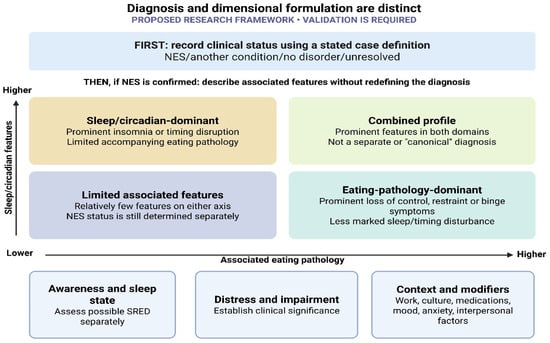
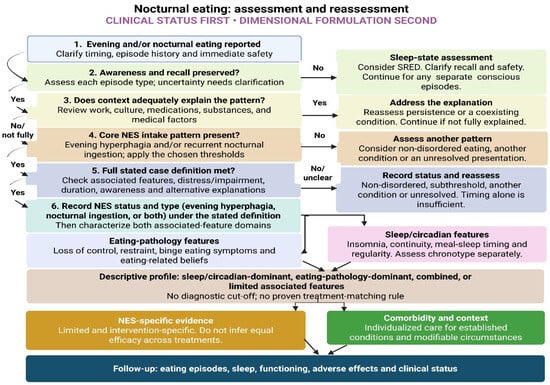

Disclaimer/Publisher’s Note: The statements, opinions and data contained in all publications are solely those of the individual author(s) and contributor(s) and not of MDPI and/or the editor(s). MDPI and/or the editor(s) disclaim responsibility for any injury to people or property resulting from any ideas, methods, instructions or products referred to in the content. |
© 2026 by the authors. Licensee MDPI, Basel, Switzerland. This article is an open access article distributed under the terms and conditions of the Creative Commons Attribution (CC BY) license.