


Abstract
Cardiovascular–kidney–metabolic (CKM) syndrome integrates excess adiposity, metabolic dysfunction, chronic kidney disease, and cardiovascular disease within a progressive clinical continuum. The 2026 AHA/ACC/ADA/ASN guideline provides a stage-based framework for prevention and management, yet the potential of lifestyle interventions to prevent cardiac damage remains incompletely defined. This narrative review examines dietary and behavioural interventions across CKM Stages 0–4, focusing on myocardial remodelling, subclinical cardiac injury, and progression to clinical cardiovascular disease. At Stage 0, healthy behaviours aim to preserve optimal CKM health; at Stage 1, weight management targets excess or dysfunctional adiposity and metabolic progression. At Stage 2, dietary modification, physical activity, sodium reduction, and other lifestyle measures complement treatment of established metabolic and kidney risk factors. At Stage 3, structured interventions may attenuate subclinical cardiac and vascular injury alongside risk-guided pharmacotherapy, although evidence for preventing clinical progression remains limited. At Stage 4, lifestyle interventions support secondary prevention, rehabilitation, functional capacity, and quality of life. Evidence is strongest for cardiometabolic risk-factor improvement and selected cardiovascular outcomes, whereas direct evidence of stage-specific prevention or reversal of cardiac damage is limited. Integrating sustained lifestyle support with CKM staging may improve the precision of preventive care.
1. Introduction
Cardiovascular–kidney–metabolic (CKM) syndrome is a systemic disorder characterised by pathophysiological interactions among metabolic risk factors (including obesity and type 2 diabetes), chronic kidney disease (CKD), and the cardiovascular system. These interconnected components mutually reinforce one another through shared biological pathways, promoting multiorgan dysfunction and increasing the risk of adverse cardiovascular and kidney outcomes.
The 2026 AHA/ACC/ADA/ASN guideline provides an integrated framework for the prevention, detection, evaluation, and management of CKM syndrome, addressing the interrelated contributions of excess and dysfunctional adiposity, metabolic risk factors (including type 2 diabetes), CKD and cardiovascular disease (CVD) [1]. As the first clinical practice guideline specifically dedicated to CKM syndrome, it adopts a life-course approach to risk assessment, prevention, and treatment.
The guideline defines five stages that reflect progressively greater pathophysiological involvement and absolute cardiovascular risk, ranging from the absence of CKM risk factors (Stage 0) to excess or dysfunctional adiposity (Stage 1), metabolic risk factors or CKD (Stage 2), subclinical CVD or its high-risk equivalents (Stage 3), and clinically manifest CVD in the presence of CKM risk factors (Stage 4). This staging framework is particularly relevant to cardiac disease because structural and functional cardiovascular abnormalities may develop several years before the clinical onset of heart failure, atrial fibrillation, myocardial infarction, or stroke. A stage-based approach therefore provides an opportunity to tailor lifestyle interventions across the CKM continuum, including the early stages before overt CVD develops [1]. Supporting the prognostic relevance of this framework, a population-based cohort study including 5293 adults without CVD at baseline found that progressively higher CKM stages were associated with increasing long-term cardiovascular risk. Compared with participants in Stage 0, those in Stage 2 had more than twice the risk of incident CVD over a median follow-up of 13.3 years [2].
CKM-related cardiac injury results from convergence of excess and dysfunctional adiposity, insulin resistance, hypertension, dyslipidaemia, CKD, systemic inflammation, oxidative stress, sympathetic activation, renin–angiotensin–aldosterone system (RAAS) dysregulation, endothelial dysfunction, arterial stiffness, and sodium and fluid retention [3,4,5,6]. These mechanisms are closely interconnected and mutually reinforcing. Obesity, for example, promotes hypertension through renal sodium retention and plasma-volume expansion, as well as through inflammation, neurohormonal activation, and impaired vascular function [3,4]. CKD further impairs blood pressure regulation and increases arterial stiffness, while cardiac dysfunction may reduce renal perfusion and accelerate kidney injury. Over time, these bidirectional interactions promote left ventricular hypertrophy, diastolic dysfunction, myocardial fibrosis, left atrial remodelling, and coronary microvascular dysfunction, ultimately contributing to the development of heart failure, particularly with preserved ejection fraction (HFpEF) [7,8,9].
Lifestyle intervention is often presented as a broad, uniform recommendation; however, the CKM staging framework supports a more targeted interpretation in which its objectives and intensity evolve with disease progression. In Stage 0, lifestyle intervention supports primordial prevention and preservation of optimal CKM health. In Stage 1, lifestyle intervention primarily targets excess or dysfunctional adiposity, including adiposity-related prediabetes, with the aim of preventing the development of additional metabolic risk factors. In Stage 2, lifestyle modification becomes an integral component of the active management of metabolic risk factors and CKD. In Stage 3, structured lifestyle intervention should complement risk-based pharmacological therapy in individuals with subclinical CVD or its high-risk equivalents, including very high-risk CKD or a high predicted 10-year CVD risk. In Stage 4, it remains a cornerstone of comprehensive care, supporting secondary prevention, rehabilitation, and symptom-modifying therapy.
The 2026 guideline supports a stage-based approach in three principal ways. First, it recommends CKM staging in both youth and adults, with the aims of preventing progression to more advanced stages and potentially facilitating stage regression through lifestyle modification and weight management, although the feasibility and long-term durability of such regression remain insufficiently established. Second, it places healthy lifestyle behaviours and weight management at the foundation of CKM care across the life course, while recognising that obesity and metabolic pharmacotherapy or bariatric surgery may be required when lifestyle interventions alone are insufficient. Third, for eligible adults without clinical CVD, it incorporates the PREVENT equations to estimate 10-year risk of atherosclerotic CVD, heart failure, and total CVD, as well as 30-year risk in younger adults. This approach connects behavioural intervention with quantified absolute cardiovascular risk and expected net benefit of preventive therapies [1,10]. Against this background, the present narrative review examines lifestyle interventions across the CKM continuum, focusing specifically on their potential to prevent or attenuate structural and functional cardiac damage. Building upon previous comprehensive assessments of lifestyle management in CKM syndrome [6], we adopt a cardiac injury-oriented perspective, integrating evidence on myocardial remodelling, subclinical ventricular dysfunction, coronary atherosclerosis, and progression towards overt cardiovascular disease. Particular emphasis is placed on how the therapeutic objectives, strength of evidence, and expected cardiovascular benefits of lifestyle interventions differ according to CKM stage.
Literature Search and Evidence Selection
This narrative review was developed through a targeted literature search in PubMed/MEDLINE, complemented by examination of relevant clinical practice guidelines and reference lists of selected publications. The search focused on the cardiovascular–kidney–metabolic (CKM) syndrome and the effects of lifestyle interventions on cardiometabolic risk factors, subclinical cardiac injury, and cardiovascular outcomes. Search terms encompassed combinations of “cardiovascular-kidney-metabolic syndrome”, “lifestyle intervention”, “diet”, “Mediterranean diet”, “DASH diet”, “physical activity”, “exercise”, “weight loss”, “cardiac remodelling”, “left ventricular hypertrophy”, “diastolic dysfunction”, “heart failure”, and “cardiovascular prevention”. Priority was given to clinical practice guidelines, randomised controlled trials, systematic reviews, meta-analyses, and large observational studies published in English. Studies were considered according to their methodological quality, clinical relevance, and contribution to understanding the relationship between lifestyle modification and cardiac structural, functional, or clinical outcomes. Randomised trials and meta-analyses were prioritised when evaluating intervention efficacy, whereas observational and mechanistic studies were considered to contextualise pathophysiological mechanisms and associations with cardiac injury. Given the recent introduction of the CKM staging framework, studies involving populations not prospectively classified according to CKM stage were interpreted within the corresponding clinical phenotypes. The synthesis was therefore organised according to the potential relevance of each intervention across CKM stages rather than formal stage-specific trial eligibility. As a narrative review, the analysis did not involve a predefined systematic screening protocol or formal risk-of-bias assessment.
2. Pathophysiology of Cardiac Damage in CKM Syndrome
A central feature of CKM-related cardiac injury is cumulative exposure to interacting metabolic, haemodynamic, inflammatory, and neurohormonal stressors. Excess adiposity promotes plasma volume expansion, renal sodium retention, sympathetic nervous system activation, and renin–angiotensin–aldosterone system dysregulation, contributing to increased cardiac workload and blood pressure elevation [3,4,11]. Sustained haemodynamic stress subsequently promotes left ventricular remodelling, myocardial hypertrophy, and impaired ventricular relaxation, particularly in individuals with established hypertension. Concurrently, insulin resistance and chronic low-grade inflammation contribute to endothelial dysfunction, reduced nitric oxide bioavailability, and increased arterial stiffness, further amplifying myocardial afterload and microvascular injury [3,5,12]. These interconnected mechanisms establish a pathophysiological continuum through which metabolic dysfunction progressively translates into structural and functional cardiac abnormalities.
Adipose tissue is not merely an energy-storage compartment but a biologically active endocrine and immune organ. Visceral, epicardial, perivascular, and renal sinus adipose depots release adipokines, inflammatory mediators, and components of the RAAS [3,13,14,15]. Dysfunctional adipose tissue promotes chronic low-grade inflammation through increased secretion of pro-inflammatory mediators, including interleukin-6, tumour necrosis factor-alpha, leptin, and resistin, alongside reduced protective adiponectin signalling. Adipose-derived interleukin-6 also stimulates hepatic synthesis of C-reactive protein, thereby contributing to systemic inflammation [3,12]. Although body mass index remains a cornerstone of obesity classification and clinical risk assessment, it does not fully capture the distribution and biological activity of adipose tissue. Complementary measures of central and ectopic adiposity may therefore provide additional insights into cardiometabolic risk, particularly in relation to hypertension, insulin resistance, atrial remodelling, and HFpEF [3,15,16].
Among ectopic fat depots, epicardial adipose tissue (EAT) may represent an important mechanistic link between dysfunctional adiposity and cardiac injury in CKM syndrome. Located between the myocardium and visceral pericardium, EAT normally contributes to myocardial energy homeostasis and local metabolic regulation. However, excessive EAT accumulation and adipose tissue dysfunction may promote adverse paracrine signalling through increased secretion of pro-inflammatory cytokines, oxidative stress mediators, and profibrotic factors. These mechanisms have been implicated in coronary microvascular dysfunction, myocardial fibrosis, impaired ventricular relaxation, and atrial structural and electrical remodelling, potentially contributing to HFpEF and atrial fibrillation [17,18]. Exercise, dietary weight loss, and other weight-management interventions may reduce EAT volume, suggesting that ectopic adiposity is potentially modifiable [19]. Human studies have also provided evidence linking changes in cardiac adiposity with structural cardiac remodelling. In patients with atrial fibrillation, a prospective study of structured weight management demonstrated reductions in pericardial adipose tissue accompanied by decreases in left atrial volume and myocardial mass over 12 months [20]. These findings suggest that weight reduction may favourably influence atrial and ventricular remodelling, although they do not establish whether changes in cardiac adiposity directly mediate these benefits. Complementary evidence from patients with diastolic dysfunction has demonstrated associations between greater EAT burden and adverse myocardial characteristics, including a higher prevalence of HFpEF and markers of myocardial remodelling [21]. Nevertheless, these observational associations cannot establish that lifestyle-induced reductions in EAT improve diastolic function or reverse myocardial fibrosis. Moreover, EAT and pericardial adipose tissue are not anatomically interchangeable, which should be considered when interpreting findings across studies. Thus, although cardiac adiposity represents a potentially modifiable pathway linking metabolic dysfunction to cardiac injury, further longitudinal and interventional studies are required to determine whether its reduction independently contributes to improvements in ventricular relaxation, atrial remodelling, and clinically relevant cardiovascular outcomes.
Hypertension is both a consequence and an important driver of CKM progression. In obesity-related hypertension, blood pressure elevation commonly reflects plasma volume expansion, renal compression, impaired pressure-natriuresis, sympathetic overactivity, and RAAS activation [4,11,22]. Blood pressure should therefore be viewed not simply as an isolated measurement but as the haemodynamic manifestation of a broader cardiometabolic phenotype. Sustained pressure overload promotes left ventricular hypertrophy, myocardial fibrosis, impaired relaxation, elevated filling pressures, and left atrial enlargement. Although these structural and functional abnormalities may remain clinically silent for years, they contribute to the progression towards HFpEF and atrial fibrillation [7,8,9]. In older adults, the assessment of hypertension-mediated cardiac damage requires particular attention to age-related structural and functional changes, multimorbidity, and frailty, which may influence both the interpretation of cardiac abnormalities and the individualisation of therapeutic strategies [23]. Kidney dysfunction further amplifies this process through additional haemodynamic, neurohormonal, and inflammatory mechanisms. Reduced estimated glomerular filtration rate and albuminuria are powerful markers of kidney damage and systemic cardiovascular risk, with albuminuria also reflecting widespread endothelial and microvascular dysfunction [24]. CKD contributes to sodium and volume retention, anaemia, bone metabolism abnormalities, vascular calcification, oxidative stress, and chronic inflammation [24,25]. This relationship is bidirectional: kidney dysfunction increases cardiac preload, whereas cardiac dysfunction and neurohormonal activation may further impair kidney perfusion and function. This cardiorenal interplay helps explain why lifestyle interventions that improve blood pressure, body weight, dietary sodium intake, glycaemic control, and physical fitness may provide benefits across multiple organ systems.
HFpEF is one of the most characteristic clinical manifestations of CKM-related cardiac damage [26]. Obesity, hypertension, diabetes, CKD, ageing, and systemic inflammation converge to promote coronary microvascular dysfunction, myocardial fibrosis and stiffness, impaired ventricular-arterial coupling, chronotropic incompetence, skeletal muscle dysfunction, and exercise intolerance [7,8,9]. These abnormalities often develop before the onset of overt symptoms. Subclinical markers such as left ventricular hypertrophy, impaired diastolic indices, abnormal global longitudinal strain, elevated natriuretic peptide concentrations, increased arterial stiffness, and albuminuria should therefore be interpreted as potential indicators of subclinical cardiovascular injury or heightened CKM risk rather than incidental findings [25,27,28,29]. The interconnected pathways linking metabolic dysfunction, kidney disease, and cardiovascular risk factors to progressive cardiac injury, together with the potential modifying effects of lifestyle interventions, are summarised in Figure 1.
Figure 1.
Pathophysiological Links Between Cardiovascular–Kidney–Metabolic Syndrome and Cardiac Damage: Potential Modifying Effects of Lifestyle Interventions. Excess and dysfunctional adiposity, metabolic abnormalities, chronic kidney disease, and conventional cardiovascular risk factors contribute to cardiac injury through interconnected inflammatory, neurohormonal, haemodynamic, vascular, and metabolic pathways. These mechanisms promote left ventricular remodelling, diastolic dysfunction, atrial remodelling, heart failure, and atherosclerotic cardiovascular disease. Dietary modification, regular physical activity, weight management, and other lifestyle interventions may favourably influence several of these pathways by improving cardiometabolic risk factors, reducing haemodynamic stress, and modifying adiposity-related inflammation. However, the extent to which these changes translate into prevention or reversal of established cardiac damage remains incompletely defined. Abbreviations: AF, atrial fibrillation; CKD, chronic kidney disease; CKM, cardiovascular–kidney–metabolic; CRP, C-reactive protein; CVD, cardiovascular disease; HFpEF, heart failure with preserved ejection fraction; IL-6, interleukin-6; LV, left ventricular; LVH, left ventricular hypertrophy; RAAS, renin–angiotensin–aldosterone system; SNS, sympathetic nervous system; TNF-α, tumour necrosis factor-alpha. ↑ Increase; ↓ decrease.
3. CKM Staging: Why Timing Changes the Meaning of Lifestyle Therapy
The 2026 AHA/ACC/ADA/ASN guideline retains the 4+1 CKM staging construct while providing diagnostic criteria to support clinical decision-making across the life course [1]. Stage 0 represents optimal CKM health, characterised by normal adiposity, glycaemia, blood pressure, lipid levels, and kidney function, without evidence of subclinical or clinical cardiovascular disease. Stage 1 includes excess or dysfunctional adiposity, identified through general or abdominal obesity or reflected by prediabetes, in the absence of additional metabolic risk factors or CKD. Stage 2 encompasses metabolic risk factors, including hypertension, hypertriglyceridaemia, metabolic syndrome, or type 2 diabetes, moderate- to high-risk CKD, or both. Stage 3 comprises subclinical cardiovascular disease in individuals with CKM risk factors or equivalent cardiovascular risk, including very high-risk CKD or a PREVENT-estimated 10-year total CVD risk ≥ 20%. Finally, Stage 4 includes clinically established cardiovascular disease, such as coronary heart disease, myocardial infarction, heart failure, atrial fibrillation, stroke, or peripheral artery disease, in the presence of CKM risk factors [1,10].
Despite its clinical appeal, the CKM staging framework has several limitations that warrant consideration. Although it provides a structured approach to recognising the interconnected nature of cardiovascular, kidney, and metabolic disorders, its incremental prognostic value over established risk prediction models and conventional clinical classifications requires further validation. At Stage 1, the inclusion of individuals with excess adiposity or prediabetes may facilitate earlier preventive intervention, but it also raises concerns regarding the potential medicalization of individuals who may not develop clinically significant cardiovascular disease. Accordingly, CKM staging should support individualised risk assessment rather than automatically justify more intensive investigations or treatment. Similar uncertainties arise at Stage 3, where asymptomatic individuals may be classified according to subclinical cardiovascular abnormalities or elevated predicted risk, although the extent to which this classification should alter therapeutic decisions beyond established guideline-directed prevention remains unclear. Moreover, the clinical relevance of individual markers of subclinical cardiac injury may differ according to age, comorbidities, and baseline cardiovascular risk. Prospective studies are therefore needed to establish whether CKM stage-based management improves clinical outcomes compared with conventional risk-based approaches. Until such evidence becomes available, the framework should primarily be regarded as a means of integrating cardiovascular, kidney, and metabolic risk assessment rather than a fully validated therapeutic algorithm.
The practical value of CKM staging lies in shifting the therapeutic question from whether lifestyle is generally effective to which outcomes can realistically be achieved at each stage. For example, a school-based prevention programme, a weight-management intervention for an individual with excess adiposity, and cardiac rehabilitation following myocardial infarction address distinct clinical needs. Their evidence should not be considered interchangeable simply because each involves behaviour change. Matching intervention intensity and purpose to a patient’s baseline risk and disease burden is therefore a central advantage of the stage-based approach. Life’s Essential 8 complements CKM staging by defining measurable components of cardiovascular health: diet, physical activity, nicotine exposure, sleep, body mass index, blood lipids, blood glucose, and blood pressure [30]. These domains map directly onto CKM progression. An unhealthy diet, sedentary behaviour, inadequate sleep, excess adiposity, dysglycaemia, dyslipidaemia, and hypertension should be regarded not merely as isolated risk factors but more as repeated exposures that gradually promote vascular, renal, and cardiac damage. Improvement in these domains thus represents a reduction in cumulative biological stress rather than symptomatic risk-factor control alone.
Risk estimation adds an important dimension to this framework. For adults in CKM Stages 0–3, the guideline recommends the PREVENT equations to estimate 10-year risks of total CVD, atherosclerotic cardiovascular disease, and heart failure; 30-year estimates may additionally inform prevention strategies in younger adults [1,10]. This approach is particularly relevant to a review focused on cardiac injury because PREVENT-HF may identify individuals whose dominant future risk is heart failure rather than atherosclerotic events. Consequently, lifestyle interventions can be presented not as generic advice, but as an integral component of a risk-based strategy aimed at reducing stage progression, cumulative exposure, and organ-specific events, with stage-specific therapeutic objectives summarised in Table 1.
Table 1.
Stage-Based Lifestyle Goals and Practical Recommendations Across the CKM Continuum.
4. Stage 0: Primordial Prevention and Maintenance of Optimal CKM Health
Stage 0 represents the window for primordial prevention in individuals with normal adiposity, glycaemia, blood pressure, and lipid levels, and no evidence of CKD or subclinical or clinical cardiovascular disease. Management focuses on preserving cardiovascular health and preventing the development of CKM risk factors. Behavioural patterns and weight trajectories established early in life can influence the subsequent development of CKM risk factors, supporting a life-course approach to primordial prevention. Once unhealthy exposures accumulate over years, the later clinical phenotype may appear to be ‘adult disease,’ but its biological roots often began decades earlier [1,30].
School-based programmes provide a useful example of prevention before established CKM risk. DECIDE-Children tested a multifaceted lifestyle intervention in primary school children and reported reductions in mean BMI and obesity prevalence [31]. The trial’s significance extends beyond the BMI outcome itself: it demonstrated that structured health promotion can be delivered before overt CKM risk is established. The SI! Program similarly used a multicomponent school-based health promotion model and demonstrated favourable effects on adiposity markers [32]. These findings support the feasibility of establishing healthier behaviours early in life.
Physical activity should also be introduced as early prevention rather than delayed treatment. In adults, resistance exercise has been relatively underemphasised compared with aerobic exercise, yet a meta-analysis by Ashton et al. showed that supervised resistance exercise training reduces systolic and diastolic blood pressure and improves insulin resistance [33]. The average effect may be modest, but modest population shifts in blood pressure and insulin sensitivity can translate into meaningful long-term prevention. Stage 0 interventions should therefore combine healthy diet, physical activity, resistance training, adequate sleep, and reduction in sedentary behaviour [30,33,34].
The message of Stage 0 is exposure prevention. Establishing healthier patterns early may reduce the duration and severity of exposure to excess adiposity, elevated blood pressure, dysglycaemia, and inflammation. In this stage, lifestyle intervention is less about reversing disease and more about preventing the biological conditions that eventually create cardiac damage.
5. Stage 1: Targeting Excess and Dysfunctional Adiposity
Stage 1 CKM syndrome is characterised by excess or dysfunctional adiposity, including adiposity-related prediabetes, in the absence of additional metabolic risk factors or CKD [1,25,27]. The 2026 guideline recommends assessing both body mass index and waist circumference because body mass index alone may fail to capture abdominal and ectopic adiposity-related risk [1]. This assessment matters clinically: adiposity is already biologically active before formal diagnoses such as hypertension or diabetes are made, with abdominal and visceral fat promoting insulin resistance, inflammation, sympathetic activation, RAAS activation, sodium retention, endothelial dysfunction, and early vascular stiffness [3,4,11,14].
Dietary intervention remains the foundation of Stage 1 management. Sacks et al. compared four reduced-calorie diets differing in fat, protein, and carbohydrate content and showed that clinically meaningful weight loss can be achieved with different macronutrient patterns when caloric reduction is sustained [35]. This finding is useful clinically because it shifts attention from the search for one perfect diet to adherence, feasibility, energy balance, and food quality. In CKM prevention, the best dietary plan is usually the one that produces sustained improvement in weight, waist circumference, metabolic profile, and long-term adherence.
The Finnish Diabetes Prevention Study provides strong evidence that lifestyle intervention can prevent metabolic progression in high-risk individuals. In overweight participants with impaired glucose tolerance, individualised counselling aimed at weight reduction, lower total and saturated fat intake, increased fibre intake, and increased physical activity reduced progression to type 2 diabetes [36]. This is highly relevant to Stage 1 CKM syndrome, where the clinical aim is to prevent the transition from adiposity and early dysglycaemia to established diabetes, CKD, and cardiovascular risk.
Blood pressure prevention is equally important. The Trials of Hypertension Prevention demonstrated that weight loss and sodium reduction lowered blood pressure and reduced the incidence of hypertension among adults with high-normal blood pressure, supporting the role of lifestyle intervention before established hypertension develops [37]. Long-term follow-up suggested that lifestyle interventions can delay the development of hypertension even when the initial blood pressure effect attenuates [38]. For cardiac damage specifically, this matters because delaying hypertension onset reduces cumulative pressure load on the left ventricle.
Stage 1 lifestyle therapy should aim not only for sustained weight reduction but also for broader improvements in cardiometabolic health. Reductions in visceral adiposity, preservation of muscle mass, improved cardiorespiratory fitness, lower sodium intake, and better sleep represent complementary therapeutic targets that may collectively contribute to cardiovascular protection [30,33,34,39]. Clinicians should therefore treat adiposity as an early disease driver, not as a cosmetic or secondary issue. Sarcopenic obesity, characterised by excess adiposity alongside reduced skeletal muscle mass and function, deserves particular consideration in older adults and patients with CKD or heart failure, in whom it may contribute to insulin resistance, frailty, and exercise intolerance [40]. Because intentional weight loss may also reduce lean mass, CKM-oriented interventions should prioritise muscle preservation alongside adiposity reduction. In older adults with obesity, Villareal et al. demonstrated that combining aerobic and resistance exercise during weight loss improved physical function more than either modality alone, while resistance training attenuated muscle loss [41]. Nutritional support and individualised exercise prescriptions are therefore important, although their effects on CKM stage progression and structural cardiac injury remain uncertain. For adults with overweight or obesity, the 2026 CKM guideline recommends counselling at least annually on the benefits of achieving a 5–10% reduction in body weight for CKM risk reduction. Such weight loss can improve glycaemic control, blood pressure, and lipid profiles, although the magnitude of benefit may vary across obesity-related conditions. Sustained lifestyle support remains essential for maintaining these improvements [1].
6. Stage 2: Lifestyle as Risk-Factor Treatment Before Subclinical Cardiovascular Disease
Stage 2 CKM syndrome includes metabolic risk factors, moderate- to high-risk CKD, or both, in the absence of subclinical or clinical cardiovascular disease and of risk equivalents that define Stage 3 [1,25,27]. At this point, lifestyle intervention becomes an active component of treatment. The goal is to improve blood pressure, glycaemia, lipids, kidney risk, sodium balance, and body weight before silent cardiac or vascular injury becomes established. The 2026 guideline additionally recommends at least annual, systematic assessment of kidney health using both estimated glomerular filtration rate and urine albumin-to-creatinine ratio, because these complementary measures refine cardiovascular and kidney risk and may reveal CKM progression that serum creatinine alone may not capture [1]. The Look AHEAD trial provides an instructive example of the distinction between improvements in cardiometabolic risk factors and reductions in clinical cardiovascular events. Despite achieving weight loss and improvements in several cardiovascular risk factors, the original randomized trial did not demonstrate a significant reduction in its primary cardiovascular outcome (HR 0.95; 95% CI 0.83–1.09; p = 0.51) [42]. Nevertheless, subsequent secondary analyses identified potentially favourable effects on kidney function and markers of subclinical myocardial injury. In a secondary analysis of 5145 participants, intensive lifestyle intervention reduced the incidence of eGFR decline below 45 mL/min/1.73 m2 during treatment (HR 0.80; 95% CI 0.66–0.98). Although this benefit was not sustained after the intervention in the overall population, greater persistence was observed among adults aged ≥ 60 years. These findings suggest that lifestyle interventions may provide benefits for specific components of the CKM continuum, although improvements in intermediate outcomes should not be interpreted as evidence of reduced cardiovascular events [43].
The DASH diet is one of the best validated dietary strategies for blood pressure reduction. The original DASH trial demonstrated that a dietary pattern rich in fruits, vegetables, and low-fat dairy products and reduced in saturated and total fat lowers blood pressure [44]. The DASH-sodium trial then showed that sodium reduction further lowers blood pressure and that the DASH pattern is effective across different sodium intake levels [45]. A meta-analysis by Filippou et al. confirmed reductions in systolic and diastolic blood pressure in adults with and without hypertension [46]. These findings are important because hypertension is a major contributor to left ventricular hypertrophy, atrial enlargement, diastolic dysfunction, CKD progression, and stroke. In patients with CKD, dietary sodium restriction remains particularly important for blood pressure management, whereas recommendations regarding potassium intake and specific dietary patterns should be individualised according to kidney function, serum potassium concentrations, and concomitant pharmacological treatment [47].
Mediterranean dietary patterns provide complementary evidence for cardiovascular prevention [1]. In PREDIMED, high-risk adults without established cardiovascular disease assigned to a Mediterranean diet supplemented with extra-virgin olive oil or nuts had fewer major cardiovascular events than those assigned to the control diet [48]. These findings support dietary intervention in high-risk individuals before overt cardiovascular disease develops. The Mediterranean diet may reduce cardiovascular risk through effects on several cardiometabolic pathways, including lipid metabolism, inflammation, endothelial function, glycaemic control, and oxidative stress [48,49].
Exercise prescription in Stage 2 should be considered an integral component of cardiometabolic risk-factor management. Aerobic exercise improves blood pressure, insulin sensitivity, and endothelial function [39,50], whereas resistance training supports skeletal muscle preservation, glucose metabolism, and functional capacity [33]. Combining both modalities may provide complementary benefits, particularly in individuals with sarcopenic obesity or reduced cardiorespiratory fitness. High-intensity interval training may be considered in appropriately selected patients, with exercise intensity individualised according to CKM stage, comorbidities, and functional capacity [51]. Reducing sedentary behaviour represents an additional therapeutic objective, independent of structured exercise. Lifestyle prescriptions should therefore specify achievable targets for physical activity, resistance training, sedentary time, dietary quality, weight management, sleep, and follow-up.
Sleep health represents an additional, frequently overlooked component of CKM prevention. Beyond sleep duration, poor sleep quality, irregular sleep patterns, and sleep fragmentation have been associated with adverse cardiometabolic profiles, including obesity, insulin resistance, hypertension, and systemic inflammation [52]. Obstructive sleep apnoea (OSA), which frequently coexists with obesity and metabolic dysfunction, may further amplify cardiovascular injury through intermittent hypoxaemia, sympathetic overactivation, oxidative stress, and haemodynamic fluctuations. These mechanisms contribute to hypertension and have been implicated in atrial remodelling, atrial fibrillation, and heart failure, including HFpEF [53]. Accordingly, lifestyle assessment across CKM stages should incorporate sleep duration, quality, and regularity, alongside screening for OSA when clinically indicated, particularly in patients with resistant hypertension or recurrent atrial fibrillation. Weight management, sleep hygiene, and appropriate treatment of diagnosed OSA should be integrated into comprehensive care. Nevertheless, evidence that OSA treatment independently reduces major cardiovascular events remains inconclusive, as illustrated by the neutral primary cardiovascular outcome of the SAVE trial [54].
Importantly, lifestyle at Stage 2 is not an alternative to pharmacological therapy. Patients with hypertension, diabetes, CKD, or dyslipidaemia often require evidence-based pharmacological treatment, including sodium–glucose cotransporter-2 inhibitors, glucagon-like peptide-1 (GLP-1) receptor agonists, dual glucose-dependent insulinotropic polypeptide (GIP)/GLP-1 receptor agonists, and other organ-protective therapies when clinically indicated [1]. Lifestyle interventions should be integrated with pharmacotherapy because they act upstream on adiposity, sodium balance, insulin resistance, inflammation, and fitness. This combined approach is more realistic and more biologically coherent than asking lifestyle alone to reverse a complex CKM phenotype.
In Stage 2, quantified risk should guide how urgently lifestyle and pharmacological strategies are intensified. PREVENT-based estimates of total cardiovascular disease, ASCVD, and heart failure risk can identify patients whose apparently ‘preclinical’ phenotype already carries substantial absolute risk [1,10]. This distinction matters most in obesity, diabetes, and CKD, where heart failure risk may run high despite only modest short-term ASCVD risk. Lifestyle treatment should therefore be aligned with the dominant risk pathway and paired with organ-protective therapy when indicated. Representative clinical evidence supporting lifestyle interventions across CKM stages is summarised in Table 2.
Table 2.
Representative lifestyle evidence across CKM stages.
7. Stage 3: Lifestyle Intervention in Subclinical Cardiac and Vascular Damage
Stage 3 CKM syndrome identifies individuals with CKM risk factors and subclinical cardiovascular disease or an equivalent level of cardiovascular risk [1,25,27]. Qualifying findings include subclinical coronary atherosclerosis, such as a coronary artery calcium score ≥ 100 Agatston units or coronary plaque detected by computed tomography angiography, and pre-heart failure characterised by structural, functional, or cardiac biomarker abnormalities, including left ventricular hypertrophy, diastolic dysfunction, abnormal myocardial strain, and elevated natriuretic peptide concentrations. Stage 3 also encompasses individuals with very high-risk chronic kidney disease according to the KDIGO classification or a PREVENT-estimated 10-year total cardiovascular disease risk ≥ 20% [1,10]. Although albuminuria and arterial stiffness provide important information for cardiovascular risk assessment, they do not independently establish Stage 3. This stage therefore represents a critical transition in CKM progression, where cardiovascular disease may remain clinically silent despite established subclinical injury or a high-risk equivalent, warranting intensified, structured, and individualised preventive interventions.
DISCO-CT is a key trial in this context, as it used imaging-defined coronary atherosclerosis rather than risk-factor status alone. Patients with nonobstructive coronary atherosclerosis detected by coronary computed tomography angiography were randomised to dietary/lifestyle intervention plus optimal medical therapy or to control [57]. The intervention included dietitian-led adherence to a DASH-style nutritional model and slowed atherosclerosis progression, with reduction in non-calcified plaque volume [57]. This finding indicates that lifestyle intervention can influence plaque biology, and not merely surrogate measures such as blood pressure or body weight.
Subclinical heart failure represents another critical Stage 3 target. Individuals with left ventricular hypertrophy and elevated biomarkers may already have increased myocardial stiffness and higher risk for HFpEF [28]. In a small, single-centre randomised trial of patients with pre-heart failure, Hieda et al. found that one year of intensive exercise training improved myocardial mechanics, including reduced left ventricular myocardial stiffness. These findings support a potential benefit of exercise on cardiac function in selected patients, but do not establish a reduction in progression to clinical heart failure [58].
Further evidence linking lifestyle intervention with subclinical myocardial injury comes from the Look AHEAD cardiac biomarker ancillary study. Among adults with overweight or obesity and type 2 diabetes, intensive lifestyle intervention was associated with sustained reductions in high-sensitivity cardiac troponin T concentrations at one and four years, suggesting a potential attenuation of ongoing myocardial injury [55]. More recently, a secondary analysis demonstrated that intensive lifestyle intervention was associated with a lower risk of incident heart failure with preserved ejection fraction among participants with elevated baseline NT-proBNP concentrations [56]. However, these findings derive from secondary and subgroup analyses of participants not prospectively classified according to CKM stages and should therefore be interpreted cautiously. These findings suggest that cardiac biomarkers may help identify individuals more likely to benefit from lifestyle interventions, although their potential role as predictors of treatment response requires further investigation. Beyond circulating biomarkers, advanced echocardiographic measures such as global longitudinal strain may facilitate the identification of early myocardial dysfunction, while longitudinal assessment of natriuretic peptides may provide complementary information in selected patients. Coronary artery calcium scoring can further refine subclinical atherosclerotic risk assessment; however, serial changes in these imaging or biomarker measures should not be interpreted as validated surrogates of lifestyle-induced cardiovascular protection.
Stage 3 management should combine structured lifestyle support with indicated pharmacological therapies and intensive, individualised risk-factor management. Exercise, dietary counselling, weight management, smoking cessation, sodium modification, and attention to sleep should be tailored to the patient’s cardiovascular and kidney phenotype, functional capacity, nutritional status, and treatment goals. In this stage, imaging and biomarker findings may also function as adjuncts to patient engagement: demonstrable evidence of coronary plaque or left ventricular hypertrophy can reinforce, for the patient, that cardiac damage is already underway.
Despite these encouraging findings, direct evidence that lifestyle interventions prevent progression from subclinical cardiovascular injury to clinically manifest disease remains limited. Most studies have evaluated intermediate outcomes, including myocardial stiffness, cardiac biomarkers, and coronary plaque characteristics, rather than clinical cardiovascular events. Moreover, few trials have prospectively enrolled patients according to CKM Stage 3 criteria. Another limitation is the heterogeneity of this stage, which includes individuals with documented subclinical cardiovascular abnormalities as well as those classified according to high predicted cardiovascular risk or advanced kidney disease. These populations may differ substantially in their underlying mechanisms of cardiac injury, responsiveness to lifestyle interventions, and absolute clinical benefit. Consequently, evidence derived from individual studies cannot necessarily be generalised to the entire Stage 3 population. Future randomised trials should therefore incorporate more clearly defined CKM phenotypes, standardised measures of cardiac injury, and long-term clinical outcomes to establish which patients derive the greatest benefit from structured lifestyle interventions.
8. Stage 4: Lifestyle as Secondary Prevention and Rehabilitation
Stage 4 CKM syndrome comprises clinical cardiovascular disease (including coronary heart disease, heart failure, atrial fibrillation, stroke, or peripheral artery disease) in individuals with excess or dysfunctional adiposity, other metabolic risk factors, or CKD. It is subdivided into Stage 4a without kidney failure and Stage 4b with kidney failure [25,27].
The Lyon Diet Heart Study remains one of the clearest demonstrations that diet can modify prognosis after cardiovascular disease has occurred. In patients after myocardial infarction, a Mediterranean-style diet rich in alpha-linolenic acid reduced recurrent coronary events and death compared with a control diet [59,60]. More recently, CORDIOPREV showed that a Mediterranean diet was superior to a low-fat diet in preventing major cardiovascular events in patients with established coronary heart disease [61]. These studies show that lifestyle intervention remains clinically effective after overt disease onset.
Exercise-based cardiac rehabilitation represents a central component of secondary prevention in patients with established cardiovascular disease. In patients with coronary artery disease and heart failure, structured rehabilitation programmes improve functional capacity, symptoms, quality of life, endothelial function, autonomic balance, and cardiometabolic risk [63,64]. However, cardiac rehabilitation should not be regarded as a uniform intervention. Programmes differ considerably in exercise intensity, duration, supervision, nutritional counselling, psychological support, and strategies for maintaining behavioural changes after programme completion. These differences, together with variations in patient characteristics and underlying cardiovascular disease, may influence both the magnitude and durability of clinical benefits. In patients with CKM syndrome, rehabilitation should extend beyond exercise training to address obesity, diabetes, hypertension, kidney dysfunction, sleep disorders, frailty, depression, and adherence to pharmacological treatment, requiring a multidisciplinary approach. Nevertheless, translating the benefits observed in clinical trials into routine practice remains challenging. Limited programme availability, inadequate referral and participation rates, transportation difficulties, socioeconomic barriers, and declining long-term adherence may substantially reduce real-world effectiveness [65]. Home-based and hybrid rehabilitation programmes offer potential alternatives to conventional centre-based approaches, particularly for patients facing geographical or mobility-related barriers, although appropriate patient selection, monitoring, and continued professional support remain necessary [66]. These considerations highlight the need for individualised rehabilitation strategies that account for both the clinical complexity of CKM syndrome and the practical challenges of sustaining lifestyle changes over time.
Recent randomised evidence further supports the role of structured lifestyle interventions in obesity-related HFpEF. In a trial involving 88 patients with established HFpEF and overweight or obesity, Brubaker et al. evaluated the addition of resistance training to caloric restriction and aerobic exercise. Both intervention groups demonstrated improvements in peak oxygen consumption, quality of life, left ventricular mass, and arterial stiffness. Although resistance training provided additional benefits in skeletal muscle strength and quality, it did not further improve exercise capacity or quality of life, nor did it attenuate skeletal muscle loss. These findings highlight the importance of integrating dietary modification with structured exercise in patients with obesity-related HFpEF, while suggesting that the selection of exercise modalities should consider individual functional limitations and therapeutic objectives [62].
The practical challenge is that Stage 4 patients often have reduced exercise tolerance, polypharmacy, multimorbidity, socioeconomic barriers, and limited access to rehabilitation. Lifestyle prescriptions must therefore be realistic. The aim is not an idealised perfect lifestyle, but sustained, achievable improvement. Even modest improvements in diet quality, daily movement, sodium intake, weight trajectory, smoking status, and rehabilitation participation can affect symptoms, recurrent events, and quality of life.
9. Critical Appraisal of the Evidence: Strengths and Limitations
A stage-based lifestyle model is attractive, but the evidence warrants careful interpretation. Lifestyle trials are heterogeneous. Interventions differ in dietary pattern, intensity, supervision, behavioural support, duration, and background medical therapy. A school-based intervention, a sodium reduction trial, a Mediterranean diet trial, and cardiac rehabilitation do not test the same biological question, and should be integrated conceptually rather than treated as interchangeable evidence.
Adherence represents a further and central limitation. Many interventions show larger effects early, followed by attenuation over time [37,38]; this reflects the dependence of biological effect on sustained behaviour rather than an inherent lack of efficacy. Implementation therefore matters as much as prescription. Dietitian contact, supervised exercise, family involvement, community design, food access, education, digital monitoring, and reimbursement structures may determine whether lifestyle therapy is translated into effective treatment or remains a general recommendation. Digital health interventions may further support longitudinal risk-factor management [67]. In a randomised trial involving 107 patients with uncontrolled hypertension, an application-assisted management strategy achieved higher ambulatory blood pressure control rates at six months than usual care (78.2% vs. 50.0%, respectively), highlighting the potential of telemonitoring to facilitate sustained cardiovascular risk-factor management [68]. Moreover, a behavioural cardiology approach may further strengthen implementation by integrating psychosocial assessment, health literacy, patient engagement, adherence monitoring, and multidisciplinary support into cardiovascular prevention and treatment [69].
A further limitation concerns outcome selection and the interpretation of treatment effects. Most lifestyle intervention trials primarily assess cardiometabolic risk factors, including body weight, blood pressure, and insulin resistance, whereas fewer directly evaluate myocardial structure, function, or clinical cardiovascular events. Recent evidence demonstrating favourable changes in cardiac biomarkers, myocardial stiffness, and coronary plaque characteristics provides important mechanistic insights, but such improvements cannot necessarily be equated with prevention of heart failure or other cardiovascular events [55,56,57,58]. Future CKM trials should therefore incorporate intermediate markers of cardiac injury, including left ventricular mass, diastolic function, global longitudinal strain, myocardial stiffness, and circulating biomarkers. Beyond natriuretic peptides and cardiac troponins, emerging markers of myocardial fibrosis and inflammation, including soluble suppression of tumorigenicity 2 (sST2) and galectin-3, may provide complementary information, although their clinical utility for monitoring lifestyle-induced changes in cardiac injury remains unestablished [70]. These intermediate measures should be evaluated alongside clinically relevant endpoints to determine whether lifestyle interventions meaningfully alter the progression of cardiac damage.
Lifestyle interventions should not be considered an alternative to contemporary pharmacological treatment but rather an essential complementary component of comprehensive CKM management. Current therapeutic strategies include antihypertensive and lipid-lowering agents, sodium–glucose cotransporter-2 inhibitors, incretin-based anti-obesity therapies, mineralocorticoid receptor antagonists, and other organ-protective treatments, according to the underlying clinical phenotype [1]. Recent randomised trials further reinforce the importance of excess adiposity as a modifiable cardiovascular risk factor. In SELECT, semaglutide reduced major adverse cardiovascular events by 20% among patients with overweight or obesity and established cardiovascular disease without diabetes [71]. The STEP-HFpEF [72] and STEP-HFpEF DM [73] trials demonstrated improvements in heart-failure-related symptoms, physical limitations, and exercise capacity with semaglutide in patients with obesity-related HFpEF, including those with type 2 diabetes. Furthermore, SUMMIT demonstrated that tirzepatide reduced the composite of cardiovascular death or worsening heart-failure events in patients with obesity-related HFpEF [74]. These pharmacological trials demonstrate the clinical relevance of targeting excess adiposity in patients with established cardiovascular disease or obesity-related HFpEF. However, their findings should not be interpreted as evidence that lifestyle-induced weight reduction produces equivalent cardiovascular benefits. Pharmacological and behavioural interventions differ in their mechanisms, magnitude of weight reduction, and effects on clinical outcomes. Therefore, while these trials strengthen the biological rationale for addressing adiposity in advanced CKM syndrome, the clinical benefits of lifestyle interventions must be evaluated on the basis of evidence derived from dietary, exercise-based, and comprehensive behavioural intervention studies. Sustained lifestyle modification remains fundamental for improving dietary quality, physical activity, skeletal muscle preservation, and long-term cardiometabolic health.
Finally, effective implementation requires coordinated care. The guideline emphasises the value of an interdisciplinary CKM team and a clearly identified clinician or care coordinator who integrates cardiology, nephrology, endocrinology, primary care, nutrition, exercise, behavioural support, and community resources [1]. Fragmented care carries substantive clinical risk, including conflicting dietary advice, duplicated testing, therapeutic inertia, and failure to address the social barriers that determine adherence.
10. Clinical Implications and Future Directions
CKM staging provides a framework for individualising lifestyle interventions according to cardiometabolic risk, subclinical cardiac injury, and established cardiovascular disease. The 2026 guideline emphasises repeated assessment of CKM stage, cardiovascular risk, and treatment response, with the aim of preventing progression and potentially facilitating stage regression through sustained lifestyle modification and weight management [1]. However, improvements in individual cardiometabolic risk factors should not automatically be interpreted as evidence of regression between CKM stages. Although lifestyle interventions can improve adiposity, blood pressure, glycaemic control, and selected measures of subclinical cardiovascular injury, prospective evidence demonstrating sustained transitions from Stage 2 to Stage 1 or from Stage 3 to Stage 2 remains insufficient. Such transitions would require longitudinal assessment using consistent staging criteria, including changes in metabolic risk factors, kidney function, and cardiovascular abnormalities. Future studies should therefore distinguish between improvement in individual risk factors, regression of subclinical organ damage, and actual movement to a lower CKM stage.
Future research should test lifestyle interventions explicitly within the CKM staging framework, examining whether such interventions prevent progression from Stage 1 to Stage 2, from Stage 2 to Stage 3, and from Stage 3 to Stage 4. These trials should further evaluate cardiac damage endpoints, including left ventricular mass, diastolic function, strain, myocardial stiffness, natriuretic peptides, arterial stiffness, albuminuria, and coronary plaque features. These outcomes would make lifestyle research more directly relevant to cardiac damage prevention.
The implementation of lifestyle interventions in routine clinical practice is equally important. Lifestyle intervention is influenced by socioeconomic status, food environment, health literacy, urban planning, cultural habits, school systems, access to safe physical activity, and reimbursement structures. Recommendations that fail to account for these determinants risk widening existing disparities. Food insecurity represents a particular challenge, especially in low-income populations, where financial constraints and limited access to affordable, nutritious foods may substantially restrict dietary choices. As recently discussed by Nájera-Segura et al. [75], individuals experiencing food insecurity may be forced to prioritise immediate caloric needs over long-term nutritional quality, increasing their reliance on inexpensive, energy-dense, ultra-processed foods. The authors further highlight how chronic stress, economic instability, and limited individual agency can undermine conventional behavioural interventions that assume healthy food choices are readily available and affordable. These considerations are particularly relevant to CKM syndrome, where sustained dietary modification is central to preventing metabolic deterioration and cardiovascular injury. Dietary counselling alone may therefore be insufficient in disadvantaged populations unless accompanied by measures addressing food affordability, nutritional accessibility, and the broader social determinants of health. Effective CKM prevention requires coordinated clinical, community, and policy-level interventions that enable individuals to adopt and maintain healthier behaviours.
A practical CKM lifestyle prescription should document the following: current CKM stage; body mass index and waist circumference; blood pressure; glycaemic and lipid status; estimated glomerular filtration rate and urine albumin-to-creatinine ratio; nicotine exposure; dietary pattern and sodium intake; physical activity, cardiorespiratory fitness, resistance exercise, sleep, and psychosocial barriers; and PREVENT-estimated 10- and 30-year risks when applicable. Beyond conventional risk-factor assessment, follow-up should also consider indicators of subclinical cardiac injury, including left ventricular hypertrophy, diastolic dysfunction, and relevant cardiac biomarkers, when clinically indicated. Reassessment should evaluate changes in cardiometabolic risk factors, kidney function, and clinically relevant indicators of cardiac injury, while recognising that improvement in these parameters does not necessarily establish durable regression to a lower CKM stage [1,10].
11. Conclusions
Cardiac damage in CKM syndrome develops through the cumulative interaction of excess adiposity, metabolic dysfunction, kidney disease, inflammation, neurohormonal activation, vascular stiffness, and haemodynamic stress. The 2026 AHA/ACC/ADA/ASN guideline provides a framework for integrating CKM staging, cardiovascular risk assessment, lifestyle modification, and organ-protective treatment throughout the disease continuum. Within this framework, the objectives of lifestyle intervention evolve according to disease stage, from preserving cardiovascular health and preventing metabolic dysfunction to limiting subclinical cardiac injury and supporting secondary prevention and rehabilitation in patients with established cardiovascular disease. Although clinical evidence supports the beneficial effects of lifestyle interventions on cardiometabolic risk factors and selected cardiovascular outcomes, direct evidence from randomized trials specifically designed to demonstrate the prevention or reversal of cardiac damage across CKM stages remains limited. Furthermore, whether sustained lifestyle modification can achieve durable regression between CKM stages has not been adequately established. Therefore, stage-based lifestyle management should be regarded as a promising and clinically relevant approach that requires further validation through prospective studies incorporating cardiac structural, functional, and clinical endpoints. Integrating individualized and sustained lifestyle support with CKM staging may nevertheless improve the precision and continuity of cardiovascular preventive care.
Author Contributions
Conceptualization, P.I., S.M. and K.T.; methodology, P.I., S.M. and K.T.; investigation, P.I., E.S., A.K., C.F., A.D., P.K., K.D., P.C.P., C.C., M.C. and K.T.; writing—original draft preparation, P.I., E.S., C.F., S.M. and K.T.; writing—review and editing, P.I., S.M., E.S., A.K., C.F., A.D., P.K., K.D., P.C.P., C.C., M.C. and K.T.; supervision, S.M. and K.T.; project administration, P.I. and K.T. All authors have read and agreed to the published version of the manuscript.
Funding
This research received no external funding.
Institutional Review Board Statement
Not applicable.
Informed Consent Statement
Not applicable.
Data Availability Statement
No new data were created or analysed in this narrative review. All information discussed was obtained from previously published literature.
Acknowledgments
During the preparation of this manuscript, the authors used ChatGPT-6.1 (OpenAI) to assist with language editing and graphical abstract preparation. All scientific content, interpretations, and references were critically reviewed and verified by the authors, who take full responsibility for the final manuscript.
Conflicts of Interest
The authors declare no conflicts of interest.
Abbreviations
| ACC | American College of Cardiology |
| ADA | American Diabetes Association |
| AHA | American Heart Association |
| ASN | American Society of Nephrology |
| ASCVD | Atherosclerotic cardiovascular disease |
| BMI | Body mass index |
| BP | Blood pressure |
| CI | Confidence interval |
| CKD | Chronic kidney disease |
| CKM | Cardiovascular–kidney–metabolic |
| CVD | Cardiovascular disease |
| DASH | Dietary Approaches to Stop Hypertension |
| EAT | Epicardial adipose tissue |
| eGFR | Estimated glomerular filtration rate |
| GIP | Glucose-dependent insulinotropic polypeptide |
| GLP-1 | Glucagon-like peptide-1 |
| HFpEF | Heart failure with preserved ejection fraction |
| HR | Hazard ratio |
| hs-cTnT | High-sensitivity cardiac troponin T |
| KDIGO | Kidney Disease: Improving Global Outcomes |
| LV | Left ventricular |
| LVH | Left ventricular hypertrophy |
| MI | Myocardial infarction |
| NT-proBNP | N-terminal pro-B-type natriuretic peptide |
| OSA | Obstructive sleep apnoea |
| PREVENT | Predicting Risk of Cardiovascular Disease EVENTs |
| RAAS | Renin–angiotensin–aldosterone system |
| RET | Resistance exercise training |
| sST2 | Soluble suppression of tumorigenicity 2 |
| TOHP | Trials of Hypertension Prevention |
References
- Ndumele, C.E.; Rodriguez, F.; Dixon, D.L.; Khan, S.S.; Mukherjee, D.; Bajaj, M.; Bangalore, S.; Bozkurt, B.; Breathett, K.; Clarke, S.L.; et al. 2026 AHA/ACC/ADA/ASN Guideline for the Prevention, Detection, Evaluation, and Management of Cardiovascular-Kidney-Metabolic Syndrome: A Report of the American College of Cardiology/American Heart Association Joint Committee on Clinical Practice Guidelines. Circulation 2026, 154, e50–e158. [Google Scholar] [CrossRef] [Scilit] [PubMed]
- Wang, Z.; Deng, X.; Yang, Z.; Li, J.; Zhou, P.; Zhao, W.; Hao, Y.; Deng, Q.; Yang, N.; Han, L.; et al. Association between Cardiovascular-Kidney-Metabolic Health Metrics and Long-Term Cardiovascular Risk: Findings from the Chinese Multi-Provincial Cohort Study. Chin. Med. J. (Engl.) 2025, 138, 2139–2147. [Google Scholar] [CrossRef] [Scilit] [PubMed]
- Powell-Wiley, T.M.; Poirier, P.; Burke, L.E.; Després, J.-P.; Gordon-Larsen, P.; Lavie, C.J.; Lear, S.A.; Ndumele, C.E.; Neeland, I.J.; Sanders, P.; et al. Obesity and Cardiovascular Disease: A Scientific Statement from the American Heart Association. Circulation 2021, 143, e984–e1010. [Google Scholar] [CrossRef] [Scilit] [PubMed]
- Hall, J.E.; do Carmo, J.M.; da Silva, A.A.; Wang, Z.; Hall, M.E. Obesity-Induced Hypertension. Circ. Res. 2015, 116, 991–1006. [Google Scholar] [CrossRef] [Scilit] [PubMed]
- Kotsis, V.; Jordan, J.; Micic, D.; Finer, N.; Leitner, D.R.; Toplak, H.; Tokgozoglu, L.; Athyros, V.; Elisaf, M.; Filippatos, T.D.; et al. Obesity and Cardiovascular Risk: A Call for Action from the European Society of Hypertension Working Group of Obesity, Diabetes and the High-Risk Patient and European Association for the Study of Obesity: Part A: Mechanisms of Obesity Induced Hypertension, Diabetes and Dyslipidemia and Practice Guidelines for Treatment. J. Hypertens. 2018, 36, 1427–1440. [Google Scholar] [CrossRef] [Scilit] [PubMed]
- Shahid, I.; Philip, J.; Avenatti, E.; Laddu, D.; Shapiro, M.D.; Khera, A.; Pandey, A.; Ndumele, C.E.; Gulati, M.; Nasir, K.; et al. Lifestyle Interventions in Cardiovascular-Kidney-Metabolic Syndrome JACC: Advances Expert Panel. JACC. Adv. 2025, 4, 101788. [Google Scholar] [CrossRef] [Scilit] [PubMed]
- Shah, S.J.; Kitzman, D.W.; Borlaug, B.A.; van Heerebeek, L.; Zile, M.R.; Kass, D.A.; Paulus, W.J. Phenotype-Specific Treatment of Heart Failure with Preserved Ejection Fraction: A Multiorgan Roadmap. Circulation 2016, 134, 73–90. [Google Scholar] [CrossRef] [Scilit] [PubMed]
- Paulus, W.J.; Tschöpe, C. A Novel Paradigm for Heart Failure with Preserved Ejection Fraction: Comorbidities Drive Myocardial Dysfunction and Remodeling through Coronary Microvascular Endothelial Inflammation. J. Am. Coll. Cardiol. 2013, 62, 263–271. [Google Scholar] [CrossRef] [Scilit] [PubMed]
- Kitzman, D.W.; Shah, S.J. The HFpEF Obesity Phenotype: The Elephant in the Room. J. Am. Coll. Cardiol. 2016, 68, 200–203. [Google Scholar] [CrossRef] [Scilit] [PubMed]
- Khan, S.S.; Bhave, N.; Blumenthal, R.S.; Coresh, J.; Huang, X.; Joseph, J.J.; Khera, A.; Ho, J.E.; Lloyd-Jones, D.M.; Low Wang, C.C.; et al. Use of Predicted Risk and Expected Benefit to Guide Decision-Making in Cardiovascular-Kidney-Metabolic Syndrome for the Primary Prevention of Cardiovascular Disease: A Scientific Statement From the American Heart Association and American College of Cardiology. Circulation 2026, 154, e159–e180. [Google Scholar] [CrossRef] [Scilit] [PubMed]
- Messerli, F.H.; Christie, B.; DeCarvalho, J.G.; Aristimuno, G.G.; Suarez, D.H.; Dreslinski, G.R.; Frohlich, E.D. Obesity and Essential Hypertension. Hemodynamics, Intravascular Volume, Sodium Excretion, and Plasma Renin Activity. Arch. Intern. Med. 1981, 141, 81–85. [Google Scholar] [CrossRef] [Scilit] [PubMed]
- Aroor, A.R.; Demarco, V.G.; Jia, G.; Sun, Z.; Nistala, R.; Meininger, G.A.; Sowers, J.R. The Role of Tissue Renin-Angiotensin-Aldosterone System in the Development of Endothelial Dysfunction and Arterial Stiffness. Front. Endocrinol. 2013, 4, 161. [Google Scholar] [CrossRef] [Scilit] [PubMed]
- Engeli, S.; Negrel, R.; Sharma, A.M. Physiology and Pathophysiology of the Adipose Tissue Renin-Angiotensin System. Hypertension 2000, 35, 1270–1277. [Google Scholar] [CrossRef] [Scilit] [PubMed]
- Rüster, C.; Wolf, G. The Role of the Renin-Angiotensin-Aldosterone System in Obesity-Related Renal Diseases. Semin. Nephrol. 2013, 33, 44–53. [Google Scholar] [CrossRef] [Scilit] [PubMed]
- Iacobellis, G. Epicardial Adipose Tissue in Contemporary Cardiology. Nat. Rev. Cardiol. 2022, 19, 593–606. [Google Scholar] [CrossRef] [Scilit] [PubMed]
- Després, J.-P. Body Fat Distribution and Risk of Cardiovascular Disease: An Update. Circulation 2012, 126, 1301–1313. [Google Scholar] [CrossRef] [Scilit] [PubMed]
- Janssen-Telders, C.; Eringa, E.C.; de Groot, J.R.; de Man, F.S.; Handoko, M.L. The Role of Epicardial Adipose Tissue Remodelling in Heart Failure with Preserved Ejection Fraction. Cardiovasc. Res. 2025, 121, 860–870. [Google Scholar] [CrossRef] [Scilit] [PubMed]
- Li, J.; Zhao, M.; Bai, L.; Zhao, J.; Gao, H.; Bai, M. Recent Advances in Inflammation-Associated Epicardial Adipose Tissue for Atrial Fibrillation Patients. Rev. Cardiovasc. Med. 2025, 26, 36598. [Google Scholar] [CrossRef] [Scilit] [PubMed]
- Launbo, N.; Zobel, E.H.; von Scholten, B.J.; Faerch, K.; Jørgensen, P.G.; Christensen, R.H. Targeting Epicardial Adipose Tissue with Exercise, Diet, Bariatric Surgery or Pharmaceutical Interventions: A Systematic Review and Meta-Analysis. Obes. Rev. 2021, 22, e13136. [Google Scholar] [CrossRef] [Scilit] [PubMed]
- Abed, H.S.; Nelson, A.J.; Richardson, J.D.; Worthley, S.G.; Vincent, A.; Wittert, G.A.; Leong, D.P. Impact of Weight Reduction on Pericardial Adipose Tissue and Cardiac Structure in Patients with Atrial Fibrillation. Am. Heart J. 2015, 169, 655–662.e2. [Google Scholar] [CrossRef] [Scilit] [PubMed]
- Schulz, A.; Backhaus, S.J.; Lange, T.; Evertz, R.; Kutty, S.; Kowallick, J.T.; Hasenfuß, G.; Schuster, A. Impact of Epicardial Adipose Tissue on Cardiac Function and Morphology in Patients with Diastolic Dysfunction. ESC Heart Fail. 2024, 11, 2013–2022. [Google Scholar] [CrossRef] [Scilit] [PubMed]
- Guyton, A.C. The Surprising Kidney-Fluid Mechanism for Pressure Control--Its Infinite Gain! Hypertension 1990, 16, 725–730. [Google Scholar] [CrossRef] [Scilit] [PubMed]
- Camafort, M.; Kasiakogias, A.; Agabiti-Rosei, E.; Masi, S.; Iliakis, P.; Benetos, A.; Jeong, J.-O.; Lee, H.-Y.; Muiesan, M.L.; Sudano, I.; et al. Hypertensive Heart Disease in Older Patients: Considerations for Clinical Practice. Eur. J. Intern. Med. 2025, 134, 75–88. [Google Scholar] [CrossRef] [Scilit] [PubMed]
- Chronic Kidney Disease Prognosis Consortium; Matsushita, K.; van der Velde, M.; Astor, B.C.; Woodward, M.; Levey, A.S.; de Jong, P.E.; Coresh, J.; Gansevoort, R.T. Association of Estimated Glomerular Filtration Rate and Albuminuria with All-Cause and Cardiovascular Mortality in General Population Cohorts: A Collaborative Meta-Analysis. Lancet 2010, 375, 2073–2081. [Google Scholar] [CrossRef] [Scilit] [PubMed]
- Ndumele, C.E.; Rangaswami, J.; Chow, S.L.; Neeland, I.J.; Tuttle, K.R.; Khan, S.S.; Coresh, J.; Mathew, R.O.; Baker-Smith, C.M.; Carnethon, M.R.; et al. Cardiovascular-Kidney-Metabolic Health: A Presidential Advisory from the American Heart Association. Circulation 2023, 148, 1606–1635, Correction in Circulation 2024, 149, e1023. [Google Scholar] [CrossRef] [Scilit] [PubMed]
- Manta, E.; Iliakis, P.; Fragoulis, C.; Leontsinis, I.; Stamoulopoulos, I.; Chrysohoou, C.; Tsioufis, K. Tracking Pathways Linking Obesity with Heart Failure. Nutrients 2025, 17, 1250. [Google Scholar] [CrossRef] [Scilit] [PubMed]
- Ndumele, C.E.; Neeland, I.J.; Tuttle, K.R.; Chow, S.L.; Mathew, R.O.; Khan, S.S.; Coresh, J.; Baker-Smith, C.M.; Carnethon, M.R.; Després, J.-P.; et al. A Synopsis of the Evidence for the Science and Clinical Management of Cardiovascular-Kidney-Metabolic (CKM) Syndrome: A Scientific Statement from the American Heart Association. Circulation 2023, 148, 1636–1664. [Google Scholar] [CrossRef] [Scilit] [PubMed]
- Hieda, M.; Sarma, S.; Hearon, C.M.; Dias, K.A.; Martinez, J.; Samels, M.; Everding, B.; Palmer, D.; Livingston, S.; Morris, M.; et al. Increased Myocardial Stiffness in Patients with High-Risk Left Ventricular Hypertrophy: The Hallmark of Stage-B Heart Failure with Preserved Ejection Fraction. Circulation 2020, 141, 115–123. [Google Scholar] [CrossRef] [Scilit] [PubMed]
- Laurent, S.; Cockcroft, J.; Van Bortel, L.; Boutouyrie, P.; Giannattasio, C.; Hayoz, D.; Pannier, B.; Vlachopoulos, C.; Wilkinson, I.; Struijker-Boudier, H.; et al. Expert Consensus Document on Arterial Stiffness: Methodological Issues and Clinical Applications. Eur. Heart J. 2006, 27, 2588–2605. [Google Scholar] [CrossRef] [Scilit] [PubMed]
- Lloyd-Jones, D.M.; Allen, N.B.; Anderson, C.A.M.; Black, T.; Brewer, L.C.; Foraker, R.E.; Grandner, M.A.; Lavretsky, H.; Perak, A.M.; Sharma, G.; et al. Life’s Essential 8: Updating and Enhancing the American Heart Association’s Construct of Cardiovascular Health: A Presidential Advisory from the American Heart Association. Circulation 2022, 146, e18–e43. [Google Scholar] [CrossRef] [Scilit] [PubMed]
- Liu, Z.; Gao, P.; Gao, A.-Y.; Lin, Y.; Feng, X.-X.; Zhang, F.; Xu, L.-Q.; Niu, W.-Y.; Fang, H.; Zhou, S.; et al. Effectiveness of a Multifaceted Intervention for Prevention of Obesity in Primary School Children in China. JAMA Pediatr. 2022, 176, e214375. [Google Scholar] [CrossRef] [Scilit] [PubMed]
- Santos-Beneit, G.; Bodega, P.; de Cos-Gandoy, A.; de Miguel, M.; Rodríguez, C.; Orrit, X.; Carral, V.; Haro, D.; Carvajal, I.; Peyra, C.; et al. Effect of Time-Varying Exposure to School-Based Health Promotion on Adiposity in Childhood. J. Am. Coll. Cardiol. 2024, 84, 499–508. [Google Scholar] [CrossRef] [Scilit] [PubMed]
- Ashton, R.E.; Tew, G.A.; Aning, J.J.; Gilbert, S.E.; Lewis, L.; Saxton, J.M. Effects of Short-Term, Medium-Term and Long-Term Resistance Exercise Training on Cardiometabolic Health Outcomes in Adults: Systematic Review with Meta-Analysis. Br. J. Sports Med. 2020, 54, 341–348. [Google Scholar] [CrossRef] [Scilit] [PubMed]
- Bull, F.C.; Al-Ansari, S.S.; Biddle, S.; Borodulin, K.; Buman, M.P.; Cardon, G.; Carty, C.; Chaput, J.-P.; Chastin, S.; Chou, R.; et al. World Health Organization 2020 Guidelines on Physical Activity and Sedentary Behaviour. Br. J. Sports Med. 2020, 54, 1451–1462. [Google Scholar] [CrossRef] [Scilit] [PubMed]
- Sacks, F.M.; Bray, G.A.; Carey, V.J.; Smith, S.R.; Ryan, D.H.; Anton, S.D.; McManus, K.; Champagne, C.M.; Bishop, L.M.; Laranjo, N.; et al. Comparison of Weight-Loss Diets with Different Compositions of Fat, Protein, and Carbohydrates. N. Engl. J. Med. 2009, 360, 859–873. [Google Scholar] [CrossRef] [Scilit] [PubMed]
- Tuomilehto, J.; Lindström, J.; Eriksson, J.G.; Valle, T.T.; Hämäläinen, H.; Ilanne-Parikka, P.; Keinänen-Kiukaanniemi, S.; Laakso, M.; Louheranta, A.; Rastas, M.; et al. Prevention of Type 2 Diabetes Mellitus by Changes in Lifestyle among Subjects with Impaired Glucose Tolerance. N. Engl. J. Med. 2001, 344, 1343–1350. [Google Scholar] [CrossRef] [Scilit] [PubMed]
- Whelton, P.K. Effects of Weight Loss and Sodium Reduction Intervention on Blood Pressure and Hypertension Incidence in Overweight People with High-Normal Blood Pressure. The Trials of Hypertension Prevention, Phase II. The Trials of Hypertension Prevention Collaborative Research Group. Arch. Intern. Med. 1997, 157, 657–667. [Google Scholar] [CrossRef] [Scilit]
- He, J.; Whelton, P.K.; Appel, L.J.; Charleston, J.; Klag, M.J. Long-Term Effects of Weight Loss and Dietary Sodium Reduction on Incidence of Hypertension. Hypertension 2000, 35, 544–549. [Google Scholar] [CrossRef] [Scilit] [PubMed]
- Cornelissen, V.A.; Smart, N.A. Exercise Training for Blood Pressure: A Systematic Review and Meta-Analysis. J. Am. Heart Assoc. 2013, 2, e004473. [Google Scholar] [CrossRef] [Scilit] [PubMed]
- Donini, L.M.; Busetto, L.; Bischoff, S.C.; Cederholm, T.; Ballesteros-Pomar, M.D.; Batsis, J.A.; Bauer, J.M.; Boirie, Y.; Cruz-Jentoft, A.J.; Dicker, D.; et al. Definition and Diagnostic Criteria for Sarcopenic Obesity: ESPEN and EASO Consensus Statement. Clin. Nutr. 2022, 41, 990–1000. [Google Scholar] [CrossRef] [Scilit] [PubMed]
- Villareal, D.T.; Aguirre, L.; Gurney, A.B.; Waters, D.L.; Sinacore, D.R.; Colombo, E.; Armamento-Villareal, R.; Qualls, C. Aerobic or Resistance Exercise, or Both, in Dieting Obese Older Adults. N. Engl. J. Med. 2017, 376, 1943–1955. [Google Scholar] [CrossRef] [Scilit] [PubMed]
- Look AHEAD Research Group; Wing, R.R.; Bolin, P.; Brancati, F.L.; Bray, G.A.; Clark, J.M.; Coday, M.; Crow, R.S.; Curtis, J.M.; Egan, C.M.; et al. Cardiovascular Effects of Intensive Lifestyle Intervention in Type 2 Diabetes. N. Engl. J. Med. 2013, 369, 145–154, Correction in N. Engl. J. Med. 2014, 370, 1866. [Google Scholar] [CrossRef] [Scilit] [PubMed]
- Knowler, W.C.; Chen, H.; Bahnson, J.L.; Kahn, S.E.; Lewis, C.E.; Nathan, D.M.; Nelson, R.G.; Pilla, S.J.; Bantle, J.P. Within and Post-Trial Effects of an Intensive Lifestyle Intervention on Kidney Disease in Adults with Overweight or Obesity and Type 2 Diabetes Mellitus: A Secondary Analysis of the Look AHEAD Clinical Trial. BMJ Open Diabetes Res. Care 2024, 12, e004079. [Google Scholar] [CrossRef] [Scilit] [PubMed]
- Appel, L.J.; Moore, T.J.; Obarzanek, E.; Vollmer, W.M.; Svetkey, L.P.; Sacks, F.M.; Bray, G.A.; Vogt, T.M.; Cutler, J.A.; Windhauser, M.M.; et al. A Clinical Trial of the Effects of Dietary Patterns on Blood Pressure. DASH Collab. Res. Group. N. Engl. J. Med. 1997, 336, 1117–1124. [Google Scholar] [CrossRef] [Scilit] [PubMed]
- Sacks, F.M.; Svetkey, L.P.; Vollmer, W.M.; Appel, L.J.; Bray, G.A.; Harsha, D.; Obarzanek, E.; Conlin, P.R.; Miller, E.R.; Simons-Morton, D.G.; et al. Effects on Blood Pressure of Reduced Dietary Sodium and the Dietary Approaches to Stop Hypertension (DASH) Diet. N. Engl. J. Med. 2001, 344, 3–10. [Google Scholar] [CrossRef] [Scilit] [PubMed]
- Filippou, C.D.; Tsioufis, C.P.; Thomopoulos, C.G.; Mihas, C.C.; Dimitriadis, K.S.; Sotiropoulou, L.I.; Chrysochoou, C.A.; Nihoyannopoulos, P.I.; Tousoulis, D.M. Dietary Approaches to Stop Hypertension (DASH) Diet and Blood Pressure Reduction in Adults with and without Hypertension: A Systematic Review and Meta-Analysis of Randomized Controlled Trials. Adv. Nutr. 2020, 11, 1150–1160. [Google Scholar] [CrossRef] [Scilit] [PubMed]
- Stambolliu, E.; Iliakis, P.; Tsioufis, K.; Damianaki, A. Managing Hypertension in Chronic Kidney Disease: The Role of Diet and Guideline Recommendations. J. Clin. Med. 2025, 14, 3755. [Google Scholar] [CrossRef] [Scilit] [PubMed]
- Estruch, R.; Ros, E.; Salas-Salvadó, J.; Covas, M.-I.; Corella, D.; Arós, F.; Gómez-Gracia, E.; Ruiz-Gutiérrez, V.; Fiol, M.; Lapetra, J.; et al. Primary Prevention of Cardiovascular Disease with a Mediterranean Diet Supplemented with Extra-Virgin Olive Oil or Nuts. N. Engl. J. Med. 2018, 378, e34. [Google Scholar] [CrossRef] [Scilit] [PubMed]
- Filippou, C.D.; Thomopoulos, C.G.; Konstantinidis, D.G.; Dimitriadis, K.S.; Chrysochoou, C.A.; Tatakis, F.A.; Siafi, E.P.; Tousoulis, D.M.; Nihoyannopoulos, P.I.; Panagiotakos, D.B.; et al. Effect of DASH vs. Mediterranean Diet Accompanied by a Salt Restriction on Metabolic Syndrome and Cardiometabolic Risk Factors in Adults with High Normal Blood Pressure or Grade 1 Hypertension: Secondary Analyses of a Randomized Controlled Trial. Hell. J. Cardiol. 2025, 85, 24–37. [Google Scholar] [CrossRef] [Scilit] [PubMed]
- Pedersen, B.K.; Saltin, B. Exercise as Medicine–Evidence for Prescribing Exercise as Therapy in 26 Different Chronic Diseases. Scand. J. Med. Sci. Sports 2015, 25, 1–72. [Google Scholar] [CrossRef] [Scilit] [PubMed]
- Pelliccia, A.; Sharma, S.; Gati, S.; Bäck, M.; Börjesson, M.; Caselli, S.; Collet, J.-P.; Corrado, D.; Drezner, J.A.; Halle, M.; et al. 2020 ESC Guidelines on Sports Cardiology and Exercise in Patients with Cardiovascular Disease. Eur. Heart J. 2021, 42, 17–96. [Google Scholar] [CrossRef] [Scilit] [PubMed]
- St-Onge, M.-P.; Aggarwal, B.; Fernandez-Mendoza, J.; Johnson, D.; Kline, C.E.; Knutson, K.L.; Redeker, N.; Grandner, M.A. American Heart Association Council on Lifestyle and Cardiometabolic Health; Council on Cardiovascular and Stroke Nursing; Council on Clinical Cardiology; and Council on Quality of Care and Outcomes Research Multidimensional Sleep Health: Definitions and Implications for Cardiometabolic Health: A Scientific Statement From the American Heart Association. Circ. Cardiovasc. Qual. Outcomes 2025, 18, e000139. [Google Scholar] [CrossRef] [Scilit] [PubMed]
- Yeghiazarians, Y.; Jneid, H.; Tietjens, J.R.; Redline, S.; Brown, D.L.; El-Sherif, N.; Mehra, R.; Bozkurt, B.; Ndumele, C.E.; Somers, V.K. Obstructive Sleep Apnea and Cardiovascular Disease: A Scientific Statement from the American Heart Association. Circulation 2021, 144, e56–e67, Correction in Circulation 2022, 145, e775. [Google Scholar] [CrossRef] [Scilit] [PubMed]
- McEvoy, R.D.; Antic, N.A.; Heeley, E.; Luo, Y.; Ou, Q.; Zhang, X.; Mediano, O.; Chen, R.; Drager, L.F.; Liu, Z.; et al. CPAP for Prevention of Cardiovascular Events in Obstructive Sleep Apnea. N. Engl. J. Med. 2016, 375, 919–931. [Google Scholar] [CrossRef] [Scilit] [PubMed]
- Patel, K.V.; Chunawala, Z.; Verma, S.; Segar, M.W.; Garcia, K.R.; Ndumele, C.E.; Wang, T.J.; Januzzi, J.L.; Bayes-Genis, A.; Butler, J.; et al. Intensive Lifestyle Intervention, Cardiac Biomarkers, and Cardiovascular Outcomes in Diabetes. J. Am. Coll. Cardiol. 2025, 85, 489–500. [Google Scholar] [CrossRef] [Scilit] [PubMed]
- Chunawala, Z.; Patel, K.V.; Garcia, K.R.; Segar, M.W.; Verma, S.; Bayes-Genis, A.; Pop-Busui, R.; Bhatt, D.L.; Januzzi, J.L.; Butler, J.; et al. Cardiac Biomarkers, Intensive Lifestyle Intervention, and Heart Failure Subtypes in Diabetes. JACC Heart Fail. 2026, 14, 102726. [Google Scholar] [CrossRef] [Scilit] [PubMed]
- Henzel, J.; Kępka, C.; Kruk, M.; Makarewicz-Wujec, M.; Wardziak, Ł.; Trochimiuk, P.; Dzielińska, Z.; Demkow, M. High-Risk Coronary Plaque Regression After Intensive Lifestyle Intervention in Nonobstructive Coronary Disease: A Randomized Study. JACC Cardiovasc. Imaging 2021, 14, 1192–1202. [Google Scholar] [CrossRef] [Scilit] [PubMed]
- Hieda, M.; Sarma, S.; Hearon, C.M.; MacNamara, J.P.; Dias, K.A.; Samels, M.; Palmer, D.; Livingston, S.; Morris, M.; Levine, B.D. One-Year Committed Exercise Training Reverses Abnormal Left Ventricular Myocardial Stiffness in Patients With Stage B Heart Failure with Preserved Ejection Fraction. Circulation 2021, 144, 934–946. [Google Scholar] [CrossRef] [Scilit] [PubMed]
- de Lorgeril, M.; Renaud, S.; Mamelle, N.; Salen, P.; Martin, J.L.; Monjaud, I.; Guidollet, J.; Touboul, P.; Delaye, J. Mediterranean Alpha-Linolenic Acid-Rich Diet in Secondary Prevention of Coronary Heart Disease. Lancet 1994, 343, 1454–1459. [Google Scholar] [CrossRef] [Scilit] [PubMed]
- de Lorgeril, M.; Salen, P.; Martin, J.L.; Monjaud, I.; Delaye, J.; Mamelle, N. Mediterranean Diet, Traditional Risk Factors, and the Rate of Cardiovascular Complications after Myocardial Infarction: Final Report of the Lyon Diet Heart Study. Circulation 1999, 99, 779–785. [Google Scholar] [CrossRef] [Scilit] [PubMed]
- Delgado-Lista, J.; Alcala-Diaz, J.F.; Torres-Peña, J.D.; Quintana-Navarro, G.M.; Fuentes, F.; Garcia-Rios, A.; Ortiz-Morales, A.M.; Gonzalez-Requero, A.I.; Perez-Caballero, A.I.; Yubero-Serrano, E.M.; et al. Long-Term Secondary Prevention of Cardiovascular Disease with a Mediterranean Diet and a Low-Fat Diet (CORDIOPREV): A Randomised Controlled Trial. Lancet 2022, 399, 1876–1885. [Google Scholar] [CrossRef] [Scilit] [PubMed]
- Brubaker, P.H.; Nicklas, B.J.; Houston, D.K.; Hundley, W.G.; Chen, H.; Molina, A.J.A.; Lyles, W.M.; Nelson, B.; Upadhya, B.; Newland, R.; et al. A Randomized, Controlled Trial of Resistance Training Added to Caloric Restriction Plus Aerobic Exercise Training in Obese Heart Failure with Preserved Ejection Fraction. Circ. Heart Fail. 2023, 16, e010161. [Google Scholar] [CrossRef] [Scilit] [PubMed]
- Taylor, R.S.; Long, L.; Mordi, I.R.; Madsen, M.T.; Davies, E.J.; Dalal, H.; Rees, K.; Singh, S.J.; Gluud, C.; Zwisler, A.-D. Exercise-Based Rehabilitation for Heart Failure: Cochrane Systematic Review, Meta-Analysis, and Trial Sequential Analysis. JACC Heart Fail. 2019, 7, 691–705. [Google Scholar] [CrossRef] [Scilit] [PubMed]
- Anderson, L.; Oldridge, N.; Thompson, D.R.; Zwisler, A.-D.; Rees, K.; Martin, N.; Taylor, R.S. Exercise-Based Cardiac Rehabilitation for Coronary Heart Disease: Cochrane Systematic Review and Meta-Analysis. J. Am. Coll. Cardiol. 2016, 67, 1–12. [Google Scholar] [CrossRef] [Scilit] [PubMed]
- Latir, A.; Hafiz, E.; Suhaimi, A. Barriers to Participation and Adherence in Cardiac Rehabilitation Programmes: A Scoping Review of Recent Evidence from Industrialized and Developing Countries. Rev. Cardiovasc. Med. 2026, 27, 45898. [Google Scholar] [CrossRef] [Scilit] [PubMed]
- McDonagh, S.T.; Dalal, H.; Moore, S.; Clark, C.E.; Dean, S.G.; Jolly, K.; Cowie, A.; Afzal, J.; Taylor, R.S. Home-Based versus Centre-Based Cardiac Rehabilitation. Cochrane Database Syst. Rev. 2023, 10, CD007130. [Google Scholar] [CrossRef] [Scilit] [PubMed]
- Konstantinidis, D.; Iliakis, P.; Tatakis, F.; Thomopoulos, K.; Dimitriadis, K.; Tousoulis, D.; Tsioufis, K. Wearable Blood Pressure Measurement Devices and New Approaches in Hypertension Management: The Digital Era. J. Hum. Hypertens. 2022, 36, 945–951. [Google Scholar] [CrossRef] [Scilit] [PubMed]
- Konstantinidis, D.; Siafi, E.; Iliakis, P.; Mihas, C.; Tatakis, F.; Tsioufis, P.; Kasiakogias, A.; Dimitriadis, K.; Protogerou, A.; Kollias, A.; et al. Targeting Better Hypertension Control with the Usage of the ESH Smartphone Application. Eur. J. Prev. Cardiol. 2026, 33, 1162–1171. [Google Scholar] [CrossRef] [Scilit] [PubMed]
- Fragoulis, C.; Spanorriga, M.-K.; Bega, I.; Prentakis, A.; Kontogianni, E.; Tsioufis, P.-A.; Palkopoulou, M.; Ntalakouras, J.; Iliakis, P.; Leontsinis, I.; et al. Behavioural Cardiology: A Review on an Expanding Field of Cardiology-Holistic Approach. J. Pers. Med. 2025, 15, 355. [Google Scholar] [CrossRef] [Scilit] [PubMed]
- Ntalekou, K.; Iliakis, P.; Katsillis, N.; Patsourakos, N.; Tsiachris, D.; Farmakis, D.; Patsalis, P.C.; Chrysohoou, C.; Tsioufis, K. The Role of Soluble Suppression of Tumorigenicity-2 and Galectin-3 in Heart Failure with Preserved Ejection Fraction: A Scoping Review of the Literature. Rev. Cardiovasc. Med. 2026, 27, 51830. [Google Scholar] [CrossRef] [Scilit] [PubMed]
- Lincoff, A.M.; Brown-Frandsen, K.; Colhoun, H.M.; Deanfield, J.; Emerson, S.S.; Esbjerg, S.; Hardt-Lindberg, S.; Hovingh, G.K.; Kahn, S.E.; Kushner, R.F.; et al. Semaglutide and Cardiovascular Outcomes in Obesity without Diabetes. N. Engl. J. Med. 2023, 389, 2221–2232. [Google Scholar] [CrossRef] [Scilit] [PubMed]
- Kosiborod, M.N.; Abildstrøm, S.Z.; Borlaug, B.A.; Butler, J.; Rasmussen, S.; Davies, M.; Hovingh, G.K.; Kitzman, D.W.; Lindegaard, M.L.; Møller, D.V.; et al. Semaglutide in Patients with Heart Failure with Preserved Ejection Fraction and Obesity. N. Engl. J. Med. 2023, 389, 1069–1084. [Google Scholar] [CrossRef] [Scilit] [PubMed]
- Kosiborod, M.N.; Petrie, M.C.; Borlaug, B.A.; Butler, J.; Davies, M.J.; Hovingh, G.K.; Kitzman, D.W.; Møller, D.V.; Treppendahl, M.B.; Verma, S.; et al. Semaglutide in Patients with Obesity-Related Heart Failure and Type 2 Diabetes. N. Engl. J. Med. 2024, 390, 1394–1407. [Google Scholar] [CrossRef] [Scilit] [PubMed]
- Packer, M.; Zile, M.R.; Kramer, C.M.; Baum, S.J.; Litwin, S.E.; Menon, V.; Ge, J.; Weerakkody, G.J.; Ou, Y.; Bunck, M.C.; et al. Tirzepatide for Heart Failure with Preserved Ejection Fraction and Obesity. N. Engl. J. Med. 2025, 392, 427–437. [Google Scholar] [CrossRef] [Scilit] [PubMed]
- Nájera-Segura, N.S.; Martínez-Vargas, A.; Chávez-Ceja, B.; Avendaño-Rito, M.D.C.; Cruz-Cruz, E.; Arango-Ramírez, P.M.; Cabrera-Fuentes, H.A.; Leyva-Hernández, S.N. Navigating the Syndemic: A Socio-Psychological Approach to Food Security and Responsible Consumption in Low-Income Populations. Front. Nutr. 2026, 13, 1793312. [Google Scholar] [CrossRef] [Scilit] [PubMed]
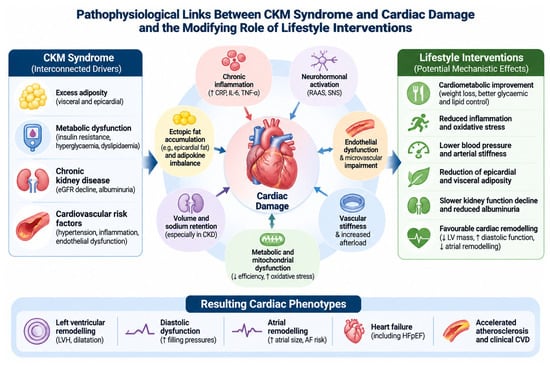
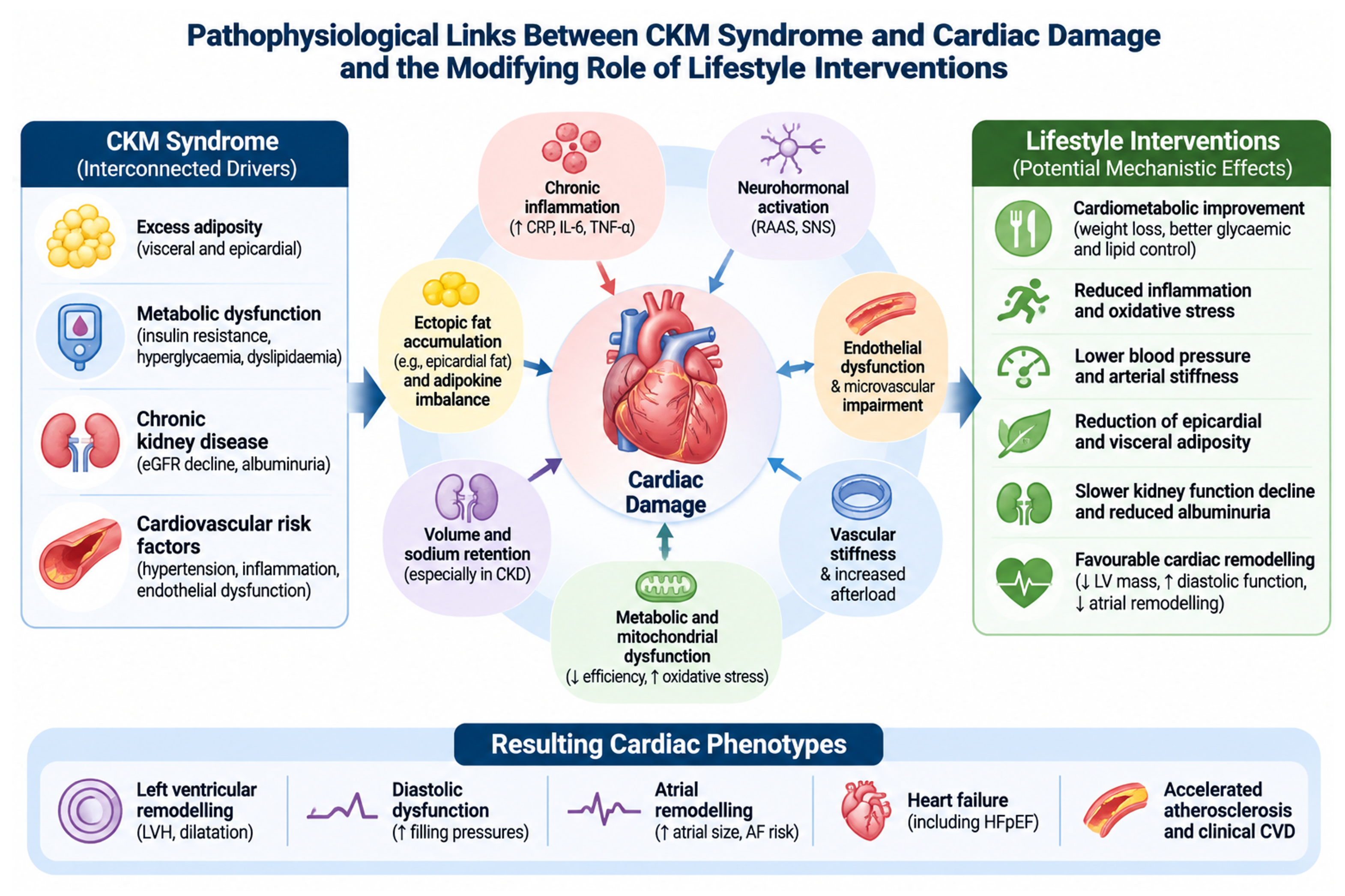

Disclaimer/Publisher’s Note: The statements, opinions and data contained in all publications are solely those of the individual author(s) and contributor(s) and not of MDPI and/or the editor(s). MDPI and/or the editor(s) disclaim responsibility for any injury to people or property resulting from any ideas, methods, instructions or products referred to in the content. |
© 2026 by the authors. Licensee MDPI, Basel, Switzerland. This article is an open access article distributed under the terms and conditions of the Creative Commons Attribution (CC BY) license.