


Abstract
Population aging has increased interest in extending healthspan, defined here as the period of life characterized by preserved physical and cognitive function, independence, and well-being. This narrative review examines major modifiable determinants of healthspan and critically evaluates how established lifestyle strategies compare with newer approaches promoted within the longevity field. A structured, topic-driven search of PubMed/MEDLINE, Scopus, and Web of Science focused primarily on publications from January 2015 to August 2026, with earlier studies included when relevant. To provide a mechanistic and translational frame, the major interventions were mapped to the hallmarks of aging and stratified by level of evidence, distinguishing human clinical outcome data from biomarker, mechanistic, and animal findings. The most consistent human evidence supports high-quality dietary patterns, regular physical activity, and healthy sleep as central components of healthy aging. Stress management, social connection, avoidance of harmful exposures, and the physical and socioeconomic environment are also relevant to healthy aging and influence the context in which these behaviors occur. Observations from long-lived real-world populations, such as the blue zones, are consistent with this evidence. The gut microbiome represents an important interface between lifestyle and host physiology, although changes in microbial composition should not be assumed to translate into improved healthspan. Evidence for dietary supplements is strongest when use addresses deficiency, inadequate intake, or a defined clinical indication. Intermittent fasting and time-restricted eating can improve selected weight and cardiometabolic outcomes, but evidence that they extend healthspan remains limited. Similar uncertainty applies to several emerging longevity practices, where biomarker changes or short-term physiological responses often precede evidence of meaningful clinical benefit. Greater personalization may refine lifestyle and nutritional interventions, but its added value over well-designed standard care requires further study. Healthy aging is therefore best supported by sustained, evidence-based lifestyle behaviors, while newer strategies should be judged by their ability to improve long-term function, disease burden, and independence rather than by biological plausibility alone.
1. Introduction
Population aging has intensified scientific and public health interest in longevity. However, extending lifespan alone is an incomplete goal if additional years are accompanied by chronic disease, disability, or loss of independence. The focus has therefore increasingly shifted from lifespan—the total number of years lived—to healthspan, broadly understood as the period of life spent in good health and with preserved functional capacity [1,2]. This distinction is particularly relevant because gains in life expectancy have not been matched by equivalent gains in healthy life expectancy. In an analysis of 183 World Health Organization (WHO) Member States, the global healthspan–lifespan gap increased from 8.5 years in 2000 to 9.6 years in 2019 [3].
Chronological age is also an imperfect indicator of biological and functional status. Aging reflects the progressive interaction of molecular, cellular, physiological, and environmental processes that do not occur at the same rate in all individuals [4]. The updated hallmarks of aging framework identifies 12 interconnected processes, including genomic instability, loss of proteostasis, mitochondrial dysfunction, cellular senescence, chronic inflammation, and dysbiosis, that contribute to age-related functional decline and disease [4]. In the updated framework, these processes are grouped into primary hallmarks (genomic instability, telomere attrition, epigenetic alterations, loss of proteostasis, and disabled macroautophagy), antagonistic hallmarks (deregulated nutrient sensing, mitochondrial dysfunction, and cellular senescence), and integrative hallmarks (stem cell exhaustion, altered intercellular communication, chronic inflammation, and dysbiosis) [4]. This heterogeneity helps explain why people of the same chronological age can differ substantially in physical function, metabolic health, cognitive performance, and susceptibility to chronic disease. It has also encouraged the development of biological aging measures, including epigenetic and other biomarker-based aging clocks, although their clinical interpretation and added value over established measures of health and disease risk remain under evaluation [5].
The interconnected nature of the hallmarks of aging also provides a biological rationale for the broad effects of lifestyle factors. Genomic instability, one of the recognized hallmarks of aging, is closely linked to cellular senescence and other age-related processes [6,7]. In adults with obesity and metabolic syndrome, greater metabolic burden has been associated with higher levels of primary and persistent DNA damage [8,9]. Recent intervention data also suggest that DNA damage may be responsive to lifestyle modification, with caloric restriction associated with improvements in markers of genomic stability in adults with obesity [10]. These findings support genomic instability as a potentially informative mechanistic marker of lifestyle-related biological change but not as a standalone surrogate for systemic rejuvenation or extension of healthspan.
The WHO defines healthy aging as the process of developing and maintaining the functional ability that enables well-being in older age [11]. Functional ability reflects the interaction between an individual’s intrinsic capacity—the composite of physical and mental capacities—and the environment in which the individual lives. This perspective extends beyond the absence of disease and places greater emphasis on mobility, cognition, psychological well-being, independence, social participation, and the ability to perform activities that people value [11,12].
Despite its increasing use, healthspan remains difficult to define and measure consistently. A recent systematic review identified 187 unique definitions of healthspan, with substantial variation in their operationalization, including measures based on disease status, disability, functional capacity, and other indicators of health [2]. In this review, healthspan refers to the period of life characterized by preserved physical and cognitive function, independence, and overall well-being while recognizing that healthy aging may still be possible in the presence of well-controlled chronic conditions.
Many determinants of chronic disease and functional decline are potentially modifiable. Large prospective studies show that combinations of favorable lifestyle behaviors are associated not only with longer life expectancy but also with more years lived free of major chronic diseases. In the Nurses’ Health Study and Health Professionals Follow-Up Study, adherence to four or five low-risk lifestyle factors was associated with 10.6 additional years of life free from cancer, cardiovascular disease, and type 2 diabetes in women and 7.6 additional years in men [13]. A multicohort analysis of 116,043 European adults found a graded association between healthier lifestyle profiles and disease-free life expectancy, with the most favorable profiles associated with approximately 9–10 additional years free from major chronic diseases [14]. Similar findings have been reported in large Chinese and Danish cohorts [15,16].
Nutrition, physical activity, and sleep are particularly relevant because they influence overlapping metabolic, inflammatory, neuroendocrine, musculoskeletal, and cardiovascular pathways [4,17,18]. Their combined contribution has recently been examined directly: participants with the most favorable combination of sleep duration, moderate-to-vigorous physical activity, and dietary quality had an estimated 9.45 additional years of healthspan compared with those with the least favorable profile [19]. Evidence for each component is also substantial. Higher levels of physical activity are associated with lower risks of all-cause mortality, cardiovascular disease, and several cancers [17], while greater adherence to the Mediterranean diet is associated with lower all-cause and cardiovascular mortality in older adults [20]. Sleep duration and quality are likewise associated with mortality and cognitive outcomes in later life [21,22,23].
Healthspan is also influenced by smoking, alcohol consumption, sedentary behavior, psychological well-being, social relationships, and the physical and socioeconomic environment [11,13,14,24]. Healthy aging therefore reflects the interaction of multiple behaviors with biological, social, and environmental conditions rather than the effect of any single intervention.
Growing interest in longevity has also been accompanied by increasing attention to dietary supplements, fasting regimens, microbiome-directed interventions, wearable technologies, and other strategies promoted as ways to slow aging or extend healthy life [25,26,27,28]. Some are supported by plausible biological mechanisms and emerging clinical evidence, whereas others still rely largely on observational, mechanistic, or preliminary findings. Their increasing use and visibility highlight the need to distinguish established lifestyle strategies from interventions whose proposed benefits for healthspan remain uncertain.
For the purposes of this review, established lifestyle behaviors are defined as modifiable behaviors—high-quality dietary patterns, regular physical activity, adequate sleep, stress management, social connection, and avoidance of tobacco and harmful alcohol use—whose associations with healthspan-related outcomes are supported by consistent evidence from large prospective cohorts and, where feasible, randomized trials, and which are incorporated into public health and clinical recommendations [11,13,14]. Newer longevity strategies, by contrast, are interventions promoted specifically to slow biological aging or extend healthy life, such as geroprotective supplements, fasting regimens, microbiome-directed approaches, biohacking practices, and precision nutrition. These strategies are typically characterized by a strong mechanistic rationale, reliance on biomarkers or device-derived metrics as indicators of benefit, and commercial availability that often precedes evidence of long-term clinical benefit [25,26,27,28]. A central aim of this review is therefore to evaluate these newer strategies against the benchmark set by established lifestyle behaviors and to ask whether they provide additional and independent benefits for healthspan.
Previous reviews have often examined individual components of healthy aging, including dietary patterns, physical activity, and sleep, largely as separate domains [29,30,31]. A broader synthesis is needed to consider how the major modifiable lifestyle determinants interact and how their evidence compares with newer approaches increasingly promoted within the longevity field. This narrative review examines nutrition, physical activity, and sleep as central and interrelated determinants of healthspan, while also considering the gut microbiome, psychological and social factors, dietary supplementation, intermittent fasting, selected emerging longevity practices, and the interpretation and communication of nutrition-related claims. By placing established lifestyle behaviors and newer longevity strategies within the same evidence framework, the review aims to provide a clearer distinction between approaches supported by consistent human evidence and those whose clinical relevance for extending healthspan remains preliminary.
To provide a coherent structure, the review is organized around an explicit conceptual framework that links three levels: (i) modifiable exposures and interventions; (ii) the biological processes of aging through which they are proposed to act, as defined by the hallmarks of aging [4]; and (iii) healthspan outcomes, operationalized as preserved physical and cognitive function, lower disease burden, and maintained independence [1,2,11]. Within this framework, the relevance of an intervention to healthspan is evaluated primarily on the basis of clinically meaningful outcomes in humans, while mechanistic evidence is used to provide biological context rather than as a substitute for demonstrated clinical benefit. Accordingly, each major section considers which hallmarks of aging an intervention is proposed to influence, whether this influence has been demonstrated in humans or inferred mainly from mechanistic and animal studies, and whether reported effects extend beyond intermediate biomarkers to clinical and functional outcomes.
The review proceeds from approaches supported by the most consistent human evidence to those that remain largely experimental. It first examines established lifestyle determinants of healthspan and the role of the gut microbiome as both a hallmark-related process and a potential mediator of lifestyle effects. Dietary supplementation, intermittent fasting, and emerging longevity strategies are then evaluated, followed by an integrated assessment of their proposed relationships with the hallmarks of aging, the strength of supporting evidence, and clinically meaningful healthspan outcomes. The remaining sections address the interpretation of nutrition claims, individualization, ethical and economic considerations, and future research directions.
2. Materials and Methods
This narrative review was based on a structured, topic-driven search of PubMed/MEDLINE, Scopus, and Web of Science. Searches focused primarily on publications from January 2015 to August 2026, while earlier studies were included when they provided important conceptual, historical, or mechanistic context. The final search was completed on 31 August 2026. Reference lists of relevant reviews and key primary studies were also examined to identify additional publications.
The search was organized around the main themes addressed in the review. Search terms included combinations related to healthspan and healthy aging (“healthspan”, “lifespan”, “healthy aging”, “biological aging”, “biological age”); nutrition (“dietary patterns”, “Mediterranean diet”, “diet quality”, “ultra-processed food”, “protein”, “dietary fiber”, “personalized nutrition”); physical activity (“physical activity”, “exercise”, “resistance training”, “sedentary behavior”, “incidental physical activity”); and sleep (“sleep duration”, “sleep quality”, “sleep architecture”, “circadian rhythm”). Additional searches addressed the gut microbiome (“gut microbiome”, “dysbiosis”, “inflammaging”, “immunosenescence”, “gut–brain axis”), dietary supplementation (“vitamin D”, “magnesium”, “omega-3 fatty acids”, “creatine”, “NAD+ precursors”), intermittent fasting and time-restricted eating, and selected longevity-related practices, including wearable technologies and biohacking. Searches related to evidence interpretation and nutrition communication also included terms such as “nutrition misinformation”, “diet misinformation”, “detox diet”, “weight stigma”, and “social media”. Medical Subject Headings (MeSH), free-text terms, and Boolean operators were used as appropriate for each database and topic.
The literature search was iterative and topic-driven, with targeted searches added as specific questions emerged during manuscript development, particularly in rapidly evolving areas such as biological aging measures, supplementation, fasting, microbiome-directed interventions, and emerging longevity practices. The aim was to provide a broad and critical synthesis across interconnected domains rather than a systematic review of each individual topic.
Peer-reviewed original studies, intervention studies, prospective cohort studies, systematic reviews, meta-analyses, umbrella reviews, and relevant consensus or position statements were considered. Preference was given to higher-level evidence, large prospective studies, and guidance from recognized scientific and public health organizations when available. Mechanistic and preclinical studies were used selectively to explain biological pathways or when human evidence remained limited. Publications were restricted to English-language sources. Non-peer-reviewed commercial or popular-science material was not considered as evidence, although relevant documents from public health and regulatory organizations, including the WHO, were included.
Publications identified through the thematic searches were initially assessed for relevance based on their titles and abstracts, followed by full-text examination of potentially relevant studies. Screening and selection were performed by the authors responsible for each thematic section, and the final selection was discussed and agreed among the authors, with uncertainties resolved by consensus. Quantitative findings reported in the review, including sample sizes, effect estimates, and confidence intervals, were extracted from the original full-text publications rather than from secondary sources and were cross-checked by a second author before inclusion.
Study selection was guided by relevance to healthspan or healthy aging, methodological robustness, population characteristics, and consistency with the wider evidence base. Study design was considered when interpreting findings, and observational associations were not treated as evidence of causality. Findings from small, single-cohort, or preclinical studies were interpreted more cautiously than results supported by multiple studies or higher-level evidence. Consistency with the wider evidence base was not used as a criterion for excluding studies whose results diverged from prevailing findings. Instead, it was applied during synthesis to determine how much weight an individual finding should carry: results replicated across independent studies or supported by systematic reviews and meta-analyses were given greater weight than isolated findings. When studies reported conflicting results, the relevant findings were presented together, and the discrepancy was interpreted in relation to study design, population, sample size, intervention duration, outcome definition, and risk of bias, with priority given to randomized trials and higher-quality evidence syntheses. Examples include the divergence between observational and randomized evidence for passive heat exposure, between earlier and bias-adjusted analyses of low-volume alcohol consumption, and between deficiency correction and preventive vitamin D supplementation.
The evidence was synthesized narratively according to the major domains of the review. Nutrition, physical activity, and sleep were considered as central and interacting lifestyle determinants of healthspan, followed by the gut microbiome and broader psychological, social, and environmental influences. Dietary supplementation, intermittent fasting, and selected longevity-related practices were examined separately, with emphasis on the distinction between mechanistic plausibility, observational evidence, and demonstrated clinical benefit. No formal risk-of-bias assessment or certainty-of-evidence grading was performed, consistent with the narrative design of the review.
To make differences in the strength of evidence explicit, findings for each major intervention were classified pragmatically into four levels according to study design and type of outcome. Level A included randomized controlled trials or meta-analyses of randomized controlled trials reporting clinical or functional outcomes in humans (e.g., mortality, incident disease, fractures, falls, or physical or cognitive function). Level B included prospective observational studies or their meta-analyses reporting clinical or functional outcomes in humans, which cannot by themselves establish causality. Level C included human studies reporting surrogate outcomes (defined below), regardless of study design, as well as cross-sectional observational studies reporting clinical or functional outcomes. Level D included mechanistic, in vitro, and animal studies. The hallmarks of aging attributed to each intervention were those proposed in the cited literature on the basis of the updated hallmarks framework [4]; unless otherwise stated, these links derive mainly from Level C or D evidence. This classification is intended to facilitate interpretation by distinguishing study design and outcome type, rather than methodological quality, certainty of evidence, or direction of effect. It does not replace formal certainty-of-evidence grading.
Outcomes were further classified as direct healthspan outcomes (disease-free, disability-free, or healthy life expectancy; physical and cognitive function; frailty; and independence), clinically meaningful proxy outcomes (mortality and incident chronic disease, which are related to but not equivalent to healthspan), or surrogate outcomes (risk factors, body weight, biomarkers, microbiome composition, and biological aging measures). The type of outcome is indicated where evidence is summarized, and conclusions about healthspan are drawn more cautiously when they rely on proxy or surrogate outcomes.
3. Core Lifestyle Determinants of Healthspan
Healthspan is influenced by several modifiable lifestyle factors that tend to cluster and interact rather than act independently. Lifestyle medicine commonly organizes these factors into six interconnected pillars: nutrition, physical activity, restorative sleep, stress management, positive social connection, and avoidance of risky substances [32]. Nutrition, physical activity, and sleep are particularly relevant to the present review because of the breadth of human evidence linking them with chronic disease risk, physical and cognitive function, and disease-free life expectancy [13,14,19]. The physical and socioeconomic environment is considered here as a broader contextual influence on these lifestyle domains. Within the framework outlined in the Introduction, these behaviors are the exposures for which human evidence on clinical and functional outcomes (Levels A and B) is most consistent, and each is proposed to act on several hallmarks of aging simultaneously rather than on a single pathway [4]. Of the studies cited here, analyses of disease-free life expectancy and healthspan [13,14,19] provide direct evidence, whereas studies of mortality or incident disease provide proxy evidence. The strength of evidence also differs among the domains: it is most extensive for nutrition, physical activity, and sleep, whereas evidence for stress management and social connection derives predominantly from observational and contextual studies.
3.1. Nutrition
Dietary quality is an important modifiable determinant of healthy aging. Evidence is generally stronger for overall dietary patterns than for individual foods or nutrients [29]. Dietary patterns characterized by higher intakes of vegetables, fruits, legumes, whole grains, nuts, fish, and unsaturated fats are consistently associated with favorable cardiometabolic outcomes, lower mortality, and healthier aging [20,29,33,34]. In a meta-analysis of 28 studies including 679,259 older adults, high adherence to the Mediterranean diet was associated with approximately 23% lower all-cause mortality and 27% lower cardiovascular mortality [20]. Much of this evidence is observational, and these estimates should therefore be interpreted as associations rather than direct causal effects.
The degree of food processing has also received increasing attention. An umbrella review of systematic reviews and meta-analyses found that greater consumption of ultra-processed foods was associated with several adverse metabolic outcomes, including obesity and type 2 diabetes [35]. In pooled analyses, the highest compared with the lowest category of ultra-processed food intake was associated with higher odds of obesity and a higher risk of type 2 diabetes, while each 10% increase in the proportion of ultra-processed foods in the diet was associated with a further increase in type 2 diabetes risk [35]. These associations should not be interpreted as evidence that processing alone accounts for all observed risk [36], because ultra-processed food intake is also associated with differences in overall dietary patterns, socioeconomic characteristics, and other lifestyle factors that may contribute to residual confounding [37].
Adequate protein intake becomes particularly relevant with advancing age because progressive loss of skeletal muscle mass and function contributes to frailty, disability, and loss of independence [38,39,40]. Expert recommendations suggest a protein intake of approximately 1.0–1.2 g/kg body weight/day for healthy older adults and 1.2–1.5 g/kg/day for those with acute or chronic illness or at risk of malnutrition, together with regular physical activity, particularly resistance exercise, to support muscle mass and function [41]. Dietary fiber acts through different pathways, including effects on glycemic regulation, satiety, bowel function, inflammation, and the gut microbiota, although the strength of evidence varies across these outcomes [42]. These considerations illustrate why nutrition and physical activity are difficult to separate when discussing healthspan, as preservation of muscle function depends on both adequate nutritional intake and an appropriate physiological stimulus [41].
Dietary recommendations should be individualized rather than applied uniformly. Energy requirements and nutritional needs vary according to age, health status, physical activity, and cultural context, among other factors [29]. Individualization should therefore adapt established principles of dietary quality to a person’s clinical and social circumstances.
From a mechanistic perspective, high-quality dietary patterns are proposed to influence several hallmarks of aging, particularly deregulated nutrient sensing, chronic inflammation, and dysbiosis, while adequate protein intake combined with resistance exercise is relevant to the maintenance of skeletal muscle proteostasis [4,29,41]. In adults with obesity, energy restriction has also been associated with improvements in markers of genomic instability [10]. For healthspan, however, the most relevant evidence remains the consistent association of dietary quality with longer disease-free life expectancy and healthy aging (direct outcomes) and with lower mortality (a proxy outcome), both at Level B, together with randomized evidence that protein supplementation, particularly when combined with exercise, can improve muscle mass, although effects on physical function are less consistent [39,40].
3.2. Physical Activity
Large prospective and dose–response meta-analyses consistently show that higher levels of physical activity are associated with lower risks of all-cause mortality, cardiovascular disease, and several cancers, with measurable benefits observed even at activity levels below commonly recommended targets [17,43,44]. Physical activity is also positively associated with healthy aging and preservation of functional capacity in later life, outcomes that are particularly relevant when healthspan rather than lifespan alone is considered [30].
For older adults, exercise recommendations extend beyond aerobic activity. Current international consensus emphasizes a combination of aerobic, resistance, balance, and flexibility training adapted to individual functional capacity and health status [45]. Resistance exercise is particularly relevant to preservation of muscle mass, strength, and physical independence, while balance and multicomponent exercise become increasingly important with advancing age [45]. The emphasis is not on extreme training loads, but on regular participation in different forms of activity that serve complementary functions.
Physical activity accumulated outside structured exercise may also contribute to health benefits. Wearable-based studies have made it possible to capture short periods of movement that are easily missed by conventional questionnaires. In a 2026 nationally representative cohort of 3293 US adults who reported no structured exercise, brief bouts of vigorous intermittent lifestyle physical activity were associated with lower all-cause mortality [46]. A median frequency of 5.3 bouts per day was associated with a 44% lower mortality risk compared with no such activity [hazard ratio (HR) of 0.56, 95% confidence interval (CI) of 0.39–0.82] over a mean follow-up of 6.7 years. Most bouts lasted less than one minute and occurred as part of routine daily activities rather than formal exercise. The association weakened in some sensitivity analyses excluding participants with pre-existing cardiovascular disease or cancer, so residual confounding and reverse causation remain possible [46].
A healthspan-oriented view of physical activity should therefore include both structured exercise and movement accumulated through daily life. Walking, stair climbing, active transportation, household activities, and other forms of non-exercise activity should not be regarded as interchangeable with resistance or aerobic training, but they contribute to total physical activity and may provide a more accessible starting point for people who are otherwise inactive [17,45,46].
Physical activity is one of the few interventions proposed to influence nearly all hallmarks of aging, including mitochondrial dysfunction, deregulated nutrient sensing, disabled macroautophagy, loss of proteostasis, chronic inflammation, altered intercellular communication, and dysbiosis [4]. Much of this mechanistic evidence comes from experimental and short-term human biomarker studies (Levels C and D). Unlike most other interventions discussed in this review, however, these mechanistic effects are accompanied by consistent human evidence on mortality and chronic disease (proxy outcomes, Level B) and by randomized evidence for strength, physical function, and other functional outcomes in older adults (direct outcomes, Level A) [17,30,45].
3.3. Sleep
Sleep is an active physiological process involved in endocrine regulation, metabolic homeostasis, immune function, recovery, and cognition [18,22,47]. Both sleep duration and sleep quality are relevant to healthy aging. Sleep disruption has been associated with impaired glucose tolerance and insulin sensitivity, altered secretion of appetite-regulating hormones, changes in cortisol and growth hormone regulation, and disturbances in other endocrine pathways [18,47]. These changes provide plausible links between inadequate or disrupted sleep and cardiometabolic disease, although the magnitude and direction of individual hormonal responses vary according to the type and duration of sleep disturbance.
Objective sleep characteristics have also been linked with cognitive performance in later life. Across 72 independent studies in healthy older adults, several measures of sleep architecture and duration were significantly associated with cognition [23]. A nonlinear relationship has also been observed, with both short and long sleep associated with cognitive decline and stronger associations for long sleep [relative risk (RR) 1.35, 95% CI 1.23–1.48] than for short sleep (RR 1.12, 95% CI 1.03–1.22) [48].
Mortality shows a similar pattern. Pooled prospective data from more than 95,000 older adults linked long sleep with higher all-cause mortality, while the association with short sleep was considerably smaller [21]. In a larger analysis of 79 cohorts, both short and long sleep were associated with higher mortality, again with the stronger association observed for long sleep (<7 h: HR 1.14, 95% CI 1.10–1.18; ≥9 h: HR 1.34, 95% CI 1.26–1.42) [49]. Because prolonged sleep may also reflect underlying frailty, illness, or other health conditions, these observational associations should not be interpreted as evidence that longer sleep itself causes adverse outcomes [50,51]. Associations with cognitive decline provide more direct evidence relevant to healthspan than associations with mortality, although both remain observational.
Healthy sleep is better characterized by adequate duration, regularity, continuity, timing, and quality than by a single target number of hours [52,53]. Recommendations for older adults also emphasize consistent sleep schedules, appropriate light exposure, physical activity, meal timing, and environmental conditions that support sleep [22]. Sleep should be considered alongside nutrition and physical activity as an integral component of healthspan-oriented lifestyle strategies. In mechanistic terms, sleep disruption has been linked mainly with chronic inflammation, altered neuroendocrine and intercellular signaling, and impaired metabolic regulation related to nutrient sensing [4,18,47]. Human evidence linking sleep with healthspan, however, remains predominantly observational (Level B), whereas experimental studies largely address short-term metabolic and endocrine outcomes (Level C).
3.4. Stress Management and Psychological Well-Being
Chronic psychosocial stress can affect several pathways relevant to healthspan, including neuroendocrine regulation, sleep, appetite, and metabolic health [54,55]. Stress and sleep are closely linked: chronic stress can disrupt sleep, while sleep disruption can adversely affect glucose metabolism, hunger, satiety, and appetite-regulating hormones [55]. Physical activity may also attenuate some of the metabolic consequences associated with sleep disruption. Experimental studies have shown that high-intensity interval exercise performed during periods of sleep restriction can partly preserve glucose tolerance, skeletal muscle mitochondrial function, and protein synthesis, although most of this evidence comes from small studies in young healthy men [55].
Psychological well-being should not be considered separately from physical health. Stress, mood, sleep, dietary behavior, and physical activity influence one another over time, and difficulties in one domain may make healthy behaviors in others more difficult to maintain [56,57]. Long-term adherence to lifestyle change is also shaped by psychological and social circumstances, including motivation, perceived support, and socioeconomic context [58].
3.5. Social Connection
Social relationships are relevant to healthspan both directly and through their influence on other health behaviors. Across 86 longitudinal studies, loneliness, social isolation, and living alone were each associated with higher all-cause mortality in older adults. The association was strongest for social isolation (HR 1.35, 95% CI 1.27–1.43), followed by living alone (HR 1.21, 95% CI 1.13–1.30) and loneliness (HR 1.14, 95% CI 1.10–1.18) [24].
Social isolation has been associated with poorer physical function, lower physical activity, frailty, cognitive decline, sleep disturbances, and poorer health-related quality of life in adults aged 50 years and older [59]. Social and interpersonal factors, including social support, social networks, and social interaction, have also been associated with physical activity among older adults [60].
These findings suggest that social connection is not simply a psychosocial outcome but part of the broader context in which health behaviors are initiated and sustained. Community-based interventions may influence several of these domains simultaneously. Improvements in physical, psychological, or social outcomes were reported in most interventions involving community-dwelling older adults, although substantial heterogeneity makes it difficult to identify which approaches are most effective [61]. Within the hallmarks framework, chronic psychosocial stress and social isolation are thought to act mainly through neuroendocrine and inflammatory pathways, corresponding to altered intercellular communication and chronic inflammation [4,54], although evidence for their relevance to healthspan derives predominantly from observational studies (Level B), and trials showing that interventions in these domains improve long-term functional outcomes remain limited.
3.6. Avoidance of Risky Substances
Tobacco use remains one of the most important preventable contributors to premature morbidity and mortality. Smoking status is consistently included in lifestyle profiles associated with disease-free life expectancy, and large prospective studies have shown that combinations of nonsmoking, healthy diet, regular physical activity, moderate or low alcohol exposure, and favorable metabolic characteristics are associated with substantially more years lived free of major chronic diseases [13,14].
Alcohol requires more cautious interpretation. Earlier observational studies frequently reported J-shaped associations, suggesting lower mortality among low-volume drinkers than among abstainers, but more recent analyses indicate that these estimates are sensitive to study design and the choice of reference group [62,63]. In a systematic review of 107 longitudinal studies including nearly 4.8 million participants, low-volume alcohol consumption was not associated with significantly lower all-cause mortality after accounting for major sources of bias (RR 0.98, 95% CI 0.87–1.11 in higher-quality studies) [62]. An umbrella review published the same year similarly found that the only included review judged to be at low risk of bias showed progressively increasing mortality risk with increasing alcohol intake rather than a protective effect at low doses [63].
Avoidance of tobacco and harmful alcohol use is therefore more defensible within a healthspan framework than promoting alcohol consumption for presumed health benefits. Although tobacco smoke and heavy alcohol intake are recognized sources of DNA damage, oxidative stress, and inflammation, the case for their avoidance within a healthspan framework rests primarily on consistent human evidence for mortality and disease-free life expectancy (Level B) [13,14,62,63].
3.7. The Environment as a Context for Lifestyle
The six lifestyle pillars do not operate independently of the conditions in which people live. The physical, social, and socioeconomic environment can facilitate or constrain nutrition, physical activity, sleep, stress management, social connection, and avoidance of harmful substances [11,64]. The WHO framework for healthy aging similarly defines functional ability as arising from the interaction between an individual’s intrinsic capacity and the surrounding environment [11].
The built environment is particularly relevant to physical activity in later life. Features of the built environment associated with greater physical activity in community-dwelling older adults include walkability, street connectivity, access to destinations and services, pedestrian infrastructure, greenery, environmental quality, lighting, and neighborhood safety [65]. Similar associations have been reported across age groups, although their strength varies by environmental feature and study design [66].
Environmental influences extend beyond physical activity. Access to healthy food, green space, transportation, safe public spaces, and opportunities for social interaction can affect whether recommended lifestyle behaviors are realistic and sustainable [67,68,69]. The influence of the local environment may become particularly important with advancing age, when mobility limitations and greater reliance on nearby services can restrict the range of available behavioral choices [11,69]. The environment is therefore best understood as a cross-cutting determinant of lifestyle rather than as a seventh pillar [11,64].
The relationships among these domains are illustrated in Figure 1. The six lifestyle medicine pillars—nutrition, physical activity, restorative sleep, stress management, positive social connection, and avoidance of risky substances—are represented as interconnected influences on healthspan, while the physical and socioeconomic environment forms the broader context in which these behaviors occur. This model emphasizes their interdependence without implying that any single behavior is sufficient to preserve health across the life course.
Figure 1.
Lifestyle and environmental determinants of healthspan. The six lifestyle medicine domains, including nutrition, physical activity, restorative sleep, stress management, social connection, and avoidance of harmful substances, are shown as interrelated influences on healthspan. The surrounding physical, social, and socioeconomic environment can facilitate or constrain these behaviors through factors such as access to healthy food and green space, transportation, housing, neighborhood safety, and social and economic resources. Created in BioRender. Sorić, T. (2026) https://BioRender.com/297on8c.
3.8. Evidence from Real-World Communities: The Blue Zones
The lifestyle determinants discussed above are derived largely from cohort studies and controlled interventions in individuals. Complementary evidence comes from populations in which healthy longevity has been observed in real-life community settings. The term “blue zone” was first used to describe a geographically defined area of the Sardinian highlands with an exceptionally high proportion of male centenarians, identified after rigorous validation of individual ages [70]. The concept was subsequently extended to other areas with validated exceptional longevity, including Okinawa (Japan), the Nicoya Peninsula (Costa Rica), and Ikaria (Greece) [71], and, in a broader lifestyle-oriented framework, to the Seventh-day Adventist community of Loma Linda (California, USA) [72].
Despite marked cultural and geographic differences, these populations share several characteristics that correspond closely to the lifestyle domains addressed in this review: predominantly plant-based diets rich in legumes, vegetables, and locally produced foods, often with moderate energy intake; high levels of daily physical activity embedded in work, walking, and household or agricultural tasks rather than in structured exercise; strong family and community ties with social support for older people; a sense of purpose; and daily routines that reduce stress [71,72]. In Okinawa, a traditional diet characterized by mild caloric restriction and a high intake of sweet potatoes and other plant foods has been associated with low rates of cardiovascular disease, cancer, and dementia and with long mean and maximum lifespan [73]. Analyses of the lifestyle of the oldest old have similarly identified light-to-moderate and non-exercise physical activity, Mediterranean-type dietary patterns, continued cognitive engagement, and adequate sleep as components that may help maintain cognitive and functional health into very old age [74].
Evidence from blue zones is nevertheless observational and largely ecological. Exceptional longevity in these areas probably reflects the interaction of lifestyle with genetic background, geographic or historical isolation, and environmental and socioeconomic conditions, and it cannot be attributed to any single behavior [70,71]. Several of these populations underwent the epidemiological transition relatively recently, and their favorable longevity profile may depend on a balance between traditional lifestyles and the benefits of modern living conditions and healthcare [71]. In addition, popular syntheses of blue-zone lifestyles have not been tested as interventions [72]. Blue zones therefore do not provide causal evidence for individual interventions, but they show that the established lifestyle behaviors discussed in this section can co-occur, can be sustained across the life course when embedded in the social and physical environment, and are compatible with exceptional healthy longevity in real-world populations.
4. The Gut Microbiome and Aging
Lifestyle factors may influence healthspan through multiple biological systems that respond to diet, physical activity, sleep, and environmental exposures [75]. The gut microbiome is one such system and has received increasing attention because of its links with metabolism, immune regulation, intestinal barrier function, and age-related disease [76,77]. Microbial composition and function change across the life course, but these changes are highly heterogeneous. Studies of older and exceptionally long-lived adults suggest shifts in microbial diversity, functional pathways, and metabolite production, yet no single microbial profile consistently defines healthy or unhealthy aging [76,78,79]. This variability argues against the concept of a uniform “aged microbiome” and reflects the influence of health status, diet, medication exposure, geographic location, and other host and environmental factors [78,80]. Within the hallmarks of aging framework, dysbiosis is itself recognized as one of the integrative hallmarks of aging and is closely connected with chronic inflammation and altered intercellular communication [4]. The microbiome therefore illustrates particularly clearly the distinction, applied throughout this review, between modification of a hallmark-related biomarker (Level C) and demonstrated improvement in healthspan outcomes (Levels A and B).
Age-related changes in the gut microbiome are increasingly linked with immune aging. Immunosenescence and inflammaging occur alongside alterations in microbial composition, intestinal barrier integrity, and microbial signaling, providing several potential pathways through which the gut may contribute to chronic low-grade inflammation and impaired immune function in later life [77,81]. Diet is an important modifier of this interaction. Dietary fiber, protein, fatty acids, tryptophan, and prebiotic substrates can influence microbial metabolism and host immune responses, although the magnitude and direction of these effects vary according to dietary pattern, baseline microbiota, health status, and intervention characteristics [77]. Among dietary interventions in older adults, Mediterranean-style patterns have been associated with greater microbial species richness and reductions in markers of intestinal permeability and systemic inflammation, including zonulin and C-reactive protein. Polyphenol-rich dietary interventions produced smaller changes in microbial composition but were also associated with reductions in zonulin, C-reactive protein, and interleukin-6 [82]. The heterogeneity of the available interventions and the limited number of studies for several approaches still preclude firm conclusions regarding the optimal dietary strategy for modifying the aging gut–immune axis.
Human dietary intervention studies provide useful evidence that diet can modify the gut microbiome together with immune and metabolic responses. In a 17-week randomized intervention, a diet rich in fermented foods progressively increased microbial diversity and was accompanied by reductions in several inflammatory markers, whereas a high-fiber diet increased microbiome-encoded carbohydrate-degrading capacity without increasing microbial diversity over the intervention period [83]. Responses to the high-fiber diet also differed according to baseline microbiome characteristics, highlighting substantial interindividual variability [83]. In the 1-year multicenter NU-AGE intervention involving 612 non-frail or pre-frail older adults from five European countries, greater adherence to a Mediterranean-style diet was associated with microbiome changes linked to lower frailty, better cognitive performance, and lower concentrations of inflammatory markers, including C-reactive protein and interleukin-17 [84]. The intervention was also associated with predicted shifts in microbial metabolism, including greater production of short- and branched-chain fatty acids and lower production of secondary bile acids and p-cresols [84]. Across 80 controlled clinical trials, dietary interventions frequently altered specific microbial taxa and biological markers, whereas effects on alpha- and beta-diversity were inconsistent. Certainty of evidence for microbiome outcomes was generally low to very low [85].
The gut microbiome may also interact with the central nervous system through neural, immune, endocrine, and metabolic signaling pathways collectively described as the microbiota–gut–brain axis [86]. Altered microbial profiles have been reported in neuropsychiatric disorders, particularly depression, and probiotics, prebiotics, and synbiotics are being investigated as adjunctive approaches [87]. Across 19 studies involving 1405 participants with depression, microbiome-directed interventions were associated with improvements in depressive symptoms, although between-study heterogeneity was very high [88]. These findings suggest possible clinical benefit in selected populations, but they do not establish a specific microbial profile as a causal determinant of mood or psychological well-being [86,87].
Evidence from exercise studies in older adults is beginning to clarify how physical activity may influence the gut microbiome. Pooled evidence from 16 studies suggests that exercise is associated with small increases in microbial alpha-diversity, including the Shannon and Chao1 indices (Hedges’ g = 0.22 for both), together with greater abundance of Akkermansia and lower abundance of Escherichia [89]. Earlier evidence was less consistent. Across 12 cross-sectional studies and three randomized trials, changes in alpha- and beta-diversity were limited, although several taxa changed after exercise programs lasting at least five weeks [90]. The clinical relevance of these microbial shifts remains uncertain. Physical activity may influence the microbiome directly or indirectly through changes in metabolic health, adiposity, diet, intestinal transit, and cardiorespiratory fitness, making the contribution of any single pathway difficult to isolate [80].
Beyond diet and exercise, direct manipulation of the microbiome has become an increasingly active area of research. In 29 randomized controlled trials involving 1633 older adults, prebiotic and probiotic interventions increased Bifidobacterium abundance, while probiotic supplementation was also associated with greater Shannon diversity [28]. Some interventions produced changes in short-chain fatty acids and inflammatory markers, although the trials differed considerably in formulations, strains, doses, treatment duration, and outcome assessment. Several pooled effects were sensitive to the exclusion of studies at higher risk of bias [28]. The evidence is stronger for modification of microbial or inflammatory markers than for clinically meaningful effects on physical function, disease-free survival, or healthspan.
This growing interest in microbiome-directed interventions has been accompanied by the commercial expansion of microbiome testing. An international multidisciplinary consensus statement concluded that evidence supporting its clinical usefulness remains limited and cautioned against direct-to-consumer testing in the absence of established clinical indications [91]. The statement also highlighted limitations in defining clinically meaningful reference ranges, interpreting individual taxa, and translating measures of “dysbiosis” into clinical decisions [91]. Routine microbiome testing in otherwise healthy individuals cannot currently be justified as a basis for personalized dietary or probiotic recommendations [91,92]. This is particularly relevant in longevity-oriented practice, where microbiome profiles may be presented with greater diagnostic or predictive precision than the evidence supports.
The available evidence positions the gut microbiome at the interface between established lifestyle exposures and still-emerging clinical applications. Diet, physical activity, and microbiome-directed interventions can alter microbial composition or function, but changes in individual taxa, diversity indices, or microbial metabolites should not automatically be interpreted as beneficial clinical outcomes. Evidence that an intervention alters the microbiome is not equivalent to evidence that it improves functional aging or extends healthspan. Current evidence more strongly supports established dietary and lifestyle practices, including adequate dietary fiber, a diverse plant-rich diet, regular physical activity, and overall dietary quality, than attempts to manipulate individual microbial taxa or prescribe interventions according to commercial microbiome profiles [78,80,91].
The relationships between lifestyle and environmental exposures, the gut microbiome, biological processes relevant to aging, and healthspan are summarized in Figure 2.
Figure 2.
Biological pathways linking lifestyle factors and the gut microbiome with healthspan. Lifestyle, host, and environmental factors can influence the gut microbiome and related biological processes relevant to healthy aging. These include gut-barrier function, chronic low-grade inflammation, metabolic regulation, immune function, and microbiota–gut–brain signaling. Lifestyle factors may also act through pathways that are independent of the gut microbiome. Changes in these interconnected processes may contribute to preservation of or reduction in healthspan, although no single uniform “aged microbiome” profile has been established. Created in BioRender. Sorić, T. (2026) https://BioRender.com/r5ruyi9.
5. Dietary Supplementation and Healthspan: Evidence, Indications, and Limitations
Dietary supplementation is common in healthy-aging practice, although the evidence differs markedly depending on the nutrient, population, and intended outcome [93,94,95]. Some have established roles in correcting nutrient deficiencies or inadequate intake, whereas others are promoted as longevity interventions because they influence pathways implicated in aging [96,97]. These uses are not equivalent. Correcting a deficiency may restore normal physiological function, but raising a nutrient concentration or modifying a molecular target in an adequately nourished person does not necessarily prevent functional decline or extend healthspan [93,96].
The potential benefit of supplementation depends on baseline nutritional status, dietary intake, age, health conditions, concomitant medication use, and the specific outcome being targeted [98,99]. This is especially relevant in older adults, in whom supplement use often overlaps with polypharmacy. A recent review of 16 international studies reported concurrent use of prescription medications and nutritional supplements in 23–82.5% of older adults, with potentially important interactions involving antithrombotic drugs and minerals that interfere with drug absorption [100]. Supplement-related adverse events in older people have included hypercalcemia from vitamin D, neuropathy associated with vitamin B6, oxalate nephropathy from high vitamin C intake, and interactions with warfarin [101]. Supplementation should consequently be considered within the same clinical context as medication use rather than assumed to be inherently low risk.
Supplements promoted for longevity are typically selected because they target specific hallmarks of aging. NAD+ precursors, for example, are proposed to influence mitochondrial dysfunction, deregulated nutrient sensing, and DNA repair; urolithin A and spermidine are investigated for their effects on autophagy and mitochondrial function; and fisetin for its potential senolytic activity. For most of these compounds, target engagement has been demonstrated in humans only at the biomarker level (Level C) or primarily in preclinical models (Level D), whereas randomized evidence on clinical or functional outcomes (Level A) is available mainly for nutrients used to correct deficiency or for defined clinical indications; most supplementation trials assess surrogate outcomes, and trials with proxy outcomes such as mortality or major clinical events are largely limited to vitamin D, omega-3 fatty acids, and multivitamins. The following subsections are therefore ordered from indication-based uses toward more experimental geroprotective applications.
5.1. Vitamin D: Deficiency Correction Versus Preventive Supplementation
Vitamin D shows how the effects of supplementation can differ between correcting deficiency and preventing disease more broadly [93,102]. In a pooled analysis of 308 population-based studies including almost 7.9 million participants from 81 countries, 47.9% had serum 25-hydroxyvitamin D concentrations below 50 nmol/L and 15.7% had concentrations below 30 nmol/L, with substantial geographic and seasonal variation [103].
The rationale for treating vitamin D deficiency is well established, particularly for skeletal health. Evidence is less consistent when supplementation is used for disease prevention in generally healthy people without an established indication [93]. Individual responses and requirements can vary according to baseline vitamin D status, body composition, age, genetics, sun exposure, and other factors, supporting a more individualized approach to supplementation rather than uniform dosing [102]. The 2024 Endocrine Society guideline similarly distinguishes preventive supplementation in otherwise healthy populations from treatment of established deficiency and highlights continuing uncertainty around routine testing and supplementation for many nonskeletal outcomes [93]. At the same time, the guideline suggests empiric vitamin D supplementation for adults aged 75 years and older, a conditional recommendation based on low-certainty evidence of a possible reduction in all-cause mortality, whereas for generally healthy adults younger than 75 years it suggests against empiric supplementation beyond the recommended daily intake. For older adults in whom supplementation is indicated, daily lower-dose administration is preferred to intermittent high-dose regimens, and routine measurement of 25-hydroxyvitamin D concentrations is not recommended in the absence of a specific indication [93]. This recommendation therefore rests on a modest mortality signal in the oldest age group rather than on demonstrated effects on fractures, falls, or other functional outcomes.
A meta-analysis of seven trials involving 71,899 adults aged 60 years or older found no reduction in total fracture incidence with vitamin D compared with placebo (RR 1.03, 95% CI 0.93–1.14) [104]. A separate meta-analysis of older adults also found no significant reduction in falls with vitamin D supplementation [105]. These findings support correction of vitamin D deficiency, but they do not justify assuming additional benefit from supplementation once adequate status has been achieved.
5.2. Magnesium: Physiological Importance and Outcome-Specific Evidence
Magnesium is involved in energy metabolism, neuromuscular function, glucose regulation, vascular physiology, bone metabolism, and numerous enzymatic reactions [106,107]. Inadequate intake and low magnesium status may be particularly relevant in people with poor dietary quality, gastrointestinal or renal losses, chronic disease, or medication-related depletion [106]. Assessment of magnesium status is also challenging because no single biomarker reliably reflects whole-body magnesium stores [106,108].
Supplementation appears to have modest effects on selected cardiometabolic outcomes rather than broad effects across healthy populations. Pooled data from 38 randomized controlled trials involving 2709 participants showed reductions of 2.81 mmHg in systolic and 2.05 mmHg in diastolic blood pressure compared with placebo. Larger reductions were observed in participants with hypertension or hypomagnesemia, whereas the effect was not statistically significant in normotensive groups [109]. Similar, small reductions in blood pressure have been reported in broader pooled analyses, although heterogeneity across studies remains substantial [110].
Magnesium may also be relevant to physical function in later life, although this area is less well developed. Observational studies in older adults have linked magnesium status or intake with muscle mass, strength, physical performance, and sarcopenia [111]. Intervention data are much more limited. Only seven eligible studies were identified in a review of mineral supplementation in people with frailty or sarcopenia, with mixed findings and little evidence that supplementation alone consistently improves muscle mass or strength [112].
For healthy aging, the strongest rationale remains ensuring adequate dietary intake and correcting deficiency or insufficient intake when present. Evidence that magnesium supplementation above adequate intake slows biological aging or extends healthspan has not been established.
5.3. Omega-3 Fatty Acids: Effects Vary by Dose, Formulation, and Population
The effects of omega-3 supplementation vary with dose, formulation, baseline cardiovascular risk, and the outcome being studied [113,114]. Eicosapentaenoic acid (EPA) and docosahexaenoic acid (DHA) status can be improved through both diet and supplementation, but changes in omega-3 biomarkers do not necessarily translate into clinical benefit [115].
For cardiovascular outcomes, a 2024 meta-analysis of 12 randomized trials involving 99,830 participants found that prescription omega-3 preparations were associated with lower risks of cardiovascular events, myocardial infarction, cardiac death, and revascularization [113]. Potential benefits should be considered alongside dose-related harms. In 35 randomized trials involving 114,592 participants, higher-dose treatment was associated with an increased risk of atrial fibrillation, particularly above 1.5 g/day in people at elevated cardiovascular risk [114].
Results for muscle and cognitive outcomes are more mixed. Among people with sarcopenia or at increased risk of sarcopenia, omega-3 supplementation improved selected measures of strength and physical function but did not consistently increase skeletal muscle mass [116]. Improvements have also been reported in several cognitive domains, although certainty varied between outcomes and dose–response relationships were not uniform [117].
In practice, the role of omega-3 supplementation depends more on indication, dose, formulation, and individual risk than on any broad claim of longevity benefit.
5.4. Creatine: Stronger Evidence for Physical Function than for Longevity
Creatine has been studied extensively for its effects on skeletal muscle, including in older adults. When combined with exercise training, it appears to provide additional benefits for strength and body composition. In pooled data from 20 studies involving 1093 older adults, creatine supplementation increased one-repetition maximum strength by a mean of 2.12 kg compared with exercise alone and reduced body fat percentage by 0.55 percentage points, while total-body bone mineral density was unchanged [118].
Similar results were reported in a more focused analysis of resistance-training interventions. Across eight randomized trials involving 482 older adults, creatine plus resistance training improved lower-limb strength [standardized mean difference (SMD) 0.29, 95% CI 0.00–0.57] and lean tissue mass (SMD 0.27, 95% CI 0.02–0.53) compared with resistance training alone. Effects were larger in interventions lasting 32 weeks or less, with an SMD of 0.57 (95% CI 0.19–0.96) for lean tissue mass [119].
In 16 randomized trials involving 492 adults, creatine supplementation improved memory (SMD 0.31, 95% CI 0.18–0.44), shortened attention time (SMD −0.31, 95% CI −0.58 to −0.03), and improved processing speed time (SMD −0.51, 95% CI −1.01 to −0.01). No significant effects were found for global cognition or executive function, and the certainty of evidence was low for several outcomes [120].
Creatine is among the better-supported supplements for muscle-related outcomes in later life, particularly when combined with resistance exercise. Whether these benefits translate into slower biological aging or longer healthspan has not been established.
5.5. Multivitamins: A Modest Cognitive Signal Without Evidence of Longer Survival
Daily multivitamin supplementation has shown modest cognitive benefits in older adults. In the COSMOS program, pooled analysis of three randomized cognitive studies found small but statistically significant improvements in global cognition [mean difference 0.07 standard deviation (SD) units, 95% CI 0.03–0.11] and episodic memory (mean difference 0.06 SD units, 95% CI 0.03–0.10) compared with placebo. The estimated effect on global cognition was equivalent to approximately 2 years less cognitive aging [95].
The cognitive findings have not been accompanied by evidence of broader clinical benefit. In the COSMOS trial involving 21,442 older adults, daily multivitamin supplementation did not significantly reduce total invasive cancer, major cardiovascular events, or all-cause mortality [121]. Similarly, regular multivitamin use was not associated with lower mortality in three large prospective US cohorts including 390,124 adults [94].
The available evidence therefore supports, at most, a modest and outcome-specific cognitive benefit rather than a broader effect on longevity or healthspan.
5.6. NAD+ Precursors: Biological Activity Without Established Geroprotection
Age-related changes in nicotinamide adenine dinucleotide (NAD+) metabolism have increased interest in nicotinamide riboside (NR), nicotinamide mononucleotide (NMN), and parenteral NAD+. NAD+ is involved in cellular metabolism, energy production, DNA repair, mitophagy, autophagy, inflammatory regulation, and neuronal function, and its availability appears to decline with aging in at least some tissues [122,123].
Human studies show a clearer effect on NAD-related biomarkers than on functional outcomes. In 33 intervention studies, including 28 randomized trials, oral NR, NMN, and related compounds consistently increased circulating or cellular NAD-related biomarkers, whereas effects on metabolic, vascular, neuromuscular, and performance outcomes were heterogeneous and often absent or endpoint-specific. No eligible controlled outcome trials were identified for intravenous or intramuscular NAD+ used for anti-aging or wellness purposes [96].
At present, this supports biological activity and target engagement rather than an established effect on functional aging or healthspan.
5.7. Urolithin A: Promising Signals but Limited Functional Evidence
Urolithin A is a gut microbiota-derived metabolite of ellagic acid and ellagitannins that has attracted interest because of its effects on mitophagy and mitochondrial quality control [97,124]. Ellagitannins and ellagic acid are present in foods such as pomegranates, berries, and walnuts, but their conversion to urolithin A depends on the composition of the gut microbiota, and only a proportion of individuals produce it in meaningful amounts, which provides the rationale for direct supplementation [124]. Mechanistically, urolithin A induces mitophagy, the selective autophagic removal of damaged or dysfunctional mitochondria, and thereby contributes to mitochondrial quality control together with mitochondrial biogenesis [97,124]. Because skeletal muscle endurance and oxidative capacity depend on a pool of functional mitochondria, improved mitochondrial quality control is proposed to support muscle energy metabolism, fatigue resistance, and the response to physical activity, particularly in older adults, in whom mitochondrial function declines [97,125]. In a randomized trial of 66 adults aged 65–90 years, supplementation with urolithin A at 1000 mg/day for four months improved endurance in selected skeletal muscles and altered mitochondrial and inflammatory biomarkers, including lower plasma acylcarnitines, ceramides, and C-reactive protein. The primary outcomes, six-minute walking distance and maximal skeletal-muscle adenosine triphosphate production, did not differ significantly from placebo [125].
Five studies involving 250 participants found dose-related changes in inflammatory markers and several mitochondrial and autophagy-related measures, together with some improvements in muscle strength and endurance. Effects on anthropometric measures, cardiovascular outcomes, and broader physical function were not consistent [97].
Pooled randomized evidence also suggested a favorable effect on six-minute walking distance, but the estimate was statistically inconclusive, and the certainty of evidence was low. Findings for strength, endurance, and mitochondrial biomarkers remained exploratory rather than evidence of reproducible clinical efficacy [126].
Urolithin A remains a promising experimental intervention, although evidence for clinically meaningful effects on physical function or healthspan is still limited.
5.8. Spermidine and Fisetin: Promising Mechanisms, Limited Human Evidence
Spermidine is a naturally occurring polyamine with proposed geroprotective effects linked particularly to autophagy, as well as mitochondrial and cellular homeostatic pathways [127,128]. Spermidine, which is obtained from foods such as wheat germ, soybeans, mushrooms, and aged cheese and is also produced by the gut microbiota, induces autophagy mainly by inhibiting acetyltransferase EP300, thereby reducing the acetylation of autophagy-related proteins. It is also required for the hypusination of translation factor eIF5A, which supports the synthesis of autophagy-related proteins, including transcription factor TFEB [127]. Through enhanced autophagy and mitophagy, spermidine is proposed to preserve mitochondrial function and cellular homeostasis, although these mechanisms have been characterized primarily in experimental models [127].
Human trials remain limited. In the 12-month SmartAge randomized clinical trial involving 100 adults aged 60–90 years with subjective cognitive decline, spermidine supplementation did not improve the primary memory outcome or most secondary outcomes compared with placebo. Exploratory analyses suggested possible effects on verbal memory and inflammatory markers, but these findings require confirmation [129].
A short-term randomized trial using 40 mg/day of high-purity spermidine in older men found the intervention to be well tolerated but reported minimal effects on circulating polyamine concentrations [130].
Fisetin is a dietary flavonoid, present in small amounts in fruits and vegetables such as strawberries, apples, and onions, that has been proposed to act as a senolytic agent: it may selectively promote the elimination of senescent cells by interfering with the pro-survival pathways on which these cells depend, thereby reducing the senescence-associated secretory phenotype that contributes to chronic inflammation [131]. Human studies of fisetin are still very limited. In humans, efficacy, pharmacokinetics, optimal dosing, and clinically relevant endpoints remain uncertain [131].
In a pilot study of only ten adults older than 50 years, four participants showed a reduction in an epigenetic estimate of biological age after fisetin supplementation, five showed an increase, and one showed no change. Telomere length was also unchanged [132].
For both compounds, human evidence remains preliminary despite strong mechanistic interest.
5.9. Antioxidant Supplementation: General Use Versus Defined Clinical Conditions
Oxidative stress has long been proposed as a contributor to aging, and antioxidant supplements are widely promoted for healthy aging. However, reactive oxygen species also act as signaling molecules involved in physiological adaptation, including the response to exercise, and the original free-radical theory of aging is no longer considered sufficient to explain the aging process [4]. In addition, circulating or dietary antioxidant levels do not reliably reflect oxidative status in tissues. In generally healthy older adults, antioxidant supplementation has not been shown to extend healthspan, and adequate antioxidant intake is best achieved through a diet rich in vegetables, fruits, whole grains, nuts, and other plant foods [29,98,99].
Antioxidant supplementation may be more relevant in defined clinical conditions characterized by increased oxidative stress than in aging itself. Polycystic ovary syndrome (PCOS) is one such example, in which supplementation has been associated with improvements in some markers of oxidative stress and insulin resistance, whereas effects on hormonal function, ovulation, and long-term clinical outcomes remain inconsistent and the overall body of evidence is limited [133,134].
PCOS is not an antioxidant-deficiency state, so these findings should be interpreted within the metabolic and endocrine context of the disorder rather than generalized to healthy adults [133]. The same principle applies more broadly: the value of supplementation depends on the population being treated, the physiological or clinical problem being targeted, the outcome of interest, and the balance between potential benefit, adverse effects, interactions, cost, and uncertainty [99,100,101].
The most consistent benefit is seen when supplementation addresses a defined deficiency, inadequate intake, or clinical indication rather than being used to optimize an already adequate state.
5.10. Summary: An Evidence-to-Practice Framework for Supplementation
Table 1 summarizes the different contexts in which dietary supplementation may be considered, together with the main questions and limitations relevant to each. It distinguishes supplementation for established deficiencies or inadequate dietary intake from its use alongside lifestyle interventions or for specific clinical indications. The table also addresses interventions primarily supported by biomarker changes or mechanistic findings, experimental geroprotective compounds, and multi-supplement regimens. For these less-established approaches, the main uncertainty is whether the available evidence translates into meaningful clinical or functional benefits, particularly beyond the populations and outcomes studied.
Table 1.
Evidence-to-practice framework for dietary supplementation in healthy aging.
6. Intermittent Fasting and Time-Restricted Eating: Metabolic Effects and Relevance to Healthspan
Intermittent fasting encompasses several distinct dietary approaches, including time-restricted eating (TRE), alternate-day fasting, and whole-day fasting. These strategies differ in fasting duration, eating frequency, timing of food intake, and whether energy intake is intentionally restricted, which complicates direct comparison between studies [26,135]. TRE differs from other forms of intermittent fasting in that the primary intervention is the daily eating window rather than prescribed energy restriction, although spontaneous reductions in energy intake frequently occur [135,136].
For weight management and cardiometabolic outcomes, intermittent fasting generally produces benefits of a similar magnitude to continuous energy restriction. A network meta-analysis of 99 randomized clinical trials involving 6582 adults found that intermittent fasting strategies and continuous energy restriction reduced body weight compared with unrestricted diets [137]. Alternate-day fasting was the only intermittent fasting strategy associated with greater weight loss than continuous energy restriction, but the difference was modest (−1.29 kg, 95% CI −1.99 to −0.59). Differences in several other cardiometabolic outcomes were generally small, and longer-term evidence was more limited [137]. Similar findings have been reported in other pooled analyses comparing intermittent fasting with conventional energy restriction, suggesting that much of its clinical value may lie in providing an alternative approach to achieving an energy deficit rather than a metabolically unique weight-loss effect [138].
TRE has been associated with modest improvements in body composition and selected metabolic outcomes. Pooled data from 26 clinical trials showed reductions in body weight (−1.62 kg), body mass index (−0.92 kg/m2), waist circumference (−2.02 cm), and fat mass (−0.66 kg) compared with usual eating patterns. Small reductions in fasting insulin, total cholesterol, and low-density lipoprotein cholesterol were also reported [139]. A more recent synthesis of randomized trials in adults with overweight or obesity similarly found improvements in body weight and several lipid measures, although the magnitude of benefit varied substantially across fasting protocols and study populations [140].
The timing of the eating window may be relevant, in addition to its duration. In a 2026 network meta-analysis, earlier TRE was associated with more favorable effects on fasting glucose and insulin resistance than usual eating patterns, while early TRE combined with exercise ranked favorably across several metabolic outcomes. Direct differences between TRE schedules and continuous energy restriction were nevertheless limited, and certainty of evidence ranged from very low to moderate [141]. Another network meta-analysis likewise found that earlier eating schedules were generally more favorable than later TRE for several metabolic outcomes, whereas the optimal duration of the eating window was less consistent [142]. These findings support a possible role for circadian alignment but do not establish a single optimal fasting window.
Clinical effects may also depend strongly on the population being treated. In adults with metabolic syndrome, adding a personalized 8- to 10-h eating window to standard nutritional counseling for three months produced a small but significant improvement in hemoglobin A1c compared with counseling alone, together with reductions in body weight and trunk fat [136]. This suggests that TRE can function as a practical addition to conventional dietary counseling in selected metabolically at-risk populations. It does not establish that the same intervention provides additional benefit in metabolically healthy adults or that progressively longer fasting periods produce greater effects.
Human evidence linking fasting with autophagy is still limited. Autophagy is a continuous cellular quality-control process that responds to nutrient availability, energy status, exercise, and other physiological signals [143,144]. Claims that a specific fasting duration, particularly the commonly promoted 16-h fast, reliably induces a clinically meaningful increase in autophagy in humans are not currently supported by direct evidence. In one of the first randomized human studies to assess autophagic flux directly, intermittent fasting combined with TRE did not significantly alter autophagic flux after two months in adults with obesity. A difference relative to standard care emerged after six months, but the finding was exploratory and requires replication [145]. The mechanistic plausibility of fasting-induced autophagy should therefore not be treated as evidence that a particular fasting schedule slows human aging. More broadly, fasting regimens are proposed to act on deregulated nutrient sensing, including insulin/insulin-like growth factor 1, mechanistic target of rapamycin, and AMP-activated protein kinase signaling, as well as on disabled macroautophagy and mitochondrial function [4,135,143,144]. In humans, however, most of the available evidence concerns cardiometabolic intermediate outcomes (Level C), whereas direct evidence for modification of the underlying hallmarks remains limited and exploratory [145].
Fasting practices are also not universally appropriate. Restricting the eating window may make it more difficult to achieve adequate energy, protein, and micronutrient intake, particularly in older adults or others with high nutritional requirements, although this risk varies according to the fasting protocol, dietary quality, and population studied [146,147]. Particular caution is warranted in people with current or previous eating disorders or problematic restrictive eating behavior. Among more than 2700 Canadian adolescents and young adults, engagement in intermittent fasting was associated with binge eating, compensatory behaviors, and greater eating-disorder psychopathology, although the cross-sectional design cannot determine whether fasting contributed to these behaviors or was adopted by individuals already at higher risk [148].
From a healthspan perspective, an important limitation of the literature is that most fasting trials evaluate body weight, glycemic control, lipid concentrations, blood pressure, or other intermediate outcomes over weeks or months. Evidence for preservation of physical or cognitive function, reduced frailty, delayed multimorbidity, validated slowing of biological aging, or longer disease-free survival is much less developed. Even recent trials and evidence syntheses primarily address cardiometabolic risk factors rather than healthspan itself [137,141,142]. The available evidence on fasting is therefore predominantly surrogate.
For individuals who find them acceptable and sustainable, intermittent fasting and TRE may support weight management and selected cardiometabolic outcomes. Their effects on well-being and quality of life remain less consistently evaluated, and these strategies should not be regarded as established interventions for extending healthspan.
7. Emerging Longevity Practices: Evidence and Clinical Relevance
Biohacking is a broad and inconsistently defined term that can include self-tracking, wearable technologies, dietary supplements, thermal interventions, and other practices intended to improve health or performance [149,150]. In practice, biohacking usually involves self-experimentation, in which individuals combine self-monitoring through wearable devices or home biomarker tests with dietary and supplement regimens, exposure to cold or heat, light-based devices, or other interventions, often outside clinical supervision and without standardized protocols [149,150]. Some of these approaches overlap with established lifestyle medicine, while others remain experimental or poorly standardized. For this reason, the individual practices are more appropriately evaluated according to their own evidence base than treated as a single scientific category. In relation to the hallmarks of aging, the mechanisms proposed for thermal and light-based practices, such as heat-shock responses relevant to proteostasis, mitochondrial signaling, and modulation of inflammation, are inferred mainly from mechanistic and short-term physiological studies (Levels C and D), as discussed below, whereas wearable technologies do not act on aging biology directly but may support behavior change.
Consumer wearables are among the most widely used tools in this area. They can provide repeated measures of physical activity, heart rate, sleep, and other physiological or behavioral variables, but accuracy varies considerably between devices and outcomes. An umbrella review of 24 systematic reviews, including 249 validation studies and 430,465 participants, found that only about 11% of commercially available wearable devices had been validated against an accepted reference standard for at least one biometric outcome [25]. Heart rate was generally measured more accurately than physical activity intensity, energy expenditure, aerobic capacity, or sleep, and substantial errors were reported for several commonly used metrics [25].
Wearables may still be useful as behavioral tools even when individual measurements are imperfect. An umbrella review including 51 systematic reviews found that wearable-based interventions increased physical activity by a median of approximately 1300 steps per day and 58 min of moderate-to-vigorous physical activity per week, although effects on sedentary behavior were inconsistent and evidence in older adults remained less certain [151]. Device-generated estimates may therefore be useful for monitoring patterns and supporting activity, but small changes in sleep, energy expenditure, aerobic fitness, or recovery scores should not automatically be interpreted as clinically meaningful changes.
Cold-water immersion has also become increasingly popular outside athletic settings. It typically involves immersion of the body up to the chest or neck in water at temperatures of approximately 15 °C or lower, either in natural open water or in purpose-built baths, for periods ranging from less than one minute to several minutes; cold showers are sometimes used as a less intensive alternative. Protocols differ considerably in water temperature, duration, frequency, and the extent of body immersion [152]. Evidence on broader health effects remains limited. Eleven studies involving 3177 healthy adults found a reduction in perceived stress 12 h after cold-water exposure, but not at other measured time points [152]. Acute increases in inflammatory markers were observed immediately and one hour after immersion, while no significant acute effects on immune function were found. Some studies reported improvements in sleep quality or quality of life, but protocols varied substantially in temperature, duration, and frequency of exposure [152]. These findings do not establish sustained effects on immune function, chronic disease risk, or healthspan.
Passive heat exposure, including sauna bathing and hot-water immersion, has a larger observational literature, particularly in relation to cardiovascular outcomes. Traditional Finnish sauna bathing involves exposure to hot, relatively dry air at approximately 80–100 °C, usually for 5–20 min per session and often followed by a cooling period, whereas other passive heating modalities include hot-water immersion at approximately 38–42 °C, infrared saunas operating at lower air temperatures, and heated environmental chambers [153,154]. In a prospective cohort of 1688 middle-aged and older adults followed for a median of 15 years, more frequent sauna bathing was associated with lower cardiovascular mortality, with an adjusted HR of 0.23 (95% CI 0.08–0.65) for four to seven sessions per week compared with one session per week [153]. Randomized evidence is more modest. A 2025 meta-analysis of randomized trials found no significant overall effect of passive heating on most cardiometabolic and vascular outcomes [154]. The pooled effect on systolic blood pressure was also not statistically significant, although reductions were observed in subgroup analyses of whole-body heating and participants with cardiovascular disease or elevated cardiovascular risk [154]. This difference between observational and randomized evidence is important because the cohort findings may be influenced by residual confounding and healthy-user effects, while the trials have generally been shorter and focused on intermediate outcomes rather than cardiovascular events or mortality.
Photobiomodulation uses low-level red or near-infrared light, typically in the wavelength range of approximately 600–1100 nm, delivered by lasers or light-emitting diodes at intensities that do not cause substantial tissue heating. Its proposed mechanism involves the absorption of light by mitochondrial chromophores, particularly cytochrome c oxidase, with downstream effects on cellular energy metabolism, reactive oxygen species signaling, and inflammation. Treatment parameters, including wavelength, power density, energy dose, pulse frequency, and treatment duration, vary considerably between studies [155,156]. In an umbrella review, photobiomodulation showed moderate-certainty evidence for reduced pain in burning mouth syndrome, improved disability in knee osteoarthritis, reduced fatigue in fibromyalgia, increased hair density in androgenetic alopecia, and improved cognitive function [155]. No outcome was supported by high-certainty evidence, and most of the remaining endpoints were rated as low or very low certainty because of heterogeneity and small-study effects [155]. Evidence specifically relevant to older adults is much more limited. A systematic review identified only ten studies, with substantial variation in device type, wavelength, treatment duration, and pulse frequency [156].
Across these interventions, changes in biomarkers or device-derived measures are easier to demonstrate than improvements in outcomes that matter for healthy aging [25,152,154,155]. Changes in heart-rate variability, inflammatory markers, sleep scores, mitochondrial signaling, or other intermediate measures do not necessarily translate into better physical function, lower disease burden, or slower biological aging [157,158]. This distinction is particularly relevant when interventions are promoted for longevity on the basis of short-term physiological responses rather than long-term clinical outcomes [157,158]. Most of this evidence therefore concerns surrogate outcomes, and the observational association between sauna bathing and cardiovascular mortality represents proxy rather than direct evidence on healthspan.
Some emerging longevity practices may have value in selected settings, but evidence for extending healthspan remains limited [25,152,154,155]. Their clinical relevance is better judged by the outcomes actually measured, the quality and reproducibility of the evidence, safety, and whether benefits extend beyond short-term biomarkers or device-generated metrics. At present, the evidence remains substantially stronger for established lifestyle behaviors than for these practices as independent strategies to extend healthspan [157,158].
8. Integrating Interventions with the Hallmarks of Aging and the Strength of Evidence
Table 2 integrates the interventions discussed throughout the review, linking each to the hallmarks of aging it is proposed to influence [4] and summarizing the supporting evidence for healthspan-relevant outcomes, including human clinical, biomarker, and preclinical findings. For each intervention, Table 2 also indicates a simplified evidence category and an overall interpretation, distinguishing evidence on clinical and functional outcomes from evidence limited to intermediate biomarkers or mechanistic endpoints. This grouping also shows that the established lifestyle domains are not supported by evidence of equal strength. Several patterns emerge from this synthesis.
Table 2.
Major interventions discussed in this review, the hallmarks of aging they are proposed to influence, and the level of supporting evidence, with the evidence category and overall interpretation for each intervention.
First, the interventions with the broadest proposed hallmark coverage are not experimental compounds but established lifestyle behaviors. Physical activity and high-quality dietary patterns are thought to influence multiple hallmarks simultaneously, including nutrient sensing, mitochondrial function, autophagy, inflammation, and dysbiosis, and they are also the interventions for which this mechanistic breadth is accompanied by consistent human evidence on mortality, disease-free life expectancy, and function [13,14,17,19,20]. This convergence is consistent with the interconnected nature of the hallmarks: interventions acting on several processes at once may be more likely to translate into systemic benefit than those targeting a single pathway [4].
Second, interventions targeting specific hallmarks of aging often have substantial mechanistic support but limited evidence of clinically meaningful benefits in humans. Compounds promoted as geroprotectors, such as NAD+ precursors, urolithin A, spermidine, and fisetin, have attracted interest precisely because they are proposed to influence specific hallmarks, including mitochondrial dysfunction, disabled macroautophagy, and cellular senescence, and target engagement has, in some cases, been confirmed in humans [96,97]. Evidence for these agents nevertheless remains confined largely to Levels C and D, and the few randomized trials with functional or clinical primary endpoints have been null or inconclusive [125,126,129]. Similarly, fasting regimens are frequently promoted on the basis of autophagy and nutrient-sensing mechanisms, whereas the available human evidence concerns mainly weight and cardiometabolic risk factors [137,141,145]. A plausible link to a hallmark of aging therefore establishes a hypothesis to be tested, not evidence of extended healthspan.
Third, hallmark-related measures such as aging clocks, microbiome indices, NAD+ concentrations, and DNA damage endpoints may reflect biological responses to interventions, but most have not been validated as surrogate endpoints for morbidity, disability, or mortality [5,157,158].
9. Nutrition-Related Misconceptions and Misinformation: From Simplified Claims to Precision Approaches
Nutrition is among the areas of health most exposed to misconceptions and misinformation, much of which is generated and disseminated by non-professional sources, including social media influencers, commercial wellness and longevity providers, and popular media. Two related issues are considered: nutrition claims that oversimplify or extrapolate beyond the available evidence, and misconceptions surrounding personalized and precision nutrition, including the benefits and limitations of evidence-based personalization.
9.1. Nutrition Claims, Oversimplification, and Evidence Interpretation
The expanding interest in healthy aging has also increased exposure to simplified nutritional claims that extrapolate beyond the evidence on which they are based. Nutrition advice is frequently reduced to rules about individual macronutrients, foods, body weight, or highly specific dietary practices, despite the importance of dietary quality and clinical context in interpreting their health effects.
The common framing of carbohydrates or fats as inherently harmful illustrates this problem. In a prospective analysis of 198,473 US adults followed across three large cohorts, healthy low-carbohydrate and healthy low-fat dietary patterns were both associated with lower coronary heart disease risk, whereas unhealthy versions of both patterns were associated with higher risk [163]. Compared with the lowest adherence category, the HR for coronary heart disease was 0.85 (95% CI 0.82–0.89) for a healthy low-carbohydrate pattern and 0.87 (95% CI 0.83–0.91) for a healthy low-fat pattern. In contrast, unhealthy low-carbohydrate and low-fat patterns were associated with 14% and 12% higher risk, respectively [163]. These findings place greater emphasis on food quality and nutrient source than on carbohydrate or fat content alone.
Body weight can also be overinterpreted when considered in isolation. Changes in weight may be clinically relevant, particularly in obesity-related disease, but body weight alone does not describe body composition, cardiorespiratory fitness, metabolic health, dietary quality, or functional capacity [164,165]. A predominantly weight-centered interpretation may also overlook potential harms associated with weight stigma. A systematic review of 242 studies found consistent associations between experienced, anticipated, and internalized weight stigma and disordered eating cognitions and behaviors, including binge eating, dietary restraint, unhealthy weight-control behaviors, and body dissatisfaction [166]. For healthspan, body weight is therefore more informative when interpreted alongside metabolic, behavioral, body-composition, and functional measures rather than as a single marker of success.
“Detox” diets provide another example of how established physiological concepts can be extended into claims that exceed the available clinical evidence. They are commonly promoted for toxin elimination and weight loss, although clinical evidence supporting these claims remains very limited and is based largely on small, methodologically weak studies [167]. No randomized controlled trials evaluating commercial detox diets in humans had been identified at the time of that review. The existence of endogenous pathways involved in xenobiotic metabolism and elimination does not establish that restrictive diets, juices, teas, or commercial cleansing programs enhance these processes in a clinically meaningful way [167].
Digital media has amplified the reach of similarly simplified nutritional messages. Across 28 studies examining nutrition-related misinformation on social networks, more than 60% addressed so-called “miracle” diets, often involving unverified claims of rapid health improvement. Instagram and YouTube were the most frequently represented platforms, while credible nutrition information was more commonly provided by healthcare professionals and academic organizations [168]. More broadly, wellness misinformation on social media appears to be reinforced by influencer-driven content and algorithmic amplification, which can increase exposure to unverified health claims [169].
The difficulty is not limited to statements that are simply false. More often, a valid observation is removed from its original context or extended beyond what the evidence can support. Carbohydrate restriction becomes the claim that carbohydrates are inherently harmful; short-term weight loss is interpreted as evidence of improved long-term health; and normal physiological detoxification pathways are used to justify commercial cleansing interventions. Similar reasoning appears elsewhere in the longevity field when changes in biomarkers, microbiome composition, or molecular signaling are treated as evidence that an intervention slows aging [157,158].
Several recurring misconceptions are particularly relevant to healthy aging. First, “natural” is often equated with “safe”, although dietary supplements can cause adverse effects and interact with medications, especially in older adults with polypharmacy [100,101]. Second, the assumption that “more is better” disregards the dose-dependent nature of many nutrient effects, as illustrated by hypercalcemia from excessive vitamin D intake and the increased risk of atrial fibrillation with higher-dose omega-3 supplementation [101,114]. Third, changes in single biomarkers, body weight, or microbiome composition are frequently presented as proof of improved health, although such intermediate measures do not necessarily translate into better clinical outcomes [157,158]. Fourth, effects observed in mechanistic or animal studies are often presented as established benefits in humans, particularly in claims concerning emerging longevity supplements. Correcting these misconceptions requires communication that conveys not only what is known but also the type and strength of the underlying evidence.
For healthy aging, the challenge is not only to identify which dietary approaches are supported by evidence, but also to communicate that evidence without reducing complex findings to universal rules. The relevance of a nutritional claim depends on the dietary context, the population studied, the outcome measured, and the strength of the evidence supporting it.
9.2. Individualization and Precision Approaches: Evidence and Misconceptions
Individual responses to diet and lifestyle interventions vary considerably, but this does not mean that population-level recommendations are no longer useful [159,170]. A more useful distinction is between general principles that are broadly supported by evidence and the way those principles are implemented in a particular person. Age, health status, body composition, physical activity, dietary habits, socioeconomic and cultural context, and metabolic characteristics can all influence nutritional requirements and responses to dietary interventions [159,171,172]. Precision nutrition aims to incorporate some of this variability by combining clinical information with biological and behavioral data, including postprandial responses, genomics, metabolomics, and the gut microbiome [159].
Interindividual variation can be demonstrated even when people consume identical foods. In a series of n-of-1 trials involving 176 healthy adults, standardized meals produced substantial differences in postprandial glycemic responses between individuals [170]. A personalized glycemic sensitivity index derived from continuous glucose monitoring was reproducible within individuals and remained relatively stable over time, suggesting that at least part of this variability reflects consistent individual characteristics rather than random measurement noise [170]. These findings support the biological rationale for personalization, although variation in glycemic response alone does not establish that tailoring diets to continuous glucose monitoring data will improve long-term healthspan.
Clinical trials provide some evidence that personalized dietary advice can improve selected cardiometabolic outcomes. In an 18-week randomized trial involving 347 generally healthy US adults, a personalized dietary program based on food characteristics, individual postprandial glucose and triglyceride responses, microbiome data, and health history produced a greater reduction in triglycerides than standard US dietary guidance (between-group difference of −0.13 mmol/L) [160]. Greater reductions in body weight and waist circumference were also observed, while the effect on low-density lipoprotein cholesterol, one of the two primary outcomes, was not significantly different between groups [160]. The trial demonstrates that data-driven personalization can influence some short-term cardiometabolic outcomes, but it does not establish superiority for long-term disease prevention, preservation of function, or healthspan.
In adults with prediabetes or metabolic syndrome, personalized or precision nutrition interventions produced relatively consistent improvements in hemoglobin A1c, postprandial glucose, and waist circumference, whereas effects on fasting glucose, insulin resistance, blood lipids, blood pressure, and dietary intake were less consistent across seven randomized trials involving 873 participants [161]. Similar variability was seen in adults with elevated cardiovascular risk, where personalized nutrition improved some dietary and cardiometabolic outcomes, but differences in intervention design, the data used to generate recommendations, and comparator conditions make the magnitude and generalizability of these effects difficult to determine [162].
The increasing availability of genomic testing, metabolomic profiling, microbiome sequencing, continuous glucose monitoring, and wearable technologies has expanded the amount of information that can potentially be incorporated into personalized recommendations. Their availability, however, should not be equated with demonstrated clinical utility. Precision nutrition remains limited by differences in analytical methods, incomplete understanding of gene–diet and microbiome–diet interactions, challenges in integrating multiple data types, and a shortage of long-term trials using clinically meaningful outcomes [159]. Even in healthy aging specifically, reviews continue to identify validation, standardization, cost, accessibility, and translation into routine care as major unresolved issues.
Highly individualized recommendations based on microbiome profiles, glucose excursions, genetic variants, or biological aging measures may appear more precise than conventional dietary advice, but greater technological complexity does not necessarily mean greater clinical benefit [159,171]. Earlier sections of this review have already illustrated similar limitations for commercial microbiome testing, wearable-derived metrics, and biological aging biomarkers. Personalization is most defensible when it addresses a clearly identified difference in nutritional requirement, clinical condition, metabolic response, tolerance, or practical circumstance rather than when additional measurements are collected simply because they are available [159,172].
Several misconceptions also surround precision nutrition. Genetic or microbiome test results are sometimes presented as identifying an individually “optimal” diet, although the predictive value of most such tests for long-term health outcomes has not been established [159,171]. Continuous glucose monitoring in people without diabetes may lead normal postprandial glucose fluctuations to be interpreted as harmful, encouraging unnecessary dietary restriction [159,171]. Conversely, the benefits of personalization should not be underestimated where it is evidence-based: tailoring energy and protein intake to age, functional status, and clinical condition; adapting dietary advice to food preferences, cultural context, and socioeconomic circumstances to improve adherence; and adjusting nutritional strategies in specific conditions such as diabetes, chronic kidney disease, food allergies, or sarcopenia are well-established forms of individualization that do not depend on advanced technologies [159,172]. The real benefit of personalization therefore lies less in the number of biomarkers measured than in the careful adaptation of evidence-based recommendations to the individual.
Individualization should be understood as an adaptation of evidence-based principles rather than a replacement for them. Dietary quality, adequate energy and nutrient intake, regular physical activity, sufficient sleep, and avoidance of harmful exposures remain relevant across populations, while their implementation can be adjusted to the individual’s health status, functional capacity, metabolic characteristics, preferences, and environment. The emerging contribution of precision nutrition is the possibility of refining that adaptation further. Whether increasingly complex personalization produces meaningful additional gains in physical function, disease-free survival, or healthspan remains an important question for future research.
10. Ethical, Regulatory, and Economic Considerations
As longevity care becomes more personalized and technologically intensive, questions of access, regulation, and affordability become increasingly relevant. The public-health value of an intervention depends not only on whether it works, but also on whether it can be implemented safely and made accessible across different socioeconomic and healthcare settings. This is particularly important for approaches that rely on advanced diagnostics, biomarker profiling, specialized clinical services, or emerging gerotherapeutics.
Who will be able to access emerging longevity interventions is an important ethical question. New interventions may initially be more accessible to people with greater financial resources, higher health literacy, or better access to specialized healthcare, creating the possibility that advances intended to extend healthspan could widen existing health inequalities [173,174]. The broader geroscience literature has also questioned who determines research priorities, how closely those priorities reflect public needs, and whether extending lifespan should be pursued as a goal distinct from extending healthspan [175]. These concerns are especially relevant when interventions move from prevention of disease toward modification of aging itself.
Most drug-development and approval pathways are organized around defined diseases or clinical indications, whereas geroscience seeks to modify biological processes that contribute to several age-related conditions at the same time. In a scoping review that screened 3780 records and included 34 publications, no geroscience-specific regulatory framework for gerotherapeutics was identified. The main barriers included the lack of recognition of biological aging as a therapeutic target, unclear regulatory pathways, economic uncertainty, and limited public and policy engagement [176].
Approval of interventions intended to modify aging would require endpoints that can be measured within feasible trial periods while still predicting outcomes that matter clinically. Biomarkers of biological aging are promising in this respect, but many remain insufficiently validated as surrogate endpoints for morbidity, disability, or mortality [157]. A change in an aging clock or other molecular marker cannot yet be assumed to represent a meaningful extension of healthspan. This distinction is important because supplements, biomarker tests, wellness programs, and other longevity-related services may already be available to consumers before evidence of long-term clinical benefit has been established [174].
The economic implications are potentially substantial, although estimates should be interpreted with caution. Using a value-of-statistical-life framework applied to US demographic and economic data, Scott et al. estimated that a slowdown in aging associated with one additional year of life expectancy could generate an aggregate economic value of approximately USD 38 trillion, while a ten-year increase was valued at USD 367 trillion [177]. Their analysis also suggested that improving health through compression of morbidity may be more valuable than extending lifespan alone and that targeting aging could generate greater economic gains than eliminating individual diseases separately [177]. These figures are model-based estimates rather than predicted healthcare savings and depend on assumptions about health, survival, demographics, and willingness to pay.
The economic value of healthy-aging interventions also varies considerably. Among 29 economic evaluations of healthy-aging promotion and disease-prevention strategies in Organisation for Economic Co-operation and Development countries, 16 interventions were classified as cost-saving, 11 as cost-effective, and two as cost-ineffective [178]. This variation is an important counterpoint to broad claims about the economic value of longevity medicine. An intervention becomes economically attractive not because it is designed to extend healthspan, but because the magnitude and duration of its benefits justify its costs in a defined population and healthcare setting.
These considerations also affect how progress in longevity science should be judged. Greater technological sophistication does not, by itself, make an intervention more valuable at the population level. Approaches that preserve function and delay disease while remaining safe, affordable, and scalable may ultimately contribute more to healthspan than interventions that produce larger biological effects but remain expensive, poorly validated, or accessible to only a small proportion of the population [173,176,178]. Responsible translation requires clinical effectiveness, regulatory credibility, equitable implementation, and accurate knowledge transfer that prevents scientific misconceptions from developing alongside scientific innovation.
11. Future Perspectives
Future research should focus less on adding new candidate interventions and more on determining which approaches lead to sustained improvements in function, disease burden, and independence. Trials need to move beyond short-term biomarker changes and include outcomes such as frailty, physical function, cognition, disability-free survival, and maintenance of independence. Recent geroscience consensus work has similarly emphasized the need for harmonized trial designs, common outcome sets, and better validation of aging biomarkers against clinically meaningful endpoints [179].
Molecular, omics-based, and digital biomarkers may help shorten the time needed to evaluate interventions, but their role is still uncertain. Many biological aging measures are associated with age-related outcomes, yet predictive validity, responsiveness to intervention, and generalizability remain variable, and no single marker captures the multidimensional nature of aging [157,158]. Digital measures may add useful information on mobility, sleep, activity, and physiological function, but prospective validation against outcomes relevant to healthspan is still needed before they can be used routinely in clinical trials or practice [180].
Pharmacological approaches are also likely to remain an important part of geroscience research, including work on senolytics, metformin, nutrient-sensing pathways, and incretin-based therapies, although direct evidence for healthspan extension in humans remains limited [181]. The growing use of glucagon-like peptide-1 (GLP-1) receptor agonists also raises questions relevant to healthy aging. Although their effects on weight, glycemic control, and cardiovascular risk are well established, long-term healthspan cannot be inferred from weight loss alone. Nutritional adequacy, preservation of lean mass, muscle function, and vulnerability to frailty are important considerations, especially in older adults and in those already at nutritional risk. These issues have also been highlighted in recent reviews addressing micronutrient adequacy, protein intake, lean mass preservation, sarcopenia, and frailty during GLP-1 receptor agonist therapy [182,183,184].
Greater personalization is also likely, through multi-omics, microbiome profiling, continuous monitoring, and computational methods [159,172]. The key question is whether these approaches improve outcomes beyond what can already be achieved with well-designed standard care. Future studies should also include populations that are currently underrepresented in longevity research, particularly older adults with frailty, multimorbidity, functional limitations, and socioeconomic disadvantage [179]. Studies that combine biological measures with long-term clinical and functional outcomes will be particularly valuable in determining whether an intervention helps people remain healthier and independent for longer.
12. Limitations of This Review
This review has several limitations. As a narrative review, it did not follow a fully prespecified systematic-review protocol, and no formal risk-of-bias tool was applied to individual studies. Study design, sample size, and consistency with the broader literature were considered during synthesis, but the selection and weighting of evidence inevitably involved author judgment. This is a recognized limitation of narrative reviews, which are less reproducible than systematic reviews [185].
A further limitation concerns the causal interpretation of the evidence. Much of the evidence on lifestyle and healthspan summarized in this review derives from observational studies. Large sample sizes and precise hazard ratios, relative risks, or odds ratios increase statistical precision, but they do not by themselves establish causality, and many of the reported associations are modest in magnitude and therefore particularly susceptible to residual confounding, healthy-user effects, reverse causation, and measurement error arising from self-reported exposures. Associations may also be weaker, absent, or obscured in specific populations, such as frail or multimorbid older adults, and may differ between cohorts with different socioeconomic, cultural, or genetic backgrounds. The resulting reliance on author judgment rather than formal risk-of-bias assessment may have introduced subjectivity in weighting individual studies. The quantitative estimates reported in this review should therefore be interpreted as indicators of the direction and approximate magnitude of associations rather than as estimates of causal effects, except where they are supported by randomized trials or by convergent evidence from different study designs, such as Mendelian randomization.
The strength of the evidence also differed considerably between topics. Lifestyle factors such as physical activity, sleep, and dietary patterns are supported by large cohorts, randomized trials, and evidence syntheses, whereas several emerging areas discussed in this review rely on smaller clinical studies, observational data, or mechanistic evidence. Discussing established and exploratory approaches within the same review may therefore create an impression of greater evidentiary similarity than actually exists. In addition, the mapping of interventions to the hallmarks of aging and the evidence levels assigned in Table 2 reflect a pragmatic, author-based classification rather than formal certainty-of-evidence grading, such as the GRADE approach, and the hallmarks attributed to each intervention are those proposed in the literature rather than necessarily demonstrated in humans.
The search was limited to English-language publications and primarily covered January 2015 to August 2026, with earlier studies included when relevant for historical or mechanistic context. Relevant work published in other languages or outside the databases searched may therefore have been missed. Generalizability is also limited by the underrepresentation of frail, multimorbid, and socioeconomically disadvantaged populations in parts of the available literature. Because several areas of longevity research are developing rapidly, some conclusions may need to be revised as new evidence emerges.
13. Conclusions
Extending healthspan is unlikely to depend on a single intervention. The most extensive evidence, including direct healthspan outcomes and clinical proxy outcomes from large cohorts and randomized trials, supports high-quality nutrition, regular physical activity, adequate sleep, and avoidance of tobacco and harmful alcohol use. Evidence for stress management and social connection is also consistent but derives predominantly from observational and contextual studies, with fewer trials demonstrating that interventions in these domains improve healthspan; these domains are nevertheless important as part of the context in which other healthy behaviors are initiated and sustained. Together, these behaviors remain the basis of a sustainable approach to healthy aging. This is consistent with observations from long-lived real-world populations, such as the blue zones, in which these behaviors co-occur and are embedded in the social and physical environment, although such evidence is observational.
Supplementation, intermittent fasting, microbiome-directed strategies, precision nutrition, and other emerging longevity practices may have a role in selected individuals, but their value depends on the population, the outcome being targeted, and the strength of the available evidence. Changes in body weight, biomarkers, or other intermediate measures should not be interpreted in the same way as improvements in physical and cognitive function, disease burden, or independence. Mapping interventions against the hallmarks of aging shows that the approaches with the broadest proposed mechanistic reach, particularly physical activity and high-quality dietary patterns, are also those with the most consistent human outcome data, whereas many interventions designed to target a single hallmark remain supported mainly by biomarker, mechanistic, or animal evidence.
The aim is not simply to increase the number of years lived but to preserve health and function for as long as possible. Newer interventions should be considered alongside, rather than in place of, established lifestyle measures and judged by whether they contribute to longer life in good health and with preserved independence.
Author Contributions
Conceptualization, A.S., M.M. (Martina Matovinović), T.S. and M.M.S.; methodology, A.S., M.M. (Martina Matovinović), T.S. and M.M.S.; investigation, A.S., M.M. (Martina Matovinović), T.S. and M.M.S.; writing—original draft preparation, A.S., M.M. (Martina Matovinović), T.S., A.I., M.M. (Mirta Milić), I.K. and M.M.S.; writing—review and editing, A.S., M.M. (Martina Matovinović), T.S., A.I., M.M. (Mirta Milić), I.K. and M.M.S.; visualization, T.S., A.I. and M.M.S.; supervision, M.M.S. All authors have read and agreed to the published version of the manuscript.
Funding
This research was funded by the European Union—Next Generation EU (Program Contract of 8 December 2023; Class: 643-02/23-01/00016; Reg. no. 533-03-23-0006).
Institutional Review Board Statement
Not applicable.
Informed Consent Statement
Not applicable.
Data Availability Statement
No new data were created or analyzed in this study. Data sharing is not applicable to this article.
Acknowledgments
Figures were created with BioRender (https://www.biorender.com/).
Conflicts of Interest
The authors declare no conflicts of interest.
Abbreviations
The following abbreviations are used in this manuscript:
| WHO | World Health Organization |
| MeSH | Medical Subject Headings |
| HR | Hazard ratio |
| CI | Confidence interval |
| RR | Relative risk |
| EPA | Eicosapentaenoic acid |
| DHA | Docosahexaenoic acid |
| SMD | Standardized mean difference |
| NAD+ | Nicotinamide adenine dinucleotide |
| NR | Nicotinamide riboside |
| NMN | Nicotinamide mononucleotide |
| PCOS | Polycystic ovary syndrome |
| TRE | Time-restricted eating |
References
- Seals, D.R.; Justice, J.N.; LaRocca, T.J. Physiological geroscience: Targeting function to increase healthspan and achieve optimal longevity. J. Physiol. 2016, 594, 2001–2024. [Google Scholar] [CrossRef] [Scilit] [PubMed]
- Masfiah, S.; Kurnialandi, A.; Meij, J.J.; Maier, A.B. Definitions of healthspan: A systematic review. Ageing Res. Rev. 2025, 111, 102806. [Google Scholar] [CrossRef] [Scilit] [PubMed]
- Garmany, A.; Terzic, A. Global Healthspan-Lifespan Gaps Among 183 World Health Organization Member States. JAMA Netw. Open 2024, 7, e2450241. [Google Scholar] [CrossRef] [Scilit] [PubMed]
- López-Otín, C.; Blasco, M.A.; Partridge, L.; Serrano, M.; Kroemer, G. Hallmarks of aging: An expanding universe. Cell 2023, 186, 243–278. [Google Scholar] [CrossRef] [Scilit] [PubMed]
- Kriukov, D.; Efimov, E.; Gelfand, M.S.; Moskalev, A.; Khrameeva, E.E. Do we actually need aging clocks? npj Aging 2025, 12, 15. [Google Scholar] [CrossRef] [Scilit] [PubMed]
- Lidzbarsky, G.; Gutman, D.; Shekhidem, H.A.; Sharvit, L.; Atzmon, G. Genomic Instabilities, Cellular Senescence, and Aging: In Vitro, In Vivo and Aging-Like Human Syndromes. Front. Med. 2018, 5, 104. [Google Scholar] [CrossRef] [Scilit] [PubMed]
- Veschetti, L.; Treccani, M.; De Tomi, E.; Malerba, G. Genomic Instability Evolutionary Footprints on Human Health: Driving Forces or Side Effects? Int. J. Mol. Sci. 2023, 24, 11437. [Google Scholar] [CrossRef] [Scilit] [PubMed]
- Milić, M.; Ožvald, I.; Matković, K.; Radašević, H.; Nikolić, M.; Božičević, D.; Duh, L.; Matovinović, M.; Bituh, M. Combined Approach: FFQ, DII, Anthropometric, Biochemical and DNA Damage Parameters in Obese with BMI ≥ 35 kg m−2. Nutrients 2023, 15, 899. [Google Scholar] [CrossRef] [Scilit] [PubMed]
- Milić, M.; Kazensky, L.; Matovinović, M. The Impact of the Metabolic Syndrome Severity on the Appearance of Primary and Permanent DNA Damage. Medicina 2025, 61, 21. [Google Scholar] [CrossRef] [Scilit] [PubMed]
- Milić, M.; Ožvald, I.; Mannocci, A.; Bonassi, S.; Radašević, H.; Nikolić, M.; Božičević, D.; Duh, L.; Matovinović, M.; Bituh, M. Effects of Caloric Restriction on DNA Damage: A Comparison of Very Low-Calorie and Standard Reduced-Calorie Diets in Obesity—Non-Randomised, Quasi-Experimental Clinical Intervention Study. Nutrients 2026, 18, 1985. [Google Scholar] [CrossRef] [Scilit] [PubMed]
- Beard, J.R.; Officer, A.; de Carvalho, I.A.; Sadana, R.; Pot, A.M.; Michel, J.P.; Lloyd-Sherlock, P.; Epping-Jordan, J.E.; Peeters, G.M.E.E.G.; Mahanani, W.R.; et al. The World report on ageing and health: A policy framework for healthy ageing. Lancet 2016, 387, 2145–2154. [Google Scholar] [CrossRef] [Scilit] [PubMed]
- World Health Organization. Decade of Healthy Ageing: Baseline Report; World Health Organization: Geneva, Switzerland, 2020; Available online: https://www.who.int/publications/i/item/9789240017900 (accessed on 27 August 2026).
- Li, Y.; Schoufour, J.; Wang, D.D.; Dhana, K.; Pan, A.; Liu, X.; Song, M.; Liu, G.; Shin, H.J.; Sun, Q.; et al. Healthy lifestyle and life expectancy free of cancer, cardiovascular disease, and type 2 diabetes: Prospective cohort study. BMJ 2020, 368, l6669. [Google Scholar] [CrossRef] [Scilit] [PubMed]
- Nyberg, S.T.; Singh-Manoux, A.; Pentti, J.; Madsen, I.E.H.; Sabia, S.; Alfredsson, L.; Bjorner, J.B.; Borritz, M.; Burr, H.; Goldberg, M.; et al. Association of Healthy Lifestyle With Years Lived Without Major Chronic Diseases. JAMA Intern. Med. 2020, 180, 760–768. [Google Scholar] [CrossRef] [Scilit] [PubMed]
- China Kadoorie Biobank Collaborative Group. Healthy lifestyle and life expectancy free of major chronic diseases at age 40 in China. Nat. Hum. Behav. 2023, 7, 1542–1550. [Google Scholar] [CrossRef] [Scilit] [PubMed]
- Eriksen, A.K.; Grell, K.; Hendriksen, P.F.; Wohlfahrt, J.; Tjønneland, A.; Olsen, A. Healthy lifestyle and life expectancy with and without major chronic disease—A cohort study. Sci. Rep. 2025, 15, 27691. [Google Scholar] [CrossRef] [Scilit] [PubMed]
- Garcia, L.; Pearce, M.; Abbas, A.; Mok, A.; Strain, T.; Ali, S.; Crippa, A.; Dempsey, P.C.; Golubic, R.; Kelly, P.; et al. Non-occupational physical activity and risk of cardiovascular disease, cancer and mortality outcomes: A dose-response meta-analysis of large prospective studies. Br. J. Sports Med. 2023, 57, 979–989. [Google Scholar] [CrossRef] [Scilit] [PubMed]
- St-Onge, M.P.; Grandner, M.A.; Brown, D.; Conroy, M.B.; Jean-Louis, G.; Coons, M.; Bhatt, D.L.; American Heart Association Obesity, Behavior Change, Diabetes, and Nutrition Committees of the Council on Lifestyle and Cardiometabolic Health; Council on Cardiovascular Disease in the Young; Council on Clinical Cardiology; et al. Sleep Duration and Quality: Impact on Lifestyle Behaviors and Cardiometabolic Health: A Scientific Statement From the American Heart Association. Circulation 2016, 134, e367–e386. [Google Scholar] [CrossRef] [Scilit] [PubMed]
- Koemel, N.A.; Biswas, R.K.; Ahmadi, M.N.; Teixeira-Pinto, A.; Hamer, M.; Rezende, L.F.M.; Mitchell, J.; Leech, R.M.; Sawan, M.; Allman-Farinelli, M.; et al. Minimum combined sleep, physical activity, and nutrition variations associated with lifeSPAN and healthSPAN improvements: A population cohort study. EClinicalMedicine 2026, 92, 103741. [Google Scholar] [CrossRef] [Scilit] [PubMed]
- Furbatto, M.; Lelli, D.; Antonelli Incalzi, R.; Pedone, C. Mediterranean Diet in Older Adults: Cardiovascular Outcomes and Mortality from Observational and Interventional Studies—A Systematic Review and Meta-Analysis. Nutrients 2024, 16, 3947. [Google Scholar] [CrossRef] [Scilit] [PubMed]
- He, M.; Deng, X.; Zhu, Y.; Huan, L.; Niu, W. The relationship between sleep duration and all-cause mortality in the older people: An updated and dose-response meta-analysis. BMC Public Health 2020, 20, 1179. [Google Scholar] [CrossRef] [Scilit] [PubMed]
- Koffel, E.; Ancoli-Israel, S.; Zee, P.; Dzierzewski, J.M. Sleep health and aging: Recommendations for promoting healthy sleep among older adults: A National Sleep Foundation report. Sleep. Health 2023, 9, 821–824. [Google Scholar] [CrossRef] [Scilit] [PubMed]
- Qin, S.; Leong, R.L.F.; Ong, J.L.; Chee, M.W.L. Associations between objectively measured sleep parameters and cognition in healthy older adults: A meta-analysis. Sleep. Med. Rev. 2023, 67, 101734. [Google Scholar] [CrossRef] [Scilit] [PubMed]
- Nakou, A.; Dragioti, E.; Bastas, N.S.; Zagorianakou, N.; Kakaidi, V.; Tsartsalis, D.; Mantzoukas, S.; Tatsis, F.; Veronese, N.; Solmi, M.; et al. Loneliness, social isolation, and living alone: A comprehensive systematic review, meta-analysis, and meta-regression of mortality risks in older adults. Aging Clin. Exp. Res. 2025, 37, 29. [Google Scholar] [CrossRef] [Scilit] [PubMed]
- Doherty, C.; Baldwin, M.; Keogh, A.; Caulfield, B.; Argent, R. Keeping Pace with Wearables: A Living Umbrella Review of Systematic Reviews Evaluating the Accuracy of Consumer Wearable Technologies in Health Measurement. Sports Med. 2024, 54, 2907–2926. [Google Scholar] [CrossRef] [Scilit] [PubMed]
- Svendsen, M.; Forslund, H.B. Meal patterns, including intermittent fasting—A scoping review for Nordic Nutrition Recommendations 2023. Food Nutr. Res. 2024, 68. [Google Scholar] [CrossRef] [Scilit] [PubMed]
- Janzik, R.; Geppert, J.; Müller, P.; Notz, I.; Obstfeld, H.; Roth, B.; Volpers, A.-M.; Böl, G.-F. Exploring motivations, information behavior, perceptions, and intentions among dietary supplement users: A cross-sectional survey study in Germany. Front. Nutr. 2025, 12, 1663562. [Google Scholar] [CrossRef] [Scilit] [PubMed]
- Zhuang, K.; Luo, H.; Zeng, M.; Chan, S.C.L.; Gong, M.; Wang, Y. Effects of probiotics, prebiotics, and synbiotics on gut microbiota in older adults: A systematic review and meta-analysis of randomized controlled trials. Nutr. J. 2025, 24, 147. [Google Scholar] [CrossRef] [Scilit] [PubMed]
- Dominguez, L.J.; Veronese, N.; Baiamonte, E.; Guarrera, M.; Parisi, A.; Ruffolo, C.; Tagliaferri, F.; Barbagallo, M. Healthy Aging and Dietary Patterns. Nutrients 2022, 14, 889. [Google Scholar] [CrossRef] [Scilit] [PubMed]
- Daskalopoulou, C.; Stubbs, B.; Kralj, C.; Koukounari, A.; Prince, M.; Prina, A.M. Physical activity and healthy ageing: A systematic review and meta-analysis of longitudinal cohort studies. Ageing Res. Rev. 2017, 38, 6–17. [Google Scholar] [CrossRef] [Scilit] [PubMed]
- Ravyts, S.G.; Dzierzewski, J.M. Sleep and Healthy Aging: A Systematic Review and Path Forward. Clin. Gerontol. 2024, 47, 367–379. [Google Scholar] [CrossRef] [Scilit] [PubMed]
- Grega, M.L.; Shalz, J.T.; Rosenfeld, R.M.; Bidwell, J.H.; Bonnet, J.P.; Bowman, D.; Brown, M.L.; Dwivedi, M.E.; Ezinwa, N.M.; Kelly, J.H.; et al. American College of Lifestyle Medicine Expert Consensus Statement: Lifestyle Medicine for Optimal Outcomes in Primary Care. Am. J. Lifestyle Med. 2023, 18, 269–293. [Google Scholar] [CrossRef] [Scilit] [PubMed]
- Neuenschwander, M.; Stadelmaier, J.; Eble, J.; Grummich, K.; Szczerba, E.; Kiesswetter, E.; Schlesinger, S.; Schwingshackl, L. Substitution of animal-based with plant-based foods on cardiometabolic health and all-cause mortality: A systematic review and meta-analysis of prospective studies. BMC Med. 2023, 21, 404. [Google Scholar] [CrossRef] [Scilit] [PubMed]
- Tessier, A.J.; Wang, F.; Korat, A.A.; Eliassen, A.H.; Chavarro, J.; Grodstein, F.; Li, J.; Liang, L.; Willett, W.C.; Sun, Q.; et al. Optimal dietary patterns for healthy aging. Nat. Med. 2025, 31, 1644–1652. [Google Scholar] [CrossRef] [Scilit] [PubMed]
- Lv, J.-L.; Wei, Y.-F.; Sun, J.-N.; Shi, Y.-C.; Liu, F.-H.; Sun, M.-H.; Chang, Q.; Wu, Q.-J.; Zhao, Y.-H. Ultra-processed food consumption and metabolic disease risk: An umbrella review of systematic reviews with meta-analyses of observational studies. Front. Nutr. 2024, 11, 1306310. [Google Scholar] [CrossRef] [Scilit] [PubMed]
- Dai, S.; Wellens, J.; Yang, N.; Li, D.; Wang, J.; Wang, L.; Yuan, S.; He, Y.; Song, P.; Munger, R.; et al. Ultra-processed foods and human health: An umbrella review and updated meta-analyses of observational evidence. Clin. Nutr. 2024, 43, 1386–1394. [Google Scholar] [CrossRef] [Scilit] [PubMed]
- Dicken, S.J.; Qamar, S.; Batterham, R.L. Who consumes ultra-processed food? A systematic review of sociodemographic determinants of ultra-processed food consumption from nationally representative samples. Nutr. Res. Rev. 2024, 37, 416–456. [Google Scholar] [CrossRef] [Scilit] [PubMed]
- Coelho-Júnior, H.J.; Calvani, R.; Tosato, M.; Landi, F.; Picca, A.; Marzetti, E. Protein intake and physical function in older adults: A systematic review and meta-analysis. Ageing Res. Rev. 2022, 81, 101731. [Google Scholar] [CrossRef] [Scilit] [PubMed]
- Kwon, H.E.; Ko, N.; Yuk, D.; Choi, S.W.; Koh, S.E. Improved Muscle Mass and Function With Protein Supplementation in Older Adults With Sarcopenia: A Meta-Analysis. Ann. Rehabil. Med. 2023, 47, 358–366. [Google Scholar] [CrossRef] [Scilit] [PubMed]
- Yoshimura, Y.; Matsumoto, A.; Inoue, T.; Okamura, M.; Kuzuya, M. Protein supplementation alone or combined with exercise for sarcopenia and physical frailty: A systematic review and meta-analysis of randomized controlled trials. Arch. Gerontol. Geriatr. 2025, 131, 105783. [Google Scholar] [CrossRef] [Scilit] [PubMed]
- Deutz, N.E.; Bauer, J.M.; Barazzoni, R.; Biolo, G.; Boirie, Y.; Bosy-Westphal, A.; Cederholm, T.; Cruz-Jentoft, A.; Krznariç, Z.; Nair, K.S.; et al. Protein intake and exercise for optimal muscle function with aging: Recommendations from the ESPEN Expert Group. Clin. Nutr. 2014, 33, 929–936. [Google Scholar] [CrossRef] [Scilit] [PubMed]
- Niero, M.; Bartoli, G.; De Colle, P.; Scarcella, M.; Zanetti, M. Impact of Dietary Fiber on Inflammation and Insulin Resistance in Older Patients: A Narrative Review. Nutrients 2023, 15, 2365. [Google Scholar] [CrossRef] [Scilit] [PubMed]
- Jayedi, A.; Gohari, A.; Shab-Bidar, S. Daily Step Count and All-Cause Mortality: A Dose-Response Meta-analysis of Prospective Cohort Studies. Sports Med. 2022, 52, 89–99. [Google Scholar] [CrossRef] [Scilit] [PubMed]
- Ding, D.; Nguyen, B.; Nau, T.; Luo, M.; Del Pozo Cruz, B.; Dempsey, P.C.; Munn, Z.; Jefferis, B.J.; Sherrington, C.; Calleja, E.A.; et al. Daily steps and health outcomes in adults: A systematic review and dose-response meta-analysis. Lancet Public Health 2025, 10, e668–e681, Erratum in Lancet Public Health 2025, 10, e731. https://doi.org/10.1016/S2468-2667(25)00199-9. [Google Scholar] [CrossRef] [Scilit] [PubMed]
- Izquierdo, M.; de Souto Barreto, P.; Arai, H.; Bischoff-Ferrari, H.A.; Cadore, E.L.; Cesari, M.; Chen, L.K.; Coen, P.M.; Courneya, K.S.; Duque, G.; et al. Global consensus on optimal exercise recommendations for enhancing healthy longevity in older adults (ICFSR). J. Nutr. Health Aging 2025, 29, 100401. [Google Scholar] [CrossRef] [Scilit] [PubMed]
- Koemel, N.A.; Ahmadi, M.N.; Biswas, R.K.; Thøgersen-Ntoumani, C.; Teixeira-Pinto, A.; Chow, C.K.; Harezlak, J.; Stamatakis, E. Vigorous intermittent lifestyle physical activity (VILPA) and mortality risk among US adults: A wearables-based national cohort study. Int. J. Behav. Nutr. Phys. Act. 2026, 23, 17. [Google Scholar] [CrossRef] [Scilit] [PubMed]
- Jiao, Y.; Butoyi, C.; Zhang, Q.; Intchasso Adotey, S.A.A.; Chen, M.; Shen, W.; Wang, D.; Yuan, G.; Jia, J. Sleep disorders impact hormonal regulation: Unravelling the relationship among sleep disorders, hormones and metabolic diseases. Diabetol. Metab. Syndr. 2025, 17, 305. [Google Scholar] [CrossRef] [Scilit] [PubMed]
- Yang, Q.; Li, S.; Yang, Y.; Lin, X.; Yang, M.; Tian, C.; Mao, J. Prolonged sleep duration as a predictor of cognitive decline: A meta-analysis encompassing 49 cohort studies. Neurosci. Biobehav. Rev. 2024, 164, 105817. [Google Scholar] [CrossRef] [Scilit] [PubMed]
- Ungvari, Z.; Fekete, M.; Varga, P.; Fekete, J.T.; Lehoczki, A.; Buda, A.; Szappanos, Á.; Purebl, G.; Ungvari, A.; Győrffy, B. Imbalanced sleep increases mortality risk by 14–34%: A meta-analysis. Geroscience 2025, 47, 4545–4566. [Google Scholar] [CrossRef] [Scilit] [PubMed]
- Xu, L.; Tao, X.; Lou, Y.; Engström, M. Sleep quality, frailty and overall health among community-dwelling older people: A longitudinal study. J. Adv. Nurs. 2024, 80, 328–338. [Google Scholar] [CrossRef] [Scilit] [PubMed]
- Deng, Z.; Hu, Y.; Duan, L.; Buyang, Z.; Huang, Q.; Fu, X.; Luo, H.; Hou, T. Causality between sleep traits and the risk of frailty: A Mendelian randomization study. Front. Public Health 2024, 12, 1381482. [Google Scholar] [CrossRef] [Scilit] [PubMed]
- St-Onge, M.P.; Aggarwal, B.; Fernandez-Mendoza, J.; Johnson, D.; Kline, C.E.; Knutson, K.L.; Redeker, N.; Grandner, M.A.; American Heart Association Council on Lifestyle and Cardiometabolic Health; Council on Cardiovascular and Stroke Nursing; et al. Multidimensional Sleep Health: Definitions and Implications for Cardiometabolic Health: A Scientific Statement From the American Heart Association. Circ. Cardiovasc. Qual. Outcomes 2025, 18, e000139. [Google Scholar] [CrossRef] [Scilit] [PubMed]
- Sletten, T.L.; Weaver, M.D.; Foster, R.G.; Gozal, D.; Klerman, E.B.; Rajaratnam, S.M.W.; Roenneberg, T.; Takahashi, J.S.; Turek, F.W.; Vitiello, M.V.; et al. The importance of sleep regularity: A consensus statement of the National Sleep Foundation sleep timing and variability panel. Sleep. Health 2023, 9, 801–820. [Google Scholar] [CrossRef] [Scilit] [PubMed]
- Kivimäki, M.; Bartolomucci, A.; Kawachi, I. The multiple roles of life stress in metabolic disorders. Nat. Rev. Endocrinol. 2023, 19, 10–27. [Google Scholar] [CrossRef] [Scilit] [PubMed]
- Rogers, E.M.; Banks, N.F.; Jenkins, N.D.M. The effects of sleep disruption on metabolism, hunger, and satiety, and the influence of psychosocial stress and exercise: A narrative review. Diabetes Metab. Res. Rev. 2024, 40, e3667. [Google Scholar] [CrossRef] [Scilit] [PubMed]
- Hernandez, R.; Bassett, S.M.; Boughton, S.W.; Schuette, S.A.; Shiu, E.W.; Moskowitz, J.T. Psychological Well-being and Physical Health: Associations, Mechanisms, and Future Directions. Emot. Rev. 2018, 10, 18–29. [Google Scholar] [CrossRef] [Scilit] [PubMed]
- Maurus, I.; Wagner, S.; Spaeth, J.; Vogel, A.; Muenz, S.; Seitz, V.; von Philipsborn, P.; Solmi, M.; Firth, J.; Stubbs, B.; et al. EPA guidance on lifestyle interventions for adults with severe mental illness: A meta-review of the evidence. Eur. Psychiatry 2024, 67, e80. [Google Scholar] [CrossRef] [Scilit] [PubMed]
- Zuccarella-Hackl, C.; Princip, M.; Sivakumar, S.; von Känel, R. Positive psychological well-being and cardiovascular health. Front. Psychiatry 2024, 15, 1443978. [Google Scholar] [CrossRef] [Scilit] [PubMed]
- Sherman, D.W.; Alfano, A.R.; Alfonso, F.; Duque, C.R.; Eiroa, D.; Marrero, Y.; Muñecas, T.; Radcliffe-Henry, E.; Rodriguez, A.; Sommer, C.L. A Systematic Review of the Relationship between Social Isolation and Physical Health in Adults. Healthcare 2024, 12, 1135. [Google Scholar] [CrossRef] [Scilit] [PubMed]
- Park, J.H.; Prochnow, T.; Vigil, J.A.; Smith, M.L. A Systematic Literature Review of the Relationships Between Social and Interpersonal Factors and Physical Activity Among Older Adults. Am. J. Health Promot. 2025, 39, 664–678. [Google Scholar] [CrossRef] [Scilit] [PubMed]
- Elhag, S.; Niechcial, M.A.; Potter, L.; Gow, A.J. Exploring the impact of community-based interventions on healthy older adults’ physical health, psychological wellbeing, and social connections: A systematic review. Ageing Res. Rev. 2025, 111, 102784. [Google Scholar] [CrossRef] [Scilit] [PubMed]
- Stockwell, T.; Zhao, J.; Clay, J.; Levesque, C.; Sanger, N.; Sherk, A.; Naimi, T. Why Do Only Some Cohort Studies Find Health Benefits From Low-Volume Alcohol Use? A Systematic Review and Meta-Analysis of Study Characteristics That May Bias Mortality Risk Estimates. J. Stud. Alcohol. Drugs 2024, 85, 441–452. [Google Scholar] [CrossRef] [Scilit] [PubMed]
- Sarich, P.; Gao, S.; Zhu, Y.; Canfell, K.; Weber, M.F. The association between alcohol consumption and all-cause mortality: An umbrella review of systematic reviews using lifetime abstainers or low-volume drinkers as a reference group. Addiction 2024, 119, 998–1012. [Google Scholar] [CrossRef] [Scilit] [PubMed]
- Frehlich, L.; Bonnet, J. One Ring to Contain Them all: The Pivotal Role of the Built Environment in all Pillars of Lifestyle Medicine. Am. J. Lifestyle Med. 2025, 19, 930–934. [Google Scholar] [CrossRef] [Scilit] [PubMed]
- Bonaccorsi, G.; Manzi, F.; Del Riccio, M.; Setola, N.; Naldi, E.; Milani, C.; Giorgetti, D.; Dellisanti, C.; Lorini, C. Impact of the Built Environment and the Neighborhood in Promoting the Physical Activity and the Healthy Aging in Older People: An Umbrella Review. Int. J. Environ. Res. Public Health 2020, 17, 6127. [Google Scholar] [CrossRef] [Scilit] [PubMed]
- Zhang, Y.; Koene, M.; Chen, C.; Wagenaar, C.; Reijneveld, S.A. Associations between the built environment and physical activity in children, adults and older people: A narrative review of reviews. Prev. Med. 2024, 180, 107856. [Google Scholar] [CrossRef] [Scilit] [PubMed]
- Caso, G.; Vecchio, R. Factors influencing independent older adults (un)healthy food choices: A systematic review and research agenda. Food Res. Int. 2022, 158, 111476. [Google Scholar] [CrossRef] [Scilit] [PubMed]
- Gripko, M.; Joseph, A. The Role of the Built Environment in Supporting Older Adults’ Engagement: A Narrative Literature Review. HERD Health Environ. Res. Des. J. 2024, 17, 329–353. [Google Scholar] [CrossRef] [Scilit] [PubMed]
- Zou, Y.; Mak, K.; Lo, W.; Yang, M. What we count shapes what we learn: A systematic review of age-friendly urban environments and later-life well-being. Health Place 2026, 99, 103649. [Google Scholar] [CrossRef] [Scilit] [PubMed]
- Poulain, M.; Pes, G.M.; Grasland, C.; Carru, C.; Ferrucci, L.; Baggio, G.; Franceschi, C.; Deiana, L. Identification of a geographic area characterized by extreme longevity in the Sardinia island: The AKEA study. Exp. Gerontol. 2004, 39, 1423–1429. [Google Scholar] [CrossRef] [Scilit] [PubMed]
- Poulain, M.; Herm, A.; Pes, G. The Blue Zones: Areas of exceptional longevity around the world. Vienna Yearb. Popul. Res. 2013, 11, 87–108. [Google Scholar] [CrossRef] [Scilit]
- Buettner, D.; Skemp, S. Blue Zones: Lessons From the World’s Longest Lived. Am. J. Lifestyle Med. 2016, 10, 318–321. [Google Scholar] [CrossRef] [Scilit] [PubMed]
- Willcox, B.J.; Willcox, D.C. Caloric restriction, caloric restriction mimetics, and healthy aging in Okinawa: Controversies and clinical implications. Curr. Opin. Clin. Nutr. Metab. Care 2014, 17, 51–58. [Google Scholar] [CrossRef] [Scilit] [PubMed]
- Meulenberg, C.J.W. Lifestyle components of the global oldest old assessed as effective nonpharmacologic strategies to maintain lifelong cognitive and functional health. Exerc. Qual. Life 2019, 11, 37–50. [Google Scholar] [CrossRef] [Scilit]
- Lu, W.H. Effect of Modifiable Lifestyle Factors on Biological Aging. JAR Life 2024, 13, 88–92. [Google Scholar] [CrossRef] [Scilit] [PubMed]
- Ghosh, T.S.; Shanahan, F.; O’Toole, P.W. The gut microbiome as a modulator of healthy ageing. Nat. Rev. Gastroenterol. Hepatol. 2022, 19, 565–584. [Google Scholar] [CrossRef] [Scilit] [PubMed]
- Babakhani, K.; Kucinskas, A.L.; Ye, X.; Giles, E.D.; Sun, Y. Aging immunity: Unraveling the complex nexus of diet, gut microbiome, and immune function. Immunometabolism 2025, 7, e00061. [Google Scholar] [CrossRef] [Scilit] [PubMed]
- Bradley, E.; Haran, J. The human gut microbiome and aging. Gut Microbes 2024, 16, 2359677. [Google Scholar] [CrossRef] [Scilit] [PubMed]
- Chen, L.A.; Boyle, K. The Role of the Gut Microbiome in Health and Disease in the Elderly. Curr. Gastroenterol. Rep. 2024, 26, 217–230. [Google Scholar] [CrossRef] [Scilit] [PubMed]
- Tamayo, M.; Olivares, M.; Ruas-Madiedo, P.; Margolles, A.; Espín, J.C.; Medina, I.; Moreno-Arribas, M.V.; Canals, S.; Mirasso, C.R.; Ortín, S.; et al. How Diet and Lifestyle Can Fine-Tune Gut Microbiomes for Healthy Aging. Annu. Rev. Food Sci. Technol. 2024, 15, 283–305. [Google Scholar] [CrossRef] [Scilit] [PubMed]
- Bosco, N.; Noti, M. The aging gut microbiome and its impact on host immunity. Genes. Immun. 2021, 22, 289–303. [Google Scholar] [CrossRef] [Scilit] [PubMed]
- Hairul Hisham, H.I.; Lim, S.M.; Neoh, C.F.; Abdul Majeed, A.B.; Shahar, S.; Ramasamy, K. Effects of non-pharmacological interventions on gut microbiota and intestinal permeability in older adults: A systematic review: Non-pharmacological interventions on gut microbiota/barrier. Arch. Gerontol. Geriatr. 2025, 128, 105640. [Google Scholar] [CrossRef] [Scilit] [PubMed]
- Wastyk, H.C.; Fragiadakis, G.K.; Perelman, D.; Dahan, D.; Merrill, B.D.; Yu, F.B.; Topf, M.; Gonzalez, C.G.; Van Treuren, W.; Han, S.; et al. Gut-microbiota-targeted diets modulate human immune status. Cell 2021, 184, 4137–4153.e14. [Google Scholar] [CrossRef] [Scilit] [PubMed]
- Ghosh, T.S.; Rampelli, S.; Jeffery, I.B.; Santoro, A.; Neto, M.; Capri, M.; Giampieri, E.; Jennings, A.; Candela, M.; Turroni, S.; et al. Mediterranean diet intervention alters the gut microbiome in older people reducing frailty and improving health status: The NU-AGE 1-year dietary intervention across five European countries. Gut 2020, 69, 1218–1228. [Google Scholar] [CrossRef] [Scilit] [PubMed]
- Aslam, H.; Trakman, G.; Dissanayake, T.; Todd, E.; Harrison, P.; Alby, C.; Jabeen, T.; Gamage, E.; Travica, N.; Marshall, S.; et al. Dietary interventions and the gut microbiota: A systematic literature review of 80 controlled clinical trials. J. Transl. Med. 2026, 24, 39. [Google Scholar] [CrossRef] [Scilit] [PubMed]
- Dong, T.S.; Mayer, E. Advances in Brain-Gut-Microbiome Interactions: A Comprehensive Update on Signaling Mechanisms, Disorders, and Therapeutic Implications. Cell. Mol. Gastroenterol. Hepatol. 2024, 18, 1–13. [Google Scholar] [CrossRef] [Scilit] [PubMed]
- Du, Q.; Li, Q.; Liu, C.; Liao, G.; Li, J.; Yang, J.; Zhang, Q.; Gong, X.; Li, K. Probiotics/prebiotics/synbiotics and human neuropsychiatric outcomes: An umbrella review. Benef. Microbes 2024, 15, 589–608. [Google Scholar] [CrossRef] [Scilit] [PubMed]
- Moshfeghinia, R.; Nemati, H.; Ebrahimi, A.; Shekouh, D.; Karami, S.; Eraghi, M.M.; Mohagheghzadeh, H.; Hunter, J.; Pasalar, M. The impact of probiotics, prebiotics, and synbiotics on depression and anxiety symptoms of patients with depression: A systematic review and meta-analysis. J. Psychiatr. Res. 2025, 188, 104–116, Erratum in J. Psychiatr. Res. 2026, 193, 73. https://doi.org/10.1016/j.jpsychires.2025.09.028. [Google Scholar] [CrossRef] [Scilit] [PubMed]
- Liu, J.; Bao, Z.; Zhang, W.; Zhou, Y.; Sun, J. Modulatory effects of exercise interventions on the gut microbiota in older adults: A systematic review and meta-analysis. J. Nutr. Health Aging 2026, 30, 100885. [Google Scholar] [CrossRef] [Scilit] [PubMed]
- Aya, V.; Jimenez, P.; Muñoz, E.; Ramírez, J.D. Effects of exercise and physical activity on gut microbiota composition and function in older adults: A systematic review. BMC Geriatr. 2023, 23, 364. [Google Scholar] [CrossRef] [Scilit] [PubMed]
- Porcari, S.; Mullish, B.H.; Asnicar, F.; Ng, S.C.; Zhao, L.; Hansen, R.; O’Toole, P.W.; Raes, J.; Hold, G.; Putignani, L.; et al. International consensus statement on microbiome testing in clinical practice. Lancet Gastroenterol. Hepatol. 2025, 10, 154–167. [Google Scholar] [CrossRef] [Scilit] [PubMed]
- Cahová, M.; Najmanová, L. Opinion of an international panel of experts on the clinical use of microbiome testing. Cas. Lek. Cesk. 2025, 164, 68–72. [Google Scholar] [PubMed]
- Demay, M.B.; Pittas, A.G.; Bikle, D.D.; Diab, D.L.; Kiely, M.E.; Lazaretti-Castro, M.; Lips, P.; Mitchell, D.M.; Murad, M.H.; Powers, S.; et al. Vitamin D for the Prevention of Disease: An Endocrine Society Clinical Practice Guideline. J. Clin. Endocrinol. Metab. 2024, 109, 1907–1947, Erratum in J. Clin. Endocrinol. Metab. 2025, 110, e916. https://doi.org/10.1210/clinem/dgae854. Erratum in J. Clin. Endocrinol. Metab. 2025, 110, e2810. https://doi.org/10.1210/clinem/dgaf310. [Google Scholar] [CrossRef] [Scilit] [PubMed]
- Loftfield, E.; O’Connell, C.P.; Abnet, C.C.; Graubard, B.I.; Liao, L.M.; Beane Freeman, L.E.; Hofmann, J.N.; Freedman, N.D.; Sinha, R. Multivitamin Use and Mortality Risk in 3 Prospective US Cohorts. JAMA Netw. Open 2024, 7, e2418729. [Google Scholar] [CrossRef] [Scilit] [PubMed]
- Vyas, C.M.; Manson, J.E.; Sesso, H.D.; Cook, N.R.; Rist, P.M.; Weinberg, A.; Moorthy, M.V.; Baker, L.D.; Espeland, M.A.; Yeung, L.K.; et al. Effect of multivitamin-mineral supplementation versus placebo on cognitive function: Results from the clinic subcohort of the COcoa Supplement and Multivitamin Outcomes Study (COSMOS) randomized clinical trial and meta-analysis of 3 cognitive studies within COSMOS. Am. J. Clin. Nutr. 2024, 119, 692–701. [Google Scholar] [CrossRef] [Scilit] [PubMed]
- Gallagher, C.; Emmanuel, O.O. NAD+ supplementation for anti-aging and wellness: A PRISMA-guided systematic review of preclinical and clinical evidence. Ageing Res. Rev. 2026, 116, 103057. [Google Scholar] [CrossRef] [Scilit] [PubMed]
- Hodzic Kuerec, A.; Lim, X.K.; Khoo, A.L.; Sandalova, E.; Guan, L.; Feng, L.; Maier, A.B. Targeting aging with urolithin A in humans: A systematic review. Ageing Res. Rev. 2024, 100, 102406. [Google Scholar] [CrossRef] [Scilit] [PubMed]
- Haines, K.L.; Gorenshtein, L.; Lumpkin, S.; Grisel, B.; Gallagher, S. Optimal Nutrition in the Older Adult: Beneficial Versus Ineffective Supplements. Curr. Nutr. Rep. 2023, 12, 231–237. [Google Scholar] [CrossRef] [Scilit] [PubMed]
- Berger, M.M.; Shenkin, A.; Schweinlin, A.; Amrein, K.; Augsburger, M.; Biesalski, H.K.; Bischoff, S.C.; Casaer, M.P.; Gundogan, K.; Lepp, H.L.; et al. ESPEN micronutrient guideline. Clin. Nutr. 2022, 41, 1357–1424, Erratum in Clin. Nutr. 2024, 43, 1024. https://doi.org/10.1016/j.clnu.2024.03.004. [Google Scholar] [CrossRef] [Scilit] [PubMed]
- Changaramkumarath, G.; Abucha, J.M.; Wollel, M.M.; Somannagari, N.; Kasagga, A.; Sapkota, A.; Malasevskaia, I.A. Pharmacological Interactions Between Nutritional Supplements and Prescription Medications in Older Adults: A Comprehensive Review. Cureus 2025, 17, e92363. [Google Scholar] [CrossRef] [Scilit] [PubMed]
- Shahverdian, A.; Jafari, M. Dietary Supplement Safety in Older Adults: A Review of Published Case Reports. Sr. Care Pharm. 2025, 40, 32–49. [Google Scholar] [CrossRef] [Scilit] [PubMed]
- Mavar, M.; Sorić, T.; Bagarić, E.; Sarić, A.; Matek Sarić, M. The Power of Vitamin D: Is the Future in Precision Nutrition through Personalized Supplementation Plans? Nutrients 2024, 16, 1176. [Google Scholar] [CrossRef] [Scilit] [PubMed]
- Cui, A.; Zhang, T.; Xiao, P.; Fan, Z.; Wang, H.; Zhuang, Y. Global and regional prevalence of vitamin D deficiency in population-based studies from 2000 to 2022: A pooled analysis of 7.9 million participants. Front. Nutr. 2023, 10, 1070808. [Google Scholar] [CrossRef] [Scilit] [PubMed]
- de Souza, M.M.; Moraes Dantas, R.L.; Leão Durães, V.; Defante, M.L.R.; Mendes, T.B. Vitamin D Supplementation and the Incidence of Fractures in the Elderly Healthy Population: A Meta-analysis of Randomized Controlled Trials. J. Gen. Intern. Med. 2024, 39, 2829–2836. [Google Scholar] [CrossRef] [Scilit] [PubMed]
- Octary, T.; Gautama, M.S.N.; Duong, H. Effectiveness of Vitamin D Supplements in Reducing the Risk of Falls among Older Adults: A Meta-Analysis of Randomized Controlled Trials. Ann. Geriatr. Med. Res. 2023, 27, 192–203. [Google Scholar] [CrossRef] [Scilit] [PubMed]
- Matek Sarić, M.; Sorić, T.; Juko Kasap, Ž.; Lisica Šikić, N.; Mavar, M.; Andruškienė, J.; Sarić, A. Magnesium: Health Effects, Deficiency Burden, and Future Public Health Directions. Nutrients 2025, 17, 3626. [Google Scholar] [CrossRef] [Scilit] [PubMed]
- Kröse, J.L.; de Baaij, J.H.F. Magnesium biology. Nephrol. Dial. Transplant. 2024, 39, 1965–1975, Erratum in Nephrol. Dial. Transplant. 2025, 40, 1261. https://doi.org/10.1093/ndt/gfae219. [Google Scholar] [CrossRef] [Scilit] [PubMed]
- Costello, R.B.; Fan, Z.; Wallace, T.C. Magnesium Depletion Score as an Indicator of Health Risk and Nutritional Status—A Scoping Review. Nutrients 2025, 17, 3286. [Google Scholar] [CrossRef] [Scilit] [PubMed]
- Argeros, Z.; Xu, X.; Bhandari, B.; Harris, K.; Touyz, R.M.; Schutte, A.E. Magnesium Supplementation and Blood Pressure: A Systematic Review and Meta-Analysis of Randomized Controlled Trials. Hypertension 2025, 82, 1844–1856. [Google Scholar] [CrossRef] [Scilit] [PubMed]
- Alharran, A.M.; Alzayed, M.M.; Jamilian, P.; Prabahar, K.; Kamal, A.H.; Alotaibi, M.N.; Elshaer, O.E.; Alhatm, M.; Masmoum, M.D.; Hernández-Wolters, B.; et al. Impact of Magnesium Supplementation on Blood Pressure: An Umbrella Meta-Analysis of Randomized Controlled Trials. Curr. Ther. Res. Clin. Exp. 2024, 101, 100755. [Google Scholar] [CrossRef] [Scilit] [PubMed]
- van Dronkelaar, C.; Fultinga, M.; Hummel, M.; Kruizenga, H.; Weijs, P.J.M.; Tieland, M. Minerals and Sarcopenia in Older Adults: An Updated Systematic Review. J. Am. Med. Dir. Assoc. 2023, 24, 1163–1172. [Google Scholar] [CrossRef] [Scilit] [PubMed]
- Ogawa, M.; Sato, Y.; Nagano, F.; Yoshimura, Y.; Kuzuya, M. Mineral supplementation in patients with frailty and sarcopenia—A systematic review. Geriatr. Gerontol. Int. 2024, 24, 850–858. [Google Scholar] [CrossRef] [Scilit] [PubMed]
- Dong, S.; Wang, Y.; Bian, J.; Chen, H.; Dong, J.; Zhu, J.; Zhang, T.; Du, Q.; Zhao, R. The effect of omega-3 Polyunsaturated Fatty Acid (PUFA) prescription preparations on the prevention of clinical cardiovascular disease: A meta-analysis of RCTs. Nutr. J. 2024, 23, 157. [Google Scholar] [CrossRef] [Scilit] [PubMed]
- Abuknesha, N.R.; O’Keefe, J.H.; Qian, F.; Tintle, N.L.; Lin, Y.; Sun, Y.; Qian, H.Z.; Aisen, P.S.; Albert, C.M.; Aronson, W.J.; et al. Effects of Omega-3 Fatty Acid Treatment on Risk for Atrial Fibrillation: An Updated Meta-Analysis of 35 Trials including 114 592 Individuals. Circ. Arrhythm. Electrophysiol. 2026, 19, e014785. [Google Scholar] [CrossRef] [Scilit] [PubMed]
- Dempsey, M.; Rockwell, M.S.; Wentz, L.M. The influence of dietary and supplemental omega-3 fatty acids on the omega-3 index: A scoping review. Front. Nutr. 2023, 10, 1072653. [Google Scholar] [CrossRef] [Scilit] [PubMed]
- Tseng, P.T.; Zeng, B.Y.; Zeng, B.S.; Liao, Y.C.; Stubbs, B.; Kuo, J.S.; Sun, C.K.; Cheng, Y.S.; Chen, Y.W.; Chen, T.Y.; et al. Omega-3 polyunsaturated fatty acids in sarcopenia management: A network meta-analysis of randomized controlled trials. Ageing Res. Rev. 2023, 90, 102014. [Google Scholar] [CrossRef] [Scilit] [PubMed]
- Shahinfar, H.; Yazdian, Z.; Avini, N.A.; Torabinasab, K.; Shab-Bidar, S. A systematic review and dose response meta analysis of Omega 3 supplementation on cognitive function. Sci. Rep. 2025, 15, 30610. [Google Scholar] [CrossRef] [Scilit] [PubMed]
- Sharifian, G.; Aseminia, P.; Heidary, D.; Esformes, J.I. Impact of creatine supplementation and exercise training in older adults: A systematic review and meta-analysis. Eur. Rev. Aging Phys. Act. 2025, 22, 17. [Google Scholar] [CrossRef] [Scilit] [PubMed]
- Liu, S.; Huang, N.; Wu, W.; OuYang, X.; Luo, Y.; Zhong, Y.; Wang, M.; Xiao, L. The impact of creatine supplementation associated with resistance training on muscular strength and lean tissue mass in the aged: A systematic review and meta-analysis. Eur. Rev. Aging Phys. Act. 2025, 22, 26. [Google Scholar] [CrossRef] [Scilit] [PubMed]
- Xu, C.; Bi, S.; Zhang, W.; Luo, L. The effects of creatine supplementation on cognitive function in adults: A systematic review and meta-analysis. Front. Nutr. 2024, 11, 1424972, Erratum in Front. Nutr. 2025, 12, 1570800. https://doi.org/10.3389/fnut.2025.1570800. [Google Scholar] [CrossRef] [Scilit] [PubMed]
- Sesso, H.D.; Rist, P.M.; Aragaki, A.K.; Rautiainen, S.; Johnson, L.G.; Friedenberg, G.; Copeland, T.; Clar, A.; Mora, S.; Moorthy, M.V.; et al. Multivitamins in the prevention of cancer and cardiovascular disease: The COcoa Supplement and Multivitamin Outcomes Study (COSMOS) randomized clinical trial. Am. J. Clin. Nutr. 2022, 115, 1501–1510. [Google Scholar] [CrossRef] [Scilit] [PubMed]
- Lautrup, S.; Hou, Y.; Fang, E.F.; Bohr, V.A. Roles of NAD+ in Health and Aging. Cold Spring Harb. Perspect. Med. 2024, 14, a041193. [Google Scholar] [CrossRef] [Scilit] [PubMed]
- Iqbal, T.; Nakagawa, T. The therapeutic perspective of NAD+ precursors in age-related diseases. Biochem. Biophys. Res. Commun. 2024, 702, 149590. [Google Scholar] [CrossRef] [Scilit] [PubMed]
- Wu, J.; Ye, X.; Hua, W.; Yao, Y.; Sun, L.; Ma, H.; Yu, C.; Cheng, Y.; Mi, S. The microbiome-mitochondria axis: The context-dependent role of urolithin A in aging and cancer via mitophagy. Mol. Biol. Rep. 2026, 53, 1331. [Google Scholar] [CrossRef] [Scilit] [PubMed]
- Liu, S.; D’Amico, D.; Shankland, E.; Bhayana, S.; Garcia, J.M.; Aebischer, P.; Rinsch, C.; Singh, A.; Marcinek, D.J. Effect of Urolithin A Supplementation on Muscle Endurance and Mitochondrial Health in Older Adults: A Randomized Clinical Trial. JAMA Netw. Open 2022, 5, e2144279. [Google Scholar] [CrossRef] [Scilit] [PubMed]
- Dao, T.; Nguyen, T.T.; Gariani, K.; Kim, H.J.; Ryu, D. Effects of Urolithin A supplementation on muscle health outcomes in humans from randomized controlled trials. Front. Nutr. 2026, 13, 1834344. [Google Scholar] [CrossRef] [Scilit] [PubMed]
- Hofer, S.J.; Simon, A.K.; Bergmann, M.; Eisenberg, T.; Kroemer, G.; Madeo, F. Mechanisms of spermidine-induced autophagy and geroprotection. Nat. Aging 2022, 2, 1112–1129. [Google Scholar] [CrossRef] [Scilit] [PubMed]
- Zou, M.; Li, D.; Yang, Y. The memory- and cognition-facilitating effects of spermidine in aging and aging-related disorders. Ageing Res. Rev. 2025, 109, 102787. [Google Scholar] [CrossRef] [Scilit] [PubMed]
- Schwarz, C.; Benson, G.S.; Horn, N.; Wurdack, K.; Grittner, U.; Schilling, R.; Märschenz, S.; Köbe, T.; Hofer, S.J.; Magnes, C.; et al. Effects of Spermidine Supplementation on Cognition and Biomarkers in Older Adults With Subjective Cognitive Decline: A Randomized Clinical Trial. JAMA Netw. Open 2022, 5, e2213875. [Google Scholar] [CrossRef] [Scilit] [PubMed]
- Keohane, P.; Everett, J.R.; Pereira, R.; Cook, C.M.; Blonquist, T.M.; Mah, E. Supplementation of spermidine at 40 mg/day has minimal effects on circulating polyamines: An exploratory double-blind randomized controlled trial in older men. Nutr. Res. 2024, 132, 1–14. [Google Scholar] [CrossRef] [Scilit] [PubMed]
- Tavenier, J.; Nehlin, J.O.; Houlind, M.B.; Rasmussen, L.J.; Tchkonia, T.; Kirkland, J.L.; Andersen, O.; Rasmussen, L.J.H. Fisetin as a senotherapeutic agent: Evidence and perspectives for age-related diseases. Mech. Ageing Dev. 2024, 222, 111995. [Google Scholar] [CrossRef] [Scilit] [PubMed]
- Lee, E.; Burns, M. The Effects of Fisetin on Reducing Biological Aging: A Pilot Study. Altern. Ther. Health Med. 2024, 30, 6–10. [Google Scholar] [PubMed]
- Sorić, T.; Matek Sarić, M.; Herceg Romanić, S.; Sarić, A.; Jonjić, A.; Čoklo, M. The Role of Antioxidants in the Management of Polycystic Ovary Syndrome. Antioxidants 2026, 15, 487. [Google Scholar] [CrossRef] [Scilit] [PubMed]
- He, J.; Deng, R.; Wei, Y.; Zhang, S.; Su, M.; Tang, M.; Wang, J.; Nong, W.; Lei, X. Efficacy of antioxidant supplementation in improving endocrine, hormonal, inflammatory, and metabolic statuses of PCOS: A meta-analysis and systematic review. Food Funct. 2024, 15, 1779–1802. [Google Scholar] [CrossRef] [Scilit] [PubMed]
- Minari, T.P.; Pisani, L.P. Time-Restricted Eating in Metabolic and Clinical Health: A Current Evidence and Mechanistic Insights. J. Nutr. 2026, 156, 101269. [Google Scholar] [CrossRef] [Scilit] [PubMed]
- Manoogian, E.N.C.; Wilkinson, M.J.; O’Neal, M.; Laing, K.; Nguyen, J.; Van, D.; Rosander, A.; Pazargadi, A.; Gutierrez, N.R.; Fleischer, J.G.; et al. Time-Restricted Eating in Adults With Metabolic Syndrome: A Randomized Controlled Trial. Ann. Intern. Med. 2024, 177, 1462–1470. [Google Scholar] [CrossRef] [Scilit] [PubMed]
- Semnani-Azad, Z.; Khan, T.A.; Chiavaroli, L.; Chen, V.; Bhatt, H.A.; Chen, A.; Chiang, N.; Oguntala, J.; Kabisch, S.; Lau, D.C.; et al. Intermittent fasting strategies and their effects on body weight and other cardiometabolic risk factors: Systematic review and network meta-analysis of randomised clinical trials. BMJ 2025, 389, e082007, Erratum in BMJ 2025, 390, r1737. https://doi.org/10.1136/bmj.r1737. [Google Scholar] [CrossRef] [Scilit] [PubMed]
- Alfahl, S.O. Evaluation of the effectiveness of intermittent fasting versus caloric restriction in weight loss and improving cardiometabolic health: A systematic review and meta-analysis. J. Taibah Univ. Med. Sci. 2025, 20, 159–168. [Google Scholar] [CrossRef] [Scilit] [PubMed]
- Panagiotou, K.; Stefanou, G.; Kourlaba, G.; Athanasopoulos, D.; Kassari, P.; Charmandari, E. The Effect of Time-Restricted Eating on Cardiometabolic Risk Factors: A Systematic Review and Meta-Analysis. Nutrients 2024, 16, 3700. [Google Scholar] [CrossRef] [Scilit] [PubMed]
- Liu, D.; Huang, Y.; Huang, C.; Yang, S.; Wei, X.; Zhang, P.; Guo, D.; Lin, J.; Xu, B.; Li, C.; et al. Calorie Restriction with or without Time-Restricted Eating in Weight Loss. N. Engl. J. Med. 2022, 386, 1495–1504. [Google Scholar] [CrossRef] [Scilit] [PubMed]
- Hamsho, M.; Shkorfu, W.; Terzi, M.; Ranneh, Y.; Varady, K.A.; Fadel, A. Early, midday, and late time-restricted eating impact on anthropometry and cardiometabolic health: A network meta-analysis of RCTs. Front. Nutr. 2026, 13, 1887087. [Google Scholar] [CrossRef] [Scilit] [PubMed]
- Chen, Y.E.; Tsai, H.L.; Tu, Y.K.; Chen, L.W. Effects of timing and eating duration of time restricted eating on metabolic outcomes: Systematic review and network meta-analysis. BMJ Med. 2026, 5, e001071. [Google Scholar] [CrossRef] [Scilit] [PubMed]
- Ortega, M.A.; Fraile-Martinez, O.; de Leon-Oliva, D.; Boaru, D.L.; Lopez-Gonzalez, L.; García-Montero, C.; Alvarez-Mon, M.A.; Guijarro, L.G.; Torres-Carranza, D.; Saez, M.A.; et al. Autophagy in Its (Proper) Context: Molecular Basis, Biological Relevance, Pharmacological Modulation, and Lifestyle Medicine. Int. J. Biol. Sci. 2024, 20, 2532–2554. [Google Scholar] [CrossRef] [Scilit] [PubMed]
- Mandic, M.; Paunovic, V.; Vucicevic, L.; Kosic, M.; Mijatovic, S.; Trajkovic, V.; Harhaji-Trajkovic, L. No energy, no autophagy-Mechanisms and therapeutic implications of autophagic response energy requirements. J. Cell. Physiol. 2024, 239, e31366. [Google Scholar] [CrossRef] [Scilit] [PubMed]
- Bensalem, J.; Teong, X.T.; Hattersley, K.J.; Hein, L.K.; Fourrier, C.; Dang, L.V.P.; Singh, S.; Liu, K.; Wittert, G.A.; Hutchison, A.T.; et al. Intermittent time-restricted eating may increase autophagic flux in humans: An exploratory analysis. J. Physiol. 2025, 603, 3019–3032. [Google Scholar] [CrossRef] [Scilit] [PubMed]
- Santero, S.; Blagojević, B.D.; Merzah, M.; Celada Guerrero, J.A.; Cena, H.; Ordovas, J.M.; Ruiz, L.D. Intermittent Fasting and Fat-Free Mass Outcomes in Middle-Aged and Older Adults: A Scoping Review. Adv. Nutr. 2026, 17, 100663. [Google Scholar] [CrossRef] [Scilit] [PubMed]
- Wallerer, S.; Schwingshackl, L. Impact of intermittent fasting on micronutrient intake. Curr. Opin. Clin. Nutr. Metab. Care 2025, 28, 503–508. [Google Scholar] [CrossRef] [Scilit] [PubMed]
- Ganson, K.T.; Cuccolo, K.; Hallward, L.; Nagata, J.M. Intermittent fasting: Describing engagement and associations with eating disorder behaviors and psychopathology among Canadian adolescents and young adults. Eat. Behav. 2022, 47, 101681. [Google Scholar] [CrossRef] [Scilit] [PubMed]
- Lindfors, A. Between Self-Tracking and Alternative Medicine: Biomimetic Imaginary in Contemporary Biohacking. Body Soc. 2024, 30, 83–110. [Google Scholar] [CrossRef] [Scilit]
- Lorrimar, V. What are ‘biohackers’ hacking? Identifying motivations and meaning-making frameworks. Med. Humanit. 2026, 52, 105–113. [Google Scholar] [CrossRef] [Scilit] [PubMed]
- Longhini, J.; Marzaro, C.; Bargeri, S.; Palese, A.; Dell’Isola, A.; Turolla, A.; Pillastrini, P.; Battista, S.; Castellini, G.; Cook, C.; et al. Wearable Devices to Improve Physical Activity and Reduce Sedentary Behaviour: An Umbrella Review. Sports Med. Open 2024, 10, 9. [Google Scholar] [CrossRef] [Scilit] [PubMed]
- Cain, T.; Brinsley, J.; Bennett, H.; Nelson, M.; Maher, C.; Singh, B. Effects of cold-water immersion on health and wellbeing: A systematic review and meta-analysis. PLoS ONE 2025, 20, e0317615. [Google Scholar] [CrossRef] [Scilit] [PubMed]
- Laukkanen, T.; Kunutsor, S.K.; Khan, H.; Willeit, P.; Zaccardi, F.; Laukkanen, J.A. Sauna bathing is associated with reduced cardiovascular mortality and improves risk prediction in men and women: A prospective cohort study. BMC Med. 2018, 16, 219. [Google Scholar] [CrossRef] [Scilit] [PubMed]
- Hamaya, R.; Joyama, Y.; Miyata, T.; Fuse, S.I.; Yamane, N.; Maruyama, N.; Kanazawa, H.; Morishita, K.; Sesso, H.D. Non-acute effects of passive heating interventions on cardiometabolic risk and vascular health: Systematic review and meta-analysis of randomized controlled trials. Am. J. Prev. Cardiol. 2025, 23, 101082. [Google Scholar] [CrossRef] [Scilit] [PubMed]
- Son, Y.; Lee, H.; Yu, S.; Kim, H.J.; Park, J.; Woo, S.; Lee, H.; Fond, G.; Boyer, L.; Rahmati, M.; et al. Effects of photobiomodulation on multiple health outcomes: An umbrella review of randomized clinical trials. Syst. Rev. 2025, 14, 160. [Google Scholar] [CrossRef] [Scilit] [PubMed]
- Godaert, L.; Dramé, M. Efficacy of Photobiomodulation Therapy in Older Adults: A Systematic Review. Biomedicines 2024, 12, 1409. [Google Scholar] [CrossRef] [Scilit] [PubMed]
- Moqri, M.; Herzog, C.; Poganik, J.R.; Biomarkers of Aging Consortium; Justice, J.; Belsky, D.W.; Higgins-Chen, A.; Moskalev, A.; Fuellen, G.; Cohen, A.A.; et al. Biomarkers of aging for the identification and evaluation of longevity interventions. Cell 2023, 186, 3758–3775. [Google Scholar] [CrossRef] [Scilit] [PubMed]
- Furrer, R.; Handschin, C. Biomarkers of aging: From molecules and surrogates to physiology and function. Physiol. Rev. 2025, 105, 1609–1694. [Google Scholar] [CrossRef] [Scilit] [PubMed]
- Petre, M.L.; Tsichla, H.; Kontouli-Pertesi, A.N.; Mpoulioglou, O.E.; Kouvela, M.; Vamvakaris, I.N.; Gkiozos, I.; Syrigos, K.N.; Anagnostopoulos, A.K. Precision nutrition: Is tailor-made dietary intervention a reality yet? (Review). Biomed. Rep. 2025, 22, 86. [Google Scholar] [CrossRef] [Scilit] [PubMed]
- Bermingham, K.M.; Linenberg, I.; Polidori, L.; Asnicar, F.; Arrè, A.; Wolf, J.; Badri, F.; Bernard, H.; Capdevila, J.; Bulsiewicz, W.J.; et al. Effects of a personalized nutrition program on cardiometabolic health: A randomized controlled trial. Nat. Med. 2024, 30, 1888–1897. [Google Scholar] [CrossRef] [Scilit] [PubMed]
- Robertson, S.; Clarke, E.D.; Gómez-Martín, M.; Cross, V.; Collins, C.E.; Stanford, J. Do Precision and Personalised Nutrition Interventions Improve Risk Factors in Adults with Prediabetes or Metabolic Syndrome? A Systematic Review of Randomised Controlled Trials. Nutrients 2024, 16, 1479. [Google Scholar] [CrossRef] [Scilit] [PubMed]
- Cross, V.; Stanford, J.; Gómez-Martín, M.; Collins, C.E.; Robertson, S.; Clarke, E.D. Do Personalized Nutrition Interventions Improve Dietary Intake and Risk Factors in Adults with Elevated Cardiovascular Disease Risk Factors? A Systematic Review and Meta-analysis of Randomized Controlled Trials. Nutr. Rev. 2025, 83, e1709–e1721. [Google Scholar] [CrossRef] [Scilit] [PubMed]
- Wu, Z.; Liu, B.; Wang, X.; Alessa, H.; Zeleznik, O.A.; Eliassen, A.H.; Clish, C.; Wang, M.; Mukamal, K.J.; Rimm, E.B.; et al. Effect of Low-Carbohydrate and Low-Fat Diets on Metabolomic Indices and Coronary Heart Disease in U.S. Individuals. J. Am. Coll. Cardiol. 2026, 87, 2764–2781. [Google Scholar] [CrossRef] [Scilit] [PubMed]
- Agius, R.; Pace, N.P.; Fava, S. Phenotyping obesity: A focus on metabolically healthy obesity and metabolically unhealthy normal weight. Diabetes Metab. Res. Rev. 2024, 40, e3725. [Google Scholar] [CrossRef] [Scilit]
- Wu, Y.; Li, D.; Vermund, S.H. Advantages and Limitations of the Body Mass Index (BMI) to Assess Adult Obesity. Int. J. Environ. Res. Public Health 2024, 21, 757. [Google Scholar] [CrossRef] [Scilit] [PubMed]
- Levinson, J.A.; Kinkel-Ram, S.; Myers, B.; Hunger, J.M. A systematic review of weight stigma and disordered eating cognitions and behaviors. Body Image 2024, 48, 101678. [Google Scholar] [CrossRef] [Scilit] [PubMed]
- Klein, A.V.; Kiat, H. Detox diets for toxin elimination and weight management: A critical review of the evidence. J. Hum. Nutr. Diet. 2015, 28, 675–686. [Google Scholar] [CrossRef] [Scilit] [PubMed]
- Segado Fernández, S.; Jiménez Gómez, B.; Jiménez Hidalgo, P.; Lozano-Estevan, M.D.C.; Herrera Peco, I. Disinformation about diet and nutrition on social networks: A review of the literature. Nutr. Hosp. 2025, 42, 366–375. [Google Scholar] [CrossRef] [Scilit] [PubMed]
- Ruyang, L.; Hedi, Y. Wellness Misinformation on Social Media: A Systematic Review Using Social Cognitive Theory. Health Commun. 2026, 41, 1175–1190. [Google Scholar] [CrossRef] [Scilit] [PubMed]
- Zhang, K.; Fu, Y.; Gou, W.; Miao, Z.; Tian, Y.; Liang, Y.; Liang, X.; Shuai, M.; Xiao, C.; Wang, J.; et al. Quantification of personalized glycemic sensitivity to food and its potential for precision nutrition in a series of n-of-1 trials. Am. J. Clin. Nutr. 2025, 122, 502–512. [Google Scholar] [CrossRef] [Scilit] [PubMed]
- Berciano, S.; Figueiredo, J.; Brisbois, T.D.; Alford, S.; Koecher, K.; Eckhouse, S.; Ciati, R.; Kussmann, M.; Ordovas, J.M.; Stebbins, K.; et al. Precision nutrition: Maintaining scientific integrity while realizing market potential. Front. Nutr. 2022, 9, 979665. [Google Scholar] [CrossRef] [Scilit] [PubMed]
- Zeisel, S.H. Precision (Personalized) Nutrition: Understanding Metabolic Heterogeneity. Annu. Rev. Food Sci. Technol. 2020, 11, 71–92. [Google Scholar] [CrossRef] [Scilit] [PubMed]
- Wohns, N.; Promislow, D. Lessons for Responsible Geroscience From the History of Longevity. AMA J. Ethics 2025, 27, 866–872. [Google Scholar] [CrossRef] [Scilit] [PubMed]
- McKiddy, S. Should Clinicians Be Agents of Anti-Aging? AMA J. Ethics 2025, 27, 859–865. [Google Scholar] [CrossRef] [Scilit] [PubMed]
- Aparicio, A. Life Extension Should Come with Wisdom: Reflections and Questions for the Geroscience and Longevity Community. Rejuvenation Res. 2024, 27, 137–142. [Google Scholar] [CrossRef] [Scilit] [PubMed]
- Muscedere, J.; Shorey, C.L.; Duque, G.; Kim, P.; Lorbergs, A.L.; McGlory, C.; Merchant, R.A.; Newman, J.C.; Rolland, Y.; Vellas, B. Advancing Geroscience Research—A Scoping Review of Regulatory Environments for Gerotherapeutics. J. Nutr. Health Aging 2025, 29, 100637. [Google Scholar] [CrossRef] [Scilit] [PubMed]
- Scott, A.J.; Ellison, M.; Sinclair, D.A. The economic value of targeting aging. Nat. Aging 2021, 1, 616–623. [Google Scholar] [CrossRef] [Scilit] [PubMed]
- Demirtas, E.D.; Flahault, A. A Scoping Review on the Economic Impacts of Healthy Ageing Promotion and Disease Prevention in OECD Member Countries. Int. J. Environ. Res. Public Health 2025, 22, 1161. [Google Scholar] [CrossRef] [Scilit] [PubMed]
- Tagliafico, L.; Canevelli, M.; Barreto, P.S.; Cesari, M.; Ferrucci, L.; Vellas, B.; Rolland, Y. ICFSR Task Force. Insights on geroscience pre-clinical and clinical trials to promote healthy aging from the Intrinsic Capacity, Frailty and Sarcopenia Research Task Force 2025. J. Frailty Aging 2026, 15, 100147. [Google Scholar] [CrossRef] [Scilit] [PubMed]
- Lu, J.K.; Wang, W.; Mahadzir, M.D.A.; Poganik, J.R.; Moqri, M.; Herzog, C.; Verdin, E.; Sebastiano, V.; Gladyshev, V.N.; Maier, A.B.; et al. Digital biomarkers of ageing for monitoring physiological systems in community-dwelling adults. Lancet Healthy Longev. 2025, 6, 100725. [Google Scholar] [CrossRef] [Scilit] [PubMed]
- Guarente, L.; Sinclair, D.A.; Kroemer, G. Human trials exploring anti-aging medicines. Cell Metab. 2024, 36, 354–376. [Google Scholar] [CrossRef] [Scilit] [PubMed]
- Sorić, T.; Sarić, A.; Ivanišin, A.; Lovrić, M.; Milić, M.; Matovinović, M.; Matek Sarić, M. Hidden Malnutrition in the GLP-1 Era: Micronutrient Status, Protein Adequacy, and Lean Mass as Emerging Nutritional Considerations—A Narrative Review. Nutrients 2026, 18, 2757. [Google Scholar] [CrossRef] [Scilit] [PubMed]
- Simsek, H.; Ucar, A. GLP-1 Receptor Agonists for Obesity Management in Older Adults: A Scoping Review on the Risk of Sarcopenia and Sarcopenic Obesity. Curr. Nutr. Rep. 2026, 15, 55. [Google Scholar] [CrossRef] [Scilit] [PubMed]
- Langer, H.T.; Joshi, A.S.; Müller-Werdan, U.; Norman, K. Causes of sarcopenia and frailty in people taking GLP1RAs. Nat. Rev. Endocrinol. 2026, 22, 383–384. [Google Scholar] [CrossRef] [Scilit] [PubMed]
- Sukhera, J. Narrative Reviews: Flexible, Rigorous, and Practical. J. Grad. Med. Educ. 2022, 14, 414–417. [Google Scholar] [CrossRef] [Scilit] [PubMed]
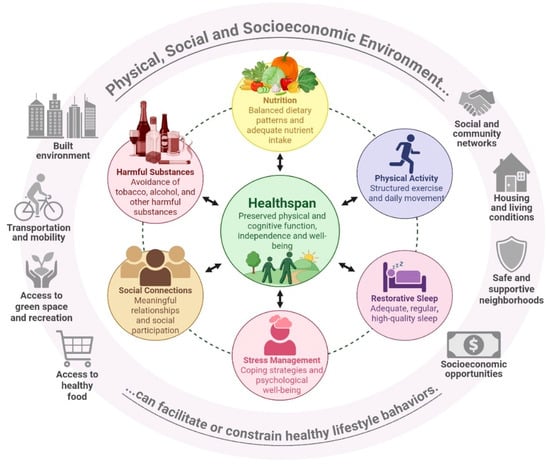
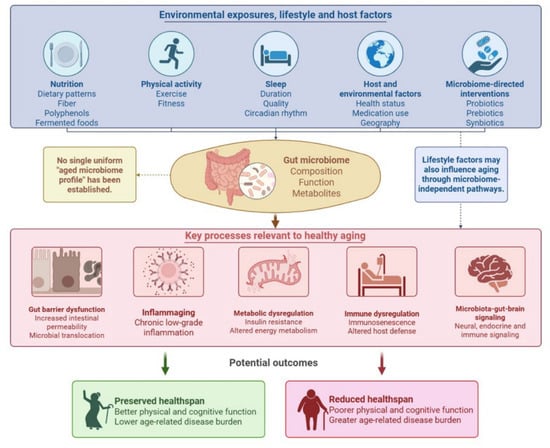
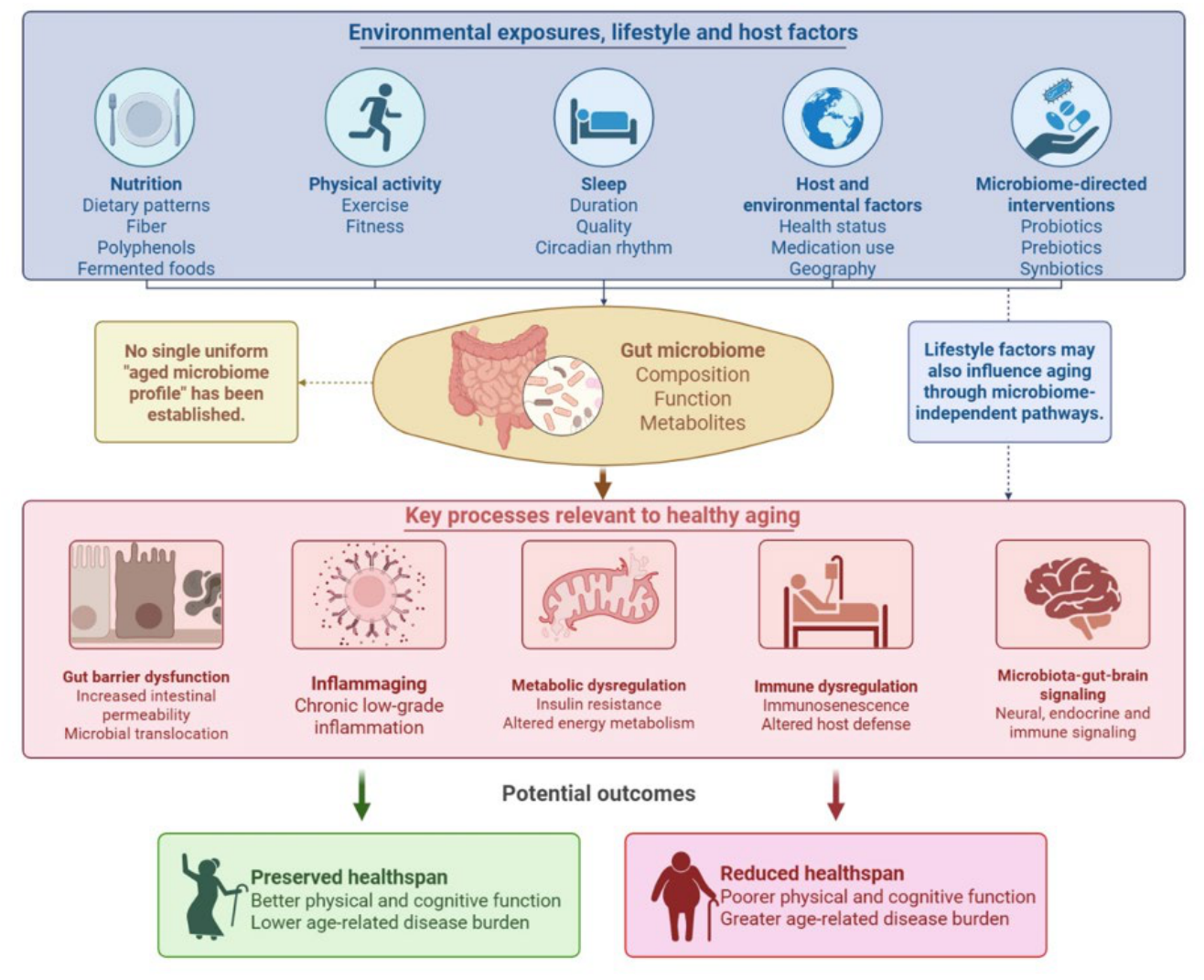

Disclaimer/Publisher’s Note: The statements, opinions and data contained in all publications are solely those of the individual author(s) and contributor(s) and not of MDPI and/or the editor(s). MDPI and/or the editor(s) disclaim responsibility for any injury to people or property resulting from any ideas, methods, instructions or products referred to in the content. |
© 2026 by the authors. Licensee MDPI, Basel, Switzerland. This article is an open access article distributed under the terms and conditions of the Creative Commons Attribution (CC BY) license.