


Abstract
Pancreatic cancer has among the poorest survival of any malignancy, with substantial disparities in outcomes. Nutritional status is associated with treatment tolerance, postoperative complications, and survival in pancreatic cancer, while dietary factors have also been associated with pancreatic cancer risk. The food environment, including access to and the relative availability of healthy and unhealthy food retailers, represents a potentially modifiable structural determinant of health. In this narrative review, we summarize evidence on nutrition and pancreatic cancer and on food environment and cancer outcomes. Few studies have examined food environment in pancreatic cancer, and findings are inconsistent. A large U.S. study using a composite food environment measure found associations with later-stage presentation and modestly worse survival, and a county-level analysis reported higher pancreatic cancer mortality in food swamps. Studies examining food desert residence, however, have not demonstrated associations with pancreatic cancer incidence or survival. Multi-cancer studies, including pancreatic cancer, report associations between poor food environments and cancer outcomes but generally do not report pancreas-specific results. Current evidence linking food environment to pancreatic cancer outcomes is limited and extrapolated from other cancers and chronic conditions, comes entirely from the United States, and relies on area-level exposure measures. We describe community interventions to improve food access, none yet evaluated for cancer outcomes, and propose a research agenda to address these gaps.
1. Introduction
Pancreatic cancer is one of the most lethal malignancies, accounting for an estimated 490,786 deaths worldwide in 2024 [1]. In the United States, pancreatic cancer, of which pancreatic ductal adenocarcinoma (PDAC) is the most common subtype, carries a five-year relative survival of 13% for patients diagnosed during 2015–2021, and its incidence rose by approximately 1% annually from 1998 to 2022 [2]. Despite advances in systemic therapy, surgical resection remains the only potentially curative treatment; however, the majority of patients are ineligible for surgery due to locally advanced or metastatic disease at the time of diagnosis [2]. Even among those who are eligible to undergo resection, long-term survival prospects remain dismal.
Understanding patient characteristics associated with inequalities in pancreatic cancer outcomes is critical to improving cancer outcomes and promoting health equity. Factors such as race and ethnicity, insurance status, age, genetic predisposition, geographic location, and socioeconomic status have all been identified as contributors to differences in pancreatic cancer presentation and outcomes [3,4]. Preventable differences in health outcomes, commonly referred to as healthcare disparities, are pervasive and can impact disease prevalence, access to treatment, and overall mortality. While elucidating the mechanisms underlying these known health disparities is paramount, continuing efforts to explore previously underrecognized disparities is imperative to achieving equitable care. The food environment, described by the Food and Agriculture Organization of the United Nations as “the collective physical, economic, policy and sociocultural surroundings, opportunities and conditions that influence people’s food and beverage choices and nutritional status”, represents one such underrecognized determinant [5].
Diet and nutrition are key contributors to a patient’s health and are shaped by a complex interplay of behavioral, socioeconomic, psychological, geographical, and cultural elements [6,7,8,9]. Emerging evidence has highlighted the significant role of diet and nutrition across the continuum of pancreatic cancer from primary prevention to treatment response [10,11,12]. Socioeconomic and geographic barriers may limit access to healthy foods that promote optimal nutrition, potentially contributing to inequities in pancreatic cancer outcomes [13].
A recent scoping review of the retail food environment and cancer outcomes identified 21 studies, all from the United States, of which only four included pancreatic cancer and only one, an analysis of incidence, examined it alone [14]. To our knowledge, our review is the first to focus on the food environment in pancreatic cancer, integrating evidence on the disease’s distinctive nutritional vulnerability with the emerging food environment literature. This narrative review addresses three questions: (1) how nutritional status and diet relate to pancreatic cancer outcomes; (2) what is known about the association of the food environment, particularly food deserts and food swamps, with dietary quality and health outcomes and how this could influence pancreatic cancer outcomes; and (3) which interventions to improve the food environment exist, and what evidence would be needed to evaluate their effect on pancreatic cancer outcomes. Direct evidence linking the food environment to pancreatic cancer is scarce. We therefore state explicitly where findings derive from pancreatic cancer populations and where they are extrapolated from other cancers and chronic conditions. Because nearly all available research on the food environment and cancer outcomes comes from the United States, the review focuses on the US context; the transferability of these constructs to other health systems is considered in Section 11.
In addition to the food environment, defined above, several related but distinct concepts are used throughout this review. Food access is an individual’s or community’s ability to reach and afford healthy food, shaped by proximity, transportation, and income [15]. As defined by the USDA, food insecurity is “a household-level economic and social condition of limited or uncertain access to adequate food” [16]. Dietary quality describes how closely actual intake aligns with dietary recommendations, as measured by indices such as the Healthy Eating Index [17]. Nutritional status is the physiological state resulting from nutrient intake and utilization [18], assessed through weight change, body composition, and clinical nutritional indices [18,19]; its impairment, malnutrition, is characterized by altered body composition and diminished function and clinical outcomes [20]. Conceptual frameworks propose that the food environment shapes food choices and diets and, through them, nutritional status (Figure 1), although empirical evidence linking food environments to diet and health outcomes, including cancer, remains mixed [14,21,22,23,24].
Figure 1.
Proposed pathways linking the food environment to pancreatic cancer outcomes.
2. Methods
This narrative review was informed by a literature search of PubMed and Google Scholar conducted in September 2026, with no restriction on publication date. Search terms were grouped into pancreatic cancer terms (“pancreatic neoplasms”, “pancreatic cancer”, “pancreatic ductal adenocarcinoma”); nutrition terms (“malnutrition”, “nutritional status”, “cachexia”, “nutritional support”, “prehabilitation”, “pancreatic enzyme replacement therapy”, “diet quality”, “dietary patterns”, “Healthy Eating Index”, “dietary inflammatory index”); food environment terms (“food environment”, “food desert”, “food swamp”, “food insecurity”, “food access”, “retail food environment index”); outcome terms (“neoplasms”, “cancer”, “postoperative complications”, “surgical outcomes”, “obesity”, “chronic disease”); and intervention terms (“supermarket”, “corner store”, “farmers market”, “mobile market”, “food voucher”, “medically tailored meals”). Pancreatic cancer terms were combined with nutrition terms (1600 records in PubMed) and with food environment terms (2 records in PubMed). Because few studies addressed pancreatic cancer and the food environment directly, food environment terms were also combined with outcome terms (4288 records in PubMed) and with intervention terms (548 records in PubMed). Google Scholar was searched using the same terms to supplement PubMed. Only English-language articles were included. Ongoing trials were identified through targeted Google searches, and the reference list of a recent scoping review of the food environment and cancer was hand-searched. To describe community and policy initiatives not yet evaluated in the peer-reviewed literature, targeted Google searches identified reports, municipal codes, and news coverage; these sources are cited only to describe the existence and design of such programs, not their effectiveness.
For searches returning fewer than 100 records, all titles were screened; for larger searches, the first 100–200 results ranked by relevance were screened. Studies were selected for relevance to the review questions, with the aim of providing a comprehensive overview of the evidence rather than an exhaustive account of any single topic. Studies of other cancers and chronic conditions were included where they informed plausible mechanisms and are identified as such in the text. Peer-reviewed original studies, systematic reviews, and meta-analyses were prioritized; conference abstracts were only included when they reported pancreas-specific food environment findings, given the scarcity of such data, and are identified as abstracts in the text and Table 1. Articles were screened and selected by C.L. and C.B. As a narrative review, this work did not follow a formal systematic review protocol, and no quantitative synthesis was performed.
Table 1.
Studies of the food environment that include patients with pancreatic cancer.
3. Nutritional Status of Pancreatic Cancer Patients
The disruption of pancreatic endocrine and exocrine function in patients with pancreatic cancer is directly detrimental to the physiologic processes involved in digestion and nutritional status [35]. This impairs the production of digestive enzymes and the regulation of metabolism through insulin and glucagon, with exocrine dysfunction demonstrated by pancreatic exocrine insufficiency (PEI) that commonly develops from both tumor-related destruction or obstruction of pancreatic exocrine tissue and surgical resection [36]. These dysfunctions frequently lead to clinical manifestations including steatorrhea, weight loss, and new-onset diabetes [35,36]. For exocrine dysfunction, pancreatic enzyme replacement therapy (PERT) is the principal treatment [37]. In addition, cancer-associated cachexia, a syndrome of progressive muscle and weight loss driven by tumor-related inflammation and metabolic changes, further compromises nutritional status in this patient population, making nutritional deterioration difficult to reverse with dietary intake alone [38,39]. The manifestations of these disease processes are profound even before diagnosis, with more than 60% of patients experiencing significant weight loss (greater than 5% of baseline body weight) in the 6 months prior to diagnosis and 40% losing 10% or more [40,41].
The treatment of pancreatic cancer can further exacerbate these physiologic disturbances. Systemic therapy may contribute through anorexia, gastrointestinal toxicity, fatigue, and treatment-related reductions in dietary intake, as shown by studies illustrating how neoadjuvant chemotherapy reduces nutritional status scores and is associated with worse prognostic nutritional indices [42,43,44]. Surgical interventions, including pancreaticoduodenectomy and distal pancreatectomy, also place patients at higher risk of moderate to severe malnutrition [45]. Resection increases risk of PEI, delayed gastric emptying (DGE), and reduced oral intake in the perioperative period [46]. These altered nutritional states may require management with PERT, motility agents, or supplemental nutrition [46]. The type of surgical resection may influence nutritional outcomes, as patients undergoing pylorus-preserving procedures have demonstrated significantly greater postoperative albumin levels and less visceral fat loss compared to patients undergoing pylorus-resecting pancreaticoduodenectomies; however, this finding is not consistent across studies [46,47].
These disease and treatment-related losses occur against a background that differs across patients. Individuals with limited access to affordable nutrient-dense food, or those experiencing food insecurity, may begin treatment with poorer dietary quality and fewer reserves, and may have less ability to follow dietary recommendations such as small, frequent high-protein meals or PERT [48]. Socioeconomic barriers may further limit access to nutritional services [49]. Whether these factors measurably worsen nutritional status in pancreatic cancer has not been studied directly, a gap considered in Section 10.
4. Effects of Nutrition on Survival and Surgical Outcomes in Pancreatic Cancer
Nutritional and inflammatory status, assessed using measures such as body weight and composite indices incorporating serum albumin, C-reactive protein (CRP), lymphocyte count, and total cholesterol, is consistently associated with outcomes in pancreatic cancer [50,51,52,53,54,55]. Because albumin and CRP are strongly influenced by systemic inflammation, they are better regarded as markers of combined nutritional and inflammatory status rather than as direct measures of nutrition. Poor scores on nutritional indices, such as the Geriatric Nutritional Risk Index (GNRI), Controlling Nutritional Status (CONUT), and Prognostic Nutritional Index (PNI), and malnutrition identified by the Subjective Global Assessment have been linked to worse survival and postoperative complications in pancreatic cancer patients [10,50,54,55,56,57,58].
Malnutrition-associated phenotypes, including cancer cachexia and sarcopenia, have also been associated with poorer survival in pancreatic cancer, although the strength of evidence differs by measure. Sarcopenia has been consistently associated with worse survival: a 2019 meta-analysis found a 95% higher risk of death in patients with sarcopenia compared with those without, a pattern confirmed in a 2025 meta-analysis that also demonstrated worse progression-free survival [59,60]. For weight loss, the threshold appears to matter: weight loss exceeding 10% has been associated with shorter survival, whereas loss meeting the broader 5% cachexia threshold has not [40,41].
Poor nutritional status may also compromise the delivery of cancer treatment. Sarcopenia and early muscle loss during chemotherapy have been associated with dose-limiting toxicity in prior research, although a systematic review found this association in only a third of studies [61,62]. Among patients undergoing surgical resection, poor preoperative nutritional status is associated with increased rates of complications. For example, patients undergoing pancreaticoduodenectomy or pancreatectomy with worse CONUT scores have been found to experience higher rates of both overall and severe postoperative complications compared to those with more optimal scores [63]. Additionally, lower preoperative PNI scores have been linked to higher rates of postoperative complications, particularly pancreatic fistulas, in patients undergoing pancreaticoduodenectomy [10]. Furthermore, in a national US inpatient database, patients coded with a protein-energy malnutrition diagnosis had higher in-hospital mortality and more complications across multiple organ systems following pancreaticoduodenectomy; however, these data predate the 2015 transition to ICD-10 coding, and administrative codes tend to underreport malnutrition [64].
5. Nutritional Intervention in Pancreatic Cancer
Research investigating therapies aimed at improving the nutritional status of patients with pancreatic cancer supports the integration of nutritional care into standard treatment protocols. This approach is consistent with international guidelines recommending early nutritional assessment, individualized dietary counseling, and nutritional support throughout cancer treatment for patients at risk of malnutrition [42]. These interventions vary in both modality and timing relative to the course of cancer therapy, ranging from prehabilitation before surgery to ongoing nutritional management during chemotherapy and postoperative recovery. Studies of nutritional interventions have primarily demonstrated effects on intermediate outcomes, including body weight, body composition, functional status, and postoperative complications, while evidence for improved survival remains limited and largely derived from small or heterogeneous studies [65].
Preoperative interventions studied include nutrient supplementation, such as eicosapentaenoic acid (EPA), and diet-focused approaches, such as dietary modification, enteral nutrition, and parenteral nutrition. These have been associated with improvements in skeletal muscle area, body weight, and handgrip strength, although individual studies have assessed different outcomes [65,66,67]. Multimodal prehabilitation, incorporating nutritional support with exercise and, in some programs, psychosocial interventions, has shown potential to mitigate nutritional deterioration, decrease patient frailty, reduce length of stay, and improve functional capacity prior to pancreatic surgery, largely in mixed hepatopancreatobiliary cohorts [68,69,70]. In a randomized trial of patients undergoing major hepatobiliary and pancreatic cancer surgery, both conventional and goal-directed multimodal prehabilitation increased 6 min walk distance by approximately 30 m (27 and 31 m, respectively), a magnitude within the range reported as clinically important for this measure [71,72]. However, studies are heterogeneous and findings regarding postoperative complications are inconsistent [68,69]. Nutritional assessment and appropriate nutritional support are nonetheless recommended components of perioperative care in pancreatic surgery [46].
The period during which patients undergo chemotherapy represents a potentially valuable, yet underexplored, window for nutritional optimization. In a randomized trial by Kim et al., patients with pancreatic or bile duct cancers (29% pancreatic) received 8 weeks of either a standard diet or supplemented diet that provided additional calories, protein, and fat [73]. The supplemented group gained fat-free mass, skeletal muscle mass, and body cell mass, whereas the control group showed declines within the same parameters, and patient-reported outcomes significantly improved with supplementation. More recently, a single-center randomized trial of 60 patients with advanced pancreatic cancer found that early elemental diet supplementation during chemotherapy attenuated BMI loss and preserved handgrip strength, with longer overall survival than usual diet (21.4 vs. 12.8 months; HR 0.55, 95% CI 0.31–0.98) [12]. Given the small sample size, this survival signal remains preliminary, but it suggests that nutritional support during systemic therapy may have effects beyond weight preservation.
For patients with PEI, PERT is an important component of nutritional management. However, evidence for its effect on nutritional and oncologic outcomes in pancreatic cancer remains limited. In a randomized trial of patients with unresectable pancreatic cancer receiving chemotherapy, pancrelipase did not significantly improve BMI or other nutritional markers, and the observed difference in overall survival did not reach statistical significance [74]; a meta-analysis of randomized trials likewise found no difference in survival [75].
Evidence for specific postoperative nutritional interventions in pancreatic cancer remains limited. In the NUTRIWHI randomized trial, nutritionally at-risk patients undergoing pancreaticoduodenectomy received early supplemental enteral nutrition plus oral feeding or oral feeding alone. Among 118 analyzed patients, early enteral nutrition reduced the 90-day Comprehensive Complication Index (25.5 vs. 35.8; p = 0.02), although individual complications, including pancreatic fistula, delayed gastric emptying, and infection did not differ [76]. These findings are consistent with perioperative guidelines favoring early oral or enteral nutrition when feasible [77]. Smaller studies have also reported that high-fat, high-energy ketogenic diets increase energy intake and that high-fat oral nutritional supplements increase caloric intake and improve nutritional risk index scores [78,79]. Together, these findings support continued investigation of targeted postoperative nutritional support.
Access to structured prehabilitation and multidisciplinary nutritional services may also be inconsistent. A 2026 survey of cancer-surgery prehabilitation services across the UK National Health Service found substantial variation in service availability and characteristics, with only 65% of responding organizations reporting an eligible prehabilitation service [80]. Other research has reported that, even in a universal health system, 44% of patients with pancreatic cancer and cachexia had no dietetic consultation [40]. Financial, geographic, and transportation barriers may further limit access to dietetic services, oral nutritional supplements, and other nutritional interventions, although these relationships have not been well-studied in pancreatic cancer and represent an important gap (Section 10).
6. Diet and Pancreatic Cancer
International guidelines recommend that patients with cancer consume 25–30 kcal/kg/day of energy and more than 1.0 g/kg/day of protein, up to 1.5 g/kg/day where possible [42]. Many patients with pancreatic cancer fall short of these targets. In a Dutch multicenter cohort, reduced food intake was reported by 53% of patients undergoing surgery and 79% of those receiving palliative chemotherapy, and protein intake was insufficient in 66% and 76%, respectively [40].
Limited evidence suggests that dietary intake during treatment may be associated with outcomes. In a prospective cohort of patients with unresectable pancreatic cancer receiving chemotherapy, protein intake below 1.1 g/kg/day after treatment initiation was independently associated with shorter overall survival [81]. In a cohort of patients with advanced disease, a plant-rich dietary pattern was associated with better chemotherapy response and longer survival than a high-fat Western pattern [82]. However, both studies were small and observational, and lower intake may partly reflect more advanced disease rather than cause poorer outcomes. Evidence that improving diet during treatment improves survival is limited and inconsistent [83], and the quality of diet after diagnosis, beyond energy and protein intake, remains largely unexplored [84].
Most research on diet and pancreatic cancer instead concerns risk of developing the disease. Excess body fatness is an established cause of pancreatic cancer, and in observational studies, healthier dietary patterns have generally been associated with lower risk [85,86]. In the NIH-AARP cohort of more than 500,000 adults, those with the highest Healthy Eating Index scores had a 15% lower risk than those with the lowest (HR 0.85, 95% CI 0.74–0.97), and a subsequent analysis found similar reductions for the Healthy Eating Index-2015, Mediterranean, and DASH dietary patterns (HRs 0.82–0.86), though not for the Alternative Healthy Eating Index [87,88]. Similar associations have been reported in Asian and Australian cohorts and European case–control studies, although not consistently [89,90,91,92]. Higher dietary antioxidant capacity has been associated with lower pancreatic cancer incidence and mortality in population-based studies, and diets with higher inflammatory potential with increased risk, including an 11% higher risk per standard-deviation increase in dietary inflammatory score in the multinational EPIC cohort (HR 1.11, 95% CI 1.02–1.22) [93,94,95,96,97]. These findings are relevant to prevention and to disparities in pancreatic cancer incidence, but they cannot be assumed to apply to patients already diagnosed. Notably, none of the treatment-period studies described above measured patients’ food environment or food access, so whether these factors contribute to inadequate intake during treatment is unknown, a gap addressed in Section 10.
7. Food Deserts
Food deserts are generally defined as low-income areas in which a substantial proportion of residents have limited access to healthy and affordable food vendors, although definitions vary across studies [98] (Table 2). Food deserts may represent one important mechanism through which socioeconomic and geographic disadvantage influences dietary intake and, potentially, health outcomes in pancreatic cancer. However, few studies have examined food deserts in pancreatic cancer, as discussed at the end of this section. The evidence below therefore comes largely from general populations, other chronic conditions, and other cancers and is presented as indirect evidence of mechanisms that may plausibly apply to pancreatic cancer.
In a cross-sectional analysis of a nationwide U.S. cohort, food desert residence was independently associated with poor diet quality, defined as scoring in the lowest quartile of the 2020 American Cancer Society (ACS) guidelines for cancer prevention. Individuals living in food deserts had a 17% higher risk of poor dietary quality and lower scores for vegetable, fruit, sugar-sweetened beverages, and red/processed meat [48]. Similarly, in the REGARDS cohort, residents of food desert census tracts were more likely to adhere to a Southern dietary pattern characterized by fried foods, added fats, eggs and egg dishes, sugar-sweetened beverages, organ meats, and processed meats [99]. In both studies, diet quality was also associated with education, income, and race and ethnicity, which are concentrated in food desert areas, making it difficult to isolate the independent contribution of food access.
The availability of healthy food may also influence the effectiveness of dietary interventions. Wedick et al. found that proximity to healthy food retailers modified the impact of a dietary behavioral intervention in overweight and obese adults: for each additional mile a participant lived from a healthy food store, improvements in fiber intake were 1.07 g/day less and improvements in fruit and vegetable intake were 0.19 servings/day less [100]. These findings suggest that the local food environment may influence the effectiveness of nutritional interventions, a consideration potentially relevant to nutritional support in pancreatic cancer, although this relationship has not been directly studied in this population.
Evidence from other chronic conditions similarly suggests associations between food desert residence and adverse health outcomes. In a cross-sectional analysis of patients with chronic obstructive pulmonary disease (COPD), food desert residence was associated with lower forced expiratory volume in one second (FEV1), increased air trapping, and poorer respiratory quality of life after adjustment for demographic characteristics and income [101]. Pregnant patients with COVID-19 who required hospitalization were more likely to reside in a food desert, and among patients undergoing cardiac catheterization, food desert residence was associated with higher prevalence of myocardial infarction, prior revascularization, hypertension, and high body mass index (BMI) [102,103].
Food desert residence has also been associated with adverse surgical outcomes. Among patients undergoing total knee or hip arthroplasty, food desert residence was associated with increased length of stay and higher healthcare costs [104,105]. In patients undergoing revascularization for chronic limb-threatening ischemia, food desert residence was associated with an almost threefold increase in 30-day readmission and higher rates of wound complications [106]. Similarly, a study of patients undergoing esophagectomy found that food desert residence was associated with increased 30-day readmission after adjustment for clinical factors [107]. Because food deserts are concentrated in lower socioeconomic areas, these associations may reflect broader socioeconomic disadvantage and cannot be directly attributed to limited food access alone.
Evidence linking food deserts to cancer outcomes is emerging but inconsistent. A recent scoping review identified seven studies examining food desert residence and cancer outcomes, four of which reported significant associations with mortality or survival [14]. In a California Cancer Registry study, food desert residence was associated with poorer five-year survival among patients with breast and colorectal cancer, and a large study of endometrial, ovarian, and cervical cancers similarly found higher disease-specific mortality among patients residing in food deserts [108,109]. In contrast, other studies of gynecologic cancers and resected non-small cell lung cancer found no significant association after adjustment [110,111].
Direct evidence in pancreatic cancer is limited and inconsistent (Table 1). Only two studies have examined food desert residence in pancreatic cancer specifically. In a county-level analysis, food desert measures incorporating vehicle access were associated with higher pancreatic cancer incidence in bivariate analysis, but standard measures were not. After backward selection, none remained significant, and smoking prevalence was the only retained factor [26]. A conference abstract likewise found no association between food desert residence and pancreatic cancer survival [27]. Studies that include pancreatic cancer alongside other cancers, without reporting it separately, have found adverse associations. Among patients undergoing resection for hepatopancreatobiliary cancer, more than half of whom had pancreatic cancer, food desert residence was associated with lower odds of a textbook outcome (OR 0.86, 95% CI 0.76–0.97); this study is described further in Section 8 [31]. At the county level, counties with high food desert scores had higher odds of high mortality from obesity-related cancers, a group that includes pancreatic cancer (age-adjusted OR 1.59, 95% CI 1.29–1.94). This ecological analysis, however, cannot be attributed specifically to pancreatic cancer or establish an individual-level relationship [32].
Collectively, these findings suggest that food deserts may influence dietary quality and potentially cancer-related outcomes, but the evidence remains heterogeneous and is vulnerable to socioeconomic confounding. In pancreatic cancer, existing studies have not established whether food desert residence contributes to poorer outcomes through inadequate dietary intake, reduced access to nutritional interventions, or other mechanisms. Further research directly linking food environment, dietary intake, nutritional status, and pancreatic cancer outcomes is therefore needed (Section 10).
Table 2.
Food environment metrics used in the studies reviewed.
8. Food Swamps
A related measure of the food environment is the food swamp, an area in which unhealthy food options outnumber healthier alternatives. The term was first introduced by Rose et al. to describe neighborhoods with an abundance of fast food and energy-dense, nutrient-poor options relative to healthier food sources [118]. Food swamps are increasingly common: between 2003 and 2023, the proportion of US census tracts classified as food swamps increased from 80.2% to 88.5%, whereas the proportion classified as food deserts changed little [119]. Like food deserts, food swamps may contribute to inequities in health outcomes by promoting dietary patterns associated with metabolic dysfunction.
Food swamps are most often quantified using the Retail Food Environment Index (RFEI) or its modified version (mRFEI), which differ in construction and direction (Table 2). The RFEI is the ratio of unhealthy food retailers, such as fast-food restaurants and convenience stores, to healthier retailers, such as supermarkets and specialty food stores, within a given area, so higher scores indicate a less healthy environment [120]. The mRFEI instead expresses healthy food retailers as a percentage of all food retailers, so higher scores indicate a healthier environment [121]. Residence in areas with higher RFEI or lower mRFEI scores has been associated with poorer dietary patterns and greater rates of adult obesity, and one national study found that food swamp measures predicted county obesity rates more strongly than food desert measures [114,115,122].
Evidence from other conditions, although not directly transferable to pancreatic cancer, suggests that food swamp residence is associated with adverse health outcomes. Phillips et al. found that adults with diabetes living in severe food swamps experienced higher rates of both all-cause and ambulatory care-sensitive hospitalizations, with approximately 50 and 19 additional hospitalizations per 1000 adults with diabetes, respectively, and larger effects in rural counties [117]. At the county level, food swamp prevalence has also been associated with higher mortality from metabolic dysfunction-associated steatotic liver disease (MASLD) [112].
Few studies have examined food swamps and cancer outcomes directly. A recent scoping review identified three studies examining food swamp exposure and cancer outcomes, all of which reported significant associations with mortality [14]. In colorectal cancer, food swamp residence has been associated with higher mortality from early-onset disease and with lower rates of textbook outcomes after surgery [113,116]. These findings provide indirect evidence that the broader food environment may influence cancer outcomes, but they cannot be assumed to apply to pancreatic cancer.
Only one study, available as a conference abstract, has examined food swamp exposure and pancreatic cancer specifically. In an ecological analysis of 94 Georgia counties, those with high food swamp scores had higher odds of high pancreatic cancer mortality from 2010 to 2020 after adjustment for age, race, poverty, and physician density (aOR 2.63, 95% CI 1.02–6.77) [28]. However, the confidence interval was wide, and population mortality reflects both incidence and survival. The model also did not adjust for smoking, which was more prevalent in high-mortality counties and was the strongest county-level predictor of pancreatic cancer incidence in a separate analysis [26]. This finding contrasts with the null results for food desert residence (Section 7), although the studies differ in design and adjustment. Other evidence comes from studies that include pancreatic cancer alongside other cancers (Table 1). In a Medicare cohort of 53,426 patients undergoing resection for hepatopancreatobiliary cancer, 57% of whom had pancreatic cancer, residence in a high food swamp county was associated with higher 90-day mortality (OR 1.74, 95% CI 1.47–2.06) and lower odds of a textbook outcome (OR 0.83, 95% CI 0.75–0.92), defined as no prolonged length of stay, complications, readmission, or death within 90 days, after adjustment for age, sex, race, county-level social vulnerability, procedure type, and comorbidity [31]. The similar association for food desert residence in the same cohort (Section 7) suggests that the two measures may capture overlapping disadvantage. However, results were not reported by cancer type, stage was unavailable, and patients with unresectable disease were excluded. County-level findings for obesity-related cancer mortality are mixed. High food swamp scores were associated with greater odds of high obesity-related cancer mortality (age-adjusted OR 1.77, 95% CI 1.43–2.19), although this association attenuated after further adjustment [32]. A national analysis, however, found no significant association for an mRFEI-type index based on retailer locations, but did find an inverse association for an index based on residents’ GPS-measured retailer visits (OR 0.82 per standard-deviation increase, 95% CI 0.75–0.90) [33]. Neither obesity-related cancer analysis can be attributed specifically to pancreatic cancer, and no study has examined whether food swamp exposure affects dietary intake, nutritional status, or treatment tolerance in patients with pancreatic cancer.
9. Other Food Environment and Food Access Measures in Pancreatic Cancer
Beyond food deserts and food swamps, some studies have examined broader food environment measures or food insecurity in populations that include patients with pancreatic cancer (Table 1).
In the only peer-reviewed study reporting pancreas-specific outcomes after diagnosis, 49,785 patients with pancreatic cancer were drawn from a larger gastrointestinal cancer cohort. The exposure was a county-level composite derived from the USDA Food Environment Atlas, which reflects food availability, nutrition assistance, and related social conditions. A worse score was associated with later-stage presentation of tumors in the pancreatic body and tail (OR 1.04, 95% CI 1.01–1.06), but not of tumors in the pancreatic head or at other pancreatic sites. A worse score was also associated with modestly worse overall survival across pancreatic cancer (HR 1.04, 95% CI 1.02–1.05). These associations persisted after adjustment for other social determinants of health [25].
In a North Carolina registry study of 1,292,991 patients with cancer, 30,361 of whom had pancreatic cancer, a higher county-level Food Environment Index was associated with modestly better overall survival (HR 0.983 per unit increase, 95% CI 0.979–0.988) after adjustment for stage, treatment, and county-level socioeconomic and behavioral factors [30]. This index combines limited grocery store access among low-income residents with food insecurity. The study did not report pancreas-specific estimates, although the authors found no significant interaction by anatomic site; a conference abstract from the same group reported a similar association in pancreatic cancer specifically [29].
Food insecurity, measured at the county level, was examined in a SEER-Medicare cohort of 49,882 patients with hepatopancreatobiliary cancer, 58% of whom had pancreatic cancer. Among the 6702 (13.4%) who underwent resection, residence in high-food-insecurity counties was associated with lower odds of a textbook outcome (OR 0.69, 95% CI 0.54–0.88). Residence in high-food-insecurity counties was also associated with higher mortality at 1 (HR 1.14, 95% CI 1.08–1.21), 3 (HR 1.14, 95% CI 1.08–1.20), and 5 (HR 1.07, 95% CI 1.02–1.13) years, although the 3- and 5-year associations were not significant after adjustment for county income. Pancreas-specific estimates were not reported [34].
Because these studies use different exposures and populations, and most do not report pancreas-specific estimates, their findings are not directly comparable. Whether the associations reflect nutritional pathways or broader socioeconomic and healthcare disparities remains unclear.
10. Interventions to Improve the Food Environment
Interventions to improve food access range from public policy reforms to community- and clinic-based programs. Some have been evaluated for effects on dietary intake, food security, or general health, with mixed results. However, to our knowledge, none of the community-level interventions has been evaluated for effects on cancer outcomes, and none has focused on patients with pancreatic cancer. They are summarized here to identify candidates for future evaluation rather than as established strategies for improving cancer outcomes.
10.1. Supermarket Incentives and Public Transit
Several jurisdictions use zoning or tax incentives to attract grocery stores to underserved areas, including Philadelphia’s Fresh Food Market Bonus, New York City’s Food Retail Expansion to Support Health (FRESH) program, and Prince George’s County, Maryland’s Grocery Store Tax Credit, and the federal Healthy Food Financing Initiative has funded supermarket development in food deserts nationally [123,124,125,126]. Evaluations of the impact of new supermarkets in food deserts have been mixed. In Pittsburgh, residents of a food desert that received a new supermarket reduced energy and added sugar intake relative to a comparison neighborhood, but fruit and vegetable intake and BMI did not differ, and dietary changes were unrelated to use of the store [127]; a follow-up analysis of the same cohort found fewer newly reported diagnoses of hypercholesterolemia and arthritis [128]. In contrast, supermarket openings in Philadelphia and the South Bronx under the FRESH program did not change reported fruit and vegetable consumption or children’s diets, respectively [129,130]. A systematic review of new-grocery-store interventions similarly found inconsistent evidence of effects on diet, and a national analysis estimated that equalizing grocery product availability and prices would reduce nutritional inequality by only 10%, suggesting that improving food access may have limited effects on diet quality [131,132]. Public transportation offers an alternative avenue for improving access to grocery stores, and some cities have introduced bus routes or on-demand services connecting underserved communities to grocery stores [133]. However, only about one-third of US municipalities with public transit consider food access in route planning, and, to our knowledge, the health effects of such services have not been evaluated [134].
10.2. Local Retailers
Interventions targeting smaller food retailers aim to increase the availability and promotion of healthy foods in corner stores. A systematic review of 16 small-store interventions found improvements in healthy food availability, purchasing, and consumption, particularly for programs combining environmental and behavioral strategies [135]. For example, New York City’s Healthy Bodegas Initiative increased sales of promoted healthy products in a substantial proportion of participating stores, and the Baltimore Healthy Stores program increased weekly sales of promoted foods in corner stores and supermarkets [136,137]. A pilot trial in four Latino food stores in North Carolina found a marginal increase in customers’ self-reported fruit and vegetable intake [138]. However, in Philadelphia’s Healthy Corner Store Initiative, a cluster randomized trial found no change in the energy content of students’ corner store purchases or in obesity measures, and a larger evaluation across 192 stores found no change in the nutritional content of purchases after one year [139,140].
10.3. Produce Access Programs
Farmers markets, farm stands, mobile markets, and community gardens aim to bring fresh produce directly into underserved areas [141]. A farmers market introduced in a Canadian food desert was associated with greater healthy food variety and a 12.2% lower price for a nutritious food basket, and farm stands introduced in low-income communities increased residents’ fruit and vegetable intake [142,143]. A systematic review of mobile produce markets found that their use was associated with higher fruit and vegetable consumption, although no included intervention study had a control group, and a mobile market in Pittsburgh food deserts increased vegetable intake in two of six neighborhoods [144,145]. Community gardens have been associated with psychosocial and nutritional benefits, and in the first randomized trial of community gardening, participants increased fiber intake and physical activity relative to waitlist controls [146,147,148]; however, their effect on food security remains unclear. A hydroponic garden at the Georgia Cancer Center distributes produce to patients and community residents, citing food environment-related cancer disparities as its rationale, but outcome data have not yet been reported [149,150].
10.4. Clinic-Based Food Interventions
Interventions delivered through health care settings are most directly relevant to patients with cancer. Outside cancer, receipt of a medically tailored meal program among patients with serious illness was associated with fewer hospital and skilled nursing admissions and lower medical spending [151]. In a randomized trial of food-insecure patients in safety-net cancer clinics, clinic-based food assistance, including a food pantry, food vouchers, and home grocery delivery, supported high treatment completion and improved food security and quality of life [152]. Screening and referral for food insecurity at preoperative surgical visits have been shown to be feasible, and trials of medically tailored meals and food assistance during active cancer treatment are ongoing [153,154,155]. None of these studies has focused on pancreatic cancer.
10.5. Priorities for Future Research
Three priorities would address the gaps identified in this review. First, data linkage: cancer registries and claims-based cohorts could be linked at the census-tract or address level to USDA food access data and retail food environment measures, allowing for pancreas-specific estimates adjusted for stage, treatment, insurance, and area deprivation. Because area-level measures may not reflect where patients actually shop, individual-level measures, such as activity-based indices of retailer visits, should be incorporated where possible [33]. Second, study design: prospective cohorts that screen patients for food insecurity at diagnosis, as recommended by the American Society of Clinical Oncology, for example with the two-item Hunger Vital Sign, and that measure dietary intake, nutritional status, and receipt of nutritional care, including dietetic consultation, oral nutritional supplements, and PERT, over time would allow for formal mediation analysis [156,157]. Such analysis could test whether any effect of the food environment operates through nutrition rather than access to care. Natural experiments around supermarket openings or closures, and pragmatic trials of food assistance or medically tailored meals during neoadjuvant or palliative therapy, could provide causal evidence. Third, endpoints: studies should report changes in nutritional status, treatment completion and dose intensity, receipt of surgery, postoperative textbook outcome, quality of life, and overall survival.
11. Limitations
Several limitations of this review must be acknowledged, relating both to the underlying evidence and to the review itself.
First, few studies have examined the food environment in pancreatic cancer populations, and most conclusions are therefore drawn by extrapolation from other cancers, chronic conditions, and general populations. The pancreas-specific studies that do exist report inconsistent findings, and three are available only as conference abstracts.
Second, people living in poor food environments are more likely to be of lower socioeconomic status, which is itself associated with limited access to transportation, housing, insurance, and healthcare, each of which independently predicts later diagnosis, lower rates of surgery, and worse survival. Whether worse outcomes observed in poor food environments are attributable to food access itself or to these related factors cannot be determined from current evidence. In the largest county-level study, for example, the association between food swamps and obesity-related cancer mortality weakened substantially after adjustment for poverty and was no longer significant after adjustment for obesity, and the composite measure used in the largest pancreas-specific study also incorporates broader social determinants [25,32].
Third, nearly all studies assigned food environment exposure at the county or census-tract level rather than for individual patients. Associations observed between areas may not hold for individuals within them (the ecological fallacy), and area-level measures do not capture where people actually shop or how they use their food environment [14]. Definitions of food deserts and food swamps also vary in thresholds, retailer classification, and geographic unit (Table 2), limiting comparison across studies.
Fourth, most studies are cross-sectional or retrospective, which limits causal inference. In pancreatic cancer, reverse causation is a particular concern: appetite loss, malabsorption, and treatment effects alter diet after diagnosis, so dietary intake measured during treatment may reflect disease severity rather than influence outcomes.
Fifth, all studies of the food environment and cancer outcomes identified were conducted in the United States, consistent with a recent scoping review [14]. Because food retail, urban design, transportation, and health insurance systems differ across countries, these findings may not generalize to other settings, particularly those with universal health coverage, although access to nutritional care may be limited even in such systems [40].
Finally, as a narrative review, this work did not follow a systematic review protocol or include formal quality assessment. Only the most relevant results of larger searches were screened, and studies were selected to illustrate the breadth of the evidence rather than to capture every study, so relevant studies may have been missed.
12. Conclusions
Patients with pancreatic cancer face especially high risk of nutritional impairment, driven by the disease itself and by its treatment. Diminished nutritional status is associated with decreased quality of life, increased postoperative complications, and worse overall survival. Social determinants limiting healthy food access, including residence in food deserts and food swamps, may contribute to poor nutritional status and have been linked to worse outcomes in chronic disease and other cancers. In pancreatic cancer, however, direct evidence is limited and inconsistent, and the relationship proposed in this review rests largely on extrapolation from other populations. Whether any associations are mediated primarily through nutritional status, comorbidity burden, delayed diagnosis, or healthcare access remains an open question and an important target for future investigation. Understanding how limited healthy food accessibility impacts this population is essential for informing both individual patient management and broader public health strategies. Identifying patients in areas with poor food access may allow clinicians to target those most likely to benefit from nutritional interventions and preoperative optimization, while broader initiatives expanding the availability of fresh produce may help address the underlying drivers of nutrition-related health disparities. Addressing food environment inequities is therefore a plausible but untested strategy for reducing outcome disparities in this high-risk population. Pancreas-specific studies using individual-level exposure measures, together with rigorous evaluation of food access interventions in cancer populations, are needed before such strategies can be expected to improve survival.
Author Contributions
Conceptualization, C.L. and J.T.; methodology, C.L. and J.T.; literature review C.L. and C.B.; writing—original draft preparation, C.L.; writing—review and editing, C.L., V.V., D.F., K.H., A.R., C.B., J.L., V.B., A.G. and L.F.; supervision, J.T. All authors have read and agreed to the published version of the manuscript.
Funding
This research received no external funding.
Institutional Review Board Statement
Not applicable.
Informed Consent Statement
Not applicable.
Data Availability Statement
No new data were created or analyzed in this study. Data sharing is not applicable to this article.
Conflicts of Interest
The authors declare no conflicts of interest.
References
- Sung, H.; Filho, A.M.; Laversanne, M.; Ferlay, J.; Siegel, R.L.; Soerjomataram, I.; Jemal, A.; Bray, F. Global Cancer Statistics 2024: GLOBOCAN Estimates of Incidence and Mortality Worldwide for 34 Cancers in 186 Countries. CA Cancer J. Clin. 2026, 76, e70090. [Google Scholar] [CrossRef] [Scilit] [PubMed]
- Siegel, R.L.; Kratzer, T.B.; Wagle, N.S.; Sung, H.; Jemal, A. Cancer Statistics, 2026. CA Cancer J. Clin. 2026, 76, e70043. [Google Scholar] [CrossRef] [Scilit] [PubMed]
- Noel, M.; Fiscella, K. Disparities in Pancreatic Cancer Treatment and Outcomes. Health Equity 2019, 3, 532–540. [Google Scholar] [CrossRef] [Scilit] [PubMed]
- Scarton, L.; Yoon, S.; Oh, S.; Agyare, E.; Trevino, J.; Han, B.; Lee, E.; Setiawan, V.W.; Permuth, J.B.; Schmittgen, T.D.; et al. Pancreatic Cancer Related Health Disparities: A Commentary. Cancers 2018, 10, 235. [Google Scholar] [CrossRef] [Scilit] [PubMed]
- Food and Agriculture Organization of the United Nations. Influencing Food Environments for Healthy Diets; FAO: Rome, Italy, 2016. [Google Scholar]
- Darmon, N.; Drewnowski, A. Does Social Class Predict Diet Quality? Am. J. Clin. Nutr. 2008, 87, 1107–1117. [Google Scholar] [CrossRef] [Scilit] [PubMed]
- Groth, M.; Fagt, S.; Brøndsted, L. Social Determinants of Dietary Habits in Denmark. Eur. J. Clin. Nutr. 2001, 55, 959–966. [Google Scholar] [CrossRef] [Scilit] [PubMed]
- Alkerwi, A.; Sauvageot, N.; Nau, A.; Lair, M.-L.; Donneau, A.-F.; Albert, A.; Guillaume, M. Population Compliance with National Dietary Recommendations and Its Determinants: Findings from the ORISCAV-LUX Study. Br. J. Nutr. 2012, 108, 2083–2092. [Google Scholar] [CrossRef] [Scilit] [PubMed]
- Grossniklaus, D.A.; Dunbar, S.B.; Tohill, B.C.; Gary, R.; Higgins, M.K.; Frediani, J. Psychological Factors Are Important Correlates of Dietary Pattern in Overweight Adults. J. Cardiovasc. Nurs. 2010, 25, 450–460. [Google Scholar] [CrossRef] [Scilit] [PubMed]
- Kanda, M.; Fujii, T.; Kodera, Y.; Nagai, S.; Takeda, S.; Nakao, A. Nutritional Predictors of Postoperative Outcome in Pancreatic Cancer. Br. J. Surg. 2011, 98, 268–274. [Google Scholar] [CrossRef] [Scilit] [PubMed]
- Casari, I.; Falasca, M. Diet and Pancreatic Cancer Prevention. Cancers 2015, 7, 2309–2317. [Google Scholar] [CrossRef] [Scilit] [PubMed]
- Uemura, S.; Iwashita, T.; Koizumi, T.; Ohashi, Y.; Iwata, S.; Maruta, A.; Hirata, S.; Nishimura, K.; Shimizu, M. Early Elemental Diet Supplementation during Chemotherapy Improves Treatment Response and Survival in Advanced Pancreatic Cancer: A Single-Center Randomized Controlled Trial. Clin. Nutr. ESPEN 2026, 73, 103106. [Google Scholar] [CrossRef] [Scilit] [PubMed]
- Larson, N.I.; Story, M.T.; Nelson, M.C. Neighborhood Environments: Disparities in Access to Healthy Foods in the U.S. Am. J. Prev. Med. 2009, 36, 74–81. [Google Scholar] [CrossRef] [Scilit] [PubMed]
- Muzio, K.; Li, M.; Murphy, R.A. Characteristics of the Retail Food Environment and Associations with Cancer Outcomes: A Scoping Review. Nutr. Rev. 2026, nuag129. [Google Scholar] [CrossRef] [Scilit] [PubMed]
- U.S. Department of Agriculture, Economic Research Service. Food Access Research Atlas: Large Retailer Access Map Reference Guide. Available online: https://www.ers.usda.gov/data-products/food-access-research-atlas/documentation/large-retailer-access-map-reference-guide (accessed on 30 September 2026).
- U.S. Department of Agriculture, Economic Research Service. Definitions of Food Security. Available online: https://www.ers.usda.gov/topics/food-nutrition-assistance/food-security-in-the-us/definitions-of-food-security (accessed on 30 September 2026).
- Krebs-Smith, S.M.; Pannucci, T.E.; Subar, A.F.; Kirkpatrick, S.I.; Lerman, J.L.; Tooze, J.A.; Wilson, M.M.; Reedy, J. Update of the Healthy Eating Index: HEI-2015. J. Acad. Nutr. Diet. 2018, 118, 1591–1602. [Google Scholar] [CrossRef] [Scilit] [PubMed]
- Gibson, R.S. Introduction. In Principles of Nutritional Assessment, 3rd ed.; University of Otago: Dunedin, New Zealand, 2026; Available online: https://nutritionalassessment.org/ (accessed on 30 September 2026).
- Cederholm, T.; Jensen, G.L.; Correia, M.I.T.D.; Gonzalez, M.C.; Fukushima, R.; Higashiguchi, T.; Baptista, G.; Barazzoni, R.; Blaauw, R.; Coats, A.; et al. GLIM Criteria for the Diagnosis of Malnutrition—A Consensus Report from the Global Clinical Nutrition Community. Clin. Nutr. 2019, 38, 1–9. [Google Scholar] [CrossRef] [Scilit] [PubMed]
- Cederholm, T.; Barazzoni, R.; Austin, P.; Ballmer, P.; Biolo, G.; Bischoff, S.C.; Compher, C.; Correia, I.; Higashiguchi, T.; Holst, M.; et al. ESPEN Guidelines on Definitions and Terminology of Clinical Nutrition. Clin. Nutr. 2017, 36, 49–64. [Google Scholar] [CrossRef] [Scilit] [PubMed]
- High Level Panel of Experts on Food Security and Nutrition (HLPE). Nutrition and Food Systems; Committee on World Food Security: Rome, Italy, 2017. [Google Scholar]
- Glanz, K.; Sallis, J.F.; Saelens, B.E.; Frank, L.D. Healthy Nutrition Environments: Concepts and Measures. Am. J. Health Promot. 2005, 19, 330–333. [Google Scholar] [CrossRef] [Scilit] [PubMed]
- Caspi, C.E.; Sorensen, G.; Subramanian, S.V.; Kawachi, I. The Local Food Environment and Diet: A Systematic Review. Health Place 2012, 18, 1172–1187. [Google Scholar] [CrossRef] [Scilit] [PubMed]
- Atanasova, P.; Kusuma, D.; Pineda, E.; Frost, G.; Sassi, F.; Miraldo, M. The Impact of the Consumer and Neighbourhood Food Environment on Dietary Intake and Obesity-Related Outcomes: A Systematic Review of Causal Impact Studies. Soc. Sci. Med. 2022, 299, 114879. [Google Scholar] [CrossRef] [Scilit] [PubMed]
- Fei-Zhang, D.J.; Schellenberg, S.J.; Bentrem, D.J.; Wayne, J.D.; Pawlik, T.M. The Associations of Food Environment with Gastrointestinal Cancer Outcomes in the United States. J. Surg. Oncol. 2024, 129, 1490–1500. [Google Scholar] [CrossRef] [Scilit] [PubMed]
- Luberice, K.; Cantrell, M.C.; Edgar, L.; Smotherman, C.; Guerrier, C.; Salloum, R.G.; Parker, A.S.; Mobley, E.M.; Awad, Z.T. Association of County-Level Social Determinants and Pancreatic Cancer Incidence in the United States. Anticancer Res. 2025, 45, 2507–2514. [Google Scholar] [CrossRef] [Scilit] [PubMed]
- Vudatha, V.; Liu, C.; He, J.; Freudenberger, D.; Wages, N.; Trevino, J. Abstract A102: Evaluating Relationship between Food Environment and Pancreatic Cancer Demographics and Outcomes. Cancer Epidemiol. Biomark. Prev. 2023, 32, A102. [Google Scholar] [CrossRef] [Scilit]
- Bevel, M.; Marshall, J.; Ayodele, V.; Iribhogbe, A.; Tsai, M.-H.; Jones, S.R.; Moore, J.X. Abstract A138: The Association between Food Swamps and Pancreatic Cancer Mortality in Georgia. Cancer Res. 2026, 86, A138. [Google Scholar] [CrossRef] [Scilit]
- Wu, S.; Tseng, L.; Liu, Y. Food Environment Index and Pancreatic Cancer Survival in North Carolina. In Proceedings of the Society for Epidemiologic Research 2025 Annual Meeting, Boston, MA, USA, 10–13 June 2025. Abstract 0150. [Google Scholar]
- Wu, S.; Ulrich, S.; Feng, T.; Liu, Y.; Tseng, L. Food Environment Index Is Inversely Associated with Cancer Survival in North Carolina. PLoS ONE 2025, 20, e0326597. [Google Scholar] [CrossRef] [Scilit] [PubMed]
- Khalil, M.; Munir, M.M.; Endo, Y.; Woldesenbet, S.; Resende, V.; Rawicz-Pruszyński, K.; Khan, M.M.M.; Waqar, U.; Katayama, E.; Dillhoff, M.; et al. Association of County-Level Food Deserts and Food Swamps with Hepatopancreatobiliary Cancer Outcomes. J. Gastrointest. Surg. 2023, 27, 2771–2779. [Google Scholar] [CrossRef] [Scilit] [PubMed]
- Bevel, M.S.; Tsai, M.-H.; Parham, A.; Andrzejak, S.E.; Jones, S.; Moore, J.X. Association of Food Deserts and Food Swamps with Obesity-Related Cancer Mortality in the US. JAMA Oncol. 2023, 9, 909–916. [Google Scholar] [CrossRef] [Scilit] [PubMed]
- Lin, Q.; Chen, X.; Xiang, X.; Lyu, W.; Miao, C.; Zhang, G.; Xu, R. Association of Activity-Based Food Environment Index with Obesity-Related Cancer Mortality in the US. BMC Med. 2025, 23, 167. [Google Scholar] [CrossRef] [Scilit] [PubMed]
- Chinaemelum, A.; Munir, M.M.; Azap, L.; Woldesenbet, S.; Dillhoff, M.; Cloyd, J.; Ejaz, A.; Pawlik, T.M. Impact of Food Insecurity on Outcomes Following Resection of Hepatopancreaticobiliary Cancer. Ann. Surg. Oncol. 2023, 30, 5365–5373. [Google Scholar] [CrossRef] [Scilit] [PubMed]
- Hu, C.; Chen, Y.; Yin, X.; Xu, R.; Yin, C.; Wang, C.; Zhao, Y. Pancreatic Endocrine and Exocrine Signaling and Crosstalk in Physiological and Pathological Status. Signal Transduct. Target. Ther. 2025, 10, 39. [Google Scholar] [CrossRef] [Scilit] [PubMed]
- Tseng, D.S.J.; Molenaar, I.Q.; Besselink, M.G.; van Eijck, C.H.; Borel Rinkes, I.H.; van Santvoort, H.C. Pancreatic Exocrine Insufficiency in Patients with Pancreatic or Periampullary Cancer: A Systematic Review. Pancreas 2016, 45, 325–330. [Google Scholar] [CrossRef] [Scilit] [PubMed]
- Dominguez-Muñoz, J.E.; Vujasinovic, M.; de la Iglesia, D.; Cahen, D.; Capurso, G.; Gubergrits, N.; Hegyi, P.; Hungin, P.; Ockenga, J.; Paiella, S.; et al. European Guidelines for the Diagnosis and Treatment of Pancreatic Exocrine Insufficiency: UEG, EPC, EDS, ESPEN, ESPGHAN, ESDO, and ESPCG Evidence-Based Recommendations. United Eur. Gastroenterol. J. 2025, 13, 125–172. [Google Scholar] [CrossRef] [Scilit] [PubMed]
- Fearon, K.; Strasser, F.; Anker, S.D.; Bosaeus, I.; Bruera, E.; Fainsinger, R.L.; Jatoi, A.; Loprinzi, C.; MacDonald, N.; Mantovani, G.; et al. Definition and Classification of Cancer Cachexia: An International Consensus. Lancet Oncol. 2011, 12, 489–495. [Google Scholar] [CrossRef] [Scilit] [PubMed]
- Gärtner, S.; Krüger, J.; Aghdassi, A.A.; Steveling, A.; Simon, P.; Lerch, M.M.; Mayerle, J. Nutrition in Pancreatic Cancer: A Review. Gastrointest. Tumors 2015, 2, 195–202. [Google Scholar] [CrossRef] [Scilit] [PubMed]
- Latenstein, A.E.J.; Dijksterhuis, W.P.M.; Mackay, T.M.; Beijer, S.; van Eijck, C.H.J.; de Hingh, I.H.J.T.; Molenaar, I.Q.; van Oijen, M.G.H.; van Santvoort, H.C.; de van der Schueren, M.A.E.; et al. Cachexia, Dietetic Consultation, and Survival in Patients with Pancreatic and Periampullary Cancer: A Multicenter Cohort Study. Cancer Med. 2020, 9, 9385–9395. [Google Scholar] [CrossRef] [Scilit] [PubMed]
- Nemer, L.; Krishna, S.G.; Shah, Z.K.; Conwell, D.L.; Cruz-Monserrate, Z.; Dillhoff, M.; Guttridge, D.C.; Hinton, A.; Manilchuk, A.; Pawlik, T.M.; et al. Predictors of Pancreatic Cancer–Associated Weight Loss and Nutritional Interventions. Pancreas 2017, 46, 1152–1157. [Google Scholar] [CrossRef] [Scilit] [PubMed]
- Arends, J.; Bachmann, P.; Baracos, V.; Barthelemy, N.; Bertz, H.; Bozzetti, F.; Fearon, K.; Hütterer, E.; Isenring, E.; Kaasa, S.; et al. ESPEN Guidelines on Nutrition in Cancer Patients. Clin. Nutr. 2017, 36, 11–48. [Google Scholar] [CrossRef] [Scilit] [PubMed]
- Tashiro, M.; Yamada, S.; Sonohara, F.; Takami, H.; Suenaga, M.; Hayashi, M.; Niwa, Y.; Tanaka, C.; Kobayashi, D.; Nakayama, G.; et al. Clinical Impact of Neoadjuvant Therapy on Nutritional Status in Pancreatic Cancer. Ann. Surg. Oncol. 2018, 25, 3365–3371. [Google Scholar] [CrossRef] [Scilit] [PubMed]
- Sho, M.; Akahori, T.; Tanaka, T.; Kinoshita, S.; Tamamoto, T.; Nomi, T.; Yamato, I.; Hokuto, D.; Yasuda, S.; Kawaguchi, C.; et al. Pathological and Clinical Impact of Neoadjuvant Chemoradiotherapy Using Full-Dose Gemcitabine and Concurrent Radiation for Resectable Pancreatic Cancer. J. Hepatobiliary Pancreat. Sci. 2013, 20, 197–205. [Google Scholar] [CrossRef] [Scilit] [PubMed]
- Kang, J.; Park, J.S.; Yoon, D.S.; Kim, W.J.; Chung, H.; Lee, S.M.; Chang, N. A Study on the Dietary Intake and the Nutritional Status among the Pancreatic Cancer Surgical Patients. Clin. Nutr. Res. 2016, 5, 279–289. [Google Scholar] [CrossRef] [Scilit] [PubMed]
- Gianotti, L.; Besselink, M.G.; Sandini, M.; Hackert, T.; Conlon, K.; Gerritsen, A.; Griffin, O.; Fingerhut, A.; Probst, P.; Abu Hilal, M.; et al. Nutritional Support and Therapy in Pancreatic Surgery: A Position Paper of the International Study Group on Pancreatic Surgery (ISGPS). Surgery 2018, 164, 1035–1048. [Google Scholar] [CrossRef] [Scilit] [PubMed]
- Jin, Q.; Ren, Q.; Chang, X.; Lu, X.; Wang, G.; He, N. Pylorus-Preserving versus Pylorus-Resecting: Impact on Dynamic Changes of Nutrition and Body Composition in Pancreatic Cancer Patients before and after Pancreatoduodenectomy. Cancer Med. 2023, 12, 2713–2721. [Google Scholar] [CrossRef] [Scilit] [PubMed]
- McCullough, M.L.; Chantaprasopsuk, S.; Islami, F.; Rees-Punia, E.; Um, C.Y.; Wang, Y.; Leach, C.R.; Sullivan, K.R.; Patel, A.V. Association of Socioeconomic and Geographic Factors with Diet Quality in US Adults. JAMA Netw. Open 2022, 5, e2216406. [Google Scholar] [CrossRef] [Scilit] [PubMed]
- Foster, B.M.; Miller, M.F.; Spees, C.K.; Thomson, C.A.; Trujillo, E.B.; Fortune, E.E.; Fay, L.; Adintori, P.A.; Stubbins, R.; Hamilton-Reeves, J.M. Nutrition Services in Oncology: A Cross-Sectional Survey of Patient Experiences, Needs, and Gaps in Care. J. Acad. Nutr. Diet. 2026, 126, 156395. [Google Scholar] [CrossRef] [Scilit] [PubMed]
- Grinstead, C.; George, T.; Han, B.; Yoon, S.L. Associations of Overall Survival with Geriatric Nutritional Risk Index in Patients with Advanced Pancreatic Cancer. Nutrients 2022, 14, 3800. [Google Scholar] [CrossRef] [Scilit] [PubMed]
- Sakamoto, T.; Sunaguchi, T.; Goto, K.; Morimoto, M.; Murakami, Y.; Miyatani, K.; Hanaki, T.; Shishido, Y.; Kihara, K.; Matsunaga, T.; et al. Modified Geriatric Nutritional Risk Index in Patients with Pancreatic Cancer: A Propensity Score-Matched Analysis. BMC Cancer 2022, 22, 974. [Google Scholar] [CrossRef] [Scilit] [PubMed]
- Uemura, S.; Iwashita, T.; Ichikawa, H.; Iwasa, Y.; Mita, N.; Shiraki, M.; Shimizu, M. Impact of Controlling Nutritional Status (CONUT) in Patients with Unresectable Advanced Pancreatic Cancer Receiving Multi-Agent Chemotherapy: A Single Center, Retrospective Cohort Study. Pancreatology 2022, 22, 304–310. [Google Scholar] [CrossRef] [Scilit] [PubMed]
- Ikeguchi, M.; Goto, K.; Watanabe, J.; Urushibara, S.; Osaki, T.; Endo, K.; Tatebe, S.; Nakamura, S. Clinical Importance of Preoperative and Postoperative Prognostic Nutritional Index in Patients with Pancreatic Ductal Adenocarcinoma. Ann. Hepatobiliary Pancreat. Surg. 2019, 23, 372–376. [Google Scholar] [CrossRef] [Scilit] [PubMed]
- Huang, J.-C.; Pan, B.; Jiang, T.; Zhang, X.-X.; Lyu, S.-C.; Lang, R. Effect of the Preoperative Prognostic Nutritional Index on the Long-Term Prognosis in Patients with Borderline Resectable Pancreatic Cancer after Pancreaticoduodenectomy. Front. Oncol. 2023, 13, 1098459. [Google Scholar] [CrossRef] [Scilit] [PubMed]
- Heckler, M.; Klaiber, U.; Hüttner, F.J.; Haller, S.; Hank, T.; Nienhüser, H.; Knebel, P.; Diener, M.K.; Hackert, T.; Büchler, M.W.; et al. Prospective Trial to Evaluate the Prognostic Value of Different Nutritional Assessment Scores for Survival in Pancreatic Ductal Adenocarcinoma (NURIMAS Pancreas SURVIVAL). J. Cachexia Sarcopenia Muscle 2021, 12, 1940–1947. [Google Scholar] [CrossRef] [Scilit] [PubMed]
- Yu, M.; Li, X.; Chen, M.; Liu, L.; Yao, T.; Li, J.; Su, W. Prognostic Potential of Nutritional Risk Screening and Assessment Tools in Predicting Survival of Patients with Pancreatic Neoplasms: A Systematic Review. Nutr. J. 2024, 23, 17. [Google Scholar] [CrossRef] [Scilit] [PubMed]
- Hua, Y.; Yuan, Y.; Zhou, C.; Liu, L.; Hu, Y.; Tu, P.; Li, D. Predictive Value of Geriatric Nutritional Risk Index in Patients with Pancreatic Cancer: A Meta-Analysis. Front. Nutr. 2025, 12, 1464447. [Google Scholar] [CrossRef] [Scilit] [PubMed]
- Zhao, P.; Wu, Z.; Wang, Z.; Wu, C.; Huang, X.; Tian, B. Prognostic Role of the Prognostic Nutritional Index in Patients with Pancreatic Cancer Who Underwent Curative Resection without Preoperative Neoadjuvant Treatment: A Systematic Review and Meta-Analysis. Front. Surg. 2022, 9, 992641. [Google Scholar] [CrossRef] [Scilit] [PubMed]
- Bundred, J.; Kamarajah, S.K.; Roberts, K.J. Body Composition Assessment and Sarcopenia in Patients with Pancreatic Cancer: A Systematic Review and Meta-Analysis. HPB 2019, 21, 1603–1612. [Google Scholar] [CrossRef] [Scilit] [PubMed]
- Láinez Ramos-Bossini, A.J.; Gámez Martínez, A.; Luengo Gómez, D.; Valverde-López, F.; Morillo Gil, A.J.; González Flores, E.; Salmerón Ruiz, Á.; Jiménez Gutiérrez, P.M.; Melguizo, C.; Prados, J. Computed Tomography-Based Sarcopenia and Pancreatic Cancer Survival—A Comprehensive Meta-Analysis Exploring the Influence of Definition Criteria, Prevalence, and Treatment Intention. Cancers 2025, 17, 607. [Google Scholar] [CrossRef] [Scilit] [PubMed]
- Aberle, M.R.; Coolsen, M.M.E.; Wenmaekers, G.; Volmer, L.; Brecheisen, R.; van Dijk, D.; Wee, L.; van Dam, R.M.; de Vos-Geelen, J.; Rensen, S.S.; et al. Skeletal Muscle Is Independently Associated with Grade 3–4 Toxicity in Advanced Stage Pancreatic Ductal Adenocarcinoma Patients Receiving Chemotherapy. Clin. Nutr. ESPEN 2025, 65, 134–143. [Google Scholar] [CrossRef] [Scilit] [PubMed]
- Rizzo, S.; Scala, I.; Robayo, A.R.; Cefalì, M.; De Dosso, S.; Cappio, S.; Xhepa, G.; Del Grande, F. Body Composition as a Predictor of Chemotherapy-Related Toxicity in Pancreatic Cancer Patients: A Systematic Review. Front. Oncol. 2022, 12, 974116. [Google Scholar] [CrossRef] [Scilit] [PubMed]
- Shiihara, M.; Higuchi, R.; Izumo, W.; Yazawa, T.; Uemura, S.; Furukawa, T.; Yamamoto, M. Impact of the Controlling Nutritional Status Score on Severe Postoperative Complications of Pancreaticoduodenectomy for Pancreatic Cancer. Langenbecks Arch. Surg. 2021, 406, 1491–1498. [Google Scholar] [CrossRef] [Scilit] [PubMed]
- Zhang, Y.-X.; Yang, Y.-F.; Han, P.; Ye, P.-C.; Kong, H. Protein-Energy Malnutrition Worsens Hospitalization Outcomes of Patients with Pancreatic Cancer Undergoing Open Pancreaticoduodenectomy. Updat. Surg. 2022, 74, 1627–1636. [Google Scholar] [CrossRef] [Scilit] [PubMed]
- Emanuel, A.; Krampitz, J.; Rosenberger, F.; Kind, S.; Rötzer, I. Nutritional Interventions in Pancreatic Cancer: A Systematic Review. Cancers 2022, 14, 2212. [Google Scholar] [CrossRef] [Scilit] [PubMed]
- Bibby, N.; Rajai, A.; O’Reilly, D.A. From Prehab to Rehab: Nutritional Support for People Undergoing Pancreatic Cancer Surgery. J. Hum. Nutr. Diet. 2023, 36, 493–503. [Google Scholar] [CrossRef] [Scilit] [PubMed]
- Pires, L.B.C.; Salaroli, L.B.; Podesta, O.P.G.; Haraguchi, F.K.; Lopes-Júnior, L.C. Omega-3 Supplementation and Nutritional Status in Patients with Pancreatic Neoplasms: A Systematic Review. Nutrients 2024, 16, 4036. [Google Scholar] [CrossRef] [Scilit] [PubMed]
- Tsukagoshi, M.; Harimoto, N.; Araki, K.; Kubo, N.; Watanabe, A.; Igarashi, T.; Ishii, N.; Yamanaka, T.; Hagiwara, K.; Hoshino, K.; et al. Impact of Preoperative Nutritional Support and Rehabilitation Therapy in Patients Undergoing Pancreaticoduodenectomy. Int. J. Clin. Oncol. 2021, 26, 1698–1706. [Google Scholar] [CrossRef] [Scilit] [PubMed]
- Nakajima, H.; Yokoyama, Y.; Inoue, T.; Nagaya, M.; Mizuno, Y.; Kadono, I.; Nishiwaki, K.; Nishida, Y.; Nagino, M. Clinical Benefit of Preoperative Exercise and Nutritional Therapy for Patients Undergoing Hepato-Pancreato-Biliary Surgeries for Malignancy. Ann. Surg. Oncol. 2019, 26, 264–272. [Google Scholar] [CrossRef] [Scilit] [PubMed]
- Baimas-George, M.; Watson, M.; Thompson, K.; Shastry, V.; Iannitti, D.; Martinie, J.B.; Baker, E.; Parala-Metz, A.; Vrochides, D. Prehabilitation for Hepatopancreatobiliary Surgical Patients: Interim Analysis Demonstrates a Protective Effect from Neoadjuvant Chemotherapy and Improvement in the Frailty Phenotype. Am. Surg. 2021, 87, 714–724. [Google Scholar] [CrossRef] [Scilit] [PubMed]
- Mizuno, Y.; Yokoyama, Y.; Nakajima, H.; Inoue, T.; Tanaka, S.; Nagaya, M.; Inokawa, Y.; Ando, M.; Nishida, Y.; Ebata, T. The Impact of Goal-Directed Prehabilitation Therapy on Functional Capacity in Patients Undergoing Hepatobiliary and Pancreatic Surgery: A Randomized Clinical Trial. Surgery 2024, 176, 252–258. [Google Scholar] [CrossRef] [Scilit] [PubMed]
- Bohannon, R.W.; Crouch, R. Minimal Clinically Important Difference for Change in 6-Minute Walk Test Distance of Adults with Pathology: A Systematic Review. J. Eval. Clin. Pract. 2017, 23, 377–381. [Google Scholar] [CrossRef] [Scilit] [PubMed]
- Kim, S.H.; Lee, S.M.; Jeung, H.C.; Lee, I.J.; Park, J.S.; Song, M.; Lee, D.K.; Lee, S.-M. The Effect of Nutrition Intervention with Oral Nutritional Supplements on Pancreatic and Bile Duct Cancer Patients Undergoing Chemotherapy. Nutrients 2019, 11, 1145. [Google Scholar] [CrossRef] [Scilit] [PubMed]
- Saito, T.; Nakai, Y.; Isayama, H.; Hirano, K.; Ishigaki, K.; Hakuta, R.; Takeda, T.; Saito, K.; Umefune, G.; Akiyama, D.; et al. A Multicenter Open-Label Randomized Controlled Trial of Pancreatic Enzyme Replacement Therapy in Unresectable Pancreatic Cancer. Pancreas 2018, 47, 800–806. [Google Scholar] [CrossRef] [Scilit] [PubMed]
- Ammar, K.; Leeds, J.S.; Ratnayake, C.B.; Sen, G.; French, J.J.; Nayar, M.; Oppong, K.W.; Loveday, B.P.; Pandanaboyana, S. Impact of Pancreatic Enzyme Replacement Therapy on Short- and Long-Term Outcomes in Advanced Pancreatic Cancer: Meta-Analysis of Randomized Controlled Trials. Expert Rev. Gastroenterol. Hepatol. 2021, 15, 941–947. [Google Scholar] [CrossRef] [Scilit] [PubMed]
- Joliat, G.-R.; Martin, D.; Labgaa, I.; Uldry, E.; Melloul, E.; Halkic, N.; Cristaudi, A.; Majno-Hurst, P.; Pozza, G.; Fuks, D.; et al. Early Enteral vs Oral Postoperative Nutrition after Pancreatoduodenectomy: The NUTRIWHI Randomized Clinical Trial. JAMA Surg. 2026, 161, 575–582. [Google Scholar] [CrossRef] [Scilit] [PubMed]
- Weimann, A.; Bezmarevic, M.; Braga, M.; Correia, M.I.T.D.; Funk-Debleds, P.; Gianotti, L.; Gillis, C.; Hübner, M.; Inciong, J.F.B.; Jahit, M.S.; et al. ESPEN Guideline on Clinical Nutrition in Surgery—Update 2025. Clin. Nutr. 2025, 53, 222–261. [Google Scholar] [CrossRef] [Scilit] [PubMed]
- Ok, J.H.; Lee, H.; Chung, H.-Y.; Lee, S.H.; Choi, E.J.; Kang, C.M.; Lee, S.M. The Potential Use of a Ketogenic Diet in Pancreatobiliary Cancer Patients after Pancreatectomy. Anticancer Res. 2018, 38, 6519–6527. [Google Scholar] [CrossRef] [Scilit] [PubMed]
- Yun, B.K.; Song, M.; Hwang, H.K.; Lee, H.; Lee, S.M.; Kang, C.M.; Lee, S.-M. Potential Nutritional and Metabolomic Advantages of High Fat Oral Supplementation in Pancreatectomized Pancreaticobiliary Cancer Patients. Nutrients 2019, 11, 893. [Google Scholar] [CrossRef] [Scilit] [PubMed]
- Stewart, H.; Zhang, X.; Hirst, Y.; Wareing, L.; Ashmore, L.; Gaffney, C.; Hadley, C.; Kulikowski, C.; Rycroft-Malone, J.; Shelton, C.; et al. Prehabilitation before Cancer Surgery in the UK National Health Service: What Services Exist, and How Do They Address Health Inequalities? PLoS ONE 2026, 21, e0336005. [Google Scholar] [CrossRef] [Scilit] [PubMed]
- Hasegawa, Y.; Ijichi, H.; Saito, K.; Ishigaki, K.; Takami, M.; Sekine, R.; Usami, S.; Nakai, Y.; Koike, K.; Kubota, N. Protein Intake after the Initiation of Chemotherapy Is an Independent Prognostic Factor for Overall Survival in Patients with Unresectable Pancreatic Cancer: A Prospective Cohort Study. Clin. Nutr. 2021, 40, 4792–4798. [Google Scholar] [CrossRef] [Scilit] [PubMed]
- Cui, W.; Tao, Y.; Zhang, S.; Zhou, W.; Liu, Z. Association of Dietary Intake Patterns with Treatment Outcomes in Late-Stage Pancreatic Tumors. Front. Nutr. 2026, 13, 1757545. [Google Scholar] [CrossRef] [Scilit] [PubMed]
- Cintoni, M.; Grassi, F.; Palombaro, M.; Rinninella, E.; Pulcini, G.; Di Donato, A.; Salvatore, L.; Quero, G.; Tortora, G.; Alfieri, S.; et al. Nutritional Interventions during Chemotherapy for Pancreatic Cancer: A Systematic Review of Prospective Studies. Nutrients 2023, 15, 727. [Google Scholar] [CrossRef] [Scilit] [PubMed]
- Rinninella, E.; Mele, M.C.; Cintoni, M.; Raoul, P.; Ianiro, G.; Salerno, L.; Pozzo, C.; Bria, E.; Muscaritoli, M.; Molfino, A.; et al. The Facts about Food after Cancer Diagnosis: A Systematic Review of Prospective Cohort Studies. Nutrients 2020, 12, 2345. [Google Scholar] [CrossRef] [Scilit] [PubMed]
- Lauby-Secretan, B.; Scoccianti, C.; Loomis, D.; Grosse, Y.; Bianchini, F.; Straif, K. Body Fatness and Cancer—Viewpoint of the IARC Working Group. N. Engl. J. Med. 2016, 375, 794–798. [Google Scholar] [CrossRef] [Scilit] [PubMed]
- World Cancer Research Fund/American Institute for Cancer Research. Diet, Nutrition, Physical Activity and Pancreatic Cancer; Continuous Update Project Expert Report 2018; WCRF: London, UK, 2018. [Google Scholar]
- Arem, H.; Reedy, J.; Sampson, J.; Jiao, L.; Hollenbeck, A.R.; Risch, H.; Mayne, S.T.; Stolzenberg-Solomon, R.Z. The Healthy Eating Index 2005 and Risk for Pancreatic Cancer in the NIH-AARP Study. J. Natl. Cancer Inst. 2013, 105, 1298–1305. [Google Scholar] [CrossRef] [Scilit] [PubMed]
- Julián-Serrano, S.; Reedy, J.; Robien, K.; Stolzenberg-Solomon, R. Adherence to 5 Diet Quality Indices and Pancreatic Cancer Risk in a Large US Prospective Cohort. Am. J. Epidemiol. 2022, 191, 1584–1600. [Google Scholar] [CrossRef] [Scilit] [PubMed]
- Bosetti, C.; Turati, F.; Dal Pont, A.; Ferraroni, M.; Polesel, J.; Negri, E.; Serraino, D.; Talamini, R.; La Vecchia, C.; Zeegers, M.P. The Role of Mediterranean Diet on the Risk of Pancreatic Cancer. Br. J. Cancer 2013, 109, 1360–1366. [Google Scholar] [CrossRef] [Scilit] [PubMed]
- Luu, H.N.; Paragomi, P.; Jin, A.; Wang, R.; Neelakantan, N.; van Dam, R.M.; Brand, R.E.; Koh, W.-P.; Yuan, J.-M. Quality Diet Index and Risk of Pancreatic Cancer: Findings from the Singapore Chinese Health Study. Cancer Epidemiol. Biomark. Prev. 2021, 30, 2068–2078. [Google Scholar] [CrossRef] [Scilit] [PubMed]
- Afshar, N.; Hodge, A.M.; Shivappa, N.; Hébert, J.R.; Giles, G.G.; English, D.R.; Milne, R.L. Dietary Inflammatory Index, Alternative Healthy Eating Index-2010, Mediterranean Diet Score and the Risk of Pancreatic Cancer. Cancer Epidemiol. 2023, 82, 102295. [Google Scholar] [CrossRef] [Scilit] [PubMed]
- Hoyt, M.; Song, Y.; Gao, S.; O’Palka, J.; Zhang, J. Associations between Two Dietary Quality Scores and Pancreatic Cancer Risk in a US National Prospective Cohort Study. J. Am. Nutr. Assoc. 2024, 43, 345–355. [Google Scholar] [CrossRef] [PubMed]
- Lucas, A.L.; Bosetti, C.; Boffetta, P.; Negri, E.; Tavani, A.; Serafini, M.; Polesel, J.; Serraino, D.; La Vecchia, C.; Rossi, M. Dietary Total Antioxidant Capacity and Pancreatic Cancer Risk: An Italian Case–Control Study. Br. J. Cancer 2016, 115, 102–107. [Google Scholar] [CrossRef] [Scilit] [PubMed]
- Zhong, G.-C.; Pu, J.-Y.; Wu, Y.-L.; Yi, Z.-J.; Wan, L.; Wang, K.; Hao, F.-B.; Zhao, Y.; Gong, J.-P. Total Antioxidant Capacity and Pancreatic Cancer Incidence and Mortality in the Prostate, Lung, Colorectal, and Ovarian Cancer Screening Trial. Cancer Epidemiol. Biomark. Prev. 2020, 29, 1019–1028. [Google Scholar] [CrossRef] [Scilit] [PubMed]
- Antwi, S.O.; Oberg, A.L.; Shivappa, N.; Bamlet, W.R.; Chaffee, K.G.; Steck, S.E.; Hébert, J.R.; Petersen, G.M. Pancreatic Cancer: Associations of Inflammatory Potential of Diet, Cigarette Smoking and Long-Standing Diabetes. Carcinogenesis 2016, 37, 481–490. [Google Scholar] [CrossRef] [Scilit] [PubMed]
- Shivappa, N.; Bosetti, C.; Zucchetto, A.; Serraino, D.; La Vecchia, C.; Hébert, J.R. Dietary Inflammatory Index and Risk of Pancreatic Cancer in an Italian Case–Control Study. Br. J. Nutr. 2015, 113, 292–298. [Google Scholar] [CrossRef] [Scilit] [PubMed]
- Cayssials, V.; Buckland, G.; Crous-Bou, M.; Bonet, C.; Weiderpass, E.; Skeie, G.; Aune, D.; Heath, A.; Nøst, T.H.; Masala, G.; et al. Inflammatory Potential of Diet and Pancreatic Cancer Risk in the EPIC Study. Eur. J. Nutr. 2022, 61, 2313–2320. [Google Scholar] [CrossRef] [Scilit] [PubMed]
- Ver Ploeg, M.; Breneman, V.; Farrigan, T.; Hamrick, K.; Hopkins, D.; Kaufman, P.; Lin, B.-H.; Nord, M.; Smith, T.A.; Williams, R.; et al. Access to Affordable and Nutritious Food: Measuring and Understanding Food Deserts and Their Consequences; Report to Congress; USDA Economic Research Service: Washington, DC, USA, 2009. [Google Scholar]
- Gray, M.S.; Lakkur, S.; Howard, V.J.; Pearson, K.; Shikany, J.M.; Safford, M.; Gutiérrez, O.M.; Colabianchi, N.; Judd, S.E. The Association between Residence in a Food Desert Census Tract and Adherence to Dietary Patterns in the REGARDS Cohort. Food Public Health 2018, 8, 79–85. [Google Scholar] [PubMed]
- Wedick, N.M.; Ma, Y.; Olendzki, B.C.; Procter-Gray, E.; Cheng, J.; Kane, K.J.; Ockene, I.S.; Pagoto, S.L.; Land, T.G.; Li, W. Access to Healthy Food Stores Modifies Effect of a Dietary Intervention. Am. J. Prev. Med. 2015, 48, 309–317. [Google Scholar] [CrossRef] [Scilit] [PubMed]
- Moughames, E.; Woo, H.; Galiatsatos, P.; Romero-Rivero, K.; Raju, S.; Tejwani, V.; Hoffman, E.A.; Comellas, A.P.; Ortega, V.E.; Parekh, T.; et al. Disparities in Access to Food and Chronic Obstructive Pulmonary Disease (COPD)-Related Outcomes: A Cross-Sectional Analysis. BMC Pulm. Med. 2021, 21, 139. [Google Scholar] [CrossRef] [Scilit] [PubMed]
- Sung, J.S.; Alrahmani, L.; Firlit, M.L.; Tipton, M.J.; Lal, A.K.; Sprawka, N.; Goodman, J.R. Association of Food Deserts and COVID-19 Severity in Pregnancy as Reflected by Need for Hospitalization. Matern. Child Health J. 2024, 28, 1346–1353. [Google Scholar] [CrossRef] [Scilit] [PubMed]
- Kelli, H.M.; Kim, J.H.; Samman Tahhan, A.; Liu, C.; Ko, Y.; Hammadah, M.; Sullivan, S.; Sandesara, P.; Alkhoder, A.A.; Choudhary, F.K.; et al. Living in Food Deserts and Adverse Cardiovascular Outcomes in Patients with Cardiovascular Disease. J. Am. Heart Assoc. 2019, 8, e010694. [Google Scholar] [CrossRef] [Scilit] [PubMed]
- Delanois, R.E.; Tarazi, J.M.; Wilkie, W.A.; Remily, E.; Salem, H.S.; Mohamed, N.S.; Pollack, A.N.; Mont, M.A. Social Determinants of Health in Total Knee Arthroplasty: Are Social Factors Associated with Increased 30-Day Post-Discharge Cost of Care and Length of Stay? Bone Jt. J. 2021, 103-B, 113–118. [Google Scholar] [CrossRef] [Scilit] [PubMed]
- Delanois, R.E.; Sax, O.C.; Wilkie, W.A.; Douglas, S.J.; Mohamed, N.S.; Mont, M.A. Social Determinants of Health in Total Hip Arthroplasty: Are They Associated with Costs, Lengths of Stay, and Patient Reported Outcomes? J. Arthroplast. 2022, 37, S422–S427. [Google Scholar] [CrossRef] [Scilit] [PubMed]
- Smith, E.J.T.; Ramirez, J.L.; Wu, B.; Zarkowsky, D.S.; Gasper, W.J.; Finlayson, E.; Conte, M.S.; Iannuzzi, J.C. Living in a Food Desert Is Associated with 30-Day Readmission after Revascularization for Chronic Limb-Threatening Ischemia. Ann. Vasc. Surg. 2021, 70, 36–42. [Google Scholar] [CrossRef] [Scilit] [PubMed]
- Fay, K.A.; Maeder, M.E.; Emond, J.A.; Hasson, R.M.; Millington, T.M.; Finley, D.J.; Phillips, J.D. Residing in a Food Desert Is Associated with an Increased Risk of Readmission Following Esophagectomy for Cancer. J. Thorac. Dis. 2022, 14, 1854–1868. [Google Scholar] [CrossRef] [Scilit] [PubMed]
- Fong, A.J.; Lafaro, K.; Ituarte, P.H.G.; Fong, Y. Association of Living in Urban Food Deserts with Mortality from Breast and Colorectal Cancer. Ann. Surg. Oncol. 2021, 28, 1311–1319. [Google Scholar] [CrossRef] [Scilit] [PubMed]
- Lugo Santiago, N.; Ituarte, P.H.G.; Kohut, A.; Senguttuvan, R.; Ruel, N.; Nelson, R.; Tergas, A.; Rodriguez, L.; Song, M. The Effect of Food Deserts on Gynecologic Cancer Survival. Gynecol. Oncol. Rep. 2024, 54, 101430. [Google Scholar] [CrossRef] [Scilit] [PubMed]
- Nguyen, T.; Yi, Y.; Morron, S.; Brittain, D.; Yates, R.; Castellano, T.; Jernigan, A.; Wu, X.-C.; Nair, N. Living in a Food Desert in Louisiana and Its Effects on Gynecologic Cancer Outcomes. Gynecol. Oncol. 2025, 192, 137–144. [Google Scholar] [CrossRef] [Scilit] [PubMed]
- Fay, K.A.; Finley, D.J.; Hasson, R.M.; Millington, T.M.; Emond, J.A.; Shirai, K.; Phillips, J.D. Association of Food Desert Residence and 5-Year Mortality in Lung Cancer Patients Undergoing Resection. J. Surg. Res. 2024, 300, 345–351. [Google Scholar] [CrossRef] [Scilit] [PubMed]
- Paik, A.; Henry, L.; de Avila, L.; AlQahtani, S.; Nader, F.; Paik, J.M.; Younossi, Z.M. Food Swamps and Food Deserts Impact on Metabolic Dysfunction–Associated Steatotic Liver Disease Mortality in US Counties. Clin. Gastroenterol. Hepatol. 2025, 23, 997–1007.e5. [Google Scholar] [CrossRef] [Scilit] [PubMed]
- Khalil, M.; Munir, M.M.; Woldesenbet, S.; Endo, Y.; Tsilimigras, D.I.; Kalady, M.F.; Huang, E.; Husain, S.; Harzman, A.; Pawlik, T.M. Association of County-Level Food Deserts and Food Swamps on Postoperative Outcomes among Patients Undergoing Colorectal Surgery. J. Gastrointest. Surg. 2024, 28, 494–500. [Google Scholar] [CrossRef] [Scilit] [PubMed]
- Spence, J.C.; Cutumisu, N.; Edwards, J.; Raine, K.D.; Smoyer-Tomic, K. Relation between Local Food Environments and Obesity among Adults. BMC Public Health 2009, 9, 192. [Google Scholar] [CrossRef] [Scilit] [PubMed]
- Cooksey-Stowers, K.; Schwartz, M.; Brownell, K. Food Swamps Predict Obesity Rates Better than Food Deserts in the United States. Int. J. Environ. Res. Public Health 2017, 14, 1366. [Google Scholar] [CrossRef] [Scilit] [PubMed]
- Bevel, M.; Sheth, A.; Tsai, M.-H.; Parham, A.; Andrzejak, S.E.; Jones, S.R.; Moore, J.X. Examining Racial Disparities in the Association between Food Swamps and Early-Onset Colorectal Cancer Mortality. JCO Oncol. Adv. 2024, 1, e2400005. [Google Scholar] [CrossRef] [Scilit]
- Phillips, A.Z.; Rodriguez, H.P. Adults with Diabetes Residing in “Food Swamps” Have Higher Hospitalization Rates. Health Serv. Res. 2019, 54, 217–225. [Google Scholar] [CrossRef] [Scilit] [PubMed]
- Rose, D.; Bodor, J.N.; Swalm, C.M.; Rice, J.C.; Farley, T.A.; Hutchinson, P.L. Deserts in New Orleans? Illustrations of Urban Food Access and Implications for Policy. In Proceedings of the Understanding the Economic Concepts and Characteristics of Food Access (Electronic Conference), Washington, DC, USA, 23 January 2009. [Google Scholar]
- Wiese, D.; Shams-White, M.M.; Zheng, Z.; Henry, K.A.; McCullough, M.L.; Islami, F. Changes in Neighborhood Foodscapes from 2003 to 2023 by Area Rurality in the United States. Am. J. Public Health 2026, 116, 1004–1014. [Google Scholar] [CrossRef] [PubMed]
- California Center for Public Health Advocacy; PolicyLink; UCLA Center for Health Policy Research. Designed for Disease: The Link between Local Food Environments and Obesity and Diabetes; California Center for Public Health Advocacy: Davis, CA, USA, 2008. [Google Scholar]
- Centers for Disease Control and Prevention. Census Tract Level State Maps of the Modified Retail Food Environment Index (mRFEI); CDC: Atlanta, GA, USA, 2011. [Google Scholar]
- Pineda, E.; Stockton, J.; Mindell, J.S. The Retail Food Environment Index and Its Association with Dietary Patterns, Body Mass Index, and Socioeconomic Position: A Multilevel Assessment in Mexico. PLoS Glob. Public Health 2024, 4, e0003819. [Google Scholar] [CrossRef] [Scilit] [PubMed]
- The Philadelphia Code § 14-603(7). Available online: https://codelibrary.amlegal.com/codes/philadelphia/latest/philadelphia_pa/0-0-0-292431 (accessed on 30 September 2026).
- New York City Zoning Resolution, Article VI, Chapter 3: Special Regulations Applying to FRESH Food Stores. Available online: https://zr.planning.nyc.gov/article-vi/chapter-3 (accessed on 30 September 2026).
- Prince George’s County Code of Ordinances, Subtitle 10, §§ 10-310, 10-311, and 10-235.26. Available online: https://www.princegeorgescountymd.gov/departments-offices/finance/property-tax-credits/business/grocery-store (accessed on 30 September 2026).
- USDA Rural Development. The Healthy Food Financing Initiative. Available online: https://rd.usda.gov/sites/default/files/USDA-RD-FS-Healthy-Foods-Financing-Initiative.pdf (accessed on 30 September 2026).
- Dubowitz, T.; Ghosh-Dastidar, M.; Cohen, D.A.; Beckman, R.; Steiner, E.D.; Hunter, G.P.; Flórez, K.R.; Huang, C.; Vaughan, C.A.; Sloan, J.C.; et al. Diet and Perceptions Change with Supermarket Introduction in a Food Desert, but Not Because of Supermarket Use. Health Aff. 2015, 34, 1858–1868. [Google Scholar] [CrossRef] [Scilit] [PubMed]
- Richardson, A.S.; Ghosh-Dastidar, M.; Beckman, R.; Flórez, K.R.; DeSantis, A.; Collins, R.L.; Dubowitz, T. Can the Introduction of a Full-Service Supermarket in a Food Desert Improve Residents’ Economic Status and Health? Ann. Epidemiol. 2017, 27, 771–776. [Google Scholar] [CrossRef] [Scilit] [PubMed]
- Cummins, S.; Flint, E.; Matthews, S.A. New Neighborhood Grocery Store Increased Awareness of Food Access but Did Not Alter Dietary Habits or Obesity. Health Aff. 2014, 33, 283–291. [Google Scholar] [CrossRef] [Scilit] [PubMed]
- Elbel, B.; Moran, A.; Dixon, L.B.; Kiszko, K.; Cantor, J.; Abrams, C.; Mijanovich, T. Assessment of a Government-Subsidized Supermarket in a High-Need Area on Household Food Availability and Children’s Dietary Intakes. Public Health Nutr. 2015, 18, 2881–2890. [Google Scholar] [CrossRef] [Scilit] [PubMed]
- Abeykoon, A.H.; Engler-Stringer, R.; Muhajarine, N. Health-Related Outcomes of New Grocery Store Interventions: A Systematic Review. Public Health Nutr. 2017, 20, 2236–2248. [Google Scholar] [CrossRef] [Scilit] [PubMed]
- Allcott, H.; Diamond, R.; Dubé, J.-P.; Handbury, J.; Rahkovsky, I.; Schnell, M. Food Deserts and the Causes of Nutritional Inequality. Q. J. Econ. 2019, 134, 1793–1844. [Google Scholar] [CrossRef] [Scilit]
- Smarsh, B.L.; Park, Y.S.; Lee, S.H.; Harris, D.M.; Blanck, H.M. Public Transit Supports for Food Access: 2021 National Survey of Community-Based Policy and Environmental Supports for Healthy Eating and Active Living (CBS HEAL). Prev. Chronic Dis. 2025, 22, 240458. [Google Scholar] [CrossRef] [Scilit] [PubMed]
- Dumas, B.L.; Harris, D.M.; McMahon, J.M.; Daymude, T.J.; Warnock, A.L.; Moore, L.V.; Onufrak, S.J. Prevalence of Municipal-Level Policies Dedicated to Transportation That Consider Food Access. Prev. Chronic Dis. 2021, 18, 210193. [Google Scholar] [CrossRef] [Scilit] [PubMed]
- Gittelsohn, J.; Rowan, M.; Gadhoke, P. Interventions in Small Food Stores to Change the Food Environment, Improve Diet, and Reduce Risk of Chronic Disease. Prev. Chronic Dis. 2012, 9, 110015. [Google Scholar] [CrossRef] [Scilit]
- Dannefer, R.; Williams, D.A.; Baronberg, S.; Silver, L. Healthy Bodegas: Increasing and Promoting Healthy Foods at Corner Stores in New York City. Am. J. Public Health 2012, 102, e27–e31. [Google Scholar] [CrossRef] [Scilit] [PubMed]
- Song, H.-J.; Gittelsohn, J.; Kim, M.; Suratkar, S.; Sharma, S.; Anliker, J. A Corner Store Intervention in a Low-Income Urban Community Is Associated with Increased Availability and Sales of Some Healthy Foods. Public Health Nutr. 2009, 12, 2060–2067. [Google Scholar] [CrossRef] [Scilit] [PubMed]
- Ayala, G.X.; Baquero, B.; Laraia, B.A.; Ji, M.; Linnan, L. Efficacy of a Store-Based Environmental Change Intervention Compared with a Delayed Treatment Control Condition on Store Customers’ Intake of Fruits and Vegetables. Public Health Nutr. 2013, 16, 1953–1960. [Google Scholar] [CrossRef] [Scilit] [PubMed]
- Lent, M.R.; Vander Veur, S.S.; McCoy, T.A.; Wojtanowski, A.C.; Sandoval, B.; Sherman, S.; Komaroff, E.; Foster, G.D. A Randomized, Controlled Study of a Healthy Corner Store Initiative on the Purchases of Urban, Low-Income Youth. Obesity 2014, 22, 2494–2500. [Google Scholar] [CrossRef] [Scilit] [PubMed]
- Lawman, H.G.; Vander Veur, S.; Mallya, G.; McCoy, T.A.; Wojtanowski, A.; Colby, L.; Sanders, T.A.; Lent, M.R.; Sandoval, B.A.; Sherman, S.; et al. Changes in Quantity, Spending, and Nutritional Characteristics of Adult, Adolescent and Child Urban Corner Store Purchases after an Environmental Intervention. Prev. Med. 2015, 74, 81–85. [Google Scholar] [CrossRef] [Scilit] [PubMed]
- Warsaw, P.; Archambault, S.; He, A.; Miller, S. The Economic, Social, and Environmental Impacts of Farmers Markets: Recent Evidence from the US. Sustainability 2021, 13, 3423. [Google Scholar] [CrossRef] [Scilit]
- Larsen, K.; Gilliland, J. A Farmers’ Market in a Food Desert: Evaluating Impacts on the Price and Availability of Healthy Food. Health Place 2009, 15, 1158–1162. [Google Scholar] [CrossRef] [Scilit] [PubMed]
- Evans, A.E.; Jennings, R.; Smiley, A.W.; Medina, J.L.; Sharma, S.V.; Rutledge, R.; Stigler, M.H.; Hoelscher, D.M. Introduction of Farm Stands in Low-Income Communities Increases Fruit and Vegetable among Community Residents. Health Place 2012, 18, 1137–1143. [Google Scholar] [CrossRef] [Scilit] [PubMed]
- Hsiao, B.S.; Sibeko, L.; Troy, L.M. A Systematic Review of Mobile Produce Markets: Facilitators and Barriers to Use, and Associations with Reported Fruit and Vegetable Intake. J. Acad. Nutr. Diet. 2019, 119, 76–97.e1. [Google Scholar] [CrossRef] [Scilit] [PubMed]
- Gary-Webb, T.L.; Bear, T.M.; Mendez, D.D.; Schiff, M.D.; Keenan, E.; Fabio, A. Evaluation of a Mobile Farmer’s Market Aimed at Increasing Fruit and Vegetable Consumption in Food Deserts: A Pilot Study to Determine Evaluation Feasibility. Health Equity 2018, 2, 375–383. [Google Scholar] [CrossRef] [Scilit] [PubMed]
- Guitart, D.; Pickering, C.; Byrne, J. Past Results and Future Directions in Urban Community Gardens Research. Urban For. Urban Green 2012, 11, 364–373. [Google Scholar] [CrossRef] [Scilit]
- Malberg Dyg, P.; Christensen, S.; Peterson, C.J. Community Gardens and Wellbeing amongst Vulnerable Populations: A Thematic Review. Health Promot. Int. 2020, 35, 790–803. [Google Scholar] [CrossRef] [Scilit] [PubMed]
- Litt, J.S.; Alaimo, K.; Harrall, K.K.; Hamman, R.F.; Hébert, J.R.; Hurley, T.G.; Leiferman, J.A.; Li, K.; Villalobos, A.; Coringrato, E.; et al. Effects of a Community Gardening Intervention on Diet, Physical Activity, and Anthropometry Outcomes in the USA (CAPS): An Observer-Blind, Randomised Controlled Trial. Lancet Planet. Health 2023, 7, e23–e32. [Google Scholar] [CrossRef] [Scilit] [PubMed]
- Georgia Cancer Center. Rooftop Renovation Underway Thanks to Funding from Unite in the Fight. 2025. Available online: https://gccnews.augusta.edu/2025/04/28/rooftop-renovation-underway-thanks-to-funding-from-unite-in-the-fight/ (accessed on 30 September 2026).
- Augusta Good News. Hydroponic Garden to Offer Healthier Food Options. 2023. Available online: https://augustagoodnews.com/hydroponic-garden-to-offer-healthier-food-options/ (accessed on 30 September 2026).
- Berkowitz, S.A.; Terranova, J.; Randall, L.; Cranston, K.; Waters, D.B.; Hsu, J. Association between Receipt of a Medically Tailored Meal Program and Health Care Use. JAMA Intern. Med. 2019, 179, 786–793. [Google Scholar] [CrossRef] [Scilit] [PubMed]
- Gany, F.; Melnic, I.; Wu, M.; Li, Y.; Finik, J.; Ramirez, J.; Blinder, V.; Kemeny, M.; Guevara, E.; Hwang, C.; et al. Food to Overcome Outcomes Disparities: A Randomized Controlled Trial of Food Insecurity Interventions to Improve Cancer Outcomes. J. Clin. Oncol. 2022, 40, 3603–3612. [Google Scholar] [CrossRef] [Scilit] [PubMed]
- Lussiez, A.; Hallway, A.; Lui, M.; Perez-Escolano, J.; Sukhon, D.; Palazzolo, W.; Elhady, H.; Englesbe, M.; Howard, R. Evaluation of an Intervention to Address Smoking and Food Insecurity at Preoperative Surgical Clinic Appointments. JAMA Netw. Open 2022, 5, e2238677. [Google Scholar] [CrossRef] [Scilit] [PubMed]
- ClinicalTrials.gov. NutriCare Plus: A Medically Tailored Meal Intervention among Patients with Lung Cancer (NCT04986670). Available online: https://clinicaltrials.gov/study/NCT04986670 (accessed on 30 September 2026).
- ClinicalTrials.gov. Impact of Food Assistance on Treatment Adherence and Clinical Outcomes in Food-Insecure Cancer Patients (NCT07706192). Available online: https://clinicaltrials.gov/study/NCT07706192 (accessed on 30 September 2026).
- Tucker-Seeley, R.; Abu-Khalaf, M.; Bona, K.; Shastri, S.; Johnson, W.; Phillips, J.; Masood, A.; Moushey, A.; Hinyard, L. Social Determinants of Health and Cancer Care: An ASCO Policy Statement. JCO Oncol. Pract. 2024, 20, 621–630. [Google Scholar] [CrossRef] [Scilit] [PubMed]
- Hager, E.R.; Quigg, A.M.; Black, M.M.; Coleman, S.M.; Heeren, T.; Rose-Jacobs, R.; Cook, J.T.; de Cuba, S.A.E.; Casey, P.H.; Chilton, M.; et al. Development and Validity of a 2-Item Screen to Identify Families at Risk for Food Insecurity. Pediatrics 2010, 126, e26–e32. [Google Scholar] [CrossRef] [Scilit] [PubMed]
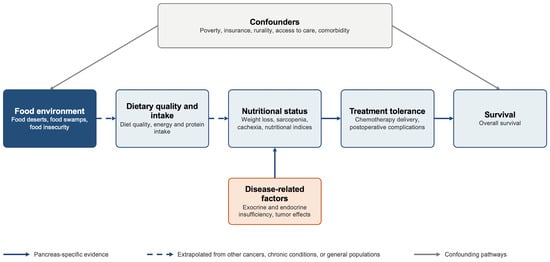
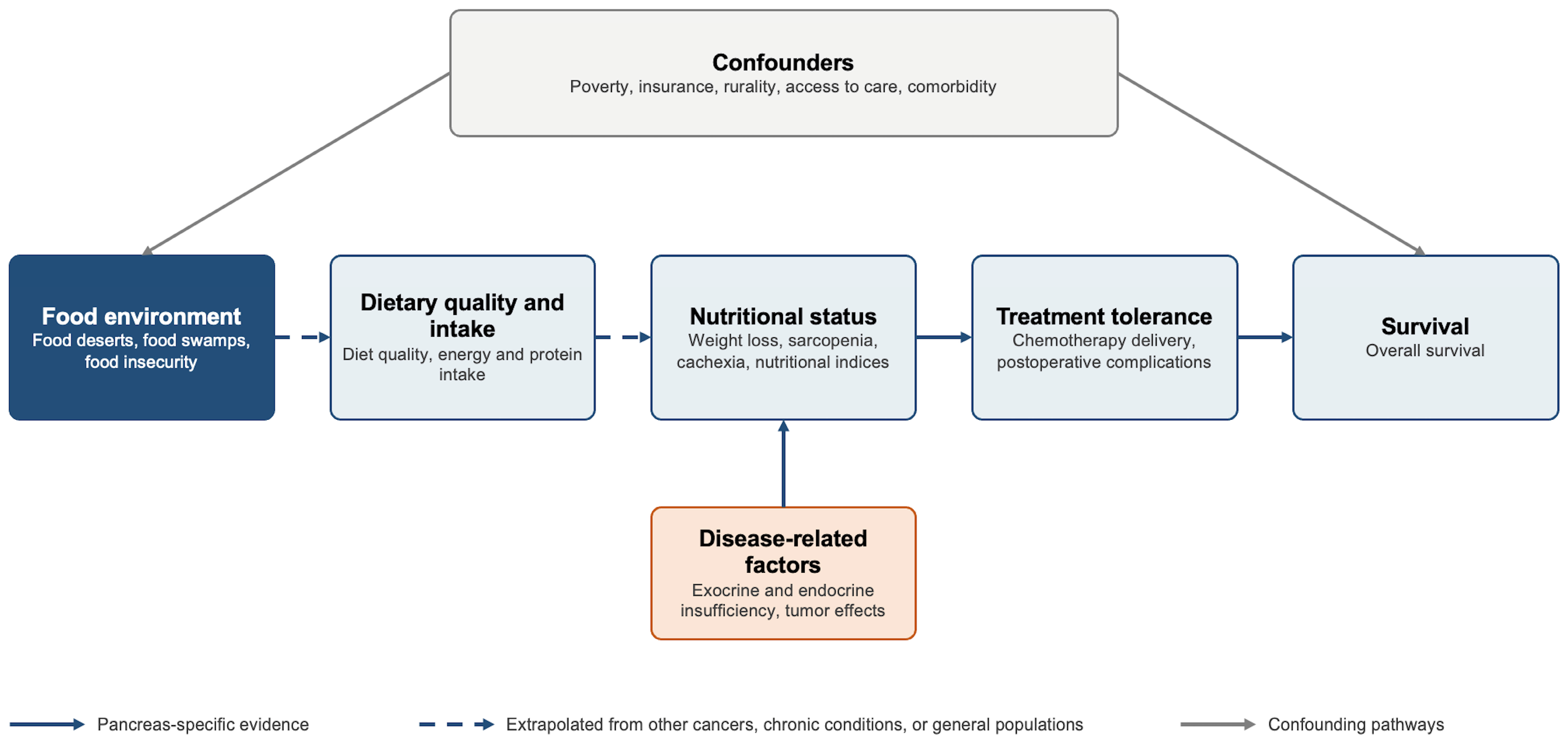

Disclaimer/Publisher’s Note: The statements, opinions and data contained in all publications are solely those of the individual author(s) and contributor(s) and not of MDPI and/or the editor(s). MDPI and/or the editor(s) disclaim responsibility for any injury to people or property resulting from any ideas, methods, instructions or products referred to in the content. |
© 2026 by the authors. Licensee MDPI, Basel, Switzerland. This article is an open access article distributed under the terms and conditions of the Creative Commons Attribution (CC BY) license.