


Abstract
Natural flavonoids display diverse therapeutic capabilities, including potent antioxidant, anti-inflammatory, neuroprotective, and anticancer properties. However, poor aqueous solubility, rapid metabolic clearance, and low oral bioavailability severely constrain their translational success. This review critically evaluates recent synthetic strategies designed to overcome these pharmacokinetic bottlenecks through targeted chemical derivatization of flavonoid scaffolds. We focus on regioselective modifications—specifically acetamidation, phosphorylation, amidation, sulfonation/sulfamylation and systematically evaluate their impacts on structure–activity relationships (SAR), physicochemical stability, and biological performance. Acetamide functionalization strengthens target affinity within kinase ATP-binding pockets and prolongs metabolic half-life by shielding vulnerable phenolic sites. Phosphorylated derivatives serve as highly soluble (>100-fold increase in water solubility), bioreversible prodrugs that undergo targeted enzymatic cleavage in tissues, while sulfonated and sulfamate analogs preserve core radical-scavenging capabilities while resisting autoxidation in physiological media. Furthermore, amino acid modification of flavonoids via semi-synthetic conjugates, such as quercetin para-aminobenzoic acid (Q-PABA), demonstrates synergistic dual-action photoprotection and enhanced pro-apoptotic anticancer activity. By integrating chemical, structural, and pharmacological perspectives, this review establishes a mechanistic framework for rational flavonoid design, paving the way for next-generation natural product-derived therapeutics with optimized bioavailability and clinical efficacy.
1. Introduction
Flavonoids are among the most widespread and chemically diverse families of plant-derived polyphenolic compounds. Biosynthesized primarily via the phenylpropanoid and polyketide pathways, they share a fundamental 15-carbon skeleton (C6-C3-C6) with two aromatic rings (A and B) linked by a three-carbon heterocyclic ring (C) containing oxygen, forming a characteristic benzo—pyrone system [1,2,3]. Based on variations in the saturation level, oxidation state, and substitution pattern of the central C-ring, flavonoids are categorized into major subclasses, including anthocyanins, flavonols (such as quercetin and fisetin), flavanones, flavan-3-ols, and bioflavonoids [4,5,6] (Figure 1). As essential secondary metabolites, flavonoids help plants defend against environmental stressors, UV irradiation, and microbial pathogens, rendering them abundant in human dietary sources such as fruits, vegetables, spices, tea, citrus juices, and red wine [6,7,8]. Their broad spectrum of biological activities, from potent antioxidant and anti-inflammatory effects to promising antiviral, antimicrobial, and anticancer properties, is intrinsically linked to structural features such as hydroxyl-group positioning, degree of polymerization, and substitution patterns [9,10,11]. Despite their notable therapeutic potential, clinical translation and industrial application of native flavonoids are severely limited by critical pharmacokinetic constraints, including poor aqueous solubility, low metabolic stability, rapid enzymatic degradation, and nonselective tissue distribution. To overcome these biopharmaceutical hurdles, synthetic and medicinal chemists have turned to targeted structural modification strategies [12,13,14]. Regioselective derivatization—selectively functionalizing specific hydroxyl groups without altering the core scaffold’s essential pharmacophoric features allows for precise tuning of a molecule’s physicochemical profile. Modern approaches often prioritize sustainable, green biocatalytic pathways and safer synthetic strategies to minimize organic solvent use and energy consumption while refining physical and biological profiles [12,15]. Different derivatization approaches involve attaching specific functional groups—like acetamides, sulfonamides, phosphates, and amino acids—to the flavonoid structure. These modifications systematically enhance metabolic stability, improve the lipophilicity-hydrophilicity balance, and maximize therapeutic effects [11,16]. Adding acetamides introduces nitrogen-based, hydrogen-bonding networks that influence electron density and chemical stability, protecting hydroxyl groups from rapid glucuronidation [17]. Sulfonamides act as effective bioisosteres, increasing antimicrobial and cytotoxic activities by promoting strong hydrogen bonds and electrostatic interactions with bacterial enzymes and cancer pathways [18,19,20]. Phosphates function as a key prodrug approach, adding ionizable, highly polar groups that boost water solubility and facilitate systemic delivery. Meanwhile, conjugating amino acids leverages natural nutrient transport systems to improve cell uptake and bioavailability, enabling controlled release while maintaining radical-scavenging functions [21,22]. This review offers a detailed overview of recent developments in chemically modifying natural flavonoids through acetamide, sulfonamide, phosphate, and amino acid derivatizations, focusing on regioselective synthesis, structure–activity relationships (SAR), and resulting gains in metabolic stability, solubility, antioxidant properties, and targeted antimicrobial and anticancer effects.
Figure 1.
Structure of the six types of flavonoids.
2. Structure–Activity Relationship (SAR) Analysis
The structure–activity relationships (SARs) of natural flavonols—a prominent subclass of flavonoids defined by a 3-hydroxy-2-phenylchromen-4-one scaffold—are fundamentally governed by the pattern and degree of hydroxyl (-OH) substitution across their A, B, and C rings [23,24,25] (Figure 1). The 3-hydroxy group on the heterocyclic C-ring, in tandem with the adjacent 4-carbonyl group, forms a planar conjugated system critical for radical scavenging and electron delocalization, making natural flavonols such as quercetin and kaempferol exceptionally potent antioxidants (Table 1). Furthermore, the catechol moiety (ortho-dihydroxy substitution) on the B-ring strongly enhances metal-chelating ability and free-radical quenching capacity [26,27,28], while also providing essential hydrogen-bonding interactions needed to bind cellular targets involved in cancer cell signaling and bacterial cell wall synthesis. However, these same unmasked hydroxyl groups are a double-edged sword: they serve as prime substrates for rapid phase II metabolic enzymes (yielding glucuronide and sulfated metabolites with reduced activity) and contribute to rigid crystal lattices that cause exceptionally low aqueous solubility [29,30]. This review focuses on flavonols and flavones, reflecting their prevalence as primary targets in synthetic derivatization studies.
Modifying the flavonol core structurally alters traditional SAR patterns by enhancing key physicochemical properties while maintaining or boosting target affinity. Functionalizing flavonols with acetamides, which incorporate flexible nitrogen linkages, introduces new hydrogen-bond donors and acceptors that interact efficiently within protein pockets without diminishing the core’s reactivity [17,31]. Acetylation or acetamido-derivatization at positions like C-3 or C-7 temporarily shields free hydroxyl groups, increasing resistance to enzymatic degradation and improving lipophilicity for passive membrane permeability. In antimicrobial and anticancer contexts, acetamide derivatives often sustain high cytotoxicity by promoting cellular uptake. Additionally, changes in the electronic density of the chromone core support more stable target interactions, enhancing drug efficacy [6,32].
Introducing sulfonamide groups into the flavonol framework adds a potent pharmacophore that markedly enhances biological selectivity and binding affinity. As common bioisosteres, sulfonamides create strong hydrogen-bond networks and mimic phosphate or carboxylic acid groups, enabling high-affinity interactions with targets such as carbonic anhydrases, matrix metalloproteinases, and bacterial dihydrofolate reductase (DHFR) [33,34]. From an SAR perspective, regioselective sulfamylation at the B-ring or C-7 position significantly increases antimicrobial activity against resistant Gram-positive and Gram-negative bacteria by disrupting membrane integrity and inhibiting essential metabolic functions. Moreover, the sulfonamide group boosts antiproliferative activity on cancer cells by arresting the cell cycle and inducing apoptosis through mitochondrial signaling pathways [35,36].
Adding phosphate groups and amino acids to flavonols is an effective prodrug approach to improve solubility and bioavailability while maintaining biological function. Phosphorylation introduces polar, ionizable phosphate groups, usually at C-3 or C-7, which greatly decrease crystal lattice energy and enhance water solubility by several orders of magnitude [21,37]. Although direct phosphorylation may temporarily reduce in vitro radical-scavenging activity by blocking phenolic hydroxyls, endogenous phosphatases can remove the phosphate in vivo, restoring activity. Similarly, attaching amino acids like alanine or glutamic acid to flavonol hydroxyls creates pro-moieties that target nutrient transporters such as PEPT1, boosting intestinal absorption and cellular uptake. These modifications allow controlled enzymatic cleavage and prolonged systemic circulation [38,39].
Table 1.
Representative Flavonoid Subclasses, Structural Features, and Physicochemical Profiles.
2.1. B-Ring Hydroxylation: The Core Engine of Antioxidant Capacity
B-ring hydroxylation serves as the central electronic engine driving the direct radical-scavenging capacity and redox behavior of both natural flavonoids and their structurally modified derivatives. The aromatic B-ring acts as the primary electron-donating site during oxidative stress, where the orientation, degree, and pattern of phenolic hydroxyl (-OH) groups dictate the thermodynamics of hydrogen atom transfer (HAT) and single electron transfer followed by proton transfer (SET-PT) [50,51]. In natural flavonoids, a single hydroxyl group at the C-4′ position (as seen in kaempferol) provides moderate antioxidant activity; however, the presence of an ortho-dihydroxy configuration (catechol group) at C-3′ and C-4′ (as in quercetin and luteolin) dramatically elevates radical-quenching efficiency [52]. This catechol arrangement substantially lowers the O–H bond dissociation enthalpy (BDE), facilitating rapid hydrogen donation to reactive oxygen species (ROS) such as hydroxyl, superoxide, and peroxyl radicals [25,53]. Upon radical scavenging, the resulting aryloxy radical intermediate is extraordinarily stabilized through intramolecular hydrogen bonding between adjacent oxygen atoms and extended π-electron resonance delocalization across the aromatic ring, preventing the propagation of secondary radical chain reactions [40,54].
When the B-ring undergoes further hydroxylation to yield a 3′, 4′, 5′-trihydroxy (pyrogallol) moiety, as found in myricetin, the antioxidant capacity reaches its maximum theoretical potential. The pyrogallol system provides an exceptionally low BDE and enhanced electron-donating resonance capacity, enabling the molecule to neutralize multiple equivalents of ROS sequentially. Additionally, these ortho-dihydroxy and trihydroxy B-ring configurations supply ideal spatial geometry for chelating transition metal ions such as Fe2+, Fe3+, and Cu2+ [55,56]. By binding these redox-active metal ions into stable, inactive complexes, B-ring hydroxylation prevents the Fenton reaction from generating highly damaging hydroxyl radicals, conferring a dual mechanism of antioxidant protection by combining direct free-radical scavenging with upstream metal chelation [41].
Despite its physiological importance, an unmasked, highly hydroxylated B-ring presents a notable metabolic drawback: phenolic hydroxyl groups on the B-ring serve as preferred substrates for phase II metabolic enzymes, particularly catechol-O-methyltransferase (COMT), UDP-glucuronosyltransferases (UGTs), and sulfotransferases (SULTs). Rapid enzymatic methylation, glucuronidation, and sulfation at the C-3′ or C-4′ positions disrupt the catechol architecture, significantly diminishing native radical-scavenging potential and systemic bioavailability [41]. To overcome these metabolic vulnerabilities without sacrificing antioxidant defenses, researchers employ rational structural modifications. Regioselective derivatizations, such as masking or modifying A- or C-ring hydroxyls while retaining B-ring catechol integrity or replacing vulnerable B-ring phenolic hydrogen atoms with bioisosteric functional groups, allow chemists to fine-tune the B-ring’s electronic environment [15,57].
Strategically attaching functional groups such as acetamides, sulfonamides, amino acids, or phosphates to neighboring sites on the flavonoid scaffold strongly influences B-ring behavior. Functionalizing adjacent positions with electron-withdrawing or electron-donating groups alters the inductive and resonance effects across the conjugated C6-C3-C6 system, directly modulating the B-ring’s O–H bond dissociation energy and ionization potential [42,58]. Furthermore, derivatization with prodrug moieties like amino acids or phosphates protects the core flavonoid from premature hepatic metabolism during absorption [43]. Once absorbed, enzymatic cleavage reinstates the active B-ring catechol or pyrogallol structure at target tissues. Thus, maintaining or intelligently fine-tuning B-ring hydroxylation remains the single most critical structural prerequisite for engineering next-generation flavonoid derivatives with optimized antioxidant activity, enhanced chemical stability, and superior pharmacokinetic profiles [44,45].
2.2. C-Ring Conjugation and C-3 Hydroxylation: Electron Delocalization & Kinase
Binding
The heterocyclic C-ring serves as both the structural and electronic bridge of the flavonoid scaffold. The C2=C3 double bond, conjugated with the 4-carbonyl group, establishes an extended, planar π-electron system across the central chromone core [46]. This conjugated pathway allows electron delocalization from the electron-rich B-ring throughout the heterocycle, which is paramount for antioxidant activity and target protein interactions. During B-ring oxidation, the conjugated system delocalizes the unpaired electron of the resulting aryloxy radical across the C-2, C-3, and C-4-keto positions, significantly lowering the energy of the radical intermediate and preventing oxidative chain propagation [47,48]. Simultaneously, C-3 hydroxylation distinguishes flavonols (such as quercetin, kaempferol, and myricetin) from flavones (such as luteolin and apigenin), introducing a functional group that directly dictates enzyme inhibition profiles. The C-3 hydroxyl group works synergistically with the adjacent 4-keto oxygen to establish a rigid pseudo-ring via intramolecular hydrogen bonding, maintaining optimal molecular planarity [49]. This coplanar conformation acts as a key pharmacophore for competitive kinase inhibition, enabling flavonols to insert deeply into the ATP-binding pockets of critical oncogenic signaling enzymes—such as phosphoinositide 3-kinase (PI3K), mitogen-activated protein kinase (MAPK), and cyclin-dependent kinases (CDKs)—where the 3-OH and 4-keto oxygen atoms participate in key hydrogen-bonding networks and chelate active-site divalent cations such as Mg2+ [59]. When flavonoids undergo targeted chemical modification at the C-ring or adjacent positions, the delicate balance between electronic delocalization and kinase-binding affinity shifts dramatically. Regioselective functionalization of the C-3 hydroxyl group with acetamides, amino acids, phosphates, or sulfonamides can serve as a dual-purpose strategy to optimize pharmacokinetics while modulating target selectivity [60]. Direct derivatization at C-3 temporarily disrupts native ATP-competitive kinase binding and direct radical scavenging by sterically or electronically masking the 3-OH/4-carbonyl bidentate site; however, with phosphate or amino acid pro-moieties, this temporary blockade functions as an effective prodrug strategy. Enzymatic cleavage by intracellular phosphatases or esterases regenerates the free 3-OH/4-keto motif inside cancer cells, restoring high-affinity kinase inhibition and antioxidant capacity in situ [61,62]. Alternatively, introducing flexible acetamide or sulfonamide linkers at or near the C-3 position introduces novel hydrogen-bond donor/acceptor networks that reach into hydrophobic secondary binding pockets or adjacent allosteric sites of kinases and enzymes. This modification can transform non-selective native flavonols into highly potent, selective inhibitors of specific cancer-related kinases or bacterial enzymes (such as ATP-dependent DNA gyrase B and dihydrofolate reductase) while preserving the core chromone’s conjugated pi system required for metabolic stability and cellular signaling crosstalk [63,64].
2.3. A-Ring Hydroxylation: Lipophilicity, Membrane Permeability, and Metabolism
The aromatic A-ring of the flavonoid scaffold, characterized by a fused benzene system within the benzo-γ-pyrone core, plays a decisive role in regulating the lipophilicity, passive membrane permeability, and systemic metabolic fate of both natural polyphenols and their structurally modified derivatives [22]. Naturally occurring flavonoids typically feature a 5,7-dihydroxy substitution pattern on the A-ring (as seen in quercetin, kaempferol, and luteolin) and are synthesized via the polyketide pathway [64]. The C-5 hydroxyl group sits close to the adjacent C-4 carbonyl oxygen, forming a strong intramolecular hydrogen bond that creates a pseudo-six-membered ring. This internal hydrogen-bonding network effectively masks the polarity of the C-5 hydroxyl group, lowering the overall polar surface area (PSA) and conferring a higher lipophilicity than would be predicted by hydroxyl count alone [29]. Conversely, the unmasked C-7 hydroxyl group remains fully exposed to the aqueous microenvironment, serving as a primary site for intermolecular hydrogen bonding with membrane phospholipids and aqueous solvent molecules.
Despite this localized lipophilic stabilization, the high density of unmasked phenolic hydroxyl groups across the A-ring creates a substantial solvation shell, hindering effective passive transcellular diffusion across hydrophobic lipid bilayers [65]. Consequently, natural flavonoids often exhibit suboptimal intestinal membrane permeability and poor cellular accumulation. Furthermore, the exposed C-7 hydroxyl group acts as an ultra-reactive metabolic target for Phase II biotransformation enzymes in the intestine and liver [66]. UDP-glucuronosyltransferases (UGTs) and sulfotransferases (SULTs) rapidly conjugate the C-7 position with glucuronic acid or sulfate moieties, converting the lipophilic parent compound into highly polar, hydrophilic metabolites that are rapidly cleared via biliary or renal excretion [67]. This rapid presystemic metabolism severely curtails the systemic exposure and therapeutic window of native flavonoids.
Chemical modification of the A-ring, particularly at the reactive C-7 and C-5 positions, provides a powerful mechanism to fine-tune lipophilicity, enhance membrane permeability, and block metabolic inactivation. Regioselective functionalization of the C-7 hydroxyl group with acetamides, amino acids, phosphates, or sulfonamides disrupts its susceptibility to rapid glucuronidation and sulfation, substantially extending the plasma half-life of the flavonoid derivative [68]. Attaching lipophilic or amphiphilic moieties, such as acetamide linkages or esterified amino acids, strategically balances the partition coefficient (log P), promoting optimal partition into and passive diffusion through cell membranes [69]. Alternatively, installing ionizable phosphate groups at the C-7 site dramatically increases initial aqueous solubility in the gastrointestinal lumen, allowing high concentrations to reach the epithelial surface where membrane-bound phosphatases cleave the phosphate, liberating the more lipophilic parent or intermediate analog for rapid absorption [70]. From an active-transport perspective, A-ring modifications with specific amino acids can overcome passive-diffusion limitations by targeting nutrient transporters (such as PEPT1) expressed on intestinal enterocytes, significantly boosting oral bioavailability (Table 2). Additionally, introducing bulky or bioisosteric groups like sulfonamides at the C-7 position alters the steric and electronic parameters of the A-ring [71]. This modification prevents metabolic recognition by phase II detoxifying enzymes while enhancing hydrogen-bonding and electrostatic interactions with target hydrophobic pockets in cancer-related enzymes or bacterial cell walls. Strategic A-ring engineering thus serves as a critical design lever for converting metabolically fragile, poorly permeable natural flavonoids into pharmacokinetically stable, highly bioavailable therapeutic agents [72].
Table 2.
Structural Variations and Functional Characteristics of Key Flavonoids.
3. Physicochemical Parameters
3.1. Stability
Chemical and metabolic stability govern the shelf life, physiological half-life, and ultimate therapeutic efficacy of natural flavonoids [73]. In aqueous media, physiological buffer systems, and under ambient light or heat, natural polyphenols are inherently susceptible to chemical degradation pathways, predominantly autoxidation and retro-Claisen C-ring cleavage. At physiological or alkaline pH (pH ≥ 7.4), phenolic hydroxyl groups undergo deprotonation to form reactive phenolate anions [74]. These anions readily transfer electrons to dissolved oxygen, generating superoxide radicals () and reactive quinone intermediates that drive ring-opening hydrolysis into smaller, biologically inactive phenolic acids (such as protocatechuic acid and phloroglucinol).
The intrinsic chemical stability of natural flavonoids across this series follows a distinct structural hierarchy: luteolin > kaempferol > fisetin ≥ quercetin ≫ myricetin. Luteolin is the most stable in the group because it is a flavone and lacks the C-3 hydroxyl group on the heterocyclic C-ring [75]. This absence prevents the formation of the unstable C-3 enol/keto tautomeric intermediate required for rapid hydrolytic ring opening. Among the flavonols, kaempferol is highly stable because it has a single B-ring hydroxyl group (4′-OH); lacking an ortho-dihydroxy (catechol) system, it resists autoxidation and quinone formation [76]. Conversely, fisetin and quercetin possess a B-ring catechol moiety (3′,4′-OH) combined with a C-3 hydroxyl group, making them significantly more vulnerable to base-catalyzed deprotonation, autoxidation into ortho-quinones, and subsequent C-ring cleavage at neutral or basic pH [77]. Myricetin demonstrates the lowest stability of the entire series, as its B-ring pyrogallol system (3′,4′,5′-OH) possesses an exceptionally low redox potential, driving spontaneous, rapid autoxidation into reactive species within minutes to hours, even under ambient conditions [73].
Beyond baseline chemical autoxidation, native flavonoids suffer from severe metabolic instability in vivo [78]. During intestinal absorption and first-pass hepatic metabolism, unmasked phenolic hydroxyl groups—particularly at the C-7, C-3′, and C-3 positions—act as high-affinity substrates for Phase II biotransformation enzymes. UDP-glucuronosyltransferases (UGTs) and sulfotransferases (SULTs) rapidly convert parent flavonoids into hydrophilic glucuronide and sulfate conjugates, while catechol-O-methyltransferase (COMT) methylates B-ring catechol groups [73]. This rapid pre-systemic clearance severely curtails systemic exposure, resulting in plasma half-lives (t1/2) that are typically under 1 to 2 h for parent natural flavonoids.
Rational structural modification overcomes both chemical autoxidation and rapid enzymatic clearance by strategically masking vulnerable hydroxyl groups or replacing them with robust, bioisosteric functional moieties [78]. Incorporating acetamides introduces nitrogen-containing linkers that alter chromone electronic density, suppressing B-ring autoxidation while sterically shielding C-7 or C-3 hydroxyls from Phase II enzymatic recognition (Table 3). Sulfonamides act as electron-withdrawing bioisosteres that lower electron density across the polyphenol scaffold, blocking oxidative degradation pathways and conferring resistance to metabolic hydrolysis [79]. Functionalization with phosphates or amino acids serves as an advanced prodrug strategy: esterifying free hydroxyls with phosphate or amino acid promoieties physically blocks direct atmospheric and pH-induced autoxidation in formulation and storage, while shielding the scaffold from UGTs and SULTs during transit [21]. Once inside the body, tissue-specific phosphatases or esterases cleave these promoieties to release the parent bioactive flavonoid at target sites, successfully transforming chemically fragile polyphenols into stable, bioavailable therapeutics.
Table 3.
Comparative Stability and Oxidation Drivers of Flavonoids at Room Temperature.
3.2. Solubility
The solubility of flavonoids in both aqueous and organic media is a fundamental physicochemical property that directly dictates their biological extraction, formulation feasibility, systemic absorption, and oral bioavailability. Natural flavonoids are generally classified as poorly water-soluble molecules, with aqueous solubility values typically falling below 10 to 100 μg/mL at neutral pH. This inherent hydrophobicity stems primarily from the rigid, planar aromatic fused ring system (C6-C3-C6) defining the polyphenol scaffold. In the solid state, these planar molecules undergo strong π--π stacking and establish tight, highly ordered intermolecular hydrogen-bonding networks. The thermodynamic energy required to break this dense crystal lattice often exceeds the solvation energy provided by water, resulting in dissolution-rate-limited oral absorption that places many native flavonoids into Class II or Class IV of the Biopharmaceutics Classification System (BCS) [80].
Despite this general hydrophobicity, the exact aqueous solubility of individual flavonoids varies significantly with the degree, spatial distribution, and chemical modification of functional groups across the A, B, and C rings. Solvation energetics across representative aglycones follow a distinct intrinsic hierarchy: myricetin > fisetin > quercetin > luteolin > kaempferol [24]. Myricetin shows the highest intrinsic aqueous solubility among these compounds because its B-ring pyrogallol system (3′, 4′, 5′-OH) provides three contiguous phenolic hydroxyl groups that engage in extensive hydrogen bonding with water. Fisetin ranks next; lacking the A-ring C-5 hydroxyl group, it avoids internal intramolecular hydrogen bonding with the C-4 carbonyl oxygen, leaving its chromone core more exposed to aqueous solvation [81]. Quercetin displays moderate-to-low aqueous solubility (∼2–8 μg/mL at 25 °C), as its planar 3,5,7,3′,4′-pentahydroxy topology favors tight π-π stacking and strong crystalline lattice interactions that resist hydration. Luteolin, a 3-deoxyflavone, lacks the C-3 hydroxyl group, slightly lowering its polar surface area (PSA) compared to quercetin. Kaempferol exhibits the lowest aqueous solubility in the series; with only a single B-ring hydroxyl group (4′-OH) and a highly symmetric chromone framework, its strong crystal-lattice forces dominate solvation energy [82].
In polar and moderately polar organic media—such as dimethyl sulfoxide (DMSO), ethanol, methanol, ethyl acetate, and acetone—this thermodynamic balance shifts dramatically. Organic solvent molecules readily intercalate between the planar chromone rings, disrupting π-π crystal stacking and hydrophobic interactions to achieve flavonoid concentrations frequently exceeding 10 to 50 mg/mL in DMSO [83]. Naturally occurring glycosylation (the conjugation of sugar moieties such as glucose, rhamnose, or rutinose) exploits this polarity shift by converting lipophilic aglycones into highly polar, water-soluble glycosides [84].
To overcome the biopharmaceutical aqueous solubility bottleneck without relying on toxic organic co-solvents (Table 4), modern medicinal chemistry employs targeted chemical derivatization strategies—specifically phosphate, sulfonamide, and para-aminobenzoic acid (PABA) functionalization—to alter solvation kinetics, crystalline packing, and polar surface area [85]. Phosphorylation represents the most aggressive chemical strategy for elevating aqueous solubility by several orders of magnitude (Table 4). Replacing one or more phenolic hydroxyl groups (typically at C-7 or C-3) with a phosphate monoester introduces highly polar, ionizable functional groups (-). At physiological pH (pH 7.4), these phosphate groups fully deprotonate into charged anions, generating strong electrostatic repulsion that disrupts the parent compound’s crystalline lattice. Consequently, phosphate prodrugs (such as quercetin or kaempferol phosphate) achieve aqueous solubilities of tens to hundreds of milligrams per milliliter a thousand-fold increase over native forms enabling stable oral and intravenous liquid formulations without toxic co-solvents. Introducing sulfonamide moieties (-SO2NH2 or substituted N-sulfonamides) onto the flavonoid core establishes a balanced amphiphilic profile. The strong polar sulfonyl group (S=O) acts as a potent hydrogen-bond acceptor, enhancing interactions with water molecules, while the N-alkyl or N-aryl extensions disrupt symmetric crystal lattice packing. Unlike phosphates, which render molecules heavily hydrophilic, sulfonamides increase aqueous solubility while retaining sufficient lipophilicity (logP), facilitating enhanced passive transcellular permeability across intestinal membranes and microbial cell walls [86]. Furthermore, conjugating para-aminobenzoic acid to the flavonoid core often via Schiff base formation, esterification, or reductive amination—introduces a highly versatile, amphiprotic aromatic linker. The PABA moiety supplies both a polar carboxylic acid group (-COOH) and a basic amino group (-NH2), significantly expanding the molecule’s pH-dependent solubility profile. This modification breaks planar π-π aggregation, markedly improving solubility in both aqueous media and polar organic solvents while enhancing drug-carrier solubilization and transcellular permeation [87].
Table 4.
Solubility Profiles and Lipophilicity Factors of Selected Flavonoids.
4. Biological Functions or Activities
4.1. Antioxidants
The antioxidant activity of natural flavonoids and their modified derivatives is a defining feature of their biological importance, serving as a primary line of defense against oxidative stress, cellular injury, and chronic inflammatory pathologies [88]. Reactive oxygen species (ROS) and reactive nitrogen species (RNS)—such as superoxide anions (), hydroxyl radicals (OH∙), hydrogen peroxide (H2O2), and peroxynitrite (ONOO−)—are continuously produced during cellular respiration and pathological processes. When ROS production exceeds endogenous antioxidant defenses, lipids, proteins, and DNA suffer oxidative damage. Flavonoids neutralize these reactive species through a dual-action framework: direct radical scavenging (acting as primary, chain-breaking antioxidants) and indirect upstream protection via metal ion chelation and the regulation of endogenous antioxidant enzymes [89,90].
At the molecular level, flavonoids scavenge through three primary thermodynamic mechanisms: Hydrogen Atom Transfer (HAT), Single Electron Transfer followed by Proton Transfer (SET-PT), and Sequential Proton Loss Electron Transfer (SPLET) [91]. In HAT, the phenolic hydroxyl group (-OH) directly transfers a hydrogen atom to a free radical, yielding a neutralized radical species and a flavonoid aryloxy radical (Fl-O∙). In SET-PT and SPLET, single electron transfer and deprotonation occur in sequential steps governed by the molecule’s ionization potential and proton affinity. The key structural prerequisite for high antioxidant efficiency is the ability to stabilize the resulting aryloxy radical intermediate. The presence of an ortho-dihydroxy (catechol) or tri-hydroxy (pyrogallol) system on the B-ring provides low O–H bond dissociation enthalpy (BDE) and enables intramolecular hydrogen bonding. This, combined with extended π-electron delocalization across the conjugated chromone core (C2=C3) double bond in conjugation with the 4-carbonyl group), allows the unpaired electron to delocalize across all three rings (C6-C3-C6), preventing secondary radical propagation reactions.
Beyond direct scavenging, flavonoids suppress radical generation at the source through transition metal chelation. Free transition metal ions, particularly Fe2+ and Cu+, catalyze the Fenton reaction, converting relatively weak oxidants like H2O2 into the highly destructive hydroxyl radical (OH∙). Flavonoids feature up to three distinct metal-binding sites within their core scaffold: the B-ring catechol (3′,4′-OH), the C-ring 3-hydroxy/4-keto bidentate site, and the A-ring 5-hydroxy/4-keto site. [92] By coordinating redox-active metal ions into stable, inactive complexes, flavonoids inhibit Fenton chemistry. Furthermore, flavonoids exert indirect antioxidant effects by inhibiting ROS-generating enzymes (such as xanthine oxidase, NADPH oxidase, and lipoxygenase) and upregulating nuclear factor erythroid 2-related factor 2 (Nrf2), which drives the transcription of endogenous antioxidant defenses like superoxide dismutase (SOD), catalase (CAT), and glutathione peroxidase (GPx) [92].
While native flavonoids exhibit high intrinsic radical-scavenging potential in vitro, in vivo antioxidant performance is frequently compromised by rapid phase II enzymatic metabolism (glucuronidation, sulfation, and methylation at phenolic sites) and poor membrane permeability [93]. Strategic structural modifications systematically optimize these antioxidant mechanisms while preserving core reactivity: Introducing flexible acetamide linkers alters the electronic density of the chromone ring and provides new hydrogen-bonding networks. By selectively functionalizing A- or C-ring hydroxyls while preserving the active B-ring catechol core, acetamides prevent rapid Phase II enzymatic degradation without disrupting radical delocalization pathways, leading to sustained radical-scavenging activity in vivo Sulfonamide conjugation introduces strong electron-withdrawing bioisosteres that lower the electron density of the flavonoid core. This modification modulates the O–H bond dissociation enthalpy and ionization potential, enhancing direct radical-scavenging kinetics while suppressing autoxidation into reactive quinones. Phosphorylation converts phenolic hydroxyl groups into charged monoesters (-) [17,94]. While direct phosphorylation temporarily blocks phenolic hydrogen donation in vitro, it acts as an advanced prodrug strategy. Enzymatic cleavage by tissue phosphatases in vivo regenerates the free, active polyphenol at cellular sites of oxidative stress, simultaneously facilitating high aqueous solubility and cellular accumulation. Conjugating amino acids or para-aminobenzoic acid (PABA) introduces dual hydrogen-bonding capacity and amphiphilic character. These modifications improve active transcellular transport (e.g., via PEPT1 transporters), allowing higher intracellular concentrations of the antioxidant scaffold to accumulate within biological membranes where lipid peroxidation occurs [17,94] (Table 5).
Table 5.
Bioactivity Profiles, Scavenging Power, and Dietary Sources of Selected Flavonoids.
4.2. Regioselective Flavonoid Chemistry
Regioselective derivatization offers a precision synthetic strategy to address the pharmacokinetic limitations of polyphenolic flavonoids such as quercetin, luteolin, and fisetin [12,21,95]. The inherent lipophilicity and poor aqueous solubility of these compounds stem from their rigid aromatic core, often leading to off-target aggregation. By exploiting the differential chemical reactivity of specific phenolic hydroxyl groups, regioselective phosphorylation yields discrete phosphate ester isomers rather than complex mixtures. Installing negatively charged phosphate groups at specific ring positions dramatically increases aqueous solubility and systemic exposure while preserving chemical stability during circulation. Subsequent in vivo enzymatic hydrolysis restores the free hydroxyl groups required for therapeutic activity, establishing regioselective acetamides and sulfonamide derivatives as valuable tools for mapping structure–activity relationships [12,21,95]. Regioselective modification of flavonoids relies on managing the distinct acidity (pKa) and steric environment of their hydroxyl groups: the A-ring 7-OH is the most acidic (pKa ≈ 7.5–7.8) and reactive due to resonance stabilization, B-ring hydroxyls (3′-OH/4′-OH) exhibit intermediate acidity (pKa ≈ 8.5–9.5), and the 5-OH is the least acidic (pKa > 10) and most unreactive because of strong intramolecular hydrogen bonding with the C-4 carbonyl oxygen [12,21,95]. To achieve targeted functionalization—whether introducing phosphate, acetamide, sulfonyl, or amino acid groups to alter solubility, stability, or bioavailability—chemists employ orthogonal protecting groups (such as benzyl or silyl ethers) to mask more reactive sites or use metal chelation (AlCl3/BCl3) to temporarily block the 5-OH position. Consequently, reactions under mild basic conditions preferentially functionalize the unhindered 7-OH position (yielding highly labile amino acid esters or rapidly formed ethers and sulfates), intermediate conditions allow modification of the B- and C-3 positions, while functionalizing the resistant 5-OH requires forcing conditions with strong bases or elevated temperatures to disrupt its hydrogen-bonded network [12,21,95].
4.3. Structural Modification of Flavonoid Scaffolds
Structural modification of flavonoid scaffolds is a cornerstone strategy in medicinal chemistry to overcome the intrinsic biopharmaceutical limitations of natural polyphenols [96]. While natural flavonoids possess a core 15-carbon C6-C3-C6 skeleton (comprising two benzene rings, A and B, linked via a heterocyclic pyran/chromone C-ring), their clinical translation is heavily constrained by low aqueous solubility, poor metabolic stability, rapid Phase II enzymatic conjugation (glucuronidation, sulfation, and methylation), and low oral bioavailability [96]. Chemical and enzymatic modifications strategically alter functional groups—predominantly at the hydroxyl moieties, the C-4 carbonyl group, and the central C-ring—to optimize lipophilicity, enhance metabolic resistance, improve target selectivity, and boost therapeutic potency across various biological activities [97].
4.3.1. O-Alkylation and Methylation Modifications
One of the most direct strategies involves O-alkylation, particularly O-methylation, where reactive phenolic hydroxyl groups are capped with methyl ethers or longer alkyl chains [98]. In natural scaffolds, free phenolic -OH groups are highly vulnerable to intestinal and hepatic glucuronidation and sulfation, which rapidly convert active aglycones into polar metabolites marked for rapid excretion. O-methylation blocks these metabolic soft spots, drastically extending the plasma half-life and metabolic stability of the flavonoid core [99]. Furthermore, replacing polar -OH groups with non-polar methoxy (-OCH3) groups increases lipophilicity (logP), facilitating passive transcellular transport across biological membranes and the blood–brain barrier (BBB). However, because free hydroxyl groups (especially on the B-ring catechol moiety and C-ring 3 position) are critical for hydrogen bonding and direct free-radical scavenging, O-alkylation requires careful spatial optimization to balance metabolic protection with target-binding affinity [100].
4.3.2. O-Acylation and Ester Derivative Strategies
O-acylation modifies phenolic hydroxyl groups by coupling them with organic acids (such as fatty acids, aliphatic acids, or aromatic carboxylic acids) via ester linkages. This modification serves two distinct purposes: tuning lipophilicity and creating enzymatic prodrugs [101]. Attaching lipophilic acyl chains (such as acetate, butyrate, or palmitate) shifts the scaffold’s amphiphilic balance, enhancing cellular uptake and insertion into lipid bilayers. Once inside target cells or circulation, endogenous esterases cleave the acyl moieties, releasing the active parent polyphenol in a controlled manner. Acylation also modulates enzyme-inhibitory profiles; for example, O-acylated flavonols often display enhanced binding affinities toward target protein pockets due to newly introduced hydrophobic interactions with adjacent amino acid residues [100].
4.3.3. Glycosylation and Deglycosylation Regioselectivity
Glycosylation involves the enzymatic or chemical attachment of sugar units (such as D-glucose,) to specific phenolic positions (most commonly C-3 or C-7). Natural flavonoids often exist as O- or C-glycosides [101]. Introducing bulky, highly hydrophilic carbohydrate moieties dramatically shifts the physicochemical landscape: it breaks the dense, planar pi—pi crystal-lattice stacking of aglycones, boosting aqueous solubility by several orders of magnitude [102]. While glycosides generally exhibit lower direct radical-scavenging activity in vitro due to the steric hindrance and masking of hydroxyl groups, they act as stable transport forms that can be selectively deglycosylated by intestinal β-glucosidases or gut microbiota enzymes, yielding the active aglycone at the primary site of absorption [103]. To overcome severe solubility bottlenecks without relying on organic co-solvents, researchers extensively use functionalization with ionizable highly polar groups. Phosphorylation (introducing - monoesters) and sulfation (introducing - groups) introduce permanent or pH-dependent negative charges onto the flavonoid core. At physiological pH (7.4), these ionized groups generate strong electrostatic hydration spheres and disrupt crystalline intermolecular interactions, enabling aqueous solubilities in the milligram-per-milliliter range. These derivatives often act as water-soluble prodrugs that alkaline phosphatases or sulfatases cleave in vivo, delivering high local concentrations of the parent flavonoid to target tissues [104,105].
4.3.4. Bioisosteric Heterocyclic & Nitrogen-Containing Derivatizations
Modern medicinal chemistry heavily relies on bioisosteric modifications, introducing nitrogen, sulfur, and complex heterocyclic motifs (such as acetamides, sulfonamides, amino acids, and N-heterocycles) onto the chromone frame. Furthermore, replacing or linking hydroxyl groups with acetamide or amino acetamide linkages introduces flexible hydrogen-bond donor and acceptor pathways. This modification modulates polar surface area (PSA) and shields the core from rapid phase II conjugation while preserving necessary electronic conjugation for radical stabilization. Furthermore, incorporating sulfonamide moieties (-SO2NH2 or N-substituted variants) introduces strong electron-withdrawing character that alters the chromone system’s electron density. Sulfonamides enhance target selectivity against therapeutic enzymes (such as carbonic anhydrases and receptor tyrosine kinases) while establishing favorable amphiphilic profiles that balance aqueous solubility and membrane permeability. Furthermore, coupling amino acids or para-aminobenzoic acid (PABA) to the flavonoid backbone generates amphiprotic prodrugs. Amino acid conjugation exploits nutrient transporters (such as PEPT1) in the intestinal epithelium to drive active transcellular transport, bypassing passive diffusion limitations and markedly elevating systemic bioavailability.
4.3.5. C-Ring Modifications and Heterocyclic Core Modifications
Beyond peripheral functionalization, direct alterations to the central heterocyclic C-ring fundamentally redefine the scaffold’s chemical class and geometry. Modifying the C-ring includes converting flavones (containing a C2=C3 double bond and 4-carbonyl) into flavanones (saturated C2-C3 bond) or chalcones (open-chain α, β-unsaturated ketones). Opening the C-ring to form chalcones increases structural flexibility, enabling the molecule to adapt to diverse enzyme active sites. Conversely, converting the 4-carbonyl to oximes, hydrazones, or thiosemicarbazones alters the electronic landscape and introduces additional coordination sites for transition metals, often yielding enhanced antiproliferative, antimicrobial, and enzyme-inhibitory activities compared with the parent polyphenols [103] (Figure 2).
Figure 2.
Modification of quercetin using acetamide, sulfonate, and phosphate functional groups.
5. Structural Modifications of Flavonols
Structural modification of quercetin through phosphorylation, acetamidation, amination, and sulfonation is critical to overcome its poor water solubility, rapid phase II metabolism, and low oral bioavailability, transforming a challenging natural polyphenol into a clinically viable drug candidate [12,21,95]. By introducing polar ionic groups, phosphorylation and sulfonation drastically enhance aqueous solubility for intravenous delivery, resist metabolic degradation, and enable specialized bioactivities such as enzyme inhibition and heparin-mimicking antiviral or anticoagulant effects. Meanwhile, incorporating acetamide moieties introduces flexible hydrogen-bonding networks that mask vulnerable hydroxyl groups from liver clearance while fine-tuning lipophilicity, thereby significantly improving cellular membrane permeability.
5.1. Acetamide Flavonoid Derivatives
Flavonoid-acetamide hybrids are synthesized via nucleophilic substitution (SN2), where phenolic hydroxyl groups react with N-alkylated or N-arylated 2-chloroacetamides in the presence of a mild base (K2CO3) in polar aprotic solvents like DMF or acetone. Regioselectivity at the C-3, C-7, or C-4′ hydroxyl sites is governed by the relative phenolic acidity (pKa) of the positions as well as by stoichiometrically controlled protection-deprotection protocols [12,21,95]. From a structure–activity relationship (SAR) perspective, inserting a flexible acetamide moiety introduces supplementary hydrogen-bond donor (-NH) and acceptor (-C=O) sites. Coupling N-heteroaryl or lipophilic aromatic groups to the amide terminus significantly strengthens binding interactions within hydrophobic ATP-binding pockets of oncogenic kinases, including EGFR and VEGFR2. Furthermore, alkylating or functionalizing the C-3 or C-4′ phenolic sites disrupts native O-glucuronidation and O-sulfation, markedly extending systemic clearance half-lives. Although masking free hydroxyls moderately lowers direct radical-scavenging capacity, it enhances cellular uptake and upregulates intracellular antioxidant enzymes [106]. In terms of solubility and permeability, acetamide derivatization optimizes the lipophilic-hydrophilic balance. While pure aqueous solubility remains moderate (0.05–0.5 mg/mL), these derivatives exhibit high solubility in co-solvents (DMSO, EtOH, PEG-400) and cell culture media, paired with improved membrane flux across Caco-2 intestinal epithelial layers.
5.2. Phosphorylated Flavonoid Derivatives
Phosphorylation is accomplished using phosphorus oxychloride (POCl3) or dialkyl/dibenzyl chlorophosphates in anhydrous pyridine or triethylamine, followed by controlled aqueous hydrolysis or catalytic hydrogenolysis. Regioselective mono- and poly-phosphorylated analogs (such as quercetin-3-phosphate) are produced by modulating reaction temperatures and stoichiometry [106]. Mechanistically and in terms of SAR, masking phenolic hydroxyl groups with phosphate moieties temporarily suppresses direct free-radical scavenging. However, these charged moieties function as bioreversible prodrugs, where cleavage by extracellular tissue-nonspecific alkaline phosphatases (TNAP) in blood plasma or tumor microenvironments restores the fully active parent compound in situ [21]. Additionally, highly ionic phosphate groups facilitate coordination with divalent metal cations (Ca2+), enabling self-assembly into lipid-calcium-phosphate (LCP) core nanoparticles for targeted drug delivery. Phosphorylation yields a dramatic breakthrough in aqueous solubility, increasing it over 100-fold (>10–50 mg/mL) due to the complete double ionization of phosphate groups (-) at physiological pH 7.4. This eliminates the need for toxic organic co-solvents in intravenous formulations [21].
5.3. Sulfonated and Sulfamate Flavonoid Derivatives
Direct regioselective sulfonation of the flavonoid core is performed using chlorosulfonic acid, concentrated sulfuric acid, or sulfur trioxide-amine complexes (SO3), targeting electron-rich aromatic sites such as C-5′ on the B-ring or C-6 and C-8 on the A-ring under controlled temperatures. Neutralization with alkali bases generates stable salt forms, such as potassium or sodium quercetin-5′-sulfonate. Alternatively, sulfamylation introduces sulfamate groups (-O-SO2-NH2) at phenolic positions. The structure–activity relationships of these derivatives show that electrophilic aromatic substitution primarily targets the electron-rich B-ring (C-5′ position) or A-ring (C-6/C-8 positions). Maintaining the C-3-OH and C-3′-OH/C-4′ catechol configuration while attaching a sulfonic acid or sulfamate group preserves essential planar conjugated features, high radical-scavenging activity, and transition metal (Fe2+, Cu2+) chelating properties while eliminating auto-oxidation susceptibility [79]. Furthermore, introducing these moieties provides distinct ionic bonding networks with biological targets, including dsDNA and enzyme active sites. The robust sulfonic acid group confers a stable negative charge over a wide pH spectrum, minimizing nonspecific lipid membrane diffusion while promoting targeted transporter-mediated uptake or interactions with extracellular pathways. Sulfonated and sulfamate derivatives exhibit exceptional solubility in water and polar physiological buffers (>5–20 mg/mL) across a wide pH range. This enhances polar dissolution while reducing solubility in non-polar organic solvents, preventing nonspecific membrane sequestration [79].
5.4. Quercetin Para-Aminobenzoic Acid (Q-PABA) Conjugates
Coupling quercetin with para-aminobenzoic acid (PABA) yields a semi-synthetic hybrid with optimized pharmacokinetic and pharmacodynamic profiles. In terms of chemical and metabolic stability, ester-linked conjugates remain stable under acidic gastric conditions but undergo gradual esterase-mediated hydrolysis in plasma to function as bioreversible prodrugs, whereas amide-linked or Schiff-base derivatives offer greater chemical stability across a broader pH range [87]. Integrating the PABA moiety stabilizes π-electron distribution across the flavone core, decreasing the rate of autoxidation to reactive quinones. Additionally, masking key hydroxyl groups delays Phase II glucuronidation and sulfation, significantly extending circulatory half-life. Regarding antioxidant and photoprotective activity, preserving the C-3′, C-4′ catechol pattern on the B-ring retains high hydrogen atom transfer (HAT) capacity for quenching free radicals in DPPH and ABTS assays. Because PABA is an established UV-B filter, Q-PABA conjugates display synergistic dual-action photoprotection against light-induced hydroxyl and peroxyl radicals [87]. The aqueous solubility and therapeutic potential of Q-PABA are strongly linked to pH. Protonation of PABA’s primary amine (-) in acidic gastric media (pH 1.2–2.0) enhances solubility during early digestion, while in non-protonated states, elevated lipophilicity improves transcellular passage across intestinal epithelial membranes. In cancer models (including MCF-7, HCT-116, and HepG2), Q-PABA promotes intrinsic apoptosis via Bax upregulation, Bcl-2 downregulation, and caspase activation, halts cell cycle progression at the G0/G1 phase, and downregulates MMP-2 and MMP-9 to suppress angiogenesis and metastasis [107] (Table 6).
Table 6.
Comparative Pharmacokinetic and Bioactivity Profiles of Quercetin Derivatives.
6. Anticancer Potential and Target Interactions
While natural quercetin has limited in vivo translational success because of sub-therapeutic bioavailability, its synthetic counterparts offer distinct pharmacodynamic advantages. Acetamides provide a superior hydrophobic fit within tyrosine kinase ATP-binding pockets, yielding significantly lower IC50 values against solid tumors. Phosphorylated derivatives enable tumor microenvironment remodeling—such as downregulating Wnt16 in cancer-associated fibroblasts—which acts synergistically with conventional chemotherapeutics like cisplatin. Additionally, sulfonated and sulfamylated analogs display selective antiproliferative effects against carcinomas with minimal systemic cytotoxicity toward healthy tissue [108] (Figure 3).
Figure 3.
Structure of quercetin and its derivatives.
Significance, Therapeutic Applications, and Future Directions of Flavonoid Structural Modification
The significance of the body of work highlighted in this review extends beyond enhancing the chemical, biological, and pharmacological properties of flavonoids. The structure–function relationships described for various dietary polyphenols and their derivatives provide actionable insights into converting naturally occurring bioactive compounds into more potent therapeutic agents. Native flavonoids interact with pathways crucial to the pathogenesis and treatment of chronic diseases [109,110,111,112]. However, limited aqueous solubility, highly variable first-pass metabolism, rapid systemic clearance, and, for neurological indications, inconsistent delivery across the blood–brain barrier (BBB) has severely constrained their clinical translation. Structural modification of these bioactive compounds represents a unique opportunity to systematically engineer their pharmacokinetic and pharmacodynamic profiles for targeted therapeutic applications. Studies involving phosphorylation, glycosylation, sulfonation, acetamidation, and other regioselective modifications show that modest changes in functional groups can substantially alter target-binding affinity, membrane permeability, metabolic susceptibility, and overall cellular activity. A granular understanding of flavonoid structure–activity relationships (SAR) inform the bioengineering of tailored derivatives to specific disease mechanisms, reducing reliance on poorly absorbed parent phytochemicals [113].
7. Conclusions
The overarching significance of this research lies in its potential to advance flavonoids from simple dietary bioactive compounds into rationally optimized, clinical-grade therapeutic scaffolds. As established across multiple synthetic methodologies, subtle chemical alterations dictate flavonoid solubility, metabolic stability, cellular uptake, and target-specific pharmacological potency. The broader impact of this paradigm extends beyond generating isolated novel derivatives; it provides a comprehensive framework for establishing flavonoid cores as adaptable platforms for therapeutic design. In the near term, optimized derivatives offer improved dosing efficiency, enhanced target engagement, and superior compatibility in combination chemotherapy and multi-target regimens. Looking ahead, disease-specific derivatives can be engineered to target precise pathways in oncology, neurodegenerative disorders, cardiovascular pathologies, and metabolic diseases. Fully realizing this clinical potential will require rigorous pharmacokinetic modeling, safety profiling, and human clinical evaluation Nevertheless, the current evidence strongly supports flavonoid structural optimization as a robust and promising strategy for developing the next generation of polyphenol-based therapeutics.
Author Contributions
Conceptualization, S.A.O. and J.B.O.; writing—original draft: E.G., writing and editing, E.G., S.A.O. and J.B.O., writing: A.P. All authors have read and agreed to the published version of the manuscript.
Funding
This work was supported by the New Jersey Institute of Technology Start-up 172803 funds and the NJ Department of Environmental Protection Project #27K030. We also acknowledge the USDA NIFA funding: 2023-67017-39267.
Institutional Review Board Statement
Not applicable.
Informed Consent Statement
Not applicable.
Data Availability Statement
No new data were created or analyzed in this study. Data sharing is not applicable to this article.
Acknowledgments
During the preparation of this manuscript, the authors used Grammarly Pro for language editing and Google Gemini 2.0 to assist with literature research. All AI-assisted outputs and identified sources were independently reviewed and verified by the authors against the original sources prior to inclusion. The authors take full responsibility for the accuracy and integrity of the final manuscript.
Conflicts of Interest
The authors declare no conflicts of interest.
References
- de Moraes e Sousa, E.; Luciano, M.C.d.S.; de Souza, G.C.; Silva, M.F.S.; de Oliveira, F.d.C.E.; Maranhão, S.S.A.; Vasconcelos, F.; Furtado, C.L.M.; do Ó Pessoa, C. Isoflavonoids and Epigenetic Modulation: Therapeutic Insights for Cancer Treatment. Chem. Biodivers. 2026, 23, e03446. [Google Scholar] [CrossRef] [Scilit] [PubMed]
- Vithalkar, M.P.; Pradhan, S.; Sandra, K.; Bharath, H.; Nayak, Y. Modulating NLRP3 inflammasomes in idiopathic pulmonary fibrosis: A comprehensive review on flavonoid-based interventions. Cell Biochem. Biophys. 2025, 83, 2669–2701. [Google Scholar] [CrossRef] [Scilit] [PubMed]
- Nigro, D.; Grausgruber, H.; Guzmán, C.; Laddomada, B. Phenolic compounds in wheat kernels: Genetic and genomic studies of biosynthesis and regulations. In Wheat Quality for Improving Processing and Human Health; Springer: Berlin/Heidelberg, Germany, 2020; pp. 225–253. [Google Scholar]
- Khan, M.S.; Khan, S.; Khan, N.; Khan, A.S. Dietary sources, classification, biosynthesis, and mechanism of action of flavonoids in combating oxidative stress. In Role of Flavonoids in Chronic Metabolic Diseases: From Bench to Clinic; Wiley: Hoboken, NJ, USA, 2024; pp. 67–114. [Google Scholar]
- Chen, S.; Wang, X.; Cheng, Y.; Gao, H.; Chen, X. A review of classification, biosynthesis, biological activities and potential applications of flavonoids. Molecules 2023, 28, 4982. [Google Scholar] [CrossRef] [Scilit] [PubMed]
- Stachelska, M.A.; Karpiński, P.; Kruszewski, B. A comprehensive review of biological properties of flavonoids and their role in the prevention of metabolic, cancer and neurodegenerative diseases. Appl. Sci. 2025, 15, 10840. [Google Scholar] [CrossRef] [Scilit]
- Baskar, V.; Venkatesh, R.; Ramalingam, S. Flavonoids (antioxidants systems) in higher plants and their response to stresses. In Antioxidants and Antioxidant Enzymes in Higher Plants; Springer: Berlin/Heidelberg, Germany, 2018; pp. 253–268. [Google Scholar]
- Vicente, O.; Boscaiu, M. Flavonoids: Antioxidant compounds for plant defence… and for a healthy human diet. Not. Bot. Horti Agrobot. Cluj-Napoca 2018, 46, 14–21. [Google Scholar] [CrossRef] [Scilit]
- El-Saadony, M.T.; Saad, A.M.; Fahmy, M.A.; Mohammed, D.M.; Khodeer, D.; Alyami, E.M.; Alkafaas, S.S.; Dladla, M.; Ghosh, S.; Al-Najjar, M.A. Flavonoids: Biological activities, nutritional and immunological aspects, therapeutic potential, food applications, and human health benefits—A comprehensive review. Front. Nutr. 2026, 13, 1801674. [Google Scholar] [CrossRef] [Scilit] [PubMed]
- Zenchenko, A.; Drenichev, M.; Il’Icheva, I.; Mikhailov, S. Antiviral and antimicrobial nucleoside derivatives: Structural features and mechanisms of action. Mol. Biol. 2021, 55, 786–812. [Google Scholar] [CrossRef] [Scilit] [PubMed]
- Wang, X.; Li, Y.; Zhao, X.; Fu, D. Flavonoids in medicine and food homology substances: Structure–activity relationship, application challenges, and cutting-edge technological breakthroughs. Foods 2026, 15, 658. [Google Scholar] [CrossRef] [Scilit] [PubMed]
- Tang, S.; Wang, B.; Liu, X.; Xi, W.; Yue, Y.; Tan, X.; Bai, J.; Huang, L. Structural insights and biological activities of flavonoids: Implications for novel applications. Food Front. 2025, 6, 218–247. [Google Scholar] [CrossRef] [Scilit]
- da Cunha, M.C.; da Cunha, M.C.; Ferrari, Y.B.S.; de Melo, N.C.; de Carvalho, L.M.; Ortega, M.M.; de Oliveira Carvalho, P. Enzymatic modification of flavonoids: Implications for bioavailability, bioactivity, and therapeutic potential based on a systematic review and bioinformatics analysis. Antioxidants 2026, 15, 539. [Google Scholar] [CrossRef] [Scilit] [PubMed]
- Zou, P.; Otero, P.; Mejuto, J.C.; Simal-Gandara, J.; Xiao, J.; Cameselle, C.; Chen, S.; Lin, S.; Cao, H. Exploring the mechanism of flavonoids modification by dimerization strategies and their potential to enhance biological activity. Food Chem. 2025, 467, 142266. [Google Scholar] [CrossRef] [Scilit] [PubMed]
- Xue, S.; Tan, W.; Mao, S.; Pan, H.; Ye, X.; Donlao, N.; Tian, J. Polyphenol-based functional materials: Structural insights, composite strategies, and biomedical applications. Adv. Sci. 2025, 12, e08924. [Google Scholar] [CrossRef] [Scilit] [PubMed]
- Hu, L.; Luo, Y.; Yang, J.; Cheng, C. Botanical flavonoids: Efficacy, absorption, metabolism and advanced pharmaceutical technology for improving bioavailability. Molecules 2025, 30, 1184. [Google Scholar] [CrossRef] [Scilit] [PubMed]
- Isika, D.K.; Sadik, O.A. Selective structural derivatization of flavonoid acetamides significantly impacts their bioavailability and antioxidant properties. Molecules 2022, 27, 8133. [Google Scholar] [CrossRef] [Scilit] [PubMed]
- Yan, Z.; You, J.; Ullah, Z.; Zhang, M.; Yue, P.; Liu, P.; Zhao, T.; Yang, L. Bridging the Bioavailability Barriers of Apigenin via Modern Engineering Strategies: A Comprehensive and Critical Review. Food Rev. Int. 2026, 42, 4276–4314. [Google Scholar] [CrossRef] [Scilit]
- Karadeniz, Ş.; Musatat, A.B.; Karadeniz, B.; Kaya, Y.; Kaya, M.O.; Özdemir, O.; Uğraş, H.İ.; Çakir, Ü. Development of Coumarin-Sulfonamide Derivatives as Versatile Polyphenol Oxidase Inhibitors With Favorable Physicochemical and Pharmacokinetic Profiles. Biotechnol. Appl. Biochem. 2026. [Google Scholar] [CrossRef] [Scilit] [PubMed]
- Adzahar, A.N.; Nik Aizan, N.N.F.; Mohammad Latif, M.A.; Mohd Fahmi, M.S.A.; Ismail, A.Z.; Mohd Faudzi, S.M. Design and Development of Sulfonamide-Chalcones as Antiepileptic Candidates: Computational and Zebrafish-Based Validation Approaches. ACS Omega 2025, 10, 55325–55353. [Google Scholar] [CrossRef] [Scilit] [PubMed]
- Osonga, F.J.; Onyango, J.O.; Mwilu, S.K.; Noah, N.M.; Schulte, J.; An, M.; Sadik, O.A. Synthesis and characterization of novel flavonoid derivatives via sequential phosphorylation of quercetin. Tetrahedron Lett. 2017, 58, 1474–1479. [Google Scholar] [CrossRef] [Scilit]
- Li, C.; Dai, T.; Chen, J.; Chen, M.; Liang, R.; Liu, C.; Du, L.; McClements, D.J. Modification of flavonoids: Methods and influences on biological activities. Crit. Rev. Food Sci. Nutr. 2023, 63, 10637–10658. [Google Scholar] [CrossRef] [Scilit] [PubMed]
- Javanbakht, P.; Yazdi, F.R.; Taghizadeh, F.; Khadivi, F.; Hamidabadi, H.G.; Kashani, I.R.; Zarini, D.; Mojaverrostami, S. Quercetin as a possible complementary therapy in multiple sclerosis: Anti-oxidative, anti-inflammatory and remyelination potential properties. Heliyon 2023, 9, e21741. [Google Scholar] [CrossRef] [Scilit] [PubMed]
- Spiegel, M.; Andruniów, T.; Sroka, Z. Flavones’ and flavonols’ antiradical structure–activity relationship—A quantum chemical study. Antioxidants 2020, 9, 461. [Google Scholar] [CrossRef] [Scilit] [PubMed]
- Treml, J.; Šmejkal, K. Flavonoids as potent scavengers of hydroxyl radicals. Compr. Rev. Food Sci. Food Saf. 2016, 15, 720–738. [Google Scholar] [CrossRef] [Scilit] [PubMed]
- Masek, A.; Chrzescijanska, E.; Latos, M.; Zaborski, M. Influence of hydroxyl substitution on flavanone antioxidants properties. Food Chem. 2017, 215, 501–507. [Google Scholar] [CrossRef] [Scilit] [PubMed]
- Seyoum, A.; Asres, K.; El-Fiky, F.K. Structure–radical scavenging activity relationships of flavonoids. Phytochemistry 2006, 67, 2058–2070. [Google Scholar] [CrossRef] [Scilit] [PubMed]
- Eshun, G.B.; Osonga, F.J.; Erdogan, T.; Gölcü, A.; Sadik, O.A. Controlled synthesis and computational analysis of gold nanostars for the treatment of Fusarium oxysporum. RSC Adv. 2023, 13, 21781–21792. [Google Scholar] [CrossRef] [Scilit] [PubMed]
- An, J.; Zhang, Z.; Jin, A.; Tan, M.; Jiang, S.; Li, Y. Organic functional groups and their substitution sites in natural flavonoids: A review on their contributions to antioxidant, anti-inflammatory, and analgesic capabilities. Food Sci. Nutr. 2025, 13, e70191. [Google Scholar] [CrossRef] [Scilit] [PubMed]
- Plaza, M.; Pozzo, T.; Liu, J.; Gulshan Ara, K.Z.; Turner, C.; Nordberg Karlsson, E. Substituent effects on in vitro antioxidizing properties, stability, and solubility in flavonoids. J. Agric. Food Chem. 2014, 62, 3321–3333. [Google Scholar] [CrossRef] [Scilit] [PubMed]
- Anjum, S.; Akram, T.; Sharma, U.; Manhas, O.; Anal, J.M.H.; Kour, G.; Ahmed, Z. The multifaceted role of acetamide derivative of chalcone: Anti-inflammatory action and impact on osteoclastogenesis, insights on NF-κB and MAPK pathway. Cytokine 2026, 205, 157185. [Google Scholar] [CrossRef] [Scilit] [PubMed]
- Alshazly, O.; Abuo-Rahma, G.E.-D.A.; Mohamed, M.F.; Abdel-Aziz, M. Amide linked chalcone derivatives, a promising class of compounds with versatile biological effects. RSC Adv. 2025, 15, 19043–19068. [Google Scholar] [CrossRef] [Scilit] [PubMed]
- Wang, Y.X.; Wang, J.; Mou, L.L.; Zhang, H.Z.; Chen, G.Y.; Zhou, C.H. Comprehensive Insights Into Sulfanilamido-Based Medicinal Design and Research. Med. Res. Rev. 2025, 45, 1700–1817. [Google Scholar] [CrossRef] [Scilit] [PubMed]
- Perlovich, G.L.; Ryzhakov, A.M.; Tkachev, V.V.; Hansen, L.K.; Raevsky, O.A. Sulfonamide molecular crystals: Structure, sublimation thermodynamic characteristics, molecular packing, hydrogen bonds networks. Cryst. Growth Des. 2013, 13, 4002–4016. [Google Scholar] [CrossRef] [Scilit]
- Marques, S.M.; Enyedy, É.A.; Supuran, C.T.; Krupenko, N.I.; Krupenko, S.A.; Santos, M.A. Pteridine–sulfonamide conjugates as dual inhibitors of carbonic anhydrases and dihydrofolate reductase with potential antitumor activity. Bioorg. Med. Chem. 2010, 18, 5081–5089. [Google Scholar] [CrossRef] [Scilit] [PubMed]
- Capasso, C.; Supuran, C.T. Sulfa and trimethoprim-like drugs–antimetabolites acting as carbonic anhydrase, dihydropteroate synthase and dihydrofolate reductase inhibitors. J. Enzym. Inhib. Med. Chem. 2014, 29, 379–387. [Google Scholar] [CrossRef] [Scilit] [PubMed]
- Hsu, C.; Tsai, H.-Y.; Chang, C.-F.; Yang, C.-C.; Su, N.-W. Discovery of a novel phosphotransferase from Bacillus subtilis that phosphorylates a broad spectrum of flavonoids. Food Chem. 2023, 400, 134001. [Google Scholar] [CrossRef] [Scilit] [PubMed]
- Elferink, H.; Titulaer, W.H.; Derks, M.G.; Veeneman, G.H.; Rutjes, F.P.; Boltje, T.J. Chloromethyl glycosides as versatile synthons to prepare glycosyloxymethyl-prodrugs. Chem.—Eur. J. 2022, 28, e202103910. [Google Scholar] [CrossRef] [Scilit] [PubMed]
- Ku, Y.-S.; Ng, M.-S.; Cheng, S.-S.; Lo, A.W.-Y.; Xiao, Z.; Shin, T.-S.; Chung, G.; Lam, H.-M. Understanding the composition, biosynthesis, accumulation and transport of flavonoids in crops for the promotion of crops as healthy sources of flavonoids for human consumption. Nutrients 2020, 12, 1717. [Google Scholar] [CrossRef] [Scilit] [PubMed]
- Bas, T.G. Dietary polyphenols (flavonoids) derived from plants for use in therapeutic health: Antioxidant performance, ROS, molecular mechanisms, and bioavailability limitations. Int. J. Mol. Sci. 2026, 27, 1404. [Google Scholar] [CrossRef] [Scilit] [PubMed]
- Yang, J.; Chen, W.; Chen, J.; Xie, D.; Wang, Y.; Zhou, J. Tea polyphenol epigallocatechin gallate and the gut–health axis: Unraveling structural characteristics, metabolic pathways, and systemic benefits. Adv. Nutr. 2025, 16, 100545. [Google Scholar] [CrossRef] [Scilit] [PubMed]
- Vargas-Ramella, M.; Favaro-Trindade, C.S.; Miranda-Vilela, B.; Estefanuto-Costa, M.; Franco-Brito, M.; Dos Santos, B.A.; Campagnol, P.C.B. Antioxidants in Plant-Based Food Matrices: From Structure–Activity and Degradation Kinetics to Formulation Design. Compr. Rev. Food Sci. Food Saf. 2026, 25, e70532. [Google Scholar] [CrossRef] [Scilit] [PubMed]
- Abdelwahab, S.I.; Aqaili, D.; Taha, M.M.E.; Alshahrani, S.; Qadri, M.; Ahmed, H.M.A.S.; Al Nasr, I.S.; Koko, W.S.; Khan, T.A.; Alharbi, A.E. Integrated Experimental and Computational Evaluation of Naringenin and Zerumbone as Antiparasitic Agents Targeting Toxoplasma gondii and Leishmania major: Molecular Docking, Dynamics Simulations, and ADME Profiling. Acta Parasitol. 2026, 71, 101. [Google Scholar] [CrossRef] [Scilit] [PubMed]
- Fukuhara, K.; Nakanishi, I.; Ito, H.; Shimizu, W.; Shoji, Y.; Ohkubo, K.; Morita, M.; Okada, S.; Ohno, A. Structure-Guided Design of Planarized Catechin Derivatives: Enhancing Antioxidant and Multifaceted Biological Activities for Therapeutic Applications. Antioxidants 2026, 15, 964. [Google Scholar] [CrossRef] [Scilit] [PubMed]
- Kolaylı, S.; Kara, Y.; Narimane, S. Comparative Evaluation of the Antioxidant Capacities of Commonly Consumed Dietary Polyphenols. Molecules 2026, 31, 2942. [Google Scholar] [CrossRef] [Scilit] [PubMed]
- Charisiadis, P.; Kontogianni, V.G.; Tsiafoulis, C.G.; Tzakos, A.G.; Siskos, M.; Gerothanassis, I.P. 1H-NMR as a structural and analytical tool of intra-and intermolecular hydrogen bonds of phenol-containing natural products and model compounds. Molecules 2014, 19, 13643–13682. [Google Scholar] [CrossRef] [Scilit] [PubMed]
- Praveena, R.; Sadasivam, K.; Deepha, V.; Sivakumar, R. Antioxidant potential of orientin: A combined experimental and DFT approach. J. Mol. Struct. 2014, 1061, 114–123. [Google Scholar] [CrossRef] [Scilit]
- Avdović, E.; Simijonović, D.; Qamar, S.U.R.; Potočňák, I.; Samolova, E.; Roca, S.; Brkljačić, L.; Topić, D.V.; Marković, Z. New coumarin–neurotransmitter hybrids: Synthesis, structural characterization, and evaluation of antioxidant and anti-inflammatory activities. New J. Chem. 2026, 50, 15949–15958. [Google Scholar] [CrossRef] [Scilit]
- Liang, D.; Tian, M.; Hu, G.; Zhang, Y.; Zhang, L.; Chen, J.; Shen, X.; Jian, H.; Tian, P.; Li, T. Kaempferol triggers cellular senescence via CDK1 ubiquitination in HCC cells. Cancer Cell Int. 2025, 25, 325. [Google Scholar] [CrossRef] [Scilit] [PubMed]
- Zagrean-Tuza, C.; Mot, A.C.; Chmiel, T.; Bende, A.; Turcu, I. Sugar matters: Sugar moieties as reactivity-tuning factors in quercetin O-glycosides. Food Funct. 2020, 11, 5293–5307. [Google Scholar] [CrossRef] [Scilit] [PubMed]
- Kar, S.; Roy, K.; Leszczynski, J. On applications of QSARs in food and agricultural sciences: History and critical review of recent developments. In Advances in QSAR Modeling: Applications in Pharmaceutical, Chemical, Food, Agricultural and Environmental Sciences; Springer: Berlin/Heidelberg, Germany, 2017; pp. 203–302. [Google Scholar]
- Thakore, V.P.; Uppalapati, S.S.; Kumar, S.P.; Mandoli, A.; Patel, P.S.; Jain, N.K. Computational and experimental investigation of Kaempferol and Quercetin as potential inhibitors of MMP1 in oral cancer. Comput. Biol. Chem. 2025, 120, 108716. [Google Scholar] [CrossRef] [Scilit] [PubMed]
- Lucarini, M.; Pedulli, G.F.; Guerra, M. A Critical Evaluation of the Factors Determining the Effect of Intramolecular Hydrogen Bonding on the O H Bond Dissociation Enthalpy of Catechol and of Flavonoid Antioxidants. Chem.—Eur. J. 2004, 10, 933–939. [Google Scholar] [CrossRef] [Scilit] [PubMed]
- Lewandowska, H.; Świsłocka, R.; Priebe, W.; Lewandowski, W.; Orzechowska, S. Towards the development of effective antioxidants—The molecular structure and properties—Part 2. Molecules 2026, 31, 720. [Google Scholar] [CrossRef] [Scilit] [PubMed]
- Santos, A.C.; Carmo, F.; Mendes, R.F.; Chernyshov, D.; Paz, F.A.; Rocha, J.; Martel, F.; Freire, C.S.; Ferreira, B.L. Pioneering Cu (II)-flavonoid coordination polymers with anticancer activity. Inorg. Chem. Commun. 2025, 182, 115628. [Google Scholar] [CrossRef] [Scilit]
- Eshun, G.B.; Osonga, F.J.; Zhang, X.; Young, J.A.; Sadik, O.A. Poly (Amic) acid copper Nanocubes as biocide for Staphylococcus epidermidis. Langmuir 2025, 41, 24175–24190. [Google Scholar] [CrossRef] [Scilit] [PubMed]
- Kubiak, J.; Szyk, P.; Czarczynska-Goslinska, B.; Goslinski, T. Flavonoids, chalcones, and their fluorinated derivatives—Recent advances in synthesis and potential medical applications. Molecules 2025, 30, 2395. [Google Scholar] [CrossRef] [Scilit] [PubMed]
- Nair, R.; Chaudhari, M.P.; Basheir, M.M.; Rai, H.; Sen, B.; Patel, H.D. Chromatographic and Spectroscopic Techniques for Flavonoid Analysis. In Flavonoids: Extraction, Characterization, and Therapeutic Applications: Traditional Medicines to Modern Cancer Treatment and Clinical Translation; Springer: Berlin/Heidelberg, Germany, 2026; pp. 17–43. [Google Scholar]
- Basit, A.; Wen, S.; Wang, S. Effects of polyphenols on cancer cell progression mediated by inhibition of cyclin-dependent kinases (CDKs): The emerging drug targets in cancer. Arch. Pharmacal Res. 2025, 48, 1131–1176. [Google Scholar] [CrossRef] [Scilit] [PubMed]
- Vishwakarma, H.C.; Bahuleyan, J.; Abdelgawad, M.A.; Alsalahat, I.; Elmowafy, M.; Salama, A.; Kumar, S.; Mathew, B. Indoles—A Targeting the PI3K/Akt/mTOR Pathway: Recent Advances in Strategic Design, Mechanism, and Future Perspectives. Arch. Pharm. 2026, 359, e70244. [Google Scholar] [CrossRef] [Scilit] [PubMed]
- Yokoyama, T.; Kosaka, Y.; Mizuguchi, M. Structural insight into the interactions between death-associated protein kinase 1 and natural flavonoids. J. Med. Chem. 2015, 58, 7400–7408. [Google Scholar] [CrossRef] [Scilit] [PubMed]
- Augustyniak, A.; Bartosz, G.; Čipak, A.; Duburs, G.; Horáková, L.U.; Łuczaj, W.; Majekova, M.; Odysseos, A.D.; Rackova, L.; Skrzydlewska, E. Natural and synthetic antioxidants: An updated overview. Free Radic. Res. 2010, 44, 1216–1262. [Google Scholar] [CrossRef] [Scilit] [PubMed]
- Guerra, B.; Issinger, O.-G. Natural compounds and derivatives as Ser/Thr protein kinase modulators and inhibitors. Pharmaceuticals 2019, 12, 4. [Google Scholar] [CrossRef] [Scilit] [PubMed]
- García, S.; Mercado-Sánchez, I.; Bahena, L.; Alcaraz, Y.; García-Revilla, M.A.; Robles, J.; Santos-Martínez, N.; Ordaz-Rosado, D.; García-Becerra, R.; Vazquez, M.A. Design of fluorescent coumarin-hydroxamic acid derivatives as inhibitors of HDACs: Synthesis, anti-proliferative evaluation and docking studies. Molecules 2020, 25, 5134. [Google Scholar] [CrossRef] [Scilit] [PubMed]
- Monagas, M.; Urpi-Sarda, M.; Sánchez-Patán, F.; Llorach, R.; Garrido, I.; Gómez-Cordovés, C.; Andres-Lacueva, C.; Bartolome, B. Insights into the metabolism and microbial biotransformation of dietary flavan-3-ols and the bioactivity of their metabolites. Food Funct. 2010, 1, 233–253. [Google Scholar] [CrossRef] [Scilit] [PubMed]
- Sultana, M.J. Studies on the Development of Yeast-Based Biotransformation Systems for Polyphenol-Conjugated Metabolites and Their Application. Ph.D. Thesis, Toyama Prefectural University, Toyama, Japan, 2026. [Google Scholar]
- Wang, M.; Zhao, H.; Wen, X.; Ho, C.T.; Li, S. Citrus flavonoids and the intestinal barrier: Interactions and effects. Compr. Rev. Food Sci. Food Saf. 2021, 20, 225–251. [Google Scholar] [CrossRef] [Scilit] [PubMed]
- Gao, G.-Y.; Li, D.-J.; Keung, W.M. Synthesis of potential antidipsotropic isoflavones: Inhibitors of the mitochondrial monoamine oxidase− aldehyde dehydrogenase pathway. J. Med. Chem. 2001, 44, 3320–3328. [Google Scholar] [CrossRef] [Scilit] [PubMed]
- Praise, S.; Olusanya, M.; Kolawole, A.; Awolesi, A.; Igbin, C.; Egunjobi, G.; Bakare, O.; Ezeuchenne, I.; Musibau, J. Computational profiling of flavonoids against key breast cancer targets: An in-silico exploration. Silico Pharmacol. 2025, 13, 192. [Google Scholar] [CrossRef] [Scilit] [PubMed]
- Lai, W.; Wen, L.; Jiang, Y.; Yang, B. Synthetic Biology of Prenylated Stilbenoids: Biosynthetic Pathway, Prenyltransferases, and Biomanufacturing Strategies. J. Agric. Food Chem. 2026, 74, 26885–26906. [Google Scholar] [CrossRef] [Scilit] [PubMed]
- Saftić Martinović, L.; Barbarić, A.; Gobin, I. Qualitative and quantitative mass spectrometry approaches for the analysis of phenolic compounds in complex natural matrices. Appl. Sci. 2025, 15, 12529. [Google Scholar] [CrossRef] [Scilit]
- Wu, Z.; Shi, D.; Wang, Y.; Zeng, S. Flavonoid C-glycosides: From structure-activity relationships to food applications. npj Sci. Food 2026. [Google Scholar] [CrossRef] [Scilit]
- Devi, A.; Kabra, A.; Saeedan, A.S.; Ansari, M.N. Exploring myricetin: A comprehensive review of its pharmacological potential, formulation strategies, and clinical outlook. Naunyn-Schmiedeberg’s Arch. Pharmacol. 2026, 399, 3189–3225. [Google Scholar] [CrossRef] [Scilit] [PubMed]
- Przybylski, T.; Czerniel, J.; Dobrosielski, J.; Stawny, M. Flavonol technology: From the compounds’ chemistry to clinical research. Molecules 2025, 30, 3113. [Google Scholar] [CrossRef] [Scilit] [PubMed]
- Shuangmei, G.; Changying, Y.; Min, L.; Xiaobo, L. Study on the correlation between proton transfer of phenolic hydroxyl groups of 6 flavonoid compounds and their antioxidant activities. Biochim. Biophys. Acta (BBA)-Biomembr. 2025, 1867, 184444. [Google Scholar] [CrossRef] [Scilit] [PubMed]
- Shi, J.; Wu, J.; Zhou, X.; Zeng, L.; Huang, X.; Wang, W. Kaempferol: A dietary flavonoid with potential protective effects against kidney diseases. Mol. Nutr. Food Res. 2025, 69, e70211. [Google Scholar] [CrossRef] [Scilit] [PubMed]
- Fatima, R.; Soni, P.; Sharma, M.; Prasher, P.; Kaverikana, R.; Mangalpady, S.S.; Sharifi-Rad, J.; Calina, D. Fisetin as a chemoprotective and chemotherapeutic agent: Mechanistic insights and future directions in cancer therapy. Med. Oncol. 2025, 42, 104. [Google Scholar] [CrossRef] [Scilit] [PubMed]
- Sanhueza, J.; Fuentes, E. Assessment of role of glucose oxidase, flavonoids, copper and iron on the generation of hydrogen peroxide in honey. Food Res. Int. 2025, 202, 115532. [Google Scholar] [CrossRef] [Scilit] [PubMed]
- Waihenya, S.; Senel, P.; Osonga, F.J.; Erdogan, T.; Altay, F.; Golcu, A.; Sadik, O.A. Mechanism of interactions of DsDNA binding with apigenin and its sulfamate derivatives using multispectroscopic, voltammetric, and molecular docking studies. ACS Omega 2021, 6, 5124–5137. [Google Scholar] [CrossRef] [Scilit] [PubMed]
- Masyita, A.; Hardinasinta, G.; Astuti, A.D.; Firdayani, F.; Mayasari, D.; Hori, A.; Nisha, I.N.A.; Nainu, F.; Kuraishi, T. Natural pigments: Innovative extraction technologies and their potential application in health and food industries. Front. Pharmacol. 2025, 15, 1507108. [Google Scholar] [CrossRef] [Scilit] [PubMed]
- Zhang, H.; Wang, M.; Chen, L.; Liu, Y.; Liu, H.; Huo, H.; Sun, L.; Ren, X.; Deng, Y.; Qi, A. Structure-solubility relationships and thermodynamic aspects of solubility of some flavonoids in the solvents modeling biological media. J. Mol. Liq. 2017, 225, 439–445. [Google Scholar] [CrossRef] [Scilit]
- Semwal, D.K.; Semwal, R.B.; Combrinck, S.; Viljoen, A. Myricetin: A dietary molecule with diverse biological activities. Nutrients 2016, 8, 90. [Google Scholar] [CrossRef] [Scilit] [PubMed]
- Santini, C.; Pellei, M.; Gandin, V.; Porchia, M.; Tisato, F.; Marzano, C. Advances in copper complexes as anticancer agents. Chem. Rev. 2014, 114, 815–862. [Google Scholar] [CrossRef] [Scilit] [PubMed]
- Xu, J.; Shi, Q.; Wang, Y.; Wang, Y.; Xin, J.; Cheng, J.; Li, F. Recent advances in pharmaceutical cocrystals: A focused review of flavonoid cocrystals. Molecules 2023, 28, 613. [Google Scholar] [CrossRef] [Scilit] [PubMed]
- Brenner, M.B.; Wuest, M.; Frank, J.; Wagner, K.G. In vivo predictive dissolution of the lipophilic phytochemicals trans-resveratrol, coenzyme Q10 and quercetin. J. Drug Deliv. Sci. Technol. 2024, 95, 105561. [Google Scholar] [CrossRef] [Scilit]
- Rothwell, J.A.; Day, A.J.; Morgan, M.R. Experimental determination of octanol− water partition coefficients of quercetin and related flavonoids. J. Agric. Food Chem. 2005, 53, 4355–4360. [Google Scholar] [CrossRef] [Scilit] [PubMed]
- Osonga, F.J.; Eshun, G.B.; Sadik, O.A. Ligand effect on controlling the synthesis of branched gold nanomaterials against fusarium wilt diseases. RSC Adv. 2022, 12, 31855–31868. [Google Scholar] [CrossRef] [Scilit] [PubMed]
- Tumilaar, S.G.; Hardianto, A.; Dohi, H.; Kurnia, D. A comprehensive review of free radicals, oxidative stress, and antioxidants: Overview, clinical applications, global perspectives, future directions, and mechanisms of antioxidant activity of flavonoid compounds. J. Chem. 2024, 2024, 5594386. [Google Scholar] [CrossRef] [Scilit]
- Hassanpour, S.H.; Doroudi, A. Review of the antioxidant potential of flavonoids as a subgroup of polyphenols and partial substitute for synthetic antioxidants. Avicenna J. Phytomed. 2023, 13, 354. [Google Scholar] [CrossRef] [Scilit] [PubMed]
- Santos, K.L.; Bragança, V.A.; Pacheco, L.V.; Ota, S.S.; Aguiar, C.P.; Borges, R.S. Essential features for antioxidant capacity of ascorbic acid (vitamin C). J. Mol. Model. 2022, 28, 1. [Google Scholar] [CrossRef] [Scilit] [PubMed]
- Lee, C.-C.; Ashaolu, T.J. The molecular basis of antioxidant activity in food peptides: Hydrogen donation, electron transfer, and metal chelation mechanisms. Eur. Food Res. Technol. 2026, 252, 332. [Google Scholar] [CrossRef] [Scilit]
- Maraldi, T. Natural compounds as modulators of NADPH oxidases. Oxidative Med. Cell. Longev. 2013, 2013, 271602. [Google Scholar] [CrossRef] [Scilit] [PubMed]
- Reid, M.; Spence, J.; Nwokocha, M.; Palacios, J.; Nwokocha, C.R. The role of NADP (H) oxidase inhibition and its implications in cardiovascular disease management using natural plant products. Stud. Nat. Prod. Chem. 2018, 58, 43–59. [Google Scholar] [CrossRef] [Scilit]
- Isika, D.K.; Özkömeç, F.N.; Çeşme, M.; Sadik, O.A. Synthesis, biological and computational studies of flavonoid acetamide derivatives. RSC Adv. 2022, 12, 10037–10050. [Google Scholar] [CrossRef] [Scilit] [PubMed]
- Magar, R.T.; Sohng, J.K. A review on structure, modifications and structure-activity relation of quercetin and its derivatives. J. Microbiol. Biotechnol. 2019, 30, 11. [Google Scholar] [CrossRef] [Scilit] [PubMed]
- Zhang, C.; Liu, Y.; Liu, X.; Chen, X.; Chen, R. Comprehensive review of recent advances in chiral A-ring flavonoid containing compounds: Structure, bioactivities, and synthesis. Molecules 2023, 28, 365. [Google Scholar] [CrossRef] [Scilit] [PubMed]
- Kumar, S.; Pandey, A.K. Chemistry and biological activities of flavonoids: An overview. Sci. World J. 2013, 2013, 162750. [Google Scholar] [CrossRef] [Scilit] [PubMed]
- Shen, P.; Wang, Y.; Yu, S.; Du, Y.; Li, Z.; Wang, J. Practical, facile, and efficient approach to scalable synthesis of the flavonoid derivative GL-V9. Org. Process Res. Dev. 2024, 28, 3161–3170. [Google Scholar] [CrossRef] [Scilit]
- Li, C.; Xiao, L.; Wu, W.; Kong, L.; Yue, S.; Zhan, Z.; Xu, J.; Ma, W. Apigenin Derivatives Alleviate OVA-Induced Oxidative Stress in Bronchial Asthma: A Structure-Activity Relationship Study. Molecules 2026, 31, 2768. [Google Scholar] [CrossRef] [Scilit] [PubMed]
- Massi, A.; Bortolini, O.; Ragno, D.; Bernardi, T.; Sacchetti, G.; Tacchini, M.; De Risi, C. Research progress in the modification of quercetin leading to anticancer agents. Molecules 2017, 22, 1270. [Google Scholar] [CrossRef] [Scilit] [PubMed]
- Fegade, B.S.; Chaudhari, S.Y.; Likhar, R.V.; Bhole, R.P.; Uttekar, P.S.; Pathare, S.S.; Maitra, S.; Uti, D.E.; Zaki, M.E.; Alum, E.U. Design, synthesis, molecular docking and molecular dynamics studies of some 3-methoxy flavone derivatives as an anti-breast cancer agent. Discov. Oncol. 2025, 16, 773. [Google Scholar] [CrossRef] [Scilit] [PubMed]
- Hofer, B. Recent developments in the enzymatic O-glycosylation of flavonoids. Appl. Microbiol. Biotechnol. 2016, 100, 4269–4281. [Google Scholar] [CrossRef] [Scilit] [PubMed]
- Xiao, J.; Muzashvili, T.S.; Georgiev, M.I. Advances in the biotechnological glycosylation of valuable flavonoids. Biotechnol. Adv. 2014, 32, 1145–1156. [Google Scholar] [CrossRef] [Scilit] [PubMed]
- Choi, J.-A.; Kim, J.-Y.; Lee, J.-Y.; Kang, C.-M.; Kwon, H.-J.; Yoo, Y.-D.; Kim, T.-W.; Lee, Y.-S.; Lee, S.-J. Induction of cell cycle arrest and apoptosis in human breast cancer cells by quercetin. Int. J. Oncol. 2001, 19, 837–844. [Google Scholar] [CrossRef] [Scilit] [PubMed]
- Nguyen, L.T.; Lee, Y.-H.; Sharma, A.R.; Park, J.-B.; Jagga, S.; Sharma, G.; Lee, S.-S.; Nam, J.-S. Quercetin induces apoptosis and cell cycle arrest in triple-negative breast cancer cells through modulation of Foxo3a activity. Korean J. Physiol. Pharmacol. Off. J. Korean Physiol. Soc. Korean Soc. Pharmacol. 2017, 21, 205. [Google Scholar] [CrossRef] [Scilit] [PubMed]
- Maciołek, U.; Mendyk, E.; Kosińska-Pezda, M.; Kamiński, D.M.; Kozioł, A.E. Potassium Complexes of Quercetin-5′-Sulfonic Acid and Neutral O-Donor Ligands: Synthesis, Crystal Structure, Thermal Analysis, Spectroscopic Characterization and Physicochemical Properties. Materials 2021, 14, 6798. [Google Scholar] [CrossRef] [Scilit] [PubMed]
- Torabfam, M.; Celebi Torabfam, G.; Osonga, F.; Dias, C.; Sadik, O. Improving quercetin solubility via structural modification enhances dual-target coronavirus entry: An integrated in-vitro and in-silico study. Sci. Rep. 2025, 15, 43140. [Google Scholar] [CrossRef] [Scilit] [PubMed]
- Aksoy, M. A new insight into purification of polyphenol oxidase and inhibition effect of curcumin and quercetin on potato polyphenol oxidase. Protein Expr. Purif. 2020, 171, 105612. [Google Scholar] [CrossRef] [Scilit] [PubMed]
- Godoy, J.A.; Lindsay, C.B.; Quintanilla, R.A.; Carvajal, F.J.; Cerpa, W.; Inestrosa, N.C. Quercetin exerts differential neuroprotective effects against H2O2 and Aβ aggregates in hippocampal neurons: The role of mitochondria. Mol. Neurobiol. 2017, 54, 7116–7128. [Google Scholar] [CrossRef] [Scilit] [PubMed]
- Davis, J.M.; Murphy, E.A.; Carmichael, M.D.; Davis, B. Quercetin increases brain and muscle mitochondrial biogenesis and exercise tolerance. Am. J. Physiol.-Regul. Integr. Comp. Physiol. 2009, 296, R1071–R1077. [Google Scholar] [CrossRef] [Scilit] [PubMed]
- Sandhir, R.; Mehrotra, A. Quercetin supplementation is effective in improving mitochondrial dysfunctions induced by 3-nitropropionic acid: Implications in Huntington’s disease. Biochim. Biophys. Acta (BBA)-Mol. Basis Dis. 2013, 1832, 421–430. [Google Scholar] [CrossRef] [Scilit] [PubMed]
- Sun, P.; Yang, Y.; Yang, L.; Qian, Y.; Liang, M.; Chen, H.; Zhang, J.; Qiu, Y.; Guo, L.; Fu, S. Quercetin protects blood–brain barrier integrity via the PI3K/AKT/ERK signaling pathway in a mouse model of meningitis induced by glaesserella parasuis. Biomolecules 2024, 14, 696. [Google Scholar] [CrossRef] [Scilit] [PubMed]
- Youdim, K.A.; Qaiser, M.Z.; Begley, D.J.; Rice-Evans, C.A.; Abbott, N.J. Flavonoid permeability across an in situ model of the blood–brain barrier. Free Radic. Biol. Med. 2004, 36, 592–604. [Google Scholar] [CrossRef] [Scilit] [PubMed]
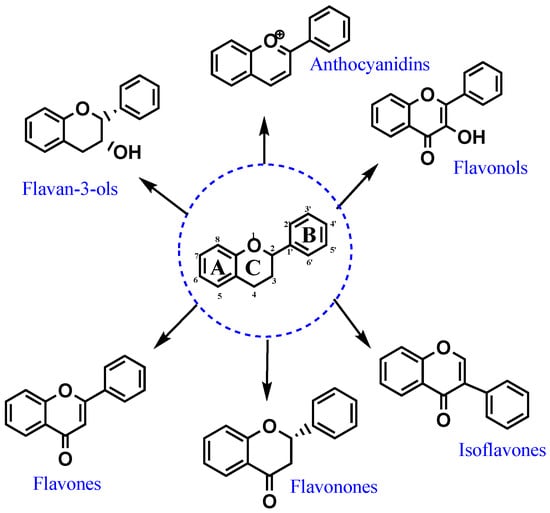
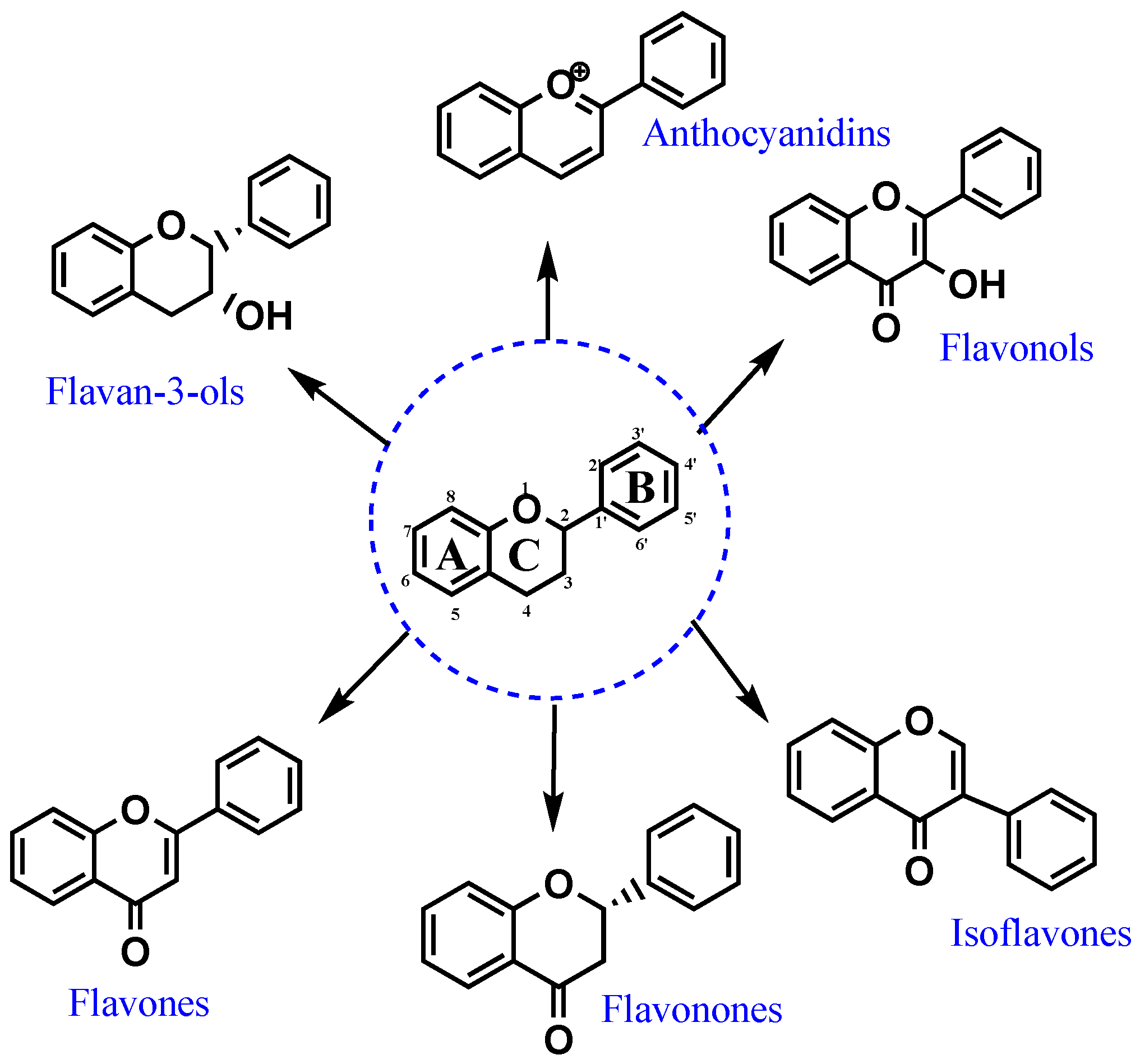
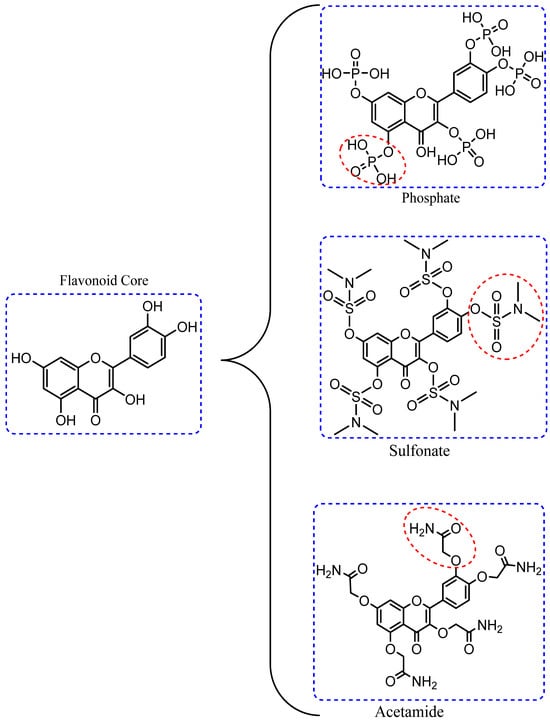
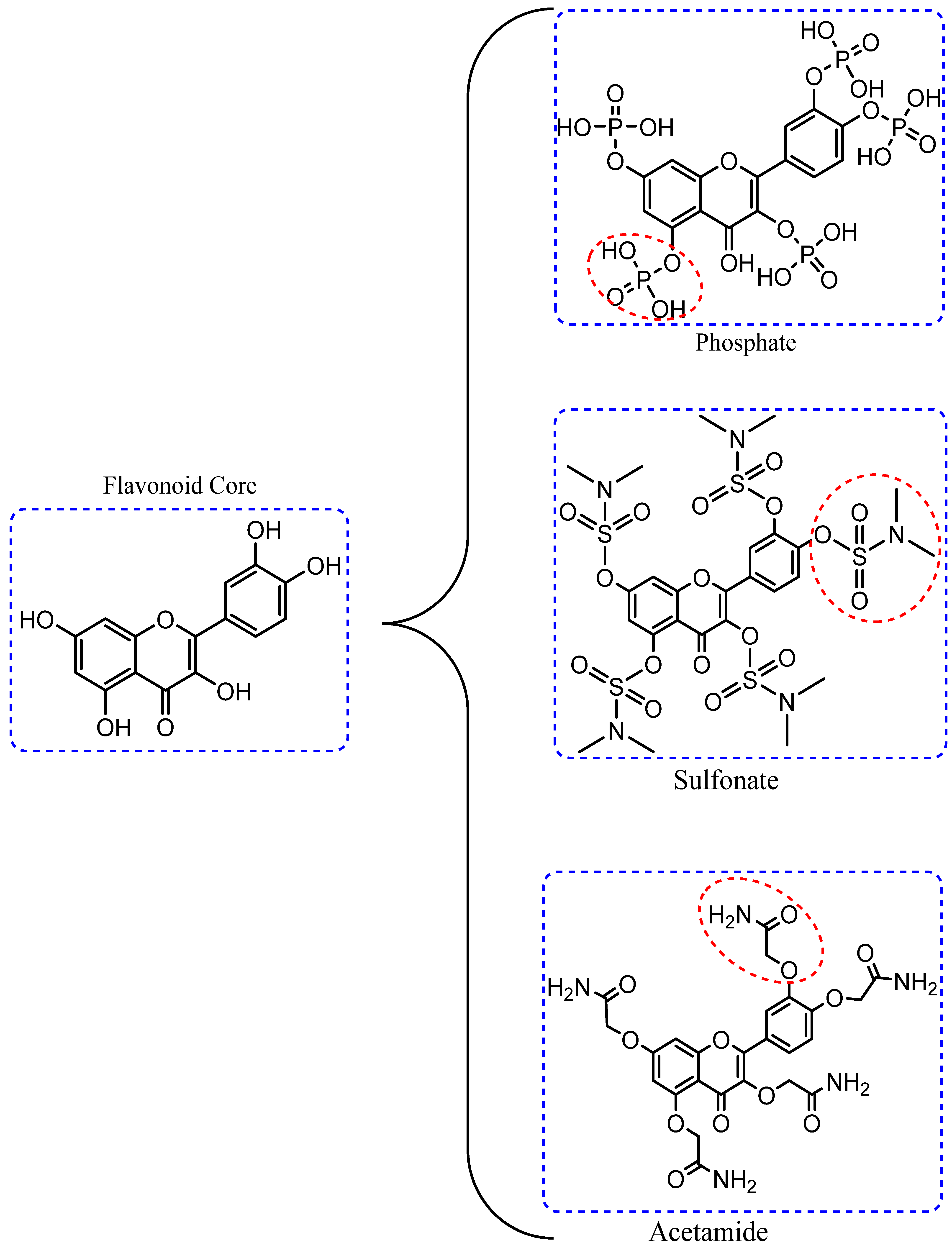
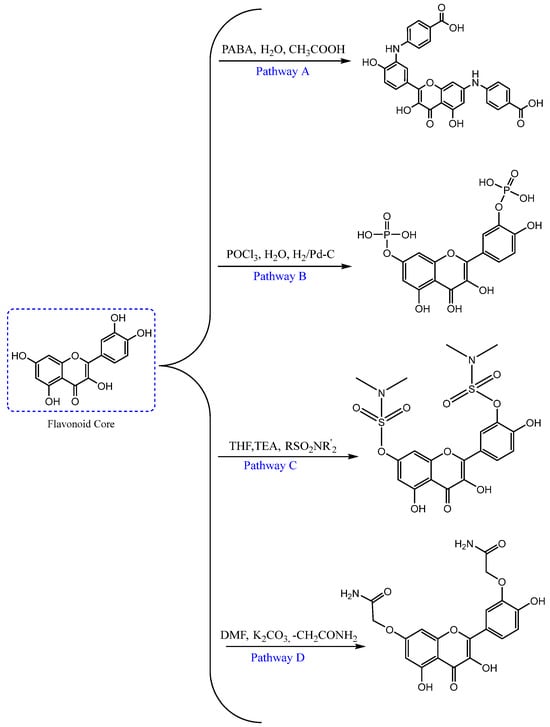
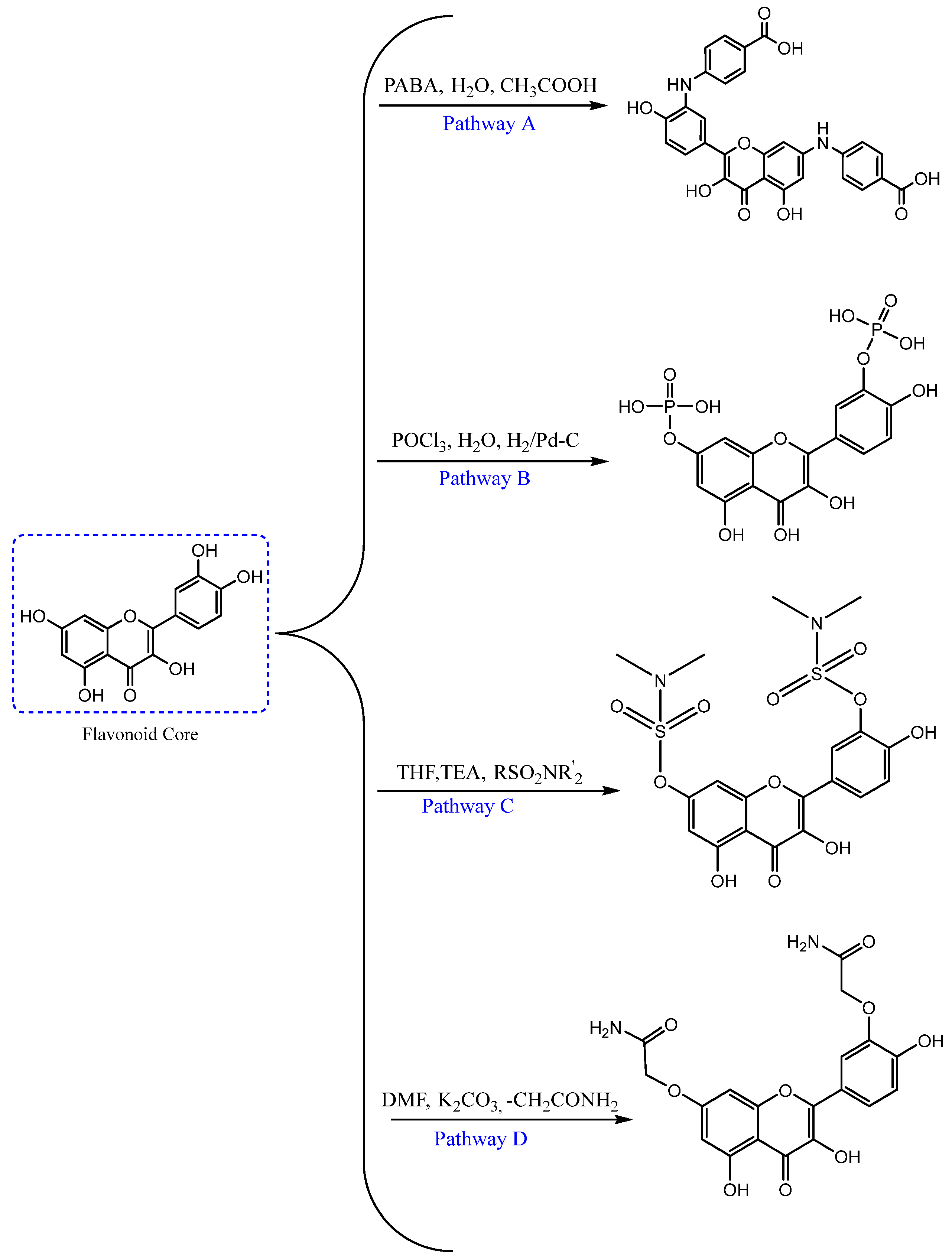

Disclaimer/Publisher’s Note: The statements, opinions and data contained in all publications are solely those of the individual author(s) and contributor(s) and not of MDPI and/or the editor(s). MDPI and/or the editor(s) disclaim responsibility for any injury to people or property resulting from any ideas, methods, instructions or products referred to in the content. |
© 2026 by the authors. Licensee MDPI, Basel, Switzerland. This article is an open access article distributed under the terms and conditions of the Creative Commons Attribution (CC BY) license.