


Abstract
Background/Objectives: Anhedonia, the inability to derive pleasure from typically enjoyable activities, is prevalent in psychiatric and neurological disorders, and is linked to conditions such as obesity and eating disorders. Simultaneously, characteristics of altered eating behavior have been observed amongst these segments, yet the link between anhedonia and eating behavior, and its mechanisms remain underexplored. Methods: This current narrative review synthesizes evidence for a relationship between pleasure perception and eating behavior among individuals with anhedonic traits, emphasizing the role of reward processing and its variations across different segments. Results: Our narrative review identified specific segments with anhedonic traits and described the link to characteristics of their eating behavior. Conclusions: This research can significantly contribute to a better understanding of the differences in the relationship between pleasure and eating behavior amongst individuals with anhedonic traits, which is crucial for developing effective treatment strategies for individuals affected by anhedonia and disturbed eating.
1. Introduction
Anhedonia, commonly defined as the inability to experience pleasure or enjoyment from normally pleasurable activities, remains prevalent in the general population over shorter and longer time periods as a symptom of various mental and neurological disorders. It is especially common in conditions such as major depressive disorder, schizophrenia, Parkinson’s disease, substance use disorder, Alzheimer’s disease, and eating disorders [1,2,3,4]. Despite its centrality in these disorders, anhedonia is not consistently recognized as a primary symptom across diagnostic manuals. For instance, the World Health Organization’s International Classification of Diseases (ICD-10) includes “loss of interest and pleasurable feelings” as a non-essential symptom of depressive episodes without explicitly naming anhedonia [4].
Anhedonia also has broader implications beyond just the inability to experience pleasure—it disrupts reward-related functions, for instance, motivation to engage in pleasurable activities and the ability to make decisions based on past rewarding experiences [4]. This broader understanding of anhedonia, shaped by advances in cognitive psychology and behavioral neuroscience, highlights its role in more complex deficits in reward processing, encompassing difficulties with anticipation, consumption, and learning from rewards. These impairments are particularly pronounced in individuals with major depressive disorder and schizophrenia, where anhedonia extends beyond the absence of pleasure to more intricate disruptions in reward processing [2,3].
It is further important to note that anhedonic traits are not limited to clinically diagnosed individuals. They are also present amongst the general population, including those experiencing stress or depression-like symptoms. These traits are present in a population that, from a clinical perspective, is considered “normal”, though the prevalence of anhedonia in this group remains poorly understood [5]. Recent research has shown that individuals suffering from chronic stress exhibit signs of anhedonia-driven changes in eating behavior, namely changes in appetite, altered perceptions of food pleasure, and shifts in eating behavior [6]. A study found that 65% of participants experiencing moderate stress had normal hedonic scores, whereas only 31% of participants with high stress reported the same, indicating a higher prevalence of anhedonia in the high-stress group (p < 0.001). Further, it has been found that acute psychosocial stress can increase cravings for highly palatable foods for some, while for others an experience of loss of appetite prevails [7]. Overall, these studies suggest that milder or even temporary stress can lead to anhedonia-like eating behavioral symptoms [6]. As such, it can be hypothesized that anhedonic traits extend beyond clinical conditions, affecting populations that may be considered “normal” but still experience disruptions in reward processing, particularly around food-related behaviors.
Food-related anhedonia, or the reduced pleasure from eating, has gained increased attention, particularly in relation to conditions like obesity and eating disorders. While there is evidence that food anhedonia may be linked to disruptions in the brain’s reward system, particularly dopaminergic pathways, our understanding of its mechanisms and long-term impact on eating behavior and psychological well-being remains incomplete [3,8]. Disruptions in reward processing are thought to contribute to individuals seeking out primary reinforcers, such as for example food, as a compensatory mechanism for deficiencies in the reward system [8,9].
Studies show that the impaired ability to perceive pleasure varies significantly among different segments of the population with anhedonic traits. Therefore, in this narrative review, we aim to explore the prevalence of anhedonia amongst different population segments. Moreover, food-related behaviors have been found to differ among these segments, hence a secondary aim of the narrative review is to clarify the specific food choice characteristics and eating patterns associated with these segments.
Given the rising global prevalence of mental health disorders, many of which are comorbid with obesity, there is an urgent need to deepen our understanding of the complex relationship between anhedonia, mental health, and eating behaviors [10,11,12]. This research can significantly contribute to understanding and developing more effective treatment strategies for individuals suffering from both psychiatric and eating disorders, which are often intertwined with reward-processing deficits.
2. Theories of Anhedonia
2.1. Capacity Theory
The prevailing psychological theory of anhedonia, which continues to have substantial support, is relatively straightforward: individuals with anhedonia suffer from a reduced hedonic capacity [13,14]. Hedonic capacity refers to the maximum level of positive affect a person can experience in daily life [15]. According to this capacity theory, anhedonia is characterized by significantly lowering this upper limit of pleasure, resulting in anhedonic individuals’ inability to experience the same level of pleasure as non-anhedonic individuals, leading to a diminished sense of enjoyment from previously pleasurable activities [15]. A study conducted by Fiorito and Simons (1994) supports this theory, as they found that anhedonic individuals report positive images as less positive and experience positive and negative images as less emotionally impactful than those without anhedonia [16]. Additionally, physiological indicators of emotional arousal, such as changes in heart rate, and behavioral responses, such as facial expressions, are reduced in anhedonic individuals [16]. These findings suggest that anhedonia may be associated with a diminished capacity to experience and express emotional responses to rewarding stimuli.
2.2. Sustainability Theory
Although the capacity theory remains influential, several studies indicate that the core issue in anhedonia may not lie entirely in hedonic capacity, or at least not exclusively [17]. The sustainability theory points out that individuals with anhedonia are capable of experiencing the same peaks of enjoyment as those not suffering from the condition. However, their ability to sustain these pleasurable responses over time is significantly impaired [17,18]. The central argument is that while pleasurable reactions to stimuli are generally temporally extended, in cases of anhedonia, the duration of positive affect is notably reduced. A study conducted by Heller and colleagues (2009) found that brain regions involved in reward processing and regulating positive affect exhibited a marked decrease in activation in response to positive stimuli over time in individuals with anhedonia. In contrast, control subjects maintained consistent activation levels [17]. These findings suggest that anhedonia may involve deficits in sustaining positive emotional states rather than an inability to generate them. Having said that, current research highlights that anhedonia and its multifaceted nature are recognized as a core feature of reward deficits in various segments with anhedonic traits, particularly among individuals with schizophrenia, MDD, and diabetes [4,19].
2.3. Implications for Eating Behavior and Reward Processing
These theoretical perspectives provide a useful framework for understanding how anhedonia may influence eating behavior and food-related reward processing. According to the capacity theory, reduced hedonic capacity may diminish the rewarding value of food, potentially contributing to decreased enjoyment of eating and restrictive eating behaviors [15]. Sustainability theory suggests that individuals may experience normal initial pleasure from food consumption but have difficulty maintaining positive affect over time, potentially leading to compensatory reward-seeking behaviors [17,18].
However, it remains unclear whether eating-related disturbances associated with anhedonia are primarily driven by impairments in anticipatory reward (“wanting”), consummatory reward (“linking”), reward learning, or a combination of these processes. Therefore, understanding the conscious and subconscious reward processes involved in eating may help clarify how anhedonia contributes to altered eating behavior and food-related decision-making.
2.4. Conscious and Subconscious Reward Mechanisms in Eating Behavior and Anhedonia
To gain a deeper understanding of reward in relation to eating behavior, specifically, it is essential to examine the conscious and subconscious reward processes involved in eating, as well as potential disruptions within these processes. Conscious reward processing refers to the subjective awareness and cognitive evaluation of rewarding experiences, including the anticipation of food rewards and the conscious experience of pleasure during food consumption. In contrast, subconscious reward processing involves automatic motivational, emotional, and physiological responses to rewarding stimuli that occur without conscious awareness and may influence food preferences, cravings, and learned associations with food. Both conscious and subconscious reward processes contribute to eating behavior and may be altered in individuals with anhedonia [2].
The concept of “hedonia,” derived from the Greek word “Hedone,” meaning pleasure, refers to the ability to experience pleasure [3]. In contrast, the French psychologist Ribot introduced the term “anhedonie” to describe the inability to experience pleasure [20]. To accurately conceptualize and measure food-related pleasure, it is essential to differentiate between the terms “reward” and “pleasure” and their subcomponents, namely “wanting,” “liking,” and “learning.” A “reward” is a natural process through which the brain associates various stimuli with a positive or desirable outcome. Meanwhile, “pleasure” is conceptualized as a positive psychological response that may be experienced consciously or subconsciously and is essential in maintaining a normal sense of well-being [2]. The reward system in humans is activated by various pleasurable stimuli involving brain circuitry, particularly the metabolic system/dopaminergic pathway, which is essential for humans to physiologically and cognitively process the reward. Dopamine release increases the pleasurable experience of the reward and assigns a positive or negative value to it [2]. Since reward experiences are rather subjective, the timing, context, and circumstances surrounding rewarding experiences can significantly affect behaviors related to the reward process [21,22,23].
Various problematic eating behaviors are hypothesized to originate from an imbalance within the reward system. Reward and anhedonia can be conceptualized as parts of a cyclical process comprising appetitive (also referred to as “anticipatory”), consummatory (also referred to as “experienced”), and satiation (also referred to as “learning”) phases [24]. In the context of food intake, the term “wanting” is often used, referring to the subconscious and conscious desire to obtain a food-related reward experienced predominantly in the pre-consumption “appetitive/anticipatory” phase. The term “liking” comprises both the subconscious and conscious experience of pleasure derived from obtaining the rewarding stimulus, thus relating to the consummatory phase. Finally, the “learning” subconsciously links the experiences of wanting (anticipatory pleasure) and liking (consummatory pleasure) over time, allowing for future predictions of the anticipation values of a food experience. Hormones involved in the homeostatic system, such as leptin, ghrelin, and insulin, show significant influence on the mesolimbic dopaminergic system, which plays a key role in regulating “wanting,” “liking,” and “learning” and, thereby, the overall pleasure derived from food [2]. From this perspective, anhedonia may result from a deficiency in processing any of these subcomponents [25,26]. Disturbances in these processes may contribute to deficits in pleasure and overall reward sensitivity, expressed in different eating patterns [27,28]. Individual differences in reward sensitivity, either reduced or heightened, have been suggested as a possible underlying factor in particular eating disorders, stress-induced eating, overeating, and obesity [29].
2.5. Drivers of Pleasure in Food-Related Contexts and Individual Differences
Andersen et al. (2021) proposed a concept for measuring the pleasurable aspects of eating and how pleasure is involved in eating behavior and food choices. In the article, the authors further clarified how drivers of pleasure and perceived food pleasure can vary among individuals yet tend to form characteristic patterns across populations [30]. Research indicates that various factors, including the food itself, perceptions, and sensations linked to its consumption, values, personal lifestyle, and health-related circumstances, affect pleasurable aspects of eating and, thus, shape unique and subjective profiles, referred to as “food pleasure profiles.” These profiles reflect how individuals assign varying degrees of importance to different elements that drive pleasure in food-related contexts [8]. As lifestyle and health conditions affect the ability to experience pleasure, and these conditions are subject to potential treatment, it is possible that individual food pleasure profiles are dynamic, too, and can vary across contexts and over time. Yet, this is still to be researched.
2.6. Segments with Anhedonic Traits and Pronounced Eating Behavioral Characteristics
The inability to perceive pleasure varies significantly across individuals, both those with and without diagnoses, and is closely linked to overall health, particularly mental health [4]. Mental health conditions, such as mood disorders, depression, schizophrenia, and acute stress, have been associated with alterations in eating behavior, underscoring the importance of understanding how psychological factors and anhedonic traits influence the perception of food-related pleasure [4,31]. Numerous studies reported that people suffering from mental illnesses are more likely to experience being unpleasantly aroused and unmotivated for life’s experiences (negative affect), resulting in positive, rewarding experiences being purposely avoided and possibly resulting in depressive symptoms in the future [25]. For instance, patients suffering from depression and schizophrenia have been associated with alterations in anticipatory- and consummatory rewards, often leading to problematic eating behaviors, such as binge eating, restrictive eating, and an inability to find food pleasurable driven by higher levels of wanting and lower (or unaltered) levels of liking [3,8]. Similarly, anhedonia, a common symptom of Major Depressive Disorder, is associated with a decline in health-related quality of life and psychosocial functioning, largely due to impairments in the reward system [32,33]. The dysfunction in the reward system has been proven to cause metabolic disturbances, with studies suggesting that obesity significantly moderates the association between MDD and willingness to experience reward-related behaviors, particularly as a consequence of increased anticipatory reward responses [34]. In addition, anxiety disorders are likewise a group of mental disorders that have been associated with anhedonic traits, although not with the same level of severity as in MDD. Although anxiety is often considered a symptom of MDD, it may also lead individuals to intentionally avoid pleasurable experiences, resulting in the development of depressive symptoms over time [25].
Eating disorders, in particular, have been consistently linked to both general and social anhedonia, although the expression of anhedonic traits and reward sensitivity varies depending on the type of disorder [35,36]. Additionally, higher levels of anhedonia have been found to predict long-term weight gain [37]. One proposed explanation is that diminished reward experience may promote compensatory food-seeking behavior aimed at increasing reward exposure. Consistent with this hypothesis, individuals with high BMI often show higher wanting (i.e., anticipatory reward), despite relatively normal liking (i.e., consummatory reward), which leads to a constantly increased search for food [3,8]. Similarly, people with binge-eating disorder experience abnormally high levels of wanting when exposed to food, even when they do not particularly enjoy it [27,28]. Heightened reward sensitivity can result in the overconsumption of highly palatable foods in individuals with bulimia nervosa or binge-eating disorder, mainly due to increased motivation for the activities that offer immediate rewards, whereas reduced sensitivity to food pleasure may contribute to food avoidance in those with anorexia nervosa [9,28].
Besides the well-documented link to depression, schizophrenia, and other mood disorders, anhedonia is also common among patients with Alzheimer’s disease, Parkinson’s disease, and substance use disorders [4]. Therefore, depending on the nature of the disease, varying degrees of anhedonic traits are prominent in many people’s life quality and health status. Consequently, understanding how anhedonic traits affect eating behavior is crucial for addressing public health challenges, particularly obesity, type 2 diabetes, and mental illness [3].
3. Materials and Methods
Peer-reviewed literature published between 2000 and 2024 was included in this narrative review, with a focus on the prevalence of anhedonia and its relationship with eating behavior among different segments. Studies conducted as either a systematic review, a meta-analysis approach, or a clinical study design were considered for inclusion, whereas book chapters and brief introductory articles about anhedonia were excluded. Literature was sourced from databases, including Google Scholar and PubMed.
The search was conducted using the following keywords: “anhedonia,” “anhedonic traits,” “eating behavior,” “food choices,” “diabetes,” “major depressive disorder,” “obesity,” “segments with anhedonic traits,” “mental illnesses,” and “schizophrenia.” Boolean operators (“AND”, “OR”) were used to combine search terms. Examples of search strings included: (“anhedonia” OR “anhedonic traits”) AND (“eating behavior” OR “food choices”), (“anhedonia”) AND (“obesity” OR “prediabetes” OR “diabetes”), and (“anhedonia”) AND (“schizophrenia” OR “major depressive disorder” OR “bipolar disorder” OR “eating disorders” OR “Parkinson’s disease”). Searches were restricted to English-language, peer-reviewed publications published between [2000] and [2024]. To ensure relevance and quality research, the inclusion criteria were as follows: (1) anhedonia among various segments, (2) obese segments with prediabetes (chosen as a specific interest topic as prediabetes and obesity are starting to become a focus in anhedonia research). Exclusion criteria included papers that lacked the aspect of anhedonia.
Moreover, for each selected paper, the key points, such as segment type, methodology, and main findings regarding anhedonia and eating behaviors, were extracted from each study. Thematic coding was used to categorize articles by segments and main findings related to anhedonia and eating behavior, respectively (e.g., psychiatric diseases (13 papers), Major Depressive Disorder (nine papers), prediabetes and diabetes (10 papers), eating disorders (nine papers), and Parkinson’s disease (13 papers)). Furthermore, qualitative thematic and content analyses were conducted to identify similarities between segments and their relations to anhedonia. Figure 1 shows a detailed example of the literature search.
Figure 1.
Example of the literature search.
This section will present the results of the literature study regarding the prevalence of anhedonia among various segments with anhedonic traits and whether these segments show specific eating behavioral characteristics. The following segments are in focus: individuals with psychiatric illnesses (schizophrenia and bipolar), Major Depressive Disorder (depression and anxiety), prediabetes and diabetes, eating disorders, and Parkinson’s disease.
3.1. Psychiatric Illnesses (Schizophrenia and Bipolar)
3.1.1. The Prevalence of Anhedonia Among Psychiatric Illnesses (Schizophrenia and Bipolar)
The literature search resulted in four studies that investigated the relationship between the prevalence of anhedonia and psychiatric illnesses. These findings are shown in Table 1.
Anhedonia, the diminished ability to experience pleasure, is a core symptom of several psychiatric illnesses, particularly schizophrenia and bipolar disorder, and it is a prominent symptom of their clinical picture [38]. Schizophrenia is a severe and chronic psychiatric disorder characterized by disruptions in thought processes, perceptions, and emotional regulation, and frequently presents with negative symptoms, including anhedonia. Studies indicate that anhedonia is present in approximately 40–60% of patients with schizophrenia, with some reports suggesting even higher prevalence in specific clinical populations [39]. In the study by Pelizza and Ferrari (2009), anhedonia was found in 45% of all patients, yet in the depressed sample, anhedonia was reported by 36.9% of subjects [38]. To a lesser degree, anhedonia is also prevalent in bipolar disorder, particularly during depressive episodes [38]. In a study involving 58 bipolar patients, significant correlations were found between anhedonia, biological rhythm disturbances, and depression severity [40]. Additionally, approximately 20–25% of patients with mood disorders report anhedonic symptoms. Research about the neurobiological mechanisms underlying anhedonia in schizophrenia and bipolar illnesses suggests that the prevalence of anhedonia is caused by dysregulation in reward processing systems, which can vary depending on the patient’s mood state [41].
Table 1.
Prevalence of anhedonia and psychiatric illnesses.
3.1.2. Eating Behavior Among Segments with Psychiatric Illnesses (Schizophrenia and Bipolar)
In total, nine studies in the literature were found to have investigated the relationship in the eating behavior among patients with psychiatric illnesses, as shown in Table 2.
Individuals diagnosed with psychiatric illnesses, particularly schizophrenia and bipolar disorder, often exhibit distinct food-related behaviors and dietary patterns.
Eating behaviors among patients with schizophrenia are complex and often disordered, influenced by various biopsychosocial factors. In the study by Sankaranarayanan et al. (2021), patients with schizophrenia frequently present disordered eating behaviors (DEBs), particularly binge eating (4.4% to 45%), food cravings (16.1% to 64%), food addiction (27% to 60.6%), and night eating (4% to 30%). These problematic eating behaviors can significantly contribute to nutritional deficiencies and/or excessive weight gain, significantly impacting their health and quality of life [42]. Moreover, a study by Khosravi (2020) further found that 41.5% of schizophrenia patients exhibited DEBs, compared to 10.3% in a control group [43]. Research indicates that individuals with schizophrenia are more likely to exhibit unhealthy dietary patterns, characterized by high consumption of processed foods, sugars, and fats and a lower intake of fruits, vegetables, and fiber [44]. These problematic dietary preferences are often intensified by negative symptoms of the disorder, such as apathy and lack of motivation, which can diminish the individual’s capacity to prepare healthy meals or make conscious food choices [45]. Moreover, a common symptom of schizophrenia, suspiciousness, is associated with food refusal, inappropriate feeding behaviors, and increased prevalence of DEBs [46]. In the study by Osuji & Onu (2019), food refusal was seen in 56.5% of the patients, with 32.5% attributed to suspiciousness. In contrast, among the 13.2% with inappropriate feeding behavior, 46.4% were related to abnormal food preparation [46]. While suspiciousness and paranoid ideation may contribute to food refusal in some patients, negative symptoms such as anhedonia and reduced motivation may also influence eating behavior. Impairments in reward processing can reduce the anticipated pleasure associated with food consumption, potentially contributing to diminished interest in eating, irregular eating patterns, and reduced motivation to engage in food-related activities [42,43,45,46]. Furthermore, the study by Mueller-Stierlin et al. found that patients with schizophrenia commonly experience disrupted hunger cues and emotional eating rather than physical hunger, leading to binge eating, night eating, food cravings, and emotional eating [47]. Here, Khosravi (2020) points out that, in general, emotional factors such as stress, anxiety, and depression are known to influence eating behaviors, especially among schizophrenia patients, which can further exacerbate DEBs [43]. Lastly, the use of atypical antipsychotic medications is well documented to affect weight gain and increase appetite, with higher rates of binge eating and food cravings, especially for calorie-dense foods, among patients with schizophrenia [42,43].
Eating behaviors among patients with bipolar disorder vary significantly during manic and depressive episodes, reflecting the complex interplay between mood states and eating patterns. During manic episodes, individuals may exhibit impulsive eating behaviors, increased appetite, and a preference for high-calorie foods [48,49]. A study by Koning et al. (2022) found that patients with manic episodes often experience increased appetite and cravings for high-energy foods. Moreover, there is also a tendency for impulsive eating, which can lead to binge-like behaviors or erratic eating schedules [48]. Studies suggest that BD patients show a preference for unhealthy, high-sugar, and high-fat foods [49] and are generally seeking out high-reward foods (often high in sugar or fat) as a way to improve their mood temporarily [48]. In contrast, depressive episodes often followed by emotional eating led to reduced appetite, irregular eating patterns, and potential weight gain. Many patients engage in emotional eating, with food being used as a coping mechanism to deal with negative emotions. This can significantly contribute to changes in weight, including weight gain, which are frequently observed among these patients due to altered eating habits [50]. However, many patients reported a significant decrease in appetite, leading to skipped meals. A study by Kilbourne et al. (2007) reported that patients with bipolar disorder report poor eating behaviors, including eating only one meal per day and difficulty obtaining or cooking food, which particularly increased during depressive episodes [49].
Table 2.
Eating behavior among segments with psychiatric illnesses.
3.2. Major Depressive Disorder
3.2.1. The Prevalence of Anhedonia Among Segments with Major Depressive Disorder and Its Co-Occurring Symptoms of Depression and Anxiety
In total, five studies in the literature were found to have investigated the relationship between the prevalence of anhedonia among individuals with Major Depressive Disorder and its co-occurring symptoms, such as depression and anxiety. Table 3 summarizes these studies.
The prevalence of anhedonia within Major Depressive Disorder is notably high, with studies estimating that it affects between 37% and 80% of individuals diagnosed with MDD, depending on diagnostic criteria, populations, and assessment methods [38,40]. In the broader context, depression and anxiety disorders are frequently co-occurring symptoms and predictors of relapse in patients with MDD. Research suggests that anhedonia occurs even after other depressive symptoms have remitted [51]. Among individuals with MDD, the presence of anhedonia has been linked to lower quality of life, including reduced motivation and social engagement, which further complicates recovery from depressive episodes [52]. The neurobiological underpinnings of anhedonia involve disruptions in reward processing circuits, particularly in the dopaminergic pathways, which are implicated in both mood regulation and motivation [14].
Table 3.
Prevalence of anhedonia among segments with Major Depressive Disorder and its co-occurring symptoms of depression and anxiety.
3.2.2. Eating Behavior Among Segments with Major Depressive Disorder and Its Co-Occurring Symptoms of Depression and Anxiety
The literature search resulted in four studies investigating the relationship between the eating behavior among segments with MDD, as shown in Table 4.
Eating behaviors among patients with Major Depressive Disorder are characterized by significant alterations of disordered eating behaviors, such as binge eating and loss-of-control overeating, with individuals reporting episodes of binge eating between 19% and 44% [51]. Various factors, including neuroendocrine changes, dietary habits, emotional eating, and disordered eating behaviors, significantly affect the prevalence of these problematic eating behaviors and can lead to either weight gain or loss [48,52]. Furthermore, the disruptions in the reward system affect food intake by increasing impulsivity and a higher intake of unhealthy options like lard and sugar [48,55]. A study by Stefańska et al. (2014) found that patients with recurrent depressive disorders consume significantly less healthy foods and essential nutrients, such as fruits, vegetables, and fish, which may exacerbate depressive symptoms [55].
Table 4.
Eating behavior among segments with Major Depressive Disorder and its co-occurring symptoms of depression and anxiety.
3.3. Prediabetes and Diabetes
3.3.1. The Prevalence of Anhedonia Among Prediabetic and Diabetic Individuals
The literature search resulted in six studies investigating the relationship between the prevalence of anhedonia among prediabetic and diabetic individuals. These findings are shown in Table 5.
The prevalence of anhedonia is significantly higher in individuals with diabetes, particularly type 2 diabetes, than in the general population, with various studies reporting prevalence rates up to 30% [56,57]. The prevalence appears even higher in individuals with comorbid depressive symptoms, which are also more common among those with diabetes [58]. For example, a study by Shevchuk et al. (2019) on 190 males found that depressive disorders, including anhedonia, were diagnosed in 10.7% of patients with type 2 diabetes, with 12.1% experiencing moderate to severe depressive symptoms [59]. Moreover, a study explored the biological mechanisms, primarily dysregulation of the hypothalamic–pituitary–adrenal (HPA) axis, chronic inflammation, and insulin resistance, which are common in diabetes and major depressive disorder and further affect dopaminergic pathways related to the brain’s reward system, thus contributing to anhedonia [60,61]. Although research highlights that the prevalence of anhedonia in prediabetes remains limited, studies have demonstrated that individuals with prediabetes exhibit elevated levels of depressive symptoms and an increased likelihood of developing mood disorders [58].
Table 5.
Prevalence of anhedonia among prediabetic and diabetic individuals.
3.3.2. Eating Behavior Among Prediabetic and Diabetic Individuals
In total, four studies in the literature were found to have investigated the eating behavior in prediabetic and diabetic segments, as shown in Table 6.
Eating behaviors among people suffering from diabetes, particularly those with type 2 Diabetes (T2D), significantly influence dietary intake and their overall health. Research indicates that this population shows signs of either emotional, external, or restrained eating patterns, respectively affecting their dietary choices and nutritional outcomes. Emotional eaters tend to consume more calories and fats, with women mainly showing a higher intake of non-alcoholic beverages such as soft drinks and juices and men a higher intake of alcohol [62,63]. Additionally, emotional and disordered eating were linked to antidepressant use, indicating varied eating behaviors among diabetic individuals, particularly females [64]. Furthermore, patients who eat in response to external cues also exhibit increased consumption of calorie-dense foods and fat, with women showing higher emotional and restrained eating tendencies than men [63]. Lastly, among individuals suffering from diabetes, both male and female, restrained eating is characterized by conscious control over food intake. Research showed mixed results; it is not clearly correlated with dietary intake but is associated with longer diabetes duration and higher body mass index [63,64]. Further, binge eating and night eating commonly occur among diabetic patients, leading to excessive food intake and complicating glycemic control and weight normalization [65].
Table 6.
Eating behavior among prediabetic and diabetic individuals.
3.4. Eating Disorders
3.4.1. The Prevalence of Anhedonia Among Segments with Eating Disorders
In total, six studies in the literature were found to have investigated the relationship between the prevalence of anhedonia among patients with eating disorders. Table 7 summarizes these studies.
Anhedonia, a common symptom of mood disorders, has been increasingly recognized by various studies as an essential symptom of eating disorders [53]. Recent research highlights the high prevalence of anhedonia across various forms of eating disorders, including anorexia nervosa, bulimia nervosa, and binge-eating disorder. Anhedonia in these populations is often related to disturbances in reward processing, leading to problematic eating behaviors, such as restrictive eating and binge eating [66]. Studies consistently show elevated rates of anhedonia among individuals with EDs compared to the general population. For instance, Harrison et al. (2010) found that individuals with anorexia nervosa display significant reductions in the ability to experience pleasure from both food-related and non-food-related activities. In their sample, over 50% of individuals with AN reported moderate to severe anhedonia [67]. Similarly, Levinson et al. (2017) observed high levels of anhedonia in individuals with bulimia nervosa, particularly during periods of restrictive dieting or post-binge guilt [68]. In a study examining patients with eating disorders, Dolan et al. (2021) reported that individuals with EDs reported the prevalence of anhedonia to be notably higher compared to healthy individuals and further found that it may be linked to the severity of the disorder [69]. These findings suggest that anhedonia is not only prevalent but may play a pivotal role in the maintenance of problematic eating behaviors. Neurobiological studies have suggested that alterations in dopamine pathways, critical for reward processing, may underlie the co-occurrence of anhedonia and eating disorders, particularly in AN and BN [70].
Table 7.
Prevalence of anhedonia among segments with eating disorders.
3.4.2. Eating Behavior Among Segments with Eating Disorders
The literature search resulted in three studies investigating the relationship between eating behavior among segments with eating disorders, as shown in Table 8.
Eating behaviors among individuals with eating disorders vary significantly across different segments, reflecting a spectrum of disordered eating patterns. These behaviors can be categorized into typical and atypical eating patterns, such as anorexia nervosa, bulimia nervosa, and binge eating disorder. Research indicates that AN patients engage in severe caloric restrictions or extreme dieting practices [71]. On the other hand, bulimia nervosa participants reported fewer meals and frequent overeating, while binge-eating disorder participants had higher snack frequency [72]. Yet, both groups reported atypical eating behaviors like nibbling and consuming double-portion meals. Moreover, BED patients showed a higher frequency of binge eating episodes, with more frequent breakfast consumption linked to lower BMI [72]. Having said that, the study by Samarina et al. (2015) suggests that across individuals with eating disorders, there is a tendency towards irregular meal patterns and increased snacking, which can increase the prevalence of disordered eating behaviors [73].
Table 8.
Eating behavior among segments with eating disorders.
3.5. Parkinson’s Disease
3.5.1. Prevalence of Anhedonia Among Segments with Parkinson’s Disease
In total, five studies in the literature were found to have investigated the relationship between the prevalence of anhedonia among patients with Parkinson’s disease. Table 9 summarizes these studies.
Various scales and methods have been used to study the prevalence of anhedonia among patients with Parkinson’s disease. Overall, it has been reported that among PD patients, the prevalence rate of anhedonia varies between 16.5 and 70%, depending on the assessment procedure and the study population [74]. A study by Reichmann et al. (2003) on 657 subjects investigated depressive symptoms in Parkinson’s disease and the prevalence of anhedonia among PD patients. The study explicitly found that 46% of PD patients were anhedonic. Moreover, they found a significant positive correlation between anhedonia, depression, and the severity of PD symptoms. The relation between anhedonia and depression in PD patients is found among the majority of the studies from the literature search. It seems to indicate that anhedonia in this segment is at least partly mediated via depression [75]. As an example, research conducted by Lemke et al. discovered a higher prevalence of anhedonia in depressed PD patients than in non-depressed PD patients, with 79.7% of depressed PD patients and 36.1% of non-depressed PD patients classified as anhedonic [76], and the study conducted by Weintraub et al. found that PD patients did not demonstrate anhedonia when they experienced positive life events [77]. Fibiger studied anhedonia as a symptom of depression in patients with PD. He found that the functions of specific reward-related systems are impaired among depressed PD patients. Specifically, the author emphasizes that the reduced ability to experience the pleasure of reward is a key symptom of clinical depression among PD patients [78].
Table 9.
Prevalence of anhedonia among segments with Parkinson’s disease.
3.5.2. Eating Behavior Among Segments with Parkinson’s Disease
In total, eight studies in the literature were found to have investigated eating behavior among this segment with PD. Table 10 synthesizes these results.
Eating behaviors among individuals with Parkinson’s disease are notably altered, often leading to compulsive eating and food cravings. These changes are influenced by the disease’s progression and the effects of dopamine replacement therapy. Eating behaviors in Parkinson’s disease include episodes of compulsive eating, food addiction, and binge eating disorder, with significant cravings and impulsivity observed in affected patients [79,80,81,82]. In the study by Chazeron et al. (2019), approximately 21.6% of PD patients experience episodes of out-of-control eating, while 39.2% meet the criteria for food addiction without binge eating disorder [79]. Furthermore, compulsive eating is frequently linked to dopamine replacement therapy, which can alter the hedonic value of food and lead to increased cravings for specific food types, particularly sweets [81,82]. Some patients often prefer sweet snacks (i.e., candies and ice cream), which can lead to undesired weight gain [82]. In the study by Zahodne et al. (2011), 8.3% of patients diagnosed with PD developed binge eating disorder [83]. Consumption of sugar-rich foods is most likely due to the dopaminergic dysregulation in the brain’s reward system, as the increased consumption of sugar-rich foods stimulates reward pathways in PD patients [80]. On the other hand, 90% of PD patients are affected by impairments in olfactory function, which can further alter food preferences and reduce the enjoyment of food, leading to decreased appetite and interest in eating [84]. A study by Isella et al. (2003) reported physical anhedonia, a deficit in the sensory experience of food, in 40% of PD patients [85]. Having said that, due to sensory deficits, PD patients have been reported to prefer foods with stronger flavors, such as sweet foods, or carbohydrates like cakes, chocolate, and ice cream [86].
Table 10.
Eating behavior among segments with Parkinson’s disease.
4. Discussion
4.1. Main Findings Regarding Anhedonia Amongst Different Segments
The main aim of the present narrative review was to investigate the prevalence of anhedonia among various segments and understand the underlying factors contributing to that. Key results from the present study confirmed that anhedonia is a core symptom of several psychiatric illnesses, particularly schizophrenia and bipolar disorder. It is a prominent symptom of their clinical diagnosis [38], with studies indicating the presence of anhedonia in approximately 40–60% of patients with schizophrenia, with some reports suggesting even higher prevalence in specific clinical populations [39]. Additionally, approximately 37% to 80% of patients with mood disorders report anhedonic symptoms [38,40]. Anhedonia is also prevalent among patients with type 2 diabetes, with up to 30% of the patients reporting it as a common symptom [56,57]. Evidence from a systematic review by Harrison et al. (2010) suggests that anhedonia is a common feature of eating disorders and may be present in more than 50% of affected individuals [67]. Lastly, Parkinson’s disease patients consistently reported anhedonia as a primary symptom, with prevalence rates between 16.5 and 70% [74]. This was found primarily through more patients reporting a lack of motivation, social engagement, and lower quality of life, resulting in anhedonia being found to be a primary symptom of various conditions. Also, research indicates that anhedonia not only contributes to the severity of depression but also operates independently, necessitating targeted treatment approaches [38,39,40].
Several studies have demonstrated the prevalence of anhedonia and depression as a significant concern in various health conditions [87]. In the study by Wardani and Lesmana (2024), anhedonia is defined as the loss of interest or pleasure in activities once found enjoyable, and it is a primary diagnostic criterion for MDD [88]. Moreover, anhedonia was found in 45% of all patients, yet in the depressed sample, anhedonia was reported by 36.9% of subjects [38].
Further, research highlights dysfunctions in the neural networks responsible for processing rewards, mainly linked to altered activity in key brain regions involved in reward processing, particularly the mesocorticolimbic dopamine system. These impairments are especially pronounced in individuals with major depressive disorder (MDD) and schizophrenia, where anhedonia often extends beyond a mere absence of pleasure to more complex disruptions in reward processing, such as anticipation, consumption, and learning from rewards [2,3]. In the study by Liang et al. (2022), the authors highlight that anhedonia is characterized by impairments in anticipatory pleasure and integration of reward-related information in MDD. In contrast, anhedonia in schizophrenia is associated with neurocognitive deficits in representing the value of rewards [89]. Research also suggests that among patients with mood disorders (20–25% of patients), anhedonia is caused by dysregulation in reward processing systems, which are implicated in both mood regulation and motivation [14,41]. The same conclusions have been found in diabetic and MDD patients, where common symptoms (dysregulation of the hypothalamic–pituitary–adrenal (HPA) axis, chronic inflammation, and insulin resistance) are affected by dopaminergic pathways related to the brain’s reward system, thus contributing to anhedonia [60,61]. Neurobiological studies have suggested that alterations in dopamine pathways, critical for reward processing, may underlie the co-occurrence of anhedonia and eating disorders, particularly in AN and BN [70]. Der-Avakian and Markou (2012) explored dopamine’s role in transferring positive incentive value from rewards to cues that predict them among patients with Parkinson’s disease [4]. Their research suggests that disturbances in dopaminergic transmission and the mesolimbic circuit, particularly the progressive degeneration of dopaminergic projections, may contribute to anhedonic responses (lack of motivation and appetite), especially in patients with Parkinson’s disease [4].
It should be noted that the evidence regarding the prevalence and clinical significance of anhedonia across the reviewed populations is supported by a combination of systematic reviews, meta-analyses, and individual observational studies. Overall, the presence of anhedonia in conditions such as schizophrenia, mood disorders, eating disorders, and Parkinson’s disease is supported by relatively consistent evidence across multiple study designs [38,39,68,75].
Having said that, anhedonia is now recognized as a core feature of reward deficits in various segments with anhedonic traits. It involves the inability to experience pleasure, diminishing motivation, altered reward expectations, depressive syndrome, and making decisions based on past rewarding experiences [4,19].
4.2. Main Findings Regarding Eating Behavior and Food Choices
A secondary aim of this study was to investigate eating behaviors among various segments with anhedonic traits. Although eating behavior varies among segments with anhedonic traits, some similarities exist. Overall, there is a tendency towards irregular meal patterns, food cravings, and increased snacking, which can increase the prevalence of disordered eating behaviors [73]. In the study by Sankaranarayanan et al. (2021), patients with schizophrenia frequently presented disordered eating behaviors (DEBs), particularly binge eating (4.4% to 45%), food cravings (16.1% to 64%), food addiction (27% to 60.6%), and night eating (4% to 30%). These problematic eating behaviors can contribute to nutritional deficiencies and/or excessive weight gain, significantly impacting their health and quality of life [42]. These findings may suggest that anhedonia and other negative symptoms contribute to altered eating behavior by reducing the anticipated pleasure associated with food while simultaneously increasing vulnerability to maladaptive reward-seeking behaviors [2,3,42]. Another study further found that the prevalence of DEBs was noted among 41.5% of schizophrenia patients, which was significantly higher than the 10.3% in control groups [43]. Additionally, DEBs in schizophrenia patients range from 4.4% to 45% for binge eating and 16.1% to 64% for food cravings [42]. On the other hand, DEBs in bipolar patients are significantly higher during manic and depressive episodes [48]. There is also a tendency for impulsive eating, which can lead to binge-like behaviors or erratic eating schedules [48]. Moreover, many patients engage in emotional eating, with food being used as a coping mechanism to deal with negative emotions [50] and a way to improve their mood temporarily [48]. These segments are characterized by a high consumption of processed foods, sugars, and fats and a lower intake of fruits, vegetables, and fiber [44]. Similar eating behaviors can be seen across the segments with MDD; a study found that 19% to 44% of participants reported binge eating episodes [51]. Moreover, a study by Kunugi (2023) found that patients with a major depressive disorder often exhibit unhealthy eating behaviors, including energy overload, skipping breakfast, following a Western diet, and high consumption of ultra-processed foods [87]. Among this segment, disruptions in the reward system are believed to affect food intake by increasing impulsivity and a higher intake of unhealthy options like lard and sugar [48,55]. Additionally, MDD patients, especially during depressive episodes, will consume significantly less healthy foods and essential nutrients, such as fruits, vegetables, and fish [55]. In mood disorders, anhedonia may contribute to eating disturbances through alterations in reward sensitivity and motivation; however, the resulting behaviors may vary considerably, ranging from overeating and food cravings to reduced appetite and poorer diet quality [48,51,55]. Eating behaviors among individuals suffering from diabetes mainly involve emotional, external, and restrained eating patterns. Generally, our analysis found that females showed higher emotional and restrained eating tendencies than men, influencing their diet quality and health outcomes [63]. Findings from an observational study by Arhire et al. (2024) suggest that emotional and external eating behaviors are prevalent among diabetic patients, leading to higher calorie and lipid intake. In contrast, restrained eating showed no correlation with a specific type of dietary choice [62]. Additionally, females and males reported binge eating and night eating, resulting in longer diabetes duration and complicating glycemic control and weight normalization [65].
Moreover, 44.6% of diabetic patients exhibited poor eating behaviors, characterized by excessive intake of carbohydrates, which negatively impacted blood glucose levels [90]. These findings suggest that anhedonia may interact with metabolic and psychological factors in diabetes, potentially influencing emotional eating, food choices, and adherence to dietary recommendations [60,62,63]. Among patients with EDs, the disruptions in the brain’s reward processing systems cause the inability to derive pleasure from intrinsic rewards, such as eating or social interactions. They may further reinforce the disordered behaviors, such as food restriction, binge eating or purging, by diminishing the intrinsic reward value of food or other pleasurable activities [71]. This is especially seen among AN patients with severe caloric restrictions or extreme dieting practices [71]. Individuals suffering from bulimia nervosa disorder reported fewer meals and frequent overeating, while binge-eating disorder participants had a higher frequency of binge eating episodes [72]. Among individuals with eating disorders, anhedonia may manifest differently depending on the disorder subtype, contributing either to restrictive eating patterns through diminished food-related pleasure or to binge-eating behaviors through altered reward valuation and food-related motivation [70,71,72]. When it comes to eating behaviors among patients with Parkinson’s disease, they report episodes of compulsive eating, food addiction, and binge eating disorder, with significant cravings and impulsive consumption. An individual clinical study by Zahodne et al. (2011) reported that 8.3% of patients diagnosed with PD developed binge eating disorder [83], and in the study by Chazeron et al. (2019), approximately 21.6% of PD patients experienced episodes of out-of-control eating, while 39.2% met the criteria for food addiction without binge eating disorder [79]. Further, research highlighted that 90% of PD patients are affected by impairments in olfactory function, leading to decreased appetite and interest in eating [84] and a preference for foods with stronger flavors, such as sweet foods or carbohydrates like cakes, chocolate, and ice cream [86]. In Parkinson’s disease, alterations in reward processing, together with sensory impairments such as olfactory dysfunction, may contribute to changes in appetite, food preferences, and eating behavior [4,84,86].
In contrast, evidence regarding specific eating behavior characteristics and their relationship with anhedonia is more heterogeneous. While some findings are supported by systematic reviews and broader evidence syntheses, several observations regarding food cravings, emotional eating, binge eating, restrictive eating, and food preferences originate from individual observational or clinical studies and should therefore be interpreted with appropriate caution [42,62,79,87].
Overall, the findings suggest that anhedonia is associated with alterations in eating behavior across a wide range of psychiatric, neurological, and metabolic conditions; however, the manifestations differ considerably between populations [2,3,4,8]. While some individuals exhibit increased food cravings, emotional eating, binge eating, or compulsive food-seeking behaviors, others display reduced appetite, food restriction, or diminished pleasure derived from eating [42,51,62,71,79]. These findings indicate that anhedonia is unlikely to influence eating behavior through a single mechanism. Rather, disruptions in reward processing may interact with condition-specific psychological, physiological, and environmental factors to produce distinct eating-related outcomes [2,3,89]. Therefore, although anhedonia appears to be a common feature across several conditions, its impact on eating behavior should be interpreted within the context of the underlying disorder.
5. Limitations
A limitation of this review is the heterogeneity of the included evidence, which comprises systematic reviews, meta-analyses, and observational studies across diverse clinical populations. As a result, the strength of evidence varies between topics. While findings from systematic reviews and meta-analyses generally provide stronger evidence, findings from individual observational studies should be interpreted with appropriate caution. Additionally, as this review was conducted using a narrative approach, a formal risk-of-bias assessment was not performed.
6. Conclusions
The present narrative review explored the prevalence of anhedonia across different clinical populations while at the same time exploring whether these segments possess certain eating behavioral characteristics. Additionally, this review provides a knowledge basis for further investigation of the relationship between anhedonia, reward processing, and eating behavior. Overall, the literature identified several psychiatric, neurological, and metabolic conditions in which anhedonia is prevalent and suggested potential links between anhedonic traits and alterations in eating behavior.
The findings from the narrative review underscore anhedonia as a prominent and complex symptom within psychiatric and neurological conditions such as schizophrenia, bipolar disorder, Major Depressive Disorder, diabetes, and Parkinson’s disease. Across these populations, anhedonia has been associated with impairments in reward-related processes, including anticipatory and consummatory aspects of reward. Although several studies have proposed the involvement of neural reward pathways, particularly dopaminergic systems, the extent to which these mechanisms contribute to anhedonia may vary across conditions and may differ between clinical populations.
Moreover, this review also suggests that anhedonia may be associated with a range of disordered eating behaviors, including binge eating, emotional eating, food cravings, restrictive eating, and reduced pleasure derived from food. However, the nature of these associations differs considerably between populations, indicating that anhedonia is unlikely to influence eating behavior through a single mechanism. Rather, these relationships may involve interactions between reward-related processes and condition-specific psychological, physiological, and environmental factors.
Due to the current and future public health challenges, particularly concerning obesity, type 2 diabetes, eating disorders, and mental illness, it is crucial to broaden the understanding of how anhedonia and reward-related processes influence eating behavior. This is relevant to a fundamental knowledge-generating perspective but can possibly also be applied in contexts of dietary guidance for the diagnosed and undiagnosed populations with anhedonic traits and to support their well-being. Having said that, future research should integrate neurobiological, psychological, and behavioral assessments to more comprehensively investigate the multidimensional nature of anhedonia and its impact on eating behaviors across different clinical populations.
Author Contributions
Conceptualization, D.V.B. and B.V.A.; data curation, B.E.G.; formal analysis, B.E.G.; funding acquisition, D.V.B. and B.V.A.; investigation, B.E.G. and B.V.A.; methodology, B.E.G. and B.V.A.; project administration, D.V.B. and B.V.A.; resources, B.E.G. and B.V.A.; software, B.E.G.; supervision, B.V.A.; validation, B.E.G. and B.V.A.; visualization, B.E.G.; writing—original draft, B.E.G.; writing—review and editing, B.E.G., D.V.B. and B.V.A. All authors have read and agreed to the published version of the manuscript.
Funding
This work was supported by the university partnership Denmark–China, Sino Danish Centre (SDC), (grant number: 45286; BG) within the ‘Food and Health Research Theme’, Aarhus, Denmark.
Institutional Review Board Statement
Not applicable.
Informed Consent Statement
Not applicable.
Data Availability Statement
The datasets generated for this study are available upon request to the corresponding author.
Acknowledgments
AI, in the form of ChatGPT (OpenAI, 2024) was used for text editing such as improving language and readability. After using ChatGPT, the authors reviewed and edited the manuscript as needed and thereby took full responsibility for the contents of the published article, readability, and clarity of the article contents.
Conflicts of Interest
The authors declare no conflicts of interest.
References
- Whybrow, P.C. A Mood Apart: The Thinkers Guide to Emotion and Its Disorder; Harper Perennial: New York, NY, USA, 1998. [Google Scholar]
- Berridge, K.C.; Kringelbach, M.L. Affective neuroscience of pleasure: Reward in humans and animals. Psychopharmacology 2008, 199, 457–480. [Google Scholar] [CrossRef] [Scilit] [PubMed]
- Thomsen, K.R.; Whybrow, P.C.; Kringelbach, M.L. Reconceptualizing anhedonia: Novel perspectives on balancing the pleasure networks in the human brain. Front. Behav. Neurosci. 2015, 9, 49. [Google Scholar] [CrossRef] [Scilit] [PubMed]
- Der-Avakian, A.; Markou, A. The neurobiology of anhedonia and other reward-related deficits. Trends Neurosci. 2012, 35, 68–77. [Google Scholar] [CrossRef] [Scilit] [PubMed]
- Trøstheim, M.; Eikemo, M.; Meir, R.; Hansen, I.; Paul, E.; Kroll, S.L.; Garland, E.L.; Leknes, S. Assessment of anhedonia in adults with and without mental illness: A systematic review and meta-analysis. JAMA Netw. Open 2020, 3, e2013233. [Google Scholar] [CrossRef] [Scilit]
- Hyldelund, N.B.; Frederiksen, C.; Byrne, D.V.; Andersen, B.V. Is stress taking the pleasure out of food?—A characterization of the food pleasure profiles, appetite, and eating behaviors of people with chronic stress. Foods 2022, 11, 1980. [Google Scholar] [CrossRef] [Scilit] [PubMed]
- Hyldelund, N.B.; Dalgaard, V.L.; Byrne, D.V.; Andersen, B.V. Why being ‘stressed’ is ‘desserts’ in reverse—The effect of acute psychosocial stress on food pleasure and food choice. Foods 2022, 11, 1756. [Google Scholar] [CrossRef] [Scilit] [PubMed]
- Hyldelund, N.B.; Byrne, D.V.; Andersen, B.V. Food pleasure profiles—An exploratory case study of the relation between drivers of food pleasure and lifestyle and personality traits in a Danish consumer segment. Foods 2022, 11, 718. [Google Scholar] [CrossRef] [Scilit] [PubMed]
- Mason, T.B.; Smith, K.E.; Anderson, L.M.; Hazzard, V.M. Anhedonia, positive affect dysregulation, and risk and maintenance of binge-eating disorder. Int. J. Eat. Disord. 2021, 54, 287–292. [Google Scholar] [PubMed]
- World Health Organization (WHO). Depression and Other Common Mental Disorders: Global Health Estimates; World Health Organization: Geneva, Switzerland, 2017. [Google Scholar]
- Vainik, U.; Han, J.E.; Epel, E.S.; Tomiyama, A.J.; Dagher, A.; Mason, A.E. Rapid assessment of reward-related eating: The RED-X5. Obesity 2019, 27, 325–331. [Google Scholar] [CrossRef] [Scilit] [PubMed]
- Qian, J.; Wu, Y.; Liu, F.; Zhu, Y.; Jin, H.; Zhang, H.; Wan, Y.; Li, C.; Yu, D. An update on the prevalence of eating disorders in the general population: A systematic review and meta-analysis. Eat. Weight Disord.-Stud. Anorex. Bulim. Obes. 2022, 27, 415–428. [Google Scholar] [CrossRef] [Scilit]
- Meehl, P.E. Hedonic capacity: Some conjectures. Bull. Menn. Clin. 1975, 39, 295–307. [Google Scholar]
- Pizzagalli, D.A.; Iosifescu, D.; Hallett, L.A.; Ratner, K.G.; Fava, M. Reduced hedonic capacity in major depressive disorder: Evidence from a probabilistic reward task. J. Psychiatr. Res. 2008, 43, 76–87. [Google Scholar] [CrossRef] [Scilit] [PubMed]
- Tate, A.J.M. Anhedonia and the affectively scaffolded mind. Ergo Open Access J. Philos. 2019, 6, 647–680. [Google Scholar] [CrossRef] [Scilit]
- Fiorito, E.R.; Simons, R.F. Emotional imagery and physical anhedonia. Psychophysiology 1994, 31, 513–521. [Google Scholar] [CrossRef] [Scilit] [PubMed]
- Heller, A.S.; Johnstone, T.; Shackman, A.J.; Light, S.N.; Peterson, M.J.; Kolden, G.G.; Kalin, N.H.; Davidson, R.J. Reduced capacity to sustain positive emotion in major depression reflects diminished maintenance of fronto-striatal brain activation. Proc. Natl. Acad. Sci. USA 2009, 106, 22445–22450. [Google Scholar] [CrossRef] [Scilit] [PubMed]
- Tomarkenand, A.J.; Keener, A.D. Frontal Brain Asymmetry and Depression: A Self-Regulatory Perspective. Cogn. Emot. 1998, 12, 387–420. [Google Scholar] [CrossRef] [Scilit]
- Wen, H.; Wu, M.; Wang, Z.; Gao, B.; Zheng, Y. Aberrant effort-based reward dynamics in anhedonia. Cereb. Cortex 2024, 34, bhae193. [Google Scholar] [CrossRef] [Scilit] [PubMed]
- Ribot, T.A. The Psychology of the Emotions; W. Scott Pub. Co.: London, UK, 1897. [Google Scholar]
- Yeomans, M.R.; Gray, R.W. Opioid peptides and the control of human ingestive behaviour. Neurosci. Biobehav. Rev. 2002, 26, 713–728. [Google Scholar] [CrossRef] [Scilit] [PubMed]
- Berthoud, H.-R. Homeostatic and non-homeostatic pathways involved in the control of food intake and energy balance. Obesity 2006, 14, 197S–200S. [Google Scholar] [CrossRef] [Scilit] [PubMed]
- Lowe, M.R.; Butryn, M.L. Hedonic hunger: A new dimension of appetite? Physiol. Behav. 2007, 91, 432–439. [Google Scholar] [CrossRef] [Scilit] [PubMed]
- Hyldelund, N.B.; Byrne, D.V.; Chan, R.C.K.; Andersen, B.V. The relationship between social anhedonia and perceived pleasure from food—An exploratory investigation on a consumer segment with depression and anxiety. Foods 2022, 11, 3659. [Google Scholar] [CrossRef] [Scilit] [PubMed]
- Winer, E.S.; Bryant, J.; Bartoszek, G.; Rojas, E.; Nadorff, M.R.; Kilgore, J. Mapping the relationship between anxiety, anhedonia, and depression. J. Affect. Disord. 2019, 221, 289–296. [Google Scholar] [CrossRef] [Scilit]
- Kringelbach, M.L.; Stein, A.; van Hartevelt, T.J. The functional human neuroanatomy of food pleasure cycles. Physiol. Behav. 2012, 106, 307–316. [Google Scholar] [CrossRef] [Scilit] [PubMed]
- Berridge, K.C. Liking’ and ‘wanting’ food rewards: Brain substrates and roles in eating disorders. Physiol. Behav. 2009, 97, 537–550. [Google Scholar] [CrossRef] [Scilit] [PubMed]
- Murray, S.M.; Brown, C.S.; Kaye, W.H.; Wierenga, C.E. Anhedonia in Eating Disorders; Springer: Berlin/Heidelberg, Germany, 2022. [Google Scholar]
- Sutton, C.A.; L’Insalata, A.M.; Fazzino, T.L. Reward sensitivity, eating behavior, and obesity-related outcomes: A systematic review. Physiol. Behav. 2022, 252, 113843. [Google Scholar] [CrossRef] [Scilit] [PubMed]
- Andersen, B.V.; Chan, R.C.K.; Byrne, D.V. A conceptual framework for multi-dimensional measurements of food related pleasure: The Food Pleasure Scale. Foods 2021, 10, 2044. [Google Scholar] [CrossRef] [Scilit] [PubMed]
- Serretti, A. Anhedonia and depressive disorders. Clin. Psychopharmacol. Neurosci. 2023, 21, 401–409. [Google Scholar] [CrossRef] [Scilit] [PubMed]
- Woo, Y.S.; Rosenblat, J.D.; Kakar, R.; Bahk, W.-M.; McIntyre, R.S. Cognitive deficits as a mediator of poor occupational function in remitted major depressive disorder patients. Clin. Psychopharmacol. Neurosci. 2016, 14, 1–16. [Google Scholar] [CrossRef] [Scilit] [PubMed]
- Israel, J.A. The impact of residual symptoms in major depression. Pharmaceuticals 2010, 3, 2426–2440. [Google Scholar] [CrossRef] [Scilit] [PubMed]
- Mansur, R.B.; Subramaniapillai, M.; Zuckerman, H.; Park, C.; Iacobucci, M.; Lee, Y.; Tuineag, M.; Hawco, C.; Frey, B.N.; Rasgon, N.; et al. Effort-based decision-making is affected by overweight/obesity in major depressive disorder. J. Affect. Disord. 2019, 256, 221–227. [Google Scholar] [CrossRef] [Scilit] [PubMed]
- Weinstein, S.E.; Shide, D.J.; Rolls, B.J. Changes in food intake in response to stress in men and women: Psychological factors. Appetite 1997, 28, 7–18. [Google Scholar] [CrossRef] [Scilit] [PubMed]
- Leigh Gibson, E. Emotional influences on food choice: Sensory, physiological, and psychological pathways. Physiol. Behav. 2006, 89, 53–61. [Google Scholar] [CrossRef] [Scilit] [PubMed]
- Ibrahim, M.; Thearle, M.S.; Krakoff, J.; Gluck, M.E. Perceived stress and anhedonia predict short- and long-term weight change, respectively, in healthy adults. Eat. Behav. 2016, 21, 214–219. [Google Scholar] [CrossRef] [Scilit] [PubMed]
- Pelizza, L.; Ferrari, A. Anhedonia in schizophrenia and major depression: State or trait? Ann. Gen. Psychiatry 2009, 8, 22. [Google Scholar] [CrossRef] [Scilit] [PubMed]
- Horan, W.P.; Kring, A.M.; Blanchard, J.J. Anhedonia in schizophrenia: A review of assessment strategies. Schizophr. Bull. 2006, 32, 259–273. [Google Scholar] [PubMed]
- Gorostowicz, A.; Chrobak, A.A.; Dudek, D.; Siwek, M. Relationship between anhedonia, biological rhythms, functioning, and depression severity in patients with bipolar disorder. Psychiatr. Pol. 2024, 59, 373–388. [Google Scholar] [CrossRef] [Scilit]
- Rizvi, S.J.; Lambert, C.; Kennedy, S. Presentation and neurobiology of anhedonia in mood disorders: Commonalities and distinctions. Curr. Psychiatry Rep. 2018, 20, 13. [Google Scholar] [CrossRef] [Scilit] [PubMed]
- Sankaranarayanan, A.; Johnson, K.; Mammen, S.J.; Wilding, H.E.; Vasani, D.; Murali, V.; Mitchison, D.J.; Castle, D.J.; Hay, P. Disordered eating among people with schizophrenia spectrum disorders: A systematic review. Nutrients 2021, 13, 3820. [Google Scholar] [CrossRef] [Scilit] [PubMed]
- Khosravi, M. Biopsychosocial factors associated with disordered eating behaviors in schizophrenia. Ann. Gen. Psychiatry 2020, 19, 67. [Google Scholar] [CrossRef] [Scilit] [PubMed]
- Teasdale, S.B.; Ward, P.B.; Samaras, K.; Firth, J.; Stubbs, B.; Tripodi, E.; Burrows, T.L. Dietary intake of people with severe mental illness: Systematic review and meta-analysis. Br. J. Psychiatry 2019, 214, 251–259. [Google Scholar] [CrossRef] [Scilit] [PubMed]
- Strassnig, M.; Brar, J.S.; Ganguli, R. Nutritional assessment of patients with schizophrenia: A preliminary study. Schizophr. Bull. 2003, 29, 393–397. [Google Scholar] [CrossRef] [Scilit] [PubMed]
- Osuji, P.N.; Onu, J.U. Feeding behaviors among incident cases of schizophrenia in a psychiatric hospital: Association with dimensions of psychopathology and social support. Clin. Nutr. ESPEN 2019, 34, 125–129. [Google Scholar] [CrossRef] [Scilit] [PubMed]
- Mueller-Stierlin, A.S.; Peisser, A.; Cornet, S.; Jaeckle, S.; Lehle, J.; Moerkl, S.; Teasdale, S.B. Exploration of perceived determinants of disordered eating behaviors in people with mental illness—A qualitative study. Int. J. Environ. Res. Public Health 2022, 20, 442. [Google Scholar] [CrossRef] [Scilit] [PubMed]
- Koning, E.; Vorstman, J.; McIntyre, R.S.; Brietzke, E. Characterizing eating behavioral phenotypes in mood disorders: A narrative review. Psychol. Med. 2022, 52, 2885–2898. [Google Scholar] [CrossRef] [Scilit] [PubMed]
- Kilbourne, A.M.; Rofey, D.L.; McCarthy, J.F.; Post, E.P.; Welsh, D.; Blow, F.C. Nutrition and exercise behavior among patients with bipolar disorder. Bipolar Disord. 2007, 9, 443–452. [Google Scholar] [CrossRef] [Scilit] [PubMed]
- Hirte, T.S.; Fellendorf, F.T.; Unterrainer, H.F.; Dalkner, N.; Bengesser, S.; Birner, A.; Platzer, M.; Queissner, R.; Holasek, S.; Schwerdtfeger, A.; et al. Eating habits and eating disorder-associated behavior in bipolar disorder. J. Nerv. Ment. Dis. 2022, 210, 930–934. [Google Scholar] [CrossRef] [Scilit] [PubMed]
- Hombali, A.; Valli, M.; Chang, S.; Lin, H.; Ong, E.; Abdin, E.; Siow, A.; Chong, M.; Subramaniam, M. Prevalence of disordered eating behaviours in mental illness: A systematic review. Asean J. Psychiatry 2019, 20, 49–59. [Google Scholar]
- Mills, J.; Larkin, T.A.; Deng, C.; Thomas, J.S. Cortisol in relation to problematic eating behaviours, adiposity and symptom profiles in Major Depressive Disorder. Clin. Psychoneuroendocrinol. 2021, 7, 100067. [Google Scholar] [CrossRef] [Scilit] [PubMed]
- Treadway, M.T.; Zald, D.H. Reconsidering anhedonia in depression: Lessons from translational neuroscience. Neurosci. Biobehav. Rev. 2011, 35, 537–555. [Google Scholar] [CrossRef] [Scilit] [PubMed]
- Spijker, J.; De Graaf, R.; Bijl, R.V.; Beekman, A.T.F.; Ormel, J.; Nolen, W.A. Functional disability and depression in the general population. Results from the Netherlands Mental Health Survey and Incidence Study (NEMESIS). Acta Psychiatr. Scand. 2004, 110, 208–214. [Google Scholar] [CrossRef] [Scilit] [PubMed]
- Stefańska, E.; Wendołowicz, A.; Cwalina, U.; Kowzan, U.; Konarzewska, B.; Szulc, A.; Ostrowska, L. Assessment of dietary habits of patients with recurrent depressive disorders. Arch. Psychiatry Psychother. 2014, 16, 39–46. [Google Scholar] [CrossRef] [Scilit]
- Anderson, R.J.; Freedland, K.E.; Clouse, R.E.; Lustman, P.J. The prevalence of comorbid depression in adults with diabetes: A meta-analysis. Diabetes Care 2001, 24, 1069–1078. [Google Scholar] [CrossRef] [Scilit] [PubMed]
- Hermanns, N.; Schmitt, A.; Gahr, A.; Herder, C.; Nowotny, B.; Roden, M.; Ohmann, C.; Kruse, J.; Haak, T.; Kulzer, B. The effect of a diabetes-specific cognitive behavioral treatment program (DIAMOS) for patients with diabetes and subclinical depression: Results of a randomized controlled trial. Diabetes Care 2015, 38, 551–560. [Google Scholar] [CrossRef] [Scilit] [PubMed]
- Golden, S.H.; Lazo, M.; Carnethon, M.; Bertoni, A.G.; Schreiner, P.J.; Diez Roux, A.V.; Lee, H.B.; Lyketsos, C. Examining a bidirectional association between depressive symptoms and diabetes. JAMA 2008, 299, 2751–2759. [Google Scholar] [CrossRef] [Scilit] [PubMed]
- Shevchuk, M.V.; Tsiganenko, O.O.; Taranenko, O.V.; Kryzhevsky, V.V.; Mankovsky, B.M. Frequency of depressive states in patients with type 2 diabetes mellitus. Diabetes Mellit. 2019, 24, 318–322. [Google Scholar] [CrossRef] [Scilit]
- Raison, C.L.; Capuron, L.; Miller, A.H. Cytokines sing the blues: Inflammation and the pathogenesis of depression. Trends Immunol. 2006, 27, 24–31. [Google Scholar] [CrossRef] [Scilit] [PubMed]
- Egede, L.E.; Ellis, C. Diabetes and depression: Global perspectives. Diabetes Res. Clin. Pract. 2010, 87, 302–312. [Google Scholar] [CrossRef] [Scilit] [PubMed]
- Arhire, L.I.; Gal, A.M.; Gherasim, A.; Nita, O.; Popa, A.D.; Mihalache, L.; Graur, M. Associations between eating behavior and dietary intake in a sample of type 2 diabetes patients. Proceedings 2024, 91, 190. [Google Scholar] [CrossRef] [Scilit]
- Gal, A.M.; Iatcu, C.O.; Popa, A.D.; Arhire, L.I.; Mihalache, L.; Gherasim, A.; Nita, O.; Soimaru, R.; Gheorghita, R.; Graur, M.; et al. Understanding the interplay of dietary intake and eating behavior in type 2 diabetes. Nutrients 2024, 16, 771. [Google Scholar] [CrossRef] [Scilit] [PubMed]
- Eymael, D.A.; Borges, A.R.; Borges, L.R.; Feoli, A.M.P.; Filho, A.O.F.M.; Kilpp, D.; Leal, C.S.; Marques, A.Y.C.; Bertacco, R.T.A. Eating behavior in outpatients with type 2 diabetes mellitus and/or systemic arterial hypertension: A cross-sectional study. Demetra 2022, 17, e69629. [Google Scholar] [CrossRef] [Scilit]
- Laniush, F.V.; Urbanovych, A.M. Eating disorders in patients with type 2 diabetes. Probl. Endocr. Pathol. 2020, 73, 119–125. [Google Scholar] [CrossRef] [Scilit]
- Kaye, W.H.; Fudge, J.L.; Paulus, M. New insights into symptoms and neurocircuit function of anorexia nervosa. Nat. Rev. Neurosci. 2009, 10, 573–584. [Google Scholar] [CrossRef] [Scilit] [PubMed]
- Harrison, A.; Sullivan, S.; Tchanturia, K.; Treasure, J. Emotional functioning in eating disorders: Attentional bias, emotion recognition and emotion regulation. Psychol. Med. 2010, 40, 1887–1897. [Google Scholar] [CrossRef] [Scilit] [PubMed]
- Levinson, C.A.; Zerwas, S.; Calebs, B.; Forbush, K.; Kordy, H.; Watson, H.; Hofmeier, S.; Levine, M.; Crosby, R.D.; Peat, C.; et al. The core symptoms of bulimia nervosa, anxiety, and depression: A network analysis. J. Abnorm. Psychol. 2017, 126, 340–354. [Google Scholar] [CrossRef] [Scilit] [PubMed]
- Dolan, S.C.; Khindri, R.; Franko, D.L.; Thomas, J.J.; Reilly, E.E.; Eddy, K.T. Anhedonia in eating disorders: A meta-analysis and systematic review. Int. J. Eat. Disord. 2022, 55, 161–175. [Google Scholar] [CrossRef] [Scilit] [PubMed]
- Kaye, W.H.; Wierenga, C.E.; Bailer, U.F.; Simmons, A.N.; Bischoff-Grethe, A. Nothing tastes as good as skinny feels: The neurobiology of anorexia nervosa. Trends Neurosci. 2013, 36, 110–120. [Google Scholar] [CrossRef] [Scilit] [PubMed]
- Kontic, O.; Vasiljevic, N.; Jorga, J.; Jašović-Gašić, M.; Lakić, A.; Arsic, A. Presence of different forms of compensatory behaviors among eating disordered patients. Srp. Arh. Za Celok. Lek. 2010, 138, 328–332. [Google Scholar] [CrossRef] [Scilit] [PubMed]
- Masheb, R.M.; Grilo, C.M.; White, M.A. An examination of eating patterns in community women with bulimia nervosa and binge eating disorder. Int. J. Eat. Disord. 2011, 44, 618–624. [Google Scholar] [CrossRef] [Scilit] [PubMed]
- Samarina, V.; Sharp, S.; La, D. Eating disorders and eating disordered behaviors. In Encyclopedia of Geropsychology; Springer: Singapore, 2015; pp. 1–8. [Google Scholar] [CrossRef] [Scilit]
- Grover, S.; Somaiya, M.; Kumar, S.; Avasthi, A. Psychiatric aspects of Parkinson’s disease. J. Neurosci. Rural Pract. 2015, 6, 65–76. [Google Scholar] [CrossRef] [Scilit] [PubMed]
- Reichmann, H.; Brecht, M.H.; Koster, J.; Kraus, P.H.; Lemke, M.R. Pramipexole in routine clinical practice: A prospective observational trial in Parkinson’s disease. CNS Drugs 2003, 17, 965–973. [Google Scholar] [CrossRef] [Scilit] [PubMed]
- Lemke, M.R.; Brecht, H.M.; Koester, J.; Kraus, P.H.; Reichmann, H. Anhedonia, depression, and motor functioning in Parkinson’s disease during treatment with pramipexole. J. Neuropsychiatry Clin. Neurosci. 2005, 17, 214–220. [Google Scholar] [CrossRef] [PubMed]
- Weintraub, D.; Cary, M.S.; Stern, M.B.; Taraborelli, D.; Katz, I.R. Daily affect in Parkinson disease is responsive to life events and motor symptoms. Am. J. Geriatr. Psychiatry 2006, 14, 161–168. [Google Scholar] [CrossRef] [Scilit] [PubMed]
- Fibiger, H.C. The neurobiological substrates of depression in Parkinson’s disease: A hypothesis. Can. J. Neurol. Sci. 1984, 11, 105–107. [Google Scholar] [CrossRef] [Scilit] [PubMed]
- Chazeron, I.D.; Durif, F.; Chéreau-Boudet, I.; Fantini, M.L.; Marques, A.; Derost, P.; Debilly, B.; Brousse, G.; Boirie, Y.; Llorca, P.-M. Compulsive eating behaviors in Parkinson’s disease. Eat. Weight Disord. Stud. Anorex. Bulim. Obes. 2019, 24, 421–429. [Google Scholar] [CrossRef] [Scilit] [PubMed]
- Aviles-Olmos, I.; Dickson, J.; Kefalopoulou, Z.; Djamshidian, A.; Ell, P.; Soderlund, T.; Whitton, P.; Wyse, R.; Isaacs, T.; Lees, A.; et al. Exenatide and the treatment of patients with Parkinson’s disease. J. Clin. Investig. 2013, 123, 2730–2736. [Google Scholar] [CrossRef] [Scilit] [PubMed]
- Fernagut, P.O. Dopamine and eating behavior disorders in Parkinson’s disease: A complex recipe. Mov. Disord. 2019, 34, 767–768. [Google Scholar] [CrossRef] [Scilit] [PubMed]
- Miwa, H.; Kondo, T. Alteration of eating behaviors in patients with Parkinson’s disease: Possibly overlooked? Neurocase 2008, 14, 480–484. [Google Scholar] [CrossRef] [Scilit] [PubMed]
- Zahodne, L.B.; Susatia, F.; Bowers, D.; Ong, T.L.; Jacobson, C.E., 4th; Okun, M.S.; Rodriguez, R.L.; Malaty, I.A.; Foote, K.D.; Fernandez, H.H. Binge eating in Parkinson’s disease: Prevalence, correlates, and the contribution of deep brain stimulation. J. Neuropsychiatry Clin. Neurosci. 2011, 23, 56–62. [Google Scholar] [CrossRef] [Scilit]
- Doty, R.L. Olfactory dysfunction in Parkinson disease. Nat. Rev. Neurol. 2012, 8, 329–339. [Google Scholar] [CrossRef] [Scilit] [PubMed]
- Isella, V.; Iurlaro, S.; Piolti, R.; Ferrarese, C.; Frattola, L.; Appollonio, I.; Melzi, P.; Grimaldi, M. Physical anhedonia in Parkinson’s disease. J. Neurol. Neurosurg. Psychiatry 2003, 74, 1308–1311. [Google Scholar] [CrossRef] [Scilit] [PubMed]
- Meyers, C.; Amick, M.A.; Friedman, J.H. Ice cream preference in Parkinson’s disease. Med. Health R. I. 2010, 93, 91–92. [Google Scholar] [PubMed]
- Kunugi, H. Depression and lifestyle: Focusing on nutrition, exercise, and their possible relevance to molecular mechanisms. Psychiatry Clin. Neurosci. 2023, 77, 420–433. [Google Scholar] [CrossRef] [Scilit] [PubMed]
- Wardani, I.A.K.; Lesmana, C.B.J. Behavioral anhedonia in Major Depressive Disorder (MDD). Int. J. Health Med. Sci. 2024, 7, 35–39. [Google Scholar] [CrossRef] [Scilit]
- Liang, S.; Wu, Y.; Li, H.; Greenshaw, A.J.; Li, T. Anhedonia in depression and schizophrenia: Brain reward and aversion circuits. Neuropsychiatr. Dis. Treat. 2022, 18, 1385–1396. [Google Scholar] [CrossRef] [Scilit] [PubMed]
- Erva Heni Rosiana, E.H.R.; Rofi’ah, I.A.; Achwandi, M.; Yuniarti, E.V. Relationship between eating behaviors and physical activity with blood glucose levels in type 2 diabetes mellitus patients in Gayaman Public Health Center Mojokerto. J. Sci. Res. Educ. Technol. 2023, 2, 992–998. [Google Scholar] [CrossRef] [Scilit]
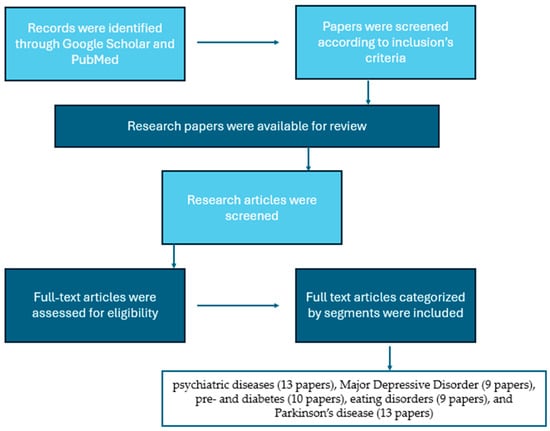
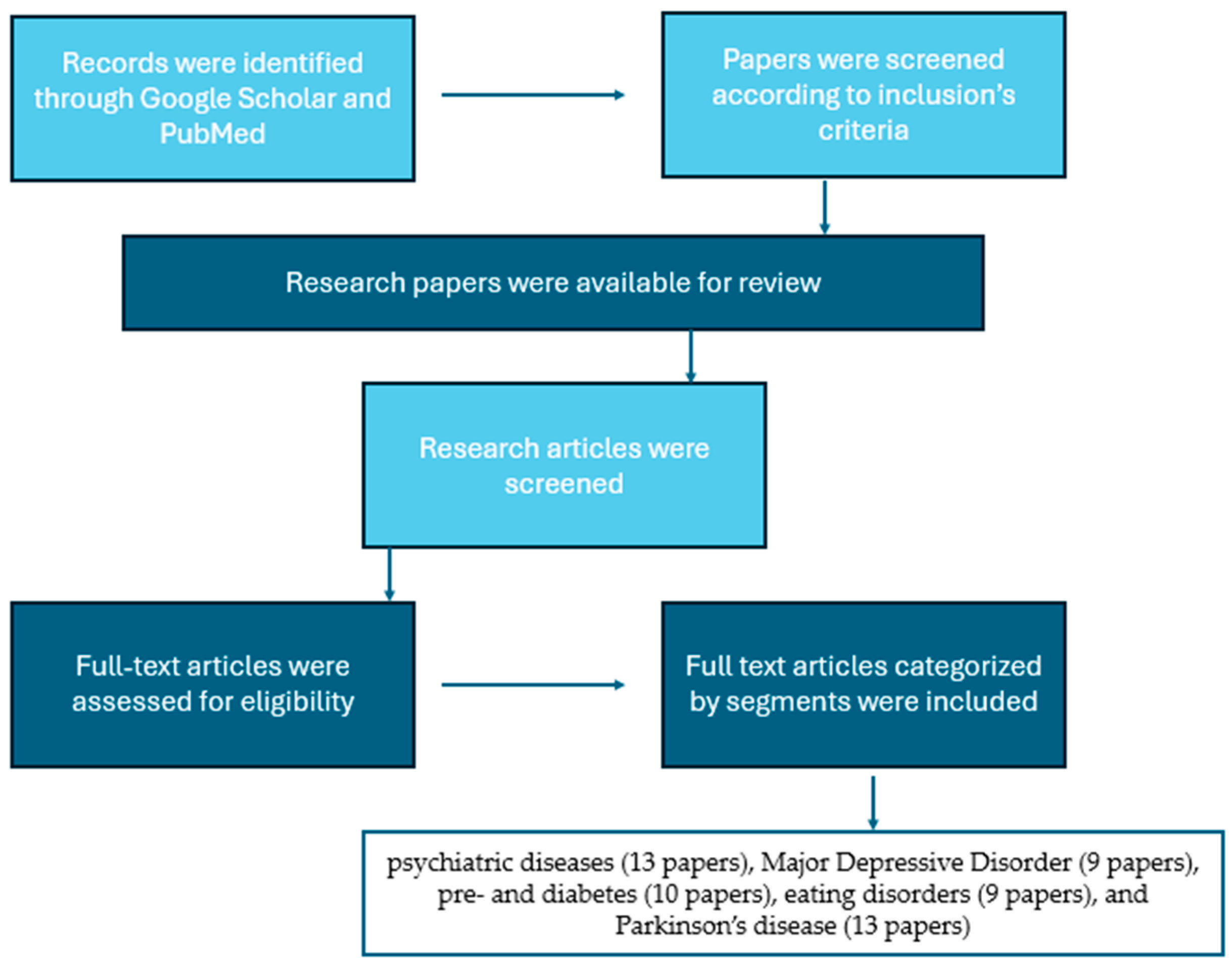
Disclaimer/Publisher’s Note: The statements, opinions and data contained in all publications are solely those of the individual author(s) and contributor(s) and not of MDPI and/or the editor(s). MDPI and/or the editor(s) disclaim responsibility for any injury to people or property resulting from any ideas, methods, instructions or products referred to in the content. |
© 2026 by the authors. Licensee MDPI, Basel, Switzerland. This article is an open access article distributed under the terms and conditions of the Creative Commons Attribution (CC BY) license.