


Highlights
What are the main findings?
- We propose CFP-DETR, a collaborative feature purification network that integrates semantic denoising, spatial alignment, and detail injection to reconstruct discriminative target representations.
- The framework achieves superior accuracy across five aerial datasets, specifically increasing AP50 and APS by 1.64% and 4.03% on SeaDronesSee, while its lightweight variant EL-CFP-DETR reduces parameters by 18% and computation by 15% to balance efficiency and precision.
What are the implications of the main findings?
- The proposed paradigm effectively resolves the critical feature submergence problem, proving that explicitly separating faint target signals from high-intensity background clutter is vital for aerial small object detection.
- The framework’s stability under severe environmental disturbances, including dynamic waves and dense urban textures, provides a highly reliable perception solution for complex real-world UAV applications, such as maritime search and rescue and wide-area monitoring.
Abstract
Object detection in aerial imagery faces extreme target sparsity and high-intensity environmental interference, causing weak targets to be submerged in background clutter. To address this, we propose a Collaborative Feature Purification Detection Transformer (CFP-DETR), which reconstructs discriminative target representations through a collaborative feature purification mechanism. Specifically, the Global Context Denoising Module (GCDM) first suppresses environmental noise at the semantic level to enhance target saliency. The purified features are then fused across scales through an Adaptive Cross-scale Feature Alignment (ACFA) module, which resolves spatial misalignment that otherwise dilutes small-object features during multi-level interaction. Concurrently, a Fine-Grained Detail Injection Module (FGDIM) recovers shallow high-resolution details and injects them into the semantic flow, compensating for information loss caused by progressive downsampling. Together, these modules denoise, align, and recover features to counteract submergence at different stages. Additionally, an efficient lightweight variant, Efficient Lightweight CFP-DETR (EL-CFP-DETR), reconstructs the backbone with partial convolution and structural re-parameterization to improve efficiency while maintaining competitive detection accuracy. Extensive experiments across five datasets validate the effectiveness of this collaborative design. On the SeaDronesSee dataset, CFP-DETR increases and by 1.64% and 4.03% over the baseline, while EL-CFP-DETR reduces parameters by 18% to 16.4M and GFLOPs by 15% to 48.3, reaching 42.8 FPS. Notably, CFP-DETR achieves an inference speed of 37.72 FPS, a 31.2% improvement over the baseline Real-Time Detection Transformer (RT-DETR).
1. Introduction
In the field of object detection, prevalent algorithms are primarily based on Convolutional Neural Networks (CNN) or Transformer architectures. CNN-based methods are further categorized into two-stage and one-stage detectors. Two-stage algorithms, represented by Faster R-CNN, excel in localization accuracy but rely on cumbersome candidate region generation mechanisms, resulting in high inference latency that is difficult to reconcile with the real-time requirements of large-scale aerial image processing or onboard processing. One-stage algorithms, represented by the YOLO series, significantly improve inference speed but are limited by the inherent local geometric priors of convolution operators. When dealing with severe occlusion or large-scale background interference, they often lack the ability to establish long-range dependencies, leading to insufficient semantic discrimination. In contrast, the Transformer-based DETR series introduces self-attention mechanisms capable of modeling image content from a global perspective, effectively alleviating the limitations of local views. However, the computational complexity of traditional Transformers grows quadratically with sequence length, imposing a heavy burden on resource-constrained edge computing devices or high-throughput remote sensing analysis tasks. In light of this, RT-DETR successfully finds a balance between the global perception capability of Transformers and the inference speed of CNNs through a hybrid encoder design.
With the rapid evolution of the low-altitude economy, Unmanned Aerial Vehicles (UAV) have emerged as core perception platforms for maritime search and rescue, urban inspection, and wide-area remote sensing tasks due to their maneuverable aerial perspectives [1]. However, compared to conventional ground-level detection, aerial imagery presents more severe challenges characterized by complex environmental disturbances. In practical operations, object detection faces two major challenges: on the one hand, the targets are extremely small in scale with scarce feature information; on the other hand, cross-domain scenarios introduce high-intensity background noise [2]. As illustrated in Figure 1, in maritime scenarios, dynamic waves, intense light reflection, and fragmented whitecaps constitute dynamic visual noise. Conversely, in land-based remote sensing scenarios, dense urban textures, shadow occlusions, and similar backgrounds constitute static texture clutter. The combination of extremely low target pixel occupancy and high-intensity environmental interference leads to a critical phenomenon: feature submergence. In this state, the faint semantic signatures of tiny targets are easily overwhelmed by dominant background clutter, which has emerged as the primary performance bottleneck in contemporary aerial object detection. Although recent works have explored strategies such as multi-scale feature fusion and lightweight architecture design to mitigate these issues [3], mainstream algorithms often lack effective mechanisms to decouple targets from noise, remaining inadequate when addressing the aforementioned submergence challenges.
Figure 1.
Visual challenges in UAV-based aerial detection across diverse scenarios. Red circles mark the tiny targets in the scenes. The examples illustrate how tiny targets are submerged in high-intensity environmental interference, such as dynamic maritime waves, intense light reflection, and complex urban/vegetation textures.
Given these requirements, RT-DETR-R18 [4] is selected as the baseline model for CFP-DETR. On the one hand, the DETR-style query-based detection pipeline avoids hand-crafted candidate generation and supports end-to-end optimization, which is desirable for scenes with dense background interference. In addition, it retains the global perception capability of Transformer-based detectors while using a hybrid encoder to reduce the cost of dense attention, making it more practical for high-throughput aerial image analysis. On the other hand, the ResNet-18 [5] backbone provides a compact and widely adopted feature extractor, aligning with the constraints of onboard deployment and offering a clear reference for evaluating subsequent architectural improvements.
However, when facing extreme environmental disturbances, standard RT-DETR-R18 still exhibits insufficient attention to the subtle features of small objects. This deficiency causes weak target representations to be submerged by dominant background clutter in deep feature maps, eventually leading to missed detections. To overcome these limitations, this paper proposes an efficient detection network named CFP-DETR. These challenges cannot be effectively addressed by isolated operators alone; instead, they require a collaborative feature purification mechanism that jointly performs semantic denoising, cross-scale alignment, and detail recovery. This mechanism hinges on a tightly coupled, multi-granularity synergy: at the high-level semantic granularity, the primary task is semantic filtering, utilizing the Global Context Denoising Module (GCDM) to actively suppress environmental distractions such as waves and shadows. However, semantic filtering inevitably risks eroding weak target cues. Thus, at the low-level pixel granularity, the Fine-Grained Detail Injection Module (FGDIM) is fundamentally required as a compensatory channel to recover and inject spatial details. Finally, the Adaptive Cross-scale Feature Alignment (ACFA) acts as the flexible bridge between them to resolve spatial misalignment. By constructing this interconnected purification pipeline, rather than a mere stacking of independent enhancements, CFP-DETR is capable of reconstructing discriminative features against complex aerial backgrounds.
Therefore, to address the feature submergence caused by complex background interference, the GCDM is designed first. This module incorporates an enhanced global attention mechanism within the high-level semantic space, functioning as a semantic filter to actively suppress environmental distractions via long-range dependency modeling. This process effectively purifies the semantic representations, ensuring the model can accurately lock onto target subjects even when they are visually overwhelmed. Secondly, to overcome the spatial misalignment inherent in rigid multi-scale feature interactions, the ACFA module is constructed. This module abandons traditional rigid concatenation in favor of elastic spatial alignment and adaptive fusion mechanisms, ensuring the spatial integrity and semantic consistency of the purified target representations during cross-scale transmission. Finally, to counteract the feature degradation of tiny objects in deep networks, the FGDIM is designed. This module establishes a dedicated channel to inject low-level, high-resolution details directly into the high-level semantic stream. By recovering fine-grained spatial information, it significantly enhances the visual saliency and recall rate of tiny targets that would otherwise be lost to downsampling.
Furthermore, to address efficiency constraints in resource-limited aerial scenarios, we introduce a lightweight reconstruction mechanism within the backbone network. This design is intended to reduce parameter redundancy and computational overhead while preserving effective feature extraction, thereby improving the trade-off between efficiency and accuracy. Finally, extensive experiments were conducted on five challenging benchmarks covering Maritime (SeaDronesSee, AFO, Airbus-Ship) and General Remote Sensing (DIOR, SIMD) scenarios. Experimental results demonstrate that CFP-DETR exhibits superior generalization and detection performance under complex environmental disturbances.
The main contributions of this paper are summarized as follows:
- (1)
- In aerial scenes with high-intensity environmental disturbances such as dynamic waves, light reflections, and dense urban textures, standard attention mechanisms tend to treat noise and targets equally, leading to semantic confusion. To address this, the Global Context Denoising Module is proposed, which employs adaptive sparse self-attention to suppress background clutter at the semantic level and enhance target saliency.
- (2)
- Rigid multi-scale feature fusion methods suffer from spatial misalignment when aerial targets undergo rapid motion or scale variation. The Adaptive Cross-scale Feature Alignment is designed to resolve this issue by replacing hard concatenation with elastic spatial alignment and adaptive weighting, ensuring accurate feature registration across scale levels.
- (3)
- Progressive downsampling in deep networks gradually erodes the spatial details of tiny objects, causing them to vanish in deeper feature maps. The Fine-Grained Detail Injection Module is constructed to recover shallow high-resolution details through a dedicated sub-pixel channel and inject them into the semantic stream, compensating for the lost discriminative information.
- (4)
- Deployment on aerial platforms is constrained by limited onboard computing resources. The CFP-DETR framework and its efficient variant, EL-CFP-DETR, are developed to address this constraint. Through backbone reconstruction with partial convolution and structural re-parameterization, the framework improves the trade-off between detection accuracy and inference efficiency under resource-constrained deployment settings.
The remainder of this paper is organized as follows. Section 2 reviews related work on aerial small object detection, feature fusion methods, attention mechanisms, and efficient lightweight backbone. Section 3 describes the proposed CFP-DETR framework, including the Global Context Denoising Module, Adaptive Cross-scale Feature Alignment, Fine-Grained Detail Injection Module, and the efficient lightweight backbone design. Section 4 presents the experimental setup, ablation studies, and comparative analysis across multiple datasets. Section 5 concludes the paper and discusses future directions.
2. Related Work
2.1. Small Object Detection in Aerial Imagery
Small object detection in aerial imagery remains a formidable challenge, primarily constrained by the scarcity of target pixels and intricate environmental interferences. Existing solutions predominantly follow either CNN-based or Transformer-based frameworks. CNN-based detectors excel at enhancing local feature extraction yet are hampered by narrow receptive fields. For instance, Weng et al. [6] developed the ELS-YOLO model with a reparameterized backbone to boost low-light feature representation, whereas its precision drops drastically under heavy occlusion. Fan et al. [7] adopted progressive feature pyramids to alleviate information loss, nevertheless this hierarchical propagation inevitably suffers from feature dilution in deep network layers. He et al. [8] devised SOD-YOLO by integrating a cross-domain fusion attention mechanism for salient feature mining; Even so, conventional CNN architectures often struggle to model global contextual dependencies, leading to false positives in cluttered backgrounds.
Transformer-based methods leverage standard Multi-Head Self-Attention (MHSA) to capture global context, paving the way for the widespread application of DETR-based models across various domains [9,10,11,12]. However, in complex aerial scenes, this attention mechanism treats target features and environmental noise like dynamic waves equally. Due to the lack of explicit noise suppression, this often leads to semantic confusion, where background noise is misidentified as targets. To address this, Zhou and Wei [13] developed UAV-DETR, integrating context-spatial alignment to correct feature misalignment, yet the model remains excessively sensitive to motion blur induced by fast-moving targets. Ma et al. [14] devised OWRT-DETR for open-water rescue, embedding a cross-scale feature pyramid interaction module; however, its over-reliance on fixed-scale convolutions restricts the multi-granularity perception demanded by variable altitudes. Han et al. [15] presented CAEM-DETR, adopting dynamic linear contrastive attention to model feature polarities. Though efficient, its linear complexity compared to full self-attention might be unable to capture high-order non-linear feature correlations in extremely chaotic backgrounds. Li et al. [16] constructed SME-DETR with a scale-aware attentional backbone; however, dynamic disturbances such as wave glint still make the discrimination between targets and background challenging. Additionally, a recent dual-branch mutual learning approach for aerial detection [17] employs cross-branch feature interaction between high- and low-resolution streams, demonstrating that collaborative knowledge exchange between branches can improve robustness against background clutter and scale variation.
In light of the limitation that original attention mechanisms are prone to semantic confusion when processing environmental noise, we propose the Global Context Denoising Module. By deeply mining global context information, this module enhances the robustness of high-level semantic features.
2.2. Feature Fusion Methods and Attention Mechanisms
Feature fusion and attention mechanisms serve as the cornerstone for addressing scale variation issues. The classic Feature Pyramid Network (FPN) [18] established the top-down paradigm. RT-DETR [4] employs the CNN-based Cross-scale Feature Fusion (CCFF) module, which inherits this paradigm similar to PAFPN by performing simple summation or concatenation of features.
Recent works have explored more advanced methods. Cui et al. [19] introduced the Omni-Kernel Network to merge local details with global context. However, these methods often incur excessive computational overhead. In the domain of infrared small target detection, DCCS-Det [20] introduces a Dual-stream Saliency Enhancement (DSE) block and a Latent-aware Semantic Extraction and Aggregation (LaSEA) module to prevent feature dilution of small targets. Its multi-scale feature interaction shares our motivation in ACFA that small targets benefit from structured cross-scale alignment rather than naive feature fusion. To reduce information loss, Liu et al. [21] proposed the Global Attention Mechanism (GAM), which combines channel and spatial sub-modules to enhance cross-dimension interactions. Under strong reflection or illumination interference, they are prone to misidentifying high-frequency background noise as targets. Conversely, sparse mechanisms like PST [22] (Pyramid Sparse Transformer) and AST reduce costs by selecting tokens, but this strategy faces the risk of filtering out the weak representations of tiny targets. Beyond the design of the attention mechanism itself, the quality of these mechanisms ultimately depends on how the refined features are fused and transmitted across scales. Without an effective cross-scale fusion strategy, even well-designed attention modules cannot deliver their full benefit. Recent hyperspectral tracking works have explored adaptive strategies to handle scale and appearance variations. For instance, SASU-Net [23] employs band adaptive aggregation weighting to generate spectral prior masks, coupled with a scale-aware update module and a segmented template update strategy driven by target classification and scale scores. SiamSTU [24] introduces spectral spatial angle mapping enhancement for dimensionality reduction while preserving target-background discriminability, along with a state-aware template update mechanism that dynamically maintains a template pool based on replaceability. Although these methods operate in the tracking domain, their shared insight is relevant: fixed fusion strategies are insufficient when objects undergo significant scale or appearance changes. Crucially, the fusion strategy in the CCFF of RT-DETR remains spatially rigid. It ignores the spatial misalignment caused by the rapid motion or deformation of UAV targets. This hard alignment leads to alignment bias, destroying the integrity of small object features.
Targeting this critical issue, we design the Adaptive Cross-scale Feature Alignment module. By replacing the rigid traditional fusion with an elastic spatial alignment mechanism, ACFA improves the alignment bias during the feature fusion process.
2.3. Feature Representation of Tiny Objects in Complex Environments
The aggressive downsampling in RT-DETR leads to feature submersion, where the high-resolution spatial details of tiny objects are diluted by background features before reaching deeper layers. Consequently, achieving reliable feature representation under complex environmental disturbances such as illumination changes, occlusion, and sea clutter remains the ultimate bottleneck.
To address such problems, Jiao et al. [25] adopted a 2-D Gaussian prior to restrain maritime noise, whereas this rigid prior exhibits limited generalization capability toward irregular land backgrounds. Peng et al. [11] established MI-DETR and Chen et al. [26] constructed Freq-DETR, and both methods resorted to frequency-domain transforms for feature sharpening; in practice, overemphasizing frequency elements tends to blur spatial semantic information within texture-dense scenarios. For the sake of optimizing feature characterization, Wang and Chen [27] put forward HPS-DETR. This framework embeds a Faster Convolutional Gated Selection Unit (Faster-CGSU), combining gating strategies and Partial Convolutions (PConv) to reinforce feature extraction performance. Conversely, its built-in gating strategy tends to overly eliminate faint feature cues belonging to tiny targets. In an effort to curb information attenuation in the downsampling process, Sunkara et al. [28] came up with SPDConv. It substitutes strided convolutions with space-to-depth structures so as to conserve delicate detailed information. Even if this design can well retain original input data, it fails to equip itself with an effective pathway to transfer such subtle details into deep-level semantic layers. Beyond detection-oriented methods, recent works in adjacent domains have also addressed background clutter through structural feature integration. In hyperspectral anomaly detection, S3CRAD [29] employs superpixel-guided background inpainting combined with spatial-spectral constrained representation to suppress complex background interference. In hyperspectral tracking, SiamBSI [30] leverages band correlation grouping and spatial–spectral information interaction to maintain target discriminability against background distractors. These methods demonstrate that integrating structural and spectral cues helps separate targets from complex backgrounds, a principle that aligns with the semantic-level purification pursued by our Global Context Denoising Module.
Similarly, recent advances in text detection have explored feature filtering and multi-scale interaction strategies conceptually relevant to our design. Yang et al. [31] proposed Text-Pass Filter, which constructs instance-level feature-filter pairs to suppress background and reinforce feature consistency, sharing a similar noise-suppression motivation with our GCDM. The Zoom Text Detector [32] adopts a coarse-to-fine zoom strategy for multi-scale processing, analogous to the cross-scale interaction philosophy underlying our ACFA. CM-Net [33] introduces concentric mask representation with prediction fusion for multi-scale text detection. However, these methods rely on structural priors specific to text (regular shapes, character patterns, and segmentation-based supervision). In contrast, GCDM and ACFA are designed for aerial object detection where targets vary widely in appearance and scale, lack structural regularity, and must be localized through end-to-end set prediction without mask annotations.
To resolve this problem, we construct the Fine-Grained Detail Injection Module. Addressing the challenge that small object features are progressively weakened by continuous downsampling in deep networks, this module opens a dedicated path for injecting low-level high-resolution information directly into the high-level semantic flow, effectively improving the recall rate of tiny objects.
2.4. Lightweight Backbone Design for Edge Deployment
The deployment of detection models on aerial platforms with limited computational resources necessitates efficient backbone architectures. Classic lightweight networks such as ShuffleNet [34] and GhostNet [35] reduce nominal FLOPs through group convolution and linear feature generation, but their fragmented memory access patterns and indexing overhead can increase the Memory Access Cost, resulting in sub-optimal latency on practical accelerators. FasterNet [36] addresses this by introducing Partial Convolution (PConv), which applies convolution to only a contiguous subset of channels to improve memory locality. However, a purely partial operator may weaken channel-wise interaction and compromise fine-grained spatial representation, which is particularly critical for small object detection where discriminative details are already sparse. These observations motivate the design of a backbone that combines the memory efficiency of partial operators with enhanced representational capacity through structural re-parameterization.
3. Methodology
3.1. Overview
The architecture of the proposed CFP-DETR is illustrated in Figure 2, which places three core modules between the ResNet-18 backbone and the Transformer decoder. In forward propagation, these modules process features through a coordinated pipeline. First, the highest-level feature P5 from the backbone passes through GCDM for semantic denoising, where adaptive sparse self-attention suppresses background clutter and the subsequent Mona and SEFN blocks refine spatial details. Second, the GCDM-processed P5, together with the original P4 and P3, enters the ACFA neck network. ACFA replaces the original CCFF module and performs bidirectional cross-scale fusion: in the top-down path, features are aligned to a unified resolution via TFE before concatenation, and in the bottom-up path, features are downsampled and fused. The SSA block further aggregates multi-scale features through 3D point-wise mixing and scale-wise max pooling. Third, FGDIM operates within the top-down branch, taking the shallow P3 feature as a detail source and using pyramid sparse cross-attention to inject sub-pixel details into the high-level semantic stream. The FGDIM output is added to the aggregated head features before entering the decoder.
Figure 2.
Overall architecture of EL-CFP-DETR. The lightweight variant features an efficient backbone built on partial convolution and structural re-parameterization, an efficient hybrid encoder (GCDM, ACFA, and FGDIM), and a transformer decoder with auxiliary detection heads. The standard variant, CFP-DETR, shares the same encoder and decoder structure but uses a ResNet-18 backbone, as detailed in Section 3.2, Section 3.3 and Section 3.4.
In addition to the standard configuration, we introduce EL-CFP-DETR, a lightweight variant developed for resource-constrained aerial scenarios. EL-CFP-DETR preserves the same hybrid encoder (GCDM, ACFA, and FGDIM) and decoder structure, but replaces the ResNet-18 backbone with an efficient lightweight backbone built on partial convolution and structural re-parameterization. During training, the backbone employs a multi-branch topology to strengthen feature learning; at inference, all branches are fused into a single equivalent convolutional operator, reducing parameters from 19.9M to 16.4M and GFLOPs from 57.0 to 48.3 while maintaining competitive detection accuracy. The detailed backbone design is presented in Section 3.5.
3.2. Global Context Denoising Module
The scale-invariant interaction of RT-DETR is effective, but its attention layer still relies on dense correlation modeling. In high-resolution aerial images, this dense aggregation inevitably absorbs a large amount of irrelevant regions or occlusion responses, contaminating the target representation. Additionally, traditional feedforward networks (FFNs) apply pointwise transformations to each token, weakening the two-dimensional local continuity required for perceiving small targets.
To overcome these issues, we propose GCDM, a Transformer encoder layer tailored for aerial scenes. GCDM follows a hierarchical Lock-and-Refine strategy: it first performs high-granularity semantic denoising to lock onto target-relevant context, and then progressively restores discriminative boundary cues and spatial topology. The overall structure is shown in Figure 3.
Figure 3.
The detailed architecture of the GCDM. GCDM sequentially employs ASSA for semantic denoising, Mona for multi-scale detail enhancement, and SEFN for spatial-aware modulation. Notably, SEFN is guided by the original module input to preserve an unfiltered topological prior, followed by a final Mona refinement.
Formally, given an input feature map , GCDM begins by applying Adaptive Sparse Self-Attention (ASSA) [37] to suppress low-correlation interactions that mainly arise from background clutter. Instead of relying solely on Softmax-normalized attention, ASSA fuses a dense branch and a sparse branch: the former preserves stable contextual propagation, whereas the latter employs a squared ReLU on attention logits to aggressively down-weight weak query–key matches. Let denote the query/key/value projections of , and let the attention logits incorporate relative position bias . Specifically, with head dimension d, we compute
where and are learnable normalized fusion weights (initialized equally to 0.5), and denotes the output projection after multi-head aggregation. This operation produces the locked representation . During end-to-end optimization, and function as dynamic gates driven by data rather than manual heuristics. In practice, under relatively clean backgrounds, the network learns to favor (Softmax) for broad context propagation; whereas in chaotic aerial scenarios with severe visual noise, (ReLU2) is adaptively emphasized to suppress weak matches. This data-driven balancing reduces entropy contributed by irrelevant regions, mitigating over-smoothing on clean backgrounds and preventing noise accumulation under severe clutter.
To further determine whether the symmetric initialization is optimal, we conducted a parameter-level ablation study on the ASSA fusion weight initialization within the GCDM module (Table 1). While the component-level ablation confirms the necessity of ASSA as the core denoising component, this experiment validates the optimal configuration of ASSA internally. The 0.5/0.5 setting achieves the highest , , and , outperforming all biased initializations across all metrics. Extreme bias toward either branch degrades performance: the Softmax-dominant setting (0.94/0.06) yields the weakest results (48.70% in ), while the ReLU2-dominant setting (0.06/0.94) approaches but does not reach the symmetric level. These results confirm that both branches are complementary, and the symmetric prior provides the most effective starting point for end-to-end optimization.
Table 1.
Ablation study on ASSA fusion weight initialization within the GCDM module.
Although ASSA effectively suppresses clutter, strong semantic filtering can also weaken the already-fragile high-frequency cues of tiny objects. We therefore insert Mona as a lightweight visual adapter to replenish pixel-level evidence immediately after the locking stage. Concretely, Mona compresses channels via a projection, aggregates multi-scale local responses using parallel depthwise convolutions (, , and ), and then expands features back to the original dimension with a residual injection. This bottleneck design is parameter-efficient yet explicitly strengthens edges and boundary transitions that are indispensable for small object delineation.
To complete the refinement, Mona is applied after to re-inject multi-scale local cues, yielding . We then replace the point-wise FFN with SEFN [38] to recover 2D neighborhood consistency. Importantly, SEFN is conditioned on the raw module input , which provides an unfiltered topological prior and stabilizes the modulation under heavy clutter and partial occlusion. Finally, the SEFN output is fused by a residual connection and refined by a second Mona block:
Compared with a standard Transformer FFN, this coupled design is not merely an architectural stacking but a deliberate decoupling of “what to attend” and “how to refine”. Mona explicitly restores high-frequency boundary cues across multiple receptive fields, which compensates for the loss of fine detail induced by global semantic filtering. In parallel, SEFN leverages the unfiltered spatial prior to generate spatially coherent gating that reweights semantic responses according to local topology, encouraging contiguous activation patterns around small targets rather than isolated token-wise responses. The final Mona refinement further consolidates these calibrated features, improving the sharpness of object boundaries and the consistency of local structures.
This cross-granularity collaboration yields cleaner and more spatially coherent representations, improving robustness to background clutter, viewpoint-induced texture variations, and partial occlusion in aerial detection.
3.3. Adaptive Cross-Scale Feature Alignment
In the architectural evolution of CFP-DETR, ACFA is introduced as an enhanced alternative to the original CCFF-style fusion in RT-DETR. The overall bidirectional feature transmission pattern is preserved, while the fusion operators along the path are reformulated to improve cross-scale interaction quality. In the original design, multi-scale fusion is mainly implemented by hard concatenation followed by heavy blocks like RepC3, which implicitly treats features at different pyramid levels as discrete snapshots. For aerial imagery with large scale variance, such a discrete fusion may introduce cross-scale misalignment: high-level semantics are injected into shallow high-resolution maps without explicit spatial correspondence, and tiny-object representations can be diluted during propagation. Following the overall motivation of this work, enhancing target representations under complex environmental disturbances, ACFA is designed to maintain the spatial consistency of informative cues during multi-scale transmission, thereby improving the robustness of tiny-object perception. Specifically, ACFA consists of three tightly coupled components: (1) lightweight feature transformation based on GSConv and VoVGSCSP. (2) explicit alignment-before-fusion via TFE. (3) a Scale Sequence Aggregation (SSA) block.
As shown in Figure 4, to establish an efficient feature transformation path, ACFA employs GSConv and VoVGSCSP as basic operators, achieving a good balance between representational capacity and computational cost, and further improving the gradient flow to provide cleaner features for subsequent alignment operations. Unlike directly concatenating multi-level feature maps with mismatched resolutions, the TFE module explicitly aligns features at each level to a unified spatial dimension before feature fusion. Specifically, the TFE module uses adaptive max/average pooling and nearest neighbor interpolation to explicitly align features of different resolutions (such as large and small resolution branches) to the medium resolution space for concatenation and fusion. We refer to this process as elastic alignment to distinguish it from the rigid concatenation in CCFF: rather than directly stacking features at mismatched resolutions as discrete snapshots, ACFA first deforms feature grids through resolution-aware projection to a common spatial domain, allowing the representation to adaptively stretch or shrink across scales before fusion. This ensures explicit spatial correspondence between multi-level features, reducing alignment bias that can dilute tiny-object signals.
Figure 4.
Structure of GSConv, VoVGSCSP and TFE.
In practice, the TFE selects the medium resolution branch as the explicit alignment anchor. Projecting to the highest resolution would overly dilute deep semantics and increase sensitivity to shallow texture noise (such as sea clutter); anchoring to the lowest resolution would irreversibly destroy the spatial topology of small targets through aggressive downsampling. Therefore, the medium scale serves as the best bridge, retaining the spatial cues necessary for target regression while maintaining the semantic depth required to distinguish complex backgrounds, ensuring stable fusion without additional memory overhead.
Based on the above transformation and alignment, we further introduce a scale-sequence view for multi-level interaction shown in Figure 5. Aligned features are stacked as a short sequence along a newly introduced scale dimension and mixed by a lightweight 3D operator to obtain a compact scale-aggregated representation.
Figure 5.
Architecture of the proposed SSA block.
Concretely, given three inputs from different pyramid levels, SSA first unifies their channel dimensions using convolutions and aligns their spatial sizes to that of :
where denotes a convolution for channel projection and returns the spatial size. Then, SSA stacks the aligned features along the scale dimension to form a 3D tensor and performs 3D point-wise mixing followed by scale-wise max aggregation:
In (4), denotes 3D point-wise convolution for inter-scale feature mixing, denotes 3D batch normalization, and is the non-linear activation. performs max pooling along the scale dimension (kernel size ), enforcing a competitive selection of salient responses across scales. Finally, the pooled tensor is squeezed along the scale dimension to obtain , which is injected into the main branch via element-wise addition. Here, denotes the feature map on the current ACFA main path before SSA injection (i.e., the output of the corresponding neck branch after GSConv VoVGSCSP transformation and alignment operations), and the fusion is written as:
Overall, ACFA establishes a unified framework for cross-scale interaction, in which feature transformation, resolution-aware alignment, and scale-wise aggregation are executed in a coordinated manner. More importantly, ACFA turns irregular multi-level interactions into a structured cross-scale fusion process by coupling resolution-aware alignment with scale-wise interaction and selection. This design reduces the ambiguity introduced by naive hard concatenation and alleviates the dilution of high-frequency feature, which is crucial for retaining tiny-object details under heavy background clutter and complex environmental disturbances.
3.4. Fine-Grained Detail Injection Module
The proportion of micro-target pixels in remote sensing images is extremely low, and feature degradation is prone to occur during successive downsampling. Although the aforementioned modules emphasized semantic purification and cross-scale alignment, in traditional pyramid fusion, shallow fine-grained representations are still prone to feature occlusion. Therefore, in the top-down path of this paper, the FGDIM module (Fine Detail Injection Module, as shown in Figure 6) is proposed as a dedicated detail transmission channel. It retains sub-pixel information before detail degradation and injects it into the high-level semantic flow through semantic guidance.
Figure 6.
The detailed structure of the FGDIM. SPDConv performs a lossless space-to-depth rearrangement followed by convolution to preserve sub-pixel features, and pyramid sparse attention injects the preserved details into the semantic stream via coarse cross-attention, top-k token selection, gated fusion, and positional enhancement.
Let be the low-level feature map from the detail branch, and be the aligned high-level semantic feature map from the upper-level pyramid. To avoid the information loss caused by traditional stride convolution, this paper adopts the lossless space-to-depth rearrangement technique consistent with SPDConv, converting the spatial neighborhood into channel descriptors to retain sub-pixel features and generating the downsampled feature .
To inject details into the semantic flow without amplifying background clutter, FGDIM employs pyramid sparse cross-attention. Queries, keys, and values are generated through convolution, defined as:
where , and are further reshaped into multi-head representations. Let d denote the per-head embedding dimension, be the number of query tokens (corresponding to the flattened grid of ), and be the number of semantic tokens (corresponding to the flattened grid of ). The coarse cross-attention response is then computed as
which follows standard scaled dot-product attention. Notably, relative to directly performing full global attention on the high-resolution detail grid, the coarse stage builds interactions on the grid (i.e., ), thereby reducing the dominant attention cost while remaining consistent with the cross-scale interaction shown in Figure 6.
To further suppress background redundancy and improve the precision of detail injection, FGDIM adopts a coarse-to-fine selection strategy. A global similarity score is obtained by averaging the coarse similarity over all query positions, and then the top-k semantic locations are selected:
Here, denotes the global similarity vector and denotes the index set of selected tokens. In the reported experiments, the top-k selection in the pyramid sparse attention path of FGDIM uses during both training and inference. Because each selected semantic token corresponds to a region in the high-resolution detail stream, this setting activates at most 16 fine-grained positions for refinement while keeping the attention computation sparse.
According to the mapping illustrated in Figure 6, each selected semantic token corresponds to a region in the high-resolution detail stream. Therefore, sparse attention is computed only on the mapped regions to obtain a refined response , and a lightweight gating mechanism adaptively fuses the coarse and refined responses:
where denotes a learnable gating projection, denotes the sigmoid function, denotes concatenation, and ⊙ denotes element-wise multiplication.
Finally, to introduce spatial inductive bias and compensate for the locality that may be weakened by attention, a positional enhancement term is generated by a depthwise convolution on the value feature and upsampled to the output resolution. The final output of FGDIM is obtained by
where denotes depthwise convolution and denotes a projection convolution.By coupling lossless detail preservation with sparse semantic filtering, FGDIM effectively enhances the visual saliency of tiny targets and improves the recall of small objects without introducing heavy computational overhead.
3.5. Efficient Lightweight Backbone
As discussed in Section 2.4, existing lightweight backbone designs face a trade-off between memory efficiency and channel-wise representational capacity. To address this, we design an efficient lightweight backbone by integrating PConv with structural re-parameterization [39] in each residual block, and apply the proposed block consistently across the four backbone stages () as configured in our architecture.
The overall workflow is illustrated in Figure 7.
Figure 7.
Backbone structure of EL-CFP-DETR. The backbone architecture is organized into five stages. Each stage comprises multiple efficient lightweight blocks, except for the first stage, which incorporates a convolutional stem. Convolutional downsampling is applied at intermediate layers to progressively extract deep feature information and build hierarchical representations for downstream detection.
Given an input feature map , a standard convolution produces an output with a computation cost on the order of . In contrast, PConv only applies the convolution to a contiguous subset of channels with width , and directly forwards the remaining channels. In our implementation, this behavior is controlled by a channel-division factor (denoted as ) inside the partial convolution operator; unless otherwise specified, we follow the commonly used setting () for analysis. Accordingly, at the i-th stage the dominant FLOPs are approximated as
which becomes when . This indicates a theoretical reduction of convolutional computation compared with dense convolution at the same resolution. It is worth emphasizing that the processed channels are stored contiguously, enabling favorable memory locality and thereby reducing latency in practice.
To avoid the representational degradation that may occur when using lightweight operators alone, we further introduce structural re-parameterization within the PConv branch. Specifically, the partial spatial-mixing module employs a re-parameterizable convolution operator, which, during training, can be represented as multiple linear branches to enrich optimization paths and facilitate stronger feature mixing. At inference, these branches are consolidated into a single convolution with an equivalent kernel and bias by linearity. A typical fusion can be written as
where denotes the transformation that embeds and identity kernels into the center of a kernel. Furthermore, following the re-parameterization principle, the training-time computation on the convolved channel subset can be written as
where denotes the selected contiguous channel subset processed by PConv, and * denotes the convolution operation rather than element-wise multiplication. During testing, the convolution and BN layers of the parallel branches are consolidated into a single equivalent convolution, yielding
By combining the processed subset with the identity-preserved channels, the PConv output is obtained by channel concatenation.
4. Experiments
4.1. Experimental Setup
4.1.1. Datasets
To rigorously evaluate the proposed CFP-DETR, we conduct experiments on five typical datasets to specifically validate the model’s capabilities and generalization.
- (1)
- SeaDronesSee [40]: released by the University of Tübingen, challenges the model with extreme scale variations, where swimmers often occupy less than pixels, amidst interferences like sun glint and dynamic waves. This dataset contains 14,227 images in total, split into 8930 for training, 1547 for validation, and 3750 for testing.
- (2)
- AFO [41]: a specialized dataset for maritime rescue, where the main challenge is distinguishing tiny targets from semantic distractors such as sea foam and whitecaps. The dataset consists of 2642 images, divided into 1921 for training, 500 for validation, and 221 for testing.
- (3)
- Airbus-Ship [42]: provided by Airbus, features satellite imagery with extreme sparsity and requires robustness against atmospheric disturbances such as cloud occlusion and haze. A total of 9900 images are used, with 7966 for training, 1034 for validation, and 900 for testing.
- (4)
- DIOR [43]: developed by Northwestern Polytechnical University, is a large-scale benchmark testing generalization on objects often below 50 pixels situated in complex background clutter and shadow interference. The dataset comprises 4197 images, with 2979 for training, 252 for validation, and 966 for testing.
- (5)
- SIMD [44]: focuses on dense multi-vehicle detection, presenting challenges such as severe occlusion and background texture interference. The dataset contains 5000 images in total, split into 4000 for training and 1000 for validation.
4.1.2. Experimental Environment
All experiments were conducted on an Ubuntu 18.04 operating system. The hardware environment included an Intel(R) Xeon(R) Gold 6226R CPU @ 2.90GHz and 252GB system memory. Four NVIDIA GeForce RTX 3090 GPUs (24GB VRAM each) were used for model computation and acceleration. The software environment was based on the Python 3.10 programming language and CUDA 12.1 acceleration library. For the standard CFP-DETR configuration, ResNet-18 [5] was adopted as the backbone network. For the lightweight-backbone comparison in Section 2.4, EfficientViT, EfficientFormerV2, FasterNet, MobileNetV4, and the proposed EL Backbone were all initialized from official ImageNet-pretrained weights and then fine-tuned under the same training schedule. Input images were resized to pixels. The batch size was set to 8 with a total of 200 training epochs. For optimization, the momentum was fixed at 0.9, while both the learning rate and weight decay were set to to prevent overfitting. Others remained consistent with the original RT-DETR.
4.1.3. Evaluation Metrics
To evaluate the detection performance, the COCO evaluation metrics are adopted in this study. Average Precision (AP), as the primary criterion for measuring the overall detection capability, comprehensively reflects the model’s accuracy across various object categories. Average Recall (AR) is based on the average recall values across all categories under varying numbers of prediction boxes, which measures the model’s overall coverage and localization capability for ground-truth objects. For the critical task of small object detection, Average Precision for small objects () and Average Recall for small objects () are introduced. These metrics specifically focus on small-scale objects (objects with an area less than pixels as defined in the COCO dataset) and compute their AP and AR values independently, thereby providing an accurate assessment of the model’s precision and coverage for small targets.
Regarding model lightweighting, the deployment costs are directly quantified using two metrics: Parameters and Giga Floating Point Operations (GFLOPs).
4.2. Ablation Study
To evaluate the synergistic effects of every module, we conducted incremental ablation experiments on the proposed CFP-DETR framework. The SeaDronesSee validation set was utilized for evaluation, as it provides a challenging maritime environment characterized by extremely small objects and intense dynamic water interference. The quantitative results are summarized in Table 2.
Table 2.
Component-wise ablation study on the SeaDronesSee validation set.
(1) Verification of Semantic Purification for Interference Suppression: By incorporating the GCDM into the baseline, the model demonstrates a significant improvement in distinguishing targets from complex background clutter. Specifically, increases from 43.89% to 47.25%, and improves by 3.84%.
(2) Verification of Elastic Alignment for Cross-scale Consistency: Comparing Row 2 with Row 5 reveals the role of ACFA in improving cross-scale feature interaction. Through operator-level reformulation with elastic alignment, ACFA alleviates the scale inconsistency introduced by rapid UAV altitude changes during multi-level feature fusion.
(3) Verification of Detail Injection for Recall Capability Enhancement: To counteract the inevitable feature degradation of micro-targets in deep networks, FGDIM provides a dedicated mechanism for detail recovery. Under the full configuration, reaches 56.03%, corresponding to a 4.77% gain over the baseline in .
To further verify the necessity of each internal component within GCDM, we conducted a component-level ablation study on ASSA, SEFN, and Mona, as shown in Table 3.
Table 3.
Component-level ablation study of GCDM internal modules on the SeaDronesSee validation set.
ASSA alone improves by 2.14% (from 43.89% to 46.03%), confirming its role in suppressing background semantic noise through adaptive sparse attention. Mona alone improves by 2.06% (to 45.95%), demonstrating that multi-scale depthwise convolutions recover high-frequency boundary details. SEFN alone stays close to baseline ( = 43.92%), indicating that its spatial gating requires upstream semantic guidance, which aligns with our design that conditions SEFN on the raw module input. When all three components are combined, reaches 49.74%, reaches 47.25% (+3.36% over baseline), and reaches 55.10% (+3.84%), all exceeding the best single-component results. This confirms that ASSA semantic denoising, Mona detail recovery, and SEFN spatial reweighting form a complementary chain rather than a simple stacking.
Furthermore, the EL-CFP-DETR variant, proposed for resource-constrained scenarios, also demonstrates good potential for practical use. Although the model scale is reduced, its overall accuracy on SeaDronesSee and AFO remains highly competitive.
To further validate the generalization of the proposed modules, we extended the component-wise ablation study to the SIMD dataset (Table 4). The full configuration achieves the highest (80.16%), (64.95%), (13.43%), and (57.39%). GCDM alone improves by 0.99% and by 5.54%. The combination of GCDM and FGDIM achieves competitive (13.30%), approaching the full configuration. The full pipeline yields a 14.08% gain in over the baseline, confirming that the collaborative purification mechanism generalizes across diverse aerial detection tasks.
Table 4.
Component-wise ablation study on the SIMD validation set.
4.3. Comparative Analysis
4.3.1. Performance Comparison of Different Models
To validate the detection performance of CFP-DETR in complex aerial environments, comparative experiments were conducted on the SeaDronesSee and AFO datasets against mainstream detection algorithms. The quantitative experimental results are presented in Table 5 and Table 6.
Table 5.
Comparison of different methods on SeaDronesSee dataset.
Table 6.
Comparison of the Performance on the AFO Dataset.
As indicated by the data in Table 5, CFP-DETR demonstrates significant advantages over CNN architectures in the task of aerial small object detection. While the YOLO series algorithms exhibit strong performance in general object detection, they encounter certain challenges when processing extremely small targets in aerial scenarios. In comparison with similar Transformer architectures, CFP-DETR achieves competitive accuracy with lower computational cost.
Experimental data shows that the performance of CFP-DETR is superior to certain large-parameter models, such as DN-DETR [57] and DINO-4scale [59].
In the maritime rescue scenario represented by AFO, CFP-DETR is particularly competitive, achieving an of 68.3%. Even with substantially fewer parameters and lower computational cost than those models, it still delivers improved detection performance.
Additionally, we compare our method with SME-DETR [16], a recent RT-DETR-based architecture for aerial small object detection. SME-DETR reports = 84.2% on SeaDronesSee with 83.5 GFLOPs. CFP-DETR achieves comparable accuracy ( = 84.4%) with 62.4 GFLOPs, using approximately 25% less computation.
4.3.2. Computational Efficiency Analysis
To further quantify the inference efficiency of the proposed method, we conducted unified inference speed measurements under controlled conditions (NVIDIA GeForce RTX 3090 GPU, input resolution, batch size of 1, with CUDA synchronization before and after each forward pass; 200 warm-up iterations followed by 1000 test iterations).
The results are summarized in Table 7. Under this RTX 3090 test protocol, CFP-DETR achieves an inference speed of 37.72 FPS, corresponding to a 31.2% throughput improvement over the baseline RT-DETR. The lightweight variant EL-CFP-DETR further reaches 42.80 FPS with only 16.4M parameters, indicating that the lightweight backbone design improves efficiency under the same measurement setting. Compared with DINO-4scale, CFP-DETR delivers 65.8% higher inference speed while requiring fewer parameters and lower computational cost. The CNN-based YOLO series achieves higher raw throughput, but at the cost of lower detection accuracy on aerial small object benchmarks, as shown in Table 5. These results support the efficiency advantage of the proposed design under a unified GPU-based evaluation setting.
Table 7.
Computational efficiency comparison. FPS values are measured under unified conditions (RTX 3090, input, batch size 1, CUDA synchronized).
4.3.3. Comparative Analysis of Lightweight Models
Given the extreme sensitivity of Unmanned Aerial Vehicle platforms to computational resources and power consumption, we introduce a lightweight backbone reconstruction scheme based on partial convolution and structural re-parameterization, built upon the CFP-DETR architecture.
To further investigate the actual efficacy of different lightweight modules in aerial small object detection tasks, we utilized CFP-DETR as the foundational framework and conducted controlled variable experiments on the challenging SeaDronesSee dataset. The experiments maintained the neck and head structures constant, solely replacing and reconstructing the feature extraction units of the backbone network. All backbone variants were trained under identical settings as described in Section 4.1.2. Specifically, EfficientViT, EfficientFormerV2, FasterNet, MobileNetV4, and the proposed EL Backbone were all initialized from official ImageNet-pretrained weights and fine-tuned with the same optimizer, learning rate, weight decay, batch size, and epoch schedule to ensure a fair comparison.
In the RT-DETR architecture, the backbone network serves as the primary feature extractor responsible for encoding multi-scale spatial information, a process that determines the quality of subsequent feature interactions. Although small object detection primarily relies on the extraction of high-resolution local features, the ability to capture global semantic context is essential for distinguishing targets from complex background disturbances across the entire spatial spectrum. Therefore, we extended our evaluation to include detailed metrics for small, medium, and large objects. As shown in Table 8, while the baseline remains competitive in small object detection, the EL Backbone achieves the highest accuracy among the lightweight alternatives, with 45.41% .
Table 8.
Comprehensive comparison of efficiency and performance on the SeaDronesSee dataset. We compare our proposed EL Backbone with other state-of-the-art lightweight backbones.
4.4. Discussion on Model Generalization
To comprehensively evaluate the robustness of CFP-DETR under diverse and complex environmental interferences, we extended our validation beyond the primary SeaDronesSee dataset to include representative cross-domain benchmarks: maritime scenarios (AFO, Airbus-Ship), dense urban contexts (SIMD), and general remote sensing tasks (DIOR). The pivotal objective of these experiments was to verify whether the proposed collaborative feature purification mechanism effectively maintains discriminative feature representations when confronting varying background clutter distributions. We specifically focused on the model’s capability to counteract feature submergence and recover the visual saliency of tiny objects from overwhelming environmental textures. Table 9 presents the comparison results between CFP-DETR and the baseline model on these datasets.
Table 9.
Comparison of efficiency metrics and performance trade-offs across multiple scenarios.
4.5. Visualization Experiments
4.5.1. Model Heatmaps
To qualitatively evaluate the localization capability of the models, Figure 8 illustrates the Grad-CAM heatmaps across different methods on the SeaDronesSee dataset. It is observed that both YOLOv11-L and RT-DETR exhibit significant background noise, with activations scattered across the water surface due to wave interference and reflections. In contrast, CFP-DETR produces highly concentrated activations precisely focused on the small targets, with minimal background interference. These visualizations suggest that CFP-DETR suppresses background interference more effectively and preserves fine-grained target cues more clearly in complex maritime environments.
Figure 8.
Visual comparison of Grad-CAM heatmaps on the SeaDronesSee dataset. (a) Original images. (b) YOLOv11-L. (c) RT-DETR. (d) CFP-DETR. Our method demonstrates superior background suppression and more accurate localization of small targets compared to other models.
4.5.2. Detection Results
Figure 9 illustrates the qualitative performance of CFP-DETR on the SeaDronesSee dataset. The baseline RT-DETR suffers from notable missed detections and localization inaccuracies due to extremely small object scales and environmental disturbances such as water surface glare and ripples. In contrast, CFP-DETR reduces missed detections of tiny objects, such as distant swimmers, and provides relatively more precise bounding boxes.
Figure 9.
Visual comparison of detection results on the SeaDronesSee dataset. (a) Original images; (b) Detection results of YOLOv11-L; (c) Detection results of RT-DETR; (d) Detection results of our proposed CFP-DETR. Our model demonstrates better detection accuracy for small targets under environmental disturbances.
To provide a more granular assessment of the detection reliability of CFP-DETR across varied benchmarks, we evaluate its actual detection performance on AFO, DIOR, Airbus-Ship, and SIMD shown in Figure 10. Distinct from the feature activation analyzed in heatmaps, these results directly illustrate the model’s recall and precision in practical scenarios. As observed in the second and third columns of each subfigure, CFP-DETR enhances recall by retrieving various small and dense targets that are overlooked by the baseline RT-DETR. Furthermore, our model exhibits improved detection precision, characterized by more accurate localization under complex disturbances such as water surface glare and urban clutter. These results suggest that CFP-DETR maintains robust performance across diverse aerial scenarios.
Figure 10.
Qualitative comparison of detection performance across four diverse datasets. Rows from top to bottom correspond to AFO, DIOR, Airbus-Ship, and SIMD. For each row, columns from (left) to (right) represent the original image, YOLOv11-L results, RT-DETR results, and our CFP-DETR results. Our model consistently achieves higher precision under various environmental disturbances.
5. Conclusions
This study investigates the fundamental challenges of small-object detection in aerial imagery, specifically focusing on the performance bottlenecks caused by dynamic maritime clutter and static urban texture interferences. To mitigate the issues of severe feature submergence and feature degradation in such complex environments, we proposed CFP-DETR, a collaborative feature purification network designed for multi-granularity detail awareness.
By leveraging adaptive sparse self-attention for precise semantic filtering, the GCDM aims to achieve synergistic saliency enhancement and cross-granularity feature purification, which contributes to maintaining robust semantic localization even under challenging occlusion conditions. To optimize structural consistency, the ACFA module employs an elastic alignment strategy based on scale-space theory to rectify spatial misalignment, promoting a tight coupling between semantic purity and spatial precision. This enables the model to exhibit superior representation integrity and perceptual sensitivity when processing fine-grained targets. Additionally, FGDIM utilizes space-to-depth convolutions to establish a sub-pixel transmission channel, effectively re-injecting shallow geometric details into the deep semantic flow to counteract information loss.
Recognizing the demand for efficient processing in practical applications, we further introduced a lightweight variant, EL-CFP-DETR, which is optimized for resource-constrained aerial platforms to achieve a favorable balance between parameter reduction and detection accuracy. Extensive validation across five representative datasets, including SeaDronesSee, AFO, Airbus Ship, SIMD, and DIOR, demonstrates that the proposed framework yields measurable improvements in both precision and recall for small-object detection across various complex scenarios. On the SeaDronesSee dataset, CFP-DETR achieves of 84.41% and of 47.92%, representing gains of 1.64% and 4.03% over the baseline RT-DETR. Experimental results suggest that CFP-DETR offers a robust perception capability under severe environmental disturbances.
While the current model strikes a promising balance between accuracy and efficiency, its performance on extremely resource-limited hardware environments remains an area for further refinement. Consequently, our future research will focus on exploring more advanced parameter compression strategies to enhance on-board real-time intelligence and investigating multimodal detection frameworks, such as infrared and visible spectrum fusion, to provide a more comprehensive sensing solution for aerial remote sensing tasks.
Author Contributions
Conceptualization, S.W.; methodology, S.W. and Z.G.; software, Z.Y.; formal analysis, Z.Y.; investigation, Z.G.; data curation, Z.Y.; writing—original draft preparation, S.W.; writing—review and editing, Z.Z.; supervision, Z.Z. All authors have read and agreed to the published version of the manuscript.
Funding
This work was supported in part by the National Science and Technology Major Project (Grant No. 2024ZD1001900), in part by the National Natural Science Foundation of China (Grants No. 62402460, 62372420, L2524067), and in part by the Fundamental Research Funds for the Central Universities (Grants No. 2652023001, 2652023063).
Data Availability Statement
This study utilized publicly available datasets. The data that support the findings of this study are available from the https://github.com/Bunnywawawa/CFP-DETR (accessed on 20 May 2026).
Conflicts of Interest
The authors declare no conflicts of interest.
References
- Cheng, J.; Li, T.; Cui, S.; Wang, H.; Yu, L. A lightweight multi-attention and context fusion network for small object detection in UAV images. Displays 2026, 93, 103412. [Google Scholar] [CrossRef] [Scilit]
- Tang, G.; Ni, J.; Zhao, Y.; Gu, Y.; Cao, W. A Survey of Object Detection for UAVs Based on Deep Learning. Remote Sens. 2024, 16, 149. [Google Scholar] [CrossRef] [Scilit]
- Liu, J.; Wen, B.; Xiao, J.; Sun, M. Design of UAV target detection network based on deep feature fusion and optimization with small targets in complex contexts. Neurocomputing 2025, 639, 130207. [Google Scholar] [CrossRef] [Scilit]
- Zhao, Y.; Lv, W.; Xu, S.; Wei, J.; Wang, G.; Dang, Q.; Liu, Y.; Chen, J. DETRs Beat YOLOs on Real-time Object Detection. In Proceedings of the 2024 IEEE/CVF Conference on Computer Vision and Pattern Recognition (CVPR), Seattle, WA, USA, 16–22 June 2024; pp. 16965–16974. [Google Scholar] [CrossRef] [Scilit]
- He, K.; Zhang, X.; Ren, S.; Sun, J. Deep Residual Learning for Image Recognition. In Proceedings of the 2016 IEEE Conference on Computer Vision and Pattern Recognition (CVPR), Las Vegas, NV, USA, 27–30 June 2016; pp. 770–778. [Google Scholar] [CrossRef] [Scilit]
- Weng, T.; Niu, X. Enhancing UAV Object Detection in Low-Light Conditions with ELS-YOLO: A Lightweight Model Based on Improved YOLOv11. Sensors 2025, 25, 4463. [Google Scholar] [CrossRef] [Scilit] [PubMed]
- Fan, Q.; Li, Y.; Deveci, M.; Zhong, K.; Kadry, S. LUD-YOLO: A novel lightweight object detection network for unmanned aerial vehicle. Inf. Sci. 2025, 686, 121366. [Google Scholar] [CrossRef] [Scilit]
- Zhang, R.; Wen, C. SOD-YOLO: A Small Target Defect Detection Algorithm for Wind Turbine Blades Based on Improved YOLOv5. Adv. Theory Simul. 2022, 5, 2100631. [Google Scholar] [CrossRef] [Scilit]
- Liu, Y.; Wei, Y. SR-DETR: Target Detection in Maritime Rescue from UAV Imagery. Remote Sens. 2025, 17, 2026. [Google Scholar] [CrossRef] [Scilit]
- Dong, T.; Wang, T.; Han, Y.; Li, D.; Zhang, G.; Peng, Y. DWTF-DETR: A DETR-Based Model for Inshore Ship Detection in SAR Imagery via Dynamically Weighted Joint Time–Frequency Feature Fusion. Remote Sens. 2025, 17, 3301. [Google Scholar] [CrossRef] [Scilit]
- Peng, B.; Xiong, S.; Wang, Y.; Zhou, T.; Li, J.; Xiao, H.; Xiong, R. MI-DETR: A small object detection model for mixed scenes. Displays 2025, 88, 103052. [Google Scholar] [CrossRef] [Scilit]
- Li, Z.; Zhou, X. Refined Deformable-DETR for SAR Target Detection and Radio Signal Detection. Remote Sens. 2025, 17, 1406. [Google Scholar] [CrossRef] [Scilit]
- Zhou, Y.; Wei, Y. UAV-DETR: An Enhanced RT-DETR Architecture for Efficient Small Object Detection in UAV Imagery. Sensors 2025, 25, 4582. [Google Scholar] [CrossRef] [Scilit]
- Ma, S.; Zhang, Y.; Peng, L.; Sun, C.; Ding, B.; Zhu, Y. OWRT-DETR: A Novel Real-Time Transformer Network for Small-Object Detection in Open-Water Search and Rescue from UAV Aerial Imagery. IEEE Trans. Geosci. Remote Sens. 2025, 63, 1–13. [Google Scholar] [CrossRef] [Scilit]
- Han, Z.; Xu, Y.; Li, J.; Plaza, J.; Plaza, A.; Wei, Z.; Wu, Z. CAEM-DETR: Small Aerial Target Detection via Contrastive Attention-Enhanced Multidomain Fidelity Fusion. IEEE Trans. Geosci. Remote Sens. 2025, 63, 1–14. [Google Scholar] [CrossRef] [Scilit]
- Li, J.; Shi, Y.; Hong, Q.; Jia, Y. A Scale-Aware Multidomain DETR for Small Object Detection in UAV Remote Sensing Imagery. IEEE Trans. Geosci. Remote Sens. 2025, 63, 1–20. [Google Scholar] [CrossRef] [Scilit]
- Zhang, C.; Yang, C.; Ju, Y.; Xiao, J.; Jian, M.; Lam, K.M.; Wang, Q. Dynamic Mutual Learning for Object Detection in Aerial Imagery. IEEE Trans. Geosci. Remote Sens. 2026, 64, 1–17. [Google Scholar] [CrossRef] [Scilit]
- Lin, T.Y.; Dollár, P.; Girshick, R.; He, K.; Hariharan, B.; Belongie, S. Feature Pyramid Networks for Object Detection. In Proceedings of the 2017 IEEE Conference on Computer Vision and Pattern Recognition (CVPR), Honolulu, HI, USA, 21–26 July 2017; pp. 936–944. [Google Scholar] [CrossRef] [Scilit]
- Cui, Y.; Ren, W.; Knoll, A. Omni-Kernel Modulation for Universal Image Restoration. IEEE Trans. Circuits Syst. Video Technol. 2024, 34, 12496–12509. [Google Scholar] [CrossRef] [Scilit]
- Li, S.; Ma, Q.; Zhang, S.; Yang, C. DCCS-Det: Directional Context and Cross-Scale-Aware Detector for Infrared Small Target. IEEE Trans. Geosci. Remote Sens. 2026, 64, 4400215. [Google Scholar] [CrossRef] [Scilit]
- Liu, Y.; Shao, Z.; Hoffmann, N. Global attention mechanism: Retain information to enhance channel-spatial interactions. arXiv 2021, arXiv:2112.05561. [Google Scholar] [CrossRef] [Scilit]
- Hu, J.; Bai, T.; Wu, F.; Peng, Z.; Zhang, Y. Pyramid Sparse Transformer: Efficient Multi-Scale Feature Fusion with Dynamic Token Selection. arXiv 2025, arXiv:2505.12772. [Google Scholar] [CrossRef] [Scilit]
- Zhao, D.; Zhang, H.; Huang, K.; Zhu, X.; Arun, P.V.; Jiang, W.; Li, S.; Pei, X.; Zhou, H. SASU-Net: Hyperspectral video tracker based on spectral adaptive aggregation weighting and scale updating. Expert Syst. Appl. 2025, 272, 126721. [Google Scholar] [CrossRef] [Scilit]
- Zhao, D.; Zhang, H.; Arun, P.V.; Jiao, C.; Zhou, H.; Xiang, P.; Cheng, K. SiamSTU: Hyperspectral video tracker based on spectral spatial angle mapping enhancement and state aware template update. Infrared Phys. Technol. 2025, 150, 105919. [Google Scholar] [CrossRef] [Scilit]
- Jiao, Z.; Liu, Y.; Zhang, X.; Yang, X. FCDS-DETR: Detection transformer based on feature correction and double sampling. Neural Comput. Appl. 2024, 36, 4521–4535. [Google Scholar] [CrossRef] [Scilit]
- Chen, J.; Liu, N.; Sun, H.; Wang, Y. Freq-DETR: Frequency-aware transformer for real-time small object detection in unmanned aerial vehicle imagery. Expert Syst. Appl. 2026, 298, 129710. [Google Scholar] [CrossRef] [Scilit]
- Wang, X.; Chen, H. HPS-DETR: Enhancing Small Object Detection with Lightweight Feature Extraction and Transformer Integration. IEEE Trans. Geosci. Remote Sens. 2025, 63, 1–20. [Google Scholar] [CrossRef] [Scilit]
- Sunkara, R.; Luo, T. No More Strided Convolutions or Pooling: A New CNN Building Block for Low-Resolution Images and Small Objects. In Proceedings of the Machine Learning and Knowledge Discovery in Databases; Springer: Cham, Switzerland, 2023; pp. 443–459. [Google Scholar] [CrossRef] [Scilit]
- You, M.; Yao, Y.; Zhao, D.; Zhao, Z.; Arun, P.V.; Wang, Y.; Zhou, H.; Chi, R. S3CRAD: Superpixel-guided background inpainting and spatial-spectral constrained representation for hyperspectral anomaly detection. Opt. Lasers Eng. 2026, 201, 109657. [Google Scholar] [CrossRef] [Scilit]
- Zhao, D.; Zhong, W.; Ge, M.; Jiang, W.; Zhu, X.; Arun, P.V.; Zhou, H. SiamBSI: Hyperspectral video tracker based on band correlation grouping and spatial–spectral information interaction. Infrared Phys. Technol. 2025, 151, 106063. [Google Scholar] [CrossRef] [Scilit]
- Yang, C.; Ma, H.; Han, X.; Yuan, Y.; Wang, Q. Text-Pass Filter: An Efficient Scene Text Detector. arXiv 2026, arXiv:2601.18098. [Google Scholar] [CrossRef] [Scilit]
- Yang, C.; Chen, M.; Yuan, Y.; Wang, Q. Zoom Text Detector. IEEE Trans. Neural Netw. Learn. Syst. 2024, 35, 15745–15757. [Google Scholar] [CrossRef] [Scilit] [PubMed]
- Yang, C.; Chen, M.; Xiong, Z.; Yuan, Y.; Wang, Q. CM-Net: Concentric Mask Based Arbitrary-Shaped Text Detection. IEEE Trans. Image Process. 2022, 31, 2864–2877. [Google Scholar] [CrossRef] [Scilit]
- Ma, N.; Zhang, X.; Zheng, H.T.; Sun, J. ShuffleNet V2: Practical Guidelines for Efficient CNN Architecture Design. In Proceedings of the Computer Vision—ECCV 2018; Springer: Cham, Switzerland, 2018; pp. 122–138. [Google Scholar] [CrossRef] [Scilit]
- Han, K.; Wang, Y.; Tian, Q.; Guo, J.; Xu, C.; Xu, C. GhostNet: More Features From Cheap Operations. In Proceedings of the 2020 IEEE/CVF Conference on Computer Vision and Pattern Recognition (CVPR), Seattle, WA, USA, 13–19 June 2020; pp. 1577–1586. [Google Scholar] [CrossRef] [Scilit]
- Chen, J.; Kao, S.h.; He, H.; Zhuo, W.; Wen, S.; Lee, C.H.; Chan, S.H.G. Run, Don’t Walk: Chasing Higher FLOPS for Faster Neural Networks. In Proceedings of the IEEE/CVF Conference on Computer Vision and Pattern Recognition (CVPR), Vancouver, BC, Canada, 17–24 June 2023; pp. 12021–12031. [Google Scholar] [CrossRef] [Scilit]
- Zhou, S.; Chen, D.; Pan, J.; Shi, J.; Yang, J. Adapt or Perish: Adaptive Sparse Transformer with Attentive Feature Refinement for Image Restoration. In Proceedings of the IEEE/CVF Conference on Computer Vision and Pattern Recognition (CVPR), Seattle, WA, USA, 16–22 June 2024; pp. 2952–2963. [Google Scholar] [CrossRef] [Scilit]
- Chen, S.; Zhang, H.; Atapour-Abarghouei, A.; Shum, H.P.H. SEM-Net: Efficient Pixel Modelling for Image Inpainting with Spatially Enhanced SSM. arXiv 2024, arXiv:2411.06318. [Google Scholar] [CrossRef] [Scilit]
- Ding, X.; Zhang, X.; Ma, N.; Han, J.; Ding, G.; Sun, J. RepVGG: Making VGG-style ConvNets Great Again. In Proceedings of the 2021 IEEE/CVF Conference on Computer Vision and Pattern Recognition (CVPR), Nashville, TN, USA, 20–25 June 2021; pp. 13728–13737. [Google Scholar] [CrossRef] [Scilit]
- Varga, L.A.; Kiefer, B.; Messmer, M.; Zell, A. SeaDronesSee: A Maritime Benchmark for Detecting Humans in Open Water. In Proceedings of the 2022 IEEE/CVF Winter Conference on Applications of Computer Vision (WACV), Waikoloa, HI, USA, 3–8 January 2022; pp. 3686–3696. [Google Scholar] [CrossRef] [Scilit]
- Gąsienica-Józkowy, J.; Knapik, M.; Cyganek, B. An ensemble deep learning method with optimized weights for drone-based water rescue and surveillance. Integr. Comput.-Aided Eng. 2021, 28, 221–235. [Google Scholar] [CrossRef] [Scilit]
- Al-Saad, M.; Abed, M.; Amira, A.; Bensaali, G. Airbus ship detection from satellite imagery using frequency domain learning. In Image and Signal Processing for Remote Sensing XXVII; SPIE: Bellingham, WA, USA, 2021; Volume 11862, p. 1186210. [Google Scholar] [CrossRef] [Scilit]
- Li, K.; Wan, G.; Cheng, G.; Meng, L.; Han, J. Object detection in optical remote sensing images: A survey and a new benchmark. ISPRS J. Photogramm. Remote Sens. 2020, 159, 296–307. [Google Scholar] [CrossRef] [Scilit]
- Haroon, M.; Shahzad, M.; Fraz, M.M. Multisized Object Detection Using Spaceborne Optical Imagery. IEEE J. Sel. Top. Appl. Earth Obs. Remote Sens. 2020, 13, 3032–3046. [Google Scholar] [CrossRef] [Scilit]
- Ren, S.; He, K.; Girshick, R.; Sun, J. Faster R-CNN: Towards Real-Time Object Detection with Region Proposal Networks. In Advances in Neural Information Processing Systems 28; NIPS: Sydney, Australia, 2016. [Google Scholar]
- Liu, W.; Anguelov, D.; Erhan, D.; Szegedy, C.; Reed, S.; Fu, C.Y.; Berg, A.C. SSD: Single Shot MultiBox Detector. In Proceedings of the Computer Vision—ECCV 2016; Springer: Cham, Switzerland, 2016; pp. 21–37. [Google Scholar] [CrossRef] [Scilit]
- Redmon, J.; Divvala, S.; Girshick, R.; Farhadi, A. You Only Look Once: Unified, Real-Time Object Detection. In Proceedings of the 2016 IEEE Conference on Computer Vision and Pattern Recognition (CVPR), Las Vegas, NV, USA, 27–30 June 2016; pp. 779–788. [Google Scholar] [CrossRef] [Scilit]
- Wang, C.Y.; Yeh, I.H.; Liao, H.Y.M. YOLOv9: Learning what you want to learn using programmable gradient information. In Computer Vision—ECCV 2024; Springer: Cham, Switzerland, 2024. [Google Scholar]
- Wang, A.; Chen, H.; Liu, L.; Chen, K.; Lin, Z.; Han, J.; Ding, G. YOLOv10: Real-Time End-to-End Object Detection. In Advances in Neural Information Processing Systems 37; NIPS: Sydney, Australia, 2024. [Google Scholar]
- Khanam, R.; Hussain, M. YOLOv11: An Overview of the Key Architectural Enhancements. arXiv 2024, arXiv:2410.17725. [Google Scholar] [CrossRef] [Scilit]
- Xu, J.; Fan, X.; Jian, H.; Xu, C.; Bei, W.; Ge, Q.; Zhao, T. YoloOW: A Spatial Scale Adaptive Real-Time Object Detection Neural Network for Open Water Search and Rescue from UAV Aerial Imagery. IEEE Trans. Geosci. Remote Sens. 2024, 62, 5623115. [Google Scholar] [CrossRef] [Scilit]
- Wang, Y.; Zhang, X.; Yang, T.; Sun, J. Anchor DETR: Query Design for Transformer-Based Detector. Proc. AAAI Conf. Artif. Intell. 2022, 36, 2567–2575. [Google Scholar] [CrossRef] [Scilit]
- Meng, D.; Chen, X.; Fan, Z.; Zeng, G.; Li, H.; Yuan, Y.; Sun, L.; Wang, J. Conditional DETR for Fast Training Convergence. In Proceedings of the 2021 IEEE/CVF International Conference on Computer Vision (ICCV), Montreal, QC, Canada, 10–17 October 2021; pp. 3631–3640. [Google Scholar] [CrossRef] [Scilit]
- Zhu, X.; Su, W.; Lu, L.; Li, B.; Wang, X.; Dai, J. Deformable DETR: Deformable Transformers for End-to-End Object Detection. arXiv 2021, arXiv:2010.04159. [Google Scholar] [CrossRef] [Scilit]
- Jia, D.; Yuan, Y.; He, H.; Wu, X.; Yu, H.; Lin, W.; Sun, L.; Zhang, C.; Hu, H. DETRs with Hybrid Matching. In Proceedings of the 2023 IEEE/CVF Conference on Computer Vision and Pattern Recognition (CVPR), Vancouver, BC, Canada, 17–24 June 2023; pp. 19702–19712. [Google Scholar] [CrossRef] [Scilit]
- Liu, S.; Li, F.; Zhang, H.; Yang, X.; Qi, X.; Su, H.; Zhu, J.; Zhang, L. DAB-DETR: Dynamic Anchor Boxes Are Better Queries for DETR. arXiv 2022, arXiv:2201.12329. [Google Scholar] [CrossRef] [Scilit]
- Li, F.; Zhang, H.; Liu, S.; Guo, J.; Ni, L.M.; Zhang, L. DN-DETR: Accelerate DETR Training by Introducing Query DeNoising. IEEE Trans. Pattern Anal. Mach. Intell. 2024, 46, 2239–2251. [Google Scholar] [CrossRef] [Scilit] [PubMed]
- Zheng, D.; Dong, W.; Hu, H.; Chen, X.; Wang, Y. Less Is More: Focus Attention for Efficient DETR. In Proceedings of the 2023 IEEE/CVF International Conference on Computer Vision (ICCV), Paris, France, 2–3 October 2023; pp. 6651–6660. [Google Scholar] [CrossRef] [Scilit]
- Zhang, H.; Li, F.; Liu, S.; Zhang, L.; Su, H.; Zhu, J.; Ni, L.M.; Shum, H.Y. DINO: DETR with Improved DeNoising Anchor Boxes for End-to-End Object Detection. arXiv 2022, arXiv:2203.03605. [Google Scholar] [CrossRef] [Scilit]
- Carion, N.; Massa, F.; Synnaeve, G.; Usunier, N.; Kirillov, A.; Zagoruyko, S. End-to-end object detection with transformers. In Proceedings of the European Conference on Computer Vision; Springer: Cham, Switzerland, 2020; pp. 213–229. [Google Scholar] [CrossRef] [Scilit]
- Cai, H.; Li, J.; Hu, M.; Gan, C.; Han, S. EfficientViT: Lightweight Multi-Scale Attention for High-Resolution Dense Prediction. In Proceedings of the 2023 IEEE/CVF International Conference on Computer Vision (ICCV), Paris, France, 2–3 October 2023; pp. 17256–17267. [Google Scholar] [CrossRef] [Scilit]
- Li, Y.; Hu, J.; Wen, Y.; Evangelidis, G.; Salahi, K.; Wang, Y.; Tulyakov, S.; Ren, J. Rethinking Vision Transformers for MobileNet Size and Speed. arXiv 2023, arXiv:2212.08059. [Google Scholar] [CrossRef] [Scilit]
- Qin, D.; Leichner, C.; Delakis, M.; Fornoni, M.; Luo, S.; Yang, F.; Wang, W.; Banbury, C.; Ye, C.; Akin, B.; et al. MobileNetV4: Universal Models for the Mobile Ecosystem. In Proceedings of the Computer Vision—ECCV 2024; Springer: Cham, Switzerland, 2025; pp. 78–96. [Google Scholar] [CrossRef] [Scilit]
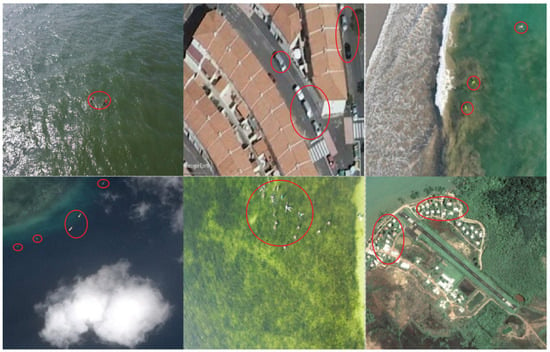
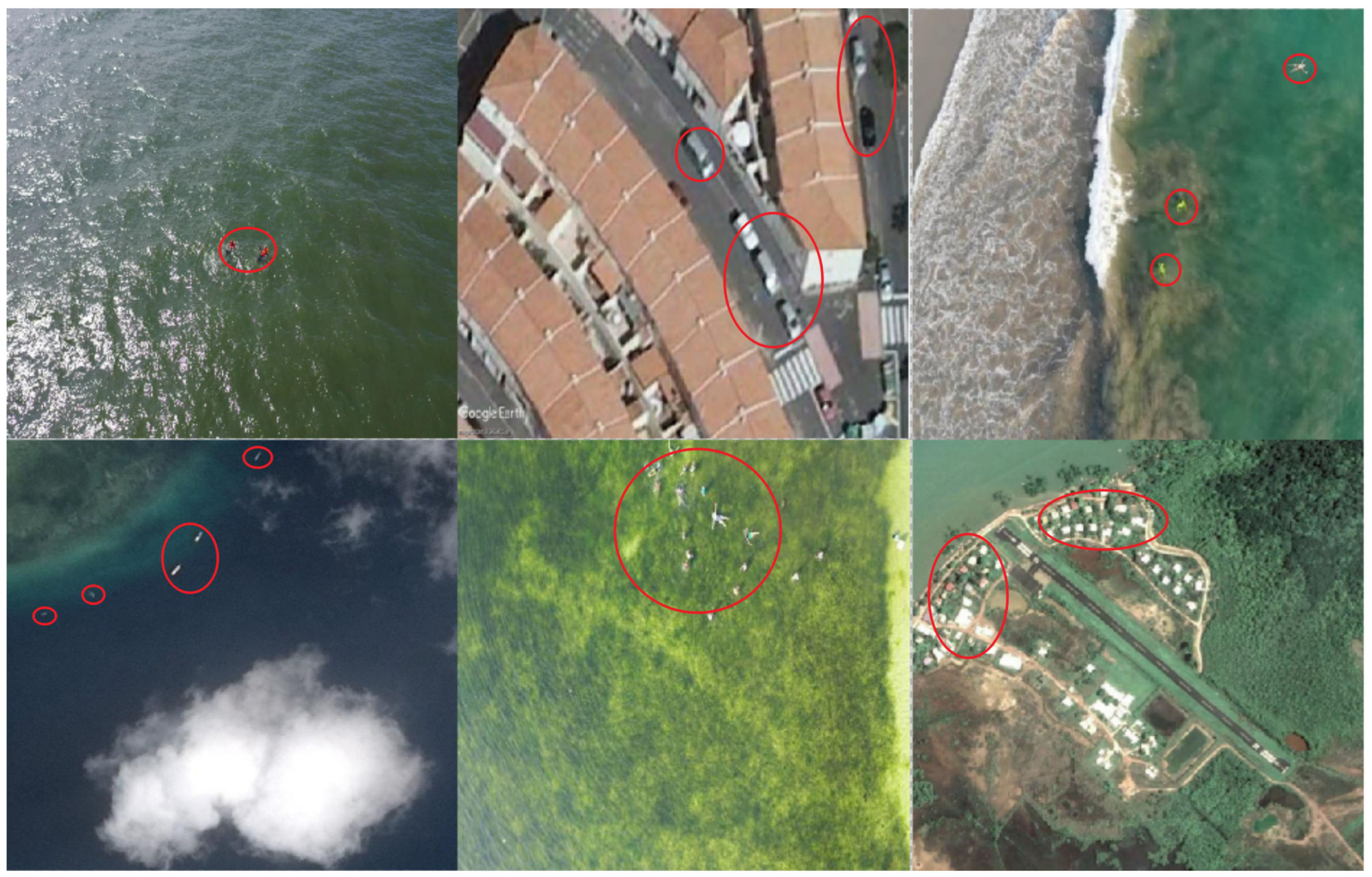
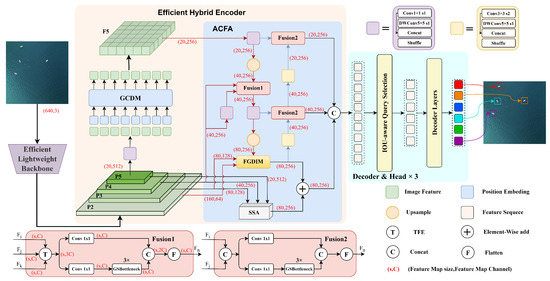
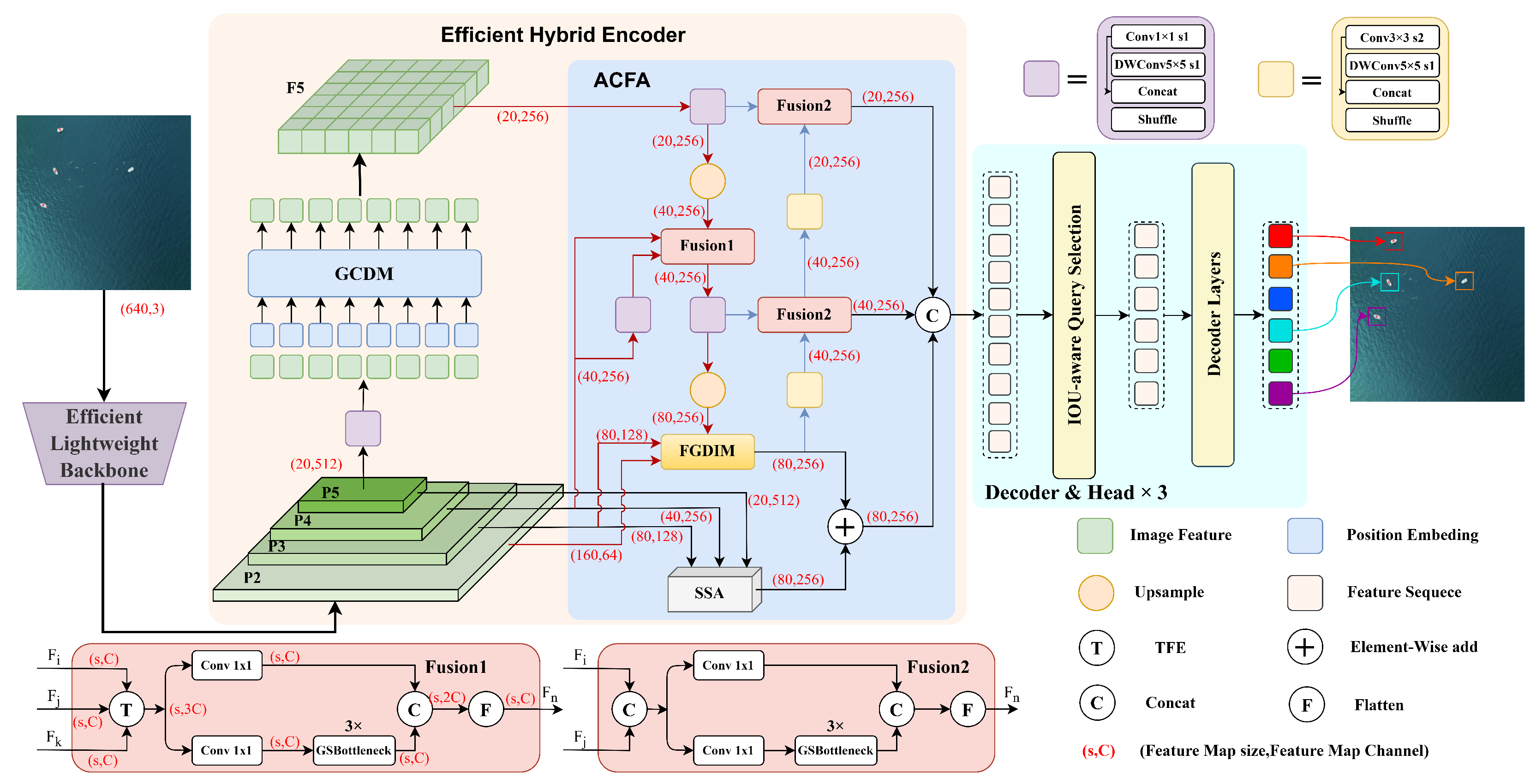
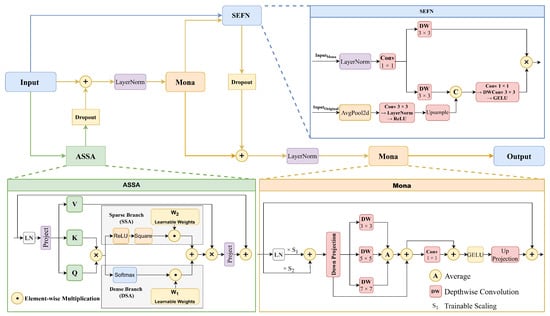
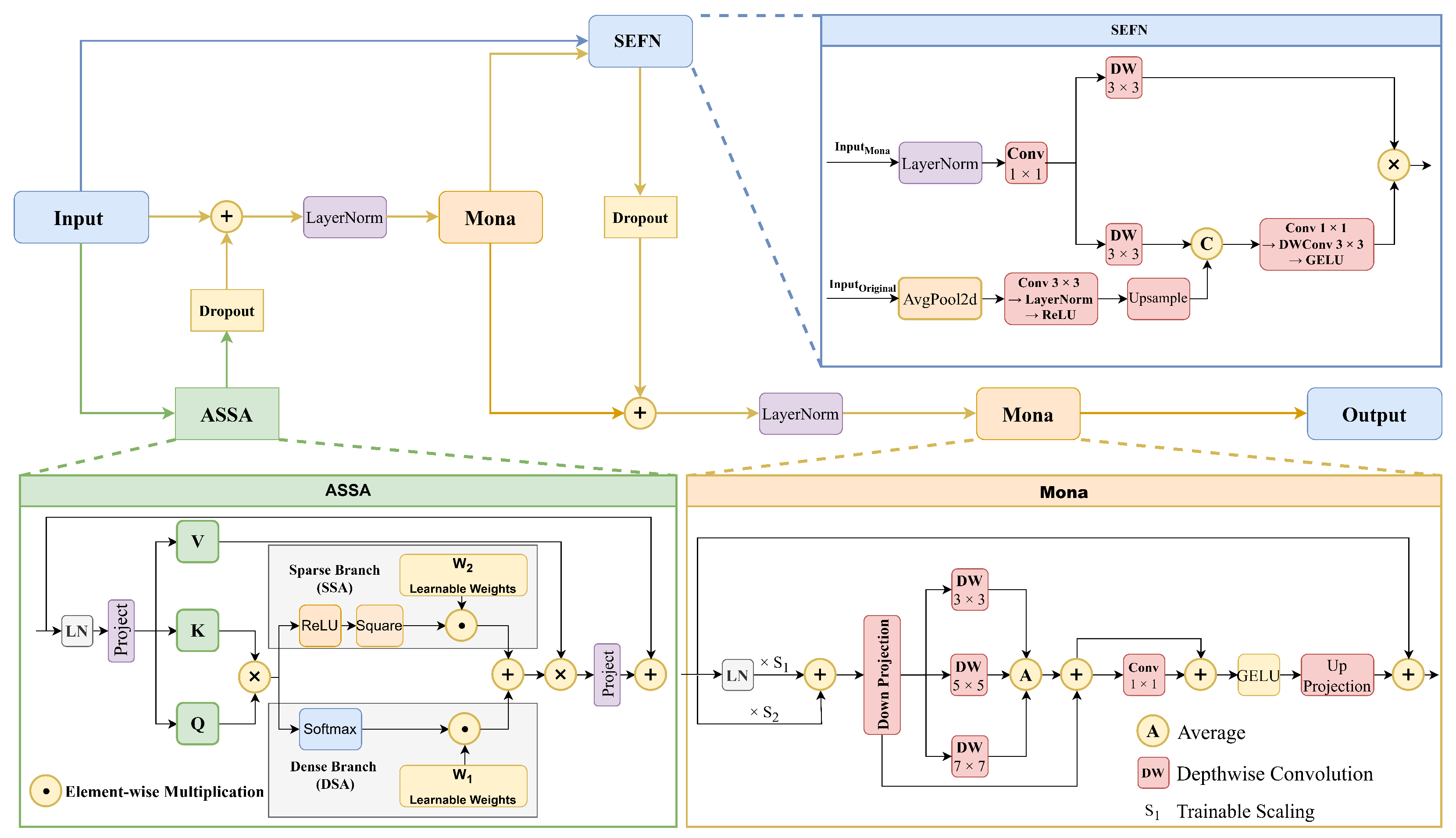
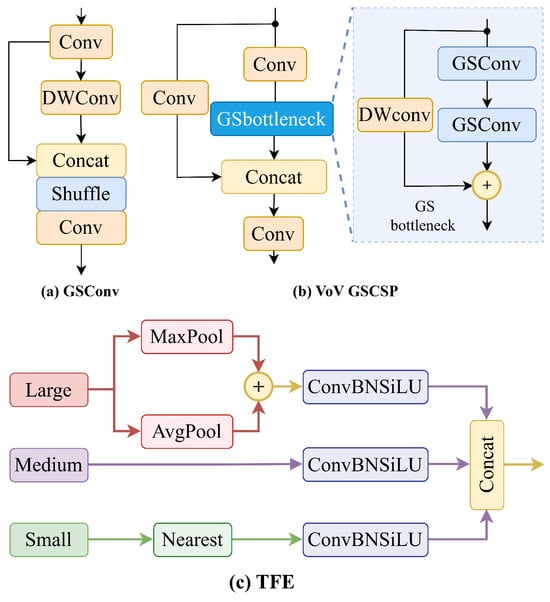
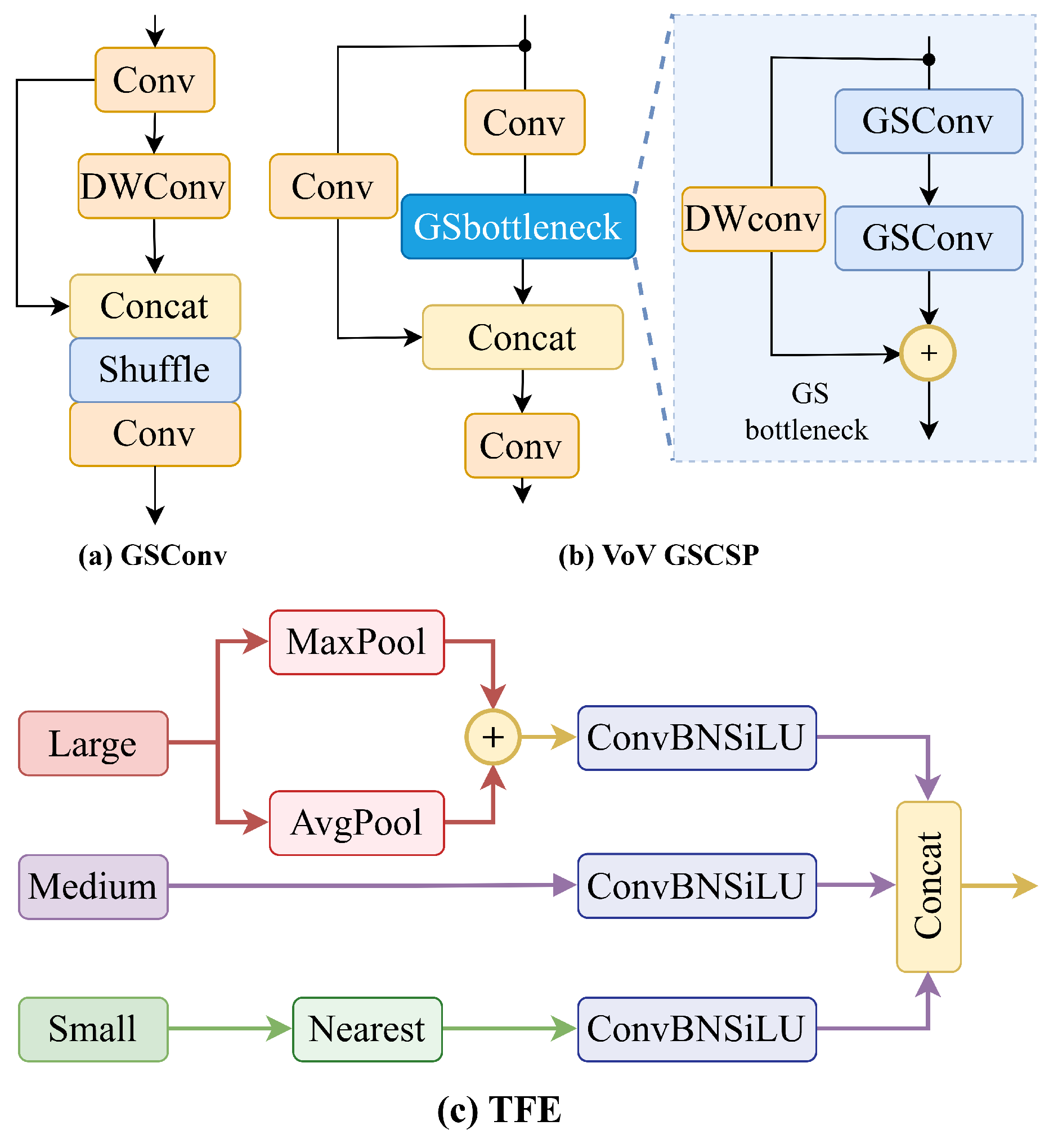
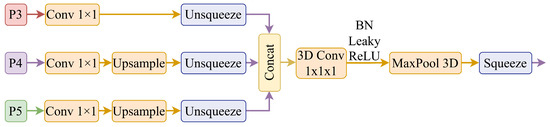
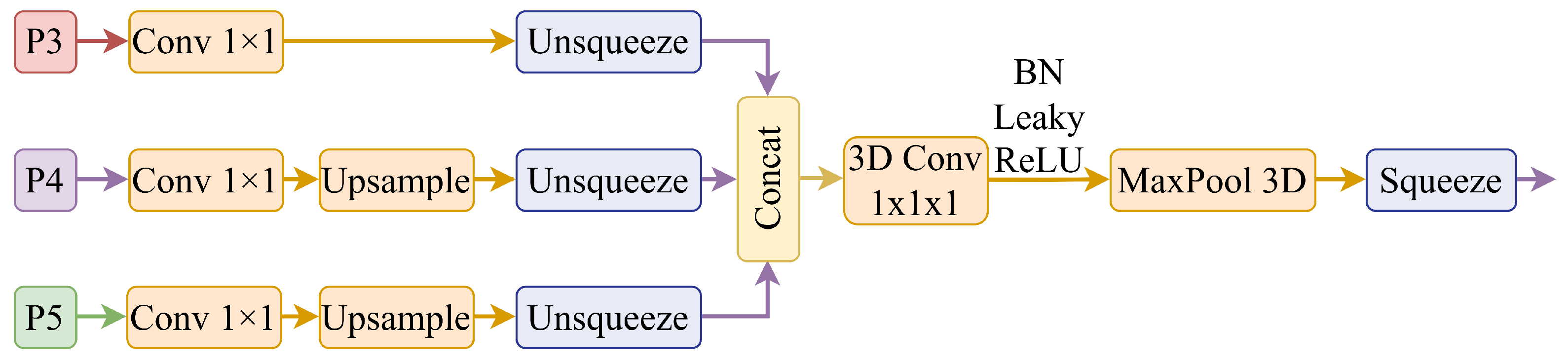
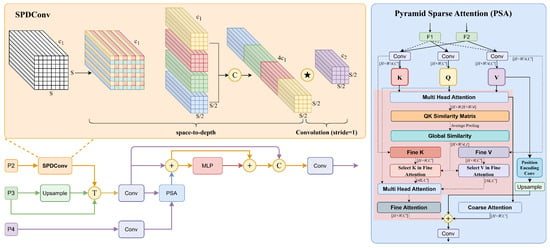
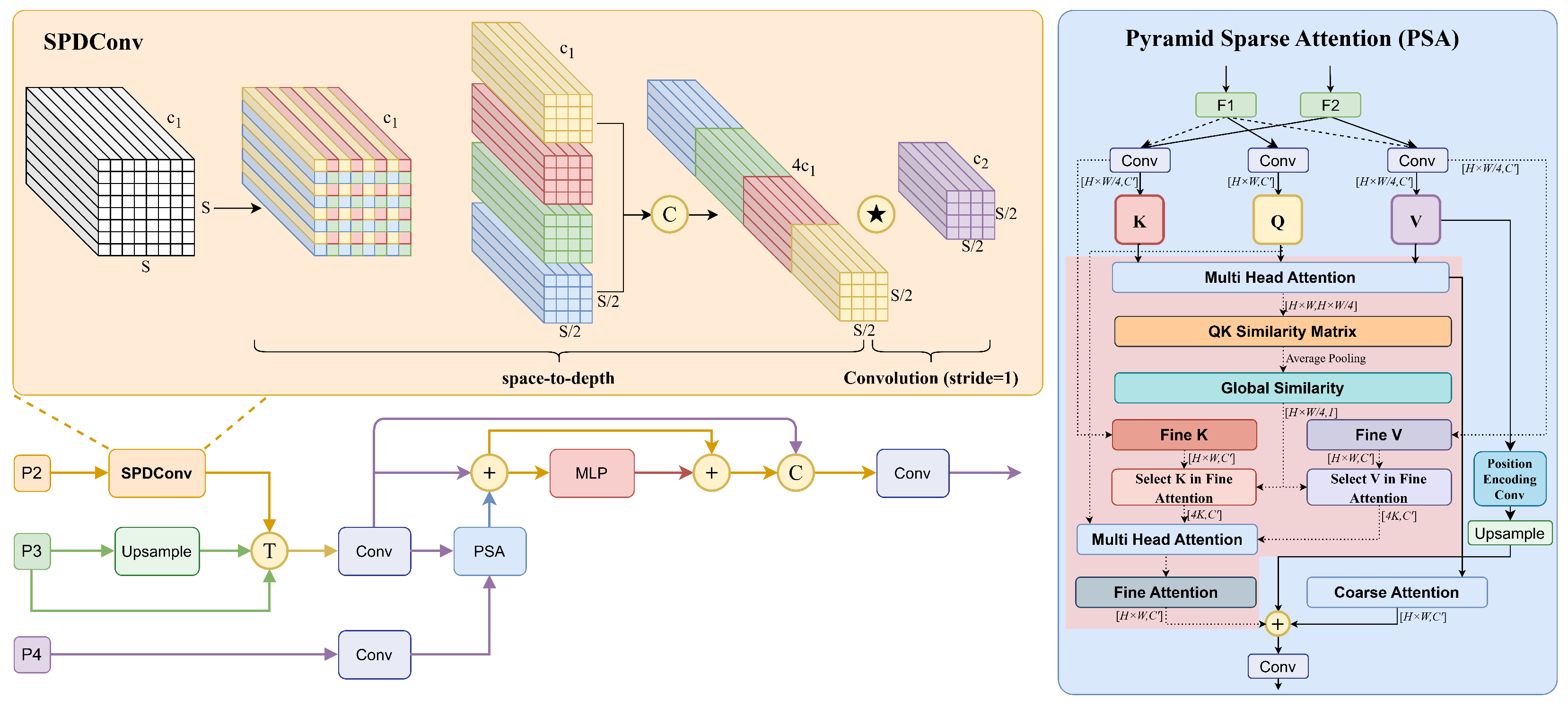
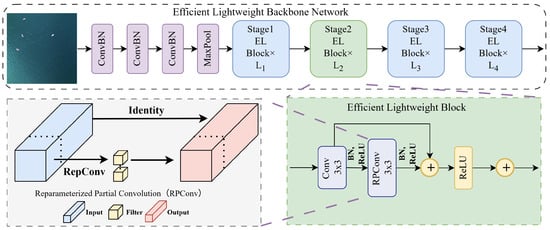
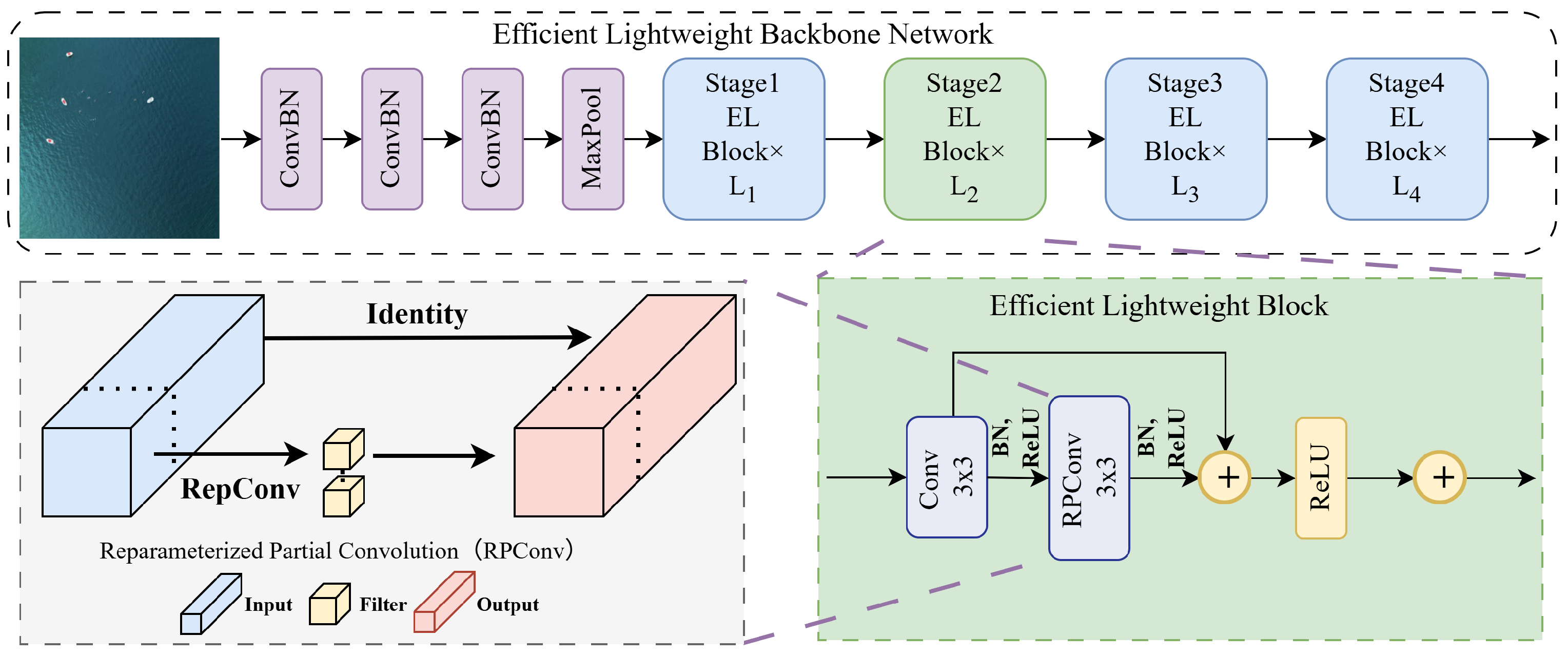
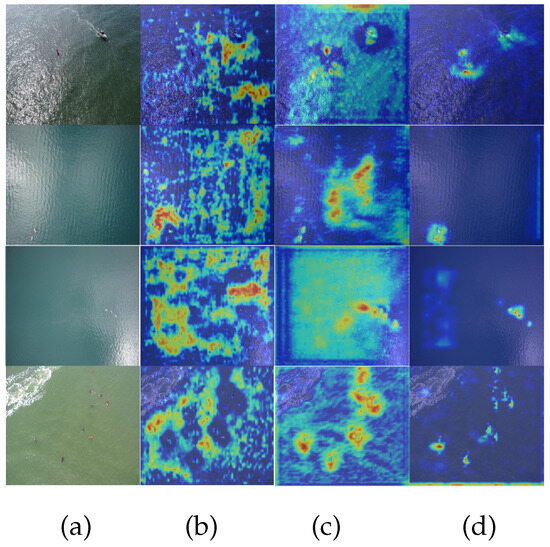
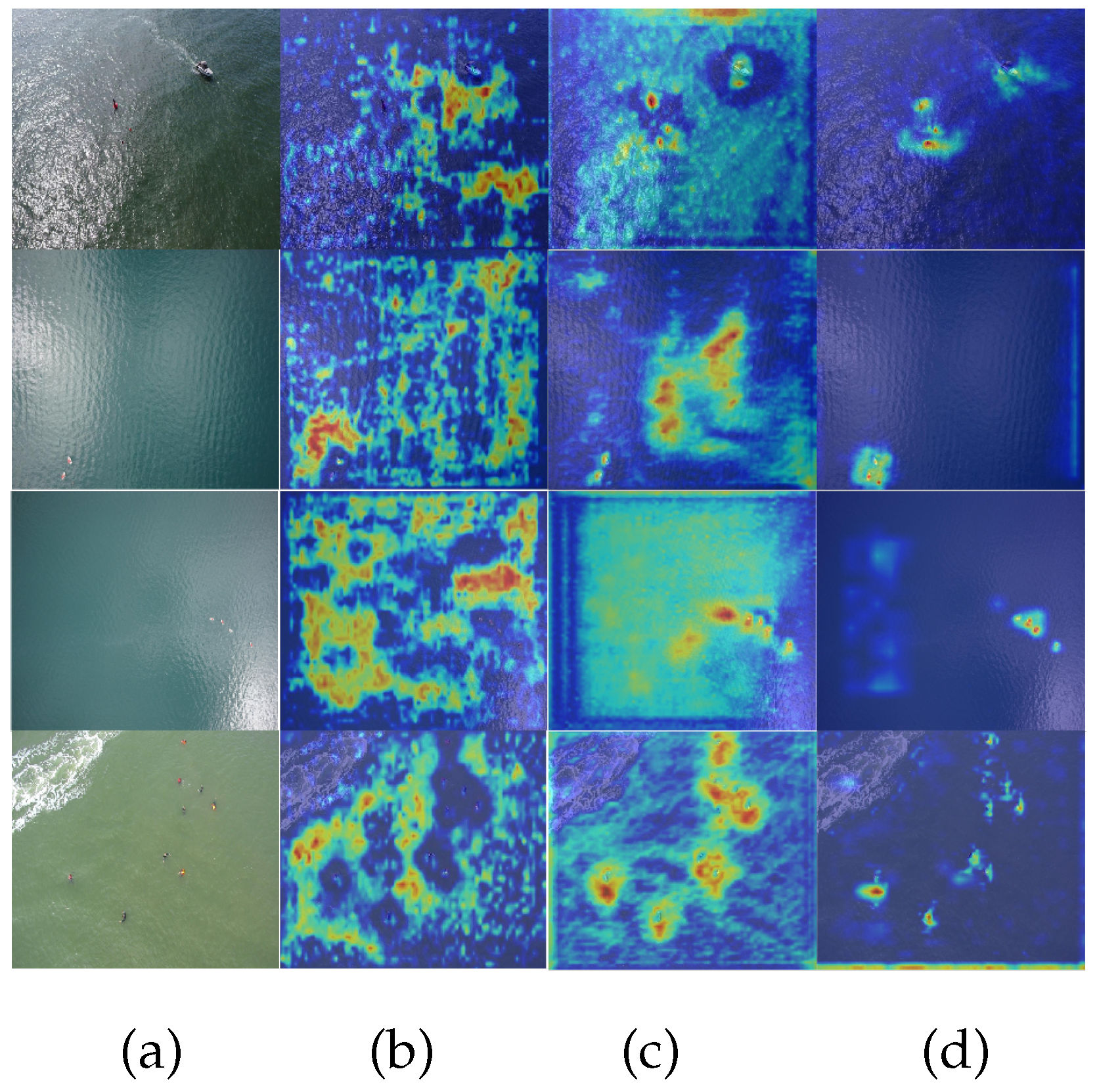
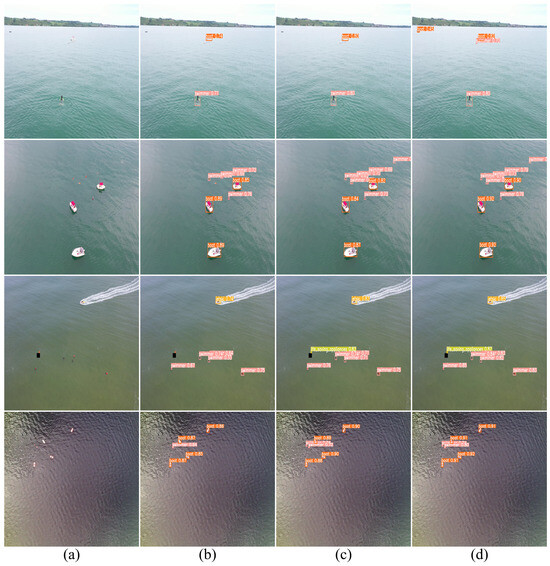
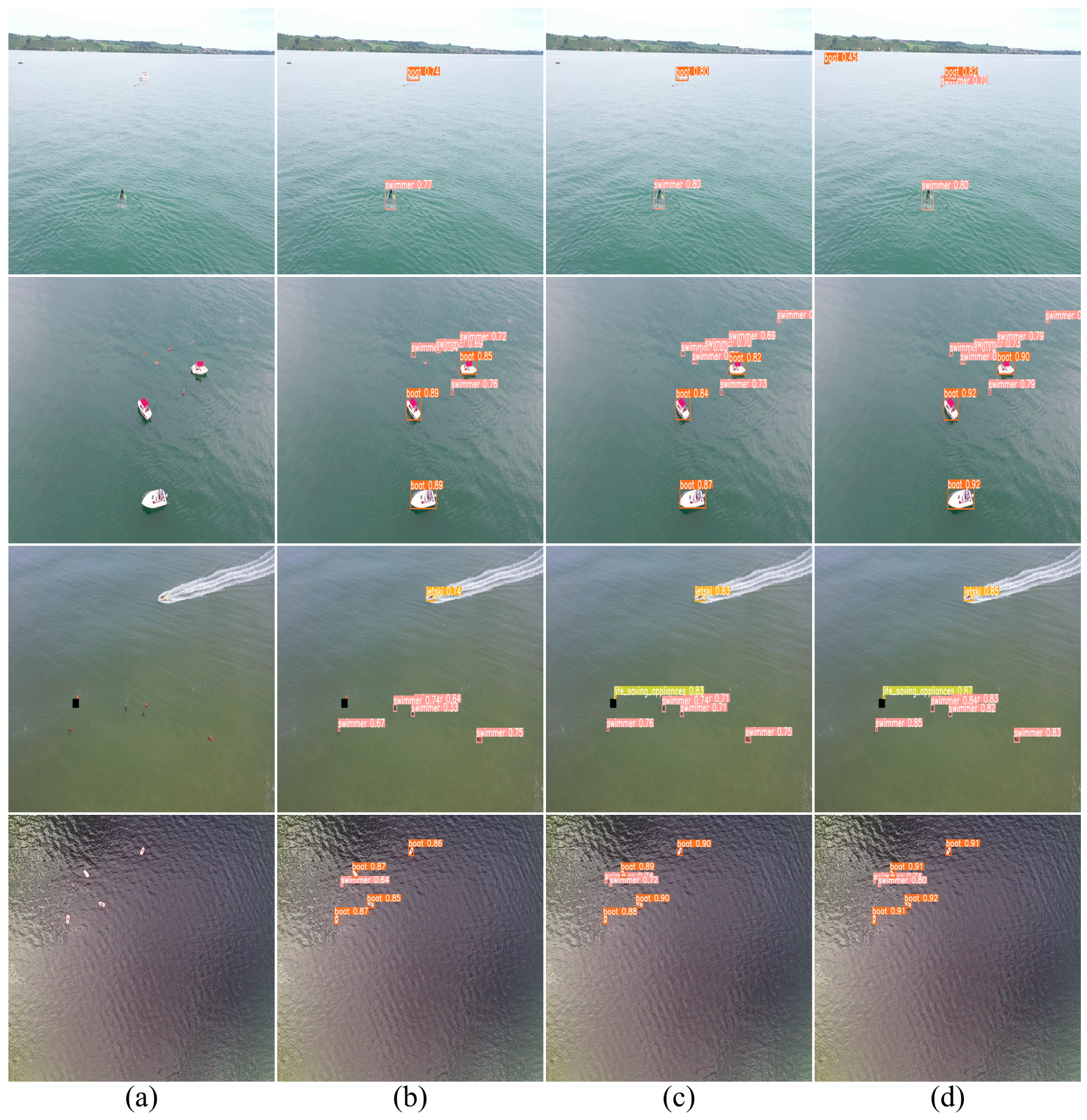
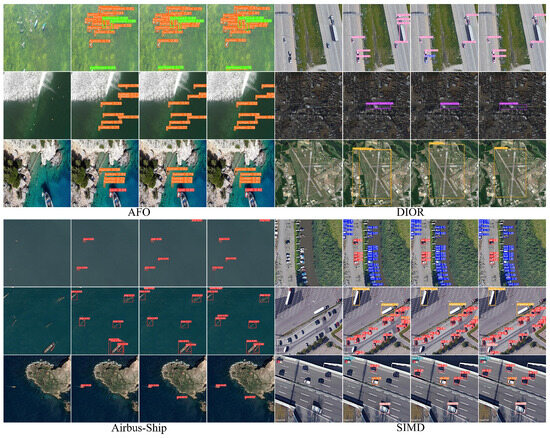
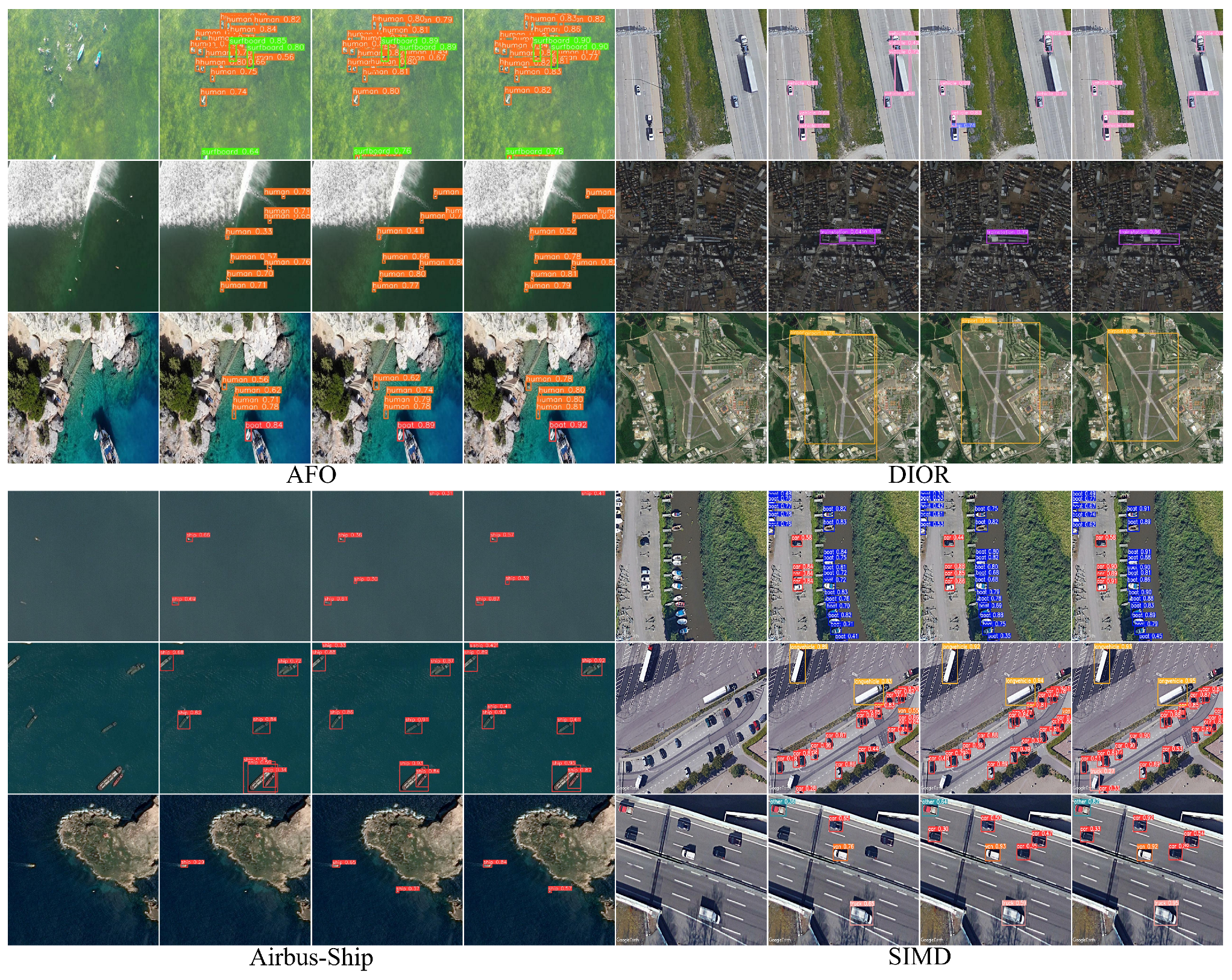

Disclaimer/Publisher’s Note: The statements, opinions and data contained in all publications are solely those of the individual author(s) and contributor(s) and not of MDPI and/or the editor(s). MDPI and/or the editor(s) disclaim responsibility for any injury to people or property resulting from any ideas, methods, instructions or products referred to in the content. |
© 2026 by the authors. Licensee MDPI, Basel, Switzerland. This article is an open access article distributed under the terms and conditions of the Creative Commons Attribution (CC BY) license.