1. Introduction
As a non-contact observation method, remote sensing technology can rely on satellites, aircraft, and unmanned aerial vehicle platforms to obtain earth surface information under large-scale and multi-temporal conditions, and is extensively employed in urban development planning [
1,
2,
3], environmental monitoring [
4,
5,
6], disaster assessment [
7,
8], agricultural management [
9,
10], and military reconnaissance [
11,
12], among others. Nowadays, deep learning-based approaches, especially the YOLO framework [
13,
14,
15,
16,
17,
18], have demonstrated remarkable efficacy in identifying small-scale targets, benefiting from their robust feature modeling and efficient inference mechanisms. It provides new solutions for improving detection and promoting intelligent applications.
Remote sensing target identification methods powered by deep learning can generally be classified as single-stage or two-stage models. Typical examples of the two-stage approach include R-CNN [
19], Fast R-CNN [
20], Faster R-CNN [
21], and Mask R-CNN [
22]. The core operation process is as follows: The first step is to use a region proposal network to extract potential target candidate regions; in the subsequent stage, these candidate regions are optimized through two key links of category determination and bounding box adjustment. This technical solution has shown excellent recognition performance in the target detection task. However, its obvious disadvantages lie in the high computation cost and the slow reasoning process. The one-stage detection method transforms the target recognition task into an end-to-end regression problem, and at the same time performs target classification and positioning on the entire complete image, without clearly generating candidate regions. Representative algorithms include SSD [
23], RetinaNet [
24], and YOLO family. In contrast to the two-stage approaches, YOLO-based models have gained extensive adoption in remote sensing small-object recognition in recent years, owing to their favorable trade-off between inference speed and detection precision. For example, YOLOv5 [
25,
26] introduces a decoupled detection head and an efficient feature fusion structure, YOLOv8 [
27] further adopts an anchor-free strategy and lightweight modules, and the latest YOLOv10/YOLO11 [
28,
29] further breaks through the balance between detection efficiency and accuracy through large-kernel convolution, spatial-channel decoupling and improvement of the attention mechanism.
Although remote sensing object detection has achieved significant progress, numerous challenges still hinder its broader application and further optimization. Due to variations in imaging altitude, sensing platforms, and observation conditions, remote sensing images exhibit substantial scale variations and high intra-class diversity; in particular, small targets often occupy only a limited number of pixels, making them prone to the loss of fine-grained features during network downsampling, which consequently degrades detection accuracy. In addition, remote sensing scenes are typically characterized by complex backgrounds and various sources of interference, and the high similarity in texture and spectral features among different land-cover types can easily lead to false positives and missed detections. Meanwhile, small targets often present blurred boundaries, weak textures, and limited sample availability in real-world imagery, further increasing the difficulty of feature extraction and classification. Moreover, remote sensing imagery is frequently affected by variations in viewing angles, illumination conditions, noise interference, and geometric distortions, all of which pose significant challenges to the robustness of detection models. Furthermore, when deployed on resource-constrained platforms such as unmanned aerial vehicles (UAVs) and satellites, object detection algorithms must balance detection accuracy with real-time performance, thereby imposing stricter requirements on lightweight architecture design and computational efficiency. Therefore, achieving accurate and robust detection of multi-scale small targets in complex environments, while maintaining high efficiency, remains a critical challenge in remote sensing object detection.
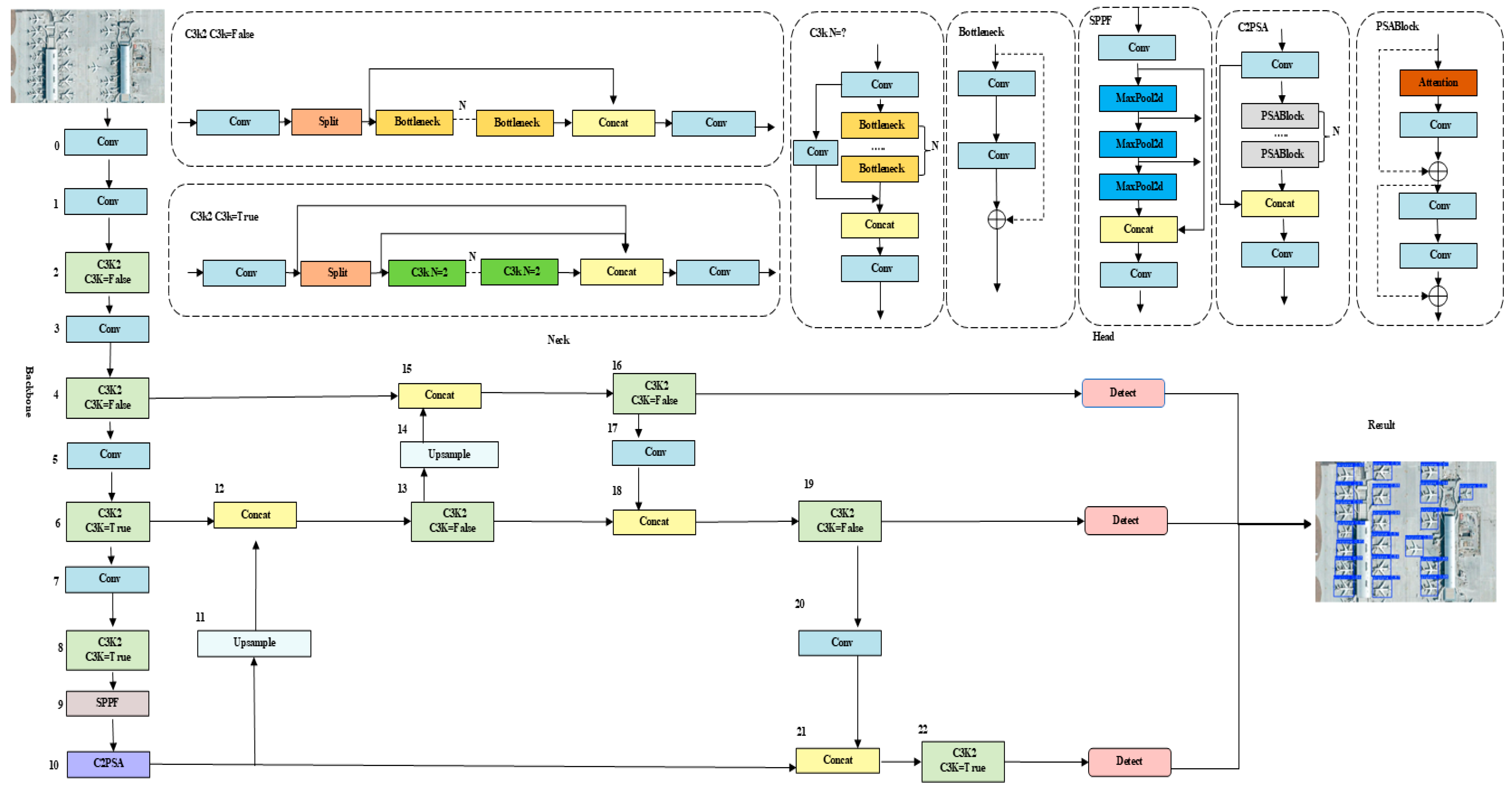
Among the YOLO family, selecting an appropriate baseline model is critical for achieving a balance between detection accuracy and computational efficiency. In this work, YOLOv11n is chosen as the baseline due to its lightweight architecture, reduced parameter size, and high inference speed, which make it particularly suitable for deployment in resource-constrained remote sensing scenarios. Compared with larger variants, YOLOv11n provides a more efficient framework with lower computational cost while maintaining competitive performance. In this work, YOLOv11n is adopted as the baseline due to its lightweight architecture and fast inference speed, making it suitable for resource-constrained remote sensing scenarios. However, YOLOv11n still suffers from several limitations in remote sensing small object detection. Specifically, the conventional downsampling strategy leads to the loss of fine-grained details of small objects, the feature extraction process contains redundant spatial and channel information, the multi-scale feature fusion capability is insufficient for handling objects with large scale variations, and the model lacks effective mechanisms to capture high-frequency details and complex shape information in cluttered backgrounds.
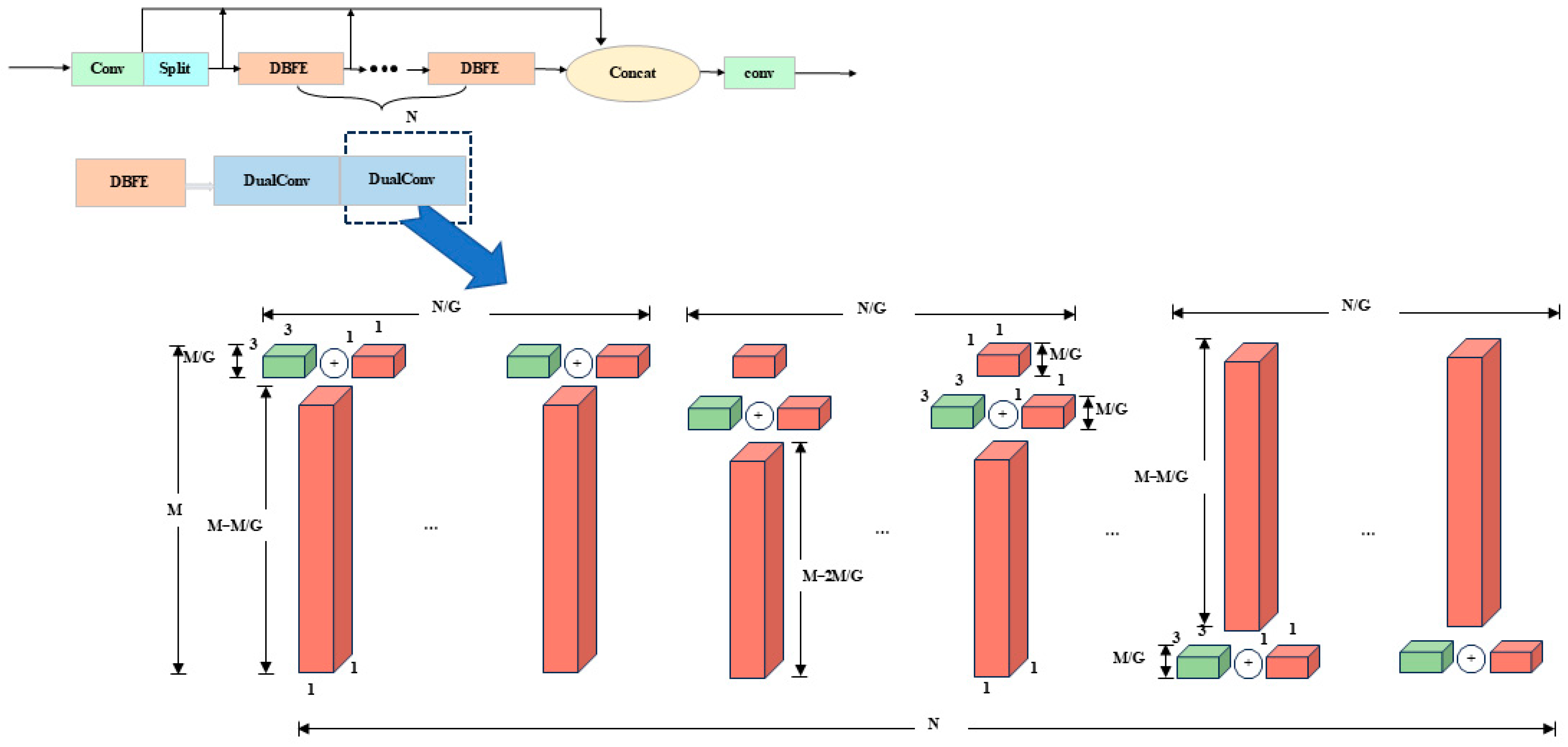
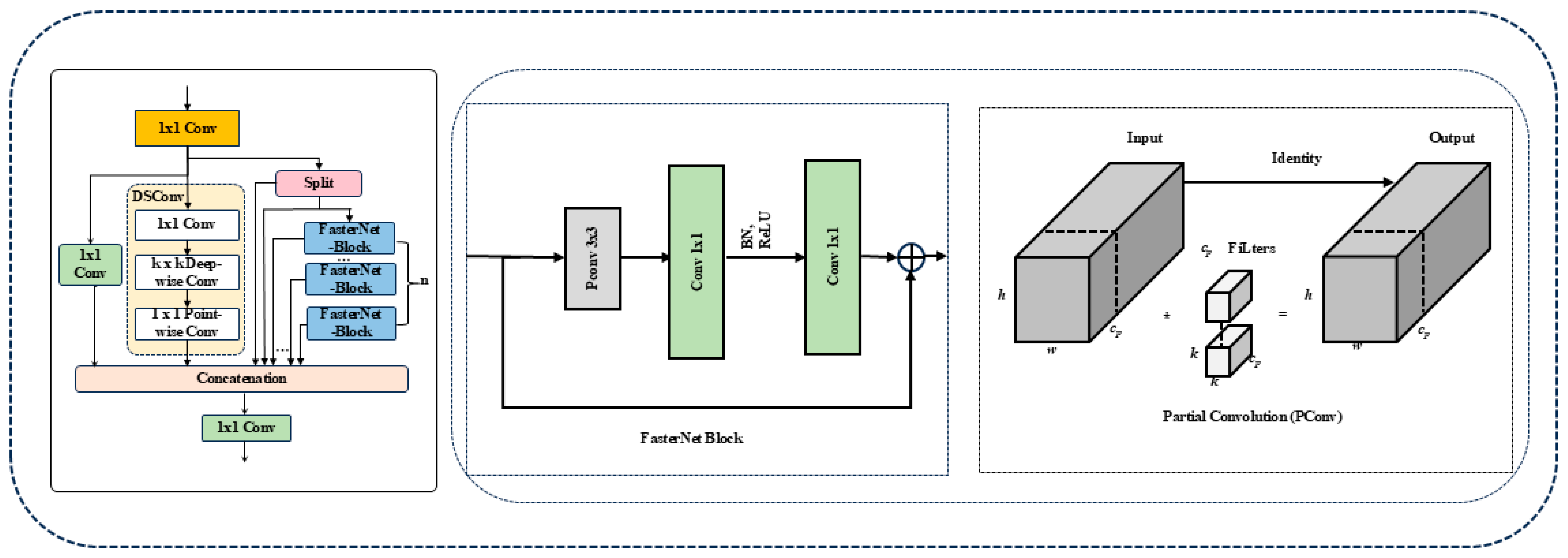
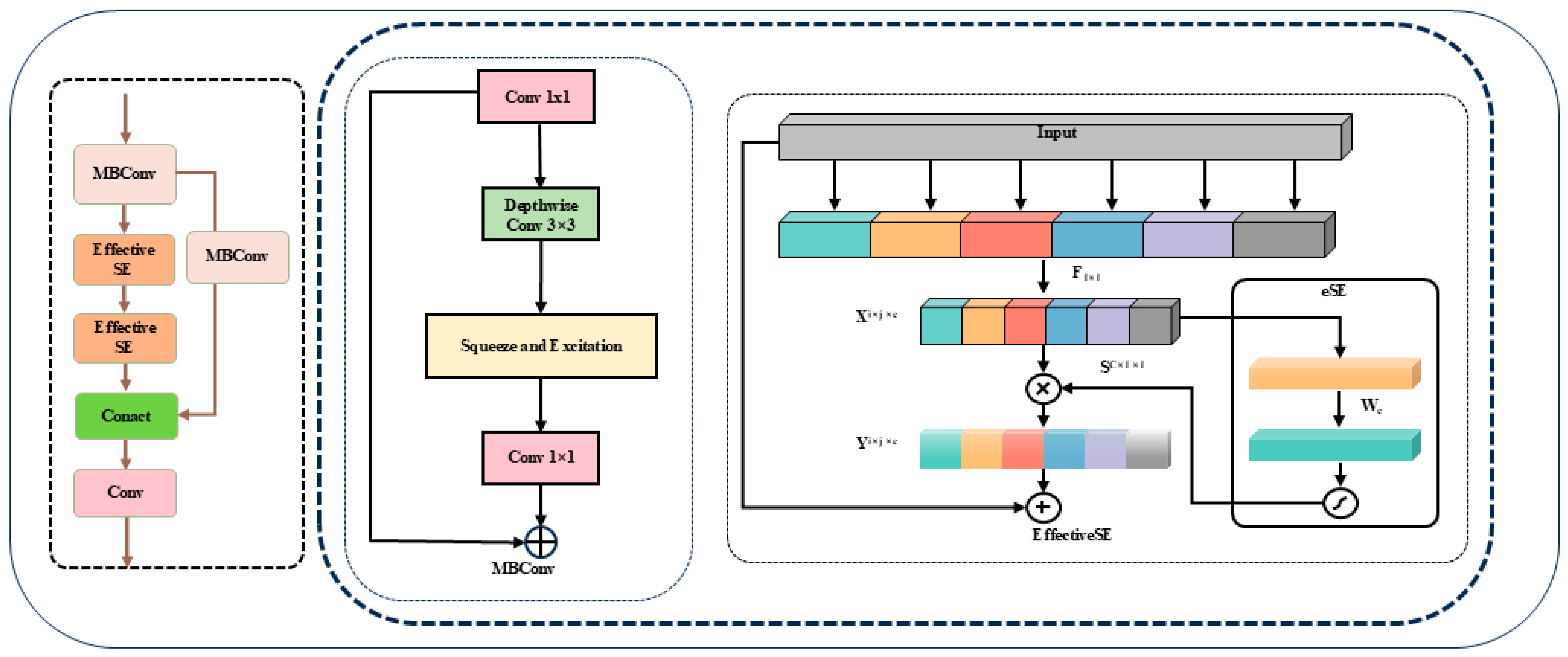
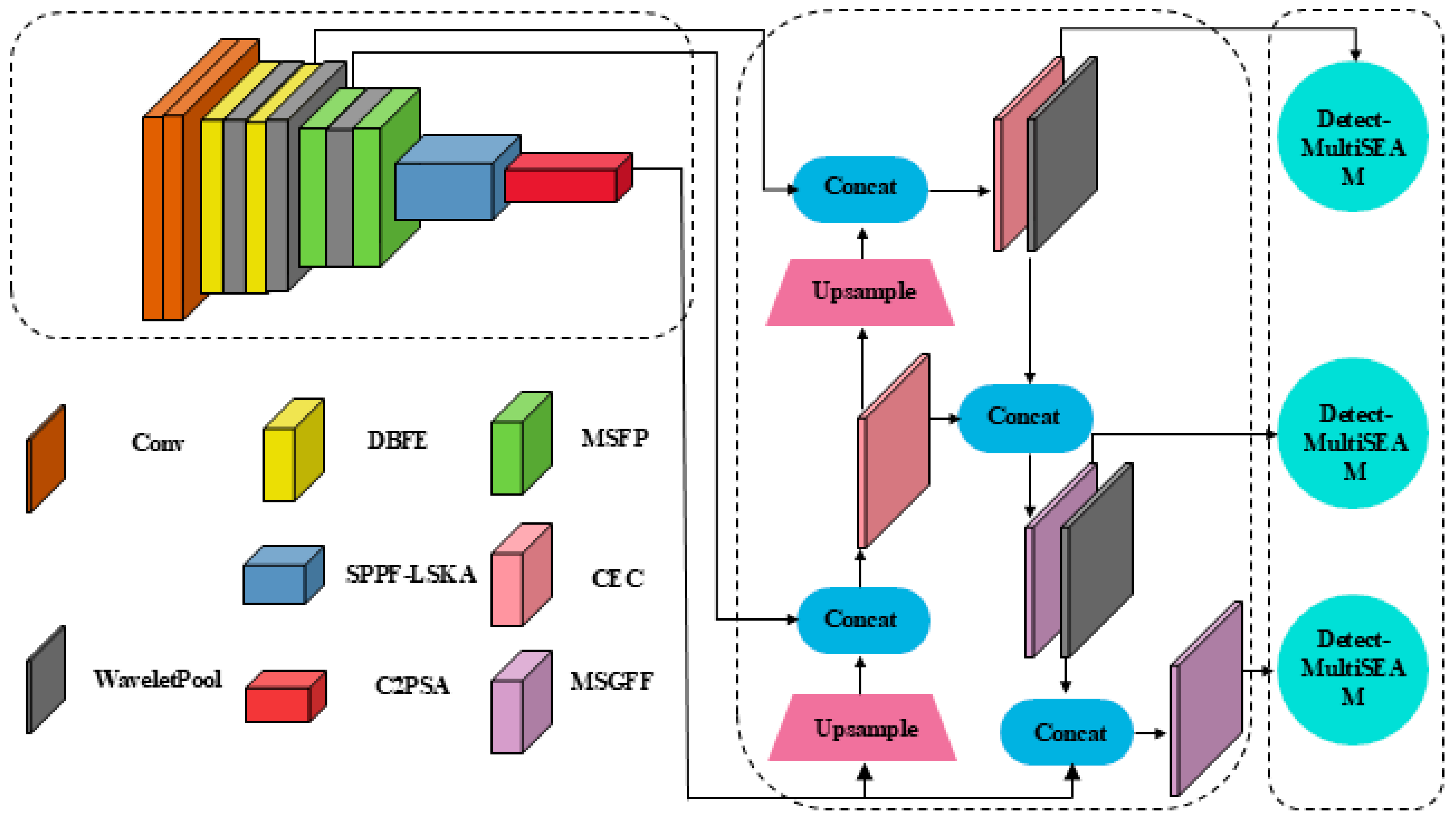
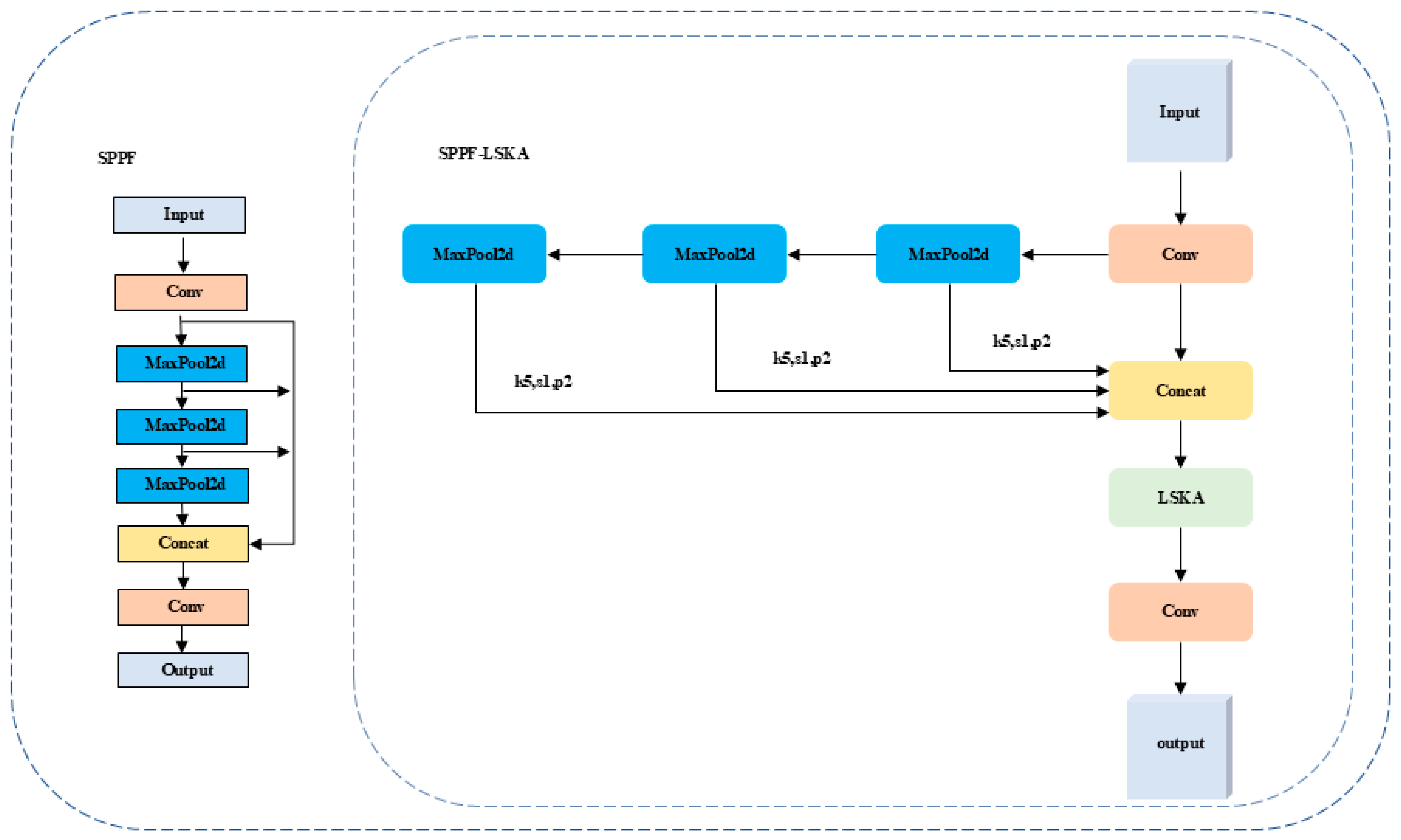
In this work, we introduce EMWMS-YOLO, a newly designed architecture aimed at mitigating the aforementioned limitations, developed on the YOLO11n framework. Firstly, the DBFE module enhances the backbone’s capability for feature representation and fine-grained detail extraction, the MSFP module further strengthens the network’s adaptability to complex environments through its modular design, and the SPPF-LSKA module improves the feature extraction efficiency and target perception ability on the basis of reducing redundant calculations. Secondly, the CEC module effectively alleviates problems like gradient disappearance and explosion during deep network training. This module achieves more efficient feature representation while enhancing hierarchical feature association and robustness. The MSGFF module boosts the adaptive modeling of inter-feature dependencies, enabling the network to suppress redundant information under complex backgrounds or target appearance variations, thereby enhancing the recognition capability for small targets and key regions. Moreover, the WaveletPool module transforms the traditional direct compression method into a controllable downsampling method based on frequency decomposition. This reduces information loss and feature aliasing without significantly increasing parameters, enhances the representation of small targets and detailed features, and thus improves detection performance. Then, the Detect-MultiSEAM detection head effectively suppresses missed detections and false detections in small-target detection, improves detection accuracy, and reduces errors caused by occlusion or background interference. Finally, integrating ShapeIoU allows the model to maintain superior stability and accuracy when processing objects with large aspect ratio variations or irregular geometries, substantially enhancing its ability to capture geometric characteristics of targets.
In this research, the main contributions can be summarized as follows:
An EMSCLE is proposed. This method integrates the DBFE, MSFP and SPPF-LSKA modules, which promotes the propagation of fine-grained information and enables the model to maintain a strong feature recognition ability when facing scenes of small targets or cluttered backgrounds. Moreover, by effectively sensing and utilizing multi-scale features, the network achieves the comprehensive fusion of hierarchical information, which greatly improves the representation ability in multi-scale detection tasks.
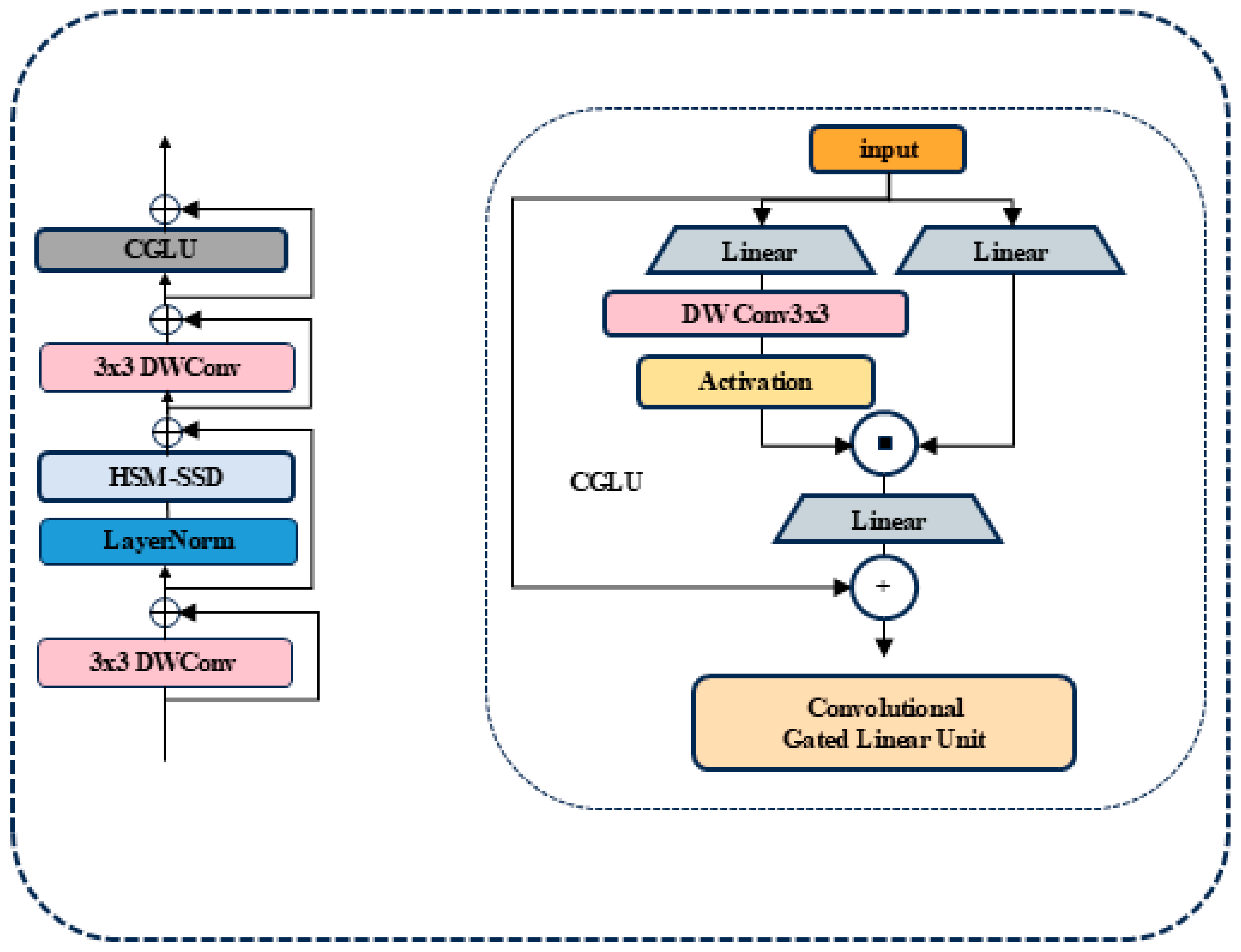
MSAFF is created, which is composed of CEC and MSGFF components. MSAFF strengthens the model’s capability to interact with multi-scale features, enabling it to maintain efficient reasoning while keeping a balance between local details and global semantic representation. Therefore, the proposed neck network improves the detection accuracy and stability, and also significantly enhances the feature discrimination ability under complex background conditions.
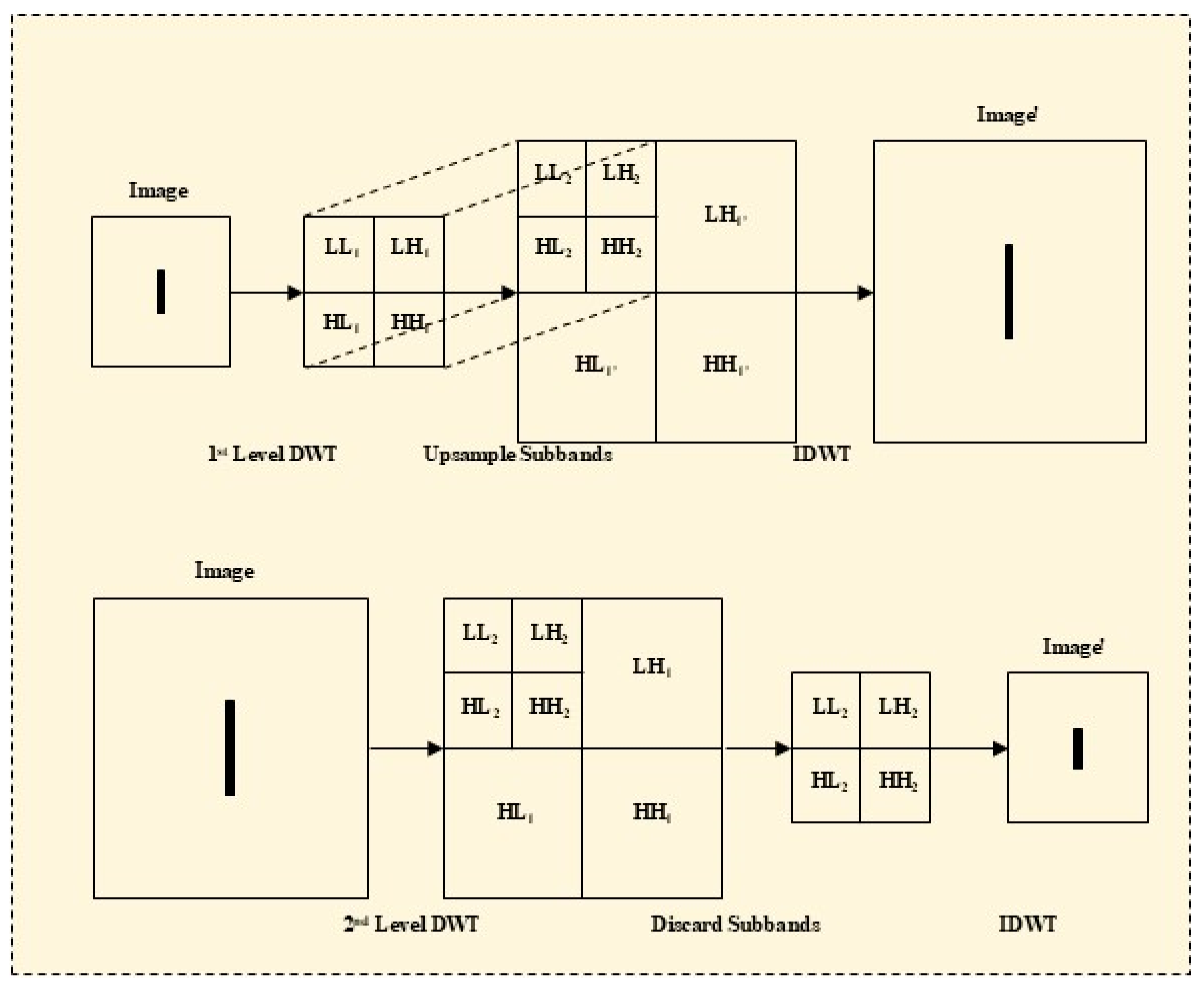
The WaveletPool module is proposed, which decomposes the frequency of features during the downsampling process through discrete wavelet transform, separates the structural information from the detail information, and selectively retains the key sub-bands in the compression stage, so as to reduce the information loss while reducing the resolution and computational cost, and enhance the integrity and discrimination of features, which is conducive to the preservation of small targets and edge details, and provides a more stable and effective feature representation for subsequent detection.
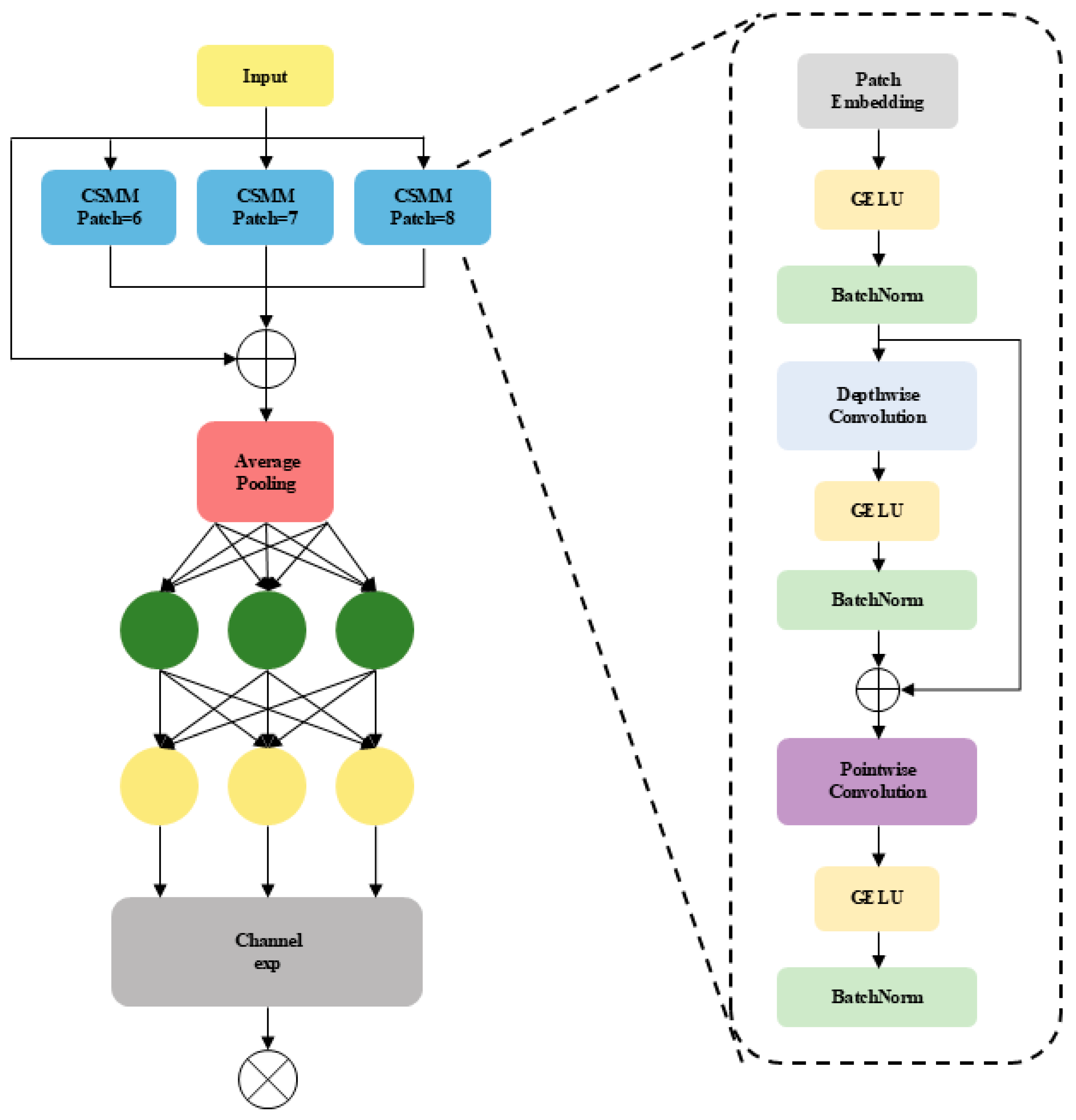
The MultiSEAM module is embedded into the YOLO11n detection head to form the Detect-MultiSEAM detection head. Detect-MultiSEAM, combined with the Channel–Spatial Mixture Module (CSMM), effectively suppresses missed detections and false detections in small-target detection. The CSMM uses parallel convolutional kernels to capture multi-scale information, combines depthwise separable convolution and pointwise convolution to enhance feature interaction, and strengthens channel information through global average pooling and fully connected networks, thereby improving detection accuracy and reducing errors caused by occlusion or background interference.
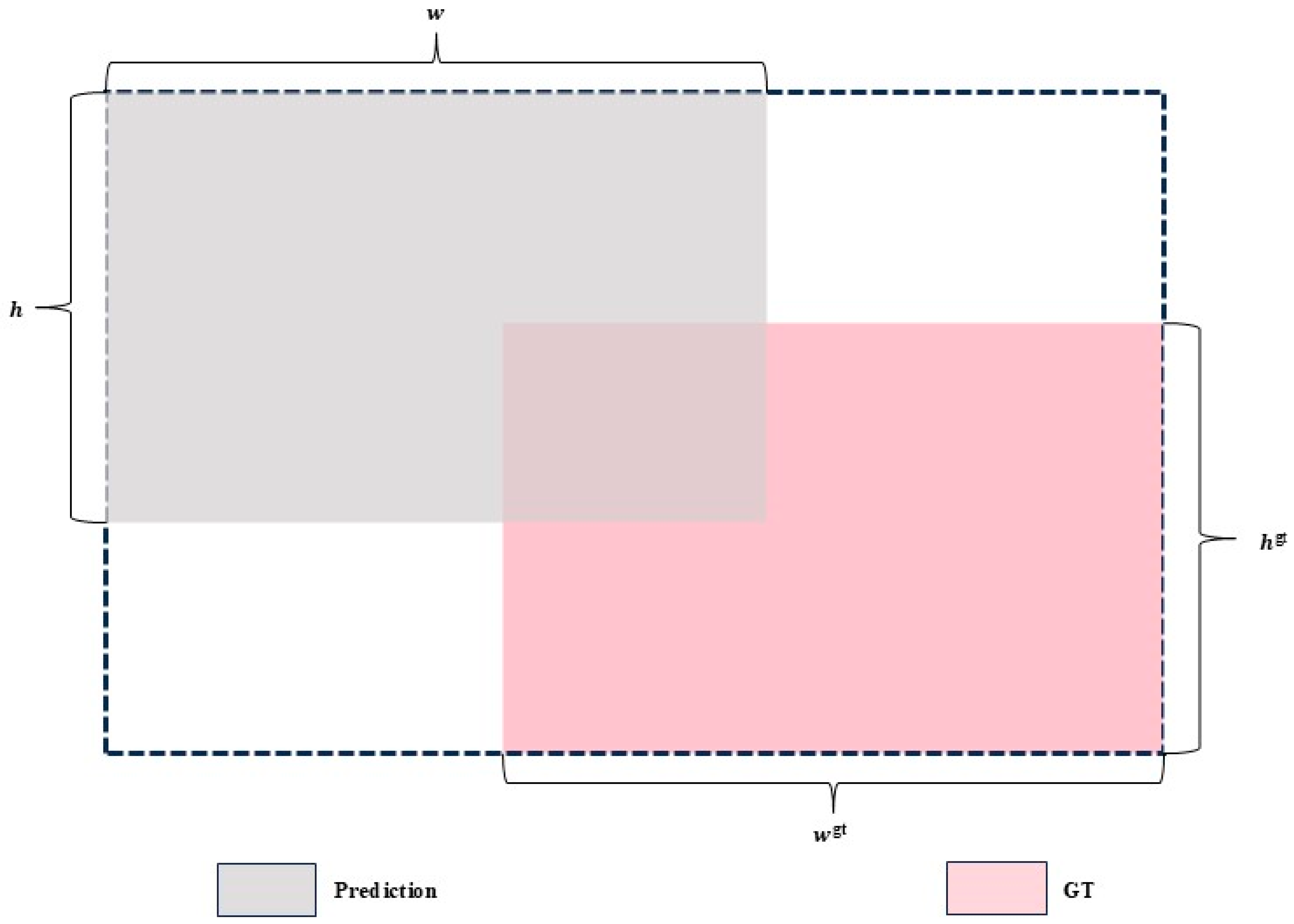
The ShapeIoU loss is incorporated into the framework, which applies shape-aware constraints based on the conventional IoU metric. The metric assesses both the intersection between the predicted and ground-truth bounding boxes and the consistency of object contours and geometry. In addition, it effectively compensates for the insensitivity of standard IoU to the localization of elongated, irregular, or small targets, leading to more accurate shape fitting in detection results.
5. Discussion
The EMWMS-YOLO algorithm proposed in this paper performs well in detecting small-scale and low-contrast targets in complex remote sensing images. By integrating the EMSCLE backbone network, including the DBFE, MSFP and SPPF-LSKA modules, the network effectively enhances multi-scale feature extraction and cross-channel information interaction capabilities. Additionally, the introduction of the MSAFF neck structure, consisting of the CEC and MSGFF modules, further enhances the model’s robustness in complex environments. Moreover, the WaveletPool module effectively reduces information loss and retains multi-scale features through frequency decomposition and controllable downsampling based on wavelet transform, improving the detection ability of small targets and detailed features. Then, the Detect-MultiSEAM detection head strengthens feature expression and occlusion robustness through the multi-scale spatial enhancement attention mechanism, effectively reducing missed detection and false detection, and improving the detection accuracy of small objects. The experimental results show that the model significantly improves the detection accuracy, which verifies the effectiveness of EMWMS-YOLO.
Despite this, EMWMS-YOLO faces challenges such as increased computational overhead and limited scope for dataset validation. The performance of the model may also be affected by dataset bias and annotation quality. Future work will focus on optimizing computational efficiency through model pruning and quantification, exploring transformer-based attention mechanisms and self-supervised learning to improve contextual understanding, and extending the framework to multimodal data such as SAR or LiDAR to enhance its robustness and generalization capabilities. Overall, EMWMS-YOLO provides a solid foundation for efficient small-target remote sensing detection, with strong potential for further optimization and real-world deployment.
6. Conclusions
In this study, we propose a novel small-object detection algorithm for remote sensing imagery, termed EMWMS-YOLO, aimed at improving detection accuracy for small targets. Specifically, EMWMS-YOLO incorporates an Efficient Multi-Scale Cross-Layer Extraction (EMSCLE) backbone, which consists of the Dual-Branch Feature Extraction (DBFE), Multi-Scale Feature Perception (MSFP), and Spatial Pyramid Pooling Fast with Large Separable Kernel Attention (SPPF-LSKA) modules, enabling effective multi-scale feature extraction. The DBFE module enhances small-target recognition through dual convolutional branches while mitigating information loss, whereas the MSFP module integrates the advantages of MANet and FasterNet-Block to strengthen spatial feature interaction and improve fine-detail perception. The SPPF-LSKA module further expands the receptive field via multi-scale feature aggregation and a large-kernel separable attention mechanism, reducing computational redundancy while enhancing feature representation. In addition, a Multi-Scale Adaptive Feature Fusion (MSAFF) neck is introduced, consisting of the Channel-Enhanced Convolution (CEC) and Multi-Scale Gated Feature Fusion (MSGFF) modules, to improve feature fusion under complex backgrounds and varying target morphologies. The CEC module, built upon the C3K2 architecture, combines MBConv depthwise separable convolution with the EffectiveSE channel attention mechanism to enhance noise suppression while improving model stability and adaptability, whereas the MSGFF module integrates EfficientViMBlock with CGLU to further strengthen feature interaction. Furthermore, the WaveletPool module achieves information-preserving downsampling via wavelet decomposition, enhancing structural and fine-detail representation while reducing feature resolution, thereby improving small-object detection performance. Additionally, the Detect-MultiSEAM detection head enhances small-target recognition and reduces missed detections and false positives through multi-scale feature enhancement and spatial attention mechanisms. Finally, the ShapeIoU loss function is introduced to emphasize the geometric and morphological properties of bounding boxes, thereby improving regression accuracy.
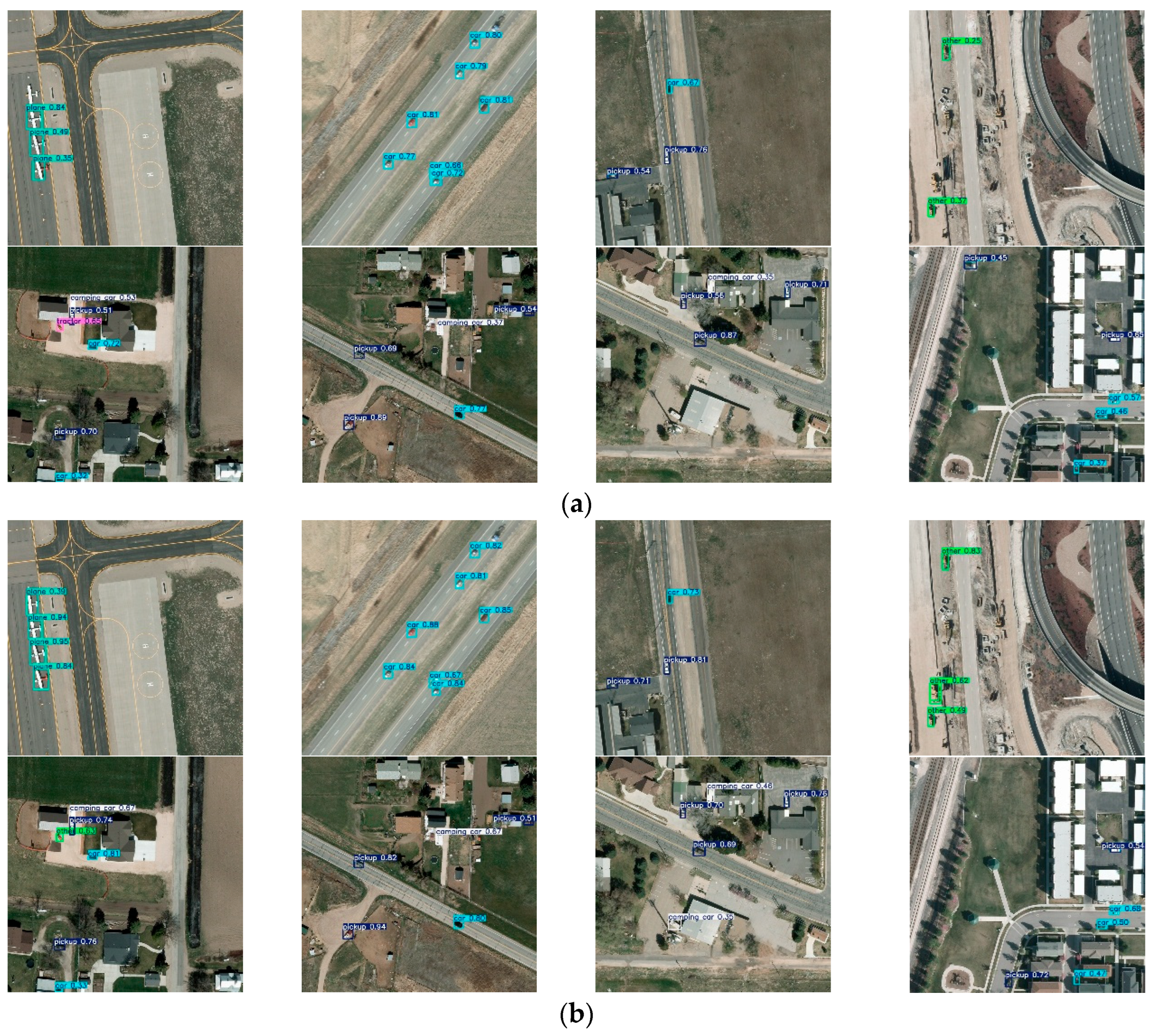
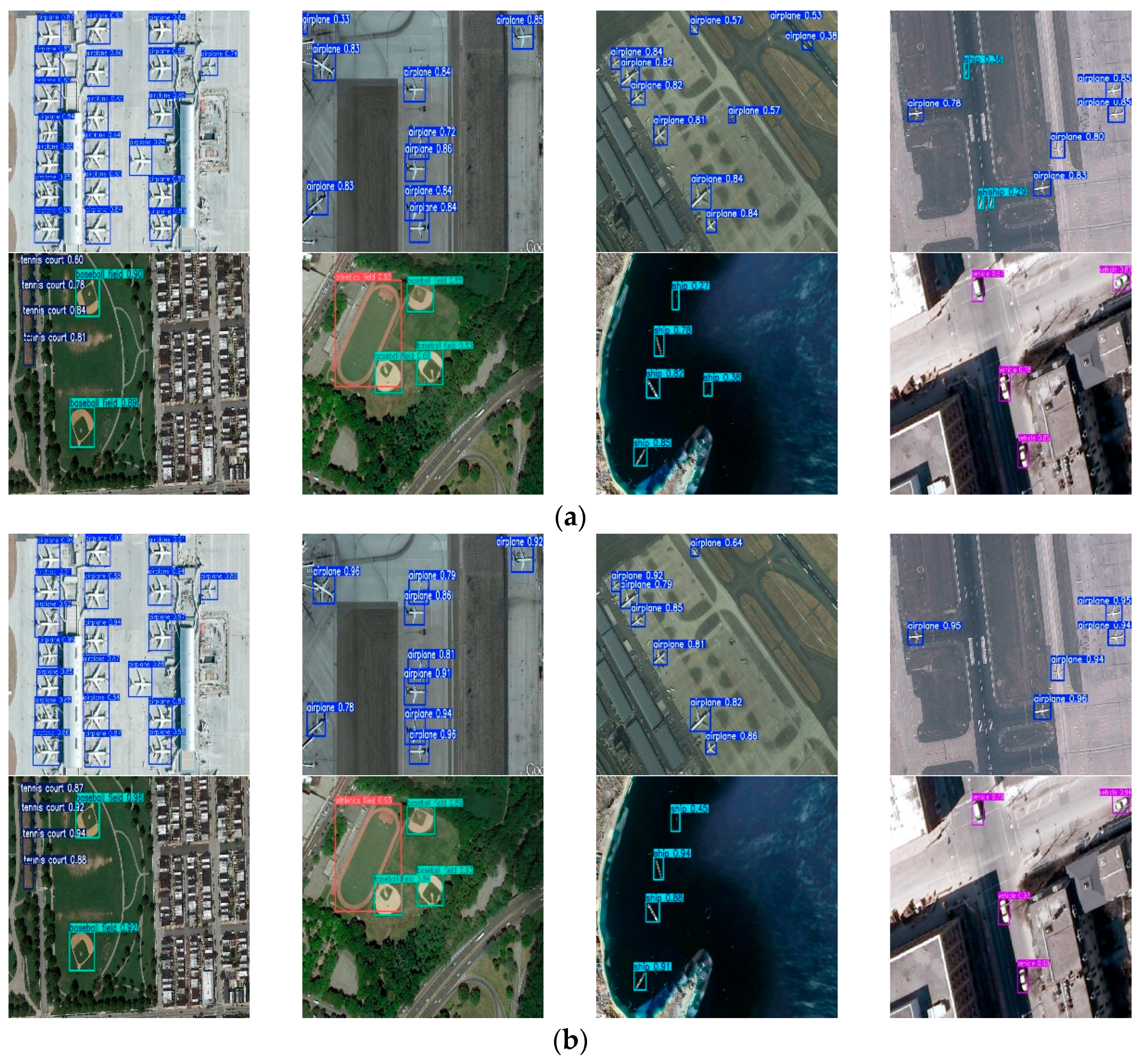
Experimental results on the NWPU-VHR-10 and VEDAI datasets demonstrate that EMWMS-YOLO effectively handles large variations in target scale, dense object distributions, and complex background conditions. The proposed method significantly reduces false positives and missed detections, leading to more accurate object detection in remote sensing imagery. Moreover, EMWMS-YOLO achieves superior accuracy while maintaining higher computational efficiency compared to existing methods.